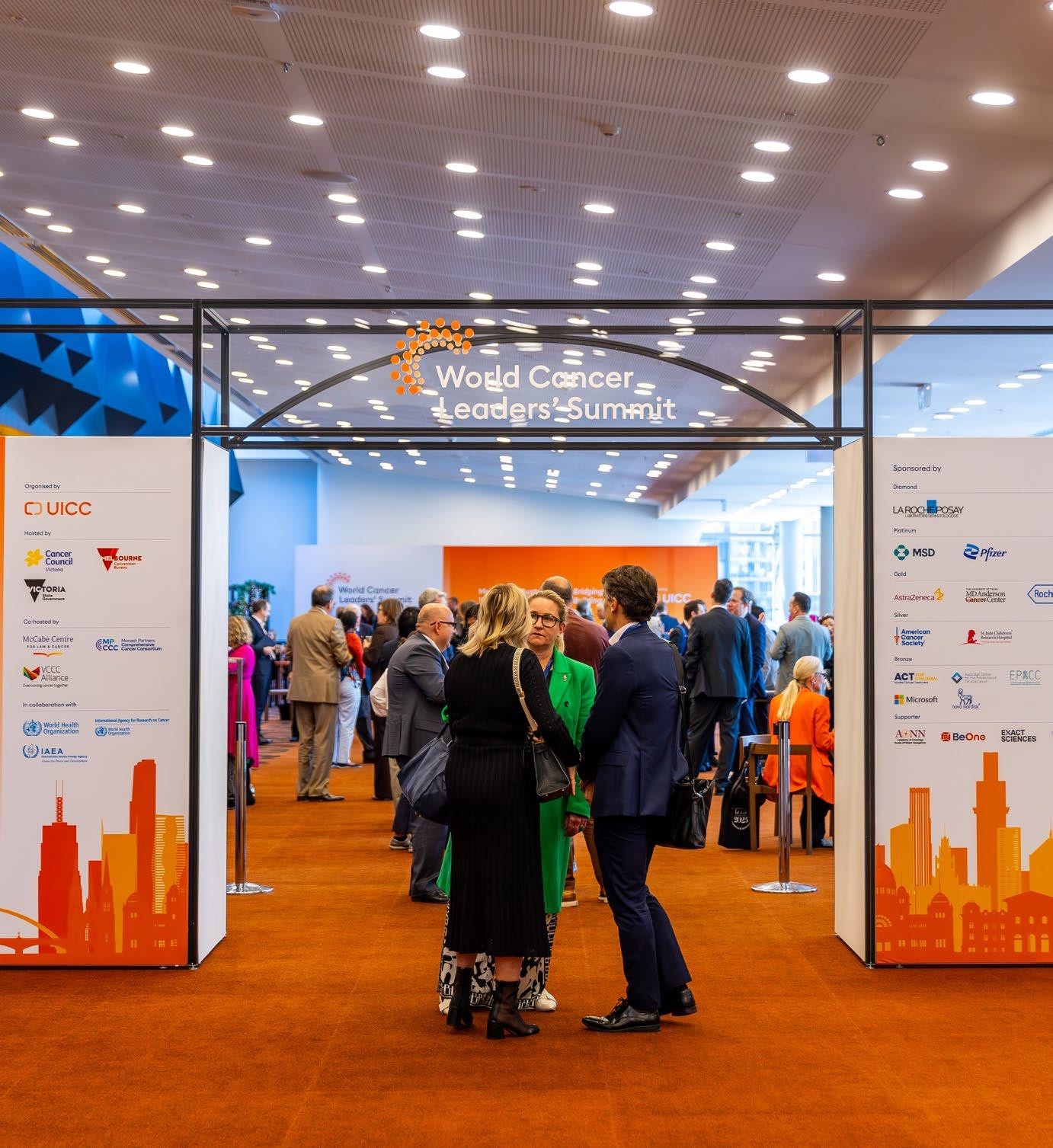
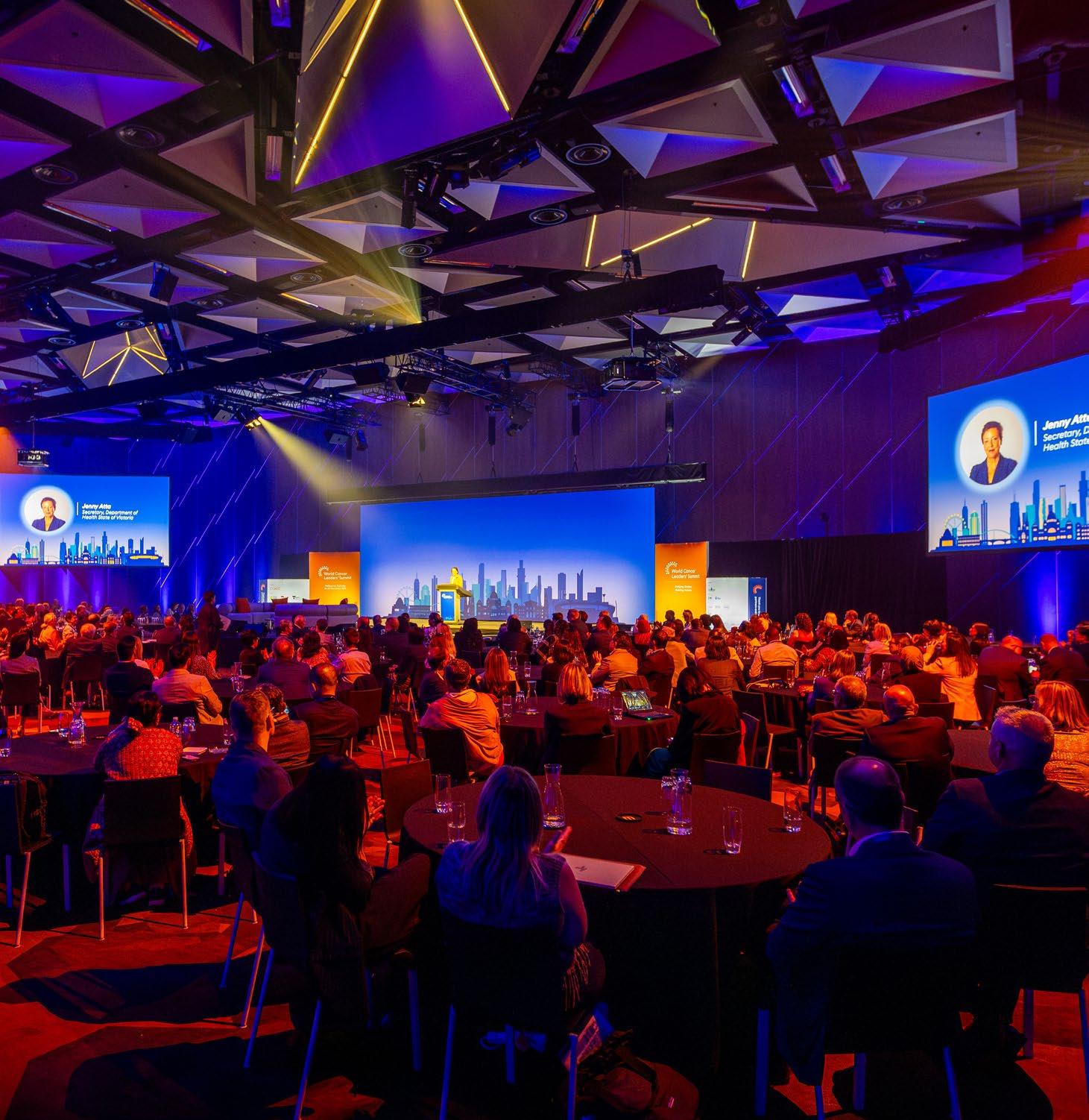
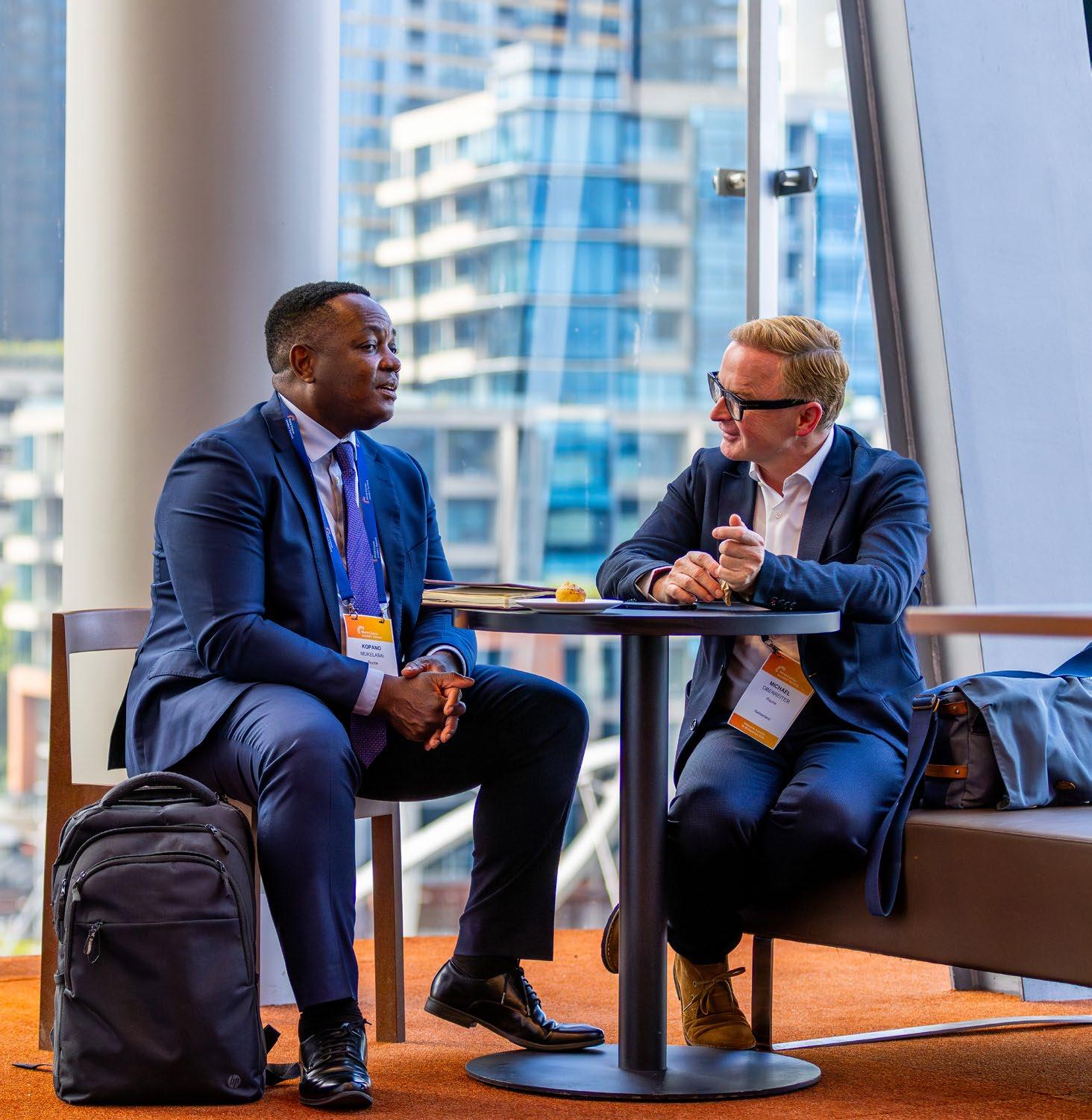
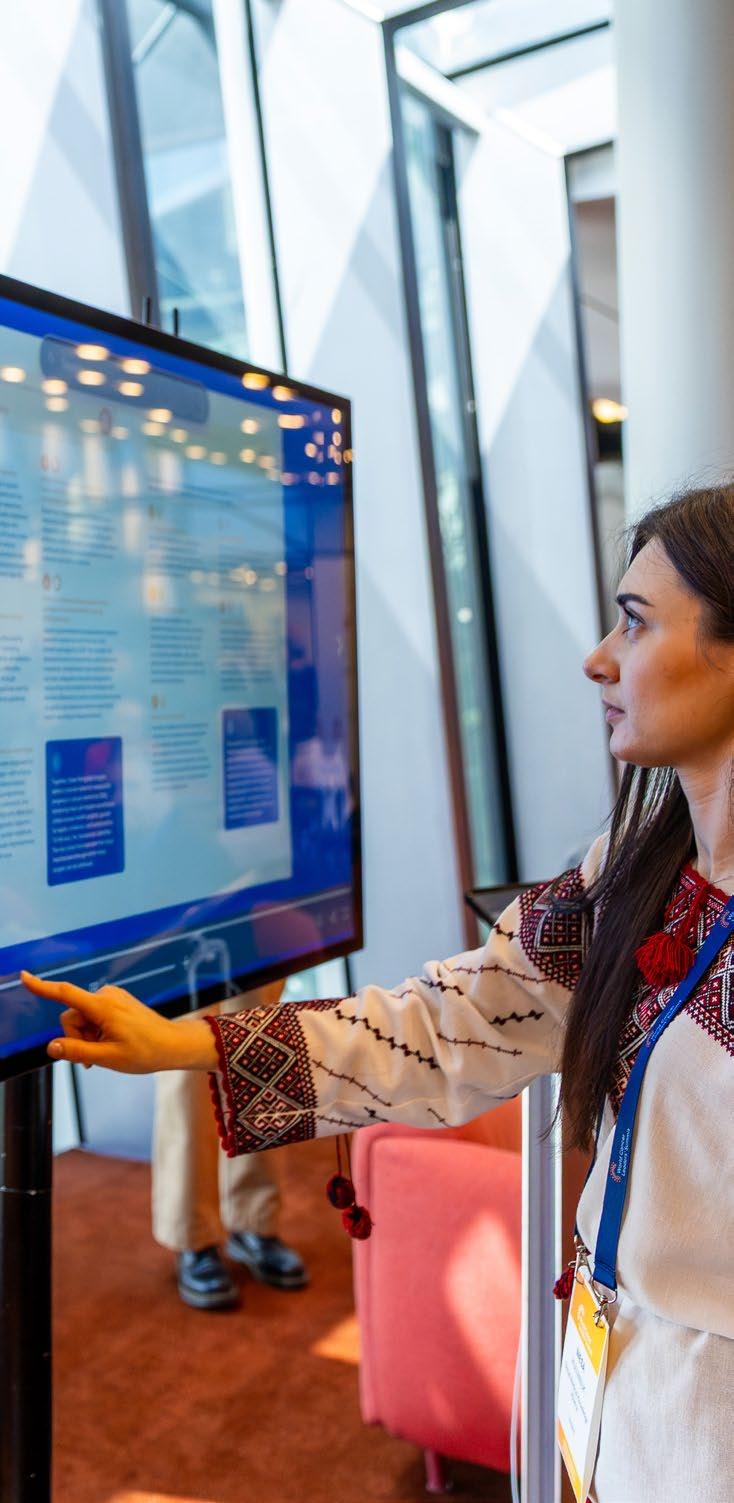
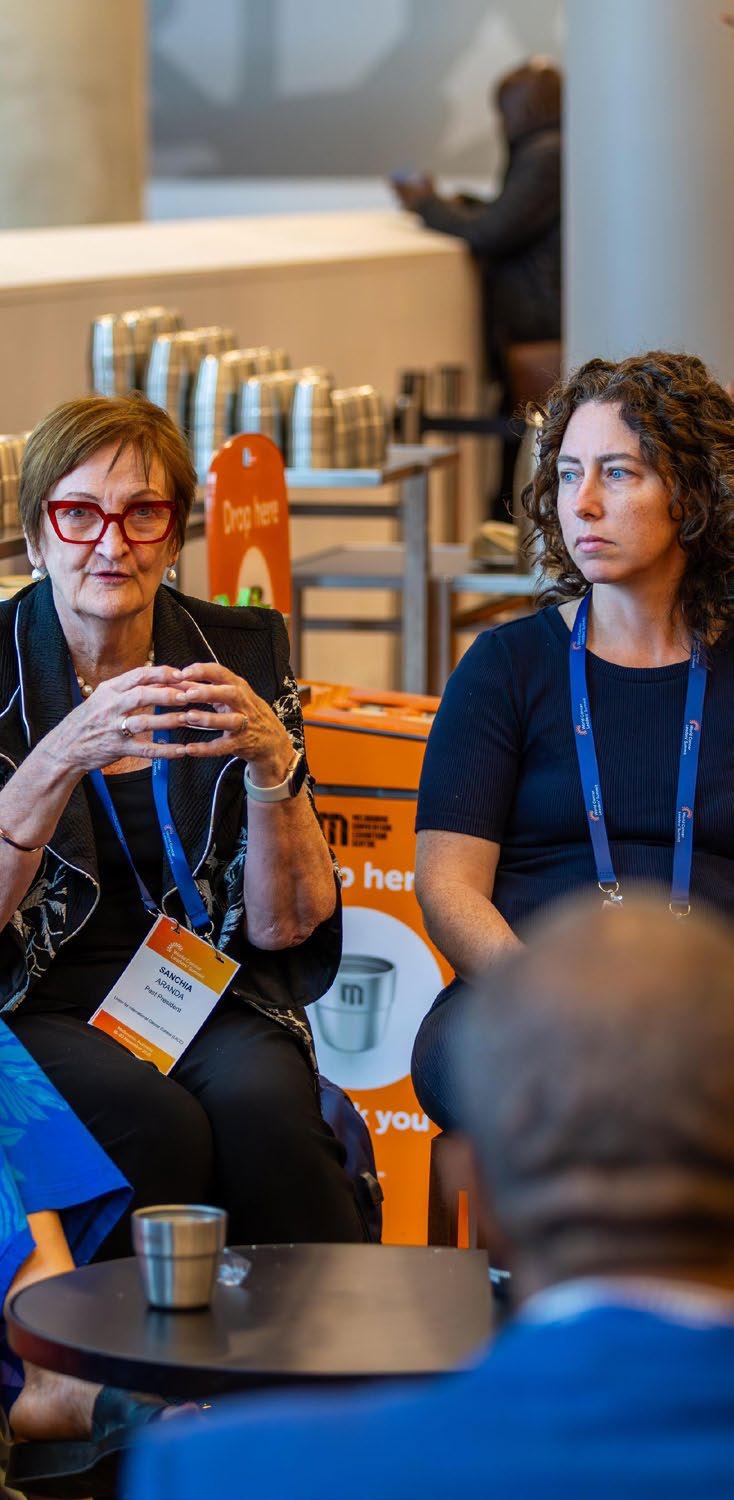
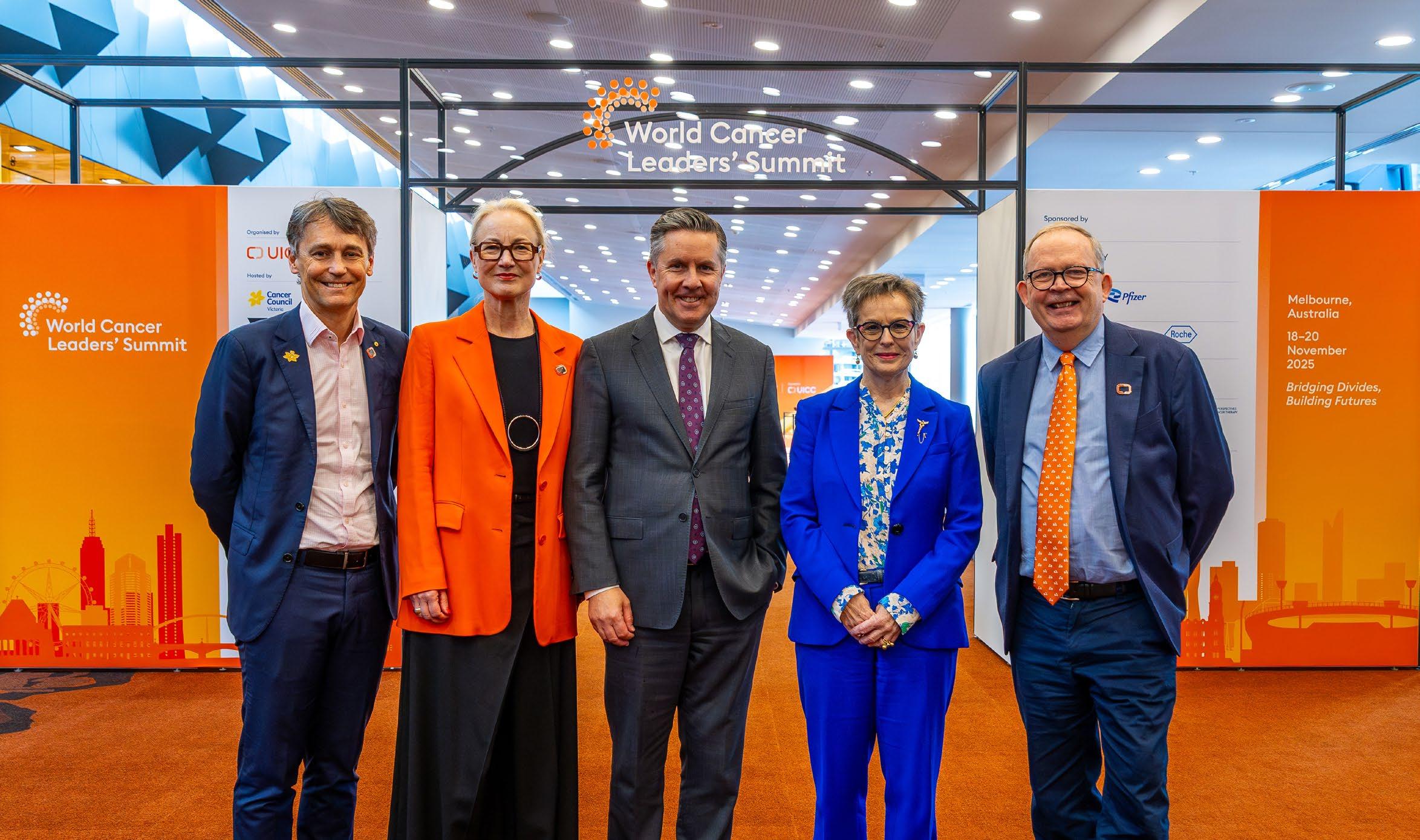
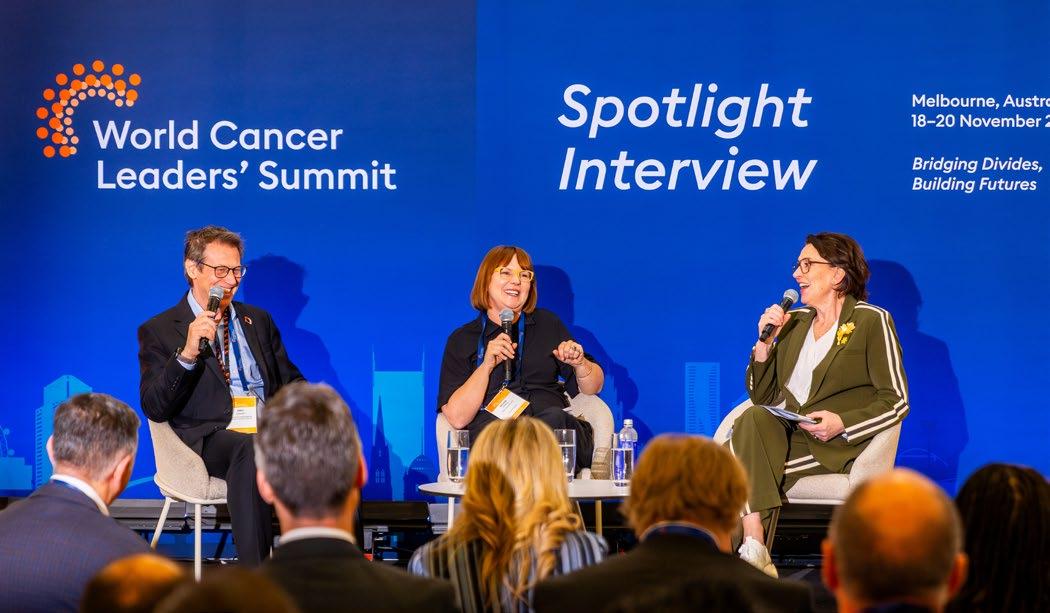
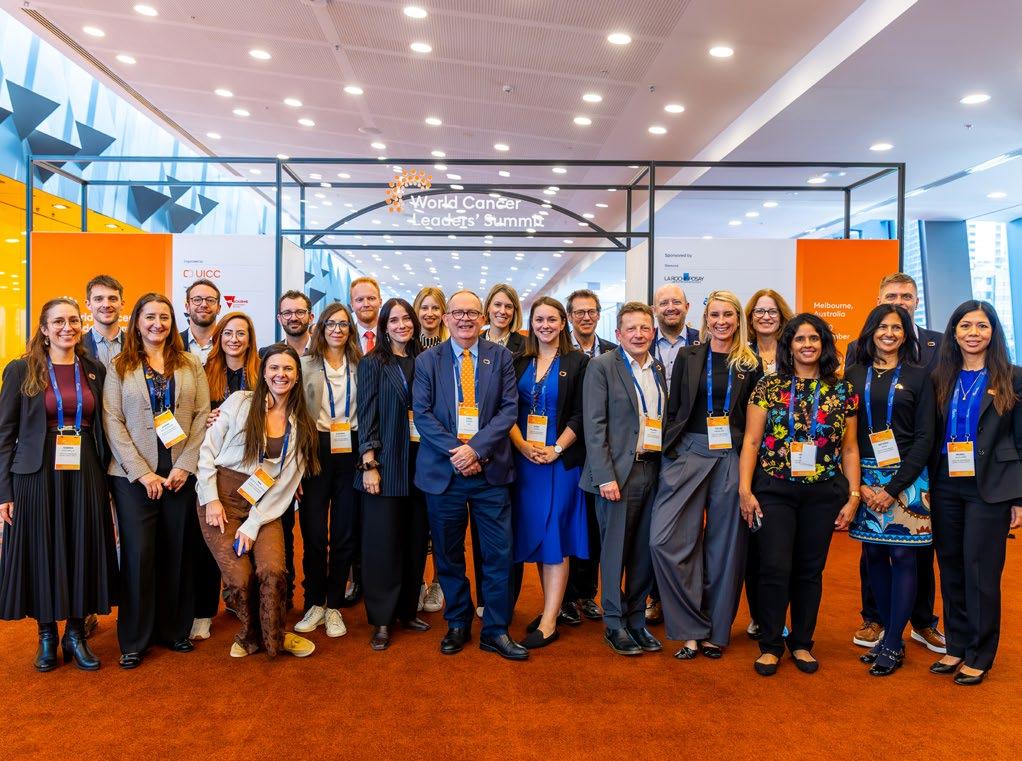
The 2025 World Cancer Leaders’ Summit brought together 408 leaders and experts from 55 countries in Melbourne, Australia, from 18 to 20 November, to explore the opportunities for ‘Bridging Divides, Building Futures’. The event was co-hosted by Cancer Council Victoria, the Victorian Comprehensive Cancer Centre Alliance, the Monash Comprehensive Cancer Consortium, the McCabe Centre for Law and Cancer, and the Melbourne Convention Bureau, continuing Australia’s longstanding commitment to supporting progress and collaborations on cancer control. The Summit gathers the leadership of UICC’s partners and member organisations, including cancer societies, research and cancer centres, professional associations to encourage timely debate on emerging global issues in cancer control.
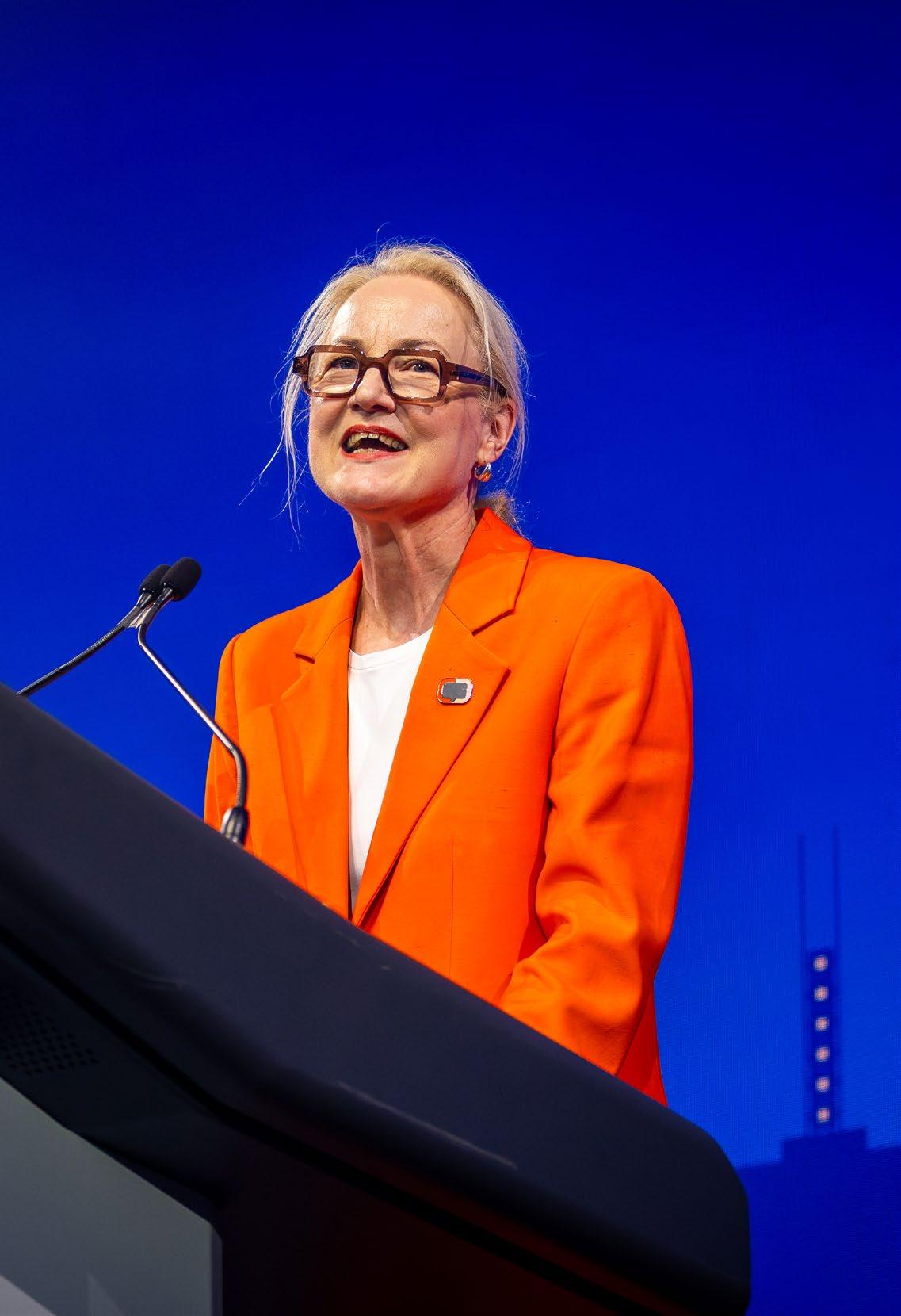
Ulrika Årehed Kågström, UICC President, opened the Summit and welcomed delegates with an acknowledgement of the challenging geopolitical and social context, but emphasised that this uncertainty must not be interpreted as a lack of progress or hopelessness. Instead, she highlighted the negotiation of new global targets on noncommunicable diseases and the strengthened focus on cancer within the draft UN Political Declaration on NCDs as evidence of continued governmental commitment to cancer control. As the cancer community looks to implement the Political Declaration, she stressed the need for accountability and collective action. To support this, she highlighted the launch of the 2025-2035 World Cancer Declaration, which consolidates insights from more than 100 UICC member organisations into a shared framework for action.
Todd Harper AM, CEO of Cancer Council Victoria, echoed Ulrika’s call for optimism. Reflecting on the huge advancements made in cancer prevention and care over the past decade, he urged all participants to use the Summit to share and scale proven solutions, listen to lived experience, and embed equity in all programmes and projects.
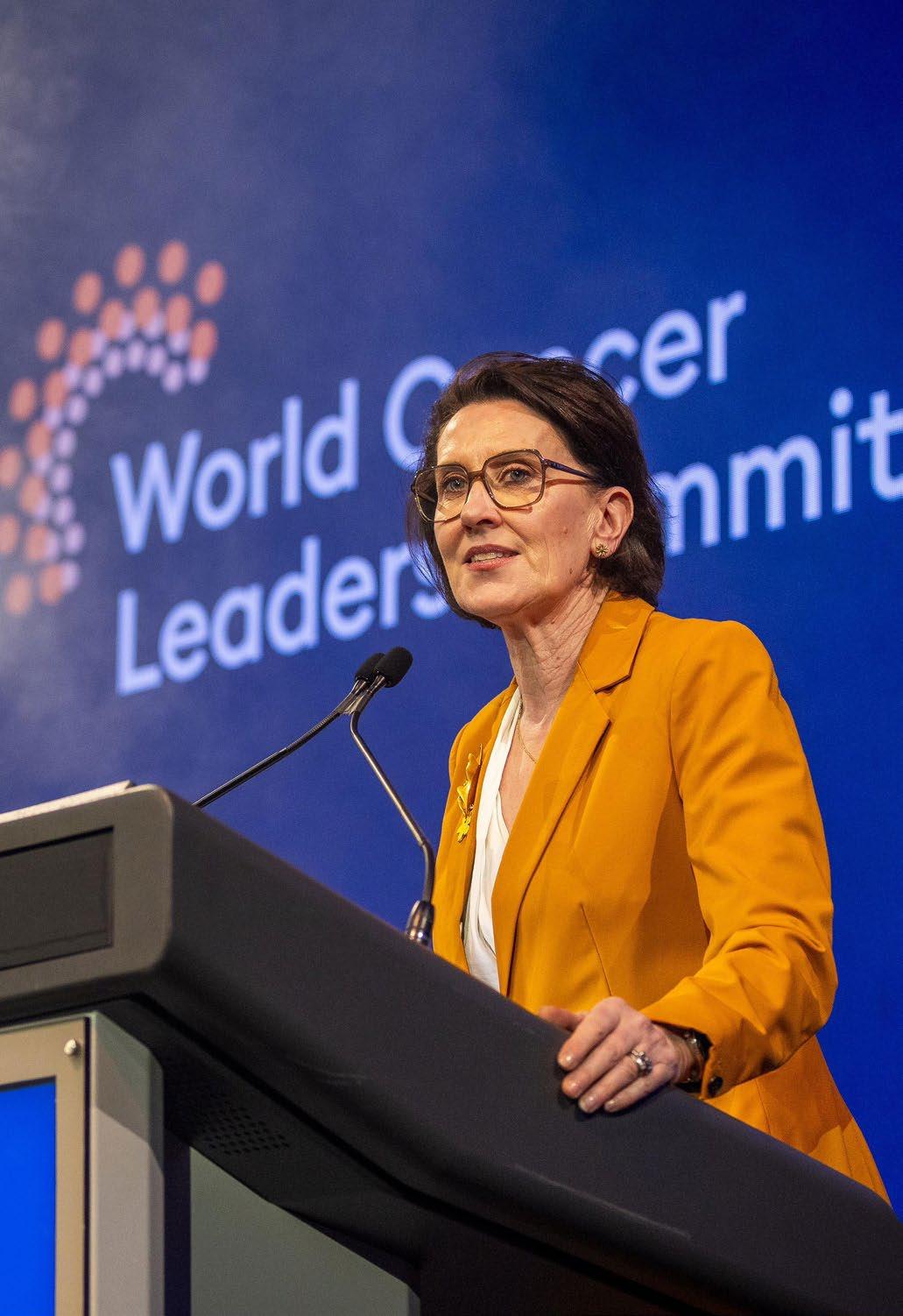
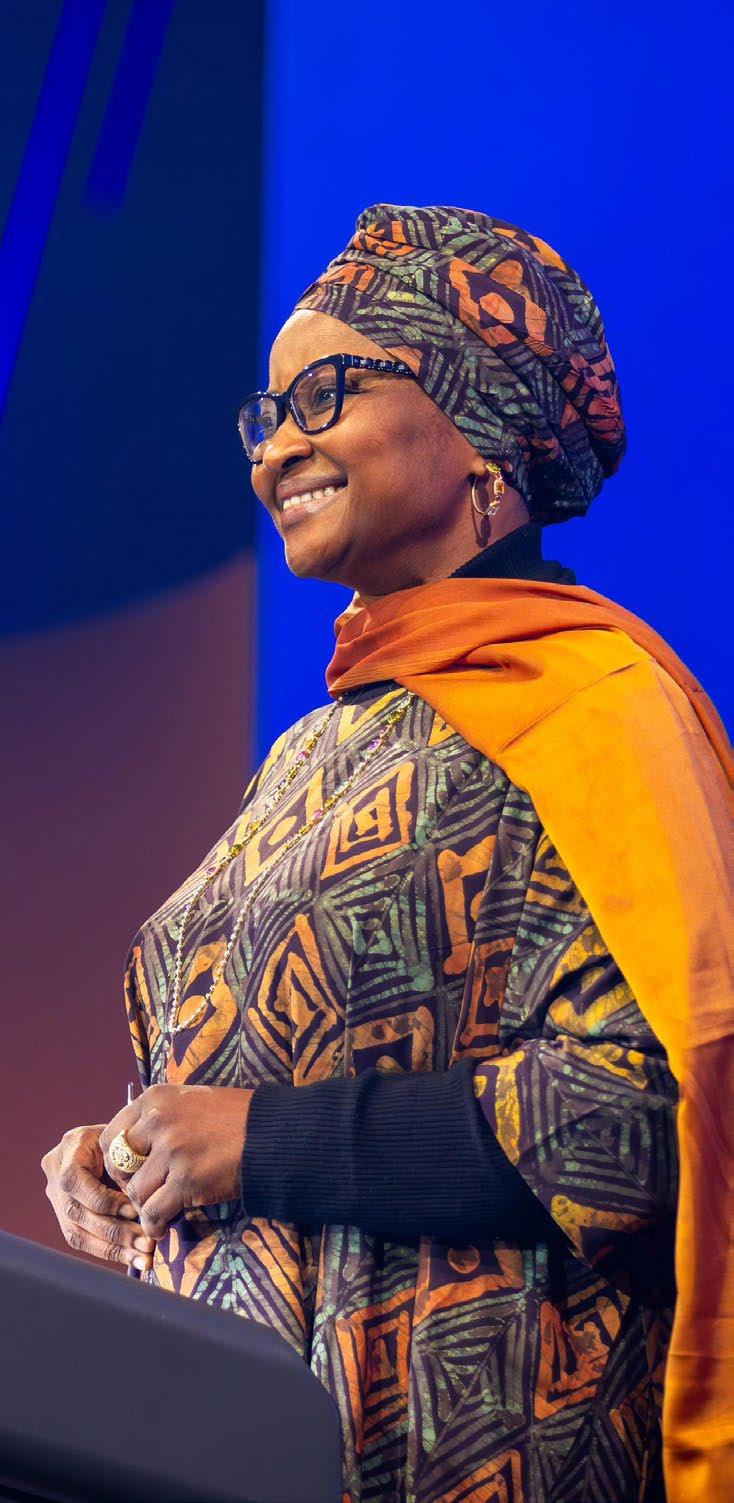
Completing the welcome was an address from Her Excellency, the Honourable Ms Sam Mostyn, the Governor-General of Australia. As Patron of Cancer Council ACT, she reflected on the research and community initiatives taking place across Australia to improve cancer outcomes and deliver care. The Governor-General reiterated the importance of care as a defining principle of her service to Australians alongside acknowledging that obstacles to care must be tackled. Celebrating the diversity of expertise at the Summit, she thanked Summit participants for their efforts to advance equitable cancer care and encouraged them to use the Summit to strengthen partnerships, pose challenging questions, and apply emerging insights within their own contexts.
“This is our moment to accelerate progress together, to connect, collaborate and elevate our ambition to match the scale of the challenge. The path in cancer control is not always smooth, and we may need to shift gears, but momentum is on our side. Powered by new knowledge, innovation and shared purpose, we can turn opportunity into lasting change and ensure that no one, anywhere, is left behind.”
Todd Harper AM, CEO, Cancer Council Victoria
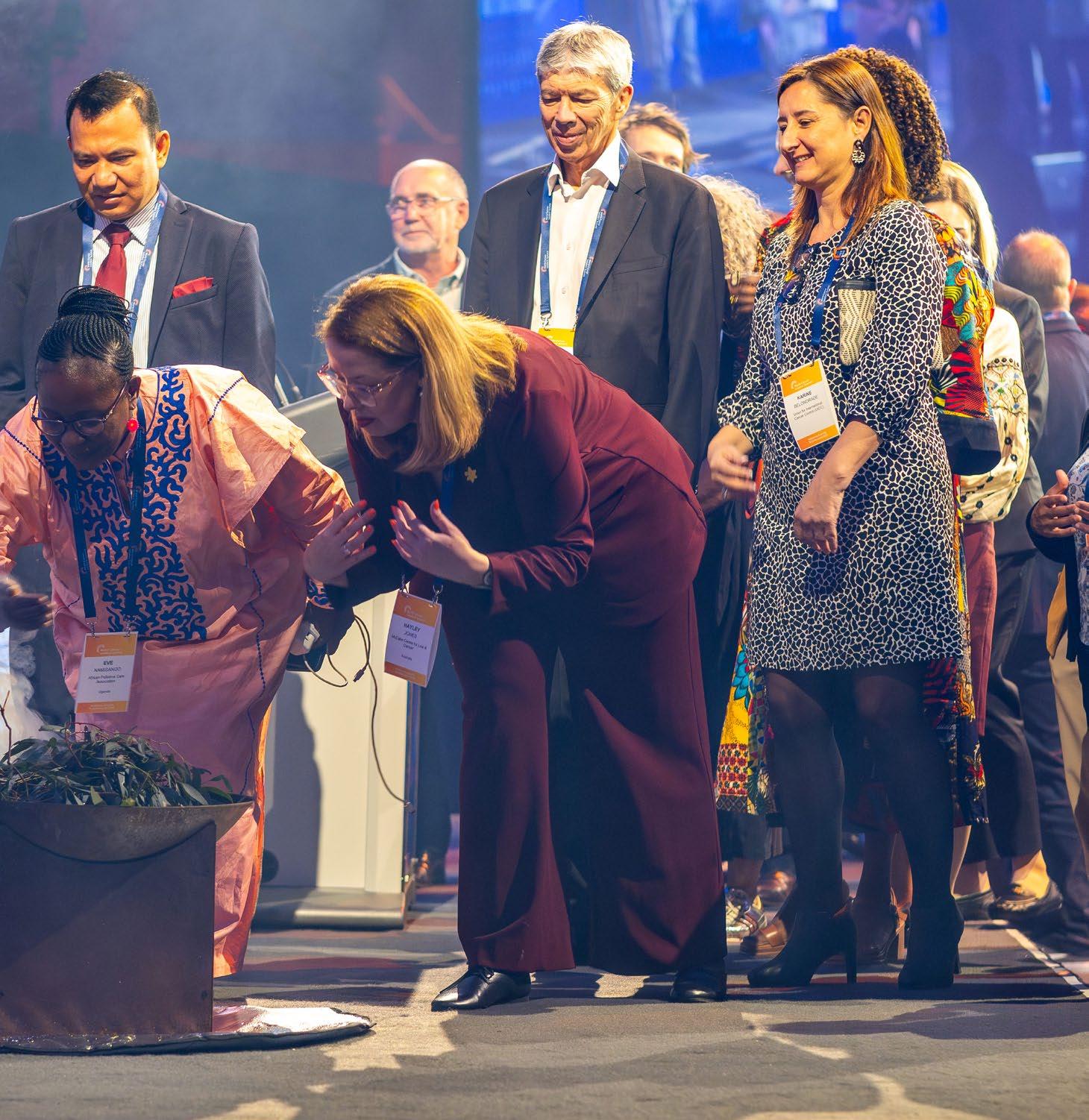
The World Cancer Leaders’ Summit hosts would like to acknowledge the Traditional Owners and Custodians of the land and waterways on which we met and pay our respects to the Elders past and present and those who are emerging.
Cancer control in a changing global context
Four core themes framed the Summit programme, beginning with how the changing global context is reshaping cancer control. Dr Elisabete Weiderpass, Director of the International Agency for Research on Cancer (IARC), opened the main programme of the Summit with a rich presentation of the ‘Status of cancer globally’, which emphasised the critical importance of data as the foundation for effective cancer control. IARC’s latest estimates show that the 20 million new cancer cases and 9.7 million deaths recorded in 2022 are unevenly distributed across regions, reflecting differences in engaging populations in cancer prevention measures, risk exposure, and health system capacity. Looking ahead, Dr Weiderpass noted that countries must prepare for a projected 77% rise in annual cases and an 85% rise in deaths by 2050, underscoring the ethical and economic imperative for action. She highlighted that cancer-related productivity losses now total USD 566 billion per annum, equivalent to 0.6% of global GDP. Yet she underlined that this trajectory is not inevitable; scaling evidence-based measures, including reducing alcohol use, addressing cancer-causing infections and expanding screening, could prevent many cases. Noting IARC’s 60th anniversary in 2026, she emphasised her confidence in the strength of partnerships across the cancer community, including IARC’s long-standing collaboration with UICC.
Continuing this theme, Dr Cary Adams, CEO of UICC, moderated a panel entitled ‘Reflecting on the UN High-level Meeting (HLM) on NCDs’ with Dr Saunthari Somasundaram, President and Medical Director of the National Cancer Society of Malaysia and Dr Anu Agrawal, Vice-President of Global Cancer Support at the American Cancer Society, as well as Ulrika Kågström. Dr Somasundaram discussed how HLMs elevate cancer and other NCDs in political agendas, providing civil society with valuable opportunities to engage ministries of health, finance and development. All the panellists noted that, despite challenging negotiations, the resulting Political Declaration provides concrete global targets that support national advocacy efforts. The explicit inclusion of breast, cervical, liver, and childhood cancers was also viewed as a major step forward, creating new pathways to strengthen and expand national programmes. With global development financing declining, the panellists highlighted the growing importance of domestic resource mobilisation and regional cooperation to reduce costs and build more resilient systems. They emphasised that the cancer community should prioritise strong foundations, including patient navigation, primary care, and improved integration between screening and treatment, and deepen engagement with development banks as key partners in shaping sustainable financing for national NCD programmes.
Cancer control in a changing global context
A final panel on this theme, ‘Cancer care and multilateralism’, explored how global geopolitical changes are reshaping the development and health landscape. This panel drew on the perspectives of Dr Weiderpass, Dr May AbdelWahab, Director of the Division of Human Health at the International Atomic Energy Agency (IAEA), and Dr André Ilbawi, Lead of Cancer Control at the World Health Organization (WHO). The panellists discussed pressures facing the UN system and other international organisations, but stressed that the global landscape is evolving rather than fragmenting, evidenced by the emergence of new regional hubs and partnerships. Each speaker outlined practical examples of multilateralism driving progress: the global movement to implement the cervical cancer elimination initiative and its ‘90-70-90’ targets; the expansion of training and technical support through the Global Initiative for Cancer Registries; and assistance to governments through the IAEA’s ‘Rays of Hope’ programme to scale up radiotherapy services. Each speaker emphasised that their direct connections with governments and civil society organisations are central to the work and are the unique strength of UN agencies. In response, the current geopolitical turbulence can and should be harnessed as a driver of greater creativity, effectiveness and innovation in cancer control.
“In turbulent times, multilateralism is how we bridge divides and build futures. Now is our best opportunity to build new bridges, to re-centre our focus on impact and to unite around equity and solidarity. Being present in every country and working hand-in-hand with all stakeholders, we will turn global commitments into improved lives for every person affected by cancer, everywhere”
Dr André Ilbawi, Lead, Cancer Control, WHO
Cancer control in a changing global context
Advancing lung cancer within the global health agenda
Participants discussed how the 2025 World Health Assembly resolution on integrated lung health is driving action to embed lung cancer prevention, screening, and care into national systems. Malaysia’s multisectoral roadmap demonstrated how civil society, government, and global partners co-designed an integrated approach linking lung cancer, COPD, asthma and tuberculosis, using AI-enabled chest X-ray screening and community outreach to reduce stigma and reach underserved groups. Early implementation has already screened nearly 3,500 high-risk individuals, identifying 229 nodules and 22 confirmed cancers. Australia’s recently introduced national lung cancer screening programme has similarly shown rapid impact, completing 37,000 scans within months and extending access through mobile CT units and clear care pathways. Collaboration, data-driven planning and equity-focused implementation emerged as essential to making the global mandate real in diverse country contexts.
This session was organised by UICC.
From crisis to opportunity: global leadership in liver cancer prevention
The session highlighted how countries across regions are reducing liver cancer through practical, scalable action, linking hepatitis elimination, early detection, and whole-system collaboration. Case studies showed what is possible: Egypt screened more than 60 million people for hepatitis C and cut prevalence from 10% to under 4%; Hong Kong achieved a 4% annual decline in liver cancer after universal hepatitis B vaccination; and other countries reduced liver mortality through coordinated surveillance and treatment policies. Speakers emphasised the importance of communitytrusted outreach, integrating hepatitis testing and birth-dose vaccination into primary care, and leveraging innovations such as AI-enabled screening and mobile diagnostic units. Across contexts, political commitment and strong partnerships were framed as the catalysts for transforming proven solutions into populationwide impact.
This session was organised by Cancer Council Victoria and supported by AstraZeneca.
Breaking the silence: addressing obesity to prevent cancer in future generations
Data indicates that obesity rates around the world are growing, which is likely to contribute to higher rates of breast, colorectal, oesophageal cancers, and potentially others as the research continues. This session brought together patient perspectives with research to explore how to build health-promoting environments to reduce obesity levels, noting that much of the obesity challenge is a product of both genetic and environmental factors. Speakers stressed the urgent need to shift from individual responsibility to broader societal accountability, especially to protect children. A practical example from Sweden explored the impact of school-based measures, such as healthier meals, physical activity, and phone restrictions. However, these are not sufficient by themselves, and broader collaboration is needed, such as the Nordic Cancer Union’s collaborative advocacy for updated regulations to curb digital marketing of unhealthy foods to children.
This session was organised by Novo Nordisk.
Cancer control in a changing global context
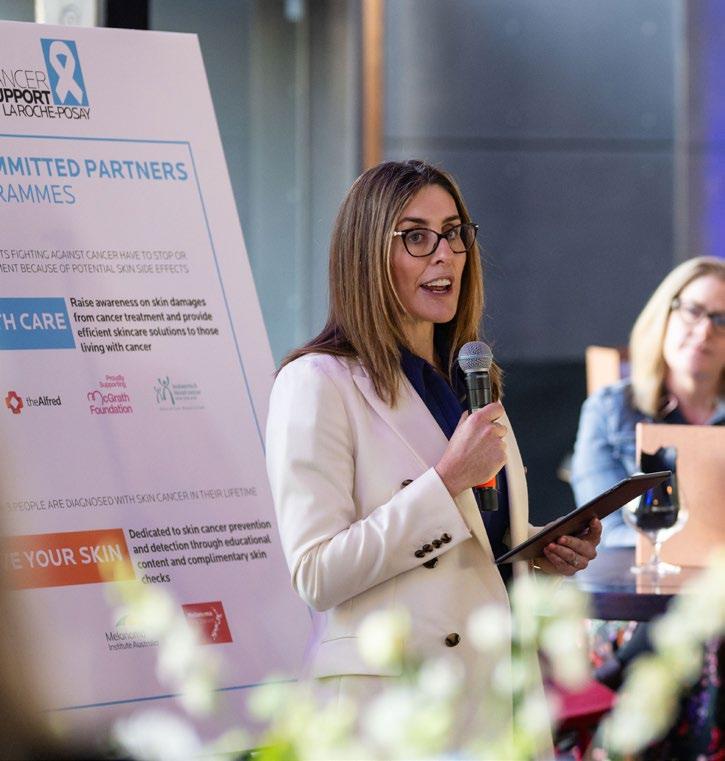
Pioneering melanoma early detection and treatment
The session showcased how decades of prevention, early detection, and innovation are reshaping outcomes, particularly in Australia. Declining melanoma incidence and mortality in younger Australians was attributed to long-term prevention strategies, including the Sun Smart campaign. To complement these campaigns, The Australian Centre of Excellence for Melanoma Imaging and Diagnosis has created a 15-site network of 3D whole-body imaging units, including regional hospitals, enrolling around 9,000 participants to build valuable datasets for AI-driven risk tools and more accurate diagnosis. Partnerships with Cancer Council Victoria are piloting tailored prevention messaging and SMS follow-up, while international collaborations are standardising image analysis and pathology reporting to reduce over- and under-diagnosis. Molecular breakthroughs, such as targeted therapies and immunotherapy, combined with simple practice changes like deeper tissue sampling, are transforming survival. Together, the speakers suggested that these advances offer transferable models for smarter, more equitable skin cancer control.
This session was organised by La Roche-Posay.
Accelerating action nationally: Leadership and innovation around the world
The second theme framing the Summit was how leadership around the world is driving national action on cancer, with countries demonstrating the impact of political commitment, culturally grounded approaches, and practical innovation in reshaping cancer responses.
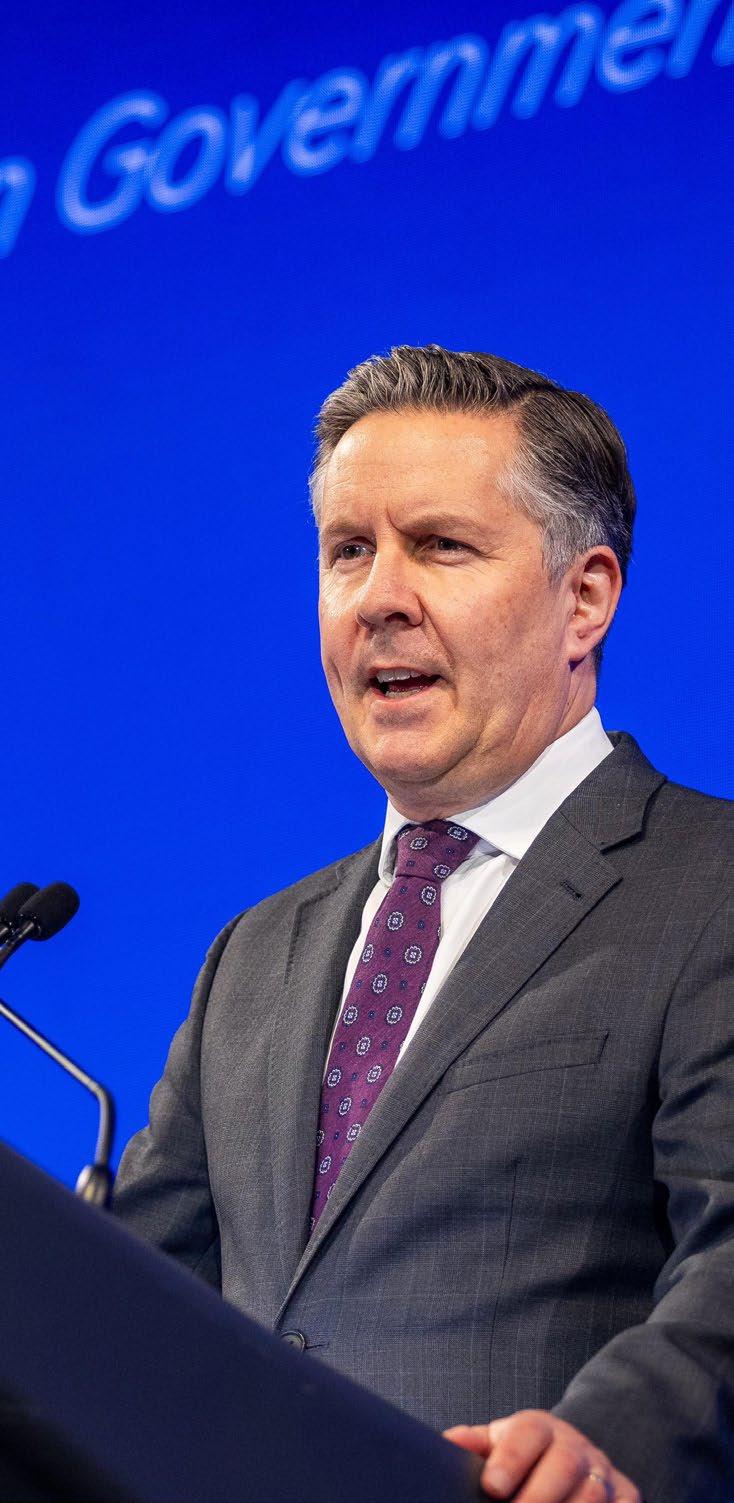
The Honourable Mark Butler MP, Minister for Health and Ageing of Australia, opened the second day of the Summit. He welcomed delegates to Melbourne and reflected on Australia’s efforts to ‘bridge the divide’ in cancer outcomes, focusing particularly on the inequities experienced by First Nation Australians, exemplified by the survival gap which has widened by an estimated 10% in recent years. As a response, the Minister highlighted the work taking place to ensure that First Nation communities are able to better access prevention, early detection, and treatment services, with notable progress in recent decades. He also addressed Australia’s long-standing leadership in tobacco control, including plain packaging and recent action on vaping, which he described as a new gateway for young people, prompting decisive regulation and targeted social-media prevention campaigns. Skin cancer prevention has also shifted to youth-focused digital outreach to counter a persistent suntanning culture.
On early detection, the Minister noted the launch of Australia’s first national lung cancer screening programme, which has already enabled thousands to receive a low-dose CT scan and identified earlystage cancers that historically presented at stage 3 or 4. To strengthen equity across tumour types, Australia has expanded navigation nursing beyond breast cancer to ensure consistent, patient-centred support. He further celebrated rapid uptake of self-collection for cervical screening, rising from 1% to 50% in three years, improving access for First Nations and culturally diverse groups, and making progress toward elimination. Closing, he emphasised the privilege of working in a period of rapid discovery and reaffirmed the central role of patient voices in shaping effective cancer policy and practice.
"As cancer leaders you have got an enormous amount to be proud of in terms of how far we have come over recent decades but also a lot of responsibility on your shoulders to continue that progress and to continue to save lives and give additional years to the patients that we all see to spend with their families and in their communities."
The Honourable Mark Butler MP, Minister for Health and Ageing of Australia
Accelerating action nationally: Leadership and innovation around the world
Focusing specifically on national experiences, the ‘Spotlight on actions at national level’ session brought together health leaders from Tonga, Brunei, and Cambodia. Speakers included Dr Ana Akau’ola, Minister of Health of Tonga, Dr Beauta Rath, Ministry of Health of Cambodia, and Dr Muhammad Syafiq Abdulla, Brunei Cancer Centre JPMC. Each of these senior officials highlighted both progress and persistent gaps in cancer control. Despite contrasting resource levels, all three countries shared common challenges in prevention, early detection, and equitable access. Examples included strengthened tobacco control, HPV vaccination programmes, the expansion of national cancer centres, and public–private treatment partnerships that reduce reliance on overseas care. Governments reported progress driven by whole-of-government NCD strategies and community-driven awareness efforts, including work with spiritual and local
leaders to improve screening uptake. However, they also emphasised ongoing constraints, from limited diagnostic capacity to geographic barriers and delayed presentation. Across all settings, participants called for deeper international collaboration, better-aligned partner support, and sustained investment to implement national cancer control plans and ensure that patients receive timely, appropriate, and effective care.
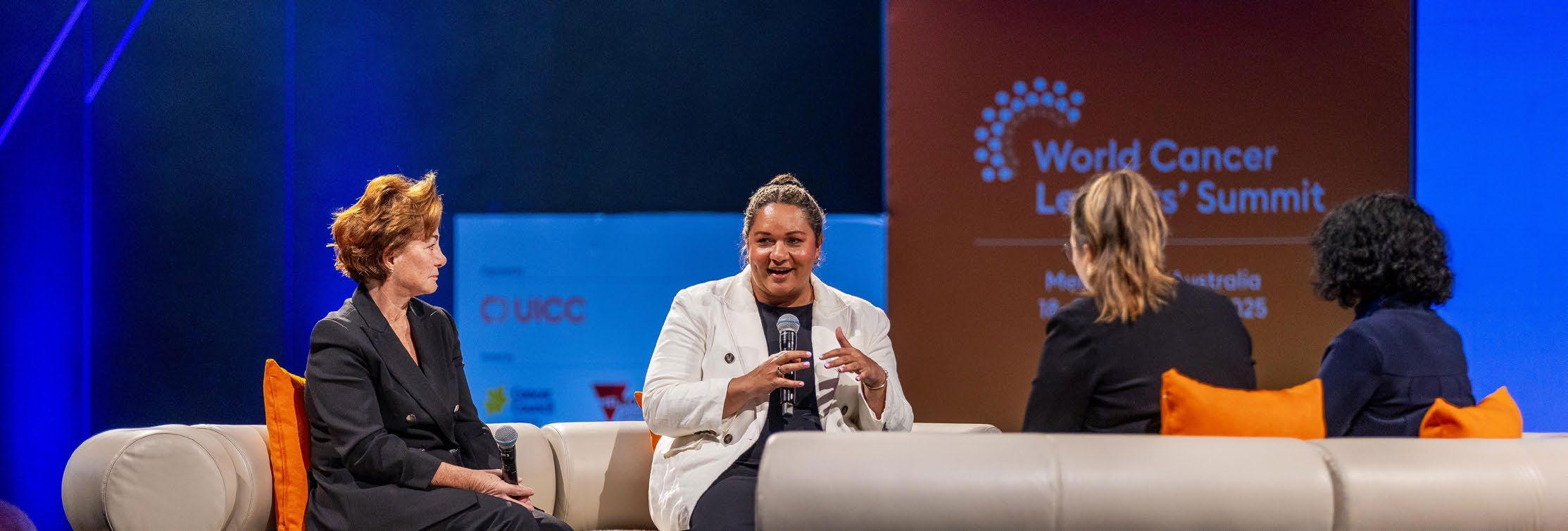
A second session ‘Cancer care in indigenous communities’ showcased practical advances from Australia, Canada, and the US. Indigenous populations consistently show disparities compared to non-indigenous ones in risk factors, cancer incidence, access to services, stage at diagnosis, quality of care, and overall disease outcomes. Prof. Kalinda Griffiths, Director of Poche SA+NT at Flinders University exchanged with Dr Cheryl L Willman, Enterprise Executive Director at the
Mayo Clinic, Dr Sri Navaratnam, President and CEO of CancerCare Manitoba and Prof. Lisa Whop, Associate Director of Research at Yardhura Walani to highlight the central importance of communityled governance, data sovereignty, and culturally grounded care. Examples included Manitoba’s adoption of race and ethnicity data collection and Australia’s new National Cancer Data Framework, which embeds indigenous data principles into national reporting. US partners described genomics programmes co-designed with tribal nations, in which 80% of participants received results directly informing treatment, and 27% identified previously unknown cancer predispositions, enabling family screening. Innovations such as community connectors and Indigenous patient navigators illustrated how collaboration and self-determined care models can deliver lasting improvements.
Accelerating action nationally: Leadership and innovation around the world
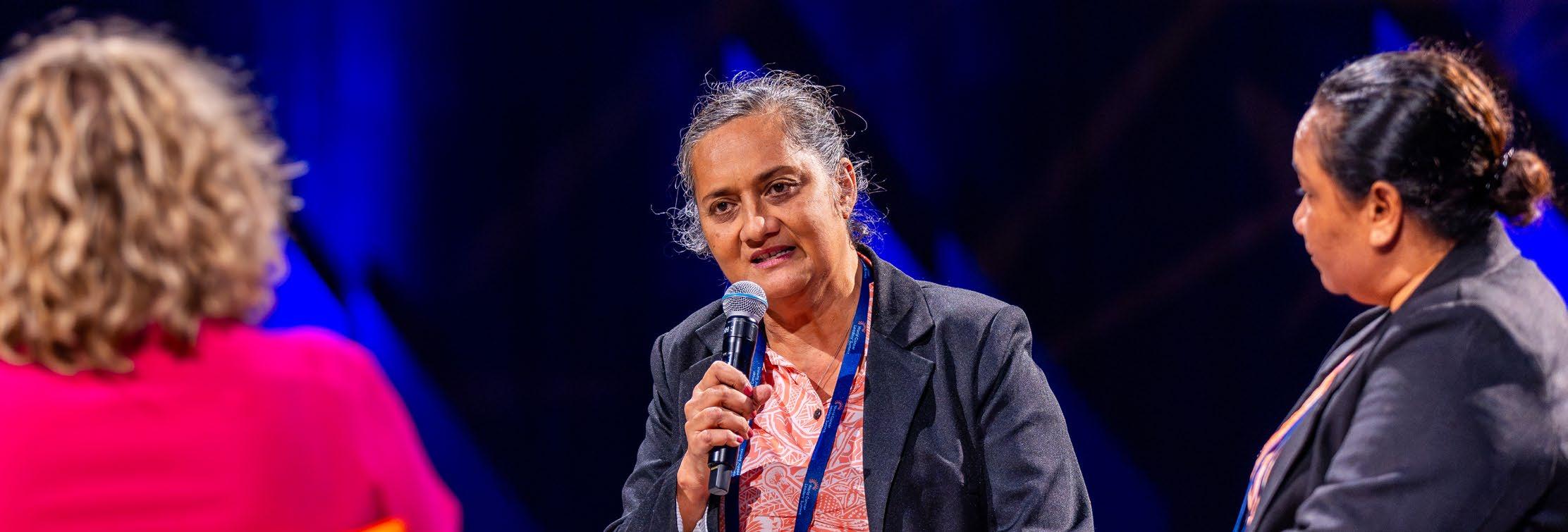
Finally, in ‘Cancer control challenges and solutions in Small Island States’ Dr Diana Sarfati, former Director General of Health at the Ministry of Health of New Zealand, led a discussion with Ms Belinda Chan, CEO, Fiji Cancer Society, Dr Malama Tafuna’I, CEO, Samoa Cancer Society, and Ms Kimberly Kapigeno, CEO, Papua New Guinea Cancer Foundation, exploring the extraordinary obstacles faced by Pacific Small Island nations. Some of the common challenges were the vast distances between populations, fragile health systems, limited availability of specialists, and long diagnostic delays that contribute to late presentation, which in turn encourages the use of traditional medicine. Several of the speakers called for greater coordinated international support, technical expertise, and regionally tailored solutions to meet the scale of the challenge.
Despite these constraints, speakers showcased progress from Samoa, Fiji, and Papua New Guinea through community-led early-detection initiatives, culturally grounded awareness campaigns and palliative care, and emerging cross-country collaborations. These are building on a series of cancer recommendations that were adopted in 2019 by 22-nations. However, since the COVID-19 pandemic, political commitment remains uneven as governments seek to respond to other health challenges, including rising HIV rates and climate change. Each of the speakers emphasised the importance of sustained political engagement for resourcing cancer care, as well as the challenge of framing investments in cancer control alongside other health priorities.
"As a first-time participant at the World Cancer Leaders’ Summit, it was an honour to represent my small Pacific island nation. I was struck by the progress made in higher-income countries, yet it became clear that many of our challenges remain the same. With Australia as host, it was an important opportunity to put Pacific realities and the unique obstacles our island states face centre-stage. My three days at the Summit prompted a fresh reflection on the direction of the Fiji Cancer Society for 2025 and reinforced a shared conviction among colleagues from Samoa, Vanuatu and Papua New Guinea: no island state should be left behind. Equity in Pacific cancer care is non-negotiable."
Belinda Chan, CEO, Fiji Cancer Society
Accelerating action nationally: Leadership and innovation around the world
Breast cancer in Southeast Asia: Regional collaboration to accelerate progress
Breast cancer continues to cast a heavy burden across Southeast Asia, with around 130 women dying every day in Indonesia, Malaysia, the Philippines, Thailand, and Vietnam. Rising incidence, cultural and socioeconomic barriers, and inequitable access to early detection and quality treatment are driving preventable loss of life. Regional action is urgent, with mortality in Asia projected to rise by 27.8% by 2030. The WHO Global Breast Cancer Initiative provides a unifying framework, aiming to cut mortality by 2.5% annually and save 2.5 million lives by 2040. Following an overview by WHO Western Pacific Regional Office, countries highlighted practical progress, including the Philippines’ National Integrated Cancer Control Act and Cancer Assistance Fund, Thailand’s 2025 launch of a national breast cancer accreditation programme, and Indonesia’s strengthened policy prioritisation. The session underscored the importance of political will, and the need for multi-stakeholder partnerships, decentralised care models, and ASEAN-led collaboration to ensure equitable access across the region.
Bridging global inequities in women’s cancer care – from policy to practice
The session highlighted the profound economic and societal toll of women’s cancers, noting that indirect costs such as lost workforce participation and premature mortality are as significant as direct health expenditures. Speakers called for prioritising women’s cancers in national policy, improving prevention and early detection, and strengthening care delivery through universal health coverage and robust data systems. Learning from Australia, patient navigation models and gender-responsive advocacy were identified as critical and transferable tools that other countries could use to drive progress. However, this must be underpinned by stronger data ecosystems with clear metrics to track progress as reliable monitoring and reporting are essential to evaluate national cancer plans and guide investment. Together, the discussion underscored that data-driven planning and genderinformed policies are central to improving outcomes for women.
"Breast cancer is not only a health challenge; it is a societal and economic test that demands coordinated action across policy, care delivery, data, and financing. By working together, governments and partners across Southeast Asia can close long-standing gaps, strengthen solidarity, and build systems capable of giving every woman equitable access to timely diagnosis and treatment."
Logan Caragata, Head of Policy, APAC Region, Roche
This session was organised by Roche.
This session was organised by MSD.
Accelerating action nationally: Leadership and innovation around the world
AI in cancer care: From discovery to support
The panel explored how AI can meaningfully strengthen cancer care when grounded in trust, equity and human-centred design. Cancer Council Victoria highlighted AI ‘co-pilots’ that support nurses and financial counsellors by simplifying information retrieval, reducing administrative burden and empowering patients after diagnosis. Children’s Cancer Institute showcased how AI accelerates precision oncology at scale, ranking genetic variants, extracting clinical data and supporting population-wide sequencing for children and young adults. The Daffodil Centre emphasised AI’s power in improving research productivity, communication, and cross-border collaboration, while also warning of entrenched biases in medical data. Across all speakers, a shared message emerged: AI is a tool that cannot replace expertise; however, it can expand access, personalise care and help health systems meet rising demand safely and equitably.
This session was organised by Microsoft.
Engagement with pharma for accelerating translation of novel therapies globally
The session showcased how the Blincyto Humanitarian Access Programme is narrowing the paediatric leukaemia survival gap by combining cutting-edge immunotherapy with health system strengthening. Through a partnership between an academic global network, a pharmaceutical company and logistics NGO, blinatumomab has reached 13 centres in India, Pakistan, and Vietnam, treating 378 children and achieving around 80% one-year survival in a setting where relapsed Acute Lymphoblastic Leukaemia was previously almost uniformly fatal. Centres developed resource-adapted guidelines, virtual training, multidisciplinary implementation teams and creative outpatient/hostel-based care models. The programme helped secure blinatumomab’s inclusion on the WHO Model List of Essential Medicines and is informing the WHO Global Platform for childhood cancer medicines, positioning drug donations as a temporary but powerful catalyst toward sustainable, country-led access and universal health coverage.
This session was organised by the St Jude Children’s Research Hospital.
Vision 2030: Transformative strategies to prevent HPV-related cancers
The session explored strategies to increase HPV vaccination uptake, including shifting from community-based to school-based delivery and calls for gender-neutral programmes, where appropriate. Sweden’s nationwide HPV vaccination, introduced in 2020, has reported that 90% of all children receive at least one dose, which was made possible by targeted communication and strong advocacy, although regional and socioeconomic inequities persist. In the Middle East and North Africa regions, cervical cancer elimination strategies are driving action in vaccination, screening, treatment, and social mobilisation, with several countries moving towards school-based delivery. Participants also discussed gender-neutral vaccination as a potential means to address stigma and culturally situate HPV vaccines as a cancer prevention intervention. The discussion further noted gaps in data, health worker readiness, and sustainable financing, while underscoring the importance of ensuring the integration of higher-risk groups, in the absence of targeted screening programmes.
This session was organised by MSD and Noman is an Island.
Building collaborations: Implementing people-centred care
The third Summit theme explored how collaboration across sectors, institutions, and communities are improving efforts to design and deliver cancer services that respond to people’s needs, values, and lived experience.
‘Insights into cancer control planning’ highlighted how ambitious national cancer plans are driving progress with cross-sector collaboration, stronger prevention, and earlier diagnosis. Ms Michelle Mitchell, CEO, of Cancer Research UK, shared recent developments in the creation of an English national cancer control plan, reducing waiting times for care and addressing geographical and social inequities in cancer outcomes. Dr Han-Kwang Yang, President of the National Cancer Centre of Korea, shared a case study of South Korea’s fully government-funded national screening programme, which has reduced costly late-stage treatment, alongside perspectives from Prof. Dorothy Keefe, CEO of Cancer Australia, who shared Australia’s free-at-point-of-care screening services. Dr Lisa Stevens, Director of the Programme of Action for Cancer Therapy at IAEA, highlighted the roles of international agencies in supporting the development and implementation of NCCPs, sharing the example of PACT which works with governments in strengthening cancer planning and service delivery.
Dr Stevens also stressed that cancer is an investable proposition and, in line with the other panellists, that robust data systems, shared learning platforms, and regular monitoring cycles are essential to driving accountability and ensuring equitable outcomes.
The complementary session ‘Patients, providers, policy: aligning for people-centred care’ brought together experiences from Morocco and Australia to explore what people-centred care means in practice. Ms Ikram Eseghir, Founder and President of NABD-BC2, illustrated its importance, highlighting the consequences of gaps in communication through the story of a young woman who was not informed about fertility preservation options before treatment, an omission that had lasting personal impact. From Australia, Ms Vicki Durston, Director of Policy, Advocacy and Support Services at Breast Cancer Network Australia, outlined mechanisms used to embed informed consumer participation, including structured training programmes and collaboration with registry experts to strengthen national data on people living with metastatic breast cancer. Both speakers emphasised that lived experience is a critical form of expertise that improves service design, policy development, research priorities and evaluation.
Examples from Ms Eseghir also showed how civil society organisations, supported by academic and industry partners, are helping to build capacity for meaningful advocacy and engaging decisionmakers to improve equitable access to care. The panel acknowledged persistent barriers such as limited resources, communication gaps, and cultural expectations that restrict shared decisionmaking. The session concluded with a collective call for mindset change and sustained partnerships to ensure people become equal partners in shaping cancer care.
Building collaborations: Implementing people-centred care
Defining the ideal policy framework for early cancer care
The session introduced Mission Early, a multistakeholder initiative to ensure that more people survive cancer with fewer consequences by diagnosing and treating disease earlier. Data showed five-year survival for breast cancer can reach 98% when found early (vs 26% late), while treatment costs can more than double at stage 4 compared with stage 1. Building on research across ten countries and four major cancers, a RANDled consensus identified shared priorities: public education, community empowerment, stronger primary care, innovative but equitable detection and diagnostics, better care coordination, robust data systems and patient navigation. Throughout, civil society was highlighted as crucial to codesign policies, engage communities, combat misinformation, and hold governments accountable for turning early-cancer plans into funded, measurable action. The session closed with a call for civil society organisations to sign up to the Mission Early call to action.
This session was organised by Mission Early.
Patient Navigation: A vital took to break down barriers to equitable care in diverse settings
The session on cancer patient navigation showcased how guiding patients through complex health systems can improve equity and outcomes. Global initiatives such as the Beacon programme, Spark projects in Indonesia, Kenya and Nigeria, and the new Global Alliance for Cancer Patient Navigation are helping 80-plus country partners design context-specific models, backed by a shared practice framework developed with experts from 29 countries and patient advocates. Case studies from Kenya, Uganda, and Egypt demonstrated reduced missed appointments and growing demand from hospitals once navigation is embedded. Participants highlighted integration into national cancer control plans, training nurses and volunteers, and building clear career paths and role definitions. The session closed with a call for civil society to champion navigation as a core component of cancer care, not an optional add-on.
This session was organised by the American Cancer Society.
Breast cancer care: Strengthening quality care through shared action
The session on transforming breast cancer care framed the disease as an ongoing health and economic crisis that demands systemic change, not incremental fixes. Aligned with the Global Breast Cancer Initiative, the Breast Cancer Care Quality Index (BCCQI) was presented as a global policy-to-practice framework to drive datainformed improvements and accountability. Speakers highlighted how grassroots advocacy can start with local and state representatives, reminding participants that meaningful policy influence is not reserved for experts but open to anyone willing to speak for those unheard. Patient organisations were urged to move beyond symbolic roles and act as conveners, embedding lived experience in decision-making through formal structures that prevent tokenism. Industry partners reaffirmed their commitment to health equity, prioritising scaled diagnostics, stronger patient navigation, robust data measurement, and innovative financing models.
This session was organised by AstraZeneca.
Building collaborations: Implementing people-centred care
Delivering innovation with integrity: raising the care for childhood cancer care in LMICs
Childhood cancer survival remains profoundly unequal, with rates above 80% in high-income settings but below 30% in many countries due to late or missed diagnoses, treatment abandonment and preventable relapse. Throughout the discussion, speakers underscored that improving outcomes requires addressing every point of failure in the care pathway and showcased practical solutions, including patient-tracking systems and family support, such as Recife’s on-site accommodation, which has significantly reduced abandonment. The Act for Children Partnership’s three-pillar approach – built on access, training, and stronger health systems – was presented as a coherent framework to tackle these gaps. Speakers also highlighted how collaboration can lower the ‘cost wall’ through essential-medicine listing and benefit-package reforms, and how civil society, community networks and robust data drive awareness, advocacy, and early detection where formal systems are weakest.
This session was organised by Access Cancer Treatment (ACT) for Children.
The Asia Pacific Oncology Alliance –Pathways for Transforming the Cancer
Ecosystem – regional partnerships as drivers of innovation and scale
Participants underlined that improving cancer outcomes in Asia-Pacific demands locally designed, collaborative solutions that reflect diverse health systems and constrained resources. The Asia Pacific Oncology Alliance is formalising this by connecting patient organisations, clinicians, health technology assessment bodies and policymakers to co-design cancer care models. Practical examples included patient organisations in India and China helping people navigate overstretched hospitals, including a digital platform with over one million users and real-world data contributing to national reimbursement decisions. The discussion also highlighted the crucial but underfunded role of caregivers and navigators, the need to tackle stigma that deters volunteers, and the importance of multilingual evidence to build a stronger, united voice and a compelling investment case for cancer care.
This session was organised by Pfizer.
Leading the way in supportive care in oncology
The session highlighted how supportive care is evolving to keep pace with increasingly complex cancer treatments and patient needs. A rapidaccess oncodermatology model demonstrated how early specialist review can prevent treatment delays, reduce unnecessary immunosuppression, and resolve cutaneous toxicities which affect up to 80% of patients receiving newer targeted or immunotherapy agents. Alongside this, a comprehensive, co-designed model of nurse-led supportive care has been developed, shaped by more than 960 patient, carer and clinician engagements, and has showed how structured needs assessment, culturally safe communication and clear, stage-specific information can reduce isolation, improve navigation and strengthen continuity across diagnosis, treatment, recovery, surveillance and palliative care. Together, these examples illustrated how practical redesign, multidisciplinary collaboration, and patientdefined priorities can significantly enhance quality of life and support people to live well at every stage of care.
This session was organised by La Roche-Posay.
Building collaborations: Implementing people-centred care
Beyond the declaration: Actionable policies for delivering on NCDs and cancer targets
The session explored how to move from declarations to delivery by treating cancer and other NCDs as both a health and economic imperative: USD 47 trillion in lost output could finance universal health coverage for 4.5 billion underserved people. Case studies showed what implementation looks like in practice, including Queensland’s telechemotherapy model, where rural nurses safely deliver chemotherapy under remote specialist supervision, and a genomics-based personalised care programme that built nationwide referral, data, and workforce infrastructure. Panellists stressed redesigning care around people, afterhours and community-based services, new roles for primary care and Indigenous health workers, and stronger staff wellbeing, while aligning financing and incentives. Civil society was recognised as critical to co-design solutions, broker public-private partnerships and hold governments accountable for turning policies into action.
This session was organised by Roche.
Spotlight sessions
As part of the Summit programme, leaders from diverse fields shared practical examples, new evidence and lived experiences that are reshaping prevention, care and patient engagement on the Spotlight stage. Together, these discussions highlighted how innovation and collaboration are accelerating impact across the cancer continuum.
Behind the scenes with BBC Storyworks
This interview focused on the strength of authentic storytelling in cancer advocacy, connecting policymakers, health professionals and the public with lived experiences to shape cancer care.. It was based on the series of branded content, ‘Rewriting Cancer’, primarily short 5m-films produced by BBC StoryWorks in partnership with UICC. Each short film focuses on an individual’s journey and the expertise of those delivering solutions, using colour, pacing and sound to create an immersive narrative that strengthens emotional recall. The first series was launched the World Cancer Congress in 2024 and posts more than one million completed views, demonstrating the global resonance of stories that are informative, warm, and grounded in real experiences. A new series of films is in development and expected to be launched at the World Health Assembly in 2026 and presented at the World Cancer Congress in Hong Kong.
Navigation without borders: transforming the cancer care journey across populations through navigation
Over the last 20 years, patient navigation has evolved into a core function of equitable cancer care. Ms Rani Khertarpal, President of the Academy of Oncology Nurse and Patient Navigators (AONN+), provided an overview of navigation as a flexible, needs-based role spanning four pillars—clinical, patient, financial and clinical trial navigation, and grounded in a model first established in the mid1990s and later professionalised through AONN+. Despite variation in roles across countries, even partial navigation support measurably improves outcomes, with comprehensive models such as those at MD Anderson demonstrating gains in coordination, satisfaction, and access to trials. Participants discussed persistent barriers, from inconsistent staffing to rural “navigation deserts,” and the value of hybrid models combining virtual navigation with home visits. AONN+ now provides training, tools and local networks worldwide to help adapt navigation frameworks to regional contexts.
Patients first, faster: Partnerships that accelerate oncology trials and access in Australia
This conversation between Dr Qiao Watkins, Head of Global Clinical Operations at ANZ BeOne Medicines and Prof. Jayesh Desai, Associate Director Clinical Research at the Peter MacCallum Cancer Centre highlighted progress toward more inclusive, patient-centred clinical trials, underscoring the growing influence of patientreported outcomes and advocacy groups in shaping research design and communication. Australia’s strong recruitment record was presented as evidence of national commitment, supported by emerging government initiatives such as a “One-Stop Shop” for trials and a national governance framework. The speakers emphasised the need for clinical trials to be discussed early in the care pathway, rather than as a last resort, and called for greater inclusion of rural, remote and diverse communities. Strengthened partnerships across government, health services, and patient organisations were seen as essential to expanding access and improving outcomes in clinical research.
Empowering skin health in cancer
The conversation with Victoria Mar, Director of the Victorian Melanoma Service at the Alfred Hospital underscored the complexity of treating skin cancer, where effective therapy must be balanced against emotionally confronting surgeries and potentially severe skin toxicities from systemic treatments. Collaborative partnerships between clinical centres and public health organisations have strengthened care through evidence-based guidelines, clinician education and research. Early recognition and tailored management of rashes can prevent complications and reduce emergency care. Holistic wellness programmes, such as free massage, yoga, and nutrition services at the Paula Fox Melanoma and Cancer Centre have played a vital role in supporting physical and psychological wellbeing. Ms Mar also stressed the need for clearer public messaging to counter sunscreen misinformation and called for future progress through personalised care pathways and stronger community support for long-term recovery.
Innovating equitable care through individualised multimodal immunotherapy
This conversation with Dr Stefaan Van Gool, Medical Director of Translational Oncology at IOZK, focused on how multimodal, individualised immunotherapy can expand treatment options while improving patient quality of life. Dr Van Gool outlined a phased, patient-specific approach that relies on detailed diagnostics and the coordinated use of several immunotherapy technologies to target tumours precisely while sparing healthy cells. Systematic measurement of patientreported outcomes demonstrated reduced side effects and better daily functioning. Although personalised immunotherapy remains costly, its expense is comparable to many checkpoint inhibitor regimens, with payment models differing across countries. The discussion also underscored the urgent need for specialised immunotherapy training, as current oncology curricula often lack foundational immunology.
Cancer systems and control for health professionals a new UICC publication
This conversation between Prof. Mary Gospodarowicz, UICC Past President, and Prof. Christopher Jackson, University of Otago, New Zealand, and UICC Board Member, highlighted the newly published UICC book Cancer Systems and Control for Health Professionals, which describes a systems approach linking social determinants, health economics and cancer control, and underscores the need to address structural barriers to achieve equity. Prof. Gospodarowicz noted plans for a second volume to strengthen patient perspectives and expand guidance on public engagement. The discussion also examined New Zealand’s transformation from fragmented hospital networks to a unified national cancer agency, illustrating how system-level redesign can deliver measurable improvements in access and outcomes. Together, these insights reinforced the value of integrated, equity-focused strategies and the importance of embedding patient voices in the next generation of cancer control frameworks.
"From AI-enabled screening to community education, practical initiatives like those in China and Egypt show how robust cancer prevention, early detection and guidelineconcordant treatment can be scaled up to transform patient-centric care. This proves that when public and private sector partners unite, communities can drive lasting progress."
Bob
Li, Senior Vice-President and Global Head of Medical Affairs (Oncology), AstraZeneca
From vision to implementation
The final theme emerging from the Summit focused on how to take the next steps in implementing the shared vision discussed throughout the programme and articulated in the updated World Cancer Declaration.
The session ‘Increasing access to cancer medicines and technologies’, moderated by Dr Cary Adams, CEO of UICC explored how widening disparities in access to essential cancer services demand coordinated action, particularly in low- and middle-income countries. Professor Mary Gospodarowicz, Past President of UICC, highlighted the persistent shortfall in global radiotherapy capacity. She recalled that the 2015 Lancet Oncology Commission projected a need for around 6,000 additional radiotherapy machines by 2035, yet progress has been gradual. She emphasised the importance of the IAEA’s Rays of Hope initiative, which combines equipment installation with training, technical support, and the development of regional anchor centres to help countries build sustainable services.
Ms Natasha Shah, Executive Director of the ATOM Coalition, drew attention to stark inequities in cancer outcomes. She noted, for example, that five-year survival for lung cancer is 33% in Japan but only 4% in India, driven by gaps in diagnostics, pathology, medicines availability, and workforce capacity. She also outlined ATOM’s work to expand access through collaborative models such as strengthened regulatory pathways, improved supply chains, and a first-of-its-kind voluntary licence with the Medicines Patent Pool to widen access to essential cancer medicines.
Mr Martin Fensch, Vice-President of Government Affairs at Daiichi Sankyo, described industry-led initiatives that help expand access and support infrastructure development as patents expire. He noted that digital tools and standardised regulatory processes could significantly accelerate progress. Audience contributions, including experiences from Africa and the Philippines, reinforced the value of harmonised regulation, pooled procurement, and integrated national strategies in translating global commitments into equitable access.
From vision to implementation
The forward-looking session ‘Modelling artificial intelligence (AI) in cancer control’ examined how mathematical modelling is becoming central to designing effective national cancer control plans. Mr Rory Watts, Director of Foresight Health used cervical cancer as an example to show how models simulate transitions from human papillomavirus infection to precancerous lesions and cancer, allowing countries to test the projected impact and cost of vaccination, screening, and treatment. He emphasised that modelling helps policymakers in low- and middle-income countries assess return on investment, explore ‘what-if’ scenarios and consider how demographic shifts, migration, or changing risk factors, such as tobacco use or evolving children’s behaviours, affect long-term disease burden. Mr Watts stressed that cancer planning increasingly requires dynamic, adaptive tools, given uncertainties created by conflict, economic volatility, and persistent data gaps. He presented AI as a practical enabler: by reducing computational costs and supporting rapid prototyping, AI can automate research tasks, expand access to modelling capacity and help countries produce timely, evidence-informed plans without relying solely on external expertise. The session’s core message was that AI is becoming more accessible, and systems must evolve to harness it for more responsive and equitable planning.
From vision to implementation
Five years until the 2030 elimination targets: Harnessing momentum, celebrating progress and stimulating collective action
This session brought together two panels highlighting global progess and remaining challenges in achieving cervical cancer elimination targets, alongside the opportunity of innovative financing mechanisms to support implementation. Throughout both panels, speakers underscored the need to tackle inequities and meet the 90:70:90 targets through strengthened diagnostics, sustainable funding, and improved access to treatment. Sweden’s organised screening, routine HPV vaccination, and universal self-collection, backed by strong registry data, are driving prevention, with dedicated efforts to address inequities for migrants and low-income groups. Nigeria and Indonesia demonstrated how political commitment, national elimination plans, and innovative blended financing can scale HPV vaccination, roll out HPV screening, and expand access to treatment. Fiji illustrated both progress and fragility: 98% HPV vaccination coverage and new HPV screening clinics sit alongside diagnostic gaps now being tackled through donated equipment, phased rollout, and closer coordination between health authorities and civil society.
The second panel explored innovative financing mechanisms such as including sovereign wealth funds, blended financing, and private equity models to support long-term planning and procurement, with Indonesia highlighted as a replicable model. Participants also examined technical barriers in HPV diagnostics, calling for clinically validated assays, lower-cost point-of-care tests, more transparent markets, and coordinated procurement. Capacity building emerged as a key need to improve treatment, with emphasis on provider training, patient navigation, and multidisciplinary care, supported by initiatives such as the IGCS fellowship programme. The session concluded with a call for collaboration and investment to achieve cervical cancer elimination targets worldwide.
This session was organised by UICC and supported by the Australian Centre for the Prevention of Cervical Cancer, the Elimination Partnership in the Indo-Pacific for Cervical Cancer (EPICC) and MD Anderson Cancer Center.
"Focusing only on screening numbers and test costs is not enough. If women who test positive are not guided through diagnosis and treatment, resources are wasted and lives are at risk. Patient navigation and provider training are essential to ensure timely access to care."
Dr Kathleen Schmeler, Associate Vice President of Global Oncology; Professor of Global Oncology, The University of Texas MD Anderson Cancer Center
"Affordable diagnostics remain a critical barrier. Every woman, regardless of where she lives, should have access to tests that match the quality of those available in high-income settings. These tests must be cost-effective, suitable for self-collection, and functional in point-of-care environments."
Prof. Marion Saville, Executive Director, Australian Centre for the Prevention of Cervical Cancer (ACPCC)
Call to action
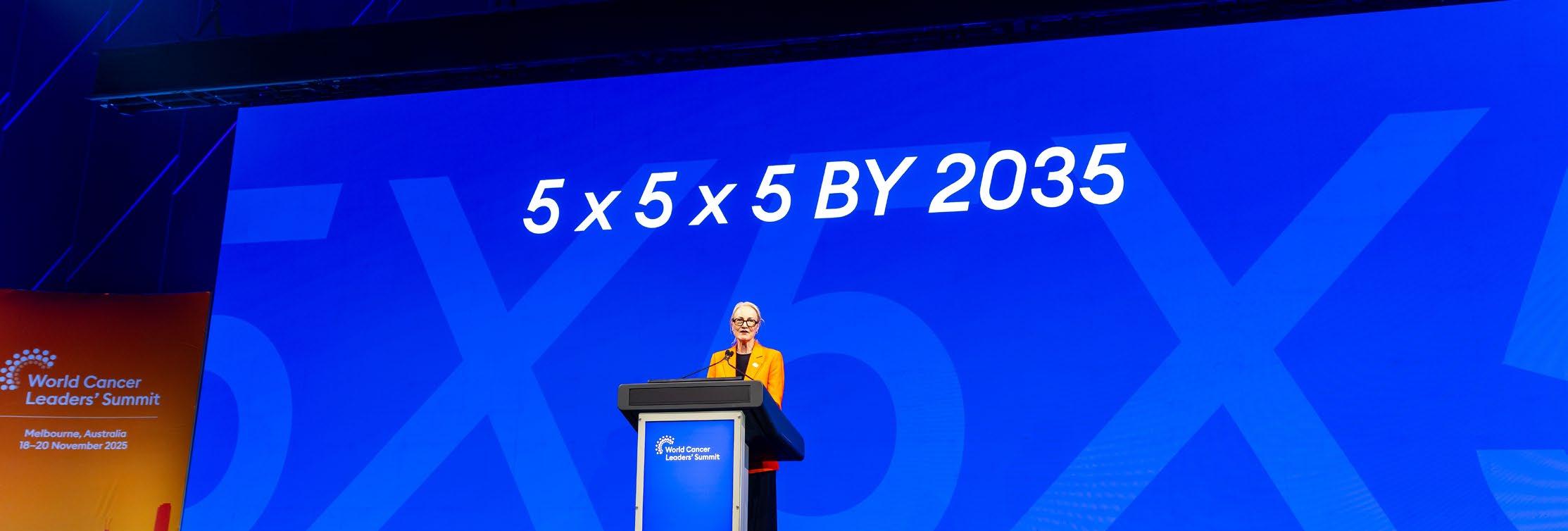
UICC President Ulrika Årehed Kågström then introduced the updated World Cancer Declaration (2025-2035), walking participants through the ‘5x5x5’ agenda and celebrating the input from over 100 members, and the endorsement so far from 136 member organisations across 66 countries. This led into the session ‘Regional perspectives on the World Cancer Declaration’, which explored how the Declaration can drive practical progress across diverse settings.
In New Zealand, Mr Rami Rahal, CEO of Te Aho o Te Kahu – Cancer Control Agency, New Zealand, outlined the country’s updated national cancer control plan, which includes 67 actions and reaffirms its ambitious 2030 equity target for Māori, supported by tangible gains such as declining smoking rates. From Kenya, Ms Phoebe Ongadi, Executive Director of the Kenyan Network of Cancer Organisations, highlighted persistent gaps in early diagnosis, noting that around 60% of cancers are detected late despite many people seeking care earlier. She emphasised the role of data-driven patient advocacy and technology-enabled access programmes in improving early detection and equitable treatment. Dr Eduardo Cazap, President of the Sociedad Latinoamericana y del Caribe de Oncología Médica in Argentina, and former UICC President, stressed the need to prioritise national planning, robust cancer information systems, and locally relevant research in a region where fragmentation is a significant barrier.
From the Eastern Mediterranean, Dr Hadi Abu Rasheed, Scientific Advisor at the Qatar Cancer Society, described how the Declaration acts as a practical advocacy checklist in contexts affected by fragile health systems, displacement and conflict, while enabling regional knowledgesharing. Across the panel, speakers underscored the Declaration’s value in promoting accountability, aligning governments around shared targets and strengthening collaboration, from South–South innovation exchanges to elevated patient advocacy voices. Their reflections demonstrated that aspirational global goals remain achievable when grounded in coordinated, collective action.
Drawing together two days of thought-provoking discussions, UICC President Ulrika Årehed Kågström thanked all speakers and participants for their contributions and reflected on the power of convening global cancer leaders during a period of considerable uncertainty. She noted that the Summit underscored the importance of collaborations that unite diverse perspectives behind a shared purpose. Looking ahead, she encouraged participants to use the updated World Cancer Declaration as both a platform for international collaboration and a framework for driving national action.
She urged delegates to have their organisation commit to the Declaration and to carry the momentum from Melbourne into their own contexts and continue championing innovation, equity and people-centred care.
Echoing this sentiment, Dr Zainab Shinkafi-Bagudu, UICC President-Elect, observed that the fragility of today’s world should strengthen the community’s determination to bridge divides and build a common future for people living with cancer. She emphasised that recognising the lived experience of people with cancer as a unique form of expertise will be essential for improving cancer care.
Looking to the years ahead, Dr Shinkafi-Bagudu was joined by Mrs Patricia Chu, Chairperson of the Hong Kong Anti-Cancer Society, who welcomed delegates to the 2026 World Cancer Congress in Hong Kong. Dr Emily Barsito also announced that the 2027 World Cancer Leaders’ Summit will take place in Nairobi, Kenya. She noted that the spirit of collaboration had made the 2025 Summit particularly special and expressed hope that this energy would carry forward to Kenya. The Ministry of Health of Kenya, together with AORTIC, KENCO, Kenyatta National Hospital, the Kenya Haematological Society and the Kenyatta Convention Centre, look forward to hosting delegates for further shared learning, dialogue and partnership.
"Let us take the momentum from Melbourne and transform ideas into action. Our responsibility is now driving innovation, advancing equity, and delivering meaningful progress for every community we serve."
Ulrika Årehed Kågström, President, Union for International Cancer Control
Workshops
Law in Action
The McCabe Centre hosted the ‘Law in Action’ workshop on 18 November, attracting 70 highlevel attendees from across sectors, including government, education, healthcare and cancer control, as well as legal services, showcasing law as a powerful tool in the fight against cancer from the local to the global.
Mr Todd Harper AM, CEO of Cancer Council Victoria, opened the session. He was followed by a keynote from Ms Nicola Roxon, former Attorney General and Minister of Health and Ageing of Australia. Ms Roxon reflected on her leadership in tobacco control and plain packaging, reminding everyone that “changing the law can be the most cost-effective measure, because law change equals systems change.”
The session brought together perspectives from three Regional Managers fo the McCabe Centre for Law and Cancer, Ma-Anne Rosales-Sto. Domingo (Philippines), Rachel Kitonyo-Devotsu (Kenya), and Delphina Taoa Kerslake (Samoa), who shared compelling insights and case studies on the power of law in cancer control. McCabe Legal Training Alumna, Margaret Asinimbu from the National Department of Health, Papua New Guinea highlighted her ongoing work shaping public health law, while Tarishi Desai, McCabe’s Treatment and Care Manager, shared insights from a Victorian research project on people navigating cancer and their legal and financial challenges. Providing perspectives from Mexico, Mr Gonzalo López-Cuevas, Board Member of UICC and the McCabe Centre for Law and Cancer, acknowledged the unique role that law plays in advancing public health.
Closing the session, Chair and Director of the McCabe Centre for Law and Cancer, Ms Hayley Jones celebrated McCabe’s International Legal Training Program and the nearly 700 alumni whose work has helped introduce laws protecting billions worldwide.
Increasing access and uptake of HPV vaccination: Lessons for action
UICC hosted the workshop ‘Increasing access and uptake of HPV vaccination: Lessons for action’, bringing together 14 participants from Brazil, Cameroon, India, Kenya, Malaysia, the Philippines, South Africa, Sweden, Uganda, and Ukraine. The group included representatives of UICC member oprganisations, global experts, HPV vaccination grant recipients, and storytelling programme participants, creating a platform for cross-country learning on increasing HPV vaccination uptake.
The workshop aimed to strengthen understanding of global progress, persistent barriers, and enabling factors for successful HPV vaccination. Participants identified widespread obstacles: limited resources for vaccination, screening, and treatment services; weak or inconsistent government support; and fragmented national policy implementation at local levels. Misinformation, particularly myths about infertility, confusion over dosing schedules, and stigma linking vaccination to sexual activity, was reported across several countries. Administrative and logistical barriers, including missing parental consent, weak data systems, and difficulty reaching out-of-school or migrating girls, further constrained coverage. Conflict settings such as Ukraine faced disrupted delivery and competing health demands, while cultural stigma (India) and distrust of government institutions (Cameroon) lowered acceptance.
Opening remarks by UICC President Ulrika Årehed Kågström highlighted Sweden’s success inachieving over 90% coverage through schoolbased vaccination, strong relationships between nurses, teachers, and parents, and empathy-driven communication. She urged participants to prioritise trust-building, context-specific adaptation, and cross-sector collaboration.
Small-group discussions surfaced effective strategies: engaging political champions and cancer survivors, integrating HPV services within HIV programmes, using mobile outreach, partnering with religious and traditional leaders, deploying peer youth advocates, and applying local-language radio, comics, influencers, and storytelling. Participants stressed the importance of catch-up vaccination, opt-out school models, and improved data systems to reach missed populations.
The session closed with reflections from Dr Zainab Shinkafi-Bagudu, UICC President-Elect, emphasising collaboration and trust as essential foundations for cervical cancer elimination.
"La Roche-Posay proudly supports the 2025 World Cancer Leaders' Summit and stands with the UICC in our shared fight against cancer. We are truly proud to support this important event, bringing together global leaders and experts to drive progress in cancer control. Through our 'Cancer Support by La Roche-Posay' program, we champion skin cancer prevention and detection while improving quality of life through supportive care. By fostering innovation and strong partnerships at forums like this Summit, we can advance cancer control and ensure no one faces this challenge alone.”
Alexandra Reni-Catherine, Global General Manager of La Roche-Posay International
"The UICC World Cancer Leaders’ Summit is a unique opportunity for Pfizer to engage with the global cancer community, share expertise, and collaborate with leaders, advocates, and policymakers. This meeting builds on our commitment to advancing cancer care and helps us drive progress through meaningful partnerships as we seek to strengthen National Cancer Control Plans and policies that support innovation. We thank the UICC for hosting such an impactful meeting."
Jennifer L. Young, Vice President and Head, International Commercial Policy, Pfizer
32 scholarships for UICC members from 22 countries
136 leaders committed their organisation to support the new World Cancer Declaration
"This has been a great Summit, brought together by three UN Agencies, local hosts, and the sponsors working with the amazing UICC team. We have witnessed the sharing of ideas, inspiring discussions and motivational speeches. We leave Melbourne proud of our community and look forward to meeting at the next Summit in 2027 in Nairobi.”
Dr Cary Adams, Chief Executive Officer, Union for International Cancer Control
"We were pleased to convene an expert panel to examine the findings of the Swedish Institute for Health Economics’ recent report on women’s cancer care worldwide. Discussions at the summit underscored broad consensus on the urgent need to address disparities in women’s cancer care and outcomes at the global, regional, and national levels.”
Craig Glover, Director - Global Public Policy (Oncology), Asia Pacific, MSD