2025 Annual Report
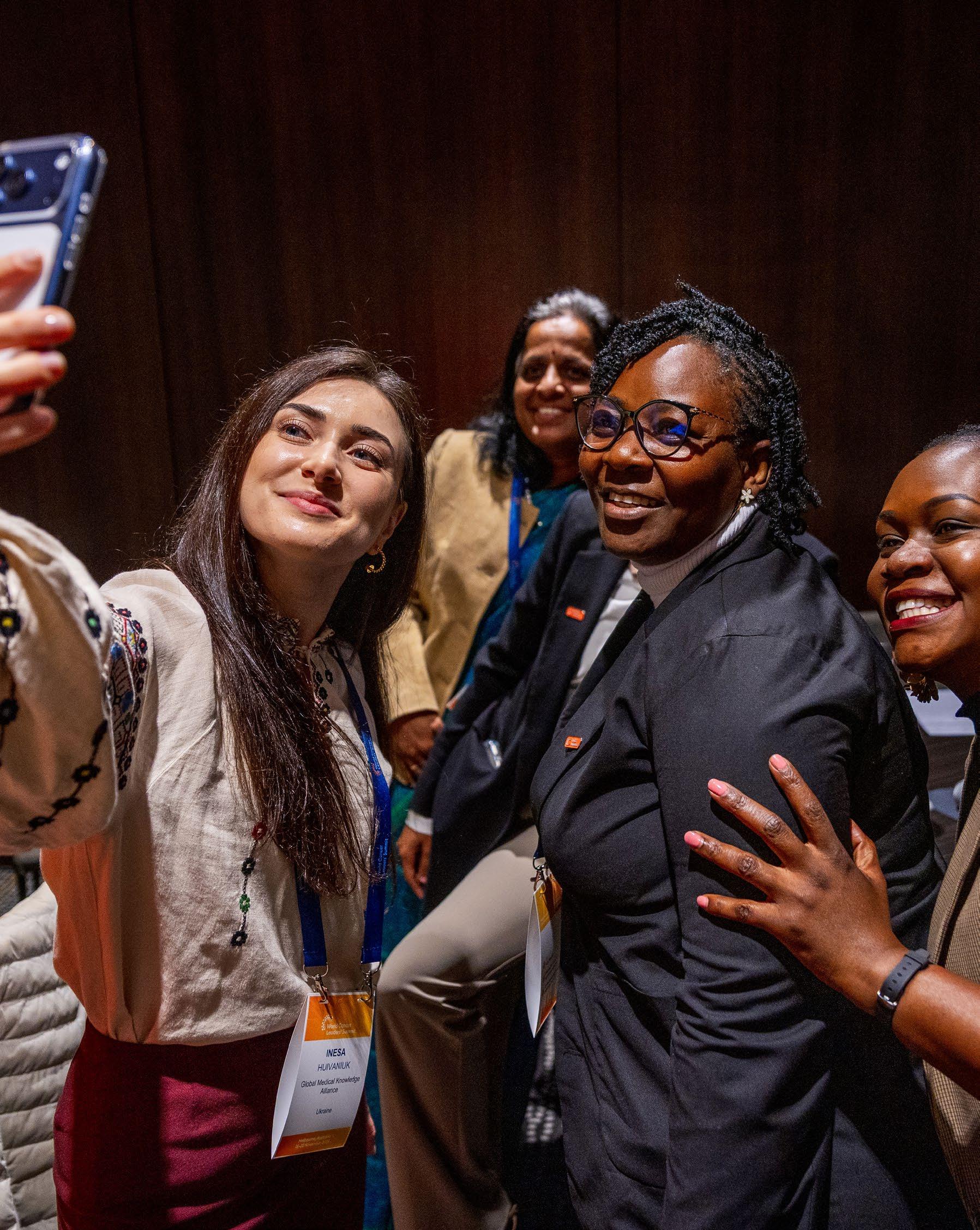
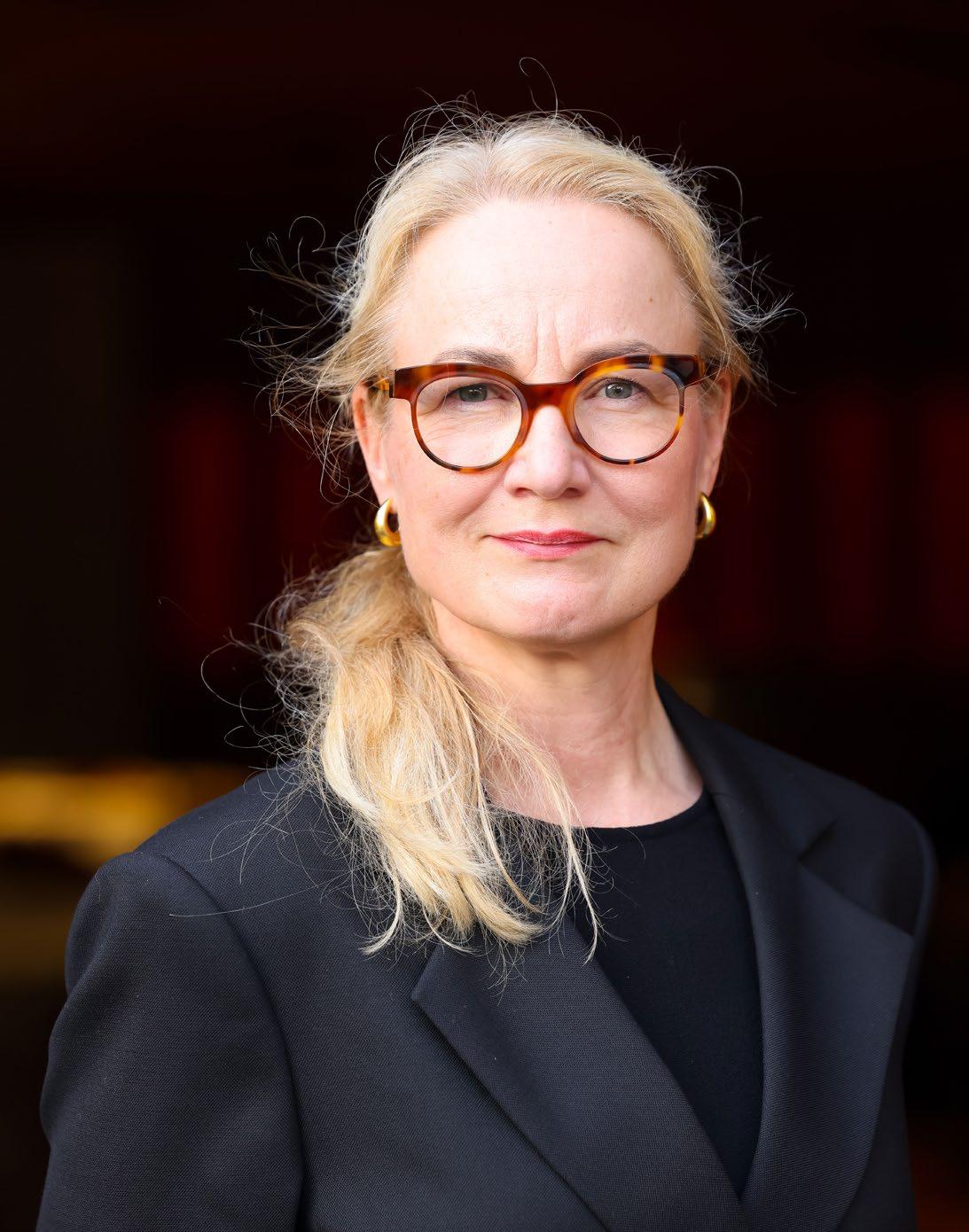
In a year marked by uncertainty and uneven progress in global health, it is remarkable what we have managed to achieve as a community through sustained commitment, collaboration and a shared sense of purpose.
The determination shown by UICC’s members, who stand at the heart of our organisation’s mission, was especially important this year. Their efforts, together with the engagement of partners and our wider network, helped maintain cancer control as a priority. This included continued focus on practical steps to help countries prevent, detect, and treat cancer, and to support people affected by the disease.
One of the clearest signals of this collective strength was World Cancer Day. The first year of the United by Unique campaign resonated across our membership and beyond, with strong reach across social and traditional media. It was heartwarming to see so many taking part in the Upside Down Challenge – sharing a photo or video of themselves upside down, and a personal story about how cancer has affected them – a reminder of how many lives around the world are affected by cancer.
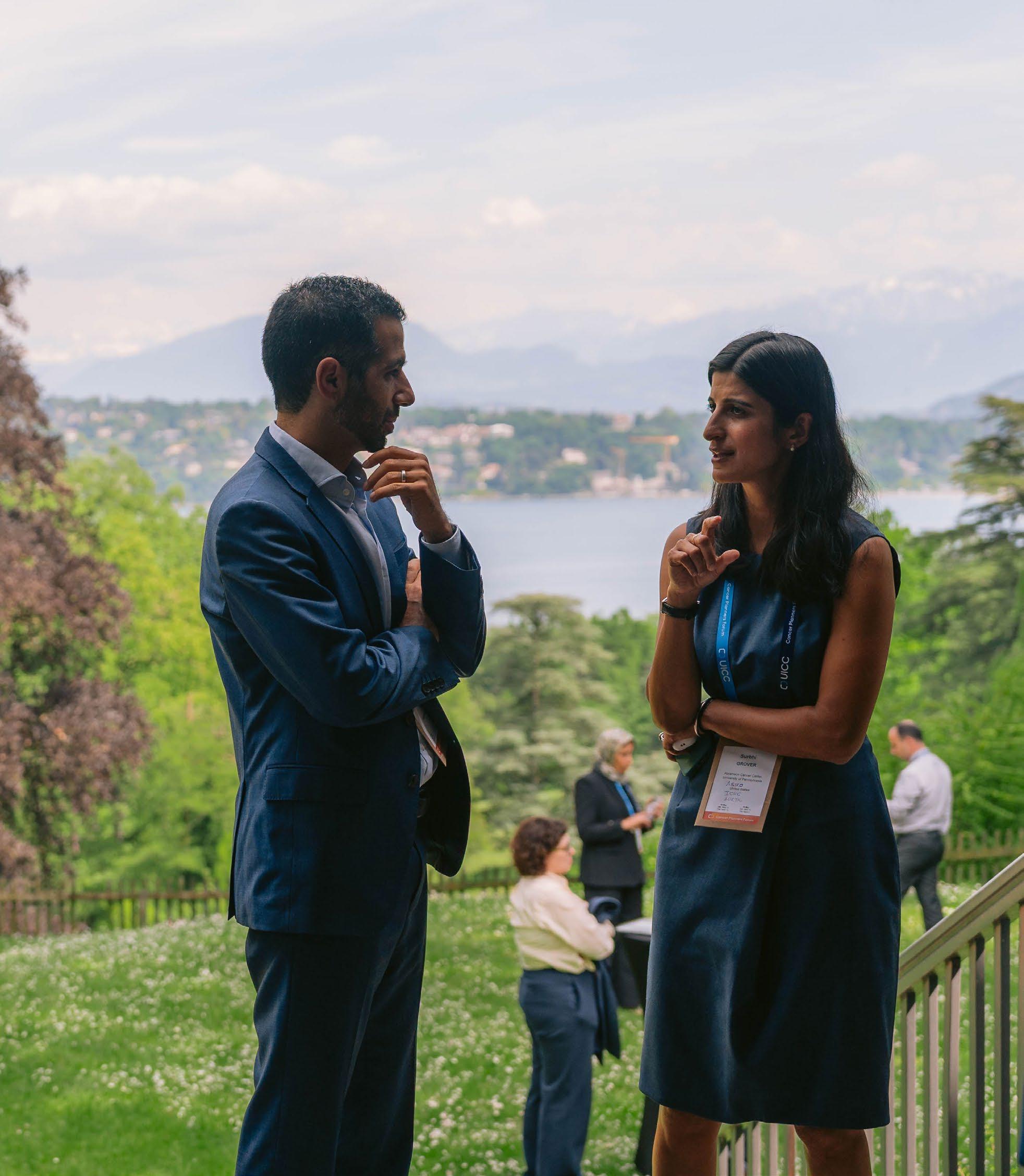
We also strengthened support for national leadership. In May, UICC hosted the inaugural Cancer Planners Forum, in partnership with the World Health Organization (WHO), International Agency for Research on Cancer (IARC), and International Atomic Energy Agency (IAEA), bringing together national cancer control planners from 40 countries. Even amid development aid cuts and political uncertainty, we are seeing innovative, evidence-based, and practical approaches emerging across regions, rooted in local realities. We look forward to welcoming participants again for the second edition of the Cancer Planners Forum on 13–15 May 2026 in Geneva.
In November, the World Cancer Leaders’ Summit in Melbourne offered another moment of connection and shared purpose. Meeting so many of our members, partners, and other important actors in global health, I was reminded as always of the remarkable strength and diversity of our community.
The Summit also marked the launch of the World Cancer Declaration 2025–2035, endorsed by leaders during the meeting and now supported by organisations across the cancer community. This is intended to act as a shared framework that members and partners can use to reinforce accountability and increase investment in quality cancer services.
UICC continued to grow its membership through 2025, bringing together organisations across the globe working in prevention, care, research, and advocacy, including groups led by, and working alongside, people with lived experience of cancer.
On the global policy front, UICC welcomed the adoption of the UN Political Declaration on Noncommunicable Diseases (NCDs) and Mental Health. The Declaration includes commitments relevant to cancer control, and emphasises how progress will depend on follow-through at country level, backed by financing, strong health systems, and action that reaches communities who are too often left behind.
Thank you for your continued trust and engagement. It is a privilege to serve as UICC President, and I look forward to building on this foundation with all of you in the year ahead.
Ulrika Årehed Kågström President,
Union for International Cancer Control
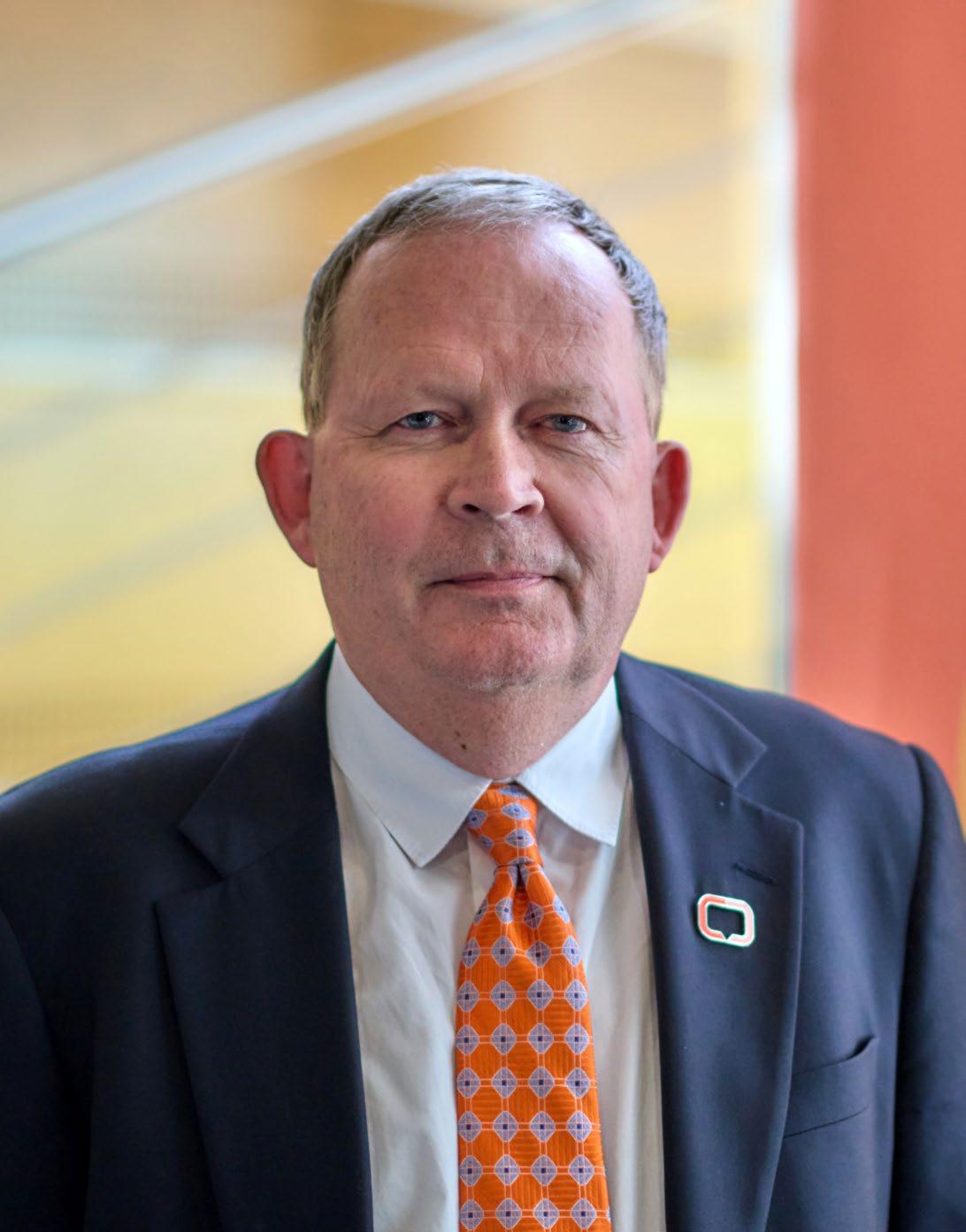
For many health organisations in Geneva, 2025 was an extremely difficult year. As the ramifications of the various political decisions unravelled, many international organisations cut back, releasing staff and halting programmes and initiatives affecting the lives of millions around the world. The full implications on the cancer community will surface in the coming years, but we can expect and demand increased local ownership given the reduced role for international organisations, which have traditionally funded the health systems and responses to the disease burden of developing countries.
UICC’s funding model has proved to be resilient given the wider context and we concluded the year with a balanced budget, growing our staff base and increasing the support we provide to our members through a suite of impactful activities online and in-person. Week after week, we have helped and supported members increase their ability to drive change at a national level, engaged partners in our cancer control priorities, and delivered impact in key global fora.
In 2025, we developed and published a 2025-2028 Business Plan, setting out our priorities and areas of focus for the next four years. In addition to improving our services to UICC members, we have identified people-centred care, lung cancer, women’s cancers, medicines access in LMICs, and improving health systems for cancer control, as areas in which the UICC team can play a unique role with partners, impacting the global challenges we face in each of these areas. Our partners have been extraordinarily supportive and provided us with the energy and funding to take each of these challenges forward with confidence.
As highlighted by Ulrika in her foreword, we organised the inaugural Cancer Planners Forum in 2025, bringing together 40 government officials to discuss cancer control planning and exchange best practice. The Forum proved so successful that we have a second Forum running in 2026 and I anticipate this event becoming a regular feature in the UICC calendar, complementing the biennial World Cancer Congress and the World Cancer Leaders’ Summit. Our ability to bring the cancer community together is critical to the success of our organisation and such interactions inperson cannot be replicated easily through online meetings.
As ever, the UICC team in Geneva and our army of volunteers who work with us every day have remained focused on what is important to our membership. This report summarises the work which has been delivered and the impact it has had. For such a small team, we achieve so much. We are blessed to be led by an outstanding Board of Directors and Ulrika Kågström, our President. I would like to thank the UICC team, the Board, and Ulrika for their energy and commitment in 2025, making it a pleasure to be the CEO of such a wonderful organisation.
Dr Cary Adams Chief Executive Officer, Union for International Cancer Control
Our mission
UICC unites and supports the cancer community to reduce the global cancer burden, to promote greater equity and to ensure cancer control continues to be a priority in the world health and development agenda.
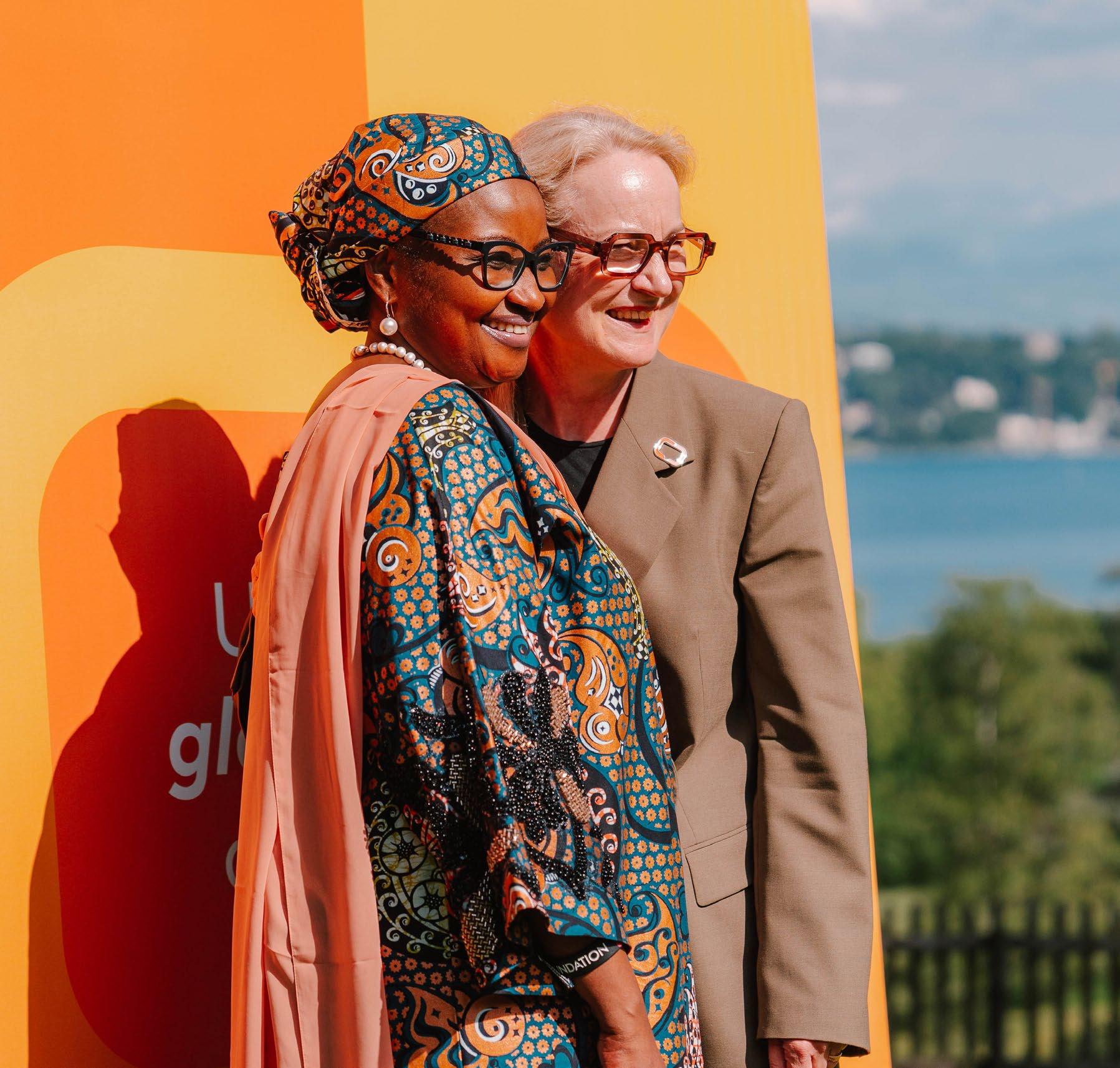
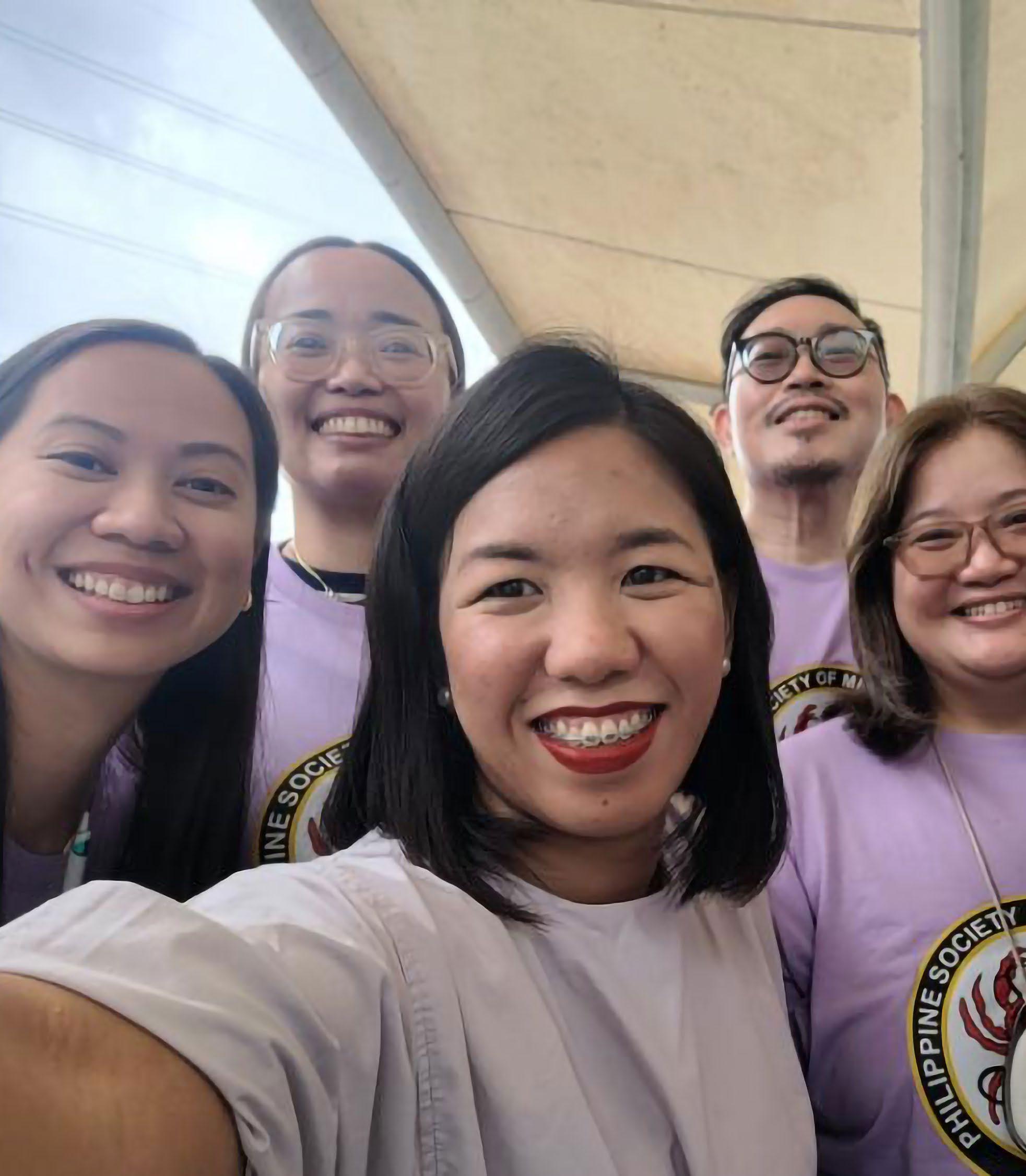
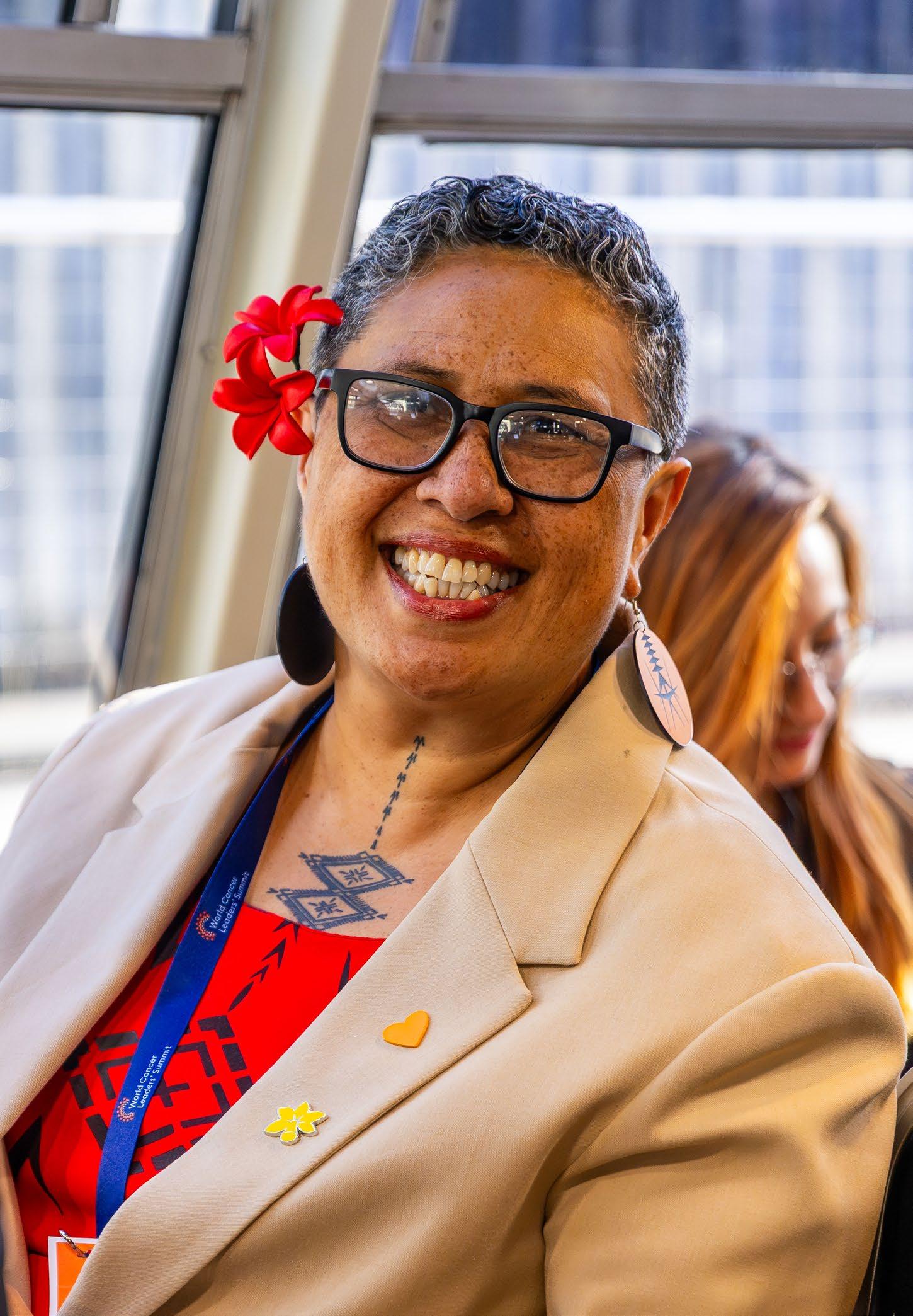
Members drive UICC’s priorities, inspire the action, and are central to everything UICC does. In 2025, UICC welcomed 55 new member organisations, bringing the total number to 1,132 across 172 countries and territories. Most new members are full members, representing Asia-Pacific and Europe. They indicate a strong interest in learning and development opportunities and in events such as the World Cancer Congress.
Of the 1,132 organisations with membership of UICC, 501 were full members with rights to vote at the UICC General Assembly and for their CEOs to attend the World Cancer Leaders’ Summit, 161 were associate members and the remaining were global network members.
Building on the successful launch of the membership centricity initiative, UICC renewed its focus on delivering value to members by prioritising their needs while continuously strengthening member services. Significant progress in membercentric communications, including the launch of the UICC Member Insider newsletter, a notable increase in the number of articles on our website based on interviews with our members, and social media engagements, have largely contributed to increasing the visibility of members across UICC’s network.
“UICC represents a global network of excellence and collaboration. For Hospital Moinhos de Vento, being part of UICC means having access to cuttingedge knowledge and information, and it reflects a collective commitment to improving cancer care. It strengthens our mission to bring the best in oncology to our patients in Brazil.’’
Luiza Abdalla, Strategy and New Business Manager, Hospital Moinhos de Vento, Brazil
“As an oncology society from a low- and middleincome setting, AMPOK has found UICC membership invaluable in connecting our clinicians and researchers to a truly global community. (...) Through access to UICC’s educational resources, thematic webinars, and the World Cancer Congress platform, our members are able to learn from best practices across regions. This engagement has strengthened our advocacy for equitable cancer care (...) Looking ahead, we see UICC as a vital partner in scaling our cancer control innovations (...)”
Association of Medical and Pediatric Oncologists of Kerala (AMPOK), India
172 countries and territories
1,132 members
“UICC’s strength lies in its members. Through active engagement, shared knowledge and collaboration across regions, our membership community continues to shape a stronger and more united response to cancer worldwide.”
Zainab Shinkafi-Bagudu, President-elect, UICC
UICC’s learning and development opportunities supported 1,637 individuals from 910 organisations across 146 countries, of which 927 individuals (57%) and 356 organisations (39%) were UICC members.
In terms of membership type, the full and associate members engaged in 2025 represent over half (54%) of total full and associate members in the UICC membership in 2025.
“It’s a vital role that UICC plays in connecting us with international communities. If you want to advance cancer control as one of your main objectives, it is better to join UICC and work together.’’
Mohammad Syafiq Abdullah, Director, Brunei National Cancer Center, Brunei
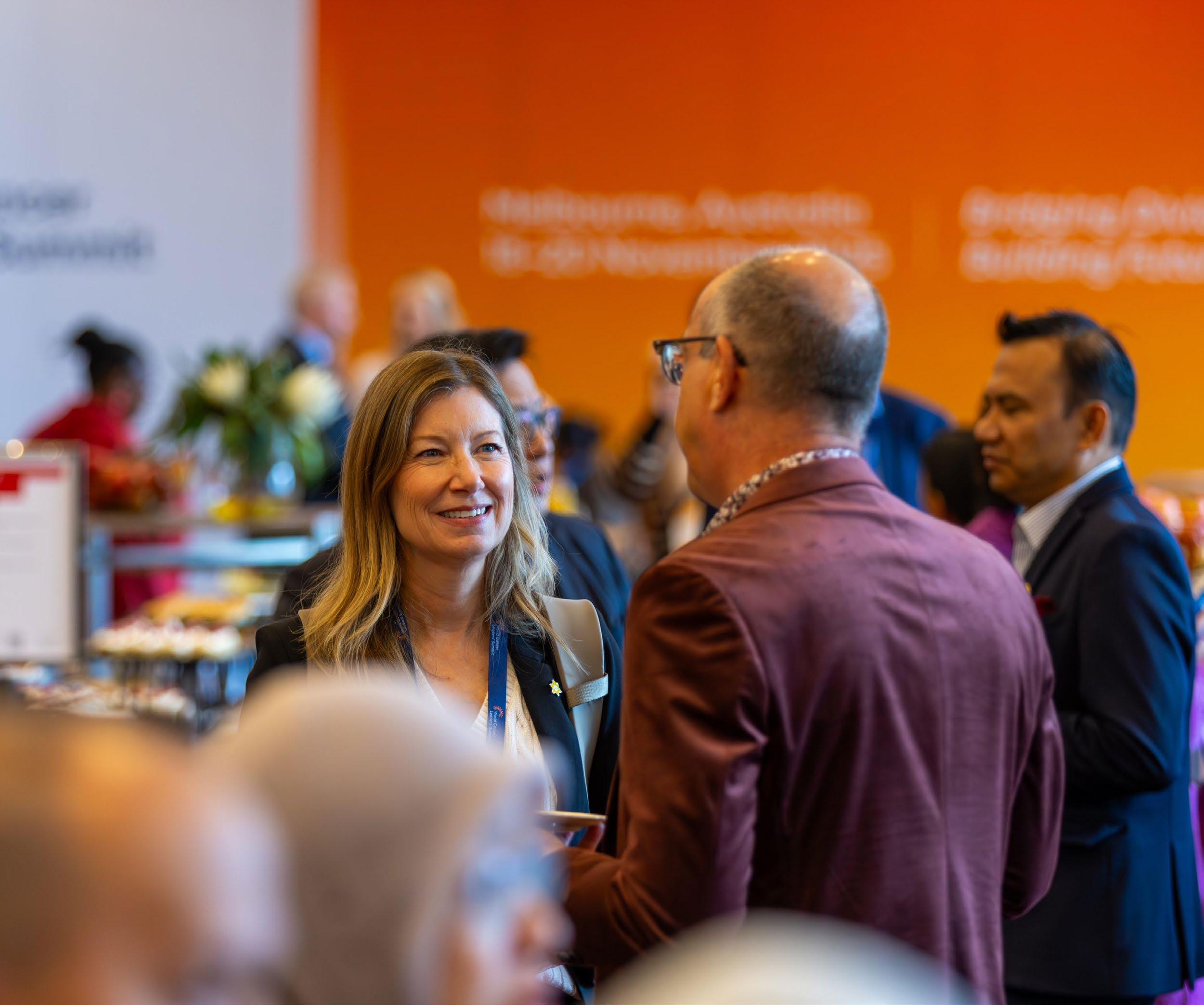
UICC’s participation in both in-person and online events has broadened its engagement with diverse membership communities. Through its partnership with the Economist Impact, UICC hosted a networking event at the World Cancer Series Europe in Brussels (10–11 June), which attracted new members and strengthened UICC’s visibility among European stakeholders.
Another milestone was the gathering of UICC members at the National Cancer Congress Malaysia (20–22 June). In collaboration with the National Cancer Society of Malaysia, UICC convened a session with 30 members from 14 Asia-Pacific countries, fostering new relationships, strengthening collaborations, and contributing to renewed engagement in rethinking the World Cancer Declaration.
The AORTIC 2025 Conference in Tunisia offered UICC a significant platform to deepen engagement across Africa and the Eastern Mediterranean, with over 150 conference delegates joining discussions at the UICC booth. Strategic connections were made with prospective members, civil society groups, hospitals, and research centres. The conference showcased strong momentum for regional collaboration and opened promising avenues for new partnerships.
The World Cancer Leaders’ Summit in Melbourne, a flagship event for full members, attracted more than 120 UICC member participants, reaching higher figures than the previous World Cancer Leaders’ Summit 2023 in in Long Beach, California.
The first phase of Member Lens, a membership data project, was successfully completed. The aim is to establish reliable membership information to improve targeted outreach efforts. Findings of the initial phase enabled UICC to address foundational requirements for the management of the Customer Relationship Management (CRM) platform.
“Unicancer brings together France’s Comprehensive Cancer Centres around a unique not-for-profit model, combining care, research, innovation, and education within a shared ambition: improving outcomes for patients. Through our collaboration with UICC, we are pleased to contribute this collective expertise to the global cancer community, while learning from the diversity and strength of UICC’s international network.’’
Sophie Beaupère, CEO, Unicancer, France
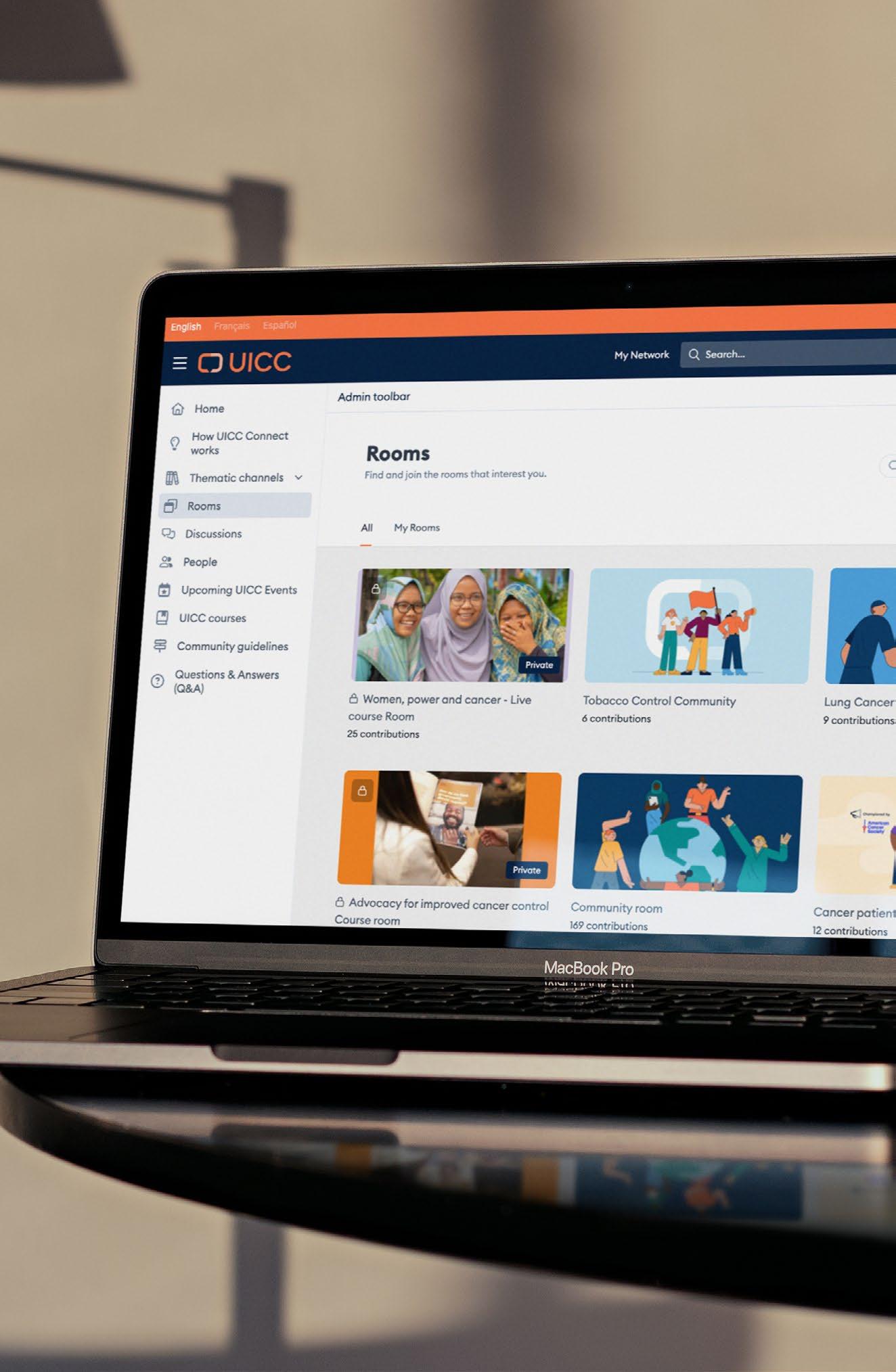
UICC Connect is the global community platform purposebuilt for cancer professionals and organisations to meet peers, learn together, exchange practical knowhow, and turn ideas into impact across programmes, geographies, and the full continuum of cancer control. It offers thematic rooms, member exclusive learning and content, and structured spaces that extend UICC convenings and advocacy into year-round collaboration.
“Coming from a non-medical background, UICC Connect has been transformative. It gave me access to courses, resources, and practical tools, helping me grow, learn from global peers, and strengthen my advocacy. The platform turns isolation into connection and learning into action, building confident individuals who drive stronger, more equitable cancer systems.”
Nadine Saadeh, Project Manager, Barbara Nassar For Cancer Patient Support, Lebanon
“A platform like UICC Connect can be incredibly valuable for sharing knowledge, best practices, and experiences with professionals across the globe. It fosters collaboration, learning, and support within the cancer care community, helping advocates like me strengthen our impact and bring better resources and hope to patients.”
Suchismita Das, Patient Advocate, Lung Connect India Foundation, India
Over 2025, UICC Connect consolidated its position as the online community platform for cancer professionals globally in its first full year of operations since the public release in September 2024:
→ Over 1,000 new users signed up
→ A total of 1,277 cancer professionals engaged with the platform
→ 802 (63%) of the users active in 2025 were UICC members, representing 323 member organisations
→ An average of 377 users logged in to UICC Connect every month, with approximately 50% of these being returning users
While the platform is open to anyone working professionally in cancer control, outreach is targeted predominantly at UICC members. Member organisations and their affiliates have exclusive access to online courses as well as to premium content and rooms. By the end of 2025, the platform had hosted 15 public discussion rooms (i.e. visible and accessible by all users), and seven private discussion rooms (i.e. accessible by invited users).
To nurture engagement among users, Connect Live sessions were launched in the last quarter of 2025. These are regular Zoom meetings designed to foster a sense of community, create connections and share ideas among UICC Connect users around broad themes. By the end of the year, three Connect Live sessions had been hosted, bringing users together on topics such as childhood cancer, breast cancer, and people-centred care.
Overall, 283 individuals from 164 organisations took part in UICC’s online courses in 2025.
More than 97% of respondents of the satisfaction survey reported improved knowledge, and approximately 90% of respondents expressed a level of confidence in applying the knowledge acquired.
Two live, cohort-based, courses were offered to UICC members on the UICC Connect platform:
→ Advocacy for Improved Cancer Control (run in English, French and Spanish from March to June)
→ Women, power and cancer: Implementing the Lancet Commission’s recommendations (run in partnership with the McCabe Centre for Law and Cancer and members of the Lancet Commission from April to July)
An additional five courses were available in 2025 on demand as selfpaced courses on UICC Connect:
→ Engaging with law and policy for cancer prevention and control
→ The Cervical Cancer Elimination Initiative foundational course
Online courses offered ‘live’ on UICC Connect are complemented by dedicated discussion rooms, live faculty-led sessions and interactive discussions and assignments. Following the course, the prerecorded material is made available to all members on UICC Connect in a self-paced format, enabling those who may have not been able to complete the course during its live iteration to complete the learning on demand.
→ The Global Breast Cancer Initiative foundational course
“Almost all modules are relevant to my organisation effort in supporting the MOH of the Republic of Indonesia in developing its National Action Plan for Breast Cancer.”
Budiastuti Wening, Vice Chairperson, Indonesian Breast Cancer Foundation, Indonesia – participant in the Advocacy for Improved Cancer Control course
→ The Global Initiative for Childhood Cancer foundational course
→ Management essentials for civil society organisations in the cancer control space (available in English, French and Spanish)
A variety of self-paced courses are also available to members on UICC Connect, including foundational learning opportunities on the three WHO Global initiatives for childhood cancer, breast and cervical cancer.
“This was a very enlightening course. I thoroughly enjoyed the flow of the modules and speakers. Bringing the gender lens into the cancer space is a game changer and am already thinking of strategies to use to highlight this in our advocacy.”
Karen Nakawala, Executive Director, Teal Sisters Foundation, Zambia –participant in the course, ‘Women, power and cancer: Implementing the Lancet Commission’s recommendations’
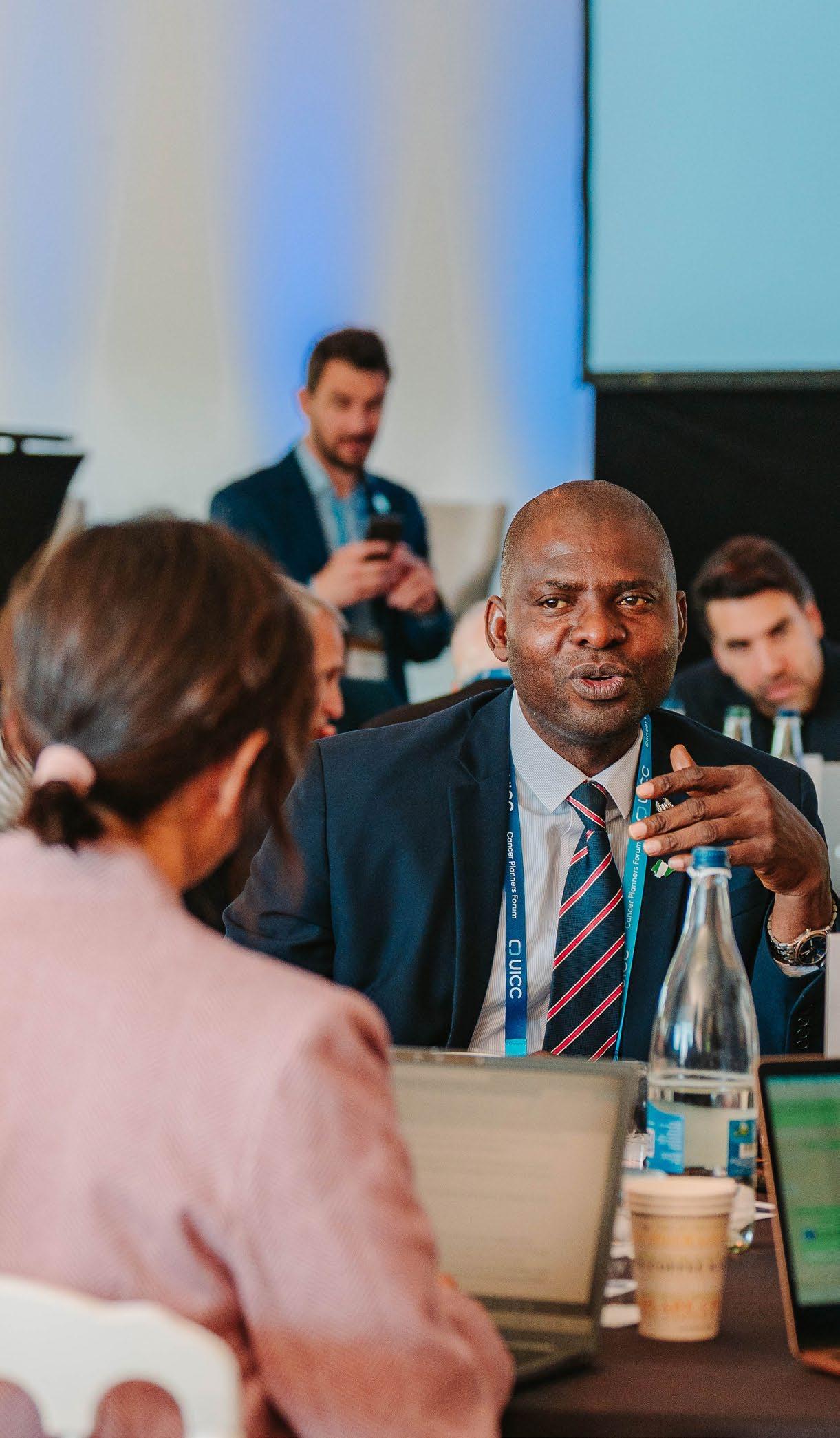
In 2025, UICC continued to support UICC member organisations with learning and training opportunities to help strengthen the functioning and sustainability of their organisation.
The online course ‘Management essentials for civil society organisations in the cancer control space’, covered key organisational domains, from governance to strategy, communications to fundraising, and financial management to HR. Structured over eight modules, the course was made available to members in self-paced mode on UICC Connect.
Additionally, in support of the women’s cancers thematic priority, 12 member organisations working across breast and cervical cancer were offered one-onone guidance and support from expert mentors to help them tackle specific management and organisational challenges, identified through a structured selfreflection process.
To nurture peer-learning and accountability, individuals were invited to join a discussion room on UICC Connect dedicated to organisational strengthening. The room offers a space for the mentees to share progress, experiences, challenges, tips, tools and resources towards making their organisations, programmes or teams stronger, more efficient and sustainable.
Finally, also in support of the women’s cancers theme, in July, UICC hosted a three-part online workshop series on storytelling skills to drive action and change in support of 11 health professionals, advocates, patient leaders and researchers working on driving cervical cancer elimination efforts and scaling up HPV vaccination in their countries.
“I am going to use what I learned in my work to ensure HPV vaccination uptake in Ghana and also advocate for cervical screening in rural communities.”
Rukaya Mumuni, Principal Nursing Officer, Ghana Health Service, Ghana
UICC Scholarships, formally established in 2024, build on years of experience providing travel grants. They offer support towards travel, accommodation, and living expenses as well as visa costs where applicable. Priority is given to representatives of UICC member organisations from low- and middle-income countries. Through its Scholarships initiative, UICC aims to enhance equity and diversity at cancer control events, both in participation and in the views represented in discussions and content.
Overall, 86 scholarships were awarded in 2025 to 80 individuals across 49 countries to support their participation at eight different events, including two UICC-led events: the inaugural Cancer Planners Forum in Geneva in May and the World Cancer Leaders’ Summit in Melbourne in November. Other events included the 2025 Global Cervical Cancer Elimination Forum in Bali, Indonesia, WHO Regional Committee Meetings for the African, Eastern Mediterranean, and Western Pacific regions, and the International Conference on Cancer in Africa (AORTIC) in Tunisia in November.
It is also important to note that through the initiative and support of the National Cancer Society Malaysia (NCSM), UICC was able to invite an additional 30 individuals from UICC member organisations in the region to participate in the National Cancer Congress in Kuala Lumpur in June 2025, receiving travel grants administered and funded by NCSM.
“Receiving this scholarship has been an incredible journey, one that has broadened my perspective, connected me with inspiring experts, and empowered me to contribute to impactful cancer control initiatives. The support has been truly transformative, opening doors I never imagined.”
Abdullah Matouq, Ministry of Health, Jordan attended the inaugural Cancer Planners Forum, held in Geneva, Switzerland, 14 - 16 May
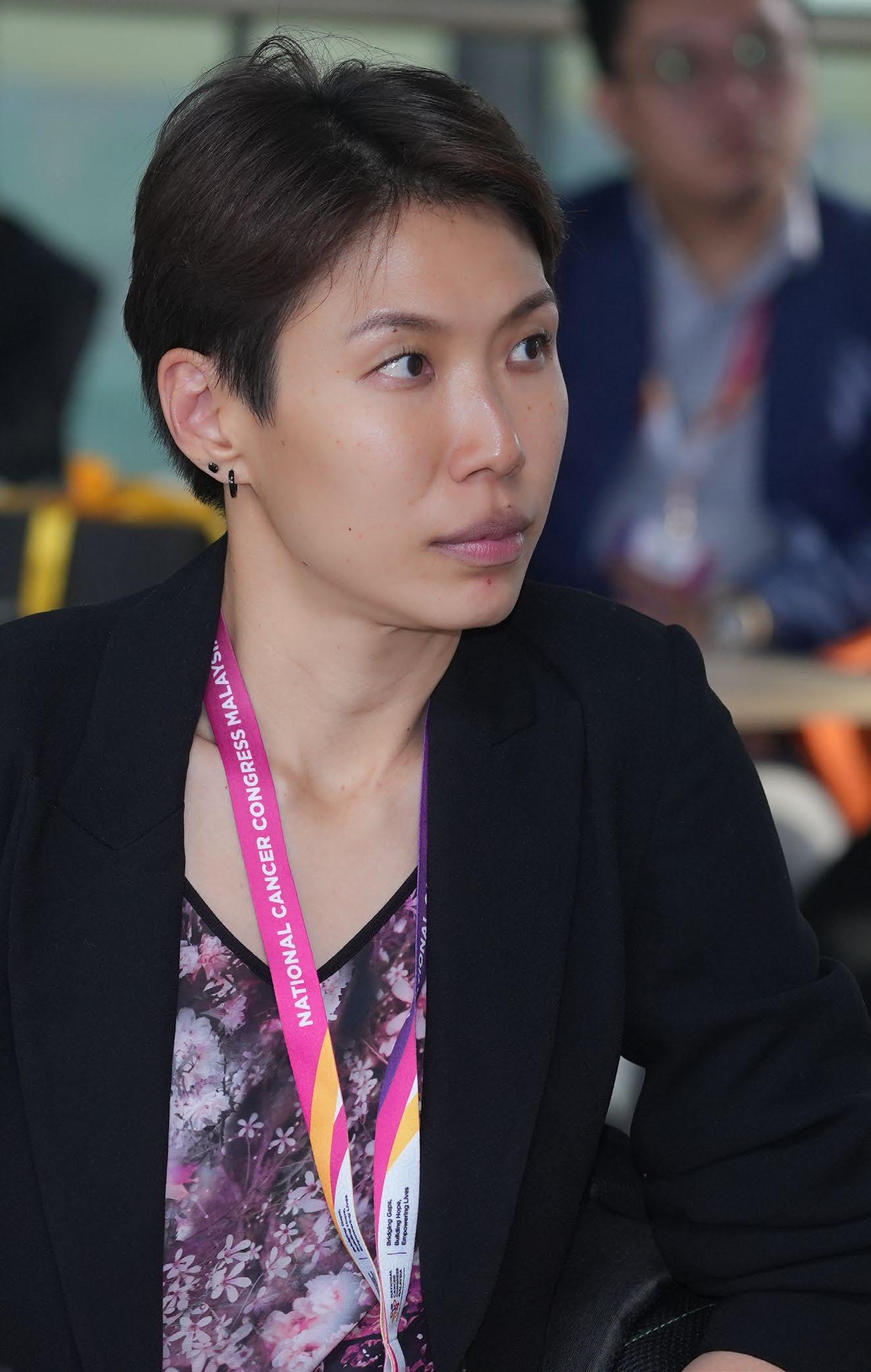
Throughout 2025, UICC has continued to support its members in national advocacy for cancer control. 91 individuals completed the Advocacy for Improved Cancer Control course, in either the live or self-paced format. It incorporated two newly launched resources linked to WHO frameworks: the Breast Cancer Advocacy handbook, developed in 2024; and the Cervical Cancer Advocacy handbook, launched in 2025. A Virtual Dialogue held in July marked the launch of the Cervical Cancer Advocacy handbook and showcased examples of UICC members advocating for cervical cancer elimination in different resource settings across the world. Both handbooks are currently available in English, French, and Spanish.
Following completion of the 2025 live advocacy course, UICC opened the call for applications for the Cancer Advocates Programme. The 2025–2026 cohort includes 18 new organisations from 14 countries across Africa, the Eastern Mediterranean, Asia Pacific, and Latin America. Their advocacy projects address a wide range of priorities, including cervical cancer prevention and early detection, breast cancer screening, treatment and support, strengthening health systems, people-centred care, and the engagement of people with lived experience.
In parallel, UICC continued to implement dedicated advocacy projects through strategic partnerships. UICC completed a two-year partnership with L’Initiative to support civil society organisations in Francophone Africa. The programme culminated in a series of sessions to support organisational leadership, and in-person peer visits to foster exchange between members. To support civil society in the Indo-Pacific, in line with the Elimination Partnership in the Indo-Pacific for Cervical Cancer (EPICC) partnership, UICC provided different types of support fostering the development of regional relationships, valued particularly due to the isolated nature of their respective roles with starkly similar geographic contexts and challenges, and networking opportunities with other key partners. At the World Cancer Leaders’ Summit, three of these members spoke on a panel about addressing cancer, notably cervical cancer, in small island states.
In East Africa, UICC and Cancer Research UK continue to support coalitions of civil society organisations in advocating for tobacco control, with significant wins in both Uganda and Kenya in 2025.
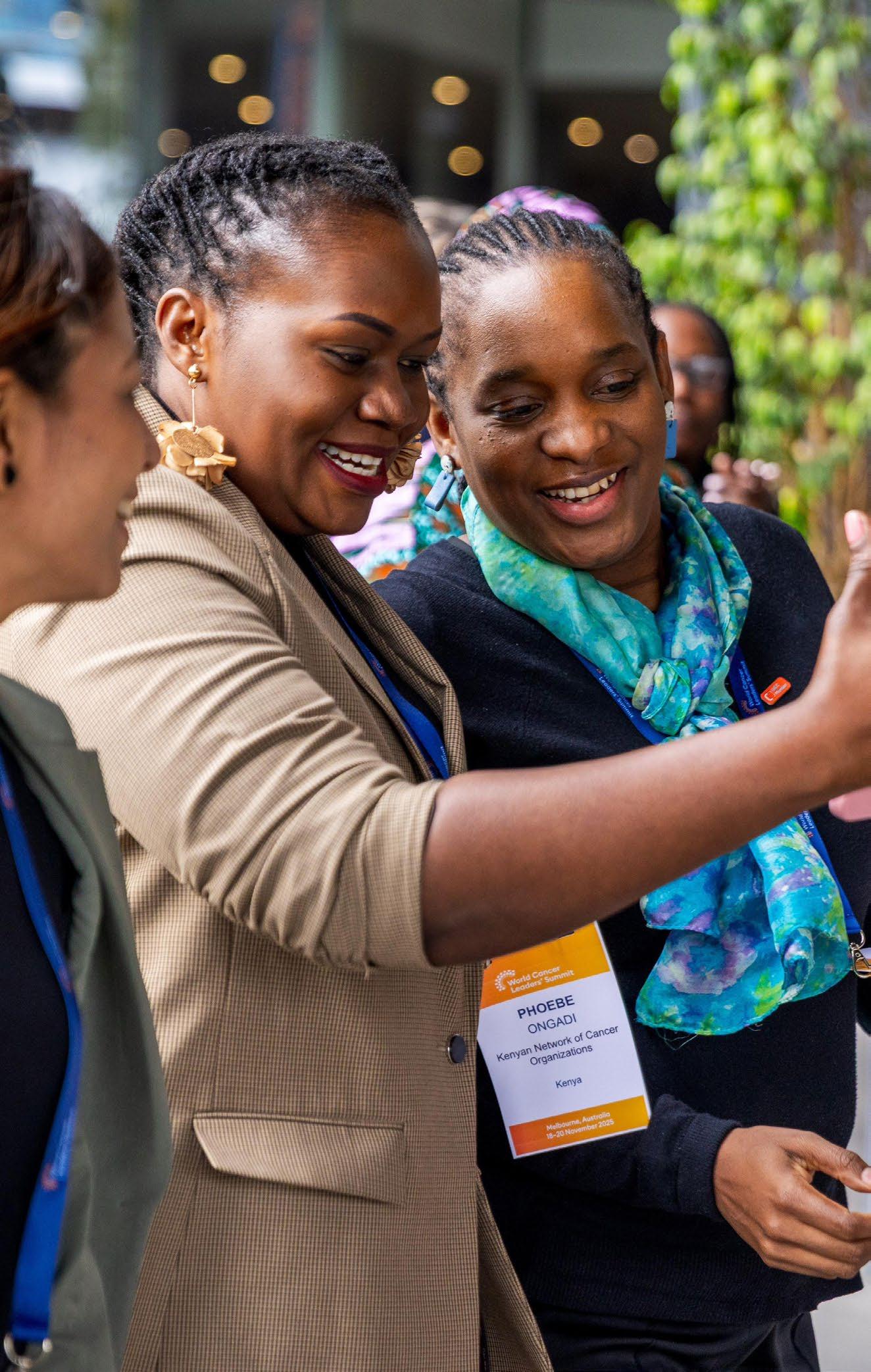
“It was a pleasure to take part in the advocacy session, we learned a great deal about fundraising. Following the training, we adjusted our approach and were able to secure two grants from ABC Global Alliance. I also drew on my own lived experience expertise as a former cancer patient to adapt our pitch and create impact.”
Ibrahima Madougou Moubarak, Founding President, Ligue Nigérienne de Lutte contre le Cancer, Niger
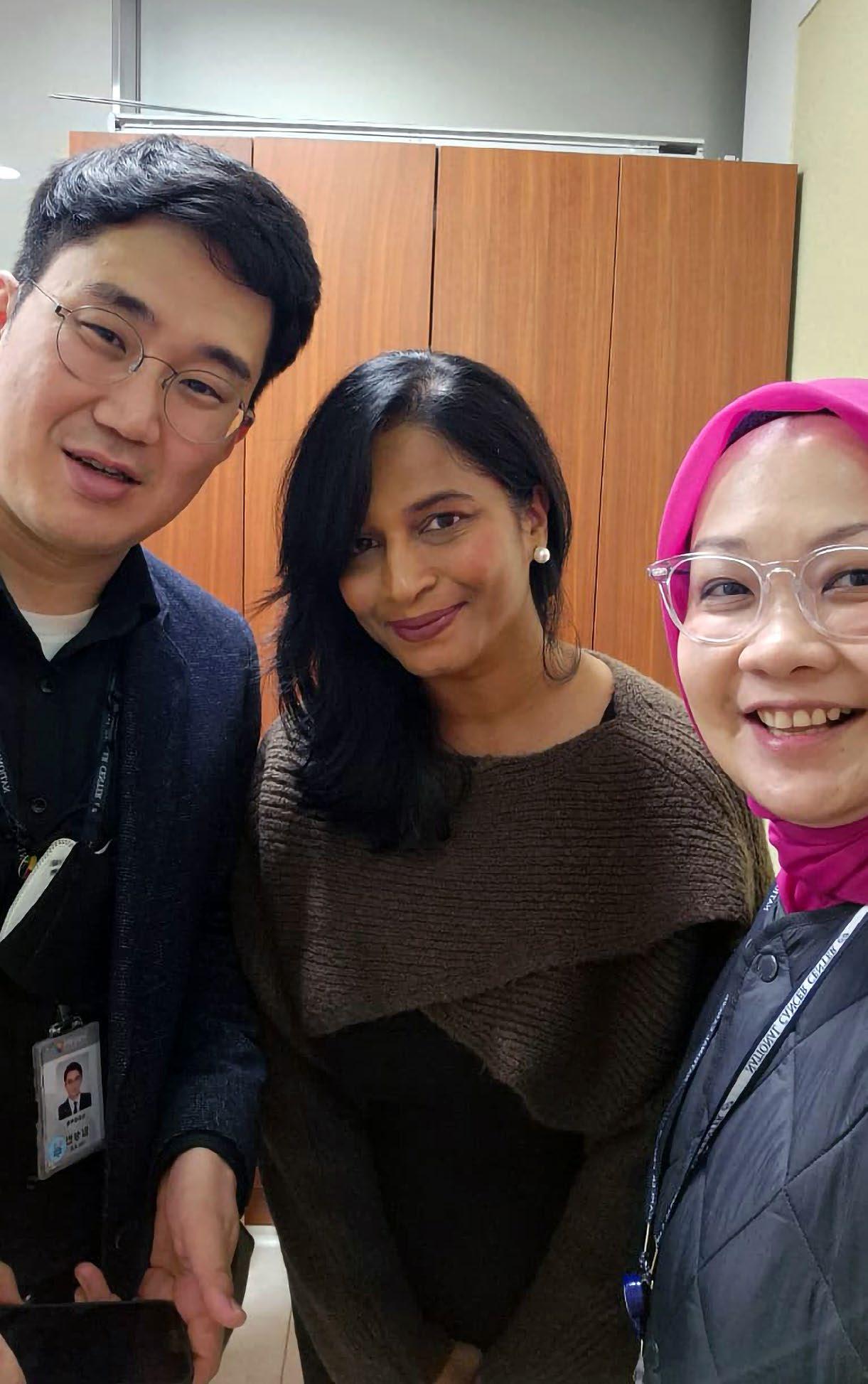
The 2025 call for UICC Technical Fellowships was open between JuneAugust, including the French and Spanish sub-programmes for Francophone Africa and Latin America. A total of 110 applications were received from 37 different countries.
31 fellowship awards were made to applicants from 23 countries, with Fellows hosted by 18 institutions across 11 countries. More than 50% of fellowships involved UICC member organisations as the home or host institution, and 35% of awarded Fellows are employed by UICC member organisations.
In collaboration with two UICC member and partner organisations, National Cancer Center Korea and Princess Margaret Cancer Centre, eight fellowships were awarded to visit these leading comprehensive cancer centres. Additionally, nine Fellows will visit IARC in Lyon, partly through the UICC-IARC Development Technical Fellowships.
As part of the dedicated and long-term partnership with UICC Japan, four YY Study Grants were also awarded in 2025 to researchers from Argentina, India, Nigeria and Pakistan wishing to visit Japan, Spain, the United Kingdom and the United States.
The annual YY Study 2025 Grant call closed on 17 November, with 15 applications received. Awards will be attributed in early 2026.
“My fellowship experience will equip me with advanced record linkage methodologies and practical insights into integrating screening data with cancer registry systems. These learnings will directly strengthen data quality, early detection efforts, and evidence-based decisionmaking at the Lilongwe Cancer Registry—ultimately contributing to more effective cancer control strategies across Malawi and the region.”
Frank Nkhwazi from Kamuzu Central Hospital and National Cancer Center, Malawi will visit the Ministry of Health, South Africa in 2026.
Leaders and senior executives of UICC full members were invited to attend the 2025 World Cancer Leaders’ Summit, which took place from 18 to 20 November in Melbourne, to explore opportunities for ‘Bridging Divides, Building Futures’. The Summit brought together over 408 leaders from 55 countries, including UICC partners and member organisations such as cancer societies, research and cancer centres, and professional associations, to encourage timely debate on emerging global issues in cancer control. It was co-hosted by Cancer Council Victoria, the Victorian Comprehensive Cancer Centre Alliance, the Monash Comprehensive Cancer Consortium, the McCabe Centre for Law and Cancer, and the Melbourne Convention Bureau, continuing Australia’s longstanding commitment to supporting progress and collaborations on cancer control.
Ulrika Årehed Kågström, UICC President, opened the Summit and welcomed delegates, acknowledging the challenging geopolitical and social context, while emphasising that this uncertainty must not be interpreted as a lack of progress or hopelessness. Instead, she highlighted the negotiation of new global targets on noncommunicable diseases and the strengthened focus on cancer within the draft UN Political Declaration on NCDs and Mental Health as evidence of continued governmental commitment to cancer control. As the cancer community looks to implement the Political Declaration, she stressed the need for accountability and collective action. To support this, she highlighted the launch of the World Cancer Declaration 20252035, which consolidates insights from more than 100 UICC member organisations into a shared framework for action.

“Let us take the momentum from Melbourne and transform ideas into action. Our responsibility is now driving innovation, advancing equity, and delivering meaningful progress for every community we serve.”
Ulrika Årehed Kågström, President, UICC
“This is our moment to accelerate progress together, to connect, collaborate and elevate our ambition to match the scale of the challenge. The path in cancer control is not always smooth, and we may need to shift gears, but momentum is on our side. Powered by new knowledge, innovation and shared purpose, we can turn opportunity into lasting change and ensure that no one, anywhere, is left behind.”
Todd Harper AM, CEO, Cancer Council Victoria, Australia
at a glance
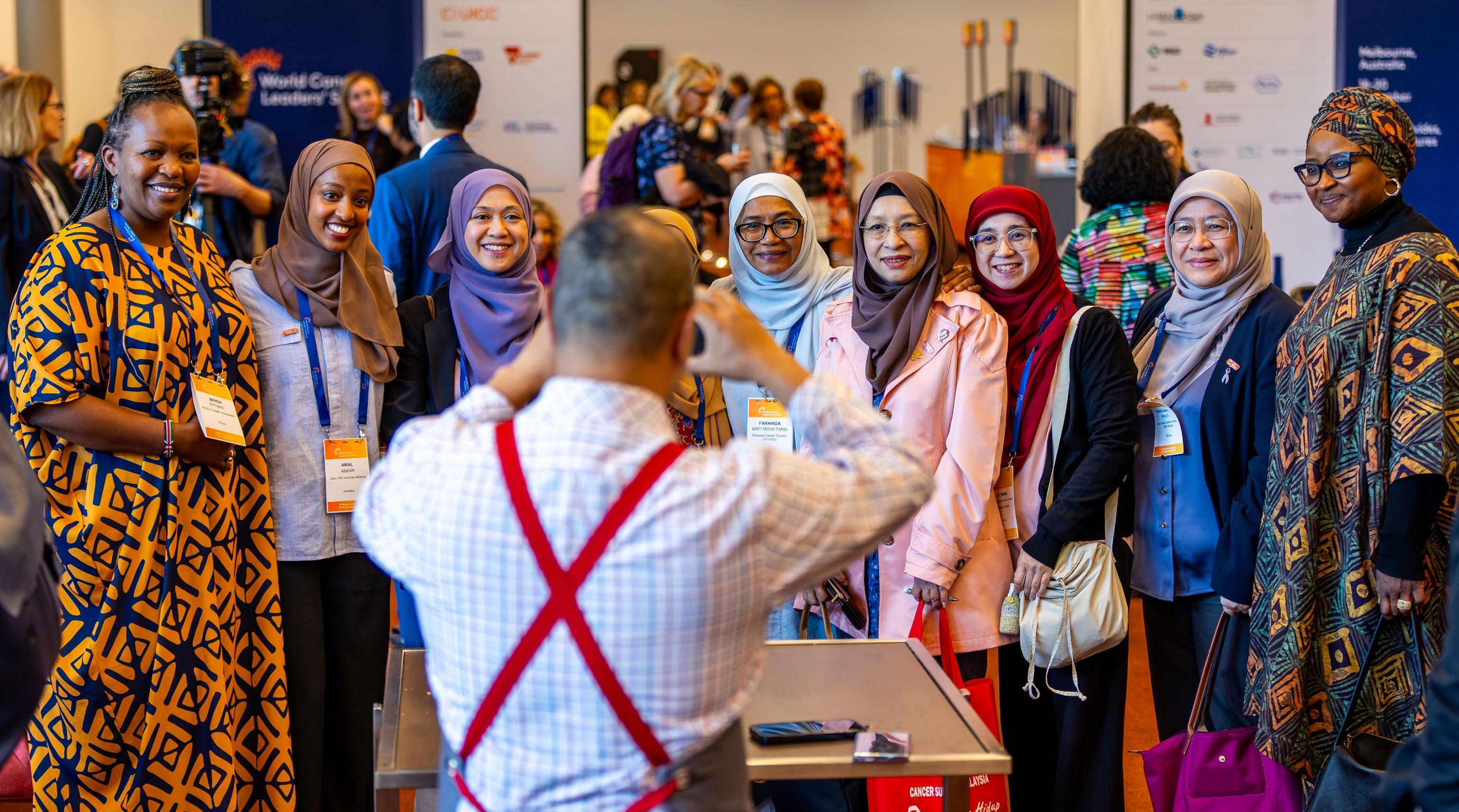
408 participants and 108 speakers
211 organisations from 55 countries
32 scholarships for UICC members from 22 countries
44 sessions, 4 networking receptions, 3 guided tours and 2 workshops
136 leaders committed their organisation to support the new World Cancer Declaration
“As a first time participant at the Summit, it was an honour to represent my small Pacific island nation. I was struck by the progress made in higherincome countries, yet it became clear that many of our challenges remain the same. With Australia as host, it was an important opportunity to put Pacific realities and the unique obstacles our island states face centre stage. My three days at the Summit prompted a fresh reflection on the direction of the Fiji Cancer Society for 2025 and reinforced a shared conviction among colleagues from Samoa, Vanuatu and Papua New Guinea: no island state should be left behind. Equity in Pacific cancer care is non-negotiable.”
Belinda Chan, CEO, Fiji Cancer Society, Fiji
The World Cancer Declaration 2025-2035 was successfully launched at the World Cancer Leaders’ Summit in Melbourne after a series of engagement opportunities with members that began at the Summit in Long Beach in 2024. UICC President Ulrika Årehed Kågström presented the updated World Cancer Declaration , highlighting its ‘5x5x5’ agenda endorsed by member organisations from around the world. A subsequent member panel on regional perspectives showcased how the Declaration supports real-world progress. Across regions, speakers affirmed the Declaration’s role in promoting accountability, shared targets, and collaborative innovation. Closing the Summit, the UICC President underscored the importance of global unity amid uncertainty, and encouraged participants to use the Declaration as a catalyst for international collaboration and national-level action.
“5 × 5 × 5 by 2035”
Framework
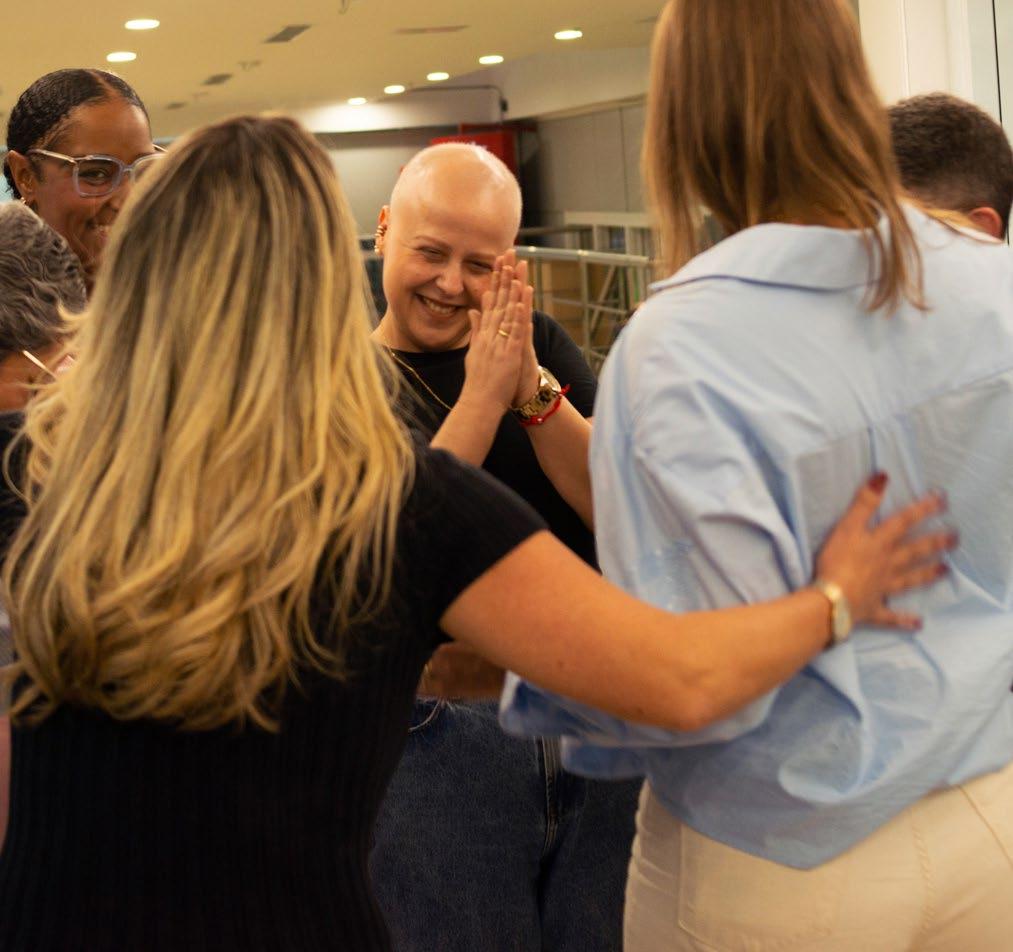
ELLOK proudly endorses the World Cancer Declaration 2025–2035. We share UICC’s commitment to a future where every person, regardless of background or geography, has equitable access to prevention, early diagnosis, treatment, and support. Putting patients and their lived experience at the centre of cancer policy is the surest way to turn vision into lasting progress.
George Kapetanakis, President, Hellenic Cancer Federation (ELLOK), Greece
Basic Health International is honored to support the UICC World Cancer Declaration 2025. Our work to eliminate cervical cancer through research, education, and the implementation of accessible care reflects the Declaration’s call for global equity in cancer prevention and treatment. Together with UICC and partners around the world, we are committed to reducing the global cancer burden and ensuring equitable access to prevention, treatment, and care for all.
Eveline Mumenthaler, Chief Operating Officer, Basic Health International, United States
Guided by equity, collaboration, evidence, sustainability, and accountability, and through coordinated action across countries and sectors, we can accelerate progress toward a future where every person, everywhere, has access to quality cancer prevention, treatment, and care. Baheya Foundation endorses and is committed to achieving World Cancer Declaration 2035 targets.
Yomna Sherif Omara, Breast Surgeon, Patient Navigation Programme Manager, Baheya Foundation, Egypt
In 2025, UICC has tracked individuals and organisations that were engaged or supported through the work outlined in this report. In total, 2,109 individuals from over 1,100 organisations across 156 countries were engaged, of which 1,179 individuals (56%) and 405 organisations (36%) were UICC members. Whilst member organisations may have had multiple touch points with UICC during a year, most of these member organisations have been supported via the learning and development opportunities provided, with 356 organisations reached through these activities alone.
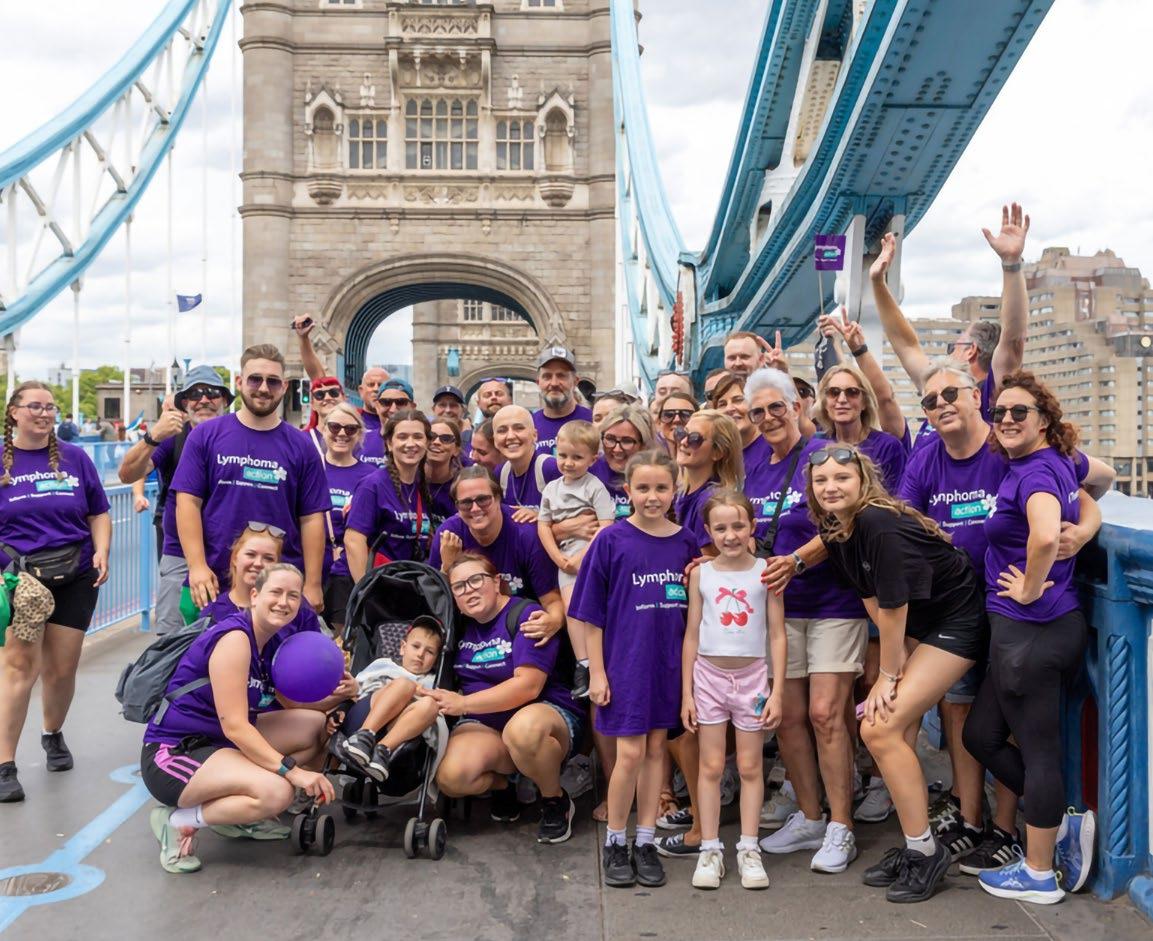
The regional spread of the member organisations engaged was as follows:
“The support of the UICC empowers us to share our insights on the world stage, establishing our organization as a recognized thought leader and a peer among global institutions. This significantly enhances our reputation. Through sustained collaboration with aligned partners, we access cutting-edge knowledge, benchmark against the best, and systematically build our capabilities. In the end, this global engagement is itself a powerful form of leadership development, fostering greater confidence, cultural intelligence, and a forwardthinking, strategic outlook.”
Mary Wong, Global Chinese Breast Cancer Organizations Alliance, Hong Kong
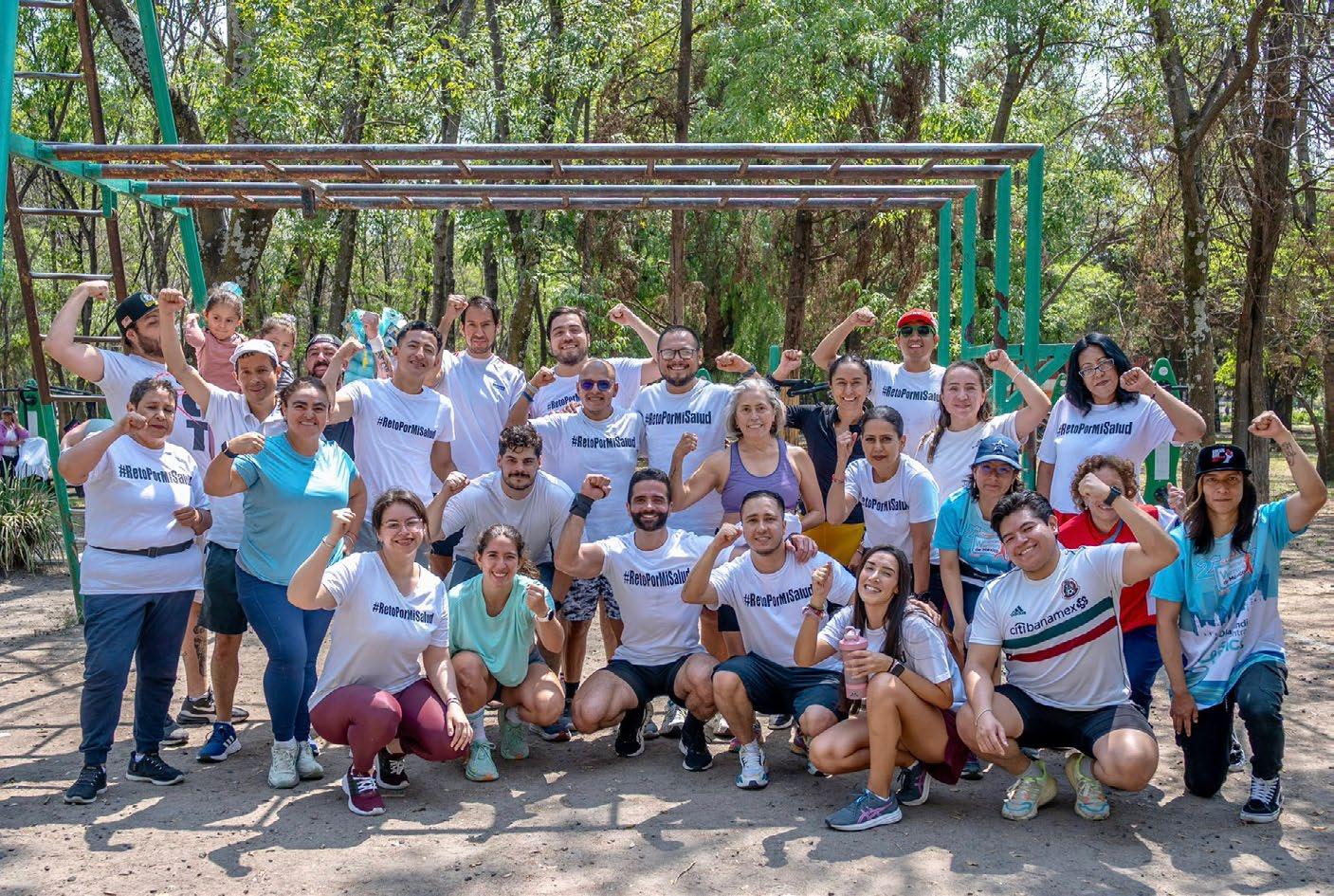
In terms of membership type, the full and associate members engaged in 2025 represent over half (59%) of the UICC membership in 2025.
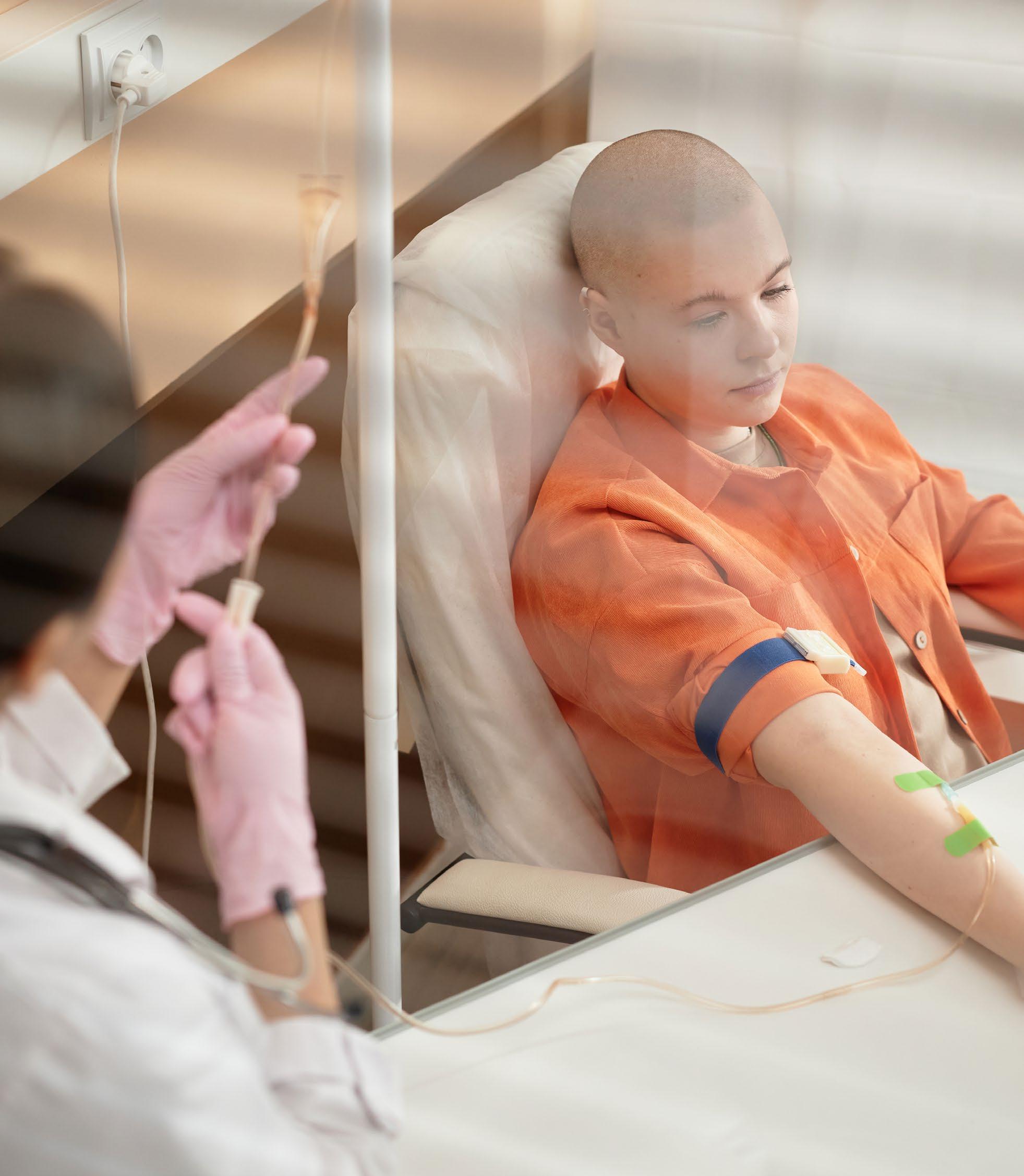
In 2025, UICC consolidated and strengthened its focus on peoplecentred care, reflecting the strategic organisational priority in the Business Plan 2026-2028 and in line with related targets in the new World Cancer Declaration. This thematic alignment brings together long-standing efforts to support patient groups, elevate the voices of people with lived experience, advocate for equitable access, and reinforce synergies with the World Cancer Day campaign ‘United By Unique’. UICC leveraged the World Cancer Leaders’ Summit to highlight the topic with a dedicated peoplecentred care session designed to explore what people-centred care means both in practice and in policy.
In addition, UICC supported advocacy efforts on people-centred care through its work with members, including advocacy priorities such as integrating expertise from people with lived experience into health decision-making, mobilising youth and communities, increasing health literacy, and reducing stigma.
“La Roche-Posay stands with all people affected by cancer. While every cancer journey is unique, we are all united in ensuring that patients have access to comprehensive supportive care that can genuinely make a difference in their quality of life.”
Alexandra Reni-Catherine,
Global Brand General Manager, La Roche-Posay
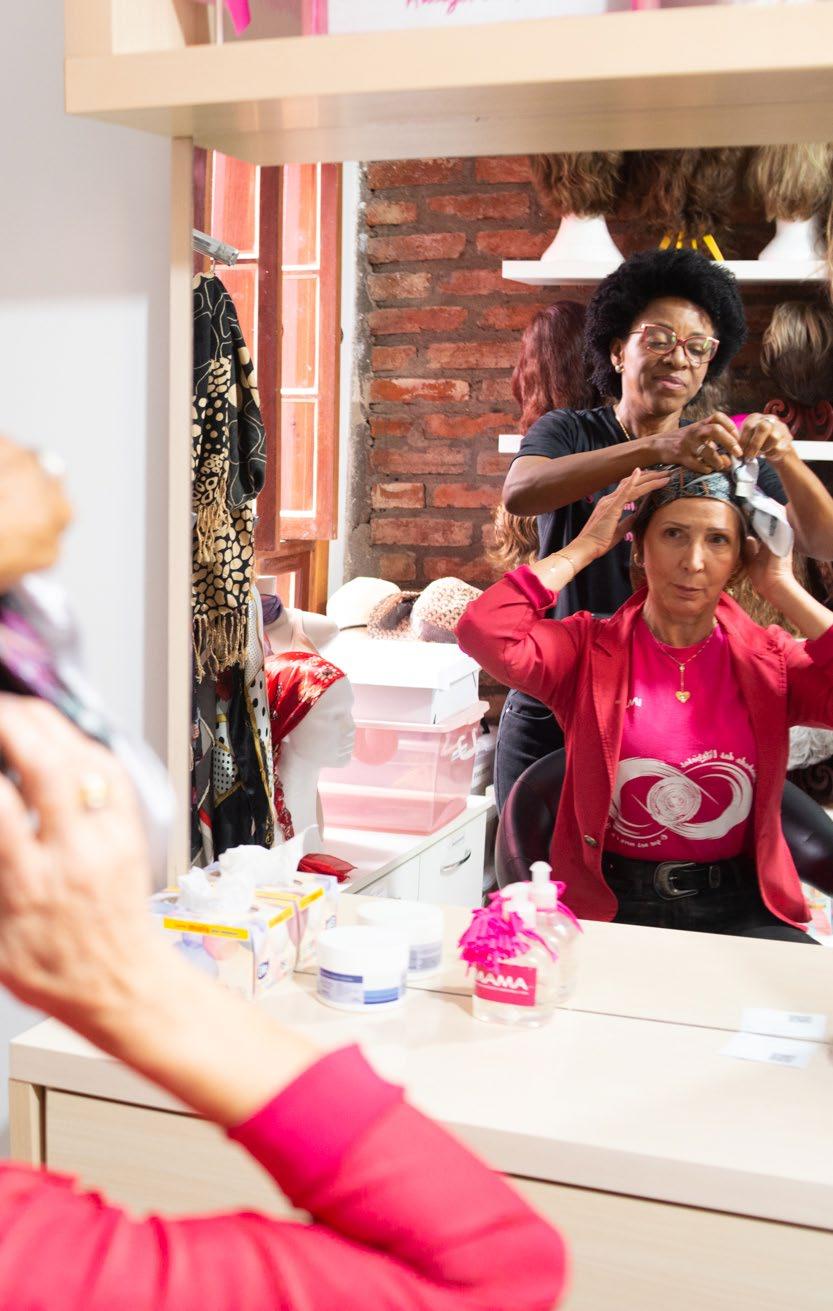

Throughout 2025, UICC continued to provide support and platforms for patient groups in its network to share progress and exchange experiences. The programme also continued to contribute to the growth and diversification of UICC’s membership, with two new organisations joining the African cohort. Throughout the year, member organisations achieved recognition for their work, including the Global Breast Cancer Organizations Alliance being presented with the Gold ‘Champion of Good Award’ recognising excellence in mental health support for breast cancer patients.
Results from the end of year survey highlight the programme’s strong impact on collaboration, capacity building, and leadership visibility.
→ 89% of respondents reported increased collaboration with the regional cancer community, while 81% indicated strengthened organisational and technical skills.
→ 67% reporting greater collaboration with the global cancer community.
→ 65% noted increased recognition of their senior executives as leaders within the cancer control space.
In 2025, 23 patient organisations were awarded scholarships to attend WHO Regional Committee meetings, AORTIC, and the World Cancer Leaders’ Summit enabling patient representatives to contribute their expertise directly to high-level discussions and programme sessions. The value of this approach was formally recognised by the WHO Regional Office for the Eastern Mediterranean, following the Regional Committee meeting, which acknowledged the impact of scholarship support provided to patient groups as part of UICC’s delegation in bringing recognition and ensuring representation of lived experience in this forum.
To further amplify the impact of patient-led initiatives aligned with the World Cancer Day campaign, five grants were awarded in 2025 to organisations in Morocco, Indonesia, Jordan, Lebanon, and the Philippines. These initiatives used storytelling, training, and creative community events to raise awareness and advocate for improved, people-centred cancer care.
World Cancer Day
4 February
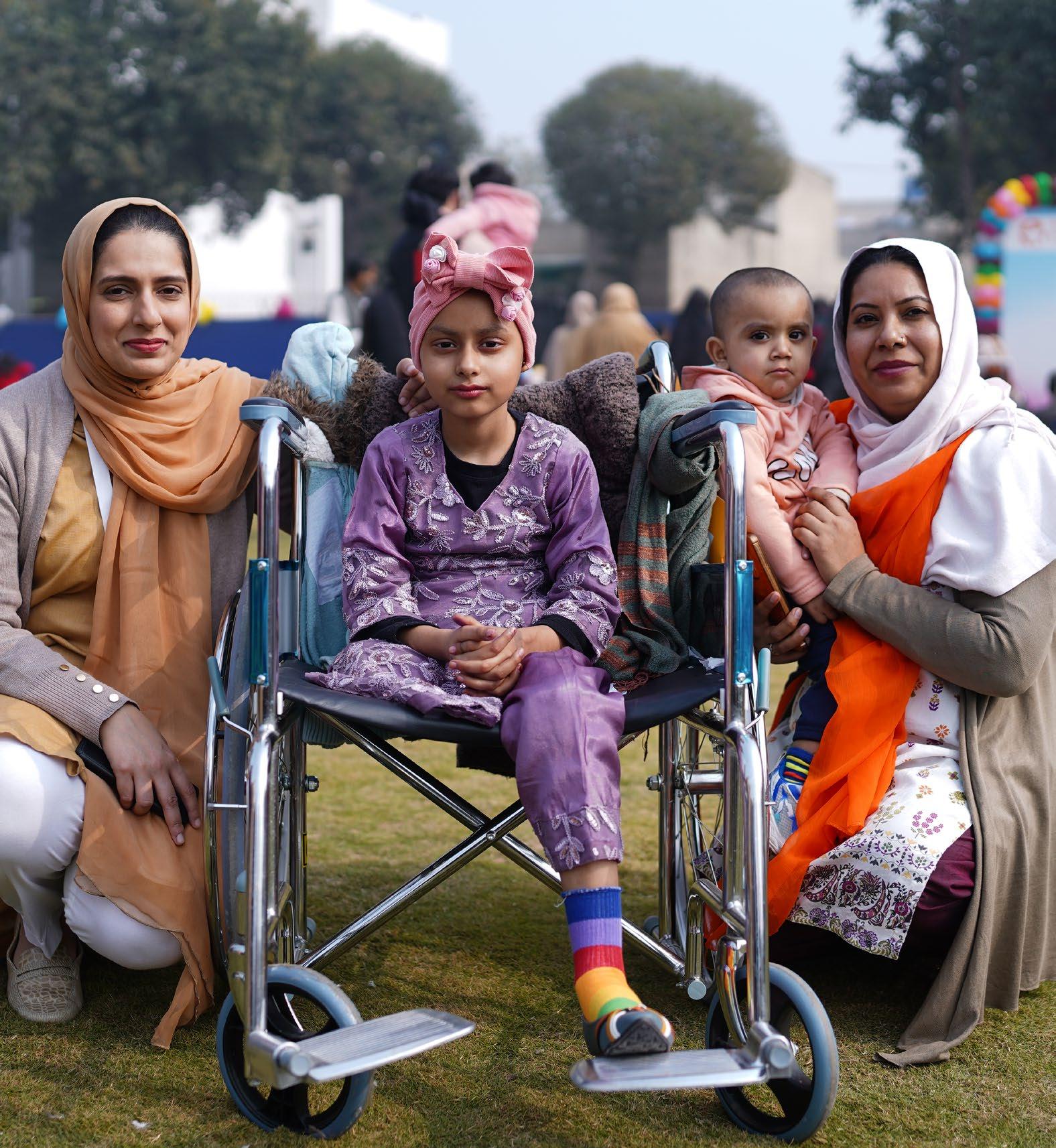
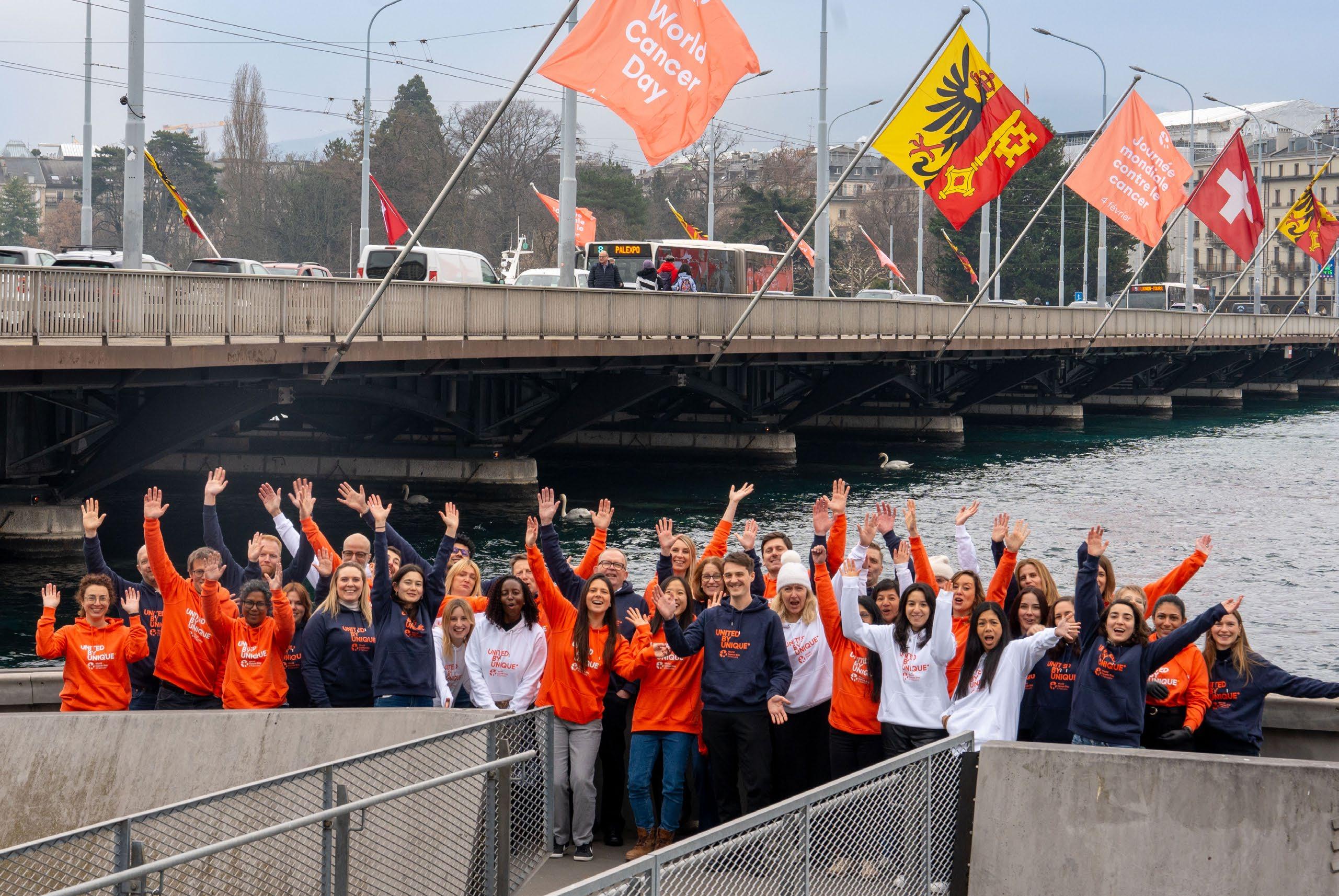
The first year of the three-year World Cancer Day campaign ‘United By Unique’ was a great success, demonstrating how deeply the new theme resonated with people in all countries. The campaign was created together with and for UICC members. It calls for a fundamental shift in cancer care and health systems worldwide towards a people-centred approach, which is oriented around individuals and communities instead of just the disease.
Every experience of cancer is unique, and it takes everyone, united, to create a world where care and support is personalised, compassionate, and accessible to all. The campaign explores different dimensions of people-centred cancer care and new ways of making a difference. UICC invited individuals from all walks of life to share their personal cancer stories to showcase real experiences with unique perspectives. Whether it is someone living with cancer, a family member, a caregiver, a medical professional, an advocate, or an ally, these stories show different people’s experience with cancer, the diverse challenges each faces, and how a people-centred approach to care could respond to their unique situations.
By bringing these stories together, the campaign built a rich collection of voices that serves as a striking illustration of what is meant by ‘United by Unique’: every person is one-of-a-kind, but no one is alone in their aim to take meaningful and lasting action to reduce the burden of cancer. It’s about recognising and validating each unique experience, and fostering a sense of community and shared purpose among those affected by cancer.
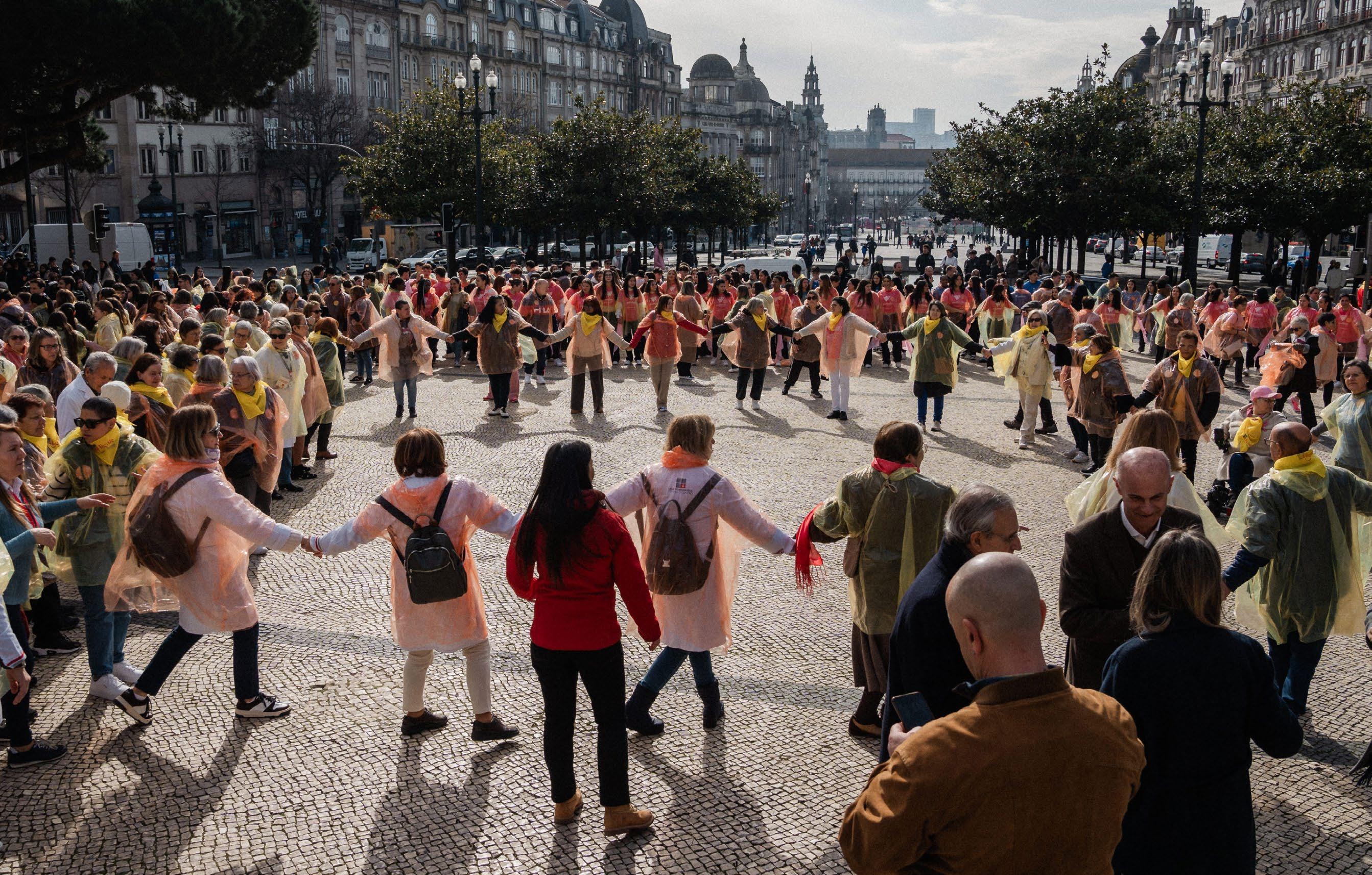
World Cancer Day 2025 generated high levels of engagement, with communities, organisations, and individuals embracing the campaign and adapting it to their local contexts in inspiring ways. Events took place around the world, including walks, talks, panel discussions, sales, petitions, workshops, and illuminated landmarks. Across countries, individuals and organisations celebrated the progress made and called for further efforts in cancer control.
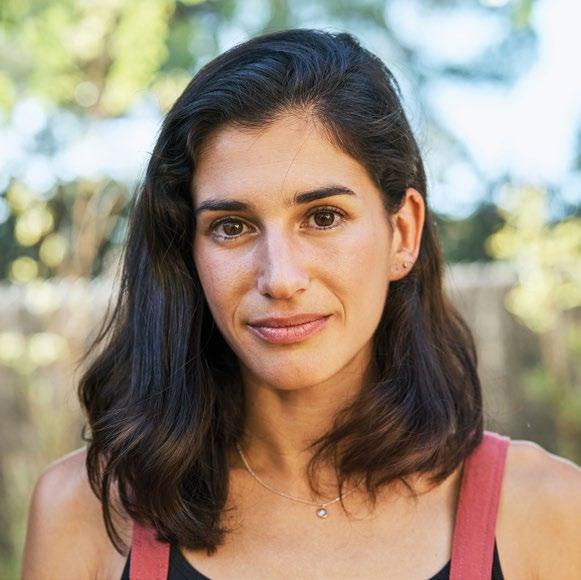
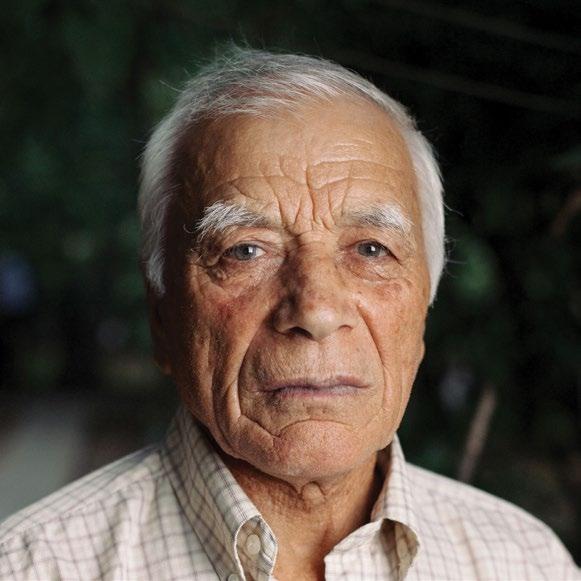

A look at World Cancer Day’s global reach
+ 900 ACTIVITIES IN 102 COUNTRIES
SIX BILLION IMPRESSIONS NINE MILLION ENGAGEMENTS + 600 STORIES IN TEXT, VIDEO AND ART FORM ON THE WEBSITE + 1,000 PEOPLE TOOK PART IN THE UPSIDE DOWN CHALLENGE ON SOCIAL MEDIA + 30,000 PRESS MENTIONS IN 162 COUNTRIES
530,000
WORLDCANCERDAY.ORG VISITORS
+300,000 CAMPAIGN VIDEO VIEWS ON YOUTUBE
As every year, World Cancer Day would not be possible without the efforts of UICC’s members and partners. The diverse membership community – from patient support groups to research and cancer centres, NGOs, professional associations –is at the heart of the campaign and drives forward action before and on 4 February through local, regional, and national events.
The feedback from UICC member organisations about the campaign was overwhelmingly positive, and the global World Cancer Day Impact Report 2025 illustrates the enthusiastic engagement of UICC members across the world.
“At Fujifilm, we are honoured to continue our collaboration with UICC, standing alongside people and communities worldwide in the fight against cancer. Through United by Unique, we recognise that every individual story matters, and by bringing these unique perspectives together, we can inspire real progress. We remain dedicated to advancing healthcare solutions that help create a future where no one is left behind.”
Masataka Akiyama, Managing Director, Fujifilm Europe
“At Sanofi, we recognise that every cancer patient is unique. We are inspired by their resilience in our mission to develop novel treatment options, expand access to therapies and provide comprehensive patient support resources. We are proud to be a partner of World Cancer Day and the United by Unique campaign to find solutions for the future of cancer care.”
Olivier Nataf, Global Head, Oncology Franchise, Sanofi
We thank our partners for their valuable support and contribution to World Cancer Day.
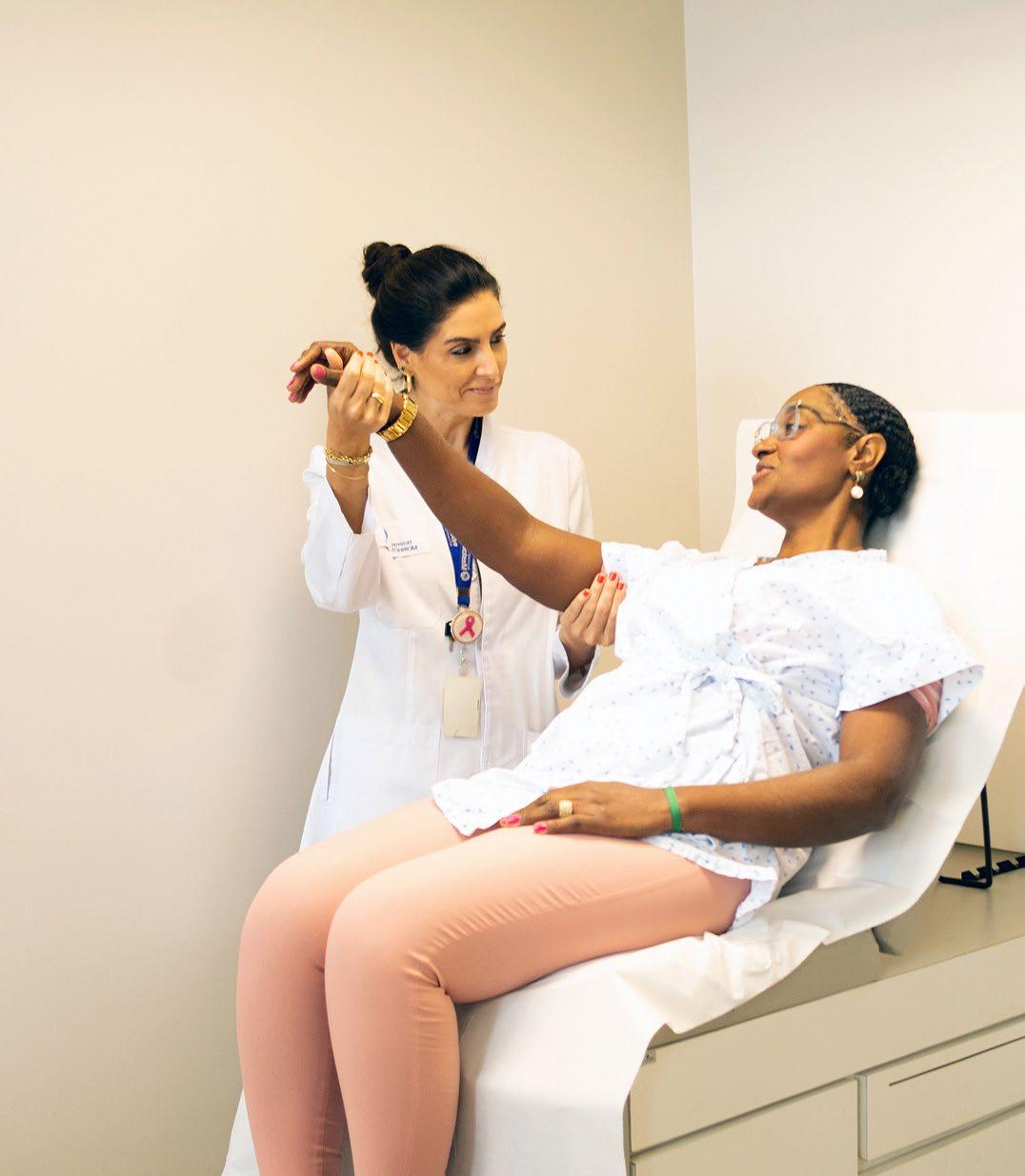
In 2025, through UICC’s work on women’s cancers, 238 organisations and 353 individuals were engaged across the membership, reflecting the strong representation in UICC’s membership of organisations interested in this area, and the commitment to advancing breast and cervical cancer control globally.
UICC continued to play a central role in advancing breast cancer advocacy globally, working in close collaboration with WHO through its participation in the Global Breast Cancer Initiative Technical Working Group. This collaboration supported the co-development of key resources, notably a new policy brief on breast cancer, published during Breast Cancer Awareness Month, developed with the support of leading experts. The brief provides ministries and advocates with practical policy options to strengthen national strategies on breast cancer. UICC’s advocacy efforts also contributed to securing the inclusion of breast cancer in the 2025 UN Political Declaration on NCDs and Mental Health, following sustained engagement with members and diplomatic missions to strengthen the visibility of women’s cancers in global commitments.
On cervical cancer, UICC strengthened its support to advocates with the update of the Cervical Cancer Advocacy Handbook. Published in April, the handbook provides civil society organisations with practical guidance to translate the WHO Global Strategy’s 90-70-90 targets into effective national advocacy, offering adaptable messaging, coalition building tools and context-specific strategies for prevention, screening and treatment. It is available in English, French and Spanish.
Through its role in the Elimination Partnership in the Indo-Pacific for Cervical Cancer (EPICC), UICC worked with civil society across many Pacific island countries such as Fiji, Vanuatu, Papua New Guinea, and Timor-Leste to support national advocacy efforts on cervical cancer. Organisations benefitted from tailored opportunities, including scholarships, networking, and mentoring, and received access to key advocacy resources.
Providing this support as part of the wider consortium of organisations in EPICC is bringing other opportunities to these civil society organisations, with the collective and coordinated efforts of all involved creating an optimal environment for progress towards elimination. Supported by Expertise France, UICC also continued to provide support to a group of civil society organisations in Francophone Africa on cervical cancer advocacy, following its work in prior years as part of the Unitaidfunded SUCCESS project, which was led by Expertise France and implemented in partnership with Jhpiego.
Throughout the year, 10 UICC member organisations were supported via grants to implement projects to scale up access and increase uptake of HPV vaccination in their contexts. In total, UICC disbursed USD 200,000 to the grantees, who collectively achieved substantial reach and measurable progress. Their achievements further demonstrate the critical role of civil society in expanding HPV vaccination access, demand generation, awareness-raising, and driving progress toward the 90% vaccination target.
In addition, through the Reimagining Cancer Research in Europe initiative, UICC continued to support a collaborative implementation research project to support the use of HPV self-sampling in Ukraine to enhance cervical cancer screening given the conflict situation. Via the ATOM Coalition (see later), UICC has also enabled increased access to breast and cervical cancer diagnostics and treatment through its access pathways, and responded to country needs to strengthen breast cancer treatment, including the updating of clinical guidelines in Mongolia.
More broadly, UICC delivered dedicated training opportunities for civil society organisations working on women’s cancers. As part of this effort, a dedicated storytelling programme for 11 champions in women’s cancers (primarily focused on cervical cancer) strengthened their ability to communicate compelling narratives that drive advocacy, community mobilisation, and policy influence.
UICC also provided tailored mentoring in organisational leadership to selected member organisations engaged in women’s health. Building on UICC’s self-guided course ‘Management essentials for civil society organisations’, 12 organisations were selected to receive one-to-one mentoring from Stone Soup Consulting to strengthen leadership, governance and management practices.
An online course on ‘Women, power and cancer’ helped professionals better understand how gender and power dynamics shape cancer risks, access to care, workforce equity, and policy influence. Based on the findings of the Lancet Commission on ‘Women, power and cancer’, and developed with the McCabe Centre for Law and Cancer and members of the Lancet Commission, the course equipped participants with practical approaches to integrate a gender lens into cancer advocacy, planning and service delivery.
The inaugural edition brought together 87 professionals in a live format, creating a global community committed to advancing gender-responsive cancer control. Following this, the course was transformed into a self-guided course, now available on demand on UICC Connect.
UICC continued to offer foundational learning opportunities on the Global Breast Cancer initiative and the Global Strategy on cervical cancer elimination. In 2025, these were enriched with additional content on patient navigation, and the Cervical Cancer Elimination Planning tool developed by IARC and the University of Sydney launched in May 2025.
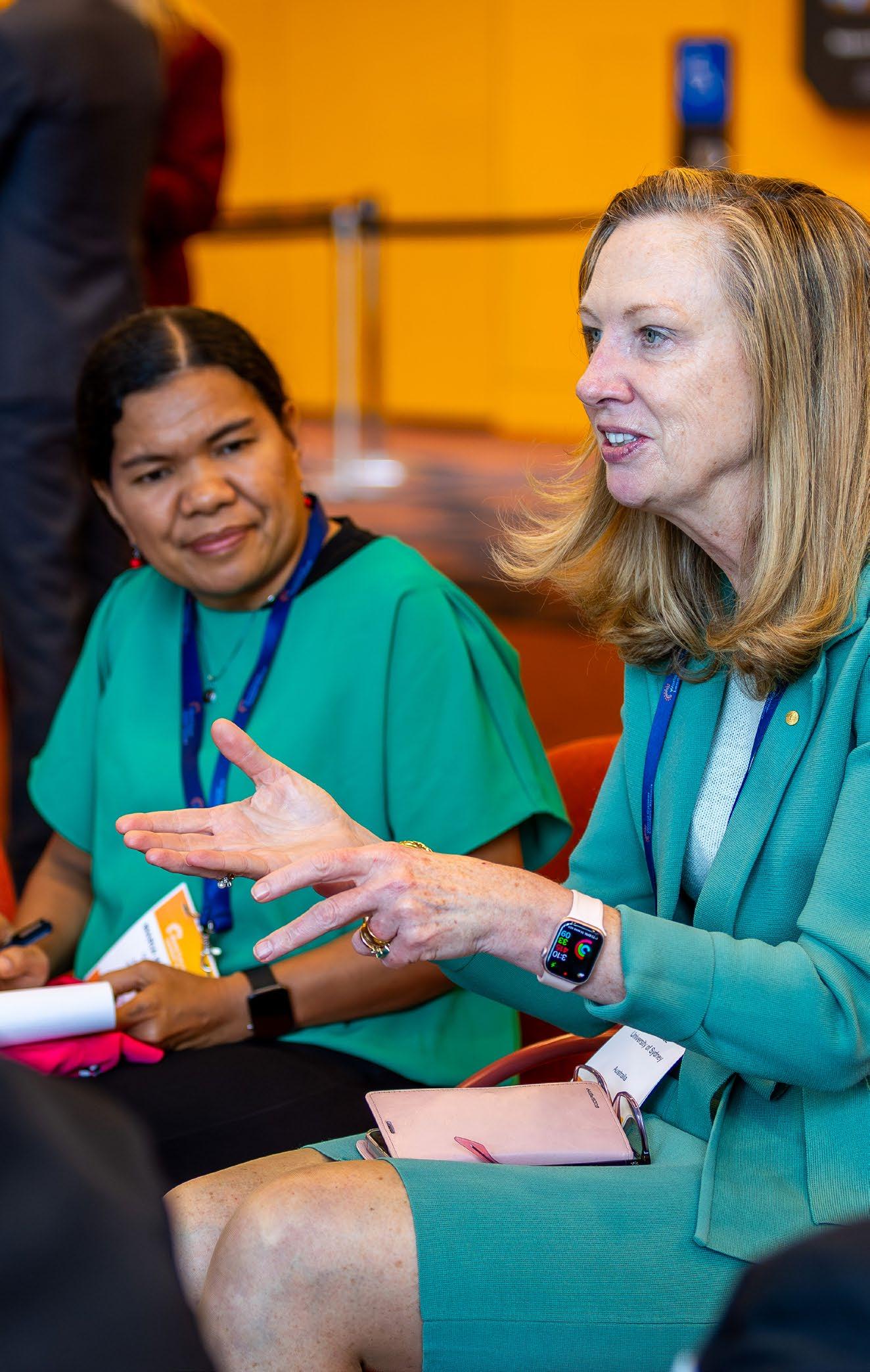
UICC leveraged key events to bring attention to women’s cancers, including at the Second Global Cervical Cancer Elimination Forum in Bali. This high-level gathering, cosponsored by the Governments of Indonesia, Spain and Australia and organised in partnership with WHO, Gavi, Unitaid, UNICEF, the World Bank, the Global Financing Facility and the Gates Foundation, brought together governments, international agencies, civil society and other stakeholders to accelerate action towards the 2030 targets for cervical cancer elimination. UICC led a session focused on advocacy, underlining the central role of civil society in influencing policy, holding governments accountable and supporting sustainability, issued a formal statement to reinforce its institutional commitment to cervical cancer elimination, and supported the participation of advocates from civil society organisations, ensuring that the perspectives and priorities of local organisations were clearly heard in the global conversation.
At the World Cancer Leaders’ Summit, UICC convened a focused workshop on increasing access and uptake of HPV vaccination, gathering representatives from 11 countries, including a number of project grant recipients, to examine progress, persistent barriers, and effective strategies. UICC also led a multi-sponsored session on advancing cervical cancer elimination, which explored progress towards the 2030 targets, and highlighted country experiences from Sweden, Nigeria, Indonesia and Fiji. Complementing these UICC-led sessions, partners emphasised women’s cancers through several other sessions.
Alongside these in-person events, UICC strengthened knowledge exchange and peer learning on women’s cancers particularly through a series of virtual events. Virtual Dialogues provided platforms for member organisations to deepen expertise and access practical tools. In April and May, sessions addressed priority needs identified by members: the first focused on breast cancer advocacy, supporting organisations to leverage the newly released Breast Cancer Advocacy Handbook; the second, delivered in partnership with Gavi, titled ‘Navigating Gavi: Supporting civil society organisations in advancing access to HPV vaccination’, directly responding to gaps highlighted in the 2023 landscaping study on the role of civil society organisations in HPV vaccination. Aligned with the publication of UICC’s updated Cervical Cancer Advocacy Handbook, a third global Virtual Dialogue, ‘Advocacy to Action: The role of civil society in cervical cancer elimination’, brought together UICC President Ulrika Årehed Kågström and civil society leaders from New Zealand and Malawi, enabling cross-regional reflection on effective advocacy approaches. Complementing these sessions, a UICC Connect Live event spotlighted lived experience and showcased the work of member organisations active in breast cancer, fostering community connection and peer learning during Breast Cancer Awareness month in October.

“Breast cancer is not only a health challenge; it is a societal and economic test that demands coordinated action across policy, care delivery, data, and financing. By working together, governments and partners across Southeast Asia can close long-standing gaps, strengthen solidarity, and build systems capable of giving every woman equitable access to timely diagnosis and treatment.”
Logan Caragata, Head of Policy, APAC Region, Roche
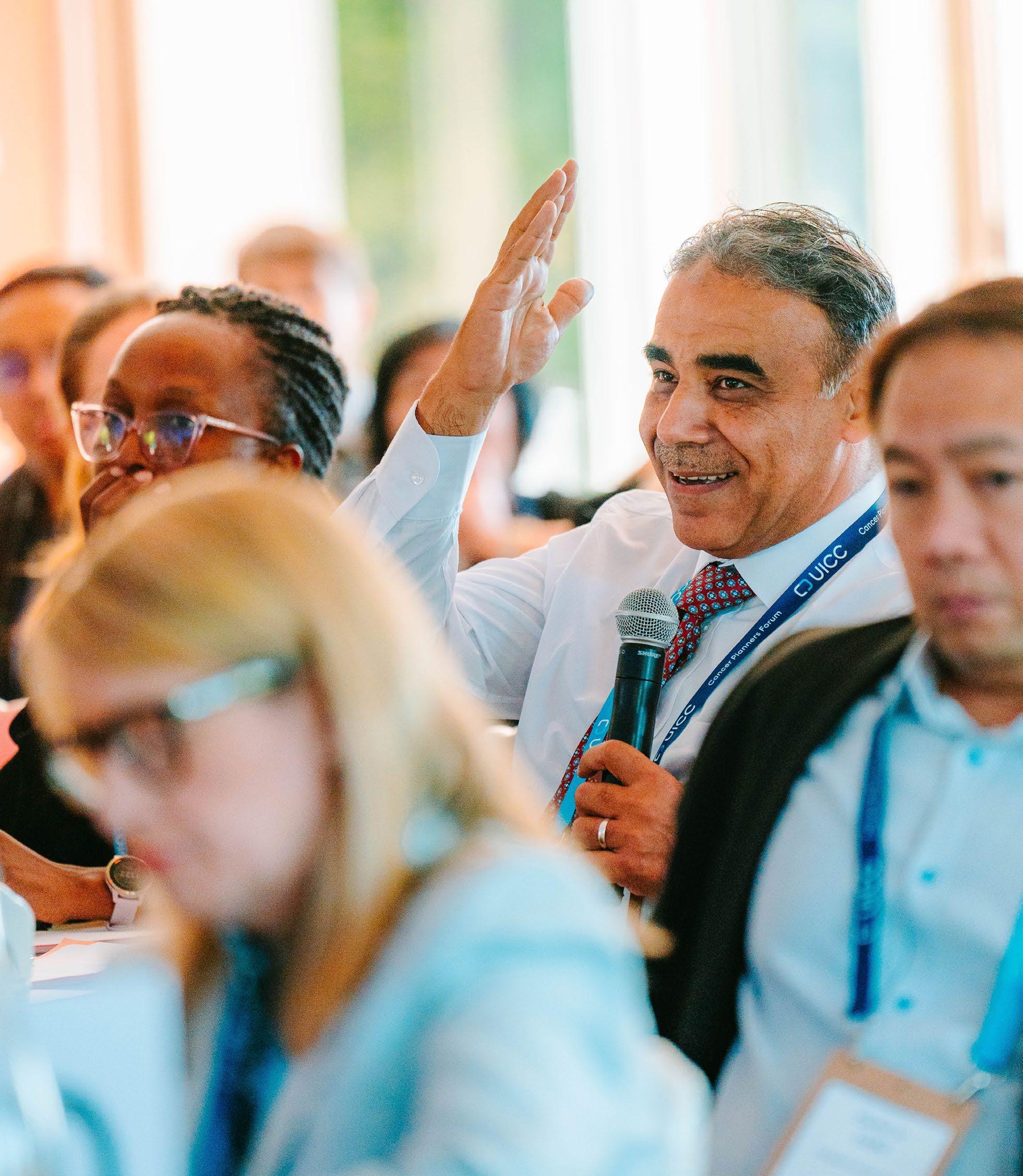
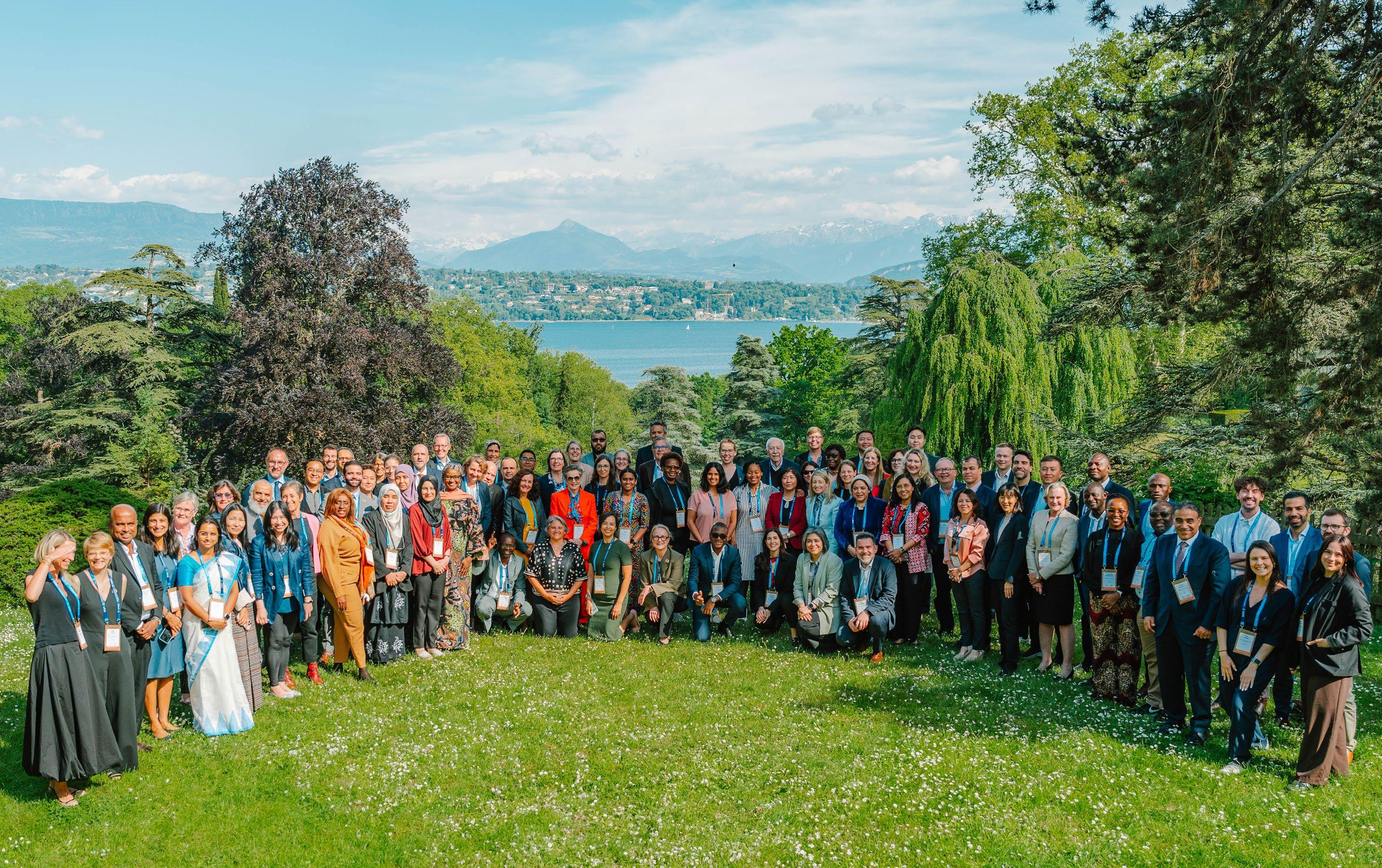
National public health officials responsible for designing and implementing national cancer strategies and other health officials from around the world met in Geneva on 14-16 May for UICC’s inaugural Cancer Planners Forum. The event brought together more than 100 participants, including cancer planners from 40 countries – most of them from ministries of health – as well as representatives from WHO, IAEA, IARC, the International Cancer Control Partnership (ICCP), and other partner organisations.
Held just ahead of the World Health Assembly (WHA), the Forum focused on practical ways to improve cancer control plans used to guide cancer prevention, diagnosis, treatment, and care at the national, regional, state, and city levels.
The event programme comprehensively addressed the entire cancer planning process: setting objectives and identifying priorities, costing and financing, implementation, monitoring and evaluation, and engaging stakeholders. The event further highlighted the essential collaboration between international bodies and cancer organisations, and encouraged cross-border interactions as well as peer-to-peer support.
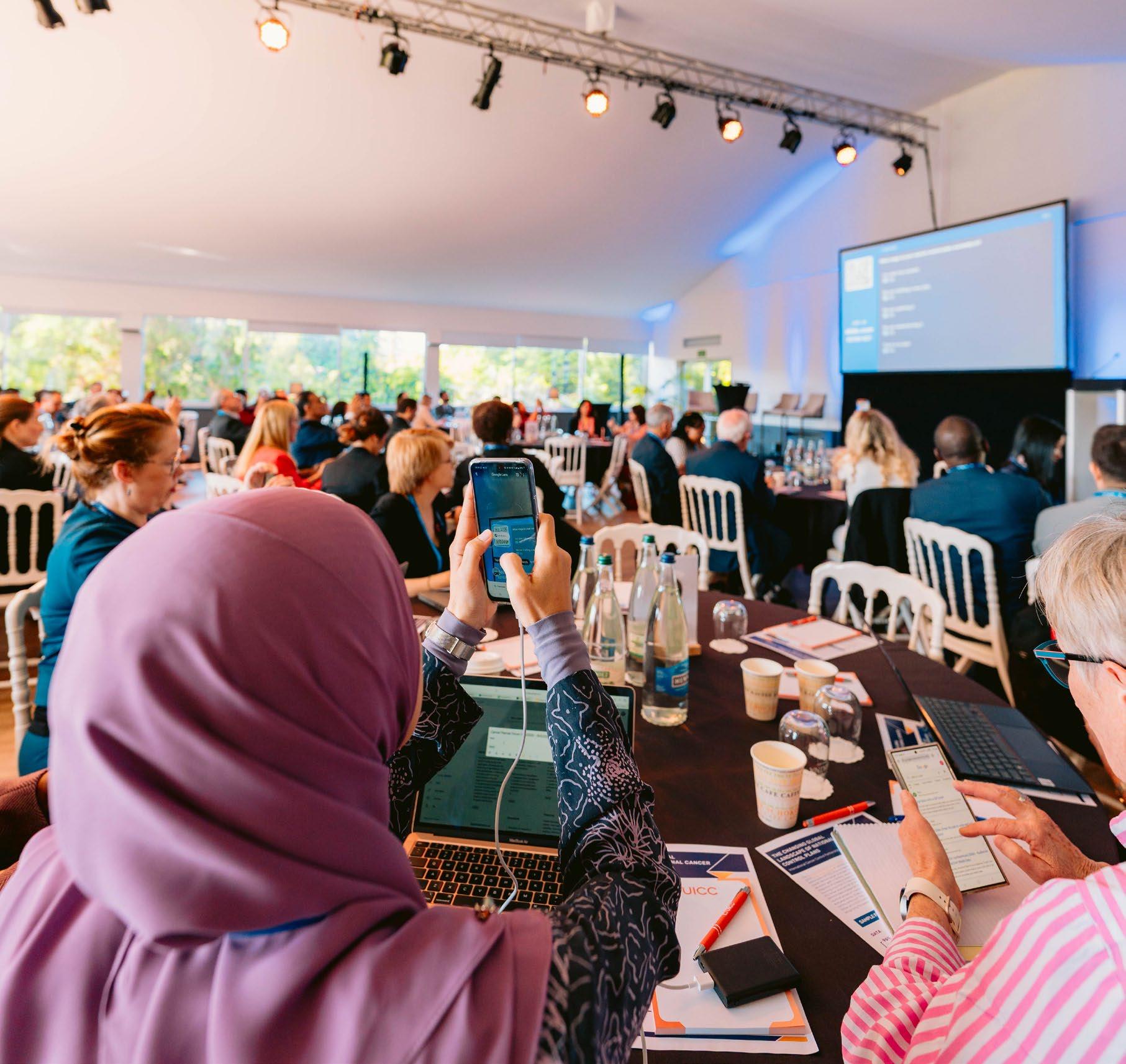
Participants engaged in rich discussions on national cancer control planning within the broader context of health systems, with a focus on advancing equitable cancer care in the years ahead. Sessions combined expert presentations, country-led case studies, and interactive roundtable discussions to promote learning and practical exchange.
A key focus was the importance of robust national data collection and ensuring alignment with broader health policies and universal health coverage goals. The event fostered dynamic exchanges and encouraged participants to connect with peers and experts from around the world, sharing ideas, approaches, and lessons learned.
“The cancer burden is rising and we urgently need new, collaborative solutions grounded in strong research and knowledge exchange. Data and robust cancer registration systems play a vital role in national cancer control planning.”
Elisabete Weiderpass, Director, IARC
“Even coming from a country with a well-established cancer control system, the Cancer Planners Forum offered fresh perspectives and meaningful dialogue. It was a reminder that no matter how advanced our programmes may be, there is always something to learn— from innovative approaches in other contexts to the resilience and creativity of planners working with fewer resources.”
Alicia Fernández Montero, Ministry of Health, Spain
“Some of the most well-written national cancer control plans have failed to improve the lives of people affected by cancer. With this Cancer Planners Forum, we mark a new era –one where success is not measured by printed words but by real impact and achievements.”
André
Ilbawi,
Technical Lead for Cancer Control, WHO
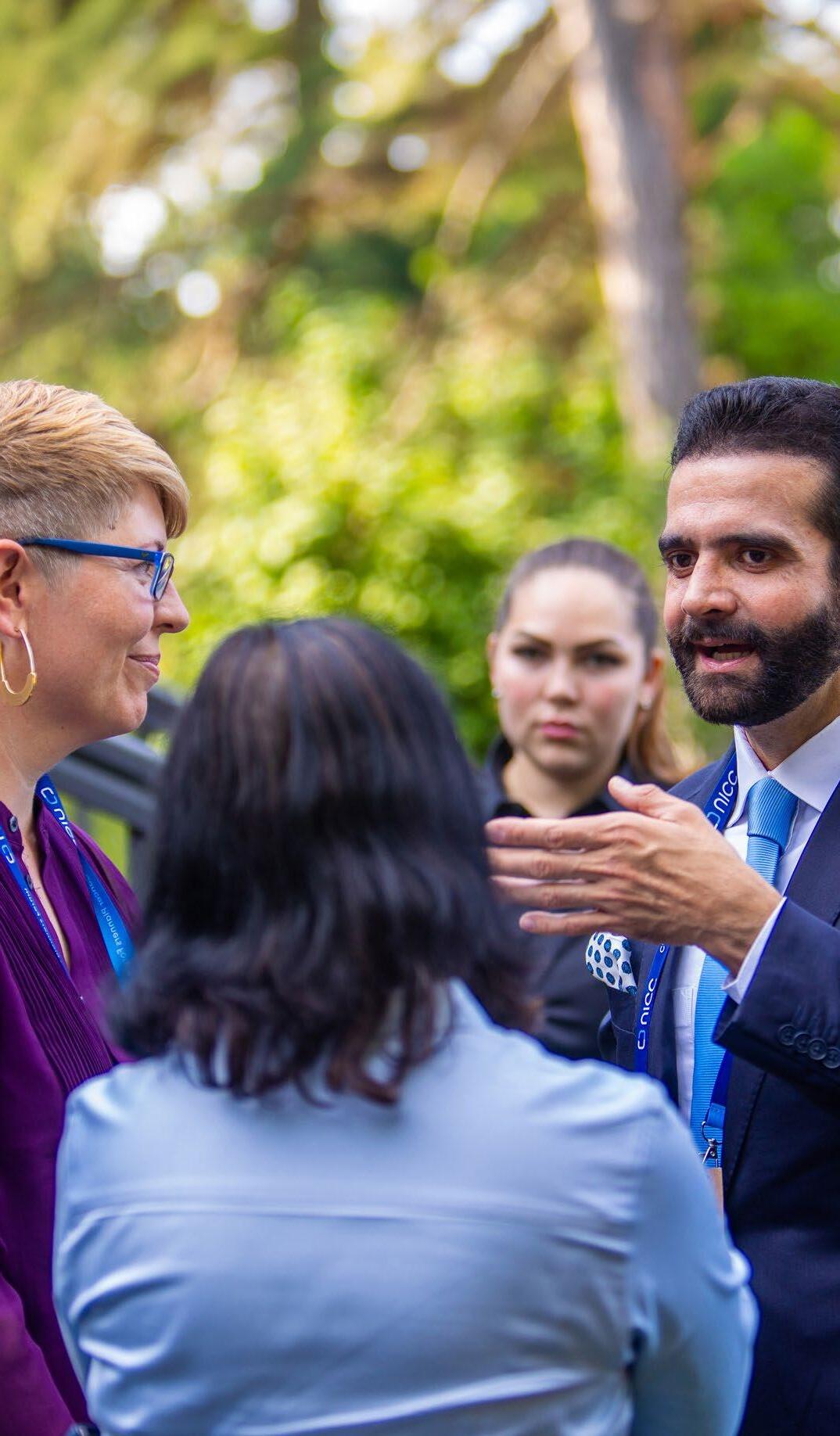
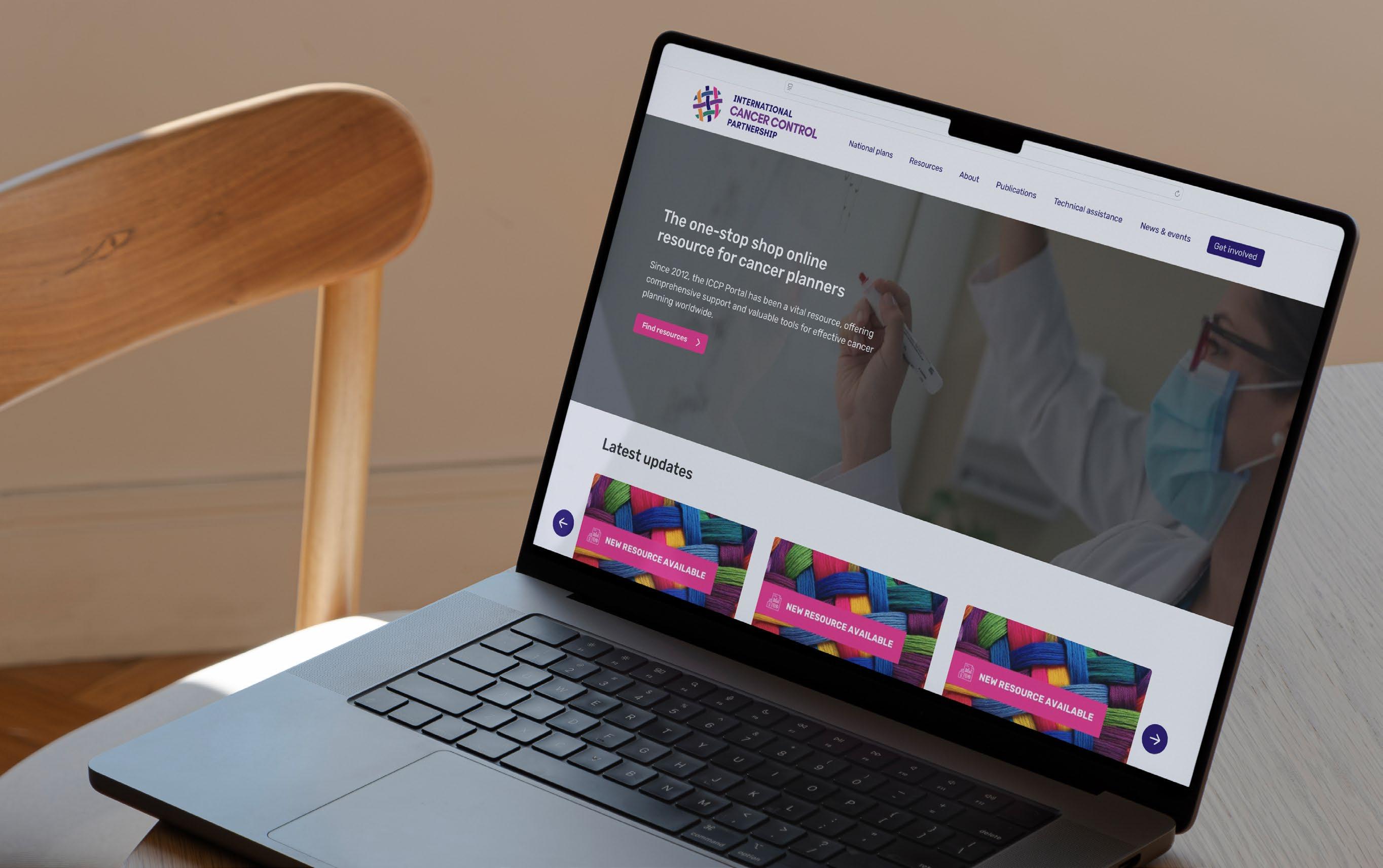
UICC supported national cancer control planning through coordinated technical assistance, convening, and policy-focused initiatives under the International Cancer Control Partnership (ICCP) and the Cancer Planners Forum.
The year started with the publication of the second Global Review of National Cancer Control Plans (NCCPs), published in The Lancet Oncology in January 2025, providing insights into the state of cancer planning worldwide.
Main conclusions from the review
→ There were improvements in some areas since the first review conducted in 2018. Notably, the inclusion of financing strategies in plans increased from 7% in 2018 to 27% in 2023.
→ Compared to the 2018 review, the 2024 analysis also showed significant progress in the specificity and integration of NCCPs. However, persistent challenges in resource allocation and equitable access to cancer services highlight the need for continued efforts to address these gaps.
→ Very few NCCPs included evidence-based recommendations for their strategies and interventions. Only 23% of NCCPs and 12% of NCD plans included an evidence base with references for some strategies, highlighting a significant area for improvement.
A highlight in 2025 was the launch of the redesigned ICCP Portal at the Cancer Planners Forum, a resource to support countries in strengthening their cancer control strategies. The platform is designed to foster knowledge exchange, promote evidence-based planning, and connect planners with practical solutions and global expertise.
Through the ICCP, technical assistance was delivered across multiple regions, including completed reviews of seven national cancer control plans (NCCPs) and the publication of additional reviews on the ICCP portal. Peer-to-peer learning was further strengthened through the ICCP ECHO programme, supporting six country teams via monthly sessions.
UICC also contributed to systems-level impact through the ATOM Coalition, finalising Mongolia’s country action plan to address barriers to access to cancer medicines and strengthen digital monitoring aligned with the national NCCP.
Advocacy efforts reinforced the role of NCCPs as a foundation for sustainable cancer financing and health system strengthening, complemented by national-level engagement through the Cancer Advocates programme, which continued to build civil society capacity to influence policy, monitor implementation, and engage in NCCP processes.
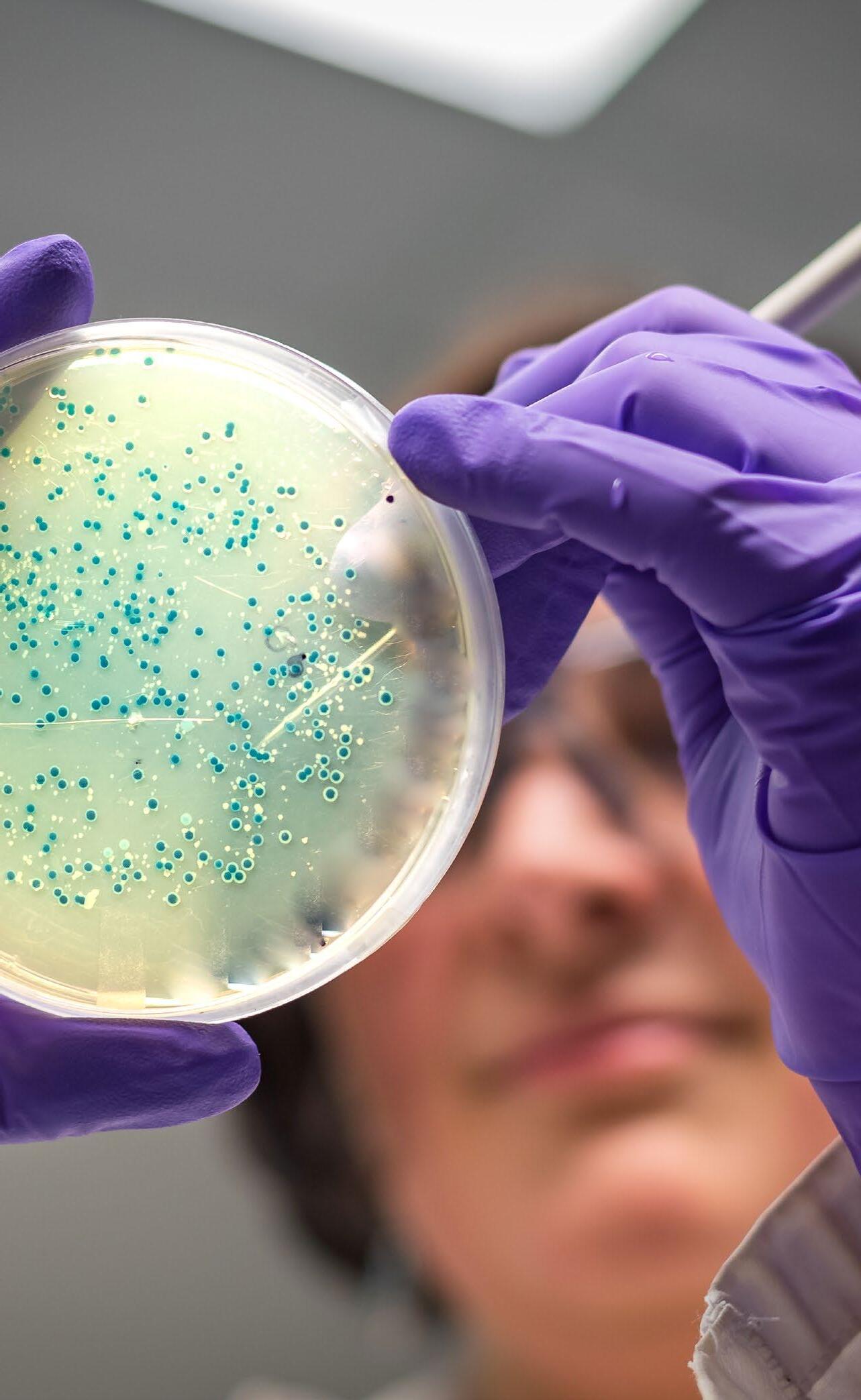
Addressing antimicrobial resistance (AMR) in cancer care emerged as a growing priority. UICC contributed to strengthening global awareness, policy engagement, and evidence-based data on the growing threat of AMR on effective cancer care. It notably elevated AMR within cancer policy dialogues through high-level side events held at the World Health Assembly (WHA) and the United Nations General Assembly (UNGA), a dedicated virtual dialogue, and sustained visibility across global conferences. This contributed to the explicit inclusion of cancer and AMR in the 2025 Political Declaration on NCDs and Mental Health.
Analytical work on the economic and health impact of AMR in cancer care was initiated to strengthen the investment case for infection prevention and access to effective antimicrobials for effective infection management. To support policymakers and the oncology health workforce, UICC published several key resources, including policy briefs for the oncology health workforce, “Addressing antimicrobial resistance in cancer care: the critical role of the cancer health workforce” and a resource for cancer planners and the cancer community, “Addressing Antimicrobial Resistance in Cancer Care: A Review of National Cancer Control Plans and Policy Recommendations”. Two articles published in The Lancet Oncology in May further amplified the urgency of integrating AMR considerations into cancer control strategies. The launch of the ICCP resource page on Cancer and AMR provided countries with practical tools to embed infection control and AMR strategies into national cancer control planning.
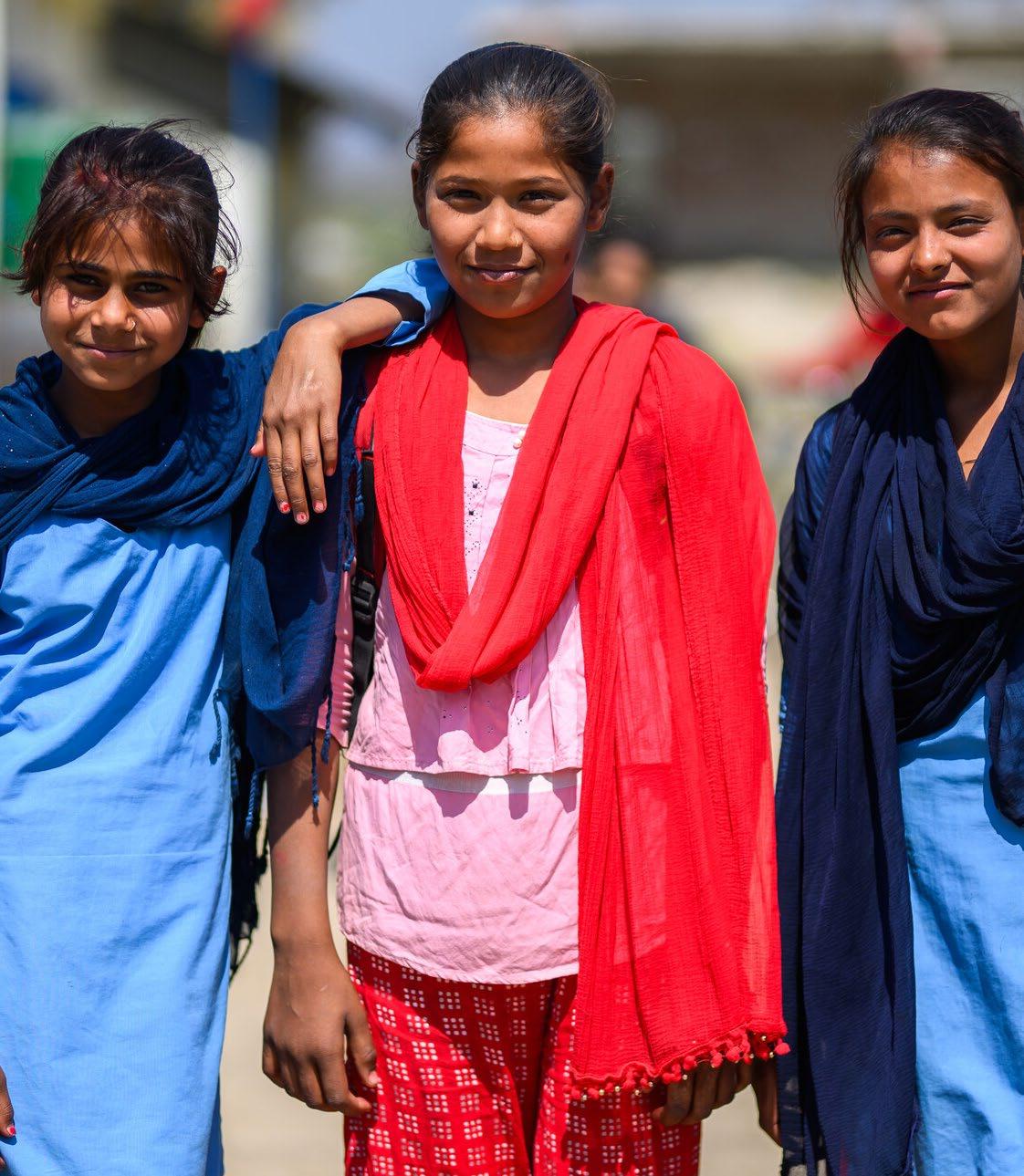
UICC engaged members as active contributors to national cancer planning, policy dialogue, and implementation. Member expertise was mobilised through targeted policy outputs and global convenings, including a Pink October policy brief on equitable access to breast cancer care and dedicated NCCP-focused sessions at major events such as the World Cancer Leaders’ Summit and the AORTIC Conference. These platforms facilitated peer exchange, regional learning, and alignment between global guidance and countrylevel realities.
UICC continued to support strengthened cancer data systems through collaboration with partners on cancer registries and surveillance. Key contributions included participation in the Global Survey of Registries, generating global insights into data challenges and needs, and ongoing capacity building through technical fellowships and training initiatives. These efforts supported LMIC professionals to apply epidemiological methods and strengthen the use of national cancer data for planning and policy.
2025 marked a year of consolidation and scale for the Access to Oncology Medicines (ATOM) Coalition, a UICC-led multi-stakeholder partnership working to expand equitable access to qualityassured cancer medicines and diagnostics in low- and lower-middle-income countries by addressing barriers across the oncology access continuum. Building on foundations laid since its launch in 2022, the ATOM Coalition advanced practical, country-centred solutions that move beyond commitments toward delivery –strengthening readiness, expanding access pathways, and deepening collaboration across governments, industry, technical agencies, and civil society.
The ATOM Coalition made concrete progress in operationalising multiple access pathways –including indirect commercialisation, voluntary licensing, donation-based models, and pooled procurement – with 37 quality-assured medicines and 10 diagnostics available through Coalition pathways, of which 34 medicines are on the WHO Essential Medicines List and three are innovative therapies. Access expanded across countries, with five countries now purchasing medicines, and two innovative medicines newly available on NCDconnect. Overall, medicines delivered through ATOM Coalition pathways reached close to one million doses in 2025, representing an estimated 11,000+ patients reached based on standard treatment assumptions.
The Coalition also advanced several important proof-of-concept initiatives. This included further progress on the nilotinib voluntary licence as the ATOM Coalition’s first oncology licensing model. The Coalition helped build the systems and partnerships needed for countries to access, receive, and use quality-assured generic nilotinib for chronic myeloid leukaemia (CML), while also generating important lessons for future licensing approaches in oncology.
In parallel, the ATOM Coalition secretariat worked with BMS to expand access to nivolumab in eight countries – Côte d’Ivoire, Ethiopia, Kenya, Pakistan, Rwanda, Tanzania, Uganda, and Zambia – while also beginning to test a scalable model for strengthening health system readiness to receive and use immunooncology products in five countries: Ethiopia, Kenya, Rwanda, Uganda, and Zambia.
The ATOM Coalition also successfully negotiated access to precision and mRNA based cancer diagnostic tests. ATOM Coalition partner Cepheid, a diagnostics company, agreed to offer cancer diagnostic and monitoring cartridges to all 46 ATOM Coalition countries at a global access price ex-factory of USD 50 per test. These tests cover chronic myeloid leukemia (CML), cervical, and bladder cancer. Complementing improved access to medicines with the diagnostics needed to guide and monitor treatment represents an important step towards more complete cancer care.
Building on the momentum established in 2024, the ATOM Coalition significantly advanced its country engagement and capacity-strengthening model across Africa, Asia, and Latin America. What began with early partnership formalisation and situational analyses in countries such as Mongolia, El Salvador, and Zambia evolved into more concrete implementation planning, technical prioritisation, and targeted support. The Coalition continued to formalise collaboration with Ministries of Health and national cancer institutions, deepen baseline assessments of regulatory, supply chain, pathology, and clinical readiness, and align country support through workshops and multistakeholder consultations. These efforts further reinforced the Coalition’s countryled, demand-driven approach and helped refine the operational model for broader scale.
In Mongolia, progress moved from assessment and prioritisation to implementation readiness: the revision of national breast cancer guidelines was completed in line with ASCO (American Society of Clinical Oncology) recommendations, including an updated list of recommended medicines incorporating innovative therapies.
Building on this, a Multidisciplinary Cancer Management Course was developed with ASCO to support dissemination and practical uptake of the revised guidelines. In El Salvador, the situational analysis process culminated in a completed three-year action plan focused on biosimilar regulation, hospital registry data quality, and pathology capacity, with implementation activities now being developed alongside Coalition partners. Zambia moved beyond baseline assessment to complete national laboratory infrastructure mapping using the ASCP (American Society for Clinical Pathology) benchmarking tool, laying the groundwork for pathology guidelines, workforce certification, and better equipment allocation, while also beginning work with the Ministry of Health to strengthen oncology medicines forecasting.
The Coalition also expanded into new and more advanced phases of engagement in other countries. In Uganda, the team secured government commitment to formal collaboration through the Memorandum of Understanding process and prepared to launch the situational analysis and national workshop in 2026.
In Indonesia, a collaborative agreement was signed with the National Cancer Center, Dharmais Cancer Hospital, to strengthen access to quality-assured CML medicines, diagnostics, and monitoring tools, with priority barriers already identified and validation of capacitystrengthening activities underway. Across five countries in sub-Saharan Africa, the ATOM Coalition developed a regional capacity-strengthening plan to support the introduction of immune checkpoint inhibitors, including work on diagnostics, appropriate clinical use, financing, patient tracking, and monitoring and evaluation; readiness assessments were completed in Rwanda, Uganda, and Zambia. Initial engagement also began in Honduras, while in Ethiopia high-level discussions advanced on both CML and immuno-oncology readiness. Together, these developments show how the ATOM Coalition’s capacitystrengthening model continued to mature in 2025 – moving from early proof of concept to more structured, countryspecific implementation and regional scale-up.
In Zambia, ATOM advanced two health financing technical assistance projects, both expected to conclude in Q1 2026. The first focused on improving the timely and cost-effective procurement of oncology medicines, including assessment of a potential pooled procurement model. Findings shared with the country coordination mechanism in November showed progress in forecasting but also highlighted persistent gaps in budget planning and procurement, contributing to an estimated annual funding shortfall of USD 6 million for oncology medicines. A complementary assessment by IDA Foundation found that pooled procurement through NCDconnect could generate nearly USD 900,000 in savings in 2025, equivalent to around 19% savings for the Ministry of Health, creating opportunities to reinvest in additional medicines and diagnostics.
The second project supported the Cancer Diseases Hospital in designing more sustainable financing mechanisms for equitable access to innovative cancer therapies, with a particular focus on immune checkpoint inhibitors. The design of a revolving fund model combining private insurance contributions and, over time, public financing was completed, with implementation planned for 2026.








The adoption of the WHO Integrated Lung Health Resolution at the 78th World Health Assembly (WHA) in May 2025 represented a major milestone for global lung cancer and lung health advocacy. This achievement followed two years of sustained engagement with Member States and UICC members. Throughout the negotiation process, UICC played a visible and consistent role in convening stakeholders and ensuring that lung cancer was strongly reflected in the final resolution, which encompasses several communicable and non-communicable lung diseases.
During WHA, UICC co-hosted a high-profile side event with the Malaysian Ministry of Health, which spotlighted the importance of integrated approaches to lung health across the continuum of care. This event brought together Member States, UN agencies, and UICC members and partners to discuss practical implementation of the resolution at national level, reinforcing UICC’s role as a convener and advocate for evidence-based policy action.
UICC’s contribution to shaping global guidance also continued through its support to the IARC Handbook 21, which will provide evidence-based guidance on lung cancer screening.
This work is expected to inform national screening strategies and strengthen the global policy environment for early detection once the Handbook is released in Q2 2027.
UICC maintained strong visibility at major global events, including the World Conference on Lung Cancer, the World Cancer Leaders’ Summit, the 11th Session of the Conference of the Parties (COP11) to the World Health Organization (WHO) Framework Convention on Tobacco Control (FCTC), and the London Global Cancer Week – where UICC highlighted the need for multisectoral collaboration and the importance of moving from adoption to implementation of the resolution.
Member engagement on lung cancer significantly increased during the year. UICC launched a dedicated UICC Connect room to share knowledge and best practices, as well as strengthen collaboration among members working on lung cancer. This was complemented by a coordinated communications outreach aligned with key awareness dates –including World Lung Cancer Day and Lung Cancer Awareness Month – which helped amplify member activities and raise the visibility of lung cancer across UICC’s platforms.
Collectively, these activities contributed to greater awareness, stronger member collaboration, and improved knowledge exchange across the UICC and broader cancer control community, helping to drive global momentum on lung cancer and advocate for integrated lung health within the evolving global health agenda.
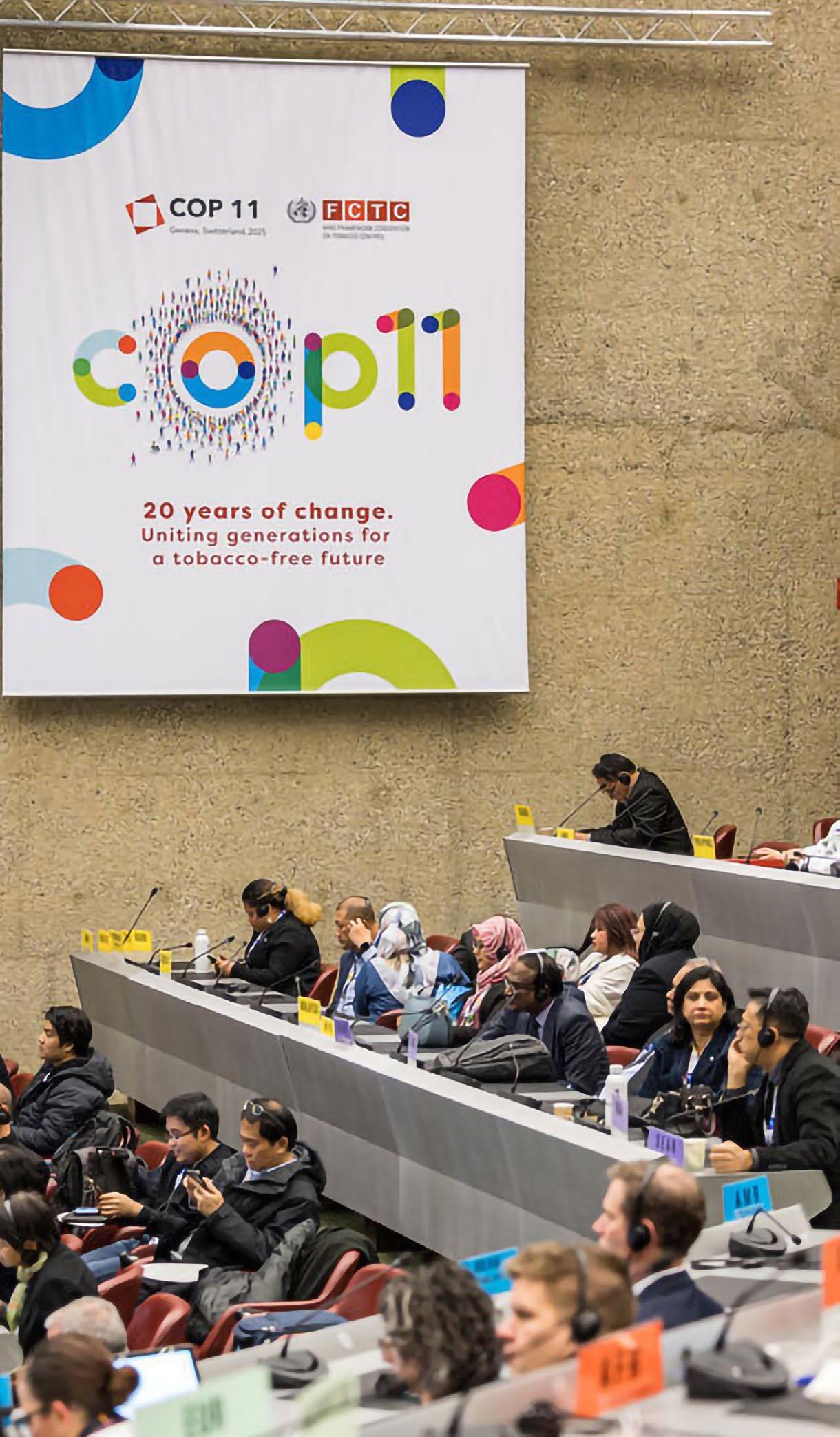
UICC’s tobacco control advocacy centred on engagement in the WHO FCTC COP11, where UICC participated as an accredited non-government organisations observer and played an active role. UICC was joined by several member organisations as part of its official delegation – Breast Care International (Ghana), the Danish Cancer Society, the Canadian Cancer Society, the Norwegian Cancer Society, Cancer Survivors Malaysia, and the International Institute for Legislative Affairs (IILA, Kenya) – as well as its sister organisation, the McCabe Centre for Law and Cancer. Their participation ensured that diverse regional perspectives and country-level experiences were well represented.
To advance shared priorities, UICC led or co-hosted a series of side events focusing on key issues such as tobacco taxation, implementation of FCTC guidelines, and the integration of tobacco control within the broader lung health agenda. Over the course of the Conference, UICC jointly delivered seven statements, advocating inter alia for stronger liability mechanisms, more innovative regulatory measures, and reinforced protections from tobacco industry interference.
These interventions contributed to a cohesive civil society voice and helped maintain momentum on critical articles of the FCTC. UICC also contributed to preparation efforts for COP11, including an advocacy briefing meeting for Geneva based Permanent Missions to highlight policy asks and emerging risks.
Beyond global negotiations, UICC continued to strengthen tobacco taxation work with Cancer Research UK in Kenya and Uganda, where national coalitions made notable progress. Both coalitions conducted policy research assessing strengths and gaps in current tobacco control and taxation frameworks. In Kenya, several coalition members –including IILA and the Kenya Network of Cancer Organizations, UICC members - participated in a workshop on tobacco industry interference, enhancing their ability to identify and counter common industry narratives. In Uganda, coalition representatives – including the Uganda Cancer Society, a UICC member - took part in the University of Cape Town training on developing a TetSim Model to support stronger, evidence-based taxation proposals.
In April 2025, these efforts culminated in a unified civil society proposal submitted to Uganda’s Parliament, calling for the doubling of cigarette excise taxes, a singletier tax structure, and annual increases indexed to inflation and income levels. While the proposed doubling was adopted for imported cigarettes, tax adjustments on locally manufactured products remained limited, highlighting the need for continued advocacy. Both coalitions received support from UICC to strengthen communications and advocacy efforts, and to learn from other organisations. They developed their own communications and advocacy materials tailored to policymakers, media, authorities, and the public, helping to broaden understanding of tobacco taxation and its public health benefits. In addition, they convened stakeholder dialogues to raise awareness, strengthen national partnerships, and support coordinated action on tobacco control.
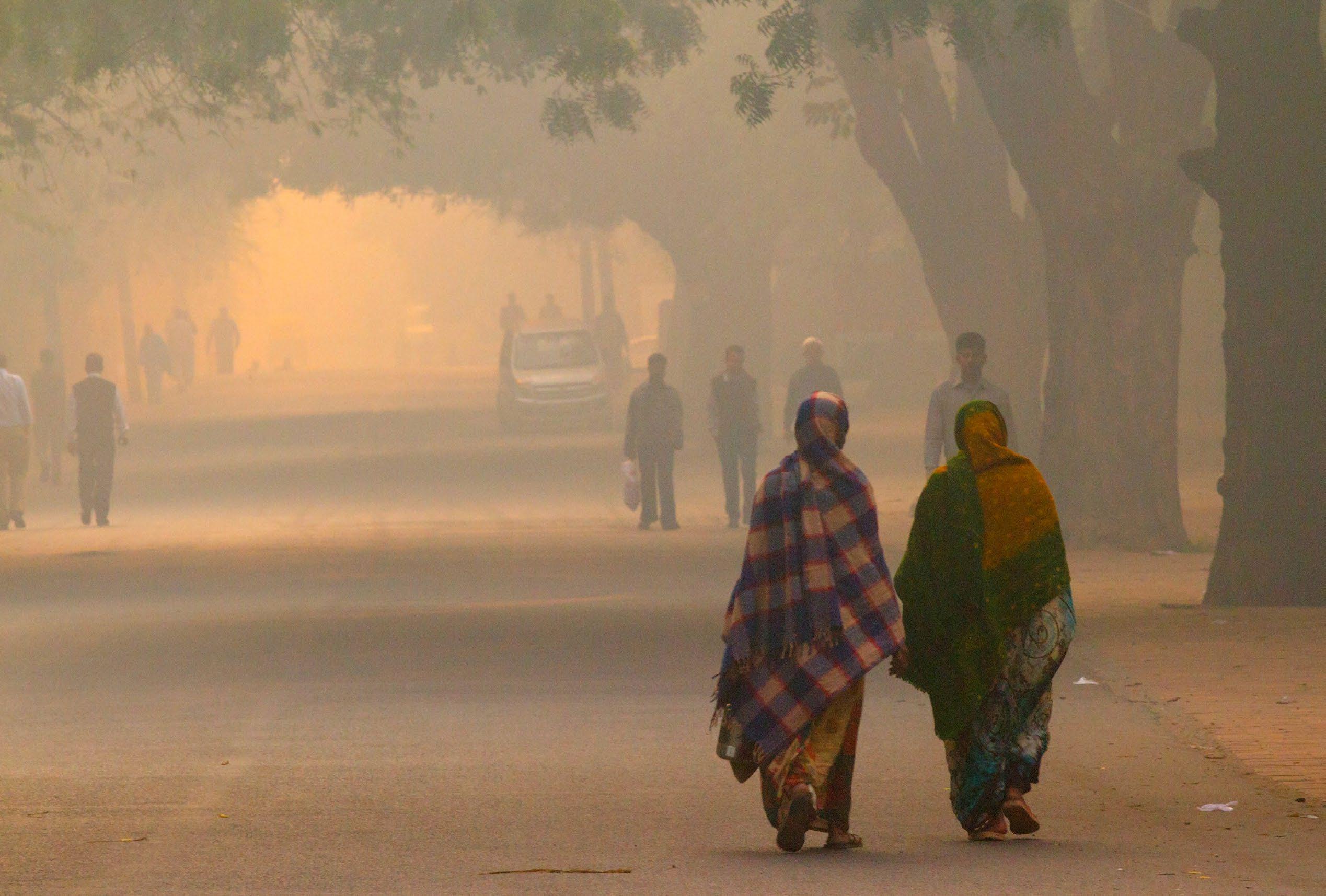
UICC advanced its work on air pollution and cancer, focusing on consolidating the evidence base and building its influence within global health and policy spaces. UICC notably developed two key reports, the core deliverables of the Clean Air Fund grant. The first report, developed with The George Institute and UICC’s Expert Taskforce, synthesises the evidence linking air pollution exposure with cancer incidence and mortality, aiming to provide an accessible entry point and key messages for cancer advocates. The second report builds on this evidence to outline practical policy options that UICC members and governments can champion to reduce air pollution and protect current and future cancer patients. Both are planned to be launched in 2026.
Alongside these technical outputs, UICC deepened its engagement with the global clean air community. UICC was invited to join a WHO-Civil Society working group to develop the call to action for the Second WHO Global Conference on Air Pollution and Health in Cartagena, Colombia, as well as attending the conference itself.
Building on these connections, UICC supported advocacy for the adoption of the updated WHO Roadmap on Clean Air at the World Health Assembly, including the new target of a 50% reduction in premature deaths from human-caused air pollution by 2040; alongside working with partners to secure clean air language in the 2025 Political Declaration on NCDs and Mental Health.
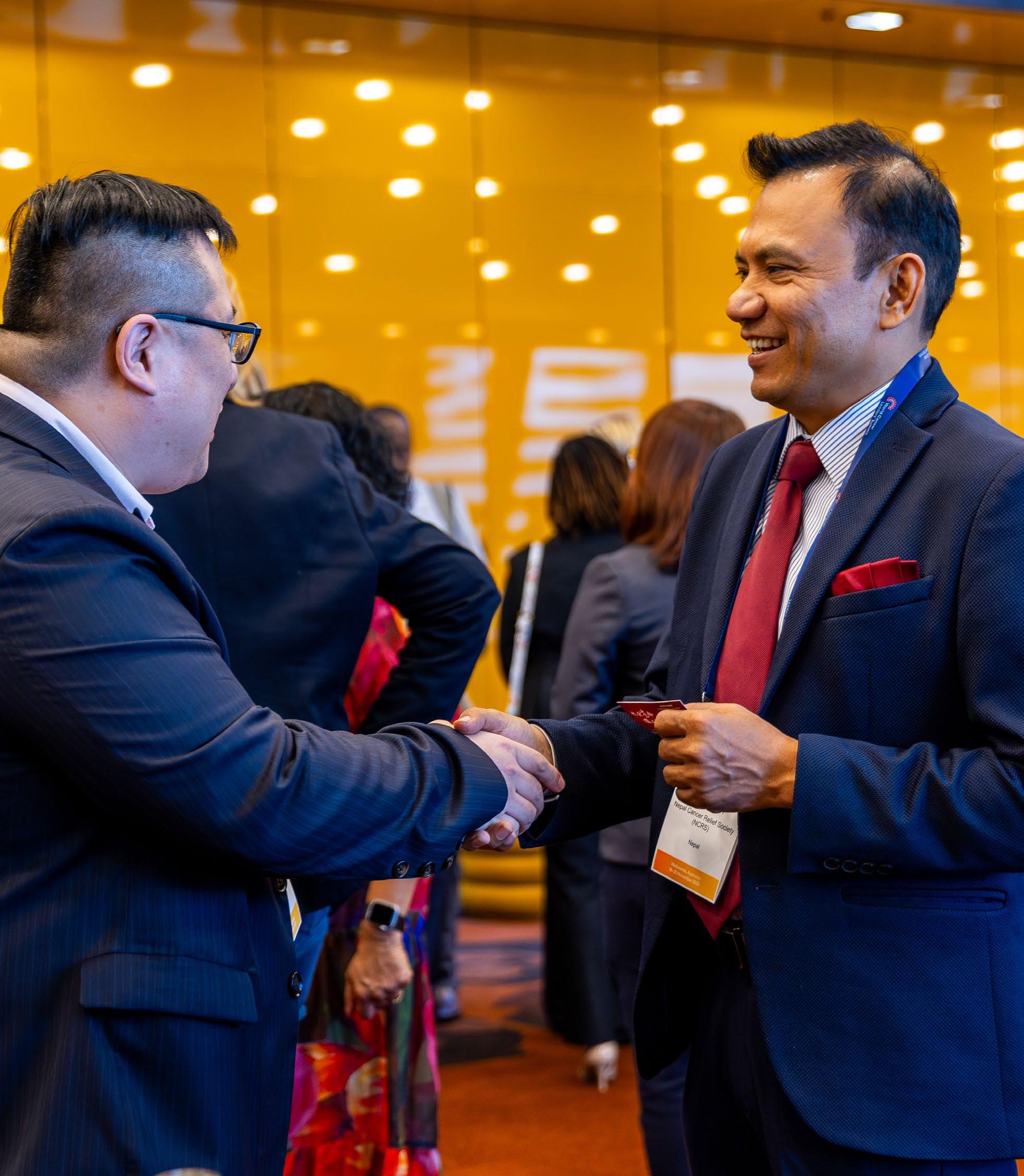
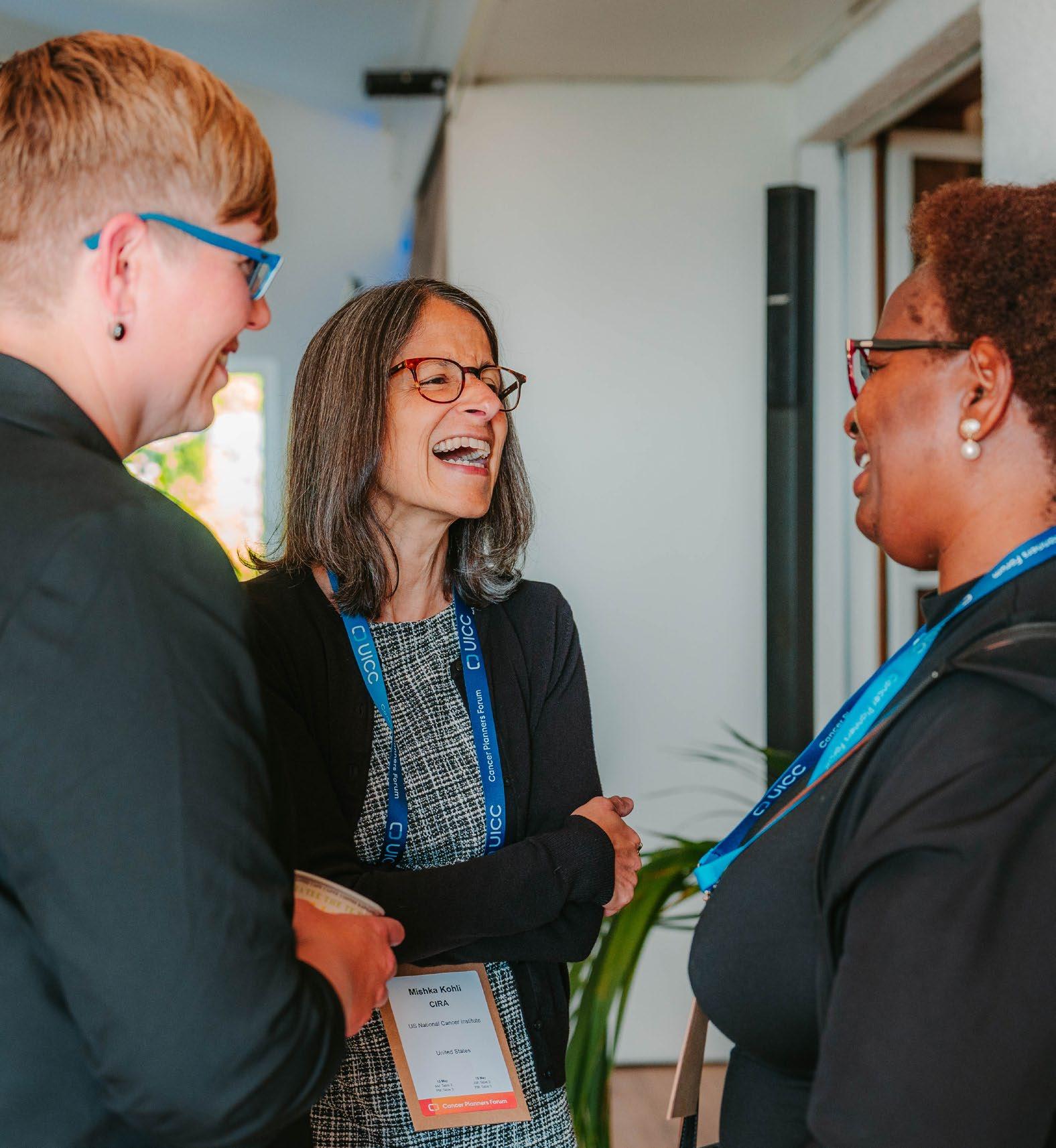
UICC remains committed to building and nurturing mutually beneficial partnerships that amplify its impact and advance progress in global cancer control. It continued long-standing collaborations with partners such as Pfizer, AstraZeneca, The University of Texas MD Anderson Cancer Center, MSD, and La RochePosay. UICC also welcomed new partners, including Novo Nordisk, Mayo Clinic, Novocure, and Regeneron. Over 80 partners contributed either financial or in-kind support to UICC in 2025.
The World Cancer Leaders’ Summit once again proved a key event on the calendar for companies and organisations, with new sponsors joining including Microsoft, Exact Sciences, IOZK and Peter MacCallum Cancer Centre.
To continue building on existing partnerships and engaging new partners, in-person meeting opportunities were leveraged wherever possible to strengthen partnerships, with UICC representatives attending key events in the oncology and global health space, including World Health Assembly, ASCO, UNGA and ESMO.
Bristol Myers Squibb (BMS) once again organised the C2C4C (Country 2 Country 4 Cancer and Continent 2 Continent 4 Cancer) rides in Europe and Latin America to raise awareness and funds benefiting UICC member organisations in these regions. For the first time in 2025, the C2C4C Japan edition also joined forces with UICC to support its members in the Asia Pacific region with 55 BMS employees cycling approximately 1,800 kilometres in a mountain loop through the heart of Japan, starting and ending in Tokyo. Together, these three rides, with BMS providing additional donations, raised over USD 700,000, going directly to UICC members in the respective regions to support locally delivered cancer control activities.
2025 saw the first of the three-year ‘United by Unique’ World Cancer Day campaign which was supported by longstanding World Cancer Day partners: Amgen, Boehringer Ingelheim, Fujifilm, La Roche-Posay, MSD and Roche. The campaign also welcomed new World Cancer Day partners: AbbVie, Jazz Pharmaceuticals and ONO Pharma.
Strengthening UICC’s work on cervical cancer, in 2025, UICC continued to receive support from key institutional partners, including Expertise France, the Gates Foundation and through the ‘Elimination Partnership in the Indo Pacific region on cervical cancer’ (EPICC) funded by the Department for Foreign Affairs and Trade of the Australian Government, and led by the University of Sydney.
The inaugural edition of the Cancer Planners Forum in May 2025 was strongly supported by UICC members and partners including MD Anderson Cancer Center, St. Jude Children’s Research Hospital, AstraZeneca, Pfizer and MSD.
Partner support for UICC’s Lung Cancer Collaboration continued to grow with partners Boehringer Ingelheim, AstraZeneca, Pfizer and MSD joining in 2025.
New partners Novo Nordisk Fonden and Menarini Stemline supported UICC’s work in Antimicrobial Resistance (AMR) including a focus on incorporating AMR in National Cancer Control Plans (NCCPs).
“At Bristol Myers Squibb, we believe that sustainable healthcare systems depend on the ability to translate innovative science into meaningful, real-world outcomes for patients – especially those facing the greatest barriers to care. Achieving this requires collaborative approaches across sectors to strengthen health system resilience, improve access to care and ensure that biomedical advances deliver value for patients, communities and society.”
Martin Whalen, SVP, Global Policy & Government Affairs, BMS
“At Roche we recognise that no one organisation, company, country, intervention or individual can deliver this alone. That’s why we see partnerships with governments, public health authorities, advocacy networks, civil society and other stakeholders as vital to addressing current barriers to cancer care access and innovation.”
Michael Oberreiter, Head Global Access, Roche
“The 2025 UN High-Level Meeting on NCDs marked a pivotal moment for the global cancer agenda. World Cancer Research Fund International was proud to work alongside UICC and its partners to translate the moment into meaningful commitments to reduce cancer rates worldwide. Our collaboration with UICC in global advocacy, scientific initiatives such as the Reimagining Cancer Research in Europe Initiative, and knowledge exchange demonstrate what is possible when organisations align their expertise and advocacy towards shared goals. We look forward to continuing to build on our collective progress in the years ahead.”
Dr Panagiota Mitrou,
Executive Director of Research and Policy, World Cancer Research Fund International


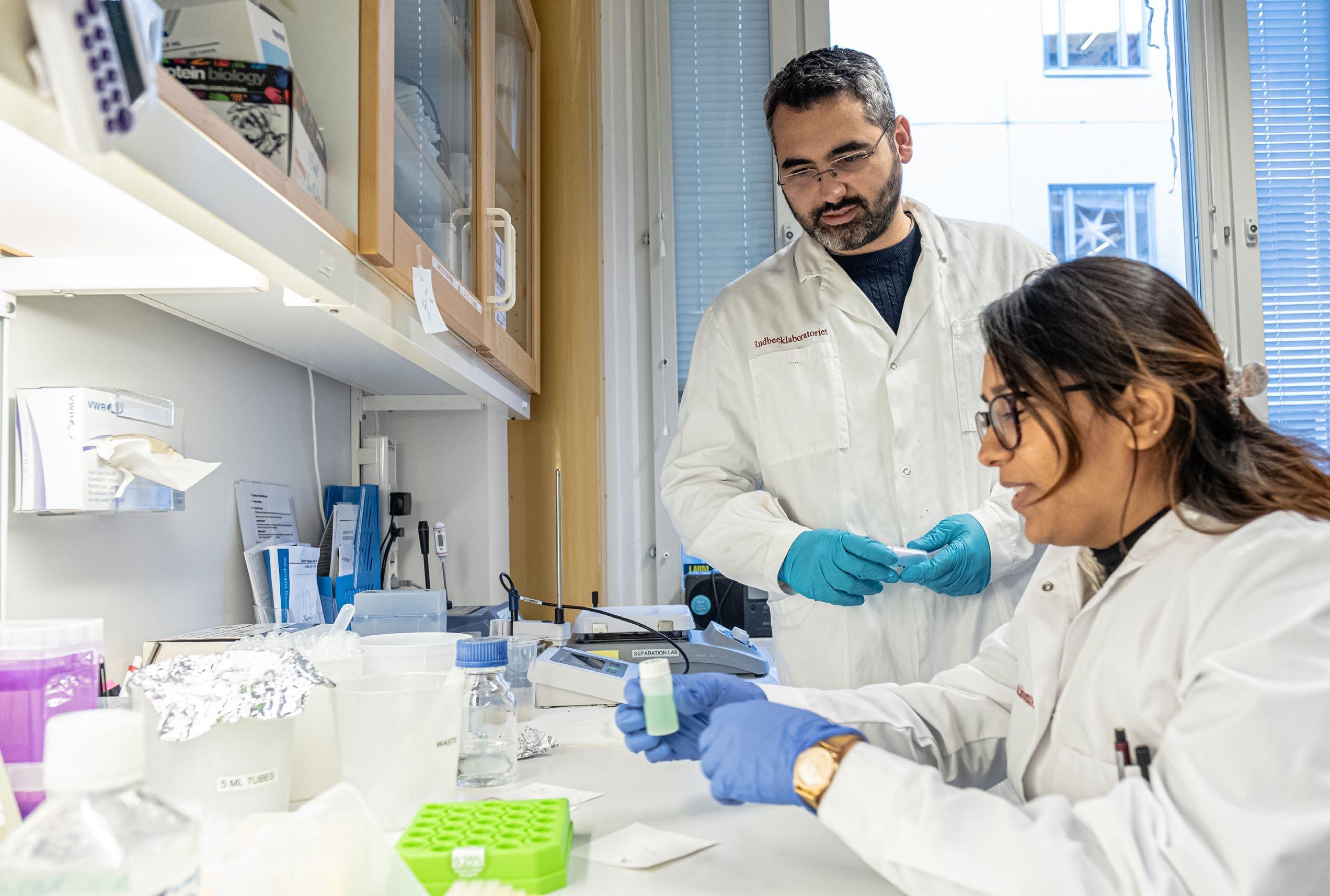
This regional initiative, launched in 2022, and conceptualised and supported by UICC member organisations in Europe, received commitments of a further EUR 800,000 in 2025, enabling the launch of a second call for applications. The funding represents renewed commitments from two existing partners of the initiative, the Swedish and Danish cancer societies, as well as investments from new partners, World Cancer Research Fund (WCRF) International and Wereld Kanker Onderzoek Fonds (WKOF).
A total of EUR 1.3 million will be available to be awarded through the second call, which opened in November 2025 and will close on 16 February 2026. Groups of collaborating applicants will be able to apply for grants of a maximum of EUR 500,000. The initiative aims to support collaborative implementation research projects and further leverage the potential of cancer prevention to reduce the burden of cancer in Europe.
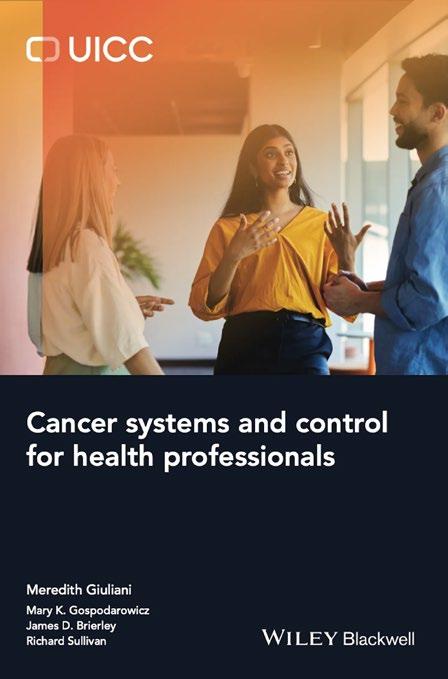
In March, UICC announced the publication of Cancer Systems and Control for Health Professionals, edited by Meredith Giuliani, Mary Gospodarowicz, James Brierley, and Richard Sullivan. Published by Wiley, this landmark resource addresses the global challenge of cancer by advocating for a systems-based approach to its complexities. The book integrates perspectives from medicine, education, technology, public health, health policy, and advocacy, underscoring the importance of a comprehensive ecosystem in cancer care. It explores social determinants of health, health economics, and strategies for cancer control, while highlighting structural barriers to health equity. Furthermore, it examines the role of data management and emerging technologies such as artificial intelligence and quantum computing in advancing cancer control. Designed for clinicians and researchers, this resource will serve UICC members and the broader cancer community.
July saw the launch of the TNM 9th edition edited by Drs James Brierley, Meredith Giuliani, Brian O’Sullivan, Brian Rous, and Liesbet Van Eycken. This edition introduces revised criteria and new classifications, reflecting advances in imaging, tumour biology, and patient care. It provides internationally agreed standards to support more accurate and personalised cancer treatment worldwide. In 2026, it will mark 58 years since its first publication by UICC.
The International Journal of Cancer published several special issues to coincide with milestone awareness days including World Cancer Day and Breast Cancer Awareness month. In 2025, IJC published 260 Open Access Articles, which is up 6% from 246 articles in 2024. The most highly read paper in 2025 was The GLOBOCAN 2022 cancer estimates: Data sources, methods, and a snapshot of the cancer burden worldwide, with 21,960 views. Since 2023, IJC has published articles from World Cancer Research Fund International’s Global Cancer Update Programme which analyses global research on how diet, nutrition and physical activity affect cancer risk and survival. A paper on Early-life anthropometry and colorectal cancer risk in adulthood was published in May. In 2026, the IJC will mark 60 years since the publication of its very first issue on 15 January 1966.
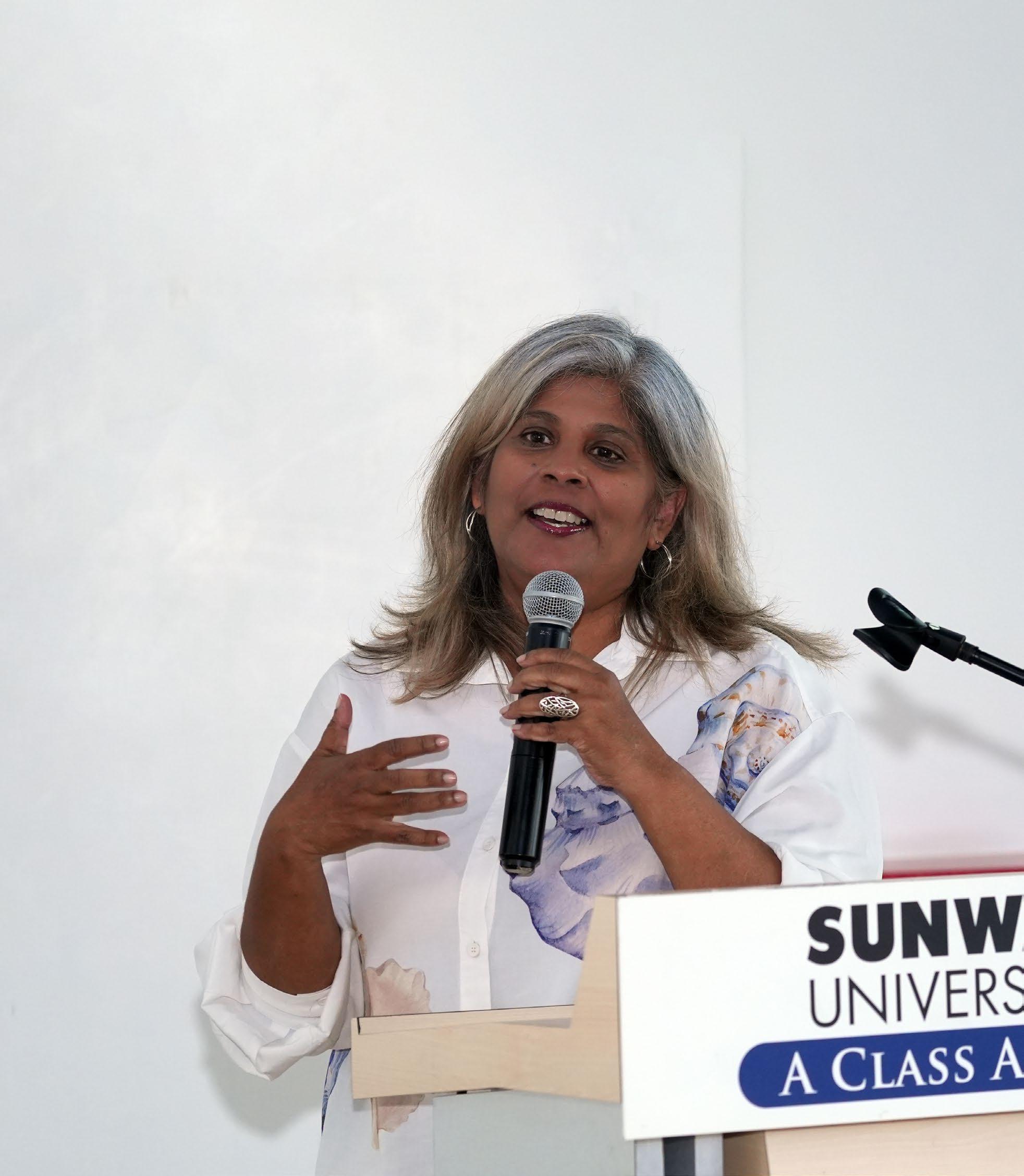
UICC is proud to have been involved in the establishment of the NCD Alliance, the McCabe Centre for Law and Cancer, the International Cancer Control Partnership and the City Cancer Challenge Foundation. We applaud the achievements and impact each organisation has had in 2025 and encourage you to learn more on their websites.
ncdalliance.org
mccabecentre.org
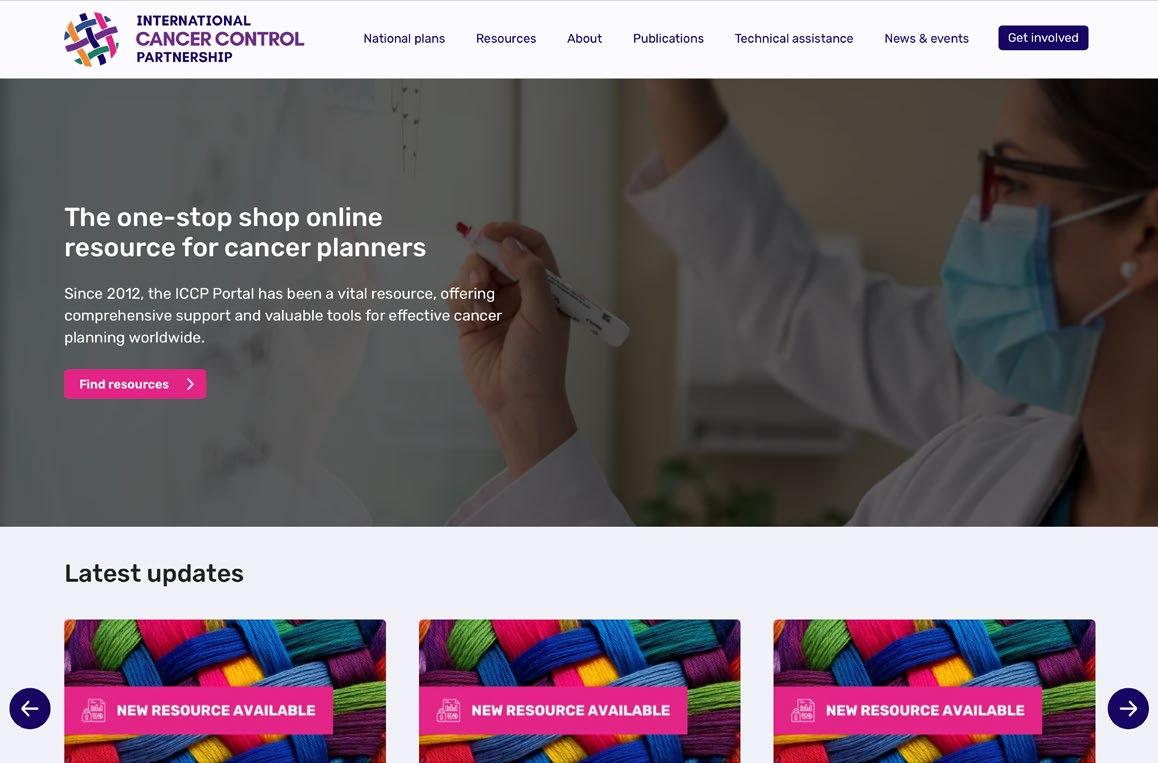
iccp-portal.org
citycancerchallenge.org
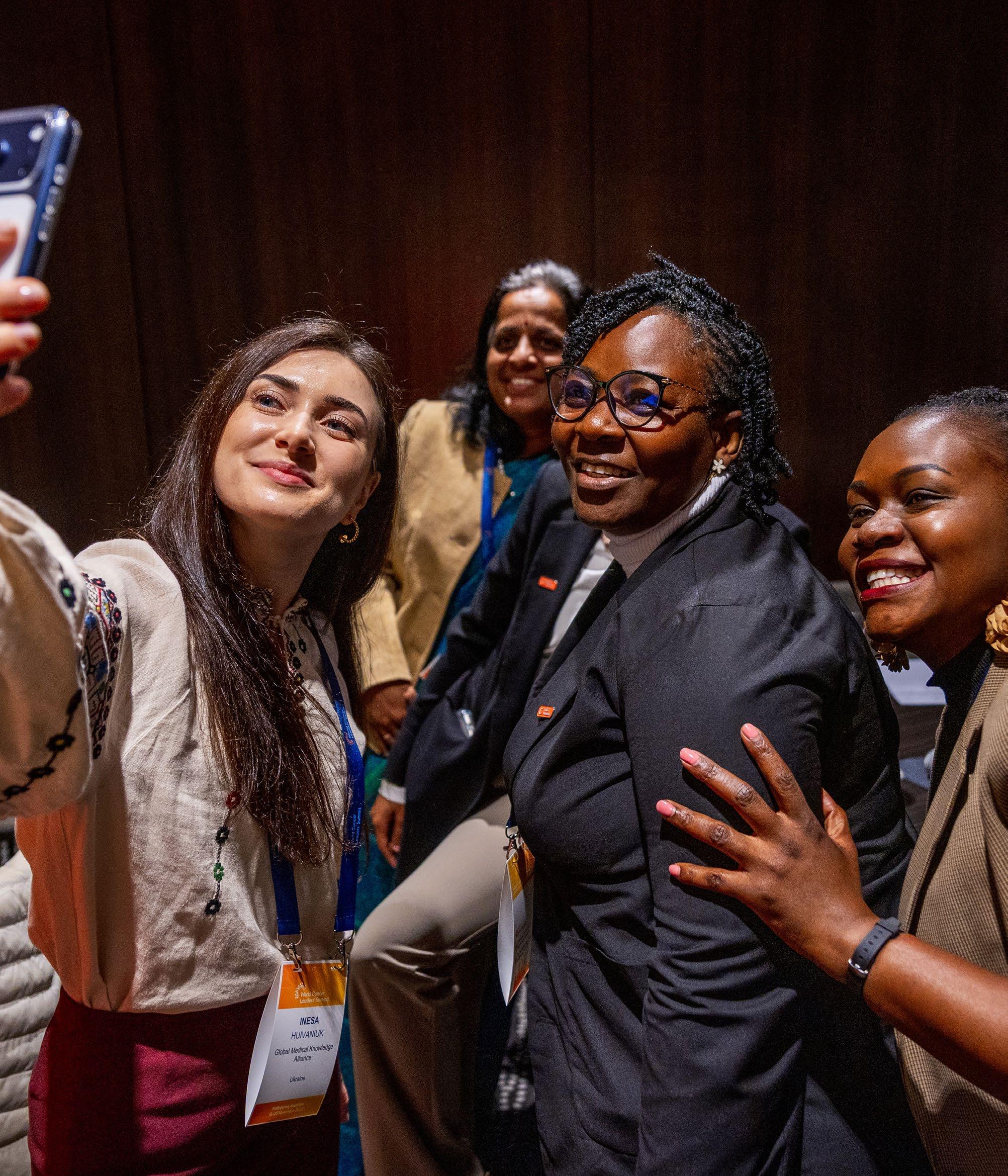
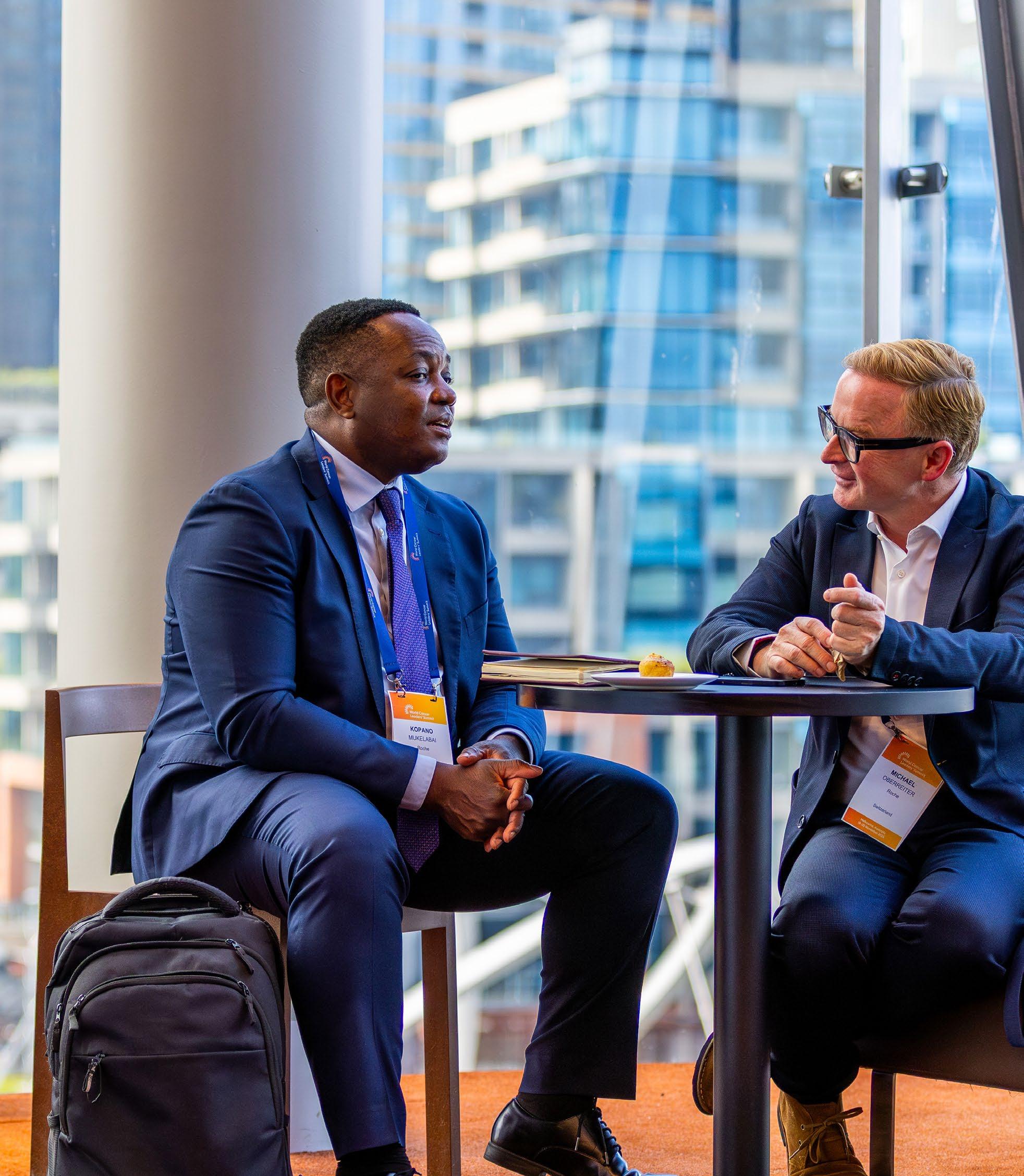
“It has been a great pleasure to serve as Treasurer of UICC in 2025. I am proud to be part of an organisation that demonstrates professionalism, transparency, and strong financial management in the way it conducts its work and manages its resources.”
Gonzalo Lopez Cuevas, Treasurer, UICC
In 2025, UICC concluded the year with a balanced budget, posting a small operational loss of CHF 38,000. These financial results were achieved with an increase in staffing from 44 to 47 FTE during the year. The financial stability, and the financial reserve position remained at a healthy level. In addition, UICC received a clean audit from PricewaterhouseCoopers (PwC).
It is worth considering UICC’s financial performance in the context of funding challenges experienced across international organisations and NGOs in Geneva in 2025. UICC is fortunate that the geopolitical issues affecting financial support to many Geneva organisations have not impacted it to date.
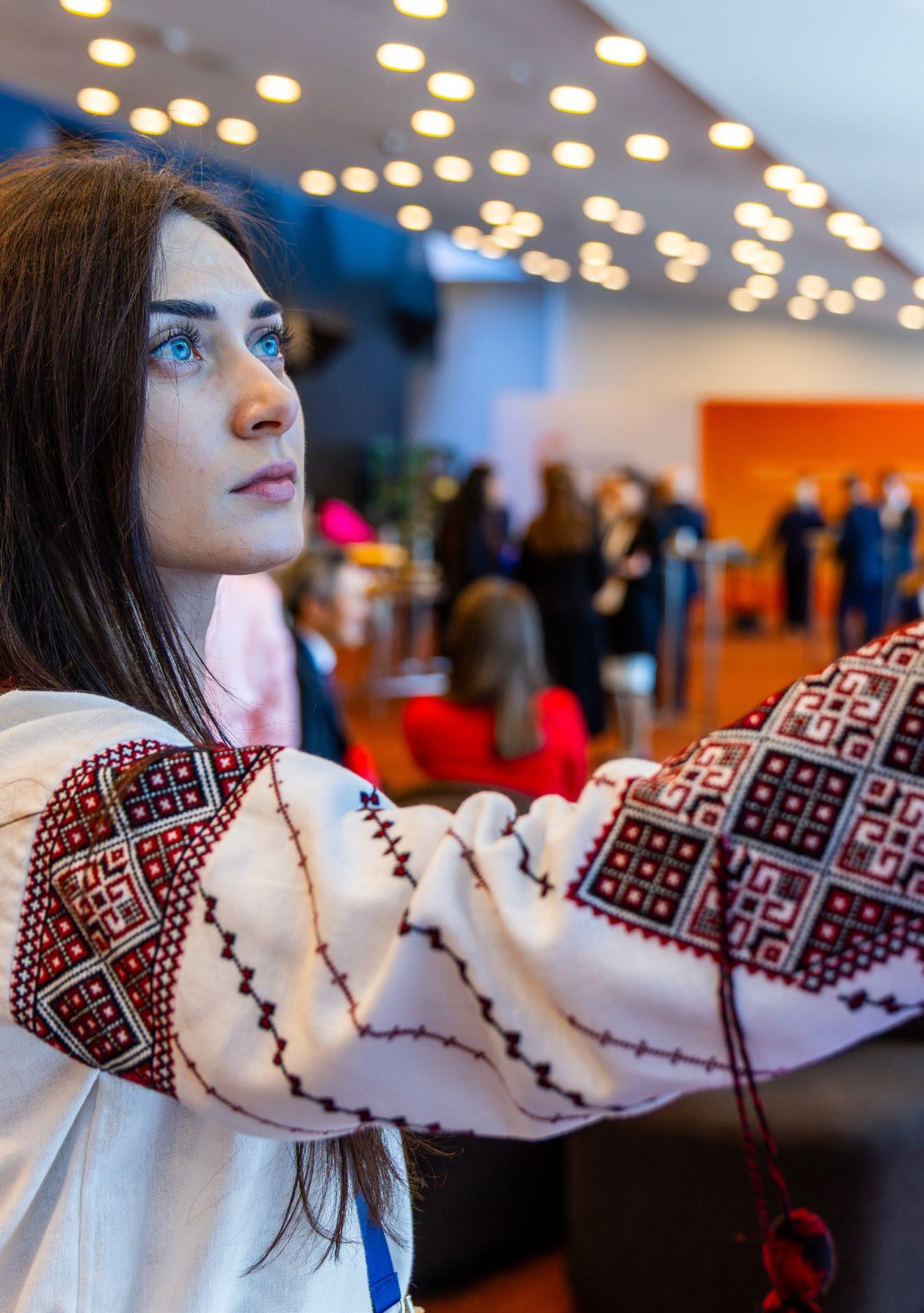
Balance sheet at 31 December in Swiss francs (CHF)
These figures, as presented, represent a summary of the financial statements of UICC. A complete set of the audited financial statements for 2025, including accompanying notes, may be obtained upon request at finance@uicc.org.
31
INCOME
Membership Dues & Contributions
Partnerships 1,484,038 1,484,038
Improving member centricity 944,902 944,902
Improving access 1,418,628 1,418,628
Improving health systems for cancer 1,288,088 1,288,088
Advocating for greater people-centred care 580,386 580,386
Increasing attention on women's cancer 1,106,509 1,106,509
Increasing attention on lung cancer
World Cancer Leaders' Summit 1,147,682 1,147,682
World Cancer Congress 637,785 637,785
Other initiatives 736,666 736,666
Publications
Others
TOTAL INCOME
EXPENDITURE
Improving member centricity
(1,604,244) (1,604,244)
Improving access (2,178,009) (2,178,009)
Improving health systems for cancer (1,046,848) (1,046,848)
Advocating for greater people-centred care (583,077) (583,077)
Increasing attention on women's cancer (345,142) (345,142)
Increasing attention on lung cancer (623,261) (623,261)
World Cancer Leaders' Summit (1,311,899) (1,311,899)
World Cancer Congress (279,288) (279,288)
Other initiatives (612,791) (612,791)
Publications (261,792) (261,792)
Others (182,010) (182,010)
Operating Costs (4,078,666) (4,078,666)
TOTAL
These figures, as presented, represent a summary of the financial statements of UICC. A complete set of the audited financial statements for 2025, including accompanying notes, may be obtained upon request at finance@uicc.org
Result before allocation to the fund capital
Allocation of the
Allocation
(475,348) (513,567)
(613,373) (19,821) (19,821) (2,959,079) (2,959,079) (503,932) (503,932) (589,914) (589,914) (91,882) (91,882)
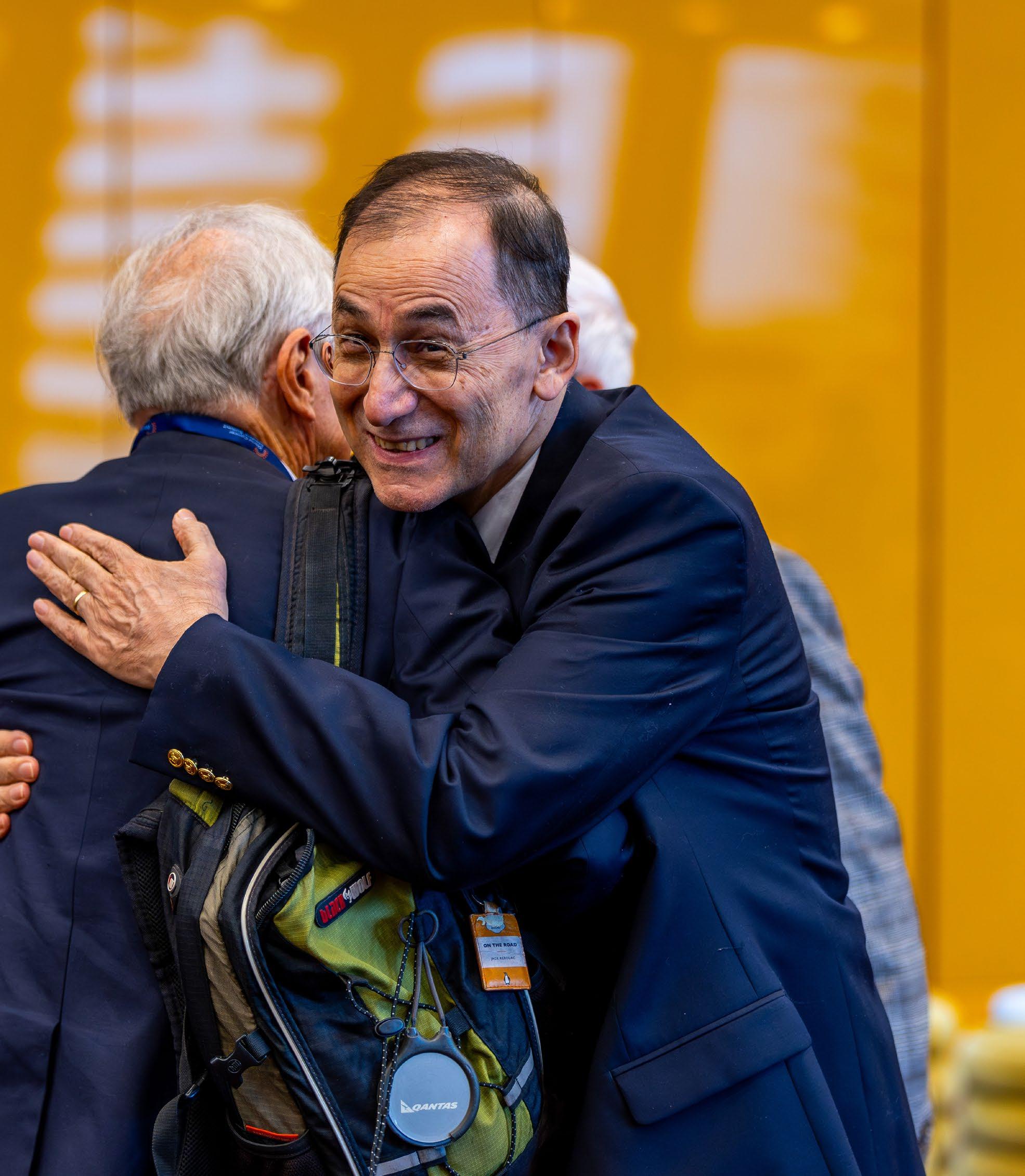
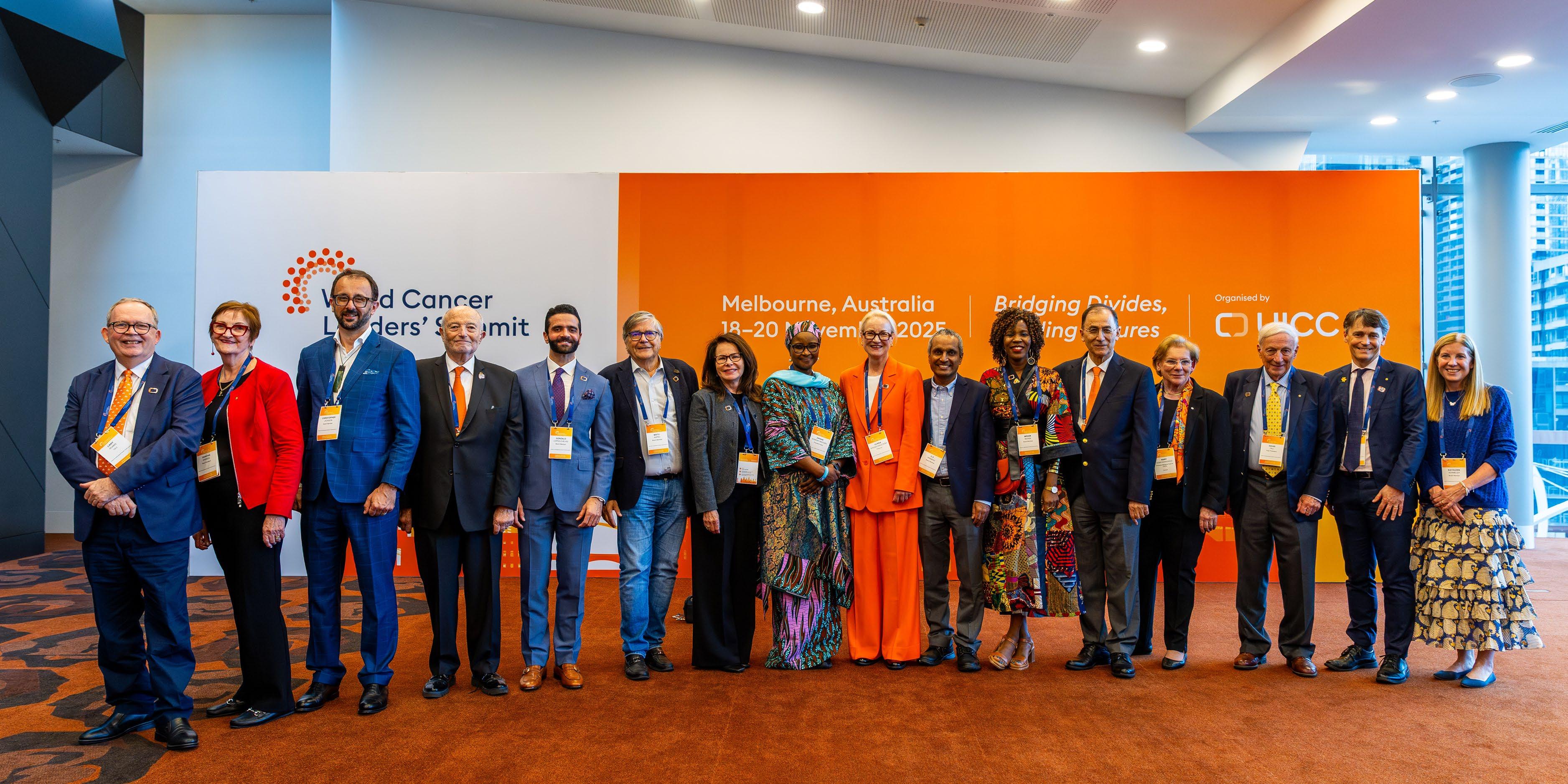
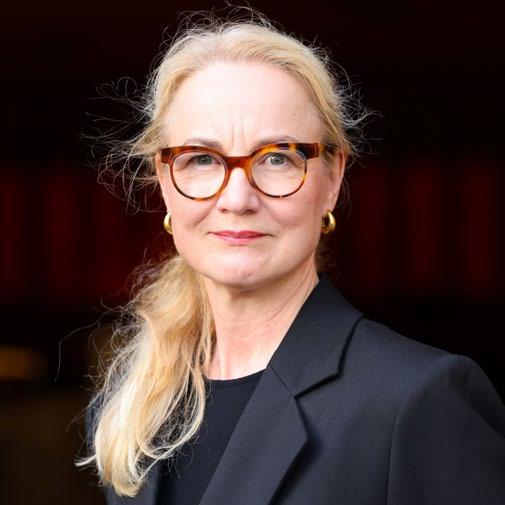
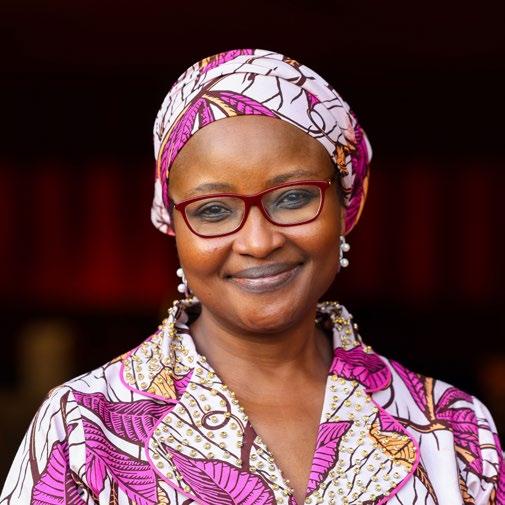
President
Ulrika Årehed Kågström
Sweden
Following its election by the UICC General Assembly in October 2024, the Board of Directors for the 2024–2026 term continued its work throughout 2025. The Board governs UICC in line with the mandate received from the General Assembly and provides leadership and strategic direction across all UICC activities. Comprising 16 outstanding and dedicated individuals, it is chaired by the incumbent President and includes the President-elect.


President-elect
Zainab Shinkafi-Bagudu
Nigeria
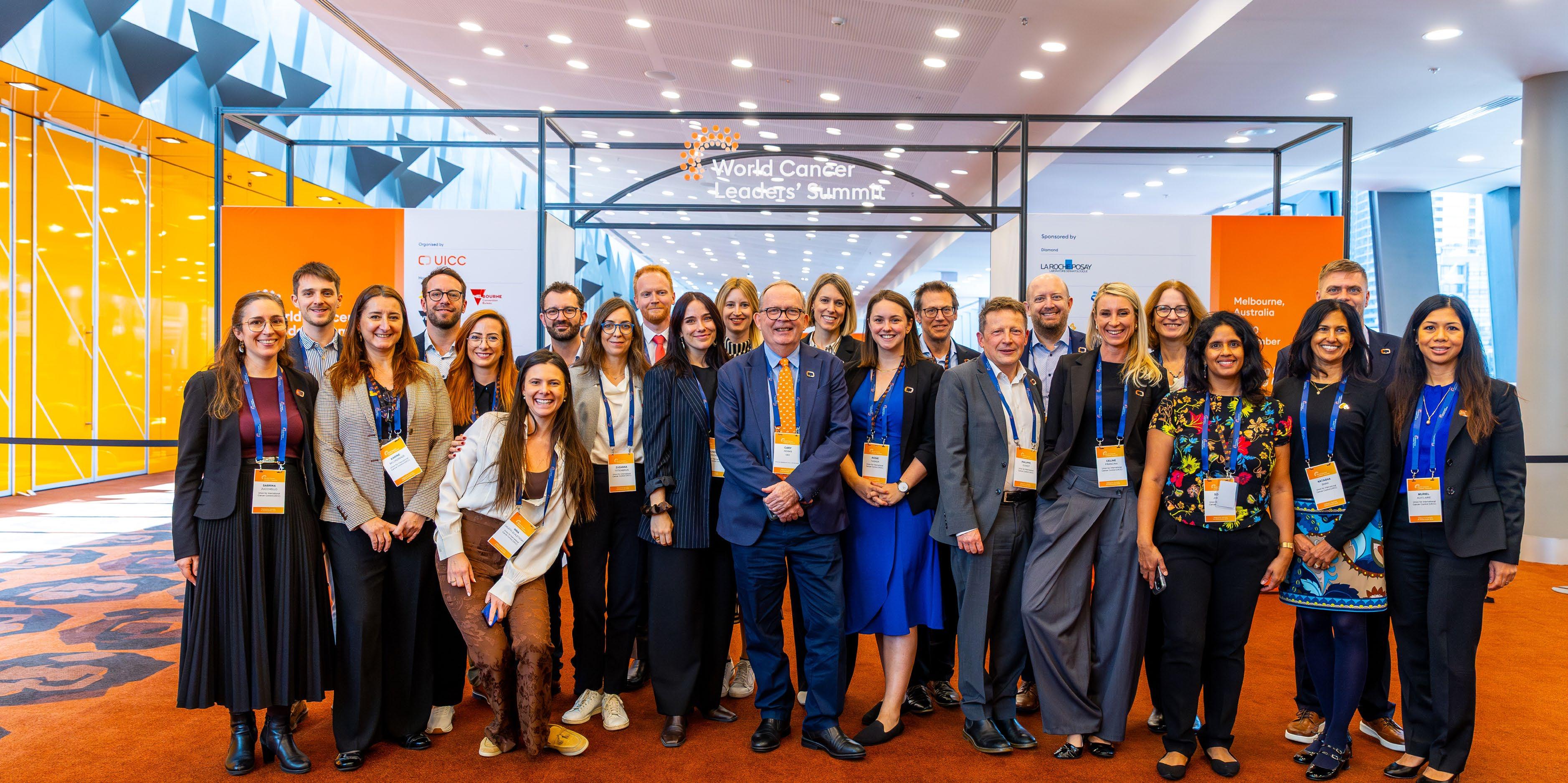
The list includes all staff who worked at any point in time between 1 January and 31 December 2025.
Photography by
Adrien Buttier
Edis Potori
Leigh Mullens
Ramiro Sanchez
Gilberto Lontro
Chief Executive Officer
Cary Adams
Chief Operating Officer
Philippe Guinot
Capacity Building
Kirstie Graham
Alessandro Di Capua
Annah Espejo
Caroline Gloor
Esther Peev
Marta Pazos Belart
Nisso Käser
Rosanne Lamplough
Sabrina Zucchello
Sally Donaldson
Serena Forni
Victoria Paget
Communications & Marketing
Nicole Engelbrecht
Alexandra La Guardia
Amy Kirby-Okello
Charles Revkin
Eric Grant
Giovanna Giuga
Nina Caleffi Scaletscky
Rabab Ouardighi
Shadia Kuoni
Congress & Events
Céline Francina
Anaïs Armengaud
John Lawlor
Ronan Carella
Yani Amar
Finance & Administration
Philippe Guinot
Mondine Moeschler
Cindy Ray
Eszter Klampfer
Guillaume Roth
Minh Nguyen
Viran Silva
Knowledge, Advocacy & Policy
Sonali Johnson
Emily Joynes
Rosie Tasker
Shalini Jayasekar-Zurn
Yannick Romero
Zuzanna Tittenbrun
Memberships
Muriel Victoria Auclaire
Adrian Bourquin
Laila Harras-Pelletier
Laura Fernandez Diaz
Shirine Ajil
Partnerships
Sophie Matte
Bijoya Banerjea
Gwenn Brézillon
Jessica Clerc
Karine Belondrade
Lua Nazerian
Maarten De Winter
Maribeth Walker
ATOM Coalition
Dan Milner
Natasha Shah
Amy Israel
Anna Cabanes
Kah Shin Cheong-Baden
Megan Young
Melissa Rendler-Garcia
Sarbani Chakraborty
Sumi Krishnamurthy
Ruth Njengere Lehmann
UICC would like to thank the organisations highlighted in blue that kindly made voluntary contributions above and beyond their statutory membership to support members through the Membership Support Fund.
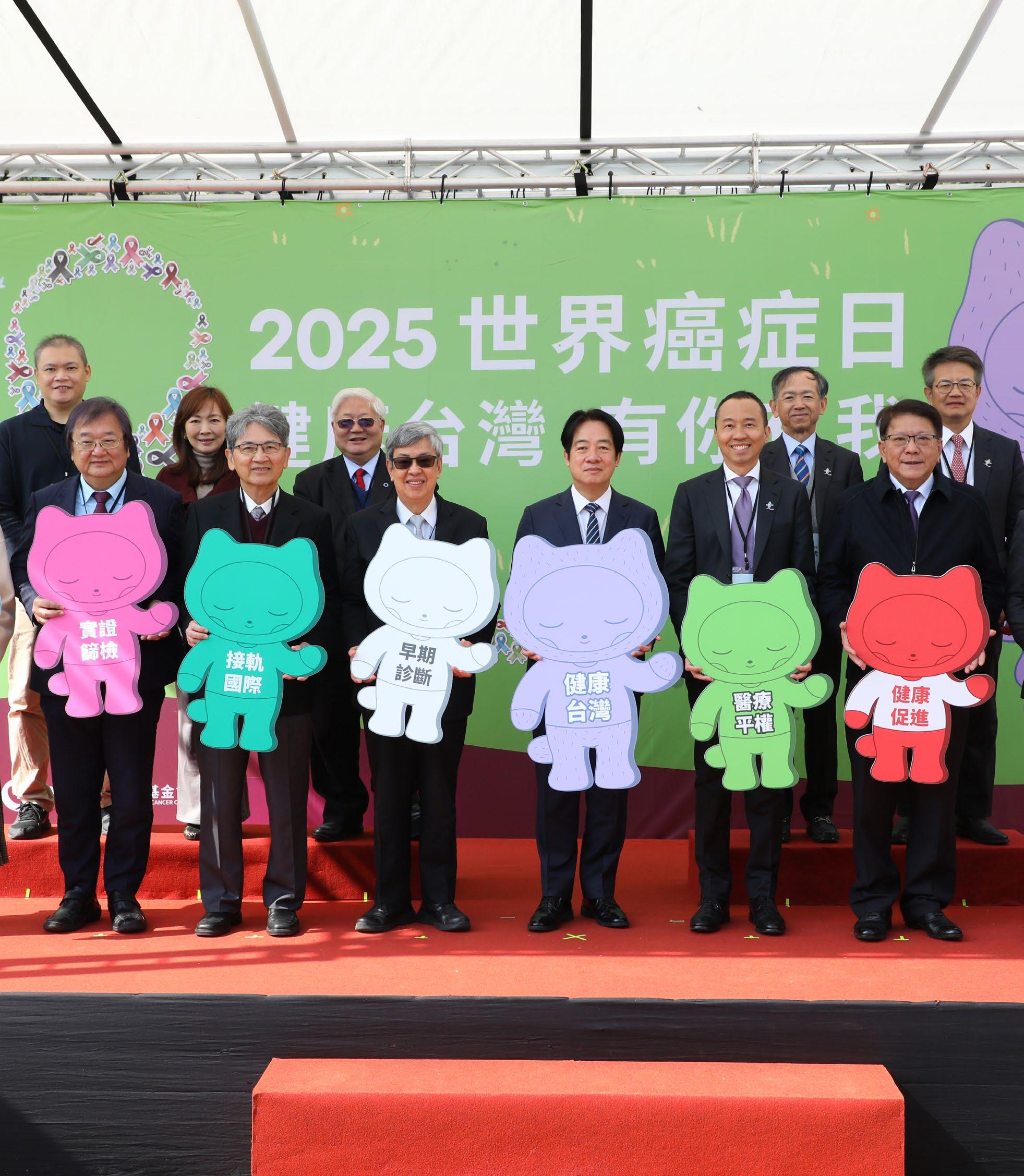
AFGHANISTAN
Afghanistan NCD Alliance
ALGERIA
Association d’Aide aux Enfants
Cancéreux - Béchar
Association des Médecins Libéraux d’Annaba
Association El-Amel d’aide aux personnes atteintes de cancer, Centre Pierre et Marie Curie (CPMC)
Chu Annaba - Clinique Médicale Infantile Sainte
El Adwa
EL BADR
Errahma
Nassima
Nour Doha
Sociéte Algerienne de Formation et de Recherche en Oncologie (SAFRO)
Waha
ANGOLA
Instituto Angolano de Controlo do Cancer (IACC)
ANGUILLA
Anguilla Family Planning Association
ANTIGUA AND BARBUDA
Antigua Planned Parenthood Association
Caribbean Family Planning Affiliation, Ltd.
ARGENTINA
Asociación Leucemia Mieloide de Argentina (ALMA)
Donde Quiero Estar Foundation
Fundación para la Salud del Adolescente
Fundación SALES
Liga Argentina de Lucha Contra el Cáncer (LALCEC)
Linfomas Argentina
Sociedad Latinoamericana y del Caribe de Oncología Médica (SLACOM)
ARMENIA
City of Smile Charitable Foundation
CML Armenia
Immune Oncology Research Institute
ARUBA
Foundation for Promotion of Responsible Parenthood
AUSTRALIA
Adelaide Hills PCSG
Adelaide Mitcham PCSG
Albany PCSG
Albury Wodonga PCSG
Alice Springs PCSG
Anastasia Greek Cancer Support Group
Ararat & District Prostate Cancer Support Group
Armidale PCSG
Australian Catholic University
Australian Catholic University, Exercise Lifestyle Clinic
Australian Centre for the Prevention of Cervical Cancer (ACPCC)
Bairnsdale Prostate & Partners Support Group
Ballarat Prostate Cancer Support Group
Barossa Prostate Cancer Support Group
Bass Coast Prostate Cancer Support Group
Bathurst Prostate Cancer Support Group
Bayside Kingston PCSG
Bendigo & Districts Prostate Cancer Support Group
Biloela PCSG
Blackwood Districts PCSG
Bowel Cancer Australia
Box Hill PCSG
Breast Cancer Network Australia
Brisbane Prostate Cancer Support Network
Broken Hill Prostate Cancer Support Group
Bunbury District Prostate Cancer Support Group
Bundaberg & District Prostate Cancer Support Group
Busselton PCA&SG
Cancer Australia
Cancer Council ACT
Cancer Council Australia
Cancer Council Northern Territory
Cancer Council NSW
Cancer Council Queensland
Cancer Council South Australia
Cancer Council Tasmania
Cancer Council Victoria
Cancer Council Western Australia
Cancer Institute NSW
Cancer Nurses Society of Australia
Central Australia Support Group
Leaders Teleconference Group
Central Coast Carers Group
Central Coast PCSG
Central Coast Pre Op Support Group
Central Gold Coast PCSG
Cessnock Prostate Cancer Support Group
Chinese Cancer Society of Victoria Cancer Support Group
Citiplace Advanced PCSG
Clarence Valley Prostate Cancer Support Group
Clayton Greek Cancer Support Group
Coffs Harbour PCSG
Collaborate against CancerMinderoo Foundation
Collie PCSG
Concord PCSG
Cootamundra PCSG
Darwin Prostate Support Awareness Group - Prosper
Denmark PCSG
Devonport PCSG
Diamond Valley PCSG
Dubbo PCSG
Dural PCSG
Eastern Shore PCSG
Essendon PCSG & Diamond Valley PCSG
Far North Queensland (Cairns) PCSG
Far North Queensland PCSG
Forbes Prostate Cancer Support Group
Frankston & District PCSG
Fremantle PCSG
Gawler PCSG
Gay Melbourne Prostate Cancer Group
Gay Prostate Support Adelaide
Gay/Bisexual Prostate Cancer Support
QLD
Geelong Prostate Support Group
Glass House Country PCSG
Glen Innes PCSG
Gold Coast North Prostate Cancer Support & Awareness Group
Gold Coast Prostate Cancer Partners Support Group
Goulburn & District Prostate Cancer Support Group
Granite Belt PCSG
Great Lakes Prostate Cancer Support Group
Griffith PCSG
Gympie & District PCSG
Hastings Prostate Cancer Support Network
Hervey Bay Prostate Cancer Support Group
Illawarra Prostate Cancer Support Group
Innisfail Prostate Support Group
Inverell PCSG
Ipswich Prostate Cancer Support Group
Kalamunda PCSG
Kingborough PCSG
Kingston & Robe PCSG
Kyabram & District Prostate Support Group
Latrobe Valley Prostate Support Group
Leederville Prostate Exercise Group
Leukaemia Foundation of Australia
Limestone Coast PCSG
Lockyer Valley PCSG
Lower Eyre Prostate Cancer Support Network
Lower North PCSG
Lymphoma Australia
Mackay & District Prostate Cancer Support Group
Mandurah PCSG
Maryborough Prostate Cancer Support Group
Melmarsh Prostate Cancer Support Group
Mens Engagement Network
Monaro Prostate Cancer Support Group
Monash University
Monash University Prostate Cancer Research Group
Mudgee Prostate Cancer Support Group
Murray Bridge PCSG
Naracoorte Mens Cancer Support Group
National Breast Cancer Foundation
Nepean/Blue Mountains PCSG Inc.
Newcastle/Hunter Mater Prostate Cancer Support Group
North Burnett PCSG
North Shore PCSG
North West QLD Prostate Cancer Support Group
Northern Beaches Prostate Cancer Support Group
Northern Rivers Day PCSG
Northern Rivers Evening PCSG
Northern Tablelands PCSG
Northern Territory Rainbow PCSG
Ocean Reef PCSG
Orange PCSG
Orbost PCSG
Parkes Prostate Awareness and Support Group
PCS - City of Onkaparinga Group
PCSG Bellarine Peninsula
Peninsula Prostate Cancer Support Group Inc.
Perth Gay/Bisexual PCSG
Perth Partners Group
Perth PCSG
Perth Southsiders Prostate Cancer Support Group
Perth Western Suburbs Group
Peter MacCallum Cancer Centre
Port Pirie PCSG
Prostamates Support Group
Prostate (Cancer) Support Awareness
Adelaide Group
Prostate Awareness Twin Town & Tweed Coast
Prostate Cancer Action Group (S.A.) Inc.
Prostate Cancer Foundation of Australia
Prostate Cancer Partners SG Bentleigh Bayside
Prostate Cancer Support Group ACT Region
Prostate Cancer Support Group of Younger Men
Prostate Heidelberg
Prostate Melbourne Support Group
Prostate Support Group Warrnambool
QLD Advanced PCSG (Telephone Group)
Queensland and Northern
NSW Support Group Leaders Teleconference Group
Rare Cancers Australia
Redcliffe PCSG
Ringwood PCSG
Riverland PCSG
Rockhampton PCS&A Group
Royal Prince Alfred Hospital PCSG (Day Group)
Royal Prince Alfred Hospital PCSG (Evening Group)
Saddleworth PCSG
Shepparton & District PCSG
Shine A Light Group for Gay/Bisexual Men
Shoalhaven PCSG
South Perth PCSG
Southern Highlands PCSG
St Arnaud PCSG
St Vincents PCSG
St Vincent’s PCSG for Women
Stay Strong Prostate Cancer Exercise Group
Sunraysia Prostate Support Group
Sunshine Coast PCSG
Swan Hill Prostate Support Group
Sydney Adventist Hospital Educational Presentations (Night)
Sydney Adventist Hospital Facilitated Group Discussion (Day)
Tamworth Prostate Cancer Support Group
Taree PCSG
Tatiara Prostate Cancer Support Group
Tomaree PCSG
Toowoomba Prostate Cancer Support Group
Townsville PCSG
University of Southern Queensland VCCC Alliance
Victoria and Tasmania Support Group Leaders Teleconference Group Wagga Wagga PCSG
Walter & Eliza Hall Institute of Medical Research
Western Australia Support Group Leaders Teleconference Group
Westgate Region Prostate Cancer Support Group
Westmead PCSG
Westside Prostate Cancer Support Group
Whyalla PCSG
Wimmera Prostate Cancer Support Group
Wyong PCSG
Yorke Peninsula PCSG
Younger Men Central Coast PCSG
Younger Men PCSG - Leederville
Younger Men’s Prostate Cancer Teleconference Group
BAHAMAS
Bahamas Family Planning Association
BAHRAIN
London breast care centre
BANGLADESH
Bangladesh Cancer Society
Bangladesh Society for Breast Cancer Study (BSBCS)
Community Oncology Centre Trust
Oncology Club, Bangladesh
BARBADOS
Barbados Family Planning Association
The Myeloma, Lymphoma and Leukaemia Foundation of Barbados
BELGIUM
All.Can International
Belgian Foundation against Cancer
European Cancer Organisation
European Organisation for Research and Treatment of Cancer (EORTC)
European Society for Radiotherapy & Oncology (ESTRO) - VAT n° BE0432.894.370
HPV Prevention and Control Board
Kom op tegen Kanker
Lymfklierkanker Vereniging Vlaanderen vzw
The Synergist - From Testing to Targeted Treatment Program (FT3)
World Bladder Cancer Patient Coalition
BELIZE
Belize Family Life Association
BENIN
Association Franco Béninoise de Lutte Contre le Cancer
Association pour la Lutte Contre le Cancer au Bénin
Fondation Claudine Talon
Pink Bénin
SOS Cancer
BERMUDA
Bermuda Cancer and Health Centre Teen Services
BHUTAN
Bhutan Cancer Society
BOLIVIA PLURINATIONAL STATE OF
Centro de Investigación, Educación y Servicios (CIES)
Fundación Boliviana Contra el Cáncer
BOSNIA-HERZEGOVINA
Potencijal Una Sana
BOTSWANA
Cancer Association of Botswana
Nurses Association of Botswana
BRAZIL
ABRALE Brazilian Lymphoma and Leukaemia Association
Américas Amigas
Amigos na Luta Contra o Câncer
Associação Amor a Vida
Associação Brasileira de Apoio aos Pacientes de Câncer (ABRAPAC)
Associação Brasileira de Portadores de Câncer AMUCC
Associação Brasiliense de Apoio ao Paciente com Câncer - ABAC-Luz
Associação Capanemense de Apoio e Prevenção ao Câncer da MulherAPCM
Associação Cascavel Rosa
Associação Cearense das Mastectomizadas - Toque de Vida
Associação das Amigas da MamaAAMA
Associação das Mulheres Iguatuenses
Associação de Apoio a Mulher
Portadora de Neoplasia - AAMN
Associação de Apoio de pessoas com Câncer
Associação de Combate ao Câncer da Grande Dourados - ACCGD
Associação de Combate ao Câncer do Brasil Central - ACCBC
Associação de Mulheres Atuantes de Paraíso do Tocantins - AMAP
Associação de Mulheres
Mastectomizadas de Brasília
Associação do Câncer Amor PróprioUma Luta pela Vida - AMOR PRÓPRIO
Associação dos Amigos da Mama de Niterói (ADAMA)
Associação dos Amigos da Oncologia (AMO)
Associação dos Amigos de Prevenção do Câncer- GAMA
Associação dos Amigos do CRIOASSOCRIO
Associação em Educação e Saúde da Mama Jesuína Estrela (AMAJES)
Associação Feminina de Educação e Combate ao Câncer - AFECC
Associacao Hospitalar Moinhos de Vento
Associação Laço Rosa - pela cura do câncer de mama - Fundação Laço
Rosa
Associaçao Limeirense de Combate ao Câncer (ALICC)
Associação Petropolitana de Pacientes Oncológicos - APPO
Associação Rosa Viva - ROSAVIVA
Bem-Estar Familiar no Brasil (BEMFAM)
Brazilian Oncology Nursing Society
Brazilian Society of Surgical Oncology
Centro de Integração Amigas da Mama- CIAM
Elas Por Elas Vozes e Ações das Mulheres
Federação Brasileira de Instituições Filantrópicas de Apoio à Saúde da Mama (FEMAMA)
Fundação Antonio Prudente - A.C. Camargo Cancer Center
Fundação do Câncer, Brazil
Fundação Maria Carvalho SantosFMCS
Grupo Beltronense de Prevenção ao Câncer
Grupo de Mama Renascer - GRUMARE
Grupo para Motivação e Auto-Ajuda
Renovadora - Grupo AMAR
Grupo Rosa e Amor
Hospital de Base
Hospital de Caridade de Ijui
INCA Instituto Nacional de Câncer
Instituto Avon
Instituto da Mama do Rio Grande do Sul - IMAMA
Instituto de Desenvolvimento e Valorização Humana
Instituto Desiderata
Instituto do Câncer do Ceará - ICC
Instituto Humanista de Desenvolvimento Social - HUMSOL
Instituto Oncoguia
Liga Mossoroense de Estudos e Combate ao Câncer - Grupo Toque de Mama
Liga Norteriograndense Contra o Câncer - Grupo Despertar
Núcleo Assistencial para Pessoas com Câncer - NASPEC
Rede Feminina de Combate ao Câncer de Blumenau - RFCC
Rede Feminina de Combate ao Câncer de Brasília (RFCC- DF)
Rede Feminina de Combate ao Câncer de Brusque - RFCC
Rede Feminina de Combate ao Câncer de Gaspar
Rede Feminina de Combate ao Câncer de Itajaí - RFCC
Rede Feminina de Combate ao Câncer de Jaraguá do Sul - RFCC - JS
Rede Feminina de Combate ao Câncer de Maravilha - R.F.C.C.-Maravilha
Rede Feminina de Combate ao Câncer de Ponta Porã - RFCCPP
Rede Feminina de Combate ao Câncer de São Bento do Sul
Rede Feminina de Combate ao Câncer de União da Vitória- RFCC - UV
Rede Feminina de Combate ao Câncer de Xaxim
Rede Feminina de Combate ao Câncer do Amazonas
Rede Feminina de Combate ao Câncer em Alagoas - RFCC
Rede Feminina Regional de Combate ao Câncer de Xanxerê - R.F.C.C.Santa Catarina
Saude Alegria E Sustentabilidade Brasil
União e Apoio no Combate ao Câncer de Mama - UNACCAM
BRUNEI DARUSSALAM
Pantai Jerudong Specialist Centre
BULGARIA
Bulgarian Cancer Scientific Society
Bulgarian Lymphoma Patients’ Association
Bulgarian Oncology Nursing Society
BURKINA FASO
Action Contre le Cancer Infantile au Burkina Faso
Coalition Burkinabè Contre le Cancer (COBUCAN)
Espoir Cancer Féminin
Foundation Kimi
Groupe d’action contre le cancer
Solidarité contre le cancer
BURUNDI
Kenyera Non-Governmental Organization
CAMBODIA
Calmette Hospital
Douleurs Sans Frontières
Sihanouk Hospital Center of HOPE
CAMEROON
Association des Volontaires pour la Santé Familiale
Cameroon Baptist Convention Health Services (CBCHS)
Cameroon Laboratory & Medicine
Foundation Health Centre
Humanity at Heart International Association (H@H)
Reconciliation and Development Association
RSD Institute
Solidarité Chimiothérapie - SOCHIMIO
CANADA
Canadian Association of Nurses in Oncology
Canadian Association of Provincial Cancer Agencies
Canadian Association of Radiation Oncology (CARO - ACRO)
Canadian Cancer Society
Canadian Federation for Sexual Health
Canadian Partnership Against Cancer (CPAC)
CancerCare Manitoba
Centre Hospitalier de l’Université de Montréal
Department of Oncology, Faculty of Medicine, McGill University
International Psycho-Oncology Society (IPOS)
International Society of Nurses in Cancer Care (ISNCC)
Lymphoma Canada
Lymphoma Coalition
Melanoma Canada
Ontario Health
Ontario Institute for Cancer Research
Pancreatic Cancer North America (PCNA)
Princess Margaret Cancer Centre
Rethink Breast Cancer
World Ovarian Cancer Coalition
CHAD
Association DONAMA
Association Tchadienne Contre le Cancer
Association Tchadienne des Femmes Vivants avec le Cancer
Asociación Chilena de Protección de la Familia
Corporación Nacional Maxi-Vida
Fundación Arturo López Pérez
Fundacion Chile sin cancer
Fundación Foro Nacional de Cáncer
Instituto del Cáncer Redsalud (razón social Oncomercial y Oncosalud)
Beijing Cancer Hospital
China Anti-Cancer Association (CACA)
Chinese Medical Association
Fudan University Shanghai Cancer Center
Guangzhou Concord Cancer Center (GCCC)
HOUSE086
Jiangxi Cancer Hospital
Liaoning Cancer Hospital & Institute
New Sunshine Charity Foundation
Oncology Nursing Committee of Chinese Nursing Associations
Sun Yat-sen University Cancer Center
Tianjin Anti-Cancer Association, China
Tianjin Medical University Cancer Institute & Hospital
COLOMBIA
Asociación Pro-Bienestar de la Familia
Colombiana
Fundación Colombiana de Leucemia y Linfoma
Fundación Ellen Riegner de Casas
Fundación Salamanca Borrero SalBo
Instituto Nacional de CancerologíaColombia
La Asociacion de Enfermeria
Oncologica Colombiana
Liga Colombiana Contra el Cáncer
COMOROS
Union Comorienne Contre le Cancer
CONGO (BRAZZAVILLE)
Accompagnez la vie
Association des Infirmiers du Congo
Bénévoles pour le Bien être Familial
Fondation Calissa Ikama
Fondation Globeathon Congo Brazzaville
CONGO DEMOCRATIC REPUBLIC (KINSHASA)
Agir Ensemble
Congo Cancer Foundation
La Ligue Africaine pour la Lutte contre le cancer du sein (LALuCaS)
Ligue Congolaise Contre le Cancer
Palliafamilli
SOCAP
COSTA RICA
Asociación Demográfica
Costarricense
Asociacion Metamorfosis
Asociación nacional venciendo los obstáculos de la vida (ANASOVI)
Asociacion Profesional del Enfermeras
Oncohematologicas
Destrezas para la Salud
Foro Permanente de Cáncer en Mujeres de Costa Rica
Unidos contra el Cáncer
Aidons les Personnes Atteintes ou Affectées par le Cancer
Association de Soins Palliatifs de Côte d’Ivoire
Association Imagine le Monde
Association Ivoirienne de Lutte Contre le Cancer
Centre National d’Oncologie Médicale et de Radiothérapie Alassane OUATTARA (CNRAO)
Coalition des Organisations de Lutte contre le Cancer en Côte d’Ivoire (COLCC-CI)
Hope Life
Ligue Ivoirienne Contre le Cancer
Programme National de Lutte contre le cancer (PNLCa)
Croatian League Against Cancer
Hrvatska udruga leukemija i limfomi (HULL) (Croatian Leukemia & Lymphoma Society)
Udruga Oboljelih od leukemije I limphoma (UOLL)/ Association of patients with leukemia and lymphoma
Sección Independiente de Control del Cáncer
Sociedad Científica Cubana para el Desarrollo de la Familia
CURAÇAO
Foundation for the Promotion of Responsible Parenthood
CYPRUS
Cyprus Anti-Cancer Society
Cyprus Association of Cancer Patients & Friends
CZECH REPUBLIC
Hlas onkologických pacientů (HOP, Cancer Patients Voice)
League Against Cancer Prague Lymfom Help
DENMARK
Danish Cancer Society
SMILfonden
DJIBOUTI
Association pour le Développement du Millénaire
DOMINICA
Dominica Cancer Society
Dominica Planned Parenthood Association
DOMINICAN REPUBLIC
Asociación Dominicana Pro-Bienestar de la Familia
Liga Dominicana Contra el Cáncer
Patronato Cibaeño Contra el Cáncer
Un Paso Max
ECUADOR
Asociación Ecuatoriana de Ayuda a Pacientes con cáncer “Esperanza y Vida”
Centro Ecuatoriano para la Promoción y Acción de la Mujer
Hospital SOLCA Quito
EGYPT
Arab Medical Association Against Cancer (AMAAC)
Association d’aide aux Malades du Cancer dans l’Oasis de Dakhla
Association Médicale FrancoEgyptienne
Baheya Foundation for Early Detection & Treatment of Breast Cancer
Breast and Gynecological International Cancer Society (BGICS)
Can Survive Egypt Cancer Care Egypt
Egyptian Cancer Society
Egyptian Society for Promotion Of Women’s Health
National Cancer Institute - Cairo
Shefaa El Orman Oncology Hospital (SOH)
We Want Life
EL SALVADOR
Asociación Demográfica Salvadoreña
Asociación Salvadoreña para la Prevención del Cáncer
Fundación Edificando Vidas, El Salvador
ESTONIA
Estonian Cancer Society
ETHIOPIA
Addis Ababa University
Ethiopian Cancer Association
Mathiwos Wondu Ye-Ethiopia Cancer Society
FIJI
Fiji Cancer Society
Fiji Islands Ministry of Health and Medical Services
Cancer Society of Finland
Suomen Syöpäpotilaat - Cancer patienterna Finland (Association of Cancer Patients in Finland)
FRANCE
AFROCANCER
Alliance Mondiale Contre le Cancer
Association Française des Infirmiers de cancérologie
Cancer Support France
Cancérologues Sans Frontières
Centre Antoine Lacassagne
Centre Eugène Marquis
Centre François Baclesse
Centre Georges-François Leclerc
Centre Henri Becquerel
Centre Jean Perrin
Centre Léon Bérard
Centre Oscar Lambret
Contre-Feu, l’alliance contre l’industrie du tabac
ELLYE
Expertise France
Fondation ARC pour la Recherche sur le Cancer
French League Against Cancer
Groupe Franco-Africain d’Oncologie Pédiatrique
Gustave Roussy
Gynécologie Sans Frontières
Institut Bergonié
Institut Claudius Regaud - IUCT
Oncopole
Institut Curie
Institut de Cancérologie de Lorraine
Institut de Cancérologie de l’Ouest
Institut de cancérologie Strasbourg Europe (ICANS)
Institut du Cancer de Montpellier
Institut Godinot
Institut National du Cancer (INCA)
Institut Paoli Calmettes
Institut pour la Prévention de Cancer du Sein
L’Association de Soutien et d’Information à la Leucémie
Lymphoïde Chronique et la maladie de Waldenström (SILLC)
Médecins du Monde France
Médecins Sans Frontières (MSF)
NESSMA
OncoMali
Pathologie Cythologie et Développement
Patients en réseau
Physicien Médical Sans Frontières
Raid Evasion Run
SOS Don de Moelle Osseuse Moyen Orient
UNICANCER
UNICANCER Institut du cancer de Polynésie française - Tahiarua Onohi Mihinoa a Tati, dit “Tiurai”
UNICANCER Saint-Catherine - Institut du Cancer d’Avignon-Provence
GABON
Fondation Sylvia Bongo Ondimba (FSBO)
Ligue Gabonaise Contre le Cancer
GAMBIA
Network of AIDS Services Organization (NASO)
GEORGIA
Georgian Nursing Association
Research Institute of Clinical Medicine (Todua Clinic)
The Alliance of Chronic Myeloid Leukemia Patients of Georgia
GERMANY
Deutsche Krebsgesellschaft e.v. - DKG
Deutsche Leukaemie & Lymphom -Hilfe eV
Deutsches Krebsforschungszentrum (DKFZ)
European Society Of Oncology Pharmacy - ESOP Global
Initiative krebskranke Kinder München e.V.
Leukaemiehilfe RHEIN-MAIN e.V. (LHRM)
GHANA
African Cancer Organisation
Breast Care International (BCI)
Embrace Society
Lifeline for Childhood Cancer Ghana Mctonne Cancer Care Foundation
GREECE
CLL Greece (Hellenic Group of Patients with CLL)
Hellenic Association of Women with Breast Cancer, “Alma Zois”
Hellenic Cancer Federation - ELLOK
International Institute of Anticancer Research
GRENADA
Grenada Planned Parenthood Association
GUADELOUPE
Association Guadeloupeenne pour le Planning Familial
GUATEMALA
Asociación de Pacientes con LMC -ASOPALEU-
Asociación Guatemalteca Héroes de Esperanza
Instancia por la salud y el desarrollo de las Mujeres ISDM
Liga Nacional Contra el Cáncer Guatemala
One Voice Against Cancer
GUINEA
Association Guinéenne pour la Lutte contre le Cancer
Génération Sans Tabac
Programme national de lutte contre le cancer (PNLCC) - Guinée
GUYANA
Guyana Cancer Prevention Society
Guyana Responsible Parenthood Association
Association pour la Promotion de la Famille Haitienne
Asociación de Pacientes con Cáncer Fe Y Esperanza
Asociación Hondureña de Lucha contra el Cáncer
Asociación Hondureña de Planificación de Familia
Fundación Hondureña para el Niño con Cáncer
Liga Contra el Cáncer - Honduras
Asian Fund for Cancer Research
Cancer Patient Alliance
Cancerinformation.com.hk Charity Foundation Limited
Global Chinese Breast Cancer Organizations Alliance
Hong Kong Anti-Cancer Society
Hong Kong Blood Cancer Foundation (HKBCF)
Maggie Keswick Jencks Cancer Caring Centre Foundation Ltd.
Hungarian League Against Cancer
Magyar Onkohematológiai Betegekért Alapítvány (MOHA)
Magyar Rákellenes Liga
Alamelu Charitable Foundation (Supported by Tata Trusts)
All India Institute of Medical Sciences, Guwahati
Apollo Cancer Institute, Apollo Hospitals - Hyderabad
Association Of Medical and Pediatric Oncologists of Kerala (AMPOK)
Basavatarakam Indo American Cancer Hospital & Research Institute
CanCare Foundation
Cancer Institute WIA
Cancer Patients Aid Association
Cancer Society of Madhya Pradesh
CanKids...KidsCan
Dharamshila Narayana Superspeciality Hospital
Dr. Bhubaneswar Borooah Cancer Institute
Friends of Max HCG Hospital
Indian Cancer Society - National HQ
Indian Society of Oncology
Konaseema Institute of Medical Sciences and Research Foundation (KIMS)
Lung Connect India Foundation
Mahatma Gandhi Cancer Hospital & Research Institute
Malabar Cancer Centre
Manage Health Foundation
Manipal Comprehensive Cancer Care Centre, Kasturba Medical College, Manipal, Manipal Academy of Higher Education (MCCCC)
Netaji Subhas Chandra Bose Cancer Hospital
No Tobacco Association
Oncology Forum
PSG Institute of Oncology
Rajiv Gandhi Cancer Institute & Research Centre
Rajkot Cancer Society
Regional Cancer Centre, Thiruvananthapuram, Kerala, India
Saroj Gupta Cancer Centre & Research Institute
Tata Memorial Hospital
The Federation of Asian Organizations for Radiation Oncology (FARO)
The Gujarat Cancer & Research Institute
The Oncology Nurses Association of India
Tibetan Cancer Society V Care Foundation
Vedanta Medical Research Foundation, Balco Medical Centre
Faculty of Medicine Universitas Indonesia
Indonesia CML & GIST Community, ELGEKA
Indonesian Breast Cancer Foundation / Yayasan Kanker Payudara Indonesia
Indonesian Cancer Foundation
Indonesian Cancer Information and Support Center Association (CISC)
Indonesian Oncology Nurses Association
Indonesian Radiation Oncology Society (IROS)
Makassar Cancer Care Community (MC3)
Rumah Sakit Kanker DharmaisNational Cancer Center
IRAN, ISLAMIC REPUBLIC OF Behnam Daheshpour Charity Organization
Cancer Institute, Imam Khomeini Medical Center
MAHAK “Society to Support Children Suffering from Cancer”
Reza Radiotherapy and Oncology Center
IRAQ
Bring Hope Humanitarian Foundation
Nab’a Al-Hayat Foundation for Medical Sciences and Health Care
Rizgary Oncology Center
Warith Foundation for Public Health (WFPH)
Zhianawa Cancer Center
Aoibheann’s Pink Tie CLL Ireland
Irish Cancer Society
Lymphoma Support Ireland
National Cancer Control Programme
Hadassah
Israel Cancer Association
The Flute of Light
ITALY
Associazione Italiana contro le Leucemie-linfomi e mieloma – Pazienti (AIL)
Associazione Italiana di Oncologia Medica (AIOM)
Associazione Tumori Toracici Rari, TUTOR
Centro di Riferimento per l’Epidemiologia e la Prevenzione Oncologica in Piemonte (CPO)
EUROPA DONNA - The European Breast Cancer Coalition
European School of Oncology
Fondazione “Edo Ed Elvo Tempia Valenta” Onlus
Fondazione AIRC per la ricerca sul cancro
Fondazione IRCCS “Istituto Nazionale dei Tumori”
Gruppo Abruzzese Linfomi (GAL)
Linfovita
Soleterre ETS Foundation
WALCE Onlus
Jamaica Family Planning Association
Aichi Cancer Center
Asia Cancer Forum
CancerX
Chiba Cancer Center
Foundation for Promotion of Cancer Research
Higashi Sapporo Hospital
Hokkaido Cancer Society
Japan Cancer Society
Japan Federation of Cancer Patient Groups
Japan Lung Cancer Society
Japan Society of Clinical Oncology
Japan Society of Gynecologic Oncology
Japanese Breast Cancer Society
Japanese Cancer Association (JCA)
Japanese Foundation for Cancer Research (JFCR)
Japanese Foundation for Multidisciplinary Cancer Treatment
Jikei University School of Medicine
Kanagawa Cancer Center
Kyushu Cancer Center
Mie University Hospital
Miyagi Cancer Center
National Cancer Center - Japan
Niigata Cancer Center
NPO Maggie’s Tokyo
Osaka International Cancer Institute
Princess Takamatsu Cancer Research Fund
Saitama Cancer Center
Sapporo Cancer Seminar Foundation
Sasaki Foundation
Shizuoka Cancer Center
Tochigi Cancer Center
Tokyo Metropolitan Komagome Hospital
Jordan Cancer Society
King Hussein Cancer Center
King Hussein Cancer Foundation
Ministry of Health-Jordan / Cancer Prevention Department and the Jordan Cancer Registry
KAZAKHSTAN
Kazakhstan Cancer Society (KazCS)
Together Against Cancer Kazakhstan
KENYA
Henzo Kenya
International Cancer Institute
International Institute for Legislative Affairs
Kenya Network of Cancer Organizations
Kenya Society of Haematology and Oncology
KILELE Health Association
National Cancer Institute of Kenya
National Nurses Association of Kenya
Women 4 Cancer Early Detection & Treatment
KOREA, REPUBLIC OF
Korea Blood Disease & Cancer Association
Korean Cancer Association
Korean Society of Medical Oncology (KSMO)
Mediram Korean Medicine Hospital
National Cancer Center - Korea (NCCK)
Zero Club
KOSOVO
Women association for fighting breast cancer in Kosovo RENESANSA
KUWAIT
Fadia Survive & Thrive Association
KYRGYZSTAN
Public Foundation “Ergene”
Public Fund Vmeste Protiv Raka –Together against cancer Kyrgyz Republic
LAO PEOPLE’S DEMOCRATIC REPUBLIC
National Cancer Center Laos
LATVIA
Institute of Microbiology & Virology
Limfomas Pacientu Atbalsta
Organizācija
LEBANON
Barbara Nassar Association For Cancer Patient Support
Children’s Cancer Center of Lebanon (CCCL)
Lebanese Breast Cancer Foundation
Lebanese Cancer Society
Naef K. Basile Cancer Institute
LESOTHO
Action Against Cancer Association
LIBYA
National Cancer Control Program (NCCP) Libya
LITHUANIA
National Cancer Institute - Lithuania
OHLB Kraujas
LUXEMBOURG
Een Häerz fir Kriibskrank Kanner
MADAGASCAR
Fondation Akbaraly
Union Malagasy Contre le Cancer
MALAWI
Coalition of Women Living with HIV and AIDS
Women Coalition Against Cancer in Malawi - WOCACA
MALAYSIA
Breast Cancer Welfare Association
Cancer Research Malaysia
Cancer Survivor Malaysia
KanWork Cancer Society
Malaysian Oncological Society
Max Family Society Malaysia
National Cancer Council (MAKNA)
National Cancer Society of Malaysia
Society for Cancer Advocacy and Awareness Kuching (SCAN)
University of Malaya, Faculty of Medicine
MALDIVES
Cancer Society of Maldives
MALI
Association de Lutte contre le Tabac, l’Alcool et les Stupéfiants
Association de Lutte Contre les Maladies Cancéreuses (ALMAC)
Simasoh-Nani International
MARTINIQUE
Association Martiniquaise pour l’information et l’orientation Familiales
MAURITANIA
Association Mauritanienne de lutte contre le cancer
MAURITANIA
Association pour la Santé Préventive de la Femme
Association pour Mieux Vivre avec le Cancer Gynécologique
Ithar Charity Association for Cancer Patients Care
MAURITIUS
Enn Rev Enn Sourir
Leukaemia Foundation
Link to Life
MEXICO
Asociación Gerardo Alfaro A.C.
Asociación Mexicana contra el Cancer de Mama AC “Fundación Cima”
Asociación Mexicana de Ayuda a Niños con Cáncer, IAP (AMANC)
Asociación Mexicana De Leucemia y Gist A.C.
Asociación Mexicana de Lucha Contra el Cáncer A.C.
Cancer Warriors de México, A.C.
Casa de la Amistad para Niños con Cancer I.A.P
FUCAM, A.C.
Fundación COI, A.C.
Fundación Fomento de Desarrollo
Teresa de Jesús, I.A.P (FUTEJE)
Fundación Grisi, VAPORTI Contra el Cancer de Pancreas
Fundación Mexicana para la Planeación Familiar, A.C.
Fundación Rebecca De Alba, A.C.
Fundación Vuela
Hospital Infantil Teletón de Oncología (HITO)
Instituto Nacional de CancerologíaMéxico
Salvati AC
Sociedad Mexicana de Oncología
MONGOLIA
Mongolian Oncology Nursing Society
National Cancer Center of Mongolia
National Cancer Council of Mongolia
Onom Foundation
MOROCCO
AMAL (Association des Malades
Atteints de Leucémies)
Association de Soutien des Cancéreux de l’Oriental
Association SOS Face Marrakech
Dar Zhor Association
Ensemble contre le Lymphome (ECL)
NABD-BC2 (Best Care for Breast Cancer Association)
MOZAMBIQUE
Beira Cancer Registry
MYANMAR
Pun Yaung Hnin Si (Pink Rose) Breast Cancer Patients Support Group
Shwe Yaung Hnin Si Cancer Foundation
NAMIBIA
Cancer Association of Namibia
NEPAL
B.P. Koirala Memorial Cancer Hospital
Children’s Cancer Foundation
Nepal Cancer Relief Society (NCRS)
Nursing Association of Nepal (NAN)
Tulasi Maya Memorial Cancer Relief Foundation
NETHERLANDS (THE)
Childhood Cancer International (CCI)
Dutch Cancer Society (KWF)
European Waldenström Macroglobulinemia Network (EWMnetwork)
Hematon
IKNL Integraal Kankercentrum Nederland
International Kidney Cancer Coalition (IKCC)
LymfklierkankerVereniging Nederland
Stichting Merels Wereld
Stichting Prinses Máxima Centrum Foundation
Wereld Kanker Onderzoek Fonds (WCRF NL)
NEW ZEALAND
Cancer Society of New Zealand Inc.
Leukaemia & Blood Cancer New Zealand
Te Aho o Te Kahu - Cancer Control Agency
NICARAGUA
Asociación Pro-Bienestar de la Familia
Nicaraguense
Fundación Alas de Vida
Fundación Movimiento Contra el Cáncer (Movicancer-Nicaragua)
Fundacion Ortiz Gurdian
NIGER
Centre National de Lutte contre le Cancer
Ligue Nigérienne de Lutte contre le Cancer (LNLC)
SOS Cancer Niger
SOS Tabagisme
TATALLI
Tous Unis Contre le Cancer
NIGERIA
Access to Basic Medical Care
Foundation
Atinuke Cancer Foundation
Breast Without Spot (BWS) Initiative
Dove-Haven Foundation
End Cervical Cancer Nigeria Initiative
Engraced Life Foundation
Fight4Life Cancer Foundation
First Ladies Against Cancer Initiative
Lami Fatima Babare Cervical Cancer Foundation
Leah Cancer Centre
Lilly Women’s Health
LUTH Advanced Medical Services
Limited
Medicaid Cancer Foundation
Move Against Cancer Africa
National Institute for Cancer Research and Treatment (NICRAT)
Nest of Hope Advocacy and Support Community
Nigerian Cancer Society
Nursing and Midwifery Council of Nigeria
OCI Foundation Ltd
Pink Africa Foundation
Project PINK BLUE - Health & Psychological Trust Centre
Prostate Cancer Transatlantic Consortium, Africa
Raise Foundation Minna
Save a Life Cancer Awareness and Support Network
Society of Oncology and Cancer Research of Nigeria
NORTH MACEDONIA
Association for Support of Patients and Their Caregivers of Hematology Diseases (HEMA)
Borka – for Each New Day
NORWAY
Aktiv mot kreft
Blodkreftforeningen
Norwegian Cancer Society
OMAN
Oman Cancer Association
PAKISTAN
Cancer Patients’ Welfare Society (CPSW) NIMRA
Shaukat Khanum Memorial Cancer
Hospital & Research Centre
Society of Medical Oncology Pakistan
PALESTINE, STATE OF
Aid and Hope Program for Cancer Patient Care
Istishari Arab Hospital
Patient’s Friend’s Society-Jerusalem
PANAMA
Asociación Nacional Contra el Cáncer
Asociación Panameña para el Planeamiento de la Familia
Panamanian Oncology Nursing Society
PAPUA NEW GUINEA
Papua New Guinea Cancer Foundation
Papua New Guinea National Cancer Centre
PARAGUAY
Centro Paraguayo de Estudios de Población
Fundacion Unidos Contra El CancerFUNCA Paraguay
PERU
Albergue Inspira ALIADA
AUNA Oncosalud
Con L de Leucemia
ESPERANTRA
Fundación Peruana de Cáncer
Instituto Peruano de Paternidad Responsable
IPOR Instituto Peruano de Oncología & Radioterapia
Liga Peruana contra el cáncer Luz de Esperanza
Por Un Perú Sin Cáncer
Sociedad Peruana De Enfermeras
Oncólogas
PHILIPPINES
Benavides Cancer Institute, University of Santo Tomas Hospital
Cancer Coalition Philippines
Cancer Warriors Foundation, Inc
Gift2Life Inc
I Can Serve Foundation
Kythe Foundation Inc.
Philippine Alliance of Patient Organizations, Inc. (PAPO)
Philippine Cancer Society
Philippine College of Surgeons
Cancer Commission Foundation (PCS CanCom)
Philippine Oncology Nurses Association Inc.
Philippine Society of Oncologists, Inc.
Touched By Max
POLAND
Fundacja Onkologiczna Rakiety
International Hereditary Cancer Center
Polish Lymphoma Association
The Polish Sarcoma and Melanoma Patients Association
PORTUGAL
AEOP - Portuguese Association Oncology Nurse
Associação Advanced Breast Cancer
Global Alliance
Associacao Portuguesa Contra a Leucemia (APCL)
Assoçiacão Portuguesa de Leucemias e Linfomas (APLL)
Champalimaud Foundation
Liga Portuguesa Contra o Cancro
Asociación Puertorriqueña ProBienestar de la Familia
Liga Puertorriqueña Contra el Cáncer y su Hospital Oncológico Dr. Isaac González Martínez
Qatar Cancer Society
The Qatar Scientific Oncology Innovation and Networking Society (Q-SOINS)
Asociatia Bolnavilor cu LimfoameLymphoma Patients Association of Romania
Asociatia Daruieste Viata / Give Life Association
Asociatia MagiCAMP
Asociatia Med San
Foundation HOSPICE Casa Sperantei
Institutul Oncologic “Prof. Dr. Ion Chiricuta” Cluj-Napoca (IOCN)
Romanian Association against Leukemia
Romanian Nursing Association (RNA)
RUSSIAN FEDERATION
All-Russian National Union “Association of Oncologists of Russia”
Inter-regional Public Organization for Patients with Hematological Diseases Most Miloserdiya (Mercy Bridge)
Society for Assistance to People with Oncohematologic Disease
RWANDA
African Center for Research on End of Life Care (ACREOL)
Butaro Hospital
Rwanda Cancer Relief (RCR)
Rwanda NCD Alliance
Rwanda Palliative Care and Hospice Organisation
University of Global Health Equity (UGHE) Ltd
SAINT KITTS AND NEVIS
Nevis Family Planning Association
St. Kitts Family Life Services Association Ltd.
SAINT LUCIA
St. Lucia Planned Parenthood Association
SAINT VINCENT AND THE GRENADINES
St. Vincent Planned Parenthood Association
SAMOA
Samoa Cancer Society Inc.
SAUDI ARABIA
Cancer Control Charity Association in Al-Hasa (Tafaul)
Ministry of Health - Saudi Arabia
National Cancer Center - Saudi Health Council
Zahra Breast Cancer Association
SENEGAL
Association Cancer du Sein du Sénégal
Ligue Sénégalaise Contre le Cancer (LISCA)
SERBIA
LIPA Lymphoma Patient Association
Oncology Nursing Section, Nurses Association of Serbia
Serbian Society for the Fight Against Cancer
SIERRA LEONE
Crusaders Club Ministry Sierra Leone
MEPS Trust Well Woman Clinic
Thinking Pink Breast Cancer Foundation
SINGAPORE
Asia Pacific Hospice Palliative Care Network
Leukemia & Lymphoma Foundation
National Cancer Center - Singapore
Singapore Cancer Society
SLOVAKIA
Association of Patients with Hematological Malignancies
Lymfoma Slovensko
Slovak League Against Cancer
Association of Patients with Blood Diseases Slovenia
Društvo bolnikov z limfomomSlovenian Lymphoma Patients Association
Ljubljana Institute of Oncology
Slovenian Coalition for Public Health, Environment and Tobacco Control
Slovensko Združenje Bolnikov z Limfomom in Levkemijo, L&L -
Slovenian Association of Patients with Lymphoma and Leukemia
SOMALIA
Ministry of Health - Somalia
Somali Cancer Society
African Organisation for Research & Training in Cancer (AORTIC)
Campaigning for Cancer
Cancer Association of South Africa
National Cancer Registry, Division of the National Health Laboratory Service, South Africa
National Oncology Nursing Society of South Africa
People Living with Cancer (PLWC)
PinkDrive
Warriors With A Purpose
SPAIN
AEAL, Asociación Española de Afectados por Linfoma, Mieloma y Leucemia
Asociación Española Contra el Cáncer
Federación Española de Cancer de Mama
Fundación Aladina
Fundación Sandra Ibarra de
Solidaridad Frente al Cáncer
Institut Catala d’Oncologia
Vall Hebron Institut of Oncology (VHIO)
Indira Cancer Trust
Sri Lanka Cancer Society
SURINAME
Stichting Lobi
SWEDEN
Barncancerfonden
Blodcancerförbundet
Swedish Cancer SocietyCancerfonden
SWITZERLAND
Cancer Support Switzerland
CANSEARCH Foundation
COLORECTUM - Patientennetz Darmkrebs
European Organization for Nuclear Research (CERN)
European Society for Medical Oncology (ESMO)
Fondation ISREC
GAVI Vaccine Alliance
Global Coalition for Radiotherapy
HUG - Hôpitaux Universitaires de Genève
International Society of Paediatric Oncology (SIOP)
Léman hope Foundation
Lung Cancer Europe (LuCE)
Lymphome.ch Patientennetz Schweiz pretac+ association pour le dépistage tactile
Sharing Progress in Cancer Care
Swiss Cancer League
TEST Viran
World Hepatitis Alliance
Zoé4life
SYRIAN ARAB REPUBLIC
Amal Association for Cancer
Association Médicale Franco-Syrienne
Syrian Society to Cure Cancer of Children and Care Them
TAIWAN (PROVINCE OF CHINA)
Formosa Cancer Foundation
Health Promotion Administration, Ministry of Health and Welfare Taiwan
Hope Foundation for Cancer Care
Taiwan Cancer Total-Care Information Society
TAJIKISTAN
NGO AVESTO Tajikistan
TANZANIA, UNITED REPUBLIC OF
Aga Khan Health Services, Tanzania (AKHST)
Cancer Care Centre, Kilimanjaro Christian Medical Centre (KCMC)
Ocean Road Cancer Institute
Shujaa Cancer Foundation
Tumaini La Maisha Tanzania
Zanzibar Outreach Program (ZOP)
THAILAND
MaxSmiles
National Cancer Institute - Thailand
Thai Cancer Society by Cancer Network Foundation
Thai International Chemotherapy Society
TIMOR-LESTE
Alola Foundation
TOGO
Association pour la Promotion de la Santé et du Bien-Etre Social (APSBES)
Ligue Togolaise Contre le Cancer
TRINIDAD AND TOBAGO
Family Planning Association of Trinidad and Tobago
Association des Malades du Cancer
Association SELIMA
Association Tunisienne Contre le Cancer
Association Tunisienne d’Assistance aux Malades du Cancer du Sein
Association Tunisienne de Soins Palliatifs - Gabès
Association Tunisienne des SagesFemmes
Association Tunisienne des Soins Palliatifs
TURKEY
BIRKAN
Fondation des Enfants Atteints de la Leucémie KÖKDER
Ministry of Health - Turkey
Turkish Association for Cancer Research and Control (TACRC)
Turkish Oncology Nursing Society
UGANDA
African Palliative Care Association
Ananda Centre for Cancer Research
Hematology & Oncology Society of Uganda (HOSU) Ltd
Medical and Community Support
Organisation Uganda
Uganda Cancer Institute
Uganda Cancer Society
Uganda Women’s Cancer Support Organization (UWOCASO)
Charity Foundation Inspiration Family
Global Medical Knowledge Alliance Ukraine
National Cancer Institute, Kiev, Ukraine
Ukrainian Public Association for Patients with Chronic Lymphoproliferative Diseases
UNITED ARAB EMIRATES
Burjeel Medical City - VPS HealthCare LLC
Emirates Oncology Society
Friends of Cancer Patients (FoCP)
Gulf International Cancer Center
UNITED KINGDOM
Cancer Research UK
Johnston Cancer Research Centre
Queen’s University Belfast
King’s Health Partners Comprehensive Cancer Centre
Leukaemia CARE
London Global Cancer Week
Lymphoma Action
Lymphoma Association
Macmillan Cancer Support
Maggie’s Cancer Caring Centres
NHS England
The Christie NHS Foundation Trust
World Cancer Research Fund (WCRF UK)
World Cancer Research Fund International (WCRF)
World Child Cancer
Worldwide Cancer Research
UNITED STATES
Abramson Cancer Center, University of Pennsylvania
Academy of Oncology Nurse & Patient Navigators (AONN+)
ALSAC/St. Jude Children’s Research Hospital
American Association for Cancer Research - AACR
American Cancer Society
American Childhood Cancer Organization
American Institute for Cancer Research
American Society for Clinical Pathology (ASCP)
American Society for Radiation Oncology (ASTRO)
American Society of Clinical Oncology (ASCO)
Basic Health International, Inc
Campaign for Tobacco-Free Kids
CancerCare
Centers for Disease Control and Prevention (CDC)
Cervivor, Inc.
Chicago Blood and Cancer Foundation
CLL Society
College of American Pathologists
Cutaneous Lymphoma Foundation
Dana-Farber Cancer Institute
Direct Relief
ECHO Institute at the University of New Mexico
Fòs Feminista: International Alliance for Sexual and Reproductive Health, Rights, and Justice
Fred Hutchinson Cancer Center
Global Colon Cancer Association
Global Focus on Cancer
Global Initiative Against HPV and Cervical Cancer (GIAHC)
Houston Methodist Neal Cancer Center
Indiana University Simon Cancer Center
International Association for the Study of Lung Cancer (IASLC)
International Gynecologic Cancer Society
International Neuroendocrine Cancer Alliance (INCA)
International Waldenstrom’s Macroglobulinemia Foundation (IWMF)
Jhpiego Corporation
Know Your Lemons Foundation
Legorreta Cancer Center at Brown University
Leukemia & Lymphoma Society
Love Hope Strength Foundation
LUNGevity Foundation
Lymphoma Research Foundation
Mayo Clinic
Memorial Sloan Kettering Cancer Center
Missouri Cancer Registry and Research Center
Moffitt Cancer Center
National Cancer Institute - USA
National Comprehensive Cancer Network (NCCN)
National Foundation for Cancer Research
North American Association of Central Cancer Registries
Oncology Nursing Society PATH
Patients Against Lymphoma (PAL)
Perlmutter Cancer Center, NYU Langone Health
Prevent Cancer Foundation
Reach to Recovery International Rutgers Global Health Institute
Society of Surgical Oncology
St. Baldrick’s Foundation
St. Jude Children’s Research Hospital Stand Up To Cancer
Susan G. Komen
T-Cell Leukemia Lymphoma Foundation
Texas Children’s Hospital - Global HOPE
The Eye Cancer Foundation
The George Washington University Cancer Center
The Max Foundation
The Ohio State University
Comprehensive Cancer Center
The Skin Cancer Foundation
The University of Texas MD Anderson Cancer Center
TogetHER for Health
UCSF Helen Diller Family
Comprehensive Cancer Center
University of Colorado Cancer Center
University of Hawaii Cancer Center
University of Miami - Sylvester Comprehensive Cancer Center
UW Carbone Cancer Center
World Child Cancer USA
Young Survival Coalition
URUGUAY
Asociación Uruguaya de Planificación Familiar (AUPF)
Comisión Honoraria de Lucha contra el Cáncer
Fundación Porsaleu
Grupo Linfoma Uruguay
VANUATU
Ikkana Cancer Society
Vanuatu Family Health Association
VENEZUELA BOLIVARIAN
REPUBLIC OF
Asociación Civil de Planificación Familiar
Asociación de Ayuda a Pacientes Hemato-Oncologicos “ASAPHE”
Asociación Venezolana de Amigos con Linfoma
Fundación Hemato-Oncológica Guyana (Fundahog)
Sociedad Anticancerosa de Venezuela
Venezuelan Breast Cancer Research and Education Foundation
VIET NAM
Hanoi Oncology Hospital
Supportive Fund For Cancer PatientsBright Future
VIRGIN ISLANDS, BRITISH
BVI Family Life Association
VIRGIN ISLANDS, U.S.
Virgin Islands Family Planning Association
YEMEN
National Cancer Control Foundation
Shabwah Cancer Control Foundation
ZAMBIA
Teal Sisters Foundation
Tobacco Free Association of Zambia
Zambian Cancer Society
ZIMBABWE
Cancer Association of ZimbabweHarare Branch
Cancer Care Network Trust Zimbabwe
Cancerserve Trust
Hospice & Palliative Care Association of Zimbabwe
Zimbabwe Brain Tumour Association