Clean air in cancer control: An overview of the evidence
Clean air in cancer control: An overview of the evidence
Authors
Inika Sharma,1 Samiksha Ingale,1 Emma Feeny,1 Rosie Tasker,2 Veronica Le Nevez,1 Soumyadeep Bhaumik1
1. The George Institute for Global Health
2. Union for International Cancer Control (UICC).
The George Institute for Global Health, Level 8, Health Translation Hub, 55 Botany Street, Randwick, NSW 2031, Sydney, Australia.
Website: www.georgeinstitute.org
Correspondence to mres@georgeinstitute.org
Suggested Citation
Sharma I, Ingale S, Feeny E, Tasker R, Nevez VL, Bhaumik S. Air pollution and cancer: an overview of the evidence. The George Institute for Global Health, produced for the Union for International Cancer Control. 2026.
Published under CC-BY.NC.SA
Conflicts of interests
No conflicts of interests to declare.
Disclaimer
Acknowledgements
The authors gratefully acknowledge the members of the Union for International Cancer Control’s Expert Taskforce for their guidance and contributions to the development of this report: Dr Zeeba Aziz (Society of Medical Oncology Pakistan), Dr Prashant Mathur (National Centre for Disease Informatics and Research, India), Dr Leticia Nogueira (American Cancer Society), Dr Cheryl Peters (CAREX Canada), Dr Hadi Mohamad Abu Rasheed (Qatar Cancer Society), Dr Isabelle Soerjomataram (International Agency for Research on Cancer), Ms Anne Stauffer (Health and Environment Alliance), and Ms Suzanne Zhou (McCabe Centre for Law and Cancer).
Further thanks to additional reviewers: Dr Samantha Pegoraro and Dr Sophie Gumy (World Health Organization), Dr Sonali Johnson and Mr Eric Grant (UICC).
The development of this report was made possible with funding from the Clean Air Fund.
The names, borders, and boundaries shown on maps in all figures are for illustrative purposes only. They do not imply the expression of any opinion whatsoever on the part of the author, their institutions, funders, or any related parties concerning the legal status of any country, territory, city, or area or of its authorities, or concerning the delimitation of its frontiers or boundaries. The authors disclaim any responsibility for any errors, omissions, or inaccuracies in the map borders and any decisions made based on this information.
Foreword
Rt. Hon. Helen Clark
Former Prime Minister of New Zealand, Co-Chair of Our Common Air
Air pollution is one of the most pervasive – and yet preventable – public health threats we face today.
For decades, we have known its role in respiratory and cardiovascular disease. It also jeopardises the earliest stages of life, increasing the risk of premature birth and low birth weight, with lifelong consequences for children’s health and development.
This report makes clear the degree to which it also undermines efforts to reduce cancer incidence and deaths worldwide.
According to the 2025 State of Global Air report, indoor and outdoor air pollution contributed to 7.9 million deaths, with an estimated 434,000 lung cancer cases each year due to increased long-term exposure to fine particulate matter in polluted air (PM2.5), equating to 27.5% of preventable lung cancers in women and 15.8% in men. Air pollution is also driving an increase in lung cancer cases among people who have never smoked, including young adults.
This comes at a time when we have been witnessing remarkable progress in preventing, diagnosing, and treating cancer.
Countries with widespread vaccination against human papillomavirus have seen rates of cervical cancer plummet. Efforts to reduce smoking have driven lung cancer deaths down by 53.2% in men and some 20.7% in women. In high-income countries where screening for early detection and treatment are more widely available, cancer mortality has dropped by some 30%
Do we want to see such hard-won progress reversed for lack of action on air pollution?
CONTENTS
The burden of air pollution, like cancer, is also deeply unequal. Cancer cases are rising fastest in developing countries least equipped to manage them. Barriers to early detection, when cancer is easier to treat successfully, contribute to far higher death rates in lowresourced settings for cancers such as breast and colorectal, for which survival rates are now 90% or higher in high-income countries with robust health systems.
The report highlights an even greater impact for specific cancers: 20% higher risk of death from breast cancer, 14% from liver cancer, and 12% from lung cancer, compared to people living in less polluted areas.
These statistics are not just numbers. They represent parents lost too soon, children enduring years of illness and treatment, and communities burdened by grief and preventable costs.
Now vulnerable and underserved populations— particularly those cooking with solid fuels or living near industrial facilities—bear a disproportionate share of the burden associated with air pollution.
For Communities near cement factories the odds of developing lung cancer are 4.8 times higher than populations further away. Children near petrochemical plants have almost double the risk of leukaemia. Women using solid fuels such as wood, coal, dung, and crop waste for cooking and heating face nearly 70% higher risk of lung cancer and increased risk of cervical cancer. These are the human faces of environmental injustice.
Again, this is occurring in countries with growing and ageing populations that lack the infrastructure and resources to diagnose cancers early and treat them as effectively as they could. Prevention costs much less – from a human as well as economic perspective.
The science is clear, and so is the moral imperative. Clean air is not a luxury, it is a fundamental human right – one that underpins health, equity, and sustainable development. Tackling air pollution is not only an environmental priority; it is a cancer prevention strategy, an economic investment, and an act of social justice.
Through my work with Our Common Air, I have seen that solutions are within reach.
Countries and cities that have adopted strong air quality standards, transitioned to clean energy, and improved urban design have achieved rapid, measurable public health gains. Clean air policies also promote healthier, more active lifestyles, reducing the risk of many diseases, including cancer.
What is often lacking is the political will to apply them decisively, and to integrate clean air action into mainstream health strategies –especially national cancer control plans.
This report’s recommendations are pragmatic and achievable: expand research to fill gaps— especially on non-respiratory cancers, nonparticulate pollutants, and the impacts on survivors; embed air quality targets in cancer policies; strengthen monitoring, particularly in the countries with the highest exposures; and enforce standards aligned with WHO guidelines. These are not technical details. They are life-saving measures.
The cost of inaction will be counted not only in suffering, death, and inequity, but also in rising hospital bills, lost productivity, fractured families, and weakened social cohesion.
By acting on air pollution, we can prevent cancers before they start, improve survival for those diagnosed, and ease the strain on health systems. This report gives us the evidence and the urgency, now we must respond with commitment and action. Foreword
As presented in this report, the tools exist: emissions standards, cleaner fuels, public transport investment, and better monitoring systems.
Foreword
Elisabete Weiderpass
Executive Director, International Agency for Research on Cancer (IARC)
Air pollution is among the most widespread and preventable environmental exposures that increase the risk of cancer and other diseases, as 99% of the world’s population breathes unsafe air.
For more than a decade, the International Agency for Research on Cancer (IARC) has played a central role in strengthening the scientific understanding of its carcinogenic potential. In 2013, IARC classified outdoor air pollution, including small particulate matter, as Group 1 carcinogen, confirming evidence that exposure causes lung cancer. Since then, a growing body of research has continued to demonstrate how air pollution is contributing to the global cancer burden.
As IARC marks its 60th anniversary this year, this report is a timely contribution to the work led by the Agency to identify the causes of cancer and translate scientific evidence into prevention-oriented action. It provides a clear synthesis of the current evidence, highlighting not only the well-established link between air pollution and lung cancer, but also emerging associations with other cancer types, including breast, colorectal, liver, kidney, brain, and childhood cancers.
One set of findings that is particularly compelling is the impact of air pollution on increasing the risks of cancer mortality across all ages.
The cancer community continues to make progress in addressing other major risk factors, including tobacco use, alcohol consumption, and viral, bacterial, or parasitic infections such as HPV and HBV that cause cervical and liver cancers.
It is increasingly clear that air pollution must also be recognised as a major and preventable factor that increases the risk of developing cancer and of dying from the disease.
Further research is still needed to better quantify risks beyond the respiratory system, to understand the impacts of nonparticulate pollutants, and biological processes by which air pollution acts on the human body.
The cancer and clean air communities must also come together to strengthen data collection and research in low- and middleincome countries, where pollution levels are often highest and cancer rates are projected to increase the fastest.
The cancer community cannot afford to wait for perfect evidence before acting, however. The harms of air pollution are already clear, and the benefits of reducing exposure are well documented across a wide range of health outcomes, including lung cancer, cardiovascular and respiratory disease, children’s health, and neurocognitive conditions such as dementia.
Air pollution also increases inequities in health. Lower-income and marginalised communities often live in more polluted environments, placing people who already face barriers to accessing and affording treatment at greater risk. Policies that reduce air pollution today will prevent disease, save lives, and bring long‑term social and economic benefits.
This report reinforces an essential message: air pollution is a preventable cause of cancer. Reducing exposure is both an urgent public health priority and a powerful opportunity to lessen the global cancer burden while advancing equity and sustainable development.
Executive Summary
Air pollutiona is the world’s leading environmental risk factor for ill health. The WHO estimates that 99% of the global population is exposed to unsafe air. In 2013, the International Agency for Research on Cancer (IARC) classified outdoor (ambient) air pollution as a Group 1 carcinogen, primarily linked to lung cancer. Recent IARC data estimates that over 434,000 lung cancers can be attributed to air pollution each year.
In recent years studies have indicated that air pollution is a risk factor for other cancer types, and also increases the risks of death from certain cancers. This report has been developed to summarise the current evidence and synthesises 42 systematic reviews and meta-analyses to provide an overview of the relationship between air pollution and cancers in order to raise awareness across the cancer and clean air community about the connections between air pollution exposure and cancer.
a. Air pollution refers to a complex mixture of solid particles and gases in the air. Key components include particulate matter (PM), such as PM₂.₅ (particles with a diameter of 2.5 micrometres or smaller) and PM₁₀ (particles up to 10 micrometres in diameter), as well as gaseous pollutants such as nitrogen dioxide (NO₂), sulphur dioxide (SO₂), ozone (O₃), and carbon monoxide (CO). These pollutants originate from various sources, including fossil fuel combustion, industrial processes, agricultural activities, and biomass burning. Fine particulate matter (PM₂.₅), due to its ability to penetrate deep into the lungs and bloodstream, is particularly associated with adverse health outcomes, including cancer. Sources: WHO (https://www.who. int/publications/i/item/9789240034228) and IARC monograph
Executive Summary
Key Findings
While this is a rapidly developing field, current evidence demonstrates that both ambient and indoor air pollution are lung cancer risk factors. The papers reviewed for this report also show associations between air pollution and breast, colorectal, liver, kidney, brain, cervical and ovarian cancers, as well as childhood leukaemia.
Particulate matter was found to pose the greatest risk. Populations exposed to high levels of PM2.5 compared to those in less polluted environments face an 11% increase in the overall riskb of developing cancer, with notable risk increases for liver, colorectal, kidney, lung, and bladder cancers. PM10 exposure raises the risk of developing lung, kidney, and prostate cancers. Studies also suggest that long-term exposure to high levels of PM2.5 may be associated with a 12% increase in the risk of dying from cancer, and new systematic reviews suggest that risks of dying from exposure to air pollution is also increased for lung, breast, liver, colorectal, and kidney cancers.
CONTENTS
The studies included in this report also identified inequities faced by vulnerable groups including children, older adults, and communities living near sources of industrial air pollution. For example, populations living near petrochemical plants have a higher risk of developing childhood leukaemia (90% increase in risk), while populations living near cement factories have an increased risk of lung cancer (381% higher risk) and malignant bone tumour (389% higher). This underlines the need to collect data and disaggregate by age, gender, socioeconomic status, and geography to inform policy interventions. Understanding these risks and addressing them through policy interventions will be a key part of redressing inequities in cancer.
While fewer studies have focused on the impact of indoor air pollution on cancer, solid fuel use was found to increase lung cancer risk by 69%. Use of solid fuels is highest amongst low-income households, particularly in low- and middle-income countries (LMICs), where households rely on biomass for cooking and heating. Women and children are disproportionately affected due to longer exposure within households.
b. Risk is expressed as a relative increase per 10 micrograms per cubic metre (µg/m³) of a given pollutant. For example, an 11% increase in overall cancer risk means that a population exposed to 10 µg/m³ more PM₂.₅ than another would be expected to have 11% higher risk. These estimates reflect chronic average exposure, not short term spikes, and should not be extrapolated to very high pollution levels.
Recommendations
There is a growing recognition of the link between air pollution and many cancers, but further coordinated action is needed:
Expand the scientific evidence:
Further support is needed for research that explores the connection between air pollution and cancer beyond the respiratory system; the role of nonparticulate pollutants (including but not limited to ozone, nitrogen dioxide and sulphur dioxide); the specific impact of air pollution on quality of life and outcomes for people living with cancer; and the inequitable exposure to higher levels of air pollution due to age, gender, socioeconomic status, geography, and occupation.
Scale up advocacy:
There is a need for the cancer community to support advocacy on the adoption of national air quality standards in line with WHO Air Quality guidelines and the WHO global roadmap target to halve the health impact of man made air pollution by 2040, integrating air quality targets into national cancer control plans, and strengthening air quality monitoring and accountability for governments and polluters as part of a comprehensive approach to cancer and NCD control.
Air pollution is a preventable cancer risk factor, yet awareness of its impact beyond lung cancer remains limited. Current evidence is sufficient to support action: effective, evidence based measures are already available to reduce pollution, prevent cancers, save lives, and deliver co‑benefits for other noncommunicable diseases (NCDs) including cardiovascular diseases, asthma and chronic obstructive pulmonary disease. While over 140 countries have already established air quality standards, only a third are enforcing them, showing a critical gap between planning and implementation.
Acronyms and abbreviations
Acronym Definition
AAQS Ambient air quality standards
AQI Air quality index
CI Confidence interval
COPD Chronic Obstructive Pulmonary Disease
ES Effect size
EU European Union
GBD Global Burden of Disease study
HR Hazard ratio: A measure used to compare the likelihood of an event occurring in two groups over time, representing the risk of that event at any given point in time
IARC International Agency for Research on Cancer
IRR Incidence rate ratio
IQR Interquartile range
LPG Liquified petroleum gas
NCAP National clean air policy
NCDs Non-communicable diseases
NOx Nitrogen oxides
NO2 Nitrogen dioxide
O3 Ozone
OR Odds ratio: a measure of association between exposure and outcome, representing the odds of an event occurring in the exposed group relative to the odds of an event occurring in the non-exposed group
PAH Polyaromatic hydrocarbons
Pb Lead
PM2.5 Particulate matter with a diameter of ≤2.5 micrometres
PM10 Particulate matter with a diameter of ≤10 micrometres
RR Relative risk: ratio of the probability of an event occurring in the exposed group versus the probability of the event occurring in the non-exposed group
SDG Sustainable Development Goals
SIR Standardised incidence ratio: a ratio that compares the observed number of cases in a population to the number of deaths that would be expected based on age specific rates in a reference population
SMR Standardised mortality ratio: a ratio that compares the observed number of deaths in a study population to the number of deaths that would be expected based on age specific rates in a reference population
SO2 Sulphur dioxide
UICC Union for International Cancer Control
UK United Kingdom
UN United Nations
UNEP UN Environment Programme
UV Ultraviolet
WHO World Health Organization
Introduction
The World Health Organization (WHO) reports that 99% of the global population live in areas where air quality does not meet the thresholds defined by its air quality guidelines. (1; 2) This poses significant public health challenges. Air pollution has been identified by WHO as the greatest environmental risk factor for disease, with impacts comparable to other major public health risks, including tobacco, malnutrition, and high body weight. (3) In particular, air pollution is a well-documented risk factor for a number of prevalent health conditions, including chronic respiratory diseases (notably asthma and chronic obstructive pulmonary disease), as well as lower respiratory tract infections, ischaemic heart disease, stroke, diabetes, eye disorders, dementia, and adverse neonatal health outcomes, including low birth weight and preterm birth. (4)
The link between air pollution and lung cancer is well established. The International Agency for Research on Cancer (IARC) has recognised household air pollution resulting from burning solid fuels (such as wood, coal, charcoal or dung) as a Group 2A carcinogen since 2006, (5) and in 2013, IARC classified outdoor air pollution as a Group 1 carcinogen. (6) This growing recognition has helped to support more robust policies to address air pollution nationally and internationally, with increased
calls for regulatory and community action in milestone documents including the 2020 WHO report on cancer, (7) IARC’s 2020 World Cancer Report, (8) the European Union’s Beating Cancer Plan, (9) and both the European and Latin American and Caribbean Codes against Cancer. (10; 11)
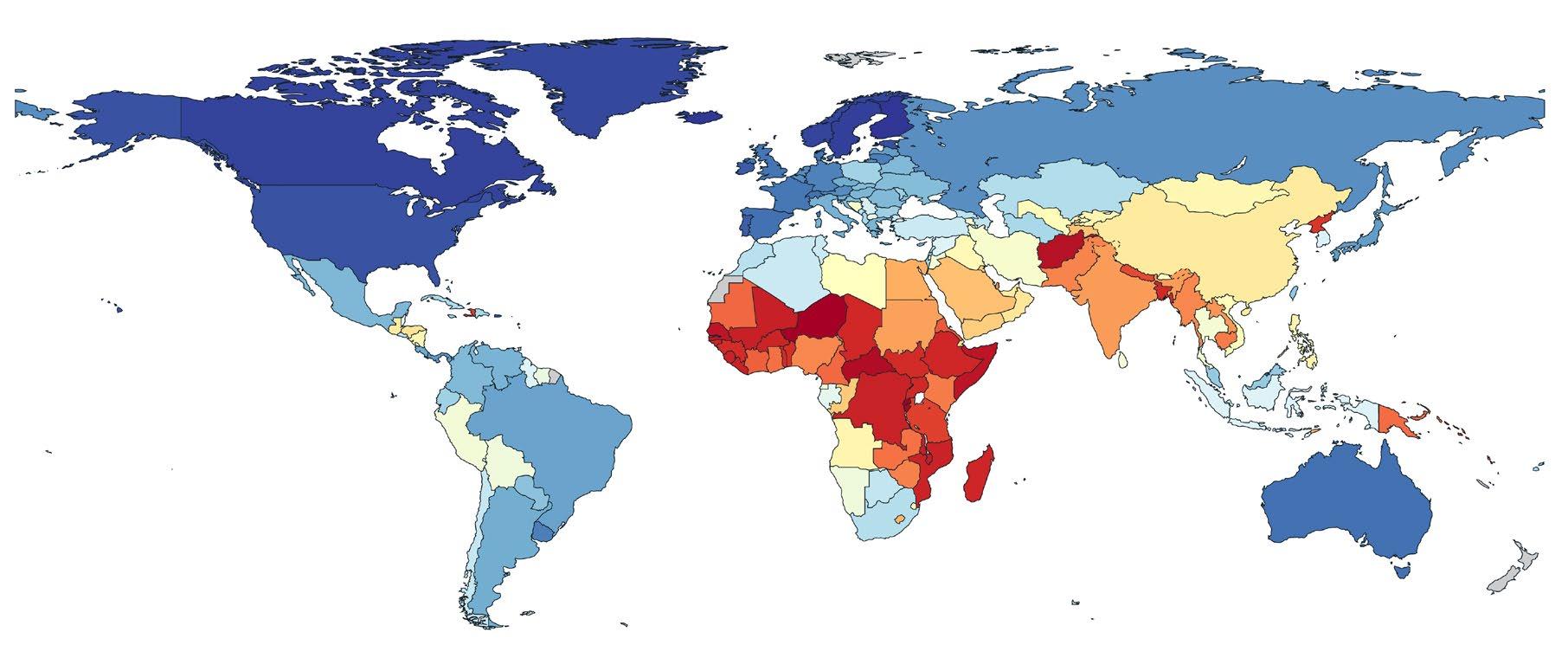
With the expansion of low-cost air quality monitors in countries and cities, there is also now more readily available data on the impacts of air pollution, particularly for lung cancers. Recent estimates from IARC indicate that over 434,000 lung cancer cases can be attributed to air pollution, equating to 27.5% of preventable lung cancers in women and 15.8% in men. (12) Separately, the Global Burden of Disease (GBD) 2021 study estimates that 18.6% of lung cancer deaths (approximately 374,000 people) were the result of exposure to particulate matter in the air with a diameter of less than 2.5µm (PM2.5). (13) The GBD study also provides estimates on the distribution of these cancer cases and deaths around the world. The data indicates that, as countries have urbanised and industrialised, exposure to air pollution and air-pollution-related diseases has increased. Current estimates indicate that the highest attributable deaths are found across South Asia, Africa and the Eastern Mediterranean (Figure 1).
1:
Lung cancers attributable to air pollution – Particulate Matter2.5 - exposure (both sexes, all ages, as a percentage of total deaths). Adapted from Global Burden of Disease (2021)
Tackling the health impacts of air pollution is complex, as pollutants stem from diverse chemical, biological, and physical sources and, as a result, pollution concentrations and mixes can vary substantially by location and over time. However, many are preventable, and evidence shows that well designed policies, such as enforced emissions standards, integrating exposurereduction measures into urban planning, and expanding clean energy solutions, can quickly and cost effectively reduce population exposure. Moreover, because individuals have limited ability to prevent their exposure to environmental pollutants, coordinated policy and regulatory interventions are critical to protecting public health.
More recently, however, studies suggest associations between air pollution and other cancers. These findings point to a need for stronger policy action to reduce the overall cancer burden and mortality attributable to air pollution. However, awareness of the health risks beyond lung cancer are not yet widely understood by the cancer community or policy makers.
This report seeks to address that gap by providing a clear and accessible overview of the current evidence on air pollution as a cancer risk factor. It describes both the established link with lung cancer and the emerging research on other cancer types, offering advocates and policymakers a concise resource to inform action on reducing the air pollution–related cancer burden. Introduction
The link between air pollution and lung cancer has been well established and underpins the existing public health and policy response.
Figure
Introduction
Air pollution
Air pollution refers to the varied mixes of solid particles and gases which are harmful to human health. For the purposes of research and policy development, it is commonly divided into two interrelated categories, based on the source of the emissions:
Ambient (outdoor) air pollution refers to the particles and chemicals found in outdoor air which are harmful to human health, commonly resulting from transport, industry, agriculture, waste management, and energy generation etc.
Indoor air pollution refers to the air quality within and around buildings. In many studies, the focus is on household air pollution which stems from fuel combustion, particularly the use of solid fuels (including wood, coal, dung, and crop waste) for cooking and heating.
The composition of air pollution can vary significantly across geographies and over time, in response to peaks in human activities, as well as some natural processes (such as dust storms).
Air pollutants are commonly grouped by type, and the most commonly discussed are:
Particulate matter (PM): A diverse mix of small particles or droplets in the air, including dust, soot and smoke; used as a common proxy indicator for air pollution overall. PM can be sub-divided by particle size, including PM10 (with a diameter ≤10µm) and PM2.5 (with a diameter ≤2.5µm). Major components of PM include sulphates, nitrates, ammonia, sodium chloride, black carbonc, mineral dust and water.
Ozone (O3): In contrast to stratospheric ozone, ground-level ozone is one of the major components of photochemical smog. It is a harmful pollutant formed when oxides of nitrogen (NOx) and volatile organic compounds (VOC) emitted by vehicles and industrial facilities react in the presence of sunlight.
Nitrogen oxides (NOx): Generated by vehicles, construction and agricultural machinery, factories, and power plants that burn fossil fuels.
Sulphur dioxide (SO2): Produced from the burning of fossil fuels (coal and oil) and the smelting of mineral ores that contain sulphur.
is also referred to as soot, is a compound resulting from the incomplete combustion of fuels including fossil fuels, wood, or waste. It is a short-lived pollutant (lasting only days to weeks) and is both a common component of PM2.5 pollution and independently harmful to human health.
c. Black carbon, which
Methodology
This report was developed using a rapid evidence synthesis approach. (14) Specifically, the authors reviewed available systematic reviews to synthesise the literature across different types of air pollutants and cancer types.
Studies were eligible for inclusion if they were systematic reviews or systematic scoping reviews that reported data on the association between air pollution (of any type), and the risk of developing cancer (of any type), and/ or the risk of cancer mortality. To identify these studies, the authors searched five major electronic databases (PubMed, Embase + Classic Embase, Cochrane Database of Systematic Reviews, Greenfile, CINAHL) and full details of the search strategy and databases used can be found in Appendix 1.
A cascade screening approach was used to manage the large volume of literature. This involved multiple iterative screenings of titles and abstracts on a chronological basis, starting with the most recent year (2024) and working backwards, stopping as soon as a potential systematic review was identified in order to identify and assess the most recent evidence. The full text of this systematic review was then assessed for inclusion. If the review was excluded because it did not report data on the association between air pollution and the risk of developing cancer and/or the risk of cancer mortality, the screening process would resume, the cycle repeating until a systematic review that fulfilled the inclusion criteria was found for different air pollutant cancer type pairs. If there were multiple estimates from the same year on the topic, the researchers reviewed both and made a selection. Only single estimates were extracted for a particular air pollutant-cancer site.
Methodology
The evidence was then synthesised using a structured narrative synthesis approach. Broadly the findings were structured into two sub-sections:
→ risk of developing cancer, and
→ risk of dying from cancer.
Within each sub-section, the results were further grouped according to the types of air pollutants.
Results
Two-hundred and forty eight records were identified by searching the databases listed above. Following removal of duplicates, 208 full-text records were screened for. Following a full-text assessment, 42 systematic reviews were included (with or without meta-analysis). A visual representation of this process is shown in Figure 2 and the full list of all included systematic reviews is presented in Appendix 2.
Cascade Screening Identification
Included
Identification of studies via databases
Records identified from*: Databases (n=248)
• PubMed=186
• Embase+Classic Embase=4
• Cochrane Database of Systematic Reviews=0
• Greenfile=20
• CINAHL=38
Records removed before screening: Duplicate records removed (n=40)
Records screened (n=208)
Systematic reviews included in synthesis (n=41)
Figure 2: PRISMA flowchart showing selection of evidence synthesis included
Records excluded
• Based on title and abstract (n=118)
• Cascade screening (n=49)
Limitations
While systematic reviews and metaanalyses are valuable for consolidating evidence, they also have limitations which constrain their usefulness as the sole foundation for decision-making.
Much of the research synthesised for this report relies on observational designs, predominantly cohort and case-control studies, which are inherently vulnerable to confounding from factors such as smoking, socioeconomic status, and occupational co-exposures. The exposure assessment methods used in the studies also varied, and many relied on indirect measures or proxies such as residential location, rather than individual-level monitoring data which may not have been available.
Many studies also lacked detailed data on exposure duration, intensity, latency periods, or site specific cancer outcomes, while many of the studies looking at rare cancers used smaller sample sizes, which limits their statistical power. It was also noticeable that the majority of the studies drew on data from high-income countries.
Finally, all systematic reviews and metaanalyses are vulnerable to the impacts of publication bias and selective reporting. As a result, while the evidence linking air pollution to lung cancer is strong and consistent, there are fewer studies on other cancer sites and as such the findings reported here are drawn from a smaller evidence base and should be interpreted in context.
Air pollution as a cancer risk factor
There is a well-established body of evidence identifying air pollution as a risk factor for lung cancer. (6) Building on this foundation, this summary has compiled and synthesised additional emerging data from systematic reviews indicating an association with other cancer sites. The following sections present these key findings, covering:
1. General exposure to outdoor air pollution (where reports do not specify particular pollutants, or a stated mix of pollutants),
2. Exposure to particulate matter (both PM2.5 and PM10),
3. Impact of exposure to non-particulate air pollutants (other compounds and chemicals),
4. Exposure to indoor air pollution.
The text below provides the key findings from these studies to help support the development of advocacy messaging. Further information on the papers, including the specific findings and confidence intervals, can be found in Appendix 3.
Air pollution as a cancer risk factor
Exposure to ambient (outdoor) air pollution
Evidence from the studies reviewed indicates that higher levels of ambient air pollution are positively associated with the risks of developing several different types of cancer (see Table 1 of Appendix 3). Air pollution concentration measurements included a combination of particulate matter, NO2 and O3, and these indicators enabled researchers to capture both high and low levels of pollution.
The papers reviewed reported that higher exposure to ambient air pollution is associated with modest but consistent (4%) increases in cancer risks overall. (15) Across the studies, people exposed to higher levels of pollution had an increased risk of developing cancer, and this association held true across both sexes, with risk estimates of 7% higher risk for men and 4% higher for women.d (15)
Focusing on specific cancer sites, there is robust evidence indicating that exposure to ambient air pollution increases the risks of developing lung cancers by 4.9%. (15) The papers reviewed also highlighted emerging data indicating a higher risk of ovarian cancer and cervical cancer, although pooled estimates are not currently available to provide a percentage increase in risk. (16; 17) One further review found the odds of developing germ-cell tumours (a type of ovarian cancer) were 1.16 times greater. (18) The papers reviewed did not show any statistically significant differences in the risk of breast cancer or urinary bladder cancer, when looking across a mix of air pollution types. (15)
In children, exposure to higher levels of traffic related air pollution (within the range typically seen between lower and higher exposures in the population) was linked to a 1.05 times higher odds of acute lymphoblastic leukaemia. (18)
Particulate matter air pollution
Exposure to particulate matter, both PM2.5 and PM10, was consistently associated with higher cancer risks across multiple sites, and this builds on a well-established body of literature indicating the harms that these pollutants have on human health. For cancer, IARC recognises that the greatest predictor of cancer risk is exposure to PM2.5 (6) and this review found that exposure was associated with an 11% increase in incidence rate across all cancer types for every 10µg/m³ increase in PM2.5. (19)
A further 13 systematic reviews found that exposure to higher levels of PM2.5 (per 10µg/ m³ unless otherwise stated) were associated with an 8% higher risk of lung cancer, (15) a 63% higher risk of brain cancerse, (20) and a 32% higher incidence rate of liver cancer (21). Higher PM2.5 exposure was also associated with 18% higher odds of developing colorectal cancer. (22) Further studies indicated that for every 5μg/m³ increase in PM2.5, there was a 9% increase in the risk of developing kidney cancer and a 7% increase in the risk of bladder cancer. (23) A review of 15 ovarian cancer papers showed that all except one found a positive relationship between PM2.5 exposure and the risk of developing ovarian cancer. (17)
d. The review found a significant relationship between all exposure to PM2.5, PM10, NO2, and O3 and cancer incidence and mortality in five sites: breast, liver, lung, pancreas, and urinary bladder
e. The study reviewed relationship between PM 2.5 absorbance index and brain cancer.
Air pollution as a cancer risk factor
In addition to the findings regarding PM2.5, a number of systematic reviews explored the impacts of PM10 and found a similar emerging pattern of elevated risks. Across all cancers, increased PM10 exposure was linked with a 10% increased risk for every per 10µg/m3 increasef. (19) Available data also suggests that for every 10µg/m³ increase in PM10 concentrations, the risk of kidney cancer increased by 29%, (24) while emerging studies indicate 14% increased risk for prostate cancers. (23) Several studies also looked at the impact of exposure on breast (19; 25; 26) and brain cancer risks, but no statistically significant increases were found. (27)
Non-particulate air pollutants
A number of the systematic reviews assessed also provided data on the emerging relationship between exposure to other air pollutants and cancer risks.g Within these, several studies found an association between exposure to Nitrogen Dioxide (NO2) and cancer, often focusing on the impact of traffic related pollution which can account for up to 80% of NO2 pollution in urban areas. Lung cancer risk increased by 3% for every 10 µg/ m³ increase in NO2 concentration, (15) while kidney cancer risk increased by 10%, (24) and breast cancer risk by 1.5%. (26) Cervical and ovarian cancers showed some indication of increased risk in several studies; however, this is an emerging field and with existing data no pooled estimates were available. (16; 17)
Emerging evidence indicates that increases in black carbon exposure of 10 µg/m³ was linked to a 66% increase in the general risk of brain tumours and a 142% increase in the risk of malignant brain tumours.
(27) Other pollutants, including Polyaromatic Hydrocarbons (PAH) and benzo[a]pyrene (B[a] P), show varying degrees of risk increases for different cancer types; for example, exposure to high levels of PAHs and B[a]P increased risks of cancer by 12%. (19)
Indoor air pollution
There were fewer systematic reviews documenting the impact of indoor air pollution on cancer; however, the data available shows that exposure to indoor air pollution can substantially increase cancer risk across multiple populations and was, as a result, included in both the European and Latin American and Caribbean Codes Against Cancer. (11; 10) Exposure to household air pollution was associated with a 69% increased risk of lung cancer, (28) and a 201% increased risk of oesophageal squamous cell cancers. (29) Studies show that women exposed to cooking fumes and solid fuels face a consistently elevated risk of cervical cancer h While the studies reviewed could not provide pooled estimates, this pattern has been observed across multiple studies, highlighting cervical cancer as a growing concern in relation to household air pollution. (16)
It is worth noting that many of the studies reported disproportionate impacts of household and broader indoor air pollution on women and lower socio-economic groups, particularly in low- and middle-income countries where the burning of solid fuels for cooking and heating is more prevalent. The limited number of studies, together with recognition of the unequal burden of household air pollution, highlights the need for further research on this risk factor to guide evidence-based policies. The interventions and policies needed to address household air pollution are fundamentally different from those addressing outdoor air pollution.
Introduction
Air pollution as a cancer risk factor
Air pollution and cancer risk in marginalised populations
Existing health data suggests that the adverse effects of air pollution are not distributed evenly. Lower socioeconomic groups, children, and older adults often experience the most severe impacts of air pollution, with many of these inequalities compounding one another. Children are more vulnerable to air pollution due to their stage of physical and cognitive development, while lower socio-economic groups are more likely to live in areas with higher pollution levels, where housing costs are lower, and engage in employment with greater exposure to pollutants. As a result, children from low-income households may face disproportionately poor health consequences from air pollution exposure. (30)
Evidence from the studies reviewed often commented on the potential impact of inequalities on cancer risks and mortality; however, as this is an emerging field, many of the studies focused on proximity of pollution sources. Living near a petrol station (within 500 metres) did not appear to increase the risk of cancer diagnosis in children overall, with one study reported an odds ratio (OR) of 0.95, indicating no significant difference compared with children living farther away. However, for children living near petroleum facilities there was a 90% higher risk of childhood leukaemia. (31)
Additionally, emerging data suggests that living close to cement factories is associated with significantly higher risks of several cancers. For adults living within three kilometres of cement factories, the odds of developing lung cancer were 4.8 times higher than for populations living farther away, while children living within 2.5km of cement factories had an almost 3.9 times greater risk of developing malignant bone cancer, and 32% increased risk of death due to leukaemia.
(32) One systematic review reported a study in which the general population living within five kilometres of a cement factory have a 4% higher risk of cancer mortality for all cancer types, a 9% increased risk for colorectal cancer, a 59% increased risk for pleural cancers, an 11% increased risk of bladder cancer across sexes. (32) There was also a 61% increased risk of peritoneal cancers in men living near 5km of a cement factory. (32)
Air pollution as a risk factor for cancer mortality
In recent years, research exploring the impact of air pollution on the risks of cancer mortality has increased substantially, made possible by improvements in the quality, availability and granularity of air quality data and cancer mortality data. This body of evidence now indicates that exposure to polluted air can increase the risk of death from several cancer types, across both outdoor and indoor exposure.
The following sections detail the findings from research covering:
1. Exposure to outdoor air pollution (where reports do not specify particular pollutants, or a mix of pollutants)
2. Exposure to particulate matter (both PM2.5 and PM10)
3. Exposure to other specific pollutants
4. Exposure to indoor air pollution.
i. Measured as a mix of PM2.5, PM10, NO2, and O3
j. Please see Table 5 of Appendix 3 for further information
Air pollution as a risk factor for cancer mortality
Ambient (outdoor) air pollution
Evidence from two systematic reviews indicates that exposure to higher levels of ambient air pollutioni was associated with an 8% increase in the risk for death from all cancer types. This effect was observed for men and women (7% increased risk for men and 8% for women). (15)
The strongest associations between general ambient air pollution and cancer mortality risk was observed in lung cancers, with a 10% increase in the risk of mortality for lung and a 14% increase for breast cancers. (15) Multiple studies consistently reported elevated risks of death from ovarian cancer linked to higher levels of air pollution exposure (including for PM2.5 and PM10), but it is not currently possible to provide a pooled estimate. (17)
Particulate matter air pollution
There were many more reviews available exploring the associations between exposure to PM air pollution and risk of death due to different types of cancer. The largest number of studies explored the impact of PM2.5 exposure on the risk of cancer mortality and reported that, per 10 µg/m³ increase, there was a 12% increase in the risk of mortality from all cancer types, (33) a 11.8% increase for lung cancer, (33) 21% increase for colorectal cancer, (22) 20% increase for breast cancer and a 14% increase in risk of mortality from liver cancer. (15)
While there were fewer reviews exploring the impact of PM10 exposure, three studies did include emerging data on the increased risk of mortality. These studies indicated that per 10 µg/m³ increase in PM10 concentrations, the risk of cancer mortality for lung cancer rose by 13%, (33) for kidney cancer by 52%, (24) and for breast cancer by 11%. (15)
Non-particulate air pollutants
A number of the systematic reviews assessed also provided data on the relationship between exposure to other air pollutants and the risk of mortality from different cancers.j Per 10 µg/ m³ increase in Nitrogen Dioxide (NO2) saw an associated 7% increase in the risk of lung cancer mortality, while the same increase in Nitrogen Oxides (NOx) was associated with a 6% increase in lung cancer mortality. (33) Similarly, the studies reviewed suggested that an increase of per 10 µg/m³ of black carbon could increase the risk of lung cancer mortality by 5%, while the same increase in concentrations of sulphur dioxide could increase the risk of lung cancer mortality by 2%. (33) It was noticeable that other than lung cancer, there is limited research available on the impact of specific chemicals and compounds on the risk of cancer mortality.
Indoor air pollution
By comparison, there was very limited evidence regarding the impact of exposure to household air pollutants on cancer mortality. One review documented a 6% increase in the risk of cancer mortality, but this was not found to be statistically significant because of the diversity in the studies available for the analysis. (34) One reason that has been suggested for the smaller number of studies examining the impacts of household air pollution on cancer mortality is that effective policies have brought down exposure in many high- and middleincome countries. Household air pollution remains higher in lower-income countries, which tend to have more limited coverage of air quality monitors and are less often the site of research, as a result the community lacks critical data needed to evaluate the impacts of these exposures.
Air pollution as a risk factor for cancer mortality
Occupational air pollution exposure and cancer risk
The scope of this summary report does not include occupational exposures as these have been well studied and there are established policies and interventions to curb these exposures. However, 14 of the systematic reviews included data on occupational air pollution exposure as a cancer risk factor and found that:
→ Diesel exhaust is associated with a 1.3% higher risk of lung cancer, (35) 13% for head and neck (36), 13% for laryngeal (36), and 41% for cervical cancers (37).
→ Welding fumes are associated with a 89% higher risk of lung, (38) 20% genitourinary, and 28% kidney cancers. (39)
→ Wood dust is associated with a 41% higher risk of small cell lung cancer, (40) while odds of developing leukaemia were 1.56 times higher, (41) and 1.5 times higher for nasopharyngeal cancers. (42)
→ Coalmine dust is associated with a 16% higher risk of lung cancer deaths. (43)
Recommendations and next steps
Recommendation 1
Expand the scientific evidence on the relationship between air pollution and cancers
To fully understand the relationship between air pollution and cancer, further research is needed to address four critical gaps:
1. The risk of air pollution-related cancers beyond the respiratory system
This report presents a growing body of evidence which links air pollution to many other types of cancer, including breast, liver, colorectal, head and neck, and childhood leukaemia. However, this is an emerging field
and further work is needed. Air pollution clearly affects multiple organ systems but the data on non-respiratory cancers varies by sample size and cancer type. A comprehensive estimate of the burden of air pollution-related cancers will be essential for policy makers and the cancer community to understand the full impact of air pollution and to provide more reasons why policy makers should accelerate the implementation effective interventions to address these. Future research should include epidemiological studies on both ambient and indoor air pollution, particularly focused on non lung cancers, and modelling to better understand how changes in air pollution impact in cancer incidence and mortality.
Recommendations and next steps
2. The impacts of non-particulate matter air pollutants on cancer
Research to date has focused predominantly on PM2.5, PM10 and NO₂. This report has highlighted some of the emerging data suggesting the impact of O₃, black carbon, SO₂, volatile organic compounds, and polycyclic aromatic hydrocarbons have on cancers. At present, few studies examine the impact of exposure to non-particulate pollutants, or the potential interactions between PM2.5 and PM10 and non-particulate matter pollutants and whether exposure to multiple pollutants further increases the risks for cancer. Different types of pollutants likely have different carcinogenic potential and may be associated with different cancer types; however, these impacts have not yet been comprehensively studied in epidemiological research. Equivalent studies on particulate matter pollutants have been critical in formulating policy interventions, and similar data will be needed to ensure comprehensive and evidence-based policy responses for cancer.
3. The impacts of air pollution on people living with cancer and cancer survivors
Current research on air pollution and cancer primarily focuses on the role of air pollution in the development of cancer in the general population, with more limited data on the risks of cancer mortality. There is comparatively little data on the impact of air pollution on cancer outcomes, recurrence, survival or quality of life. Access to this data could help patients and clinical teams to consider air pollution as part of treatment planning, in a similar manner to how patients are counselled on nutrition.
For governments, understanding the role of air pollution could help to maximise the returns on investments in cancer treatment by alleviating a largely preventable risk factor. Understanding how air pollution impacts cancer survivors as a high-risk group could enable improvements in survival and patients’ long-term health and well-being, increasing the impact of clean air policies and interventions.
4. Health inequalities resulting from exposure to air pollution
The review highlights that there is a notable shortage of studies reviewing the impacts of air pollution on cancer risk and mortality. In particular, further data is needed to assess the impacts based on:
→ Age: Existing data suggests that children and older adults are more vulnerable to the adverse impacts of air pollution. While there is a strong body of evidence on diseases of the respiratory systems, it is important to understand how this applies across different cancer types and cancer outcomes.
→ Gender and sex: Some of the studies identified discuss differences in exposure to air pollution and its impacts on cancer risk, notably for household air pollution. Further data is needed given the gendered nature of air pollution exposure.
→ Place of residence: There are noticeable differences in the geographical distribution of air pollutants. Further data is needed to assess the cancer risks for populations living in informal settlements, rural areas, or near high-emission facilities including petrochemical plants, cement factories, and other polluting industries.
Recommendations and next steps
→ Marginalisation: There is a body of evidence from other disease areas indicating that people from lower socioeconomic backgrounds, as well as migrant communities, Indigenous communities and ethnic minorities experience higher exposure to air pollution have a higher risk of disease and mortality. (44) There is a need for similar investigation of the links between air pollution and cancer.
Data on the impacts of air pollution on the groups identified above will be essential to design effective and equitable interventions to reduce cancer risks and improve outcomes. Including these groups within future research will enable a better understanding of how air pollution interacts with other environmental, social and commercial determinants of health, providing a richer understanding of its impact and potential solutions.
Recommendation 2
Scale-up advocacy on clear air to reduce the cancer burden
Air pollution is highly amenable to policy interventions and as such, comprehensive policy action has the potential to substantially reduce the burden of air-pollution related cancers and risks of cancer mortality. To achieve this, advocacy is needed to:
1. Formulate and adopt air quality standards
Robust air quality standards are a foundation for coordinated national action on clean air; however, in many countries, adoption or enforcement of these standards is missing. Advocacy is needed to establish legally binding national standardsk aligned with the WHO Air Quality Guidelines and the
WHO global target to halve mortality from air pollution due to human activity by 2040, adopted as part of the 2025 WHO Air Quality Roadmap. (45) These standards should focus on reducing total exposure to harmful pollutants, rather than exposure to individual pollutants, to ensure that standards are responsive to changes in the composition of air pollution over time.l
2. Establish more robust air quality monitoring
Most of the studies reviewed for this report draw on air quality and epidemiological data from high-income regions, particularly North America and Europe. This is concerning, as data from WHO and the State of Global Air report indicates that air pollution levels are highest in rapidly urbanising and industrialising LMICs. (1; 30) As a result, many LMICs bear the greatest burden of air pollution-related morbidity and premature mortality, but may lack the granular data needed to formulate and evaluate policies to reduce emissions and protect populations. The air pollution studies assessed in this summary report overwhelmingly focus on understanding the health effects of specific pollutants, such as PM2.5, PM10, NO2, O3, or SO2, in isolation. This potentially misses the impacts of other pollutants and, critically, the impacts of multiple exposures on cancer and other health risks. Expanding quality air pollution systems in LMICs and monitoring the burden of air-pollution related conditions will be essential to close this evidence gap and ensure the implementation of policies to protect these populations. For further information on formulating policy responses and data collection refer to the companion report ‘Clean air in cancer control: A policy and advocacy guide for cancer advocates’.
Recommendations and next steps
3. Integrate clean air action into national cancer control advocacy and plans
Integrating action to achieve air quality targets into national cancer control plans, strategies and advocacy would support a more robust approach to cancer prevention, strengthen accountability, and potentially help to demonstrate greater returns on investment in cancer control. For the cancer community, advocating for clean air policies provides an opportunity to build new coalitions to drive policy change, particularly to tackle the higher risks faced by lower-income households as part of a broader approach to addressing cancer inequities.
The growing evidence linking air pollution to different types of cancers and higher risks of cancer mortality also requires greater coordination with clean air advocates in support of evidence-based policies, as has been modelled for other NCD risk factors. It is not necessary nor practical, given the long latency period between risk factor exposure and cancer diagnosis, to wait for studies that directly demonstrate the impact of air quality policies on cancer incidence. If a policy demonstrably lowers concentrations of harmful pollutants such as PM2.5, PM10, or NO₂ then it should be considered effective and worth implementing.
4. Scale up enforcement of national air quality standards
Data indicates that 140 countries now have air quality standards; however, in many countries enforcement remains a persistent issue. (46) Both WHO and the UN Environment Programme recommend that national air quality standards have legal standing and enforcement mechanisms to compel action by polluters and cut emissions at their source. Yet only 33% of the world’s countries impose obligations to meet legally mandated standards, and only 37% monitor whether standards are being met. (46) Governments need to ensure that air quality standards are accompanied by robust legal enforcement mechanisms in order to ensure that national standards, and targets set out in National Clean Air Policies (NCAPs) are met and align with the goals in National Cancer Control Plans (NCCPs).
k. Please see the companion report Clean air in cancer control: A policy and advocacy guide for cancer advocates for more information on air quality standards
l. Please see the case study on Australia’s air pollution progress in the accompanying report
Conclusions
There is a robust and wellestablished body of evidence indicating the impact of air pollution on both lung cancer incidence and mortality around the world and, over recent decades, new studies have highlighted that these impacts extend beyond the respiratory system. The studies identified in this summary report indicate that:
Air pollution is a significant risk factor for lung cancer, and there is a growing body of evidence for multiple other cancer types
This includes studies linking ambient exposures to lung, breast, cervical, colorectal, liver, kidney, and brain cancers.
Particulate matter (PM2.5 and PM10) in particular poses substantial risks.
PM2.5 exposure is associated with an 11% higher risk of developing any cancer and also likely contributes to the burden of lung, liver, and colorectal cancers. PM10 exposure also shows strong associations with prostate and kidney cancers.
Air pollution contributes to an increased risk of cancer mortality
Higher ambient air pollution, particularly exposure to particulate matter, is linked to an elevated risk of cancer death, including a 12% increase in overall cancer mortality and increased risk of lung, breast, colorectal, liver, and kidney cancers.
Lower socio-economic households likely face disproportionate risks.
Data from WHO and other global institutions show that lower socio-economic households are exposed to higher concentrations of air pollutants, which contribute to worse health outcomes, including from other NCDs such as respiratory and cardiovascular diseases. The studies reviewed indicate that similar trends exist for cancer and underscore the need for policies to reduce these risks. While further research is needed to determine the scale of the issue, evidence-based polices are available to help curb exposures to reduce these risks.
Appendices
Appendix 1
Search Strategy
Appendix 2
List of systematic reviews and meta-analyses included
Appendix 3
Detailed Results
Appendix 4
References
Appendix 1 Search Strategy
PubMed Jan 2019 to August 2024
– 186 hits
1. "Air Pollution"[Mesh]
2. "Ecotoxicology"[Mesh]
3. "Traffic Related Pollution"[Mesh]
4. "Air Pollutants"[Mesh]
5. "Particulate Matter"[Mesh]
6. "Air Pollut*"
7. "Air quality"
8. "Indoor Air"
9. "Occupational Air"
10. "Greenhouse Gas*"
11. "Particulate Matter*"
12. "Particulate Air"
13. "Ultrafine Particle*"
14. "Coal Ash"
15. "Fly Ash "
16. "Dust"
17. "Soot"
18. OR / 1 18
19. "Neoplasms"[Mesh] OR "Cancer Survivors"[Mesh] OR cancer*[tiab] OR neoplasm*[tiab]
20. systematic review[pt] OR meta-analysis[pt] OR meta-analysis[ti] OR “systematic literature review”[ti] OR “systematic review”[ti] OR "systematic scoping review”[ti] OR "rapid review”[ti]
Embase Classic+Embase <2019 to 2024 Week 34> 4 hits
1. (exp "Air Pollution"/ or exp Ecotoxicology/ or exp "Traffic Related Pollution"/ or exp "Air Pollutants"/ or exp "Particulate Matter"/ or "Air Pollut*".mp. or "Air quality".mp. or "Indoor Air". mp. or "Occupational Air".mp. or "Greenhouse Gas*".mp. or "Particulate Matter*".mp. or "Particulate Air".mp. or "Ultrafine Particle*". mp. or "Coal Ash".mp. or "Fly Ash".mp. or Dust. mp. or Soot.mp.) and (exp Neoplasms/ or exp "Cancer Survivors"/ or cancer*.tw. or neoplasm*. tw.) and (("systematic review" or metaanalysis).pt. or meta-analysis.ti. or "systematic literature review".ti. or "systematic review".ti. or "systematic scoping review".ti. or "rapid review". ti.) [mp=title, abstract, heading word, drug trade name, original title, device manufacturer, drug manufacturer, device trade name, keyword heading word, floating subheading word, candidate term word] (287)
2. limit 1 to ("remove medline records" and yr="2019") (4)
Appendix 1 Search Strategy
EBM Reviews - Cochrane Database of Systematic Reviews 2019 to August 28, 2024 – 0 hits
1. [(exp "Air Pollution"/ or exp Ecotoxicology/ or exp "Traffic Related Pollution"/ or exp "Air Pollutants"/ or exp "Particulate Matter"/ or "Air Pollut*".mp. or "Air quality".mp. or "Indoor Air". mp. or "Occupational Air".mp. or "Greenhouse Gas*".mp. or "Particulate Matter*".mp. or "Particulate Air".mp. or "Ultrafine Particle*". mp. or "Coal Ash".mp. or "Fly Ash".mp. or Dust. mp. or Soot.mp.) and (exp Neoplasms/ or exp "Cancer Survivors"/ or cancer*.tw. or neoplasm*. tw.) and (("systematic review" or metaanalysis).pt. or meta-analysis.ti. or "systematic literature review".ti. or "systematic review".ti. or "systematic scoping review".ti. or "rapid review". ti.) [mp=title, abstract, heading word, drug trade name, original title, device manufacturer, drug manufacturer, device trade name, keyword heading word, floating subheading word, candidate term word]]
Greenfile January 2019 to August 2024 – 20 hits
1. (((MH "Air Pollution+") OR (MH Ecotoxicology+) OR (MH "Traffic Related Pollution+") OR (MH "Air Pollutants+") OR (MH "Particulate Matter+") OR "Air Pollut*" OR "Air quality" OR "Indoor Air" OR "Occupational Air" OR "Greenhouse Gas*" OR "Particulate Matter*" OR "Particulate Air" OR "Ultrafine Particle*" OR "Coal Ash" OR "Fly Ash" OR Dust OR Soot ) AND ((MH Neoplasms+) OR (MH "Cancer Survivors+") OR (TI cancer* OR AB cancer*) OR (TI neoplasm* OR AB neoplasm*))) AND ((PT "systematic review") OR (PT meta-analysis) OR (TI meta-analysis) OR (TI "systematic literature review") OR (TI "systematic review") OR (TI "systematic scoping review") OR (TI "rapid review"))
2. Iimit to 2019
CINAHL January 2019 to August 2024 38 hits
1. (((MH "Air Pollution+") OR (MH Ecotoxicology+) OR (MH "Traffic Related Pollution+") OR (MH "Air Pollutants+") OR (MH "Particulate Matter+") OR "Air Pollut*" OR "Air quality" OR "Indoor Air" OR "Occupational Air" OR "Greenhouse Gas*" OR "Particulate Matter*" OR "Particulate Air" OR "Ultrafine Particle*" OR "Coal Ash" OR "Fly Ash" OR Dust OR Soot ) AND ((MH Neoplasms+) OR (MH "Cancer Survivors+") OR (TI cancer* OR AB cancer*) OR (TI neoplasm* OR AB neoplasm*))) AND ((PT "systematic review") OR (PT meta-analysis) OR (TI meta-analysis) OR (TI "systematic literature review") OR (TI "systematic review") OR (TI "systematic scoping review") OR (TI "rapid review"))
2. Iimit to 2019 onwards 38 records
Appendix 2 List of systematic reviews and meta-analyses included
• Arif I, Zhang Y, Chen L, et al. A meta-analysis of the carcinogenic effects of particulate matter and polycyclic aromatic hydrocarbons. Environ Pollut. 2024;351:121456.
• Ataei Y, Wang Y, Zhang L, et al. Health Effects of Exposure to Indoor Semi-Volatile Organic Compounds in Chinese Building Environment: A Systematic Review. Int J Environ Res Public Health. 2022;19(1):84406.
• Bede-Ojimadu O, Orisakwe OE. Exposure to Wood Smoke and Associated Health Effects in Sub-Saharan Africa: A Systematic Review. Ann Glob Health. 2020;86(1):32.
• Beigzadeh Z, Gholamrezanezhad A, Mohammadi M, et al. Occupational exposure to wood dust and risk of nasopharyngeal cancer: A systematic review and meta-analysis. Environ Res. 2019;171:170-176.
• Collatuzzo G, Ricci P, Boffetta P, et al. Risk of bladder, kidney and prostate cancer from occupational exposure to welding fumes: a systematic review and meta-analysis. Int Arch Occup Environ Health. 2024;97(3):221-230.
• Curiel-García T, Martínez-García M, RíosGonzález CM, et al. Wood dust exposure and small cell lung cancer: a systematic review and meta-analysis. J Expo Sci Environ Epidemiol. 2024;34(3):457-464.
• D'Agostini M, Rossi G, Bianchi F, et al. Risk of Gynecological and Breast Cancers in Workers Exposed to Diesel Exhaust: A Systematic Review and Meta-Analysis Of Cohort Studies. Med Lav. 2024;115(3):e2024011.
• D'Agostini M, Rossi G, Bianchi F, et al. Risk of Skin Cancer in Workers Exposed to Diesel Exhaust: A Systematic Review and Meta-Analysis of Cohort Studies. Med Lav. 2024;115(2):e2024010.
• Dahman L, Gauthier V, Camier A, et al. Air pollution and kidney cancer risk: a systematic review and meta-analysis. J Nephrol. 2024 Sep;37(7):1779-1790.
• Debelu D, Mengesha A, Tadesse T, et al. Global Public Health Implications of Traffic Related Air Pollution: Systematic Review. Environ Health Insights. 2024;18:11786302241272403.
• Dehghani S, Moshfeghinia R, Ramezani M, et al. Exposure to air pollution and risk of ovarian cancer: a review. Rev Environ Health. 2022 May 17;38(3):439-450.
• Fu P, Li R, Sze SCW, et al. Associations between fine particulate matter and colorectal cancer: a systematic review and meta-analysis. Rev Environ Health. 2023 Feb 22;39(3):447-457.
• Gan T, Bambrick H, Tong S et al. Air pollution and liver cancer: A systematic review. J Environ Sci (China). 2023 Apr;126:817-82
• Guercio V, Curto A, Stafoggia M, et al. A systematic review on solid fuel combustion exposure and respiratory health in adults in Europe, USA, Canada, Australia and New Zealand. Int J Hyg Environ Health. 2022;241:113937.
• Hassanipour S, Nikbakht HA, Amrane A, et al. The Relationship between Air Pollution and Brain Cancer: A Systematic Review and Meta-Analysis. Ann Glob Health. 2023 Jun 23;89(1):45.
• Huang X. Cotton dust exposure and risk of lung cancer: A meta-analysis of observational studies. Medicine. 2020;99(14):1-8.
• Guo Q, Zhang Y, Wang Y, et al. Relationship between particulate matter exposure and female breast cancer incidence and mortality: a systematic review and meta-analysis. Int Arch Occup Environ Health. 2021;94(2):191-201.
• Honaryar MK, Liao LM, De Matteis S, et al. Welding fumes and lung cancer: a meta-analysis of case-control and cohort studies. Occup Environ Med. 2019;76(6):422-431.
• Karimi B, Samadi S. Long-term exposure to air pollution on cardio-respiratory, and lung cancer mortality: a systematic review and meta-analysis. J Environ Health Sci Eng. 2024 May 9;22(1):75-95.
• Lee KK, Bing R, Kiang K, et al. Adverse health effects associated with household air pollution: a systematic review, meta-analysis, and burden estimation study. Lancet Glob Health. 2020;8(11):e1427-e1434.
• Li J, Deng Z, Soerensen SJC, et al. Ambient air pollution and urological cancer risk: A systematic review and meta-analysis of epidemiological evidence. Nat Commun. 2024 Jun 15;15(1):5116.
• Li L, Zhang Y, Wang H, et al. Association between Coalmine Dust and Mortality Risk of Lung Cancer: A Meta-Analysis. Biomed Res Int. 2021;2021:1-9.
• Li N, Wang Y, Zhang L, et al. Association between household air pollution and all-cause and cause specific mortality: a systematic review and meta-analysis. Environ Sci Pollut Res Int. 2023;30(3):5312-5346.
Appendix 2 List of systematic reviews and meta-analyses included
• Liu N, Bu Z, Liu W, et al. Indoor exposure levels and risk assessment of volatile organic compounds in residences, schools, and offices in China from 2000 to 2021: A systematic review. Indoor Air. 2022; 32:e13091.
• Martin-Gisbert L, Fernández-Martínez A, López-Cima MF, et al. Lung cancer mortality attributable to residential radon: a systematic scoping review. J Expo Sci Environ Epidemiol. 2023;33(3):368-376
• Maung TZ, Soe HZ, Aung YN, et al. Indoor Air Pollution and the Health of Vulnerable Groups: A Systematic Review Focused on Particulate Matter (PM), Volatile Organic Compounds (VOCs) and Their Effects on Children and People with Pre Existing Lung Disease. Int J Environ Res Public Health. 2022;19(14):8654.
• Mazzei A, Spycher BD, Huss A, et al. Childhood cancer and residential proximity to petrol stations: a nationwide registry-based casecontrol study in Switzerland and an updated meta-analysis. Int Arch Occup Environ Health. 2022;95(5):927-938.
• Mourino N, Rodríguez-García L, FernándezSomoano A, et al. Occupational exposure to endotoxins and small cell lung cancer: a systematic review with meta-analysis. J Toxicol Environ Health B Crit Rev. 2024;27(3):91-105.
• Negri E, Manno M, Vecchiato A, et al. Health effects of living near an incinerator: A systematic review of epidemiological studies, with focus on last generation plants. Environ Res. 2020;184:109305.
• Okello S, Ndagire D, Muneza F, et al. Biomass fuel as a risk factor for esophageal squamous cell carcinoma: a systematic review and metaanalysis. Environ Health. 2019;18(1):60.
• Onyije FM, Ekezie W, Orisakwe OE, et al. Cancer Incidence and Mortality among Petroleum Industry Workers and Residents Living in Oil Producing Communities: A Systematic Review and Meta-Analysis. Int J Environ Res Public Health. 2021;18(8):4343.
• Praud D, Boniol M, Boyle P, et al. Traffic Related Air Pollution and Breast Cancer Risk: A Systematic Review and Meta-Analysis of Observational Studies. Cancers. 2023;15(3):927.
• Pritchett N, Wang Y, Zhang L, et al. Exposure to Outdoor Particulate Matter Air Pollution and Risk of Gastrointestinal Cancers in Adults:
A Systematic Review and Meta-Analysis of Epidemiologic Evidence. Environ Health Perspect. 2022;130(3):036001.
• Raffetti E, Donato F, Magoni M. Cement plant emissions and health effects in the general population: a systematic review. Chemosphere. 2019;218:211-222.
• Ramamoorthy T, Nath A, Singh S, et al. Assessing the Global Impact of Ambient Air Pollution on Cancer Incidence and Mortality: A Comprehensive Meta-Analysis. JCO Glob Oncol. 2024 Mar;10:e2300427.
• Romero Starke K, Piechotta V, Seidler A, et al. Dose-response-relationship between occupational exposure to diesel engine emissions and lung cancer risk: A systematic review and meta-analysis. Int J Hyg Environ Health. 2024;256:114299.
• Sassano M, Boffetta P, Ricci P, et al. Occupational exposure to diesel exhausts and liver and pancreatic cancers: a systematic review and meta-analysis. Eur J Epidemiol. 2024;39(3):241255.
• Seyyedsalehi MS, Boffetta P, Ricci P, et al. Occupational exposure to diesel exhaust and head and neck cancer: a systematic review and meta-analysis of cohort studies. Eur J Cancer Prev. 2024;33(5):425-432.
• Shah D, Boffetta P, Ricci P, et al. Occupational related exposure to diesel exhaust and risk of leukemia: systematic review and meta-analysis of cohort studies. Int Arch Occup Environ Health. 2024;97(2):165-177.
• Shen LT, Ge MW, Hu FH et al. The connection between six common air pollution particles and adult brain tumors: a meta-analysis of 26,217,930 individuals. Environ Sci Pollut Res Int. 2023 Oct;30(50):108525-108537
• Siti MA, Hasni MJ, Zaleha MI, et al. Air Pollution and Its Association with Cervical Cancer: A Scoping Review. Medicine & Health. 2023 18(1): 9-20.
• Soleimani Y, Gholamrezanezhad A, Mohammadi M, et al. Wood dust and risk of leukemia: Systematic review and meta-analysis. PLoS One. 2024;19(8):e0307444.
Table 1: Association between air pollution exposure and risk of developing cancer Cells in orange indicates study with statistically significant association.
RR: 1.69 95% CI: 1.44-1.98 Reference: (28) No pooled estimate, but higher risk seen in multiple studies from Europe US, Canada, Australia and New Zealand Reference: (47)
RR: 1.03 95% CI: 1.01-1.05 Reference: (15) SIR: 1.30 95% CI: 1.07-1.57 for NO X (30-70 µ g/m 3 compared to <30 µ g/m 3 ) SIR: 1.45 95% CI: 1.121.88 for NO X (>72 µ g/m 3 compared to <30 µ g/ m 3 ) –single study in Reference: (18)
OR: 1.05 95% CI: 1.01-1.10 for every - interquartile range increase in exposure to traffic- related pollution in children from single study Reference: (18)
Acute lymphoblastic Leukaemia
Table 1: Association between air pollution exposure and risk of developing cancer (cont.)
Cells in orange indicates study with statistically significant association.
RR: 0.97 95% CI: 0.93-1.00 for every 10 µ m/m 3 of O 3 Reference: (27)
RR: 1.015 95% CI: 1.003-1.028 per 10 µ g/m 3 exposure Reference: (26) HR: 1.023 95% CI: 0.992-1.054 for invasive breast cancer and exposure to an increase of 10 µ g/m 3 Reference: (26)
13. Shen et al. used effect estimate (ES) for meta analysis with the underlying assumption that OR and RR in primary studies included in the meta-analysis are roughly similar to HR because of the low incidence of brain tumours.
Appendix 3 Detailed Results
Table 1: Association between air pollution exposure and risk of developing cancer (cont.)
Cells in orange indicates study with statistically significant association.
Lead: No pooled estimate, but higher risk seen in one study Reference: (16)
No pooled estimate, but higher risk seen Reference: (13)
No pooled estimate, but higher risk seen consistently in multiple studies Reference: (16)
No pooled estimate, but higher risk seen consistently in multiple studies Reference: (17)
No pooled estimate, but higher risk seen consistently in multiple studies Reference: (16)
No pooled estimate, but higher risk seen consistently in multiple studies Reference: (16) Colorectal OR: 1.18 95% CI: 1.09-1.28 Reference: (22)
Germ Cell OR: 1.16 95% CI: 1.04-1.29 for every -interquartile range increase in exposure to traffic- related pollution in children. Single study in Reference: (18)
Kidney
Appendix 3 Detailed Results
Table 1: Association between air pollution exposure and risk of developing cancer (cont.)
Cells in orange indicates study with statistically significant association.
Biomass fuel use OR: 3.02 95% CI: 2.22-4.11
Reference: (29)
PM (any kind)
RR: 0.92 95% CI: 0.64-1.20 Reference: (48)
Single ecological study found a correlation Reference: (17)
Single ecological study did not find any relation Reference: (17)
No pooled estimate, but higher risk seen consistently in multiple studies Reference: (17)
No pooled estimate, but higher risk seen consistently in multiple studies Reference: (17)
Ovarian
HR: 0.70 95%: 0.580.85 for every 10 µ m/m 3 of O 3 : single study in Reference: (21)
Reference: (21) No pooled estimatenone of the studies found significant association
HR: 1.15 95% CI: 1.00-1.33 from single study in Reference: (21) No pooled estimate, but one study found significant association
Reference: (21)
RR: 0.99 95% CI: 0.98-1.01 Reference: (23)
RR: 1.04 95% CI: 1.00-1.08 Reference: (23)
IRR: 1.32 95% CI: 1.11-1.57 from single study in Reference: (21)
Table 1: Association between air pollution exposure and risk of developing cancer (cont.)
Cells in orange indicates study with statistically significant association.
Reference: (48)
Reference: (23)
Table 2: Association between air pollution exposure and risk of dying from cancer Cells in orange indicates study with statistically significant association.
No pooled estimate, but higher risk seen in multiple studies (17)
No pooled estimate, but higher risk seen in multiple studies (17)
Ovarian
Appendix 3 Detailed Results
Table 3: Risks of cancer in marginalised populations
Cells in orange indicates study with statistically significant association.
Cancer type
All cancer types
Bladder
Bone OR: 3.89
95% CI: 1.19-12.77 from single study in Reference: (32)
Residential proximity ≤5km: SMR: 1.04
95% CI: 1.01-1.07 from a single study in Reference: (32)
Residential proximity ≤5km: SMR: 1.11
95% CI: 1.02-1.2 from a single study in Reference: (32)
Proximity to incinerators
No pooled estimate but most studies on first generation incinerators showed excess deaths due to cancer, but only one study on generation incinerators showed excess cancer deaths.
Reference: (49)
Childhood cancers
Cenal Nervous System tumours
Children living ≤500m from a petrol station at birth:
OR: 0.95
95% CI: 00.57-1.59
Reference: (50)
Children living ≤500m from a petrol station: OR: 1.11
95% CI 0.33–3.68
Reference: (31)
Table 3: Risks of cancer in marginalised populations (cont.)
Cells in orange indicates study with statistically significant association.
Petrochemical industry proximity
Cancer type
Childhood leukaemia
Cement factory proximity
Risk of developing cancer Risk of cancer mortality Risk of developing cancer Risk of cancer mortality
Residential proximity to facilities involved in petroleum extraction and refining :
RR: 1.90
95% CI: 1.34-2.7
Reference: (31)
Children living ≤500m from a petrol station :
OR=0.52
95% CI: 0.16 to 1.67
Reference: (50)
Children under 5 years living ≤500m from a petrol station:
OR: 0.91
95% CI: 0.28-3.00
Reference: (50)
Colorectal
Proximity to incinerators
Residential proximity ≤3 km:
SDR: 1.32
95% CI: 1.15-1.51 from a single study in Reference: (32)
Leukaemia Among residents of oil producing communities:
RR: 0.99
95% CI: 0.62-1.57
Reference: (31)
Lung Among residents of oil producing communities:
RR: 0.88
95% CI: 0.64-1.21
Reference: (31)
Residential proximity ≤3km:
OR: 4.81
95% CI: 1.20 – 19.19 from a single study
Reference: (32)
Residential proximity ≤5km:
SMR: 1.09
95% CI: 1.03-1.15 from a single study
Reference: (32)
No pooled estimate but some studies on first generation incinerators showed clearly excess deaths due to lung cancer, but the evidence on studies from second generation incinerators is more mixed.
Reference: (49)
Table 3: Risks of cancer in marginalised populations (cont.)
Cells in orange indicates study with statistically significant association.
Cancer type
NonHodgkin lymphoma
Among residents of oil producing communities:
RR: 0.91
95% CI: 0.71-1.17
Reference: (31)
Peritoneal
Pleural
Respiratory tract (Trachea, bronchus and lung)
Melanoma (skin) Among residents of oil producing communities:
RR: 0.93
95% CI: 0.01-94.98
Reference: (31)
Residential proximity ≤5km:
Male SIR: 1.47
95% CI: 1.29-1.68
Women’s SIR: 1.03
95% CI: 0.81-1.29
from a single study
Reference: (32)
Residential proximity ≤5km:
SMR: 1.61
95% CI: 1.12-2.24 from a single study in Reference: (32)
Residential proximity ≤5km:
SMR: 1.59
95% CI: 1.19-2.06 from a single study in Reference: (32)
In a city with a cement factory:
SMR: 0.86
95% CI: 0.79 to 0.94
From a single ecological study in Reference: (32)
Proximity to incinerators
No pooled estimate but some studies on first generation incinerators showed excess of nonHodgkin lymphoma, but this was not seen in studies on second generation incinerators.
Reference: (49)
Appendix 3
Table 4: Risks of cancer due to occupational exposures
Cells in orange indicates study with statistically significant association.
Cancer type Workers exposed to diesel exhaust
Lung RR: 1.013
95% CI: 1.0041.021 per 10µg/ m3-years
Reference: (35)
Petroleum industry workers
RR: 0.81
95% CI: 0.611.06
Reference: (31)
Workers exposed to welding fumes
Workers ‘ever’ exposed to welding fumes were found to have a 29% higher risk for lung cancer (RR:1.29 ; 95%CI 1.20 to 1.39; I2 =26.4% ) in cohort studies, and an 89% higher risk for lung cancer( RR 1.87 ; 1.53 to 2.29; I2 =44.1%) in case-control studies, in comparison to workers ‘never’ exposed to welding fumes.
Reference: (38)
Shipyard welders had a 32% higher risk for lung cancer (RR : 1.32 ; 95% CI 1.20 to 1.45; I2 =6.3%), in comparison to workers ‘never’ exposed to welding fumes.
Reference: (38)
Mild steel welders had a 44% higher risk of lung cancer (RR : 1.44 ;95% CI 1.07 to 1.95; I2 =35.8% ), in comparison to workers ‘never’ exposed to welding fumes.
Reference: (38)
Stainless steel welders had a 38% higher risk of lung cancer(RR: 1.38; 95% CI 0.89 to 2.13; I2 =68.1% ), in comparison to workers ‘never’ exposed to welding fumes.
Reference: (38)
Bladder
Breast cancer RR: 0.93
95% CI: 0.77-1.13
Reference: (37)
Cervical
RR: 1.41
95% CI: 1.17-1.71
Reference: (37)
Endometrial RR: 0.89
95% CI: 0.751.05
Reference: (37)
Genitourinary Testes
RR: 1.07
95%CI: 0.741.54
Reference: (31)
Urinary bladder
RR: 1.25
95% CI: 1.091.43
Reference: (31)
RR: 1.26
95% CI: 0.98-1.60
Reference: (39)
RR: 1.20
95% CI: 1.08-1.33
Reference: (39)
Workers exposed to wood dust
RR: 1.41
95% CI: 1.11-1.80
Reference: (40)
Workers exposed to cotton dust
RR: 0.78
95% CI: 0.66-0.91
Reference: (51)
Table 4: Risks of cancer due to occupational exposures (cont.)
Cells in orange indicates study with statistically significant association.
Cancer type Workers exposed to diesel exhaust
Head and neck
Kidney
Petroleum industry workers
RR: 1.13
95% CI: 1.05-1.22
Reference: (36)
Laryngeal RR: 1.13
95% CI: 1.03-1.24
Reference: (36)
Blood Leukaemia
RR: 1.02
95%CI: 0.981.06
Reference: (52)
RR: 1.04
95% CI: 0.81-1.32
Reference: (31)
Workers exposed to welding fumes Workers exposed to wood dust
Workers exposed to cotton dust
Melanoma RR: 0.90
95%CI: 0.73-1.11
Reference: (53)
Nonmelanoma skin
Hodgkin’s lymphoma-
RR: 1.03
95% CI: 0.86-1.25
Reference: (31)
Non-Hodgkin’s lymphoma-
RR: 1.17
95%CI: 0.87-1.58
Reference: (31)
Multiple myeloma
RR: 1.80
95% CI: 1.28-2.55
Reference: (31)
RR: 1.34
95%CI: 1.06-1.70
Reference: (31)
RR: 1.04
95% CI: 0.88-1.23
Reference: (53)
Mesothelioma RR: 2.09
95%CI: 1.58-2.76
Reference: (31)
Brain
RR: 0.73
95% CI: 0.28-1.92
Reference: (31)
RR: 1.28
95% CI: 1.12-1.47
Reference: (39)
Leukaemia
OR: 1.56
95% CI: 1.15-2.12
Reference: (41)
Table 4: Risks of cancer due to occupational exposures (cont.)
Cells in orange indicates study with statistically significant association.
Cancer type
Nasopharyngeal
For those exposed for less than 10 years:
OR: 1.50
95% CI: 1.092.07
Reference: (42)
For those exposed to more than 10 years:
OR: 1.93
95% CI: 1.422.62
Reference: (42)
Oral cavity RR: 0.98
95% CI: 0.87-1.11
Reference: (36)
Ovarian RR: 1.08
95%CI: 0.891.32
Reference: (37)
Pharyngeal
RR: 1.05
95% CI: 0.771.43
Reference: (36)
Prostate
RR: 1.13
95%CI: 1.05-1.22
Reference: (31)
RR: 1.13
95% CI: 0.90-1.42
Reference: (39)
Table 5: Risks of dying from cancer due to occupational exposure
Cells in orange indicates study with statistically significant association.
Leukaemia RR: 0.91
95% CI: 0.81-1.02
Reference: (52)
RR 1.16
95% CI: 1.03-1.30
Mortality risk was higher in China with RR 4.94
95% CI 3.95 to 6.17
Reference: (43)
Cancer type
Diesel exhaust
Coalmine dust Lung
Appendix 4 References
1. World Health Organization. Air pollution: tackling a critical driver of the global NCD crisis. Geneva : World Health Organization, 2025.
2. World Health Organization. WHO global air quality guidelines. Particulate matter (PM2.5 and PM10), ozone, nitrogen dioxide, sulfur dioxide and carbon monoxide. Geneva : WHO, 2021.
3. Institute for Health Metrics and Evaluation. GBD Results Tool. Global Burden of Disease. [Online] 2024. [Cited: 21 October 2025.] https://vizhub. healthdata.org/gbd results/.
4. World Health Organization. Air Quality, Energy and Health Science and Policy SummariesExposure to health damaging air pollutants Technical brief. Geneva : WHO, 2025.
5. Straif K, Baan R, Grosse Y et al. Carcinogenicity of household solid fuel combustion and of. The Lancet Oncology. Dec, 2006, Vol. 7, 12.
6. International Agency for Research on Cancer. Air Pollution and Cancer: IARC Scientific Publication No. 161. Lyon : International Agency for Research on Cancer, editors, K. Straif, A. Cohen, J. Samet, 2013.
7. World Health Organization. WHO report on cancer: setting priorities, investing wisely and providing care for all. Geneva : WHO, 2020.
8. International Agency for Research on Cancer. World Cancer Report: Cancer Research for Cancer Prevention. Lyon : IARC, Edited by Wild CP, Weiderpass E, Stewart BW, 2020.
9. European Commission. Europe's Beating Cancer Plan. s.l. : EU, 2021.
10. IARC; PAHO. Latin America and the Caribbean Code Against Cancer. Cancer Code. [Online] IARC, 2023. [Cited: 31 01 2026.] https://cancer code lac.iarc.who.int/en/.
11. Hoek, G, et al. European Code Against Cancer, 5th edition – outdoor and indoor air pollution and cancer. Molecular Oncology. 2026, Vol. 20.
12. International Agency for Research on Cancer. Global and regional cancer burden attributable to modifiable risk factors in 2022: Evidence to guide cancer prevention. Lyon, France : IARC, 2026.
13. Institute for Health Metrics and Evaluation. Tracheal, bronchus and lung cancer attributable to Particulate matter pollution. Global Burden of Disease 2021. [Online] 2021. http://ihmeuw. org/73cl.
14. Tricco, AC, Langlois, EV and SE, Straus. Rapid reviews to strengthen health policy and systems: a practical guide. Geneva : WHO, 2017.
15. Ramamoorthy, T, et al. Assessing the Global Impact of Ambient Air Pollution on Cancer Incidence and Mortality: A Comprehensive Meta-Analysis. JCO Global Oncol. Mar, 2024, Vol. 10, e2300427.
16. Siti Maisara, A, et al. Air Pollution and Its Association with Cervical Cancer: A scoping review. Med & Health. Jun, 2023, Vol. 18, 1.
17. Dehghani, S, et al. Exposure to air pollution and risk of ovarian cancer: a review. Reviews on Environmental Health. May 17, 2022, Vol. 38, 3.
18. Debelu, D, et al. Global Public Health Implications of Traffic Related Air Pollution: Systematic Review. Environmental Health Insights. 2024, Vol. 18, 1-10.
19. Arif, I, Adams, MD and Johnson, MTJ. A meta analysis of the carcinogenic effects of particulate matter and polycyclic aromatic hydrocarbons. Environmental Pollution. 2024, Vol. 351, 123941.
20. Hassanipour, S, et al. The relationship between air pollution and brain cancer: A systematic review and meta-analysis. Annals of Global Health. 89, 2023, Vol. 1, 45.
21. Gan, T, et al. Air pollution and liver cancer: A systematic review. Journal of Environmental Sciences. 126, 2023, pp. 817-826.
22. Fu, P, et al. Associations between fine particulate matter and colorectal cancer: a systematic review and meta-analysis. Reviews on Environmental Health. 39, 2024, Vol. 3.
23. Li, J, et al. Ambient air pollution and urological cancer risk: A systematic review and metaanalysis of epidemiological evidence. Nature Communications . 2024, Vol. 15, 5116.
24. Dahman, L, et al. Air pollution and kidney cancer risk: a systematic review and meta-analysis. Journal of Nephrology. 2024, 37, pp. 1779–1790.
25. Guo, Q, et al. Relationship between particulate matter exposure and female breast cancer incidence and mortality: a systematic review and meta analysis. International Archives of Occupational and Environmental Health. Feb, 2021, Vol. 94, 2.
26. Praud, D, et al. Traffic Related Air Pollution and Breast Cancer Risk: A Systematic Review and Meta-Analysis of Observational Studies. Cancers. 2023, Vol. 15, 927.
27. Shen, L, et al. The connection between six common air pollution particles and adult brain tumors: a meta analysis of 26,217,930 individuals. Environmental Science and Pollution Research. October, 2023.
28. Lee, KK, et al. Adverse health effects associated with household air pollution: a systematic review, meta-analysis, and burden estimation study. Lancet Global Health. 2020, Vol. 8, pp. e14271434.
29. Okello, S, et al. Biomass fuel as a risk factor for esophageal squamous cell carcinoma: a systematic review and meta-analysis. Environmental Health. 18, 2019, Vol. 30.
30. Health Effects Institute. State of Global Air 2024: Special Report. Boston : Health Effects Institute, 2024.
31. Onyije, et al. Cancer Incidence and Mortality among Petroleum Industry Workers and Residents Living in Oil Producing Communities: A Systematic Review and Meta-Analysis. International Journal of Environmental Research and Public Health. 2021, Vol. 18, 4343.
32. Raffetti, E, Treccani, M and Donato, F. Cement plant emission and health effects in the general population: A systematic review. Chemosphere. March 2019, Vol. 218, pp. 211-222.
33. Karimi, B and Samadi, S. Long term exposure to air pollution on cardio respiratory, and lung cancer mortality: a systematic review and meta analysis. Journal of Environmental Health Science and Engineering. May, 2024, Vol. 22, pp. 75-95.
34. Li, N, et al. Association between household air pollution and all cause and cause specific mortality: a systematic review and meta analysis. Environmental Science and Pollution Research. 30, 2023, pp. 5312–5346.
35. Romero Starke, K, et al. Dose-responserelationship between occupational exposure to diesel engine emissions and lung cancer risk: A systematic review and meta-analysis. International Journal of Hygiene and Environmental Health. 256, 2024.
36. Sadat Seyyedsalehi, M, et al. Occupational exposure to diesel exhaust and head and neck cancer: a systematic review and meta-analysis of cohort studies. European Journal of Cancer Prevention. 33, 2024, Vol. 5.
37. D'Agostini, K, et al. Risk of Gynecological and Breast Cancers in Workers Exposed to Diesel Exhaust: A Systematic Review and Meta-Analysis of Cohort Studies. La Medicina del Lavoro. 115, 2024, Vol. 3.
38. Honaryar, MK, et al. Welding fumes and lung cancer: a meta-analysis of case-control and cohort studies. Welding fumes and lung cancer: a meta-analysis of case-control and cohort studies. 76, 2019, Vol. 6, Jun.
39. Collatuzzo, G, Mandani, M and Boffetta, P. Risk of bladder, kidney and prostate cancer from occupational exposure to welding fumes: a systematic review and meta-analysis. International Archives of Occupational and Environmental Health . 2024, Vol. 97.
40. Curiel-Garcia, T, et al. Wood dust exposure and small cell lung cancer: a systematic review and meta-analysis. Journal of Exposure Science & Environmental Epidemiology. 34, 2024, Vol. 3, 457-464.
41. SoleimaniI, Y, et al. Wood dust and risk of leukemia: Systematic review and meta-analysis. PLOS ONE. 19, 2024, Vol. 8.
42. Beigzadeh, Z, et al. Occupational exposure to wood dust and risk of nasopharyngeal cancer: A systematic review and meta-analysis. Environmental Research. 2019, Vol. 171, April .
43. Li, L, et al. Association between Coalmine Dust and Mortality Risk of Lung Cancer: A MetaAnalysis. BioMed Research International. 2021.
44. WHO Regional Office for Europe. Environmental health inequalities in Europe: second assessment report. Stockholm : WHO, 2019. ISBN: 9789289054157.
45. World Health Organization. Air Quality Standards database. World Health Organization. [Online] 19 May 2025. [Cited: 9 September 2025.] https://www.who.int/tools/air quality standards.
46. UN Environment Programme. Regulating Air Quality: the First Global Assessment of Air Pollution Legislation. Nairobi : UNEP, 20241. ISBN No: 978-92-807-3872-8.
47. Guercio, V, Doutsi, A and Exley, KS. A systematic review on solid fuel combustion exposure and respiratory health in adults in Europe, USA; Canada, Australia, and New Zealand. International Journal of Hygiene and Environmental Health. 241, 2022, Vol. 113926.
48. Pritchett, N, et al. Exposure to Outdoor Particulate Matter Air Pollution and Risk of Gastrointestinal Cancers in Adults: A Systematic Review and Meta-Analysis of Epidemiologic Evidence. Environ Health Perspect. 130, 2022, Vol. 3, 036001.
49. Negri, E, et al. Health effects of living near an incinerator: A systematic review of epidemiological studies, with focus on last generation plants. Environmental Research. 2020, Vol. 184.
50. Mazzei, A, et al. Childhood cancer and residential proximity to petrol stations: a nationwide registry based case–control study in Switzerland and an updated meta analysis. International Archives of Occupational and Environmental Health. 2022, Vol. 95, 927-938.
51. Huang, X. Cotton dust exposure and risk of lung cancer: A meta-analysis of observational studies. Medicine. 99, 2020, Vol. 14.
52. Shah, D, et al. Occupational-related exposure to diesel exhaust and risk of leukemia: systematic review and meta-analysis of cohort studies. International Archives of Occupational and Environmental Health . 97, 2024, Vol. 2.
53. D'Agostini, M, et al. Risk of Skin Cancer in Workers Exposed to Diesel Exhaust: A Systematic Review and Meta-Analysis of Cohort Studies. Med Lav. 115, 2024, Vol. 2.