UIC Applied Health Sciences
MAGAZINE
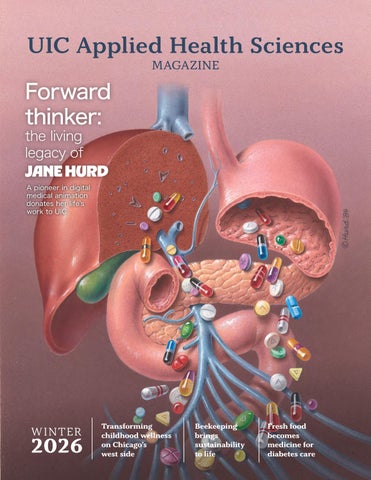
Forward thinker: the living legacy of JANE
HURD
A pioneer in digital medical animation donates her life’s work to UIC
MESSAGE FROM THE DEAN
As 2025 falls further away in the rearview mirror, I’m beginning to look more toward the future — toward the springtime just around the corner, the health innovations waiting to be discovered and the advancements to be made across the sciences. We could take measured steps forward or let progress unfold on its own, but the future isn’t settled; it calls for embodied participation.
The stories in this issue of UIC Applied Health Sciences Magazine are filled with examples of handson action, of adapting and adjusting the worlds we encounter to create novel solutions that promote a healthy future for all.
No one modeled this attitude of participation more fully than the late Jane Hurd ’68 BS BVIS, an accomplished biomedical illustrator and animator who transformed industry practices rather than accept the status quo. Along with a generous estate gift, a collection of Hurd’s original art, reference clippings and tools has been donated to AHS. Her legacy encourages the next generation of BVIS students to bring their whole selves to their work and to create decisively, even when it might be easier to continue business as usual.
The Health and Wellness Academy, a partnership between AHS and the elementary school Altus Academy, also highlights our community’s predilection to step up and innovate. The vision was to weave nutrition and exercise education into the fabric of the school day and focus on one-on-one mentorship, while most schools relegate health programming to extracurricular group settings. The Health and Wellness Academy team did not stop until they found an institution that would experiment alongside them with this handson model, and for the eight years now, Altus students and their families have reaped the rewards.
With the Fresh Food Farmacy program, OT leadership recognized that people struggling with diabetes and food insecurity needed additional support with their nutrition. Rather than stop at patient education and referral, they brought farmstands to campus and gave away fresh produce, meeting the people where they were to serve their needs most effectively.
So many others in AHS are doing this participatory work, whether it’s conducting disability research that foregrounds the community, traveling to area high schools to give free sports psychology workshops to young athletes or nurturing our campus’ green spaces with a beekeeping program in the Nutrition Teaching Garden.
If we are genuinely committed to our mission to promote the health and well being of all people, our full and active participation must extend beyond the university. Our world is troubled, our city has been targeted and so many members of our community are continuing their work while navigating an increasingly hostile reality. As health educators and scholars, we must continue to create solutions for those whose well being is at risk, defend science against misinformation and contribute to building the future we envision: one in which every person can live a healthy and self-determined life.
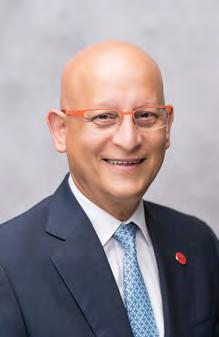
Carlos J. Crespo Dean and professor College of Applied Health Sciences
UIC Applied Health Sciences Magazine
Winter 2026
EDITOR
Erika Chávez
Director of marketing and communications
DESIGN
Heidi Schlehlein
Webmaster and graphic designer
CONTRIBUTING WRITERS
Tess Joosse, Emily Parenti-Lopez, Francesca Sacco, Kelsey Schagemann and UIC contributors
CONTRIBUTING PHOTOGRAPHERS
UIC Creative and Digital Services, UIC Office of Strategic Marketing and Communications
©2026 University of Illinois Chicago. All rights reserved. Published by the Office of the Dean, UIC College of Applied Health Sciences, 808 S. Wood St., 169 CMET, Chicago, IL 60612-7305.
Views expressed in this publication do not necessarily reflect the opinions of the editor, the college or university.
Telephone (312) 996-6695
Fax (312) 413-0086
E-mail eachavez@uic.edu
Website ahs.uic.edu
You might notice abbreviations throughout this issue. They correlate to academic units and programs in the College of Applied Health Sciences.
AT Athletic Training
BHI Biomedical and Health Informatics
BHIS Department of Biomedical and Health Information Sciences
BVIS Biomedical Visualization
DHD Department of Disability and Human Development
DIS
EP Disability Studies
Exercise Physiology
HI Health Informatics
HIM Health Information Management
KINES Kinesiology
KN Department of Kinesiology and Nutrition
MLS Medical Laboratory Sciences
NUT Nutrition
OT Department of Occupational Therapy
PT Department of Physical Therapy
RS Rehabilitation Sciences
UIC Applied Health Sciences

NOTEBOOK AHS News and Notes
Medical Exercise Therapy Clinic offers pro bono exercise therapy for individuals with chronic illnesses
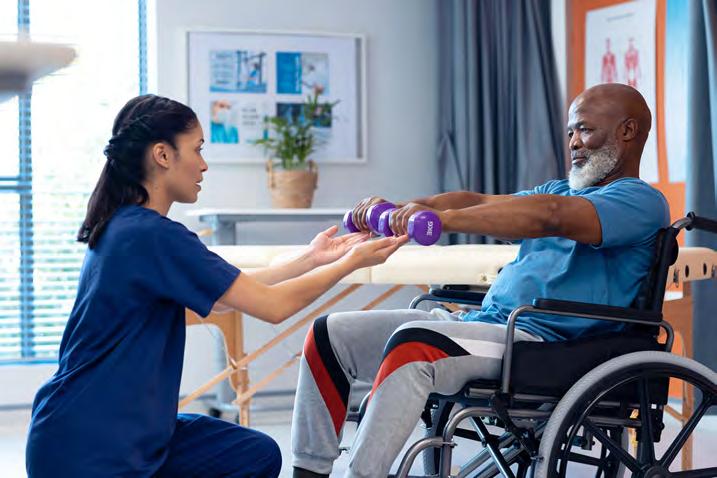
Students in the Doctor of Clinical Exercise Physiology program, directed by clinical associate professor Cemal Ozemek, are offering pro bono exercise therapy for individuals with chronic illnesses at the Physical Therapy Faculty Practice’s Medical Exercise Therapy Clinic
Patients referred by a UI Health program — primarily the cardiology unit, Long COVID clinic, oncology program and family medicine unit — can access eight weeks of free exercise sessions (one session per week) at 1640 West Roosevelt Road. After initial evaluations to assess physical function, cardiovascular fitness and body composition, participants work one-on-one with DCEP students on tailored exercise prescriptions that address unique needs and promote long-term lifestyle improvements.
“The overarching aim of the program is to facilitate the independent adoption of exercise and life-long continuation,” said
Ozemek. “Providing patients access to clinical exercise physiologists can be a transformative experience that gives patients the ability to engage in activities that were previously not possible.”
The MET Clinic was launched with the first DCEP cohort in 2023, and students have run the clinic since, independently leading sessions with patients and designing exercise prescriptions. Working in the clinic counts toward the experiential learning credits required for DCEP graduates: three different 12-week supervised practica in clinical settings, each worth 6 credit hours.
For Sasha Riley, one of the DCEP students running the MET Clinic, serving chronically ill patients is about much more than earning degree credits. After earning a master’s degree from the University of North Carolina at Chapel Hill and before beginning the DCEP program at UIC, she worked for several years with cardiac rehabilitation patients in a group-based exercise program. The one-on-one model at the MET Clinic is an exciting chance for Riley to tailor exercise to the individual.
"It is really unique,” Riley said of the clinic’s one-on-one model. “It gives us more opportunity to focus on the behavior-change side of things. We want to set them up so that they can continue doing this on their own.”

Learn about the research, scholarship and services accomplished by AHS educators, discoverers, collaborators and advocates in the UIC College of Applied Health Sciences 2025 annual repor t.
go.uic.edu/AHS2025annualreport

OT researchers awarded $4.5 million grant for community-engaged disability research
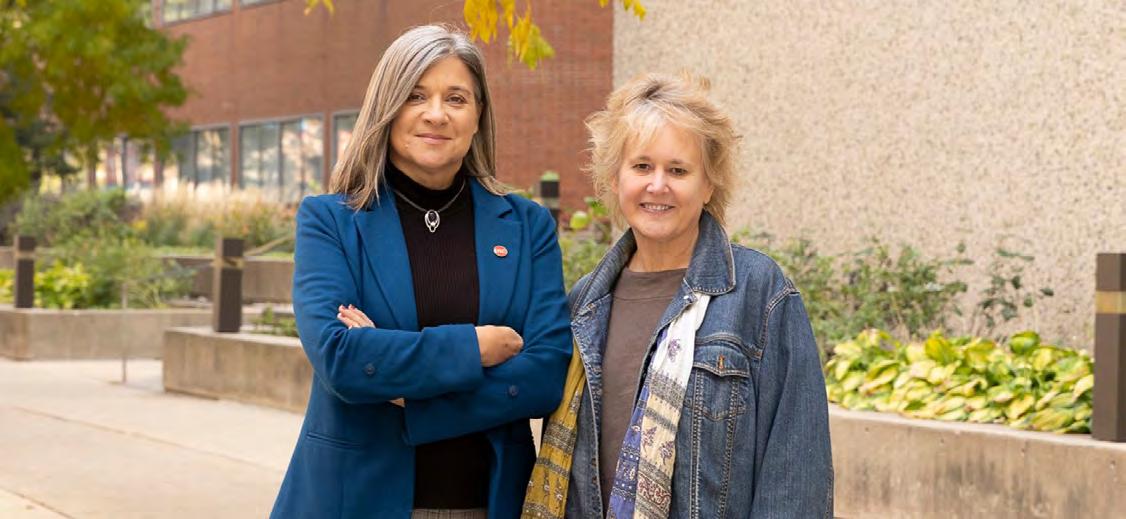
Department of Occupational Therapy head Susan Magasi ’02
MS OT, ’06 Ph.D. DS and director of graduate studies Joy Hammel have been awarded a five-year, $4.5 million grant from the National Institutes of Health’s National Center for Medical Rehabilitation Research. The grant will fund ENGAGED: Disability Community Engaged Medical Rehabilitation Research Resource Center, a hub for community-engaged training and investigation into the social, economic, environmental and policy factors that affect the health of people with disabilities.
Community-engaged research integrates stakeholders' needs throughout the research process. Buy-in from the relevant community at the outset has been shown to produce more successful research outcomes.
“If you’re focusing on the community’s priorities from the front and throughout the process, not just after you’ve completed it, they’re much more likely to use [the research],” said Hammel. “Interventions and policies are more effective.”
NIH funds a nationwide system of Medical Rehabilitation Research Resource (MR3) Centers. The ENGAGED MR3 Center — which stands for Establish, Network, Generate, Advance, Generate and curate, Empower and Disseminate — will be one of six centers in this network.
Research will include people with physical, cognitive, mental health, sensory and chronic health disabilities. The work will probe how social determinants of health impact these populations, filling an important gap, according to Hammel.
The center will offer mentorship and technical assistance training to build capacity within academia and among community members serving as coinvestigators. The grant will also support pilot funding for new community-engaged research initiatives through a national competition.
“It’s not enough to just invite people with disabilities to participate,” Magasi said. “We want to help people build their skills and confidence to fully engage as coresearchers and collaborators.”
The OT department has developed a Scholarship of Practice model that has long sought to strengthen the relationship between research, clinical practice and communities. This approach is supported by deep connections with AHS’ lauded interdisciplinary disability studies Ph.D. program, the researchers said.
Additional collaborators on the project from AHS include Yolanda Suarez-Balcazar, Tanvi Bhatt, Sarah Parker Harris, Beth Marks ’96 PHD DS, Andrew Boyd, Robert Motl, Ed Wang and Karen Cielo.
Photo: Jenny Fontaine/UIC
Susan Magasi (left) and Joy Hammel (right).
Helping city officials and ADA coordinators better engage people with disabilities in accessibility planning
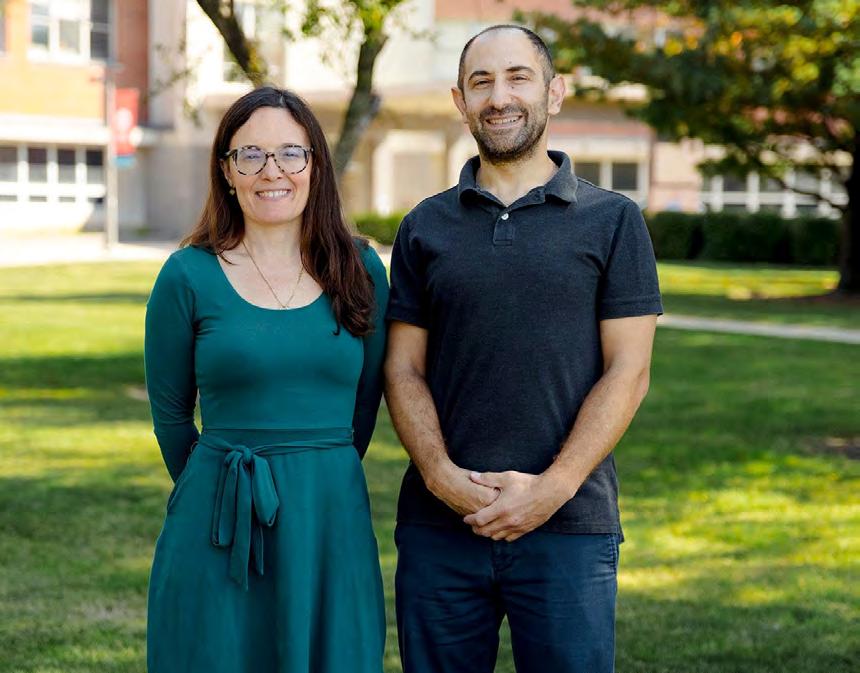
A three-year, $750,000 grant funded by the National Institute on Disability, Independent Living and Rehabilitation Research will allow DHD associate professors Delphine Labbé and Yochai Eisenberg to develop resources for public agencies to better involve people with disabilities in city planning.
The project will improve implementation of requirements set forth by the Americans with Disabilities Act, developing trainings and materials for urban planners and ADA coordinators that foreground the insights of people with disabilities.
The project is the culmination of eight years of work for Eisenberg and Labbé. The pair’s earlier research evaluated ADA transition plans that cities have used to improve pedestrian infrastructure accessibility. However, the plans are not always accessible to people with disabilities.
Labbé said many cities have not followed an important element of Title II of the ADA: to include people with disabilities in the development of their ADA transition plans. This is important for all aspects of ADA compliance, especially regarding the Pub-
lic Right-of-Way Accessibility guidelines adopted in 2023.
People with disabilities encounter numerous barriers in the public right-of-way: missing sidewalks, broken ramps, faded crosswalks and inaudible pedestrian crossing signals, to name a few. Including and accommodating people with disabilities in city infrastructure and compliance efforts increases overall safety and health.
“Safer pedestrian infrastructure reduces accidents,” said Labbé. “It makes people more active and gives them the confidence to walk or wheel around in their community. There are studies that show it helps create the feel of community,” she said.
Eisenberg and Labbé are working with Disability Lead, a network of leaders with disabilities, to develop tools for public agencies and with the Chicago Metropolitan Agency for Planning’s accessibility team to design tools for ADA coordinators.
“They will be sharing their experiences and bringing their perspectives to improve accessibility in their communities,” Labbé said. “The other side is helping cities be better at engaging people with disabilities in planning.”
In time, the pair hopes the materials they develop will be used nationwide.
“Urban planners and ADA coordinators will gain confidence, gain skills and have a greater readiness to address the problem of inaccessible cities,” Eisenberg said. “When you bring up the Americans with Disabilities Act, sometimes people start to shy away and feel nervous, as they fear lawsuits. We’re really hoping to address that head-on through these trainings, materials and resources.”
Delphine Labbé (left) and Yochai Eisenberg.
Photo:
AHS dean formalizes international collaboration between UIC and Spanish university
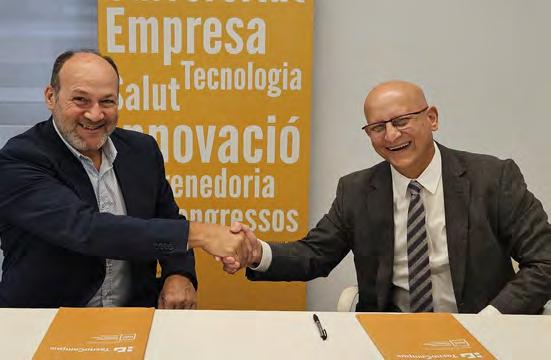
On Monday, Oct. 6, 2025, AHS dean Carlos Crespo met with leadership of Pompeu Fabra University’s TecnoCampus School of Health Sciences in Barcelona to formally begin an agreement between the two institutions. Crespo and TecnoCampus’ general director Josep Lluís Checa jointly signed a letter of intent to establish an educational collaboration between UIC and the Spanish university.
“This type of collaboration will increase the quality of opportunities for AHS students to engage in curricular training in a variety of areas, including kinesiology, nutrition and rehabilitation sciences,” Crespo said. “AHS will also learn more about how universities can engage with private industry in developing technologies to prevent injuries in sports performance and in the workplace.”
The connection between the two institutions developed through TecnoCampus professor Carla
Pérez-Chirinos’ research stay at UIC.
“Dr. Pérez-Chirino has been the guiding force behind all of these efforts,” Crespo said. “Her engagement in research with faculty from AHS has already generated great recognition by the federal government. More recently, the Fulbright Program, a flagship U.S. govermentsponsored international educational and cultural exchange program, recommended Dr. Pérez-Chirino to be the recipient of a grant to continue leading these projects.”
The collaboration between AHS and TecnoCampus strengthens international ties in health innovation and applied research, offering new opportunities for joint projects. The primary initiatives are to conduct faculty and student exchanges, coordinate visiting professor appointments and develop new and innovative research across international lines.
This is UIC Podcast
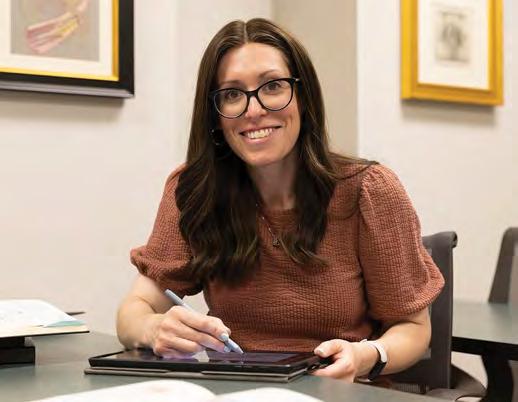
This is UIC , the official podcast for the university, launched fall 2025. The biweekly podcast highlights how UIC leaders and innovators are inspiring change and shaping conversations on topics that matter, in Chicago and beyond. BVIS program director and clinical associate professor Leah Lebowicz was interviewed for an episode as part of the inaugural season. Check it out!
Symbols in everyday life with Leah Lebowicz: Are emojis saying more than we realize?
Josep Lluís Checa (left) and Carlos Crespo (right).
Photo: Pompeu Fabra University
TecnoCampus School of Health Sciences
Leah Lebowicz
Photo: Jenny Fontaine/University of Illinois Chicago
Andrew Boyd recognized locally and nationally for leadership
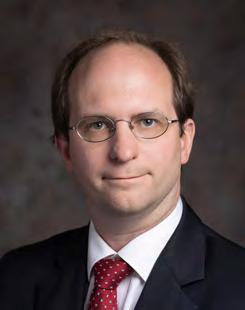
Andrew Boyd, professor in BHIS and PT, has been named one of Crain’s Chicago Business’ 2025 Notable Leaders in Health Care Technology and was elected one of 24 new fellows of the American College of Medical Informatics.
The Crain’s list spotlights the innovations of 27 Chicago-area executives, founders and advisers who use technologies to support health care systems and improve patient outcomes nationwide. The ACMI recognizes major research contributions from scholars across the country in biomedical and health informatics.
Boyd’s fellowship with the ACMI underscores AHS's continued presence at the forefront of the field. Boyd is the fourth UICaffiliated fellow elected to the ACMI — preceded by Walter Panko, former BHIS director and assistant vice chancellor for health informatics, in 1998; Annette Valenta, BHIS professor emerita, in 2019 and Neil Smalheiser, professor of psychiatry, in 2021.
“UIC health informatics continues to grow and increase its impact in the country and the world,” Boyd said.
Boyd is also UIC’s Associate Vice Chancellor for Research and the University of Illinois hospital system’s Associate Chief Health Information Officer. Boyd oversees research data, IT and innovation teams with a $6.9 million budget and more than 100 staff. He manages data governance for more than 45,000 students, faculty and staff and has advanced secure data-sharing policies.
His laboratory researches data simplification to improve clinical outcomes, engaging patients, administrators and clinicians. His work transforms data from electronic health records to help patients participate in their own care. He is also leveraging AI across the entire health care team — including nurses, physical therapists, occupational therapists and speech-language pathologists — to improve health.
“UIC and University of Illinois Health are transforming research to improve the lives of patients and research participants,” Boyd said. “The expansion of research enables a wide range of faculty and researchers to transform health care.”
Lieke van Heumen awarded research fellowship
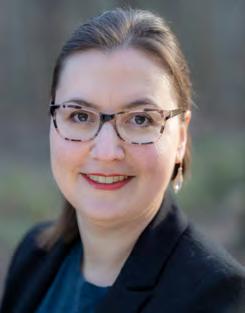
Clinical associate professor in DHD Lieke van Heumen ’15
Ph.D. DIS is this year’s recipient of the Student Affairs Faculty Research Fellowship for her work to advance equity on campus by using plain language in Student Affairs materials and communications. She and a group of DHD student researchers began the project in January 2026.
“Being able to conduct this project is very meaningful to me because it brings together two areas I care deeply about: equity in higher education and accessible communication,” said van Heumen. “Plain language is more than a writing technique, it is a way of honoring students’ diverse backgrounds, lived experiences and ways of knowing.”
Now in its sixth funding cycle, the fellowship offers a yearlong grant of up to $25,000 to conduct research on questions relevant to UIC Student Affairs.
This project explores how plain language, a communication style that prioritizes clarity and accessibility, can be applied within UIC Student Affairs to enhance equity and engagement among diverse student populations.
“Plain language makes information easier to understand the first time they read it. When materials from Student Affairs are clearer — whether about financial aid, wellness resources, campus involvement or academic support — students can more confidently make decisions and get the help they need,” van Heumen said.
Student Affairs is often students’ first point of contact with the university. The project aims to make those crucial contacts more productive and accessible by auditing existing materials, conducting focus groups and codesigning revised content with students. The work also directly supports first-generation students, multilingual learners, students with disabilities or anyone who faces additional barriers to university systems.
“By simplifying language, organizing information more clearly and reducing cognitive load, we aim to create communication that works better for everyone,” van Heumen said.
Andrew Boyd
Lieke van Heumen
KN students offer free sports psychology counseling
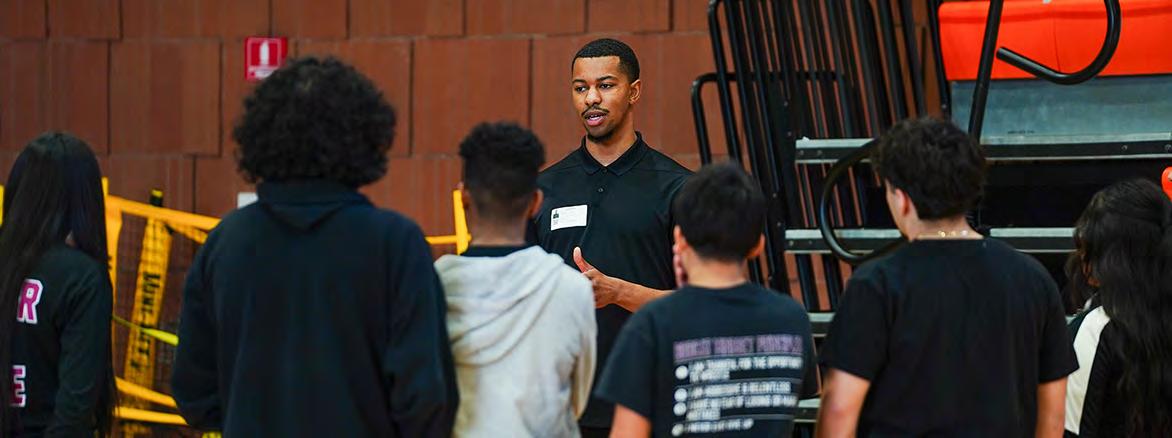
During the 2024-2025 school year, 289 Chicago-area youth athletes received free sports psychology consulting from KN graduate students, developing skills that enhance their sports performance.
Led by KN clinical assistant professor Meredith Wekesser, graduate students in the Performance, Sport and Exercise Psychology concentration have worked with hundreds of athletes in high school or elementary school since the program’s beginning in spring 2024. Offering both team and individual services, along with in-person and online consultations, the PSEP students help athletes build the type of confidence in sports that can be applied to their everyday lives.
“All of our work focuses on promoting positive youth development through sport,” Wekesser said. “We aim to teach athletes skills they can transfer to school, work or with friends and family: handling stress, confidence building, goal setting, communication, focus, responsible decision making, leadership, positive self-talk, growth mindset and teamwork.”
For teams and large groups, the PSEP students lead workshops on a particular skill and then practice the concept with a handson activity. Individual athletes can also work one-on-one with a graduate student for more personalized support. For example, a PSEP student might help an athlete practice advocating for themselves during a difficult conversation with a coach or teammate.
The program is also a valuable learning experience for the PSEP students, most of whom are training to become Certified Mental Performance Consultants through the Association for Applied
Sport Psychology. Beyond earning experiential learning credit toward their degree, PSEP students are gratified by the opportunity to support young people and develop their own careers.
“My favorite part is seeing the growth young athletes are able to make,” said PSEP student Marvin Delos Reyes. After graduation, he plans to build a private practice to work primarily with this population.
“I want to create a space where [young athletes] are able to control their situation in a positive way. I think it's important to start teaching these skills while they're in the developmental phase, as mental skills can be used in both sport and other areas of life.”
But the most important takeaways come from the young people, who are building skills that will serve them no matter where their athletic careers go from here.
“I learned to visualize successful outcomes and translate it to real games and practices,” said a high school baseball player. Other athletes discussed the importance of “taking deep breaths in high stress situations” or “learning ways to handle pressure.”
“This initiative has been a great way to give back to the Chicago community,” Wekesser said, “to support youth in becoming better people both in sport and in life.”

Kinesiology graduate student Kai Bates-Diop delivers a sport psychology workshop to a group of high school student athletes.
Photo:
Faculty tour NHANES mobile centers
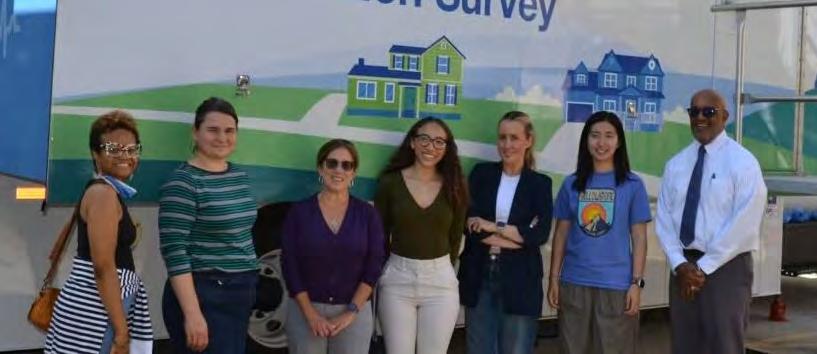
Faculty from the Department of Kinesiology and Nutrition and UIC’s School of Public Health recently toured the National Health and Nutrition Examination Survey (NHANES) mobile examination center temporarily located in the Illinois Medical District. AHS participants included KN professor and associate head Giamila Fantuzzi, instructor Sherri Ambrose, and clinical assistant professors Sofia Cienfuegos and Kirsten Straughan
“Walking through the mobile units and seeing firsthand how the data is collected was incredibly insightful,” Straughan said. “I appreciated learning about the efforts to ensure the data represent all Americans — across rural and urban communities, races, ethnicities, genders and more. It was also very impressive to see a DEXA machine and a fully equipped laboratory inside a mobile facility!”
SparkTalks
NHANES is conducted by the Centers for Disease Control and Prevention’s National Center for Health Statistics. The survey was first conducted in the early 1960s after the passing of the National Health Survey Act, and since the late 1990s, it has been used more often and across broader swaths of the country. The survey consists of three main sections — health interviews, health examinations and lab tests — all of which can be conducted on the portable NHANES examination trucks.
Each year, five NHANES examination vehicles travel to four U.S. locations for eight-week screenings of the local population, collecting approximately 200 screenings per stop. Hundreds of tests can be run within a few hours in each truck, which hosts a six-person team: a nurse, a biomedical equipment specialist, a dental hygienist, a bone densitometry technologist, a medical lab technician and a medical lab scientist. Patients can be screened for common conditions such as allergies, diabetes, anemia, obesity, hearing or vision loss and osteoporosis. A dietician also visits participants’ homes to learn more about their behavioral health, medications and at-home air and water quality. The data collected through NHANES, including reports and some interactive data visualizations, are publicly available on the CDC website, with updates posted every two years.
The availability of NHANES data is essential for public health practice and science. Researchers use the survey data to monitor health and nutrition trends, identify undiagnosed conditions and environmental exposures, understand disease risk and design effective health programs and services.
SparkTalks, UIC’s version of faculty lightning talks, offers individuals across campus the opportunity to learn about the exciting activities taking place at UIC. Influential UIC changemakers exchange ideas and ignite solutions to inspire and create a better world. Check out the lightning talks featuring AHS faculty and staff.

Stephanie Bay
Assistive Technology Unit – 35 Years of Empowering Independence through Technology
Tanvi Bhatt Are Falls Inevitable or Preventable?
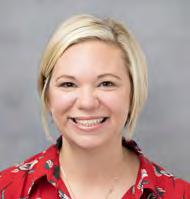
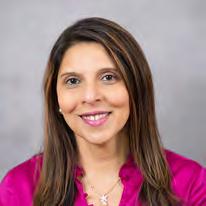
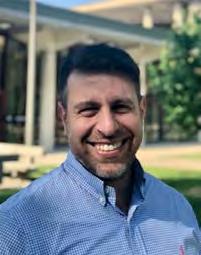
Tomer Kanan
Revolutionizing Anatomy and Phyisology Education: Introducing Innovative Tools
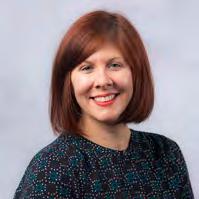
Lisa Tussing-Humphreys Fasting in Pregnancy. What?!?
Mary Khetani
What Surrounds Us, Shapes Us
AHS and SPH faculty and staff tour the NHANES mobile examination center on September 22, 2025.
Researchers coalition for disabled people of color honored by the mayor’s office
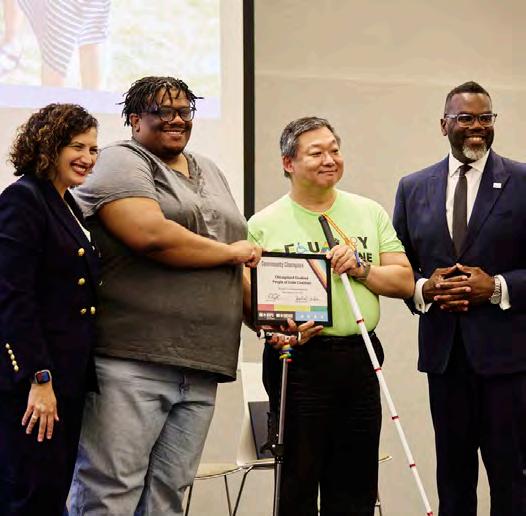
The Chicagoland Disabled People of Color Coalition, founded by DHD research associate Timotheus (T.J.) Gordon, Jr. ’19 MS DHD and Jae Jin Pak, was one of three Chicago organizations honored with a Community Champion Award by The Mayor's Office for People with Disabilities.
The DPOCC was recognized for spreading disability pride during the city’s 35th anniversary celebration of the Americans with Disabilities Act in July. The Mayor’s Office for People with Disabilities was formed in 1990 shortly after the passage of the ADA and remains the largest municipal office devoted to disability services in the nation.
In addition to recognizing leaders in Chicago’s disability community, the anniversary gathering celebrated disability history, employment, and arts and culture. The event featured educational sessions and artistic showcases: a panel on youth disability employment, a dance piece, improvisation, musical performances and more. The DPOCC set up a table where attendees could make accessible and sensory-friendly pom-poms for the Chicago Disability Pride Parade on July 26.
“I honor our city’s disability history and the ongoing fight for disability rights, programs and services,” Mayor Brandon Johnson said at the event. “Events like this strengthen ties between our communities and help to ensure everyone in our city has a chance to thrive.”
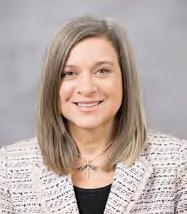
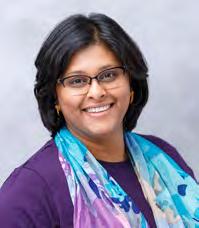
Susan Magasi Dismantling Ableism in Health and Cancer Care Through Community Engaged Partnership
Andrew Boyd
Data Simplification to Improve Clinical Outcomes
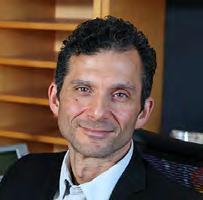
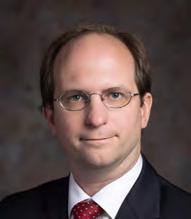
Ross Arena The Ecology of Population Health and Well-Being: A Framework and Perspective
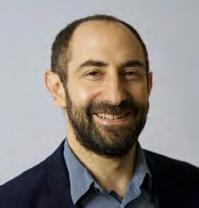
Yochai Eisenberg Planning Smart and Disabilty-Inclusive Commumities
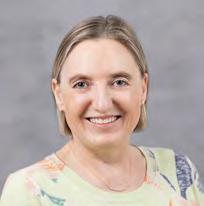
David Marquez Moving in a Culturally Relevant Way
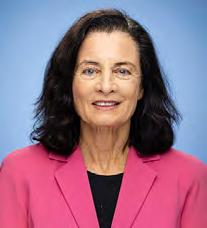
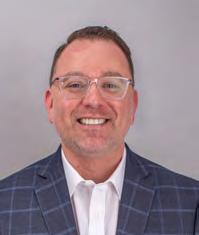
Tamar Heller Who will take care of Ray? David Camacho
Older Latino Adults: ¿Dónde estamos?
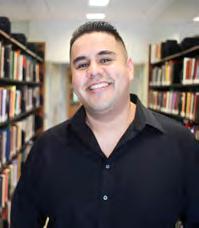
Photo: City of Chicago Mayor's Office
From left to right: Rachel Arfa, Commissioner of the City of Chicago Mayor's Office for People with Disabilities; Timothius Gordon Jr. ’19 MS DHD, Chicagoland Disabled People of Color Coalition cofounder; Jae Jin Pak, Chicagoland Disabled People of Color Coalition cofounder; and Brandon Johnson, City of Chicago Mayor.
Carrie Sandahl Experience as Theory
BVIS offers innovative concentration in anaplastology
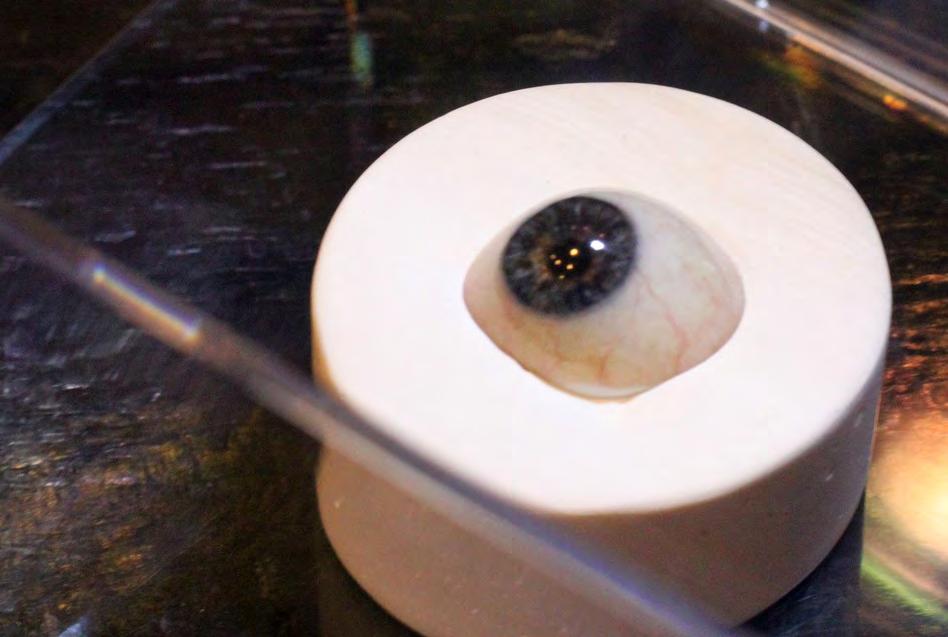
In fall 2026, the Biomedical Visualization master’s program will officially launch a new concentration in anaplastology, a specialization that provides custom restorative prostheses to patients who experience loss or alteration of facial or body anatomy.
To be eligible for the concentration, BVIS students must meet with BVIS program director Leah Lebowicz ’12 MS BVIS and anaplastology advisor Erin Stevens ’10 MS BVIS, complete an application by week 12 of the student’s first spring semester in BVIS and obtain a grade of B or higher in all coursework. Eligible students will take their first anaplastology-track course in spring 2026.
Although the BVIS program has covered anaplastology and trained leaders in the field for decades, formalizing this training as a concentration allows the program to better meet the demands of a rapidly changing industry. Lebowicz explained how the new track will build on BVIS’ legacy of excellence.

“The field of anaplastology has changed dramatically with advances in digital modeling, 3D printing, surgical planning and simulation, all of which are areas where BVIS already excels,” Lebowicz said. “By housing anaplastology within the broader biomedical visualization curriculum, students benefit from a strong foundation of courses in anatomy, digital technology, clinical sciences and design that cannot be replicated in a standalone program.”
The concentration teaches hands-on sculpting and prosthetic fabrication alongside updated digital workflows in medical visualization — a blend that is unique among universities worldwide. Students will receive training in visualization techniques, art, anatomy, digital modeling, clinical sciences and patient-centered communication, all while completing specialized anaplastology coursework and practicum experiences.
“There are very few formal anaplastology training programs,” Lebowicz said, “and UIC’s concentration is the only one that is fully embedded within an accredited medical illustration program. The interdisciplinary model is not available anywhere else.”
“As clinical anaplastologists, graduates will be working in clinics, research institutes or university settings for individual patient cases,” said clinical assistant professor Sam Bond ’16 MS BVIS. “This is one of the rare opportunities for people in the visualization field to really serve in the clinician role.”
“The program prepares graduates not only as prosthetic specialists but as innovative problem solvers who can support surgical planning, custom device design, medical education and research,” Lebowicz said.
Eye prosthesis by Michaela Calhoun ’10 MS BVIS.
cRecipe for Success
The Health and Wellness Academy motivates elementary students on Chicago’s west side to build healthy eating and movement habits.
For most of the 31 students enrolled in first through fourth grade at Altus Academy, Thursdays are their favorite school day. Once a week, they receive a lunchtime visit from their “buddy,” a UIC student, who helps them prepare a healthy meal, talks with them about the foods they’re about to eat, and joins in some fun physical activity during recess — all part of the school's Health and Wellness Academy. On Tuesdays, the fifth through eighth graders take their turn, with more sophisticated cooking projects and group discussions on the nutritional benefits of the food they’re preparing.
The Health and Wellness Academy, directed by PT clinical instructor Lindsey Strieter, has become an integral part of an Altus education, embedding nutrition and exercise into the school day rather than treating them as extracurricular. The goal is to motivate kids to make and keep healthy habits that can improve their lives and support their whole families’ health in the long term.
The program has been a part of Altus for 8 of the 12 years that the school has operated as a private, tuition-free college preparatory for students who are primarily from marginalized communities on Chicago’s west side.
Although the structure of the Health and Wellness Academy has evolved over time, Strieter and Altus leadership have steadily enhanced the program’s consistency for students who often face inconsistency outside of school.
“These are kids that are dealing with a lot of trauma,” said Altus principal Alfredo Villegas. “To support these students, you need to offer benevolent childhood experiences, and one of the keys
is having consistent adults in a kid's life. We're providing access to college-level students who give the kids one-on-one attention every week, on the same day, at the same time. It's just such a rewarding thing.”
“Part of our mission is to remove obstacles to our kids getting a good education,” said Dr. John Heybach, Altus founder and president. “We don't charge tuition; that's one big obstacle. But health issues are also a big obstacle for our low-income or historically marginalized families. We wanted to start things early in life to help kids develop healthy lifestyles.”
Refining the vision
The partnership between Altus and the Health and Wellness Academy began in 2017 when Strieter was looking for new schools in which to implement her program. Up until that point, she had been running the Health and Wellness Academy as a weeklong summer camp at AHS and working with a handful of Chicago Public Schools on health curricula.
“I think we had just six UIC students — they all came from AHS — and we only had about 12 kids total,” Strieter said of the summer camp. “We would cook in the kitchen on the sixth floor of the AHS building. We would run around in the grassy area outside before it was the beautiful garden that it is today.”
The original aim in 2017 was to introduce healthy living education to as many Chicago elementary schools as possible, leveraging a network of UIC students who would receive experiential learning credit for their work on the program. Although students from
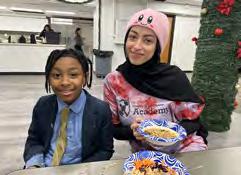
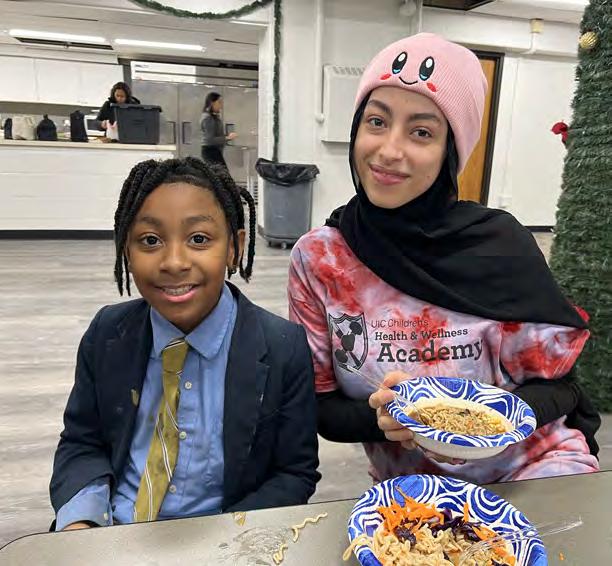
Altus fourth grader Joseph Little and his buddy, second-year DPT student Afnan Ellythy, enjoying ramen soup they made together. Altus students requested the recipe.
departments across campus signed up for the newly formed course, many of the Chicago Public Schools Strieter intended to partner with faced significant roadblocks to implementation.
c“They were very limited on how much time they could allow us,” Strieter said. “They're constricted — they had to have so many language arts minutes, so many math minutes — so it ended up becoming an afterschool program. It became difficult for my UIC students to make it at that time.”
As a private institution with a small number of students, Altus had more flexibility during the school day. Heybach heard Strieter’s pitch and immediately felt aligned with the program’s goal of developing healthy habits that make a long-lasting impact.
“Our mission is not just to educate these kids, but to enrich their lives and enrich their families’ lives,” Heybach said. “This program really looked like a great opportunity to do that.”
Deepening connections
In the years since, Strieter and her students have zeroed in on Altus, focusing on ways to expand programming within the community rather than spread resources thin across multiple schools and neighborhoods.
When Strieter started at Altus, the school had approximately 22 students; today, enrollment has grown to around 80. The Health and Wellness Academy has therefore segmented its programming by age. The younger kids receive one-on-one support from a UIC buddy, while the middle-schoolers cycle through the program every quarter in small groups.
Michelle Reich, the program’s current clinical registered dietician and a former student intern, appreciates the format for the older kids. Many in this group were able to begin building healthy habits as elementary students.
“It’s a fun group, because they have been in the program longer,” Reich said. “And it's a smaller group, so we can do more advanced cooking with them. We set out enough jobs so each student is participating in creating the meal.”
That extended exposure to new, healthy foods and to cooking has made a noticeable impact.
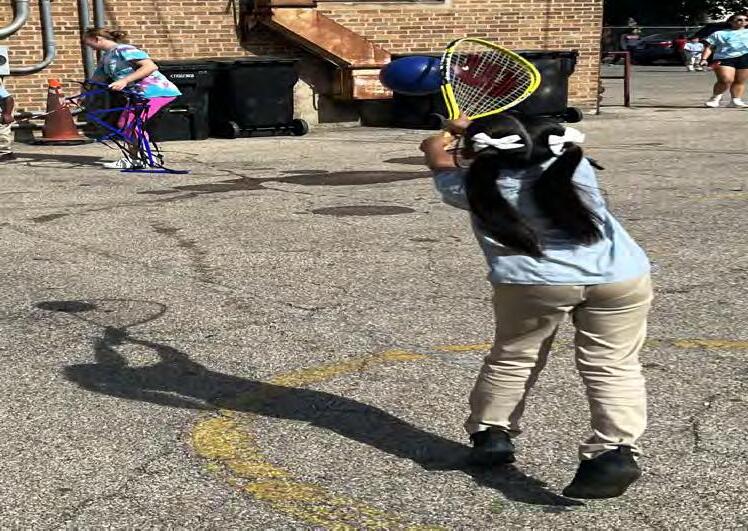
cSecond-year DPT student Caroline Schaper and her third-grade buddy McKinley Menendez playing tennis during a physical activity session.
“The older kids who have been through the program have an openness to food that the younger do not. They are more apt to try new things and they know about the health benefits of most of the foods we focus on,” Reich said.
For all the leaders involved in the program, from UIC and Altus, the key that unlocks a more profound commitment to these healthy habits is mentorship.
“I would say that is honestly my favorite part of this program,” Strieter said, “watching the relationships form between UIC and Altus students. Within one semester, we're talking 15 or 16 weeks, a bond has formed so great that these kids — and even UIC students — are crying at the end of it, because they don't want to leave each other.”
The connections between UIC mentors and Altus students motivate the kids and fortify the curriculum. Kids trust and value what their buddies tell them, and they’re excited to put their new knowledge and skills into practice.
“That's what some of the parents come up and tell me,” Strieter said. “They say, ‘My kids come home telling me I ate this; we need to try this; let's do this together.’”
“And that's the whole point,” Strieter continued. “They're going home and sharing this with their families.”
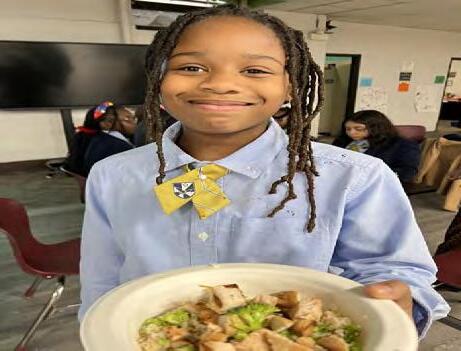
Altus eighth-grader Aubrey Dorden, who has been in the Health and Wellness Academy since first grade, showing off a "mac n' cheese makeover:" a challenge to add green veggies and lean proteins to a beloved kids' meal.
cTaking the lessons home
Although the nutrition tips and tricks are designed for kids, participants of all ages are applying them at home. In their reflections on the most recent Health and Wellness Academy term, multiple UIC student volunteers commented on how the curriculum has a ripple effect on their own habits.
“I started reflecting on what I eat outside of [Altus] and trying to be more mindful,” said Amelia Trojak, a second-year DPT student. “It is important to me that I do what I preach; if I'm trying to encourage students to eat healthier and exercise, I need to be doing these things myself.”
“I have used some recipes that we made in class for my own daily lunches,” said Kathy Pham, another second-year DPT student. “For me, this means I am able to influence my eating habits and my family’s. The supplies used to make my meal can be used by my family to make a lunch of their own.”
The goal is to encourage Health and Wellness Academy parents to develop these same attitudes. When kids come home from school excited to share a new healthy recipe, parents are motivated to improve the whole family’s health habits.
Strieter also makes a concerted effort to engage families beyond the recipes kids bring home. At the end of each semester, she hosts a family night at Altus, where students help prepare their favorite meal from the term and then present it to their parents. It’s a highlight of the year for kids, staff and the families and a way to strengthen community connections.
The community ties support the UIC students too. In addition to offering the experiential learning credit that gets them in the door, Strieter has witnessed students in disciplines far outside the realms of nutrition or physical therapy seek out the Health and Wellness Academy course and bond over the experience. Everyone from computer science students and English majors to social work and business management students have relished the
opportunity to get out of the classroom and into the community to cook and exercise with kids.
Branching out
The Health and Wellness Academy is no longer the only collaboration between Altus and UIC. Through Strieter, Heybach and Villegas connected with UIC’s former head of PT Ross Arena. They discussed how Altus families could really benefit from an easily accessible, school-based clinic for routine physicals and screenings. From there, the door was opened to UIC’s College of Nursing, with whom Altus has partnered to make that vision a reality.
Right beside the kitchen used by the Health and Wellness Academy, a small clinic facilitates routine care, and critically, serves as a site for nursing students — from bachelor's to doctoral levels — to conduct their own research. The clinic has facilitated behavioral health research on managing stress and anxiety, for example, aligning with Altus’s trauma-informed learning model.
“Different nurses come in, including behavioral health nurses, and say, ‘Let's try something to ameliorate the effects of stress on the kids,’” Heybach said. “They’ll propose a new project and pull kids to work with them on different techniques. The results have been fantastic.”
Strieter has also conducted and published research on the Health and Wellness Academy, offering educators a model for creating school-based wellness programs that motivate children to make healthy choices. She has hosted scholars from other universities, including Tecnológico de Monterrey, to collaborate on research and learn ways to implement the model in their own unique contexts.
Outside of the scholarship, the people on the ground at Altus dream of expanding the Health and Wellness Academy's mission and ethos into the surrounding community.
"The big goal is to build a community health and fitness center on campus,” Heybach said. “UIC will be a big partner in doing that so we could open up services to other neighborhood schools and then to more of the community."
From a few hours a week in one small school, the Health and Wellness Academy is having ripple effects on families, health educators, scholars and communities. The key, in Strieter’s view, is harnessing the power of relationships, especially between children in need of mentors and university students eager to apply their learning for the benefit of the community.
“I think there's something there and something to be said about that model. It's worth trying to replicate.”
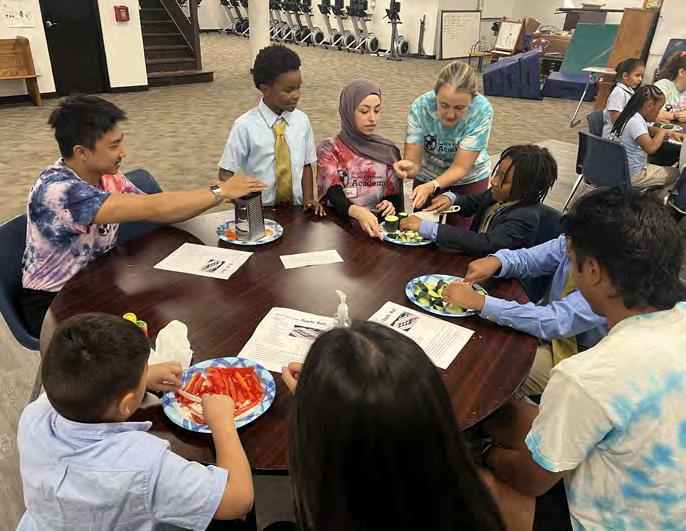
Health and Wellness Academy's registered dietician Michelle Reich (top right) demonstrating for Altus students and their buddies how to properly slice cucumbers for the program's sushi roll recipe.
Photos: Lindsey Strieter
JANE HURD Forward thinker: the living legacy of
Each year, students in the Master of Science in Biomedical Visualization (BVIS) program venture into the past under the auspices of Megan KellerYoung, senior instructor and Special Collections librarian. Keller-Young pulls treasures from the archives, including old textbooks, medical illustrations and atlases of anatomy.
“Holding these items helps students understand how the profession has changed,” Keller-Young said. “They can compare a textbook from decades ago to the resources they have today.”
In the near future, students and the general public will have access to an even larger trove of historic materials thanks to an estate gift from the late Jane Hurd ’68 BS BVIS. In addition to donating many boxes of original artwork, reference clippings and tools, Hurd also made a generous gift to help maintain the collection.
A pioneer in digital medical animation donates her life’s

An outstanding leader in the biomedical visualization field, Hurd developed an innovative business model that brought medical artists into direct conversation with pharmaceutical companies, centering their expertise. She was at the forefront of the transition to digital medical animation, perfecting a signature look and style that eschewed jump cuts in favor of a softer, journey-like approach. And, as a gifted mentor, Hurd found great satisfaction in guiding others toward their own success, making it especially fitting that her estate gift will serve as a source of inspiration and education for generations to come.
DRIVEN BY CURIOSITY
Hurd spent her childhood exploring the Texas outdoors, where she collected rocks, shells and bugs; dissected roadkill and caught horned lizards for pets. Other beloved pastimes included drawing and tennis. Always tenacious, Hurd successfully fought to establish a tennis team when varsity sports were rare for girls. High school was also when Hurd decided to become a medical illustrator, having learned about surgical drawing classes from her college-enrolled sister.
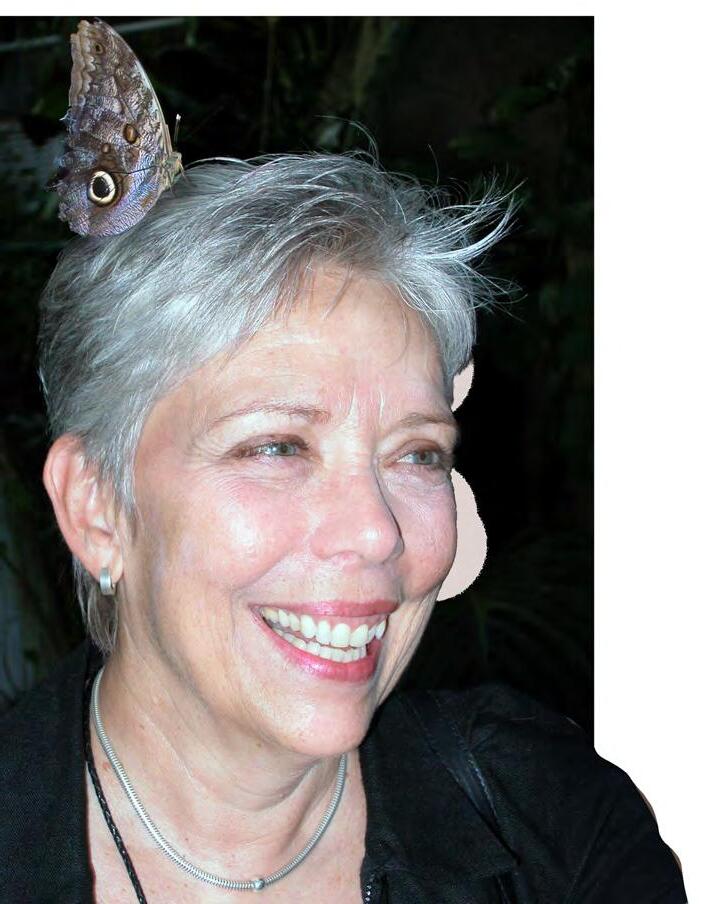
Jane Hurd
Photo: Christine Young
UIC provided Hurd with strong foundational skills, which served her as the field evolved in the subsequent decades. Back then, the program was a five-year undergraduate degree focused primarily on pen-and-ink drawings. To enrich her understanding of anatomy and pathology, Hurd befriended medical examiners and “hunted out as many autopsies as possible,” according to Christine Young, Hurd’s longtime friend, collaborator and retired BVIS faculty member.
SECURING A SEAT AT THE TABLE
After graduating from UIC with honors, Hurd started her medical illustration career at George Washington University, followed by her first stint in freelancing, creating airbrush paintings for renowned clients such as National Geographic and Reader’s Digest Books. Subsequently, Hurd accepted design/art director roles at the Medical News Network and Time Life Medical, gaining valuable skills in emerging computer technology.
When Time Life Medical folded, Hurd dipped into her savings to buy the bankrupt company’s equipment and return to freelancing. She launched Hurd Studios from her Brooklyn brownstone in 1997, and, with her friend and colleague Donna DeSmet, spearheaded a new way of doing business. Instead of contracting with agencies, medical educational companies or production houses to reach pharmaceutical companies in need of medical art, Hurd went straight to the source.
“Jane’s whole idea was to get us a seat at the table,” said Young.
“She wanted to break through barriers and propel us into the decision-maker’s room.”
By working directly with pharmaceutical companies, Hurd elevated the status of medical illustrators, showcasing their expertise and strategic acumen. Hurd Studios was especially renowned for its compelling, cutting-edge animations.
As creative director of Hurd Studios, under parent company Medical Education Solutions, Hurd led by hardworking example. “She wanted it to succeed, and it did,” said Laura McKenna, Hurd’s ex-wife and the executor of her estate. “Jane was a very honest and straightforward person. She expected a lot of her employees, but she also gave a lot to them.”
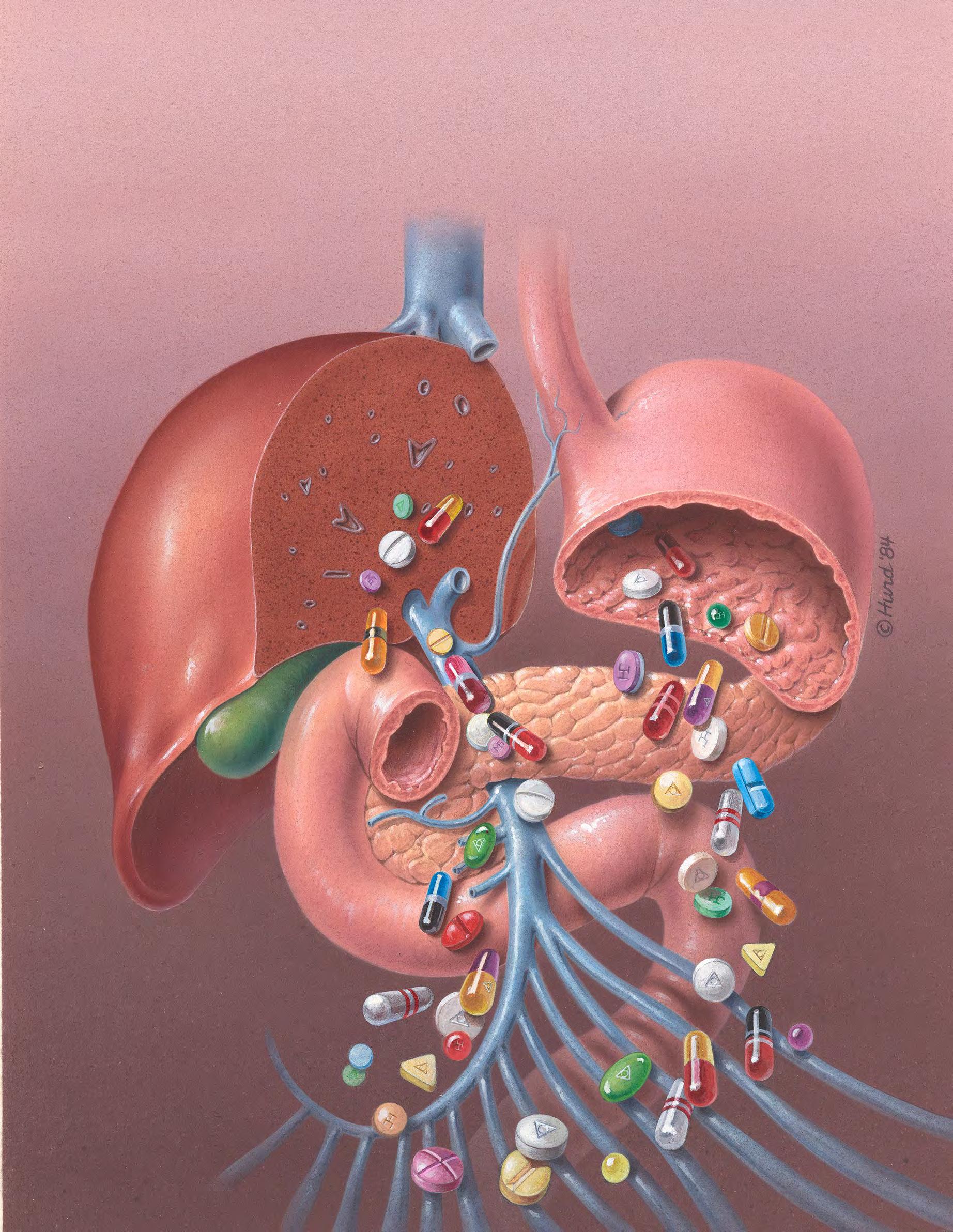
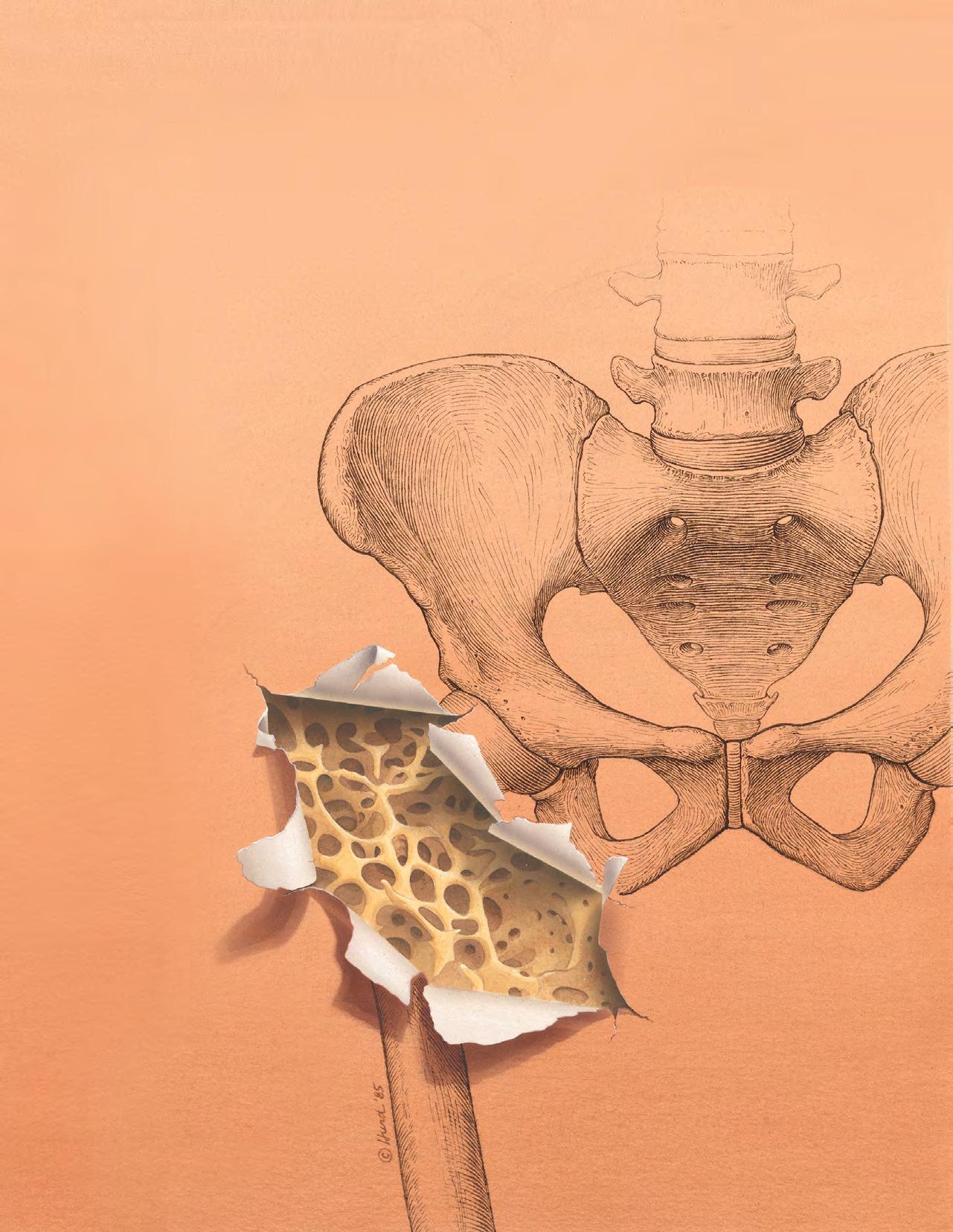
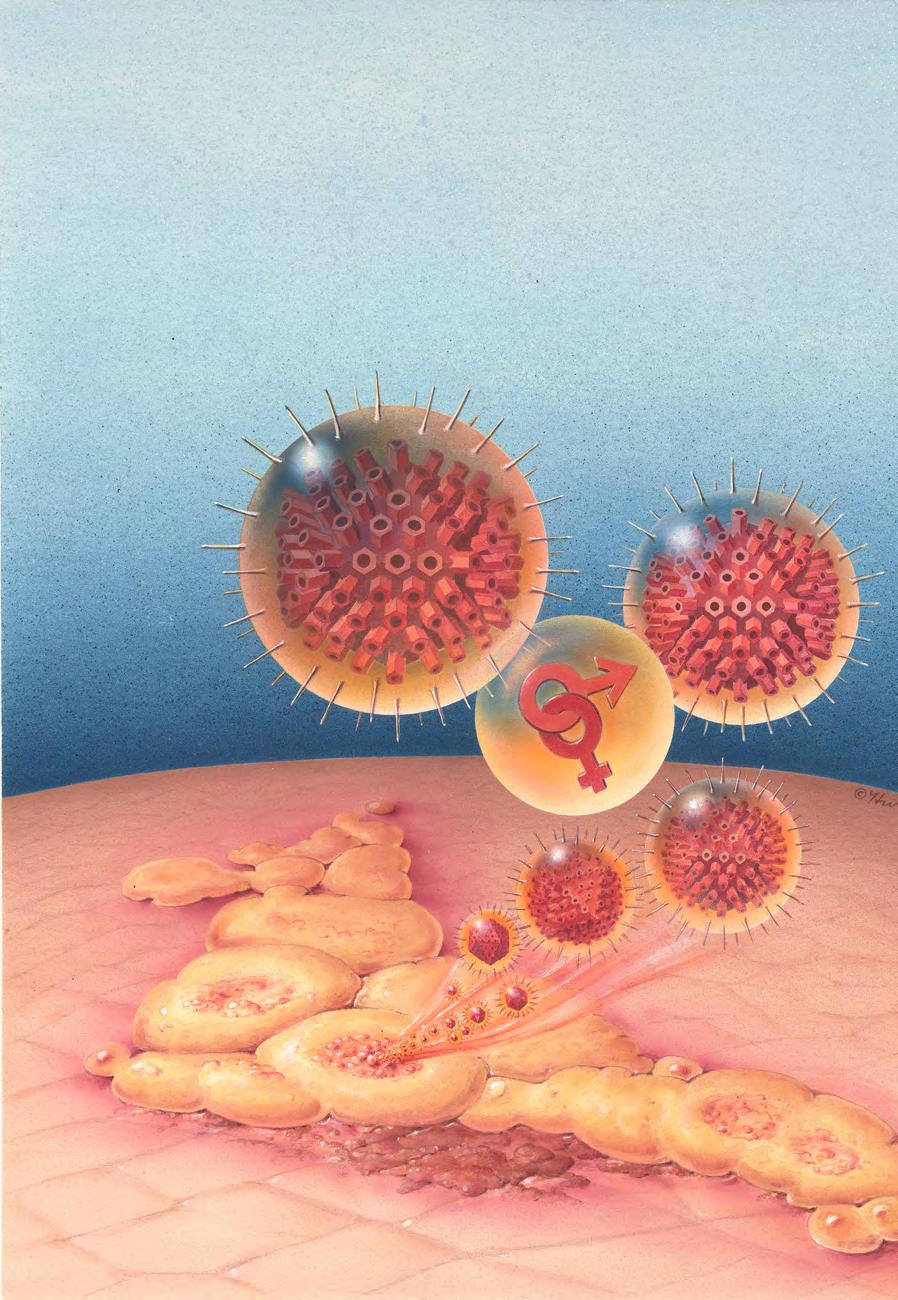
Illustration by Jane Hurd for the cover of the August 1986 issue of Modern Medicine.

A GIFT THAT LASTS
Hurd’s tremendous contributions to the field are recognized by more than 30 awards from the Association of Medical Illustrators (including the Lifetime Achievement Award in 2008), a University of Illinois Alumni Achievement Award in 2002, her permanent paintings for the Genome Project and the National Institute for Child Health and Development, her countless mentees and, of course, her estate gift to UIC.
“This collection greatly enhances our archives,” said Leah Lebowicz ’12 MS BVIS, BVIS program director.
“I think it’s vital for students to understand and appreciate the efforts of those who came before them, especially since our field is always evolving.”
Lebowicz emphasized other benefits as well. For example, BVIS student Brenna Alford is helping to process the
collection for her capstone project on best practices in medical art archiving. Hurd’s “scrap” file of advertisements, illustrations and other resources clipped from magazines and journals is another exciting element of the gift. “That alone is an incredibly valuable history of medical illustration over several decades,” said Young.
While the profession has changed, certain things have stayed the same. UIC remains one of the premiere bio -
Illustration by Jane Hurd for the cover of the March 1984 issue of Modern Medicine.
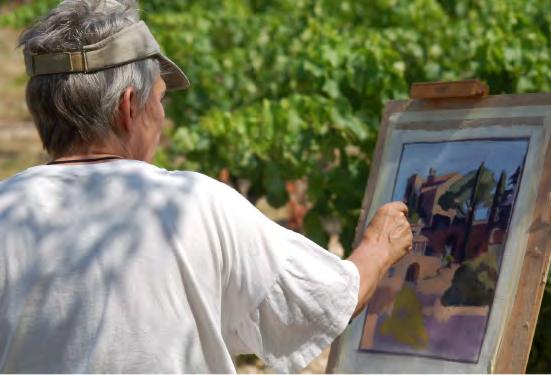
Jane Hurd at a painting workshop in France (above) and "Shoreline Park" by Hurd circa 2024 (below).
medical visualization programs in the country.
BVIS students continue to be exceptionally hardworking, and they enter the job market prepared. But none of that is possible without alumni support.
“It’s a huge financial commitment to enroll in BVIS — anything we can do to help offset the cost of tuition is critical,” said Lebowicz. “Thankfully, I’ve never met a more amazing group of generous alumni.”
Lebowicz hopes that Hurd’s story motivates fellow alumni to reflect on their own legacies. If, like Hurd, alumni want to make an impact on the next generation of biomedical visualization professionals, there are many ways to do it — and it doesn’t necessarily require an in-kind donation. Whether alumni choose to fund cutting-edge equipment and technology, pay conference fees, create a scholarship or contribute to an established scholarship, it’s possible to make a meaningful difference in a student’s life.
In a full-circle moment, current students work on projects in the computer lab recently renamed in Hurd’s honor. Two of her airbrush paintings hang on the wall along with a self-portrait, while a display case highlights other artwork from the collection.
“I hope students feel inspired in that space, just as I hope alumni feel inspired learning Jane’s story,” Lebowicz said.
“She shows what can be achieved with grit, passion and generosity.”
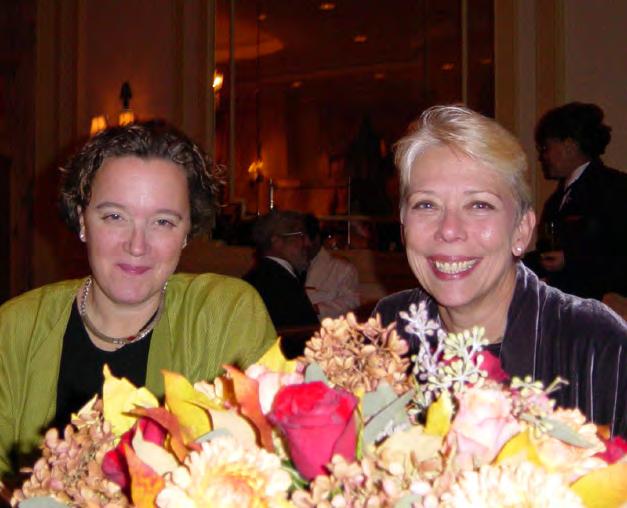
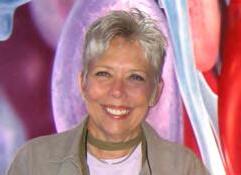
Christine Young (left) and Jane Hurd (right).
Photo: Christine Young
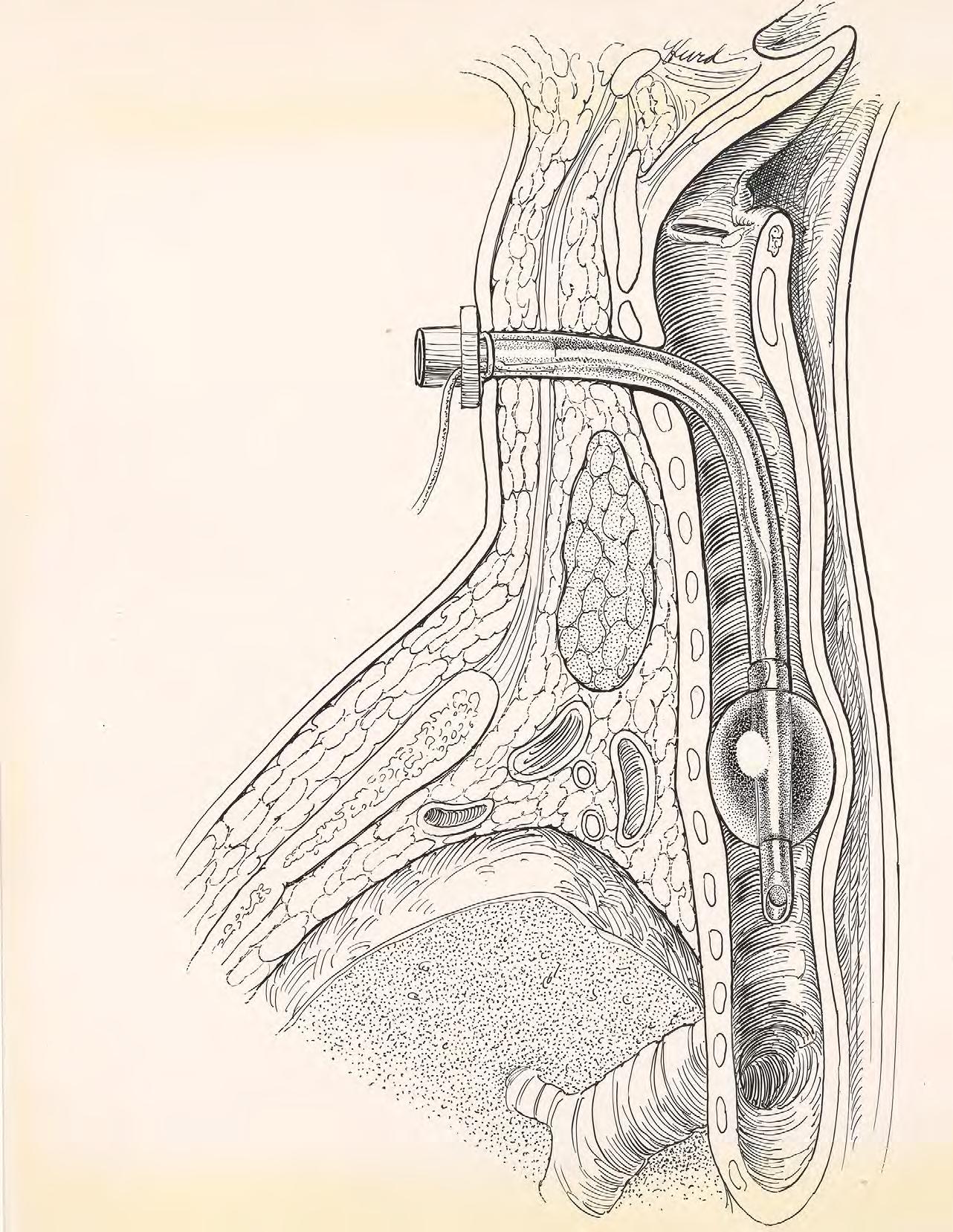
"Trach Tube" by Jane Hurd circa 1978.
Images courtesy of Special Collections & University Archives, University of Illinois Chicago Library.
Cultivating the buzz
Beekeeping brings sustainability and food systems education to life.
As an abundant summer season in UIC’s Nutrition Teaching Garden came to a close, garden manager Renea Lyles ’16 MS NUT and student volunteers focused their attention on the garden’s honeybee hives. In partnership with Chicago Honey Co-Op, the Nutrition Teaching Garden hosted beekeeping and honey harvesting classes for the second fall in a row, with three events in September and early October 2025.
Lyles received a grant in 2023 from UIC’s student-led Sustainability Fund to begin the garden’s beekeeping programming. UIC has been designated an official Bee Campus for its commitment to supporting pollinators since 2017, and across the university, related natural environment
. The new hives in the Nutrition Teaching Garden added a welcome layer of beauty and sustainability to the west campus.
“We saw more blooms, better yields and a new buzz of energy in the garden as our honeybees mingled with existing pollinators,” said Lyles.
"By observing the role that pollination plays in our garden and the broader food system, students learn to think from a systems perspective and recognize that every part of the environment, from soil to pollinators to humans, plays a role in ensuring that foods relying on bee pollination can continue to thrive and nourish us.”
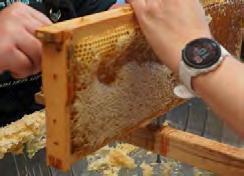
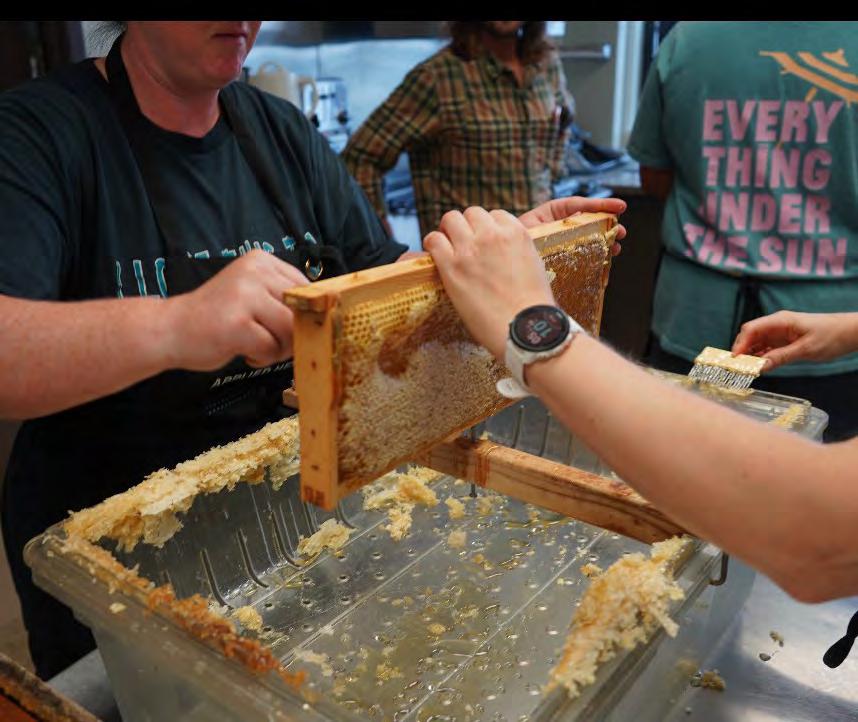
Human Nutrition Foods Lab Manager Emily Delunas uncaps stored honey frames in preparation for extraction.
Photo credit: Elias Mendel
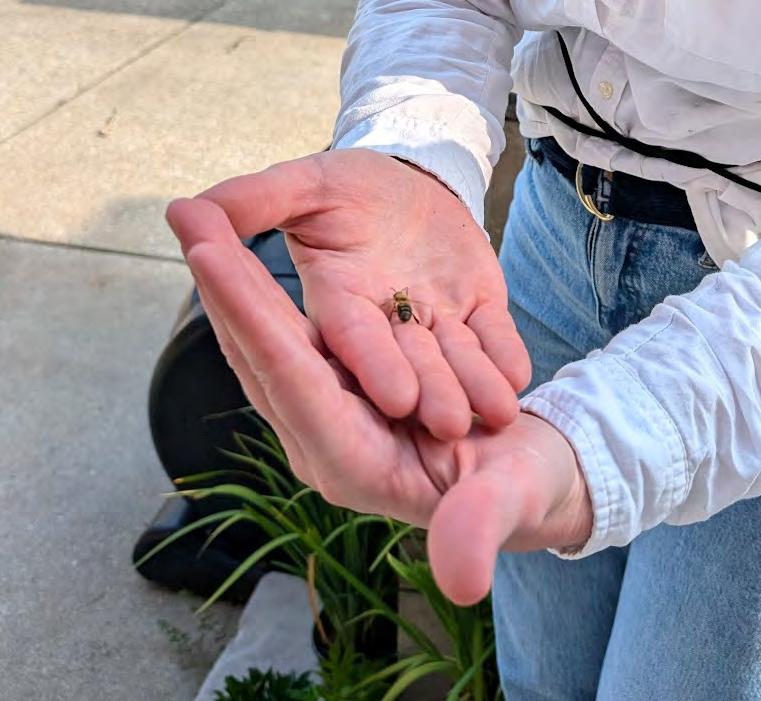
Nutrition Teaching Garden manager Renea Lyles holds a docile Italian honeybee ( mellifera) in her hand.
Through Elise RoBison, agricultural foreman of the biological science department’s greenhouse, Lyles contracted Chicago Honey Co-Op to manage the hives and lead several seminars throughout the 2024 and 2025 growing seasons.
In fall 2025, Lyles, Human Nutrition Foods Lab manager Emily Delunas and 24 students harvested 55 pounds of honey with the help of Chicago Honey Co-Op's equipment and expertise. Like the rest of the produce from the garden, the honey was used primarily in recipes prepared during nutrition courses, such as HN 110 Introduction to Foods, HN 203 Food and Culture, HN 300 Food Science and HN 405 Food as Medicine.
Sustaining the garden ecosystem
Though nutrition students interact most with the garden during coursework, Lyles maintains a small group of volunteers from programs across campus, undergraduate and graduate, who keep the garden going throughout the season.
One of these volunteers is Ayah Kabbani, a second-year undergraduate majoring in Integrated Health Studies, minoring in Nutrition and working toward postgraduate studies in the College of Dentistry through UIC’s Guaranteed Professional Program Admissions. In her first year working in the garden and with the bees, Kabbani found the experience both educationally and personally fulfilling.
“It was really fun getting to take care of the plants and pick the produce, knowing exactly where the ingredients came from,” Kabbani said. “I loved getting to learn about beekeeping hands-on. I also like that it gave me the opportunity to work in the closed-loop system of the garden, because it made what I’m learning feel so much more real and applicable.”
Beyond her own studies, Kabbani also recognizes the important part the bees play in the garden’s flourishing.
“They play a huge role in maintaining the ecosystem. At home, I planted flowers like zinnias and marigolds to attract bees and other pollinators; I’m sure the effect is increased exponentially with whole hives in the garden.”
Though pounds of honey were harvested for use in classroom cooking, more than half of the honey produced was left in the hives for the bees to consume over winter, increasing their chances of surviving the harsh Chicago weather. On the first day of classes this semester, unseasonable 50-degree temperatures brought the bees out of the hive for cleansing flights, which is an encouraging sign of hive health thus far.

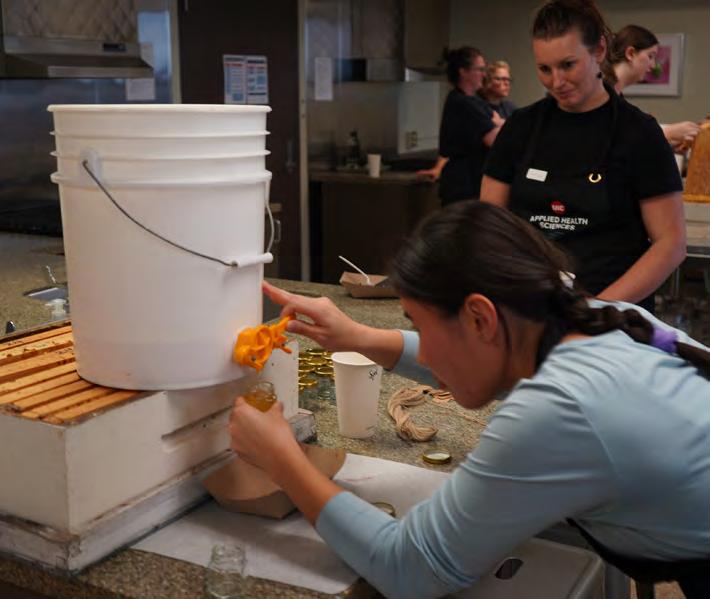
Sydney Galsan, UIC College of Liberal Arts and Sciences student, portions freshly extracted honey into jars while Renea Lyles looks on.
Photo credit: Elias Mendel
Lyles looks forward to years of continued beekeeping and is grateful to the Department of Kinesiology and Nutrition for funding the partnership with Chicago Honey Co-Op for another year, ensuring best practices in beekeeping and supporting the program for the benefit of both the garden and her students.
“I want students to see sustainability as a practice of preparation and resilience and a call to adapt thoughtfully in a changing world,” said Lyles.
“In the garden, it’s something you can touch, taste, see, and practice. Students see firsthand how food systems, climate resilience, food access and community health are all connected.”
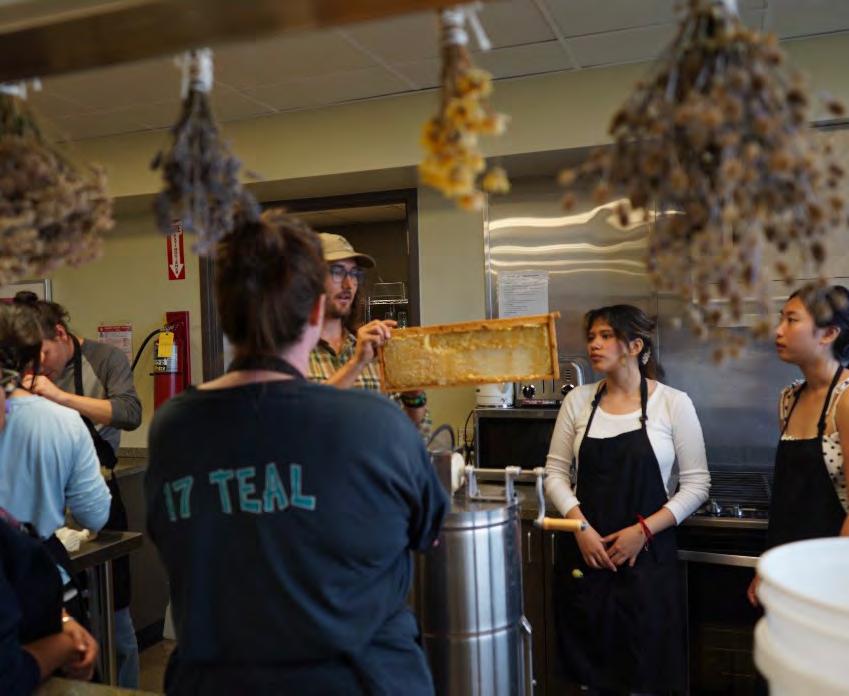
Chicago Honey Co-Op beekeeper Noah Frazier demonstrates placing a full honey frame into the extractor.
Prescribing Produce
How Fresh Food Farmacy is transforming diabetes care through access and community.
Heidi Fischer
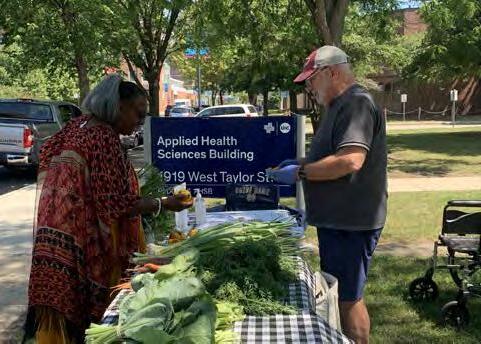
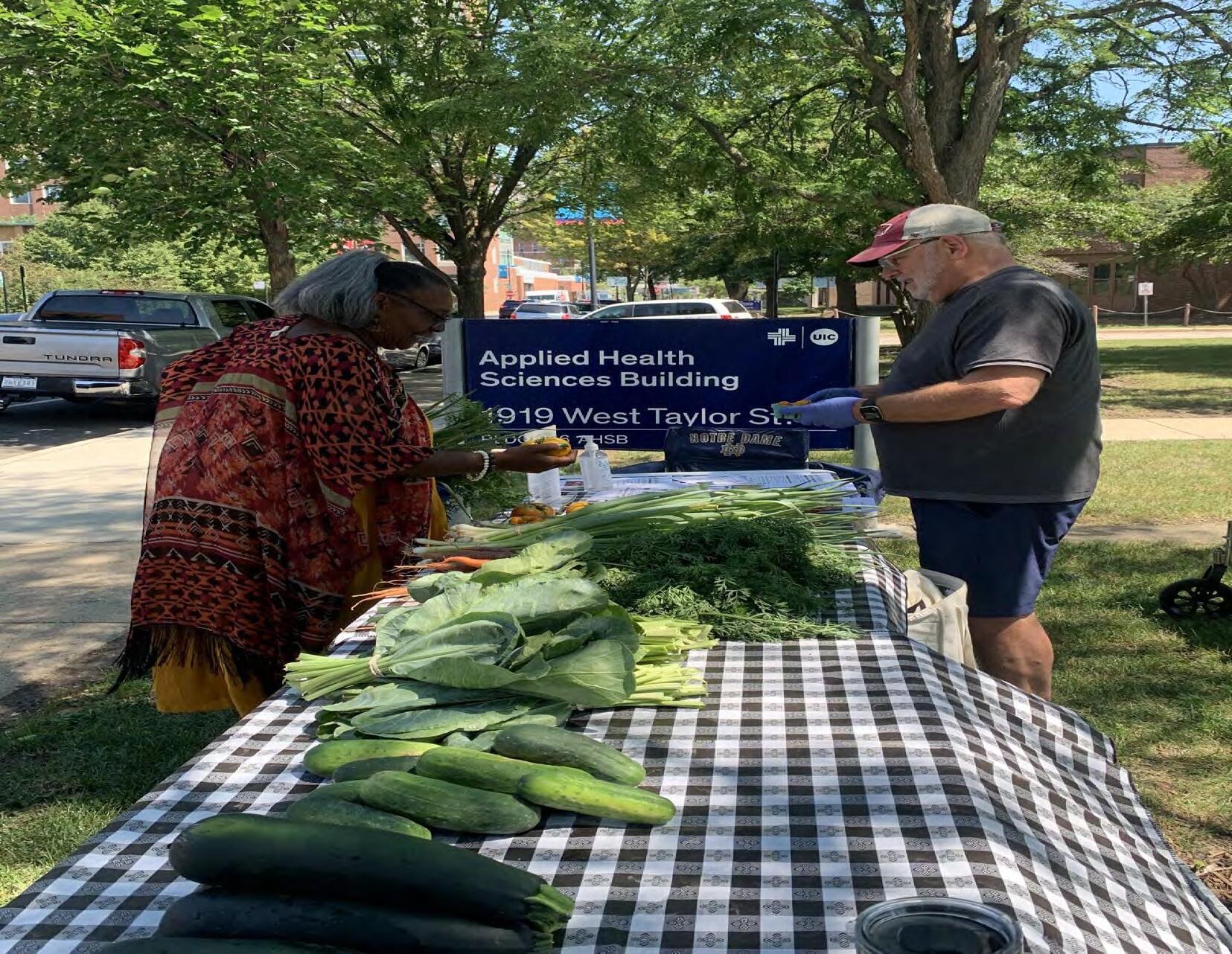
Jim (right), a volunteer from Just Roots Chicago, helps Theresa (left), a UIC OT Faculty Practice patient, select produce from the Fresh Food Farmacy.
Photo:
On select Thursdays in late summer and early fall 2025, the OT Faculty Practice hosted a Fresh Food Farmacy, a farm stand offering prescribed fruits and vegetables at no cost to people struggling with diabetes and food insecurity.
Inside UI Health’s Diabetes & Endocrinology Clinic’s Outpatient Care Center and outside of AHSB, the campus farm stands saw 100 visits and served 92 unique patients. Heidi Fischer ’00 MS OT, ’15 OTD — associate head of OT, director of the OT Faculty Practice self-management service and lead on the Fresh Food Farmacy program — turned no one away. In addition to handing out donated produce to patients with prescriptions, she handed out her own homegrown produce to walk-up visitors without prescriptions.
Volunteers also provided resources in Spanish and English to both clinic patients and walk-up visitors, with culturally tailored advice on food preparation, recipes, food storage and diabetes-friendly eating habits.
Although the on-campus farm stand was new this year, the program began in 2023, when chief endocrinologist at the Diabetes & Endocrinology Clinic, Brian Layden, approached Fischer about prescribing food to patients as medicine.
Fischer connected with Just Roots Chicago, a local farm and education center whose mission is to increase community access to healthy, sustainably grown foods. With referrals from providers at the clinic — endocrinologists, occupational therapists, nurses and dieticians — patients brought prescriptions and vouchers to Just Roots’ farm on the south side for free produce from their Saturday market. While they were there, they could take a class or learn a recipe for preparing the fresh food.
Bringing more to the table
When Fischer mentioned her work with the Fresh Food Farmacy and Just Roots to her OT students, Shen Li ’25 E-OTD knew he couldn’t miss the opportunity to get involved.
“I immediately enjoyed the experience of volunteering at Just Roots — it reminded me of my childhood, when I used to play and help out on my grandmother’s farm,” Li said. “After several volunteer sessions, I told Dr. Fischer I wanted to complete my capstone project at the farm, combining my professional goals with something personally meaningful.”
The first stage of Li’s capstone project was to conduct a needs assessment to determine how the clinic and the farm could better support the people using these services.
“Many patients faced challenges visiting the farm to pick up produce due to busy schedules or limited access to transportation,” Li said. “Another common struggle was knowing how to properly prepare the vegetables. Many patients felt too tired after work or were unsure how to make the vegetables taste good.”
Li collaborated with Fischer and other clinic providers throughout his capstone year to clarify the goals of the Fresh Food Farmacy, focusing on ways the program could address food insecurity, promote outdoor activity, encourage community engagement and increase the rate of participation.
Before his graduation in spring 2025, Li recommended shifting to a pop-up pantry model to increase accessibility. In the fall, the program successfully hosted its first season of on-campus farm stand events.
“Hearing that news was incredibly rewarding — it showed that our collaborative efforts had made a tangible difference.”
Li also developed a series of short educational videos on food preparation and cooking for farm stand visitors.
“After a long work day, people don’t need a complex cooking class — they need a quick, effective solution to make healthy eating easier.”
Reaching out for community
Fischer and Li presented the Fresh Food Farmacy model at the 2025 American Occupational Therapy Association annual conference, offering other practitioners guidance for developing similar programs. They also presented this work at the World Federation of Occupational Therapy Conference in Bangkok, Thailand in February.
In the meantime, Fischer continues to pursue new growth for the Fresh Food Farmacy program. In addition to recruiting new student volunteers, from OT and from other programs throughout AHS, she is exploring how to bring farm stand events to the Lifespan Disability Clinic at 55th and Pulaski and other ways to increase access.
“The next step would be to provide for those who would benefit from a delivery. That’s something Shen was looking into with Just Roots,” Fischer said. "It could be beneficial for some who visit our clinic but might think I can't even take this bag of food home because I'm riding the bus.”
“I connected the farm with DoorDash’s nonprofit delivery program, which provides discounted delivery services for food distribution,” Li said. “This partnership could allow the farm to expand its delivery options in the future.”
Beyond sharing the model with other occupational therapists and tweaking existing programming, Fischer is focusing on community engagement going forward. New initiatives include live cooking demonstrations at the farm stand, peer-to-peer diabetes support and dedicated classes at Just Roots where farm stand visitors can learn to grow their own food. Last spring, Fischer and Li conducted trial runs of an interactive cooking class and a peer-led health management group, and the results were promising.
“From my perspective, the message is not just about the food as medicine, but about the community and social participation that goes with it, which is beneficial for overall health and well-being.”
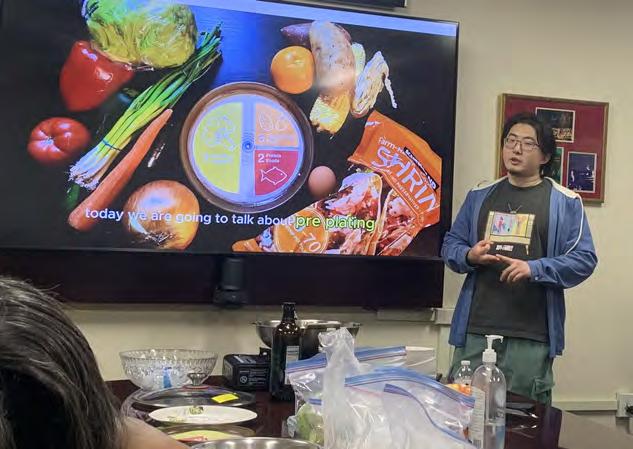
Shen Li ’25 E-OTD leads a cooking workshop with produce from the farm stand.
Photos: Heidi Fischer
PEOPLE AHS Alumni Highlights
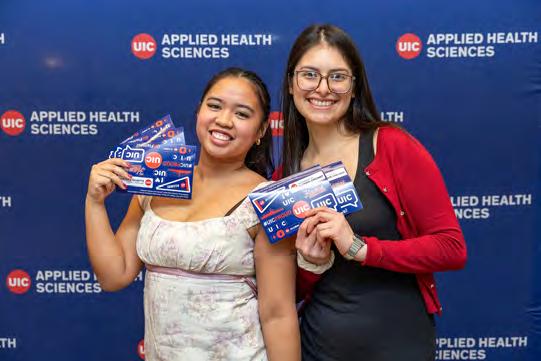
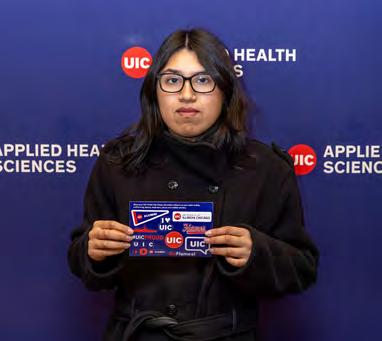
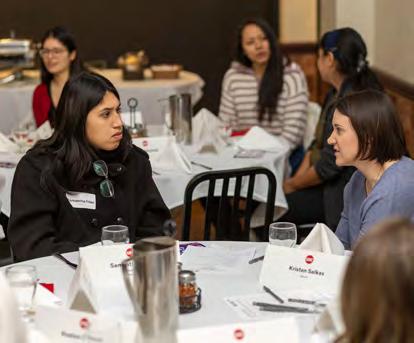
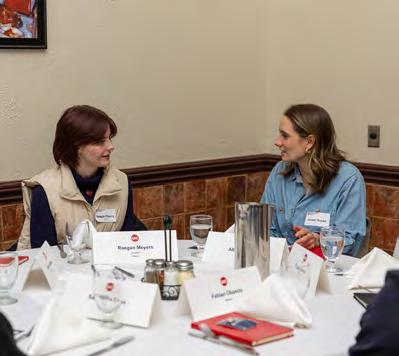
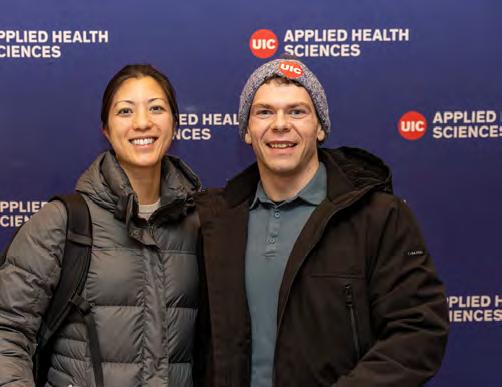
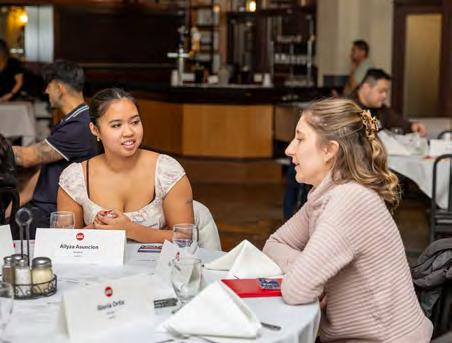
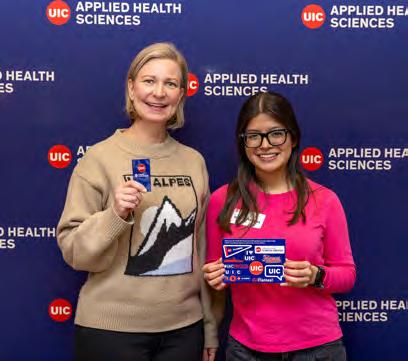
Editor’s note: In this issue of UIC Applied Health Sciences Magazine, we feature AHS students and alumni who participated in the AHS Alumni Mentoring Program launch event on January 14, during which 12 alumni and 12 students were successfully matched to make up the spring 2026 cohort.
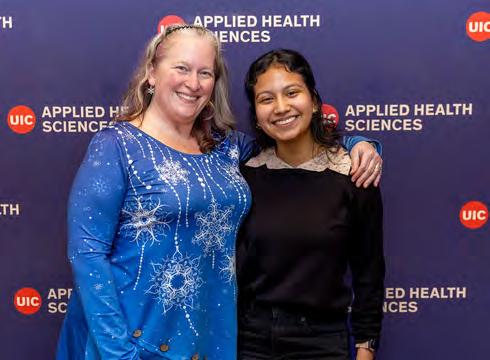
Natalie Loewe ’02 MS OT (left) and KINES undergraduate student Ashley Quintero (right).
Allison Broad '19 BS KINES.
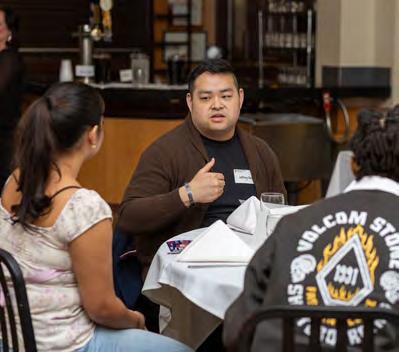
Jeffrey Tan ’19 BS RS shares insights with alumni and students.
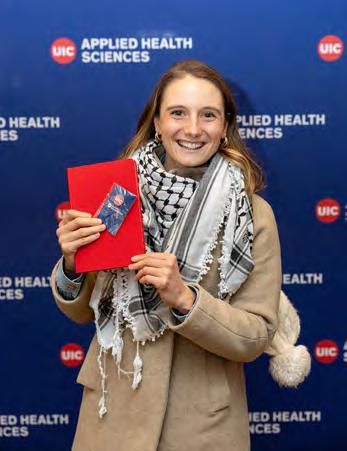
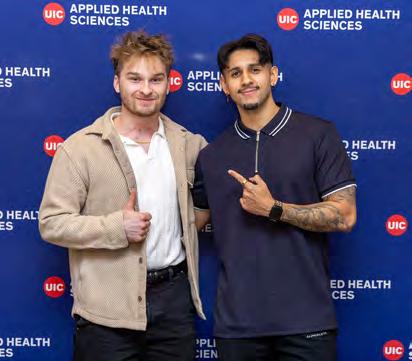
KINES undergraduate student Keaton Dietsch (left) and Fabian Obando ’17 BS KINES, ’21 MS KINES (right).
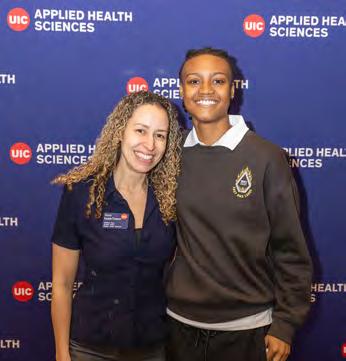
Assistant dean of student affairs
Viviana Kabbabe-Thompson (left) and KINES undergraduate student Jada Madgett (right).
DHD undergraduate student Samantha Frias (left) and Kristen Salkas ’13 MS DHD, ’19 PHD DIS (right).
undergraduate students
KINES undergraduate student Reagan Meyers (left) and Allison Broad ’19 BS KINES. (right).
undergraduate
KINES
Allyza Asuncion (left) and Gloria Ortiz (right).
DHD
student Samantha Frias.
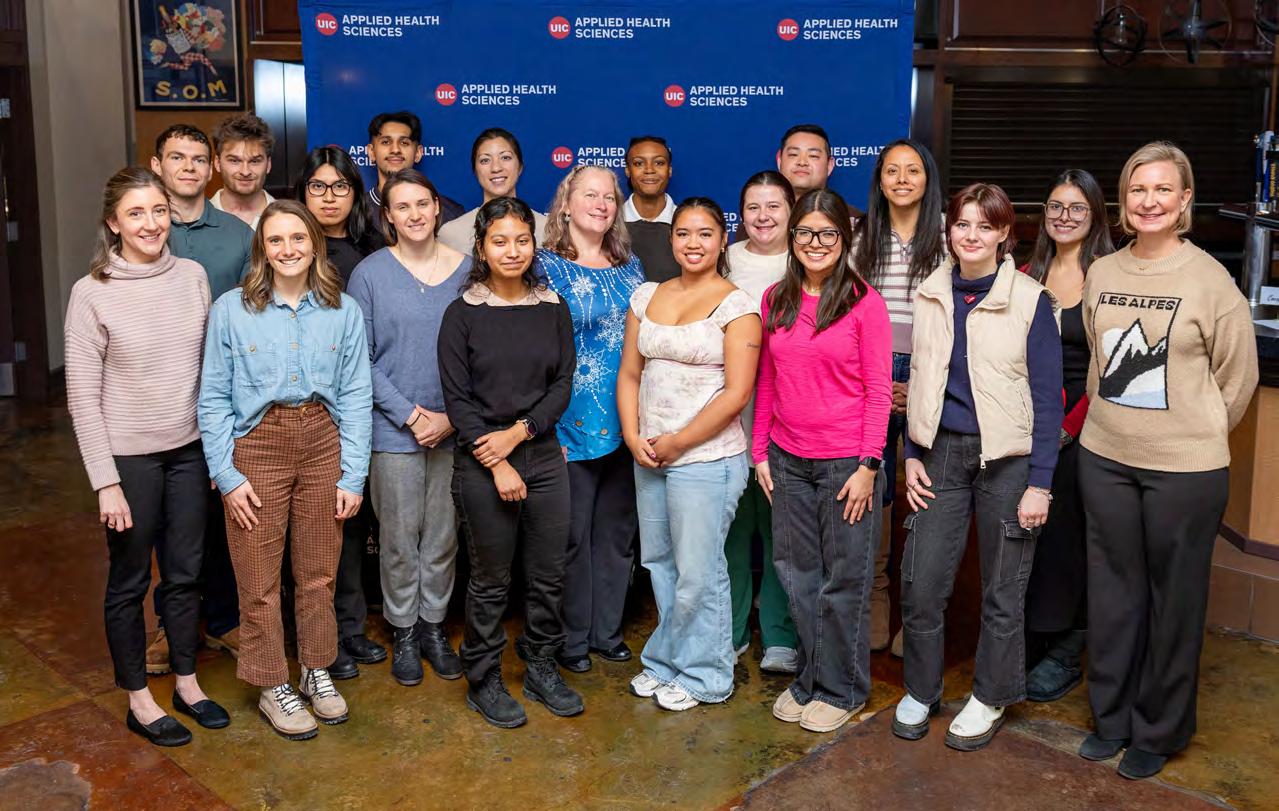
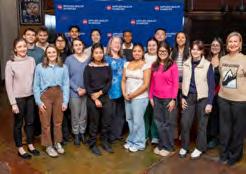
Participating AHS alumni and students gather for a group photo.
Photos: Linda Diez Photography
KINES undergraduate student Allyza Asuncion (left) and Emma Ahern ’16 DPT (right).
Michelle Chung ’08 DPT (left) and KINES undergraduate student Tadd Mears (right).
Bridget Mikols ’18 MS NUT (left) and KINES undergraduate student Naomi Morales (right).

College of Applied Health Sciences
University of Illinois Chicago
808 S. Wood St., 169 CMET
Chicago, Illinois 60612-7305
Address Service Requested