IN THIS ISSUE:


As we move through 2026, I continue to be encouraged by the strength of engagement, innovation and collaboration across the UHUK membership. Across health and care, there is increasing focus on neighbourhood health, prevention, digital transformation and improving access to urgent care. These are areas where UHUK members have extensive experience and much to contribute.
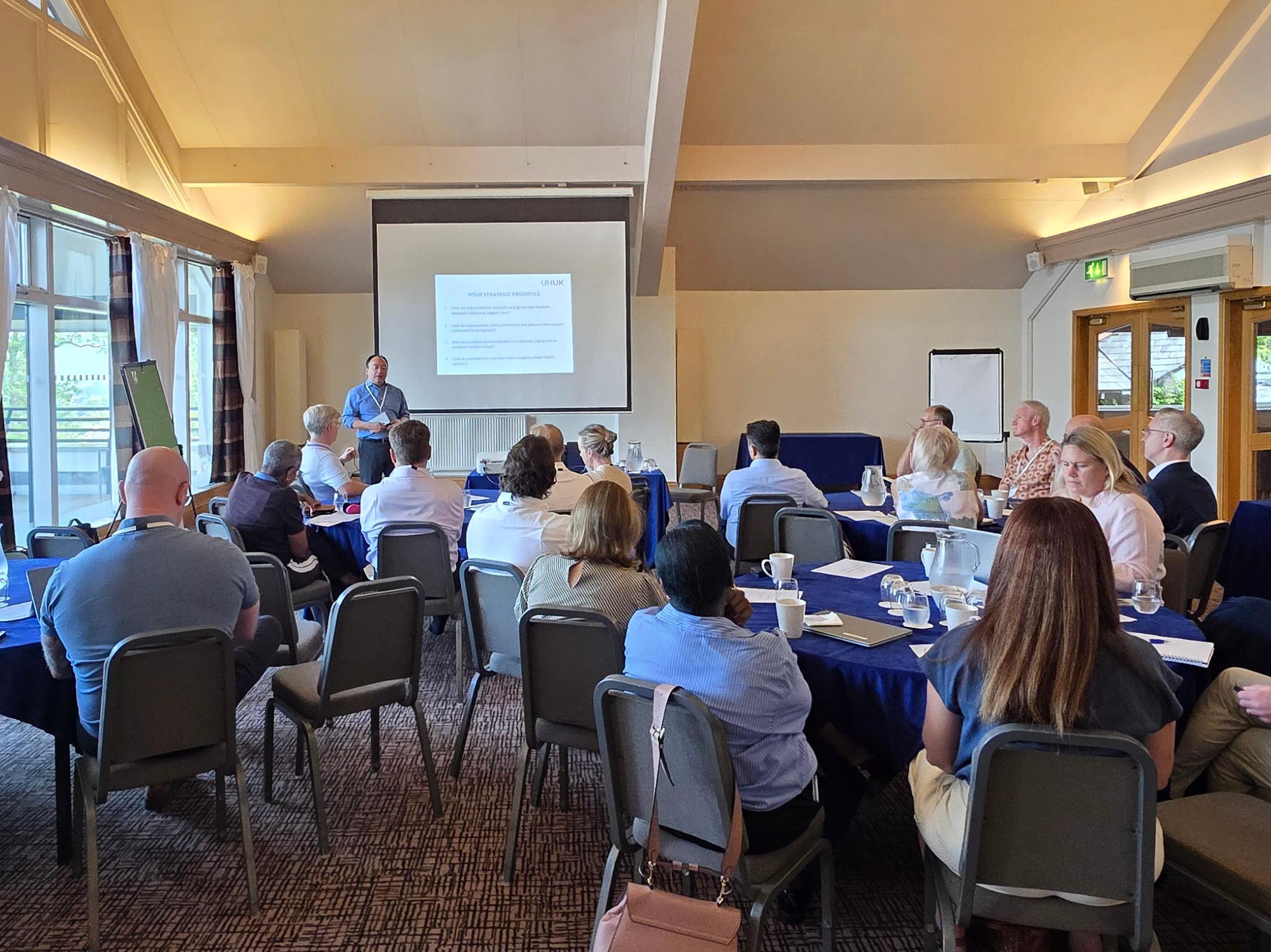
Our recent CEO Workshop in Kendal reinforced that confidence. Bringing together members, strategic partners and external speakers, the discussions focused on how social enterprise providers can help shape the future of neighbourhood health. What emerged wasn't a call for a new direction, but a shared ambition to build on the strengths that already exist across our membership, work more collaboratively and speak with a stronger collective voice.
You'll find a fuller report elsewhere in this newsletter, but I would like to thank everyone who contributed. The energy, openness and willingness to challenge one another made it one of our most valuable CEO Workshops to date, and the priorities identified over those two days will help shape UHUK's programme of work over the coming year.
Alongside this, UHUK continues to engage with colleagues across DHSC, NHS England, the NHS Alliance, Social Enterprise UK and other partners. As national thinking develops, and systems increasingly look at more coordinated and proactive models of urgent and neighbourhood care, we will continue to ensure the experience and expertise of social enterprise urgent and integrated care providers helps inform those conversations.

Our recent General Meeting also highlighted both the breadth of expertise across the membership and the opportunities ahead. Members supported the launch of a review of UHUK's governance arrangements to ensure the organisation remains fit for purpose as it continues to evolve. There was also strong interest in exploring future research and development opportunities, including how UHUK members might work more closely with research partners and contribute to innovation programmes that demonstrate the impact of our sector.
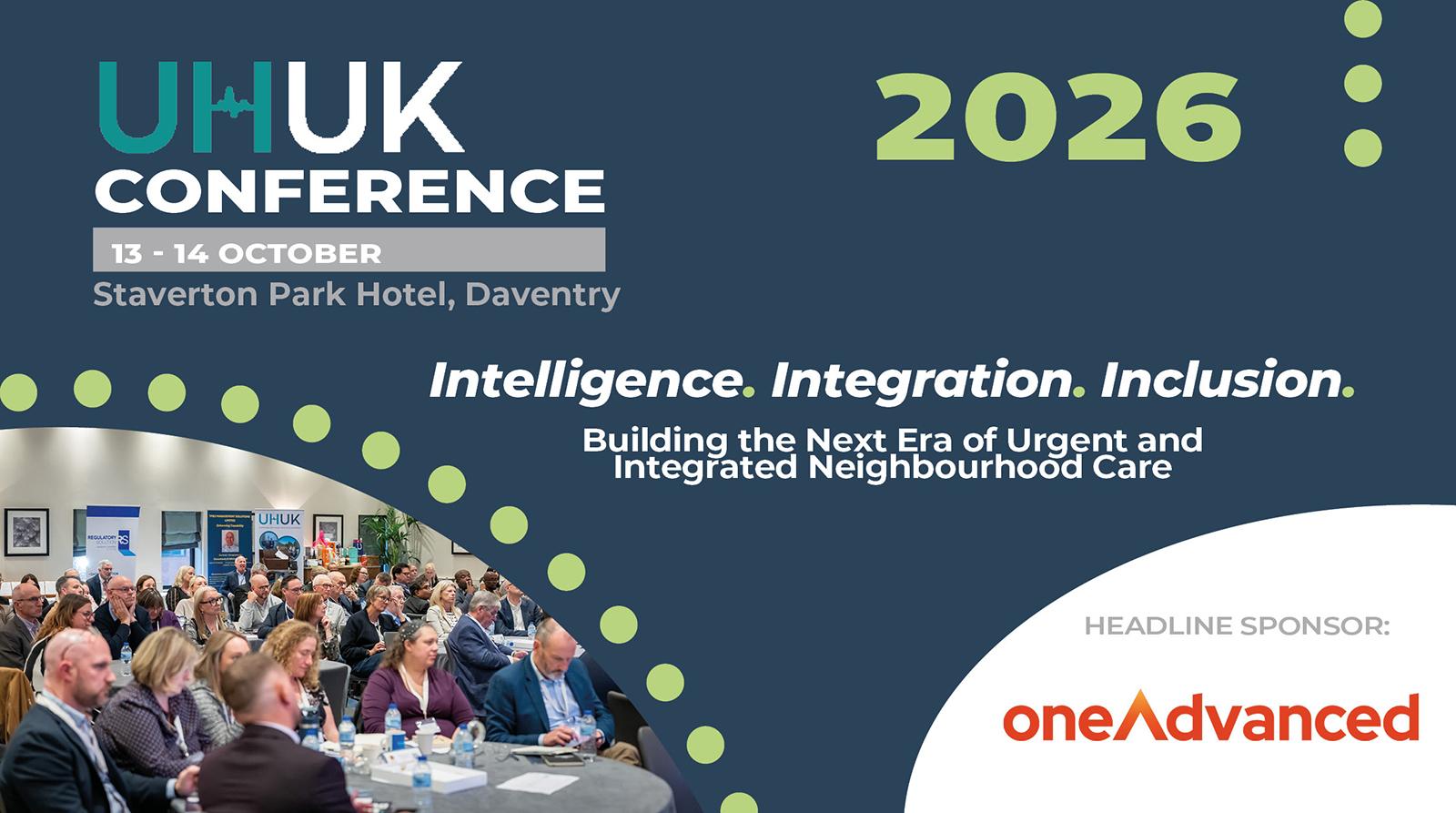
Looking ahead, preparations for the UHUK Annual Conference and Awards are gathering momentum. We have secured an excellent range of speakers and are developing a programme that reflects both the opportunities and challenges facing urgent and integrated care. I would encourage members to attend, bring colleagues and make the most of what promises to be another valuable opportunity to learn, network and share ideas with peers from across the country.
I would also like to extend a warm welcome to colleagues who have recently joined member organisations in CEO roles. I look forward to working with you and hope you will make the most of everything UHUK has to offer through collaboration, shared learning and the strength of our collective network.
Thank you, as always, for your continued support, engagement and commitment to UHUK.
conor.burke@uhuk.co.uk
By the time you read this, I am sure something will have changed and will have changed again whilst you are reading it!
This year the CEO and Leaders Workshop was in the Lake District. Surrounded by flowing water, I am reminded of two quotes by the Greek philosopher Heraclitus, that “no one ever steps in the same river twice” and “there is nothing permanent except change”. At least AI advised me that’s what Heraclitus said. Even so, we are in a world where the speed of flow is accelerating, and it is no easy task to navigate our social enterprise healthcare services through these choppy times.
The new Secretary of State for Health and Social Care, James Murray, has been in post for a month or so. Like many of us, if not all of us, he has experienced and is immensely thankful for the treatment and care he received form our amazing NHS. His focus for the NHS includes similar and consistent themes;
• Digital – a strategy to use technology and automation, with a healthy does of AI, to enhance productivity and treatment,
• Shift – moving care out of hospital and into the community,
• Access – improving service capacity, availability and reducing waiting times.
So, whilst things are changing and it feels turbulent, the direction seems familiar and we are likely to see an evolving market of new opportunities for our services to grow into and compete for. And, in many ways our Members are already ahead of the game, with a collective focus on improvement, innovation, digital deployment and out of hospital care.
On a recent visit to IC24, celebrating 30 years of tremendous service, it was great to see pioneering work underway ranging from the integrated “neighbourhood” approach to collaborating with multiple providers,
CEO 15/07/2026
Chairs 21/07/2026 20/10/2026
Clinical 13/07/2026 14/09/2026
CSO Network 04/08/2026 06/10/2026
Finance 11/08/2026 06/10/2026
to a mobile x-ray team and digital innovation. Likewise, a visit to Badger’s “drive-through” treatment centre offering potential for minor surgery, dental and the availability of OOH appointments.
Throughout all our Members, we offer changing, agile, and adaptive healthcare solutions as social pioneers in often a very “stressful” contracting regime and demanding environment. Our Awards Showcase highlights the incredible resolve and commitment of all our people to the changing delivery of patient care.
So as our market keeps changing, please know how impressive and capable you are to successfully deliver services, excellent patient care and to be social pioneers to lead the way. Thank you.
nigel.gazzard@uhuk.co.uk
Re:Legal HMRC 01/07/2026 11/08/2026 08/09/2026 06/10/2026 10/11/2026 08/12/2026 12/01/2027 HR 27/07/2026 28/09/2026 23/11/2026
IMT 14/07/2026 08/09/2026 10/11/2026 Innov Steering Group 20/08/2026 01/10/2026 12/11/2026
OneAdvanced Delv Grp 23/07/2026 27/08/2026 24/09/2026 22/10/2026 Ops/Strategic 03/09/2026 03/12/2026
Payroll 21/06/2026 15/09/2026 17/11/2026
RotaMaster Delv Grp 30/07/2026 29/10/2026
Sickness Data 10/08/2026
Staff Survey 13/07/2026 14/09/2026 09/11/2026
General Meeting 10/09/2026
The past three months have been busy across a range of communications, engagement and influencing activity, helping to showcase the work of UHUK members and support the organisation's wider priorities.
Following the Awards Showcase event in March, UHUK has continued to promote examples of innovation, partnership and service improvement from across the membership. This has included sharing award-winning initiatives, celebrating member successes and highlighting national award shortlists, helping to demonstrate the quality, impact and breadth of services delivered by social enterprise urgent and integrated care providers.
Neighbourhood health has remained a key area of focus. UHUK has continued to engage with national NHS leaders, policymakers and partner organisations, contributing to discussions about the future of integrated, communitybased care and highlighting the experience of members in coordinating care, managing demand and supporting patients closer to home. This has included correspondence, briefings, meetings and participation in national webinars and events.
Member engagement has remained strong throughout the quarter. General Meetings and member forums have provided valuable opportunities to share learning, discuss emerging policy developments and explore common challenges. It has been particularly encouraging to see growing participation from a wider range of senior leaders across member organisations, bringing operational, clinical and financial perspectives to discussions.
Preparations for the UHUK Annual Conference and Awards in October have also gathered pace. During the quarter, work has focused on shaping the programme, securing speakers and developing a conference that reflects the opportunities and challenges facing urgent and integrated care. A number of high-profile speakers have now been confirmed – more news on that in the coming weeks.
Finally, thank you to all members who have shared news, achievements, case studies and insights. These contributions continue to strengthen UHUK's ability to showcase the impact of members and support a stronger collective voice for social enterprise urgent and integrated care providers.
One of the greatest strengths of the UHUK network is our willingness to learn from one another. For more than a decade, the UHUK Patient Safety Culture Survey has provided a unique opportunity for member organisations to listen to colleagues, understand how staff experience safety within their workplace, and identify opportunities for improvement. Developed in partnership with academic experts in healthcare quality and effectiveness, the survey remains a valuable benchmarking resource across the UHUK membership.
Importantly, despite its title, the Patient Safety Culture Survey is not solely focused on clinical patient safety. The survey is open to all staff groups and is designed to assess the wider organisational culture that underpins safe, highquality care. It explores whether staff feel supported, able to speak up, comfortable asking questions, confident in leadership, and engaged in continuous improvement. These cultural factors are critical foundations for both staff wellbeing and patient outcomes.
Last years benchmarking data demonstrates strong positive responses across several key measures. Staff reported high levels of confidence that their organisations have effective systems to prevent errors, are actively working to improve safety, and create environments where colleagues feel able to seek support and raise concerns when needed.

The value of the survey extends beyond measurement. It provides an opportunity for organisations to reflect on their own culture while benefiting from shared learning across the UHUK membership. Survey findings have informed leadership discussions, supported service improvement programmes and helped identify common challenges facing providers across urgent and integrated healthcare. UHUK governance and leadership forums have regularly used survey findings to promote learning, share good practice and strengthen organisational culture.
This year, member organisations have collaborated through the UHUK Staff Survey Working Group to develop a small number of complementary workforce experience questions covering engagement, leadership support, organisational culture, development opportunities and wellbeing. These additional questions will sit alongside the existing survey, helping to build a broader understanding of staff experience while maintaining the integrity of the established benchmarking dataset.
As preparations continue for the next survey cycle in September 2026, the commitment shown by member organisations to openness, learning and continuous improvement remains encouraging. Culture is everyone's responsibility, and the willingness of colleagues across UHUK to listen, learn and improve together continues to be one of our sector's greatest strengths.
Primary Care 24 continues to demonstrate its commitment to social value through a range of initiatives supporting vulnerable individuals and community organisations across Merseyside.
Working through its charitable arm, Health24, the organisation provides grants and practical support to projects that address some of the wider factors influencing health and wellbeing, including poverty, social isolation, food insecurity and access to essential services.
Recent support has included funding for community organisations such as the Micah Project, which provides a welcoming space alongside its foodbank service, and Hope United, a football project supporting refugees and people seeking asylum through sport, friendship and community engagement.
Alongside grant funding, Primary Care 24 colleagues have been actively involved in fundraising and donation initiatives. Through its "Snacks That Give Back" campaign, staff have raised funds to support Light for Life, helping people experiencing homelessness and hardship access essential items, travel support and practical assistance.
The organisation has also selected Hope Community Fridge as its charity partner for the year. The initiative
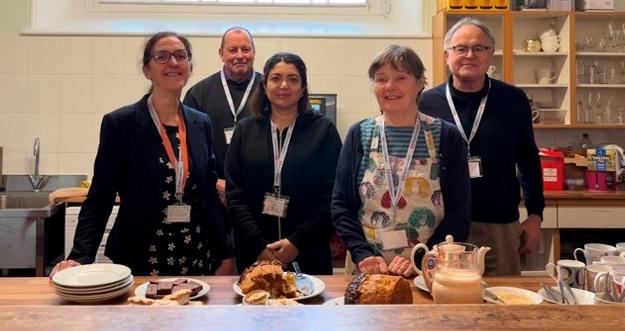
helps local residents access affordable, nutritious food while supporting families facing financial pressures.
In addition, staff recently collected and donated menstrual products to Micah Liverpool after identifying a need among women accessing the charity's services. The donations will help ensure essential hygiene products reach those who need them most.
These activities reflect the important role social enterprise providers play beyond the delivery of healthcare services. By investing in communities, supporting local charities and addressing wider inequalities, organisations such as Primary Care 24 are helping improve wellbeing and strengthen the communities they serve.
Healthcare's Finance Team has been named Finance Team of the Year (More than 10 employees) at the East Midlands Finance Awards, recognising the team's contribution to the organisation and its wider impact across the region.
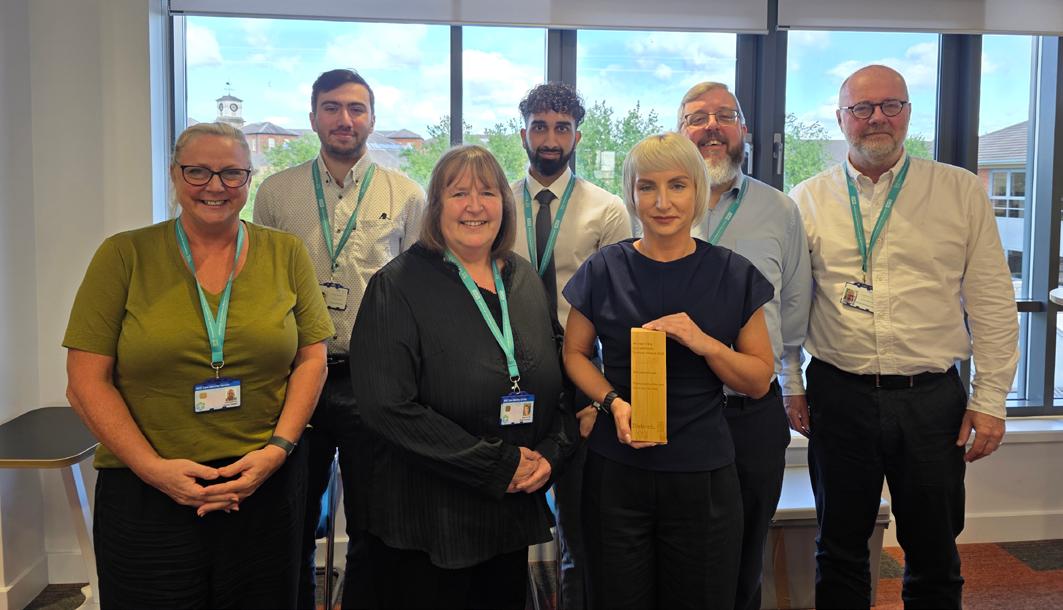
The award celebrates excellence, collaboration and achievement within finance functions and acknowledges the vital role that finance professionals play in supporting organisational success.
For DHU Healthcare, the recognition reflects the dedication and expertise of a team that works behind the scenes to
support both operational delivery and long-term strategic priorities. Their work helps ensure the organisation remains financially sustainable while continuing to invest in highquality services for patients and communities.
The judging panel recognised the team's collective effort, commitment and the significant contribution it makes across the organisation, supporting colleagues and services throughout DHU.
Commenting on the award, Sarah Cooper, Head of Finance at DHU Healthcare, praised the team's hard work and commitment, describing the achievement as recognition of the important role every member of the team plays in supporting the organisation.
While often working away from the frontline, finance teams are critical to ensuring healthcare providers can continue delivering safe, effective and sustainable services. This award highlights the professionalism, expertise and collaborative approach that underpin DHU Healthcare's continued success.
Congratulations to everyone involved on this welldeserved achievement.
This year, several UHUK members are marking a remarkable milestone – 30 years of serving their communities through social enterprise healthcare.
Over the past three decades, these organisations have adapted, innovated and grown alongside the NHS, responding to changing patient needs while remaining true to their social purpose. From their roots in out-of-hours primary care to today's integrated, technology-enabled services, they have consistently demonstrated how social enterprise providers can combine local knowledge, clinical excellence and community commitment to deliver highquality care.
As we celebrate their achievements, we also recognise the thousands of colleagues, clinicians and support staff who have contributed to their success and the millions of patients whose lives they have touched along the way.
This year, SELDOC celebrates 30 years of delivering healthcare to communities across South London and beyond.
Established in 1996 as a GP co-operative providing out-ofhours primary care, SELDOC was founded on the principle that local clinicians working together could deliver highquality care tailored to the needs of local people. Three decades later, that commitment remains at the heart of the organisation.
From its cooperative roots, SELDOC has grown into a major provider of urgent and integrated healthcare services, working across primary, community and urgent care pathways. Throughout that journey, it has maintained a strong focus on patient-centred care, partnership working and innovation.
Today, SELDOC serves communities across London through a dedicated workforce and enduring relationships with NHS partners. As it marks its 30th anniversary, the organisation can look back with pride on three decades of making a real difference to patients while continuing to shape the future of integrated care.

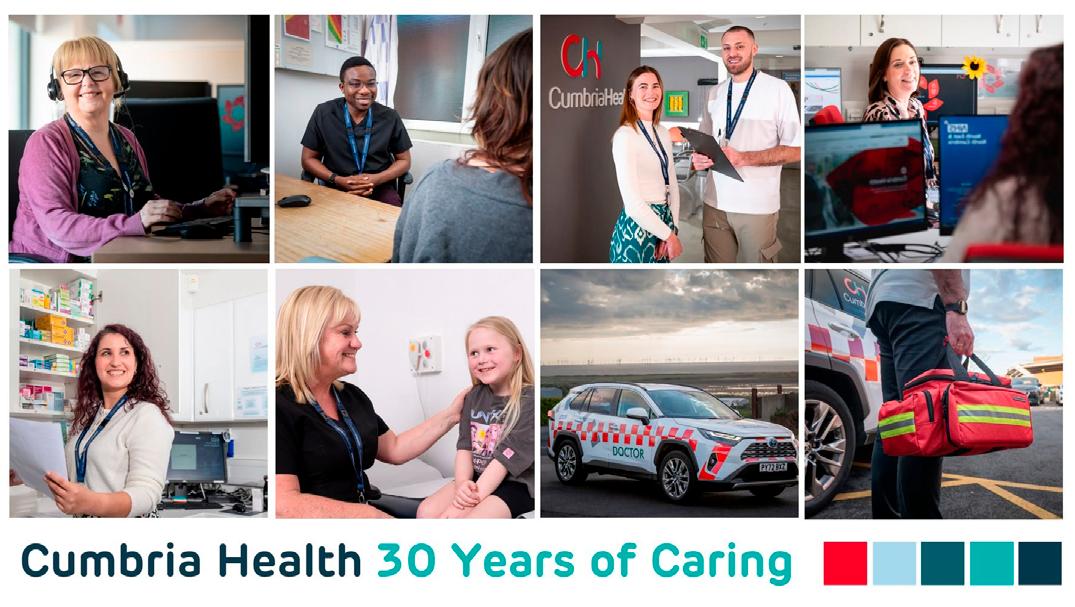
Cumbria Health is celebrating 30 years of delivering healthcare to some of England's most rural and geographically diverse communities.
Founded in 1996 as Cumbria Health on Call (CHoC), the organisation began as a GP-led cooperative with a simple ambition: to ensure patients could access high-quality care when their local surgery was closed. Three decades later, that commitment remains unchanged, even as the organisation has grown far beyond its out-of-hours roots.
Today, Cumbria Health provides a broad range of urgent, primary and community healthcare services across Cumbria. What started as a small group of local GPs has evolved into a substantial organisation delivering innovative, technology-enabled care while maintaining a strong local focus.
Throughout its 30-year journey, Cumbria Health has remained true to its social enterprise values, combining innovation with compassion and a deep understanding of the communities it serves. As it marks this milestone anniversary, it can look back with pride on three decades of improving access to care, supporting patients closer to home and helping shape the future of integrated healthcare across Cumbria.
This year, IC24 celebrates 30 years of providing highquality healthcare services to patients and communities across the South East and East of England.
What began as a group of GP cooperatives in the mid1990s has grown into one of the UK's leading social enterprise healthcare providers. Throughout that growth, IC24 has remained true to its founding principle: delivering responsive, safe and high-quality care when and where people need it most.
Today, IC24 provides a wide range of urgent, primary and community healthcare services, supporting millions of patients 24 hours a day, 365 days a year. As a social
enterprise, any surplus generated is reinvested into services, people and communities, ensuring that patient care remains at the heart of everything the organisation does.
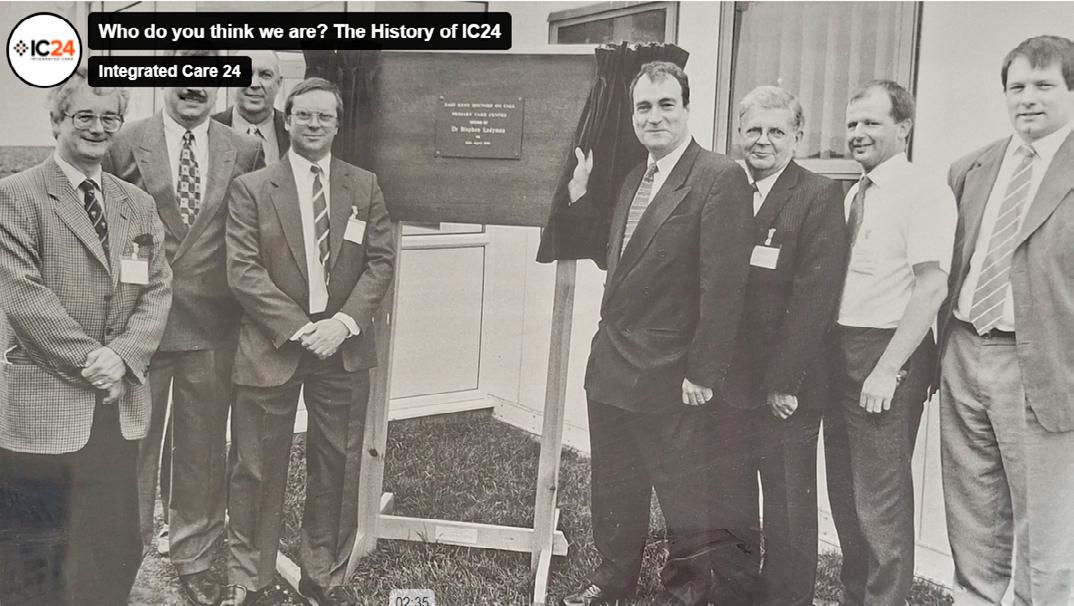

Marking its 30th anniversary, IC24 celebrated through its 'Big 30' programme, bringing colleagues, partners and communities together under the theme #BetterTogether. The celebrations recognised the contribution of staff past and present while reflecting on three decades of growth, innovation and partnership working. While much has changed since those early cooperative days, IC24's commitment to patients, colleagues and communities remains as strong as ever.
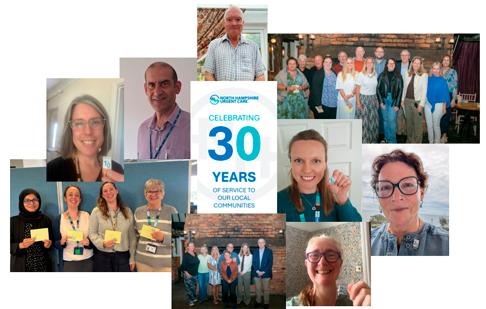
This year, NHUC marks 30 years of providing care for patients and communities, celebrating three decades of service, innovation and commitment to high-quality healthcare.
Founded in 1996, NHUC began as a small team providing out-of-hours GP care at a time when urgent care looked very different from today. Over the past three decades,
the organisation has evolved alongside changing patient needs, new models of care, digital transformation and closer partnership working across the health and care system. What started as an out-of-hours service has grown into a multi-service organisation operating 24 hours a day, seven days a week, providing services including home visiting, urgent treatment, clinical assessment and talking therapies.
At the heart of NHUC's success are its people. Many colleagues have dedicated years – and in some cases decades – to serving patients through the organisation. Their knowledge, experience and commitment have helped shape NHUC's journey and support its continued growth, making a lasting difference to patients and communities across the region.
As NHUC celebrates its 30th anniversary, it is reflecting on three decades of kindness, commitment and service to local communities. It is a milestone that recognises not only how far the organisation has come, but also the dedication of the people who continue to make a difference every day.
Acommunityfootball project supported by Health24, the charitable arm of Primary Care 24, is helping refugees and people seeking asylum build confidence, friendships and a sense of belonging through sport.
Town in the Town CIC received grant funding from Health24 to support Hope United, a football club that brings together refugees and asylum seekers from across the local community.
The funding enabled the team to purchase a new kit and travel to away fixtures, creating opportunities for players to take

part in competitive matches and strengthen social connections.
While football is at the heart of the project, its impact extends far beyond the pitch. Participants have described the programme as providing routine, friendship and a positive outlet, while helping to improve both physical and mental wellbeing.
The initiative highlights the important role community organisations play in reducing isolation and supporting inclusion, particularly for people who may be adjusting to life in a new country or rebuilding their lives following displacement.
Projects such as Hope United demonstrate how relatively small investments can have a significant impact on health, wellbeing and community cohesion. The project is one of several initiatives supported by Health24 that aim to improve lives and strengthen communities across the region.
North Hampshire Urgent Care (NHUC) has been working with the Greater Rushmoor Nepali Community to improve awareness of local healthcare services and support more equitable access to care.
Rushmoor is home to the largest Nepali population in the UK, making community engagement an important part of ensuring local services are accessible, inclusive and responsive to the needs of residents.
Through a dedicated engagement event, NHUC provided information about the services it offers and how local people can access support when they need it. The session also focused on addressing common misconceptions about healthcare, covering topics such as language support, confidentiality, accessibility and the availability of services.
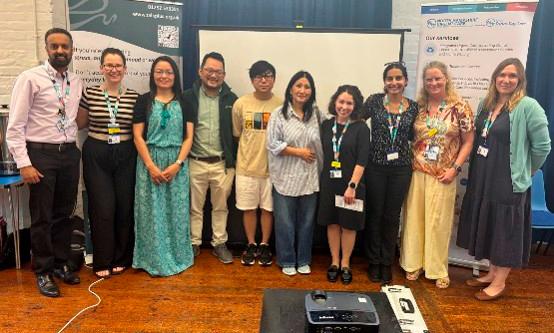
The event generated strong interest and participation, with attendees taking the opportunity to ask questions and gain a better understanding of how local healthcare services operate. The discussions helped build confidence in accessing care and reinforced the importance of working closely with communities to understand and address potential barriers.
As health systems continue to focus on reducing inequalities and improving access, initiatives such as this demonstrate the value of proactive community engagement. By working alongside local communities, providers can help ensure services are understood, trusted and accessible to everyone who may need them.
The event forms part of NHUC's ongoing commitment to supporting the health and wellbeing of the diverse communities it serves.
DHU Healthcare has been appointed to deliver the new Northamptonshire Palliative and End of Life Care Service, bringing together a range of communitybased services to provide more coordinated support for patients and families.
The service combines existing rapid response, Hospice @ Home, day care and night care provision into a single integrated model, enabling patients to receive personalised support in their own homes, 24 hours a day, seven days a week.
Delivered in partnership with Northamptonshire Integrated Care Board and wider system partners, the service aims to ensure patients approaching the end of life can receive high-quality care in familiar surroundings, while giving families and carers access to advice, support and reassurance whenever it is needed.
The model reflects the NHS ambition to provide more care closer to home and give people greater choice about where they receive care. By bringing together multiple services under a single coordinated approach, the team can respond quickly to changing patient needs and help reduce avoidable hospital admissions.
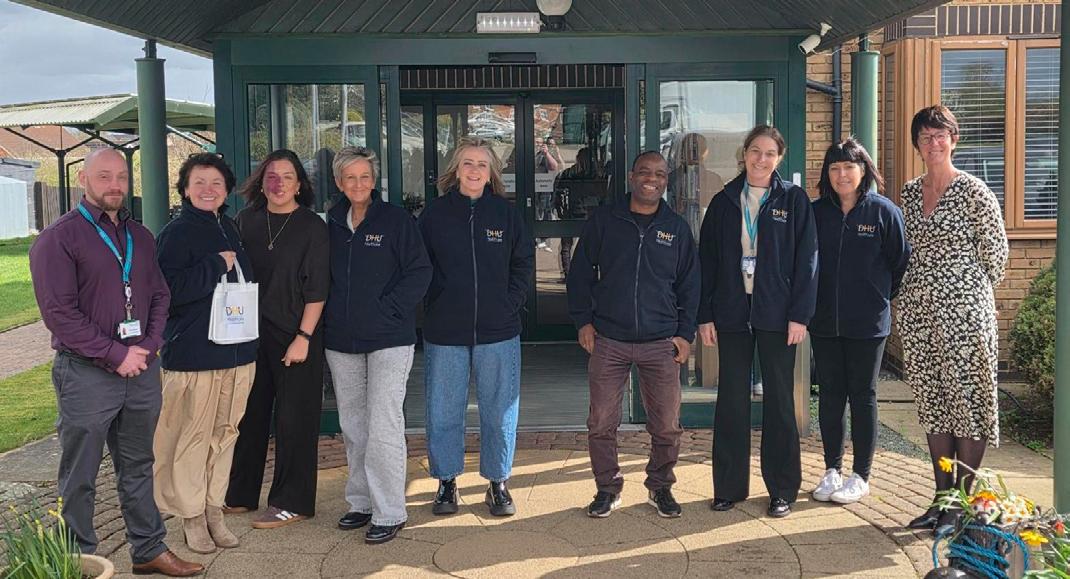
Alongside home visits, the service provides telephone support, access to medications and medical equipment, and close coordination with GPs, social care teams and other healthcare professionals. This ensures care is tailored to individual wishes and delivered in a way that respects the needs of both patients and their families.
DHU Healthcare already delivers an award-winning palliative and end of life care service in Derbyshire, and the Northamptonshire service builds on that experience to provide compassionate, joined-up care during some of the most challenging moments for patients and their loved ones.
BrisDoc has announced the appointment of Dr Anne Whitehouse as its new Medical Director, with Anne due to take up the role in August.
A highly respected clinical leader, Anne is well known across the Bristol, North Somerset and South Gloucestershire health and care system and brings extensive experience in urgent and integrated care, alongside a strong track record of partnership working and clinical leadership.
The appointment marks a return to BrisDoc for Anne, who previously served as Deputy Medical Director for Urgent Care and has many years' experience as a GP within BrisDoc services. Her knowledge of the organisation, its values and its role within the wider health and care system positions her well to help lead the next phase of BrisDoc’s development.
Most recently, Anne has served as Medical Director at fellow UHUK member Badger, where she has provided clinical leadership across a range of NHS services, including GP out-of-hours provision and Urgent Treatment Centres serving Birmingham and Solihull. During her time at Badger, she further developed her strategic and operational leadership experience while gaining valuable insight into the challenges and opportunities facing urgent and integrated care providers across different systems.
Anne joins BrisDoc at a time when health and care organisations are working ever more closely together to improve access, patient experience and outcomes. Her commitment to collaboration, integration and service improvement reflects the increasingly important role that urgent and integrated care providers play in supporting joined-up, community-based care.
BrisDoc has also paid tribute to outgoing Medical Director Dr Kathy Ryan, who will step down later this summer after making a significant contribution to the organisation and supporting a smooth transition to new leadership.
Announcing the appointment, BrisDoc Chair Dr Ray Montague welcomed Anne’s return to the organisation and highlighted the experience, relationships and clinical leadership she brings to the role.
Everyone at UHUK extends their congratulations to Anne on her appointment and wishes her every success as she takes up this important leadership position.
Cumbria Health is playing an increasingly important role in supporting people to improve their health and wellbeing through a growing portfolio of employability services across the county.
Recognising the close relationship between good health, meaningful employment and wider wellbeing, the organisation is helping people overcome barriers that can prevent them from finding work, remaining in employment or returning to work following illness.
Through programmes including WorkWell North Cumbria, WorkWell South Cumbria and Connect to Work, Cumbria Health is working alongside local partners to provide practical, personalised support for
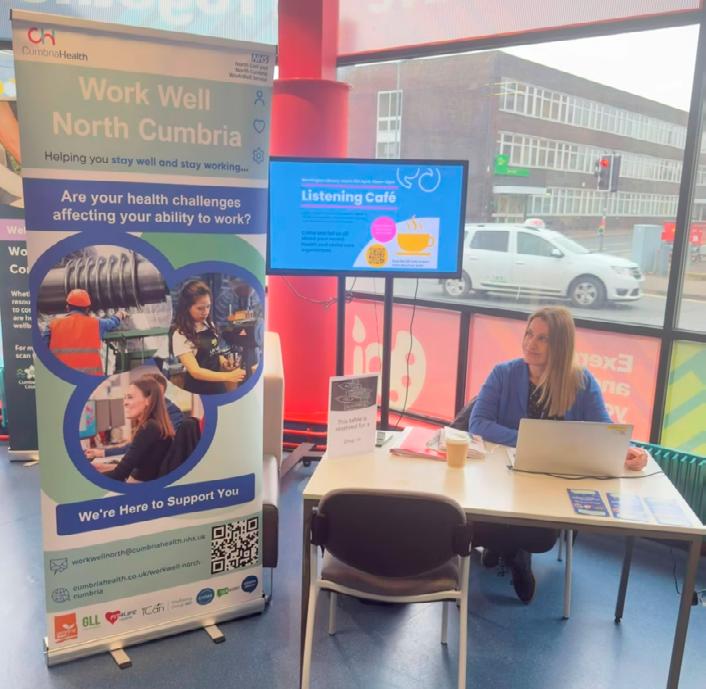
people experiencing physical health challenges, mental health difficulties or wider social and economic barriers.
The services bring together health, wellbeing and employment support, helping individuals access the right services, build confidence, navigate workplace challenges and remain connected to their communities. By intervening early, the programmes aim to prevent health conditions from leading to long-term unemployment and the wider inequalities that can result.
WorkWell South Cumbria has already supported hundreds of residents, with more than 470 referrals received and 300 personalised support plans developed. Participant feedback has been particularly strong, with 86% reporting they are very satisfied with the service and no dissatisfied responses recorded to date.
One participant, who had struggled to secure employment following university because of health challenges, received coordinated
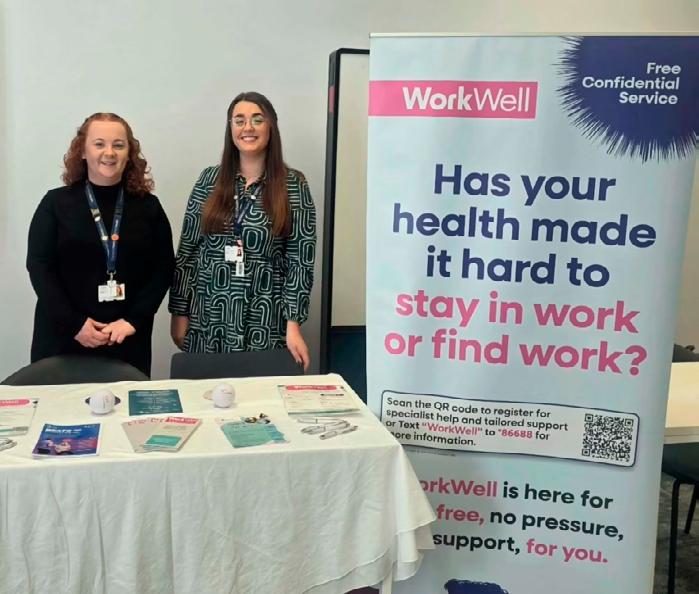
support through WorkWell and partner organisations before successfully securing a role with Westmorland and Furness Council.
Cumbria Health is also supporting delivery of the Connect to Work programme, providing more intensive support for people facing significant barriers to employment, including long-term health conditions and disabilities.
Together, these initiatives demonstrate how social enterprise providers can support healthier communities by addressing the wider factors that influence health and wellbeing. As neighbourhood health models continue to develop, Cumbria Health's work highlights the value of integrated, person-centred approaches that help people stay well, remain independent and thrive.
Primary Care 24 has received recognition across a range of national and regional awards programmes, highlighting the breadth of expertise and innovation within the organisation.
Among the achievements, the organisation's recruitment team received a Highly Commended award at the British HR Awards for its work transforming recruitment processes and improving the experience for candidates and hiring managers.
Primary Care 24 was also shortlisted for Primary Care Provider of the Year at the HealthInvestor Awards, while

its Finance Team was recognised as a finalist in the Finance Awards North West.
Further success came through the UK National Contact Centre Awards, where Deputy Director of Integrated Urgent Care Stacey Shields was shortlisted in the Change Maker
category and the organisation's Digital Transformation Team was named a finalist for Contact Centre Support Team of the Year.
The nominations and awards reflect the contribution made by colleagues across clinical, operational, digital and corporate services, demonstrating the diverse skills required to deliver highquality urgent and integrated care.
The recognition highlights the strength of the organisation's workforce and its continued commitment to innovation, service improvement and delivering high-quality care for patients and communities.
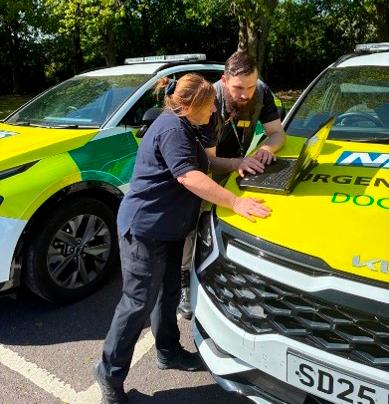
North Hampshire Urgent Care (NHUC) has expanded its home visiting service to create a more integrated approach to unplanned care, supporting patients across North Hampshire 24 hours a day, seven days a week.
Launched at the start of 2026, the inhours service provides home visits for patients registered with four Primary Care Networks across North Hampshire, helping people who are unable to attend GP surgeries access timely care in their own homes. Operating alongside NHUC's established out-of-hours services, the model is helping to create a seamless 24/7 urgent care pathway for some of the area's most vulnerable patients.
Home visiting services play a vital role in supporting people who are frail,
housebound or living with complex health needs. By delivering care directly in patients' homes, clinicians can assess and treat patients in familiar surroundings while helping to avoid unnecessary hospital attendances.
The service also works closely with NHUC's Virtual Care at Home and Clinical Assessment Service teams, providing an additional option for patients who require same-day faceto-face assessment but may find it difficult to access traditional primary care appointments.
By bringing together urgent care, primary care and community-based support, the service aims to improve patient experience while reducing pressure on hospitals, emergency departments and ambulance services.
The initiative highlights how social enterprise providers are working collaboratively with system partners to develop innovative models of care that improve access, support vulnerable patients and deliver more joined-up care closer to home.
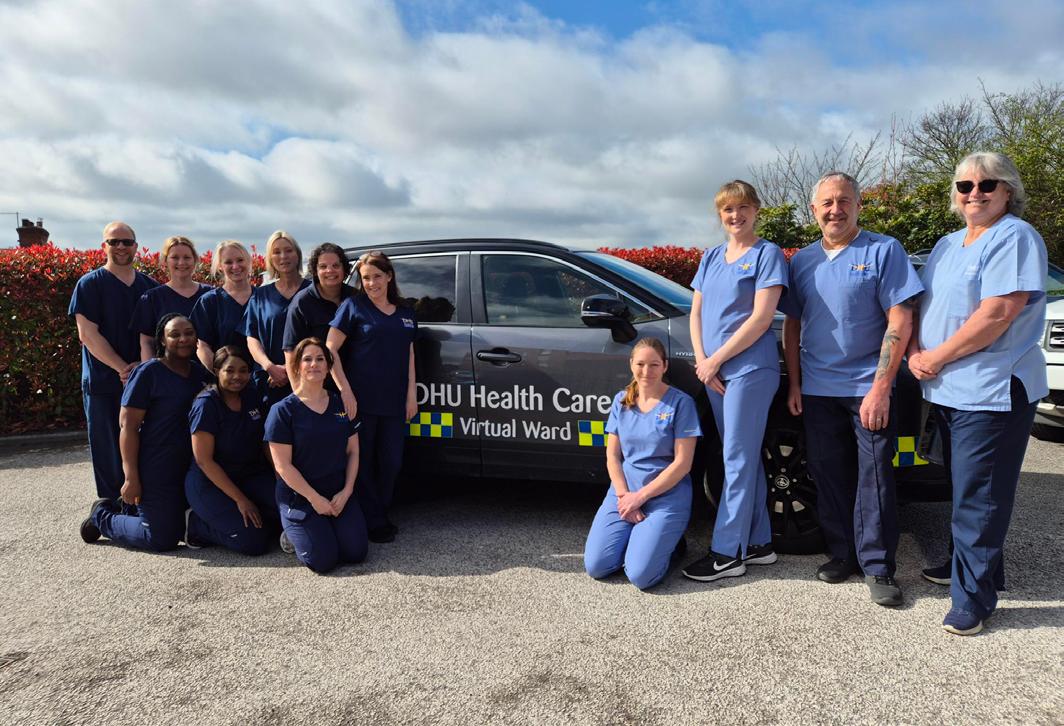
DHU Healthcare's Community Virtual Ward (CVW) in Derbyshire has been shortlisted for a 2026 HSJ Patient Safety Award, recognising an innovative falls pathway that is helping patients receive acute care at home rather than being admitted to hospital.
The service has been named a finalist in the Safety Improvement Through Technology category, reflecting the growing role of virtual wards in delivering safe, effective care closer to home.
The falls pathway was introduced to provide an alternative for people who experience a fall in the community and may previously have been conveyed to hospital. Instead, eligible patients can receive assessment, monitoring and support in their own homes, enabling them to recover while maintaining their independence and mobility.
In its first year, the pathway supported more than 800 patients who may otherwise have required hospital attendance or admission. Alongside clinical assessment and remote monitoring, patients are connected to wider support services, creating a more joined-up and personcentred approach to care.
The initiative aligns closely with NHS ambitions to deliver more care in community settings while reducing pressure on emergency departments, ambulance services and
hospital beds. By providing hospital-level support at home where appropriate, the service benefits both patients and the wider health and care system.
The shortlisting is further recognition of the important contribution that virtual wards are making to modern urgent and integrated care pathways and highlights the innovation taking place across UHUK member organisations.
Congratulations to the DHU Healthcare team on reaching the final stage of the awards and best of luck for the national judging later this year.
One of the most memorable moments of the recent UHUK CEO Workshop came as members paused to recognise the retirement of two highly respected leaders.
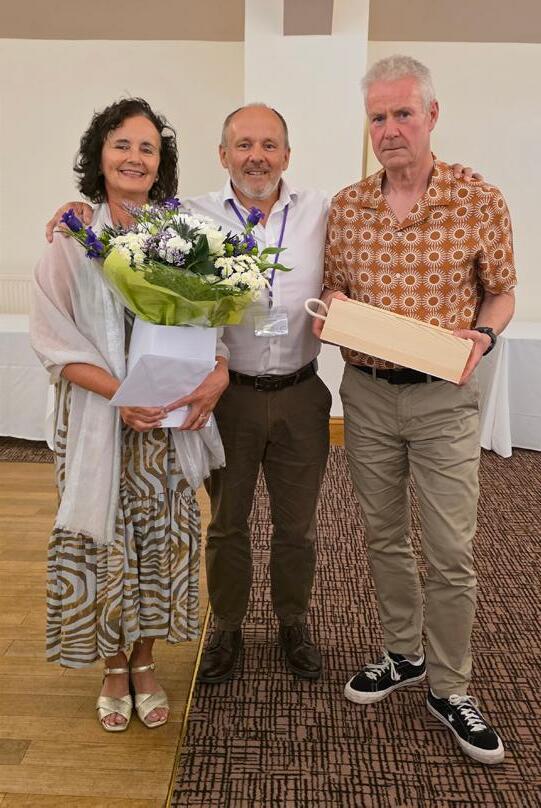
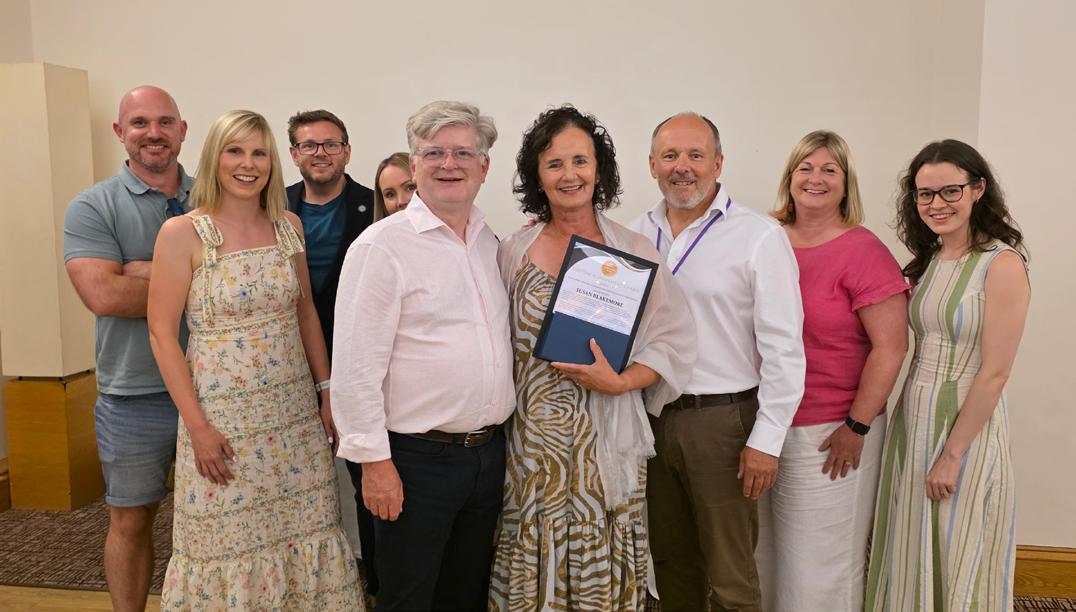
UHUK Chair Nigel Gazzard thanked Susan Blakemore, Chief Executive of Cumbria Health, and David Pannell, Chief Executive of Suffolk GP Federation, for their many years of service and leadership. Susan was presented with flowers, while David received a presentation box of red and white wines on behalf of the membership in recognition of their outstanding contribution to urgent and integrated healthcare.
The celebrations continued with a special presentation to Susan, who was awarded UHUK's Lifetime Achievement Award in recognition of a career spanning more than four decades in the NHS, including more than 20 years with Cumbria Health and 17 years as Chief Executive. Presented with a commemorative trophy and framed citation, the award recognised not only her exceptional leadership, but also her commitment to innovation, collaboration and improving care for patients and communities throughout her career.
Nigel Gazzard, Chair of UHUK, said:
"It was a privilege to recognise Susan and David as they retire from incredible careers that have made a real difference to patients, colleagues and the wider healthcare system.
Both are outstanding leaders and social entrepreneurs whose commitment has helped shape urgent and integrated care and deliver great social value.
It was also a pleasure to present Susan with UHUK's Lifetime Achievement Award in recognition of her exceptional contribution over more than four decades.
On behalf of everyone at UHUK, I thank them both for everything they have achieved and wish them every happiness for the future."
Primary Care 24 recently brought together patients, staff and local residents for a community Eid celebration hosted through its Asylum Medical Service.
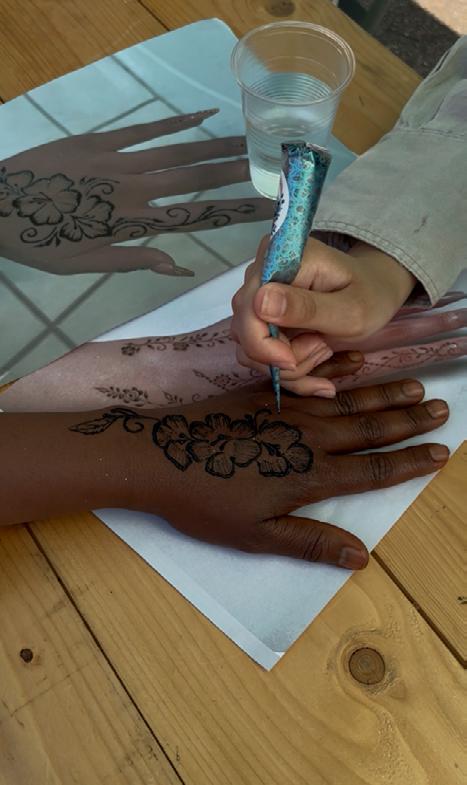
The event provided an opportunity for people to come together and celebrate an important cultural occasion, with activities including food, face painting and family entertainment.
Alongside recognising Eid, the event helped strengthen relationships between healthcare services and the communities they serve, creating opportunities for engagement in a relaxed and welcoming environment.
Initiatives such as this play an important role in building trust, supporting inclusion and ensuring healthcare services remain connected to the diverse communities they support.
As health systems place increasing emphasis on reducing inequalities and improving access, community engagement activities can help break down barriers, encourage participation and ensure people feel welcomed and valued.
The strong turnout reflected the importance of culturally inclusive approaches that recognise and celebrate the diversity of local communities and support stronger connections between healthcare providers and the people they serve.
We love to hear your stories. The next newsletter is Autumn - please send any items of interest to sharon.clifton@uhuk.co.uk
The UHUK Medicines Management Forum, chaired by Eghe Bere, Pharmacist with Mastercall and Local Care Direct, brought members together for an extended virtual meeting in June, to discuss shared medicines priorities across urgent and unscheduled care.
Rahul Singal, Chief Pharmacy Information Officer at NHS England, provided an update on the national Digital Medicines Programme, including progress on the Electronic Prescription Service, a Single Patient Medicines Record, NHS App enhancements and improved medicines data standardisation. Members welcomed the direction of travel while highlighting ongoing challenges around fragmented systems, limited interoperability and gaps in medicines information especially in out of hours.
Rachael Ingram from Mastercall shared work on antibiotic prescribing benchmarking, showing how regular audit, Clinical Guardian feedback and Power BI dashboards are supporting antimicrobial stewardship. The data demonstrated positive movement towards first-line
antibiotic use and shorter course lengths, while also identifying issues such as coding inconsistencies and variation in prescribing instructions.
Members also discussed wider priorities, including controlled drug governance, Home Office licensing delays, end-of-life medicines access, stock shortages, manual processes and the need for greater standardisation. Laura Whitney, Regional Antimicrobial Stewardship Lead for NHS England London Region, outlined national AMR priorities and opportunities to engage with local AMR leads and the TARGET antibiotics toolkit review.
The forum reinforced UHUK’s role in representing urgent care medicines issues nationally, particularly around digital medicines, prescribing analytics, controlled drug licensing and shared governance approaches. Members agreed that collaboration on cleary defined problem statements and practical examples from local services will be important in shaping future work and influencing national programmes.
DHU Healthcare has launched its first internally delivered apprenticeship programme, creating new opportunities for NHS 111 Health Advisors to develop their skills and progress their careers within the organisation.
Delivered through the DHU Academy, the new Emergency Contact Handler Apprenticeship Programme is designed to strengthen the knowledge, confidence and capabilities of frontline staff working across the organisation's NHS 111 services in the Midlands.
The 12-month programme combines practical experience with formal learning, helping participants develop advanced communication, decisionmaking and patient assessment skills
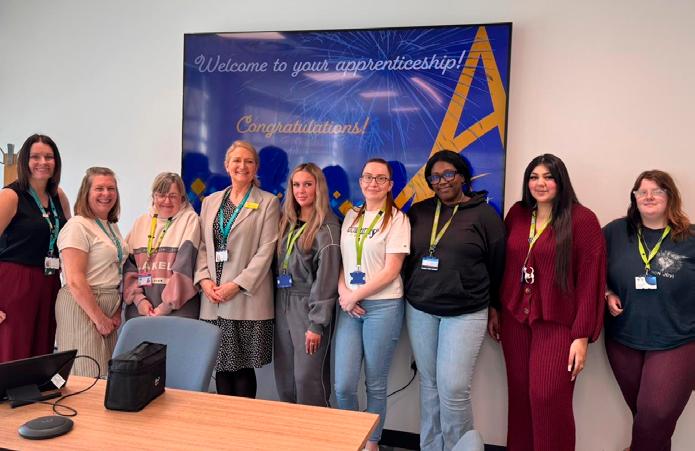
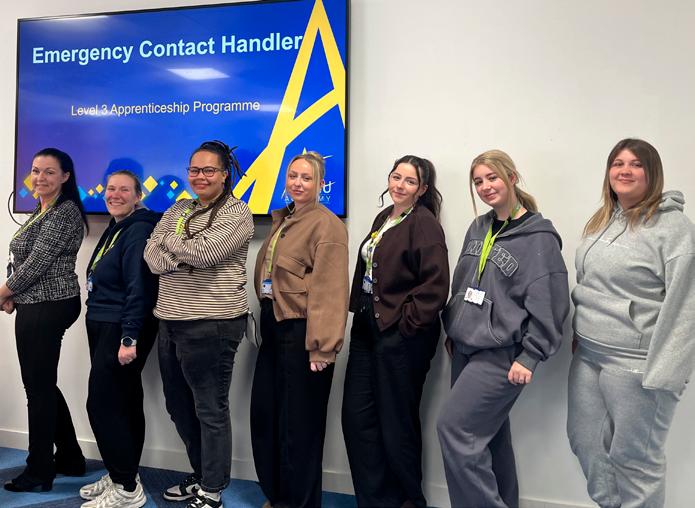
while continuing in their existing roles. Apprentices will also receive training in areas including mental health first aid, equality and inclusion, coaching and the Care Certificate.
The initiative marks a significant milestone for DHU Healthcare, with the organisation becoming a learning provider in its own right and delivering a tailored programme leading to a recognised Level 3 qualification.
The first cohort of 20 Health Advisors began the programme in April, with a further group scheduled to join later in the year. The apprenticeship has been designed not only to enhance patient care but also to create clearer career pathways for staff, supporting
workforce development and retention across the organisation.
As health and care services continue to face workforce challenges, investment in training and professional development remains a key priority. By creating opportunities for colleagues to build skills and progress their careers, organisations such as DHU Healthcare are helping to develop the workforce needed to support future models of urgent and integrated care.

The programme also demonstrates the growing role of social enterprise providers in developing innovative approaches to workforce development, ensuring staff are equipped to meet the changing needs of patients and communities.
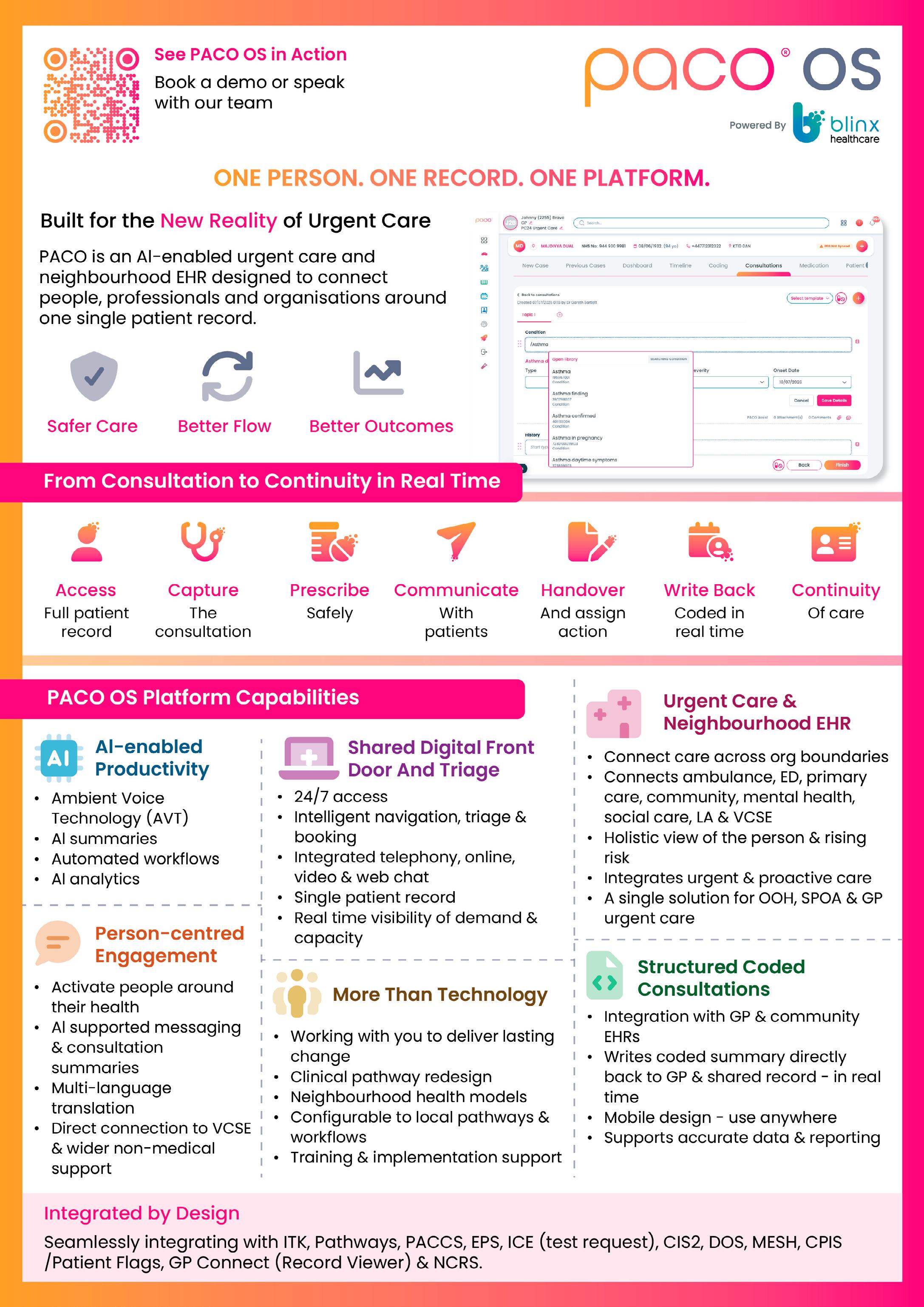
UHUK’s Innovation Programme continues to make strong progress across both the Service Improvement and Back Office workstreams, demonstrating the value of collaboration across member organisations. This quarter, we were delighted to welcome several new organisations into the Innovation Programme. Their participation further strengthens our collaborative approach, increasing the breadth of expertise within the programme and reinforcing the growing momentum behind shared innovation across the UHUK membership.
We are pleased to announce the appointment of Ross Brand (Cumbria Health) and Steve Rubery (PELC) as Joint Chief Executive Senior Responsible Owners (SROs) for the Back Office Programme, providing executive leadership as the workstream moves into its next phase of delivery.
Back Office Workstream:
Within the Back Office workstream, significant progress has been made on a number of shared service opportunities. Procurement for a shared Clinical Safety Officer (CSO) resource for a subset of members has been completed, with a preferred supplier identified, while development of a potential shared Occupational Health service continues, including development of a draft service specification and member engagement on delivery models. Collaborative work with suppliers such as RotaMaster also continues with joint development to address member workforce and HR system priorities.
Service Improvement Workstream:

The Service Improvement workstream continues to focus on the development of a new Comfort Calling solution, designed to support patient experience and improved service productivity. Having finalised the service requirements, the programme has now moved into the next phase of development, working with Electronic Patient Record suppliers to define interoperability requirements and identifying the most appropriate route to securing a shared Innovation Partner to take our work to the next stage.
Together, these initiatives continue to build momentum behind UHUK’s ambition to develop practical, scalable solutions that deliver greater value, efficiency and innovation for member organisations.
To get involved in any of the workstreams, please contact tara-lee.baohm@uhuk.co.uk
Meeting Dates:
Back Office - Fortnightly Mondays 1300-1400
Service Improvement - Fortnightly Tues 1300-1400
Steering Group - Thurs 20th Aug 1100-1230
The Venture Builder NHV (Neighbourhood Health Ventures) is progressing well, with existing investors looking at a potential extra investment to allow the budget to stretch further and create more ventures and widen the team.
At the same time, interviewing is rapidly underway for all three roles - Chair, Venture Manager and Venture Associate - by next week all of those will have concluded (from over 500 applications!) - and we are just in the process of setting up the final panel face to face session with the shortlisted Chairs, followed by the other roles, so that this can be finalised before the summer is upon us.

Otherwise, back office functions have been agreed, the investor members have fed-back on the legal shareholder documents and we have had two ideation sessions to start to see what pain points members are having that could be applied to the wider sector as an investable venture proposition, triaging closely with Tara Lee's work on internal innovation as well.
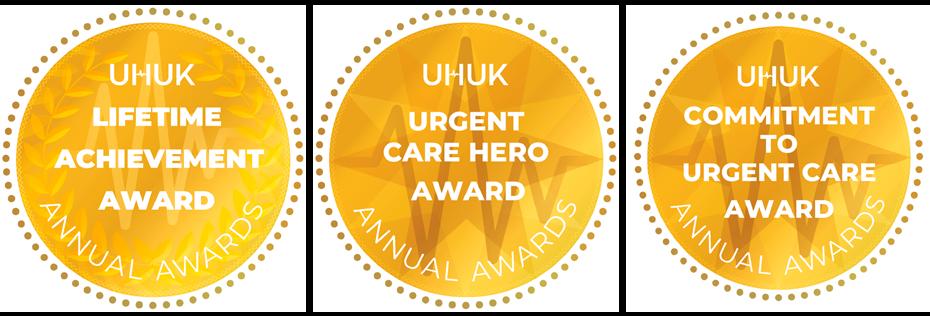
UHUK has 3 awards; Lifetime Achievement, Urgent Care Hero and Commitment to Care, all of which can be applied for on behalf of a team member who has demonstrated an ongoing dedication to their work. Click on the medals to access the form.
The NHS is moving decisively towards neighbourhood health, prevention and more integrated models of care. For UHUK members, the question is no longer whether that change is coming, but how we collectively help shape it.
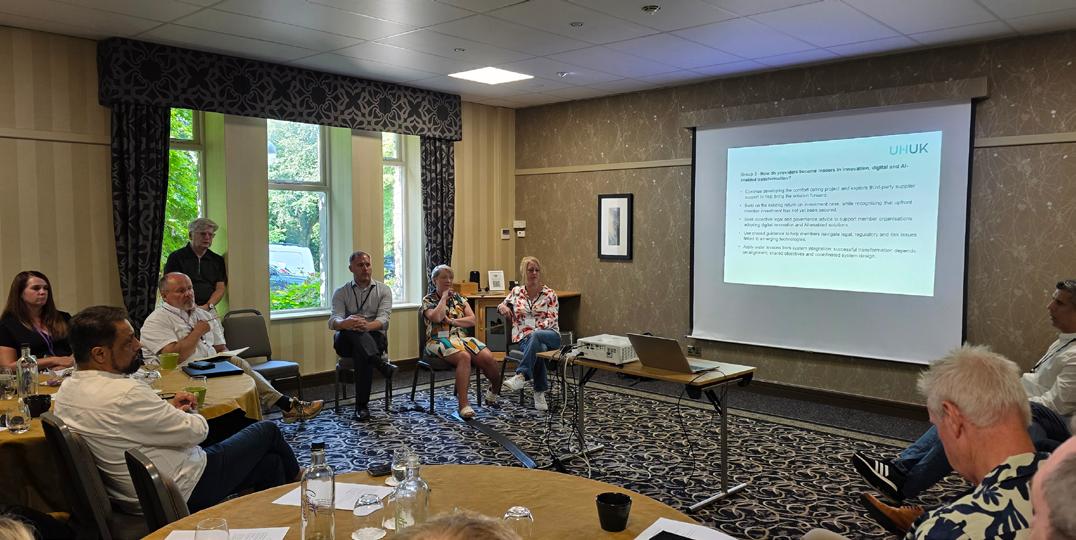
That was the focus of this year's UHUK CEO Workshop, which brought together member CEOs, senior leaders and strategic partners for two days of open discussion, practical challenge and shared learning.
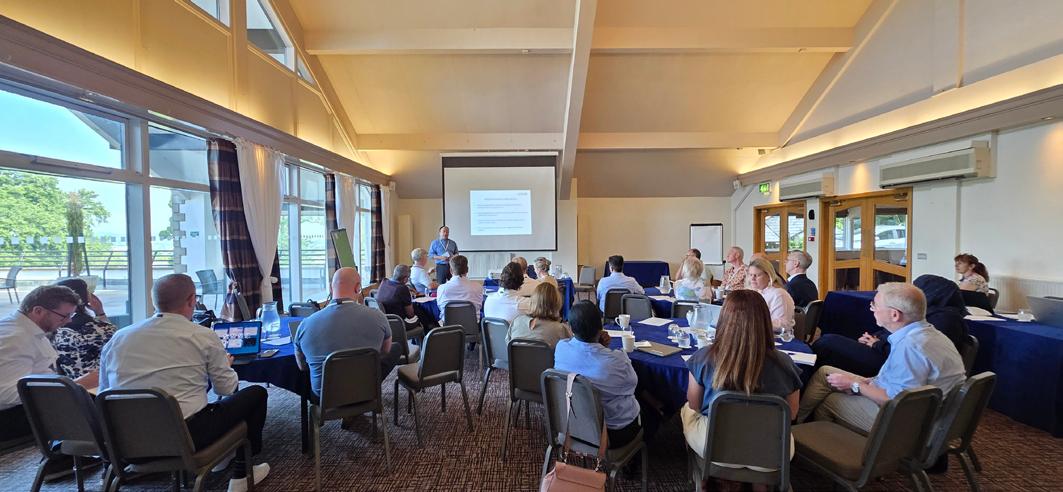
Rather than looking at strategy in isolation, the workshop concentrated on implementation – exploring how social enterprise urgent and integrated care providers can build on their existing strengths to play an even greater role in delivering neighbourhood health.
A recurring theme throughout the discussions was that UHUK members are not starting from scratch. Across the country they are already coordinating care, managing demand, supporting multidisciplinary teams, keeping people well at home and working across organisational boundaries. The challenge now is to make that contribution more visible, more consistent and more influential.
The workshop centred on four strategic questions identified by members ahead of the event.
The first explored how organisations can diversify and grow beyond traditional urgent care. Delegates discussed opportunities to build on existing expertise by supporting neighbourhood services, primary care, admission avoidance and wider community-based
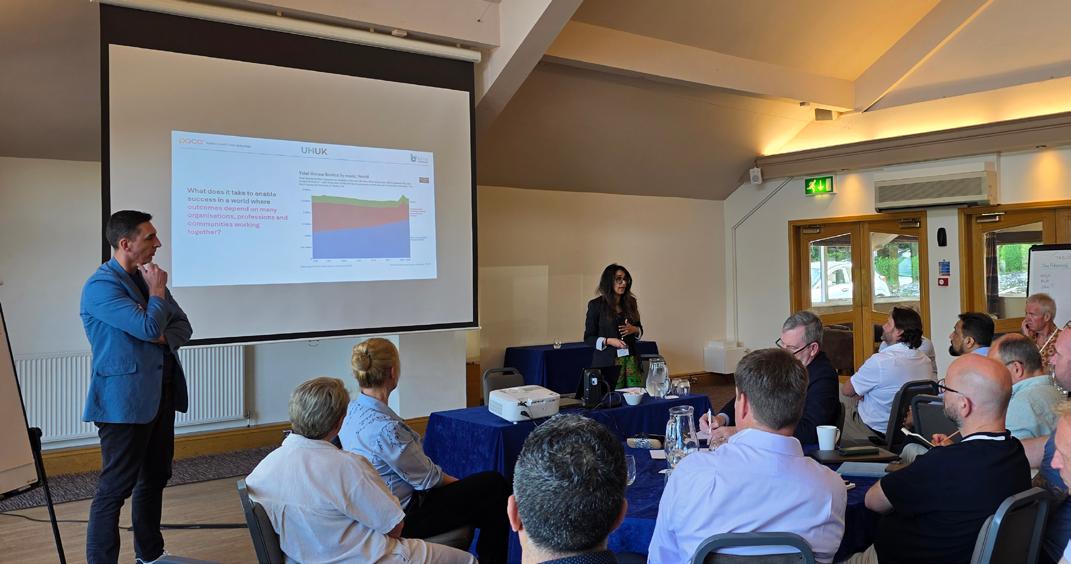
provision, while recognising that growth must remain true to organisational purpose and strengths. The consensus was that organisations should sharpen and expand what they already do well, rather than diversify for its own sake.
The second considered partnerships and alliances. Members recognised that future success will depend on building trusted relationships across systems, engaging earlier with commissioners and partners, and working collaboratively to influence local and national decisionmaking. There was strong support for developing a clearer collective proposition that demonstrates the unique contribution UHUK members make through their 24/7 capability, clinical expertise and experience of integrating care.
Innovation, digital transformation and AI formed the third discussion. While members shared numerous examples of innovation already taking place, there was recognition that the greatest challenge is scaling successful ideas across organisations and systems. Discussions focused on practical implementation, governance, cyber security and ensuring technology delivers meaningful improvements for patients, clinicians and services rather than innovation for its own sake.
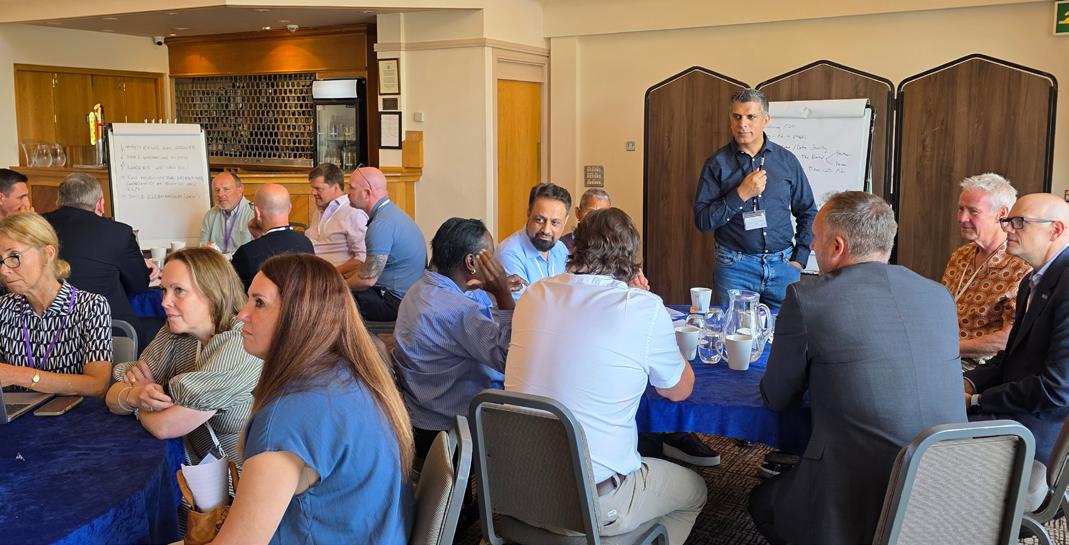
The fourth conversation focused on neighbourhood health. Members reflected that urgent and integrated care providers already possess many of the capabilities needed to support neighbourhood models: trusted local relationships, integrated working, flexible workforces and round-the-clock services. The opportunity now is to move from participating in neighbourhood health to helping lead it, working alongside partners to improve population health and deliver better outcomes for local communities.
The workshop also benefited from contributions from UHUK's commercial partners, whose role extended well beyond showcasing products and services.
OneAdvanced, Hallam Medical, CLEO and Blinx each challenged delegates to think differently about growth, partnerships, digital transformation and neighbourhood health, sharing practical insights drawn from their work
across the health and care system. Their contributions stimulated lively debate and reinforced the value of bringing together organisations with different perspectives but shared ambitions for improving care.
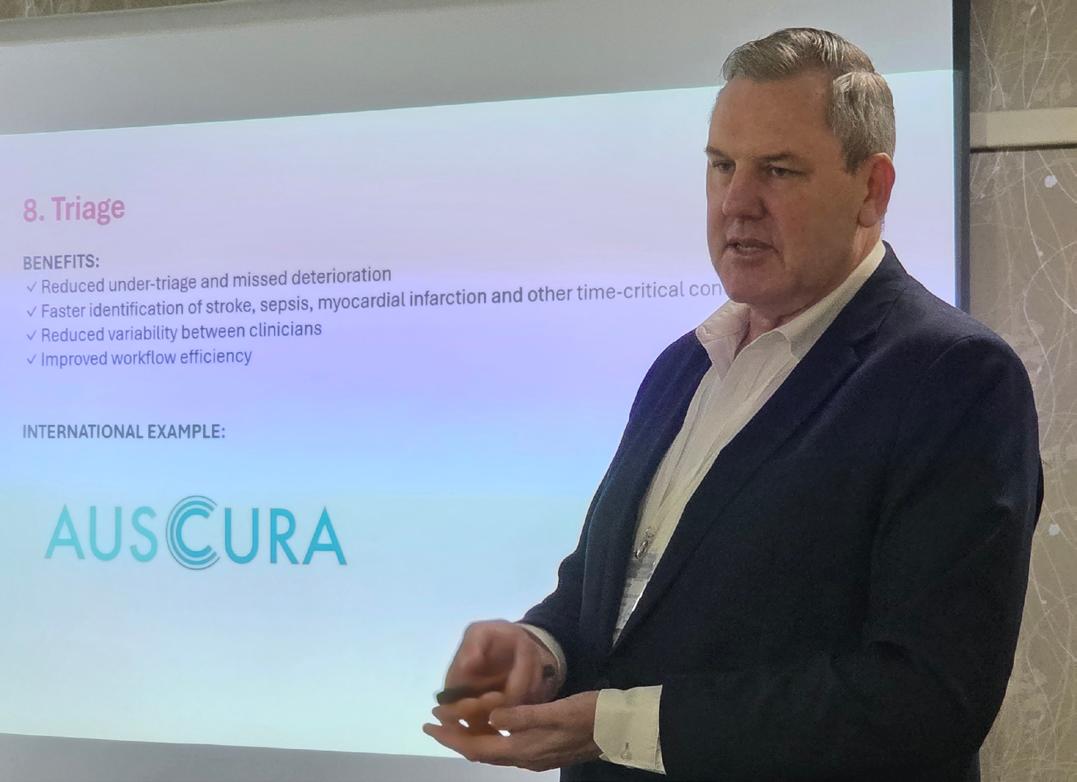
International perspectives from Professor John Adie highlighted how urgent care has become an established part of neighbourhood health systems in Australia through evidence, collaboration and sustained system influence. Members reflected on the importance of building a stronger evidence base, developing common standards and moving more quickly from successful local innovation to scalable national models.
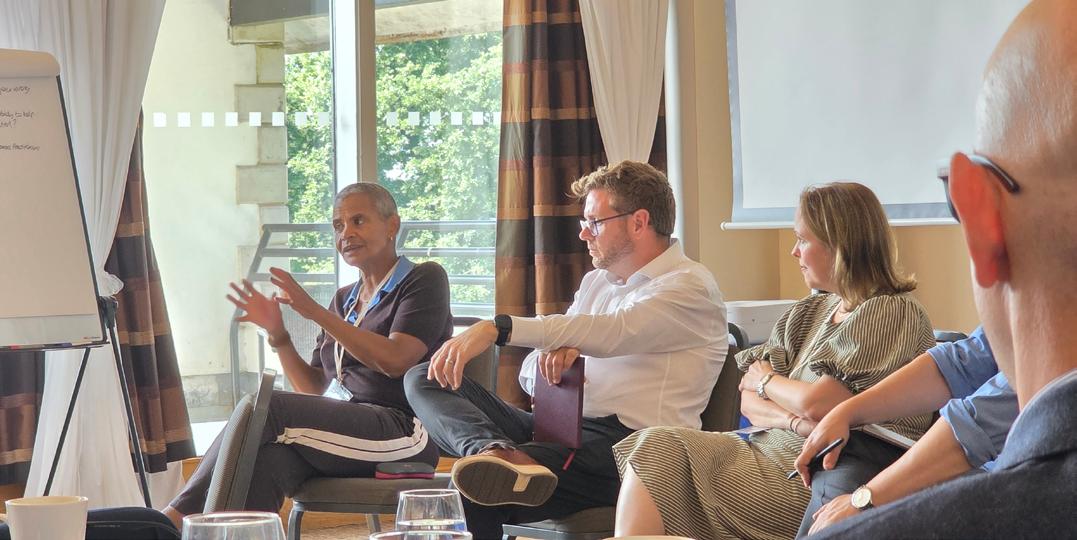
Members also heard an honest leadership reflection from Ross Brand, exploring how a clear sense of purpose, investment in people, strong governance and long-term thinking can enable organisations to grow sustainably while remaining true to their social mission.
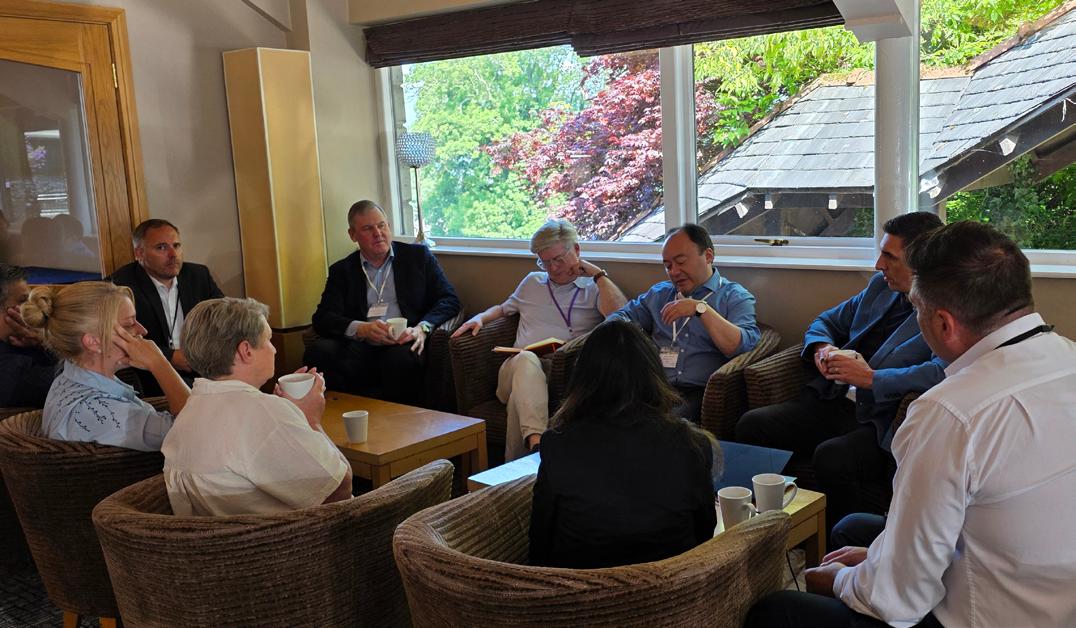
Reflecting on the event, UHUK Chief Executive Conor Burke said:
"We've been preparing for this workshop for almost a year, but until you bring people together you never quite know where the conversation will take you.
What really stood out over these two days was the energy in the room and the determination of our members to make a genuine difference. Despite the uncertainty across the NHS, there was a real sense of optimism and ambition.
Neighbourhood health is no longer a future concept – it's becoming the way the NHS will work, and our members have a vital role to play in making it successful. We explored how we work more closely with partners across the system, how we continue to lead in digital innovation, and how we use our data, expertise and infrastructure to improve care.
The message coming out of the workshop was clear: our members are ready to lead, collaborate and deliver better outcomes and experiences for the patients and communities they serve."
Perhaps the strongest message to emerge from the workshop was the appetite for collective action.
Members recognised that social enterprise providers already have many of the building blocks needed to support the NHS's future direction. The challenge now is to articulate that value more clearly, strengthen collaboration, scale innovation more effectively and ensure the urgent and integrated care sector plays a leading role in shaping neighbourhood health.
The conversations over the two days have already begun to shape the next phase of UHUK's work, but more importantly they reinforced the collective ambition of members to work together, influence the future of health and care, and continue delivering better outcomes and experiences for the patients and communities they serve.
See the UHUK LinkedIn page for videos capturing some of the thinking that emerged across two days of discussions.
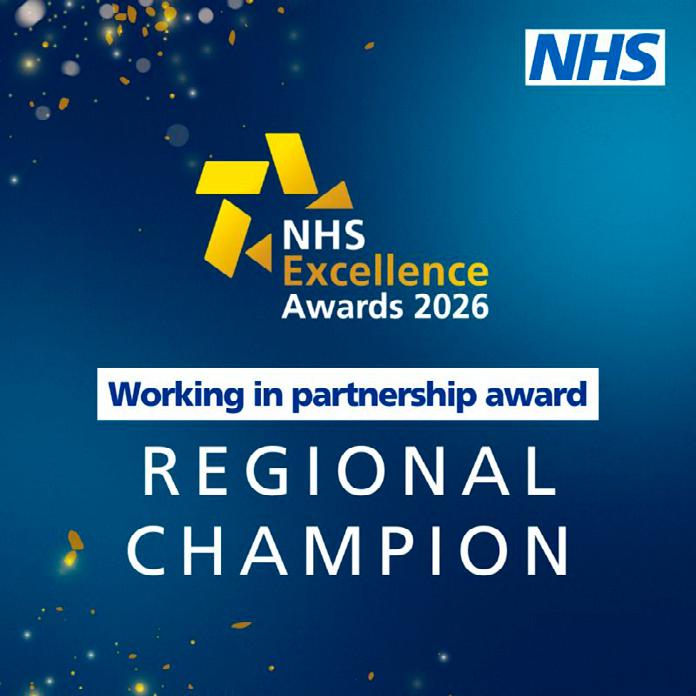
The NHS Excellence awards announced its 2026 regional champions with Greater Manchester picking up five awards.
Following regional judging, regional champions were selected for each award category, going through to the next stage of national judging with national champions announced at the NHS ConfedExpo on Wednesday 10 June.
The NHS Excellence Awards 2026 are run by, and for, the NHS, shining a light on local projects and teams who are making a real difference to patients and communities, delivering on the ambitions of the 10 Year Health Plan and inspiring others to adopt innovative approaches in their local area.
The ECO4 Flex Health Referral Pathways funded by NHS Greater Manchester was named the regional winner for the North West.
The initiative was recognised for its innovative approach to tackling fuel poverty as a driver of ill health. By embedding housing and energy support into NHS pathways, the programme links healthcare professionals with fully funded home energy improvements. This delivers measurable health benefits, reduces demand on NHS services and supports the NHS Net Zero commitment through system-wide partnership working.
Awarded to Greater Manchester Urgent Primary Care Alliance, for bringing providers together across the system to improve access, coordination and consistency in urgent primary care. The collaboration was recognised for continually improving patient outcomes and enhancing the lives of residents within Greater Manchester, whilst easing pressure on emergency services
With ten categories in total, Greater Manchester was listed in half of the regional winner categories, highlighting the strength and breadth of innovation across the system.
Also picking up regional awards include:
Greater Manchester Mental Health NHS Foundation Trust
Care Close, Care Smarter: improved patient flow across mental health services by redesigning pathways, reducing delays and ensuring people receive the right care in the right place.
Manchester University NHS Foundation Trust
Digitally Transforming Dialysis: A new digital system that allows dialysis machines to automatically share patient information with the Trust’s electronic patient record, making care safer, more efficient, and reducing the need for manual data entry.
Pennine Care NHS Foundation Trust
‘Let’s Talk Boobs’ a project focused on improving health outcomes through open conversations and education around breast health.
Professor Colin Scales, Acting Chief Executive of NHS Greater Manchester said: “It’s fantastic to see the outstanding work taking place across Greater Manchester recognised through these regional awards. The power of collaboration is essential in improving health outcomes and reducing inequalities, these projects show how innovation and sustainability can deliver real benefits, more joined-up care for patients whilst making the best possible use of public resources.”
Rachael Ingram, GMUPCA UEC Programme Lead, Mastercall Healthcare Head of Clinical Operations, Stockport said: “We’re so proud to announce that the Greater Manchester Urgent Primary Care Alliance (GMUPCA) has won an NHS Excellence Award for Working in Partnership, naming them as a regional champion for working closely with NHS Trusts, the GM Integrated Care Board and North West Ambulance Service, to design and deliver system-wide services that reduce pressure on urgent and emergency care and ensure patients receive the right care first time.
These award-winning programmes include the 24/7 GM Clinical Assessment Service, which handles over 200,000 cases a year, managing approximately 600 cases per day, saving over 91,000 ambulance response hours annually and safeguarding the NHS purse.
Other initiatives include the GM Emergency Dental Helpline and winter initiatives such as the GM Falls Response Service (as well as wider digital infrastructure offerings).
This award recognises the power of true partnership, shared leadership and collaboration to improve patient outcomes at scale across GM.”
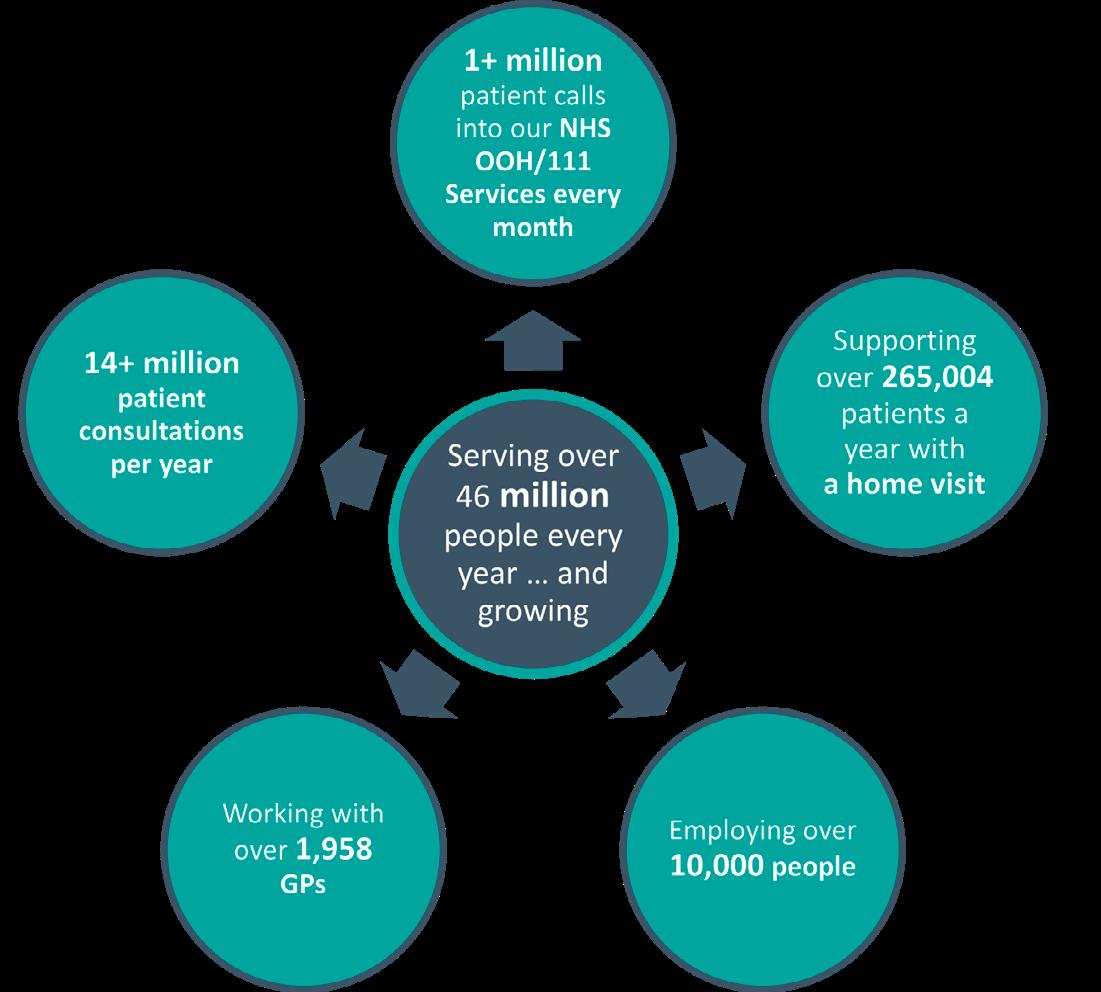
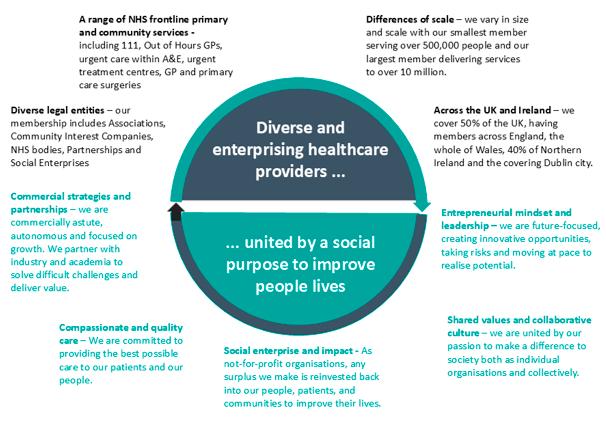
Together we are the largest social enterprise provider of outof-hospital services. We serve 64% of the population of the UK and Ireland (excluding Scotland)
Membership:
Badger Birmingham area
• BrisDoc Bristol
• Cumbria Health Cumbria
• Dalriada Urgent Care Northern Ireland
• DHU Health Care Derbyshire, Leicestershire & Midlands
• EBPC OOH East Berkshire
• FCMS (NW) Ltd North Lancashire
• FedBucks Buckinghamshire
• GMUPCA Manchester, Bury & Stockport Alliance consisting of: BARDOC, GTD, Mastercall Healthcare, Salford Primary Care Together (SPCT)
• IC24 Suffolk, Essex & Sussex
• LCW UCC West & Central London
• Local Care Direct West Yorkshire
• NEMS CBS Nottinghamshire
• NHUC Hampshire
• PC24 Merseyside
• PELC Ltd East London
• SELDOC South East London
• Suffolk GP Federation Suffolk
• Western Urgent Care Belfast
Associate Members:
• Northdoc Medical North Dublin City & County Services
• Welsh Health Boards
The People:
Chair Nigel Gazzard
Chief Executive Conor Burke
Medical Director Dr Dawood Anwar
Non-Executives
Stephen Bateman
Michaela Buck
Matt Adam (independent)
Partnerships Director Tonia Culpin
Business Manager
Business Coordinator
Comms Advisor
Innovation Project
Manager
Hazel Harrison
Sarah Fletcher
Sharon Clifton
Tara-Lee Baohm
www.uhuk.co.uk