Wendy F. Hensel, JD President
Vassilis L. Syrmos, PhD Vice President for Research and Innovation
NOELO, WHICH MEANS
“TO DELVE, SEEK OUT OR VERIFY” IN HAWAIIAN, IS THE RESEARCH MAGAZINE OF THE UNIVERSITY OF HAWAI‘I SYSTEM PUBLISHED ANNUALLY BY THE OFFICE OF THE VICE PRESIDENT FOR RESEARCH AND INNOVATION.
PROJECT MANAGER / EDITOR
ERIC R. MATSUNAGA Director, Research and Administrative Operations Office of the Vice President for Research and Innovation
DESIGN
OSHIRO DESIGN
CONTRIBUTING PHOTOGRAPHER BRAD GODA PHOTOGRAPHY
For more information, contact: Eric R. Matsunaga Office of the Vice President for Research and Innovation University of Hawai‘i 2425 Campus Road Sinclair 10 Honolulu, HI 96822 (808) 956-5588 uhovpri@hawaii.edu research.hawaii.edu
The University of Hawai‘i is an equal opportunity/affirmative action institution.
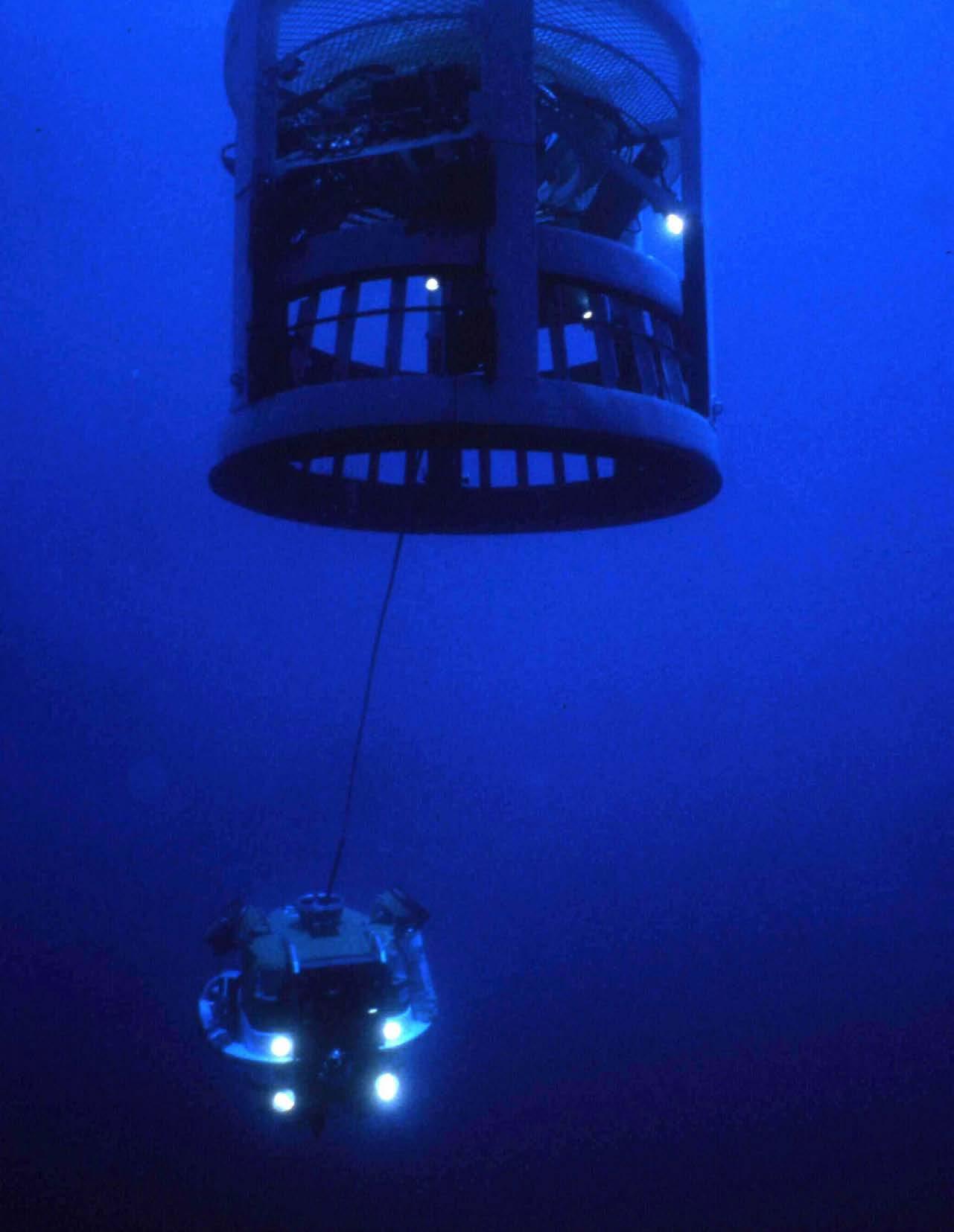
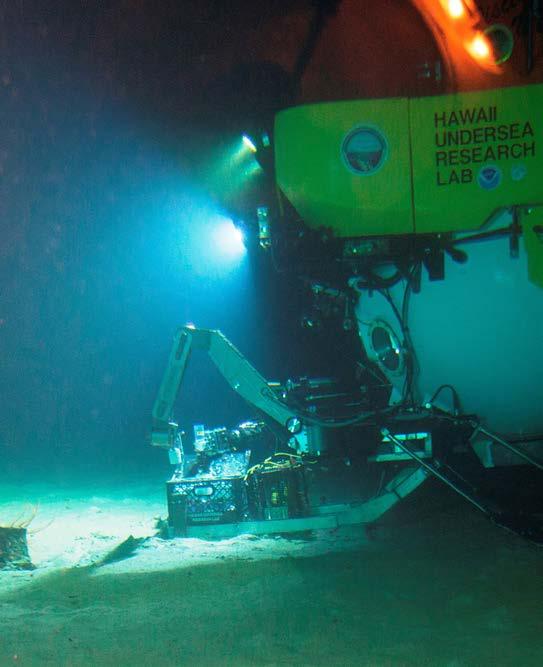
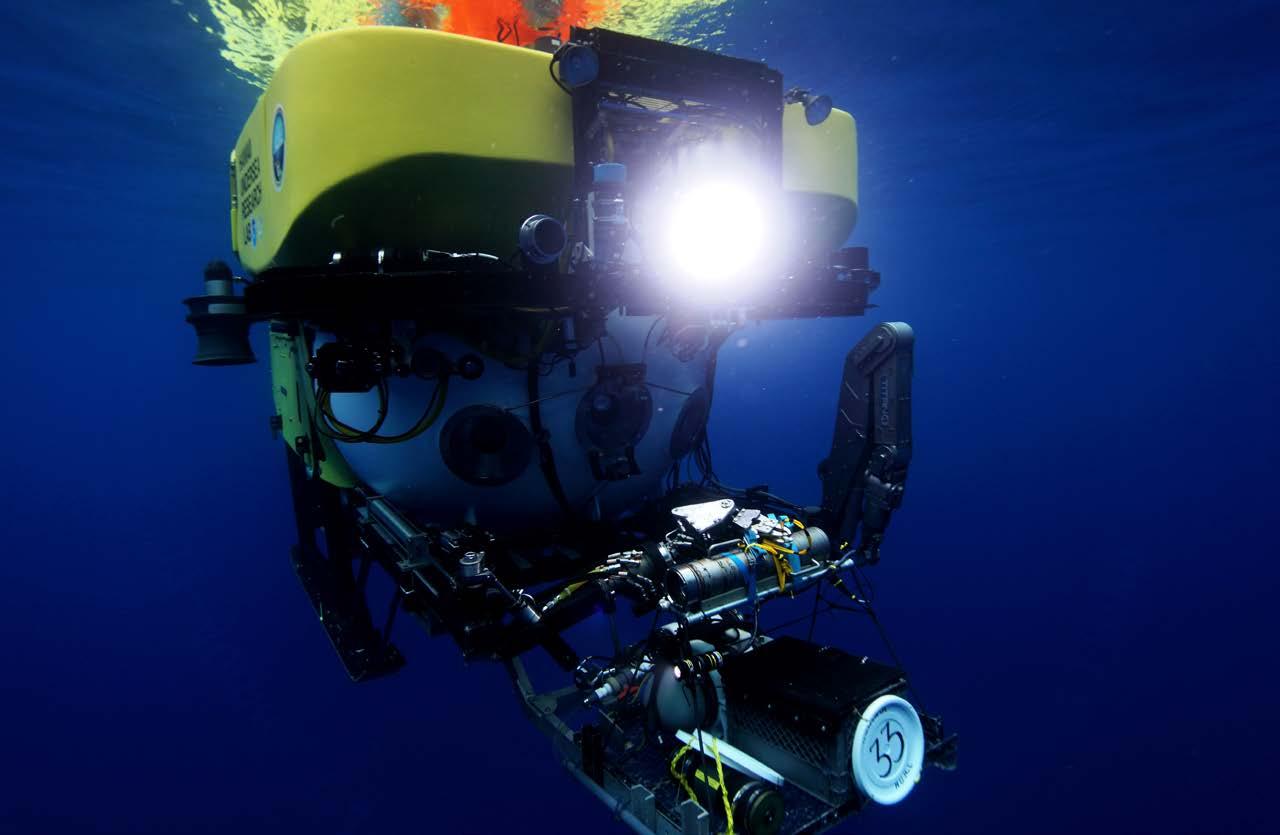
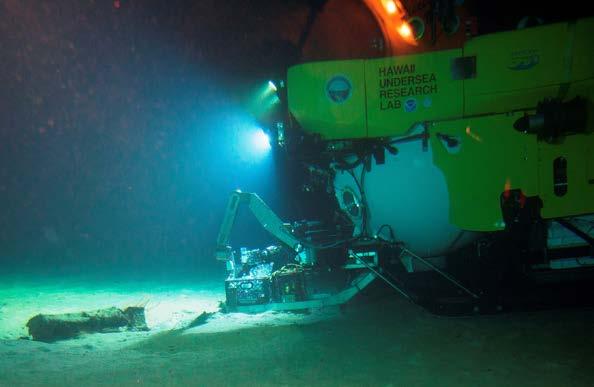
FACING PAGE: Deployment of the RCV-150 underwater ROV at the HUMMA munitions site CREDIT: UH/ENVIRONET
Driven by humankind’s quest for new knowledge, a never-ending desire to understand why or how things work, and a penchant to problem solve — research has always been a core mission of universities.
Whether it was to land on the Moon, to reach the depths of the Mariana Trench, or to develop a vaccine to prevent polio it was research that made these monumental achievements possible. However, these achievements were not accomplished overnight. It took the very best minds in science to collaborate, often through trial and error, and over many years to reach success.
Today, university research as we know it, is heading into uncharted territory.
Key federal agencies and sponsors that have empowered and helped to drive research in this country like the National Science Foundation, National Institutes of Health, Department of Defense, Department of Health & Human Services, and Department of Education, have shifted their funding priorities and policies to align with the ideology of the current White House administration. While this has created a new set of challenges for university research, it also presents us with new opportunities to engage with fellow researchers at the University of Hawai‘i (UH) and to create or strengthen existing bonds with our industry and community partners.
As one example, the College of Engineering at the University of Hawai‘i at Mānoa is spearheading a system-wide effort on advanced manufacturing to create a sustainable industry for our islands that will help support our science, military readiness, workforce training, and economy. We are also fortunate that our new astronomer-in-residence at the ‘Imiloa Astronomy Center at the University of Hawai‘i at Hilo, a true “local boy makes good” story, has returned home to help inspire young minds to pursue their own success in astronomy and other STEM-related fields. Despite this period of uncertainty, what I do know for sure is that our faculty, staff and students are a strong and resilient group that can stand up to these challenges and enable us to successfully weather this current storm to become an even stronger UH research enterprise.
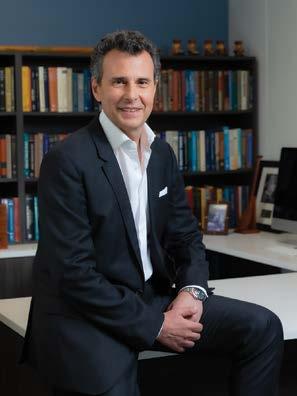
Vassilis L. Syrmos,
PhD Vice President for Research and Innovation University of Hawai‘i System

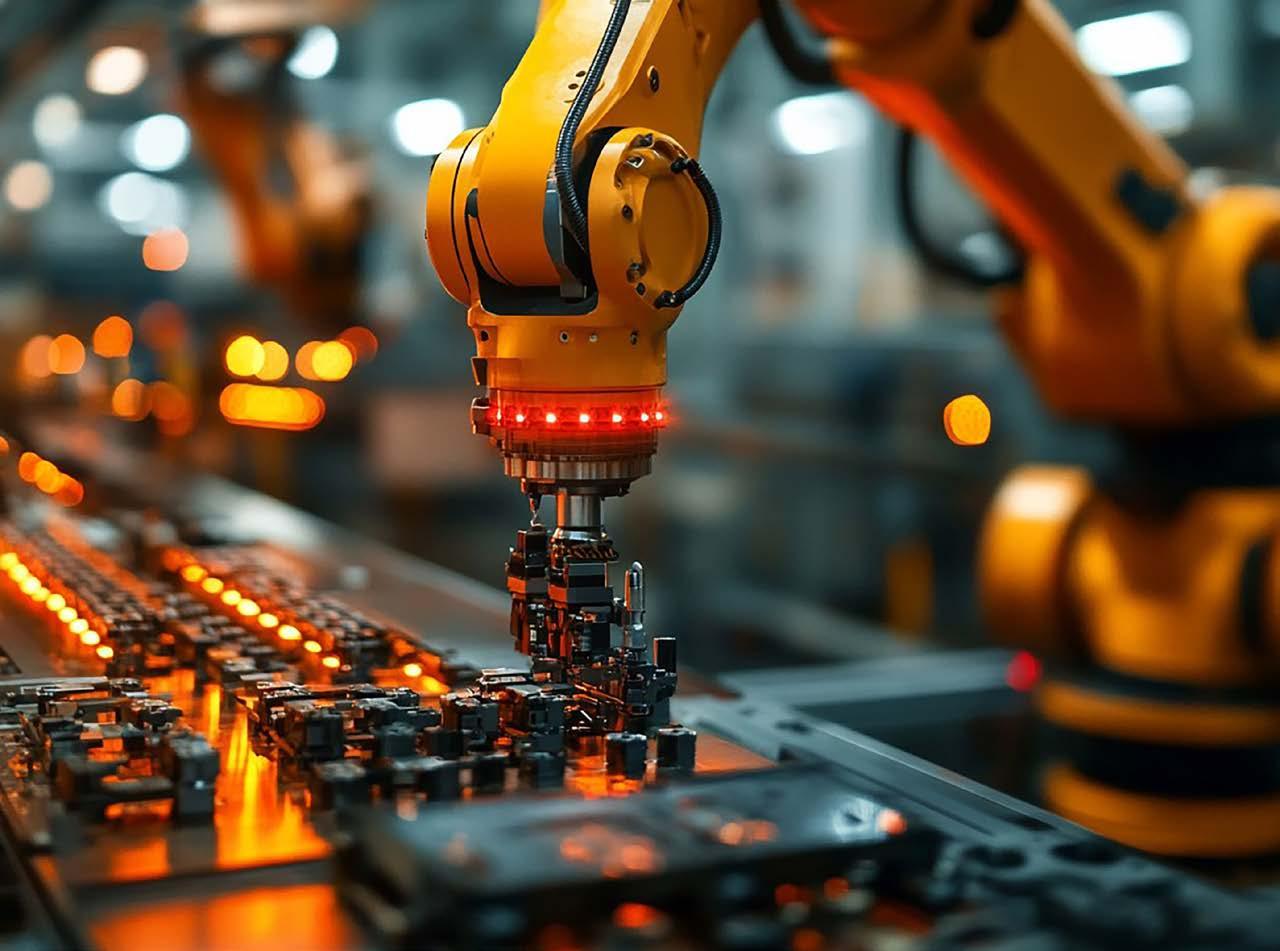
LIVING IN OR NEAR TOP MANUFACTURING STATES IN THE UNITED STATES like California, Texas, Ohio, Michigan, Pennsylvania and New York has its advantages. Manufacturing stimulates capital investment, drives innovation, creates demand and employment for an educated workforce, and generates revenue to power economic growth. These areas sport large industrial complexes and factories that feed into a distribution and transportation system to deliver manufactured products locally or around the country. The situation is quite different in Hawai‘i. The 50th state is located almost 2,500 miles from the mainland U.S., approximately 4,000 miles from Japan, with a total land mass of about 6,500 square miles across seven inhabited islands. This geographic isolation, combined with limited natural resources and land, plays a significant role in Hawai‘i’s reliance on imports for over 90 percent of its consumer goods, building materials, and petroleum products, and also come with higher costs. Hurricanes, earthquakes, the COVID-19 pandemic, port slowdowns, and other world events have shown how the state’s economy, with its main industries centered around tourism and the military, is extremely vulnerable to any supply chain disruption. However, Hawai‘i’s current vulnerabilities and a lack of a robust industrial manufacturing base to fuel workforce and economic development may one day be transformed via advanced manufacturing.
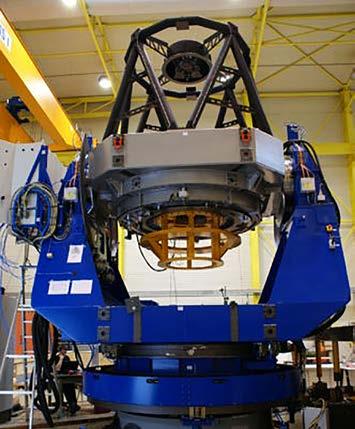
FACING PAGE, BOTTOM: Pan-STARRS telescope, Haleakalā, Maui
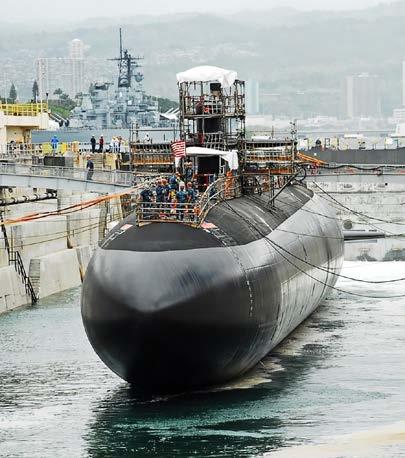
ABOVE, RIGHT:
A Los Angeles-class fast-attack submarine in Dry Dock 1, PHNSY & IMF, O‘ahu
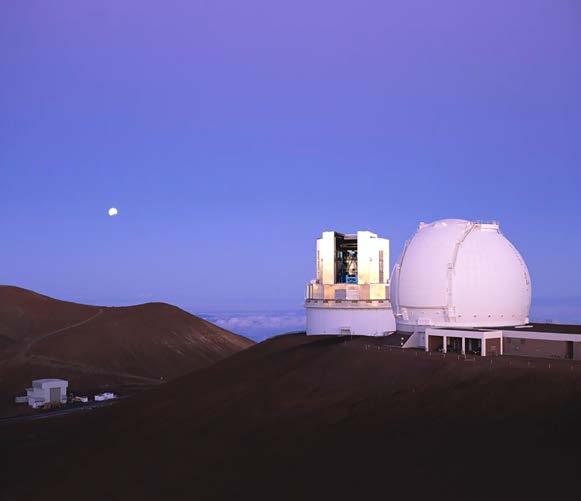
BELOW: Subaru (left) and W.M. Keck Observatories, Maunakea, Hawai‘i Island
“As supply chains continue to face increased strain, institutions like universities or community colleges have become prime resources in advanced manufacturing…for the benefit of both our civilian and military communities.”
VASSILIS L. SYRMOS UH Vice President for Research and Innovation
Traditional manufacturing usually refers to subtractive technologies that remove material from a solid block to obtain the net shape of the product. The process usually involves injection molding, casting or computer numerical control machining that results in a high level of precision, but typically generates a lot of waste material. The tooling machines themselves are usually large and require huge industrial spaces. They are also expensive and require large production runs to maintain cost efficiency.
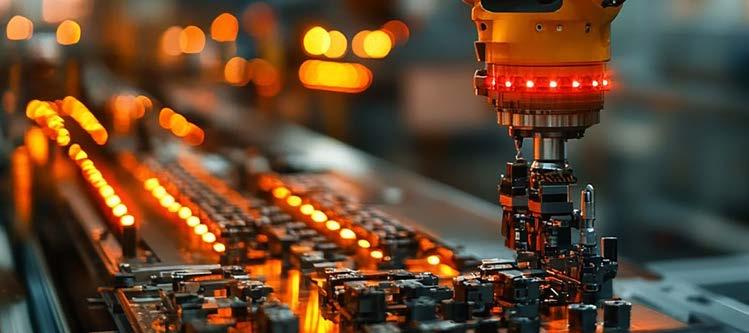
On the flipside, advanced manufacturing involves the use of innovative technologies and processes to transform traditional manufacturing processes into more intelligent, efficient, and sustainable systems. This is achieved by utilizing automation, robotics, artificial intelligence, material science, and additive manufacturing (3D printing) to create products layer by layer for enhanced flexibility, broader customization, and reduced waste. Start-up costs are considerably lower, do not require a large factory to house machinery, and are cost effective for small production runs, including one-off parts.
In recent years, companies and agencies responsible for critical public infrastructure like public utilities, healthcare, transportation, and other services have felt the strain as parts for their older systems have become far more difficult to locate or are very expensive because they are no longer being mass produced. Total downtime resulting from having to search for a part and wait for its arrival can sometimes be considerable, disrupting the delivery of vital services and goods.
As U.S. influence is being challenged by China, North Korea, and Russia in the Indo-Pacific region and by geopolitical instability and conflict in the Middle East, supply chain and skilled workforce issues are also impacting Department of Defense (DOD) operations. Several of the U.S. Navy’s aircraft carriers have experienced delays in the refueling and complex overhaul (RCOH) process, at times leaving naval forces stretched to the limit in dealing with multi-region conflicts. While not as complex as a RCOH, the repair, maintenance and replenishment work on other surface combatants and submarines at forward-deployed shipyards like the Pearl Harbor Naval Shipyard and Intermediate Maintenance Facility (PHNSY & IMF) in Hawai‘i are facing similar trends.
“As supply chains continue to face increased strain, institutions like universities or community colleges have become prime resources in advanced manufacturing,” said University of Hawai‘i (UH) Vice President of Research and Innovation Vassilis L. Syrmos. “For an island state like Hawai‘i, given our finite resources, limited manufacturing footprint and heavy dependency on imports, the onus is high for UH to work with our industry partners to help provide the cutting-edge research and a knowledge-based workforce in ‘point-of-need’ manufacturing for the benefit of both our civilian and military communities.”
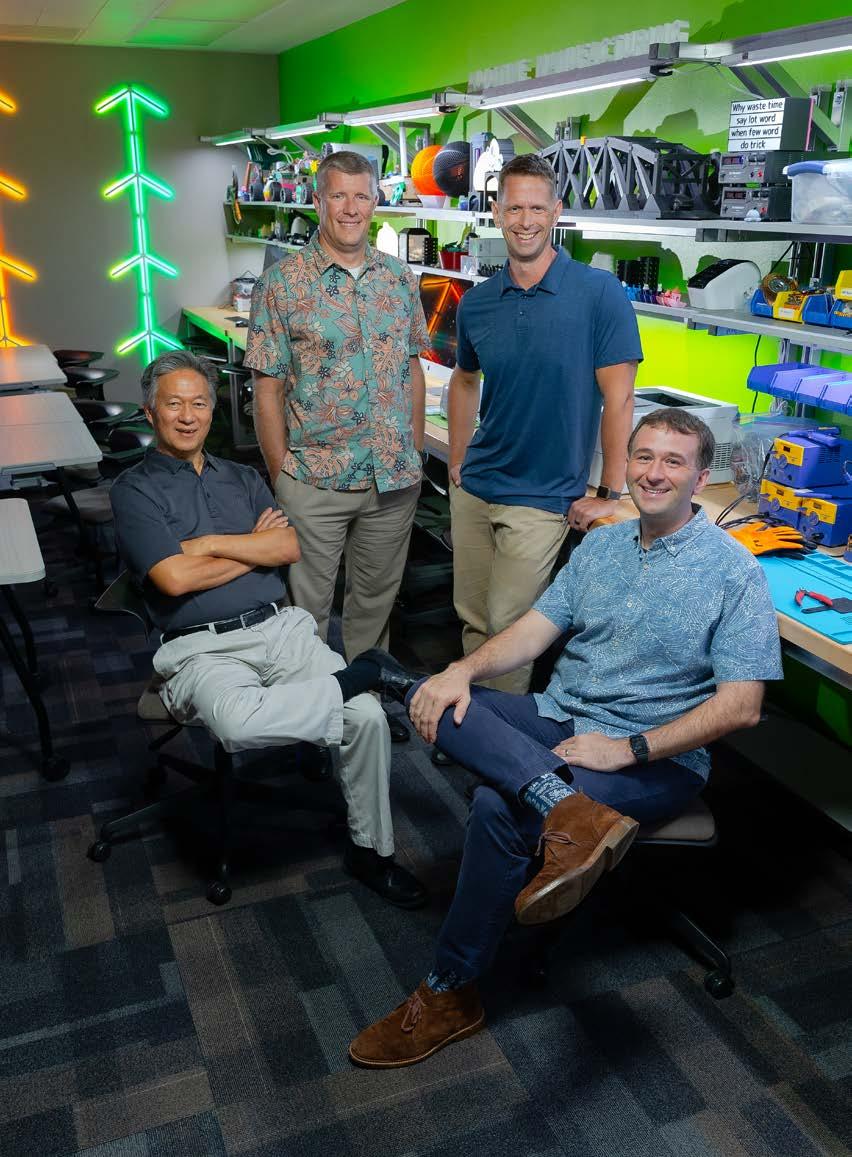
ABOVE: (Left
Professors Lloyd Hihara and Zac Trimble, Associate Professors Joseph Brown and Tyler Ray
“A lot is going on in this space right now, and while it’s generating a lot of excitement around town, there’s also a lot of movement in different directions. That’s why it’s important that we develop a coordinated and shared vision that is centered around an ecosystem that is consistent and transferable across all stakeholders.”
BRENNON MORIOKA Dean, UH Mānoa College of Engineering
For UH, the state’s only public system of higher learning, the initiative is about the various engineering aspects involved like design, material science, 3D printing, corrosion testing, and robotics. It is also about supporting education and workforce development to ensure that the next generation of engineers and technicians understand how to use these modern tools and machines to design and fabricate high-performance parts, manufacturing aids, and prototypes for various industries.
“A lot is going on in this space right now, and while it’s generating a lot of excitement around town, there’s also a lot of movement in different directions,” said University of Hawai‘i at Mānoa (UH Mānoa) College of Engineering Dean Brennon Morioka, whose college is spearheading the system-wide initiative. “That’s why it’s important that we develop a coordinated and shared vision that is centered around an ecosystem that is consistent and transferable across all stakeholders.”
Morioka is relying on four key faculty members from his mechanical engineering team to help coordinate and move the initiative forward within the college: Associate Professor Tyler Ray, Associate Professor Joseph Brown, Professor Lloyd Hihara and Professor Zachary Trimble.
Additive manufacturing was largely absent at UH Mānoa when Associate Professor Tyler Ray first arrived in 2019. Since then, he has championed its integration throughout all aspects of the Department of Mechanical Engineering and in the process, has established a reputation as a leader in this cutting-edge field. He has worked to weave additive manufacturing into his undergraduate courses seeking to equip students with the advanced skills, knowledge, and expertise necessary to compete and innovate on a national level. The hands-on training his courses provide include community empowerment projects, like producing Hawai‘i-specific molds for a local chocolate company, leveraging 3D printing for entrepreneurship, and specialized instruction in metal additive manufacturing to prepare students to address critical needs for local employers like PHNSY & IMF.
In the lab, the Ray Research Group is leveraging this expertise to develop sophisticated 3D printed wearable sensors with the potential for personalized remote health monitoring and new techniques to create high-capacity batteries. His lab is home to UpNano’s NanoOne Bio, one of the world’s highest resolution bioprinters, capable of printing objects 50 times smaller than a red blood cell.
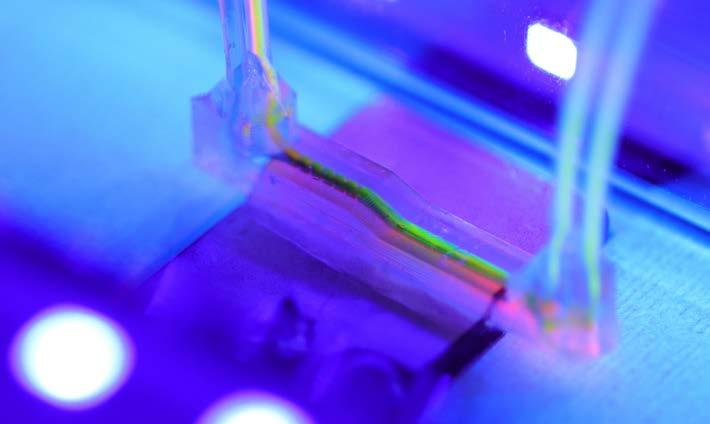
Currently one of only three available in the U.S., with the other two located at Harvard University and Florida State University, this instrument demonstrates UH Mānoa’s position as a rising leader in the additive manufacturing space.
“For Hawai‘i, advanced manufacturing is more than just an economic opportunity. It’s about building resilience amidst geographic isolation,” said Ray. “We’re developing ways to produce critical parts and technologies right here on island that reduce our dependence on fragile supply chains. Pioneering additive manufacturing innovation in Hawai‘i makes our communities more resilient and equips our next generation of local engineers to handle some of the biggest challenges our state and society face through training in world-class manufacturing and design.”
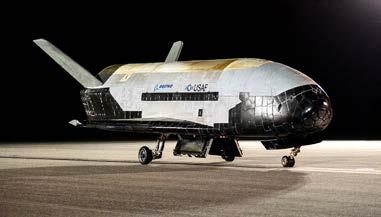
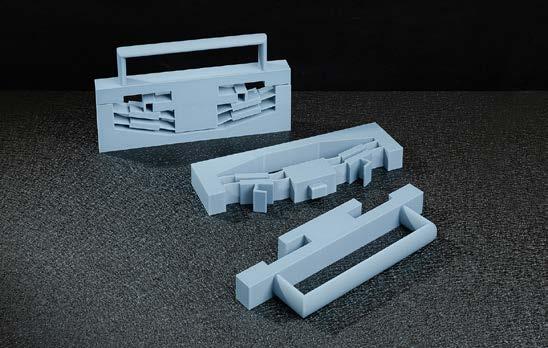
Associate Professor Joseph Brown’s research translates new materials into resilient, real-world structures. Spanning the nano- to macro-scale, his work integrates materials characterization, mechanical design, and advanced fabrication to engineer systems that perform under demanding conditions. His group studies how materials behave — from mechanical and optical properties to how structure affects function—and applies that knowledge to create systems ranging from nanometer-thin sensors made via atomic
layer deposition to large-scale aerospace assemblies like carbon fiber joints and clamps for spacecraft thermal protection tiles. A growing theme across his research is automation not just in fabrication, but also in data collection and analysis, which is at the center of his role in the Hawai‘i Institute of Materials Research (see related article). He also supports coordination of on-campus spaces, and the University’s extramural funding in the area, currently hovering around $33 million for fiscal year 2025.
“The initiative represents a major opportunity for UH and the state to not just match what others are doing, but to carve out our own unique approach using modern tools to support the particular challenges of being in a remote location,” said Brown, who also chairs the Department of Mechanical Engineering. “Proving the viability of creating advanced manufactured parts in remote locations like an isolated island, aboard a Navy ship at sea, or onboard a spacecraft on an interplanetary expedition are things that we can perfect here in Hawai‘i to take us to a new level.”
When Professor Lloyd Hihara started the Hawai‘i Corrosion Laboratory at the College over 30 years ago, his first priority was to take advantage of the state’s unique concentration of varied climatic zones and environmental conditions for his research. To do so, he set up a network of atmospheric corrosion test sites, each containing test racks, weather monitoring equipment, corrosion sensors, and a wet candle device to test atmospheric salt deposition. The sites, located in agricultural, alpine, dry, industrial,
marine, rainforest, and volcanic environments around the state, continue to play a key role in the corrosion research on advanced materials, coatings, and electronics.
“Through this initiative, we are looking to expand our corrosion testing capabilities to enhance the College’s research that benefit our industry partners like the U.S. Navy,” said Hihara, who has secured millions of dollars in funding from the DOD’s Office of Naval Research, Naval Sea Systems Command, and Industrial Base Analysis and Sustainment (IBAS) program to acquire cuttingedge technology. “We will be adding a MELD friction stirred deposition machine that will give us the ability to fabricate parts out of metalalloy combinations not previously possible, and are looking into other automated manufacturing technologies to increase our machining and fabrication production of test samples.”
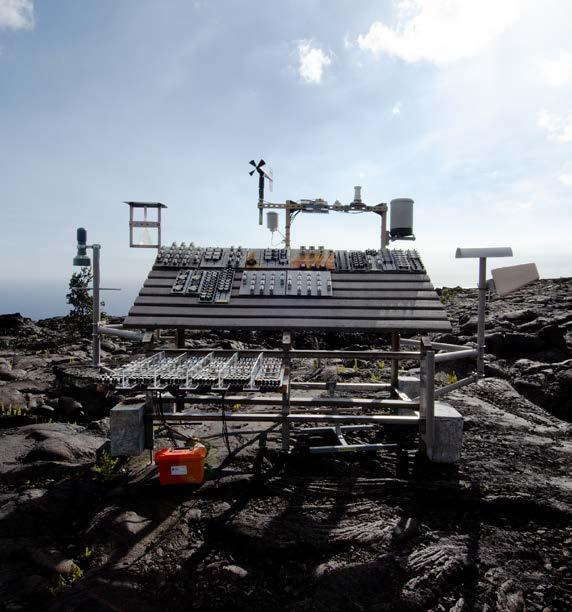
ABOVE, LEFT: Corrosion test site, Kilauea Volcano, Hawai‘i Island
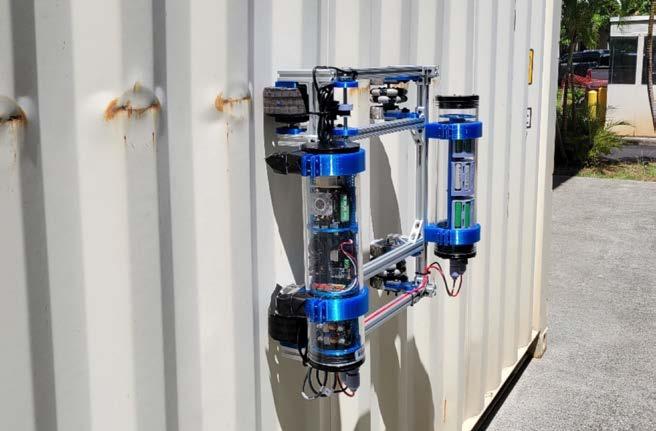
ABOVE, RIGHT: Permanent-magnet, wall-crawling robot for infrastructure inspection

As the College’s expert in precision machine design, industrial automation and autonomous systems, Professor Zachary Trimble is able to help his colleagues to transition basic research into applied research making him a much sought-after collaborator by Ray, Brown, Hihara, and others.
“New or advanced manufacturing technologies often require minor or sometimes major design tweaks that enable these products to be produced in a more efficient way,” said Trimble. “I primarily see my role as helping others break away from how things used to be made and to design for new technology, which involves analyzing the design flow, functional requirements, and what is needed to make a part stronger or more effective.”
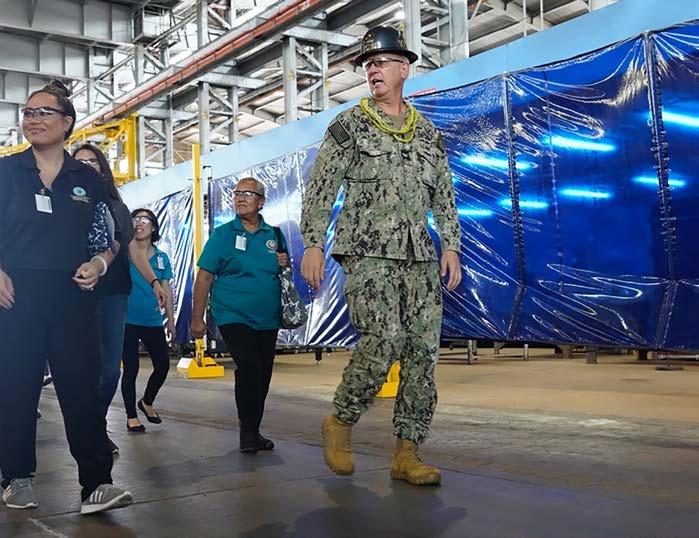
ABOVE: As part of the Pearl Harbor Naval Shipyard Apprentice Program, HCC staff tour the facilities at PHNSY & IMF. CREDIT: CLAUDIA LAMANTIA, U.S. NAVY
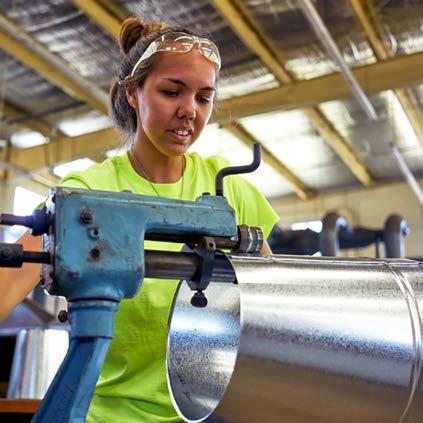
BELOW, LEFT AND RIGHT: Students in HCC’s Construction & Trades programs
Technical training will also play a large role in the initiative with Honolulu Community College (Honolulu CC), known for its program strengths in industrial training, including an apprentice program with PHNSY & IMF, leading the charge. Through funding from IBAS and with support from the Military Affairs Council, Honolulu CC is currently receiving equipment, instructors and training material to start an advanced manufacturing training center for inside and outside machinists from PHNSY & IMF, and private ship repair facilities. This center is unique in that it will also train active duty members from the Army, Navy and Marine Corps to support a new joint force advanced manufacturing facility at the U.S. Army Garrison Hawai‘i’s Schofield Barracks on O‘ahu.
“Our goal is to create an advanced manufacturing ecosystem with seamless skill sets and technology that can be used throughout Hawai‘i and across different industry sectors,” said Karen Lee, chancellor of Honolulu CC. “By moving our supply chain closer, we will be better able to withstand outside pressures from global events, provide good job opportunities for our students, and form a new industrial base to strengthen our local economy.”
“By moving our supply chain closer, we will be better able to withstand outside pressures from global events, provide good job opportunities for our students, and form a new industrial base to strengthen our local economy.”
KAREN LEE Chancellor, Honolulu Community College
A GLIMPSE OF THE FUTURE
Already in motion is UH’s Space Sciences and Engineering Initiative (SSEI), a collaboration among the UH Mānoa’s College of Engineering and Institute for Astronomy, and the University of Hawai‘i at Hilo (UH Hilo) to support groundbased astronomy engineering research, development, and education. The SSEI is expected to attract millions of dollars in funding and help to expand Hawai‘i’s advanced manufacturing sector with the completion of a $30-$40 million space engineering and instrument development center at UH Hilo slated for completion in 2030.

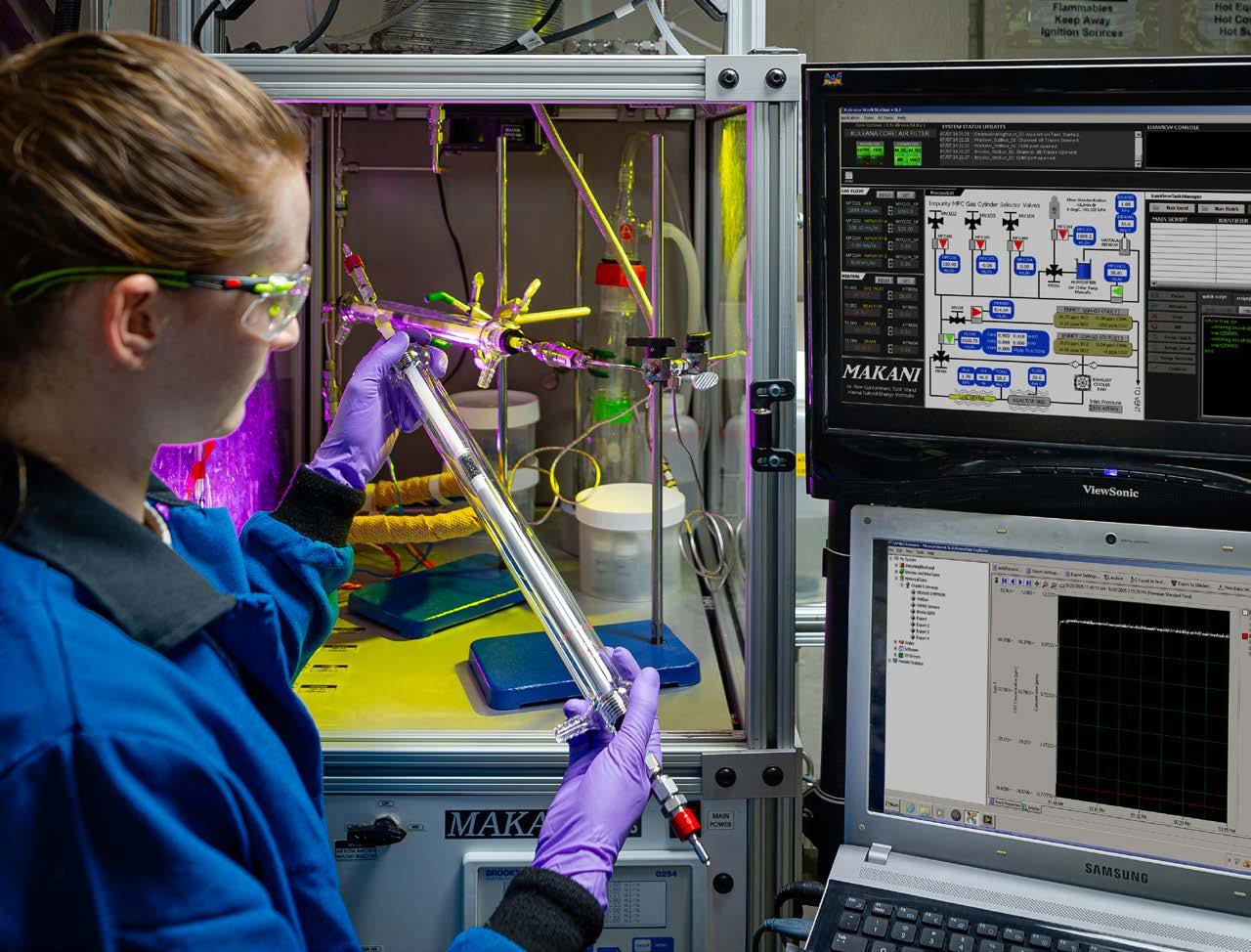
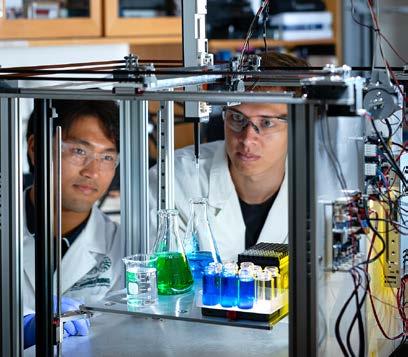
ABOVE: Isabella Kotsol, a mechanical engineering PhD student, performs air filtration tests to remove sulfur dioxide pollutants from the air using activated carbon FACING PAGE, BOTTOM: Mechanical engineering graduate students Kailer Okura (left) and Duke Vierra of the UH Nanosystems Lab inspect the construction and operation of a reconfigurable open-source Jubiliee lab robot that was updated by Vierra to improve adaptability to chemical experiments
IN MEDIEVAL TIMES, ALCHEMY WAS A PROTOSCIENTIFIC PRACTICE that sought to transform base metals into gold and to create an elixir of immortality. While the search for eternal life continues on, today’s scientists are now able to understand and perfect materials in ways that would make the ancient alchemists marvel in wonder and amazement.
For the University of Hawai‘i at Mānoa (UH Mānoa), the origins of its materials science effort today can be traced to a research unit with a name that would be befitting of a branch at the National Aeronautics and Space Administration (NASA) the Hawai‘i Institute of Geophysics and Planetology (HIGP). Known outside of UH Mānoa more by its individual centers, including the Hawai‘i Space Flight Laboratory, which has developed NASA-funded technology development projects with its Spectral Technology Group and Raman Spectroscopy Laboratory, including the Hyperspectral Thermal Imager and Thermal Infrared Compact Imaging Spectrometer that have been successfully launched into orbit aboard nanosatellites to measure the chemical composition of gases, rocks and soils.
While the primary mission of HIGP is to invent technologies and improve techniques for exploring Earth and planets from a composition standpoint, the knowledge, equipment and laboratories that help to facilitate this research have been adapted to study and improve material properties on the ground for use in multiple applications across various industries.
“HIGP has a long history of developing instrumentation to study the chemical and physical properties of materials that go back to the days of our high-pressure minerals physics group that simulated the chemical composition of the Earth’s interior to study minerals under extreme conditions,” said HIGP Director Robert Wright. “As a result, our work in material properties and processing, combined with our advanced instrumentation, enables a wide range of materials science research and education to be conducted at UH Mānoa.”
Recognizing the growing importance of materials science research, the UH Mānoa launched a strategic initiative known as the Materials Science Consortium for Research and Education (MSCoRE) in 2017. The goal was to bring together materials experts and infrastructure scattered around several colleges and departments under one group in support of education, innovation, and to lay the foundation for a future materials science center at UH Mānoa.
Przemyslaw Dera, a professor of mineral physics and extreme materials science at HIGP, was one of the original members involved on the ground floor of MSCoRE. A chemist by trade, who usually applies his knowledge to study planetary interiors, Dera was selected to form a core group of engineers, chemists, and renewable energy experts that understood materials.
“There are a lot of people like me at UH Mānoa, including physicists, engineers, and chemists whose work can be defined as materials research,” said Dera. “MSCoRE brought us together and marked the beginning of a more coordinated effort to combine different areas of research expertise to create completely new materials that will outperform existing ones.”
Under MSCoRE, UH Mānoa was able to develop a popular research experience class for undergraduates and became quite successful in obtaining grants to bolster its materials science program. One of its early successes was a U.S. Department of Energy grant to study hydrogen storage materials, led by Professor Craig Jensen of the Department of Chemistry. Awarded through the Established Program to Stimulate Competitive Research (EPSCoR) program at the National Science Foundation (NSF), the grant helped UH Mānoa contribute to this growing field.
Utilizing this momentum, researchers from UH Mānoa and the University of Washington (UW) received a seed award from the NSF’s Partnerships for Research and Education in Materials (PREM) program in 2021. The collaboration, known as the Materials Research and Education Consortium (MRE-C), is made up of seven UH Mānoa faculty from HIGP, the Hawai‘i Natural Energy Institute (HNEI) and the Colleges of Engineering and Social Sciences, as well as 10 faculty from the UW Molecular Engineering Materials Center. MRE-C conducts public school visits around the islands to increase student interest and participation in materials science and STEM, and facilitates student exchanges at the undergraduate and graduate levels between UH Mānoa and UW. The grant was recently renewed by NSF for a full six years at $4.2 million.
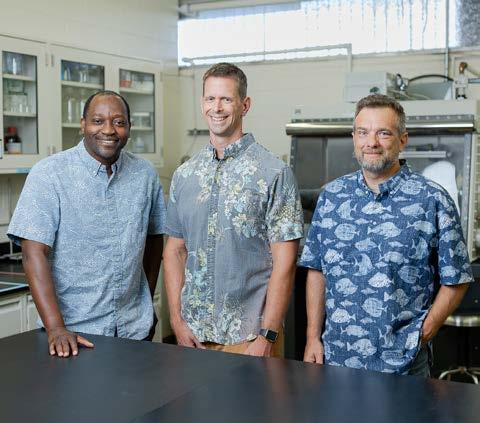
Associate Professor
“This partnership maximizes the complementary expertise and resources at both schools, while emphasizing education, training and workforce development,” said HIGP Assistant Researcher Godwin Severa, who serves as the program’s principal investigator. “At the same time, it benefits our research by developing foundational knowledge about advanced nano-to-macroscale materials and the properties controlling their unique behaviors, and assessing their viability in future energy and space technologies.”
As a testament to UH Mānoa’s expanding capacity and expertise in this space, the Office of Naval Research just awarded a three-year, $4.5 million grant to conduct innovative, high-risk scientific research with the potential to enhance naval capabilities and national security in the IndoPacific region. Together with the NSF PREM grant, UH Mānoa will now have a formal structure in place with the establishment of the Hawai‘i Institute of Materials Research (HIMaR). Co-led by Dera, Severa, Jensen and Professor Joseph Brown from the Department of Mechanical Engineering, HIMaR will be a virtual, interdisciplinary institute of applied and fundamental research in materials science, artificial intelligence, autonomous systems, and advanced manufacturing.
“Engineering is a natural part of materials science and in many ways, materials sciences is motivated by engineering
applications,” said Dera. “By creating new inks for their 3D printers, we learn not only how to use the printers in novel ways, but we also learn how to make the engineering component out of the inks to perform better there is a natural synergy there.”
In addition to funding for 14 PhD level positions, HIMaR will be investing in state-of-the-art equipment, including an advanced high spatial resolution laser-induced breakdown spectroscopy microscope to detect changes in chemistry or physical properties in heterogenous materials; a Raman spectrometer coupled to an atomic force microscope to provide chemical and molecular identification at nanoscale; and a plasma etcher to fabricate micro circuits that will be located in the clean room at the UH Mānoa College of Engineering to bolster their efforts in the Advanced Manufacturing Initiative (see related story).
“Large scale manufacturing is clearly not compatible in Hawai‘i due to our limited land area and expensive workforce,” said Dera. “However, by establishing small-scale capabilities to manufacture critical components for existing industry and our military forces, we can create a new workforce and develop another leg of the economy to increase our island resiliency.”
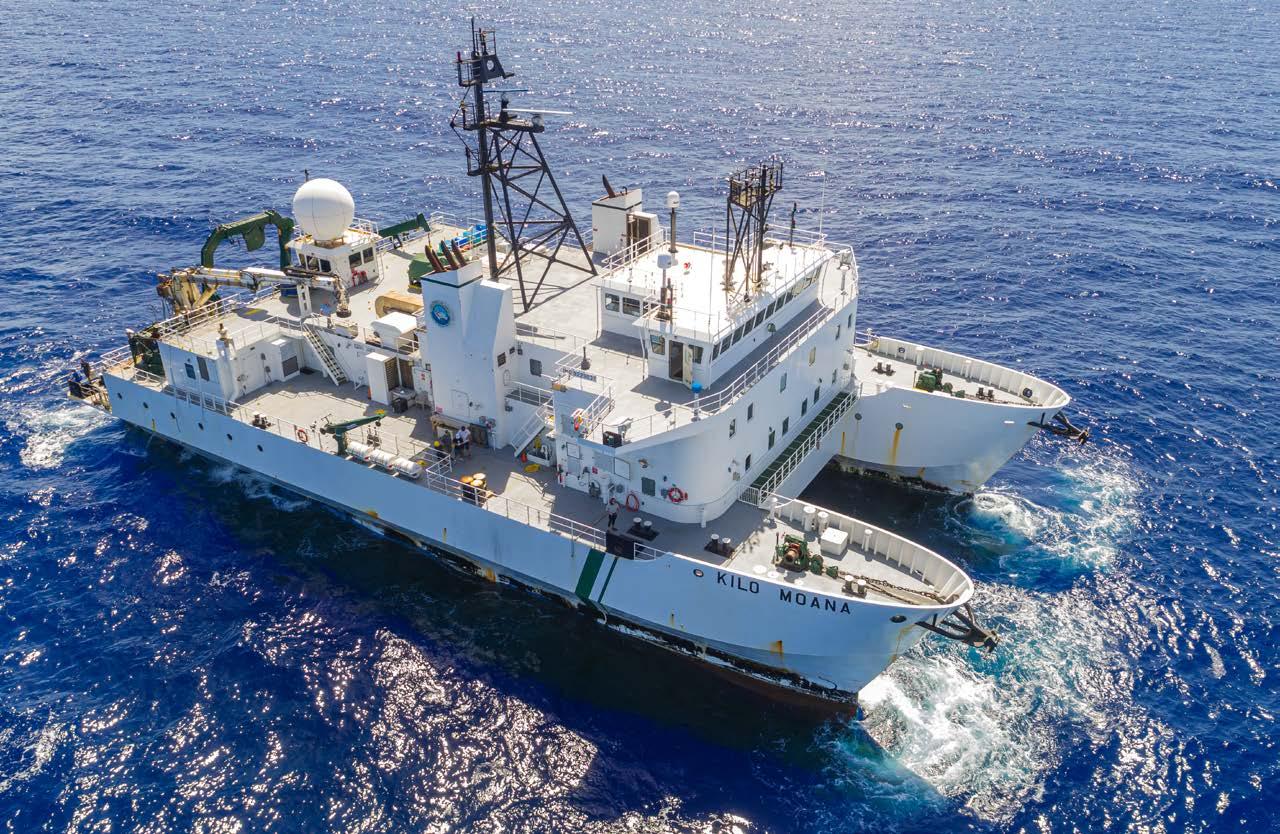
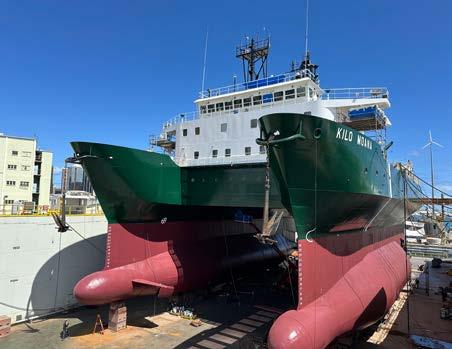
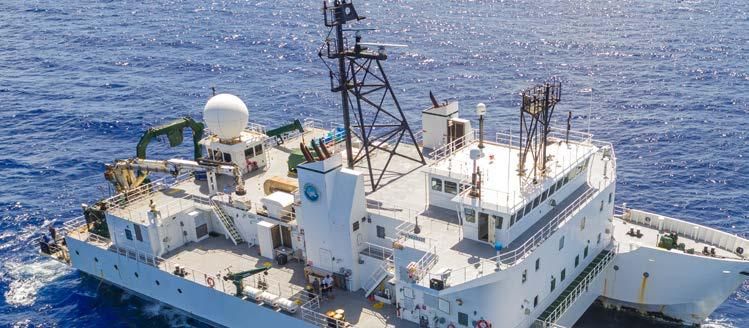
TOP: R/V Kilo Moana holding station in the Pacific Ocean
CREDIT: JULIANNA DIEHL
BOTTOM: R/V Kilo Moana with a new color paint scheme (May 2025). CREDIT: IAN LIM
IN THE HEART OF THE PACIFIC OCEAN, THERE IS NO BETTER PLACE THAN THE SCHOOL OF OCEAN EARTH SCIENCE AND TECHNOLOGY (SOEST) at the University of Hawai‘i at Mānoa (UH Mānoa) to operate a small, but highly capable fleet of vessels providing world-class platforms for researchers to discover the unknown, offering further insight into unmapped regions, identifying untapped resources in the depths of the world’s deepest ocean, and promoting sustainable and resilient development. At the forefront of the UH Mānoa’s oceanographic research fleet are the R/V Kilo Moana and the R/V Kaunānā, each equipped with a vast array of capabilities to help scientists investigate, innovate and collaborate.
Research vessels are a vital part of oceanographic exploration as they are the go-to platform for scientists to deploy instrumentation, collect data and perform laboratory experiments. Professor Angelicque White, principal investigator for the Hawai‘i Ocean Time-series (HOT) noted, “For more than 35 years, HOT has been at the forefront of data collection and exploration in the North Pacific Ocean. The many priceless discoveries made over this time would not have been possible without the invaluable support of research vessels, especially those operated by the University of Hawai‘i.”
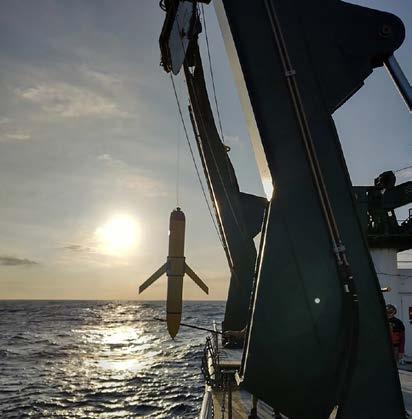
Emerging technologies are poised to increase the scientific capabilities of research vessels and to extend the reach of these platforms beneath the waves and beyond the horizon, including remotely operated vehicles, long-range autonomous underwater vehicles, sail drones, and wave gliders. Paul Mospens, marine operations superintendent at the University of Hawai‘i Marine Center (UH Marine Center) added, “The evolution of these ships is incredible. I come from a background of 28 years sailing on commercial shipping vessels and never did I imagine that people from all around the world could, live in real-time, see samples being collected from the seafloor.”
“The University of Hawai‘i at Mānoa continues to build on more than 50 years of world-class oceanographic research in the Pacific utilizing research vessels supported by highly skilled personnel servicing researchers from around the globe.”
ANITA L. LOPEZ
Rear Admiral, NOAA (ret.) Director of Research Vessel Operations, UH Mānoa
The R/V Kilo Moana was built in 2001 and is operated by UH Mānoa through a charter agreement with the Office of Naval Research. The 186-foot vessel’s unique twin-hull design provides state-of-the-art ocean mapping capabilities and a stable platform to deploy unmanned remote operated vehicles up to 3.7 miles deep (6,000 meters) to collect deep-sea samples for research. The ship features over 2,500 square feet across eight different laboratories and over 4,000 square feet of exterior working space on the aft main deck and forward 01 deck. Homeported and operated out of the UH Marine Center in Honolulu, and manned by a crew of 20 and up to 24 science party members, the R/V Kilo Moana conducts oceanographic research cruises across the Pacific and throughout Hawai‘i, the West Coast of North America, Alaska, Tahiti, Samoa and everywhere in between.
“The Kilo Moana is the best ship out there for scientists to do their work,” said Eric Pomery, master of R/V Kilo Moana. “The superior stability provided (compared to single hulled vessels) is paramount when operating out of the Central Pacific and is strategically sound when looking towards other locations around the Pacific basin.”
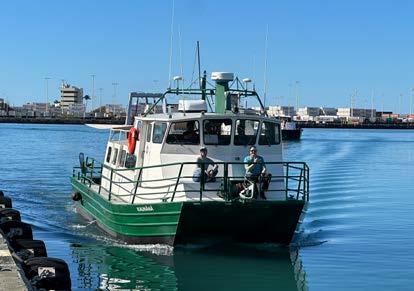
The R/V Kaunānā is also a twin-hull design that makes it ideal for operating in the coastal waters of the main Hawaiian Islands. Coastal oceanography with a focus on monitoring and sustainability depends on reliable vessels with different capabilities from the shore to the deep sea. The 40-foot R/V Kaunānā has unique capabilities to meet research objectives near shore as a dive platform for inwater monitoring and sampling, deployment and recovery of in situ oceanographic instruments, towed array and net gear collections, and when outfitted with proper equipment, can be utilized for emergency navigational response in natural disasters such as hurricanes or tsunamis.
“R/V Kaunānā is an ideal platform for near-shore operations and has been crucial for my field testing of underwater robots and coastal installations,” said Michael Kreig, associate professor in the Department of Ocean and Resources Engineering. “The ease and versatility of the vessel to deploy small- to medium-sized equipment and to have small dive teams operate off the large transom makes seafloor installation and launch/recovery of unmanned vehicles effortless. Furthermore, the Kaunānā’s onboard complement of instrumentation and technical hardware, such as the networking capabilities and CTD (conductivity, temperature, depth) water profiler, are vital to modern scientific research.”
The oceanographic research community continues to seek new technology to study the Earth’s oceans, and as such, UH vessel operators strive to be at the forefront of providing the latest and most capable platforms and instrumentation to service the scientific community. As the next generation of research vessels will soon be realized, a replacement for the R/V Kilo Moana will be required in the next couple of years.
“When making investments in vessel infrastructure it is critical to develop highly capable and adaptable technology that can be flexible and evolve when breakthroughs in scientific discoveries are made. These breakthroughs can change how researchers study our ocean environment,” said Lopez. “As operators, we are listening to our stakeholders to get ahead of these changes to ensure that we provide the best tools for the community to conduct their work now and into the future. When you build a vessel for 30 years of service, you have to have a platform that can be on the cutting edge throughout its lifetime.”
Whether it be new discoveries in the Hadal Zone, the deepest region of the ocean, or within the microstructure of the top millimeters of the ocean’s surface, UH Mānoa research vessels will continue to remain flexible and adaptable to provide the best platforms for the task, the best skilled personnel, and the best collaborative team spirit required to discover the mysteries of the oceans that surround Hawai‘i and world.
BOTTOM:
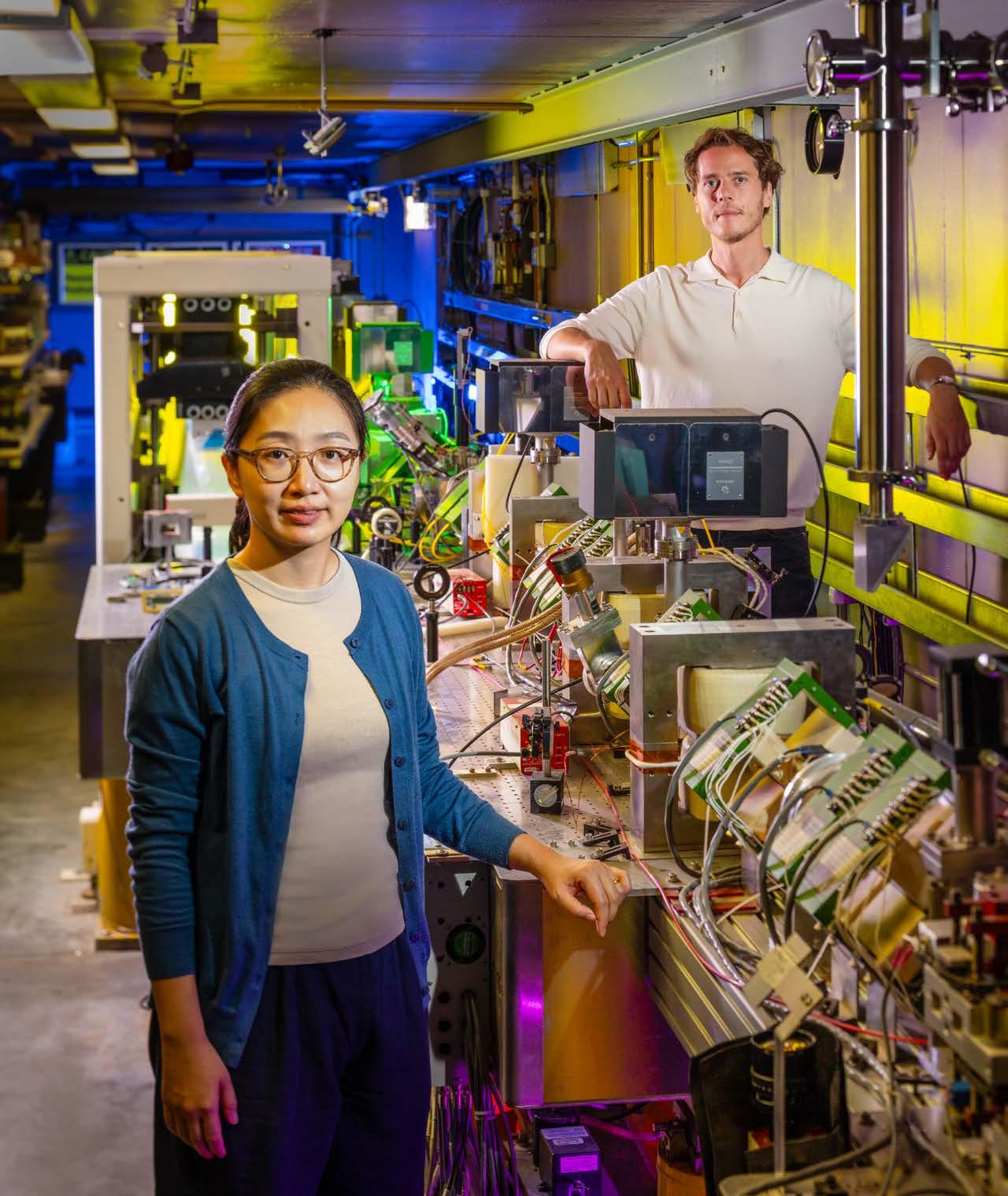
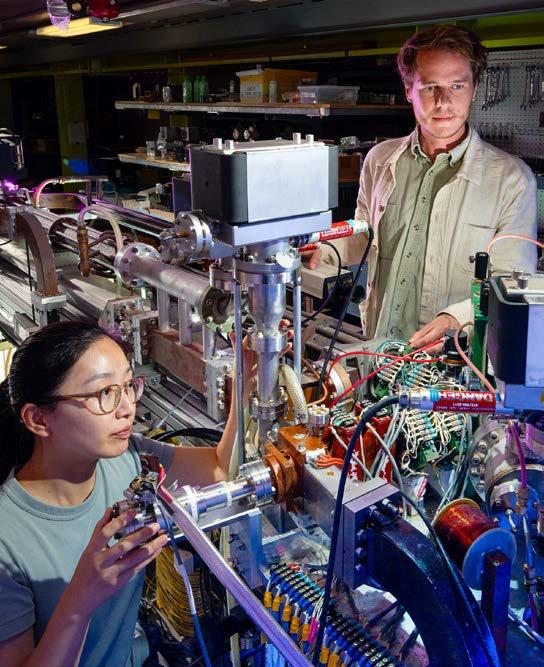
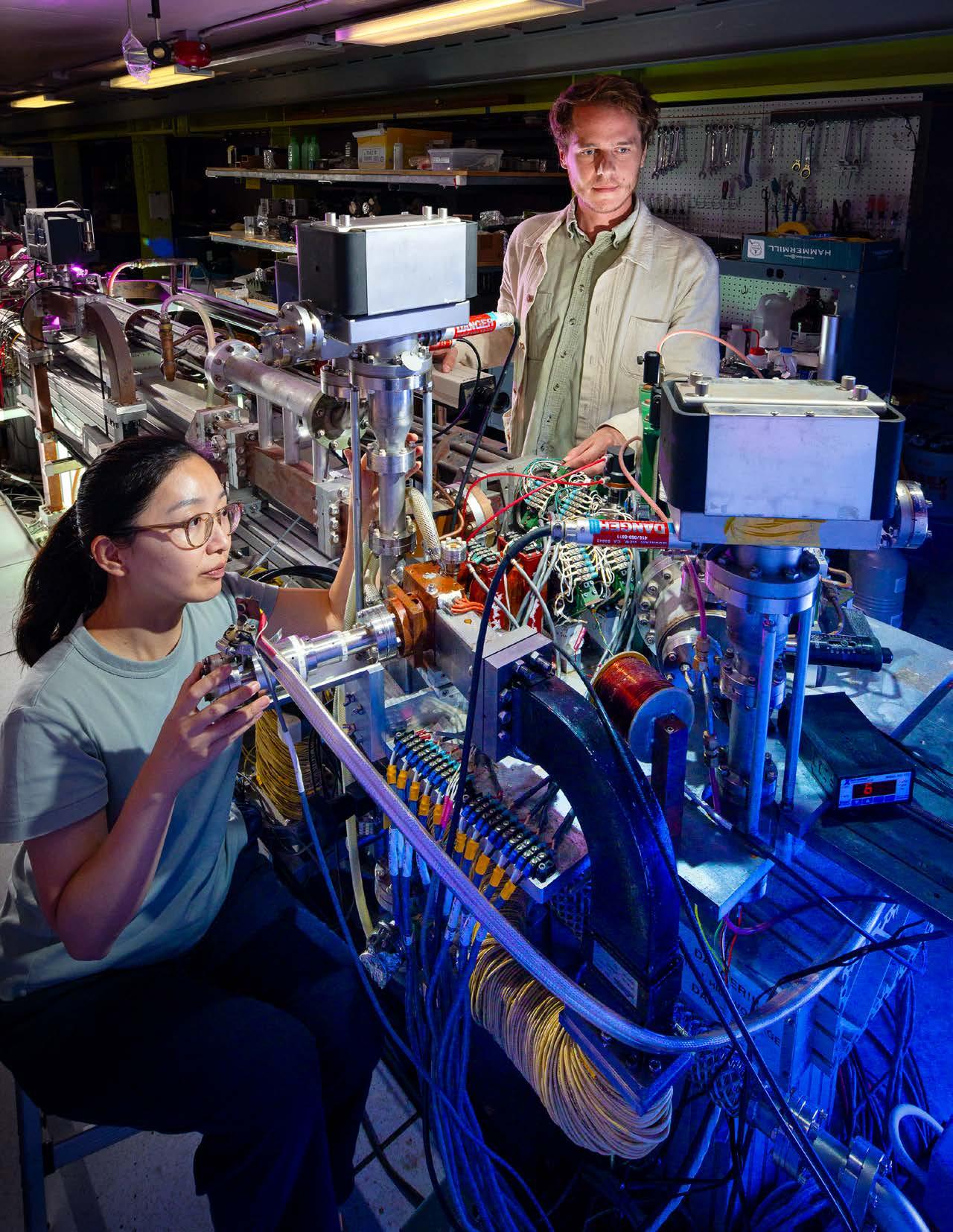
DEEP WITHIN THE CONCRETE VAULTS OF WATANABE HALL on the University of Hawai‘i at Mānoa (UH Mānoa) campus, an ambitious scientific renaissance is underway. What once sat dormant for nearly a decade— a powerful, highly specialized instrument known as a Free-Electron Laser (FEL)— is now sparking back to life, thanks to a new generation of accelerator physicists at UH Mānoa, determined to restore the FEL’s brilliance and redefine its potential.
Unlike conventional lasers, the FEL produces tunable light by accelerating electrons through alternating magnetic fields. This unique mechanism makes it a versatile tool, allowing researchers to probe matter at the molecular and atomic scale, making it a vital tool in physics and chemistry to biology and materials science.
At UH Mānoa, the FEL facility engages in:
• Biological research including studies on DNA damage and advanced cancer treatments like FLASH-Radiotherapy, which delivers ultra-short, high-dose radiation pulses that target tumors while minimizing side effects;
• Materials science research, analyzing how radiation affects everything from spacecraft materials and microelectronics to biological tissues;
• Nanostructure wake research, a new frontier in exploring how energy and information propagate at the nanoscale, potentially critical in transforming future electronics and sensor technologies;
• Fundamental physics in studying particle interactions, synchrotron radiation and investigating phenomena like Inverse Compton scattering— a process when fast-moving electrons collide with low-energy photons, producing high-energy radiation such as X-rays. With this capability, the lab can also help simulate and explore astrophysical phenomena, such as those involving extreme energy transfer near black holes and other cosmic environments; and
• Advanced light source development, including free-electron laser and Inverse Compton scattering in a controlled lab setting to create tunable, radiation beams. These sources are compact and versatile, with applications in imaging, materials research, and nuclear physics.
Since its invention, the FEL has enabled major breakthroughs in advancing scientific understanding, such as capturing ultrafast chemical reactions, determining the structure of complex proteins for drug development, and probing materials at the atomic scale to inform next-generation electronics and energy technologies.
THE LEGACY OF JOHN MADEY
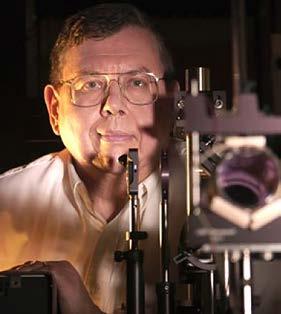
The FEL’s journey to Hawai‘i all began with the late John Madey, a pioneering physicist who invented the FEL in the 1970s, transforming high-energy light research. He first developed, demonstrated and patented his FEL technology while at Stanford University, and refined it at Duke University before bringing his FEL technology to UH Mānoa in 1998.
Over the years, his research and foundational work inspired and enabled the development of giant, half-billiondollar class FEL machines operated at world-renowned labs including: the SLAC National Accelerator Laboratory (formerly the Stanford Linear Accelerator Center and better known as SLAC) in Stanford, CA; the Super Photon ring-8 synchrotron radiation facility in Japan’s Harima Science Park City; and the Deustches Elektronen-Synchrotron (DESY) research center in Hamburg, Germany.
Upon the FEL’s arrival at UH Mānoa, Madey oversaw the construction of a massive radiation-shielded bunker that enabled the FEL to become fully operational in the early 2000s, producing infrared light that led to successful observations of X-rays from Inverse Compton scattering. Unfortunately, the program stalled upon his passing in 2016, and the precision, interdisciplinary knowledge, and continuous maintenance required to operate the FEL became difficult to sustain, particularly during the COVID-19 pandemic.
BELOW: The late
“This is a huge opportunity for students. They’re not just learning theory, they’re helping us tune the machine, run diagnostics, even simulate beam physics. It’s hands-on training with global consequences.”
NIELS BIDAULT Assistant Professor, Physics and Astronomy
In 2024, UH Mānoa took a strategic leap forward by hiring two rising stars in accelerator physics: Assistant Professor Siqi Li from the SLAC, and Assistant Professor Niels Bidault from CERN, the European Organization for Nuclear Research in Switzerland. Their mission: restart the FEL, upgrade its capabilities, and carve a new path forward.
“Operating the FEL is like building a Swiss watch, but at the scale of a particle beam,” said Bidault. “It requires precision across every domain electrical engineering, vacuum science, magnets, diagnostics, high-voltage systems. Everything must align within millimeters or less in order to work.”
Li and Bidault are working with a team of two postdocs and several undergraduate students on the following technology upgrades:
• Establishing Start-to-End Beam Simulations to build the framework for optimizing beam quality, diagnosing performance issues, and guiding future upgrades with predictive modeling;
• Cavity-Based FEL System to generate tunable bright infrared laser light that seeds the Inverse Compton scattering process to produce high-energy X-rays, which can be used for medical imaging, cancer treatment and other industrial applications; and
• Energy Recovery Linac (ERL) a significant functional upgrade that would recycle unused energy from the electron beam, increasing experimental time and energy efficiency.
In addition, Li is leading a nearly $1-million Department of Energy Established Program to Stimulate Competitive Research-funded project that develops a comprehensive simulation framework to fully understand FEL physics and combines traditional beam physics with cutting-edge machine learning techniques to optimize the FEL’s controls.
“There are thousands of parameters to tune in such a complicated system,” said Li. “Machine learning offers a way to achieve precision, stability and efficiency beyond what human operators can do alone.”
In collaboration with SLAC, Li’s team is developing algorithms that can intelligently adjust the accelerator’s operations to optimize beam performance and stability, making UH Mānoa’s FEL a cutting-edge testbed for utilizing artificial intelligence (AI) in experimental physics.
Unlike in Europe, where accelerator science is well-established across multiple national universities, the U.S. has very few such academic programs. National labs like SLAC and Fermilab in Illinois rely heavily on a small talent pool that is growing in demand, which UH Mānoa is now helping to develop.
“This is a huge opportunity for students,” said Bidault. “They’re not just learning theory, they’re helping us tune the machine, run diagnostics, even simulate beam physics. It’s hands-on training with global consequences.”
The implications extend beyond academia. High-tech industries, medical imaging companies, and even aerospace sectors rely on beam physics and accelerator technology. UH’s training pipeline may soon become a vital contributor to the broader U.S. and international science and technology workforce.
After a recent visit to the lab, renowned physicist Vladimir Shiltsev, a former director at Fermilab, praised UH’s efforts to revive the FEL and suggested the university could become a national hub for accelerator science.
“The program will enable unique research across multiple disciplines, from high-energy and nuclear physics to advanced light sources and medical applications, and has the potential to position Hawai‘i as a globally recognized hub for accelerator science,” said Shiltsev.
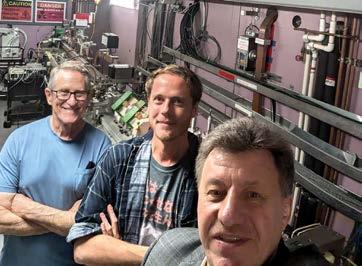
With technical restoration nearly complete, Li and Bidault expect to produce their first new electron beams by fall 2025. Once operational, the lab will serve not only as a research powerhouse but also as a magnet for aspiring physicists, engineers and AI scientists across the Pacific and beyond.
As the UH FEL hums back to life, it symbolizes more than a restart. It marks the beginning of a new era of scientific discovery at the edge of light and matter.
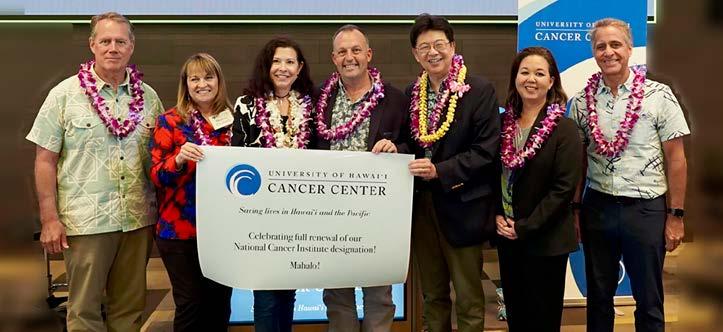
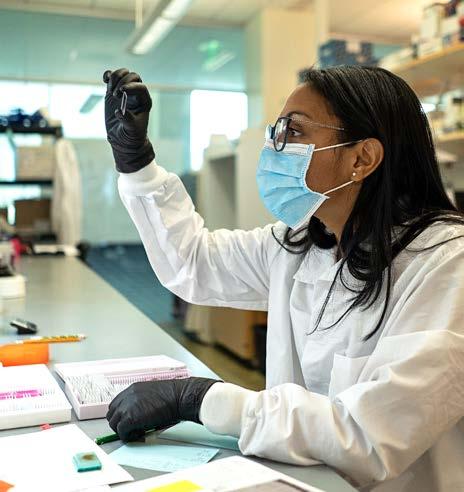
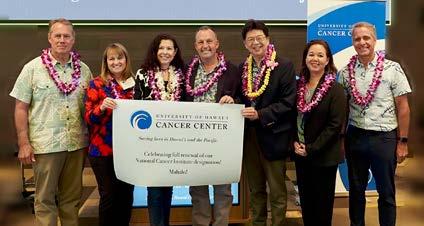
THE UNIVERSITY OF HAWAI‘I CANCER CENTER (UH CANCER CENTER) continues its long standing as one of the best cancer centers in the nation. A National Cancer Institute (NCI)-designated clinical cancer center from 1974-1986 and continuously since 1996, the UH Cancer Center recently secured a five-year renewal, earning its best evaluation score and an “outstanding” rating.
Only 73 out of approximately 1,825 cancer centers in the U.S. are currently NCI-designated cancer centers, placing the UH Cancer Center in the top four percent of cancer research institutions nationwide. Its NCI Clinical Cancer Center designation is achieved by meeting constant, rigorous standards for conducting transdisciplinary, state-of-the-art research in basic, clinical, and/or prevention, cancer control, and population science.
“Receiving the maximum designation and our best score in the center’s history validates the critical work our faculty researchers are doing at the UH Cancer Center to save lives in Hawai‘i and the Pacific,” said Director Naoto T. Ueno, MD, PhD, who is also a cancer clinician and researcher, as well as a two-time cancer survivor himself. “This recognition affirms not only our groundbreaking research into cancer’s causes, prevention and treatments, but also our unique focus on serving underrepresented communities in Hawai‘i and the Pacific, who often face significant disparities in cancer risk, patient care and health outcomes.”
The UH Cancer Center operates out of its state-of-the-art facility in Kaka‘ako and employs more than 300 faculty and staff, with an additional 200 affiliate members through its Hawai‘i Cancer Consortium partners: Hawai‘i Pacific Health, The Queen’s Health Systems, Adventist Health Castle, Kuakini Medical Center, Hawai‘i Medical Service Association (HMSA), and University of Hawai‘i at Mānoa’s John A. Burns School of Medicine (JABSOM). The consortium is expected to expand soon with its first neighbor island members, to promote access to high quality cancer care no matter where people live.
In early 2026, the UH Cancer Center is slated to open the Ho‘ōla Early-Phase Clinical Research Center, becoming the first-of-its-kind facility in Hawai‘i to offer Phase 1 clinical trials.
With more than 7,000 cancer diagnoses reported in Hawai‘i each year, and 70,000 Hawai‘i residents living with cancer, Ho‘ōla will provide local patients with access to novel cancer treatments, improving patient outcomes and reducing the burden on families who would otherwise have to travel to the mainland for treatments.
In February, The Queen’s Health Systems announced plans to develop oncology clinic space at the UH Cancer Center, above Ho‘ōla. With Queen’s medical oncology, surgical oncology, and chemotherapy infusion services at the Kaka‘ako campus, patients will be able to access comprehensive cancer care and early-phase clinical trials in one convenient location.
“We have always valued the high level of expertise of the UH Cancer Center’s team of researchers and clinicians,” said Darlena Chadwick, executive vice president and chief operating officer of The Queen’s Health Systems. “We are
honored to bring our oncologists to the UH Cancer Center campus to create a better experience for patients. This agreement allows Queen’s to expand our commitment to comprehensive healthcare services, particularly for Native Hawaiians.”
Another new initiative by the UH Cancer Center, Ka ‘Umeke Lama, is Hawai‘i’s first academic oncology program, aiming to address the state’s severe shortage of cancer clinicians and researchers. Cutting-edge research, workforce development, and culturally informed practices are among the tactics that the UH Cancer Center is leading to transform care and fix disparities in cancer health outcomes in the islands.
These groundbreaking initiatives at UH Cancer Center will provide extensive resources to researchers and other institutions throughout the state to enhance cancer patient care in Hawai‘i and across the Pacific.
“We are not only upholding the rigorous standards of our ‘outstanding’ NCI designation – we are elevating our mission to save lives,” said Ueno. “The UH Cancer Center is transforming cancer care through bold initiatives like Ho‘ōla and Ka ‘Umeke Lama, expanding access to clinical trials, building the cancer workforce of the future, and staying rooted in the needs of our communities. Our vision is to ensure that every patient has access to lifesaving care and the hope of a healthier future, no matter where they live.”
Local government and community leaders in support of the UH Cancer Center: U.S. Representative Ed Case, The Queen’s Health Systems Executive Vice President and Chief Operating Officer
Darlena Chadwick, the late Patient-Empowerment Advocate Susan Hirano, Governor Josh Green, UH Cancer Center Director Naoto T. Ueno, U.S. Representative Jill Tokuda, and UH Mānoa Provost Michael Bruno
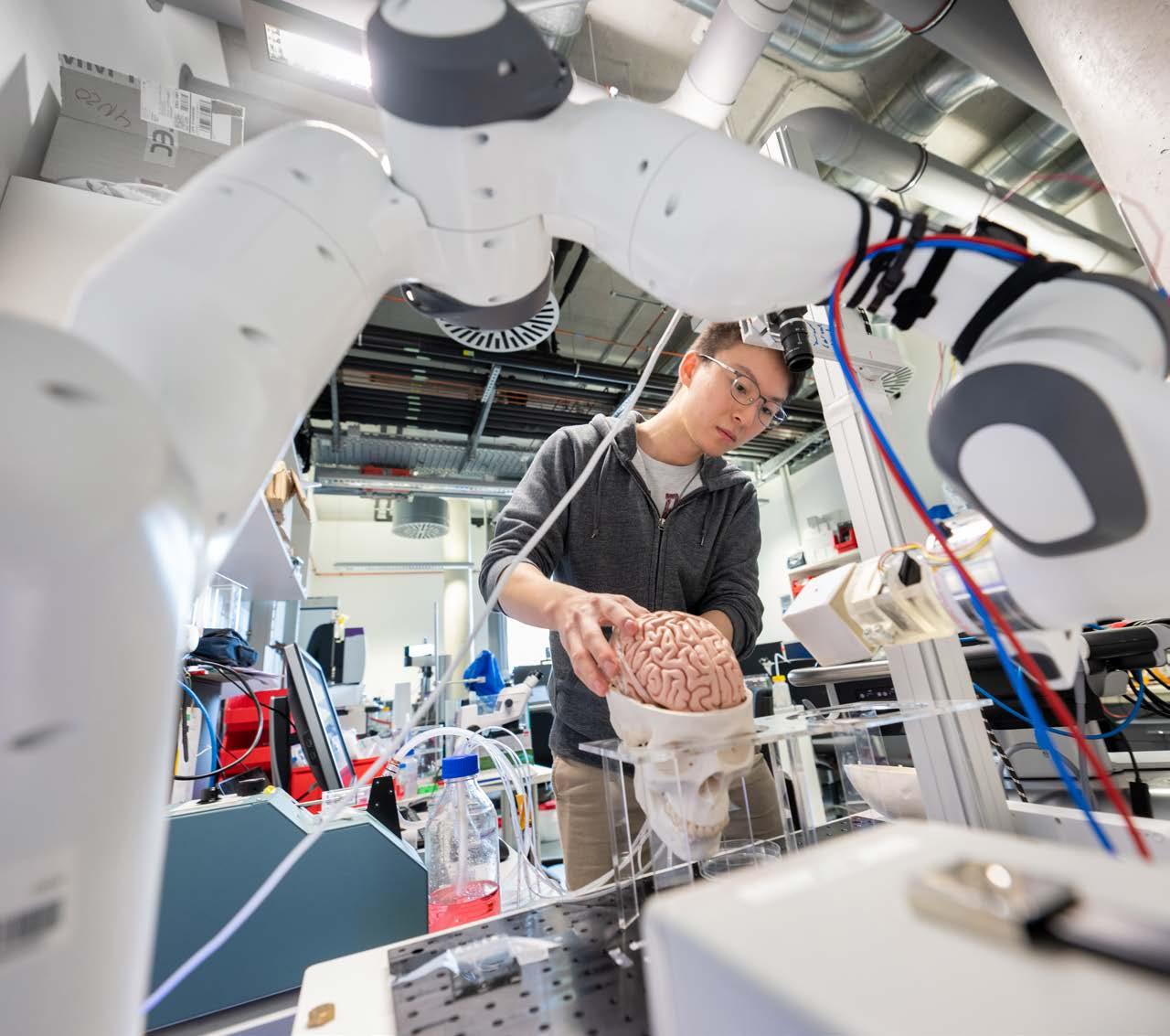
NATURE IS A MASTER ENGINEER. From the fluid motion of fish and elegant propulsion of jellyfish, to the shape-adapting capabilities of an octopus, nature’s creatures have remarkable bio-mechanical capabilities that can offer technical solutions to many of today’s most complex challenges, according to University of Hawai‘i at Mānoa (UH Mānoa) College of Engineering Assistant Professor Tianlu Wang.
Wang’s fundamental biomechanics research has allowed him to develop groundbreaking innovations bio-inspired soft robots that can serve as cutting-edge tools in addressing persisting healthcare, sustainability and industrial challenges, particularly unique to island communities like those in Hawai‘i.
By decoding how small aquatic animals move and function efficiently through hard-to-reach, fluid environments, Wang’s tiny soft robots mimic these traits, enabling them to maneuver with similar grace and resilience through environments like delicate underwater ecosystems or the human body.
“Drawing inspiration from nature and leveraging its governing principles allows us to build better robotic systems to improve life,” said Wang.
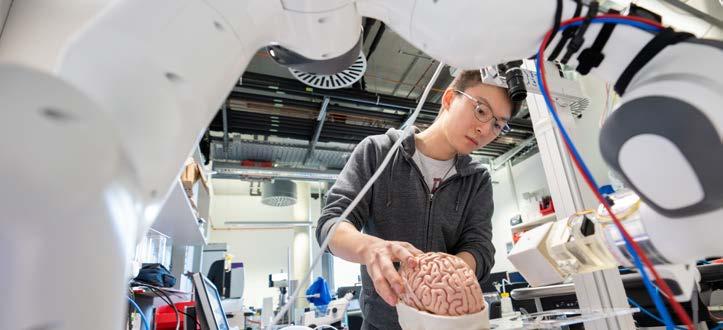
ABOVE: Assistant Professor Tianlu Wang working with a robot arm to wirelessly control magnetic soft robots in physiologically relevant conditions towards medical applications
CREDIT: MAX PLANCK INSTITUTE FOR INTELLIGENT SYSTEMS
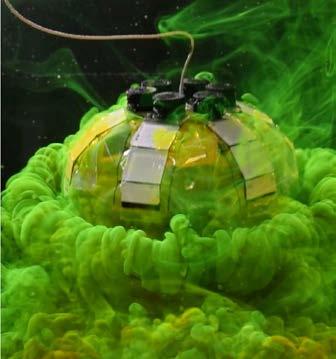
BELOW: A robotic jellyfish showcasing the potential for transportation and circulation of nutrients and other dissolvable matters CREDIT: SCIENCE ADVANCES
More than 90 percent of marine life is smaller than 10 centimeters, and their locomotion techniques are marvels of efficiency and adaptability. From larval zebrafish to jellyfish, these creatures display soft-bodied locomotion, large deformations, and shape adaptations that Wang’s lab research has captured and translated into robotic performance.
By capturing wake flow patterns and studying fluidstructure interactions of these tiny creatures, Wang’s team was able to mimic these biomechanical actions to improve propulsion, momentum, and efficiency in robotic movement. One example is a robotic swimmer he created that emulates larval zebrafish by using a uniform stiffness distribution and an oscillating magnetic field to reproduce energy-efficient, silent swimming.
“Such insights don’t just make for better robots, they can help biologists understand the fundamental biomechanics of animal life, and hopefully inspire new collaborations between engineers and marine biologists to better understand and replicate these remarkable organisms to create solutions for everyday life,” said Wang.
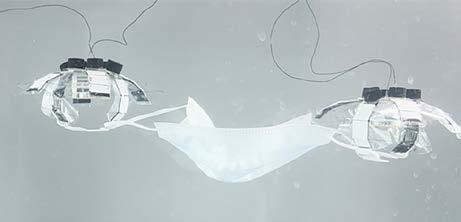
Each year, 4.8 to 12.7 million tons of plastic debris end up in the ocean, suffocating, entangling or being ingested by marine life. As climate change volatility and pollution continue to stress ocean ecosystems, Wang’s soft robots offer a gentle yet powerful new tool for conservationists.
At the 2024 Artificial Intelligence for Good Global Summit hosted by the United Nations’ International Telecommunication Union, Wang unveiled a robot platform whose design was inspired by jellyfish natural masters of gentle yet energy-efficient propulsion. Wang’s robot holds great potential to navigate fragile ecosystems such as coral reefs or seagrass meadows. These soft-bodies machines can collect research data and samples, manipulate objects, clean up marine debris, monitor microbial life and even film marine species in their habitat all with minimal disruption and without causing harm to marine life.
Featured in Science Advances and highlighted by international environmental groups, these devices are part of a broader movement to advance and utilize robotics in marine conservation, and expand to other applications in dynamic waters, such as aquaculture, environmental monitoring, and sustainability.
As his lab continues to grow, Wang is attracting global collaborators and training the next generation of roboticists who will carry forward this blend of biological insight, mechanical ingenuity, and community-driven purpose.
PROMISING APPLICATIONS IN MEDICINE
Wang and his team recently made headlines by scaling down soft robots to the millimeter and micrometer range, in a development that could transform healthcare. Developed in partnership with several institutions, including ETH Zurich in Switzerland and the Max Planck Institute in Germany, Wang’s medical micro-robots (each no bigger than a grain of rice), can be independently controlled inside the human body using external magnetic fields.
Wang and his team successfully demonstrated how the micro-robots work in an artificial vascular system through medical imaging-guided experiments. The micro-robots were able to deliver targeted cargo, modify fluid flow, and operate simultaneously at multiple sites— all tasks that once required separate invasive procedures.
The real innovation lies in the soft, flexible structure of the robots, which allows them to adapt their shape to a human body’s complex internal pathways – much like an octopus squeezing through a crevice. This allows them to safely interact with tissue, which is essential for minimally invasive surgeries.
“This technology has the potential to revolutionize how and where complex conditions are treated,” said Wang. “By enabling cutting-edge treatment options more locally and less invasively, these robots can transform patient care especially for those in Hawai‘i’s elderly and rural communities, who often have to travel by plane for specialized medical procedures.”
“Rooted in the fundamental breakthroughs of miniature bio-inspired soft robotics, Professor Wang is dedicated to advancing these technologies and combining them with general robotics knowledge to develop powerful real-world applications relevant to our unique island community,” said UH Mānoa’s College of Engineering Dean Brennon Morioka. “His research truly embraces the roots of science and innovation in Hawai‘i and has the capacity for long-range societal impact. From advancing our healthcare practices to protecting our fragile marine ecosystems, the potential is vast and we are excited for the next chapter to come.”
BELOW: Robotic jellyfish showcasing swimming and object grasping for potential applications in marine sampling and remediation
CREDIT: SCIENCE ADVANCES
Chu is looking forward to immersing himself in the development of ‘Imiloa’s curriculum, expansion of educational outreach programs, and further development of place-based partnerships with the community to get Hawai‘i Island students interested in astronomy or other STEM-related fields.
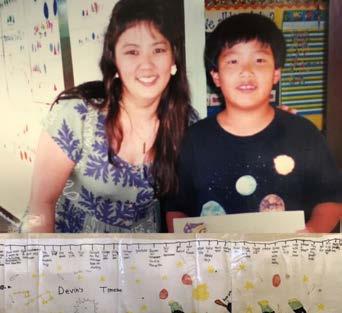
ONE WOULD BE HARD-PRESSED TO SAY that Devin Chu’s career and life were not literally written in the stars.
As a youngster growing up in the sleepy town of Hilo on Hawai‘i Island, Chu would often visit the library on weekends with his mother to check out various books. While in the third grade, one of the books he discovered was Our Solar System by Seymour Simon, which got him fascinated with the neighboring planets and their differences from Earth. The discovery was a life-changing moment for Chu and first set him on a new course into the field of astronomy, then later on a return trajectory to his hometown to become astronomer-in-residence at the ‘Imiloa Astronomy Center (‘Imiloa) at the University of Hawai‘i at Hilo (UH Hilo).
Guided by his newfound interest and curiosity about space, Chu participated in as many opportunities as he could find on the subject, including the popular Journey Through the Universe astronomy education and outreach program that connects students with those in the Maunakea observatory community; and Future Flight Hawai‘i, a space-themed educational program designed to catalyze student interest in science, technology, engineering, and math via simulated space missions. Chu was a mainstay at Hawai‘i Island science fairs and frequently borrowed telescopes from the Department of Education to conduct his own astronomical observations.
Through sheer determination and effort, Chu often reached out to astronomers to gain their insight and advice on his high school research projects. Doug Simons, director of the Institute for Astronomy (IfA), fondly recalls Chu and how he indirectly helped to inspire the creation of the Maunakea Scholars (MKS) program years later.
“Before Maunakea Scholars, high school student access to the observatories was ad-hoc, mainly based on knowing someone who worked at the observatories or just coldcalling astronomers for advice on their science projects,” said Simons, who was director of the Gemini Observatory
when he first met Chu. “We flipped things around five or six years later with the launch of the MKS program that went to the schools looking for students like Devin who wanted to do research using the most powerful collection of telescopes in the world.”
After graduating from Hilo High School in 2010, Chu’s journey took him to Dartmouth College where his first physics class was taught by Professor Emeritus Gary Wegner, who proclaimed later in the semester that he was an astronomer. Intrigued by this revelation, Chu sought out and eventually collaborated with Wegner on a research project that convinced him to pursue observational astronomy a branch of astronomy focused on collecting and analyzing data about the universe using telescopes and other instruments.
In his second year, Chu was selected to participate in the Akamai Internship Program, which allowed him to return home for the summer to assist astronomers at the Gemini-North Observatory to learn more about the internal structure of variable stars by comparing the difference in the pulsation between ultraviolet and visible light observations. The following summer, Chu received additional experience in observational astronomy when he was selected as an undergraduate research fellow at the world-renowned NASA Jet Propulsion Laboratory (JPL). He received his Bachelor of Arts in physics and astronomy in 2014.
“Through my internship/fellowship at Gemini and JPL, I sharpened my skills in computerized data analysis and
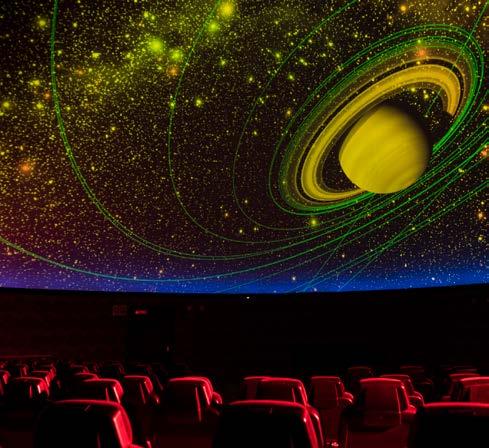
obtained valuable hands-on observatory experience,” said Chu. “I was also fortunate to be able to associate myself with a number of astronomers from the observatories growing up in Hilo and many others along the way who graciously and generously offered their time to help mentor and support me on my journey.”
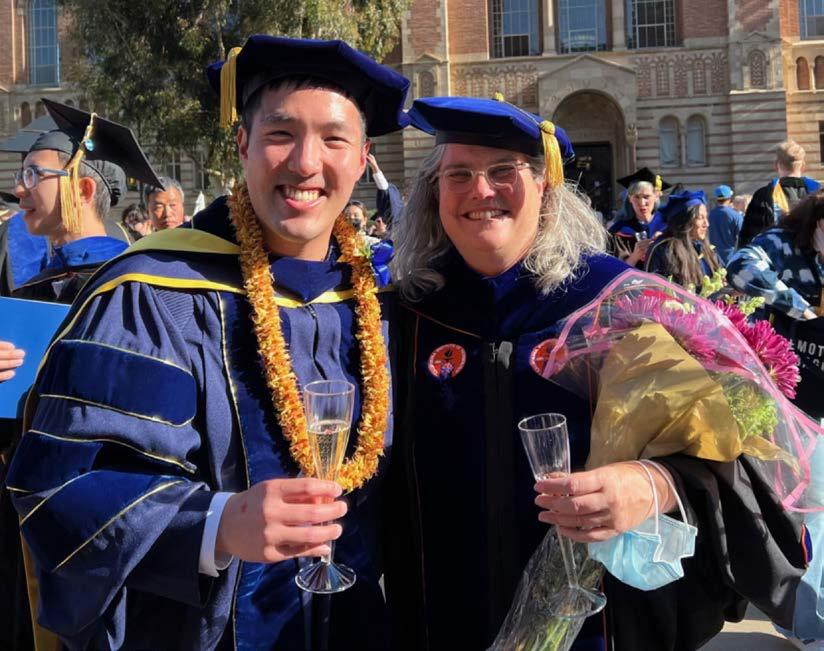
Probably the most influential figure in Chu’s career is Professor Andrea Ghez, one of the world’s leading experts in observational astrophysics, head of the renowned Galactic Center Group at the University of California at Los Angeles (UCLA), and winner of the 2020 Nobel Prize in Physics for her discovery of a supermassive black hole at the center of the Milky Way galaxy using Newton’s laws of physics. Chu was invited to join the group shortly after his arrival at UCLA for graduate work and was able to return to Hawai‘i as part of the UCLA team involved in the Keck All-sky Precision Adaptive Optics project. He earned both his Master of Science and PhD in astronomy and astrophysics in 2016 and 2020, respectively.
“Andrea played a big role in my foundation and instilled in me the importance of doing the science correctly and not to be driven by the results,” said Chu, who remained on Ghez’s team as a postdoctoral researcher until recently taking the job at UH Hilo. “She emphasized the importance of taking the time to systematically understand the data sets and, rather than being motivated by what we want to find, trying to understand what nature is trying to tell us and communicating that effectively.”
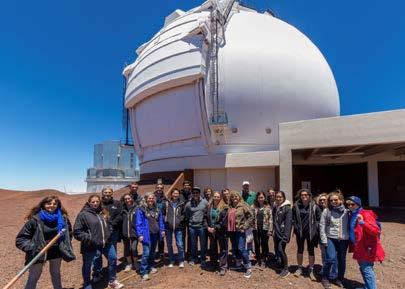
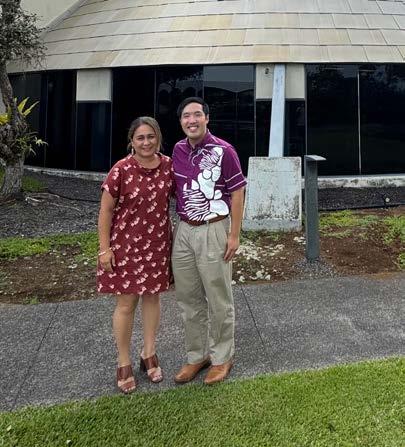
As UH’s astronomer-in-residence at ‘Imiloa Astronomy Center, Chu is eager to apply Ghez’s philosophy as well as some of his own. While the extent of his duties are not entirely set, Chu is looking forward to immersing himself in the development of ‘Imiloa’s curriculum, expansion of educational outreach programs, and further development of place-based partnerships with the community to get Hawai‘i Island students interested in astronomy or other STEM-related fields.
“We learned about the Polynesian voyages in elementary school and I remember thinking that travelling on the open ocean and settling on islands was one of the greatest feats of human ingenuity,” said Chu. “When ‘Imiloa opened in middle school, it was great to learn about the connections between the stars and the constellations that I knew from Western science and how they played a major role in Polynesian wayfinding.”
With his interest in improving instrumentation and control systems, Chu will also play a significant role in UH’s new Space Science and Engineering Initiative, a collaborative effort among the College of Engineering at University of Hawai‘i at Mānoa, IfA, and UH Hilo to support ground-based astronomy engineering research and development, and the creation of a STEM education and workforce development pipeline in Hawai‘i.
One thing for sure, Chu would definitely like to continue his research into the formation of stars near a black hole at the center of the galaxy. He is now able to do that from a place called home.
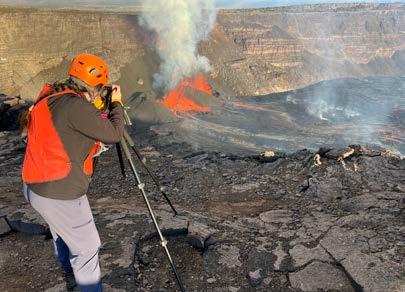
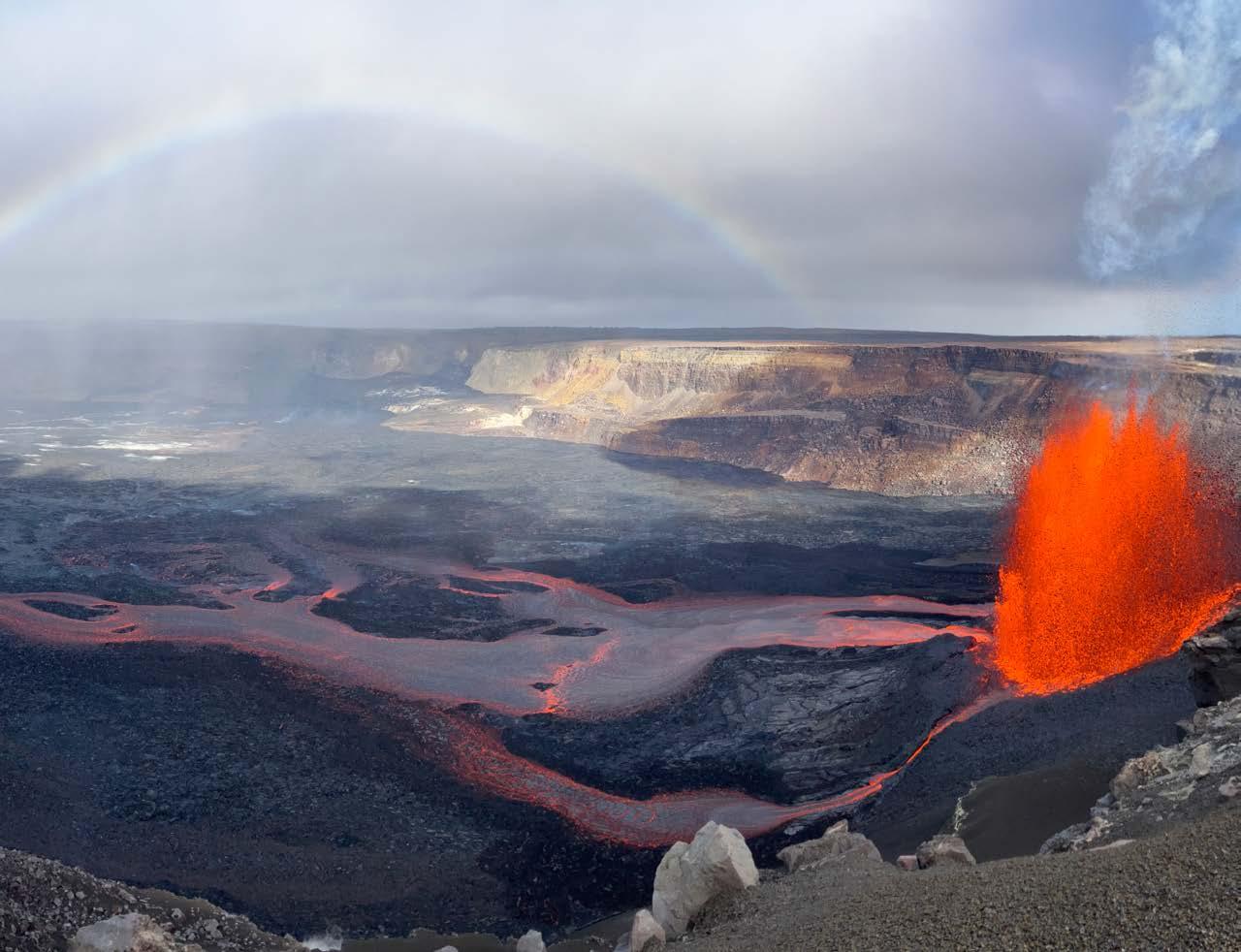
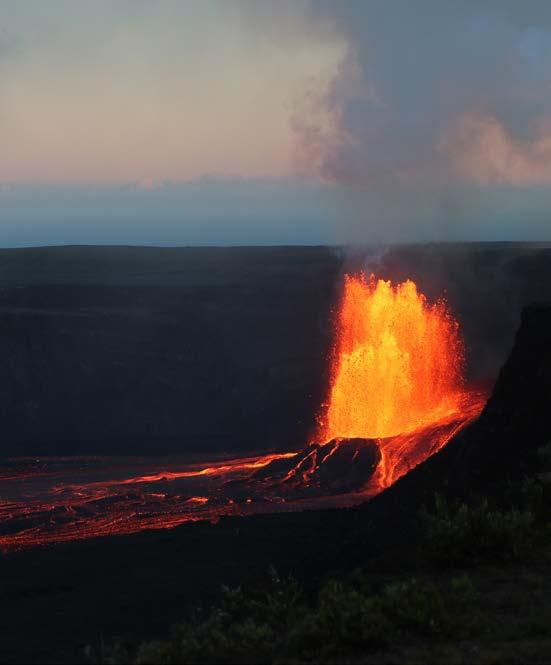
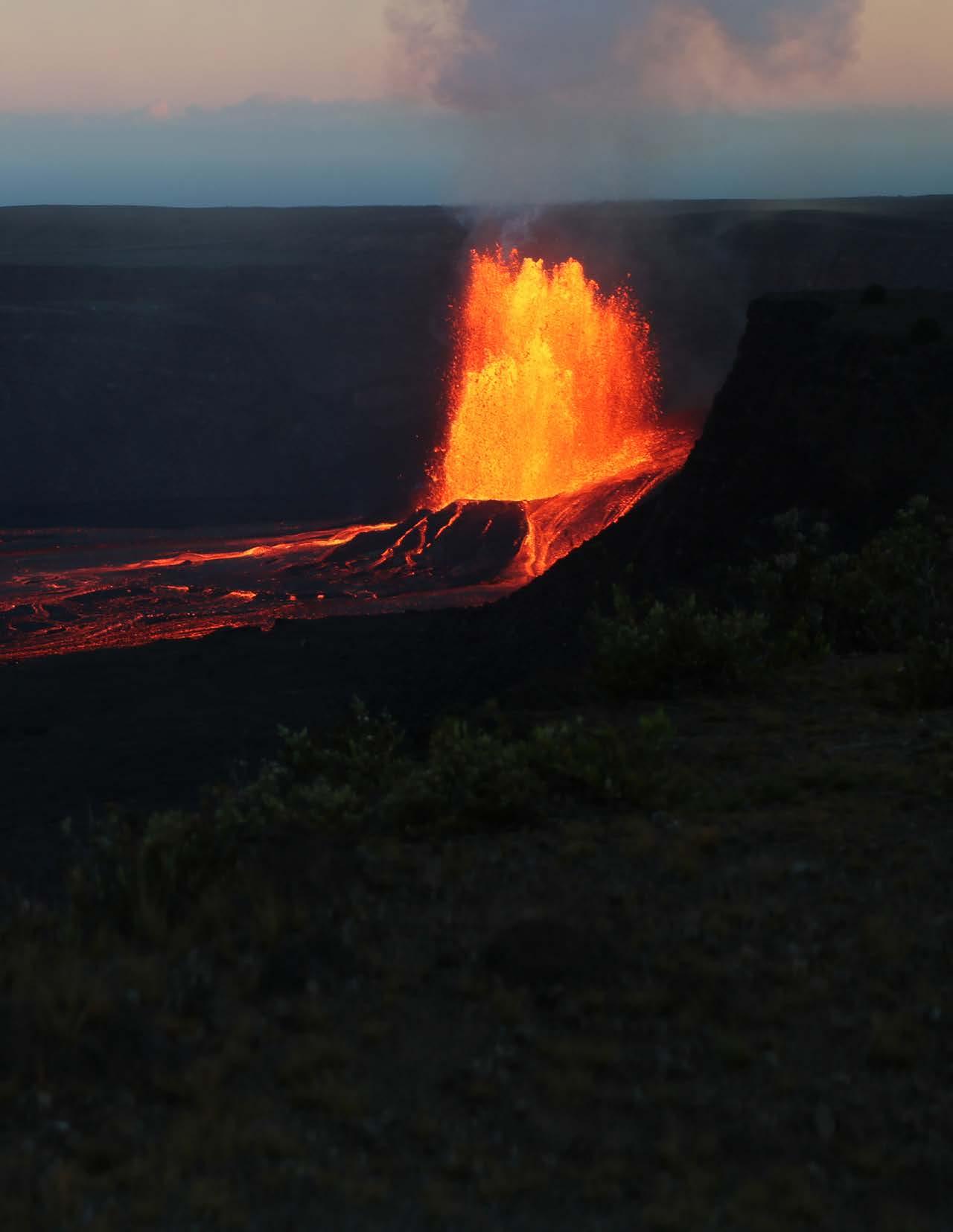
THE FIRE AND FURY OF HAWAI‘I’S VOLCANOES are more than aweinspiring natural wonders they are living laboratories, constantly offering clues about the inner workings of Earth’s interior.
As a volcanologist with a passion for both the science and the art of lava, Department of Earth Sciences Associate Professor Aaron Pietruszka of the University of Hawai‘i at Mānoa’s School of Ocean and Earth Sciences and Technology has made a name for himself in the world of geochemistry by studying the active flows of Kīlauea and Mauna Loa volcanoes on Hawai‘i Island, and Kama‘ehuakanaloa (formerly Lō‘ihi), forming to the south of the island.
Pietruszka’s research focuses on the chemical composition of lava, which serves as a time capsule, offering rare insights into the planet’s volcanic plumbing system how magma forms, moves and erupts from deep within Earth’s mantle up to the island’s surface.
His latest groundbreaking discovery challenges one of the most entrenched ideas in Hawaiian volcanology: that Mauna Loa and Kīlauea draw from separate magma sources. Instead, his research reveals the opposite that despite clear differences in the composition of their lavas, both volcanoes display remarkably similar geochemical patterns over time. This unexpected connection is offering scientists a new lens to study volcanic behavior on Hawai‘i Island, and possibly forecast its activity.
Pietruszka and his team study how molten rock evolves from the depths of the Earth to the moment it erupts. Their method relies on analyzing the chemical composition of lava both major elements like iron and silicon, as well as trace elements such as strontium, lanthanum, barium, and lead. They also measure each element’s isotope ratios, which act like a unique fingerprint of each lava sample, revealing its origin and journey.
These chemical records provide a detailed timeline of volcanic activity. For example, Kīlauea’s lava has been chemically tracked back over 1,000 years, offering a rare glimpse into how volcanic systems evolve. Through this analysis, Pietruszka investigates key processes within the so-called “magma plumbing system” to determine how magma melts in the mantle, accumulates in chambers, and moves through intermediate layers before erupting. It provides a step-by-step chemical map from Earth’s interior to its surface.
This chemical map that Pietruszka and his team had developed led to a surprising discovery that Mauna Loa and Kīlauea actually share the same magma source, challenging a decades-long theory of traditional geologists.
“What we found was a shared pattern of compositional change over time between the two volcanoes, which was surprising,” said Pietruszka. “These synchronized fluctuations likely reflect changes in how magma melts and rises through the mantle plume, not necessarily differences in source material.”
His team found that even though their lavas are distinct, similar trends suggest the two systems may be influenced by a deeper, connected supply zone a hypothesis supported by geophysical observations, including seismic data that hint at physical connections underground.
CREDIT: USGS
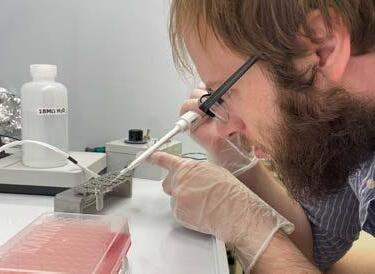
BELOW: PhD Student Reed Mershon studying volcanic element samples at the SOEST Isotope Lab
FROM HAWAI‘I
This discovery was made possible because Hawai‘i is one of the few places on Earth where such fine-scale geochemical records are possible. Because Hawai‘i’s volcanoes are intraplate (formed far from tectonic boundaries) and associated with a hotspot, they tend to erupt more frequently and produce high volumes of magma, allowing researchers to sample lava flows often, tracking changes over months, years, and even centuries.
“Hawai‘i Island’s volcanoes give us a rare chance to observe short-term changes in lava chemistry, unlike volcanoes in subduction zones like those in Guatemala, Italy, or the Indian Ocean which erupt less frequently and are harder to study in such detail,” said Pietruszka.
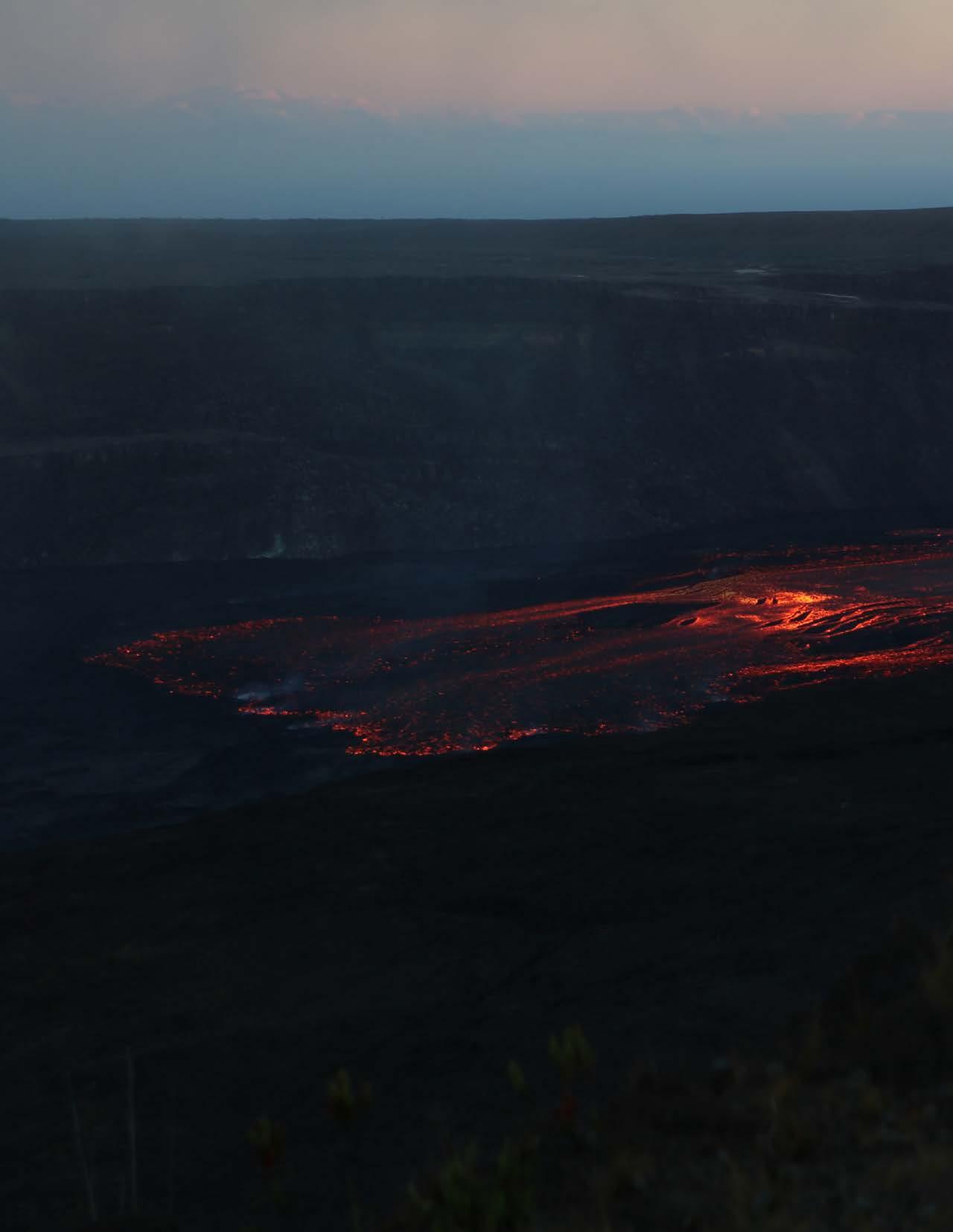
“If we can better understand how volcanoes work—how they behaved in the past and how they’re changing in real time— we can improve our ability to forecast eruptions and better prepare and protect our communities. With thousands of residents living on the slopes of active volcanoes like Kīlauea, Mauna Loa, and Hualālai, this knowledge isn’t just academic, it’s a lifeline.”
AARON PIETRUSZKA
Associate Professor, Earth Sciences
A next major research frontier for Pietruszka is understanding what happens beneath Kīlauea when its summit collapses a phenomenon last observed during the 2018 eruption, which dramatically reshaped the landscape and highlighted how hazardous these events can be.
“We know Kīlauea’s summit has collapsed multiple times in the past, but we still don’t fully understand what controls the timing or mechanics of those collapses,” said Pietruszka. “These caldera-forming events are explosive and can be dangerous, so we want to know what triggers them and what conditions make them more likely.”
To answer those questions, Pietruszka is currently developing a multi-year research project focused on caldera formation and collapse processes. The goal: to understand what causes these massive structural failures and whether any signals can be used to anticipate them.
Since taking a printmaking class, Pietruszka has started translating his volcanic studies into visual art, featuring images of magma chambers, subduction zones, erupting lava, and his recent discovery of the shared magma chambers of Kīlauea and Mauna Loa.
“It’s another way of communicating what’s happening beneath our feet,” said Pietruszka.“We’ve used it as an education tool in classrooms, lectures and public outreach to spark conversations about how people and the built environment interact with natural hazards like volcanoes.”
While volcanic eruptions remain difficult to predict, Pietruszka’s research is laying the groundwork for better forecasting. By tracking lava chemistry through real-time sampling of active eruptions in collaboration with the Hawaiian Volcano Observatory and National Park Service, Pietruszka and his team are beginning to understand the tempo of a volcano how quickly its plumbing changes, and how that might relate to future eruptions.
“If we can better understand how volcanoes work —how they behaved in the past and how they’re changing in real time we can improve our ability to forecast eruptions and better prepare and protect our communities. With thousands of residents living on the slopes of active volcanoes like Kīlauea, Mauna Loa, and Hualālai, this knowledge isn’t just academic, it’s a lifeline.”
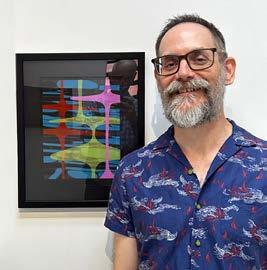
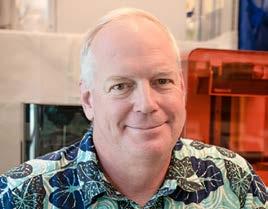
WHEN UNIVERSITY OF HAWAI‘I AT MĀNOA (UH MĀNOA) ASSOCIATE RESEARCH PROFESSOR JASON BARNHILL RETIRED from the United States Army (U.S. Army) last year, he knew that Hawai‘i was where he wanted to be when it was time to hang up his uniform. However, it was not because he was drawn in by shots of Waikiki Beach in Condé Nast or a picture-perfect postcard of Waimea Bay sent by a friend. It was because Barnhill was fortunate to have spent almost half of his 30-year Army career in the islands and developed deep bonds to the state.
Through fellowships provided by the U.S. Army, Barnhill earned both his master’s and PhD in cell and molecular biology from the John A. Burns School of Medicine (JABSOM) at UH Mānoa. After transferring from the infantry to the medical service corps, Barnhill served two tours as an academy professor at the U.S. Military Academy at West Point and was fortunate to be selected for three separate tours as a research and clinical microbiologist at the Tripler Army Medical Center in Honolulu.

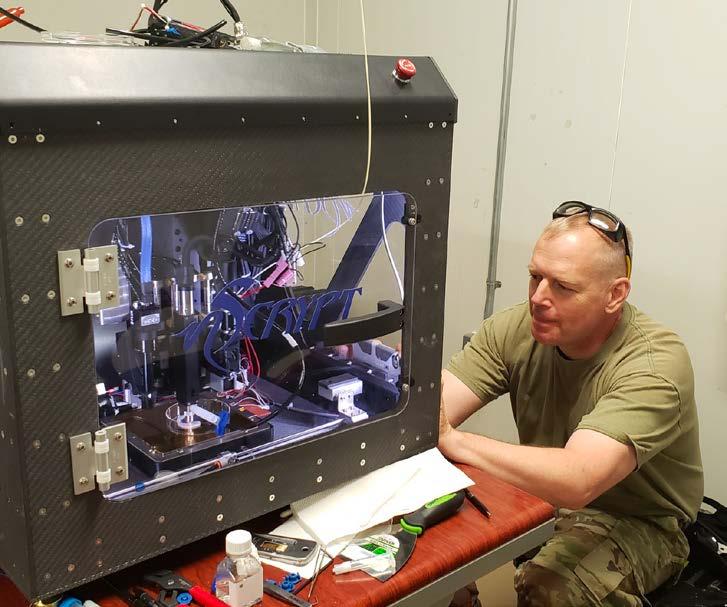
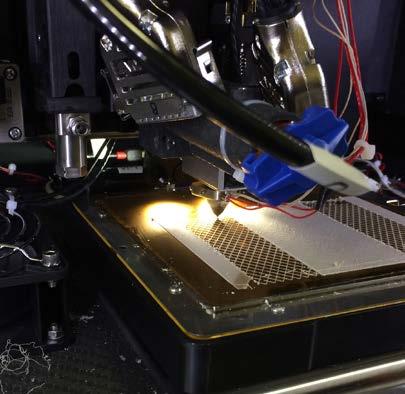
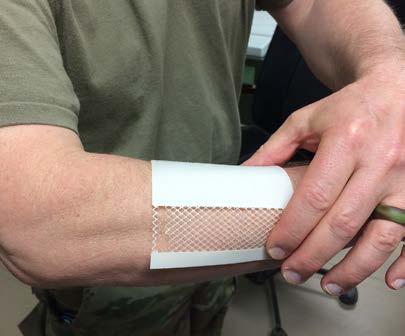
It was during his tenure at West Point that Barnhill became interested in bioprinting, which uses 3D printing methods to create functional living tissues and organs from cells and biomaterials. The process involves the use of bioinks, which are specialized formulations of biocompatible polymers and cells that can support cell growth, while being printable and maintaining its structure. While on active duty during a deployment to Africa, Barnhill put his experience into action, creating bio-printed antibiotic bandages designed to slowly release antibiotics and other therapeutic agents into wounds, promoting faster healing and preventing infections for troops out in the field. He would now like to get bioprinting moving forward in the state.
Currently, Barnhill is involved on the ground floor of a Master Cooperative Research and Development Agreement (CRADA) between the University of Hawai‘i System and the U.S Army Combat Capabilities Development Command (DEVCOM) to develop customizable organ models for assessing compounds of interest to the U.S. Department of Defense (DOD). Under the first of two Joint Work Statements, Barnhill’s research seeks to enhance existing
in vitro organ models to gain better insight and to develop more effective protections and treatments from burns, chemical or biological agents, and other significant threats that soldiers may encounter on the battlefield. Barnhill’s work is of significant interest to the U.S. Indo-Pacific Command (USINDOPACOM), whose designated area of responsibility for defending and promoting U.S. interests is the currently volatile Asia-Pacific region.
“The University of Hawai`i’s agreement with DEVCOM helps to enhance our existing partnership with USINDOPACOM in providing R&D support to national security efforts in the region,” said UH Vice President for Research and Innovation Vassilis L. Syrmos. “Dr. Barnhill’s innovative bioengineering and advanced manufacturing project is the first under this new initiative and we look forward to seeing the development of other emerging technologies at UH with similar dual-use capabilities.”
Working closely with Barnhill is Priscilla Lee, a bioengineering researcher at DEVCOM’s Chemical Biological Center (CBC) in Maryland. Lee’s research focuses on the use of bioprinting cell culture models to study immune responses, as well as developing next-generation biomaterials for the CBC, which serves as the DOD’s technical organization for non-medical chemical and biological defense. Their research on the cornea of the human eye is of special interest to the Army to better understand how to protect against chemical and biological attacks. Barnhill is also interested in developing research on other portions of the eye, particularly the retina. This research hits close to home for Barnhill, whose family has a history of macular degeneration. By developing retinal organoids, i.e., rods and cones, the researchers are looking to create a model of how the damage that causes macular degeneration happens, and then how to effectively treat or prevent it.
“Finding the right experimental model is really the goal with organ-on-a chip scientific tools using human stem cells to create organs to run tests on,” said Barnhill. “Our
CBC research involving toxicology testing on 3D-printed corneas dovetails nicely into investigating the mechanisms of other eye diseases, especially this all-to-common disease that afflicts many individuals, including those in my family.”
Another important member of this team of experts, is UH Mānoa College of Engineering Associate Professor Tyler Ray, a mechanical engineer who is one of the lead faculty in the college’s Advanced Manufacturing Initiative (see related story). Ray is a highly recognized expert in the field of additive manufacturing and has developed a myriad of advanced technologies, including 3D-printed wearable health sensors. His lab will contribute greatly to the Barnhill’s DEVCOM CBC project and to UH Mānoa’s initiative in the advanced manufacturing space.
Outside of his DEVCOM CBC work, Barnhill is working with Assistant Professor Lester Smith at the Indiana University School of Medicine to develop 3D-printed bio medical instruments, which could include further collaboration with Ray to enable the U.S. Army to print downrange-deployed materials and equipment.
“Hawai‘i is a forward deployed area and its isolated location presents challenges in getting needed supplies here,” said Barnhill. “Before there’s another disruption of commerce, infectious disease, or combat of some sort, we need to develop viable alternatives to be able to produce things here locally starting with the 3D printing for biomedical research that could be beneficial to both the military and to the people of Hawai‘i.”
ABOBVE, LEFT: Through the use of a 3D printer, Barnhill developed and produced bioactive bandages as a part of his advanced regenerative medicine research in forward deployed areas for the U.S. Army
ABOVE, TOP: A close up of the bioactive bandage being printed
ABOVE, BOTTOM: The finished product being applied
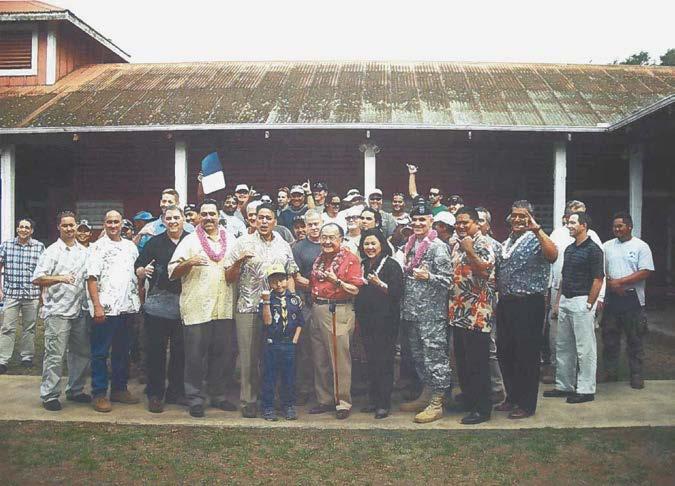
FROM THE TIME HE WAS FIRST ELECTED TO THE UNITED STATES SENATE in 1962 and throughout his remarkable 49-year career in congress, Senator Daniel K. Inouye always made Hawai‘i his number one priority. He understood that the state’s geographic isolation and limited natural resources made it easy for the state to be overlooked in value, except as a well-known tourist destination. To change the narrative, Inouye fought hard to bring in billions of dollars in appropriations to help establish or bolster industries with significant, long-term impact to the islands, including: agriculture, astronomy, education, high-technology, military, and research.
While Inouye helped to position Hawai‘i as a viable player in these industries and strengthened the state’s economic resilience and sustainability through the federal appropriations process, he knew this would not last forever. Inouye envisioned similar growth opportunities for Hawai‘i’s small businesses centered around partnerships on U.S. Department of Defense (DOD) projects with the University of Hawai‘i (UH).
“Senator Inouye was well-aware that most of the DODs large contracts in Hawai‘i were being awarded to mainland companies, with only little pieces of it going to local companies as subcontracts,” said UH Vice President for Research and Innovation Vassilis L. Syrmos. “To even the playing field, he stressed that UH research must effectively collaborate with local small businesses to develop the necessary expertise and capabilities to successfully compete with the mainland contractors for big-dollar federal projects that are in our backyard.”
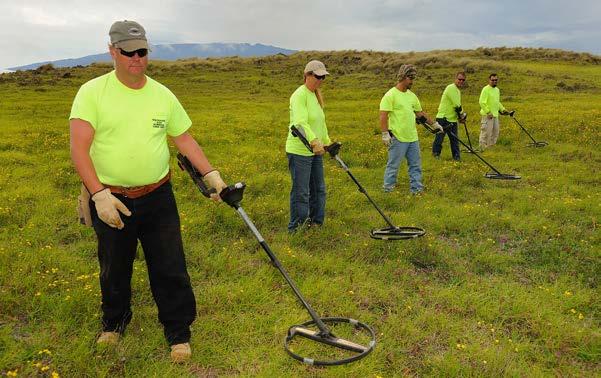
In 1942, during the height of World War II, the U.S. Government turned nearly 200,000 acres of ranch land into the Waikoloa Maneuver Area to train its troops. For the better part of two years, the area was pummeled by various explosives, including aerial bombs, artillery rounds, and grenades. While a couple of clean-up attempts were made following the war, it was estimated that about 20 percent of unexploded ordnance (UXO) remained in the field, posing a significant danger to island residents. As a result, the U.S. Army Corps of Engineers (USACE) initiated a third clean-up effort in 2002.
At the time, the College of Engineering at the University of Hawai‘i at Mānoa (UH Mānoa) was already working with a small environmental firm called Environet, Inc. (Environet) on developing the use of ground penetrating radar (GPR) technology in aerial flyovers as a faster and cheaper alternative to putting huge teams on the ground with hand-held devices to detect UXOs. Environet had done previous soil testing, report writing, and environmental
impact statement work for the U.S. Navy, and was already familiar with the clean-up site process through its research partnership with UH.
“Although Environet was a small, relatively unknown company based in Hawai‘i, the USACE selected them as one of three contractors to conduct the UXO remediation work in Waikoloa,” said Syrmos, who is also an electrical engineering professor and was involved in the UXO detection project while at the UH Mānoa College of Engineering. “Much of this can be attributed to their familiarity with DOD deliverables, past performance in GPR, and as a trusted industry partner of UH.”
CREDIT:
CREDIT: ENVIRONET
Prior to 1970, the DOD had disposed of excess, obsolete, or unserviceable munitions, including chemical warfare agents, in the ocean waters off the U.S. coasts, including the Hawaiian Islands. In 2007, out of growing environmental concerns, the Army embarked on the Hawai‘i Undersea Military Munitions Assessment (HUMMA) to learn more about the condition of these munitions and of any potential pollution that could cause harm to humans and ocean life.
The seven-year HUMMA project involved the Woods Hole Oceanographic Institution, UH, and Environet, who had the flexibility to pivot their land-based UXO expertise to the open ocean.
Both projects marked a huge turning point for Environet, as the interesting work and publicity generated helped to attract job candidates from varied disciplines, enabling the company to grow and expand its field of expertise. Starting with a handful of employees on Hawai‘i Island, the company helped establish the GSI Family of Companies (GSI), which employs nearly 400 staff and now has offices in Hawai‘i, Colorado, Maryland, New Jersey, Washington, Guam, and Japan. GSI currently provides comprehensive solutions in construction, engineering, fuels, environmental, munitions, information technology, and professional services.
“Much of our growth, from a small local company with limited exposure to our large operation today, is because UH understood how to use us and our ability to learn quickly to help their scientists work more efficiently out in the field, in the lab, and in the office,” said Joseph Pickard, Founder of GSI. “We are fortunate to be a good fit with UH research and we look forward to future initiatives to assist in their efforts to preserve and protect our island resources.”
Syrmos added, “GSI is a real-world example of what Sen. Inouye envisioned in a UH-driven industry partnership: impactful research and innovation projects led by UH, small business success, and a knowledge-based workforce development pipeline feeding into our local industry.”
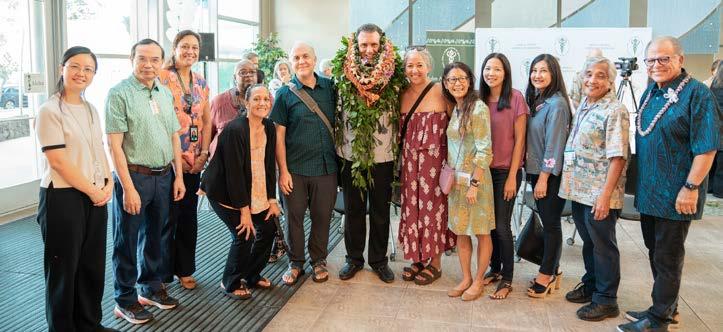
Keawe Kaholokula’s National
FROM LAUNCHING THE PATIENT SAFETY MOVEMENT TO SECURING COMPENSATION for veterans impacted by chemical exposure, the National Academy of Medicine (NAM) has been at the forefront of advancing science, informing health policy and catalyzing action for optimal health throughout the United States. Their select members are top scientists, clinicians, innovators and business leaders committed to scientific and medical excellence and public service.
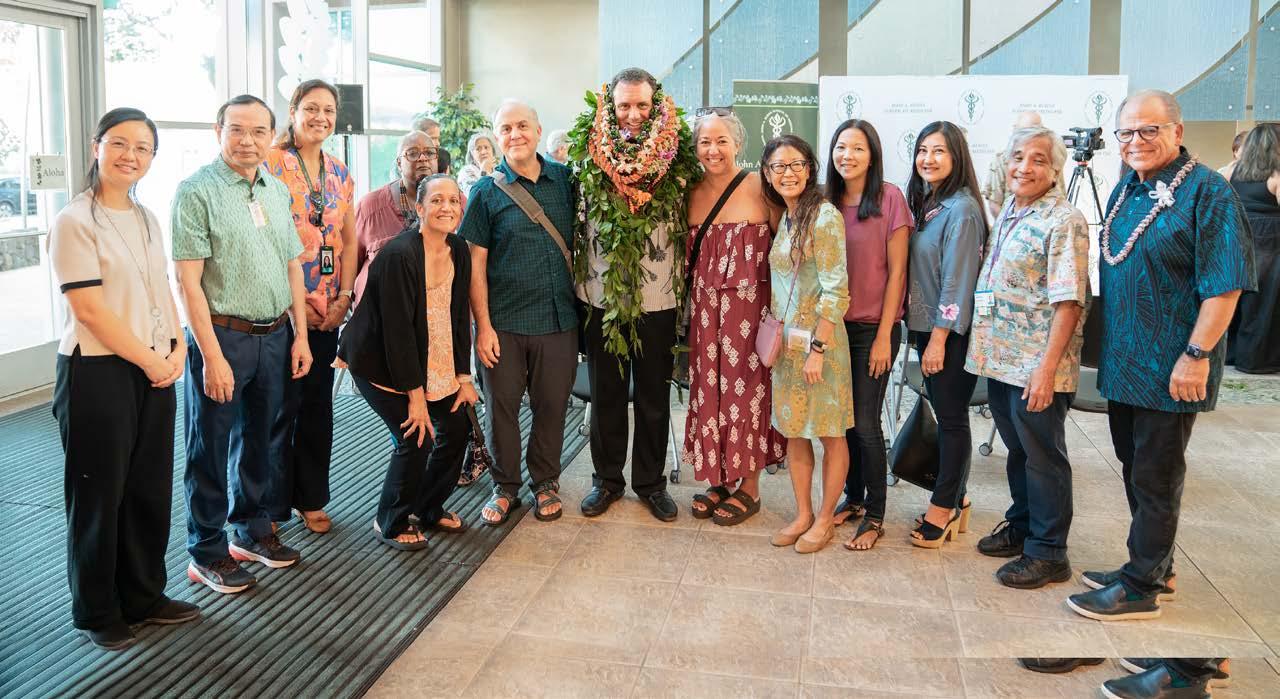
In 2024, Professor Joseph Keawe‘aimoku Kaholokula of the University of Hawai‘i at Mānoa’s John A. Burns School of Medicine (JABSOM) became one of 100 new members, and the first known Native Hawaiian selected to join the prestigious organization. Reserved only for those who have made transformative contributions to health, science and medicine, Kaholokula, chair of JABSOM’s Department of Native Hawaiian Health, is no stranger to trailblazing work.
His career has redefined the relationship between culture and healthcare, making major strides in treating and preventing chronic diseases like diabetes, obesity, Alzheimer’s and cardiovascular disease, which disproportionately impact underserved populations. Bringing together academic and cultural, community-based experts, Kaholokula has co-produced and co-disseminated groundbreaking research that blends culturally grounded methods of intervention with modern medicine and education.
Among the most influential of his projects is the Partnership for Improving Lifestyle Intervention (PILI) ‘Ohana Project, also known as POP. The nearly two-decade-long community-based participatory research initiative applied a novel approach to the Diabetes Prevention Program’s Lifestyle Intervention, incorporating family- and community-focused intervention for weight loss. By partnering with community health centers, Hawaiian homestead communities, and Native Hawaiian healthcare systems, the project developed culturally tailored interventions that have helped thousands across Hawai‘i and beyond. Those who participated in POP were able to lose and sustain weight loss, improve systolic and diastolic blood
pressure and enhance physical functioning, while lowering their overall risk of diabetes.
Offshoot projects like PILI@Work, PILI ‘Āina, and PILI Pasifika helped to promote and implement health interventions in everyday spaces like workplaces and community centers throughout Hawai‘i, the U.S.-Affiliated Pacific Islands, and the U.S. mainland. These projects empowered local organizations to take the lead in developing culturally relevant health interventions, prevention practices, and values that yielded similar results to POP.
“The community partners and community leaders of PILI ‘Ohana really deserve all the praise in advancing community-engaged research and shifting the paradigm from privileging Western notions of health promotion to valuing Pacific perspectives in this space,” said Kaholokula. “Because of their pioneering work, PILI ‘Ohana has continued to inform the science of health disparities and what meaningful community engagement in research looks like, as well as inspire other Indigenous and minoritized communities to address their most pressing health concerns on their terms and in ways that are culturally relevant and sustainable.”
“Being a NAM member comes with a heavy kuleana (responsibility) that I take seriously.”
JOSEPH KEAWE‘AIMOKU KAHOLOKULA Professor/Chair, Native Hawaiian Health
Another pioneering initiative is Kaholokula’s KāHOLO Project, which found that hula (a traditional Hawaiian dance) could significantly reduce cardiovascular disease risk.
Participants with high blood pressure in the project’s hula intervention group lowered their systolic blood pressure by an average of 17 points and sustained improvement six months after classes ended. By integrating mind, body and spirit, hula provided participants a sense of joy, cultural pride, and connection to both the environment and community. The research findings received national and international attention showing how a communitybased cultural practice like hula can serve as a clinically proven approach to help lower blood pressure and reduce cardiovascular risk.
Kaholokula is also currently working on a similar research project called ‘IKE Kūpuna, to determine potential health interventions for Alzheimer’s disease and related dementias in high-risk Native Hawaiian and Pacific Islander populations. The project applies and adapts hula intervention methods from the KāHOLO project, reflecting other research that has found that dance-based interventions can improve blood flow to the brain and enhance neural connections and cognitive abilities, while stimulating parts of the brain associated with social cognition and emotional regulation, reducing stress, and improving mood by releasing endorphins.
“KāHOLO showed how we can achieve both clinically and socioculturally positive outcomes for our Indigenous Pacific communities,” said Kaholokula. “By leveraging a highly valued cultural practice, we were able to show how we can reduce chronic disease risk while strengthening and reinforcing participants’ cultural identity and pride and their connections to kānaka (people), ‘āina (land), and ‘ike kupuna (elderly wisdom).”
His leadership also extends to building local expertise, capacity and impact through JABSOM’s Center for Pacific Innovations, Knowledge, and Opportunities (PIKO). This unique Hawai‘i-based initiative focuses on developing community-engaged and community-driven clinical and translational research to address the most pressing health concerns of underrepresented populations.
Through a team-science approach, PIKO is working with partner institutions across the University of Hawai‘i and communities statewide to leverage and develop new resources and research opportunities that span clinical trials and community-based efficacy research to public health and policy impact, to better understand and implement impact-driven healthcare interventions.
PIKO has helped many junior and other faculty in Hawai‘i advance their research careers, secure their first federal research awards, and learn the importance of
community engagement while discovering novel ways to address health issues impacting our populations here in Hawai’i. PIKO has also opened up many opportunities to collaborate nationally with other clinical and translational research centers to focus on clinical trials that can improve patient care and reduce health inequities in patient outcomes.
“Dr. Kaholokula’s election to the National Academy of Medicine is a groundbreaking moment for the John A. Burns School of Medicine, but also the Native Hawaiian community,” said JABSOM Dean Sam Shomaker. “Through his community-engaged research, culturally grounded interventions, and community-based trials, he has earned community trust and ensured their global representation. Keawe has fought to uncover health disparities in Native Hawaiians and his work will profoundly impact disease prevention in this population for generations to come.”
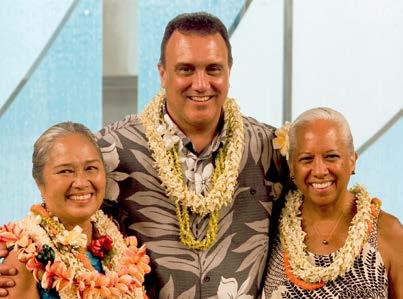
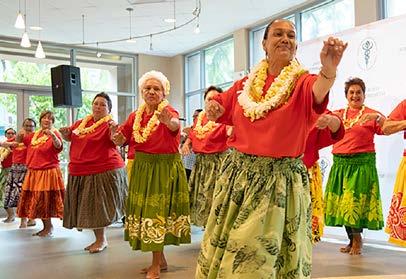
Kaholokula’s election to NAM is both a culmination and a beginning. It affirms his decades of service and innovation in health promotion, and signals a shift in the broader biomedical field toward more inclusive, culturally grounded, and community-empowered approaches to health equity.
Since joining NAM last year, Kaholokula has already started contributing to national efforts. He currently serves on an ad hoc committee advising on health monitoring and clinical follow-up for communities impacted by the 2021 jet fuel leak at Red Hill, bringing a culturally responsive and community-centered lens to federal-level public health policy.
Looking ahead, he hopes to broaden NAM’s approach to evaluating health evidence to include social and cultural determinants of health, population-specific data, and lived experience.
“Being a NAM member comes with a heavy kuleana (responsibility) that I take seriously. It is an opportunity to amplify the voices of our Pacific communities voices that are often drowned out by larger minoritized groups in the U.S.,” said Kaholokula. “It is an opportunity to have a seat at the table to advance our health concerns and to spotlight the beauty of our Pacific peoples and cultures, and their values in addressing our most pressing health concerns.”
KaHOLO project Co-Investigator Mele Look, Professor Keawe Kaholokula and Kumu Hula Mapuana de Silva (Halau Mohala ‘Ilima) who helped design the project’s hula intervention component
BOTTOM: KaHOLO project participants
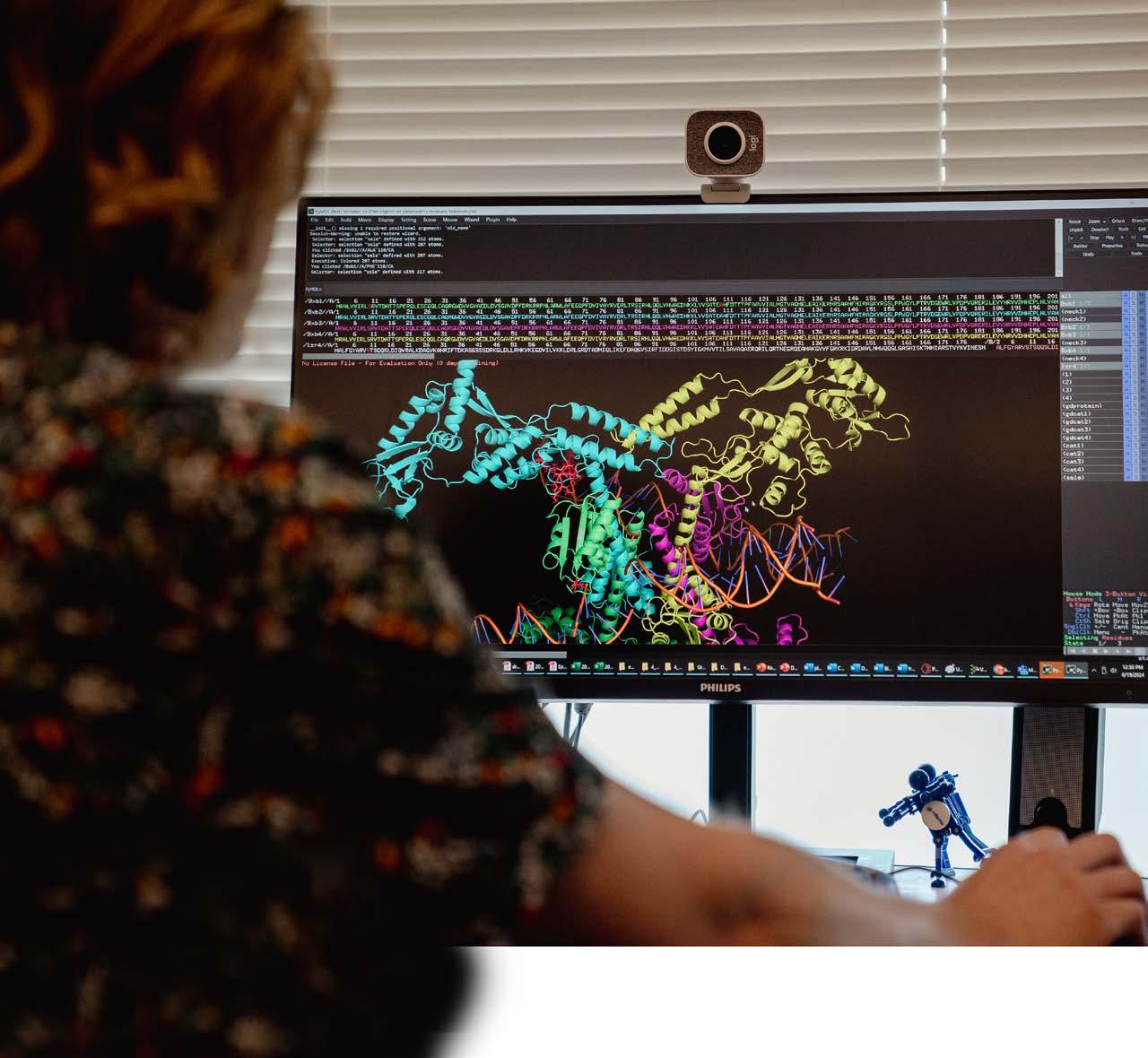
ABOVE: Assistant Professor Jesse Owens using a program to model the structure of his integrase protein
CREDIT: JABSOM
WHAT IF, INSTEAD OF TRYING TO FIX DIFFERENT GENE MUTATIONS for different people, one could simply replace the entire mutated gene, safely, efficiently, and precisely?
In one of the most genetically diverse states in the nation, University of Hawai‘i at Mānoa John A. Burns School of Medicine (JABSOM) Assistant Professor Jesse B. Owens is turning this radical idea into a therapeutic reality. Owens and his team are developing a new gene delivery platform that could revolutionize how doctors treat everything from rare blood disorders to aggressive cancers.
“I want to replace the entire gene, no matter where the mutation is use one therapy for everyone,” said Owens. “For example, if the gene were a car and one person had a flat tire, and another person had a broken windshield; instead of going to two different shops to do two different repairs, each person just got a brand-new car right away, for no more than the cost of the repair. This could lead to faster, more affordable treatments for a wide range of diseases.”
BELOW: Owens observing cells with a microscope
“Our lab is focused on overcoming some of the most difficult challenges in genome engineering. The goal is to build the tools that will make tomorrow’s medicine possible.”
JESSE OWENS Assistant Professor, Cell and Molecular Biology, JABSOM
The thousands of genes that determine various traits and characteristics of humans, including looks, personality, and body functions stem from the long, twisted, step-ladder of molecules known as deoxyribonucleic acid (DNA). Each step, or base, makes up the body’s genetic code, an instruction manual that dictates how cells build and function. Changes to, or mutations in one’s genes can cause genetic disorders like hemophilia, cystic fibrosis, sickle cell disease and even certain types of cancer.
For decades, researchers have been developing and advancing gene therapies to fix, replace or even switch faulty genes in order to treat and prevent diseases. Most approaches use engineered viruses or editing tools to deliver the corrective DNA into a patient’s cells.
One of the most widely used gene therapies today is known as Clustered Regularly Interspaced Palindromic Repeats or CRISPR, co-developed by Hilo, Hawai‘i native Jennifer Doudna, who earned the Nobel Prize in Chemistry in 2020. CRISPR works like a pair of scissors, cutting DNA at specific locations, then harnessing the cell’s repair system in hopes that it figures out how to modify or insert the new gene.
Despite its ubiquitous application, however, CRISPR has its limitations. It struggles to insert large pieces of DNA required to replace whole genes for curing diseases like hemophilia and cystic fibrosis, which are caused by a single gene defect. The CRISPR procedure can also be risky. By causing double-stranded breaks in the genome, where both strands of the DNA double helix are severed, unwanted mutations and further genetic disorders, including cancer, are possible. Also, while CRISPR excels in dividing cells like those found in labs, it is far less effective in the non-dividing cells that comprise the majority of the adult human body.
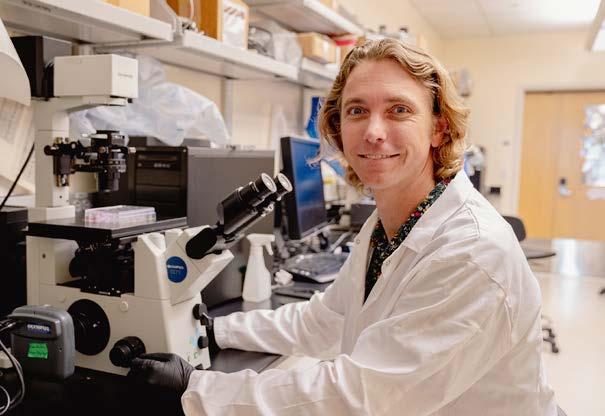
Owens’ technology represents a dramatic departure from the CRISPR paradigm. Rather than cutting DNA and relying on the cell to make repairs, his method acts like biological glue actively inserting large, healthy genes directly into the genome that then take over for the defective gene.
The key is a family of viral enzymes called integrases, which facilitate the insertion of DNA into host genomes. Owens’ lab uses a controlled process called “laboratory evolution” to engineer “super-active” enzymes, dramatically boosting their precision and efficiency for inserting genes of interest.
“With these specially engineered integrases, we’re able to carefully insert healthy genes into an exact location without causing breaks in the DNA,” said Owens. “This insertion function has very high efficiencies of up to 96 percent in human cells, which is unprecedented.”
One of the early goals of Owens’ lab was to demonstrate efficient large gene insertion precisely into the human genome. This technique, if successful, could be well suited to treat genetic bleeding disorders such as hemophilia and von Willebrand Disease. Rather than fixing each mutation in the gene individually, as CRISPR might attempt, Owens’ approach would simply install a new, functional version of the gene. To help prove this concept, Owens’ team recently demonstrated the successful insertion of the large von Willebrand factor (VWF) gene into human cells. As one of the largest genes associated with bleeding disorders, the VWF gene provides the body with instructions for making the von Willebrand factor, a protein crucial for blood clotting. This success has paved the way for the potential use of this technology to treat neurological disorders, immune deficiencies, and even cancers, by inserting therapeutic genes into non-dividing cells something CRISPR has long struggled with.
“Our results show that we can precisely deliver a correct version of a large gene while maintaining high efficiency of DNA integration,” said Owens. “This approach opens the door to possible development of therapeutic options for previously untreatable genetic diseases.”
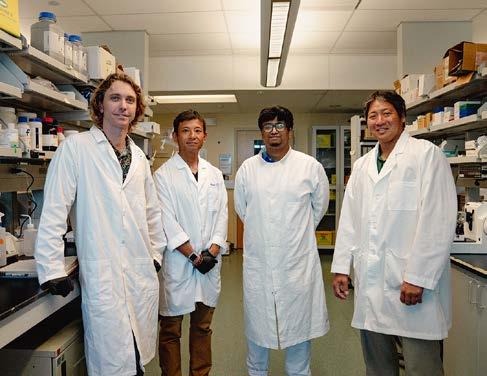
Owens was raised in Hilo like Doudna, the co-developer of CRISPR. His scientific drive emerged early: “Back when I was 17, I had to figure out what my goal was going to be,” he recalled. “I really liked the idea of delivering DNA into the genome of animals or people and how moving DNA around could treat diseases.”
After graduating from Hilo High School, Owens earned his undergraduate degree in molecular, cell and developmental biology at the University of California Santa Cruz. He then returned to Hawai‘i for graduate studies at JABSOM, where he began working with Associate Professor Stefan Moisyadi at the Yanagimachi Institute for Biogenesis Research on jumping genes, or transposons mobile genetic elements that laid the groundwork for today’s integrase-based genome engineering platform.
In 2024, Owens helped launched KOMO Biosciences (KOMO), a precision genome engineering technology startup spun out of the University of Hawai‘i (UH) which focused on addressing urgent unmet genome engineering challenges. KOMO is now commercializing Owens’ integrase technology platform with multiple applications in biomanufacturing, cell and gene therapy, agriculture, and synthetic biology.
In biomanufacturing, for example, the integrase platform can accelerate the engineering of cell lines that produce therapeutic proteins, such as antibodies, by efficiently inserting large fragments of DNA at specific sequences in cells. “What used to take months, we can now do in in a few weeks,” Owens noted something that could dramatically speed up responses to emerging health threats like pandemics.
KOMO is currently working to collaborate with manufacturers of biological therapies to accelerate timelines and reduce the cost of cell line development for antibodies and proteins. The company is also collaborating with organizations to develop safer and more reliable chimeric antigen receptor T-cell (CAR T-cell) therapies, which involve equipping a patient’s immune cells with genes to enable them to recognize and destroy cancer. Current methods focus on inserting these genes randomly into the genome, while Owens’ approach targets them to specific “safe harbor” sites, reducing the risk of harmful side effects.
“CAR-T immunotherapy is probably the best anticancer therapy out there right now, but we think we can make it better,” said Owens.
Though there is still a long path ahead from animal models to clinical trials Owens’ technology may represent one of the most significant advances in gene therapy since CRISPR. Backed by National Institutes for Health funding and protected under UH patents, Owens’ technology has the potential to transform the treatment of diseases caused by single-gene defects impacting hundreds of conditions with a single, highly efficient tool. Additionally, his integrase-based platform technology could transform how these therapeutics are manufactured while reducing their production costs, ultimately leading to faster and more reasonable treatments, and saving millions of lives.
Owens has also launched a non-profit called Hawai‘i Advanced Genetic Medicine Foundation, which will eventually support grants to advance genome editing and genetic medicine research in Hawai‘i.
“Our lab is focused on overcoming some of the most difficult challenges in genome engineering,” said Owens. “The goal is to build the tools that will make tomorrow’s medicine possible.”
BELOW:
Sabranth
CREDIT: JABSOM
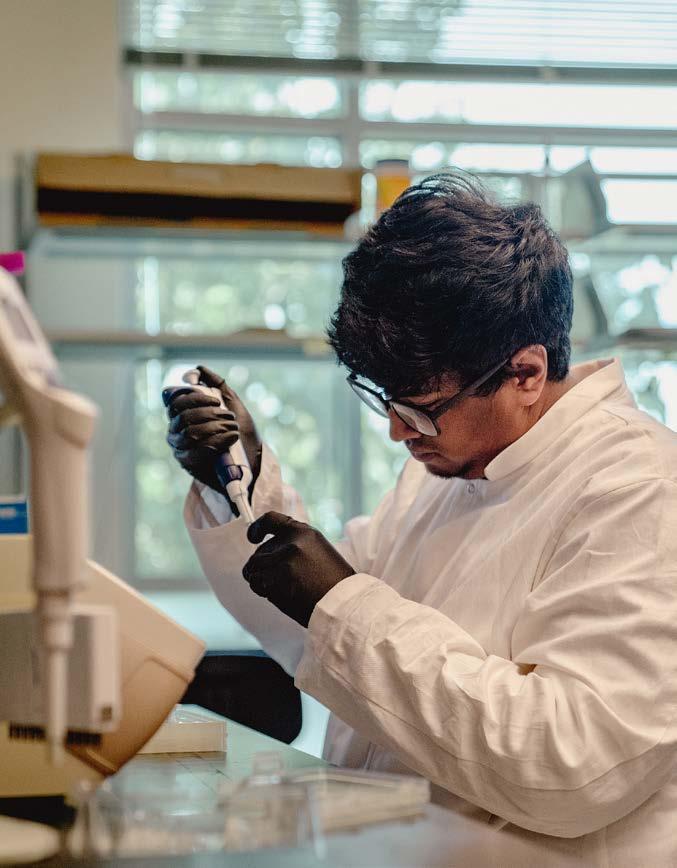
BOARD OF REGENTS
Gabriel Lee
Chair
Laurie Tochiki Vice Chair
Neil Abercrombie
Lauren Akitake
Joshua Faumuina
William F. Haning III
Wayne S. Higaki
Laurel Loo
Mike Miyahira
Diane S.L. Paloma
Ernest K. Wilson

PRESIDENT / SENIOR MANAGEMENT
Wendy F. Hensel
President
Debora Halbert Vice President for Academic Strategy
Jan Gouveia Vice President for Administration
Kalbert K. Young Vice President for Budget and Finance / Chief Financial Officer
Della Teraoka Vice President for Community Colleges (Interim)
Garret Yoshimi Vice President for Information Technology / Chief Information Officer
Carrie K. S. Okinaga Vice President for Legal Affairs / University General Counsel
Vassilis L. Syrmos Vice President for Research and Innovation
Tim Dolan Vice President for Advancement / Chief Executive Officer University of Hawai‘i Foundation
PROVOST AND CHANCELLORS
Michael S. Bruno University of Hawai‘i at Ma¯noa
Bonnie D. Irwin University of Hawai‘i at Hilo
Maenette Benham
University of Hawai‘i at West O‘ahu
Susan Kazama Hawai‘i Community College
Karen Lee Honolulu Community College
Misaki Takabayashi Kapi‘olani Community College
Margaret Sanchez Kaua‘i Community College
Carlos Peñaloza
Leeward Community College
Lui Hokoana
University of Hawai‘i Maui College
Ardis Eschenberg Windward Community College