A First-of-its-Kind
PŌ‘AI KE ALOHA ‘ĀINA CENTER FOR THE ANCESTRAL CIRCULAR ECONOMY & JUSTICE
Delve. Seek. Verify.
University of Hawai‘i System
David Lassner, PhD President
Vassilis L. Syrmos, PhD Vice President for Research and Innovation
NOELO, WHICH MEANS
“TO DELVE, SEEK OUT OR VERIFY” IN HAWAIIAN, IS THE RESEARCH MAGAZINE OF THE UNIVERSITY OF HAWAI‘I SYSTEM PUBLISHED ANNUALLY BY THE OFFICE OF THE VICE PRESIDENT FOR RESEARCH AND INNOVATION.
PROJECT MANAGER / EDITOR ERIC R. MATSUNAGA Director, Research and Administrative Operations Office of the Vice President for Research and Innovation
DESIGN
OSHIRO DESIGN
CONTRIBUTING PHOTOGRAPHER BRAD GODA PHOTOGRAPHY
For more information, contact: Eric R. Matsunaga Office of the Vice President for Research and Innovation University of Hawai‘i 2425 Campus Road Sinclair 10 Honolulu, HI 96822 (808) 956-5588 uhovpri@hawaii.edu research.hawaii.edu
The University of Hawai‘i is an equal opportunity/affirmative action institution.
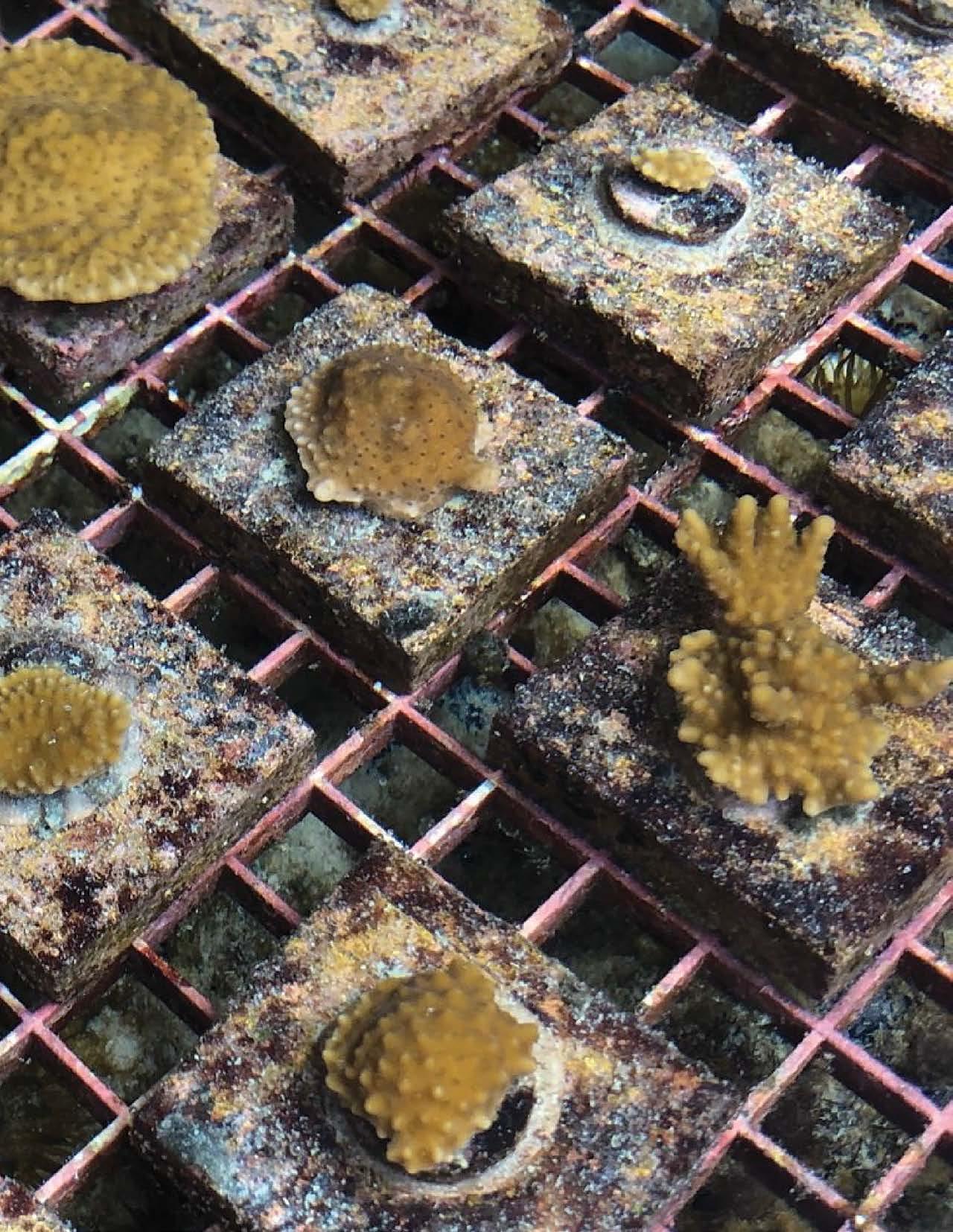
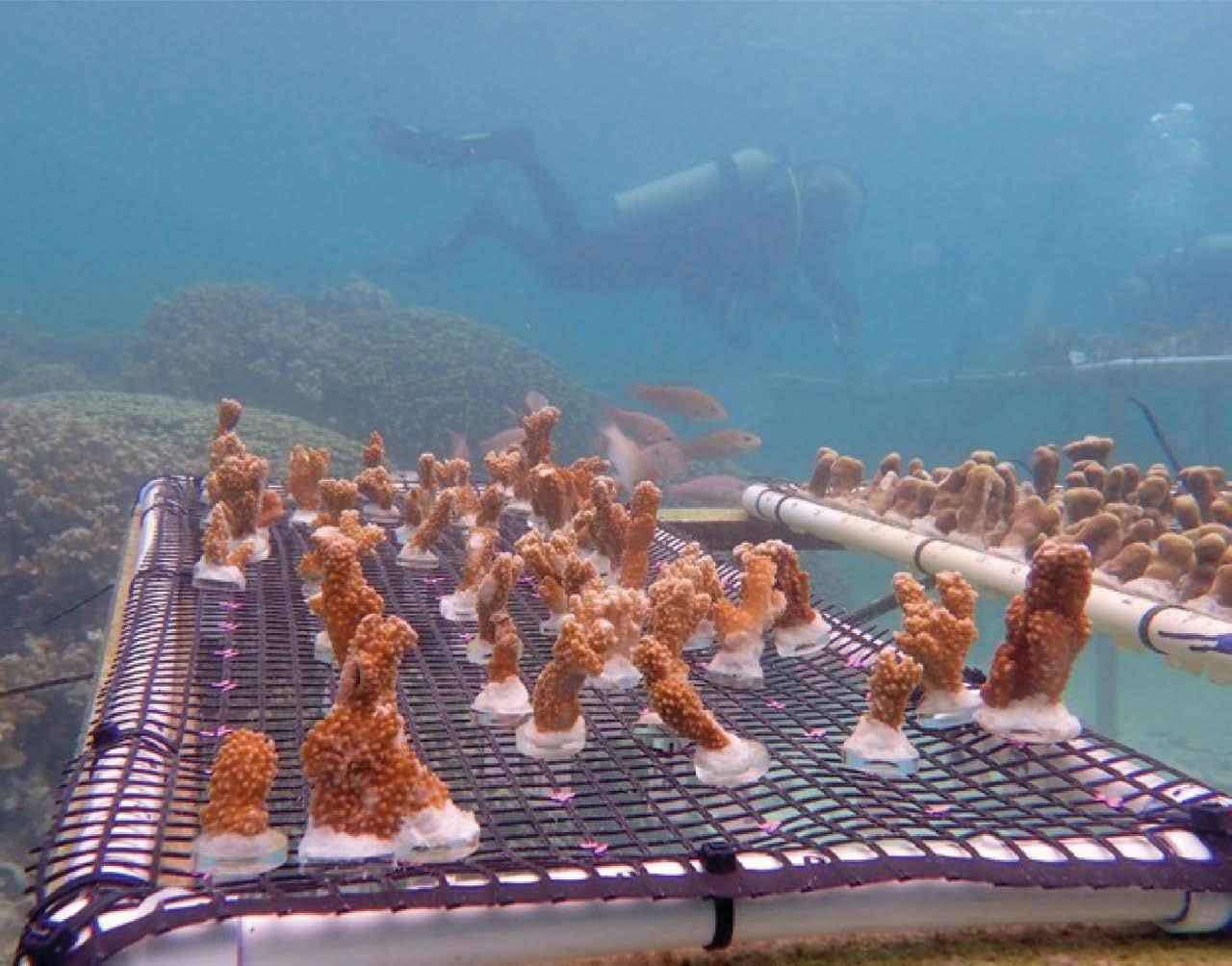
FACING PAGE: Resilient coral being cultivated at HIMB’s Coral Resilience Lab CREDIT: R3D
With a little over 1.4 million residents living on seven major islands that encompass roughly 6,400 square miles of land, Hawai‘i is one of the smallest states in the Union and the most geographically isolated. However, that has not precluded the University of Hawai‘i (UH) from becoming one of the most productive in research and innovation.
This year, UH has again set another extramural funding record with $615.7 million, marking the third consecutive year that we have topped over half-a-billion dollars in funding. These impressive numbers are a direct result of a continuing quest by our faculty, staff and students from across our ten-campus system to seek out new discoveries, technologies and innovative solutions to make our world a better place.
It is our goal to create a diversified, knowledge-based economy and workforce via basic research that is transformed into innovations of applied research, based around the uniqueness and excellence that is inherent to our islands. Hawai‘i’s diverse environments mirrored only by the state’s ethnic diversity is the enduring foundation of UH’s world-class research. These strengths, which respectfully acknowledges that the ancestors of these islands developed a practical knowledge that balanced both human society and the capacity of the ecosystems, have now become a guiding principle in UH’s effort to preserve the natural resources, environment, and way of life not just at home but across the world.
In order to successfully scale our research enterprise for the future, UH must continue to make investments to its research infrastructure and intellectual capital. The Pō‘ai Ke Aloha ‘Āina Center for the Ancestral Circular Economy & Justice, Ke Ō Mau Center for Sustainable Island Food Systems, and the Space Science and Engineering Initiative are just a few examples of what UH research has in store for the future.
Learn more about these dynamic and innovative place-based initiatives led by our world-class researchers in this issue of Noelo and experience what makes the University of Hawai‘i like no place on Earth.
Vassilis L. Syrmos, PhD Vice President for Research and Innovation University of
Hawai‘i System
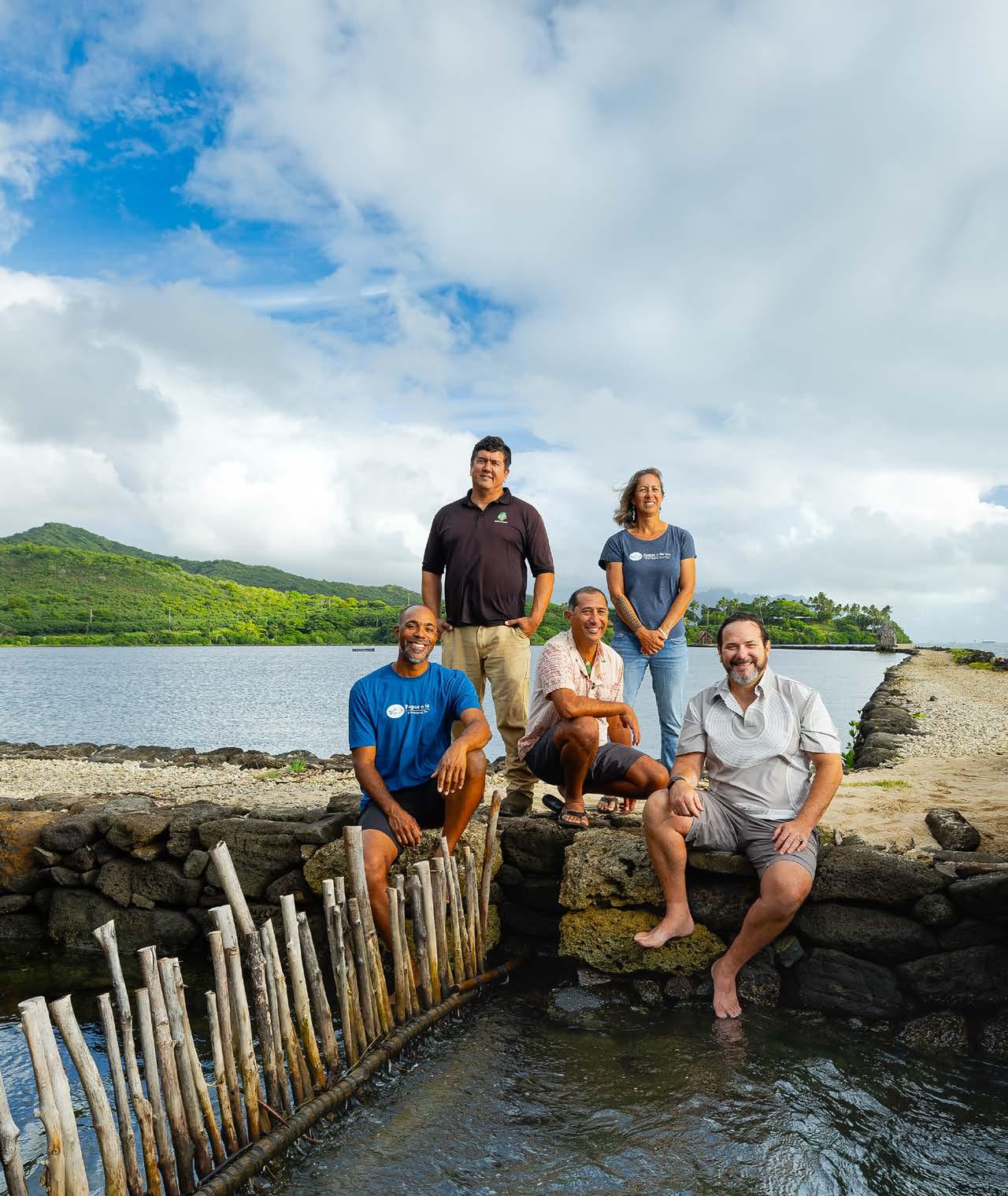
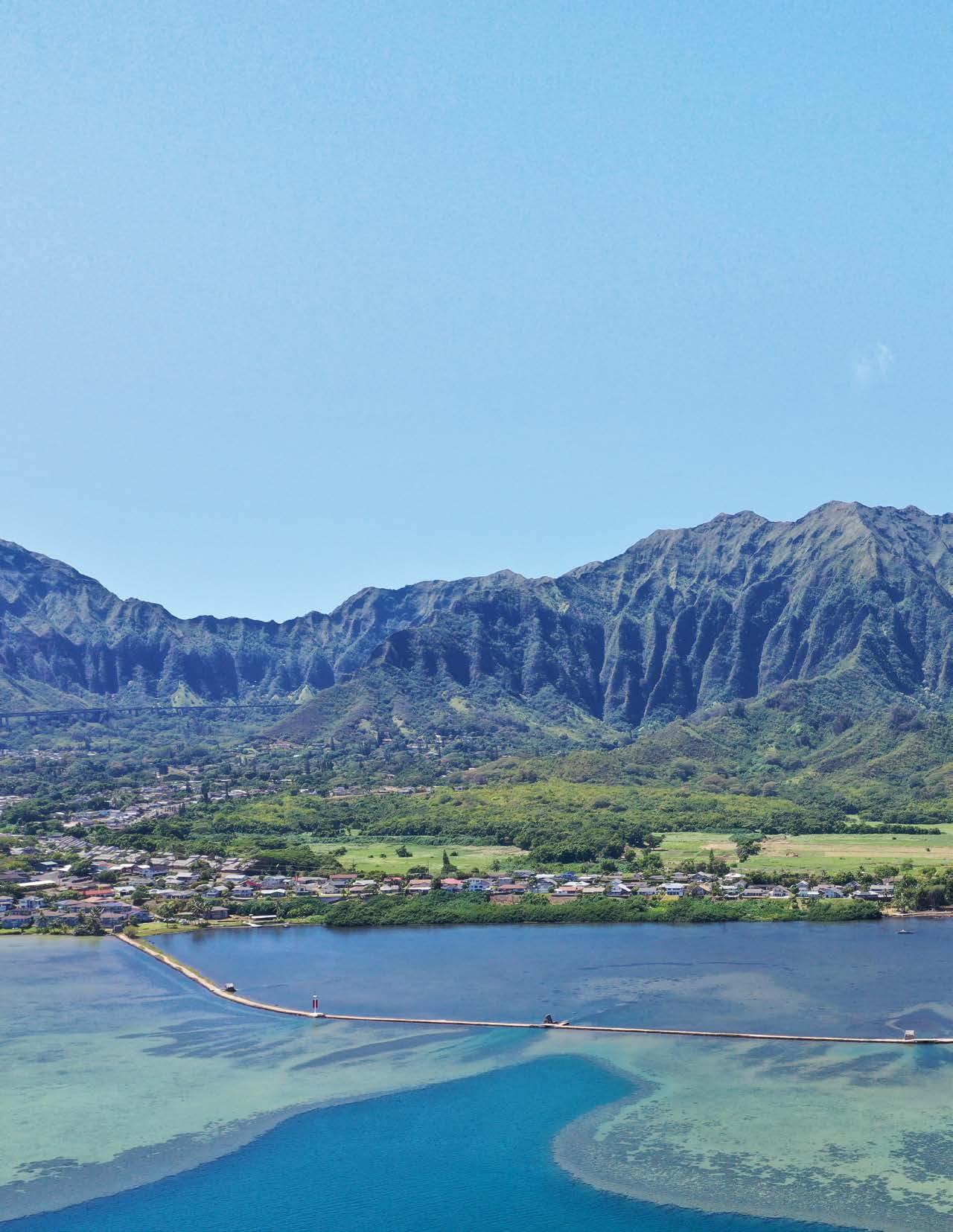
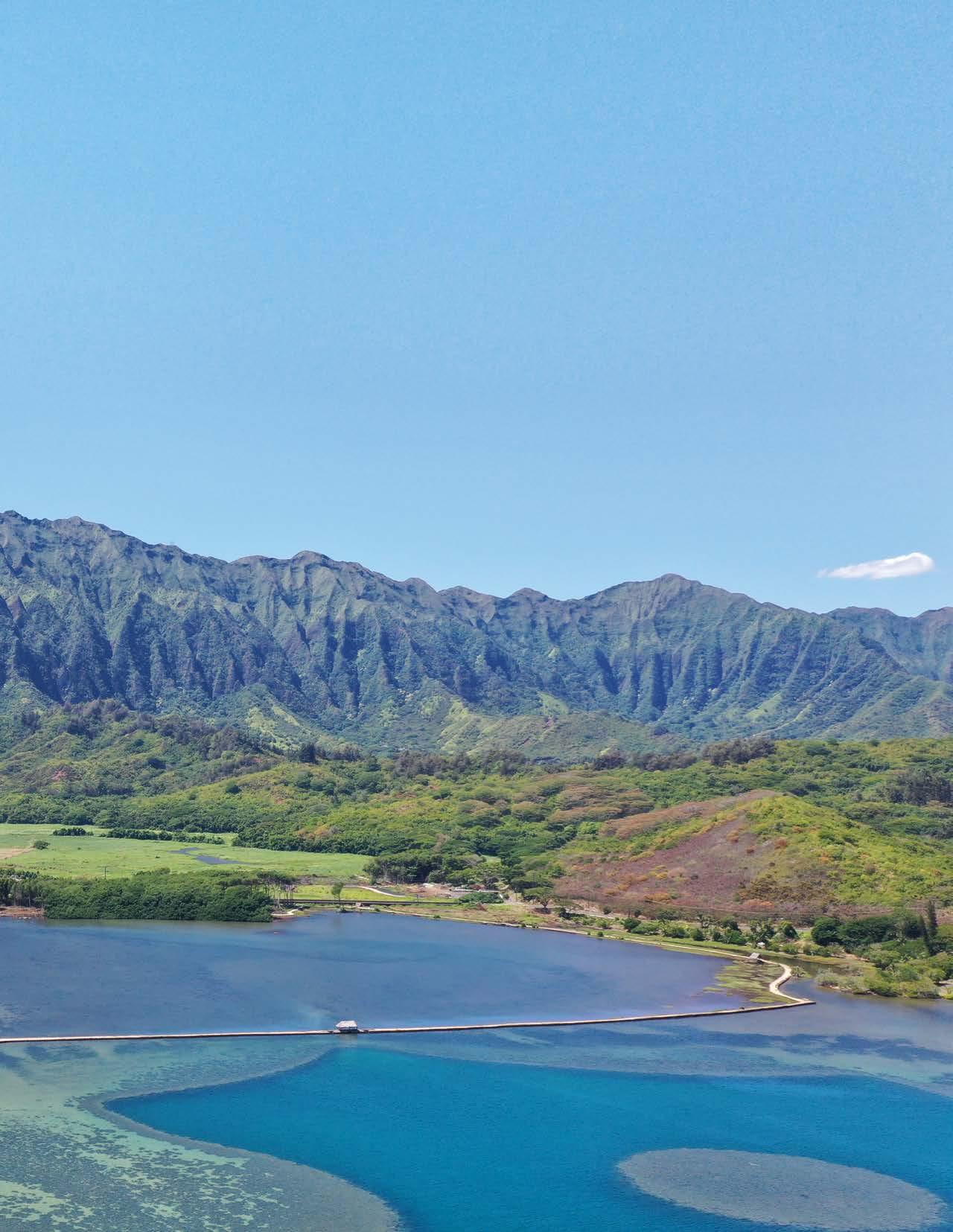
COVER: The 800-year-old loko i‘a kuapā (walled coastal fishpond) at Paepae o He‘eia serves as a cornerstone of a university-community partnership to restore ancestral circular economy practices and values in Hawai‘i. (Front L-R) Keli‘i Kotubetey, Paepae o He‘eia; Kawika Winter, He‘eia NERR; Kamanamaikalani Beamer, Kamakakūokalani Center for Hawaiian Studies, UH Mānoa (Back L-R) Kanekoa Schultz, Kāko‘o Ōiwi; Hi‘ilei Kawelo, Paepae o He‘eia
A First-of-its-Kind
PŌ‘AI KE ALOHA ‘ĀINA
CENTER FOR THE ANCESTRAL CIRCULAR ECONOMY & JUSTICE
AMIDST TODAY’S GLOBAL CLIMATE CRISIS, Hawai‘i’s sustainable development challenges are being exacerbated by rising sea levels, environmental degradation and depletion of natural resources, which are amplifying strains on energy sources, increasing costs, and the state’s dependence on imported goods and industries like tourism and construction.
However, long before the advent of today’s model of an extractive linear economy, Hawai‘i operated on a unique ancestral
circular economy that embraced a “give, take, regenerate” model that sustained an isolated island civilization for centuries.
Recognizing the significance and values of this ancestral circular economy, the University of Hawai‘i (UH) is developing a first-of-its-kind Pō‘ai ke Aloha ‘Āina Center for the Ancestral Circular Economy & Justice under the leadership of Professor Kamanamaikalani Beamer, director of the UH Mānoa Kamakakūokalani Center for Hawaiian Studies, and the Dana Naone Hall
Endowed Chair in Hawaiian Studies, Literature and the Environment.
His lab, Pō‘ai ke Aloha ‘Āina which loosely translates to “center for ancestral circular economy and justice,” like the upcoming center that it will serve is paving the way toward this new paradigm for UH. Through annual summits and publications, his team of graduate students and mentees are helping to catalyze local research, advocacy and partnerships, while fostering international collaborations.
“Hawai‘i is an ideal setting for implementing and studying sustainable development, and circular economy principles and practices,” said Beamer. “Our isolation and finite resources offer a controlled environment to rapidly assess the impact of environmental changes. But more importantly, our rich ancestral knowledge and
values-based circular economy practices can serve as blueprints for universal application for other community-based circular economies around the world.”
An Economic Model that Mimics Nature
Gaining traction in Europe and Asia, the circular economy business and economic model emphasizes the need for designing more durable, quality products, and recapturing or repurposing materials to minimize environmental impacts. Practices like urban mining or recycling rare materials exemplify this concept of conserving natural resources and stimulating economic growth while reducing energy consumption and hazardous waste. Recycling copper for example, has been found to utilize 85 percent less energy
than the primary production of copper, while also reducing carbon dioxide emissions.
While environmental and economic applications of the circular economy are wellestablished, there remains a gap in integrating cultural values and social equity. To achieve the United Nations’ Sustainable Development Goals of establishing “inclusive, safe, resilient and sustainable” communities, a multidisciplinary approach is required.
Integrating Culture and Economy
Kanaka ‘Ōiwi (Native Hawaiians) prioritize and integrate social well-being as part of its ancestral circular economy. Centered around intimate, place-based relationships, the environment is revered as kin. Natural systems and resources are deified and genealogically connected to people,
“Finance is a human invention that must be reinvented and redesigned to be in service to life. As we turn from the degenerative past towards a regenerative future, let’s be humble and recognize that much of what we call ‘new economics’ actually draws deeply on the ‘(K)new Economics’ of many Indigen ous cultures.”
KATE RAWORTH
Renegade Economist and author of the best-selling book Doughnut Economics
BACKGROUND:
CREDIT:
He‘eia NERR
KELI’I KOTUBETEY, PAEPAE O HE’EIA
enabling an enduring philosophy and framework of Aloha ‘Āina (love of the land). Mimicking the natural regenerative process of wai (water), Aloha ‘Āina guided the creation of reciprocal social and ecological management practices.
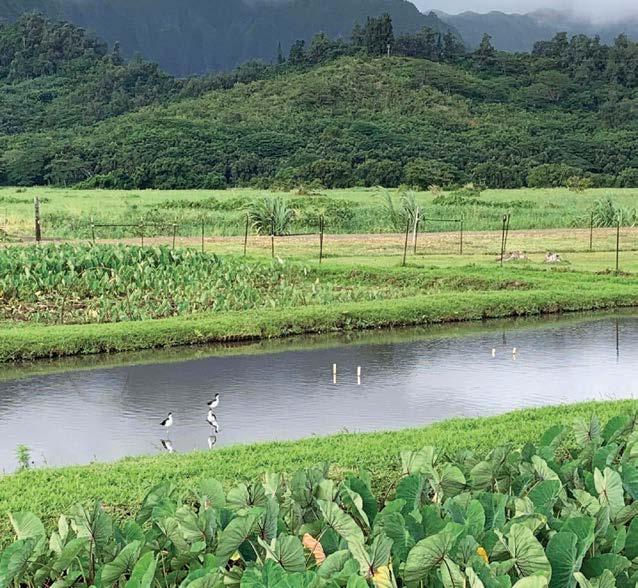
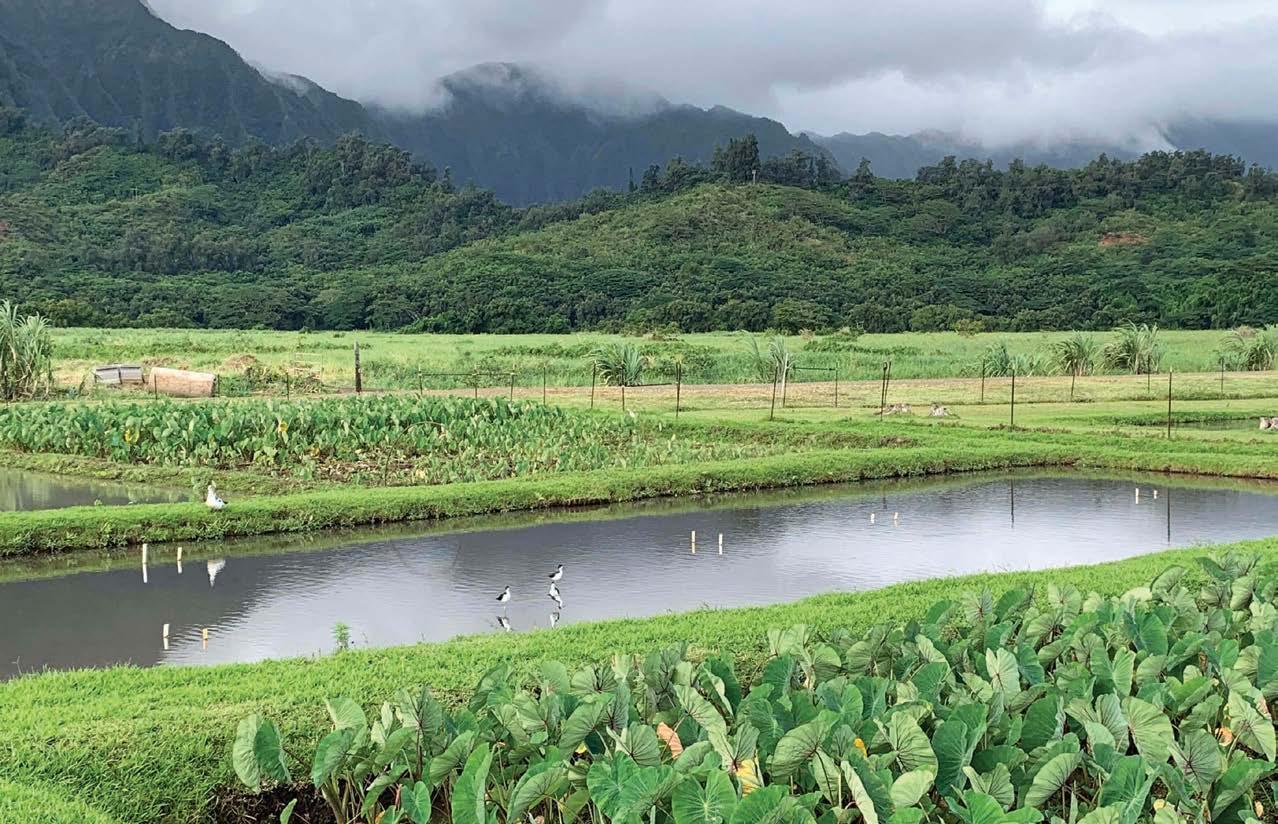
Innovative systems like the coupling of lo‘i kalo (wetland agro-ecosystems centered around taro cultivation) and loko i‘a (Indigenous aquaculture systems) are examples of Aloha ‘Āina systems that lasted for generations without painstaking management. Kanaka ‘Ōiwi observed and selected the best locations for cultivating kalo (taro) and fish, then engineered complex agro-ecosystems and aquaculture that worked in harmony with the environment. This resulted in regenerative systems that mimicked nature to produce high yields of food over long periods, sustaining a thriving economy of abundance for centuries.
Harnessing Community to Build a Values-based Economy
Perpetuated over generations, Aloha ‘Āina practices have expanded across the state more recently through community-led cultural revitalization efforts.
A prime example is the He‘eia National Estuarine Research Reserve (He‘eia NERR) on the windward shore of O‘ahu a UH administered program that leverages federal funding in support of ‘āina-based biocultural restoration. Established in partnership with the community, He‘eia NERR weaves Indigenous and conventional knowledge systems through co-developed research, education, training, and stewardship; and it is the first UH program with an articulated goal of catalyzing a circular economy for the socio-ecological well-being of the community.
“Not only are we flipping the script on how conservation is done, but we are changing how and why we conduct research at UH,” said Kawika Winter, He‘eia NERR’s director. “Instead of using places to support our research, we are repositioning research to support our places. Examples
of this can be seen in how the NERR works with its community partners, like Kāko‘o ‘Ōiwi and Paepae o He‘eia.”
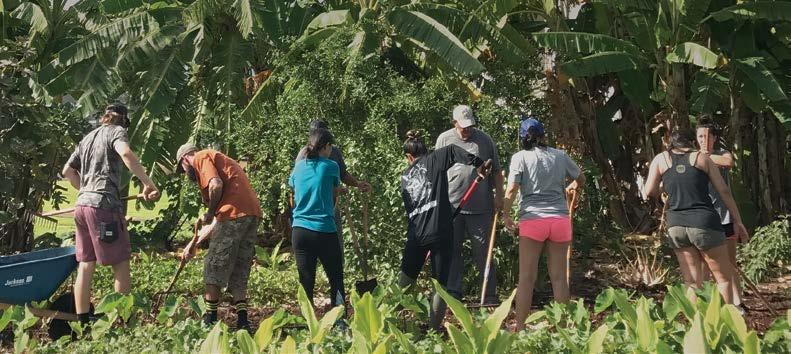
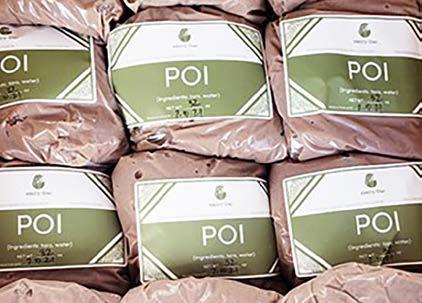
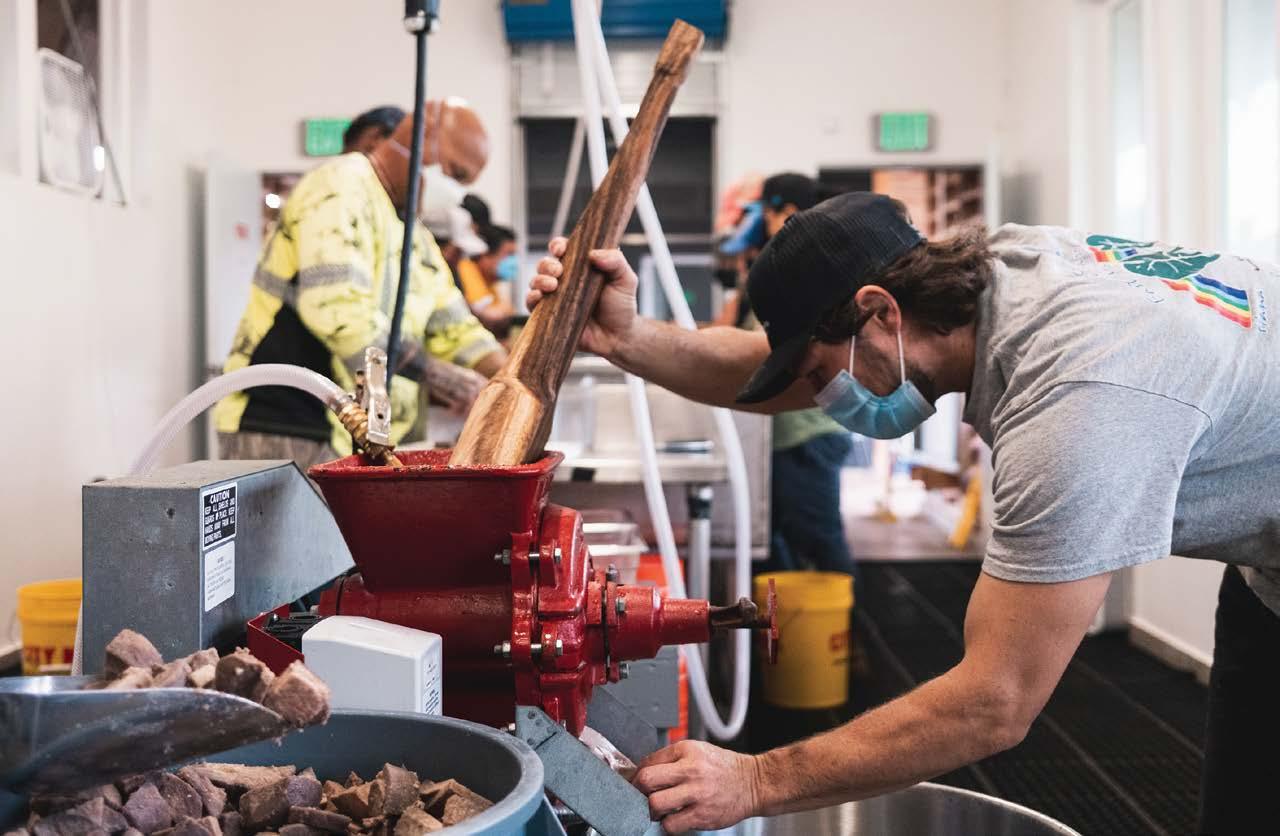
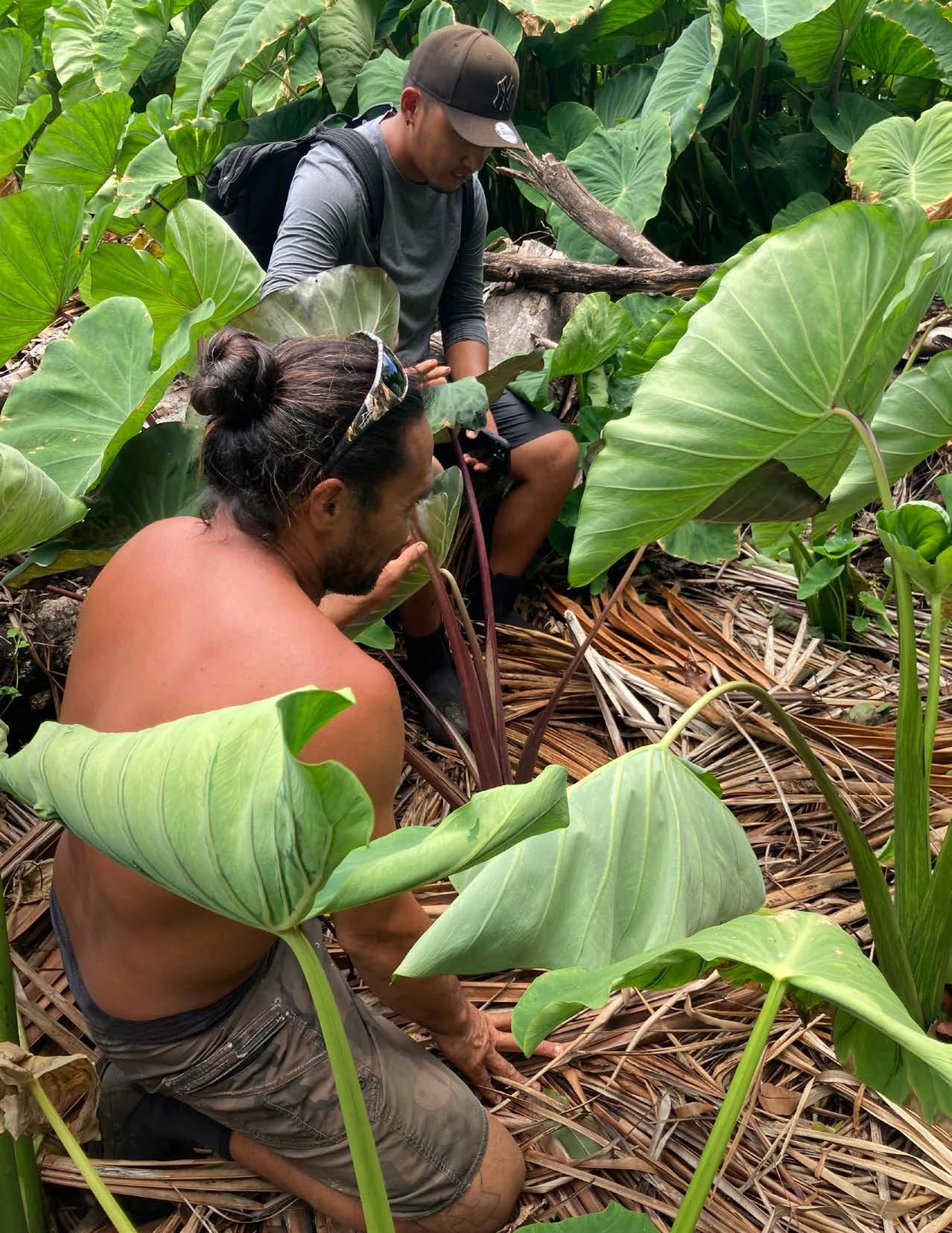
Since 2010, the nonprofit Kāko‘o ‘Ōiwi has restored several acres of lo‘i kalo and other forms of agroecology. It has also constructed a certified kitchen and mill for the production of value-added goods like poi (mashed cooked taro), kūlolo (taro and coconut dessert) and kūlolo crunch.
In the process, it has restored an endangered waterbird habitat, revived Indigenous food systems, created green-sector jobs with living wages, and cultivated regenerative economic opportunities for the larger community. For example, to meet the demand for these value-added projects, Kāko‘o ‘Ōiwi has been purchasing taro above market value from regional farmers to support the viability of Windward O‘ahu’s rural lifestyle.
“We are creating a wheel of relations and pilina (connections) that is so important to all of our community,” said Kanekoa Schultz, Kāko‘o ‘Ōiwi’s executive director. “We are grateful to be able to grow and strengthen that wheel by creating more opportunities and mana (power) for local farmers and families.”
Next door, Paepae o He‘eia continues to work with the community to restore an 800-year old loko i‘a kuapā (traditional walled coastal fishpond). Over the past two decades, thousands of volunteers have helped to remove invasive species and rebuild the 7,000-foot ancient rock wall. In return, the nonprofit has shared its harvest, feeding its community.
“It’s important to us that we feed our volunteers and community,” said Hi‘ilei Kawelo, Paepae o He‘eia’s founder and executive director. “Food is mana. It facilitates relationship building. We share more than we actually sell because building relationships is more important than rebuilding the fishpond itself. We are creating stories, adding value and building our community.”
Added Winter, “In today’s society, rebuilding and supporting our community-based social networks is perhaps the greater challenge and need. Both organizations are bringing our
community together and building something greater that cannot be contextualized or measured in dollars or acres. He‘eia is a petri dish for revival of ancestral economics in the context of market capitalism, and has the potential to be a social-ecological model for the rest of the world.”
Building a Global Community
Looking ahead, the UH Pō‘ai ke Aloha ‘Āina Center for the Ancestral Circular Economy & Justice aims to bridge Indigenous communities around the world by fostering research collaborations, knowledge exchange and lifting ancestral circular economy practices that challenge the status quo of linear economies and produce socially and culturally relevant solutions to today’s global challenges.
Beamer and his colleagues are building a community a global network of circular economy experts and practitioners through research collaborations, presentations, projects, and practice.
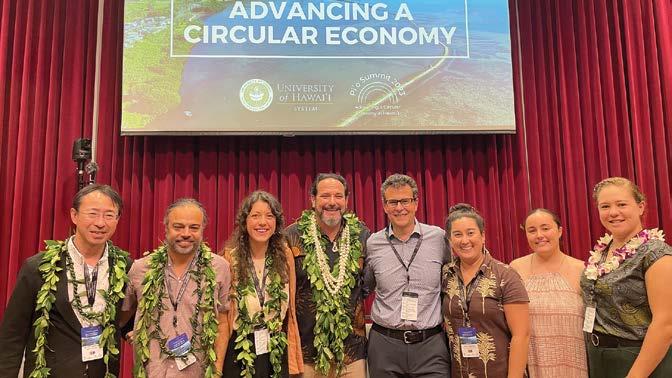
This past June, he collaborated with Raworth at the Nature-Based Solutions conference at the University of Oxford to facilitate further discussions about advancing a global circular economy.
“The Ancestral Circular Economy is something that can assist communities around the world restore their connection to what is important for our future,” said Beamer. “The world is seeking alternative paths and roads toward a more just and regenerative economy, and here in Hawai‘i, we know ‘at the end of the road there is ‘āina,’; the lessons from our ancestors will shape the future of our world.”
ABOVE: Professor Kamanamaikalani Beamer (center) was a featured keynote at UH’s Advancing A Circular Economy conference last year
LEFT: Poi produced by Kāko‘o ‘Ōiwi CREDIT: KĀKO‘O ‘ŌIWI
FACING PAGE: (Top) Farm Manager Emeritus Nick Reppun running steamed kalo into a poi mill CREDIT: KĀKO‘O ‘ŌIWI (Bottom) Restored wetland at Kāko‘o ‘Ōiwi in the He‘eia wetland CREDIT: SHIMI RII, HEEIA NERR
FACING PAGE:
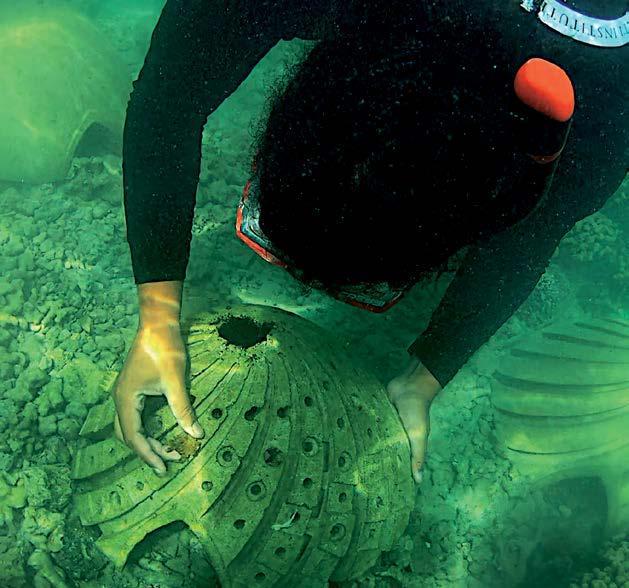
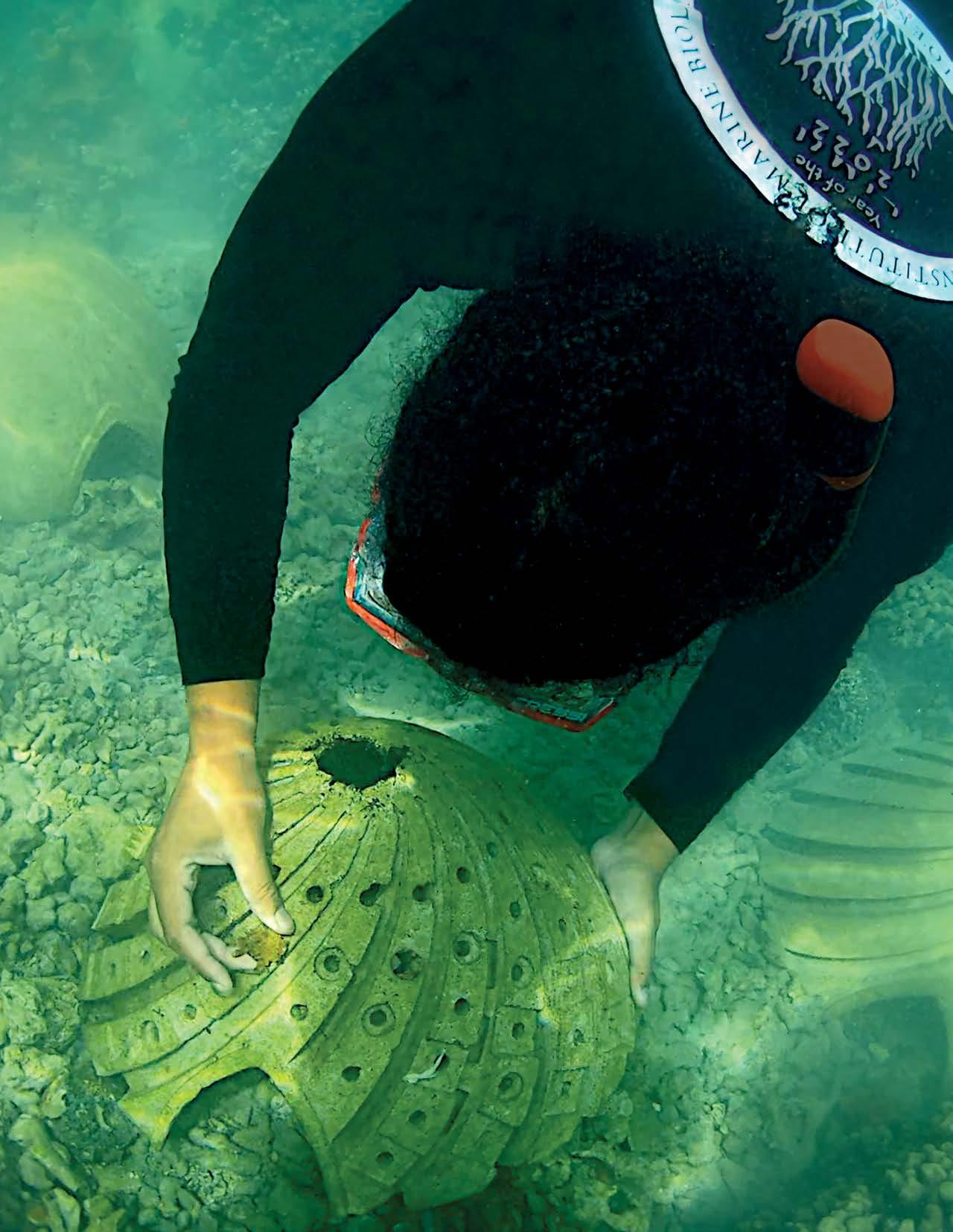
An HIMB researcher attaches a coral fragment to a Coral Settlement Module CREDIT: UH COMMUNICATIONS
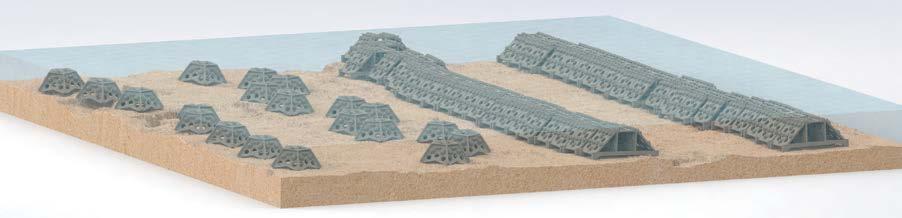
BOTTOM:Tentative layout of the R3D Reef Mimicking Structures at the deployment site
CREDIT: R3D
“We
know that the degradation of coral reefs in combination with increased storms and sea level rise are already threatening infrastructure, food security, and Indigenous practices across the Pacific. Our goal is to help protect coastal communities while also discovering new science and proving new techniques that may apply to coral restoration efforts throughout the region.”
BEN JONES R3D Principal Investigator
Building the Foundation for Coastal Resilience
CORAL REEFS ARE THE RAINFORESTS OF THE OCEANS, thriving ecosystems with the most extensively biodiverse species of plants and animals on the planet. Despite occupying less than one percent of the ocean floor, they are home to a quarter of all marine life, providing food, shelter, resting, and breeding grounds for millions of species.
These formidable structures can also absorb up to 97 percent of wave energy, playing a critical role in protecting coastal infrastructure and livelihoods from the impacts of storms, waves, and currents. However, these natural barriers are increasingly threatened by climate change and warming ocean temperatures that exacerbate global coral bleaching events. More than half of the world’s coral reefs have died and 90 percent are projected to perish within the next century.
With 1,700 coastal military installations around the world, the US Department of Defense (DoD) has been seeking long-lasting solutions to these climate threats. In 2022, its Defense Advanced Research Projects Agency (DARPA) awarded the University of Hawai‘i a $25-million, five-year grant to leverage nature-based solutions to develop novel coastal protection capabilities.
An Innovative, Multifaceted Solution
As part of the DARPA Reefense program, UH is developing a groundbreaking technology called Rapid Resilient Reefs
for Coastal Defense (R3D), spearheaded by the Applied Research Laboratory at the University of Hawai‘i (ARL at UH) in partnership with University of Hawai‘i at Mānoa’s School of Ocean and Earth Science and Technology, Florida Atlantic University, Scripps Institute of Oceanography, University of California San Diego, The Ohio State University, and Makai Ocean Engineering.
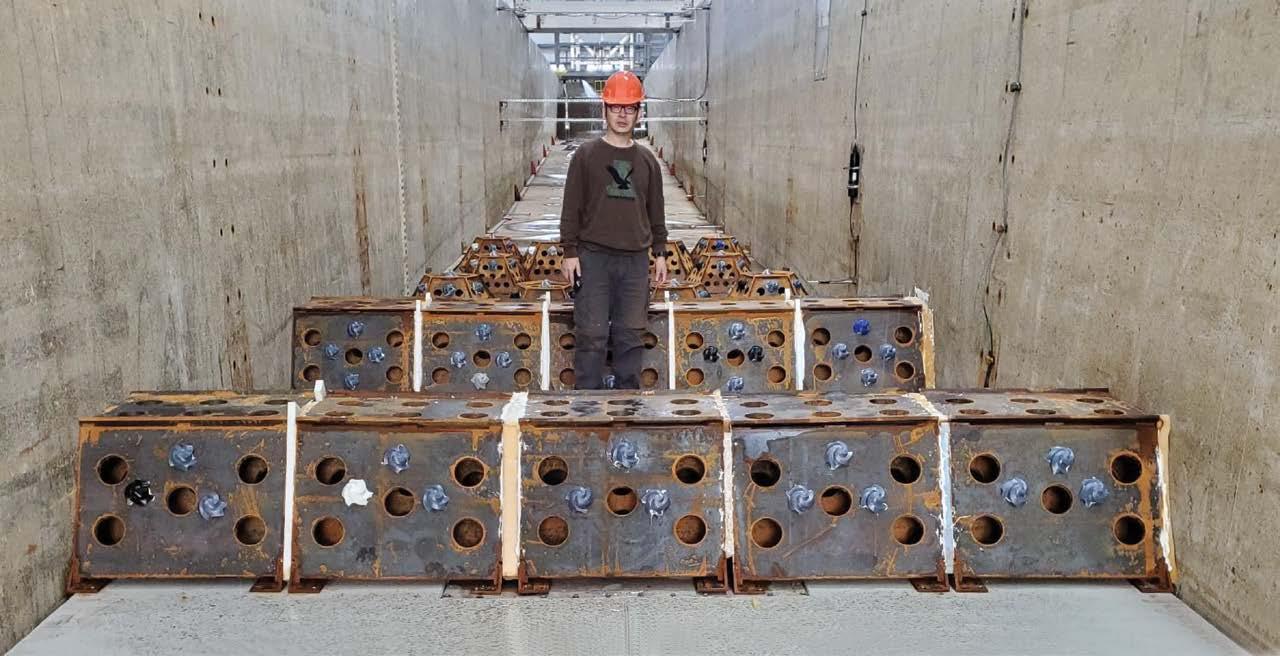
R3D is a complex, multidisciplinary project that is not only designing novel structures to dissipate wave energy, lowering flood risks and coastal erosion, but is also integrating techniques and technologies that aid the rapid settlement and growth of resilient coral communities well into the future.
“We know that the degradation of coral reefs in combination with increased storms and sea level rise are already threatening infrastructure, food security, and Indigenous practices across the Pacific,” said Ben Jones, R3D principal investigator. “Our goal is to help protect coastal communities while also discovering new science and proving new techniques that may apply to coral restoration efforts throughout the region.”
Key components of the R3D project: A Robust Foundation
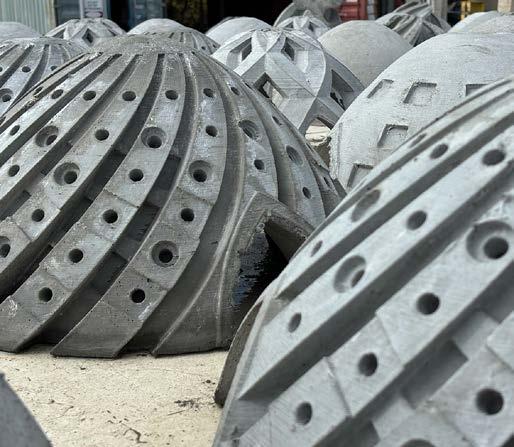
The coastal engineering team developed an array of thinwalled, porous structures that gradually pulls energy out of the wave in the form of turbulence that is generated
through flow-separation. This unique design creates spilling versus plunging waves, that exert less force on the structures. Results from tests on scaled-down models at the Oregon State University Large Wave Flume indicate wave energy reduction of over 80 percent.
The large reef crest structures, which will bear the brunt of the larger waves, will be anchored to the seabed to prevent them from moving during larger-wave events. The back reef structures, which will rest in calmer environments, will be stabilized using their own weight.
Self-Healing Properties
In order to support the natural growth of a coral reef ecosystem, R3D incorporates various technologies that support rapid seeding and growth of coral and other reef-building organisms.
Hawai‘i Institute for Marine Biology (HIMB) Professors Josh Madin and Rob Toonen are working on developing techniques and technologies for maximizing coral settlement and growth, including:
• Coral growth modules with genetically diverse coral fragments to accelerate coral growth while enhancing overall resilience of the outplanted coral community; and
• Coral settlement modules, which are domes designed to geometrically mimic the complexity of natural coral reefs, with specific crevice sizes and depths that dramatically increase larval coral settlement, and provide areas for oysters, sponges and other cryptic fauna to settle and grow, while providing refuge for herbivorous fish.
They are also working with other university project partners on incorporating the following elements:
• Underwater Zooplankton-Enhancing Light Apparatus to increase heterotrophic feeding, shown to accelerate coral growth and increase larvae post-settlement survival;
• Intricate micro-structures and biomaterials like slippery surfaces to prevent harmful algal growth that hinder new coral fragment growth, and incorporating naturally sourced chemical cues to enhance coral settlements; and
• Acoustic enhancement techniques that mimic the sound of healthy coral reefs to attract coral and fish larvae during key reproduction periods.
Climate Adaptation Capabilities
Another team at HIMB led by Toonen and Coral Resilience Lab Principal Investigator Crawford Drury, is also implementing various techniques to help coral reefs survive warming ocean conditions and prevent bleaching, including:
• Using cutting-edge technology to identify predictive biomarkers of thermally tolerant traits to prioritize propagation efforts of thermally resilient coral; and
• Developing rapid stress testing protocols for determining thermal tolerance of coral larvae, juveniles, and fragments.
They are also working with The Ohio State University on exploring cost-effective ways to supplement feeding to aid recovery of bleached corals.
“This project builds on over a decade of research at HIMB, and being able to collaborate with other universities allows us to build even stronger and more sustainable reef structures to protect our coastal roads, runways, and neighborhoods,” said Toonen.
Comprehensive monitoring protocols are also being implemented to ensure structural stability, and to track reef health and resilience over time.
Deploying the Structures
The team anticipates launching the full 50-meter array of structures at Ulupa‘u, off the Kailua Bay side of Marine Corps Base Hawai‘i in late 2024 or early 2025.
The array will be placed in relatively smooth areas of degraded reefs, leveraging the natural shape of the seafloor to reduce its size and carbon footprint. The structures will sit just below the water’s surface, preserving the areas’ natural aesthetics. Designed to resemble the flow of a natural coral reef, the R3D structures will minimize disruptions to water and sediment flow, while significantly increasing wave reduction compared to the existing reef.
Broader Impact and Applications
“One of the most valuable aspects of this project is that we are taking all of the lessons that we are learning and developing a robust template for how to implement this work elsewhere,” said Joshua Levy, R3D technical program manager. “This includes customizing surveying techniques and technology designs that best mimic the area’s physical environment and natural genetic diversity.”
The DoD is looking to eventually deploy components of this work at other military installations in the Pacific. The R3D team is also exploring potential applications at other vulnerable areas like ‘Ewa and Ka‘a‘awa on O‘ahu.
“The value of bringing together a team of experts from such a wide variety of disciplines and backgrounds to address one of the Pacific region’s most pressing concerns goes beyond the R3D project itself,” said Jones. “Establishing a critical mass of students, early career folks and senior experts who are energized and focused on climate adaptation and coastal resilience will help us deal with one of the great challenges of this century. “
TOP: Design and fabrication of Coral Settlement Modules FACING PAGE: (Top) Reef structures undergoing tests at Oregon State University’s Large Wave Flume conducted by SOEST Professor Zhenhua Huang (Bottom) Coral fragment plugs being cultivated at HIMB PHOTOS, CREDIT: R3D
Advancing Space Weather Forecasts
“BEFORE GOING HIKING OR SURFING, you usually want to check the weather,” said Veronica Bindi, University of Hawai‘i at Mānoa (UH Mānoa) Department of Physics & Astronomy chair and professor. “The same goes for when you’re in space. You want to make sure astronauts, instruments and other assets are safe from harmful, inclement solar weather.”
Thanks to a four-year, $2.5 million grant from the National Science Foundation, UH Mānoa is working on enhancing its understanding and predictions of space weather patterns that pose significant risks not only in space, but on Earth.
The project, led by Bindi, will measure the most powerful particles in space through a new Haleakalā Neutron Monitor Station (HLEA) on Maui and a space weather station on O‘ahu.
An Ideal Location
As the newest of approximately 50 ground neutron monitor stations around the world and only one in the Pacific Ocean, the HLEA will provide groundbreaking new data by filling a wide, 162-degree gap in the global neutron monitor network between in Mexico and Thailand.
"In addition to being nicely located in the middle of this gap, our 10,000-foot altitude at the summit of Haleakalā and proximity to the equator allows us to capture more particles from longer daily sun exposure and less seasonal variations,” said Bindi. “All of this allows us to capture and deliver new sets of data to enhance our modeling and calibration of all
global neutron monitor stations and space weather detection systems.”
Upcoming Solar Maximum
Initially targeted for completion in 2025, Bindi and her team expedited their efforts to launch the HLEA and space monitoring center in 2024 in order to collect data from the impending solar maximum of Solar Cycle 25, initially forecasted for 2025.
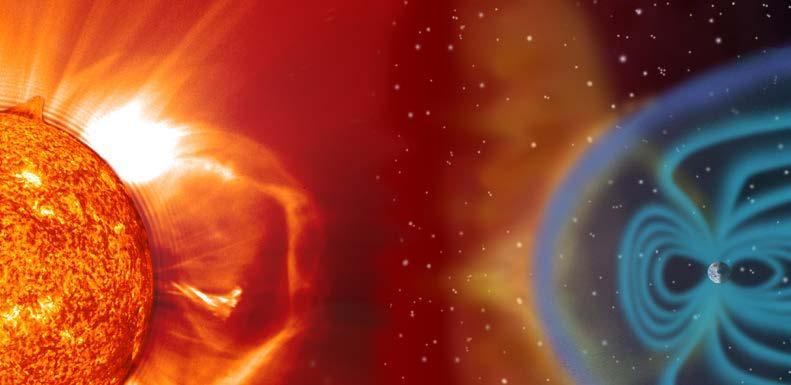
Occurring once during the Sun’s 11-year solar cycle, a solar maximum marks the period when the Sun is most active. During this time, the intensity and frequency of visible sunspots reach their peak and is characterized by more frequent and intense solar flares and Coronal Mass Ejections (CMEs). These colossal explosions heat up to several million degrees Fahrenheit and release shockwaves of Solar Energetic Particles (SEPs) traveling up to 180 thousand miles per second, and carrying as much energy as nearly ten billion megatons of TNT.
Major Impacts
Upon reaching the Earth’s magnetosphere (a magnetic field that protects the planet from harmful solar radiation), CMEs can trigger geomagnetic storms that generate induced currents, which can disturb or damage satellites and electrical power grids. They can also corrode gas and other pipelines, and increase radiation exposure risks for commercial and other aircraft flying at high altitudes. The strongest solar storm ever recorded, known as the Carrington Event of
1859, wreaked havoc on telecommunications around the world and precipitated northern lights as far south as Hawai‘i.
“With today’s heavy reliance on technology, the global impact of a similar solar storm today could be catastrophic and cost billions of dollars,” Bindi emphasized. “Everything from using our phones, laptops, credit cards, GPS and financial transactions to a lot of our infrastructure depends on satellites and other technologies in space. Studying the Sun’s high-energy particles and developing solar radiation alert systems can protect and sustain assets in space, and advance our resilience against space weather hazards on Earth.”
In addition to SEPs released from the Sun, Galactic Cosmic Rays (GCRs) emitted from supernovae also pose severe radiation hazards to astronauts and technologies in space. Prolonged exposure to SEPs and GCRs can increase the risk of cancer, cell mutation, heart attacks and central nervous system changes. They can also disrupt and significantly degrade electronic equipment in space over time.
“Predicting and mitigating the effects of space radiation is crucial for the safety and success of long-duration space missions. Studying space weather and how radiation varies with solar activity and time can mitigate its effects. By monitoring space weather events, we can improve our understanding of space weather dynamics and correlation to radiation levels to help us better prepare and respond to their impacts in space and on Earth,” explained Bindi.
Collecting and Analyzing Data
The HLEA will allow Bindi and her team to measure the flux and variations of space particles. This data will help to unfold the processes and conditions prevalent in the solar atmosphere and provide a proxy of the space radiation environment and space weather.
Once set up, the HLEA will be calibrated to continuously detect and measure Solar Neutron Particles (SNPs) and neutrons generated by the interaction of SEPs and GCRs. Produced in solar flares, SNPs retain direct information about nuclear reactions near the acceleration site at the Sun. Since they are unaffected by the interplanetary magnetic field unlike SEPs which slow, bend and change directions once released SNPs can be detected up to 10 minutes before SEPs. This provides an advance warning to astronauts to protect their onboard electronics by powering them down.
Enhancing Data Calibration
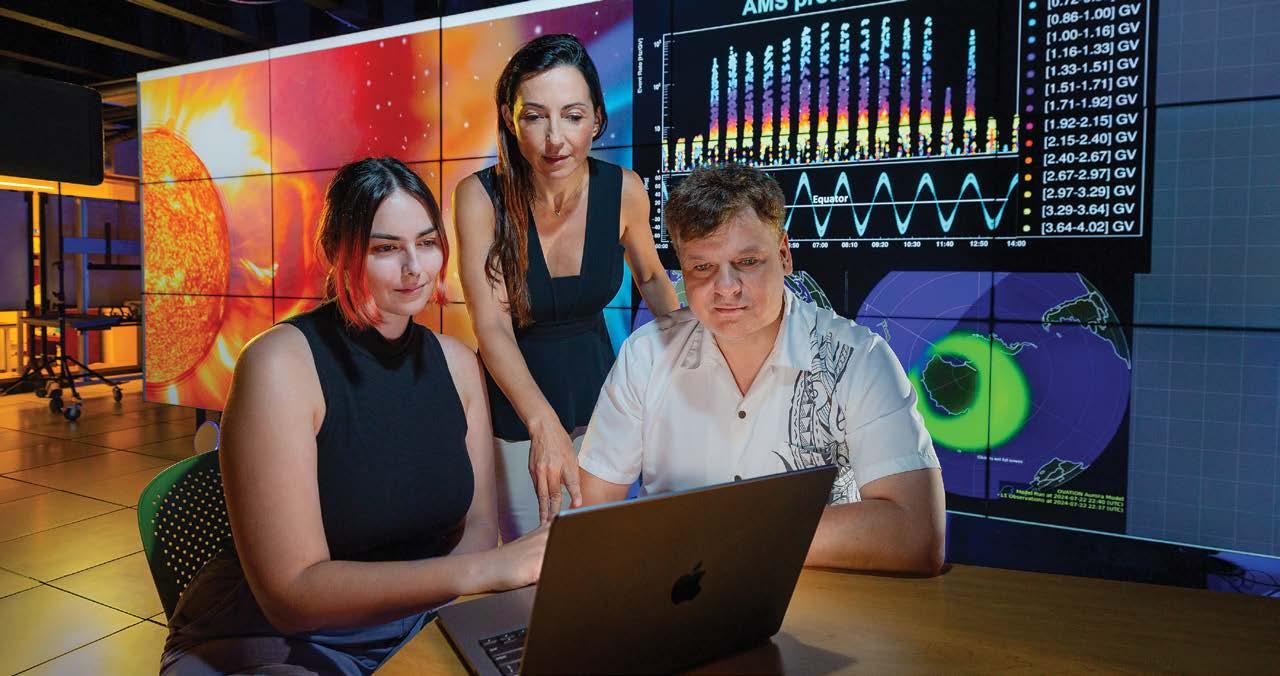
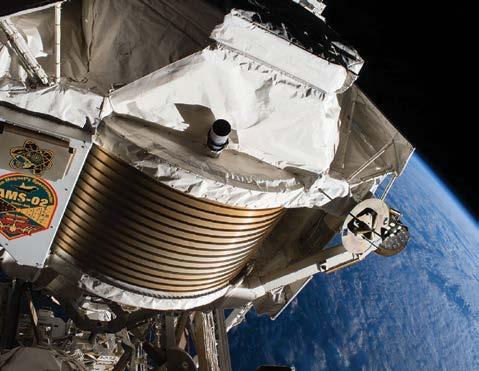
In addition to collecting data from HLEA, the new space weather monitoring center at UH Mānoa will calibrate data from National Aeronautics and Space Administration and National Oceanic and Atmospheric Administration satellites, as well as the Alpha Magnetic Spectrometer (AMS) a particle physics experiment module on the International Space Station, accessible only to Bindi’s team and another from the Massachusetts Institute of Technology.
“Integrating AMS and HLEA data allows us to expand our global instrument capabilities for
“In
our increasingly technologydependent world, understanding and predicting space weather is not just about scientific curiosity, it’s about safeguarding our way of life.”
VERONICA BINDI Professor and Chair Physics & Astronomy
more comprehensive and precise space radiation and weather monitoring,” said Bindi. “By improving the calibration and consistency of neutron monitor networks worldwide, we can achieve a more unified and reliable set of observations, fostering better international collaboration and data sharing. This will help to accelerate our understanding of space radiation or particle behavior from space to Earth, and further advance our ability to predict and mitigate the effects of space weather on technological systems and human activities.”
Anticipated Progress
While the accuracy of atmospheric weather predictions increased dramatically over the past few decades with better data and more sophisticated numerical models, resources and technologies, Bindi compares current space weather predictions to weather forecasts from the 1960s.
However, she anticipates exponential leaps in progress with newer developments like machine learning and artificial intelligence, and better support from international space agencies advocating increases in the number and quality of satellite data to develop more realistic numerical models.
“In our increasingly technology-dependent world, understanding and predicting space weather is not just about scientific curiosity, it’s about safeguarding our way of life,” said Bindi.
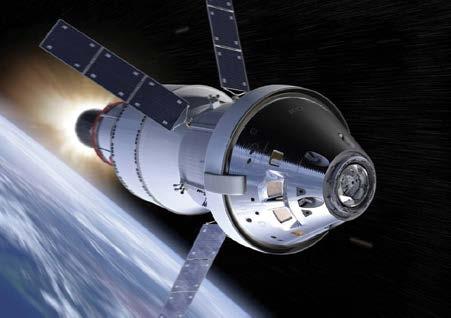
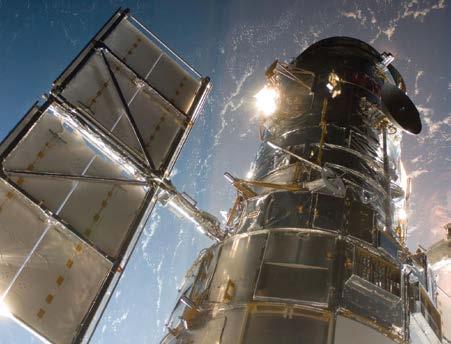
ABOVE, LEFT: Expanded capabilities in space radiation and weather monitoring can better protect valuable space assets like NASA’s Orion spacecraft (top) and the Hubble Space Telescope (bottom) CREDIT: NASA
ABOVE, RIGHT: The AMS particle physics experiment module aboard the International Space Station CREDIT: NASA
FACING PAGE: Professor Veronica Bindi (center) and team members Alexandria Holthaus (left) and Nikolay Nikonov closely examine their space weather data sets
UH Research’s Maui Wildfire Efforts
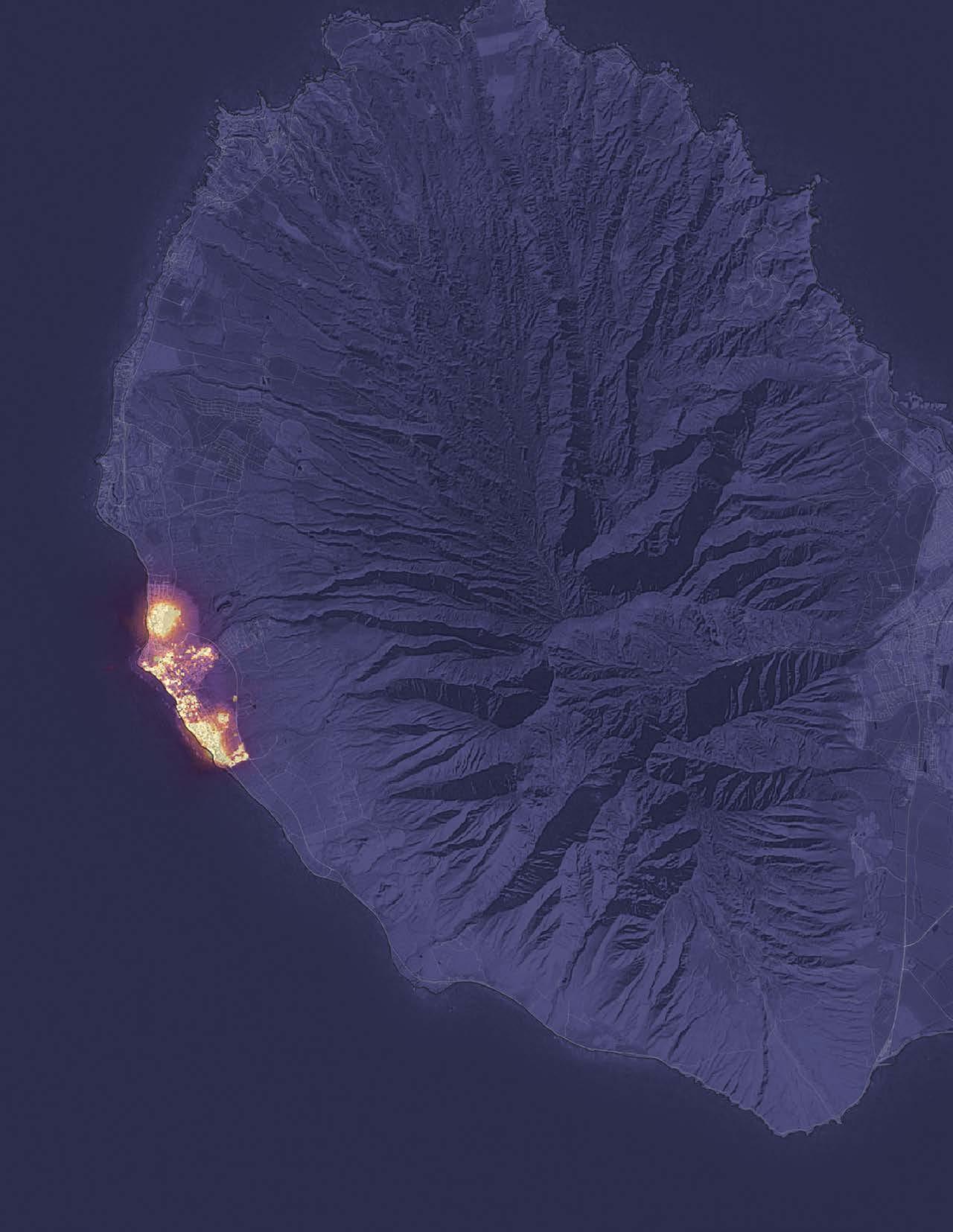
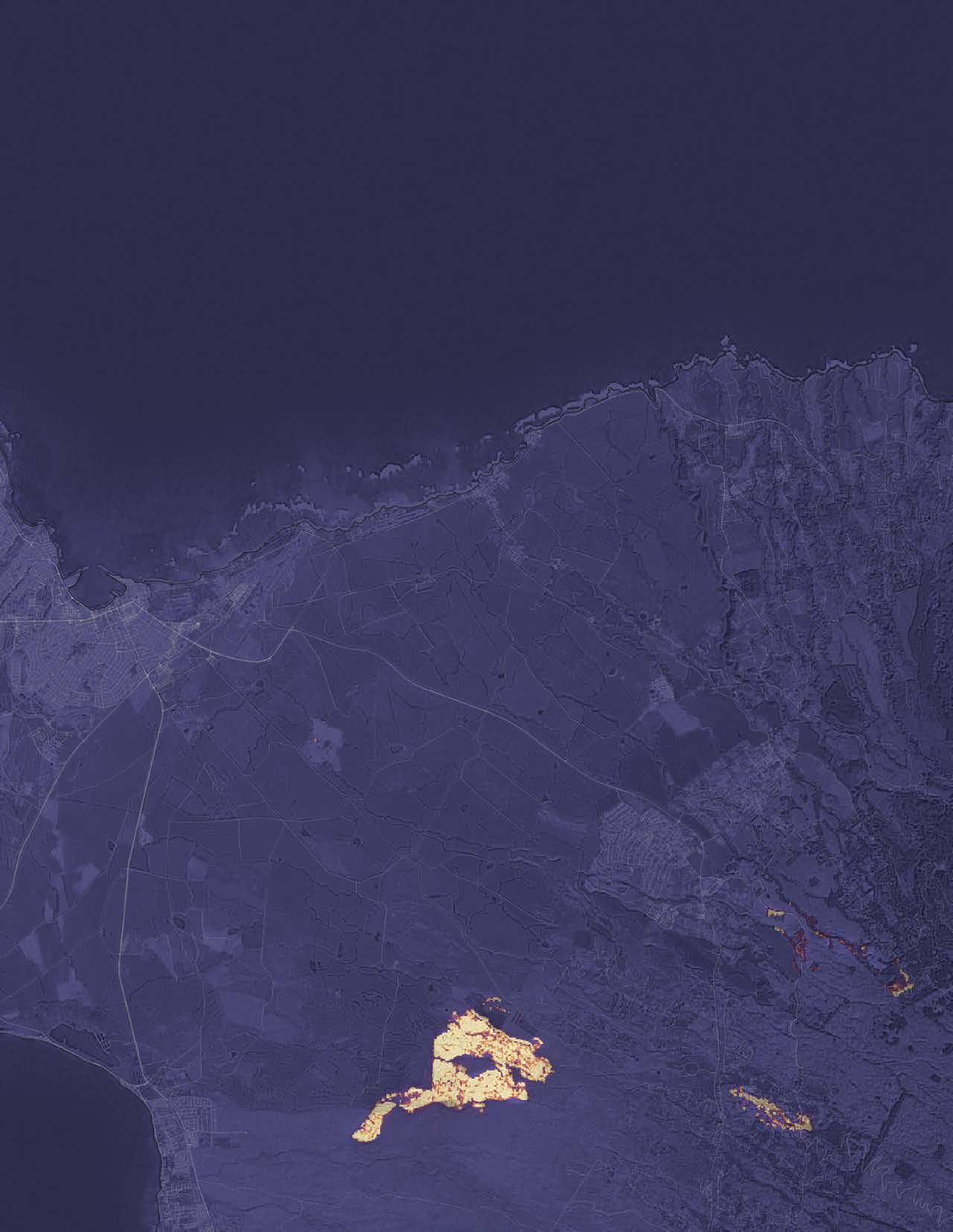
On August 8, 2023, the trajectory of Maui’s historic Lahaina town was forever altered. A place of archeological and cultural significance as the first capital of the Hawaiian Kingdom, and later a whaling port turned tourist destination, Lahaina was quickly consumed by an early morning wildfire fueled by drought conditions. Fanned by strong winds from Hurricane Dora several hundred miles offshore, the wildfire engulfed the town and overwhelmed first responders in an unprecedented chain of events. At the same time, three other major wildfires scorched other parts of the island. In the aftermath, over 2,000 buildings were destroyed and over 100 lives were lost. Hawai‘i Governor Josh Green described it as the “largest natural disaster in Hawai‘i’s state history.”
Behind the scenes, teams of University of Hawai‘i (UH) researchers sprung in action during the wildfire and shortly thereafter to provide first responders and decision-makers with threat assessments and situational updates. Later, UH teams helped conduct health and environmental impact studies, and undertook research to improve wildfire mitigation and prevention.
Situational Awareness
The true nature of the destruction to Lahaina was not readily apparent to emergency officials until the morning of August 9th, as aerial and ground reports began to trickle in. Within hours, preliminary scientific estimates of the wildfires damages and impact were provided by the Pacific Disaster Center Global (PDC Global), a UH research center based in Kihei, Maui that provides disaster management tools and analysis to improve disaster preparedness, response and recovery in the U.S. and other countries. In
partnership with the Maui County Enterprise Geographic Information Systems (GIS) Team, PDC Global was able to collect, map, and update emergency information to its DisasterAWARE platform. DisasterAWARE is a risk intelligence and situational awareness tool that provides decision makers with information to effectively direct emergency and humanitarian assistance.
“As soon as the impacts of the wildfires became known, we basically dropped everything and concentrated our efforts to provide the best and most accurate information on the wildfires. The scale of the event was tremendous, leaving impacts on a large portion of the community including several members of our staff,” said PDC Global Executive Director Ray Shirkhodai. “While contending with our own impacts from the wildfire, PDC’s was still able to provide real-time situational assessments to assist emergency efforts on all levels, including the first impact estimates and satellite images of affected areas for Governor Green’s initial press conference.”
During and over the course of the next six weeks after the wildfire, PDC Global staff worked around the clock to provide up-to-date information at 84 shift changes/briefings to five emergency operations centers, including Maui County, Hawai‘i Emergency Management Agency, US Army Pacific, US Indo-Pacific Command and the Hawai‘i National Guard’s Joint Task Force 5-0, providing over 600 situation reports, and thousands of updates to over 800 responders.
UH’s RAPID Response
In the immediate aftermath, teams of UH researchers began to mobilize their efforts to study and address the impacts of the wildfire disaster. Through $2.1 million in funding by the National Science Foundation’s Rapid Response Research (RAPID) program, UH led 12 multidisciplinary, multi-organizational projects involving
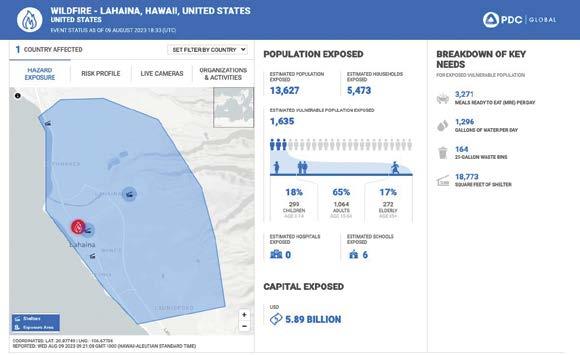
LEFT: Event status dashboard from August 9, 2023
more than 30 researchers employing the latest technology and expertise, including AI-enhanced data collection and computational modeling to study air and water quality, health, ecosystem resilience and emergency response strategies.
All UH projects were coordinated by the Water Resources Research Center (WRRC) at UH Mānoa, whose experience with large-scale, emergency research efforts like the ongoing Red Hill water crisis on O‘ahu, made the unit the logical choice to take the lead role.
“The University of Hawai‘i will continue to play a critical role in conducting research on the wide-ranging effects of wildfires on both human health and the environment, facilitating informed decision-making and effective disaster response strategies,” said Thomas Giambelluca, former Director of the WRRC. “Proper coordination of our research efforts is vital to ensure effective and successful collaboration among stakeholders, including researchers, government agencies, community groups, and nonprofits in Maui’s post-fire recovery, resiliency and future disaster response initiatives.”
Health and Social Impacts
The first comprehensive results from UH Mānoa’s Maui Wildfire Exposure Cohort Study (MauiWES), indicate that of the Maui residents affected by the wildfires, half are in worse health compared to the previous year and many continue to face food insecurity and difficulties in accessing medical care. These are just two of many key findings resulting from comprehensive cohort study funded by the Hawai‘i Community Foundation, Maui Strong Fund and Kaiser Permanente.
Over the next decade, the study led by Professors Ruben Juarez of the University of Hawai‘i Economic Research Organization and Alika Maunakea of the UH Mānoa John A. Burns School of Medicine (JABSOM), will continue to document the acute and chronic health and social impacts stemming from the disaster. Community based partners include Maui Medic Healers Hui, Roots Reborn and Tagnawa for Maui. The study recently received $2.3 million
from the State of Hawai‘i to include children and to start a survivor’s registry.
“While other issues like housing are at the forefront, it is equally important to prioritize health to prevent further disparities, especially among our underserved and minority communities,” said the study’s authors. “By addressing these health issues alongside other critical needs, we can work towards a more equitable and resilient recovery.”
The government’s wildfire response and its impact on the physical and mental health of affected individuals is the subject of a fiveyear, $3.8 million UH Mānoa study funded by the National Institutes of Health. Led by Alex Ortega, dean of the Thompson School of Social Work & Public Health, and Keawe‘aimoku Kaholokula, professor and chair of the Department of Native Hawaiian Health at JABSOM, the study will collect data on physical and mental health impacts, as well as contributing factors. A second phase of the study will focus on health care barriers, health care utilization before and after the fire, insurance eligibility and other factors.
“…The ultimate goal of the study is to strengthen the resiliency of not just our communities and families, but also our governmental agencies and emergency healthcare systems so that we can respond and recover better from future disasters,” said Ortega.
Prevention/Mitigation
In addition to the strong winds generated by Hurricane Dora, another factor contributing to a “perfect storm” for the wildfire was the prevalence of easily ignitable, non-native vegetation in fallow lands surrounding Lahaina and other parts of Maui. Across the entire state, these
fire-prone plants have spread to over one million acres and pose a significant challenge to wildfire management.
An ambitious project spearheaded by the UH Mānoa College of Tropical Agriculture and Human Resources (CTAHR) aims to introduce non-invasive and native plants back into the ecosystem to help restore the landscape and scale up wildfire risk reduction efforts. Researchers will work to store wild seed collections in each county, develop seed sharing protocols and educational resource, and cultivate stock seed plots of these plants for future use on farms and orchards.
“My perspective is that, like land and water, we need to treat seeds and plant lineages as a public trust,” said Extension Specialist Clay Trauernicht, principal investigator of the project. “Having UH be able to document seed sources, provide transparency on geographic representation, and ultimately ensure equitable access to quality plant materials is a major part of the project.”
In the first three years, the CTAHR team will coordinate with local partners to build collections, targeting 1.5 to 2 million seeds across 5 to 8 species to ensure diversity and geographic representation. The five-year, $4.6 million project is being funded by a US Forest Service Community Wildfire Defense Grant.
ABOVE, LEFT TO RIGHT:
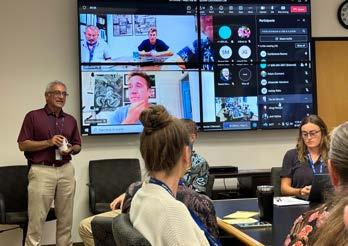
PDC Global Executive Director Ray Shirkhodai briefs his team CREDIT: PDC GLOBAL
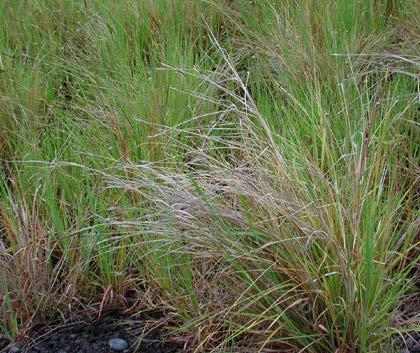
Indigenous pili grass can be used to stabilize wildfire-affected areas CREDIT: FREE DOMAIN
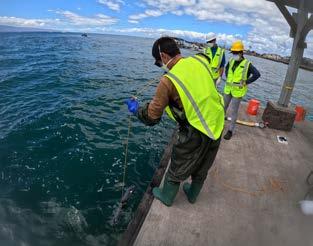
Water sampling in Lahaina Harbor CREDIT: UH COMMUNICATIONS
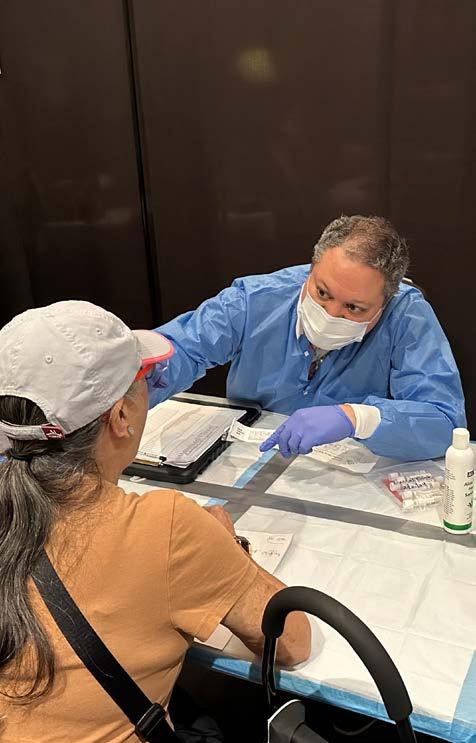
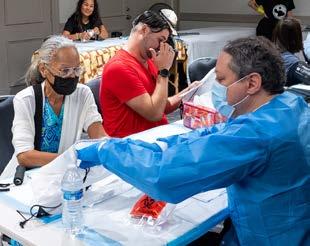
JABSOM Professor Alika Maunakea performs screenings for the MauiWES CREDIT: UH COMMUNICATIONS
“Food is the single strongest lever to optimize human health and environmental sustainability on Earth.”
EAT LANCET COMMISSION ON FOOD, PLANET, HEALTH
The goal of the Ke Ō Mau Center for Sustainable Island Food Systems is to create a thriving, sustainable food system that can serve as a model for island communities around the world
New UH Center to Transform Agri-Food Systems
A 2023 REPORT BY THE UNITED NATIONS (UN) FOOD AND AGRICULTURE ORGANIZATION found that the world’s current agri-food systems impose hidden environmental and societal costs equivalent to over $12.7 trillion a year, or 10 percent of the global Gross Domestic Product.
Most of these hidden costs stem from unhealthy diets, leading to obesity and chronic illnesses that reduce labor productivity. Low-income countries suffering from poverty and undernourishment are especially impacted. Agricultural production is also degrading ecosystems through land-use changes, biodiversity loss, freshwater resource exploitation, soil erosion, greenhouse gas emissions, and water pollution from fertilizers and pesticides. Moreover, food and farming systems are increasingly threatened by the global climate crisis.
While current agri-food systems are driving negative ecological changes and major global public health issues, developing sustainable agri-food systems can play a crucial role in achieving socio-ecological health, equity, resilience, and sustainability, supporting the UN Sustainable Development Goals (SDGs). The urgent call for food system transformation and rigorous monitoring of progress toward the SDGs is increasingly echoed throughout the global scientific community.
Holistic & Collaborative Solutions
These pressing global issues, along with local food system challenges, have catalyzed the development of the Ke Ō Mau Center for Sustainable Island Food Systems at the University of Hawai‘i (UH). Building on similar efforts at other universities, the soon-to-be research, education, planning, and policy hub will focus on improving the local food system in Hawai‘i. Led by UH West O‘ahu Associate Professor Albie Miles and UH Mānoa Associate Professor Noa Lincoln, the center will be a cross-campus and community-engaged collaboration addressing pressing problems in food and agriculture in Hawai‘i and beyond.
Examples include Miles’ collaborative food system planning effort with the Hawai‘i Public Health Institute that is funded by the US Department of Agriculture (USDA) Regional Food Systems Partnerships Program and the W.K. Kellogg Foundation. Over the last three years, this project has convened thousands of food system stakeholders around the state and increased legislative engagement through the annual Hawai‘i Food System Summit. Lincoln’s collaboration with the Hawai‘i Food Hub Hui has supported data analysis, impact measurement, and public awareness, leading to financial support for the continued growth of Hawai‘i food hubs.
“With significant hidden costs and the growing risk of climate destabilization, we need to work toward healthy, equitable, resilient, and sustainable food systems,” said Miles. “Integrated research, education, and planning are essential to inform public policy and private-sector investment toward transforming our food system.”
Socio-Ecological Performance vs. Federal Funding
According to a 2016 analysis by Miles and his colleagues, less than 15 percent of USDA Research, Education, and Economics (REE) funds have supported agroecology, sustainable agriculture, and local food systems development. Despite a track record of agroecological farming systems in reducing environmental externalities and promoting ecosystem and social services, the combined funding from key USDA programs supporting agroecology is estimated to be less than five percent of the total USDA REE budget as of 2023.
“In agroecology, farms are understood as ecosystems where ecological theory and natural resource management principles are applied,” Lincoln explained. “Modern agricultural systems focus on chemical inputs and capitalintensive technologies to maximize yields, often ignoring important environmental and social factors. We need to
instead adjust farming practices to suit the parameters of agroecosystems for sustainability.”
Hallmarks of agroecological farming systems include: biological diversification through poly-cultures, cover cropping and crop rotation; enhancing soil health through soil organic matter management; biological control of pests, weeds and pathogens; reducing reliance on mineral fertilizers and chemical pest-control agents; and the integration of Indigenous and traditional ecological knowledge and practice.
Agroecology in Hawai‘i
In Hawai‘i, ancestral farming practices reflected Native Hawaiians’ kinship with the land, balancing societal and environmental health. Over centuries, they cultivated a range of agricultural systems adapted to the archipelago’s diverse landscapes, from rainforests to volcanic plains. Systems like agroforestry mimic forest nutrient cycling and preserve ecosystems while maximizing outputs like food, medicines, fiber, dye, and timber. Trees such as kukui (candlenut) and ‘ulu (breadfruit) play a key role in these systems by enhancing soil fertility and creating microhabitats for other Polynesian-introduced crops like like mai‘a (banana/plantain), wauke (paper mulberry), mamaki (Hawaiian nettle), awapuhi (shampoo ginger), ‘awa (kavakava) and kalo (taro).
Despite the absence of archaeological remnants distinguishing traditional wetland and dry-field agricultural systems, recent research by Lincoln confirmed that agroforestry was the dominant form of landscape modification for agriculture in Hawai‘i.
“Agroforestry maximized production in marginal environments, increased yields, and enhanced resilience through diversity,” said Lincoln. “Our ancestors walked intelligently upon the landscape, maintaining sustainable and equitable food systems for centuries. There are many relevant lessons to bring forward to today’s food and agricultural systems.”
Barriers to Agroecology in Hawai‘i
Adoption of agroecological practices in Hawai‘i has been limited due to greater initial investment requirements and slower returns. Other barriers include high costs of agricultural production, competition from mainland
producers, inadequate enabling policies, lack of technical assistance to growers, farm financing, and short-term land leases that discourage long-term investments in conservation practices.
Lincoln has supported overcoming some of these challenges in partnership with the Hawai‘i ‘Ulu Cooperative, which seeks to support agroforestry through the revival of traditional staple crops while democratizing the value chain. Through partnerships, Lincoln’s lab addresses various challenges faced by the cooperative through research and development, including economic forecasting, nutrient management, pruning, variety trials, carbon sequestration, disease and pest management, and post-harvest management. Programs like the Expanding Agroforestry Program, administered by the cooperative in partnership with The Nature Conservancy, provide financial support to farmers to plant new agroforestry systems.
Next Steps & Potential Impacts
“We need a fundamental shift in our thinking about food and agriculture,” said Miles. “Changing our research, education, planning, community engagement, and policy priorities to support meaningful food system change toward the realization of the UN SDGs is essential, and the Ke Ō Mau Center will play an important role in this.”
The Ke Ō Mau Center for Sustainable Island Food Systems at UH marks a pivotal step towards fostering transdisciplinary and applied agri-food system research, education, planning, policy analysis and community engagement. By serving as a hub for collaborative efforts, the center will bridge the gap between academic research and practical implementation, ensuring that theoretical advancements in the biophysical and social sciences translate into tangible, on-the-ground improvements.
The center’s co-directors Lincoln and Miles, invite fellow academics, practitioners, philanthropist and community stakeholders to join forces in this endeavor, leveraging collective expertise and resources to create a thriving, sustainable food system that can serve as a model for island communities worldwide.
ABOVE LEFT: UH Mānoa Associate Professor Noa Lincoln
ABOVE RIGHT: UH West O‘ahu Associate Professor Albie Miles
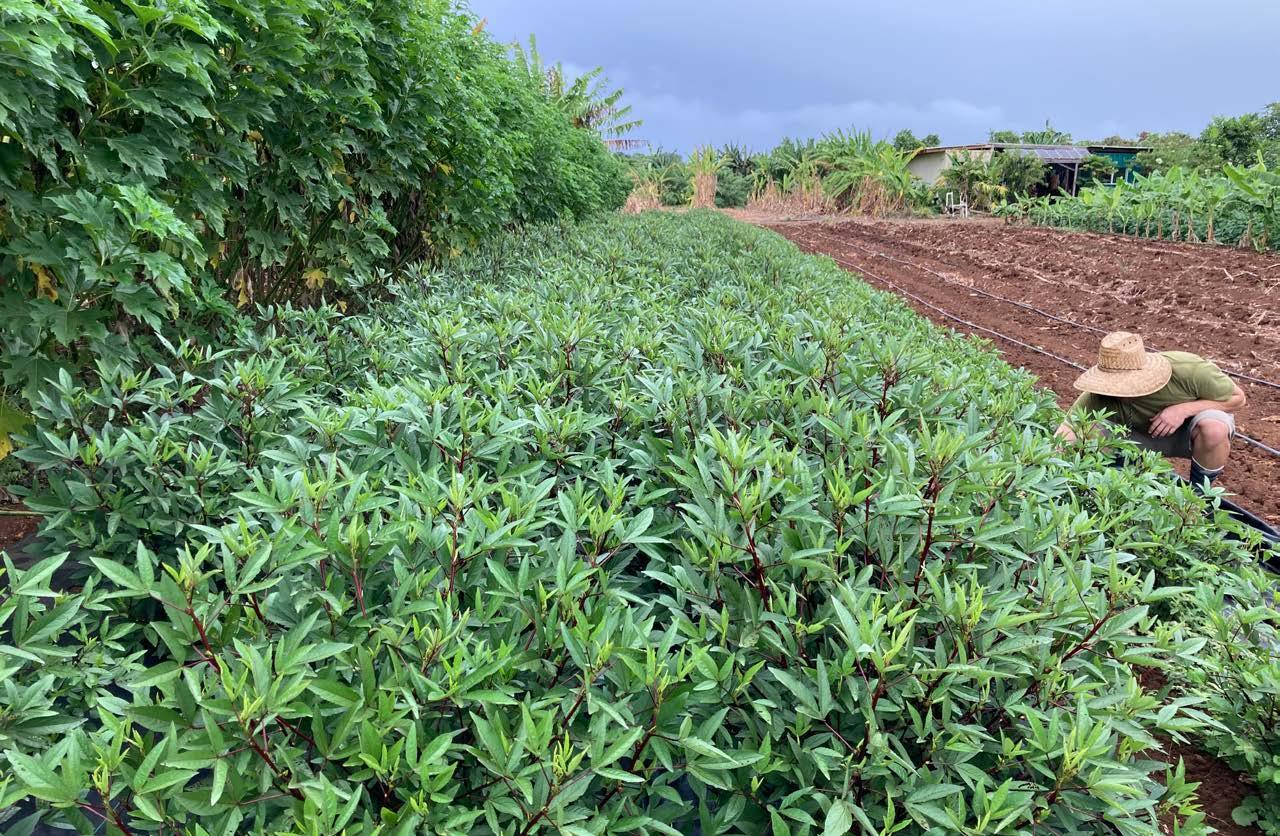
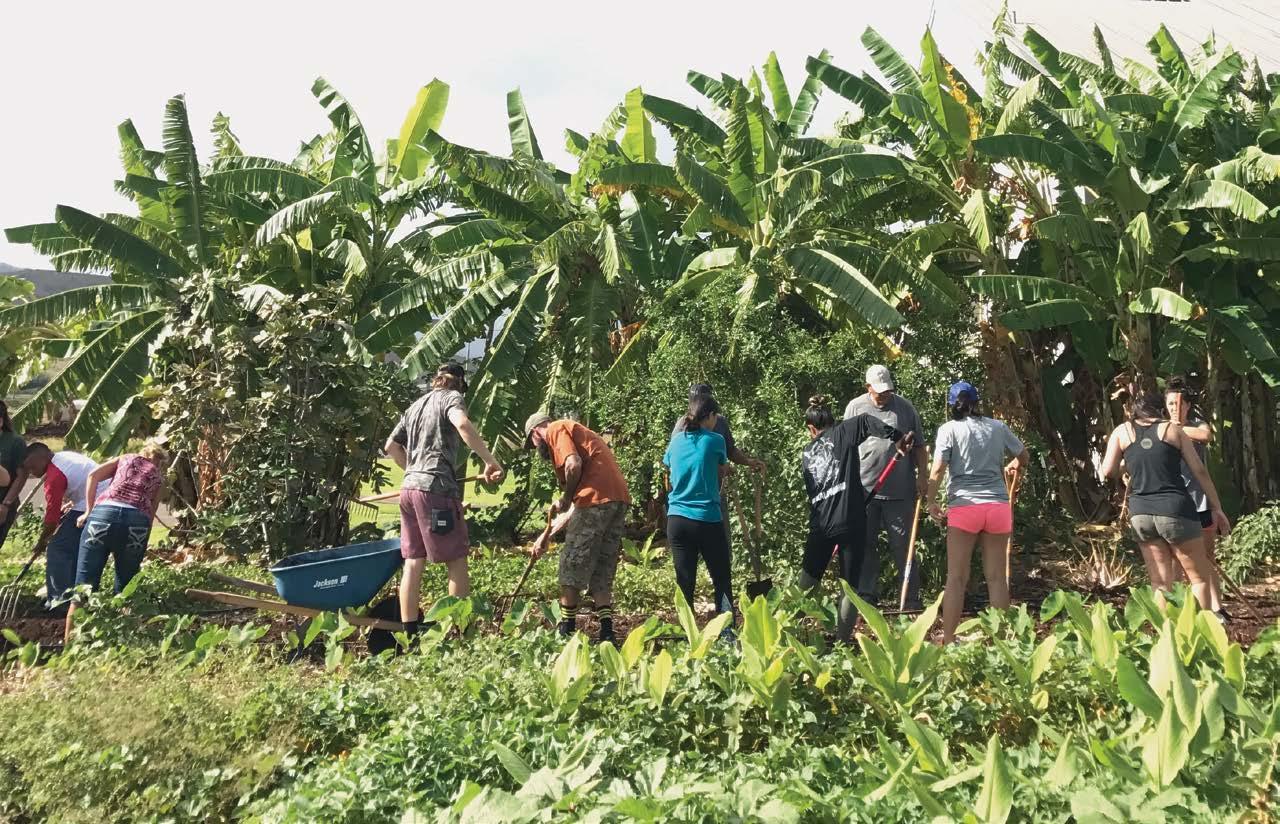
FACING PAGE: (Top) A grower checks hibiscus seed crop as part of a diversified farming system, O‘ahu (Bottom) Students in the Sustainable Community Food Systems Program at UH West O‘ahu prepare soil for planting in the student organic garden
“This
collaboration between the University of Hawai‘i Cancer Center, JABSOM and CTAHR exemplifies the power of cross-disciplinary partnerships in tackling crucial health challenges. By combining our expertise and resources, we are better positioned to develop innovative solutions that can significantly impact public health in Hawai‘i and beyond.”
NAOTO T. UENO Director, UH Cancer Center
In Pursuit of Health Equity
PACIFIC CENTER FOR GENOME RESEARCH
UPON LEARNING THAT HE HAS AN INCREASED RISK OF ALZHEIMER’S DISEASE from having two copies of the APOE4 gene risk variant, Thor actor Chris Hemsworth decided to switch to a preventative mode by altering his daily health regimens to emphasize the mind and body. Tomb Raider actress Angelina Jolie took a more drastic route of undergoing a prophylactic double mastectomy when she discovered she carries the mutations of BRCA1 gene, which significantly increases the odds of developing breast or ovarian cancer. These are examples of how genomics have revolutionized the diagnosis and treatment of genetic diseases.
A genome is an organism's complete set of genetic material (DNA) inherited from both parents. Each genome contains the comprehensive information needed to build and maintain that organism, including defining physical and psychological features. Today, researchers can identify mutations that can cause or increase a person’s susceptibility to certain diseases by sequencing entire genomes, allowing preventative measures taken by stars like Hemsworth
and Jolie before the condition actually manifests itself.
Unfortunately, for Native Hawaiians, Asian Americans, and other racially and ethnically diverse groups, not enough is understood from the genomic standpoint to make such determinations, treatments or preventative care, as most of the available information in databases were based primarily on studies of European populations. While cancer and other diseases universally touch all walks of life, there are specific diseases that disproportionately affect certain racial and ethnic groups, especially those in Hawai‘i’s underserved population of Native Hawaiians and Pacific Islanders. The most common diseases afflicting these populations are cancer, stroke, diabetes, heart, liver and respiratory illnesses.
To help close the existing gap in genomic medicine, a group of researchers from the University of Hawai‘i at Mānoa (UH Mānoa) have formed the Pacific Center for Genome Research (PCGR). Bolstered by a $10.9 million, five-year grant from the National Institutes of Health
(NIH), the PCGR will seek to better understand the correlation between certain diseases and their prevalence among Hawai‘i’s Asian American, Native Hawaiians and Pacific Islander populations.
Leading the PCGR is University of Hawai‘i Cancer Center (UH Cancer Center) Associate Professor Lang Wu, a genetic and molecular epidemiologist, who recognized that UH Mānoa had both the ability and expertise to make a significant impact in the field and aggressively pursued the grant.

“The state’s ethnic diversity and its underserved populations made it an ideal location for a genome research center,” said Wu, the PCGR’s founding director and contact principal investigator. “Since it is known that genomics can contribute to the burden of many of these diseases, the PCGR will be able to provide new findings that will benefit the diverse ethnic groups in Hawai‘i and the Pacific.”
The PCGR is one of three diversity centers for genome research funded by the NIH and is
a part of nationwide effort to support cuttingedge genomics projects, expand research capabilities and to create a more diverse genomics workforce. The center at UH Mānoa is a collaborative effort involving the UH Cancer Center, John A. Burns School of Medicine (JABSOM) and the College of Tropical Agriculture and Human Resources (CTAHR).
"This collaboration between the University of Hawai‘i Cancer Center, JABSOM and CTAHR exemplifies the power of cross-disciplinary partnerships in tackling crucial health challenges,” said UH Cancer Center Director Naoto T. Ueno. “By combining our expertise and resources, we are better positioned to develop innovative solutions that can significantly impact public health in Hawai‘i and beyond."
The PCGR’s primary research core comprises of two projects, with Wu spearheading efforts into better understanding the etiology or cause of certain cancer and heart disorders in multi-
potential causes and risk factors associated with these diseases,” said Deng, who also serves as director of the Bioinformatics Core Facility at JABSOM. “Genomics is continually evolving and will only become more important in the future. With the PCGR, UH Mānoa has seized the opportunity to become a leader in cutting-edge research aimed at reducing health disparities in our community.”
Deng also emphasized that another key goal of the PCGR is to substantially increase the pool of genomic researchers to establish a robust, integrated training pipeline at UH Mānoa to meet the current and anticipated future growth in the genomics and bioinformatics field. In addition to increasing research capacity, the initiative will also focus on developing a more diverse genomics and bioinformatics research workforce. This effort will be led by CTAHR Molecular Biosciences and Bioengineering Associate Professor Jon-Paul Bingham, who is a skilled recruiter, and UH Cancer Center Associate Professor Maarit Tiirikainen.
ethnic populations through the study of genetic and non-genetic data, including methylation, gene, protein, and metabolite markers. The second project, led by JABSOM Professor Youping Deng, the PCGR’s founding co-director, will analyze genomic and epigenomic data to help characterize the risk factors associated with lung cancer in the Native Hawaiian population, who not only carry the greatest risk for the disease, but also suffer the lowest survival outcomes.
“Through our projects, we will be able to better understand the genomic makeup of these understudied populations to identify the
“Through the generous support of our national and community partners, the PCGR will enable UH researchers to conduct advanced genomic research projects aimed at establishing health equity among the state’s diverse population,” said University of Hawai‘i Vice President for Research and Innovation Vassilis L. Syrmos. “Our new center will not only substantially increase genomic research capacity in the state, but will provide cutting-edge resources, education and training to establish a new genomic workforce in Hawai‘i.”
Finally, to ensure equity and ethics in its operation, a community advisory board comprised of physicians, content experts and community stakeholders will be formed to oversee the PCGR’s research projects and to promote and educate the public about its findings. This team, led by UH Cancer Center Associate Professor Kevin Cassel and JABSOM Professor Alika Maunakea, will have the important task of disseminating the PCGR’s findings to the community and identifying strategies to implement them at the clinical/community level.
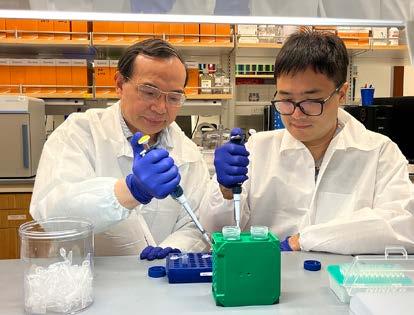
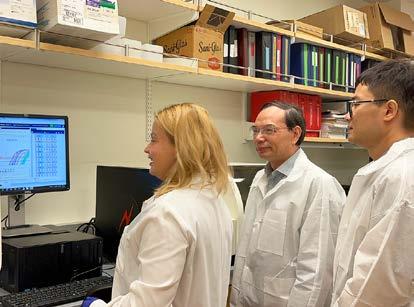
JABSOM Professor Youping Deng (left) and UH Cancer Center Associate Professor Lang Wu lead the Pacific Center for Genome Research Genomics Shared Resource Manager/NGS Specialist Karolina Peplowska reviews gene expression qPCR data with Professors Deng and Wu
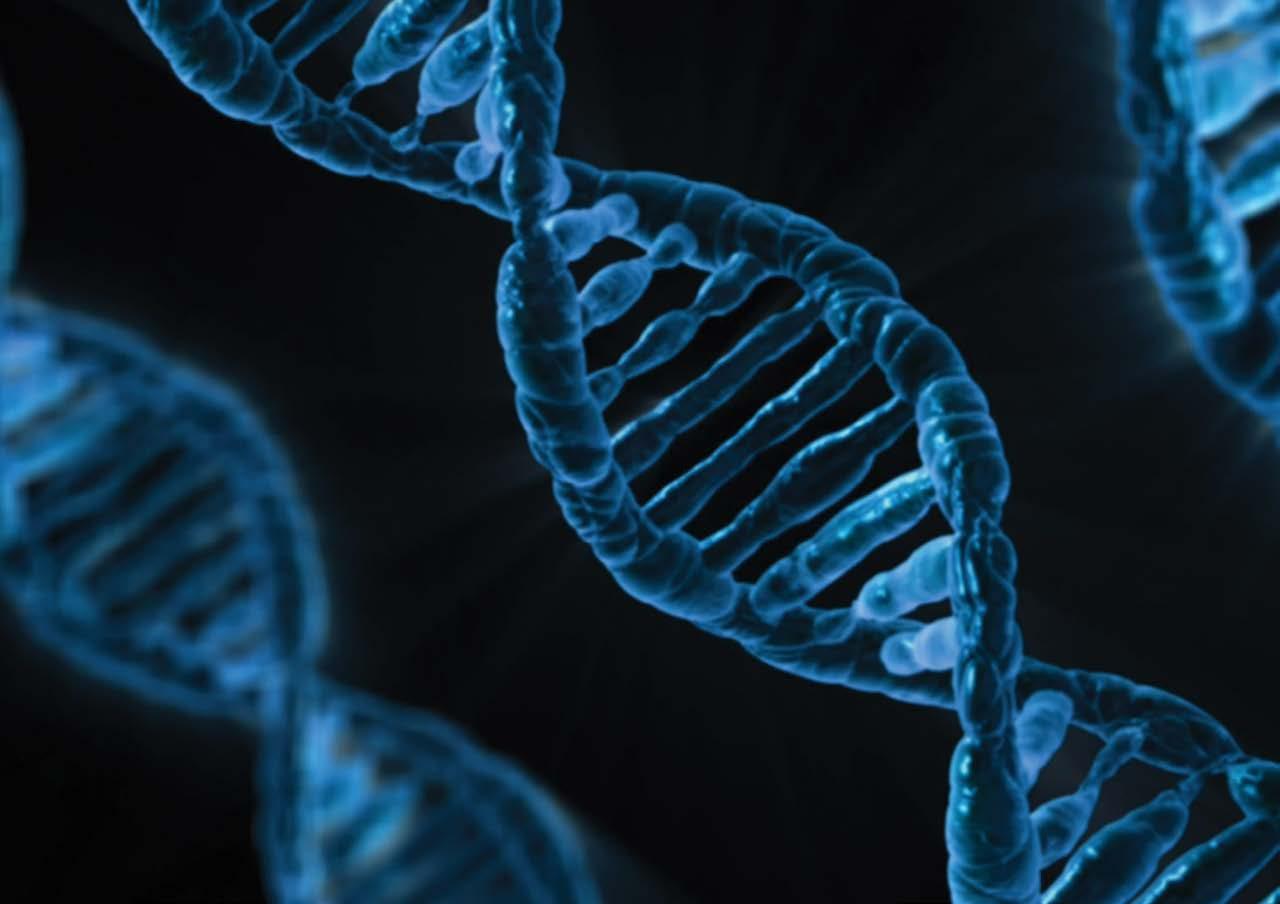
FACING PAGE: DNA model
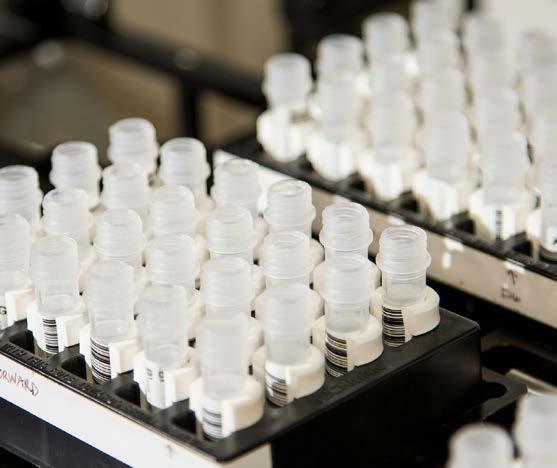
LEFT: DNA genotyping and sequencing
ABOVE:
Master of the Microchip
IN FILMS LIKE 2001: A SPACE ODYSSEY, WAR GAMES, AND THE TERMINATOR, Hollywood painted a bleak future of where computers with artificial intelligence (AI) designed to aid humans, run amok and attempt to eliminate them. Fortunately, these frightening scenarios were limited to science fiction on the silver screen.
What has transpired in today’s high-tech world is the increased importance of microchips, small electronic devices that perform various functions like processing and storing information for a wide variety of applications. Also known as an integrated circuit, microchips are made up of multiple interconnected components like transistors, resistors and capacitors that are fabricated on a silicon wafer. Unlike discrete components that perform one simple fixed function, integrated circuits can perform multiple functions and are magnitudes smaller, faster and less costly. As a result, microchips have revolutionized the electronics world by making smartphones, home appliances, medical devices and computers a part of everyday life.
As a result of increasing demand, the microchip industry continues to grow at a healthy clip of around ten percent annually. However, the industry’s reliance on design and manufacturing from countries like Taiwan and Korea has led to a shortage of homegrown facilities and talents in the United States (US). To serve as a buffer to the uncertainties stemming from global events and its effects on supply, the US government passed the $52 billion US CHIPS Act in 2022 to help the country become more self-sufficient in the full chip production cycle, by leveraging new capabilities such as AI and machine learning.
Keeping in step with this initiative, the University of Hawai‘i at Mānoa (UH Mānoa) College of Engineering is strategically positioning itself to help meet these demands by establishing research initiatives in AI and integrated circuit design. The cornerstone of this effort was marked by the arrival of Professor Boris Murmann, a world-renowned expert in microchip development. Murmann joined UH Mānoa last year after a stellar 20-year career as an assistant, associate and full professor of electrical
engineering at Stanford University.
During his tenure at Stanford, Murmann was actively involved in cutting-edge, multidisciplinary research projects, focusing on custom chip design for a variety of applications in sensing, computing and data communication. For instance, he contributed to the development of chips for neurotechnology, aiming to restore vision to the blind or replacing other body functions lost after injuries or illness, including paralysis, hearing, and memory loss. His team has also contributed to making machine learning chips more energy efficient, thereby enabling their deployment in small, batterypowered devices.
In spite of having key roles in these and other groundbreaking projects at an institution widely considered as a world leader in research and innovation activity, Murmann decided to reset his research agenda and start off with a clean slate, which brought him in Hawai‘i and UH Mānoa.
At UH Mānoa, Murmann plans to establish a new research agenda in AI-driven chip design that can enable substantially shorter design times. This will fuel new applications and prototyping approaches that were previously incompatible with typical design time and cost. Strategically, this approach will leverage the current generation’s talents in coding and machine learning/AI to replace decade-old paradigms
dramatically increase the productivity and shorten the design phase through these new approaches.”
Murmann has armed his students with a blend of open-source approaches, critical to AI advancement, and essential insider knowledge for semiconductor design to create the next generation of chips more efficiently. Through the California-Pacific-Northwest AI Hardware
and synergize with exciting new possibilities in workforce development.
“Currently, there is a huge bottleneck in chip design, often taking one or two years to complete, followed by months to fabricate it,” said Murmann, a recipient of the 2021 University Research Award presented by the Semiconductor Research Corporation (SRC)/Semiconductor Industry Association for his lifetime research contributions to the U.S. semiconductor industry. “By utilizing software and AI knowledge in my research and teaching, I’m looking to
Hub, which is supported through the US CHIPS Act, Murmann is able to exchange ideas and collaborate with his academic peers at other institutions like Stanford, the University of Washington, and the University of California, Berkeley to help develop and scale UH Mānoa’s initiative.
“We are extremely fortunate to have a faculty member of Boris’ caliber to help jumpstart the College of Engineering’s efforts to expand our AI research and curriculum,” said Brennon Morioka, dean of the college. “His extensive knowledge and experience in microchip research will help to position UH Mānoa to become a leader in the development of cutting-edge AI technologies that will strengthen our knowledge base, our workforce, and our economy in Hawai‘i.”
Both Murmann and Morioka view this as a great opportunity to diversify the economy in Hawai‘i. Since design work can be done remotely, there is no expensive factory to be built or costly infrastructure to maintain. They both consider it a “low hanging fruit” to get young, local talent to work in an exciting and growing industry.
“Chip design has reached a critical inflection point,” said Murmann, who recently received the 2024 Aristotle Award by the SRC for his deep commitment to educational experience of students. “The future needs of our industry can only be met if we make chip design more agile and find new ways to attract the best and brightest into our field.”
Murmann has armed his students with a blend of open-source approaches, critical to AI advancement, and essential insider knowledge for semiconductor design to create the next generation of chips more efficiently.
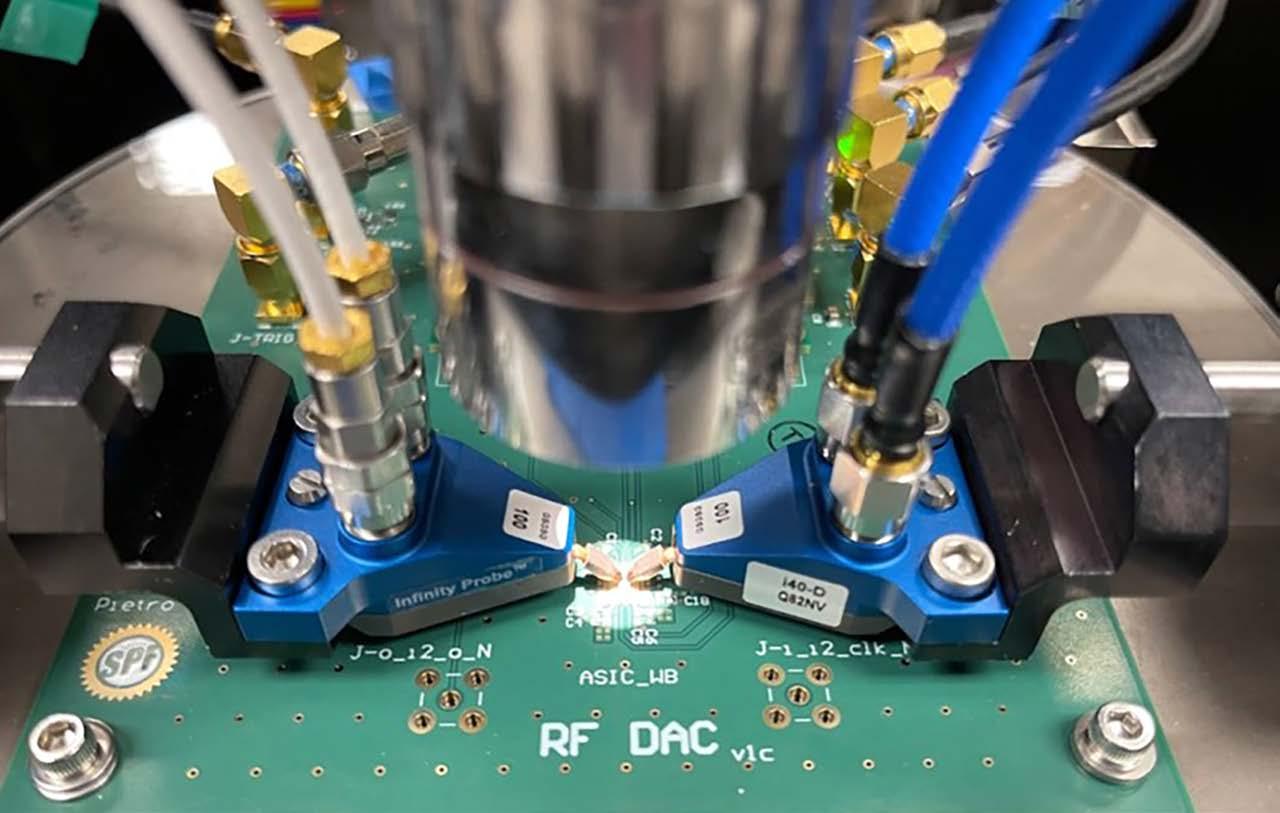
FACING PAGE: A microchip being tested on a probe station
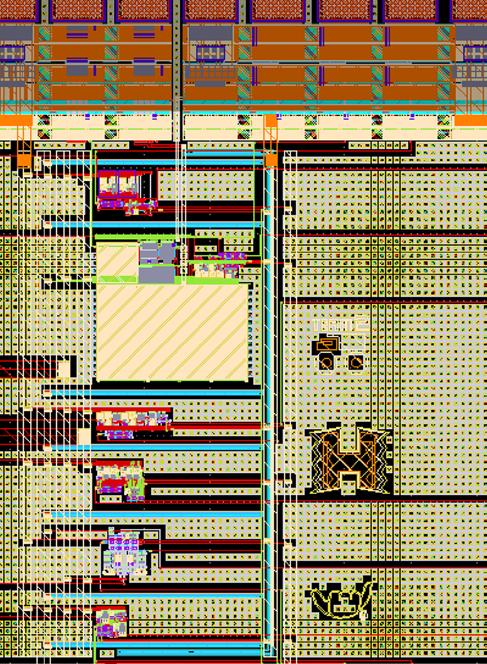
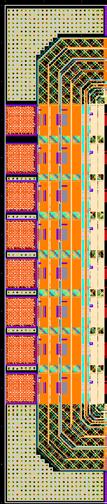
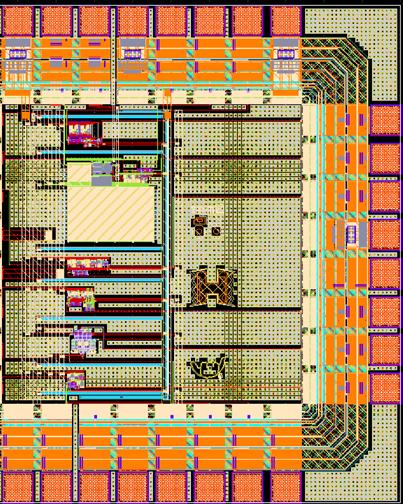
LEFT: Layout of a chip designed by ECE 628 students
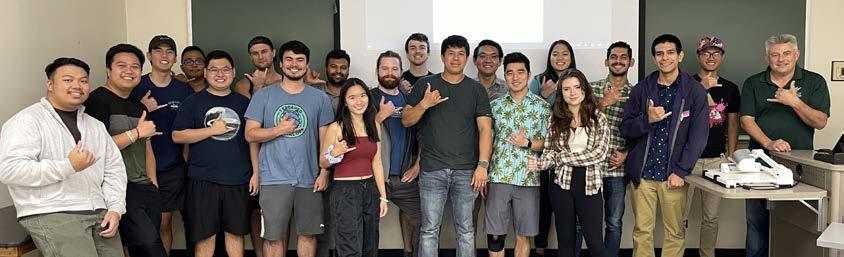
ABOVE LEFT: Murmann and his students from the ECE 628 open-source design course
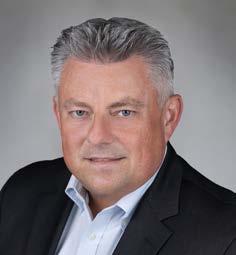
ABOVE RIGHT: Professor Boris Murmann
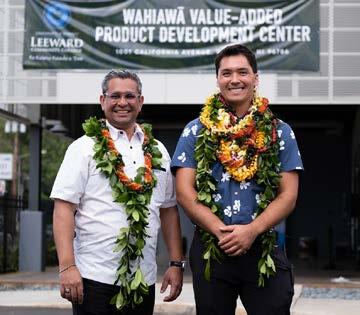
BOTTOM, LEFT: Leeward CC Chancellor Carlos Peñaloza and WVAPDC Manager Chris Bailey
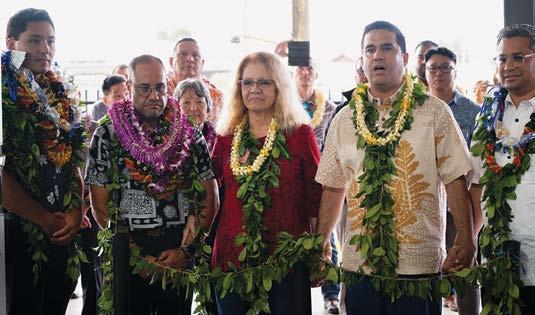
BOTTOM, RIGHT: WVAPDC Manager Chris Bailey, Sen. Donovan Dela Cruz, Leeward CC Professor Momi Kamahele, Leeward CC Vice Chancellor for Academic Affairs Keala Chock, and Leeward CC Chancellor Carlos Peñaloza at the blessing and Maile lei untying ceremony
PHOTOS CREDIT: ANTHONY CONSILLO
“Building an economy around off-grade crops, converting these into value-added products that support local agriculture is the mission of the Wahiawā Value Added Product Development Center. At the same time, we’re giving food entrepreneurs an avenue for their high value products that are shelf stable to support Hawai‘i-made, -grown, and -manufactured brands.”
CARLOS PEÑALOZA
Leeward Community College Chancellor
A Value-Added Proposition
WAHIAWĀ VALUE-ADDED PRODUCT DEVELOPMENT CENTER
LOCATED IN CENTRAL O`AHU, the small plantation town of Wahiawā was once a thriving hub for Hawai‘i’s pineapple industry. While the historic Dole Plantation still remains, it has become a tourist attraction and a symbol of a more prosperous time in the state’s agricultural history. A time before the pineapple industry moved overseas in pursuit of cheaper foreign labor in the 1980s, which was followed by the end of the sugarcane industry in 2016. Since then, Wahiawā has managed to get by primarily on the shoulders of the area’s military presence based at nearby Schofield Barracks, home to U.S. Army Garrison Hawai‘i.
However, with a history so deeply rooted in agriculture, there are many island residents who fondly recall the glory days of pineapple and sugar cane powering the state’s economy. While that scenario will most likely remain in the history books, there is a new movement that is emerging that could bring economic prosperity back to Wahiawā and re-establish the value of Hawai‘i-made products.
Leeward Community College (Leeward CC), a part of the University of Hawai‘i System, is helping lead the charge with the recent opening of its Wahiawā Value-Added Product
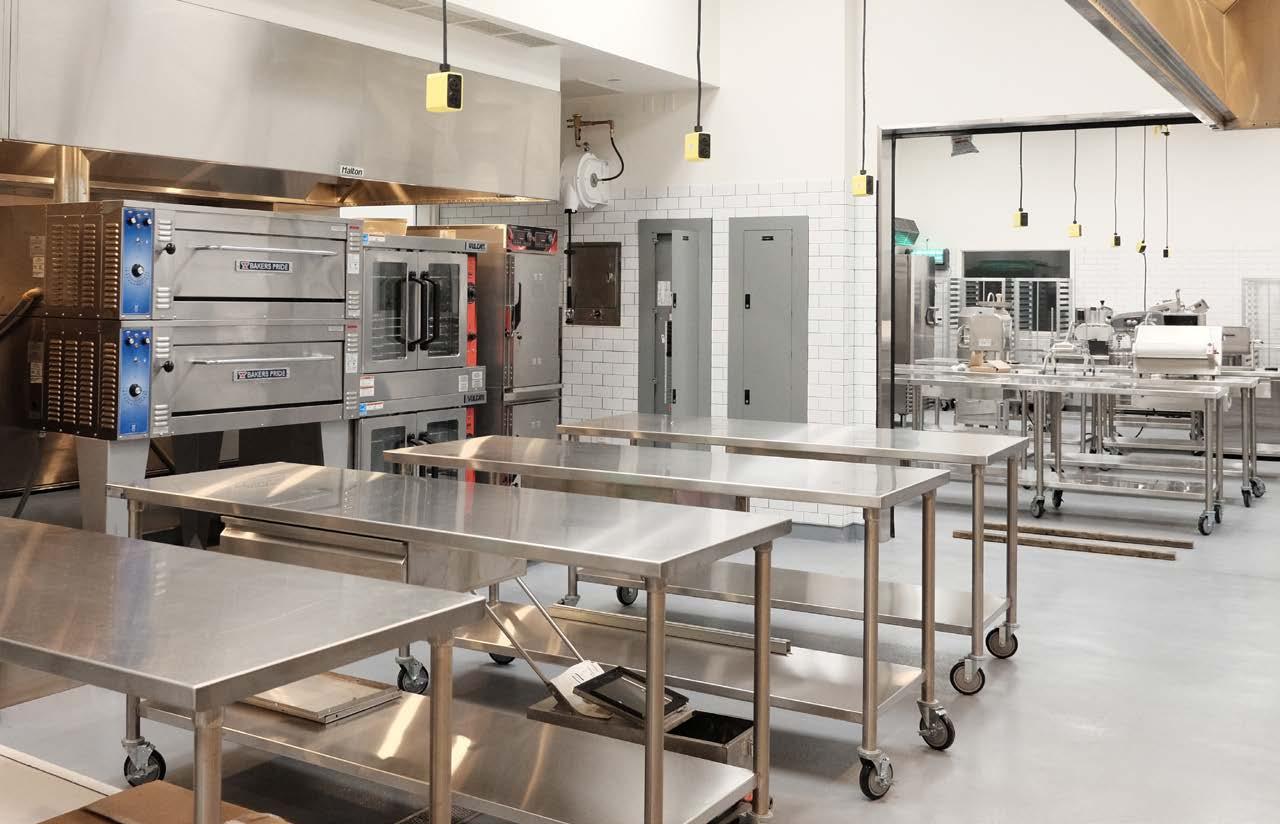
Development Center (WVAPDC). A $35 million joint project between the State of Hawai‘i and Leeward CC, the 33,000 square foot, state-of-the-art educational and manufacturing facility that features an impressive array of equipment, including wet and dry kitchens, high pressure processing chamber, allergen kitchen, refrigerated storage and food processing and packaging spaces.
Value-added food product manufacturing is a process that takes raw agricultural products and modifies or enhances them to have a higher market value and/or a longer shelf life. Examples include fruits made into jams/jellies, tomatoes and peppers made into salsa, and meats made into jerky. In a state where close to 90 percent of food consumed is imported and about 30 percent of off-grade or imperfect produce is discarded by farmers, the creation of value-added products can limit food waste and contribute to the local economy at the same time.
“Building an economy around off-grade crops, converting these into value-added products that support local agriculture is the mission of the Wahiawā Value Added Product Development Center,” said Leeward CC Chancellor
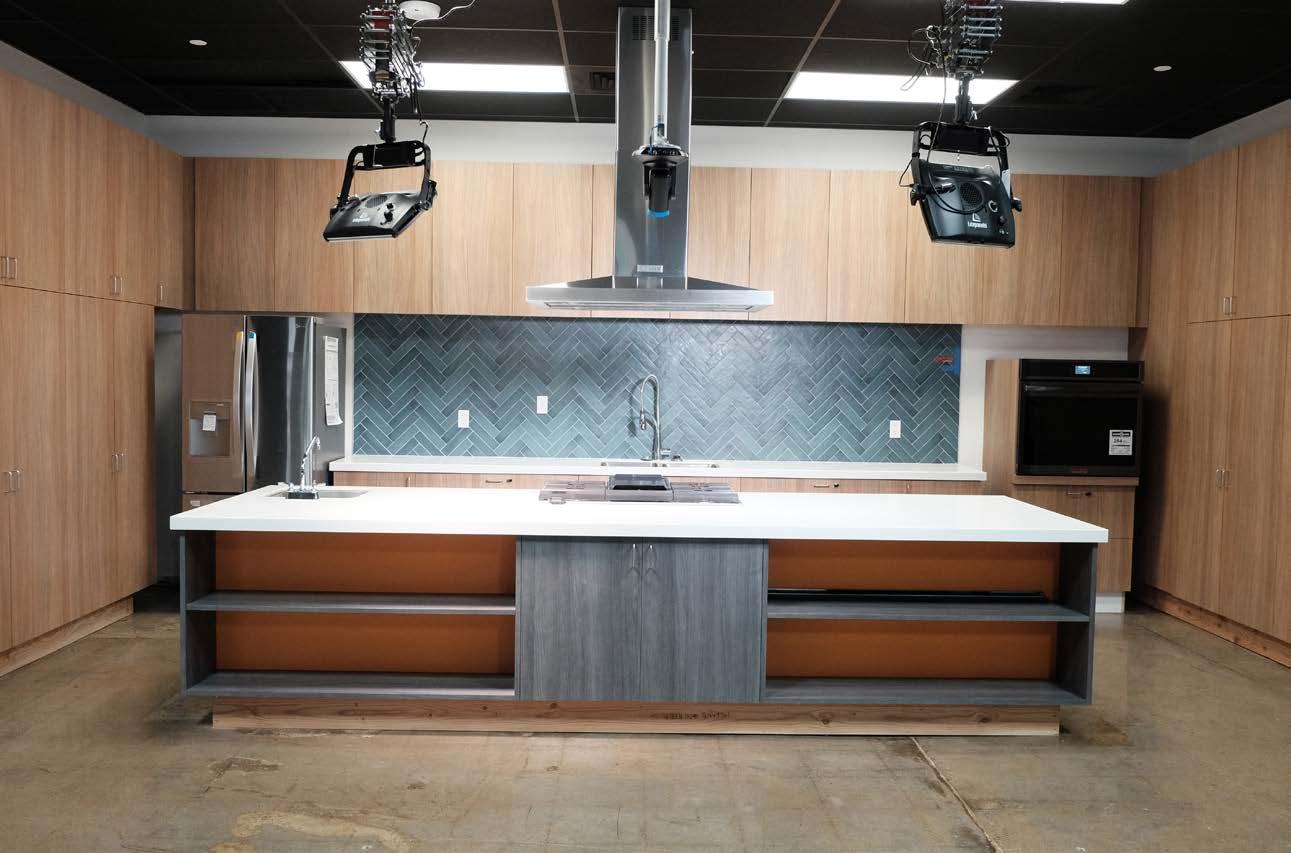
FACING PAGE: WVAPDC’s kitchen studio (top) and wet kitchen (bottom)
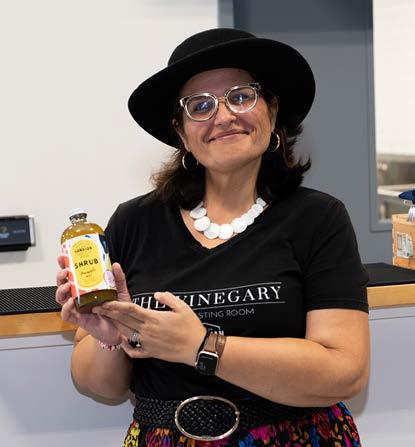
“Access to WVAPDC will not only provide the essential resources, mentorship, and equipment we need to scale, but it will also align us perfectly with our mission to rescue and upcycle farmers’ off-grade produce.”
PONI
ASKEW Co-Founder, Hawaiian Vinegar & Spice Co.
BOTTOM:
PHOTOS CREDIT: ANTHONY
Carlos Peñaloza. “At the same time, we’re giving food entrepreneurs an avenue for their high value products that are shelf stable to support Hawai‘i-made, -grown, and -manufactured brands.”
The WVAPDC is the culmination of years of discussion surrounding food innovation at the state level, which has been driven by Hawai‘i State Senator Donovan Dela Cruz, who represents Wahiawā and is a native son. He is hoping to revitalize his hometown by increasing food production and related opportunities in the area through efforts by UH, the state’s Agriculture Development Corporation and Department of Business, Economic Development and Tourism. Senator Dela Cruz’s long-range vision is to establish a network of food innovation centers on each island to assist entrepreneurs to scale their businesses, with the WVAPDC maintaining a larger focus on education.
To lead WVAPDC’s operations, Leeward CC hired Manager Chris Bailey, who grew up on O‘ahu and attended grade school in Wahiawā just across the street from where the new facility was built. Bailey and his brother practically grew up in the Thai restaurant that his mother owned and operated with his aunt in the nearby town of Waipahu, often spending much of their afterschool time there. Food and small business became a part of his soul.
After graduating from college in Portland, Oregon, Bailey returned home to work for a publication that often put him in touch with local food entrepreneurs. This stirred up old memories of his childhood and reignited his passion for food. Unfortunately, his inability to find the necessary resources to start his own business in Hawai‘i forced him to move back and join Portland’s emerging food scene, first as a research chef at Oregon State University’s Food Innovation Center and later as a business developer for Portland Mercado, a Latinx incubator. During this time, Bailey also successfully launched his own value-added, white label product line that is available throughout the Pacific Northwest. Another one of his startups offers a line of plant-based sauces, dressings and broths that are sold across the country.
In spite of his mainstream and entrepreneurial success on the mainland, chatter from family, mutual friends, and industry connections about WVAPDC and the potential of the state’s plan piqued his interest.
“When I left Hawai‘i over a decade ago, I was an aspiring value-added entrepreneur who couldn’t find the resources or available infrastructure like we now have at Wahiawā,” said Bailey, who’s been at the helm of WVAPDC for over a year and a half. “Had this facility been in existence back then, my entire trajectory would’ve been much different, and I could have pursued my passion from home.”
Bailey is also able to share his passion with others through Leeward CC’s ‘Āina to Mākeke (land to market) program that is now supported by the WVAPDC. The incubator program was developed in partnership with the Hawai‘i Ag & Culinary Alliance and Leeward CC’s Office of Workforce Development, and is a 12-week, crash course on food product development for local entrepreneurs using Hawai‘igrown ingredients. The program connects students with industry experts in the areas of product development, food safety, licensing, legal affairs, and marketing.
The incubator completed its first two cohorts in 2023, finished its third in May 2024, and began the fourth in June.
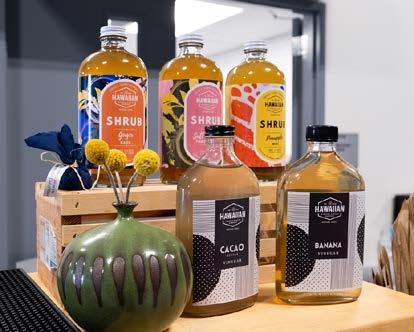
For Poni Askew, a member of the first ‘Āina to Mākeke cohort and co-founder of Hawaiian Vinegar & Spice Co., access to WVAPDC’s processing equipment will increase their ability to scale production of their world-class tropical vinegars and shrubs; a vinegar-based syrup infused with locally produced fruits, vegetables; and spices that can be used in cocktails, dressings and sauces.
“Upcycled foods are gaining significant attention in today’s market as consumers and the food industry increasingly focus on
TOP: Poni Askew, co-founder of Hawaiian Vinegar & Spice Co., was a member of the first ‘Āina to Mākeke cohort
MIDDLE: Hawaiian Vinegar & Spice Co.’s product line
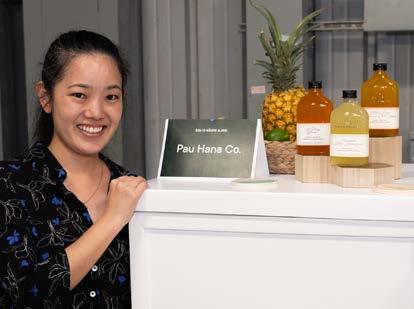
Alyssa Yafuso of The Pau Hana Co. and their line of drink mixers
CONSILLO
sustainability and reducing waste,” said Askew, who along with her husband Brandon, are wellknown in the state’s culinary and entrepreneurial community. “Access to WVAPDC will not only provide the essential resources, mentorship, and equipment we need to scale, but it will also align us perfectly with our mission to rescue and upcycle farmers’ off-grade produce.”
Contributing to the growth of a more sustainable food system and empowering valueadded product business to thrive is what the Wahiawa Value-Added Product Development Center is all about.
“Coming out of the pandemic, we not only witnessed how volatile our food system is, but how we can support our ag community and farmers in the future and a lot of it lies in value-added products,” said Bailey. “We can help farmers by transforming their off-grades into globally recognized Hawai‘i-made products, addressing some of the issues surrounding food sustainability and security in the state, diversifying the economy, and creating more entrepreneurial and workforce opportunities to help reverse brain drain.”
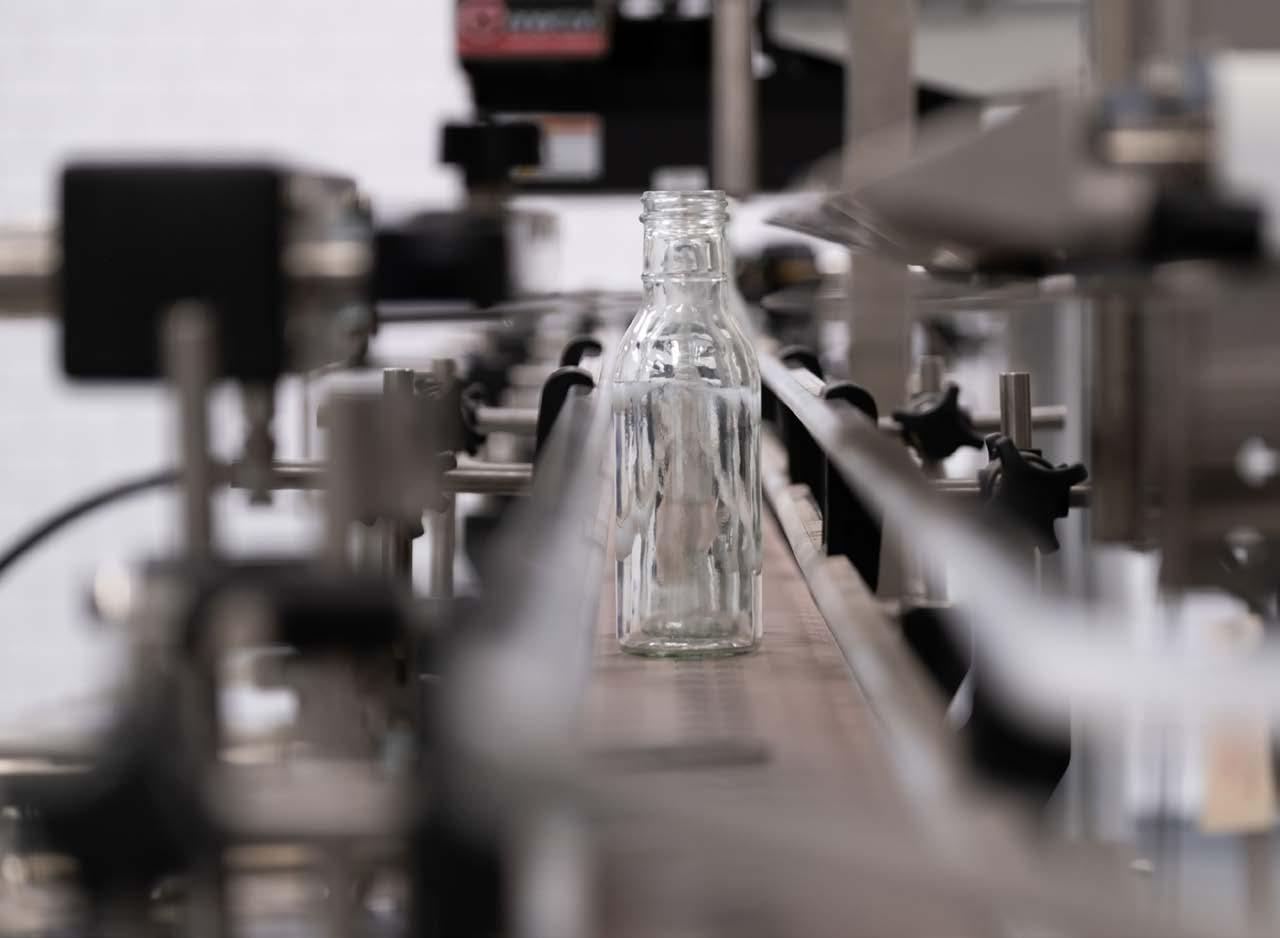
TOP: Bottling machine
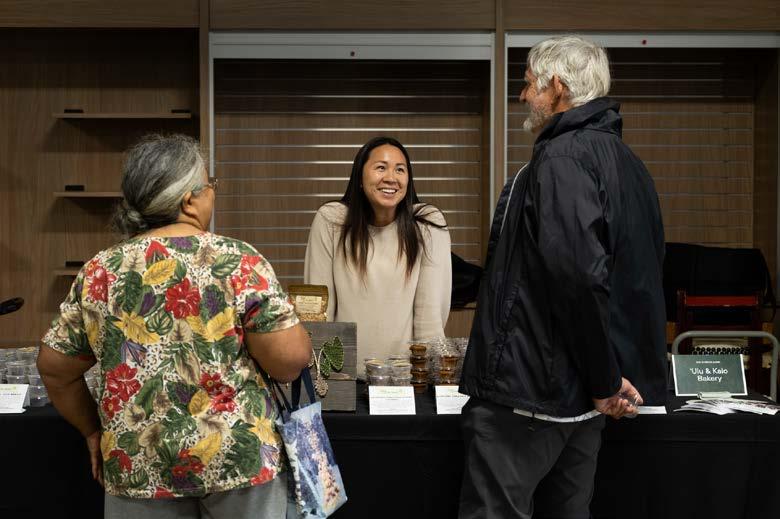
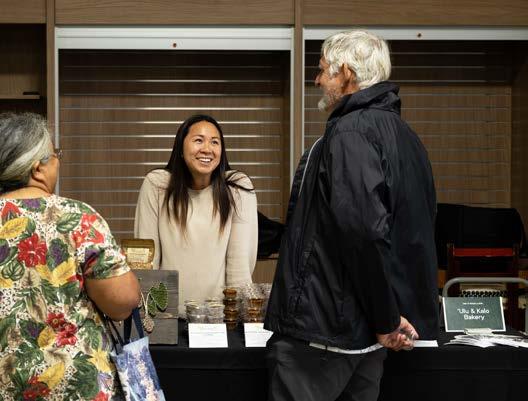
ABOVE, LEFT: Jhanna Young of ‘Ulu & Kalo Bakery describes her tasty creations to attendees
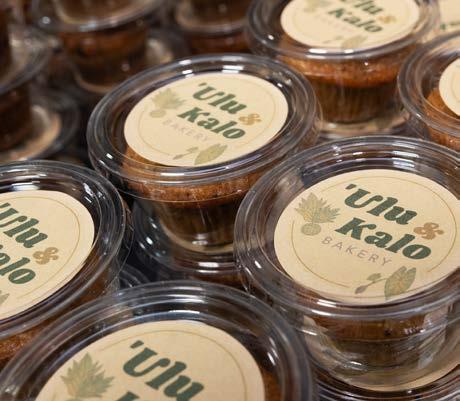
ABOVE, RIGHT: Samples from ‘Ulu & Kalo Bakery
PHOTOS CREDIT: ANTHONY CONSILLO

DoD Invests in Water Resilience Research
WATER IS ONE OF THE MOST PRECIOUS RESOURCES that is increasingly threatened by more frequent droughts, wildfires, flooding, and extreme climate events.
In Hawai‘i, freshwater sources are especially limited. Local communities depend on surface and groundwater for residential, agriculture and business needs, while the military’s extensive presence places additional strains on this vital resource.
In order to improve water resiliency in the state, the US Department of Defense (DoD) Naval Facilities Engineering Expeditionary Warfare Center (NAVFAC EXWC) partnered with the University of Hawai‘i System, National Security Innovation Network and One World Water to explore new ways to steward, sustain and reimagine water resources in Hawai‘i through a groundbreaking initiative called the Ho‘olana Water Resilience Prize Challenge.
Through a $300,000 investment from NAVFAC EXWC, this collaborative endeavor seeks to foster the sustainable growth of research and early-stage ventures that address governmental and commercial water challenges and opportunities. Through $75,000 seed funding and mentorship, NAVFAC EXWC aims to empower selected teams in refining their solutions, advancing their research or technologies, expediting contracting pathways, and enhancing cross-service partnerships.
“We have an opportunity to work with the community to address Hawai‘i’s water challenges, which will only worsen with the impacts of climate change,” said Madeleine White, Resilient Installation Research portfolio manager and architect of this challenge. “We wanted to work with teams from the University of Hawai‘i to bring diverse sets of knowledge and resources to tackle problems unique to Hawai‘i and applicable in other Pacific Islands.”
The pilot program launched in fall 2023 and two of 13 proposed water resilience solutions were selected for further development. One
project employs analytical and machine learning image analysis to detect cloud immersion in Hawai‘i’s tropical montane cloud forests. The other is exploring the potential of bivalve aquaculture to improve Pearl Harbor’s water quality and ecosystems.
“While both teams presented distinctly different projects and methodologies, they each offer innovative, community-based solutions to significant environmental challenges,” said Cameron Becker, NAVFAC EXWC environmental engineer. “The cloud immersion project excels in its technical simplicity, which will facilitate a smoother transition and widespread adoption of the technology within and beyond the DoD. On the other hand, the restorative aquaculture project excels in its community-informed approach and the integration of restorative measures to address escalating environmental issues.”
Detecting Cloud Immersion through Machine Learning Analysis
Sitting between than 800-3,500 meters in elevation, tropical montane cloud forests are unique tropical ecosystems characterized by frequent ground-level cloud immersion or fog. Cloud droplets collecting on vegetation is an important source of water in these forests, while persistent cloud immersion cools the air and blocks sunlight, significantly reducing water loss from evaporation. Fog plays a key role in the propagation of plants and biodiversity in these ecosystems, and better understanding fog patterns can aid in conservation, reforestation, and natural resource management.
Unlike rainfall, the phenomenon of fog meteorology and its interaction with vegetation is still misunderstood and understudied, as conventional instrumentation for measuring cloud droplets is expensive and difficult to calibrate and maintain across multiple sites.
However, a team from the University of Hawai‘i at Mānoa (UH Mānoa) Water Resources Research Center is working on using machine learning to detect fog and estimate cloud water content from camera images. This low-cost, image-based solution to capture near real-time cloud immersion data and enhance researchers’
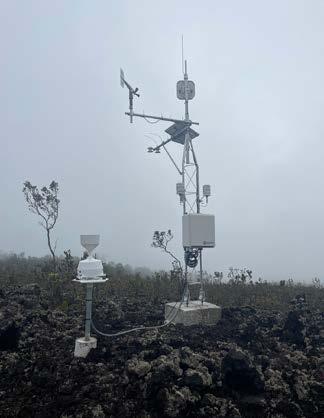
understanding of fog and its impact on montane regions in Hawai‘i.
“By using cameras as a low-cost approach for estimating the availability of cloud water in tropical montane cloud forests, we hope to better monitor spatial and temporal cloud immersion patterns across diverse geographies and ecosystems,” said Dylan Giardina, who is part of the team’s research staff. “This represents an important first step in beginning to understand how much water is intercepted by vegetation, developing wall-to-wall climate maps for cloud immersion, and understanding how cloud water availability might be impacted by climate change.”
In addition to their applications in fog monitoring, cameras can be leveraged to support helicopter and field operations at remote sites.
Restoring Natural Habitats of Pearl Harbor
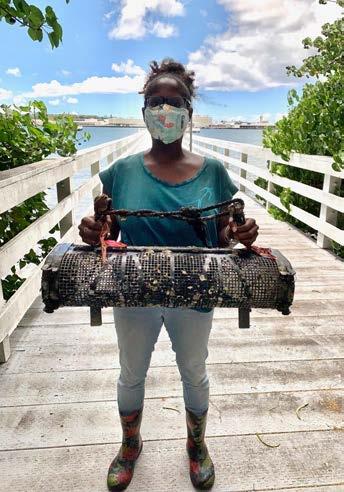
Another team from University of Hawai‘i at Hilo (UH Hilo) Pacific Aquaculture and Coastal Resources Center (PACRC) has partnered with Hui o Ho‘ohonua, Waipahu High School and Goose Point Oyster & Hawaiian Shellfish on O‘ahu to identify opportunities for using oyster bivalves to improve water quality and habitats in Pearl Harbor.
Long before Pearl Harbor became a historic naval installation, the estuary was better known as Wai Momi or “Pearl Waters” for its abundance of native pearl oysters. However, continual dredging of the harbor and decades
of residual runoff pollution and sedimentation from urbanization, agriculture, flooding and erosion, have drastically changed the landscape and area’s ecosystems.
As suspension feeders, oyster bivalves ingest and filter out excess phytoplankton resulting from run-off from terrestrial sources like nitrogen and phosphorus. They also help settle sediment from erosion, helping to maintain water clarity.
“Wai Momi was once a majestic estuary, rich with biodiversity,” said Rhiannon Tereari‘i Chandler-’Īao, UH Hilo aquaculture policy and extension specialist and former Waiwai Ola Waterkeepers Hawaiian Island executive director. “So much of its natural ecosystems have been transformed or lost; it’s hard to find even one pearl oyster in the harbor now. It’s no surprise that water quality is an issue.”
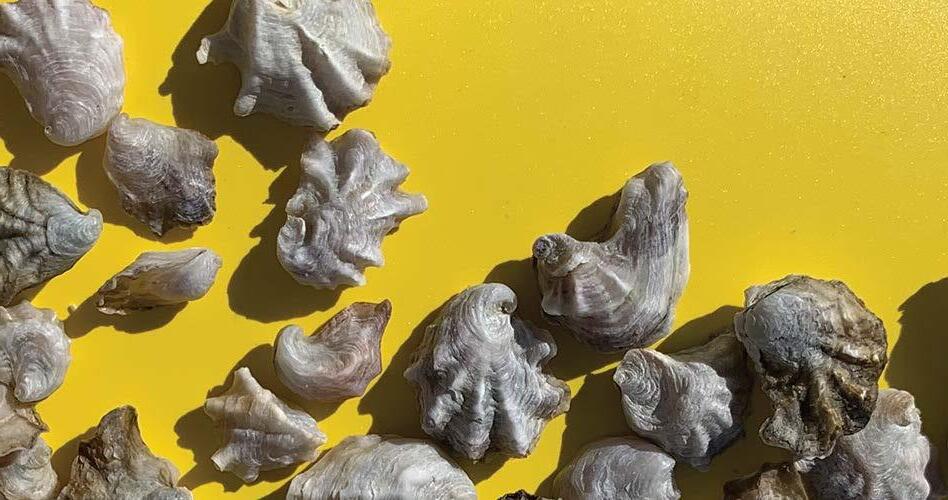
Before addressing water quality, the team will focus on locating, identifying, and confirming native and other local bivalve species, including the Hawaiian Oyster (Dendostrea sandvichensis), Black-lip Pearl Oyster (Pinctada margaritifera), Rayed Pearl Oyster (P. radiata) and the non-native Eastern Oyster (Crassostrea virginica).
By applying modern genetic sequencing, the team hopes to learn more about these less-studied invertebrate species, including the
possibility of discovering new ones. Once identified, the native oyster species will be collected and transported to UH Hilo’s hatchery for a labor-intensive spawning and conditioning process, which will be performed by local college and high school students interested in aquaculture.
“We have an opportunity to work with the community to address Hawai‘i’s water challenges, which will only worsen with the impacts of climate change. We wanted to work with teams from the University of Hawai‘i to bring diverse sets of knowledge and resources to tackle problems unique to Hawai‘i and applicable in other Pacific Islands.”
MADELEINE WHITE
Resilient Installation Research Portfolio Manager
“Water restoration is an incremental process,” explained Maria Haws, UH Hilo aquaculture professor and pearl oyster specialist. “We have to take these basic but difficult first steps in finding and propagating these native bivalves before moving on to their potential environmental, commercial and cultural opportunities. But once we do, it will be an explosion of possibilities, including aiding in the restoration of Pearl Harbor’s loko i‘a (fishpond).”
Added Chandler-’Īao, “Being in these marine areas and trying to find these species is like piecing back together the fabric of our history and culture. Restoring our relationships with these marine species is a win-win not only for the Navy and our environment, but also for the community, culture and even our economy. That is why we also need to take kuleana (responsibility), as a community, for the types of fertilizers,
detergents and household pollutants we use, that eventually flows down into the watershed of Pearl Harbor.”
Next Steps
Both teams will continue to work with NAVFAC EXWC through the end of the year, when they plan to present research updates to government, industry and venture capital communities to determine further development and possible acquisition opportunities.
“Water resilience is a global problem that will not be solved overnight,” said White. “It will require an ongoing effort and this challenge is allowing us to build long-term partnerships and help us diversify our knowledge, resources and collective efforts.”
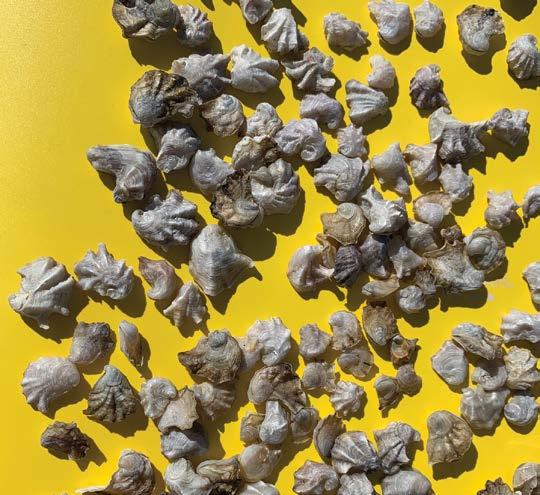
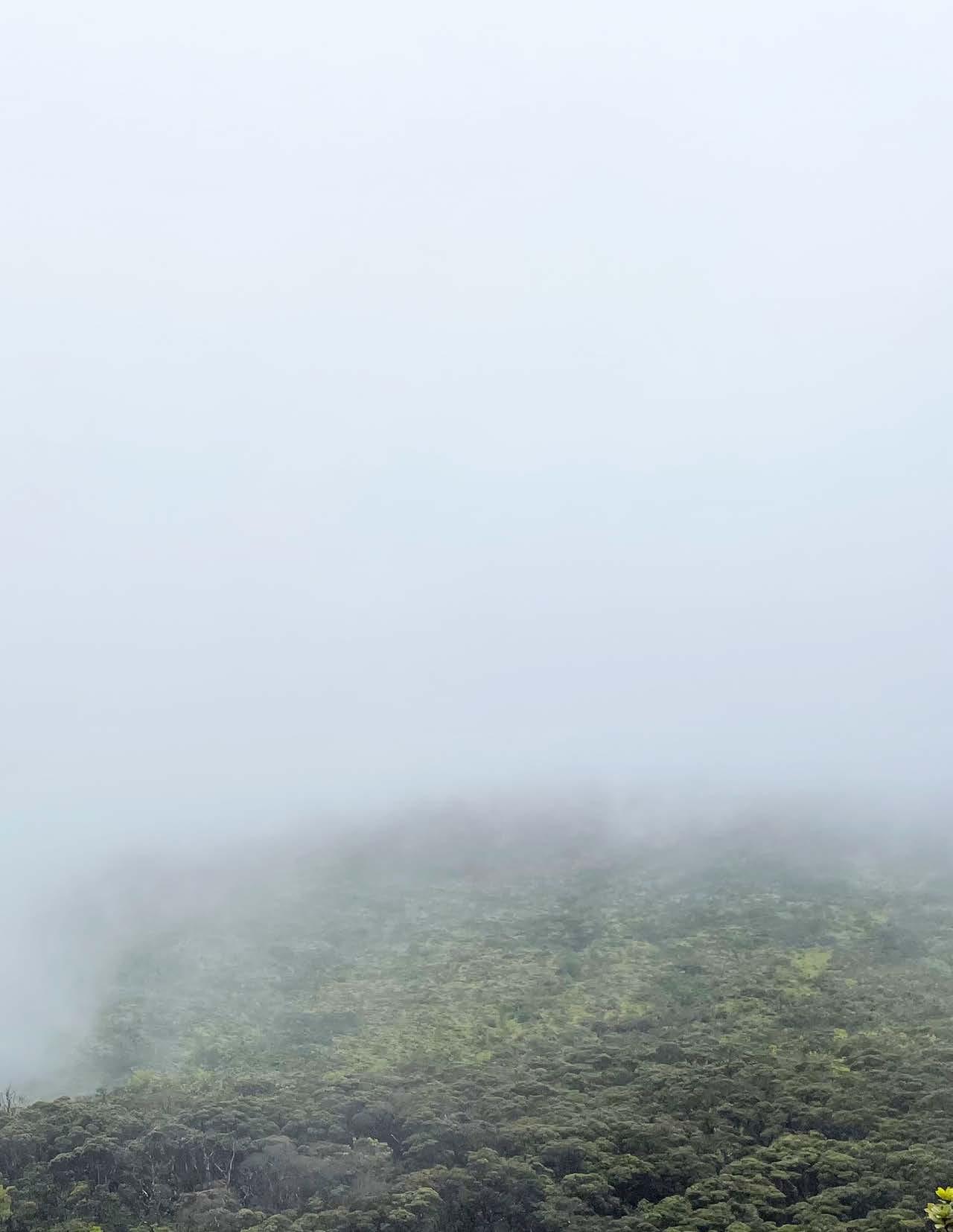
FACING PAGE: Instruments at this Hawai’i Mesonet climate station provide cloud and fog immersion data to researchers
LEFT: UH Mānoa Pacific Cooperative Studies Unit Senior Wildlife Technician Jessica Hawkins displays an oyster spat collector cage used in Pearl Harbor
RIGHT: Hawaiian Oysters
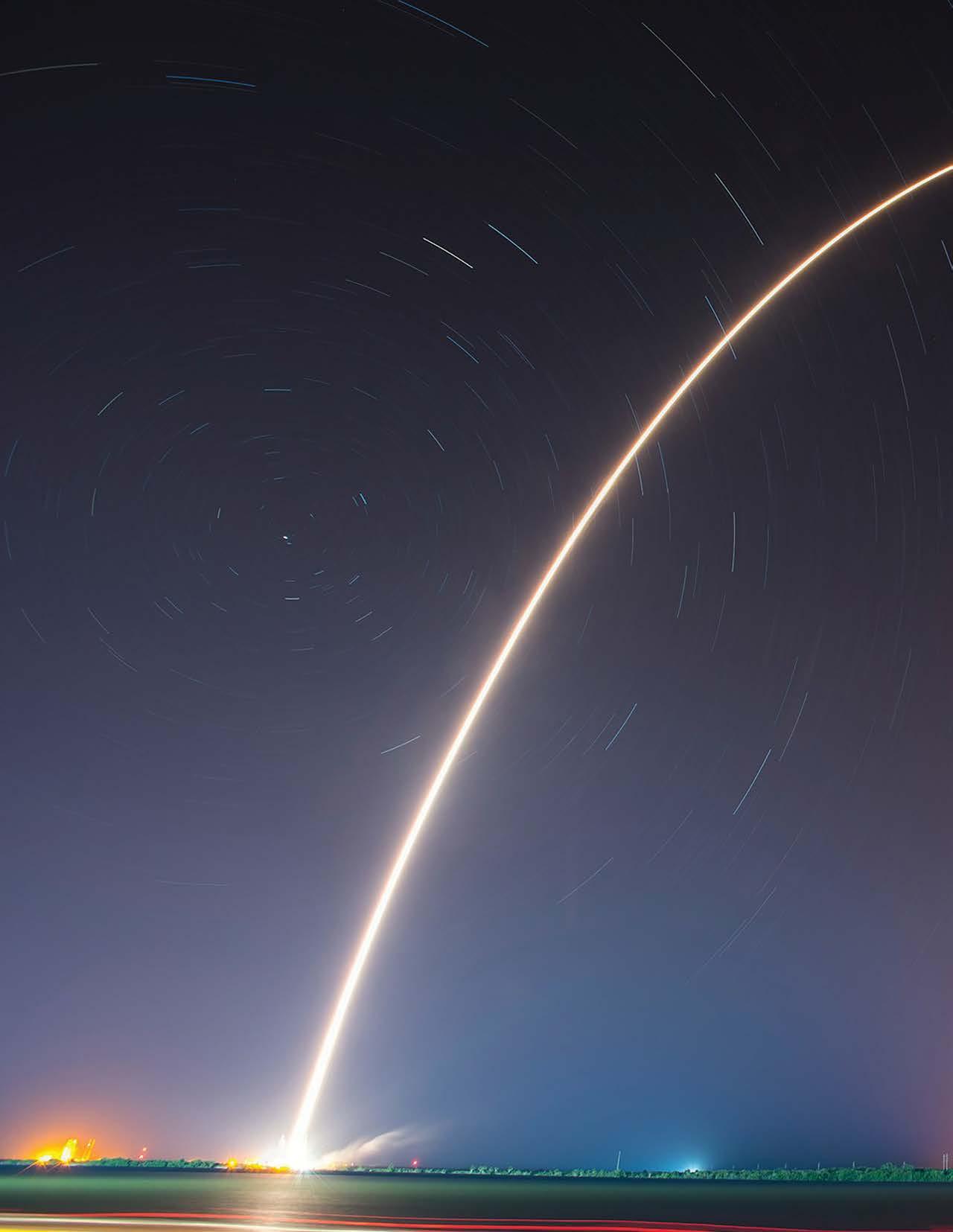
Securing Hawai‘i’s Homegrown Talent
UH’s Space Science and Engineering Initiative
“After engaging in a lot of discussion with representatives and stakeholders from the observatories, UH Hilo, and the Hilo community, we realized that engineering needs to play far bigger role in support of not just the telescopes but Hawai‘i Island’s overall economy.”
BRENNON MORIOKA
Dean, UH Mānoa College of Engineering
BACKGROUND: A launch from Kennedy Space Center CREDIT: FREE DOMAIN
FACING PAGE: College of Engineering students collaborating on a project
CREDIT: JOSEMIGUEL MAGNO
LOCATED IN ONE OF THE MOST GEOGRAPHI -
CALLY ISOLATED LOCATIONS IN THE WORLD, the University of Hawai‘i (UH) has established itself as a world-renowned leader in space-related programs. Thanks to clean, stable air and high volcanic summits that provide some of the best locations for ground-based astronomy, UH’s cadre of talented researchers have made incredible discoveries like Pōwehi, the first imaged black hole, and ‘Oumuamua, the first interstellar object detected passing through the Solar System. Other telescopes like UH’s Pan-STARRS facilities located on Haleakalā, Maui, and ATLAS located on Haleakalā and Maunaloa, Hawai‘i Island, work in tandem to scan the night sky to provide an early warning network to detect Near Earth Objects that may pose a threat to the planet.
Naturally, UH has also developed into a globally recognized leader in astronomy, advanced instrumentation, and small satellite/CubeSat development. The HAWAII-2RGs near-infrared sensors aboard NASA’s James Webb Space Telescope were developed by researchers at the Astronomy (IfA) at the University of Hawai‘i at Mānoa (UH Mānoa), as were the DL-NIRSP and Cryo-NIRSP instruments that enable the Daniel K. Inouye Solar Telescope on Haleakalā to study the Sun’s magnetic field with stunning detail. In 2015, the Hawai‘i Space Flight Laboratory (HSFL) designed and constructed the primary payload for the state’s first space launch and continues its student-centered CubeSat development program. Earlier this year, a hyperspectral thermal imaging satellite jointly developed by HSFL/ Hawai‘i Institute of Geophysics and Planetology was successfully launched into orbit to monitor water resources on Earth as part of a technology demonstration mission funded by NASA. In spite of these impressive achievements and over $200 million injected yearly into the state’s economy from astronomy, it is surprising to know that of the over 500 engineers and
technicians employed in that sector, only about 30 percent of them were born and raised in the islands. The University of Hawai‘i wants to help change that statistic by expanding the technology sector and creating more high-paying jobs in the state with its new Space Sciences and Engineering Initiative, a collaboration principally between the UH Mānoa College of Engineering, IfA and the University of Hawai‘i at Hilo (UH Hilo).
“After engaging in a lot of discussion with representatives and stakeholders from the observatories, UH Hilo, and the Hilo community, we realized that engineering needs to play far bigger role in support of not just the telescopes but Hawai‘i Island’s overall economy,” said UH Mānoa College of Engineering Dean Brennon Morioka, the program’s lead architect. “At the same time, we also recognized the importance of creating a more robust engineering curriculum for Hawai‘i Island students that could lead to future employment opportunities in their own backyard.”
At the core of this important initiative is the establishment of a space engineering and instrument development center at IfA’s facility at UH Hilo (IfA Hilo) that will be able to build instrumentation and advance technology development for observatories across Hawai‘i. Currently, with no central engineering support center on the island, large, expensive and delicate instruments, often shipped from Europe, Japan and the U.S. mainland, have limited sea-level resources to conduct extensive integration and tests of large instruments prior to the slow and arduous journey up to the summit. If something is found to be amiss, the hardware must often be brought down the mountain and potentially shipped back to its point of origin for the necessary
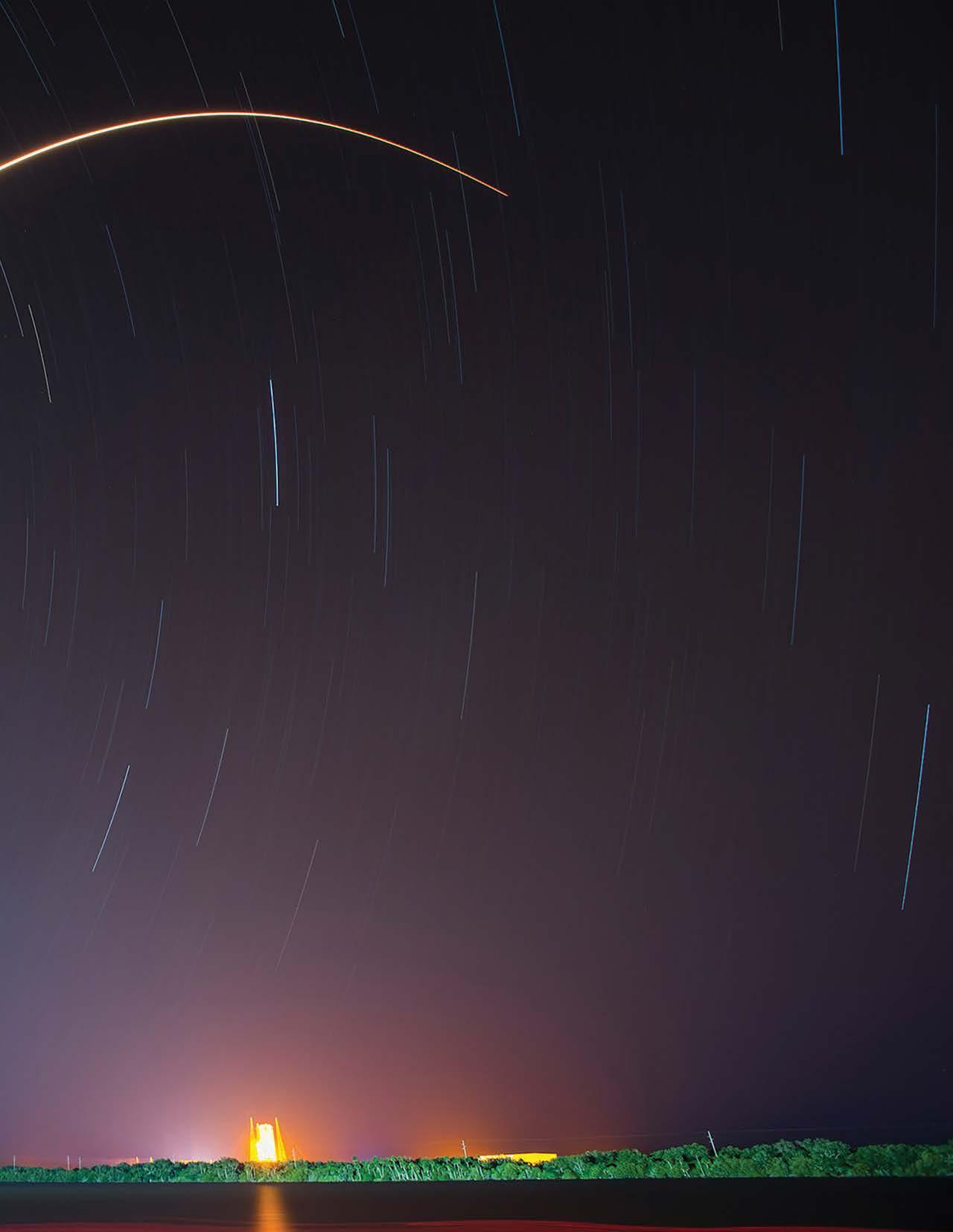
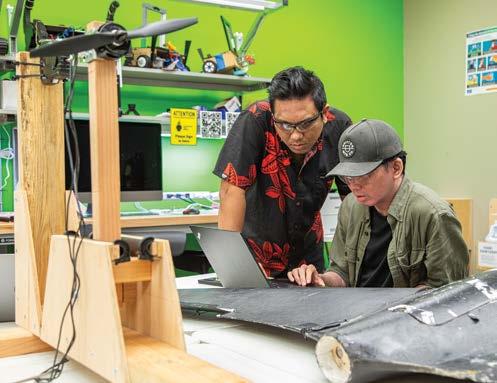
repairs—resulting in costly and lengthy delays. With ground-based observatories spending tens of millions of dollars to upgrade equipment and build prototype instrumentation on a recurring basis, the planned engineering and instrumentation center aims to redirect a significant portion of that spending to the Hawai‘i economy, while easing logistical challenges. Services planned include instrument testing and repair, commissioning, precision (subtractive) manufacturing, and additive manufacturing/rapid prototyping.
To support the planned facility, UH Mānoa’s College of Engineering is in the process of filling an initial 10 faculty engineering positions with a wide range of disciplines, including cryogenics, optics, communications, aerospace, additive manufacturing, and control systems. Five faculty will be based at Mānoa and the other five will be based at IfA Hilo. They will together function as a cohort to support operations and research. The Hawai‘i Island-based faculty will also help to complement and augment UH Hilo’s ability to offer a full spectrum of pre-engineering courses, including statics, dynamics, circuits and other
prerequisite courses. This will enable Hawai‘i Island students to remain at home in Hilo for the first two years before automatically transferring to the UH Mānoa’s College of Engineering to finish up their engineering degree and pursue opportunities to work in space engineering in the islands.
“We know that students who want to stay at home longer and only leave because they have to, are the ones who tend to return home after they graduate, which would be a huge asset to the engineering community in Hilo and the state, ” said UH Hilo Chancellor Bonnie Irwin, a co-architect of the initiative. “Our premise is to create an educational/workforce development pipeline for Hawai‘i Island and to support key niche areas, like astronomy and space instrumentation, where Hawai‘i has world-class expertise.”
To get a jump start on things, the initiative plans to have a workforce development team in place to discuss opportunities for students to get localized hands-on training and experience in astronomy and aerospace. Combined with the highly successful programs like the Akamai
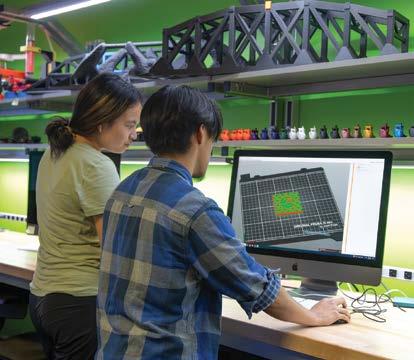
internship program that offers undergraduates 8-weeks of summer work at an observatory, or the Maunakea Scholars program that provides high school students competitively allocated observing times on Hawai‘i telescopes, UH is carving out a dynamic workforce development ecosystem.
It is this expertise and workforce development focus that convinced the Hawai‘i State Legislature to help provide initial funding for the UH initiative, which includes the first faculty cohort and planning for the Hilo facility, a 30,000 square foot mixed-use space that will house a large integration/test site, clean rooms, laboratories and office spaces. A consultant is currently working with the UH design team,
comprised of representatives from the observatories, IfA, UH Mānoa’s College of Engineering, a local engineering firm and the Hilo community to develop a comprehensive design package over the next two to three years. It is estimated that the facility will cost somewhere in the $30-$50 million range with UH working to secure federal funds to construct the facility.
Though somewhat similar to instrumentation manufacturing facilities like the Astronomy Technology Center in Scotland, the Advanced Instrumentation and Technology Centre at Mount Stromlo Observatory in Australia, and the NRC Herzberg Astronomy and Astrophysics Research Centre in British Columbia, UH’s model is a rarity in the field.
“Usually instrumentation teams function on grant money, so it’s difficult to achieve continuity in knowledge and personnel as funding cycles up and down,” said IfA Director Doug Simons, a co-architect of the initiative and design team lead. “But with a state-funded core team of engineers permanently in place at our facility, we will be able to maintain that continuity throughout the years and that will give UH a competitive edge and further solidify its standing as a world leader in instrument design and manufacturing.”
The astronomical community is not the only group that could benefit from UH’s space engineering and instrumentation center. Department of Defense facilities in Hawai‘i, especially the Pearl Harbor Naval Shipyard and Intermediate Maintenance Facility, are looking for additive manufacturing capabilities to keep US Pacific Fleet assets operationally ready. Also, other local companies like Hawaiian Electric Company with a stable of older power plants that require parts that are no longer manufactured, will be able benefit from the center’s rapid prototyping capability.
“The components of a successful center of this type already exist at UH, and this new initiative is helping to cohesively and effectively bring them together,” said UH Vice President of Research and Innovation Vassilis L. Syrmos. “We are on the verge of investing in placebased research and training of our students and faculty on Hawai‘i Island, where space engineering and advanced manufacturing are at the forefront of a high-tech industry that can support a locally based, well-educated and highly paid workforce.”
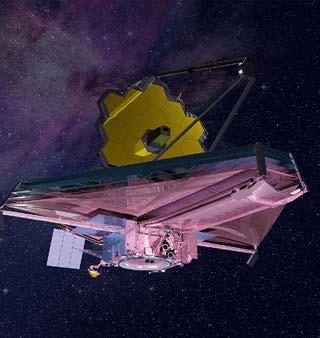
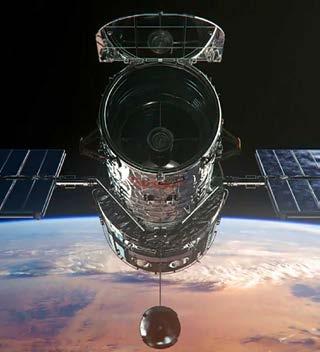
ABOVE:
CREDIT: NASA
LEFT: Students working on a 3D printer in the College of Engineering’s Fab Lab
CREDIT: JOSEMIGUEL MAGNO
TOP: James Webb Space Telescope
CREDIT: NASA
Hubble Space Telescope
University of Hawai‘i
BOARD OF REGENTS
Gabriel Lee Chair
Laurie Tochiki Vice Chair
Neil Abercrombie
Lauren Akitake
Joshua Faumuina
William F. Haning III
Wayne S. Higaki
Laurel Loo
Mike Miyahira
Diane S.L. Paloma
Ernest K. Wilson

PRESIDENT / SENIOR MANAGEMENT
David Lassner President Nainoa Thompson Special Advisor to the President on Hawaiian Affairs
Debora Halbert Vice President for Academic Strategy
Jan Gouveia Vice President for Administration
Kalbert K. Young Vice President for Budget and Finance / Chief Financial Officer
Della Teraoka Vice President for Community Colleges (Interim)
Garret Yoshimi Vice President for Information Technology / Chief Information Officer
Carrie K. S. Okinaga Vice President for Legal Affairs / University General Counsel
Vassilis L. Syrmos Vice President for Research and Innovation
Tim Dolan Vice President for Advancement / Chief Executive Officer University of Hawai‘i Foundation
PROVOST AND CHANCELLORS
Michael S. Bruno University of Hawai‘i at Ma¯noa
Bonnie D. Irwin University of Hawai‘i at Hilo
Maenette Benham
University of Hawai‘i at West O‘ahu
Susan Kazama Hawai‘i Community College
Karen Lee Honolulu Community College
Misaki Takabayashi Kapi‘olani Community College
Margaret Sanchez Kaua‘i Community College
Carlos Peñaloza Leeward Community College
Lui Hokoana
University of Hawai‘i Maui College
Ardis Eschenberg Windward Community College