KEYSTONE PENNSYLVANIA
EXPLORING ANCIENT CULTURES AND MODERN CONNECTIONS
EDITOR-IN-CHIEF
SILVIIA KAUR KANG
MANAGING EDITORS
JOY BECKISH
ANDREW CICALESE
MAYA GAVRIN
EDEN JOSEPF
AVA MORICONI
ANRUI XU
CONTENT DIRECTOR
TRACI DOUGHERTY
ART DIRECTOR
ARLO DALGARNO PLATT
CONTRIBUTING LEADERSHIP
BETH FOOTE
CHRISTOPHER CHANG
SILVIA KAUR KANG
CONTRIBUTING WRITERS
Dear Latin Community,
As winter continues and our PAJCL year moves forward, I’m excited to share this new issue of Keystone This edition celebrates the creativity, curiosity, and dedication of our students across Pennsylvania.
Inside, you’ll find student reflections on Certamen and chapter events, explorations of Roman life and engineering, and connections between the ancient world and modern culture; from Horace and Roman beauty standards to Star Trek and contemporary poetry We’re also proud to feature original student writing, research, and artwork that show how Classics inspires both scholarship and imagination.
Every contribution in this issue proves that Classical studies remain vibrant and relevant today I hope you enjoy reading it as much as we enjoyed creating it
Gratias,

Front Cover: Upper Dublin High School

Contributors' Page image: Owen J. Roberts High School
Editor’s Letter image: Owen J Roberts High School
President’s Letter image: Conrad Weiser High School
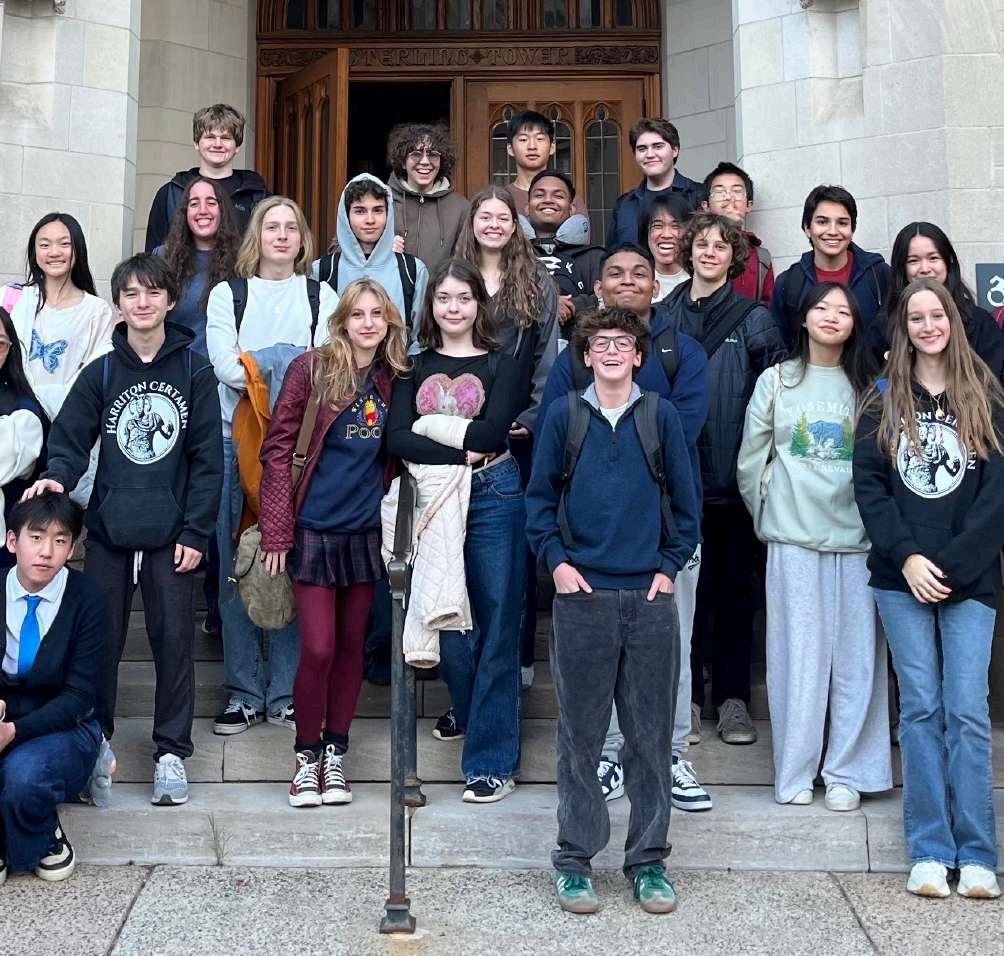
Back Cover: Harriton High School
SILVIA KANG PAJCL KEYSTONE EDITOR
Decide if you would join the Roman legions Weigh the pros and cons of becoming a soldier
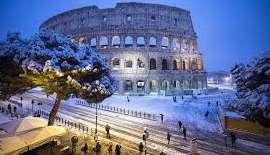
Pick up some bite-sized knowledge on the foods people consumed in the Colosseum Compare ancient and modern arena experiences
BRUTUS MISUNDERSTOOD
Relive the story of one of history’s most divisive figures Reach your own conclusion about the character and motivations of Brutus.

CHRISTOPHER CHANG PAJCL PRESIDENT

Unearth the powerful artifacts used by the gods Investigate their origins and the divine powers that they symbolized.
Explore the Roman references, mythological and historical inspirations contained in the Star Trek series.
Scrutinize ancient cosmetic traditions and standards Reflect on the usage of harmful substances in beauty products.
A MODERN CARPE DIEM
Analyze Horace’s famous advice to “seize the day ” Read a student’s insightful poem carrying that wisdom into the present day
Shape a new understanding of Rome’s artistic tradition Examine the enduring legacy of transforming molten sand.
Discover the rhythm behind Latin grammar and the passive paraphrastic from a triumphant student narrative
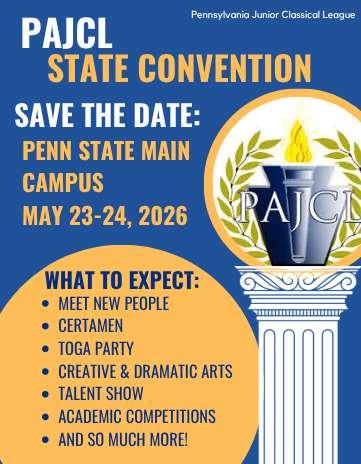
PAJCL HIBERNALIA CERTAMEN ZOOM

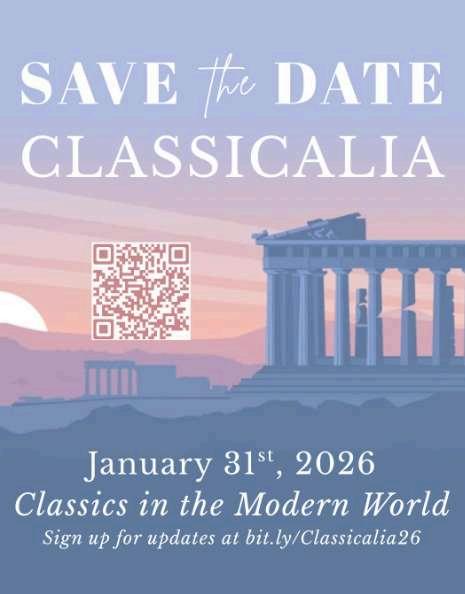
CLASSICALIA ZOOM
NJCL CREATIVE WRITING CONTEST
LUPERCALIA
PHILADELPHIA
CLASSICAL SOCIETY LATIN WEEK
PHILADELPHIA
CLASSICAL SOCIETY PROJECT JUDGING
PRINCETON CERTAMEN
Competition
BERNICE FOX
CLASSICAL WRITING CONTEST
Competition
UPENN CERTAMEN


CHAPTER EVENT
Certamen: Yale and Autumnale
Certamen means many different things to many different people For some, it is the stressful event that appears once a year at Convention For others, it is a sport to practice and perfect And for many, it is an academic opportunity to meet new people.
At Harriton, Certamen has grown far beyond just a competition. It has become a modus vivendi, operandi, docendi et discendi: a way to live, operate, teach, and learn Over many years, our program has developed into a true community, one that requires far more than a few practices to shape a competitive team It requires a dedicated group led by students who organize, fundraise, inspire, and bring others along
Newcomers are introduced to Certamen much like young Vestals learning from their elders: sophomores help students take their first steps, while juniors and seniors open the door to a deeper world beyond the textbook. Over time, this community deepens, and the cycle continues Alumni like Lev Weitzman, now head of UPenn’s Certamen program, or Kyler Parker, active in Yale’s Classics community, remain part of the club’s story and inspiration
Certamen pushes students to grow quickly It teaches resilience, teamwork, and the ability to face setbacks with steadfast determination It also builds a small family A family that shares long bus rides, first correct answers, inside jokes, and the feeling of being valued.
This season began with the Yale Certamen Tournament, one of the toughest the team faces all year The questions reached far beyond the standard syllabus, and some opposing teams were nothing short of extraordinary Even so, two Harriton teams reached the semifinals Although we did not advance further, the experience strengthened everyone’s resolve and left us excited for the next opportunity to compete and sharpen our skills
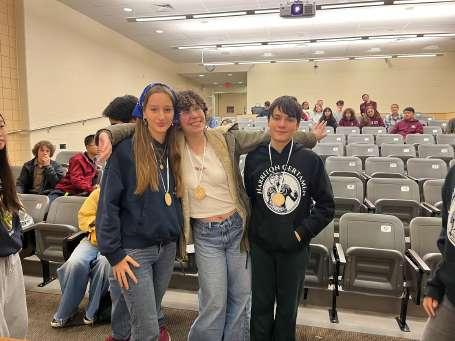
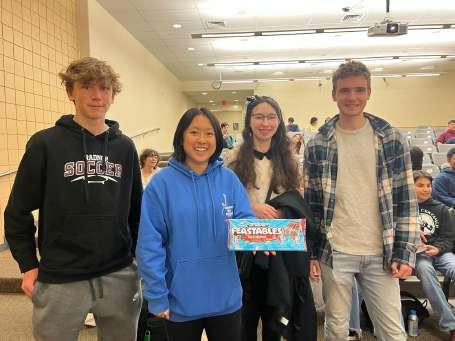

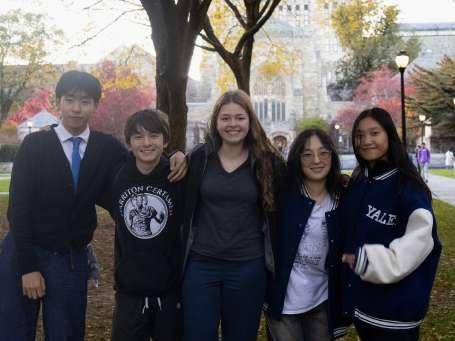
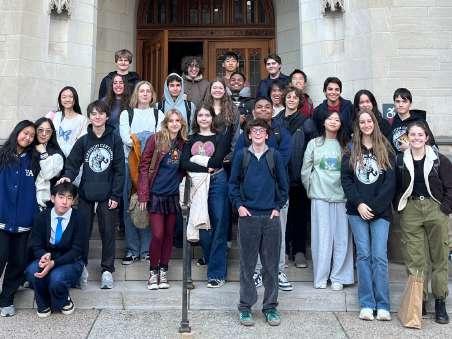
Ths year, especally, Harriton wanted to share our love of the sport with other students So, on November 15, hosted our very own tournament, Certamen Autumnale. Teams from New York, New Jersey, Maryland, and Pennsylvania traveled to compete. Drawing on their collegiate tournament experience, our students ran the event smoothly: printing our own medals, adjusting brackets when schools withdrew at the last minute, organizing concessions, and, most importantly, keeping the atmosphere lcoming and fun But despite the intense competition, the chocolate prize was the highlight for many finalists
For those who fall in love with Certamen, the journey does not end with high school. Tournaments continue year-round, and alumni often join classics clubs in college, volunteer with local JCL chapters, or even start new competitions of their own For students seeking academic challenge, community, leadership, or simply something new to try, Certamen offers all of that and more At Harriton, Certamen is not just a club: it is a home, a tradition, and a remarkable community
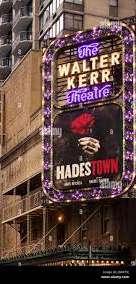
Hadestown NYC Trip
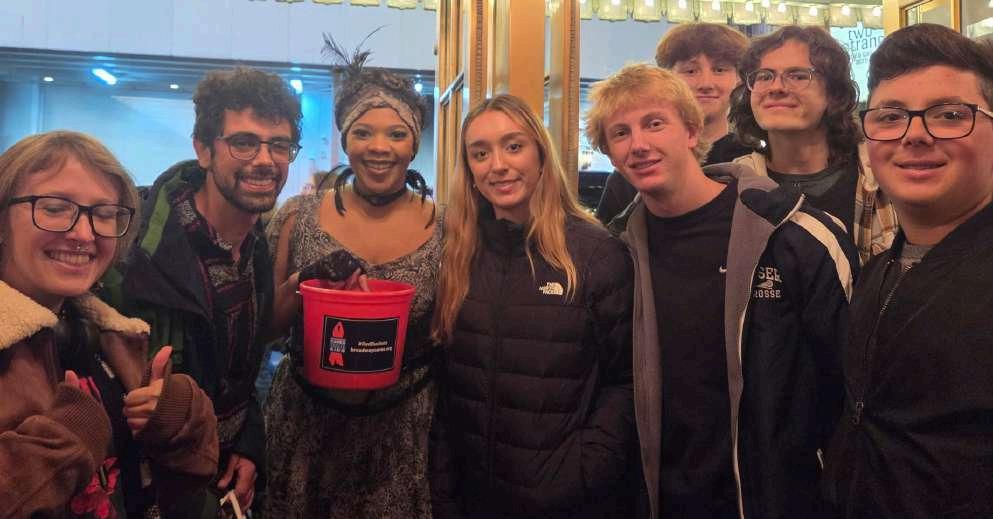
Year after year, Conrad Weiser’s JCL has taken students to major cities along the East Coast, with this year being no exception This trip had been awaited by many, and our stop this time was New York City. After gathering on the bus and making the long, dreary journey, the group soon arrived at the awaited destination While the bus itself was stopped in the major traffic, the world around was moving ever so quickly Lights flashed, businessmen hustled to their next big break, shops sold food fresh off the stove, and cars honked in harmony. Our group was then released from the yellow cage that kept us from the outside chaos and entered Radio City While others might claim that meeting a real Rocket was the highlight of this destination, that title belongs to the bathrooms. They had huge waiting/makeup areas and toilets that felt almost smarter than Hermes
After Radio City, the students broke into two groups, with one group heading to the Nintendo store and gaining the freedom to explore the city After purchasing souvenirs, a stop was needed at a bookstore before finding a quick lunch so the group could head back in time for the long-awaited reason for this trip. New York is known for its busy lifestyle, but, more importantly, for its entertainment

After splitting ways, students flooded into the theater where the students would be watching Hadestown Everyone rushed to their seats and anticipated the start of the masterpiece. Everyone was so drawn in that by the time the lights turned on for intermission everyone was still stuck in the world of their creation Every word lingered in our ears and each song replayed religiously in our minds. As it came to a close everyone was thirsting for more. The departure from the theater was filled with trades of favorite scenes and memorable songs The final leg of our trip was spent finding anything that could qualify as dinner and going back to the book store to cool down from the busy life around us. When the group finally entered the bus once more voices were lower and everyone began to nod off to the slow rocking of the wheels The trip gave way for adventure, excitement, and self expression as everyone got to take a break from the mundane everyday school life


CONTEST RESULTS
Saturnalia Nationwide Game Results
On Friday, September 29, Latin students from across the United States, including California, Massachusetts, New York, North Carolina, and Pennsylvania, competed in our Saturnalia Nationwide game hosted by Excellence through Classics (ETC).
Magistrae Nicole Wellington, Brad Savage, and Michael Posey led the event with a “Don’t Look Down” Gimkit on the themes of “Saturnalia” and “Famous Romans.”
Congratulations to our live-game student winners, who will be featured in the upcoming PRIMA issue!
Elementary school:
1st place: Sam B, whose teacher is Magistra Dougherty
2nd place: Ryan P, whose teacher is Magistra Dougherty
3rd place: Keyon A, whose teacher is Magistra Dougherty
Middle school:
1st place: Sam P, whose teacher is Magister Posey
2nd place: William C, whose teacher is Magister Posey
3rd place: Helen O, whose teacher is Magister Posey
High school:
1st place: Morgan H, whose teacher is Magister Buczek
2nd place: Zoe S, whose teacher is Magister Buczek
3rd place: Mason F, whose teacher is Magister Buczek
Some students participated in our assignment version of the live game Congratulations to our top winners who earned the highest accuracy:
Asynchronous
1st place: Wesley P, whose teacher is Magistra Dougherty
2nd place: Vlolet G,. whose teacher is Magistra Dougherty.
3rd place: Sophia V., whose teacher is Magistra Dougherty.
3rd place: Janiya M., whose teacher is Magistra Dougherty.
3rd place: Maxim C, whose teacher is Magistra Dougherty.
If you enjoyed the Saturnalia Nationwide Game, the next one will be during Rome’s Birthday Week on April 18th.

Due February 7th!

The Keystone Awards celebrate the creativity and talent of our members, with nominees selected from pieces published in the Fall, Winter, and Spring issues
Current Nominees:
Art and Archeology
Hairstyles Through the Ages: Roman Braids vs. TikTok Trends, Olivia Moriconi, Upper Dublin High School
Business and Sports
Roman Currency: From Denarii to the Dollar, Shayan Askari, Upper Dublin High School
History and Mythology
Prometheus, Laila Kane, Harriton High School
Modern Comparisons
Ad Astra, Grey Daylor, Phoenixville Area High School
Sciences and Education
Surgery and Amputation in The Ancient World, Jacob Lupotsky, Owen J Roberts High School
Student Work
'Carmen Latinum,' Silvia Kang, Northwest Pennsylvania Collegiate Academy

ACROSS THE STATE
As winter settles in, PAJCL chapters across the state are staying busy with creativity, camaraderie, and plenty of seasonal spirit. These winter activities capture the joy, energy, and strong sense of community that keep classical studies thriving in student life today.
The Boys' Latin officers started our Fall semester by focusing on recruiting and planning for the year
Our junior and senior members have been coordinating several different activities over the course of the year, including trips to UD's Fall Fest, the Penn Museum for a tour of the Rome and Greece galleries and a hands-on Minoan culture workshop, the Philadelphia Art Museum for an ancient mythological art tour, Stockton College for Latin Day, the Forrest Theater for a matinee performance of Hadestown, and the Glencairn Museum for a tour of their ancient artifacts and a hands-on Cuneiform tablet activity.
We are prepping for another season of Latin League and have a strong contingent of varsity players committed to studying for each round Members of the Latin team have taken over our school's morning announcements on Wednesday, reciting the Boys' Latin student pledge of responsibility in Latin during the announcements when the principal would normally lead the students in the pledge in English
Our Latin team has committed to working with UPenn coaches to re-ignite Certamen at Boys Latin, and will try it whenever we can this year
Finally, the Latin team has already begun planning Latin Week, which we celebrate as a school leading up to the NLE in March, and which asks teachers in all content areas to incorporate a little Latin into their classes and to include Latin- and Rome-related lessons or projects in their content
We are hoping to coordinate a Latin-themed Field Day and would welcome any and all suggestions for activities that can get our whole school to love Latin as much as we do.
PODCAST: STYX & STONES
Every myth has a moment where the journey turns serious In this piece, we step into the world of ancient myth where rivers divide worlds, choices carry weight, and even stones remember the stories told about them Press play to listen to this episode Prepare to enter a space inspired by the legends of the ancient world, where imagination and mythology meet
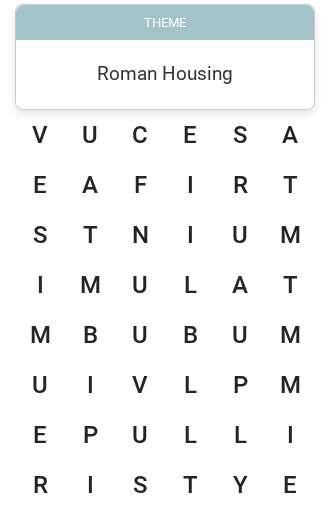
STRANDS: ROMAN HOUSING
We often picture ancient Rome as grand temples and crowded forums but real Roman life began at home. From cramped apartment blocks to elegant townhouses, Roman housing tells a powerful story about class, community, and daily survival Our Classics students know that to understand an empire, you have to look beyond the monuments and into the living spaces that shaped ordinary lives Follow the strands, and step inside Rome
Directions: Find themed words on a 6x8 letter grid by dragging letters to form words, which highlight in blue. The game's theme is revealed by a central word called the "spangram," which stretches across the grid and is highlighted in yellow Finding nonthemed words earns hints for themed words after every three non-themed words are found. The goal is to see all the blue words, including the yellow spangram, until the entire grid is filled
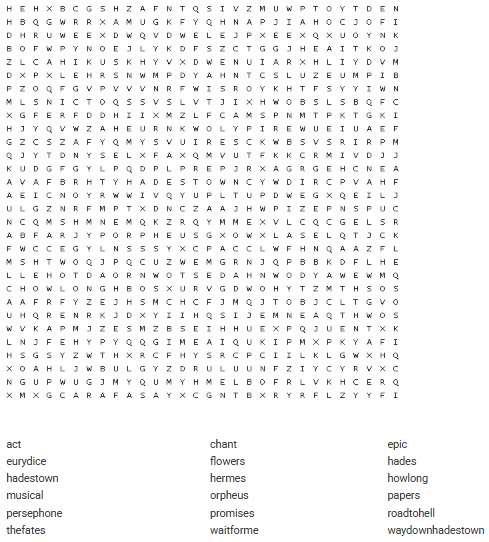
WORDSEARCH: FOUNDING OF ROME
Consider the stage a doorway to the underworld where myth feels real, music carries meaning, and fate steps into the spotlight Long before Hadestown, Roman audiences packed their theaters for stories of gods, heroes, and journeys below, watching timeless themes unfold: love tested, promises broken, and the cost of looking back. This activity invites you to explore the shared world of Hadestown and Roman theater, where performance isn’t just entertainment it’s how a culture tells its most important stories. Look for the clues, trace the connections, and let the ancient stage come alive
Directions: Find the words from the word list in the puzzle The words may be hidden horizontally, vertically, diagonally, forward, or backward Click here for the solution.
POLL: ROMAN AQUADUCTS
From running water to central heating, the Romans were masters of making difficult problems solvable through sheer ingenuity. But perhaps their most astounding feat was the aqueduct system a sprawling network of stone, tunnels, and arches that brought fresh water over vast distances to cities like Rome
Vote on the engineering secrets, scale, and modern legacy of this incredible feat of ancient science Cast your vote!



Landscape with Temple
Study of a Peacock and Female Figure
Perseus with the Head of Medusa


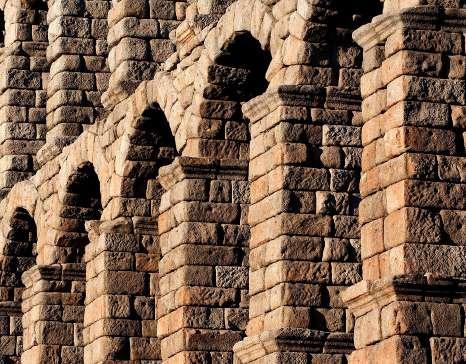
The Roman Empire is remembered for its power, culture, and remarkable architecture, among other notable achievements. However, among Rome’s most significant achievements were surely the aqueduct systems that stretched across the empire. These stone channels carried water from springs and rivers far outside the city into the heart of Rome and several other cities. Aqueducts made daily life cleaner, safer, and more comfortable, and they remain one of the best examples of Roman engineering and ingenuity.
Before aqueducts, most people in cities had to collect water from local wells or rivers, or from rainwater collected in vats or cisterns that often became stagnant This simple system worked for many small villages, but it was insufficient for a large city like Rome, with a population of a million The Romans needed a steady supply of clean water for drinking, cooking, bathing, and farming. The aqueduct ultimately solved this problem!
The multiple aqueducts, literally meaning “to lead water,” were all built with a slight downward slope that extended for miles Fresh water from a spring, river, or reservoir, often from distant mountains or plateaus, could travel miles without the use of pumps or machinery, simply flowing by gravity into the intended city. The Romans were skilled builders.
Some aqueducts ran underground through mountains, traveling by subterranean tunnels, a technology that was highly advanced for the time Others stretched above the ground across valleys and uneven land in a gentle slope for hundreds of miles The most famous examples, such as the Pont du Gard in France and the four great aqueducts of Rome, were built with towering stone arches that remain standing today, a testament to Roman engineering These structures demonstrated both strength and beauty, indicating that the Romans prioritized design as well as function
Within Rome and other prominent cities, several aqueducts supplied fountains, public baths, and private homes Public fountains provided free water to citizens, whereas the wealthy could pay to have pipes bring water directly to their homes The famous Roman baths, where people gathered to wash and socialize, were also supplied with water from aqueducts Several palaces were adorned with grand fountains and cascades, all supplied by aqueducts. Clean running water also improved public health and hygiene, helping cities reduce disease, keep people cleaner, and maintain streets cleaner than they might otherwise have been.
At Rome’s height, there were over 200 aqueducts bringing in millions of gallons of water daily. In particular, the Aqua Virgo supplied Rome with water well into the late medieval period In fact, many ancient aqueducts remain standing over 2,000 years later, a lasting testament to Roman skill and ingenuity
The aqueducts were more than just tools; they were symbols of Roman power and technology They demonstrated that Rome could control nature, provide for its people, and build structures that endured The aqueducts were a major factor in the empire's expansion of its population, the advancement of agriculture on a massive scale, and its further development Today, when we turn on a faucet, we are using ideas first perfected by the Romans almost two thousand years ago.
“The whole system was so well built that several sections remained in use for centuries, even after the empire collapsed.”
TO JOIN OR NOT TO JOIN: THE MILES ROMANUS DEBATE
Magistra Suzadail’s Latin III class is currently studying the Roman Soldier. As part of the unit, students created promotional posters to serve as recruitment tools When the posters were presented, the students were asked to write their thoughts on whether the posters were effective or not in persuading them to join the legion. Here are their thoughts:
Ita! Miles Romanus esse volo!
You get paid 225-300 denarii (depending on the emperor at the time) per year as gross pay.

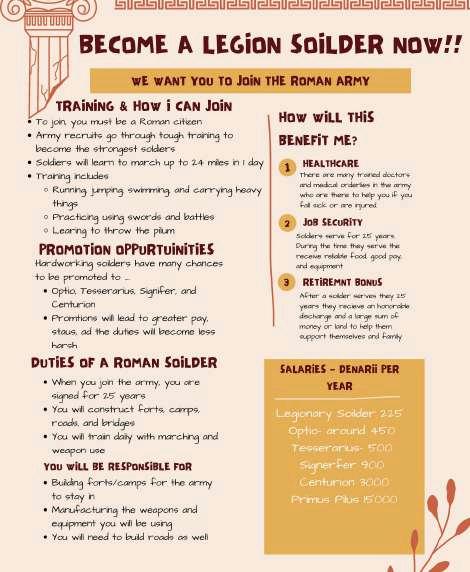
You earn honor among the townspeople and Romans and could either get 3,000 denarii for the retirement reward or a chunk of land
You can get promoted to an Optio (deputy) and other important roles, or possibly a centurion
And if you stay with the army for long enough you can become the praefectus castrorum / commander of the camp.
Summary: Being a Roman soldier offered steady pay, valuable training, and the chance to gain skills that could be used for the rest of your life It also provided honor, stability, and opportunities for promotion that few other careers in the empire could match.
Minimē! Miles Romanus esse nolo!
Fighting was very dangerous, and training and discipline were harsh. While being in the Army, there was a high risk of getting a disease from the bad living conditions and the constant traveling
Summary: Being a Roman soldier came with many harsh conditions, including long years of service, being far from home, and demanding physical labor even during peacetime Training, marches, and battles were exhausting and dangerous, making the life of a legionary soldier tough and an unattractive life choice, despite its rewards. While being a Roman soldier had many benefits, it also had significant drawbacks
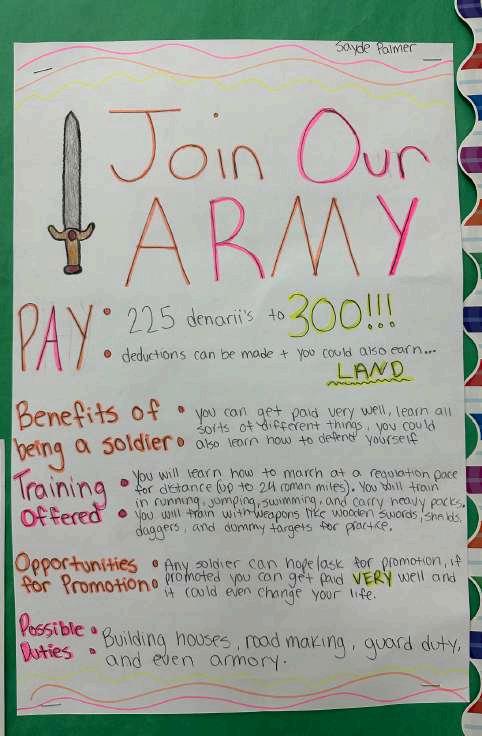
when signing up for the army, you had to devote yourself to the war for 25 years before being able to retire. Soldiers were paid very low wages until they were promoted, which could take years
STADIUM SNACKING
What Fans Ate at the Colosseum
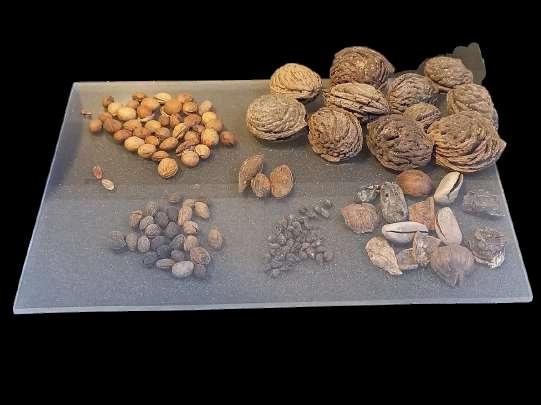
In Ancient Rome, the Colosseum was a main source of entertainment for the people, much like big stadiums today. The arena could hold tens of thousands of spectators who came to watch gladiator fights, battles, animal hunts, and live shows. For the Romans, these events were full of energy The fans cheered and gathered loudly to watch their favorites, just as we do at sporting events! The colosseum had other things to offer, though, such as food The food helped people connect and make the day more fun!
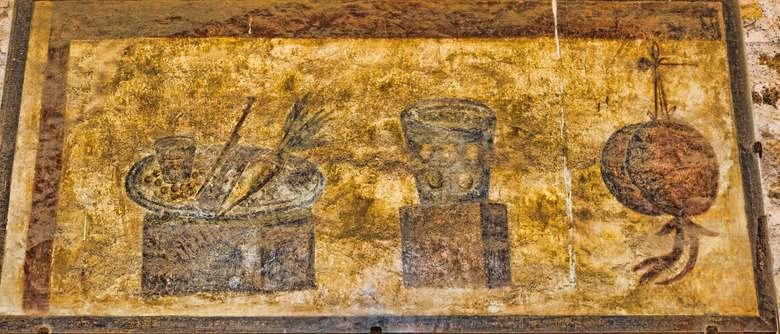
Food was a big part of the event at the colosseum. Today, when we go to a stadium, we eat items such as popcorn, hot dogs, fries, pretzels, candy, and other unhealthy, sugary foods. But back then, the spectators at the colosseum ate much differently They enjoyed fruits such as blackberries, cherries, figs, and grapes. They also had olives, bread, and nuts These foods were to prevent them from getting hungry during the long, all-day events. The high class also enjoyed meats, cheeses, and imported goods
“The Colosseum was not just a place of spectacle—it was a dining hall of empire, where Romans consumed power as eagerly as they consumed food.”
Some archaeologists have even discovered ancient ovens used for roasting meat and possibly for making small flatbreads As in today, spectators had to pay for food with coins
Comparing Roman Colosseum events to our stadium events is instructive We both gather in big arenas, while eating delicious snacks, to enjoy exciting games and entertainment The only huge difference is what we are watching and the type of snack. The Romans watched gladiators fight to the death, and we watched safe football, baseball, basketball, or other fun sports. Additionally, our food is much less healthy than the Romans' nutritious, simple foods In all, the Romans enjoyed events at the colosseum just as much as us in stadiums
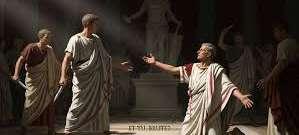
BRUTUS: MISUNDERSTOOD?
“To call Brutus a villain... is to ignore the Roman values that shaped his choices—and the Republic he feared losing.”
As Caesar sat down in the senate on a cold, fateful day in March 44 BCE, Brutus narrowed his eyes He barely listened as topics were discussed He could feel the weight of the dagger in his pocket, aching and begging him to kill Caesar A few months ago, he started a conspiracy to end the rule of Caesar, who, in his eyes, had become too powerful
Suddenly, a noise awoke him from his thoughts Cimber had stabbed Caesar in his chest, and Brutus saw the dictator’s face turn to shock.
As Caesar grabbed Cimber, others grabbed their daggers Brutus had a slight smile on his lips. It was about time. He rushed forward, feeling the cold breeze against his body, and saw Caesar viciously fighting back, even with olympic-sized pools of blood filling underneath him Until Caesar saw him Brutus.
All of a second, his body went limp He looked at him in despair and betrayal, and was barely able to mutter, “You too, Brutus?” before he splattered onto the floor, lifeless With a hollow feeling inside, Brutus pretended to laugh as others congratulated him on the plan
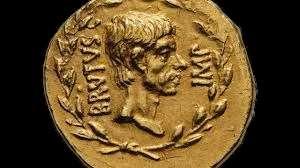
Marcus Junius Brutus was born in 85 BCE. Ever before his birth, he was burdened by his family’s reputation His oldest ancestor was the legendary Lucius Junius Brutus, who helped overthr th last king, the infamous Tarquinius Superbus
Growing up, he knew he wanted to politician It was difficult, however, homonymous father was an enemy Rome and was killed early on. war
Because of his father’s name, he w unable to pursue a career in politic 59 BCE, however, he found a solu After being adopted by a relative, he changed his name to Quintus Servilius Caepio Brutus, although he rarely used his legal name
Serving as Cato's assistant, the governor of Cyprus helped start his political career, as he saw how Cato manipulated and achieved everything he wanted Brutus also married Claudia in 55 BCE, and life seemed to be going great for him. Until, of course, Caesar started a civil war
Even though Pompey had killed his father, he sided with him because he believed Caesar had grown too powerful Brutus ended up serving under him in Greece until Pompey was defeated in 48 BCE during the battle of Pharsalus Brutus was captured but soon pardoned by Caesar himself, who had taken a liking to him. He was appointed to many high political positions, including as a city praetor, second in command to the consuls.
HISTORY AND MYTHOLOGY
At this point, Brutus was optimistic about Caesar’s plans, and the two had a fatherson relationship, with Caesar teaching Brutus how to rule. Everything changed, however, when one day Caesar declared himself ‘perpetual dictator’ and deified himself. Sure of the republic's end, Brutus decided to betray Caesar for the republic's good, becoming a leader of the conspiracy to kill the self-proclaimed dictator.
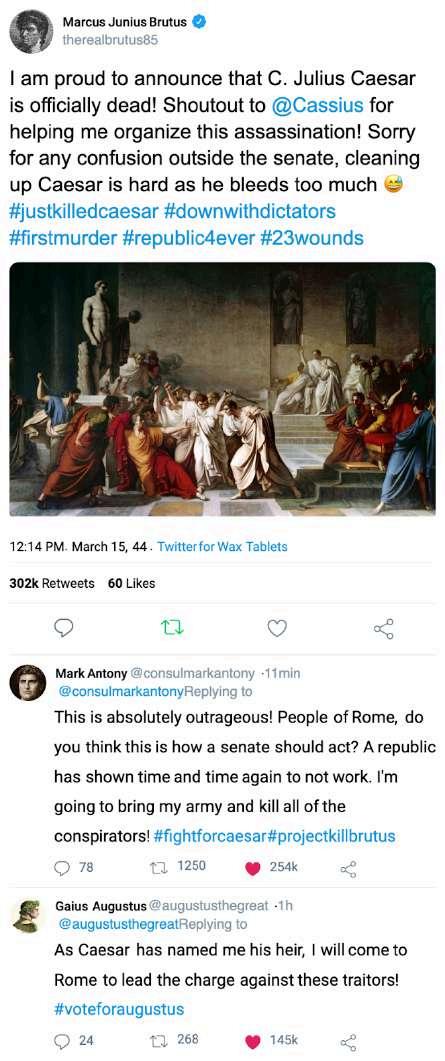
Soon, the fateful day of assassination came, March 15th, 44 BCE (now called the Isles of March). It is said that Lucius Tillius Cimber started the attack, and many others joined as they unsheathed daggers hidden in their pockets.
As the legend says, Caesar fought hard against the many senators. However, as soon as he spotted Brutus among them, one of his closest friends, he gave up, and said one of the most famous lines ever uttered: “Et tu, Brute?”, meaning ‘You too, Brutus?'
Expecting public support, Brutus and many other conspirators were shocked to find public outrage awaiting them Driven first to Italy, then to Greece, Brutus had started a civil war that ended the republic’s reign. Instead of saving the government, he had brought it down
Brutus, determined to return to Rome, began building an army with Cassius, another conspirator, using their immense wealth.
They soon fought Octavius and Mark Antony in the two battles of Philippi Brutus was victorious, demolishing Octavius’s army However, Cassius wasn’t as skilled or strategic and was viciously defeated by Mark Antony
Some sources say he killed himself out of shame after learning of Brutus’s victory, but the majority of historians say he committed suicide before Brutus relayed his victory, meaning he thought Brutus lost too Brutus followed his lead after being defeated in the second, on October 23, 42 BCE.
It is said that he muttered under his breath before his death, “By all means must we fly, but with our hands, not our feet,” and also repeatedly said,
O Zeus, do not forget who has caused all these woes ”
Mark Antony gave him a proper burial on one of the hills After his tragic death, Brutus was both loved and hated In Shakespeare’s play, Parallel Lives, Plutarch said that even Brutus’s enemies respected him The enemies thought that, unlike other conspirators who killed Caesar out of greed and envy, he killed Caesar for virtuous reasons Not all people agree, however
Many said he was very arrogant and considered others inferior Others said he took advantage of Caesar’s goodwill and still killed him, calling him evil. Dante even put him in the 9th circle of hell due to this betrayal
Brutus continued to have great influence throughout the centuries, from being used as the pseudonym for the AntiFederalist papers to the Red Hot Chili Peppers' song "Even You Brutus "
THE STAFF THE SPECTRAL DIVINITY OF GODS AND GODDESSES
In Ancient Greek or Roman Mythology, sacred myths or legends often carried a significance far beyond their physical forms: literature Across history, multiple artifacts are embellished in literature- some celebrated and remembered in the names of their gods, others lost or forgotten, holding symbolic weight within stories. Every story holds humanity's nature in its artifacts, where legendary items were not merely tools or weapons; they were embodiments of authority, duality, and spiritual connection, bridging the gap between the mortal world and that of the gods
When one thinks about mythology, the symbols of the gods and goddesses that most often come to mind are the “big three”- Zeus, Poseidon, and Hades- whose power is represented by the lightning bolt, the trident, and the keys to the underworld Yet beyond these well-known artifacts, many others are tied to different gods and goddesses, each offering deeper insight into their roles and the cultures surrounding them.
A creation forged by the Cyclopes, the lotustipped scepter held by Hera embodied divine power and celestial authority. The scepter was a dual artifact that transformed into a spear that struck fiercely against the Titans, besides her husband and siblings. There was no given name for the swear; however, it was known as the regal scepter or royal staff
A spear of ivy embedded in the vines of the grape, where it nests the pine cone on the surface, was used in a unique religious ritual of conjuring wine, milk, water, and food. The artifact’s unique name, Thyrsus, belongs to the god of festivity and wine, Dionysus It wasn’t just for the connection to nature, fertility, and a frenzy, but it also allows his subjects to partake in holding the artifact His most loyal subjects, Maenads or Satyrs, would often carry the staff during the rituals.
A similar artifact to the trident created by the Cyclopes was a two-pointed spear known as the bident The name of the spear comes from the Latin word bidentis, meaning “having two teeth.” It’s another dual artifact that transforms into a spear, symbolizing the duality of life and death The power the scepter holds is developing earthquakes, governing the dead, having authority and power over chthonic realms This incredible staff was wielded by Hades
SUBMISSION DATES:
R
O M A N B E A U T Y

In contemporary society, ancient Roman women also adorned themselves with makeup, perfume, and elaborate hairstyles It’s interesting to examine the techniques and products used thousands of years ago and compare them with those of today. Makeup was worn by wealthy women and by middleclass women, and specialized servants often applied it However, many of these beauty products were poisonous, containing ingredients such as lead to create rouge and lip color Lead was also used to achieve a paler complexion That said, not all products were made with hazardous chemicals Other options for blush included natural resources such as poppy and rose petals, red ochre, mulberry juice, and even crocodile dung. And that’s just a few to name Fragrances were just as essential, and different scents were used for various occasions
Romans were very fond of floral scents such as rose, violet, iris, and lavender. Archaeological discoveries of hairpins and combs indicate that elaborate hairstyling was popular among women in Ancient Rome Women of the wealthy class often wore elaborate hairstyles, secured with numerous pins and, at times, by sewing In ancient Rome, society preferred natural hair color to wigs and dyes and regarded long, thick hair as the most luxurious Looking at the statues of Roman women, you can see the time and effort that went into their complex hairstyles.
The beauty and cosmetics industry has received extensive criticism and commentary from men Nevertheless, “cosmetics” were regarded as a medical practice, a poison, and even as magic because they were seen as a skill for controlling and beautifying, which many men didn’t understand
A modern recreation inspired by ancient Roman beauty ideals, reflecting the elaborate hairstyles and adornment favored by Roman women.

Horace’s poem, famously containing the phrase “carpe diem,” tells the reader to “seize the day,” believe in the future as little as possible, and focus on what is here and now, since time is fleeting
Horace takes a reflective and philosophical stance, emphasizing the unpredictability of the future Furthermore, his tone is measured and serene, providing gentle instruction to convince his readers. He emphasizes humble acceptance and counsels people to live in the moment
Horace also uses various literary devices in the poem, including apostrophe. He speaks directly to Leuconoë (“ask not of the fates”), making the advice personal and immediate and pulling the reader into the conversation. Additionally, he uses imagery to depict time and life. Finally, Horace uses a metaphor to compare life to something that doesn’t last long, such as a brief season or a short storm This demonstrates that, since life is fleeting and fragile, we should cherish it now rather than obsess over the future. His allusions to the "brief span of life" and the certainty of death evoke a sense of urgency both visually and emotionally.
“INSTEAD, WE MUST FOLLOW OUR HEARTS IN THE PRESENT AND CHART THE PATH THAT WE CAN CONTROL.”
KEYSTONE
To create my poem, I wanted to focus on the theme of nature and its paradoxical disposition of predictable randomness My goal was to convey, like Horace, that we can not control the past, nor all the possibilities of the future that gnaw at us.
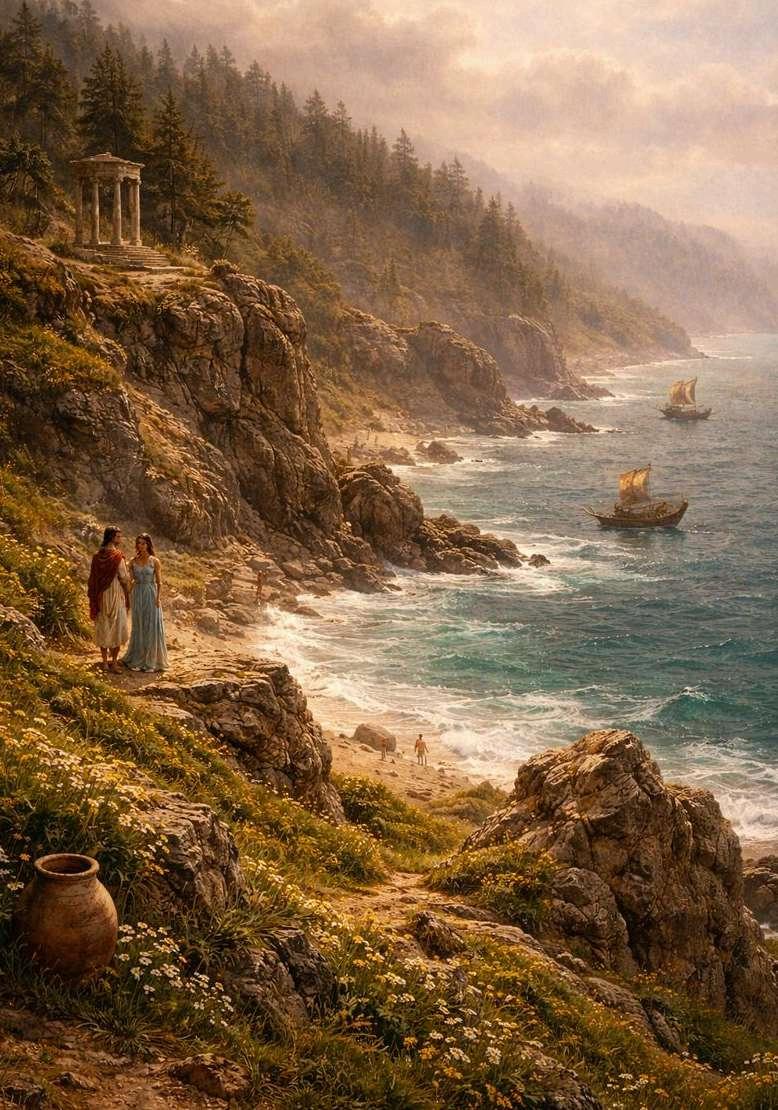
You, do not wonder all the untravelled paths.
You can not know what hides beyond the vast fog.
Whether the wind-blown leaves fall from great green trees,
Or the tides thrash the shores of the wide blue seas,
Still the saplings grow with the water you pour.
Be wise, sleep easy, the cowardly past has fled,
Warm rays rise over sleeping you, rise up and
Seize the day from the grasping, greedy future.
BEAM ME UP, CAESAR: ROMAN
REFERENCES FROM THE U.S.S. ENTERPRISE
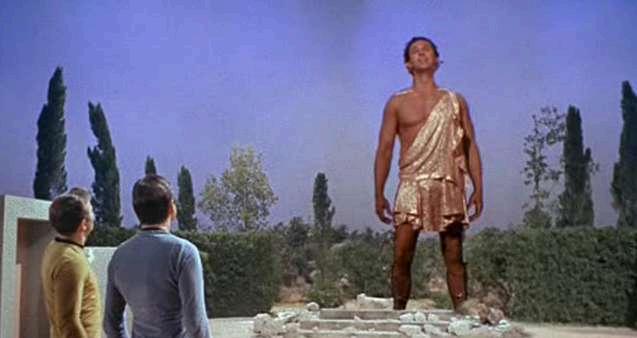
Space, the final frontier” is most likely something we’ve all heard at least once in our lives Star Trek, being the brilliant show it is, incorporated much of Roman culture, even in the first episode, when they introduced everyone’s favorite alien, Mr Spock Star Trek: The Original Series first aired in 1966 on CTV Network in Canada with the pilot episode “The Man Trap.” The show stars Captain James Kirk, played by William Shatner, and his Lieutenant Spock, played by Leonard Nimoy
Mr Spock, the lieutenant of the U S S Enterprise, is a Vulcan, an alien species characterized by his pointy ears and his stoic demeanor, traits that follow him in every episode
The planet Vulcan is a red planet with exotic purple plants and extensive volcanic ranges as far as the eye can see The planet of Vulcan is, in fact, a planet covered in volcanoes, which is where it got its namesake from
The first episode the planet first appeared on was called “Amok Time.” Though there isn’t much that connects Vulcans to Rome besides their fiery planet and their smoking namesake, their subspecies, which are called Romulans, have much more to offer in the ways of following in the footsteps of their origins. Meanwhile, in Star Trek (2009), episode “Memory Alpha,” a young James Tiberius
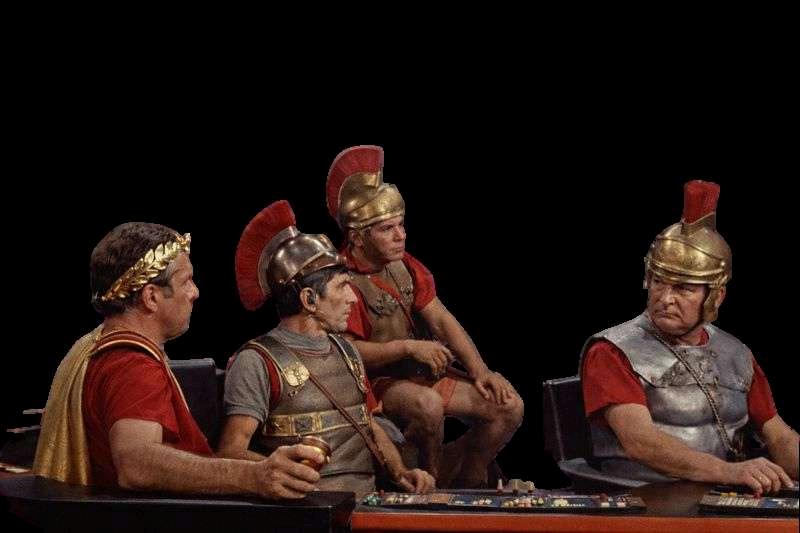
Kirk’s mentor gets kidnapped by a ship named the “Narada” and meets his earliest enemy, Nero of the Romulans, who comes from the planet Romulus, on his way to destroy the planet Vulcan When they arrived, it was already too late. The Vulcans had been wiped out along with Spock’s only family, now killed Romulus and Remus are, of course, the sons of Mars and Rhea, where Romulus is destined to found Rome In Star Trek, Romulus and Remus are twin planets orbiting the same star; the species living on the two planets, however, are antithetical The inhabitants of Romulus are a more tame and Earth-like people, while the inhabitants of Remus are a vengeful and hateful Vulcan relative
Star Trek itself has numerous more references to Roman mythology, from planet names to episodes set in Rome The question is: why did the creators do it? Were they Latin students, perhaps interested in classics like us? Or did they dare to make references to a place where no man has gone before?
Captain Archer’s emphasis on duty, discipline, and service reflects the Roman concept of virtus the moral strength expected of leaders navigating expansion, conflict, and the unknown.
ROMAN GLASS: ANCIENT BLOWN ART VS. MODERN CRAFT
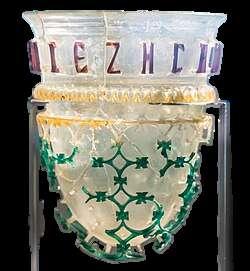
Roman glass is a historic example of how innovations in art can shape culture First developed around 50 BC, Roman glassblowing revolutionized the way the people crafted everyday objects; they gained the ability to transform molten sand into objects of beauty and function Today, modern glassmakers continue this legacy, they blend ancient techniques with modern creativity to produce handmade glass that reflects both tradition and personal expression
In ancient Rome, glassblowing allowed for mass production of containers, making glass more accessible. Roman artisans used minerals to tint their glass, creating vibrant colors that symbolized wealth and status Over time, exposure to the elements gave Roman glass its signature iridescence, a beauty born from age and decay. Glass wasn’t just functional, it was a cultural symbol, used in trade, rituals, and decoration
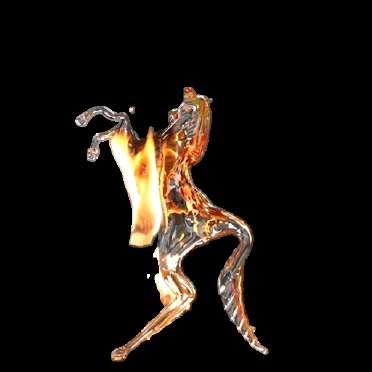
Today’s handmade glass is shaped by skilled men and women who value uniqueness over the uniformity of Roman glass production Techniques like casting, lampworking, and flameworking allow for intricate designs and vibrant colors Unlike factory-made glass, handmade pieces showcase organic imperfections that highlight their authenticity and show a glimpse into the mind of the creator. Modern glassmakers often draw inspiration from ancient styles, honoring the past while pushing artistic boundaries
The glassblowing capital of the world is the Venetian island of Murano, Italy. In 1291, Venice ordered all glass makers to move to Murano to reduce the risk of potential fires
Roman glass and modern glass may differ in technique and purpose, but both reflect the timeless human desire to create something from dust Whether in ancient kilns or modern workplaces, glassblowing remains a powerful form of cultural and artistic expression. By comparing these eras, we see how tradition and innovation continue to shape the enduring craft

THE GRAMMAR GAMBIT
The first week of teaching is often described as a trial by fire For Mr Chris Valens, it felt more like a trial by grammar As the newest Latin teacher at Upper Dublin High School, he had imagined himself standing before a group of curious, eager minds students hungry to explore the roots of language, the logic of declensions, and the poetry of Cicero Instead, on a chilly October morning, he found himself facing a room of glazed eyes, restless pencils, and the kind of silence that meant not awe, but confusion. The culprit? Passive periphrastic, a Latin grammatical structure that had defeated generations of students and, apparently, one brand-new teacher
Valens had prepared meticulously. His PowerPoint slides were color-coded, his examples drawn from authentic Roman texts, and his enthusiasm unshakeable at least for the first ten minutes But as he explained, “Passive periphrastic expresses necessity or obligation, using the gerundive and a form of esse,” comprehension slid from his students’ faces like sand through a sieve He knew he was losing them What he didn’t yet know was that this failure would lead to his most significant breakthrough as a teacher.
By the third day of struggling with the topic, Valens’s classroom felt like a battlefield littered with half-erased Latin verbs and abandoned notebooks.
He pointed at the board: Carthago delenda est
“Carthage must be destroyed,” he translated. A few heads nodded, but most of the students were staring at their desks A boy in the back whispered that Carthage sounded like a Pokémon
“Right,” Valens said, pretending not to hear. “Now what makes this sentence a passive periphrastic?”
Silence
He tried again. “We have delenda, a gerundive meaning ‘to be destroyed ’ And est, our helping verb Together, they form the sense of necessity: it must be done ”
Still nothing.
Valens felt that old creeping panic the one that had haunted him through graduate school seminars and practice teaching Glancing at the clock, he realized only fifteen minutes had passed forty-five more to go. He tried diagrams, mnemonics, even jokes (“You could say the Romans were passiveaggressively periphrastic!”) The class groaned.
Afterward, in the empty teacher’s lounge, Valens slumped into a chair Across the room, the French teacher, Ms Duval, sipped coffee and raised an eyebrow.
“Tough day?”
“They think gerundive is a Pokémon,” he said, sighing.
She smiled “Maybe you’re overexplaining Kids remember rhythms more than rules Give them a beat La musique, c'est la vie Grammar is a cadence with logic "
“A beat?”
“Yes, a chant Something to feel Grammar is music with logic ”
Her words stuck. That night, Valens sat at his kitchen table with his notes spread out like battle plans After scribbling and crossing out phrases until around midnight, inspiration finally struck He knew he needed something

“I need a modus operandi–the way of operating–to get them engaged and to understand,” he thought
He started to think about what kids like and what he would hear them talk about But he could never hear them because of the ruckus in the hall, like someone was drumming on the lockers. Then it came to him. He grabbed his pen and wrote:
“Gerundive + esse = it must be!”
It wasn’t perfect, but it had a pulse He clapped the beat three syllables, pause, two syllables, pause, emphatic ending.
Then he added a call and response:
Teacher: What must be?
Class: It must be done!
He smiled It sounded silly but it might just work
The next morning, he entered his classroom with a strange sense of confidence. The students, half-awake and resigned, opened their notebooks
“Alright,” he said, “forget the PowerPoint Today we’re doing something different.”
He wrote on the board in large letters:
PASSIVE PERIPHRASTIC CHANT
“Stand up,” he ordered. The class blinked, confused.
He clapped at a slow tempo “Repeat after me ”
“Gerundive plus esse ”
“It must be!”
He pointed to the sentence on the board: Carthago delenda est.
“So,” he said, “what’s the gerundive?”
“Delenda!” several voices shouted
“And esse?”
“Est!”
“And what does that mean?”
“It must be!” they answered in unison, their tone growing louder, more confident.
He grinned “Now, put it together what does Carthago delenda est mean?”
“Carthage must be destroyed!” they shouted, the song echoing off the walls “Lex observanda est!"
Something clicked. For the first time, their eyes lit up. This song gave them a foothold a simple, rhythmic rule that turned abstract grammar into something alive, almost physical Latin was never meant to be sterile on a page it was meant to be heard, recited, and felt, just as the Romans had sung their poetry and shouted their laws. They were finally starting to get that, and Valens was overjoyed
Over the next week, the chorus spread. Valens adapted it for different examples:
“Pax servanda est! Peace must be preserved!”
“Lex observanda est! The law must be obeyed!”
KEYSTONE
The students began inventing their own. During group work, he overheard one whisper, “Hey, does this fit the chant?” Another doodled “Gerundive + esse = it must be!” in bubble letters across her notebook cover
The classroom transformed from quiet confusion to controlled chaos a kind of chaos that was good Valens walked among the desks, correcting gently, guiding their flow
On quiz day, he was nervous. But as he handed out the papers, he noticed something extraordinary A few students were silently mouthing the melody before answering When the results were returned, the class average had increased by nearly 20 points.
At the next faculty meeting, Ms Duval smirked at him from across the table “So, the beat worked?”
“You could say,” he said, laughing, “I finally found my rhythm ”
The story didn’t end there Word of his “Grammar Gambit,” as the students dubbed it, spread through the school. Other teachers began experimenting with chants “Les adjectifs s’accordent!” for French, “Sum is to be!” for English verb forms The hallways echoed with snippets of grammar set to a cadence
But for Valens, the song meant more than improved test scores It represented a transformation in his teaching philosophy He realized that understanding isn’t always born from analysis or logic alone it often comes from sound, motion, and emotion. The passive periphrastic, once a terrifying wall of Latin complexity, had become a doorway into joy
Months later, as spring sunlight poured through the classroom windows, Valens stood before his students once more. They were translating a passage from Livy and encountered yet another periphrastic construction Before he could even open his mouth, one of them clapped twice and began the chant:
“Gerundive plus esse ”
“It must be!”
The chant began as a timid whisper, but swelled into a confident, percussive chorus, vibrating with the collective virtues of understanding
He didn’t need to explain anymore. They understood deeply, instinctively.
After class, he sat at his desk, reflecting on the journey. Teaching Latin had always seemed to him like carefully brushing away layers of earth to uncover ancient ruins slow, painstaking, and full of hidden meaning that could easily be missed or misinterpreted. But in the melody, in the simple rhythm that bridged logic and music, he’d found something timeless. The Romans, after all, had sung their poetry Their language was never meant to be sterile on a page it was meant to live
For Valens, the moment of invention the instant he clapped his hands and the class responded was more than a teaching trick It was a reminder of why he’d become a teacher in the first place: to make meaning resonate Grammar, he realized, is not just a set of rules it’s a rhythm waiting to be heard.
As he packed his books at the end of the day, a voice from the hallway called out:
“Hey, Mr Valens! Gerundive plus esse ”
He grinned. “Sic, ita! It must be!” he replied.
And for once, grammar didn’t feel like a chore It felt like music
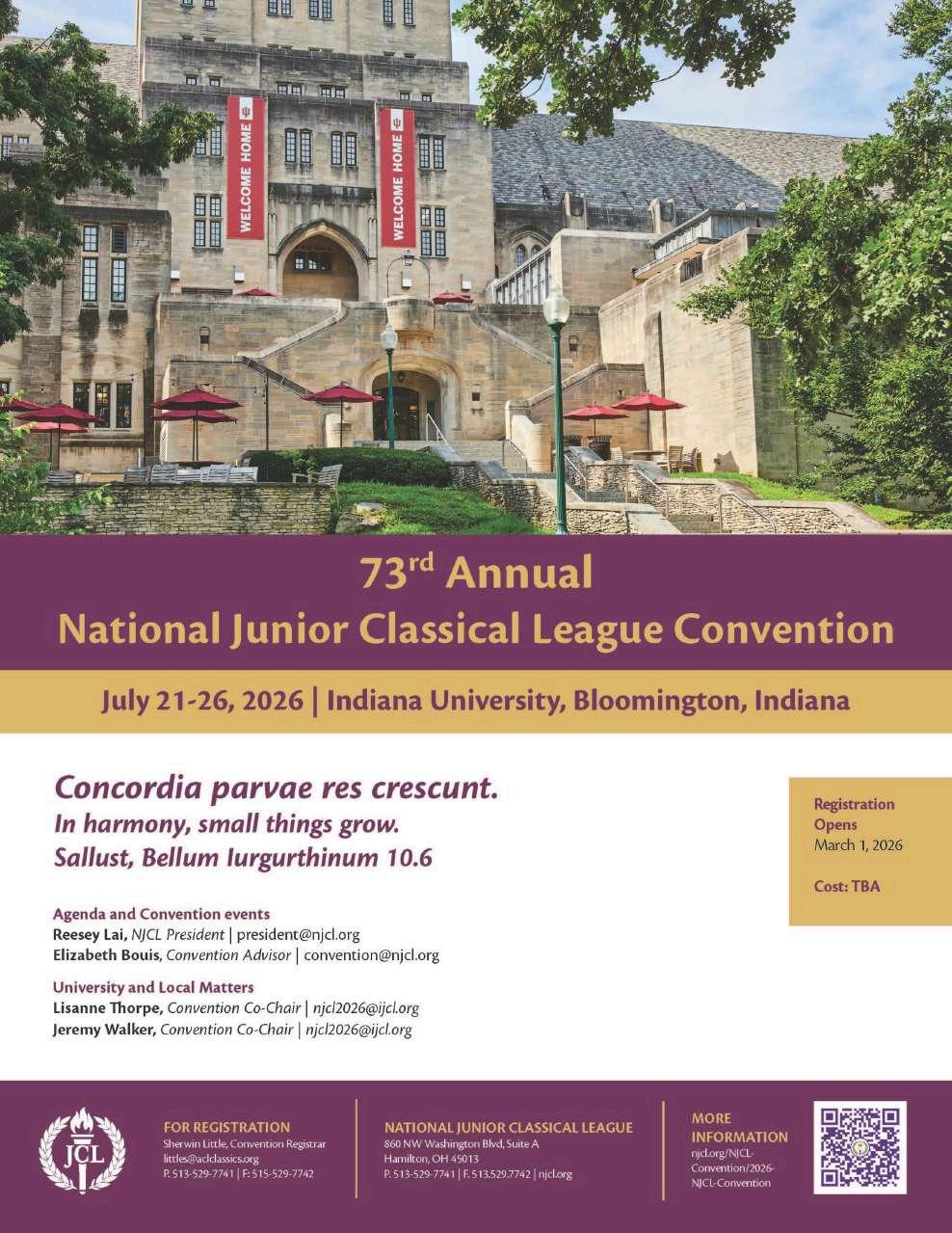
HTTPS://TINYURL COM/PAJCL
STATE OFFICERS
PRESIDENT
CHRISTOPHER CHANG
VICE PRESIDENT PUBLIC RELATIONS
OLIVIA LEE
VICE PRESIDENT MEMBERSHIP
ALEENA MARTINO
SECRETARY
OLIVIA MORICONI
PARLIAMENTARIAN
SOHUM BANDYOPADHYAY
KEYSTONE EDITOR
SILVIA KAUR KANG
CHAIRPERSON
VERONICA VLADIMIROVA-CAMBRIA
COMMUNICATIONS CHAIR
QUINN MCINTIRE
CONSTITUTION CHAIR & TREASURER
KARIN SUZADAIL
PUBLICATIONS CHAIR
TRACI DOUGHERTY
PAST CHAIRPERSON
RYAN ZEITZER
CERTAMEN CHAIR
SARA FLOUNDERS
KEYSTONE
is the official publication of the Pennsylvania Junior Classical League (PAJCL). It serves as a platform for informing, inspiring, and connecting members through engaging content that celebrates the study of Latin, Greek, and classical civilizations.
Featuring chapter news, event recaps, contest results, and student submissions, including educational articles, artwork, and more The Keystone highlights the achievements and voices of PAJCL members while fostering a shared love for the classics
WHY JOIN?
Joining the Pennsylvania Junior Classical League (PAJCL) offers students a wealth of opportunities to engage with Latin, Greek, and classical civilizations in meaningful and exciting ways.
Through leadership roles, service projects, and participation in events like the annual PAJCL Convention, members develop valuable skills in teamwork, communication, and organization Our vibrant community of like-minded peers allows students to build friendships and connections across the state
For those who seek to deepen their passion for the classics, PAJCL offers a keystone to learning, leadership, and lifelong inspiration