KEYSTONE PENNSYLVANIA
EXPLORING ANCIENT CULTURES AND MODERN CONNECTIONS
EDITOR-IN-CHIEF
SILVIIA KAUR KANG
MANAGING EDITORS
JOY BECKISH
ANDREW CICALESE
MAYA GAVRIN
EDEN JOSEPF
AVA MORICONI
ANRUI XU
CONTENT DIRECTOR
TRACI DOUGHERTY
ART DIRECTOR
ARLO DALGARNO PLATT
CONTRIBUTING LEADERSHIP
VERONICA VLADIMIROVACAMBRIA
CHRISTOPHER CHANG
SILVIA KAUR KANG
CONTRIBUTING WRITERS
SHAYAN ASKARI
LOGAN BALACKI
GREY DAYLOR
MAYA GAVRIN
JACEN GLASSMAN
LAILA KANE
SILVIA KAUR KANG
MORGAN KEATON
JOHN KLEPONIS
JACOB LUPOTSKY
LILY MATSUURA
OLIVIA MORICONI
JANIYA MYERS
PACEY NERI
MASON STILES
Dear Latin Community,
As another season of PAJCL begins, I’m thrilled to share this issue of Keystone. Each edition reminds me how creative and passionate our students are, and this one truly celebrates the many ways the ancient world continues to inspire us.
Inside, you’ll find everything from emoji myth challenges and Latin cat mottos to articles exploring Roman hairstyles, ancient medicine, and the timeless story of Prometheus Our writers also connect Classics to today through pieces on currency, modern music, and even the Latin roots behind Harry Potter spells
We’re proud to feature student creativity, from original Latin to a range of thoughtful student pieces These works show how Classics invites both scholarship and imagination.
Every contribution in this issue proves that Classical studies remain vibrant and relevant in the hands of today’s students. I hope you enjoy reading as much as we enjoyed creating it


Gratias, SILVIA KANG
PAJCL KEYSTONE EDITOR
FALL FEST
Experience a lively autumn celebration at Sandy Run Enjoy contests, games, and unforgettable moments with a Roman reenactor.
Compare ancient Roman hairstyling traditions with today’s TikTok trends See how timeless techniques stack up against modern viral styles
Test your mythological knowledge with the Emoji Challenge and a classic meme Find Rome’s founding terms in a quick word search.
Explore how Prometheus defied the gods to help humanity Discover why his myth symbolizes courage and sacrifice.
Discover how ancient Roman jewelry inspires today’s trendy dupes Uncover timeless designs that still shine in modern fashion.
Enjoy the lighter side of Greek mythology through the chaotic tale of Bellerophon Discover how even the gods relied on comedic relief.
Salvete Omnes,
My name is Christopher Chang, the current PAJCL President. I am greatly looking forward to leading the PAJCL student board through the upcoming school year 2025-2026
Significant progress has already been made in planning state events and preparing for the Convention in May We plan to hold more PAJCL-sponsored events, such as the Saturnalia and Lupercalia festivals, which have not been held previously, and to host a statewide service project that all members of the PAJCL can participate in
We have also been exploring ways to increase student inclusion before the Convention through public board meetings and potentially more officer positions in the future
With a whole cabinet of hardworking student officers and a strong team of executives, and if everyone in the state puts forth their best effort, we can make this the best year for the PAJCL.

Gratias Vobis et Valete, CHRISTOPHER CHANG PAJCL PRESIDENT
Investigate a powerful Latin tale that follows a Spartan helot’s fight for knowledge and freedom. Trace the blend of history and creativity that brings this student story to life
Analyze the cosmic themes and emotional depth behind Starset’s “Ad Astra ” Explore how space-inspired imagery shapes the song’s futuristic sound.
Examine Celsus’ early medical advice and misconceptions Reveal how ancient ideas shaped later medical knowledge
Investigate how ancient surgeons performed risky procedures with limited tools Learn how their early techniques shaped later medical practice
Explore the rise, decline, and lasting influence of Roman currency across history. Uncover how a simple coin became a lasting legacy
Discover the hidden meanings behind Rowling’s most iconic magical incantations. Uncover how classical language shapes spells

PAJCL FALL FEST
NJCL ETYMOLOGY EXAM
NJCL ROMAN CIVILIZATION EXAM
YALE CERTAMEN
PCS FALL PROFESSIONAL DAY
Salvete,
“The
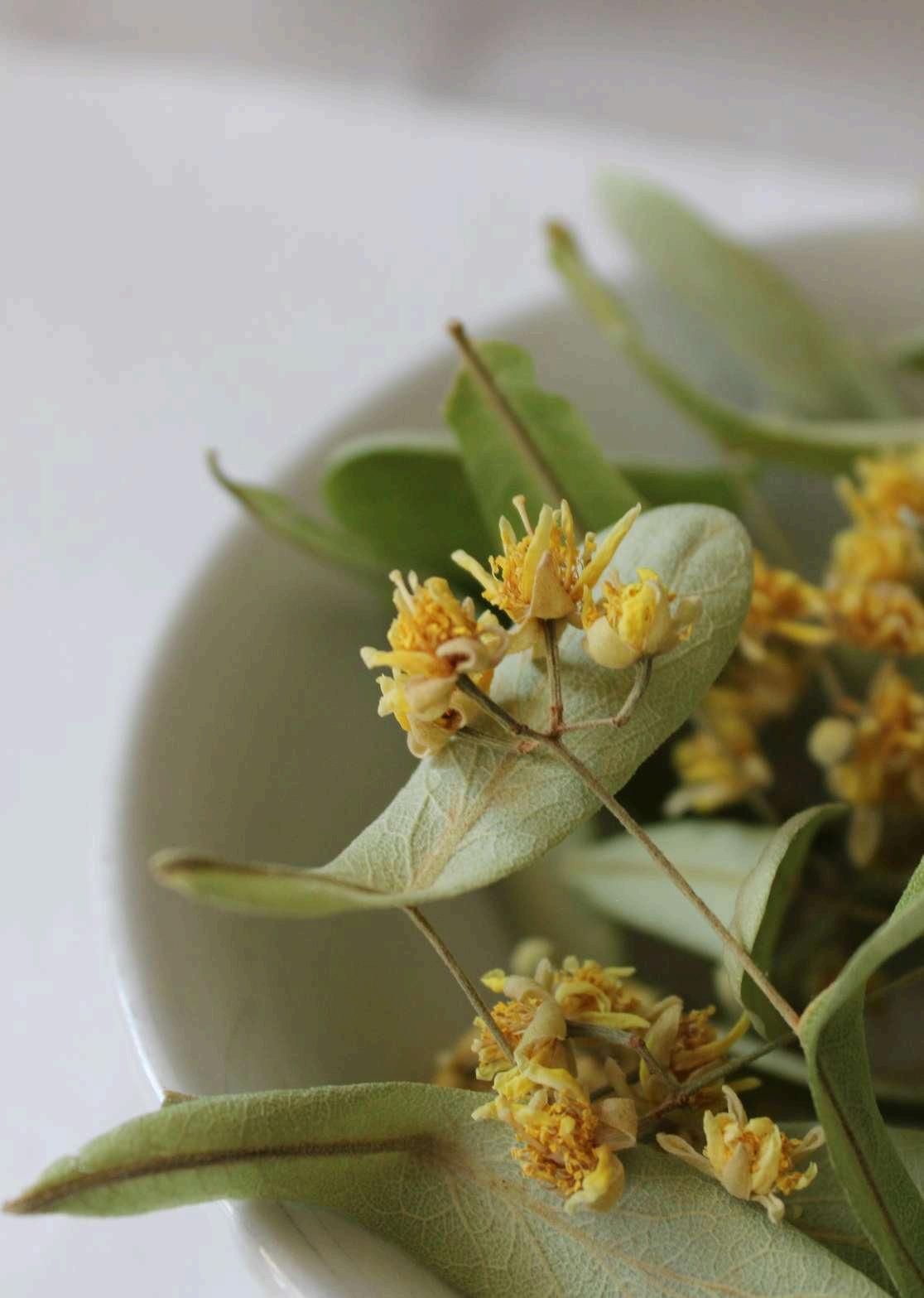
blooming time of the linden tree.... ...is brief.”
For a few days each spring, its fragrance fills the air, bees gather nectar for honey, and foragers dry the blossoms to brew tea that will comfort them in winter For me, the scent of the lipa has always been a reminder of home in Russia. And yet, in a way I never expected, I found that very same fragrance in one of the most unlikely of places - Penn State University.
The scent is the strongest in the evenings, when walking back from the entertainment show to the dorms, when the air is cooler and the excitement of the day still lingers In those moments, the linden’s scent blends with other memories that will never fade: the rush of the first spirit contest, the first sail in the sea of togas at the Bryce Jordan Center, the first taste of Peachy Paterno ice cream, the pride of a first award These are the small but unforgettable things that stay with you forever, wherever life carries you
When I first entered the JCL community nearly two decades ago, I was both an outsider and a learner As a child of the Soviet era and a graduate of Moscow State University, the PAJCL convention at Penn State was my first real experience of American student life I expected it to resemble the single Hollywood film we were once allowed to see -Legally Blonde. But the reality was different: stark dorms, echoing hallways, common showers. Yet none of that stayed in my memory for long. It all faded quickly in the light of something far more powerful that I discovered instead - the spark of spirit, tradition, and friendship.
Since then, geography has carried me through several counties and school districts across Pennsylvania, but I have always found myself returning to that same spark Learning has been my constant, both as a student and as a teacher Traditions have anchored me, giving each new year stability and meaning
Now, as PAJCL Chairperson, I hope to pass that spark on. I want every student and teacher to find their own “linden moments”: the fragrance, the taste, the first victory, the lasting memory. Our time together during Convention may be brief, but what we carry from it will remain for years - in our minds, in our hearts, and maybe even in the air around us, softly scented with linden

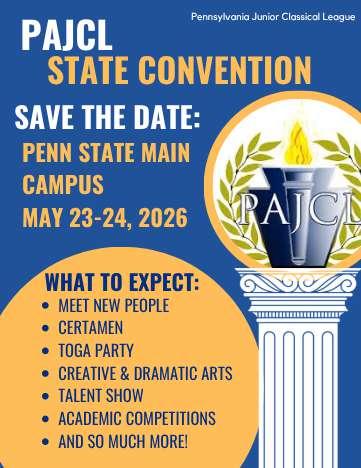
NOVEMBER 17-21, 2025


SOHUM BANDYOPADHYAY
Parliamentarian
WHY DID YOU TAKE LATIN?
II enjoy studying how language itself is configured and comes about This is what drew me to Latin; it is the progenitor of many prevalent modern languages, understanding the mechanics of Latin reveals the inner workings of language itself. The language also interests me because it carries the rich history of the Roman Empire, one of the greatest civilizations the world has ever seen
WHAT’S YOUR TOP MEMORY?
My favorite memory from PAJCL leadership was managing the pretzel and marshmallow building event at Sandy Run Middle School's fall fest this year
CHRISTOPHER CHANG
President
WHY DID YOU TAKE LATIN?
I took Latin because i wanted to get closer to my sister, and i thought it would be more interesting than spanish and french. i continued to take latin because of how great my 7 grade teacher was, and i am very happy that i did th
WHAT’S YOUR TOP MEMORY?
My top memory is from 2025 convention when i was directing the talent show with my fellow OFFICERS overall, that convention was my favorite memory but i especially enjoyed the talent show

OLIVIA LEE
Vice President
WHY DID YOU TAKE LATIN?
My old school taught only Latin since 2nd grade, so I decided to continue in high school i loved mythology, connections to modern society, and the people i met, and couldn’t imagine taking another language
WHAT’S YOUR TOP MEMORY?
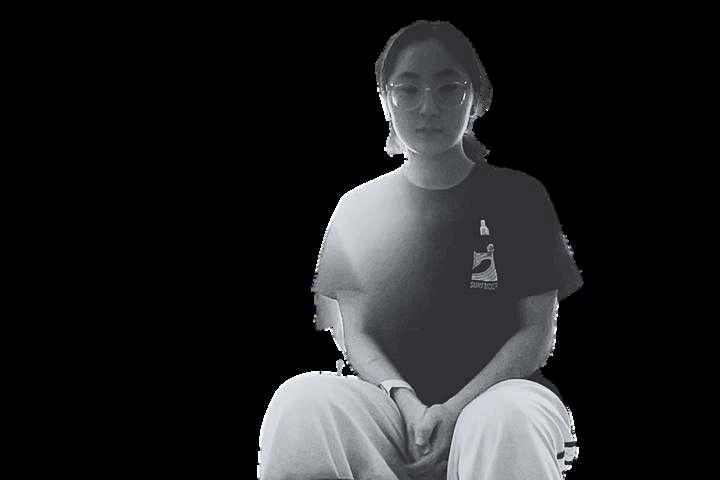
working with PAJCL members from many schools on social media videos! it’s so much fun to see the excitement and dedication all of our
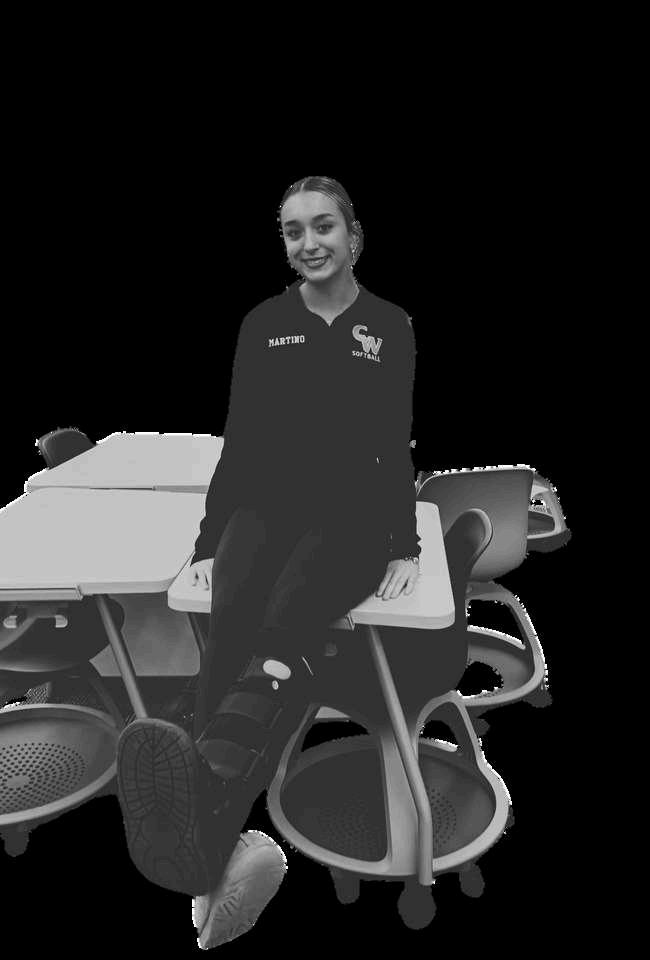
ALEENA MARTINO
Vice President
WHY DID YOU TAKE LATIN?
en obsessed with history since I started to read in kindergarten, ing with Magic Treehouse books nd then Percy Jackson in middle ol When I got to high school and nd out Latin was an option for a age, I was so excited to tie in my love of history and mythology.
WHAT’S YOUR TOP MEMORY?
hman year school Latin club trip to the Baltimore Aquarium ophomore year trip to the Penn Museum
OLIVIA MORICONI
Secretary
WHY DID YOU TAKE LATIN?
I studied Latin because I enjoy learning about ancient Roman/Greek history, and I thought Latin would give me more insight into how the language developed I also enjoyed the class & the teacher throughout middle school, so I continued to take it! It’s also a great base language that I can use to apply to other languages that I may take in the future
WHAT’S YOUR TOP MEMORY?
Going to all the Latin club meetings & events such as Fall Fest & Saturnalia!


KANG
Keystone Editor
WHY DID YOU TAKE LATIN?
WIth a deep interest in classics and languages, notably Spanish and Latin, I love exploring the overlap of my subjects and aim to connect others to these fields Studying Latin inspired me to share those voices more widely, through writing, and projects that celebrate stories Latin isn’t just A SUBJECT; it’s where my love for words meets history and humanity
WHAT’S YOUR TOP MEMORY?
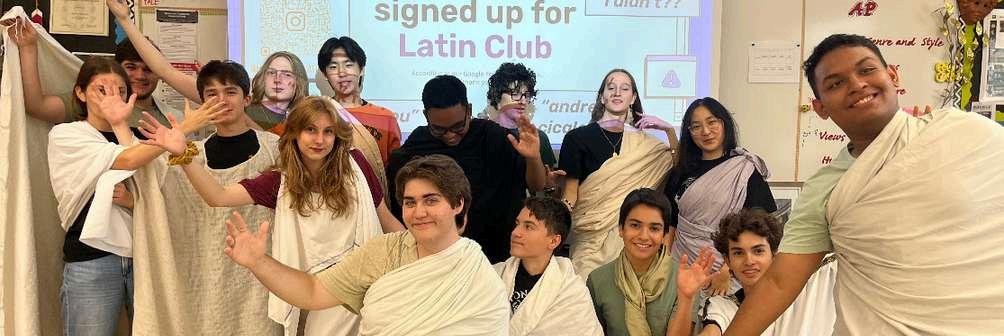
The toga-march to the elaborate roman buffet at the state convention
2025 | ISSUE NO 5
https://latinleague.org
Upper Dublin Brings Classical Culture to Life at Regional Fall Fest
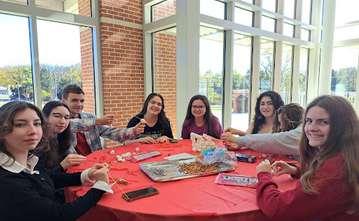
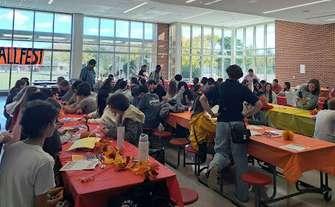
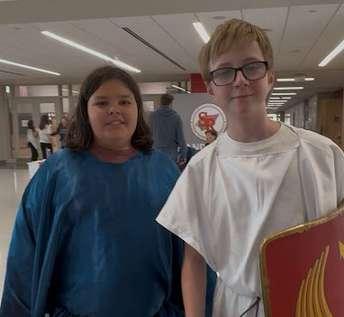
Latin students from ten schools across Pennsylvania came together at Sandy Run Middle School for this year’s PAJCL/UDJCL Fall Fest a full day of fun, learning, and Latin spirit!
Over 100 students attended, including newcomers from Germantown Academy and Harriton High School, who were eager to join in on the tradition
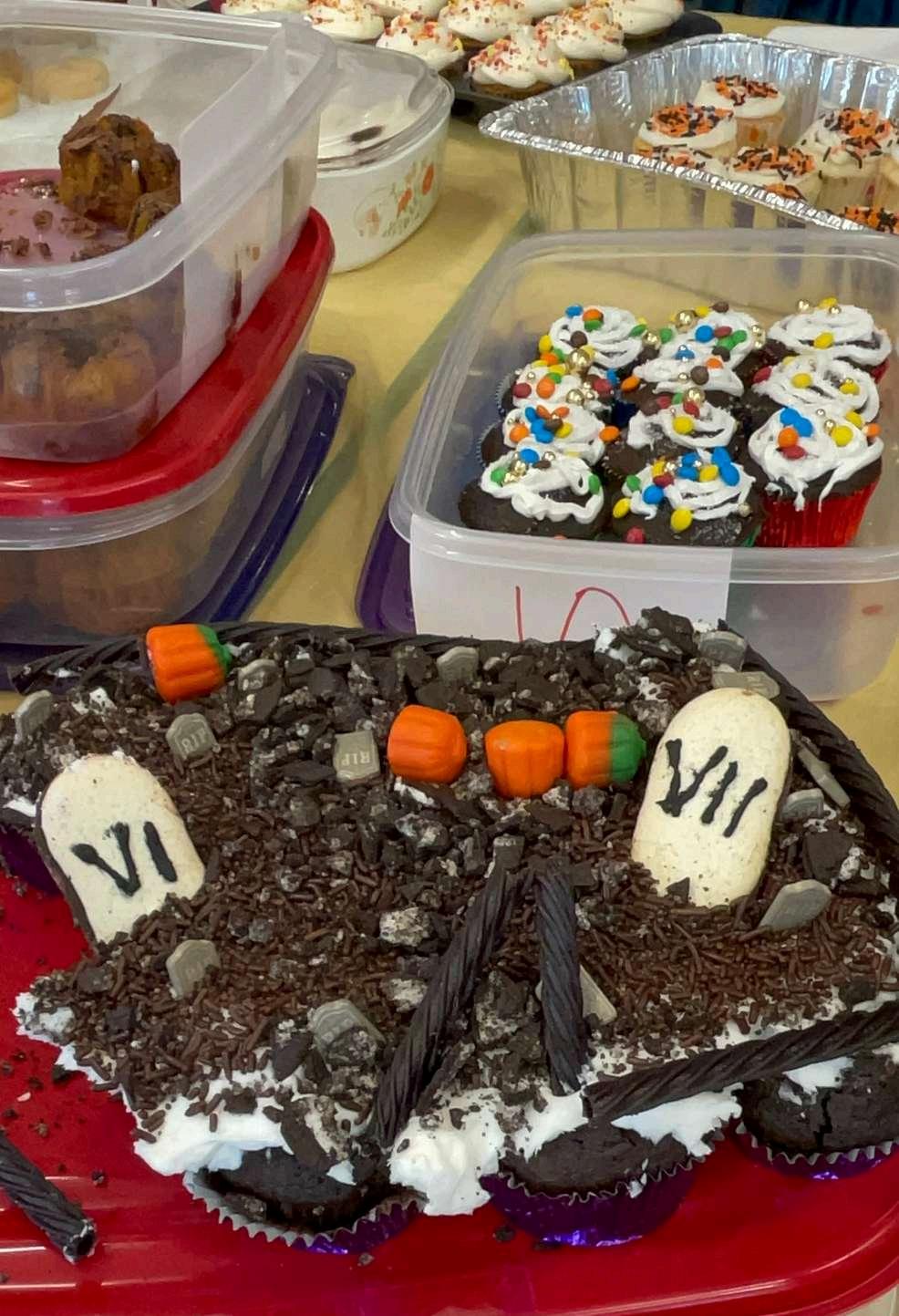
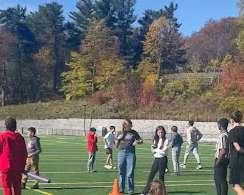
The event was packed with activities celebrating classical culture and community Students competed in fast-paced Certamen matches, showcased their creativity in Cupcake Wars (with more than 150 entries!), and even experienced ancient Roman arenas through an Oculus VR simulation that brought history to life.
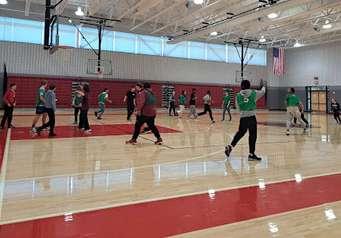
Upper Dublin students had an incredible showing, taking home 1st place in Advanced Certamen and winning both the People’s Choice and Judges’ Choice awards in Cupcake Wars, thanks to 8th-grader Tori’s winning creation Teams also placed 1st in Certamen at SRMS and 3rd at UDHS Morgan K and Stephen S joined the winning mythology skit team another proud achievement for our Latin community. Of course, the day wouldn’t be complete without some friendly competition chariot races and Ultimate Frisbee kept the energy high and the cheers loud all afternoon.
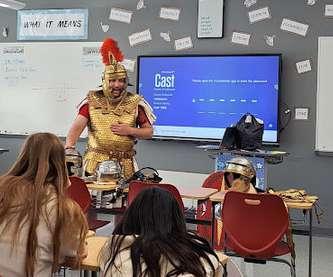
“The re-enactor made history feel real—like I was actually there.”
A Roman Centurion and local teacher describes his experience in historical reenactment
All attendees sit in the SRMS Cafeteria as they listen to the Opening Ceremonies.
Students making food art sculptures while learning about Equus October.
This year’s Fall Fest introduced exciting additions and upgrades that made the day even more dynamic:
Group Photos: Captured before & after
New Activity Track: Offered Kahoots
Fourth Activity Block: Added more time
First Adult Guest Speaker: Mr. Castangna shared insights on Roman soldier gear and reenactments
Mini Quizzes: Quick challenges in Kahoot
Certamen Level Split: Fairer matches
More Middle Schools: Grade 6-8 focus VR Gladiator Arena: Oculus simulation that placed students inside the arena.
Chariot Racing: A perfect mix of ancient tradition and modern fun
Student leaders from PAJCL and UDJCL played a significant role in ensuring the day ran smoothly and memorably
Officers coordinated lunch distribution, kept events on schedule, and energized participants throughout the day They also served as judges for the mythology skits, blending fairness and fun into one of the festival’s most creative events
CHAPTER EVENTS
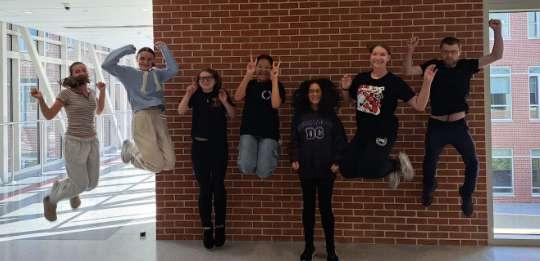
One of the standout moments was the school spirit boost from Clyde the Cardinal’s surprise appearance, which set an enthusiastic tone early on Leaders also helped organize the Cornucopia build for Equus October
For attendees, Fall Fest was packed with experiences that brought classical learning to life Mr Castanga’s Roman soldier demonstration was a fan favorite, offering a hands-on look at authentic armor and the daily life of Roman soldiers Outside, Olympic-style relays and chariot races filled the field with cheers and laughter, turning Sandy Run’s campus into a modern-day arena. Inside, the cafeteria buzzed with energy as students from across Pennsylvania connected, shared stories, and made new friends.
Many enjoyed crafting and taking photos during the Cornucopia build, which provided a creative, relaxed break between competitions. Together, these moments captured what Fall Fest is all about community, curiosity, and the joy of learning Latin in action
The Upper Dublin Latin program is already looking forward to next year’s festival, eager for another unforgettable day of friendship and spiritus Latinus!

GAME: EMOJI CHALLENGE
Think you can read myths in a modern way? In this puzzle, five little pictures hide some of the greatest names from Greek and Roman legend Each row of emojis tells the story of a different hero their trials, symbols, or most famous adventures but without using a single word Your challenge is to decode which figure each set of emojis represents Answer key next page.

MEME: LATIN MOTTOS
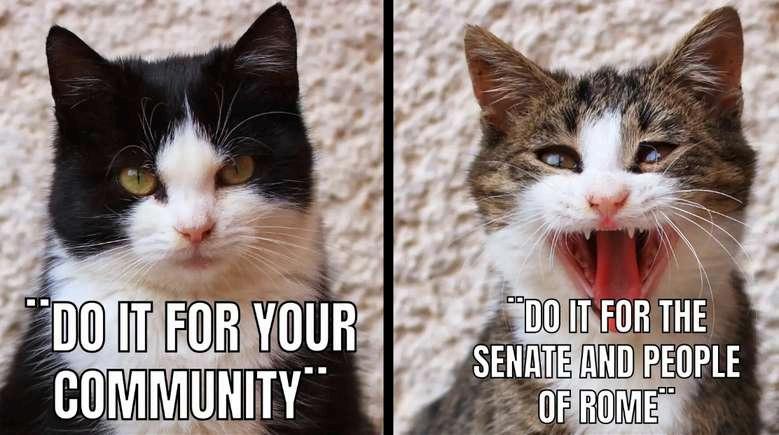
We've all been there: staring at an assignment, trying to psych ourselves up for a study session, or getting up for that 7 a.m. practice. What do we tell ourselves? Luckily, our dedicated Classics students know the answer to true motivation If you really want to achieve greatness, you need to channel the spirit of an empire!
KEYSTONE
WORDSEARCH: FOUNDING OF ROME
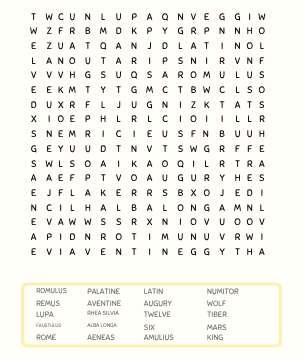
Long before Caesar and emperors, the greatest city in the ancient world began with a basket, a wolf, and a fatal quarrel between twin brothers. Step back to 753 B.C. and relive the legendary origin story of Rome!
Directions:
The words in the puzzle may be hidden horizontally, vertically, diagonally, forward, or backward.
Circle discovered words and cross them off the list when you've found them
5 enohpesreP - ehT seulc ebircsed reh :htym eht rewolF ehs saw gnikcip nehw ,detcudba eht etanargemoP sdeeS ehs ,eta dna reh elor sa eht neeuQ fo eht daeD ni eht .dlrowrednU hcraeSdroW noituloS
4 suesreP - ehT seulc ecnerefer eht eniviD stfiG paC( fo ,ytilibisivnI gniylf )sladnas dna sih ,drawer eht layoR egairraM ot ,ademordnA gnivom dnoyeb tsuj s'asudeM daeh
3 suessydO - ehT seulc thgilhgih sih suomaf sretnuocne dna :snoitpeced gninrut nem otni eniwS ,)ecriC( eht dlrowrednU ecifircaS ot klat ot eht ,daed dna eht sneriS eht( gniraeh .)eulc
2 selucreH - ehT seulc sucof no ,cificeps suoivbo-ssel stnemele fo sih :yrots eht ssendaM s'areH( )esruc dna eht naterC lluB eno( fo eht evlewT )srobaL
ynitsed ot dnuof eht layor enil ni ylatI ehT nos-rehtaf eulc si laicurc
.1saeneA - ehT seulc refer ot eht llaf fo yorT ,)elpmeT/eriF( s'saeneA ytud (sateip,) dna sih
ijomE egnellahC rewsnA yeK

ACROSS THE STATE
As autumn leaves fall, PAJCL chapters across the state have been bustling with creativity, camaraderie, and festive spirit. These fall festivities highlight the joy, imagination, and enduring community that make classical studies come alive in modern student life.
KEYSTONE
Sandy Run Middle School had an incredible start to the fall, focusing on fun, community, and classical culture Our calendar was packed with engaging events designed to build chapter spirit!
We kicked things off with a fantastic Club Ice Cream Social meeting, where new and returning members mingled, made new friends, and debated their favorite Greek gods over scoops of ice cream Next, everyone showed amazing school and club pride with our successful Latin Club T-shirt Fundraiser Members didn't just get great spirit wear they got to personalize their shirts with custom iron decals celebrating the events they attended throughout the year! Finally, as the weather cooled, our artists shone during the festive Club Pumpkin Painting meeting, channeling the creativity of ancient Roman mosaic art.
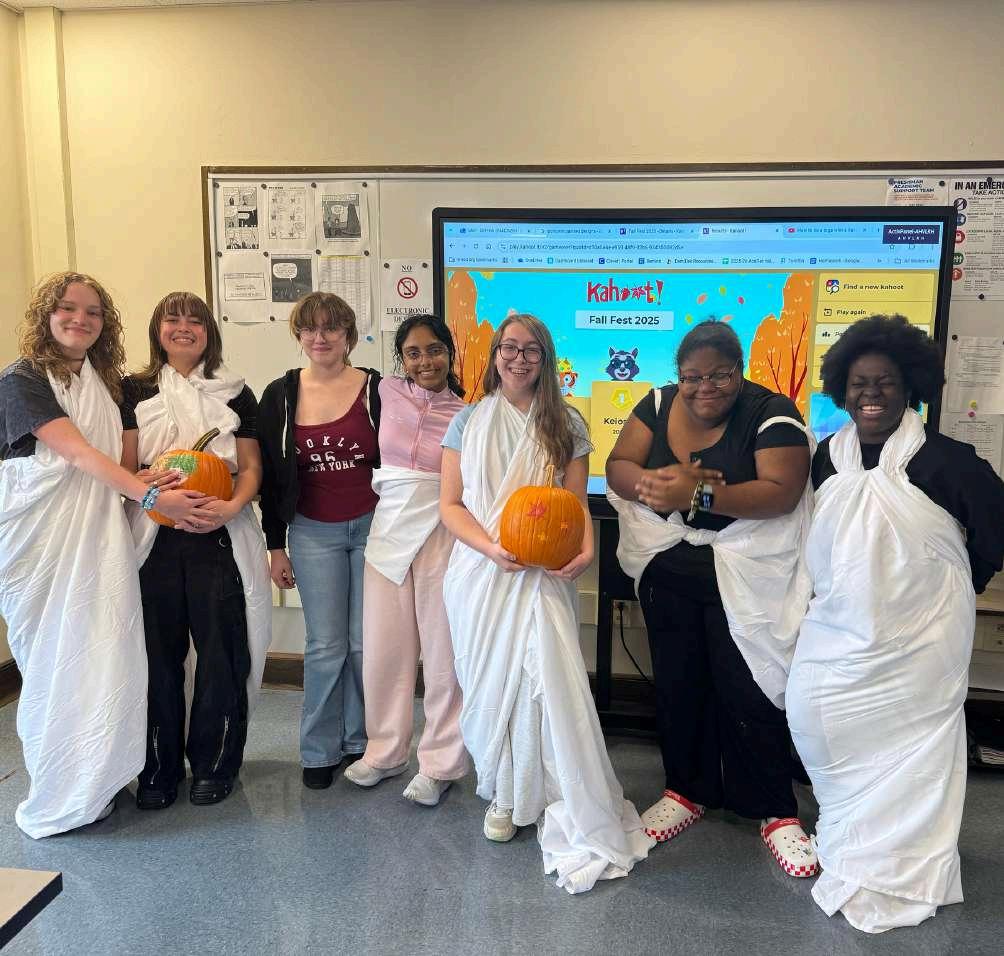
The Latin Club at Northwest Pennsylvania Collegiate Academy is building a vibrant and enduring chapter Guided by co-presidents Silvia and Ellie, and officially ‘winged’ just last year, the club continues to grow through engaging meetings and creative outreach. The Ancient Roman Cheesecake Social brought students together and set the tone for the year The club hosted its first Fall Festival, celebrating the Classics with togas, pumpkin painting, a Kahoot, and an Ancient Roman word-search. Students had a fantastic time, and the event was a wonderful success, thanks to everyone who joined in!
WHEN AN WENT “
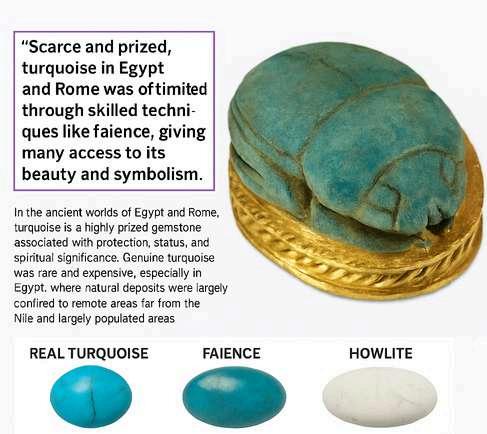
In the ancient worlds of Egypt and R turquoise was a highly prized gemst associated with protection, status, a significance. However, genuine turq rare and expensive, especially in Eg natural deposits were largely confin remote areas far from the Nile and l populated areas.
In response to this scarcity and the demand for the stone, both Egyptian Romans developed various method imitation turquoise These imitations broader access to the gemstone’s d appearance without the cost or diffic obtaining the real material The Egy especially skilled in the creation of f glazed earthenware, clay or earth g fired with polished glass, made by c crushed quartz, clay, or sand with a salts, dyes, and oxidized copper po fired and melted together, this mixtu produced a glossy, blue-green surfa closely resembled real turquoise
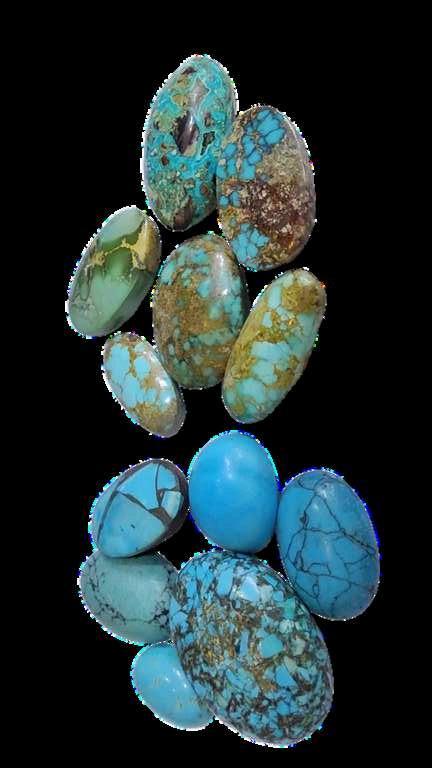
Faience was used extensively for beads, amulets, and decorative objects, offering both beauty and symbolic meaning In Ancient Rome, artisans used glass and ceramics to craft convincing fakes. They could be tinted with mineral pigments, shaped, and polished to match the look and color of turquoise Additionally, the mineral howlite, a naturally white, porous stone, has long been used as a turquoise substitute due to its ability to absorb dyes, making it ideal for achieving the turquoise aesthetic at a much lower cost.
Egyptian faience is sometimes called the world‘s first synthetic material, as it predates glass by centuries Not only was it used to imitate turquoise, but it was also used to imitate stones such as lapis and malachite
In Egypt, turquoise as associated with the goddess of love, Hathor For example, amulets of real turquoise or faience imitations were believed to grant divine protection, especially in childbirth and the afterlife
The widespread use of imitation turquoise not only made the gemstone's visual appeal more accessible but also reflected the ingenuity of ancient artisans in overcoming material limitations that plagued their time.
Today, geologists use various methods to differentiate genuine turquoise from its imitations, including examining surface texture, color consistency, internal structure, and chemical composition. Genuine turquoise typically has a pale blue color with natural veining, while imitations from ancient times tend to show uniform coloring and may exhibit granular texture, slight transparency in certain areas, or an artificial appearance under magnification or examination.
The creation of imitation turquoise in antiquity highlights the enduring human desire for beauty and symbolism, as well as early advancements in material technology that allowed ancient cultures to replicate nature with remarkable skill.
“Scarce and prized, turquoise in Egypt and Rome was often imitated through skilled techniques like faience, giving many access to its beauty and symbolism.”
HAIRSTYLES THROUGH THE AGES: ROMAN BRAIDS VS. TIKTOK TRENDS
Hairstyles have always been more than looks; they are a reflection of culture, identity, and even rebellion. From the intricate braids of ancient Romans to the viral styles blowing up on TikTok, the way we wear our hair tells a story about who we are and the times we live in Exploring these trends reveals how fashion evolves and how history continues to influence what is trending today.
Ancient Hairstyles
In ancient Rome and Greece, hairstyles were a symbol of social status and wealth. Elaborate braids and curls were worn by noblewomen, often styled by slaves or hairdressers Hairstyles also reflected cultural values Greek styles emphasize natural beauty, while Roman styles lean toward more elegant updos.
On the other hand, Roman men kept their hair short and neat They visited barbers daily to maintain their look.
“Across history, hairstyles have reflected human expression and identity.”

Medieval & Renaissance Styles
During the medieval period, women often covered their hair with veils or wimples, which reflected modesty and religious values In contrast, the Renaissance saw a return to elaborate styles Women used wigs, hairpieces, and accessories such as pearls and ribbons to enhance their appearance. Hairstyles became more artistic, with curls, waves, and height symbolizing wealth and sophistication
Victorian Era
Victorian women wore their hair in tight buns or braids Hair was expected to be neat and controlled The Victorian era introduced more volume as the “Gibson Girl” styles became popular. On the contrary, men favored short, slicked-back looks.
20th Century Styles
The flapper era embraced short bobs as a symbol of rebellion and maturity. In the 1950s, Hollywood influenced hairstyles like Marilyn Monroe's curls and Elvis Presley's pompadour

From the 60s to the 80s, hair became a canvas for self-expression as hippies wore their long, straight hair with bangs As the 80s went on, punk mohawks, perms, and hairspray became popular.
Modern Day TikTok Trends & Global Influence
Platforms like TikTok and Instagram have made hair trends go viral overnight. Hairstyles like curtain bangs, wolf cuts, and slicked back buns are the new go-to-looks Thousands of tutorials and influencers have empowered people to experiment with Styles at home Today's trends celebrate cultural heritage, differing gender identities, and sexual orientations This has made hair a powerful form of personal expression
From ancient Roman braids to TikTok’s everchanging trends, hairstyles have always reflected the spirit of their times and are constantly emerging By looking at how hair has evolved, we can better understand how fashion, identity, and culture are constantly shifting.
THE TALE OF PROMETHEUS
In Chapter 12 of Suburani, the Myth of Prometheus, who is a Titan known for defying the Olympic Gods The myth tells of a Titan who defied the gods to help humanity. Prometheus fought for Zeus throughout the war of the Titans versus the Gods In time, he infuriated Zeus by stealing fire from the heavens, the gift of knowledge and civilized humanity
Zeus punished Prometheus by chaining him to a rock and inviting an eagle to dine on his liver forever an agony Prometheus had endured until Herakles rescued him. The Prometheus myth celebrated Prometheus as a paragon of courage (virtus), sacrifice, and quest for knowledge
"Prometheus’s myth endures as a reminder that meaningful change demands courage, sacrifice, and defiance of oppression."
Although Prometheus warned of the cost of going against those in power, his story celebrated those who put themselves at risk for their fellow citizens. Prometheus had a place in Roman writing from philosophic works to literature, where he symbolized the cause of humanity versus the price of rebellion
The myth also plays into Suburani Chapter 12 because it connects to the characters facing difficult ethical decisions, those fighting against tyranny, and those suffering for truth, like Prometheus did for humanity The themes of rebellion, suffering, and costs of knowledge travel throughout the Chapter, reminding the reader the struggle for meaningful change typically requires courage and pain Today, Prometheus teaches us that challenging oppressive regimes, and disseminating knowledge, are often fearful acts of heroic defiance.
His myth teaches us that standing for others, even when faced with consequences, is one of the greatest things a man can do (Crash Course Mythology, Episode 9)
Some versions of the myth involve Prometheus tricking Zeus twice.
First, by giving him the less desirable portion of a sacrificial ox (bones covered with fat), while keeping the valuable meat for humans. Humans got the best part to eat, while the gods only got unedible bits in sacrifices. Then, Prometheus stole fire
KEEPING THINGS LIGHT!
EVEN THE GODS NEEDED COMEDIC RELIEF
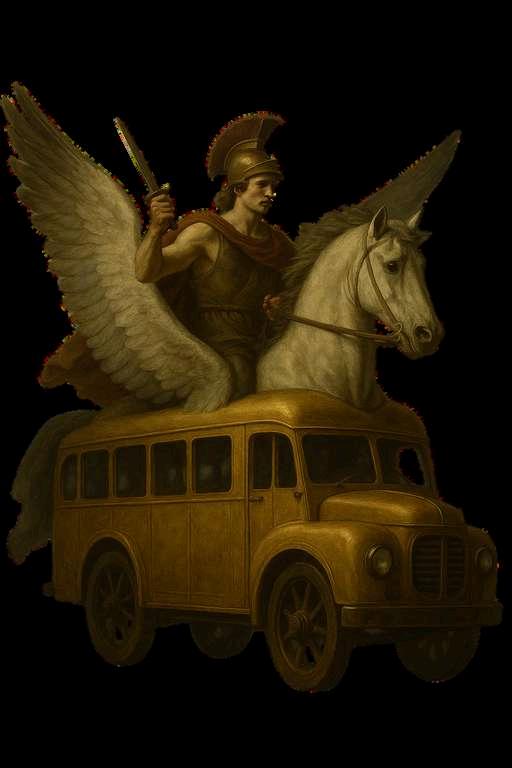
Every great story has one thing in common: a hero
But that’s not what I’m here to talk about. Every hero has something much better that motivates them to be a hero, and that is comedic relief, and Greek and Roman mythology is no exception to this. The most famous time this appeared, actually, was a hero, his name Bellerophon His birth name was Hipponous, but was later changed to Bellerophon because he overcame and slayed an enemy named Belleros Oh wait… Nope, he accidentally murdered him while throwing knives? Oh yeah… This story is off to a great start
Every great story has one thing in common: a hero But that’s not what I’m here to talk about Every hero has something much better that motivates them to be a hero, and that is comedic relief, and Greek and Roman mythology is no exception to this The most famous time this appeared, actually, was a hero, his name… Bellerophon.
Oh wait Nope, he accidentally murdered him while throwing knives?
Oh yeah This story is off to a great start
Hold on, though, it gets better. Bellerophon was the first mortal to be able to ride the immortal pegasus! So cool Right He definitely didn’t let that get to his head… Oh, but wait, he did
“HEY,
WORSE THINGS
DEFINITELY HAPPEN THAN THAT!”
After mounting Pegasus, he decided he was going to fly all the way to Olympus. Why? Well, he thought he was a god, and on the way up, he got smited, but hey, at least we can all look back and laugh at him Now we travel to the darkest part of the underworld, where literal darkness resides, to see the terrifying child it brings forth… Death!
But this isn’t about him I’m here to focus on his brother, Hypnos, the God of Sleep His story isn’t the most impressive, but he gave birth to dreams, and that’s pretty cool, right?
He spent most of his day sleeping on a couch in a dark cave with his sons, the bringers of dreams of animals, men, and inanimate objects.
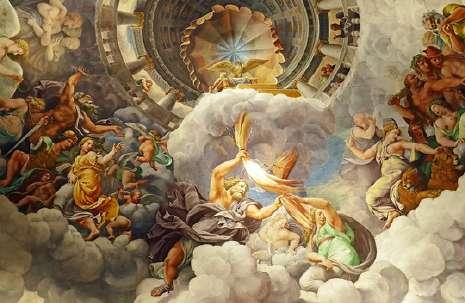
He did, however, decide to be important once. It was the wake of the Trojan war, and violence broke out… even among the Gods
Hera needed to get an advantage over Zeus, so she decided to have Hypnos lull him to sleep so she could intercept Hypnos did as he was told and was gifted a wife Hey, that's not as bad as our arguably worst failure, the god of cheesemaking and beekeeping, starting off great here. Orpheus’s wife Eurydice was off on a date with her husband, but –Aristaeus, whose actions indirectly caused Eurydice’s death – got jealous, so he decided he was going to shoot Orpheus…
What made him think that? I don’t know, but he decided that shooting him would work, but he was a horrible shot. He managed to accidentally kill Orpheus’s wife, because beekeeping, honey, and archery clearly do not mix ”
Orpheus eventually made his way to the underworld, almost saved his wife, but failed on his last step, all because of cheese boy having worse aim than the actual bees So what did we learn through these stories? The answer, no matter where you are or when you are… If you feel like you are unimportant in the story You may just be comedic relief
CARMEN LATINUM
About the literary work:
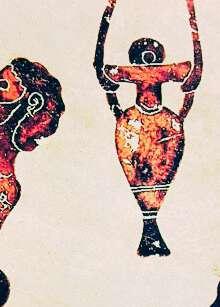
This story is about a Spartan slave who doesn’t play by the book in his daily life It features historical terms and events from both ancient Greek and Roman daily life, and it also shows how perseverance and faith can overcome even the harshest conditions in the ancient world. My goal with this story was to make it informative and inspirational through memorable historical events, such as the ancient Spartan drinking ritual for helots, while showing how one should trust their instincts to overcome adversity
CARMEN LATINUM
1.Olim erat servus Lacedaemonius quī semper somniabat doctrīnam habere
2 Infeliciter servus coquere et emundare oikō quod eum pertaesum erat.
3.Ubi dominus eius aberat et ībat ad agoram, domina eius erat occupata, et liberi domi aberant ad grammatisterion servus abdebat post fictilia et legebat libros liberorum
4 Servus callidissimus erat itaque mox docuit sē ipsum quomodo legere.
5.Ingenium eius oriebatur ut sol super arcem Capitolinam et unumquodque verbum ut lumen liberatis
6.Autem servus nolebat manere reliquam vitae suae coquere et emundare oikos
7 Servus non nolebat manere reliquam vitae suae in Spartā!
8 Servus non nolebat manere reliquam vitae suae in Graeciā!
9.Dum libros liberorum legebat didicit de Romā ubi servi quondam libertatem suam poterant merere et ubi nulla Krypteia erat
ENGLISH TRANSLATION
1.Once upon a time there was a Spartan slave (otherwise known as a helot) who always dreamed of having an education
2.Unfortunately, the slave had to cook and clean the oikos, which was very tiring.
3 Whenever his master was away at the agora, his mistress was busy, and his master’s kids were away at the grammatistērion, the helot hid behind pottery and read the kids’ books
4.The helot was very clever, and so he soon taught himself how to read.
5 His mind rose like the rising sun over the Capitoline Hill, each word a beam of freedom.
6 However, the helot did not want to spend the rest of his life cooking and cleaning the oikos.
7 The helot did not want to spend the rest of his life in Sparta!
8.The helot did not want to spend the rest of his life in Greece!
9 While reading the kids’ books, he learned of Rome, where former slaves could earn their freedom and where there was no Krypteia (secret police that killed helots)
10.Fortunate dominus servi Syssitium in oikō habebat ubi servi coacti solebant nimis ebrii et agere incondite in comoedia
11.Dominus tenebat molliter mani liberorum suorum et eos ad spectaculum comediae apud Syssitium ducebat
12.Servi in statum ebreitatis coacti comedias agere debebant.
13 Liberi cachinnabant dum ebrios spectabant
14.“Pater nolō futurus esse temulentus cum adultus erō ”
15 Dum spectabat alios servos, servus callidus non accepit unus sorbitum sed simulabat esse embrius
16 Dum Lacedaemonii servos ebrios apud Syssitium deridebant, servus callidus ex oikō et ex Graeciā fugit.
17 Servus callidus per artem lectionis Romam invenit et tandem libertatem suam in imperio crescente meruit.
18 Hic via manumissionis existebat ubi merebat lauream libertatis et e servitute liberi hominis iura oriebat.
19.Iam libri non diutius erant bannium.
10. Fortunately, the helot’s master hosted a Syssitia in his oikos, during which helots were forced to become very drunk and perform crudely for comedy.
11 The master gently held his children's hands and led them to a comedy show at the Syssitia.
12. The helots, in a drunk state, were forced to do a comedy show
13 The children watched the drunken clowns and burst into laughter.
14 “Daddy, I don’t want to become a drunkard when I grow up!”
15. While watching other helots, the clever helot did not take a single sip, but instead just pretended to play drunk
16. While the Spartans at the Syssitia were giggling at the drunk helots, the clever helot escaped the oika and ran away from Greece
17. The clever helot used his reading skills to locate Rome, and eventually earned his freedom in the growing Roman empire
18. Here lay the path of manumissio, where he earned the laurel of liberty and rose from bondage to the rights of a free man
19 Now, books were no longer a ban
A SYNOPSIS OF DE MEDICINA, BOOKS I-III
“THOUGH DE MEDICINA CONTAINS MANY MISCONCEPTIONS, IT SHOWS
HOW SCIENCE HAS GROWN STRONGER BY LEARNING FROM THE PAST.”
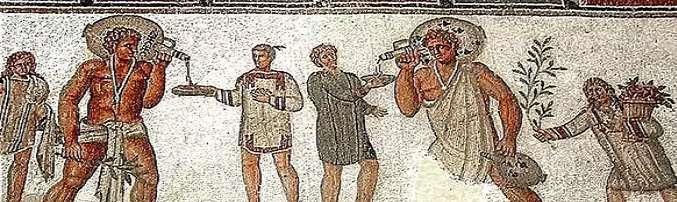
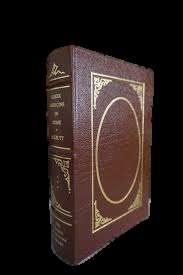
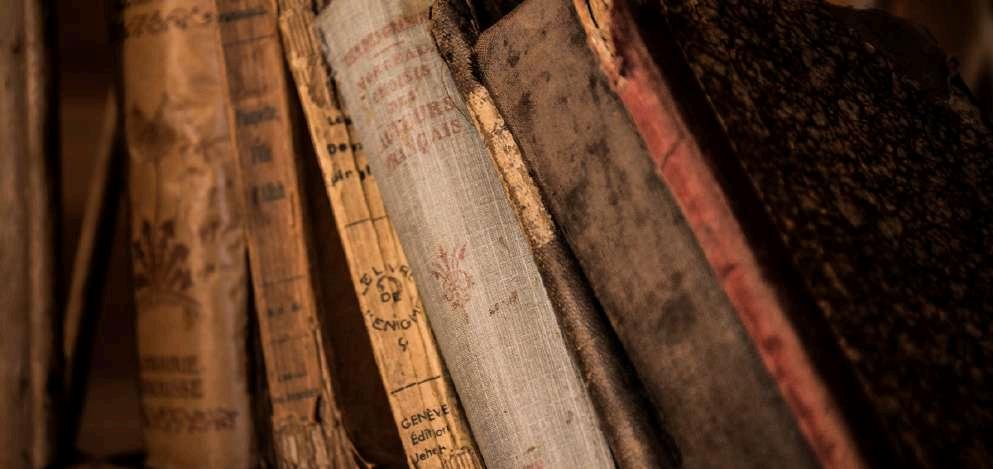
De Medicina is one of the earliest medical encyclopedias, compiling the best Alexandrian medical knowledge at the time.
Written by Aulus Cornelius Celsus in the first century, it covers the structure of organs to the causes of disease All the books focus on a different subject; Book I is about diet and exercise, changing between every volume.
Book I is a collection of knowledge for staying healthy There are many misconceptions in this volume, such as the belief that bathing in cold water causes disease and the avoidance of the morning wind chill, a reminder of how far we have come Celsus gets some ideas right; he explains the importance of exercise, running, walking, and handball. He explains that regular exercise helps digestion, which is correct, exercise increases blood flow to the gut allowing faster peristalsis, reducing constipation
De Medicina is one of the earliest medical encyclopedias, compiling the best Alexandrian medical knowledge at the time
Written by Aulus Cornelius Celsus in the first century, it covers the structure of organs to the causes of disease All the books focus on a different subject; Book I is about diet and exercise, changing between every volume.
Book I is a collection of knowledge for staying healthy There are many misconceptions in this volume, such as the belief that bathing in cold water causes disease and the avoidance of the morning wind chill, a reminder of how far we have come Celsus gets some ideas right; he explains the importance of exercise, running, walking, and handball. He explains that regular exercise helps digestion, which is correct, exercise increases blood flow to the gut allowing faster peristalsis, reducing constipation.
Book II focuses on the causes of diseases, the signs, and their treatment. Starting off with the most common misconception of the time, the seasons and winds can cause disease, with the southern wind being the worst for health and the northern wind the best.
Spring is the safest season, as it is neither too hot nor too cold, while autumn is the most dangerous; ideas like these plagued the world until the Renaissance.
There are many signs of severe disease, according to Celsus: continuous pain, forced breathing, shivering, pus, sticky humor, an inflamed abdomen, tensing more on the right (because most people are right-handed), and blood vessels forcibly throbbing
When these symptoms are apparent, Celsus states, there “is [not] any other hope of life in grave illnesses” He continues with treatments for specific symptoms; many of Celsus' treatments seem “too simple”, he explains To get rid of ardent fever, sudden shivering is required While the causes of disease and their treatments are wrong, the diagnostic process is similar to modern medicine and again shows how far medicine has come
Book III continues on diseases, discussing their treatment. Celsus' treatment for insanity involves prolonged exposure to either the dark or the light He reasons that a trial is made of each, seeing if either worked, then using exposure to heal the madness, then shaving the head, putting oil, and an herb
Afterward, patients should be consulted, allowing them to read books if they enjoy literature, and more
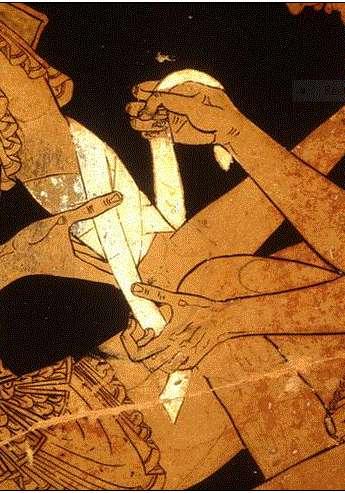
It was supposed to gently divert the mind from insanity, and the oils were supposed to help calm the spirit within the head Celsus writes that the treatment for wasting disease, or cachexia, is a fast, then slowly increasing the amount of food until a proper level is reached, and baths after meals.
Anything stressful should be avoided; limited exercise, bland food, and some blood letting may be necessary.
SCIENCES AND EDUCATION
Treatment also recommends multiple small-calorie meals throughout the day instead of three large meals; modern medicine says nothing about changing the air.
While De Medicina contains many medical misconceptions, it is an excellent example of how physicians and scientists thought at the time. Celsus may have been wrong on many topics, but science has only grown stronger through lessons learned from the past
It was supposed to gently divert the mind from insanity, and the oils were supposed to help calm the spirit within the head Celsus writes that the treatment for wasting disease, or cachexia, is a fast, then slowly increasing the amount of food until a proper level is reached, and baths after meals
SURGERY AND AMPUTATION IN THE ANCIENT WORLD
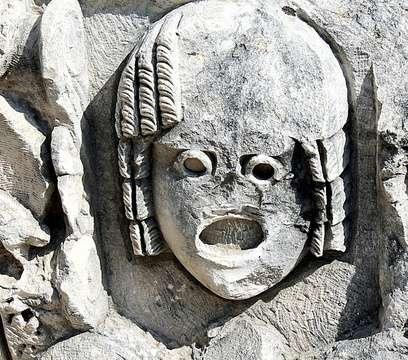
In the ancient world, medicine was far less advanced than today; however, the Greeks and Romans still made substantial progress in the practice of surgery Greek doctors, especially Hippocrates, tried to approach medicine as a science rather than magic or a matter of the gods’ will
Greek surgeons used scalpels, knives, probes, and forceps to examine and treat a wide range of wounds Surgeries were done to remove things from the body, such as tumors, arrows, shrapnel, kidney stones, and even cataracts from a person’s eyes. Sometimes, a ruthless surgery, such as an amputation, is required to remove an infected or severely damaged limb To stop heavy bleeding, they tied blood vessels or used cauterization, burning the wound shut with heated metal
“EVEN THOUGH GREEK AND ROMAN SURGERY WAS LIMITED, IT LAID AN IMPORTANT FOUNDATION FOR LATER
MEDICINE AND TREATMENT.”
Though painful and very risky, these methods sometimes worked and gave patients a chance to survive Most amputations were usually done with a sharp knife or a small saw made of bronze or iron The surgeon would cut through the flesh with the knife, then use the saw to get through the bone. In emergencies, especially on the battlefield, a heavy blade or axe could also be used, but saws and knives offered greater control and were preferred when available
The practice of tying blood vessels and cauterization was a very advanced methodology at the time Though painful and risky without anesthesia, a procedure could sometimes save a patient’s life.
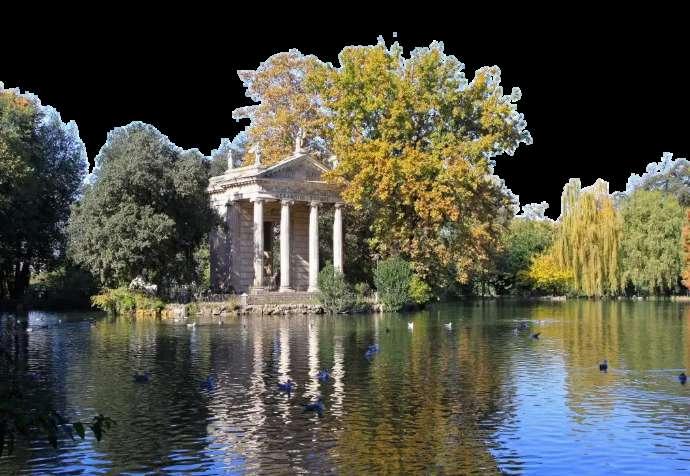
Doctors in the ancient world sometimes gave patients a piece of wood, leather, or heavy cloth to bite down on during surgery. Both Greek and Roman doctors often cleaned their tools with wine or vinegar, since these liquids helped wash away dirt and reduce infection. Doctors would also sometimes heat instruments over a fire or boil them in hot water to sterilize them before and after surgery.
The Romans built on Greek knowledge and improved it, especially during wars Romans would clean wounds with boiling water, clean wool to absorb blood, and use vinegar, all as methods of cleaning wounds These methods reduced infection, even though doctors did not yet understand germs or the mechanisms of infection
Without anesthesia, surgery was extremely painful, and several patients would be in so much pain that they could die from the shock and high heart rate induced by the pain Still, some lived, which shows how skilled these doctors could be
Another similarity is that both doctors sometimes used opium from poppy plants to dull pain during surgery. These acted as early forms of anesthesia, though they were not strong enough to block pain completely Doctors also used alcohol to make patients drowsy, helping them endure complex operations like amputations Since there was no proper anesthesia, this helped patients survive the intense pain and kept them from injuring their tongue or breaking teeth while the operation was happening
Second-century Roman physician Galen wrote detailed notes about surgery, surgical practices, and standard methods of the time, preserving medical knowledge that influenced Europe for centuries Their courage to attempt amputations, combined with careful observation and practical tools, marked a step toward the safer, more advanced surgery we know today
2. Harriton High School - 125 points

KEYSTONE AWARDS
3.Owen J. Roberts High School - 125 points
4.Upper Dublin High School - 125 points
Ad Astra is a song by American rock and metal band Starset, from their 2025 album, Silos The band is often known for its space-themed lyrics and imagery, as well as its futuristic sound This song exemplifies those themes, with the title translating to “To the stars.”
Lyrically, the song is about accepting change and loss (and likely death) Second-person writing indicates that it is addressed to a loved one and wishes them well. The usage of the unknown of space and all the scientific terms, such as “To the stars where we come from,” and “Into the emptiness the infinite,” is representative of what’s beyond the loss.
The words convey a sense of uncertainty that one might experience after a loss However, lines like “Fare thee well, broken heart. I hope you find love,” convey a sense of hope that they will find a kind of peace on the other side.
Ad astra per aspera is a motto that means towards the stars or heavens through aspiration.
“THE BAND IS OFTEN KNOWN FOR THEIR SPACETHEMED LYRICS AND IMAGERY, AS WELL AS THEIR FUTURISTIC SOUND.”

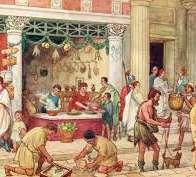
“IN THE BOOK OF REVELATIONS, THE THIRD SEAL, THE BLACK HORSE OF FAMINE DESCRIBES A TIME WHEN ONE FAMILY COULD ONLY EARN ENOUGH DENARII TO FEED ONE PERSON.”
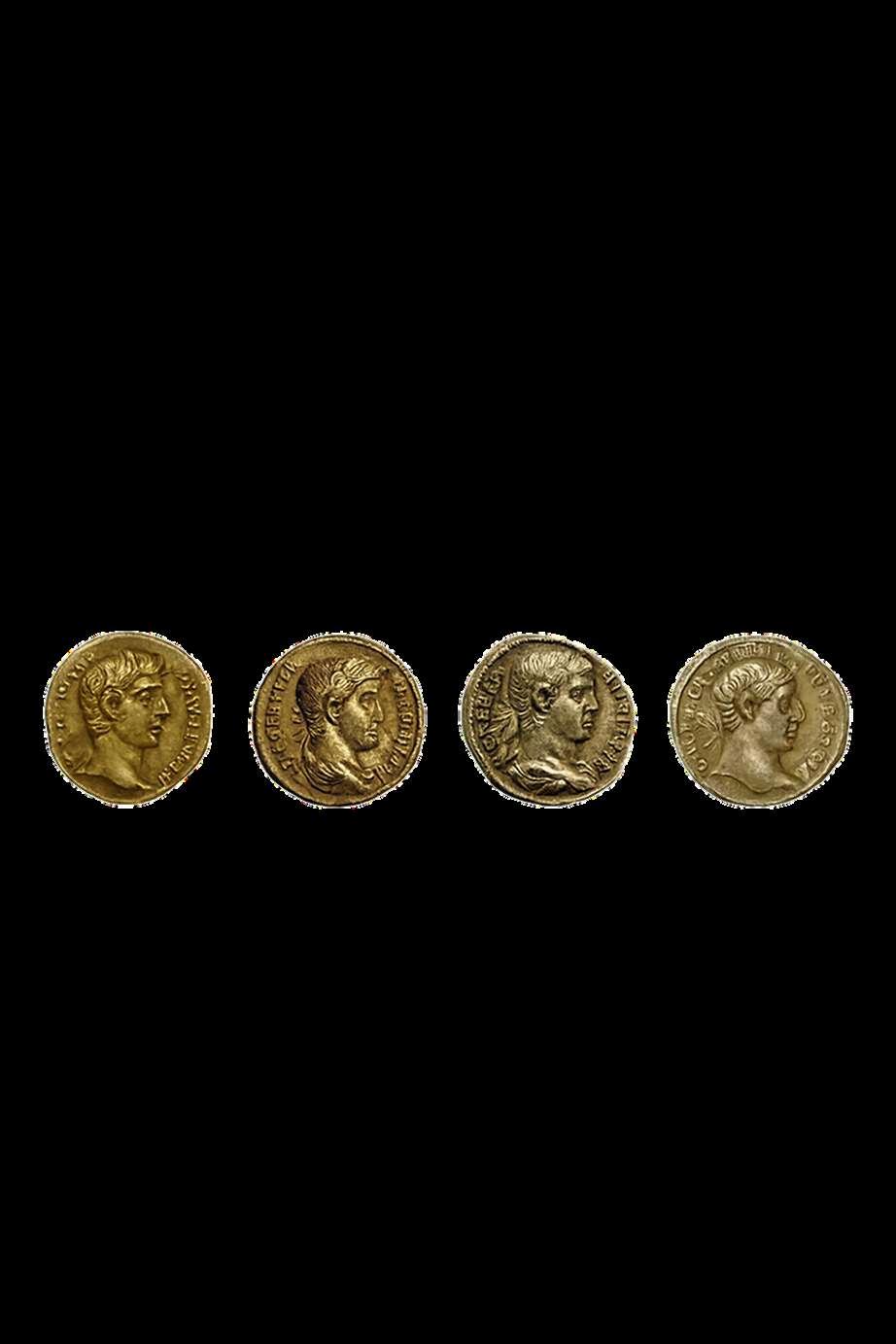
Compared to the denarii, the dollar bill is much stronger. Given the large amount of land the Romans had to maintain, the dollar is strong because of the United States' influence Meaning that even though we also heavily increase the amount of dollars, they lose their value more slowly. Though the American dollar also has flaws. The value of silver backed the denarii, but the US dollar is not supported by anything, meaning it could collapse altogether
Although the United States is in a much better economic position than the Roman Empire, that does not mean history is meaningless
People need to understand the lessons of history so they don’t fall into the same patterns Even though change is inevitable for every society, we can still work to guide that change in a positive direction
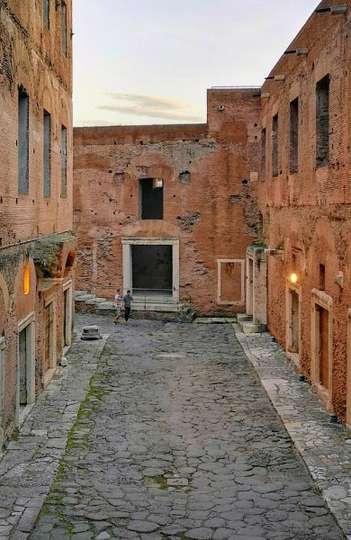
LUMOS MAXIMA
A GUIDE TO SPELL NAMES IN HARRY POTTER
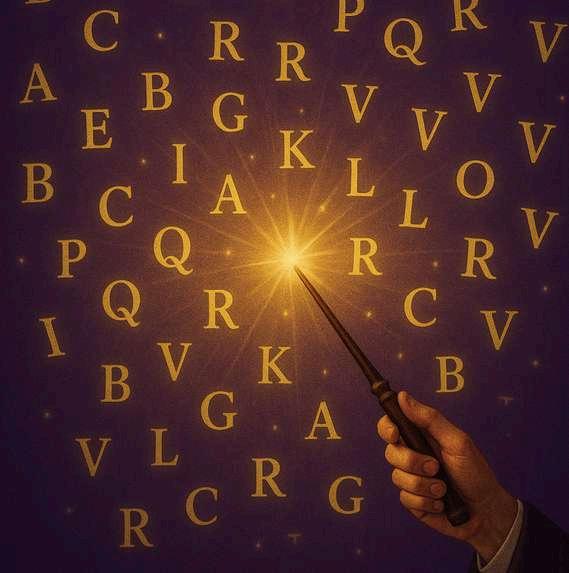
J.K. Rowling's beloved seven-book saga, Harry Potter, is an iconic glimpse into a magical world of witches, wizards, wands, and creatures that surpass the reader's imagination. However, J.K. Rowling didn't just scribble some words onto a page and call them spells So, where did she come up with the spell names? There is, of course, only one answer: The Latin Language!
M a x i m a !
Latin, along with Greek, accounts for almost 60% of the English language Most of the words you know have been derived from Latin. The meanings of the words Rowling used in her spells are often the purpose of the spells For example, in the very beginning of Harry Potter and the Prisoner of Azkaban, the first words spoken are "Lumos Maxima", and we see a light at the tip of our protagonist's wand
Lumos, of course, means light, and maxima means the greatest. The word maxima is added to the end of a spell to maximize the effect of said spell In Harry Potter and the Order of the Phoenix, Professor Umbridge discovers Dumbledore's Army and she recites “Bombarda Maxima.”
Afterwards, she gains access to the Room of Requirement as the wall explodes. Bombarda means "to attack."
Defensive Spells
Multiple defensive spells in the Harry Potter series are also derived from Latin. They include Expecto Patronum, meaning "I await a guardian " The spell is used when a character needs protection
Petrificus Totalus, used by Hermione in Harry Potter and the Sorcerer's Stone, means "to fully petrify." Harry Potter's signature spell, Expelliarmus, means "to drive out the weapon"
A classic defense spell, Protego, or I protect, is used to create a force field around the spellcaster Latin, along with Greek, is responsible for almost sixty percent of the English language
C h a r m s
There are also several spells used in daily life in the Wizarding World, such as Accio, meaning "I summon " The charm is used to summon an object toward you. As the name suggests, Reparo, the repairing charm, means "I fix" or "I repair " Of course, you can't write an article about Harry Potter spells without mentioning the (debateably) most iconic spell of them all: Wingardium Leviosa (not levioSAR) The English meaning of the incantation is "to lift something high."
U n f o r g i v a b l e C u r s e s
Finally, the Unforgivable Curses Most commonly used by Death Eaters, these spells are the trinity of evil. Using them can land you a hefty Azkaban sentence (Life in Azkaban) These spells, in order from least to most severe, include Imperio, meaning "I control."
The spell causes the victim to fall under complete control of the spellcaster. Avada Kedavra, the killing curse, results in the victim's immediate death However, the word does not actually derive from Latin; it is instead a variation of the phrase "Abracadabra, " which is considered gibberish Finally, the worst of them all, Crucio. Also known as the cruciatus curse, the meaning of the spell is "I torture " It causes the victim to fall under the most severe, immense pain imaginable. The reason Crucio is worse than Avada Kedavra is that, while the latter causes death, the death is instant.
C o n c l u s i o n
Victoria Street, located in Edinburgh, gave J K Rowling the inspiration she needed for Diagon Alley as she sat in a coffee shop on the street.
In conclusion, Harry Potter would not be the way it is without Latin The language provided Rowling with some extra building blocks to make the series truly special, giving us the iconic books and movies that have been adored and will continue to be adored for generations to come.
Morgan Keaton is an enthusiastic student with a passion for humanities and a desire to pursue Early Elementary Education and Musical Theatre Active in extracurricular activities, including serving as a Latin Club officer Committed to academic excellence and community involvement
HTTPS://TINYURL.COM/PAJRCL
STATE OFFICERS
PRESIDENT
CHRISTOPHER CHANG
VICE PRESIDENT PUBLIC RELATIONS
OLIVIA LEE
VICE PRESIDENT MEMBERSHIP
ALEENA MARTINO
SECRETARY
OLIVIA MORICONI
PARLIAMENTARIAN
SOHUM BANDYOPADHYAY
KEYSTONE EDITOR
SILVIA KAUR KANG
CHAIRPERSON
VERONICA VLADIMIROVA-CAMBRIA
COMMUNICATIONS CHAIR
QUINN MCINTIRE
CONSTITUTION CHAIR & TREASURER
KARIN SUZADAIL
PUBLICATIONS CHAIR
TRACI DOUGHERTY
PAST CHAIRPERSON
RYAN ZEITZER
CERTAMEN CHAIR
SARA FLOUNDERS
KEYSTONE
is the official publication of the Pennsylvania Junior Classical League (PAJCL). It serves as a platform for informing, inspiring, and connecting members through engaging content that celebrates the study of Latin, Greek, and classical civilizations.
Featuring chapter news, event recaps, contest results, and student submissions, including educational articles, artwork, and more The Keystone highlights the achievements and voices of PAJCL members while fostering a shared love for the classics
WHY JOIN?
Joining the Pennsylvania Junior Classical League (PAJCL) offers students a wealth of opportunities to engage with Latin, Greek, and classical civilizations in meaningful and exciting ways.
Through leadership roles, service projects, and participation in events like the annual PAJCL Convention, members develop valuable skills in teamwork, communication, and organization. Our vibrant community of like-minded peers allows students to build friendships and connections across the state
For those who seek to deepen their passion for the classics, PAJCL offers a keystone to learning, leadership, and lifelong inspiration