G
GRATIAARTIS
STUDENT AUTHORS
AGNES SIGELMAN
STEVEN GEIGER
BEATRICE DAMRAUER
AUBREE CINALLI
LEAH MAINLAND
SHRIYA AKKAPEDDI
JAMIESON WHOLEY
CO-EDITORS
JEANNETTE KESHISHIAN
TRACI DOUGHERTY
COPY EDITORS
EMMANUELLE KRAMER

LITERARY JUDGES
MARY BROWN JEANNETTE KESHISHIAN
ANNIE ROTTER
PATRICIA WEIDLER
SCHOOLS RECOGNIZED
COLONIAL MIDDLE SCHOOL
FRIENDS CENTRAL SCHOOL
MAIN LINE CLASSICAL ACADEMY
HENDERSON HIGH SCHOOL
PHOENIXVILLE AREA HIGH SCHOOL
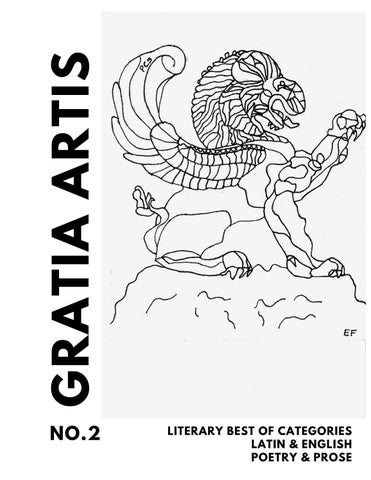
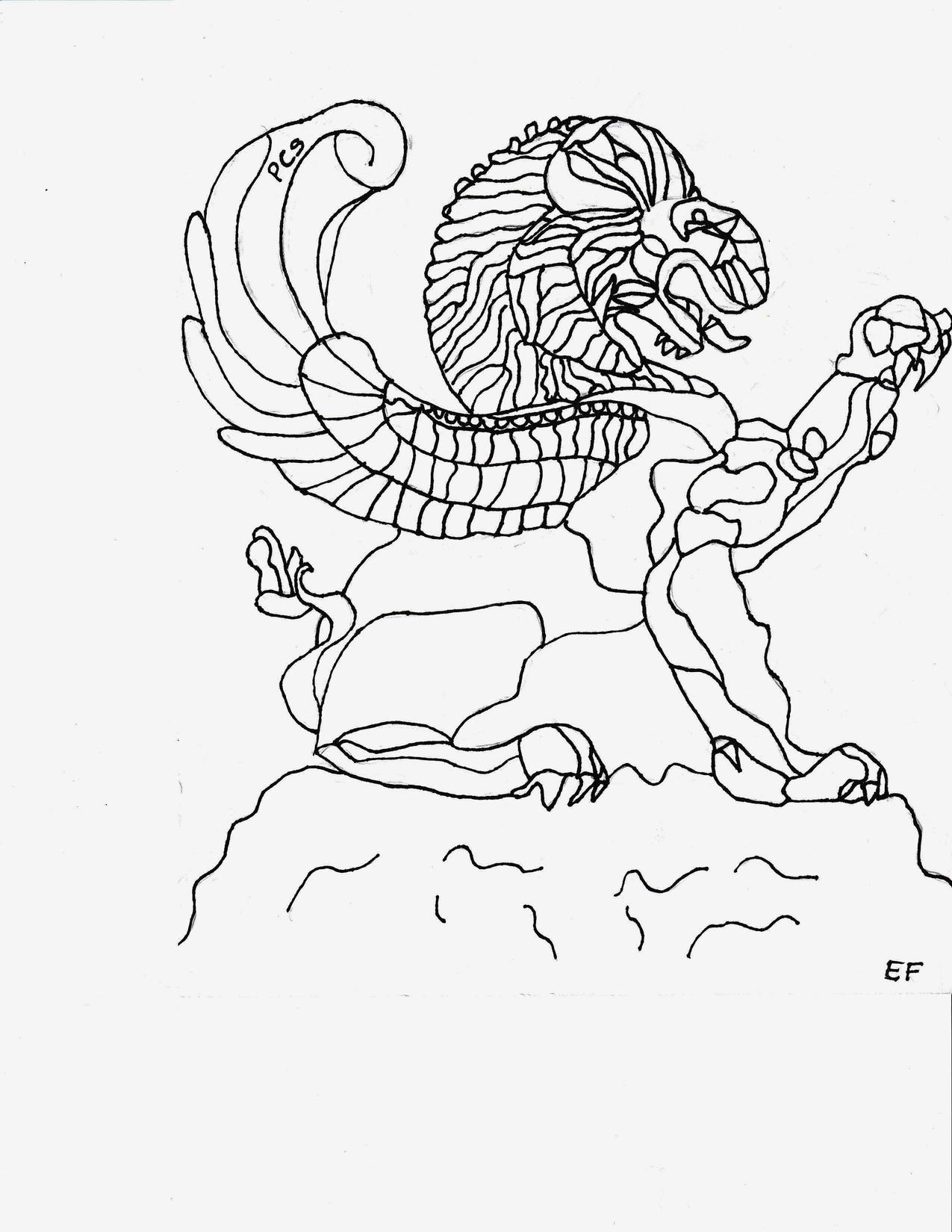
COVER PHOTO: ELLIE FOX, 7 GRADE, MAIN LINE CLASSICAL ACADEMY TH
Dear Readers,
It is with great pleasure that we present the latest edition of Gratia Artis, the Philadelphia Classical Society’s annual celebration of student literary achievement This volume brings together an exceptional collection of creative and analytical work from middle and high school students whose voices reflect both a deep respect for the ancient world and a vibrant, contemporary imagination. Each piece demonstrates how classical languages, literature, and ideas continue to inspire meaningful expression today
Featured here are first-place and Best of Category selections in prose and poetry, composed in both English and Latin. These works reveal not only impressive linguistic skill, but also thoughtful engagement with classical themes myth, history, philosophy, and the enduring questions that connect past and present.
From evocative storytelling to insightful interpretation, our student authors engage with antiquity, reimagining its stories and ideas in ways that feel both timeless and new Their writing reminds us that the study of the classics is not merely an act of preservation, but one of creative renewal.
FROM THE MANAGING EDITOR
We are deeply grateful to the students whose dedication and talent make this publication possible Their work affirms the continued relevance and vitality of classical studies We also extend our sincere thanks to the teachers and mentors who support and inspire these young scholars, fostering curiosity, discipline, and a love of learning
We invite you to explore these pages and engage with the voices within May they inspire reflection, spark curiosity, and strengthen our shared appreciation for the classical tradition.
Enjoy, and gratias vobis agimus

CO-EDITOR
Middle School
HS POETRY
FORSAN ET HAEC
BeatriceDamrauer,FriendsCentralHighSchool,11thGrade Teacher:DavidTalone
“forsanethaecolimmeminisseiuvabit.”
-Hedidn’tknowifhebelievedithimself,evenasthewordslefthismouth. Hedidn’tknowifhebelievedithimself,evenastheantlersoftheirmeallaidinthesand.
“Perhapsonedaywewillbegladtorecalleventhesethings.”
Maybeoneday,hewilllookback,atthiswreckage,atthesemensittinginthewetsand, butallhewantstodonowisforget.
Andhismenturntohim,andtheirfacesaremoonslitbyfirelightandthespoilsofhis hunt.
Thisiswhattheyneedtohear.Thisiswhattheyneedtohearfromhim,theirking. Theirking.
Butwhathashedone,otherthanleadthemasacowardfromthecity? Butwhathashedone,otherthanwrecktheirshipsanddeserttheirhomeland?
Heisfate-chosen.Hewillberememberedforthousandsofyears, Butallhehasdonesofarisleadthemintodespair,hislimbsfrozeninfear.
Andmaybethisiswhythesemenneedhim. Maybethisiswhyweneedhim. Becausetheyarelikehim,andyouarelikehim, (virumque,Virgilwillsing),
Becausethereisnobraveryinneverfeelingfear.
GRATIA ARTIS
THE AUTHOR’S WORK explained
Thepoem“forsanethaecolimmeminisseiuvabit"aimstodepictthepowerofVirgil'sAeneid,and itassertstothereaderthatitisstillrelevanttoourlivestoday Sooftendowediscountthe powerthatancientstorieshavetoaffectus ThereisareasonthatLatinclassestodaystill translateVirgil'swork,and“forsanethaecolimmeminisseiuvabit"attemptstoconveyVirgil's originalsentimentaboutAeneas Aeneas,asacharacter,isdepictedasapeople'sman;Virgiluses theword"virumque"todescribehim ThispoemattemptstoconveyAeneas'humanityevenin oneofhismostfamousmomentsofleadership
Beatrice Damrauer is a junior at Friends' Central School, currently taking Latin Literature: Virgil. She enjoys writing poetry and has earned several awards in the National Latin Exam, the National Mythology Exam, and at the Philadelphia Classical Society. Beatrice is on her school's debate team, philosophy club, and leads her school's astronomy club. She also loves science and biology. In her spare time, she enjoys exploring nature, playing violin and guitar, and spending time with her friends.
HS PROSE
FORETOLD
LeahMainland,FriendsCentralHighSchool,11thGrade Teacher:DavidTalone
Inunsuretimes,humanitylooksforananswer.AndfortheGreeksandTrojans alike,theOracleofDelphirepresentedthetruth.Heroesandroyaltyalikesought outthePythia,Apollo’sownfortuneteller:hisvoice,hisconnectiontothemortals withsuchpressingquestionsoffutureandfate.Buthowdoesanoraclechooseto beanoracle?Andwasiteverreallyachoice?
Phemonoefeltthechillofthestoneunderherfeetriseupthroughherbody.The templewassurprisinglycoldforbelongingtoasungod,Apolloclearlynotcasting herasecondthought,norarayuponhercheek.Shefelthereyesbegintowater, divulgingtearslikemarblesswellingandfallingslowlydownhercheeks.Daysago shehadfeltnothingbutgrassunderhersoles.Daysagothesunwasnotscarce. Phemonoeclosedhereyesandletherhopelessnesswashoverher,memoriesofa lifetakenforgranted.
Itwasbeautifulinthecitywhenthesunrose.Phemonoehadneverknown anythingotherthanDelphi,andunlikesomeofherhigh-aspiringfriends,shewas happytohaveitstaythatway.Whocouldwantmorethanthis?Thecitywas beginningtocomealive,thenoiseofvoicesandfeetpadding,doorsopeningand lightcrestingabovethefar-offhills.Thewarmspringwindranthroughherhair, sendingpleasantshiversacrossthenapeofherneck.Thesurroundingmountains seemedtoechoaquietthrumofpromise.Lastnightshe’dbeencaughtinthesame feverishstateofproductionshealwayswaswheninspirationhit,andtheresulting poemsweresaturatedwiththissamespringtimefeeling,rebirthandgenesisand thesort.She’dalwaysbeenawriter,butlatelythewordshadbeenflowingoutof herlikefreshbloodfromawound,liltingandsweetandquick.Thiswassomething new.Shecouldfeelit.
FORETOLD
Butthecityfeltlikesomethingnew,too.Therewasafranticedgetoeveryone’s movements,Phemonoerealizedassheventuredfurther.Almostagiddiness.A groupofgirlswasclusteredaroundeachother,talkingfeverishly.Phemonoe frowned,approachingthem.
“Phemonoe!”Someonecalled.Sheturned,hergazefindingArete,thedaughter ofaclothmerchant.Hersmilewashuge.“Haveyouheardthenews?”
“No.Iwasnotawaretherewasnews,”Phemonoesaid,aterriblefeeling beginningtoturninherstomach.
“Apolloislookingforanoracle,”Aretesaid,andthelookinhereyescouldnotbe mistakenforanythingotherthanhunger.
Noneofthesegirlswerewealthy,Phemononeunderstood,herselfincluded.This chancetorisetosomewherehalfwaybetweenmortalanddeitywastoogoodto betrue.Ofcoursetheywantedit.ButPhemonoedidnot.Shewantednothing morethantowriteandloveandliveinthiscityfortherestofherlife,towatchit bloomintomorethanthefreshlychristenedcollectivethatitwas.Andshedid notknowmuchofprophecy,orevenofApollo,butsheknewthatitdidnotentail poetry.Orfreedom.Thegirls’conversationwassofastshecouldbarelyfollow.
Thatmorning,Apollohadcometothetemple’spriestinadreamandtoldhim thatitwastimetoselectaprophet.Ayoung,virgingirl.
“Please,”Phemonoewhisperedunderherbreath,clutchingherskirtstoherside. “Letitnotbeme.”
Thatnight,Phemonoedidnotsleep.Sheshivered,visionsappearingtoherasshe driftedinandoutofconsciousness.Acoldstoneseat,asplittingachefrom templetotemple,clutchingherheadinherhandsandcryinggold-stainedtears, drippingtothefloorlikemeltingwax.Alyre.Shewokeinacoldsweat,the darknessswaddlingher.Herfirstprophecy.
HS PROSE
Whensheopenedhereyesagain,thistimetomorningair,shefeltcoldmarble underhercheek.Shehadalwaysconsideredfatetobepitying,gentle.Butwaking here,onthefloorofApollo’stemple,Phemonoefeltforthefirsttimethatfatedid notregardherthewayshehadalwaysthought.Shehadbeenchosen
Now,thehopelessnessfelttrulyhollowTherewasnotevenenoughtimein immortalitytogrievetheyouthshehadjustlostTherewouldbenomorewriting Therewouldbenomoresong,norsun,norcitrus.Onlythis.Onlyprophecy. Suddenly,footstepssounded,lightblindinghertoherknees.ButPhemonoe forcedherselfupwards,bowingherchinasshestoodonshakylegsbeforeher God.Shecouldnotlookathim.
“Phemonoe,”hewhispered,hisvoicelikewindthroughtrees
“Youarechosen/sowhydoyourtears/stainmytemplefloors?myvoice/is yours/soletme/sootheyourbrow.”
Ofcourse,shethoughtHespeaksinpoetry
ApollowasnotacruelGod.Hecouldnotbe.WhatsortofcrueltywasDelphi,inall itssun-kissedstoneandfragrantcitrus?Howcoulditcomefromanyoneevena littlewicked?Butstandingbeforehernow,Phemonoefeltnokindnessfromhim. Hisskinshone,butinsteadofacalmwarmth,itwassharpandpiercing.Hereyes stungButsherefusedtolethimseehercryagainShewasnotweakButhedid notlookather,notreally,ashecamecloserWitheachstepshecouldfeelher heartbeatalittlestronger,thebloodinherearsalittlelouder.Shefeltherthroat closeashisbreathgrazedhercheek,andthenhisforeheadwasagainsthers,and thentherewasnothing.
ApollosteppedbackfromthegirlShewassoyoungHecouldfeelherhands shaking,herskinclammyandcold,likedeathwasalreadyuponherHehopednot Itwasoh-so-tedioustochooseandappointsomeonelikethis.Helovedthe attention,usually,whenhe’dshowhimselftothecitizensofDelphiandtheirfaces wouldglowwithadmiration,awe.Butthiswasapraiselessprocess,justbetween himandthisgirlwithashockinglackofeagernessbutashockingproficiencyin prophecyalready,evenwithouthisgiftShestaredupathim,eyesunseeingShe wasbeautiful,butthatdidn’tmatterNotmuchelseabouthermatterednow, actually.
Witheachvisitortothetemple,Phemonoespokelessandless.Thegirls cametoaskherquestionsWhatwasitlike?Howdidhegiveyouhisgift? CanyouseewhoI’llmarry?WhoI’llbe?Butsheonlystaredaheadblankly inresponse,handsclaspedtightlyinherlap.
Thenewsspread:anoracle,avoiceofApollo.Ananswer.Hundredsof peoplebegantopourintoDelphi,askingquestionafterquestionalike.
Theanswerstheyreceivedwerecryptic,confusing,interpretable.So muchwasunsure,afterall.Somuchisalwaysunsure.Nothingisreally setinstone,unlessthefateshavedeterminedittobeso.Likeaprophecy inthedeadofnight.Likeayounggirl’sservitudetoaheartlessGod.
Butonethingistrue,aneternalclarity:Phemonoe’shandsdidnotwrite again.
Andsotheliestuck.Polyxenaisrememberedonlyforaquietdeathin thelongstoryofagreatman,assomanywomenare.Sheisoneof millions.Pureexamplesofpayment;theirsacrificeisrememberedonlyas gettingwhattheydeserved.ButhowfarwillwegoforourGods,orthose weworshipassuch?Howfarwillworshippushus?Evencruelpunishment iswelcomeinworship.Thosewhocamebeforeusandthosewhoareyet tocomewillneverknowthetrueextentofworship.
HS PROSE
THE AUTHOR’S WORK
explained
Mypiece“Foretold”isabouttheexclusionoffemaleperspectivesinhistoryand mythology.Ilikedtheideaofprophecybeingaburdenratherthanagift,andpaintinga well-knownandreveredGodinGreekmythologyasrealisticandflawed.Thisdepictionof Apollo’sfirstprophetbringslighttotheerasureofwomenandtheirvoicesinmythology. IwasinspiredtowriteitbecausemyclassistranslatingVergil’sAeneid,andfateis mentionedfrequently,whichmademethinkabouttheroleswomenwereforcedinto undertheguiseof“destiny”and“duty.”IalsofindApolloreallyinterestingasadeity.
Leah Mainland is a Latin student at Friends’ Central High School. This is her fifth year taking Latin and submitting work to PCS. She enjoys writing, reading, and baking in her free time, and draws a lot of inspiration from her classics courses.
HEAR ME: THE STORY OF CASSANDRA
AubreeCinalli,HendersonHighSchool,12thGrade Teacher:MarySweeney
Iwasshoutingblood. ReddrippedfrommylipsasIscreamedatthem. Fireeruptedinmythroat, Cracklingmyvoicelikepoppingembers AsIcoughedouttheirfate.
Theylaughed;theymocked. Hurlingtheirinsultsastheyhurledtheirspears. Butwhenthebelovedprincewasdraggedindeath, Andtheywatchedtheirstrongestsoldierfall, Theyroaredinagonyasiftheirmiserywasn’tforetold.
Agiftadornedfromlove Andscornedbyrejection. Phoebusblessedmysightbut Splinteredmyvoice Asmywordsfellondeafears.
Mytellingslivedoutsidemysight, bellowingaroundmyconfines. Iwastakenafterthesack,forcedtofeedgrapes ForthepleasureoftheMyceaneanking.
Myvoicedidn’texist; Ihadwastedtoomuchofitforhowlittleit helped. However,whenthedaughterofTyndareus Slicedmythroat,Ichokedonmyblood. Shepaidnomindtorushtothepeoplein victory, Ignoringmydistressedgagging.
Noonelistenedtomycries Inmylifenorinmydeath. Ilaidonthefloor,weeping, Asmyonegift,twistedinnature, Wasguttedfromitsorigin.

PHOEBUS BLESSED MY SIGHT BUT
HS POETRY
THE AUTHOR’S WORK
explained
Thepoem"HearMe---TheStoryofCassandra"depictsthelifeofCassandra,theTrojan princess.Thestructure,however,ebbsandflowsdifferentlythanthechronologicalorderof herlife.ItstartswithherwarningherpeopleoftheSackofTroy,buttheyrefusetolistento her,soyoubelievethattheysimplydon'tcareaboutherpremonitions.Later,itisrevealed why,whichaddsalevelofunderstandingtowhynoonetakesherseriously.Herstoryis aboutbeingawomanratherthanabouthergift.Women,inhistory,havebeentoldtobe "seenandnotheard".Herstoryemulatesthatregardlessifherpropheticabilitiesinfluence that.AndasClytemnestraslicesherthroataftermurderingherhusbandandCassandra's captor,Agamemnon,heronlygiftthatmadeherspecialisguttedfromher,too.Hervoice, theonlythingthatshevaluedandthoughtwouldsaveherpeople,wasrippedfromherinher death
Iwantedtowriteaboutmyfavoritemythologicalcharacterinmypiece.Ihavealwaysfelt connectedtoCassandrabecausesheclaimstoknowmoreabouttheworldasaprophet,but noone,especiallythemalewarriors,paysheranymind.Theybelieveherinsaneandlockher intheTempleofAthena,andshehastowaitthere,hearingherpremonitionscometrueas sheisleftthere,useless.Asawoman,IfeelherpainofbeingtossedtothesidebecauseI'ma girlandnotconsideredindiscussionsthataretypicallymale-dominated.Ialwaysthoughtof Cassandraasatragiccharacterwhodidallshecouldtosaveherpeople,butherefforts meantnothingintheend.Ithoughtshedeservedmorerecognitionthanthemythsand societygiveher,sosheisthefocalpointofmypoem.
Aubree Cinalli is a passionate high school Latin student at B. Reed Henderson High School. She is a consul among the Latin cohort at her school's World Language Honor Society. She has multiple awards on the National Latin Exam and has been to multiple Certamen. Outside of her love for Latin, she is the president of her high school's Chemistry Club and a violinist in her school's orchestras and Tri-M Music Society.
ECHO: A VOICE THAT REMAINS
ShriyaAkkapeddi,PhoenixvilleAreaHighSchool,9thGrade Teacher:NicoCastagna
idnotlosemyvoiceallatonce.Itfadedslowly,likeasounddrifting awayacrossthemountains.OneDayIspokefreely.Thenext,I couldonlyrepeatwhatothershadalreadysaid.TheCaves answeredme,thehillsreturnedmywords,butIcouldnolonger speakfirst.
ThatwastheGods’punishment-notsilence,butecho.
Beforethecurse,myvoicewasquickandclever.Iusedittodistract Hera,fillingtheairwithstorieswhileothersescapedhernotice. Whenshediscoveredthetruth,shedidnotshoutorstrikeme down.Shetookmyvoiceandleftmewithonlyrepetition,forcing metorememberwhatIhadlost.
Afterthat,IlistenedmorethanIspoke.Wordspassedthroughme, neverbeginningwithme.Ibecametheendofeverysentence, repeatingfragmentsofconversationsthatwerenotmyown.Even mythoughtsfelttrapped,waitingforsomeoneelsetospeakfirst.
ThenIsawNarcissus.Hewasconfidentandadmiredhimselfmore thananythingelse.Ifollowedhimthroughtheforest,hopinghe wouldcalloutsothatIcouldanswer.Whenhedid,Irepeatedhis wordswithallthemeaningIcouldnotsaytomyself.
“Thatwas theGods’ punishment — notsilence, butecho.”
Buttherepetitionwasnotenough.Heturned away,choosinghisownreflectioninsteadofa voicethatcouldnottrulyspeak.
AsNarcissusfaded,sodidI.Mybodyweakened untilonlysoundremained.NowIliveamong thestonesandcliffs.Travelersheartheirwords returnedtothemandpause, surprisedbytheecho.Theyneverseeme,but theyknowthatsomethinghasanswered.
TheGodstookmyvoice,buttheydidnoterase me.Iremainineveryechothatanswersback.I cannotbeginasentence,butIendure-andin thatendurance,myvoicestilllives
HS PROSE
THE AUTHOR’S WORK
explained
Myprosepiece“Echo:AVoiceThatRemains”reinterpretstheGreekmythofEcho,emphasizing thelossofvoiceasalossofidentity Itexaminestransformationthroughsuffering,suggesting thatwhiletheselfmaybediminished,itisnotentirelyerased.
Theechoservesasthecentralsymbol,representingbothpunishmentandpersistence.Although Echocannolongerinitiatespeech,hervoiceenduresthroughrepetition,reflectingtheresilience ofidentitydespitethelossofagency.Naturalimagery caves,cliffs,andmountains reinforces herisolationwhilesituatingherwithinatimeless,mythologicallandscape.Theaccompanying drawingfurtherdevelopstheseideasthroughvisualsymbolssuchasfadingsoundwaves,a brokencolumn,andatheatricalmask,whichcollectivelyrepresentdiminishedexpressionand fracturedidentity.
Thepiececonveysthemesoflove,loss,andtransformation,ultimatelyemphasizingendurance: eveninsilence,Echo’spresenceremains.
Shriya Akkapeddi is a freshman and a member of the National Junior Honor Society with a strong passion for Latin and classical studies. She has earned top honors at the Philadelphia Classical Society, including a Special Award and the Judges’ Best of Show Award. A skilled public speaker, she has placed first in both Model United Nations and her school’s MLK Oratory Contest. Shriya is also active in the performing arts, participating in marching band, vocal and wind ensemble, and playing the flute and piano, and volunteers at the Chester County Food Bank. Through her dedication to language, leadership, and performance, Shriya strives to inspire others and make a lasting impact in her academic and artistic communities.
W I T H P R O F O U N D T H A N K S
RUDOLPH MASCIANTONIO
2 8 S E P T E M B E R , 1 9 4 0 - 2 2 S E P T E M B E R , 2 0 1 6
Dr Rudolph Masciantonio dedicated his life to the belief that classical studies should be accessible to all and especially to the youngest of learners A lifelong educator in the Philadelphia Public Schools, he taught Latin, Spanish, French, and social studies before becoming the city’s head of foreign languages and a visionary curriculum specialist
In the 1970s, Dr Masciantonio led one of the most ambitious Foreign Language in Elementary Schools (FLES) initiatives in the country Under his guidance, students in grades four through six received daily Latin instruction from itinerant teachers The results were profound: after just one year, students demonstrated measurable academic gains in reading and English vocabulary evidence of the far-reaching impact Latin can have when introduced early
In his will, Dr Masciantonio established a trust fund of the Philadelphia Classical Society to encourage the study of Latin and Greek among students of all ages The PCS Competition and today’s luncheon has been partially funded by this bequest
THERMOPLYAE
AgnesSigelman,MainLineClassicalAcademy,7thGrade Teacher:Dr.MichaelC.Mascio
Everonandonrolledthewildsea, Rolledandcrashedandfledfromthegallantcliffs. Softthesilencewaslyingthickabout, Lappingupagainsteverysombrecliff, Lappingupagainsteverywaitingman. Washedthelackingnoiseo’ertheragingsea.
Thenfromoutthecliffsrolledagallantcry, Swellingonandon,ringingfromeachstone, Ringingfromeachsword,rollingfromeachthroat, Fromeachheartandsoul,fromeachdropofblood; Tillatlastitswepto’erthewailingsea, Tillatlastitburst’gainsttheblazingsky, Andtheshardsflewdownbouncingofftherocks, Astheseabelowcrashing’gainstthecliffs, Sentupspoutsofspraytothebattlingmen.
Saltwasontheirlips,neverintheireyes, Andthecryflewuptothepiercingskies.
Stilltheseamoansonitseternaldirge, Andthegazingcliffsguardthewhitenedbones…
GRATIA ARTIS
THE AUTHOR’S WORK explained
Iwrotethepoem,“Thermopylae”shortlyaftertranslatingaLatinadaptationofSimonides’ epitaphforLeonidasandhisbraveThreeHundredwithourLatinteacher,Dr.Mascio.The poemincorporatesthesurroundinglandscapetoemphasizetheforceandcourageofthe battlingmen.Inthiscase,thetwomostpresentelementsofthelandscape,thecliffsandthe surf,reflectthetensionandthedramaofthemomentintheirownsweeping,crashing,and roaring‘conflict’ Furthermore,bothrockandseaarethingsgenerallythoughtofaseternal, whereasmenarenot Byfocusingontheeternalnaturalsurroundings,Isoughtto immortalizethebriefbattleofmortalmen
Agnes Sigelman is an enthusiastic 7th-grade Latin student at Main Line Classical Academy. This is her fourth year studying Latin (and reaping multiple gold medals on the National Latin Exam). Besides studying Latin, she also speaks French, Hebrew, and Russian. Her passion for Russian poetry and her many years in the school's Shakespeare drama club are part of what led her toward her interest in writing.
LIFE IN THE SHADOW OF THE MOUNTAIN
StevenGeiger,ColonialMiddleSchool,8thGrade Teacher:ColleenMarengo
Thesunwarmstherivervalleyasthedaybeginstobreak, ThecityofPompeiiisthefirsttostirandwake. UponVesuvius,thegreenvinesgrowsotall, Givingusthegrapesforthejuiceandwineforall. Thebigstonemillsturnwithaheavy,thumpingsound, Asthesmelloffreshbreadspreadsallthroughthetown. IntheForum,thesellersandtheleadersmeet, Onthebusystonesidewalksandthedustymainstreet. Wegrabaquickbiteasthesungetsreallyhigh, Underneaththebigcloudsinthebrightbluesky. Thenofftothebathstowashthedirtaway, Inthehotsteamroomswherewehangoutandplay. Fromthefreezingcoldpooltotheroomsofwarmair, Talkingaboutthegladiatorsisthemainthingthere. Wepaintourbedroomwallswithgardensandwithgods, Ignoringhowthegroundsometimesshakesandnods Themountainisquiet,coveredingreentreesandpine, Andlivinginitsshadowfeelslikeeverythingisfine.
GRATIA ARTIS
THE AUTHOR’S WORK explained
IwasthinkingaboutwhatdailylifemighthavebeenlikeforacitizenofPompeiibefore MountVesuviuserupted,imaginingtheroutines,activities,andexperiencesoflivingina bustlingRomantownjustbeforethesuddendisasterchangedeverything.
Steven Geiger is a student at Colonial Middle School and is very passionate about Latin. He plays football and track for the school. Next year he will be attending Plymouth Whitemarsh High school. He has taken Latin since 6th grade and likes the history of Pompeii. He has a lot of friends in his Latin class and it makes it fun.
AGAMEMNON’S FOLLY
JamiesonWholey,ColonialMiddleSchool,8thGrade Teacher:ColleenMarengo
Isawathousandmenmarchoutfrom‘neaththeLionGate, ToboardathousandshipsandsailtosealproudIlion’sfate. AndIsaw,o’eradecadehence,thosesamemenlimpinghome, AndtheresawHellas’far-offtriumph,turnthetheruinofitsown
Sing,sing,singohgoddess,ofAchilles’anger,sing!
Thewraththatbroughtasulkingchildtothepowerofaking. Sing,goddess,oftheangerthatdestroyedageneration, Andbroughtinone,andtenyearstime,destructionofanation.
Singnow,ohexaltedgoddess,oftheangerofthemothers, Whosesons,whosesonsofsons,wouldseetheircitysmothered. Liftupandbringyourvoicetoasongsungalreadyherebelow, Inev’rylittlevillagehouse,greatplace,andhiddengrotto.
TheysingnotsolelyforthosetheylostonWiluša’sreddedshore, Buttheysingtoo,forallthosechildrenwerethuslyneverbore. AndtheyandIwillsing,ohgoddess,untilourvictoryistrue, Untilthechaosandbleedingceases,andAchaeaisbornanew. IsawourKing,theKingofKings,disembarkingatTiryns, -Singnow,ohQueenHera,forthenatureofusbeingsAndIsaw,notyetoneweekafter,hiscorpseinthebanquethall, AndIsee,withthegiftofretrospect,thestartoftheendofitall.
AGAMEMNON’S
Isawprogressingformanyyears,amenacefromtheNorth, -Singnow,disloyalfriend,Athena,forourcourageinwarAndIsaw,thesumouralliance,thefewsquabblingremnants, AndIsee,thattherewasnothinglefttoletuskeepdefence.
Isaw,alongwiththewholecity,ouracropolisroast, -Singnow,hearth-keeper,Hestia,toatoneneglectedpostAndIsaw,theprideandthekeystoneofourcivilization, Broughtintoaruinationofitsowncultivation.
AndsingnowfortheLionGate,wherenotabootnowtreads, Fortheguardswhoprotectedus,nowhavebothlosttheirheads.

THE AUTHOR’S WORK explained
Originally,thepoemwastobeabouthubrisandpride’sfutility,alaOzymandias,however thatendedupnotworkingoutafterIwrotethesecondstanza(mindyou,thiswholething waswrittenlateonthenightbeforetheprojectsweredue,soIhadnotimeforrevisions). Eventually,thepoemendedupasastoryabouthowtheTrojanWar,despitebeinganominal victory,ultimatelyleftMycenaetooweakanddepletedtodefenditself,leadingtothecity’s destruction.
Thispremiseissomewhathistoricallybased.ThetraditionaldateoftheTrojanWarroughly linesupwiththeBronzeAgeCollapse,aneventwhichresultedinthecollapseof(among othergroups)theMycenaeanCivilization,aswellasthedestructionoftheopulentTroyVI layeratthesiteofHisarlık ManybelievethatthemythoftheTrojanWarwasinspiredbya realconflictthatwasconnectedtotheBronzeAgeCollapse
Atfirst,IplannedtohavetheforcethatdestroyedMycenaebetheDoricGreeks(“Amenace fromtheNorth”),whosemigrationSouthintoGreececausedthecollapseofMycenaeans. Theproblemwithdoingthat,though,isthatwhatIjusttoldyouiswrong.Apparentlythe DoricInvasiontheorywasmostlydisproveddecadesago.Instead,archaeologistsnowdon’t reallyknowwhatexactlycausedthecollapse,butthatitmighthavetodowithmultiple minorfactorssuchasinstabilityandclimatechange,whichIfoundincrediblyannoying.At thesiteofMycenaespecifically,thecitywasinitiallydestroyedbyanearthquake,soon rebuilt,onlytobedestroyedagainandfinallybyafireofunknownorigins.Ichosetoignore theearthquakeandinterpretthefireastheresultofanattackonthecity,despitethere beinginsufficientevidenceforthis.Ialsolefttheidentityoftheattackersambiguous, becauseIcan’tusetheDorians.
GRATIA ARTIS
YouprobablynoticedthemultiplereferencestoTheIliad,especiallytheiconicopening sentence(“Sing,ohgoddess,ofthewrathofAchilles,sonofPeleus,whichbroughtcountless illsupontheAchaeans”) ThereisalsoaquickreferencetothedeathofAgamemnon,here interpretedasinauguratinganeraofinstabilityinMycenaewhichseverelycompoundedthe weaknessalreadybroughtbythecity’slossesintheTrojanWar.TheWaritselfisalsohere thecauseofahugedepletioninthepopulationofMycenae,asmanyofthecity'syoungmen perishedfightingintheAnatolianAfghanistan.Thesefactors(especiallythelatter)leftthe cityvulnerable,resultinginitbeingattackedanddestroyed.
Overallthepoemseekstoemphasizehowthedestructionbroughtbywarcanremainacurse onanareaorcountryevenlongafteritends,andhowevensuccessfulconflictscanresultin anetlossforthevictor.
ProperNounskey:
TheLionGate:ThisreferstothemainentrancetotheacropolisofMycenae,so-called becauseofthecarvingoftwoopposinglionsthatisonthecapstoneofthegate.Thetop ofthecapstonehaseroded,makingitlooklikethelionshavebeendecapitated Itis probablythemosticonicpartofthesite,andIfoundittobeanevocativevisual
Ilion:TheclassicalGreeknameforTroy,therootoftheword“Iliad”.
Hellas:EndonymforGreece.
Wiluša:ProbableendonymforTroy,namethatitisreferredtoinHittitesources(theonly contemporarysourceswehaveofthesite).
Achaea:ReferstothenorthernPeloponnese,includingMycenae,andishowthealliesare identifiedintheIliad(“Achaeans”).
Tiryns:NotableMycenaeancityonthecoastofArgolis.
Jamieson Maguire Wholey is an 8th-grade Latin student at Colonial Middle School. He is incredibly passionate about history, geography, literature, and international politics, and has won multiple awards for his performance in national history and geography competitions. He enjoys reading, cartography, and occasionally, human interaction. He has participated in cross-country events, as well as traveled to many places in the US & Europe, notably including the Eternal City itself.


PCS & UPENN MUSEUM PARTNERSHIP
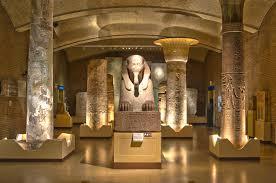
Bring the Ancient World to Life with 3D Printing!
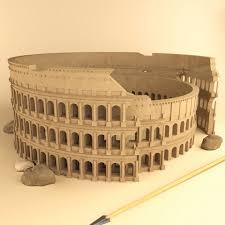
WHAT’S THE PROJECT?
The Penn Museum is enhancing its Touch Tour, designed for students with low vision and other challenges, allowing them to experience history through touch
While the museum holds incredible artifacts from vases and glassware to statues and tools most are displayed behind glass and are not accessible for hands-on learning
Were calling on Latin students and teachers along with their school’s computer and digital art departments to design and 3D print replicas of ancient Greek and Roman structures and everyday objects
These printed models will be gifted to the Penn Museum, helping make the ancient world more accessible to all!
How to get involved in 2026: Start Designing in September Submit Your 3D Models in February at the Competition Judging
Entries will be showcased during the Latin Week Competition before being donated to the museum

OFFICERS
MARY BROWN
PRESIDENT ST JOSEPH’S UNIVERSITY
MARY JANE KOONS
1ST VICE PRESIDENT
UPPER DUBLIN HIGH SCHOOL (RET.)
ANDREW FENTON, PH D
2ND VICE PRESIDENT THE HAVERFORD SCHOOL
MEGHAN QUINN
TREASURER
BLACK ROCK MIDDLE SCHOOL
VALENTINA DENARDIS, PH D
WEB MASTER
VILLANOVA UNIVERSITY
JEANNETTE KESHISHIAN
EX OFFICIO
THE BALDWIN SCHOOL (RET )
GRATIA ARTIS
Gratia Artis is the annual literary magazine of the Philadelphia Classical Society
Dedicated to showcasing the finest creative and scholarly works from middle and high school students Featuring first-place and Best of Category award-winning pieces in prose and poetry, both in English and Latin, our publication celebrates excellence in classical literature, language, and imagination, connecting the ancient world with the voices of today’s young scholars
SCHOOLS
BALDWIN SCHOOL
BLACK ROCK MIDDLE SCHOOL
COLONIAL MIDDLE SCHOOL
CONRAD WEISER HIGH SCHOOL
FRIENDS’ CENTRAL HIGH SCHOOL
GERMANTOWN FRIENDS SCHOOL
HAVERFORD SCHOOL
HENDERSON HIGH SCHOOL
MAIN LINE CLASSICAL ACADEMY
MERION MERCY ACADEMY
OWEN J ROBERTS HIGH SCHOOL
OWEN J. ROBERTS MIDDLE SCHOOL
PEIRCE MIDDLE SCHOOL
PHILADELPHIA CLASSICAL SCHOOL
PHOENIXVILLE AREA HIGH SCHOOL
PHOENIXVILLE AREA MIDDLE SCHOOL
PLYMOUTH WHITEMARSH HIGH SCHOOL
RADNOR HIGH SCHOOL
REGINA ANGELORUM ACADEMY
SHIPLEY SCHOOL
UPPER DUBLIN HIGH SCHOOL
WILLIAM PENN CHARTER SCHOOL G R A T I A A R T I S