
Early Years Foundation Stage


Early Years Foundation Stage


activities as they learn new skills and knowledge
Assessments that will tell you about your child’s progress through the EYFS
Expected levels that your child should reach at age 5, usually the end of the reception year these expe are called the “Early Learning Goals (ELGs)”
There is also guidance for the professionals supporting your child on planning the learning activit observing and assessing what and how your child is learning and developing.
The EYFS Framework explains how and what your child will be learning to support their healthy developm
Your child will be learning skills, acquiring new knowledge and demonstrating their understanding th areas of learning and development
These prime areas are those most essential for your child’s healthy development and future learning:
As children grow, the prime areas will help them to develop skills in 4 specific areas. These are:



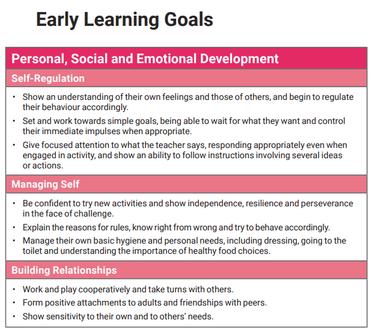
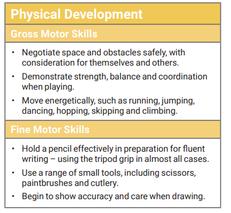
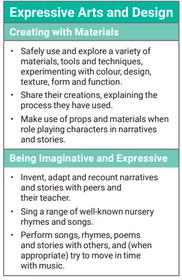
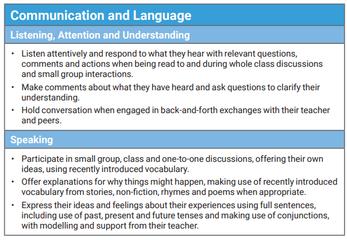
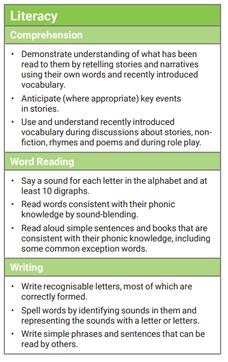
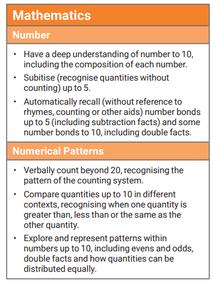

your child. We welcome conversations with the class teacher and opportunities for you to share experiences of your son’s development at home. You will receive regular information about your development throughout the EYFS
In the first six weeks of Reception your son will complete a baseline assessment in school, which helps the team plan for your son’s progression and development As parents, you will have an opportunity to mee the class teacher to discuss how your son has settled into UCS.
Children are continually observed across these areas and characteristics of learning and the key person purposeful play, involving child and adult led tasks and taking into account the individual needs, interes stage of development of each child Parents are kept regularly informed of pupil progress and can foll this learning and development at home
At the end of the EYFS – in the summer term of the Reception year in school – teachers complete an asses which is known as the EYFS Profile. This assessment is based on observations over time and is a well-ro picture of your child’s knowledge, understanding, abilities and progress measured against the Early Le Goals. The teacher will assess whether your child is meeting expected levels of development or not yet re expected levels, emerging. The EYFSP is carried out in the final term of Reception and shared with Yea staff to help them plan for your child’s learning in the next Key Stage
If there is cause for concern with a child’s progress the school will always contact the parents to discuss measures will be put in place to support development The school will report on your child’s pro including information from the EYFS Profile, in the autumn and summer term and you can discuss your progress throughout the year
Children with English as an additional language may have opportunities to use their home language in but their progress in Communication and Language and Literacy will be assessed in English Staff will su pupils to celebrate their home language/s in school We also welcome parents to share in this process
All the policies for the school are hosted on the website or School Portal. All parents will be given a log School Portal and it is a constantly updated site with all school for your reference. Hard copies of polic available on request from the office
i Your child is expected to attend every day that school is in session Holiday dates are published advance and should you wish your child to be absent for any reason you should write to the Head with your intentions and reasons. Requests should only be made for significant or important famil Work will not be set during periods of extended holiday leave
ii If your child is absent through illness or another unexpected event please telephone the school an message before 9.30am. When your child returns to school, a written explanation should be provide purposes of the school register
iii. If your child is occasionally away because he is unwell, you should not expect work to be sent your child is absent for a prolonged period and you are concerned about the amount of work t missing, you should contact your child’s class teacher for their advice.
iv.Your child is legally required to be in full time education from the term after his fifth birthday attendance is carefully monitored
Parents are entitled to have access to records about their child and many of these are shared with throughout the EYFS. Please do speak to the class teacher if you require more information.
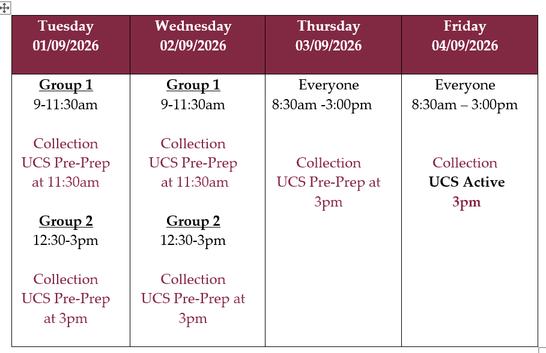
Reception will have a settling in period. On the first two days of term, the children attend eith morning or afternoon, to allow for a smaller group atmosphere and familiarisation with the classr teaching staff.
We aim to be as sensitive as possible to the needs of our pupils; our best advice is that you are consistent with your child once it is time to leave them, making the break as swift as possible, prolonged good-byes
The difference in a child’s attention and performance and thus enjoyment of the day, is marked if not had a full night’s sleep or eaten a nutritious breakfast. We realise it can also be difficult to routines at the end of the long summer holiday and would suggest that you begin these several day school commences This really has a positive impact on starting the school year
School starts at 8:30am with registration at 8:40am and it ends at 3pm. The school is open at morning for early morning club and clubs From 8:30am pupils can arrive with their parents W pupils to arrive at this time for the start of day activities. We ask that all pupils arrive with en unpack their bags and settle themselves in good time before registration so they are physically ready to start the day. The children have a morning break and snack, which is provided by the alsohavelunchandplaytimeintheafternoon.TimetablesaresharedinSeptember.
We encourage you to travel sustainably to school and welcome boys that wish to scoot or cycle. these at school but please note that any items left at school are at your own risk Please also Tuesdays and Fridays, when Reception boys are offsite and not collected at the Pre-Prep, scoote leftatschoolortakenhomeinthemorning
For those children whose home language is not English, some opportunities may be provided develop and use their home language within the classrooms We may ask parents to help us w numbersandsomephrasessothesecanbedisplayedintheclassroomtoaidandsupportyourc areencouragedtobringinbooksinthehomelanguageandtohelpstaffwithkeywords
If children fall ill during the school day and are unable to fully participate in the day’s progra will be contacted and asked to collect them We would urge you to keep your child at home if th all unwell. If children have been sick or had diarrhoea, we ask that they remain off school for a 48 hours so as not to spread an illness through the class or school. Children are encouraged t handsregularlyaspartofhealthyhygienehabits
If your child has an infectious illness we would ask that even if they appear well, they are not s during the period when they may be contagious Please notify us of any such illnesses in order alertotherparentswhosechildrenmayalsoappearunwell.
SchoolFirstAider:DebbiMaynedebbi.mayne@ucs.org.uk
permission from the parents, with accurate and appropriate instructions, as well as doctor’s/pharmacist’s notes on the bottle/packet of named medication for that child. A written recor when and who gave the medicine will be kept.
It is the school’s policy not to administer medicines with paracetamol to children during the school day parents/carers can come into school to administer these medicines as required Medicines contai aspirin will only be given if prescribed by a doctor Please consult the Administering Medicines policy further details
Medicine (both prescription and non-prescription) must only be administered to a child where wr permission for that particular medicine has been obtained from the child’s parent and/or carer. information from the pupil/parent will not be acted upon. If you bring medicine to school and require home please remember to collect it at the end of the school day
Parents are invited into the classroom every morning from 8:30am-8:40am and throughout the yea class assemblies, productions and numerous class viewings of PE and music lessons, as well as o classrooms. Parents are also encouraged to come to school to share their knowledge, cultur passions across the year We encourage parents to share their child’s home achievements within sc which we call WOW moments. Please feel free to email the class teacher photos and pieces of new upload these to Padlet.
Procedure in the Event of a Missing Child while at school (on-site):
1 The teacher in charge delegates a member of staff to search indoor and outdoor areas within the school and any secure areas in case a child is hiding. In the event the child is found the parent sho be advised of the incident and a review invoked.
2.The member of staff who has noticed the missing child will calmly inform the nearest member of SMT and the Headmistress should be called to the location.
3 Staff will count and name check all the pupils present against the register while the group are assembled in one place carrying out a safe activity If appropriate, children will be asked if they h seen the missing child.
12.The Headmistress will alert Local Safeguarding Children Board (LSCB) and the school's Local Au Designated Officer (LADO).
13 The Headmistress would inform the Foundation Headmaster and Chairman of Governors The sc insurers would be informed
14 As soon as practicable after the incident, if the child was injured, the Headmistress would make a under RIDDOR to the Health & Safety Executive (HSE) During the course of the investigation int missing child, the school, in consultation with the LADO, will decide what information should be to other parents, staff and pupils and how press enquiries are to be dealt with.
15.The Headmistress will write a report which will be used by the SMT as part of the incident review for improvements to avoid any further occurrences of the incident.
Procedures in the event of a child going missing (off-site):
1.The class teacher must ensure safety of remaining pupils. Staff will count and name check pupils present against the register while the group are assembled in one place. At least two m of staff must stay with the assembled children.
2.The teacher in charge delegates at least one member of staff to search indoor and outdoor area the vicinity immediately informing them if the child is found.
3.If the child is not found within 5 minutes of being lost, the class teacher must contact the p phoning 999.
4 The member of staff in charge will immediately inform the Headmistress of the incident and police have been called
with the LADO, will decide what information should be given to other parents, staff and other and how press enquiries are to be dealt with.
10 The Headmistress will write a report for review and to learn from the incident
The School holds both a moral and legal responsibility for the protection of its pupils from physical, emotional abuse and neglect All staff receive regular Child Protection training and the D Safeguarding Leads are trained every two years:
The Designated Safeguarding Lead is: Zoe Dunn
The Deputy Designated Safeguarding Lead with responsibility for EYFS is: Nik Watt. The Deputy Designated Safeguarding Lead is: Sophie Ryan.
Mobile Phones and other electronic devices with imaging and sharing capabilities
Personal mobile phones, personal cameras or personal electronic devices with imagining and capabilities are not used in the Early Years classes. Staff use school iPads or camera to photograph each child’s progress. The School also has a school mobile phone for offsite and trips. For further inf please consult the Early Years Photography, Videos and Images Procedure (on My School Portal Safeguarding Policy on the school’s website Hard copies are available from the School Office Th adheres to the following guidance:
Keeping Children Safe in Education, Working together to safeguard children
What to do if you are worried a Child is Being Abuse: Advice for Practitioners
Care
There may be times when a child, mainly in the EYFS, requires support for more intimate needs. include supporting them with dressing/undressing; providing comfort or support for a distressed p cleaning a child who has soiled himself, has vomited or feels unwell. If a child is in need of assista members of staff will be present and a written record will be kept of any child who has had intim assistance
benefit from support they will talk to the Special Educational Needs and Disabilities Co-o (SENDco) and depending on the need, put together a programme of work. Sophie Ryan is the SEN the Pre-Prep and the Junior Branch: Sophie.Ryan@ucs.org.uk
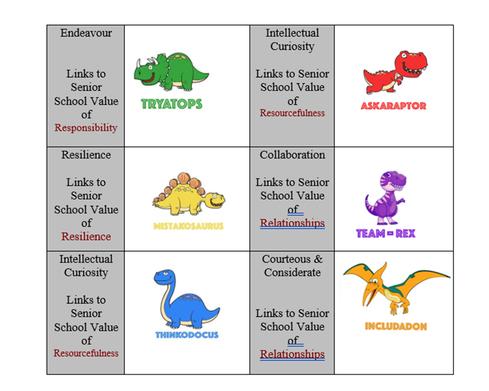

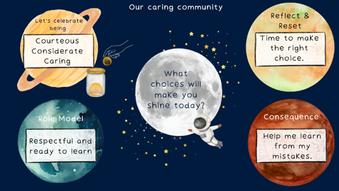
PRE-PREP’S LEARNING CHARACTERS Ms Sophie Ryan SENDco for Pre Prep and the Junior Branch
Sophie.Ryan@ucs.org.uk
Ms Nik Watt Woodpecker Reception Teacher Head of EYFS, Deputy Designated Safeguarding Lead nik.watt@ucs.org.uk

Ms Stevi Stratton Robin Reception Teacher and Outdoor Learning and Sustainability Co-ordinator stevi stratton@ucs org uk

Mrs Jo Free Teaching Assistants (Mon-Tue)
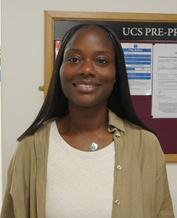
Ms Elaine Makatin Teaching Assistants (Mon-Fri)

Ms Louise Higgins Teaching Assistants (Wed-Fri)


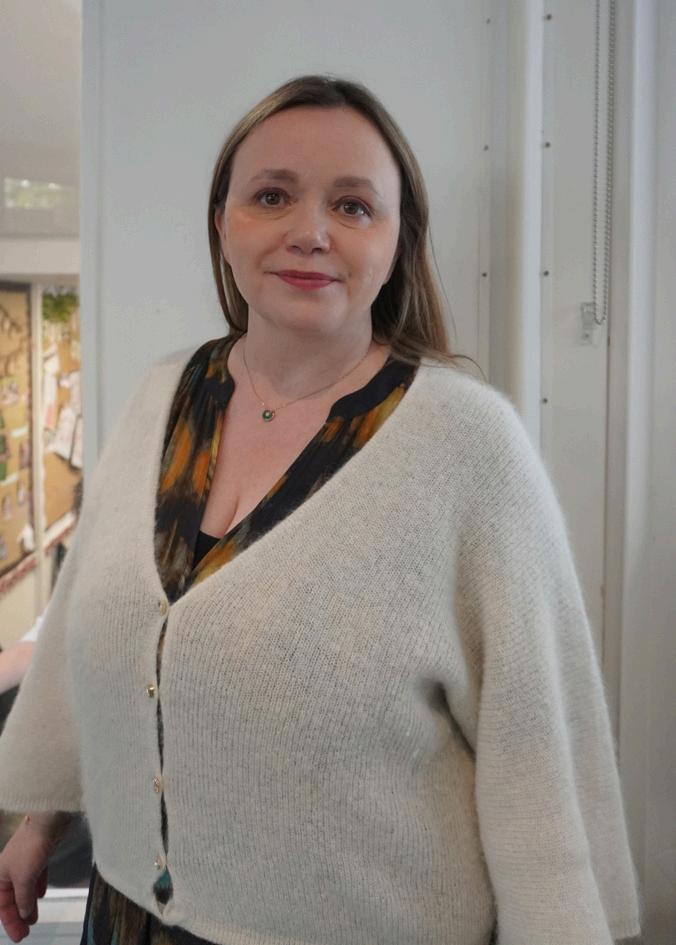

Mrs Sophie Ryan SENDCo & Assistant Head, Wellbeing and Deputy Designated Safeguarding Lead


Sara

Dr Dunn is the named Deputy who manages the EYFS in the absence of the Head of the EYFS
Ms Nik Watt Deputy Head Head of EYFS Designated Safeguarding Lead for EYFS
The children will have free time in the classroom until 8:40am, when the register is taken activities begin. Please ensure your child is in school and settled before this time. Paren welcome in the classroom to help settle children, but we do ask that you please depart enable the school day to progress efficiently. Accompanying your child gives you opp share in your child’s learning and to see what work is displayed in the classroom. Some pa to come every day, whilst other parents might come in once or twice. We welcome y forward to sharing in the fun and exciting learning that takes place
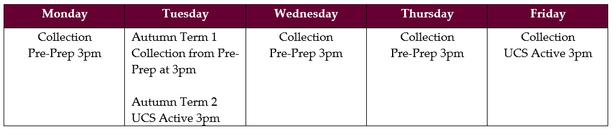
Children are collected at 3:00pm. Woodpeckers from the main door and Robins from the gate Please be patient as we learn all your faces We will take a photograph of the pe responsible for collecting your child or you will be asked to provide a photo if som collecting.
On Friday, children will be collected from UCS Active at 3:00pm.
Once Swimming commences, on Tuesdays the children will be collected from UCS Ac at 3:00pm.
W
ting throughout the scho are given a healthy snack
Ch r bottle daily which staff m to drink and support them Pu esh water throughout th e encouraged and supported reg are accessible to pupils th day and are clearly named. P res them into school daily and are appropriately cleaned.

All children bring a packed lunch to school every day. We ask you to provide a sensible, hea (fruit vegetables and sandwiches and no crisps, chocolate or sweets are allowed) but under eac ld has different likes, dislikes and nutritional requirements. Several, small portions o of foods seem to interest children most and we recommend a bento style lunch box as these right portion amounts for this age group. If utensils are needed these should be sent in the l We are unable to heat lunches for pupils.
Large portions of uneaten food are sent home with your child so that you are able to mon child’s likes/dislikes and their appetite. We do our best to encourage children to ‘try’ everythin have sent but do not insist that all food is eaten. Children are reminded to eat their sandwi portion first before moving on to their fruit or supplementary items and are asked not to shar There is always a member of staff present with Paediatric First Aid when the pupils are eating member on duty is responsible for checking that the food being provided/eaten mee requirements for each child.
Age-appropriate food textures and sizes are carefully provided for each child at snack time, t account not only chronological age, but also individual developmental readiness and famili different food types.
these guidelines for pupils in Reception unless there are documented reasons for alternative ap In Reception all staff members are required to sit facing pupils whilst eating, ensuring continu supervision and the ability to respond immediately to any situation that may arise, particularl incidents. Staff rotas are carefully arranged to ensure staff with paediatric first aid training are all times the pupils are eating. All EarlyYears staff hold a Food Hygiene qualifications.
Our mealtimes are deliberately designed to be relaxed, calm occasions, encouraging shared con and social interaction, creating positive associations with food and eating that will benefi throughout their lives. At snack and lunch time, there is a designated member of staff respo checking that the food being provided meets all requirements for each child. Our comprehen monitoring ensures that each child's special dietary requirements are met with accuracy, consis careful attention to individual needs.
UCS Pre-Prep has an allergy aware policy and we aim to be nut-free. Any food we provide in s not contain nuts, although you should be aware that the manufacturers of ingredients and food we use cannot guarantee that all their products are free from traces of nuts. We ask you not to products in your child’s lunch.
Please notify us of any special food allergies that your child may have and keep us upda changes.
Any food items prepared for pupils in school will take consideration of the 14 food allergens c the requirements (EU Food Information for Consumers Regulation, enforced in the UK by Information Regulations 2014,) The foods are: celery, cereals containing gluten, crustaceans, lupin, milk, molluscs, mustard, nuts, peanuts, sesame seeds, soya and Sulphur Dioxide. Inform be provided in a written format (e.g. listed on menus or standard recipes), or available for staff verbally to parents and children. Staff have attended Allergy Awareness training.
special circumstances, please put your request for absence in writing, via email to the Headmis there is a change to pick up arrangements (e g if your child will be going home with a friend) inform your class teacher or the school office in writing via email.
There are a variety of before and after school clubs such as tae kwon do, playball, football, cons club and chess (chess is only in the SummerTerm) as well as the daily Early Morning Club (drop 8am-8:30am. All club information is on the School Portal.
The Reception Class will be going on a variety of excursions during the year, linked to the topics in Understanding the World Visits such as Waitrose for an educational visit linked to foods aro world; went on a local walk and went minibeast hunting and pond dipping at Camley Street Reserve. Please check the Calendar on My School Portal.
As partners in your child’s education we value your insight into their lives and learning. We various points during the year, ask for information from you about your child’s views, interests, li dislikes.This is an invaluable help to us in supporting your child’s learning and development the can. We ask that parents support the school with writing and reading and this is through numero including revising Jolly Phonic Sounds, word boxes and sharing reading books across the wee formation practice and dictation activities.This should not be onerous and teachers will support with any tasks set.
Ways to help support your child at home:
You can help by encouraging your child to use the toilet independently, wash their hands, put fasten their coats.
Each Friday you will receive an email which summarises the key learning from the week. It is reminder about events and things coming up.
These are hosted on the School Portal each half term outlining what is happening throughout curriculum areas in Reception. Any other information will be emailed or hosted on S Occasionally we will use the children’s bookbags for correspondence.
Every half term you will receive a newsletter, The Finchley, which highlights and celebrate across the term.
A report of your child’s progress will be sent out in the autumn and summer terms. There formal parent meetings in the autumn and spring but you can request a meeting at any tim class teacher may also request to meet with you to discuss progress or your son’s wellbeing.
You can arrange meetings or communicate with the class teachers via their direct email:
Woodpeckers – Ms Nik Watt nik.watt@ucs.org.uk
Robins – Ms Stevi Stratton stevi.stratton@ucs.org.uk .
Please note that the teachers are often in class and will therefore only reply to emails wh available and not teaching your son. If your enquiry is of a more urgent or timely manner, p hesitate to contact the School Office: pre-prep@ucs.org.uk 0207 722 4433