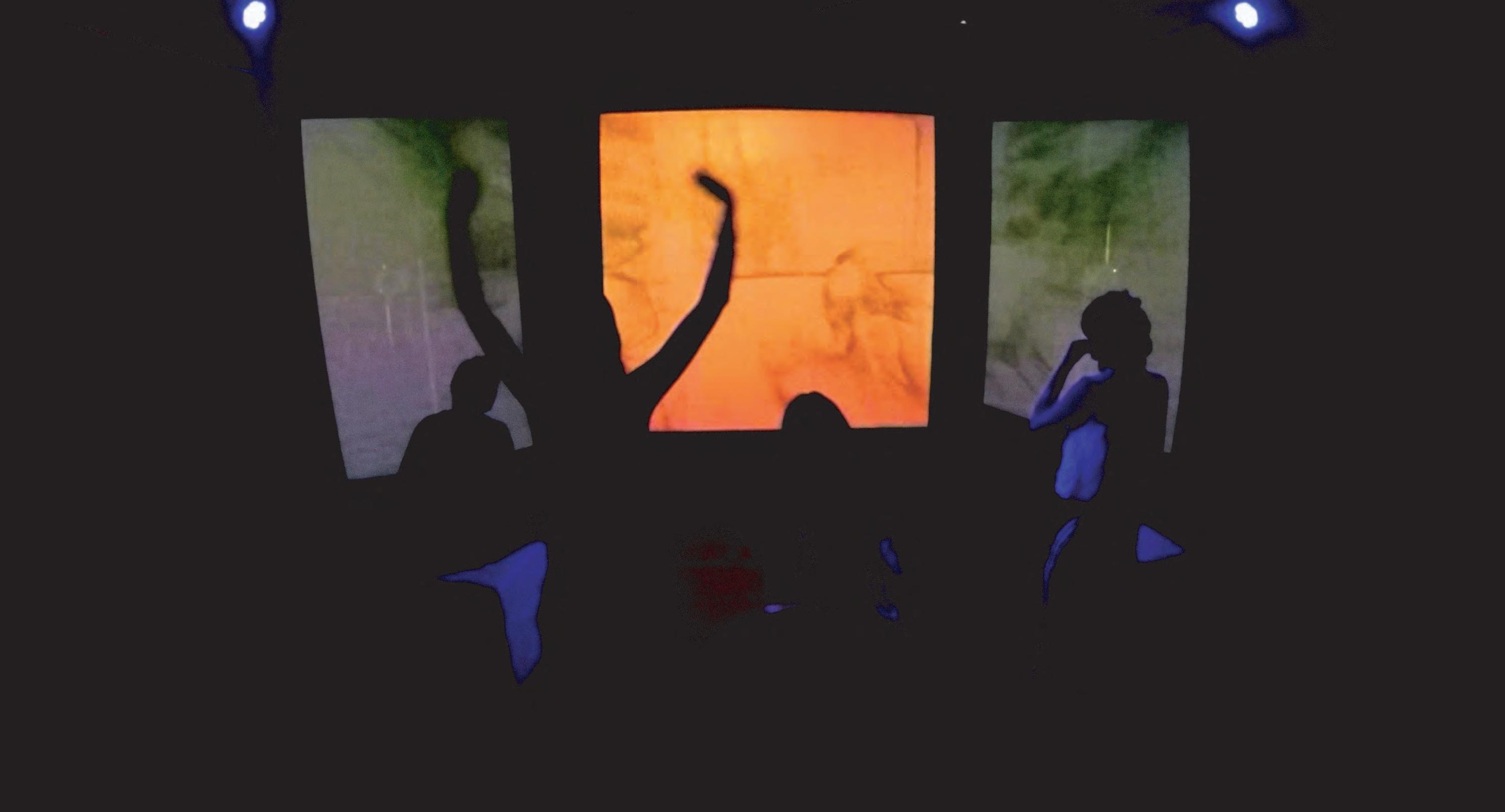
Crafting Performance Narratives Through Multi Sensory Design, Researching and Evaluating
Louis Polturak
Orchestrated Perceptual Augmentation
Crafting Performance Narratives Through Multi Sensory Design, Researching and Evaluating
Louis Polturak Master of Engineering: Engineering & Architectural Design
The Bartlett School of Architecture
Ackowledgments
I would like to express my deepest gratitude to my supervisor, Luke Olsen, for his invaluable guidance, consistent stream of ideas, and unwavering direction throughout this research. His insights have been instrumental in shaping both the theoretical and practical dimensions of this project.
A massive thank you to Reuben Jacobs. The design and construction of the installation experiment would not have been possible without his generous support, particularly on the AV front and rigging. I’m especially grateful for the time he took out of his busy schedule to assist, advise, and troubleshoot throughout the process.
Finally, I would like to thank Robin Kwon and Kai Jackson Over the past years, we’ve actively brought ideas from this thesis to life at music festivals and events, your constant feedback and imaginative inputs have played a crucial role in the practical implementation of this thesis. I look forward to continuing our creative collaboration and helping push the boundaries of the performance experience through architectural design.
This thesis investigates how scenographic tools, such as light, sound, projection, and spatial design, can be orchestrated to shape human perception and enhance the performance experience of electronic music.
The study begins by examining the cultural and spatial characteristics of electronic music environments, and audiovisual installations, as ideal contexts for perceptual experimentation. These spaces, already rich in sensory stimulation, are reimagined as platforms for narrative and experiential augmentation. Drawing on theories from cognitive science, perceptual psychology, and performance design, the research frames perception as an active, malleable process that can be consciously manipulated.
Using a practice-based, experiential methodology, the study develops a multiphase audiovisual installation designed to elicit and measure perceptual and emotional responses to scenographic manipulation. Findings reveal that scenographic scripting can effectively disrupt temporal and spatial norms, enhance emotional immersion, and foster embodied engagement. The study concludes by proposing a framework for perception-led design in live performance, positioning scenography not as background decoration, but as a central narrative and emotional force within the electronic music experience.
“Whatever you now find weird, ugly, uncomfortable and nasty about a new medium will surely become its signature. CD distortion, the jitteriness of digital video, the crap sound of 8-bit—all of these will be cherished and emulated as soon as they can be avoided. It’s the sound of failure: so much modern art is the sound of things going out of control, of a medium pushing to its limits and breaking apart. The distorted guitar sound is the sound of something too loud for the medium supposed to carry it. The blues singer with the cracked voice is the sound of an emotional cry too powerful for the throat that releases it. The excitement of grainy film, of bleached-out black and white, is the excitement of witnessing events too momentous for the medium assigned to record them.” — Brian Eno
Introduction
In an era of experience-driven culture, live performance is increasingly evaluated not solely by its narrative or technical delivery, but by how it feels. From theatre and dance to music and live art, the shift toward sensorially rich environments has elevated production expectations and pushed performance-makers to innovate across multiple sensory channels. Audiences now seek not just representation but sensation. This shift invites a pressing question for scenographers and performance architects: how can we bridge the gap between performance and lived experience, between artistic intention and audience embodiment, through designed environments?
This question becomes particularly pressing in the realm of electronic music performance, where storytelling is delivered not through lyrics or plot, but through abstract structures of rhythm, texture, and space. Often unfolding in intense, atmospheric settings, such as nightclubs, raves, and festivals, these performances already foreground light, sound, and spatial choreography. Yet, while rich in sensory potential, such environments are rarely treated with the same architectural rigour as traditional performing arts. As contemporary thinkers on performance and design suggest, the body’s perception of space, sound, and image is not merely passive but constructive—a process through which meaning emerges in real time. By embracing this, performance can move beyond immersion as aesthetic effect and become a deliberate, perceptually authored experience. **
This thesis investigates how scenographic tools, specifically lighting and projection, can be intentionally orchestrated to distort perception and enhance the emotional and embodied experience of electronic music performance. While immersive theatre and installation practices have explored similar terrain, electronic music environments remain under-theorised as sites of performative design. Despite their structural potential, highfidelity sound systems, immersive architecture, and a culturally embedded emphasis on atmosphere, these environments are rarely leveraged as perceptual frameworks. This research addresses that gap by proposing that scenographic tools can operate as a perceptual script, guiding attention, manipulating sensory thresholds, and amplifying affective response in real time.
The central research question guiding this thesis is: How can the orchestration of scenographic tools distort human perception to bolster the performance and experience of electronic music?
This question is examined through a combination of theoretical research and practice-based experimentation, grounded in cognitive science, perceptual psychology, and performance design. The study adopts a practice-based, experiential methodology, designing and delivering a multiphase audiovisual installation to test how scenographic interventions influence perception across time, space, agency, and emotion. Drawing on electronic music’s structural abstraction and psychoacoustic affect, the installation was developed to create conditions in which perception could be intentionally manipulated, and immersive engagement assessed through participant feedback.
The thesis unfolds in six core chapters:
Chapter 1 - Builds the conceptual foundation, examining the historical and technological evolution of multi sensory performance, the psychology of perception, and the characteristics of electronic music and its environments.
Chapter 2 - A detailed account of the experimental structure, technical systems, and practice-based methodology used to orchestrate perception.
Chapters 3 - A presentation of participant responses across perceptual domains including time, space, agency, and emotional engagement.
Chapter 4 - A critical analysis of how scenographic elements shaped perception and emotion across the four experimental phases.
Chapter 5 - Concluding reflections that propose a framework for scenographic authorship in performance—where design shapes not just environment, but experience itself.
Foundations of Perceptual Performance
1.1 Historical and Technological Foundations
of Multisensory Performance Design
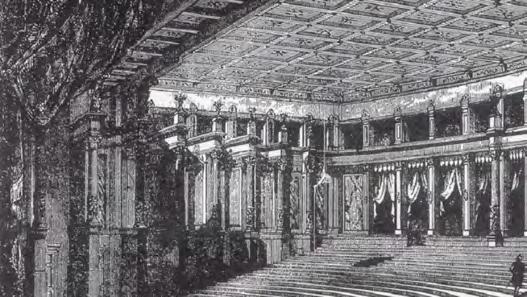
The pursuit of unifying sight, sound, and spatial experience within performance has long shaped the evolution of immersive and multidisciplinary art forms, rooted in a desire to create total works of art that transcend the limitations of single-sensory experience. This ambition can be traced back to classical architectural theory. In The Ten Books of Architecture, Vitruvius dedicates Book Five to the design of theatres, paying close attention to their acoustic foundations—an early acknowledgment that architecture and sound must work in tandem to shape experience. This understanding of space as both visual and sonic laid the groundwork for future developments in performance design.
One of the most influential articulations of this idea is Richard Wagner’s concept of the Gesamtkunstwerk, or “total artwork,” which aimed to dissolve the boundaries between music, staging, and scenography, specifically in the context of opera. For Wagner, this fusion was not simply aesthetic but ideological, a holistic synthesis of all art forms into a singular, affective experience (Wagner, 1849).
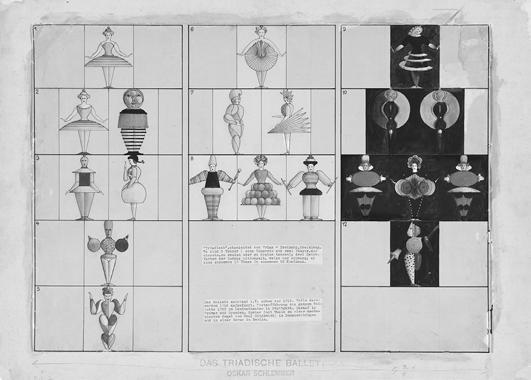
with near-scientific precision. These performances pursued what Droste (2002) described as an “esoteric agenda executed with mathematical clarity,” reducing the body and space to symbolic systems (see figure 2) capable of triggering perceptual shifts. Here, the stage became a laboratory of sensation, where scenographic tools were tested for their psychological and physiological effects. As Salter (2010) observes, the relationship between architecture and theatre was not one-directional; it was cyclical. Theatre offered architecture a site of speculative prototyping, where ideas trialled scenographically could later be adapted and applied to urban or architectural contexts.
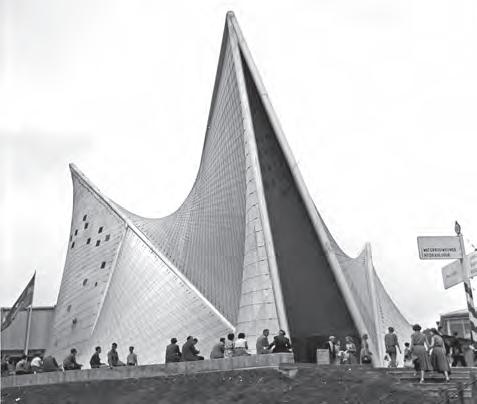
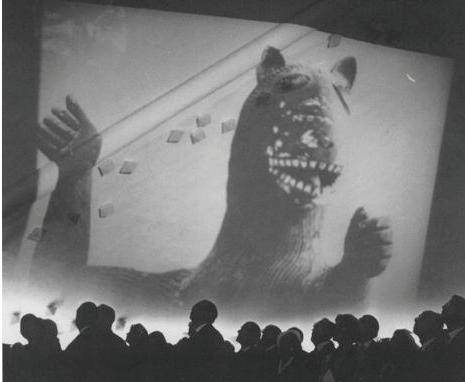
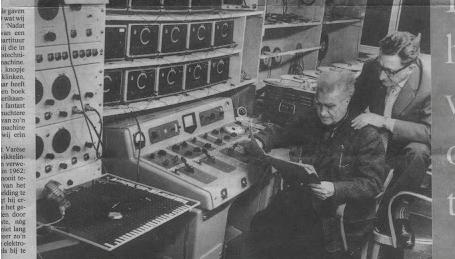
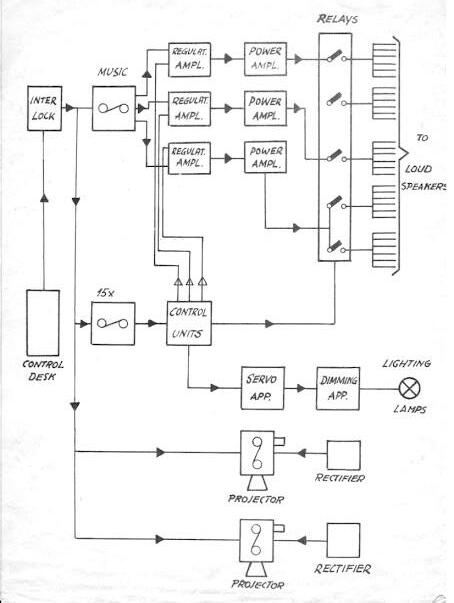
This approach was further developed in postwar performance environments that integrated technology as both medium and message. A key example is Le Corbusier’s Poème électronique in 1958, created in collaboration with Edgard Varèse and Iannis Xenakis for the Philips Pavilion at the Brussels World’s Fair (see figure 4).
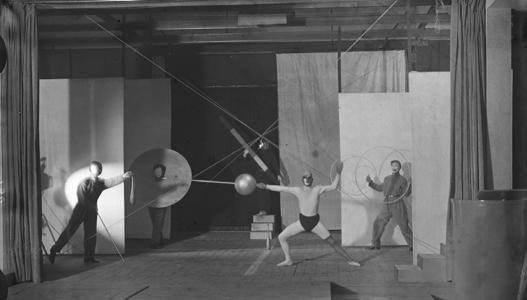
Wagner’s influence echoed into the early 20th century through the radical experimentation of the Bauhaus stage workshop, which reframed performance as a site of multisensory abstraction and spatial logic. Led by figures like Oskar Schlemmer and László Moholy-Nagy, the Bauhaus treated light, sound, form, and movement as modular components that could be choreographed
Figure 1. An 1875 engraving of the Bayreuth Festival Theatre by Édouard Schuré.
Figure 2. Costume designs for Das Triadische Ballett (The triadic ballet), Oskar Schlemmer, 1926.
Figure 3. “Acrobatics” (1927.), scene II, produced by Oskar Schlemmer, photographed by Erich Consemüller.
Chapter 1: Schenography from Stage
4. The Philips Pavilion at the Brussels World’s Fair 1958, Wikimedia Commons
5. Projections Inside The Pavilion, Wikimedia Commons
6. Edgard Varèse (left) and Willem Tak during the production of “Le poème électronique”, 1957, Gaudeamus Collection.
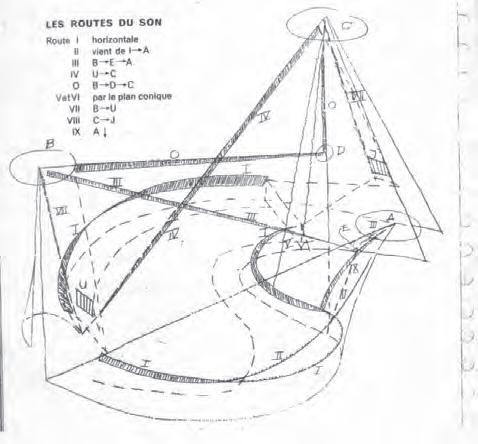
Figure 7. Sketch of the Sound Paths During “Le poème électronique”, Iannis Xenakis.
Figure
Figure
Figure
Commissioned as a showcase for Philips’ technological capabilities, the pavilion functioned as an immersive audio-visual experience in which architecture, projection, and electroacoustic sound were precisely synchronised (see Figure 6 & 7). Rather than telling a story, the pavilion created a spatial and temporal score, an abstract script, through which visitors moved and experienced (see figure 8). As Oren (2007) notes, it marked a turning point in multimedia composition, where space, sound, and image were designed as co-equal experiential components.
This lineage of multisensory performance frames the historical and conceptual context in which this research is situated. Each example reflects a growing ambition to use design as a tool for shaping perception and guiding experience. These works demonstrate that performance has long served as a testing ground for perceptual manipulation, with scenographic tools acting as both expressive media and cognitive instruments.
Examining these precedents invites a deeper question: how do humans perceive, process, and respond to sensory environments Particularly those designed to challenge or augment perception? This leads us to consider the mechanisms of human perception, the psychological and physiological processes by which we navigate space, time, and sensation—forming the basis of the next section.
1.2 Human Psychology and Perceptual Mechanisms
Perception is the fundamental process through which humans acquire and interpret information from their environment. Rather than operating as a passive intake of sensory data, it is a dynamic, multi-layered system in which inputs from the body’s senses: vision, hearing, touch, proprioception and smell, are continuously integrated and interpreted to form a coherent and functional model of the world. This process is inherently multisensory; sensory modalities do not function in isolation but combine to produce a unified experience of reality (Stein and Meredith, 1993). The perceptual system adapts responsively to context and experience, allowing humans to navigate complex environments with remarkable flexibility and speed.
These innovations laid the conceptual groundwork for contemporary (21st Century) performance design, which has been revolutionised by digital tools and responsive media systems. The emergence of projection mapping, spatial audio engines, interactive lighting, and real-time visual synthesis has allowed designers to create environments that not only stimulate multiple senses, but actively respond to audience behaviour and input. As Salter (2010) argues, today’s performance spaces are increasingly understood as “technological ecologies,” where perception is continuously shaped through feedback loops between body, space, and system.
Foundational theories offer different models for how this integration occurs. James J. Gibson’s ecological approach (1979) emphasises direct perception, arguing that humans perceive their surroundings in terms of affordances. Possibilities for action that are picked up through movement and interaction. In contrast, Richard Gregory’s constructivist theory (1970) presents perception as a top-down process, shaped by prior knowledge, learning, and expectation. While often viewed in opposition, contemporary research suggests that human perception likely involves both bottom-up and topdown processes simultaneously (Kveraga, Ghuman and Bar, 2007). The brain does not operate through
a linear pipeline but rather as a responsive network, interpreting stimuli in real time while continually predicting and updating sensory information based on context. This understanding forms the foundation for analysing the specific mechanisms that shape human perception.
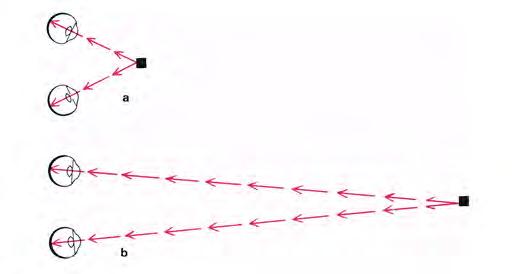
Visual perception plays a central role in how humans interpret space, motion, and form. The visual system processes raw stimuli in multiple layers, beginning with low-level features such as brightness and contrast, and progressing to higher order pattern recognition and spatial judgment (Gregory, 1966) . Spatial awareness emerges from a combination of monocular cues, such as linear perspective, relative size, and motion parallax as well as binocular cues like stereopsis, which uses the disparity between the two eyes to calculate depth. These mechanisms allow us to judge distance, orientation, and the layout of our environment in three dimensions. However, spatial perception is not infallible; it is susceptible to misinterpretation when these cues are artificially manipulated or disrupted, as will be explored in the following section.
Figure 9. Stereopsis. The brain uses the angle between the eyes’ lines of sight to perceive depth. (a) Focusing on nearby objects, the eyes converge sharply.(b) Focusing on distant objects, the convergence angle is smaller. This difference in convergence helps the brain judge how far away an object is. Gregory, R. L
Human perception of time is governed by what psychologists refer to as an internal clock system, a distributed set of neural and cognitive processes that allow individuals to estimate durations, detect rhythm, and process temporal structure (Grondin, 2010). This system is closely linked to attention, emotional arousal, and prediction. When attention is heightened or arousal increases, time may appear to slow down. Conversely, under immersive and repetitive conditions, time may feel compressed or momentarily disappear (Block and Zakay, 1997). These distortions are particularly common in environments where rhythm, non-linear progression,
and continuous stimuli interfere with temporal anchors.
Auditory processing is another key perceptual mechanism, particularly in experiences involving sound design and music. The human auditory system is specialised for recognising patterns in pitch, rhythm, and location. Through binaural hearing, the brain can determine spatial positioning by comparing sound input from both ears (Middlebrooks and Green, 1991). Sound plays a crucial role in anchoring temporal flow and guiding attention. Repetition, beat alignment, and harmonic structure can all influence perceived time and emotional response (Juslin and Sloboda, 2010). Another important mechanism is auditory scene analysis, through which the brain organises complex auditory input into discrete perceptual streams, grouping sounds that share features like pitch, rhythm, or spatial origin (Bregman, 1990). This process allows listeners to separate overlapping sources and maintain attention on specific auditory events.
Though less central to this study, tactile and proprioceptive information also contribute to perception. Proprioception allows the brain to monitor the position and movement of the body, contributing to spatial awareness and bodily orientation (Proske and Gandevia, 2012). Tactile input, such as vibration or air pressure, can reinforce visual and auditory cues. Smell, though not directly employed in this experiment, engages the limbic system, closely linking olfactory stimuli with memory and emotional processing (Herz, 2004).
Understanding these mechanisms of perception provides a foundational model for how humans navigate their environments. These processes work in constant interaction, shaping how we experience space, time, and stimuli across multiple modalities. Crucially, while these systems are adaptive and finely tuned, they are also malleable, and at times, vulnerable to disruption. Recognising this malleability raises an important question for this research: if perception is actively constructed through integrated sensory cues and internal expectations, how might these mechanisms be deliberately manipulated or reoriented through design? This question forms the basis of the following section, which examines the role of illusion and perceptual misdirection in altering sensory experience
1.3 Illusions and Illusion Design in Performance
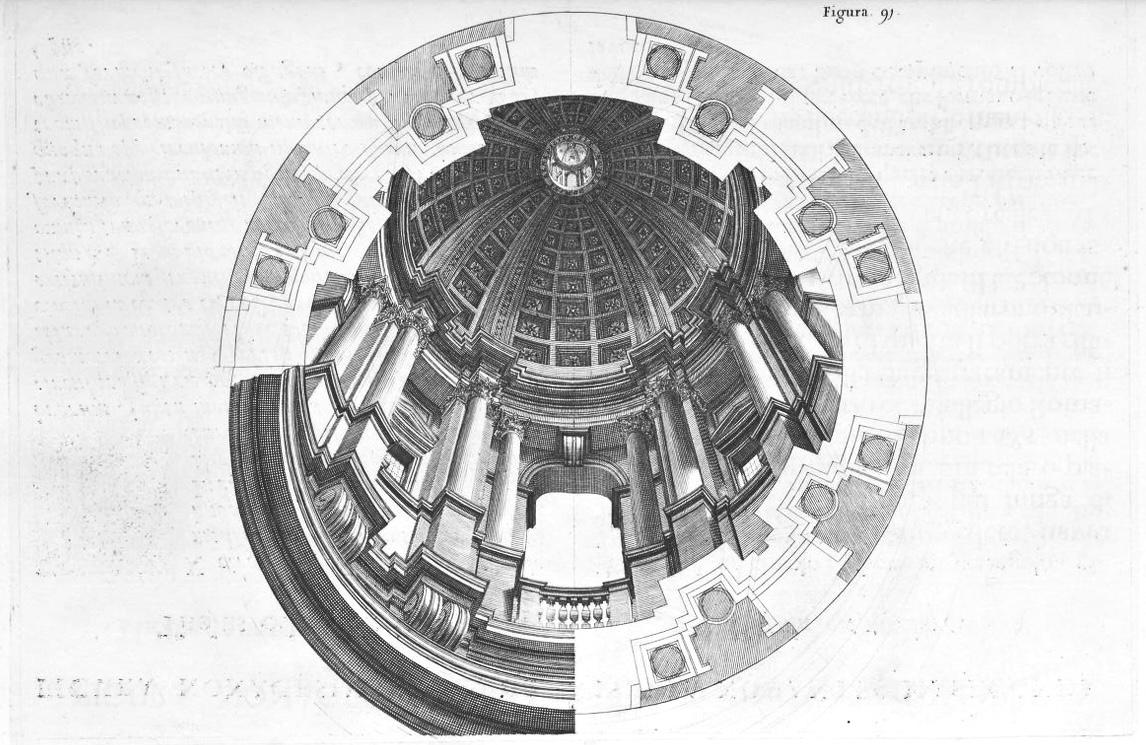
Trompe-l’œil, meaning “deceive the eye,” is a classical technique that uses precise linear perspective and shading to simulate threedimensional form on two-dimensional surfaces. It relies on the perceptual system’s assumption that converging lines imply depth and that light and shadow define spatial relationships. A prime example is Andrea Pozzo’s ceiling painting in the Church of Sant’Ignazio (1685) in Rome (see figure 10). Pozzo calculated vanishing points in relation to viewer position, demonstrating an early understanding of how visual cues can override physical structure. The illusion is effective because the brain reads converging lines, shrinking scale, and vanishing points as cues for spatial depth— monocular indicators that help us perceive threedimensional space from a single point of view (Howard and Rogers, 2012). These cues operate even in the absence of binocular information, enabling the flat surface to be perceived as a receding architectural dome.
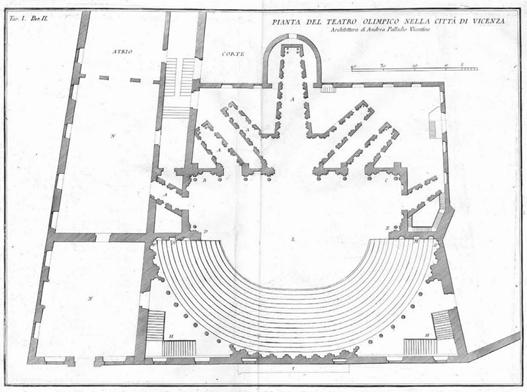
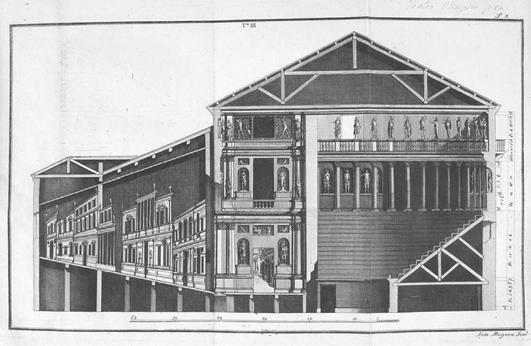
Forced perspective has been used in theatre to manipulate the viewer ’s perception of space, creating architectural illusions through controlled geometry. The most celebrated historical example is the Teatro Olimpico in Vicenza, designed by Andrea Palladio with scenery by Vincenzo Scamozzi (see figure 11). Scamozzi constructed diminishing streetscapes using progressively smaller archways and angled floors, producing the illusion of long avenues receding far beyond the stage’s physical depth. This illusion exploits the brain’s reliance on size constancy and linear perspective as indicators of spatial extension (Goldstein, 2010). When viewed from the centre of the auditorium the design resolves into a plausible depth field, despite being physically shallow.
The autokinetic effect refers to the illusory perception of motion in a static object, typically observed in conditions lacking stable visual reference points. This phenomenon occurs because involuntary eye movements, known as microsaccades, create subtle shifts in the retinal image that the brain misinterprets as object motion (Steinman, 2000). In darkened or uniform
Figure 10. Andrea Pozzo, Perspective for Painters and Architects, Volume I (Rome, 1693), Getty Research Institute.
environments, such as a star field or minimal light installation, the absence of contextual anchors makes it impossible for the brain to localise the object accurately. Autokinesis is a well-documented phenomenon in aviation, where pilots may perceive a stationary light as moving in the absence of visual reference points at night.
The opponent-process theory of colour vision, first proposed by Ewald Hering (1878), describes how the visual system processes colour in opposing channels: red/green, blue/yellow, and black/white. When one half of a colour pair is overstimulated, the corresponding opponent is temporarily suppressed, and upon removal, a rebound effect occurs, producing a vivid afterimage. This physiological mechanism is exploited in lighting and visual art through colour inversions and saturation cycling, creating retinal fatigue and perceptual intensification (Hardin and Maffi, 1997). Josef Albers, in his studies of colour interaction, demonstrated how contextual colour contrast can shift perception and emotional tone, influencing both the visual clarity and affective reading of a scene.
Impossible figures such as the Penrose stairs, the Necker cube, and the architectural illusions of M.C. Escher operate by presenting structures that are locally coherent but globally inconsistent (see figures 12 &13). These illusions leverage the brain’s gestalt principles, particularly the tendencies toward closure, continuity, and figureground stability, to construct plausible spatial forms from conflicting visual input (Gregory, 1970). The viewer’s perceptual system attempts to reconcile these paradoxes into three-dimensional form, despite their impossibility in physical space. Escher’s work reveals how perceptual rules can be subverted through precise visual composition. In contemporary performance and installation, similar techniques are deployed through projection mapping and layered geometric frames, creating paradoxical environments that challenge spatial expectation.
The illusions examined in this section demonstrate how easily the perceptual system can be manipulated through specific cues. Whether by bending depth perception, inducing apparent motion, or subverting spatial logic, each example reveals the plasticity of perception and the brain’s tendency to prioritise coherence over accuracy. These mechanisms have been historically embedded in art, architecture, and scenography to destabilise reality and reshape spatial experience. Yet beyond their individual perceptual effects, these illusions raise a broader question: how might such techniques be employed not simply to trick the eye, but to deepen experiential immersion and cultivate a sense of embodied presence within a performance? This leads to the next area of inquiry - how illusion, sensation, and environment interact to produce fullbodied, immersive experiences, where perception is not only disrupted, but felt, inhabited, and emotionally charged.
Figure 11. Floor plan of Teatro Olimpico in Vicenza (upper); longitudinal section, drawings by Ottavio Bertotti, Ingberg Image Archive.
Figure 12. ‘Relativity’ July 1953, Lithograph, The M.C. Escher Company.
“Delusion, if delusion be admitted, has no certain limitation; if the spectator can be once persuaded... he is in a state of elevation above the reach of reason, or of truth.”
— Samuel Johnson, Preface to Shakespeare’s Plays
Figure 13. Waterfall, October 1961, The M.C. Escher Company.
1.4 Immersion and Embodiment
Immersion is a state in which an individual becomes psychologically and sensorially absorbed in an environment to the point where the boundaries between self and surroundings become fluid. Closely related is embodiment, the condition where cognition is understood as being anchored in bodily experience, placing the body as central to perception and interaction. Together, these concepts form the basis of immersive experience, in which users are not simply observing, but inhabiting and participating within a medium. According to Dixon (2007), immersion occurs when the artwork envelops the viewer to such a degree that it occupies their full perceptual field, collapsing the space between stimulus and response.
From a cognitive science perspective, Francisco Varela’s (1991) work on mindfulness and embodied awareness offers an additional lens through which immersive participation can be understood. Varela proposes that heightened awareness of one’s bodily and emotional states enables a form of internal reflection, where participants engage with an experience not only externally but through internal observation and introspective feedback. This approach frames participation as an active and reflective engagement with design material, deepening presence through perceptual involvement. In the context of immersive performance, this means that spectators are not simply passive recipients of stimulus, but are cognitively and emotionally situated within the experience, constantly adjusting to and interpreting their role within the environment.
Immersive installation art and performance frequently activate this dual condition of immersion and embodiment through sensory orchestration and environmental responsiveness. For example, David Shearing’s Weather Machine (2015), placed audience members within a climatically responsive landscape, where sound, light, and text shifted according to real-time weather data. In doing so, the installation foregrounded the perceptual and emotional effects of environmental conditions, prompting participants to consider their own presence as part of the system. (see figures 14 &15)
These examples reflect a broader turn in contemporary practice toward perceptually authored environments—spaces where every parameter, from light intensity to sonic texture, is intentionally controlled to guide participant experience. As Josephine Machon (2013) articulates, immersive experiences “combine the act of immersion—being submerged in an alternative medium where all the senses are engaged and manipulated—with a deep involvement in the activity within that medium.” In such contexts, the medium itself becomes a designed perceptual landscape, an environment governed by its own internal logic, capable of framing emotion, orientation, and interaction. For the designer, this presents an opportunity to craft a world with its own rules, where scenographic control does not merely support performance but constitutes the performance itself, an architecture of experience where perception is both the material and the outcome (Schechner 1994).
Being situated within an experience, rather than observing from a distance, offers a particularly powerful means of communicating a performance’s narrative. In immersive environments, interpretation is not simply conveyed through representation
Figure 15. The Weather Machine (2015), By David Shearing, Images by Tom Joy
Figure 14. The Weather Machine (2015), By David Shearing, Images by Tom Joy
but is felt through perception, constructed in real time as participants navigate a world shaped by light, sound, and space. This embodied proximity creates conditions where emotional engagement is deepened, and the sensory script of the performance is experienced first-hand rather than interpreted once-removed. Such immediacy invites a shift in how we understand performance—not as something staged and viewed, but as something entered and co-created. This realisation leads us to the central focus of this thesis: how might these perceptual and immersive principles be applied within electronic music performance environments, which already centre sound, rhythm, and atmosphere as primary carriers of experience? The next section explores why these spaces offer a uniquely fertile ground for scenographic experimentation, and how they can serve as ideal contexts for developing immersive, perception-led performance design.
1.5 Psychoacoustic Production Techniques
Electronic music, particularly within its experimental and club-oriented subgenres, offers a uniquely powerful medium for crafting perceptionled performance narratives. Unlike traditional genres bound by the physical constraints of acoustic instruments, electronic music is constructed entirely digitally, allowing sound to be sculpted with extraordinary precision. This design flexibility makes it not only adaptable to immersive contexts, but ideally suited for scenographic orchestration, where music and space can be developed in synchrony to deepen audience engagement (Solberg and Dibben, 2019). In this context, sound is not simply accompaniment but becomes a driver of narrative atmosphere, capable of modulating
emotional and physiological states in real time (Turrell, Halpern and Javadi, 2021).
A key aspect of electronic music’s perceptual power lies in its use of psychoacoustic production techniques, including spatialisation, panning, sub-bass resonance, reverb, and spectral shaping, which can directly influence the listener’s sense of space, orientation, and bodily presence (Solberg and Jensenius, 2017). These elements are often deployed not just to build texture, but to manipulate how sound is physically and emotionally perceived. For instance, extreme low-end frequencies, commonly used in club environments, interact with the body physically, generating a visceral presence that collapses the boundary between auditory and haptic experience (Butler, 2006). Likewise, stereo width and movement create illusions of space and directionality, disorienting fixed spatial anchors and immersing the listener within a dynamic sonic field.
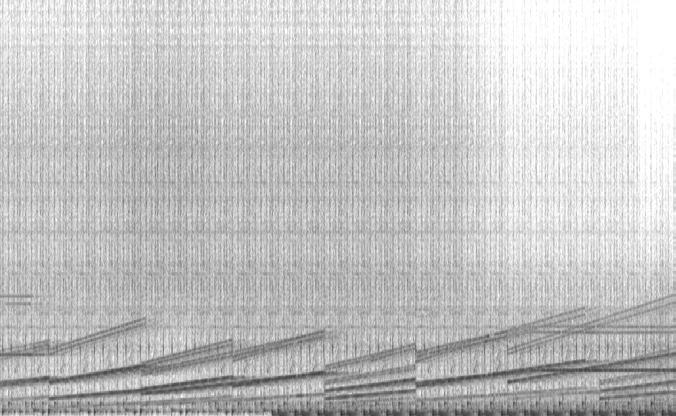
The Shepard tone offers a compelling example of psychoacoustic illusion. It is a layered auditory effect that creates the perception of a sound that continuously rises in pitch (see figure 16) even though it never actually increases beyond a limited range (Deutsch, 1995). While not used in the experimental setup described in this study, tracks like Axel Boman’s “Nokturn – Grand Finale” demonstrate how this technique can generate psychological tension and disorientation, making it a useful reference point for environments where sensory manipulation is central to the design experience.
Electronic music’s structure is rooted in repetition and process-based evolution, a legacy Figure 16. Spectogram Showing Frequency
inherited from minimalist composers like Terry Riley and Steve Reich, who demonstrated the emotional potency of looped patterns and gradual transformation (Garcia, 2013). In electronic music, repetition does not signal stasis but instead opens space for deep auditory focus and continuous morphing of sound, what Garcia (2013) describes as “an ecology of sounds in motion.” This creates a zoomed-in form of musical storytelling, where narrative is not delivered through linear melodic development but unfolds through interacting textures, rhythmic shifts, and evolving form over time.
This approach is inherently immersive and emotionally resonant. According to Huron’s (2006) theory of musical expectation, the accumulation of sonic layers builds anticipation, and the eventual arrival of a peak moment, such as a drop or modulation, releases dopamine, producing a heightened emotional and sensory response. The structure of tension and release in electronic music mirrors the psychological patterns of suspense and gratification, drawing the listener into a perceptual loop where their attention and emotion are actively shaped by sound.
Electronic music also distinguishes itself through its resistance to fixed meaning. Without lyrics or overt narrative structures, meaning is shaped through pure sonic material: frequency, rhythm, energy, and atmosphere. As Aphex Twin (Richard D. James) stated in an interview, “It’s all about sound… They think, ‘Oh, I want to hear a nice tune.’ But what you’re actually saying is you want to hear the combination of frequencies that make you feel a certain way” (Aphex Twin, 2014). This abstraction makes electronic music particularly suited to immersive performance, where emotional engagement is rooted in sensory experience rather than representational content.
Within many underground subgenres of electronic music, this focus on sonic exploration is embraced as both a creative and cultural ethos. Producers work not toward communicative clarity, but toward creating environments of feeling, spaces where the listener’s perception becomes the narrative canvas. This aligns with the goals of perceptual design in performance: to use sensory manipulation as a means of crafting affective, participatory environments that resist literal meaning but offer deep, subjective engagement.
Electronic music’s perceptual depth stems not only from its production techniques but also from its inherent abstraction, emotional intensity, and capacity to sculpt immersive sonic experiences. Its psychoacoustic sophistication, emphasis on gradual transformation, and resistance to fixed meaning make it uniquely capable of supporting perceptual manipulation and abstract storytelling. These qualities are not limited to how the music is made but are also reflected in how it is performed and experienced, often in environments that heighten its sensory and emotional impact. The next section explores these environments in more detail, positioning nightclubs, raves, and festivals as culturally embedded spaces where electronic music’s perceptual design is most fully realised. These sites, rich in aesthetic intentionality and immersive potential, provide the ideal stage for the development of augmented scenographic practices and the crafting of narrative-driven, perception-led performance.
2.6 Electronic Music Environments as Sites for Perceptual Augmentation
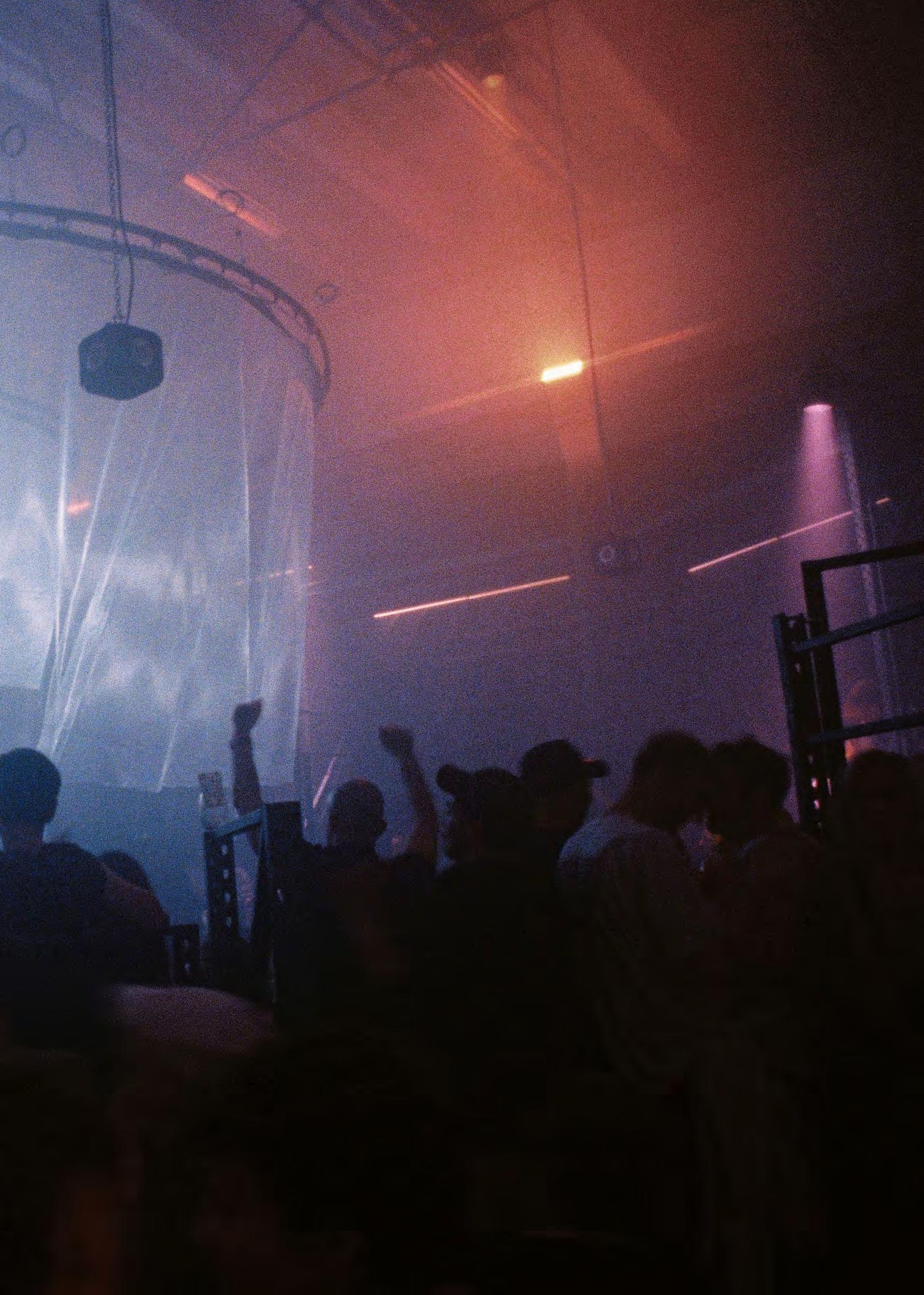
The environments in which electronic music is performed, nightclubs, raves, and festivals, are some of the most sensorially intense and immersive spaces in contemporary culture. They are places where attendees routinely surrender to light, sound, and movement, and where the boundaries between body, space, and sound are rendered fluid. These environments, while often overlooked in academic discourse on performance, offer a natural foundation for perceptual experimentation through their multisensory richness, communal energy, and open ended aesthetic language. A defining feature of these spaces is their commitment to high-fidelity, full-spectrum sound,
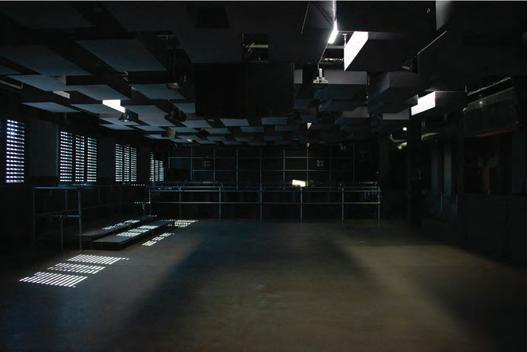
Figure 17. Fold Acoustic Treatment, Fold London
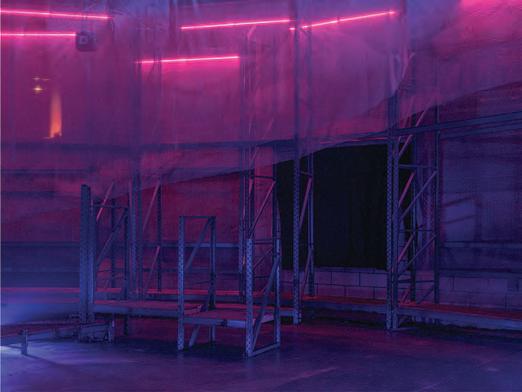
Figure 18. The Swirl, Soft Border Scafolding, Horst Art and Music
often delivered at intense volume levels (around 110 dB) without distortion. Venues like Berghain in Berlin and FOLD in London are specifically constructed to preserve sonic integrity, turning architecture into a vessel for spatial and haptic sound design. In these spaces, walls are treated as acoustic surfaces, designed to absorb, reflect, and modulate frequency response (see figure17). At Berghain, the towering industrial dimensions of the former power station are paired with a bespoke
Funktion-One sound system, tuned to enhance the spatial dispersion of low frequencies without compromising midrange clarity (Hegarty, 2020). Similarly, FOLD employs a system layout that ensures even sound pressure distribution across the dancefloor, avoiding “dead zones” and ensuring that the entire space resonates with tactile intensity. This integration of architectural volume, sound system design, and material treatment allows sound to become a fully immersive medium—one that is inhabited, shaping movement, attention, and affect across the space.
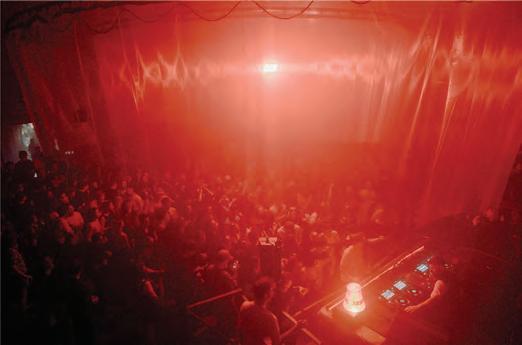
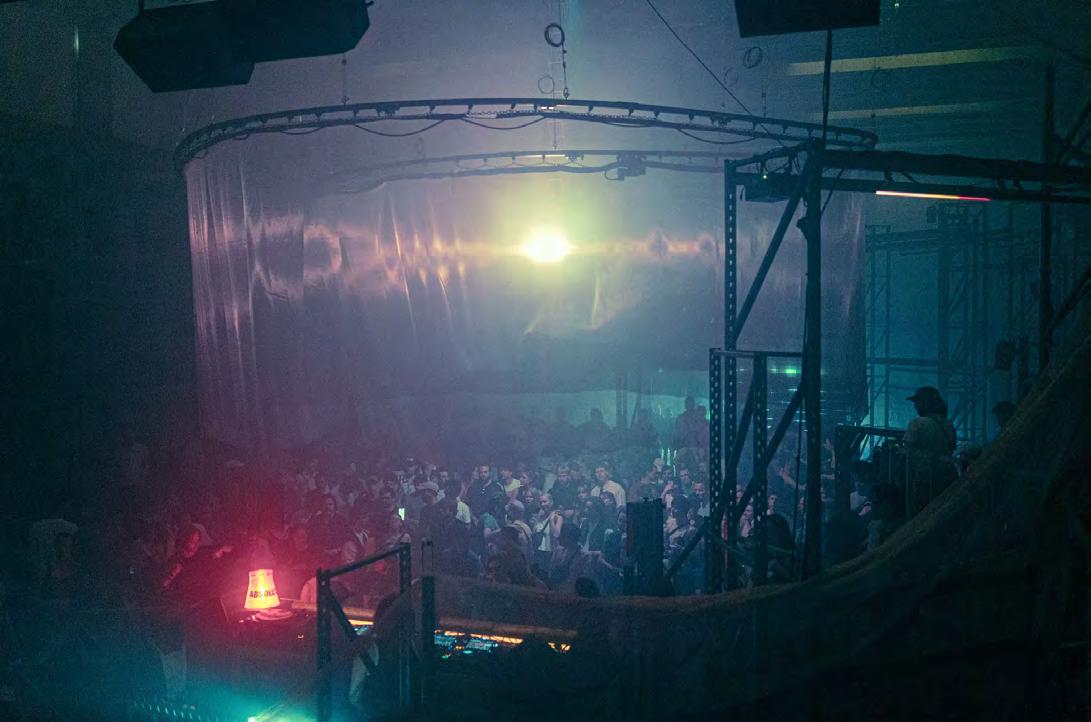
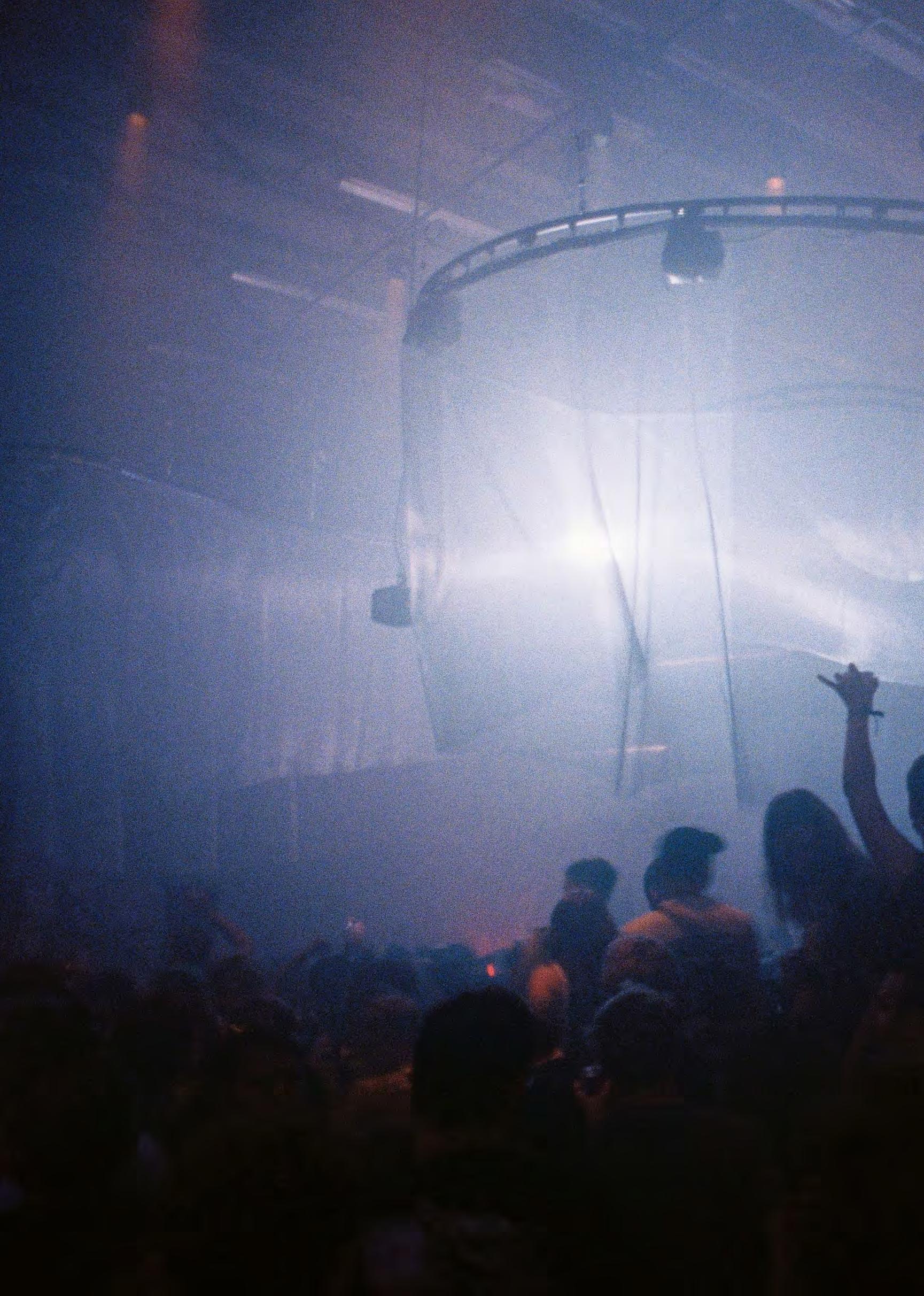
Beyond the auditory, there is a growing emphasis on scenographic orchestration to deepen the performance environment. At Belgium’s Horst Arts & Music Festival, scenographic experimentation plays a central role in shaping audience experience. The 2024 edition featured The Swirl, a scenographic duet by Jozef Wouters and Carolin Gieszner. Described as a “temporary gathering of materials and dancers,” the installation was conceived as a spatial vortex—a living environment made of humidity, soft boundaries, and cyclical movement. Through its layered textures, atmospheric vapour, and spiralling structure (see figure 18), The Swirl invited bodies into an environment that curled inwards, wrapping around dancers and space alike. As the artists described, “We envisioned a space made of humidity... clouds of vapour that curl up
around themselves and condense on the faces of the dancers, the walls and the ceiling, dripping down from one skin to another.” The Swirl exemplifies a responsive, affective scenography, where space becomes an extension of choreography and sensation (Horst Arts & Music, 2024).
Similarly, at the Netherlands’ Draaimolen Festival, the 2024 edition presented STR/OBE, a large scale stage designed by Architecture Social Club. The installation featured a 40-meter-wide array of 400 individually mapped tungsten blinders, augmented by laser light to create volumetric shapes floating in space (see figure 20 & 21). The visuals were coded to respond live to the music, amplifying both the performance and its spatial storytelling. As the design team explains, “Together, we sought to create not just an installation but an immersive theatre that would not only be novel but resonate deeply with both performers and the audience,” with the goal of enabling “a place to tell abstract stories to light, colour and sound” (Architecturesocialclub).
Figure 19. Daylight Entering Fold Room 1, The Standard
Figure 20. STR/OBE at Draaimolen Festival During the Day, Architecture Social Club.
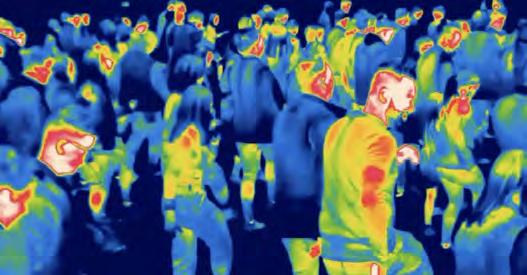
The ritualistic quality is central to the immersive potential of electronic music environments. Through collective movement, rhythmic repetition, and sensory saturation, these settings generate states of heightened awareness and transformation. As Gilbert and Pearson (1999) suggest, the dancefloor becomes a liminal space, a site of transition, openness, and vulnerability, where the convergence of sound and shared physicality can induce altered states of consciousness. The almost synchronous movement of hundreds of bodies produces a sense of tribal cohesion, echoing the communal rituals of spiritual and pre-modern societies. This physical unity is not just visual but somatic, felt through the rhythmic cycles of tension and release embedded in the music. As the crowd moves and persists, body heat accumulates, increasing the temperature of the space and introducing a thermal intensity (see figure 22) that enhances the sensory immersion. This elevation in ambient heat becomes yet another perceptual layer, blurring the boundary between the body’s internal rhythms and the external atmosphere.
Figure 22. Dancers on Thermal Camera, BodyHeat, BBC News.
Figure 21. STR/OBE at Draaimolen Festival During Night Performance, Architecture Social Club.
Figure 23. The Swirl, Horst Art and Music, Photo by Margot Lavigne
What further defines these spaces is their inclusivity. Club culture has historically provided a medium and home for expression, particularly for marginalized communities such as those within the LGBTQ+ spectrum. As sociologist Amin Ghaziani (2024) observes, queer nightlife spaces serve as vital arenas for self-definition and community formation. This inclusivity not only fosters rich social interaction but also amplifies immersive potential, as attendees are invited to abandon external roles and merge into the internal narrative shaped by the space.
And yet, despite their immersive richness, these environments are rarely treated with the narrative or dramaturgical rigour of theatre or cinema. Production design often focuses on mood or atmosphere rather than structured, perception-driven storytelling. This thesis proposes a shift: to frame these environments as performative mediums— environments where sound, light, and space can be orchestrated as a perceptual script. In doing so, already immersive experiences can evolve into fully realised multisensory performances, where every sensory cue is a designed step in a larger narrative arc.
Together, the research outlined here demonstrates that human perception is fundamentally malleable, electronic music environments are uniquely affective, and performance spaces can serve as experimental playgrounds for the orchestration of immersive experience. Through the deliberate manipulation of sound, light, spatial form, and audience interaction, it becomes possible to guide not only perceptual focus, but emotional and embodied response, constructing experiences that move beyond observation into full sensory participation.
The next chapter puts these propositions to the test through the design and execution of a practice-based methodology. Here, scenographic tools are not treated as secondary embellishments, but as primary instruments for crafting a perceptually authored performance, where immersion, agency, and emotional resonance are orchestrated intentionally across a multi-phase audiovisual experiment.
Chapter 2 Designing
the System: Methadology
2 Methadology
An immersive audiovisual experience was created to analyse participants’ perception and phenomenological engagement within a controlled environment. This research adopts a practicebased, exploratory, and experiential approach, where design is not only the medium of delivery but also the method of investigation. At the core of this study is the reconstruction of an electronic music performance environment, a context that is culturally and sensorially familiar to participants. This reconstructed space serves as both a stimulus and a testbed: a highly controlled and carefully choreographed version of the electronic music experience. Specific features of a club or festival performance, such as sound, lighting, visual projection, and spatial layout, were precisely designed to augment the experience beyond what is typically expected, creating conditions in which participants’ perceptions of space, time, and presence could be subtly manipulated or significantly altered.
The methodology has been developed to foreground multisensory interaction and perceptual immersion, placing the participant at the centre of a live, responsive scenographic system. This system is built not only to stimulate but to observe and measure shifts in perception, opening a dialogue between real-time design manipulation and embodied audience response.
2.1 Participant Criteria and Recruitment
Approximately twenty participants were recruited for the study through a voluntary sign-up form circulated via social media platforms. The recruitment strategy was designed to attract individuals who closely align with the typical demographic and cultural profile of electronic music audiences—specifically, those aged between 18 and 35 with prior experience attending performances in environments such as nightclubs and festivals.
This demographic focus ensured that participants entered the study with a degree of familiarity and expectation relevant to the experimental context, which aimed to replicate and manipulate the sensory dynamics of electronic music environments. Participants were required to confirm both their age and their previous attendance at electronic music
events as part of the screening process.
To minimise the risk of adverse reactions during the immersive experience, exclusion criteria were applied. Individuals with a known history of photosensitive epilepsy were not invited to participate due to the inclusion of high-intensity strobing effects. Those reporting severe motion sensitivity or vestibular disorders were similarly excluded, as the installation incorporated spatial illusions and perceptual distortions that could provoke discomfort. All participants provided informed consent prior to taking part and were made aware of their right to withdraw from the study at any time without giving a reason.
2.2 Experimental Procedure
Each experimental session involved a group of five participants entering a black box studio located at UCL Here East. Prior to entering the space, participants were informed that they were free to move, sit, or engage with the environment in any manner they felt comfortable. This open-ended behavioural instruction was intended to encourage natural interaction and allow for the observation of unprompted responses within the immersive, multisensory setting.
Participants were then exposed to a 15-minute, 10-second audiovisual composition, consisting of a curated soundscript paired with interactive, generative visual programming. The soundscript was mixed to emulate the flow of a continuous live performance, allowing for seamless transitions across perceptual states and emotional intensities. Its structure guided participants through four distinct phases, each designed to evoke a specific perceptual experience by integrating sound with scenographic tools including lighting, projectionmapped visuals, and spatial effects.
Following the performance, participants were asked to complete a brief five-minute questionnaire. This form gathered subjective data on their perceptual experiences, including their sense of time duration, spatial awareness, and identification of climactic or emotionally resonant moments. The questionnaire served as a qualitative reflection tool to complement the behavioural observations recorded during the live experience.
2.3 The script
Just as a theatre performance has a script and a live set has a tracklist, the environment surrounding that performance deserves its own script – one that’s just as intentional and considered. The more detailed that script is, the closer the collaboration between those who create the content and those who shape the space around it, the more powerful and cohesive the performance becomes.
Phase 1 - Introspective Spatial Detachment
The first phase of the experience aimed to induce a state of introspective spatial detachment. Participants were encouraged to disengage from their immediate physical surroundings and immerse themselves in a constructed audiovisual space that promoted internal focus, slowed perception, and a sense of floating dislocation from time and place.
Sound Design
Phase One opened with Reptant – Transcendents
From an Outer Sphere, which served as an auditory primer for initiating introspective absorption. The track, situated within the electro-techno genre, employed asymmetrical rhythmic structures, detuned analog synthesis, and expansive spatial processing. Through frequency-modulated timbres and dynamic stereo imaging, the sound field established a sense of spatial disorientation and depth, encouraging participants to detach from immediate sensory anchors (Smalley, 1997). The absence of climactic structure in favour of gradual morphological evolution furthered the meditative, inward-drifting tone, effectively priming listeners for perceptual decoupling and focused internal awareness (Ikoniadou, 2014).
Visual Design
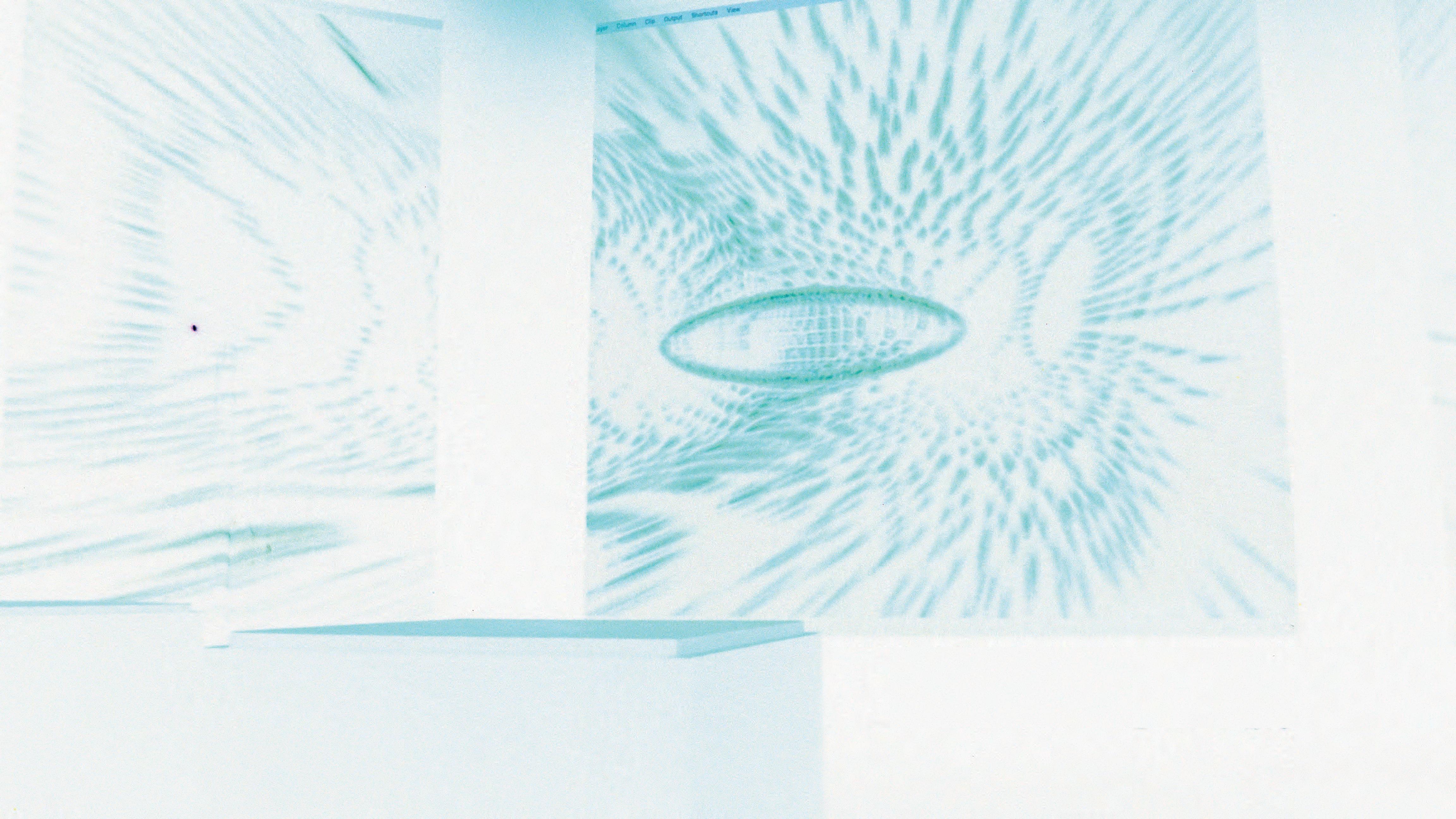
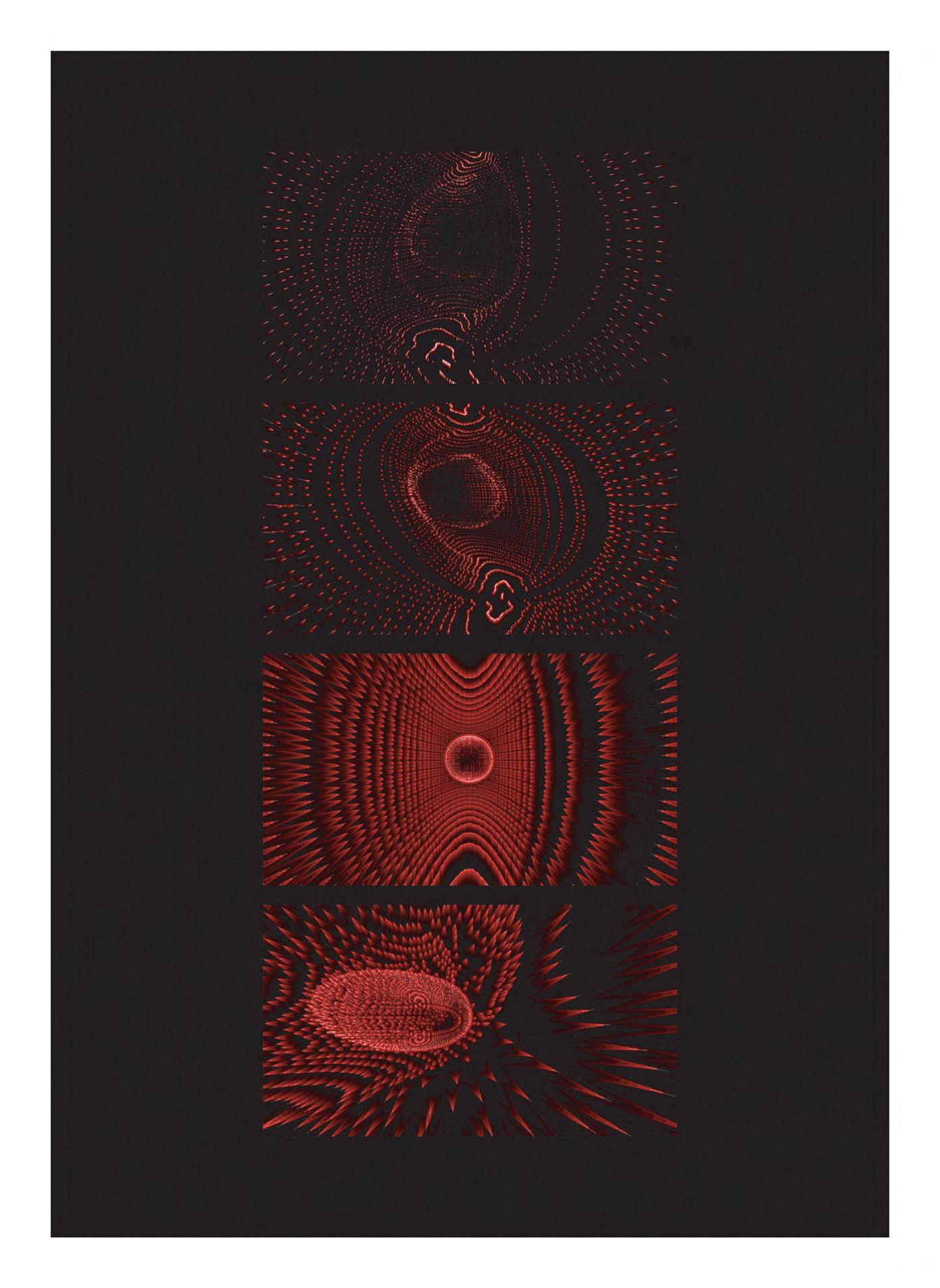
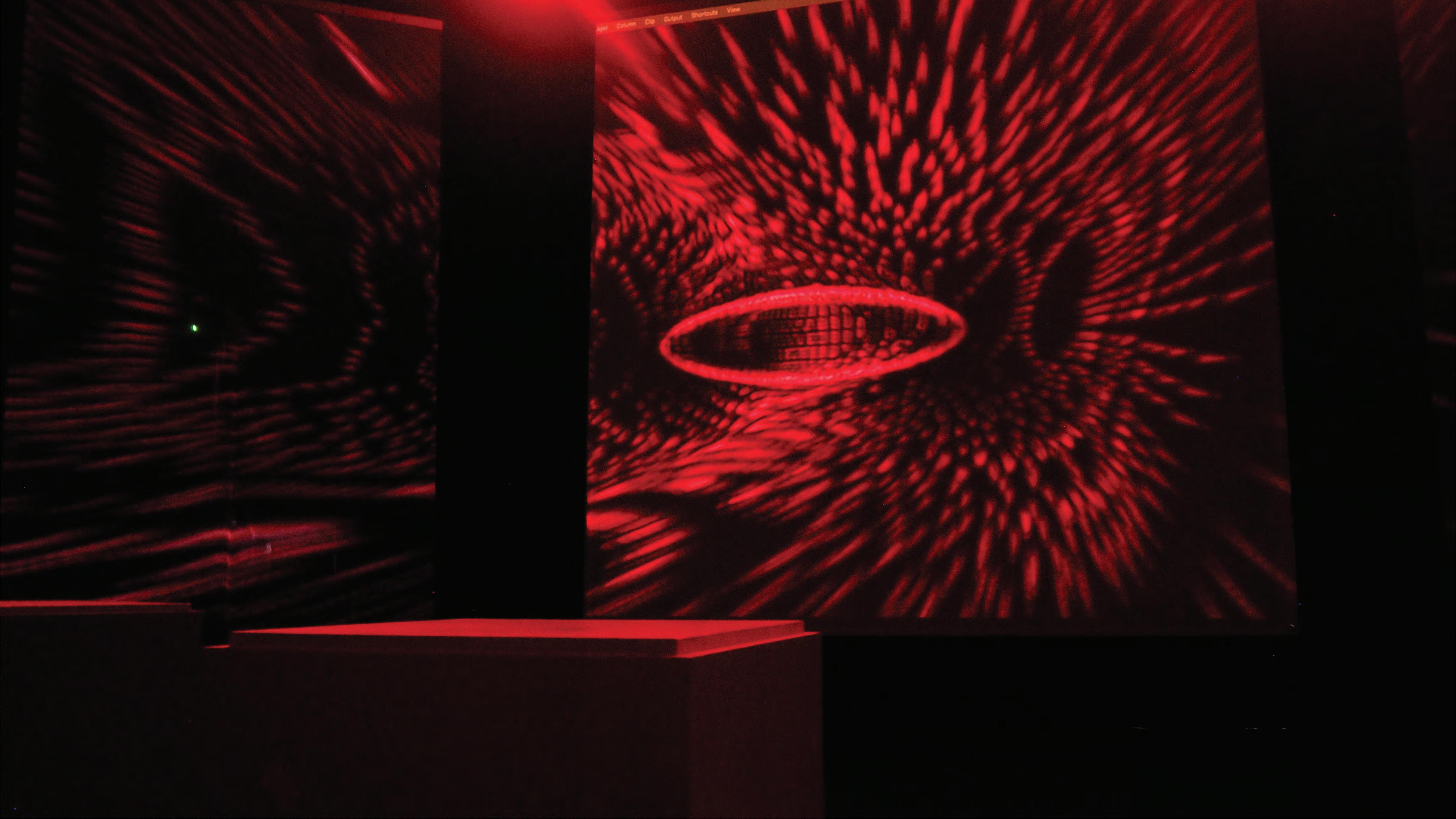
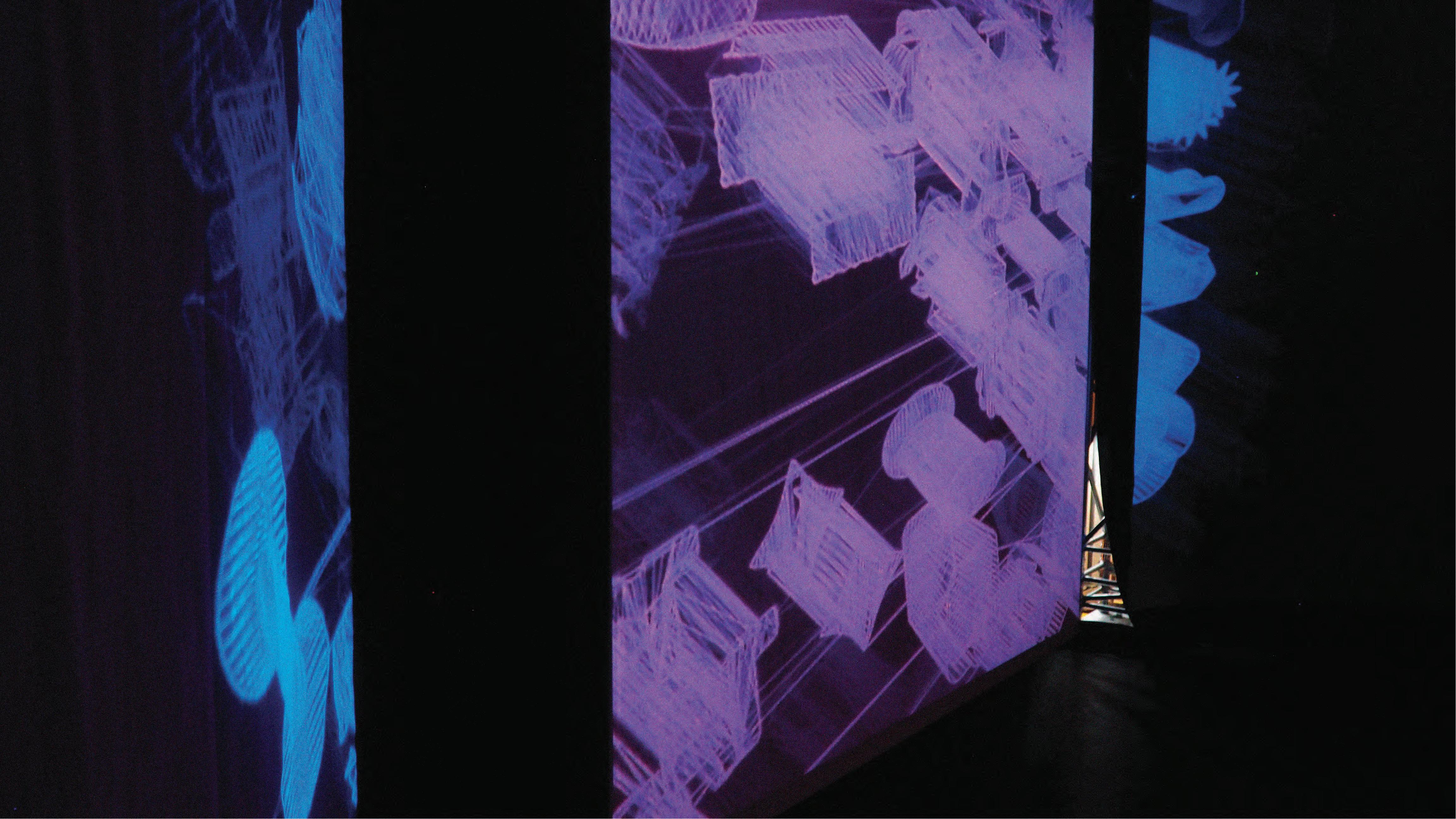
The visual design for Phase One employed a particle-based system intended to evoke a sense of motion through space and immersion within an unfamiliar perceptual medium. The scene was constructed in perspective, with particles flowing continuously toward a central vanishing point, generating the illusion of infinite depth. This arrangement was designed to destabilise fixed spatial reference points and cultivate a sensation of detached immersion.
Each particle featured subtle trailing red edges, creating a visual residue that lingered in the participant’s peripheral vision. This effect served both aesthetic and cognitive functions, encouraging inward focus and enhancing phenomenological distance from the physical world. The red trails, varying in both intensity and length, introduced a sense of individual drift within a larger flow, heightening the perception of entering a collective yet introspective space.
The animation regenerated endlessly, reinforcing a sense of temporal suspension and disconnection from linear progression. The visual strategy also intentionally engaged the phenomenon of autokinesis, where stationary or repetitive elements appear to self-animate, amplifying uncertainty around motion and time. The resulting perceptual environment felt expansive, indefinite, and subtly hypnotic, priming participants for deeper sensory engagement in subsequent phases.
Reptant - Transcendents from the outer sphere Sleep D - Reggatron Toma Kami - FungiBarker - Hedonic Treadmill
Figure 24. Sound-script Waveform and Phase Structure.
Parameter Mapping & Technical Control
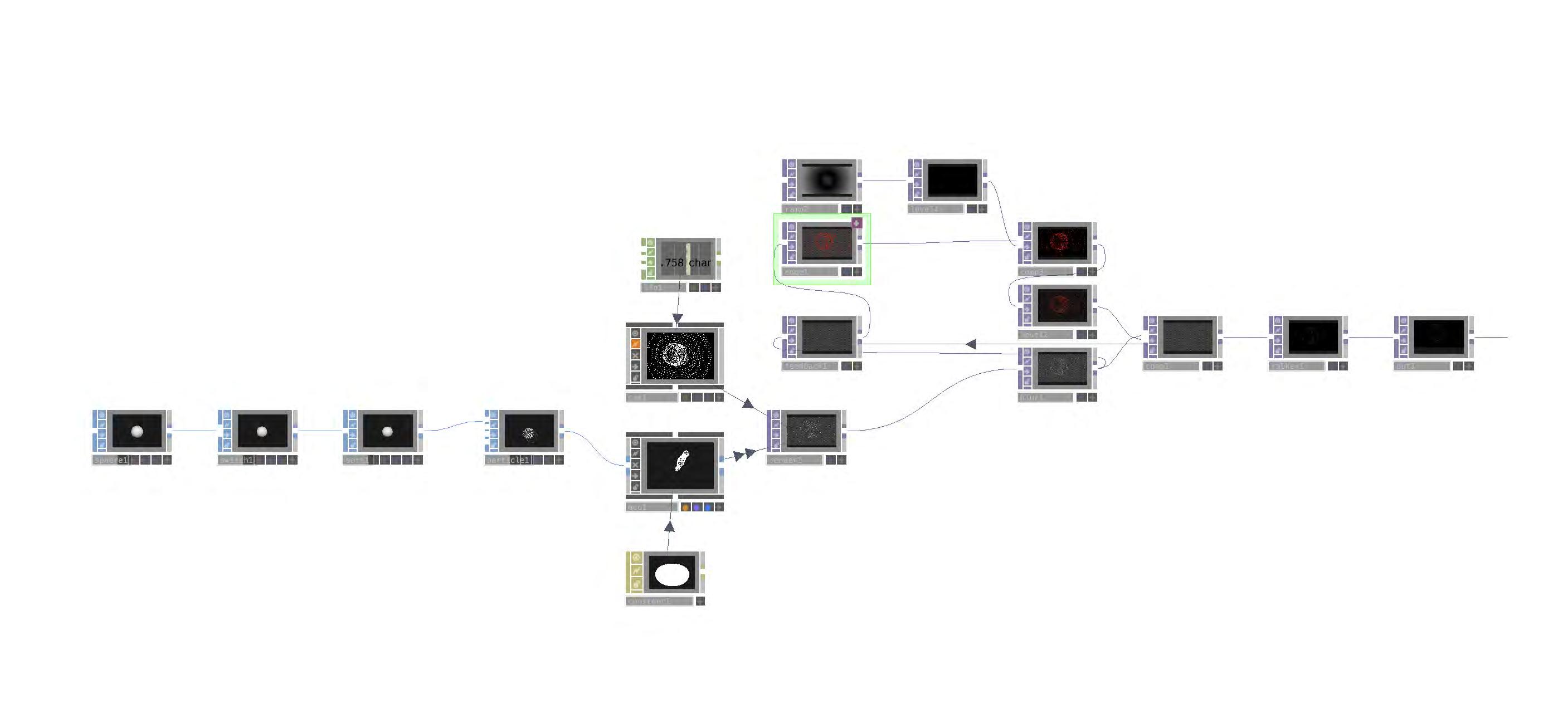
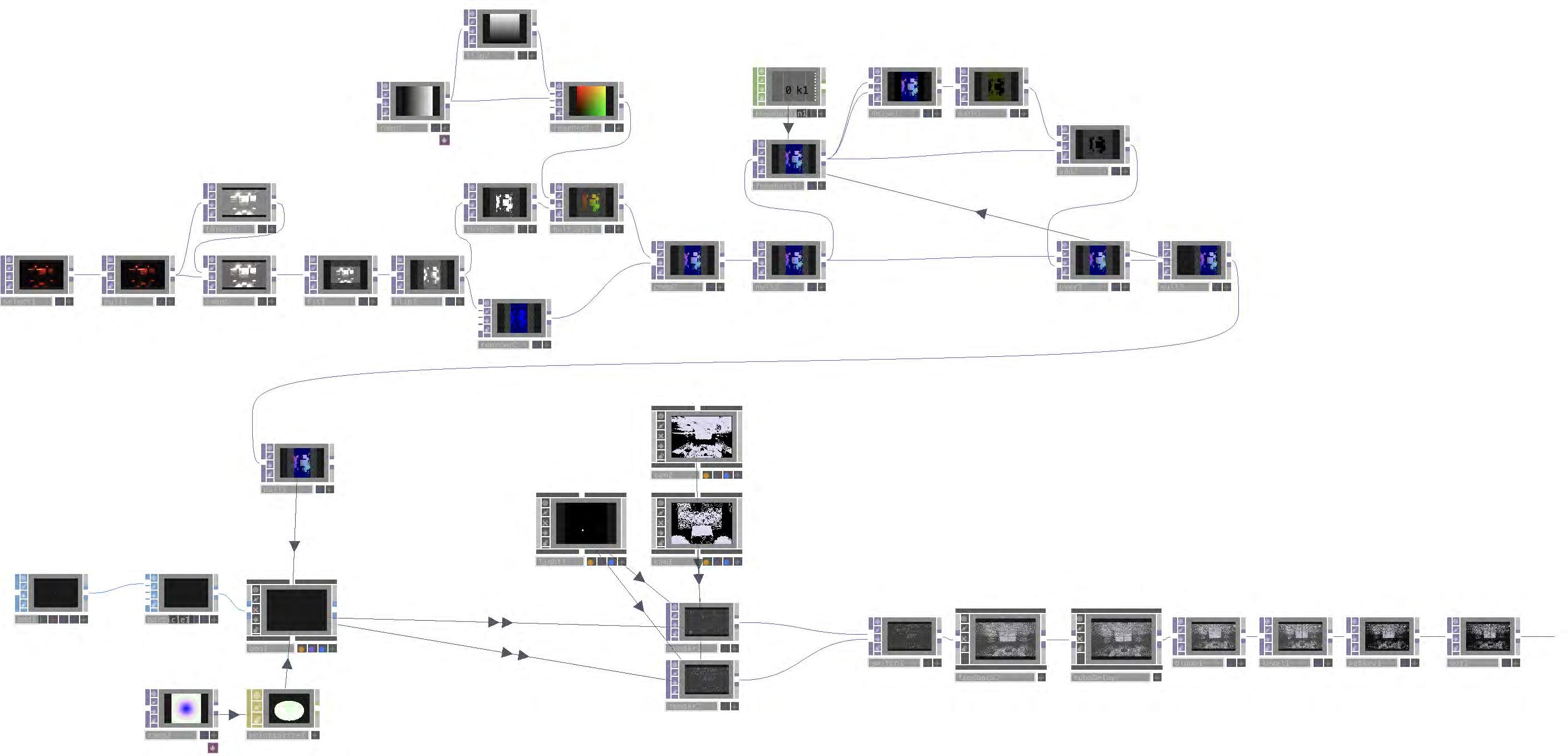
To control the evolution of the visuals in real time, a TR-808 MIDI controller was used to map specific hardware knobs to parameters within the particle system script in TouchDesigner software. This allowed for dynamic manipulation over time, aligned with the progression of the sound script. The particle system itself was generated using a Particles SOP, seeded from the geometry of a sphere. This structure enabled a radial expansion and continuous drift effect. Wind forces were applied in the Z-direction (into the screen) and were mapped to one of the MIDI knobs to control the perceived speed of movement. A second knob was assigned to a turbulence parameter,
introducing pseudo-random variation across particles to simulate drifting within an unstable medium.
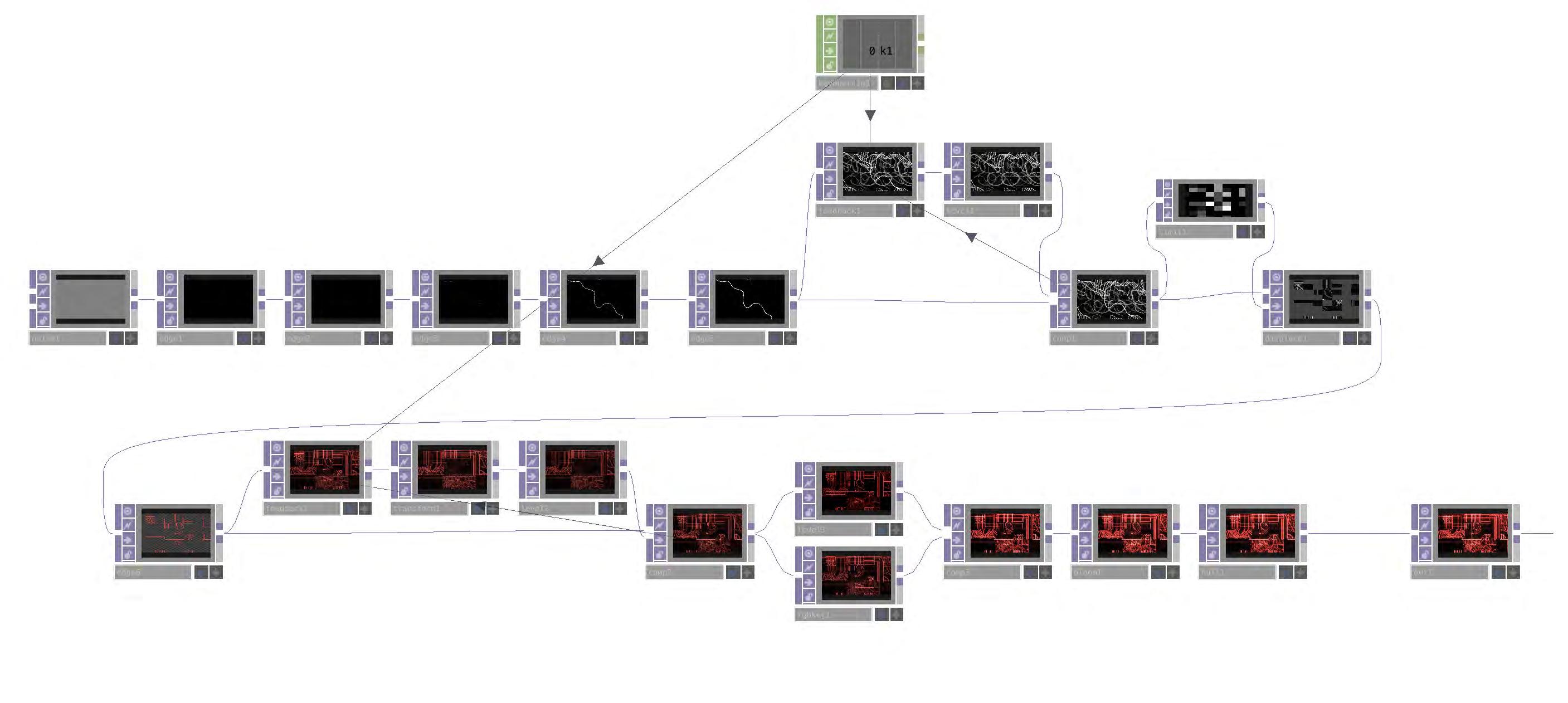
Once rendered, the system was viewed through a Camera COMP, whose rotation parameter was also mapped to a knob. This allowed the vanishing point to dynamically shift, further enhancing the sense of perspectival disorientation. In the post-processing chain, a Feedback TOP in conjunction with an Edge TOP created the trailing red edges on particles. The intensity of this effect was likewise mapped to a MIDI knob, enabling real-time control over the degree of motion residue perceived on screen.
Figure 25. TouchDesigner Script for Phase 1. 1. Geometry Creation 2. Rendering and Animation
Phase 2 - Dissociation and Presence Disruption
The second phase aimed to generate a state of presence disruption and dissociation, shifting participants further away from grounded sensory awareness. Building on the spatial detachment of Phase One, this segment sought to dissolve the stability of bodily perception by introducing temporal ambiguity and distorted feedback mechanisms. The intention was to create a perceptual environment in which participants could no longer fully locate themselves within time or space.
Sound Design
Phase Two was driven by Sleep D – Reggatron. Drawing on dub techno influences, the track constructed a spatially ambiguous auditory field using deep, reverberant sub-bass and delaysaturated percussive elements. These production techniques, rooted in Soundsystem culture, have been shown to alter bodily perception through spatial and low-frequency modulation (Henriques, 2011). Additionally, the use of delay and echo introduced temporal uncertainty and perceptual drift, disrupting grounded awareness (Goodman, 2010). Rhythmic propulsion was deliberately undermined through off-grid syncopation and
polyrhythmic layering, a compositional strategy that contributed to disorientation by destabilising the listener’s internal clock (Huron, 2006). These sonic choices created a liminal auditory zone, neither fully ambient nor melodic, which promoted cognitive decentering and the dissolution of bodily presence (Juslin & Sloboda, 2010).
Visual Design
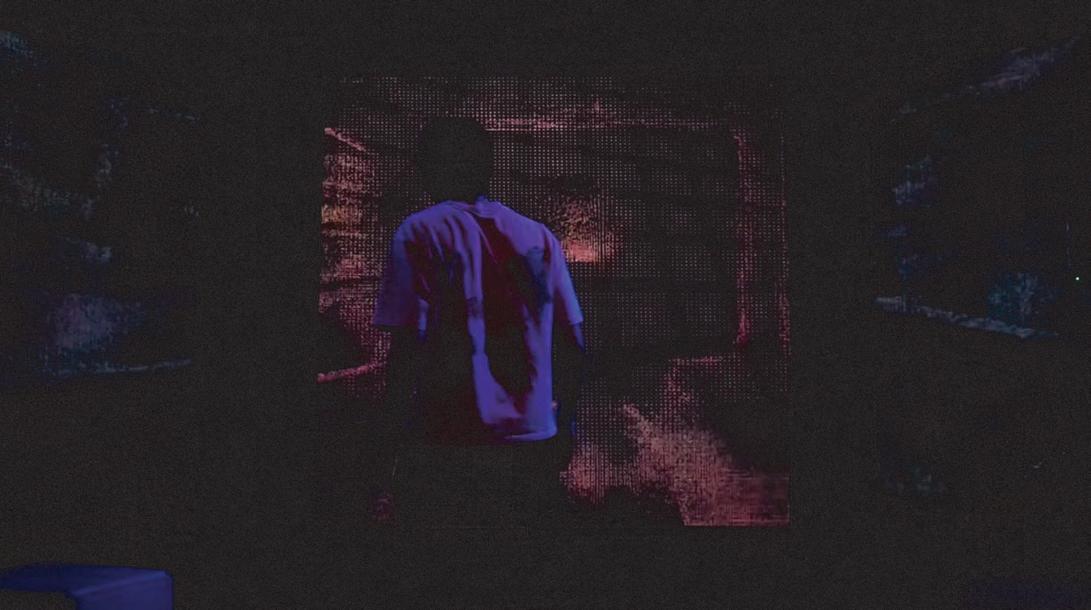
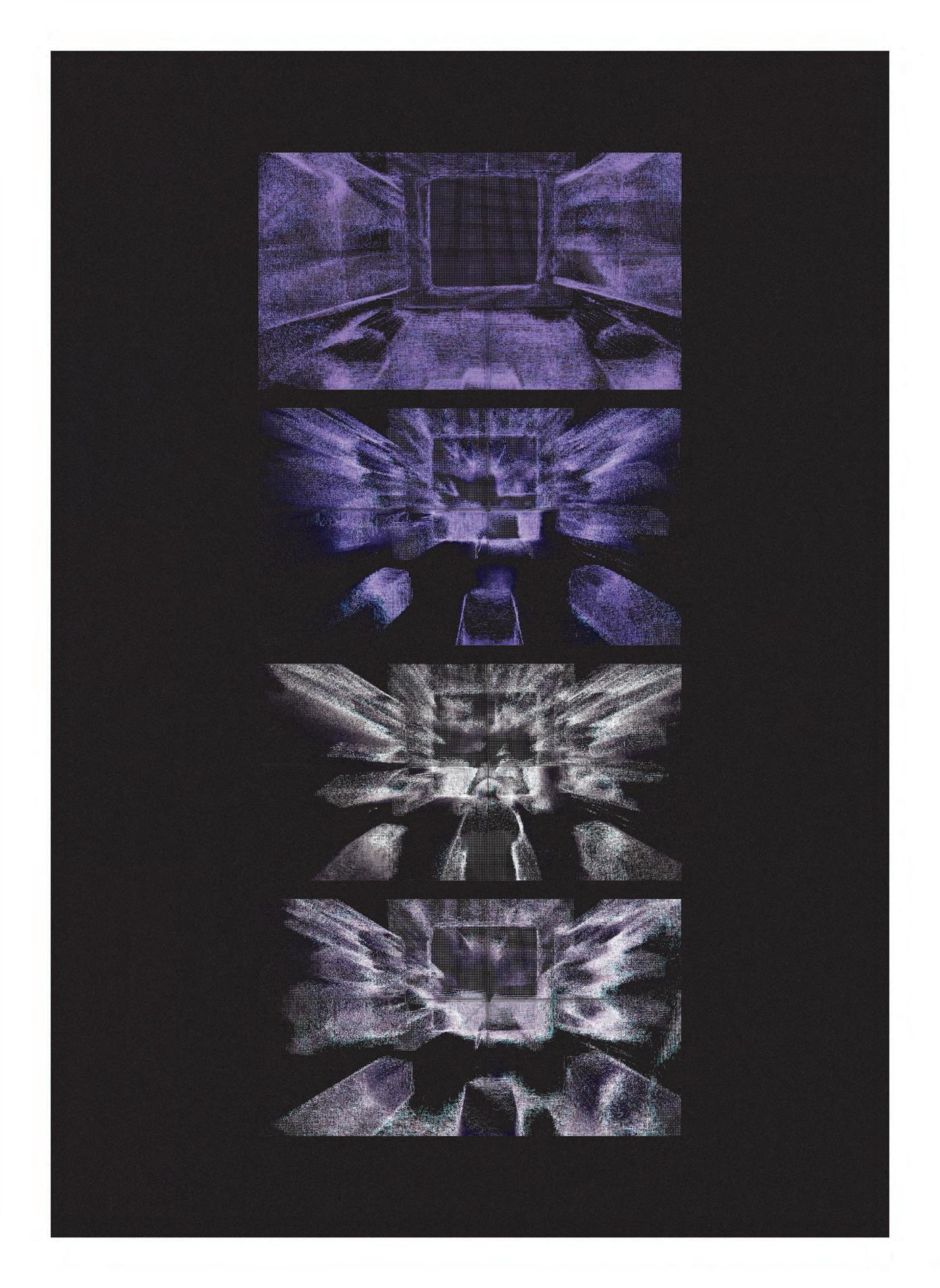
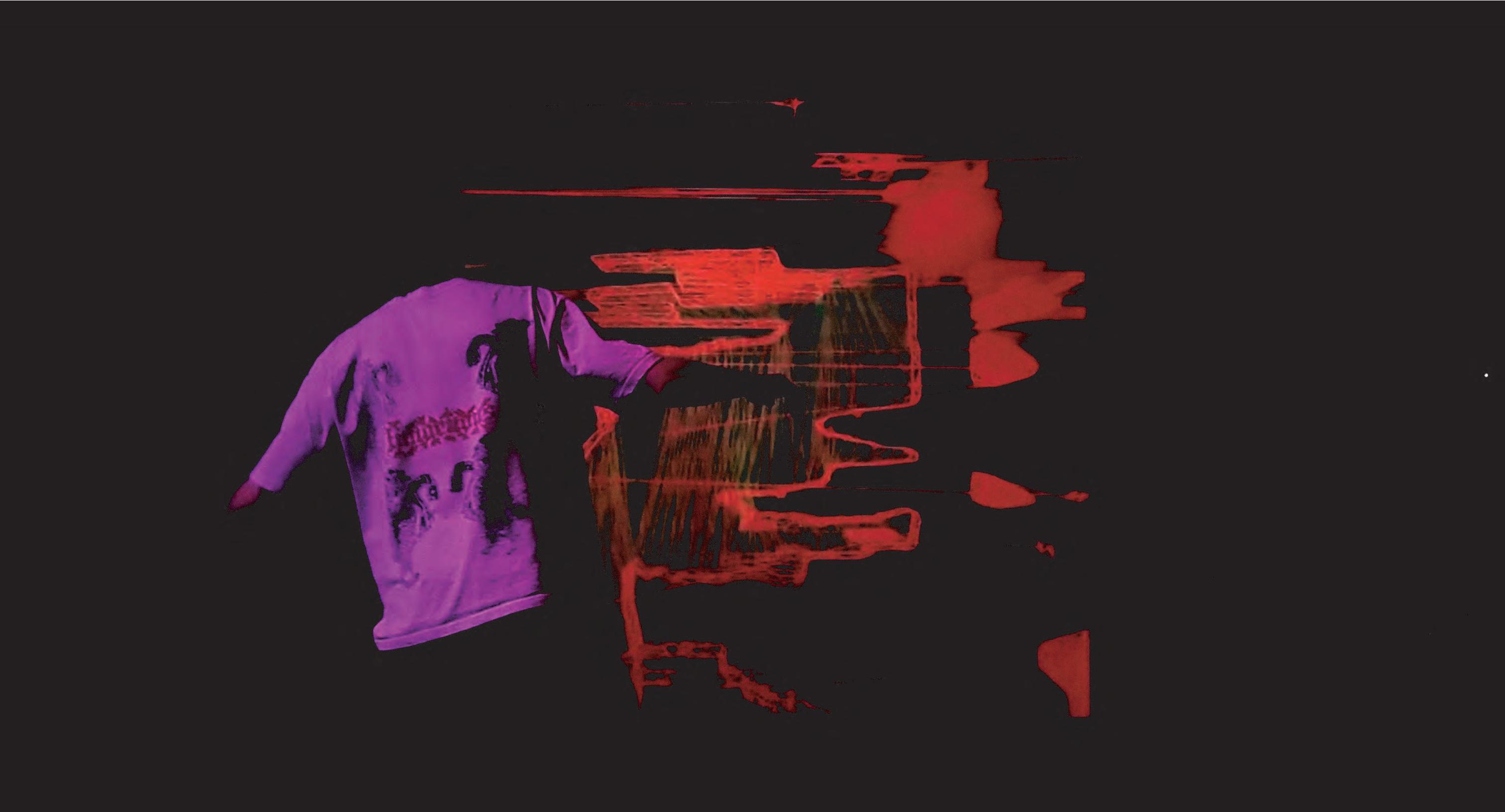
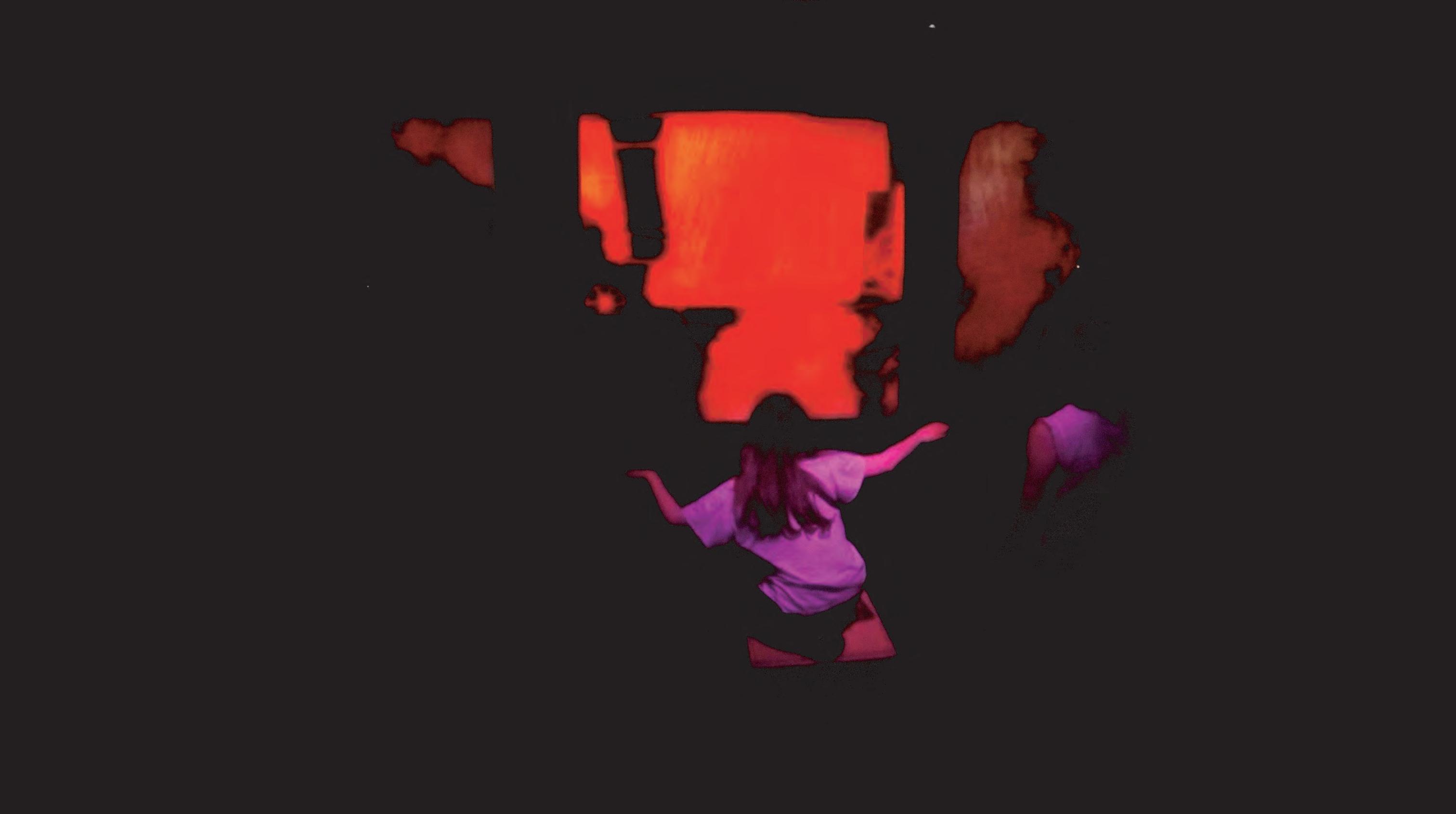
The visual system for Phase Two was designed to deepen the dissociative effect by disrupting the participant’s sense of bodily agency and visual continuity. A live camera feed from within the space captured participants’ silhouettes in real time, generating a particle system based on their outlines. These silhouettes pulsed slowly from white to deep purple, cultivating a mood of mystery and sensory ambiguity.(refrence required)
Although the visuals responded directly to participants’ movement, the system was intentionally delayed using a long feedback loop, resulting in ghosting trails and distorted echoes of motion. This introduced a lag between action and visual response, which created an unsettling dissociation between body and image. The intent was to misrepresent participant behaviour, disrupting proprioceptive awareness and reinforcing the perceptual instability established by the sound.
Figure 26. Participant Interacting with Phase 2 Visual, Polturak, L.
Parameter Mapping & Technical control
To enhance the audiovisual synchrony, several control systems were used to map sound and lighting to visual behaviour. The Audio Analysis CHOP was employed to isolate the snare hits in the Phase Two soundtrack. These were converted into a trigger signal that activated the invert parameter on a Level TOP in the post-processing chain, causing the visual output to flip colour polarity with each snare impact. This sharp visual inversion created a startling rhythmic contrast, reinforcing the
fragmented nature of the phase. The silhouette detection system used a very high threshold setting on the camera input, ensuring that participant outlines were only visible when external lighting was triggered via the DMX-controlled system. This allowed the presence of visuals to be controlled through the physical lighting environment, further fragmenting the participants’ presence within the space and introducing another layer of environmentally driven perceptual disruption.
Scan QR Code for Recording of Phase 2.
1. Luminance threshold from video input 2. UV colour mapping 3. Geometry creation and instancing
Rendering
Figure 27. TouchDesigner Script for Phase 2.
Phase Three - Euphoric Overstimulation
Phase Three was designed as the climactic peak of the perceptual arc, where rhythmic intensity, visual saturation, and real-time synchrony converged to produce a state of euphoric overstimulation. This stage intentionally sought to overwhelm the senses, collapsing the boundary between audio and visual input and inducing a momentary loss of coherent bodily awareness. By synchronising high-speed visual motion with hyperkinetic audio and lighting sequences, the experience aimed to trigger a crossmodal perceptual threshold—where one sense modulates and intensifies the interpretation of another.
Sound Design
Phase Three, marked by Toma Kami – Fungi generated a state of euphoric overstimulation in synchrony with high-speed, high-depth visual stimuli. The track’s rhythmic structure, influenced by UK bass and deconstructed club music, was characterised by hyperactive syncopation, abrupt micro-edits, and unpredictable polyrhythms— evoking accelerated perception and loss of bodily spatial fixity (Ikoniadou, 2014). Spatial disorientation was further reinforced by ricocheting percussive elements and spectral bursts, drawing on sonic techniques known to overwhelm and
destabilise the sensory field (Goodman, 2010). This stage intentionally leveraged overstimulation as a perceptual threshold, allowing rhythmic immersion to temporarily displace coherent bodily awareness (Connor, 2004).
Visual Design
The visual system for Phase Three was designed to mirror and reinforce the sonic complexity, creating a perceptual overload through texture, motion, and rhythmically timed flashes. A base layer of Perlin noise was used to generate a pseudorandom surface texture, rendered in a high-contrast red-towhite colour gradient. These visuals surged either towards or away from the viewer at impossibly fast speeds, echoing the chaotic propulsion of the sound. This bidirectional motion contributed to a state of spatial instability, where viewers could no longer distinguish between depth expansion and contraction.
Building on the perceptual groundwork of the previous phases, this system was optimised to create Cross-Modal Perception effects—where auditory cues would alter the way visual information was processed. The visual composition moved in perfect synchrony with sound and light, enhancing the illusion that sound could physically displace space or pull visuals in and out of the environment.
Figure 28. Phase 3 Visual during Experiment Run Through, Polturak.
Parameter Mapping & Technical Control
The core of the visual texture was generated through a Noise TOP, with a Limit TOP applied to its output to create a shifting grid effect. The quantisation step size of the grid was dynamically linked to the bass frequency amplitude detected via the Audio Analysis CHOP. When bass frequencies were low or absent, the grid displayed large, coarse pixels, lending the visuals a stripped-down, minimal look. When bass frequencies surged, the script produced dense arrays of smaller grid blocks, resulting in a pixelated and visually overwhelming field. This mapping created a real-time correlation between low-end audio content and visual texture density, intensifying the perception of sonic pressure. In the post-processing stage, a Feedback TOP was
used to build visual trails, and a Transform TOP within this loop allowed for dynamic manipulation of scale. The X and Y scale parameters were mapped to MIDI knobs, enabling real-time expansion and contraction of the entire visual field. This gave the effect of the image rapidly zooming in and out, which, when combined with the bidirectional motion of the noise texture, created conflicting spatial cues. Participants experienced sensations akin to claustrophobia (as the visual field collapsed inward) and agoraphobia (as it expanded into visual emptiness), depending on the values set during performance. This convergence of sound, light, and manipulated space marked the high point of perceptual disorientation within the experimental arc.
1. Noise creation and feedback 2. Post-processing
Figure 29. TouchDesigner Script for Phase 3.
Phase 4 - Emotional and Perceptual Reintegration
The final phase of the experience was designed to facilitate emotional resolution and perceptual reintegration, guiding participants out of the overstimulated state induced in Phase Three and toward a renewed sense of presence and bodily coherence. By combining a soothing soundscape with introspective, self-referential visuals, this phase aimed to anchor participants gently back into the space, reinforcing emotional cohesion and perceptual clarity at the conclusion of the experimental arc.
Sound Design
Phase Four was delivered via Barker – Hedonic Treadmill. In stark contrast to the preceding kinetic peak, this track offered a texturally rich, percussionfree environment in which participants began to emotionally and perceptually reintegrate. Barker’s compositional language—grounded in microtonal melodic synthesis, filter modulation, and evolving harmonic structures—created a deeply emotive soundscape (Juslin & Sloboda, 2010). The absence of rhythmic constraint allowed for temporal fluidity, while expansive reverb and nuanced stereo imaging evoked openness and vulnerability (Chion, 1994). Gradual chordal shifts imbued the track with a sense of nostalgic uplift, enabling participants to be “sketched back” into presence both visually and emotionally. The track’s cathartic function
was essential to closing the experimental cycle, grounding participants through emotionally resonant sonic cues while re-establishing a cohesive sense of self within the space (DeNora, 2000).
Visual Design
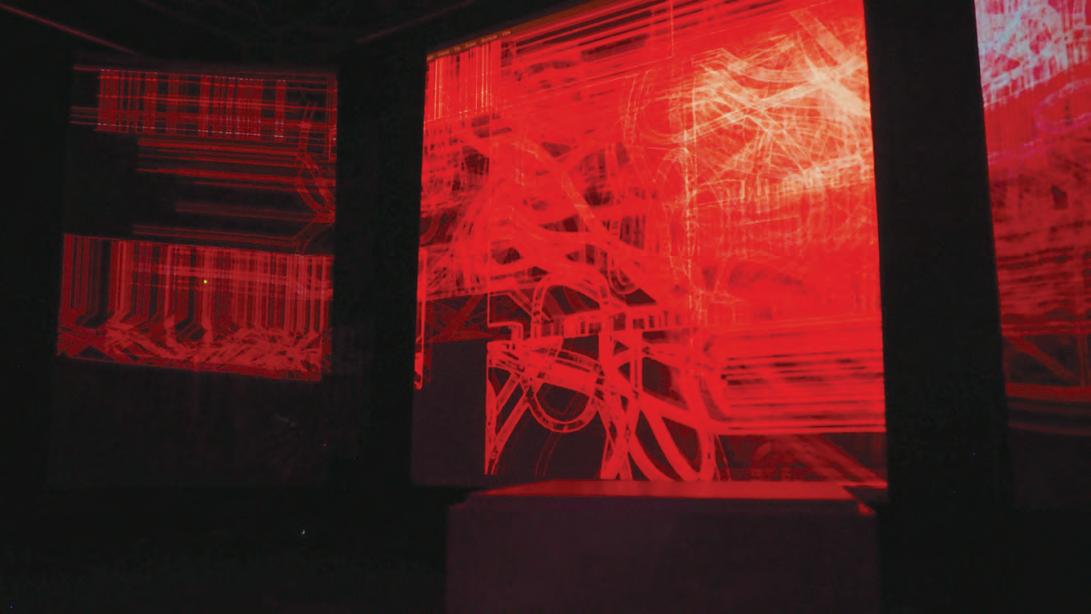
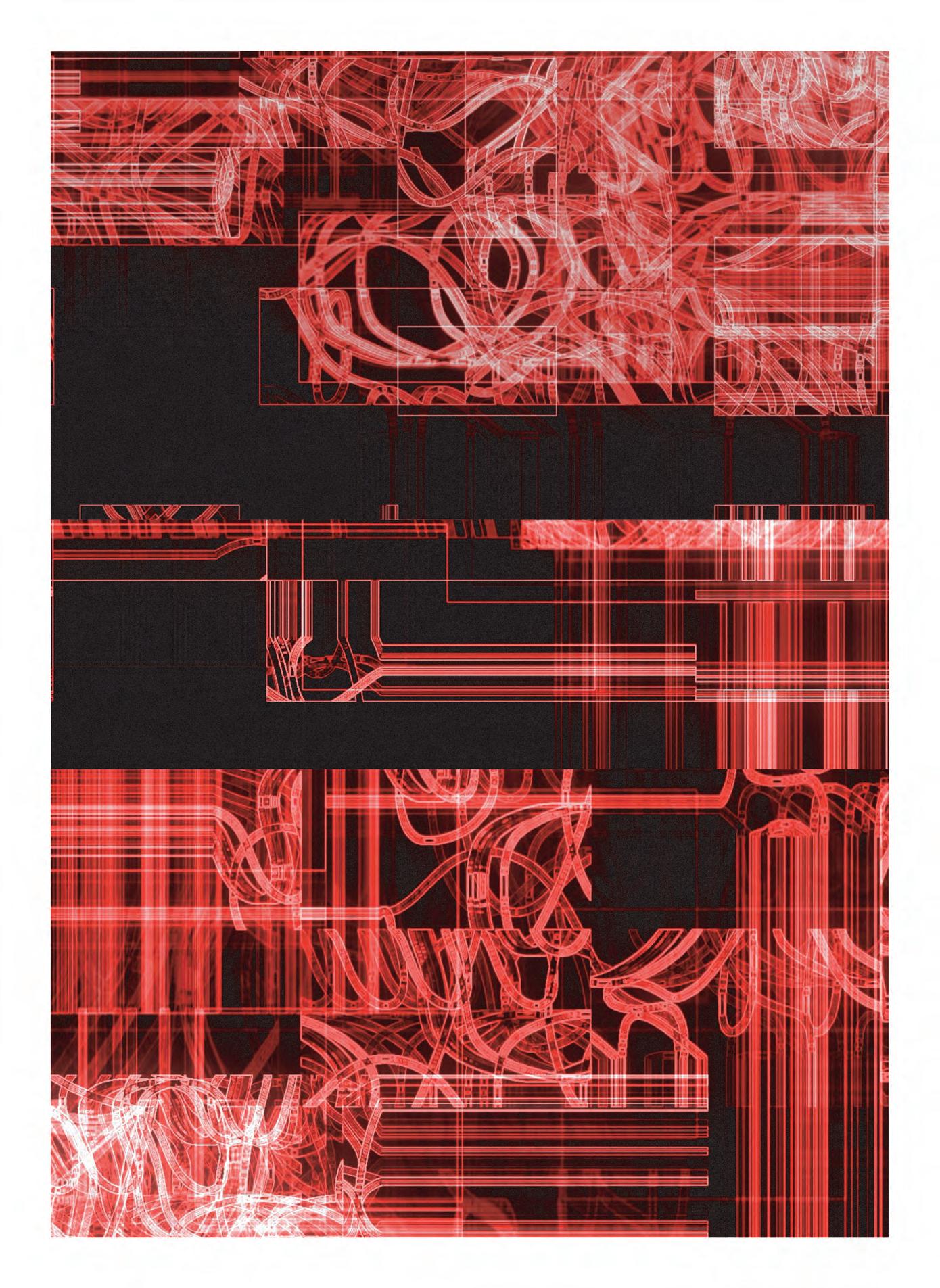
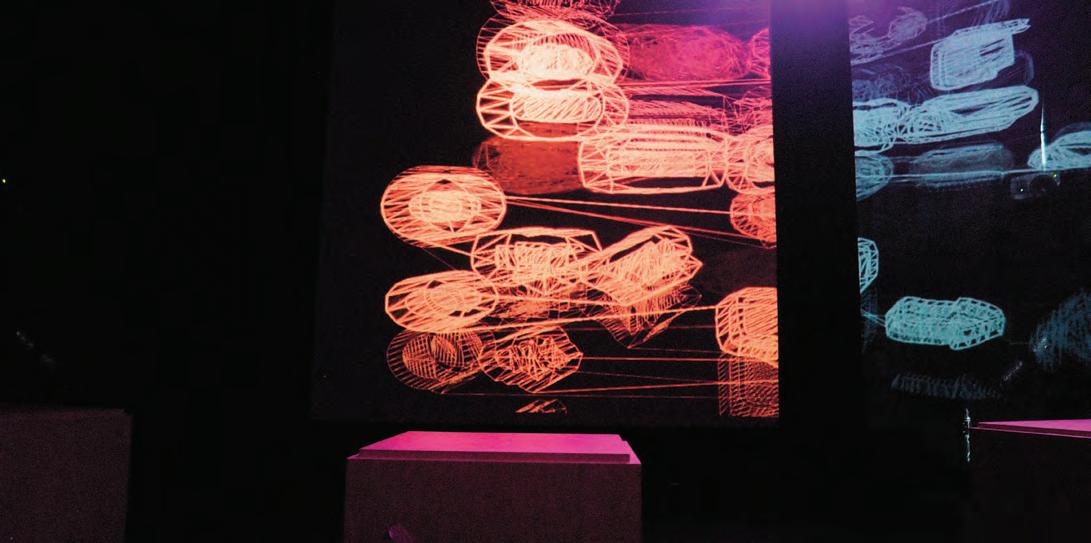
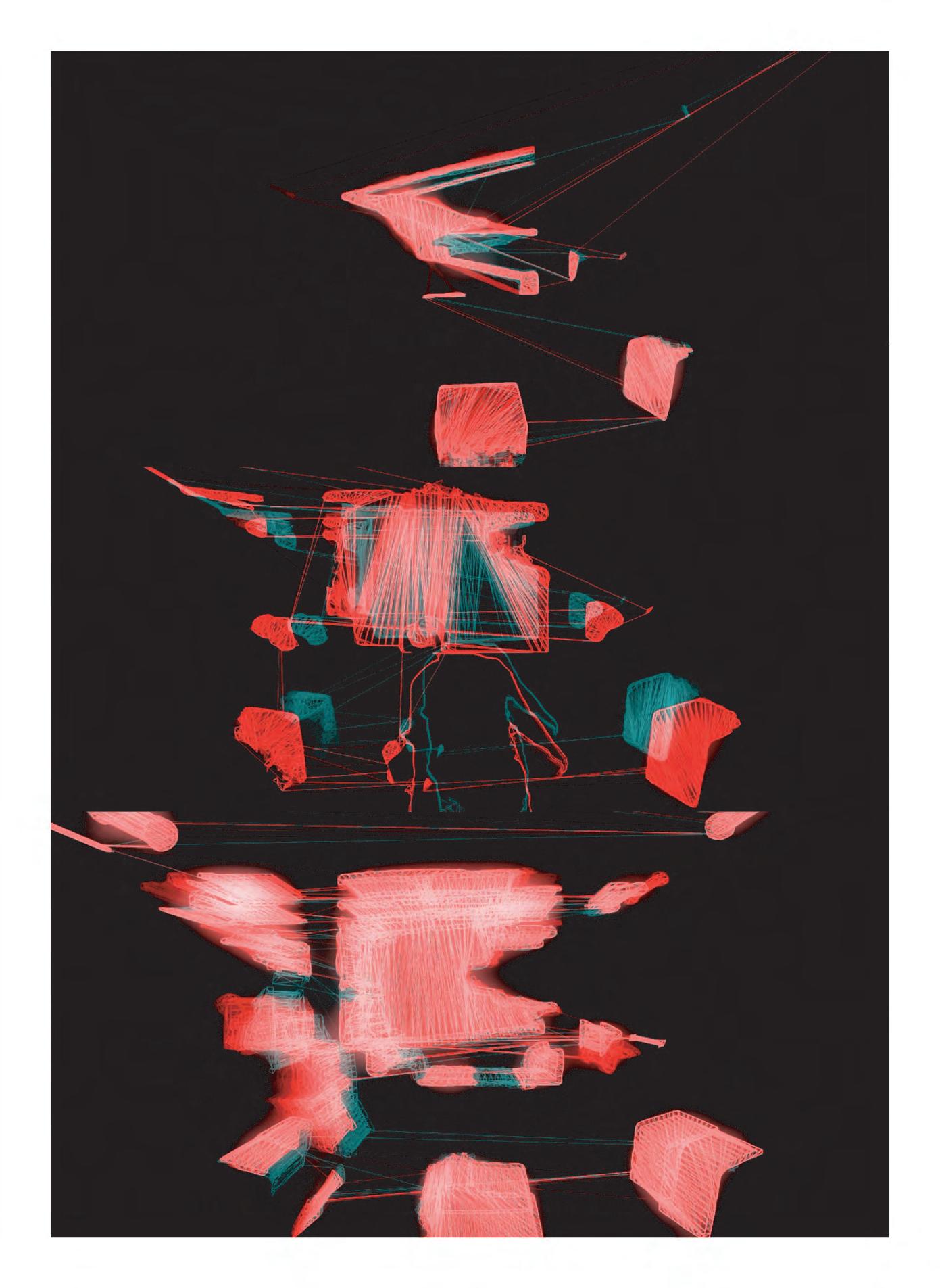
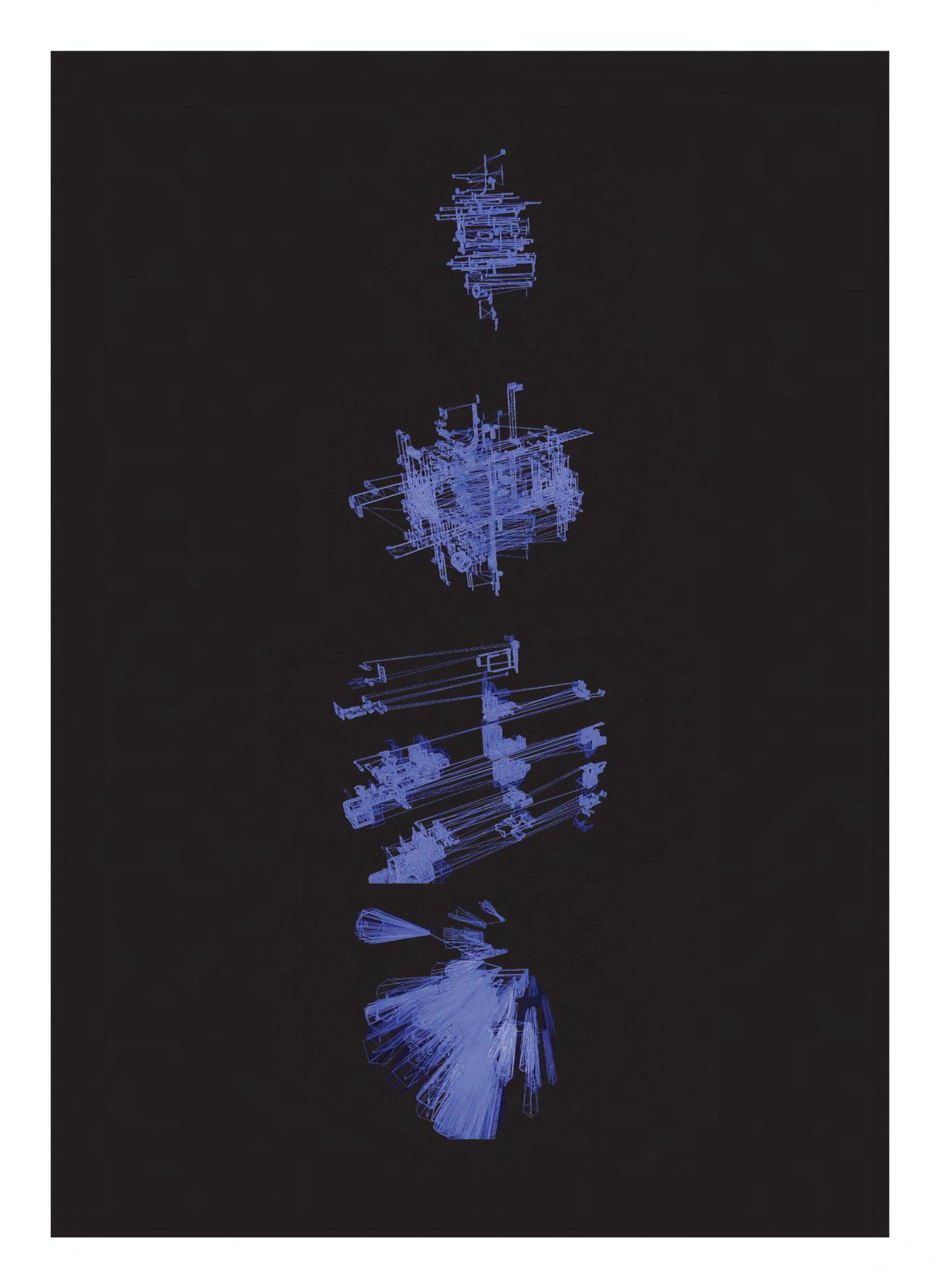
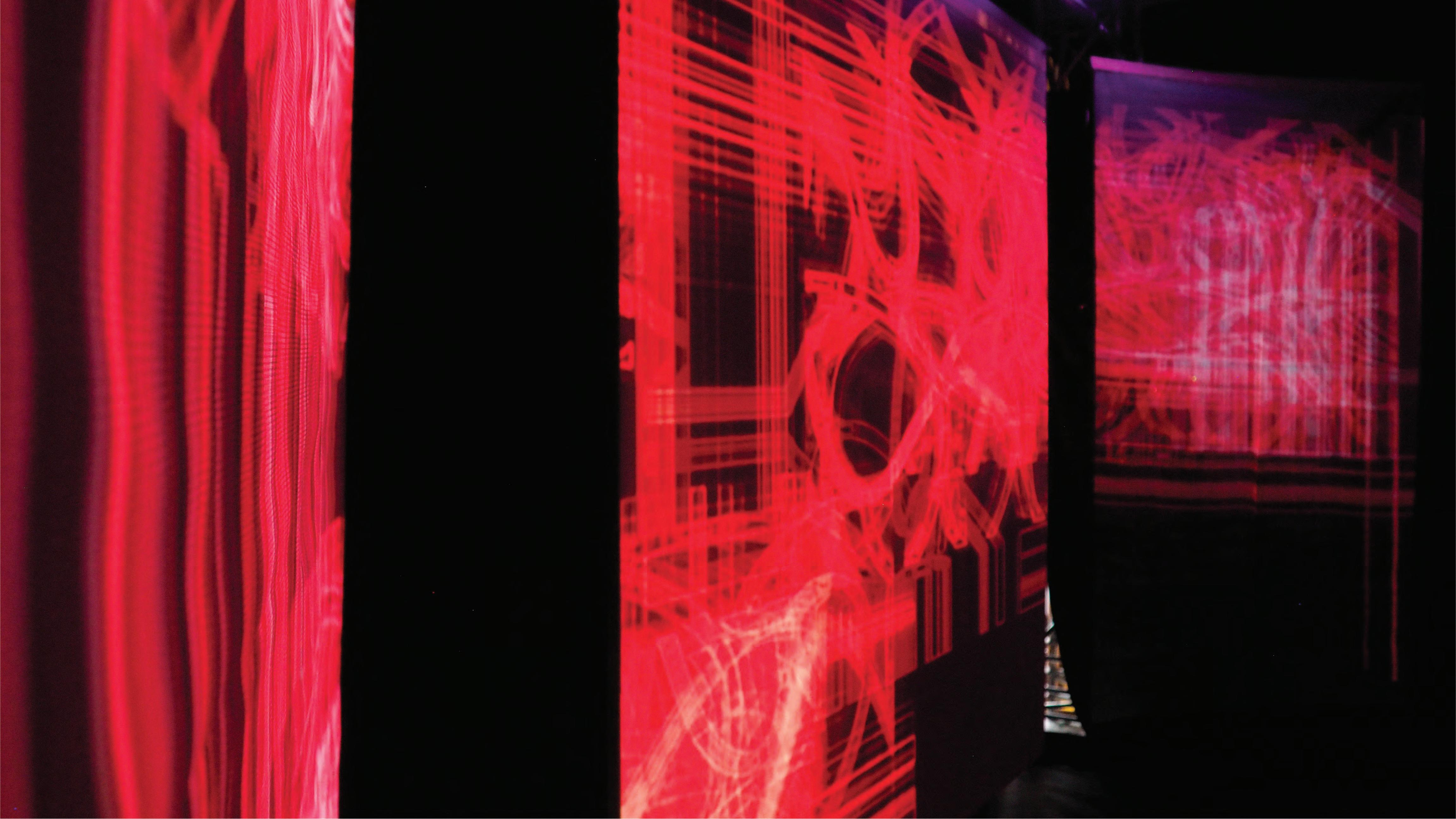
The visual system in Phase Four used a two-stage progression to reflect and support the re-integrative aims of the sound. The first stage involved the rendering of geometric line-based forms that continuously morphed between complex structures at high speeds. These geometries, initially threedimensional, were repeatedly extruded and flattened back into two-dimensional outlines, creating the effect of impossibly fast sketching of equally impossible forms. This was intended to produce a state of geometric confusion, where the viewer’s spatial logic was engaged but subtly destabilised. As the phase progressed, the system shifted from abstract forms to live sketches of participants’ own silhouettes, captured via a real-time camera feed. These sketches followed participant motion closely and were rendered using the same sketching system, giving individuals a felt connection to the visuals and reinforcing a sense of agency and control. This transformation—from abstract to embodied, detached to relational—symbolised the participant’s re-entry into the perceptual environment. The lighting and visual palette transitioned gradually from deep reds to soft blues, supporting a shift toward calmness, intimacy, and presence.
Figure 30. Phase 4 Visual during Experiment Run Through, Polturak.
Parameter Mapping & Technical control
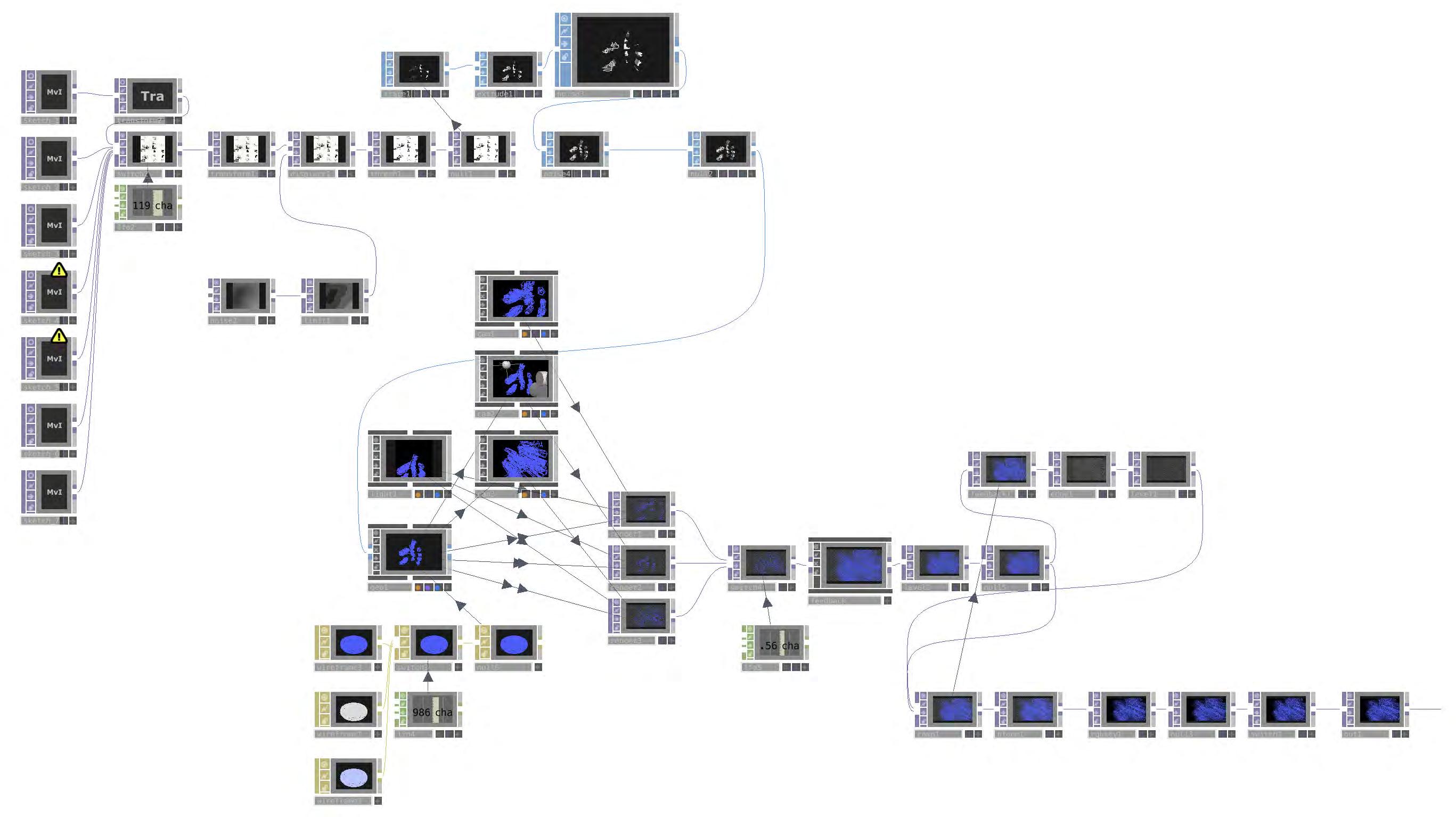
High-frequency sound data extracted via the Audio Analysis CHOP was mapped to the translation values of a Noise SOP, generating fast-moving undulations in the geometric lines. These rapid transformations added dynamism and energy to the visual field, especially in the early part of the phase. Additionally, the extrusion depth of the linebased geometries—which determined the degree of 3D-to-2D morphing—was mapped to a MIDI knob, allowing for gradual increases in complexity as the phase progressed. This gave performers real-time control over the density and dimensionality of the
sketches, enhancing the sensation of perceptual layering. When the system transitioned to cameradriven sketching, the visual feedback was tightly linked to participant motion, creating a reciprocal visual relationship. Participants’ silhouettes were drawn and redrawn in real time, reinforcing the perceptual message of being “sketched back into the space.” The combination of sounddriven movement, participant-tracked geometry, and calming colour transitions helped close the perceptual loop, completing the immersive arc with a renewed sense of presence.
1. Sketch/video input modulation 2. Trace and geometry creation 3. Multi-camera rendering and animation
Figure 31. TouchDesigner Script for Phase 1.
2.4 Spatial & Technical configuration
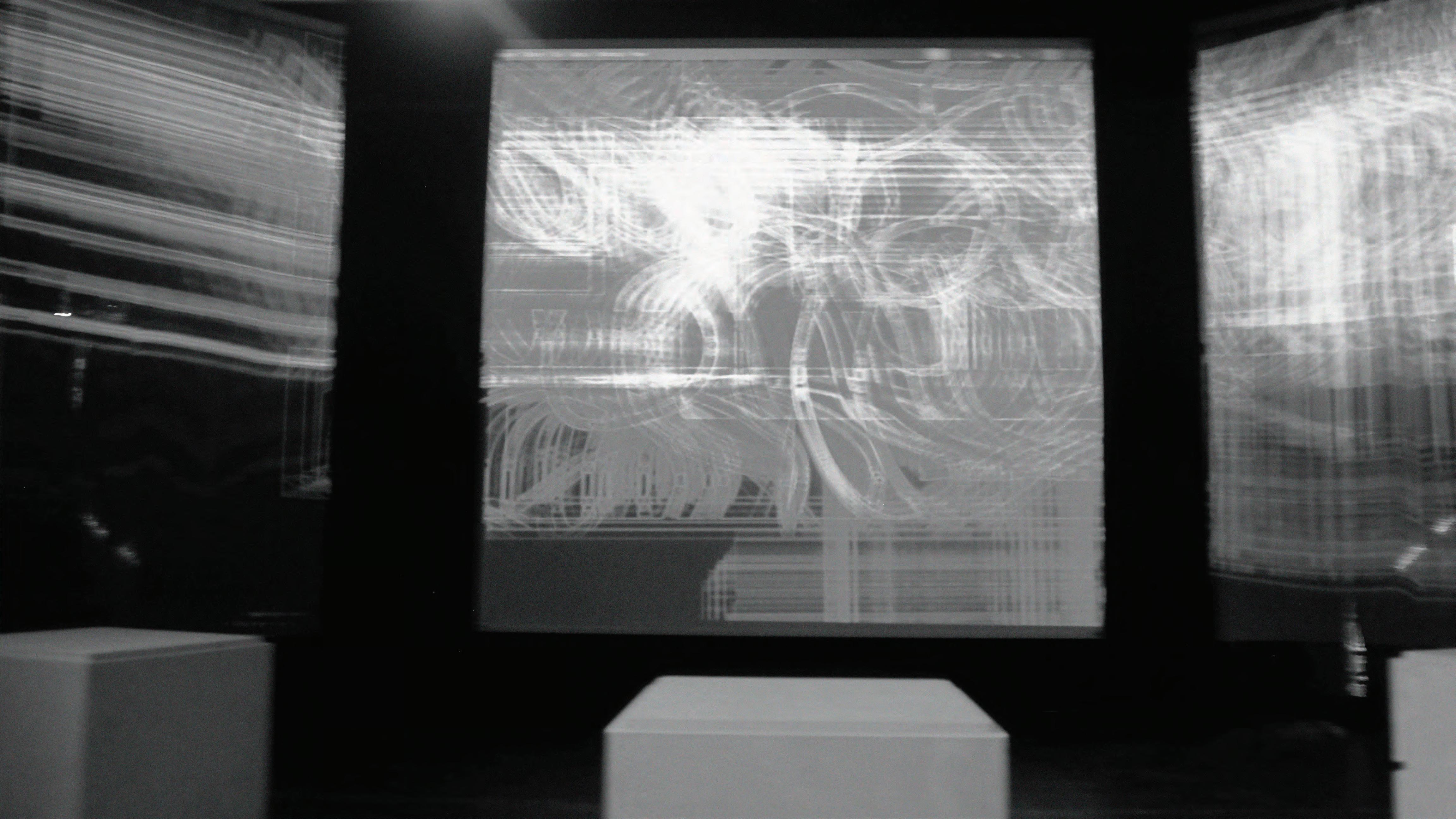
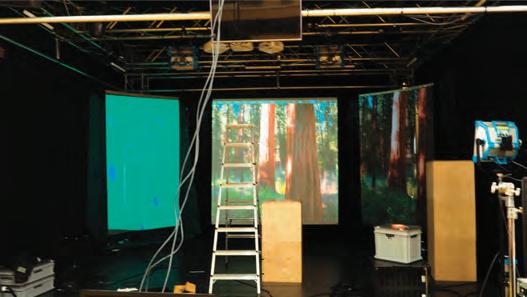
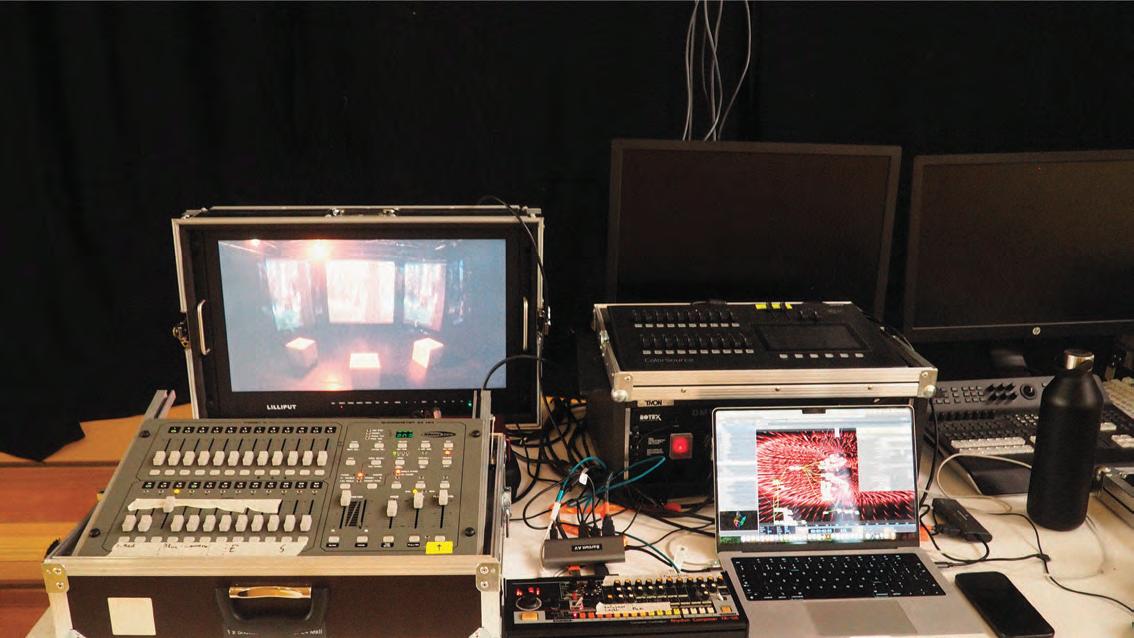
All visual content was developed using TouchDesigner, running on a MacBook Pro M1 Max, which served as the central control system for the experiment. Three short throw Epson BenQ LW500ST projectors were connected via HDMI and output as a single window into Resolume Arena, where they were individually projection mapped. The left and right projectors extended the central projection, creating a continuous panoramic visual field across three walls (see fig. 31).
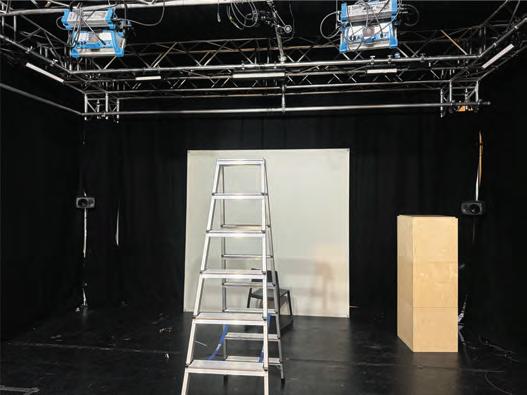
Audio playback of the sound script was routed through a Focusrite Scarlett audio interface and distributed to four Genelec 8030 speakers, positioned in each corner of the space to establish a quadrophonic system (see fig. 33). This configuration was balanced in TouchDesigner to maintain spatial sound orientation across left and right channels.
A GoPro Hero 4 camera, connected via a video capture device, provided a live video feed used to drive movement-reactive visuals within the system. Additionally, a TR-808 MIDI controller was used to manually control selected parameters in real time, allowing hardware-based manipulation of the visual environment.
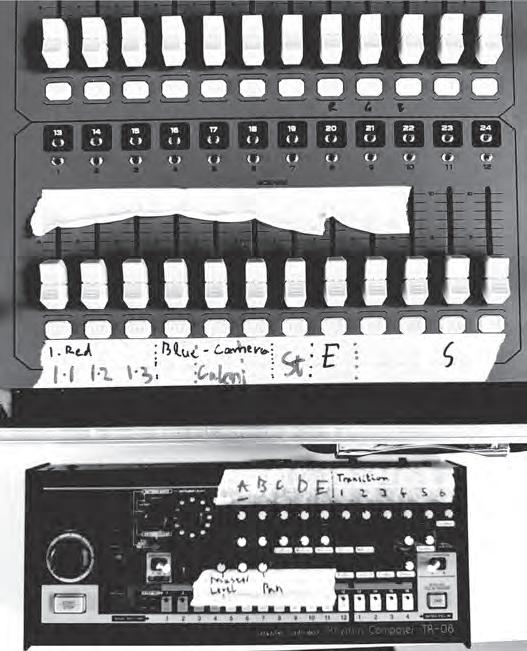
Lighting was managed through a ShowTec 24 DMX controller, connected to seven rigged overhead (see fig. 33) RGB mini-Par lights, each individually addressed. Lighting scenes were pre-programmed to correspond with the four scripted phases (see fig.33). An audio output from the interface was routed into the DMX controller to enable tempobased modulation, allowing lighting dynamics to
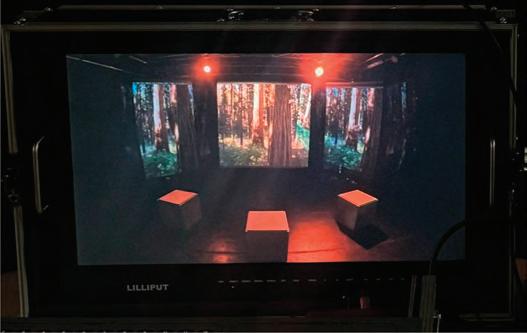
Finally, a second camera feed was routed to an external monitor, allowing the environment to be monitored and controlled from outside the black box studio (see fig. 35).
Figure 32. Projection Mapping Setup.
Figure 33. Speaker Rigging and Overhead Trussing for Light Rigging.
Figure 34. Labelling on DMX (upper) and MIDI controller corresponding to Phase.
Figure 35. Camera Feed Into Black Box Displayed Via Monitor Screen.
1.Epson projector
2. White mesh fabric
3. Projector screen
4. RGB mini-par light
5. Speaker
6. GoPro Hero 4 camera
7. Monitor Screen
8. ShowTec 24 DMX controller
9. Focusrite Scarlett audio interface
10. Macbook Pro M1 Max
11. TR-08 midi device
Data Input
Data Output
Figure 36. Schematic Drawing of Experimental Setup, Polturak.
1.Speakers
2. White Mesh Fabric
3. Projector Screen
4. Box
5. Sliding Curtain Entrance
6. Control desk
Figure 37. Plan Drawing Showing Spatial Configuration of the Experiment Setup,Polutrak.
Figure 38. Control Desk with All Equipment used, Polturak.
2.5 System Architecture
Modular Script Structure and Performance Constraints
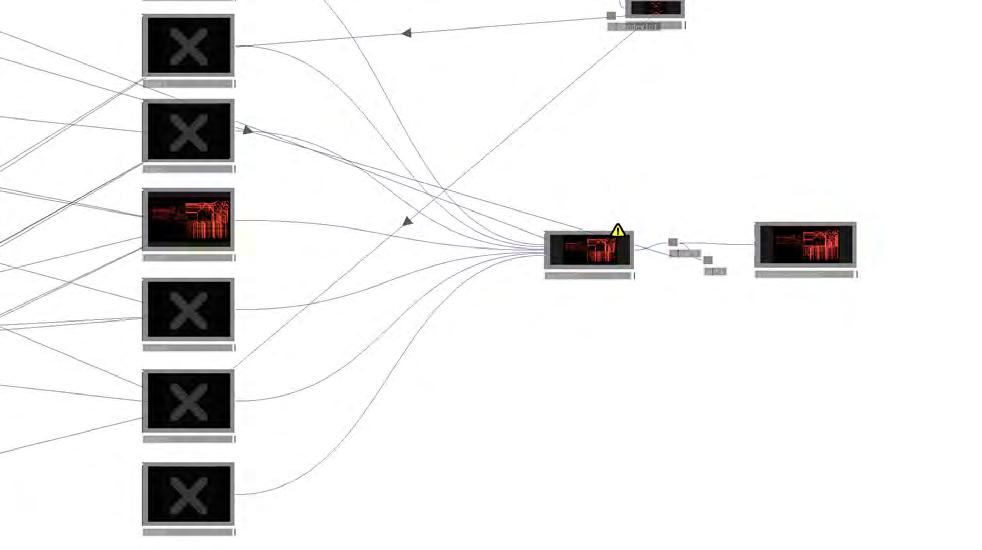
Each visual phase and of the performance, corresponding to Phases 1 through 4, was developed as an independent script, or “child base,” within TouchDesigner. These were assigned to individual base containers (e.g., Base1, Base2, etc.) and then assembled under a larger “parent” script, which allowed for global control and coordination across all children. (See fig. 39)
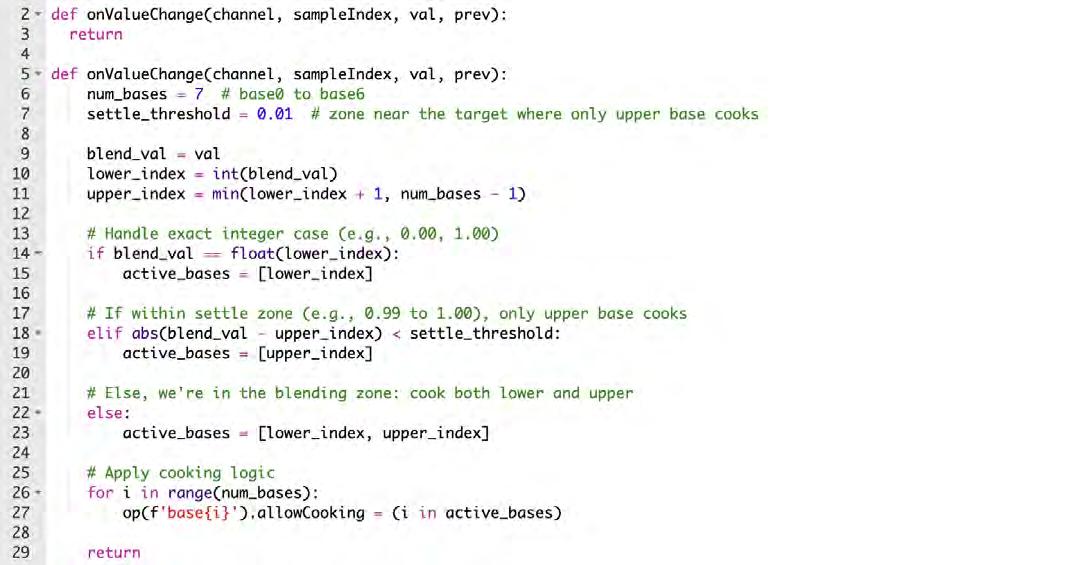
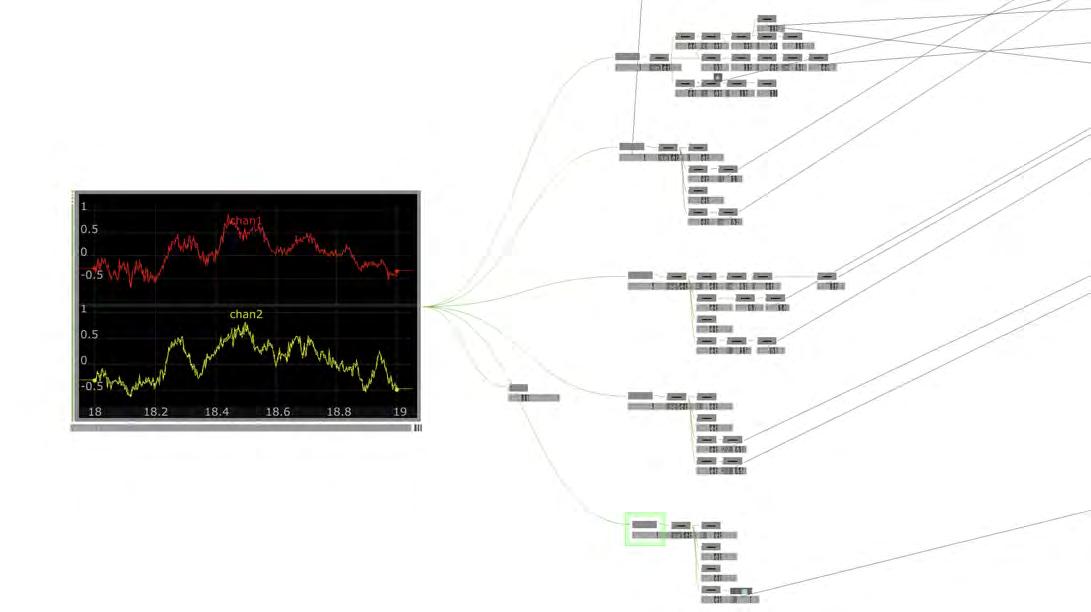
Despite optimisations to reduce GPU cooking (effects) and CPU load (CHOPs and expressions), attempting to run all base scripts simultaneously would frequently overload the system and crash TouchDesigner. To manage this, a solution was developed using a CHOP Execute DAT, which executes Python commands in response to changes in channel data. This script dynamically enabled and disabled cooking for each base, ensuring that only the currently relevant phases were active.
Initially, bases were toggled on/off as needed, but this created abrupt and jarring transitions. To solve this, the code was iterated to allow two bases to cook simultaneously, enabling smooth blending between phases. This blending was controlled using a number slider mapped to a switch TOP, which
assigns numerical values to each base. For example, a slider value of 1.5 would represent a 50% blend between Base1 and Base2. Once the value reached 1.99, Base1 would turn off, preserving system resources (see fig. 40).
MIDI Integration and Parameter Mapping
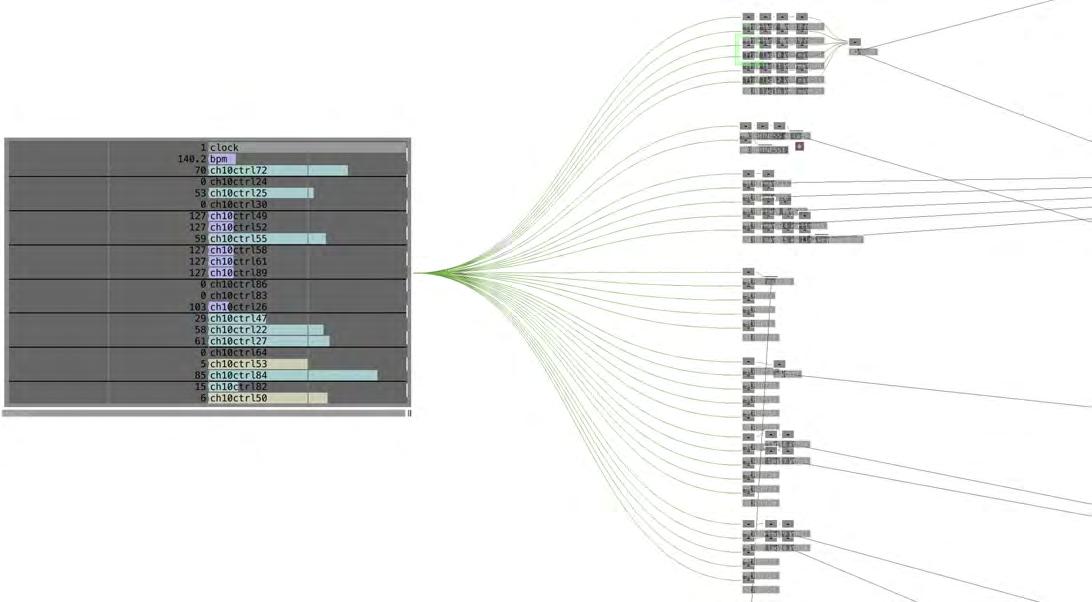
MIDI controllers were mapped into TouchDesigner to allow tactile control over key performance parameters. Hardware knobs sent MIDI data as values between 1 and 127, which were converted into a 0–1 range using simple mathematical operations to match the standard parameter input range in TouchDesigner. (See fig.41)
These values were then assigned to various visual parameters inside each base, including those discussed in Section 2.3 ‘The Script’. A selection of knobs were dedicated to master controls, governing system-wide behaviours such as:
• Phase blending: controls transitions between bases via the number slider.
• Global brightness: a master level slider controlling fade-to-black or full brightness across all visuals.
• Audio panning: mapped to control left-right balance across the four-channel speaker system, distributing sound spatially around the audience.
Figure 39. Visual design Scripts from section 2.3 each Added to a “Base” at Parent Script Level.
Figure 40. Python Code Administrated to Preserve Computer Processing Power.
A second, highly dynamic layer of control was derived from the audio itself. Using an Audio Analysis CHOP, specific sonic elements were isolated—namely, kick, snare, low, mid, and high frequency ranges. These were processed such that, for example, when a snare hit was detected, a 0-to-1 signal spike was sent to trigger a parameter in the visual system.
While frequency bands (low, mid, high) produced continuous values between 0 and 1, providing fluid, dynamic control. Individual event-based sounds like kicks and snares required threshold tuning to ensure only the intended peaks were captured. Because the sound script was a continuous mix of multiple tracks, it was difficult to calibrate one Audio Analysis CHOP to the entire piece. As a result, four
separate Audio Analysis CHOPs were calibrated to different songs within the mix to ensure accurate responsiveness throughout.
Camera Integration
A live camera feed was added at the parent level of the TouchDesigner network and then referenced selectively within the children base scripts that required it. This allowed for motion-responsive visuals, such as silhouette detection and delayed feedback trails, to be modularly activated depending on the phase requirements, without adding unnecessary processing to base scripts where the camera feed was not used. Please see apendix (A) for full parent script architechture.
Figure 42. Audio Reactive and Analysis.
Chapter 3
Perceptual Triggers: Experimental Findings
Chapter 3: Results
To assess how the designed environment influenced participants’ perception, a post-experience questionnaire was administered immediately after each session. The aim was to gather subjective feedback on key areas of perceptual and emotional response.
The questionnaire focused on the following core areas:
• Time perception
• Spatial perception
• Agency and interaction
• Musical immersion and emotional response
It included a mix of quantitative questions (Likert scales and multiple choice) and qualitative prompts to allow the 20 participants to reflect on and describe their experiences in their own words. This combination enabled both measurable insights and rich, experiential accounts of perceptual augmentation.
3.1 Time Perception
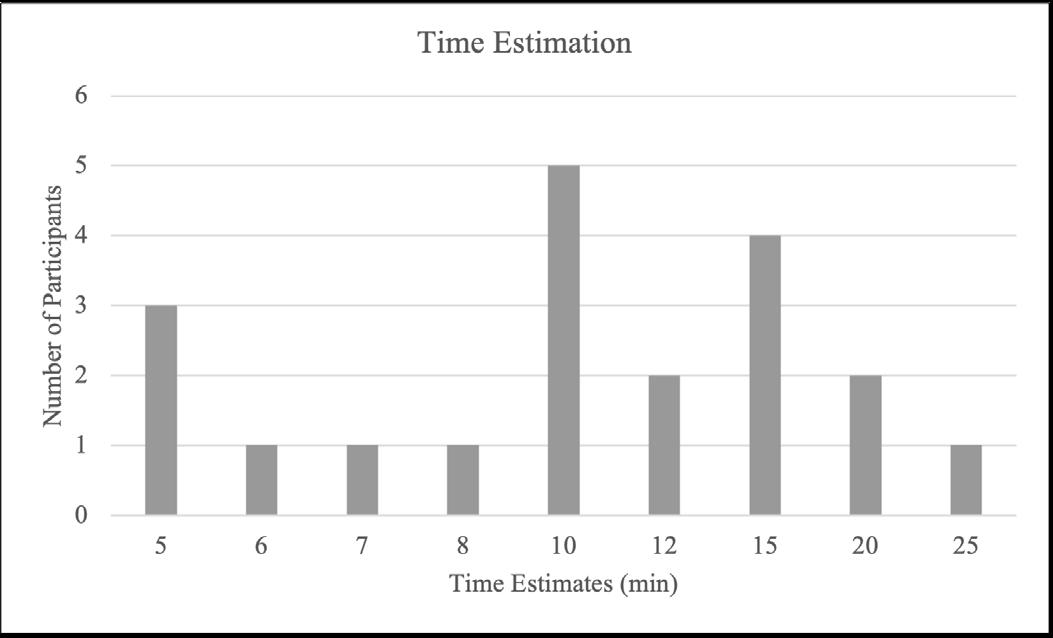
Participant responses to the first four questions, shown in Figure 43 to 45, reveal varied but insightful patterns in temporal perception.
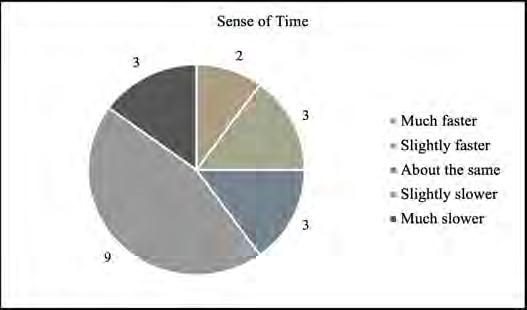
Interestingly, this contrasts with the results shown in Figure 44, where 60% of participants reported that time felt slower than in real life. Only 25% felt time passed faster, while 15% felt it passed at about the same rate. This apparent contradiction suggests a distinction between real-time experience and post-experience temporal recall.
As shown in Figure 43, 65% of participants underestimated the actual duration of the experience (15 minutes), 20% estimated it accurately, and 15% overestimated.
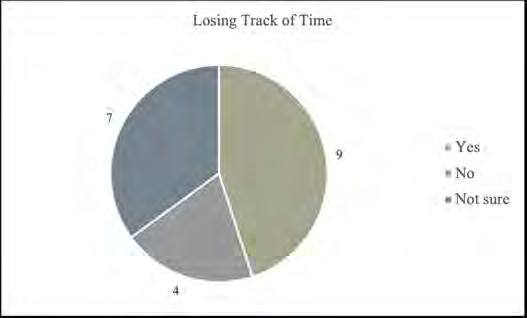
As further illustrated in Figure 45, at least 9 out of 20 participants reported losing track of time entirely. Descriptions of these moments included phrases such as “the wormhole at the start,” “the hypnotic red tube,” and “the red blood cell looking tunnel,” all pointing to strong sensory engagement and temporal disorientation, particularly during Phase One.
Figure 43. Q1, Estimate the total duration of the experience in minutes.
Figure 44. Q2, Did your sense of time feel faster, slower, or about the same as real life?
Figure 45. Q3, At any point, did you lose track of time entirely?
3.2 Spatial Perception
47. Q5, Were there moments where you felt unsure of what was near or far?
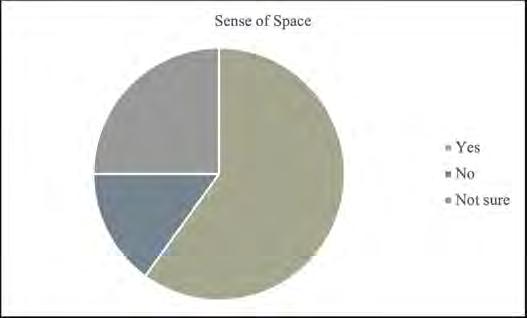
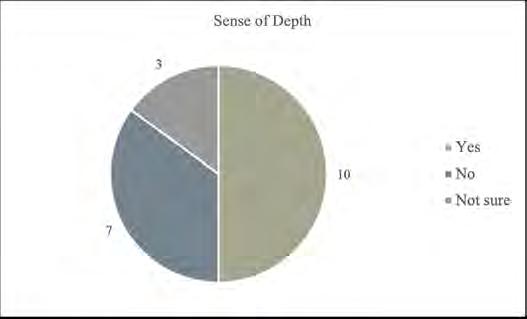
When asked about their spatial perception during the experience, results from Figure 46 show that 60% of participants reported a change in their sense of space, while 50% felt their depth perception was altered. An additional 15% were unsure, as illustrated in Figure 47.
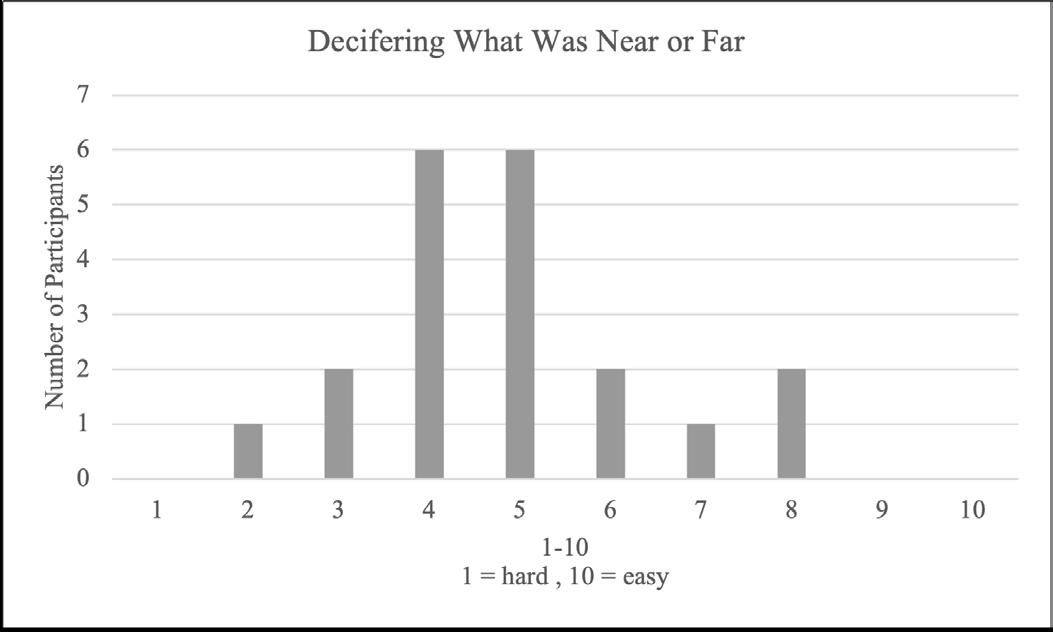
48. Q6, On a scale of 1–10, how easy was it for you tell what was near vs. far during the experience?
Those who reported changes often attributed these sensations to specific visual sequences, referencing moments such as “the visuals moving very quickly towards us,” “the red tunnel thing,” “the really intense red glitching visual,” and “the beginning.”
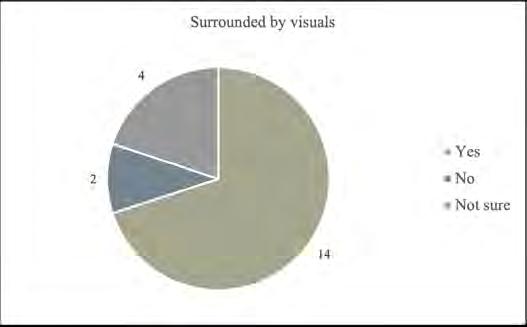
49. Q7, Did the visuals create the sensation of being fully surrounded or immersed (e.g., beyond the walls)?
Further insights were revealed in responses to Figure 48, where 75% of participants rated 5 or below on a scale measuring their ability to distinguish what was near or far—suggesting difficulty in spatial orientation. Additionally, results from Figure 49 show that 70% of participants felt that the visuals surrounded them, reinforcing the immersive and enveloping quality.
2.3 Interaction and Agency
Participants were asked to reflect on their sense of agency and interaction within the audiovisual environment.
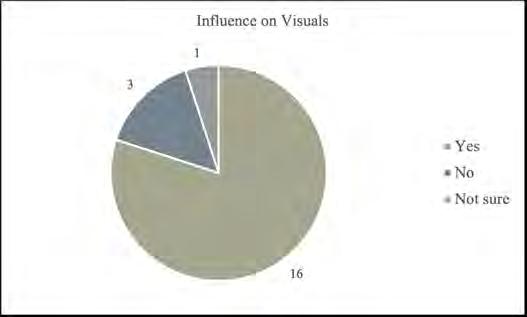
50. Q8, Did you feel like you were influencing the visuals in any way?
Figure 46. Q4, Did you feel like your sense of space was altered during the experience?
Figure
Figure
Figure
Figure
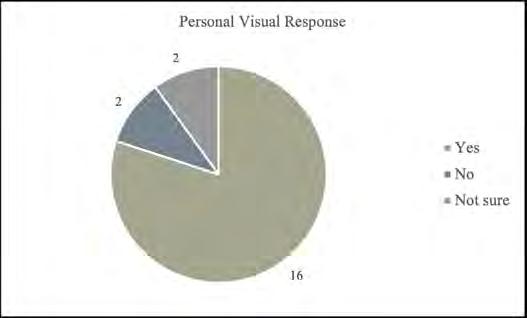
As shown in Figure 50, 80% of participants reported that they felt they were influencing the visuals in some way during the experience.
FIgure 51. Q9, How aware were you of your body’s movements during the experience?
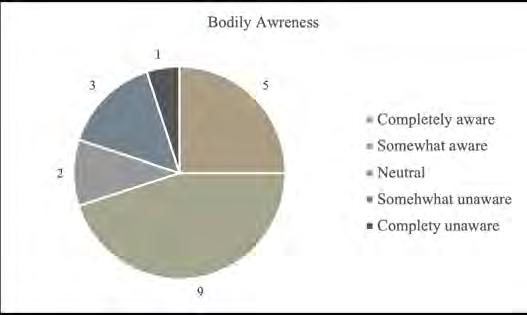
Supporting this, results from Figure 51 show that 70% of participants were aware of their own body movement, while only 20% reported being unaware.
Figure 52. Q10, Did the visuals ever seem to ‘respond’ to you?
Additionally, 80% of participants felt that the visuals directly responded to their presence or actions, suggesting a strong perceived link between movement and environmental feedback. These responses were supported by qualitative descriptions such as:
“When a fake version of the room was portrayed with lines on the screen.”
“I sat down and it felt like the screen was moving with me, distorting the lines as I moved.”
“When I moved the visuals responded, and I could see my movements reflected in lines.”
These reflections indicate that participants experienced a reciprocal visual relationship within the space, reinforcing the sense of embodied presence, particularly within phase 4.
2.4 Musical Immersion and Emotional Response
Participant feedback revealed a high level of emotional and sensory engagement with the musical and visual elements of the experience.
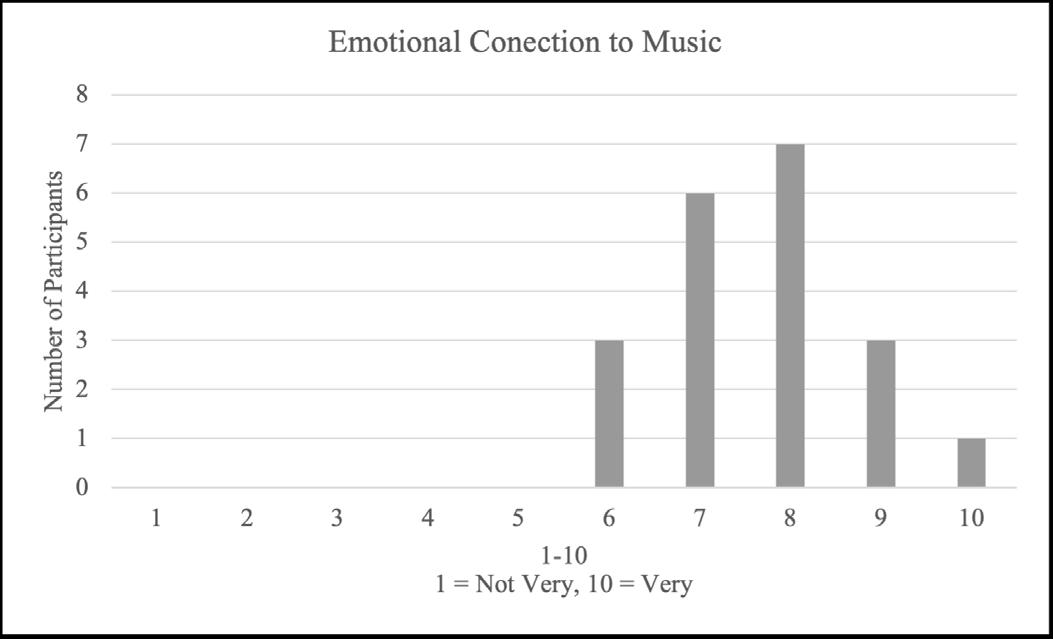
Figure 53. Q11, How emotionally connected did you feel to the music throughout the experience?
As shown in Figure 53, all participants rated their emotional connection to the music at a 6 higher, above the midpoint of the scale, indicating universal emotional engagement.
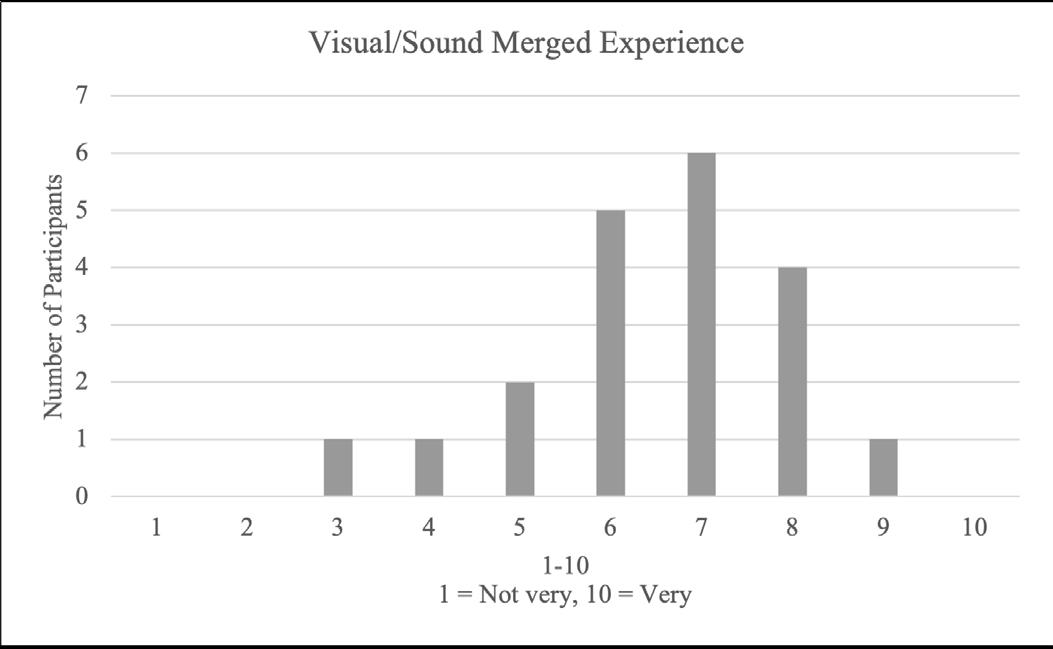
Figure 54. Q12, At any point, did sound and visuals seem to merge into a single Performance?
Results from Figure 54 illustrate the degree to which participants experienced the audio and visuals as a merged, unified stimulus, with the majority leaning toward the “very merged” end of the scale.
55. Q13, Did the combination of visuals and audio enhance your emotional response to the music?
56. Q14, What emotions did you feel most strongly during the experience?
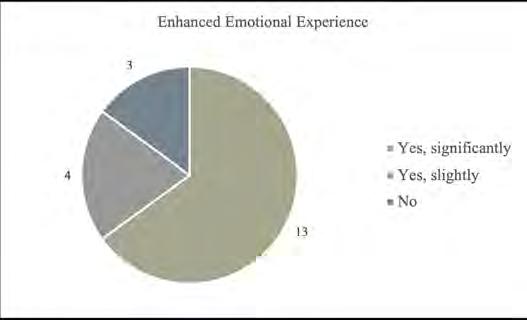
A total of 65% of participants believed that their enhanced emotional response was due to the combination of visuals and audio (see fig. 55).
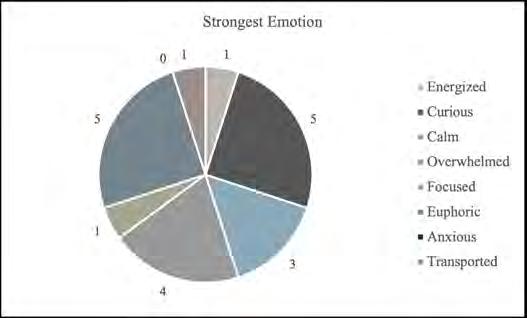
When asked to describe their dominant emotional state (Figure 56), the most common responses were curious (25%), euphoric (25%), and overwhelmed (20%), reflecting the emotional range targeted across the four phases of the experience.
57. Q15, Did you experience any moments where your senses felt confused, merged, or overwhelmed?
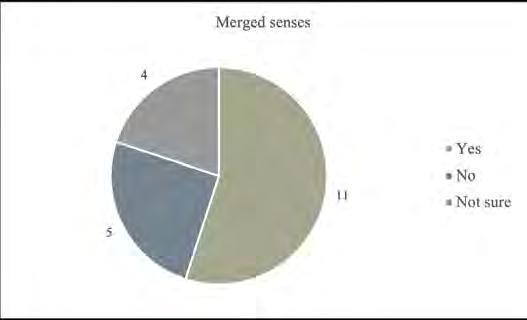
This was further supported by data in Figure 57, where 55% of participants reported that their senses felt confused, merged, or overwhelmed at some point during the experience.
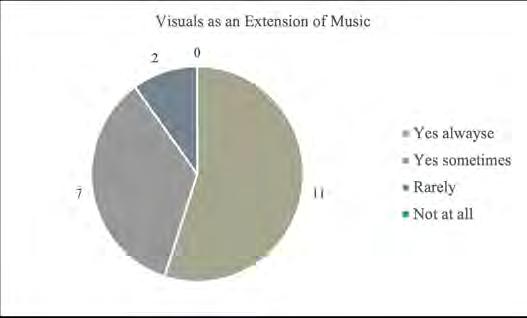
Figure 58. Q16, Did the visuals ever feel like they were “part of” the music (e.g., extending or emphasizing sounds)?
As shown in Figure 58, 90% of participants believed that the visuals were emphasizing or extending sonic elements at some point during the performance, suggesting strong audiovisual integration.
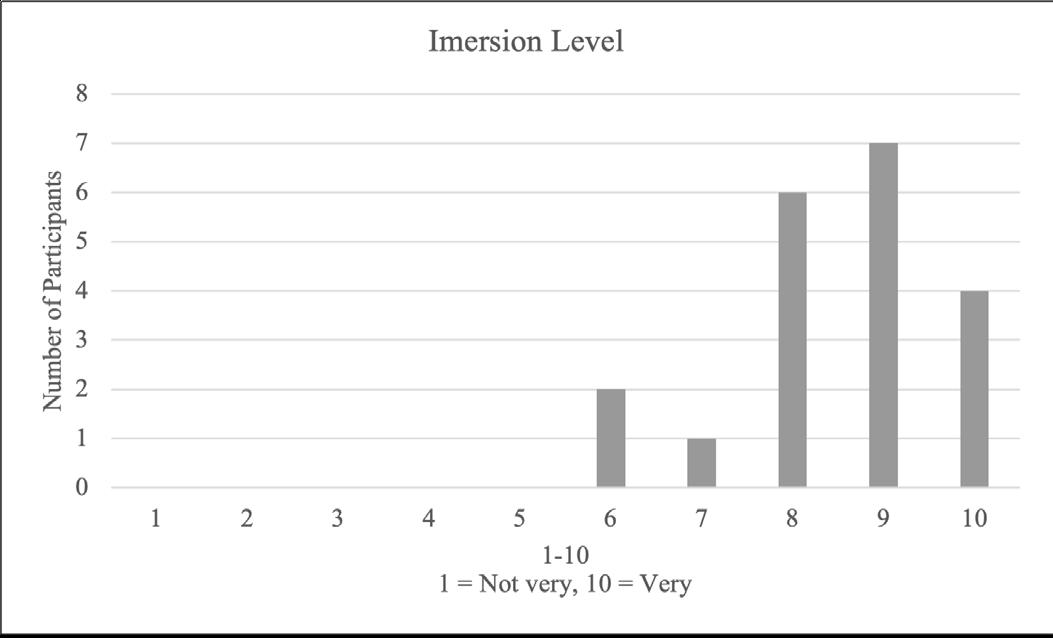
Figure 59. Q17, On a scale of 1–10, how immersive was the overall experience?
Finally, Figure 59 presents participants’ overall immersion ratings, with the distribution skewing strongly toward the higher end of the scale, indicating a generally deep sense of engagement throughout the experiment.
Figure
Figure
Figure
Discussion and Limitations
4.2 Discussion
This study set out to explore how the orchestration of scenographic lighting, projection, and spatial design might distort perception and enhance engagement within an electronic music performance. Rather than treating light or visuals as decorative additions, these elements were choreographed in tandem with sound to act as a perceptual script, guiding how participants felt and interpreted the experience across time, space, agency, and emotion.
It’s worth emphasising that the perceptual shifts observed in this study can’t be pinned to a single element in isolation. As detailed in the methodology, the lighting, visuals, and their rhythmic and spatial choreography were always intended to operate as a unified system. What participants experienced was the result of that orchestrated interplay, not the outcome of any one stimulus acting alone.
Participants’ perception of time revealed a fascinating divergence: 65% underestimated the actual length of the performance, yet 60% reported that time felt slower during the experience. This disparity between temporal estimation and subjective duration aligns with studies by Grondin (2010) and Block and Zakay (1997), which show how focused attention and rhythmic entrainment can compress retrospective time while dilating momentto-moment experience. Such temporal ambiguity may have been shaped by the immersive quality of the performance—where prolonged attention to slowly evolving audiovisual material created a sense of being suspended in time. More notably, nearly half of participants reported losing track of time entirely, often linked to intense, visually saturated sequences in Phase One. These descriptions suggest the onset of absorption or flow states (Csikszentmihalyi, 1990), in which selfawareness of time fades due to heightened sensory and cognitive involvement. The temporal design of the experience, including looped structures, gradual builds, and syncopated climaxes, has aligned with Huron’s (2006) theory of musical expectation, reinforcing perceptual shifts through delayed gratification and sonic anticipation.
60% of participants reported a shift in spatial perception, and half described alterations in their depth cues. Participant reflections referencing tunnels, vanishing points, and space “moving toward them” suggest a successful manipulation
of monocular depth cues, particularly motion parallax, scale, and occlusion (Palmer, 1999). These effects disrupted participants’ sense of physical orientation and supported the intended illusion of environmental instability.
Responses in which participants struggled to judge distance (75% rated 5 or below for near/far discrimination) and felt surrounded (70%) reinforce the idea that spatial boundaries were intentionally blurred. These findings also correspond with perceptual phenomena like autokinesis, where motion is inferred in a static field due to the absence of spatial anchors (Zambianchi et al., 2021). Together, they suggest that the scenographic system was effective in fostering spatial disorientation.
Participants widely reported a sense of agency and bodily awareness, with 80% feeling that they influenced the environment. These impressions were strongest in interactions with the motionreactive visual system, where silhouette detection and real-time delay created a visible connection between the participant’s movement and the scene. This perceptual feedback loop supports theories of enactive cognition, where perception is experienced through action and bodily engagement (Varela, Thompson and Rosch, 1991).
Several responses, including “I sat down and the visuals moved with me,” indicate a merging of physical and perceptual space, reinforcing the feeling of being “within” the scenographic environment. While the feedback system was relatively simple in execution, its timing, scale, and integration with musical dynamics appears to have been sufficient to foster a sense of co-presence.
Emotional engagement was reported universally. Participants not only rated their connection to the music highly, but also noted that the visuals enhanced and extended their affective response. The majority described the visuals and sound as a merged stimulus, and over half reported sensory confusion or fusion. These responses are consistent with theories of multisensory integration, particularly the unity assumption, where the brain tends to bind synchronous sensory events (Shams and Beierholm, 2010). Emotional language such as “curious,” “euphoric,” and “overwhelmed” reflected the trajectory of the experience and aligned with Huron’s (2006) findings on reward-based musical structures. As the sound and visual system
reached moments of climax, participants appeared to experience dopamine release, consistent with recent neuroscientific studies linking electronic music drops to elevated emotional response (Turrell, Halpern and Javadi, 2021). This points not only to the emotional effectiveness of the sound design, but also to the ability of scenography to modulate and shape that response through pacing, colour, contrast, and spatial expansion.
A few results revealed unexpected effects. In Phase Two, although participants were placed in an interactive visual environment designed to promote dissociation through delayed and abstract feedback, several individuals reported that they did not notice any visual responsiveness at all. This disconnect likely stems from the subtlety of the motionreactive design, which, while purposefully abstract, may have been too understated to be perceptually registered as interactive. Although the aim was to generate a sense of detachment and temporal lag, the interaction was still intended to be noticeable— as a way of disrupting bodily agency without entirely obscuring it. Similarly, a small number of participants reported feelings of discomfort and motion sickness. While immersive experiences often aim to disorient to heighten awareness, these physical sensations suggest a shift from productive immersion into perceptual overload. Such outcomes are not desirable, as they can prevent participants from engaging meaningfully with the design material. These cases underscore the fragility of immersive environments: when intensity is not carefully calibrated, the line between engaging disorientation and alienating discomfort can easily be crossed.
4.1 Limitations
Firstly, the participant pool was relatively small, limited to 20 individuals, most of whom were recruited based on proximity to the UCL Here East campus. While this made the logistics of data collection feasible, it naturally restricted the demographic diversity of the group. Broader participation across different age groups, cultural backgrounds, and varying degrees of experience with electronic music environments would allow future studies to explore a wider spectrum of perceptual responses.
The experimental setting, a black box studio, offered valuable control over sound, lighting, and visuals. However, it lacked the scale, complexity,
and social atmosphere of a real club or festival. Key immersive factors such as crowd energy, ambient movement, and dynamic participant interaction, crucial elements of live electronic music events, were absent. Additionally, the use of haze or smoke, an effective tool for enhancing volumetric light effects, was restricted due to building regulations.
Technological limitations also impacted the delivery of the experience. The lighting system, controlled via a basic Showtec 24 DMX interface and static RGB mini PAR fixtures, lacked the flexibility and movement capabilities of more advanced lighting systems. More complex choreography, such as moving-head fixtures with tilt and pan, was not possible. Similarly, the visual content built in TouchDesigner was constrained by hardware limitations that only allowed two scripts to run simultaneously. This significantly limited the complexity and layering of visual material. Live parameter control through MIDI and DMX led to inconsistencies across sessions as decisions on levels were decided in the moment by the controller. While automation through keyframing could have provided a more consistent delivery, this process is time-intensive, making it impractical within the available timeframe of this experiment.
Another important limitation lies in the presence of psychoactive substances in real-world electronic music settings. Substances such as alcohol, stimulants, and psychedelics—consumed by more than 60% of EDM event attendees annually (Palamar et al., 2023) —can significantly alter perception, heightening or distorting the way sound, light, and space are experienced. This study focused on sober participants to isolate the effects of scenographic design; however, it likely represents only a baseline perceptual state in comparison to the altered sensory environments typical of many club and festival contexts.
These limitations highlight clear avenues for future exploration and refinement—from the incorporation of more advanced lighting and visual control systems to research conducted in live venues with varied participant demographics. Understanding how perception can be designed, guided, and enhanced in these multisensory spaces is an ongoing challenge—one that will benefit from increased technological depth, contextual authenticity, and experimental scalability.
Chapter 5
Conclusion
Conclusion
This study set out to examine how the deliberate orchestration of scenographic tools, light, sound, projection, could be used to distort perception and intensify emotional engagement within the context of electronic music performance. Through a practice-based methodology and a controlled, multiphase installation, the research demonstrated that perception is a malleable and dynamic phenomenon that can be actively shaped through real-time, multisensory design.
The findings revealed that scenographic interventions can meaningfully influence participants’ sense of time, space, agency, and emotion, validating the idea that design can operate as a perceptual script. These elements, when tightly choreographed in tandem with sound, guided participants’ attention, shaped their emotional states, and fostered a deep sense of immersion. In doing so, the study challenges traditional hierarchies in performance design, where the performer or narrative structure typically takes precedence. Instead, it positions perception and affective response as core elements of content itself— elements to be composed, modulated, and directed with as much intentionality as sound or story.
Crucially, this study reframes scenography not simply as stage design, but as an interface between audience and meaning. It acts as a perceptual buffer zone, the medium through which design material is interpreted by the brain. By manipulating this threshold space between eye and design material, scenography becomes another powerful tool for shaping how experience is registered, not just how it is presented. This understanding invites scenographers, musicians, and digital artists to consider space, light, and sensory interaction as part of the performance language, not as background.
The implications of this are significant for both artistic and spatial practice. Within the live performance industry, this research supports a shift toward cross-disciplinary collaboration: VJs, DJs, theatre makers, choreographers, architects, and digital artists should share a common framework for perception-driven design. Furthermore, as immersive and affective technologies become more prominent, the perceptual scripting approach proposed here could find relevance beyond performance—informing the design of public
installations, gallery works, or even architectural interventions. As Vitruvius wrote in The Ten Books of Architecture, buildings must be designed with Firmitas (strength), utilitas (utility), and Venustas (beauty)—primarily with human experience at their core. This study contributes insight into that experience, offering designers of space and performance a model for working at the intersection of perception and emotion.
There is also potential here beyond entertainment. The described perceptual states, immersion, flow, emotional resonance, even dissociation, suggest application in fields such as wellbeing, mental health, and cognitive enrichment. Carefully calibrated multisensory environments may offer tools for therapeutic, meditative, or educational settings, where design is not only affective but transformative.
Finally, while this study was conducted in a controlled setting and measured participant responses under consistent conditions, it offers a foundational framework for future research into perceptually authored performance. Subsequent studies could explore how scenographic interventions operate in real-world club or festival environments, where ambient variables, such as temperature, density, and movement, may significantly impact immersion. Research might also examine the relationship between thermal conditions and affective engagement, as temperature plays a known role in comfort and psychological state (Ravanelli et al., 2021). Additionally, the intersection of dance and perceptual experience presents rich potential. Many participants treat dance in club environments as a form of meditation or embodied release; future work could investigate how movement contributes to perceptual shifts. Biometric feedback, such as heart rate variability or eye-tracking, could also be employed to measure physiological markers of immersion and attentional engagement. These approaches would extend the perceptual scripting framework into broader applications, offering deeper insight into how environment, embodiment, and design shape the live experience.
Bibliography
Aphex Twin. (2014) Strange Visitor: A Conversation With Aphex Twin. Pitchfork. Available at: https:// pitchfork.com/features/cover-story/9506-strange-visitor-a-conversation-with-aphex-twin/ (Accessed:04/04/2025).
Block, R.A. and Zakay, D. (1997) ‘Prospective and retrospective duration judgments: A meta-analytic review’, Psychonomic Bulletin & Review, 4(2), pp. 184–197.
Bregman, A.S. (1990) Auditory Scene Analysis: The Perceptual Organization of Sound. Cambridge, MA: MIT Press.
Butler, M. (2006) Unlocking the Groove: Rhythm, Meter, and Musical Design in Electronic Dance Music. Bloomington: Indiana University Press.
Chion, M., 1994. Audio-Vision: Sound on Screen. New York: Columbia University Press.
Connor, S. (2004). Edison’s Teeth: Touching Hearing. In Auditory Culture Reader, Routledge.
Csikszentmihalyi, M., 1990. Flow: The Psychology of Optimal Experience. New York: Harper & Row.
DeNora, T. (2000). Music in Everyday Life. Cambridge University Press.
Deutsch, D. (1995) The Psychology of Music. 2nd edn. San Diego: Academic Press.
Dixon, S. (2007) Digital Performance: A History of New Media in Theater, Dance, Performance Art, and Installation. Cambridge, MA: MIT Press.
Droste, M. (2002). Bauhaus 1919–1933. Cologne: Taschen.
Garcia, L.M. (2013) ‘Beats, loops and layers: rhythm and repetition in electronic dance music’, in Bull, M. (ed.) Sound as Popular Culture: A Research Companion. Oxford: Oxford University Press, pp. 278–290.
Ghaziani, A. (2024). Long Live Queer Nightlife. Princeton University Press.
Gibson, J.J. (1979) The Ecological Approach to Visual Perception. Boston: Houghton Mifflin.
Gilbert, J. and Pearson, E. (1999) Discographies: Dance Music, Culture and the Politics of Sound. London: Routledge. Goldstein, E.B. (2010) Sensation and Perception. 8th ed. Belmont: Wadsworth.
Goodman, S. (2010). Sonic Warfare: Sound, Affect, and the Ecology of Fear. MIT Press.
Gregory, R.L. (1966) Eye and Brain. Princeton University Press.
Gregory, R.L. (1970) The Intelligent Eye. London: Weidenfeld and Nicolson.
Grondin, S. (2010) ‘Timing and time perception: A review of recent behavioural and neuroscience findings and theoretical directions’, Attention, Perception, & Psychophysics, 72(3), pp. 561–582.
Hardin, C.L. and Maffi, L. (1997) Colour Categories in Thought and Language. Cambridge: Cambridge University Press.
Hegarty, P. (2020). Rumour and Radiation: Sound in a Media Culture. London: Bloomsbury Academic.
Henriques, J. (2011). Sonic Bodies: Reggae Sound Systems, Performance Techniques, and Ways of Knowing. Continuum.
Herz, R.S. (2004) ‘A naturalistic analysis of autobiographical memories triggered by olfactory visual and auditory stimuli’, Chemical Senses, 29(3), pp. 217–224.
Howard, I.P. and Rogers, B.J. (2012) Perceiving in Depth, Volume 2: Stereoscopic Vision. Oxford: Oxford University Press.
Architecture Social Club. (2024) Surge. Available at: https://www.architecturesocialclub.co.uk/work/draaimolen (Accessed: 25/03/2025).
BBC News. (2022) Dancers’ moves help to power Glasgow music venue. Available at: https://www.bbc.co.uk/news/ technology-63161838 (Accessed: 20/03/2025).
Horst Art & Music. (2024) Swirl –by Jozef Wouters & touche—touche. Available at: https://www.horstartsandmusic.
Huron, D. (2006) Sweet Anticipation: Music and the Psychology of Expectation. Cambridge, MA: MIT Press.
Huron, D. (2006). Sweet Anticipation: Music and the Psychology of Expectation. MIT Press.
Ikoniadou, E. (2014). The Rhythmic Event: Art, Media, and the Sonic. MIT Press.
Juslin, P. N., & Sloboda, J. A. (Eds.). (2010). Handbook of Music and Emotion: Theory, Research, Applications. Oxford University Press.
Juslin, P.N. and Sloboda, J.A. (2010) Handbook of Music and Emotion: Theory, Research, Applications. Oxford: Oxford University Press.
Kveraga, K., Ghuman, A.S. and Bar, M. (2007) ‘Top-down predictions in the cognitive brain’, Brain and Cognition, 65(2), pp. 145–168.
Machon, J. (2013) Immersive Theatres: Intimacy and Immediacy in Contemporary Performance. Basingstoke: Palgrave Macmillan.
Middlebrooks, J.C. and Green, D.M. (1991) ‘Sound localization by human listeners’, Annual Review of Psychology, 42(1), pp. 135–159.
Oren, M. (2007). The Architecture of Sound: Le Corbusier and the Philips Pavilion. Journal of the Society of Architectural Historians, 66(1), pp.92–95.
Palamar, J.J., Le, A. and Cleland, C.M., 2023. Prevalence of self-reported adverse effects associated with drug use among nightclub and festival attendees, 2019–2022.
Palmer, S.E. (1999) Vision Science: Photons to Phenomenology. Cambridge, MA: MIT Press.
Proske, U. and Gandevia, S.C., 2012. The proprioceptive senses: their roles in signaling body shape, body position and movement, and muscle force. Physiological Reviews, 92(4), pp.1651–1697.
Ravanelli, N., Jay, O. and Hardcastle, S., 2021. Local cooling during hot water immersion improves perceptions of thermal comfort and affect. Physiology & Behavior, 229, p.113217.
Salter, C. (2010). Entangled: Technology and the Transformation of Performance. Cambridge, MA: MIT Press.
Schechner, R. (1994). Environmental Theater. New York: Applause
Shams, L. and Beierholm, U.R., 2010. Causal inference in perception. Trends in Cognitive Sciences, 14(9), pp.425–432.
Smalley, D. (1997). Spectromorphology: Explaining Sound-Shapes. Organised Sound, 2(2), 107–126.
Solberg, R.T. and Dibben, N. (2019) ‘Expectancy, tension and temporal structure in electronic dance music’, Musicae Scientiae, 23(3), pp.348–364.
Solberg, R.T. and Jensenius, A.R. (2017) ‘Pleasurable and Intersubjective Embodied Listening to Electronic Dance Music’, Empirical Musicology Review, 12(3-4), pp. 226–244
Steinman, R.M., Pizlo, Z. and Pizlo, F.J., 2000. Fixational eye movements and the autokinetic illusion. Psychological Research, 63(3-4), pp.301–308.
Turrell, A.S., Halpern, A.R. and Javadi, A.H. (2021) ‘Wait For It: An EEG Exploration of Excitement in Dance Music’, Music Perception, 38(4), pp.345–359.
Varela, F.J., Thompson, E. and Rosch, E. (1991) The Embodied Mind: Cognitive Science and Human Experience. Cambridge, MA: MIT Press.
Wagner, R. (1849). The Art-Work of the Future and Other Works. Trans. W. Ashton Ellis, 1895. Lincoln: University of Nebraska Press, 1993.
Zambianchi, R., Maurer, A. and Sabel, B.A., 2021. The role of eye movements in the autokinetic effect: A review. Perception, 50(6), pp.541–553