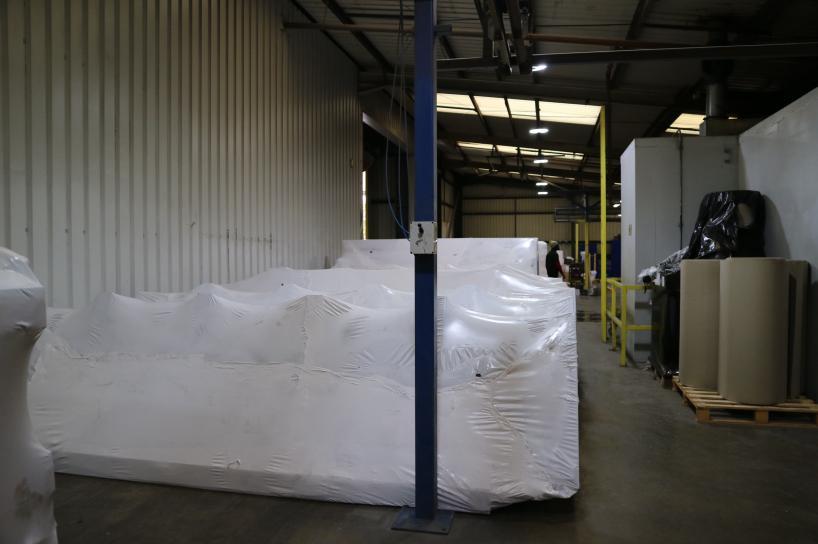
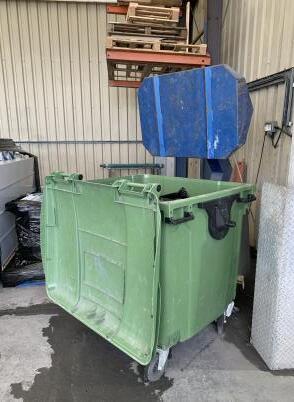
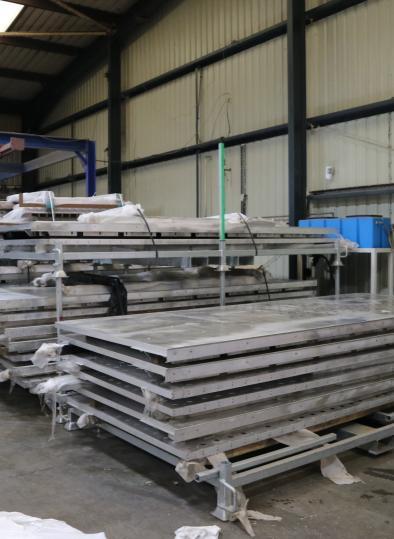
Figure 15: Final fully coated component packaged and awaiting transit (Source: Beninger, 2024)
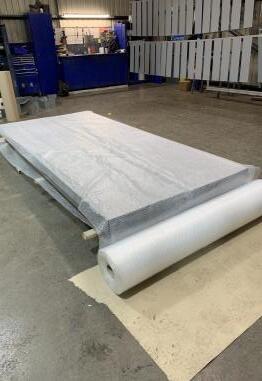
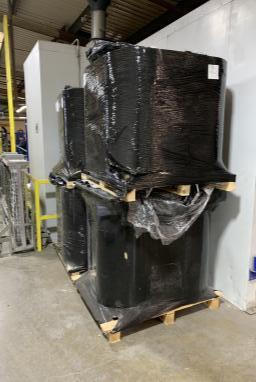
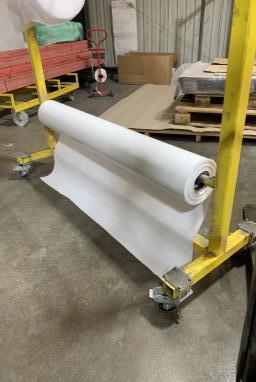
Figure 16: Standard packaging materials used (denoted A to C, left to right) (Source: Besant, 2024)
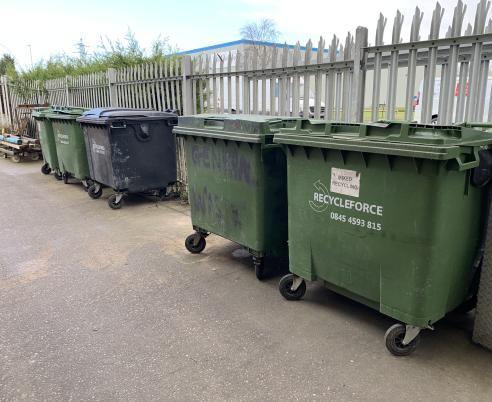
Figure 17: On-site recycling at Powdertech’s facility (Source: Besant, 2024)
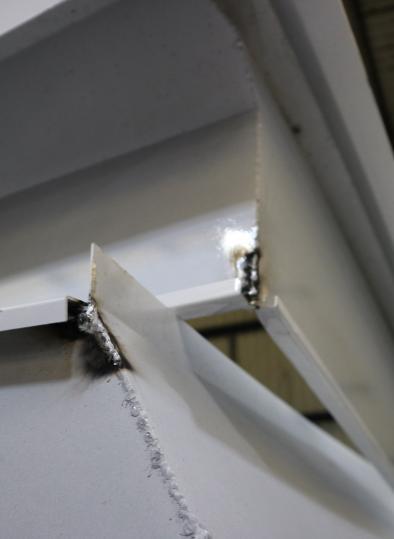
Figure 18: Examples of coated components to be chemically stripped due to missed welding (left) and wrong coating colour (right) (Source: Beninger, 2024)
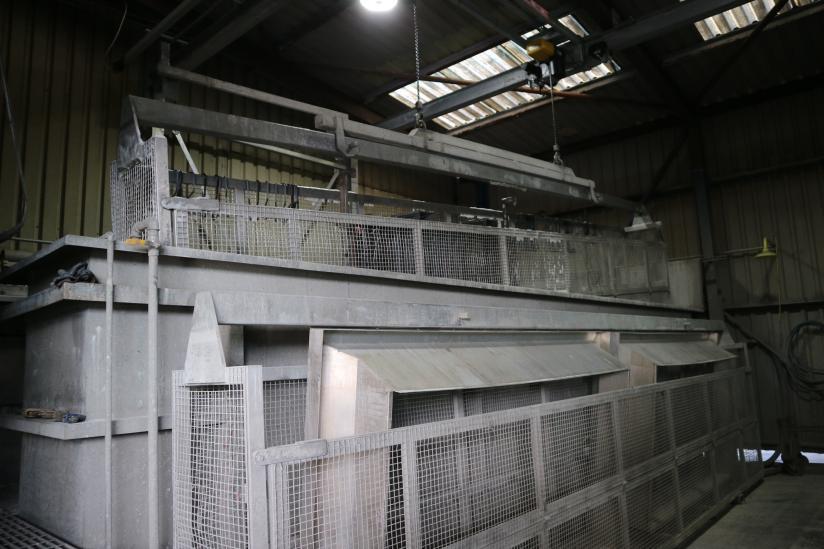
Figure 19: Metal component submerged in chemical stripping tank (Source: Beninger, 2024)
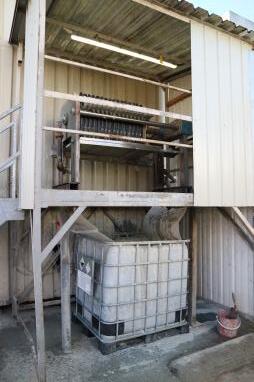
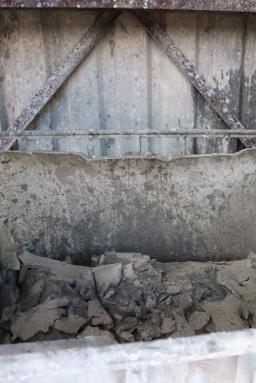
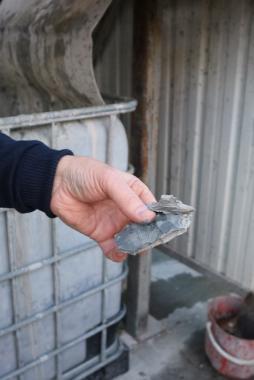
Figure 20: Collection of powder waste during chemical stripping (Source: Beninger, 2024)
Figure 21: Impact contribution of each process stage to the total impact for each category
Figure 22: Contribution of powder coating stage (A5) compared to Hydro REDUXA’s aluminium supply chain (A1–A4) across all environmental impact categories studied
Figure 23: Relative key impact contributors at packaging stage of Powdertech’s process
Figure 24: Environmental contributions of packaging stage of Powdertech’s process for different packaging scenarios
Figure 25: Environmental contributions of bubble film packaging input specifically for different packaging scenarios
Figure 26: Sensitivity analysis of bubble film packaging to Powdertech’s process across all impact categories
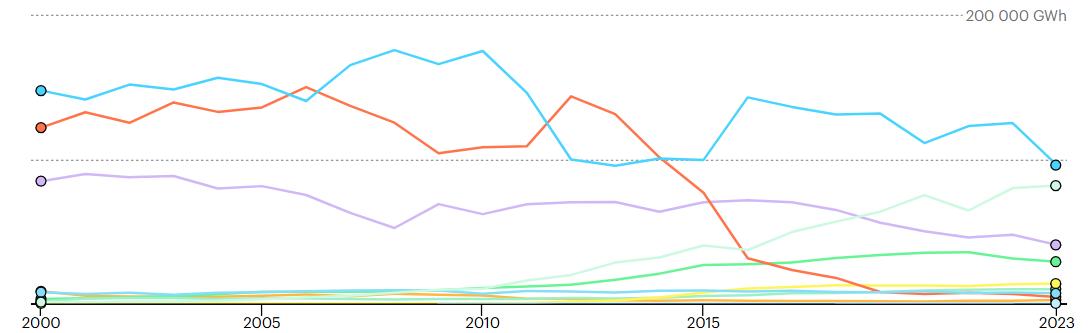
Figure 27: Evolution of UK’s electricity generation sources since 2000 (International Energy Agency, 2023)
Figure 29: Environmental contributions of oven curing energy input specifically for different energy source scenarios
Figure 30: Sensitivity analysis of curing gas usage to Powdertech’s entire process across all impact categories
Figure 31: Relative key impact contributors at the powder coating application stage of Powdertech’s process
Figure 32: Relative key impact contributors at chemical pre-treatment stage of Powdertech’s process
Figure 33: Comparative analysis of absolute environmental impacts of Powdertech’s entire process, with and without the inclusion of the chemical stripping stage
List of Tables
Table 1: Summary of environmental impact categories considered in this study
Table 2: Characteristics of Hydro’s REDUXA aluminium (The Norwegian EPD Foundation, 2024)
Table 3: Summary of AkzoNobel’s environmental impacts results for Interpon D (adjusted to reflect respective ��2 aluminium surface coated) across different life cycle stages
Table 4: Summary of Hydro’s environmental impacts results for REDUXA aluminium (adjusted to reflect respective ��2 aluminium surface coated) across different life cycle stages
Table 5: Description of six-stage pre-treatment for aluminium (Powdertech (Corby) Limited, 2024c)
Table 6: Summary of tanks’ characteristics used in the pre-treatment stages (Powdertech, 2024)
Table 7: Chemical description of products used in pre-treatment process
Table 8: Summary of packaging materials used at Powdertech’s Corby facility (Besant, 2025d)
Table 9: Overview of chemical stripping tank’s characteristics (Chemetall, no date)
Table 10: Overview of energy usage for different stages of Powdertech’s process (Besant, 2025f)
Table 11: Overview of waste streams and destinations throughout Powdertech’s process
Table 12:Summaryofperformances ofthedifferent rangesintheInterponD series (AkzoNobel, 2024)
Table 13: Recommended cleaning frequencies and aluminium finished guarantee for the different Interpon D powder ranges in the UK (Stacey, 2015; AkzoNobel Powder Coatings, 2022)
Table 14: Summary of chemical pre-treatment inputs (in green) and outputs (in red) used in LCI
Table 15: Summary of powder coating application inputs (in green) and outputs (in red) used in LCI
Table 16: Summary of curing stage inputs (in green) used in LCI
Table 17: Summary of inspection and packaging inputs (in green) and outputs (in red) used in LCI
Table 18: Summary of chemical stripping inputs (in green) and outputs (in red) used in LCI
Table 20: LCA results for Interpon D1000 range, showing contribution of each stage of Powdertech’s process for respective impact category
Table 21: LCA results for Interpon D2000 range, showing contribution of each stage of Powdertech’s process for respective impact category
Table 22: LCA results for Interpon D3000 range, showing contribution of each stage of Powdertech’s process for respective impact category
Table 23: Overview of bubble film packaging materials used for scenario studies
Table 24: Modified LCA results for Interpon D ranges across all impact categories assessed for Powdertech’s process, with the exclusion of the chemical stripping stage
Table 25: Overview of material flow assumed for LCI, with inputs in green and outputs in red
Table 26: EAD MEng Dissertation Ethics Declaration Form
Abstract
In the face of growing demands for sustainable construction and transparent environmental accountability, understanding the true footprint of material processes has never been more critical. This dissertation provides a Life Cycle Assessment (LCA) from first principles of the polyester powder coating process applied to aluminium, in collaboration with Powdertech of Corby. This research aims to explore the environmental footprint associated with the coating process under ISO 14040 and ISO 14044 standards, including global warming potential, ozone depletion, acidification, eutrophication, smog formation, fossil fuel depletion, minerals and metals depletion and water deprivation (Table 1) This LCA distinguishes itself by encompassing not only the impact of the polyester powder coating material itself but also the fullcoatingprocess undertaken. Methodologically, fourkey LCA phases will be covered: Goal and Scope, Life Cycle Inventory (LCI), Life Cycle Impact Assessment (LCIA) and Interpretation. Additionally, this study will account for the real-world turbulences and challenges of material and coating durability, considering how potential damage at different stages of the product’s life cycle affects environmental impacts and the sustainability of coated aluminium over its projected lifespan. This study aims to address the construction industry’s increasing demand for environmentally transparent materials, whilst advocating for the adoption of detailed LCAs in industrial coating processes. Through setting a benchmark for comparing the environmental profiles of powder coated aluminium products with other materials, this dissertation contributes to a broader movement toward sustainability in material applications for construction.
Keywords: Life Cycle Assessment (LCA), Footprint, Turbulences, Sustainability
A key outcome of this study is that 1��2 of polyester powder-coated aluminium façade panel, considering a 3 mm Hydro REDUXA profile coated with 60 microns of Interpon D polyester powder, has an estimated total global warming potential impact of approximately 246.7 ���������� ����/����
Variable Indicator Unit
GWP–GHG Indicator for climate impact ��������2 ����
GWP–Total Global Warming Potential (total) ��������2 ����.
GWP–Fossil Global Warming Potential (fossil) ��������2 ����
GWP–Biogenic Global Warming Potential (biogenic) ��������2 ����.
GWP–LULUC Global Warming Potential (land use and land use change) ��������2 ����
ODP Ozone Depletion Potential ���� CFC-11 ����
AP Acidification Potential ��������+ ����.
EP–Freshwater Eutrophication Potential, emissions to fresh water ����������
Abiotic Depletion Potential for minerals and metals ������������
ADP–Fossil fuels Abiotic Depletion Potential for fossil resources ����,����������������������������������
WDP Water Deprivation Potential ��3 ��������������.
Table 1: Summary of environmental impact categories considered in this study
It should be noted that the GWP–GHG indicator accounts for all greenhouse gases covered under the GWP–Total category, with the exception of biogenic carbon dioxide uptake, emissions and biogenic carbon stored in the product.
Acknowledgements
Iwouldliketoexpressmydeepestgratitudetomy dissertation supervisor,Dr.ProfessorMichael Stacey, for his invaluable guidance, insight and support throughout the course of this dissertation. His expertise and encouragement have been instrumental in shaping this research and have greatly enhanced my understanding of Life Cycle Assessments and sustainable material applications. I am truly grateful for his mentorship and for the time he has dedicated to helping me refine and develop this project.
I would also like to extend my heartfelt thanks to Richard Besant from Powdertech of Corby for his generous assistance and collaboration. His extensive practical knowledge and willingness to provide full transparency throughout the entire process – ensuring open access to Powdertech’s operational data and resources – were essential to the success of this study. This transparency not only enriched my understanding of the industrial coating process but also ensured the accuracy and relevance of the research.Richard’ssupport,particularlyduringour on-sitevisit ofPowdertech’sfacilityinCorby(UK), provided me with invaluable insights into real-world applications, making this study both meaningful and impactful.
Additionally, I would liketo sincerelythank Dr. Aiduan Borrion and Haodong Linfrom the CEGE0059 Life Cycle Assessment (LCA) module at UCL for equipping me with the essential tools and methodologies necessary for conducting this research. Their expert teaching, particularly in the use of specialised LCA software and frameworks, laid the critical technical foundation for the practical execution of this dissertation. The skills and knowledge gained from their guidance have been instrumental in ensuring that the LCA performed in this study is robust, methodologically sound and aligned with international standards.
Finally, I would like to acknowledge Sevde Tavasli – another student from the MEng Engineering and ArchitecturalDesigncourseatUCL –for hercollaborationandsupportthroughoutthisresearchjourney. Her own dissertation work with Powdertech, which explores a comparative Life Cycle Assessment of rainscreen panels, has provided valuable perspectives and fostered a supportive academic environment. Sharing insights and discussing our respective projects not only enriched my understanding but also encouraged critical thinking and continuous improvement, making this experience all the more rewarding.
This dissertation would not have been possible without the joint guidance, expertise and collaborative spirit of all above parties mentioned. Thank you all for making this journey a truly enriching and fulfilling experience.
Introduction
Life Cycle Assessment is a comprehensive, standardised method for calculating and assessing the environmental impact of a product or service. It evaluates impacts across different stages of an entity’s life cycle, enabling the comparison of different scenarios to identify hotspots for potential environmental trade-offs, resulting in potential improvement across various indicators and guidance toward sustainable innovation.
This LCA study focuses on Powdertech (Corby) Ltd, a powder coating company established in 1988 which specialises in high-quality, durable polyester powder coatings used in a wide range of applications for architectural metals – such as aluminium and galvanized steel – across many different cleaning and coating market sectors Particularly, it will be further investigated how Powdertech manages the pre-treatment, coating application, curing, packaging and potential chemical stripping of polyester powder coated aluminium components for its clients, ensuring a seamless coating process. This study evaluates the environmental impacts of the entirety of Powdertech's polyester powder coating process providing a cradle-to-gate assessment.
The study leverages the Environmental Product Declaration (EPD) data from both AkzoNobel and Hydro as the foundational sources for material data. AkzoNobel, a leading global paints and coatings company and key supplier of the polyester powder used by Powdertech, has conducted multiple EPDs for 1���� of its polyester powder coatings which will serve as a basis for evaluating the process’ material impacts – this refers to Interpon D1000 (refer to D1036), D2000 (D2525) and D3000. In parallel, the aluminium substrate used in the coating process is modelled using Hydro’s REDUXA low-carbon aluminium EPD, allowing for a more accurate representation of upstream emissions from metal production. Together, these third-party verified datasets provide a robust foundation for Modules A1–A4 of the life cycle of this study. The downstream application operations are then comprehensively analysed to assess the environmental footprint of the coating process that takes place in Powdertech’s Corby facility, located at: Powdertech (Corby) Ltd, 5 Cockerell Rd, NN17 5DU, United Kingdom
The polyester powder coating used by Powdertech of Corby is distinguished by its long-lasting and hard-wearing finish, achieved with a chrome-free pre-treatment. Known for its excellent adhesion to aluminium,strongweatherresistance andconsistent colour retention,thiscoatingis availableinvarious grades depending on the intended final application. Additionally, its potential for recycling at various stages of the application process promotes a circular economy within the coatings industry, making polyester powder coating an attractive and responsible choice for long-term sustainable and resilient applications on aluminium
Moreover, this LCA highlights the critical role of polyester powder coating in extending the lifespan and performance of aluminium in architectural and construction applications, compared to other more conventional coatingtechniques.Aluminium benefitssignificantlyfromtheapplicationofanadditional protective layer of polyester powder coating to enhance its resilience against weathering, corrosion and other environmental stresses. This not only results in a significantly longer product service lifespan but also preserves the appearance of the metal components under various environmental conditions. When compared to traditional wet paint coatings for example, polyester powder outperforms in terms of superior material efficiency (reduced waste generation) and being solvent-free, presenting as a more sustainable and efficient alternative compelling for further investigation (Stacey, 2015).
The results, data and assumptions in this study are presented clearly to provide a comprehensive understanding of the environmental impacts and trade-offs associated with Powdertech’s process. The findingswill beusedtoinformPowdertech’ssustainabilitystrategy,guideinnovationandcommunicate the environmental performance of its coating process toclients, architects and engineersin the industry. Additionally, it should be noted this report may contain commercially sensitive information regarding Powdertech’s application process, which must be handled with confidentiality and not distributed without proper authorisation.
Phase 1: Goal and Scope
The goal and scope phase of this dissertation will focus on establishing the foundation for the entire study, by clearly defining its purpose, boundaries and methodological framework when exploring the various key coating process stages at Powdertech’s facility By thoroughly mapping upstream production stages as well as Powdertech’s own processes – such as pre-treatment, powder coating, curing, packaging and potentially chemical stripping – the goal and scope phase will ensure that all relevant inputs, outputs and environmental impacts are considered within well-defined system boundaries. This careful structuring will be critical for ensuring that subsequent inventory analysis, impact assessment and interpretation steps are coherent, relevant and aligned with the defined objectives of the dissertation.
Goal of Study
The goal of this study is to develop a comprehensive environmental profile of the polyester powder coating and its respective application process on aluminium at Powdertech. By examining the lifecycle from cradle-to-gate, this study seeks to quantify not only the environmental impacts of the polyester powder coating itself, but also the emissions and processes involved in its application to an aluminium substrate. This detailed assessment aims to enable Powdertech to accurately represent the full environmental impact of their coating process, providing a valuable benchmark for comparison with other products on the market.
In addition to assessing the current application process at Powdertech, this study will explore key considerations regarding polyester powder-coated aluminium, with a particular focus on its recyclability within a circular economy framework. While aluminium is a highly recyclable material choice,the presence of powder coatings can complicatematerial recovery andrecyclability, influencing both energy consumption and environmental emissions during reprocessing. By integrating circular economy principles, this research aims to identify potential barriers to closed-loop recycling and explore potential strategies for Powdertech to implement to enhance material recovery as to contribute to the development of more sustainable coating technologies.
To supportthis analysis,thestudy will leverage theresultsof AkzoNobel’s EPDs for thethree polyester powder coating ranges within the Interpon D series – D1000, D2000 and D3000 – as well as an additional EPD for the aluminium substrate used in the coating process. These documents provide independently verified cradle-to-gate data, as well as information covering modules C1 to C4, D and optional modules, delivering comprehensive environmental impact profiles for each material considered.Incorporatingthesedatasetsaskeyinputstothelifecyclemodelwillenableamoreaccurate representationofthefull coatingsystem,whilst supportingadeeperexplorationoftheexpectedlifespan and durability of each coating range when applied to aluminium. This will further enrich the study’s discussion of long-term performance, maintenance requirements and overall sustainability of coated aluminium products in various end-use applications.
The following product system which will therefore be investigated is: “The use and application of polyester powder coating on an aluminium substrate’s surface at Powdertech’s facility located in Corby, United Kingdom”
It should be noted that the aluminium surface considered in this study will attempt to represent the most commonlycoatedtypeofaluminiumsubstratethatwouldbecoatedat Powdertech’sCorbyfacility, to ensure the study accurately reflects typical operational practices and product profiles.
Aluminium Surface Description
Aluminium alloys are classified into different series based on their composition (such as their primary alloying elements) and applications. For example, the 3000 series (alloyed with manganese) and 5000 series (containing magnesium) are primarily used for sheet products due to their excellent workability, corrosion resistance and moderate strength. However, for the extruded component subjected to polyester powder coating considered in this LCA, the 6000 series is the preferred choice. A 6000-series aluminium alloy – with common specifications such as 6061, 6063 and 6082 – formulated with the addition of magnesium and silicon will be considered due to its strength-to-weight ratio, improved ductility for formability (necessary for complex shapes) and heat treatability, accurately reflecting common industry practice for architectural-grade aluminium (Stacey, 2016).
Hydro is a leading aluminium and renewable energy company committed to sustainability through its innovative use of natural resources Complimenting this study’s focus on environmentally responsible material selection and surface finishing in the construction and architectural industries, Hydro Aluminium UK’s REDUXA mill finished aluminium profile – produced at the Tibshelf, Cheltenham, and Birtley sites (UK-based) – will serve as the baseline for assessing the environmental impacts of the aluminium component itself in this LCA, in conjunction with its corresponding EPD.
The use of this basematerial formulated withthe Hydro REDUXA billet representsa highly sustainable choice due to its reduced environmental impact, with a respective guaranteed carbon footprint of less than 4 kg ����2�� per kg of aluminium (one-fourth of the global average) achieved through the use of renewableenergylikehydropowerandhyper-efficientelectrolysistechnologyinitsproduction(Hydro, 2020). The choice of a local, UK-based supplier further minimises the environmental impact by reducing transportation emissions associated with importing materials from overseas. While the EPD considers the aluminium profile in its mill finished state, without further processing or surface treatments, this allows further exploration of the application of polyester powder coating on a highquality, low-carbon aluminium substrate. Additionally, the declared unit employed in Hydro’s EPD is 1���� of aluminium profile with its packaging, therefore its environmental results will be adjusted to comply with the functional unit of this study (The International EPD System, 2024)
Table 2: Characteristics of Hydro’s REDUXA aluminium (The Norwegian EPD Foundation, 2024)
A 3 mm thickness has been selected to further balance mechanical stability with weight efficiency, ensuring sufficient rigidity while minimising deformation during processes such as pre-treatment and curing. Furthermore, the dimensions of the substrate are based on the processing capabilities of Powdertech’s Corby facility, with a maximum length of 6500 mm and width of 700 mm (Powdertech (Corby) Limited, 2023). These dimensions accommodatethelarge panelstypicallyusedin architectural projects, to then be subjected to the plant’s pre-treatment and powder coating systems.
Functional Unit
The functional unit to be used in this LCA is defined as: “������ of aluminium surface coated with polyester powder”
While Powdertech's powder coating supplier AkzoNobel definesits EPD in terms of “1 kg [of polyester powder] applied to the aluminium surface”(The International EPD System, 2015b), transitioning to a functional unit of 1��2 is more appropriate in this study. As the thickness of the powder coating applied to the aluminium surface is known, a seamless conversion from mass-based supplier data to a surfacearea functional unit can be calculated, along with the necessary information from the AkzoNobel EPD
This choice of functional unit more accurately represents the application process to the treated surface area rather than the polyester powder alone, directly reflecting upon the environmental impacts of the performance of the coating in its applied state Additionally, this unit choice better facilitates the comparisonwithalternativecoatingsorapplicationmethods, asitalignswithhowcoatingsaretypically specified,usedandevaluatedwithintheindustry.Overall,thisfunctionalunitservesasareferenceflow, ensuring that each environmental impact category is normalised to a consistent measure, which enhances comparability with potential alternative products or application methods. This unit-based approach ensures easy scalability by offering a strong basis for both benchmarking and communicating Powdertech’s environmental performance in the marketplace.
At Powdertech, the typical thickness �� for polyester powder coatings applied to aluminium surfaces is a minimum of 60 microns (or 000006��) to ensure the effective corrosion protection, weather resistance and desired aesthetic, in accordance with industry standards such as BS EN 12206-1. It will be considered that 1kg of polyester powder covers a surface area of 6.5��2 – this is based on data directly supplied by Powdertech wherethe powder usage of the facility from September 2022to August 2023 was 22 267kg to coat the equivalent of 144735��2 of material (Besant, 2024). This figure is also consistent with theoretical values derived from typical Interpon D polyester powder densities at around 1.2 to 1.9 ��/����3 (AkzoNobel Powder Coatings, 2024) and standard application thicknesses, indicating that the empirical data aligns well with physical assumptions and can be reliably used.
Therefore, the following factor can be used to convert the kilograms of polyester powder used in AkzoNobel’s Interpon D range EPDs into the area of aluminium surface coated with the polyester powder, aligning with the functional unit defined for this study: �������������������������������� =1/6.5=0.154����/��²
Table 3: Summary of AkzoNobel’s environmental impacts results for Interpon D (adjusted to reflect respective ��2 aluminium surface coated) across different life cycle stages
As the aluminium surface area to be coated with polyester powder is determined to be 6.5��2 , the mass of the aluminium substrate required can be calculated to subsequently adjust the environmental results from the Hydro EPD for the context of this LCA study. With a Hydro REDUXA aluminium profile thickness of 3 mm and a maximum density of 2710����/��3 (see Table 2), the following formula is used with the final mass calculated used as a multiplication factor on the EPD results: �������� =��������������∙������������=2710∙6.5∙0.003=52.845����
Table 4: Summary of Hydro’s environmental impacts results for REDUXA aluminium (adjusted to reflect respective ��2 aluminium surface coated) across different life cycle stages
Product System Boundaries
The system boundary defines the processes included in the assessment and specifies which data inputs and outputs are accounted for. For this LCA study, the system boundary is defined as cradle-to-gate, encompassing the entire polyester powder coating and aluminium surface lifecycle up to the point the finished polyester-coated aluminium product is ready for delivery to its client. This study will aim to examinepotential inefficienciesandturbulences, such as powder losses (from pre-treatment, overspray, stripping), energy consumption during curing and the need for recoating or reprocessing, to provide a comprehensive understanding of the environmental impacts within the entire Powdertech coating process. These factors will be considered alongside the primary lifecycle stages to ensure a holistic assessment of the environmental performance of the polyester powder-coated aluminium product.
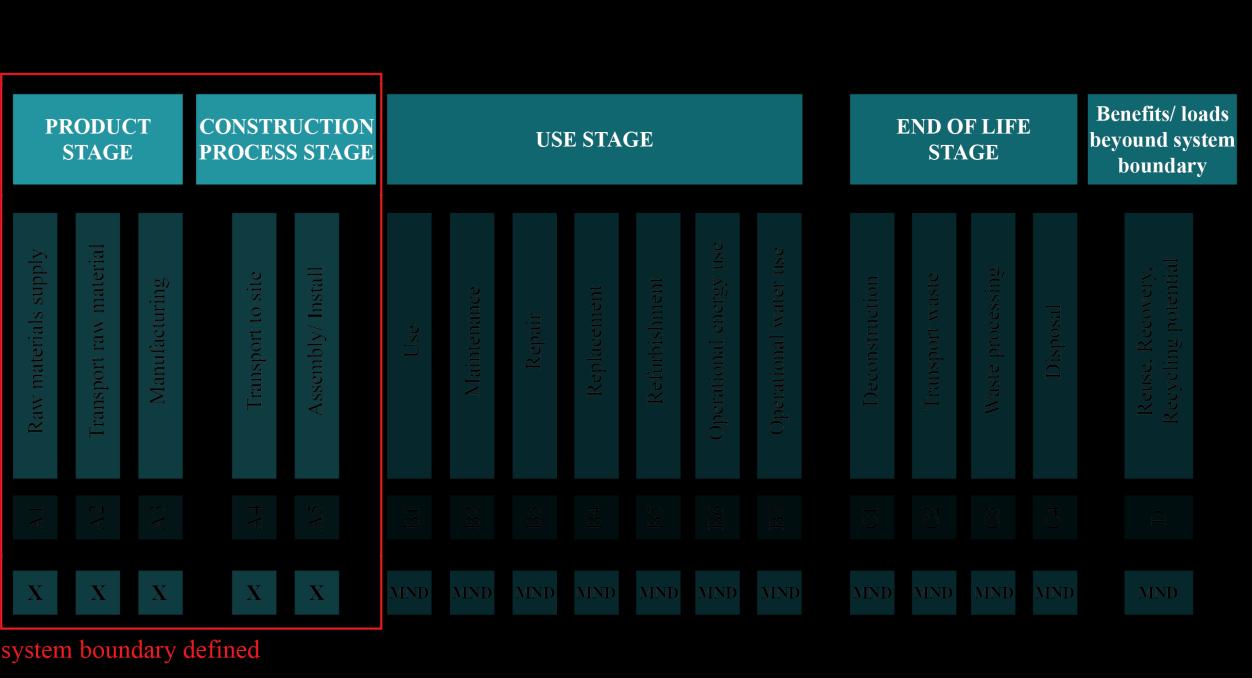
The different life cycle stages considered in this study are indicated in Figure 2 by an ‘X’, with those excluded shown by ‘MND’ (Module Not Declared) The defined boundary of this cradle-to-gate study therefore includes the following stages, covering both the aluminium substrate supplied by Hydro and the powder coating from AkzoNobel respectively:
A1. Raw material supply: Extraction and processing of bauxite into primary aluminium by Hydro/ Raw material inputs for powder coating production by AkzoNobel
A2. Transportation of raw material: Transport of aluminium to Hydro’s production facility/ Transport of powder coating raw materials to AkzoNobel’s manufacturing site
A3. Manufacturing: Production and packaging of the Hydro REDUXA aluminium profiles/ Production and packaging of the Interpon D powder coating ranges by AkzoNobel
A4. Transportation to site: Delivery of aluminium profiles to the Corby application facility by customer/ Delivery of packaged powder coating from AkzoNobel to the same facility
A5. Assembly/ install: Entire powder coating process for the aluminium substrate using Interpon D series at the Corby coating facility
Figure 2: Different life cycle stages according to the Product Category Rules (PCR) considered in this study
Downstream activities – such as the final product's use phase, end-of-life and any potential recycling of the coated aluminium past the coating phase – are excluded from the study, in line with the cradleto-gate approach. This focused boundary allows for a thorough examination of the environmental impacts up to the point of Powdertech’s powder application process, offering a precise environmental profile of the polyester powder coating through its application phase. Additionally, any indirect activities at Powdertech pertaining to its employees, manual labour, business travel or facility support functions are excluded from this LCA due to their limited relevance to the core processes assessed and the absence of reliable, high-quality data. These elements are also considered to have a negligible contributiontothe overallenvironmental impacts, withtheir omissionnotexpectedtoaffectthevalidity or conclusions of the LCA.
Aluminium remains a highly utilised and sustainable material ideal for a circular economy due to its ability to maintain its inherent material properties indefinitely through repeated recycling cycles. With its recycling process only requiring around 5% of the energy used in its primary production, its high recyclability without loss of quality also ensures a significant decrease in greenhouse gas emissions, waste disposal and capital costs (Al-Alimi et al., 2024). Aluminium’s key role in sustainable construction and resource-efficient practices is further demonstrated through its high collection rate of 85% in the building industry, with an average collection rate of more than 95% from demolished buildings (Global Aluminium Recycling Committee, 2009).
However, when assessing the recyclability of the polyester powder coating itself throughout its application phase, it should be noted that reclaim and reuse of overspray is highly effective – a key aspect of Powdertech’s process which will be studied in this LCA. However, once the powder coating has been cured and bonded to the aluminium substrate, separating the hardened powder coating from the underlying material is not possible, as is the case with AkzoNobel’s Interpon D range (The International EPD System, 2015a). Therefore, while the metal aluminium substrate is efficiently recycled and contributes positively to resource efficiency, the polyester powder coating itself is not typically recycled as material. As a result, efforts to improve the sustainability of polyester powder coated aluminium products will focus on ensuring optimal application processes which aim to reintroduce reclaimed powder back into the production cycle.
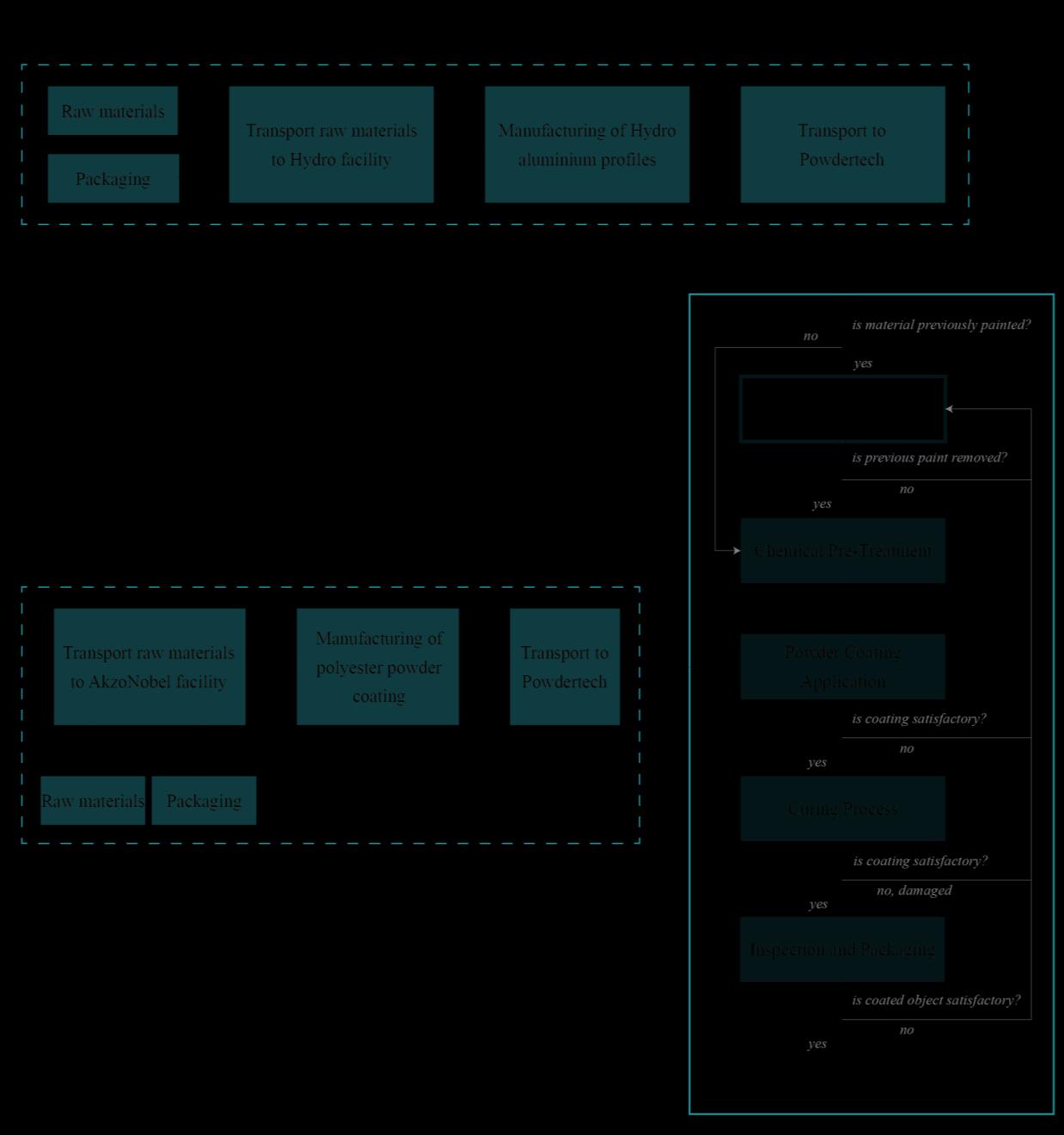
As the life cycle stages A1 to A4 have been comprehensively documented within the AkzoNobel and Hydro EPDs, the primary focus of this investigation is defining stage A5 – this involves examining the inputs, outputs and environmental impacts specific to the operations at this Powdertech application facility. Although simplified and generic studies of the A5 life cycle stage were partly included in the previously mentioned EPDs, this dissertation will aim to more accurately represent the involvement of Powdertech in particular in the coating application process. A process map diagram of all the life cycle stages considered in this LCA is provided below (Figure 3)
3: Process map diagram of different stages of polyester powder coating of aluminium component considered in this study
Figure
Product System Description
Raw Materials Supply (A1)
This initial phase of the product’s life cycle will account for the raw materials, energy and resources required for the production of AkzoNobel’s polyester powder coating materials and packaging, as well as emissions and waste generated during material extraction and processing. It is also important to simultaneously consider the raw materials supply necessary for the aluminium component considered, itself derived primarily from a mineral rich in hydrated aluminium oxides known as bauxite ore through mining, refining and smelting processes on the alumina (Hartman and Williams, 2024).
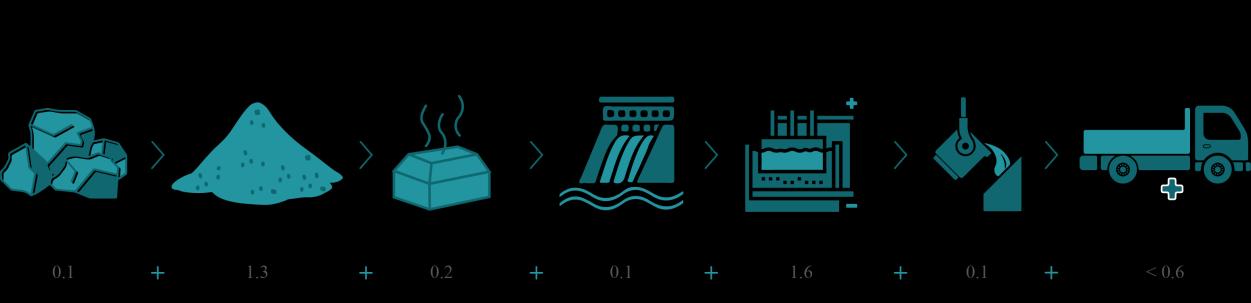
Figure 4: Overview of Hydro REDUXA’s production chain, with respective kilograms of CO2-equivalents for each stage (Hydro, 2020)
Figure 4 describes the specific production process employed by Hydro for their primary aluminium from bauxite The initial extraction process, commonly referred to as the Bayer process, involves using a leach solution to selectively dissolve a majority of the aluminium from bauxite, in order to separate it from impurities. The dissolved aluminium is then precipitated and recovered as aluminium hydroxide, which goes through both a drying and heating process to produce purified alumina. This calcined alumina is then fed into electrolytic cells containing a molten salt cryolite-based electrolyte, where electricity – often sourced from renewable hydropower in the case of Hydro’s production process – is used to separate pure molten aluminium from oxygen. Once the aluminium has been extracted from the bauxite and refined, it can ultimately be cast into ingots or billets (final step of raw materials supply A1 stage) to be transported to the next stage of the process (Schlesinger, 2013)
Transport of Raw Materials (A2)
The impacts associated with transporting the raw materials and their packaging components to the AkzoNobelpowder productionsiteconsidersthetransportmodes,distancestravelled andtherespective fuel consumption and related emissions. Additionally, this stage also considers the transport of raw materials to Hydro’s factory, which further contributes to the overall transportation footprint.
Manufacturing of the Different Systems Studied (A3)
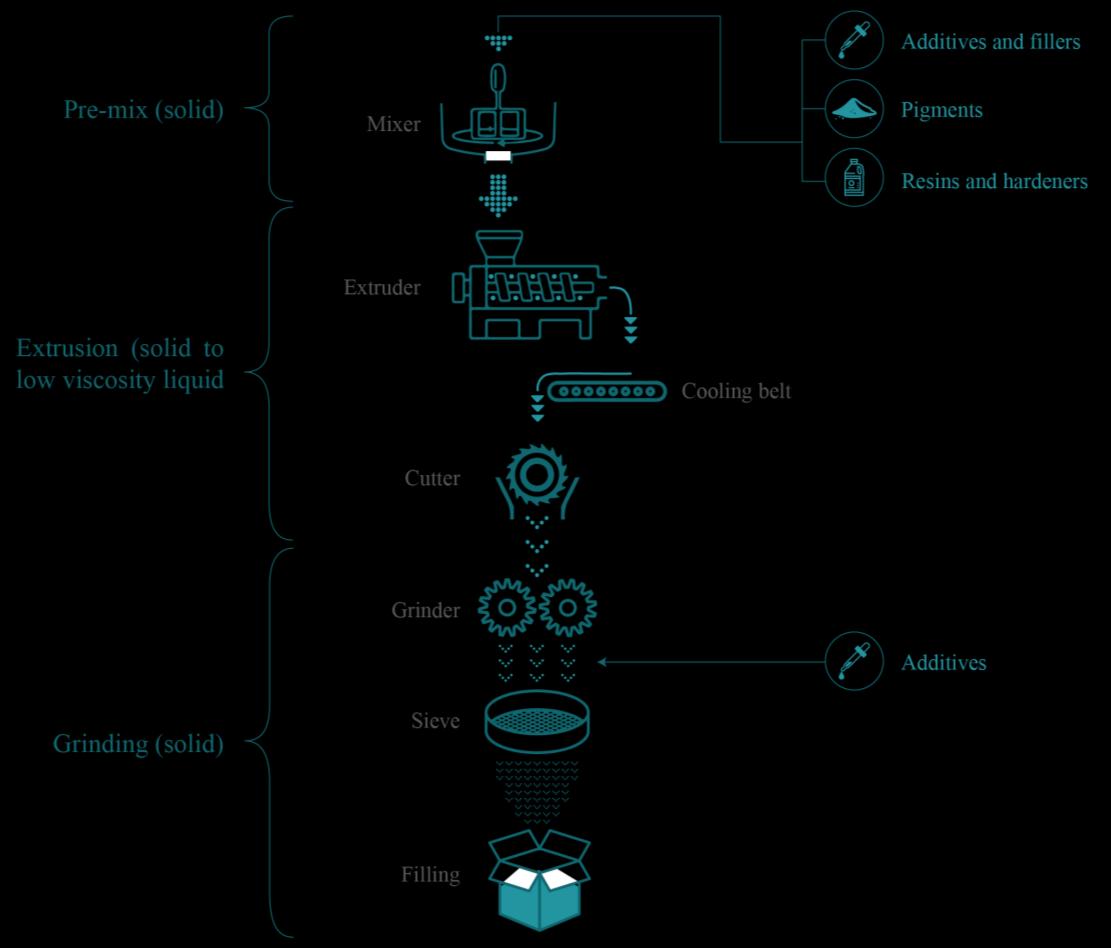
The first manufacturing system that will be described is that of the polyester powder coating at AkzoNobel’s production facilities, where the raw materials are processed into the final polyester powder coating product through a multi-stage process (Figure 5)
The first stage of AkzoNobel’s manufacturing process includes the weighing and premixing of the raw materials, which are then reduced to achieve the desired particle size to ensure consistency and uniformity of the product in the following stages. The pre-mixed materials are fed into an extruder, where heat and mechanical forces are used to melt and transform the components into a homogeneous blend. The extrudate is then cooled and crushed into smaller, manageable chips, to be micronised into finely ground powder. The micronised powder may be subject to post-mixing to incorporate additives orensureauniform distributionofcomponents.Thefinishedproductis finallypackagedincartonboxes lined with plastic to protect against moisture and contamination – each box typically contains up to 25 kg of powder coating, ready for shipment and storage under optimal conditions to maintain its quality.
Figure 5: Production process of powder coatings at AkzoNobel (The International EPD System, 2015a)
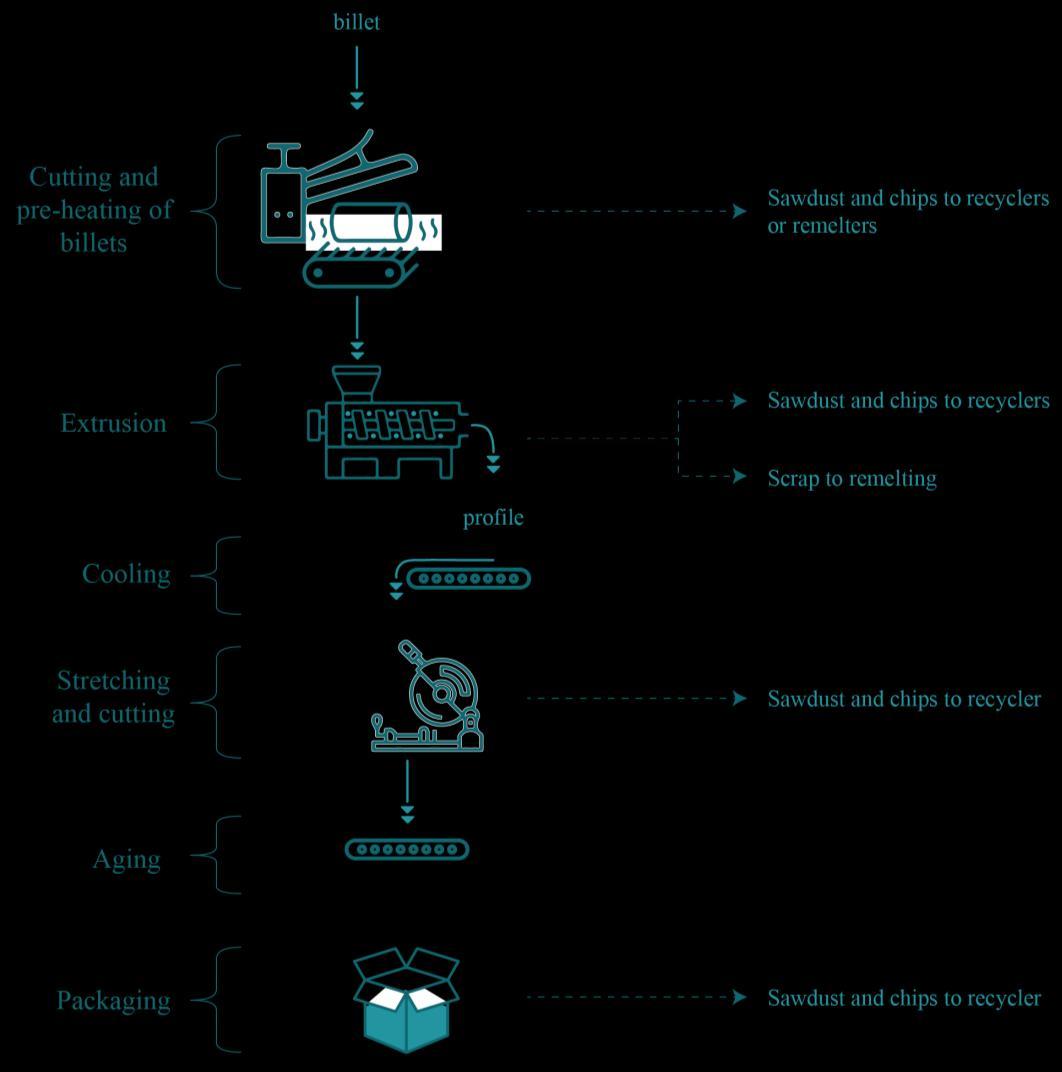
The next manufacturing system that will be described is the process of manufacturing Hydro REDUXA low-carbon aluminium at a UK extrusion site, more specifically located in Tibshelf, Cheltenham and Birtley (Figure 6).
6: Manufacturing process of Hydro REDUXA aluminium profile at UK extrusion site (The International EPD System, 2024)
Figure 6 illustrates the manufacturing process of the aluminium substrate at a UK site, which involves cutting and pre-heating aluminium billets, followed by extrusion to form the desired profiles. These are then cooled, stretched, cut, aged and finally packaged to be delivered to its customers. Throughout the process, sawdust, chips and scrap are collected and sent to recyclers or remelters, reflecting Hydro’s circular approach to material use.
It should be noted that Hydro’s EPD allocates the analysis of the produced aluminium profiles based on production volume distribution across its sites, with 34.8% of profiles extruded at the Tibshelf site, 33.6% at Birtley and 31.6% at Cheltenham. Furthermore, the assessment includes the production of primary packaging, ancillary materials and the treatment of waste generated throughout the manufacturing processes (The International EPD System, 2024)
Figure
Transport to Powdertech (A4)
This second transportation phase now includes the impacts associated with transporting of the finished polyester powder coating and low-carbon aluminium profile from the production facilities of their respective suppliers AkzoNobel and Hydro to the Powdertech application site located in Corby, where they will be assembled together to form a polyester powder coated aluminium components.
For simplification purposes in this LCA, it is assumed that the aluminium profiles and powder coating are transported directly from their respective production facilities to Powdertech, bypassing any intermediate distribution to customers.
Powder Coating Application on Aluminium Components (A5)
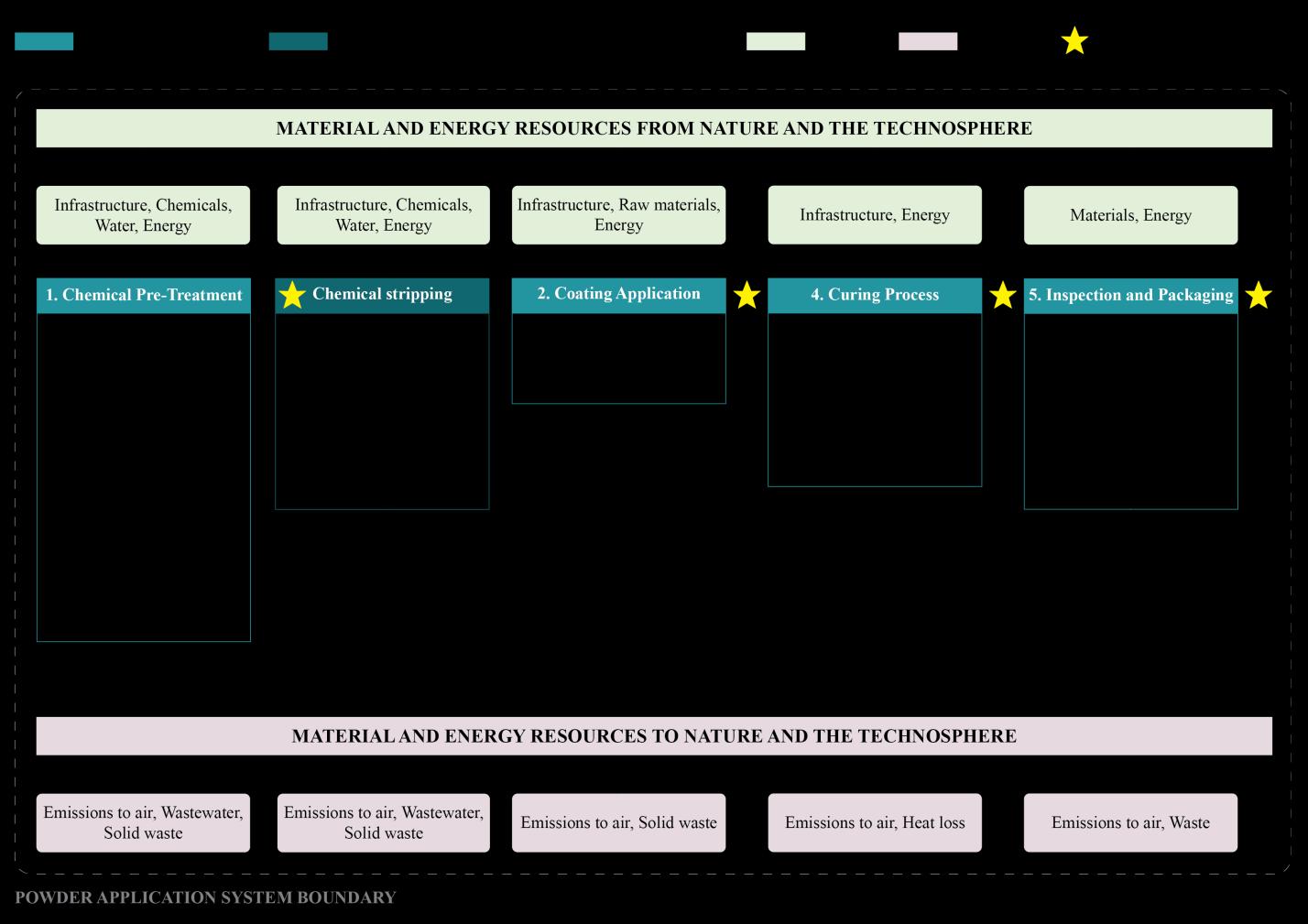
The life cycle stage commonly referred to as ‘assembly/installation’ involves in the case of this LCA the application of the polyester powder coating onto the aluminium substrate at Powdertech’s Corby facility. This includes the chemical pre-treatment for the aluminium surface preparation, electrostatic applicationofthepowdercoating,curingthecoatedcomponentingas-firedovensandfinallyinspecting and packaging the final product ready for final use or further assembly. Additionally, a chemical stripping stage can be accounted for at any point in this entire process, should the applied coating be considered unsatisfactory or damaged The different stages and associated environmental impacts considered during this stage are illustrated in Figure 7 below.
Figure 7: Process map of the entire process system at Powdertech’s facility
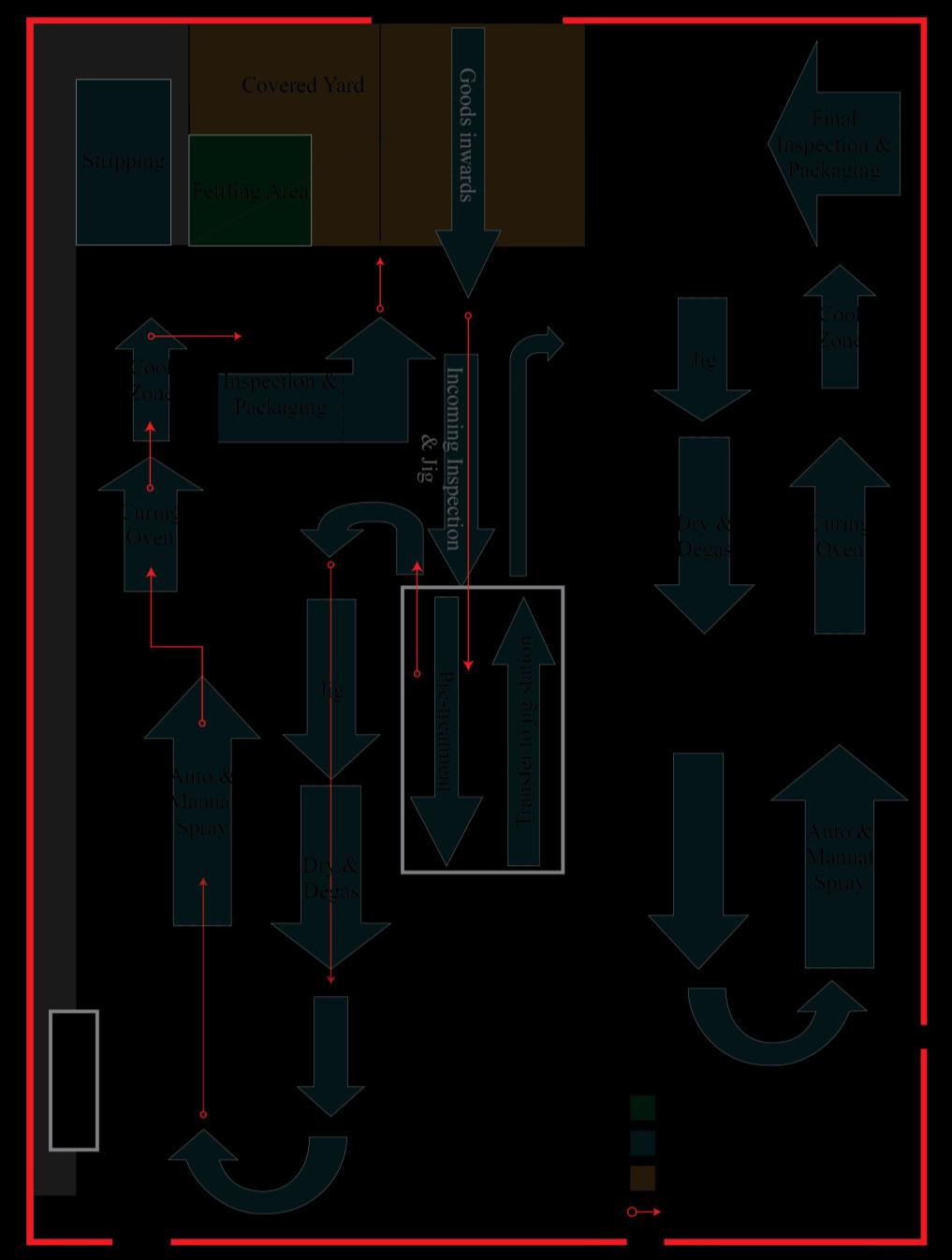
A diagram of the factory layout has been included to provide a visual overview of the full coating process at Powdertech’s Corby facility (Figure 8). It is important to note that the facility handles both aluminium and galvanised steel components, with certain areas dedicated to one material and others used for both. As this LCA focuses specifically on aluminium components, the diagram will distinguish the relevant process areas to ensure accurate identification and assessment of associated environmental impacts.
Figure 8 helps to visualise the sequential flow of operations and the integration of both manual and automated stages in the coating process. The typical route of an aluminium component contracted to be powder coated begins with the material entering the facility and undergoing an initial inspection (to first assess whether chemical stripping is necessary). The component then undergoes pre-treatment, followedbydryinganddegassing. Onceprepared,theyarethenmanuallyorautomaticallysprayedwith powder coating, cured in an oven, dried and finally inspected to be packaged.
Figure 8: Overview layout of Powdertech’s Corby facility (Besant, 2025d)
Powder Coating Process Description (A5)
Chemical Pre-Treatment
The pre-treatment process at Powdertech involves a six-stage titanium-zirconium (TiZr) non-chrome system for aluminium components (detailed in Table 5), which follows BS EN 12206-1 standards to ensure superior adhesion, corrosion resistance and overall durability of the powder-coated finishing.
Stage Process Description
1 Acid etch cleaner
2 Cold water rinse
3 De-ionised water rinse
4 Conversion coating
5 De-ionised water rinse
6 De-ionised water rinse
Specially formulated acidic blend cleans, deoxidises, etches and desmuts the aluminium surface, allowing for the effective removal of contaminants to create an optimal surface for the next stages of the treatment.
The aluminium component treated is then rinsed with cold water to remove any loose particles or chemical residues from the previous stage, ensuring a clean surface.
De-ionised water with a conductivity below 200µs is used to further eliminate impurities such as salts and solids suspended on the surface.
The crucial application of titanium-zirconium-based conversion coating enhances the surface’s corrosion resistance and provides an excellent foundation for powder adhesion, longevity and robustness
A final rinse – first in a tank with a conductivity of less than 100µs then in one below 30µs – is done to ensure the surface is completely cleansed of any remaining impurities or residues from the conversion coating stage and ready for the powder coating process
Table 5: Description of six-stage pre-treatment for aluminium (Powdertech (Corby) Limited, 2024c)
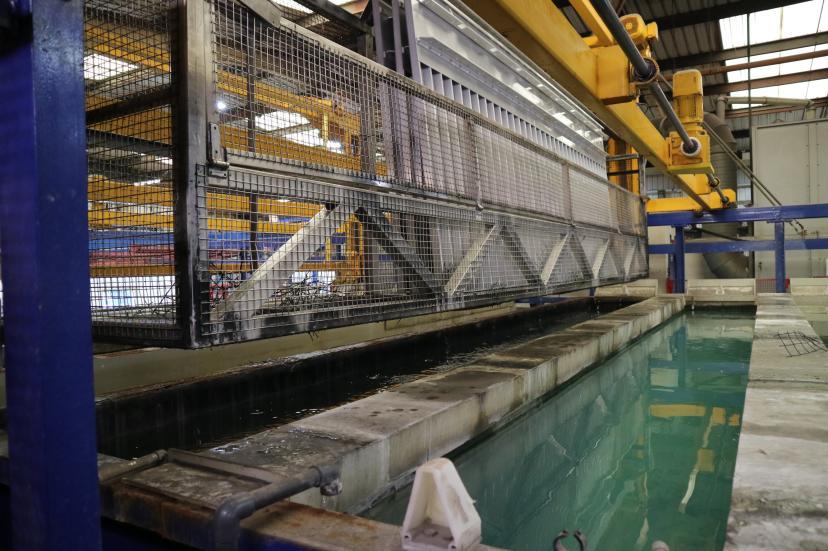
The pre-treatment system for aluminium operates through a controlled sequence of stainless-steel tanks (as photographed in Figure 9) alongside those used for the pre-treatment of galvanised steel. The entire pre-treatment process is programmed and automated according to the specific design and material type of the component treated, to optimise immersion times, withdrawal speeds and drainage angles.
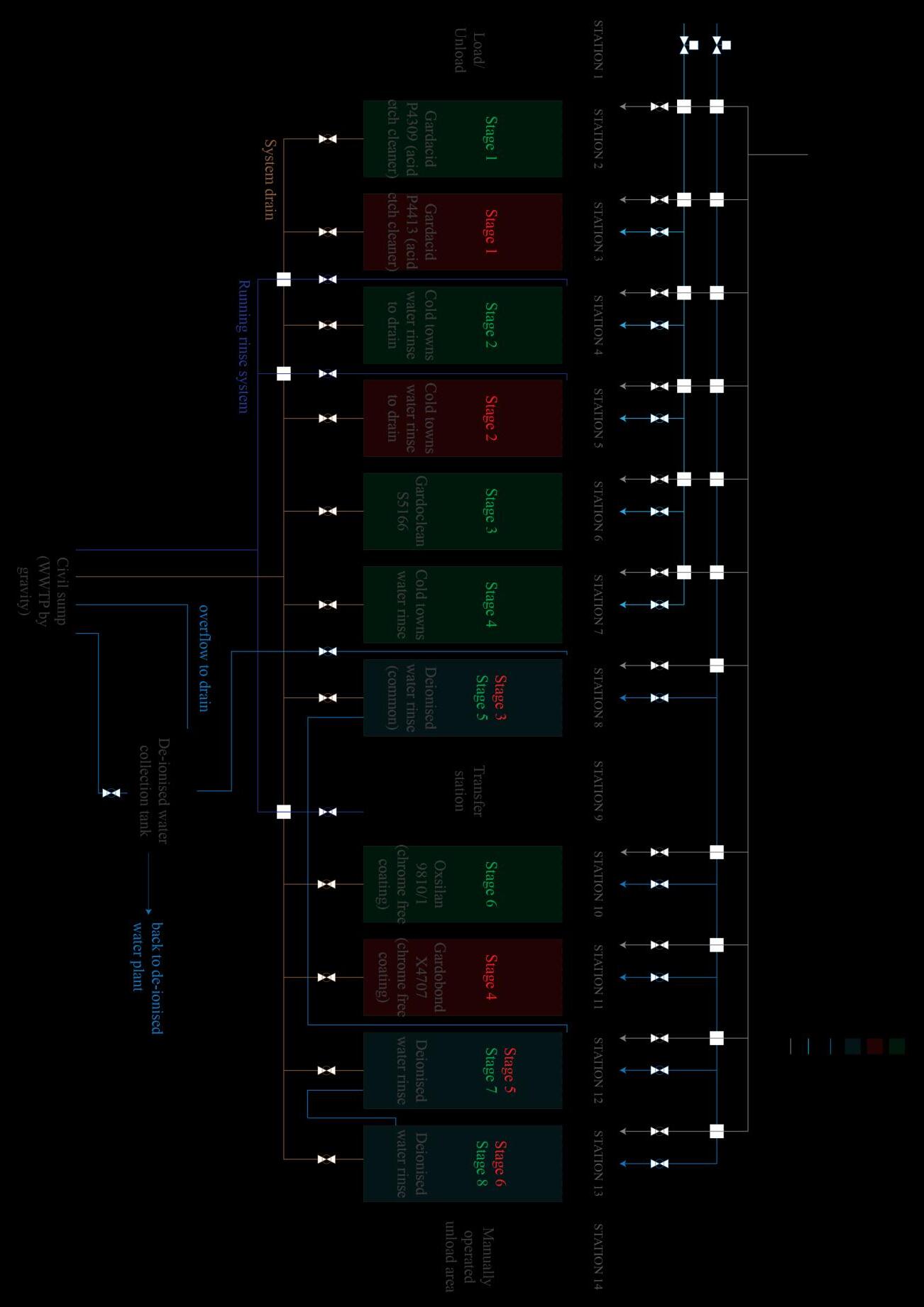
The sequence is also carefully managed in order to prevent cross-contamination and preserve the integrity of the aluminium coating process, as although galvanised steel components may follow aluminium through shared stages, aluminium must not follow steel (this is illustrated in Figure 10).
Figure 9: Metal component submerged into tank during pre-treatment process
10: Sequence diagram of chemical pre-treatment tanks at the Powdertech Corby facility
Figure
Table 6 provides more detailed specifications on each tank used in the pre-treatment of aluminium, following the pre-determined sequence that components move through during this stage. This technical breakdown focuses on data relevant to the LCA study which will help accurately assess the environmental impacts associated with this part of the product's life cycle, using data such as tank chemical compositions and volumes, replenishment intervals and operational lifespans of each bath.
Stage
Product Gardacid P4413
Tank make up 176 litres to 352 litres of Gardacid P4413
17.6 litres of Gardacid P4413 increases the total acid pointage by 0.1
Bath replenishment
Bath life
Can be determined by aluminium concentration and by monitoring etch rates
Should be kept overflowing at a sufficient rate with mains water during production (to minimise contamination points
Should be dumped, cleaned out and refilled every 2 weeks or as necessary
Should be kept overflowing with deionised water during production
Decrease pH by 0.1 unit: add 880ml of Oxsilan additive 9960
Should be dumped, cleaned out and refilled every 2 weeks or as necessary
Current concentration of aluminium increases by 20ppm each week, thus 20% of the bath should be discarded each week
Table 6: Summary of tanks’ characteristics used in the pre-treatment stages (Powdertech, 2024)
As many of the chemical products used in the pre-treatment process do not currently have published EPDs or LCAs from their manufacturers, the chemical compositions and concentrations were individually researched and analysed using publicly available safety data sheets and technical documents (Table 7). This approach enabled an approximate breakdown of their environmental profiles for use inthe LCA. However, it isimportant to notethat these results remainestimations, based on bestavailable data and standard assumptions. Further research and data collection by the manufacturers could significantly improve the accuracy of future LCAs by providing verified impact data at the chemical formulation level.
Gardacid P4413 (BASF, 2023) 1.477��/����3 Diiron tris (sulphate) >=25.0 to <50.0
Gardobond X4707 (Chemetall, 2016)
Gardobond Additive H7271 (Chemetall, 2012)
Table 7: Chemical description of products used in pre-treatment process
As stated previously, the first stage of this pre-treatment process involves microscopically removing a layer of the metal surface to allow for the powder to grip onto – this is the acid etch cleaning stage. The portionofthemetalremovedisthendischargedwiththeetchchemicalintoanundergroundfiltersystem, where the chemical is treated to separate the metal and the liquid in a series of tanks (as photographed in Figure 11) The water output of this interceptor waste treatment goes through the drain system for treatment (just as household foul water would), whereas the etched-off metal is pumped out of the tanks every 18 months (Besant, 2025a) From data directly supplied by Powdertech, around 7000 litres of Gardacid P4413 etchisconsumed annually, with7000litres of waste disposed from the interceptor tank – of which 4000 litres (or 40%) is aluminium in solution (Besant, 2025c)
11:
The exact concentration of dissolved aluminium present in the disposed solution from the acid etching bath can vary depending on the exact etching chemistry, immersion time and bath maintenance of the facility While limited primary data is available for this particular waste stream, one literature reference indicates that waste produced from the use of a sulfuric acid solution – although primarily used for anodising rather than etching – may contain up to 75g/L of aluminium sulphate, equivalent to approximately 20g/L of dissolved aluminium (Cornwell, no date). Despite the difference in process application, the chemical composition of the acid solution is comparable to that used in the acid etch stage assessed here. This supports the use of a conservative estimate of 5g/L for modelling aluminium content in the waste solution, resulting in a total of 20kg of Hydro’s REDUXA aluminium present in the 400 litres containing aluminium in its solution For a more detailed study in the future, direct chemical analysis of the specific bath remains the most reliable method for accurately quantifying aluminium losses.
Figure
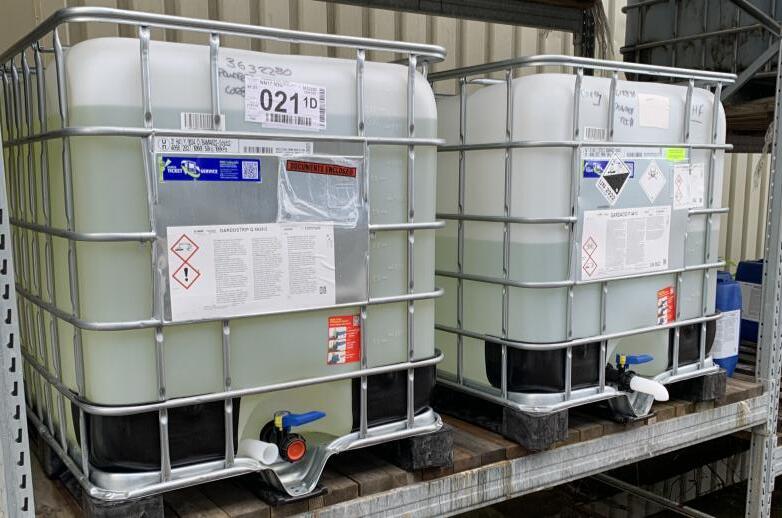
Pre-treatment IBC interceptor waste treatment
Powder Coating Application
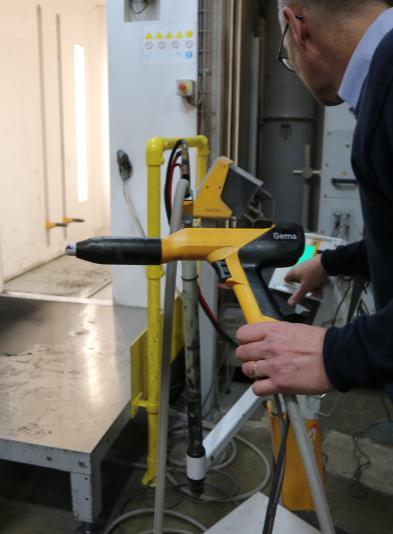
Oncethealuminiumsubstratehasgonethroughthechemicalpre-treatment process,themetalissprayed either manually or automatically in one of Powdertech’s two independent coating booths manufactured by GEMA, depending on the complexity and size of the component (as photographed in Figure 12)
Figure 12: Powder coating applied automatically (left) and manually (right)
For larger, more uniform components, the powder is applied automatically using reciprocating, opposing spray guns that adjust based on the profile of the item detected. Indeed, the presence of a ‘magic eye’ curtain located at the entrance of the booth automatically analyses the profile of the subject and in turn adjusts both the stroke and distance of the guns from the work accordingly In contrast, smaller or more complex objects usually require the use of manual guns which are located at either end of the booth (Powdertech (Corby) Limited, 2023)
The polyester powder is drawn from a storage box using the venturi principle, where it is then mixed withdryairanddirectedatthesubstratethroughaspraygun.Asthe powderexitsthegun,itispositively charged using a Corona system to ensure the powder is evenly applied to the negatively charged metal surface. This powder application system also includes a closed-loop recovery system in its clean-down process whichmaximisespowder usageandsubsequentlyminimiseswaste,astheexcesspowder which does not adhere tothemetal surface upon application issimply collected,filtered and re-circulated back into the powder station (Powdertech (Corby) Limited, 2024b).
As stated previously, according to data collected directly from Powdertech, the annual amount of powder used at the Corby facility was 22267���� (from September 2022 through to August 2023), with around 6000���� of that powder being discarded. The majority of this waste consists of unused overspray which initially goes through recycling but eventually becomes unusable, with a small portion of obsolete powder either leftover from batches or powder that has expired (Besant, 2024) This results in a powder usage efficiency of 73%, which although seems relatively low still remains almost twice as efficient as the application of wet paint – which itself possesses a transfer efficiency of 30 to 35%, with nearly 50% of the product lost to evaporation with no possibility of reclamation (Omuruli, 2016) The powder coating therefore utilises a greater proportion of the applied material whilst also allowing for the collection and reuse of waste, making this form of coating a more sustainable and economically attractive option for surface finishing applications with reduced raw material consumption and operating costs
Curing Process
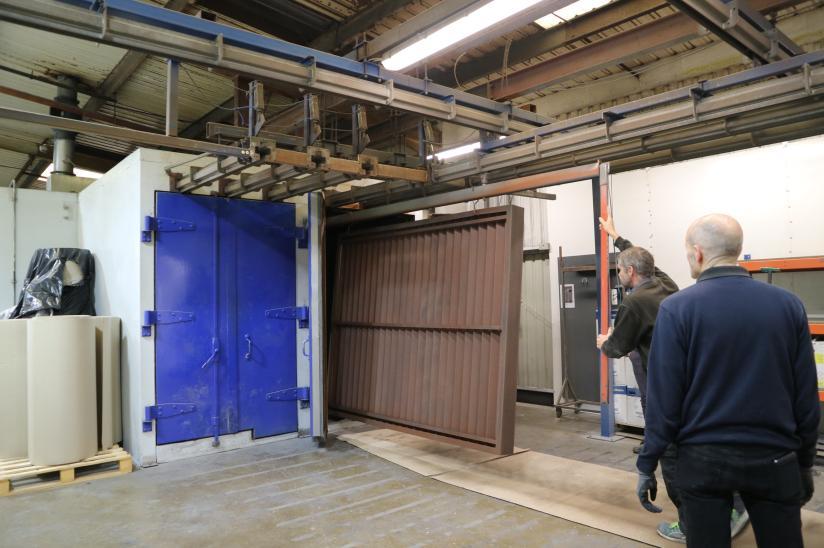
Both of Powdertech’s powder coating lines are equipped with their own pair of gas-fired recirculating ovens,designedtoprovide either alongshopandashort shop servicetailoredtoaccommodatedifferent component sizes and unique batch requirements The design of the facility also enables fully-coated components to be easily transferred directly into the ovens using an overhead conveyor system, streamlining the process and minimising handling time (as photographed in Figures 13 and 14)
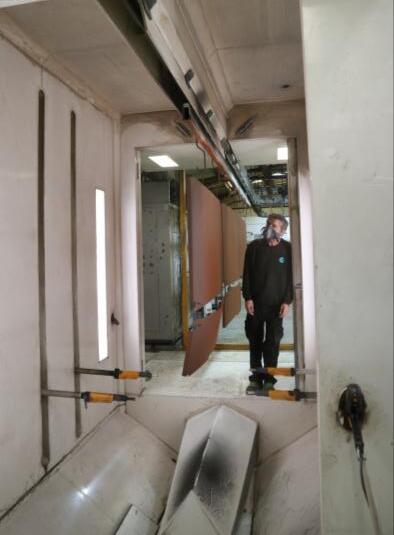
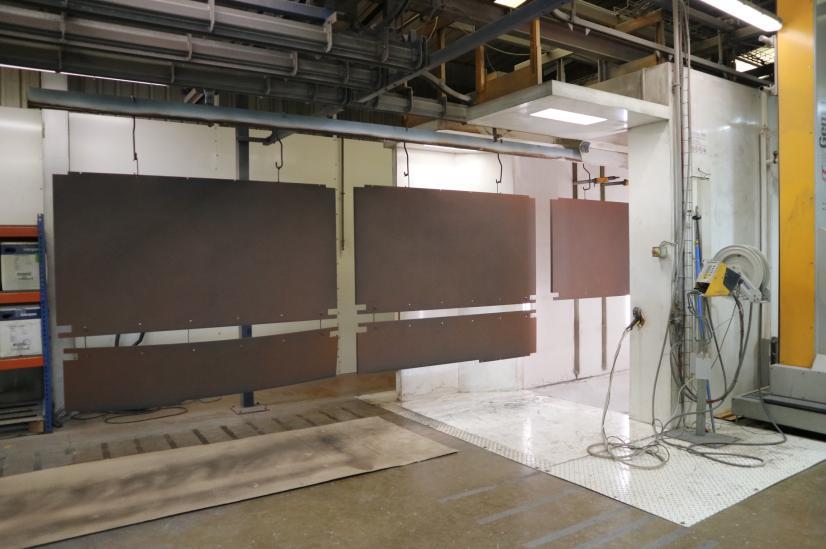
Figure 13: Aluminium component leaving powder application station
Figure 14: Fully-coated aluminium component entering gas-fired oven for curing
The first oven primarily functions as a drying or degassing unit which ensures any residual moisture or trapped gases within the coatedmaterial are eliminated.The second oven serves as the maincuringunit, where the powder coating is heated to a specific temperature for a set duration based on the powder manufacturer’srecommendationsandthe specificprofile ofthematerial to achievethedesired hardness and finish. Additionally, the cooling process and oven shut-off are automated to prevent over-curing, ensuring that the coated parts are cooled down appropriately before handling, maintaining the integrity ofthecoating(Powdertech(Corby)Limited,2023) AccordingtodatadirectlyprovidedbyPowdertech, theuse of gasinthisfacilityamountedtoatotal of 624439����ℎ from September 2022to August 2023 (Besant, 2024).
Alternative heating methods to gas-fired ovens – such as the use of electric ovens – can be assessed to determine potential improvements for the facility’s current performance. While switching to electric systems could lead to an important reduction of greenhouse gas emissions and overall carbon footprint, it should be noted that this transition may come with potential trade-offs such as higher initial capital costs,theneedforinfrastructuremodificationsandchallengesin attainingthecurrent thermal efficiency required for the facility’s projects. A careful evaluation of these trade-offs will be explored to ensure that any shift toelectricovensmaintains operational effectivenesswhilesupportingsustainability goals.
It should be noted that AkzoNobel’s EPDs for their Interpon D1000, D2000 and D3000 ranges each include the full portfolio of product colours and finishes available in their respective series. These include: white gloss, matt dark grey and matt black (D1000); dark grey and black texture, white matt (D2000); and white, black and silver (D3000). The environmental impact results in each EPD, which although account for all product colours and finishes within the scope, are each based on the product specifications with the highest environmental impact for the product series – these are white gloss (D1000), white matt (D2000) and white and black (D3000) (The International EPD System, 2015a, 2023a, 2023b).
As a simplification in this dissertation, this study assumes that all powder coating product ranges undergo the same curing times and energy use during this phase, despite known variations in curing requirements based on specific colours and finishes. This approach streamlines the system boundaries but may obscure subtle differences in environmental impact at powder colour level. Future investigations could refine this aspect by distinguishing curing parameters by colour or finish to assess whether these variations result in measurable differences in environmental impact.
Inspection and Packaging
Each coating line at Powdertech is equipped with a final inspection area to maintain quality control measures in accordance with BS EN 12206-1 or in line with the customer’s requirements (Figure 15) These inspection areas are illuminated by overhead daylight LED lighting that exceeds 400 lux, providingoptimal visibilityfordetectinganycoatingimperfectionsordefects beforeleavingthefacility (Powdertech (Corby) Limited, 2023)
Figure 15: Final fully coated component packaged and awaiting transit
Once the component’s inspection is complete, the standard procedure for final packaging involves protectingthecoateditemswithbubblewraptopreventsurfacedamageduringtransit –otherpackaging materials include corrugated cardboard, bubble film, foam-wrapped wood, foam tubes, C-section profiles and acid-free tissue paper depending on the final product’s characteristics. The items are then securely palletised and over-wrapped with heat shrink plastic to provide additional protection against moisture,dust andhandlingdamage.Finally,identificationlabelsareappliedtoeverypackagetoensure proper tracking and delivery(Powdertech (Corby) Limited, 2023)
For the purposes of this LCA, the main packaging materials considered are bubble film, corrugated cardboard and shrink wrap plastic (shown in Figure 16), as these represent the most commonly used materials across standard packaging processes. As it is important in the LCI to quantify material inputs used, the monthly quantities of these packaging materials were provided directly by Powdertech, enabling a more precise assessment of the environmental impacts associated with packaging (Table 8)
Figure 16: Standard packaging materials used (denoted A to C, from left to right)
Table 8: Summary of packaging materials used at Powdertech’s Corby facility (Besant, 2025d)
To align with SimaPro’s input dataset units, the packaging materials described in Table 8 will need to be recorded in kilograms during the LCI stage. As direct weight measurements were not available for all materials, a few assumptions were necessary to estimate mass based on volume and material densities. For instance, the small bubble film used is made of low-density polyethylene (LDPE) plastic, which has a material density of approximately 915 to 935����/��3 (Nordpack GmbH, 2020). However, to appropriately account for the significant amount of air trapped in the film which drastically reduces its effective bulk density, a conservative industry-standard estimate of 40����/��3 will be assumed for this material. Similarly, while the density of corrugated cardboard can vary depending on its construction, it typically remains within the range of 480 to 860����/��3 (Ashby, 2021). Therefore, a representative value of 600����/��3 will be considered for this study.
Due to Powdertech’s on-site sorting and recycling facilities (photographed in Figure 17), a majority of the packaging waste is either recycled at the facility or goes with the work to site. It will therefore be estimated that the un-recycled wastage will account for around 3% of the packaging materials used at the facility (Besant, 2025a)
In this LCA, the treatment of plastic packaging waste is modelled based on 2016 estimates provided by PlasticsEurope, which report that of 3.8 million tonnes of plastic waste collected in the UK through official schemes, approximately 32% was recycled, 38% incinerated and 30% landfilled (Drewniok et al., 2023) While the study has limitations in terms of depth and coverage across the entire UK supply chain, it provides a representative baseline for modelling general waste flows for Powdertech’s packaging process in the absence of more detailed primary data. This approach also enables a comparative analysis of the environmental impacts associated with each waste treatment pathway, helping to identify which method offers the lowest environmental burden. For Powdertech, this can inform strategic decisions about how to manage and direct their packaging waste – for example, by optimising for recyclability or even forming partnerships to divert waste from landfill or incineration.
Indeed, a potential process improvement could involve the exploration of reusable packaging solutions to limit the reliance on solely disposable materials In an effort to further reduce material waste, the facility could also consider multi-use or reusable protective systems that can be returned, cleaned and redeployed. However, trade-offs associated with the shift to reusable packaging include but are not limited to higher initial material costs, required energy and infrastructure for cleaning packaging materials to reuse (as well as transport associated with collection) as well as ensuring adequate material use for protection against potential damage during multiple cycles
Figure 17: On-site recycling at Powdertech’s facility
Chemical Stripping
Powdertech’s facility provides an optional chemical stripping process using an alkali-accelerated, solvent-based immersion process to remove polyester powder coatings from aluminium components if needed (Table 9) Using benzyl alcohol as the primary active ingredient, an environmentally conscious approach is taken as the process is free from harmful chemicals like hydrocarbons, phenols and cresols. Additionally, the use of a chemical stripping process further preserves the structural integrity of the metal components treated, as any risk of distortion is eliminated by avoiding the need for heat (Powdertech (Corby) Limited, 2024a)
Characteristics
Product
Density
Concentration
Tank volume
Temperature
pH
Immersion time
Bath life
Chemical Stripping Solution
Gardostrip Q 5628/2
106��/����3
8 to 10 total acid points
9000 litres
50 to 70°C
Sufficient time for the coating film to be removed
Averages at 50 litres per week discarded and replenished
Table 9: Overview of chemical stripping tank’s characteristics (Chemetall, no date)
The coated material sent for chemical stripping at Powdertech’s facility typically originates from one of three categories: previously paintedprior to arrival (excludedinthescope ofthis study,asaluminium component considered is mill finished); originating from a faulty batch coated by Powdertech; or damaged during coating, curing, packaging or transportation. Each scenario presents potential issues that can occur at any stage of the process due to handling or human error – such as inconsistencies in coating process or compromised surfaces (as photographed in Figure 18)
During the Corby facility site visit, two examples of components requiring chemical stripping were observed. In the first case, the wrong colour of polyester powder coating had been applied by another coater prior to delivery to Powdertech. In this instance, Powdertech were providing a rectification service rather than correcting their own error, and therefore this should not be attributed to their operational impact. In the second example, another manufacturing error beyond Powdertech’s control was missed welds which had been identified during on-site inspection after delivery. It is therefore important to not that although site damage may occasionally occur, responsibility typically lies with contractors, subcontractors or client operatives, with Powdertech’s involvement generally limited
Figure 18: Examples of coated components to be chemically stripped due to missed welding (left) and wrong coating colour (right)
At present,thereislimiteddatadistinguishingbetweenreworkcausedbyPowdertech’sownoperational errors and that resulting from external factors. Thus, implementing a more detailed system to track and categorise coating failures could further enhance transparency and enable more accurate allocation of environmental impacts in future assessments.
Initially, the coated material is placed into a stainless-steel basket or cantilever bar to be immersed in a heated, jet-agitated solution to erode the unwanted coatings without compromising the metal substrate itself (asphotographedinFigure19).It isthensubjectedtoa thorough,air-agitatedwaterrinse toensure the complete removal of residual chemicals, leaving the metal surface clean. An optional pressure wash can also be employed for materials requiring additional preparation. As the characteristics of the paint being removed (such as its type and thickness) often either vary or are unknown, the process requires precise timing and careful observation, with each stage only completed after thorough assessment to guarantee optimal results without compromising the material (Powdertech (Corby) Limited, 2024a).
The waste collected from the chemical stripper is in the form of ‘filter cake’, as seen in Figure 20 According to data directly supplied by Powdertech, approximately 10 tonnes of cake are disposed of per year. However, the vast majority of this discarded waste is due to contract stripping, where paint from customers’ jigs or their powder coated material are removed in order for it to be used again or reprocessed. It will therefore be estimated that around 5% of the waste collected from the chemical stripper annually is internally generated, with the rest considered to originate from customer supplied materials and jigs (Besant, 2025a)
Figure 19: Metal component submerged in chemical stripping tank
Figure 20: Collection of powder waste during chemical stripping
Powdertech Facility Overview
The previous sections have focused on exploring the specific operations and detailed requirements of eachstagewithinPowdertech’sprocessattheirCorbyfacility However,togainaclearerunderstanding of how the facility functions as a whole, a general overview of the operational requirements of the system will be assessed – this includes a breakdown of energy consumption across the various areas of operation annually (Table 10). This will provide enable the identification and appropriate weighting of keystageswithintheprocess,highlightingtherelativeintensityandimpactofdifferent processeswithin the system to help pinpoint environmental hotspots
Table 10: Overview of energy usage for different stages of Powdertech’s process (Besant, 2025f)
Table 10 presents the total estimated annual energy consumption across each operational utility category at Powdertech’s Corby facility, broken down by process stage and equipment type. This summary was developed using primary data supplied directly by Powdertech, which included peak power ratings, fuel types and operating hours for each machine or area within the facility. Although the peak power values typically only represent maximum load conditions – such as during system start-up or high-demand periods – they were initially used to calculate the theoretical maximum energy consumption annually. These preliminary figures were then adjusted and normalised using the company’s verified annual electricity and gas consumption data from September 2022 to August 2023 (Besant, 2024) to determine realistic and accurate estimates of annual energy demand.
Internally Generated Waste Treatment Scenarios
Waste treatment is a critical component ofthis LCA, asvarious stages of the aluminium coating process at Powdertech generate distinct waste streams that influence the overall environmental profile. These include pre-treatment waste from the etching of the aluminium substrate, overspray and unused materials from the powder coating stage, powder waste from the stripping of rejected or unsuccessful coated components and packaging materials used throughout the process.
Accurately determining the fate of each waste stream – whether it is sent to landfill, incinerated with or without energy recovery, or recycled – is essential to fully account for their environmental impacts. For example, powder coating wastemay be partially recovered or landfilled dependingon facility practices, while chemical stripping residues typically require specialised disposal. Similarly, the recyclability of packaging and metal offcuts can significantly influence impact results, especially in categories such as climate change and resource depletion. Therefore, realistic assumptions about waste treatment routes and their associated emissions are necessary to ensure that the model reflects actual operational practices and supports meaningful interpretation of results (see Table 11).
Process Stage
Pre-treatment
Coating
Curing
Packaging
Chemical stripping
Waste Type
Waste water
Liquid chemical solutions
Hydro aluminium substrate (etching)
AkzoNobel polyester powder
None
All packaging types (bubble film, corrugated card, shrink wrap plastic)
Polyester powder (‘filter cake’ waste)
Liquid chemical solutions
Waste Destination
Foul water treatment (to drains)
Landfill (by licenced contractor)
Landfill (by licenced contractor)
Landfill (by licenced contractor)
Recycled (32%)
Incineration (38%)
Landfill (30%)
Landfill (by licenced contractor)
Landfill (by licenced contractor)
Table 11: Overview of waste streams and destinations throughout Powdertech’s process
Powdertech disposes of all liquid waste that cannot be treated as foul water through licensed waste carriers, with the material ultimately sent to landfill. While the volume is relatively small, this practice highlights an area where improvements could be made – not just at the facility level, but across the industry as a whole. Due to limited traceability of certain process outputs, it is important to note certain assumptions regarding particularly the final destination of the powder coating waste at Powdertech. While site representatives believe the polyester powder waste is sent to landfill by licensed contractors (Besant, 2025a), there is uncertainty over whether any portion of it is repurposed. For example, an emerging practice in the recycling industry is incorporating polyester powder coating waste into asphalt mixtures to act as fillers or partial bitumen replacements, with potential associated performance and environmental benefits (Jwaida et al., 2024). However, without verifiable data that supports this waste scenario for the waste from Powdertech, the waste has been conservatively modelled as landfilled. This lackofclarityhowever reflectsabroaderissuewithinthepowdercoatingandsurfacetreatmentindustry.
Indeed, the disposal of industrial coating waste is an area where transparency and end-of-life data are often lacking, limiting the accuracy of environmental assessments and the potential for material recovery. Knowing the fate of such waste streams is vital, not only for improving future LCAs, but also for identifying opportunities for circular economy strategies through material reuse or energy recovery. As environmental regulations tighten and pressure mounts on manufacturers to reduce landfill reliance, the industry must improve its tracking and reporting of post-process material flows to support more sustainable practices.
Analysis of AkzoNobel EPD
The AkzoNobel Interpon D1000, D2000, and D3000 powder coating ranges provide their unique characteristics with a comprehensive range of durability, performance and sustainability options, tailored to meet the diverse needs and requirements of each individual building project (Table 12). It should be noted that the information provided in Table 10 is the result of a study performed on a world basis and therefore does not necessarily reflect the specific regulations or recommendations applicable in the UK.
Durability specification 1 Year Florida 3 or 5 Years Florida 10 Years Florida (highest performance)
Qualicoat Class
Class 1 (basic durability)
Class 2 (higher durability)
Class 3 (premium durability)
Powdertech warranty (for UK) 30 years (approved applicator) 40 years (approved applicator) 40 years (not done by Powdertech)
Table 12: Summary of performances of the different ranges in the Interpon D series (AkzoNobel, 2024)
While Interpon D1000 possesses the lowest initial impact due to its simpler production and shorter durabilityforlessdemandingconditions,itsneedformorefrequentreapplications (every15to30years) increases its total environmental impacts over time. In contrast, the D2000 provides an enhanced durability which effectively reduces the frequency of maintenance and resource use required, thereby lowering its cumulative impact. At the highest level of performance, the Interpon D3000 range displays an exceptional longevity (30-50 years), delivering the lowest overall environmental impact despite a potentiallyhigher initial footprint,asfewerreapplicationsandreducedmaintenancecyclessignificantly offset its upfront resource use This tiered Interpon D series allows designers to select the most appropriate product based on the project’s unique environmental demands, performance expectations and desired project lifespan (AkzoNobel, 2024)
It is important to highlight that the warranty timescales of each polyester powder-coated aluminium finish in the UK studied in Table 12 – ranging from standard to hyperdurable – are among the most durable within the UK construction industry. Research conducted for Aluminium and Durability demonstrated that polyester powder coatings were already exceeding their warranty periods as early as the mid-1980s, with modern systems now offering service lives that often surpass 30 years (Stacey, 2015)
However, a major factor to consider in the specific case of aluminium finishes is that periodic washing is often much more effective than repainting at preventing aesthetic and functionality issues that could arise from prolonged exposure to environmental factors (Stacey, 2020) Routine maintenance, specifically regarding regular cleaning by the client, is an essential requirement under warranty conditions according to Qualicoat guidance, with no other maintenance needed unless mechanical damage occurs The frequency of cleaning required for the Interpon D powder coating ranges depends on the type and class of the powder coating used, which will be illustrated in Table 13. Additionally, their respective lengths of guarantee – as Powdertech is an approved applicator for these ranges – will be included according to different environments of atmospheric corrosivity of the polyester powder coated component ranging from C1 (very low) to C5 (very high) according to ISO 12944 Classification (Stacey, 2015).
Table 13: Recommended cleaning frequencies and aluminium finished guarantee for the different Interpon D powder ranges in the UK (Stacey, 2015; AkzoNobel Powder Coatings, 2022)
By directly addressing the root causes of damage – such as surface corrosion or particulate buildup –that recoating would otherwise not, as well as considering the specific geographical context and exposure to weather conditions, ensuring regular cleaning could allow for the extension of powdercoatedaluminiumcomponents’servicelifewhilstensuringtheircontinuedperformanceandappearance. Therefore, contrary to the cycles of replacement reported in Table 12 – such as the 50 years announced for Interpon D’s hyperdurable D3000 range for example –, coated aluminium components could have an extended life expectancy of over 120 years when exposed to external weather conditions, or even an infinite life expectancy for internal conditions (Stacey, 2015).
The EPDs conducted forthis Interpon D product seriesprovide valuableinsightsinto the environmental performance of each coating option, with a particular emphasis on the long-term trade-offs between the environmental impacts of their varied service lifespans and their respective durability. However, moving beyond a surface-level comparison of initial environmental impacts, it would be interesting to instead consider the coated powder’s real-world performance over time. For instance, while hyperdurable coatings like Interpon D3000 may have higher production-related impacts compared to standard coatings, their significantly extended service life along with reduced need for maintenance or recoating could make them a more sustainable and cost-effective investment in the long run. Especially when factoring in lower cleaning requirements and fewer replacement cycles, these coatings may offer substantial long-term environmental and economic benefits that aren’t immediately apparent in a basic material comparison.
Phase 2: Life Cycle Inventory (LCI)
The Life Cycle Inventory (LCI) is the next phase of an LCA which plays a critical role in quantifying the environmental inputs and outputs associated with a product or service throughout its life cycle. It involves the collection and organisation of data on raw material consumption, energy use and waste generation to develop a comprehensive system model that effectively represents all relevant environmental exchanges within the defined system boundaries. To support this process, LCA software such as SimaPro will provide access to established inventory databases containing verified and standardised data for commonly used materials and processes. While these databases are immensely valuable, it is important to recognise that they represent approximations of real-world systems and may not fully capture context-specific variations. Additionally, they often lack detailed data for materials or processes which limits the precision of the inventory
Data Sources
The LCA model was developed in Microsoft Excel using emission factors from the software SimaPro (version 8.0.3). The datasets were mainly sourced from the EcoInvent 3.0 database, supplemented by the DK and EU27 Input-Output 2003 database where necessary. Quantitative and qualitative data was collected for all the processes within Powdertech’s entire coating process, which formed the basis of the LCI. Specific primary data for all core processes, inputs and outputs were obtained directly from Powdertech to represent actual operational data from their facility in Corby, UK – this includes quantities ofraw materials used/disposed of, energy consumption and waste generation associated with pre-treatment, coating, chemical stripping, packaging and chemical stripping processes. This data was gathered through direct communication via email with Richard Besant and supplemented by on-site observations and photographs taken during a visit to the facility on the 22nd of October 2024 in order to accurately reflect typical operations and current practices of the company
Geographical Scope
The geographical boundary of this study is the United Kingdom, as the entire coating process under investigation takes place at Powdertech’s facility in Corby, UK. To ensure regional relevance and accuracy, GB-specific life cycle inventory datasets were prioritised throughout the modelling process. However, due to data availability constraints in SimaPro, Rest of Europe (RER) datasets were used as proxies when GB-specific data was unavailable, as they reflect similar regulatory and technological contexts to the UK. Swiss (CH) datasets were also considered where appropriate due to their high quality, despite certain contextual differences from UK conditions. Finally, Global (GLO) data was used only when no better regional or European alternatives were available, and their limitations are acknowledged in the interpretation of results.
Multiple Output Allocation
Powdertech’s facility processes both aluminium and galvanised steel products, necessitating allocation to distinguish the environmental impacts associated with each material. As this study focuses specificallyonaluminiumproducts –whichaccount forthemajorityofthecoatedoutput –it isessential to isolate the relevant share of resource use and emissions attributable to aluminium respectively. The allocation of Powdertech site-level impacts will therefore be carried out on a mass basis, due to the nature of the production data available. According to data provided directly by Powdertech, the coated output over the past three years has consistently comprised approximately 90% aluminium and 10% galvanised steel (Besant, 2025b). Accordingly, all inputs – such as powder coating materials, energy use and other site-level resource use – will be allocated using a 90:10 ratio, ensuring that the results of the LCA solely reflect the aluminium-related processes under study.
Inventory Dataset Selection Overview
Chemical Pre-Treatment
The chemical pre-treatment inventory was developed by identifying and modelling the key inputs and outputs associated with each step of the process, including electricity and water usage as well as the different chemical solutions used in the acid etching and conversion coating stages. The treatment of the various different system outputs was also modelled to reflect the actual disposal practices at the facility, either by being processed as foul water and discharged back into the drainage system or disposed of with landfilling (Table 14).
In-/ Output
Electricity usage
Dataset Name
General System
Electricity, medium voltage {GB} | market for | Alloc Def, U
Stage 1: Acid Etch Cleaner
Diiron tris (sulphate) Iron sulfate {RER} | production | Alloc Def, U
Nitric acid
Sulfuric acid
Hydrofluoric acid
Water in chemical solution
Mains water
Discarded chemical solution
Discarded mains water
Etched aluminium waste
Etched aluminium (waste scenario modelling)
Mains water
Discarded mains water
De-ionised water
Discarded de-ionised water
Hexafluorotitanic acid
Hexafluorozirconic
Ammonia
Ammonium hydrogen difluoride
Water in chemical solution
Nitric acid, without water, in 50% solution state {ReR} | nitric acid production, production in 50% solution state | Alloc Def, U
Sulfuric acid, {RER} | production | Alloc Def, U
Hydrochloric acid, without water, in 30% solution state {ReR} | market for | Alloc Def, U
Tap water, at user {Europe without Switzerland} | market for | Alloc Def, U
Tap water, at user {Europe without Switzerland} | market for | Alloc Def, U
127 Waste treatment, Landfill of waste, Oil/Hazardous waste, EU27
Wastewater, average (waste treatment) {CH} | treatment of, capacity 1.1E10l/year | Alloc Def, U
Extracted from Hydro Reduxa low-carbon aluminium EPD (The International EPD System, 2024)
Waste aluminium (waste treatment) {CH} | treatment of waste aluminium, sanitary landfill | Alloc Def, U
Stage
2: Cold Water Rinse
Tap water, at user {Europe without Switzerland} | market for | Alloc Def, U
Wastewater, average (waste treatment) {CH} | treatment of, capacity 1.1E10l/year | Alloc Def, U
Stages 3, 5 and 6: De-Ionised Water Rinse
Water, deionised, from tap water, at user {GLO} | market for | Alloc Def, U
Wastewater, average (waste treatment) {CH} | treatment of, capacity 1.1E10l/year | Alloc Def, U
Stage 4: Conversion Coating
Zirconium oxide {GLO} | market for | Alloc Def, U
Zirconium oxide {GLO} | market for | Alloc Def, U
Ammonia, liquid {RER} | market for | Alloc Def, U
Nitric acid, without water, in 50% solution state {ReR} | nitric acid production, production in 50% solution state | Alloc Def, U
Tap water, at user {Europe without Switzerland} | market for | Alloc Def, U
Mains water Tap water, at user {Europe without Switzerland} | market for | Alloc Def, U
Discarded chemical solution
Discarded mains water
127 Waste treatment, Landfill of waste, Oil/Hazardous waste, EU27
Wastewater, average (waste treatment) {CH} | treatment of, capacity 1.1E10l/year | Alloc Def, U
Table 14: Summary of chemical pre-treatment inputs (in green) and outputs (in red) used in LCI
It is important at this stage to acknowledge a key limitation, which is the lack of the specific chemical solutionsusedon-siteintheSimaProdatabase.Insomecases,eventhe individual chemicalcomponents could not be directly matched, requiring the use of closely related or generic substitutes. As a result, while the current inventory provides a representative overview, it does not capture the full specificity of the site’s chemical usage. For future studies aiming at higher accuracy, further investigation would be necessary – either through custom LCI development, primary data collection or more detailed supplier information – to better reflect the actual formulations and treatment processes employed.
Powder Coating Application
The coating phase captures the environmental impacts directly associated with the application of AkzoNobel’s Interpon D polyester powder coating onto the aluminium substrate at Powdertech’s facility This includes the quantity of powder coating material used and its respective losses, as well as the energy required to operate the coating booths and spray guns (Table 15)
In-/ Output
Electricity usage
Polyester powder
Dataset Name
Electricity, medium voltage {GB} | market for | Alloc Def, U
Table 15: Summary of powder coating application inputs (in green) and outputs (in red) used in LCI
To account for the embodied impacts of the powder coating itself at this stage, the sum of modules A1 to A4 from AkzoNobel’s EPDs for the Interpon D1000, D2000 and D3000 ranges is included. This approach ensures that the production and transport impacts of the powder are considered alongside its actual use and loss during application. Module A5 from the respective EPDs are excluded, as the sitespecific energy and material use during coating is already modelled directly in this study using primary data from Powdertech.
Curing Stage
The oven curing stage at Powdertech was modelled solely based on the natural gas consumption required to operate the four ovens at the facility (Table 16). Other potential inputs or emissions, such as maintenance materials or auxiliary equipment, were excluded due to their minimal contribution and lack of specific data.
In-/ Output
Gas usage (ovens)
Dataset Name
Heat, district or industrial, natural gas {Europe without Switzerland} | heat production, natural gas, at boiler modulating >100kW | Alloc Def, U
Table 16: Summary of curing stage inputs (in green) used in LCI
The dataset used was chosen to accurately reflect the production of industrial heat using modulating natural gas boilers with a capacity greater than 100 kW This dataset was preferred over alternatives such as industrial furnaces as it more accurately reflects the continuous, evenly distributed heat demand of curing processes in powder coating, thus providing a reliable proxy to closely match the scale and operational characteristics of Powdertech’s ovens.
Inspection and Packaging Stage
The packaging and inspection stage was modelled to account for the materials and activities involved in preparing the coated aluminium products for distribution, such as the quantities and types of packagingmaterialsused asprovidedbyPowdertechbasedonoperational data (Table17).Additionally, waste treatment of packaging materials generated during the process – such as offcuts, damaged components or excess wrapping – was also modelled assuming as mentioned previously that 32% was recycled, 38% incinerated and 30% landfilled (Drewniok et al., 2023).
In-/ Output
Dataset Name
General System
Electricity usage Electricity, low voltage {GB} | market for | Alloc Def, U
Bubble film
Packaging Materials
Packaging film, low density polyethylene {ReR}| production | Alloc Def, U
Film (recycled content) PE (waste treatment) {GLO}| recycling of PE | Alloc Def, U
Card Corrugated board box {ReR}| production | Alloc Def, U
Card (recycled content) Paper (waste treatment) {GLO}| recycling of paper | Alloc Def, U
Shrink wrap plastic
Packaging film, low density polyethylene {ReR}| production | Alloc Def, U
Plastic (recycled content) PE (waste treatment) {GLO}| recycling of PE | Alloc Def, U
Plastic waste
Packaging Waste Treatment (Recycling)
Waste polyethylene/ polypropylene product (waste treatment) {CH} | treatment of waste polyethylene/ polypropylene product, collection for final disposal | Alloc Def, U
Card waste Waste paperboard (waste treatment) {CH} | treatment of waste paperboard, sorting plant | Alloc Def, U
Plastic waste
Packaging Waste Treatment (Incineration)
Waste polyethylene (waste treatment) {CH} | treatment of waste polyethylene, municipal incineration | Alloc Def, U
Card waste Waste paperboard (waste treatment) {CH} | treatment of waste paperboard, municipal incineration | Alloc Def, U
Plastic waste
Packaging Waste Treatment (Landfill)
Waste polyethylene (waste treatment) {CH} | treatment of waste polyethylene, sanitary landfill | Alloc Def, U
Card waste Waste paperboard (waste treatment) {CH} | treatment of waste paperboard, sanitary landfill | Alloc Def, U
Table 17: Summary of inspection and packaging inputs (in green) and outputs (in red) used in LCI
These packaging waste flows were assigned treatment processes using Swiss (CH) datasets, as they were the most representative high-quality options available in the EcoInvent database for packaging wastemanagement.WhileCH conditionsmaydiffer slightlyfrom thoseinthe UK,particularlyinterms of recyclinginfrastructure and energymix,theselectionwas basedondata completeness andreliability. This limitation is acknowledged in the interpretation of results, though it is not expected to significantly influence overall conclusions due to the relatively minor contribution of packaging waste to the total environmental impact.
Chemical Stripping
Theinventoryforthe chemical strippingphase aimstoconsider theflowofmaterials directlyassociated with the removal of coatings from aluminium substrates at Powdertech’s facility. This includes the quantity and composition of the chemical stripping solution used, the energy required for the strip shop domestic boiler and the accumulation and management of coating waste generated (Table 18).
In-/ Output
Electricity usage
Dataset Name
Heat, central or small-scale, natural gas {Europe without Switzerland} | heat production, natural gas, at boiler modulating <100kW| Alloc Def, U Gardostrip solution
Waste plastic, mixture (waste treatment) {CH} | treatment of waste plastic, mixture, sanitary landfill | Alloc Def, U
Table 18: Summary of chemical stripping inputs (in green) and outputs (in red) used in LCI
As with the powder coating stage, the cumulative impacts of modules A1 to A4 from AkzoNobel’s EPDs for the Interpon D1000, D2000 and D3000 ranges will be used to model the environmental impacts of the powder coating waste, thereby accounting for the embodied impacts of the coating material at this phase.
Phase 3: Life Cycle Impact Assessment (LCIA)
Following the completion of the LCI, which compiles all relevant input and output flows associated with the system under study (see Appendix: Table 24 for material flow considered), the next phase is the Life Cycle Impact Assessment (LCIA). This stage relies on established methodological frameworks to translate the inventory data into quantifiable environmental impacts by applying characterisation factorstoresourceuseandemissions. Thisscientificallyderived transformationenablesamoretangible interpretation of the system’s data by linking raw material and emission flows to their broader environmental consequences
Impact Assessment Method
Multiple LCIA methods are available, each differing in terms of characterisation models, scope and definition of impact categories and values assigned to characterisation factors. In this study, three complementary LCIA methods were selected to ensure comprehensive coverage and methodological reliability for different environmental impact categories studied (Table 19). Characterisation factors were applied unaltered within the Excel model to generate the LCIA results. In cases where no existing LCAs or datasets were available for certain products within the study’s system boundary, proxy materials or alternative products with similar characteristics were selected. Any assumptions or limitations resulting from these substitutions were acknowledged in the interpretation of the results.
GWP–GHG
GWP–Total
GWP–Fossil
GWP–Biogenic
GWP–LULUC
ODP
ReCiPe Midpoint (H) V1.10 / Europe Recipe H ��������2 ����
ReCiPe Midpoint (H) V1.10 / Europe Recipe H ��������2 ����.
ReCiPe Midpoint (H) V1.10 / Europe Recipe H ��������2 ����
ReCiPe Midpoint (H) V1.10 / Europe Recipe H ��������2 ����
ReCiPe Midpoint (H) V1.10 / Europe Recipe H ��������2 ����
ReCiPe Midpoint (H) V1.10 / Europe Recipe H ���� CFC-11 ����.
AP ILCD 2011 Midpoint V1.03 ��������+ ����
EP–Freshwater
EP–Marine
EP–Terrestrial
POCP
ADP–Minerals and metals
ADP–Fossil fuels
WDP
ReCiPe Midpoint (H) V1.10 / Europe Recipe H ����������.
ReCiPe Midpoint (H) V1.10 / Europe Recipe H ����������
ILCD 2011 Midpoint V1.03 ������������.
ReCiPe Midpoint (H) V1.10 / Europe Recipe H ������������������
ReCiPe Midpoint (H) V1.10 / Europe Recipe H ��3 ��������������.
Table 19: Summary of LCIA methods used for each environmental impact category considered in this study
TheselectionofLCIAmethodsaswellasimpactcategoriesassessedforthisstudywasguidedprimarily by the need to align with those used in the EPDs of AkzoNobel’s Interpon D powder coating ranges and Hydro’s REDUXA aluminium substrate. Using consistent methods throughout the study ensures comparability of results and coherence across the life cycle model – this is particularly important as the results from this study and the EPDs mentioned previously can be integrated together to compare the broader lifespan performance of the fully coated aluminium product However, in certain cases, alternative LCIA methods were substituted where necessary to ensure that results were expressed in the correct and standardised units for each impact category (to match those in the EPDs), or where the original method lacked sufficient category coverage.
LCA Environmental Impact Results
The results of the LCA for the entire powder coating process at Powdertech’s facility reveal that the environmental impacts across the three Interpon D ranges – D1000, D2000 and D3000 – are largely similar, as the operational processes and energy inputs remain consistent across all coatings. However, slight differences emerge as a result of the use of different emission factors employed across the three input powder coating ranges (based on modules A1 to A4 in AkzoNobel’s EPDs), which directly affect the application and chemical stripping stages in particular
Figure 21: Impact contribution of each process stage to the total impact for each category
Table 20: LCA results for Interpon D1000 range, showing contribution of each stage of Powdertech’s process for respective impact category
Table 21: LCA results for Interpon D2000 range, showing contribution of each stage of Powdertech’s process for respective impact category
Table 22: LCA results for Interpon D3000 range, showing contribution of each stage of Powdertech’s process for respective impact category
The results from Tables 20 to 22 reveal clear environmental hotspots in the Powdertech process. Across all three Interpon D ranges studied, the inspection and packaging, curing and coating application stages consistently contribute the most to several key impact categories respectively – the contributions of the chemical pre-treatment process for certain impact categories can also be noted. For instance, the inspection and packaging stage consistently emerges as a dominant environmental hotspot in the process, accounting for between 41% and 100% of total emissions across all GWP impact indicators studied in all three cases Similarly, curing is a significant contributor to fossil energy use and climate impacts due to the high gas demand associated with the curing and drying processes. Another notable hotspot is the coating application stage, driven by both the high energy demands of the process as well as the environmental impacts associated with the aluminium powder coating materials themselves. By identifying these process hotspots, Powdertech can target specific stages for improvement, such as optimising curing energy consumption, material use throughout process or adopting less impactful stripping and packaging methods to significantly lower the environmental footprint of their coating operations.
While all three Interpon finishes D1000, D2000 and D3000 were initially included in this LCA to provide a broad view of their respective environmental performance, the scope will now be refined to focus on D1000 and D2000 This decision ensures that the study remains relevant to Powdertech’s actual on-site operations, as Interpon D3000 finishes are not applied in practice at the Corby facility due to their limited colour range and high cost (Besant, 2025c), and will therefore not form the basis of the final recommendations. Additionally, between the D1000 and D2000 series, the latter shows higher impact values across all environmental categories studied, directly related to its respective emission factors provided by AkzoNobel’s EPDs – as D2000 has higher values for stages A1 to A4 due to its greater durability. Therefore, the D2000 series will be used as the reference finish for generating final recommendations through conducting scenario or contribution analysis studies.
Phase 4: Interpretation
This final phase of the LCA study focuses on interpreting the results in the context of proposing stagelevel process improvements within the Powdertech coating system. The goal is to identify key environmental hotspots and assess opportunities for reducing impacts through targeted operational changes. To support this, a series of alternative scenarios were developed such as modifying packaging materials, adjusting energy sources and increasing operational efficiencies. Additionally, sensitivity analysis studies will be conducted to test how changes in major inputs affect outcomes across multiple impact categories, essential for understanding the robustness of results and uncovering potential tradeoffs between different environmental impacts. The insights drawn here are aimed to directly inform practical, evidence-based recommendations for improving Powdertech’s sustainability performance.
Overview of Polyester Powder Coating Impact on Aluminium Surface
With the calculated LCA results for Powdertech’s entire powder coating process (corresponding to stage A5), these impacts can now be compared against the earlier stages of the aluminium supply chain. Specifically, the environmental impact of applying 60 microns of Interpon D2000 polyester powder coating over a surface area of 1��2 will be assessed relative to the impacts of stages A1 to A4 for Hydro REDUXA’s 3 mm recycled aluminium profile – covering raw material supply, transportation, production and delivery. This comparison will provide a clear understanding of the extent to which the powder coating process contributes to the overall environmental footprint of a typical 1��2 aluminium façadecomponent,helpingtocontextualisethesignificanceofthefinishingstagewithinthefull product life cycle.
of powder coating stage (A5) compared to Hydro REDUXA’s aluminium supply chain (A1–A4) across all environmental impact categories studied
Figure 22 illustrates the relative contribution of the life cycle stage A5 determined in this report to the overall environmental impacts of a powder-coated aluminium façade component. The results clearly show that up-stream stages A1 to A4 largely dominate the environmental impact across all categories, accounting for 87% to 100% of the total impact in most cases. The powder coating process at Powdertech (A5) is seen to contribute a very small fraction – typically between 0% and 1% of the impact – in important categories such as GWP, fossil fuel depletion and resource use. Moreover, the coating process has a relatively higher contribution for more sensitive categories like freshwater eutrophication and water depletion potential, although still remaining below 13% and 7% respectively.
Figure 22: Contribution
Contribution of life cycle stage to process
Environmental Impact Category
A1-A4 A5 (Interpon D2000)
This highlights that, while the powder coating application at stage A5 is not completely negligible, it is relatively minor compared to the environmental burden of the aluminium surface’s production and transport. In particular, aluminium’s extraction and processing are responsible for the vast majority of emissions, resource use and environmental pressures associated with the final aluminium product. Consequently, strategies aiming to significantly reduce the environmental footprint of powder-coated aluminium façades should primarily focus on optimising up-stream aluminium processes, particularly through increasing recycled content and sourcing lower-carbon aluminium
While improvements and optimisation strategies to implement in the upstream stages of aluminium production fall largely outside of what Powdertech can directly influence, improvements within the powder coating stage at their Corby facility remain within their control. Pursuing enhancements to their application processes can therefore still provide smaller improvements that contribute meaningfully to overall sustainability at this stage, and will now be further explored in this dissertation.
Inspection and Packaging Stage
Analysis of LCA Results
In this stage of Powdertech’s process, unrecycled packaging waste accounts for only around 3% of the total material used, indicating that it has a minimal impact on the overall environmental footprint of the facility which was further proved in the LCA results. The dominant contributors to the footprint are the materials themselves, rather than the waste scenarios for packaging waste. As such, the focus moving forward will be on investigating opportunities to minimise the impacts from material usage through redesign and optimisation, by exploring how the packaging can be reduced or substituted without compromising product safety or functionality.
In assessing the environmental impacts of packaging used for aluminium products at Powdertech, key environmental impact categories considered include GWP (including land use metric), fossil resource depletion, WDP and POCP. These categories are particularly relevant as the packaging materials used by Powdertech (such as bubble wrap, cardboard and shrink wrap plastic film) are typically fossil-based, water-intensive and land-demanding in their production. Additionally, emissions from their manufacturing and disposal contribute to climate change and air quality issues, making these indicators essential for understanding and reducing the environmental footprint of this stage of the process
It can be seen in Figure 23 that bubble film and corrugated card are the primary contributors to the environmentalfootprintofthisstage oftheprocess.Cardboardisabio-basedmaterial whichcontributes heavily to impact categories related to its biogenic carbon content (GWP–Biogenic) and land-intensive forestry practices (GWP–LULUC). Meanwhile, bubble film ismadefrom petroleum-based low-density polyethylene (LDPE),resultingin consistentlyhigh impacts for GWP– Fossil, fossil resource depletion and POCP in particular, due to its reliance on fossil fuels and energy-intensive production. Finally, shrink wrap plastic remains the lowest material contributor at this stage – likely due to its smaller quantity used – yet still contributes meaningfully to categories related to resource use and emissions.
Figure 23: Relative key impact contributors at packaging stage of Powdertech’s process
POCP
Contribution to Powdertech's entire process
Environmental Impact Category
Inspection & Packaging Bubble film
Corrugated card Shrink wrap plastic
Exploration of Alternate Packaging Systems
To better understand the environmental implications of packaging choices and identify opportunities for improvement, several scenario studies can be developed and compared. The first subject of improvement could focus on reducing the use of all types of packaging materials by 10%, an altogether achievable target through optimised design changes and industry commitments (Scenario 1). In practice, this would result in minimising the volume or weight of the packaging used by using thinner bubble film or reducing card size for the transported components. It will be considered in this study that this reduction in packaging material does not compromise the safety and integrity of the product, underscoring the importance of always considering the entire lifecycle and functionality of packaging.
Among the three packaging products assessed, bubble film and corrugated card exhibit the highest environmental impacts across multiple categories. However, since the corrugated card is already made from 100% recycled material, the primary focus for further optimisation lies with the bubble film. The next scenario to be tested will therefore be to increase its recycled content – ideally the aim would be to transition to 100% recycled LDPE, however this is not currently realistic due to market availability, technical limitations and potential compromises in safety performance. Therefore, to provide practical and actionable advice to Powdertech, a more realistic target of 50% recycled content has been selected, based on existing products available in the UK market (Scenario 2).
Finally, a study where the conventional LDPE bubble film will be replaced with an alternative material with a higher recycled content will be explored: 100% recycled paper bubble film (Scenario 3). As stated previously, fully recycled plastic bubble film is not available on the market, therefore a material substitution scenario offersa way to provideinsight into the potential environmental benefits ofmoving beyond plastic altogether whilst also identifying any potential trade-offs.
Baseline: Bonus Trading Optisafe small bubble film
Scenario 2: Plus Packaging small bubble wrap (Plus Packaging, 2023)
Scenario 3: Kite Paper bubble wrap alternative (Kite Packaging, 2025)
• Dimensions: 1.5m x 100m
• Quantity: 36 rolls
• Monthly quantity: 5400��2
• Density: 40����/��3
• Dimensions: 1.5m x 100m
• Quantity: 36 rolls
• Monthly quantity: 5400��2
• Density: 40����/��3
• Dimensions: 1 2m x 70m
• Quantity: 65 rolls
• Monthly quantity: 5460��2
• Density: 0.125����/��2
£27.00 (5+)
£972.00
Per unit: £22.99 (10+) Monthly: £827.64
£25.28 (20+)
£1643.20
Table 23: Overview of bubble film packaging materials used for scenario studies
Financial considerations have been taken into account for Scenarios 2 and 3 to determine whether such packagingtransitionwouldbeeconomicallyviableforthecompany (asseeninTable23).Anyproposed changes will therefore be assessed not only on environmental grounds but also on cost-effectiveness and long-term feasibility for Powdertech’s operations.
Figure 24: Environmental contributions of packaging stage of Powdertech’s process for different packaging scenarios
Figure 24 displays the environmental impact contributions of the broader Inspection & Packaging stage (including all associated activities and types of packaging materials) across Powdertech’s full process. In contrast, Figure 25 isolates the specific impact of bubble film packaging alone, showing its contributionto the overallenvironmental profile of Powdertech’s process under the samefour scenarios.
Figure 25: Environmental contributions of bubble film packaging input specifically for different packaging scenarios
Scenario 1, which models a 10% reduction in packaging material use, was seen to achieve a modest but consistent reduction across all impact categories, affirming the benefits of even small material efficiency improvements. Scenario 2, incorporating 50% recycled content in bubble film, also showed measurable environmental gains, particularly in categories associated with resource use and GWP. However,thefulltransitiontorecycled paper for Scenario 3offersthemost environmentallyfavourable outcome among the tested options, demonstrated the greatest reductions across all categories (often approaching zero). Nevertheless, these reductions and transitions may involve trade-offs related to performance and product protection which must be carefully considered before implementation.
Recommendations for Powdertech
Withpackagingrepresenting thehighest contributor withinPowdertech’sentire powder coatingprocess, the results of this analysis strongly support strategies focused on material reduction and increased recycled content as effective means of improving overall environmental performance Furthermore, the findings highlight the importance of a holistic assessment when considering material substitution, particularly in the case of Scenario 3 (switch to 100% recycled paper bubble film) which demonstrated the best overall environmental performance with the greatest reductions across all impact categories.
Scenario 1 which assessed a 10% reduction in overall packaging materials demonstrated environmental improvements over the baseline across all categories. However, this analysis highlights that not all packaging changes inherently result in better overall outcomes. For example, although a reduction of 10% in packaging quantity results in improved environmental indicators, it must be carefully assessed in the context of their full life cycle impacts. Indeed, thinner or reduced packaging may increase the risk of product damage or necessitate additional protective measures elsewhere in the system, potentially offsetting the intended environmental benefits. For example, if coated components are inadequately protected during transport and become scratched or chipped, they may require full reprocessing (including chemical stripping, surface preparation and reapplication of the powder coating), effectively repeating the most resource and energy-intensive stages of the entire process. As such,itiscrucialtoadopt aholistic,lifecycleperspectivewhenevaluatinganypackagingmodifications, ensuring that environmental gains are not undermined by unintended consequences elsewhere.
The gains achieved in Scenario 1 were moremodest compared to Scenario 2, which provided additional environmental benefits by improving material composition rather than just simply reducing quantity. Indeed, the use of plastic bubble wrap with a higher 50% recycled content presents a more practical and cost-effective short-term improvement for Powdertech. As it maintains the same type of packaging currently in use, it likely poses no risk to product protection or handling performance while still delivering measurable environmental benefits over both the baseline and Scenario 1. Additionally, it offers a financial advantage by reducing monthly packaging costs by £144.36, making it an attractive, low-risk step toward more sustainable operations.
Finally,whileScenario3 deliversthegreatestenvironmentalimprovement,it alsorepresentsthehighest financial investment, requiring an increase of the baseline monthly cost by almost 70% to £1643.20 Beyond the cost implications, this option also introduces operational challenges due to the different physical properties of recycled paper bubble wrap, which may not offer the same level of protection that isnecessaryforPowdertech’s coatedcomponents.Assuch,althoughScenario3aligns most closely with long-term sustainability objectives, its feasibility depends on budget availability and thorough testing to ensure the material meets performance standards during transport and handling.
Based on the overall findings of this analysis, incorporating bubble wrap with 50% recycled content (with potentially even a reduction in quantity used) emerges as a practical and immediately actionable recommendation for Powdertech to achieve tangible gains without operational disruption Future facility implementation could also include incorporating 100% recycled paper bubble film, which although immediately shows the greatest overall environmental benefit does require further piloting, cost reviews and performance evaluation. Moving forward, Powdertech should continue to monitor supplier practices and explore alternative solutions such as material substitutions, packaging-free logistics or reusable systems (when possible) to further enhance environmental performance in the long term With packaging representing the largest component of the total environmental footprint, optimising this aspect of their process reinforces a culture of continuous improvement and supports broader operational and sustainability objectives.
Sensitivity Analysis
To further understand the influence of packaging on Powdertech’s operations’ overall environmental performance, a sensitivity analysis will be conducted for the bubble film packaging input across all impact categories. This analysis involves comparing the baseline scenario to a modified scenario in which the quantity of bubble film used is increased by 20%. The objective is to assess how this small change affects environmental outcomes across impact categories and reveal how sensitive the life cycle results are to changes in this parameter
To quantify this, a Sensitivity Ratio (SR) between the relative change in result and relative change in input will be calculated using the following formula:
A positive sensitivity ratio indicates that the environmental impact increased in response to the parameter increase, whereas a negative sensitivity ratio means the impact decreased as the parameter increased. Additionally, the magnitude of the sensitivity ratio reflects how strongly the impact responds to the change, with larger absolute values indicating a greater sensitivity to the parameter adjustment.
By assessing how this small change affects environmental impacts across categories, the analysis will reveal how sensitive the life cycle results are to changes in this parameter. Given that packaging emerged as the largest contributor in the current assessment, this sensitivity analysis will help validate the robustness of the findings and guide future decisions around packaging optimisation, reduction strategies and potential trade-offs.
GWP – GHG
GWP – Total
GWP – Fossil
GWP – Biogenic
GWP – LULUC
ODP
AP
EP – Freshwater
EP – Marine
EP - Terrestrial POCP
ADP – Minerals and metals
ADP – Fossil fuels
WDP
Sensitivity Ratio (%)
The results of this sensitivity analysis underscore thesignificant influence that a 20% increasein bubble film use has on key environmental impact categories Impacts related to emissions and terrestrial nutrient loading were among the most affected, with POCP and EP–Terrestrial showing the highest sensitivity ratios of approximately 4 to 5% respectively Other categories exhibiting moderate sensitivity of around 2 to 3% include those associated with fossil fuel use, such as AP, various Global Warming Potential metrics and ADP–Fossil Fuels These findings reaffirm that packaging, and bubble film in particular, playsa critical rolein the environmental footprint ofthesystem.Overall,this analysis further highlights the importance of targeting bubble film for reduction or substitution in order to achieve meaningful environmental improvements.
Figure 26: Sensitivity analysis of bubble film packaging to Powdertech’s process across all impact categories
Curing Stage
The next focus area of the study is the curing stage, which is currently characterised by a high environmental impact across multiple categories due entirely to the use of natural gas to power the curing and drying ovens at Powdertech (this will serve as the Baseline model for this section) To explore more sustainable alternatives to this energy source, two electrification scenarios will be modelled involving first a switch to grid-supplied electricity (Scenario 1) then to solar energy generated by photovoltaic panels (Scenario 2).
Analysis
of Current UK Electricity Grid Composition
Figure 27: Evolution of UK’s electricity generation sources since 2000 (International Energy Agency, 2023)
Figure 27 illustrates the historical reliance on fossil fuels within in the UK’s energy mix, particularly in terms of the substantial use of natural gas and coal. However, increasing regulatory pressure to decarbonise the energy sector – including a legally-binding national target to reduce greenhouse gas emissions by 80% by 2050 (UK Department for Energy Security and Net Zero, 2023) – has led to a massive decline in domestic electricity generation from coal, oil and particularly gas over the past decades. This downward trend since the early 2000s has been accompanied by a gradual but notable increase in renewable energy sources such as bioenergy, wind, solar and hydro. Although natural gas remains the largest source of electricity generation in the UK – accounting for 34% of total generation in 2023 – the drastic reduction in domestic production from 148 077 to 96 226 GWh between 2000 and 2023respectively(averaginga total decreaseofaround35%)reflectsabroadertransitiontowardamore diversified and low-carbon energy system in the UK (International Energy Agency, 2023).
Figure 28: Breakdown of the UK’s electricity generation sources in 2023 (International Energy Agency, 2023)
When related back to the context of this study, this means that while the UK is currently working towards decarbonisation, the UK’s grid electricity is still dominated by natural gas remaining as the single largest contributor at around 33.7%, although this number is steadily declining (Figure 28). Therefore, the substitution for Powdertech’s gas-fired ovens may not significantly lower the environmental impacts associated, unless sourced from low-carbon or renewable sources.
Testing Different Energy Sources
The aim of this section is to compare the environmental impacts of the facility’s current combustion of fossil-based energy with its potential transition to an electrified process. Therefore, the key impact categories to be assessed justified by the LCA results are GWP–GHG, GWP–Fossil, ODP, ADP–Fossil fuels, ADP–Minerals and metals and POCP, capturing both the potential reductions in emissions and the resource trade-offs introduced to the system. This comparison will help determine whether transitioning to electric ovens offers a more sustainable long-term and feasible solution for Powdertech whilst highlighting any environmental compromises associated with the switch.
To model the solar-powered energy, the following input from EcoInvent 3.0’s database will be used: Electricity, low voltage {GB} | electricity production, photovoltaic, 3kWp slanted-roof installation, single-Si, panel, mounted | Alloc Def, U
ThisdatasetreflectsaUK-specific,rooftop-mountedphotovoltaicsystemexploredduetothepossibility of installing it on Powdertech’s facility. Single-crystalline silicon (mono-Si) panels are also considered due to their superior thermal performance and temperature control under variable light and temperature conditions (Enasel and Dumitrascu, 2024) Although the ovens at Powdertech are assumed to operate on medium-voltage electricity, the selected dataset models solar electricity at low voltage due to database limitations. However, as the environmental impact of voltage transformation is relatively minor, this difference is considered negligible and has been treated as a limitation of the model.
Accordingtothe LCAresultsdemonstratedthroughFigure 29,transitioningfrom natural gas at facilitylevel to electricity from the UK grid results in significantly higher environmental impact contributions compared to gas-fired ovens across all categories assessed. This is not only due to the characteristics and composition of the UK’s current electricity grid covered previously, but also the energy conversion efficiency of direct combustion of natural gas compared to electricity generation. However, when observing the solar-based energy alternative (Scenario 2), a notable reduction in emissions across most categories isobserved. In particular, contributionsto GWP, ODP andfossil fuel resourcedepletiondrop significantly by around 14 percentage points or more respectively, highlighting the environmental benefits of renewable integration. Despite a much higher impact in the ADP–Minerals and metals category due primarily to the material requirements for fabricating the photovoltaic systems, the overall results suggest that solar-powered ovens offer a far more sustainable energy pathway for the curing process, provided the upfront material impact is accounted for over the system's lifetime.
Figure 29: Environmental contributions of oven curing energy input specifically for different energy source scenarios
GWP –
GHG
GWP – Fossil ODP
POCP ADP – minerals and metals
ADP – fossil fuels
Contribution to Powdertech's entire process Environmental Impact Category
Baseline Scenario Scenario 1 Scenario 2
Recommendations for Powdertech
The decision for Powdertech to transition its ovens’ energy source from natural gas to either UK grid electricity or on-site solar power involves important trade-offs and strategic considerations. Switching to electricity from the UK grid presents on-site operational benefits such as improved air quality, reduced direct emissions, better worker respiratory health conditions and reduced localised environmental burdens. Additionally, although direct combustion of natural gas on-site remains highly efficient and currently offers lower environmental impacts compared to using electricity – due to generation and transmission losses – this balance is expected to shift with the UK's ongoing efforts for energy supply decarbonisation, as the share of renewables continues to grow. In doing so, Powdertech’s energy transition would not only contribute to broader national climate goals, but also demonstrate proactive engagement in the transition to cleaner energy – a move that may offer both reputational and regulatory advantages in the future.
On the other hand, adopting solar power presents the most substantial environmental benefits across nearly all impact categories, especially in reducing greenhouse gas emissions and fossil fuel depletion. However, this option comes with its own upfront challenges, such as the environmental burden associated with producing photovoltaic systems (reflected in higher mineral and metal depletion), higher initial capital investment and infrastructure suitability considerations. Nonetheless, over time, solar energy provides a cleaner, more autonomous solution that can enhance Powdertech’s credentials and resilience to energy market fluctuations.
Ultimately, while UK grid electricity offers an incremental and future-aligned improvement, solar power represents a more transformative shift with long-term environmental and reputational gains. Powdertech’s choice will depend on balancing short-term feasibility with long-term sustainability objectives, investment capacity and its broader strategic vision for climate responsibility.
Sensitivity Analysis
A sensitivity analysis will now be carried out using the same methodology as previously described, this time focusing on the energy consumption of gas-fired ovens during Powdertech’s curing stage by modelling a 10% increase in energy use
GWP – GHG
GWP – Total
GWP – Fossil
GWP – Biogenic
GWP – LULUC
ODP
AP
EP – Freshwater
EP – Marine
EP - Terrestrial
POCP
ADP – Minerals and metals
ADP – Fossil fuels
WDP
Sensitivity Ratio (%) Environmental Impact Category
The sensitivity analysis reveals that gas usage during the curing stage has a substantial influence on several environmental impact categories within Powdertech’s process. Notably, ODP exhibits the highest sensitivity with a ratio nearing 60%, indicating that even a small increase in gas consumption can significantlyaffect thisimpact. Additionally, GWPcategories (Fossil, GHG and Total in particular) show high sensitivity at around 35 to 40%, underscoring the strong link between gas-fired energy use and climate-related impacts. These findings highlight that improving this critical hotspot (with energy efficiency or transition to lower-impact energy sources) could yield substantial environmental benefits.
Figure 30: Sensitivity analysis of curing gas usage to Powdertech’s entire process across all impact categories
Powder Coating Application Phase
Analysis of LCA Results
Figure 31: Relative key impact contributors at the powder coating application stage of Powdertech’s process
Figure 31 clearly demonstratesthat themain environmental contributions in Powdertech’s process arise from energy use andthe powder coatingmaterialsthemselves. Energyuseplays aparticularly dominant role across all categories assessed, with the powder coating materials contributing substantially in GWP–LULUC and EP–Marine in particular. In contrast, the powder coating waste and its respective waste treatment scenario has a virtually negligible impact across all categories, indicating that current waste treatment methods are either efficient or that its volume is minimal relative to other inputs.
Recommendations for Powdertech
As described in the previous section, efforts to reduce energy use remain a key opportunity for improvement. It is important to note that not only the energy source – such as shifting to renewables which was explored for oven curing in particular – is critical, but also the efficiency of the energy use itself. This can be done in practice by improving the thermal performance of equipment and minimising heat losses, as well as optimising operational scheduling to align with periods of lower carbon intensity.
However, it is clear that a major environmental hotspot in the application stage is the contribution of the virgin polyester powder coating material itself. Given that the most significant environmental impacts originate upstream (linked to stages A1 to A4 as outlined in AkzoNobel’s EPD), Powdertech couldlookintoimprovingits overall supply chain. Thismayinvolve sourcing powder coating materials with lower embodied emissions, selecting suppliers who utilise recycled content or renewable energy and prioritise those who can provide relevant EPDs or LCAs to identify further areas for improvement. Beyond internal procurement strategies, Powdertech could also incentivise or encourage AkzoNobel to improve its own supply chain by opening a dialogue around sustainability performance. This could include requesting greater transparency on material sourcing and manufacturing practices or even setting sustainability criteria as part of procurement requirements. Powdertech might also consider collaborating with AkzoNobel on joint sustainability initiatives, or signal demand for lower-impact alternatives to drive innovation and accountability across the value chain.
Although the contributions of powder coating waste generated are relatively negligible compared to other inputs discussed, it remains important to optimise every aspect of the process to drive continuous improvement. Even marginal reductions in waste can lead to meaningful cumulative benefits over time, particularly when scaled across years of production. Optimising material efficiency not only reduces environmental impact but also improves cost-effectiveness and resource use for Powdertech, remaining an area of great interest to explore deeper Powdertech’s current powder usage efficiency stands at around 73% (Besant, 2024), with a majority of its remaining powder waste accounting for either unrecoverable overspray or obsolete stock While this level of efficiency aligns with typical industry standards, there is significant room for improvement and optimisation of the system to reach ideal application efficiencies as high as 97% (Gordon Inc., 2020). By gradually implementing better overspray recovery systems, improving stock rotation management and enhancing process control, Powdertech can effectively reduce its purchasing costs, polyester powder waste overall environmental impact, not only supporting sustainability goals but also improving material and operational efficiency.
Chemical Pre-treatment
During the chemical pre-treatment stage, the highest environmental contributor was identified as the waste attributed to the aluminium substrate removed during the acid etch cleaning process (Figure 32). This input in the LCA accounts for both the aluminium material itself (modelled using Hydro’s EPD for their REDUXA low-carbon aluminium) as well as associated waste treatment scenario. While other inputs at this stage – such as chemical solutions and water used in the tanks, and their associated waste treatment – also contribute to specific impact categories, these remain essential to the process and do not present significant environmental concern within their current operation (comparatively lower contributions to the life cycle impacts). Additionally, the required energy use has already been addressed earlier in the analysis and therefore will not be the main subject of this section.
The removal of a portion of the aluminium surface during the acid etch cleaning stage is an essential and unavoidable step in the chemical pre-treatment process. It plays a critical role in ensuring optimal surface preparation and long-term adhesion of the polyester powder coating, thereby enhancing the durability and performance of the final product under environmental stress. Given its functional importance, this process cannot be easily altered or reduced without risking a compromise in coating quality and life cycle impacts at later stages. While opportunities for direct process optimisation are therefore limited, Powdertech could consider the feasibility of implementing a recovery or treatment system for the aluminium etched away.
Exploring options for recycling or otherwise responsibly managing this waste stream could help Powdertech improve the sustainability of their operations and reduce their process’ environmental footprint, while still preserving the integrity of the coating process. The aluminium substrate in this LCA is a 6000 series alloy which contains not only aluminium but also alloying elements such as magnesiumandsiliconcontributingtothematerial'sstrengthandperformance –itisessentialtorecover these elements during recycling to ensure the preservation of the alloy’s functional integrity. Research has shown that recycled 6000 series aluminium can retain mechanical properties comparable to those of primary material, even with slight variations in composition. For instance, secondary alloys may contain increased levels of manganese, iron and copper yet still demonstrate similar mechanical performance to primary alloys (De Caro et al., 2023)
Figure 32: Relative key impact contributors at chemical pre-treatment stage of Powdertech’s process
Currently, Powdertech manages aluminium waste from its chemical pre-treatment process using an interceptor, which captures the solid waste along with the etching chemicals. The aluminium is then separated from the liquid waste and collected by external contractors, who typically dispose of it through landfilling (Besant, 2025a) The key opportunity for improvement at this stage lies in moving away from landfilling this aluminium waste altogether and instead allowing for a more sustainable endof-life route by either reusing the recovered aluminium internally or selling it to specialised recyclers, both of which offer environmental benefits and potential financial returns. This shift would also support a morecircularapproachtomaterialmanagementandalign withPowdertech’ssustainabilityambitions.
Another potential waste treatment to explore is the use of solid-state recycling techniques to recycle aluminium alloy chips without the need for remelting, whilst still preserving material performance and reducingenergyconsumption Unlikeconventionalremelting processes whichareenergy-intensiveand result in metal loss through oxidation, studies have shown that solid-state methods such as Direct Hot Rolling (DHR) are able to process 6000 series aluminium alloys to achieve comparable strength and durability to primary materials, even with minor variations in alloy composition (Carta et al., 2024). For Powdertech, adopting or collaborating with facilities that utilise these advanced recycling methods could also significantly reduce the environmental footprint associated with the waste of aluminium residues, whilst recovering valuable material in a more efficient and lower-impact way.
Chemical Stripping Stage
Redundant Process with Potential for Intervention
Although the chemical stripping stage was identified as the lowest overall contributor across the impact categories in this LCA, it remains an important area for further exploration due to its entirely avoidable nature. This stage involves the use of a solvent-based solution to remove and reprocess coated components affected by surface defects or application errors. While this stage was fully accounted for within the LCA system boundaries – including material, chemical and gas usage – it is important to note that it is not a fixed part of the process. Instead, chemical stripping is typically only employed in response to specific quality issues at the facility, such as an insufficient application of polyester powder coating that fails to meet BS EN standards or project specifications Despite its relatively small environmental impact, reducing or eliminating the need for this step could support a broader culture of quality control and waste prevention. To facilitate this, Powertech should maintain detailed records of their own coating failures to identify and address recurring issues.
However, reliable data necessary to model the frequency of these incidents is not available, as such turbulences within the facility’s processes are typically resolved operationally and are not always systematically tracked. In this LCA, the inclusion of the chemical stripping phase was based on Powdertech’s internally reported powder waste generation linked to reworked surfaces (excluding contract stripping), providing a proxy for estimating its contribution. Nevertheless, in practice, the need for stripping is highly case-specific, depending on quality control, training and handling standards onsite and during logistics. To better understand its influence on the overall LCA results, a comparative scenario will be modelled to omit the chemical stripping stage, as to provide insight into the potential environmental benefits of process optimisation and more robust defect prevention measures. This approach helps quantify the difference between a typical and an ideally managed scenario, supporting more informed decisions in both design and operations.
FortheLCAscenarioinwhichthechemical strippingstageisexcluded,thecontributionofeachprocess stage to the overall environmental impact becomes less informative, as there is no corresponding stripping stage to serve as a point of comparison. As a result, it is more suitable in this context to carry out an analysis comparing the absolute impact values across key environmental categories between the baseline scenario (which includes stripping) and the idealised scenario (without stripping). The selected impact categories are focused on identifying hotspots specifically associated with the use of benzyl alcohol in the stripping solution, which stands out as the most significant contributor among all inputs in this phase. GWP–GHG, GWP–Fossil and ADP–Fossil fuels are selected to capture the substantial upstreamenvironmental burdenassociatedwiththeheavyfossil-basedproduction,synthesisandsupply chain of the petrochemical-derived solvent used
3.61E+01
Figure 33: Comparative analysis of absolute environmental impacts of Powdertech’s entire process, with and without the inclusion of the chemical stripping stage
Across all assessed impact categories, the exclusion ofthe stripping stage results in clear environmental benefits (Figure 33). Both GWP–GHG and GWP–Fossil show reductions of around 1%, highlighting the slight climate benefit of eliminating the solvent-heavy stripping process which effectively results in a smaller carbon footprint. Similarly, POCP is significantly lower due to the removal of VOCs with a reduction of around 0.08 kg NMVOC eq., which at a higher scale could potentially result in a realworld tangible improvement in air quality and minimisation of potential health risks for Powdertech’s workers and surrounding communities. Finally, ADP–Fossil Fuels sees a notable decrease of 0.05MJ with the exclusion of the stripping stage, reflecting a reduced reliance on fossil-derived inputs and energy which supports the long-term sustainability and resilience objectives of the process.
Optimised LCA Results
The following section presents the LCA results previously calculated for the three Interpon D product ranges D1000, D200 and D3000, with the chemical stripping stage now removed. By excluding this non-essential stage which has been identified as operationally avoidable, the updated results aim to illustrate the environmental performance of an idealised process if more sustainable interventions were implemented.
Table 24: Modified LCA results for Interpon D ranges across all impact categories assessed for Powdertech’s process, with the exclusion of the chemical stripping stage Baseline Scenario Idealised Scenario
Recommendations for Powdertech
From an operational perspective, this LCA analysis identifies the chemical stripping stage as the lowest contributor to environmental impacts, however it should nevertheless not be overlooked. Although not a standard, routine part of Powdertech’s coating process, chemical stripping may occasionally be required due to factors largely outside of Powdertech’s control. For instance, the previous example of incorrect colour application involved work by another coater, while the missed welds mentioned were the responsibility of the fabricator. Additionally, on-site handling damage during transport typically falls outside the scope of Powdertech’s process, as it is usually caused by subcontractors, main contractors or even occasionally client operatives. As most of these issues originate from the wider supply chain rather than from Powdertech’s own operations, Powdertech are providing an additional serviceinsteadofcorrectingtheirownerrors inmanycases,thereforethisprocessshouldnotbecounted against the environmental impact of their standard polyester powder coating process. However, where reworkisrequiredduetoPowdertech’sownqualityissues,theassociatedenvironmentalimpactsshould be appropriately attributed. Currently, there is limited data distinguishing between instances caused by Powdertech and those resulting from external factors. Future work in collaboration with Powdertech could therefore focus on collecting and analysing more detailed failure records to better differentiate these causes and allow for a more accurate allocation of environmental impacts.
In practice, eliminating the need for rework without altering materials or core processes requires Powdertech themselves to ensure improved first-pass yield through enhanced application precision, targeted staff training, real-time quality inspections and better handling during transport. While the scenario analysis showedonlysmall environmental improvementsfrom removingthis stage completely, reducing its occurrence as close to zero as possible is still worthwhile. Over time, even marginal gains can accumulate into meaningful benefits, particularly when aligned with wider efforts to reduce waste and streamline operations. Investing in stronger process controls, robust quality assurance protocols and workforce upskilling would not only support Powdertech’s sustainability goals but also help lower operational costs, reduce chemical use and minimise handling risks. As such, it represents a critical intervention point where targeted operational practices can lead to meaningful reductions in life cycle impacts without requiring material or design changes.
Furthermore, chemical stripping can play an increasingly important role in supporting sustainable lifecycle management. As design for disassembly practices become more widespread, with long-term goals of sustainably maximising material recovery and reuse at the end of a building’s life, the demand for recoating components after extended service lives is expected to increase. This shift towards designing buildings for disassembly enables the reuse and upgrading of individual components, thus essentially extending their lifespan and significantly reducing environmental impacts (Durmisevic, 2006). Within this context, chemical stripping and recoating offer practical strategies for maintaining and refurbishing materials, aligning with the principles of transformable building structures and contributing to a more sustainable built environment.
Conclusion
This dissertation has demonstrated the value of conducting a Life Cycle Assessment from first principles for polyester powder coated aluminium, positioning the coating process not as an isolated operation but as part of a wider material system within the built environment. From the outset, the LCA framework served as a powerful tool to compare the environmental performance of coated aluminium with alternative materials, energy use and system improvements, helping to contextualise its sustainability within the construction industry. Following the four core LCA stages – Goal and Scope, Life Cycle Inventory (LCI), Life Cycle Impact Assessment (LCIA) and Interpretation – this study delivered a comprehensive and systematic evaluation of each process phase with tailored recommendations for Powdertech to implement in their Corby facility.
The EPDs of both AkzoNobel’s Interpon D polyester powder ranges (D1000, D2000 and D3000) as well as Hydro’s REDUXA low carbon aluminium were used as the basis to cover Modules A1 to A4 of the life cycle within the defined cradle-to-gate system boundary, encompassing the upstream production and transport of raw materials. These verified, third-party datasets were able to provide a reliable foundation for modelling the environmental impacts associated with material inputs and their delivery to the coating facility in this LCA. However, the primary focus of this study was on Module A5, which examines the detailed on-site treatment, application and finishing processes of the polyester powder coating onto the aluminium substrate. By delving into this final stage of the product’s cradleto-gate journey, the assessment was able to highlight specific areas within Powdertech’s process where environmental performance could be improved, offering targeted insights for future optimisation and alignment with sustainable practice.
Inspired by the principles outlined in Cradle to Cradle: Remaking the Way We Make Things (Braungart and McDonough, 2002), this research adopts a regenerative design perspective to enhance the sustainability of Powdertech’s operations. The book challenges traditional linear models of production and waste, advocating instead for systems where materials circulate endlessly in either biological or technical cycles. Incorporating these cradle-to-cradle principles into the process recommendations for Powdertech’s operations provides a transformative framework for rethinking each stage of the powder coating lifecycle. Rather than focusing solely on harm reduction, this approach encourages the creation of circular, restorative systems by design. Through this lens, this research identifies key environmental hotspots of the coating process and proposes strategic, principle-driven interventions to guide Powdertech toward a more sustainable and forward-thinking operation.
During the initial pre-treatment and powder application stages, the basis of “Chapter 4: Waste Equals Food”(Braungart and McDonough, 2002) can be applied, by rethinking how material losses are managed and converted into valuable resources within the system. In the pre-treatment phase, this means addressing the portion of the aluminium surface removed during the acid etching stage which is currently sent to landfill. Instead, Powdertech could recover and reintegrate this high-quality material into technical cycles through either partnerships with aluminium recyclers or by investing in solid-state recycling technologies for example Similarly, in the powder application stage, a key area for improvement lies in the optimisation of both the application process and material management This involves not only enhancing powder recovery systems to ensure that overspray is effectively captured and reused rather than discarded, but also improving forecasting and inventory control to minimise over-ordering and reduce the risk of powder degradation over time Together, these improvements reflect a shift from waste disposal to resource recovery, aligning with circular economy principles and supporting a more sustainable, efficient use of materials throughout Powdertech’s operations.
For the curing stage, the principles outlined in “Chapter 5: Respect Diversity” (Braungart and McDonough, 2002) of connecting to diverse and renewing natural energy flows can be incorporated into Powdertech’s facility operations. In practice, this could be done by transitioning from fossil fuelbased curing ovens to the existing UK’s electricity grid, or using systems powered by renewable electricity (such as on-site solar panels). By aligning not only the curing process but all of the facility’s operations as a whole with cleaner, regenerative energy sources, Powdertech would not only reduce its environmental impact but also contribute meaningfully to broader national climate goals. Embracing renewable energy at a facility-level would also further demonstrate Powdertech’s proactive commitment to sustainability, offering potential reputational benefits and positioning the company favourably in anticipation of future regulatory changes.
Alternative packaging strategies were also explored to root Powdertech’s operations in the context of a circular economy, where materials are reduced, recovered and reintroduced into appropriate cycles as discussed in “Chapter 6: Putting Eco-Effectiveness into Practice” (Braungart and McDonough, 2002). These improvements in material choices not only proved to reduce reliance on fossil-based virgin materials, but also increased the possibility of high-value recycling and potential recovery systems at the end of life. Beyond material substitution, Powdertech could also explore smarter packaging design to reduce overall volume, minimise protective redundancies and enhance reusability where possible.
Finally, the chemical stripping stage was assessed, as although not a standard part of Powdertech’s coating process, it can occasionally be required due to factors outside of their control – such as errors by other coaters, fabricators or damage caused during transport and on-site handling. This stage highlights a key area of turbulence within the system, with the occurrence of unplanned deviations that disrupt material flow and increase environmental and operational costs. Although most issues requiring rework originate from the wider supply chain rather than Powdertech’s own operations, future studies in collaboration with Powdertech could focus on gathering more detailed data to better allocate the environmental impacts of the use of stripping for Powdertech’s own errors Furthermore, it should be highlighted that rather than optimising the stripping process itself, the focus for improvement should be on minimising the need for it altogether through enhancing process resilience and quality control. This can be done through the implementation of targeted staff training, stricter quality checks before coating and better handling procedures to minimise coating defects. By proactively eliminating waste at its source, Powdertech would not only mitigate process inefficiencies but also support circular economy principles for process resilience, by addressing systemic instability before it generates downstream impact. Looking ahead, chemical stripping and recoating are likely to evolve into important services for maintaining and extending the lifespan of components in line with design for disassembly practices, therefore implementing improvements at present would contribute to more sustainable and adaptable construction systems.
These recommendations discussed represent initial opportunities for Powdertech to further align their operations with more sustainable and circular practices. While their implementation will ultimately depend on practical considerations such as cost, technical feasibility and operational priorities, they provide a clear starting point for deeper investigation. Although it is acknowledged that not every intervention may be immediately viable, drawing from Cradle to Cradle principles reminds us that true sustainability goes beyond financial return – it is about designing systems that restore, regenerate and add value to both the environment and society. By taking positive steps in this direction, Powdertech can position themselves not only as a technically capable manufacturer but also as a leader in responsible, forward-thinking industrial practice.
BIBLIOGRAPHY
AkzoNobel (2024) Interpon D for Architecture Specification Guide: Building a new world with color, durability and style
AkzoNobel Powder Coatings (2022) Guidance Note 6: Cleaning and Maintenance of Powder Coated Architectural Components
Al-Alimi, S. et al. (2024) ‘Recycling aluminium for sustainable development: A review of different processing technologies in green manufacturing’, Results in Engineering [Preprint].
Ashby, M. (2021) Material property data for engineering materials (5th edition)
BASF (2023) ‘Safety data sheet: Gardacid P 4299 (Deoxidizer LNC) (Version 4.0)’.
Besant, R. (2024) Email from Richard Besant (Powdertech), Monday 9th December
Besant, R. (2025a) Email from Richard Besant (Powdertech), Friday 14th March
Besant, R. (2025b) Email from Richard Besant (Powdertech), Friday 28th March
Besant, R. (2025c) Email from Richard Besant (Powdertech), Friday 31st January
Besant, R. (2025d) Email from Richard Besant (Powdertech), Monday 27th January
Besant, R. (2025e) Email from Richard Besant (Powdertech), Monday 31st March
Besant, R. (2025f) Email from Richard Besant (Powdertech), Tuesday 25th March
Braungart, M. and McDonough, W. (2002) Cradle to Cradle: Remaking the Way We Make Things
De Caro, D. et al. (2023) ‘Effect of Recycling on the Mechanical Properties of 6000 Series AluminumAlloy Sheet’, Materials, 16(20).
Carta, M. et al. (2024) Innovative Solid-State Recycling of Aluminum Alloy AA6063 Chips Through Direct Hot Rolling Process
Chemetall (2012) Safety data sheet: Gardobond-Additive H 7271 (Version 3.0)
Chemetall (2016) Safety data sheet: Gardobond X 4707A (Version 4.0).
Chemetall (no date) Process instruction: Gardostrip Q 5628/2.
Cornwell, D.A. (no date) Alum production from aluminum etching wastes. Drewniok, M.P. et al. (2023) ‘What to Do about Plastics? Lessons from a Study of United Kingdom Plastics Flows’, Environmental Science and Technology, 57(11).
Durmisevic, E. (2006) Transformable building structures: design for dissassembly as a way to introduce sustainable engineering to building design & construction.
Enasel, E. and Dumitrascu, G. (2024) Assessment of Polycrystalline, Monocrystalline, and Amorphous Solar Panels Under Dynamic Environmental Conditions: Performance Insights for Renewable Energy Applications.
Global Aluminium Recycling Committee (2009) Global Aluminium Recycling: A Cornerstone of Sustainable Development. Gordon Inc. (2020) ‘Powder Coatings for AAMA 2604 and AAMA 2605 Applications’.
Hartman, H. and Williams, J.J. (2024) Materials: An Environmental Primer. Hydro (2020) Hydro REDUXA 4.0 Low-carbon Aluminium Brochure. International Energy Agency (2023) United Kingdom: Electricity.
Jwaida, Z. et al. (2024) The Use of Waste Fillers in Asphalt Mixtures: A Comprehensive Review.
Kite Packaging (2025) Paper bubble wrap.
Nordpack GmbH (2020) Air bubble film: Composition.
Omuruli, M. (2016) ‘Powder Coated Paint Over Wet Paint’.
Plus Packaging (2023) Small Bubble (Dimensions: 1500mm x 100m)
Powdertech (2024) ‘Visit to Powdertech Corby facility, Tuesday 22nd October’.
Powdertech (Corby) Limited (2023) Process Plant
Powdertech (Corby) Limited (2024a) Chemical Stripping
Powdertech (Corby) Limited (2024c) Pre-Treatment Process
Schlesinger, M.E. (2013) Aluminum Recycling
Stacey, M. (2015) Aluminium and Durability, Towards Sustainable Cities
Stacey, M. (2016) Aluminium: Flexible and Light, Towards Sustainable Cities
Stacey, M. (2020) Aluminium: Sympathetic and Powerful, Towards Sustainable Cities
The International EPD System (2015a) Environmental Product Declaration: Interpon D1000 Powder Coatings
The International EPD System (2015b) EPD Interpon D 1000, 2000 and 3000 coatings
The International EPD System (2023a) Environmental Product Declaration: Interpon D2000 Powder Coatings
The International EPD System (2023b) Environmental Product Declaration: Interpon D3000 Powder Coatings.
The International EPD System (2024) Environmental Product Declaration: Aluminium Profiles Implemented with the REDUXA Billet - Produced by Hydro Aluminium UK Ltd, Tibshelf, Cheltenham and Birtley Sites
The Norwegian EPD Foundation (2024) ‘Environmental Product Declaration: Hydro REDUXA 4.0, Extrusion Ingot’.
UK Department for Energy Security and Net Zero (2023) Net Zero Government Initiative: UK Roadmap to Net Zero Government Emissions