UCD

The UCD Innovation Academy MakerSpace is a unique, university-wide interdisciplinary facility staffed by qualified technologists and educators that enables hands-on research, prototype development, and problem solving across UCD.
Read on to learn about some examples of how the UCD MakerSpace supports research and learning in UCD.
Throughout 2025 and 2026, the MakerSpace worked closely with the School of Classics to process and 3D print different artefacts for various projects to allow both faculty and students study the objects more closely.
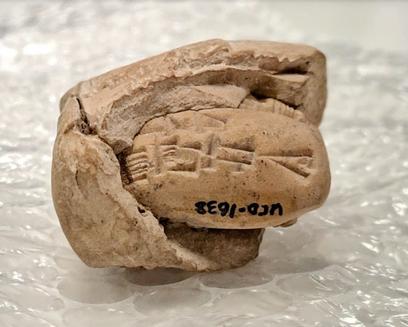
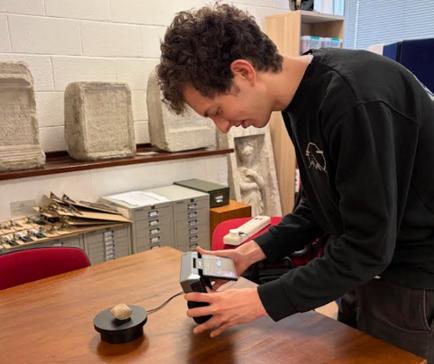
We’ve undertaken extensive research work with the UCD Classical Museum to process micro-CT imagery of ancient cuneiform clay artefacts
This enabled us to use the MakerSpace to create physical models, as well as decipher the text on the tablet, working with Yale University on transcribing it A conference and academic paper promoting the findings is in the works.
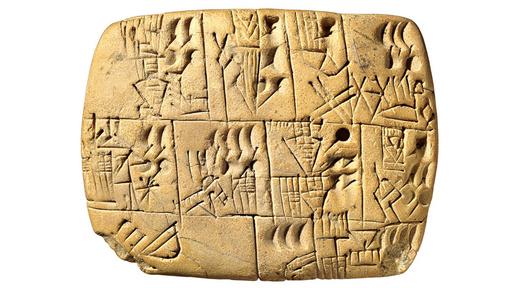
We have 3D printed both the exterior and the newly-revealed interior of the tablet for this project Above image is an illustrative example of a cuneiform clay artefact Actual images cannnot be shared yet due to research sensitivity.
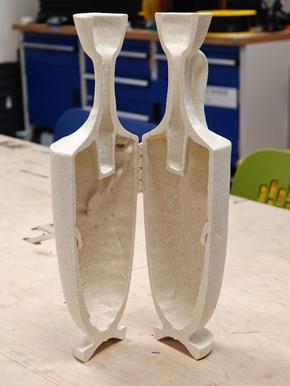
Another MakerSpace project in 2025/26 with the School of Classics was the hinged model of an ancient vase.
The vase was also CT scanned to reveal the interior view so that students and researchers would be able to view the object more clearly.
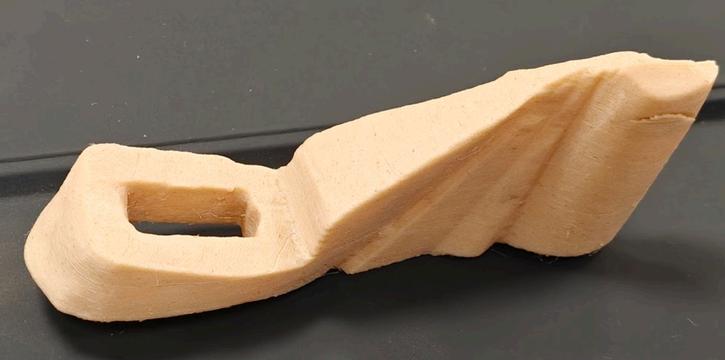
In our 3D prints, we can also customise the type of filament we use so that it could be as close to the original item as possible
For this specific project with the School of Archeology, we are using oak wood filament as the original excavated item was made out of wood, as well as a new water-soluble filament to achive more detailed finishes. It can now be more closely examined and is being discussed in research.
UCD School of Agriculture and Food Science
Oscar Falconer, a second-year PhD student at the UCD School of Agricultural and Food Science, is developing a novel project focused on how earthworms are distributed at different depths in the soil.
His work addresses a key challenge in studying earthworm behaviour: traditional digging methods disturb the soil and cause the worms to move, making accurate measurement difficult
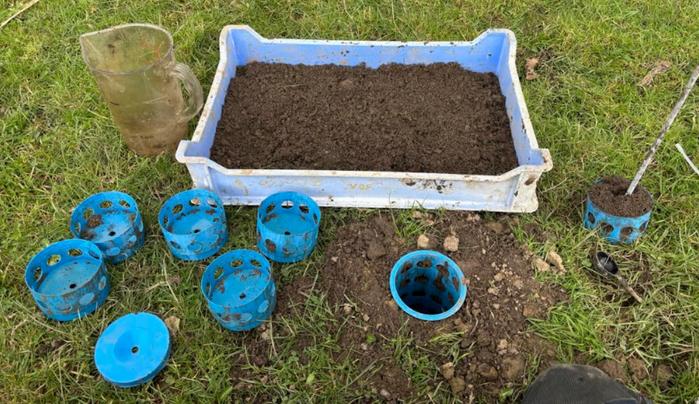
To solve this, he worked with the UCD MakerSpace to design an in situ depth sampler.
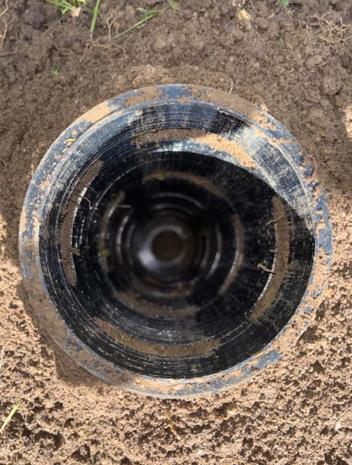
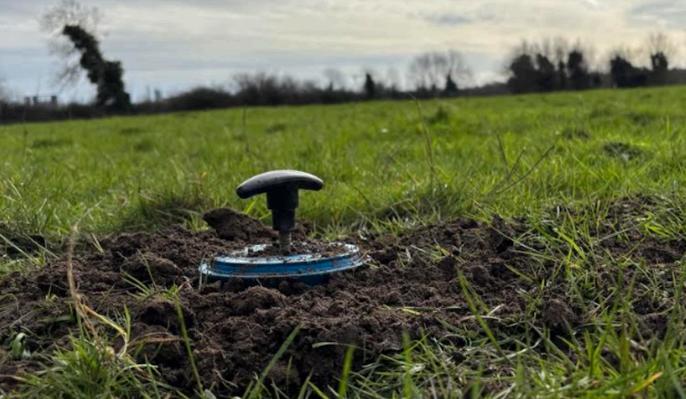
The device consists of interlocking compartments housed within a sleeve that remains in the soil, allowing earthworms to move naturally while being sampled. This approach makes it possible to study earthworm distribution without disrupting their habitat.
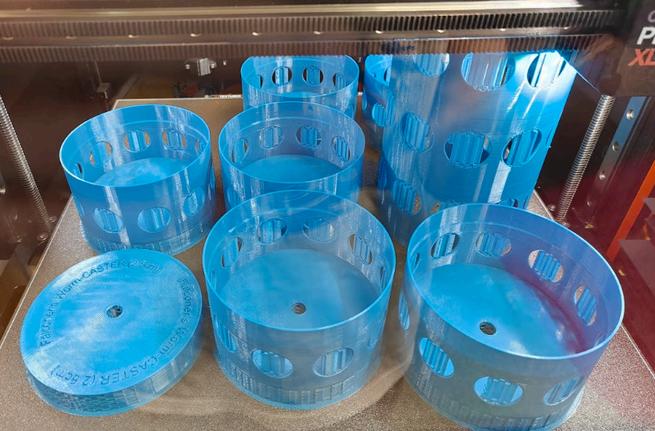
The sampler has already been tested successfully in the field, and Faulkner has been producing iterations of it in larger quantities with support from the MakerSpace. His project shows how access to rapid prototyping and fabrication resources can help turn a scientific idea into a practical research tool.
“I do encourage anyone, whether in engineering, arts, or science, particularly science, because you can rapid prototype, to engage with the MakerSpace as it’s an incredibly advantageous resource at UCD ”
Oscar Falconer. PhD Student
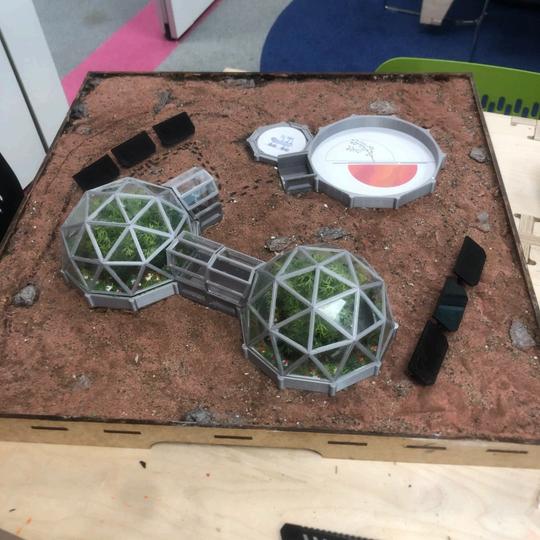
IWe collaborated with Ireland's pioneering space genomics project, MARSCROP, which aims to transform Martian soil for farming. Funded by the European and Canadian Space Agencies and led by UCD, this project explores the potential of harnessing microbes in plant root systems to produce safe and nutritious food on Mars.
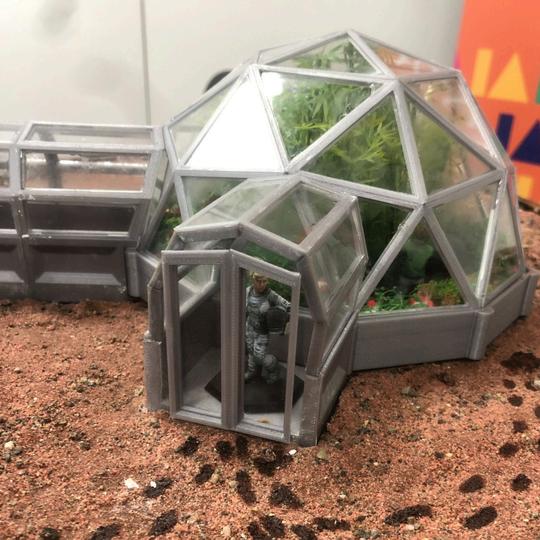
The project aims to develop crops that can thrive in polluted or challenging environments, both on Earth and in space This work not only supports sustainable agriculture but also addresses environmental challenges.
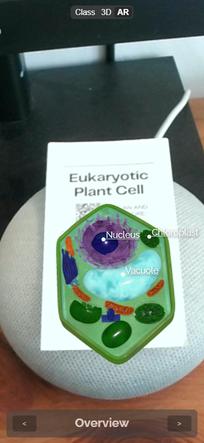
UCD Innovation Academy produced a model using our MakerSpace technologies and also designed AR interaction to further augment the learning experience.
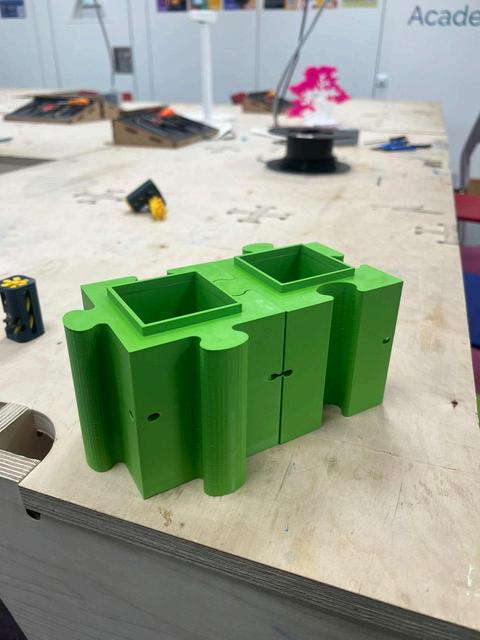
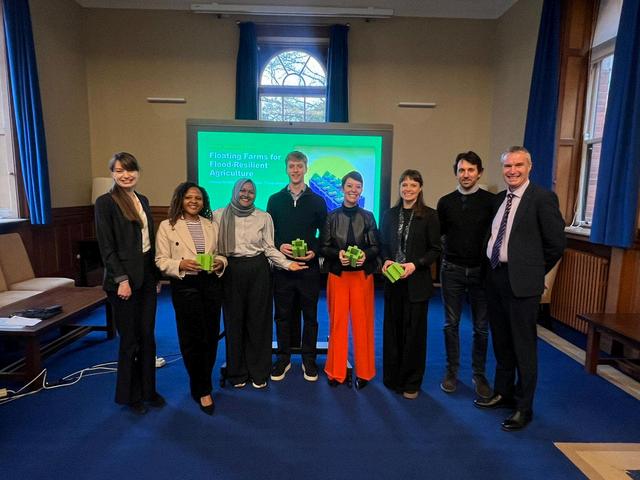
My team and I won the UCD SDG Pitching Competition with our idea on sustainable floating farming. What made this even more special was that we were the only team with a working prototype—something we were able to build in just one day at the MakerSpace.
Going in without a CAD file could have been a major setback, but the support and guidance from the MakerSpace team made all the difference. Their willingness to help us bring our idea to life, even under time pressure, truly reflects what innovation and
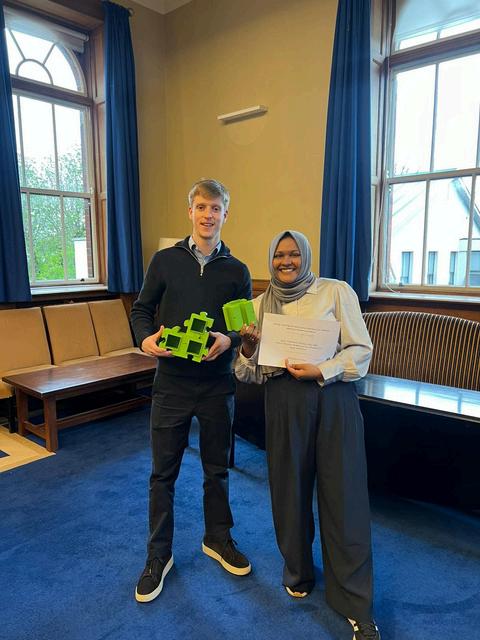
Project Aronno members: Nusrat Nahar Islam and Rossa Bellew, MSc Digital Innovation students
Now, we’re incredibly excited to be taking this prototype and our idea to Finland to present at the INNOVA EUROPE Summit 2026.
It’s amazing to see how something built in a single day at MakerSpace can open doors to international opportunities.
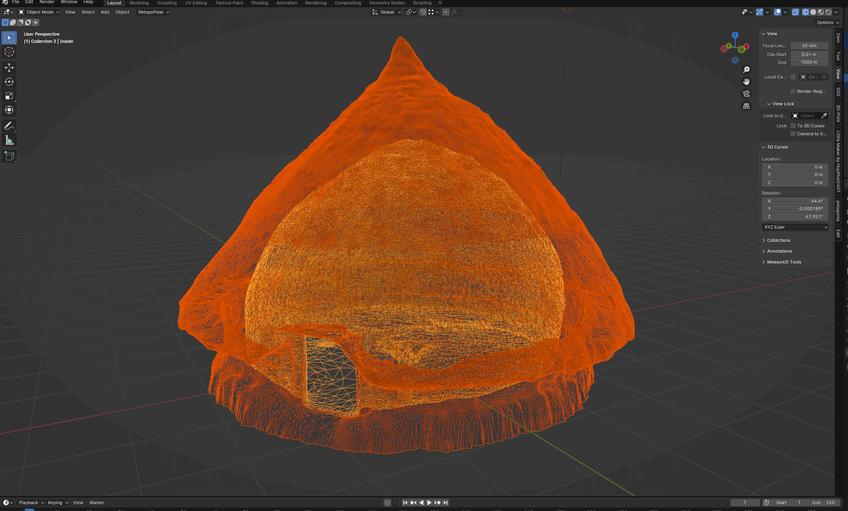
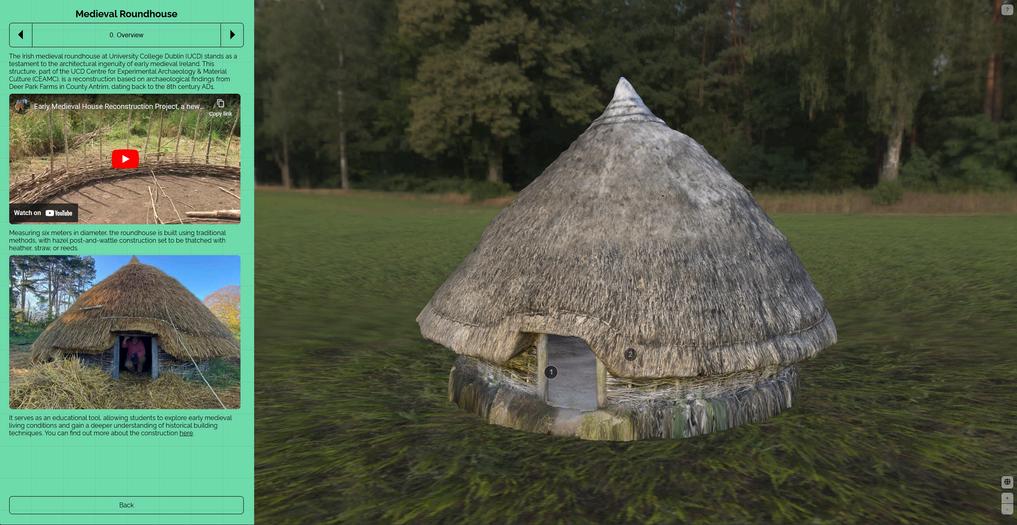
The MakerSpace works closely with the UCD School of Archaeology. Using photogrammetry and gaussian splatting, we took initial scans of the medieval roundhouse on the UCD Campus. Using those as a foundation, we processed and refined them to create a final, high resolution 3D model.
This was used to produce a 30 second introductory video showcasing the structure, and was also uploaded to a custom-built 3D exploration platform, enabling students to view it in 3D and Augmented Reality, while also providing insights into its construction.
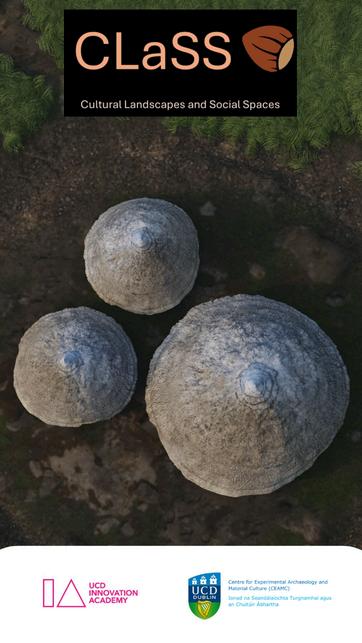
The MakerSpace assisted with a project called Cultural Landscapes and Social Spaces (CLaSS). This research project focuses on light-framed domestic structures made from organic materials (past and present)
Using iPhone apps to scan the structures, the MakerSpace created 3D models such as Irish Roundhouses, stone tablets, and some structures that can be viewed in virtual reality.
This enabled those working on the project to quickly communicate their research with others without their audience or students needing to visit the actual sites
UCD’s MakerSpace has been a pivotal partner.
With their assistance, we've not only accessed new technologies but also deepened our understanding of their purpose and optimal application.
This collaboration underscores the transformative power of hands-on learning techniques in both teaching and research, ultimately enriching our project beyond initial anticipations."
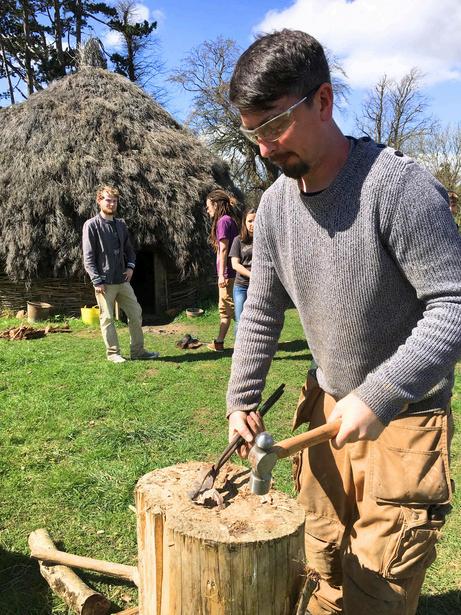
Dr Brendan O'Neill , Co-Director for the Centre For Experimental Archaeology and Material Culture UCD School of Archaeology
Eirsat1 Explorium Museum Exhibit
'EIRSAT-1' stands for 'Educational Irish Research Satellite' A team of student UCD, with support from academic and professional designed, built, tested, and operating, Ireland's first sate a 2U CubeSat, that was launched on December 1st
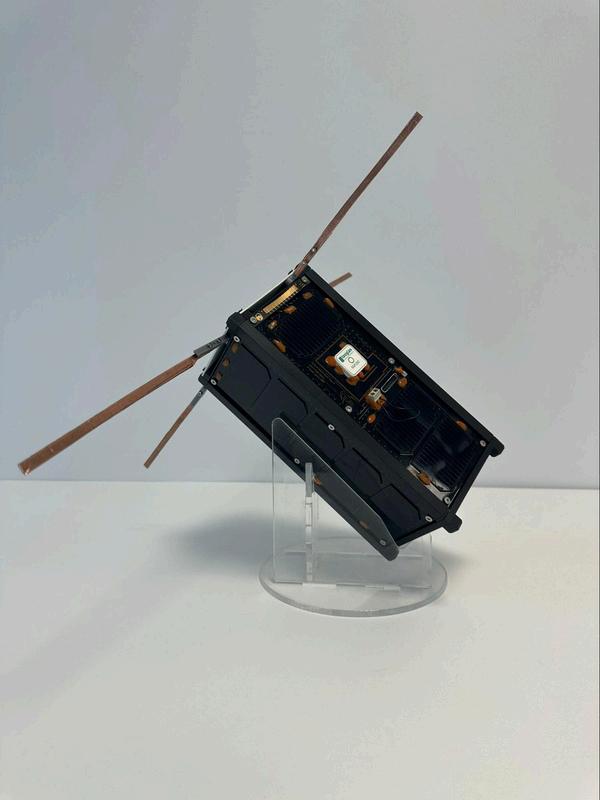
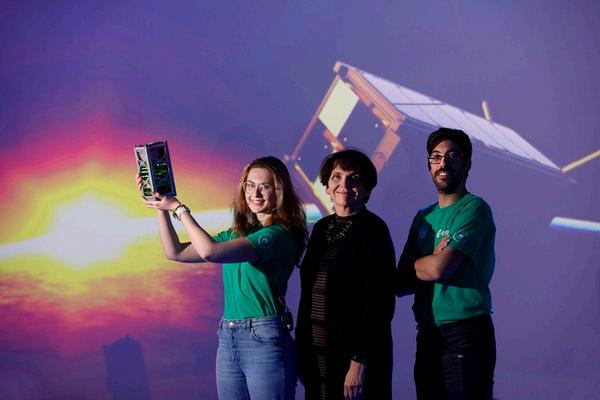
The Explorium, Ireland’s largest Science Museum, was eager to host an exhibition about Eirsat1. The Makerspace team designed and constructed a model of Eirsat1 using a combination of 3dPrinting, Laser cutting and engraving, as well as a handmade aluminium frame.
The build was approved by Professor David McKeown, the lead mechanical designer of the real satellite.
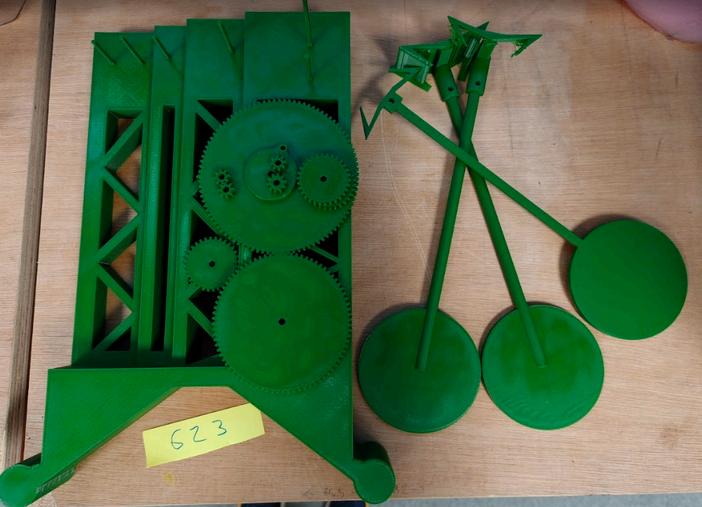
In 2025, UCD Innovation Academy MakerSpace supported students from the School of Engineering in the development and fabrication of a series of 3D-printed pendulum clocks as part of a module-based project. Working closely with multiple engineering groups, the MakerSpace provided access to advanced 3D printing equipment, technical guidance, and rapid prototyping support throughout the design and production process.
By enabling students to prototype and iterate their designs in a hands-on environment, the MakerSpace played an important role in bridging classroom learning with practical application The wide variety of completed pendulum clocks demonstrated both the creativity of the student teams and the collaborative value of interdisciplinary support across UCD.
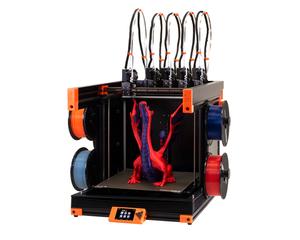
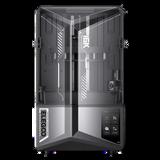

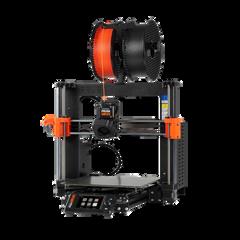
3D Printing: Offering resin, sustainable plastics, recycled plastics, carbon fibre, and multi-colour printing options
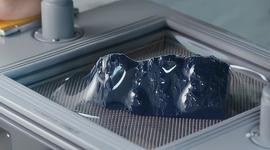
Vacuum/Pressure Forming: Suitable for mold making and creating specialty parts or packaging
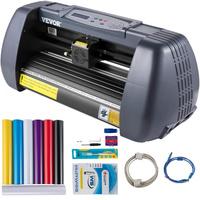
Computer-Controlled Vinyl/Paper Cutting: Precision cutting for various projects.
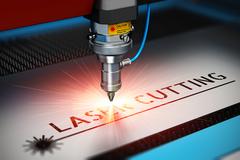

Laser Cutting/Engraving: Enables detailed and intricate designs.
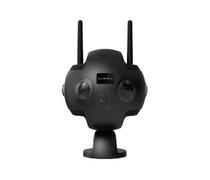
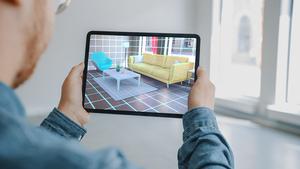
Augmented Reality Devices: Including projection mapping for innovative AR experiences.
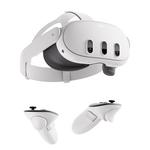
VR Headsets: Providing immersive virtual reality interactions
Product Photography: High-quality equipment for capturing professional product images.
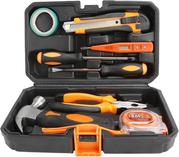
Small Hand Tools: Available for various repair and maintenance tasks.
We at exVal, the winning team of the 2023 Nova UCD Student Enterprise Competition, trace a large part of our success back to the MakerSpace. Presenting a technical device, we knew that showing a physical design would be key. The MakerSpace made this possible, and with this help we were able to produce a mockup design for our final pitch.
Throughout our entire journey we received invaluable advice and critical feedback from all Innovation Academy staff, proving vital to a successful technical design and business model.
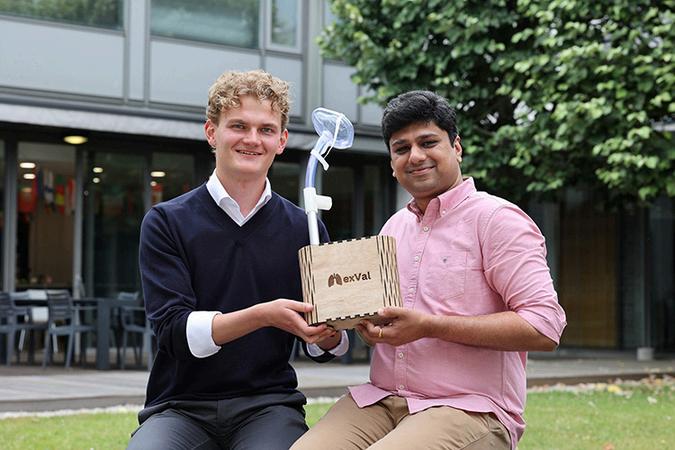
Simon Peter, exVal, Biomedical Engineering Student
By integrating AR technology into lectures and practical sessions, this project aims not only to improve student engagement and learning outcomes but also to help set a new standard for innovative teaching methods in Ireland.
We hope this project can serve as a model for how technology can transform education, making complex scientific concepts accessible and engaging for all students.
Dr. Nicholas J. B. Brereton Assistant Professor/Lecturer
Ad Astra Fellow
School of and Environmental Science
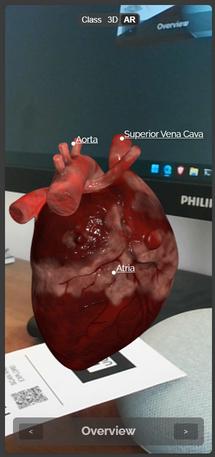
Via a dedicated website, students can access module pages, where they can find any models that will be used in that class. Models can also be shared by multiple modules. Everything runs directly on the website, allowing students to access it without having to download an app or program.
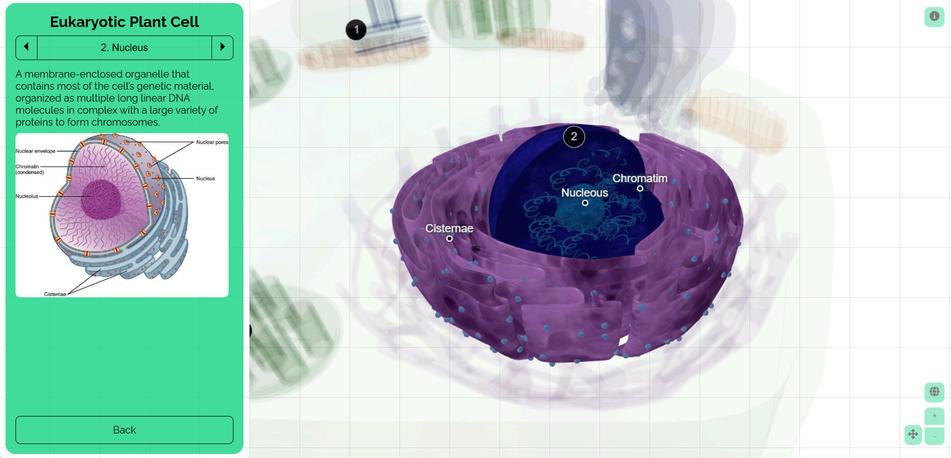
The models are presented along with complementary information. Students can rotate and zoom the models to view them from different angles, allowing a much deeper understanding than traditional simple 2D images. They can also be presented in customisable 360 degree environments to provide additional context
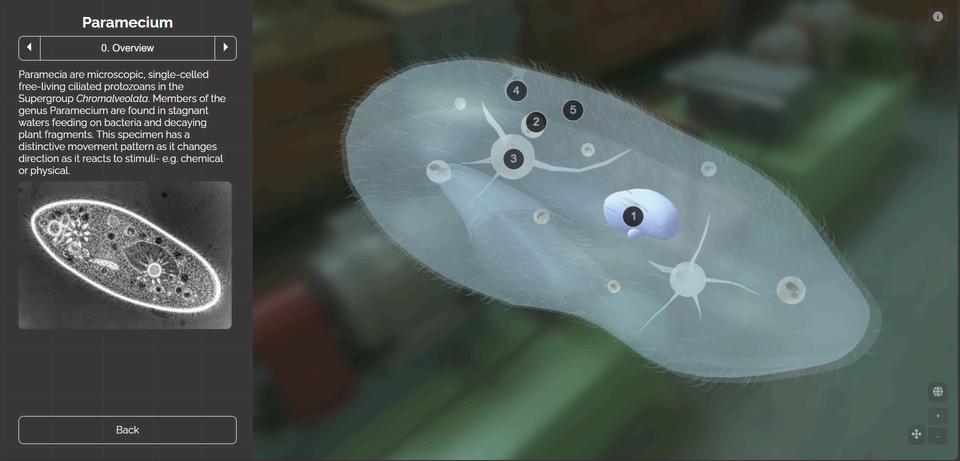
The models can contain interactable labels, as well as information including images, videos, and interactable sequences: for example to be able to scroll though layers of an x-ray or microscopic scan. This can provide additional context and interaction to the 3D models - with the combination of the two providing a much more interactive experience than standard 2D textbook material.
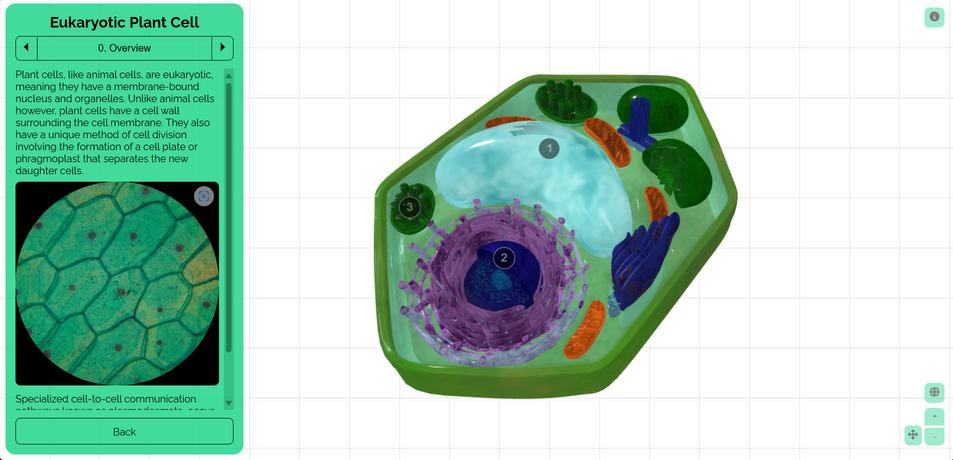
The students can select specific areas of the model, allowing more detail and information to be presented for important parts, in the context of the full model. Each area can have more detailed labels, additional images and information, and even specific animations to illustrate movements.
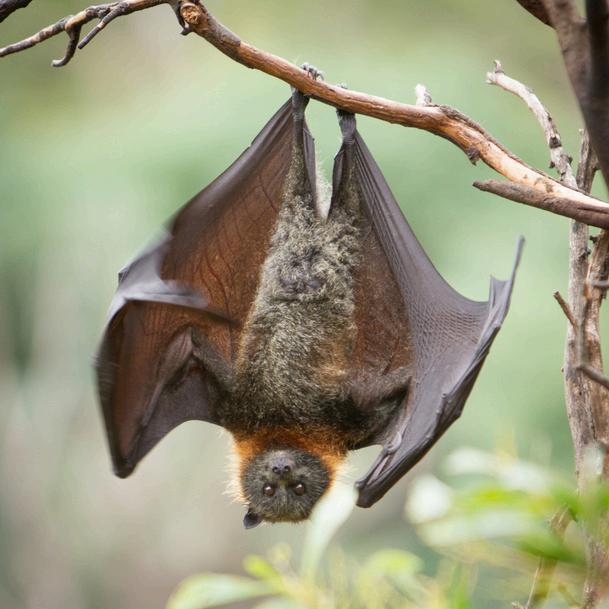
In 2024, the BatLab (also known as Molecular Evolution & Mammalian Phylogenetics) in the UCD School of & Environmental Science was involved in a project which involves tracking how the membrane of a bat's wing heals when damaged by taking a series of photographs. Bats in general don’t appreciate how important this work could be and so don’t stay still for the pictures Generally the researcher needs to use two hands to hold the wing fully extended, meaning it takes multiple people to photograph each bat.
We laser cut a device which involved a platform, an arm to hold the camera, and a foot pedal which could be used to take the picture The platform included an engraved grid pattern which helps to verify the scale when analysing the photographs.
These parts were cut and engraved from MDF in our Laser Cutter
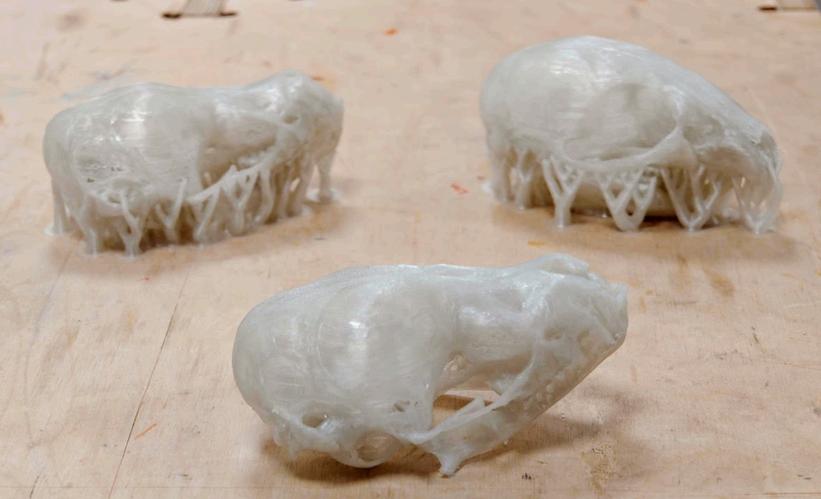
In 2026, there was a renewed interest among the students with bats and students came in for requests to 3D print a selection of bat skulls for their classes.
Another collaboration with the UCD School of Physics resulted in the development of custom 3D-printed models for demonstrations and laboratory use. These models are hard to find in personalised forms and costly when produced in large quantities. The partnership made it possible to provide durable, customisable, and readily available models for numerous students
This technology allows us to introduce models which promote difficult concepts, especially in the study of Cell and other microscopic structures.
The versatility and cost efficiency of 3D printing not only aids in teaching but also in designing spec ific tools for field work, revolutionising the way we approach education and research."

Ciara Graham, UCD SBES Teaching Fellow
For the MSc in Human-Computer Interaction program, our MakerSpace facilities and pedagogy have been integrated into the curriculum to enable rapid prototyping.
Each year, approximately 70 Students from diverse academic backgrounds utilise the Innovation Academy MakerSpace for their HCI Design Projects, partnering with 16 organisations across the medical, non-profit, and private sectors, including the Association of Nigerian Nurses in Ireland and Thrombosis Ireland.
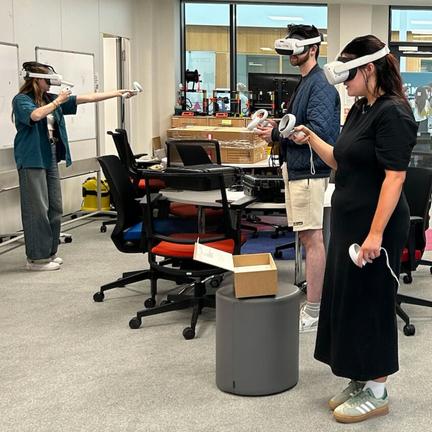
Key challenges students were tasked with include using mental health data to personalise treatments, developing support platforms for African nurses and midwives, and increasing national awareness of Thrombosis. Students
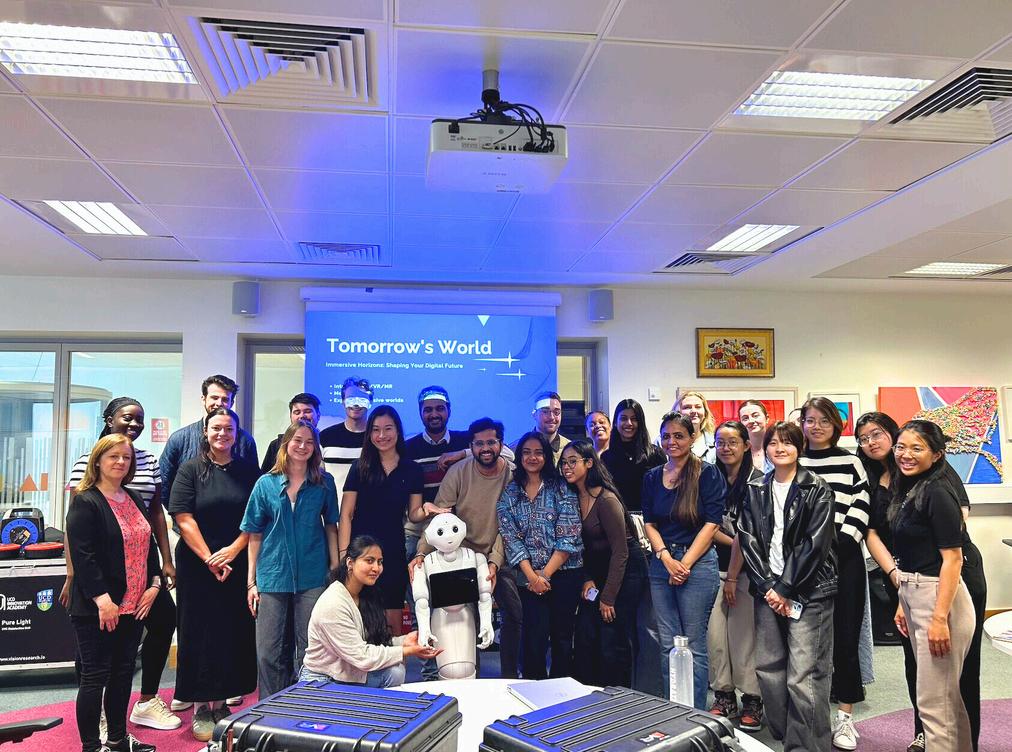
The MakerSpace team also provides tailored workshops and in-class consultancy to the MSc class, guiding students through their projects and enhancing their overall learning experiences
In 2026, we continued our partnership with HCI by hosting Hackathons, wherein industry partners such as IBM also served as guest judges,
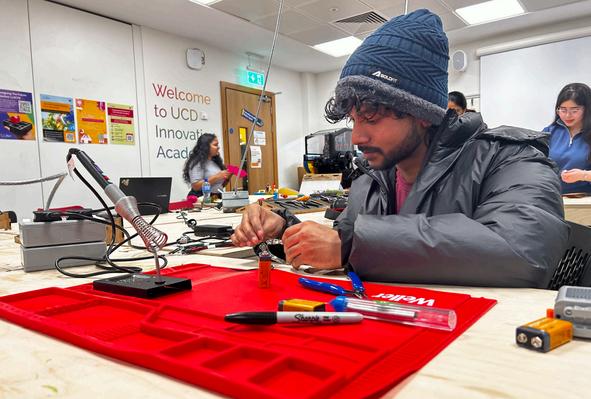
Prototypes for their solutions were all created by the students in the MakerSpace in a span of a few hours The theme of their projects were devices powered by AI which support vulnerable populations,
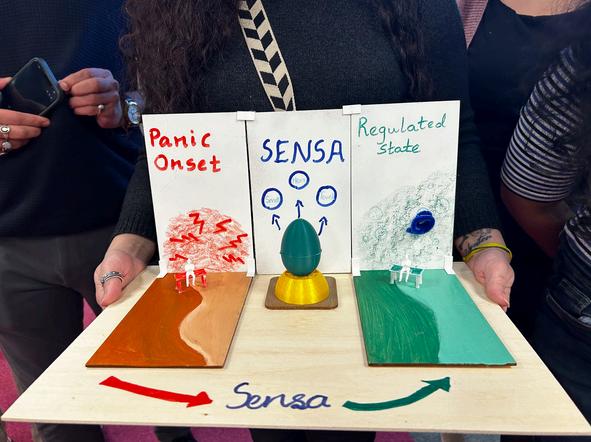
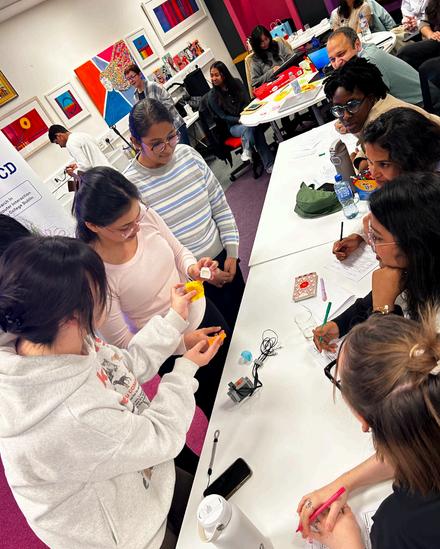
The winning team’s prototype was an accessory for mood regulation that could pre-empt mood disorders such as panic attacks
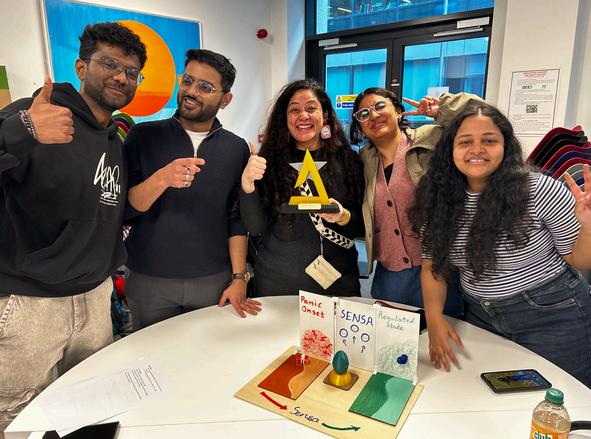
Other teams’ solutions focused on other vulnerable populations such as students or workers who are away from their homes, as well as the sick and elderly.
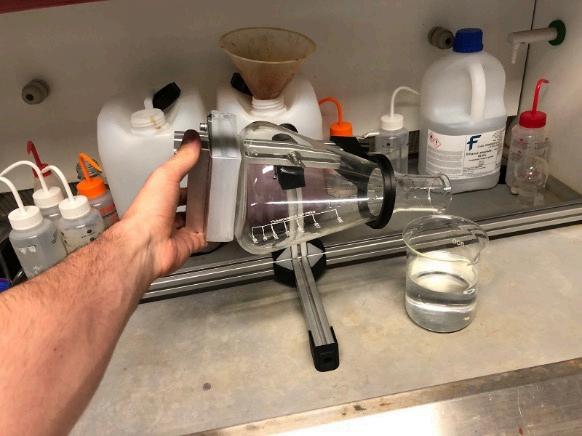
In 2023, we were approached by the Centre for BioNano Interactions (CBNI) in the School of Chemistry at UCD with a design challenge. Some of their experiments involved the use of Neodymium super-magnets These posed a safety risk to the people working in the lab as the magnets could exert forces of over 100kg, and the experiments needed to be carried out in a fume hood which has a steel frame, and required using some potentially harmful chemicals and glass labware
At their request we designed and built a test stand which could hold the magnets securely and allow the experiment to be carried out safely. The stand was constructed from Aluminium, non-magnetic stainless steel and some carbon fibre-reinforced nylon parts which were 3d printed.
In 2024, the Centre for Veterinary Education requested our help to create a device to improve the effectiveness of their Clinical Skills labs. Specifically, they wanted to allow students to learn some of the basics of delivering oral medication to cows in a lab setting. This would allow them to learn basic techniques before they are faced with a live animal
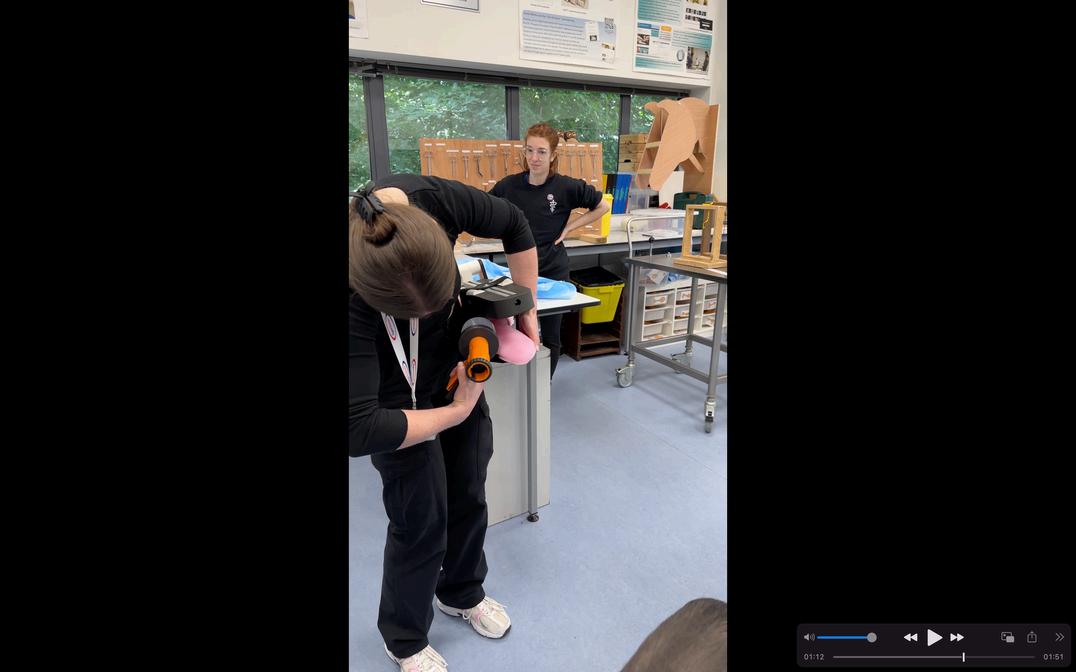
The MakerSpace team designed a rig which replicated some of the major elements of a bovine head, including an accurate casting of a cow ’ s tongue, a moving jaw, and an articulated neck joint to simulate the movement of the head. The rig used Aluminium for the main structure, a repurposed bench vise for the neck joint and the mounting bracket, and cast silicone for the tongue The jaws were made of a combination of 3d printed parts and laser cut wood.
Classes of up to 300 students work with the model and clinical centres around the world have requested the 3d file so that they can create their own. Because of wear and tear we have provided a replacement in 2026.
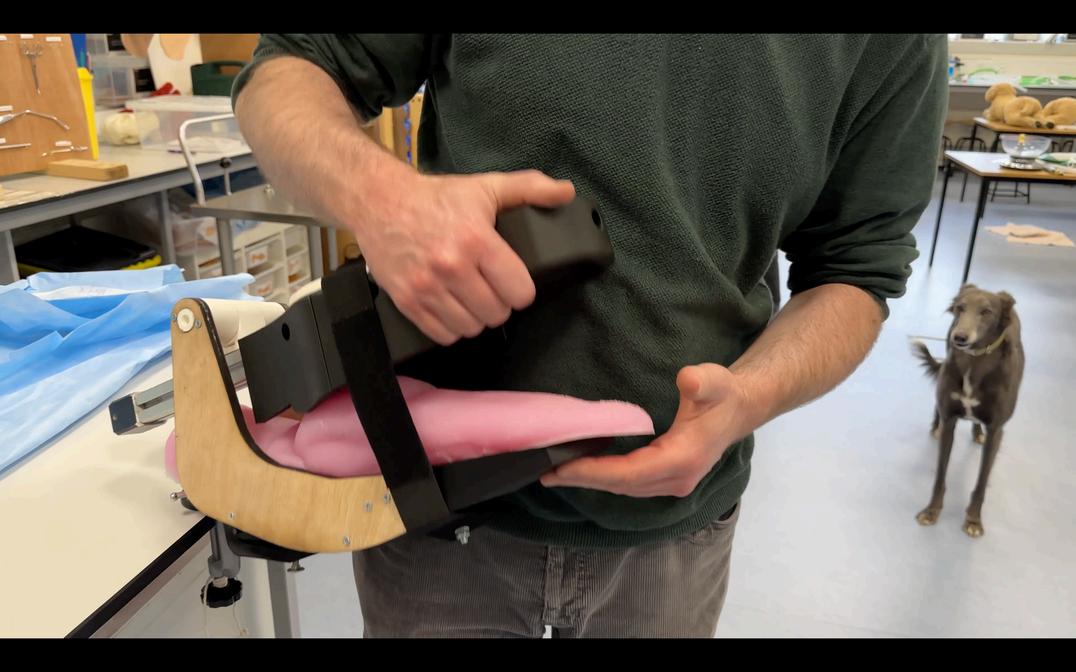
The head has been used in the last year for Large Animal handling classes. The model is used for practicing head restraint and administering medication to a cow via a dosing gun. Hundreds of students have practiced on this model and it is, so far going well. The students love using the model and say it helps them learn the correct way to handle a Cow head, and gives them the knowledge, skill and confidence before they need to handle the real animal.”
Tracey Murphy, Nursing Support Clinical Skills Model Maker UCD School of Veterinary Medicine
A Professor in the UCD School of Mathematics and Statistics requested a number of teaching aids Their research involved calculating the orbit of various bodies around a blackhole
Previously, the output of their work was an equation, or a 2 dimensional image of the curve.
Using the 3d printers we produced models which could be handled and examined by students
A series of laser cut pieces and 3D prints and assistance related to their lab research equipment, including laser cutting and printing equipment parts for them that would have cost large sums of money or had been difficult to procure from the original manufacturer.
The MakerSpace also designed some stands and parts for other research equipment.
Greenacre, established in 2023, provides a working living laboratory for applied sustainability research including mushroom cultivation and ecological monitoring in support of UCD’s interdisciplinary research and teaching mission.
Greenacre Sustainability Hub is supporting active research collaborations across UCD School of Agriculture & Food Science, Biosystems & Food Engineering, Electrical Engineering, and Architecture.
It also functions as an outdoor teaching and living laboratory space for over 90 students, and growing, across undergraduate and master programmes at UCD Innovation Academy.
As a working living laboratory, Greenacre provides a field-lab environment that enables place-based learning, applied sustainability research, live research pilots, and community cohesion in ways that directly advance UCD's interdisciplinary research, teaching, and sustainability mission.
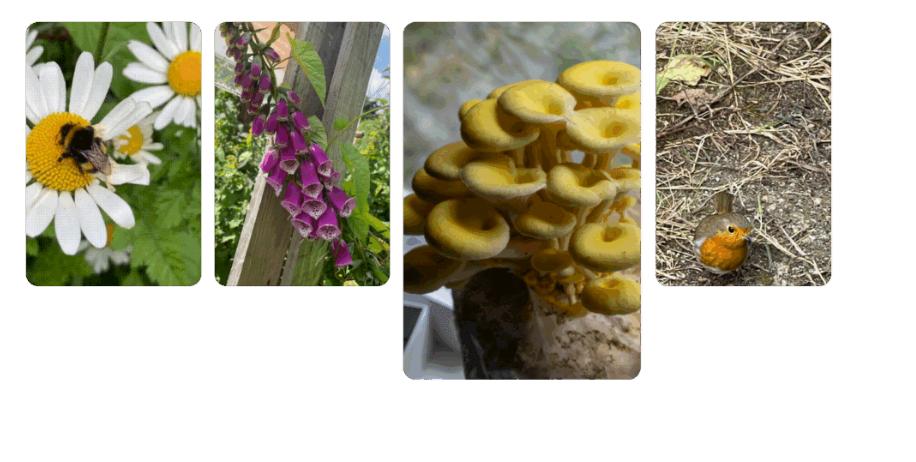
UCD Greenacre is partnered with Dr Dimitrios Argyropoulos, Assistant Professor in the UCD School of Biosystems and Food Engineering, a multi-disciplinary school and Ireland’s premier agri-food related research entity. Dimitrios leads the Digital AgTech Lab, with focus on the application of "smart systems" to the agri-food and bio-resource sectors.
Dimitrios uses Greenacre’s mushroom farm (where students grown oyster mushrooms from coffee grounds collected on campus) to test his Smart Mushroom Farming tool. It offers an integrated solution for the continuous, automated and real-time crop growth monitoring. Data analysis of temporal and spatial data, in turn, allows mushroom farmers to perform precise crop scouting and yield mapping.
This enables farmers to monitor growth and environmental parameters more accurately, ensuring uniform yield and reducing resource input.
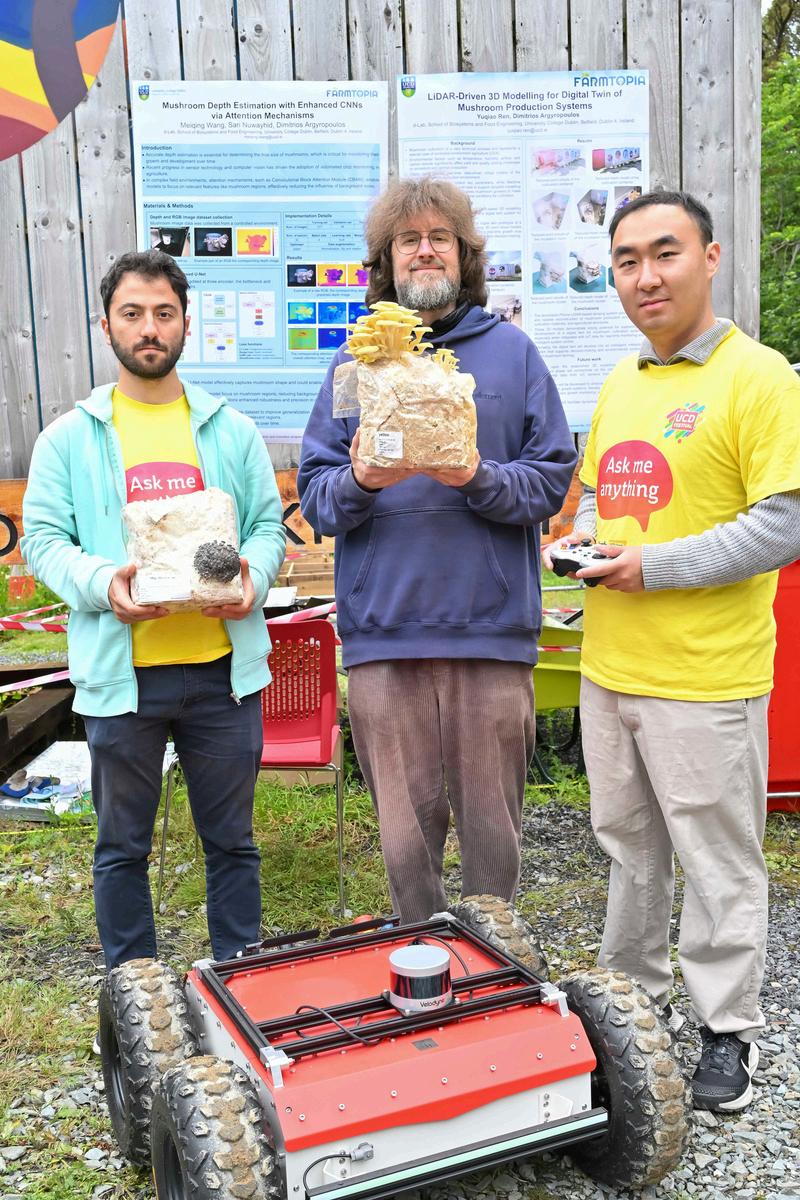
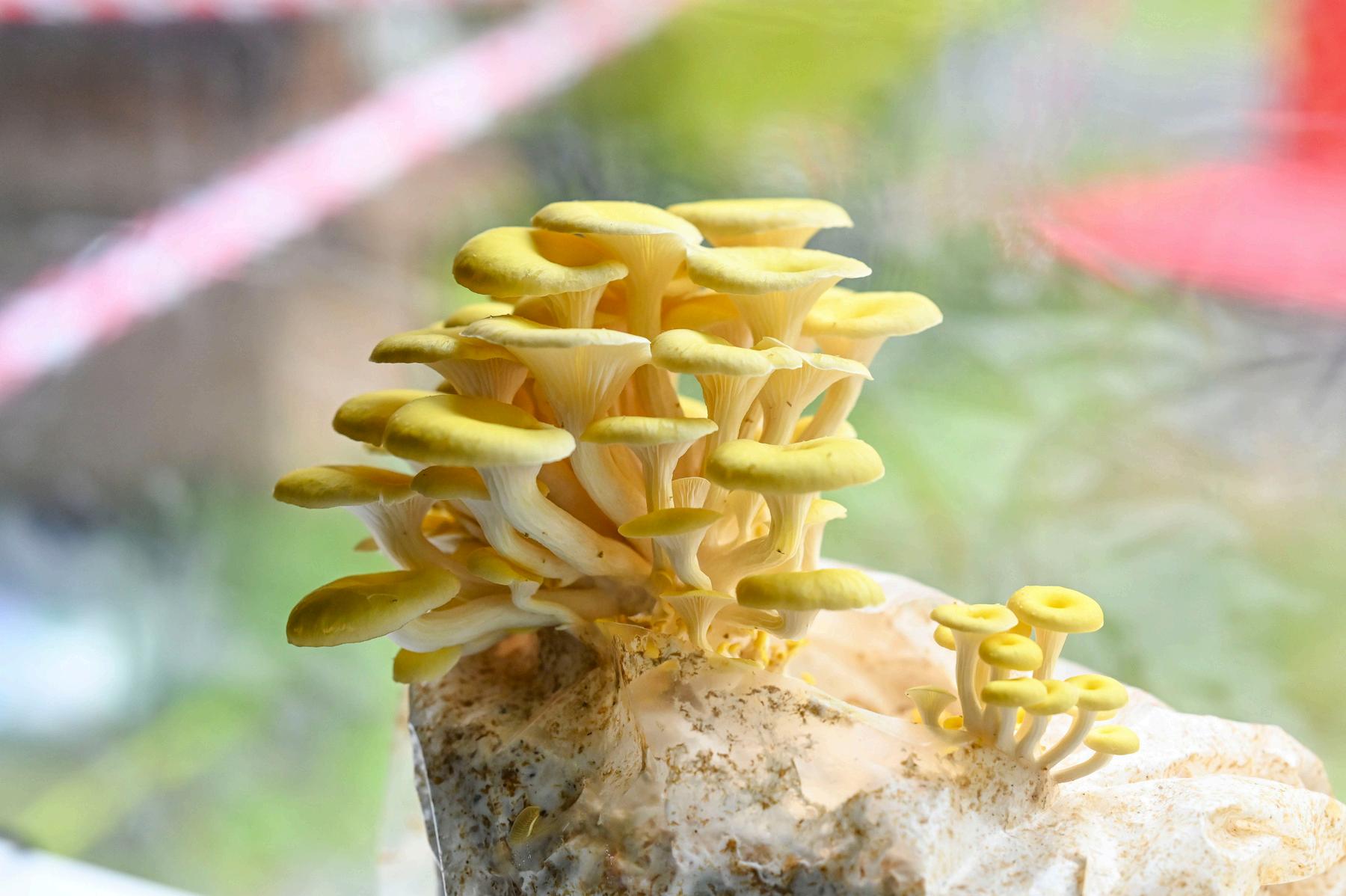
The mushroom farm at UCD Greenacre exemplifies circular economy principles in action. This innovative project demonstrates how agricultural waste can be transformed into nutritious food while eliminating waste at every stage
The circular process works like this: the farm uses coffee grounds collected from UCD University Club as the primary growing medium for oyster mushrooms. Instead of these grounds ending up in landfill, they’re given new life as nutrientrich substrate for mushroom cultivation.
But the circularity doesn’t stop there Through a collaboration between UCD School of Biosystems and Food Engineering, UCD University Club, and UCD Innovation Academy, the mushrooms grown using the Club’s coffee grounds are delivered back to UCD University Club - an exemplar of the circular economy made possible through UCD Greenacre Living Lab.
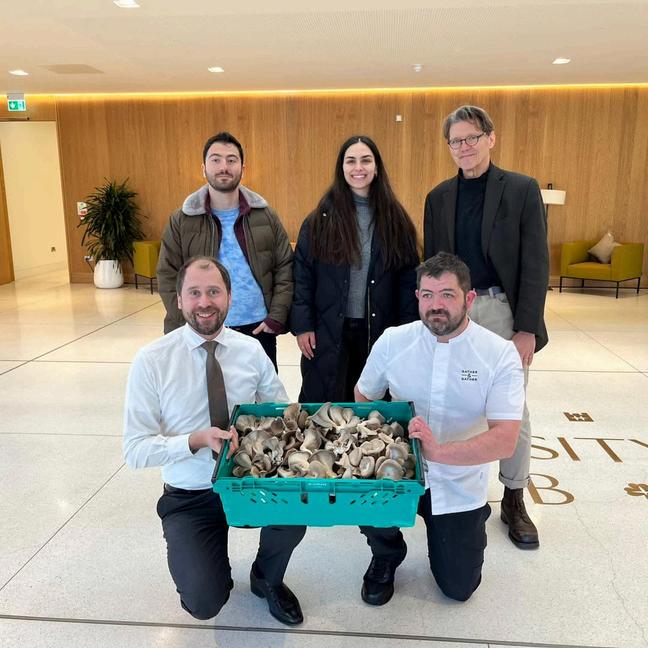
This closed-loop system delivers multiple benefits:
Waste reduction: Coffee grounds from UCD University Club become valuable growing resources
Complete circularity: Mushrooms return to their source, closing the loop from waste to food
Local food production: Fresh, organic mushrooms grown and consumed in campus
Collaborative innovation: Partnership between engineering, hospitality, and other units in the university
Carbon footprint reduction: Minimal transportation in a truly local food system
Educational leadership: Demonstrating circular economy at a scale few universities worldwide have achieved
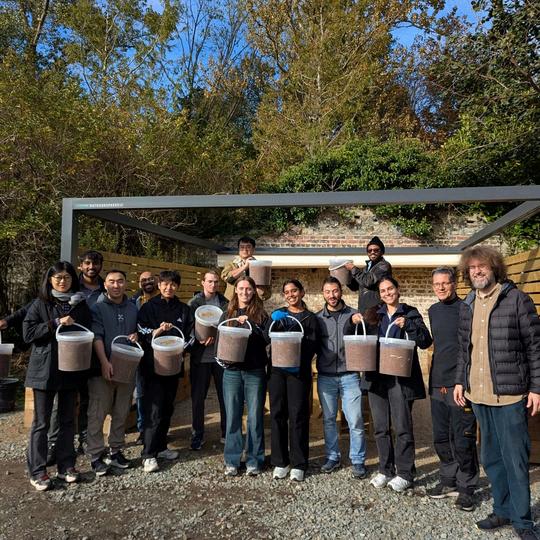
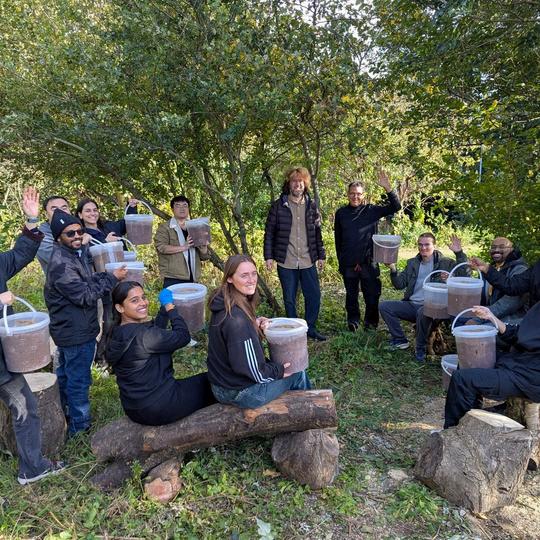
Mushroom substrate reuse & biodigester research
In collaboration with School of Agriculture & Food Science
Greenacre directly supports doctoral research led by Dr. Ajay Menon, Assistant Professor in the School of Agriculture and Food Science, and his PhD student Bhargav Neela Their research investigates how reused mushroom substrate a waste product generated by Greenacre's own growing operations — can influence biodigester processes, creating a live circular-economy research loop between the site and the laboratory.
Dr. Dimitrios Argyropoulos, Assistant Professor in the UCD School of Biosystems and Food Engineering, uses Greenacre as a controlled-environment research site for his lab's work on the digital transformation of mycelium and mushroom production The collaboration focuses on optimising growing conditions and developing data-driven approaches to scaling the sector, with Greenacre providing an active, on-campus test environment
Hydroponics systems, master thesis research
In collaboration with School of Electrical & Electronic Engineering
Greenacre will host master thesis projects on hydroponics in collaboration with Andrea Ortiz Cuadros, Chief Technical Officer at the UCD School of Electrical and Electronic Engineering. The site functions as a live testbed for students applying engineering principles to sustainable food production systems, bridging disciplinary boundaries between engineering, food science, and environmental sustainability.
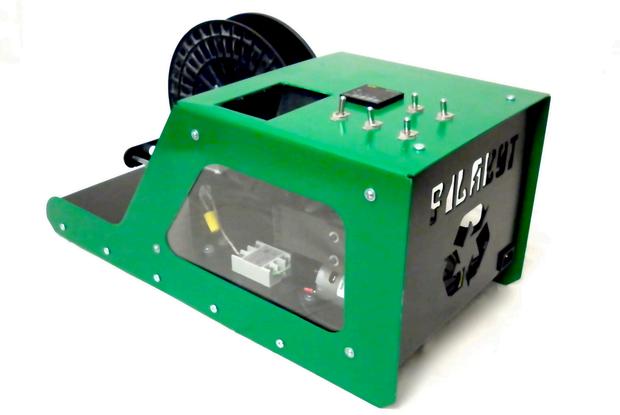
UCD Undergradaute Module Design a Sustainable Future, is a hands-on course with activities like mushroom farming, plastic recycling with Precious Plastics, and biomimicry projects Students tackled real sustainability challenges on campus and propose innovative solutions. The module engages extensively in UCD Greenacre.
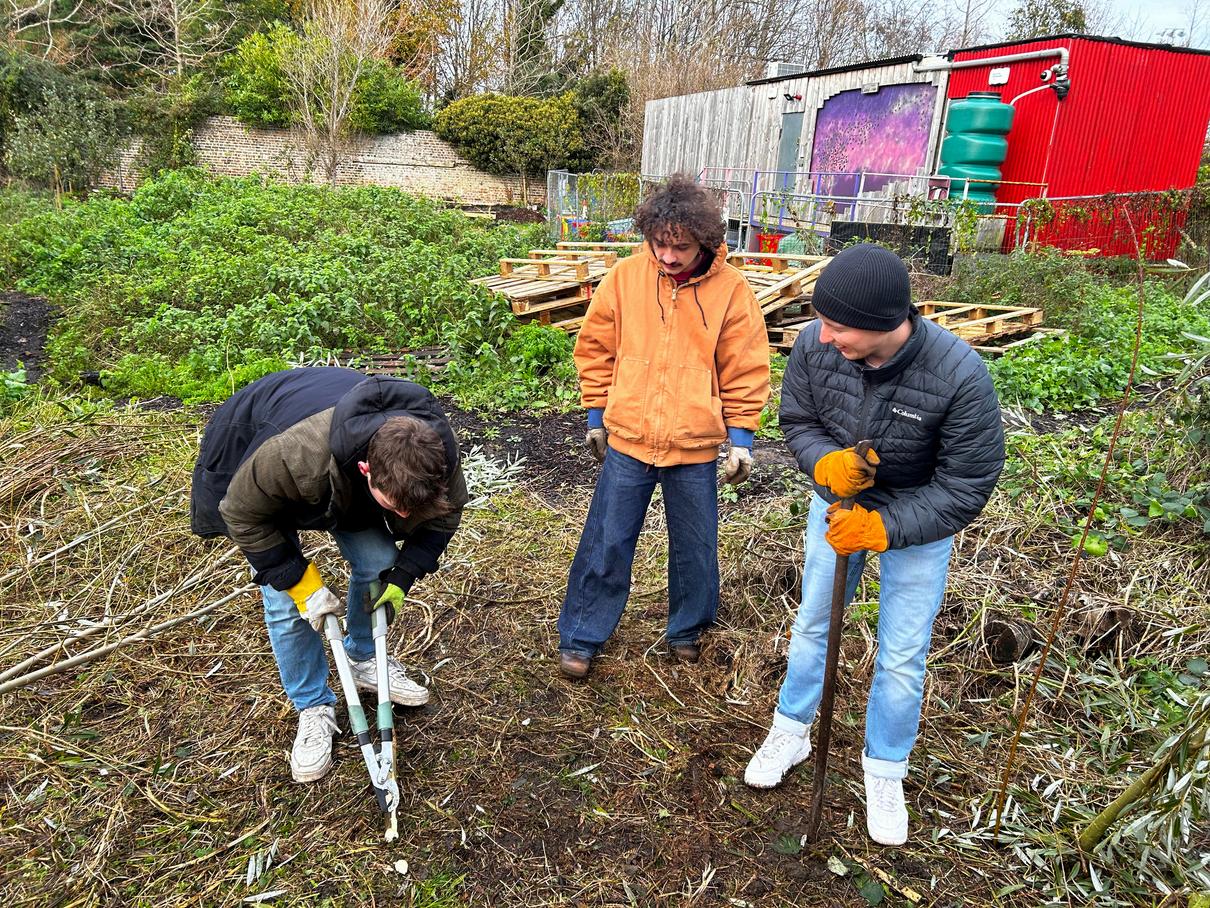
In collaboration with School of Architecture, Planning & Environmental Policy
Greenacre serves as the dedicated outdoor teaching environment for two formally embedded programmes: the undergraduate elective "Design a Sustainable Future" and the master programme "Design Thinking for Sustainability."
Together these programmes have engaged over 90 students who use Greenacre for structured learning sessions, as well as the setting for master thesis projects, making the site a genuine curricular asset.
In collaboration with School of Architecture, Planning & Environmental Policy
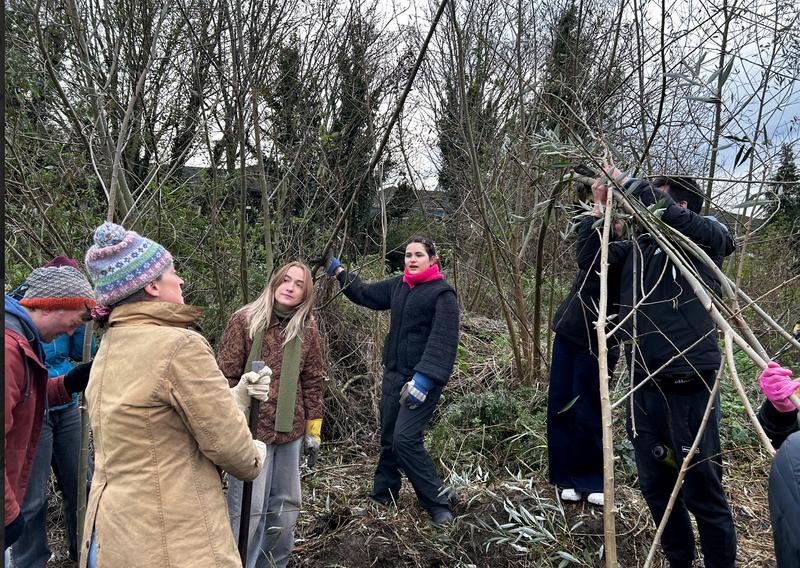
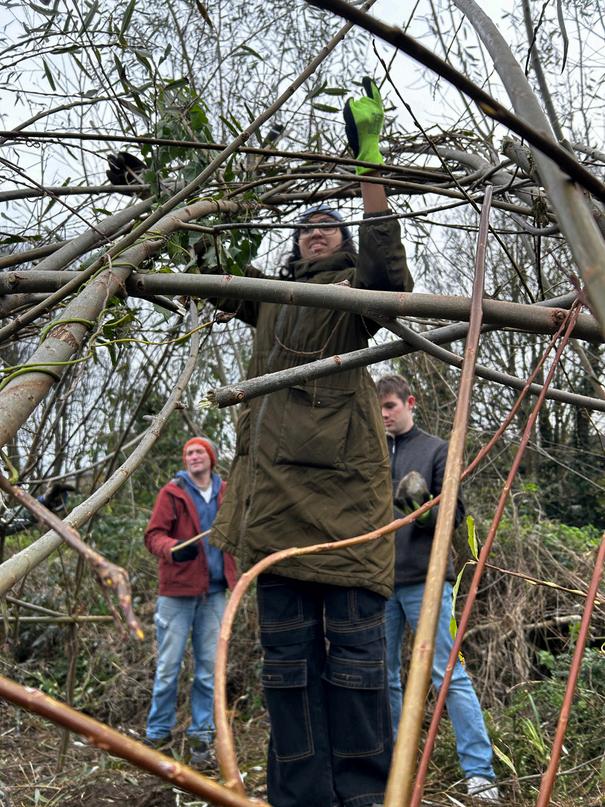
Sophie van Maltzahn, Design Fellow at the School of Architecture, Planning and Environmental Policy, inspired 20 students from the "Design a Sustainable Future" class to learn about and plant urban hedgerows at Greenacre. The session combined ecological knowledge with hands-on design practice, illustrating how Greenacre enables place-based, experiential learning that cannot be replicated in a traditional classroom environment.