VERDICT
UCC LAW SOCIETY MAGAZINE

Third Edition
March 2026


Third Edition
March 2026

Emma Cahill

Dia dhaoibh a chairde go leir! My name is Ronan O’Keeffe and I’m the Auditor of the 96 Session of the UCC Law Society, andit is my pleasure to introduce you to the Third Edition of our Annual Magazine, Verdict! We’re extremely proud of our publications in the Law Society, and before we get started, I would like to say a massive congratulations to our Public Relations Officer, Emma Cahill and her subcommittee on putting together a magazine that I’m sure will be a very enjoyable read for our readers!
As auditor, I have the incredible opportunity to lead our Executive Committee of 21 students and assisting them with organising events for all our members. I am incredibly honoured to be working with such a talented group of students this year and I am very grateful to them for putting so much hard work into the committee this year. I am also very grateful to all of the students across campus who have taken the time to come and watch, listen to, compete in, or otherwise support our events this year. It really does take a village, and the Law Society would not be able to run without the support of it’s members, so thank you!
To give a quick overview of the year, and what you can expect to see from us next year, we will have hosted over 35 events by the end of the academic year, includingHer Excellency Dr Jilan Wahba Abdalmajid, the Palestinian Ambassador to Ireland, who shared her extremely valuable insight on the conflict in Gaza with us, as well as Sir Bob Geldof KBE, who spoke about everything from the importance of youth activism to the story behind Live Aid.
We also hosted 9 different advocacy competitions this year, where students are given the opportunity to embrace their inner Harvey Specter or Elle Woods and apply their knowledge of the law in simulated courtrooms, all while earning some prize money for their efforts. We are also very proud to announce that we have both the National Moot Court and National Mock Trial Champions in our ranks here at UCC, as well as finalists in the Irish Times Debate (the outcome may be unknown at the time of writing but I have every faith that they’ll do great!)
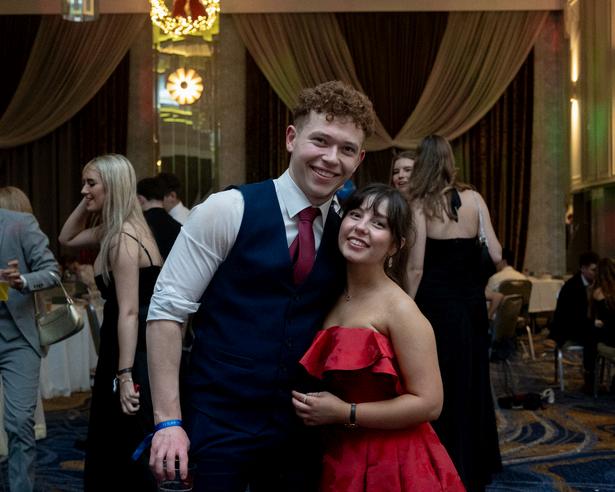
Of course, there was absolutely no shortage of social events, as per usual, with two pub quizzes, two late night socials, and three seperate gala balls over the course of the academic year. I hope you all enjoyed our annual Law Ball (hopefully not too much though!) and are all geared up for our next set of social events!
For those who couldn’t attend these events, don’t worry! There’s plenty more to come. We are excited to continue with our Mutation Factorem Award, which honours Irish change makers both inside and outside the legal sphere. Thisi award has been awarded to figures such as Niall ‘ressie’ Breslin, former president Michael D. Higgins, and former President Mary Robinson. We are all looking forward to finalising our second annual publication, the Cork Online Law Review (COLR), which Elena and her subcommittee are hard at work preparing for you all.
Before I wrap up, I’d like to once again thank all of you for reading Verdict, and for engaging with us over the course of the year, your support really does mean the world to us and we never take it for granted. I’d also like to say a big thank you to Emma for all of her hard work throughout the year, annd especially for putting together the magazine this year. It’s such an incredible opportunity to showcase the talent in our ranks here at UCC and its a facet of the society that we’re very proud of.
I hope you all enjoyed our enjoy the magazine, and if you do want to keep up with the Law Society, give us a follow on Instagram at @ucclawsociety!
Ronan O’Keeffe
A monopoly occurs when one company holds a dominant position within a particular market Monopolies reduce competition and narrow consumer choice, which free - market systems generally seek to prevent In Ireland, Article 102 TFEU strictly prohibits any form of agreement, decision, or concerted practice between companies that restricts competition. In the United States, The Sherman Act also prohibits agreements or coordinated conduct that restricts competition, and any form of monopolisation . In 2010 Live Nation merged with TicketMaster, combining its promotion, venue operations, and ticketing elements, gaining substantial influence of live entertainment production
On November 1 2022, pop singer Taylor Swift shocked fans all over the world by announcing her first tour in four years, and the highly anticipated ‘Eras’ tour had called for Ticketmaster to handle all ticket services. November 15 marked a pivotal moment for Swifties in the United States when Ticketmaster launched pre-sale tickets for the ‘Eras’ tour on their website Although demand was widely expected to be a challenge, many fans were willing to take their chances; yet few anticipated - even in their ;’wildest dreams’ that within an hour, the platform would fail on multiple fronts; site crashes, pre-sale codes that failed to register, hours spent in virtual queues, ultimately prompting Ticketmaster to release a statement regarding the cancellation of general ticket sales due to ‘extraordinary high demand.’ According to the Daily Mail UK, some fans turned to alternative resale platforms, where ticket prices soared well beyond face value - in some cases reaching $20,000.
In May 2024, the U.S Department of Justice, joined by 30 states, announced a long-awaited anti-trust lawsuit against LiveNation and Ticketmaster, alleging the company wields excessive market power and calling for the reparation of Live Nation and Ticketmaster The monopolisation action lawsuit challenged that the company binds artists to exclusive promotion agreements, and holds venues into long-term ticketing contracts, which ultimately decreases competition Additionally, a group of 357 Swifties also filed a lawsuit concerning the companies’ extensive control over ticketing man major concert venues. Such cases challenging dominant companies like Ticketmaster and LiveNation, offer a kind of hope that ensures fans will experience a more fair and smoother process when purchasing concert tickets

What used to be a serious, slow, mostly off-camera legal process now plays out in real time on TikTok and Youtube. The Depp trial was the moment legal proceedings officially crossed into pop culture spectacle. Clips of testimonies were edited like reality TV scenes. Lawyers became fan favourites. Depp’s facial reactions were dissected frame by frame, while Heard’s credibility was debated in comment sections like a season finale. You didn’t need to understand defamation law to have a take - you just needed WiFi.
Social media thrives on drama, not legal nuance, A viral clip doesn’t explain objections or evidentiary rules; it shows a gasp, a smirk, or a ‘mic-drop’ moment, Viewers end up judging cases the same way they judge influencers; Who seems honest? Who’s more likeable? Who ‘won’ that exchange? In this version of justice, vibes can matter more than facts.


Privacy is another casualty. Once a moment goes viral, it never really disappears. For ordinary people caught in these cases, their worst days can live forever online as reaction videos or stitched memes. The justice system was built around transparency, not the idea that your testimony might become someone else’s content. As more trials go viral, the legal system is being forced into a strange new spotlight, The Depp trial proved that we’re no longer just watching court - we’re participating in it. As long as trials keep going viral, the real question isn’t who just wins the case, but who wins the internet. Whether that makes the system more transparent or just more chaotic is still very much up for debate.
At the same time, it can be argued that TikTok trials aren’t all bad. For a lot of people, it exposes how a trial actually works. Courtroom livestreams have made the legal system feel less mysterious and more accessible. People are learning what cross-examination looks like, what objections are, and why trials take so long even if they’re learning it through memes.
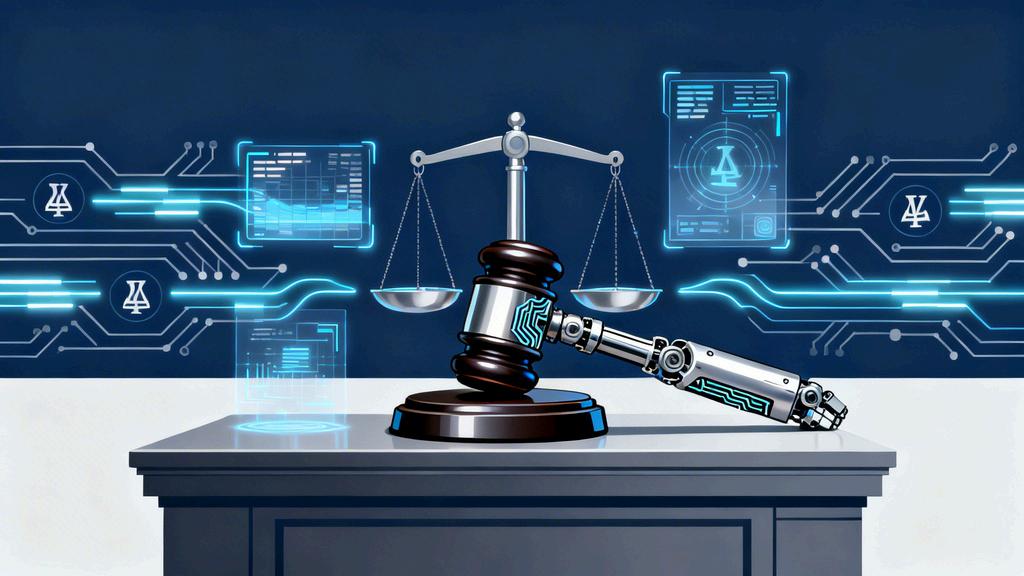
Generative Artificial Intelligence, or GenAI, is a unique tool in that it can produce new content when given a prompt by the user. Because of this feature, it’s use in legal research and proceedings raises numerous concerns.
One major challenge presented by the use of GenAI in legal proceedings is the issue of ‘hallucinations’ . GenAI systems generate text based on patterns identified in various large datasets. Public GenAI systems cannot be limited to source their information solely from authoritative sources on Irish law. Thus, although information produced by GenAI can seem credible at first glance, it is often the case that it’s interpretation of legal principles are inaccurate, or even completely fabricated. For example, in a 2025 Irish High Court case, Redden v An Bord Pleanala, Mr Justice Nolan identified the use of GenAI by the applicant, who had used a legal phrase unfamiliar to Irish jurisprudence in his argument, as well as making strong assertions that were poorly substantiated. Similar problems have arisen in the United States, where one case recorded 22 fictitious case citations generated by AI
GenAI should not be relied on by the user for legal analysis of cases and principles that the user is unfamiliar with. However, that is not to say there is no space for GenAI in the legal sphere. Some potential uses of GenAI, as outlined in the Judicial Council’s ‘Guidelines for Judges on the Responsible use of AI’ , would be the summarising and condensing of information, assistance with the writing of speeches, and administrative tasks. Even these potential uses are to be exercised with causation: any work produced by GenAI should be thoroughly reviewed by individuals who are familiar with the information in question.
While GenAI can offer the user some advantages in legal proceedings, these advantages are limited and require careful professional oversight.
On the 23 of february 2026, students, academics, and professionals gathered in UCC’s Aula Maxima to enjoy the 25 annual UCC Law Conference. The only student led professional law conference in Ireland was a resounding success. Attendees experienced an insightful discussion on ‘Artificial Intelligence Integration into Legal Practices: Strategic Transformation of Legal Operations, Improved Efficiency, and Enhanced decision-Making ’ The Dean of UCC School of Law, Professor Conor O’Mahony, delivered the opening remarks onto the long anticipated conference on Monday morning.
Conference Chair, UCC’s Professor Nessa Lynch headed two panel discussions, consisting of legal and business professionals, members of the judiciary, academia personnel and ministerial personnel, who gave their views on the prevalent topic. The two panels took a multi-pronged approach to the topic, with our first panel, featuring Dr. Barry Scannell, Elaine Morrissey, and Sean Groeger, discussing AI as a partner in legal practice and how it can be harnessed to maximise its potential benefits. Our second panel, featuring Senator Laura Harmon, MEP Michael McNamara, and Laurencia Maguire, discussed the ethics, risks, and accountability of AI in legal practice.The panels brought a diverse range of perspectives, providing insights ito AI as practicing solicitors.
UCC’s Conference Committee partnered with William Fry who kindly sponsored this event. William Fry ensured attendees did not leave empty handed, supplying merchandise for the conference goody bags. Co-Lead for William Fry’s Cork office, Laura Hoolihan, also spoke on behalf fo the firm, and provided her own insights into AI in the legal sector.
The chosen charity partner for this event this year was CyberSafeKids. This charity works hard to help equip children tight he relevant skills and knowledge to navigate the online world with confidence, resilience and safety. In recognition of thei relentless commitment to online safety, a charity raffle was held, generating an impressive sum of money thanks to the generosity of all attendees.
The 25 annual UCC Law Society Conference achieved the delivery of an important message on AI in legal practice, aided by the incredible wealth of experience of panellists and event partners
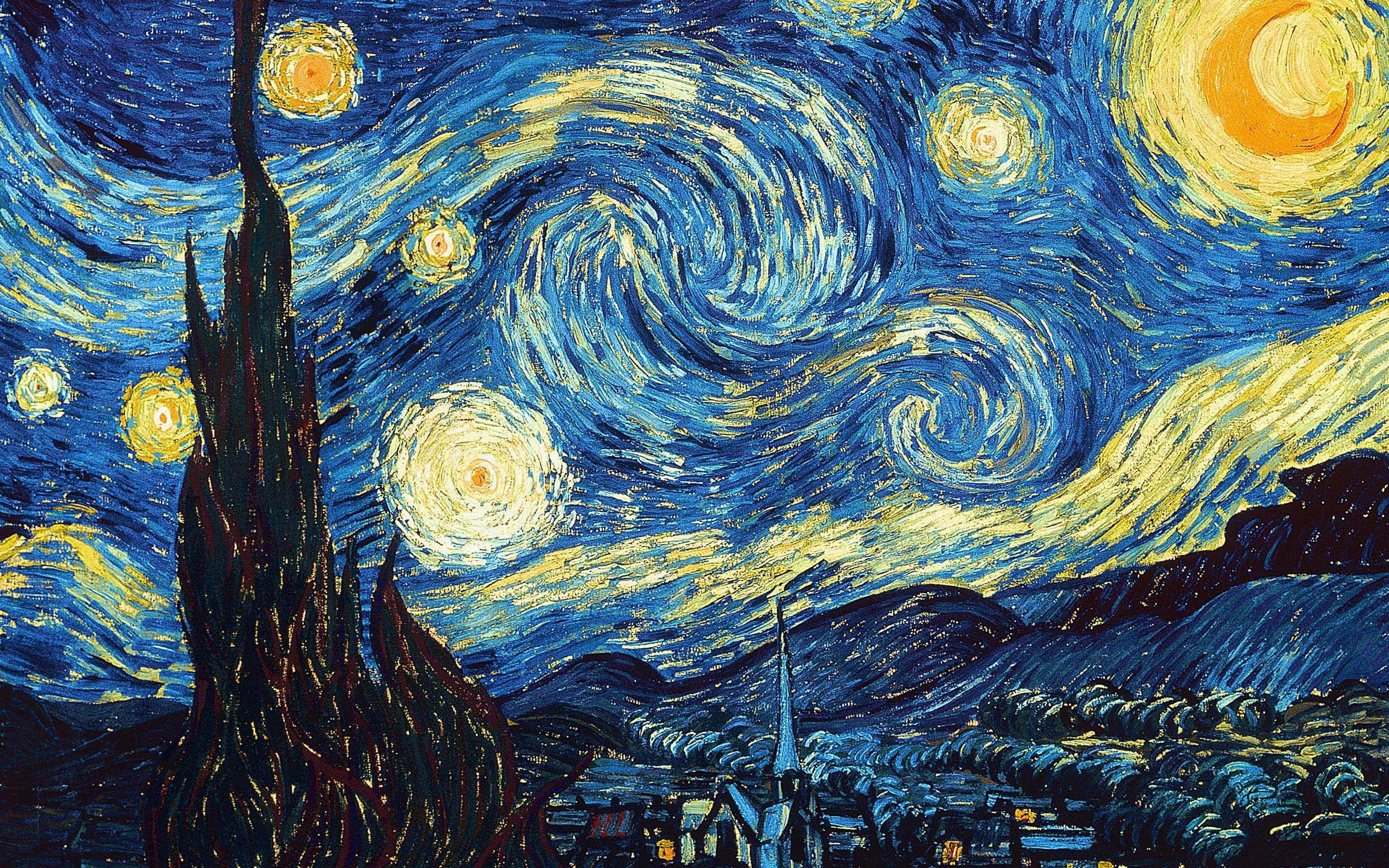



Character appearance is another area where Wicked carefully diverges The Wicked With in Baum’s book was not green, nor was she particularly glamorous. The green skin, sharp cackle, and specific makeup design were creations of the 1939 film. Elphaba’s skin in Wicked is a different shade of green, and her overall look, complete with asymmetrical hat brims, tailored clothing, and distinctive glasses sets her apart from Margaret Hamilton’s portrayal While both characters wear black and have green skin, their personalities and visual details are intentionally distinct

Wicked is a two part film, with part 1 having been released in 2024, and part 2 released in 2025 This franchise is based upon the ‘truth’ of what occurred in Oz through Elphaba’s perspective, showing that the previous narrative was politically motivated by the Emerald City, the Wizard and Madame Morrible This movie exposes how Elphaba’s ‘wickedness’ was carefully constructed and not true. Even the conclusion of ‘Wicked for Good’ ends on an almost flat note as we watch Elphaba succumb to the rumours and allow the society to paint her in their desired light This franchise represents Elphaba as finally getting the chance to challenge the defamatory narrative, although it occurs almost a century later



My name is Hannah, and during the summer I completed an internship with Arthur Cox in their Dublin office. I spent 4 weeks living in UCD accommodation with other interns from around the country, and it was genuinely one of the most enjoyable months of my life!
I was placed in the Capital Markets department, which I ended up loving. I thought that the internship was really great as I was essentially working alongside the trainees in my department, and I was trusted with real work. I got to experience what working in the firm was really like, which meant that I could decide if ‘big law’ was for me (it definitely is!). I completed real documents and final drafts that were sent to clients, was included in email chains and meetings, and the team made such an effort to involve me in everything they could despite the fact that I was only there for 4 weeks I was given work by my assigned trainee, as well as any other work by people on my floor who felt I would be interested in it. I definitely got a full view of the department and experienced the firm’s supportive culture because of this Our coffee breaks were really beneficial as well, as it gave me a chance to ask people in the firm about what they thought of Arthur Cox, get some valuable advice about FE1 exams, and also take advantage of the €1 matchas!
Living in Dublin was so different to being home! Arthur Cox is right in the middle of the city, next to Stephen’s Green. since it was the middle of the summer, and the weather was so nice, the other interns and I did not let the sun go to waste. Every lunch we spent on the grass, catching up and discussing what was going on in everyone else’s departments. On the weekend, we would all stay up and I got to experience a Dublin night out (Cork does not compare!)
I could not recommend Arthur Cox enough for an internship, and I can’t wait to go back once I graduate and finish my FE1s!
1. Timing really is everything 2. Avoid Speculation

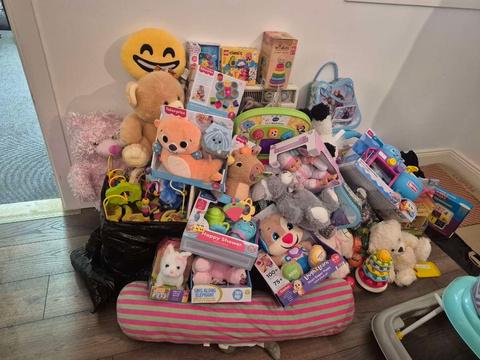
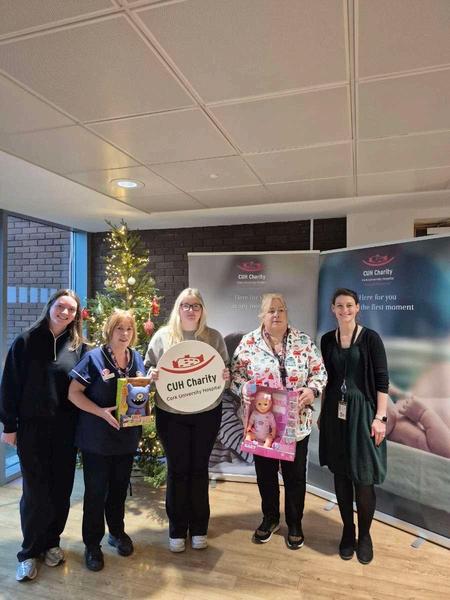
Organised by our Diversity and Inclusion Officer
Sarah Barrett, the toy drive ran from the 19 of November to the 3 of December, with three collection points established across UCC to maximise accessibility. From the outset, the responses from the UCC community was extraordinary. The generosity we witnessed was overwhelming, with collection boxes needing to be emptied and replaced on a daily basis due to the volume of donations received. th rd
Over the course of the drive, we received a wide range of thoughtful and generous donations. These included brand new books and stationary, a variety of toys suitable for children of all ages, and even larger items such as bikes and scooters. The quality and care behind each donation reflected the genuine compassion of those who contributed.
By the conclusion of the collection period, the sheer volume of donations exceeded our initial expectations. As a result, we were able to extend our support beyond Direct Provision centres and donate toys to several additional organisations, including Edel House and CUH Charity. Being able to broaden the reach of the toy drive was incredibly rewarding and highlighted just how impactful collective generosity can be.
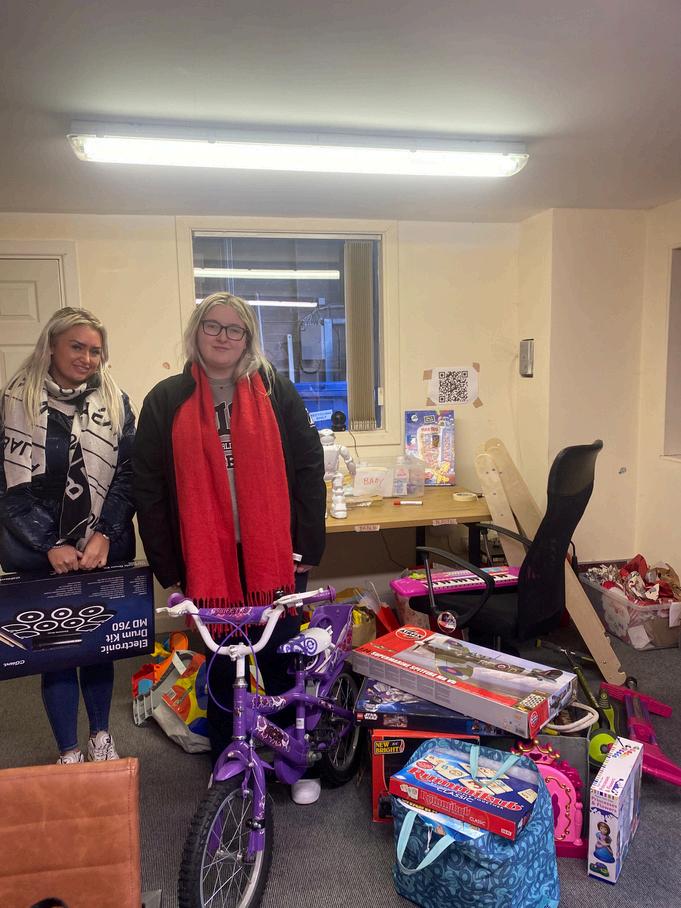
This initiative would not have been possible without the kindness and support of the UCC community. The willingness of students and staff to engage with the drive, donate so generously, and support its message of inclusion and empathy was truly inspiring. We are also immensely grateful to our sponsor, Arthur Cox, who’s support played a vital role in enabling the toy drive to take place.
Reviving the UCC Toy Drive was not only a logistical success but also a reminder of the importance of compassion, solidarity, and community action. We are proud to have played a part in bringing some comfort and joy to children and families during the Christmas season and look forward to continuing this tradition in the years to come.
Sarah Barrett