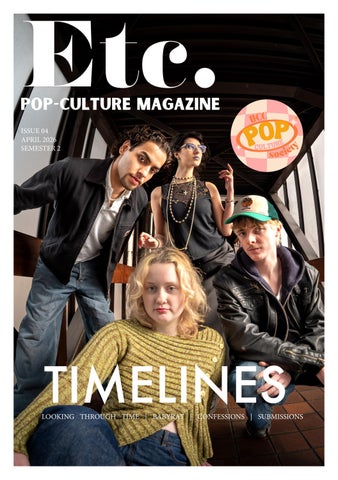
LOOKING THROUGH TIME | BABYRAT | CONFESSIONS | SUBMISSIONS

Issue 04 of Etc Magazine was originally inspired by the silent film Metropolis, which released in 1927 and predicts what 2026 would be like (Thanks to Ellie for the idea). Then, we thought of including a section on 2016 becuase of its pop culture relevance, and from there we came up with the idea for our “Timeline”. The Timeline goes through four unqie time points over the last 100 years, containing photos and student submissions all throughout. Each point in timeis littered with desing and culture referenfces to each of their associated eras, and creates a very interesting visual story.
From the team, to the models, to the fantastic Babyrat, to those who submitted their articles, poems and more, everyone involved really showed how high the bar can be for creative works like this. I’d like to to thank everyone who was involved and their willingness to create something unique. Additionally I’d like to thank everyone who’s picked up a copy and supported this work, we hope you have/will enjoy it. Go raibh mile maith agat,
- Rubens and Ellie.
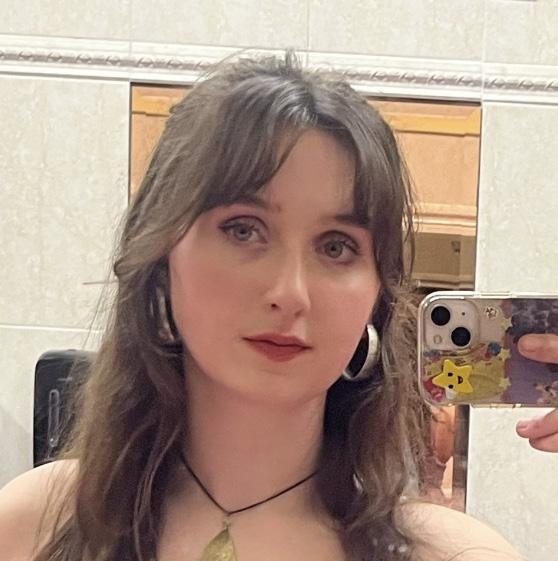
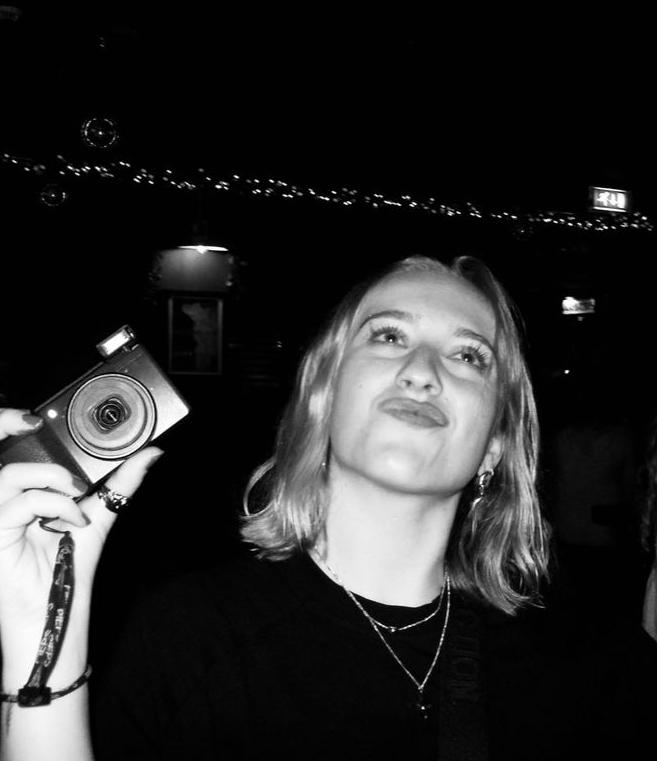

Working on the fourth edition of ETC. Magazine has been such a lovely experience that has opened my eyes to such a variety of creative and vibrant people within the sphere of UCC. I’m so thankful to have worked on this project with our amazing team, models, writers and BABYRAT.
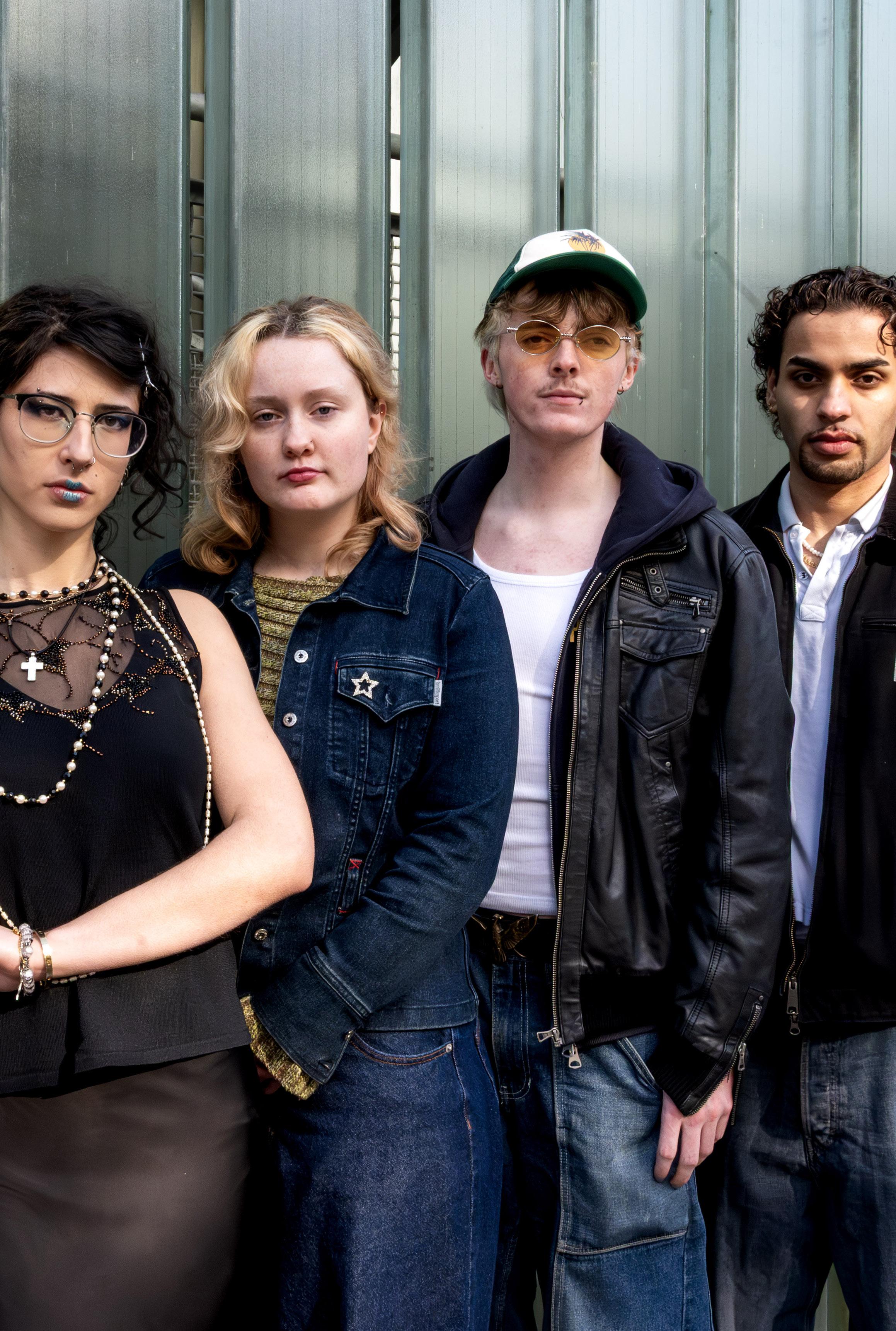
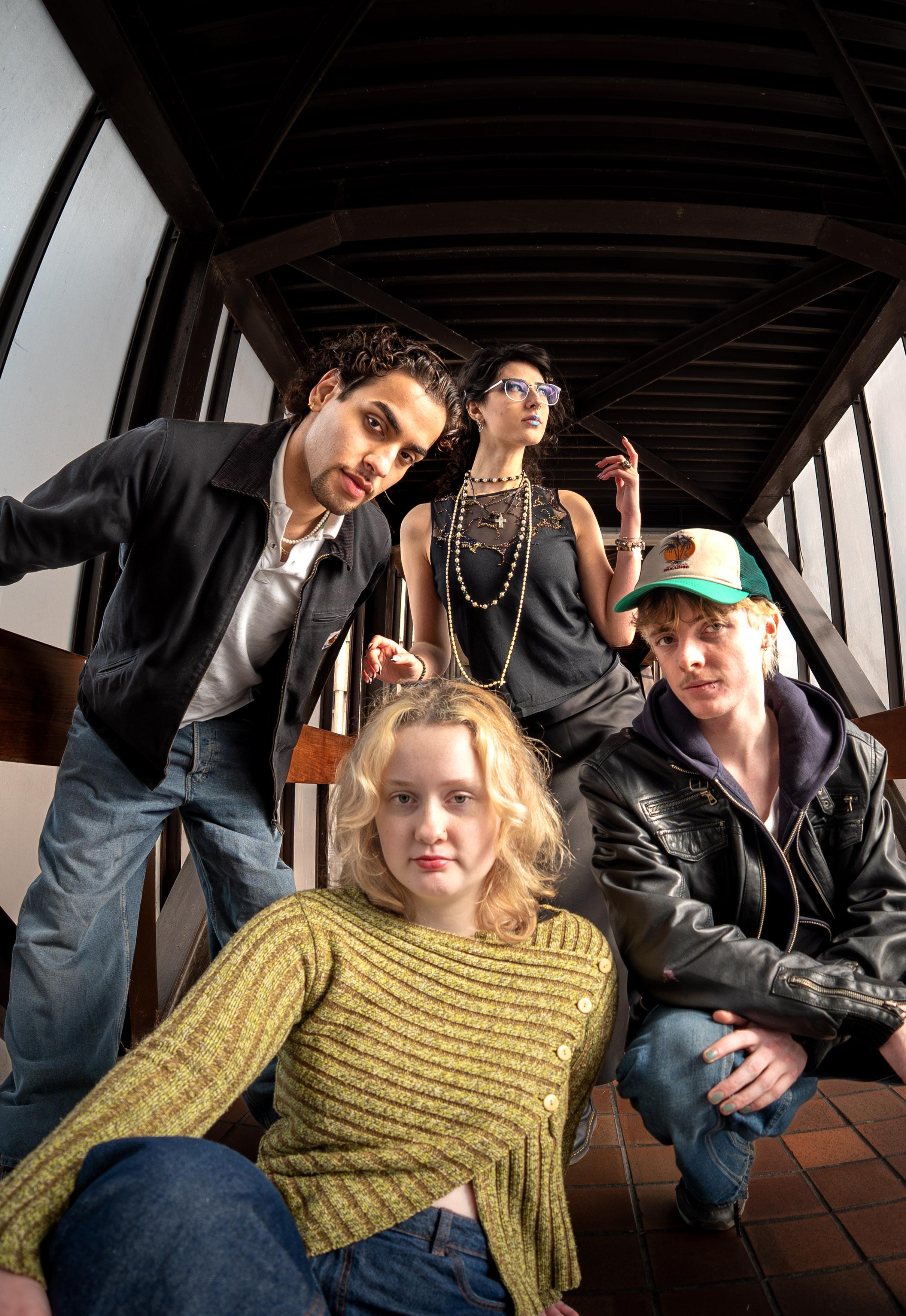
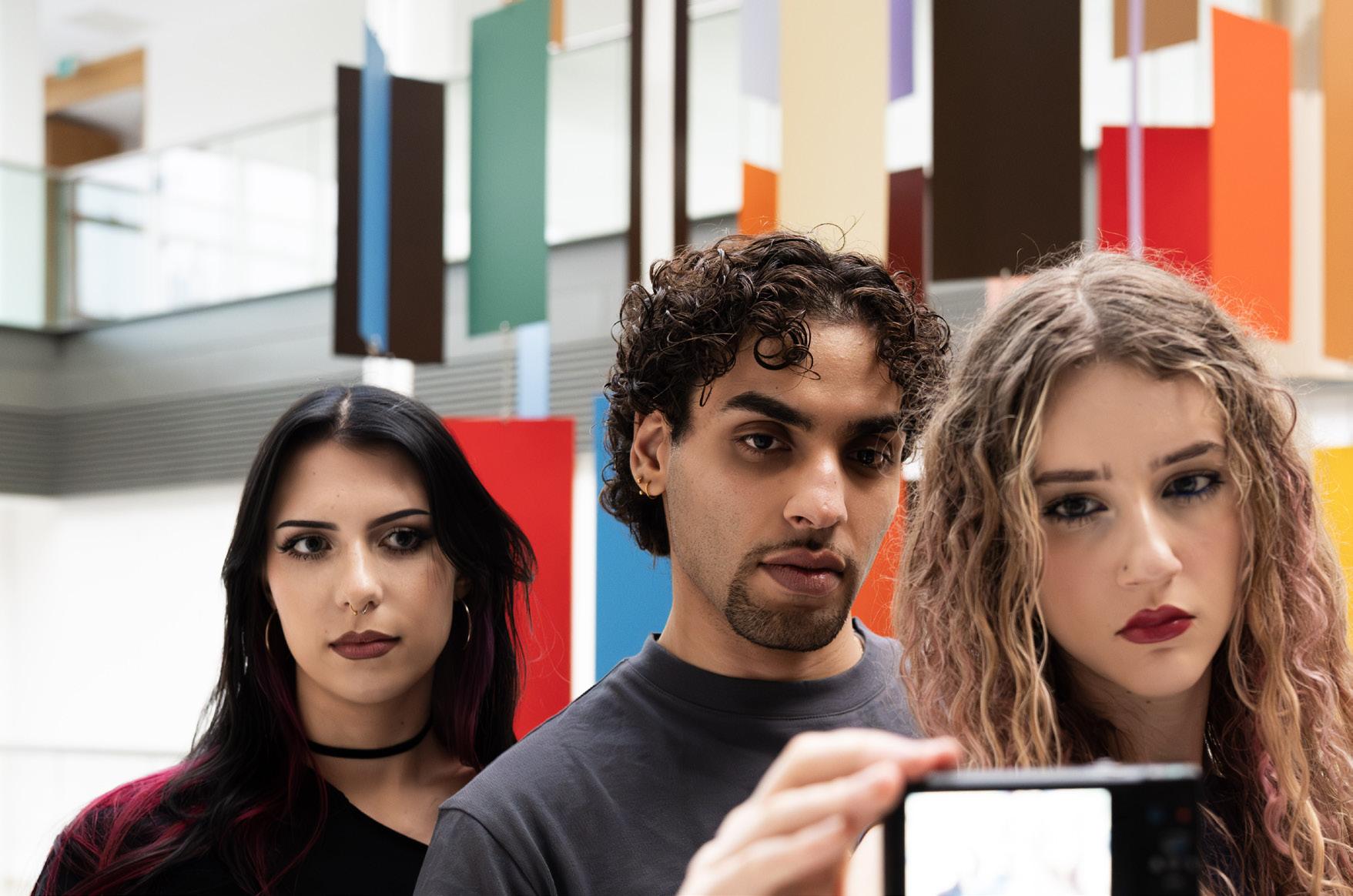
I’m Adair and I am the photographer for this edition of ETC Magazine. The committee and I had a whole lot of fun onset our photoshoots and I hope you, the reader, enjoy the final product and possibly let it spark a bit of creativity within you as it did me.
I’m really happy to have been part of such an amazing team and working to create something that we can all be proud of. The shaping of the design and the message of this issue has been a very enjoyable creative process, during which I got to meet some really wonderful people. I hope everyone enjoys reading this issue as much as we enjoyed making it.
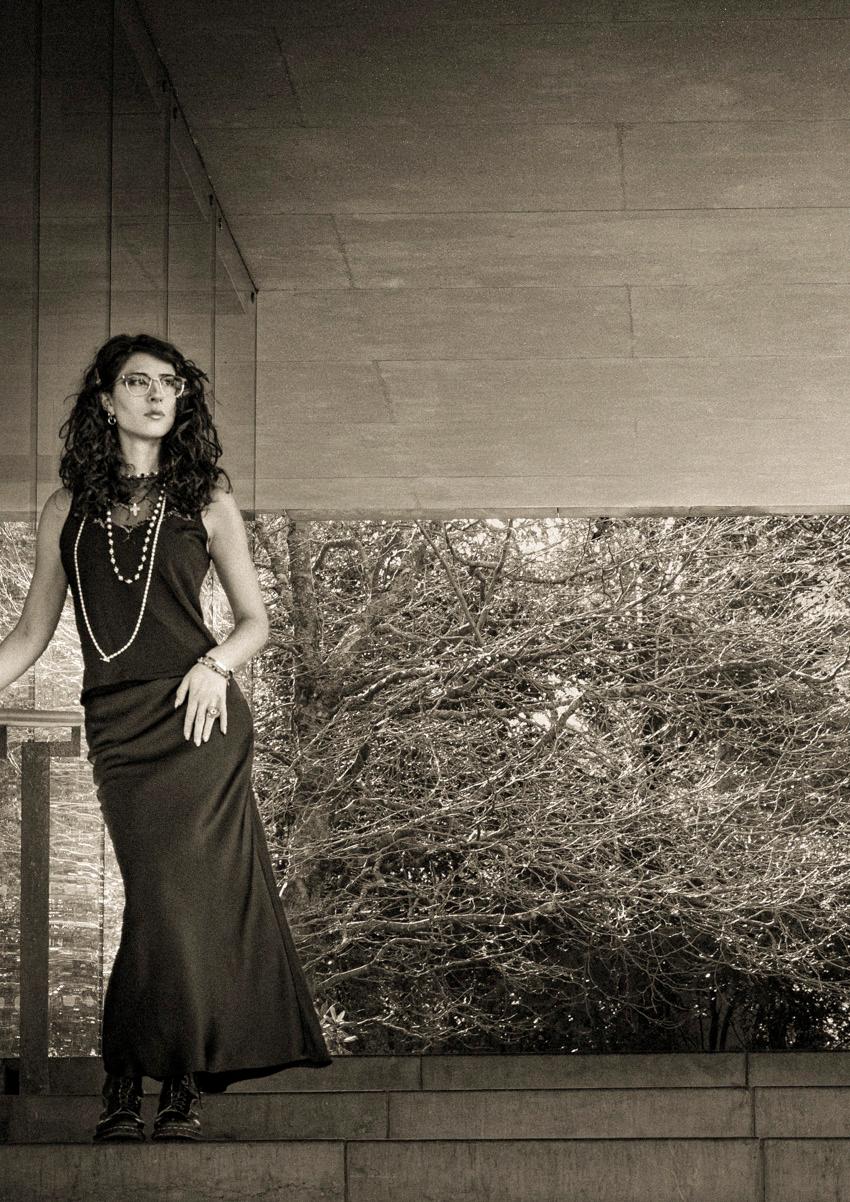
Metropolis Grey 1927
Have Writers ran out of ideas?
By Abby Dillon
The last century of filmmaking has seen an influx of remakes of well-known and well-loved novels – in fact, the first ever technicolour film The Wizard of Oz was an adaptation of L. Frank Baum’s The Wonderful Wizard of Oz. The book-to-film adaptation has long since established itself as a timeless institution of cinematography, from its earliest traces in George Méliès’ 1899 silent film Cinderella to more recent films such as Greta Gerwig’s Little Women. There is no denying it - telling a story that has already established its’ success almost guarantees to draw an audience in. Suzanne Collin’s The Hunger Games grossed at a whopping $3.3 billion dollars worldwide across five films with its book-to-screen
adaptation, making it one of the most highest-grossing film series of all time, preceded by other book adaptations such as J.K. Rowling’s Harry Potter and Stephenie Meyer’s The Twilight Saga.
But with a constant access to film through streaming comes a growing demand for new media, and as a result production companies are forced to churn out movies at a rate never seen before. What once was a classic manner of honouring a high-quality story has become a strategy to keep up with endless demand and binge-culture. As a result, this has created a higher appeal towards profit for production companies rather than the desire to honour the creativity involved in screenwriting. The suggestion that
the book-to-film adaptation has become a lack of creativity and more of a cash grab as of recently has been raised among concerned fans who have flocked to cinemas to see a new spin on a beloved story, only to be disappointed by poor quality, sloppy storytelling that lacks the same depth and attention to detail as its book counterpart. The success of adapting literature into cinema cannot be understated, drawing in a guaranteed crowd of source material fanatics. But where is the line drawn between a successful adaptation and a sloppy money grab? Stephenie Meyer’s icon of young adult fiction The Twilight Saga may prove that the secret lies not in an improved overall quality in the cinematic experience, but more in an acute awareness of why ex-
actly the book was successful amidst fans. The series, albeit notorious for its corny writing and cliché romance tropes, caused a sort of phenomenon among vampire-crazed teenagers and young adults alike, sparking endless ‘Team Edward or Team Jacob’ internet wars and a seemingly infinite amount of fan fiction (in fact, Fifty Shades of Grey started as a Twilight fan fiction – and now somehow has film adaptations of its own.) And the movie followed through on that success by shadowing exactly that – cheesy writing, love triangles, and a lot of vampires. Almost every famous director has, at some point during their career, retold a pre-existing story in film format; from Stanley Kubrick’s rendition of The Shining to Greta Gerwig’s Little Women, as well as Denis Villeneuve’s two-part adaptation of Frank Herbert’s legendary sci-fi phenomenon Dune. Each of these productions were huge hits for their high-budget production and for enhancing the world and character building of their source material, paying attention to the details of the story and allowing for a satisfactory visual representation of their respective novels.
Frankly speaking, there are very few people who wouldn’t file into a movie theatre in order to see a book they read portrayed on screen. And it seems that production companies have become increasingly
aware of this, and not just out of appreciation for literary works. Taking on a book as source material puts the production at risk of insulting loyal fans for sure, but that doesn’t necessarily mean that they won’t still want to see their favourite books adapted to film. Adapting from books reduces the risk of a box-office bomb by large, essentially franchising off a pre-demonstrated loyal fanbase.
And with the mass influence of social media trends such as Booktok, directors can quickly identify popular books and bandwagon off their success. And it seems that is exactly what many are doing, especially in the ever-demanding age of streaming. Companies are churning out lower quality renditions of viral books by the second - Colleen Hoover’s controversial It Ends With Us got its own adaptation in 2024, despite it receiving a considerable amount of backlash. The movie’s reviews indicated that it was about as divisive as marmite in opinions as the book it is adapted from, with some praising its portrayal of complex relationships, and others, not so much. And yet it was a massive box office success - the film grossed over $351 million worldwide despite conflict among its actors and a slew of controversy surrounding what went on behind the scenes.
The trend of book to screen adaptations could be boiled down
to several reasons: the first, previously more common reason was a genuine directorial interest in the source material and a desire to re-create the story visually. But recently it seems to be an increasing demand for media churned out and consumed at a ever-quickening pace that’s shortening times between book releases and film deals. Studios have been put under pressure to waiver their creative direction and quicken production times in order to keep up with demand, and it seems that as this strain increases, the authenticity of scriptwriting and creativity fades.
That being said, there’s no shortage of creativity in the film industry, even among bookto-screen adaptations. Nevertheless, opinions can be mixed amidst the audience, especially when directors and producers decide to employ their own creative license to a pre-existing plot. As aforementioned, this past February saw the release of Emerald Fennell’s Wuthering Heights, highly anticipated by viewers - but perhaps not for all the right reasons. Objectively, the film was visually stunning, well-portrayed by a star-studded cast of actors, and captivated audiences with soundtracking from Charli XCX, who set the moody and sensual tone for the movie with an entire album crafted purely for the film. However, Fennell’s creative direction took the film in a direction that outraged
purists of Brontë’s timeless classic, receiving a surprisingly mediocre 58% on Rotten Tomatoes.
Now more than ever, bookto-film adaptations are being nominated for the most prestigious prizes in a variety of award shows – Chloé Zhao’s adaptation of Maggie O’Farrell’s Hamnet garnered eight academy award nominations, including Best Picture, Director and Actress, alongside 11 BAFTA nominations and taking home the award for best British film. There’s a clear appreciation for the craftsmanship that goes into retelling a story and serving justice to a pre-loved story. Productions company know well what just works – and what doesn’t. So, does modern cinema really lack creativity in an age where adapting pre-existent stories is becoming increasingly prominent? The truth is the existence of poorer, profit-oriented adaptations cannot negate the amount of craftsmanship poured into years of retelling stories and enchanting an audience who flood cinemas to experience the joy of hearing their favourite stories once more. The truth is the book-to-film adaptation is a longstanding tradition in storytelling, and while some may regard it as a definite way of drawing in profit, others understand the true appeal of this institution stems from the joy and comfort that retelling a story brings to an audience; from childhoods spent watching ancient fairy-
tales whose Disney remakes trace all the way back 1927, to to the countless amount of Roald Dahl’s classic children novels adapted to the screen, book-toscreen adaptations have delighted audiences for the last century. The book-to-screen adaptation is not just an institution rooted in the history of cinema and its’ development, but something that is deeply connected to the nostalgia of childhoods spent watching their favourite stories being retold in cinema. And while production companies may look to it now for the profit it draws in, it simply does not negate the power of a director’s appreciation for a well-told story and the desire to instil that same emotion once again in viewers.
Written by Abby Elizabeth Dillon

The yellow light, rings around his eyes, he takes time to move the hands back, any hair out of line he exacts.
His picture is twisted and unkind.
He refuses all outside interference, his body will not change, his mind is set.
A beast of impassioned conviction, he profiles his border with imperial ambition. He leaves for months on end to hang in the gallows of his family tree, his iron temple does not wrinkle at the sight of a terror looming. He fears steadily declining, he cannot tell when or where he is hiding. His haunted house cannot hold any more memories in its ironed folds.
The contemporary Gray, he criticises his kin and yet finds nothing to say. He is drunk on his awe to the image.
– Oisín Brew-Dinan
By Molly Rhoades
I lived in a city where men spoke vaguely like electricity, and cut shadows out of black paper. We went to work under the authorized contours of their architecture, spearing street corners, pointing to the heart of the metropolis which was empty.
They carved daylight into shards, stuck and injected them into our arms as we emerged from alleyways. Not much. Just enough to keep us walking.
Their voices fell from skyscrapers which tore clouds into tissues, words wrapped in ripped skin, a little bit bloody, but soft, like static blankets being wrinkled in the canals of our ears.
Nobody ever saw them, but they sounded powerful. I imagined gold medallions in their chests, crystal faces cracked, doubling the size of their mouths to speak twice as many orders, all whistling through the gaps in their cog teeth, rolling, gnashing against each other, tasting hints of iron in air the texture of fresh, red meat.
I wrote this poem after watching Robert Wiene’s The Cabinet of Dr Caligari and Guillermo del Toro’s Pan’s Labyrinth. They both captured a fear of authority following national conflict, and a contrary desire for leadership to curb a backwash of chaos, using the German expressionist technique of blending characters with their environment. I loved the triangular shadows painted into the sets in Caligari. They created a violent and distorted dreamworld all
mirrored by the silhouette of the dagger Cesare carries as a puppet of authority. I also loved del Toro’s portrayal of the captain’s immortality-obsession through assimilation with clocks: like the cogs in his room, he mechanically counts down the seconds until the birth of his heir. The orders given by these authority figures are questioned by some fearing dictatorship, and followed by others fearing conflict, so I tried to write something of the paralysis state in
between. The cut shadows in the city spear the citizens as Cesare spears the clerk. The authority figures are hidden in skyscrapers, above everyone, throwing down orders like machines rather than empathetic human beings. All of this falls on citizen ears like static, identifiably wrong, but too deeply instated to be challenged.
- Molly Rhoades
Let’s go back to May 2nd, 2024. That was the dev- astating day the old UCC Confessions admin decided to step down. Like everyone else, I was just watching, wondering who would step up. Later that evening, I was on a call with a friend discussing it when a crazy idea popped into my head: why not start the new account myself?
I’d always loved reading the old confessions, constant- ly waiting for the next post to drop. This way, I figured, I could see them all as they came in. So, I created the account and made a logo. But I wasn’t alone. Suddenly, there were a few other “com- petitors” with the exact same idea. They had higher follower counts because they followed hundreds of people hoping for a follow-back. I decided to stick to integrity, only following a handful of official societies. I had to find another way to stand out and become the new “official” confessions page.
Here’s a confession about the confessions: to get everyone on board, I had to fake it till I made it. In those first few days, I found and posted confessions from other universities. It was a strategy, people are wary of submitting to an empty page. But when they see confessions being posted, they feel safer and eventually just go for it. It worked.



Has anyone ever come close to finding my identity? Nope. Only three people know who runs this account. I originally asked them to help filter through the submissions, but they’re all too busy, so it’s just me. Alone. Reading through an average of 70 to 80 confessions (sometimes more!) a week and selecting the best ones to post. I usually spend 2-3 hours on this per week, reading, filtering, and posting. It adds up! And that brings me to the biggest challenge. A lot of you have been mad at me for posting negative content or crashouts. Here’s the honest truth: I don’t have much of a choice. The majority of submissions are negative, and the rest are usually the same recycled topics week after week. I have to work with what I get..
In response to those who critique the negativity: it’s never my intent to hate on anyone. I view this page as a platform where students can share their thoughts freely without being confronted.I hope it can be taken as feedback, a chance to reflect and improve. At the end of the day, it’s just me, my phone, and your secrets. Thanks for trusting me with them. People sometimes compare this to Gossip Girl, I’ll take that as a compliment. You know you love me. XOXO.
The statue of a horse with no ears outside the Boole really confuses me. I believe it’s a symbol for a secret organisation of the UCC elders who are all actually earless horse people who farm ears from students. I mean, think about it. Some people you might see on the first day of college and then never again. Why is that? Simply because the horse elders got their ears.
Ellie’s fav confession:
I came back to my flat halloween night o my roommate geting his toes sucked on our SHARED couch in the sitting room. It’s been like a week and I still haven’t spoken to him… or sat on the couch.
Adairs fav:
I have lost so much of my life having to use the authenticator when signing into my UCC account and then it has the gull to show a don’t show again option but it ALWAYS SHOWS AGAIN.




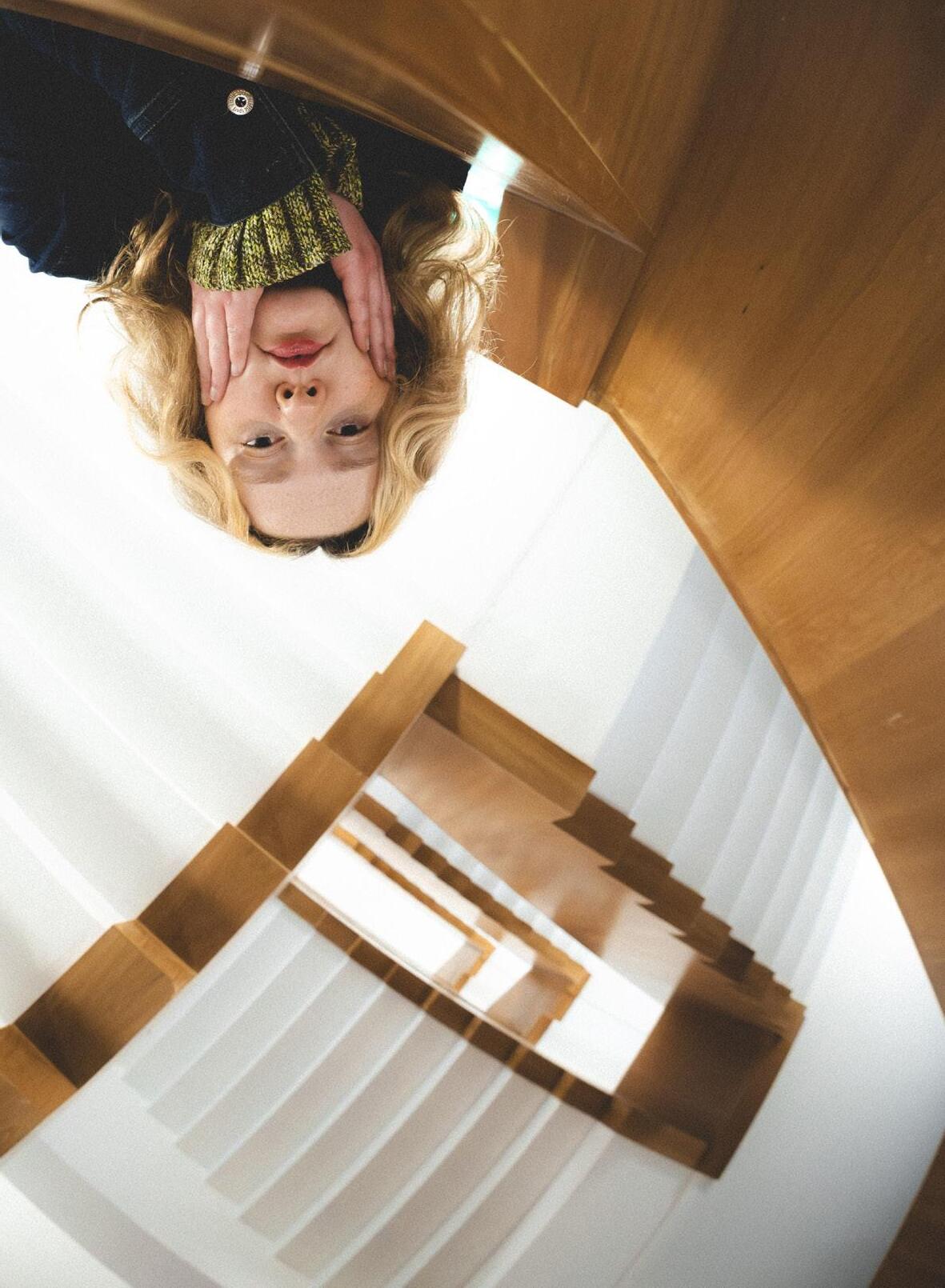
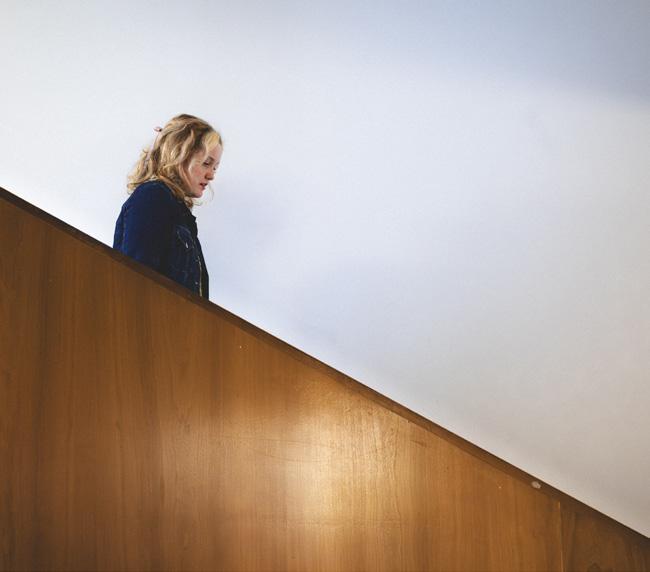

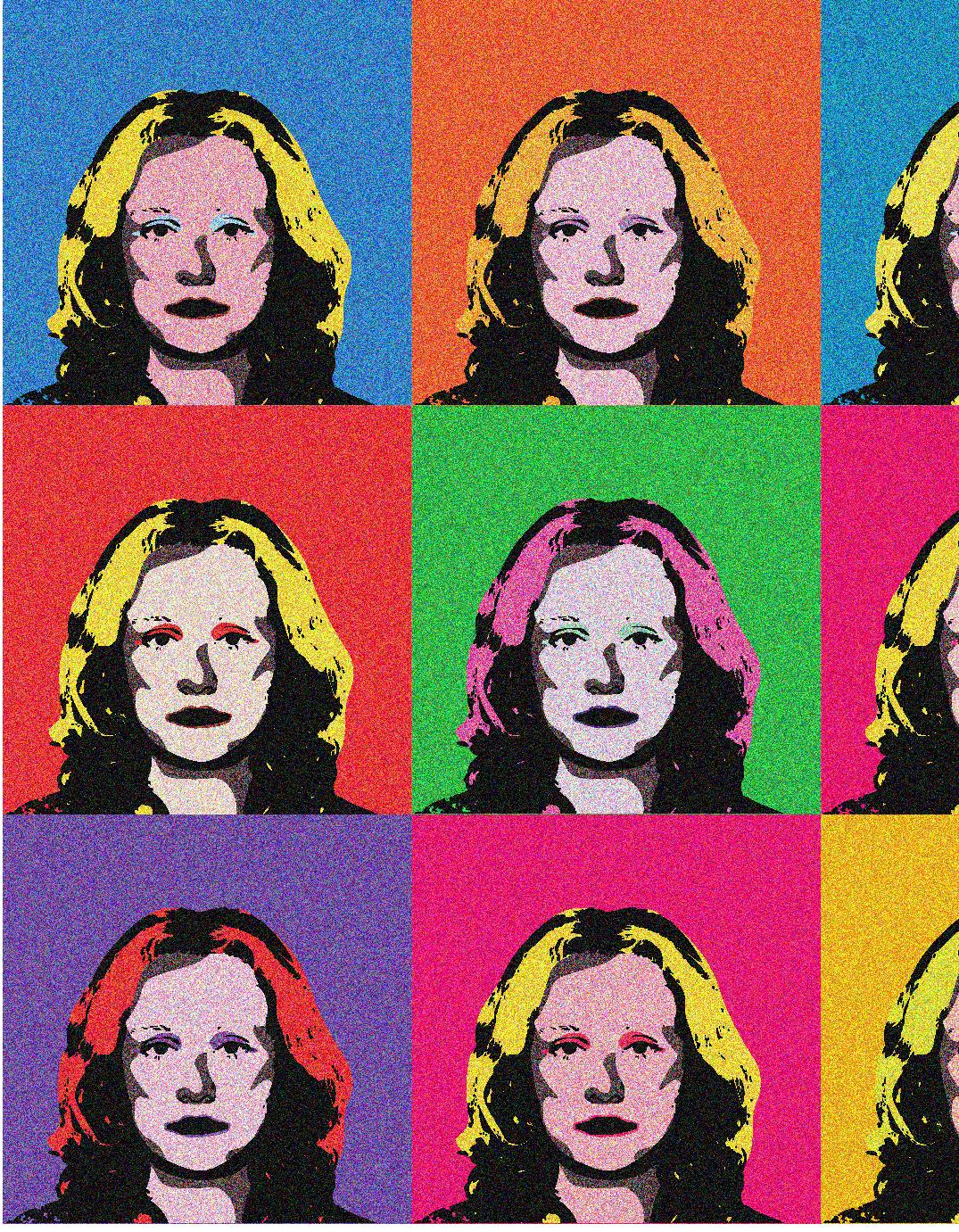
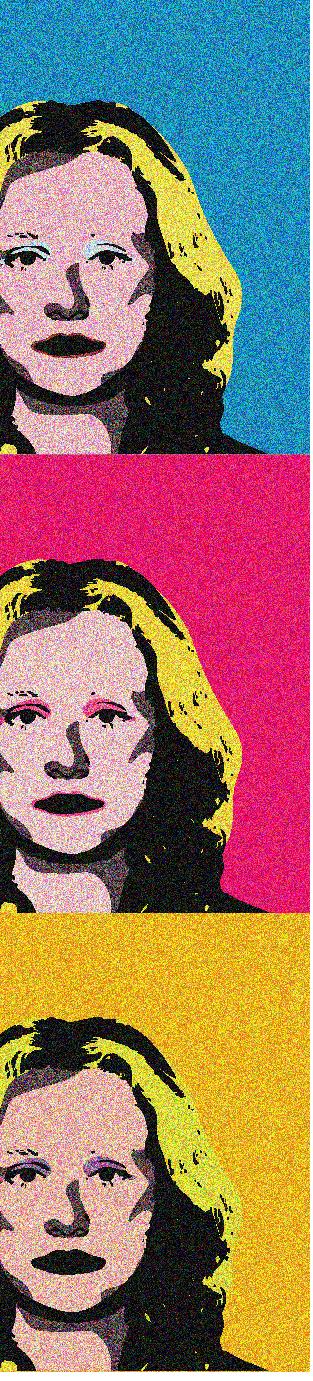
Lost in the standards of beauty, something that resonates to me. Stuck in a world that is changing constantly. The non stop pressure creeping up on me, lost in this mindset of why can’t we just be who we choose to be?
Living in a society that dictates the way we see, why do we always have to listen? Why do we always have to let that be?
With standards always changing, doesn’t that show you that “perfection” is something that isn’t meant to be? It is just someone else’s perception of what perfection could be. Why not be happy? Why not be me? Forget the standards and just be free.
There is beauty in everything, in you and in me. Change that perspective and be happy just the way you deserve to be.
- Jade O’ Mahony.




buying these preloved clothes if Vinted wasn’t trending all over my for you page? Some may call it good marketing, I consider it the resurgence in our cultural memoir. What was viewed as ‘’old’’ is now ‘’vintage’’ and all the more desirable, but I guess you can label it what you want if it helps our societal consciousness. Shouldn’t that be our end goal while we have the chance to influence our current timeline? ‘’Rolling with the times’’ funnily is an expression that has surpassed time yet remains a concept that hasn’t gotten easier. You would think with new technology that adapting to new changes would become easier, but these are all elements that make it that much harder. It seems to me that just as I learn to curl my hair a certain way, suddenly we aren’t putting heat on our hair anymore. Trends are
constantly going ‘’out’’ and coming back ‘’in’’. I think it’s important to question where do they go, or more importantly – why do we let them leave? Only society can control pop culture timelines. If we tried hard enough, we could probably keep Taylor Swift at no.1 on the charts forever… although she seems to be there often enough anyway (Go Taylor!). But in all seriousness pop culture only has time defining eras because we allow it to. It’s not our fault, usually it’s subconscious. Of course, we may get sick of the same songs and stop listening to them, maybe we realize that we’ve had enough polka dots for another thirty years or perhaps society decides it’s ready to be bold and try a new cut of jeans (although the verdict is still out on the skinny jean resurgence). Choosing to explore deeper just shows
that pop culture has a timeline because we are constantly trying to keep up with the ‘’next best thing’’, and often we forget that maybe that new Rhode blush we have sitting in front of us is cool for longer than three months. As students I particularly find that often we are the creators of trends. As young people we are often looked to for what is ‘’in’’ yet if you think about it, we are only at the beginning of our own timelines. How do we know our own kids won’t cringe at Adidas Sambas, our ‘’TikTok Rotting’’ and our ‘’bronzer blindness’’? We simply can’t know and if we dwell on it too much, we’ll forget to be present in our own arc of the timeline, and there’s nothing worse than feeling nostalgic over a period you forgot to actually live in. The 21st century in which our youth encapsulates has been consumed by
y2k style, low rise jeans, high top Converse to Birkenstocks, oversized hoodies and Longchamps. These things have come and gone, some may be here to stay but I often believe we fail to appreciate what remains ‘’timeless’’. If we consider what’s trending now - polka dots, matcha, Rhode Beauty, Olivia Deane and acai bowls, how is this different to tie dye, Shirley Temples, Fleetwood Mac, bell bottoms and the ‘’Jackie O’’ influence? Trendy food, fabric and ferocious leading females, granted Kennedy mania was stronger in the 60s and 70s than it is now but shows how legacy can surpass time. Just look at the newest Carolyn Bessette Kennedy fandom, same family, same influence yet one tall blonde with fresh style and a strong character can influence a cohort of youth over 20 years after her time. If you
compare Jackie Kennedy’s 60s tailored skirts and trench coat staples to Bessette’s polished 90s minimalism we can evidently see how trends resurface through time. The media undoubtedly aids pop culture evolution, the hottest new ‘’must watch’’, ‘Love Story’ (2026) follows the lives of JFK Jr. and Carolyn Bessette and has seen adoring youth worldwide swapping pristine hairstyles for that natural flow, and a chunky hoop to perhaps none at all. We struggle to ‘’roll with the times’’ because trends can always come back (hopefully not to haunt us *cough, slime videos*). I myself would live without ever using a fidget spinner again but something tells me the resurgence of the headband could be a huge success, but did it ever go out at all? What’s clear from the pop culture evolution is that we as humans are widely
impressionable folk that don’t want to fall behind, and I think this is a significant constant in the timeline. For years, judgement and suppression clouded fashion, now we glorify Paul Mescal and his short shorts. Eighty years ago, certain choices would have been obscene, now they are praised for their artistic bravery and soon enough they will probably too be things of the past. As trends rise and fall to popularity over time, we can never take away that they truly did embellish the pop culture we embrace today. We laugh at some pop culture moments lived by our parents – severe chunky highlights, grunge and boy band madness, but in thirty years when our own kids come across our ‘’VSCO Girl’’ shell necklace era, it won’t be too funny then, but what 14 year old isn’t going to choose to ‘’roll with the times’’.



Deep breaths go hand in shaky hand
With a neurotic last adjustment of
A lose strand from my ‘do of the decade’
That has escaped all the layers of pomade
After a shout and a honk away we drive
Too fast as feathers and butterflies
Flutter in the summer’s stomach streetlights
From buzzling wallstreets into What promises the peninsula holds tonight
Might be the night that finally
The doors swing open
Exposing sweaty flappy dresses
Swaying to saxophones
Champagne overflows the Ellington notes
Every suit looks like his
Every silver watch tells the same time
But is somehow different
Ever since that million dollar smile
Made its way to me through the crowd
In which now I’ve lost my friends
Lost track of how many flutes I’ve had
And how I will ever find him again
Lost count of the amount Of bubbles in my mouth
How many hours I’ve wondered about
What dress I’ll be wearing
And where is he now?
Every day seemed a decade since ‘Please do show up to the next’
Played like a phonograph
On repeat in my head
Finally
Mr. Nobody comes from Nowhere
To grow taller
And the art deco walls appear
Around the sudden Great presence
Cast in blue light lies before me
The chance I’ve anticipated all night
When his wandering blue eyes
Rest on my week long practiced smile

Suddenly his gaze is drawn to the shimmer
In her blonde hair that outshines mine
Her black-feathered lashes lure him in
And from his breath comes the shape of her name ‘Daisy’
Martina Corella Oliver
2011 2012
What comes to mind when you hear the word ‘burlesque?’ Some people might think of the 2010 film starring Christina Aguilera as a struggling waitress-turned-cabaret dancer. I write this as I’m back in Cork after a trip to Dublin to see Dita Von Teese’s new act Nocturnelle. Dita introduced me to the art of stripping amongst feathers and rhinestones when I was honestly too young to have a burlesque dancer as my absolute idol. What struck me while watching her show was the variety in both performances and performers. It was presented by a drag queen, and included performers of all different body types, gender presentations, and coming from all four corners of the world. The audience itself was quite diverse, men and women of all ages, all entranced in the glitz and glamour of Dita’s performance. But what does all this diversity have to do with what is, in its essence, a striptease show? In order to understand, we have to go back in time and peel the layers that hide the true nature of the world of burlesque. Believe it or not, burlesque originates in literature. The term was first used in the 16th century work of Italian writer Francesco Berni’s Opere Burlesche. But what relation does that have with taking your clothes off? Not much. We must understand burlesque as a form of satire, a comedy genre used to point a finger at the aspects of society that we find ridiculous or laughable. Burlesque is, by definition, political. It slowly creeped its way into theatre, and in the 19th century, made it to the music halls that grew exponentially in popularity in the form of vaudeville and revues. While burlesque originated in Europe, it quickly made its way to the United States, where, in between the sketches and gags, it included cross-dressers, musical performers and, at the heart of our discussion today, strippers – or peelers, as they would come to be known. The entertainment world had been toeing with the idea of striptease for a long time through chorus lines and the popularity of places such as the Moulin Rouge or the Follies Bergère. Starting in the 1920s skirts became shorter and the idea of the ‘modern woman’ slipped into the mainstream. The first burlesque stars appeared alongside popular pin-up models, ready to rock the idea of what was considered presentable. They were glamorous, unapologetic, and it was impossible to keep one’s mouth open when they stepped out on stage decked out in gowns that belonged in the silver screen – and even harder to regain one’s composure once they took them off. They performed to the beat of trendy jazz tunes and fought to find a place in the most prestigious variety shows such as the Ziegfeld Follies. Each dancer carefully thought out an act that made her stand out from the long line of girls waiting for their big chance. Sally Rand premiered the use of feathered fans that has since become a staple. Gypsy Rose Lee performed poetr onstage and was said to be so eloquent that she didn’t need to undress to capture the audience’s attention. Zorita shocked the public by performing with live snakes. Lili St. Cyr – known as ‘the Anatomic Bomb’, isn’t that an awful sign of the times? - was a storyteller who performed narratives with beginning, development, climax and ending. As recently as 1973, the Rocky Horror Show’s Janet Weiss exclaimed: ‘God bless Lili St. Cyr!’, and I can’t help but agree. Their lives offstage further reflected this idea of the modern woman, living mainly at night and dripping in jewels and in scandals. Gypsy Rose
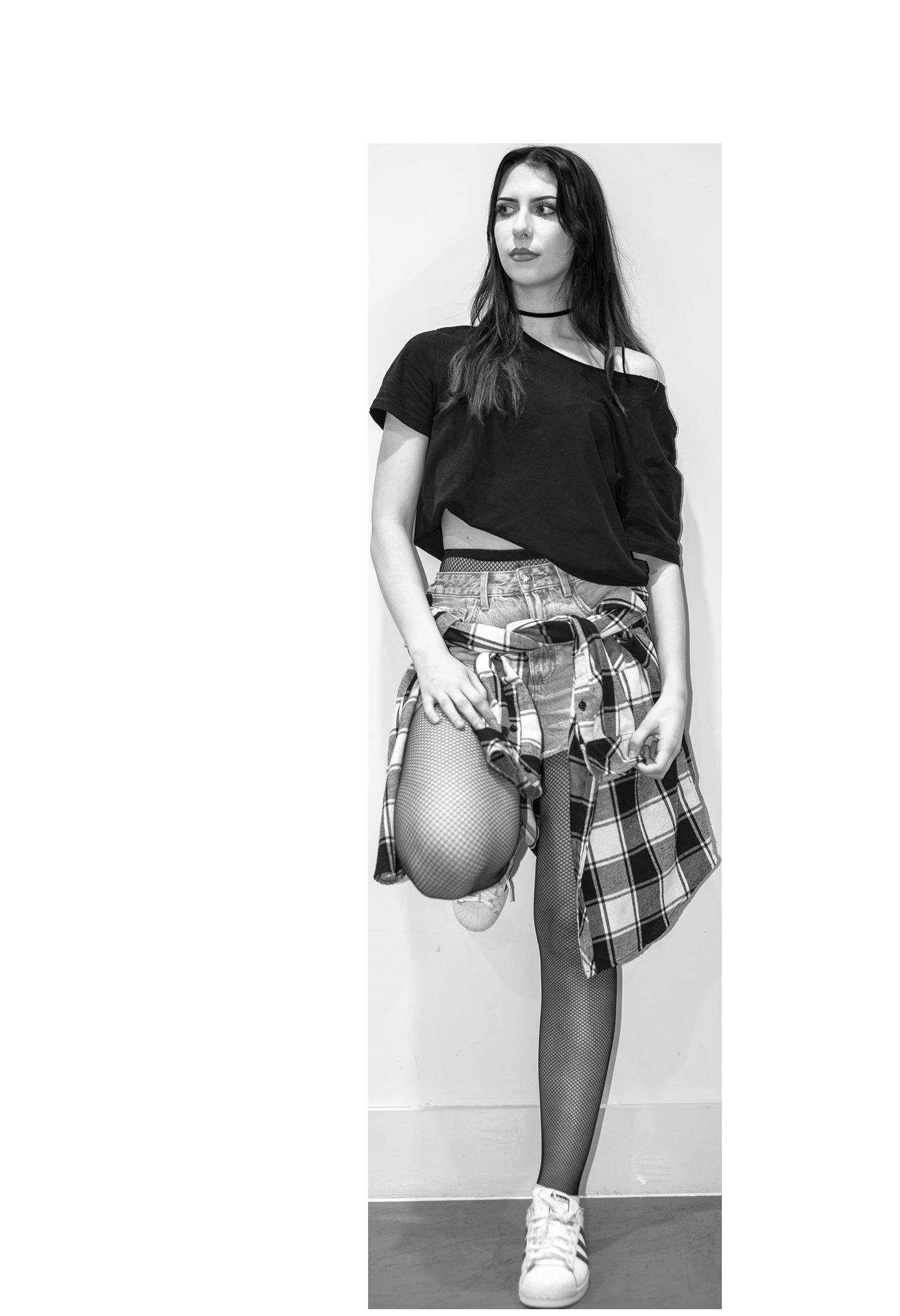
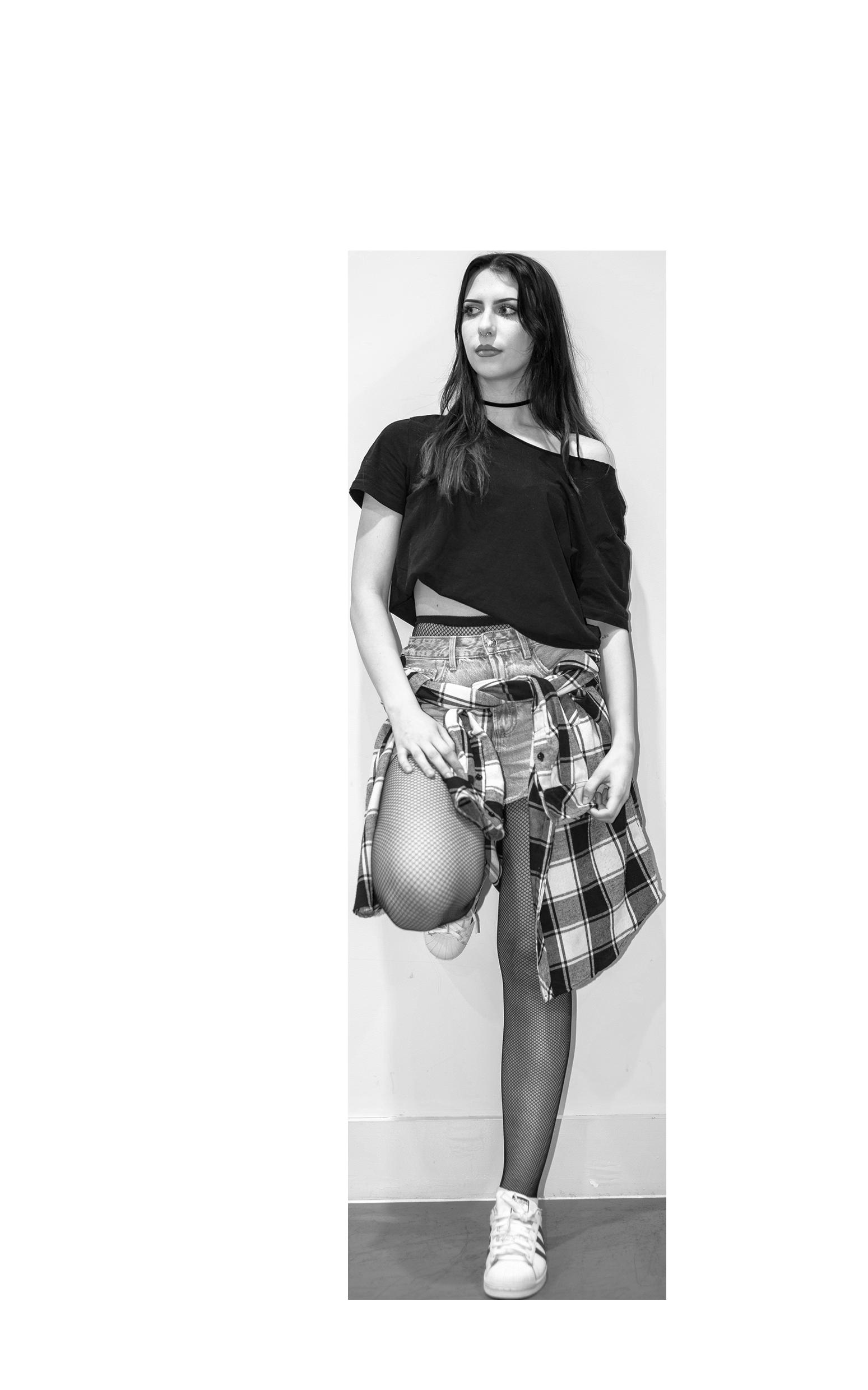
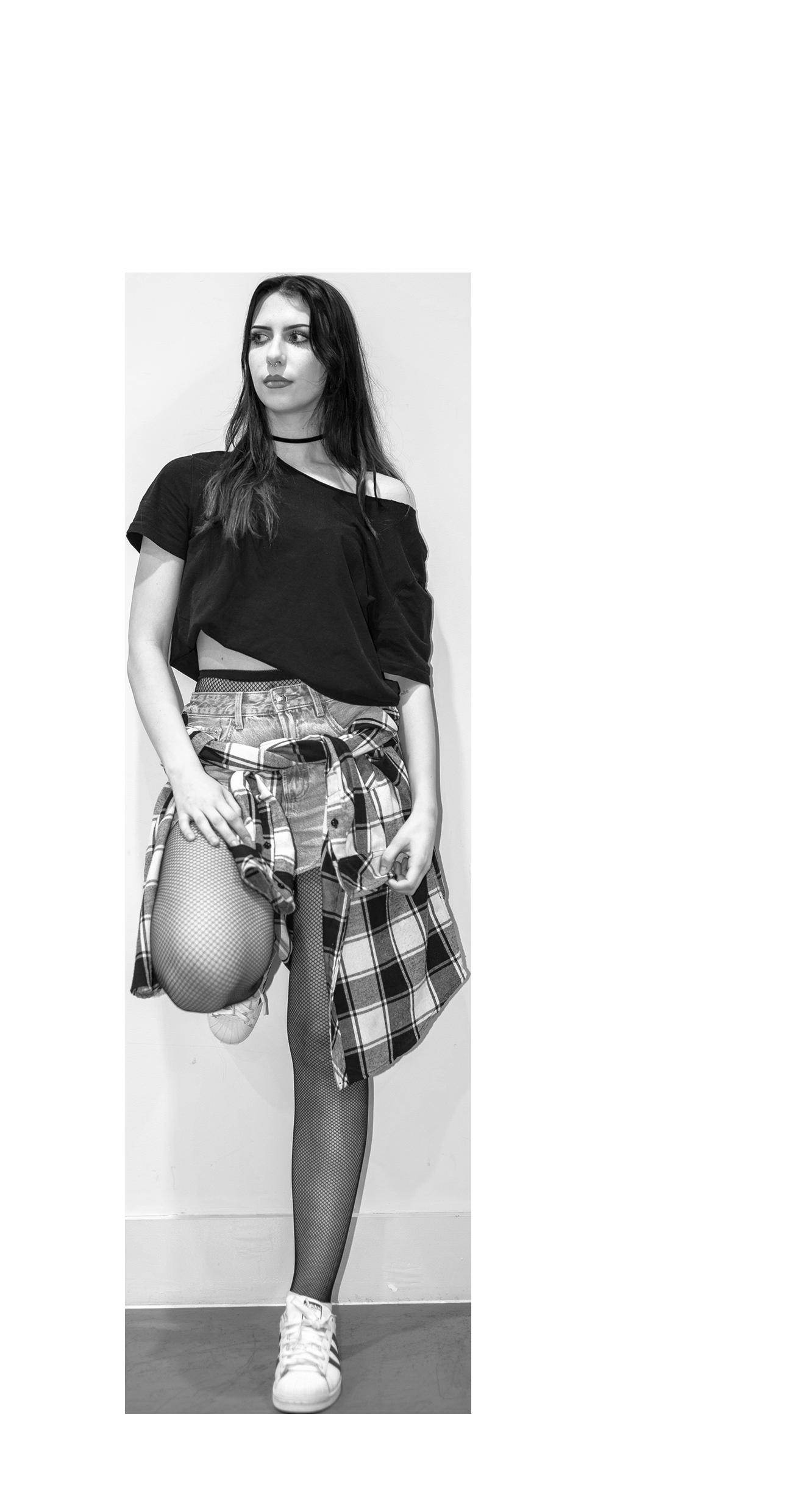
Lee was the author of the novel The G-String Murders – what a title! – that was later sanitized and turned into a movie. Zorita was well known in the scene for her many affairs with various women, including other peelers. Lili St. Cyr was married six times, and at the end of her life became a businesswoman, owning her own lingerie brand that also sold costuming for the next generation’s dancers. While they were strongly stigmatized – sometimes even arrested! – for their line of work, they used the publicity to launch their careers to new heights and make it even further into the tabloids. While they weren’t as popular as the Hollywood starlets that toed the line between sexy and innocent, showing just enough to entice the viewer but not too much as to upset the censors, plenty of burlesque dancers made a name for themselves in the entertainment industry through creativity and dedication. Let’s take a moment to come back to Dita Von Teese, who revived the art of burlesque in the 1990s and has since built a million-dollar empire out of it. She offers an alternative to the now more popular pole-stripping, by not only selling sex but also a fantasy. She teleports the audience to a past of jazz, feathers, glitz and glamour that doesn’t exist anymore, and perhaps never existed in the first place. In her fifties, she has been featured in Taylor Swift’s Bejeweled music video and is currently headlining a nearly sold-out world tour. Some might say that what she does doesn’t require talent – she’s a stripper, after all. But more than that she’s a performer that commands the stage, a visionary that brought back a forgotten art and transformed it for new audiences, an involved producer of her shows, a casting director, and more. That brings us to the age-old debate over the ethics of sex work that cannot be ignored. Even though burlesque performers don’t fully undress anymore – thank the censors of the 30s and 40s for that – burlesque is, essentially, selling sex, no matter how much glitter you cover it up with. In its origins, audiences were almost entirely male, and it is entirely debatable whether they were there for the artistry. While some see burlesque as an empowering art form, it was a way for many girls to escape difficult situations or financial struggle, and it wasn’t rare for producers to take advantage of them. The exploitation and commodification of the female body is a tale as old as time. It is up to each individual to evaluate their own feelings of the matter and choose what kind of media to consume. Is burlesque a feminist statement? Most of its pioneers would most likely say no. Unfortunately, they are long-gone, so it is impossible to ask them first-hand. In recent times, neo-burlesque has veered away from focusing on the male-gaze and has come to prioritize creativity over conventional beauty. It has recovered that aspect of unseriousness and the pinch of silliness that were there since the beginning. If you were to ask me, it is hard to look at Dita Von Teese platforming drag queen BenDeLaCreme, Caribbean belly dance Rachdi Alexander, (literally) whip- smart Tosca Cyr, Zelia Rose’s Latin-inspired act, tassel-twirling expert Dirty Martini and Laszlo Major pole-dancing en pointe, and thinking of it as anything short of progressive. Burlesque goes way past Christina Aguilera, 16th century novels and fans and tassels, it even goes past Dita Von Teese, and as much as its future is uncertain, burlesque is a statement and it is escapism and those are two things that society will keep on craving for years to come.











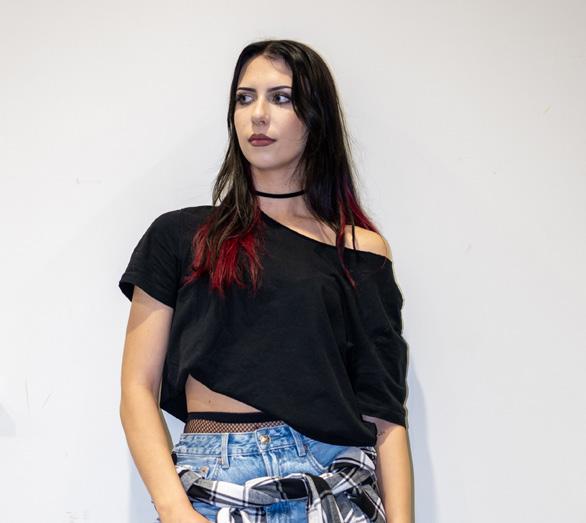
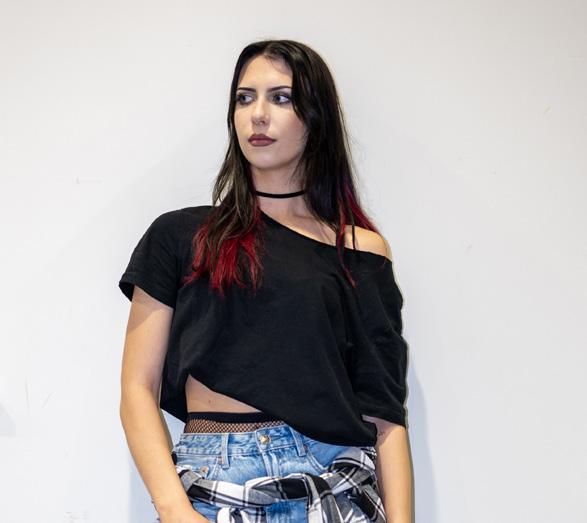
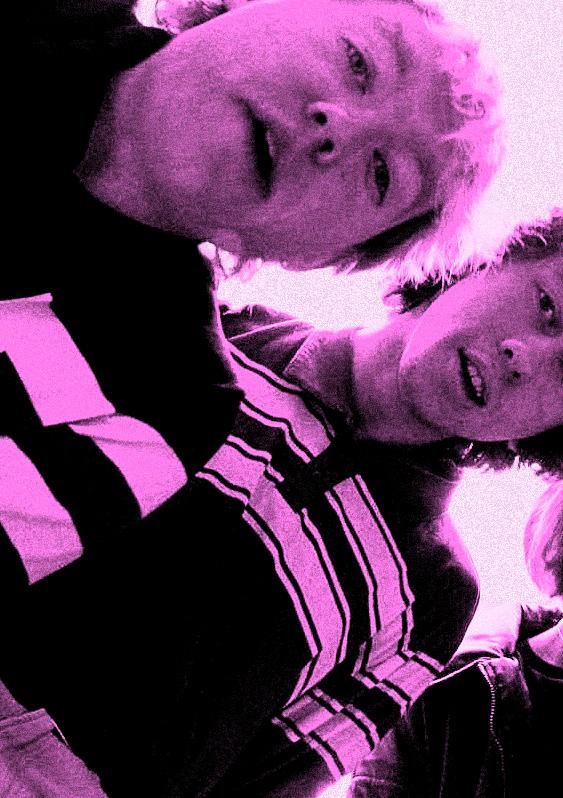
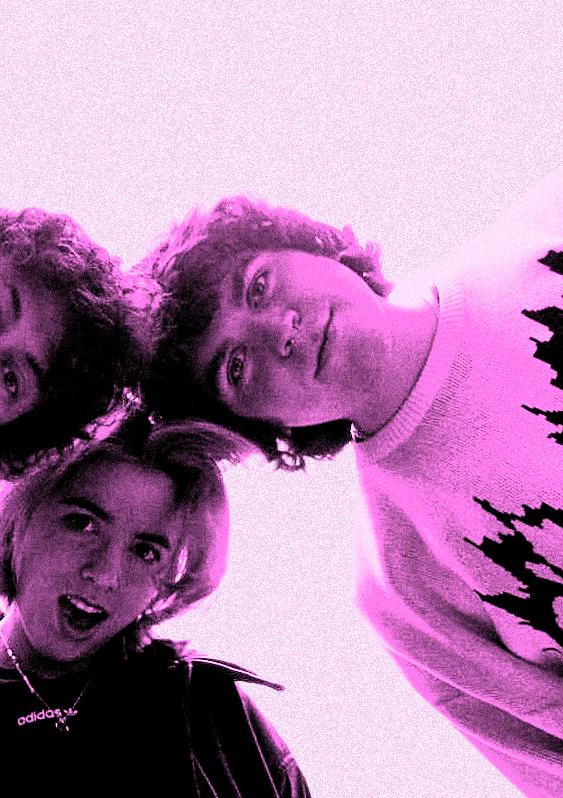
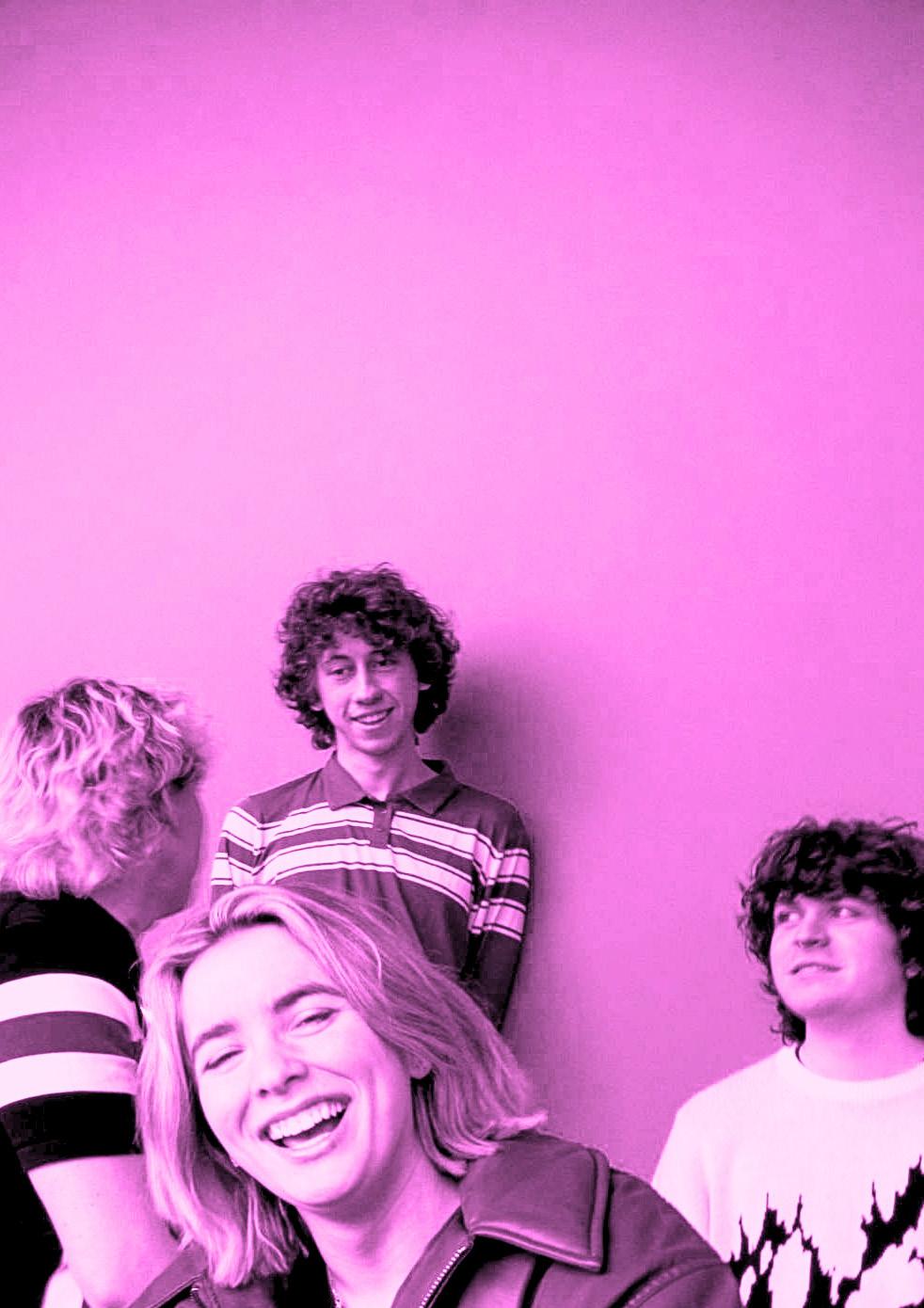
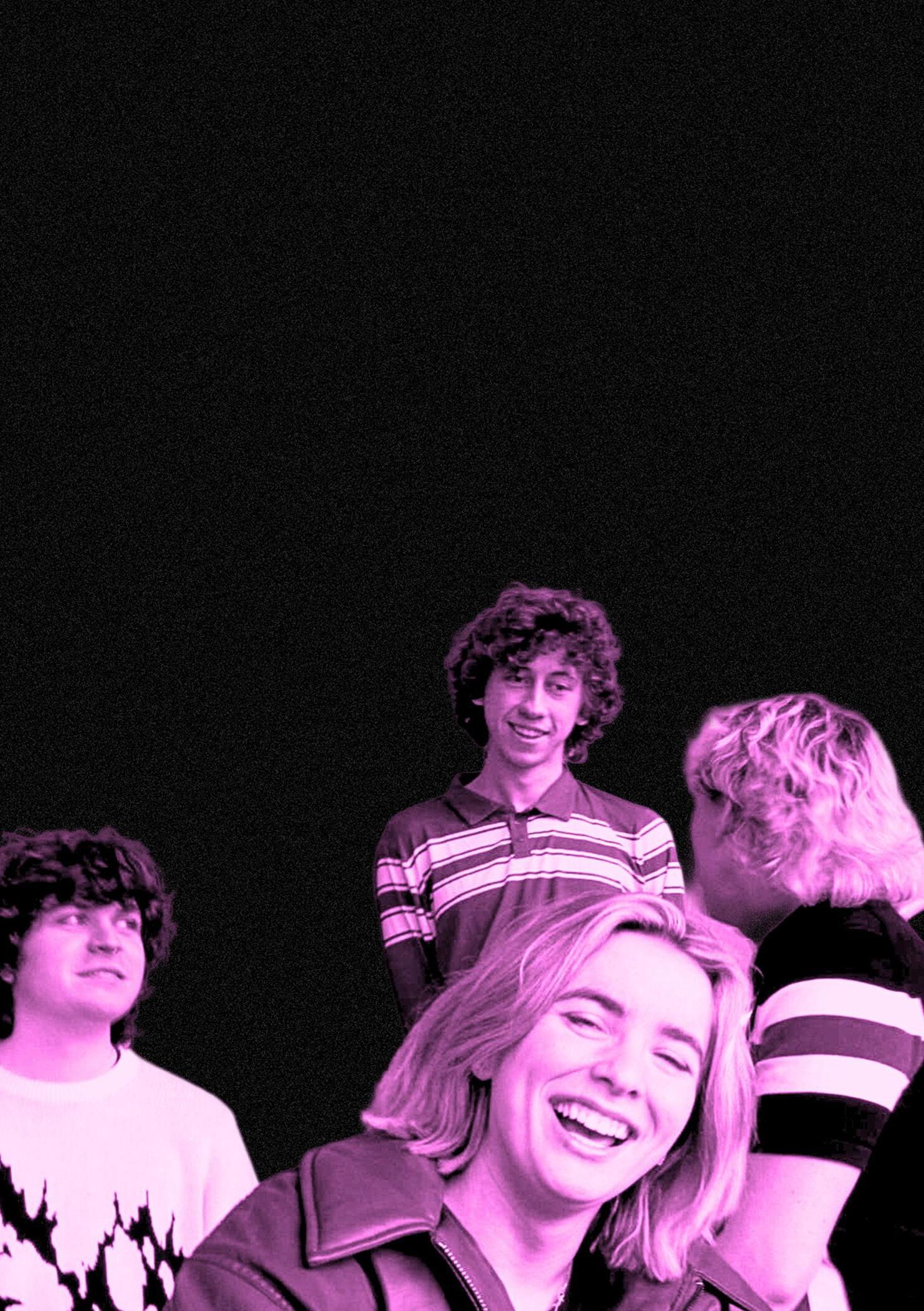
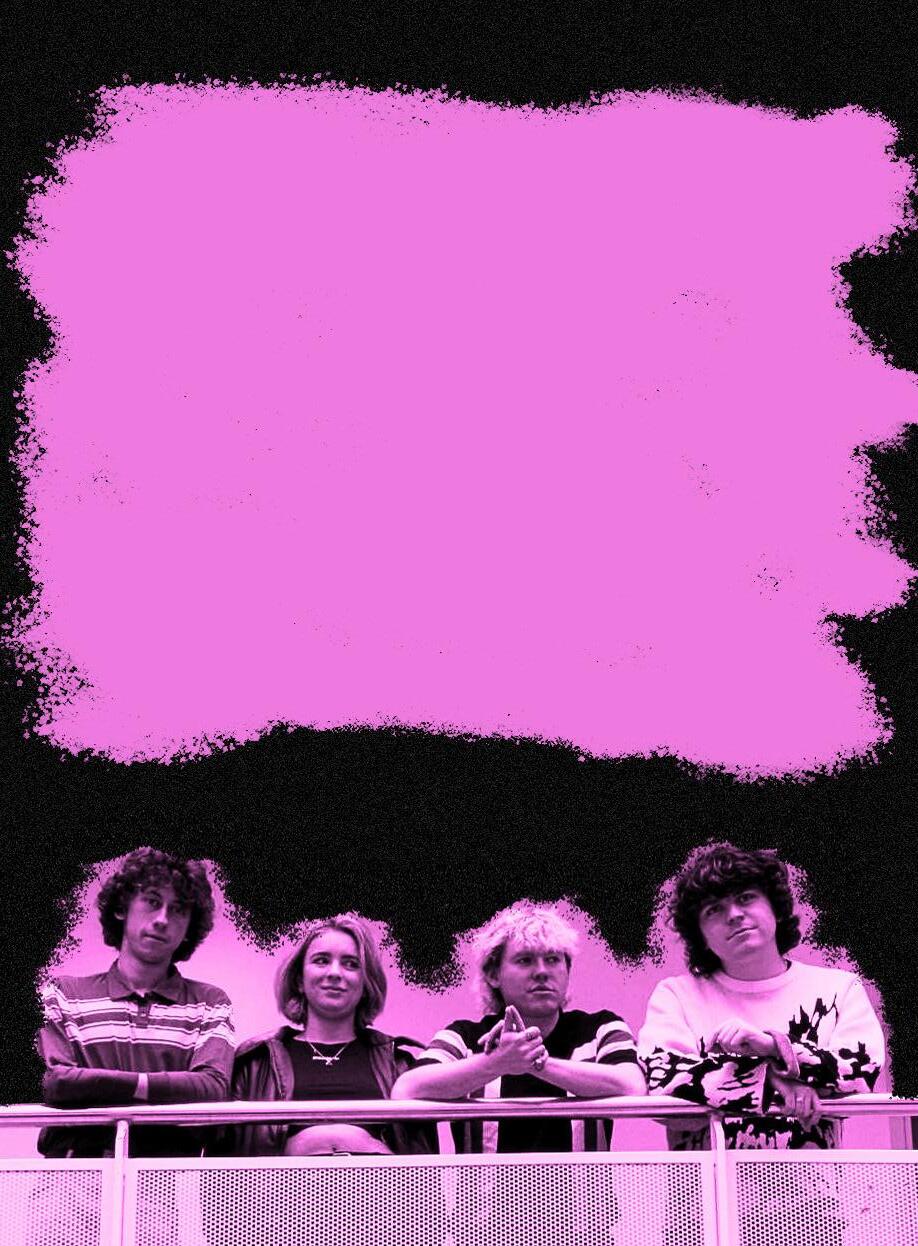
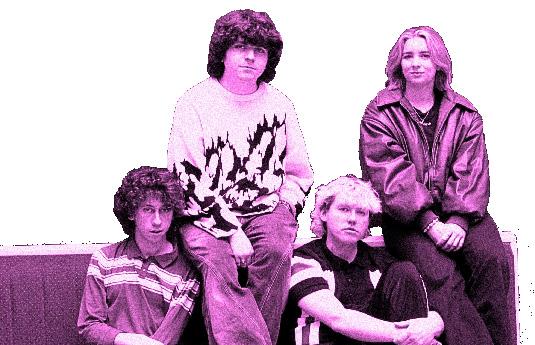
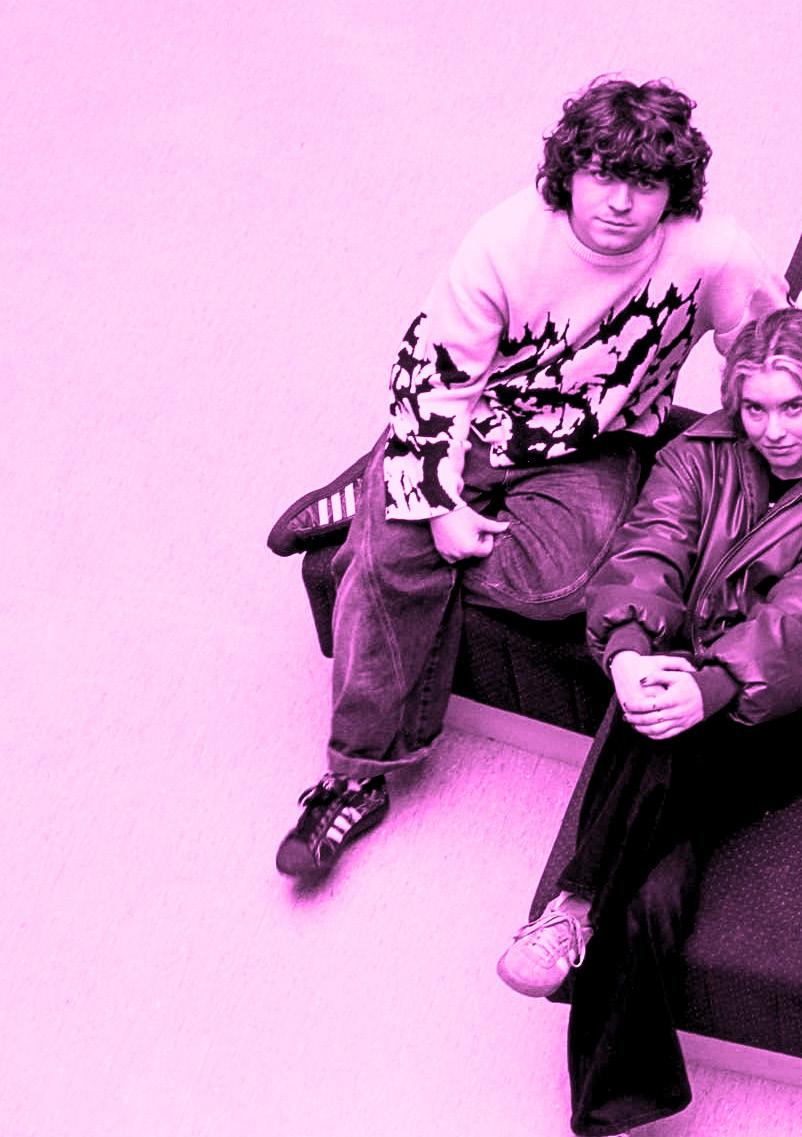
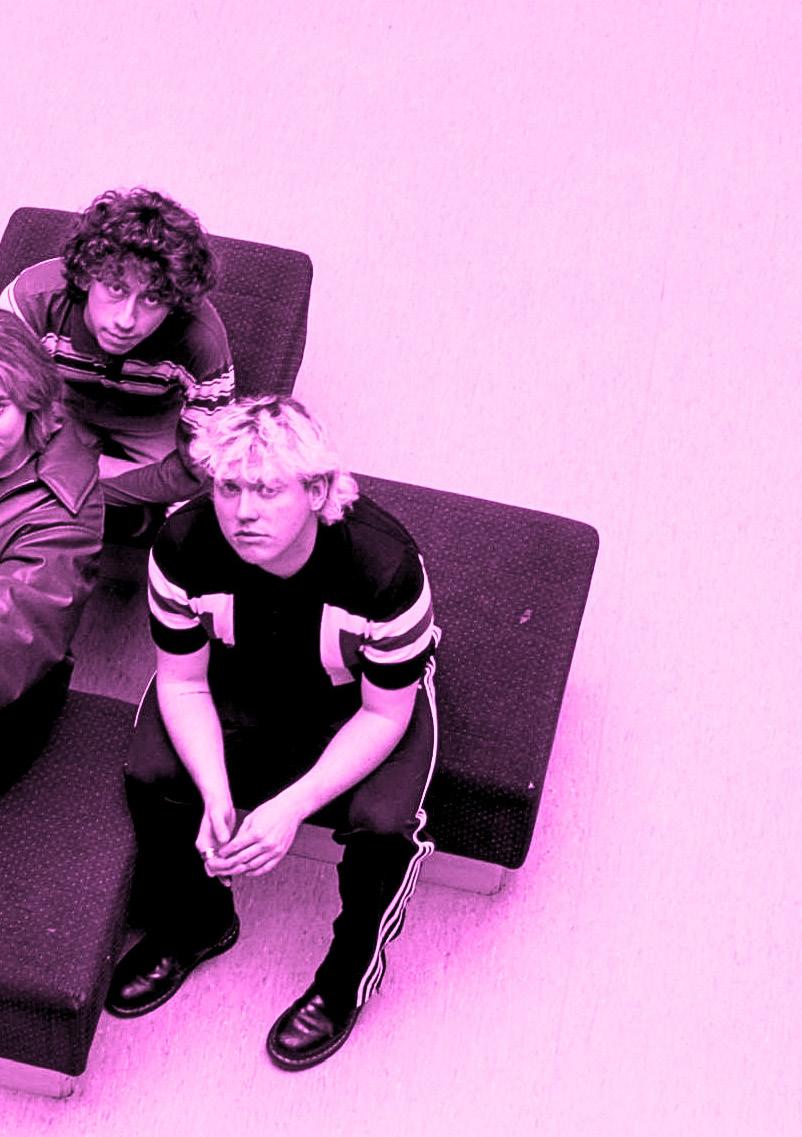
On a blustery and damp day in late March, not a cloud in the sky could be observed as Ellie and I huddled in the Hub awaiting self-proclaimed “Bitch-Pop” band BABYRAT. The band formed in late 2024, with each member deriving from various facets of the Cork music scene. The likes of Staff Party and IRIS echo through the work of pop-power group BABYRAT, with their patronage to the Cork scene continuing to run through the veins of Cork City and channelling anthemic and vivacious soundwaves; that certainly liven crowds and prove that live music performances aren’t going away anytime soon. Pulling from a diverse scope of influences from the likes of Paramore traversing all the way to modern day pop deities like Olivia Rodrigo, BABYRAT showcases their ability to transverse music across the decades; formulating their own distinctive sound. Ellie and I chatted with lead singer Zoe Callanan, guitarists Jamie Kierans & Matthew Lucas and drummer Stevie Healy about their recent headliner in the Savoy, the makings of BABYRAT and the concept behind their slogan “Pretty In Punk”.
Jamo: I definitely think so. I think whatever each of us had that existed in previous bands we were definitely still definitely carried through. Because it’s just ingredients that we are. So my own experience is that, well, in Staff Party, the music was very much coming from me entirely. So, when I’m in this band now, there’s obviously going to be fragments of comparison because it’s still me, I just happen to be in a different room. If I was writing there whereas writing music here, it’s still me writing music. So obviously there’s a thread there. And then there was just, I think, a performance aspect that mainly carried [over] (…) I learned to be a very active performer, or I learned how much I enjoyed it I suppose.
Kate: And you think it’s helped a lot now?

Kate: Did you grow a lot from the start to now?
Jamo: Entirely, yeah. I would be nowhere near what I am now if I didn’t do that, I suppose. So, I think it was very integral for me to have the role I have on this band.
Jamo: I think so. Yeah, I think so. I think there are loads of stuff just doing music. I learned how to gig there. I learned how to interact, (…) how to write songs, how to actually perform them and how to try to connect with people, I suppose. How to just genuinely get to be yourself on stage and let loose. (…) I had to forget to be self-conscious or I forget to be shy quite immediately which is definitely something that I think is integral to all of us. Because (…) when we’re performing, none of us seem to be concerned about trying to seem cool. (…) From performing with that old band, I got a lot of confidence and really wasn’t worried about what anyone thought of me when I was performing. Which I think is really important for this band to have that as well.
Kate: How would you say the energy of the crowds nowadays actually affect all of your performances?
Zoe: The crow is pivotal (…) The crowd is so important to our shows. They’re involved in as much as we are but it seems that people who are going to gigs want to have fun and want to get involved which is good. So yeah, it really does matter. I think Cork crowds have always been wanting to have fun.
Ellie: It seems you guys think that stage presence is really important then and an integral part. Do you actually have a favourite performer?
Stevie: Surely Paramore.
Zoe: Their energy is insane.
Stevie: We watch them, which one is it?
Everyone: Live At the Bonnaroo.
Stevie: When we’re going to play sometimes.
Zoe: Even in the studio.
Stevie: We had it on in the studio just to give us that energy. We were trying to all get group vocal takes and stuff and (…) we’re trying to match that energy with what we were doing. So it’s always great to kind of get the buzz going.
Jamo: (…) I’d also give a shout to Matt Schultz, who’s the singer in Cage the Elephant. That had a profound effect on me when I went to see them. I was maybe 19, I think, and I was yet to be in a band. I love him from a distance, watching lots of videos of them online. I’d seen people crowd surfing before, but I saw this one, I think it was Rock am Ring they were doing and he stood on the crowd. He was standing and they were holding him by his ankles. He was standing on top and there was a massive drop and he was just dancing on top. It was the coolest thing ever. And even at the start, he came out and was just being so weird but so cool. So doesn’t-give-a-shit about it and was just letting the performance take over. I thought it was the most inspiring thing ever. Then I went to see him and it was sensational and I was like, that’s how you do it.
Kate: You’re very reminiscent of bands like Blondie and Paramore, like you mentioned. Do you think there is a specific decade that hits to your core and inspires you, in your performance or in your songs?
Jamo: 2000s.
Chewie: The noughties.
Jamo: Yeah scratch the 2000s, the noughties.
Zoe: There’s a lot of that kind of tongue in cheek attitude (…) Pop culture was very… no one was media trained and there was (…) just that kind of vibe. (…) I don’t know how to describe it.
Chewie: It’s Britney bitch.
Zoe: It’s Britney Bitch. That hits the nail on the head. We get told a lot that our songs sound like they could be in the soundtrack of a coming-of-age movie. I think that a lot of those heavy hitter movies were coming out in the 90s.
Jamo: Yeah. I think we definitely end up in a blur from the 90s to the noughties. I think there was a thing of a lot of music at that time, for me, was very unafraid to be fun. A lot of it was quite on the nose and could have been considered cringy except for the fact that it never was. It was all brave. You know skater boy, like those tunes were unbelievably epic. (…) I think it was a time for music to be bright, which I think we lean into and love. It’s definitely in the more recent times, I think music generally has had a tendency to be a bit more moody. Which is probably why we often do get told we’re very 2000s and I think it’s because of that more than anything else. (…) In the 90s and stuff, there was that whole thing of (…) grunge being massive and kind of always as being a response to Nirvana (…) I think that’s the certain thing of joy versus melancholy. I think in the 2000s that joy kind of comes on top of it. I think we’re interested in that.
Ellie: What would you think about in 2026?
Jamo: (...) There were more artists who were kind of performing with less smiles, I guess. That’s just with my distant observation. (…) What we got told a lot when we started playing was that it felt very refreshing because it was quite obviously different in the sense that it was obviously intended to be fun. That the musicians, who are us, were having fun on stage but it was considered unique. We were all told that what’s unique is that people can tell we’re having fun. We got told that quite a lot. We still do. So I guess that might answer the question that maybe it’s [joy] still not the dominant quality.


Thank you...
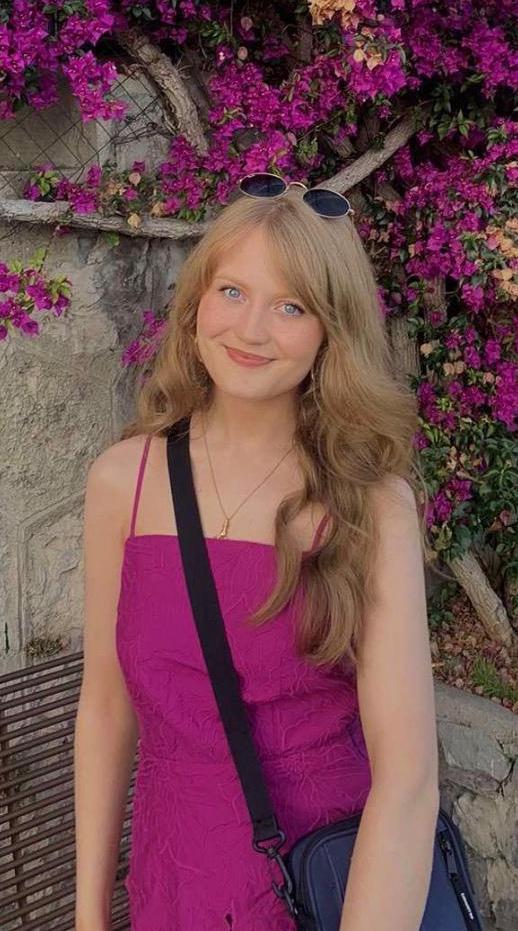
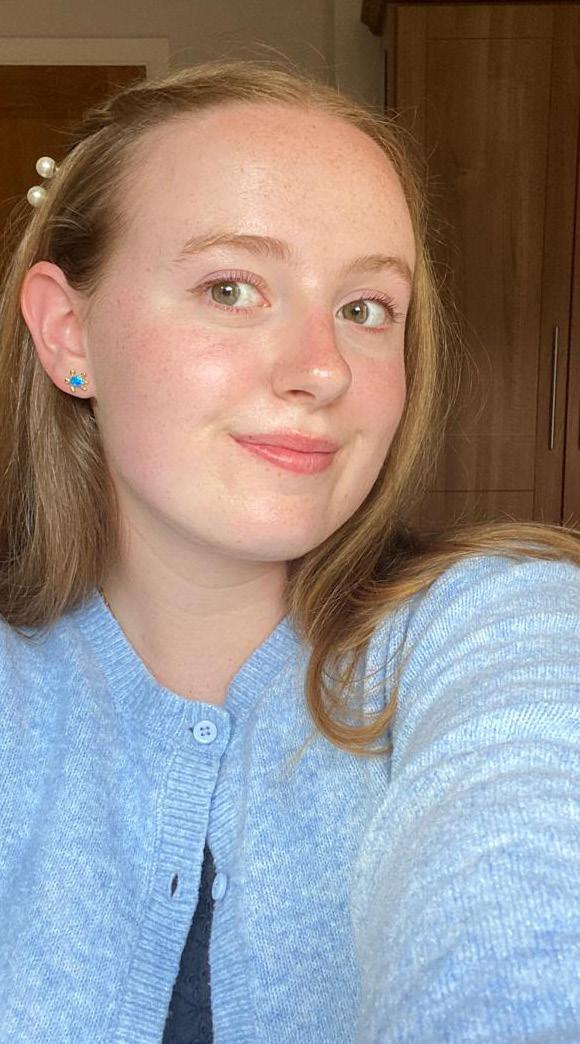
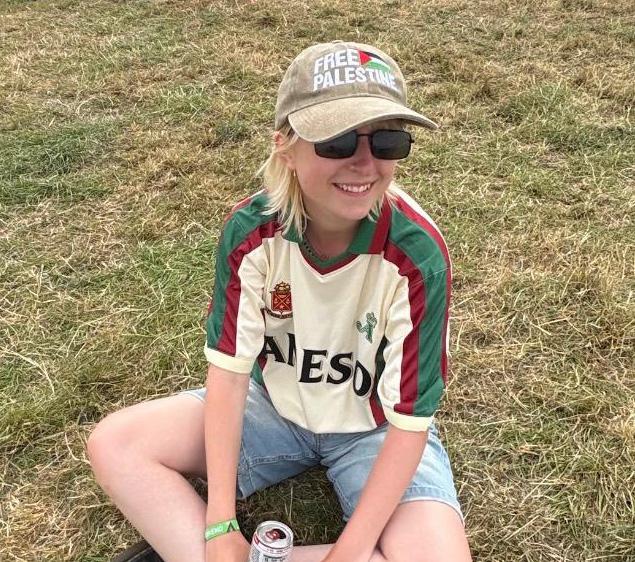
As my time in UCC comes to a close, one of the highlights of the last 5 years has undoubtedly been my time on the Pop Culture Society. I’ve thoroughly enjoyed attending such interesting and innovative events and meeting the most amazing, like-minded people. A particular highlight of my two years on PopSoc was my time as Editor-in-Chief of Etc. Magazine. Getting the opportunity to create two issues which explored contrasting creative ideas was something which I will forever be grateful for. I am so excited to see the fourth issue of Etc. which I know will continue on the ethos of PopSoc! For now though, as Taylor Swift once said, “hold on to the memories, they will hold on to you”
I’ll never forget my time on PopSoc, or the friends that I’ve made through it. From the first society event I attended (@sylvaniandrama you will always be famous) to the last AGM and to every quiz, screening, craft night, cinema trip, and plane ride in between, it has truly been one of the best parts of my college experience. Being on the committee for the past three years has been just as special. I started out and learned the ropes as Finance Officer and went on to take on Vice Chair and subsequently Chair roles. This journey has been thoroughly enjoyable. PopSoc has a special way of bringing together people from so many different courses and walks of life, and it introduced me to some of the most charismatic, diligent, and genuinely lovely people people I never would have met otherwise. ETC Magazine is a vital part of PopSoc. Seeing people’s ideas come to life over the years, whether through writing, art, or photography, through a physical piece of media of was such a highlight. It’s amazing what can happen when people are given the space to work at what they love. I’m so grateful for everything PopSoc has given me every friendship formed, every chronically online reference made, and every person who made this experience what it was. PopSoc will always hold a very special place in my heart.
Being a part of PopSoc has been the greatest privilege, and is without a doubt the highlight of my time in UCC. This society has brought the most incredible people into my life, gave me a space where I could really be myself, and brought me so much joy and whimsey! I will forever be so grateful for this society and the people i’ve met through it <3
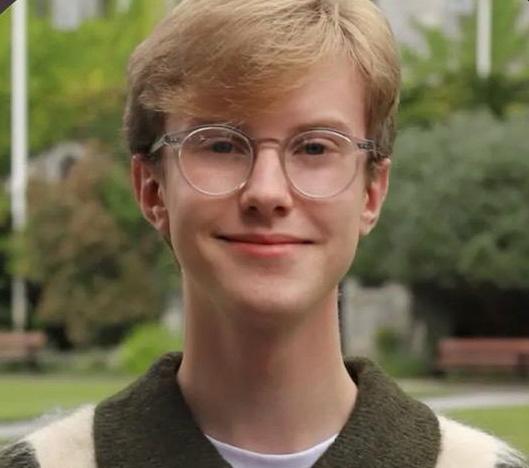

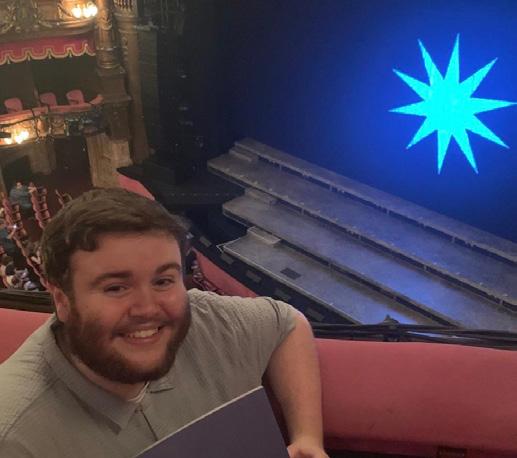
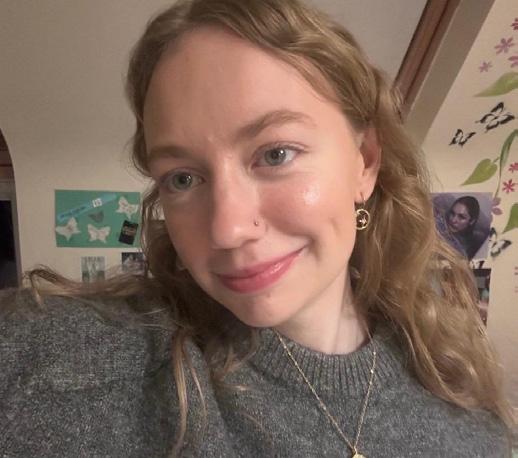
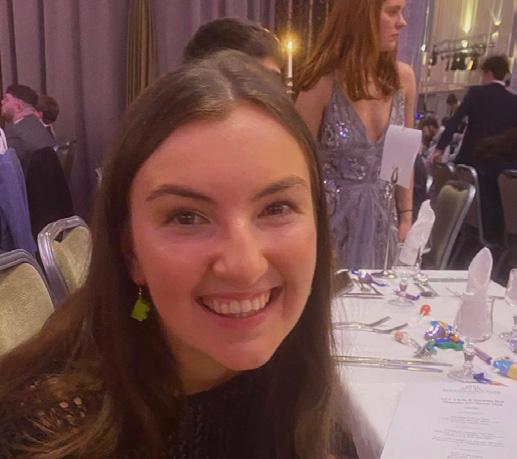
Societies have absolutely defined my three years at UCC! I’ve had the opportunity to be part of events and projects that would have been a dream just a short while ago, across 3 different committees, but PopSoc will always have a special place in my heart for being the one where it all started. PopSoc, my life wouldn’t have been the same without you.
Pop soc has been huge to me throughout college. It always made me feel really cool at meetings/events when we would all nerd out about something together. The shared love of all things pop culture over a huge spectrum, allowed me to learn so much more and get to know some really fantastic people. Whenever I look back on college I know that pop soc will be one of my highlights, and thanks to everyone for making it such a fun journey along the way :)
Getting to be a part of Pop Soc has been one of the biggest highlights of my time in UCC. I have met some of the kindest, funniest, and hardest working people and I’ve learned so much from them all. I still can’t believe some of the things we’ve done during my time on the society, like what do you mean we went to London and went to Wicked?!? Will forever be holding space for Pop Soc <3
I’m incredibly grateful for the last 3 years spent with the best and most wholesome committee there is! Whether it’s late-night event planning, infamous karaoke socials, or fighting with our badge machine, PopSoc has been the best part of college! I’m endlessly glad our finance officer bullied me into joining in first year! So lucky to have met these divas. Literally friends for life! Live, laugh, love PopSoc :)
Being on Popsoc has easily been one of the highlights of my college experience! I have met such a great group of people who always understand my niche references, can rely on to blow up the group chat when a major event happens or Spotify wrapped drops and to run amazing events that thankfully most of the college community seems to enjoy !!