
the future in the Anthropocene 65 Future comic 65 Credits


the future in the Anthropocene 65 Future comic 65 Credits
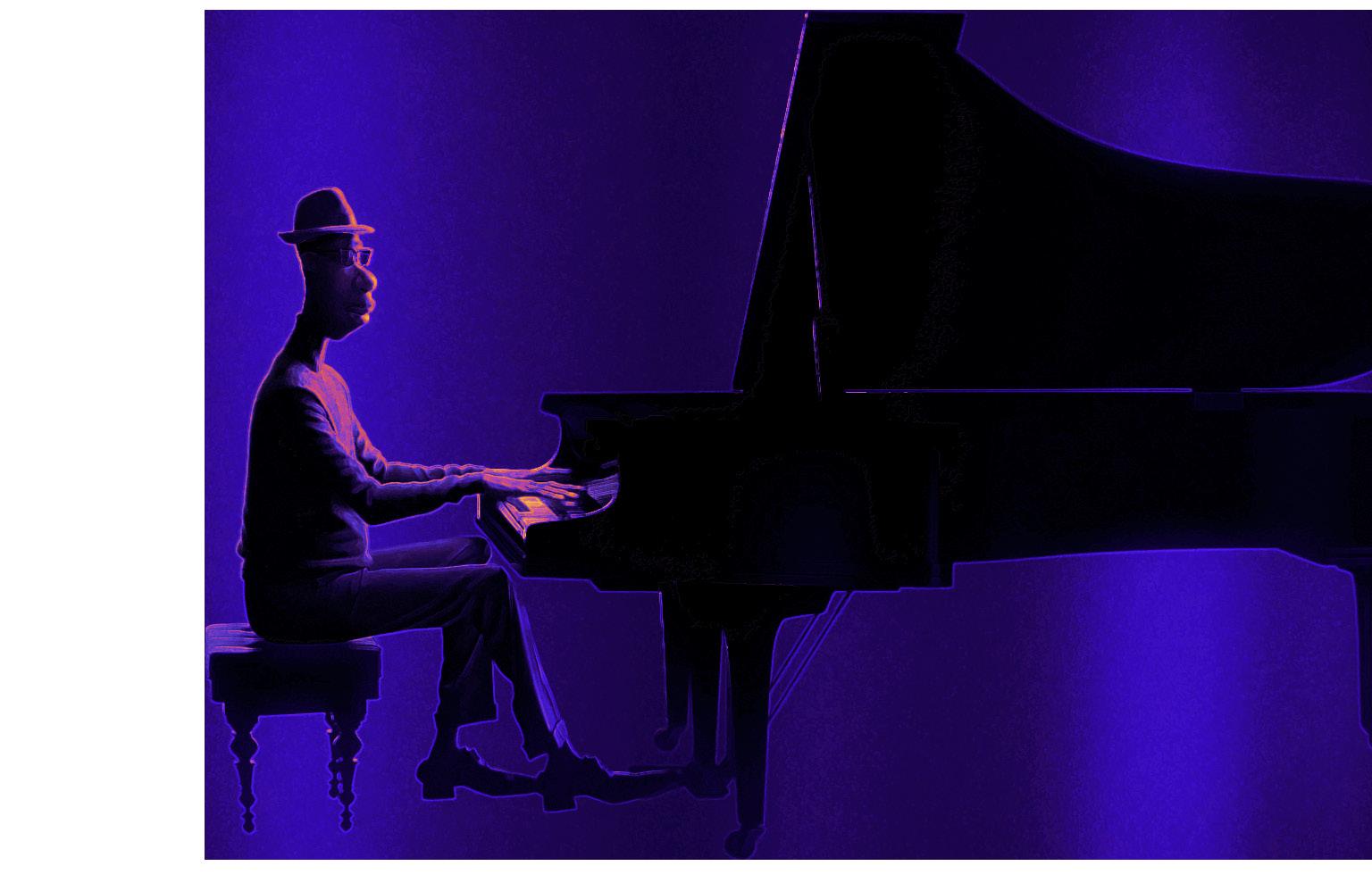
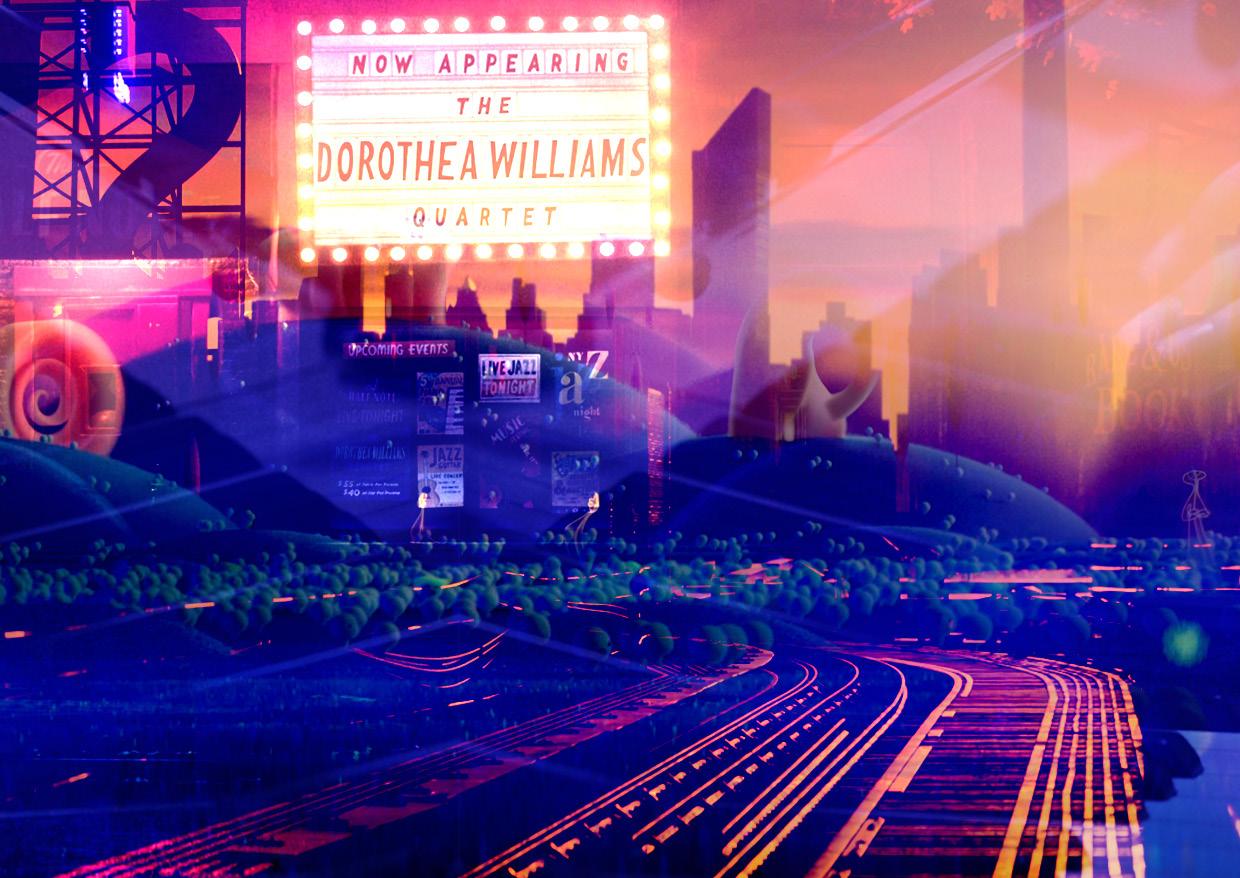
He did it. Joe Gardner’s life is finally beginning; he just played piano for Dorthea Williams. But something’s wrong, he’s waited for this moment his entire life; he thought it would feel different. Dorthea tells him a story about a fish; he swims to another fish and asks if he knows where the ocean is. The other fish explains that they are in the ocean, but the fish tells him that this is just water. He wants the ocean.
As I submitted my final essay of university, I sat for a moment. Something did not feel quite right, I felt… underwhelmed. Everything I have done over these three years has led to this moment, no? But now I am here, and this simply does not feel like the moment.
This feeling made me think back to Peter Docter’s Soul. Joe is a high school band teacher, but when he finally gets the opportunity, he has been waiting for, to play piano for Dorothea Williams, he could not be happier. But in his happiness, he falls down a sewer and dies. On the escalator to heaven, Joe flees and accidently falls into the ‘Great Before’ the place where souls get their passion and personality before they are sent to earth to be born. Joe is enlisted to help one specific soul (22), who has spent generations in this place, find her spark so she can go to earth.
Soul stands out to me as one of my favourite Pixar films (a high praise considering the place the studio has in the hearts of myself and people my age), not because of the incredible animation, gorgeous colours or mesmerising soundtrack, but for the film’s message about life. One of the ways I interpret the film’s message is how an over obsession on one goal can lead to one missing the beauties of life. When in the ‘Great Before’, Joe takes 22 to a hall of his life, displaying the key moments in his life, like when he father took him to his first jazz bar, but as he walks through the space his memories become saddening, being full of people rejecting him as he looks for work, and times when he was alone.
These memories are all framed through Joe’s inability to become ‘successful’ playing jazz, which is why he views them negatively. However, through watching himself from a 3rd person perspective, he starts to understand the smaller pleasures in life. As he plays his piano alone, he remembers some of these moments: looking back at the diner, he does not remember how alone he was in that moment; instead, how tasty the pie he was eating was. Joe has understood that the value of his life is not determined on if he becomes a jazz musician, but the fact he is able to experience life is the value.
An impactful scene from the film is when 22 (in Joe’s body) visits the barber shop. Joe believes that his barber (Dez) was born to cut hair, but as 22 converses with him, they find out that he wanted to be a veterinarian, but due to his daughter getting sick, becoming a barber was a lot cheaper. Due to 22’s teachings of what a spark is, they assume that he must be unhappy as he never got to pursue his dream. The barber stops 22, telling him that he is still a happy man as he gets to bring joy to people. This scene further critiques the idea that one should place their value, in this case happiness, on one thing. We have seen how being obsessed with becoming a musician has led to Joe being unhappy in the life he currently lives. But Dez is the opposite, they are likely still a part of him that is sad he could not become a vet, but he can still be happy, he has still found something he enjoys, in cutting hair, and he allows himself to see the beauty in the life he lives. I view Soul as being a film that challenges, the ‘grind’ culture that exists surrounding careers; the idea that placing all your time and energy into your job, consistently denying burnout, to become successful. This film does not say that doing this will not lead to financial success; instead, it forces us to wonder what we miss by choosing this path; enjoying a walk down the street, connecting with people and learning their stories, and rebuilding relationships.
But why do I find myself here now, writing about Soul’s message about the value of life? The most asked question I have had this last year is: “What’s next?” My response is always the same: “Find a job”. It is scary; I am leaving university and entering the big, bad world. Now, everything I will do will be to reach this next goal. But, taking it back the beginning, this is what I did at university: I told myself that everything I do must be in the pursuit of graduating. But now that I am here, I feel underwhelmed. Like Joe after his gig, I thought it would feel different. Soul displays the importance of appreciating the smaller things of life; we are more than our job, success, and wealth; explored when Joe revisits his memories when he is sent back to earth. He reviews his memories, which he then realises what his ‘spark’ is: it isn’t his purpose, it’s the things that makes him happy to live: cycling through the sun, his relationship with his mother, and playing piano with his father. These ‘sparks’ aren’t about how successful he is in the moment; it’s the relationships, feelings, and connections he has to the space around him.
I think this is an important message for people who are moving onto a new stage of their life to hear. Soul does not discourage having a dream or working towards something you want. It is great to have passion, and a goal to work towards, just don’t forget to stop and smell the flowers sometimes, the life journey you go through is just as important and it will take you on twists and turns, all on the journey to discover what we truly love about life.
George Orwell’s 1984 serves as a perfect warning against authoritarian rule and the perspective of truth in politics.
In 1949, at the end of WWII, Orwell built a dystopian future of state-controlled language, memory and internal thoughts. 1984 is frequently read as a critique of fascism; however, this world was built on Orwell’s disillusionment with Soviet communism, making its warning broader, applicable to any political system with unchecked power. Using 1984, Orwell warns the reader to stay vigilant and to rebel against the manipulation of truth, surveillance and propaganda.
Orwell’s political experiences uniquely shaped the novel; he fought in the Spanish Civil War, where he initially supported the left-wing republican side against Franco’s fascist forces. What he saw in the war changed his way of thinking. Orwell saw internal repression, political purges, and propaganda even within supposedly anti-fascist factions, especially in Stalinist communism. These experiences left Orwell with a huge distrust of authoritarian systems on both sides of the political spectrum. His disillusionment with Soviet communism convinced him that oppression could exist even under the banner of equality. This directly informs 1984’s world, where the party’s control mirrors elements of both fascist and communist regimes.
Orwell uses the constant surveillance of the citizens to show the ever-present nature of the government. The state
maintains control through telescreens, hidden microphones and thethought police; the citizens are never alone, always being surveilled, creating a society that self-censors itself. The psychological effect is powerful; people internalise their fears and beginpolicing themselves without the need for state-sanctioned policing, as the thought police are too busy identifying
anyone with impure or anti-government thoughts. This all comes from Orwell’s understanding of authoritarian regimes; surveillance was not technologically advanced but was run by informants, propaganda networks and political policing; the result of which is a society where freedom is impossible because it is psychologically impossible.
The Party controls information and truth; the Ministry of Truth paradoxically specialises in changing history and is responsible for rewriting records so that the state is always correct. This reflects the soviet propaganda in the 20th century, where historical events were frequently edited to get rid of certain figures or
reshape political narratives. The slogan ‘who controls the past controls the future; who controls the present controls the past’ is emblematic of this idea. By controlling
records, the Party eliminates reality. Newspeak, the manufactured language designed to restrict the range of thought, reinforces this narrative. When a
rebellion is linguistically impossible, how are people expected to rebel, let alone think about rebelling? The warning here is clear: when language is restricted, thought itself becomes restricted, and when this happens, freedom dies.
Although 1984 was written in the 20th Century in the context of totalitarian regimes, its warning
like, and his administration is hellbent on perpetuating any narrative that comes out of his mouth. The Trump administration wants to rewrite the history of the USA, ignoring any wrongdoings by the country and focusing on ‘American excellence.’ Trump is using his own police force to round up people, including his own American citizens, and hold them in cells before sending them to ‘detention centres.’
Modern surveillance is much more subtle than Orwell would ever imagine. Governments and privately owned companies now collect vast amounts of digital information about everyone, usually without them realising it. Unlike the Party’s surveillance, this information is used to sell us convenience, commodities and technology through algorithms, where they know what we will click and for how long. Modern society is not like 1984, but it doesn’t raise similar questions about privacy and control. How much of our lives are shaped by a system we don’t see and know very little about?
remains prevalent in the digital age, where information and political language shape our reality. Modern politics seems to have been overtaken by misinformation with the use of AI, and the overton window has been pushed so far to the extreme that we have the President of the United States of America screaming “Fake news!” at anything that he doesn’t
In conclusion, Orwell’s 1984 remains in the cultural zeitgeist not because it is about one government or moment in time, but because it is about the nature of that power and how easily it is abused when truth, information, and language are taken for granted. The novel warns future generations to stay alert, not to obvious oppression but to the subtle power grabs where authoritarianism can slip its way into everyday life

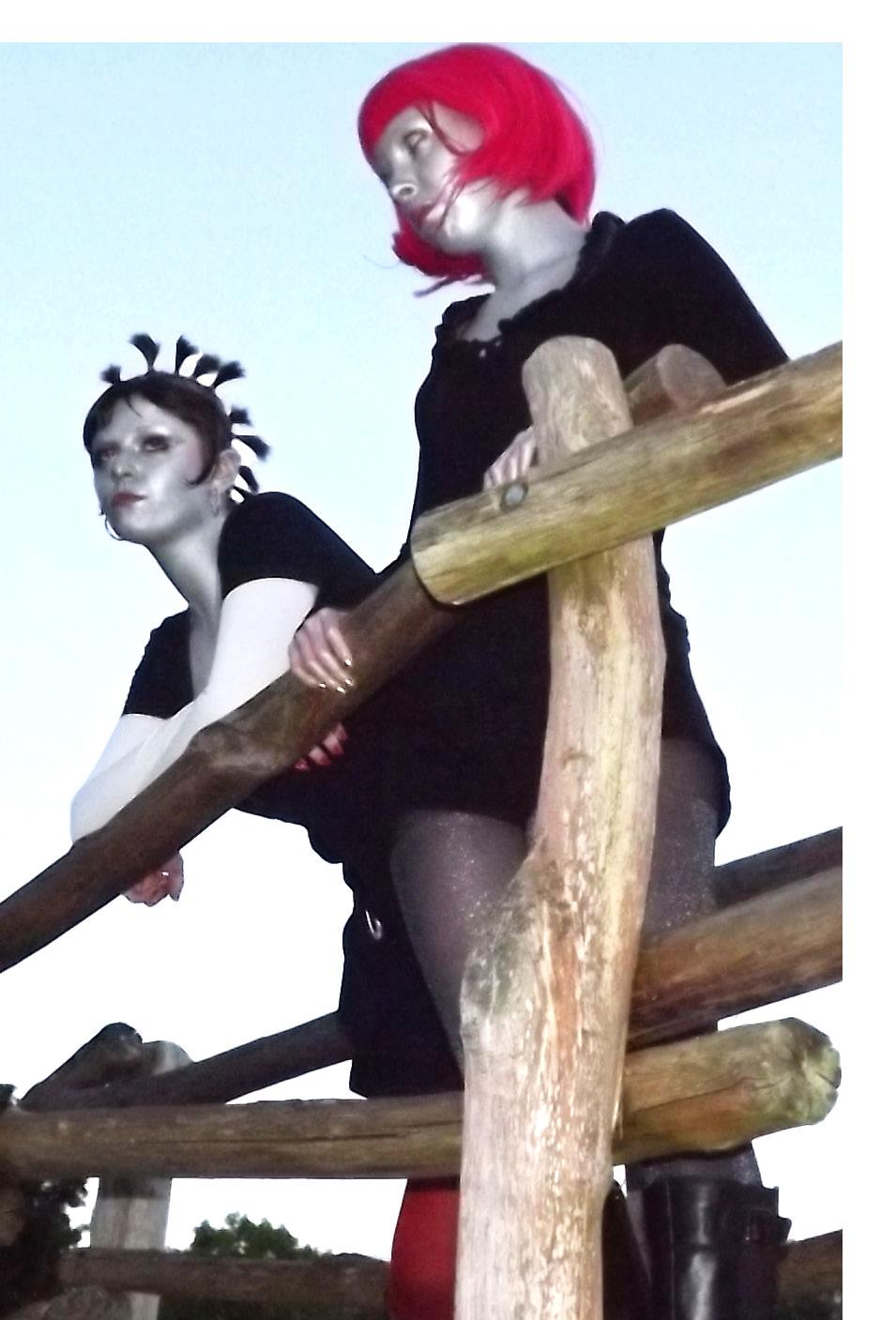

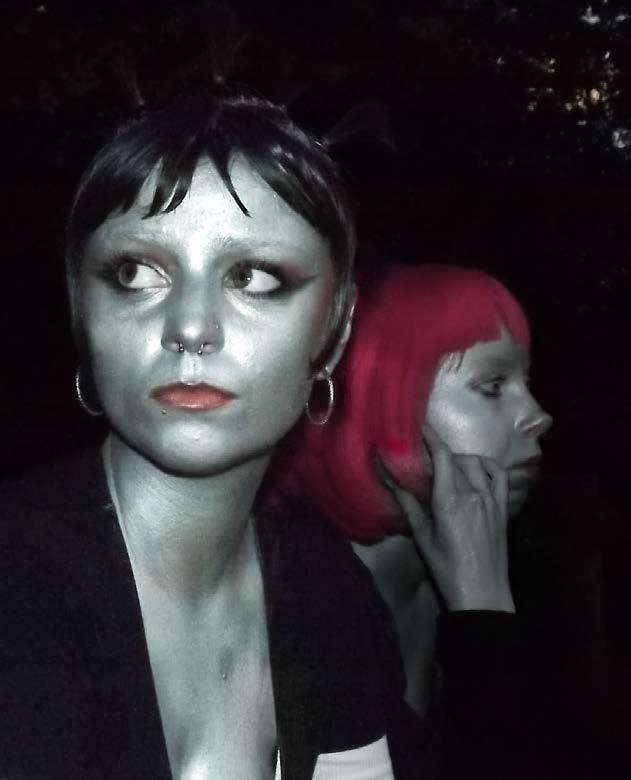
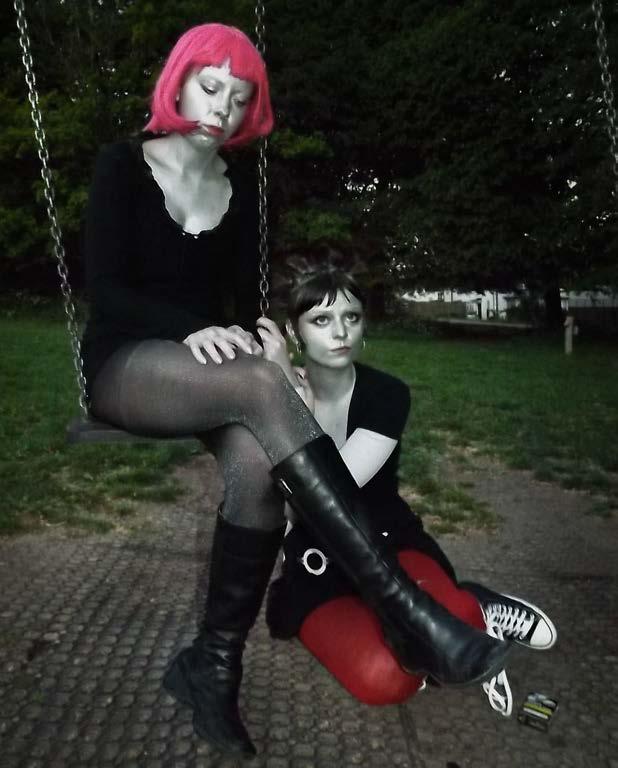
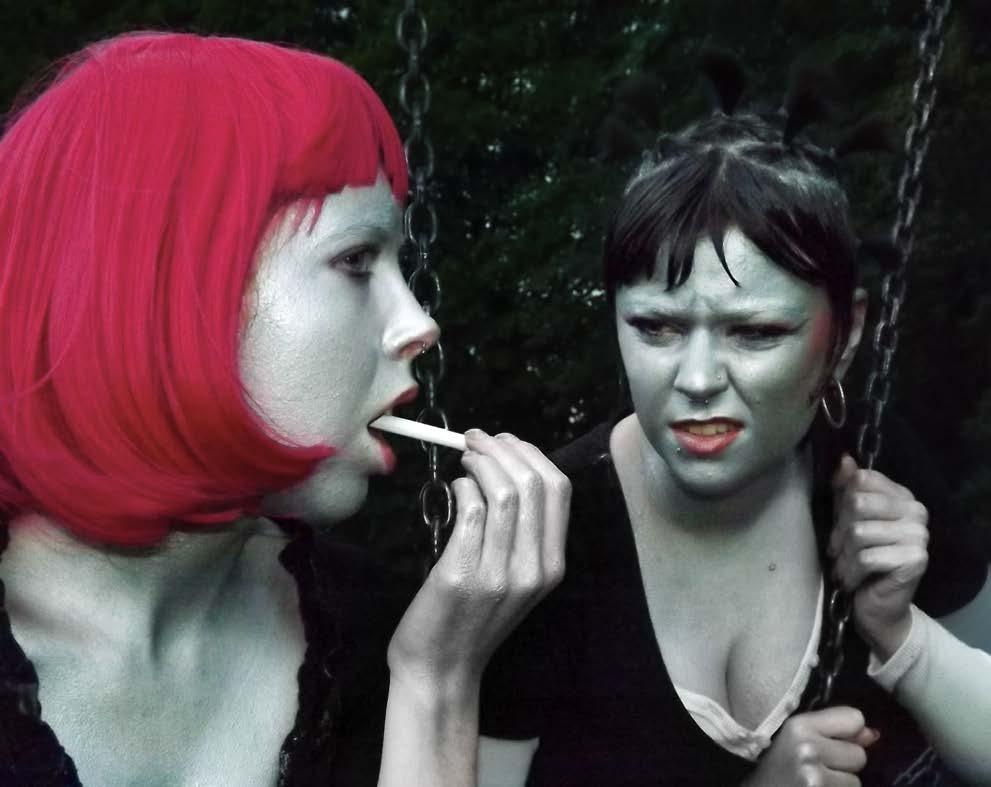
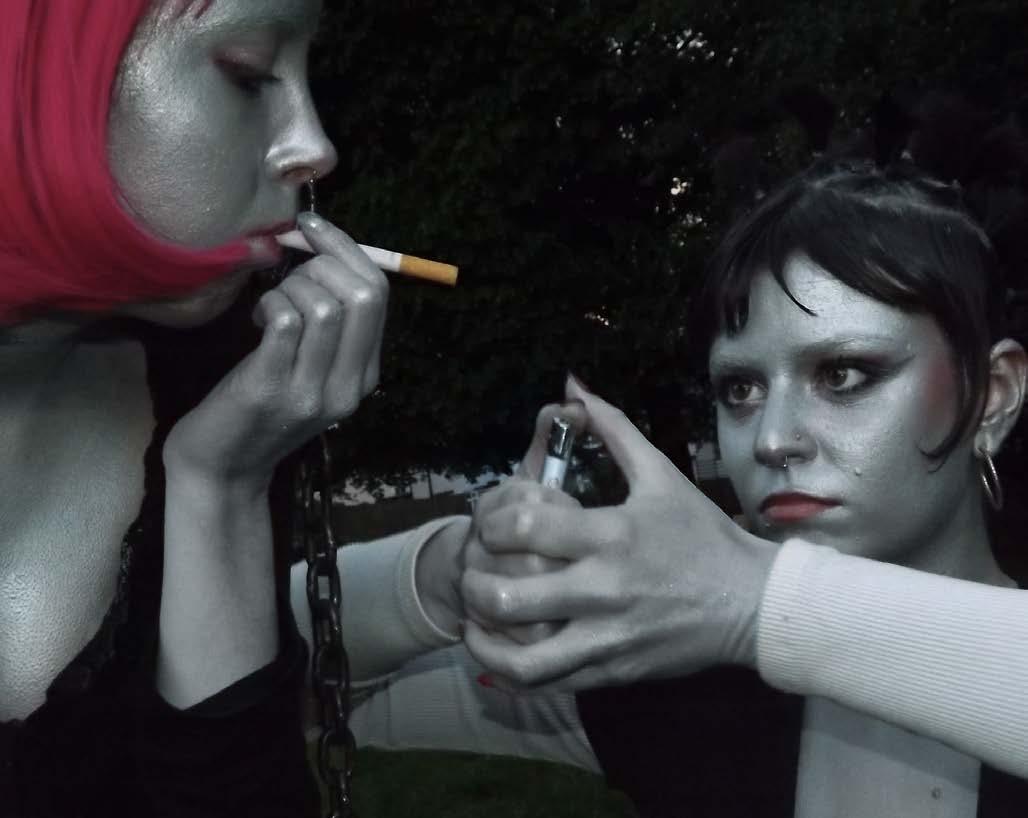
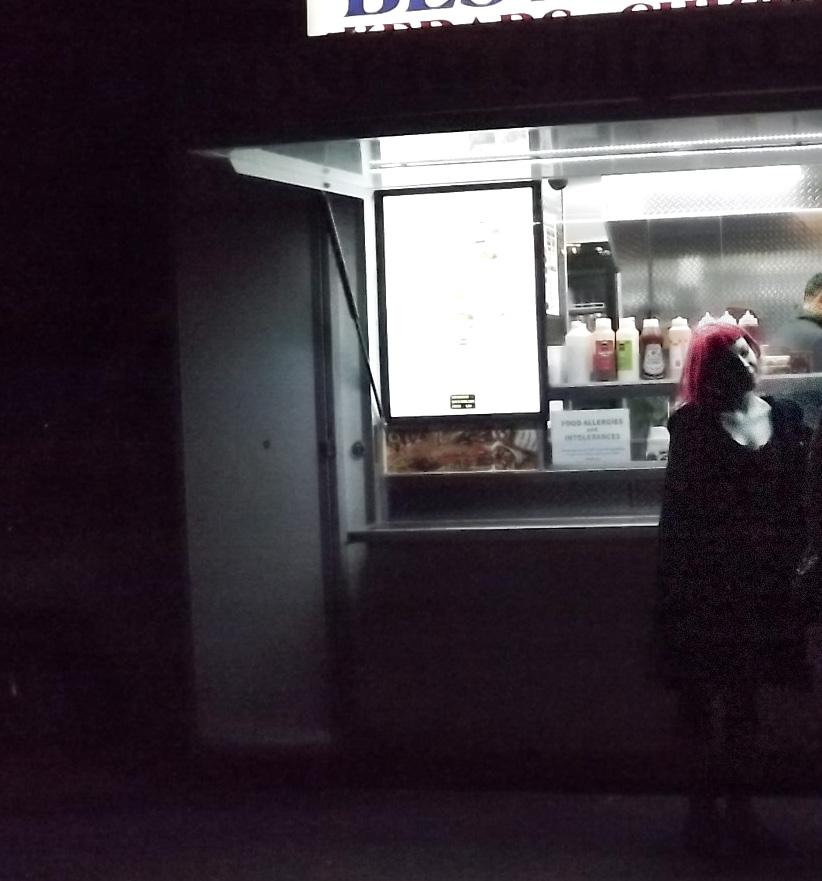
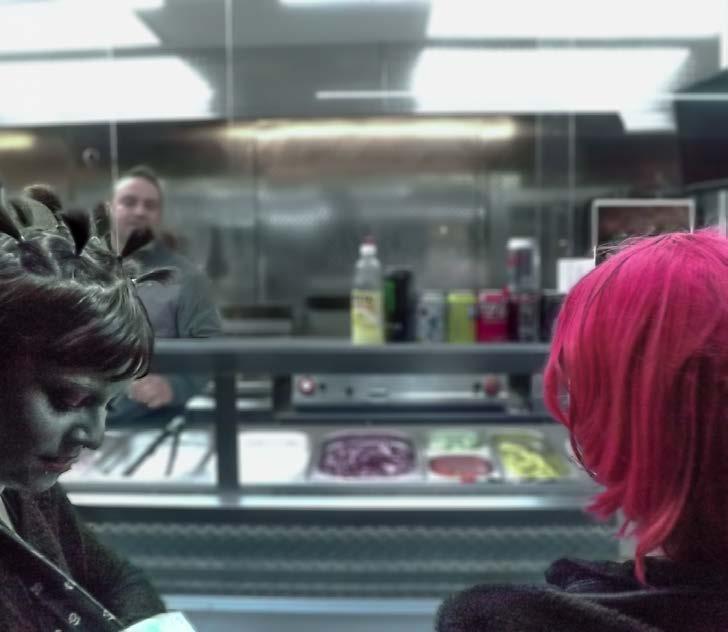
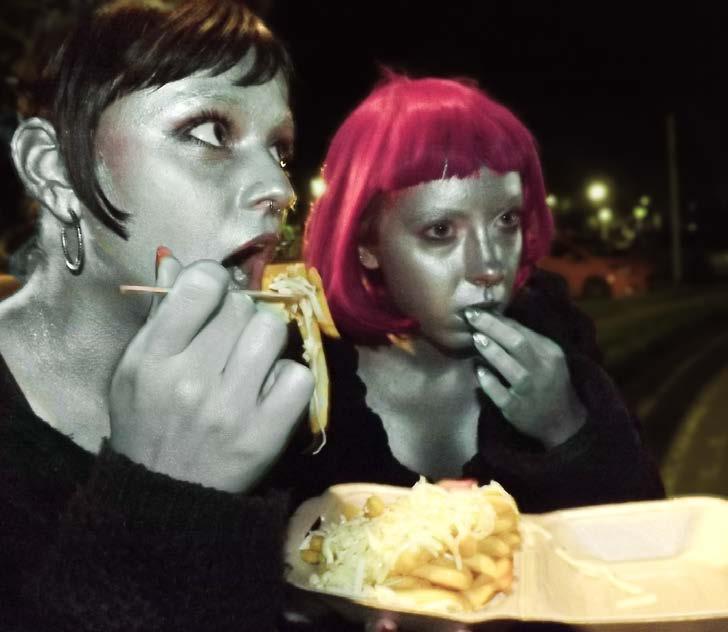
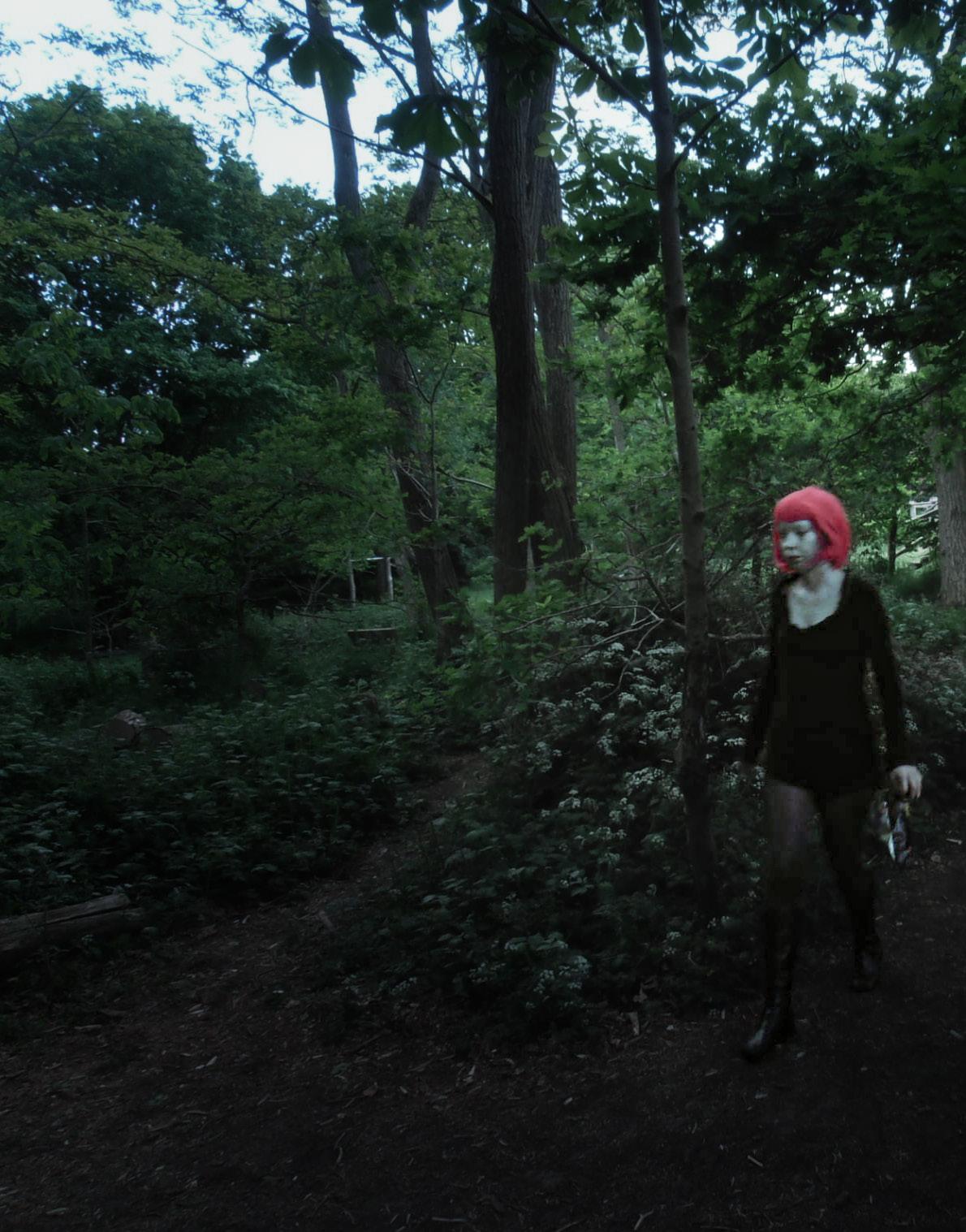
. . . IT’S LIKE THE BORN SEXY YESTERDAY TROUPE BUT LIKE IF IT WAS AWESOME AND COOL AND NOT PREDATORY AND SEXIST!

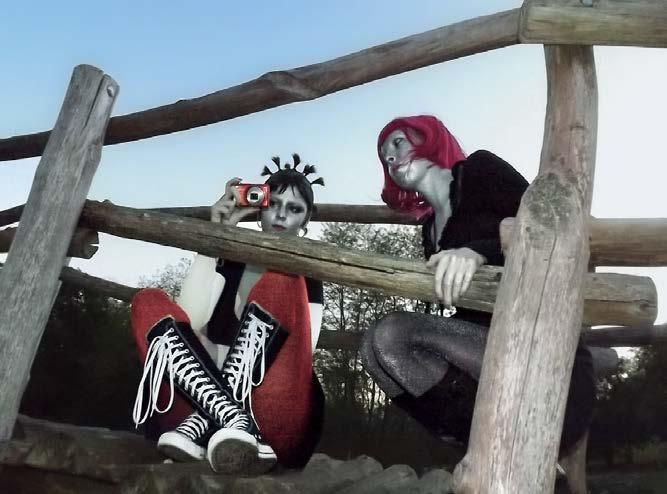






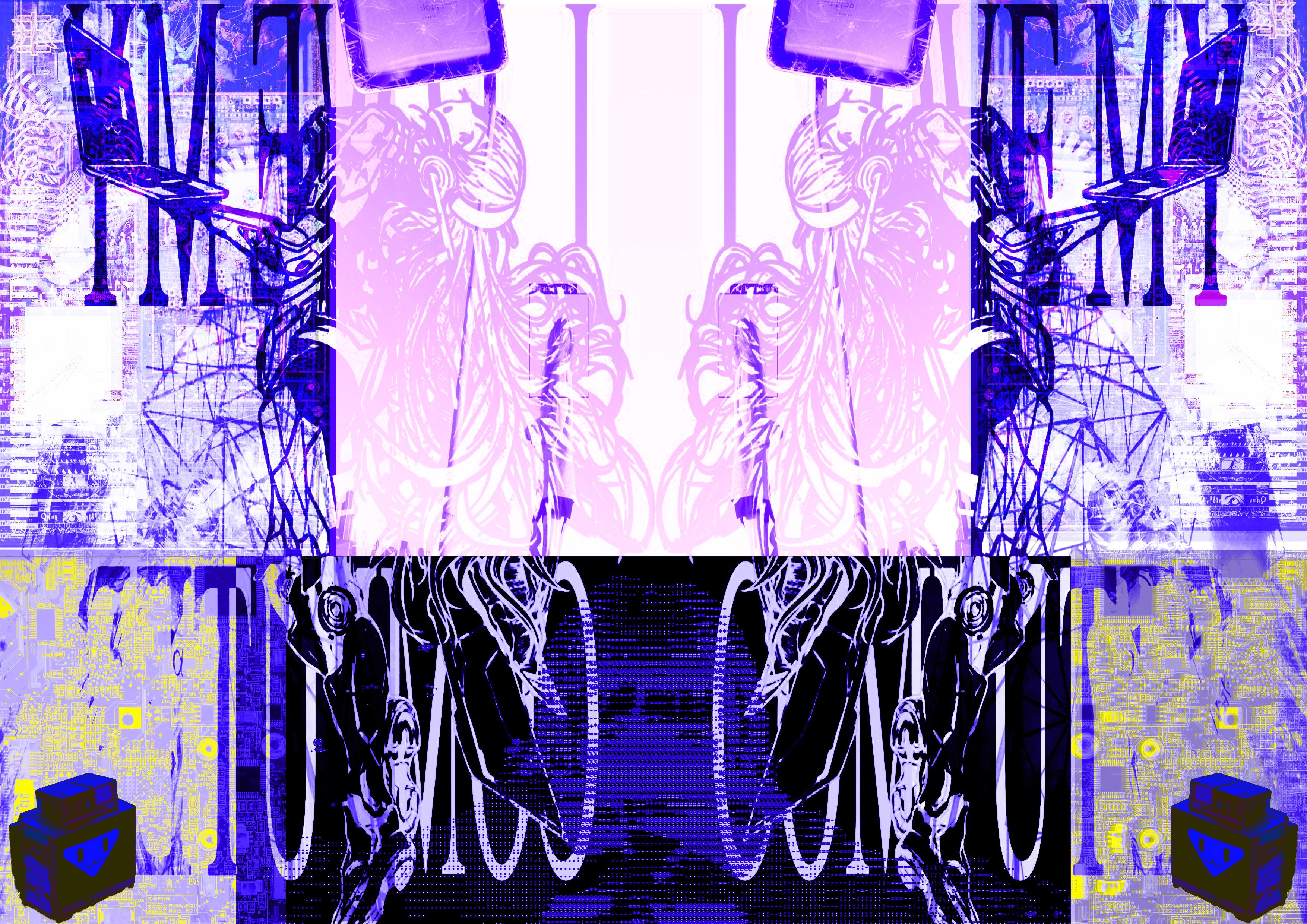
described her sound as “girl EDM”.
described her “girl EDM”.
“People love to ask artists how sound, and recently I realized mine is literally
“People love to ask artists how they’d describe their sound, and recently I realized mine is literally girl EDM”
iPod Touch is the second song on Nina’s debut album, “I Love My Computer”, the album takes the personal relationship she’s developed with technology and early internet culture such as owning cracked ipod touch with a Pikachu case and her time making music with a totally legit version of Studio. Since growing in the early stages of the internet her music has become very relatable with experiences many would have had growing up, “Hidden underneath my pillow ‘cause i should be asleep”, bringing back memories of throwing a ds or psp bed hiding it from your parents.
iPod Touch is the second song on Nina’s debut album, “I Love My Computer”, the album takes the personal relationship she’s developed with technology and early internet culture such as owning an cracked ipod touch with a yellow Pikachu case and her time making music with a totally legit version of FL Studio. Since growing up in the early stages of the internet her music has become very relatable with experiences so many would have had growing up, “Hidden underneath my pillow ‘cause i should be asleep”, bringing back memories of throwing a ds or psp underneath your bed covers hiding it from your parents.
The relatable lyrics and high energy production have cemented Ninajirachi as a one of the most magnetic artists in the EDM/ hyperpop world capturing a feeling of nostalgia while also developing a unique style of sound that will spearhead the future of electronic music for years to come.
The lyrics and high energy production have cemented Ninajirachi as a one of the most magnetic artists in the EDM/ hyperpop world capturing a feeling of nostalgia while also developing unique style of sound that will spearhead the future of electronic music for years come.
I’ve got a song that nobody knows
I’ve got a song that nobody knows
I put it on when nobody’s home
I put it on when nobody’s home
It sounds like high school, front gate, smoke in my face
It sounds like high school, front gate, smoke in my face
It sounds like dyed, frayed, high-waist, bought at Supre
It sounds like dyed, frayed, high-waist, bought at Supre
It sounds like loving you is easy but they boosted the bass
It sounds like loving you is easy but they boosted the bass
It sounds like
It sounds like
It sounds like iPod Touch, yellow Pikachu case
It sounds like iPod Touch, yellow Pikachu case
FL Studio free download in my search history
FL Studio free download in my search history
Hidden underneath my pillow ‘cause I should be asleep
Hidden underneath my pillow ‘cause I should be asleep
It sounds like, I’m keepin’ it a secret
It sounds like, I’m keepin’ it a secret
It sounds like I’ve got a song that nobody knows
It sounds like I’ve got a song that nobody knows
And I heard it in a post when I was twelve years old
And I heard it in a post when I was twelve years old
I didn’t know it would score the 64-bus home
I didn’t know it would score the 64-bus home
Turn a Monday to a memory and change my world
Turn a Monday to a memory and change my world
It sounds like iPod Touch, little crack in the screen
It sounds like iPod Touch, little crack in the screen
FL Studio so late, I fell asleep on the keys
FL Studio so late, I fell asleep on the keys
With it looping through the speakers, bleedin’ into my dreams
With it looping through the speakers, bleedin’ into my dreams
It sounds like
It sounds like
It sounds like
It sounds like
I’ve got a song that nobody knows
I’ve got a song that nobody knows
And I heard it in a post when I was twelve years old
And I heard it in a post when I was twelve years old
I didn’t know it would score the 64-bus home
I didn’t know it would score the 64-bus home
Turn a Monday to a memory and change my world
Turn a Monday to a memory and change my world
It sounds like first day, hallway, starting year eight
It sounds like first day, hallway, starting year eight
It sounds like beach day, heatwave, stoned and afraid
It sounds like beach day, heatwave, stoned and afraid
It sounds like me and my computer hangin’ out until late
It sounds like me and my computer hangin’ out until late
It sounds like
It sounds like
It sounds like iPod Touch, yellow Pikachu case
It sounds like iPod Touch, yellow Pikachu case
FL Studio free download in my search history
FL Studio free download in my search history
Hidden underneath my pillow ‘cause I should be asleep
Hidden underneath my pillow ‘cause I should be asleep
It sounds like
It sounds like
It sounds like
It sounds like
I’m keepin’ it a secret, it sounds like
I’m keepin’ it a secret, it sounds like
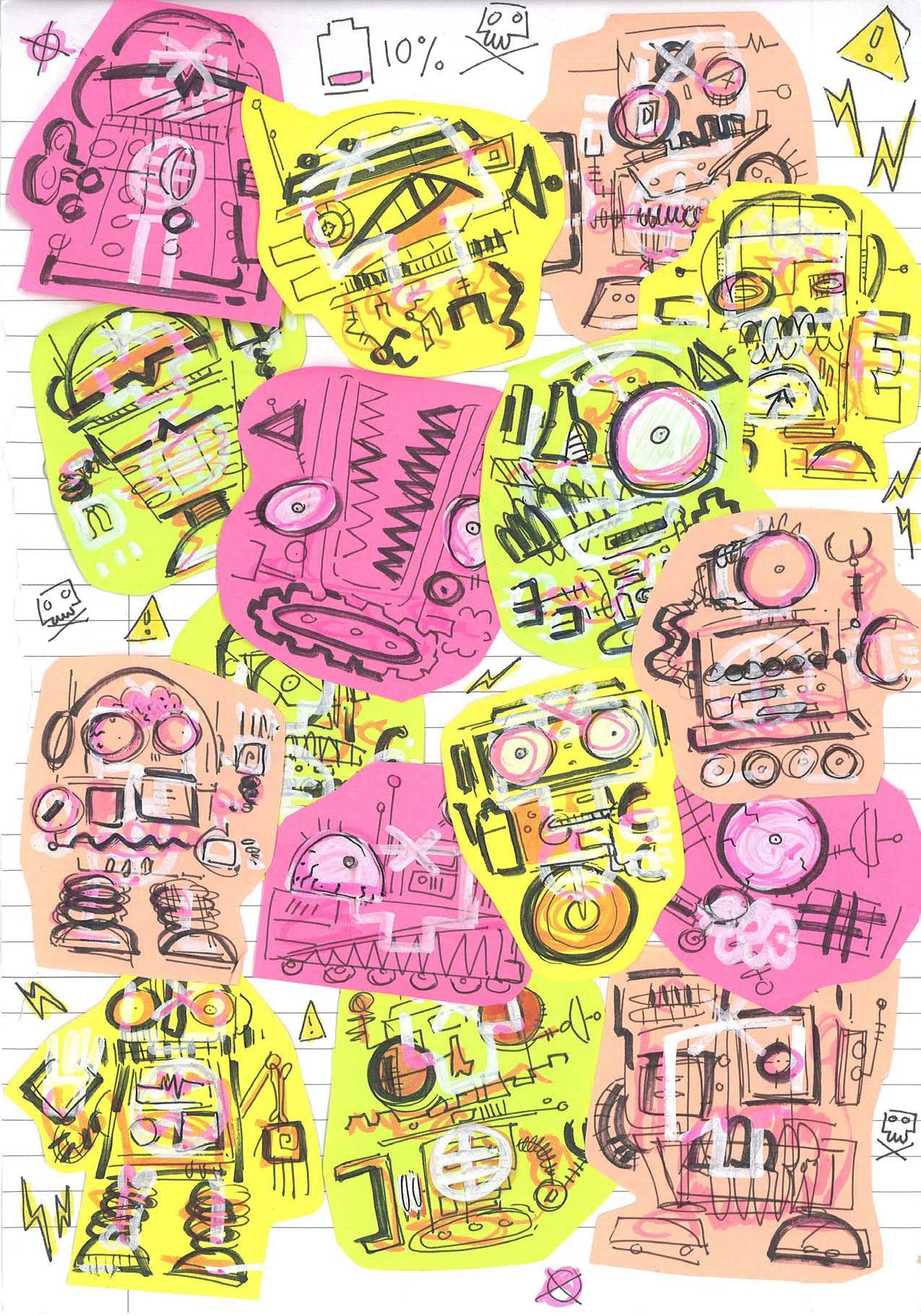
Written by Miles Farrow
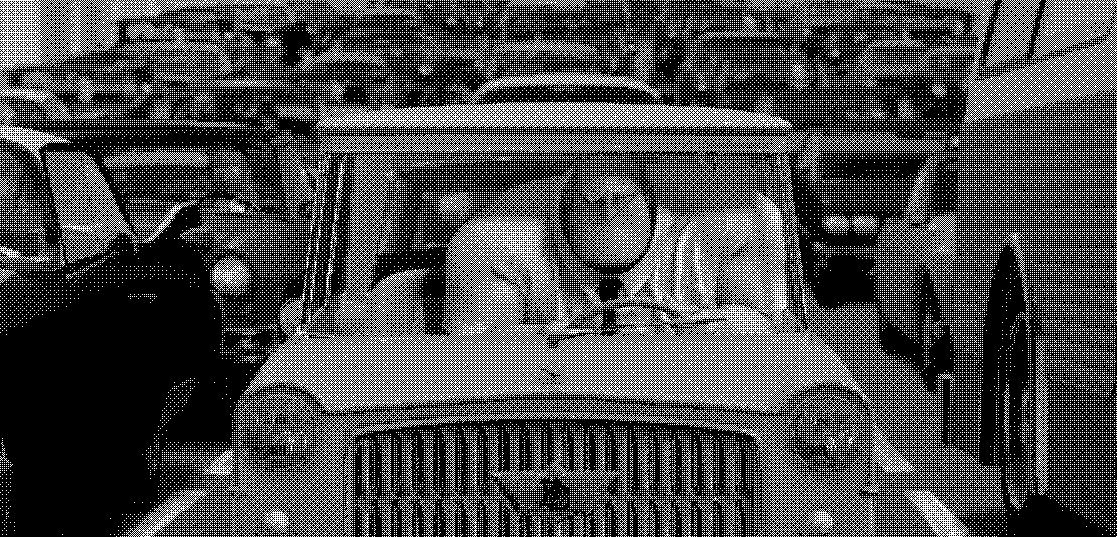
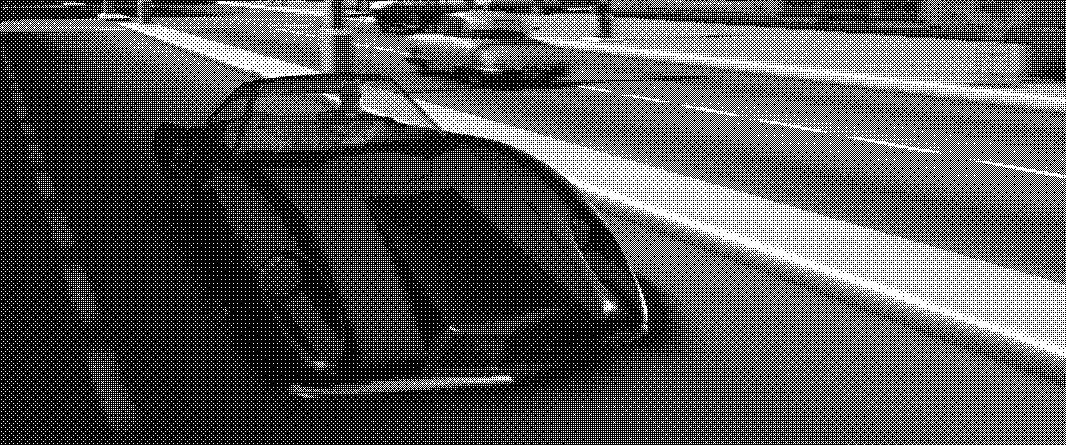
Pixar’s 2004 classic The Incredibles is awash with a central contradiction –the representation of futuristic and sci-fi elements (seen in the technology of the film) within a historical background and environment. Anybody who has watched the film numerous times, like I have, will have noticed this. It’s part of what fascinates me most about the film. Contrary to others, I imagine, I was and continue to be more fascinated by the mundane parts of the Parr family’s lives than the superhero action. The grey suburban street, the traffic jams, the decidedly unglamourous car, the environment where dreams go to die, all seemed vastly more interesting to me than any fights that happen later in the film. There is a substantial contrast between the Parr’s previous life, of which is barely seen, and their present life. Mr. Incredible’s first car is advanced and sporty, but in the present he has to cope with a normal one which mirrors his normal life. It is believed that the film takes place in the 1960s, and after the family have to go underground because of their super identities, they have to attempt to live normal lives. Sadly for them, and for Bob Parr in particular, it soon becomes apparent that regular life is mundane and lifeless and is a distinct contrast from the heroism that Parr thrived on. Being forced into an environment where helping others in the same grand way as before isn’t just unlikely but actively discouraged, most starkly seen in the insurance company office scene, proves to be almost impossible to stomach. In fact, part of Bob’s central problem in the film is his inability to accept the present and leave the glory of the past behind. This is an obvious point to those that have seen the film, so I think it would be more interesting to look at the film’s relationship to the future. Parr clearly seeks a future in hero work (as it is called in the film), but this future is directly informed by his past. He wants to be the hero of his community again, but is instead stifled in a system which forces him to act like a villain. As incredible as he is, he cannot reckon with the present as it is. Syndrome offers a way out, at least initially, and the infrastructure that surrounds him (his lair and weapons) represents a sort of dream which contrasts with Parr’s mundane reality. Syndrome has amazing technology, sci-fi-esque technology that seems out of reach compared with our present technology, and a vast lair. The future, or Syndrome, may be enticing at first but ultimately is not what helps Parr reckon with his problems.



It is also worthy of note that the most advanced technology in the film is pretty much exclusively military technology. What does this say about the society of the film, and is this a tacit comment on real life technology? It is sort of fitting that the most advanced tech in the film is the tech that must be overcome by the Parrs. You also have the contrast between the old school methods of hero-work that Parr is used to and the new landscape of villainy he must fight. This transparent fusion of the past and the future is a really interesting and important part of the film, and actually makes for a fascinating aesthetic. It could be said that part of a fascination with the film’s futurism comes from just how different it is from what has actually transpired since the 60s, and even since 2004. None of what Syndrome developed has any parallels to actual technology in real life. The Omnidroid and Syndrome’s jet are very high tech and mesmerizing to viewers, but are still almost totally alien to us. In many ways, there is a strand of sci-fi permeating throughout the film which can’t really be ignored. There has been scholarly thought about what “the future” really is in the popular imagination or cinematically. I think David Graeber summarised the qualities of fairly recent sci-fi cinema well when he stated that
“Later science fiction futures were largely dystopian, moving from bleak technofascism into some kind of stone-age barbarism, as in Cloud Atlas, or else, studiously ambiguous: the writers remaining coy about the dates, which renders “the future” a zone of pure fantasy, no different really than Middle Earth or Cimmeria. They might even, as with Star Wars, place the future in the past, “a long time ago in a galaxy far, far away.” This Future is, most often, not really a future at all, but more like an alternative dimension, a dreamtime, some kind of technological Elsewhere, existing in days to come in the same sense that elves and dragon-slayers existed in the past; just another screen for the projection of moral dramas and mythic fantasies.”:
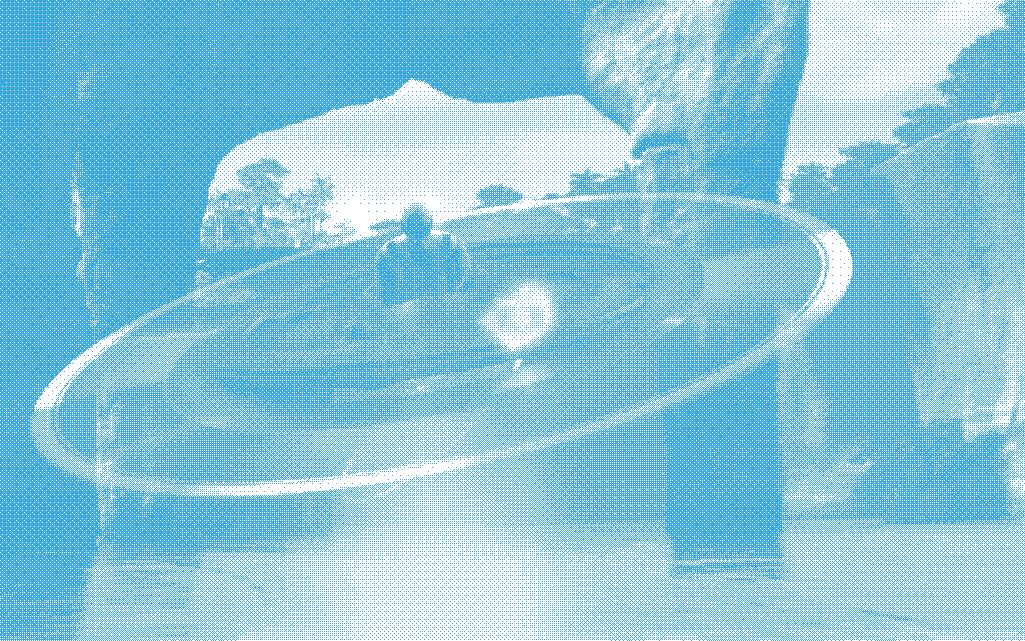
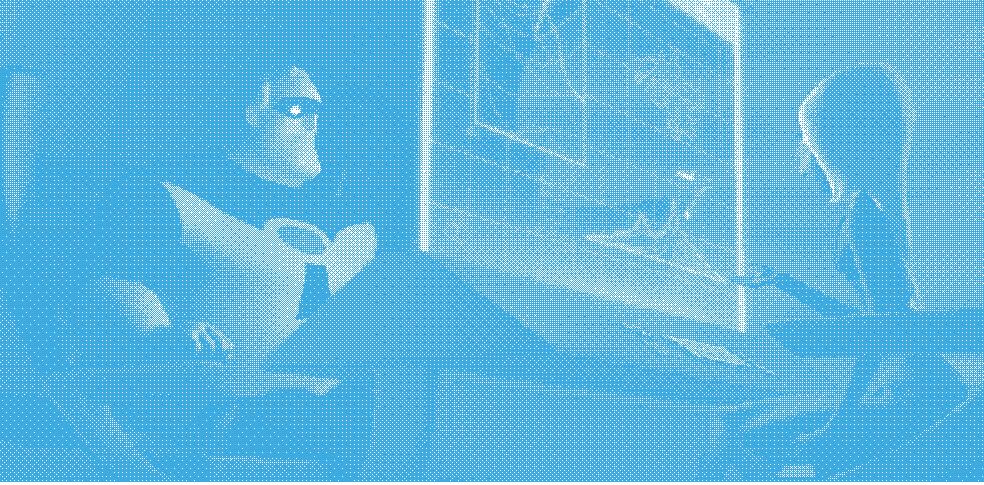
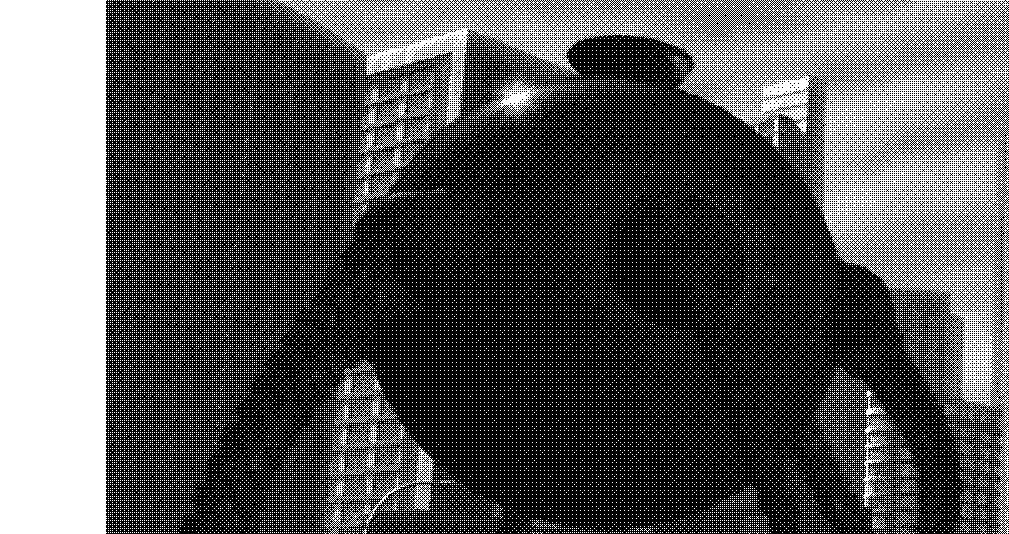
In a sense, this is exactly what the futuristic aspects of the film are: another dimension. The world of the film is an uncanny one. It takes aspects of the real which bore us; the suburbs, stifling office environments, and mixes it with the enticing dimension of transforming jets and sleek lairs. It is in this dichotomy that we relate to Bob Parr the most. In the event that the visions for the future in our imagination actually came true, who wouldn’t want to gravitate toward it when the only other option is the mundane present. This future dimension is also coupled with a strange nostalgia from Bob too. The fulfilment of his fantasies of saving others and of being the hero he was in the past seem to lie in the future: another dimension. Perhaps the real tragedy is that to us, the audience, the film’s future remains exactly that.







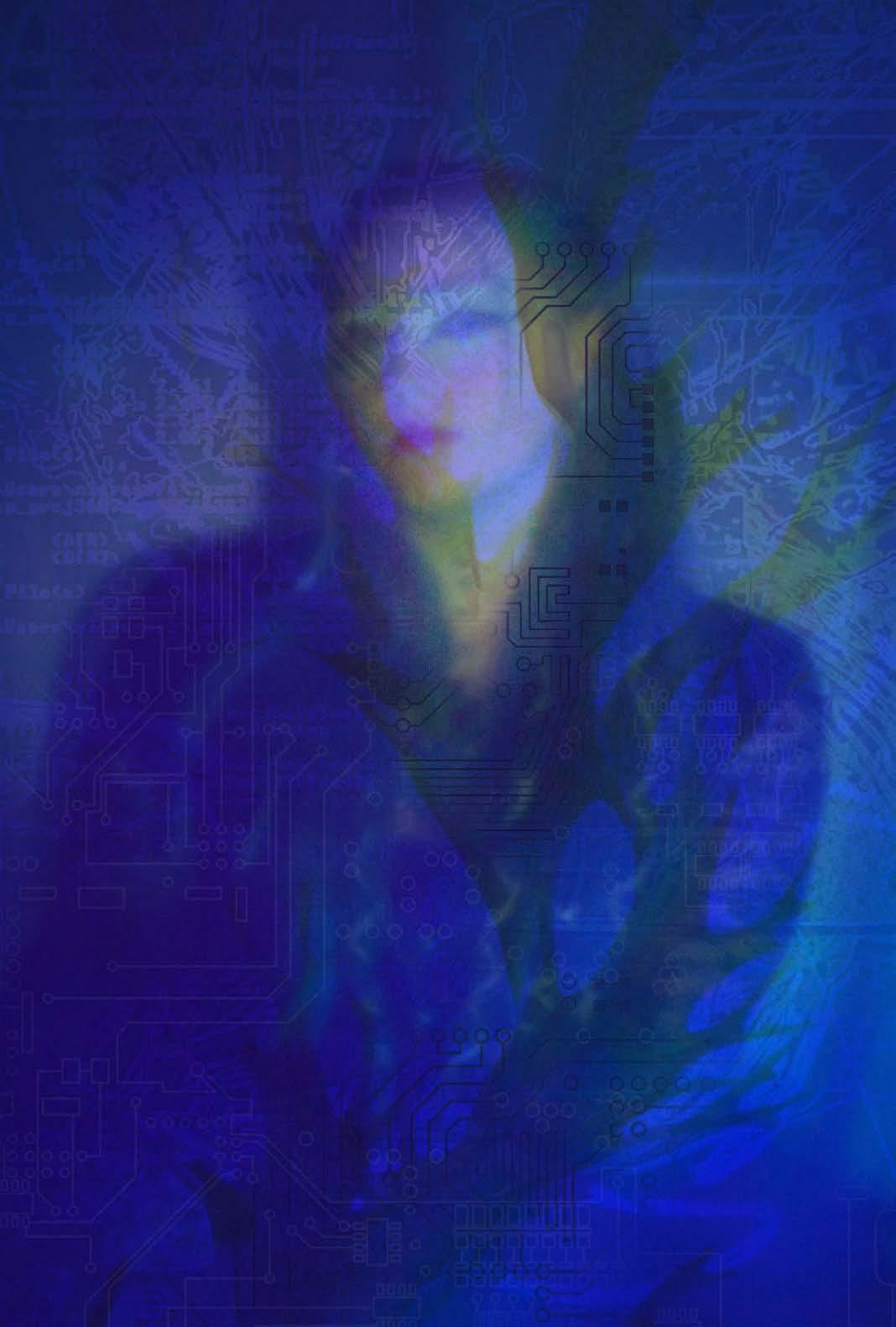
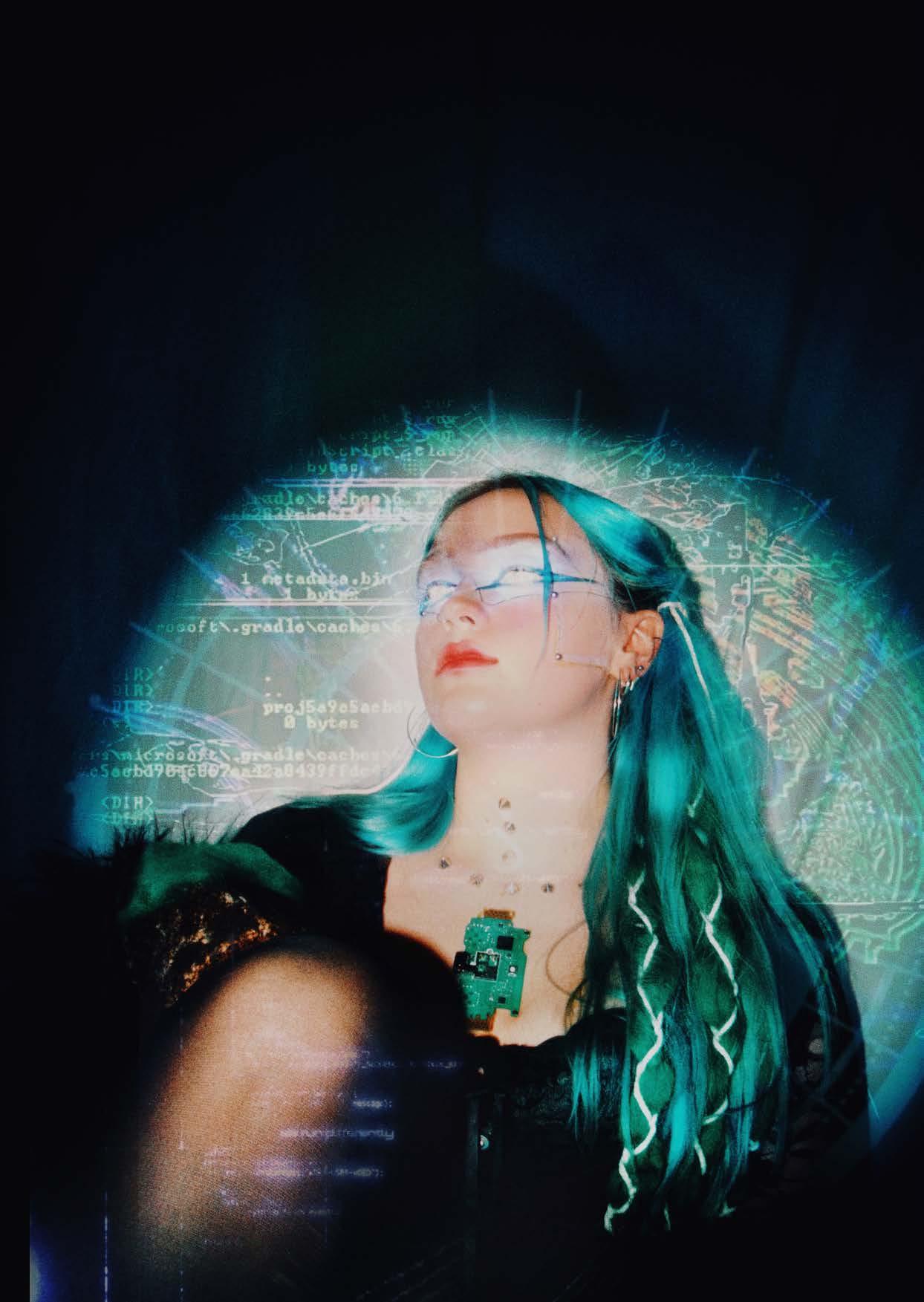

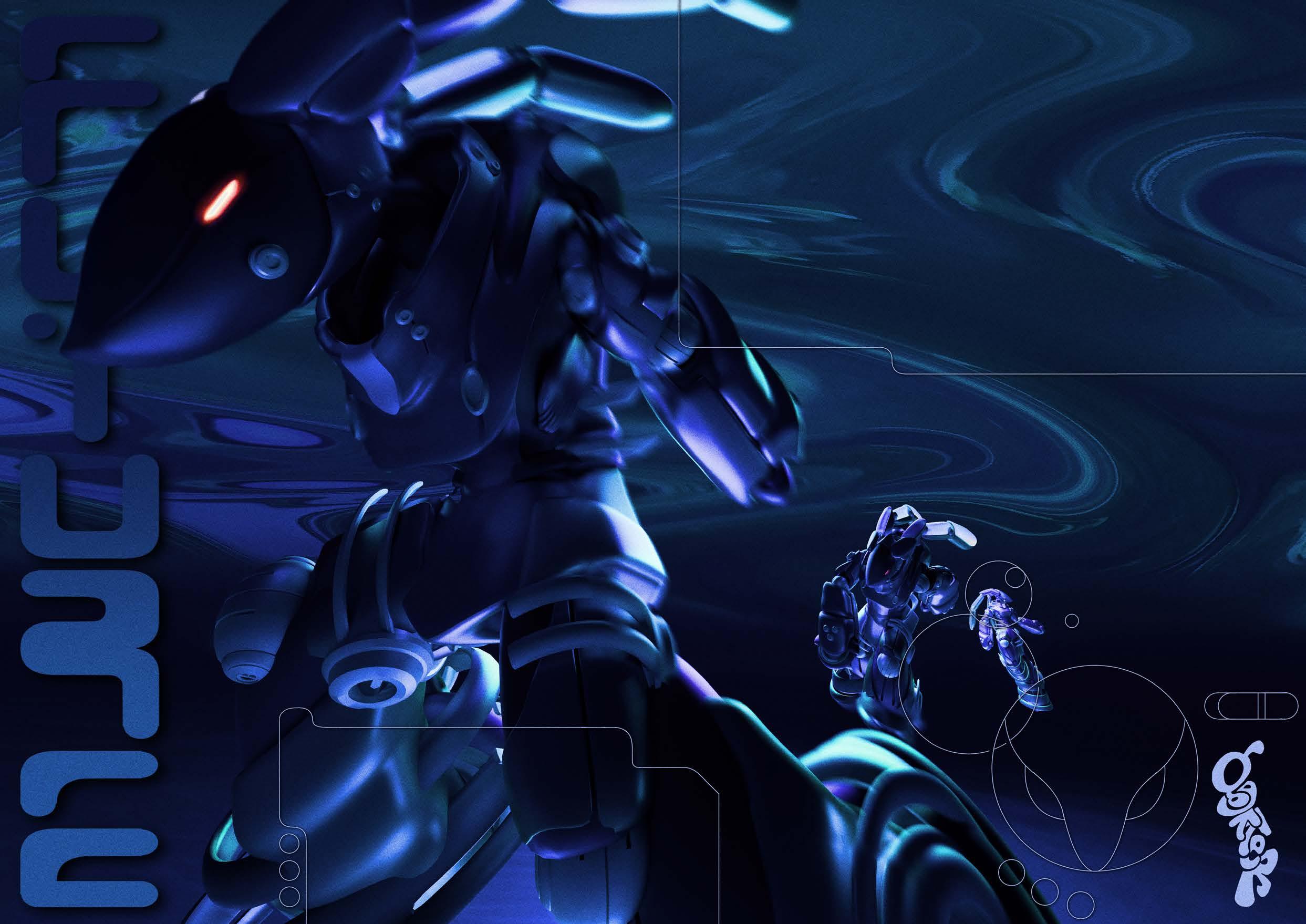
When it comes to the future, I like to (ironically) look into the past and how people in the early 2000s would imagine what our future looked like.
In this case, my mind immediately goes to the works (and subsequent iterations from other designers) of Adrian Frutiger. Adrian Frutiger himself was a Swiss Type designer who had a large influence on the direction of type design in the 20th and even the 21st century, which the proceeded to influence what was at that point emerging digital technologies like the UI and UX design on computer OS like Windows Vista’s Aero Interface. This then led to what ultimately made the entire idea about what our “promised future” was, with the “Frutiger Aero” Aesthetic , which was popularised back then but has experienced a large boom in popularity once more as it
touches on people’s needs and wants for a brighter future, and I agree with the sentiment because our current political and economic climate has led to people wondering if we even have a future to begin with.
With this in mind, over the past year I have experimented with how I can incorporate the aforementioned Frutiger Aero aesthetic into my own work, while bringing back sensibilities aligned with those in old videogame magazines.
The goal that I had in mind was to almost bring people back to an era where we had that speculative future that we could look forward to, as if we’re nostalgic for a world that we could’ve had, which also comes from a personal wish to have also experienced those years as I currently am.
I think it really speaks to the need of the people that we look back into our past to yearn about what we could’ve had, I still remember the day on the news when reporters were talking about how we finally reached 2015, the same year that Marty McFly and Doc Brown travel to in Back to the Future Part II (1989) and how different it was to our own. Sure, there was a twinge of disappointment in the whole event as we definitely hadn’t reached that kind of future just yet, with hoverboards and flying cars and the such, but within that there was a hope that we can still look
forward to those things, even 11 years ago we had hope for a different future.
Now, I feel like we don’t really think of anything substantial for the future that is different from what already came before us or borderline into straight sci-fi, and I think that is why older speculative futures in aesthetic form like Frutiger Aero (or other members of the Frutiger Family like Frutiger Eco and DORFic, the latter being represented in movies like Cloud with a Chance of Meatballs II (2013) ) come about once again, as we can’t really conjure up anything of our own right now as we are the future, which isn’t exactly the most hopeful...
But we can still try.
This piece is one of multiple that I created with one of my characters for a series that I plan on working on in the near-future. Her name is Kaltes-Ekwa, and she embodies the aesthetic of the entire series, which I have named “GETTER”.


Contemporary life is turbo-speeding through growth, innovation, and evolution. Jumping from one thing to the other,we constantlywonderwhat comes next. Whatwill tomorrowbring? Althoughwe seem to be atthe heightof an influx of information and knowledge, this has notled to greater certaintyof whatthe future holds. Our age ofthe Anthropocene has ruptured past notions of the future thanks to the implications of
climate change,AI, and the (un)sustainabilityof capitalism. Consequently,there has been a future-oriented shift in our chronoception due to this state of indeterminacyand instability. While this mayseem contradictoryto current trends pointing towards nostalgia,this resurgence is more of a reflection of our outlook towards the future than the past.
If we think of the future as events yet to come, the most frequently anticipated event is an apocalypse. There has been an increase in apocalyptic and climate anxiety about the growing threats to the longevity of the future, revealing how the unquestioned availability and openness of the future is problematic. In the book Living in the End Times,
Slavoj Zizek asserts that we are reaching “an apocalyptical zero point” driven by “the worldwide ecological crisis, imbalances within the economic system, the biogenetic revolution and exploding social divisions,” what he called the “four horsemen” of the apocalypse. Zizek states that our response to these crises mimics the five stages of grief. Similarly, recent
research on “climate tragedy” implies that personal grief is transforming into climate grief where “the future is replaced by grieving for its loss and by sadness.” If nostalgia sees the past as surviving ruins of former greatness, then modernity sees the present, itself, as ruins and the future as doomed.
Before the future was something we dreaded, it was a utopia that promised a better life than today and yesterday. This belief that the future triumphed the present, as the present triumphed the past, was called the idea of progress. With the devastating effects of capitalism on our quality of life, this mentality towards the future declines. The utopianism and
narrative of progress that filled the 20th century became an abandoned perception of the future, marking our descent into dystopia. Consequently, dystopian fiction became a way of discussing both the present and future, considering environmental and economic malaise. In Planet Utopia: Utopia, Dystopia, and Globalisation, Mark Featherstone suggests that the act
of striving for utopia is a product of the human condition, even if it eventually results in dystopia. It produces momentum that propels us forward, beyond the present, to overcome what it lacks, manifesting as an orientation towards a place or time in the future.
The future in many ways is the extension of the present. “Foreverism” is the idea that the future is nothing but an endless present. It even goes as far as saying that the present is all we have and what remains of the future is “the memory of a time that still believed in it.” The present as we experience it is an immediate short duration of seconds and minutes known as the “specious present.” This is a subjective perception of time relative to a person’s place in time. Time and space used to be thought of as independent entities, but the introduction of the space-time continuum in the early 20th century redefined their relationship. The spacetime continuum is a 4-dimensional plane that fuses three dimensions of space with one dimension of time into a unified concept where time and space are interlinked phenomena. Hence, the space-time continuum is a tool for adequately measuring our subjective perception of the future is a point and place in time, observed through the specious present.
On an existential level, the future boils down to the duality of existence and inexistence: life and death. German philosopher Martin Heidegger theorised that existence (life) is predated by the possibility of inexistence (death). He insisted that inexistence was not the end of life but part of existence itself, that both defines and limits all existence. Heidegger suggested that focusing our attention towards facing the imminence of death would allow us to truly begin to define existence. In a similar sense, fellow German philosopher, KarlOtto Apel wrote about the “macroethics of collective responsibility” which argued that to have ideals, an idea must first exist, even if it is never actualised in the process. Necessity, the “mother of invention” is what enables ideas. In other words, to conceive of the future, necessity must trigger its cognition. The need to conceptualise the future, according to Heidegger, is born from death’s ability to frame our understanding of existence and the meaning of life throughout the past, present, and future. If that is the case, then why do humans do their best to evade and deny death? Our anxiety towards the finitude of life and inevitability of death has led to the creation of a flood of distractions to escape this reality. Existence has become a waiting room that lives in fear, anticipation, and expectation of death rather than daring to confront it.
At its core, existence, time, and future are about transcendence, transcendence to present and future. Aristotle saw infinite succession emphasising linearity. contemporary thought that “the future is not of a single trajectory that irreversible, but non-linear, importantly, plural with multiple trajectories.” The past, present, not “arrive” after one another and, thus, are not mutually exclusive. make sense of the future without the present is the legacy of the cannot make sense of the present that the past is a product of how
t its core, existence, and the are about transcendence, the transcendence from past and present to Aristotle saw it as “an succession of nows,” linearity. Conversely, contemporary thought argues is not the unfolding trajectory that is linear and non-linear, reversible and, with multiple even infinite past, present, and future do another in a linear sequence mutually exclusive. We cannot without understanding how legacy of the past. In parallel, we present without understanding of how we envision the future.
Moving on from the existentialism of time, how is the concept of the future practically applied in politics? Since the Enlightenment era, the idea that the future was something to be controlled and a direct byproduct of the present replaced notions of a preordained fate as the dominant idea. At the forefront of the 19th and 20th centuries are futureoriented concepts that operate with the mindset that the power of changing the future is in our own hands. Even the past has been “re-written to fit in with future projections.” Unsurprisingly, many of these assumptions are subject to questions of determinism and the “openness” of the future, which destabilises “the capacity of social action to generate future possibilities” and the extent to which we can “expect” and “anticipate” the future. Furthermore, tackling the future through means of control is an inevitably short-sighted approach. When we think of the future, we ordinarily think within 30 years of the present, so where does that leave the distant future? This short sightedness or “shortermism” pervades the geopolitical scene as we grapple with the dual orientation of being both “oriented towards the future and guided by it for action in the present.” We see its flaws today in the rapid deterioration of climate change and the global economy. The biggest flaw is, perhaps, our habit of accepting contemporary ways of envisioning the future as a social or cultural “fact” about future outcomes. This is simply untrue, overwhelmingly reductionist, and unimaginative. How we currently view the future reflects and critiques the past and present far more than it can accurately predict future events.
With all that said, what hope is there for the future, or, as Immanuel Kant puts it, “what may I hope?” Kant, a German philosopher, famously wrote this question in his book Critique of Pure Reason where he argued against rationality’s ability to provide metaphysical knowledge. Since time is a metaphysical concept, this question persists. Earlier, time was defined as a process of transcendence; this is not exclusive to the passing of time. Transcendence is also expressed as hope and a sense of responsibility towards the future. Our capacity for hope is what preserves the possibility of the future and is an indispensable principle in its theorisation. While our current consensus about the future is one of fear and anxiety surrounding the longevity of humanity and the end of human civilisation or the world as we know it, these emotions are not entirely unproductive. Fear can give hope the urgency to take agency over the future. Therefore, the conceptualisation of the future is a necessary critique of the present that allows us to work for a better future for current generations and those yet to come.
02
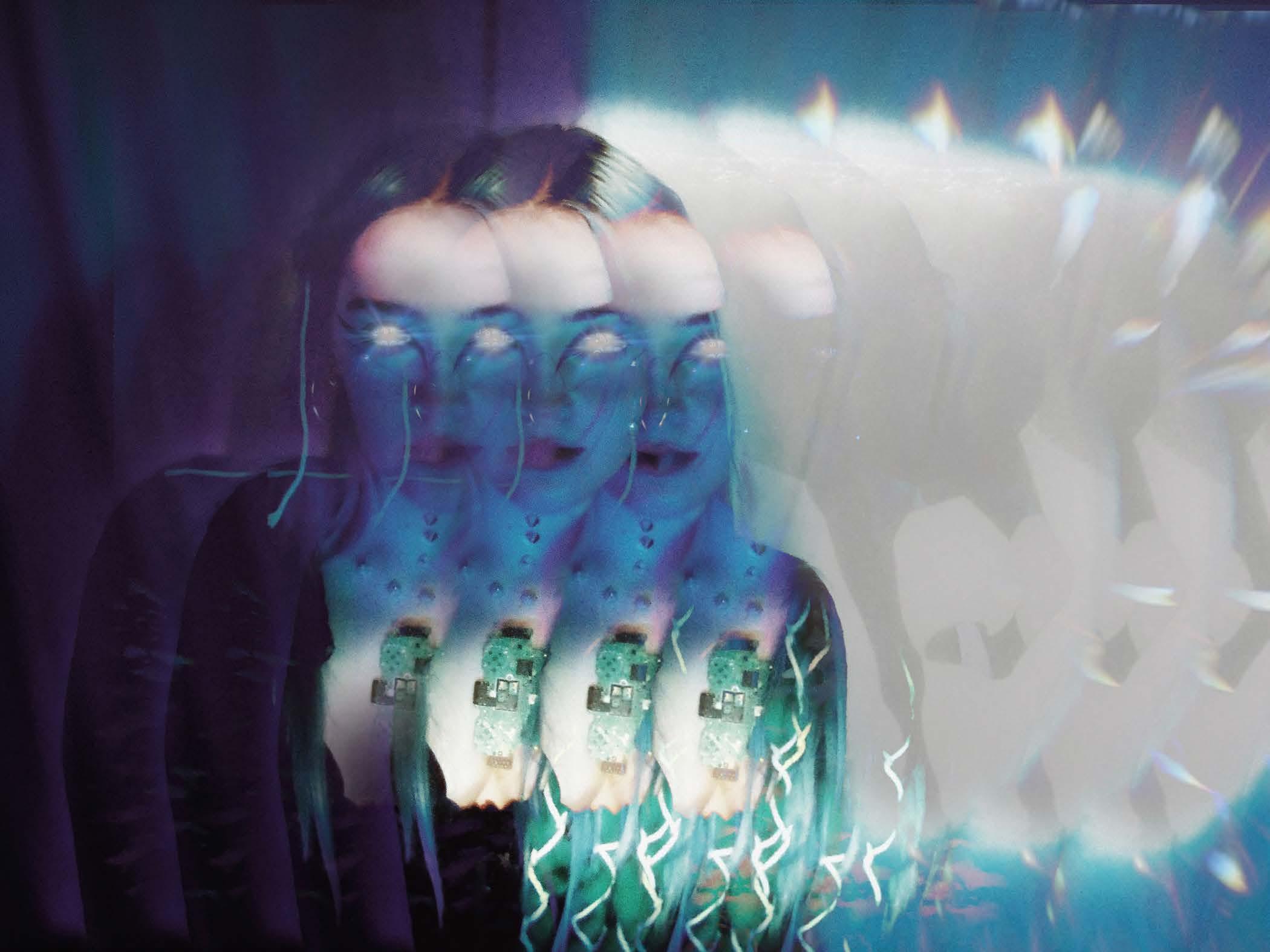
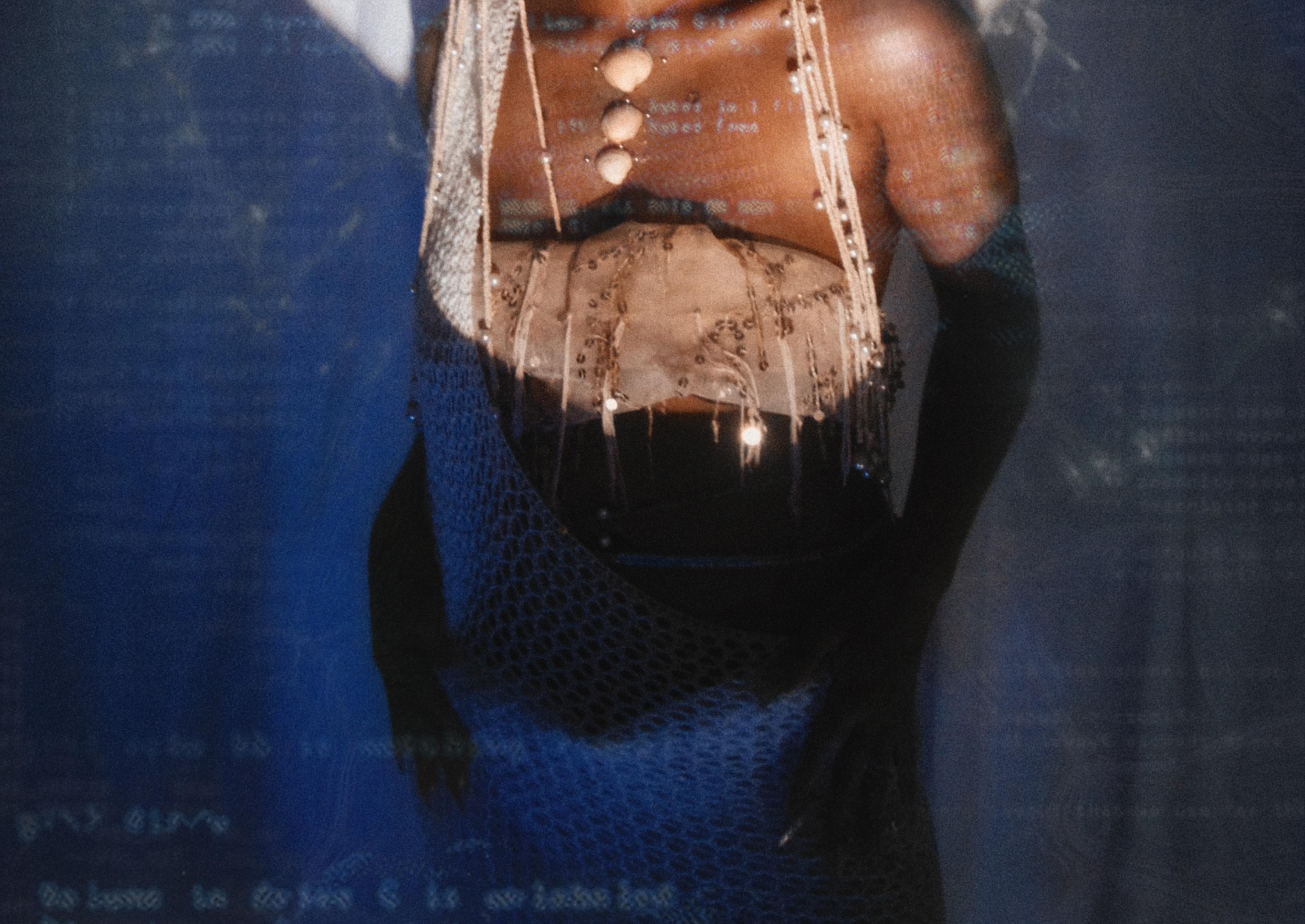
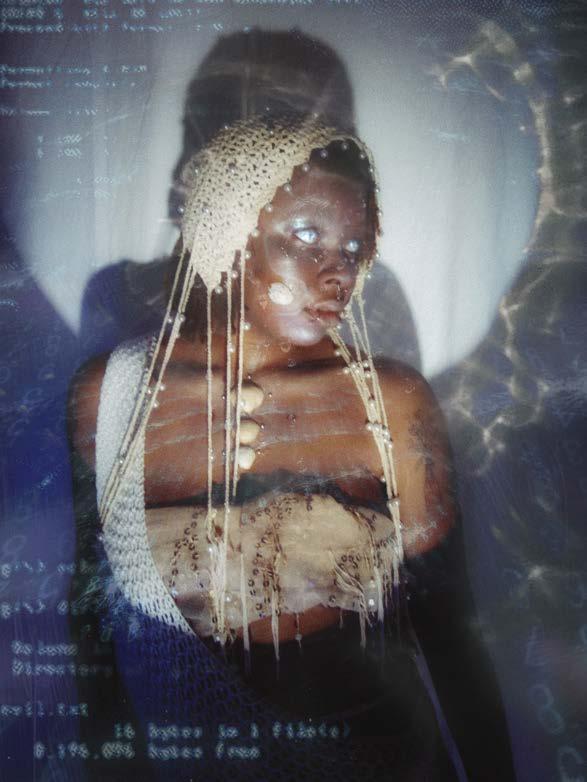
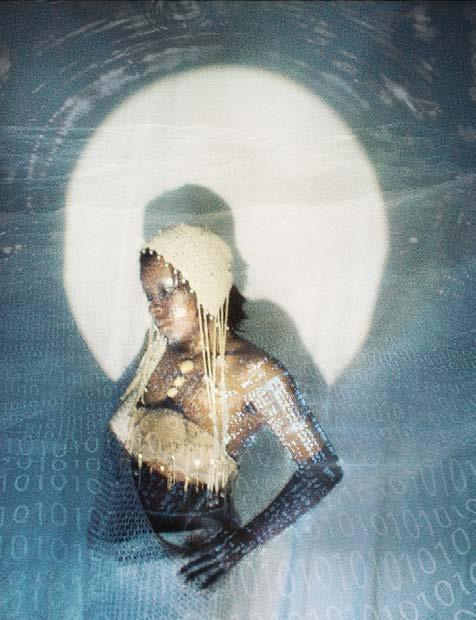
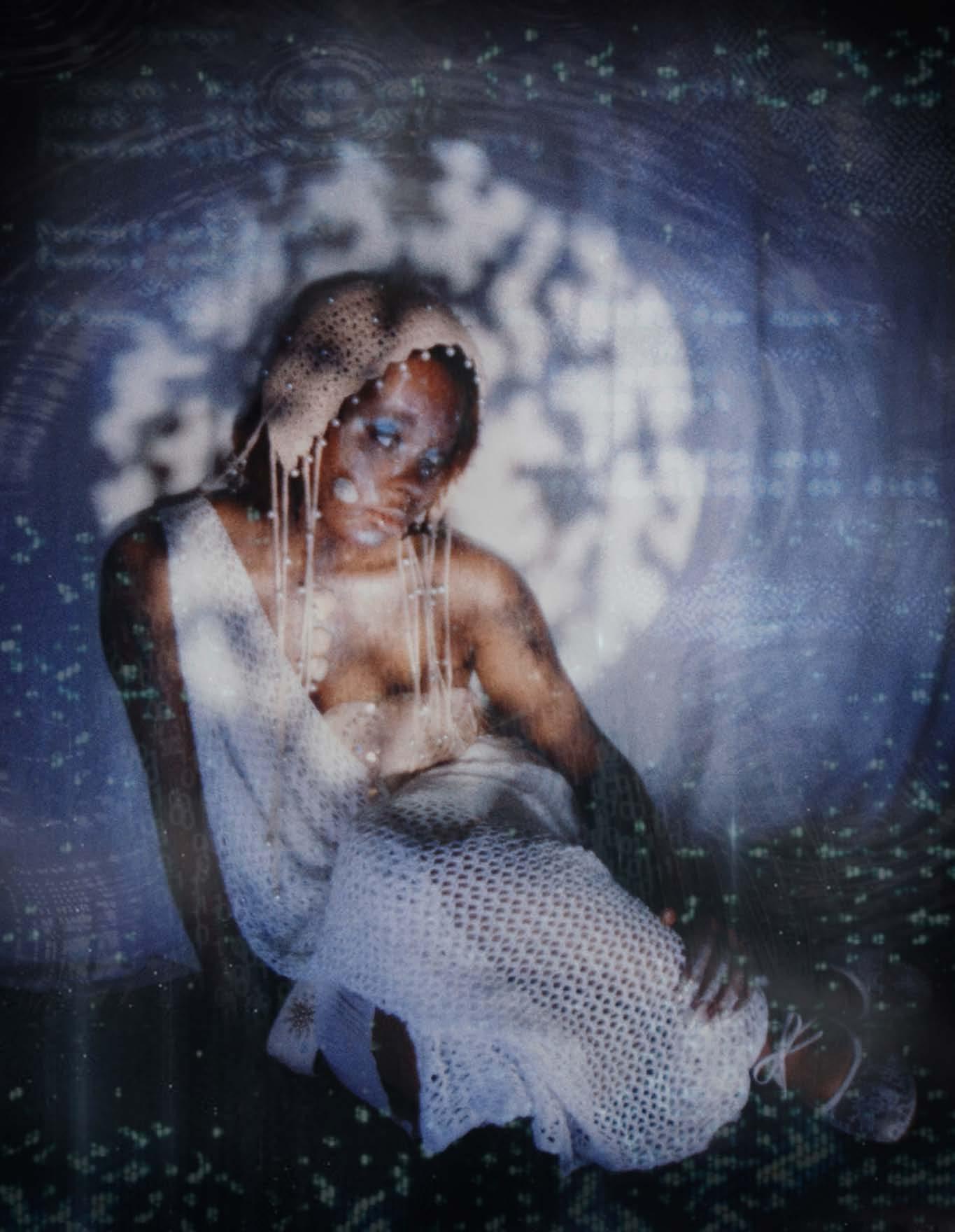
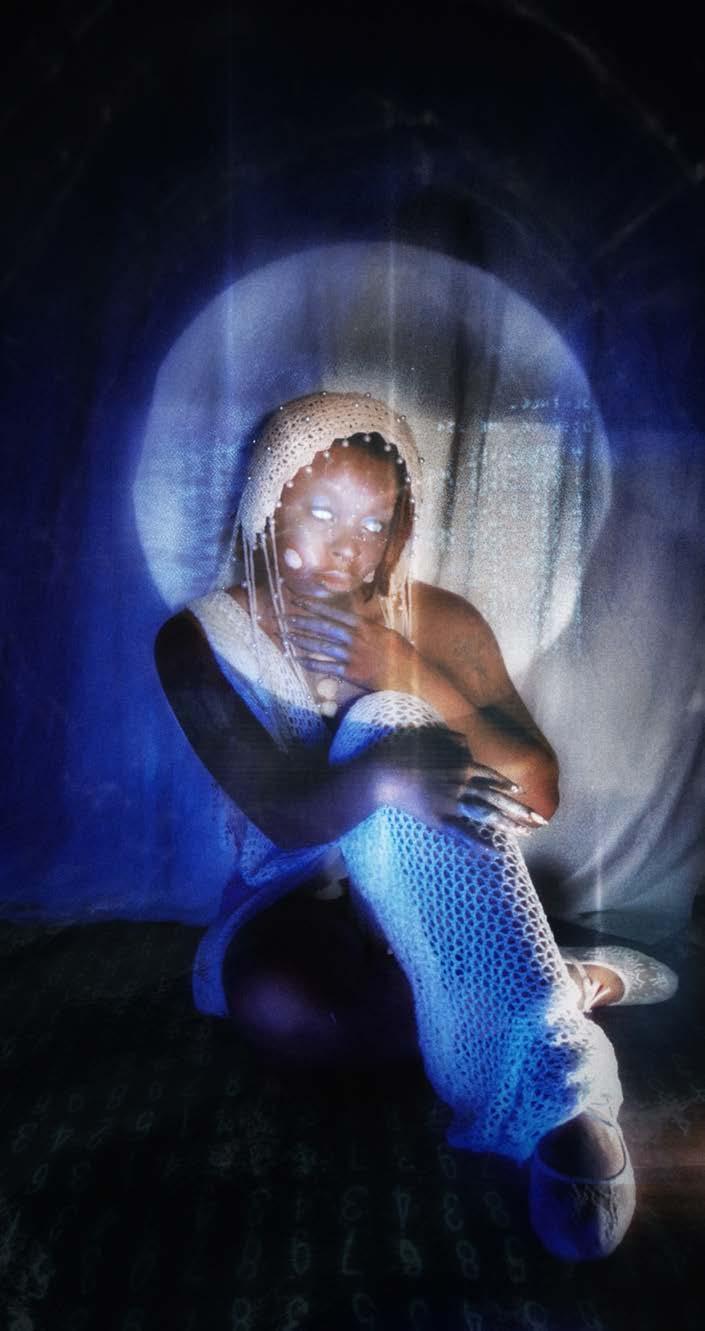
CYBERBLOOM
PHOTOGRAPHY
GRACE TAYLOR @GT.PHOTOS_2
03-04
SOUL Stop And Smell
The Flowers
TEXT RIAN PAUL
@RIAN.PAUL_FILMMAKING
DESIGN DYLAN NOGLIK
@EVERYBODYSFAULT
05-08
BAD ENDING ILLUSTRATION AL @ART_OF_AGRAPE
09-10
1984: A Warning for the Future
TEXT & DESIGN BEN SUDELL 11-18
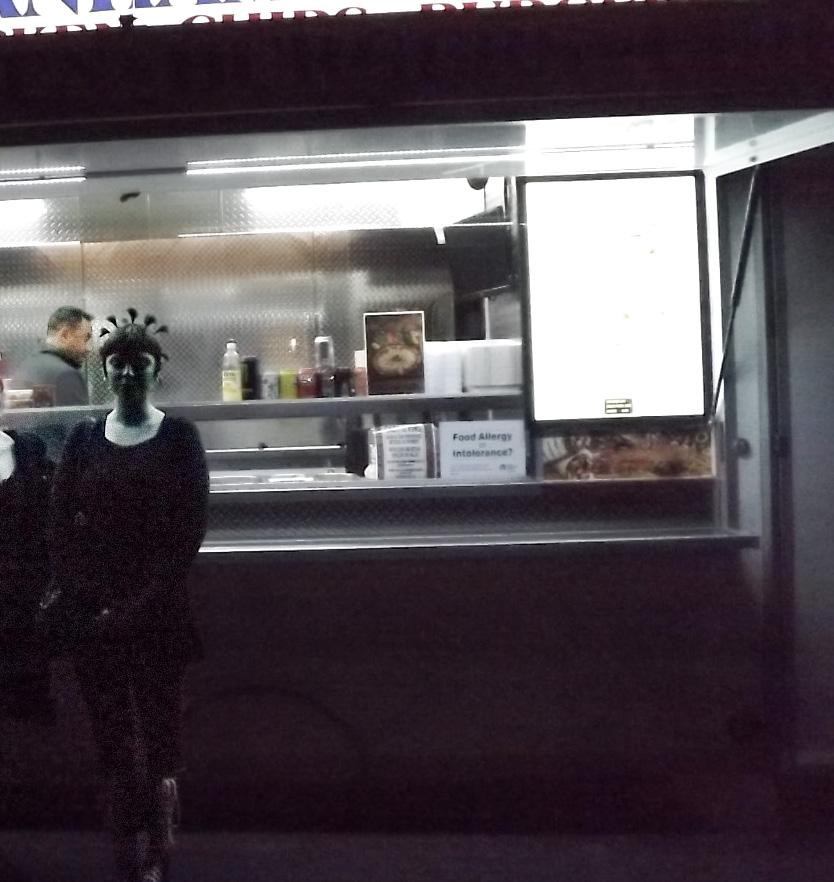
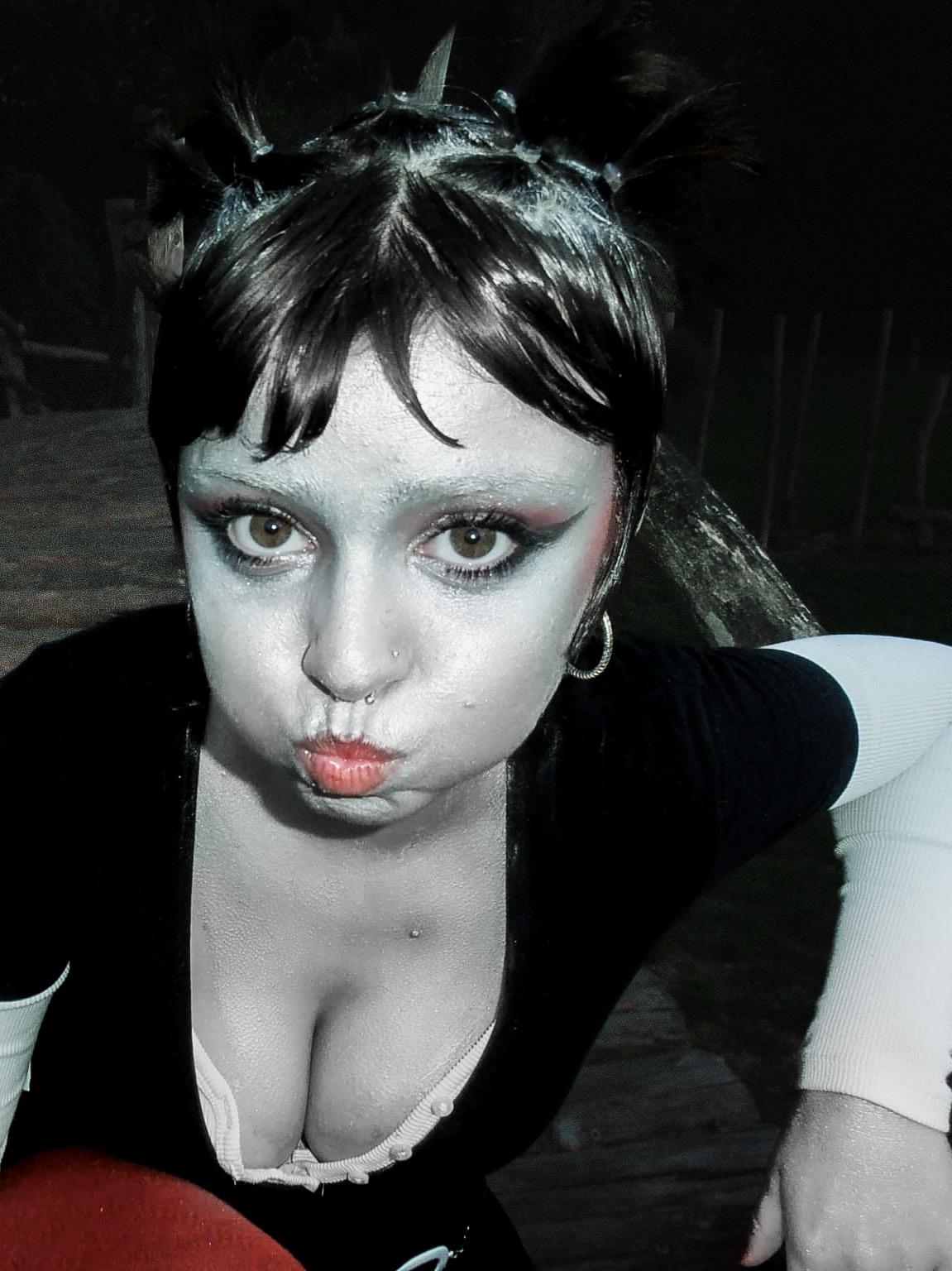
Single aliens in your area
PHOTOGRAPHY SONYA
SAVELEVA @PANAHI.PARAJANOV.PRALINE
CREATIVE DIRECTION KAT HALL
@KATBOX__
DESIGN FAITH WILLIAMS
@WOODLOUSEDUDE
MODELS KAT HALL & FAITH WILLIAMS
@themagazinesociety gluemag.tumblr.com
EDITOR-IN-CHIEF FAITH WILLIAMS
PROOFREADER AND EDITOR JACK FROGGATT-COOPER
19-20
Ninajirachi: The Future of Electronic Music Text & Design DYLAN NOGLIK @EVERYBODYSFAULT
21-22
FTHORA ILLUSTRATION @d0odle_boxx
23-26
THE INCREDIBLES: The past and the future
TEXT MILES FARROW @MILESSSFARROW2
DESIGN MARIA PATMANIDI @MARIAPAT.DESIGN_S
27
ONCE I WAS ILLUSTRATION ANNA DAVIES @ANNA.SKETCHZ
28-46
THE FUTURE OF FOLKLORE creative DIRECTION Amy Saunders & Millie Russell Photography Amy Saunders & Millie Russell
47-48
Hope for a Speculative Future
TEXT & ILLUSTRATION KJ @KJ_JFIF
49-54
ERA MEMORABILLIA
PHOTOGRAPHY BEL MELLOR @BEL.MELLOR MODEL SONYA SAVELEVA
55-64
Rethinking the future in the Anthropocene
TEXT Mariam Hassan @MARIAMHASSANFILMS DESIGN ELLA STEVENSON @ELLAS_DESIGN_GRAPHIC
65
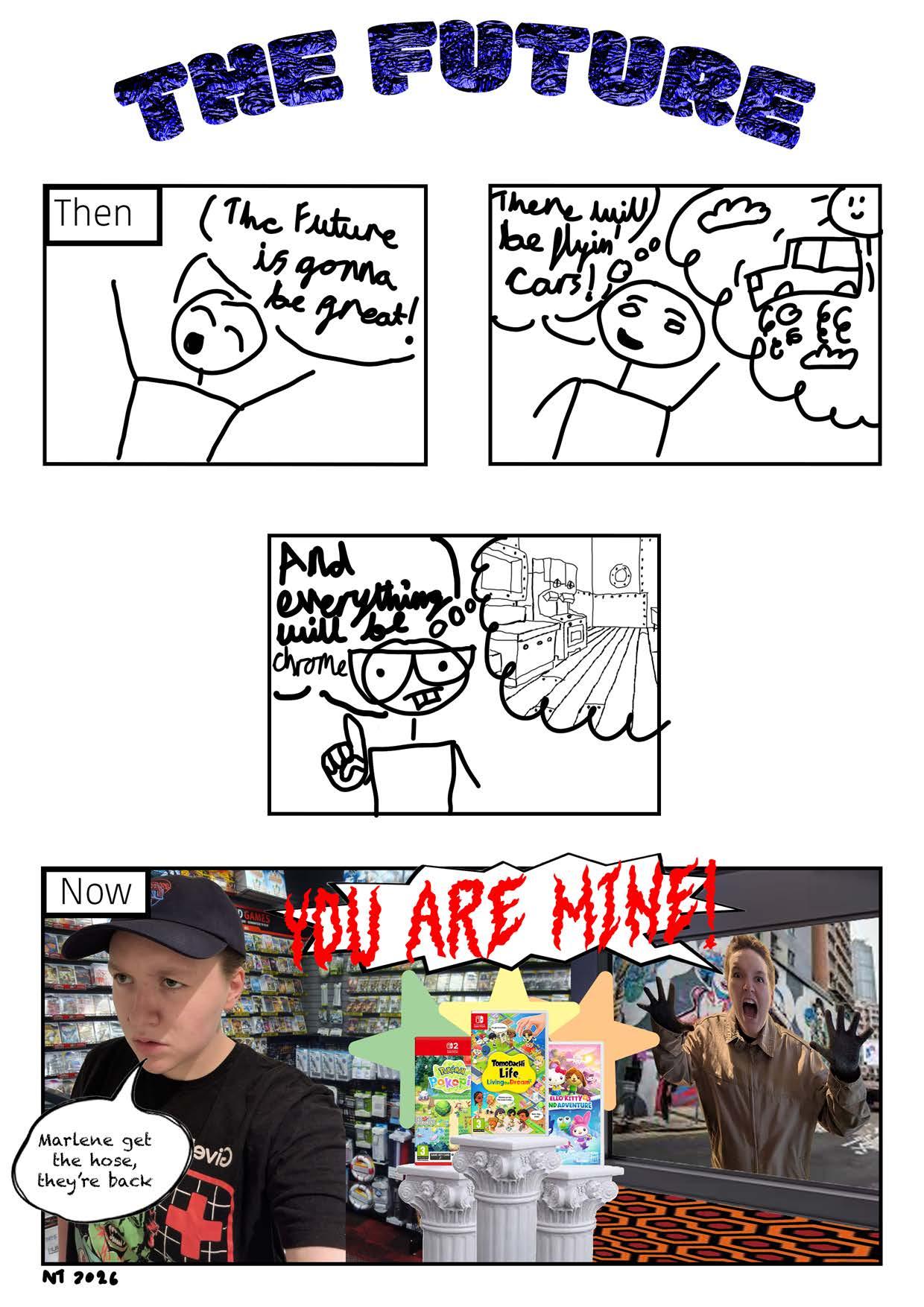
Future comic Illustration @bethbenedictart
gaffing Amy Saunders & Millie
Russell
Editing Amy Saunders
Set dressing Millie Russell design AVIVA GENEVA @AVIVAGENEVADESIGN
As this is my last issue ever after creating the magazine in 2024, I’d like to say thank you especially to the members who have stuck with us from the beginning whilst we were still figuring everything out. As well as our awesome team and of course the readers who have been so so so supportive! The magazine will be taken over by some awesome year 2s (going into year3) who you’ll get to know soon enough - so you’re in great hands :)
Thanks again, and goodbye! - Faith Williams