

DIRT

FEBRUARY/MARCH

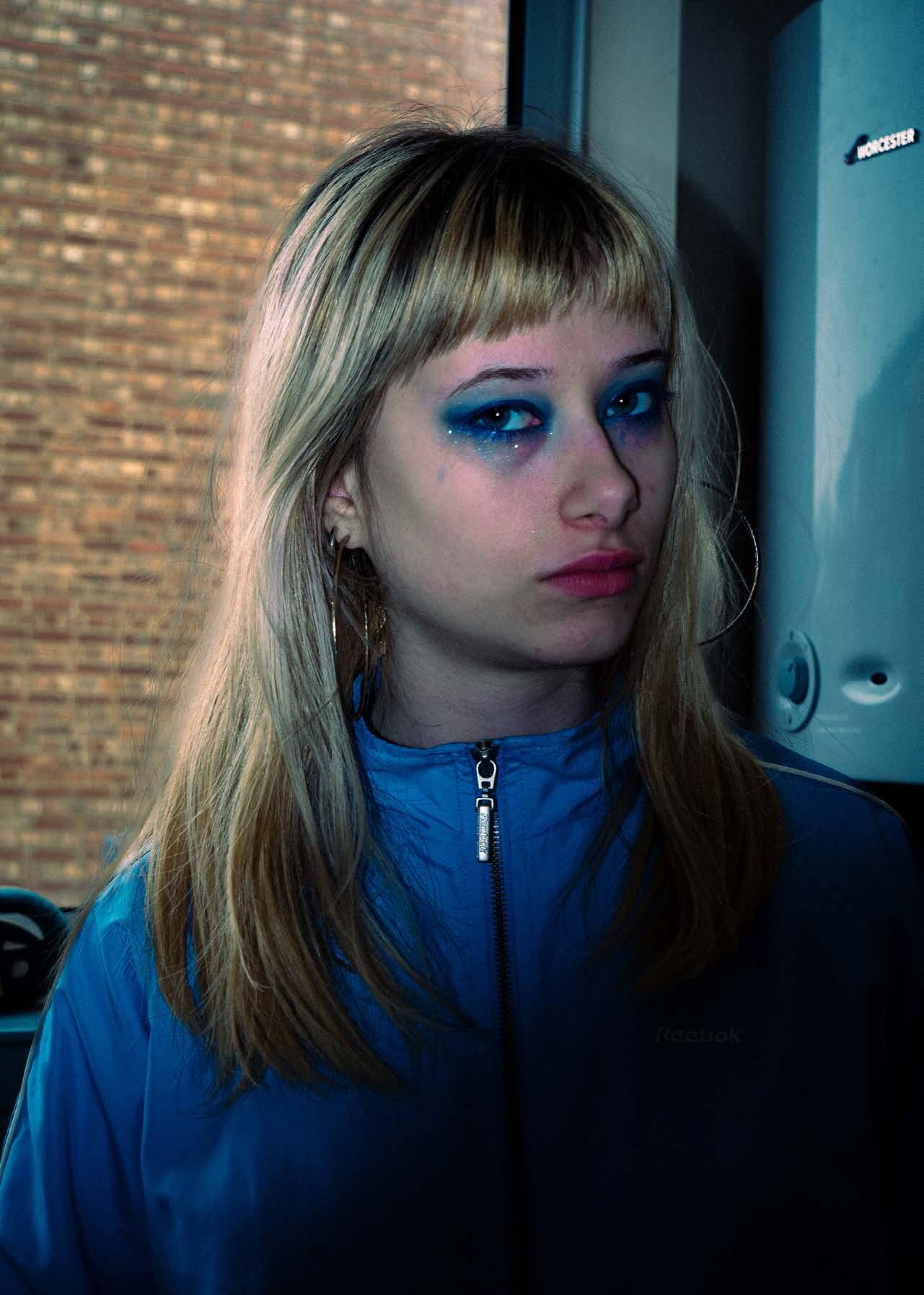
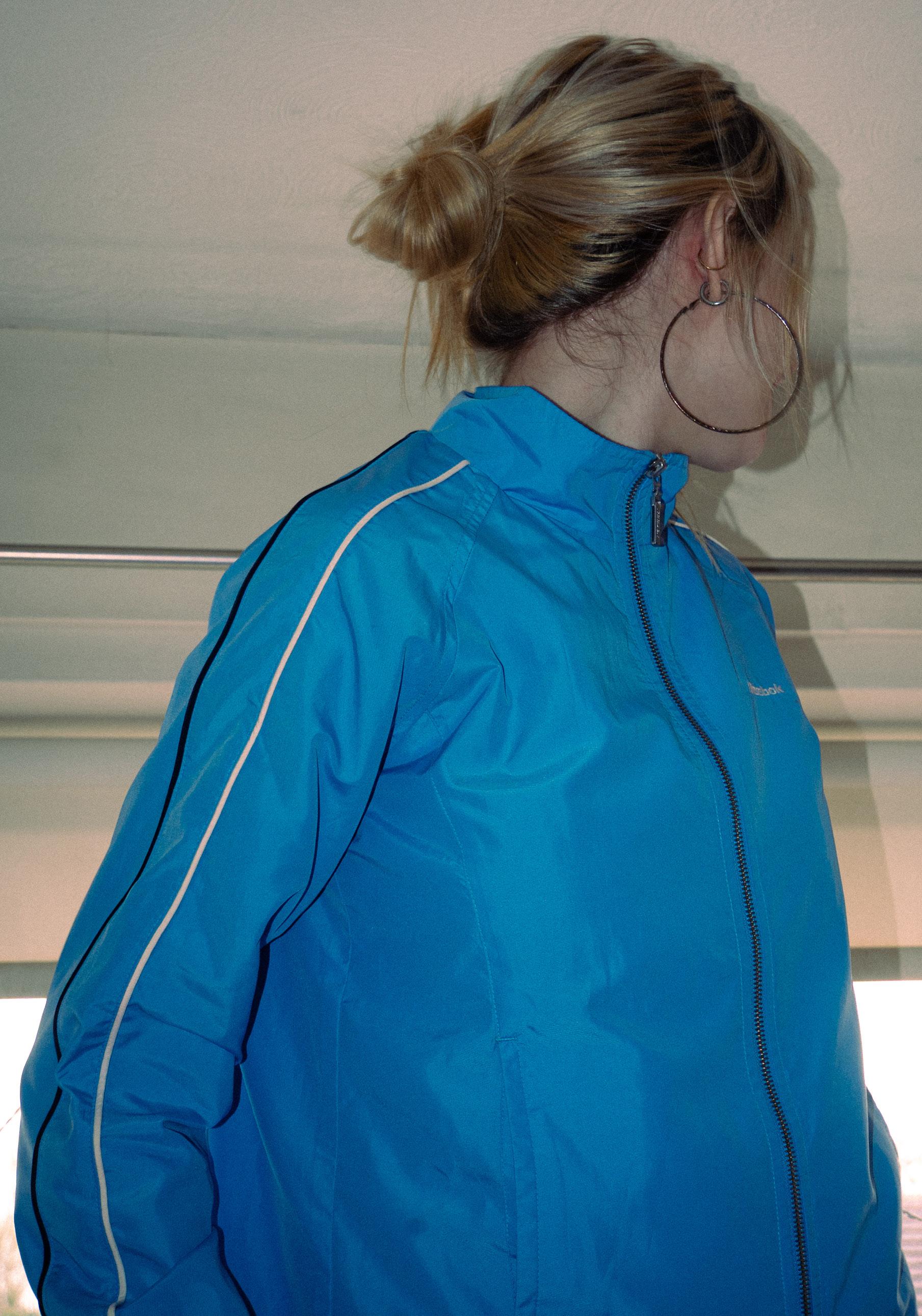
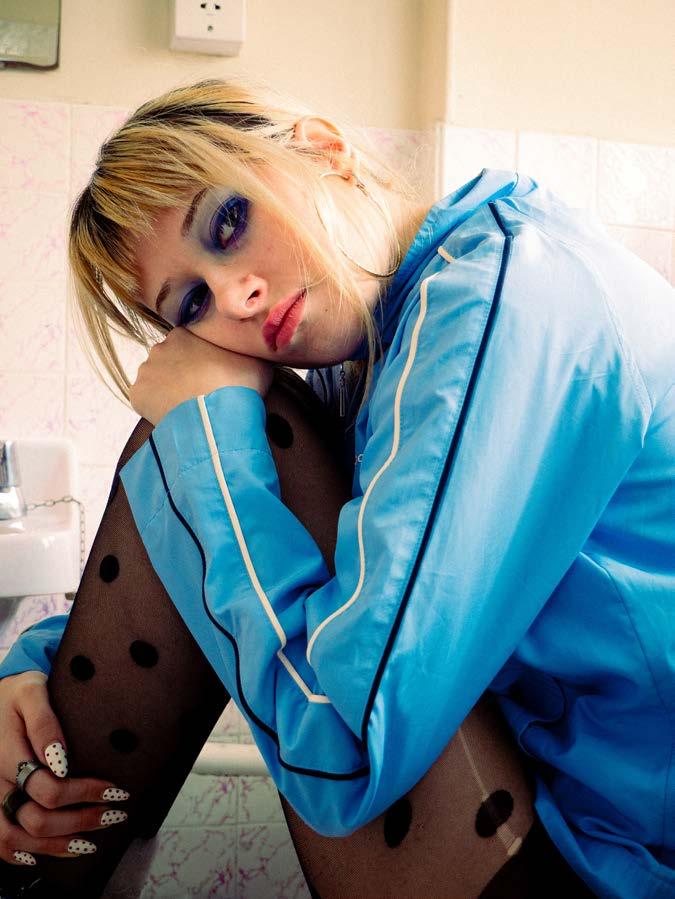
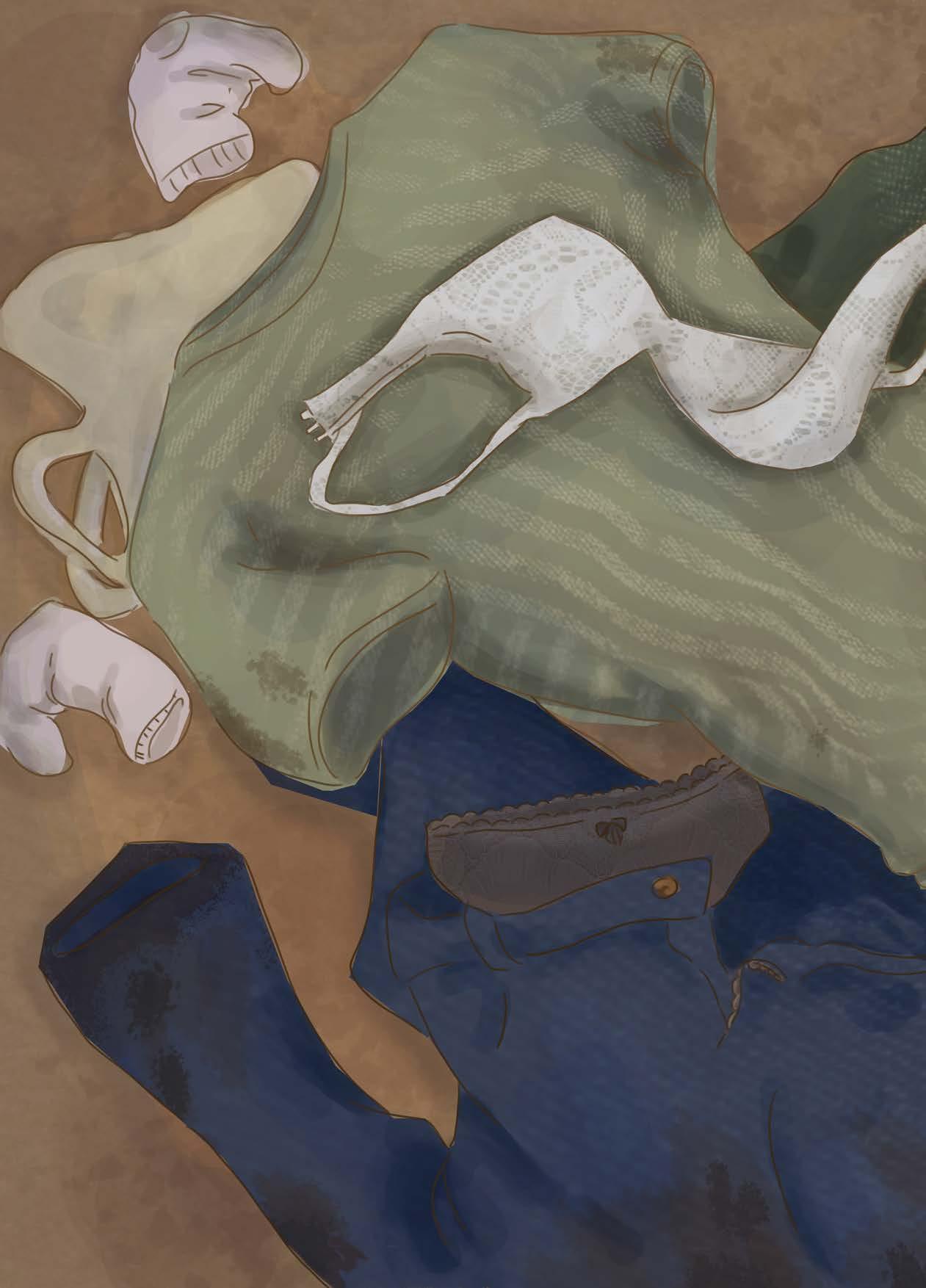
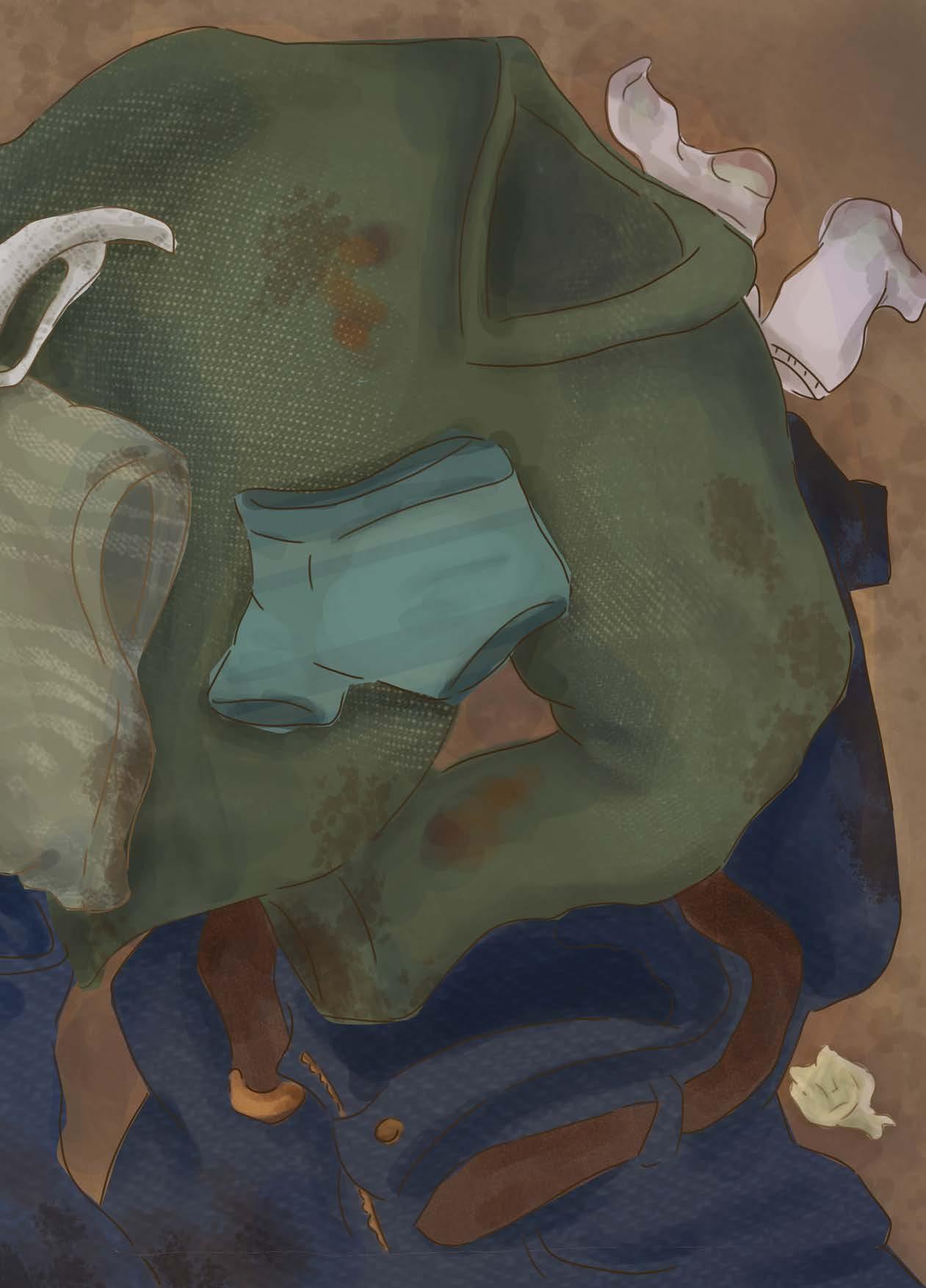
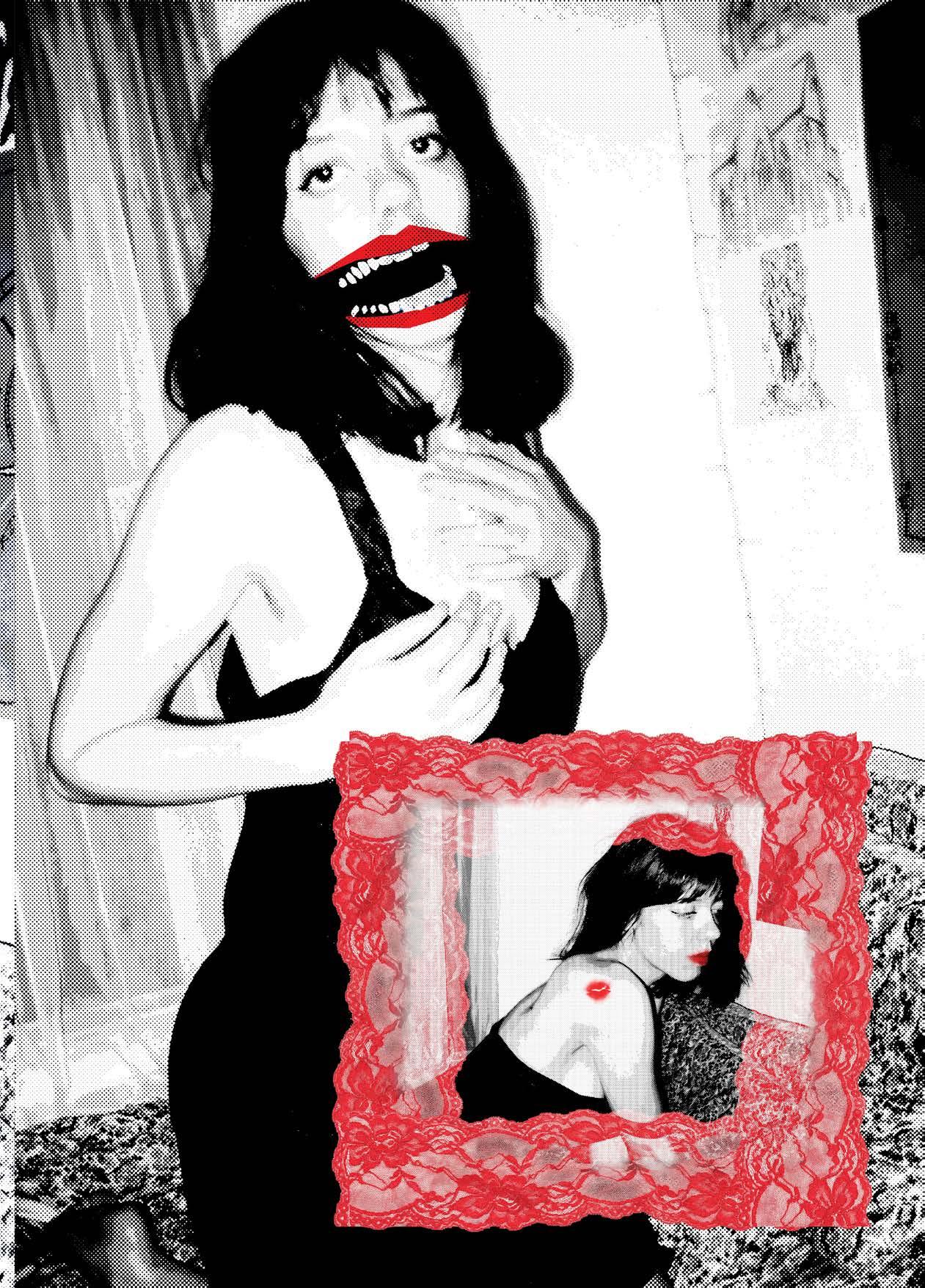
Images by BEL MELLOR Model EDEN OAKES
















FEBRUARY/MARCH
The dirt greets me again.
I lift it into shape, call it shelter, Call it mine.
The walls are not strong, The roof is not proud, My earth fortress of soil and brown.
The house endures one night, One long night…
Morning arrives, I step out, out into the sun I don’t thank the house, I don’t think twice.
My fists punch it to the ground again,
New plans, New house, New world.
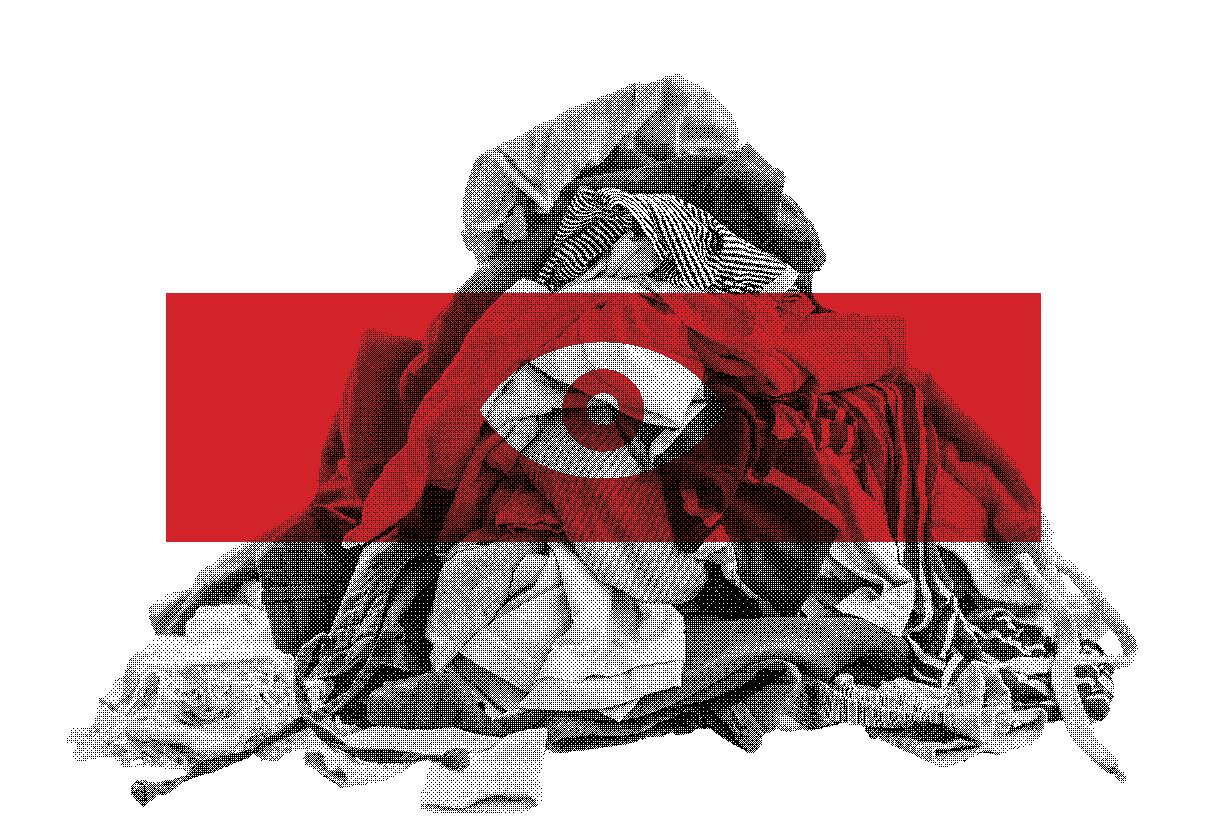
Many of us have heard the saying “never air your dirty laundry in public.” Early on, we quickly observe what is ‘too dirty’ for public exposure and must be hidden, which is, therefore, shameful. The tripartite of shame, guilt, and fear eat away at our sense of self. Their weight becomes a familiar burden we learn to absorb and sometimes flaunt, even before we have the vocabulary to name them. These emotions speak to the way we live, revealing the many layers of what we dare not say aloud. While there is a validity in the wisdom of being cautious of where and with whom we share certain information, airing our dirty laundry reveals the stubborn stains of deep-seated shame on our identities. What is special about feeling shame is that it is always relational, unlike other emotions. The involvement of other people is implicit as our social survival is threatened. Consequently, admitting to feeling shame is also shameful; that is why shame has only recently been acknowledged in public discourse. In uttering the word shame is an acknowledgment of vulnerability that is too daunting in a world that preys on the wounded and thrives on isolation. Thanks to social media, it has become more prevalent in our everyday lives with the rise in self-examination, loss of privacy, and the permanence of records of our lives - the good, the bad, and the dirty.
As the term ‘shame’ is so common, it is overloaded with many associations, either incorrectly synthesised or confused as synonymous. Therefore, there is a growing mismatching of different meanings of shame that speak to a greater ignorance and naivete regarding the subject. One way of looking at shame is seeing it as inextricable from one’s sense of morality, caused by negative self-evaluation. Religion and faith go hand in hand with morality, guiding an individual’s sense of wrong and right. As such, shame is how one feels when they sin or commit a transgression that deflates their sense of self, coupled with guilt and fear. While guilt and shame are often used synonymously, they are distinct in their emphasis of wrongness; guilt focuses on the action, while shame focuses on the actor – “I did a bad thing” vs, “I am a bad person.” This encapsulates shame ‘the noun,’ a psychological concept expressed as an emotion. Then, there is shame ‘the verb,’ a social phenomenon. Shame ‘the verb’ derives both a negative and positive meaning. To understand both types, one must recognise the role culture plays in their construction. Cultural values contextualize shame, guilt, and fear into these spectrums: honour-shame, innocence-guilt, and power-fear. The statuses and behaviours attributed to these values vary. Honour, the antithesis of shame, is the driving force of shame in cultural contexts. It operates as a social currency where shame is no longer an emotional state, but an ascribed social position that can be mitigated by conforming to societal expectations. Inferably, the negative type of shame (the act of shaming or getting shamed) is when one’s personal claim of worth is higher than that of public opinion. There is an awareness of social status and recognition of its loss through this discrepancy. On the other hand, the positive type of shame manifests in one’s sensitivity towards their reputation and the opinion of others. The expression ‘have you no shame,’ refers to this iteration. This argues that shame is not always bad and can be admirable due to pro-social qualities of anticipating shame to prevent committing harmful behaviours. Both shame ‘the noun’ and ‘the verb’ rely on the perception and evaluation
of one’s identity and self-esteem where a failure to meet standards or ideals, determined by oneself or others, is identified. Conversely, the linguistic differentiations of shame ‘the noun’ and ‘the verb’ indicate distinct temporal and spatial experiences. As an emotion (noun), shame is fluid and transient. As a social phenomenon (verb), shame is constant and long-lasting. Since sociological shame is a position, those who are shamed may not necessarily feel shame, highly likely but not definite. The opposite, however, is not true as those who feel chronic shame have a history of being shamed. If a person who is shamed feels shame, then it could be said that both senses of shame have the same end result. Even if their results are similar, the nature of each shame differs and so does their solutions. Social shame requires restoration and reintegration into society while emotional shame requires a process of atonement and acceptance. However, there is not much information on how to heal shame and the extent to which restoration of one’s sense of self is achievable.
In clinical psychology, shame is commonly studied as “a wound made from the inside, dividing us from both ourselves and others,” characterising shame as solely dispositional. Viewing shame as a cognitive style or personality structure disregards the social contexts in which it can arise. The intrapsychic level of shame has “distracted clinical researchers” from viewing it as a “lived emotional experience,” making its “socially embedded nature” less visible. That is not to say that some people are not more susceptible to struggling with it than others. Susceptibility is an effect; the cause is where this debate lies. Research that deems the cause as “shame-bound personalities” has not delved into the phenomenology of how this vulnerability to shame is manufactured. Moreover, the very idea that shame is intrinsic may add fuel to the fire by perpetuating self-blame and isolation in individuals who have already deeply internalised this feeling. Additionally, one of the few phenomenological investigations about shame described it as an out-of-body experience. Similarly, French Philosopher Jean-Paul Sartre suggested that shame is
not a private evaluation of shortcomings but an awareness of this imposed judgment from another person’s point of view. If the person we see is not who we want to be, then our self-regard shrinks relatively. This negative self-revelation progresses into a sense of worthlessness where our worldview is narrowed. We wish to retreat from exposure in this struggle to simultaneously uphold personal ideals of who we want to be and how we are perceived.
Shame was deconstructed by anthropologist Richard A. Shweder for clarity and comparative analysis as “the deeply felt and highly motivating experience of the fear of being judged defective.” In detail, it is “the anxious experience of either the real or anticipated loss of status, affection, or self-regard that results from knowing that one is vulnerable to the disapproving gaze or negative judgment of others. It is a terror that touches the mind, the body, and the soul precisely because one is aware that one might be seen to have come up short in relationship to some shared and uncontested ideal.” This synthesises many of the definitions of shame offered
but is better equipped at rendering the full-bodied notion of shame into an abstract idea. Shweder’s definition also accounts for ever-changing social climates, allowing meanings to be added, concepts to be transformed, and culturespecific perspectives to be applied.
Cultures are defined by socially shared ego ideals of what encompasses a welldeveloped self and the meaning of being a worthy, competent, good, and admirable person. Overarching virtues of sacrifice, loyalty, sanctity, justice, and liberty inform how cultures give meaning to these qualities. We, as people, are then evaluated in comparison to the given standard of ideals by ourselves and others. From these virtues two wildly different shame consciousnesses become apparent: one rooted in the want to be loved and accepted by our community; the other rooted in a sense of responsibility to fulfill endorsed roles and duties for our community. Shame cultures value sacrifice, so they encourage and romanticise the endurance of hardship to fulfill duties relative to a hierarchy of rank, status, and privilege. Members of these societies receive honour through deference and ‘correctness.’ Self-sacrifice
is framed as fundamental for the ‘common’ or ‘greater good,’ an elusive concept masking the self-righteous and indulgent behaviour of people in power. The idea of the ‘greater good’ is indoctrinated into the core of social identities, clearly outlining that those unable or unwilling to comply get shamed for being insubordinate, ungrateful, dishonorable, and out of their mind e.g. the American Dream. It shifts focus by pointing fingers, when the propensity of shame stems from setting societal expectations that are systemically flawed and intentionally unachievable.
A cycle of name, blame, and shame become a targeted tool of coercion, sustaining systemic oppression through destructive potencies of shame. An awfully genius plan where those who face injustice get shamed, blame themselves, feel shame, and choose the path of least resistance: obedience and compliance. Low and behold, the system and those behind it are left unquestioned.
A distinct facet about shame is its prominence in private life. Shame amongst other experiences is one considered best to keep to ourselves. Expressing shame in the public sphere would be exposing our dirty laundry for everyone to see. To some degree, we build societies where being seen is a nightmare, that presenting the most digestible versions of ourselves is the better way to live. Vulnerability, personal baggage, and all that makes us ugly, messy, and dirty, from the inside-out is undesirable. It becomes a tax we pay in a cultural economy of exchange. A market of private and public property that dictates who has access to confessions of vulnerability, becoming a privilege afforded to the few. Furthermore, private and public activities and topics are designated and distinguished in the sociological theory of the public sphere. The public sphere acts as the “cornerstone of democracy,” open to all, even strangers. The private sphere is a more sacred, enclosed realm that requires invitation and permission to enter; this is where shame, at best, lies. In other words, the sphere is the home, hence, the public sphere occurs outside the home, and the private sphere is what happens within the home. In the public sphere,
an informal public authority is the spokesperson of the values, ideas, and goals of a particular society. The will of the people emerges and is expressed. This is under the assumption that the public sphere adheres to common concerns and inclusivity that look beyond one’s social status. On the contrary, people of varying levels of economic, social, and political backgrounds who participate are not and have scarcely, if at all, been treated as equal. Therefore, it imposes that real equality, not an illusionary or performative one, is unnecessary for democracy. With the exclusion of many from the dominant public sphere, alternative counter public’s were created to give ‘outsiders’ a space to belong and ponder counter-discourses reflective of their identities and realities. The same applies for public sphere debates that take place on social media. Popular platforms form dominant public discourses, and alternative platforms act as counter public’s. These factors are why oppressed groups are more likely to experience shame due to social stigma from invented social conventions. Since they are not included in these conversations, neither is shame.
The public sphere is also subject to essentialism. Essentialism centralises one issue as the exclusive source of inequality thereby ignoring the multidimensionality of systems of subordination. This is a selective, oppressive, and exclusionary model of equality. The isolating feeling of shame is deeper for intersectional identities as their existence is neglected and contested by different communities simultaneously. Marginalised groups are not immune to being exclusionary. Degrees of privilege, though limited, still exist from co-existing forces of oppression e.g. how Black men benefit from patriarchy in ways Black women do not, the same as how white queers benefit from white supremacy in queer spaces that queer people of colour do not, and so on. As a result, counter-public platforms reconstruct the production of cultural and political discourse in minority communities to challenge intersecting oppressive ideologies. To transform conversations around equality
into instruments of confronting shameinducing stigma, there is an urgent need for excluded and intersectional voices to be welcomed in public discourse.
Shame is a muddy portrait of our existence. Like quicksand, the more we resist the faster and deeper we sink. Lost in yet another nature versus nurture battle, cultivating awareness and competency within social settings
is lost. Although shame is a man-made emotion, it brings out an authentically humane experience of vulnerability. We shatter ourselves in hopes that we break into the perfect pieces to fit our social molds. When tearing ourselves down, our hands dirty in the process, producing a fear of spreading this mess on ourselves and others. Hence, themes of purification and cleansing are commonly associated with shame on a religious and spiritual level. Within our cultures, resistance to what is considered shameful is disgraceful and ‘uncultured,’ a
humiliating position few would knowingly and willingly choose. Instead, many are stuck in this paralysing shame reserved for crevices in the secluded areas of our minds. Public humiliation is seen as a harder price to pay. Private and public also increase the fracturing of our sense of self. Acknowledging that there are a time and place for matters is important, but who dictates when and where our vulnerabilities are accepted is a lesson in conditional love, which at its core is what shame fears. That fear is applied to each social group and identity
we inhabit, making intersectionality especially ostracising. Conditional love means our belonging is temporary, at any moment the rug can be pulled out from beneath our feet, creating anxiety. Ultimately, shame and its working definitions are an ongoing confrontation of vulnerability, its dangers and acceptance, to further develop how we judge ourselves, others, and the world.
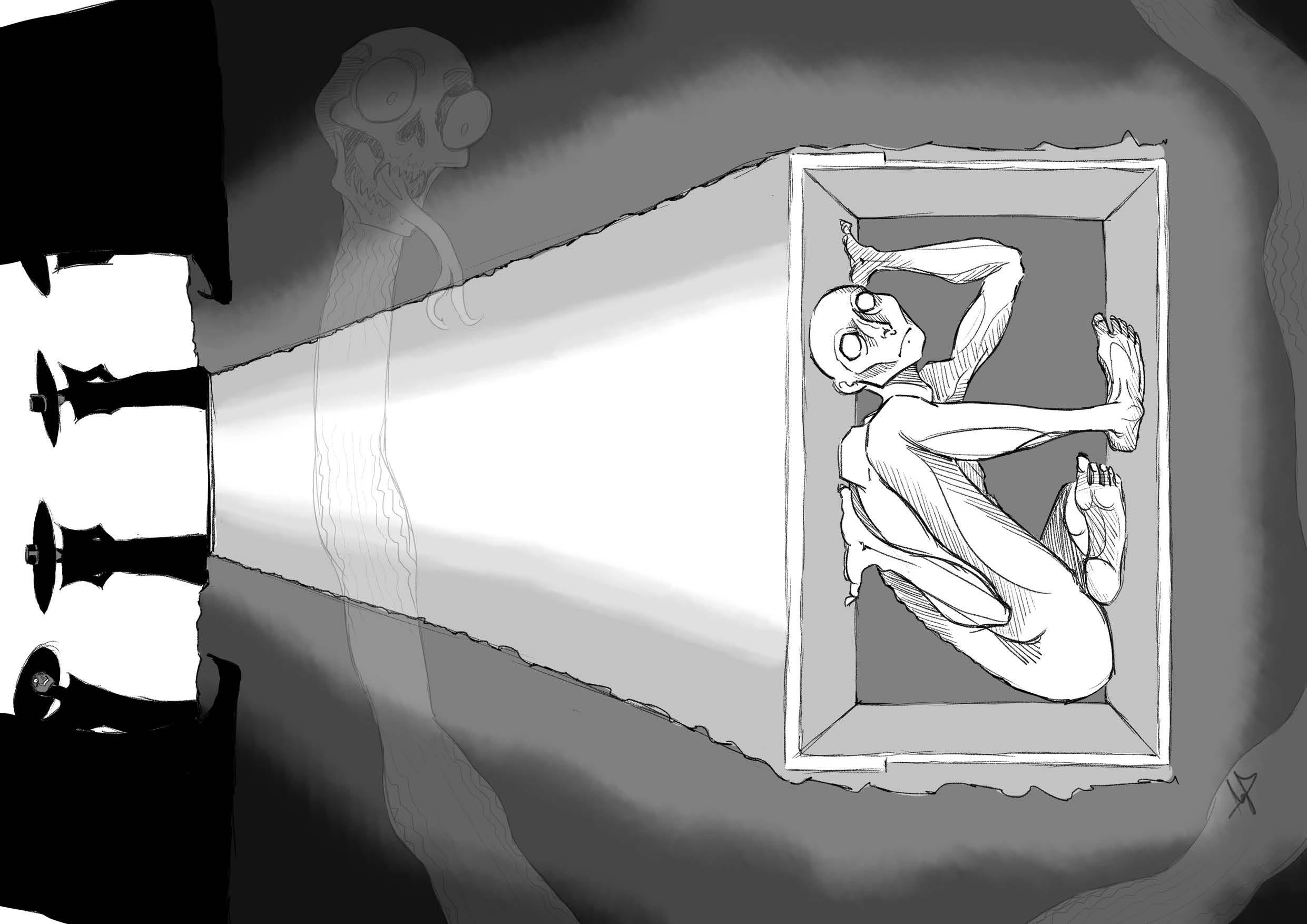

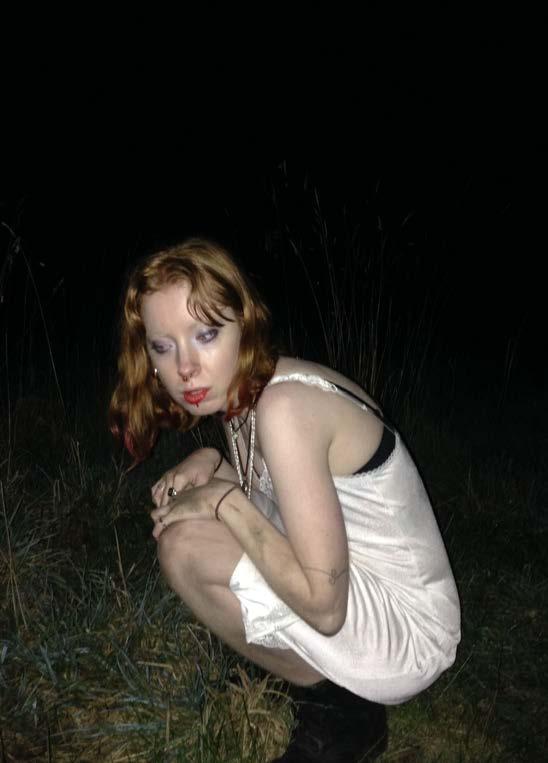

my head a cavern with a silent pool my heart is a tree dug up at the root my blood is the soil my teeth are my own my blood filled with soil my head full of animal bones
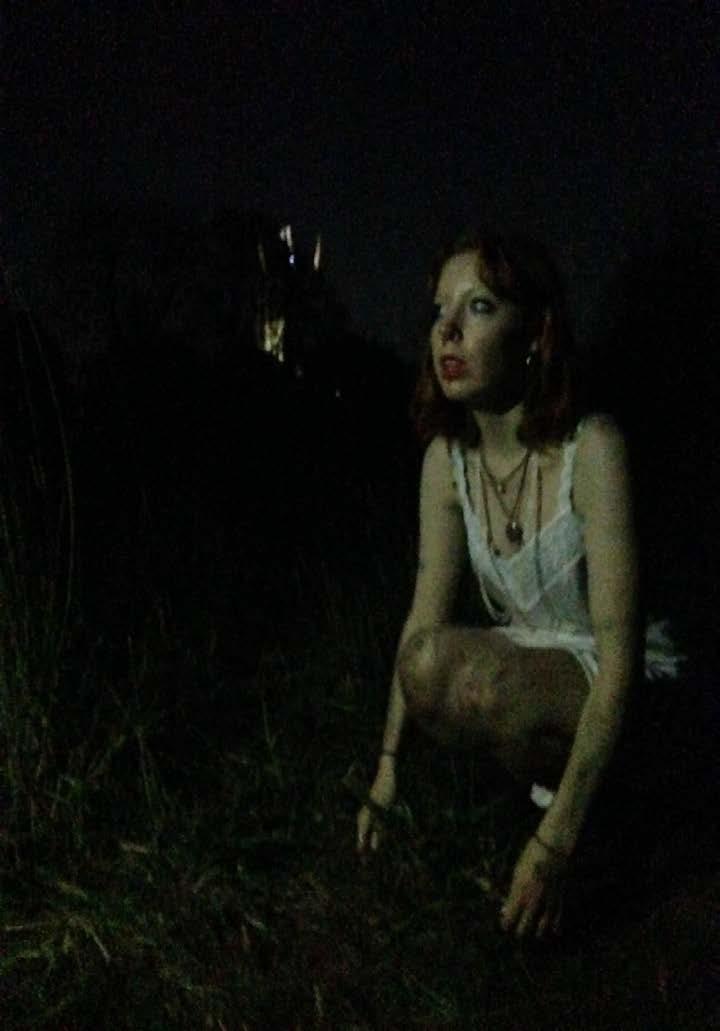
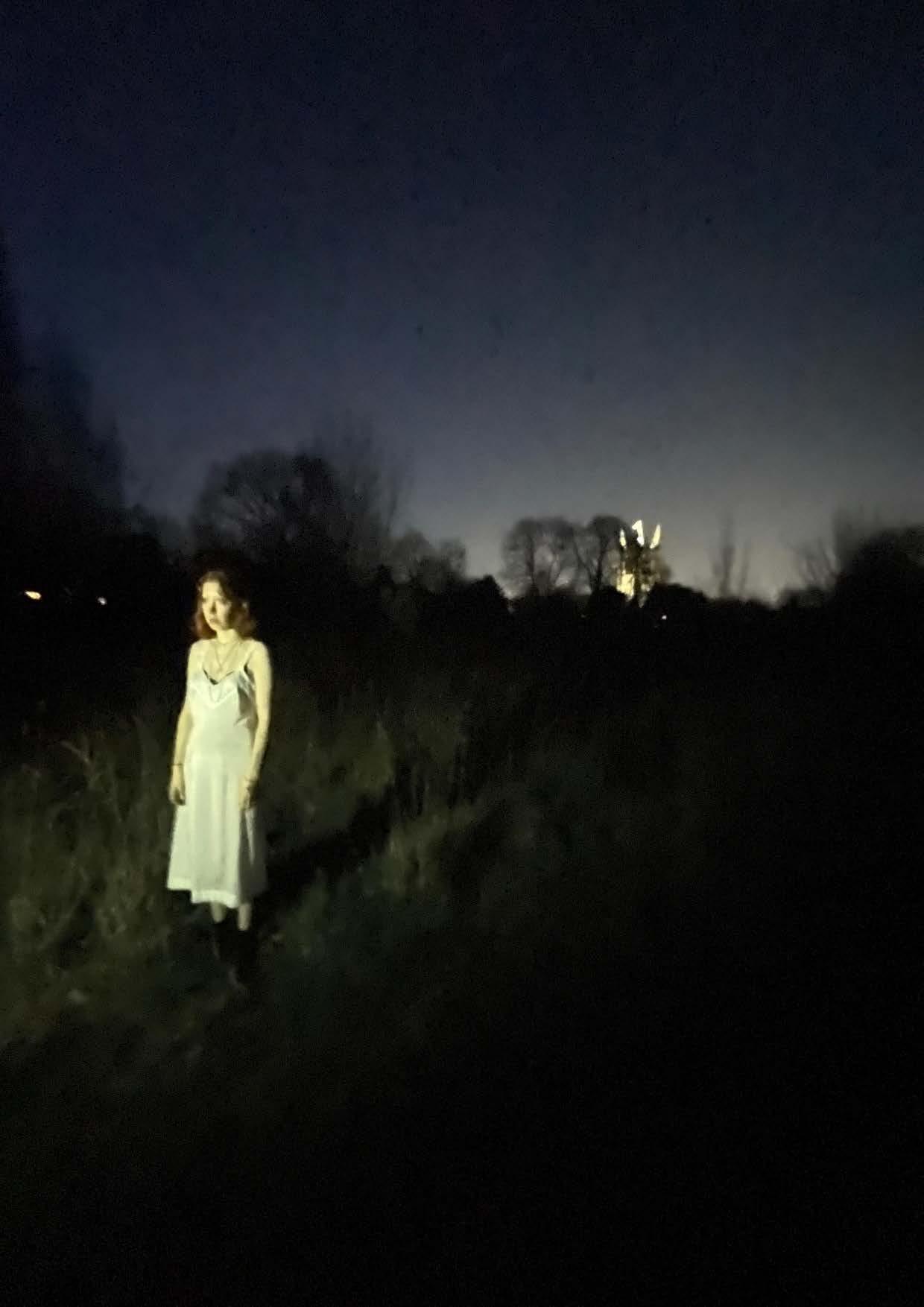



pick the teeth from my mouth lay my head on the ground mud in my heavy empty dripping with blood
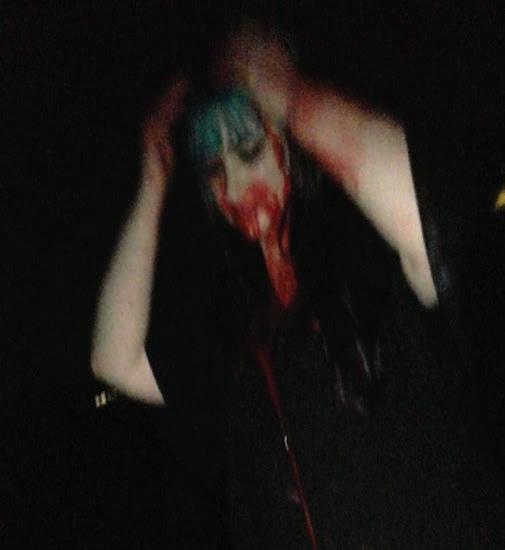
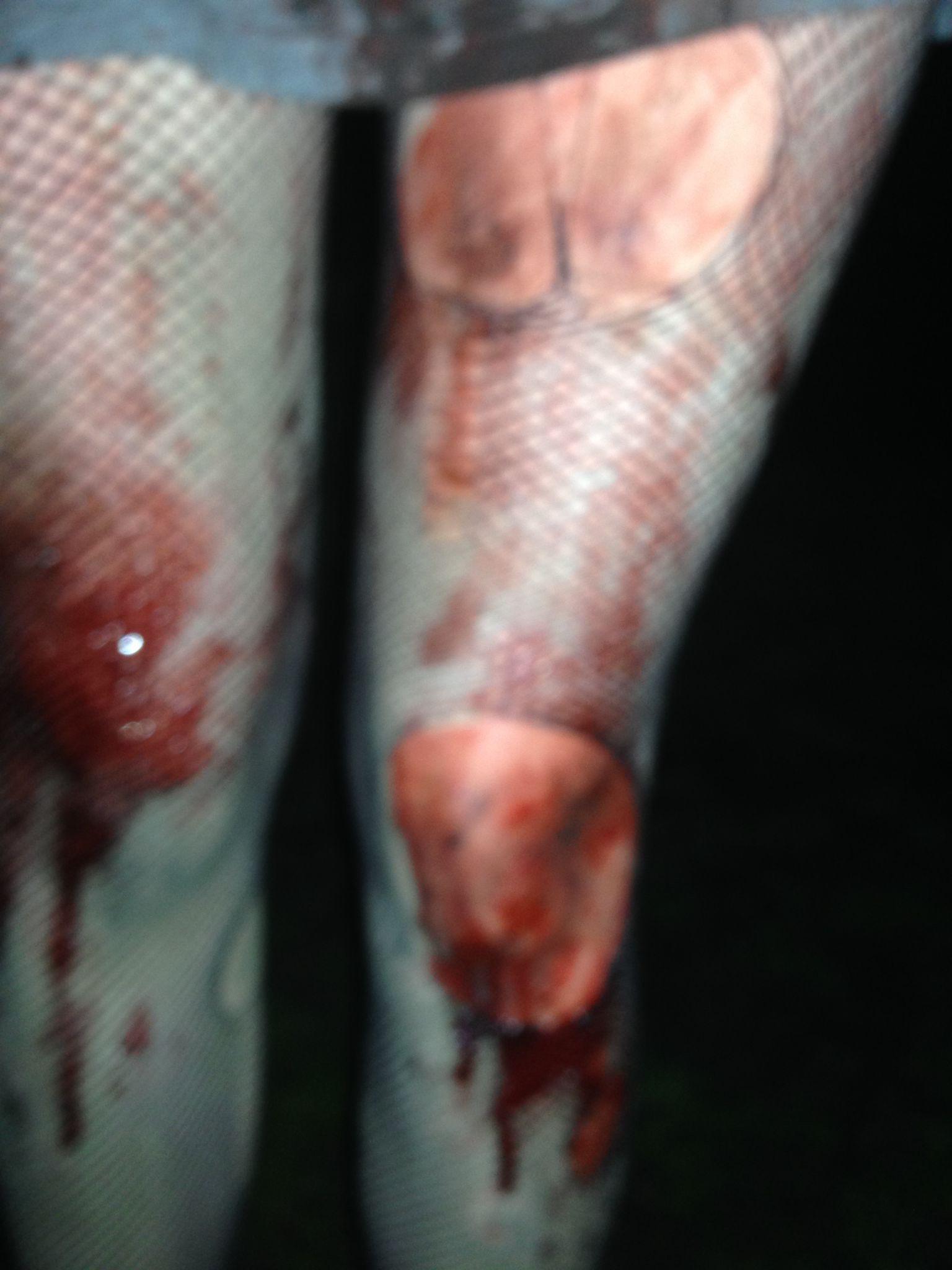
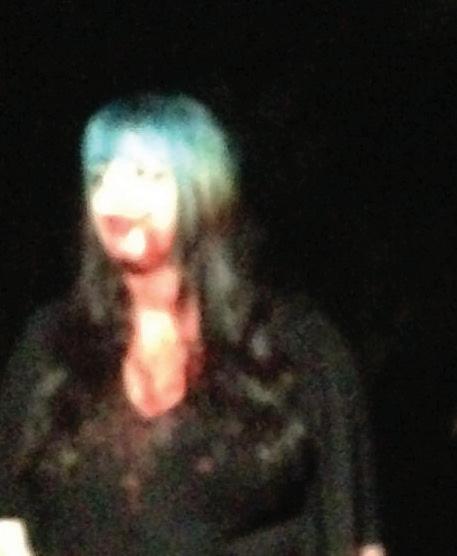
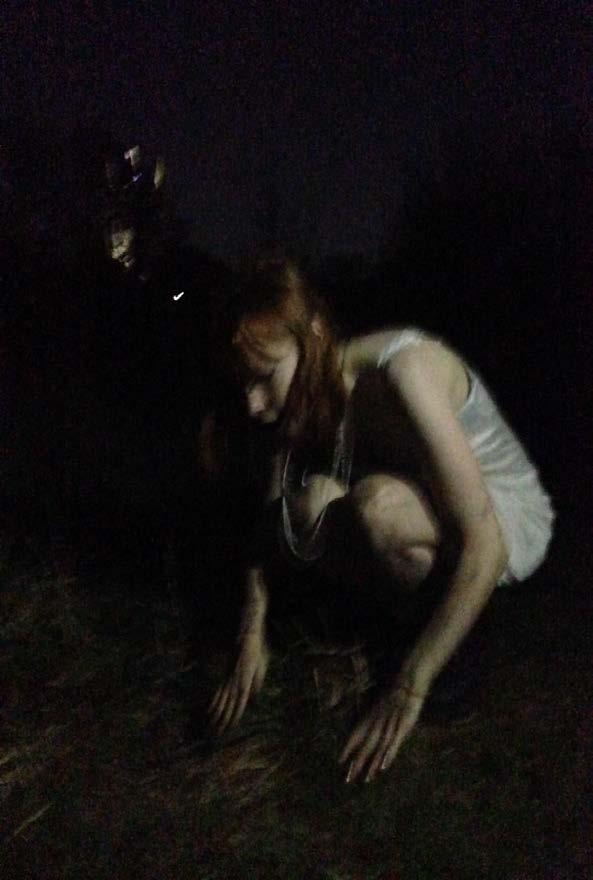
smells like guilt and shame and hatred and something else


There’s always some fool suffocating me on how to spend my time


It’s not like anything we do and know as a race really matters in the cosmic sense
We’re all just a single grain of dirt amongst the deep forest we call existence…
We are nothing, and y et we’re everything they say. Horrifying as it is beautiful and liberating
Who the fuck are you to tell me how I should spend my time?

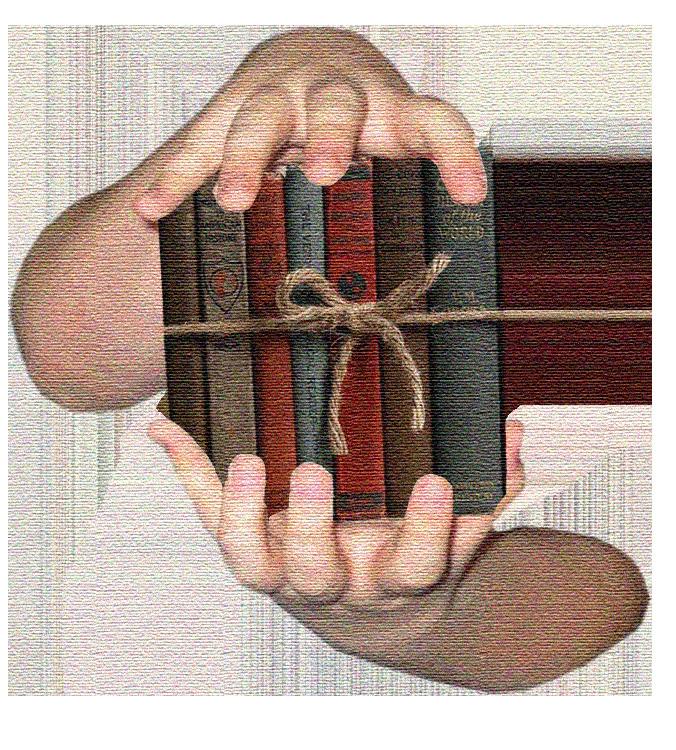
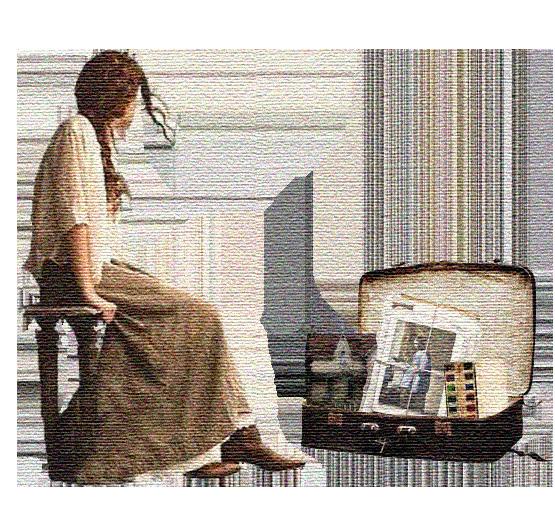
Association with Dirt… the gossip and drama that follows the characters at every turn in their story, but also the run-down house Helen Graham lives in with her son for a large part of the novel and the secrets that the building holds.
Gilbert Markham is immediately drawn to Helen Graham, a mysterious young woman who has moved into a local decrepit ground (Wildfell Hall) with a young child; he is quick to try and offer his friendship despite her persistent avoidance of all members of society, except the clergy.
But when her reclusive behaviour becomes the subject of local gossip and speculation, Gilbert wonders whether his trust in her was misplaced. Only when she reluctantly permits him to read her diary is the shocking truth revealed.
By Leopold von Sacher-MaSo ch
Association with Dirt… The origins of Sado Masochism, a stereotypically dirty fantasy, the first of its kind.
Venus in Furs follows Severin von Kusiemski, a nobleman who desires to be enslaved to a woman. He finds his ideal of voluptuous cruelty in the merciless Wanda von Dunajew.
This novel is a powerful portrayal of a man’s struggle to enlighten and instruct himself and others in the realm of desire, a literary statement on sexual submission and control.
Venus in Furs became immortalised, as well as its author, when the word “masochism” which was taken from his name (Masoch) entered the vocabulary of psychiatry.

The Brief Life of Flowers steadily travels chapter by chapter through a wide selection of British flowers, taking time to talk about their historical, cultural and scientific relevance and processes. From roses to thistles, Stafford is able to make even the most common and perhaps overlooked flowers staggeringly inspiring.
By Fiona Stafford
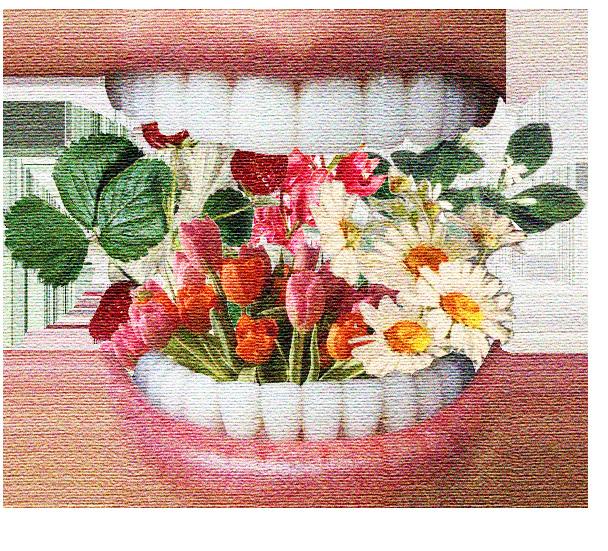
By
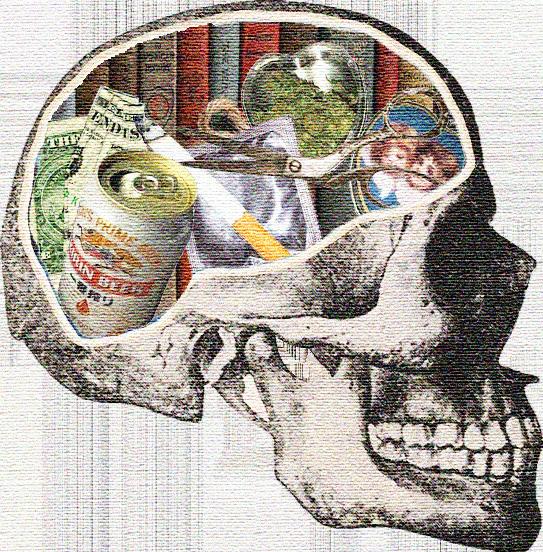
Association with Dirt… The way the main character feels after her interactions with men, and the way they influence her behaviour.
Vivian is a dedicated lawyer who advocates for mentally ill patients at a New York City psychiatric hospital, but despite her success story she has more in common with some of her clients than she would like to admit.
She’s haunted by the abuse she suffered as a child, whilst dealing with the everyday struggles of being a Black Latinx woman in America.
Vivian lives in a constant state of hypervigilant awareness that turns even a simple subway ride into a heart-pounding state of panic. Vivian has kept herself afloat through dieting, intellectualising, and smoking weed with her friend.
But after a family reunion, Vivian finds herself alone in new and terrifying ways, plagued by obsessive thoughts, grasping at new, unhealthy coping strategies, and as each one backfires, she unravels further.
Association with Dirt…
In its disgusting and visceral descriptions of wounds and bodily fluids within the grit of automobile accidents.
By J.GBallard
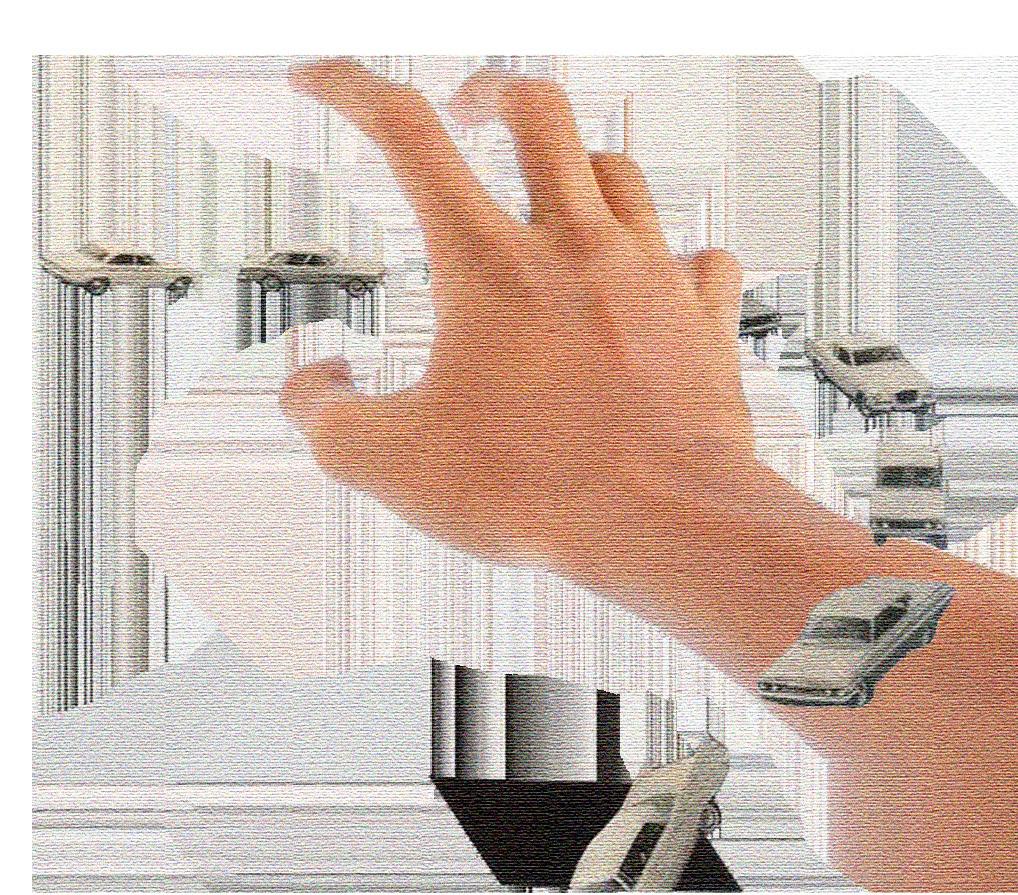
When James Ballard accidentally gets into a devastating car accident, he becomes fascinated with the allure of violence, befriending Dr Robert Vaughan, who leads him to a transgressive underworld of desire, where modernity and sex collide and are pushed to extremes.
Association with Dirt… Thinking about the wilderness she lives in during a period in her life, and the earth of the countryside in which she escapes to.
An autobiography from singer Vashti Bunyan chronicles her life from a childhood in post-war London to a fledgling pop cover career in the mid-sixties to the despair and failure to make any headway with her own songs.
Wayward: Just Another Life to Live, rewrites the narrative of a barefoot girl on the road, describing a life lived in full, being open and vulnerable about what it means to change course and her emotional struggle, learning to take back control of her own life.
After failure of success in her youth, Vashti returns after retreating into a musical wilderness for thirty years when recordings of her music are rediscovered and rise to fame in the year 2000, over 30 years after they were recorded.
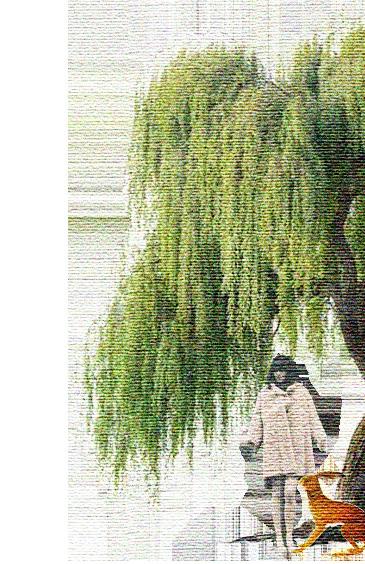
By Vashti Bunyan
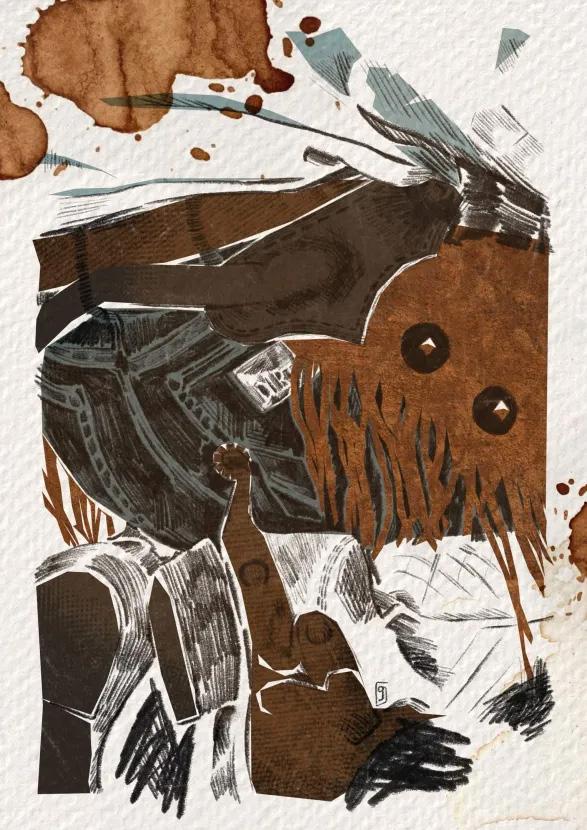
On the surface, everything seems normal. An old lady is dying, and this rural village has a unique funeral process which a filmmaker has come to document. The only problem: this lady is taking longer to die than he anticipated. He calls himself ‘The Engineer’, But throughout the film he does very little filming (or engineering). Instead, he spends his days wandering the streets of this quiet mountaintop village; he wants to fit in, carrying himself like a local, but sticking out like a sore thumb as he climbs the verticality of the town. He moves around the space with a lack of familiarity, walking the opposite way up an escalator as the residents continue with their normal lives. Everything he does comes with
a hint of annoyance; his consistent pestering of the child disrupts his school day and his search for milk has him in the dark cellar of a house, talking to a lady who clearly wants nothing to do with him. Every minute movement this character makes disrupts the ecosystem of this isolated village. Eventually, his phone calls reveal his true motivation for being there, but this revelation felt secondary to the perspective from which Behzad sees the village: not as a place to respect or enjoy, but as a mystery—something to be reported on. I found myself peeking around walls, trying to figure out this unexplained mystery. Behzad’s colleagues, the sick woman, and the man in the well—these characters are restricted to us, making me literally
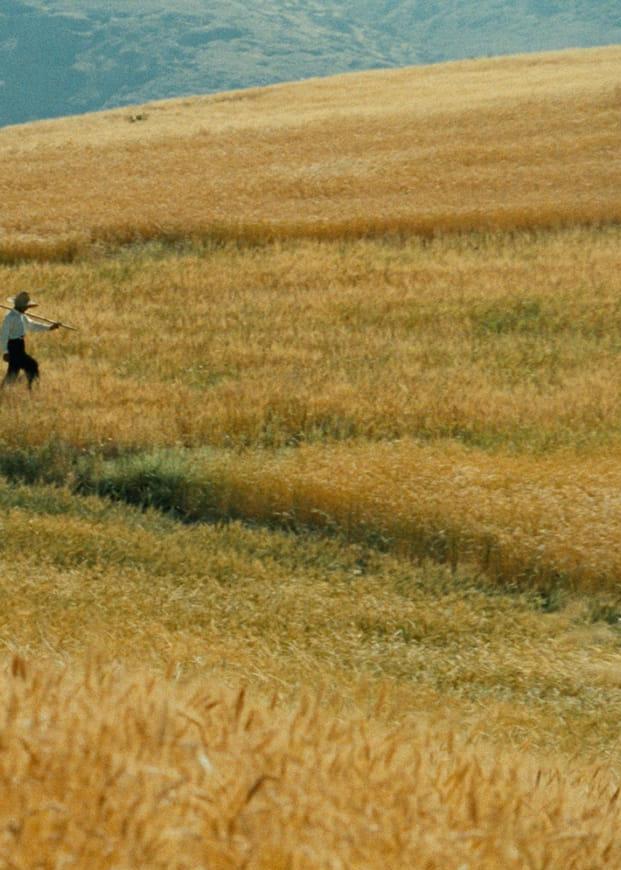
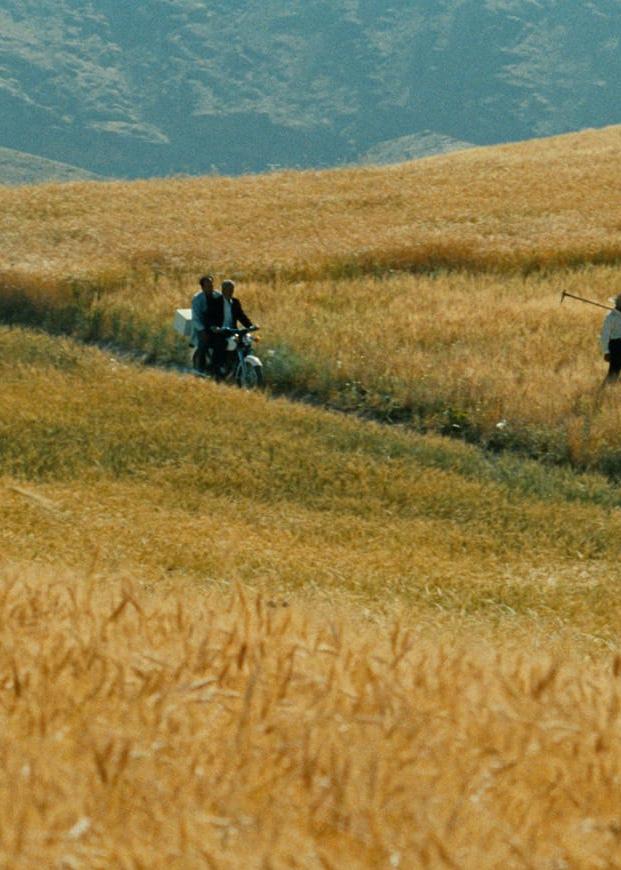
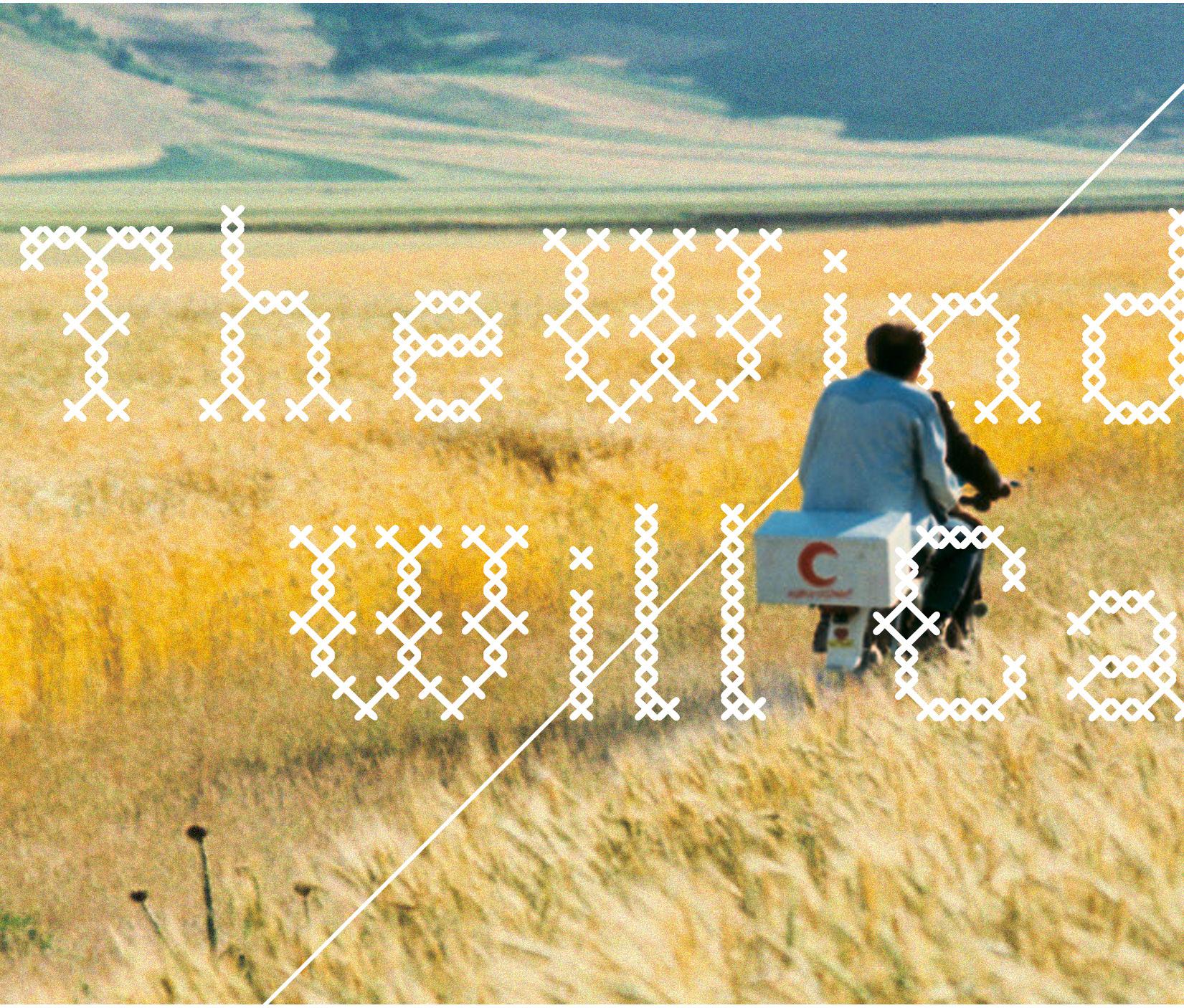
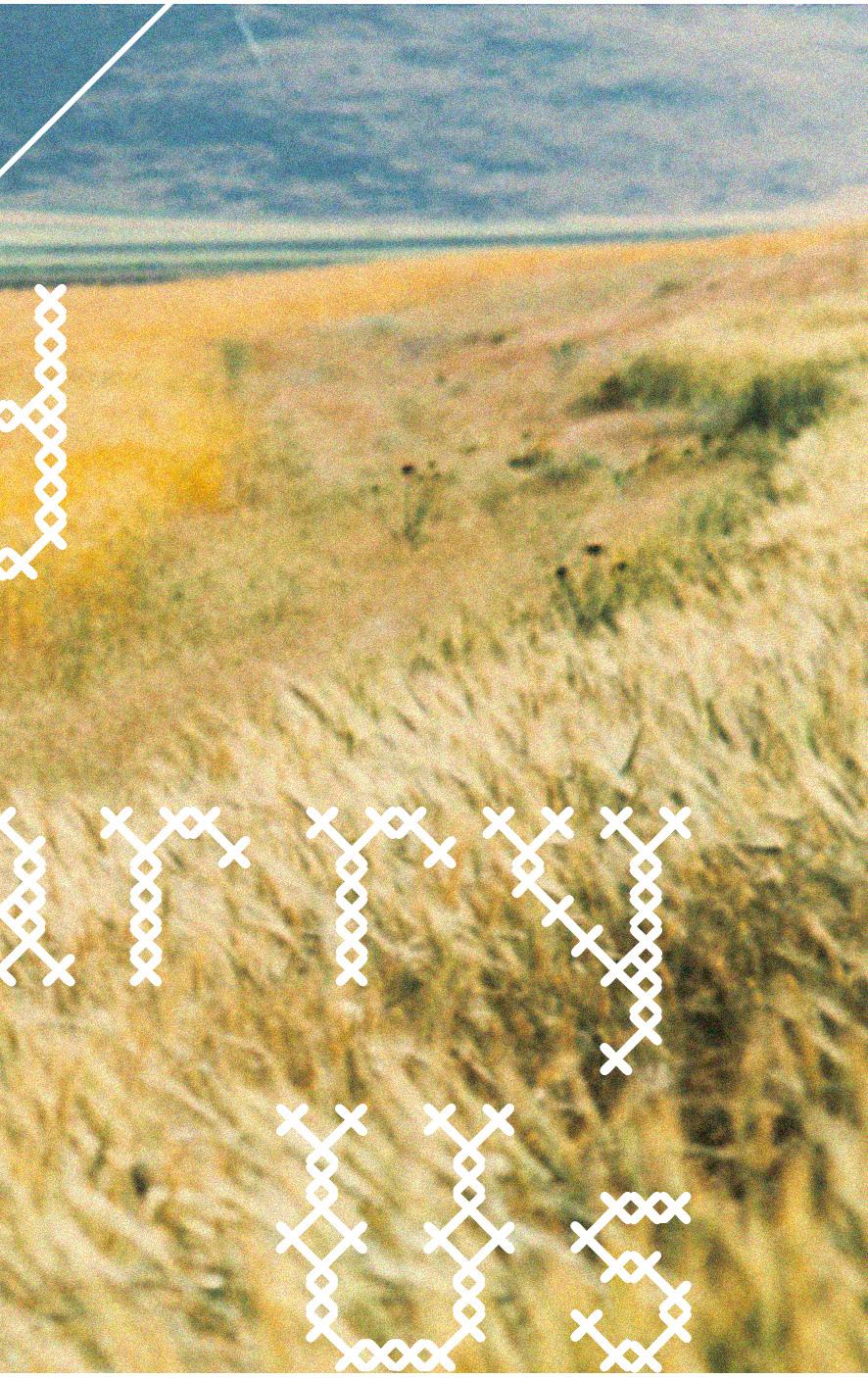
shift around in my seat to get a better angle. This makes the scene where Behzad drives the schoolteacher hit like a truck, as by that point I had accepted that the faces of the inhabitants of this village are off-limits to me.
I don’t understand how, but Kiarostami makes the most seemingly observant and relaxing film a confusing and frustrating mystery. The Engineer becomes increasingly frustrated that this old lady won’t die; I become frustrated that The Engineer won’t leave this place alone. Granted, he never seems to wish for the lady’s death, but the way he carries himself through the village draws a certain level of discomfort; the way his car bombs sound through the quiet space, all so he can race to the top of a mountain
to take phone calls; being shown this drive every single time enforces how far he travels just to get connected to the outside world. The scene where he randomly flips a turtle over really enforces this feeling of distrust for this character. But then, he drives a disabled teacher to school, runs to get help for the injured digger, and (despite his previous harshness) apologises to the child when he realises his wrongdoings. Kiarostami clearly presents the imperfections of human beings; that being, having good in their heart, but act out when frustrated.
By its conclusion, questions remain: What drove the children of the sick woman to stop talking? Where are all the working men? What was the man in the hole digging for? This film presents answers to a lot of these questions, but there always seems to be something hidden from us, in the same way that The Engineer feels restricted from seeing the sick woman. It might be nothing; maybe I have nothing else to do whilst watching a man wander around an untouched town in the middle of nowhere, but to seek more drama than there may be.

Written by Sam Lodge
Gardening is a common mechanic across games of all different genres; each game has its own approach to the design for each step involved in growing a plant from the dirt. In this article, I will explore the differences between how games approach gardening as a concept and expand on gamification as a tool and how it can be used. Most games (console/desktop) are designed around thirty minutes to an hour of gameplay per session; this is one of the bigger limitations when creating a system for the player to interact with. Gardening is a heavily time-dependent task and involves large amounts of passive waiting e.g. wheat takes between four to eight months from sow to harvest, but in Minecraft (2011) it can take as little as twenty minutes, which is one in game day. Minecraft also requires a certain amount of hydration in the soil for a crop to grow. Minecraft is designed with the hour session taken into account. This then means that the gardening system is heavily abstracted, and its core aspects of toiling, planting, growing, and harvesting are simplified into a system that the player can interact with quickly but keep the overall concept of farming. RimWorld (2018), a colony management sim, has farming as a core mechanic that the player will interact with throughout their playthrough. Contrasting to Minecraft, RimWorld has a more systematic approach where the game is designed as an accumulation of systems that are built to interact and combine with each other to create a unique gameplay experience. Unfortunately for us, it doesn’t feature wheat but does have corn, so we will base
our comparison off of that. In RimWorld, corn plants grow in about eleven days, but in reality, a corn crop can take from sixty up to one hundred days. But this comparison is flawed, as RimWorld has a unique in-game time system where a year is sixty days long and made up of four “quadrums” which correspond to a season e.g. Aprimay is spring. So, a RimWorld year is about one sixth of our year; therefore, a RimWorld corn would take around sixty-six equivalent days, which is a fairly accurate timeframe, along with time needed in order for a plant to grow. In RimWorld, it also requires an adequate amount of sunlight and soil fertility; each crop has different requirements to reach its peak growing potential. One thing that RimWorld does that few games feature is blight, where a crop contracts a disease that can spread across the whole farm, making the 42
harvest impossible—this functions more so as a plot device in your colony, where a bad autumn harvest leads to a harsh winter and to the end of the colony. Overall, RimWorld has a fairly realistic implementation of farming.
Plants vs. Zombies (2009), a tower defence game, abstracts gardening to an almost absurd degree. From the long waiting of RimWorld, Plants vs. Zombies (PvZ) has you protecting Crazy Dave’s house from an onslaught of zombies with a variety of plants. The player is able to plant when they have enough sunlight, which is collected throughout the game,
either falling from the top of the screen or dropping from a sunflower. You can then spend that collected sunlight to plant a plant. This system places importance onto sunlight as the key resource the player has to interact with and places the focus onto strategic placement of plants and the plants’ specific abilities. In PvZ, gardening acts more like an aesthetic choice, becoming the background to the strategic placement of your defences. PvZ reframes the slow, purposeful act of gardening to fast-paced warfare. Unlike Minecraft and RimWorld, PvZ forces the player to interact with the system and to think about gardening, even in an abstract sense, and understand its concepts from their own experience and how they differ from those of the game worlds. This is known as gamification, where a real-world system is reduced to its core components and restructured in a way to increase the engagement of the player and to track their progress in an easily digestible way.
The next level up of gamification is Farming Simulator (2024). Continuing using the wheat example, in Farming Simulator 25 (Farming Sim), it takes around ten months to grow and has a sowing period from September to October and a harvest in July to August. Farming Sim does as it says and simulates all aspects of farming including supporting events like economic changes and vehicle breakdowns that the player must deal with. This makes it act more of an extreme example and doesn’t bill itself as a game but as a simulation of everyday life. This doesn’t mean it’s not a game or isn’t influenced by common design practices, but the focus is on realistic representations of farming.
Across all of these examples, gardening has a spectrum of realism and reflects the differing design philosophies behind each game. Minecraft reduces gardening to the most actionable points and reduces its timeframe to fit into the gameplay. RimWorld has no real session limit, so having a planting season take a season works in its favour, and local climate and terrain help to immerse the player into the story of their colony. Plants vs. Zombies uses gardening symbolically, having the player suspend their disbelief about the highly engaging tactical gameplay. Farming Simulator 25 creates a fully faithful recreation of farming and its broader role in society. All of these different approaches teach us that gardening isn’t just about growing or eating but can be a versatile tool and aesthetic to be used in gameplay.
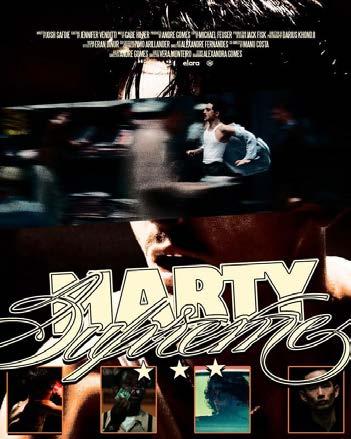
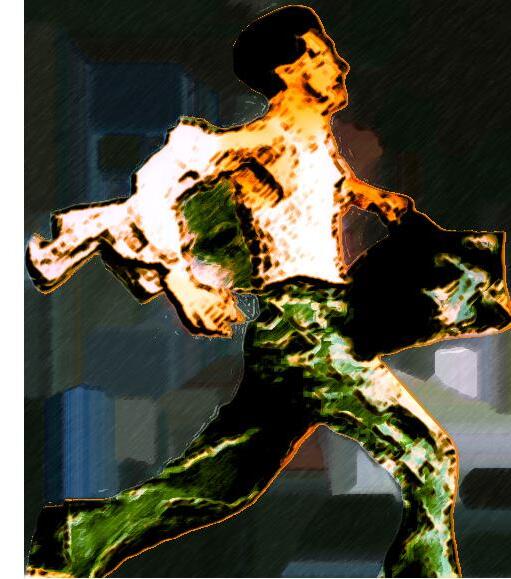
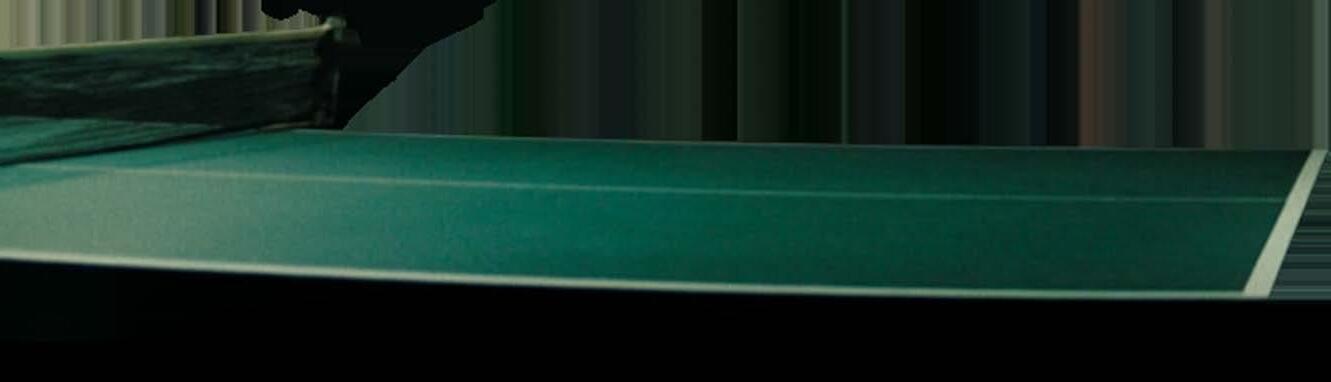
If Josh Safdie’s Marty Supreme (2025) had a smell, it wouldn’t be pleasant. It would smell like bin liners and mouldy laundry.
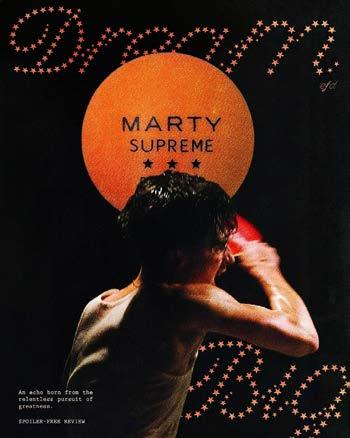
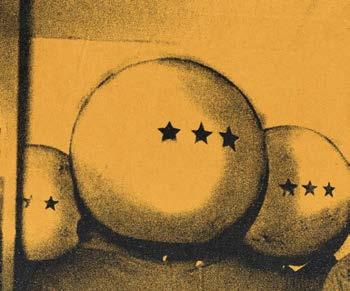
Mouldy laundry; it would taste like cold leftovers and paracetamol; it would feel like an empty stomach and a headache. The film is about dreams, about what they cost and how they change you, and dreaming in Marty Supreme is never shown as a clear (or a clean) path. Marty’s world is relentless, unforgiving and cruel. The ridiculous stakes of Mauser’s quest, and the farcical nature of its complications make the film feel more like a screwball comedy than a sports movie, and his globetrotting only serves to humiliate and degrade him. In London, he must sleep in hostels with the other players. He sees this as an insult, not to the sport of table tennis but to his own ego, and in retaliation he racks up a hefty bill at The Ritz. This will eventually bite him in the ass and become the final nail in the coffin once he finally reaches Japan, which essentially seals the door on his dream for good. Marty’s world is karmic: things have a funny way of coming back around to him, and every price must be paid.


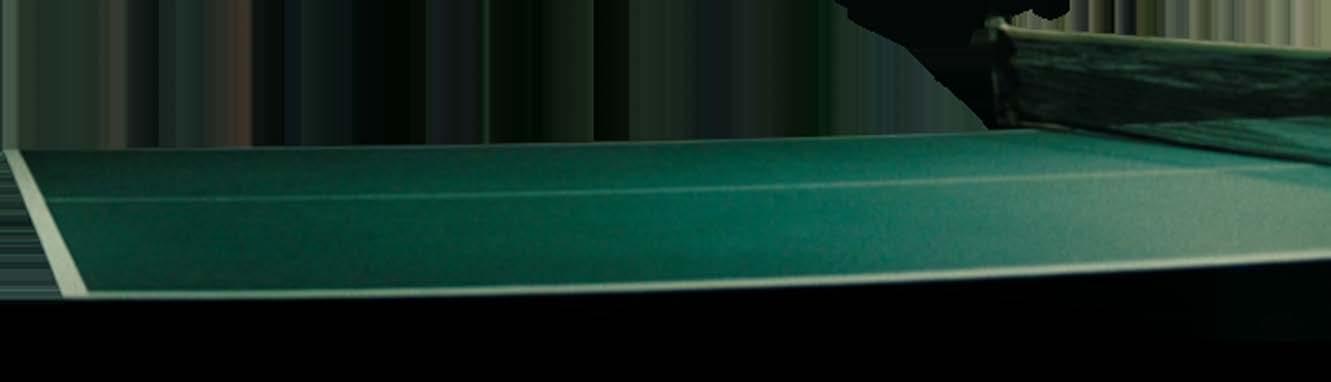
Marty rejects the proposition of the Harlem Globetrotters until he loses the final in London and eventually accepts the job. What follows is a dour montage of Timothee’s degradation as he travels the world, performing at halftime to give the spectators idle entertainment whilst they go to the bathroom. We see him playing in pyjamas, on ridiculously small tables or even against a sea lion. People laugh or ignore him. He’s more a circus act than an athlete. Played over the montage is ‘Everybody’s Got to Learn Sometime’ by The Korgis. Its melancholy atmosphere makes everything feel hollow, and it seems that Safdie wants us to learn that to chase your dreams means to put everything on the table, and to put everything on the table means to embarrass yourself. The vulnerability and filth hits its climax once Marty returns to New York. Safdie’s preference, both for film photography and telephoto lenses creates a gritty, claustrophobic atmosphere, and the abundance of close ups allows the viewer to see every scar and pore of Marty’s face. The makeup design here is subtle, but the monobrow, acne scars and contact lenses (to make Timothee’s eyesight worse so that he would need glasses), create a repelling portrait out of a very pretty man. He looks like a mole — intentionally, of course.
The main bulk of the film has Marty trying to make enough money to go to Japan, recovering his pride after losing to Endo in London. What is initially a simple hustle with his good friend Wally descends into a hellish pursuit for cash, and every possible route towards his goal is melded with some sort of dirt: The affair with a married actress; the stinking sick dog; the money stack filled with nude photos. Once again, what goes around always comes back — harsher, dirtier. The people they hustle eventually find them and attack them, the lost dog ends in a bloody shootout, Marty’s affair with actress Kay Stone leads to both her failed comeback and Marty having to crawl back to Milton Rockwell. To have a chance of going to Japan, Mauser must drop his pants in front of a gathering of rich old men and have his ass spanked by a paddle. Even then, he must play an exhibition match against Endo where he purposely loses, and losing is what Marty refuses to do. Similarities can be drawn between Mauser’s New York odyssey and the pain, embarrassment and pleading that comes with trying to finance a feature film. Eventually, you have to get bent over by the suits to get what you want.
But does Marty get what he wants?
Not necessarily. When Ram Sethi denies his access to the world championship, he tells Sethi “you have no idea how far I have come to get here”, and Sethi responds with “I’m afraid you haven’t come far enough”. Even when he thinks he’s given everything, sometimes that simply isn’t enough. After being humiliated on stage and seeing his dream cascading in front of his eyes, he takes matters into his own hands and challenges Endo to a real match, which he eventually wins. But what has he left behind?
A beaten path of lost friendships, estranged family, loose ends. After he wins, he drops to the floor and cries, but in this moment there seems to be a remarkable clarity. Perhaps Marty realises that this whole battle has not been between him and Endo, or Mr. Rockwell, or the game of table tennis. It was a battle against himself. The desire to see how far he could go.

This is what makes Marty’s character both repulsive and endearing. He is brash, cocky, manipulative, selfcentred, but beneath that there is a softness, a fragility that hides beneath his bravado. His selfdegradation to reach his goal, his utter determination to see things through again both attracts and repulses. His desperation does make his journey appealing, as well as humorous. Like everything in this film, Marty himself creates a push and pull dynamic with the audience. Perhaps this correlates to the theme of dreaming within the narrative: dreams are both extremely attractive and repulsive. They suck life away from you, but they give you purpose. They can destroy bonds, or they can create them. They can destroy the dreamer, or they can act as a bridge to a new stage in their life (in this case fatherhood). Even the remarkable ‘honey story’ that Keltzky tells Rockwell seems to be a unifying feature. It’s hellish, yet selfless (in contrast to Marty, who’s hellscape is almost completely self-imposed). The imagery is both disgusting and beautiful. Wherever there are dreams, there will be nightmares too.
If Josh Safdie’s Marty Supreme (2025) had a smell, it wouldn’t be pleasant. It would smell like bin liners and mouldy laundry.
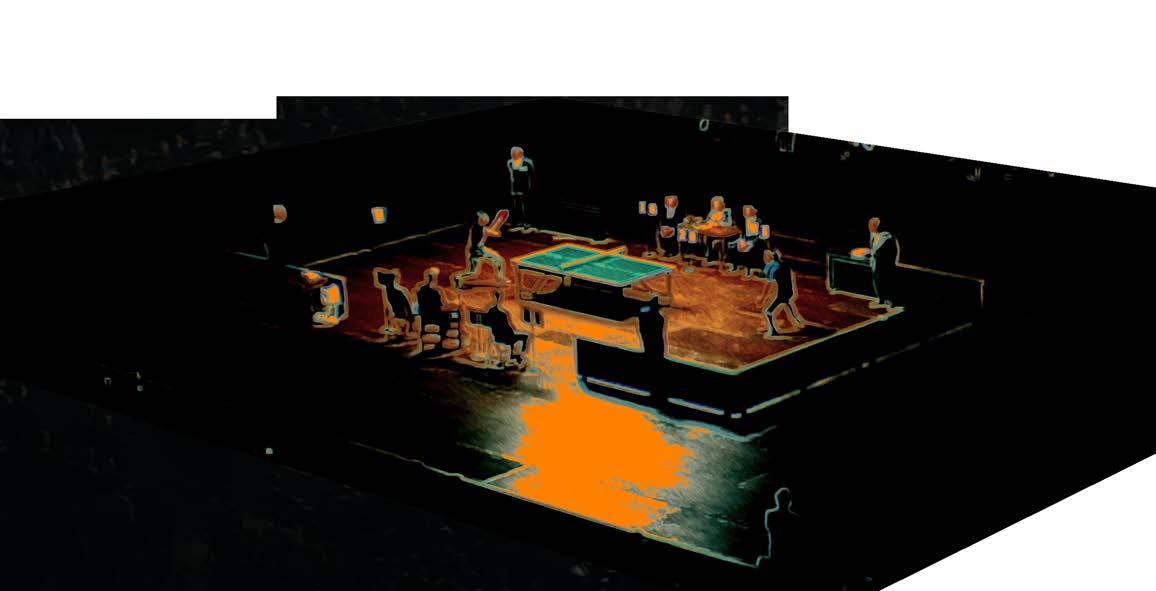





What I want to talk mostly about here though, is the thematic role of nature within the film. Throughout the film there is a major contrast between the Fox, the broader animal community at large, and the farmers. A large derivation exists regarding how they each interact with nature, and even why they do. For the Fox and his family, nature is the bedrock of their existence. They are intertwined with it, and cannot separate themselves from it. They live in a tree, and then later a slightly better tree. Mr. Fox runs through fields, sneaks under fences and steals chickens for fun. For the family and their counterparts, nature is simply where they exist, work, live and relax. The farmers’ relationship with nature is vastly different. They each use nature primarily as an economic engine, a place to extract product from. Although there is a connection to nature on the part of the farmers’, it is somewhat superficial and takes a back seat to the economic advantage it affords them. Bogis, Bunce and Bean, the infamous three farmers, operate and own vast farms – complete with large buildings and fields. When Ash (Mr. Fox’s son) and Kristofferson infiltrate Bean’s farmhouse, it is vast but plain and white – a cold room whose connection to nature is minimal. When the farmers come after Mr. Fox and his family, the animals are forced to become even more acquainted with nature, infamously digging their way out of their predicament. Dirt is shifted, handled and moved around frantically, and the animals are forced to live underground indefinitely, a much closer relationship to nature than the farmers.



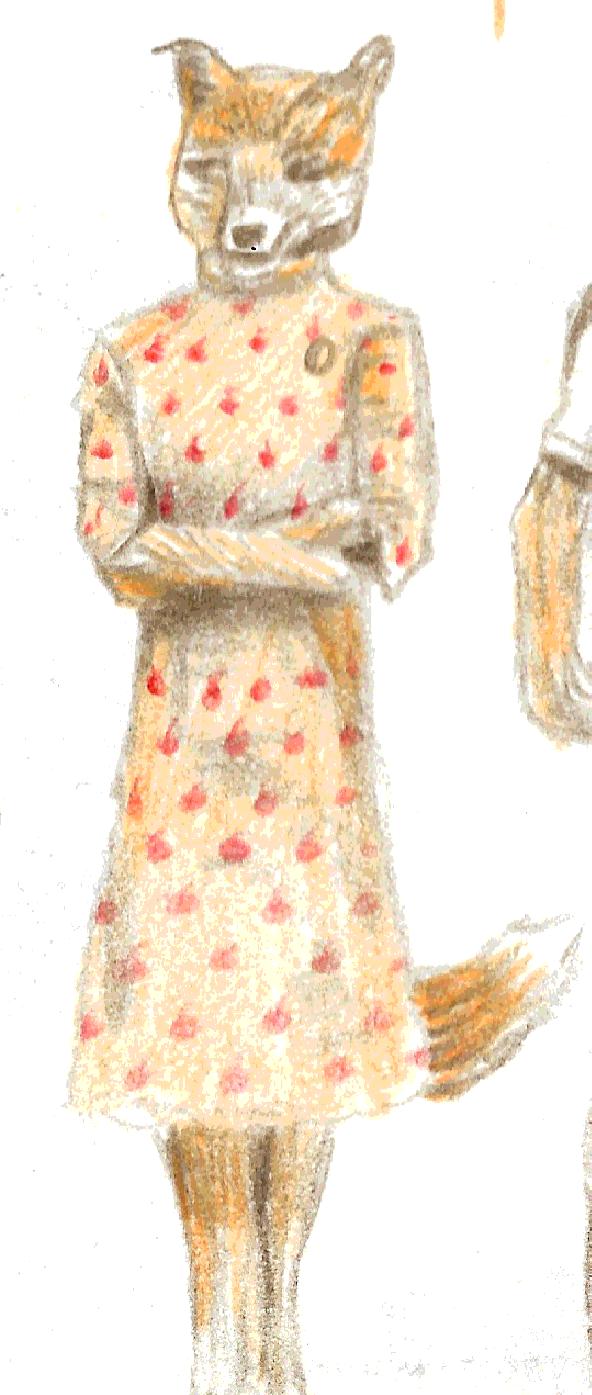


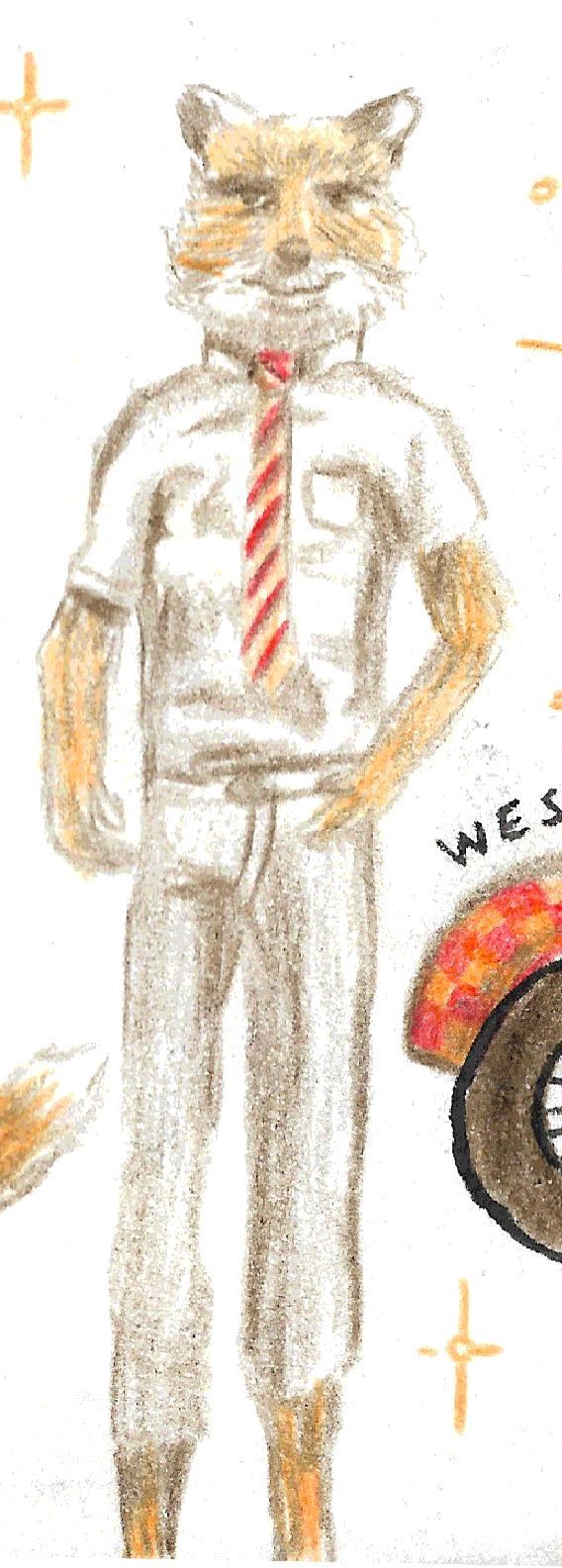


“I don’t want to live in a hole anymore...”



In an increasingly atomized world, one where the natural world seems to be losing its cultural relevance and power – especially within cities where the natural is almost inherently endemic, and the only connection many people have to the natural world is a social media video or film clip, examining a film that is so intertwined with nature is refreshing and worthwhile. There is a delightful uncanniness that Anderson managed to create with his natural world. It is so visually heightened, so colourful but you can also imagine situating yourself in that world. This quality of relatability is a tremendous asset, but it isn’t so overpowering that the whimsy is in any way diluted. The negotiation of realism and whimsy throughout the film, with respect to the natural themes, was clearly an important aspect of the film to get right, and Anderson certainly did. It is, undoubtably, the most natural film of his filmography. It is rooted almost absolutely in the natural realm. There is a strong undercurrent of the classic nature vs. nurture dichotomy throughout. The Fox is constantly negotiating between these two parts of himself: his naturalistic desires and his need to assimilate to his family life. The naturalistic can be thematically connected to the Fox’s animalism as his animalistic needs are seen as dirty and undesirable by those around him. His wife is mortified when she finds out, and his greed is the ultimate catalyst of the conflict in the film. Nature is thus represented both visually and thematically, actually and metaphorically. The film’s spotlighting of nature, as was necessary given the source material, is so well done and deserves analysis and reflection far into the future. Anderson’s film has endured in the years since its’ release, and will continue to delight audiences everywhere – in part exactly due to its masterful adaptation of the source material.
Human civilisation always starts with agriculture. Mesopotamia and the Euphrates river, India and the Indus river, Egypt and the Nile, Olmecs and the Coatzacoalcos. Farming is the origin of human society. If we didn’t figure out how to cultivate and grow crops, we would still just be hunters and gatherers. Agriculture ensured enough food security for humans to settle down, which led to us creating large communities, towns, cities, shared languages, writing, art, currency, economics, trade, law, government, military, technology… all of which we wouldn’t have without arable land, AKA soil with the right conditions to grow crops on. Now most land isn’t arable. very dependent on food imports (Saudi Arabia imports 80% of all food), which can leave them vulnerable to the whims of geopolitics. But even if you’re a South Asian farming powerhouse, your food security is not guaranteed. Dirt erosion comes for us all. It came for us before, many times in fact.
Bangladesh has 65.5% cultivated land (arable land + total area of permanent crops), hence their huge population of 173 million people. The UK has 25.3% cultivated land and has 69 million people. This (as well as the fact that rice produces double the calories per acre that wheat does) explains why Bangladesh has more than double the population of the UK, despite the UK being 100,000 square km larger. Egypt, another country with a greater population than the UK (100+ million), only has 3% cultivated land, and Saudi Arabia has just 1.6% 1.6%, despite having 34+ million people. Both countries are very dependent on food imports (Saudi Arabia imports 80% of all food), which can leave them vulnerable to the whims of geopolitics. But even if you’re a South Asian farming powerhouse, your food security is not guaranteed. Dirt erosion comes for us all. It came for us before, many times in fact.
“The rich, soft soil has all run away leaving the land nothing but skin and bone. But in those days the damage had not taken place, the hills had high crests, the rocky plain of Phelleus was covered with rich soil, and the mountains were covered by thick woods, of which there are some traces today.”
— Plato, Critias (111b-d)
One could suggest the use of olives and grapes in Mediterranean cuisine was a response to soil erosion, because those plants can be grown in bare rocky soils. Although food culture is affected by such factors, soil erosion can also explain the collapse of ancient Greece, as they were not able to support large populations with less soil, leading to smaller militaries and a weaker state, hence the Bronze Age collapse. Greece’s Dark Age, when societies collapsed and famine severed the population.
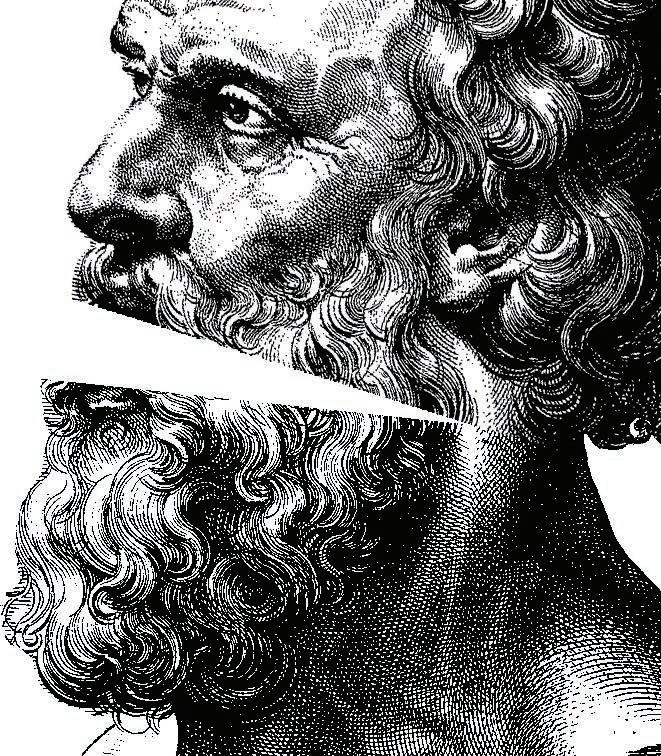

Soil erosion also shaped North American history. As George Washington wrote to Alexander Hamilton in 1796:
“A few years more of increased sterility will drive the inhabitants of the Atlantic States westward for support; whereas if they were taught how to improve the old, instead of going in pursuit of new and productive soils, they would make these acres which now scarcely yield them anything, turn out beneficial to themselves.”
- G. Washington, 1892 (v. XIII, p. 328 - 329)
Through this letter it seems Washington (a plantation owner) knew that for the U.S.A. to survive agriculturally, they would have to expand westward. Not to “manifest destiny,” but to sustain their farming industry. And since tobacco and cotton were very erosive, and practices were underdeveloped, they left behind severe soil erosion, especially in the Deep South. This would lead to the “Dust Bowl” of the 1930s, when decades of soil erosion led to droughts and severe dust storms in the U.S. Southwest. These were deadly storms that spread across the U.S., even making their way to LA and NYC, and were the subject of John Steinbeck’s novel “The Grapes of Wrath,” released in 1939. Clouds of dirt from Oklahoma could be tasted in the air in New York. Half a million became homeless, and 3.5 million emigrated from the Southwest. This environmental crisis was even one of the biggest issues of US politics at the time:
- President Franklin D. Roosevelt, Feb. 26, 1937
Now how does any of this relate to our current “mud crisis” in 2026? The mud crisis is a quiet one, but one that is slowly eroding our ability to sustain ourselves. According to the Heinrich Böll Foundation Thinktank, because soil erosion occurs so much faster than production, we lose 75 billion tonnes of soil to erosion every year, which is a loss of approximately 400 billion a year, equivalent to the GDP of Hong Kong. Erosion is also very much affected by human activity. For the last 500 million years the average erosion rate was 1 inch/1400 years, whereas at present it’s at 1 inch/60 years. Data from the UNCCD (United Nations Convention to Combat Desertification) has made the claim that 95% of the Earth’s soil will be degraded by 2050. This sounds crazy, but considering that soil erosion occurs at a rate 23 times the natural average, it really should be taken more seriously as a worldwide crisis. Great, another impending doomsday scenario in the years to come, if we aren’t annihilated by some callous AI, geriatric politicians, or drugged-up billionaires by then.
Like with global warming, tech and science have provided us hope. To hold back the expansion of the Sahara, the UN has been working on the “Great Green Wall” project since 2007. The plan is to create a 15km-thick wall of trees and greenery in the Sahel region that goes from coast to coast, from Senegal to Djibouti. Basically, they dig out these half-moon dugouts in the desert sand that collect rainwater. Over many years, the water is collected, greenery starts to grow, and topsoil is recovered. So far it has been successful, and even though they’ve only reached 30% of their goal for 2030, the results are incredible.
In China, their “Great Green Wall” or “Three-North Shelter Forest Programme,” has been in progress since 1978. In 2024, they completed the 3,000km green belt around the Taklamakan Desert. While this could be listed as the biggest artificial forest in the world, China has another one. “Saihanba National Park” in Inner Mongolia is 200km squared and this is the world’s biggest artificial forest. Saihanba actually used to be a rich grassland, where imperial emperors used to go hunting in the 10th13th centuries. However, by the 19th century, Saihanba was a desert after years of soil erosion. Sandstorms used to blow into Beijing and Tianjin, much like the USA’s Dust Bowl. Finally, in 1962, a programme began to restore this region and turn it into a forest. 55 years later, in 2017, the UN awarded them a UNEP Champions of the Earth award. These examples go to show that soil restoration is not an impossible task, as long as our leaders agree it is an important issue, and as long as we have the will and understanding to push for change.
03-12
13-14
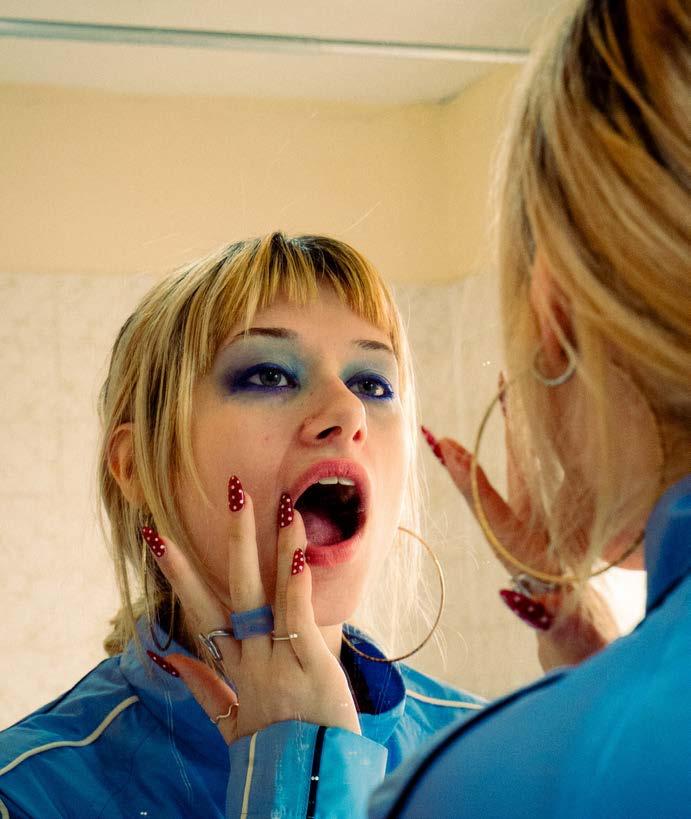
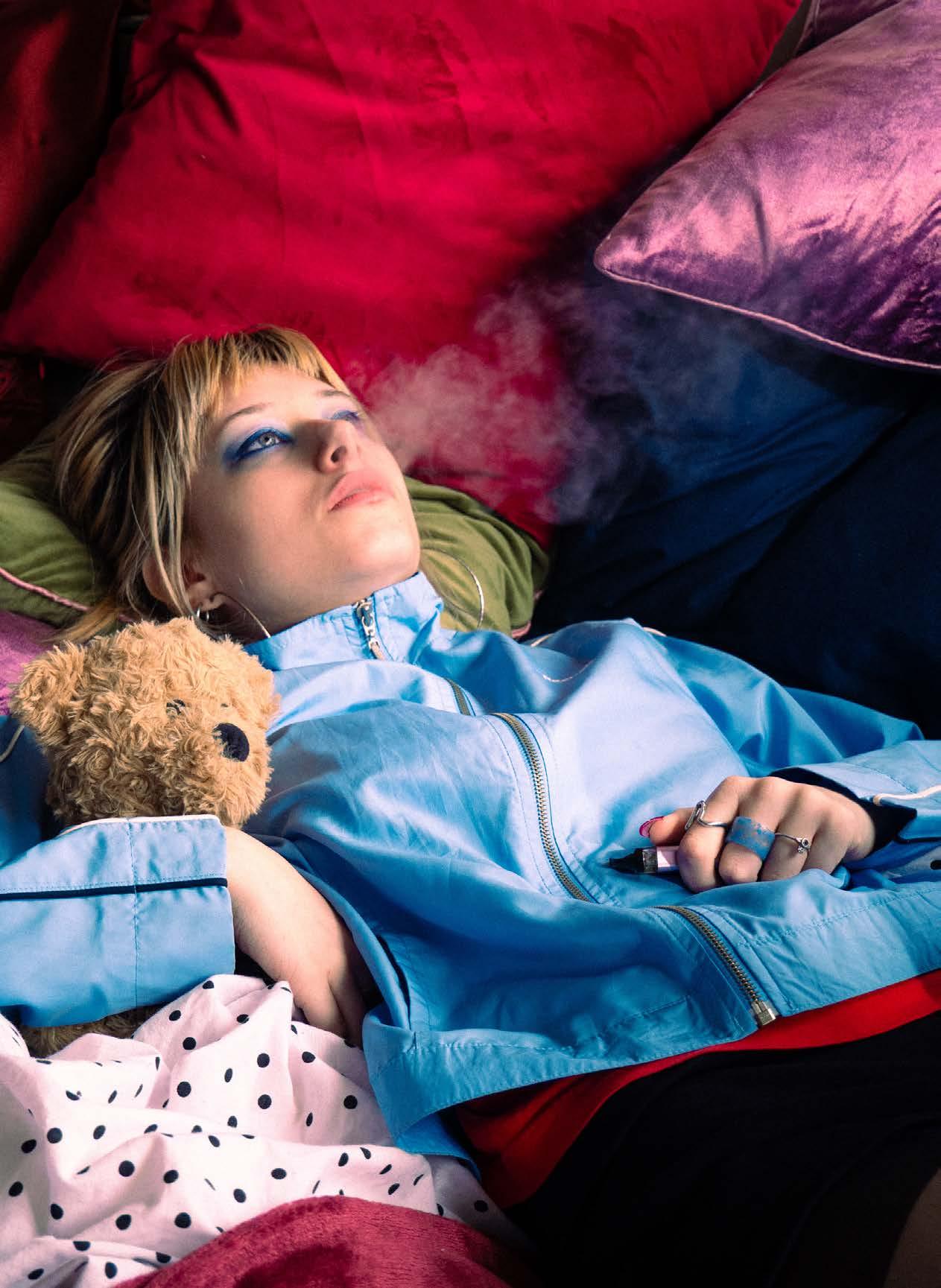
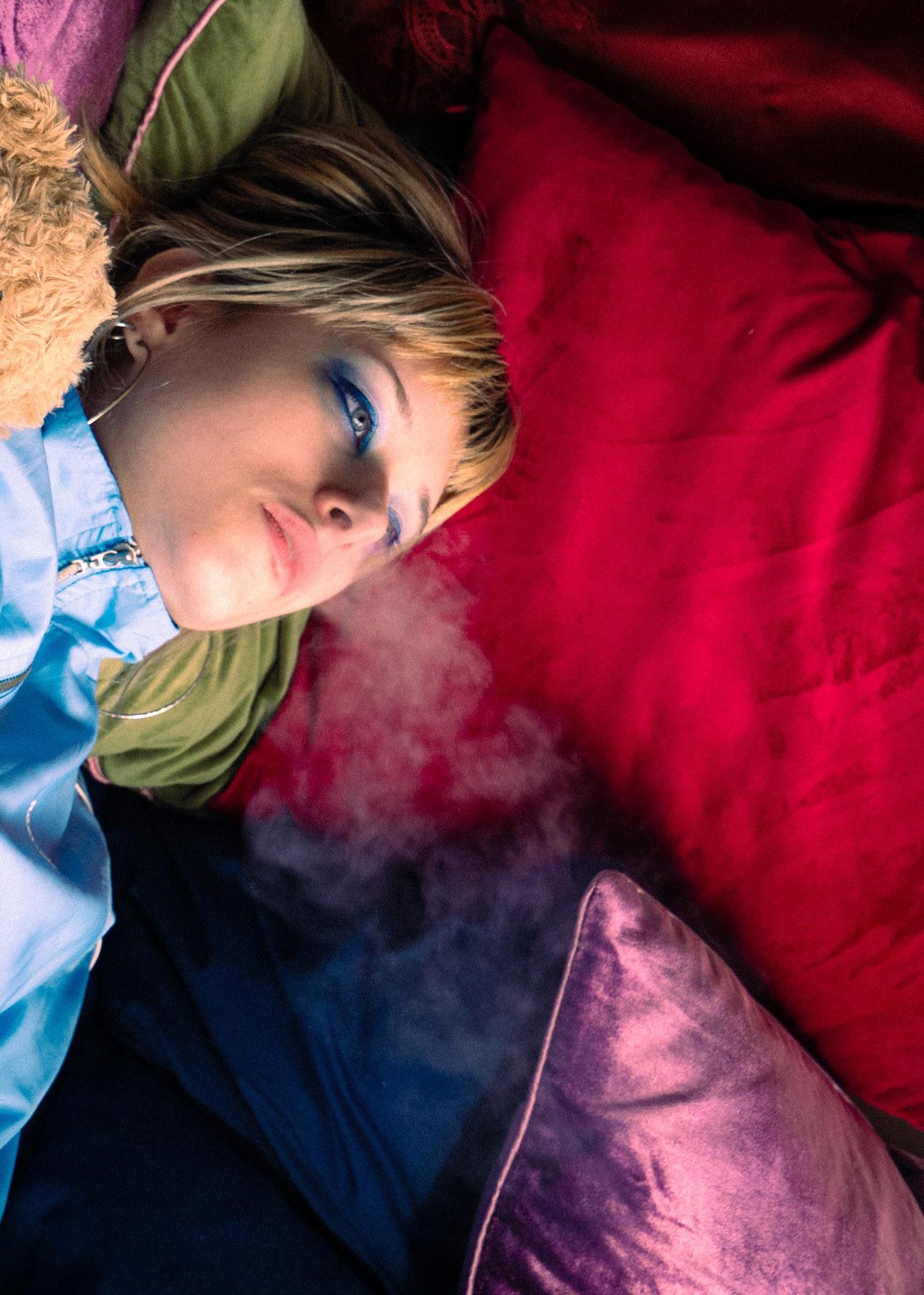
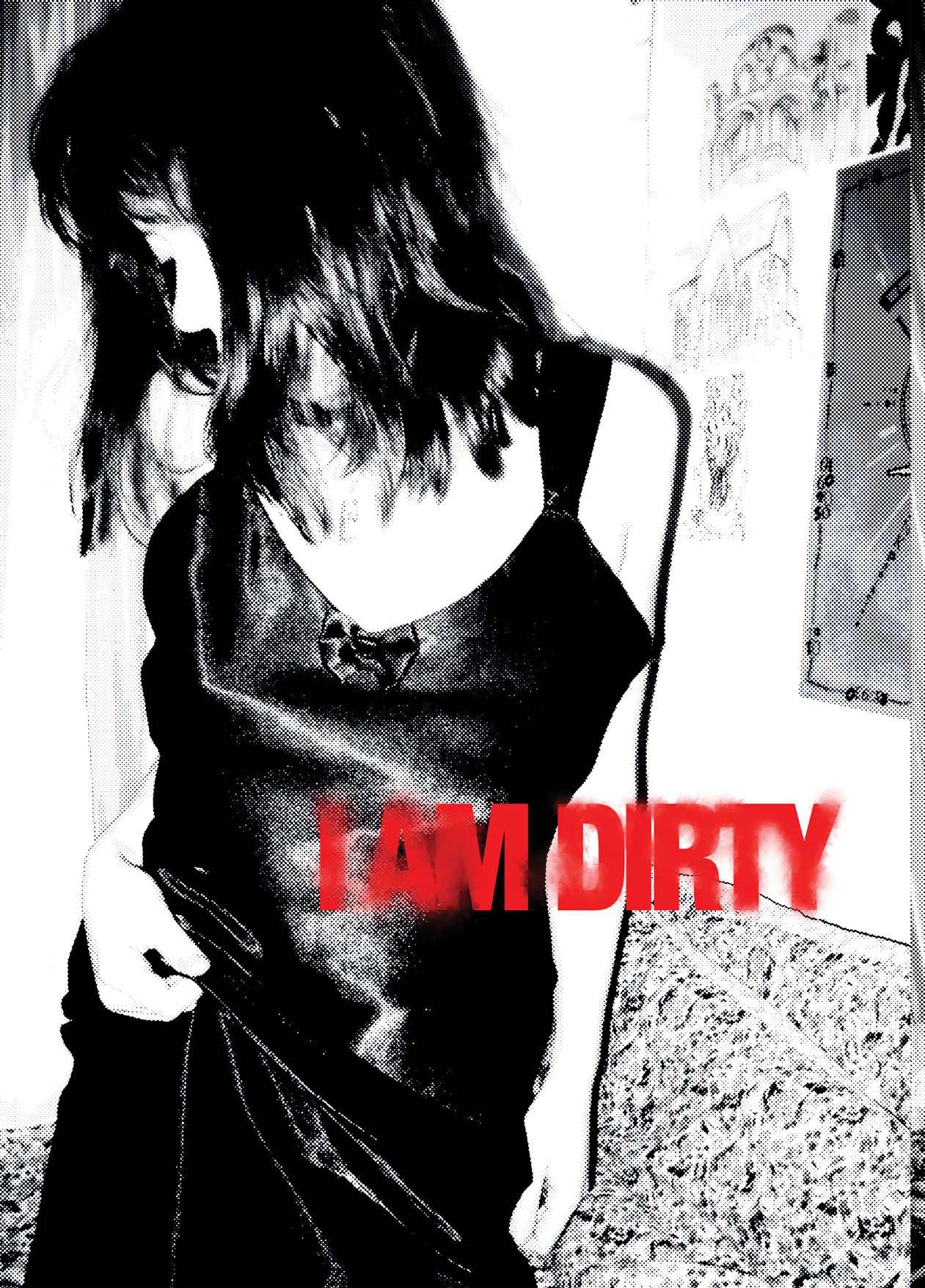
Girlhood Grime
Photography BEL MELLOR @belfilmsthings
Model EDEN OAKES
Design FAITH WILLIAMS @woodlousedude
Ode to a Dirt House
15-20
21-22
23-26
Text & Design BEN SUDELL
AIRING YOUR DIRTY LAUNDRY: an exploration of shame
Text MARIAM HASSAN @mariamhassanfilms
Design MADDIE WARDLE
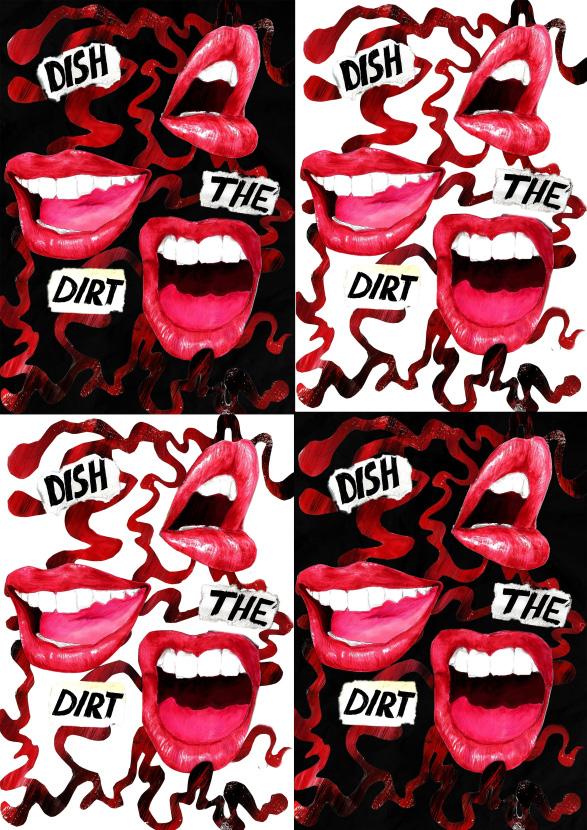
Looks like somebody’s having a bad day
Illustration AL @art_of_agrape
There is meaning in the dirt
Photography LAUREN ELISE @spectralpks , KAT HALL @katlovettbox, VICKY HUCKER-BROWN
Text KAT HALL
Design KAT HALL
27-28 Terra
Illustration & Design DOODLES CAVE @d0odle_boxx
29-35
Book recommendations if you want DIRT
Text FAITH WILLIAMS @woodlousedude Design FAITH WILLIAMS Collage FAITH WILLIAMS
Illustration OLIVIA JEFFERD @livjeffmedia www.oliviajefferd.com
The Wind Will Carry Text RIAN PAUL @rian.paul_filmmaking Design MARIAM AHOUESSOU @pozi.de 39-40 GRAVEYARD PHOTOSHOOT
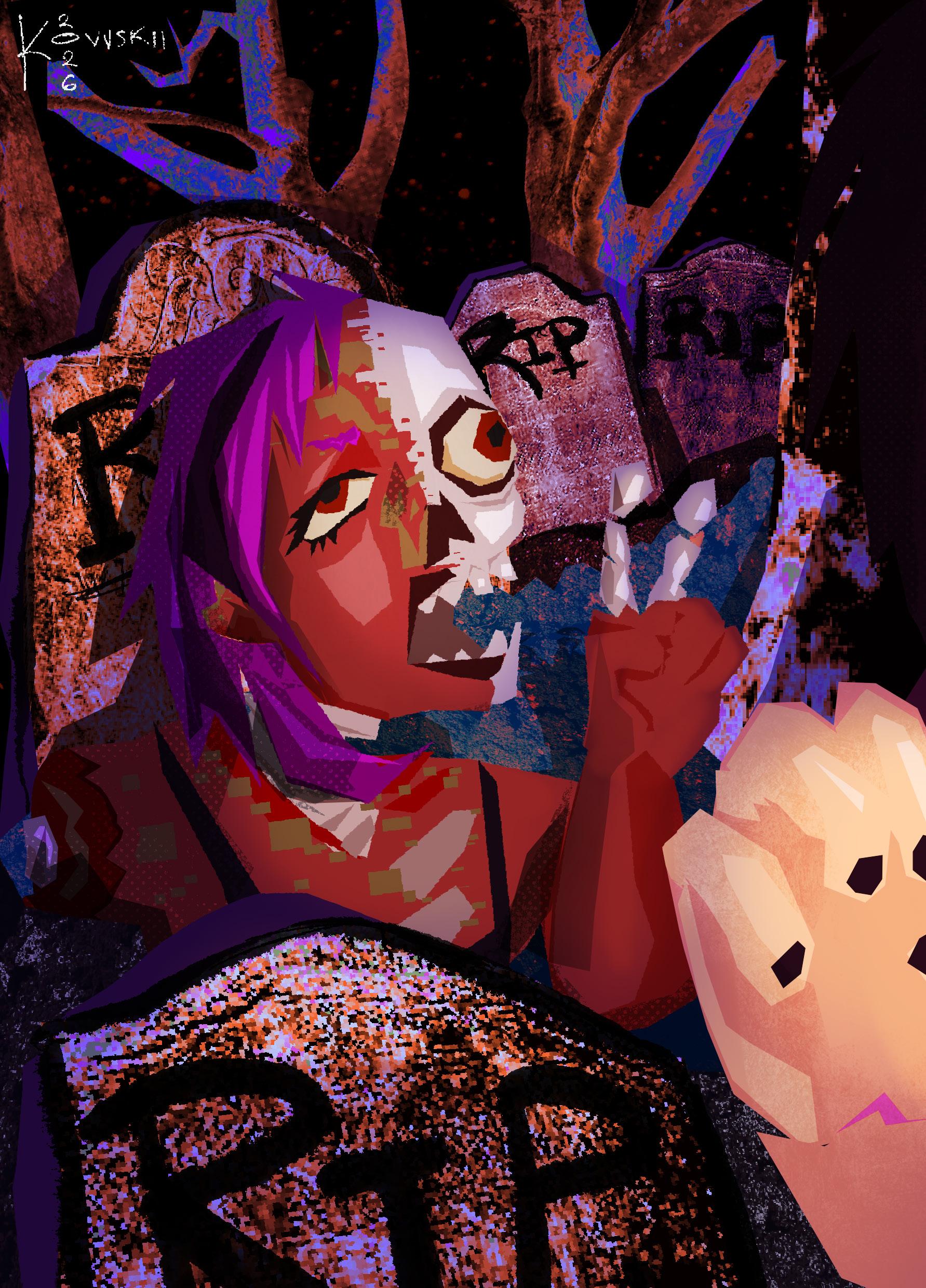
Illustration PAU ORLIKOWSKA @kovvskii
The Wonderful World of Ecological Warfare Text MILES FARROW @milesssfarrow2 Design MARIA PATMANIDI @mariapat.design_s Illustration ALANA BAILEY @alanabea.art13