CONNECTING ALUMNI, FRIENDS AND COMMUNITY
JACOBS SCHOOL OF MEDICINE AND BIOMEDICAL SCIENCES UNIVERSITY AT BUFFALO
CONNECTING ALUMNI, FRIENDS AND COMMUNITY
JACOBS SCHOOL OF MEDICINE AND BIOMEDICAL SCIENCES UNIVERSITY AT BUFFALO

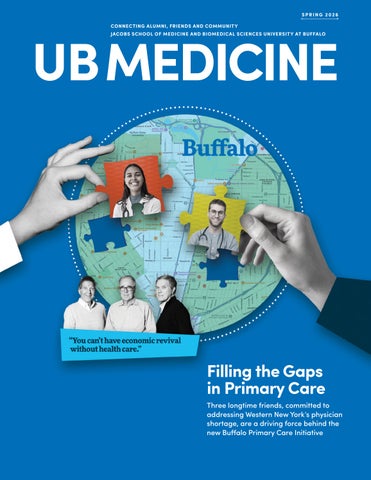
Three longtime friends, committed to addressing Western New York’s physician shortage, are a driving force behind the new Buffalo Primary Care Initiative
Spring is one of my favorite times here at the Jacobs School. As the days grow brighter and signs of growth appear, I’m reminded of the momentum and possibility that define our school community. This year, as we celebrate our 180th anniversary, that sense of forward movement feels especially meaningful. For nearly two centuries, generations of physicians, scientists and healers from the Jacobs School have strengthened the health of Western New York. Their impact continues to guide us as we deepen our commitment to innovation, education and compassionate care. In this issue, you’ll see that legacy in action, from the Buffalo Primary Care Initiative and new pathways addressing workforce needs to students whose resilience and purpose inspire us all.
Spring also brings Match Day, a joyful reminder of why we do this work. Each match represents not only a milestone, but the start of a career that will touch countless lives.
Our research enterprise continues to thrive, fueled by the curiosity and dedication that have defined the Jacobs School since 1846. And the support of our alumni and donors strengthens our mission and expands opportunities for the next generation.
As we honor this milestone year, one truth stands out: our history fuels our momentum, ensuring that education, innovation and healing endure across generations. Thank you for being part of this community and for helping us build a healthier future for the people and communities we serve.

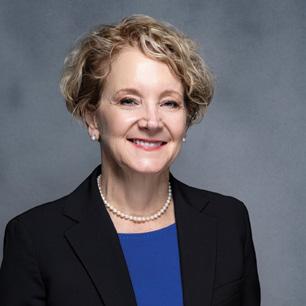
Allison Brashear, MD, MBA Vice President for Health Sciences Dean, Jacobs School of Medicine and Biomedical Sciences University
at Buffalo
President and CEO, UBMD
Physicians’ Group
UB Medicine is published by the Jacobs School of Medicine and Biomedical Sciences at UB to inform alumni, friends and community about the school’s pivotal role in medical education, research and advanced patient care in Buffalo, Western New York and beyond.
VISIT US: medicine.buffalo.edu/alumni
COVER IMAGE
A photo collage illustrating the work of the new Buffalo Primary Care Initiative, whos mission is focused on filling the gaps in primary health care in neighborhoods on the East and West sides of the city of Buffalo.
Photo illustration / Cover design: Ellen Stay
Chronic heart condition can’t slow down medical student Ian Wax

19 BUILDING BRIDGES TO PRIMARY CARE: THE GENERALIST SCHOLARS PROGRAM
For decades, the Generalist Scholars Program has provided medical students a key pathway to practicing primary care in residency and beyond
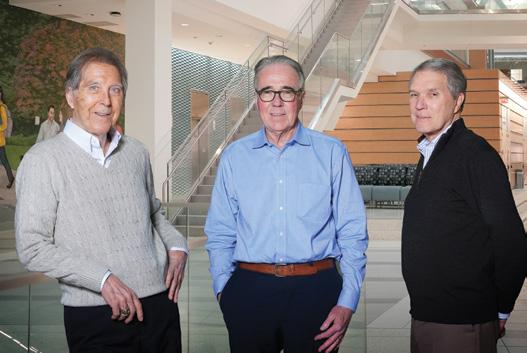
22 ‘IT’S OUR TURN TO GIVE BACK’ Buffalo Primary Care Initiative to support medical students committed to practicing in underserved East and West sides
UBMEDICINE
ALLISON BRASHEAR, MD, MBA
Vice President for Health Sciences and Dean, Jacobs School of Medicine and Biomedical Sciences
President and CEO, UBMD Physicians’ Group
Co-Editors
Patrick S. Broadwater
Dawn M. Cwierley
Contributing Writers
Dawn M. Cwierley
Keith Gillogly
Ellen Goldbaum
Dirk Hoffman
Copy Editor
Heather Osinski
Photography
Sandra Kicman
Meredith Forrest Kulwicki
Douglas Levere
Art Direction & Design Ellen Stay
Editorial Adviser
John J. Bodkin II, MD ’76
Affiliated Teaching Hospitals
Erie County Medical Center
Roswell Park Comprehensive Cancer Center
Veterans Affairs Western New York Healthcare System
Kaleida Health
Buffalo General Medical Center Gates Vascular Institute Golisano Children’s Hospital of Buffalo Millard Fillmore Suburban Hospital
Catholic Health
Mercy Hospital of Buffalo Sisters of Charity Hospital
Correspondence, including requests to be added to or removed from the mailing list, should be sent to: Editor, UB Medicine, 955 Main Street, Buffalo, NY 14203; or email jacobsmed@buffalo.edu
A select collection of images from events happening at the Jacobs School over the past few months.
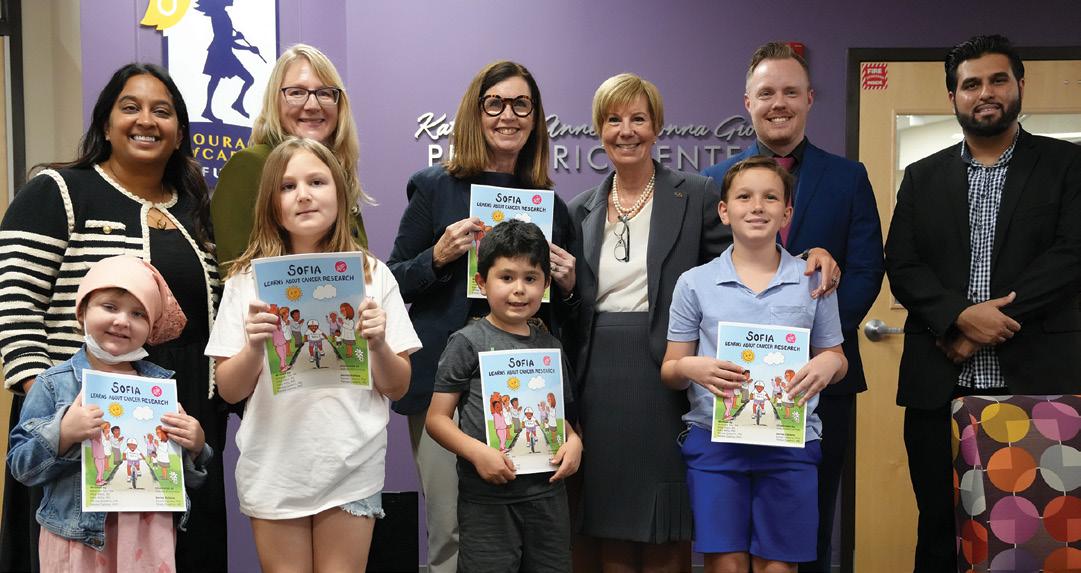
A coloring and activity book, “Sofia Learns About Cancer Research” aims to increase awareness among children with cancer and their parents about clinical research and how they themselves could be part of medical innovations. Showing off copies of the book, a joint effort between the University at Buffalo and Roswell Park Comprehensive Cancer Center, are back row, from left, Hital Patel of Roswell Park; and UB faculty and staff members Renee Cadzow, PhD; Kara M. Kelly, MD ’89; Teresa Quattrin, MD; Andy Strohmeier, Med; Naveed Shah; and, front row, Roswell Park patients and family members.
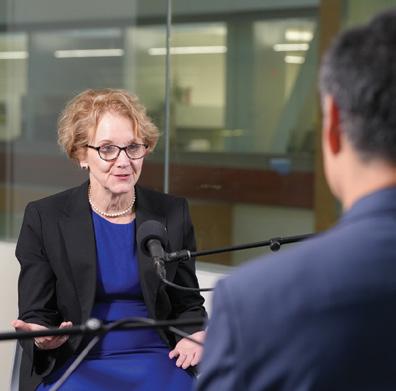
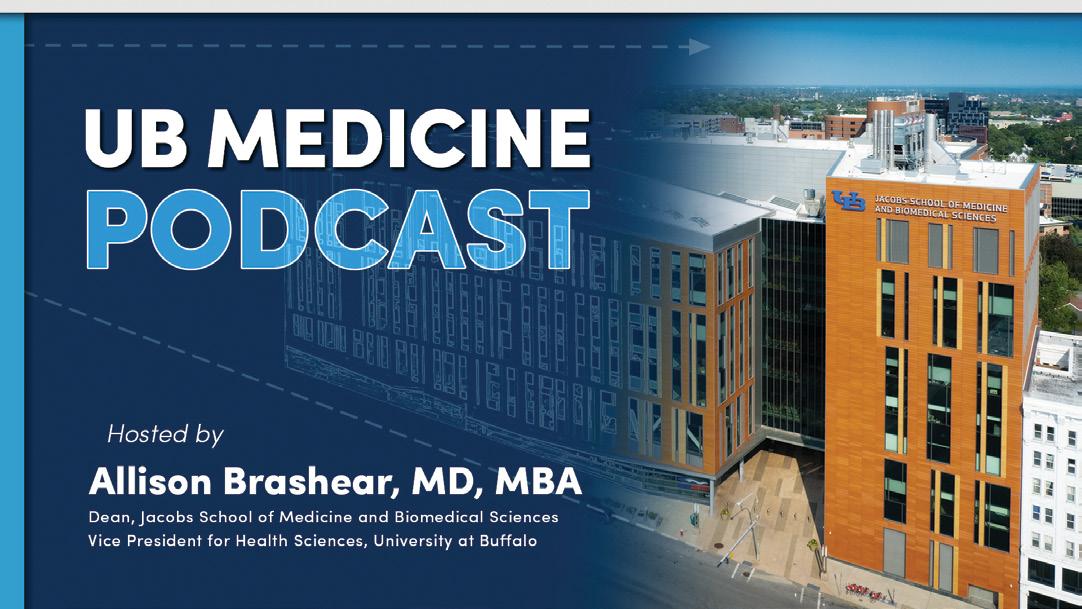
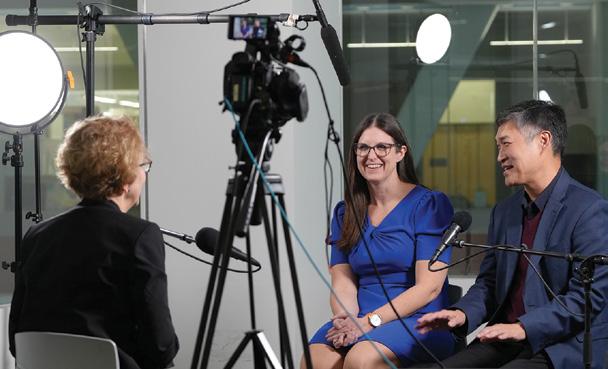
This isn’t just another podcast — it’s your frontrow seat to the breakthroughs, bold moves and boundary-pushing innovation coming out of the Jacobs School of Medicine and Biomedical Sciences at the University at Buffalo. Hosted by Allison Brashear, MD, MBA, the UB Medicine podcast launched in October 2025 and has covered important topics such as AI in medical research, advances in neurology, concussion research and more. (See inside back cover for more info on how to listen and subscribe.)
ACADEMY MEMBERSHIP IS ONE OF THE HIGHEST HONORS IN HEALTH AND MEDICINE
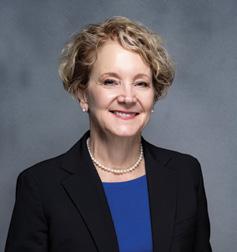
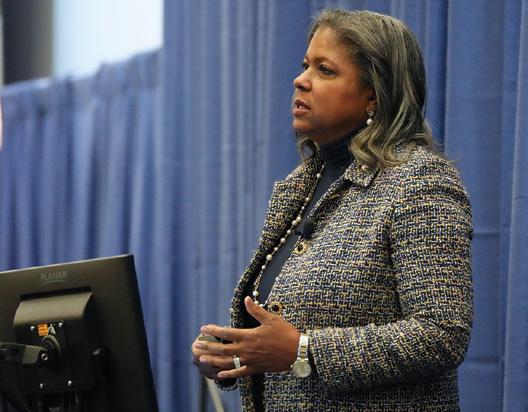
Allison Brashear, MD, MBA, vice president for health sciences and dean of the Jacobs School of Medicine and Biomedical Sciences at the University at Buffalo, has been elected to the National Academy of Medicine.
Election to the academy, considered one of the highest honors in the fields of health and medicine, recognizes individuals who have demonstrated outstanding professional achievement and commitment to service. New members are elected by current members through a process that recognizes individuals who have made major contributions to the advancement of the medical sciences, health care and public health.
“Our UB community is delighted to celebrate Dean Brashear on her election to the National Academy of Medicine and proud to see her join the ranks of the most distinguished leaders in health and medicine,” said UB President Satish K. Tripathi. “Dean Brashear is an internationally esteemed neurologist, a visionary health sciences leader and a tireless champion of diversity in medicine who has dedicated her career to harnessing the power of research and education to transform lives. This prestigious recognition is a testament to her remarkable impact on her field and her steadfast commitment to improve health outcomes.”
The academy cited Brashear “for being a values-oriented, mission-driven leader in medicine who throughout her exemplary career has championed diversity in health care, advances in innovative research and reimagined how academic medicine improves the health of our communities.”
Brashear is a globally recognized neurologist and transformative leader in academic medicine. As vice president for health sciences and dean of the Jacobs School, she has strengthened interdisciplinary collaborations and strategic partnerships across all UB’s health sciences schools and with clinical partners. She also serves as president and CEO of UBMD Physicians’ Group, advancing clinical excellence and integrated care.
She is an internationally renowned researcher whose work has fundamentally transformed the way spasticity and dystonia are treated. She led the first clinical trial to demonstrate that botulinum toxin can successfully treat wrist and finger spasticity in stroke victims. She was principal investigator on 40 clinical trials in cervical dystonia and spasticity, leading to three FDAapproved medications to treat patients with disabling muscle spasms. An international authority on ATP1A3-related diseases — a group of rare neurological disorders — she has received continuous funding from the National Institutes of Health since 2008.
Under her leadership, the Jacobs School has hired more than 100 new faculty members, increased research funding, improved
in national rankings in both research and primary care, and introduced new initiatives to improve access to care in Western New York.
Before joining UB, she held key leadership roles, including dean of the UC Davis School of Medicine and chair of the Department of Neurology at Wake Forest School of Medicine. She earned her MD and completed her neurology residency at Indiana University School of Medicine and holds an MBA in health-sector management from Duke University’s Fuqua School of Business.
Brashear also contributes nationally through board service and thought leadership. In 2024, she was named chair-elect of the AAMC Council of Deans and serves on the AAMC board of directors. She is a trustee of the McKnight Brain Research Foundation, and a past member of the governing board of the California Institute of Regenerative Medicine. She previously served on the boards of directors of the American Board of Psychiatry and Neurology, the American Academy of Neurology and the American Neurological Association. She serves on the boards of the Western New York Women’s Foundation and HEALTHeLINK.
In addition to these roles, Brashear actively supports the work of the Liaison Committee on Medical Education (LCME) through her role in the Council of Deans LCME Advisory Group to the LCME, helping to shape the future of medical education accreditation and ensure its relevance in a rapidly evolving academic landscape.
A powerful advocate for promoting diverse leaders in medicine, Brashear was instrumental in creating one of the first national leadership programs in neurology for women. She is a frequent lecturer on the importance of diversity in medicine and a lifelong champion of advancing women’s leadership in medicine.
She was named an AAMC Council of Deans Fellow for 2014-15; the fellowship is a professional development program created to enhance the development of future leaders in academic medicine.
#46 AMONG PUBLIC MEDICAL SCHOOLS; #77 OVERALL 4 IN NIH RANKINGS, HIGHEST NIH RANKING SINCE 2003
$49.3M IN RESEARCH FUNDING RECEIVED FOR FY 2025
7M FROM 2024 FISCAL YEAR
5 DEPARTMENTS RANK IN THE TOP 50 NATIONALLY: BIOMEDICAL ENGINEERING (12TH), OPHTHALMOLOGY (36TH), PHYSIOLOGY (38TH), EMERGENCY MEDICINE (39TH), BIOCHEMISTRY (45TH)
Three new members joined the Dean’s Council at the Jacobs School of Medicine and Biomedical Sciences, effective Jan. 1, 2026.
The Dean’s Council, launched in 2024, is made up of a distinguished group of alumni and community leaders who help guide and support the school. Members of the council serve the school in the core areas of advocacy and community engagement.
The council meets several times each year to advise Allison Brashear, MD, MBA, UB’s vice president for health sciences and dean of the Jacobs School, and the school’s leadership team. Council members serve three-year terms.
The new members are Jessica Cox, president of Highmark Western and Northeastern New York; Russell J. D’Alba, founder, president and managing director of Paramax Corporation, investment bankers; and Christopher T. Greene, JD ’74, MBA ’75, a partner in the Barclay Damon LLP law firm.
A seasoned health care executive with over two decades of experience in the New York market, Cox was appointed to her current role as president of Highmark Western and Northeastern New York in August 2024.
She brings 23 years’ experience from Excellus BlueCross BlueShield, where she held various leadership roles across commercial sales, provider relations, and corporate development. Most recently, she served as senior vice president for corporate development and strategy and chief risk officer and previously served as regional president for the Southern Tier Region for the company.
Cox serves on the board of directors for several organizations including the Buffalo Niagara Partnership, Invest Buffalo Niagara, the Business Council of New York State, the New York Health Plan Association, The Life and Health Insurance Company Guaranty Corporation of New York and New View Alliance.
She received a bachelor of science degree from Upstate Medical University, an associate of science degree from Alfred State College, and completed an executive education program from the University of Chicago Booth School of Business Executive Education.
D’Alba has advised on several hundred corporate divestiture transactions, including representing publicly traded and large privately held corporations.
Prior to establishing Paramax, he was the founder of a leading regional CPA firm now known as Tronconi Segarra & Associates.
D’Alba’s volunteer work consists of various community leadership positions that include acting as an adviser to a prestigious cancer institute.
He previously served as president and board member of Globalscope Partners, an international partnership based in London, UK, consisting of 55 M&A firms.
D’Alba has a degree in accounting from the UB School of Management and completed the Mutual-Gains Negotiations Program at Harvard University. In addition, he is a CPA (NY), FINRA-licensed, and SEC-registered with supervisory authority.
He is a classically trained jazz saxophonist who has performed with numerous philharmonic orchestras.
Greene is Barclay Damon’s Health Care Practice Group leader and former Corporate Practice Area co-chair. He previously served as chair of Damon Morey and served on its Management, Finance, Personnel, and Client Development committees.
He primarily works with closely held businesses and not-for-profit corporations, routinely assisting with health care corporate and regulatory matters.
Greene additionally represents physician groups and individual physicians in a wide variety of transactional matters, including the sale of physician practices, and represents familyowned companies involved in governance issues and shareholder disputes.
He is a member of the American Bar Association, Bar Association of Erie County, and the New York State Bar Association.
He is a founding member and former board member of the Kaleida Health Board of Directors; an emeritus member of the University at Buffalo School of Law Dean’s Advisory Council; an emeritus
board member, board chair, and interim CEO of the Hauptman-Woodward Medical Research Institute; and a former chairperson and emeritus board member of the National Federation for Just Communities of Western New York.
Greene earned his Juris Doctor degree from the UB School of Law in 1974 and his Master of Business Administration degree from the UB School of Management in 1975. He earned his Bachelor of Arts degree from Amherst College, where he graduated magna cum laude.
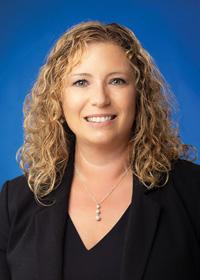
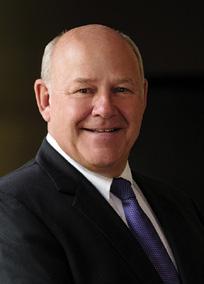
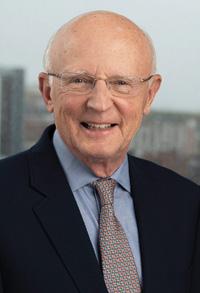
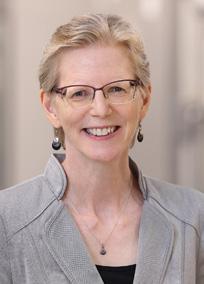
Karen Frank, MD, PhD, who was chief of the Department of Laboratory Medicine at the National Institutes of Health Clinical Center, was appointed Peter A. Nickerson, PhD, Professor and Endowed Chair of Pathology and Anatomical Sciences in the Jacobs School in February.
She serves as president of UBMD Pathology and chief of pathology for Kaleida Health, and oversees pathology operations at Erie County Medical Center.
“Dr. Frank is an exceptional leader and scientist, and her career has shaped the fields of clinical pathology and microbiology,” said Allison Brashear, MD, MBA, UB’s vice president for health sciences and dean of the Jacobs School. “Her expertise and vision strengthen our mission to educate the next generation of physicians and scientists.”
As a senior clinician directing the Department of Laboratory Medicine at the NIH Clinical Center, Frank has overseen clinical laboratory testing essential for first-in-human studies.
Her groundbreaking research on antimicrobial resistance and horizontal gene transfer among Gram-negative bacteria has advanced infectious disease science and informed strategies to combat global health threats.
Since 2022, she has served as principal investigator of the NIH-funded Clean Med Study, which examines how dietary patterns — particularly Mediterranean-style diets — affect the gut microbiome, immune response and metabolic health.
“Frank’s career has shaped the fields of clinical pathology and microbiology.”
- Allison Brashear, MD, MBA
Frank has held national leadership roles in pathology education and professional organizations and has received numerous honors, including the Secretary of Health and Human Services Award for Meritorious Service and multiple NIH Director’s and Clinical Center Director’s awards for her leadership during the Ebola and COVID -19 responses and for sterile product safety.
Frank earned her MD and PhD in biochemistry from the University of Pennsylvania. She completed a clinical pathology residency at Brigham and Women’s Hospital and a postdoctoral research fellowship in immunology at Boston Children’s Hospital in the Howard Hughes Medical Institute laboratory of the renowned scientist Frederick W. Alt, PhD.
Before joining NIH in 2012, Frank rose to the rank of associate professor in the Department of Pathology at the University of Chicago.
She has completed the NIH Senior Leadership Program and the year-long Executive Leadership in Academic Medicine fellowship, further preparing her to lead complex academic and clinical enterprises.
Frank succeeds John E. Tomaszewski, MD, who served as chair of the department since 2011.
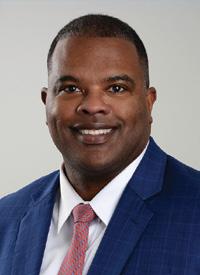
Troy D. Woodard, MD, former section head of rhinology, sinus and skull base surgery at the Cleveland Clinic, was appointed chair of the Department of Otolaryngology-Head and Neck Surgery in the Jacobs School and president and chief executive officer of UB Otolaryngology in February.
“Dr. Woodard comes to UB with an impressive record. He is an internationally respected surgeon, educator and physician-leader whose career reflects excellence, innovation and a commitment to advancing care and training the next generation,” said Allison Brashear, MD, MBA, UB’s vice president for health sciences and dean of the Jacobs School.
Woodard served as president of the American Academy of Otolaryngology-Head and Neck Surgery (AAO-HNS), the world’s largest professional society in the field, representing over 14,000 members globally. As only the second Black physician and one of the youngest ever to hold this prestigious position in the academy’s 129-year history, his election broke new ground.
Woodard has also held numerous national leadership positions, including chair of the AAO-HNS Board of Governors, exam council member of the American Board of Otolaryngology-Head and Neck Surgery, chief diversity officer of the American Rhinologic Society, chair of the otolaryngology section of the National Medical Association, and president of the Harry Barnes Medical Society, an organization dedicated to promoting diversity and supporting underrepresented groups in the field of otolaryngology and head and neck surgery.
With expertise in complex sinus and skull base disorders — including chronic sinusitis, nasal polyps, cerebrospinal fluid leaks and sinonasal tumors — Woodard focuses on minimally invasive, image-guided techniques that enhance safety and speed recovery. He has delivered hundreds of invited lectures worldwide and authored peer-reviewed publications and book chapters, driving innovation in sinus and skull base surgery.
Woodard is also a passionate advocate for mentorship, leadership development and equity in medicine. He has founded national mentorship initiatives for medical students and residents, directed the Cleveland Clinic’s Advanced Rhinology and Endoscopic Skull Base Fellowship, and guided dozens of trainees who now serve as faculty at leading academic centers. His advocacy on Capitol Hill for physician wellness, Medicare reform and equitable access to care underscores his commitment to shaping health care policy.
Woodard’s many honors include the Hinton Gladney Award from the National Medical Association and recognition as one of Cleveland Magazine’s Top Doctors.
Woodard succeeds David A. Sherris, MD, who served as chair of the department since 2005.
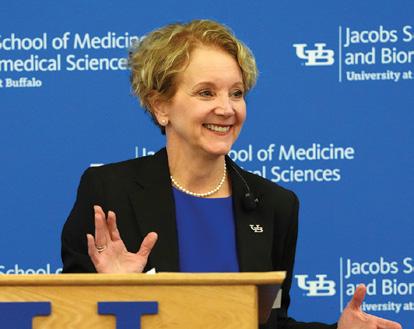
Allison Brashear kicked off her annual State of the School Address. The Jacobs School remained rooted and resilient throughout 2025 as it continued to make huge strides in its research, clinical and educational missions.
During her 2025 State of the School address, Allison Brashear, MD, MBA, invoked the image of a mighty oak tree when describing the current state of the Jacobs School of Medicine and Biomedical Sciences — rooted, resilient and growing.
“The Jacobs School is the founding school of the University at Buffalo, having been established in 1846,” said Brashear, UB’s vice president for health sciences and dean of the Jacobs School, during the address on Oct. 21 in the Ronald I. Dozoretz, MD ’62 Auditorium.
“UB and the medical school have strong roots, and we are ready for anything,” she said. “We have seen that this year, and we have remained resilient and true to our core mission.”
Integral to that core mission is contributing to the health and the economic development of Western New York.
Brashear noted that one of the latest Jacobs School highlights is a strengthening of its partnership with the Erie County Medical Center (ECMC) through the state’s Health Care Safety Net Transformation Program.
The two entities are at the center of a major investment announced by New York State Gov. Kathy Hochul to expand primary care access on Buffalo’s East side, support physician recruitment and retention, and
develop a Community Health Care Pavilion and Learning Center at ECMC’s Grider Street campus.
“We are in an era of collaboration and innovation, and it is all grounded in laying the foundation for transforming the health of Western New York,” Brashear said.
Brashear noted the faculty at the Jacobs School continues to grow.
“During the last three years, we have hired 199 new faculty. We now have almost 1,000 faculty members at the Jacobs School,” she said.
Brashear also noted that over 650 physicians are part of UBMD Physicians’ Group, the medical school’s clinical practice plan.
“They are part of UB and part of our school, and they, along with our basic science faculty, teach our medical students and our 835 residents,” Brashear said.
Brashear also talked about the school’s efforts to create pathways for students to see themselves as future researchers and health care providers.
Undergraduate enrollment numbers continue to climb at the Jacobs School, with 1,310 students enrolled this year, the highest number ever.
The Jacobs School also has the largest graduate student cohort in the past decade — 284 master’s and doctoral students.
In terms of medical education, there has been a 7.5 percent increase in applicants year over year, compared to a national average of a 3 percent increase. The MDPhD Program is also expanding, increasing its slots from four to seven.
“Part of what is driving that interest is the new Well Beyond curriculum that integrates the community early on,” she said. “Medical students must do 18 hours during their first year with a nonprofit — an incredible opportunity to get first-hand experience working in a shelter, a mission or a food bank. The new curriculum also gets students into the clinics sooner.”
Brashear also spoke about the pathways of research, noting nine out of 13 of UB’s
largest proposals of more than $1 million came from the Jacobs School, and 11 of the 13 came from health sciences schools.
In fiscal year 2025, the Jacobs School accounted for more than 37 percent ($38.7 million) of UB’s research awards. When combined with the other health sciences schools, that figure exceeds more than half of all UB’s research awards, she noted.
Research award funding at the Jacobs School rose by over 12 percent in fiscal year 2025, with 52 awards being designated for clinical trials. Overall, Jacobs School growth in the last five years is 42 percent.
With the retirement of Timothy F. Murphy, MD, several people have been appointed to fill his various roles at the Jacobs School and UB, Brashear said.
Sanjay Sethi, MD, SUNY Distinguished Professor of medicine and chief of the Division of Pulmonary, Critical Care and Sleep Medicine, has been appointed senior associate dean for clinical and translational research and director of UB’s Clinical and Translational Science Institute.
Heather M. Gardiner, PhD ’06, has joined UB’s Community Health Equity Research Institute, and serves as the inaugural Carl V. Granger Endowed Chair in Health Equity.
Brashear also announced the official launch dates for Epic, the community-wide electronic medical record (EMR) system. Both UBMD and ECMC will go live with the system in October 2026, preceded by Kaleida Health’s launch in May 2026.
“We are committed to a communitywide EMR, and I’m grateful to both ECMC and Kaleida Health for leading the way,” Brashear said. “Their early adoption of Epic reflects a shared vision for coordinated patient-centered care across Western New York. This system is a gamechanger.”
Tap to see the 2025 State of the Jacobs School Address in its entirety
UB neurosurgeons Levy, Siddiqui make headlines with first-in-the-world procedures
Each year, more than 100,000 patients who have experienced a stroke or a transient ischemic attack (TIA), also known as a “ministroke,” undergo a carotid artery stenting procedure to increase blood flow to the brain. The procedure is typically done in a hospital and usually involves an overnight stay.
But on Oct. 14, a team of University at Buffalo neurosurgeons performed what they say is a global first: They performed the procedure on a patient at an ambulatory surgery center specifically designed for neurosurgical procedures.
The patient was discharged the same day, marking a potential paradigm shift in how complex neurovascular interventions can safely be delivered.
“This was the first time a carotid stent was placed in a patient who underwent the procedure in an outpatient neurosurgery center — not in a hospital, not in a cardiac lab, but in a dedicated neurocenter built for precision, speed and safety,” says Elad I. Levy, MD, MBA, SUNY Distinguished Professor and L. Nelson Hopkins Endowed Chair of neurosurgery and a professor of radiology in the Jacobs School of Medicine and Biomedical Sciences.
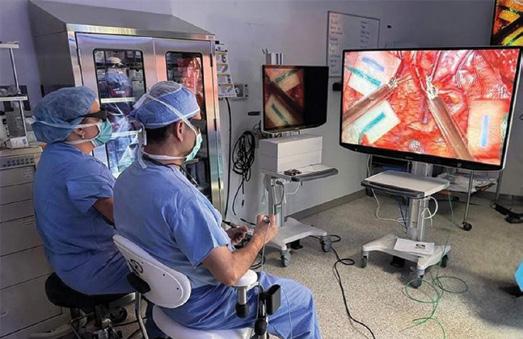
That wasn’t the only groundbreaking work to come out of the department that month. A week earlier, it was announced that Adnan Siddiqui, MD, PhD, UB Distinguished Professor and vice chair of neurosurgery at the Jacobs School, had used a proprietary robotics system to perform the world’s first microsurgical intracranial brain surgeries.
Siddiqui, who is chief executive officer and chief medical officer of the Jacobs Institute, performed indirect bypass, encephaloduroarteriosynangiosis surgery to restore adequate blood supply to the brain in three adults suffering from moyamoya disease (MMD), a rare condition that restricts blood flow through the carotid artery in the skull.
The surgeries marked the first cases in a neurosurgical clinical trial sponsored by the Jacobs Institute for the Symani Surgical System developed by the robotics company, Medical Microinstruments, Inc. and took place at Buffalo General Medical Center/Gates Vascular Institute.
The study assesses the safety and preliminary effectiveness of Symani in performing robotic-assisted neurosurgery for adult patients with MMD. In general, surgical treatment aims to reduce the occurrence of stroke, seizures, paralysis, and vision problems for patients, including serious and permanent damage to the brain.
“This study represents so much more than foundational work for robotic brain surgery,” Siddiqui said. “The early success of these first brain surface cases, and the ability to perform minute surgical moves on the pulsating brain, should make the world as excited as it makes me and my esteemed peers in the neurosurgery community as we explore more ways Symani can revolutionize brain surgery.”
The outpatient carotid artery stent took place at the Atlas Ambulatory Neurosurgery Center in suburban Williamsville.
“We’ve shown that the same precision used to protect the brain in hospital operating rooms can now be delivered safely in an outpatient environment,” said Levy. “This isn’t just a case; it’s a proof of concept that the future of vascular neurosurgery is outpatient.”
There are numerous advantages to moving patient procedures out of the hospital where possible: Outpatient care is more flexible and convenient, and results in significant cost savings. In addition, patients often recover more quickly when they are at home.
For all these reasons, Levy and his colleagues have been motivated to find innovative ways to shift some complex endovascular procedures from the hospital to the outpatient setting.
“We’ve re-engineered the environment, including imaging, anesthesia, workflow and recovery, to maximize safety, efficiency and neuro-precision in this setting,” says Levy. “Now, patients can receive lifesaving stroke-preventive vascular procedures in a same-day setting, with hospital-level precision in the hands of neurosurgeons who understand both the brain and the vessel.”
The team included Kenneth V. Snyder, MD, PhD, associate professor of neurosurgery, radiology and neurology, and Rosalind Lai, MD, assistant professor of neurosurgery, along with residents Jaims Lims, MD, and Matthew Moser, MD.
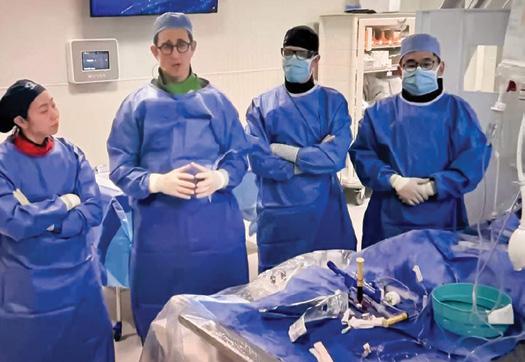
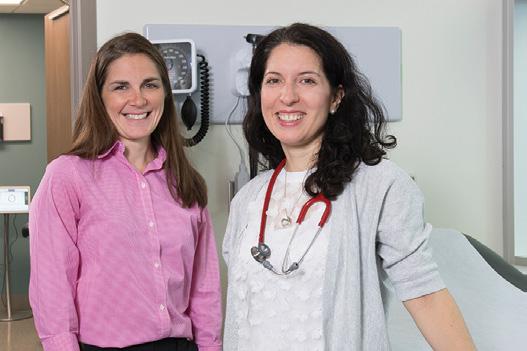
The Cystic Fibrosis (CF) Center of Western New York, whose pediatric and adult patient care programs are led by Jacobs School faculty members, has been recognized by the Cystic Fibrosis Foundation.
The pediatric care team led by Danielle M. Goetz, MD, clinical associate professor of pediatrics and director of the Cystic Fibrosis Center of Western New York at Golisano Children’s Hospital of Buffalo, and the adult care team led by Carla A. Frederick, MD, associate professor of medicine and adult director of the Cystic Fibrosis Center, were both honored as 2025 recipients of the annual CFF’s Quality Improvement Award: Recognizing Outstanding QI Processes and Accomplishments.
The CFF’s QI award acknowledges centers and programs that demonstrate exceptional dedication to improving care for individuals with CF.
The award highlights efforts in optimizing clinical outcomes, involving patients and families, and implementing innovative strategies to enhance care processes and overall patient experience.
As part of the CFF’s Quality Improvement Network there are learning environments called innovation laboratories, Goetz says. Nineteen sites from across the country are involved and Goetz co-leads the mental health laboratory within the network.

Goetz and Frederick accepted the awards on behalf of their teams at the U.S. Centers and Program Directors’ meeting at the 2025 North American Cystic Fibrosis Conference in Oct. ’25 in Seattle.
New York State students who aspire to practice medicine in the state’s underserved communities have to weigh that dream against the hard reality of the debt they take on in order to pay for medical school tuition.
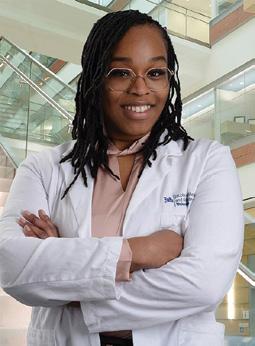
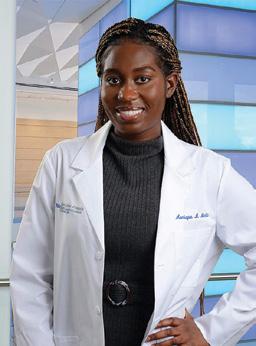
For Angelia Clemons and Monique Martin, students in the Jacobs School, that tricky balance got significantly easier: Both were awarded the Associated Medical Schools of New York (AMSNY) Scholarship in Medicine. The goal of the scholarships is to reduce debt load for medical students while increasing the number of physicians practicing in medically underserved areas in New York State.
Funded by the New York State Legislature and Mother Cabrini Health Foundation, the highly competitive scholarships are open to graduates of the post-baccalaureate program funded by the state Department of Health and supported by AMSNY. This year-long, intensive academic program provides students who have demonstrated resilience in overcoming adversity on their paths to medicine with conditional acceptance at a New York State medical school provided the student successfully completes the program. Scholarship winners must have excellent academic track records and a dedication and eagerness to practice in underserved communities.
Upon graduation and completion of their residency training, each scholarship winner commits to working in a medically underserved area of the state for two to four years, depending on the number of years they have received the $45,000-a-year scholarship.
Now in her third year in the Jacobs School, Clemons majored in biomedical sciences at Rochester Institute of Technology. She then earned a master’s in anatomy at D’Youville University while working as a medical assistant before completing UB’s postbaccalaureate program.
Martin, now in her first year at the Jacobs School, majored in history while taking pre-med courses at the University of Vermont. She then earned a master’s in biology from New York University.
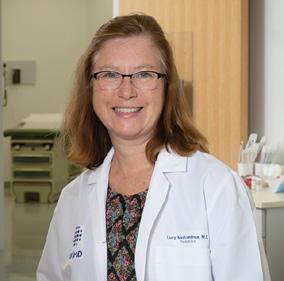
Lucy D. Mastrandrea, MD, PhD, professor of pediatrics in the Jacobs School, was one of 92 new members elected to the American Pediatric Society (APS) on Nov. 11. She will be formally recognized at the APS Howland Gala, held during the Pediatric Academic Societies 2026 Meeting in Boston in April.
“The American Pediatric Society is one of the premier honorary academic pediatric organizations in the United States,” says Benny L. Joyner, MD, A. Conger Goodyear Professor and Chair of pediatrics at the Jacobs School, pediatrician-inchief at Golisano Children’s Hospital of Buffalo, and president and CEO of UBMD Pediatrics. “I am excited to congratulate Dr. Mastrandrea for her acceptance into this organization. Induction is an acknowledgement of her contribution not only to UB but also nationally and internationally in the sub-specialty of pediatric endocrinology.”
Steven E. Lipshultz, MD, professor of pediatrics at the Jacobs School, has been named an American Heart Association (AHA) Distinguished Scientist for 2025. He was honored with the award during the AHA Scientific Sessions held Nov. 7-10 in New Orleans.
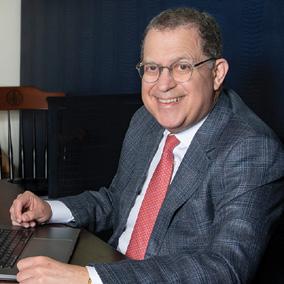
The designation was created in 2003 to honor members of the AHA and American Stroke Association who have made extraordinary contributions to cardiovascular, stroke and brain health research. One of seven Distinguished Scientists honored this year, Lipshultz, who is also an AHA Fellow, has led advances in subspecialties of pediatric cardiology that have helped improve the lives of children with chronic diseases.
A prolific researcher in pediatric endocrinology for more than two decades who has consistently published in high-impact journals, Mastrandrea has contributed to some of the most impactful discoveries in the field. Her work has resulted in improving treatments and outcomes for patients with obesity, Type 1 and Type 2 diabetes, growth hormone deficiency, late endocrine effects of childhood cancer and congenital adrenal hyperplasia.
Currently division chief of pediatric endocrinology and associate program director of the MD-PhD program in the Jacobs School, she is also the medical director of the Division of Endocrinology/Diabetes at UBMD Pediatrics and medical director of pediatric endocrinology and diabetes at Golisano Children’s Hospital of Buffalo. Mastrandrea has participated in leadership programs with the Pediatric Endocrine Society and the American Academy of Pediatrics, with a focus on women in leadership positions in medicine.
For more than four decades, Lipshultz has led landmark National Institutes of Health (NIH) studies on the causes and treatment of pediatric cardiomyopathy, among the leading causes of cardiac death in children worldwide. He founded and leads the network of U.S. and Canadian centers for the NIH-funded Pediatric Cardiomyopathy Registry (PCMR) to better understand pediatric cardiomyopathies. PCMR-supported studies have been credited with improving patient outcomes by 50%.
Credited with having helped establish the field of pediatric cardio-oncology, he founded Cardio-Oncology, the field’s first indexed journal.
In the 1980s, Lipshultz and his colleagues documented the cardiac issues that pediatric cancer survivors suffer later in life, as well as during treatment. His ongoing research and trials have led to global use of the first cardio-protective therapy for children receiving heart-damaging anthracycline chemotherapy.
That work earned him the International Cardio-Oncology Society’s highest individual award, the Thomas L. Force Pioneer Lifetime Achievement Award this year.
A team of researchers from the University at Buffalo, with Bonnie Vest, PhD, a medical anthropologist and research associate professor of family medicine in the Jacobs School, won the first-place abstract award at the International Meeting on Simulation in Healthcare (IMSH).
The team’s presentation, “REACHvr: Leveraging Virtual Reality to Prepare Nursing Students for Rural and Underserved Care,” highlights an innovative program that uses virtual
reality and online learning to prepare students to care for patients in rural and underserved communities. Over two semesters, students engage in multimedia education, including VR and virtual screen-based simulation scenarios, community-based assignments and online modules.
Presented by the Society for Simulation in Healthcare, a global community that aims to enhance the quality of health care through simulation, the IMSH abstract
award recognizes innovations and best practices in health care simulation.
This year’s meeting took place Jan. 10-14 in San Antonio, Texas.
The program was developed collaboratively with rural nurse practitioners and stakeholders in Western New York to ensure it aligns with the needs and priorities of the communities, including provider shortages, complex health needs and health disparities.

Panayotis K. Thanos, PhD, a UB neuroscientist who studies the brain’s reward system, and his co-authors reveal in a new study that high-intensity interval training (HIIT) was more effective than moderate exercise in prompting adolescent lab animals to avoid cocaine.
“The study shows that HIIT exercise, rather than moderate exercise, during adolescence may protect against cocaine abuse,” says Thanos, a faculty member in the Department of Pharmacology and Toxicology in the Jacobs School. The findings provide evidence that HIIT could become a personalized medicine tool in drug abuse intervention.
The study, published in PLOS One, examined rats exposed to HIIT exercise on a treadmill compared to rats exposed to moderate treadmill exercise. Both groups then underwent a behavioral test known as cocaine place preference, which trains the animal to discriminate between two chambers: one where they can access cocaine and one where they can access saline. Cocaine preference is when the animal spends more time in the cocaine chamber, while cocaine aversion is when the animal chooses to spend more time in the saline chamber.
Notably, the findings showed that not only did the HIIT animals prefer the saline chamber, they exhibited a clear aversion to the cocaine chamber, which may reveal new avenues for exploring how HIIT may affect brain metabolism.
UB researchers and patients from UBMD Orthopaedics and Sports Medicine played a significant role in a New England Journal of Medicine study on exercise and physical therapy for knee pain.
More than half of the participants in a multi-site clinical trial designed to investigate the efficacy of physical therapy and exercise in adults with knee osteoarthritis and meniscal tear were UBMD patients from Buffalo.
The Treatment of Meniscal Problems in Osteoarthritis (TeMPO) study was conducted at Brigham and Women’s Hospital, the University at Buffalo, Cleveland Clinic, and the University of Pittsburgh.
The research found that all trial participants with knee osteoarthritis, meniscal tear, and knee pain experienced improvement. Participants who received a home exercise program as well as standard or sham physical therapy (PT) had a small additional improvement compared with those who received the home exercise program without PT.
The trial included a total of 879 participants with an average age of 59. More than half — 51.5% — were enrolled through the physical therapy divisions of UBMD Ortho’s sites in Orchard Park and Williamsville.
“We are proud of the contribution UB made to this important study,” says Leslie J. Bisson, MD, June A. and Eugene R. Mindell, MD, Professor and Chair, Department of Orthopaedics in the Jacobs School and president of UBMD Ortho. “Patients were enrolled from UBMD Orthopaedics, and our providers and patients were very engaged.”
UB ophthalmology researchers have received a $2.2 million grant from the National Institute on Aging of the National Institutes of Health to study sex-specific mechanisms for Age-related macular degeneration (AMD). The goal is to identify novel sex-specific biological mechanisms to lay the groundwork for development of
therapies that would be targeted to men or women.
“We want to stop progression at an early stage,” says Margaret M. DeAngelis, PhD, principal investigator and Ira G. Ross and Elizabeth Olmsted Ross Endowed Chair and professor of ophthalmology in the Jacobs School. “It has been published that women get the worst form of the disease, known as wet AMD, and that it progresses faster in women than men.”
There is increasing evidence that dysfunction in the epigenetics — changes to the expression of DNA without changing the actual DNA sequence — that is associated with chronic neurodegenerative diseases of aging may be more prevalent in women.
The UB team’s hypothesis is based on preliminary data it gathered studying intermediate and advanced forms of AMD in well-characterized human donor eyes. The donor eyes are from the unique human donor eye repository in the DeAngelis lab, which she and her colleagues have been curating since 2012.
“Our repository, the first of its kind, gives us direct access to the tissue affected by the disease and we use some of the same imaging techniques used in the clinic on living patients,” DeAngelis says.

UB researchers have shown that preloading Instacart online grocery carts with healthy ingredients could be a useful tool for improving the diets of families with young kids at risk for obesity.
Published on Dec. 3, 2025, in Appetite, the study found that providing families with healthy recipes and then preloading online grocery carts via Instacart with the ingredients needed to make those recipes resulted in families making purchases that were significantly more nutritious
compared to a group that received only the recipes. Families paid for their grocery purchases as usual and were free to switch out pre-loaded cart ingredients if they wanted to.
“The findings support the idea that healthier choices can be supported by making them easier and more automatic,” says Stephanie Anzman-Frasca, PhD, corresponding author on the paper and associate professor of pediatrics and director of the Child Health & Behavior Lab in the Jacobs School.
Research shows that children who are overweight by age 5 are more likely to have obesity later in life, putting them at risk for cardiovascular and other diet-related diseases.
“Since experience with foods and flavors early in life can influence children’s later food preferences, eating behavior and health, it’s important to make healthy choices easier for families with young children,” Anzman-Frasca says.
Researchers at the Jacobs School have developed a new inhalable form of treatment for tuberculosis (TB) that could significantly reduce the burden of current therapy.
The study’s findings were published online Jan. 14 in the journal Antimicrobial Agents and Chemotherapy. Jessica L. Reynolds, PhD, associate professor of medicine in the Jacobs School, is the senior author on the paper titled “Repeated Pulmonary Dosing of в-GlucanChitosan-PLGA Nanoparticles Controls Mycobacterium Tuberculosis in Mice.”
The paper describes the development of an inhalable, immunomodulating, biocompatible nanoparticle system encapsulating rifampin, one of the most important drugs to treat TB.
“TB is still one of the world’s deadliest infectious diseases, even though it can be cured. Treatment takes many months and involves multiple drugs that can cause serious side effects,” Reynolds says. “Because of this, many patients struggle to finish treatment, which leads to treatment failure and drug-resistant TB.”
Rifampin works well but has two major drawbacks when taken orally: it can damage the liver and not enough of the drug reaches the lungs, where TB bacteria live, Reynolds notes.
To address this, the researchers developed a new way to deliver rifampin directly to the lungs by inhalation instead of pills by packaging the drug into nanoparticles designed to be breathed in.
‘Recognize and Remove’ Key to Detecting and Managing Concussions Among Youth, New Guidelines Say

New, easy-to-follow guidelines help parents and coaches recognize the signs of concussion in young athletes and respond appropriately by getting the athlete to a health care provider as soon as possible.
Researchers around the world, including internationally known concussion expert John J. Leddy, MD, clinical professor of orthopaedics in the Jacobs School, have developed an easy-to-follow guide so parents and coaches can recognize concussions in young athletes and respond appropriately.
“Concussion Recognition: A Guide for Parents and Coaches,” published Nov. 5 in the Archives of Physical Medicine and Rehabilitation and available to the public, was developed in response to concerns that because qualified athletic trainers aren’t always on hand at youth sporting events, coaches and parents should know the signs of concussion and what to do if they see them.
The bottom line is “recognize and remove,” the authors say. Evidence shows that earlier recognition and removal of the athlete is correlated with a quicker return to competition.
“They don’t have to diagnose it,” says Leddy, who is also director of the Concussion Management and Research Center at UBMD Orthopaedics and Sports Medicine. “They just have to suspect it. If they suspect it, then the advice is to take
that athlete out of the sport, remove him or her from further risk and get them seen by a medical professional who knows how to evaluate this condition.”
UB’s Benny Joyner Co-Authors New Pediatric Basic Life Support Guidelines
While sudden cardiac arrest in a child or adolescent is rare — about 20,000 cases occur each year in the U.S. — the survival rate when it happens outside of a hospital is estimated to be under 20%. Significantly improving those grim odds is the goal of the 2025 Guidelines for Cardiopulmonary Resuscitation and Emergency Cardiovascular Care for pediatric patients.
Benny L. Joyner, MD, A. Conger Goodyear Professor and Chair of the Department of Pediatrics in the Jacobs School was a co-author of the 2025 guidelines with Tia T. Raymond, MD, medical director, quality and patient safety, for the Heart Center of Medical City Healthcare in Dallas.
Jointly released in Rotterdam by the American Heart Association and American Academy of Pediatrics, these international guidelines provide information on how best to deliver basic life support during cardiopulmonary resuscitation and emergency cardiovascular care of pediatric patients, other than newborns.
The guidelines are based on new evidence published over the past three years and reviewed by a writing group that included professionals from intensive care, emergency medicine, respiratory therapy, nursing, pediatrics and others.
“These guidelines are tailored to the anatomy of kids,” Joyner says. “They’re not just little adults. Their airway anatomy is different and their heart rates and oxygen needs differ by age. From a physiological perspective, they have smaller functional reserves and higher metabolic rates, and their oxygen consumption is higher, so they’re more vulnerable.”
For years, the Igniting Hope Conference has brought community members, advocates, health professionals and others together to share actionable ideas promoting health equity in Western New York.
Speakers from across the country have delivered plenary talks on critical matters of health, equity, and social and environmental justice.
This year’s conference reimagined its format.
“In past years we’ve welcomed nationally recognized speakers and had breakout groups. Today we’re going to do things a little bit different in that you are the invited experts,” said Timothy F. Murphy, MD, SUNY Distinguished Professor of medicine and conference organizer, while addressing the audience of participants. “The goal is to develop a strategic plan to improve health outcomes in Buffalo in our community. And it’s a plan that’s not just a plan on paper; it’s a plan of action.”
Titled “Saving Ourselves: Implementing a Community Plan for Health Equity,” the eighth annual conference took place Sept. 20 in the M&T Auditorium at the Jacobs School of Medicine and Biomedical Sciences.
Leaders from the university and the Jacobs School welcomed attendees. “Health inequity is a problem that we all can address, regardless of our field or specialty,” said UB President Satish
“This conference has grown every year, and it’s been a powerful shared journey to create a healthier community,” said Allison Brashear, MD, MBA, UB’s vice president for health sciences and dean of the Jacobs School.
She noted the pressing need to address the high rates of chronic disease and limited access to care in the communities surrounding the Jacobs School. “These challenges remind us why our role here is so important and why this conference, and the work that will be generated out of this conference, matters.”
To reinforce the event’s focus on participant knowledge, the Rev. George F. Nicholas, CEO of the Buffalo Center for Health Equity, invited audience members to turn to one another and say “neighbor, you have the answer.”
His message set the tone for a broader discussion on social determinants of health — the conditions in which people live, learn, work and age. To share different perspectives, a panel of leaders from various local organizations convened at the conference.
The panel included Asantewa Holley, chief operating officer of Northland Workforce Training Center; Allana Krolikowksi, MD, chief medical officer of Jericho Road Community Health Center; Amun Ra, CEO of AHR Development; Samina Raja, PhD, SUNY Distinguished Professor of urban and regional planning in the UB School of Architecture and Planning and principal investigator of the UB Food Lab; and Tara Schafer, executive director of Literacy Buffalo Niagara.
The conference also featured interactive breakout sessions to formulate ideas and solutions to several key social determinants of health.
Participants in these sessions discussed how housing shapes health, access to primary care and factors keeping people from getting care, expanding availability of healthy and nourishing food, workforce development and employment pathways, and literacy and education as drivers of health.

After these brainstorming sessions concluded, large sheets of paper bearing the handwritten ideas and notes generated by participants hung from the foyer’s walls. Attendees then placed stickers next to ideas they supported, indicating some of the most promising solutions to address health disparities.
These ideas, and the recurring themes they contain, will serve as a framework for strategic planning and taking action to advance health equity in the region.
Prior to the conference’s day-long Saturday events, virtual sessions focused on social determinants of health were held. The conference also hosted a community day family event on Sept. 19 at nearby Dr. Martin Luther King, Jr. Park, with some 300 community members attending.
From left to right: Asantewa Holley, Amun Ra, and Samina Raja, PhD, were part of a panel discussing the interconnectedness of social determinants of health at the 8th annual Igniting Hope conference hosted at the Jacobs School last fall.
The patient before Andrea Hayes-Dixon, MD, a renowned cancer surgeon, was a Black male in his early 30s. He had abdominal cancer and had already been to several doctors.
After reviewing his case, Hayes-Dixon began discussing surgery and a chemotherapy treatment plan for his stage 2 cancer.
Treatment plan? The patient looked confused. He’d been told his cancer was stage 4, incurable — hospice was his best bet.
Now Hayes-Dixon was the one surprised.
“This was not the first time that I had heard this story,” HayesDixon recalled. “I’ve had other medical oncologists tell me the same thing. They see patients that because they don’t have insurance or they have Medicaid insurance or Medicare insurance, they’re told, ‘you won’t be able to make it through the treatment. Just go home and live the rest of your life.’”
“These are the types of inequities that we must end.”
Hayes-Dixon, dean of Howard University College of Medicine, was the keynote speaker at the Beyond the Knife endowed lecture, which took place at the Jacobs School on Feb. 5.
In 2022, Hayes-Dixon, a trailblazing surgeon, scientist, and educator, became the first Black woman to serve as dean of the College of Medicine in Howard University’s 154-year history. In 2004, she was the first Black woman in the U.S. to earn board certification in pediatric surgery.
In its sixth year, the annual Beyond the Knife endowed lecture, hosted by the Jacobs School’s Department of Surgery, aims to spotlight and mitigate the effects of systemic racism and inequities in health care.
In attendance was U.S. Rep. Tim Kennedy, who spoke about the Buffalo community’s longstanding and ongoing health equity leadership and how it led to the creation of the UB Community Health Equity Research Institute.
While addressing the crowd, Allison Brashear, MD, MBA, UB’s vice president for health sciences and dean of the Jacobs School, talked about how inequity is a product of systems and choices and about how UB and the Jacobs School are working to eliminate these inequities and transform the health of Western New York. She also further reflected on the lectureship’s importance.
Beginning her talk, Hayes-Dixon provided her own definition of health equity: “having the opportunity to achieve the same health outcomes no matter your ZIP code, your race, your ethnicity, your gender, your gender decision, or your religious beliefs.”
While some people have believed that health equity affects only those unable to afford insurance or better care, Hayes-Dixon has worked to shine the light on how these problems lead to hospital closures and fewer doctors and resources, which affects everyone.
“This is our problem. This is everyone’s problem. This is not just the problem of the disenfranchised and the disadvantaged,” she said.
Hayes-Dixon suggested that it’s up to the health care providers themselves to promote health equity best practices, as they’re the ones directly interacting with patients. She also pointed to evidence and data about how people better trust physicians and providers when they look like them.
Following Hayes-Dixon’s talk, a speaker panel discussed a range of health equity topics, among them retention strategies, equitable leadership pathways, inclusion of community voices, teaching about health equity, and historical perspectives on health equity.
“This is our problem. This is everyone’s problem. This is not just the problem of the disenfranchised and the disadvantaged.”
The discussion was moderated by Claudine Ewing, Channel 2 News anchor, and the panel included Allison Brashear, MD, MBA; Andrea Hayes-Dixon, MD; Thomas J. Ward Jr., PhD, dean of the School of Arts and Sciences at Farmingdale State College; Jamal B. Williams, PhD, assistant professor of psychiatry at the Jacobs School; and Rhonda Wilson, founder and president of Buffalo Black Nurses.

As members of the Class of 2026 came together for Match Day on March 20, their energy and enthusiasm filled the cavernous ballroom inside the Powerhouse on South Buffalo.
For medical students from the Jacobs School of Medicine and Biomedical Sciences and across the country, Match Day is often the most anticipated rite of passage, culminating in the moment when doctorsto-be learn where they’ll be pursuing their residency training programs.
David A. Milling, MD, executive director of the Office of Medical Education and senior associate dean for medical education, reflected on the students’ journeys leading to this day and on their bright futures ahead.
“As stressful and exciting as today is, when you open your envelopes, remember you’re going to be trained in the specialty
that you wanted and turn into great physicians,” he said.
Milling called each student forward one by one to receive the envelopes bearing their residency matches. With anticipation building, the students had to wait until noon to open them.
“Wherever you are, that’s where you’re supposed to be,” Milling said.
As noon struck, a cannon blast rained down blue and white confetti, the volume in the room swelled to a crescendo, and students tore into their envelopes. Some shouted in jubilation. Others shed tears of joy. For many, dreams had come true.
“As stressful and exciting as today is, when you open your envelopes, remember you’re going to be trained in the specialty that you wanted and turn into great physicians.”
- David A. Milling,
MD
The Jacobs School has been essential to educating and training medical students and residents who remain here to care for the Western New York community. This year, Buffalo’s own exceptional residency training programs will welcome a number of graduates from the Class of 2026.
In all, 24 percent of the class — 44 students — have chosen to stay at the Jacobs School for their residencies.
Among the specialties that have the most UB matches from the class are: internal medicine (eight), psychiatry (six), family medicine (five), anesthesiology (five), obstetrics and gynecology (five) and surgery (four).
Two medical students from the Class of 2026 matched to programs at Beth Israel Deaconess Medical Center and Harvard University.
Three students also matched to programs at Brown University. Other matches included the Mayo Clinic, Johns Hopkins University and Yale University.
This year’s matches included one student from the MD-PhD Program.
This year’s class also included two MDMBA, three MD-MPH, and one MD-OMFS dual-degree students.
Nine generalist scholars are included in the Class of 2026.
Henry Avetisian is headed back to the West Coast for an orthopaedic surgery residency at the University of Southern California in his native Los Angeles. “I’ve been 3,000 miles away from family and friends for four years, so I’m relieved to be able to go back to them,” he says.
Growing up, he had a family member who had problems with his spine, and that inspired Avetisian to pursue his specialty.
“I saw orthopaedic surgeons take care of him, and that inspired me to pursue orthopaedics since day one.”
Alaina Richards, who’s from Syracuse, couldn’t have been happier with her match.
“University of Rochester in pediatrics. It
was my first choice,” she says.
“I’ve always loved working with kids,” she adds. “And I’ve always thought it was the right specialty for me.”
Emily Corigliano will be staying in Buffalo at the Jacobs School to pursue a residency in anesthesiology.
“I feel like anesthesiology is the perfect combination of procedure and systematic science as well as humanism and compassion,” she says.
A Buffalo native, she says she’s feeling well prepared for the challenge that residency poses. “I feel like I’ve been well prepared throughout medical school. Although it’s going to be challenging, I feel excited for a new and different kind of challenge.”
“I feel like I’ve been well prepared throughout medical school. Although it’s going to be challenging, I feel excited for a new and different kind of challenge.”
Sydney Johnson experienced a severe stroke during her second year of medical school. The experience gave her a new perspective on the patient experience and on the importance of endurance, resilience and sticking to her goals in spite of so many obstacles.
Johnson remained committed to her rehabilitation regimen and medical education and never wavered from her plan of going into OB-GYN.
“Am I ever going to be able to come back?” she says she asked herself after her stroke. Then she quickly said, “I’m going to do whatever I need to to be able to return to medicine.”
At Match Day, she matched into the OB-GYN program at MedStar Georgetown University Hospital in Washington, DC. Going into residency, she says her experience will definitely influence how she delivers care.
“It’ll make me more humanistic, because being on the other side when you’re by yourself and you’re scared and separated from your family, it gives you a first-hand perspective on what patients are going through,” Johnson says. “Just knowing that gives you the opportunity to make greater connections with your patients.”

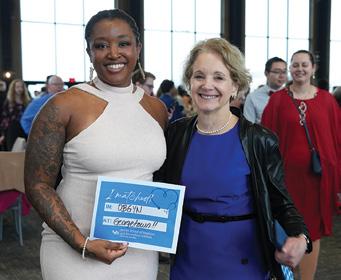
WATCH: Match Day, in the words of our students. See their stories here

Chronic heart condition can’t slow down medical student Ian Wax
On a spring day in 2022, Ian Wax went for a run, just as he had hundreds of times before. Living in New York City at the time, he ran for miles through the streets, getting in some exercise before visiting his parents who lived just outside of the city.
A couple of days later, Wax, now a thirdyear medical student at the Jacobs School of Medicine and Biomedical Sciences, started feeling unwell. He was fatigued, had a fever, and then started experiencing chest pain. He had been running just days ago; now he couldn’t go up a flight of stairs.
“At the time I didn’t think anything was wrong with my heart,” he recalls. “I actually thought something was wrong with my lungs.”
Sleeping in his childhood bedroom, Wax woke up gasping for air in the middle of the night. He had sweat through the sheets. The pain made it difficult to lie down.
His parents took him to the emergency department.
At the hospital, Wax had an EKG and several blood tests. He was diagnosed with pericarditis, which is inflammation of the pericardium, the thin sac-like membrane that surrounds and protects the heart.
Yet, in the years since his diagnosis, Wax has hardly slowed down with running, biking, swimming, playing pickleball, competing and staying active. Currently, he’s more than busy making his way through clinical rotations.
But living with a chronic condition has shaped his perspective on medicine and the patient experience, instilling empathy and resilience — qualities that will help him excel as a future physician.
After his initial pericarditis attack, Wax was discharged from the hospital the following day. He was given ibuprofen and told to follow up with a cardiologist. Wax didn’t think he’d have another episode; he was wrong.
About eight weeks later, his pericarditis struck again. Over the next nine months, episodes recurred every eight to 12 weeks. Recurrent pericarditis affects up to 30 percent of people who experience a first episode of pericarditis, according to the American Heart Association. It’s considered recurrent when an episode happens again at least four weeks after symptoms have subsided.
At first, Wax was told to be cautious. But no matter what he did, resting or being active, his pericarditis flared up. “I had really bad chest pain. Shortness of breath. It was the same story over and over again.”
Each time, Wax would receive an echocardiogram to check for fluid around his heart. He’d take ibuprofen, and the inflammation would resolve after a week or so.
“I had to miss family events. I had to miss social gatherings. I had to miss races that I had signed up for,” Wax recalls.
Unlike many pericarditis patients, Wax was diagnosed with the condition quickly. Yet doctors couldn’t pinpoint its cause. For most, the condition is idiopathic.
Pericarditis is an immune condition, not, strictly speaking, a cardiologic condition. Wax had been physically active essentially his whole life; there was little doubt that his heart was strong.
His heart, and his whole body, would soon be put to the test.
One day in March 2023, Wax went for a long 18-mile run. Not long after, symptoms of another pericarditis episode crept in.
This time it was worse.
Wax developed a high fever, bundling up in his winter coat and gloves while indoors. “I felt the weakest I’d ever felt in my entire life,” he says, recalling the agony and strain. “There was a fullness in my chest, and I felt overall just very, very sick.”
Wax’s cardiologist told him to go to the emergency department. There, tests revealed that Wax had a cardiac tamponade, a potentially fatal medical emergency that occurs when too much fluid builds up around the heart, making it hard to pump blood.
After the tests, Wax was wheeled into a room with the ER doctor and nursing team, all of them wearing grave expressions. Up until then, Wax considered his condition a nuisance at best and a debilitating hindrance at worst. Now, he was being told to call his family and tell them to get to the hospital right away.
Wax underwent a pericardiocentesis. A needle was inserted into his chest, draining fluid around his heart to reduce pressure and help it beat. Wax was already shaking uncontrollably from his sickness. He was sedated, but the procedure was not pain-free.
The medical team drained a substantial amount of fluid from his chest, Wax says, and more fluid had accumulated in his lungs and pelvic space.
Wax would spend the next five days in the hospital, receiving more tests to check for fluid buildup.
“Emotionally, it took a huge toll with the stress of not knowing when another episode would hit.”
Since his diagnosis, Wax had to live with the anxiety of never knowing when his pericarditis would strike. “Emotionally, it took a huge toll with the stress of not knowing when another episode would hit.”
But shortly after his near-death experience, a breakthrough emerged.
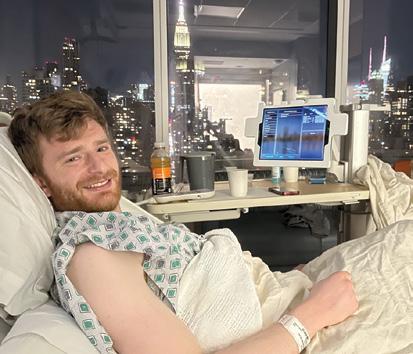
Before his cardiac tamponade, Wax had begun searching for more answers. Pericarditis is a chronic condition. For some, symptoms can be managed but a cure remains out of reach. Wax would take ibuprofen to reduce inflammation, and he also tried another drug for treating autoimmune conditions, but with little success.
At that time between college and medical school, Wax was working with a prostate cancer oncology team at Memorial Sloan Kettering Cancer Center, so he was familiar with research and clinical trials.
“I didn’t want to settle for ‘this is all we can do’ at the time. So that really prompted me to search on ClinicalTrials.gov,” he says, recalling scouring the site for new drugs and clinical trials related to pericarditis.
“For me, I felt the most comfortable when I knew that the people taking care of me were really there for me.” - Ian Wax
Wax found a registry trial with a clinical site not far from his apartment in New York. When he met the trial’s cardiologist principal investigator, he told Wax about a recently FDA-approved drug that had successfully treated some of his own pericarditis patients.
Wax started the process to obtain approval to take this new drug, an immune inhibitor called rilonacept, just before his cardiac tamponade. Once he was able to start rilonacept, Wax was free from pericarditis episodes for the first time.
In the initial weeks after his worst attack, Wax had to keep his heart rate to under 100 beats per minute. Gradually, he was able to return to normal life and being active as ever.
“I’ve been on my medication since then. And I’ve been really active running, biking and swimming as much as I can,” he says.
Around the end of his first year of medical school, Wax did experience another pericarditis episode when he was attempting to go off his medication. When he took a dose, the symptoms subsided.
All that time spent in the patient bed, rather than beside it, has shaped Wax’s perspective on being an aspiring doctor. Living the patient experience has given him a new sympathy, a new empathy, he says.
He knows what it’s like to live through a life-threatening situation, to navigate a chronic condition with few answers, and to take his health into his own hands.
Wax was drawn to the Jacobs School because of its “immense sense of community,” and he’s realized that medicine is ultimately about being there for people facing challenges.
During his worst episode, Wax says he knew that the doctors and nurses on his medical team were 100 percent committed to his care, giving their all to save him.
“For me, I felt the most comfortable when
The American Heart Association profiled Jacobs School medical student Ian Wax and his battle with recurrent pericarditis.
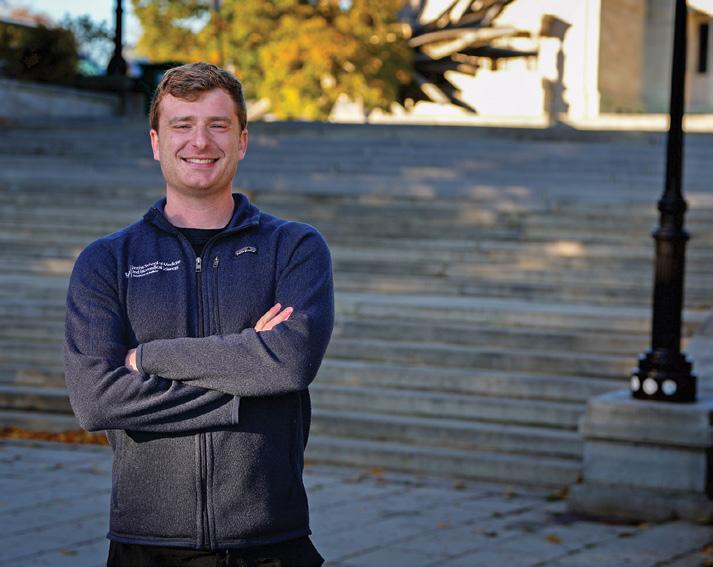
I knew that the people taking care of me were really there for me,” he recalls. “The way that I was taken care of made me feel that I was going to be OK.”
Being involved with support and awareness groups like the Pericarditis Alliance has also been key to managing his condition, Wax adds. More recently, a segment filmed by the American Heart Association about his pericarditis journey has led to meaningful connections and new opportunities to help others cope with the disease.
For now, Wax is still deciding on a medical specialty to pursue.
Ian Wax, a third-year medical student at the Jacobs School of Medicine and Biomedical Sciences, has lived with recurrent pericarditis for years, an experience that’s shaped his perspective on medicine.
In the meantime, he’ll be preparing for his next race, his next medical school milestone, and for a future that’s full of possibilities.
“I know I went through a lot. I look back and I’m like, ‘wow, this is how far I’ve come,’” he says.
“It’ll take a lot to stop me.”

For decades, the Generalist Scholars Program has provided medical students a key pathway to practicing primary care in residency and beyond.
By Keith Gillogly
Since high school, Victoria Haak, MD ’25, had been interested in pursuing a career in medicine. But her motivation to care for others stretched back much farther. As a one-year-old, she had a ureteropelvic junction obstruction, which blocks part of the kidney.
Before the condition became known, Haak’s mother struggled to get a diagnosis for her young daughter, often feeling dismissed by doctors. Hearing about these difficulties many years later inspired Haak, now a first-year pediatrics resident at the Jacobs School of Medicine and Biomedical Sciences.
“It inspired me to want to be a voice for the voiceless and to be able to advocate for children who don’t know how to advocate for themselves.”
After leaving the area for college, she was determined to come home to Western New York and stay there. “My goal was always going to be to match in Buffalo and to stay in Buffalo,” she says. “It really gave me a sense of accomplishment and pride to stay in Buffalo.”
Haak is a graduate of the Jacobs School’s Generalist
Scholars Program, a specialized curriculum for fourth-year medical students planning to pursue a residency within one of the generalist programs in Buffalo. The year-long program provides early clinical and research experience while preparing learners for residency training and careers in internal medicine, family medicine, pediatrics, obstetrics and gynecology, and other primary care fields.
While the Generalist Scholars Program has a longstanding tradition in Buffalo, it remains an important bridge for medical students focused on primary care, equipping them with the leadership skills, knowledge, and personal connections needed to thrive in a dynamic health care landscape.
“My goal was always going to be to match in Buffalo and to stay in Buffalo. It really gave me a sense of accomplishment and pride to stay in Buffalo.” - Victoria Haak, MD ’25
For Haak, the patient conversation is at the heart of primary care. “I think the importance of primary care really just involves preventative medicine. It’s one of the hardest things to talk to patients about, to explain something that hasn’t happened yet and how to make sure it doesn’t happen.”
Haak adds that the Generalist Scholars Program made the transition between medical school and residency “seem seamless,” providing key clinical
experience and exposure even before starting her residency.
At UB, the program dates back to the 1990s as part of the Robert Wood Johnson Generalist Physician Initiative. With funding from the Robert Wood Johnson Foundation, the program sought to help medical schools increase the number of residency graduates entering primary care careers.
Now, the program is funded through the university, but it’s always had the same intent, says Susan M. Orrange, PhD, assistant dean for education and resident services, who coordinates the Generalist Scholars Program, teaches the seminar series, and has worked with generalist scholars since 1999. “It has always had the aim of providing enhanced experiences in primary care and opportunities in the continuity of care that students get to experience as well as the development of scholarly skills and leaderships skills.”
Orrange says that more than 180 scholars have participated in the Generalist Scholars Program, which is administered jointly by the Jacobs School’s Offices of Medical Education and Graduate Medical Education. Many generalist scholars are Western New York natives who hope to give back to the area by becoming practicing physicians in Buffalo.
Students apply to the program in their third year of medical school, and up to 10 are selected yearly. Recently, a new track in geriatrics became available to students interested in internal medicine and family medicine.
Each participant is paired with a clinical mentor and a research mentor who guides the student on completing a scholarly research project. While participation demonstrates a commitment to primary care, the program does not (and cannot) guarantee placement at a Buffalo residency program.
Before her current appointments as clinical assistant professor of pediatrics and assistant dean for student and academic affairs at the Jacobs School, Jessica A. Donhauser, MD ‘13, was a medical student here and a generalist scholar.
After choosing to pursue pediatrics and being admitted to the Generalist Scholars Program, her connections with “wonderful people” grew and grew through her
involvement with the program. Her residency took place at the same clinic she began her journey as a generalist scholar, allowing her to become deeply familiar with both its patients and attending physicians.
“For me, residency really cast a huge light on the need in the area and also just how diverse of a patient population we have in Buffalo.” - Jessica A. Donhauser, MD ’13
A Western New York native, Donhauser’s residency experience also helped cement her decision to stay in the area while inspiring her to serve the community.
“For me, residency really cast a huge light on the need in the area and also just how diverse of a patient population we have in Buffalo,” she says.
Donhauser is now a hospitalist at Golisano Children’s Hospital of Buffalo, where she cares for young patients admitted to the hospital experiencing asthma exacerbations, pneumonia, and many other conditions.
While she’s passionate about clinical care, she says she’s always wanted to keep working with medical students and be challenged by academic medicine.
“And the people who academically challenge you are the medical students and the residents.”
“It was an honor to come to UB. I had the opportunity to stay, and I took advantage of it. Buffalo’s a great town.”
- Michael Freitas, MD ’10
Jacobs School clinical professor of family medicine Michael Freitas, MD ’10, never wavered from his goal of practicing sports medicine. At UB, he was a generalist scholar in family medicine, with the goal of pursuing a sports medicine fellowship after his family medicine residency.
He did just that, completing his sports
medicine fellowship at the Jacobs School, joining its faculty, and later becoming a team physician for the Buffalo Sabres and head team physician for UB Athletics.
“Primary care was my pathway toward sports medicine,” Freitas says, adding that the decision to stay at UB was “made easier by the high quality that was here. If it wasn’t a high-quality place, it would be different.”
Freitas isn’t from Buffalo; he’s originally from Boston. After being drawn to UB’s medical program, he made the move to Buffalo to enroll and hasn’t looked back.
“It was an honor to come to UB. I had the opportunity to stay, and I took advantage of it,” he says. “Buffalo’s a great town.”
The Generalist Scholars Program also includes a combined medicine and pediatrics program, which was a perfect fit for Hannah Lease.
“I felt so invigorated by the faculty and the residents. I think the residents were really passionate about what they were doing. They took so much time out of their day to interact with us and teach us first-hand.”
- Hannah Lease
Lease, a fourth-year Jacobs School medical student and Western New York native, was greatly influenced by her clinical rotations in pediatrics as a thirdyear medical student.
“I felt so invigorated by the faculty and the residents. I think the residents were really passionate about what they were doing. They took so much time out of their day to interact with us and teach us firsthand,” she says. “It was clear to me that they loved what they were doing, and I wanted to be somewhere surrounded by people who love what they do.”
While drawn to pediatrics, Lease wanted to treat and see a variety of patients. By choosing the combined medicine and pediatrics program, she’ll be able to care for both younger and older patients
while preparing for hospital-based and outpatient clinical settings.
Lease is especially interested in working with patients with intellectual and developmental disabilities and those with complex and chronic disorders.
Her generalist scholar research project features a retrospective chart review of adults with sickle cell disease, specifically looking at whether their rates of anxiety and depression are associated with emergency room use.
Lease says that pursuing primary care through the Generalist Scholars Program will also help her prepare for the changing roles of primary care doctors. With the amount of health news and advice accessible through social media and other channels, physicians will play a growing role in navigating all of this information, she says.
“I think now primary care physicians will take on a role of interpreting and distilling and distributing health information,” she says. “That’s why seeing people throughout their stages of life and having someone you have rapport with and trusts in you with regard to health care is really important.”
Near the beginning of their time in the program, generalist scholars complete a month-long clinical immersion preceptorship, followed by an ongoing weekly clinical continuity experience. Participants are typically placed at the same clinic in residency.
Learning the clinical workflows and ins-and-outs during his immersion has given generalist scholar and fourth-year medical student Dominic Occhino a solid start. “I feel like I’ll have a better ability to be a leader among my class of residents,” he says. “I feel like I’m really prepared to hit the ground running and even be a resource for the other residents.”
Occhino, who’s studying internal medicine, was placed in a clinic in an underserved area in Buffalo, which was a great fit since he’s passionate about giving back to the area.
After hearing about the Generalist Scholars Program in his third year of medical school, “it was kind of a nobrainer for me,” he says. Occhino grew up in Western New York, and his family
immigrated to Buffalo decades ago in the 1930s. With such roots, he doesn’t plan on leaving.
The Generalist Scholars Program has given him a chance to dive into primary care practice and to start building relationships. “In primary care, there are many longitudinal experiences. You really have a chance to build relationships with people, and I’m a people person,” he says.
During his clinical clerkships as a thirdyear medical student, Occhino noted that a lot of specialists meet a patient only once — he wanted more. That simple motive was a big reason why he chose primary care.
“With outpatient care and primary care, you really have a chance to build a relationship and build trust. Once you have those things, you can really begin to make even more meaningful impacts on people’s lives,” he says.
“I feel like I’m really prepared to hit the ground running and even be a resource for the other residents.” - Dominic Occhino
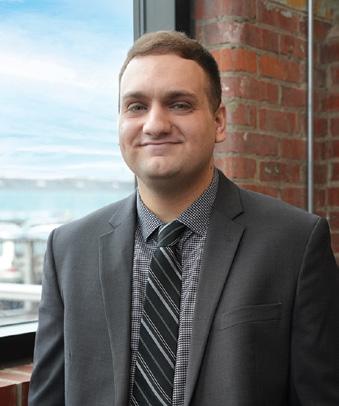
Through the Generalist Scholars Program, third -year medical student Dominic Occhino is gaining hands- on primary care experience and forming long-term patient relationships.
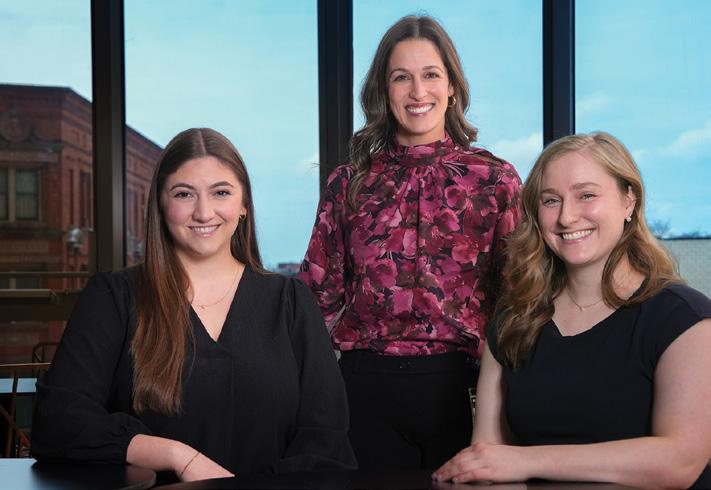

‘It’s Our Turn to Give Back’
Buffalo Primary Care Initiative to support medical students committed to practicing in underserved East and West sides
By Ellen Goldbaum
Ashe looks forward to Alumni Weekend and his 50th class reunion on May 2, John J. Bodkin II, MD ’76, has a simple message for his fellow alumni: “UB helped us get to where we are today. The city of Buffalo provided the patients that helped us hone our skills. Now it’s our turn to give back.”
He’s referring to the Buffalo Primary Care Initiative (BPCI), the Jacobs School’s fundraising effort that will endow four full-tuition scholarships each year for three years, for medical students who pledge to stay and practice primary care in Buffalo’s underserved communities for at least five years after their residency.
Approximately 30 medical schools nationwide offer an accelerated three-year MD program, including some within SUNY. What makes the Jacobs School’s program stand apart is its emphasis on easing the medical school debt of students committed to practicing primary care on the East and West sides of Buffalo.
The three-year MD program is awaiting approval from the New York State Education Department. Once approved, students are anticipated to be able to start the three-year MD track as soon as this summer.
For more than a decade, Bodkin along with longtime friends Michael O’Mara, president of O’Mara Financial, and Ed Rutkowski, the former Buffalo Bills player and county executive, have been spending their “off-hours” working to find ways to address Western New York’s physician shortage.
In recognition of their efforts, the three will receive the Catalyst of Change Award at the Jacobs School’s Night of Distinction during Alumni Weekend on May 2.
Their effort evolved out of Bodkin’s frustration when he was president of Highgate Medical Group.
“I was having trouble hiring,” he recalls, noting that back then, many of the newly graduated physicians who did residencies in Buffalo left as soon as their residency was done. He knew of other cities that had addressed the same challenge by providing scholarships to local medical students who pledged to stay and practice in their region after residency.
That led to the establishment of the Western New York Medical Scholarship Fund, designed to keep Western New York natives who earned their MD from the Jacobs School practicing in one of the eight
counties of Western New York after residency. Since awarding the first three scholarships in 2015, the WNY Medical Scholarship Fund has raised nearly $5 million and dramatically reduced the medical school debt of 45 Jacobs School MD graduates. Organizations that contributed to that effort include the Patrick P. Lee Foundation; the John R. Oishei Foundation; Catholic Health System; Erie County Medical Center; Highmark BlueCross BlueShield of Western New York; Independent Health; Kaleida Health; Roswell Park Comprehensive Cancer Center; West-Herr Automotive Group; Marrano Marc Equity as well as the Jacobs School and its Medical Alumni Association.
That effort is helping to keep more doctors in the region but now, the Jacobs School is focused on Buffalo’s East and West sides, where difficulty in accessing health care has become a crisis and where primary care providers are far too rare. Bodkin, O’Mara and Rutkowski are all in. Their motivation, they say, is all about giving back with an entirely practical goal. “You can’t have economic revival without health care,” says O’Mara.
That point has been underscored repeatedly by both national and international reports that demonstrate how critical good health care is to a thriving local economy.
Locally, the need for economic improvement in these neighborhoods has been rigorously documented by Henry Louis Taylor, PhD, professor in the Department of Urban and Regional Planning in the UB School of Architecture and Planning, founding director of the UB Center for Urban Studies and associate director of the UB Community Health Equity Research Institute.
His report, “The Harder We Run: The State of Black Buffalo in 1990 and the Present” published in 2021, found that over the past three decades, the quality of the lives of Blacks in Buffalo has not improved.
According to the New York State Department of Health, the health challenges on the city’s East and West sides are among the worst in the state. These neighborhoods

are largely composed of racial and ethnic minority populations, and 37% live below the poverty line; nationally, that number is 12.5%.
Data from the New York State Department of Health shows that the state spends $1.3 billion annually on chronic diseases, many of which could be successfully prevented or managed if caught early and treated by a primary care provider. But, Bodkin points out, whereas the national average of primary care providers per 10,000 patients is between four and five, areas on the East and West sides of Buffalo have fewer than one primary care provider per 10,000 residents.
“The medical school gave us the opportunity to become doctors of medicine and to enjoy our current lifestyles. We should be thankful to the city of Buffalo for allowing us to hone our skills on its residents in multiple city hospitals. Please join us in this effort to establish a permanent solution to this problem and give thanks to both your school and the city of Buffalo.”
- John J. Bodkin II, MD ’76
“Primary care physicians are the quarterbacks of our health system,” says Allison Brashear, MD, MBA, vice president for health sciences and dean of the Jacobs School. “They see the field, call the plays and keep the team moving forward. But right now, we’re short on quarterbacks—and the game is being played in communities that can’t afford to lose. Our ultimate goal with the BPCI is to reduce health disparities by improving access to primary care physicians in Buffalo’s most underserved communities.”
When a primary care doctor isn’t available to provide routine screenings, manage early-stage symptoms and trigger preventive care protocols, conditions that are otherwise manageable can become severe, leading to much worse outcomes down the road.
For example, more than 20% of children living on Buffalo’s East and West sides have asthma, the leading cause of chronic school absenteeism. Without a primary care provider to prescribe inhalers and refer families to housing remediation programs, children become trapped in a cycle of severe attacks, emergency room visits and chronic absenteeism. The result, Bodkin says, is an insurmountable achievement gap.
“These people cannot access the health care system until their condition is severe enough to warrant an emergency room visit,” he continues. “New York State has the programs and capital to cure these ailments, but we lack the human infrastructure — the primary care physician — to connect the patient to the care they need.”
That’s where the BPCI comes in: it is designed for students who are committed to pursuing a career in a primary care field—family medicine, internal medicine or pediatrics—and who pledge to practice on the East or West side of Buffalo for five years after finishing residency.
“The Buffalo Primary Care Initiative is a great program that will provide health benefits to an underserved community that really needs them,” says Rutkowski. O’Mara agrees, noting that he sees economic advances stemming from improvements that need to be made in education, housing and health care. “This program fits into all of that,” he says.
The BPCI will educate and train the primary care physicians who will serve the East and West sides of Buffalo. Last year, the Cummings Foundation donated the initial $200,000 to launch the fund. So far, more than $1 million for the scholarships has been raised and Bodkin is working with every Jacobs School alumni class to raise additional donations. Thanks to the SUNY matching program, which was in effect through March 31, for every $2 raised, SUNY provided an additional dollar.
Bodkin, O’Mara and Rutkowski have been doing presentations about the BPCI to every hospital system in Western New York, every insurer, major corporations and the Common Council. All are in strong support. And local medical practices serving the East and West sides all say they are eager to hire primary care providers.
“As alumni, we have much to be thankful for,” Bodkin recently wrote in an appeal to his former classmates.
“The medical school gave us the opportunity to become doctors of medicine and to enjoy our current lifestyles. We should be thankful to the city of Buffalo for allowing us to hone our skills on its residents in multiple city hospitals. Please join us in this effort to establish a permanent solution to this problem and give thanks to both your school and the city of Buffalo.”
More information on the BPCI will be available during Alumni Weekend at the Night of Distinction and Distinguished Awards Ceremony.
Tap to donate to the Buffalo
Primary Care Initiative.
Join us for a day of distinction, community and impact
The Jacobs School will be hosting two marquee events as it celebrates its 180th anniversary during Alumni and Reunion weekend.
Saturday, May 2, 2026 | 6-10 p.m.
The Powerhouse Buffalo 144 Lee Street, Buffalo, NY 14210
Festive cocktail attire in shades of blue encouraged.
Tickets are $150 each, with proceeds benefiting the Buffalo Primary Care Initiative.
Breakfast and Harrington Lecture happening on the same day are also included with your ticket.

D.W. HARRINGTON LECTURE
Saturday, May 2, 2026 | 9–11 a.m.
Jacobs School of Medicine and Biomedical Sciences 955 Main Street, Buffalo, NY 14203
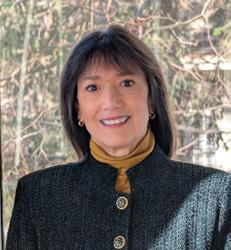
Honoring those who have made an impact on our school and community
CATALYST FOR CHANGE HONOREES
Buffalo Primary Care Initiative and Western New York Scholarship Committee members:
John J. Bodkin, II, MD ’76
Michael O’Mara
Edward Rutkowski
COMMUNITY HEALTH CARE ADVOCACY AWARD
Crystal D. Peoples-Stokes Majority Leader, NYS Assembly District 141
DISTINGUISHED JACOBS SCHOOL ALUMNI
Renier J. Brentjens, MD ’96, PhD
Deputy Director and Chair of Medicine
Roswell Park Comprehensive Cancer Center
David S. Kountz, MD ’85, MBA
Chief Academic Officer Hackensack
Meridian Health
Elinor R. Schoenfeld, PhD ’88, MS ’80
Research Professor and Associate Vice Chair of Research Renaissance School of Medicine at Stony Brook University
Keynote speaker: Monica Bertagnolli, MD, presidentelect of the National Academy of Medicine. Read more about our speaker and the lecture.
THE GEORGE AND KELLY ELLIS MEDAL
Satish K. Tripathi
President, University at Buffalo
We would like to acknowledge and express our gratitude to all of our donors and sponsors for your generous support of our 180th Anniversary event and the Buffalo Primary Care Initiative.
Have questions or would like to buy a table for this event?
Email: Jennifer Britton at jlobaugh@ buffalo.edu or call (716) 829-2586.
A gift in support of The Buffalo Primary Care Initiative is a gift to support bright and caring physicians who are invested in the future and in a healthier Buffalo. Your support will help provide direct access to primary care for thousands of Buffalo residents, improving the health outcomes and the economic well-being of city residents. Make a difference today!
By Dirk Hoffman
A new $1 million gift from philanthropist Janet H. Sung, MD, to the Jacobs School of Medicine and Biomedical Sciences at the University at Buffalo is honoring the memory of her late husband, John J. Sung, MBA, and continuing the couple’s long commitment to supporting future physicians.
The donation, made earlier this year following John J. Sung’s death in December 2025, brings the family’s total giving to the Jacobs School to $3 million in support of the John J. and Janet H. Sung Scholarship.
“Our family just wants to honor John’s lifelong dream of helping students gain an education,” Janet Sung says. “Hopefully, they will benefit from this, will be good citizens and return the gift to society.”
The Sungs first established the endowed scholarship in 1999 with a $1 million gift. The scholarship is awarded annually to one medical student in each incoming class. In 2015, after selling their medical imaging business and retiring to Florida, the couple expanded the fund with another $1 million donation.
“We just wanted the scholarship to be bigger and to help more students,” Janet says.
The Sungs founded Windsong Radiology Park in Western New York, one of the largest freestanding diagnostic imaging centers in the United States. Janet Sung is a nationally recognized radiologist specializing in women’s imaging who has pioneered numerous diagnostic procedures, while John Sung was widely regarded as a driving force behind the operational and financial success of Windsong Radiology.
Through their continued philanthropy, the Sungs’ scholarship support has helped generations of medical students pursue their education at the Jacobs School.
“John and Janet Sung built their lives, careers and the American dream here in Buffalo, and they have given back to this community with exceptional generosity,” says Allison Brashear, MD, MBA, UB’s vice president for health sciences and dean of
the Jacobs School. “This gift is a beautiful tribute to John’s vision and reflects the family’s unwavering belief in expanding opportunity for our students. Their impact on the Jacobs School is immeasurable.”
Janet says the couple originally decided to fund medical school scholarships because of the hardships they faced as students in their native South Korea.
“John and Janet Sung built their lives, careers and the American dream here in Buffalo, and they have given back to this community with exceptional generosity.”
- Allison Brashear, MD, MBA
“John grew up in the countryside until he went to high school in Seoul for a better education, which would lead to a chance to go to university and have a better life,” she says. “He went through tough times to meet basic necessities and pay tuition throughout his school days.”
“Scholarship wasn’t easy during those days in Korea although he was smart and lucky enough to receive it many times. It was always in his mind that he would set up scholarships for less fortunate hardworking students.”
Janet says her father, a junior lieutenant, was the first Korean soldier killed in the Korean War on June 26, 1950. She was 3 years old at the time and her mother became a widow in her mid-20s.
“I was raised by a mother who never remarried. She was the one who forced me
to go to medical school,” she says. “In Korea, the ladies never worked; it was always being a housewife. But at that moment, she determined that I wouldn’t have to go through what she did. So, in her mind, I had to be a professional.”
Janet earned her medical degree from Korea University College of Medicine in 1971, and she and John arrived in New Jersey a year later with $200, the maximum amount South Korea allowed its emigrants at the time.
While Janet completed her residency training, John earned his MBA from Seton Hall University and completed his CPA training.
In 1977, they moved to Buffalo where Janet held positions in radiology with area hospitals. John worked first for the accounting firm Peat Marwick Mitchell then taught at Daemen College and had his own office before working full-time with Janet.
“My first job was at Sisters of Charity Hospital and then I moved to St. Joseph. At St. Joe’s they had 50 percent hospital practice and 50 percent outpatient practice,” Janet says.
“I realized in the hospital setting, it’s not that easy to have much direct contact with the patient. Radiology was usually just taking a picture and then sitting and waiting anxiously in the waiting room.”
Janet was certain that a radiologist’s communication with the patient and the primary care provider was an important part of health care and wanted to pursue a “patient-centered radiological practice.”
“When I got home, we’d talk about our day, and John was the one who listened to my complaints. I had ideas for different approaches for the practice but could not convince my superiors.”
“He saw the potential and was gutsy and brave so he kept saying ‘you can do this, let’s do it,’” Janet says. “John was the one who managed to start the practice.”
The Harlem Radiology Center had a modest beginning in 1987 when the Sungs, after pooling their assets and taking out a loan, greeted 55 patients on their first day of operation at a renovated Pizza Hut in Cheektowaga.
Janet was the only doctor and the center had only one X-ray, one mammogram and one ultrasound machine.
Within five years, they outgrew the site and relocated to Williamsville, changing the practice’s name to Windsong Radiology. Its motto, “Where Patients Come First,”
reflects its focus on making every patient a priority each day.
John acted as chief executive officer and his strategic leadership, financial acumen, and commitment to community investment helped transform a small family practice into a nationally recognized diagnostic imaging institution with six locations and more than 200 employees.
“Education for the less fortunate kids was always on John’s mind. That was the main reason we did scholarships,” Janet says, noting that the Jacobs School was an obvious choice as a beneficiary because “we achieved the American dream at Buffalo through our medical practice.”
Janet notes she and John began donating to UB after their daughter, Janice, was accepted into the Jacobs School. Janice Sung, MD ’03, followed in her mother’s footsteps and is currently a professor of radiology at Columbia University. The couple’s son, Brian, earned a Juris Doctor degree from Fordham University School of Law, and is a practicing attorney in Massachusetts.
Janet says because she is of the Korean War generation, she has a firm idea of what her next charitable cause will be.
“During the Korean War, 30,000 Americans died for us,” she says. “Therefore, my next charity will be for the wounded or sacrificed soldiers in America. I want to show them how grateful Koreans are.”
Janet H. Sung and her husband, John J. Sung, founders of Windsong Radiology, first established an endowed scholarship at the Jacobs School in 1999 and added to it after selling their business and retiring in 2015. Janet recently made a third $1 million gift to the fund in memory of her husband, who passed away in December 2025. Giving to UB
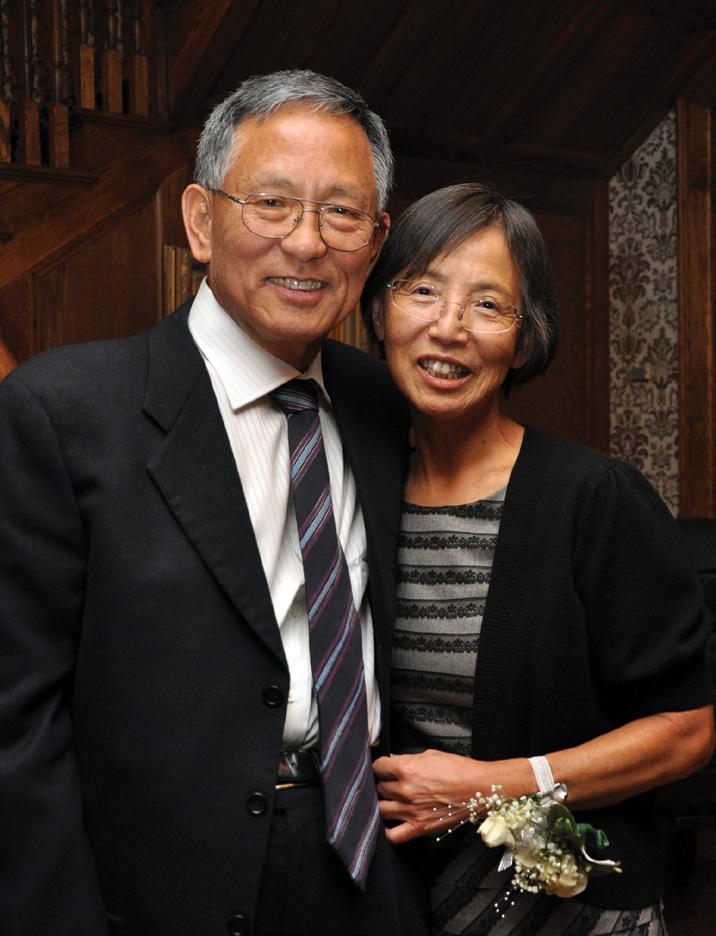
Support the priorities of the Jacobs School of Medicine and Biomedical Sciences and make your gift today!
Questions? Call us at 716-829-2773 or email medicine@devmail.buffalo.edu
Thank you for your support!
Renowned orthopaedic surgeon honored with Lifetime Achievement Award from the Knee Society
Kenneth A. Krackow, MD, an internationally renowned orthopaedic surgeon and professor of orthopaedics in the Jacobs School of Medicine and Biomedical Sciences at UB, passed away Jan. 9 in Buffalo. He was 81 years old.
Krackow had a profound influence on orthopaedic surgery worldwide. A lifelong innovator, he is recognized as one of the pioneers of joint replacement surgery or arthroplasty, which nearly 2 million Americans now undergo each year.
Matthew Phillips, assistant professor of orthopaedics at UB, who was a resident and a fellow under Krackow, said: “Dr. Krackow was a world-renowned surgeon, and an amazing human being. He will always be remembered for his orthopaedic innovation, his meticulous surgery, his tireless patient care, and his amazing teaching ability.”
The Hip Society and the Knee Society issued a statement upon his death, noting that his “emphasis on disciplined biomechanics, reproducible technique, and honest outcomes shaped generations of both knee and hip surgeons.”
While at Johns Hopkins University, where he started his career, Krackow and a colleague developed one of the world’s first commercially available hip and knee replacement systems. He also developed what is known as the Krackow stitch or suture, still considered the gold standard for tendon repair.
In 1992, he joined the Department of Orthopaedics in the Jacobs School, where he continued to develop innovations that significantly advanced the precision with which orthopaedic surgeries were performed. A physician with UBMD Orthopaedics and Sports Medicine, he also was department head at Buffalo General Medical Center.
“Dr. Krackow’s passion was in training fellows, residents and medical students, passing on to them what he loved to do.”
- Matthew Phillips
In 1997, Krackow performed the first computer-assisted total knee replacement surgery. In an article in the journal Orthopaedics, he and his colleagues described how the new system enabled surgeons to perform much more precise and effective surgeries. His partnership with the Stryker Company resulted in the development of the Stryker Navigation System: Knee Module. His landmark textbook, “The Technique of Total Knee Arthroplasty,” was first published in 1990 and remains a defining educational resource today.
In 2010, the Knee Society recognized him with its Lifetime Achievement Award at the American Academy of Orthopaedic Surgeons Annual Meeting.
Phillips adds that while Krackow is known worldwide for his innovations in joint replacement surgery, he was also known at UB and in academic circles for his commitment to teaching.
“Dr. Krackow’s passion was in training fellows, residents and medical students, passing on to them what he loved to do,” he says. And while his reputation as a world-famous surgeon was well-known, Phillips adds that he was incredibly approachable and kind, and was always touting the virtues of Buffalo and UB when he traveled.
“He also was remarkably generous, from his large acts of philanthropy such as donating a significant amount of money to our orthopedic department research lab which now bears his name to countless daily acts of kindness,” Phillips says. “Ken would donate money to strangers just because he found out that they were in need.”
In 2011, UB established the Kenneth A. Krackow, MD, Orthopaedic Research Laboratory, where investigators conduct research primarily in the areas of metallic orthopaedic biomaterials and applied orthopaedic biomechanics. The Department of Orthopaedics is now raising funds for the Kenneth A. Krackow, MD endowed professorship. This professorship will recognize the impact Krackow had in the field and help continue his legacy of creativity and innovation at the University at Buffalo.
Survivors include his wife, Gretchen; two children; two stepchildren; a brother; a grandchild and one step-grandchild.
A memorial service will be held later this year.
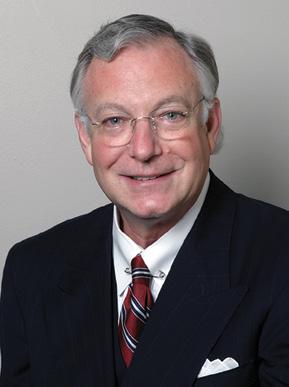
Tap to donate to the endowed professorship
Well-respected physician who rose to chief of ophthalmology at Buffalo’s VA Medical Center
Cheryl Forell-Tomasulo, MD, a 1980 graduate of the Jacobs School of Medicine and Biomedical Sciences, died Jan. 17. She was 74.
A devoted physician, an award-winning teacher, a committed community servant, and a beloved mother, sister, wife, colleague, friend, and grandmother, she pursued a life committed to learning, service and compassion.
Born and raised in Buffalo, she graduated from Canisius University before earning her medical degree at the University at Buffalo. She was a dedicated ophthalmologist who proudly cared for veterans at the Buffalo VA Medical Center. Rising from humble beginnings, she became a highly respected physician, culminating in her appointment as chief of ophthalmology at the VA. She inspired her children, showing them that anything is possible.
In addition to her work as a physician, she was deeply invested in education and took great pride in teaching and mentoring students and trainees. Forell-Tomasulo’s commitment to service extended well beyond medicine. She was enthusiastically involved in her community, volunteering much of her time to the Amherst Little Free Pantry. Service was not just something she did — it was
Beloved educator and scientist who served the Jacobs School for more than five decades
Perry M. Hogan, PhD, SUNY Distinguished Teaching Professor and former chair of the Department of Physiology and Biophysics at the Jacobs School of Medicine and Biomedical Sciences, died Feb. 23 at the age of 83.
Hogan served the Jacobs School for more than five decades, beginning in the late 1960s. He led the Department of Physiology and Biophysics as interim chair from 2011 to 2015, and then as chair from 2015 to 2020.
During these years, he helped shape the department’s research direction, mentored junior faculty, and fostered a highly collaborative environment.
“Dr. Hogan was a beloved educator, scientist and leader. His influence on the Jacobs School spans generations of students, trainees and colleagues,” said Allison Brashear, MD, MBA, UB’s vice president for health sciences and dean of the Jacobs School.
Hogan’s research contributed significantly to the understanding of the electrophysiologic properties of cardiac muscle in both normal and diseased states. His work employed approaches such as elevated hydrostatic pressure to investigate muscle contraction and intracellular calcium signaling.
her way of life. She was a passionate advocate for equity and social justice.
Above all, Forell-Tomasulo’s greatest joy and proudest achievement was her family. She demonstrated unconditional love and devotion to her children and grandchildren, who were her greatest source of pride. She cherished time spent with them and celebrated their lives with constant encouragement. She also valued friendship and connection. She loved traveling with her brother and friends. She also found joy in the meaningful bonds she formed at the YMCA, in her book clubs, and with the congregation at the Unitarian Universalist Church of Amherst. Her other interests included playing the drums and guitar, especially for her grandchildren, and hiking to complete the Western New York Hiking Challenge.
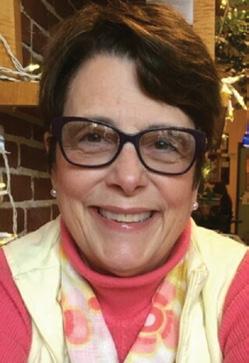
Her legacy lives on through the many lives she touched — as a healer, a teacher, a volunteer, and a loving matriarch.
Forell-Tomasulo is survived by her brother; three children and their spouses; and four grandchildren.
Throughout his career, Hogan worked to elevate UB’s national reputation through his engagement with the American Physiological Society and his connections to the Laboratory of Aviation and Naval Physiology, strengthening the Jacobs School’s presence within the broader scientific community.
Last year, Hogan delivered the Jacobs School’s annual Hermann Rahn Memorial Lecture, named for the school’s founding chair of physiology. “Even in recent years, Dr. Hogan remained closely connected to our community, returning in 2025 to deliver that lecture and reflect on a career marked by curiosity, rigor, and a profound commitment to mentoring others,” Brashear said.
Hogan earned his doctorate in physiology from the University of Wisconsin in 1968 and went on to build a distinguished career in research, teaching and academic leadership at UB.
Internationally recognized leader in minimally invasive treatment of surgical problems in children
Carroll McWilliams “Mac” Harmon, MD, PhD, an internationally recognized leader in pediatric surgery, minimally invasive surgery, and the treatment of adolescent obesity, died Feb. 11 at the age of 68.
Harmon served the Western New York community in numerous leadership roles, including as the John E. Fisher Chair in Pediatric Surgery in the Jacobs School of Medicine and Biomedical Sciences at the University at Buffalo, chief of surgery at Kaleida Health, and surgeon in chief at Golisano Children’s Hospital of Buffalo.
An authentic and visionary leader in his field, Harmon lectured regionally, nationally and internationally on pediatric endosurgery. He served on numerous national and international pediatric surgery subspecialty committees.
Through these roles, his leadership spanned both clinical care and academic medicine, helping to shape the future of pediatric and thoracic surgery throughout the region and beyond. He actively saw patients through UBMD Pediatric Surgery, part of the faculty practice plan of the Jacobs School.
A physician-scientist, he brought to Buffalo extensive experience in minimally invasive pediatric surgery and pediatric bariatric surgery when he arrived in 2014.
In 2011, Harmon served as president of the International Pediatric Endosurgery Group an organization dedicated to advancing minimally invasive surgery for children. He was an active member and educator with the Society of American Gastrointestinal and Endoscopic Surgeons.
Harmon’s work as principal investigator of the National Institutes of Health-funded Teen Longitudinal Assessment of Bariatric Surgery study helped launch the Healthy Weigh program at Golisano Children’s Hospital of Buffalo, focused on addressing childhood obesity. The program became widely known for its effectiveness, popularity, and its success in helping families address all forms of obesity and weight management.
His leadership in this field continued as he co-led the first national clinical study examining weight loss surgery in severely obese teenagers, culminating in a landmark New England Journal of Medicine publication showing substantial and sustained improvements in weight, metabolic health, and quality of
life following surgery. His work not only transformed clinical understanding of adolescent obesity but also underscored the profound impact of this issue on Western New York’s youth, where he worked tirelessly to expand care and research.
From 2017 to 2025, he served as chief of service for surgery at Kaleida Health.
Harmon also served as program director of the pediatric surgery fellowship at the Jacobs School.
Before moving to Buffalo, Harmon held multiple academic and clinical roles. His first position after fellowship was as assistant professor of surgery in the Section of Pediatric Surgery at the University of Michigan Medical School from 1994 to 2000. In 2000, he joined the University of Alabama School of Medicine as associate professor of surgery and was promoted to professor in 2006.
While at the University of Alabama, he served as a physicianscientist at the Center for Surgical Research and the Nutrition Obesity Research Center and, from 2012 to 2013, was associate program director of the pediatric surgery fellowship program.
An authentic and visionary leader in his field, Harmon lectured regionally, nationally and internationally on pediatric endosurgery. He served on numerous national and international pediatric surgery subspecialty committees.
Harmon grew up primarily in Birmingham, Alabama, though he spent one year of his childhood in Paris while his father studied at the Sorbonne. He earned a Bachelor of Science in biology from the University of Alabama in 1979 and both his medical degree (1983) and a doctorate in molecular physiology and biophysics (1992) from Vanderbilt University. He completed his surgical residency at Vanderbilt University Medical Center and a pediatric surgery fellowship at the Children’s Hospital of Philadelphia. Survivors include two daughters and a son.
SUNY Distinguished Teaching Professor and former chair of biochemistry who served Jacobs School for more than 60 years
Alexander C. “Alastair” Brownie, PhD, SUNY Distinguished Teaching Professor Emeritus and former chair of the Department of Biochemistry at the Jacobs School of Medicine and Biomedical Sciences, died March 11, shortly after his 95th birthday.
Brownie was a longtime medical educator and researcher at the Jacobs School, serving its students and his colleagues for more than 60 years.
After joining UB in 1963 initially as a research assistant professor of pathology with an adjunct appointment in biochemistry, Brownie quickly became a beloved faculty member and prolific educator and researcher. Over the next six decades, he would teach thousands of medical students and dental students while maintaining an active research program.
Brownie continued coming to campus into his nineties to teach and talk science with his colleagues, remaining an energetic and enthusiastic scholar.
“He was a frequent visitor to my office, often arriving with articles in hand, eager to share new research that had inspired him. His abiding passion for biochemistry, metabolism and teaching enriched our community in countless ways,” says Allison Brashear, MD, MBA, UB’s vice president for health sciences and dean of the Jacobs School.
“His devotion to biochemistry and metabolism was matched only by his devotion to his students. Those who learned from him, and those who were fortunate enough to work alongside him, know how profoundly he shaped our community.”
Brownie’s research spanned steroid biochemistry, metabolism and endocrinology. He was the first recipient of a 10-year National Institutes of Health Merit Award at UB for his research on hypertension.
“His abiding passion for biochemistry, metabolism and teaching enriched our community in countless ways.”
- Allison Brashear, MD, MBA
“Alastair was a force of nature and had been coming in and teaching until this past fall. He was passionate about biochemistry and metabolism and loved talking about all kinds of science. He was equally passionate about teaching it well. He was generous and cared so much about people. He will be sorely missed — he is already,” says Jennifer A. Surtees, PhD, professor and chair of biochemistry at the Jacobs School.
Brownie earned his PhD in biochemistry from Edinburgh University in Scotland, where he studied steroid 11в - hydroxylation, culminating in the discovery of the role of the cofactor NADPH in that critical reaction.
Following his PhD, Brownie was a research associate at Dundee University, conducting clinical endocrinology research that was critical to his later teaching endocrinology to medical and dental students. He then completed an NIH-sponsored training program at the University of Utah, where he helped develop a method for measuring testosterone in plasma by gas-liquid chromatography with electron capture.
From 1977 to 1989, Brownie chaired the Jacobs School’s Department of Biochemistry, helping to grow the department and recruiting several faculty members who would go on to occupy senior positions at UB and other institutions. Among those notable scientists was renowned geneticist J. Craig Venter, PhD, who has conducted pioneering work on sequencing the human genome. Venter joined the biochemistry faculty, coming from the Department of Pharmacology.
“Although Alastair had been at the university for a few years prior to my recruitment, he and I became faculty members in the Department of Biochemistry at about the same time,” recalls Daniel J. Kosman, PhD, SUNY Distinguished Professor of biochemistry, whom Brownie later appointed as associate chair throughout his time as department chair.
“Alastair, along with our colleague, Professor Murray Ettinger, played a major role in the design and conduct of teaching biochemistry to the medical students, in all of the pedagogical paradigms that have graced the first year over the past several decades,” Kosman says, fondly remembering Brownie’s embrace of his Scottish heritage.
Brownie also co-authored a medical biochemistry textbook and co-founded an international biennial meeting on the adrenal cortex in 1984, which became an official satellite meeting of the Endocrine Society.
He was widely recognized for his research and teaching, receiving a Siegel Award for teaching excellence, the Stockton Kimball Award for research, and a Dean’s Award throughout his career. He was also an elected fellow of the Royal Society of Edinburgh and elected to the Alpha Omega Alpha medical honor society.
A nationally and internationally recognized physician executive, innovator and health system strategist, Joshua J. Lynch, DO, is clinical professor of emergency medicine and addiction medicine in the Jacobs School of Medicine and Biomedical Sciences, and founder and chief medical officer of MATTERS (Medication for Addiction Treatment & Electronic Referrals) — a multistate platform that has redefined how individuals with substance use disorders access timely, evidence-based treatment and harm-reduction resources.
MATTERS, which operates in New York, New Jersey and Pennsylvania, recently launched its latest initiative — a partnership with the University at Buffalo and the Erie County Sheriff’s Office aimed at allowing individuals with substance use disorder (SUD) who are discharged from jail to reenter the community with all the tools they need to successfully continue their recovery journey.
The project is in partnership with Kevin McGee, DO, chief medical officer at the Erie County Sheriff’s Office and clinical assistant professor of medicine in the Jacobs School.
Tell us what the research says about people with SUD being at greater risk of overdose once released from incarceration.
A study in the New England Journal of Medicine demonstrated a 12.7-fold higher risk of overall death post release compared to the general population, with drug overdose being the leading cause.
The first one to two weeks after release carry the greatest mortality risk, specifically from opioids.
How does the threat of withdrawal make it vitally important to get SUD patients treatment services as quickly as possible upon release?
Opioid withdrawal isn’t just uncomfortable, it has physical, behavioral, and emotional challenges that all contribute to withdrawal symptoms and often lead to relapse. Taking advantage of the moment of release as a potential intervention point is important. Individuals may be particularly motivated to make changes at this time period. But if continued treatment and access to
medication is delayed, withdrawal fears may lead someone back to drug use and override the motivation.
Since its launch in January 2025, the program has been offered to 800 individuals upon release from custody in Erie County; half have taken advantage of it so far.
The referral process starts at or before the moment of release. A nurse trained in MAT (medication for addiction treatment) meets with the patient and provides them with a kit complete with Narcan (and training on its use if needed), as well as fentanyl and xylazine test strips. Patients are then offered linkage to treatment via a MATTERS telemedicine provider, available 24/7, or to a treatment appointment via the MATTERS app.
MATTERS staff follow up with the patient within 72 hours of their release and again at 30 days. If the patient is no longer in treatment, MATTERS attempts to reengage them to continue treatment.
does providing transportation and prescription vouchers assist in the process?
Mitigating transportation barriers increases the chances that someone actually gets connected to and retained in treatment. Providing access to medication and covering its cost also helps minimize gaps in medication and also helps adherence with treatment in general.
The MATTERS Network was founded on the premise that people with substance use disorder who are seeking treatment must be promptly linked to resources and they must see that they have plenty of choices. MATTERS successfully links patients to their first clinic appointment within 24-48 hours.
We look at individual barriers and figure out how to resolve each of them. We are a multilayered, wrap-around network, a real safety net.
Covering a range of themes, episodes of the UB Medicine podcast bring you stories that inspire, inform and empower.
Listen to the UB Medicine podcast, where transformation meets innovation in health care. Broadcasting from the heart of downtown Buffalo, this exciting series dives deep into the evolving landscape of health and wellness in Western New York. Hosted by Allison Brashear, MD, MBA, vice president for health sciences and dean of the Jacobs School, each episode of UB Medicine features candid, insightful conversations with the region’s most respected doctors, medical pioneers and wellness advocates who are redefining what it means to be healthy in today’s world.
Covering a range of themes, episodes of the UB Medicine podcast bring you stories that inspire, inform and empower. Whether you’re a health care professional or someone just looking to live better, this podcast offers real talk, expert opinions, a few surprises, and a local lens on the national health conversation.
New episodes of the UB Medicine podcast are available at noon every first and third Wednesday of the month. Download from your favorite podcast platform or stream it from the Jacobs School website: medicine.buffalo.edu.