




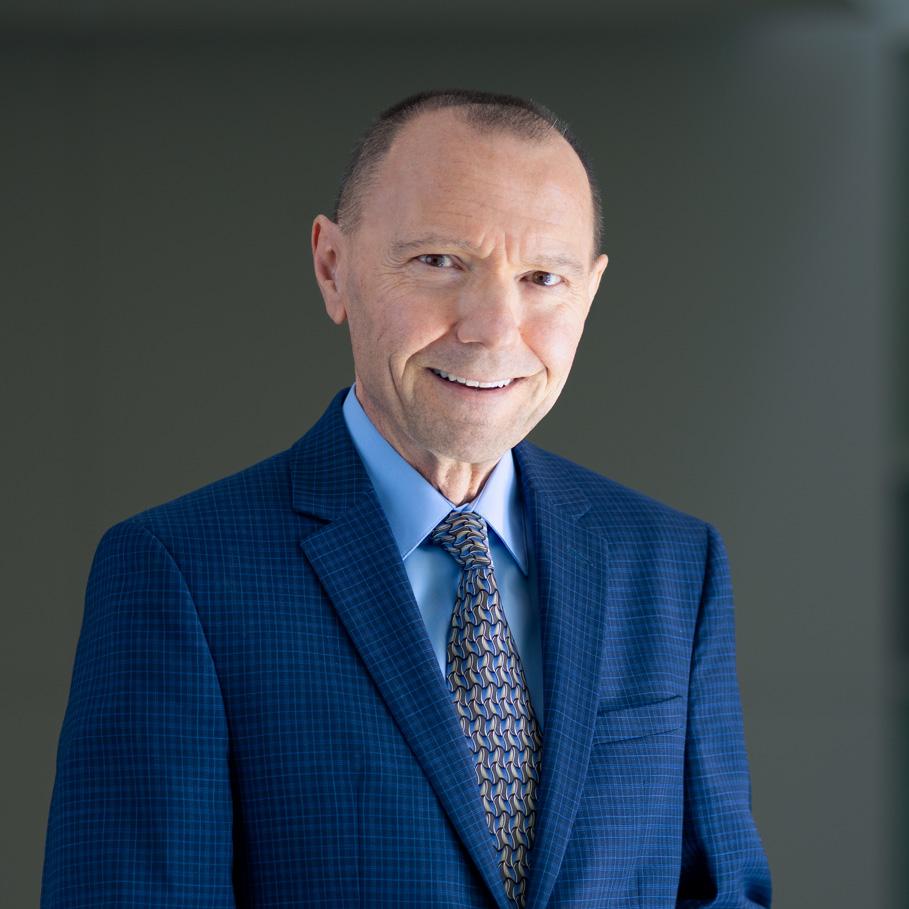
A Message from Dan Theodorescu, MD, PhD Nancy C. and Craig M. Berge Chair for the Director University of Arizona Comprehensive Cancer Center


Dear friends,
I’m honored to have joined this exceptional institution at a pivotal moment in its history. As an NCI-designated comprehensive cancer center partnered with Banner Health, the University of Arizona Comprehensive Cancer Center has built a strong foundation of scientific excellence, clinical innovation, and service to our community. What inspires me most is the remarkable potential ahead driven by the people, partnerships, and ideas that define this center.
To DISCOVER is the starting point of all progress in cancer research. Breakthroughs come from asking new questions and looking at familiar problems from fresh perspectives. At the U of A Cancer Center, discovery spans the laboratory, the clinic, and the community. Our scientists are unraveling the molecular and genetic drivers of cancer by harnessing the powerful convergence of artificial intelligence, computational biology, engineering, imaging, and data science. This spirit of discovery is essential to understand cancer in all its complexity and to reveal new opportunities for intervention.
Discovery must ultimately lead us to better ways to TREAT patients. Our mission is to translate scientific insight into therapies that are more precise, more effective, and more humane. Through close collaboration with Banner Health, we will expand access to innovative clinical trials and ensure that advances reach patients across Arizona and beyond. By personalizing treatment, we will improve outcomes and quality of life while redefining what cancer care should be.
Education, outreach, and innovation all play a role in shaping a
future where fewer people hear the words, “you have cancer.”



Equally important is our commitment to PREVENT cancer and reduce its burden before it takes hold. Prevention includes early detection, risk assessment, and understanding the environmental, behavioral, and biological factors that contribute to cancer development. It also means training the next generation of researchers and clinicians to think beyond traditional boundaries, equipping them with tools to anticipate cancer rather than react to it.
As you read this annual report, you will see how discovery, treatment, and prevention come together through extraordinary convergent science, dedicated teams, and a shared vision. The work being done here is bold, collaborative, and forward-looking. I’m an optimist by nature, and I believe deeply in what’s possible when imagination is paired with scientific rigor and purpose. I invite you to explore these pages and learn more about how the U of A Cancer Center is helping to shape the future of cancer research and care.



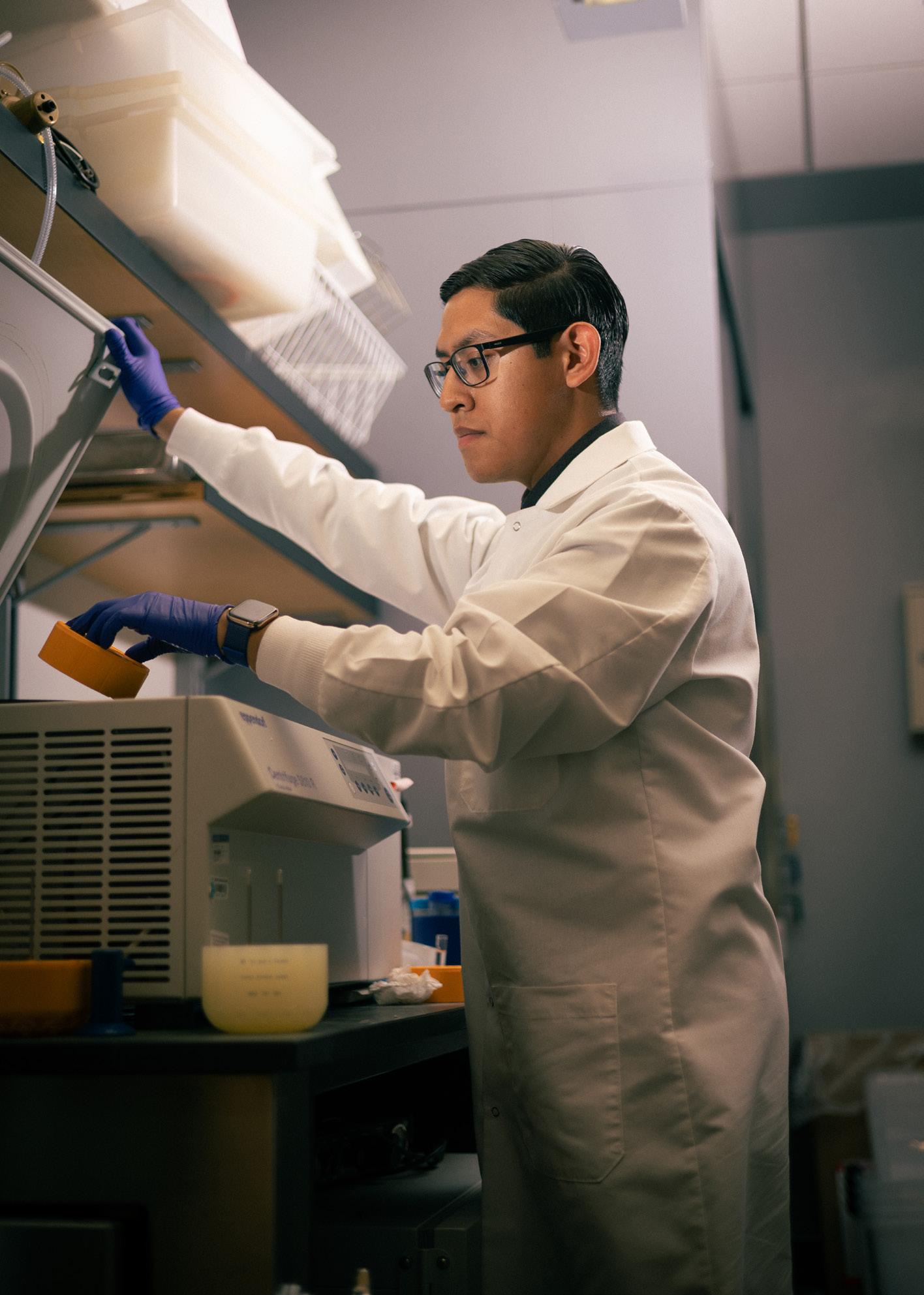
$55,742,245
Total cancer research funding
$49,174,788
Total peer-reviewed funding
216 No. of clinical trials
4,412 Patients enrolled
2,278 Cancer relevant surgeries and procedures
1,555 Inpatient discharges
17,335 Radiation treatments
34,951 Infusions
111 Blood and marrow transplants and cellular gene therapy cases
728 Cancer Center trainees

3,977 Arizona residents engaged
171 Member researchers
390 Total projects
248 Publications

The University of Arizona Comprehensive Cancer Center has three established scientific research programs that work together to accomplish the center’s mission to prevent and cure cancer:
• Cancer Biology
• Clinical and Translational Oncology
• Cancer Prevention and Control
We are engaged in research that advances understanding of the fundamental molecular and cellular mechanisms of cancer initiation and progression. This research takes basic information about cancer cell targets to develop leads for cancer treatment and builds on the strengths of a diverse set of disciplines here at the University of Arizona to bring new technologies for treating cancer to the forefront. Our research also focuses on populations at increased risk of developing cancer. With the primacy of these missions in mind, the research programs and core services we house constitute a bedrock of the U of A Cancer Center as a hub for convergent science and innovation at the U of A.



Dan Theodorescu, MD, PhD

Dan Theodorescu did not grow up surrounded by doctors, but from an early age, he imagined a future career that combined science and patient care. His parents were professional educators and mathematicians who instilled a love of learning. “My way into cancer research was not that straightforward,” he said. “My role models really had to come from books and movies.”
One of those early influences was Dr. Paul Ehrlich, the pioneering scientist widely regarded as the father of chemotherapy. To Theodorescu, Ehrlich embodied the ideal of the clinician-scientist, someone whose discoveries mattered because they reached patients.
That vision became personal when Theodorescu was 10 years old and lost his favorite aunt to cancer. The loss shaped his sense of purpose. “Ever since then, it’s been my passion to really understand this disease and do whatever I can to make it go away permanently from the face of the earth,” Dr. Theodorescu said.
That resolve has guided a career spent at the leading edge of cancer research. In early 2025, Dr. Theodorescu became director of the University of Arizona Comprehensive Cancer Center. His arrival signals a renewed emphasis on curiosity-driven discovery, convergent science, and translating research into tools that improve patient care.
Before coming to Arizona, Theodorescu led two other major cancer centers, serving as director of the University of Colorado Cancer Center and later the Samuel Oschin Comprehensive Cancer Institute at Cedars-Sinai Across those roles, he developed a reputation not only as a scientist, but as a leader attuned to the intersections of academic medicine, biotechnology, and public policy. His experience working with diverse stakeholders reinforced a core belief: progress in health care depends as much on collaboration as on innovation.
Dr. Theodorescu earned his medical degree from Queen’s University at Kingston and his doctorate from the University of Toronto, completing urology training and a fellowship in urologic oncology at Memorial Sloan Kettering Cancer Center. It was there that his identity as a clinicianscientist took shape. “I trained as a urologic oncologist and discovered that my real passion was to do research on bladder cancer,” he said.
At the time, bladder cancer was relatively understudied. It also offered unique opportunities—it showed clear sex differences and was accessible through minimally invasive techniques. “I wanted to make an impact where there was not as much existing knowledge,” he said.
That decision proved pivotal. Over the years, the Theodorescu laboratory has helped reshape scientific understanding of bladder cancer while also influencing the study of cancer biology more broadly. His work has focused on identifying genetic drivers of disease and translating those insights into biomarkers that predict tumor behavior and treatment response.
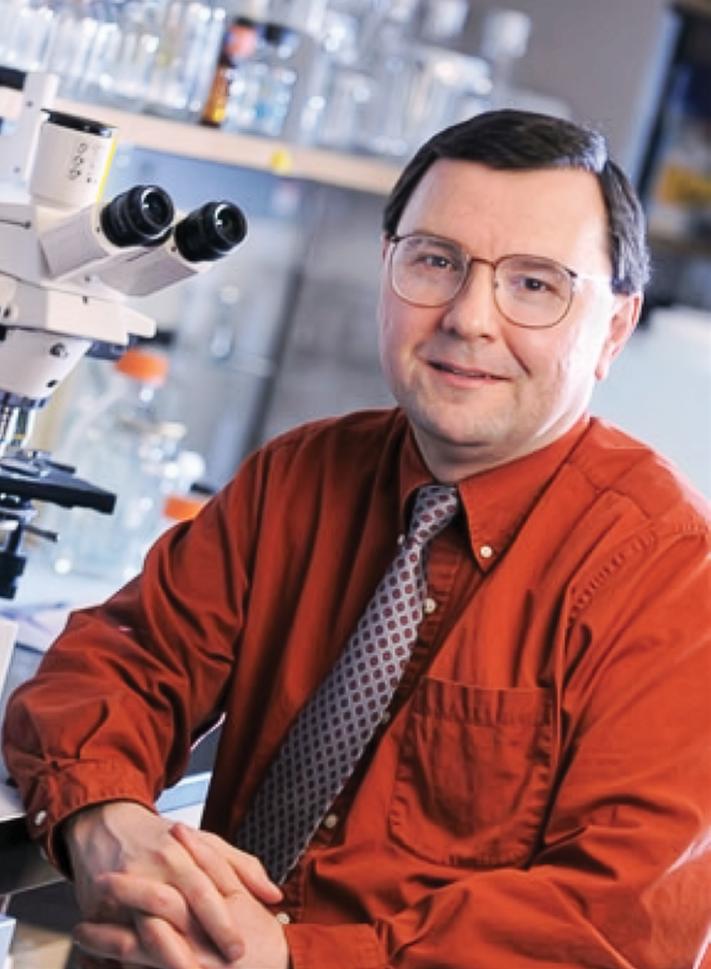
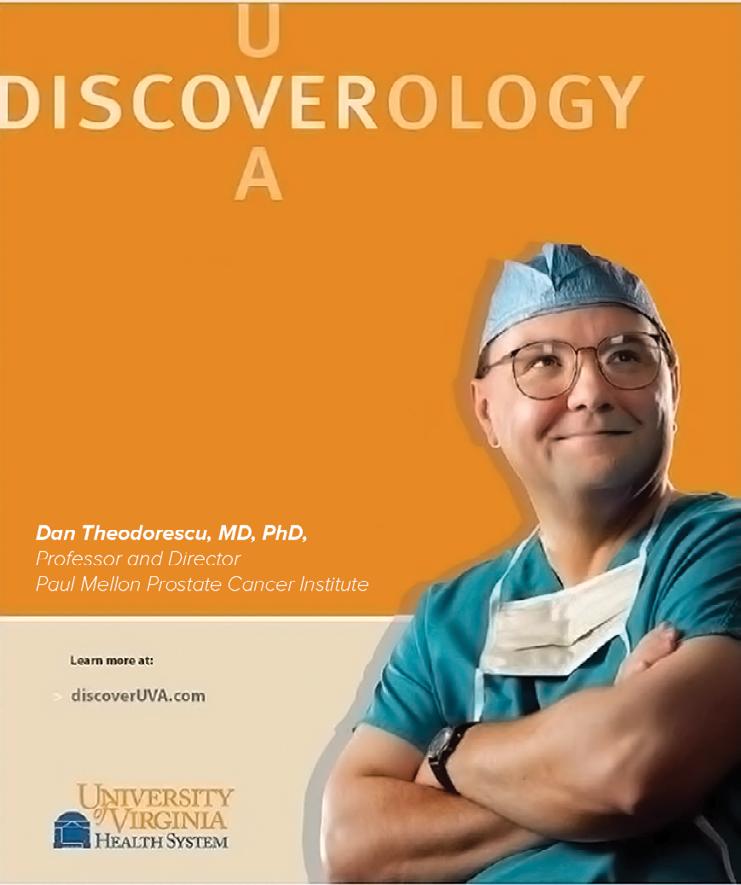
Dan Theodorescu, MD, PhD, through the years: (top photo) taken during his tenure as director of the University of Colorado Cancer Center, 20102018; (bottom photo) during his service as Paul Mellon Prostate Cancer Institute director at the University of Virginia, 2004-2010.

Some of Dr. Theodorescu’s most influential discoveries emerged from a simple question. For decades, scientists observed that the Y chromosome is frequently lost in many men’s cancers, including bladder cancer. Yet its biological significance remained unclear. “Curiosity initiated a major research program in my lab to understand the role of loss of the Y chromosome in cancer,” he said.
What his team uncovered challenged long-held assumptions. Rather than being a passive consequence of genetic instability, loss of the Y chromosome actively drives aggressive cancer behavior. “It turns out that losing the small Y chromosome makes a very big difference in the biology of many cancers,” Dr. Theodorescu said.
In 2023, his laboratory was the first to show that loss of the Y chromosome allows tumors to evade the immune system. Two years later, his team demonstrated that loss of the Y chromosome in patients’ T cells further worsens outcomes. Together, these findings may open new therapeutic avenues and carry implications for emerging treatments such as CAR-T cell therapy.
Dr. Theodorescu has also been a leader in applying computational biology and artificial intelligence to cancer research. He developed the COXEN algorithm, which uses gene co-expression patterns to predict how patient tumors will respond to specific therapies. Tested in a national prospective clinical trial, the approach offers a glimpse of a future in which treatment decisions are guided by predictive biology rather than trial and error.
He later conceived the Molecular Twin Precision Oncology Platform, an AI-driven, multi-omic framework designed to generate personalized treatment strategies. His translational work includes leading the discovery of a first-in-class RalGTPase inhibitor, now patented and in commercial development, with potential applications across multiple cancer types.
Together, these efforts reflect a career defined by convergence— integrating genomics, immunology, computational biology, and clinical medicine to tackle cancer’s most complex problems.
The influence of Theodorescu’s educator parents is evident in his commitment to mentorship. That commitment is embodied in the Convergent Science Virtual Cancer Center (www.CSVCC.org), an initiative he launched in 2021, which has been renewed by the Department of Defense.
Developed in partnership with the University of Southern California, the program re-imagines how cancer researchers are trained by deliberately blurring disciplinary boundaries. Through personalized mentorship, immersive workshops, and nontraditional learning experiences, it equips early-career investigators to translate discovery into impact.
“By empowering the next generation of researchers with new thinking, we’re taking real steps toward a future where cancer is not only treatable, but manageable—and curable.”
-Dan Theodorescu
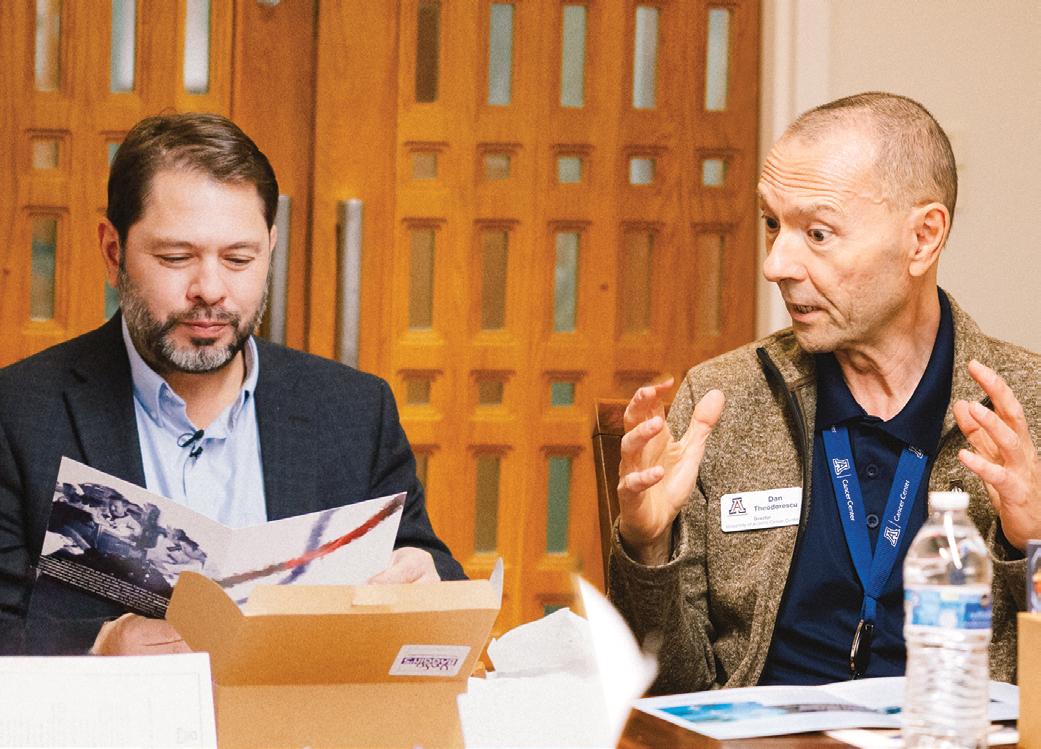
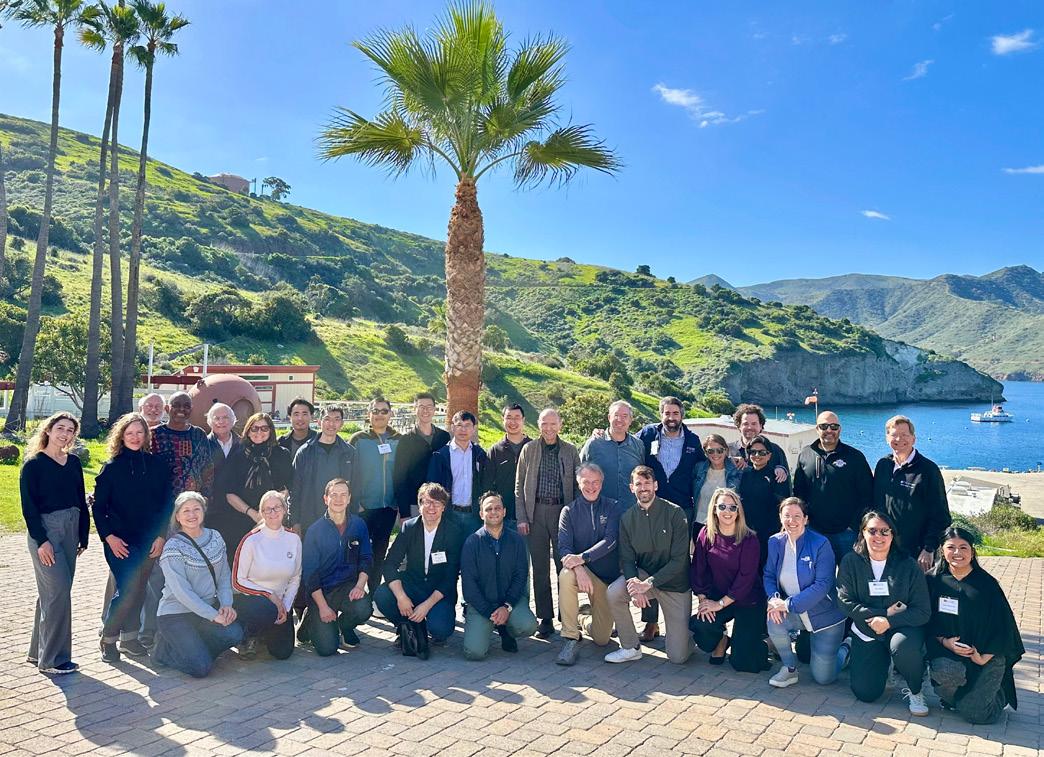

Dr. Theodorescu describes himself as a “university person,” being a fourth-generation professor shaped by academic environments. At the University of Arizona, he sees particular promise in the breadth of expertise that coexists across disciplines in an R1 research institution. “I relish the connections and synergies that can emerge from that scientific environment,” he said.
He was also drawn to the Cancer Center’s dedicated facility, a critical asset for fostering collaboration and growth, and to the clinical partnership with Banner Health. Dr. Theodorescu said he sees tremendous potential in expanding clinical trials across Banner’s extensive health system, increasing patient access and accelerating the translation of research discoveries into care.
Looking ahead, Dr. Theodorescu envisions a future in which artificial intelligence, immunology, cancer engineering, and advanced imaging converge with fields as diverse as quantum computing, psychology, and environmental science. “Just as earlier generations imagined the foundations we now build upon, what we imagine today will shape what’s possible for the researchers who follow,” he said.


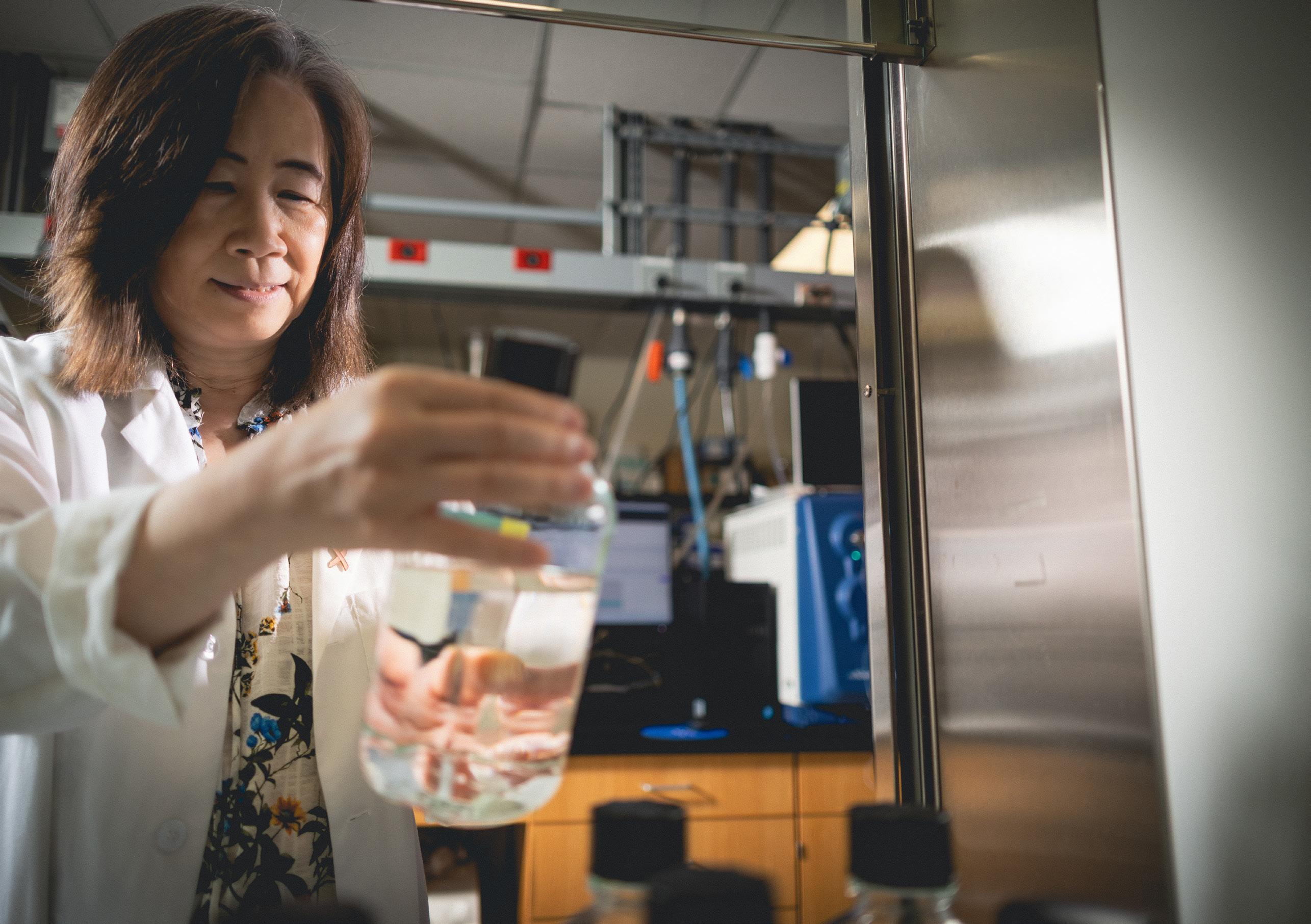
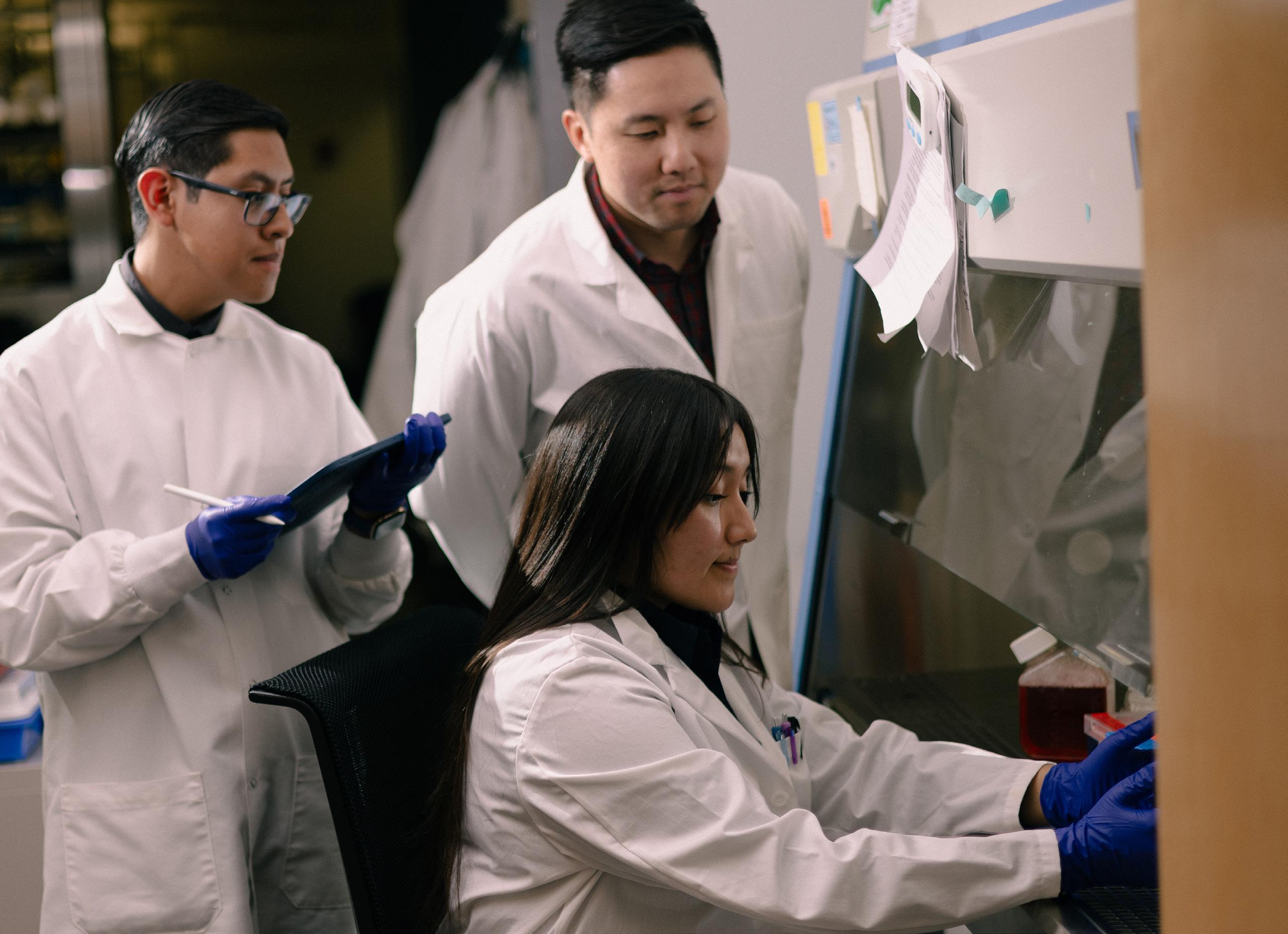
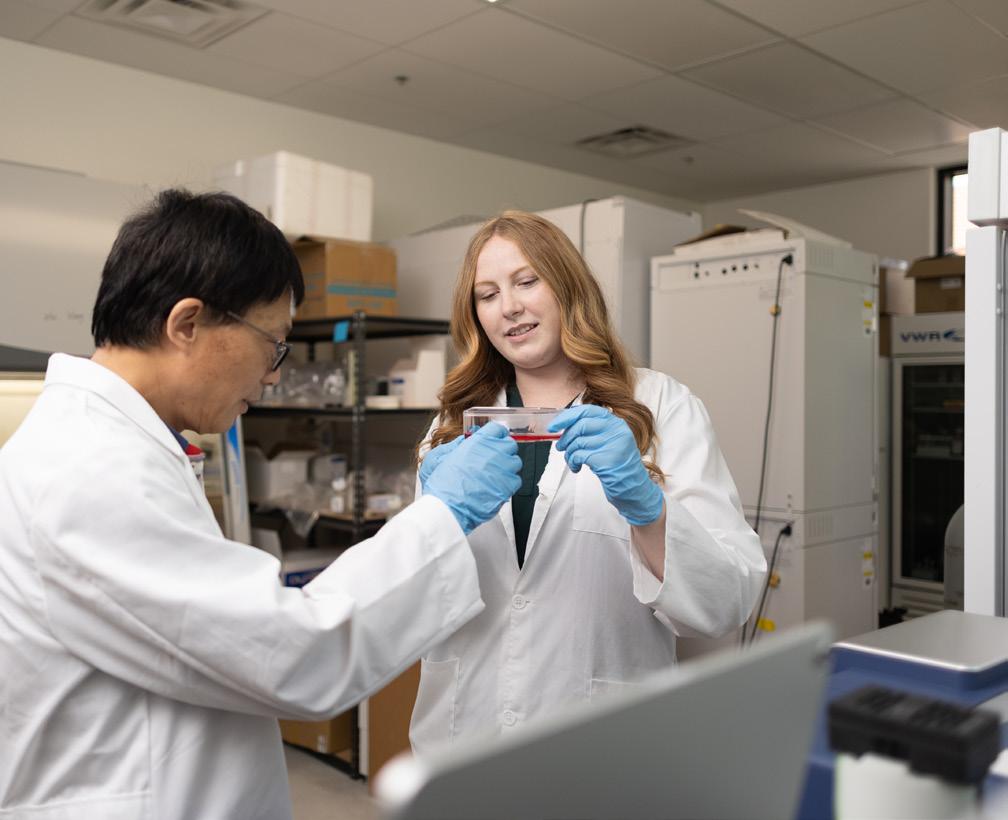
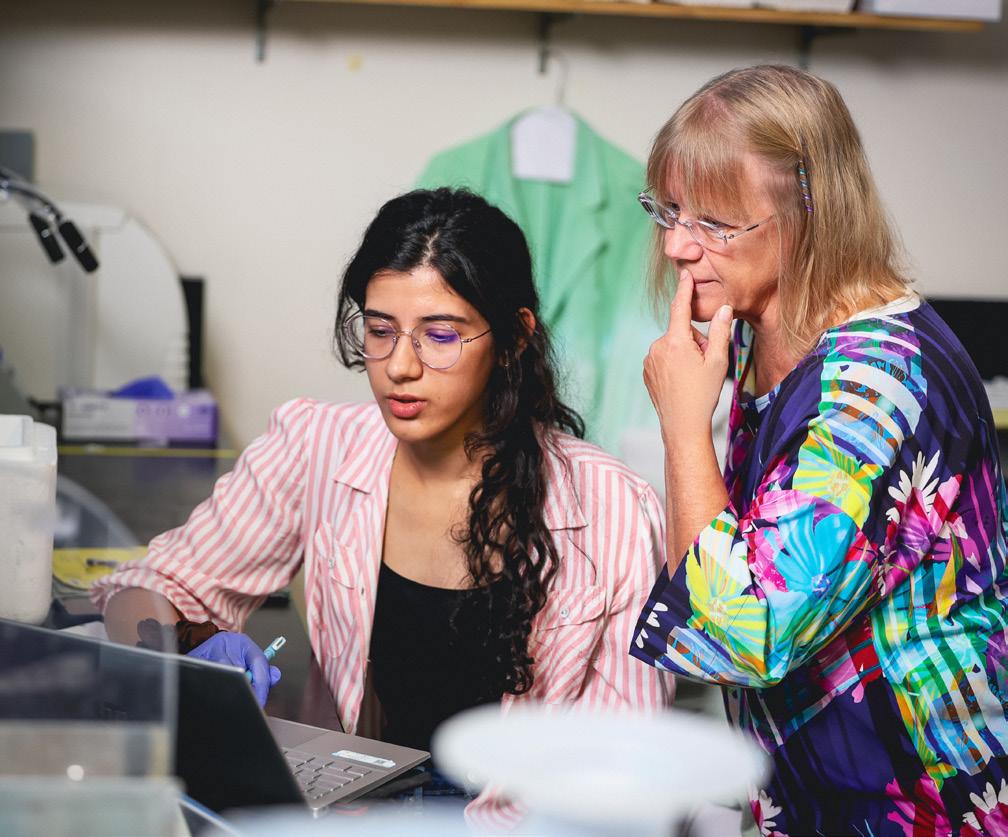
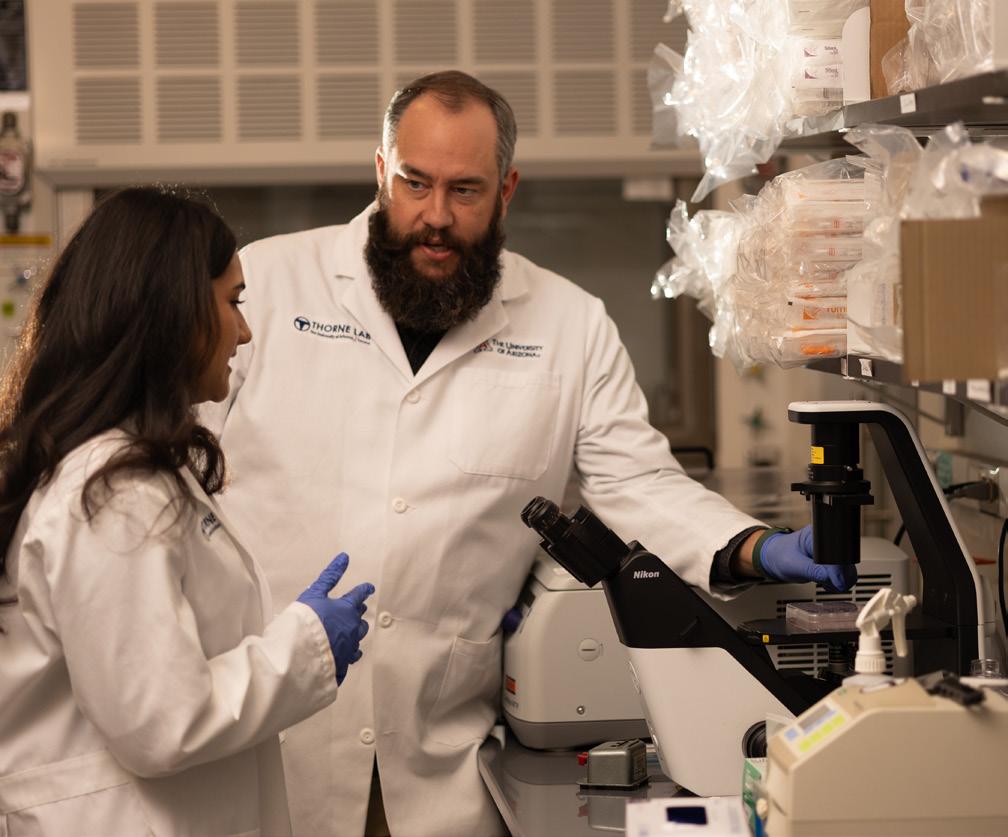
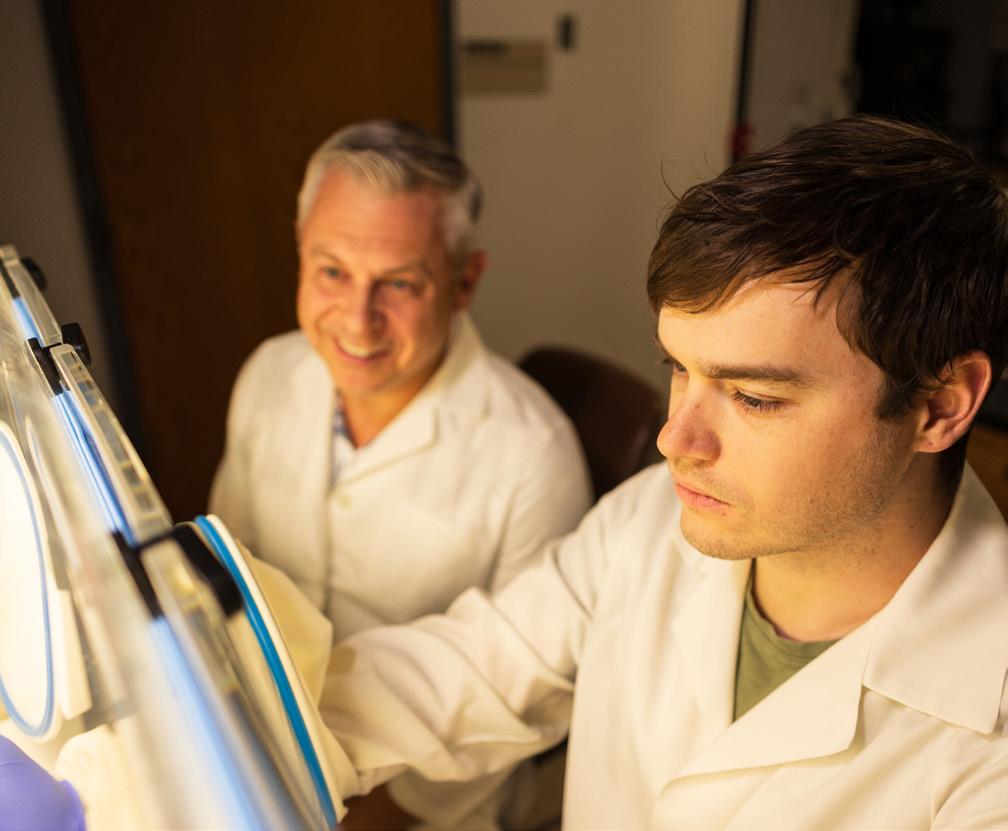
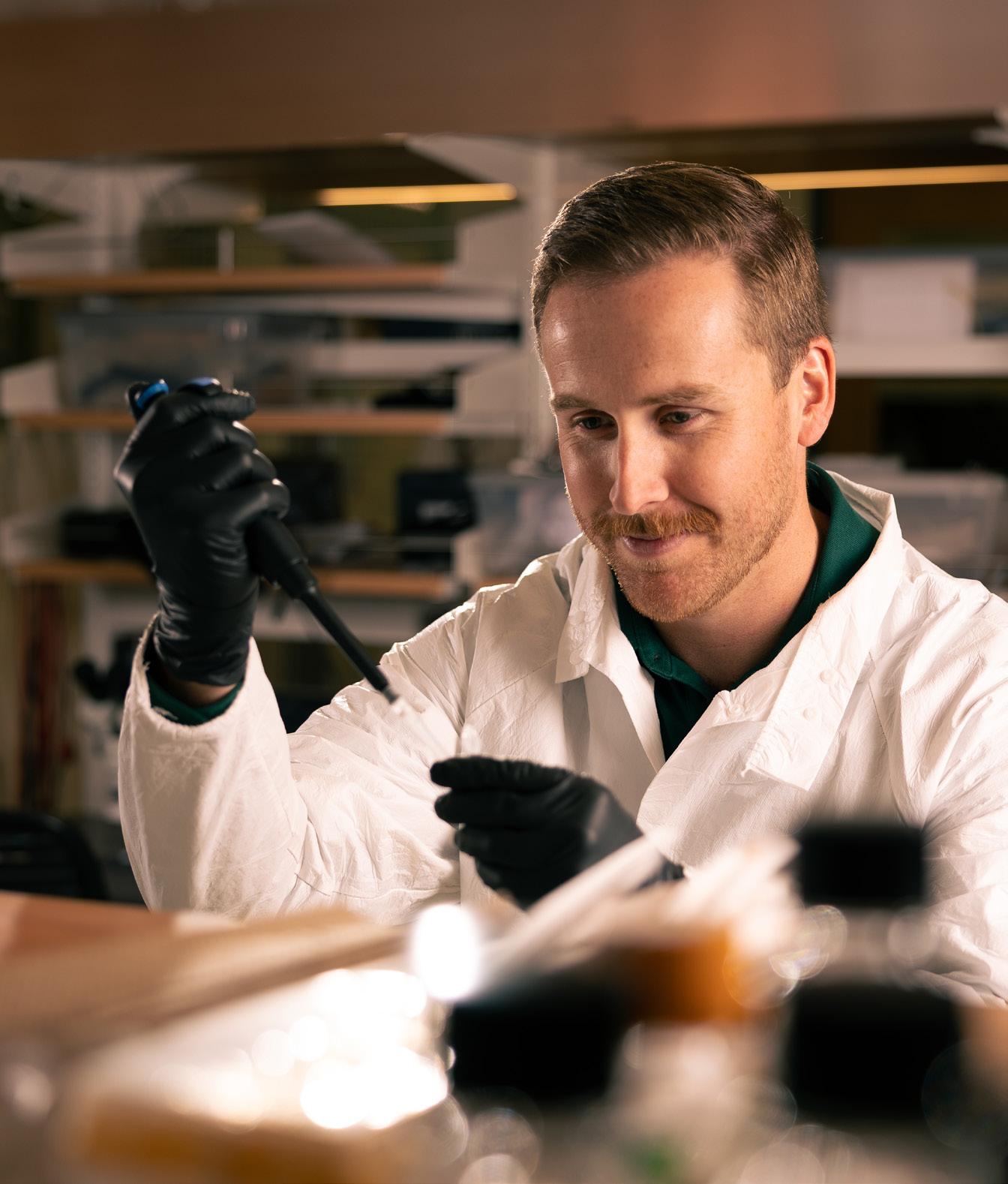
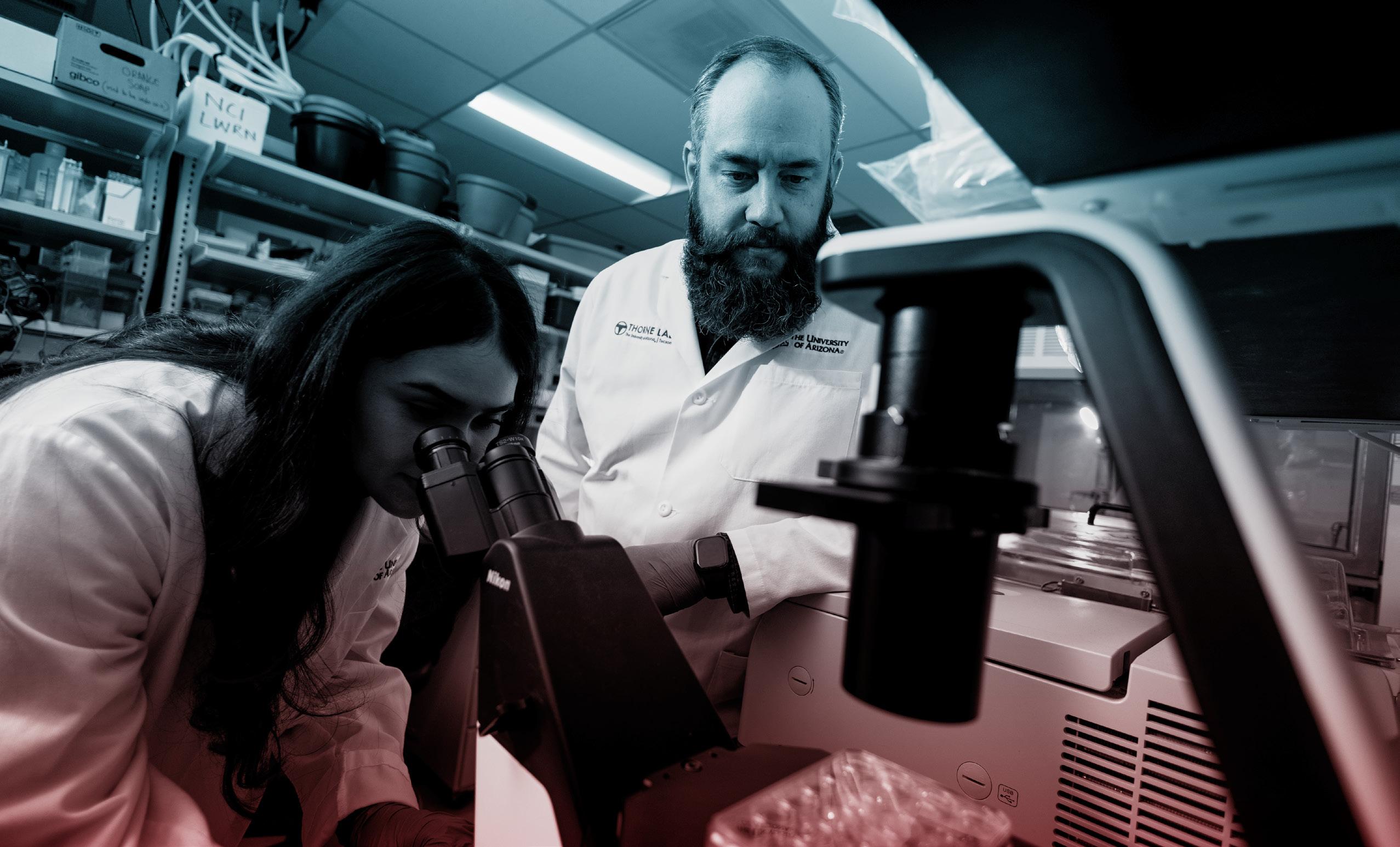
At the University of Arizona Cancer Center, convergent research drives every discovery. By uniting scientists, clinicians, technologists, and trainees across more than 70 laboratories and hundreds of clinical trials, we bring together the full spectrum of cancer investigation. Convergent research at the Cancer Center brings together diverse disciplines—biology, clinical medicine, engineering, data science, population health and more—to tackle cancer’s most complex challenges from multiple angles simultaneously. Through this collaborative, multidisciplinary approach, our teams are able to create new technologies, uncover actionable insights, and accelerate the translation of discoveries from benchtop to bedside, strengthening our mission to prevent and cure cancer.

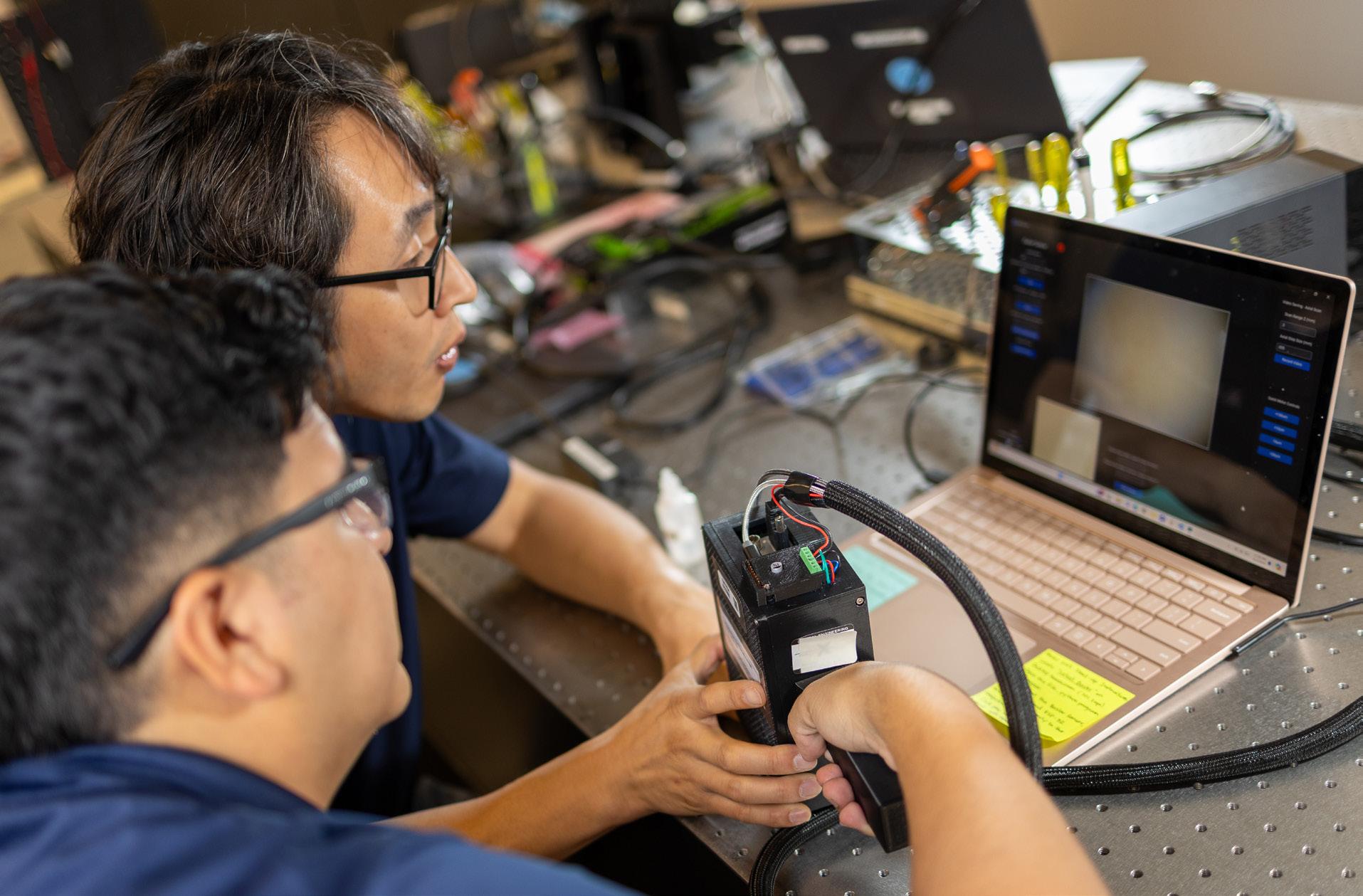
Dongkyun Kang, PhD, is a University of Arizona Comprehensive Cancer Center member and associate professor at the James C. Wyant College of Optical Sciences and the Department of Biomedical Engineering at the U of A. He’s a researcher whose work is reshaping how cancers and cancer-related conditions are detected, diagnosed, and monitored. Through cutting-edge imaging technologies, Kang aims to team up with clinicians to close critical diagnostic gaps and expand access to early, accurate, and noninvasive cancer screening tools.
One aspect of Kang’s research focuses on developing compact, affordable, and high-resolution imaging devices that can be used in real-time clinical settings. One of his most recent projects, backed by a $1.4 million grant from the National Institutes of Biomedical Imaging and Bioengineering, is the development of a probe-based light sheet microscope to enhance the early detection of anal precancer. The device provides noninvasive, cellularlevel imaging of anal tissue and is designed to guide biopsies more precisely, reducing the need for unnecessary procedures and improving outcomes for high-risk patients.
Kang hopes the technology he is developing will help address rising anal cancer rates with mortality due to anal cancer increasing by nearly 6% per year between 2014 and 2020.
This next-generation diagnostic tool addresses limitations in traditional high-resolution anoscopy and supports the creation of automated image analysis algorithms, laying the foundation for future AI integration. The technology’s versatility could extend to other epithelial cancers such as cervical and oral cancers, offering broad applications in early cancer prevention.

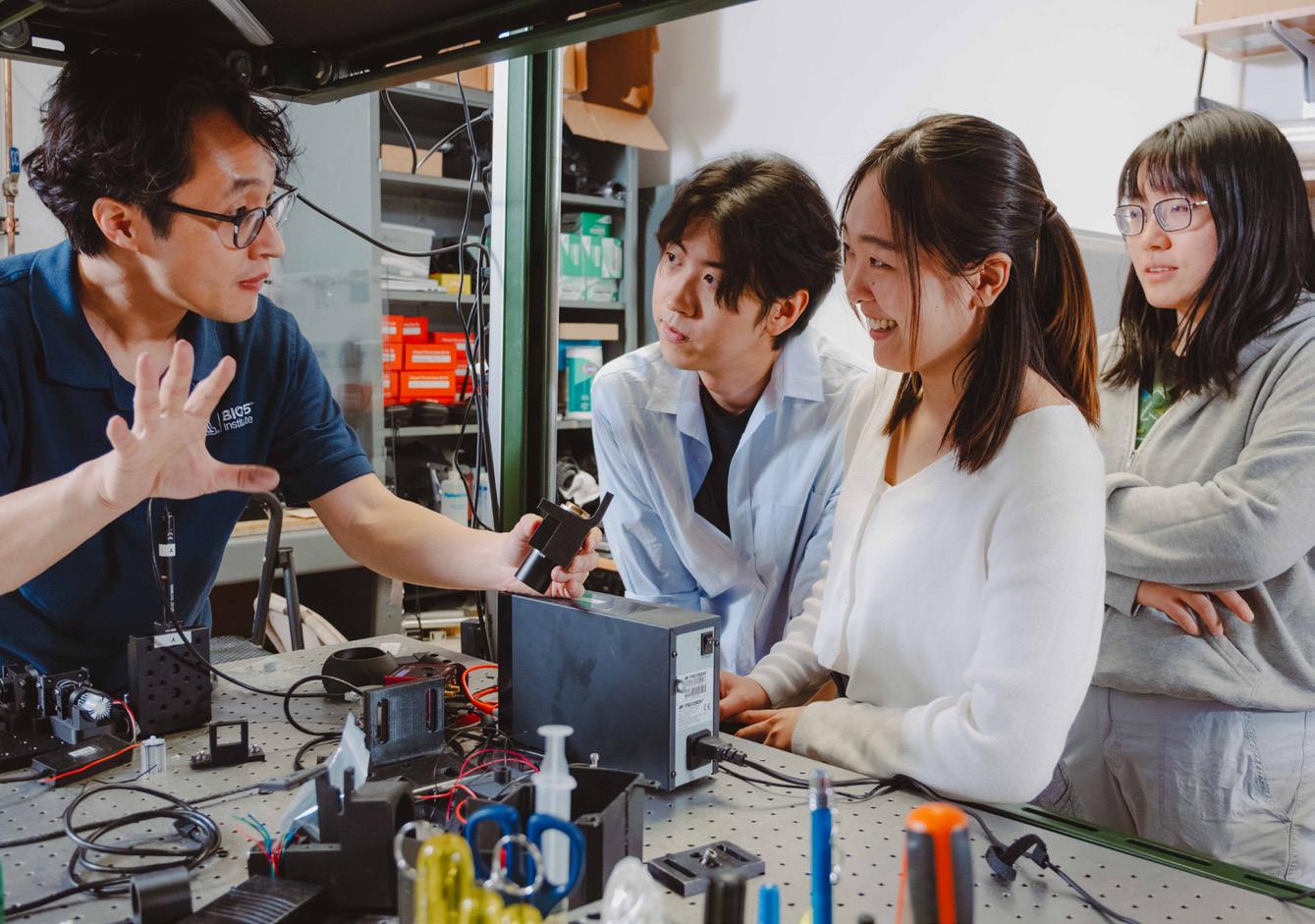
In a separate but equally transformative initiative, Kang was awarded a $2.4 million grant from the National Cancer Institute to develop a noninvasive confocal microscope that can visualize nerve endings in cancer patients suffering from chemotherapy-induced peripheral neuropathy (CIPN). CIPN is a common and often debilitating side effect of chemotherapy, marked by numbness, pain, and weakness, particularly in the hands and feet.
By imaging and quantifying Meissner corpuscles— the nerve endings responsible for light touch—Kang hopes to identify objective imaging biomarkers that signal early-stage CIPN. This could lead to earlier diagnosis, targeted interventions, and better outcomes for patients experiencing neuropathy during cancer treatment.
“This study will build the evidence that our noninvasive microscopy approach can provide quantitative imaging biomarkers for CIPN monitoring, treatment and research,” Kang said. “This grant will also support a clinical study to evaluate the new microscope in patients with cancer who are undergoing chemotherapy.”
Kang said his goal is to change the diagnostic focus from subjective, qualitative markers, including patient and clinician questionnaires, to objective, quantitative biomarkers that could support personalized care for patients with CIPN.
Kang’s team is at the forefront of low-cost confocal microscopy, having already demonstrated its feasibility for clinical use in various healthcare settings. This new project will include a clinical study to validate the microscope’s performance in real-world oncology environments.

Kang’s interdisciplinary work—at the intersection of optical engineering, biomedical innovation, and clinical oncology—embodies the principles of convergent science. His devices are engineered not only for technical excellence but also with accessibility, usability, and global health impact in mind.
Kang holds affiliations with the University of Arizona BIO5 Institute as Stanford University, Memorial Sloan Kettering Cancer Center

Srinivasan Vedantham, PhD, a member of the Cancer Center’s cancer prevention and control program is leading a clinical research team at Banner Health to test a novel imaging method for breast cancer detection that they hope will provide a superior alternative to the mammogram. The study is being conducted at the Banner – University Medicine Breast Imaging Center in Tucson and recruiting Banner patients who are being seen for routine mammograms.
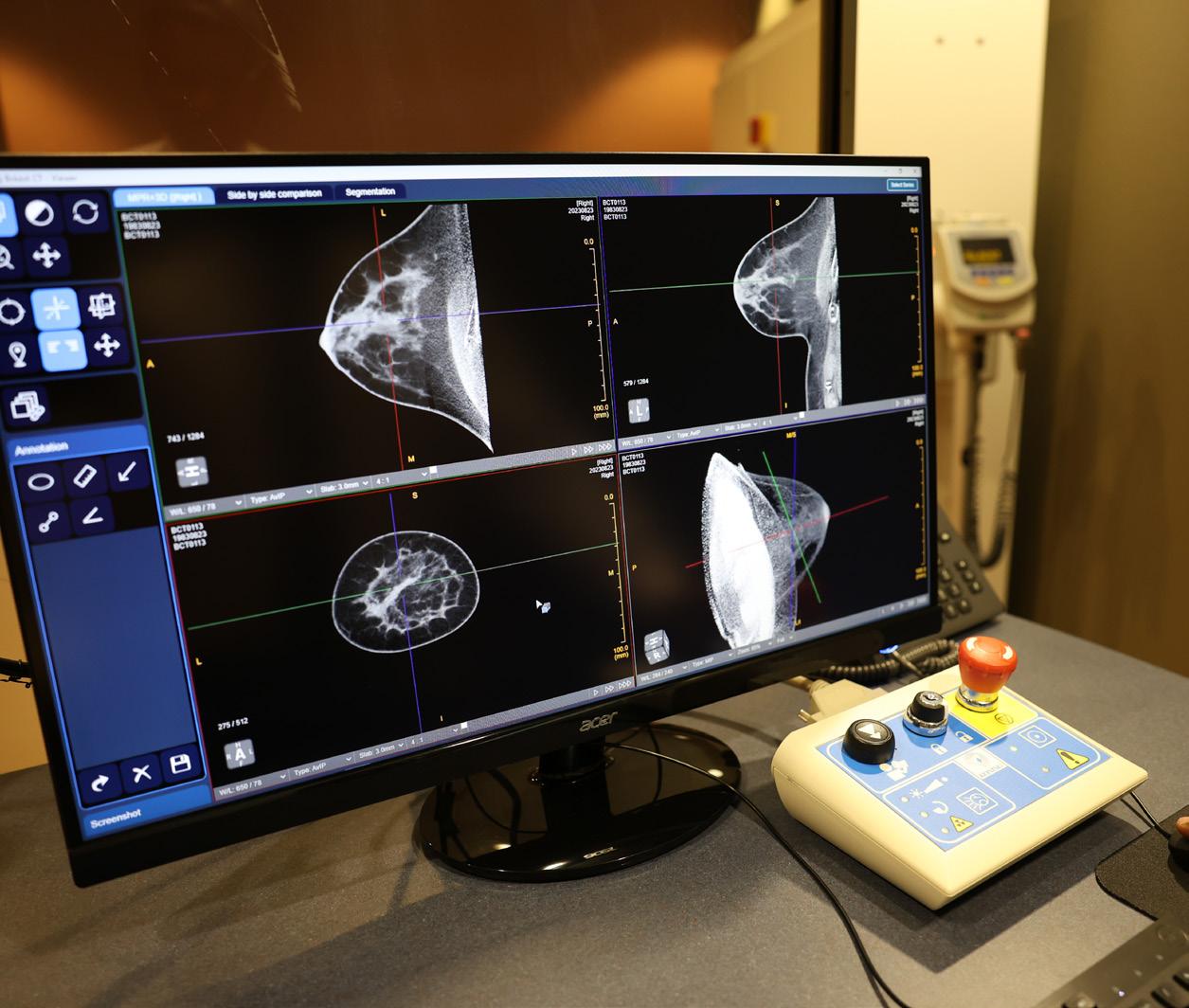
The researchers developed a prototype of a CT scanner that they hope will one day make breast cancer screenings more comfortable and effective than mammograms.
“With our technology, there is a hole on the table and the woman lies prone with the breast through the hole. The tube spins around 360 degrees,” said Vedantham, a professor in the U of A College of Medicine – Tucson’s Department of Medical Imaging “There is nothing in contact with the breast — no compression, nothing. You lie face down, and it takes 10 seconds to image each breast.”
Vedantham, who is leading the research team, said that in countries with national health services, such as the United Kingdom and Norway, a significant number of women of screening age who don’t receive regular screenings cite the pain of compression as the reason they avoid mammograms.

The team hopes a more comfortable method could significantly enhance early cancer detection and diagnosis — and do a better job catching cancer in women with dense breasts, who make up about 50% of the population according to the CDC, and whose breasts have more fibrous and glandular tissues that can obscure tumors.
“The advantage of breast CT is we have a whole 3-D image. It would have better sensitivity in detecting breast cancer, particularly for women with dense breasts,” Vedantham said. “Our goal is to enhance breast cancer screening technology to improve early detection and outcomes for patients.”
Vedantham will use this grant to refine a noncompression CT scanner prototype that was tested with 92 women in collaboration with researchers from the U of A Cancer Center. This grant will focus on advanced image reconstruction techniques and recruiting 600 additional volunteers to help test the breast CT system, which will be compared with 3-D mammography, the current standard in breast cancer detection.
Researchers are using a $3.3 million grant from the National Cancer Institute, a division of the National Institutes of Health to test their advanced breast computed tomography CT system. The technology does not require physical compression of the breast and eliminates tissue overlap. Instead, it uses detailed CT scans to create high-resolution 3-D images.
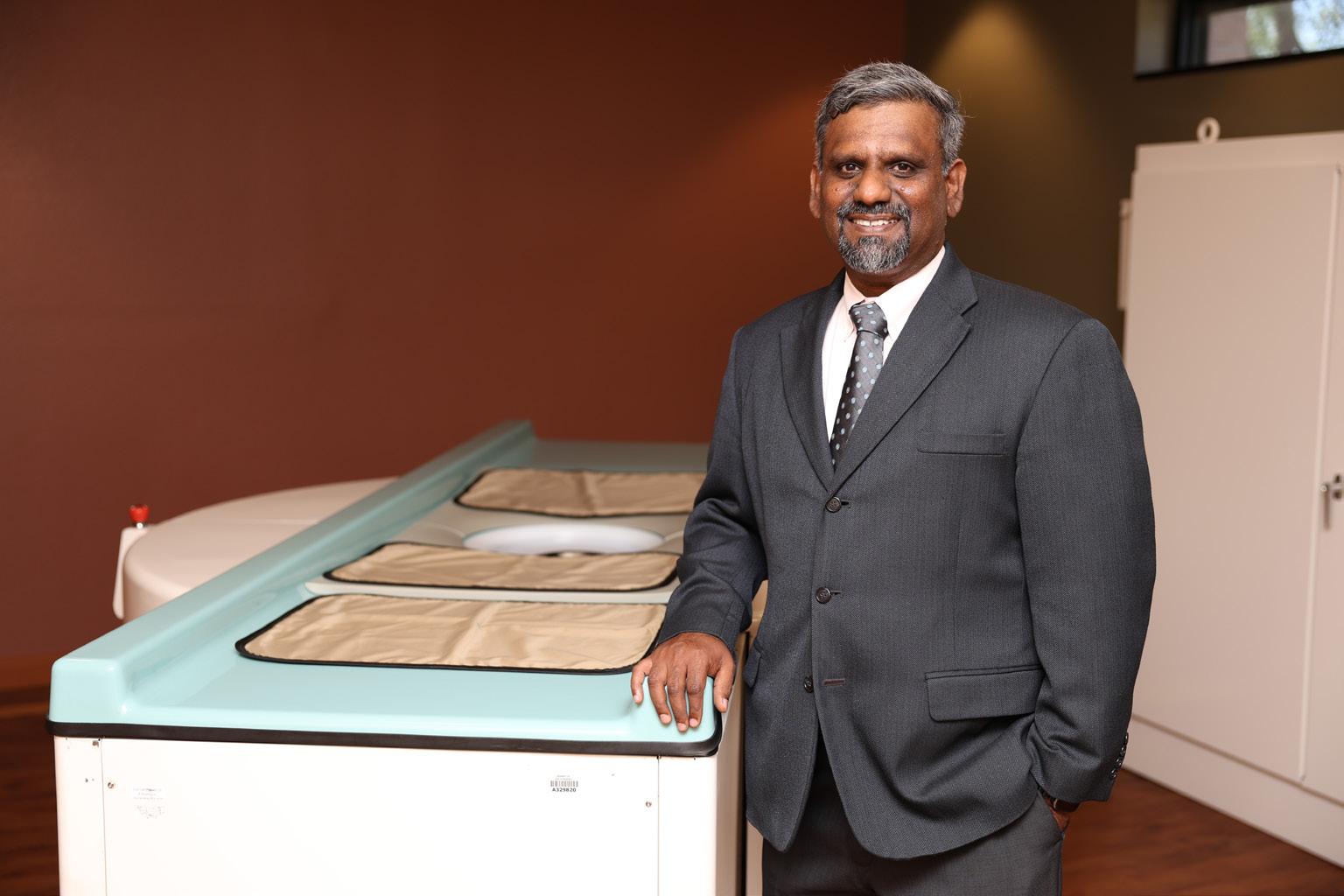
According to the NCI, breast cancer accounts for 15.5% of new cancer cases and 7% of cancer deaths in the United States. Approximately 13.1% of women will be diagnosed with breast cancer in their lifetime, making advancements in screening technology crucial. Though rare, some men develop breast cancer as well.
The applications of the team’s research extend beyond breast imaging and could someday be harnessed to improve radiation therapy, surgical planning and detailed imaging of other major organ systems.
Contributing researchers and collaborators include Alan Chiang, MD, PhD, assistant professor of medical imaging and chief of the Division of Breast Imaging; Sherry H. Chow, PhD, professor emeritus and former research professor of medicine and director of the Analytical Chemistry Shared Resource at the U of A Cancer Center; Denise Roe, DrPH, retired professor at the Mel and Enid Zuckerman College of Public Health and director of the Biostatistics Shared Resource at the U of A Cancer Center; and Hsin Wu Tseng, PhD, associate research scientist in the Department of Medical Imaging
A version of this article originally appeared on the University of Arizona Health Sciences website on October 1, 2024. This research is supported by the National Institutes of Health under award No. R01CA199044. Community members interested in participating in the study can learn more at clinicaltrials.gov.


Actually, the answer is surprising. There aren’t any.
“Lung cancer is tricky,” said Stephanie Worrell, MD, section chief for the Division of Thoracic Surgery at Banner University Medical Center, associate program director for the general surgery residency program and member of the U of A Cancer Center Thoracic Cancer Clinical Research Team.
“Most of the people who come to us are diagnosed incidentally, which means they went to the emergency room for a car accident or a shoulder problem, and they get imaging that found a lung nodule,” she said.
With no clear symptoms to alert them, thoracic surgeons like Dr. Worrell and her thoracic team rely on screening programs and robotic biopsies for early detection.
“Unfortunately, nationally, only about 6% of people who qualify for lung cancer screening actually get their screening CT scans,” Dr. Worrell said. “In Arizona, it’s about 1.5% of people, so that’s one of our big efforts this year. The five-year survival for lung cancer overall is still really poor.”
Lung cancer is the leading cause of cancer death in both men and women in the U.S., according to the National Cancer Institute. From 2009 to 2013, there were more deaths from lung cancer than colorectal, breast, prostate and liver combined. Though the overall survival rate for lung cancer is only 18%, patients have a better chance when it is detected early, and especially before it has spread elsewhere in the body.
To offer the best success for early screening patients, the Cancer Center and Banner Health are focusing their efforts on offering patients the latest technology with robotics and developing patient trials that offer the newest opportunities as early as possible.
“The robotics help us diagnose and find cancer in patients earlier.”
Last year, members of the Lung Nodule Program and Thoracic Oncology Program completed more than 300 biopsies in less than 14 months using the newest technological innovation — the Intuitive Ion Robotic Bronchoscopy System that allows for a minimally invasive peripheral lung biopsy.
These early-stage biopsies improve the amount of early-stage lung cancer being removed, according to Dr. Billie Bixby, MD, U of A clinical assistant professor and director of the Interventional Pulmonary Division of Pulmonary, Allergy, Critical Care and Sleep Medicine for Banner – University Medical Center in Tucson and Cancer Center associate member.
“This program is just getting started,” Dr. Bixby said. “We will have several more milestones as we change the landscape of the diagnosis and treatment of early and advanced lung cancer.”
The Cancer Center and Banner Health have a multidisciplinary tumor board for both lung and esophageal cancer as well as other malignancies that don’t fall into those two categories.


“We really approach everything collaboratively for all patients,” Dr. Worrell said. “It’s the pulmonologist, the radiologist, our medical and radiation oncologist that come up with a holistic plan for the patient.”
They also rely on patients who enroll in clinical trials to make progress with the disease and have recently opened two clinical trials in early lung cancer.
“Clinical trials at the Cancer Center help oncologists identify if patients need immunotherapy, targeted therapy with surgery or just earlier therapy,” she said. “Doing trials on early lung cancer will hopefully help us improve our outcomes.”

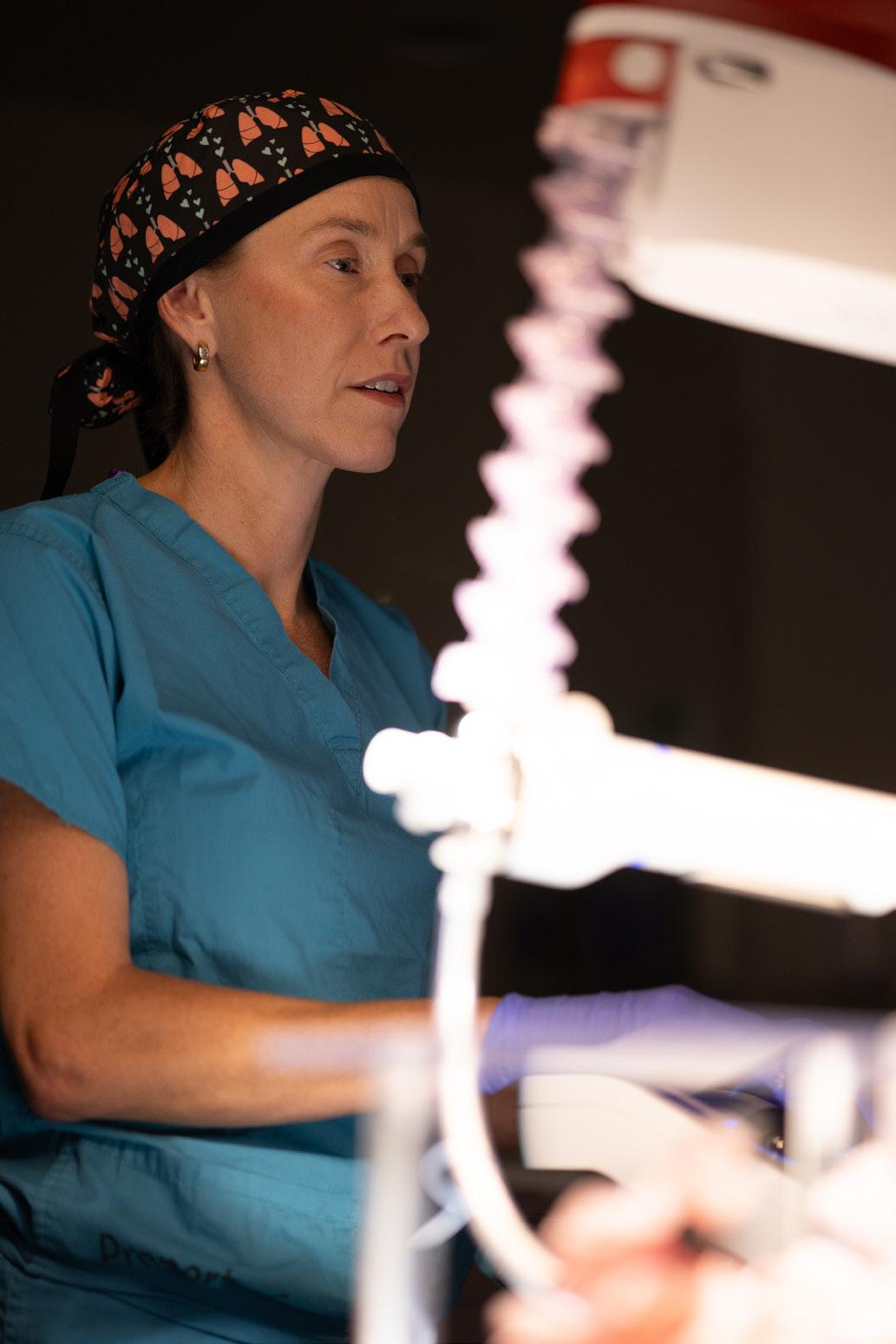

Stephanie Worrell uses the best techniques and guidelines to improve patient results.

In addition to being a top-rated surgeon, Dr. Worrell brings with her a wealth of experience working collaboratively to improve the standard of care for her patients, for the Banner Health system, and for the nation. She works with national colleagues as the chair of the esophageal cancer guidelines for the Society of Thoracic Surgeons.

Last year, Dr. Worrell also helped develop the first comprehensive guidelines for managing patients with thoracic esophageal cancer coauthored by the Society of Thoracic Surgeons, American Society for Radiation Oncology and American Society of Clinical Oncology, which outline best practices for multidisciplinary management of esophageal cancer.
“The treatment right now is rapidly evolving, and so I think these guidelines will help inform people as far as treatment choices, when to treat, and when to operate,” she said.
version of this article was originally published on Jan. 17, 2025 on the U of A Cancer Center website.

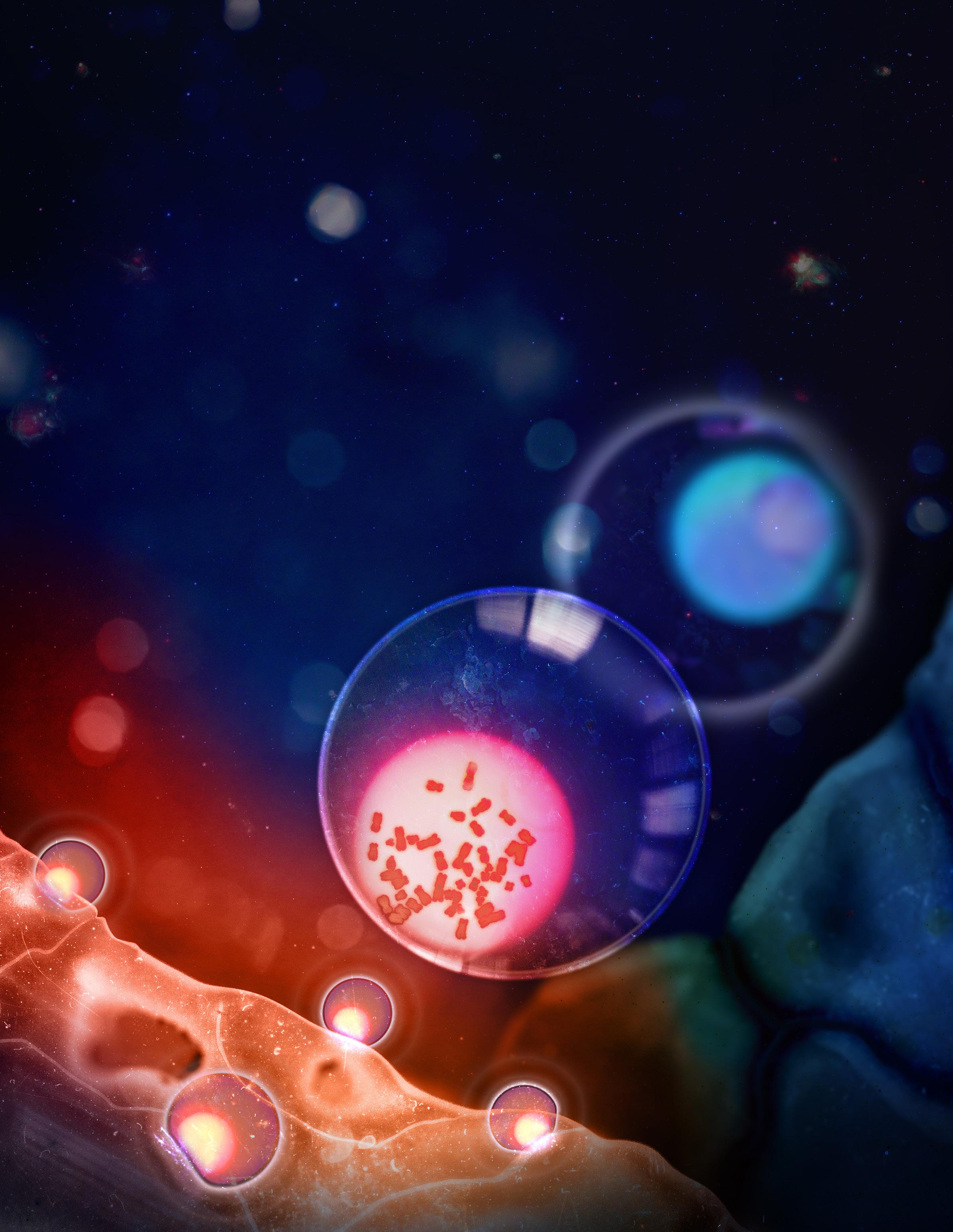
A new paper published in Nature provides insights into why men with loss of Y have increased cancer risks and poorer outcomes.
A study initiated by a University of Arizona Comprehensive Cancer Center physician-scientist defined for the first time how loss of the Y chromosome in male immune cells negatively affects immune system function, which may explain why loss of Y is associated with lower cancer survival rates. The paper “Concurrent loss of the Y chromosome in cancer and T cells impacts outcome,” was published in Nature.
In males, each cell in the body usually contains one X and one Y chromosome. “Loss of Y” is a common, nonhereditary genetic change in men in which an immune cell in the blood loses its Y chromosome. It is often associated with aging. Loss of Y has been linked to increased mortality from carcinomas for many years, though no one knew why.
This study is the first to identify and define the relationship between loss of Y in white blood cells, immune cells and tumors, providing insights as to why men with loss of Y have increased cancer risks and poorer outcomes.
“These findings represent a big step forward in our understanding of why men with loss of Y in their blood cells have a higher mortality from cancer. It turns out it’s because these cells make the immune system infiltrating the cancer less effective,” said Dan Theodorescu, MD, PhD, the Nancy C. and Craig M. Berge endowed chair for the director of the Cancer Center and a professor in the College of Medicine – Tucson.
“We hope this provides a solid lead and framework for the nascent Y chromosome field to pursue so we can collectively better understand all the possible biological implications of this finding and how to use them to develop more effective approaches in prevention, treatment resulting in higher survival rates for patients,” Dr. Theodorescu said.
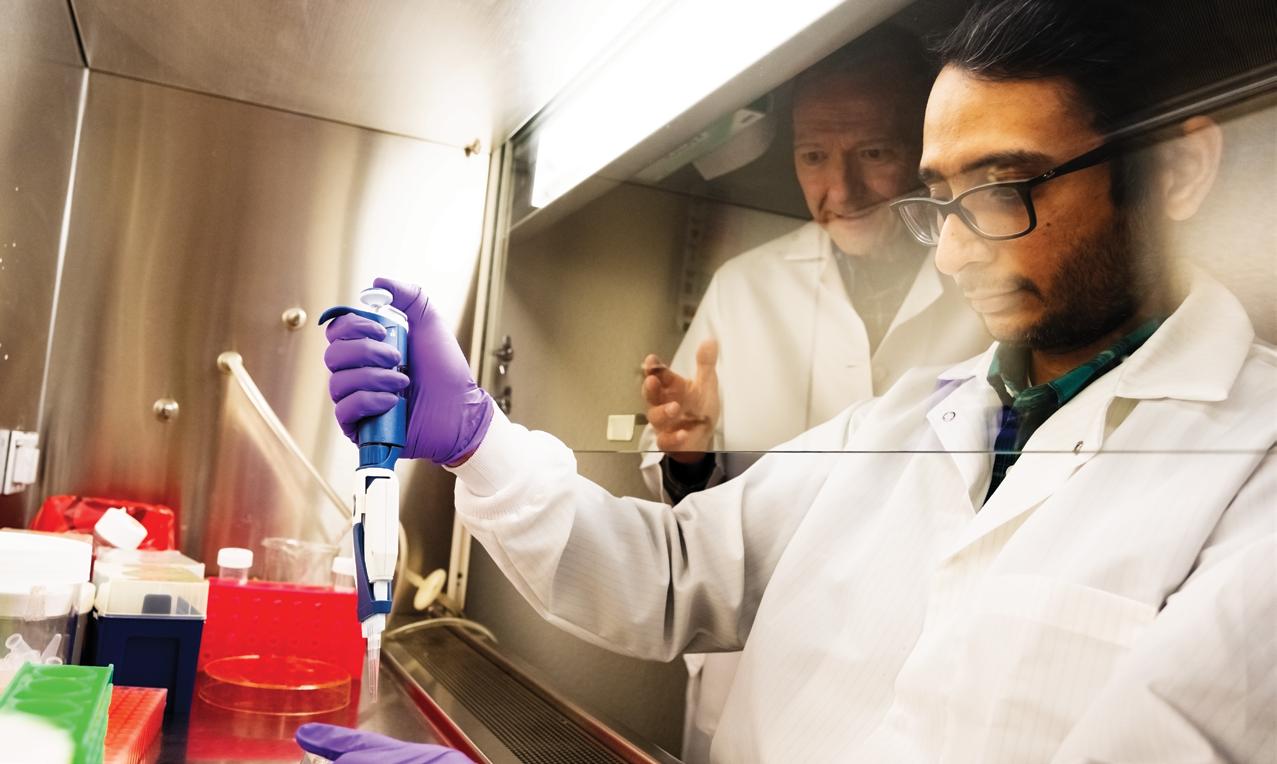
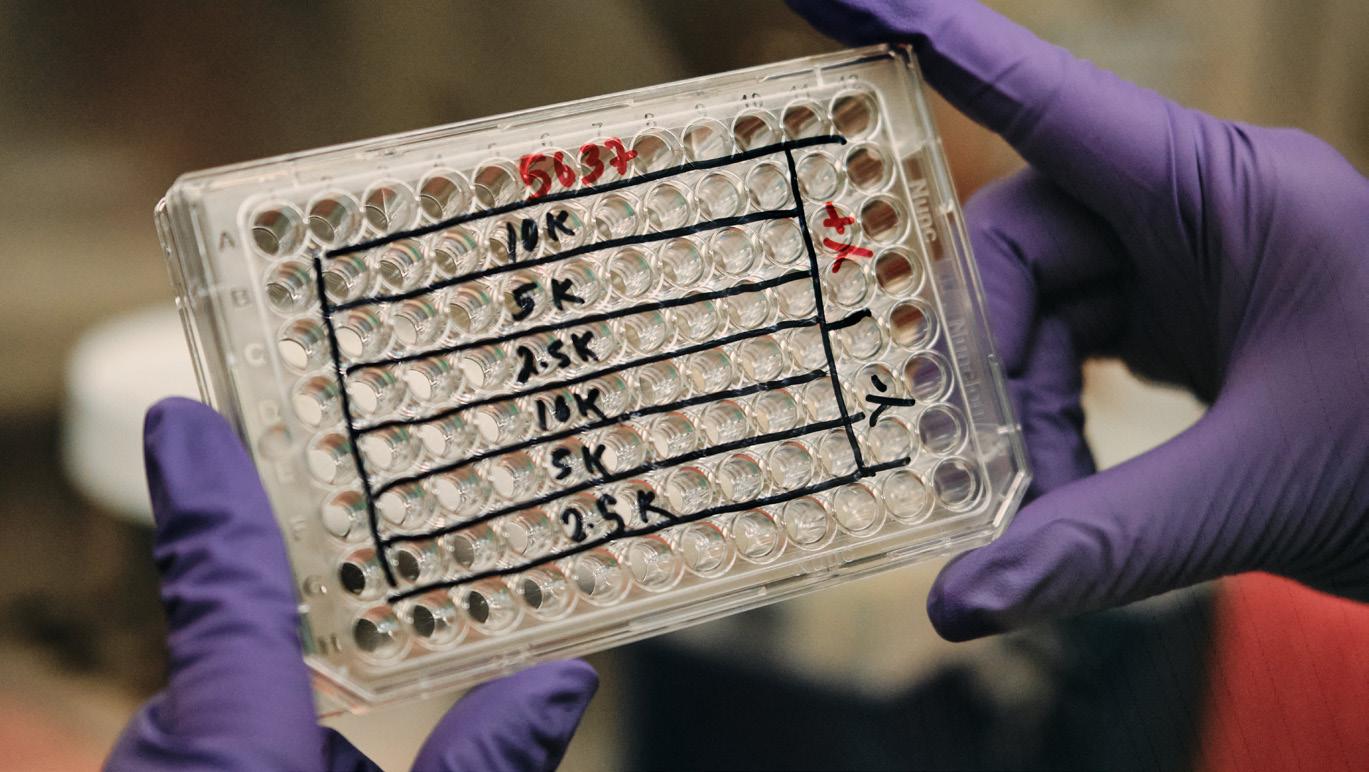
The research team discovered that loss of the Y chromosome – previously identified in malignant epithelial cells by the Theodorescu Lab – also occurred in nearby noncancerous tissues, including connective tissue and immune cells.
Most notably, the team found that this chromosomal loss in helper and cytotoxic T cells, which are responsible for attacking cancer cells, was associated with a reduced ability to kill those cancerous cells. The findings suggest a mechanism by which tumors may evade immune detection and suppression.
Finally, the research team found that loss of Y in epithelial cells, combined with loss of Y in T cells, resulted in more aggressive cancers and lower survival rates in patients.
“The study has potential implications for current immunotherapies, including CAR T therapy,” Dr. Theodorescu said. “Further research is clearly needed but perhaps immunotherapies using cells from a patient’s immune system could be screened for loss of Y before being used in treatment.”
The idea for this investigation originated with Dr. Theodorescu, then at Cedars-Sinai Medical Center intrigued by a potential link he had observed in his earlier research. He reached out to his longtime collaborator Simon Knott, PhD, to explore the idea further in this study.
The study was funded in part by the National Cancer Institute, a division of the National Institutes of Health, under award no. CA278732 to Theodorescu.

A new study shows that a combination of mailing stool-based tests and providing patient navigation to follow-up procedures significantly increased screenings for colorectal cancer (CRC) among Medicaid enrollees in rural areas.
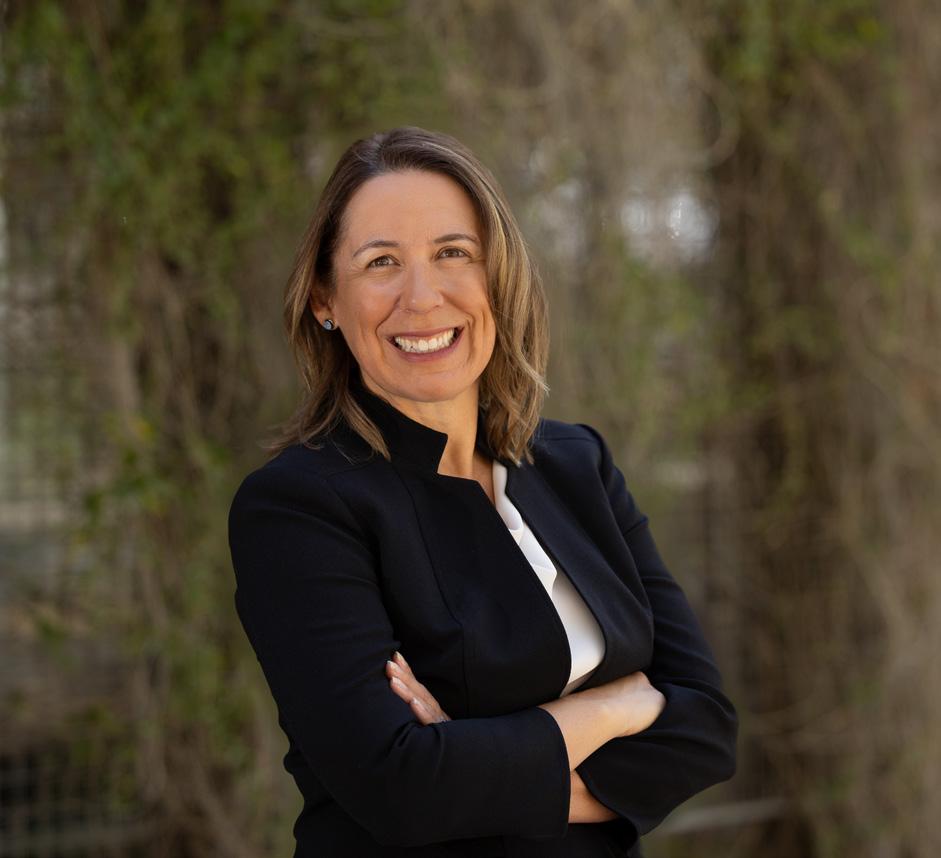
The research was a collaborative effort between University of Arizona Health Sciences, Oregon Health & Science University’s Oregon Rural Practice-based Research Network and the Kaiser Permanente Center for Health Research.
The trial aimed to improve participation by using mailed fecal immunochemical tests, or FIT kits, and offering patient navigation for follow-up colonoscopies if results were abnormal.
Gloria Coronado, PhD, an epidemiologist and associate director of population science for the University of Arizona Cancer Center and professor in the U of A Mel and Enid Zuckerman College of Public Health, co-led the randomized study in 28 rural Oregon clinics affiliated with three Medicaid health plans. The results were published in JAMA Network Open.
“Medicaid provides coverage for low-income individuals in the U.S. Individuals who live in rural regions often face additional barriers to receiving cancer screening exams,” Coronado said. “We partnered with Medicaid health plans because they could offer centralized resources to promote colorectal cancer screening.”



Approximately 60 million adults live in rural U.S. areas, where CRC screening rates have traditionally been low, especially among Medicaid recipients. Screening for colorectal cancer is crucial for early detection and prevention.
“Effective treatments can be slow to reach rural populations,” said the study’s senior author, Melinda Davis, PhD, director of the Oregon Rural Practice-based Research Network. “This research and other studies by our team help bridge this gap to ensure all patients receive high quality care whether they live in rural or urban areas.”
Participants included 5,614 Medicaid enrollees between 50 and 75 years old who were due for colorectal cancer screening, an age group slightly older than the U.S. Preventive Services Task Force recommended age of first screening at 45.
Each participant in the intervention was mailed a FIT kit and assigned a patient navigator following an abnormal FIT result. Patient navigators were trained in the FIT test procedures and how to use patient tracking tools.
In the study, patient navigators contacted patients with abnormal test results via phone and conducted a barrier assessment, reviewed colonoscopy preparation, provided an appointment reminder and followed up on the results of the colonoscopy.
The results were promising. In the intervention group, 11.8% of participants completed CRC screening within six months, compared to just 4.5% in the usual care group. Additionally, those in the intervention group who had abnormal FIT results were much more likely to complete a follow-up colonoscopy — 43.3% compared to just 15.4% in the usual care group.
The study intervention occurred between May 2021 and June 2022, during the COVID-19 pandemic. Rural communities and clinics were hit especially hard by care suspensions, re-deployed staff, and a push to telehealthdelivered care due to the pandemic.
Coronado said because of COVID-19, national organizations who were already promoting mailed stool tests as an alternative to office visits, as well as Medicaid partners, mailed stool tests to patients’ homes through third-party vendors, freeing busy clinic staff.
In fact, Coronado found from her research that home-based screening offers many advantages in the face of pandemics and similar natural disasters.
“COVID-19 taught many of us how to do home nasal swabs – perhaps an important precursor to cancer screening,” Coronado said. “We were pleasantly surprised that the study was possible and successful during such a difficult time for delivering health care.”
Coronado is now collaborating with other researchers at the University of Arizona to expand her rural-based cancer screening research.
“My hope is to support cancer quality improvement initiatives in rural clinics in Arizona and beyond.” -Gloria Coronado, PhD
This article was first published on March 19, 2025 on the University of Arizona Comprehensive Cancer Center website. This study was funded by the National Institutes of Health through award numbers UG3CA244298 and UH3CA244298.


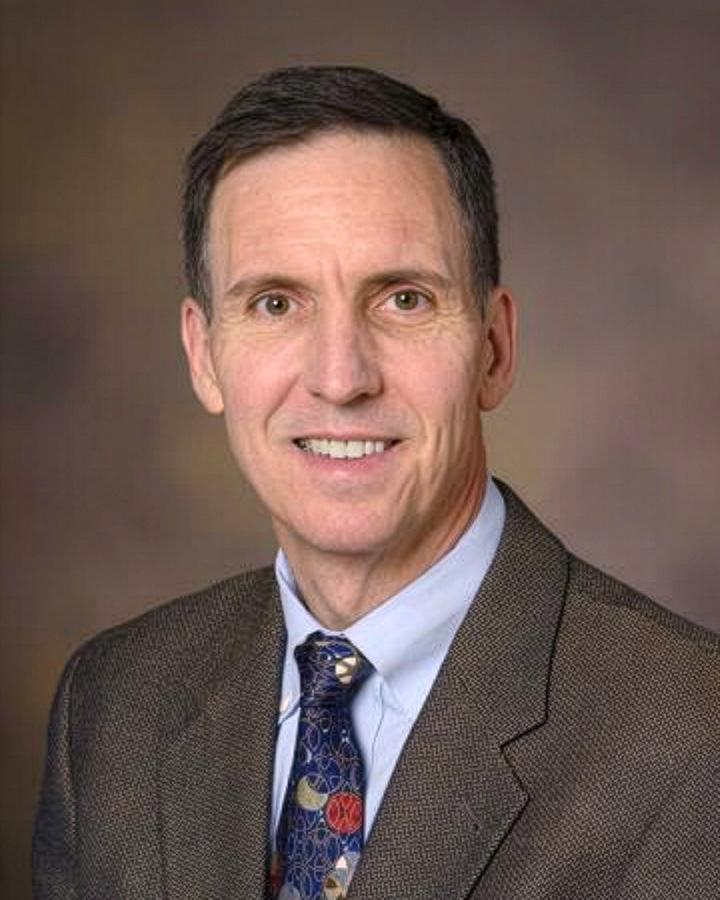
Firefighters may have an increased risk of prostate cancer due to on-the-job chemical exposures, according to new research from the University of Arizona Mel and Enid Zuckerman College of Public Health and University of Michigan in collaboration with fire service partners and researchers around the country through the Fire Fighter Cancer Cohort Study.
Firefighters are diagnosed with prostate cancer at a rate 1.21 times higher than the general population, possibly because of chemical exposures specific to firefighting.
Some of those chemicals can affect gene expression through epigenetic modification, and certain modifications, including DNA methylation, contribute to cancer development.
“With these findings, we have evidence of the health risks that firefighters face due to cumulative exposure on the job,” said Jeff Burgess, MD, MPH, director of the Center for Firefighter Health Collaborative Research and professor at the Zuckerman College of Public Health.
The paper, “Firefighting, per- and polyfluoroalkyl substances, and DNA methylation of genes associated with prostate cancer risk,” was published in the journal Environmental and Molecular Mutagenesis.
Dr. Burgess, also a member of the BIO5 Institute, collaborated with lead author Margaret Quaid, MS, and researcher Jackie Goodrich, PhD, from the University of Michigan, who led the analysis on the methylation of genes.
They found that experienced firefighters had different epigenetic modifications at chromosome 8q24 – a particular area of the genome where epigenetic modifications have been linked to prostate cancer risk – compared with new firefighters.
One class of chemicals that is linked with epigenetic modifications are PFAS, which are used in firefighting foam as well as in many household items, including nonstick pans and water-resistant clothing. The research team also investigated whether there was a link
between exposure to PFAS and epigenetic modification. The results showed that new and experienced firefighters had similar exposure to PFAS. However, exposure to a specific PFAS chemical – branched perfluorooctanoic acid, was linked to epigenetic modifications.
“This study demonstrates the power of the Fire Fighter Cancer Cohort Study to combine data across grants ... to more powerfully evaluate questions from the fire service, this time around exposures and increased prostate cancer risk,” Dr. Burgess said.

This article was first published on the U of A Health Sciences website on May 7, 2024. This research was supported in part by the National Institute of Environmental Health Sciences, a division of the National Institutes of Health, under award nos. P30ES006694 and P30ES017885; by the Federal Emergency Management Agency under award nos. EMW-2014-FP-00200, EMW-2015-FP-00213 and EMW-2018-FP-00086; and by the Centers for Disease Control and Prevention.



A study co-authored by researchers at the Mel and Enid Zuckerman College of Public Health and University of Arizona Cancer Center found that occupational exposure to chemicals may increase firefighters’ risk of prostate cancer.


Researchers at the U of A Cancer Center started a prevention study with a firefighter cohort in 2025. “Firefighters are exposed to many environmental chemicals, including carcinogens, and they experience higher rates of certain cancers than the general population,” said the study’s principal investigator Patricia Thompson, PhD.
“This study is designed to test a novel cancer prevention research approach by examining whether a plant-based intervention can support the body’s normal detoxification processes before long-term harm occurs. We’re conducting the study in fire stations and working closely with firefighters as research partners.” Professor Thompson joined the Cancer Center in fall of 2024 to lead the center’s cancer prevention clinical trials program and is now also serving the center as associate director of strategy.
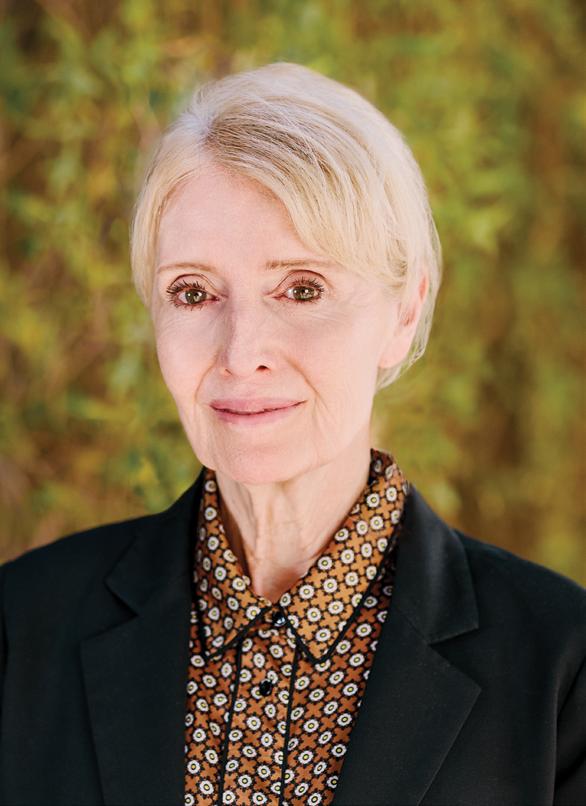

The University of Arizona Cancer Center develops the next generation of cancer researchers through its comprehensive Cancer Research Training and Education Coordination program, which supports learners from high school through postdoctoral training. Postdocs, Hematology/ Oncology fellows, and graduate students build advanced research skills through structured professional development and mentored scientific training. Medical students enhance their education with short-term or extended research opportunities offered in partnership with the College of Medicine. Undergraduate students gain hands-on experience in Cancer Center laboratories, while high school teachers receive cancer-related content and activities they can bring directly to their students.
Together, these programs create a seamless, convergent training environment that equips emerging scientists to contribute to future cancer discoveries.
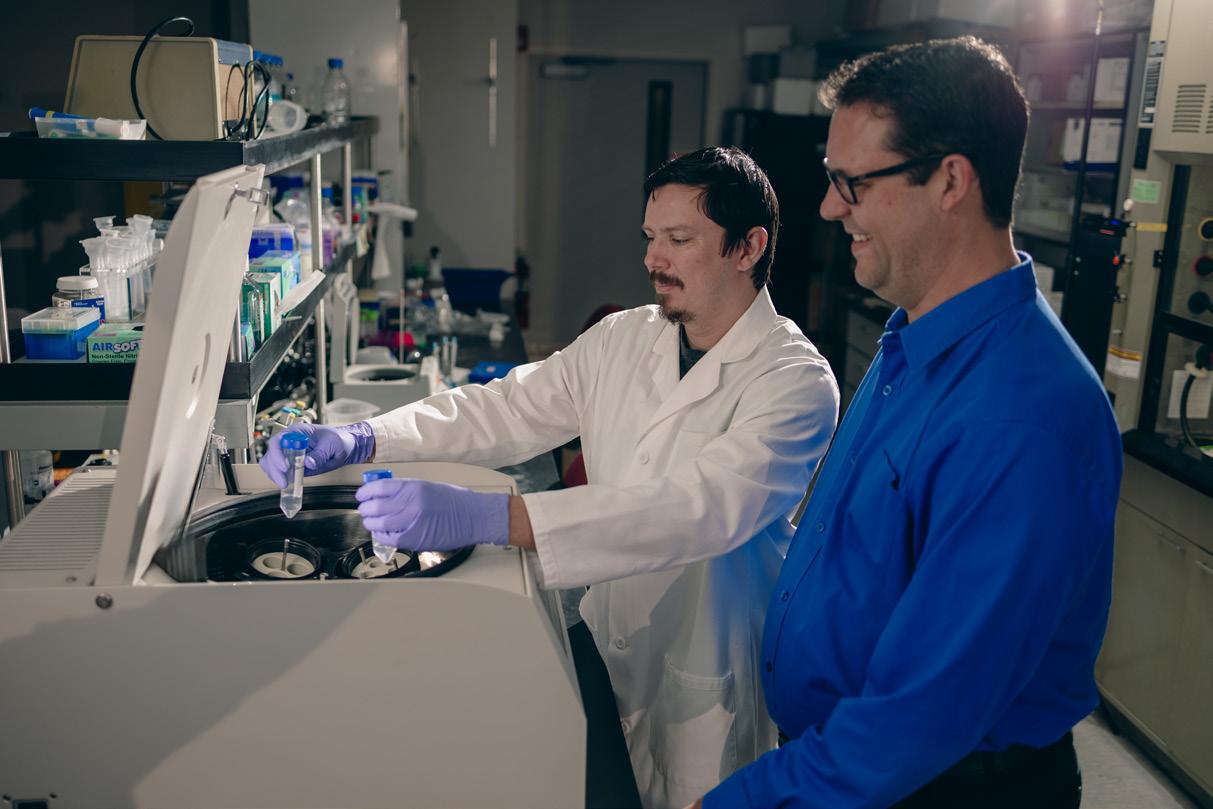
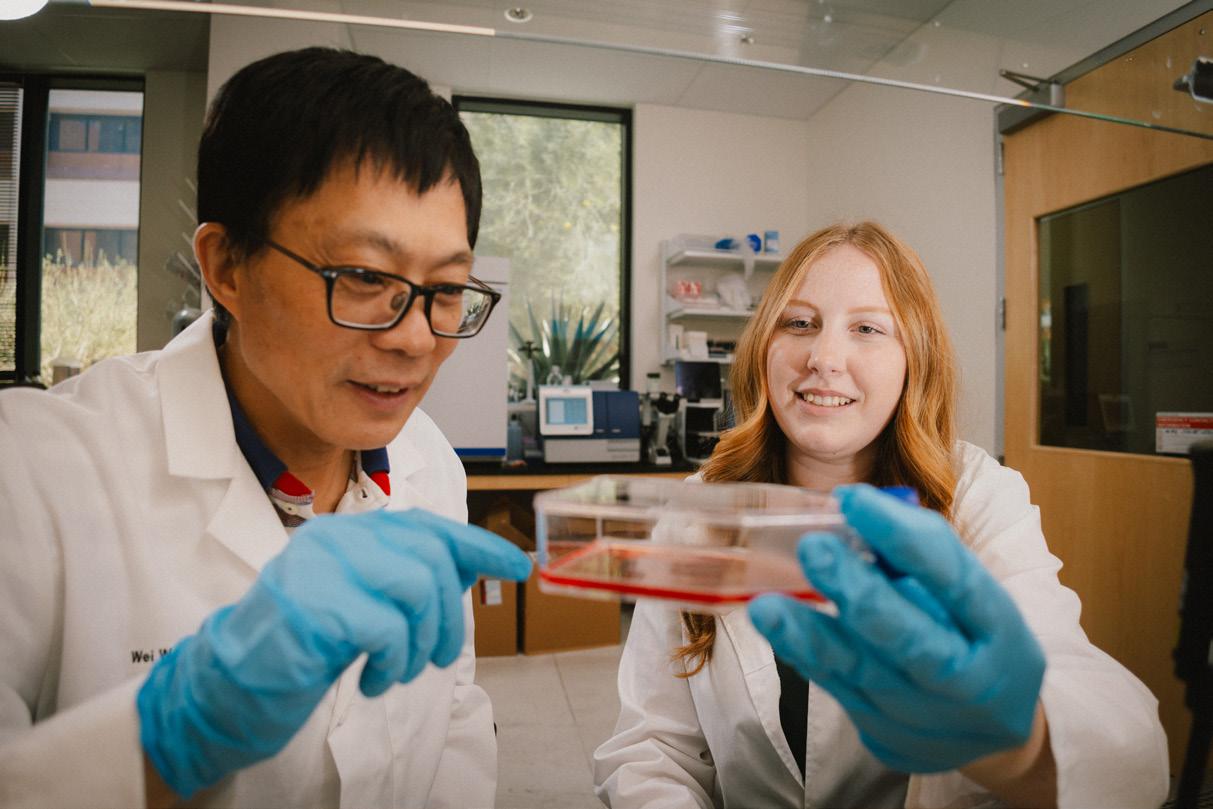
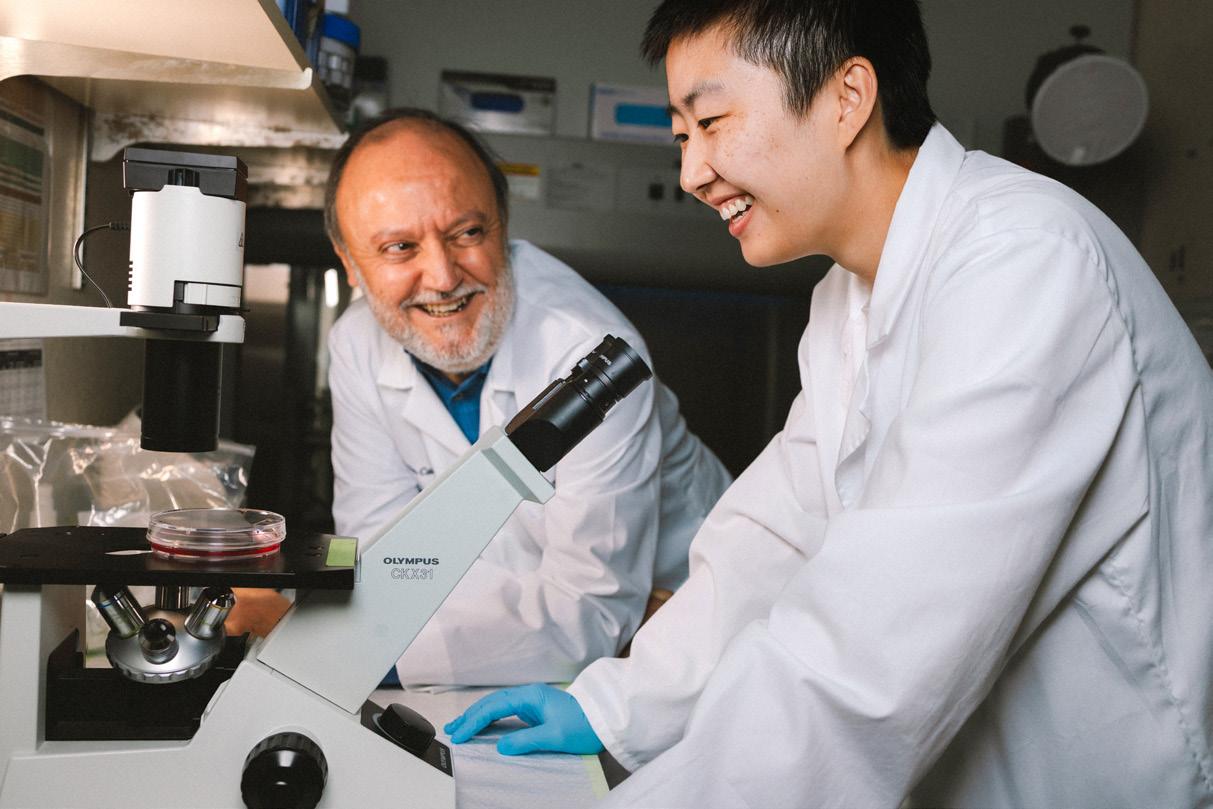

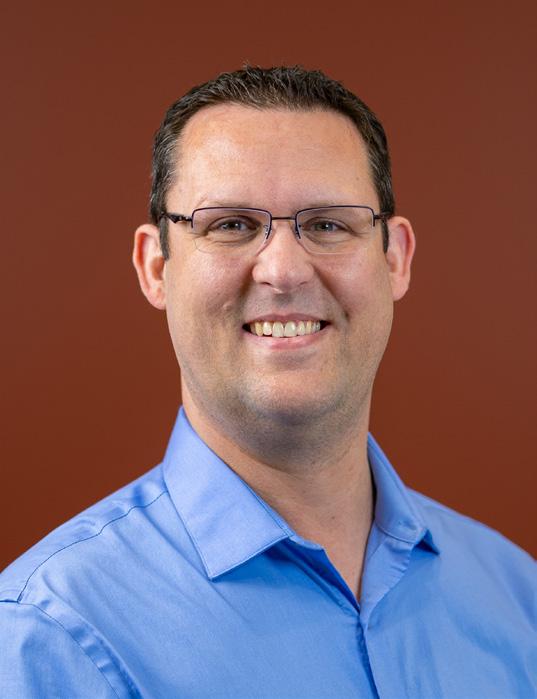
“Across our shared resources, laboratories, and interdisciplinary programs in partnership with colleges and other centers throughout the university, we emphasize hands-on learning, intellectual rigor, and a spirit of collaboration that reaches far beyond any single discipline.”
Associate Director, Cancer Research Training and Education Coordination
Mobile Oncology Training, Education, and Recruitment: MOTER Introduces high school students to cancer biology via hands-on activities in collaboration with science teachers.
Summer Internship: 10-week summer program providing hands-on research with one-on-one mentorship in lab, clinical, or community cancer research settings.
Post-baccalaureate Fellows: Two-year paid program supporting bachelor-level trainees with research mentorship, professional development, and financial assistance for travel, healthcare, and other essential expenses.
American Society of Clinical Oncology Summer Internship: Six-week program offering clinical observation, research exposure, and professional development, including tumor boards, case forums, networking, and workshops.
Robert A. Winn Clinical Investigator Pathway Program: Six-week summer externship in community-based clinical research, emphasizing research experience, community engagement, and leadership development.
Integrative Cancer Scholars: Competitive T32 predoctoral program offering translational cancer research training through lab and clinical co-mentorship, professional development, and leadership preparation.
F-Award Readiness Program: Supports graduate students and postdocs applying for NIH Fellowship (F) Awards with grant-writing guidance, mentorship, and structured application support.
K-Award Readiness Program: Supports postdocs, clinical fellows, and early-stage faculty applying for NIH K Awards, fostering a supportive culture to increase award success.
American Cancer Society Institutional Review Grant: Supports early-stage University of Arizona researchers pursuing basic, clinical, population, imaging, and bioengineering cancer research.
The Cancer Research Training and Education Coordination program also manages and supports Collaborative Cancer Grand Rounds speakers, adding to the provided robust professional development programming for all Cancer Center members, associates and students.





“The Madrid train bombings on March 11, 2004,” he said. “Our group was supposed to have been riding one of those trains, but we had a last-minute change in schedule.” Aaron Scott, MD, says that was the day that gave him the perspective and clarity that crystallized his resolve to become the person he is today.
“I watched live coverage of the attack and first responders on TV with my host family,” Dr. Scott said. “This was the turning point where I decided I would make the most of my gifts and dedicate my life to becoming a physician scientist.”
A little more than 20 years later, he’s an associate professor at the U of A College of Medicine and has just been appointed to serve the University of Arizona Comprehensive Cancer Center as director of the Early Therapeutics Program, tasked with developing and executing clinical trials with innovative cancer treatments. Early therapeutics include phase one clinical trials where new pharmaceutical solutions are first tested in a clinical setting with patients.
“The mission is to seek high impact outcomes for our patients, our institution and sponsors,” Dr. Scott said. “We will be collaborating with top industry partners to expand our clinical trials portfolio and to offer the most promising clinical and translational research opportunities to attract, recruit and retain high performing clinical researchers and to develop junior faculty.”
Developing junior faculty is something that Dr. Scott should know a little bit about, being that he’s something of a homegrown talent himself. During his freshman year at U of A, he found his roommate’s books more interesting than his own engineering books and decided to change his major to molecular and cellular biology. In 2004, when he returned to Tucson from study abroad in Spain, and after graduation (as a fifth generation U of A graduate) he looked for advice on how to meet his goal of becoming a doctor.
“I sought out a great friend, Larissa Allen, who had been a clinical research coordinator at UACCC and who was now starting medical school,” he said. “I told her of my ambition to pursue medical school, and she helped me create an action plan.
“Given the Cancer Center was looking for a clinical trials coordinator because of her departure, she said I would be a great fit. And she was right. Starting the job, all my interests merged: reading and learning trial protocols; investigating and targeting molecular mechanisms of cancer; working with a team of ambitious staff and physicians; and helping patients during the most vulnerable times of their lives.”
Dr. Scott said this experience helped form his concept of what a doctor should be. It was the development of new ways to deliver compassionate care and being part of a team with an important mission that really inspired him. He was mentored at the Cancer Center at that time under Dr. Lee Cranmer, MD, shadowing him in clinic and sitting in on research meetings.
“I witnessed how he approached clinical research and learned so much about running clinical trials,” Dr. Scott said. “Working with him showed me all the various ways in which a clinical researcher can have a great impact.”
During his fourth year of medical school at U of A, he participated in a four-week sub-internship at the University of Colorado Cancer Center. There he worked under Dr. Karl Lewis, MD, who specialized in melanoma clinical research. “I loved everything about that experience, and based on it, University of Colorado Hospital became my top choice for my internal medicine residency.”
“As I often reflect, I’ve been blessed with connecting with many wonderful mentors and sponsors along the way and quite serendipitously in hindsight,” Dr. Scott said. At University of Colorado Hospital, one of the doctors who interviewed him for his internal medicine residency would later become his primary mentor during his fellowship, Dr. Wells Messersmith, MD.
Dr. Scott notes that Dr. Messersmith embodies what leadership represents to him to this very day. “He invited me to work in his lab and form a mentorship plan,” Dr. Scott said. “For the remainder of my fellowship, I worked under him as a fellow-apprentice, doing bench-side research in his lab, attending national meetings, and writing investigator-initiated trials with him.
“He planted seeds and nurtured the growth for me to become a clinical researcher as a GI/phase 1 medical oncologist. During this time, I also witnessed the rapid growth and increased prestige of a blossoming Cancer Center that went from being ranked in the 40s to ranked 15th in the nation by US News and World Report.

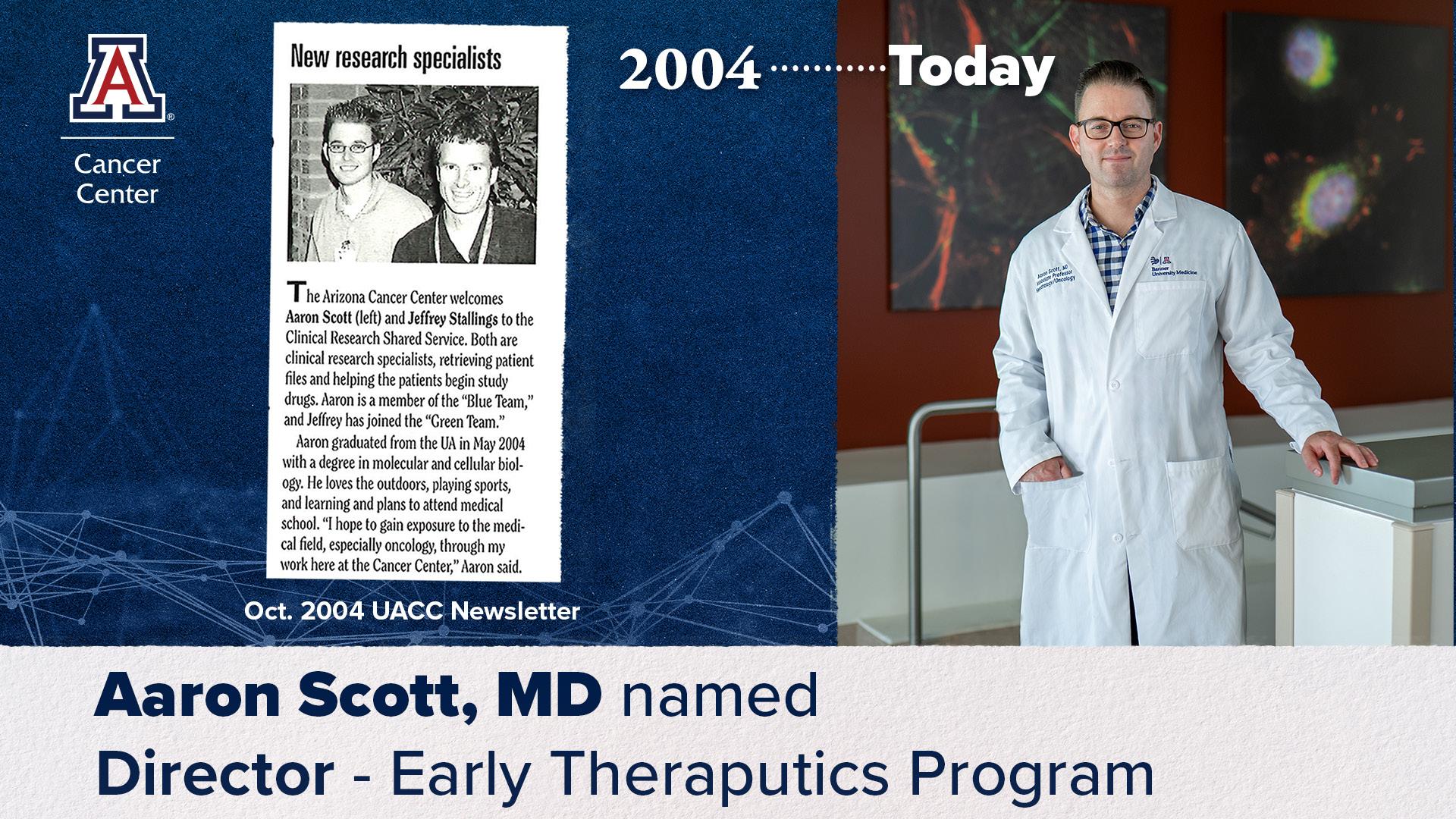
“Another fantastic example of serendipity: this was during Dr. Theodorescu’s time as director of the University of Colorado Cancer Center. While I didn’t interact with him as a fellow, I could certainly see and feel the positive impact he was having on the organization.”
Back in Tucson, at the U of A Cancer Center, Dr. Scott says he found another fantastic mentor in Dr. Rachna Shroff, MD. “I was, and still am, struck by her dedication, intensity, and command,” he said. “As talented as she is in so many ways, it is her fearless, action-oriented process that makes her truly great.”
“I’ve learned from her that leadership isn’t about being the person with all the answers, it’s about having the tools, grace, and strength to be the catalyst for change.”
While his reputation precedes him in some professional circles, Dr. Shroff said that Scott is reluctant to talk about himself. However, a search of PubMed will turn up 42 publications since 2017 to which he’s contributed, with 13 of those having been ones he’s either led or supervised.
Looking ahead, Dr. Scott said that he envisions the center leading the region in drug development and early therapeutics clinical trials and as a nationally recognized leader in clinical research serving rural communities, having built a program that attracts investigators who aim for excellence.
Dr. Scott doesn’t shy away from adding more specificity to that vision. “We need to reduce barriers to clinical trial activations, adopt new technologies to foster and grow clinical research that can be accessed by rural communities and consortium sites, and we absolutely need to fund and develop infrastructure to clear a pathway for drug development.”
Speaking of opportunities for phase one trials to advance the goals of the U of A Cancer Center and its clinical partner, Banner Health, Dr. Scott said that Banner is a critical component.
“Building a world-class phase one program will act as a rising tide to lift all ships.” -Aaron Scott, MD


Rogelio Robles-Morales was inspired
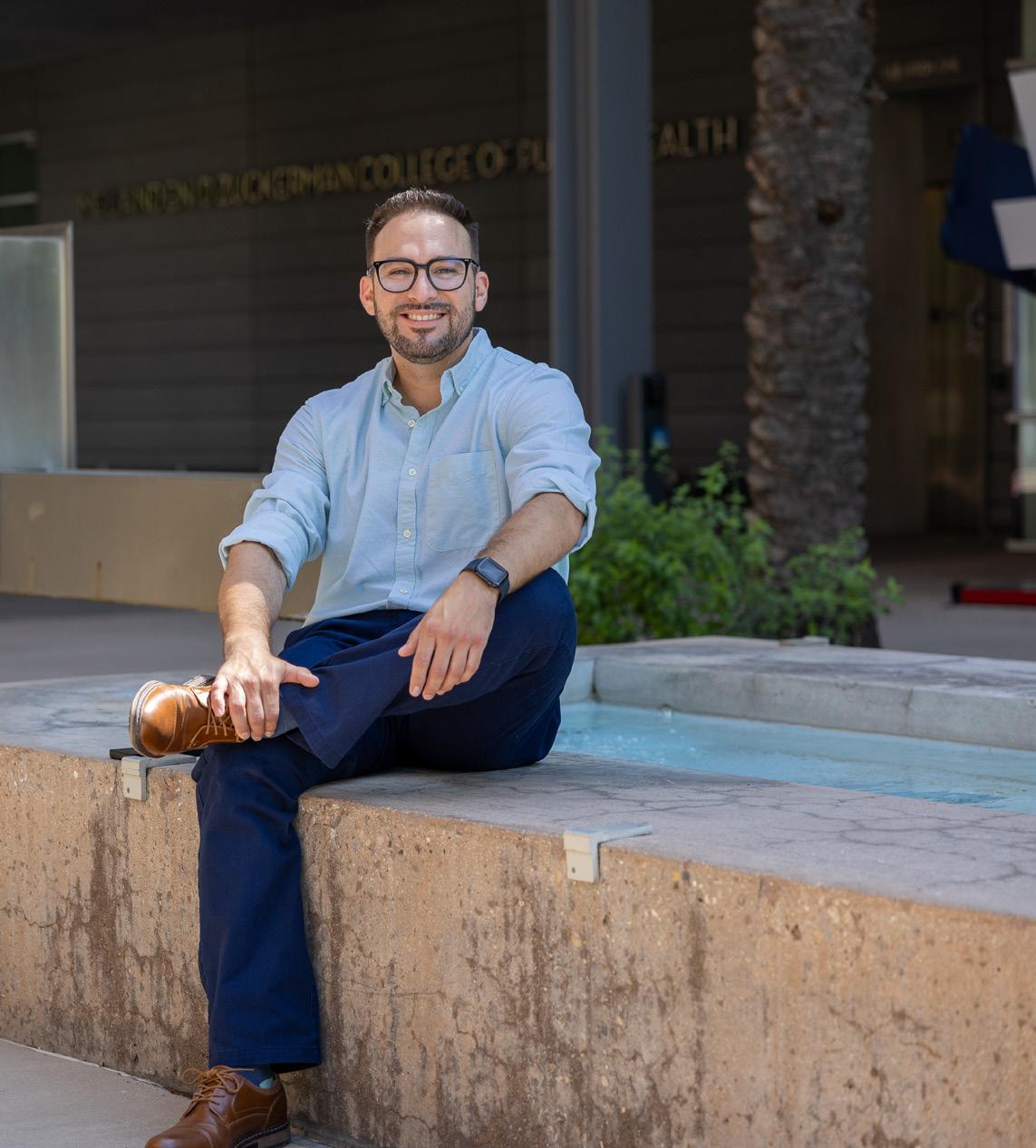
Rogelio Robles-Morales, MD, began his career as an obstetrician-gynecologist in Nogales, Son., Mexico. During his residency, he had the opportunity to gain experience in various other subspecialties or fellowships related to obstetrics and gynecology. Dr. Robles-Morales said this introduction to gynecological oncology inspired him to pursue a career in cancer care and research.
“I assisted an oncologist in a surgery that was so delicate and intricate—it amazed me,” he said. “I couldn’t imagine my hands doing this kind of work. And when you talk to cancer patients, you both understand you’re giving your all because that’s all you’ve got.”
As an OBGYN, Dr. Robles-Morales said much of his work was focused on the joy of welcoming a new life. However, he embraced the challenge of fighting cancer and saving lives and credits his team approach to patient care for making meaningful connections with his patients.
“I always try to portray myself as their ally. I always use the word ‘team.’ Your family and I are a team fighting against this, and we have this special connection,” he said.
During
his residency,
Dr. Robles-Morales was diagnosed with Type
Diabetes. He said he was afraid his lifetime as a surgeon would be decreased due to the long surgeries in Oncology, and he wanted to remain active helping cancer patients for a longer time.
1


Dr. Robles-Morales entered the doctoral program in Clinical Translational Sciences at the University of Arizona, focusing on prevention methods that could benefit his hometown and other underserved communities. He said Cancer Center researcher, Cynthia A. Thomson, PhD, stuck out to him as a leader in women’s health initiatives and drew him to the university.
“I felt that in order to be more impactful during my practice, I needed to do something that will not only help the patient in front of me, but it can transcend to the community,” said Dr. Robles-Morales. “I’ve gained a lot of Public Health experience and knowledge from her, which helped me get more in touch with my community. I’ve come to understand that a great goal for any research project is policy change. That way your work keeps on going without you and may lead to even more discoveries.”
During his doctoral studies, Robles-Morales participated in the Vida Plena study led by Thomson to improve the uptake of American Cancer Society guidelines for cancer survivorship. She encouraged him to use his expertise as an OBGYN to aid his translational research.
“I’ve also recruited some of my own patients to join the study,” Dr. Robles-Morales said. “It’s hard to get people to think about things like physical activity and nutrition after heavy chemo surgery. With this, I’m taking responsibility to say, ‘I’m the surgeon, I’m taking care of the pre-op and the postop and the healing after they go through chemo.’”
Thomson also connected him with another mentor, Purnima Madhivanan, PhD, Health Promotion Sciences associate professor, and University of Arizona Cancer Center member with similar public health expertise. She shares his vision of bringing global health strategies to local communities.
Madhivanan and Dr. Robles-Morales applied the experience they gained in other settings around the world to spark the idea of using community health workers to increase cervical cancer screening and vaccination. The project includes community health workers as a liaison to motivate patients to self-collect a sample so they are not subjected to a much more invasive pelvic exam.
“A lot of cultures do not feel comfortable about having a pelvic exam,” said Madhivanan. “This is something that I’ve already done in India and we’re trying to replicate that here. We’ll use community health workers to get patients comfortable, and then we’ll also test urine to see in the future, if we can remove the idea of getting a vaginal swab to screen for cervical cancer.”
Dr. Morales echoed this passion for improving screening procedures for cervical cancer.
“Women’s cancer screenings are often more invasive and uncomfortable than those for men,” he said. “I’m advocating for a less invasive procedure for women, because everyone understands that if you need a deeper evaluation after an initial screening, everyone will go through it. But going for something that invasive, just to get screened? It seems wrong. How is it possible that we’re screening women with the same procedure that was invented almost 100 years ago?”
Madhivanan said the scale of this project was so large they had to come up with a plan for uninsured women who needed follow-up procedures after the screening. The two decided to provide free treatment to these patients at Dr. Robles-Morales’ clinic in Mexico, and he has led multiple fundraising events to cover the expenses.
Madhivanan calls Dr. Robles-Morales a “shining star” in cancer research and prevention, adding that his background of practicing medicine in Mexico leads to unique thinking and problem-solving.
“We’re doing out-of-the-box strategies to make this happen,” said Madhivanan. “He’s a doctoral student and my practice is in India, but we’re very similar culturally and the way we think. We wanted to see if there was some way we can kind of shake the status quo and have a paradigm shift right here … in the United States.”
She said Dr. Robles-Morales’ unique combination of drive and humility is key to his success as a researcher and clinician.
“He’s one of those rare individuals who has the empathy, intelligence, and dedication to truly make a difference,” said Madhivanan. “He’s not pursuing his PhD for credentials—he’s already an MD. He’s doing it because he wants to help people. I would rate him in the top 1% of all the students I have worked with.”


Rachna Shroff, MD, has spent her career researching immunological advances and drug treatments to offer patients the most comprehensive cancer care possible. Yet for her, the most important part is being present for them at every step of their journey.
“There is something about the humanity of oncology that is different than all other parts of medicine,” Dr. Shroff said. “It’s about holding a patient’s hand during one of the scariest times of their life.”
Dr. Shroff is the chief of hematology and oncology at the University of Arizona College of Medicine – Tucson She is also the associate director of clinical research at the University of Arizona Comprehensive Cancer Center and medical director of the oncology service line at Banner Health – University Medical Center.
Dr. Shroff joined the team over seven years ago, hoping to combine patient care with the latest research to help people live longer and better lives. Since then, she has been working to build the Cancer Center’s offerings of well-designed clinical trials.
The daughter of a nephrologist and a biochemist, Dr. Shroff knew as a child that she wanted to meld science and compassion together to impact people’s lives.
“I would watch my mother interact with patients and watch the impact she had on their lives. She was a hundred percent a role model for me in that space,” she said. “As a biochemist, my father worked here at the University. To me, medicine was that perfect mix of the science that I loved.”
Her interest in cancer started in high school, when she won the Osler Fellowship in 1993 and spent time in the lab of Cancer Center member Margaret Briehl, PhD only one of eight students and the only female. There, she fell in love with science.
“That was my first experience with bench science and learning basic research techniques, and it was here at the Cancer Center,” Dr. Shroff said. “Dr. Briehl influenced me because she had just started her lab at that time, and so she was a new, solo investigator. She was never too busy to work side by side with me.”
She continued working in the Briehl Lab for the remainder of high school. Attending Brown University for her undergraduate studies, she was a biochemistry major and continued working in cancer research labs almost every summer and during the school year.
Dr. Shroff’s specialty is a rare and hard-to-treat disease called bile duct cancer, or cholangiocarcinoma. Early in her career, she had focused on pancreatic cancer. But a mentor helped her see the need for more research in bile duct cancers, where there were no FDA-approved treatments at the time. Today, there are a growing number of approved therapies, thanks in part to the clinical trials and research she has helped lead.
“It brought together my desire to give patients more treatment options,” Dr. Shroff said of promoting clinical trials. “Now we’re able to use personalized medicine— targeting the cancer based on a patient’s unique biology.”

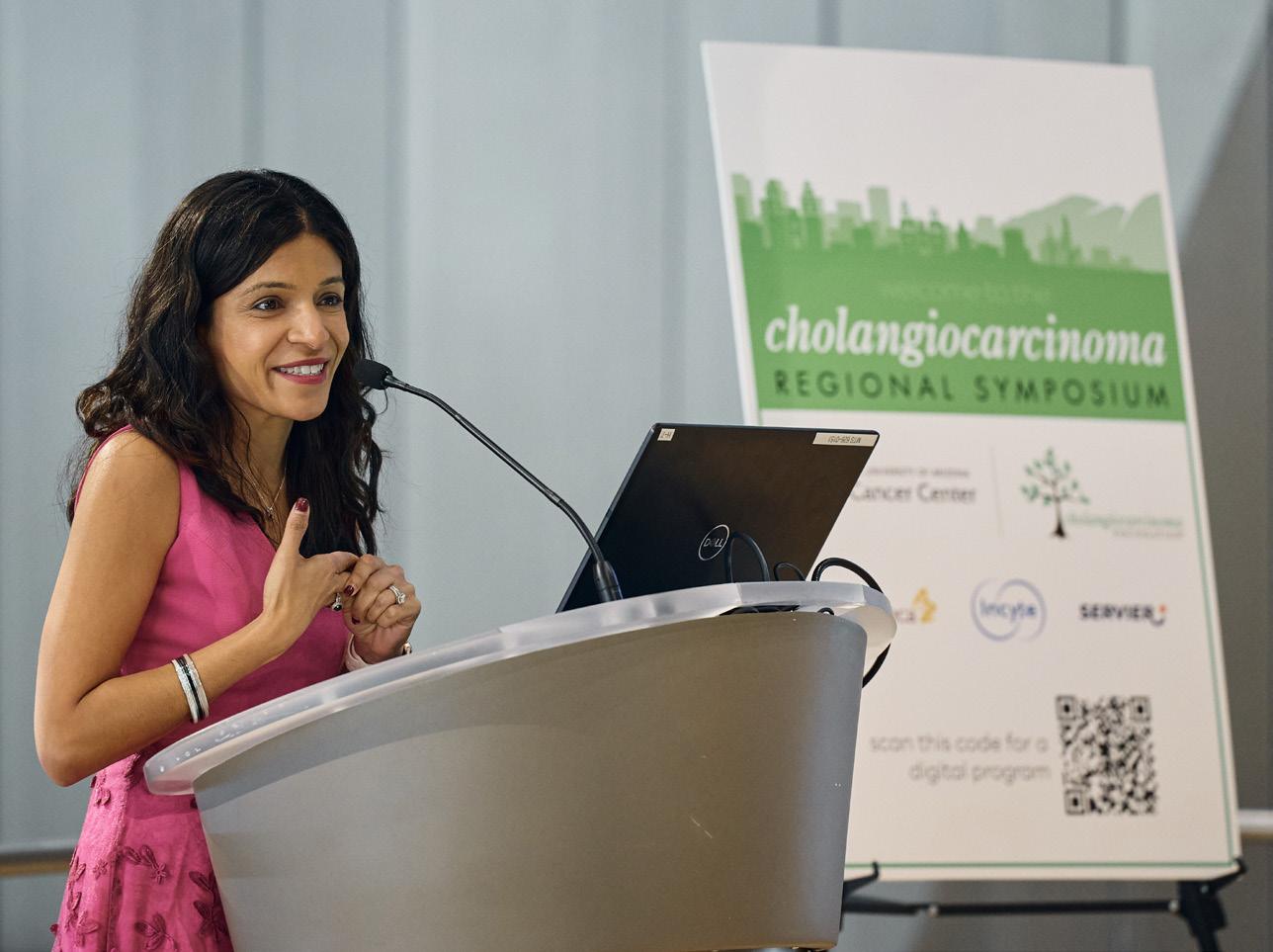
“The only way to move the needle forward in cancer care is through clinical trials,” Dr. Shroff said. “Every single cure that we now have for a cancer or a disease started with a clinical trial.”


Dr. Shroff is also an active member of the American Society of Clinical Oncology (ASCO) the main professional group for cancer doctors in the U.S. and around the world. The organization helps train doctors, supports research, and encourages teamwork among all cancer care providers.
She is also a member of ASCO’s Women in Oncology Working Group and is one of the few women in leadership in her field. She has written publications and spoken about the importance of women in academia, on scientific boards, and in research.
“Diversity in leadership, science, and clinical trials leads to better ideas and better care,” she said. “I had amazing mentors—both men and women—and now it’s my job to do the same for others. Making sure the next generation of women’s voices are heard is the most important legacy I can leave.”
To date, Dr. Shroff has more than 80 publications, spoken at more than 130 conferences, symposia and universities, and was just awarded an R50 grant by the National Cancer Institute to further develop the U of A Cancer Center’s clinical trials enterprise.
Using the new R50 grant, Dr. Shroff’s plans for the clinical trials office include developing a navigation program, expanding the center’s portfolio, and bringing novel therapeutic trials to underserved and underrepresented populations.


When Dr. Shroff came to the Cancer Center in 2018, she saw a chance to build a strong program for gastrointestinal cancers and worked with others to create a cohesive team.
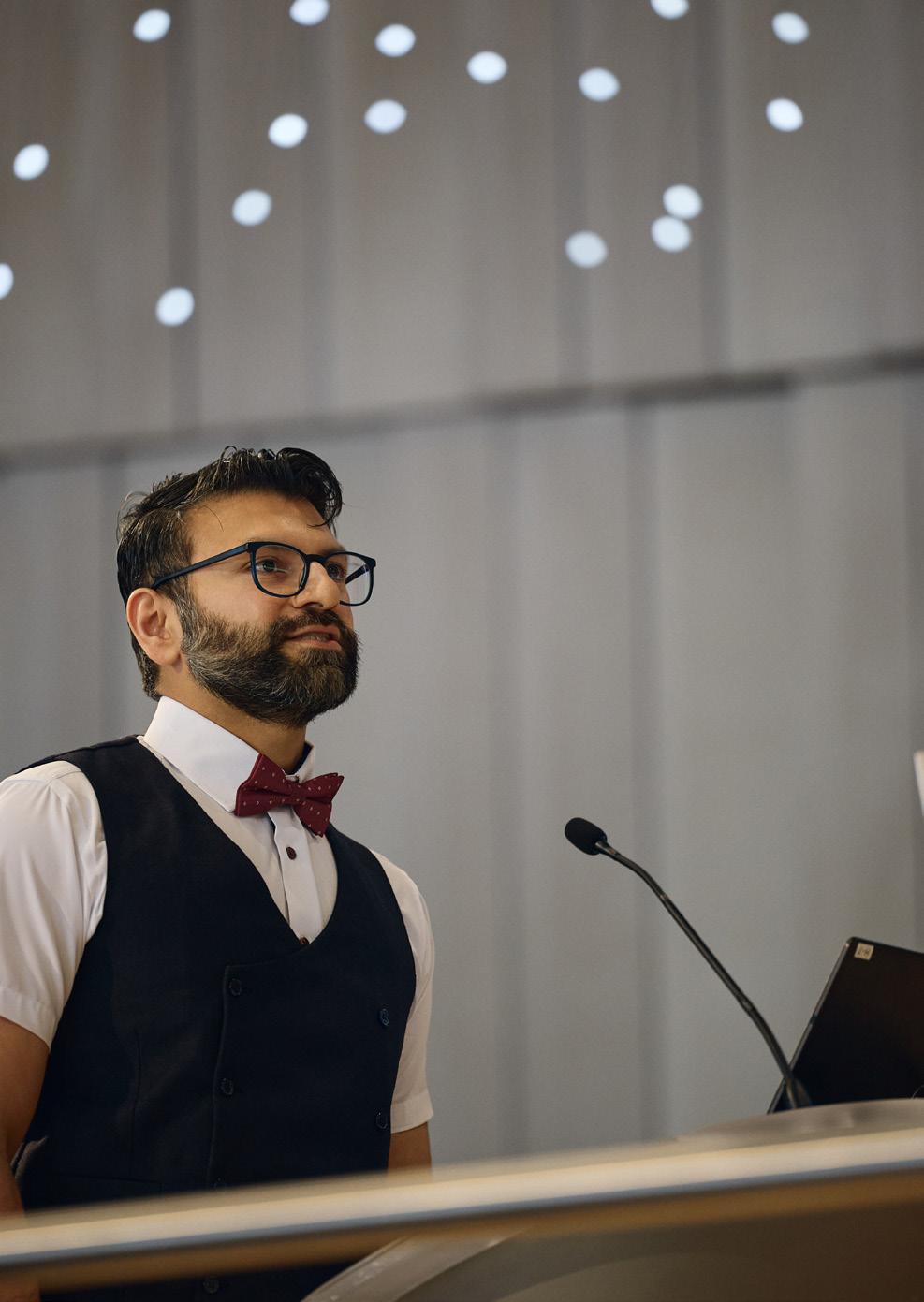
“When I got here, I had incredible colleagues, in terms of my other GI medical oncologists and surgical oncologists who were all really similarly committed to the cause of creating a strong multidisciplinary team with really impactful clinical trials,” she said. “You want to build a team that knows how to work together in a multidisciplinary fashion to improve cancer outcomes and patients’ lives.”
One of her young mentees is Cancer Center member Junaid Arshad, MD, an assistant professor in the U of A College of Medicine – Tucson and a faculty member in gastrointestinal medical oncology.
“She’s been a major source of inspiration to me as a nationally renowned clinical trialist in the field of cholangiocarcinoma,” Dr. Arshad said. “As the national PI of a landmark trial in this disease, she has established herself as an internationally renowned clinical investigator.”
Dr. Arshad said that Dr. Shroff’s unique style of leadership consistently brings out the best in those around her, and he has learned invaluable lessons by watching her lead.
Another of Dr. Shroff’s mentees, Aaron Scott, MD, who now serves as director of the early therapeutics program at the U of A Cancer Center, said that her strength as a leader has helped keep the center on track through some of its toughest times. “Through her mentorship, I’ve learned that leadership isn’t about being the person with all of the answers,” Dr. Scott said. “It’s about having the tools, grace, and strength to be a catalyst for change.”
“I’ve been lucky to mentor young faculty who are now leaders themselves,” Dr. Shroff said. “We all share the same mission—to build a world-class program that saves lives. That is the legacy of UACCC that I hope will continue even after I am gone.”



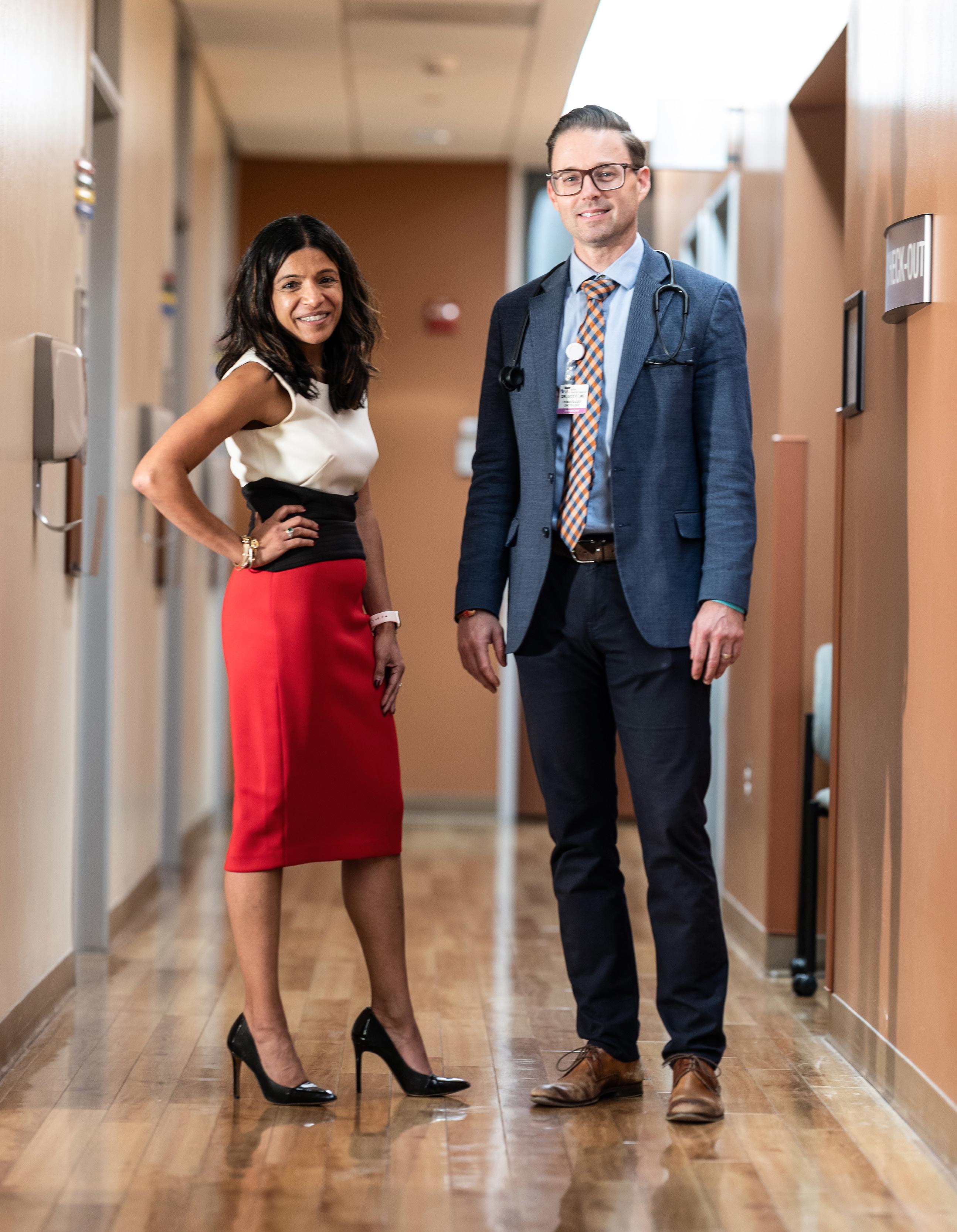

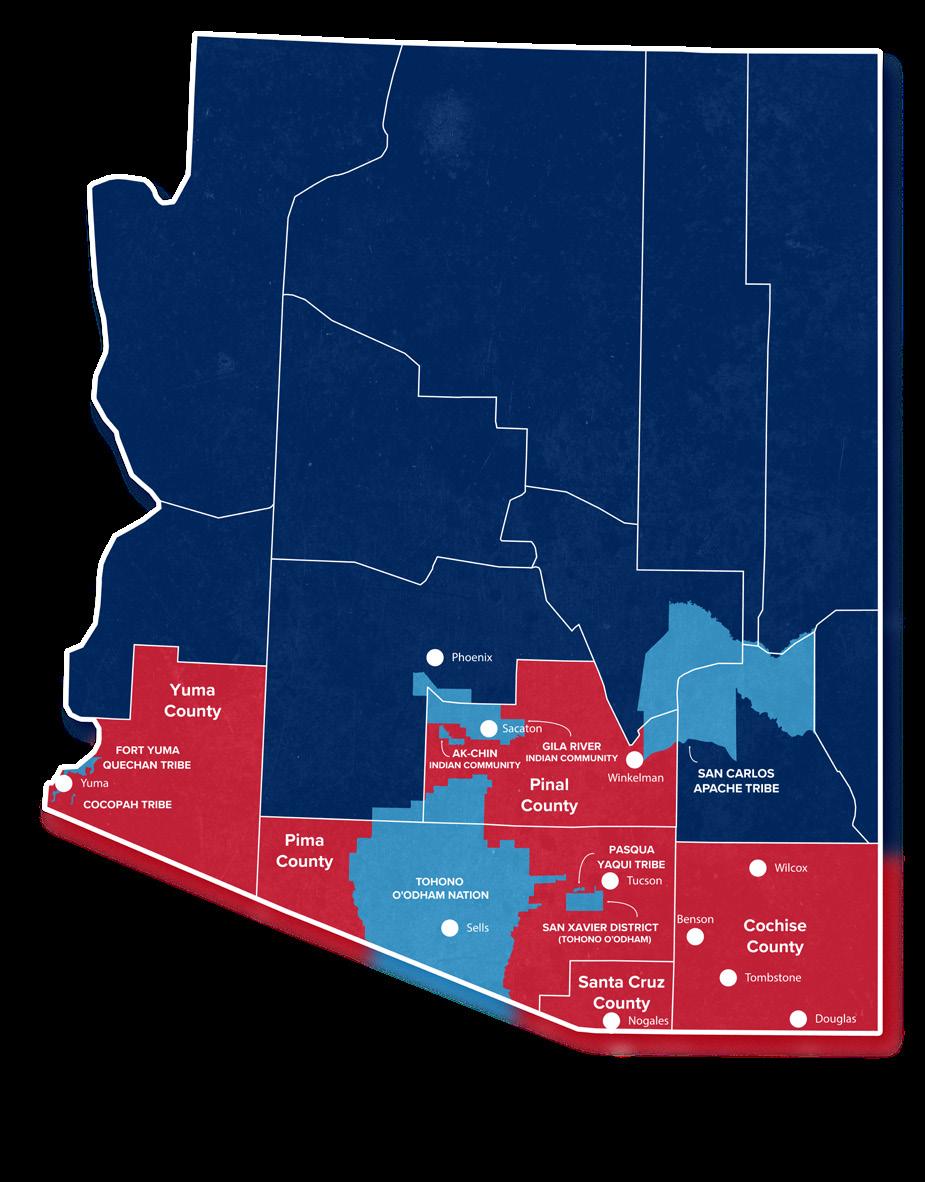
The University of Arizona’s Office of Community Outreach and Engagement, connects the Cancer Center with Arizona communities to advance culturally relevant cancer research, prevention, and care. Its diverse outreach team draws on local knowledge, compassion, and cultural humility to serve residents across the state and reduce cancer risk and health disparities. The Cancer Center partners with its Community Advisory Board to provide guidance and advocacy that support excellence in research, prevention, and treatment across the catchment area.

Using tools like the Cancer Center
Catchment Dashboard, the team leverages data on cancer trends and social determinants of health to guide interventions, inform future clinical research, and foster collaboration between researchers and community partners.

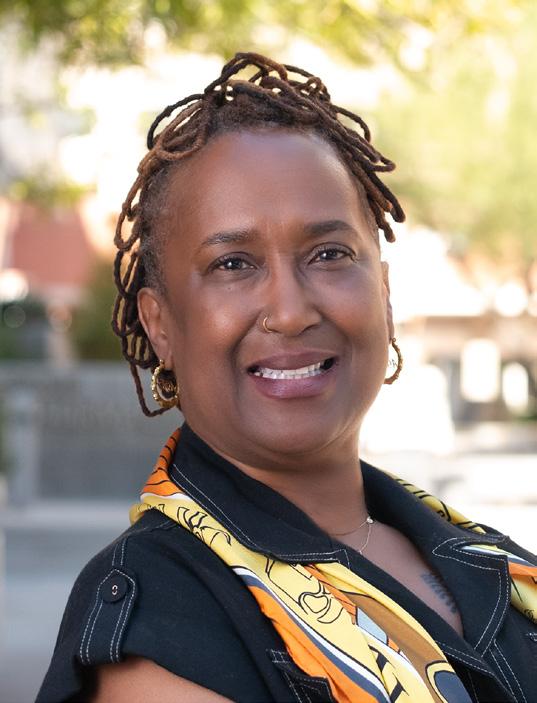
“The mission of our office has always been clear: to listen to the people of Arizona, understand the cancer burdens and barriers they face, and ensure that the science we conduct and the care we deliver reflect those real, lived needs. At its core, our work is about partnership. We partner with communities, with advocates, with patients, with tribal nations, and with organizations across our diverse and expansive catchment area.”
Jennifer Hatcher, PhD
Associate Director, Community Outreach and Engagement
University of Arizona Cancer Center
The

Vice Provost and Special Advisor to the Provost, University of Arizona
The University of Arizona Cancer Center Catchment Dashboard is an interactive data visualization tool designed to explore various aspects of cancer statistics and social determinants of health. It provides a high-level overview of cancer data while allowing users to delve into details by primary site, demographics, county, and other factors. The dashboard includes data for the 5-county catchment area served by the Cancer Center. Regularly updated with publicly available data, the dashboard supports datadriven assessments, fosters opportunities for advancing cancer research and interventions, and enables diverse users—including researchers and community partners—to collaborate effectively in cancer control initiatives.





When the first Beyond Cancer conference convened in Tucson nearly a decade ago, it was envisioned as a simple survivorship gathering. It was an event where people living with cancer could connect and feel supported. Established through the University of Arizona College of Nursing’s Community Cancer Connections program and co-sponsored by the U of A Comprehensive Cancer Center, the program centered on holistic healing.
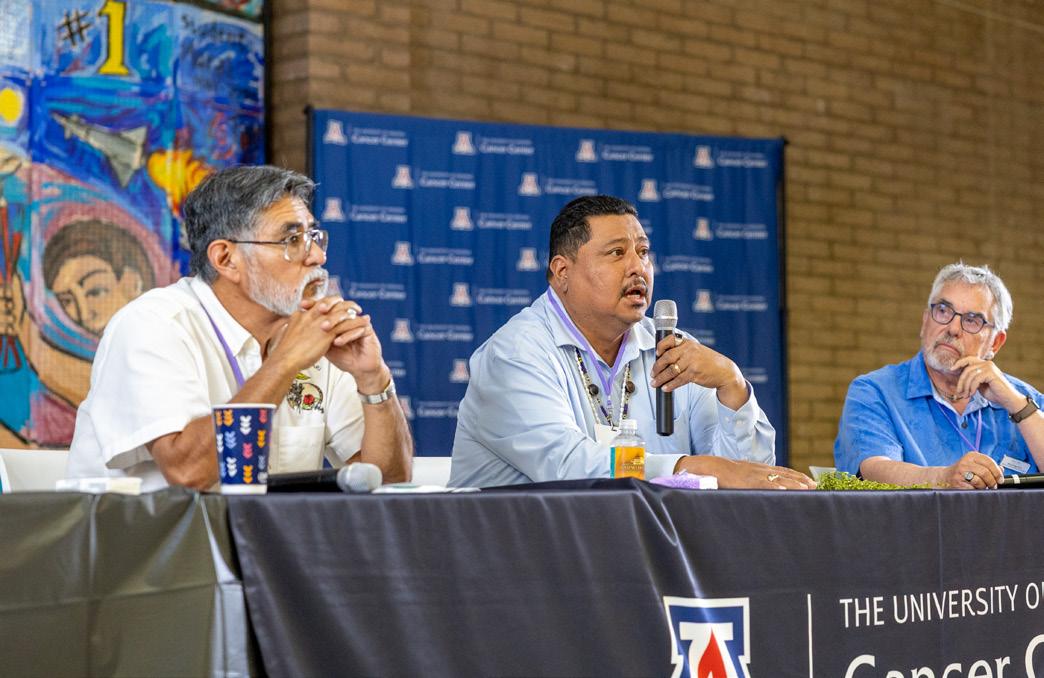
In 2017, that vision came alive through ritual and story. Miguel Flores, a traditional healer with the Pascua Yaqui Tribe and Tohono O’odham Nation, opened the day with a Blessing of the Four Directions, filling the room with cedar smoke and grounding survivors in community and culture. Speakers shared insights on stress, healing and long-term well-being. Cancer survivors danced. People cried, breathed, and then breathed easier.
Today, the program is fully coordinated by the University of Arizona Comprehensive Cancer Center’s Community Outreach and Engagement team, and it has grown to serve tribes and rural communities across Arizona.
The program’s impact continues to deepen, one story, one circle, one community at a time.
When the U of A Cancer Center took full responsibility of Beyond Cancer in 2021, it was launched anew. Instead of hosting events only in Tucson, the team began partnering directly with communities across the state with the intent to bring the program directly to them, starting with the Pascua Yaqui Tribe and then expanding to Navajo Nation and other regions.
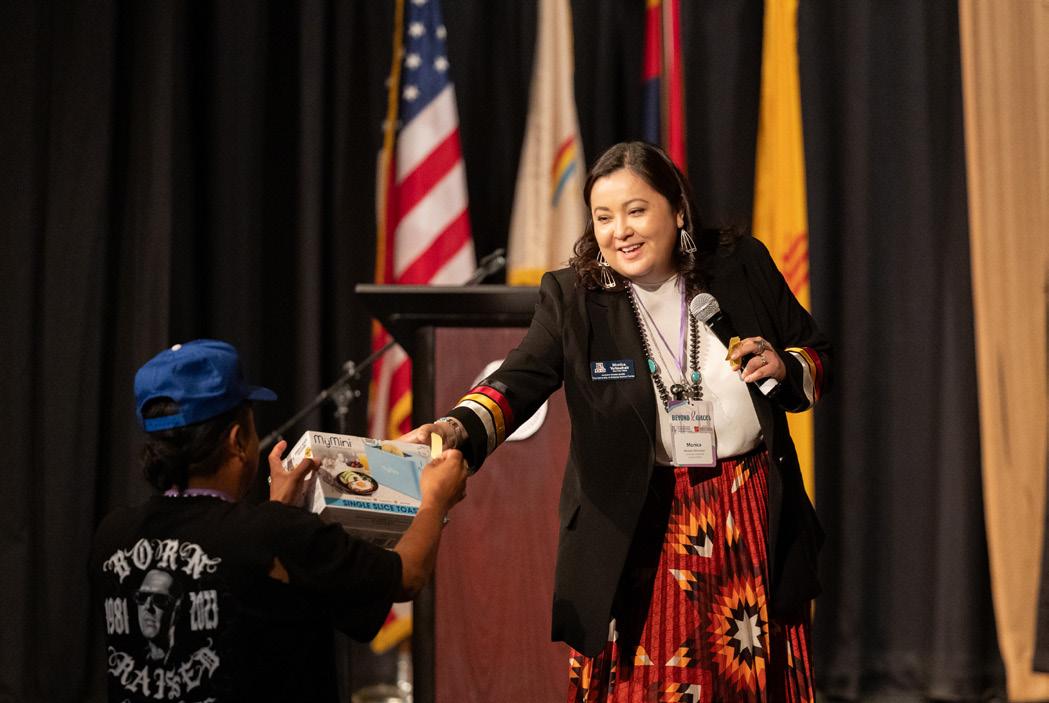
“In collaboration with the Arizona Department of Health, the Cancer Center developed a partnership to bring this conference back,” said Monica Yellowhair, PhD, assistant director of Native American partnerships. “Our goal is to provide resources, education and awareness for cancer survivors, caregivers and their families.”
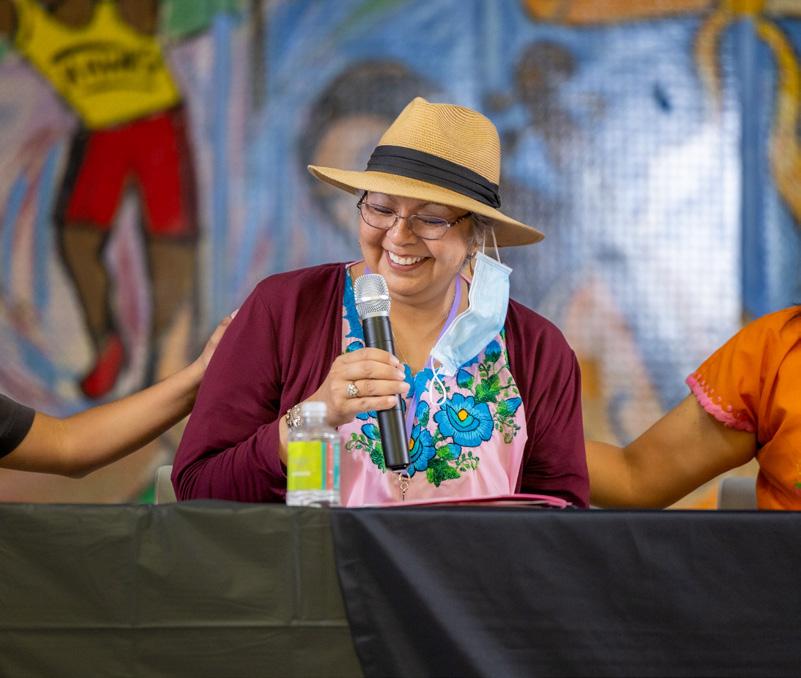
At the Pascua Yaqui Beyond Cancer gathering in 2024, survivors and caregivers filled the room with stories the earlier version of the conference could only have dreamed of capturing. Parent caregivers like Francisco Valencia reflected on the shock of his son’s diagnosis and the lack of guidance he felt at the time. Now, Valencia wants families facing childhood cancer to know what resources exist and that supportive communities provide grounding during the hardest moments.
“Beyond Cancer means support,” Valencia said. “As a parent of a cancer patient, you forget everything else in the world but your family, your kid.”
“Everybody has a load to carry,” said breast cancer survivor, Cristina Campoy. “People with cancer, their load is just a little heavier. Early detection is key. Cancer is not always terminal. Medicines are better.”
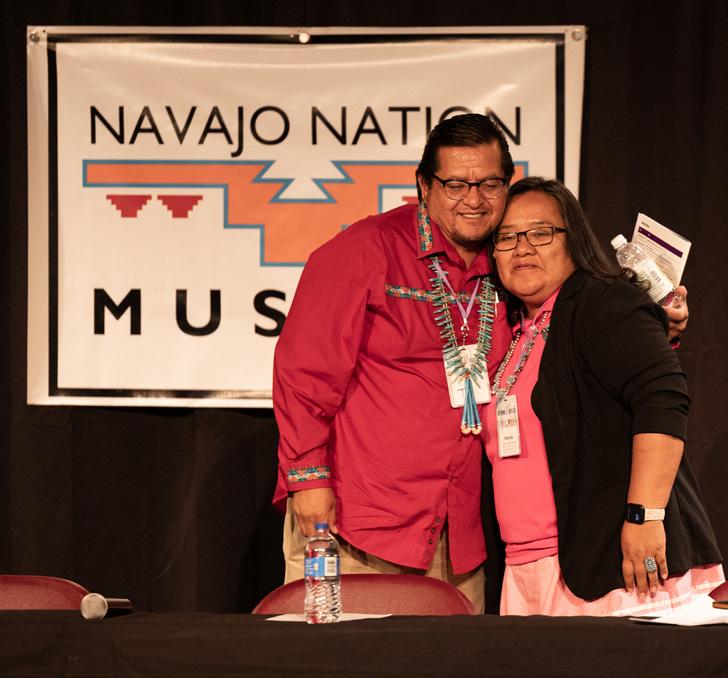
On the Navajo Nation of northern Arizona in the summer of 2025, the conference encountered a different set of challenges, but the community there shared the same hunger for connection present at all Beyond Cancer events.
“If you look at one of the biggest barriers on Navajo, it’s very rural,” said Curtis Briscoe, director of the Navajo Nation Breast and Cervical Cancer Prevention Program. “Over 70% of the roads are not paved. Infrastructure is a barrier we don’t really talk about.”
Beyond Cancer at Window Rock in the Navajo Nation offered an opportunity not only to share prevention and screening resources but also to facilitate dialogue rarely voiced openly in Diné (Navajo) communities.
Case management specialist, Rolanda Todecheenie, spoke candidly about cultural teachings that discourage talking about cancer for fear of inviting it. “Now we’re trying to bring more intervention and prevention,” Todecheenie said. She emphasized the importance of education for youth and guidance for caregivers navigating treatment on behalf of elders.
Both she and Briscoe noted how valuable it was for Beyond Cancer to bring experts, tribal programs, survivors and families together under one roof. “One thing that is so great is that they’ve traveled all over the state and are getting different perspectives in different communities,” Briscoe said. “The conference gives us the opportunity to learn and hear from the community.”
Learn more on video
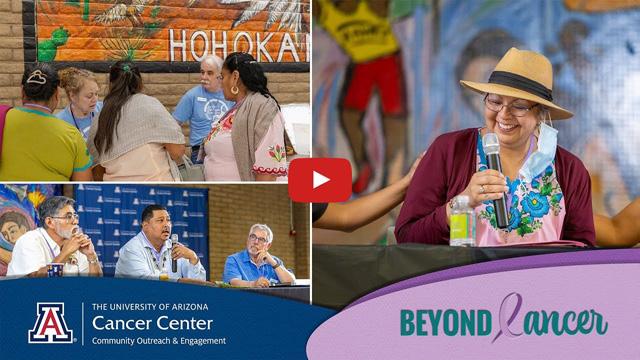



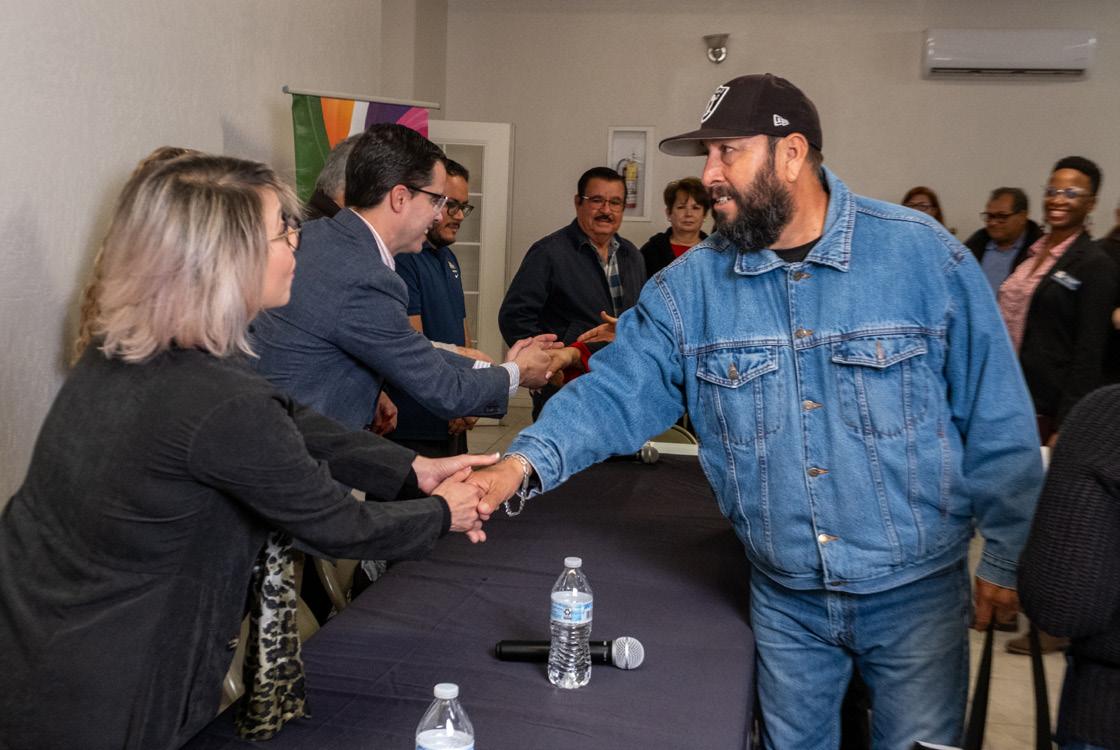
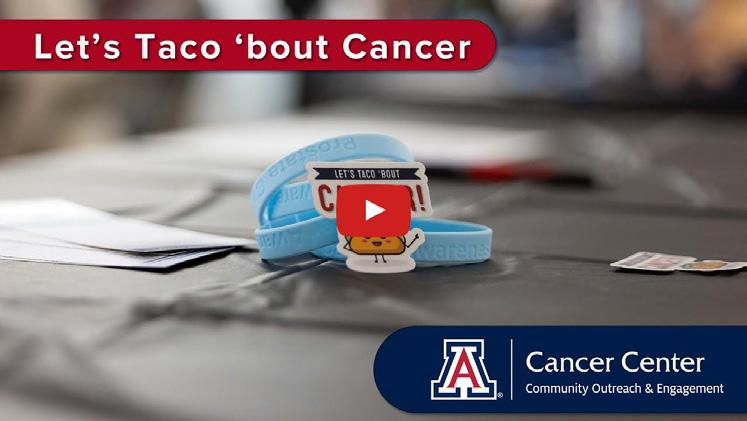
What began as a virtual lunchtime experiment at the start of the COVID-19 pandemic has grown into a statewide community engagement effort aimed at breaking down barriers between Arizona residents and cancer experts—one taco at a time. Now in its sixth year of actively engaging the community in frank discussions about cancer prevention, treatment and survivorship, Let’s Taco ‘Bout Cancer has reached thousands of people throughout Arizona.
“Let’s Taco ‘Bout Cancer was born in the beginning of the pandemic,” said Monica Yellowhair, PhD, assistant director for Native American partnerships. When COVID-19 shut down in-person outreach in 2020, she said the team scrambled to reimagine its work. “We decided to develop a lunch webinar and invite community members to bring their lunch and have tacos with us and talk about cancer.”
The casual format was designed to help people feel comfortable asking questions and learning directly from oncologists, researchers, survivors, and community advocates. The early webinars drew participants from across Arizona and even neighboring states.
What started online has since evolved into an in-person series held in communities across the Cancer Center’s catchment area — from Yuma to Casa Grande, Nogales to Cochise and Santa Cruz counties, including events with the Pascua Yaqui Tribe in and around the Tucson metropolitan area in Pima County.
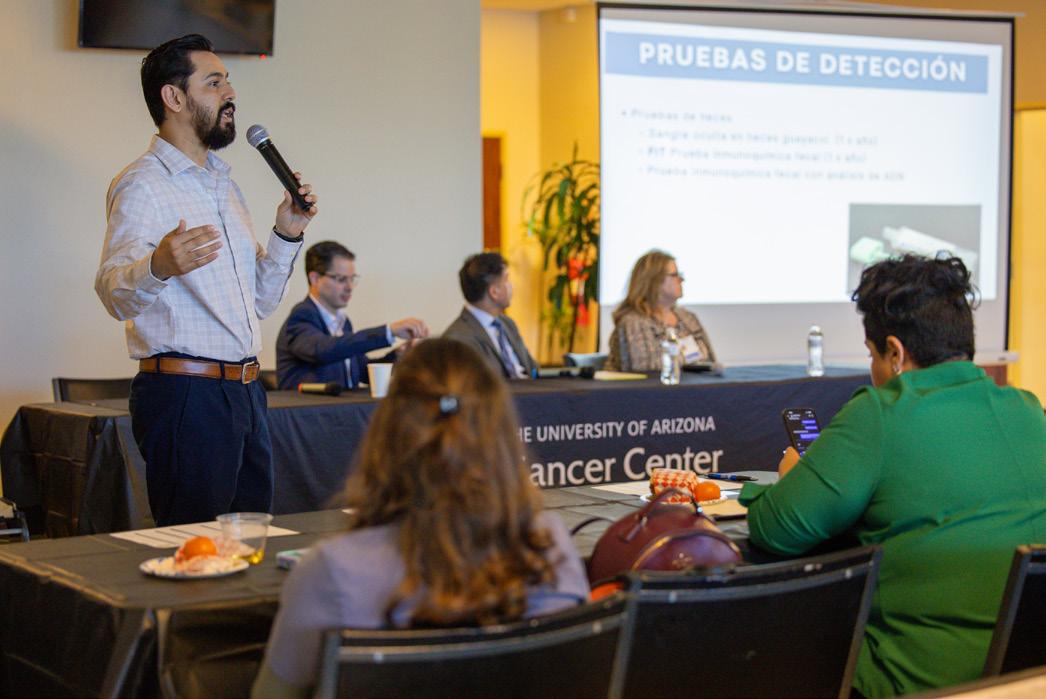
“We’ve successfully transitioned this initiative from online to in-person,” said Namoonga Mantina, PhD, community outreach manager. “Bringing clinicians and researchers into community settings gives them a chance to see the community in their context and be able to assess their needs.”
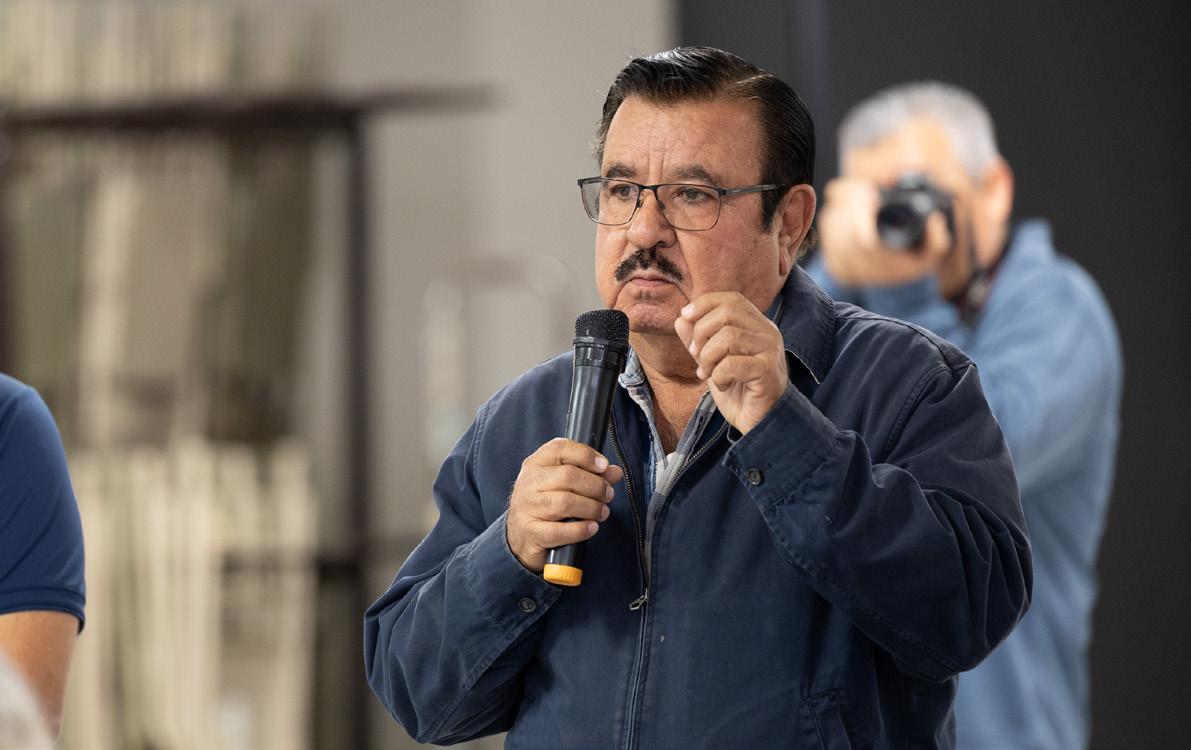
For clinicians like Alejandro Recio-Boiles, MD, those interactions are essential. He said physicians have a responsibility to meet patients where they are, and this includes rural and Spanish-speaking communities. “I feel very responsible to talk to them, to help them understand, to educate our patients, to help them in their needs, to prevent cancer,” Dr. Recio-Boiles said.
Food also remains central to the program’s welcoming atmosphere. Yellowhair said hosting events with locally sourced food helps support small businesses and encourages turnout.
“If you bring the food, people will come,” Yellowhair said.

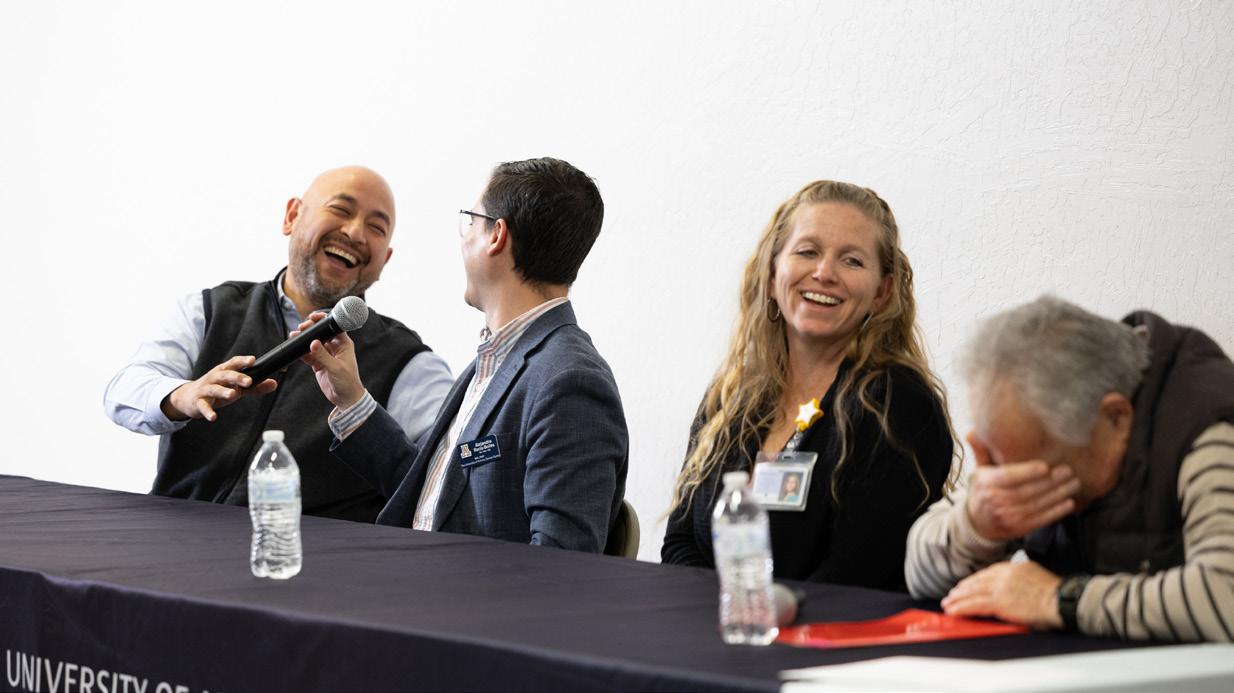
Beyond building rapport, the events emphasize prevention, screening and awareness of the resources available through the only NCI-designated comprehensive Cancer Center headquartered in the state. Mantina said the series helps residents understand that the center is able to attend to their needs or help them get connected with resources should they or a loved one be faced with a cancer diagnosis.
For Mary Gonzales, who serves as a member of the center’s community advisory board, the gatherings also build trust. “I heard from people,” Gonzales said. “They came up and told me after the session that they really valued the information. They thought it was well presented. It was easy to understand. They enjoyed how laid back the physicians were and how comfortable they made them feel.”
Mantina said the program strengthens the community engagement office’s mission to serve as a bridge between the Cancer Center and the communities it serves. Events often highlight gaps in information or research priorities and help guide future outreach efforts. “It allows us to see directly and personally the impact of the work that we’re doing,” Mantina said.
Yellowhair said that by creating a safe and informal space, participants can ask questions they may not feel comfortable voicing in a clinical setting and may never hear addressed through traditional media.
Ultimately, the goal is to empower people with knowledge and connect them to high-quality care. “We hope that people will know that the University of Arizona Comprehensive Cancer Center is a place that cares about people and offers the best care that comes from innovative researchers and forward-thinking clinicians,” Yellowhair said.


Developing a more accurate, comfortable breast cancer screening technology
https://www.youtube.com/ watch?v=q4S4lQYGtI4
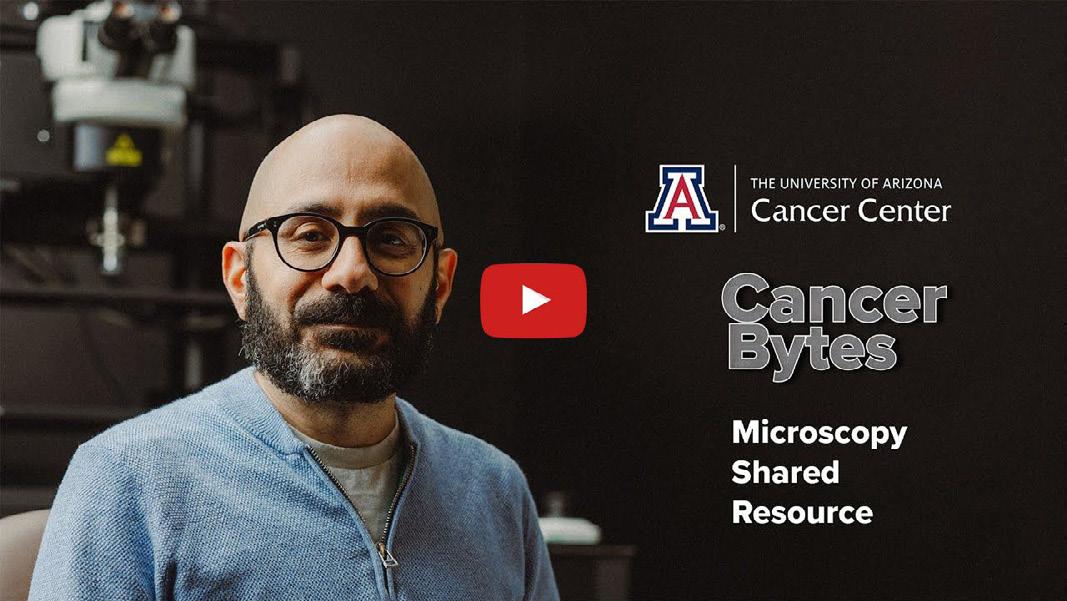
Cancer Bytes: Magnifying microscopy
https://www.youtube.com/ watch?v=zfE9zWNaDTE
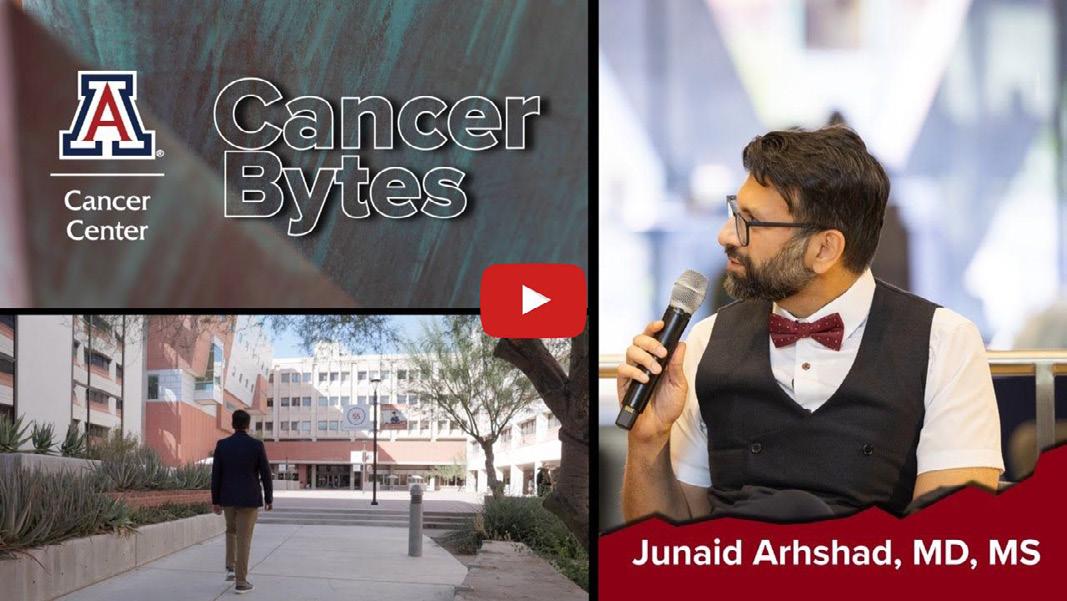
Bench to bedside: discovering novel treatments for gastrointestinal cancers
https://www.youtube.com/ watch?v=usEC8OdoqXw
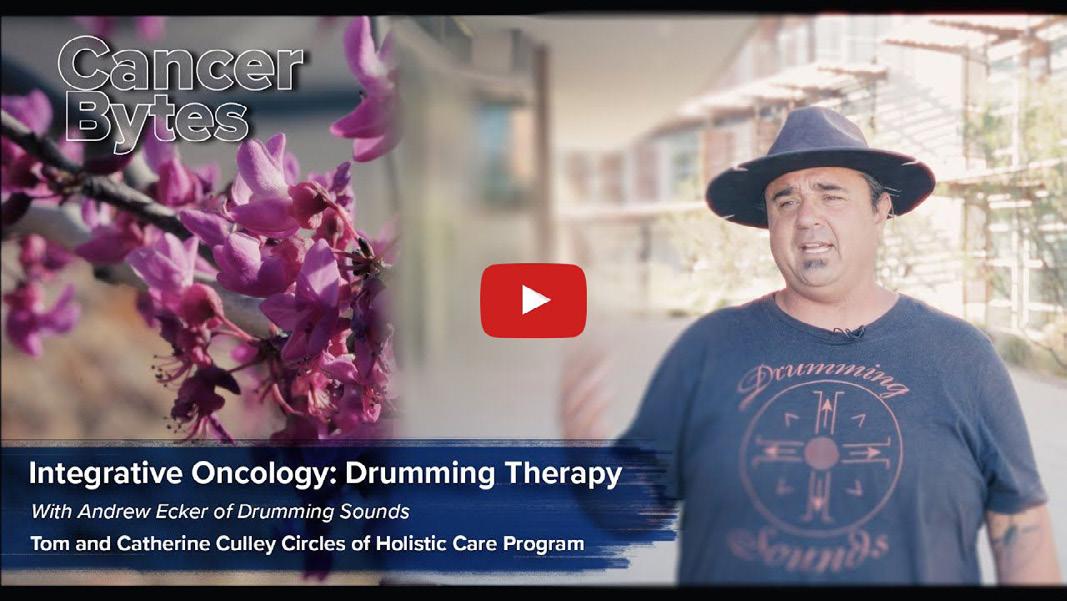
Tom and Catherine Culley Circles of Holistic Care: Drumming may help improve cancer patient mindset
https://www.youtube.com/ watch?v=6rdQQ0o-wFg


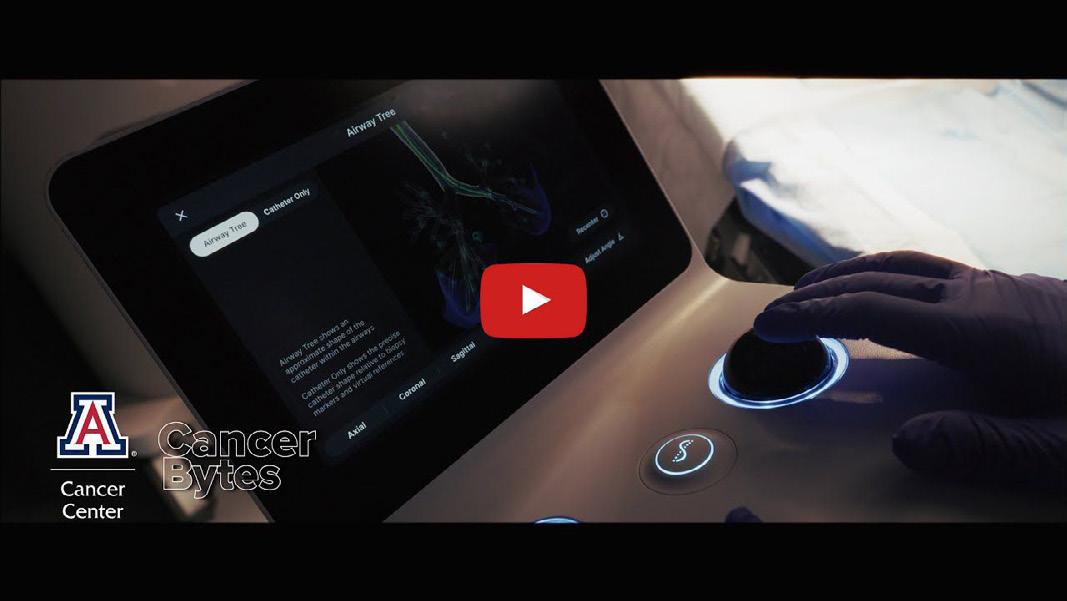
Using the Ion Robotic Bronchoscopy System and working to improve standards of care for lung cancer
https://www.youtube.com/ watch?v=GJ_4Rk6rSXA
Innovations in immunotherapy and childhood cancer
https://www.youtube.com/ watch?v=XUc-w_-2Yf4
Targeting the EGFR oncogene: Breakthroughs in breast cancer research
https://www.youtube.com/ watch?v=1ZeA8gr4-ac
Innovation meets excellence in cancer research: prostate-on-a-chip technology
https://www.youtube.com/ watch?v=SOOsH553yJY