to become Preeminent through Cultivation, Innovation, Collaboration and Domination 2025-2026
SAFHS RESEARCH MAGAZINE 2025-2026
SOWING the SEED to become Preeminent through Cultivation, Innovation, Collaboration and Domination
UNIVERSITY OF ARKANSAS AT PINE BLUFF
UAPB CHANCELLOR
Anthony Graham, Ph.D.
DIVISION FOR RESEARCH AND INNOVATION INTERIM VICE CHANCELLOR
Trina Fletcher, Ph.D.
SCHOOL OF AGRICULTURE, FISHERIES AND HUMAN SCIENCES
SAFHS INTERIM DEAN AND DIRECTOR ASSISTANT DEAN/ASSOCIATE RESEARCH DIRECTOR
Christopher C. Mathis Jr., Ph.D.
PROJECT MANAGER
Deseray McKinzy
WRITERS/EDITORS
Debbie Archer and William Hehemann
CORRESPONDENT WRITER/EDITOR
Christopher C. Mathis Jr., Ph.D.
GRAPHIC DESIGNER
Brad Mayhugh
PHOTOGRAPHY
Brad Mayhugh and other contributors
CORRESPONDENCE
University of Arkansas at Pine Bluff School of Agriculture, Fisheries and Human Sciences 1200 N. University Drive, Mail Slot 4966 Pine Bluff, AR 71601 870-575-8227
SAFHS Research Magazine is published biannual by the University of Arkansas at Pine Bluff School of Agriculture, Fisheries and Human Sciences to promote research work of the 1890 land-grant institution.
Pursuant to 7 CFR Section 15.3, the University of Arkansas at Pine Bluff and the School of Agriculture, Fisheries and Human Sciences, 1890 Research and Extension Programs, offers all its Extension and Research programs and services (including employment) without regard to race, color, sex, national origin, religion, age, disability, marital or veteran status, genetic information, sexual preference, pregnancy, or any other legally protected status, and is an equal opportunity institution.
The University of Arkansas at Pine Bluff is fully accredited by The Higher Learning Commission, 230 South LaSalle Street, Suite 7-500, Chicago, IL 60604.
LET US KNOW WHAT YOU THINK!
We want to know what you think of this issue of SAFHS Research Magazine. To share your opinions, email us at SAFHSmedia@uapb.edu
PRINTED BY UAPB PRINTING SERVICES
WHAT’S INSIDE
MESSAGE FROM UAPB CHANCELLOR
At the University of Arkansas at Pine Bluff, we believe research is not simply an academic activity – it is a commitment. It is our commitment to Arkansas, to the Delta and to the communities we were created to serve. It is our commitment that we will generate knowledge, cultivate solutions and expand opportunity.
This year’s School of Agriculture, Fisheries and Human Sciences Research Magazine is appropriately themed “Sowing the Seed: Cultivation, Innovation, Collaboration and Domination.” Those words reflect the work that the School of Agriculture, Fisheries and Human Sciences (SAFHS) advances every day where our faculty, staff and students work collaboratively with partners across the city, county, state, Delta region, the nation and the world to build research programs rooted in community needs, producing outcomes that strengthen food systems, improve health, protect natural resources and prepare students for high-impact careers.
In SAFHS, we see the full power of a modern 1890 land-grant institution: research that advances agriculture and aquaculture, strengthens rural resilience, elevates human health and supports workforce and economic development. Equally important, we see faculty and students working side-by-side, developing the next generation of scientists, innovators and leaders who will shape the future of Arkansas and beyond.
As UAPB advances toward its vision of becoming a nationally recognized, preeminent land-grant university, we will continue investing in research that is strategic, externally funded, collaborative and measurable in its impact. Our goal is not only to generate knowledge but also to translate research into results that expand social and economic mobility and improve quality of life.
I extend my sincere appreciation to the SAFHS faculty, staff, students, alumni and partners whose work is featured in this issue. Your scholarship reflects the very best of UAPB: excellence with purpose, innovation with accountability and research with real-world relevance.
With pride and appreciation,
Anthony Graham, Ph.D. Chancellor
University of Arkansas at Pine Bluff
Anthony Graham,Ph.D.
MESSAGES FROM SAFHS ADMINISTRATION
Welcome to the inaugural issue of the School of Agriculture, Fisheries and Human Sciences (SAFHS) magazine. This publication marks an important milestone for our school—a moment to reflect on who we are, imagine where we are going and share the work that is shaping the future of our communities and our world. In addition, it was created to showcase the people and programs that make our school unique and to share the work we do every day in classrooms, laboratories, fields and communities. At the intersection of agriculture, fisheries and human sciences, we are addressing some of the most urgent challenges of our time: food security, environmental stewardship, human well-being and sustainable economic development. Our focus is practical, relevant and rooted in service.
C. Mathis Jr.,Ph.D.
Within these pages, you will find examples of research that addresses real-world needs, teaching that prepares students for meaningful careers and outreach that supports families, industries and communities. Our faculty, staff and students are deeply engaged in work that strengthens food systems, supports natural resources and improves quality of life. Thus, our school is built on the belief that progress happens when knowledge serves people. Through innovative research, transformative teaching and meaningful engagement, our faculty, staff and students are advancing solutions that are grounded in science, informed by experience and driven by a deep sense of responsibility to others. To this extent, our magazine highlights that vision in action. It tells the story of collaboration across disciplines, partnerships beyond campus and a shared commitment to preparing the next generation of leaders, thinkers and practitioners. As interim dean, I am proud of the dedication and expertise that define this school. Our success is the result of collaboration, strong partnerships and a shared commitment to making a positive difference. This magazine is one way we recognize those efforts and connect with alumni, stakeholders and friends. Our strength lies not only in our individual disciplines, but in our collaborative spirit and our commitment to serving others.
Cheers for joining us at the beginning of this new chapter. We invite you to explore these pages, celebrate our collective impact and be part of the future we are building together. In closing, I hope it offers a clear picture of who we are, what we value and how our work serves the public good. Thank you for taking the time to explore our first issue. Furthermore, I am looking forward to continuing this conversation and to building an even stronger future together.
Warm regards,
Christopher Clomus Mathis Jr., Ph.D., MDiv. Interim Dean and Director School of Agriculture, Fisheries and Human Sciences
Christopher
UAPB RESEARCHERS TARGET RICE BLAST WITH GENE DISCOVERY PROJECT
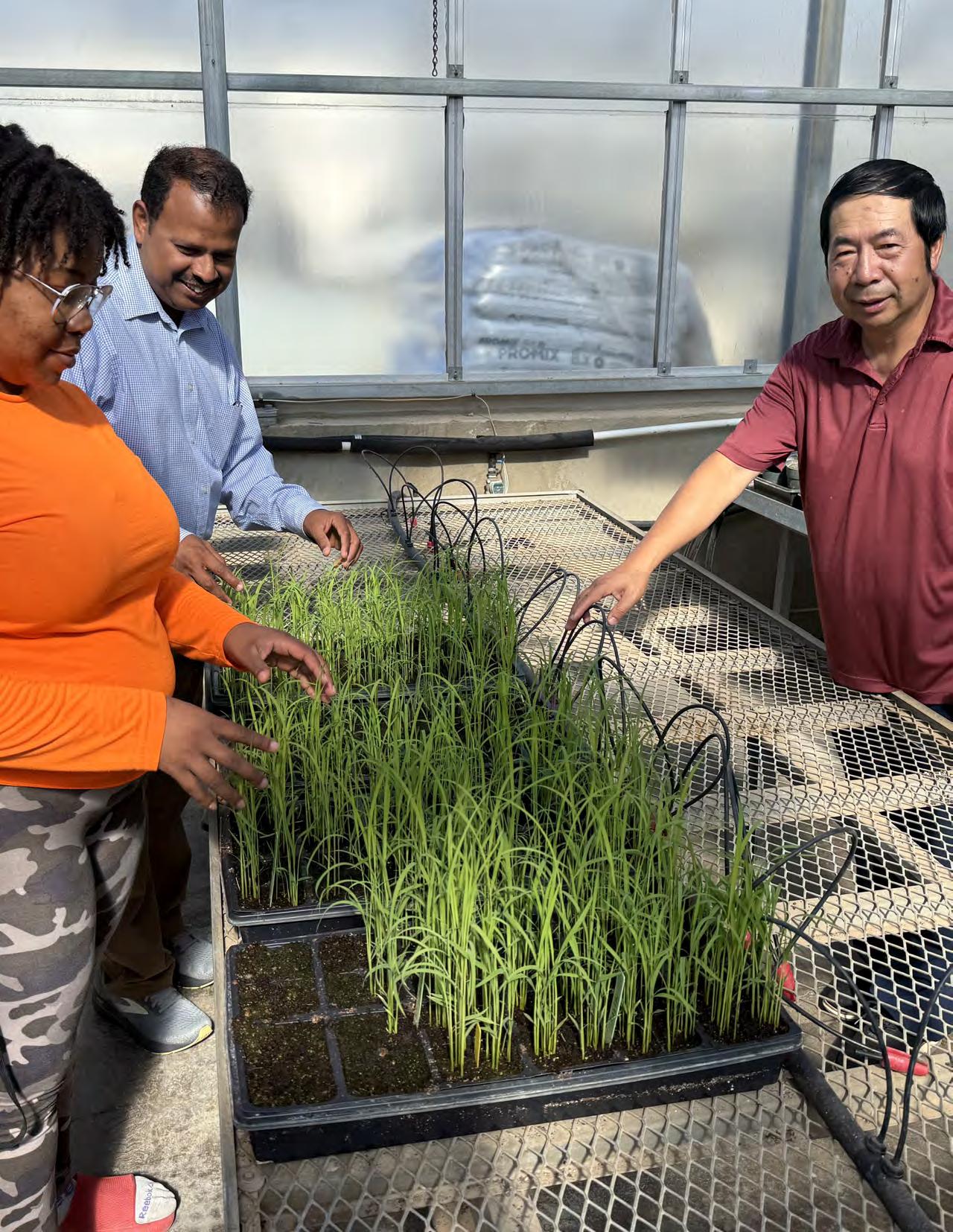
Dr. Sathish Kumar Ponniah, professor of plant science at UAPB, is leading collaborative research aimed at combating one of the world’s most destructive rice diseases – rice blast. Working in partnership with Jonte’sha Burnett, a graduate student of agriculture at UAPB, and Dr. Yulin Jia, research plant pathologist at the USDA’s Dale Bumpers National Rice Research Center in Stuttgart, Arkansas, Dr. Ponniah is exploring new ways to identify and transfer resistance genes into cultivated rice using a combination of genome editing, molecular tools and traditional breeding methods.
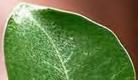
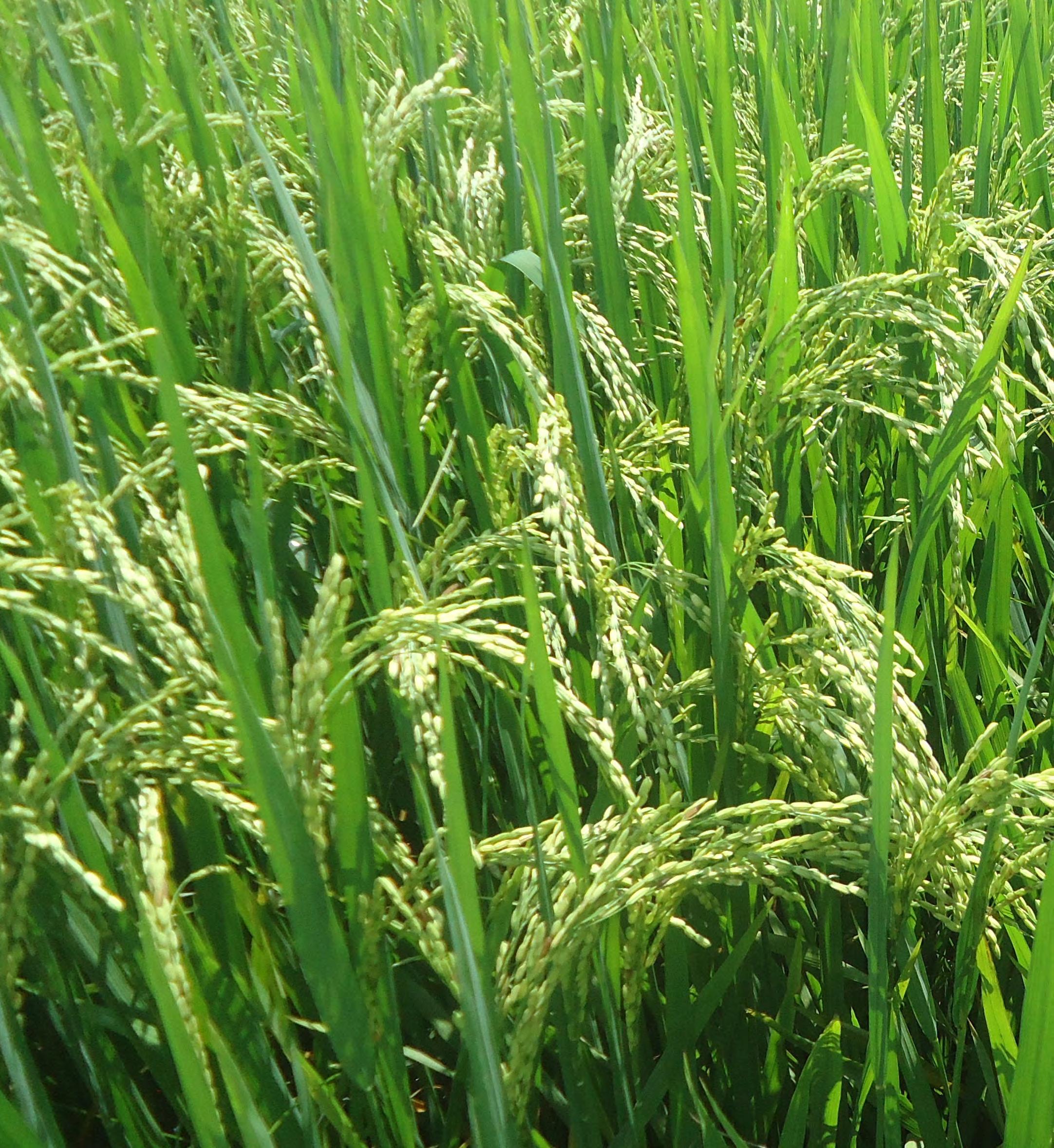
“Rice blast, caused by the fungus Magnaporthe oryzae, poses a major threat to global food security,” Dr. Ponniah said. “The disease attacks multiple parts of the rice plant, including leaves and panicles, and can result in up to 30% losses in global rice production – enough rice to feed an estimated 60 million people.”
In the U.S. alone, fungicides used to manage rice blast and other fungal diseases cost producers around $65 million annually, he said. While breeders have made significant progress in recent years by introducing resistance genes into new rice varieties, many of these cultivars rely on a single resistance gene, which often becomes ineffective as the pathogen evolves, and new virulent races emerge.
To stay ahead of this cycle, Dr. Ponniah and Dr. Jia are working to identify a broader set of resistance genes through a variety of strategies. One promising direction involves using a mapping population derived from the parent lines Pecos and M205 and weedy rice, which may help pinpoint novel genetic resistance.
Another key aspect of the research focuses on weedy rice, a wild cousin of cultivated rice that has grown alongside it for centuries and may possess untapped resistance mechanisms to blast. According to Dr. Ponniah, these unique traits could be harnessed through breeding to develop more resilient rice cultivars.
“As an alternative to relying solely on chemical fungicides, our goal is to equip breeders with new genetic stocks and germplasm that improve long-term disease resistance in rice,” he said. “We plan to identify more resistance genes from both weedy rice and elite breeding lines. Then we will apply advanced genetic and molecular methods to support that work.”
Dr. Ponniah said the project is strengthening ties between UAPB and the Dale Bumpers National Rice Research Center while creating new research opportunities for both faculty and students at UAPB.
“Dr. Yulin Jia is a well-known plant pathologist who has spent more than 25 years studying rice blast,” he said. “His expertise has been instrumental in the progress we’ve made. The Dale Bumpers Center offers many opportunities for our students to expand their interest and research in plant breeding and genetics.”
Rice blast, caused by the fungus Magnaporthe oryzae, poses a major threat to global food security. The disease attacks multiple parts of the rice plant, including leaves and panicles, and can result in up to 30% losses in global rice production –enough rice to feed an estimated 60 million people.”
Dr. Sathish Kumar Ponniah
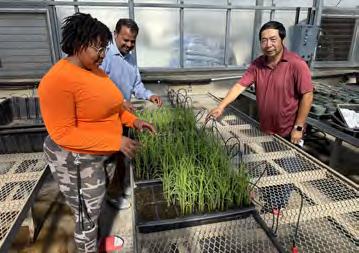
LEFT: Jonte’sha Burnett, graduate student, and Dr. Sathish Ponniah, professor of plant science, observe rice plants with the blast fungus under the guidance of Dr. Yulin Jia, research leader at USDA-ARS, Stuttgart.
Student Perspective: GAINING A PLETHORA OF NEW SKILLS
In her work as a graduate student researcher, Burnett said she has learned many new skills thanks to the project. Dr. Ponniah said the workload she has taken on has been similar to that of a doctoral student.
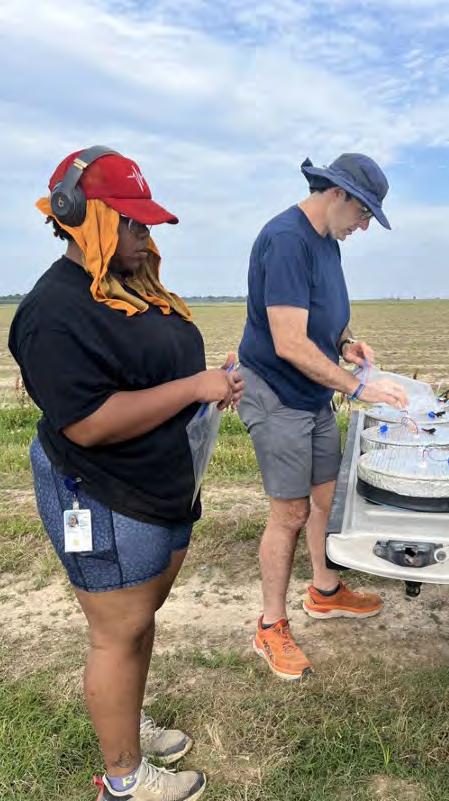
“I have enjoyed learning how to grow rice plants in the field starting from land preparation to harvesting, then growing the blast fungus in the lab conditions and infecting plants under controlled greenhouse conditions,” Burnett said. “It was then necessary to assess the quality of pathotypes, infect the blast-selected blast isolates to the mapping population individuals and score them for the infection rate. The next step was developing DNA genetic markers for finding the unique genes associated with blast resistance, genetic mapping and identifying the genes associated with blast resistance using the Quantitative Trait Loci (QTL) mapping method.”
Burnett said she also appreciated the chance to hone her presentation skills as she regularly spoke about her research at meetings held at the Dale Bumpers National Rice Research Center.
Jonte’sha Burnett
AGRICULTURE
UAPB DISCOVERY FARM EDUCATIONAL CENTER PREPARES NEXT GENERATION OF AGRICULTURAL LEADERS
UAPB is laying the groundwork for a new model of agricultural education through the Discovery Farm Educational Center, an initiative designed to prepare future scientists and professionals in food, agriculture, natural resources and human sciences.
Dr. Tomekia White, Extension specialist-outreach director and interim SAFHS 1890 scholarship coordinator, who is leading the effort, said the center’s vision is both forward-looking and rooted in community.
“We want to reach students at every stage of their journey – from elementary school to graduate studies – and give them meaningful opportunities to see themselves in agricultural careers,” she said.
The program’s early engagement strategy focuses on sparking interest among K-12 students through peerto-peer mentoring, summer camps, field trips and experiential learning. A Junior MANRRS chapter is also being developed to nurture leadership and career readiness. Furthermore, farm-to-school initiatives will strengthen science-based learning and connect schools with healthy food systems.
“These hands-on experiences help students connect what they’re learning in the classroom to real-world applications,” Dr. White said. “When they see older students and professionals in the field, they start to imagine themselves in those roles.”
For university students, the center expands opportunities through domestic apprenticeships in food systems, soil science, conservation and related fields.
“These placements pair academic learning with practical experience,” Dr. White said. “This helps ensure that our graduates are career-ready and prepared to take on leadership roles in the agricultural sector.”
A central focus of the Discovery Farm is linking agriculture with environmental stewardship. By highlighting how environmental changes affect agricultural production, the center encourages students to explore careers in water quality, soil health and conservation.
“Sustainability has to be part of the conversation,” Dr. White said. “We want our students to be innovators who can balance agricultural productivity with environmental responsibility.”
The initiative will not only positively impact students, but will also support local producers.
Dr. White will work with Dr. Henry English, director of the UAPB Small Farm Program, in establishing the Urban Farmer Mentoring Program. This project will connect local farmers with “mentor farmers” who can assist in implementing conservation practices at farmer’s private land, as well as provide Extension and educational training on campus.
“We have established a partnership council to help evaluate the center as we strive to build a strong foundation in providing every available resource for our students and producers,” she said.
Dr. White said Isaiah Young, program coordinator, and Dr. Ryan Nedd, Extension specialist, help connect research, education and community engagement.
Looking ahead, White envisions the Discovery Farm Educational Center as a comprehensive model for blending research, outreach and workforce development.
“We’re building a pipeline of skilled professionals who will shape the future of agriculture while strengthening local communities,” she said.
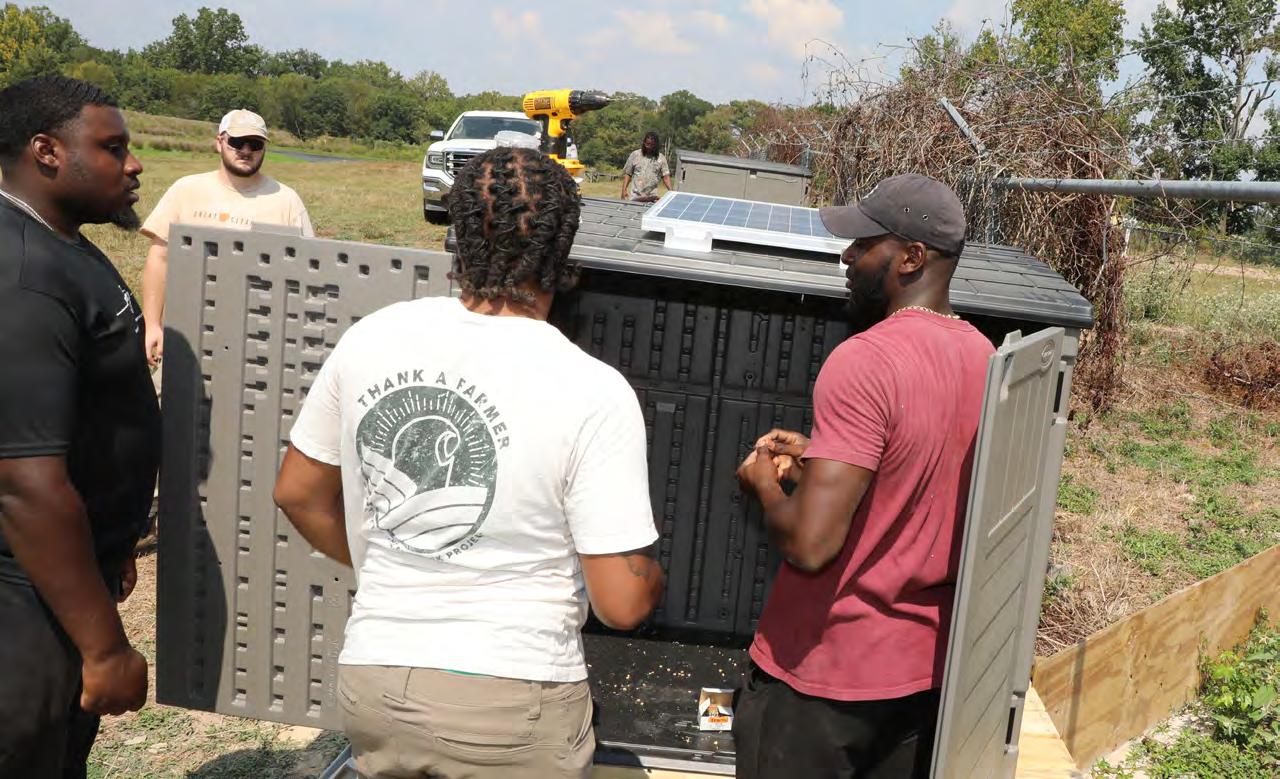
PREVIOUS TOP: Undergraduate students Chase Campbell and Jamarion Beasley, and graduate student Che Rockford, collaborate with Dameion White, Brett Cooper and the rest of the Arkansas Discovery Farm team, to install edge-offield monitoring equipment.
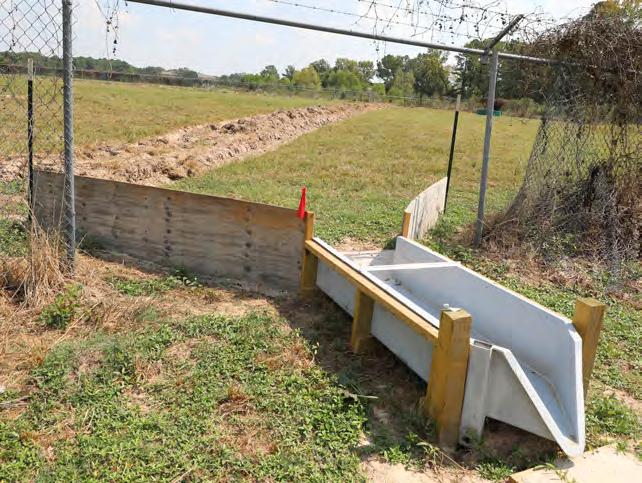
TOP LEFT: Native grass demonstration site split by a levee with an H-flume, a USDA Soil Conservation Service device used to accurately measure agricultural runoff, stormwater and industrial discharge.
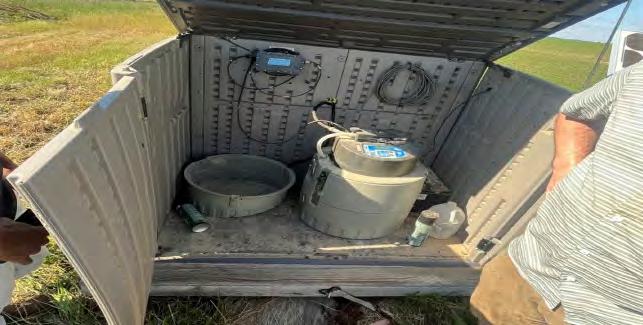
TOP RIGHT: The ISCO 6712 portable sampler is used to automatically collect water samples for runoff and water quality analysis.
AGRICULTURE
NATURAL SOLUTIONS FOR HEALTHIER SHEEP: UAPB RESEARCH TACKLES ANTIBIOTIC OVERUSE IN LIVESTOCK
The overuse of antibiotics and dewormers in animal production has led to food safety concerns and the development of parasite resistance, Dr. Emmanuel K. Asiamah, associate professor for UAPB’s Department of Agriculture, said. Conventional control programs that rely solely on chemical administration are becoming increasingly ineffective.
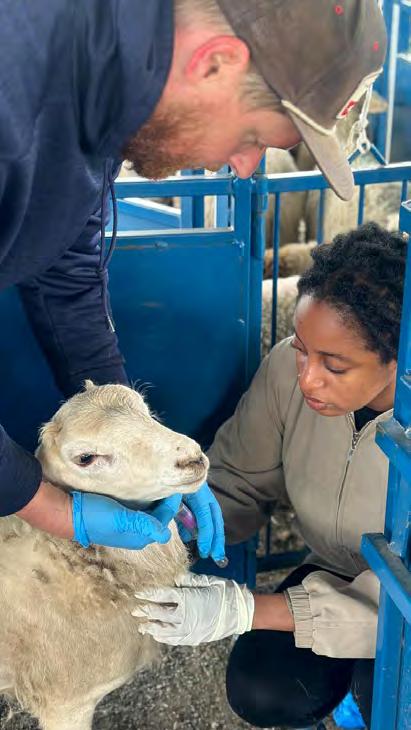
To address this challenge, Dr. Asiamah has initiated a two-year study to evaluate the effects of natural immunomodulators, namely sericea lespedeza and walnut hull powder, on the innate immunity of sheep. This research aims to improve the overall health of sheep by enhancing their gastrointestinal functionality and immune response through dietary supplementation. The project is a collaborative effort
between researchers at UAPB and animal scientists with the U.S. Department of Agriculture Agricultural Research Service.
“Our research seeks to identify effective management practices that reduce the reliance on antibiotics and dewormers, contributing to improved animal health and welfare, while also addressing food safety concerns,” Dr. Asiamah said. “As animals develop resistance to conventional antibiotics and anthelmintics, farmers face diminishing returns on these costly inputs while consumers face increasing health concerns about antibiotic residues in food products. By identifying natural alternatives to chemical treatments, we’re providing farmers with cost-effective, sustainable solutions that maintain animal health and productivity while reducing dependence on chemicals that lose effectiveness over time.”
For Arkansas’ substantial livestock industry, these alternatives could significantly reduce production costs while meeting the growing consumer demand for products raised with fewer chemical interventions, he said.
The natural alternatives Dr. Asiamah’s team is researching directly contribute to safer food on the table of consumers.
“When livestock producers can effectively maintain animal health with fewer antibiotics and chemical treatments, it means fewer potentially harmful residues in the meat, milk and other animal products you consume,” he said. “Our work aims to support both ends of the food system – helping
farmers produce animals more sustainably while providing consumers with food products that are safer and more aligned with growing preferences for naturally-raised options. This research represents an important bridge between agricultural production methods and public health outcomes that affect every consumer who purchases animal products.”
Dr. Asiamah said this research paves the way for farming practices that balance productivity with sustainability, supporting both food security and environmental stewardship goals.
“These natural approaches could help U.S. producers maintain competitiveness in markets increasingly demanding products raised with minimal chemical inputs, positioning American farmers at the forefront of sustainable livestock production innovation,” he said.
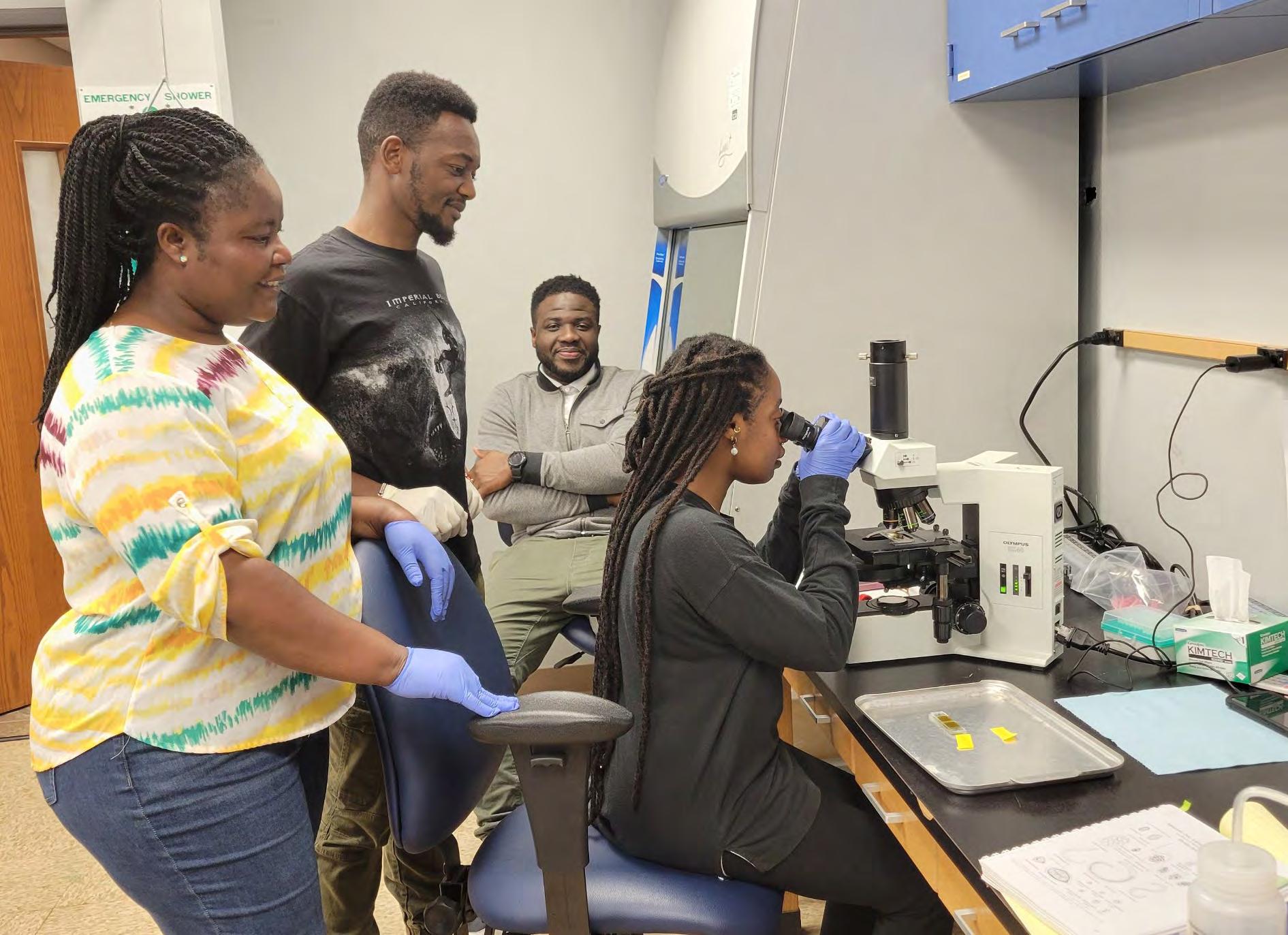
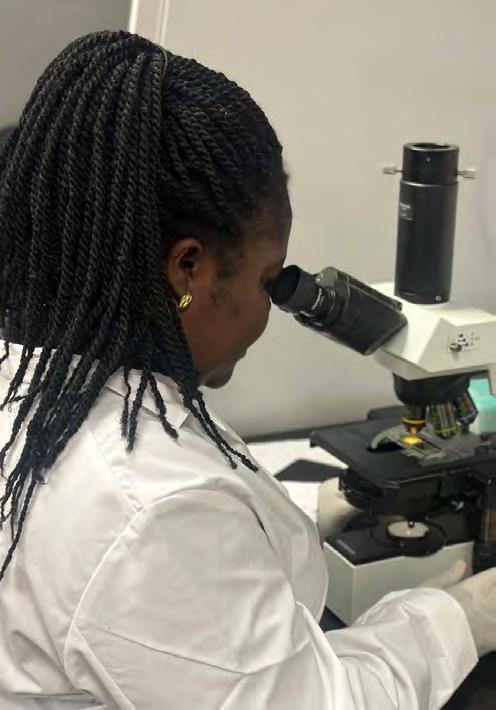
PREVIOUS TOP: Dr. Emmanuel Asiamah, Henrietta Owusu, Maxwell Mkunga (graduate students), and Tendai Musinga (undergraduate) at the USDA ARS Dale Bumpers Small Farms Research Center Lab. Tendai is doing a fecal egg count on the sample collected earlier that day.
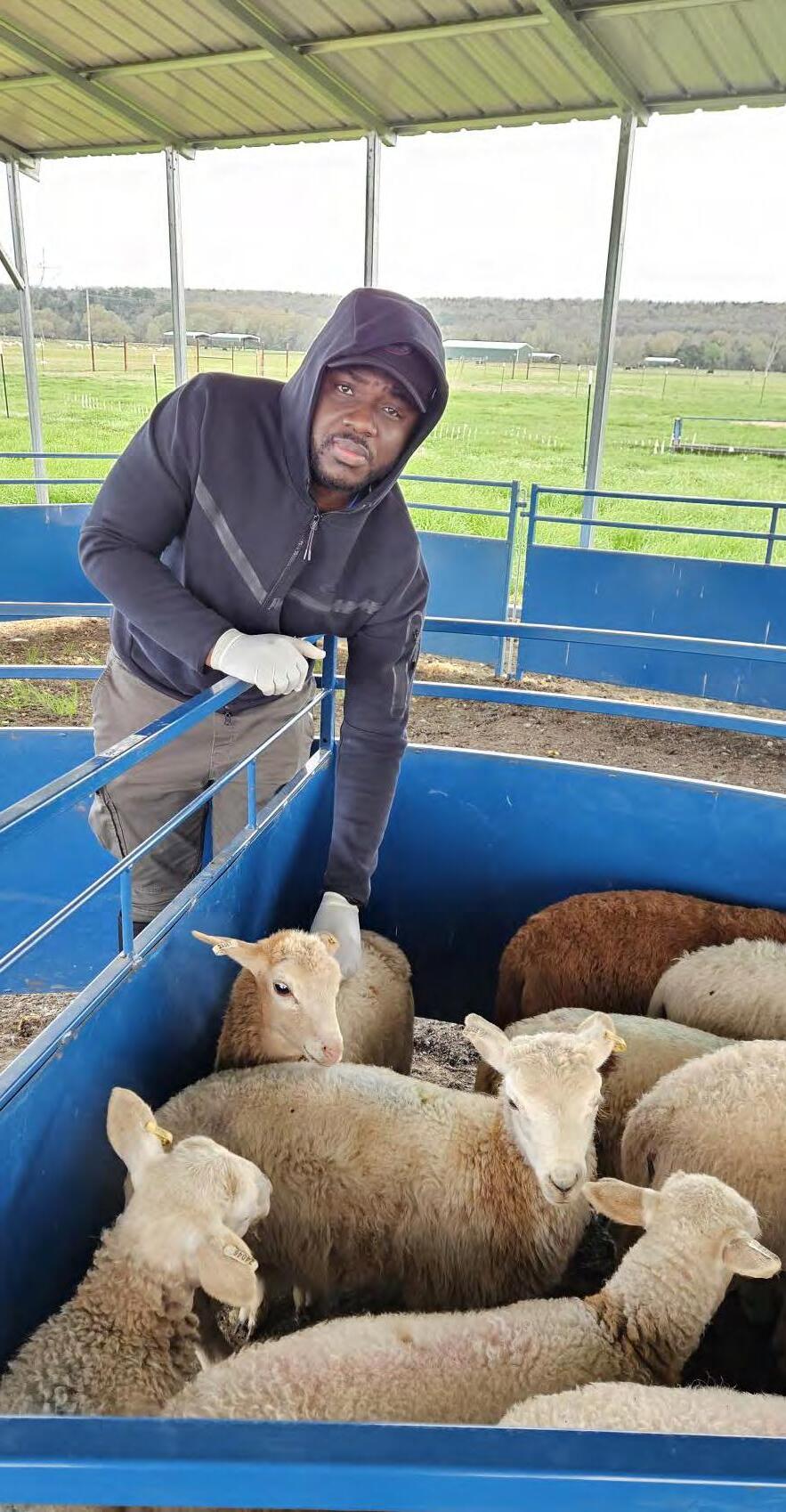
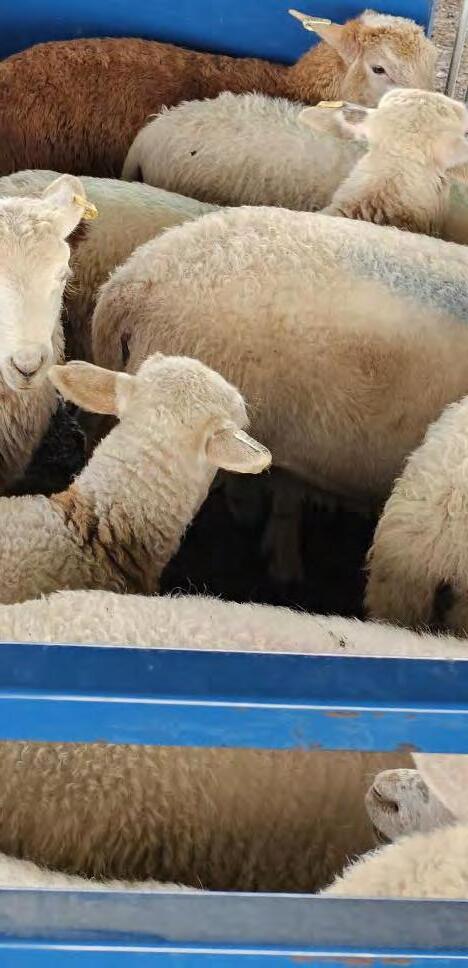
TOP LEFT: Dr. Asiamah is preparing the sheep for sample collection (blood and fecal) and to checking weights and body condition scores at the small ruminant farm at USDA ARS Dale Bumpers Small Farms Research Center.
BOTTOM LEFT: Chad Lee, research assistant at USDA ARS Dale Bumpers Small Farms Research Center, teaches Tendai the best way to effectively take blood sample from the jugular vein of sheep.
Student Perspective: THE POWER OF PRACTICAL EXPERIENCE IN ANIMAL SCIENCE RESEARCH
Henrietta Owusu, a 2025 graduate of agricultural regulations, collaborated with Dr. Asiamah on the project. She said she hopes the research adds to the increasing amount of data demonstrating the efficacy of natural, plant-based supplements in enhancing animal health and lowering parasite loads.
“This could provide farmers with workable, affordable ways to manage flock health without overusing medications,” she said. “My goal is to present information to scientists that encourages more research into functional feeds and livestock immune regulation. In the end, I hope that this study promotes a more comprehensive method of producing animals, one that strikes a balance between sustainability, productivity and animal welfare.”
Owusu said one of the most surprising findings in her research was how much even a little dosage of black walnut hull powder affected the expression of important immune-related genes in sheep.
“I never would have imagined that such a low inclusion level could cause the lambs to have a detectable immunological reaction,” she said. “The possibility that these plant-based substitutes present for lowering reliance on synthetic anthelmintics and antibiotics excites me most, particularly given global worry on resistance, food safety and public health. Small-scale and commercial farmers alike have enormous potential to improve animal health using locally accessible, sustainable resources like walnut hulls and sericea lespedeza.”
Owusu, whose specialization was in animal science, said her research at UAPB enhanced her understanding of the relationship between nutrition and health in livestock.
“It enabled me to observe the impact of nutrition on immunological response and overall performance,” she said. “Collecting data, administering treatments and observing animal responses enhanced my appreciation for the significance of consistent animal care, ethical handling and the necessity of precision in scientific measurement. This experience has reinforced my conviction that nutrition improves disease resistance and overall welfare.”
Henrietta Owusu
Student Perspective: GAINING THE FOUNDATION TO PURSUE DOCTORAL STUDIES
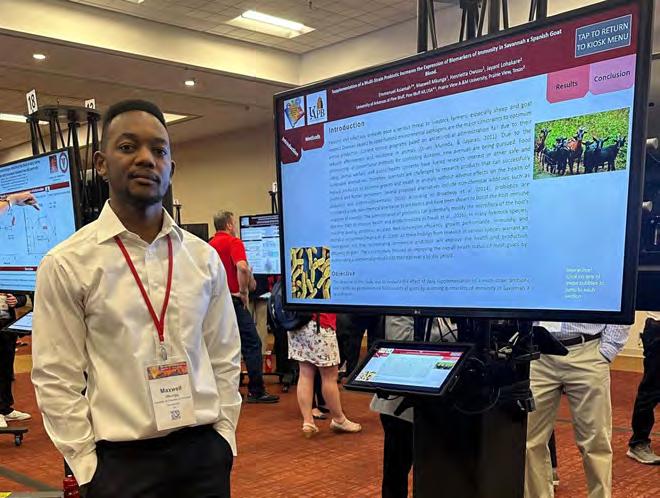
Maxwell Mkunga, who earned a master’s degree in agricultural regulations and worked under the mentorship of Dr. Asiamah, said his education at UAPB gave him the foundation necessary to enroll in the Ph.D. program in animal and dairy science at Mississippi State University, where he specializes in meat science.
At UAPB, his research focused on evaluating the effects of the medicinal mushroom
Ganoderma lucidum on biomarkers of immunity and overall health in Spanish goats.
“This experience significantly deepened my understanding of how natural immunomodulators can serve as viable alternatives to antibiotics in livestock production,” he said. “We observed increased expression of key immune genes such as TLR2, TLR4, TNF-α, IL10 and MPO, highlighting the potential of G. lucidum to modulate innate immunity and improve animal health without relying on conventional antibiotics.”
Mkunga said the project taught him valuable handling and production skills, especially relevant for small ruminant meat systems.
“I also gained a deeper understanding of breed adaptability and its relationship to meat quality, which is critical knowledge in meat science,” he said. “Additionally, my lab experience with gene expression, DNA/RNA extraction and primer design directly supports my current molecular work in analyzing muscle tissue.”
Mkunga said there is a direct connection between animal health and meat quality. His current research emphasizes climate-smart practices that lead to climate-smart meat products, an approach increasingly valued by consumers.
“Promoting animal health through sustainable ways that don’t rely on antibiotics reduces the need for antibiotics, supporting animal welfare and food safety,” he said. “Additionally, sustainable production practices enhance the overall market value of goat meat and support the growing consumer demand for natural, healthy animal products. This approach benefits producers through premium pricing opportunities and advances the goal of making goat meat a more competitive and consistent product in the retail market.”
Maxwell Mkunga
AGRICULTURE
MANRRS CHAPTER STRENGTHENS STUDENT ENGAGEMENT, LEADERSHIP IN AGRICULTURAL SCIENCES
TheUAPB chapter of MANRRS is continuing its momentum after a semester filled with service, professional development and outreach, according to Morgan White, chapter president.
The student organization, which promotes academic and career advancement in agriculture and related fields, organized events throughout the year that gave members opportunities to serve the community, develop career skills and showcase campus leadership. Highlights included voter registration drives, a tree planting project and professional networking sessions with representatives from the Arkansas Game and Fish Commission, the U.S. Department of Agriculture Natural Resources Conservation Service and Tyson Foods.
The chapter also supported university-wide initiatives, including Breast Cancer Awareness Week and UAPB Homecoming. Members organized a canned food drive that collected more than 500 items
and raised $80 for the Pine Bluff nonprofit Neighbor to Neighbor.
White will continue serving as chapter president into spring 2026, providing leadership as the organization builds on these efforts.
“MANRRS gives students the chance to grow both professionally and personally,” she said. “Our members not only prepare for careers in agriculture but also learn the importance of service and civic responsibility.”
White said spring programming is already underway, beginning with a professional development session in partnership with the Jefferson County Extension Office. Additional workshops, service projects and outreach activities are planned in the coming months, offering members more chances to connect with professionals and contribute to the community.
Part of a national society, UAPB’s MANRRS chapter provides students with a platform to gain
leadership experience, engage in meaningful service and network with agricultural professionals. By combining academic growth with community engagement, the organization continues to prepare its members for future careers in agriculture, natural resources and related sciences.
TOP LEFT: Representatives from Tyson Foods speak with UAPB students during a professional networking event organized by the UAPB chapter of MANRRS, giving members opportunities to connect with agricultural industry professionals.
TOP RIGHT: Members of the UAPB chapter of MANRRS participate in campus activities during Breast Cancer Awareness Week, one of several service and outreach initiatives supported by the organization.
UNIVERSITY OF ARKANSAS AT PINE BLUFF
TEENS LEARN ABOUT AGRICULTURE CAREERS DURING UAPB AGDISCOVERY
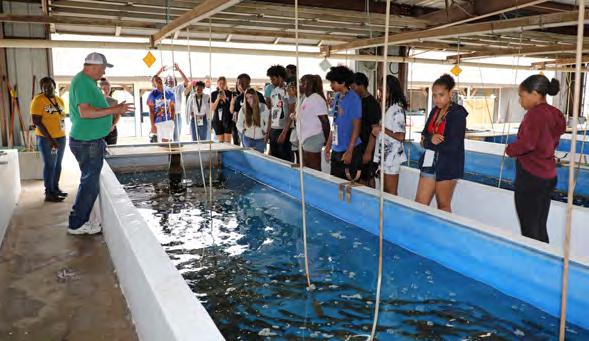
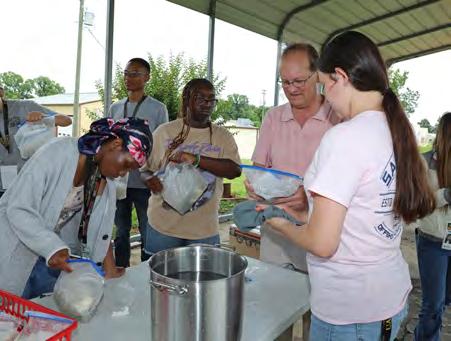
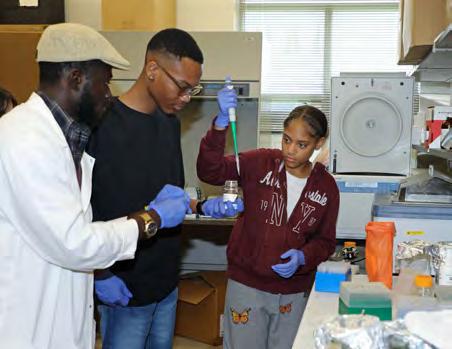
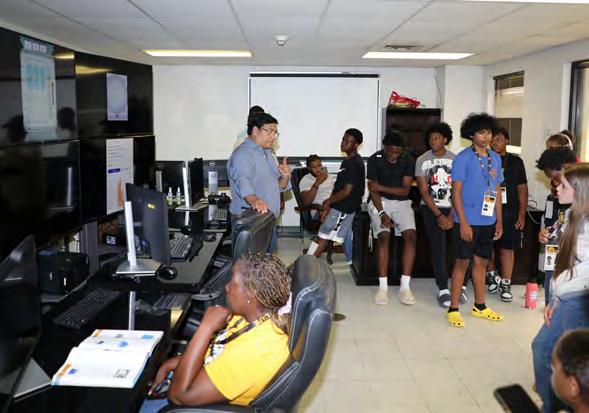
Teenagers who participated in UAPB’s 2024 AgDiscovery program can now say they have gone electrofishing, conducted biotechnology activities and participated in mock animal and plant health investigations, Dr. Christopher C. Mathis Jr., program director, said. The two-week program was conducted at the UAPB campus.
Seventeen students from nine states gained a firsthand look at career opportunities in the agricultural sciences through hands-on labs, field trips, and group and team-building activities, according to Dr. Mathis, who is assistant dean of research and associate research director for UAPB’s School of Agriculture, Fisheries and Human Sciences.
The participants learned about agricultural science, environmental biology, industrial health and safety, plant and soil science, animal science, aquaculture and fisheries, and human sciences from university professors, practicing veterinarians and U.S. Department of Agriculture Animal and Plant Health Inspection Service (APHIS) professionals.
“AgDiscovery gives junior and high schoolers in-depth experience and insight into careers in agriculture,” Dameion White, program coordinator, said. “For our country to reach its future agricultural goals, we must invest in today’s youth and show them the possibilities that are out there. This year’s group of participants was very active and involved – everyone loved the hands-on activities we had planned.”
Field trips are also always a highlight of the program, he said. In Little Rock, students visited the William J. Clinton Library and Museum as well as the headquarters of the Arkansas Department of Agriculture and Arkansas Department of Environmental Quality. They shot archery and canoed on the Arkansas River during a visit to the Delta Rivers Nature Center, learned the ins and outs of wildlife management at airports at the Little Rock Air Force Base and toured a fish farm, rice mill and paper mill.
Jynyiah Braden, a participant from Little Rock, said she is happy she participated in the program because it was a wonderful way to learn about agriculture and plant life.
Jnathan Campbell, a participant from Pine Bluff said, “I learned a ton of things during AgDiscovery including how to hibernate fish and ship them all over the world. I think this has helped me learn fun facts that could help me if I want to start a career in agriculture.”
Patricia Shields from Chicago returned home from the program with some new career ideas.
“I am thinking about getting a job in agriculture –specifically in the U.S. Department of Agriculture – not only because of the benefits of being a government worker, but also because I appreciate that they take their employees’ mental health seriously,” she said. “Furthermore, I would like to work in labs and study the science behind plants.”
Bralie Stover from Fort Worth, Texas had some initial misgivings about attending a summer camp.
“I was scared at first just because I’m very introverted,” she said. “However, the program coordinators made it seem easier to come out of my shell. Now, I am very glad I participated. This whole experience was so fun thanks to the program leaders and new friends made.”
AgDiscovery gives junior and high schoolers in-depth experience and insight into careers in agriculture. For our country to reach its future agricultural goals, we must invest in today’s youth and show them the possibilities that are out there.”
LEFT: AgDiscovery program students participate in hands-on agricultural science activities during the two-week summer program.
DR. REBECCA LOCHMANN RECEIVES FULBRIGHT U.S. SCHOLAR AWARD AQUACULTURE AND FISHERIES
Dr. Rebecca Lochmann, a professor in the Department of Aquaculture and Fisheries at the University of Arkansas at Pine Bluff (UAPB), received a Fulbright U.S. Scholar Program award in aquatic animal nutrition to Ghana for the fall 2025 academic year from the U.S. Department of State and the Fulbright Foreign Scholarship Board.
In Ghana, Dr. Lochmann is conducting research and teaching using her experience in aquaculture nutrition and feeds development with faculty at the Kwame Nkrumah University of Science and Technology (KNUST) in Kumasi, Ghana. Activities are being conducted within the Department of Fisheries and Watershed Management, which performs innovative teaching, research and outreach activities to support the aquaculture industry.
“Aquaculture is experiencing very rapid growth in Ghana and is expected to play a major role in alleviating food and nutrition insecurity,” Dr. Lochmann said. “One of the primary species grown is Clarias–the African catfish. This carnivorous, air-breathing species is a popular foodfish. However, farmers report that Clarias does not spawn consistently, which limits production.”
Diet may be constraining their reproduction, she said. Feeding trials are being conducted with Clarias broodstock comparing the effects of three diets: a commercial diet used currently, and two experimental diets with added fat (marine fish oil or tilapia visceral fat).
“The extra fat provides additional energy and essential fatty acids that might enhance reproduction,” Dr. Lochmann said. “To assess diet effects, we will measure fecundity (number of eggs/female), egg size, fertilization rate, hatching rate and length of the newly hatched fry. Together, these results will indicate whether simple diet modifications using local ingredients can be used to improve Clarias production.”
According to the U.S. Department of State, Bureau of Educational and Cultural Affairs, Fulbright U.S. Scholars include faculty, researchers, administrators and professionals teaching or conducting research in affiliation with institutes abroad. Scholars engage in cutting-edge research and expand their professional
networks, often continuing research collaborations started abroad and laying the groundwork for forging future partnerships between institutions. Upon returning to their home institutions, they share their stories and often become active supporters of international exchange, inviting foreign scholars to campus and encourage colleagues and students to go abroad.
“I am honored to have receive this award,” Dr. Lochmann said. “I thank UAPB’s Dr. Pamela Moore who supported me in getting the award, as well as two alumni of the UAPB aquaculture/fisheries master’s degree program, Dr. Regina Edziyie, department head for Fisheries and Watershed Management at Kwame Nkrumah University of Science and Technology in Ghana, and Dr. Emmanuel Frimpong, professor, Department of Fish and Wildlife Conservation, at Virginia Tech University.”
Dr. Lochmann said that Drs. Edziyie and Frimpong both wrote letters of support for her. She is working with Dr. Edziyie and her colleagues at KNUST. Dr. Frimpong is a Fulbright alum.
Aquaculture is experiencing very rapid growth in Ghana and is expected to play a major role in alleviating food and nutrition insecurity. One of the primary species grown is Clarias–the African catfish. This carnivorous, air-breathing species is a popular foodfish. However, farmers report that Clarias does not spawn consistently, which limits production.”
Dr. Rebecca Lochmann
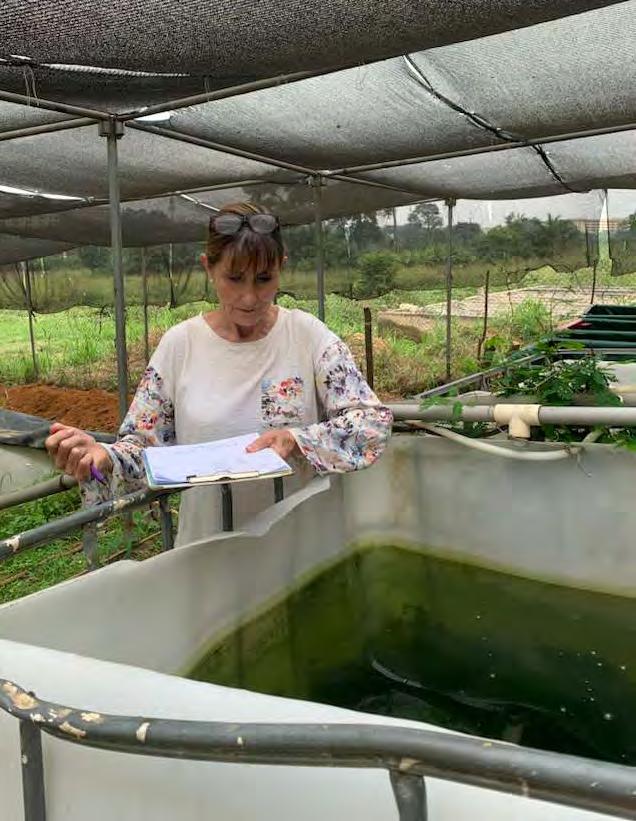
LEFT: Dr. Rebecca Lochmann records water temperature in a Clarias broodstock tank as part of feeding trials examining diet and reproduction.
“I was pleased to learn of Dr. Lochmann’s selection as a Fulbright Scholar to conduct research and to teach using her experience in aquaculture nutrition and feeds development with faculty at KNUST,” Dr. Moore, associate dean for global engagement at UAPB, said. “Beneficiaries will include fish producers in Ghana as well as faculty and staff at KNUST, one of Ghana’s leading institutions of higher learning.
“As we have other university partners in Ghana, there is also the opportunity for her to network and collaborate with those institutions as well. The benefits of her experience will not only contribute to research in the field but also to the quality of education, research and Extension provided by the Department of Aquaculture and Fisheries here at UAPB,” she said. “I hope that the relationships advanced will also lay the foundation and open doors to opportunities for UAPB students to participate in structured experiential learning opportunities conducted by our Ghana partners.”
Dr. Lochmann has been at UAPB since 1993. During that time, she has served in the Department of Aquaculture and Fisheries as a researcher, department chair and professor. She joins the rank of over 400,000 who have been given the opportunity to study, teach and conduct research abroad through the Fulbright Program since 1946.
Fulbright is a program of the U.S. Department of State, with funding provided by the U.S. government. Participating governments and host institutions, corporations and foundations around the world also provide direct and indirect support to the Program which operated in over 160 countries worldwide.
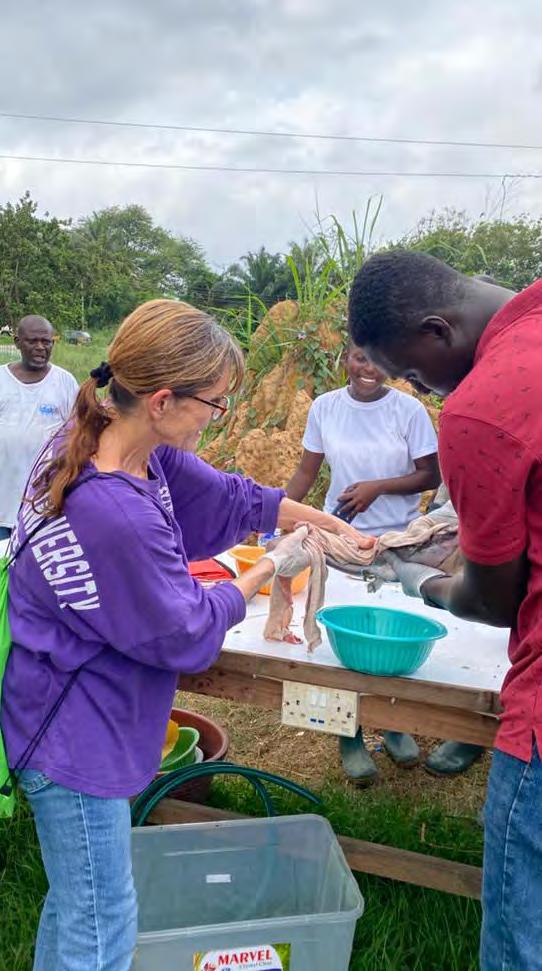
TOP LEFT: Stripping eggs from a female Clarias during spawning to evaluate fecundity and reproductive performance.
TOP RIGHT: Counting newly hatched Clarias fry to determine hatching success and early survival rates.
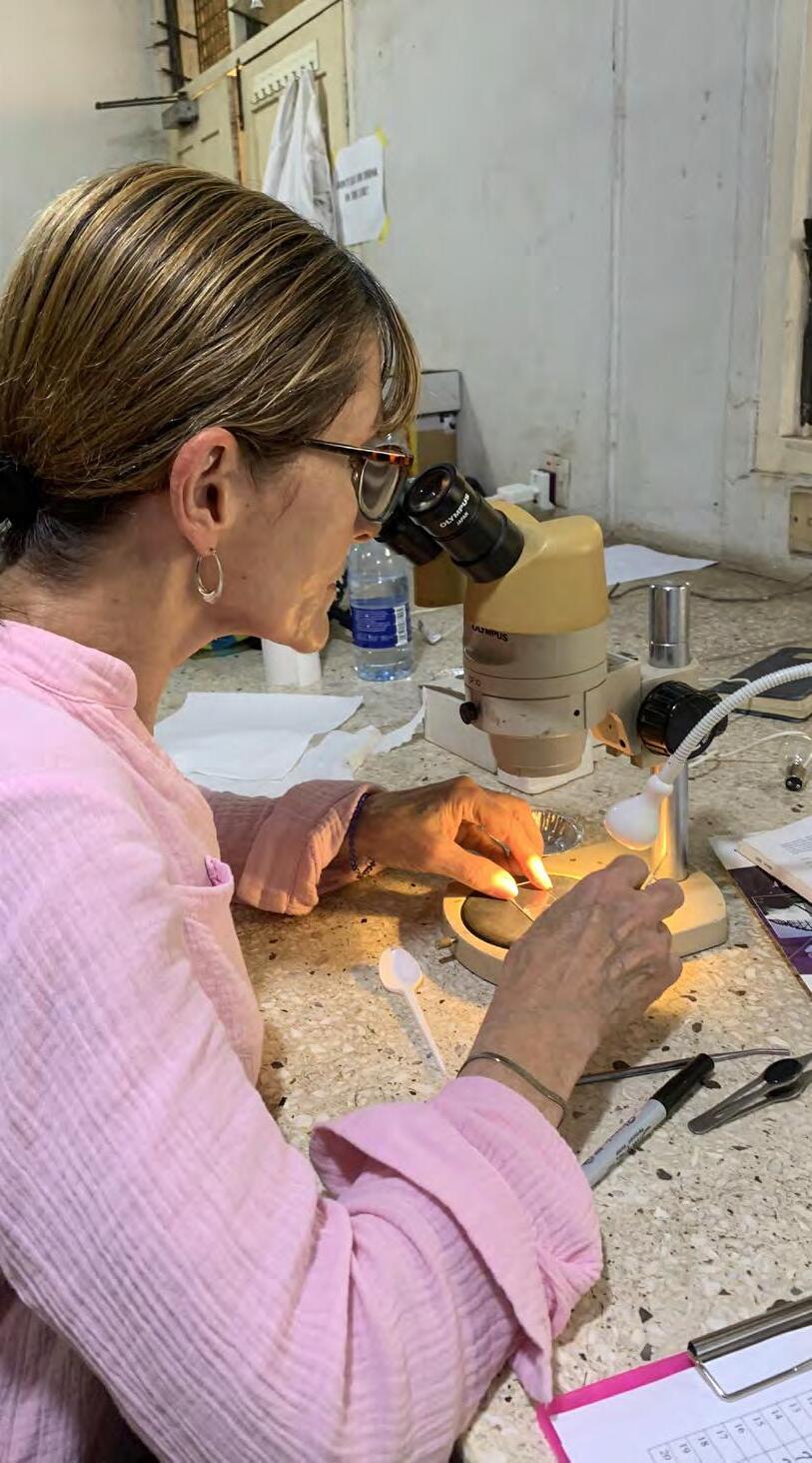
BOTTOM LEFT: Measuring Clarias egg diameter under a microscope to assess the effects of experimental diets on egg quality.
AQUACULTURE AND FISHERIES
UAPB SCIENTISTS ADVANCE CRAPPIE BREEDING WITH GERM-CELL, CELL CULTURE STUDIES
UAPB researchers have taken new steps toward improving fish breeding techniques with two recent studies on the reproductive biology and cell culture of crappie, a popular sport fish in the southeastern U.S.
In the first study, Dr. Perera, assistant professor and Extension specialist-bait and sportfish, collaborated with his mentee Sujan Bhattarai, Extension associate, and their colleagues to examine two germ-cell genes –vasa and nanos-2 – in white and black crappie. Germ cells are the reproductive cells that develop into sperm and eggs.
The researchers identified and partially sequenced these genes for the first time in these crappie species. They also measured how much each gene was expressed in the fish’s ovaries and testes, finding that both genes were more active in male white crappie than in females. This gene activity serves as a marker for early-stage reproductive cells, which are essential for breeding efforts.
“This provides a genetic map for understanding how crappie reproduce,” Dr. Perera said. “Having genetic
records of these markers will help researchers track and manage future breeding work.”
In a related study, the researchers focused on a labbased method to grow crappie ovarian cells outside the fish. They tested various enzymes such as collagenase and trypsin to isolate cells from the ovarian tissue of both white and black crappie and then successfully cultured these cells in a dish, allowing them to multiply under controlled conditions.
“This research lays the groundwork for future techniques such as germ-cell transplantation or surrogate breeding, in which germ cells from one fish could be placed in another to produce offspring,” Dr. Perera said.
Taken together, these studies provide foundational tools for crappie hatcheries, he said. The gene sequencing work helps scientists identify and monitor reproductive cells, while the cell culture protocols enable the growth of those cells in a lab environment.
Crappie populations in lakes sometimes become overpopulated or unbalanced. Tools developed from these studies could help hatcheries control population health and diversity.
“Our hope is that these projects will give hatcheries better tools for breeding and conservation,” Dr. Perera said. “Further work will test how transplanted germ cells develop in recipient fish. If successful, such methods could reshape how crappie populations are managed.”
This research lays the groundwork for future techniques such as germ-cell transplantation or surrogate breeding, in which germ cells from one fish could be placed in another to produce offspring.”
Dr. Dayan Perera
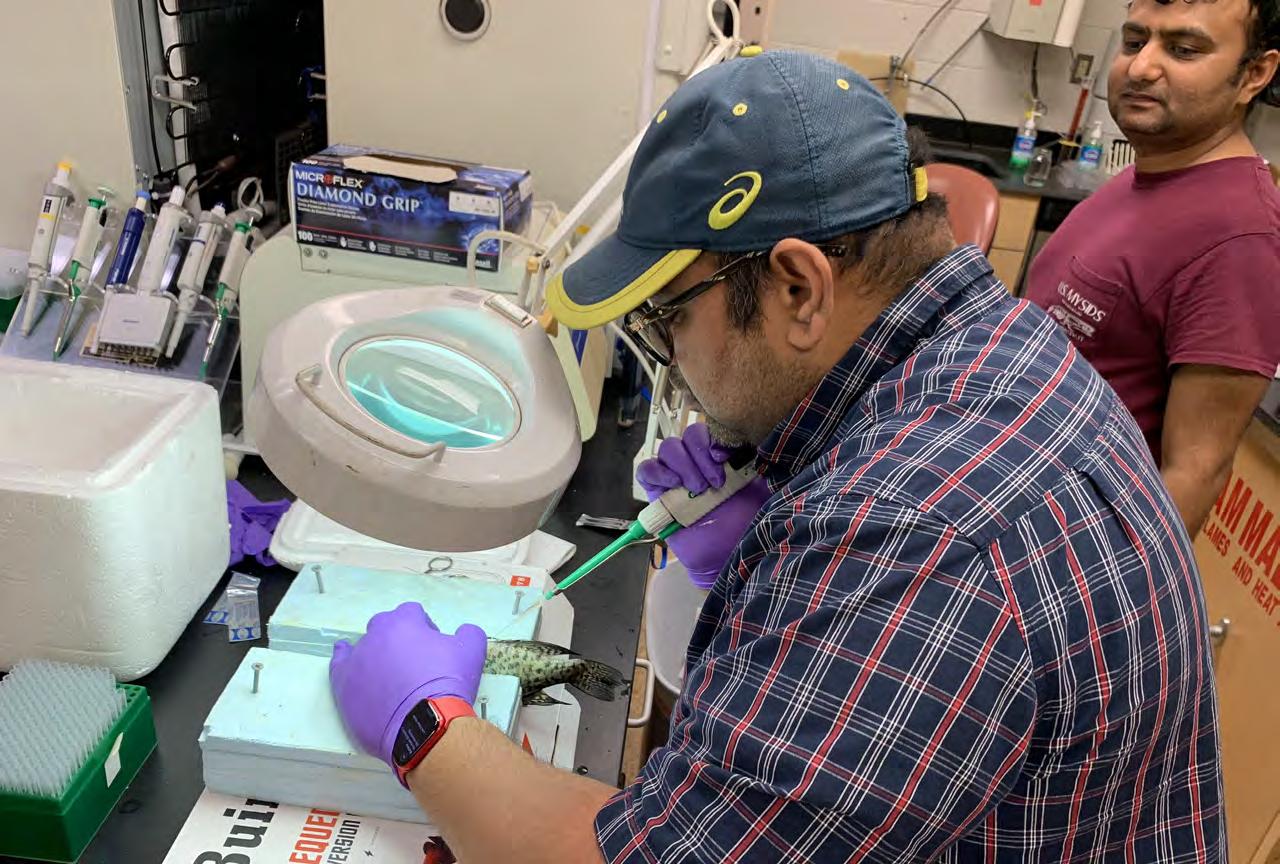
PREVIOUS TOP: Dr. Dayan Perera, assistant professor of aquaculture at UAPB, and Sujan Bhattarai, perform germ cell transplantation into recipient triploid black crappie.
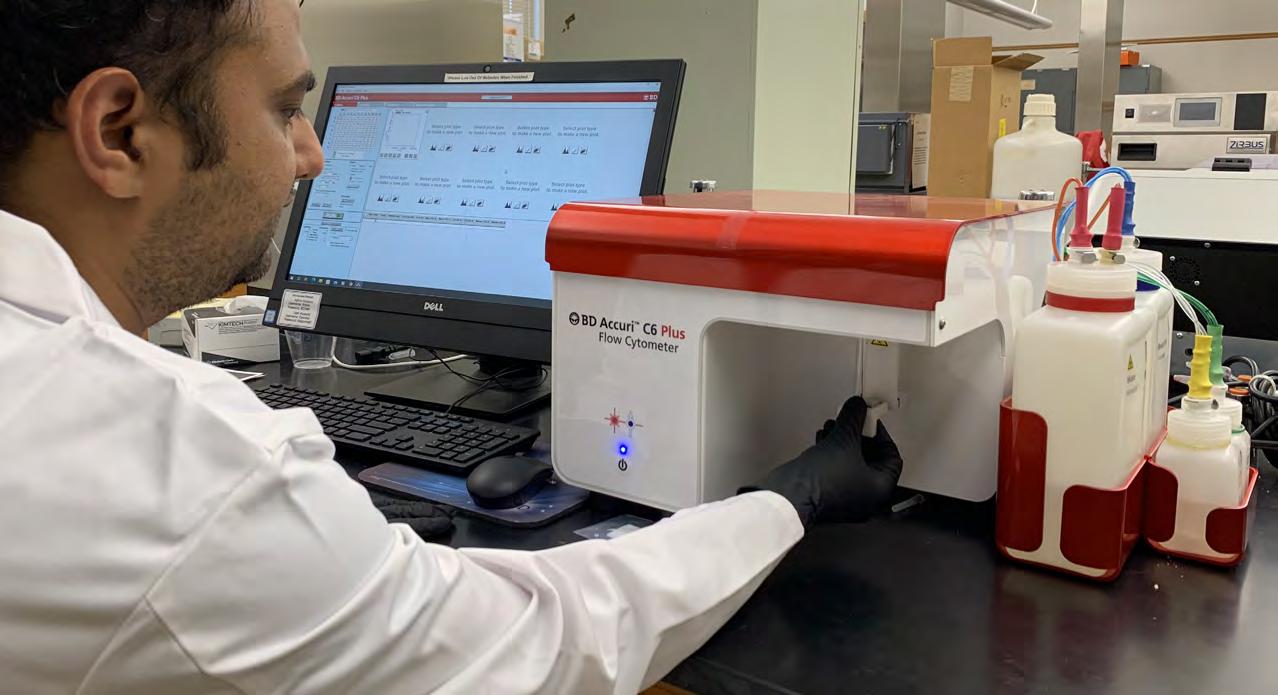
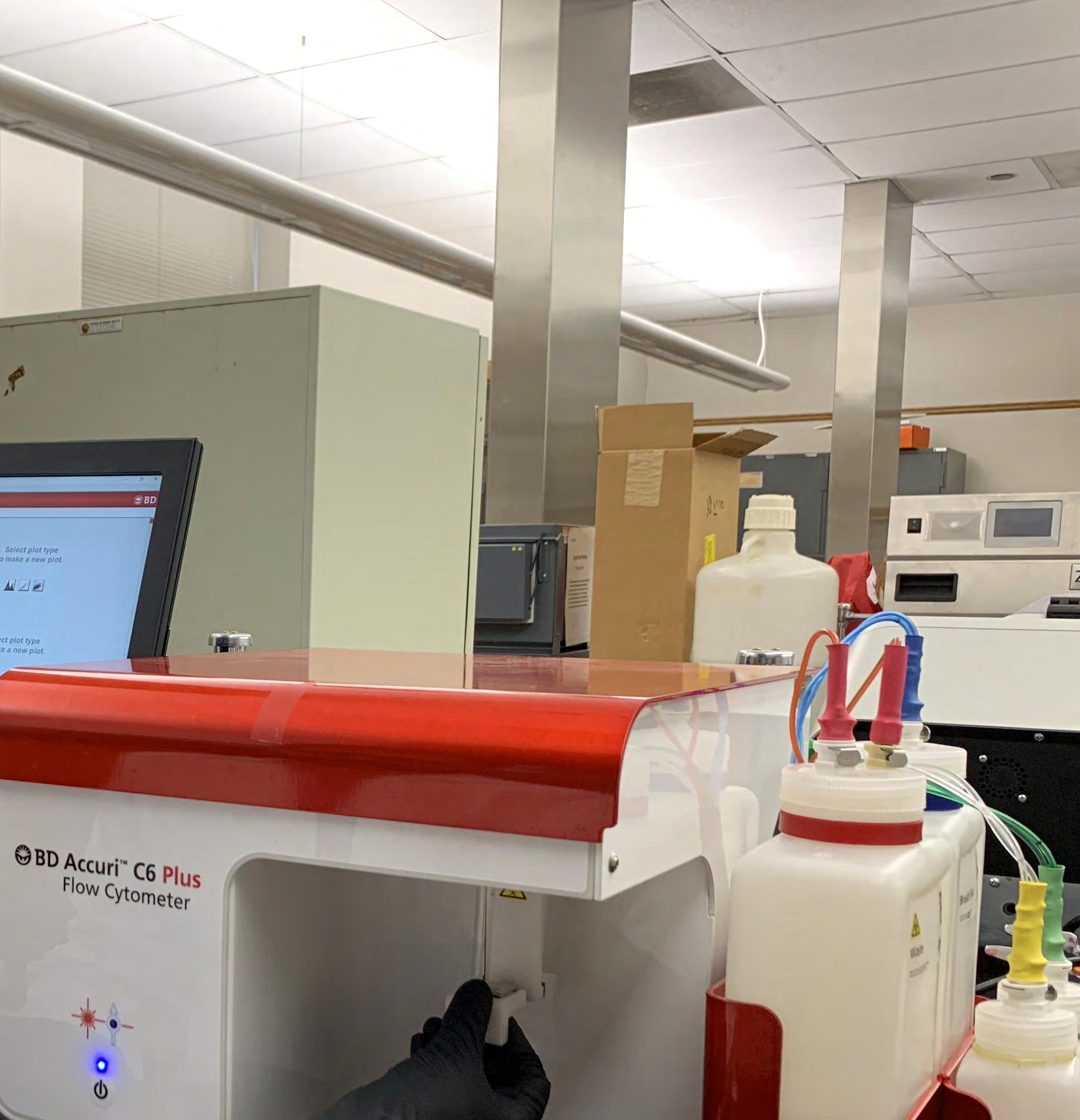
TOP LEFT: Sujan Bhattarai detects tagged vs un-tagged cells using a flow-cytometer.
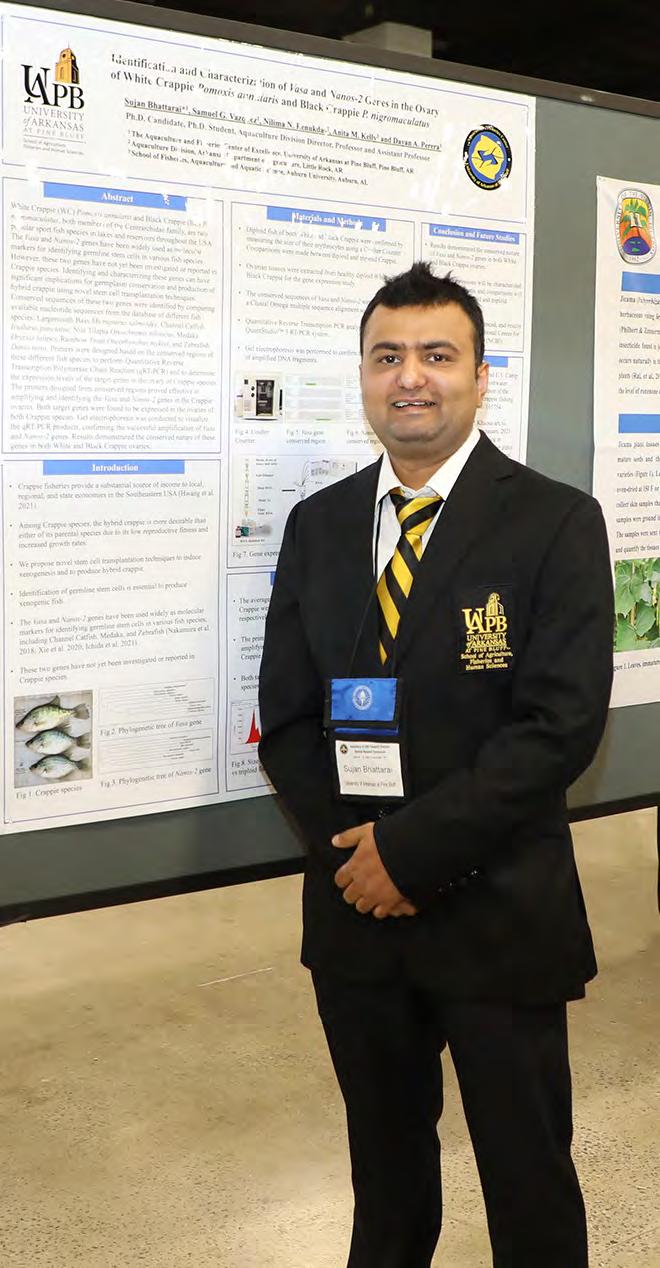
Sujan Bhattarai
Student Perspective: SEEKING TO INNOVATE CRAPPIE PRODUCTION
Sujan Bhattarai, who graduated from UAPB in 2024, said he enjoyed the research experience he gained working on the project.
“The current method for producing hybrid crappie is time-consuming, labor-intensive and requires sacrificing mature males,” he said. “I was interested in contributing to the development of a simplified system for commercially producing hybrid crappie using novel technologies, such as stem cell transplantation techniques.”
He said the fact he and Dr. Perera were able to produce xenogens using cryopreserved ovarian cells demonstrates the potential of cryopreservation and stem cell techniques in fish reproduction. This outcome was both surprising and promising for future applications.
“Our research represents an innovative effort, as it is the first study of its kind on crappie species and the second instance of research in fish species in the U.S., following research to produce hybrid catfish at Auburn University,” he said. “The research findings will benefit a wide range of stakeholders in fisheries and aquaculture, including scientists, conservationists and commercial crappie and catfish farmers.”
AND
UAPB EXPANDS APHIS-CERTIFIED FISH HEALTH INSPECTION, DIAGNOSTIC, RESEARCH SERVICES FOR AQUACULTURE INDUSTRY
The University of Arkansas at Pine Bluff (UAPB) Aquaculture and Fisheries Department continues to advance the U.S. Department of Agriculture’s Animal and Plant Health Inspection Service (APHIS) certified fish health inspection services and disease diagnostics under the leadership of Dr. Grace Ramena, according to Dr. Bruce McGowan, former interim dean and director of UAPB’s School of Agriculture, Fisheries and Human Sciences.
In addition to being director of UAPB’s Fish Health Inspection and Diagnostic Program, Dr. Ramena is also an associate professor of fish pathology at UAPB, an American Fisheries Society Fish Health Sectioncertified aquatic animal health inspector and Arkansas Research Alliance Fellow. Members of her lab include Kailash Bohara, Extension specialist, Zachariah McGowan, Extension associate, and Dr. Betty Cheriyan and Annik Segree, research associates.
“The team plays a vital role of conducting fish health inspections and disease diagnostics for aquaculture stakeholders in Arkansas and nationwide. They ensure regulatory compliance with World Organization for Animal Health (WOAH) and USDA-APHIS standards,” Dr. McGowan said.
The UAPB’s inspection lab is APHIS certified to test WOAH reportable pathogens viral hemorrhagic septicemia (VHS) and spring viremia of carp virus (SVCV), epizootic ulcerative syndrome (EUS), infectious hematopoietic necrosis (IHN), koi herpesvirus disease (KHV) and megalocytivirus pagrus1 (RSIV).
“UAPB has achieved a milestone in advancing fish health inspection services,” according to Dr. Ramena. “The university’s fish health inspection lab in Lonoke, Arkansas is now the only facility in the state authorized by USDA APHIS to test for viral hemorrhagic septicemia (VHS) and spring viremia of carp virus
(SVCV) – two critical pathogens in the aquaculture and baitfish industries. This capability streamlines testing, reduces turnaround times and expedites fish certification for interstate and international movement.”
“These efforts reinforce UAPB’s commitment to fish health and disease prevention while directly supporting farmers in certifying fish benefiting both local baitfish and ornamental fish producers and across the U.S.,” Dr. McGowan said. “This advancement will help with timely certifications to meet market demands and shipping regulations.”
“Our team is committed to advancing molecular diagnostics, expanding testing capabilities and conducting translational research funded by the National Institute of Food and Agriculture to support stakeholders,” Dr. Ramena said. “These efforts position UAPB as a regional leader in aquatic animal health, integrating research, field support and regulatory diagnostics. The department’s progress aligns with its mission to support sustainable aquaculture, safeguard aquatic animal health and strengthen the economic resilience of Arkansas and the U.S. aquaculture sector.”
UAPB has achieved a milestone in advancing fish health inspection services. The university’s fish health inspection lab in Lonoke, Arkansas is now the only facility in the state authorized by USDA APHIS to test for viral hemorrhagic septicemia (VHS) and spring viremia of carp virus (SVCV) – two critical pathogens in the aquaculture and baitfish industries.”
Dr. Grace Ramena
LEFT: Dr. Grace Ramena’s team conducts fish health inspections and disease diagnostics for aquaculture stakeholders in Arkansas and nationwide.
AQUACULTURE AND FISHERIES
UAPB DOCTORAL STUDENT OF AQUACULTURE/FISHERIES WINS FIRST PLACE IN RESEARCH COMPETITION
F
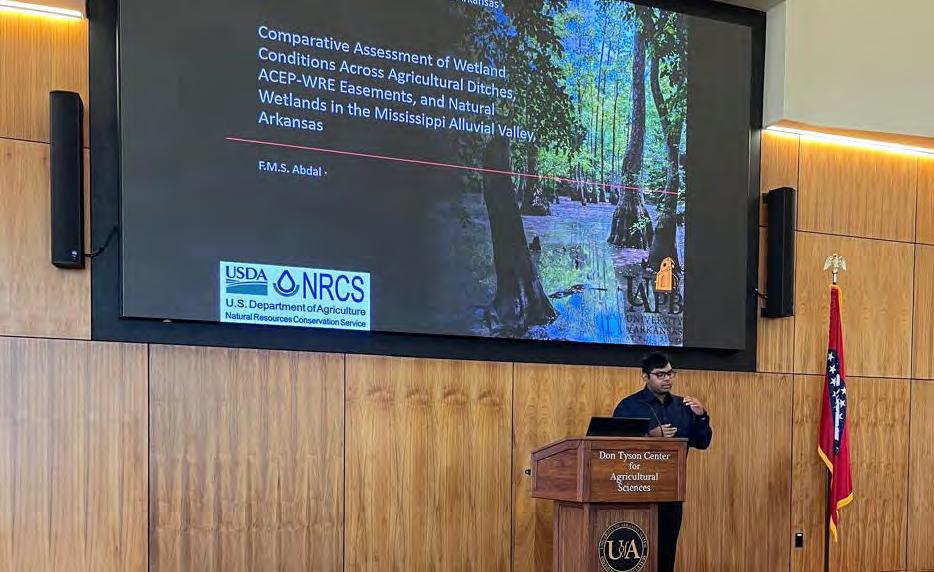
.M.S. Abdal, a doctoral student of aquaculture and fisheries at UAPB, recently won first place for best student oral presentation at the Society of Wetland Scientists South-Central Chapter meeting in Fayetteville, Arkansas. He received a $900 prize for his achievement.
“The award itself was a bit of a shocker,” Abdal said. “I mainly wanted to present my findings and get some feedback from professionals. Winning first place was something unexpected.”
Abdal’s research focused on Arkansas’ wetlands, which he says have great economic and ecological value. Wetlands filter pollutants and retain sediment,
protecting streams from agricultural runoff, provide habitat for migratory birds, amphibians and fish, support biodiversity and improve water quality. They also offer recreation and hunting opportunities for local communities.
“Wetlands are the kidneys of the landscape,” he said. “They perform natural water filtration and provide critical habitat for wildlife.”
His research focused on evaluating the Agricultural Conservation Easement Program – Wetland Reserve Easement (ACEP-WRE) initiative that funds wetland restoration on private lands under the U.S. Department of Agriculture’s Natural Resources Conservation
Service (NRCS). The project compared the ecological conditions of three types of wetlands: agricultural ditches (degraded wetlands), ACEPWRE-restored wetlands (Wetland Reserve Easement sites) and reference wetlands (natural, undisturbed sites).
He used the Wetland Rapid Assessment Method to evaluate wetland characteristics such as hydrology, vegetation structure, degree of interspersion and microtopography (presence of hummocks, woody debris, standing dead and amphibian pools).
The study compared how wetland quality changes over time – some sites restored in the 1900s -2010s show measurable progress in recovery. Results suggest that older restored wetlands exhibit better ecological conditions than newer ones but may still take decades to match natural wetlands.
“There is a positive trend showing that these wetlands are improving over time,” Abdal said. “But some may never fully function like natural wetlands because of severe changes to the soil and landscape in the past. Their ecological condition depends on several factors beyond just age.”
Abdal moved to the U.S. in 2023 from his home country of Bangladesh, a nation rich in rivers and fisheries.
“We have a phrase in our language that means, ‘fish and rice make up a Bengali,’” he said. “These are resources of upmost importance to our country and its people. I wanted to be part of the aquaculture sector because it’s
a major industry with enormous potential. My in-laws are involved in fish feed production, which also sparked my interest.”
Abdal said his decision to pursue a Ph.D. at UAPB was inspired by the realities of climate change, which he says are clearly visible in Bangladesh through changing weather patterns. He wanted to pursue research that could inform ecological and climate resilience efforts back home.
He credits his direct supervisor Dr. Uttam Deb, associate professor of aquaculture and fisheries economics, and Dr. Mike Eggleton, professor and his project’s principal investigator, with constant support and encouragement.
Abdal said he also appreciates UAPB for its small class sizes and personalized learning environment. He believes this fosters stronger connections between students and faculty.
“At larger universities, professors may have 120 students per course,” he said. “At UAPB, however, graduate students can have much more interaction with their supervisors and colleagues. There are always opportunities for one-on-one discussions and feedback. That has been really fruitful for me.”
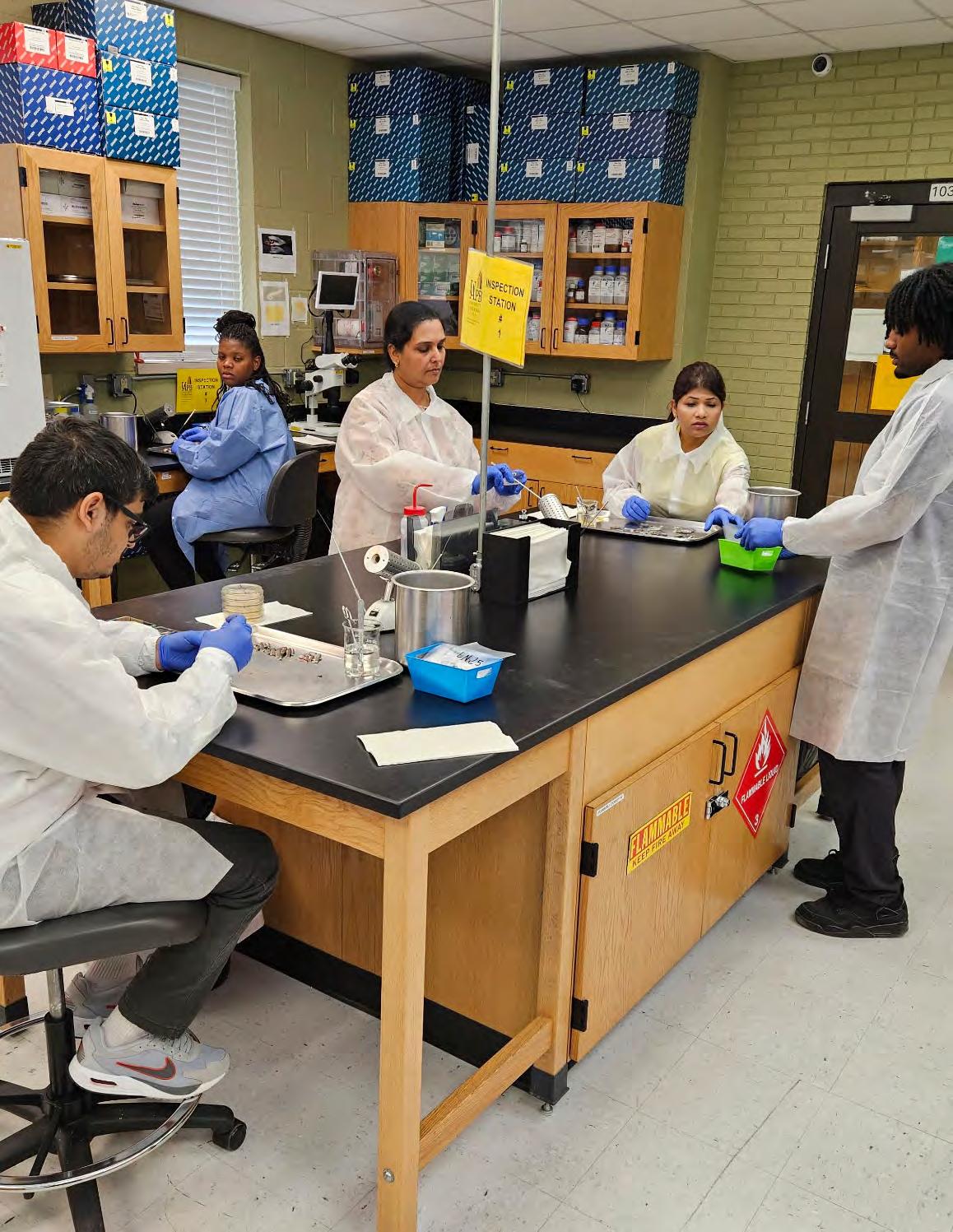
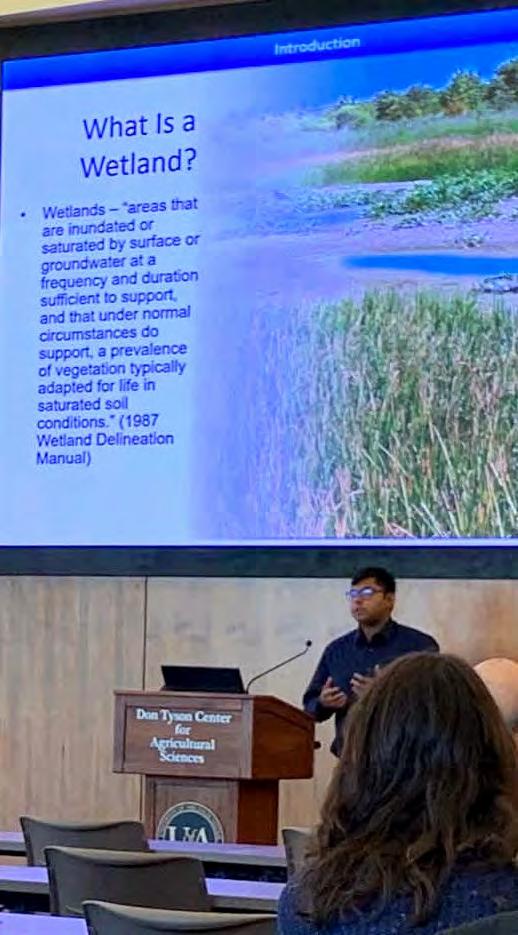
TOP LEFT AND RIGHT: F.M.S. Abdal presenting at the Society of Wetland Scientists South-Central Chapter meeting in Fayetteville, Arkansas.
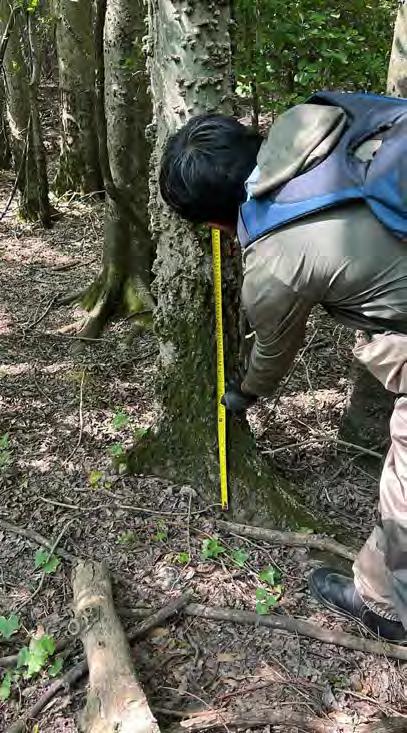
BOTTOM RIGHT: Abdal collects field data for his research on wetland restoration and ecological health in Arkansas.
UAPB STUDYING SUSTAINABLE AQUA-BASED LIVE FOOD STRATEGIES FOR POULTRY INDUSTRY
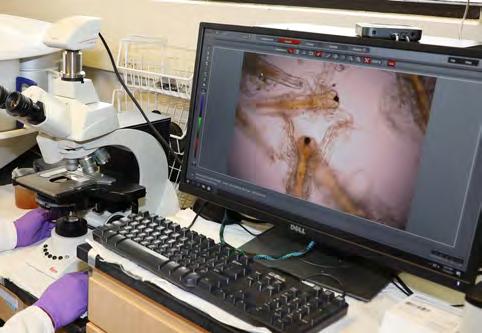
UAPB-SAFHS is studying Artemia franciscana, a species of brine shrimp, as a sustainable and nutritionally rich ingredient for both aquaculture and poultry feeds, Dr. Yathish Ramena, director of the UAPB Department of Aquaculture and Fisheries Center of Excellence, said. Dr. Ramena said Artemia are a crucial live feed in aquaculture and have long been used to nourish larval fish and shrimp due to their high digestibility, rich protein content and essential amino acids and fatty acids.
“The role of brine shrimp in aquaculture is indispensable, providing a reliable and high-quality food source that enhances survival, growth and overall health of aquatic species,” he said. “Given its exceptional nutritional profile, Artemia is now being considered for broader applications, particularly in poultry feed.”
Dr. Ramena said UAPB is launching an initiative to establish Artemia biomass culture to ensure a continuous and sustainable supply of this high-protein feed ingredient. With approximately 60% protein on a dry basis, Artemia offers an excellent alternative protein source for poultry, supporting growth and egg production while promoting sustainable feeding practices. He also plans to bring in two Fulbright postdoctoral scholars in the next cycle to further advance this integrated research project.
“One of the key advantages of Artemia culture is its continuous harvesting capability, which makes it an ideal candidate for small-scale, backyard and indoor farming setups,” he said. “Unlike traditional feed sources that require extensive processing and storage, Artemia can be cultured and harvested regularly, providing a fresh and consistent feed supply. This makes it particularly appealing for small-scale farmers and entrepreneurs looking for cost-effective and sustainable poultry nutrition solutions.”
This initiative aligns with UAPB’s broader vision for agricultural and livestock advancements, particularly as the university prepares to develop a new poultry research facility, Dr. Ramena said. The establishment of this facility will further enhance research capabilities,
allowing for more in-depth studies on Artemia-based poultry diets and their impact on bird health, growth performance and egg production. The integration of Artemia into poultry feed research at this new facility will provide insight that could lead to novel feeding strategies benefiting both small-scale and commercial poultry producers.
“Additionally, our initiative will provide valuable training opportunities for UAPB’s undergraduate and graduate students,” Dr. Ramena said. “By engaging students in hands-on research, UAPB aims to foster the next generation of scientists, nutritionists and aquaculture specialists. Students will gain practical experience in feed formulation and biomass production at the intersection of aquaculture and poultry nutrition. This will equip them with the skills necessary to address challenges associated with sustainable food production.”
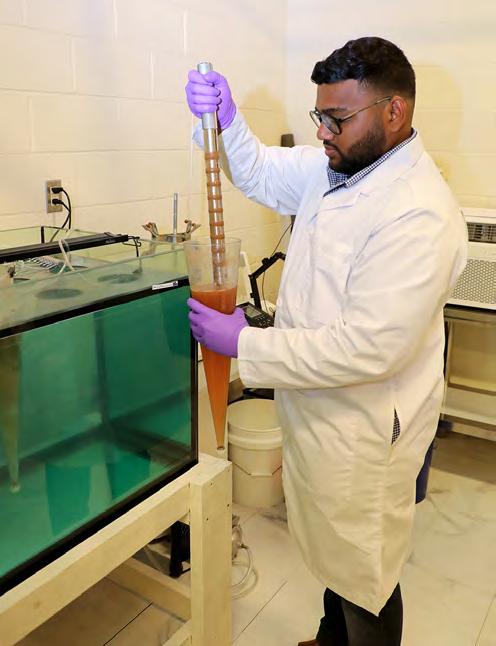
RIGHT: Dr. Yathish Ramena and his team work on the production of sustainable Artemia live feeds as alternatives for the poultry and largemouth bass industries. Artemia
Ram Babu Kurapati
Student Perspective: GAINING EXPERIENCE TO TACKLE TIMELY
FOOD PRODUCTION CHALLENGES
As a graduate student of aquaculture and fisheries, Ram Babu Kurapati works alongside Dr. Ramena on the Artemia-based live feed research project. His responsibilities include setting up experiments, managing live feeds, performing histology and analyzing gene expression in shrimp and fish during early developmental stages.
Kurapati has been applying AI technologies to evaluate feeding behavior and various larval performance parameters. This includes data collection, behavioral observation, model generation and result interpretation to evaluate the effects of different feeding strategies.
“Working directly with AI models to evaluate shrimp and fish growth has significantly improved the accuracy, speed and overall quality of our research,” he said. “The AI system delivers highly precise measurements, such as length, weight, survival rates and coefficient of variation among animals with over 99% accuracy, far surpassing traditional manual methods. What once took hours of manual labor, especially measuring postlarval shrimp under a microscope, can now be completed in seconds.”
Beyond speed and accuracy, AI has reduced the need for physically handling aquatic animals, minimizing stress and supporting more ethical research practices, Kurapati said.
“Participating in this ongoing interdisciplinary research has a profound impact on my academic goals and career aspirations,” he said. “Working
at the intersection of aquaculture, artificial intelligence and sustainable feed development demonstrates the power of combining technology with biological sciences to address real-world challenges in food production.”
Looking ahead, Kurapati is considering pursuing a doctoral degree related to sustainable aquaculture systems and innovative feed technologies.
“I hope to build a career in research and development, either in academia or within the aquaculture industry, where I can continue contributing to sustainable solutions that enhance food security and environmental stewardship,” he said. “This research journey is not only strengthening my technical skills but also shaping my vision for making a meaningful impact in global aquaculture.”
UAPB RESEARCHERS FIND NOVEL WAYS TO MITIGATE AMMONIA IN CATFISH PRODUCTION AQUACULTURE AND FISHERIES
Dr. Amit Sinha, associate professor of water quality at UAPB, is investigating the harmful effects of waterborne ammonia toxicity on fish. His research focuses on how elevated ammonia levels impair growth, health and survival. By understanding its impact on fish physiology and performance, the research aims to develop strategies to mitigate ammonia-related stress in aquaculture, ensuring better fish welfare and sustainable production.
“In simple terms, ammonia is a waste product build-up in fish tanks or ponds, and it can be harmful or even deadly to fish when present in high concentrations,” he said. “This results in significant economic losses for farmers.”
When fish eat, they break down their food into protein, which is then converted to amino acids, Dr. Sinha said. Fish release amino acid in the form of ammonia through their gills. This is the primary way ammonia can accumulate in fish tanks or ponds, though it can also build up because of excess feed left in the water.
“Ammonia can reach high levels if the water isn’t changed often enough or if the fish are being overfed,” he said. “If ammonia levels are high in the water, fish have a hard time diffusing ammonia from their own bodies. We can compare this phenomenon to kidney failure in humans, when kidneys can no longer effectively filter excess waste and fluid from the blood.”
Acute ammonia toxicity in catfish production occurs when ammonia levels rise rapidly over a short period of time, which could trigger a sudden fish kill. Chronic ammonia toxicity, on the other hand, refers to long-term exposure to sub-lethal levels of ammonia. In this case, though the fish in a pond may not be dying, their health, growth and immune function are compromised.
“Occasionally farmers are confused as to why their catfish aren’t growing – they are not aware the stunted growth is the result of high ammonia levels,” Dr. Sinha said.
Traditional mitigation strategies for ammonia are sometimes ineffective or costly.
“Sure, you can install an expensive biofilter,” he said. “This will help initially, but you will need to continue maintaining that biofilter, which may not be economically feasible for producers. We decided to start thinking outside of the box – what if we changed the water chemistry itself?”
Dr. Sinha and Fatin Ilham Fahim, a graduate student of aquaculture and fisheries, began investigating how raising the water’s pH (increasing its alkalinity) might help protect catfish from the harmful effects of ammonia. Over the course of their study, they increased the pH of the water by adding hydroxides of potassium or sodium. They found that this helped to reduce the toxicity caused by ammonia.
“Potentially, producers may be able to mitigate ammonia buildup by spending only $500 on chemicals to change the water’s pH instead of $5,000 or $10,000 on a water filter,” he said.
Ammonia is a waste product build-up in fish tanks or ponds, and it can be harmful or even deadly to fish when present in high concentrations. This results in significant economic losses for farmers.”
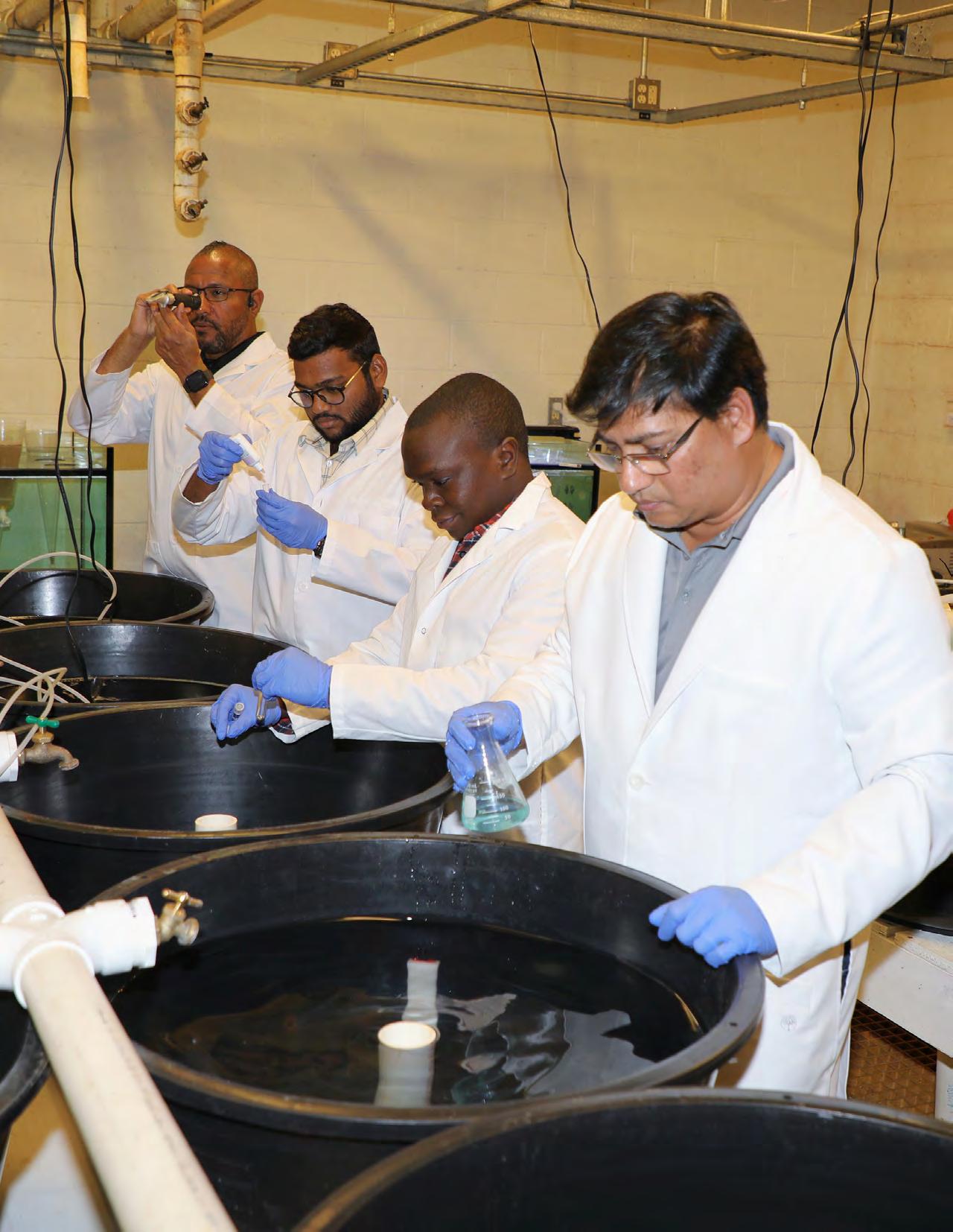
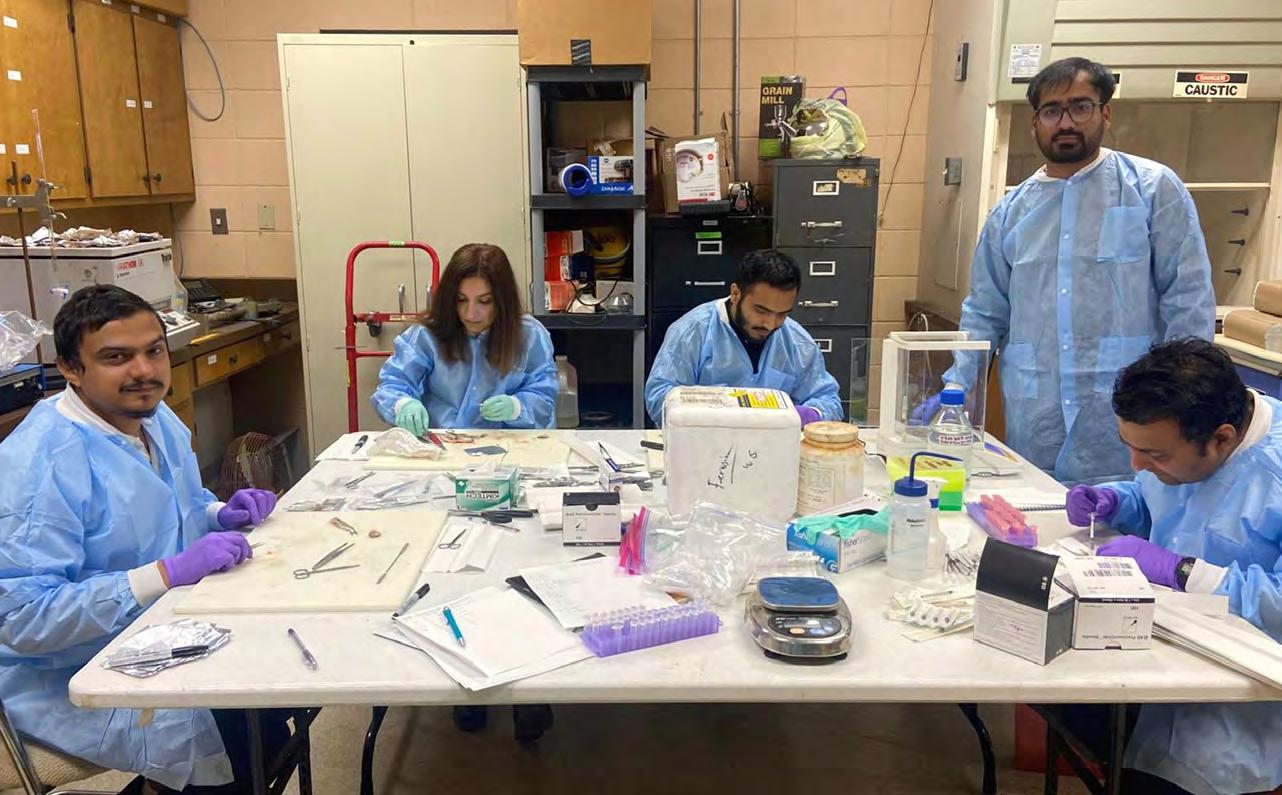
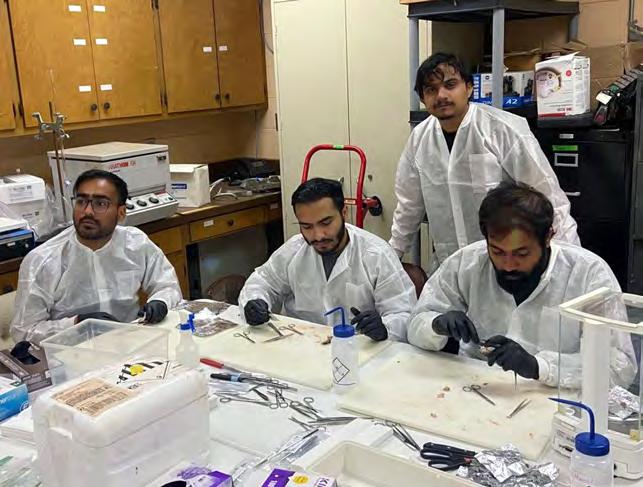
PREVIOUS TOP: The laboratory team collects fish blood and tissue samples to investigate responses to high ammonia exposure, supporting studies on ammonia toxicity and water-quality management in aquaculture systems.
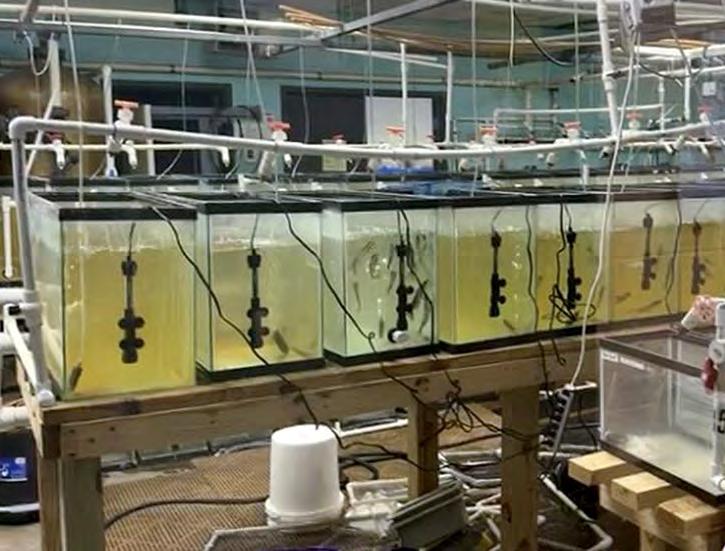
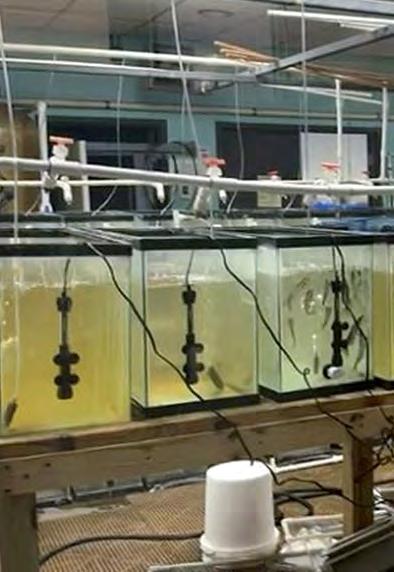
TOP LEFT: Indoor aquaculture tank system used to rear fish under controlled water-quality conditions during ammonia-toxicity trials, allowing researchers to monitor exposure levels and fish responses.
TOP RIGHT: Graduate students process fish tissue samples for molecular and biochemical assays, contributing to research on stress responses in fish.
Dr. Amit Sinha
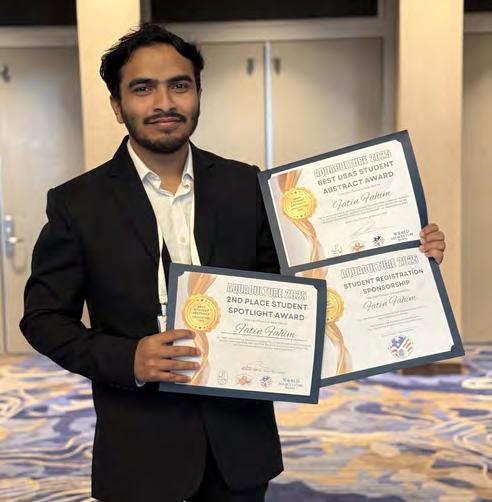
Student Perspective: FAHIM HONORED AT AQUACULTURE AMERICA FOR RESEARCH ON AMMONIA MITIGATION
Fatin Ilham Fahim, Dr. Sinha’s research assistant who is a graduate student of aquaculture and fisheries at UAPB, took several awards and honors at the 2025 Aquaculture America Conference in New Orleans. Hosted by the U.S. Aquaculture Society (USAS) and partners, Aquaculture America is the nation’s only major national aquaculture conference and exposition.
Fahim was one of 12 attendees to receive the Student Spotlight Award, and he also garnered awards for best abstract and best oral presentation for his research titled “Alleviating Ammonia Toxicity in Catfish Farming: Protective
Role of Elevated Water pH on Growth and Physiological Performance.”
Fahim said the recognition he received at the conference boosted his confidence and reinforced his passion for contributing to advancements in aquaculture.
“Being chosen for the Student Spotlight Award was an incredible honor and a truly exhilarating experience,” he said. “It was a moment of immense pride and validation, knowing that my research had been recognized among the best. The opportunity to present my work in such a prestigious setting was thrilling and motivating. It highlighted the importance of my research and provided a platform to share my findings with a broader audience, which was truly rewarding.”
Fahim credits Dr. Sinha with providing constant support and quality mentorship.
“Our study looks at how this approach affects the growth and overall health of the catfish,” he said. “By tackling this problem, we aim to improve catfish farming practices, potentially leading to healthier fish, better growth rates and more efficient production for farmers.”
After he earns his master’s degree from UAPB, Fahim plans to pursue a doctoral degree in aquaculture and fisheries science.
“I am passionate about continuing my research in this area, particularly focusing on sustainable aquaculture practices and innovative solutions for fish health management,” he said. “My ultimate ambition is to establish myself as a respected researcher in the field, contributing significantly to the advancement of aquaculture science and practices. I hope to develop solutions that can have a real-world impact on the industry, improving both productivity and sustainability in fish farming.”
Fatin Ilham Fahim
HUMAN SCIENCES
PRESCHOOLERS DISCOVER JOY OF GARDENING, HEALTHY EATING AT UAPB
Preschoolers at the UAPB Child Development Center (CDC) have been getting their hands in the dirt and reaping the benefits of growing fresh produce in raised beds. The latest project, funded by an Evans-Allen grant, is titled “Implementing Healthy Eating Habits While Combatting Obesity in Preschool Settings.”
Dr. Marilyn Bailey, interim chair of the UAPB Department of Human Sciences, said the centerpiece
of the project is a demonstration garden site where preschoolers can plant seeds, monitor vegetable growth and eventually harvest the fruits of their labor –everything from greens and tomatoes to blackberries and herbs such as rosemary.
The program is not limited to Jefferson County. Preschoolers in Bradley, Drew and Chicot counties are also learning to eat healthy thanks to the initiative.
During lessons in the classroom, teachers ask the children about their observations and expectations relating to the gardens.
“It is important to engage preschoolers with questions about the world around them,” Dr. Bailey said. “From infancy, children learn through all their senses – touch, sight, hearing, smell and taste. When you give them the opportunity to use these senses – in the garden, for instance – and then pose questions about their experience, it lights up their mind and gets them thinking in new ways.”
Dr. Bailey said her demonstration garden was inspired by a conversation she had with a child. One day while walking through a pre-K classroom, she asked a student if he knew where his French fries came from. He responded, “You know where fries come from, Dr. Bailey. They come from McDonalds.”
Considering the growing phenomenon of food deserts, it is essential that children and their parents be taught where food actually comes from, as well as the importance of eating nutritious food, Dr. Bailey said.
“It is rewarding to see our young students expressing delight in harvesting their garden – for example, to see the realization on their face that sweet potatoes grow under the dirt and that they will have to dig them up,” she said. “We must remember that oftentimes our youngest generations have not had the chance to be outside and touch the dirt as much as previous generations. This gardening project provides that missing link, allowing children to better understand how to nurture their bodies through healthy eating.”
Low-income families may also have to increasingly rely on growing their own food in the future. That is why the demonstration garden is open to the young program participants and their parents.
Learning to provide healthy and nutritious food for one’s family does not happen overnight, Dr. Bailey said. To ensure this knowledge “sticks,” parent participants complete pre- and post-evaluations. The goal is to ensure that over time parents and their children will start adopting healthy eating habits and perhaps even begin gardening at home.
“The other part of this program consists of our ‘Nutrition Café’ sessions during which children and their parents, learn about healthy eating options and how to prepare healthy snacks from fresh produce,” Dr. Bailey said.
During the most recent Nutrition Café session, Dr. Kimberly Haynie, UAPB associate professor of food and nutrition science, presented on the difference between good and bad fats. Then, Dr. W. Jinnings Burruss Jr., UAPB assistant professor of food service and restaurant management, taught participants how to make hummus.
“Children are more likely to eat fruits and vegetables once they have been a part of the process, taking part in planting and harvesting produce and preparing meals from scratch,” Dr. Bailey said. “This is the change we are hoping to make at UAPB and across Arkansas communities. We are planning to keep this impactful project going for years to come.”
It is important to engage preschoolers with questions about the world around them. From infancy, children learn through all their senses – touch, sight, hearing, smell and taste. When you give them the opportunity to use these senses – in the garden, for instance –and then pose questions about their experience, it lights up their mind and gets them thinking in new ways.”
Dr. Marilyn Bailey
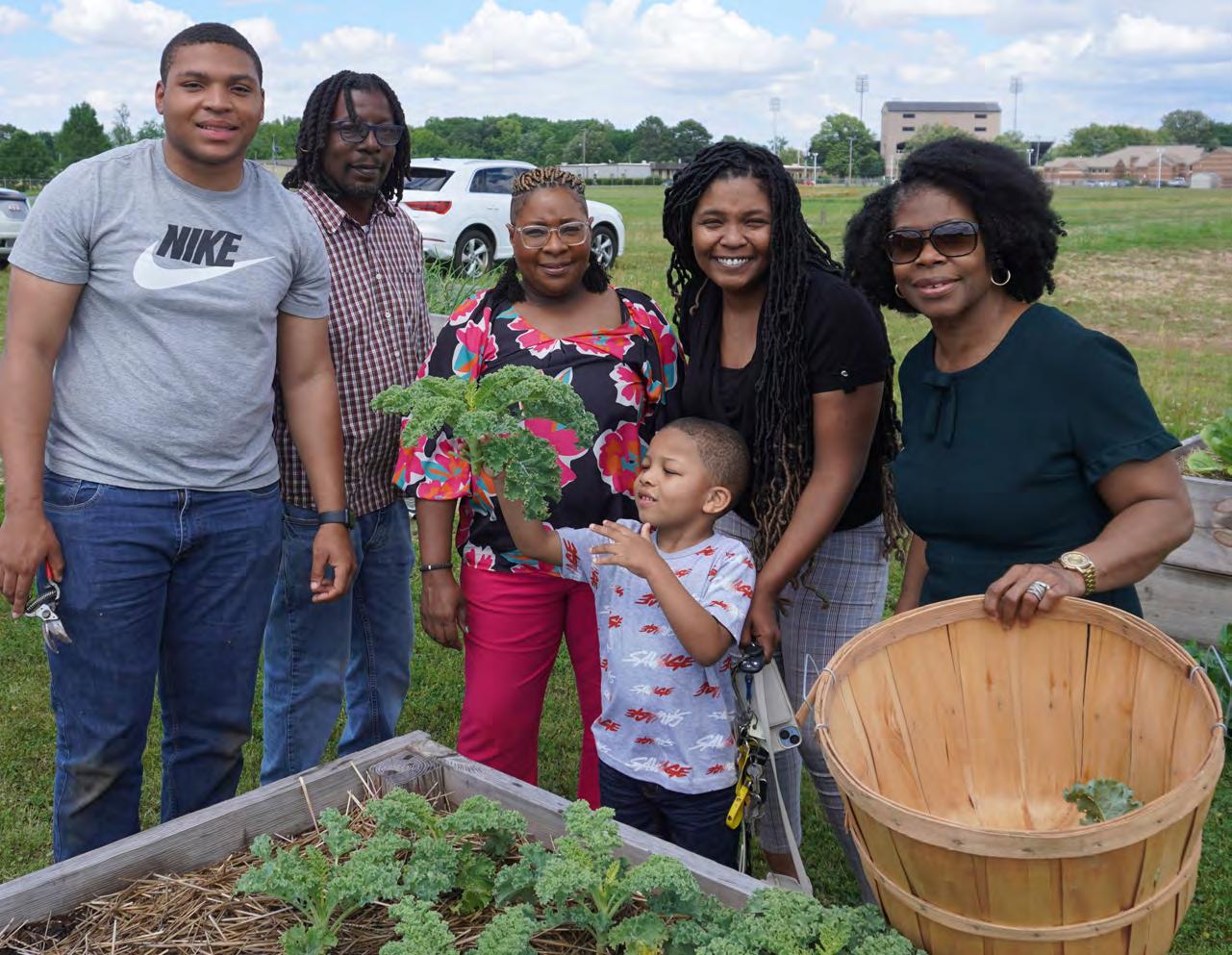
LEFT: Kendrick Nelson, Dameion White, LaTyeshia Arnett-Rembert (CDC Director), Raymonda and Noah Shelby (CDC Parent and Student) and Dr. Marilyn Bailey gather in support of the Child Development Center’s demonstration garden project promoting healthy eating habits among preschoolers.
FORGING GLOBAL STANDARDS AND WORKFORCE PATHWAYS: UAPB’S 1890 CENTERS OF EXCELLENCE WALMART GRANT ELEVATES CULINARY
AND HOSPITALITY EDUCATION
UAPB has been awarded a $150,000 1890 Centers of Excellence Walmart Grant to support a new initiative in culinary and hospitality education, Dr. W. Jinnings Burruss Jr., professor of food service and restaurant management, said. This funding will enable the university to launch a digital badge program that integrates international certification standards, industry-relevant training and cutting-edge credentialing technology to better prepare students for employment in the food service and hospitality sectors.
“At the heart of this initiative is the integration of stackable micro-credentials – short, focused credentials – designed to demonstrate in-demand skills, knowledge and competencies. The program aims to provide students with direct pathways to employment or further academic achievement,” Dr. Burruss, principal investigator of the grant, said. “Through the strategic partnership with Worldchefs Global Hospitality Certification, UAPB will align its curriculum with international benchmarks to provide digital badges that represent students’ mastery of relevant industry skills. These badges offer more than symbolic recognition; they provide employers with detailed insights into students’ capabilities, increasing their job market value and employability.”
Worldchefs certification is already used by top industry names such as Marriott, Disney, Radisson Hotel and Resorts, Electrolux and Nestlé Professional, he said. As an educational partner, UAPB will gain international visibility and be acknowledged for offering high-quality education that meets global standards.
“This recognition will not only enhance the university’s reputation but also allow its students to be more competitive in global job markets. The affiliation
provides access to a vast professional network of over 400,000 members and more than 30,000 job opportunities, as well as participation in specialized training seminars, industry trade shows and exclusive Worldchefs events,” Dr. Burruss said. “Through this connection, UAPB students, alumni and faculty will be well-positioned to thrive in an international hospitality learning community.”
In addition to increasing global recognition, the grant allows UAPB to serve as a regional center for both foundational and advanced credentialing. The university will support students and working professionals seeking certification advancement based on time and experience in the industry, he said. The program will also expand UAPB’s role in public food safety by becoming a regional training and certification site for the National Restaurant Association’s SERVSafe Food Protection Manager program – an essential credential for food service professionals in Arkansas’s Delta region.
“The badge credentialing initiative includes five foundational badges in food production and safety, basic food production, food management and purchasing, lodging and tourism, and club and event management,” Dr. Burruss said. “These credentials are mapped to UAPB’s existing curriculum and are designed to reflect the real-world demands of the hospitality and food service sectors. By providing hands-on, skills-based training, the program emphasizes competencies such as sanitation, food safety, cost control and hospitality operations, with a focus on workforce development and job readiness. A pilot implementation is set for Spring 2026, with outcomes measured through both student feedback and employment data.”
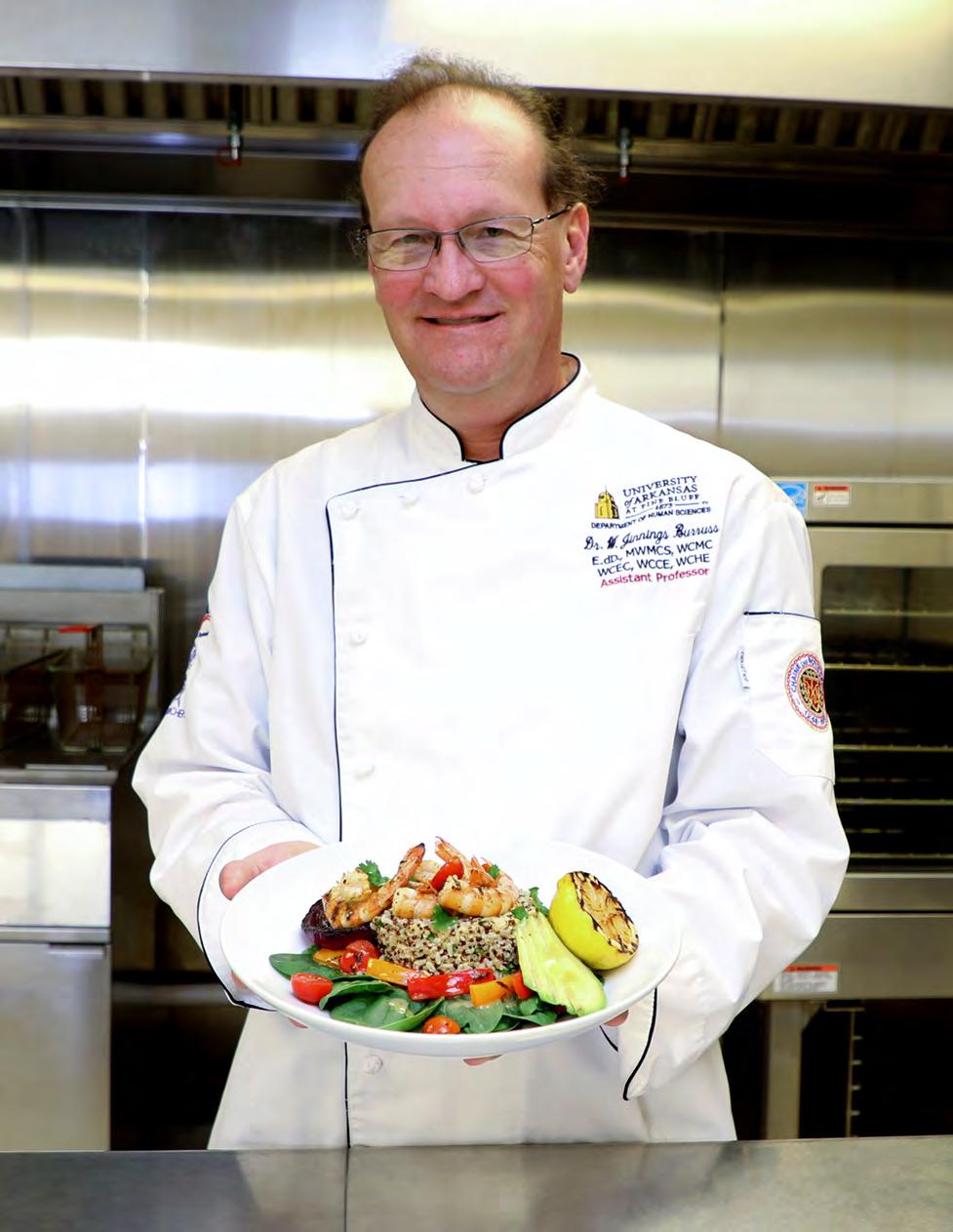
LEFT: Dr. W. Jinnings Burruss Jr., UAPB professor of food service and restaurant management, says the university’s new digital badge program will equip students with industry-ready skills in food service and hospitality.
This effort directly addresses the growing demand for skilled labor in communities where educational pathways may be less accessible. By offering shorter, modular credentials that can later be stacked toward certificates or degrees, the badge program creates more flexible opportunities for career advancement, he said. It targets adult learners, helping to close skill gaps while enhancing economic resilience and community growth.
UAPB anticipates measurable success through this project. An estimated 90% of participants are expected to earn the SERVSafe certification, and 80% of badge recipients are projected to report job readiness after program completion. Those completing the Food Management and Purchasing badge are expected to see employment gains within six months of certification. These projections are supported by program
evaluation strategies that include alumni tracking, outcome analysis and continuous curriculum refinement.
“The initiative also responds to institutional and logistical challenges. Historically, limited access to non-grant funding constraints within university accounting systems and a lack of release time or incentives for faculty have hindered program development,” Dr. Burruss said. “However, the Walmart grant enables UAPB to streamline services, incentivize innovation and encourage collaboration aimed at engaging adult students. It provides the resources necessary for long-term sustainability, including expansion into advanced badge offerings such as sustainable food practices, digital inventory management and online or hybrid learning options for working adults.”
To strengthen industry ties and employment pathways, UAPB will establish internships and job placement programs in partnership with local food service and hospitality businesses, he said. An industry advisory board is planned to ensure that the curriculum remains aligned with current trends and employer expectations. The use of simulation tools and virtual reality will also be explored to enhance experiential learning in food safety and hospitality management.
“The digital badge program is not only a workforce development tool but also a subject of academic scholarship,” Dr. Burruss said. “The research generated from this initiative reflects the growing interest in credential innovation and educational transformation.”
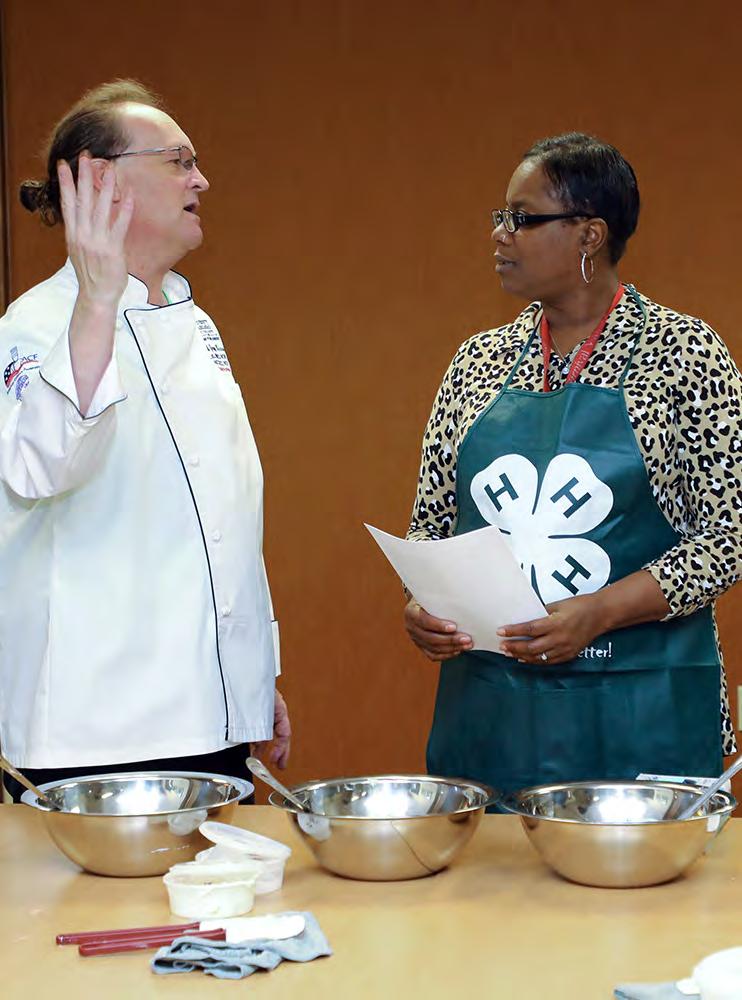
TOP LEFT: Dr. W. Jinnings Burruss Jr. speaks with Angela Howard, a UAPB Family Consumer Science Program member and Extension program aide, as they prep for a meal honoring the reaffirmation of accreditation for the UAPB Department of Human Sciences.
HUMAN SCIENCES
UAPB RESEARCHERS, STUDENTS ADVANCE NUTRITION SCIENCE THROUGH RICE BRAN, SWEET POTATO STUDIES
UAPB faculty and students in the Department of Human Sciences are exploring how Arkansasgrown crops can promote better health and prevent disease. Dr. Sankar Devarajan, associate professor and director of the nutrition and food science program, said the initiative is building a strong foundation for undergraduate student research and career development.
Less than a year ago, Dr. Priya Yadav left her home in India to undertake postdoctoral research training at UAPB as part of the J-1 Bridge Program. The U.S. Department of State initiative provides international
scholars with opportunities to collaborate on advanced research projects while fostering cross-cultural exchange and capacity building in the U.S. academic community.
Dr. Yadav is working under the supervision of Dr. Devarajan on a project that evaluates the bioactive potential of various rice bran varieties of Arkansasgrown rice cultivars for their efficacy against the risk factors of chronic diseases. Project collaborators include the University of Arkansas System Division of Agriculture and the University of Arkansas School of Medical Sciences.
Dr. Yadav’s research focuses on the extraction, characterization and comparative analysis of phytochemicals with potential anti-aging, cardiovascular protective, antihypertensive, antidiabetic and antioxidant properties.
“Dr. Yadav has truly hit the ground running, making impressive progress during the short time she has been here at the university,” Dr. Pamela Moore, associate dean for global engagement at UAPB, said. “An important aspect of her work includes mentoring high school and undergraduate students. Two nutrition and food science students are participating in handson experiential training intended to build their interest in scientific research and careers in the biomedical sciences.”
Dr. Moore said that through the BridgeUSA program, UAPB leverages its 1890 land-grant mission to connect international scholars with research, teaching and community engagement opportunities in the Arkansas Delta.
“Administered by the Office of International Programs and Studies within the School of Agriculture, Fisheries and Human Sciences, BridgeUSA brings scholars from around the world to collaborate on STEMfocused projects with real-world applications, while
also fostering cross-cultural exchange. This not only advances UAPB’s global engagement strategy but also strengthens the university’s role as a small institution making a big impact on research, innovation and cultural understanding.”
Dr. Devarajan said Dr. Yadav has made significant contributions to his project, exhibiting strong expertise in cellular and molecular biology techniques, along with skills in nanotechnology.
“These strengths are valuable assets to our project on nutrition and chronic diseases, particularly in the area of hypertension and diabetes research,” he said. “In regard to her role as a mentor to our undergraduate students, she has helped them excel in aging and hypertension research.”
Dr. Yadav said her experience has been enriching as it has exposed her to valuable international research capabilities and allowed her to engage with diverse academic perspectives. She said she was grateful for the opportunity to work with renowned experts in nutritional and biomedical sciences research disciplines.
“The exciting part about my work is that it provides an opportunity to make a tangible impact on individual and community well-being,” she said. “Bridging academic research with practical application in community health brings purpose and relevance to my scholarly efforts. I have also enjoyed training and sharing knowledge and support with the students I guide – they will become the next generation of scholars.”
The undergraduate research assistants on the project are Tamya Hulum and Jae’Nyla Welch, nutrition and food science majors. They work under the guidance of Dr. Devarajan and Dr. Shengyu Mu, professor of pharmacology and toxicology at UAMS.
“I am extremely pleased with the outstanding research, dedication and scientific rigor demonstrated by Ms. Hulum and Ms. Welch,” Dr. Devarajan said. “This experience is a significant stepping stone in shaping their future careers in nutritional and biomedical sciences.”
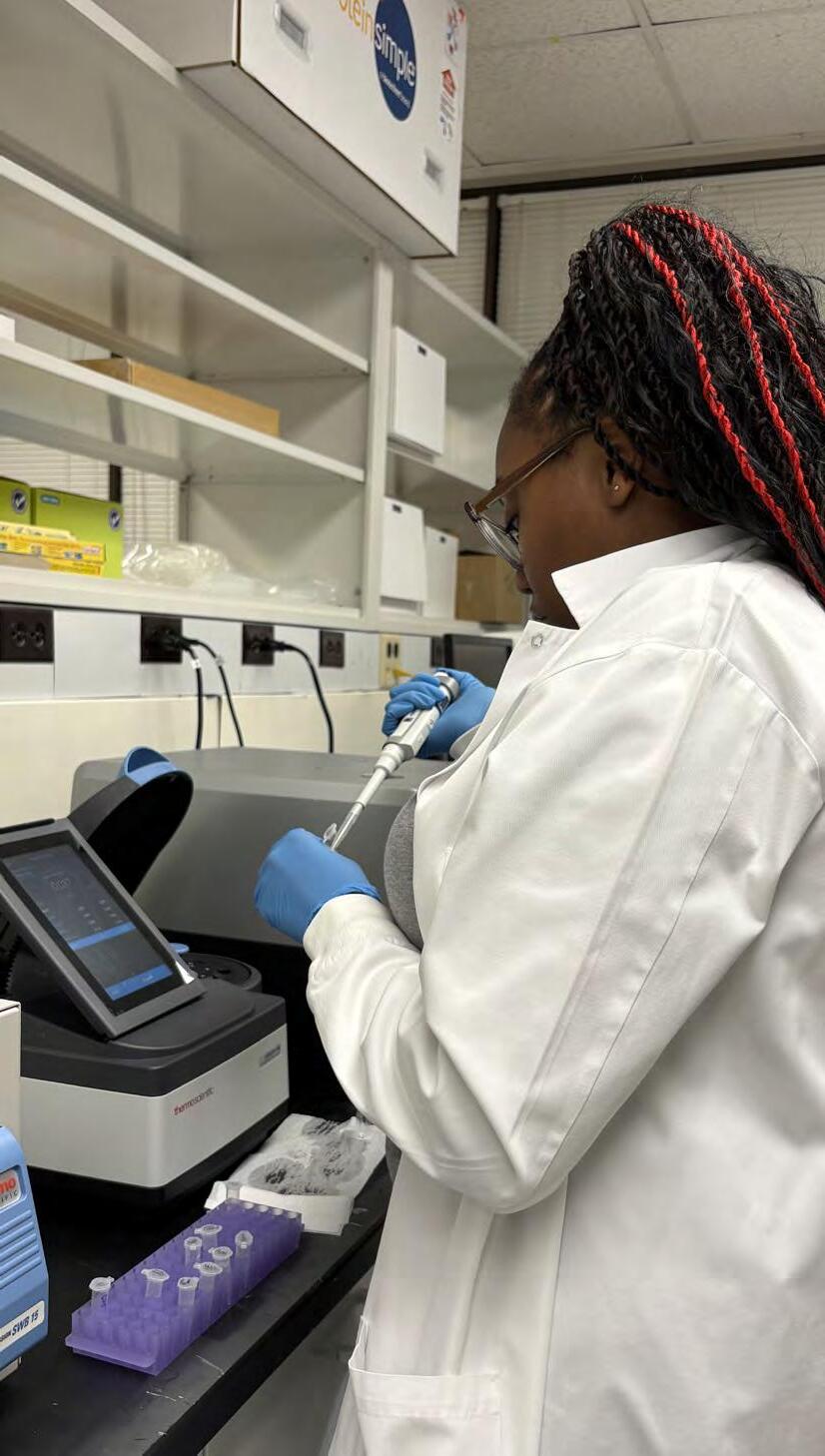
Hulum’s research investigates the antioxidant properties of Diamond rice bran extract. Her findings show the extract’s potential in protecting vascular cells from aging-related damage and position Arkansas rice bran as a promising candidate for future nutraceutical development.
“Participating in this project has been an eye-opening and rewarding experience,” she said. “The research was not just about mixing solutions or running tests – it was about contributing to findings that may one day help prevent aging-related diseases or improve people’s quality of life.”
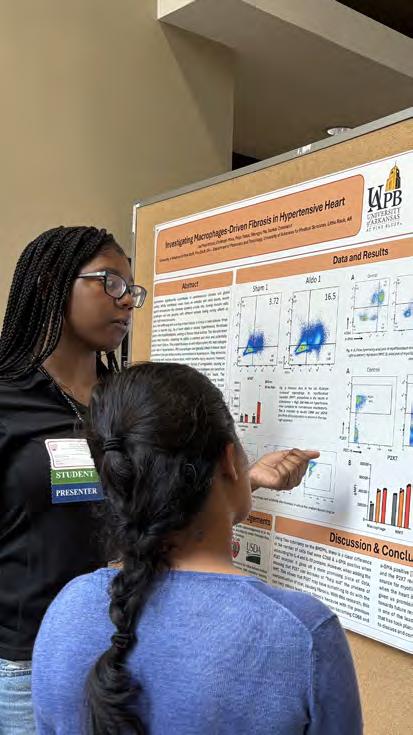
Welch’s work focuses on how certain immune cells called M2 macrophages, normally helpful for healing, can sometimes harm the heart by causing excess scarring. Her research aims to understand this process and find ways to protect the heart while keeping healing balanced.
“While the lab environment and the objectives of my project initially seemed complex, consistent hands-on experience helped me build confidence,” Welch said. “Participating in this project has allowed me to gain knowledge that I will carry with me throughout the rest of my college journey and future research.”
Both students expressed their gratitude for the guidance of Dr. Devarajan, Dr. Shengyu Mu of UAMS, and Dr. Yadav.
The program has also created opportunities for recent graduates. Madison Purifoy, who earned her bachelor’s degree in nutrition and food science at UAPB, conducted research under the supervision of Dr. Devarajan and Dr. Mu. Her work explored the health benefits of Arkansas-grown sweet potatoes, particularly their ability to reduce inflammation, combat harmful free radicals and support healthy blood pressure regulation.
Now pursuing her doctoral studies at Kansas State University, Purifoy said her research experiences at UAPB gave her the foundation she needed to advance to the next stage of her academic career.
“Together, these projects underscore the power of UAPB’s land-grant mission – connecting Arkansas-grown agriculture with cutting-edge science to improve health,” Dr. Devarajan said. “By working across institutions, from UAPB to UAMS and beyond, faculty and students are showing how small universities can make a big impact.”
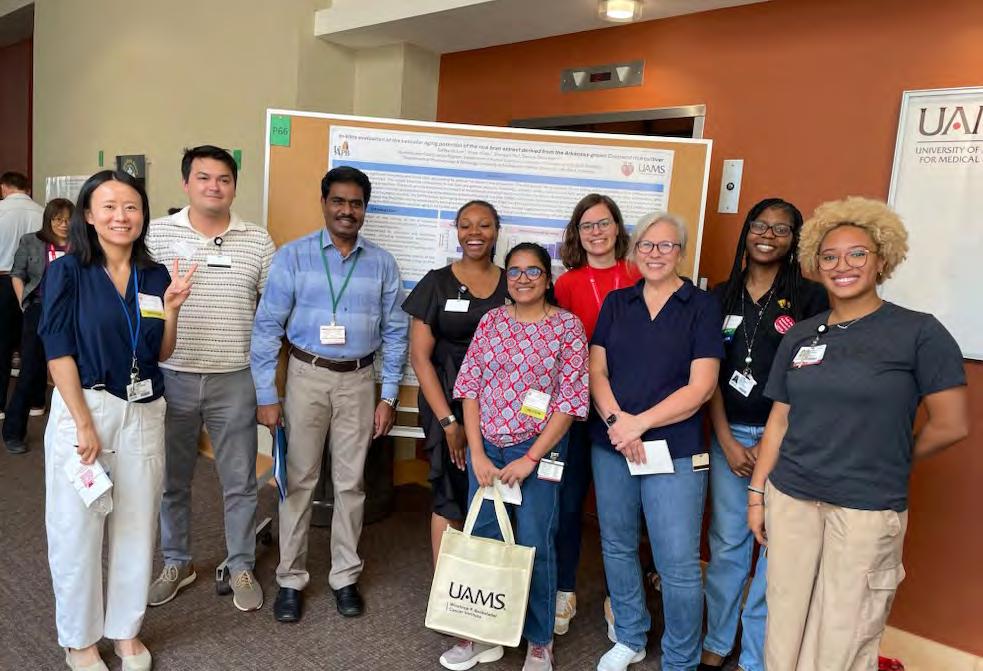
PREVIOUS TOP: Dr. Sankar Devarajan with research collaborators and student researchers involved in the UAPB nutrition and food science initiative exploring the health benefits of Arkansasgrown crops, including rice bran and sweet potatoes.
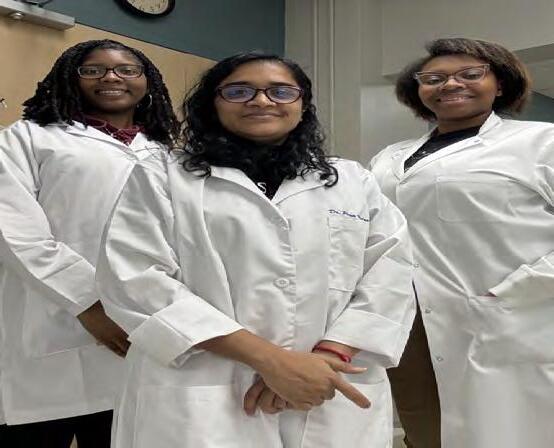
TOP LEFT: Dr. Priya Yadav, center, is pictured with two student mentees from UAPB’s Department of Human Sciences: Jae’Nyla Welch, left, and Tamya Hulum right.
TOP RIGHT: Tamya Hulum, a nutrition and food science major at UAPB, conducts laboratory work related to her research on the antioxidant properties of Diamond rice bran extract and its potential to protect vascular cells from aging-related damage.
BOTTOM RIGHT: Jae’Nyla Welch, a nutrition and food science major at UAPB, explains research examining the role of immune cells in heart tissue healing and scarring.
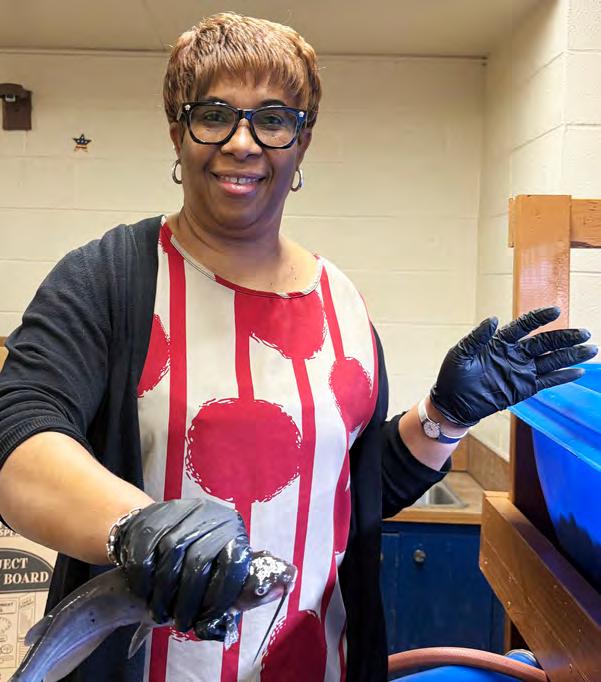
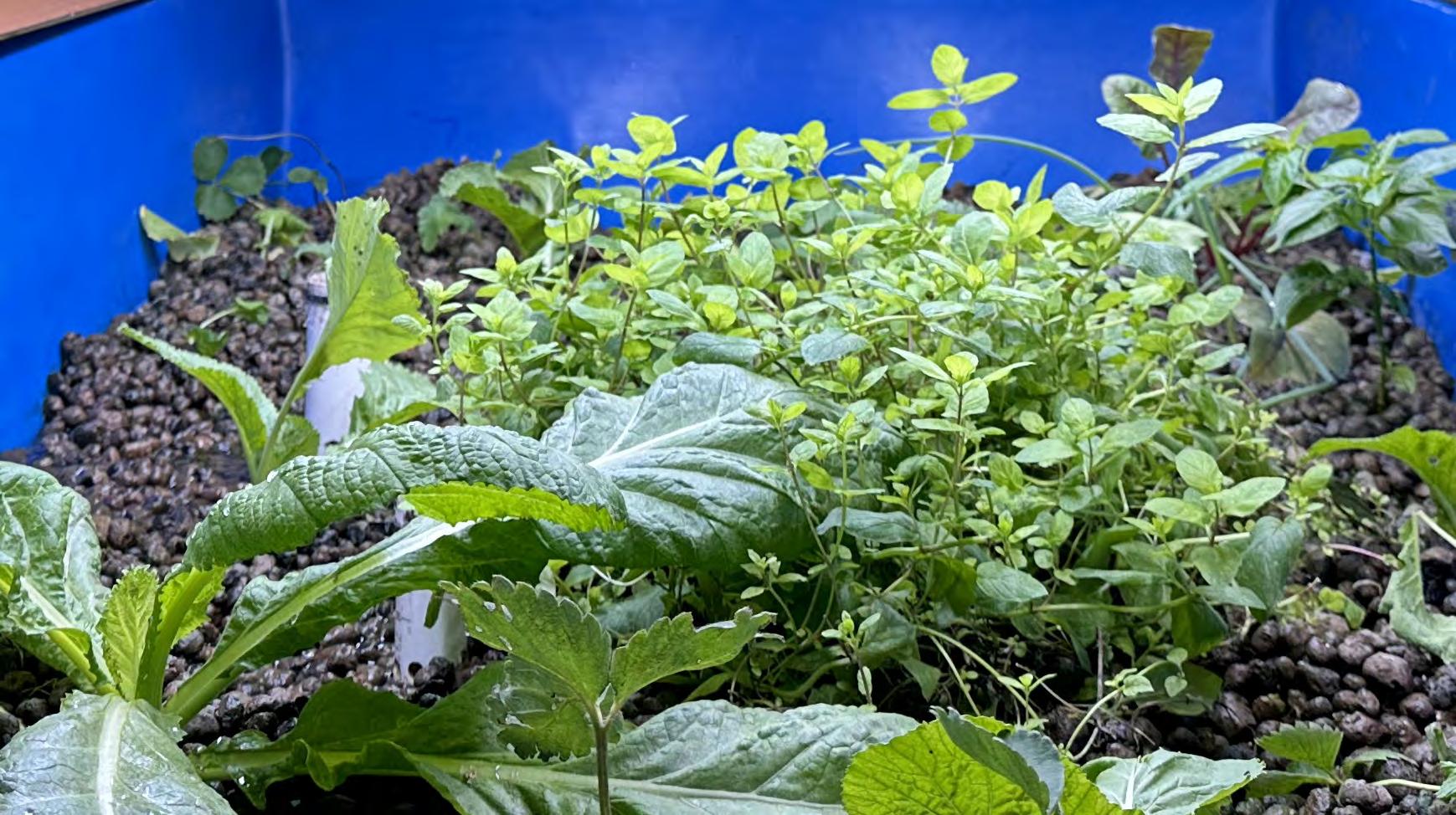
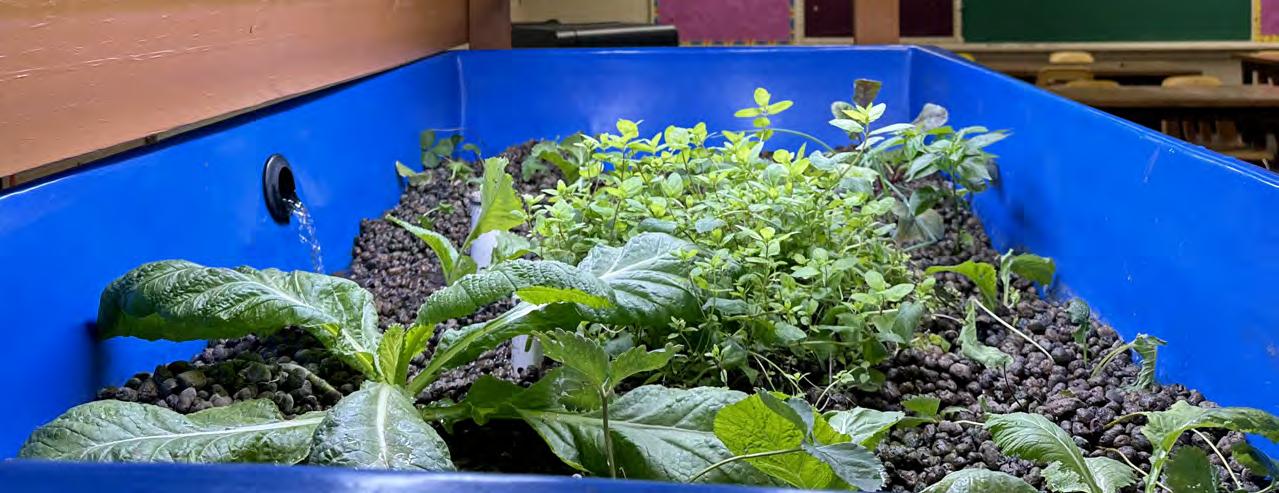
Aquaponics is a system where plants and fish are grown in the same water tanks. The waste from the fish provides essential nutrients to the plants. Aquaponics systems are convenient solutions for schools or households because they can be set up and maintained indoors. Our innovative project engages students, teachers, staff and administrators in hands-on food production, fostering both education and sustainability.”
Dr. Karleah Harris
HUMAN SCIENCES
AQUAPONICS IN THE CLASSROOM: UAPB’S INNOVATIVE APPROACH TO ALLEVIATING FOOD INSECURITY
Food insecurity is a significant public health issue that requires immediate attention, Dr. Karleah Harris, associate professor for the UAPB Department of Human Sciences, said. To help combat this challenge, UAPB has partnered with Watson Chapel Junior High School in Pine Bluff to establish an aquaponics system.
“Aquaponics is a system where plants and fish are grown in the same water tanks,” Dr. Harris said. “The waste from the fish provides essential nutrients to the plants. Aquaponics systems are convenient solutions for schools or households because they can be set up and maintained indoors. Our innovative project engages students, teachers, staff and administrators in hands-on food production, fostering both education and sustainability.”
With guidance from Dr. Harris and Kailash Bohara, Extension specialist of fish health, middle school
students raise channel catfish and cultivate a variety of crops including onions, beetroot, spearmint, strawberries, sweet potatoes, tabasco peppers, mustard greens, turnip greens and lettuce, all within an indoor aquaponics system. This closed-loop approach not only provides fresh, nutritious food, but also teaches valuable agricultural and environmental science skills.
ShaLa Jordan, a Watson Chapel teacher, said she has been collaborating with the UAPB Department of Human Sciences for almost two years.
“Raising fish and plants has been a great experience for myself and my students who enjoy the opportunity a lot,” she said. “Watching the fish grow over time has become a part of the culture at Watson Chapel Junior High School. It has given us something to look forward to.”
Deaquanita Lancelin said her 7th grade students have been exploring interactions in ecosystems, while her 6th grade group has been learning about resource consumption and population growth.
“The aquaponics system provided a perfect real-world example to tie these concepts together,” she said. “I took my students to see the system first-hand and built an entire lesson around it. They analyzed how the fish, plants and bacteria interact in a self-sustaining environment, reinforcing their understanding of nutrient cycles and sustainable food production. Seeing their excitement and curiosity as they made connections between classroom concepts and a living system was truly rewarding.”
Jordyn Ellison, a Watson Chapel Junior High School student, said the aquaponics system helped him understand how different organisms depend on each other. Seeing the fish, plants and water work together made learning about ecosystems more interesting and real.
Robert Henderson, another student said, “My experience with feeding the fish was extremely positive. I learned many things about fish, and their biology. I loved their interactive style of teaching. The plants were also very pleasant and interesting. All in all, it was a great experience.”
Oluwademilade Ogunbade, a UAPB undergraduate student said it is fascinating to see how fish and plants can work together in a self-sustaining ecosystem.
“The students were eager to learn how the fish waste nourishes the plants, and in turn, the plants help filter the water for the fish,” he said. “This hands-on project not only teaches science and sustainability but also empowers students to explore innovative solutions to food production challenges. I hope this inspires them to think critically about sustainable agriculture and the future of food.”
Access to sustainable, healthy diets is essential for overall well-being, Dr. Harris said. Learning how to grow and produce nutritious food empowers individuals and communities, reducing reliance on external food sources.
“To address ongoing food insecurity, we must continue to invest in long-term programs that promote food security, sustainable agriculture and healthy eating habits,” she said. “Additionally, tackling issues such as obesity and poor nutrition is crucial, as unhealthy lifestyles contribute to chronic diseases and other negative health outcomes. By fostering education and innovation in food production, we can build healthier communities and create lasting solutions to food insecurity.”
TOP RIGHT: In an aquaponics system, waste from the system’s fish provides essential nutrients to its plants.
TOP LEFT: Dr. Karleah Harris holds a channel catfish from Watson Chapel Junior High School’s aquaponics system.
SAFHS UPDATES
NEW EQUIPMENT UPGRADES STRENGTHEN FARM PRODUCTIVITY AND EFFICIENCY
The UAPB Farm has recently expanded and modernized its equipment fleet with the purchase of two new tractors and two new combines equipped with advanced precision agriculture and telematics technology. The investment will help increase productivity, reduce operating costs and improve crop quality while supporting more efficient farm operations.
One of the primary benefits of the new equipment is increased productivity and throughput. The tractors and combines feature higher horsepower and improved harvesting capacity, allowing operators to complete more acres each day. Faster field operations also help ensure planting and harvest activities occur within optimal weather windows.
The new machinery is also expected to reduce operating costs. Modern engines are more fuelefficient and typically require less maintenance than older equipment, lowering both fuel consumption and repair expenses over time. In addition, improved reliability reduces the likelihood of equipment breakdowns during critical planting and harvesting periods. Manufacturer warranties and strong dealer support further minimize unexpected downtime.
Advanced combine technology will also help improve crop quality and reduce harvest losses. Modern harvesting systems, including improved rotor and
cylinder adjustments, grain-handling components and cleaning systems, help minimize grain damage and reduce losses during harvest.
The equipment also supports precision agriculture and data-driven decision-making. Integrated GPS, yield mapping, auto-steer capabilities and telematics allow producers to apply inputs more accurately, enable variable-rate management and capture valuable performance data that can be used to optimize farm operations.
Labor efficiency and safety are also enhanced through automation and ergonomic improvements. These features reduce operator fatigue, allow lessexperienced operators to work more effectively and contribute to safer working conditions.
Finally, upgrading equipment on a timely schedule helps preserve the resale and trade-in value of existing machinery while lowering the total lifecycle cost of farm operations. Newer equipment also meets current emissions standards, reducing greenhouse gas and particulate emissions while supporting more sustainable agricultural practices.
UPGRADING INFRASTRUCTURE TO STRENGTHEN AQUACULTURE
EDUCATION, RESEARCH AND INDUSTRY ENGAGEMENT AT UAPB
The Department of Aquaculture and Fisheries at the University of Arkansas at Pine Bluff (UAPB) plays a critical role in supporting Arkansas’s aquaculture industry, a significant contributor to the state’s agricultural economy, Dr. Yathish Ramena, director of the Department of Aquaculture and Fisheries, said. However, limited road infrastructure at the UAPB Fish Station has posed challenges for safe and efficient fish transportation, industry access, student training activities and community outreach.
“Poor road conditions restrict access for producers, researchers, visiting collaborators, school groups and campus events, limiting the station’s full potential as a hub for education, innovation and economic development,” Dr. Ramena said.
The Aquaculture and Fisheries Department has initiated a new asphalt road development project at the UAPB Fish Station. This infrastructure upgrade is designed to improve accessibility, safety and operational efficiency while supporting the Department’s expanding roles in research, Extension, teaching and industry collaboration, he said. The project is funded by the National Institute of Food and Agriculture.
According to Dr. Ramena, the asphalt road directly supports:
• Aquaculture research and Extension activities–enabling reliable transport of fish, feed, equipment and research materials.
• Industry collaboration–improving access for local, regional and global partners involved in applied research, technology transfer and new commercial product development.
• Student training and workforce development–providing safe, consistent access for undergraduate, graduate and trainee activities.
• Community engagement and outreach–including high school field trips, producer workshops and campus-wide educational programs.
“The asphalt road has enhanced the functionality of the UAPB Fish Station by improving year-round access and transportation efficiency. This investment supports high-quality student training experiences, strengthens research capacity and facilitates Extension programming that directly benefits Arkansas fish farmers and allied industries,” he said. “Improved access also enables smoother logistics for fish health diagnostics, live animal transport and on-station demonstrations, reducing stress on animals and increasing operational safety.”
The upgraded infrastructure strengthens the department’s ability to host educational events, engage youth and community groups, and supports producer development programs that contribute to workforce readiness and industry sustainability, he said.
UAPB School of Agriculture, Fisheries and Human Sciences