



June 9 – 11, 2026, Central TX. Region – Killeen
* July 27 – 30, 2026, Annual School – Waco *
August 18 – 20, 2026, East Tx. Region – Longview
November 2 – 5, 2026, West Tx. Region - Lubbock
(Not all regions offer Surface 1 which is a 24 hour class these above dates reflect all regions starting on Monday and offering 24 hour classes. Once we receive all the schools fliers we will post if in fact the school begins on Monday at 1:00 or Tuesday at 8:00 )
Check the TWUA Website for the most up-to-date information related to TWUA Regional opportunities. If travel and being in crowds cause you concern or your employer has not approved travel, please look at the TWUA Computer Based Training options. (https://twua.org/online-class-dates)
Annual School – The dates for the 108th Annual School are July 27th – 30th, 2026. Tuesday, July 27th, at 8:00 a.m., all training classes begin. The ability to pre-register for the 108th A.S. will be made available as soon as possible.

TEXAS WATER UTILITIES JOURNAL
( ISSN – 1051709X) is published monthly by the Texas Water Utilities Association, located at 210 E. Hwy 79, Hutto, Texas 78634 for Operators, Engineers, Managers, Laboratory technicians, Customer service personnel, Vendors, and other Professionals employed in, or interested in, the water and or wastewater industry.
Ten dollars of each annual membership dues payment to the Texas Water Utilities Association pays for a subscription. Nonmember subscriptions price: the USA $100.00 per year; $10.00 per single copy
$125.00 per year outside the USA. Periodicals Postage Paid In Hutto, Tx. And Additional Mailing Offices.
The Texas Water Utilities Association is wholly independent, and is not affiliated with the American Water Works Association, the Water Environment Federation, or any other National Organization.
Postmaster: Send address changes to: Texas Water Utilities Association – Journal 210 E. Hwy. 79, Suite 101, Hutto, Texas 78634.
The Texas Water Utilities Association Journal is not responsible for facts and or opinions expressed by contributors or in advertisements herein. Editorials and comments do not necessarily represent the official policy of the Texas Water Utilities Association.
All inquiries should be directed to: Texas Water Utilities Association, 210 E. Hwy. 79, Suite 101, Hutto, Texas 78634. Phone 512-459-3124. Any materials accepted for publication is subject to revision and editing At the discretion of the publisher.
MANAGEMENT COMMITTEE:
Vicente Carrizales – Chair of Management
David Hinshaw – President
Bill Brown – President Elect
Travis Turner – Vice President
Clarence Wittwer – Past President
Jim Siddall - Past President
Ric O’Conner – Vendor Rep. Ex. Officio
Russell Hamilton – Executive Director



David Hinshaw, TWUA President
“TWUA is more than an association; it’s a family.”
As we move through the spring season and into the busy months ahead, I continue to be encouraged by the strength, dedication, and unity of the Texas Water Utilities Association. Every region I visit and every member I meet reinforces what makes this organization special—people who genuinely care about serving their communities and supporting one another.
Across Texas, our industry continues to face growing demands and new challenges, but I remain confident because of the professionalism and commitment I see from TWUA members every single day. Whether you are operating a treatment facility, repairing infrastructure in difficult conditions, teaching certification courses, or supporting your system behind the scenes, your work matters. The service you provide protects public health, strengthens our communities, and ensures future generations have access to safe and reliable water.
One of the greatest privileges of serving as your President has been the opportunity to travel across the state and spend time with our members face to face. These visits continue to remind me that TWUA is more than a professional association—it is a network of hardworking people who are passionate about this industry and invested in each other’s success.
This spring has already been filled with meaningful opportunities to connect with members, district leaders, vendors, instructors, and operators from every corner of Texas. I recently had the opportunity to attend the Southeast Texas Regional School in Beaumont and the Central West Texas Regional School in Abilene. Each school brought its own energy, strong attendance, and
commitment to training and professional growth. It has been inspiring to see members continuing to invest in themselves, their systems, and the future of our industry.
Next up for me are the North Central Texas Regional School in Arlington and the Central Texas Regional School in Killeen. I’m looking forward to continuing to connect, learn, and support these regions as we move through another successful year together. One of the best parts of attending these schools is hearing directly from members about the successes and challenges they are experiencing in their communities. Those conversations help strengthen our association and remind us that, while our systems may differ in size and location, we all share the same commitment to service.

Regional schools remain the lifeblood of TWUA because they provide much more than continuing education hours. They create opportunities for operators and industry professionals to build relationships, share experiences, and learn from one another. Every class taught, every question asked, and every conversation held during these events helps strengthen the future of our profession.
Education and training continue to remain at the heart of TWUA’s mission. As Texas continues to grow, the demand for skilled and knowledgeable water and wastewater professionals only increases. Our industry is changing rapidly, and it is critical that we continue investing in training opportunities that prepare both current and future operators for success.
Programs like Backflow Prevention Assembly Tester (BPAT) and Customer Service Inspector/Cross Connection Control (CSI/CCC) training continue to play an important role in protecting public health across Texas. These certifications are essential in ensuring our drinking water systems remain safe and protected from contamination. Through TWUA’s training programs, operators and inspectors receive both classroom instruction and hands-on learning opportunities that prepare them for the real-world responsibilities they face every day.
I encourage every member to continue investing in profes-
sional development—whether that means earning a new certification, renewing an existing license, mentoring a new operator, or becoming more involved within your district or region. Every effort contributes to a stronger workforce, a stronger association, and stronger communities.
One thing I continue to appreciate about TWUA is the willingness of our members to step up and serve. From district officers and committee members to instructors and volunteers, our association succeeds because of people who are willing to give their time, experience, and leadership to help others.
TWUA continues to grow because of engagement. Some of the strongest partnerships, best ideas, and lasting friendships are formed through involvement at district meetings, regional schools, and annual events. I encourage every member to stay connected and continue building relationships within your regions and districts. The more we communicate and support one another, the stronger we become as an organization.
Leadership is not only about directing—it is also about listening. I have appreciated the conversations I’ve had with many of you this year, and I encourage you to continue sharing your thoughts, concerns, and ideas. Your feedback matters, and your voice helps shape the future direction of TWUA.
As we continue through 2026, I remain optimistic about the future of the water and wastewater industry across Texas. While we certainly face challenges, I believe our greatest strength continues to be the people within this association. The dedication, professionalism, and work ethic displayed by TWUA members every day gives me confidence in where we are headed.
At the same time, it is important that we continue to maintain balance in our lives and remember the values that have always guided this association. TWUA has long stood on the principles of God, Family, and Profession. Those values remain just as important today as they have ever been.
The work we do often requires long hours, sacrifice, and commitment, but we are strongest when we remain grounded in faith and supported by our families. Behind every successful operator, manager, technician, or administrator is a support system that shares in the responsibility and understands the importance of this profession.
I encourage each of you to take time to appreciate those who support you and to find moments of rest and reflection during this busy season. Maintaining balance not only makes us better professionals, but better leaders, coworkers, family members, and friends.
Our theme this year—Communicate Better, Engage Deeper, and Live in Balance—continues to reflect who we are and where we are headed as an association. These are more than words; they are reminders of how we can continue strengthening TWUA and serving our communities at the highest level.
Every class taught, every certification earned, every repair completed, and every gallon of clean water delivered represents the importance of the work we do. The efforts made by TWUA members each day often go unnoticed by the public, but they are essential to the health, safety, and quality of life of millions of Texans.
Thank you for all that you do each day to serve your communities and support TWUA. I look forward to continuing to travel across the state, meeting more of our members, and building even stronger relationships throughout the remainder of the year.
Together, we will continue strengthening this association, supporting one another, and preparing the next generation of water and wastewater professionals for success.
God bless you, your families, and the important work you do.
- David


by Russell Hamilton, TWUA Executive Director
Father, we acknowledge you and bow our heads in respect as we humbly say thank You, and proclaim that You are the creator. We take comfort in knowing that You remain in charge and in control of life as we understand it. We need You, and we welcome You, in all we do. We come into Your presence seeking Your grace, calm, guidance, and forgiveness. Father, we pray for Your mercy and Your grace as we ask that You guide, direct, protect, and bless TWUA and its members. Father, thank you as we offer praise in the name of Jesus. Amen
The drought remains a concern in parts of Texas. While some areas are experiencing rain, many watersheds still remain dry, and reservoirs remain low. In West Texas, Lake Spence is at 11.3 % (- 0.1 %), White River is at 25.7 % (- 1.8 %), and in the Panhandle, Lake Meredith is at 44.5 % (-0.1 %). Greenbelt is at 2.8 % (- 4.3 %). For a full view of current lake levels, visit waterdatafortexas.org. For some, the drought has never truly ended.


We are proud to report that the Beaumont Regional and Abilene Regional training events were a success. Hard to believe, but the Arlington and Killeen Regional events are rapidly approaching. The boards appreciate all the support and hope to assist with your operator training needs.
The North Central Texas (Arlington) Region is the week of May 18th, 2026, and the board looks forward to your support and participation.
The Central Texas (Killeen) Region is the week of June 9th, 2026, and the board extends a hearty welcome and encourages you to consider their regional event for your training needs.
The Central Office continues to receive inquiries about RESILIENCY TRAINING. Resilience emerged after Winter Storm Uri exposed vulnerabilities in some entities. TCEQ enacted rule changes to bring these vulnerabilities and needs to the forefront of Public Water Supplies. Every Water Operator (and those new to water) MUST complete an approved two-hour resiliency overview training session. This overview is essential for renewing, advancing, or obtaining a new license. Confusion seems to stem from future license renewals. The current rule states that each time a water license is renewed, a resiliency training class must be completed during the three-year period the license is in effect. The resiliency training must come from a different module. In other words, there are six modules, and operators are credited only once per . An operator can take all modules back-to-back and receive training credit. However, when the water license renews, the operator will be tasked with finding a training course from a different source, such as NIMS.
The
The Story Goes Something Like This –
A farmer got so old that he couldn’t work the fields anymore. So he would spend the day just sitting on the porch. His son, still working the farm, would look up from time to time and see his father sitting there. “He’s of no
use anymore,” the son thought to himself, “he doesn’t do anything!”
One day, the son grew so frustrated by this that he built a wooden coffin, dragged it to the porch, and told his father to get in. Without a word, the father climbed inside. After closing the lid, the son dragged the coffin to the edge of the farm, where a high cliff stood.
As he approached the drop, he heard a faint tapping on the lid from inside the coffin. He opened it. Still lying there peacefully, the father looked up at his son: “I know you are going to throw me over the cliff, but before you do, may I suggest something?” “What is it?” replied the son. “Throw me over the cliff, if you like,” said the father, “but save this good wood coffin. Your children might need to use it.”
The moral of the story: There is almost no limit to the compassion parents have for their children. Having kids makes you care for your family beyond your own death.
Author unknown
Stay Safe, and Remember – we do not need all the operators in Texas to be members of TWUA – JUST YOU! ! !


Protecting Texas water resources today for generations tomorrow.







Another major source of plastic contamination comes from wastewater treatment plants. Many household and industrial products contain tiny plastic particles. Synthetic clothing made from polyester, nylon, and other man-made fibers releases microscopic plastic fibers during washing. These fibers travel through household plumbing into wastewater collection systems. Personal care products, industrial abrasives, paints, and cleaning materials may also contribute plastic particles. Although wastewater treatment plants remove a significant amount of solids and debris, many microplastics are so small they pass through filters and treatment processes and are discharged into rivers and streams.
Landfills are another contributor to plastic contamination. Rainwater moving through landfill waste creates a liquid called leachate. If landfill liners or collection systems fail, plastic particles and chemicals associated with plastics can migrate into groundwater supplies. Illegal dumping also increases the risk of plastics entering nearby waterways and drainage systems.
Industrial facilities can contribute to the problem as well. Manufacturing plants that produce plastic products or plastic pellets may accidentally release materials during handling, transportation, or processing. These tiny pellets, sometimes
(continued on page 10)
(continued from page 9)
called “nurdles,” are easily transported by wind and water into rivers, lakes, and coastal areas. Construction activities and urban development may also increase plastic pollution due to improper material management and stormwater runoff.
Roadways are another overlooked source of plastics in water supplies. Vehicle tires contain synthetic rubber and plastic compounds. As tires wear down during normal driving, tiny particles are released onto roads and highways. Rain washes these particles into storm drains and waterways. Road paint, synthetic materials, and urban dust also contribute additional plastic particles into the environment.
Agricultural practices may also introduce plastics into water systems. Plastic sheeting, irrigation tubing, fertilizer bags, and other agricultural materials can deteriorate over time. Flooding and runoff may carry plastic fragments into nearby streams, ponds, and groundwater recharge areas. In some locations, sewage sludge from wastewater treatment plants is applied to farmland as fertilizer. This sludge may contain large amounts of microplastics, which can eventually migrate into soil and water systems.
Drinking water treatment facilities are designed to remove many contaminants, including sediment, bacteria, and pathogens. However, microplastics present unique challenges because of their extremely small size and varying shapes. Some studies have found microplastics in both surface water and groundwater sources used for public drinking water systems. Researchers have also detected microplastics in treated tap water and bottled water. While treatment plants remove many particles, complete removal can be difficult depending on the type and size of the plastic particles present.
Scientists are still studying the long-term health effects of plastic exposure in humans. Some concerns include the possibility that plastics may carry harmful chemicals, bacteria, or toxic substances. Certain plastics contain additives such as bisphenol A (BPA), phthalates, flame retardants, and stabilizers that may impact human health. Microplastics may also absorb pollutants already present in the environment, potentially transporting them through water systems and food chains.
Aquatic ecosystems are also heavily impacted by plastic pollution. Fish, birds, turtles, and other wildlife may mistake plastic particles for food. Ingestion of plastics can lead to starvation, internal injuries, or exposure to harmful chemicals. Larger plastic debris can entangle animals and damage habitats. Microplastics have now been found in oceans, freshwater lakes, rivers, and even remote environments once believed to be untouched by pollution.
Reducing plastic contamination in water supplies will require cooperation between industries, governments, utilities, and the public. Improved recycling programs, better waste management practices, stronger stormwater controls, public education, and reductions in single-use plastics can all help decrease pollution. Advances in wastewater and drinking water treatment technologies may also improve the removal of microplastics in the future.
Public awareness is becoming increasingly important as communities recognize the connection between daily activities and environmental health. Protecting water supplies is critical for public health, environmental sustainability, and future generations. Although plastics have become deeply integrated into modern life, responsible use, disposal, and management are necessary to reduce their impact on the world’s water resources.

- Chat GBT
Data centers have become one of the most critical components of modern society. Nearly every industry relies on data centers in some way, including banking, healthcare, manufacturing, government, education, communications, transportation, and utilities. Whether people are sending emails, watching videos, storing photographs, paying bills online, or operating complex industrial systems, data centers are working behind the scenes to process, store, and protect information. While data centers provide tremendous advantages and technological growth, they also create challenges and concerns that communities, businesses, and governments must address.
One of the greatest positives of a data center is the reliability and accessibility of information. Data centers allow businesses and organizations to store massive amounts of data securely while making it available almost instantly. Information can be accessed from nearly anywhere in the world. This capability has transformed communication, business operations, and emergency response systems. For example, public utilities can monitor water systems, electrical systems, and wastewater facilities remotely through SCADA systems that rely on data center infrastructure. Hospitals can quickly access medical records, improving patient care and response time.
Another major advantage is economic growth and job creation. Construction of a large data center often brings millions or even billions of dollars of investment into a region. The development phase creates jobs for engineers, electricians, equipment operators, construction crews, and contractors. Once operational, data centers require technicians, cybersecurity specialists, facility managers, HVAC experts, electricians, and maintenance personnel. In many communities, data centers can increase local tax revenue, helping fund schools, roads, emergency services, and infrastructure improvements.
Data centers also support innovation and technological advancement. Artificial intelligence, cloud computing, online education, remote work, and advanced research all depend on powerful computing systems. Without data centers, many of the technologies society now takes for granted would not exist. Businesses can expand more efficiently because they no longer need to maintain large computer rooms at every location. Cloud services allow even small organizations to access advanced software and storage capabilities that were once only available to large corporations.
(continued on page 12)
(continued from page 11)
Security and data protection are additional benefits. Modern data centers use sophisticated physical and cyber security systems to protect valuable information. Backup systems, fire suppression systems, controlled access points, redundant power supplies, and advanced monitoring systems help reduce the risk of data loss or operational failure. Many facilities are designed with multiple layers of redundancy to ensure continued operation during storms, equipment failures, or power outages. This level of protection is essential for industries that depend on continuous operation.
Despite these advantages, data centers also have several negatives and challenges. One of the biggest concerns is energy consumption. Large data centers require enormous amounts of electricity to operate servers, cooling systems, lighting, and backup systems. Some facilities consume as much electricity as small cities. This increased demand can place stress on local power grids and may require construction of additional electrical infrastructure. Critics argue that data centers contribute significantly to carbon emissions when powered by fossil fuel energy sources.
Cooling requirements present another challenge. Servers generate large amounts of heat, and cooling systems are necessary to maintain safe operating temperatures. Traditional cooling systems consume substantial energy and water resources. In some areas, especially regions experiencing drought conditions, water usage by large data centers has become a major public concern. Communities sometimes question whether local resources should support large industrial computing facilities.
Environmental impact is another negative aspect. Construction of data centers may require large amounts of land, concrete, steel, and other materials. The facilities can alter landscapes, increase traffic, and affect nearby communities. Backup diesel generators, commonly installed for emergency power, may contribute to air pollution during testing or emergency operation. In some cases, residents oppose data center projects because of concerns about noise from cooling equipment and generators.
Cybersecurity risks also remain a major concern. While data centers are designed for security, they are still targets for cyberattacks, hacking attempts, ransomware, and data theft. A successful cyberattack against a major data center can affect millions of users and businesses. Financial institutions, healthcare systems, utilities, and government agencies all depend heavily on secure data storage and communication systems. As technology advances, cyber threats continue to evolve, requiring constant investment in security measures and trained personnel.
Another criticism is that some data centers create fewer permanent jobs than expected after construction is completed. While construction activity may provide a temporary economic boost, long-term staffing levels can be relatively small compared to the size and investment of the facility. Some citizens question whether the tax incentives and infrastructure support provided to attract data centers deliver enough long-term benefits to local communities.
There are also concerns about society becoming overly dependent on digital systems. When data centers experience outages, businesses, communication systems, banking services, transportation systems, and industrial operations may be disrupted. Even short interruptions can create significant financial losses and operational problems. This dependence highlights the importance of resiliency, redundancy, and emergency preparedness.
In conclusion, data centers provide tremendous benefits to modern society through communication, data storage, economic development, technological innovation, and operational efficiency. They support many of the systems people depend on daily and continue to drive advancements in technology and industry. However, they also present challenges involving energy use, environmental impact, cybersecurity threats, and infrastructure demands. As society continues to rely more heavily on digital technology, balancing the advantages and disadvantages of data centers will remain an important issue for businesses, governments, and communities alike.

Every organization eventually faces the challenge of dealing with difficult staff members. Whether in public service, utilities, construction, education, healthcare, or private industry, supervisors and coworkers must learn how to manage conflict, poor attitudes, resistance, and disruptive behavior in a professional manner. Difficult employees can affect morale, productivity, safety, teamwork, and customer service. If not addressed properly, the negative effects can spread throughout the workforce and damage the culture of the organization.
Dealing with difficult staff is not about winning arguments or proving authority. It is about leadership, communication, accountability, consistency, and maintaining respect while protecting the mission of the organization. Strong leaders understand that difficult situations require patience, professionalism, and fairness.
Difficult staff can appear in many forms. Some employees constantly complain and criticize others. Some resist change or refuse to follow procedures. Others may have poor attitudes, create conflict, gossip, miss deadlines, or fail to work as part of the team. In safety-sensitive industries such as water utilities, public works, or emergency response, difficult behavior can create serious operational and public
health risks. One careless or negative employee can impact the performance and safety of the entire crew.
One of the first steps in dealing with difficult staff is identifying the root cause of the behavior. Sometimes the issue is not intentional misconduct. Employees may be struggling with stress, burnout, personal problems, lack of training, unclear expectations, or frustration with workplace changes. Effective supervisors avoid making assumptions and instead gather facts before reacting emotionally. Listening carefully and asking respectful questions can often reveal issues that need attention.
Communication is one of the most important tools in resolving difficult situations. Employees should clearly understand expectations, policies, and performance standards. Many workplace conflicts grow worse because expectations were never properly explained. Leaders should communicate directly, professionally, and privately whenever possible. Public embarrassment or aggressive confrontations usually increase tension rather than solve problems.
A calm and respectful discussion can often prevent small (continued on page 14)
(continued from page 13)
problems from becoming major issues. Supervisors should focus on behaviors and performance rather than attacking personalities. Statements such as, “We need to improve attendance,” or “This procedure must be followed for safety reasons,” are far more productive than personal criticism. Difficult conversations should remain focused on facts, solutions, and accountability.
Consistency is another critical factor. Employees quickly recognize when rules are enforced unevenly. If one employee is held accountable while another is allowed to ignore policies, resentment and distrust will grow. Fair treatment does not mean treating everyone identically in every situation, but it does mean applying standards consistently and professionally. Favoritism, inconsistent discipline, or emotional decision-making weakens leadership credibility.
Documentation is also essential when managing difficult staff. Supervisors should maintain accurate records of attendance problems, policy violations, safety concerns, coaching sessions, and performance discussions. Proper documentation protects both the organization and the employee by ensuring that decisions are based on facts rather than emotions or assumptions. Written records also help identify patterns of behavior over time.
In some cases, coaching and mentoring can successfully improve employee performance. Many employees respond positively when leaders invest time in helping them succeed. Training, encouragement, and constructive feedback can help staff members build confidence and improve attitudes. Employees who feel valued and supported are often more willing to cooperate and improve.
However, leaders must also recognize when stronger action is necessary. Repeated misconduct, insubordination, harassment, safety violations, or dishonesty cannot be ignored. Allowing destructive behavior to continue sends the wrong message to the workforce. Good employees may become frustrated if they believe poor behavior is tolerated. Leadership sometimes requires difficult decisions in order to protect the team and organization.
Professionalism should remain the standard even during conflict. Supervisors who lose their temper, insult employees, or respond emotionally often make situations worse. Strong leaders remain composed, listen carefully, and address problems with confidence and fairness. Employees may not always agree with decisions, but they are more likely to respect leaders who remain calm and consistent.
Team culture also plays an important role in reducing difficult behavior. Organizations that promote respect, accountability, teamwork, communication, and professionalism often experience fewer workplace conflicts. Employees tend to reflect the culture established by leadership. When leaders model integrity, responsibility, and positive attitudes, those values become stronger throughout the workforce.
Another important factor is recognizing positive behavior. Many supervisors spend most of their time dealing with problems while overlooking dependable employees who consistently perform well. Simple recognition, appreciation, and encouragement can improve morale and strengthen teamwork. Employees who feel respected and appreciated are often more motivated and cooperative.
Ultimately, dealing with difficult staff is one of the greatest challenges of leadership. There is no perfect formula because every employee and situation is different. Some problems can be corrected through communication and coaching, while others require firm accountability and disciplinary action. Effective leaders balance compassion with responsibility. They seek to help employees succeed while also protecting the standards, safety, and mission of the organization.
Strong organizations are built by leaders who are willing to address problems professionally rather than ignore them. Difficult situations may never be comfortable, but handling them properly can strengthen trust, improve morale, and create a healthier workplace for everyone involved.













V.M. Ehlers Scholarship Scoring & Results will be announced soon!

WATER
BASIC WATER
WATER LAB
DISTRIBUTION
SURFACE WATER 1
TEXAS WATER UTILITIES ASSOCIATION
49TH ANNUAL CENTRAL TEXAS REGIONAL SCHOOL
JUNE 9-11, 2026
KILLEEN CIVIC & CONFERENCE CENTER, 3601 WS YOUNG DR. KILLEEN , TEXAS
WASTEWATER WATER/WASTEWATER
BASIC WASTEWATER MANAGEMENT
ACTIVATED SLUDGE SAFETY
WASTEWATER COLLECTION CSI/CCC
REGISTRATION FEES
TWUA MEMBER NON-MEMBER
Pre-Registration (May 16, 2026)
On-Site Registration (After May 16, 202 6)
Surface Water 1 (Start June 8th at 1:00 p.m.)
TCEQ no longer provides paper-based licensing testing. All testing is now computer based. Information on licensing can be found at www.tceq.texas.gov/licenses
DRINKING WATER CONTEST
Will be held on June 9, 2026, please have all samples turned in by 9:00 a.m. If any questions, please contact Vicente Carrizales at vcarr81@gmail.com or call (512)639-0198 MEET & GREET/TOURNAMENT
There will be a Meet & Greet held on June 9, 2025, from 5: 30 p.m. Starting at 6:30 p.m. a Cornhole & Darts Tournament will be held (free to join)
REGISTRATION FORM
PURSUANT TO HOUSE BILL 1508 WHICH BECAME EFFECTIVE 9/1/17, THIS NOTICE SHALL SERVE TO INFORM THAT SPECIFIC CRIMINAL HISTORY COULD NEGATIVELY IMPACT AND AFFECT A PERSON’S ABILITY TO RECEIVE A TCEQ ISSUED OPERATOR’S LICENSE. PARTICIPATING IN ANY TWUA AFFILIATED OPERATOR TRAINING COURSE(S) DOES NOT GUARANTEE OR IN ANY WAY IMPLY THAT YOU WILL BE ELIGIBLE TO TEST OR RECEIVE A STATE-ISSUED OPERATOR’S LICENSE.
Name _ Social Security or W/WW License # ______________
Employer _________________________________ Daytime Phone _____________________________ Address ____________________________________ City ________________ State______ Zip__________ Email Address________________________________ Course Selection______________________________ TWUA Member ______Yes ________No
Cardholder Name (Printed)____________________________________
Billing Address ___________________________ City___________ State ___________ Zip _____________
NO REFUNDS- SUBSTITUTIONS ONLY. Make checks payable to TWUA – Mail registration & payment to TWUA, 210 East Hwy 79, Suite 101, Hutto, TX 78634 or fax to (512) 459-7124. If you have questions, please contact Norma Clark at (512) 279-8123 or email n.clark@twua.org.





making Please continue to be safe out there and know that we are with you. Much respect and thank you!
are no words to accurately express our
making Please continue to be safe out there and know that we are with you. Much respect and thank you! Environmental Group Southwest would like to send a big THANK YOU to all the essential workers and water professionals risking their own health to keep us safe and keep our state going. We know it is not easy to be ready to work 24/7 during natural disasters like storms and floods, but especially during new and unfamiliar situations like the COVID-19 pandemic.


Your efforts are greatly appreciated and you all should be proud of yourselves and the difference that you are
There are no words to accurately express our gratitude. Your efforts are greatly appreciated and you all should be proud of yourselves and the difference that
Environmental Group Southwest would like to send a big THANK YOU to all the essential workers and water professionals risking their own health to keep us safe and keep our state going. We know it is not easy to be ready to work 24/7 during natural disasters like storms and floods, but especially during new and unfamiliar situations like the COVID-19 pandemic. EGSW


aids in water/oil phase separation. Cost effective, it controls grease, odor and corrosion in lift stations, collection lines and grease traps. This sends cleaner water to the wastewater treatment plant
biosolids. Now, with more than 50 clients in Texas, EGSW has been solving grease and odor issues for satisfied clients for over twenty years. See the website for more products!




IF NOT, WHY? Do you know that TWUA members:
• Receive a discount (from 10% to 35%) on TWUA training
• Receive a subscription to the monthly TWUA Journal
• Receive free updates on regulatory and technology changes
• Have easy access to industry matter experts, vendors, and product providers
• Have the opportunity to apply for scholarship assistance for yourself or your legal tax dependent children
MEMBERSHIP PLANS BEGINNING AT $60/YEAR!! CONTACT TWUA AT (888) 367-8982 TO SIGN UP.



























Chemistry:
1 Dry # of MgOH2 = 1.70 Lbs of Alkalinity (CaCO3)
1 Dry # of MgOH2 = 1.35 lbs of NaOH (Caustic)
1 Dry # of MgOH2 = 1.27 lbs of CaOH (Lime)
(281) 727-0402 Houston • Sulphur Springs sales@garrisonminerals.com
Storage and dosing equipment for any size plant avaliable. Call today for a free sample and information. www.garrisonminerals.com


GIS Mapping and Asset Management Services Drinking Water Regulatory Support
include: Pro-Active Leak Detection Preventive Maintenance Programs System-Wide Water Accountability Assessments
Benefits of Utilizing SAMCO Services
Reduce water production and distribution costs
Improve overall efficiency and gain knowledge of your distribution system
Improve water quality and assure adequate pressure to help safeguard public health
Improve public water system compliance with State and Federal regulations
Using state-of-the-art technologies, our experienced technicians offer solutions well beyond traditional leak detection capabilities to help you improve the performance of your utility system. 901 Mopac Expressway South, Suite 300 Austin, TX 78746 512-263-7043 (Office) 512-751-5325 (Mobile) sgodfrey@samco-leakservice.com www.samco-leakservice.com These advanced







To register for any TWUA Training Classes – the preferred method of registration is using the online computer based electronic process, activated by clicking on specific event(s). For those who do not have internet as an option you may complete the registration form and fax to (512) 459-7124 and additionally you may contact TWUA Central Office @ 888-367-8982. Please Note – Due to recent increases for training materials, class costs have changed. Early Bird preregistration is defined to mean 30-days prior to any training event. All registrations received after the Early Bird period must pay additional registration fee. Central Office strongly encourages everyone to take advantage of the Early Bird pricing and utilize the computer based (electronic) registration.
20-Hour Classes: (Early Bird Pre-registration) $325 member $425 Non-member Onsite $375 member $475 Non-member
24-Hour Classes: (Early Bird Pre-registration) $385 member $485 Non-member Onsite $435 member $535 Non-member
ONLINE CLASS DATES
TWUA LIVE, INSTRUCTOR LED - COMPUTER BASED TRAINING

https://twua.org/events/event_list.asp?show=&group=&start=4%2F14%2F2026&end=&view=&cid=26484
REGIONAL SCHOOL DATES
TWUA IN PERSON TRAINING

https://twua.org/page/RegionalSchools
TRAINING CALENDAR ALL TWUA SCHEDULED TRAINING

https://twua.org/events/event_list.asp?






Use this form to:
1) Join TWUA "At Large"
2) Join TWUA and a District/Chapter
3) Renew your TWUA Membership
Please Print Clearly
Application for:
o Active Member
o Full-Time Student
o Retired Member
o Membership Renewal
o New Member
"At Large" or District/Chapter Name:
Membership for year 20____
Name:
SS# _______ - _______ - __________
Home Address:

City: State: Zip:
Home Phone: ( )
Work Phone: ( )
E-Mail Address:
Employer:
Job Title:
Amount of Dues Enclosed: $
Signature of Member:
Today's Date:
A portion of your TWUA Dues is allocated for a subscription to the Texas Water Utilities Journal.
Submit all dues to the TWUA Central Office: TWUA Central Office, 210 East Hwy. 79, Suite 101, Hutto, Tx. 78634
For more information, Ms. Adee at: 512-279-8129. Fax: 512-459-7124.
1. BEING ON TIME – Shows reliability and respect for others.
2. ATTITUDE – A good attitude can change everything
3. WORK ETHIC – Hard work beats talent when talent doesn’t work hard.
4. EFFORT – Giving your best is always within your control.
5. HONESTY – Builds trust and respect.
6. ACCOUNTABILITY – Taking responsibility for your actions earns trust.
7. BEING PREPARED – Thinking ahead and being ready for what’s next.
8. ENERGY – Bring enthusiasm and a positive attitude.
9. CONSISTENCY – Showing up and doing your best every day.
10. GOING THE EXTRA MILE – Doing more than expected makes you invaluable.
11. HELPING OTHERS – Small acts of service can make a big difference.
12. KINDNESS – Costs nothing, yet means everything.
13. BEING A GOOD LISTENER – Truly hearing people creates strong connections.
14. BEING COACHABLE – Accepting feedback and learning from mistakes.
15. PROFESSIONALISM – How you carry out your job duties and the manner in which others see you leave a lasting impression.
REMEMBER – YOUR IMPACT LEAVES A LASTING MARK. WHAT WILL YOU BE REMEMBERED FOR?
BACKFLOW PREVENTION ASSEMBLY TESTER
ALEXANDER, DAMION CHRISTOPHER
ALHAJJEH, ABDELAZIZ
ANDREWS, JDYN LANE
ARROYO, MARCO ANTONIO
ARROYO, RICHARD
AUSTIN, JORDAN D
AYALA, ESEQUIEL
BARNETT, GAVIN BAIN
BEAM, CLIFTON
BOHANNON, ZACHARY JAMES
BOWERS, RAYMOND
BROCK, JEFFREY
CAMERON, ASTON ZEKIEL
CLAYCOMB, RYAN
DE LOS SANTOS, WARREN C
EARLY, JERAD
ELIZONDO, ROBERT GIOVANNI
GARZA, GUADALUPE
GONZALEZ, HERIBERTO HAWOTTE, DEVON
HICKS, JONATHAN
HUGHES, RYDER LEE
KEEVER, WILLIAM LANE
LEWIS, JUSTIN SHARP
MALONE, JOHN MALCOLM
MARTINEZ, ALBERTO
MARTINEZ, LUIS DAVID
MCMAHON, DONALD JAMES
MERANI, MARK CHRISTOPHER
OCONNOR, CHRISTOPHER MIKAL
OLIVA-OLIVARES, RIGOBERTO ORTEGA, FRANCISCO
PAXTON, ROBERT
PURDOM, BLAKE
QUINNEY, LUKE
RAITH, ALAN VERNON
RIOS, GERMAN
ROBERTS, CHANDLER
SALCIDO, MARK ANTHONY SANCHEZ, CARLOS JAVIER
SAYRE, AUSTIN
SHAY, JACOB
SOLIZ, MICHAEL ANTHONY
TAYLOR, DANNY R
TIRRO, ISAIAH MATTHEW
TULLOCH, JEFF
VAVRA, JESSIE
VESTA, DON OLAF
WHISENANT, ELY CLAY
WILLIAMS, MICHAEL KIRK
CUSTOMER SERVICE INSPECTOR
CARREY, JOSEPH JULIAN
CORTEZ, MARIA
DINH, XUAN QUANG
DOJAHN, DEREK W
ELLIOTT, ZACKARY PHILLIP GREEN, JEFFREY A
HANNUSCH, MILLER B
HAPES, CAMERON
HERNANDEZ, LAZARO
HERRERA, DANIEL
LINDSEY, JOSHUA R
LLOYD, TYLER
MCWILLIAMS, JAMES EARL
MERANI, MARK CHRISTOPHER
MONTOYA, JACOB M
PAMPLIN, TRENT
ROMAN DELGADILLO, NOAH ALBERTO
SANCHEZ, JULIO JR
SNIDER, SEAN
SPARROW, DURELL EDWARD
TUTT, JEREMY SHERRARD
VENABLE, JOSHUA R
GROUND WATER TREATMENT OPERATOR
CLASS B
ALVAREZ, JESUS A
GONZALES, JONATHAN RAMON
HENDERSON, LYNARD LARUE
HERNANDEZ, MATTHEW A
TATE, MICHAEL THOMAS
WOODWARD, JARED JULIUS
CLASS C
BARRERA, ALFONSO BRUCE, KYLE
DUNAVANT, AUSTIN C
EWTON, JOSHUA J
FARMER, JAYDEN MICHAEL
GONZALES, ALFREDO
JOHNSON, IAN L
KLEIN, ANDREW HEINRICH
LEBLANC, COLE
LINDLEY, JOHN C
MCMAHON, ZACHARY
MENDOZA, SEBASTIAN
NEGRINI, RONALD JR
NICHOLLS, WILLIAM OLIVER
PENA, DANIELLE M
PEREZ, ZACHARIAH
REZA, JOSEPH ALEXANDER
SILVERS, MICHAEL OWEN
SPRING, TERRY DONALD
TERRAZAS, JOSEPH D
TIJERINA, TIMOTHY
TORO, VICTOR HERNANDO
WEBB, TYLER
WILSON, DANIEL MATTHEW
ZEMP, TAYLOR
SURFACE WATER TREATMENT OPERATOR
CLASS B
ARCHA, COLTON DOUGLAS
BISHOP, TREVIN
DAVIS, DANIEL
FOSTER, ERNEST L JR
GUERRA, SARAH MARIAH
HORNSBY, HULISHER IV
HORTON, JAMES M
JAGGERS, LANDON REID
MARTINEZ, RUBEN JR
OLIVER, DYLAN RANDALL
ROBBINS, TERRY LYNN
SCOTT, BRIAN
TAYLOR, JASON MICHAEL
CLASS C
BEAMAN, JOSHUA RYAN
BENWARE, MARK RYAN
BUNTON, CODY WAYNE
CEDILLO, SUSANA
FARWELL, JONATHAN
GARCIA, KAI
GILLIAM, BENJAMIN
GONZALEZ, JAVIER
HOLLER, SEAN
HUGHES, GREG D
HULSEY, TRYSTAN
JACKSON, TREMARC
JACKSON, WESLEY
KEOGH, JAMES
LEE, JEREMY DAVID
MCDARIS, DESIREE JOVAN
MEURER, DAKOTA JOHN
ORTIZ, NATHAN
PARKER, CONNOR
ROCH, MICHAEL C
SALDANA, ANGEL M
SALINAS, PHILIP ANTHONY
STEWART, COREY
ULIBARRI, GENEVIEVE MARIA
VASQUEZ, IGNACIO
WOLLGAST, JUSTIN
WOOTEN, TRISTAN
WATER DISTRIBUTION OPERATOR
CLASS B
ABSHIER, JOSHUA WILLIAM
BOYL, THOMAS
CRAVEN, PEYTON
DELGADO, DAMIAN
GRIFFIN, BRENT A
HERNANDEZ, FRANCISCO
HOWARD, BRAD
LAFRANCE, MARK D JR
MANCERA, MAURICIO ISAIAS
PATINO, MIGUEL
PINEDA, ANDRE CHRISTOPHER
URESTE, ALEJANDRO G
WHALEY, HOWARD W III
WILSON, MARK
CLASS C
ALANIZ, DARIEN
ALBRACHT, TANNER
ALCALA, ISAAC
ANGON, JULIAN
BATES, ANDREA
BOREN, MARK DOUGLAS
BROUGHTON, NATHANIEL HOOPER
BRUMSEY, KINARD
BUDRAKEY, JAMES P III
CHAVEZ, NATHANIEL
CHICAS, DAVID
CIGLER, SEBASTIAN ALEXANDER
CORONADO, JOSE MARIANO
DAVIS, JAROD KEITH
DELGADO, RAYMOND
DELLORA, ADAM
DIAZ, DANIEL FONSECA
DONHEISER, ADAM EDWARD
EVERETT, JESSE
GOMEZ, ROGELIO
HARDIN, CHRISTOPHER JAMES HARRIS, ROBERT KENNETH
JOHNSON, FARREN
JUSTUS, JORDON
LANDEROS, STEVEN
LEACH, CHRISTOPHER KEATON
LEGERNES, NILSEN BRUCE
LEWIS, WILLIAM GILBERT
LUPERCIO, MIGUEL A LYNCH, BRANDON
MADRID, ALBERTO M
MELENDEZ, RUTH LESLIE
MESA, BOBBY
MILLAN, JOSUE
MILLER, DEVIN MICHAEL MORRIS, GARY PAUL
NELSON, RAY ASBURY ORTIZ, LUIS
PADILLA, JUAN ANGEL JR
PERRY, JOSIAH ZANE
POWERS, XANDER DRAKE
RIOS VICENTE, VICTOR H RODRIGUEZ, DANIEL CHAPA
SERRATO, ELTON
SMITH, ROBERT
STEWART, ELIJAH JAMES TREVINO, REYNALDO
VARGAS, IVAN GABRIEL
VAZQUEZ, EMILIO C
VEGA, GABRIEL ISAIAS
WATKINS, ROMAN TYRELL
WEBB, ALEX
WINTER, EVAN JAMES
WINTERS, JOSHUA R
WOODS, CHARLES
YOUNGBLOOD, MARK ZAMUDIO, LUIS ALBERTO
ZUNIGA, JACOB ALEXANDER
WATER OPERATOR
CLASS A
CHANDLER, ROBERT ERIC
ENIX, THOMAS M
FORD, MICHAEL
FRIEND, JUSTIN QUAY
FYFFE, CASEY S
HALLEY, BENJAMIN
MACIAS, ERIC W
MARSHALL, ERIN C
RAMIREZ, ISAIAS
SEATON, JORDYN
TAYLOR, JAMIE A
THOMAS, SAMUEL D
TURNER, EDMUND T
WALDEN, JOHN D
WATSON, GEORGE W
WATSON, KRISTINA S
CLASS D
ALLRED, RYAN MICHAEL
ARMENTA, CHRISTIAN
ARREDONDO, ARCADIO
ASSELTA, MATTHEW BACHMAN, BRITTNEY
BAIRD, TYLER ALLEN
BALBOA, RUDOLPH RAUL
BATTICK, JAMES CHANEY
BECERRIL, ANGEL
BOCANEGRA, CALUB BEBO
BOOTH, SERENITY ASHTON
BRECKENRIDGE, STEPHANIE
BROWN, HEATHER LOUISE
BRUNSON, JACOB MAC
BUDD, BILLY JAMES
CARR, JAY THOMAS
CHAPETON, BRYAN AGUSTIN
CHEEK, JILLIAN RAE
CHOATE, AARON WILLIAM
COON, COLE CLAYTON
CORDERO, JOSE PASCUAL
CORTEZ, MANUEL
CRAWFORD, CADE
CUELLAR, DAVID
CUEVAS, CHARLIE
CUMMINGS, ADZIL
DALLAS, KATHERINE
DAVIS, BENJAMIN LOCKE
DAVIS, JAREL
DAVIS, JOSHUA DAY, JORDAN
DEJUTE, DANE PATRICK
DELAFUENTE, VIRGILIO
DELANEY, KILLIAN JOSEPH
DENNIS, COOPER BUCK
DEZAUX, NICKOLAS
DICKENS, JUSTIN DEAN
DOWNEY, TUCKER DEAN
ESCALANTE, FRANCISCO
FENNELL, RUSTAN
FLORES, LEONARDO
FLORES, RAUL
FRAZIER, JERRY MATTHEW
FUENTES, CRISTOBAL
FULLER, JULI
GALLEGOS, CHRISTOPHER M
GALLO, EDUARDO
GARCIA, GAEL
GARCIA, NIMROD
GARCIA, PEDRO
GAUNA, RICHARD LEE
GIBBS, DAVEION
GILBERT, ALEXIS LEEANN
GOMEZ, ISRAEL
GONZALES, JACOB
GONZALES, RICARDO MIGUEL
GREEN, RYAN
GREEN, WALTER WAYNE
GREGORY, ANDREW
HAGGRAY, DESMOND JERROD
HARRYMAN, DARIN
HERNANDEZ, GERONIMO
HERNANDEZ-MARTINEZ, OMAR
ALEJANDRO
HERRERA, RYAN NOEL
HINES, MELANIE
HORN, CARNELL
HORTON, CODY SCOTT
IBARRA, ALBERT
IVY, JAMES MARK SR
JACKSON, GARY DON
JEFFREY, TYLER R
JONES, KENNETH ZAVIEN
JONES, TYLER
JOWERS, JUSTIN
KAMOSA, CORBIN
KAUER, BENJAMIN ANDREW
KIDDY, JOHNNY JR
KING, DANIEL
KUDELKA, EVAN PATRICK
LANCASTER, GAVIN
LAYMON, WESTON LEE
LEYVA, FRANCISCO
LIPSCOMB, MATTHEW TREY
LOPEZ MARRERO, RUBEN
MAGUIRE, DUSTIN ROBERT
MARSHALL, JACK COLLUM IV MAYFIELD, COLTON
MCGEE, TIMOTHY NEAL
MCLEAN, MIKEISHA
MENDOZA, ANTHONY
MINDIETA, MITCHELL ALLAN
MITCHELL, DARIUS BRIGGS
MONYELLE, CLAY DANIEL
MOORE, TABITHA LEEANN
MORALES, ZACHARY
MORRIS, DARRELL E JR
MOSQUEDA GONZALEZ, VICTOR
MOYER, CRISTIAN
MUELLER, KEVIN WAYNE
NGUYEN, JOHN
ORR, ASHLEY D
PADILLA, JUAN PAGE, CHRISTOPHER PAYNE, JONATHAN C
PEREZ, JOSE
PERRY, JOSIAH ZANE
PETERSON, DAKOTA
PFEFFER, JORDAN TAYLOR
POWERS, DYLAN
QUIROZ, SERGIO
RAMOS, DAVID ANTHONY
REYES, ADAM M
REYES, CHRISTOPHER
REYES, NICHOLAS EDWARD
RIFKIND, JACOB
RILEY, ERIC
RIOS, MOISES
RIVERA, LUIS
ROBERTSON, JAMES M
RODRIGUEZ, ABYMAEL
RODRIGUEZ, GABRIEL ANGEL
ROSALES, MARK ANTHONY
ROSS, KENNETH
SALINAS, DIEGO MATHIAS
SANDERS, CALEB P
SANTANA, ROLANDO
SAUCEDA, ISAIAH JESUS
SERNA, SHEILA
SILVA, JOSE SALOME
SILVA, QUENTIN
SIMPSON, PEYTON COLE
SMITH, CHRISTOPHER
SOLITE, MENDREK DARNELL
STEARMAN, MATTHEW LUKE
SUPPAN, JOSHUA
SWINDELL, ROCKIE
TEKELL, DYLAN
TERAN, JESUS
TULL, MATTHEW MICHAEL
TURNER, WARREN
VANNESS, TRENT DAVID
VARGAS, JOSE JR
VAUGHN, RONNIE JAMES
VICTORY, KENNETH
WARNER, CHANCE W
WHITE, LAVONTE
WILLIAMS, QUINTON TYLER WORRALL, PHILLIP ALLEN
WYMOLA, ANDREW CHARLES
ZAMUDIO PIMENTEL, JOEL ZINK, KEVIN LAMAR
WASTEWATER COLLECTION OPERATOR
COLLECTIONS I
BARAJAS, CHRISTIAN ELJAREH
BROWN, CASETTI
BUSTOS, OMAR
CHERRY, ANTHONY N
CLAYTON, BRENTON DEAMOS
CORREA, RODOLFO J
CRUZ, JORGE EDUARDO
DAILY, ANAIAH JOSEPH
DELLINGER, JOSHUA
DONALDSON, MICHAEL
DRAKE, CARMEN FRANZISKA
DURHAM, TYRONE
EBANKS, ELIAN SANTIAGO
FLORES, MATTHEW
FOSTER, CHRISTOPHER J
GRAY, CAMERON
GRENWELGE, STEPHEN
GUTIERREZ, CARLOS
HERNANDEZ, CRISTIAN
HINSON, RYAN LOUIS
HOULIHAN, CHRISTIAN TAYLOR
LARA, CARLOS
LAWRENCE, MICHAEL DEAN
LEE, JACOB
LESTER, JERAD KINLEY
LOPEZ, JUAN FRANCISCO
LOPEZ, SEBASTIAN
MARTINEZ, JOSH
MOORE, CHRISTOPHER C
ORTIZ, DIEGO
PEREZ, FERNANDO JR
PEREZ-AVILA, LUIS M
RAMOS, MARK A
REED, COLBY
RENTERIA, AMADOR
RODRIGUEZ, AARON J
RUIZ, BOBBY
SANCHEZ, JOSE ANTONIO
SELF, CHRISTOPHER LEE
SHADLE, MARK CORBETT
VASQUEZ, ABEL A
WALTON, DEDRICK D
WEBSTER, SHADE
WEEMS, CHANCE RANDALL
COLLECTIONS II
ARANDA, AUDREY CHRISTINE
BALLENO, CHRISTIAN ALAN
BARTEL, BRANDON
BLACKSHEAR, TUCKER ZAIN
CASTANEDA, JONATHAN ALEXANDRE
CIGLER, SEBASTIAN ALEXANDER
COLORADO RIVAS, MIGUEL A
CRUISE, BAILY
ESPARZA, CHRISTOPHER
GOODRUM, RANDALL M
GORDON, BRANDON WEBB
GREEN, CODY
HARDEMAN, STEFFAN D
HAWKES, CHRIS WILLIAM
HERNANDEZ SANCHEZ, SERGIO
LADUE, JARRET
MANNERING, MATTHEW DANE
MARTINEZ, JORGE SAMUEL
MEJIA GARCIA, JOSEPH FERNANDO
MILLAN, JOSUE
PROBASCO, GLEN
REGALADO, JORGE ANTONIO
RIVERS, DEKEENA D
RODRIGUEZ, ALFREDO
RODRIGUEZ, PEDRO
SERRANO, MANUEL F
TAYLOR, CALEB MATTHEW
WARREN, DAVID
WELLS, HEATH E
ZIMMERMAN, TREY
COLLECTIONS III
BROOMHALL, JAKE A FLORES, ISIDRO
GAMBLES, CHRISTOPHER JR
HALL, PHILLIP D JR
HARPER, DREW
HERNANDEZ, FRANCISCO HOLT, RYAN T
MARNEY, ELISHA BRENDEN
REYES, ERIC
SANTOS, ROCKY VITOVSKY
SPINKS, GREG J
THOMPSON, ERIC DANIEL
VALDEZ, ROGELIO M
WASTEWATER TREATMENT OPERATOR
CLASS A
CABRERA, JOSE M
CHRISTIAN, JOSHUA CALEB
CORREA, CHRISTOPHER D
DEVILLE, ROBIN L
ESCOBAR, JORDAN
MAHER, STEPHEN J JR
MARTINEZ, ERIC R
MASSAR, MICHAEL A
MILES, TERRENCE M
PENA-TIJERINA, ANA J PE
RIOS, MARIO
SAMPLES, AARON M
VALLADARES, CHRISTOPHER
WHITE, NATHAN S
ZITO, LAURA L
CLASS B
BOUVIER, RACHEL
BRAKEFIELD, MICHAEL
DENNIS, RANDY G
DOUGLAS, JAMES C
ESTRADA, MATTHEW
FIALA, JOSHUA ALAN
ISAAC, ARCHIE
MARTINEZ, MARTIN A
MILLS, TRAVIS
PENA, RUSSEL
PEREZ, CARLOS
RAMIREZ, AUSTIN
SHARP, RYAN THOMAS
SINCLAIR, OSCAR CONRADO
SMITH, ZACHARY
CLASS C
BAKER, SAM
BARRIENTOS, EINE
BELLOWS, TYLER
BENTLEY, DANIEL I
BERGER, ANTHONY
BERNARD, ARRIQUE S
BRADLEY, WENDELL EARL
BRAWNER, JOSEPH
BUCKLEY, ZACHARY WILLIAM
BURGOS, JOSEPH
CARR, STEPHEN PEDERSON
CENTER, RICHARD JUSTIS
CLARK, WILLIAM DESHUN
CONNELLY, JOSEPH MICHAEL
CULP, JUSTIN DUANE
DALHAUS, JARED A
DURAN, ALEJANDRO
FILIO, ADRIAN
GATES, TRAVIS W
GENTRY, BRYCE P
GOSNELL, MADELYNN MARIE
GRACE, EMILY CHRISTINE
HERRERA, DANIEL
HEWSTON, JOHN WILLIAM
HOLLEY, VICTOR J SR
HRIVNATZ, DEVON LEE
KAEMMERLING, CHARLES MATTHEW
KUBISH, JACOB S
LEE, JUSTIN
LOPER, EVAN TATE
LYDA, LOGAN KYLE
MARSHALL, ERIN C
MARTIN, KELLYE S
MARTINEZ, ARMANDO JESUS
MCGASKEY, DEASHIA M
MILLER, DONALD L JR
MITCHUSSON, KYE MICHAEL
OLIVA, VICTOR EDUARDO
PAGE, GARRETT ZANE
PEREZ, RODRIGO
PEREZ-TRUJILLO, JOSE ALEJANDRO
POWELL, ZACHARY TAYLOR
PRIBBLE, BILLY
SHOAF, IAN
SLOVER, TROY BANO
STOCKHOLM, JAY
TAPIA, EUSEBIO JOSE
WASHBURN, KYLE D
WOMBAKER, CHRISTOPHER
CLASS D
ADEEL, MUHAMMAD
ANDERSON, JORTON
APARICIO, JONATHAN
BILLS, DAVID S
BROOKS, WILLIAM
BROWN, JESSICA ANTIONETTE
BUCKMORE, BRETT MICHAEL
CATALAN, ERICK ABIMAEL
CRAWFORD, CARLOS DEANTONIO
DIXON, MICHAEL TRAVIS
DLOUHY, MATTHEW COLE
DUQUE, JONATHAN
EDWARDS, GREG ANTHONY
FALCON, RAY
FOX, BRANDON
FRITZSCHING, KAREN SUE
FUNKHOUSER, NATHAN
GARCIA, HECTOR JOSE
GARCIA, JUAN DANIEL
GRANADO, HECTOR MIGUEL
GREER, NIKHOLAS MICAH
GUTIERREZ, ISRAEL
HARDIN, LYNDON ANDREW
HARRIS, KENNETH PAUL
HERNANDEZ, FRANCISCO
HIGHTOWER, KENNETH WAYNE
JACOBS, TYLER KEITH
JAVALERA, ELIAS CESAR
JONES, DOUGLAS G
JUSTIS, LUKE
KEMP, JOHNNY


LAWHON, TYLER MATTHEW
LOZA, DIEGO
MARSHALL, JACK COLLUM IV
MAYBERRY, KEITH ALLEN
MELILLO, CHRISTOPHER
MILLER, MARKCUS ZACKARY
MOCK, SARAH
NADJOMBE, GBATI JEAN
CHRISTOPHE
OLVERA, LISANDRO
ORR, ASHLEY D
PAYNE, JAMES STEPHEN
POTEET, JACOB
QUINN, ETHAN AIMORY
ROBELLO, COLTON LANE
RODRIGUEZ, BRIANA
ROMERO, ADAM
ROSS, ANGELICA
RUST, JONATHAN S
SANDER, ANDREW B
SHARPLES, STEPHEN
SMITH, JAMES BLOUNT
SPEARS, STAGE
SPEICHER, THADDEUS LAWRENCE
SUAREZ, ABE ACHILLES
THOMPSON, TANNER JOE
TICKNOR, RYAN CHRISTOPHER
VALDEZ, JAIME
WEATHERALL, CASEY DANIEL
WHETSTONE, ALEJANDRO A WILLIAMS, MATTHEW

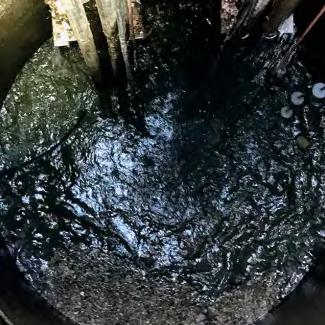
W ith Micro - Solve® microorganisms multiply. This reduces the grease that binds wipes together. Micro - Solve® reduces the risk of contact with disease.
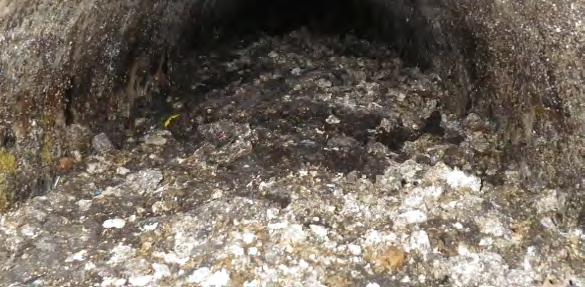







Wipes when flushed and combined with other products and grease that is poured down drains, create "fatbergs". Once they enter the sewer lines, they can accumulate and cause backups, damaging the city's infrastructure.


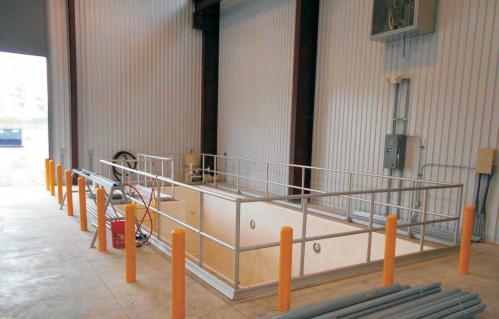
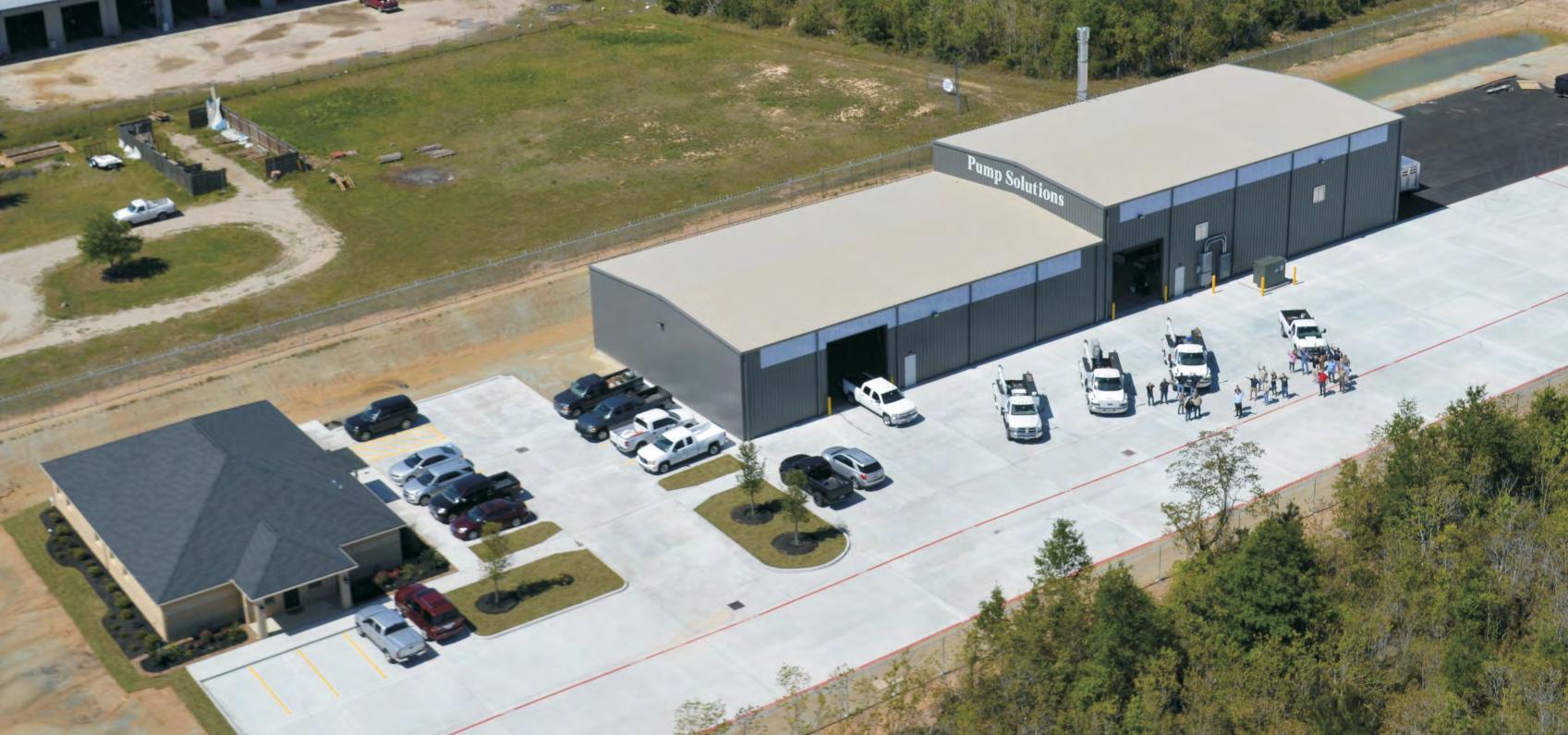
Our $10M inventory means lead times in days, not weeks or months
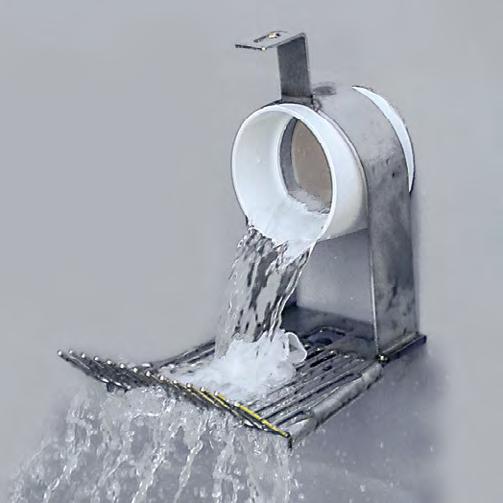
Superior solids handling impellers to keep up with modern wastewater demands
HOMA’s PMR5 relay plugs into existing Mini-Cas Socket to simplify your retrofit
A wide range of competitor adapters allow for installation of your new HOMA pump without costly downtime