ART + CULTURE

THELONIUS MONK
Monk’s Music: A little off-minor
PACELLI’S
EXCLUSIVE INTERVIEW WITH LISA MEADOWS
Bakery The Humble Origins of an NBA Legend



Every Sunday | 11 AM – 4 PM




Monk’s Music: A little off-minor
EXCLUSIVE INTERVIEW WITH LISA MEADOWS
Bakery The Humble Origins of an NBA Legend
Every Sunday | 11 AM – 4 PM
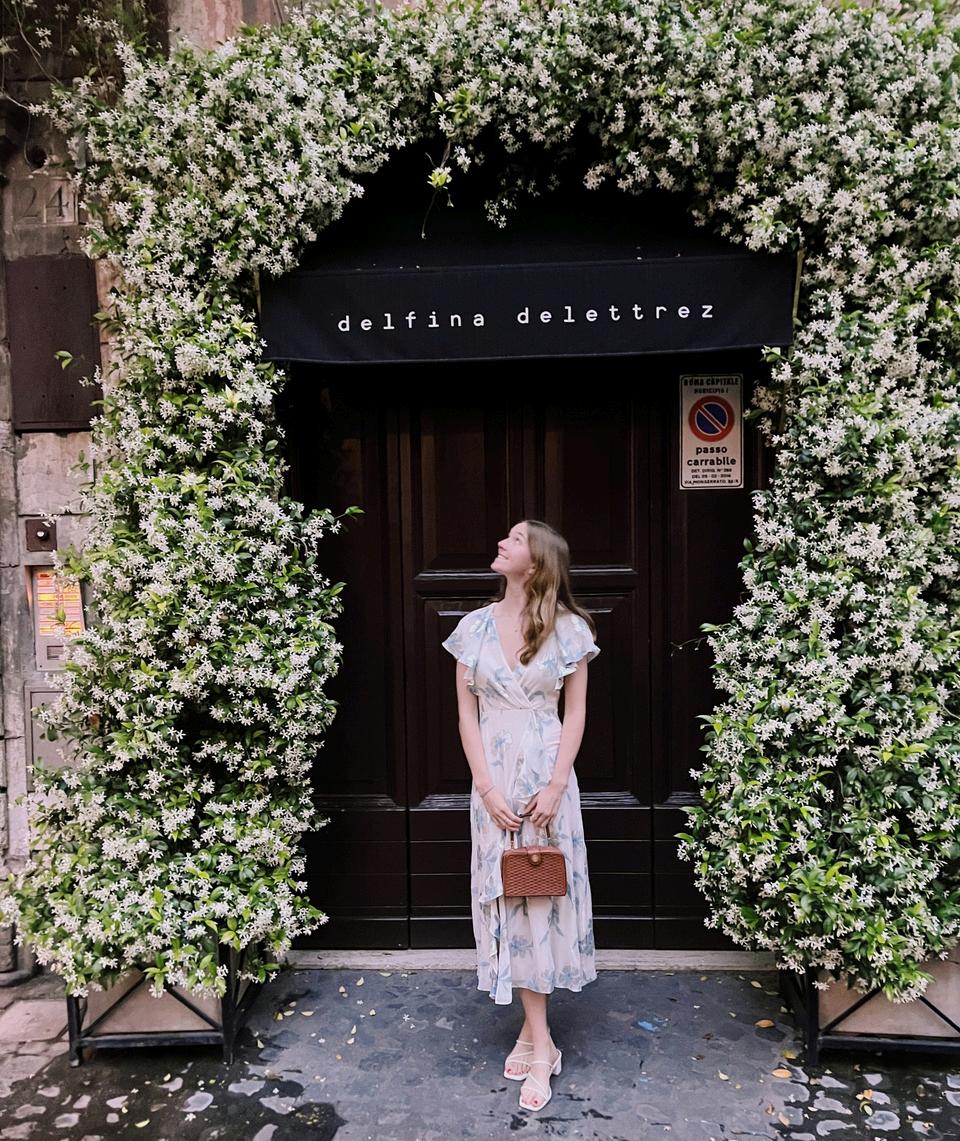
Katherine Gray Moss, also known as “kgmwatercolors,” is a selftaught watercolor artist from Halifax, North Carolina She began painting in 2020 and has developed her artistic style through self-guided study and practice She is honored to share her work with the magazine and its readers and is grateful for the opportunity to be part of this edition
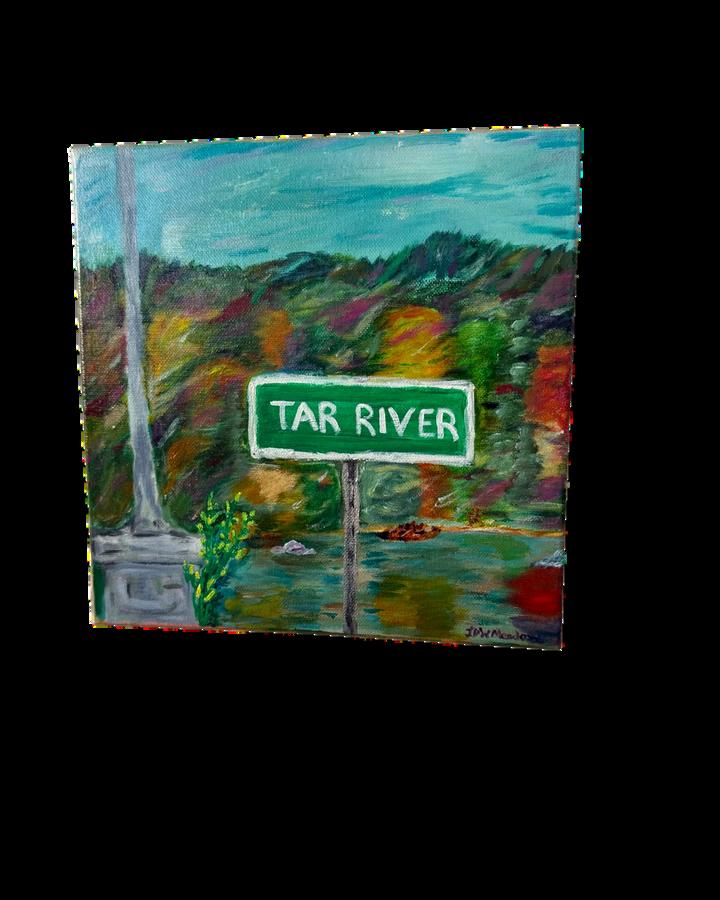
This featured watercolor is dedicated to a place and community that hold a special place in her heart The original photograph was taken on a flower farm in Whitakers, North Carolina, where she worked during the summers in high school It was there that the seeds were sown and the roots ran deep sparking not only a love of flowers, but a deep appreciation for the beauty and spirit of Eastern North Carolina
T A R R I V E R SPRING 2026
MISSION STATEMENT
With TRA+C, our passion is to bring the vivid cultural and artistic landscape of the Twin Counties into the spotlight We are committed to discovering and showcasing the extraordinary creativity that thrives within our community
Our magazine serves as a gathering place, connecting artists, cultural enthusiasts, and residents through stories and visuals that celebrate our shared cultural wealth Together, we aim to nurture a community that embraces and champions the arts and culture making them an integral part of our daily lives
On behalf of The Tar River Art and Culture Publication, we extend our heartfelt thanks to each of you local artists, cultural leaders, and organizations who have contributed to shaping the vibrant art and cultural scene of our community Your creativity, passion, and dedication have not only inspired our publication but have also woven the unique fabric of Rocky Mount, showcasing its past, present, and future in a truly remarkable way
From the traditions that have shaped our identity to the innovative spirit that drives us forward, you have played a vital role in bringing our vision to life. Together, we celebrate where we have come from, the beauty of where we are today, and the limitless potential of where we are heading Your stories, talents, and collaborations make our work possible, and for that, we are sincerely grateful
Thank you for being part of our journey and for letting us be part of yours We are excited to continue this journey with all of you, honoring and uplifting the rich culture that makes our community so special W
BENTON&MORGANMOSS
LEADERSHIPTEAM

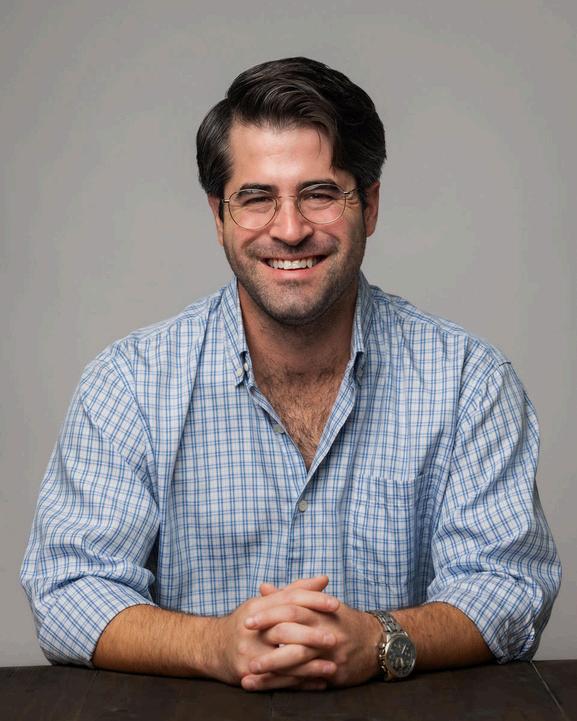
LEADEDITOR &CONTENTCREATOR

Welcome to Tar River Art + Culture Magazine, the premier publication celebrating the vibrant arts and rich cultural heritage of Nash and Edgecombe Counties Our magazine emerged from a partnership between Twin County Media, and Nash County Nosh led by culinary visionary Justin Sykes, combining the best of local artistry and gastronomy
TRA+C Magazine was founded on the belief that the artistic and cultural achievements of our community deserved a broader platform. We aim to bridge the gap between local talents and our diverse readership, providing a space where the arts and culture of our region are accessible to all
Each issue of TRA+C is crafted with care, featuring compelling articles, stunning visuals, and in-depth exploration of both emerging and established artists, as well as cultural events that inspire and entertain We are more than a magazine; we are the narrative pulse of the Twin Counties, weaving stories that foster connection and inspire community engagement
Join us as we celebrate the creative spirit of our area, discover new perspectives, and shape the cultural landscape together


Subscribers

NC TARBORO, NC CHARLOTTE, NC
SOUTH ROCKY MOUNT, NC
RALEIGH, NC
WILSON, NC


Bio of Cover Artist - Katherine Moss 02
Lisa Meadows Q&A 12
40 Years of The Tar River Orchestra 27
Live Music Roundup 32
Buck Williams - The Humble Origins of a Basketball Legend 22
Thelonious Monk - Monk’s Music: A Little Off Minor 34
History
Pacelli’s Bakery Open’s in Rocky Mount 08
The Chuck Wagon Reopens 29
Food



JUSTIN D. SYKES
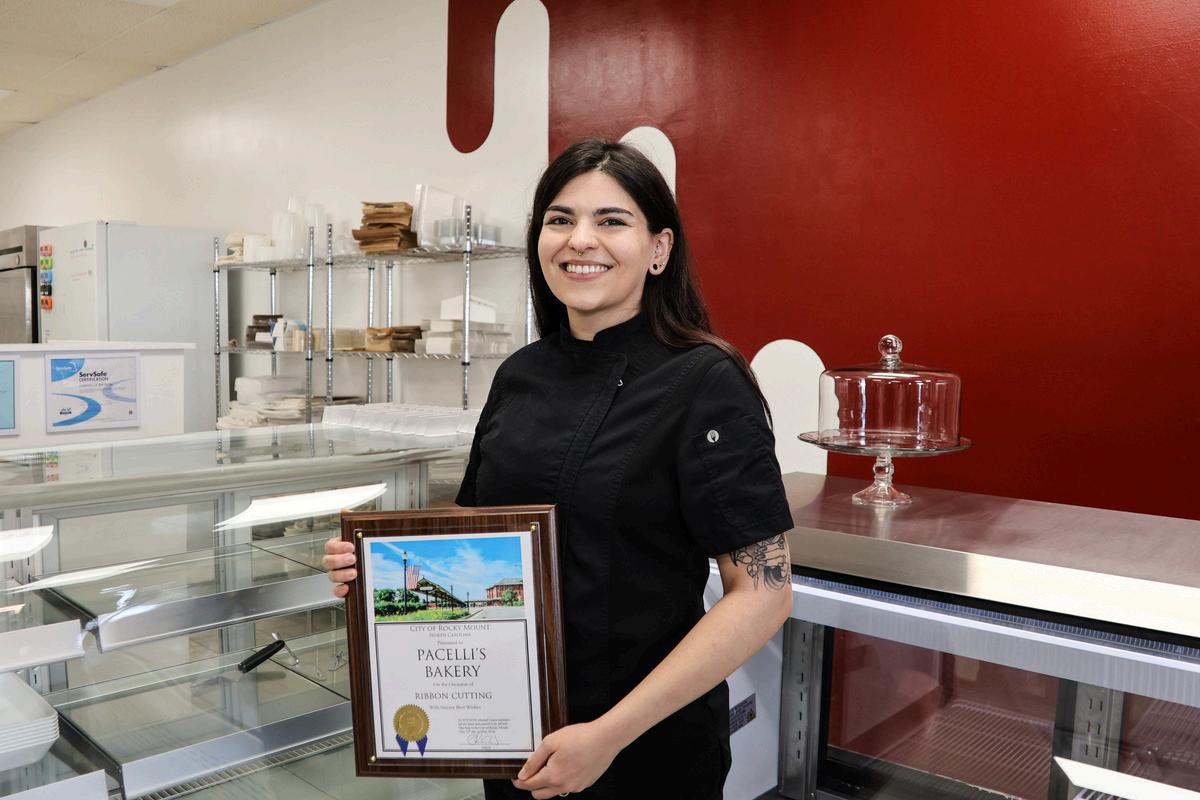
This spring Rocky Mount welcomed the city’s newest small business with the opening of Pacelli’s Bakery Owner Gabby Pacelli is not your typical baker She started out as an engineer, a career she left to take a leap of faith into baking, eventually opening a storefront A self-described “chemistry nerd”, Pacelli’s engineering and science acumen, coupled with her experience working summers at her aunt’s bakery in New York, has given her a particular skill set that translates into sweet and savory creations
Pacelli is originally from Palm Beach County, Florida, and attended the University of Florida where she received her master’s degree in engineering Each summer she would travel back to New York, where her family was originally from, to work in her aunt’s bakery on Fire Island, less than an hour outside of Manhattan It was during those summers on Fire Island working in the bakery that a seed was planted, which would eventually grow into a passion for baking
After graduating, she moved to Raleigh in 2020 to take a job with a firm as an engineer consulting on client projects While she excelled in the consulting role, she wanted to get back out into the field working more directly with local communities At the time, she was working ith a client based in the Twin County region, so she had familiarity with the area When she a job posting for a Stormwater Engineer for the City of Rocky Mount, it was a natural fit

022 she relocated to Rocky Mount to take on the new role which she held for roughly three s She enjoyed the community engagement aspect and being out in the field regularly ever, Pacelli notes, “her heart kept calling her back to food, community and hospitality ” So, e fall of 2025 she took an incredibly brave leap of faith, left her role with the city, and began ng full time
Pacelli took what she’d learned working in her aunt’s bakery and began doing pop-up markets at Rocky Mount Mills and hitting the local farmers market circuit. The response from the local community was outstanding. Her baked goods developed a local following and got to the point where around 80 percent of her customers were repeat customers Thus, the iron was hot, it was time to strike
Pacelli began planning her move to open a brick and mortar location with a vision for a neighborhood style bakery like the ones she grew up going to. “I wanted to have this family bakery feel, where people come in, they know the owner, they know the workers and they know about you what your taste preferences are, what your allergies are, maybe they slip something in the box for you while you’re talking, and you’re not even going to notice until you get home I wanted to have that kind of bakery”, Pacelli says.
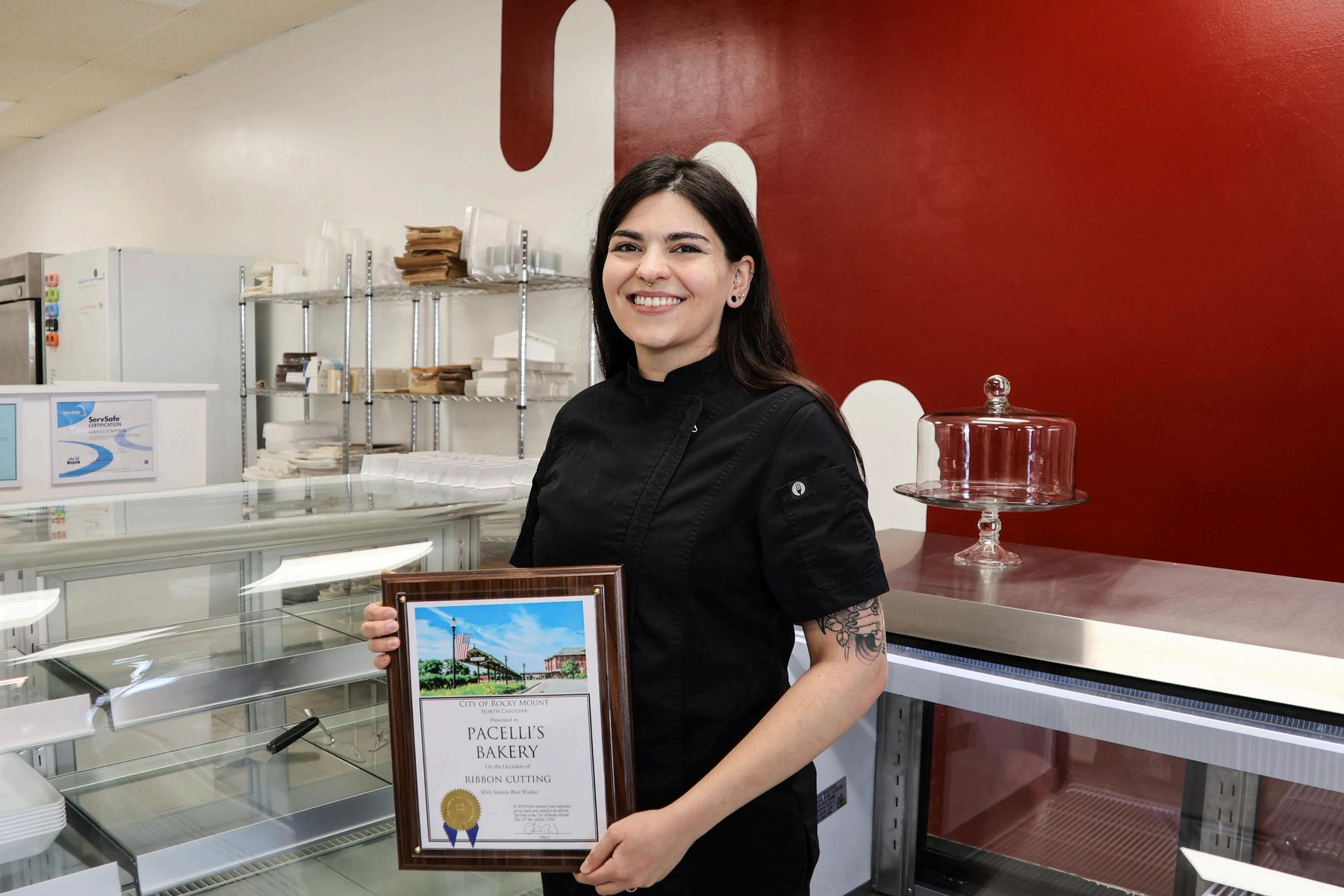
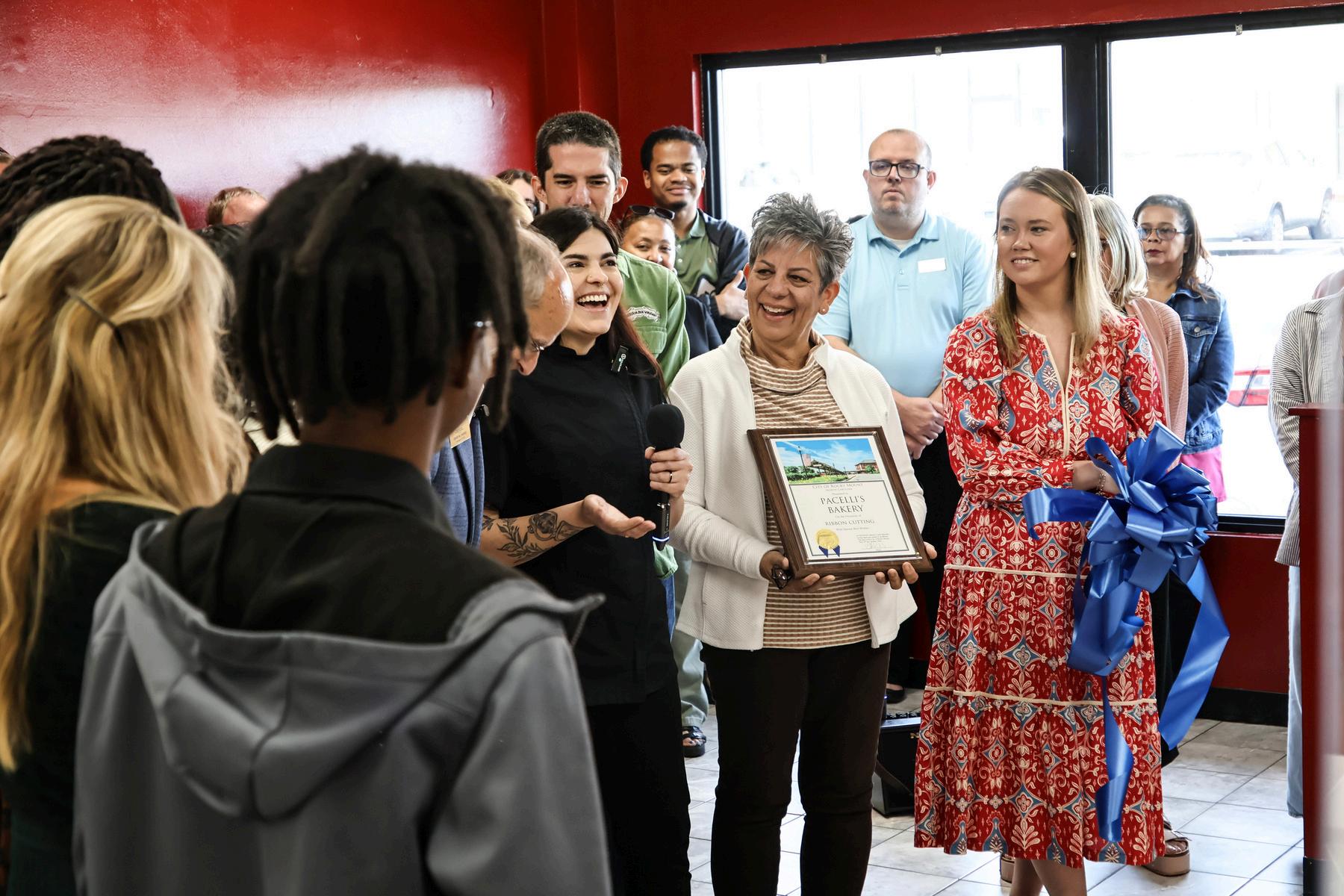
On May 16 of this year, Pacelli’s Bakery hosted their grand opening The fanfare was obvious with a line out the door, a sign of truly how supportive the local following had become The bakery is located at 1137 Jeffreys Road in Rocky Mount, directly next to Englewood Barber Shop in Bevenue Plaza. True to the neighborhood bakery vision, the interior is warm and inviting, but also chic. A perfect aesthetic balance of traditional yet trendy.
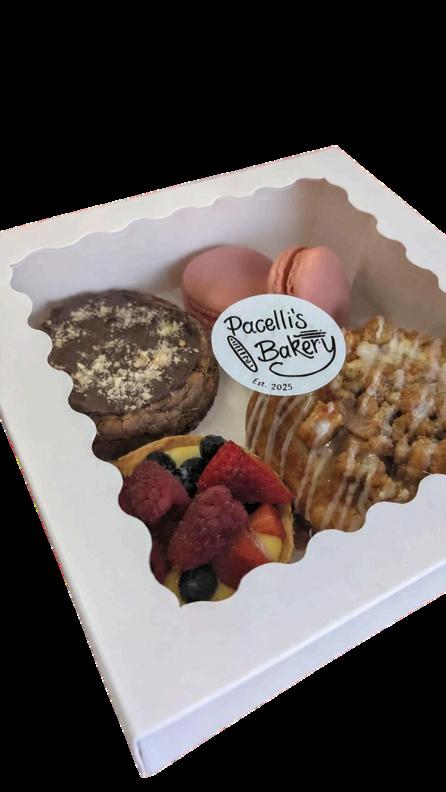
The bakery menu is extensive but not overwhelming and pulls from French, Italian and American influences Each baked good is expertly crafted with the attention to detail only an engineer could deliver Pacelli wants to offer baked goods that are approachable and familiar while also giving patrons the option to try something they haven’t had before.

“I wanted to have this family bakery feel, where people come in, they know the owner, they know the workers and they know about you… what your taste preferences are, what your allergies are, maybe they slip something in the box for you while you’re talking, and you’re not even going to notice until you get home…I wanted to have that kind of bakery”
The menu ranges from sourdough and brioche bread, macarons, cookies, cakes, brownies, tarts, bagels, and much more, all with a wide range of flavor options Pacelli constantly experiments with differing variations on flavors, such as the sourdough bread which has jalapeno cheddar, French onion, feta and sun dried tomato or traditional options.


One of the most notable offerings is the crumb cake, which makes sense given it was one of her aunt’s specialties at her New York bakery Her aunt closely guarded the recipe, even from the rest of the family When Pacelli worked at her aunt’s bakery, her family would halfjokingly ask her to “steal” the secret crumb cake recipe. While she never got it, the time she spent trying to figure it out led to her developing her own special recipe, one she now shares with her customers in Rocky Mount.
Much like the crumb cake, every baked good offered at Pacelli’s Bakery is crafted and informed by Gabby Pacelli’s experiences, expertise, and out right hard work She is not just a baker and engineer, but an entrepreneur in the purist sense. Pacelli’s Bakery provides amazing sweet and savory delicacies, but like many small businesses in Rocky Mount, the bakery also provides a point of pride, commonality and shared experience for the greater community





“Growing up in Rocky Mount also helped shape her worldview and creative voice.”
Lisa Meadows is a Local Artist and Rocky Mount Native.

Artist Lisa Meadows was born and raised in Rocky Mount. She grew up in a family deeply rooted in local history, traditions and storytelling. Meadows is a third-generation Rocky Mount resident. As a youth, she was surrounded by conversations about history and politics that helped foster an early love of narrative Her grandfather would often share with her stories and traditions that made local places in Rocky Mount feel meaningful.
Her creative journey began at a young age, influenced by her mother who was deeply creative and worked in a range of crafts and always encouraged experimentation. Watching her mother invent techniques and create by hand sparked a desire to imitate and make things independently. That early curiosity led to her first actual work a woodcarving of Apostle Paul being blinded by the light
Growing up in Rocky Mount also helped shape her worldview and creative voice. Life in a small town fostered imagination, self-reliance, and close attention to detail, while also exposing social and economic divisions at an early age. Childhood experiences rooted in outdoor play, modest means, and a strong sense of local identity continue to inform the emotional and narrative texture of her work.
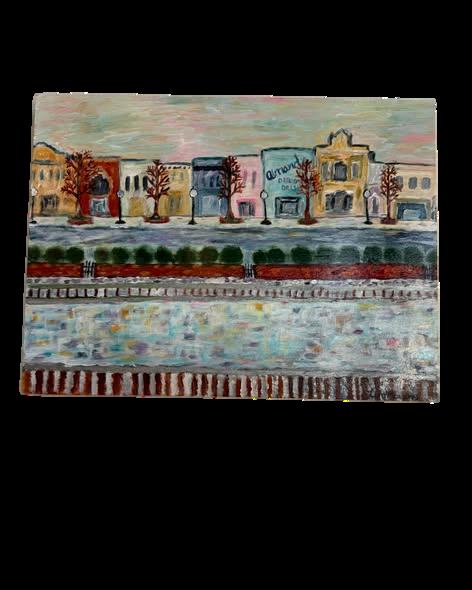
Meadows spoke to TRA+C Magazine about her work, the art scene in Rocky Mount and what she sees as ways to grow the city’s artistic community


My grandparents and my aunt lived on the Edgecombe side When we were going to their houses, avoiding the train, I loved seeing our huge water tower just as we crested the overpass Like a spaceship, just hovering there. I still love it! And, now knowing how it was raised in the 1950’s without emptying it to accommodate the increase in population makes it even cooler.
I also loved driving by the old Hardee’s headquarters (where the DMV is now) and seeing the big fiberglass Speedy McGreedy and Gilbert Giddyup, and of course the huge bikini clad Jackie-O look alike outside Mosley Motel, and the Shoney’s Bigboy outside the Shoney’s in the old Kmart parking lot… made Rocky Mount feel so exotic.
Sunset Park opening-up was always a big deal and the Mother’s Day Art sale at the Tank Theater I also remember going with my mom to the annual plant sale at Tarrytown Mall. When I was a teenager we hung-out at Mama Jeans, though I don’t think we ever bought more than a Coke. I’m also old enough to remember when the Safeway (where Harris Teeter is now) opened and Golden East was built I was really excited about the new mall but also was saddened by the demise of downtown


ever fully know at any given moment what will inspire me. If there one universal for me, it is “the narrative ” I often lean to finding the seed in lyrics more often than not I guess that’s why my work is all over the place as far as theme goes When I started painting again, about six-years-ago, I was inspired by photos from the Civil Rights Movement…I painted what I saw and felt looking at the photos. I’m very proud of them, though I struggle still with feeling like I had the “right” to have created them.
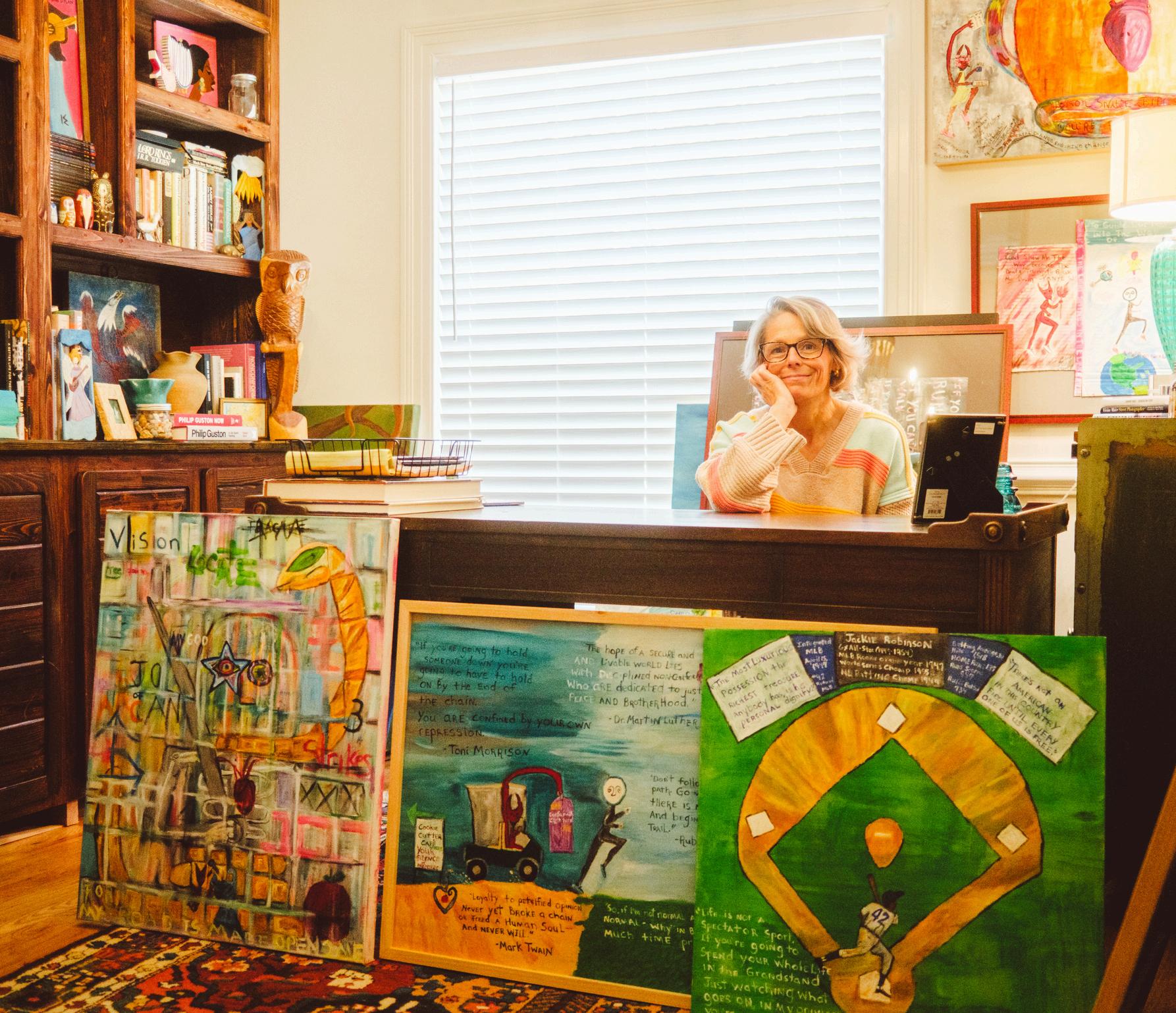
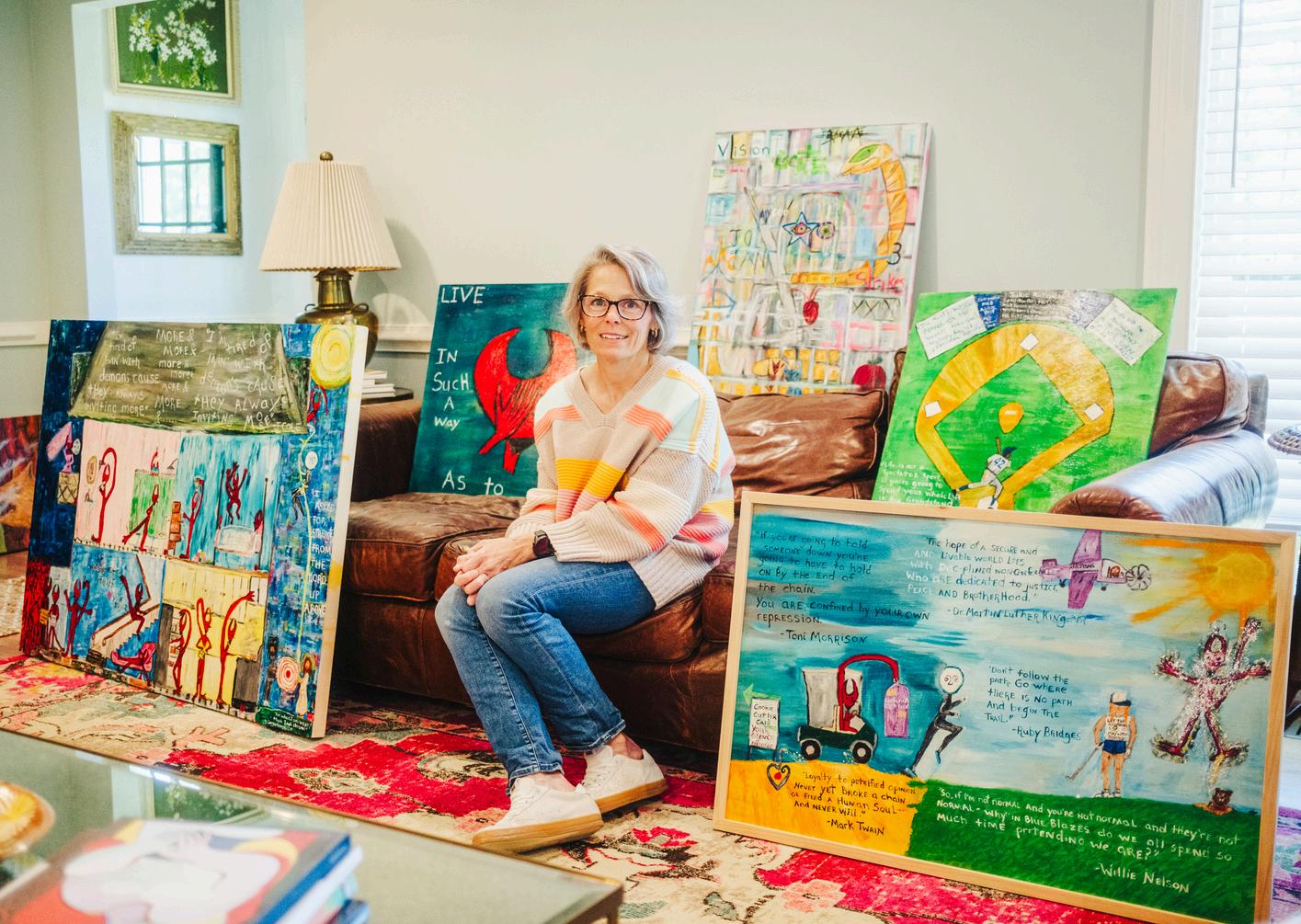
My “conquering our inner devils” series started quite by accident I received a piece of Howard Finister’s from his Paradise Gardens, and I couldn’t “just” put a box that came from Paradise Gardens in the recycle bin, that would be sacrilege. I was inspired by Bill Traylor in general, but especially his “humanoid” figure and it seemed a shoein for a box that came from Paradise Gardens At that time, Kanye West’s Jesus Walks was on my music cycle and the line: “God, show me the way because the Devil’s tryna break me down,” kept sticking with me I had just read an article about Muhammad Ali and I just envisioned our interior “fighter” knocking our interior devil or naysayer out, and of course the iconic image of Muhammad Ali after he knocked Sonny Liston out came to mind. So I combined all that, with lyrics and scripture on that particular special piece of cardboard it was supposed to be a “one-off,” just for me Since it was on cardboard and irregular shaped I wanted to get it framed I took it to my good friend Jimmy Strickland at Modern Products, feeling a bit silly about the strange whimsical nature of the piece. A few weeks later when I came to pick it up, Jimmy (who was still on the transplant list at the time) sweetly told me it spoke to him in a meaningful way on a day he needed it I painted a different interior devil story just for him and that’s how it started


WHAT DO YOU HOPE THAT YOUR PAINTINGS
COMMUNICATE ABOUT YOURSELF AND YOUR PERSONAL EXPERIENCES?
I most associate myself with the “conquering our inner devil stories” and I want people to find something of themselves in the pieces. To me they mean one thing: the devil, the humanoid and the “hero” are all part of us, but I can’t say what other people see and that’s part of the beauty. As much as possible I create these pieces on old cardboard boxes, which to me is essential to my overall purpose and thought…this world is temporary.
For the devil pieces, it always starts with a lyric, quote or line, that I keep working over in my head until a story and ultimately a vision comes from it. With my J.Cole piece, I love the lines from Love Yourz: “Im tired of living with demons, cause they always inviting more” and “I asked for strength from the Lord up above.” Well, honestly the entire song is incredible, but those lines in particular had stuck in my craw and I knew I wanted to create a piece and worked through ideas for three years, nothing seemed right.
Eventually I had a chance to see him live and in the middle of his performance of Love Yourz the doll house idea came to mind. Similarly, I loved the Bruce Springsteen line: “Poison snake bites you, you’re poison too,” from Gave It a Name was with me for a very loooonnnngggg time, and I happened to be reading about Ruth Bader Ginsburg and the entire huge halfrotten apple idea came to my head. I always wait until I have the full vision or hook until I start a piece.
A
AI’m always gratified when someone tells me a piece spoke to them on a personal level, gave them a glimmer of hope or being seen. When I did my last big show in Tarboro at the incredible Country Feedback, I had my two monster Inner Devil pieces (they’re very big, framed and weigh a ton) Ernest Hemingway and Jane Fonda…at the show, I had several people that thanked me for those two pieces in particular, because it conveyed what they needed to hear at that particular moment. To me, that’s what it’s all about. That meant the world to me! Likewise, I did a Lenny Bruce about not being afraid to speak your mind (the devil was Ursula the Sea Witch from The Little Mermaid). That was at my first show in Tarboro, my awesome friend Inez Ribustello purchased it and if you know Inie you KNOW why that was her piece! I get that my work isn’t everybody’s cup of tea and I’m OK with that… they seem to be “seen” by whom they’re meant to be seen by.
HOW HAVE YOU FOUND THE ART SCENE IN ROCKY
THROUGH THE YEARS?
Apart from the very cosmopolitan fiberglass Speedy McCreedy and Shoney’s Bigboy, the art scene in Rocky Mount made it feel like somewhere special and the Tank Theatre was the hub. I later had the privilege of befriending Daisy Thorp, a retired Wesleyan art professor; she was an intrinsic part of a group of “art interested” citizens that helped start the Tank Theatre. They originally rented a small house across the street from Machaven on Grace Street, which they used as part art gallery, part art class space until they were able to get the funding together for the Tank. There’s always been a special correlation between Rocky Mount and the arts Right now our community is abundantly rich with incredible artists, all sorts and genres


I would love to see the art scene revived and revised, to include all area artists. Ultimately, it would be incredible to see the Howard Street Arts District become a reality. It would not only put Rocky Mount on the map for artists and art enthusiasts but would be an attribute However, I believe for an Arts District to thrive we need a “hub” which we have, a gorgeous “hub” in the Imperial Centre We have people coming from all over for sporting events, we’re missing an opportunity to put Rocky Mount on the map in a bigger, more positive way.
Rocky Mount has an opportunity to change the perception outside of Rocky Mount, “arts” is one of the avenues that we can take. I’m a big believer in the gospel according to Don Draper, you know: “if you don’t like what’s being said, change the conversation ” Emilie Pinkston, who has been a gift to Rocky Mount and will be surely missed, as her swansong created a committee within Downtown Renaissance (on which I serve) to focus on creating a “next” chapter for Rocky Mount that is Artsfocused.
I think about all the artists in big cities like Raleigh and Durham, who keep getting priced out of studio space, which of course essentially makes their art pricier to create. Rocky Mount could capitalize on that need with a change in our narrative If we look at Wilson (Whirligig Park) or the Liberty Antiques Festivals in Ramseur, these are small towns that have successfully changed their narrative around the arts
Personally, I was fortunate to have an art space within my home for a long time but have recently downsized. I have space to create, but not for supplies like larger canvases or to store completed works… right now I’m borrowing space all over town. This has given me pause to think and weigh options, which there’s not many We had the fabulous Bel-Air, that Jessica and Michael Hicks refurbished It would be great to have studio/gallery spaces available
A A

Q
WHEN YOU’RE NOT WORKING, WHAT DO YOU ENJOY DOING RECREATIONALLY AROUND ROCKY MOUNT?
Going to Larema is always a treat or any of our new locally owned businesses I like walking around downtown a lot As part of my running streak, I’ve tried to run most of Rocky Mount in routes When we have art shows at the Imperial Centre or Mims Gallery that’s a highlight Mim’s has a great photography show of William Manley’s photography right now and had a show of Eric McRay’s incredible works last month
WHERE HAVE YOU RECENTLY HAD SHOWINGS OR FEATURES OF YOUR WORK?
Q Q
February at TBC in Tarboro and last year I had a show of “local inspired pieces” at Larema Coffee House in Rocky Mount.
Q Q WHERE CAN OUR READERS FIND AND PURCHASE YOUR WORK?
A A
Right now, they can contact me. My house, between my work and collected pieces is a de-facto art gallery.




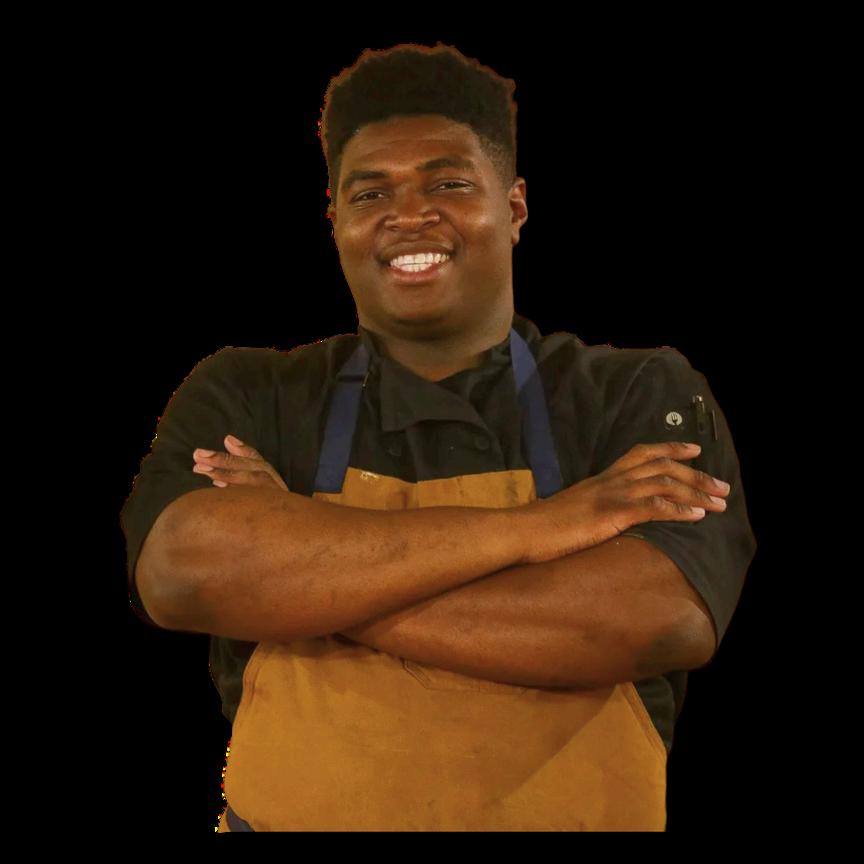
Chef Malik Williams, a talented local native, is a proud alumnus of Johnson and Wales University, Class of 2021. As the head chef at Lou Reda’s, he brings both his creativity and passion for food to the forefront of the Twin Counties' culinary scene
In addition to leading the kitchen at Lou Reda’s, Chef Malik owns and operates Thorns and Ivory, a luxury hospitality company that delivers refined dining and exceptional service. His dedication to culinary excellence is evident in his work, shaping him as a rising star in the community

2 oz Cognac
1 oz Cherry Juice
1 oz Honey Syurp
¼ oz Fresh Lemon Juice Club Soda (To top)
Honey Syrup:
Combine equal parts honey and water. Stir or gently heat until fully blended. Let cool before use!
Add cognac, cherry juice, honey syrup, and lemon juice to a mixing glass. Fill with Ice and stir until well chilled. Strain into a glass over fresh ice. Top with club soda.




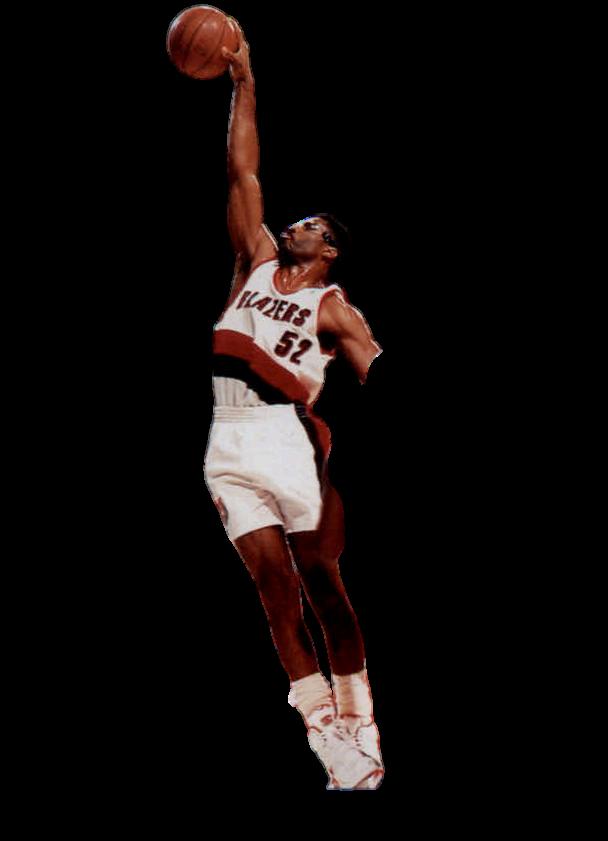

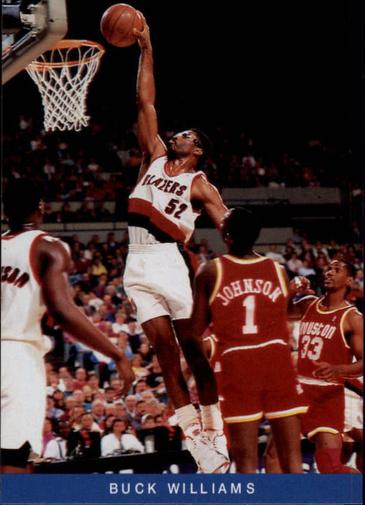
Basketball legend Charles “Buck” Williams was born and raised in Rocky Mount He led Rocky Mount High School to a State Championship, broke records in the ACC, made the U S Olympic team, and achieved worldwide fame in the NBA Williams was also named a finalist for the Naismith Memorial Basketball Hall of Fame this year From humble beginnings growing up in Rocky Mount, Williams’ work ethic, humility and consistency came to define his professional career
He was born in the spring of 1960 in Rocky Mount to Moses and Betty Louise and was the youngest of five children His parents, who grew up sharecropping on farms, instilled in him a work ethic that would define his understated stardom His father Moses built the small four-room house he and his four brothers and sisters grew up in, which lacked indoor plumbing for the better part of his adolescence To those who knew him best growing up, Williams carried that work ethic with him from a young age
Tar River Art & Culture (TRA+C) spoke to Reggie Barrett of Rocky Mount, one of Williams’ lifelong friends and high school teammates, about what it was like growing up alongside the basketball legend
Barrett knew Williams from grade school and the two would eventually play together on the Rocky Mount High championship basketball team In the 9th grade the two were working at Haddon Wholesale downtown Rocky Mount, now the location of Moore’s Bicycle Shop During one of their shifts, Barrett told Williams to join him at try outs for the Junior Varsity basketball team Although he was already close to 6’6, Williams had rarely played before, at least not in any organized fashion
Yet, with some coaxing, Williams did try out for the team A few years later he led Rocky Mount High School to a 4A State Championship in 1978 Throughout Williams’ junior and senior year, the University of Maryland had a representative at every home and away game So, Barrett, a lifelong Tarheel fan, was surprised when Williams told him on the ride to school one morning he had committed to the University of North Carolina, as opposed to Maryland Williams asked Barrett to keep the news between them
As good friends do, Barrett kept that secret for almost an hour As Barrett put it, “So, I get to class and I’m telling all my boys, ‘hey man Buck’s going to Carolina, Buck’s going to Carolina’ ” Later that morning, the principal announced over the intercom, “Charles Buck Williams has just signed with the University of Maryland!” Williams’ notorious sense of humor was already at play at a young age
The two graduated high school on a Friday, and the following morning Williams picked up Barrett to head to College Park Maryland for summer training At the time, Barrett had committed to playing basketball for North Carolina Central University (NCCU) Upon committing to the University of Maryland, Hall of Fame head coach Lefty Driesell had asked Williams to spend the summer in College Park training and getting acclimated
For a young man from Eastern North Carolina, College Park Maryland was likely a world away Coach Driesell knew this He invited Barrett to accompany Williams to Maryland for the summer knowing that having a hometown friend with him that first summer would ease the transition
So, the two set off from Rocky Mount, each with $20 in their pockets their families had pulled together They headed north on I-95 in Williams’ Chevrolet Chavelle SS According to Barrett, the air in the Chevy’s sho k ld t th h d t ll every 30-40 the shocks in College P

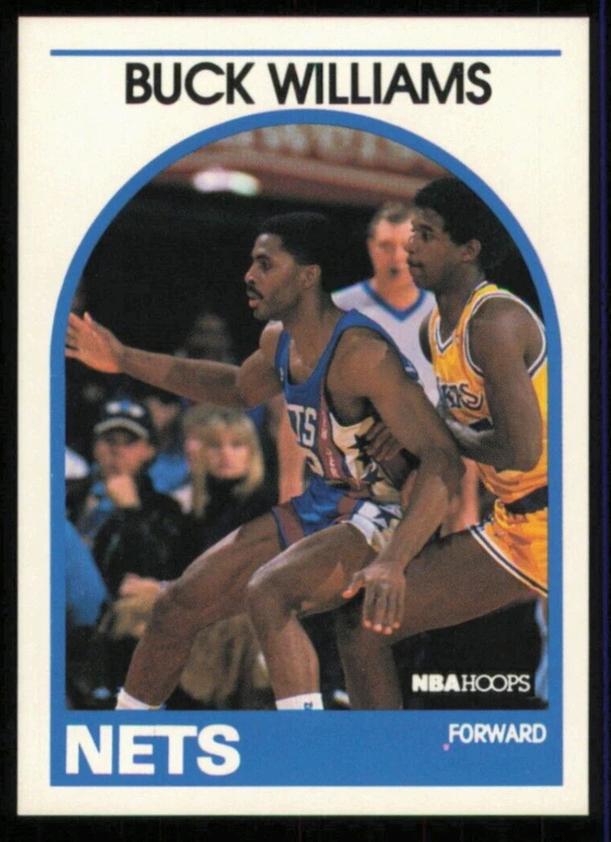
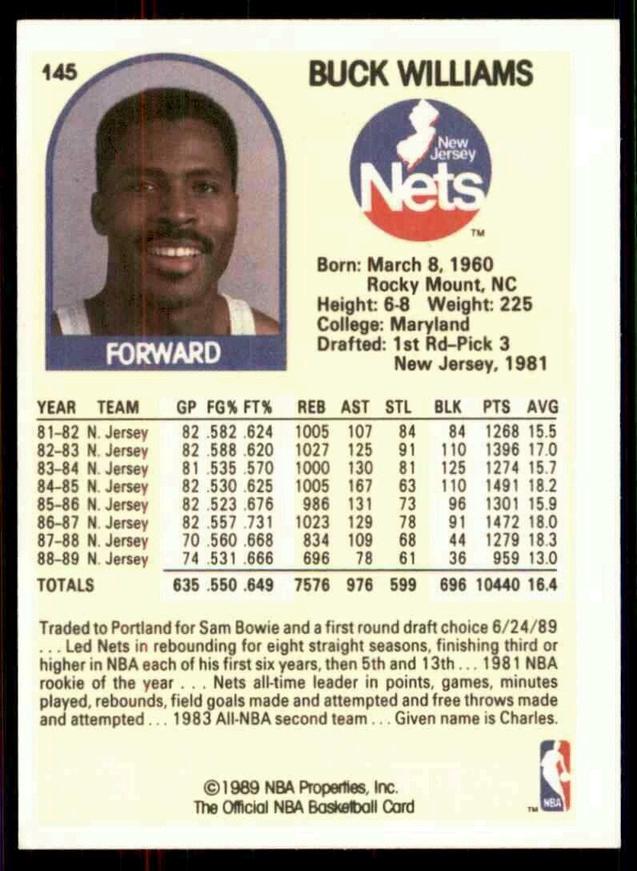
All-Star during his career with the Nets, among other ades. He was traded to the Portland Trail Blazers in where he would spend seven seasons, followed by his two seasons with the New York Knicks before retiring.
ement did not slow Williams down. He not only moved a successful real estate investment company in the hington D.C. area, which he operates with his sons, but so served as the president of the National Basketball rs Association from 1994 to 1997. Notably, he led the n during the 1995 lockout. He also served two seasons n assistant coach for the Portland Trail Blazers from to 2012.
ite all the success, induction into the Naismith orial Hall of Fame has eluded Williams. He was nated in 2025 and 2026. In 1999 the Nets retired Williams’ iconic number 52 jersey. He was subsequently inducted into the University of Maryland Athletic Hall of Fame in 2001 and named to the ACC 50th Anniversary Men’s Basketball Team in 2002. Notably, he was also inducted into the Twin County Hall of Fame in 2006.
That summer, Coach Driesell set them up staying with a University of Maryland graduate student and working at a local lithograph company. On Friday’s they would go cash their weekly paychecks at a local pizza joint. As summer wrapped, Barrett returned home to North Carolina to begin his season at NCCU and Williams turned to begin a history-making role with the Maryland Terrapins squad.
Williams’ time playing for the University of Maryland was record setting from the jump. During his freshman year, he won ACC Rookie of the Year and led the conference in rebounding. He was named to the All-ACC team and the All-ACC Tournament Second Team in both 1980 and 1981. He was selected for the 1980 U.S. Olympic Team, though he did not compete due to the U S boycott of the Moscow Olympics Following his junior season, he received national recognition as First-Team AllAmerican
During the 1981 NBA draft, the New Jersey Nets selected Williams as the third overall pick Under the leadership of Hall of Fame coach Larry Brown, Williams arguably hit his prime while playing eight seasons for the Nets He won Rookie of the Year in 1982 and was a three-time
Buck Williams not only made history at every step of his basketball career but has consistently been a champion for the city in which he was born. He often cites his time growing up in Rocky Mount and the humble origins that instilled in him the work ethic, character and class that led to his success.
He is a frequent visitor back to the city, to see old friends and reminisce about those early years. Hopefully one day, Williams will receive the true recognition he deserves and be the first Rocky Mount native to be inducted into the Naismith Memorial Basketball Hall of Fame Getting his ticket punched to Springfield Massachusetts would be one final accolade for one of basketball’s greatest, and by proxy, his hometown

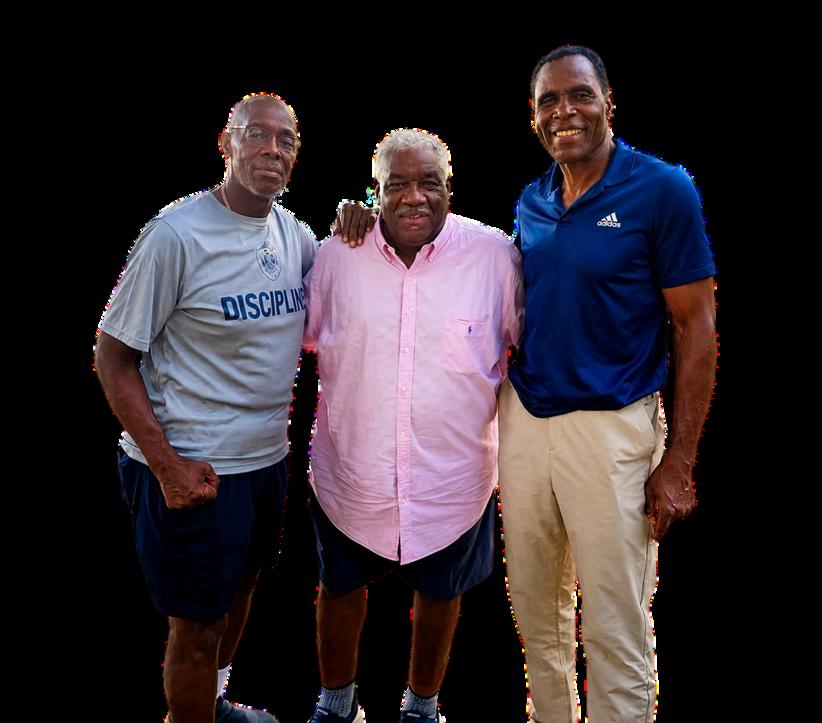

This year the Tar River Orchestra and Chorus (TROC) will celebrate 40 years of providing highquality live music to the Rocky Mount community and surrounding region. Since its founding in 1986, the mission has been to provide opportunities for citizens to engage in musical performance and learn through choral and string instruction. In over four decades, the TROC has expanded beyond the original adult orchestra and chorus to a family of ensembles entertaining and educating audiences of all ages.
The TROC was originally the vision of Hernon Murno, a member of the music faculty at North Carolina Wesleyan College (now North Carolina Wesleyan University). While the musical talent in the region was extensive, at the time there was no permanent community ensemble to bring that talent together on an organized basis. Murno brought local leaders, musicians, and supporters of the arts together to establish a musical organization to fill that void with the goal of furthering the region’s art and culture offerings.
An organizational structure was then developed and Daniel Crocker was selected to serve as Chairman of the Tar River Orchestra and Chorus. Crocker would go on to hold the role for many years and oversee the expansion of the organization from the original adult orchestra and chorus to the family of ensembles we know today.
The TROC’s mission would be three-fold, beginning with providing high-quality live music, both choral and instrumental to the region Just as important, was the goal of giving citizens of all ages the chance to sing and play music and learn through choral and string instruction That vision led to the growth and expansion of the musical institution we enjoy today
JUSTIN D SYKES

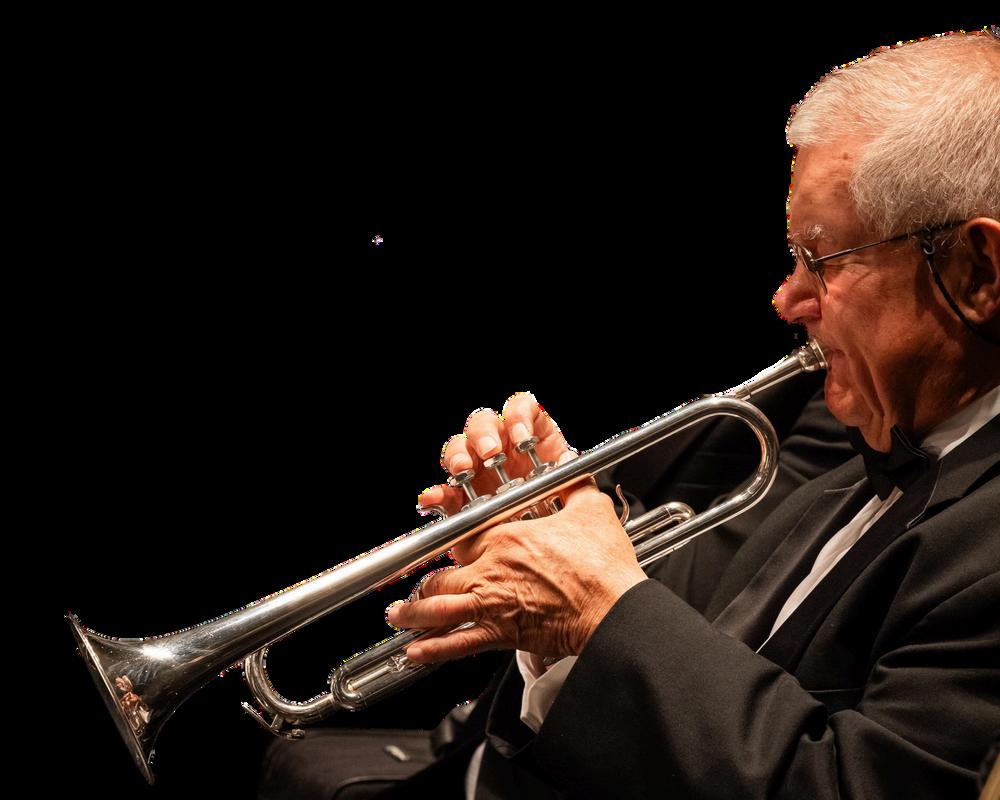
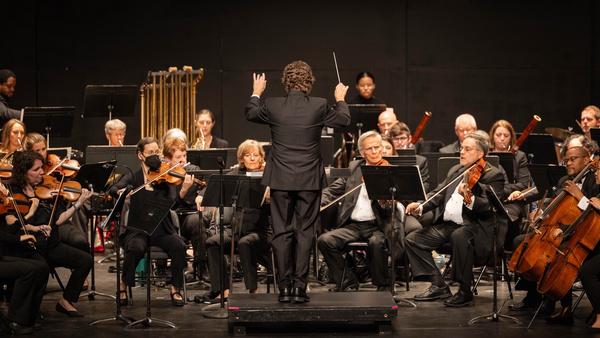
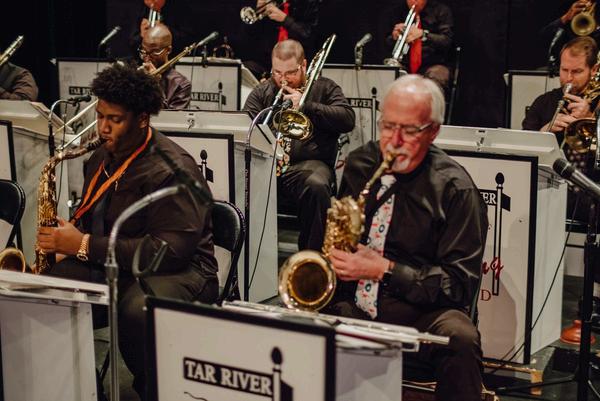
Over the years, the TROC expanded to include not just the Tar River Orchestra (TRO) and Tar River Chorus (TRC), but the Tar River Children’s Chorus (TRCC), the Tar River Swing Band (TRSwB), the Tar River Strings and the Tar River Wind Ensemble
The TRO has always been the foundation of the TROC and is composed of regional professionals and accomplished local musicians The TRC performs classical masterworks, popular orchestral music and collaborative performances with guest musicians and touring groups The orchestra is highly community focused, hosting an annual educational concert for middle school students as well as an annual competition that gives young local musicians the opportunity to perform with the orchestra
The TRC provides a choral complimentary role to the TRO, performing a range of popular sacred and secular repertoire. The TRC features internationally respected conductors and composers that seek to preserve musical tradition while also developing new music, premiering a number of original choral works over the years
In 1991 the TRCC was founded by Maria Monza, who at the time was a member of the North Carolina Wesleyan music faculty The TRCC served one of the organization’s key missions of providing musical training and performance experience to the region’s youth In 1993 Patsy Gilliland took over leadership of the TRCC and would expertly guide the children’s chorus for over thirty years While 2026 will mark Gilliland’s last year at the helm of the TRCC, her impact on the organization will be lasting
Under Gilliland’s guidance, the Children’s Chorus performed at a number of high profile venues including the Washington National Cathedral, Riverside Church in New York City, Church of the Holy Trin Philadelphia, the Biltmore House at Christma more up and down the East Coast. Gi expanded the overall educational mission the organization’s presence beyond the North Carolina
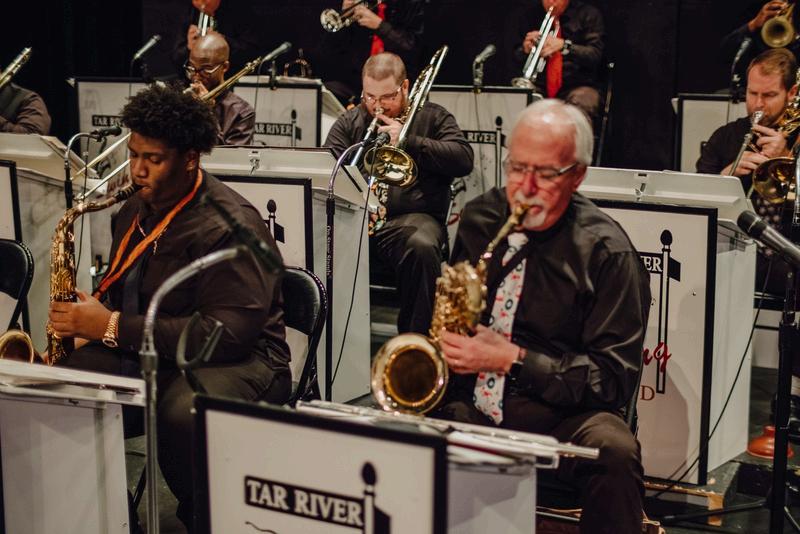
In 1999 the organization grew again with the founding of the TRSwB which added jazz and big-band tradition to the repertoire Founder John Collins Sykes was the director of the Rocky Mount Senior High School band and became one of the region’s most influential musical educators Leo Nieves is the current director, and carries on the TRSwB’s traditions focused on swing, jazz standards and contemporary big-band arrangements
Rounding out the family of ensembles is the TRS and Tar River Wind Ensemble. The TRS provides instruction and ensemble opportunities for young string players with the goal of introducing children to orchestral sting instruments The Tar River Wind Ensemble grew out of the former North Wesleyan wind ensemble program, and while the group is not currently active it remains part of the TROC’s historical program
In 1996 the Dunn Center for the Performing Arts opened on the campus of North Carolina Wesleyan and became the primary performance venue for the TROC’s family of ensembles Prior to that, TROC concerts were held in various venues around the area The Dunn Center gave the TROC a consistent venue and further strengthened the TROC’s relationship with the University
The value of musical education and live performances to Rocky Mount and the region that the TROC provides is tremendous What was a vision of Hernon Murno has developed over the last 40 years into one of Eastern North Carolina's most enduring cultural organizations. The TROC is an anchor for the city’s musical and cultural offerings and will continue strengthening the area’s civic pride and musical identity for decades to come






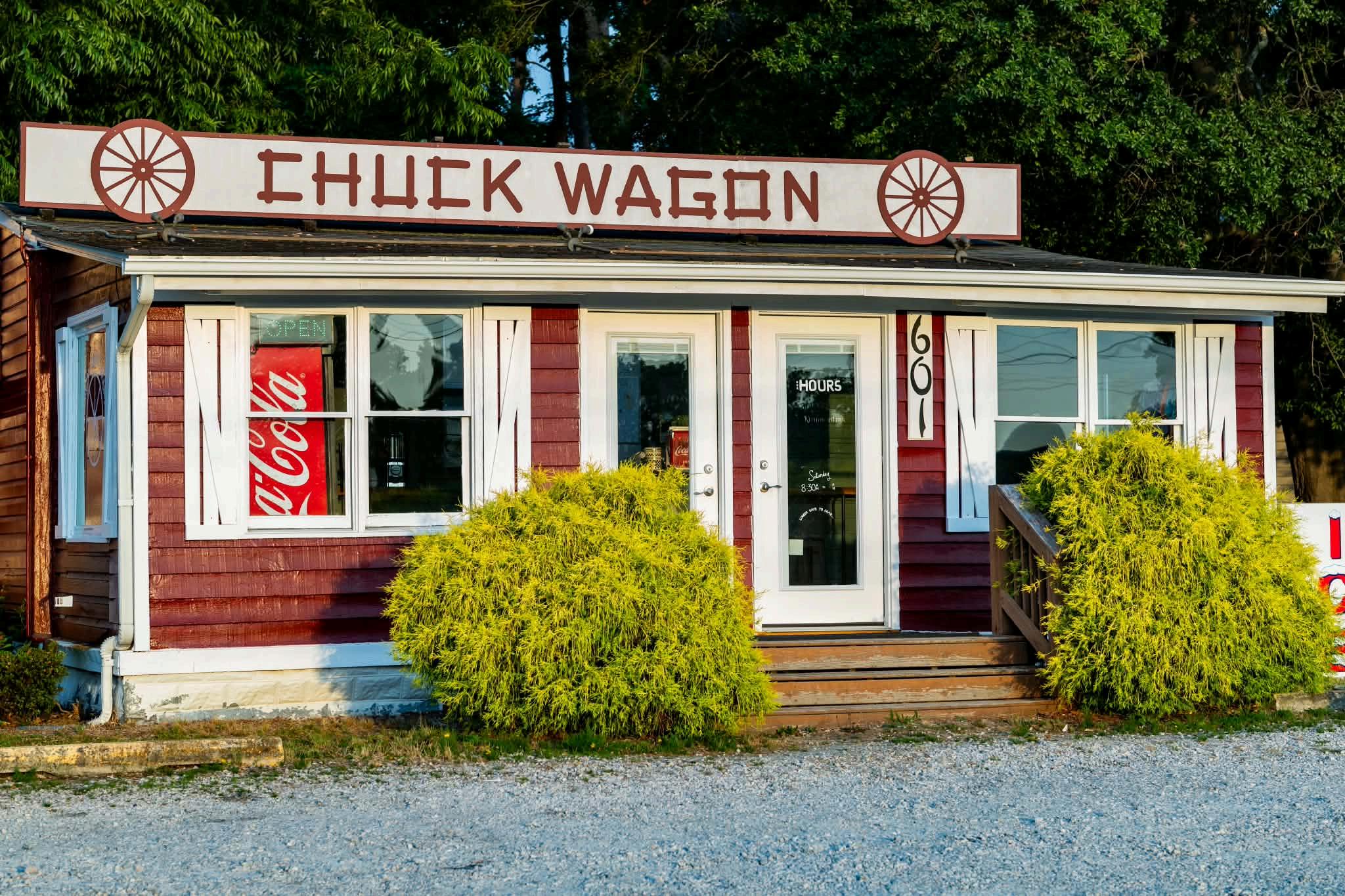


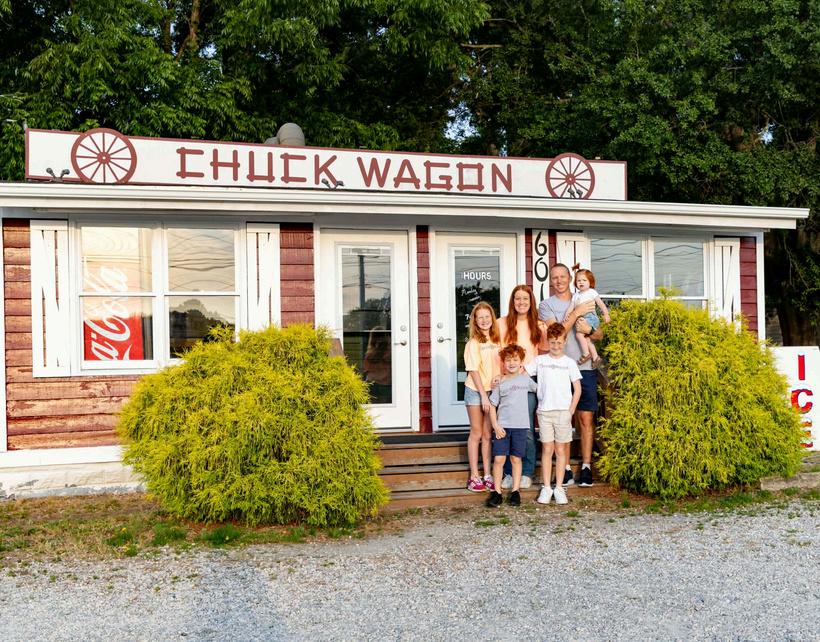
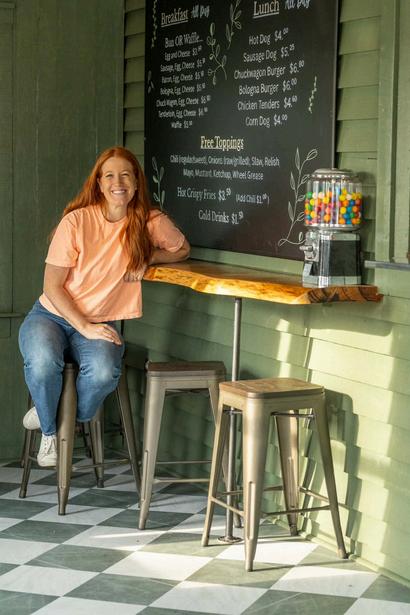
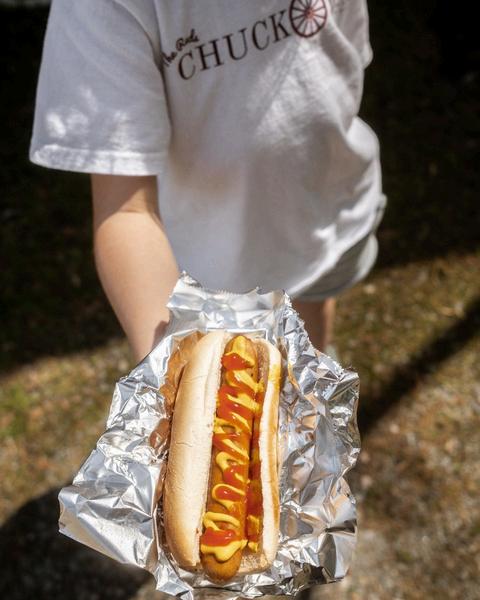
This spring a local couple has breathed new life back into a 90 year old Rocky Mount dining institution The Chuck Wagon is officially back open under new management It also has a slightly new name, “The Red’s Chuck Wagon,” in honor of the couple’s children The new owners, Garrett and Ashley Graves, want to preserve the restaurant’s old-school feel but also have a forward looking vision for the location and the role it can play for the local community
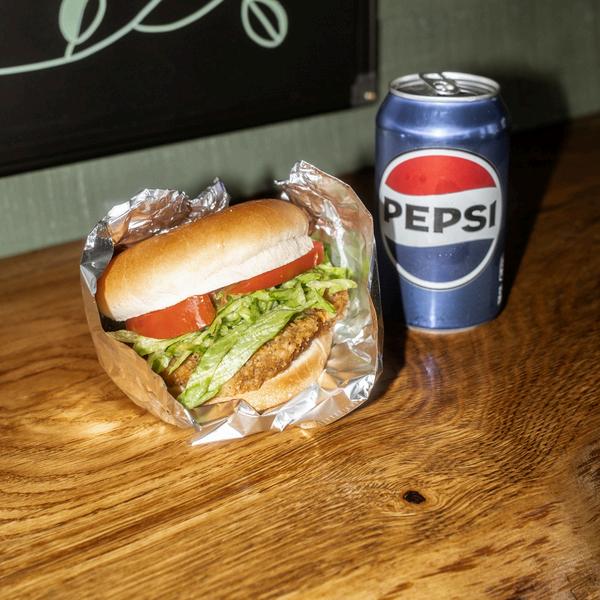
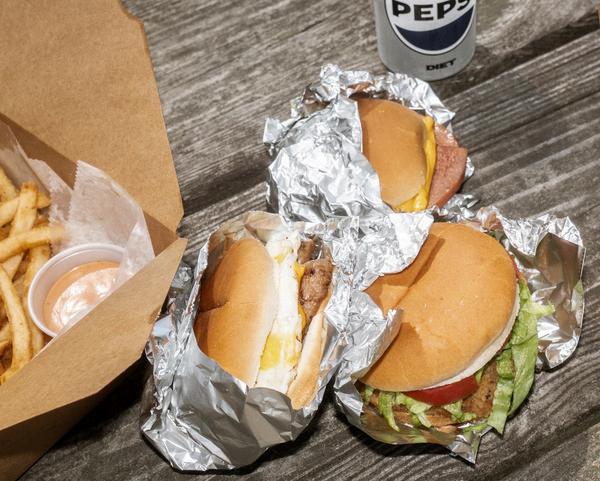
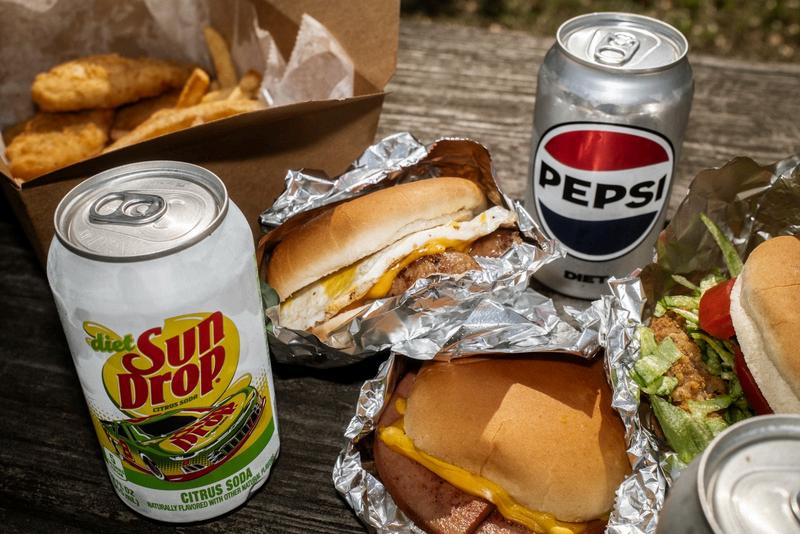
“Our mantra is, we’re not trying to reinvent the Chuck Wagon, we want it to be simple, we want the price point to be down, because the places we really like are simple places,” Garrett Graves says While they have added some new features to the menu, the core offerings for breakfast and lunch haven’t changed Lunch features include classics like the Chuck Wagon Burger, Bologna Burger, Tenderloin Burger and Sausage Dog In true Eastern North Carolina fashion, hot dogs with chili, onions, slaw and relish round out the lunch menu



The Graves, however, are not just revitalizing a local culinary staple They have made updates to the building inside and out and expertly preserved the nostalgic aesthetic those born and raised in Rocky Mount will appreciate but they are not stopping there Their long term vision for the location itself goes well beyond just serving classic burgers, hot dogs and comfort food
Part of that vision includes using the parking lot and property as a whole to create a space for local food truck owners and vendors The Graves want to eventually provide hooks ups for food trucks on site, so they don’t have to run generators They are also looking into a commissary that would cater to food trucks and allow trucks to locate long term in the lot This would essentially allow local food trucks to have a brick-and-mortar presence without the actual brick and mortar

Given the property on Airport Road is positioned by several major thoroughfares, as well as the YMCA and Rocky Mount Sports Complex, the potential to fold in the local community and visitors is obvious.

Saturday 8:00am-5:00pm
The Graves want the space to be, “bigger than the Chuck Wagon” itself. According to Graves, the larger potential for the property is seen through the lens of, “Is this bringing people together? Is this creating a space for people? Is this kind? Is this local? Is this community?” Providing a semi-permanent food truck rodeo anchored by the Red’s Chuck Wagon checks those boxes.
Tuesday through Friday 7:00am-6:30pm
As Graves puts it, “I think that’s what the Chuck Wagon is, it’s bigger than us, it’s 90 years of Chuck Wagon that nostalgia, that memory, that community, that is what this is, and we’re trying to be true to that ”
Monday 7:00am-2:00pm




FRANK JOLLEY JR
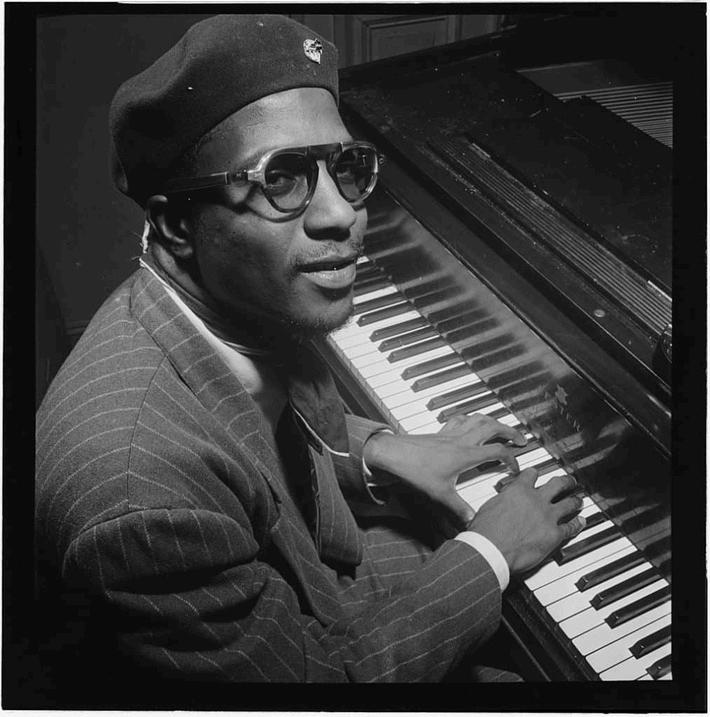
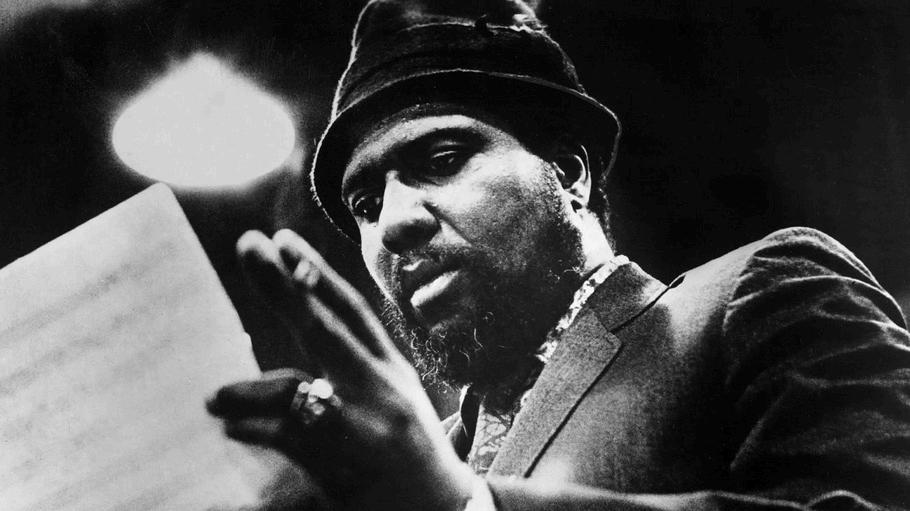
Monk Thelonious Monk While this may not be a household name, it is, every now and then, on the tip of the tongue of more than a few Rocky Mount residents We see his murals painted around the city you know, the guy with the beret, the hip sunglasses, and the goatee? Or maybe, when you stop into your favoritelocalcoffeeshop,youorderupalatte namedafterhim
But all of these oblique references to such a mysteriousfigurebegthequestion:justwhois Thelonious Monk? Most Rocky Mount natives willknowthathewassomejazzmusicianfrom RockyMount.Ahandfulmorewillknowhewas notjustajazzer,butajazzpianist.Andaneven smaller circle will have listened to some of his repertoire. But shouldn't we know a little more about the only man from Rocky Mount to appearonthecoverofTimemagazine?
If you think so or if you ' re even just vaguely curious about the mystery man from your hometown I ask you to join me as we consider the musical history and artistic legacyofthelate,greatTheloniousMonk
Born in 1917 in Rocky Mount, North Carolina, Thelonious Monk only lived in our grand little city for a short five years In 1922, the Monk family moved from Rocky Mount to New York City, settling in Manhattan There, little Thelonious discovered his musical talents early, and by the age of nine he was already taking piano lessons in the famous "stride" style, which was only just coming of age itself In fact, it was reported that the Monks lived in close quarters to one of the most famous stridepianistsoftheday:JamesP Johnson
The fact that Monk's early roots were in the stride idiom is not inconsequential This specific genre of piano music an early form of jazz heavily influenced by ragtime showcases a strong left-hand technique, which lays down a rock-solid rhythm that is then juxtaposed (via syncopation) with the right hand, whose focus is mainly upon the melody but which also features virtuosic and improvisatory embellishments This unique stylehostedsomeofthetruejazzpianogreats, suchasFatsWaller,JamesP Johnson,andthe incomparable Art Tatum As for Monk, his playing would always carry this stride influence,especiallyinthelefthand
Butstridewasnottheonlystylisticinfluenceontheup-and-coming Monk, as he also drew from blues, gospel, and the work of other early jazz pianists like Duke Ellington and Mary Lou Williams It has evenbeenclaimedthat,forabriefperiod,Thelonioustooklessonsin the classical tradition All of these influences, interpreted through Monk'seccentricpersonality,wouldworktocreateasoundthatwas totallyunique ifnotdownrightidiosyncratic
The early development of Thelonious's talents would initially land him a job in a gospel band, but Monk's first big break on the New Yorkjazzscenecamewhenhewashiredasthehousepianistatthe infamous Minton's Playhouse Although most of what happened at Minton'sisnowthestuffoflegendandapocryphaltales(sincemost of the live performances were never recorded), it is an established factthatthisclub,whichhostedmanyanall-nightjamsession,was thebirthplaceofbebop Toputitintermsthemodernimagination mightgrasp,wecouldsaythatMinton'swastobebopwhatCBGB's wastopunkrock Withoutthevenue,thesubgenremayneverhave emerged
SinceMonkwasrightinthemiddleofthisscene,hebecameoneof the few names in history to which the birth of bebop is historically credited The only others who generally make this list are Charlie Parker, Dizzy Gillespie, Bud Powell, and Max Roach It is a bit ironic that Monk is included not because he doesn't deserve pride of place as one of the patriarchs of bop, but because his stylistic expression was at times so markedly different from that of his colleagues TotrulyunderstandMonk'sincomparablemusicalvoice, though,weneedtoknowaboutthetraditionfromwhichhehailed, andwhichhehelpedtoform:bebop
Now,bebopwasastyleofjazzderivedfromswing,whichatthetime was the most popular form of jazz in America In fact, during its heyday,onecouldtrulycategorizeswingas"Americanpopmusic" This popular form of jazz was characterized by big-band arrangements,a"swung"yetsteadyrhythm,andtightcompositions Although improvisation was featured in swing, it was not as prominentasitwouldbecomeinlateriterationsofjazz Furthermore, swing was the dance music of the day, which likely explains its popularity
The beboppers, who gained their chops and earned their dues playing in swing bands, eventually became disenchanted with the genre ' s limitations and set out to develop a style with more technical prowess, melodic sophistication, and improvisational bravado It also seems they were sick of "playing to crowds," and insteadwishedtocreateaformofjazzthatwasmoresatisfyingto theirgrowingmusicalabilities Keepingalotofthesametunesfrom the swing era, as well as the swinging rhythm, these musical visionaries reworked jazz by speeding up tempos, arranging complex reharmonizations of swing tunes, writing more intricate and angular melodies on original compositions, and developing a far more sophisticated improvisational syntax through the heavy use of chromaticism and melodic dissonance And, of course, the bebopgenerationpreferredasmallerensemble(usuallyfourtosix members) as opposed to swing's insistence on big-band orchestration
As for Monk, although he certainly helped to develop the intricate harmonic and melodic language of bebop, his style also starkly differed from that of his fellow boppers For starters, Monk is not known for playing at excessively fast tempos, although Charlie ParkerandDizzyGillespiecertainlywere Inthisway,Monkwasalot like Miles Davis, who preferred style and space over speed. Furthermore, Monk's use of dissonance seemed to go above and beyond that of his contemporaries. While most beboppers used numerous devices to create musical tension chromaticism, enclosures,upperchordextensions,andnon-diatonicnotechoices theyemployedthemasameanstoanend:tocreateinterestand suspense that was then released by arriving at some more stable tonal destination. But for Monk, it sometimes seemed that the dissonancewasthedestination.Hisfrequentuseofthewhole-tone scaleandhisintentionaluseofoff-kilternotesareonlyacoupleof thefactorsthatsethimapartfromhispeersandunderscoredthis musical habit of dissonance. And, of course, there was his very distinctrhythmicapproach,coupledwithhisheavy-handedattack ofthekeyboard,whichmadehistonequitejarring.Sowhilewecan safely say he was truly one of the originators of bebop, he was simultaneouslytheblacksheepofthemovement.
In fact, Monk's style is so abrasive that jazz scholars and historians have long argued over whether he actually lacked the technical abilitythatmanyofhismusicalcounterpartspossessedinspades SomeareofthecampthatMonk'sstylewasimmature,andthathis off-kilter antics were a means of covering up the fact that his playing was not, technically, up to par with his contemporaries OthersarguethatMonk'sstylisticeccentricitieswere,infact,totally intentional,andthathistechnicalabilitieswereeitherequalto,orat least close to, those of other bebop musicians The author of this essaybelievesthetruthliesinthemiddle:whileitislikelytruethat Monk's technique limited him from playing at high tempos à la Charlie Parker, I do believe his stylistic choices were entirely intentional Furthermore, I do not think his musical quirks were meanttocompensateforalackoftechnicalability,butwererather the expression of a unique musical personality The real problem withsuchargumentsaboutMonk'stalentsisthattheypresumehis music(orhispersonality,forthatmatter)couldeasilyfitintoabox inthiscase,a"bebopbox" wheninreality,eventhoughMonkwasa true bebopper, his style, in the absolute sense, will always defy reductivecategorization
However great Monk's technical limitations were, they did not preventhimfromhavingasubstantialmusicalcareer,evenifitwas not successful by ordinary standards In fact, it was likely Monk's musical personality so unique and peculiar that had more to do with his lack of appreciation than any lack of technical skill Of course,Monkwasalwaysrecognizedforhisgeniusamongmanyof his fellow musicians, as well as some enlightened laypersons, and bytheendofhiscareerhehadgarneredtherespectduetosucha singulartalent ButthepathtojazzsuccessforTheloniouswasnot aneasyone
Although, as we noted earlier, Thelonious was the house pianist at thefamousMinton'sPlayhouse,hisrecordingcareerwouldnottake offsimplyasaresult Granted,hedidlandsomesolidrecorddeals overtheyears:firstwithBlueNote,thenwithPrestige FromPrestige he later moved on to Riverside, and then finished his career under theColumbialabel Butfromthebeginning,Monk'sdifficultstyleand abrasive tone were a turn-off for many listeners, leading to poor recordsales Hisconcertperformancesalsosufferedasaresult as did legal complications concerning his "cabaret card" (a required permitforartiststolegallyworkinnightclubs) Itwasn'tuntilthe1957 release of the album Brilliant Corners that Monk started to garner somerealattentionandgainawiderfanbase Althoughthisalbum is considered by critics and fans alike to be a true masterpiece, it hasalwaysmystifiedmewhythisparticularrecordwasMonk'sbig breakthrough It is certainly not an easier listen than any of his earlierwork;anargumentcouldevenbemadethatitisoneofhis most difficult albums to penetrate So the main reason for Monk's surgeinpopularityisaboutasinexplicableasthemanwhocreated it
Whatever the reason for the success of Brilliant Corners, Monk's careerwasontheupandup,andwouldgraduallyclimbforalittle over a decade His collaboration with the young saxophonist John Coltrane around the same time that Brilliant Corners was released also helped nudge Monk into the spotlight Finally getting some of the recognition he deserved, both Monk's album sales and his live performancesbecamemoresoughtafter AlbumslikeMonk'sMusic, Monk's Dream, Straight, No Chaser, and Underground helped to further solidify Thelonious's growing popularity, as well as garner critical praise from the jazz pundits But just when things started going well, Monk's career came to a sudden end, and the great pianist all but disappeared from the public eye Like the man himself, Monk's late-career departure from the limelight was a mysteriousaffair,thereasonsforwhichwewillneverfullyknow Of course there are some explanations, incomplete though they may be themainonebeingthatMonkverylikelysufferedfromaformof (undiagnosed) mental illness for which he sought treatment SpeculationaboutMonk'smentalhealthisfarfrompureconjecture, however, as family members have testified that Thelonious did indeedsufferfrommentalillness,evenifthedoctorsneverprovided an official diagnosis Other health complications and likely side effects from medications intended to treat his condition also contributedtohislate-lifeseclusion Itisthereforehighlylikelythat some combination of these factors was the reason Monk sought refuge in solitude near the end of his life and career But, like everythingwithMonk,hisfinalyearsremainshroudedinmystery
Now that we have reached the end of Monk's musical career, I would like to briefly reflect on the legacy he left behind; having done so, I would then like to point my reader toward some of Monk'sactualmusicbybrieflyreviewingthreealbumsofthejazz genius,fromthreedifferentperiodsofhiscareer
As for Monk's legacy, it should be clear by now that his unique musical personality as an unparalleled stylist, as well as his contributionstothedevelopmentofbebop,weremajorfactors Furthermore, he has left behind a substantial body of work But whathasnotbeenmentionedthusfaristhefactthatThelonious was also a prolific composer At least a dozen of Monk's tunes (thoughsomewouldarguemore)havebeenincorporatedinto thejazztradition,canonizedasjazzstandards Pieceslike"'Round Midnight," "Blue Monk," "Ruby, My Dear," "Bemsha Swing," and "Rhythm-a-ning"havestoodthetestoftimeandcontinuetobe covered by jazz musicians to this day Such profound compositions have caused me to wonder whether, although Monk'ssoundwasstarklydifferentfromDukeEllington's,hislove (and knack) for composition is the main way Thelonious incorporated Ellington's influence But such speculation is academic,andit'sabouttimetomovefromthelifeofthemind totheactualsoundofMonk'smusic
ThefirstalbumIwouldliketopresentasameansofbecoming acquainted with Monk is the 1954 classic Thelonious Monk Trio Released relatively early in his career, this album has a bluesy feel,withmanytunesincorporatingasimplesong(andmelody) structure,althoughallofMonk'susualmusicalanticsarestillon display Thismakesitaperfectentrypointforthenovice,asthe complexity and dissonance that can feature so heavily in Thelonious's playing are toned down a little here, tempered by the stylistic choices and the trio setting Although this album truly does not host a single dud, its highlights include (but are notlimitedto)"BlueMonk,""BemshaSwing,""Bye-Ya,"and"Monk's Dream"Thisoneisamust-listen
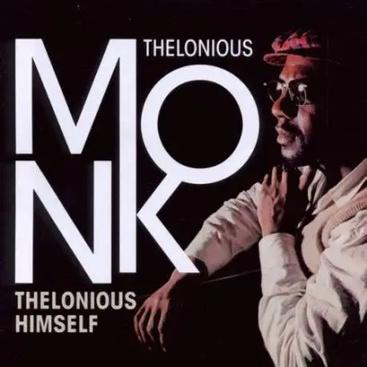
Next, I would suggest one of Thelonious's solo piano albums, TheloniousHimself Herewegettoseeanothersideofthegreat pianist,especiallyinhisworkontheballads,whichshowcasesa real sentimental and emotional side of his playing Truly, Thelonious could play a ballad well, which is rather surprising consideringhistone(andattack)couldbesoabrasiveandhis melodicsensesoangular Oneonlyhastolistentohisrenditions of"AprilinParis"or"IDon'tStandaGhostofaChancewithYou" toseewhatImean Butthealbumisnotallballads;herewealso get treated to some straight-ahead jazz standards, as well as some of his more famous tunes, such as "'Round Midnight" In fact,Ibelievethisperformanceof"'RoundMidnight"isoneofthe greatest he ever recorded And of course, we get to hear Thelonious break out into some stride playing on "Functional," which is a real treat Overall, this album is a strong effort, and although it is not always " easy listening," it is still proper fodder forthebeginner

LastbutnotleastisthephenomenalStraight,NoChaser. Without a doubt, I believe this is not only Thelonious's greatestalbum,butoneofthegreatestjazzrecordingsof all time. Of course, many would not concur with my appraisal, suggesting that Brilliant Corners is his true masterpiece, but I will nevertheless continually beg to differ. One of the main reasons this album shines is the extraordinary collaboration between Monk and his longtime (late-career) saxophonist, Charlie Rouse. As Monk and Rouse had worked together extensively before this recording, their dynamic interplay here is nothing short of telepathic. While a lot of jazz recordings tend to focus solely on the soloist which inadvertently lessens a conversational, call-and-response form of improvisation RouseandMonkgointheoppositedirection,creatinga formofbebopchambermusicinwhicheachphraseand nuance is heard, digested, and responded to by the surroundingmusicians.Thisistrulyararefeat,eveninthe jazz world. Furthermore, both Rouse's and Monk's playing, the aforementioned interplay aside, is in top form at the time of this recording, technically and stylistically. Rouse, who was never a huge name in jazz, is nevertheless highlyunderrated,boastingasoundthatsitssomewhere between Charlie Parker and Gerry Mulligan. Although he could play straight-ahead bop, he also had a real lyrical side to his sound that can be downright enchanting. Monk, for his part, is likewise in top form here, with both hiscompingandhissoloingattheircreativepeakonthis particularouting.
Right out of the gate on this one, Monk and crew dazzle, from the opening track "Locomotive" through the title track "Straight, No Chaser." Then there is the strange composition "Japanese Folk Song," which remains a fan favorite.Therestofthealbumburnsaswell,althoughitis my opinion that the synergistic collaboration between Monk, Rouse, and the rest of the band on the opening three tracks remains some of the most compelling improvisationeverputonrecord.Ifyouonlylistentoone Monkrecordinyourlife,letitbethisone.
‘Genuis
For those who choose to do a deep dive into Monk's discography, there are of course other great recordings His early Genius of Modern Music is a classic, as is the aforementioned Brilliant Corners And his recordings with John Coltrane, including the unearthed performance from Carnegie Hall, are compelling Others, like Monk's Music and Monk's Dream, are also widely regarded For themusicenthusiast,Monk'scataloguewillbemorethan enough to compel and to keep one coming back for yearstocome
Frank Jolley Jr is a Rocky Mount native, as well as a current resident. He is a freelance writer available for hire, and can be contacted through his website TheCatholicCritic.com, where he reviews film, literature, and music from a Catholic perspective