







Dear Reader,
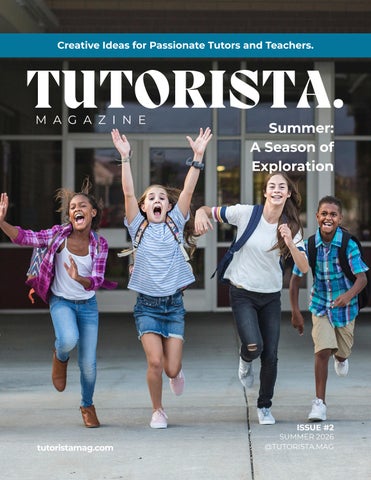
Welcome to the summer issue of Tutorista Magazine! We are excited to see the adventure continue. We're here to support and inspire you with creative ideas, innovative approaches, and practical tools to enhance your teaching or tutoring practice.
It might be summertime, but as we all know, learning and growing never stop. This summer, we want to encourage you to go out to nature and find new ways to bring nature in Make time for self-care, for fun, and for brainstorming ideas to reimagine your classroom.
In the featured article "Raising Confident Readers and Bold Thinkers, " we'll gain new insights from expert contributor Mrs. Osh. In our featured interview, we'll learn about the Montessori method from Mrs Esther and her Children's House
I invite you to join our community and the conversation on our social media channels @tutoristamag Please share your thoughts, comments, questions, and topic suggestions, nominate a fellow tutor or teacher for a featured interview, or become a Tutorista contributor
"Develop a passion for learning. If you do, you will never cease to grow." Anthony J D'Angelo
Editor-in-Chief



Study smarter, enhance your creativity, and revolutionize your knowledge management. Check out LightMap App products by clicking the link below or scanning the QR Code.



This section of the magazine will spotlight your thoughts, comments, questions, and feedback. We'd also love to see pictures of your tutoring space, classroom, homeschool setup, and recent student-led projects (STEAM and beyond!)
Send your email correspondence to: tutoristamag@gmail.com
Can't wait to read your letter!
Please make sure you send only pictures, images/photos you have taken yourself, or have a license/copyright to divulge If there are others in your photos/images (especially children/students), please make sure you have their parents' or guardians' consent, as we might share these on our social media channels. Thank you!
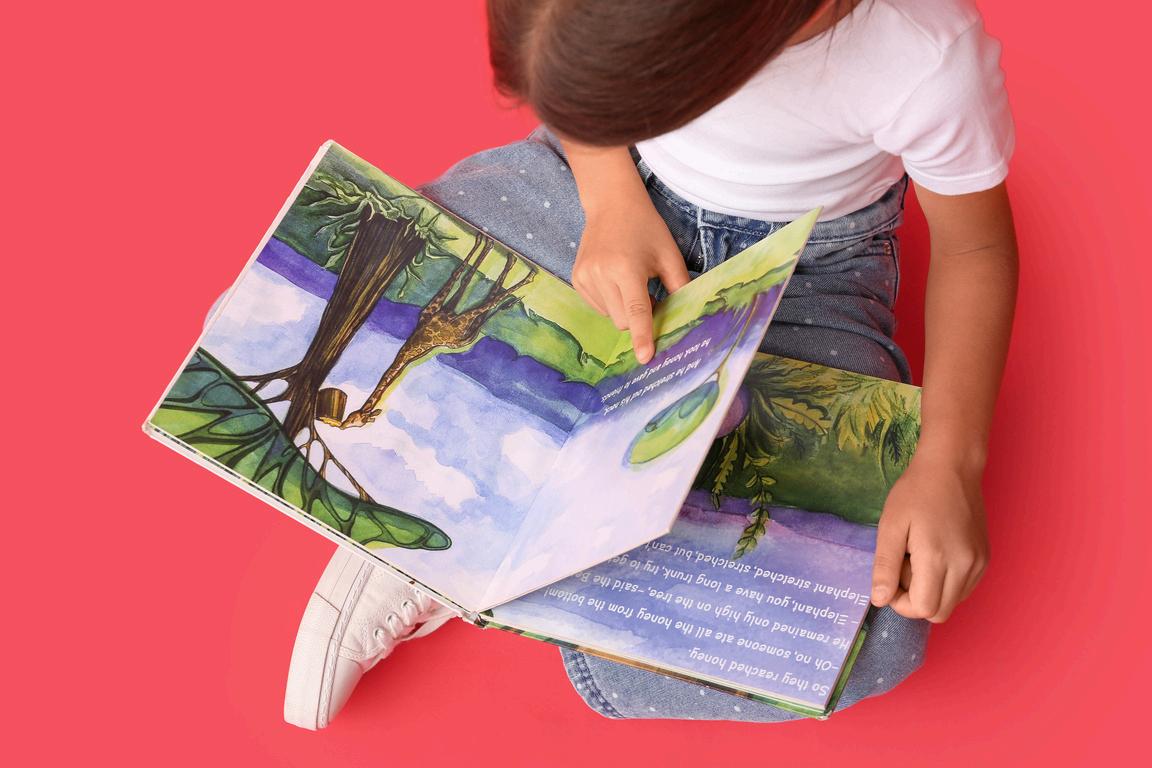

Student Treasures book publishing kits provide teachers and schools with a free hands-on writing activity that motivates students to write and inspires them to learn by turning their stories into professionally bound books Bring their stories to life!
Written by Melissa Oshungbure, the Mission and Supercharge series moves beyond traditional workbook practice These carefully designed books explore English through history, science, geography, and realworld contexts
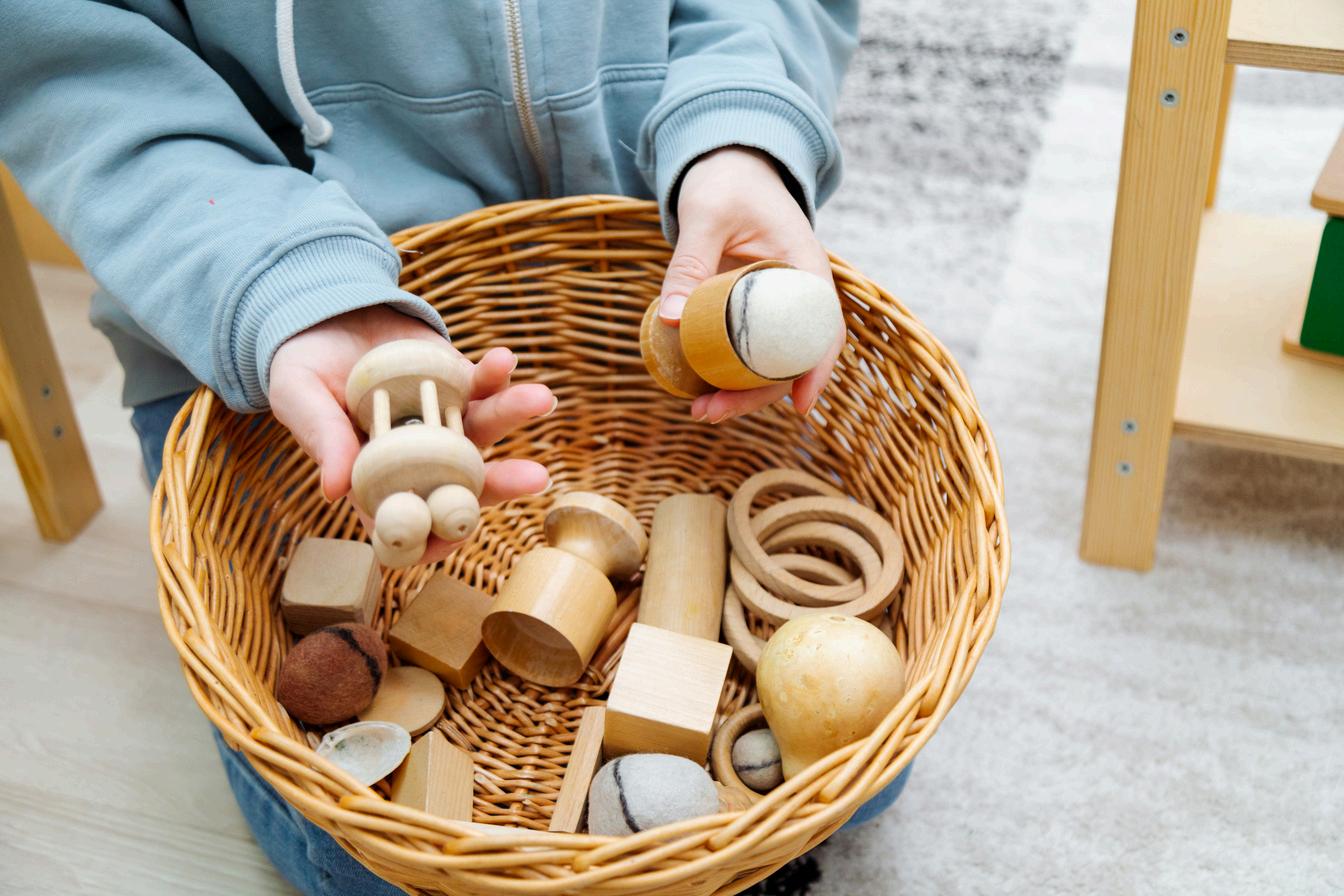

A tiny world crafted for small hands and creative brains. Tiny Land offers endless opportunities for pretendplay and play-based learning!
Make your live or online tutoring sessions fun, engaging, and ultimately successful with BrainPOP's digital resources
BY GABRIELA T IMAGES PROVIDED BY CANVA PHOTOGRAPHY ASSETS
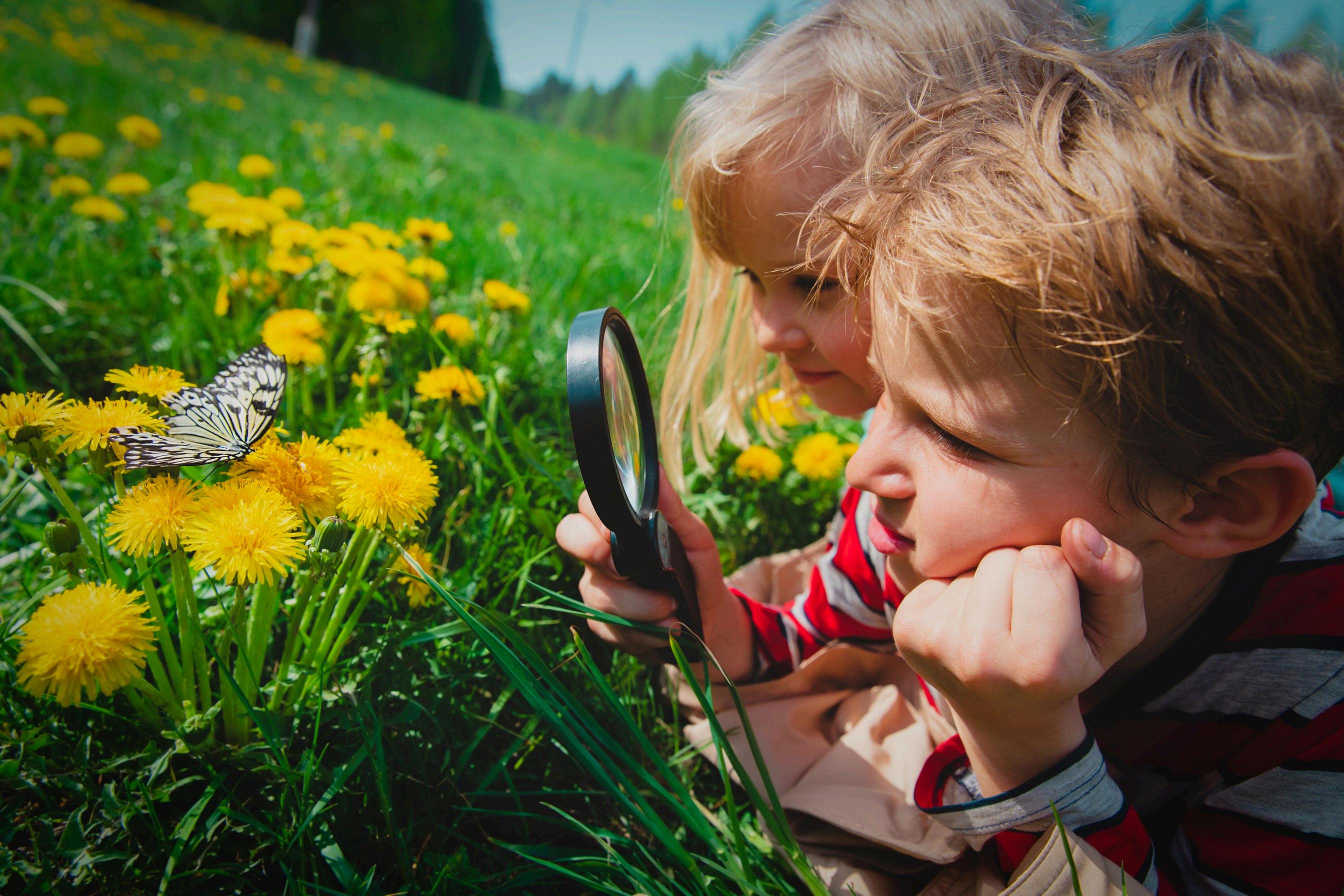
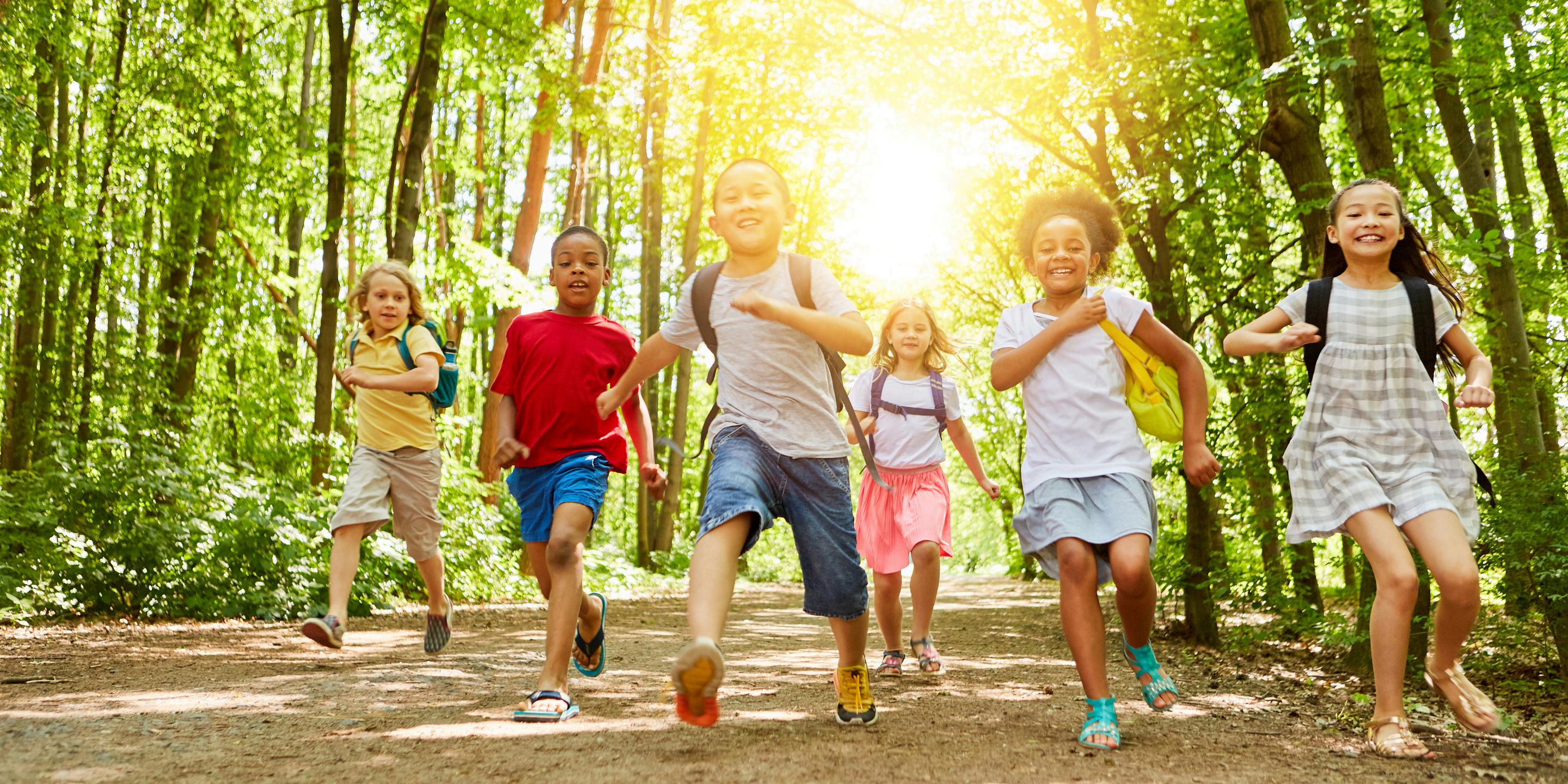
You can make nature your co-teacher Through their interactions with and around nature, young learners can use all their senses to experience and appreciate continual changes in the natural world, and in themselves
Nature-based learning is an educational approach that uses the natural world as a foundation for engaging experiences in and about the outdoors Nature becomes a springboard for learners to engage with subjects like math, science, and literacy through activities such as gardening and exploring natural landscapes
Modern education went inside the classroom and took the power of learning outdoors for granted. There was a time when, even in the West, nature was central to the experience of growing up and learning about ourselves and our world We are glad to witness a revival of nature-based learning as a proactive response to the recent push toward screen-based education, which has become even more prevalent in the post-pandemic years.
Nature-based learning provides young learners with opportunities to enhance their ability to focus, express their creativity, foster emotional wellbeing, and deepen their curiosity about the world around them

Nature is a wonderful co-teacher. Through their interactions with and around nature, young learners can use all their senses to experience continual changes and details in appearance, texture, sound, and smell.
This focus on experiential, hands-on learning connects learners to their environment, fosters awareness, and a sense of belonging, ownership, and responsibility.
Holistic child development is based on interconnectedness Nature-based learning experiences, from early childhood and beyond, offer a prime opportunity to activate and nurture the physical, cognitive, emotional, social, and spiritual aspects of human development, enabling children to thrive.
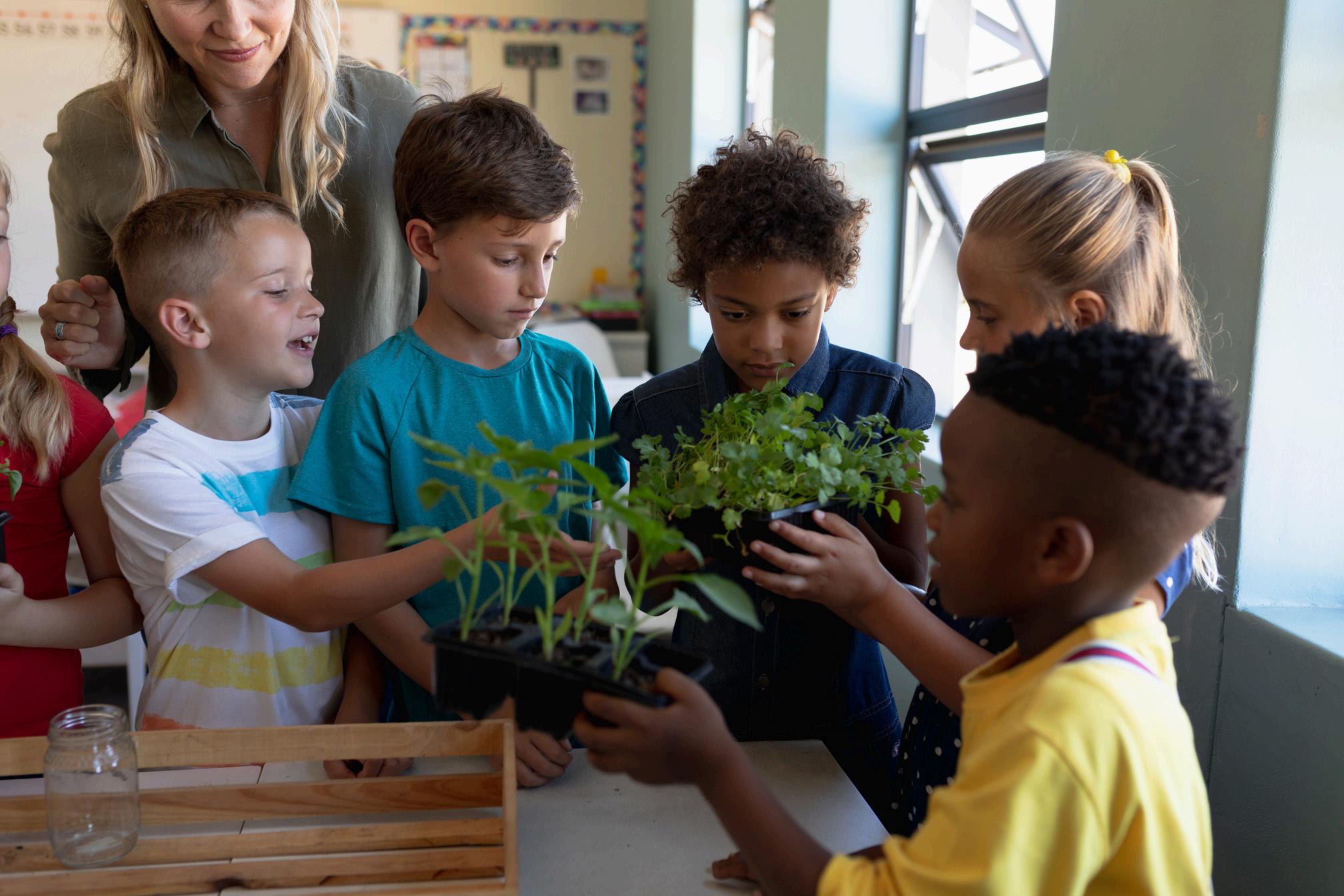
Connect learners to their environment to foster awareness and a sense of belonging.
Screen-based learning experiences can not be avoided Screens and the technology that comes with them are amazing tools. They allow us and our students to travel to distant places, access information at our fingertips, and deepen our knowledge.
However, relying heavily on screens places young learners in a new form of passive bubble, disconnected from the real world. We should guide young students to use their screen time with purpose. And we should provide meaningful opportunities for our students to discover and explore the world as active participants.
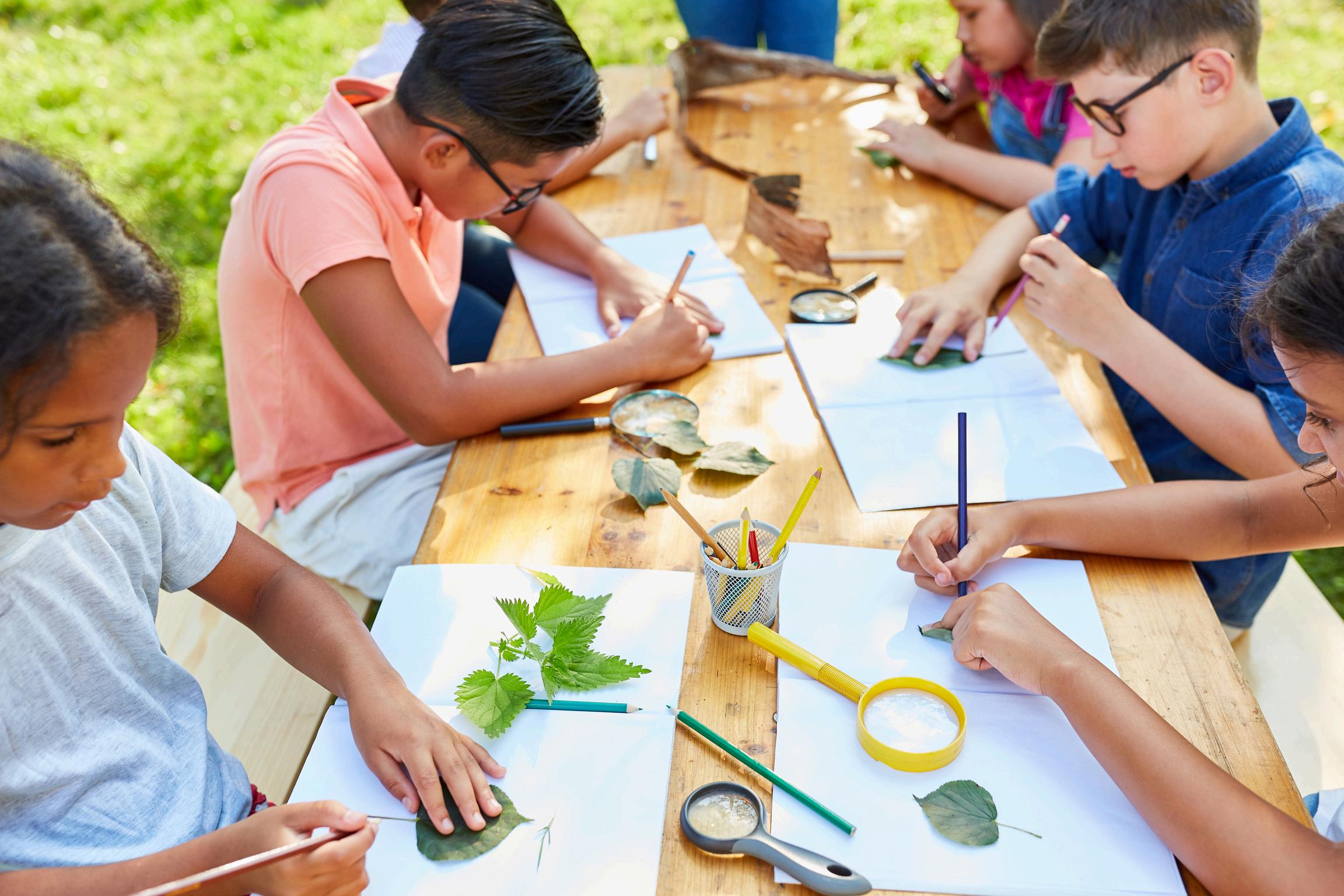
Some cognitive and sensory benefits of outdoor exploration include:
Improved Executive Function: A child’s ability to plan, prioritize, negotiate, and multitask.
Enhanced Creativity and Problem-Solving: A child engages with imaginative play and innovation with open-ended materials found in nature.
Better Attention and Focus: Time in nature has a calming effect.
Increased Spatial Awareness: Understanding of the physical environment.
Tactile Development: As they interact with rough bark, smooth stones, soft grass, sticky mud
Auditory Processing: When exposed to a great and changing variety of auditory input
Visual Development: Challenging them to adjust to different light levels and calculate distances
Multisensory Integration: Encouraging the use of all five senses simultaneously.

Outdoor Classrooms: Using school gardens, courtyards, or nearby parks as learning spaces
Subject Integration:
Math: Counting leaves, measuring tree heights, or pattern recognition in nature
Science: Observing ecosystems, weather tracking, or studying plant life cycles
Art and Language: Nature journaling, poetry inspired by the outdoors, and natural dye painting.
Social Studies: Exploring local geography, indigenous habitats, or community environmental efforts
Seasonal Themes: Designing lessons around natural cycles: planting in spring, shadow studies in summer, leaf collections in autumn.
Find inspiration for seasonal themes by browsing our curated Monthly Learning Themes board on Pinterest!
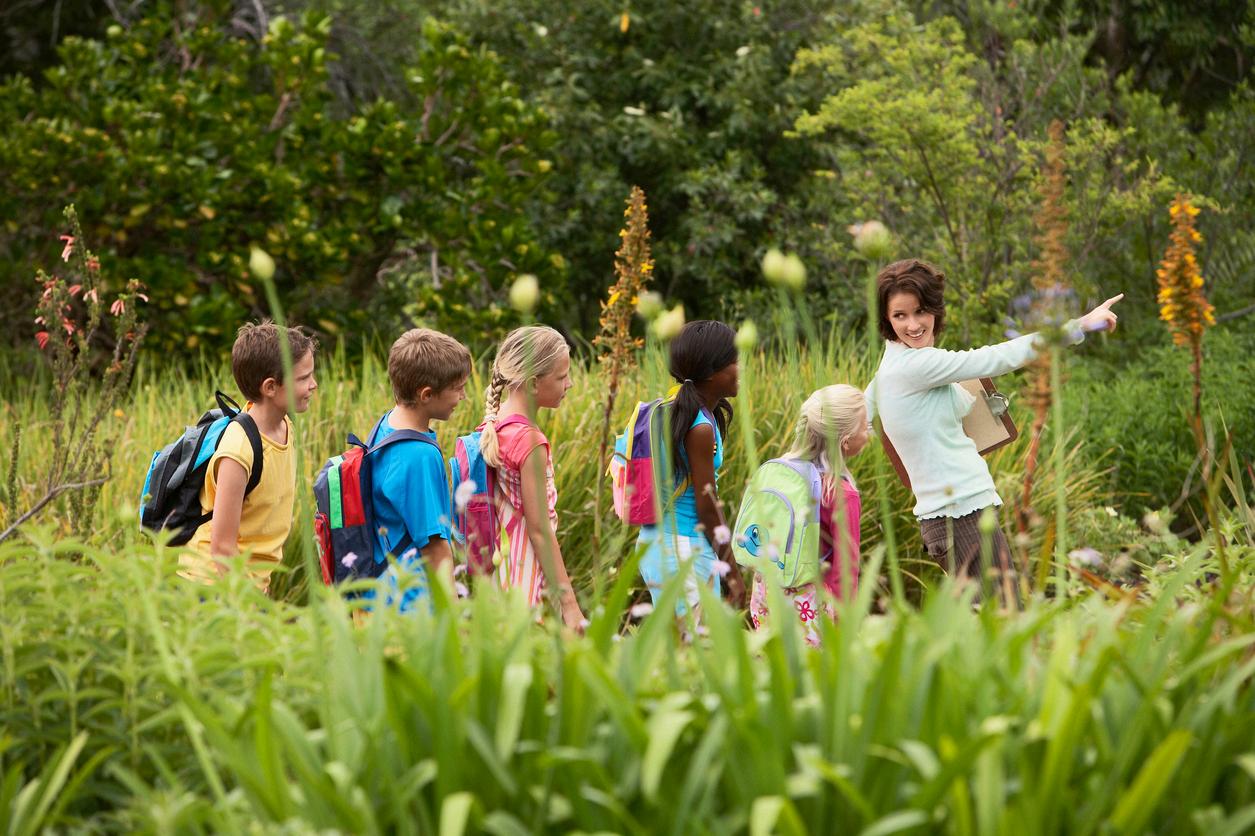
Practical Tips for Teachers and Tutors:
Planning & Preparation:
Scout safe, accessible outdoor locations.
Prepare activity kits (magnifying glasses, sketchpads, gloves, sanitizer)
Build contingency plans for weather changes.
Safety First:
Set boundaries and group rules.
Teach plant and insect awareness.
Have a first-aid plan and allergy checks in place.
Inclusivity:
Adapt activities for all ability levels.
Use sensory-friendly and low-mobility options.
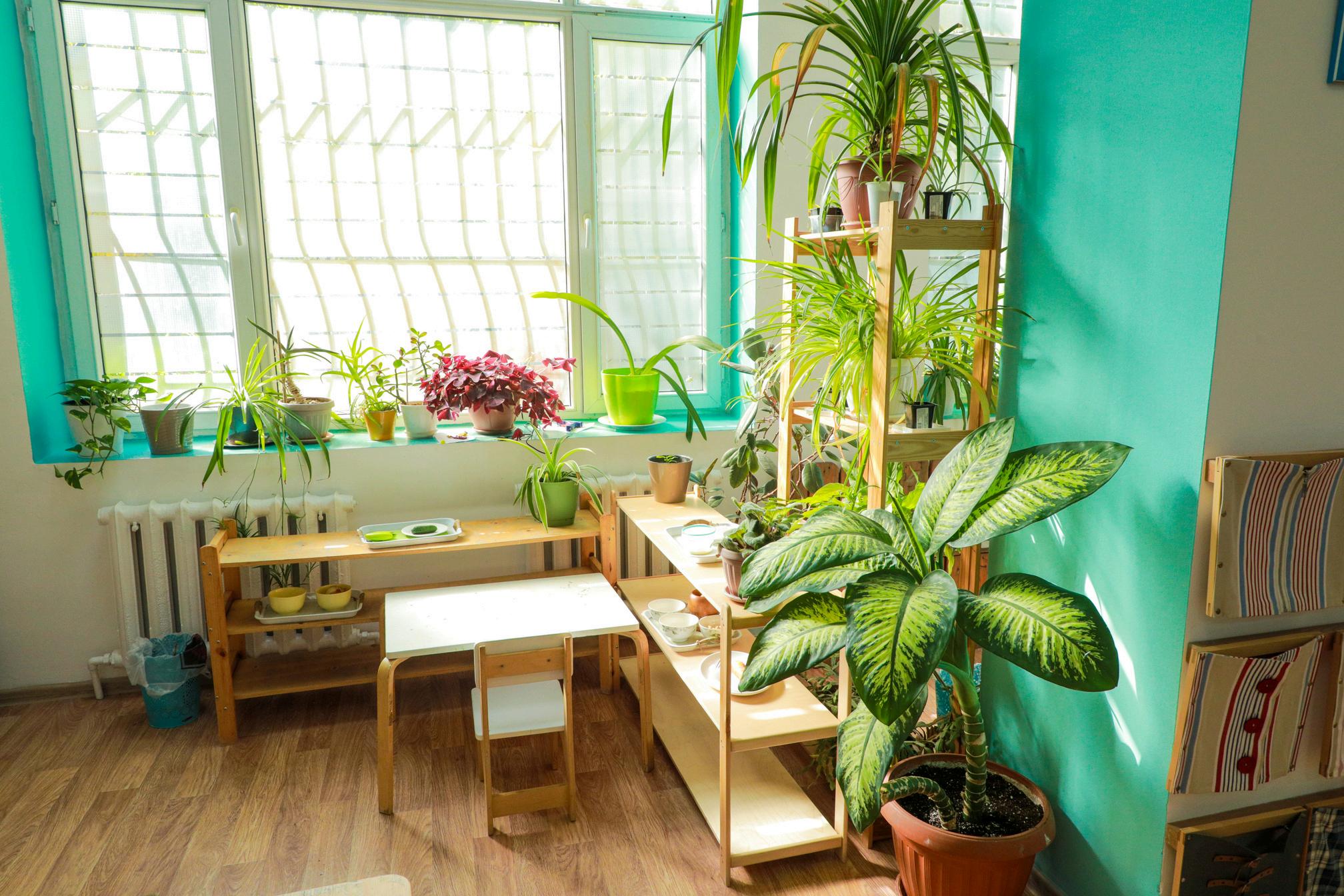
Nature may seem intimidating and overwhelming, especially for teachers and students in urban and suburban settings. Nature-based learning invites us to step out into nature with courage, curiosity, and confidence, and to bring nature into our classrooms, not as mere decoration, but as an integral part of our daily learning experience.
Here are a few creative ideas you may want to explore with your students:
Turn lessons into “mini-adventures” with story or mission elements. Encourage student-led exploration and curiosity-driven discussion. Incorporate games like scavenger hunts, sound mapping, or texture challenges.
Foster reflection through journaling, discussions, or cre
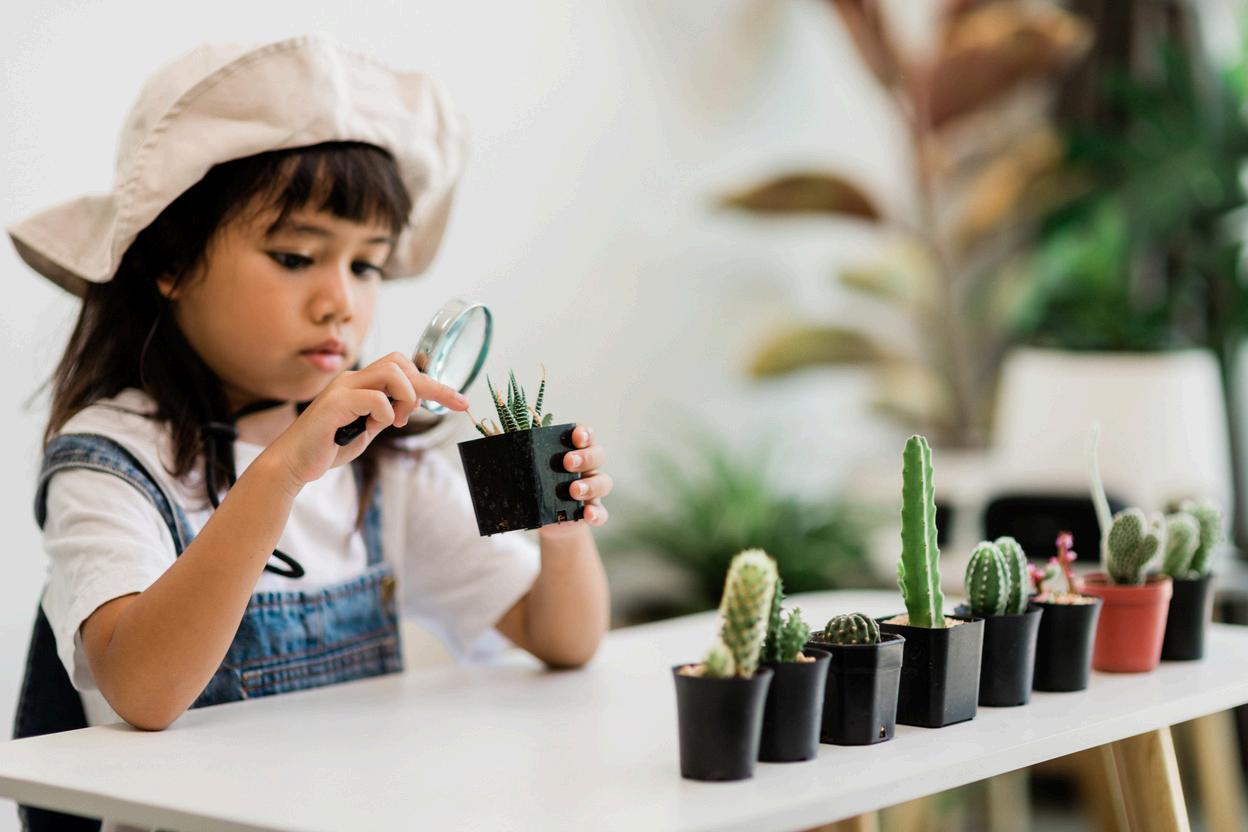
Don’t let rainy days dampen your outdoor adventure! With a little flexibility and with intentional use of technology, you can bring nature indoors and have just as much impact and fun.
Classroom terrariums, seed jars, and weather logs
Nature-inspired storytelling, art, and mindfulness practices
Virtual field trips or research for environmental projects, e.g., tracking wildlife data
Nature is a vital teacher, out there, and all around us The smallest seed can teach us much about the wide world, and the skills we need to grow, learn, and apply what we’ve learned in school, and beyond.
We must be intentional about integrating nature into the classroom, our lesson planning, and our curriculum.
It does take a little extra time and energy, but if nature can teach us anything, it is that with patience and perseverance, small seeds grow into majestic oaks, and whole fields can turn into a blooming kaleidoscope!
Step outside, use all your senses, plant new seeds, and learn alongside your students.
to Nat Encourage student nature home and sh they learn with fami As a learning community, why not come up with ideas for school-wide eco-projects, such as recycling programs, garden clubs, or nature fairs?
Remember, all efforts lead to the long-term value of raising environmentally conscious and emotionally balanced learners.


BYTEAMTUTORISTA
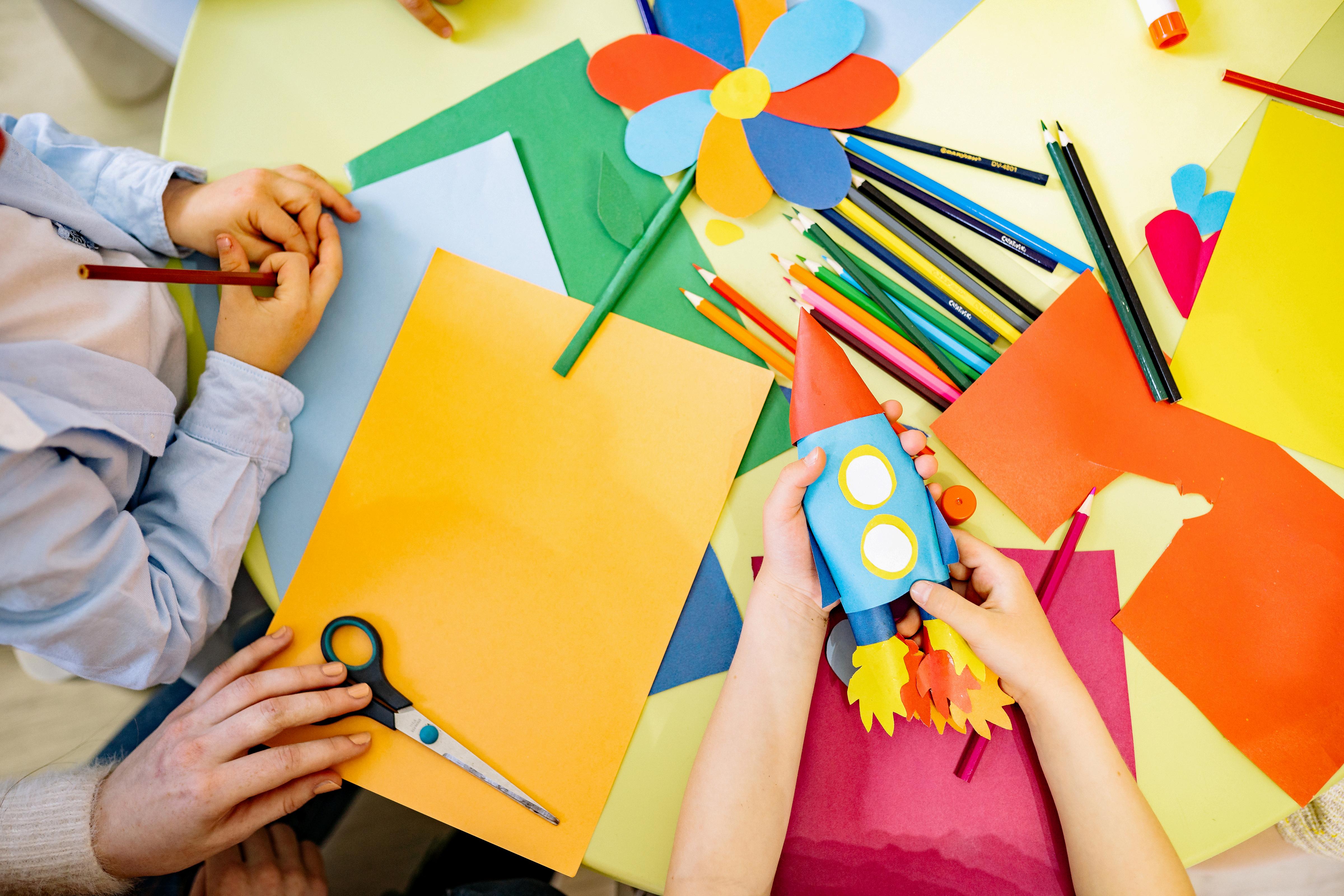
The theme for this summer issue is "A Season of Exploration. ” Summer is the time to be outdoors, to enjoy all that nature has to offer. With the projects we are suggesting in this edition of STEAM Corner, we will do just that!
Because Science, Technology, Engineering, Art, and Math are not just academic subjects.
The sooner we help our young learners realize this, the better With a little imagination, a little ingenuity, and the inherent freedom that summer so seamlessly provides, we can take STEAM to the real world, where it belongs!
Here are 3 summer‐themed STEAM projects you can do at home, using simple materials and lots of open‐ended exploration
Ice Excavation & Habitat Rescue (Science + Art)
Freeze small plastic animals, shells, or “fossils” in blocks of colored ice. Give kids tools (droppers of warm water, salt, spoons, paintbrushes) to “rescue” them
Ask them to notice how salt and temperature affect melting, then design a new summer habitat (beach, forest, coral reef) using recyclables and craft supplies for the rescued creatures.
With sand or homemade kinetic sand, challenge kids to build the tallest sand tower, the strongest sand bridge, or a “summer city” that can survive a wave from a bucket of water
Talk about foundations, supports, and erosion. Add constraints, such as limited blocks or time, to mimic real engineering trade-offs.
Shade
On a hot day, give kids a pile of materials: sheets, cardboard, clothespins, chairs, and string. Their challenge: build the coolest (literally) shade fort. Have them test the inside vs outside temperatures, then iterate their design to make it cooler or more stable. Let them decorate with summer‑themed signs, flags, or fairy lights.
BY GABRIELA T IMAGES PROVIDED BY CANVA PHOTOPGRAPHY ASSETS
Family field trips are more than mini getaways; they’re memorable opportunities for learning, bonding, and play. But balancing fun with safety and organization takes a bit of planning. Here are five simple ways to make your next family outing this summer both enjoyable and stress-free. Having fun together as a family is what it's all about! Send your family field trip pics to tutoristamag@gmail.com.
1. Start with a shared plan.
2. Pack smart and light.
3. Build in downtime.
Get everyone involved from the start. Let children help choose the destination or a small part of the schedule When kids have a say, they’re more engaged and cooperative throughout the day Stick to essentials: snacks, water, first-aid basics, sunscreen, hand wipes, and a change of clothes for younger kids. A small backpack per child can help them carry their own items and foster independence Even the most exciting day can lead to tired feet and short tempers. Include moments for rest like a shaded snack break or a quiet walk through a garden to keep everyone happy and energized.
4. Focus on learning through play.
Whether you’re at a museum, zoo, or nature trail, encourage kids to ask questions, sketch what they see, or take photos for a trip scrapbook. Turning new experiences into creative projects extends the fun after you return home.
5. Prepare for safety and surprises.
Go over basic rules before leaving: stay together, listen for instructions, and know what to do if you get separated. Keep emergency contacts and medical info handy just in case.

A thoughtfully planned field trip builds more than memories—it builds trust, curiosity, and connection. With these five tips, your family can enjoy the adventure with confidence and joy.

BY MELISSA OSHUNGBURE
IMAGES PROVIDED BY CANVA PHOTOGRAPHY ASSETS
“Hecanreadit;hejustdoesn’tunderstandit.” “Sheknowstheanswerbutcan’texplainit.”
These are phrases tutors and teachers hear regularly, often leading to frustration from parents and confusion among pupils. The words are decoded fluently, the questions are attempted, yet something is missing.
Many pupils can read, but few would describe themselves as confident in their comprehension, and even fewer use what they read as a springboard for deeper independent thinking. This distinction matters because confident readers are not the end goal; they are the foundation upon which more complex intellectual habits are built
What we ultimately need are pupils who can interpret, question, connect, and apply ideas in unfamiliar situations - the kind of thinking required not just for academic success, but for navigating an increasingly complex and unpredictable world
The question, then, is this: if a child can read the words but cannot use them to think beyond the immediate, what exactly have we taught them?

"Confidentreadersarenottheendgoal;theyare thefoundationuponwhichmorecomplex intellectualhabitsarebuilt”
Reading is not driven solely by practice, but by the interplay of confidence, knowledge, and productive challenge.
Confidence is not simply an outcome of attainment; it actively shapes a virtuous circle The Matthew Effect, described by Keith Stanovich, shows that pupils who perceive themselves as successful readers are more likely to read frequently, and this increased exposure compounds progress over time

Comprehension, meanwhile, depends far more on knowledge than on generic ‘reading skills’. As Daniel Willingham argues, understanding a text is largely determined by what the reader already knows, since meaning emerges from the interaction between language and prior knowledge.
A pupil may read every word in a sentence fluently and still fail to understand it if the concepts are unfamiliar Vocabulary, in this sense, is not a list of definitions but the mechanism through which ideas are accessed and organized.
Finally, thinking strengthens through effort rather than ease Robert Bjork describes how desirable difficulties (tasks that require effort but remain achievable) lead to more durable learning. When pupils are consistently shielded from challenge, their understanding remains fragile and their confidence superficial.
“Reading is not driven solely by practice, but by the interplay of confidence, knowledge, and productive challenge”
Oracy has become a buzzword in teaching in recent years, and while it is not a panacea, it plays a vital role here
A pupil who cannot articulate an idea clearly has not yet fully formed it; without precise language, thinking remains vague, and this lack of clarity will inevitably surface in their written work.
One pupil I worked with recently could read a passage fluently and would say things like, “it’s kind of showing he’s nervous” or “it’s tense here”, yet his written answers remained vague. We had exhausted the usual scaffolding of PEE* structures, sentence starters, and modeled responses
(* Point-Evidence-Explanation)
The shift came when we stopped prioritizing writing and focused entirely on verbal clarity First, I set him a simple homework assignment: explain everyday processes clearly at home. Not academic explanations, but things like how to make a sandwich step-by-step without missing anything, or how to pack a school bag efficiently.
His parents were enthusiastic and followed my suggestions to challenge his vocabulary by using specific, technical (tier 2) language. They also did not accept his first response and challenged him with follow-up questions – especially ‘why’

“A pupil who cannot articulate an idea clearly has notyetfullyformed it.”
Back in his lessons with me, before writing anything, he had to say his answer out loud in one precise sentence. If he said, “it shows he’s nervous”, I would respond with, “Say it more clearly: what do you meanexactly?”, pushing him towards something like, “the short, fragmented sentences reflect the character’s growing anxiety” Only once he could say it clearly was he free to write it.
Within a few weeks, his spoken explanations became structured and precise, and his written responses followed. The breakthrough did not come from extended written practice, which would have fatigued, not excited him I needed to sustain his curiosity to learn.
“Without precise language, thinking remains vague, and this lack of claritywill inevitably surface in theirwritten work.”
Most comprehension instruction still centers on locating information or identifying techniques, which often yields technically correct but shallow responses. A more useful tool for children is for them to hold in mind two questions Why did the author do that? How does it make you feel?
Exploring author intent directs attention to deliberate choices: why a writer selects a particular verb, why a paragraph is structured in a certain way, or why a moment is delayed - as well as bigger questions such as what purpose a character has in a story. Considering reader impact requires pupils to articulate what those choices do and how they make the reader react
For example, instead of asking, “What technique is used here?”, a more productive question would be:
“Why does the writer describe the setting as ‘silent’ rather than ‘quiet’, and what does that make the reader feel?”
When pupils consider both author intent and reader impact, comprehension deepens, and their own writing becomes more deliberate.
“A more useful tool for children is for them to hold in mind two questions. Why did the author do that? How does it make you feel?”
The strongest learners are not those who find tasks easy, but those who are comfortable figuring things out They do not depend on clear answers because they are used to navigating uncertainty They are curious rather than passive, and they learn by solving problems - applying ideas in new contexts rather than simply practicing familiar ones.
Over-scaffolded tasks can therefore be detrimental: a pupil who is always told how to begin rarely learns how to find their own starting point. This is why productive struggle matters
In practice, this could take the form of pupils being asked to choose between two plausible interpretations. For example: “the character leaves because he is scared” or “the character leaves because he is strategic” Instead of simply retrieving an answer, they must weigh evidence, justify reasoning, and commit to a view
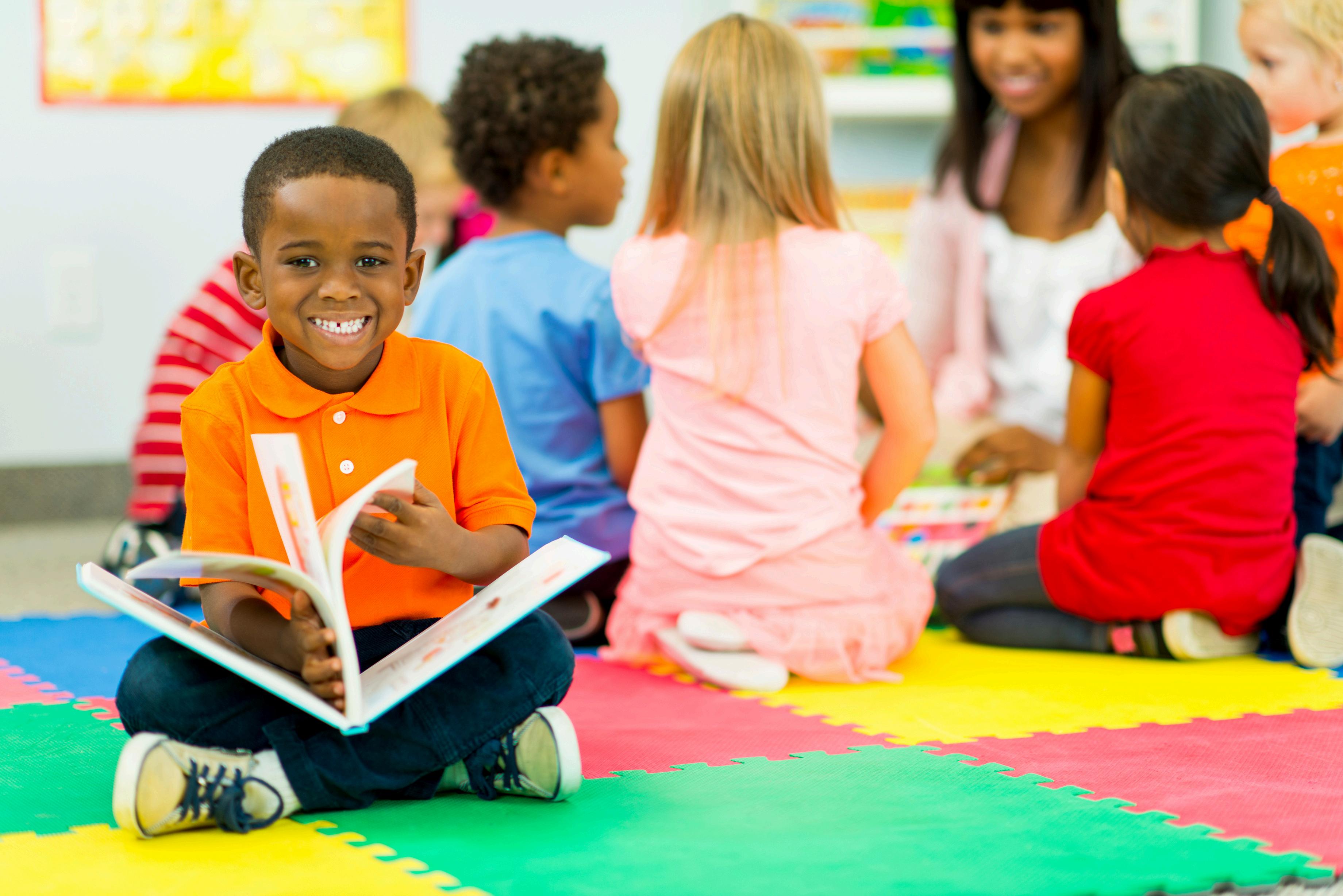
“The strongest learners are notthose who find tasks easy, butthose who are comfortable figuring things out.”
The transition from confident reader to bold thinker does not require new schemes of work, but nuanced adjustments to everyday practice.
Use micro-debates by presenting two interpretations and asking pupils to decide which better explains the writer’s intent and has the stronger impact on the reader.
Require pupils to state their answer first in one precise sentence, refine it aloud, and write it down only then. Apply double lens questioning by following any comprehension task with both “why did the writer choose this?” and “what does it make the reader think or feel?”
Build in a deliberate pause after questioning, allowing pupils time to think before responding.
Occasionally, remove the question entirely and ask, “What stands out to you?” or “What would you ask about this?”
Prompt pupils to refine their answers, using more precise vocabulary Incorporate everyday explanation tasks, requiring clear, step-by-step articulation of ideas

“The transition from confident reader to bold thinker does not require new schemes of work, but nuanced adjustments to everyday practice.”
Each of these shifts is small, yet together they significantly deepen thinking.
While reading provides access to ideas, bold thinking emerges when pupils begin to take ownership of those ideas: questioning them, reshaping them, and applying them beyond the text. In a rapidly changing world, where problem-solving, creativity, and adaptability are consistently prioritized (World Economic Forum), pupils must be able not only to follow established methods but also to direct their own thinking
Maria Montessori’s work is often reduced to ‘child-led learning’, but a less widely appreciated aspect of her approach is that freedom was always paired with carefully designed constraints Pupils were not simply left to explore; they were given environments that guided attention while preserving autonomy This balance of structure with choice is what made sustained, self-directed thinking possible.
In a typical lesson or tutoring session, this does not require additional resources, but small, deliberate shifts:
Offer micro-choices within tasks, such as choosing which character, moment, or idea to explore.
Begin with an interest hook, asking pupils what they find most interesting or confusing before setting the task.
Replace one question with a pupilgenerated question, such as “ask something that would make someone else think.”
Build in short exploration windows, for example, three minutes at the end of a task to ask, “What would you change?” or “What would happen next?”
Use constraint-led creativity, such as redesigning an object using only three changes or solving a problem without the obvious method.
Extend thinking beyond the lesson by asking pupils to notice or explain ideas in real life, such as identifying similar decisions or behaviors outside the classroom
Reframe success by recognizing when a pupil refines or changes their thinking, rather than simply answering quickly.
These shifts are small, but they create the conditions for curiosity to develop. When pupils are given even limited ownership, their engagement changes They begin to see learning not as something to complete, but as something to explore.
“Confident readers are those who engage willinglywith texts. Bold thinkers are those who use those texts to question, interpret, and create.”
There is a natural tendency to make learning clearer, faster, and more accessible, yet the most meaningful progress often occurs when pupils are required to think carefully, grapple with uncertainty, and refine their ideas over time.
Confident readers are those who engage willingly with texts. Bold thinkers are those who use those texts to question, interpret, and create The two are entwined, and both must be deliberately developed if we are to prepare pupils not only for academic success but also for the demands of an increasingly complex world.
Thanks to our expert contributor, Melissa Oshungbure, BSc MBA, Teacher/Tutor, and Author of the Mission and Supercharge series of workbooks. Learn more at linktr.ee/mrsoshtutors and follow Mrs. Osh @mrsoshtutors

BY GABRIELA T IMAGES PROVIDED BY CANVA PHOTOGRAPHY ASSETS
Summer camp season brings a mix of excitement and nervous anticipation for families everywhere
Whether it’s a child’s first time away from home or a return to a favorite camp, a little preparation can make the experience smoother, more enjoyable, and full of lasting memories.
The key to a stress-free camp experience is organization. Start by reviewing all the information provided by the camp: packing lists, medical forms, activity schedules, and contact details. Camps usually have specific guidelines, so pay attention to what’s required, especially when it comes to labeling clothes, packing gear, and sending medications.
As camp approaches, mark important dates on your calendar Include deadlines for submitting forms, medical appointments for health checks or immunizations, and the start and end dates for camp sessions.
Planning early not only prevents lastminute rushes but also helps your child build anticipation in a positive way
Packing can be an art form for summer camp. Focus on practical, comfortable, and weather-appropriate clothing Label everything with your child’s name, especially water bottles, socks, and towels, which often end up in a shared laundry pile.
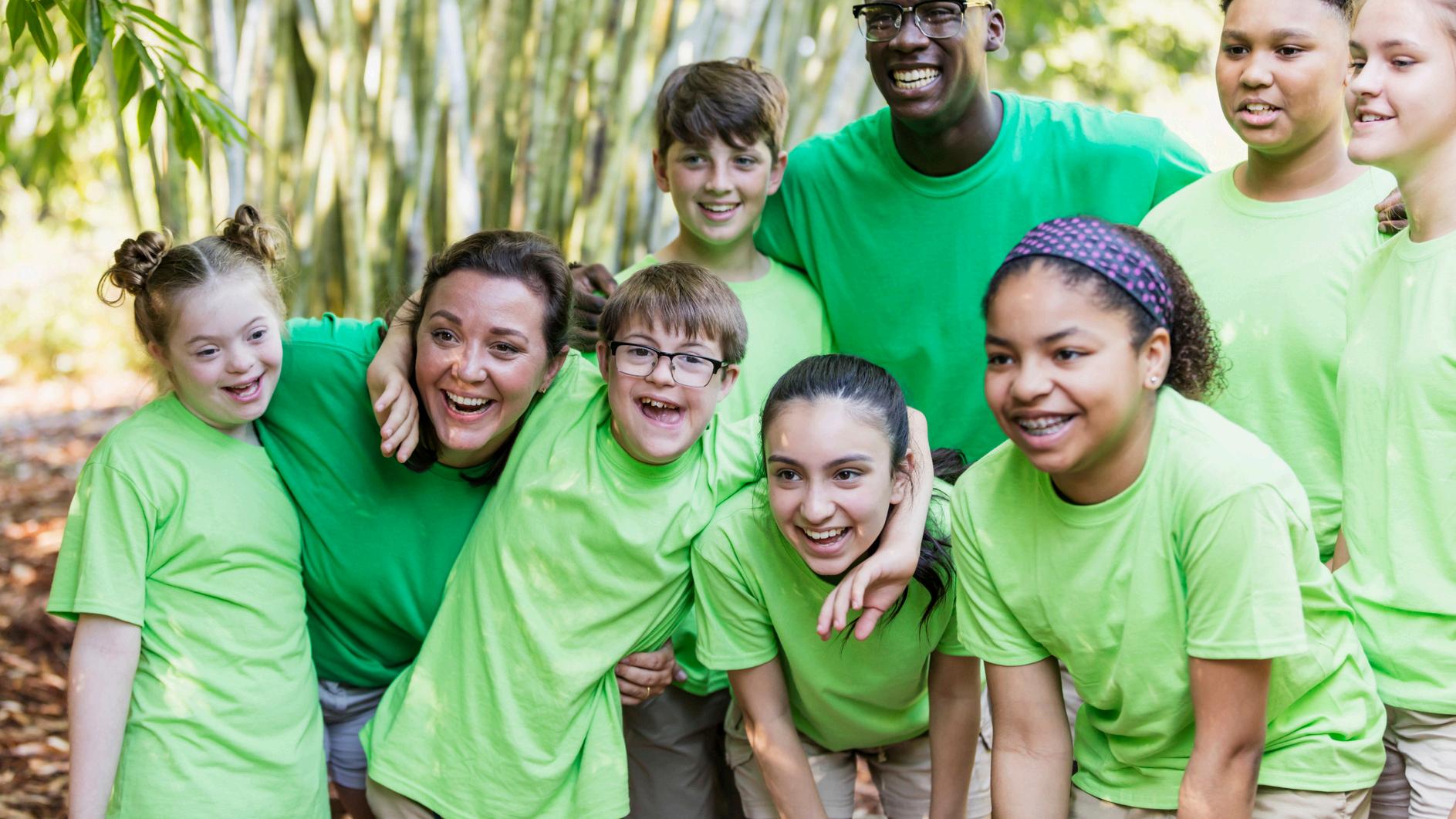
Clothes suited to a week (or more) of outdoor play
A sturdy pair of sneakers and a pair of flipflops for showers or pool time.
Sunscreen, insect repellent, and a hat
A refillable water bottle to stay hydrated. A flashlight or headlamp with extra batteries.
Toiletries packed in a simple tote or hanging bag.
Most children also like to bring a small personal item, such as a favorite book, a stuffed animal, or a family photo, something that provides comfort when homesickness sets in
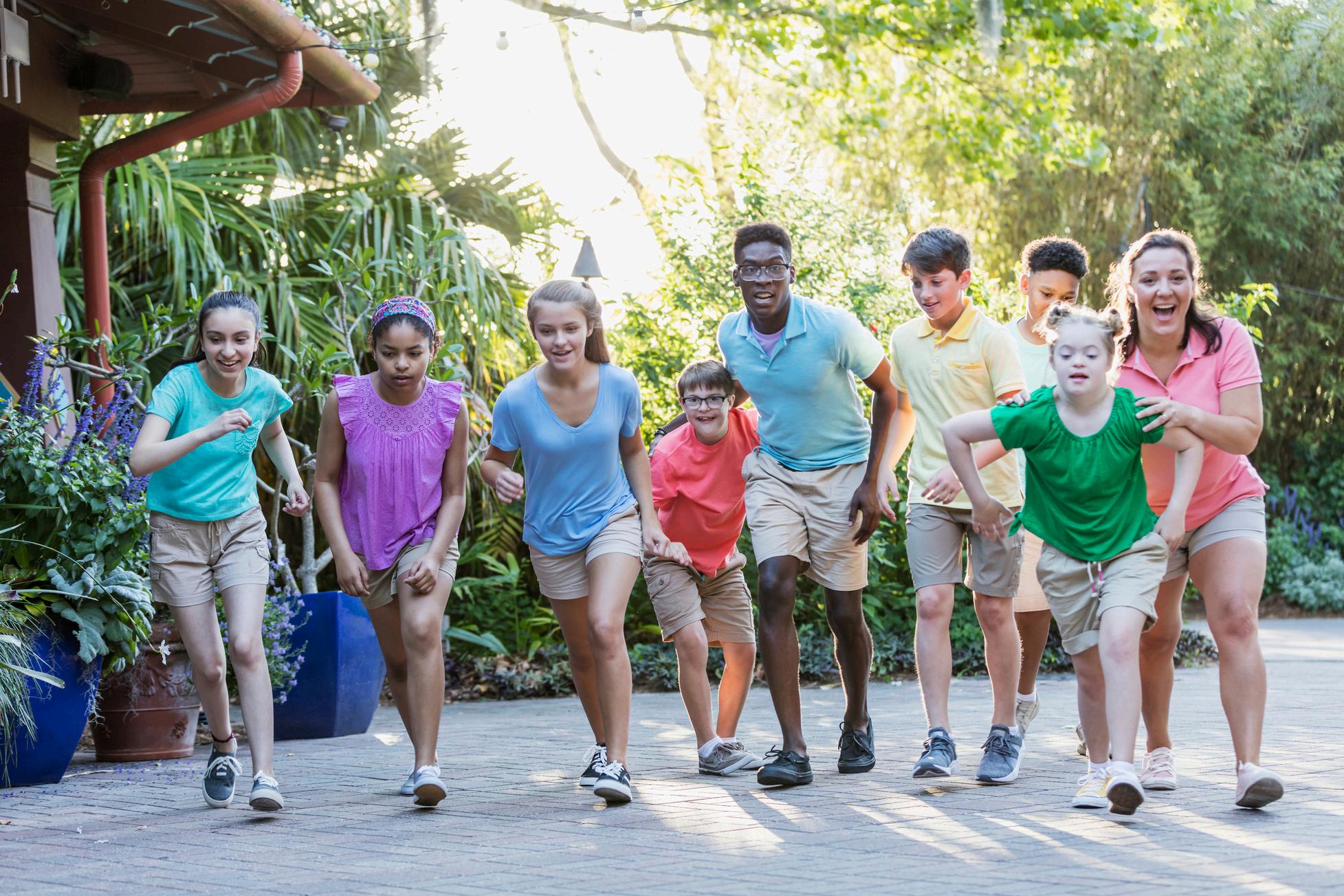
Preparing well for summer camp turns what could be a hectic experience into a joyful one
When everything’s ready bags packed, nerves eased, and expectations set your child can focus on what camp is meant to be: discovery, friendship, and fun under the summer sun.
It’s natural for children (and parents) to feel nervous before camp begins Talk openly about what to expect: new friends, outdoor adventures, and the chance to learn independence
Encourage your child to share any worries, and reassure them that feeling unsure is part of the adventure. For first-time campers, arrange a sleepover before camp starts to practice being away from home. You can also review basic skills together, such as using sunscreen, keeping track of belongings, or making a bed; small moments of independence that boost confidence.
Many camps limit cell phones or electronic devices to help kids connect with nature and each other. Discuss these rules beforehand so your child understands why they’re important
Instead of constant digital contact, consider writing letters or sending short notes of encouragement. A simple “Can’t wait to hear your stories!” can mean a lot. Parents, too, should embrace a little space. Time apart gives both you and your child a chance to grow and recharge.
BY GABRIELA GOTAY IMAGES PROVIDED BY CANVA PHOTOGRAPHY ASSETS
After months of lesson plans, grading, and endless classroom energy, summer provides a much-deserved pause for educators. Use this time to recharge, not just to prepare for next year, but to genuinely nourish your body, mind, and spirit. Try these five simple self-care ideas for a little me time, and make the most of your summer break.
1. Reconnect with nature.
Sunshine and fresh air are restorative after a year (mostly) indoors Take morning walks, picnic in a local park, or spend a quiet afternoon gardening. Even ten minutes outside daily can ease stress and improve mood.
2. Create without pressure.
Rediscover the joy of creativity without learning goals or rubrics. Paint, write, sing, or craft just for fun. When creativity is play rather than performance, it refuels your imagination
3. Protect your rest.
Let yourself sleep in, take naps, and slow down Try a “digital sunset” (turning off screens an hour before bed) to promote deeper rest
Read that stack of professional books you chose for yourself, not for training credit Listen to podcasts or talks that speak to your passions. Inspiration reignites your purpose, which makes going back to the classroom a joy, not a chore.
During the school year, personal connections can fade under the pressure of heavy workloads. Organize coffee dates, take short trips with loved ones, or start a hobby group Meaningful relationships nourish the heart more than any to-do list ever will.
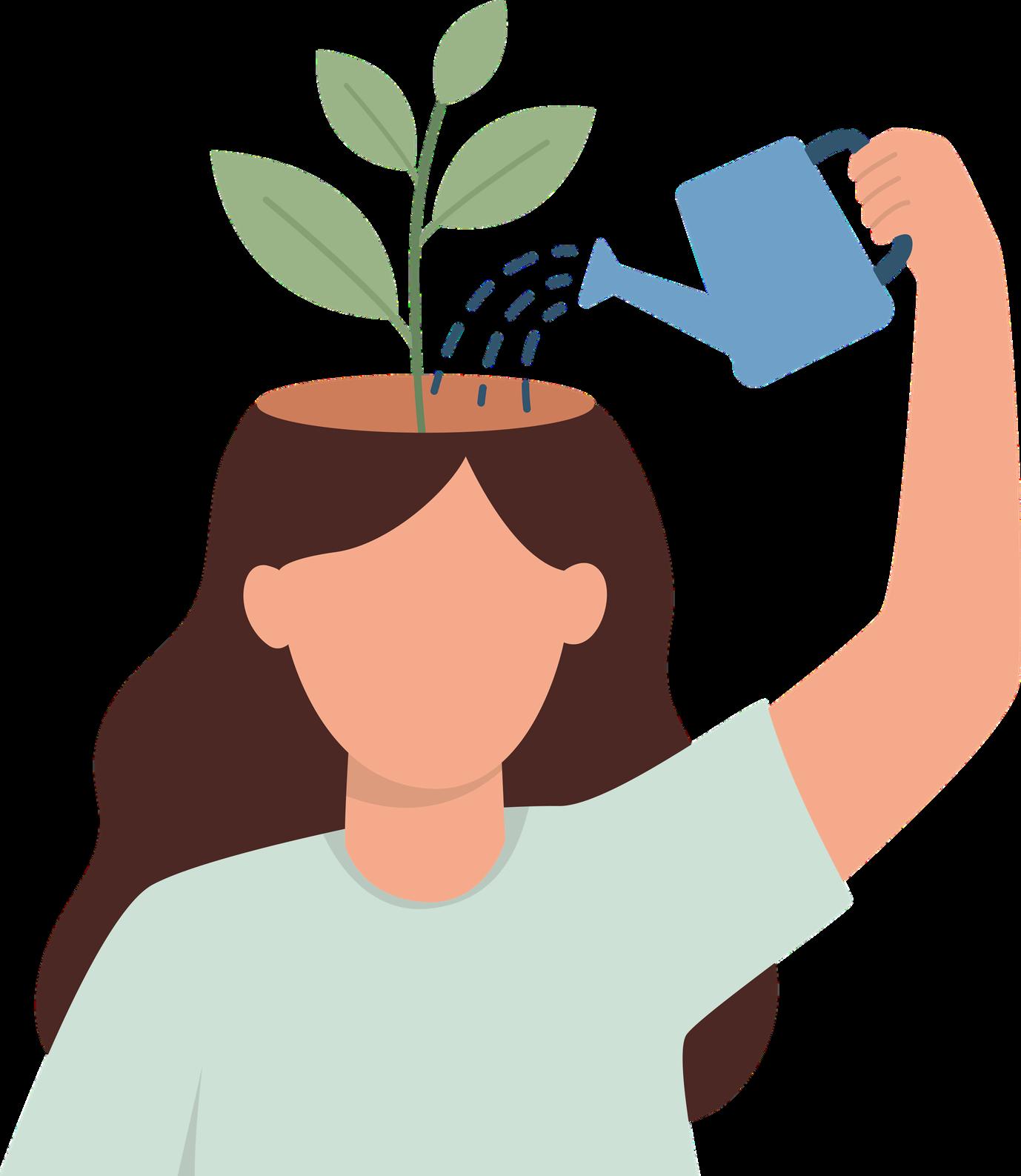
This summer, choose gentle balance; time for rest, creativity, connection, and inspiration When educators care for themselves, they return recharged and ready to care for others even more deeply.
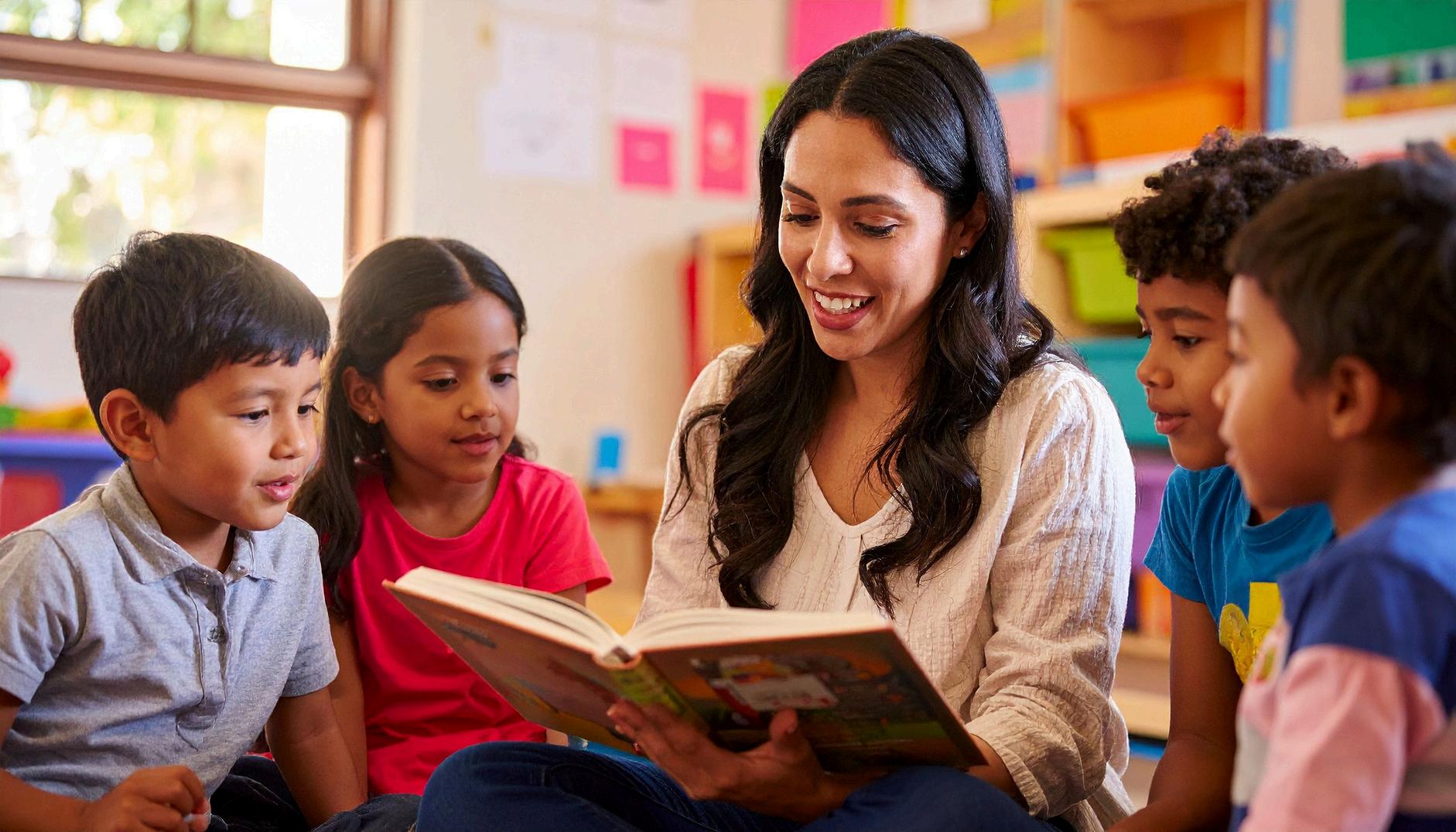
BY GABRIELA
torytelling has always been at the heart of how humans interact, connect, and learn Long before printed textbooks or digital media, people shared stories to explain the world, convey values, develop relationships, and connect generations. In today’s classroom whether traditional or at home storytelling remains one of the most engaging and impactful teaching tools educators can use.
When students hear or tell a story, they aren’t just memorizing information; they’re forming emotional connections to it. A story gives meaning to facts, turning abstract ideas into experiences children can relate to. For example, teaching about perseverance through the story of a historical figure like Thomas Edison or a determined fictional character like Matilda helps learners internalize the concept far more deeply than a definition alone.
Stories enhance more than just comprehension; they build critical thinking, language development, and empathy. When children analyze characters’ motivations or retell a story in their own words, they practice sequencing, vocabulary, and reasoning
Even in math and science, storybased problems can help learners visualize real-world applications.
Consider asking students to “narrate” how a seed grows, from the seed's perspective Suddenly, biology becomes a journey of transformation and discovery rather than a dry list of stages. The same technique can make history
For educators, integrating storytelling doesn’t require elaborate materials Start by reading aloud daily, encouraging discussion about characters, settings, and lessons learned Story-based writing prompts allow students to explore original ideas while practicing grammar and structure. You can also use digital storytelling tools such as podcasts, short videos, or illustrated slides to help students express their understanding in new, creative ways.
Collaborative storytelling is particularly effective in building community In group settings, invite students to take turns adding a sentence or scene. This h f t ti
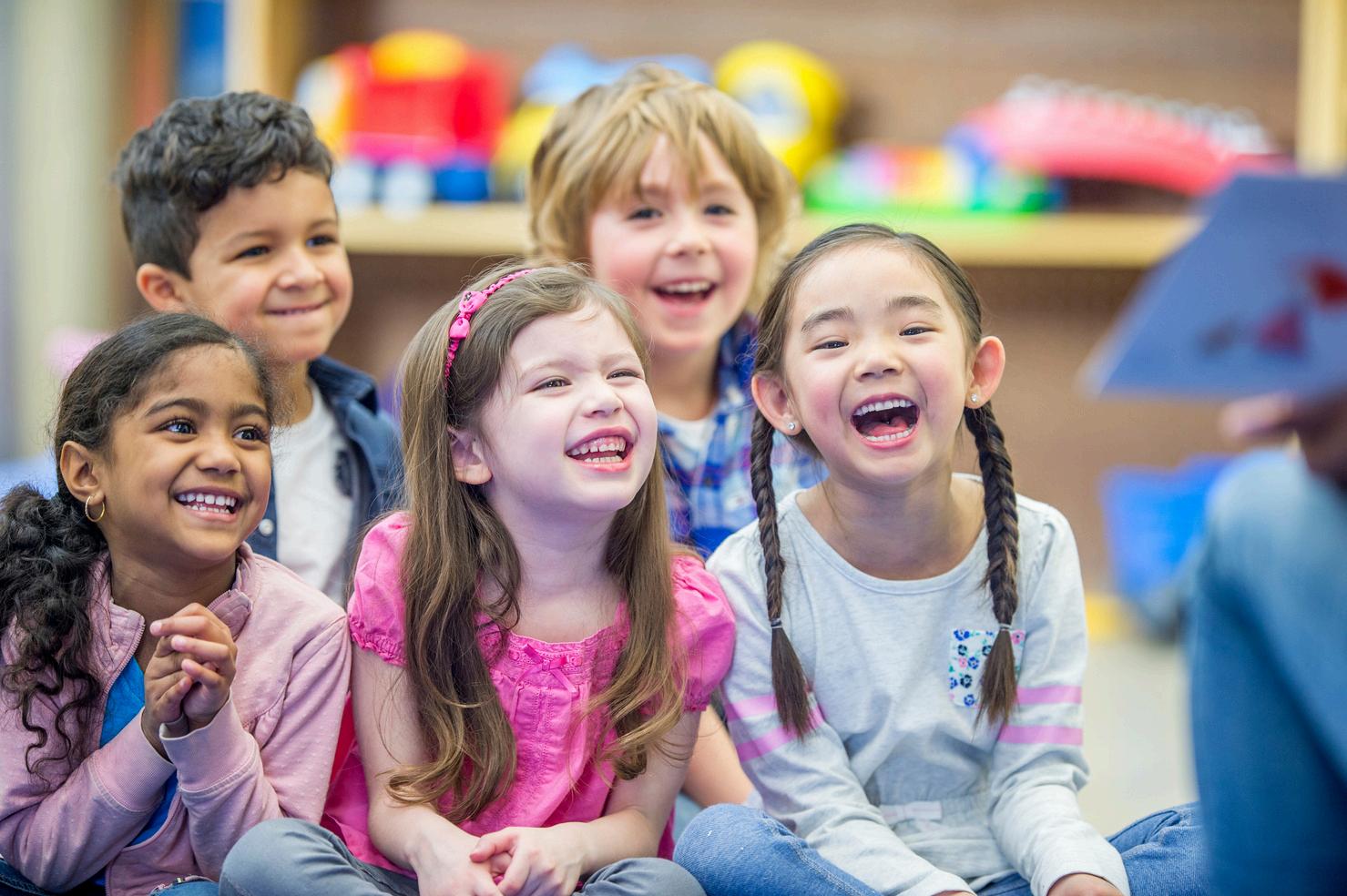
For homeschooling parents, storytelling can turn any activity into an opportunity for learning. During nature walks, describe what nearby animals might be doing or invent short fables about natural discoveries. When cooking, engage children by narrating where ingredients come from and how they connect to culture or geography. Bedtime stories can evolve into cocreated tales that strengthen both imagination and family bonds.
Encourage your child to retell stories in their own words This helps build confidence, memory, and linguistic fluency. Creating story journals or digital diaries also gives children a sense of
In both classrooms and homes, storytelling turns passive lessons into lived experiences. It nurtures curiosity, empathy, and communication the very foundation of lifelong learning
When educators and parents embrace storytelling not as an extra activity but as an integral part of teaching, they ignite a spark that brings every subject to life!

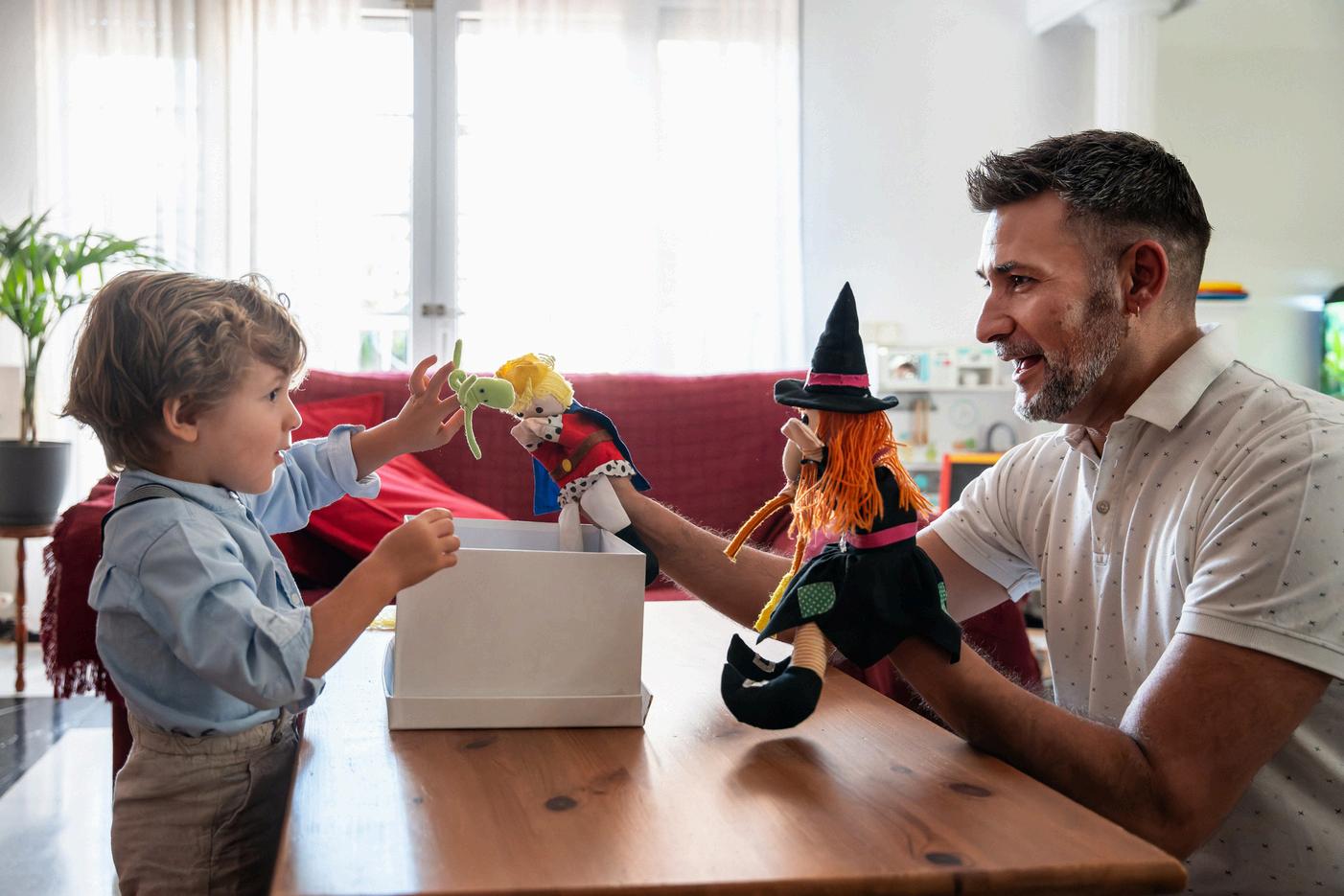
We'll use the Round Robin writing technique to engage in collaborative storytelling The purpose of the creative writing/storytelling workshop will be to put our knowledge of story elements into practice and encourage student participation
Each student will take turns adding sentences or paragraphs to a story until everyone has contributed. Each student's contribution may be added to the board by either teacher or a helper, recorded by the assigned scribes in each small writing team, or by each student in their individual writing notebook.
Objectives/Learning Goals:
Foster creativity and group collaboration.
English Language Arts (ELA) Standards:
Students learn about the elements of a story in action (introduction, plot, climax, resolution) Communication Skills | Communication Strategies | Applying Knowledge & Language Skills.
Resources:
Writing materials (pencils, markers, paper, notebooks, notepads, post-its, board).
Intro/Hook: Another summer come and gone! So much happened during our time away from school. Let's bring those memories to life and dream about future summers. Let's write about the summer time!
Format: Small teams (depending on the number of students and their grade level, you may choose to work with the whole class or break into manageable groups of 4-5 students)
Guided Work:
Give each team a starting prompt. Allow 2 minutes for a brainstorming session before the first writer adds a sentence, then pass the paper to the next person, or call on the next student for his/her contribution
Continue until everyone has added a sentence or a dedicated time limit has passed.
Team Work:
Each writing team (or the class) will have a set time to review and edit their collaborative story draft.
Wrap-Up:
Have each team read their final, finished story aloud to the whole class, or read the story you all wrote together on the board or notepad.
Transition:
Ask all students in each team to sign their names on their work, or come up to sign their names on the collective notepad or board.
Ask each team to place their stories in a prepared story folder. This work will be used for a later crafting activity: Book-making workshop!
Differentiation:
This activity can easily be adapted for students of all ages, grade levels, and writing abilities. Consider breaking the class into smaller teams; let each team assign themselves the roles of scribe or copywriter, creative director, editor, or production manager Be the scriber for the younger children or for groups that may need additional language scaffolding.
This creative and collaborative writing activity can deepen, evolve, and become more complex as students become familiarwith the process and develop their communication, language, and writing skills.
Use Oral Storytelling to introduce the subject and basic story elements to younger students
Story Swap: Have one team write the specific story components, and have a different team complete the structural pieces
Silent Collaboration: Partners write stories or create arttogetherwithouttalking, relying only on what has been written, or on written clarification of sequential input.
Additional Resources (no affiliate links):
collective writing
BY GABRIELA T. IMAGES PROVIDED BY CANVA PHOTOGRAPHY ASSETS
“I realized if you can change a classroom, you can change a community, and if you change enough communities, you can change the world.”
A classroom is more than a physical space; it’s an ecosystem that reflects the vision, values, and personality of the teacher who guides it
Just as artists leave a signature on their work, educators can leave an “authentic stamp” on their classrooms through design choices that mirror who they are, not just as teachers, but as people.
The goal isn’t perfection or an Instagram-ready classroom; it’s authenticity You can do this with intention, and on a budget. A classroom designed with heart and purpose becomes a living classroom, one that nurtures both student learning and teacher joy
Erin Gruwell

“Yourauthenticstampisyourunmistakablemark,the blendofyourvalues,culture,interests,andteaching philosophyexpressedthroughyourenvironment “
Your authentic stamp is your unmistakable mark, the blend of your values, culture, interests, and teaching philosophy expressed through your environment For some, it’s a love of nature woven into a classroom filled with plants, natural light, and earthy tones
For others, it’s a flair for creativity expressed in evolving student art displays and flexible seating corners. Ultimately, this authenticity signals trust and consistency. Students can sense when a teacher’s environment aligns with her words and teaching style. It builds comfort, respect, and curiosity; three of the most powerful tools in education.
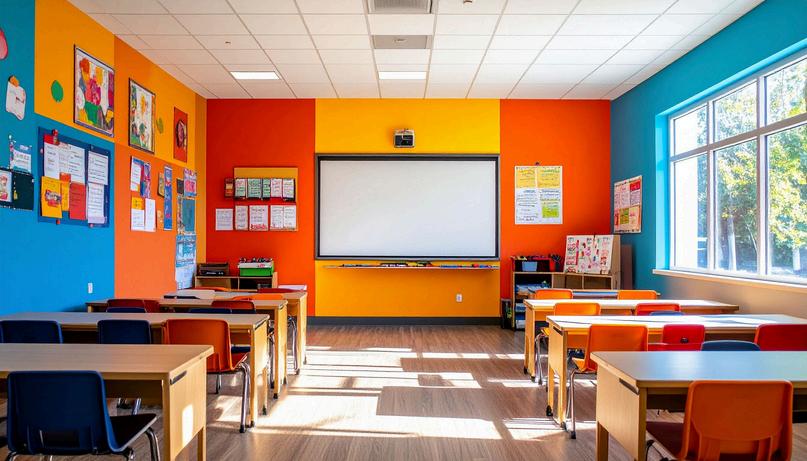
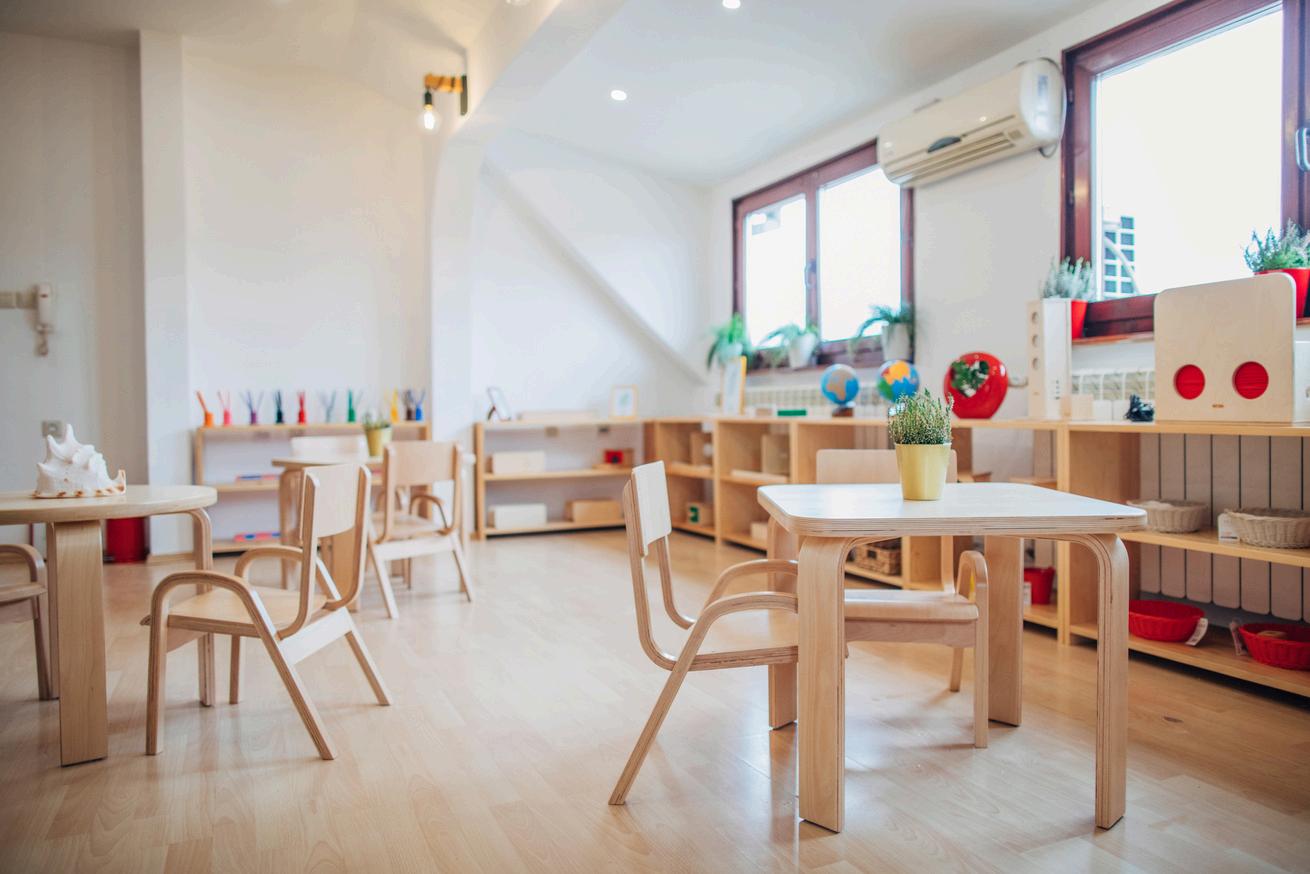
For example, if your philosophy emphasizes Montessori-style independence, your classroom could feature child-sized furniture, open shelving, and clearly labeled materials that invite exploration. If your teaching thrives on collaboration, design open zones with flexible tables that easily transform into group or solo workstations.
Before you start rearranging furniture or browsing Pinterest boards, anchor yourself in why your classroom should look and feel a specific way Ask yourself: What emotions do I want my students to feel when they walk in? What message do I want my space to send about learning? How do I want to feel when I teach in this space?
Maybe your goal is to inspire independence, creativity, or calm. The answers to these questions will guide every design choice, from layout to color palette
For example, a teacher who loves music might keep a small corner with a speaker, instruments, and lyrics for rhythmic or movement breaks; a personal passion transformed into a classroom asset.
An authentic classroom isn’t just beautiful, it works Every design choice should serve a purpose. Here are some ways to achieve balance: Flow an through child’s p materia pathwa Can stu and nav Visual decora than en texture your co tones; i makes w Define learning art zone discuss helps s transitio activities.
Teacher functionality: Design with your own well-being in mind, too A small “teacher recharge space,” or desk and storage area that stays organized and inspiring, supports your productivity and emotional balance
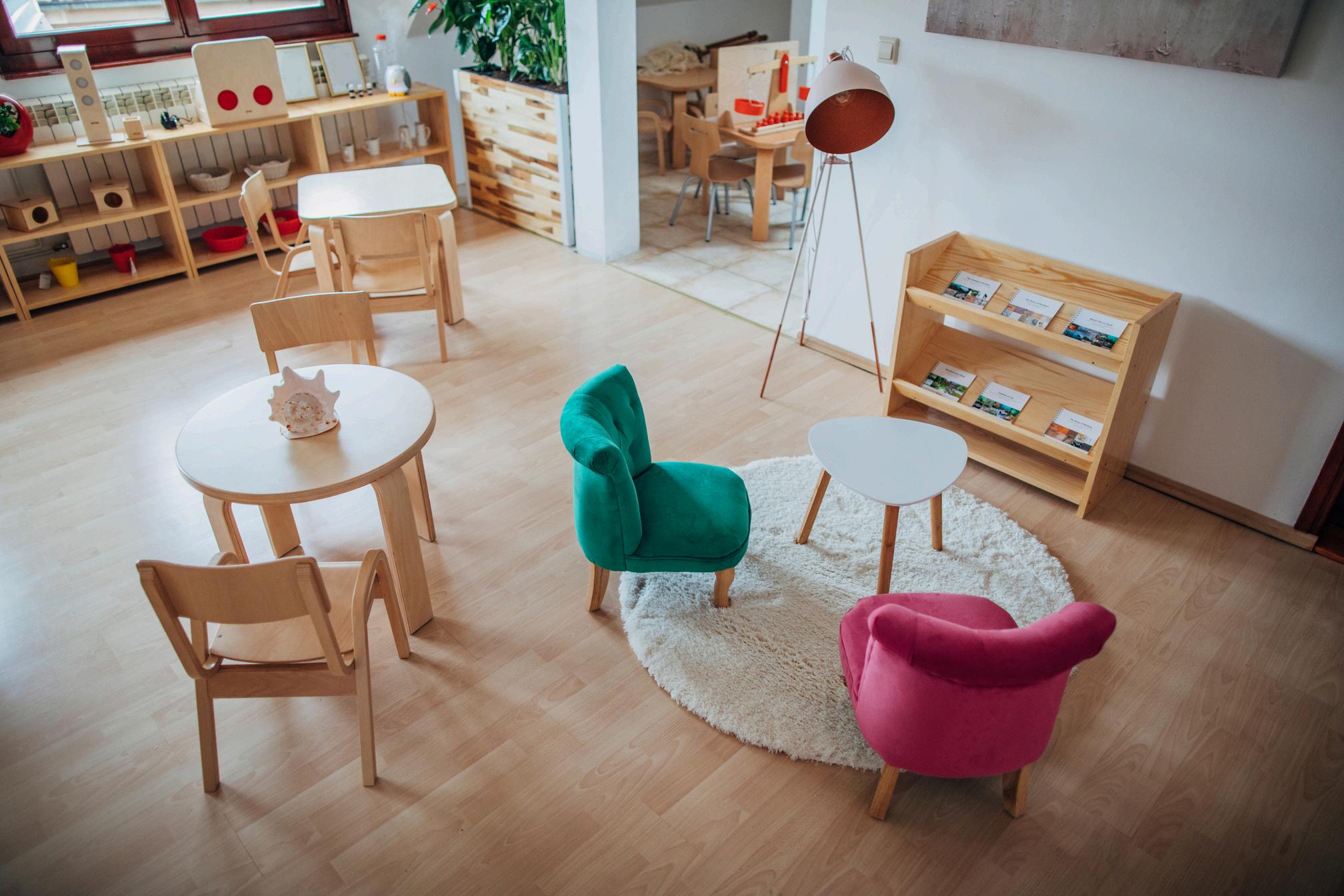
“An authentic classroom isn’t just beautiful it works. Every design choice should serve a purpose.”
A classroom isn’t fully authentic if it only reflects the teacher. Students, too, should leave their mark You can achieve this through:
Collaborative displays: Let students contribute to rotating “classroom gallery walls” showcasing projects, art, or favorite quotes.
Choice-oriented design: Offer multiple working spaces (floor cushions, standing tables, or quiet corners) to honor different learning styles
Student input sessions: Occasionally, invite ideas Ask “What could make this space feel more cozy or easier to learn in?” The answers can surprise you and foster inclusion.
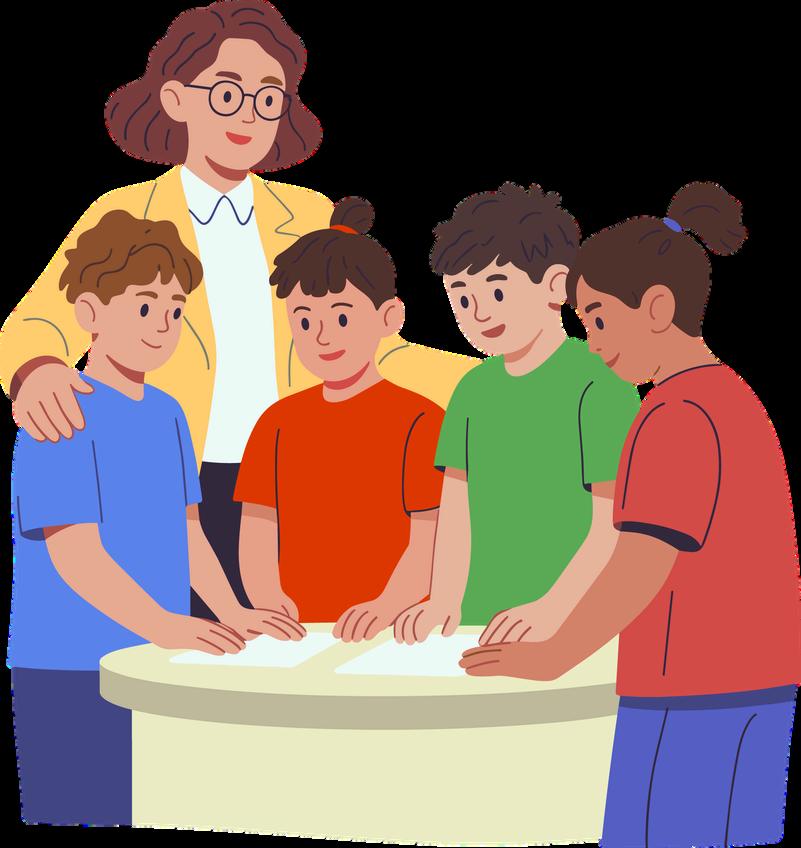
Authenticity also means being culturally responsive and personally transparent Display visuals, literature, and materials that reflect your students’ backgrounds and experiences Include items that signal respect for diversity and a sense of belonging
At the same time, incorporate small symbols of yourself, meaningful photos, favorite childhood books, travel keepsakes, or art that resonates with your worldview
These personal touches make you relatable and approachable
Students remember teachers who bring their full selves to the classroom; it models sincerity and individuality.
Allowingstudentstoparticipateincreating theenvironmentdeepenstheirconnectionto thespace Itchangesthenarrativefromthis istheteacher’sclassroomtothisisour classroom.
An authentic environment isn’t static; it evolves with your students and practice Think of your classroom as a living organism that grows and adapts.
Rotate materials, change displays seasonally, and refresh seating layouts based on what’s working. For example, early in the year, you may group desks for collaboration, then later shift to pairs to foster focused work. You can also involve students in these decisions to mark transitions and celebrate progress.
Functionality improves through reflection: notice where bottlenecks occur, which areas students avoid, and which become “hot spots” of energy and engagement Adjust accordingly. Your classroom will become more attuned and responsive over time.
Authentic design also aligns with long-term values like environmental respect and resource mindfulness Consider how to reuse, repurpose, and minimize waste: Repurpose containers and furniture with creative labeling. Decorate with student-made or natural materials. Use recycled paper or digital portfolios for sustainability
This practice connects aesthetic choices with ethical modeling, reinforcing in students the idea that beauty and responsibility coexist
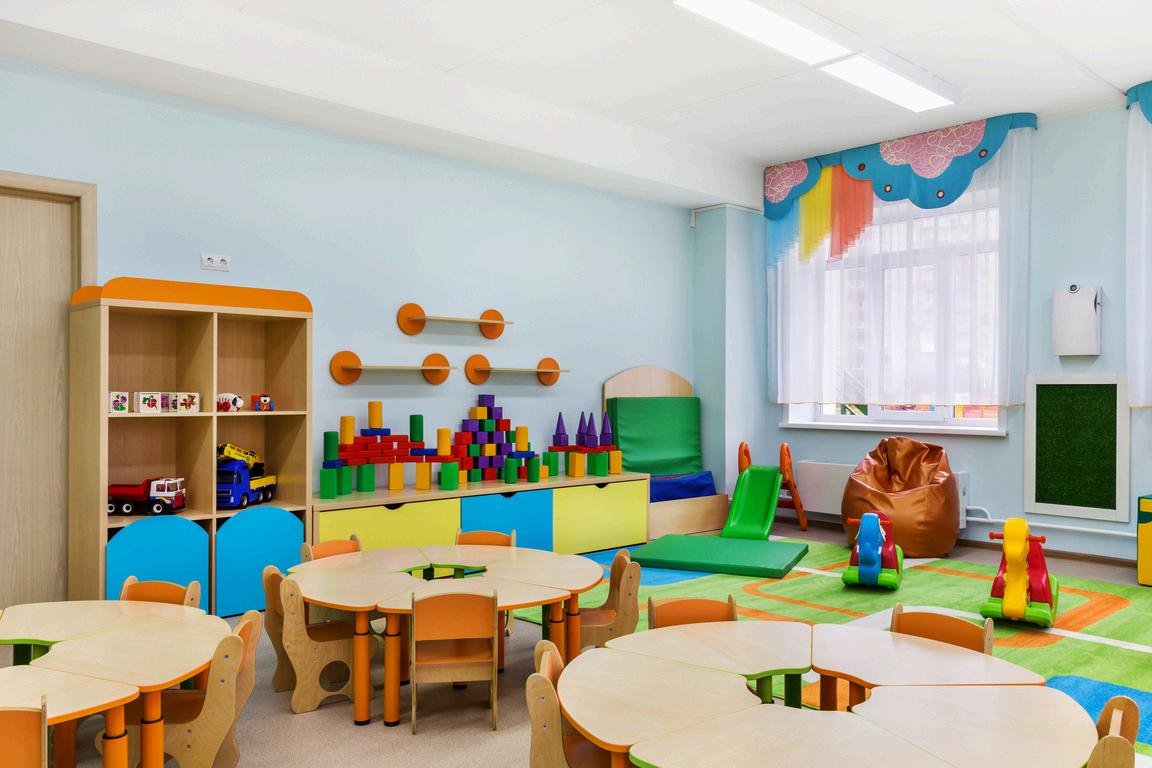
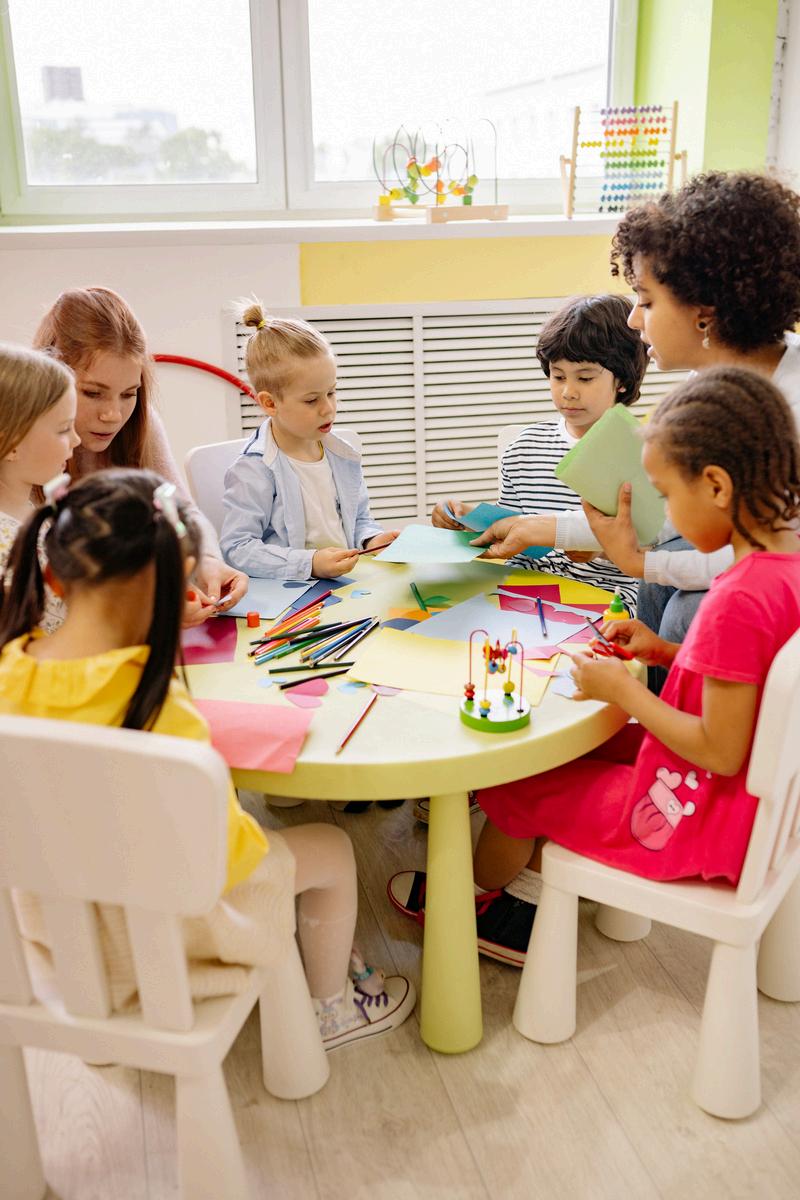
The physical environment deeply influences emotional tone. A calm, organized, and visually balanced space communicates that learning is joyful and safe. Here are a few design touches that nurture positive emotional energy: Natural materials: Bamboo, wood, and linen accents create warmth and texture.
Sensory-friendly lighting: Soft, diffused light or lamps, rather than harsh fluorescents, reduce anxiety and improve focus
Meaningful wall content: Replace generic posters with student-created visuals, affirmations, and class agreements written in children’s own words
Peace corners or reflection areas: A small space with mindfulness tools, journals, or calm music can teach emotional regulation and self-care
A comforting classroom design amplifies social-emotional learning; it becomes a silent partner in teaching empathy, patience, and awareness
When design and functionality converge under the lens of authenticity, the result isn't just a visually pleasing classroom; it’s a teaching philosophy made visible
Your students absorb more than facts and skills; they internalize the values your space communicates.
A thoughtfully designed classroom says, “This is a place where you are seen, heard, and valued” It helps children sense what kind of community they are part of: creative, respectful, nurturing, or bold, because your classroom layout, tones, and rhythms embody those traits.
As your practice grows, so will your space. Over the years, walls will carry memories of shared learning, and your authentic stamp will deepen, not through trendy redesigns, but through the quiet, lasting harmony between who you are and how your classroom feels.
We'd loveto see and sharethe learning environmentyou andyourstudents are crafting and cultivatingtogethereveryday! Sendyourpicsto tutoristamag@gmail.com
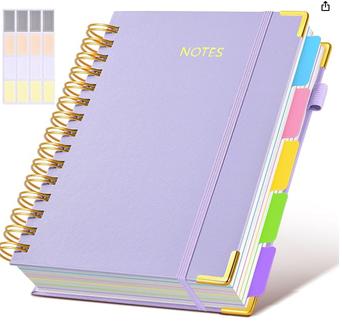
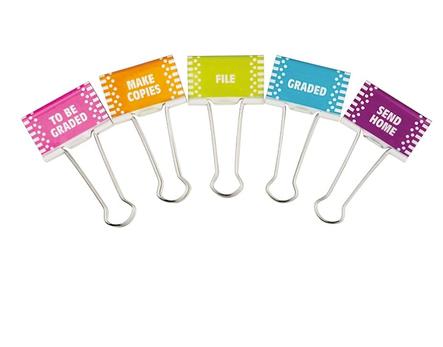
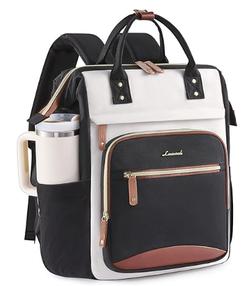
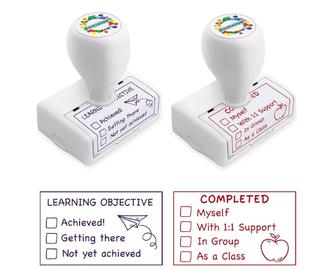
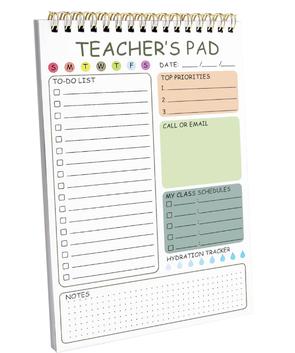
1.Hardcover Spiral Notebook 2.Checkbox Grading Stamps
Large Binder Clips
Work Backpack 5.Teacher To Do List Notepad
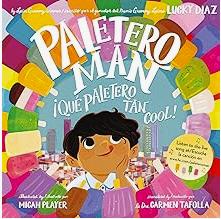
Join this city adventure to find the Paletero Man! This colorful storybook celebrates community and kindness Based on a popular song by Latin Grammy-winner Lucky Diaz.
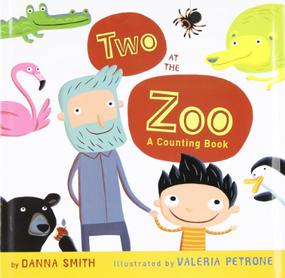
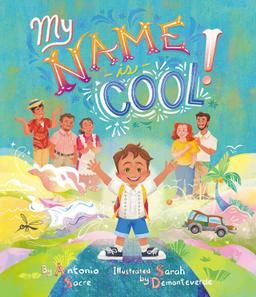
The story of a boy who gets many names from his family leads to confusion on the first day of school until a principal declares that all his names are cool, understanding, and celebrating his unique heritage A children's counting book that follows a boy and his grandpa as they count various animals at the zoo, using rhyming text and playful illustrations An English/Spanish edition is also available
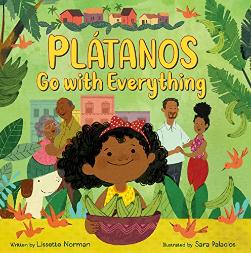
Follow Yesenia as she learns about the many ways her Dominican family prepares plátanos (plantains). Part of almost every meal, they are especially tied to family and love

AN INTERVIEW WITH CH LEAD GUIDE MRS ESTHER MATA CLAVER BY
GABRIELA T.
IMAGES PROVIDED BY CANVA PHOTOGRAPHY ASSETS
Mrs Esther is a passionate educator with a degree in Psychology from Salamanca University in Spain and over 15 years of experience working with children and families.
Her love for the Montessori method deepened when she became pregnant with her daughter. This led her to continue working with children in a different setting and pursue her MACTE training as a Lead Guide in the Nido, Toddler, and Children House community through the Prepared Montessorian Institute.
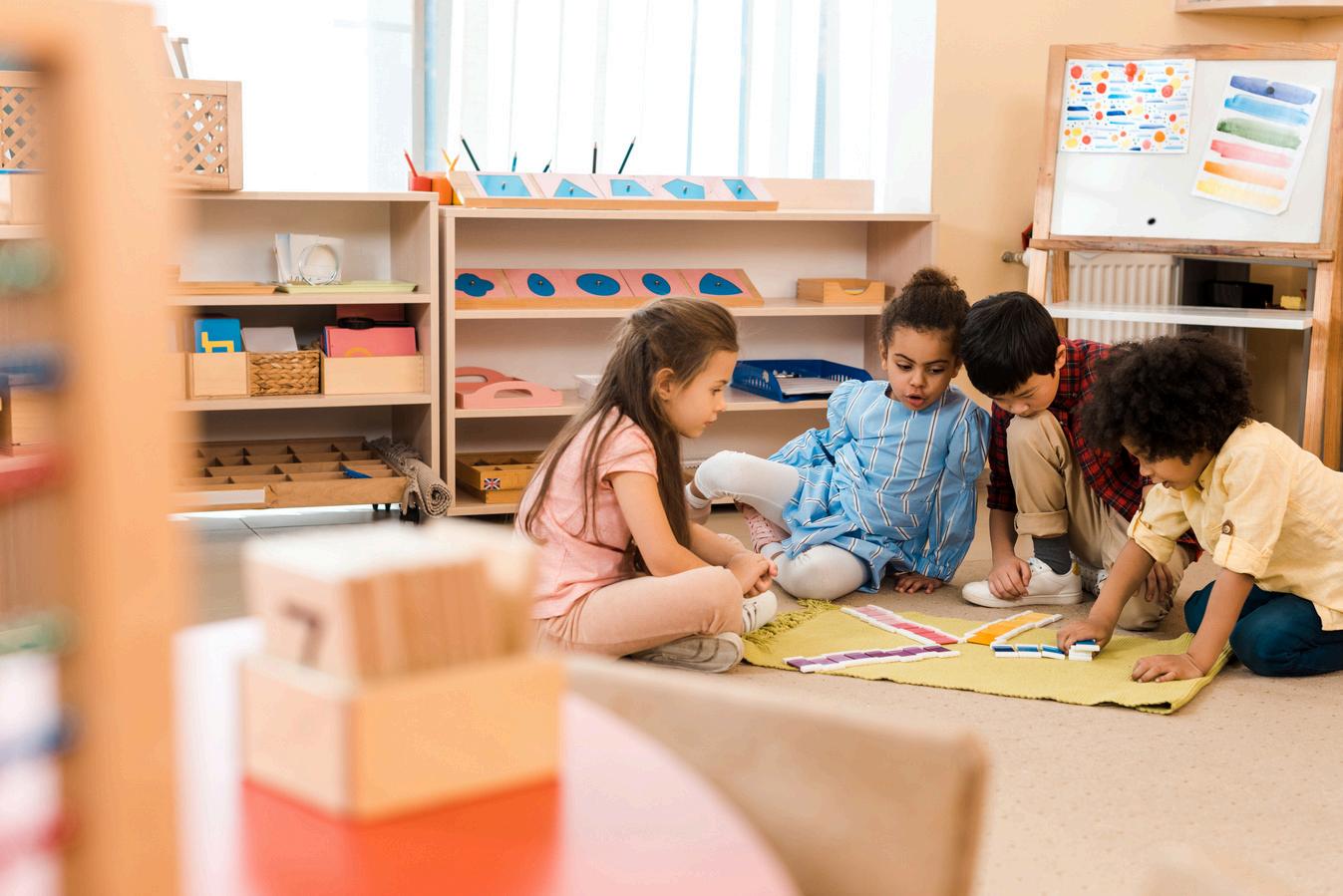
Mrs Esther believes Montessori embodies the love, respect, and trust that every child naturally deserves for holistic development. In conversation with Tutorista Mag, she kindly opened the doors of the Children's House she leads to show us this philosophy in action.
Q: What first inspired you to become a Montessori guide?
A: My journey began during my 15 years practicing as an integrative child psychologist, where my clinical focus was always centered entirely on the child. However, the true turning point came when I became pregnant. As I immersed myself in research on how to raise children with the utmost respect and nurture, I discovered the Montessori philosophy. It immediately resonated with me It was a beautiful, natural alignment that seamlessly integrated into how we choose to view and live our lives, both personally and professionally.
Q: How has your personal understanding of childhood evolved since you began teaching the Montessori way?
A: Rather than shifting my perspective, practicing Montessori has profoundly reassured and validated my core beliefs. It has deepened my conviction that children possess an innate wisdom regarding their own developmental needs.
“Our role as adults is not to direct or control, but to observe them with deep respect and follow their unique lead.”
Q: How would you describe the essence of Montessori education to someone unfamiliar with it?
A: At its core, Montessori is far more than an educational method; it is a philosophy for living rooted in respect and careful observation. It is about intentionally creating a nurturing, beautifully prepared environment where children are empowered to unlock and reach their fullest potential.
Q: What do you believe makes the Montessori classroom environment so unique compared to traditional settings?
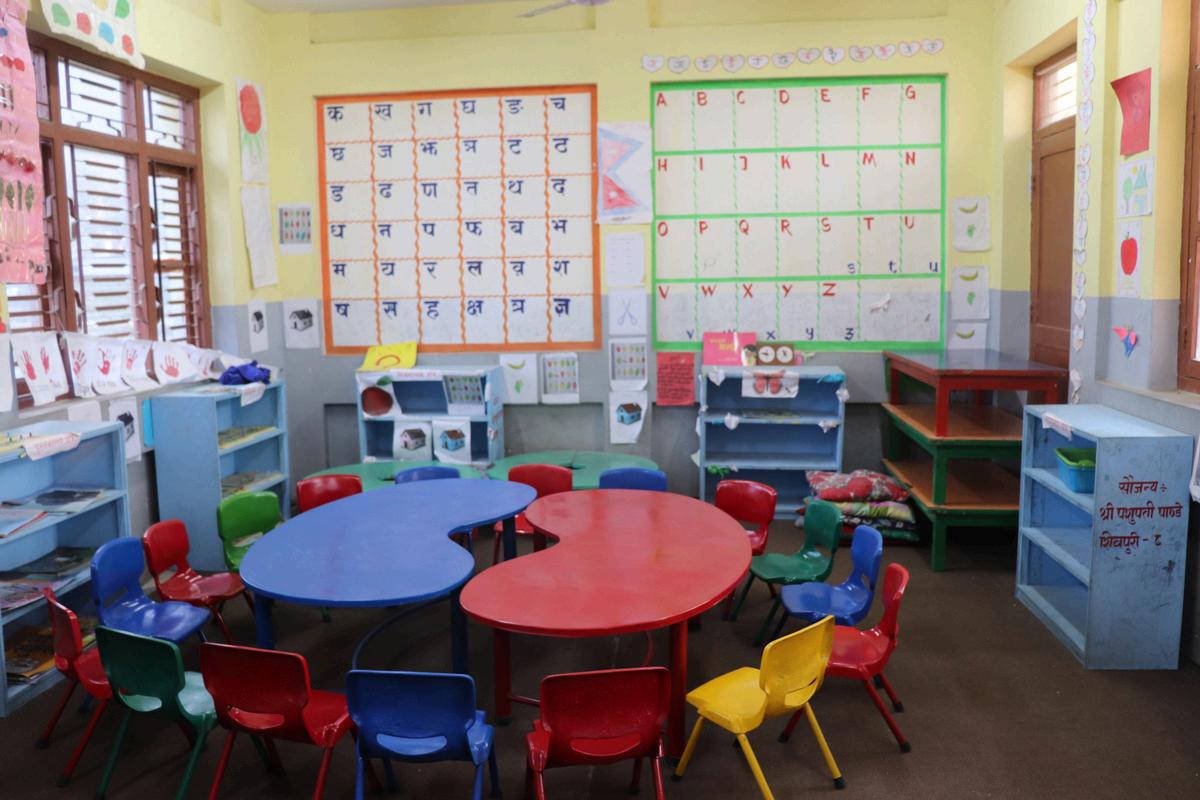
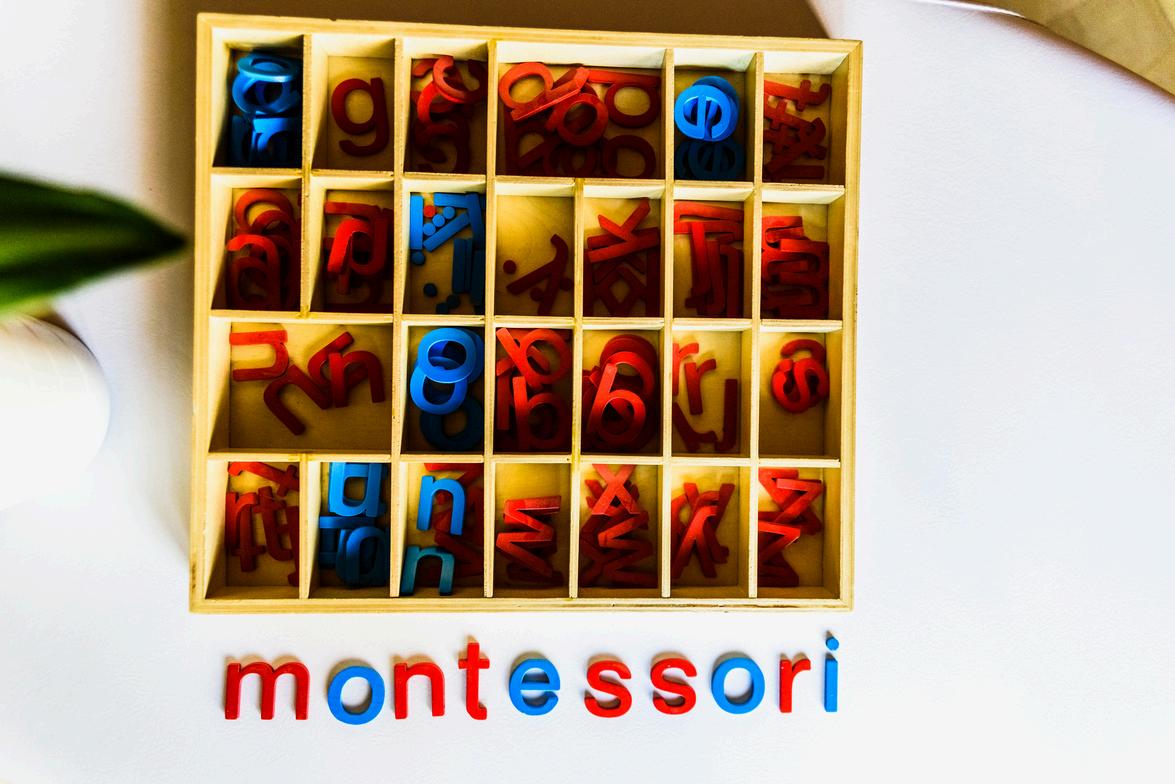
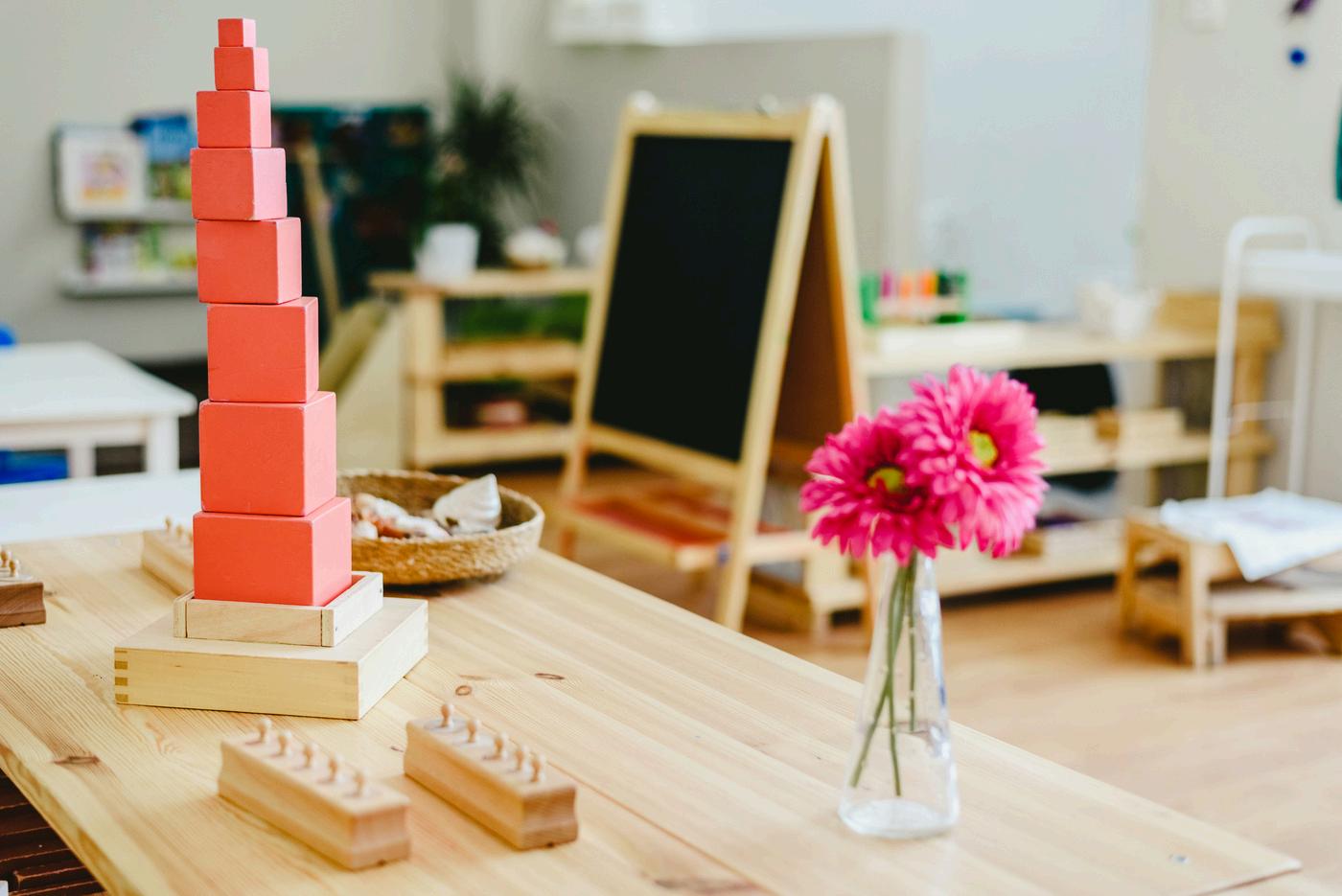
A: There are so many wonderful differences! First, every single element from the child-sized furniture to the minute details of the learning materials is intentionally designed and adapted to serve the child, with the ultimate goal of fostering true independence
My absolute favorite aspect, however, is the mixed-age environment It creates a beautiful, organic community where the younger children learn naturally by observing their older peers, and the older children step into leadership roles, feeling valued and vital to our community It is incredibly moving to watch the younger ones look ahead with genuine excitement for everything they are capable of becoming.
Q: How do you prepare and maintain a “Children’s House” that supports independence, exploration, and discovery?
A: A Children's House Environment (and all Montessori Environments) must be clean, meticulously organized, and warmly inviting to spark a child's natural desire to work.
“For learning to take place, children must first feel deeply loved, respected, and emotionally safe.”
Furthermore, we must remember that we, the adults, are a vital part of that environment. We must commit to continuous preparation not just professionally, but personally and emotionally as well.
Q: In what ways do you see Montessori education influencing children beyond the classroom, at home, or in their broader communities?
A: Ultimately, Montessori is an education for peace The independence, empathy, and respect that children cultivate within the classroom naturally ripple outward, shaping how they interact with their families at home and how they contribute as compassionate citizens in their broader communities.
Q: What skills or qualities do you think are essential for a Montessori guide to nurture?
A: An exceptional guide must continuously cultivate deep patience and comprehensive knowledge. Perhaps most importantly, they must be able to look at every child each day with fresh eyes completely setting aside any challenges or behaviors that may have occurred the day before.
She or He needs to love this Opportunity of Life! It is a very important role in the Children’s Life!
Q: How do you continue growing and learning within the Montessori philosophy yourself?
A: I am deeply passionate about exploring the science behind the Montessori method. I consistently dedicate time to reading current global research, scientific studies, and foundational books to continually deepen my understanding and refine my practice
Q: What advice would you give to parents curious about Montessori education for their children?
A: Choosing Montessori is a holistic investment. It extends far beyond the walls of the school building. If you choose this path for your child, it is vital to embrace and mirror these same principles at home, ensuring that both school and home share a unified, respectful vision for the child’s development.
Q: What kind of legacy or longterm impact do you hope your work will have on the children and families you’ve guided?
A: When the children and families I have guided look back on their time with me, my greatest hope is simply that they remember feeling deeply loved and profoundly respected
Thank you Mrs. Esther for your time and insights!
To connect with Mrs Esther and continue the conversation, click here to visit her Linkedin Profile


Spend quality time outdoors That's what summer is all about Plan a picnic with family and friends, go visit your local park, walk barefoot on the grass, and ground yourself in nature S u m m e r M o o d B o a r d

Remember to nourish your body. Let's taste the refreshing flavors of summer and enjoy the bright colors in nature, including in the food we eat!
Go to the water, be it the sea shore, the lake, a river or a pool. Cool down and go with the flow of summer


Recharge with the sun. Follow the lead of the sunflowers, and seek the reinvigorating rays of the sun. Remember to protect your skin with sunscreen, wear your sunglasses, and don't forget your hat!
BY GABRIELA T. IMAGES PROVIDED BY CANVA PHOTOGRAPHY ASSETS
A very easy and creative summerthemed project is paper plate sunflowers They’re simple enough for little hands, but kids can still make each one look unique with paint, paper, and natural textures
Materials: What you'll need Paper plates. Yellow, brown, and green paint, markers, or crayons. Glue.
Scissors
Construction paper or scrapbook paper for petals.
Optional: buttons, tissue paper, yarn, or real seeds for texture.
Steps: What to do

1 Paint the center of the paper plate brown.
2 Cut petal shapes from yellow paper and glue them around the edge.
3 Let kids add details with markers, tissue paper, or gluedon textures.
4 If you want, tape a craft stick or straw (painted green or covered with green tissue paper) to the back as a flower stem.
This project is quick, low-mess, and easy to adapt for different ages. It's a child-friendly, hands-on craft activity and works well for summer themes like sunshine, gardens, and nature
Easy variations:
Sunshine collage: Use torn yellow tissue paper instead of petals.
3D flower: Fold petal strips slightly for a layered look
Nature version: Add real leaves, grass, or small twigs collected from the yard.
Make the most out of your Summer break, while being proactive and thinking ahead to the start of a new creative year or learning and teaching.
Summer can be a perfect mix of rest, reflection, and preparation for educators. Here’s a balanced checklist to help teachers recharge while setting themselves up for success in the new school year.
BY GABRIELA T. IMAGES PROVIDED BY CANVA PHOTOGRAPHY ASSETS

Take a true break. Schedule time to rest and enjoy hobbies, travel, or quiet moments outdoors.
Reflect on the past school year: jot down whatworked well and whatyou’d like to tweak
Reconnectwith fellow educators in relaxed settings. (brunches, virtual meetups, or book clubs)
Create a mood board or playlistto energize your classroom nextyear.
Reflect on your teaching “Why.” (your core motivation for doing what you do)
Declutter old materials and organize teaching supplies
Redesign or update classroom décorfor a welcoming, functional atmosphere
Prepare digital resources (clean up your Google Drive, organize lesson files, and back up important documents)
Take a short course orwebinar in an area of interest (SEL, STEM, Montessori approaches, ortech integration)
Read one new education-focused book or listen to a relevant podcast series.

Attend an educational conference or local networking eventfor inspiration.
Outline keythemes or monthly goals forthe upcoming school year.
Draft a flexible first-week plan to ease both you and your students into routines
Reach outto yourteam orteaching partners for early collaboration ideas
Set personal wellness goals: movement, mindfulness, or creative projects like journaling or music.
Schedule time for creativity (painting, songwriting, or DIY classroom crafts.)
Set a few “summer bucket list” activities justforfun (farmer’s markets, local road trips, sunsetwalks)
Write a short letterto yourfuture selfto read at mid-year (a reminder of your goals and gratitude)
L o u d
L a u g h O u t

“MS. G, I DIDN’T CHEAT... I JUST ACCIDENTALLY LOOKED AT HIS PAPER WITH MY EYES.”
“I’M NOT LYING, I JUST FORGOT WHAT REALLY HAPPENED.”
“I WASN’T TALKING MS. G… I WAS JUST EXPLAINING OUT LOUD TO MYSELF WITH MY FRIEND.”
“IF WE FINISH EARLY, CAN WE GO HOME EARLY? THAT’S HOW JOBS WORK, RIGHT?”
Share some laughs!We've all overheard, orbeen bluntlytoldto ourfaces, some prettyfunny, clever, and insightful commentsfrom ourstudents Spreadthe joybysending allthose LOL momentsto tutoristamag@gmail.com. Can'twaitto laugh outloudwithyou!





e s s o n s & L a t t e s
L e s s o n s & L a t t e s
e s s o n s & L a t t e s L e s s o n s & L a t t e s L e s s o n s & L a t t e s L e s s o n s & L a t t e s