


embarkonthiscreativejourney!


embarkonthiscreativejourney!
Dear Reader,
I'm excited to welcome you to the first issue of Tutorista Magazine!
Thank you for joining us as we embark on this adventure Our purpose is clear: we want to celebrate, promote, support, and inspire education professionals We want to fuel an intentional and creative vocation
Tutors, teachers, and all those being called to model and guide the lives of young learners will find in these pages a well of ideas, insights, innovative approaches, and practical tools. We hope Tutorista will become a foundational resource for you, and that together we will foster a positive, creative, and supportive community.
I want to invite you to join the community and the conversation through our social media channels @tutorista.mag. Please share your thoughts, comments, questions, and topic suggestions, nominate a fellow tutor or teacher for a featured interview, or become a Tutorista contributor.
“Education is the best weapon for peace.” Maria Montessori
Editor-in-Chief




BrainPOP is bringing the new and exciting back to education. Find out more about their family-focused suite of products by clicking the link below or scanning the QR Code.
Publisher Gabriela Trujillo
Editor-in-Chief
Gabriela T.
Creative
Gabriela T.
Contributing Edtor
Daniela T.
Our
Contact Open
tutoristamag@gmailcom wwwtutoristamagcom @tutorista.mag

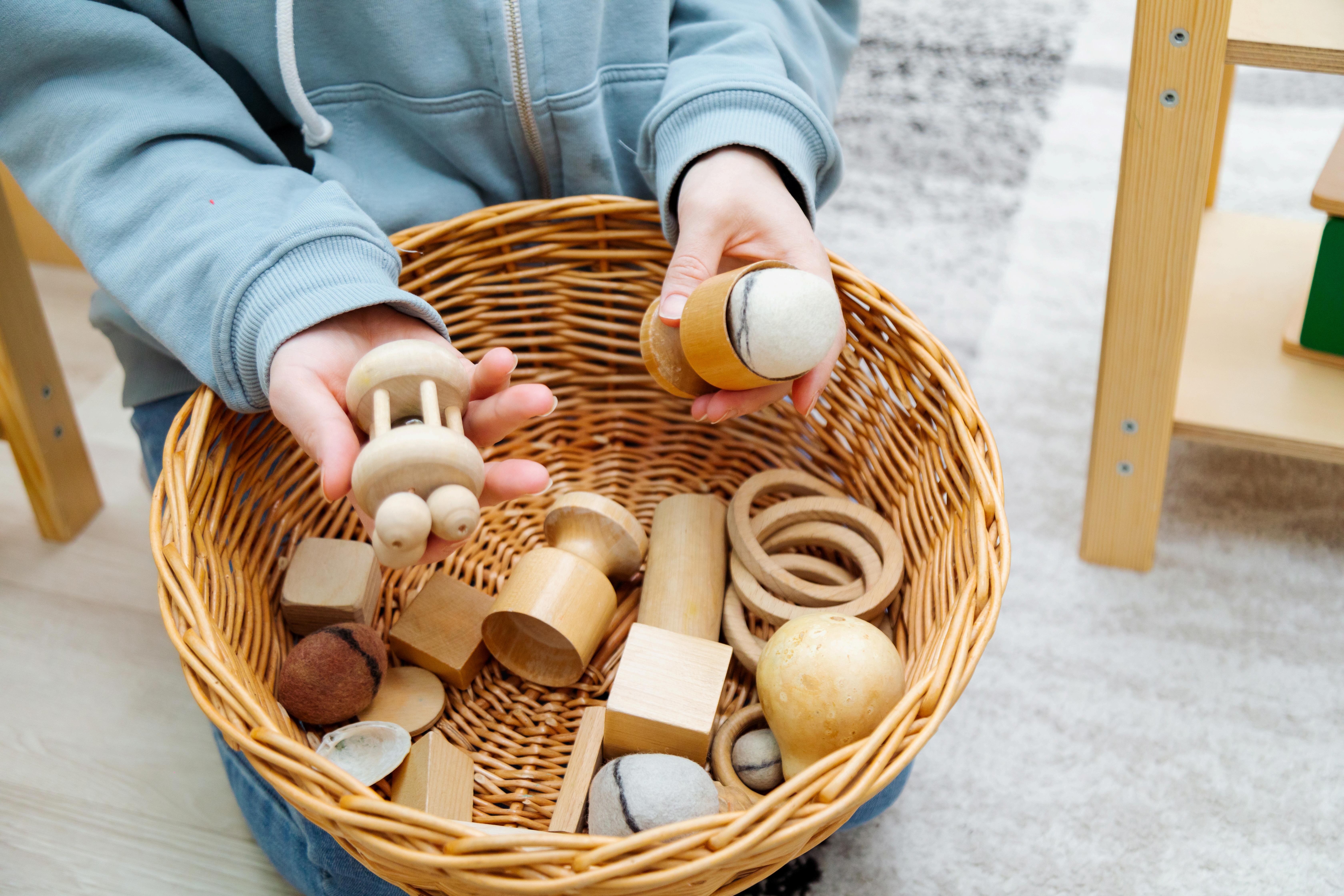

Safe, creative, and designed for imaginative play. Shop their collection of quality wooden toys and playsets by scanning the QR Code.


This section of the magazine will spotlight your thoughts, comments, questions, and feedback. We'd also love to see pictures of your tutoring space, classroom, homeschool setup, and recent student-led projects (STEAM and beyond!)
Send your email correspondence to: tutoristamag@gmail.com
Can't wait to read your letter!
Please make sure you send only pictures, images/photos you have taken yourself, or have a license/copyright to divulge If there are others in your photos/images (especially children/students), please make sure you have their parents' or guardians' consent, as we might share these on our social media channels.
Thank you!

u r F a v o r i t e T h i n g s Affiliate Affiliate

Beautifully crafted curriculum for the homeschooling parent seeking to expose children to a second language from the start! Llamitas Spanish offers digital and print materials, as well as ongoing support, to help you succeed at home
Keep your reading corner refreshed with a great selection of books from Bookroo! They offer a fully customizable book club subscription Share the joy of new books, new adventures, and learning possibilities with Bookroo
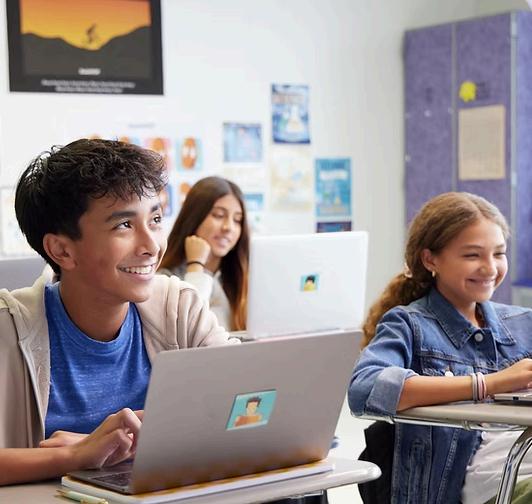
A tiny world crafted for small hands and creative brains. Tiny Land offers endless opportunities for pretendplay and play-based learning!
Make your live or online tutoring sessions fun, engaging, and ultimately successful with BrainPOP's digital resources
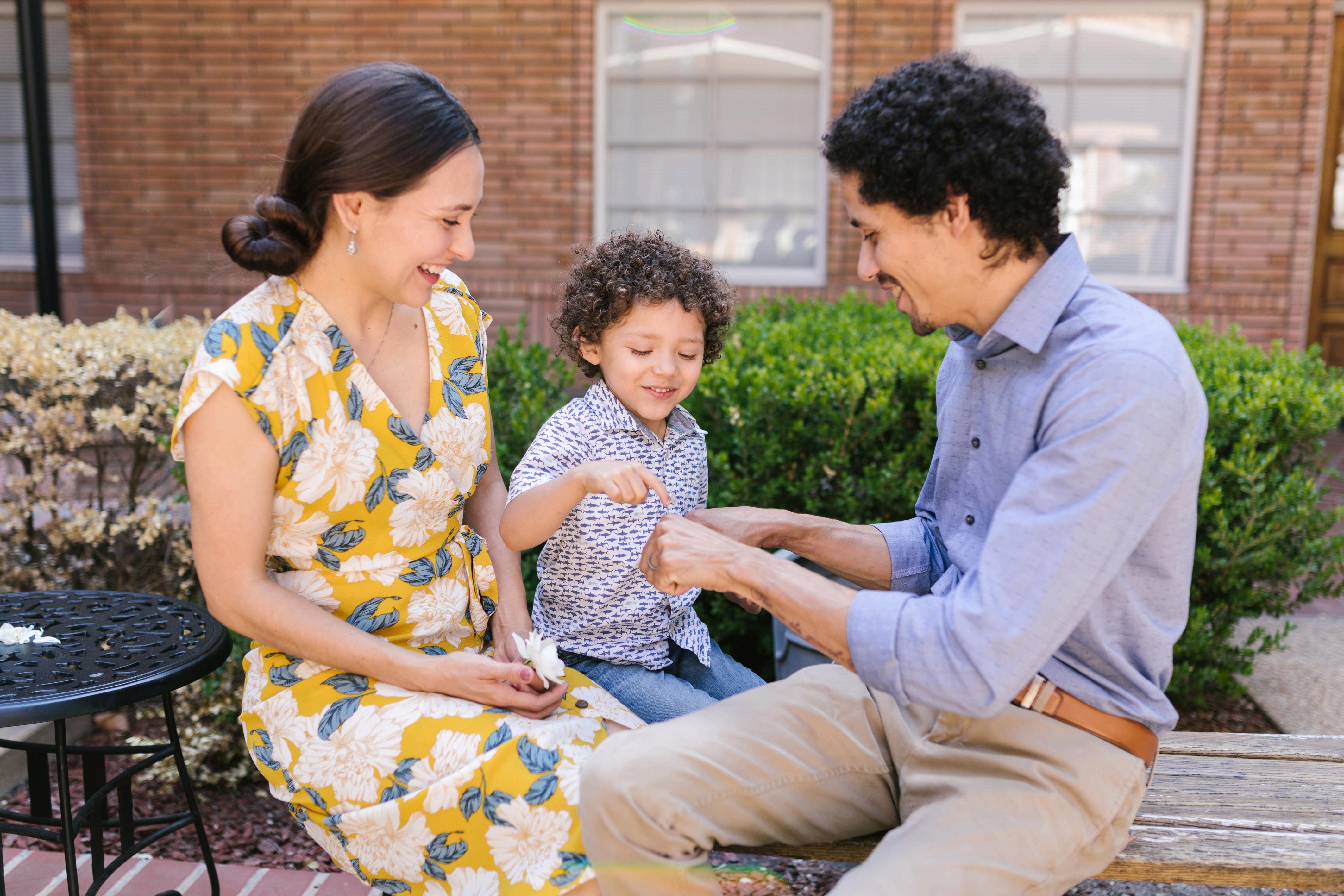
BY GABRIELA T

A mind that is cluttered will have a hard time being and remaining creative
Teaching is one of the most meaningful professions, but it’s also one of the most draining. Between lesson plans, assessments, administrative tasks, and constant change, even the most passionate educators can hit burnout fast!
A mindset reset isn’t about ignoring the challenges; it’s about shifting your attitude and rethinking how you meet them.
In today’s fast-paced world, even the most dedicated educators can feel drained by shifting expectations, technology overload, and emotional fatigue. Resetting your mindset isn’t a luxury; it’s a necessity for sustaining joy and fulfillment in the profession
1. Reconnect with Your “Why.”
You can start by revisiting the reason you entered education. Was it to nurture curiosity, build confidence, or empower future leaders? Reflect on a student success story or reread a thank-you note from a parent. Small reminders of purpose can reignite your sense of mission and transform how you approach each day.
Throughout the day, pause for just 30 seconds to breathe and re-center. Ask yourself: “What’s working in this moment?” Reflection doesn’t have to mean hours of journaling Micromoments of awareness help release frustration before it grows.
Teaching isn’t a perfect science. Strive for growth, not flawlessness. When lessons flop, treat them as data points rather than failures. Modeling flexibility and self-compassion also teaches students a valuable skill: resilience.
Set boundaries that guard your energy Designate one night a week as a “no-school-work zone.” Reconnect with hobbies, family, and interests outside of school.

Refreshed teachers bring joy and creativity back to their classrooms!
Mindsets are contagious. Collaborate with educators who inspire you and challenge you to improve Share strategies rather than complaints. A supportive environment fuels motivation more effectively than any professional development seminar.
Every student breakthrough, no matter how modest, is worth noticing Create a “joy journal” with weekly notes about positive moments. Over time, this practice rewires your brain to focus on progress rather than perfection.
Take time at the end of each day to identify one thing that went well and one thing that could be improved tomorrow. This small practice promotes balance and prevents negative experiences from defining your sense of success. Remember, progress, not perfection, is the true mark of growth!
A mindset reset doesn’t require a complete career overhaul It’s about incremental adjustments that protect your purpose, enthusiasm, and wellbeing. By nurturing your own mindset, you model the curiosity, resilience, and growth that every student deserves
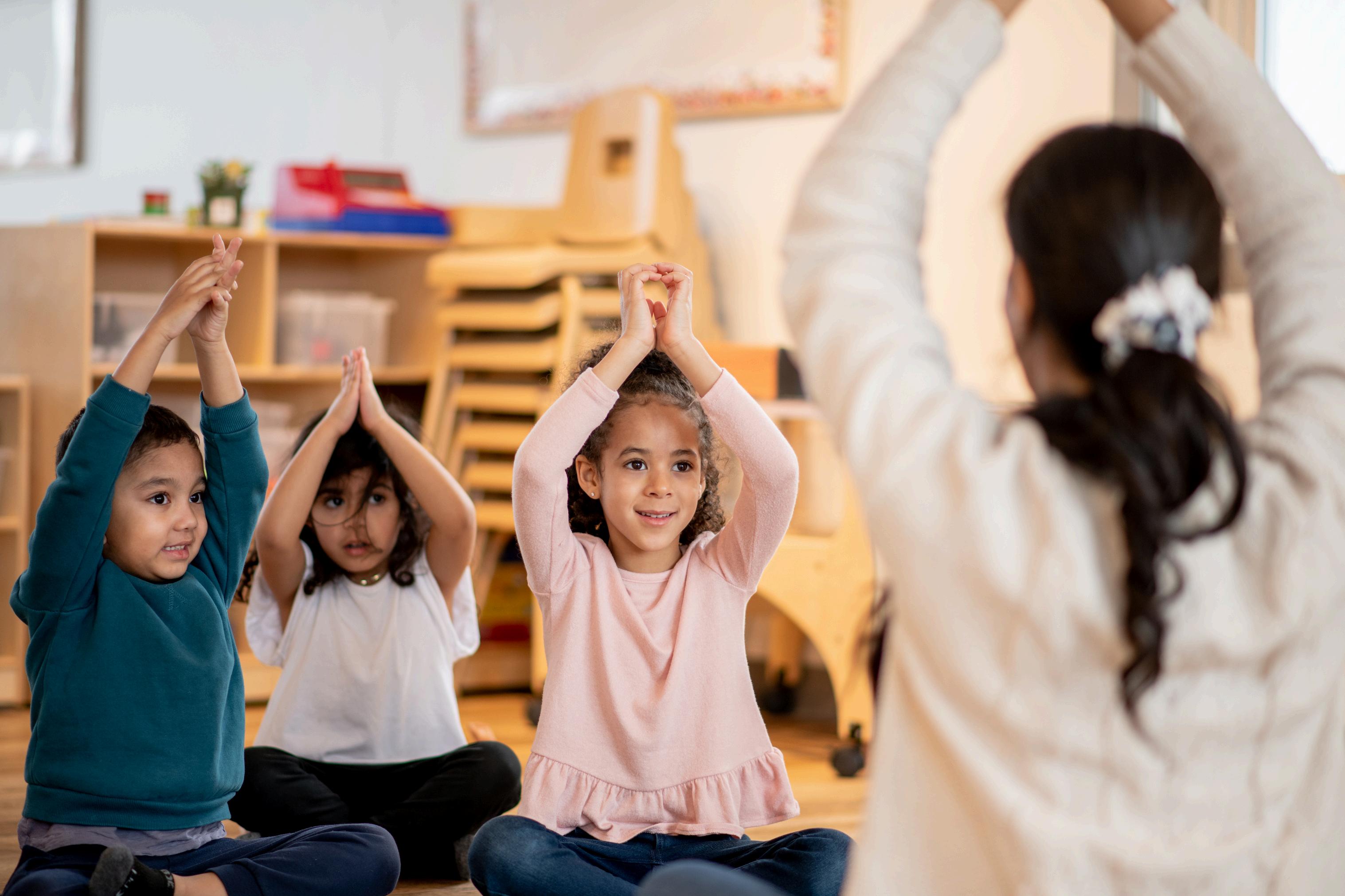
As you implement mindful resets during your day and week, include your students; they will benefit from a mindfulness practice too
You can’t change every policy or student behavior, but you can control how you respond
Collaborate with colleagues who uplift and inspire you
Sharing ideas, struggles, and laughter creates a culture of collective support
Learning to give yourself grace, just as you give your students grace, reinforces a sustainable, positive attitude.
Infuse your day with moments of gratitude and curiosity.




BYTEAMTUTORISTA
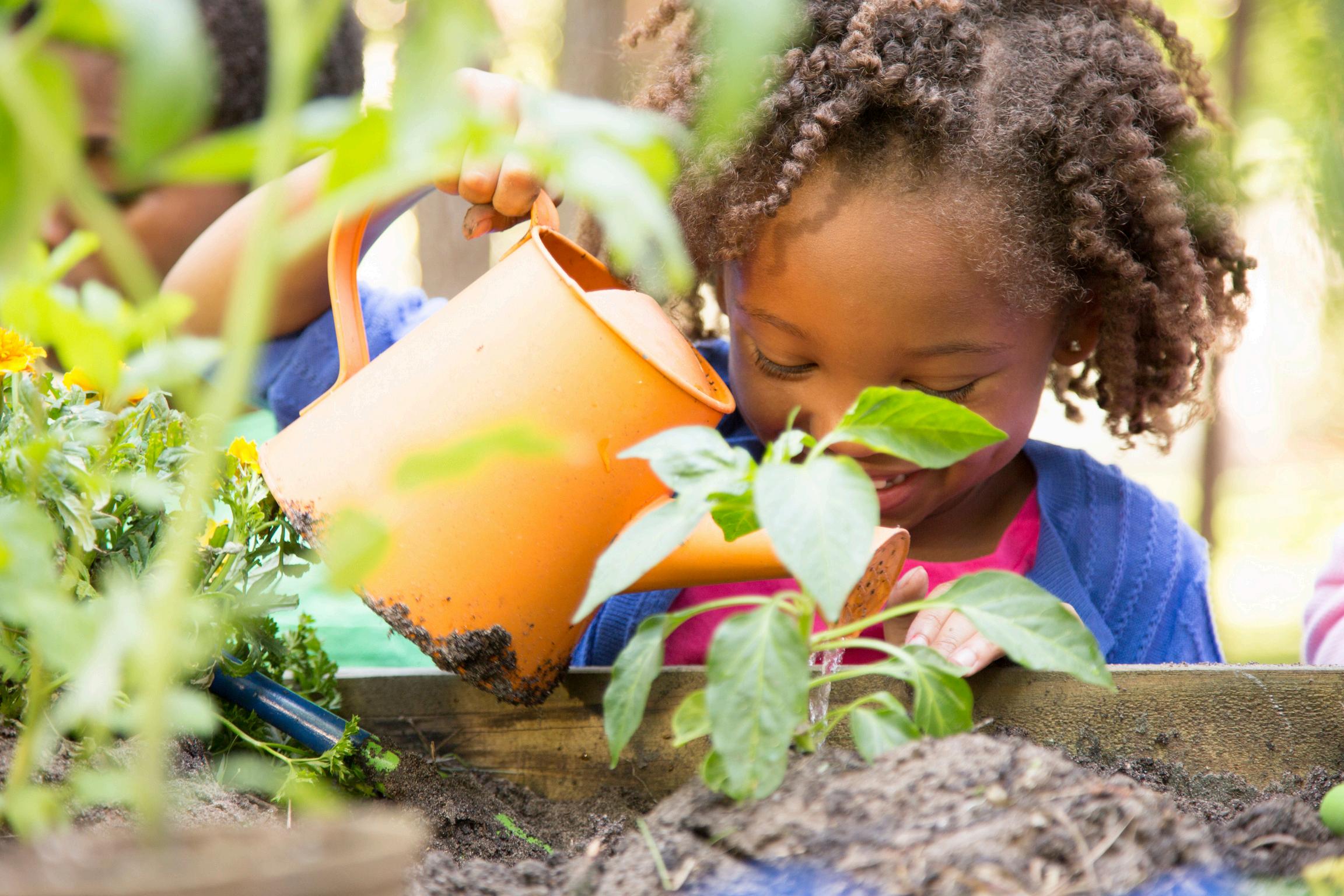
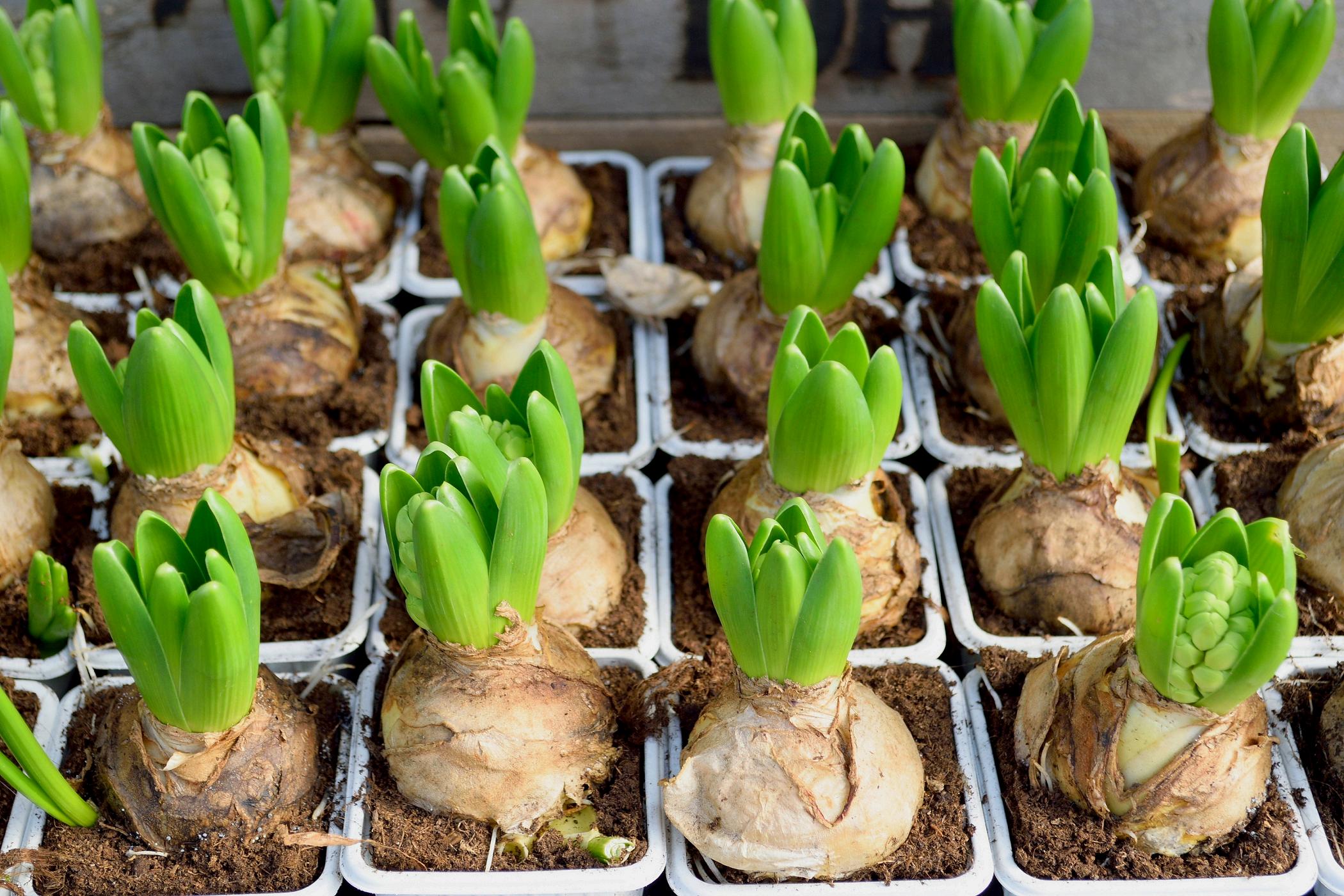
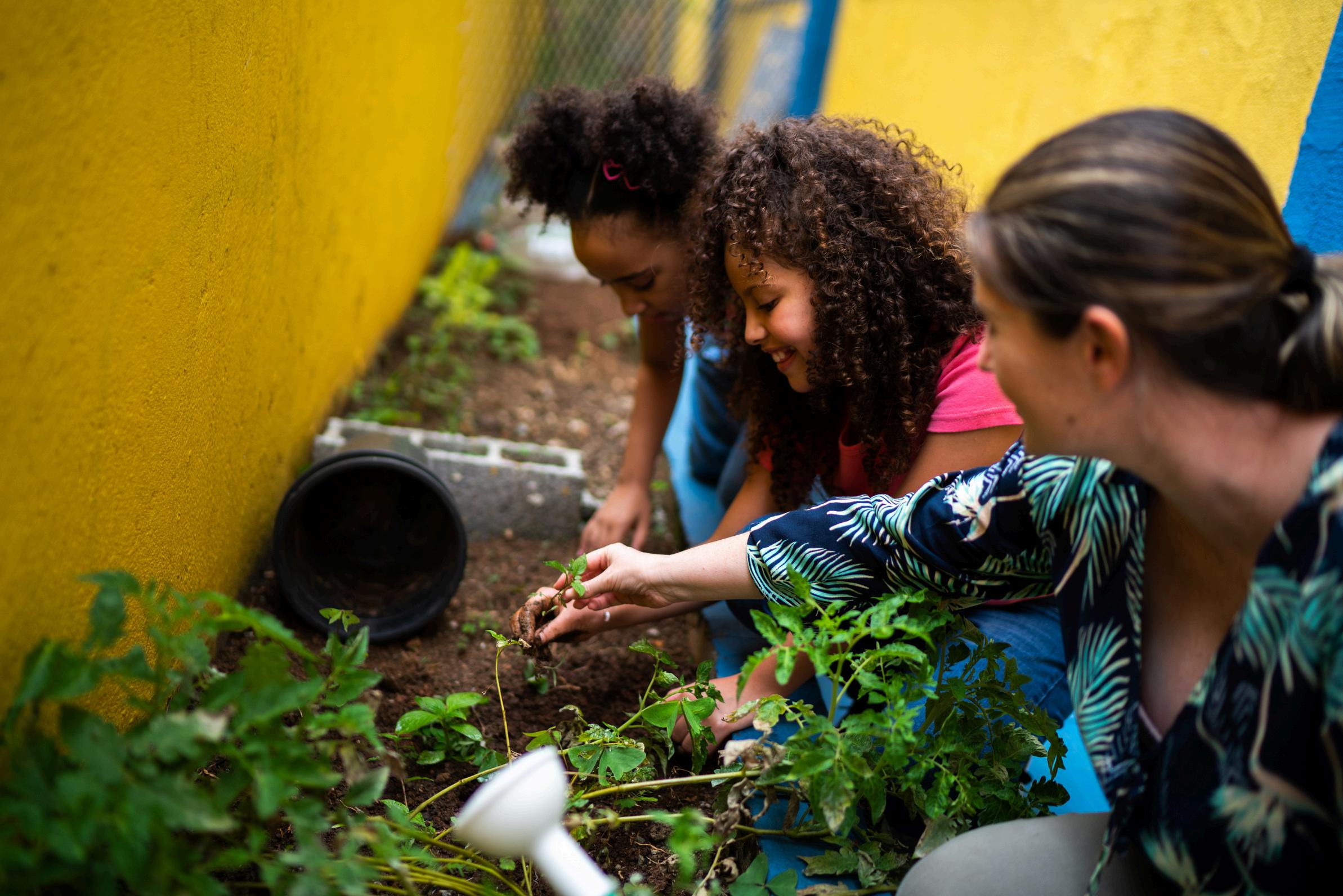
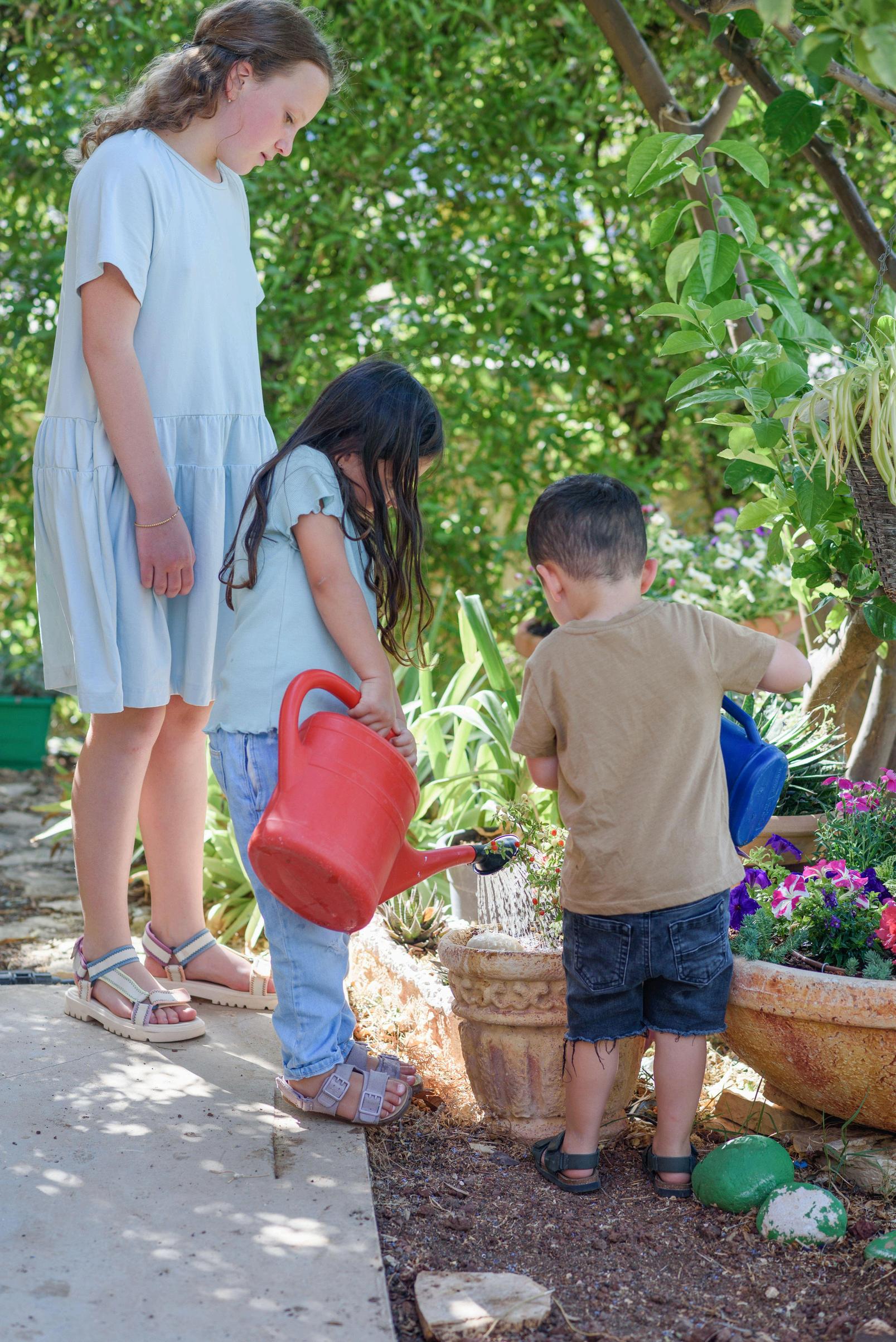
Spring is the perfect time to reignite our students' curiosity and creativity. For this first STEAM Corner, we were inspired by PreschoolSTEAM.com and its fun, engaging activities for preschoolers.
Of course, the ideas below and the implementation of STEAM in any classroom setting and learning environment should not be considered exclusively appropriate for preschoolers and early learners All learners can benefit from STEAM.
Science, Technology, Arts, and Mathematics are all an intrinsic part of our everyday human experience. Putting these subjects in separate corners of the room and separate categories of importance is not a reflection of the real world and is a detriment to our students.
Human ingenuity and progress, our physical world, and the world of concepts and ideas are the product of STEAM's combined efforts.

Every season lends itself to STEAM projects. How can Spring be a source of inspiration for STEAM activities?

STEAM in your classroom or tutoring session this spring:
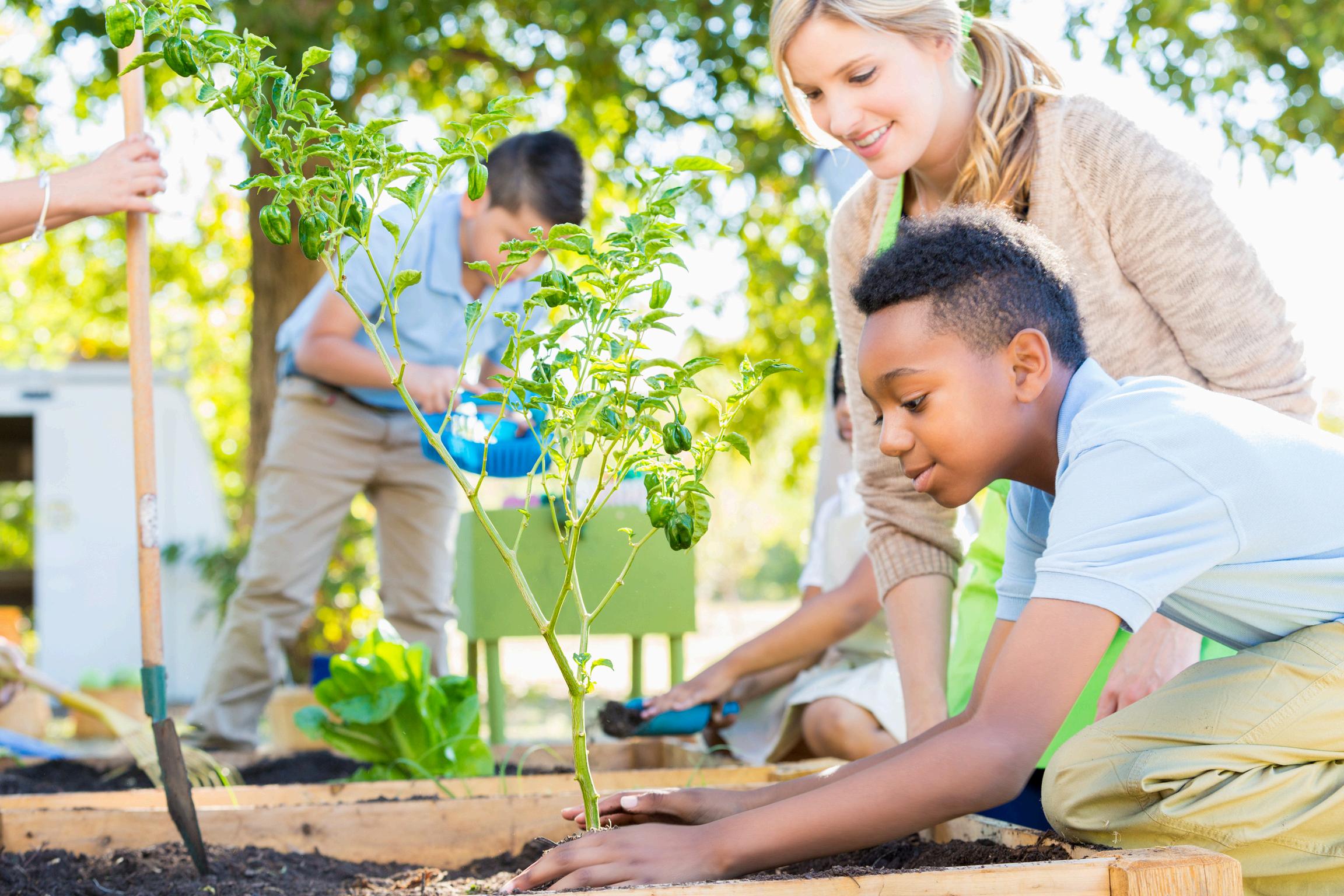
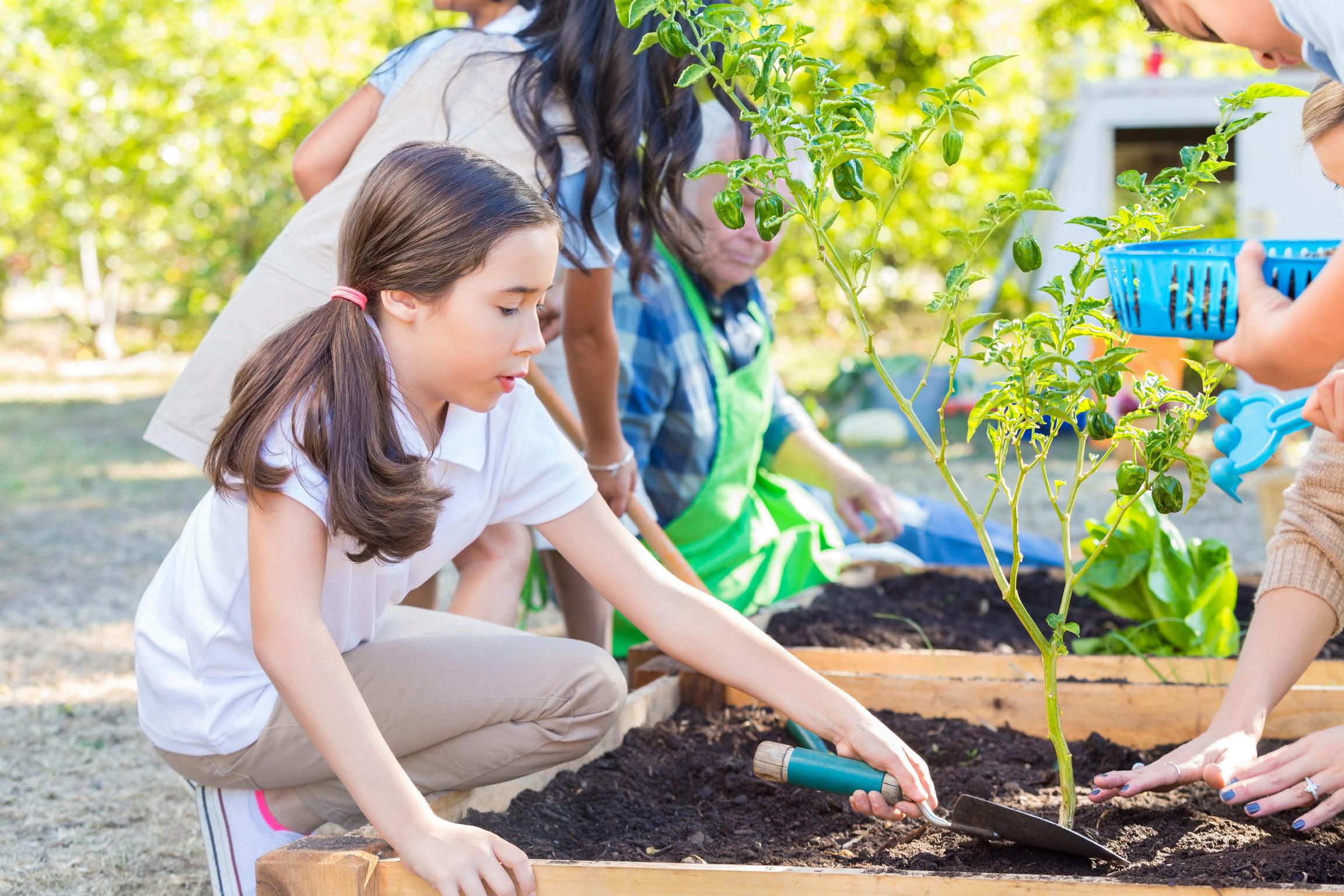
Look out the window, or better yet, step out of the classroom. Go out or bring nature in Help your students hone their powers of observation by picking a single element from nature to study: observe, record, and make predictions. Project: A diorama of our schoolyard, home garden, or a local park
Use the changes we observe in nature as a springboard to talk about change as a fact of life. Prepare a SEL lesson to explore life changes and how we can use them as opportunities to grow, mature, and develop resilience


How can the natural world, coming back to life again all around us, inspire creative stories that engage our imagination? Project: Collective writing project!

RecommendedBlogPostbyPreschoolSTEAM: “DiscovertheMagicofSpringSTEAMActivitiesforPreschoolers”
BY GABRIELA T IMAGES PROVIDED
BY
CANVA PHOTOPGRAPHY ASSETS
1. Create Cross-Disciplinary Projects
Design projects that blend multiple STEAM subjects, encouraging students to draw connections between the disciplines. For example, building a model bridge incorporates engineering, math calculations, physics concepts, and artistic design This approach fosters holistic learning and shows how these fields interrelate in real life.
Incorporate accessible technology such as tablets, coding apps, or 3D printers to enhance hands-on learning. These tools engage students actively, help them visualize abstract concepts, and develop digital literacy. For instance, coding simple games teaches logic and problem-solving while embracing creativity.
Don't overlook arts integration; creativity fuels innovation. Encourage students to use drawing, music, or storytelling to express scientific ideas or technical solutions This boosts engagement and allows varied learning styles to thrive, making STEAM inclusive for all learners.

Integrating STEAM into the classroom empowers students with critical thinking and creativity skills essential for the modern world.
Facilitate group work where students problem-solve together and present their solutions
Collaborative STEAM projects mirror real-world teamwork, helping students develop interpersonal skills, share ideas, and learn from peers
Anchor lessons in relevant, real-life challenges such as environmental issues or community needs. When students see the im t f STEAM fields on everyday soars and learning meaningful
Implementing STEAM doesn’t require a complete curriculum overhaul. Start small, adapt with what’s available, and focus on sparking curiosity and creativity.
With these tips, educators can nurture today confident problem solvers ready for the future!

BY GABRIELA T IMAGES PROVIDED BY CANVA PHOTOGRAPHY ASSETS
“Have enough courage to love one more time, and always one more time.” Maya Angelou
The Midyear reset comes with a mix of renewed energy and post-holiday rustiness We all know how routines can slide, and attention can slip after long breaks Now that the excitement of back-to-school has subsided, it is up to us, together with our students, to reset our minds, refocus, and regain our energy.
Decluttering the physical space is what “spring cleaning” is all about. It’s a tangible way to reset Resetting the room (after a long break) is also an invitation to assess the way we move, work, and interact with the space and with each other.
Coming back into our classrooms offers us an invaluable opportunity to look at things with rekindled love and from a new perspective. With a bird's eye view and an eye for detail, we should assess the placement, purpose, and condition of every area and material.
We should also assess with new eyes the effectiveness and potential of the shared classroom rules, procedures, and expectations Coming back after a long break is the perfect time for a creative classroom relaunch!

Involve your students in the reset process to foster a sense of agency, accountability, and ownership.
Start with connection before correction Coming together as a learning community after a long break starts with connection. You may need to restate the rules and protocols that were established and understood before going on break. The trusting relationship between teacher and students would benefit from a positive reset as well

We do not shy away from effective and timely correction, but we must meet our students where they are. Engaging in correction before connection may create additional hurdles to developing open communication and trust
We need to connect with our students to fully engage in respectful, productive, and safe behavior, and to gain their buy-in for the relaunch of a suportive and creative classroom.
Practical tips:
Hold a five-minute class “welcome circle.” (Yes! This is appropriate for all ages and grade levels)
Invite students to share one high and one low from break (Why not create a chart with the collective results?)
Revisit class goals through a short, fun group activity. (e.g: “I never ever...” game!)
“Wemayallbedifferentfish,butat thisschoolweswimtogether.” @weareteachers
As hinted above, a creative teacher can make rule review an engaging experience for everyone involved. The creative teacher models appropriate classroom behavior and serves as a guide, breaking down rules, protocols, and expectations Aware of the need for balance between structure and flexibility, the creative teacher provides explicit instruction for students who benefit from clear directions and visual cues, while avoiding a lecture format that reasserts classroom rules.
Give some (or a combination) of these ideas a try!
Practical tips:
Turn rules into memes or a miniposter design challenge
Host a class skit or “rule charades” session to act out scenarios
Use cooperative storytelling to reimagine classroom rules as part of “Our Classroom 30”
“Themindisnotavesseltobefilled butafiretobekindled.”

That brings us to the following key way to reset the room and relaunch classroom rules after a long break: empowering our students. We have to not only make it fresh but also meaningful. Let’s give them some stakes in the process, a sense of ownership.
As teachers, we want to find a creative way to align what we know to be essential rules for their safety, the development of their self-discipline, collaboration, good communication, and care for the materials with what they believe is fair. We can guide them in developing the basic principles of social behavior that will last a lifetime
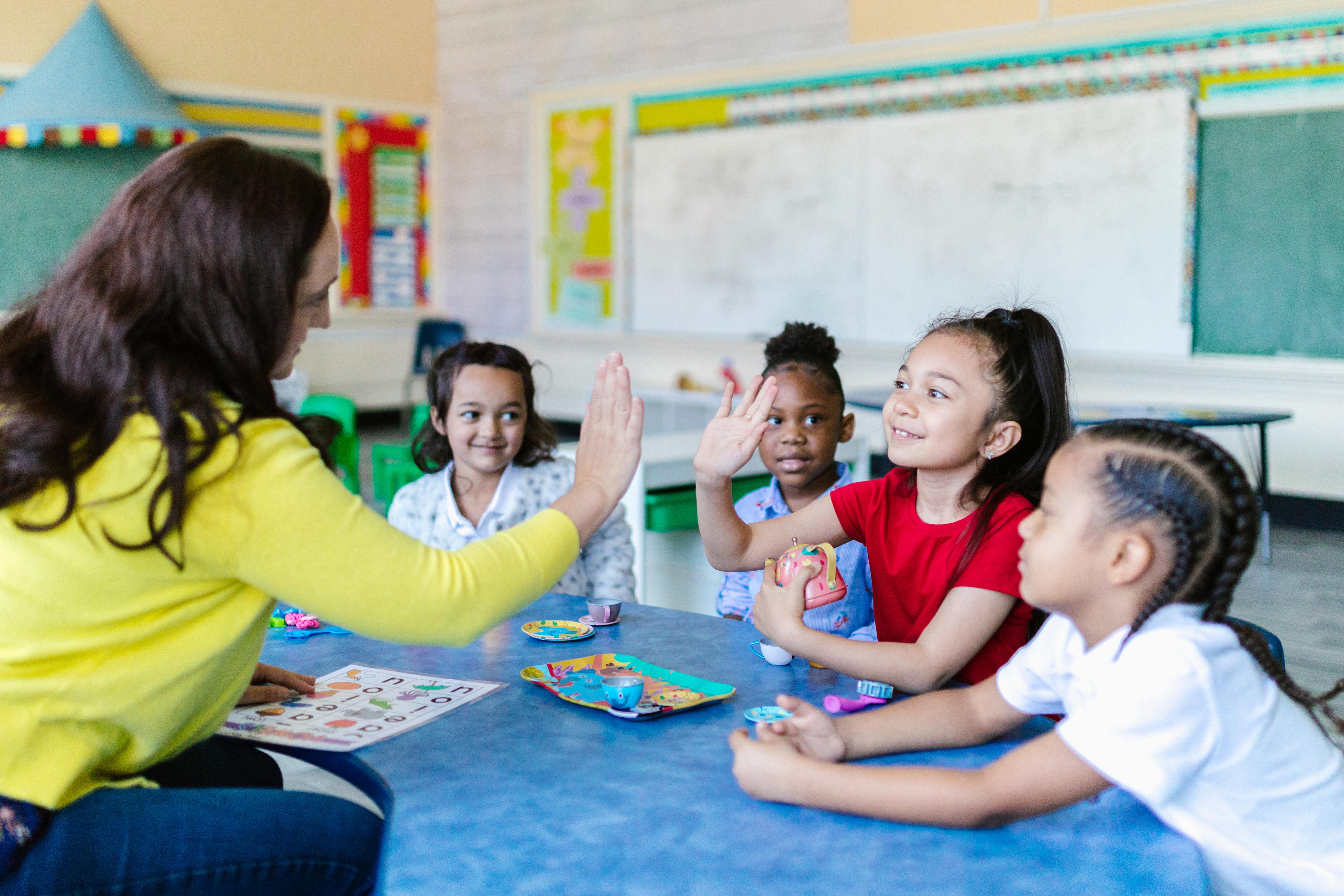
“Spoonfeedinginthelongrunteachesus nothingbuttheshapeofthespoon.”
E.M.Forster
Practical tips:
Invite students to reword or “translate” classroom expectations into kidfriendly language.
Use sticky notes or digital polls for anonymous feedback on what helps them focus or feel safe.
Provide a practical template for a quick “Class Constitution Reboot” poster
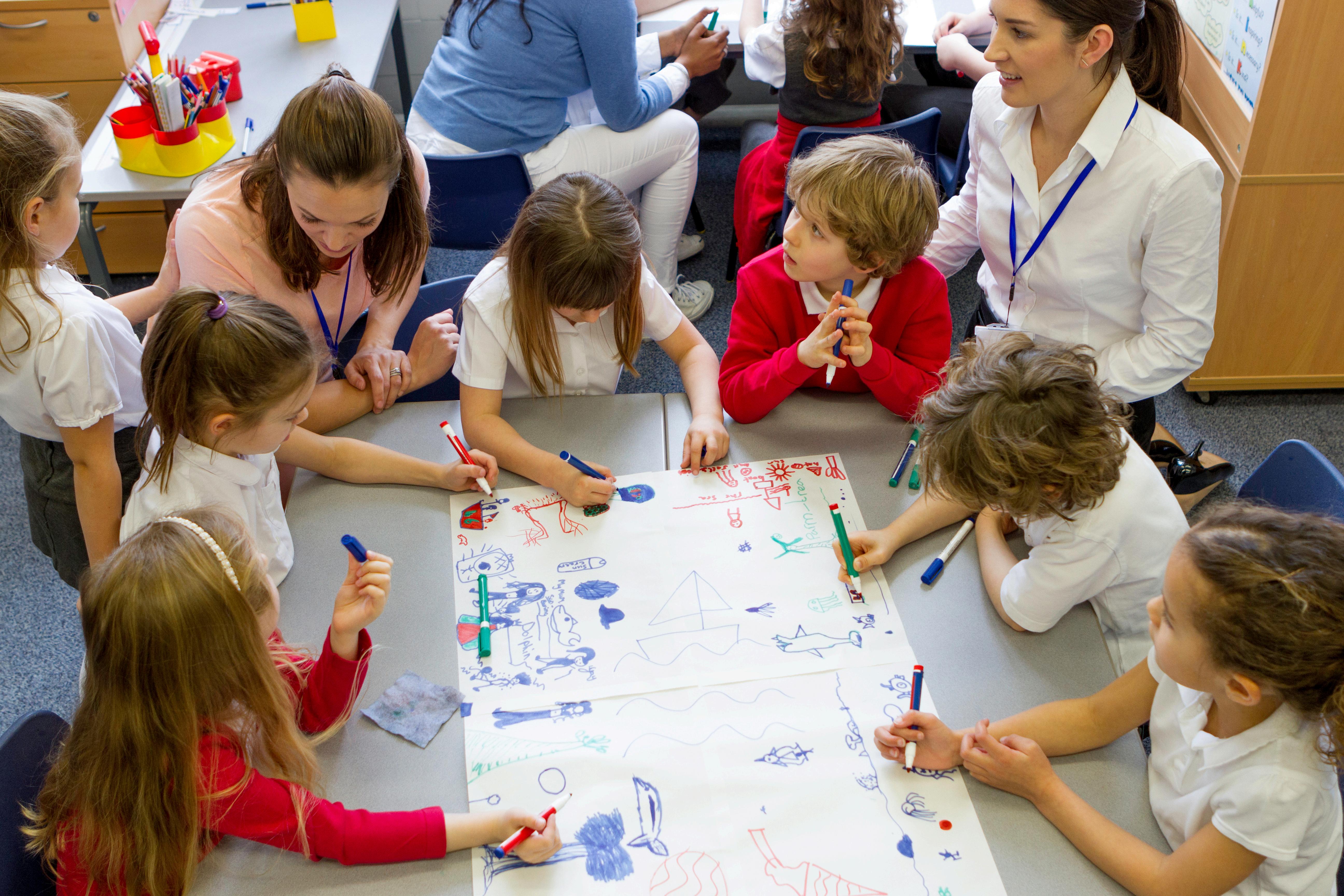
Sustain the reset As fun as it may be to relaunch our classroom rules with some (or all) of the creative ideas shared above, we have to make it sustainable We can help our students and ourselves to keep the momentum of a new semester going by setting ourselves small daily and weekly goals and bite-sized challenges Remember that everything we do in the classroom can impact a student’s life far beyond the time they spend with us.

Practical tips:
Easy-to-implement routines that reinforce positivity and order (“Spoon-full-of-sugar” clean up activity/song)
Desktop Checklist (handy for new students coming into your classroom midyear)
Daily “10-second check-in” greeting ritual.
Weekly “class wins” reflection
Visual rule reminders tied to SEL vocabulary
“Wearewhatwerepeatedlydo.Excellence
No matter the length of a school break, resets aren’t about control but renewal. The bottom line is this: we are all renewing our commitment to make our classroom community a space of creativity, discovery, sharing, and learning
As teachers and guides, we must remember and help our students understand that the classroom culture we are all a vital part of is a living thing, an active and changing space
Coming from a winter break, or a break of any length for that matter, we are different; we have grown and changed, too We must be open enough to see that and flexible enough to incorporate changes in perception, perspective, taste, and, dare we say it, hormones to create and cultivate a space that feels welcoming, friendly, safe, and ripe for knowledge, understanding, and growth.
We all deserve a second chance, and our classroom rules do too!

“Teachingkidstocountisfine,but teachingthemwhatcountsisbest.”
BobTalbert
BY GABRIELA T IMAGES PROVIDED BY CANVA PHOTOGRAPHY ASSETS
What would it feel like to make trust and joy the heartbeat of your classrooms again?
In the words of Brené Brown, “Connection is why we’re here; it gives purpose and meaning to our lives” Those words could not be truer for the dynamics of a creative and collaborative classroom
Our classrooms are made up of real people, humans with developing characters and blooming personalities. Connection is bound to break down at some point, especially during the more challenging times of the school year.
The awkwardness of reconnecting after a conflict can also put a damper on our efforts to create and cultivate positive interpersonal relationships and a joyful learning environment
Academic pressures, social media fatigue, and behavioral challenges erode trust and emotional safety. These modern stressors must be taken into account when we try to build bridges and strengthen trust with our students
No matter how “homogeneous” the demographics of our school or classroom might appear on the surface, we share time and space with students and fellow educators coming from diverse backgrounds, personal experiences, habits and values, points of view, emotional intelligence, personality traits, and temperaments.
Building trust with others requires consistency, perseverance, humility, empathy, and care. It requires giving trust first before we ask to receive it
“AteacherIknowstartedasamid-yearESLteacher Studentswerenervousabouttrusting someonenewandabouthowthischangewouldimpactschoolworkandgrades.This teacherquicklylearnedeveryone’snameandtailoredproject-basedactivitiestoeachgroup ofstudents.Indoingso,studentsfeltseenandheard.Trustbegantogrow.Byyear’send, therelationshiphadblossomed,andmostwereeagertotacklenewandchallengingtasks”
1.Start Small, Stay Real: Greet every student by name; acknowledge effort publicly, not perfection.
2.Repair after Rupture: Teach and model how to apologize and rebuild confidence after mistakes.
3 Restore, Don’t Punish: Use restorative circles or reflection sheets instead of simple verbal discipline.
4.Voice and Choice: Invite students to shape routines and activities.
5 Celebrate Progress Together: Weekly “gratitude moments” or shout-outs highlight trust in action

“They may forget what you said, but they will neverforgethowyoumadethemfeel.” MayaAngelou.
The Joy Factor in Learning Genuine joy boosts engagement, motivation, and community. Research on brain-based learning shows that students thrive when they feel seen and safe, and when they are allowed to move, explore, make connections, identify the purpose and meaning of their work, and gain and express joy.
We want our students (and ourselves) to have “fun” or be excited about learning, but fun is not the only goal; it is a means to an end.
Fun is neither achievable nor sustainable without joy. And what is joy? Joy is a feeling of great pleasure and happiness It’s the feeling of delight, jubilation, and triumph. The classroom (or learning environment) is ripe with opportunities to plant, grow, and reap joy.
To ignite joy at the heart of your classroom takes a little creativity, consistency, and surprisingly, less energy and effort than you might think. Everything you do with intention has the potential to grow and regenerate.
Keep reading for joyful daily habits you can incorporate into your classroom to fill your collective cup with joy.
Integrate micro-rituals: morning affirmations, laughter breaks, or “share one good thing” closers.
Embed creative expression and play across subjects.
Encourage co-creation of class traditions that make learning feel personal.
“Joydoesn’tsimplyhappentous.Wehaveto choosejoyandkeepchoosingiteveryday” HenriNouwen.
Rebuilding trust and joy takes a mindset shift Trust and joy can become the heartbeat of the classroom again and again, but this requires intention; it must become part of classroom culture. Every member of the learning community has the responsibility to maintain and uphold the classroom culture, and communicate ideas or concerns respectfully through both words and actions
You know what happens in the classroom has a ripple effect on all aspects of teachers' and students' lives.
You have the power to model and support the development of tactics and habits that foster healthy, positive human relationships grounded in collaboration, empathy, clear communication, and conflict resolution
Renewed relationships impact learning and well-being And isn’t the ultimate goal of education to equip every student with a love of learning and the knowledge and emotional intelligence they will need to embrace life and build a better future?
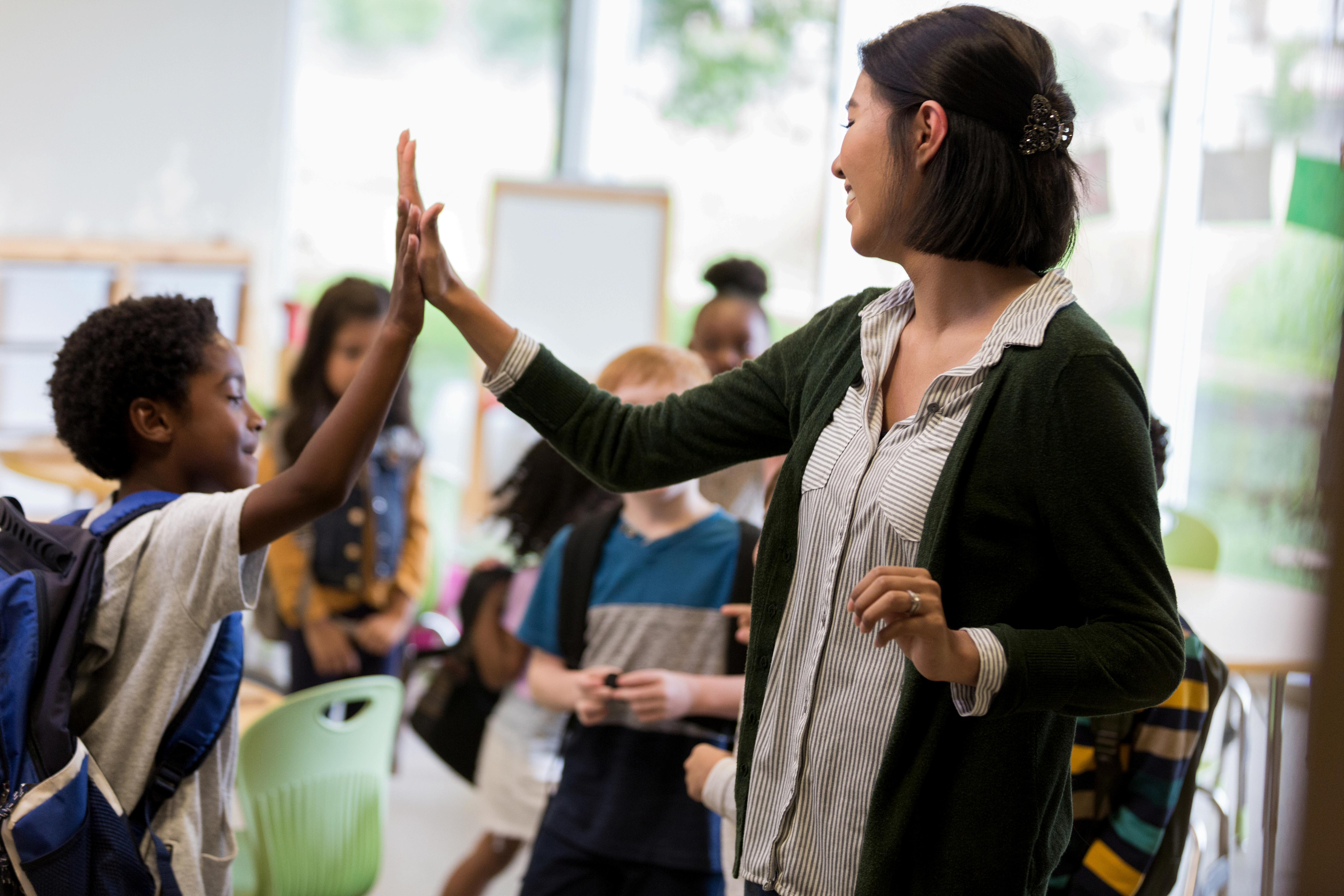
Every moment of trust rebuilt and of joy shared reshapes what’s possible, for our students, and for us.
BY GABRIELA T. IMAGES PROVIDED BY CANVA PHOTOGRAPHY ASSETS
What do you do when the kids step out of the classroom, and you have a few minutes to yourself before the next class period or tutoring session begins? Are 5 minutes enough to recharge and rekindle your creativity?
Trigger your senses, shift your mood, and stimulate your creativity by spraying some essential oil around you (you may also use an oil roller on your wrists and the back of your neck). Try a soothing scent, such as lavender, or an energizing one, like peppermint Why not brew yourself a cup of tea? Our favorite blend combines chamomile, honey, and vanilla Again, try peppermint or a citrus blend to add a little zest to your day

Incorporate some gentle physical activity into your breaks: hallway walks, shoulder rolls, simple stretches, or a quick desk dance. If the weather permits, why not go for a 5-minute power walk around the school grounds? Motion refreshes mental flow and perspective It’s good for your students, and it's good for you!
Doodle for two minutes, jot a haiku about your morning, or rearrange your desk’s visual space Sit down at one of your students’ desks or workspaces and look around What do they see from their perspective? Should displays be rearranged to improve visibility, or should items be removed to reduce distractions? Small playful acts can reset cognitive flexibility.
Engage in a quick, positive exchange with a fellow teacher or staff member, give someone a meaningful compliment, share a laugh, or send a text of gratitude to a colleague Micro-connections restore empathy and collective energy Opportunities for creativity and collaboration can come from informal conversations. Small acts of kindness and daily doses of support built community.

Extra: We can not deny the pull of social media. 5 minutes of scrolling might have become the default way to take a break from reality, but that’s not what we want, or what we are advocating here 5-minute reboots are not meant to “disconnect” but reconnect. We can use our time on social media with purpose, though We can do this by setting ourselves a challenge: we won’t scroll past the first 1-3 posts; we’ll pick one and come up with a quick project based on what we find. Put limits on yourself, what you consume, and what you do with it, and those limitations will challenge your creativity!
5. Curate a "Reboot Kit”
Designate a space, drawer, box, or pouch for small objects or tools that evoke calm and curiosity. A few items in our “reboot kit” are a stress ball, honey-lemon candy, sandalwood essential oil, a devotional for teachers, mini markers shaped like ice cream, a sticker collection, and a plushie cat
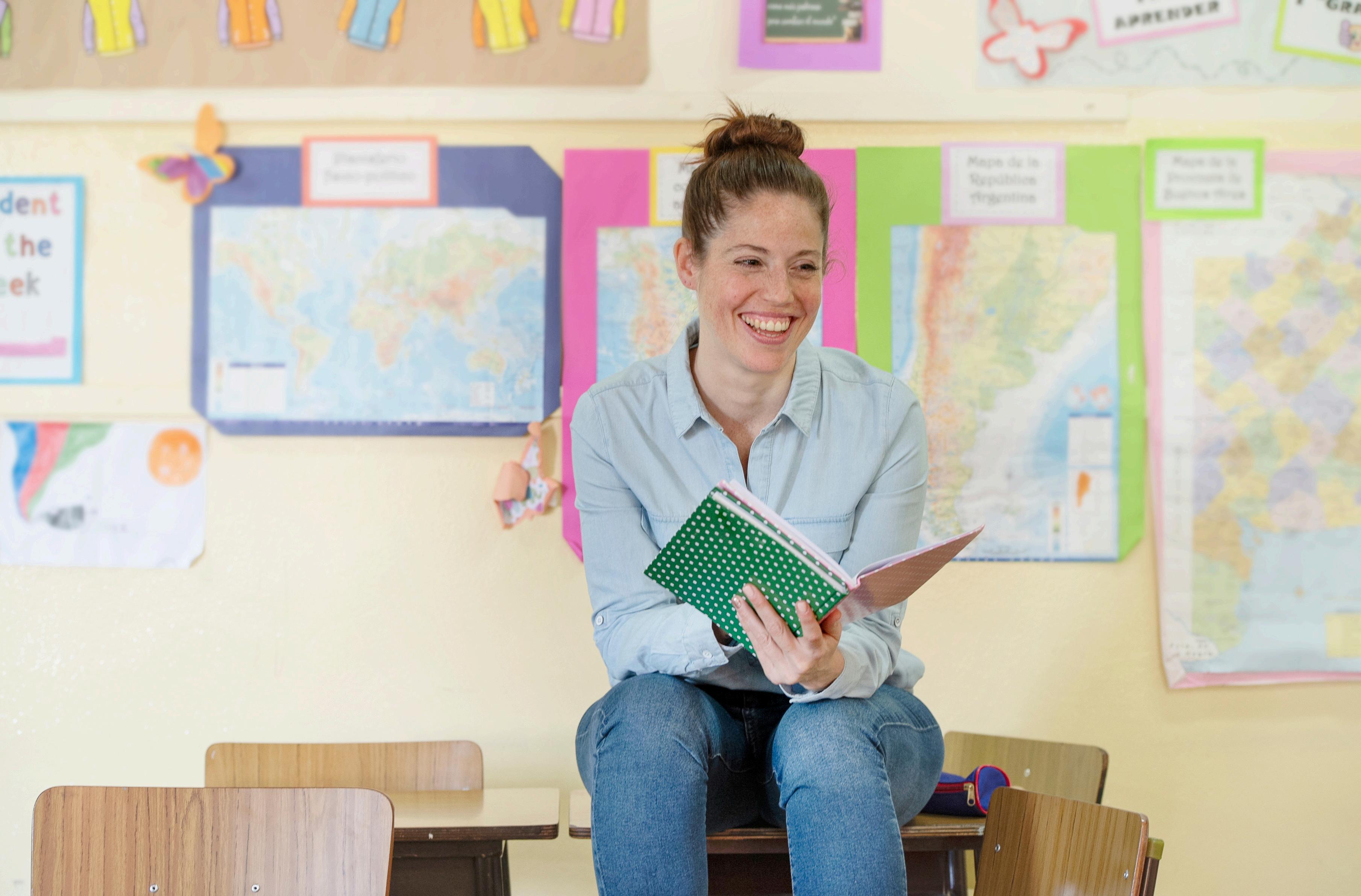
“Transitions are the heartbeat of our day,” says Marisol Chen, a fifthgrade teacher in Houston. “When they’re intentional, they keep everything else steady, the energy, the mood, even how connected students feel”
BY GABRIELA T | IMAGES PROVIDED BY CANVA PHOTOGRAPHY ASSETS
The bell rings, and twenty-five students shift restlessly in their seats as one activity winds down and another begins.
Voices rise, papers shuffle, pencils roll to the floor, and a familiar, fleeting chaos fills the room For many teachers, these in-between moments feel like lost time.
But what if they’re actually the key to more purposeful learning and calmer days?
Transitions, though often overlooked, are the rhythm that binds the school day together. They’re the five-minute resets between lessons, the morning greetings at the door, the pause before dismissal.
When used intentionally, these moments can reinforce relationships, restore focus, and sustain a teaching flow that feels less rushed and more rooted in awareness
Research shows that up to 15% of instructional time can be lost to disorganized transitions, time that could otherwise deepen engagement or build a positive climate But transitions affect more than just minutes. They shape students’ emotional readiness
Predictable, well-practiced routines reduce anxiety, support attention, and cultivate a sense of safety.
“When students know what’s coming next, it lowers the cognitive load,” explains Dr Linh Perez, an instructional coach who trains teachers in socialemotional learning (SEL) practices. “They can focus on learning instead of wondering what’s expected of them.”
Even skilled educators fall into what Ms. Marisol Chen calls “the swirl”, those moments when unclear instructions or unstructured downtime spark restlessness Inconsistent cues can confuse students, and transitions without closure can leave lessons emotionally dangling.
Common challenges include: Moving too quickly without preparing students for the shift. Using the same cue for all transitions can lose its power. Providing unstructured “wait time” that drifts into off-task behavior.
Often, these struggles stem from a deeper rhythm issue, in which momentum is governed by the clock rather than the natural flow of attention and energy.
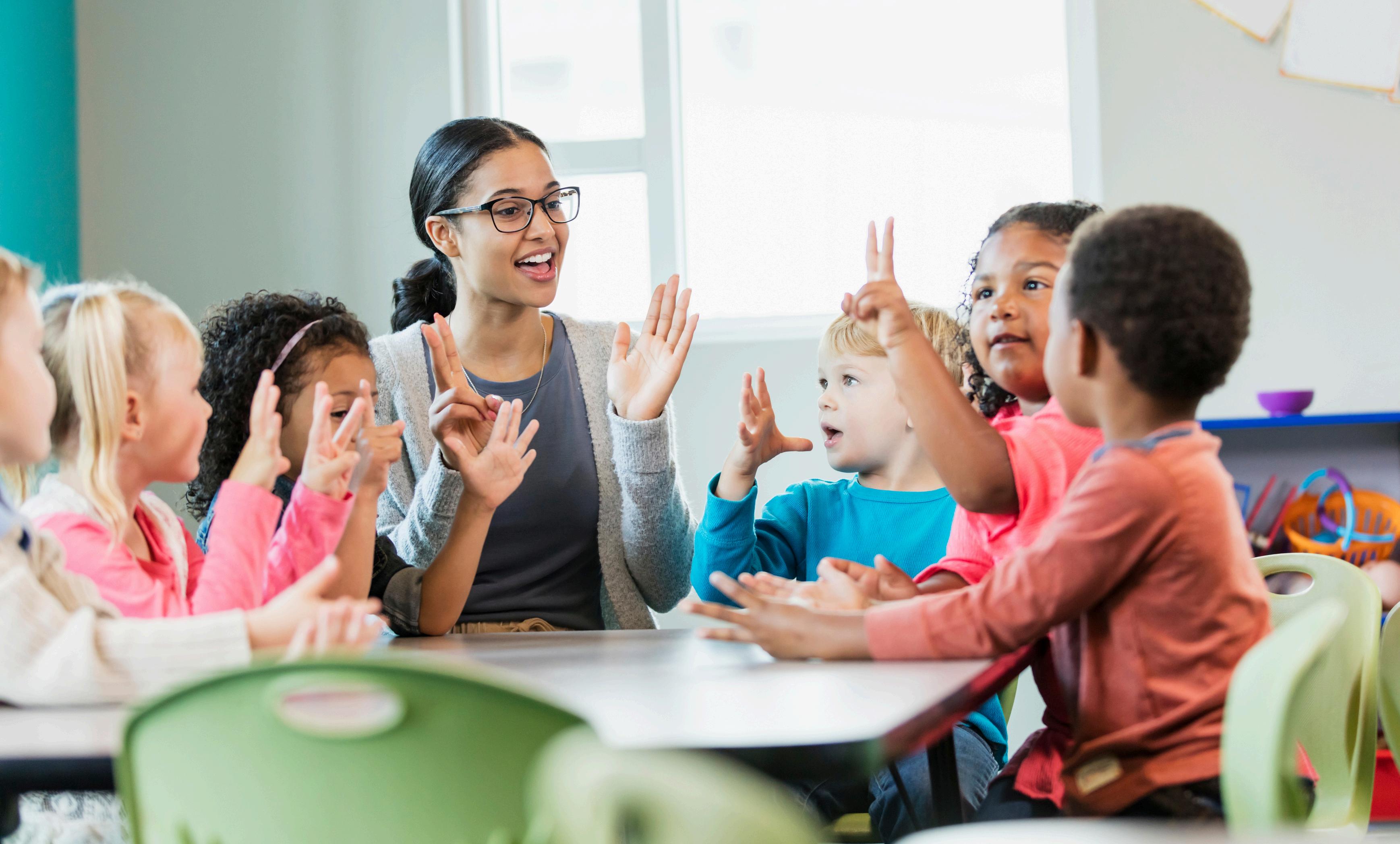
Intentional transitions transform “lost” minutes into meaningful anchors. Many teachers craft micro-routines: small, repeatable actions that signal closure or readiness to begin
Some play instrumental music, others dim the lights, or display a “Reset” slide with a calming image.
Simple, consistent cues help students self-regulate. “My students know when they hear the first ten seconds of a ukulele tune, it’s time to pack up and reflect,” says Chen. “I don’t have to talk over them; the cue does the work”
Practical ideas include:
Visual anchors: Post a daily schedule with transition cues.
Mindful pauses: Incorporate 30second breathing or “stretch resets.”
Collaborative routines: Co-create expectations with students and revisit them weekly.
Purpose cues: Label transitions by purpose (“Reflect,” “Refocus,” “Connect”) to set tone. These rituals aren’t about control; they’re about co-creating flow.
Transitions can also nurture community. Between lessons, a teacher might greet students individually, offer a gratitude question, or host a 60-second “chat circle” Such micro-interactions accumulate into a strong rapport.
“Those in-between moments are where relationships live,” says Andre Lewis, a middle school math teacher. “I learn more about what’s going on with my students in a two-minute hallway check-in than I sometimes do in class discussions”
When teachers see transitions not as interruptions but invitations to connect, classroom culture shifts toward belonging.
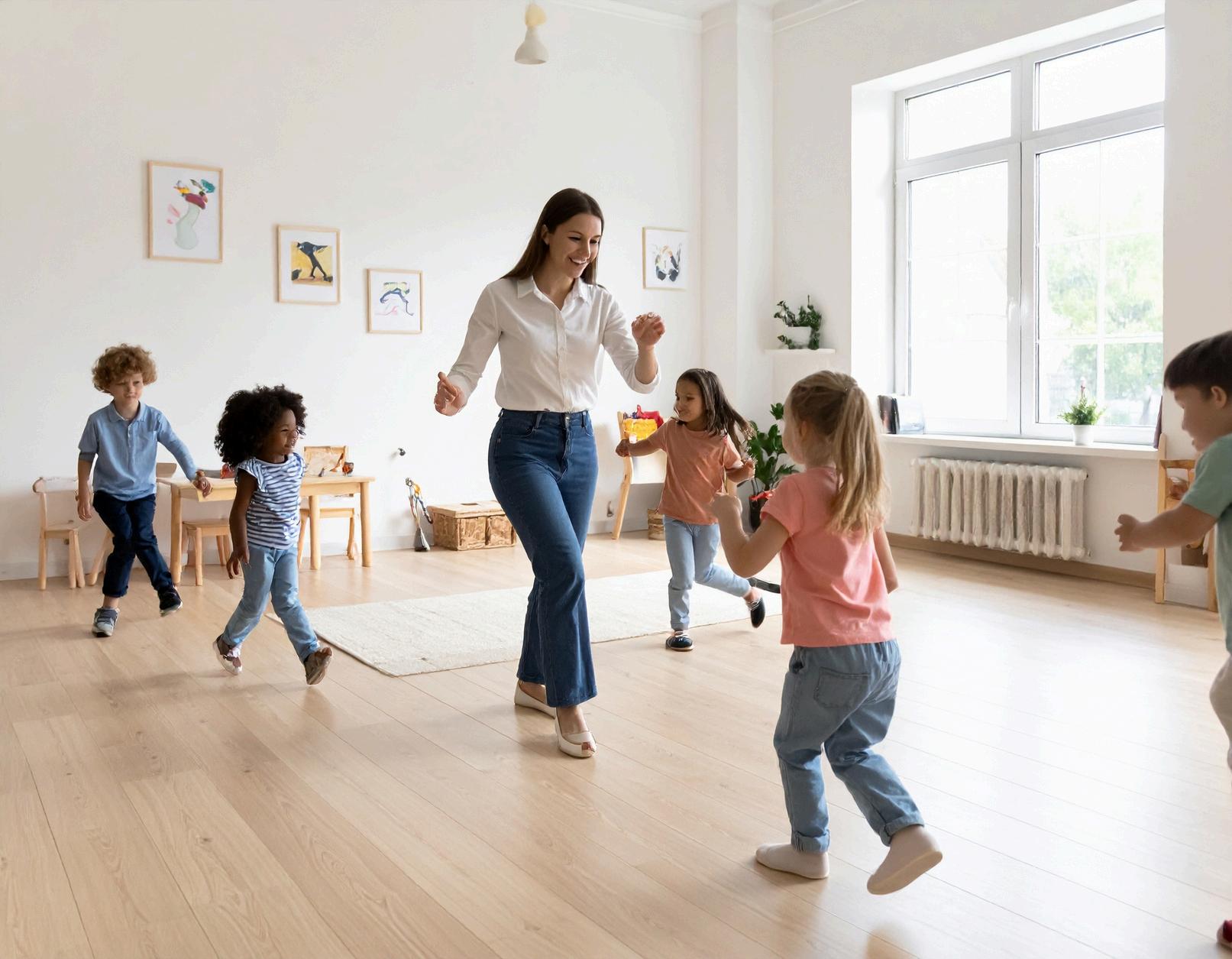
Intentional transitions don’t stop at the classroom door. Hallway movement, arrival routines, and even lunch lines shape a school’s energy. Schools that align these systems across grade levels create smoother, calmer learning environments.
Administrators can support this by modeling consistent cues, scheduling buffer time between periods, and training staff to view transitions as instructional opportunities rather than logistical necessities.
Intentional transitions aren’t about adding more structure; they’re about aligning energy with purpose They help teachers and students move through the day as partners in rhythm, not competitors against time.
“Our classrooms don’t have to be a series of stops and starts,” says Perez “They can be one continuous movement, full of attention, grace, and intention.”
In the end, teaching “in the flow” means honoring every moment, even the ones in between Because the way we move from one thing to the next often determines how deeply we experience what comes after
Teachers can refine their transition practice through reflection: Track how long transitions actually take versus the intended time. Note student engagement before and after each shift
Ask students how they feel during transitions or what helps them feel ready.
Why not set up a professional learning community in your school? PLCs can share data, celebrate creative ideas, and swap strategies. Collective reflection strengthens consistency, eases teacher stress, and builds relationships.
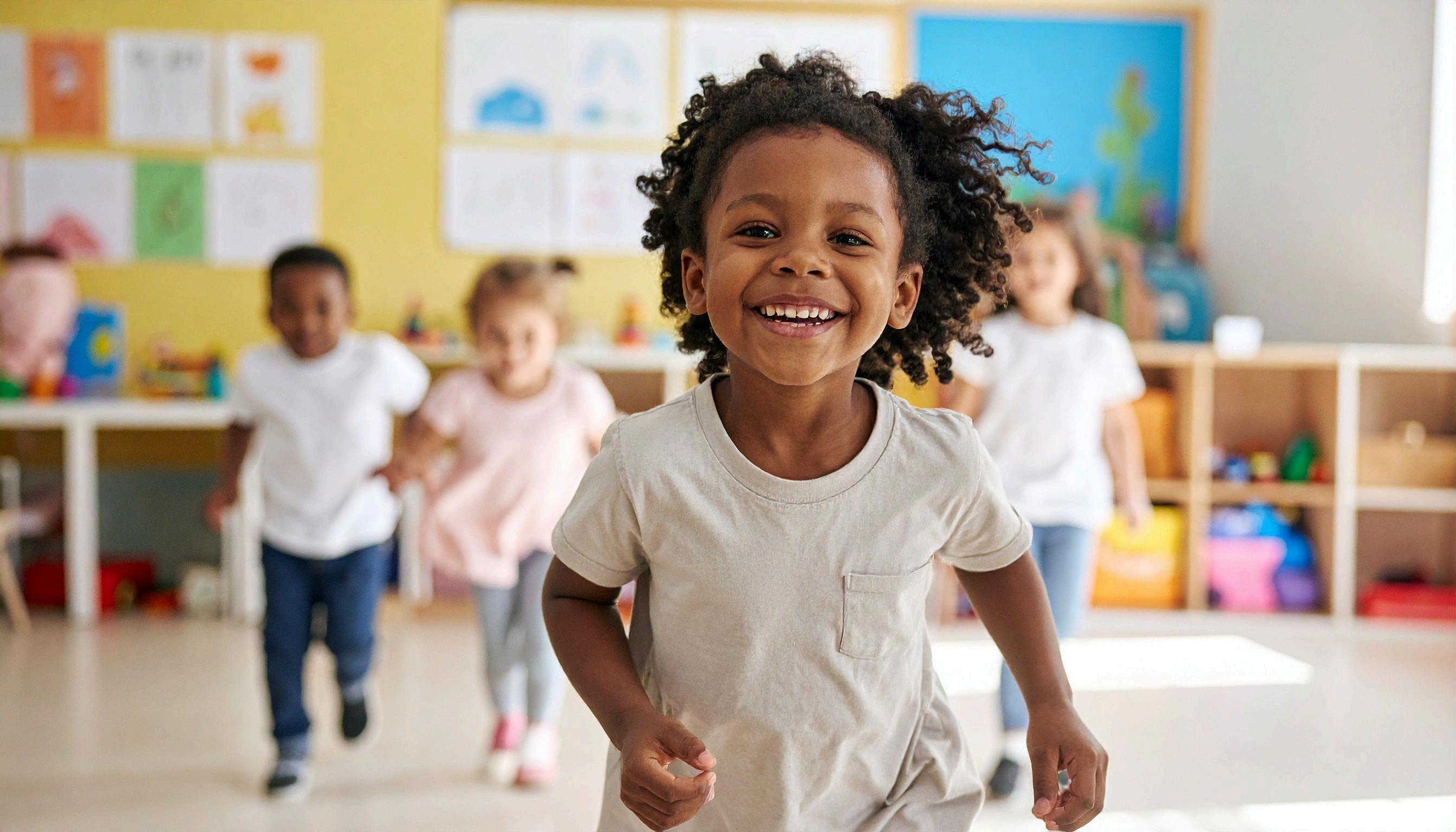
BY GABRIELA T
IMAGES PROVIDED BY CANVA PHOTOGRAPHY ASSETS
How small shifts in questioning can transform classroom dialogue from surface-level to deep, authentic learning.

Picture this relatable classroom scene: the teacher asks a question, students offer short answers, and the discussion fizzles out. You start the day excited about the topic and its potential for exploration and meaningful discussion, but your students respond with little to no engagement.
This scenario is frustrating to say the least; it can take the wind out of your creative sails. But often, educators are just one well-crafted question away from unlocking students’ curiosity and critical thinking.
It’s not always the topic of discussion or our enthusiasm; it's about the questions. Questioning strategies form the bridge between participation and deep cognitive engagement
Common classroom discussion pitfalls include rote or mechanical answers, excessive reliance on a teacher-dominated approach, and predictable responses.
Additionally, research in Cognitive Science indicates that students default to “safe” or shallow contributions. This is a common hurdle in the early stages of learning or being introduced to a new topic.
Though our students may commit isolated facts to memory without understanding how they relate to one another, or memorize the conclusion to a discussion topic without understanding the reasons behind it, they are engaging in a type of knowledge that is “shallow” because it lacks connection
Shallow knowledge should only be a phase toward deeper knowledge.

When was the last time your students surprised you in a discussion? What was the topic being discussed, and what was it that particularly sparked their interest and curiosity? Is there a project that could spring from the discussion, their questions, and followup comments?
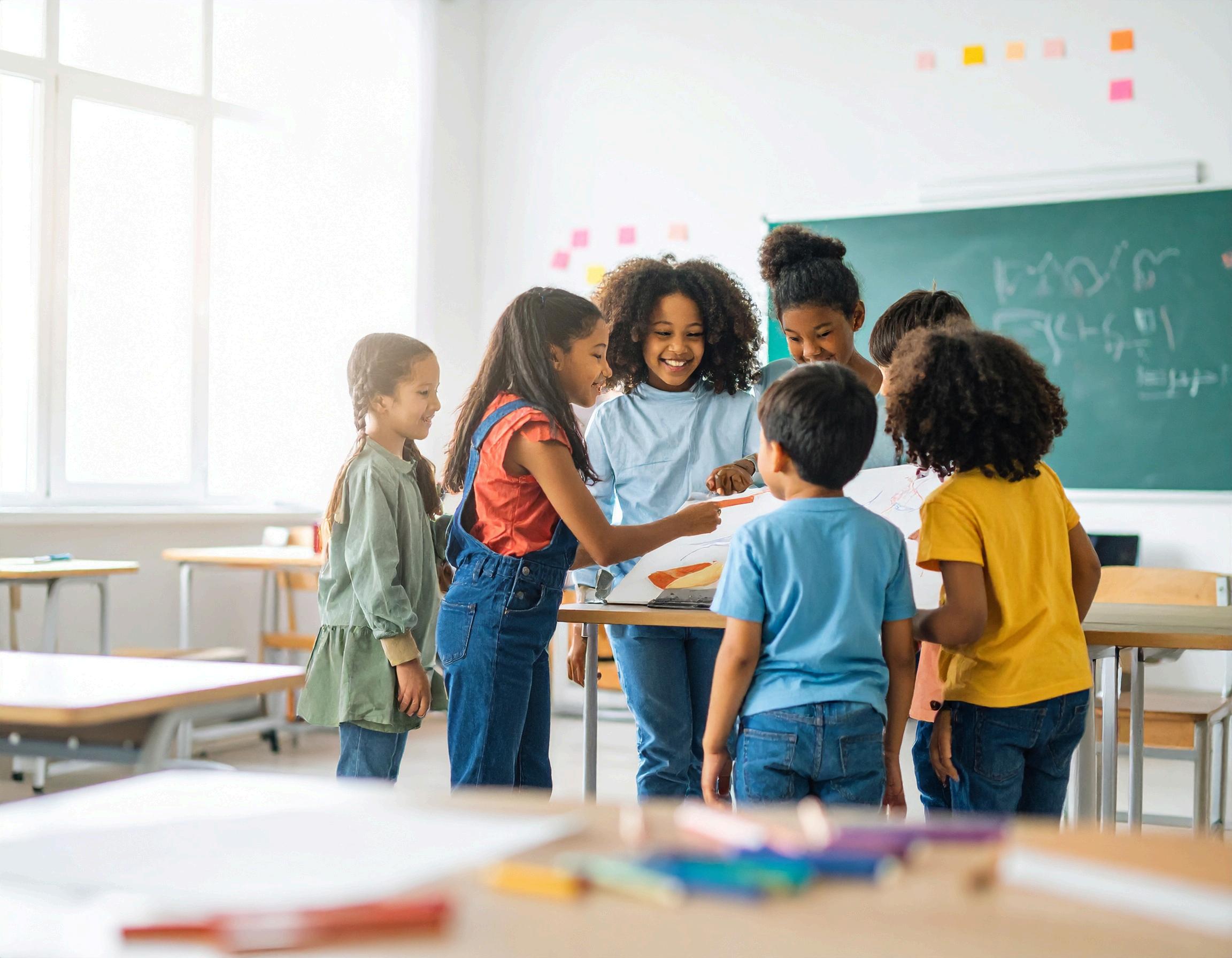
When we provide the tools, the guidance, and the trust, our students will feel empowered to dig deeper
As a creative educator, you know not all questions are created equal You want to sow deep-thinking questions into your lessons: openended, layered, transferable Instead of asking, “What happened in the story?” (surface question), you want to aim for “Why might the author have chosen to end the story this way?” (deep question) Remember, even small tweaks can redirect thinking
As you plan your lessons, keep a question log handy. Jot down all questions that come up for you, and from the point of view of your students. Years of experience can sometimes make it harder to maintain a beginner’s mindset But if we are willing to do it and model it to our students, we’ll be planting seeds of confidence that will help them break free from their reliance on memorizing facts and default to shallow responses. Keep reading for effective strategies to implement deep thinking with intention.

1. The “Why-Because” Technique: Pushing for reasoning after first responses
2. The Layered Question: Building on student responses with a follow-up that adds complexity.
3 Thinking-Aloud Modeling: Demonstrating curiosity and uncertainty.
4. Wait Time 2.0: Using silence strategically to promote reflection, not discomfort.
5 Student-to-Student Questions: Empowering learners to drive the discussion
Sentence starters for deeper questions. Explore personal values and feelings, perspectives, motivations, and "what if” scenarios.
Reflection cues for students. These are often referred to as the “What? So What? Now What?” Model for critical reflection. With younger students we love to activate background knowledge, generate questions, agency, comprehension, engagement, and curiosity through the use of the KWL metacognitive tool. Digital platforms or protocols that support inquiry: Moodle
Padlet
Nearpod Kahoot!

Deep thinking grows from curiosity, not control. As creative educators, we provide scaffolding, set up opportunities, and offer a little challenge to limiting beliefs and self-expectations We spark their curiosity with questions and give them the tools to build confidence and assertiveness. We no longer carry the conversation; we curate it.
Better questions have the power to generate deeper thinking, and deeper thinking will generate better discussions, engaging, meaningful, and fun, for your students and for yourself.
Try rephrasing just one question this week, and notice what changes.
What has been your most engaging question or discussion topic so far this year?
Send your correspondence to tutoristamag@gmailcom


BY GABRIELA T. | IMAGES PROVIDED BY CANVA PHOTOGRAPHY ASSETS
“Whenstudentstacklereal-worldproblems,theydevelopcriticalthinkingskills,
strengthenproblem-solvingabilities,andenhancecollaboration.”
Project-based learning is revolutionizing the way families approach homeschooling by placing students at the center of their educational journey. Instead of passively consuming textbooks and completing worksheets, learners actively engage with meaningful, real-world challenges that spark curiosity and foster genuine understanding
At its core, project-based learning invites students to dive deeply into topics they find
compelling, guided by driving questions such as "How can we design a sustainable garden?" or "What solutions exist to reduce plastic waste?" This approach differs fundamentally from traditional instruction, as children direct their own learning path while parents serve as mentors and resource providers rather than lecturers
The benefits extend far beyond academic achievement
Research reveals that project-based learning significantly outperforms traditional curricula across all grade levels and socioeconomic backgrounds. When students tackle real-world problems, they develop critical thinking skills, strengthen problem-solving abilities, and enhance collaboration precisely the competencies employers and universities value most Moreover, studies show improved outcomes in time management (82%), problemsolving (78%), and communication (75%). Students retain up to 90 percent of what they teach others or apply immediately, making hands-on projects infinitely more effective than memorization

Project-based learning at home doesn't have to be complicated Start with everyday problems to ignite creative solutions that might help the whole family!
Start by identifying your child's natural interests whether science, art, or entrepreneurship and design projects accordingly. A weather station project teaches mathematics and environmental science. A family history investigation strengthens writing and research skills. The key is setting clear educational goals while maintaining flexibility and allowing children to choose project topics and formats.
Successful implementation combines resources wisely Incorporate physical materials, books, and science kits alongside digital tools and educational videos to accommodate different learning styles


Encourage your child to conduct research, test ideas, build prototypes, and present findings to family or peers each step deepens understanding and builds confidence.

The transformation is profound: passive learners become curious problem-solvers, memorization gives way to deep comprehension, as children discover that learning connects meaningfully to their lives.
When families embrace projectbased homeschooling, they unlock a powerful educational approach where curiosity drives achievement and real-world relevance makes learning unforgettable.
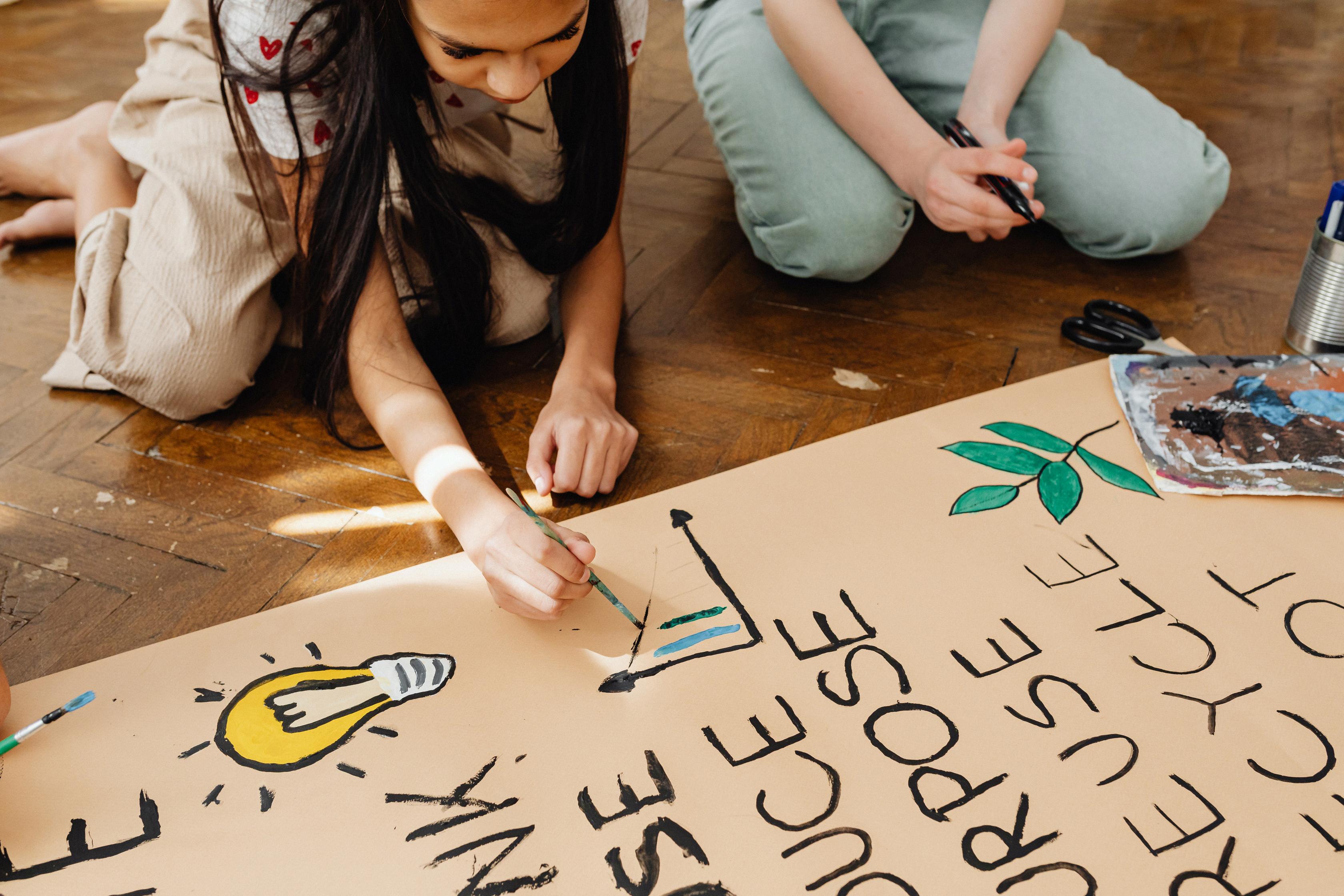
Keywords: Inquiry, collaboration, critical thinking, problem-solving, communication skills

I n t h e t o o l b o x 1 2 3 4 5
None


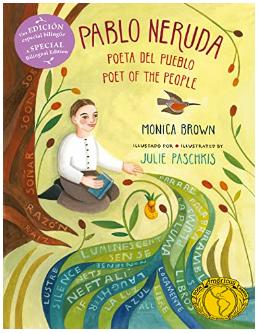
April is Poetry Month! Celebrate and inspire young writers and aspiring poets by learning about the life of Pablo Neruda, a key figure of Latin American and Hispanic Literature.

Let's count ducks! Encourage young learners to use their hands, make it interactive with finger or stick puppets, and sing along. This little board book includes the sheet music!

Spring is a time for change, but the beauty of the season can be easily missed This book encourages readers to look up from their devices, and appreciate the world around them; nature and people
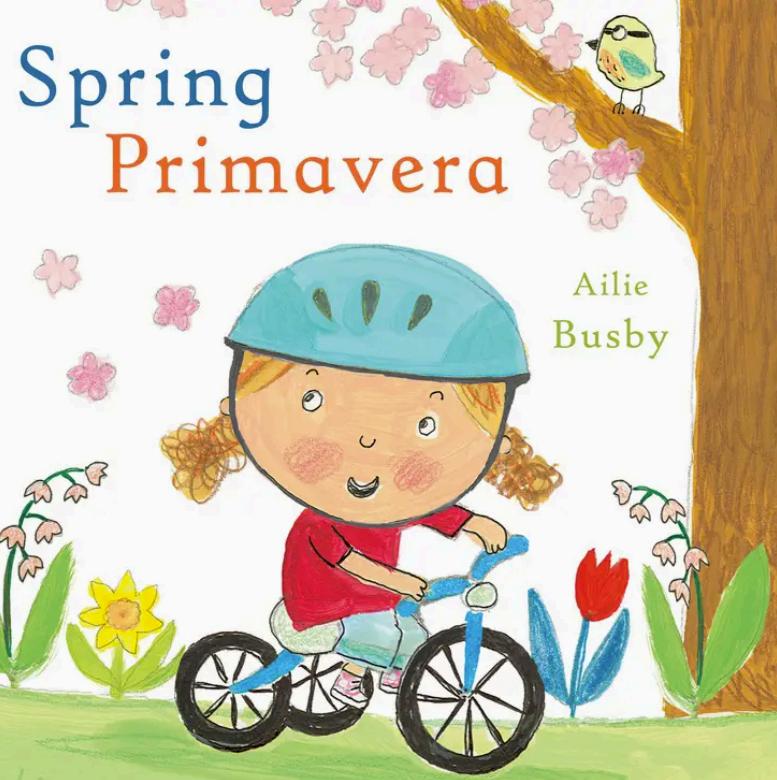
A simple and colorful bilingual book to introduce young learners to the season's vocabulary. Perfect to inspire Preschool STEAM projects!
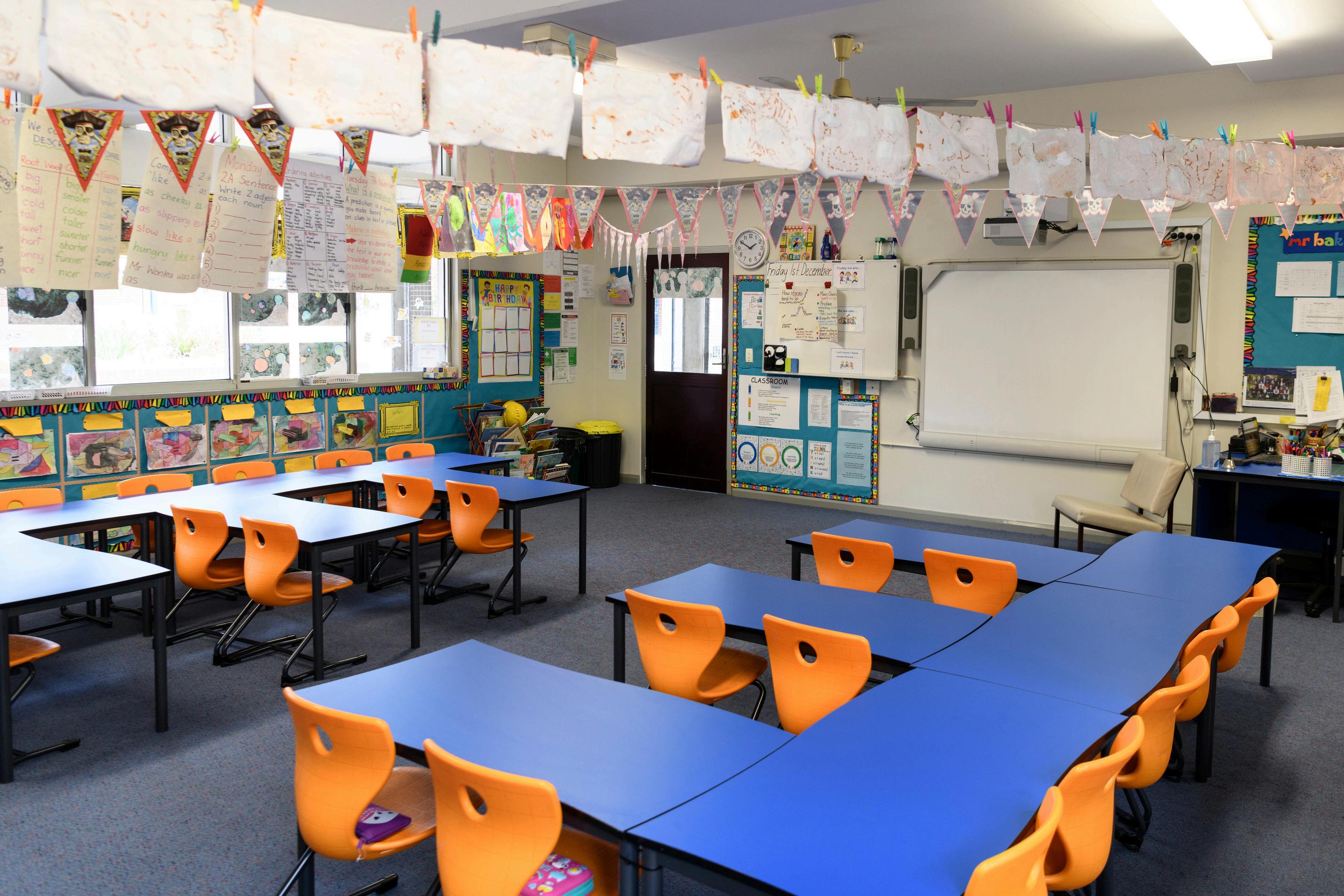
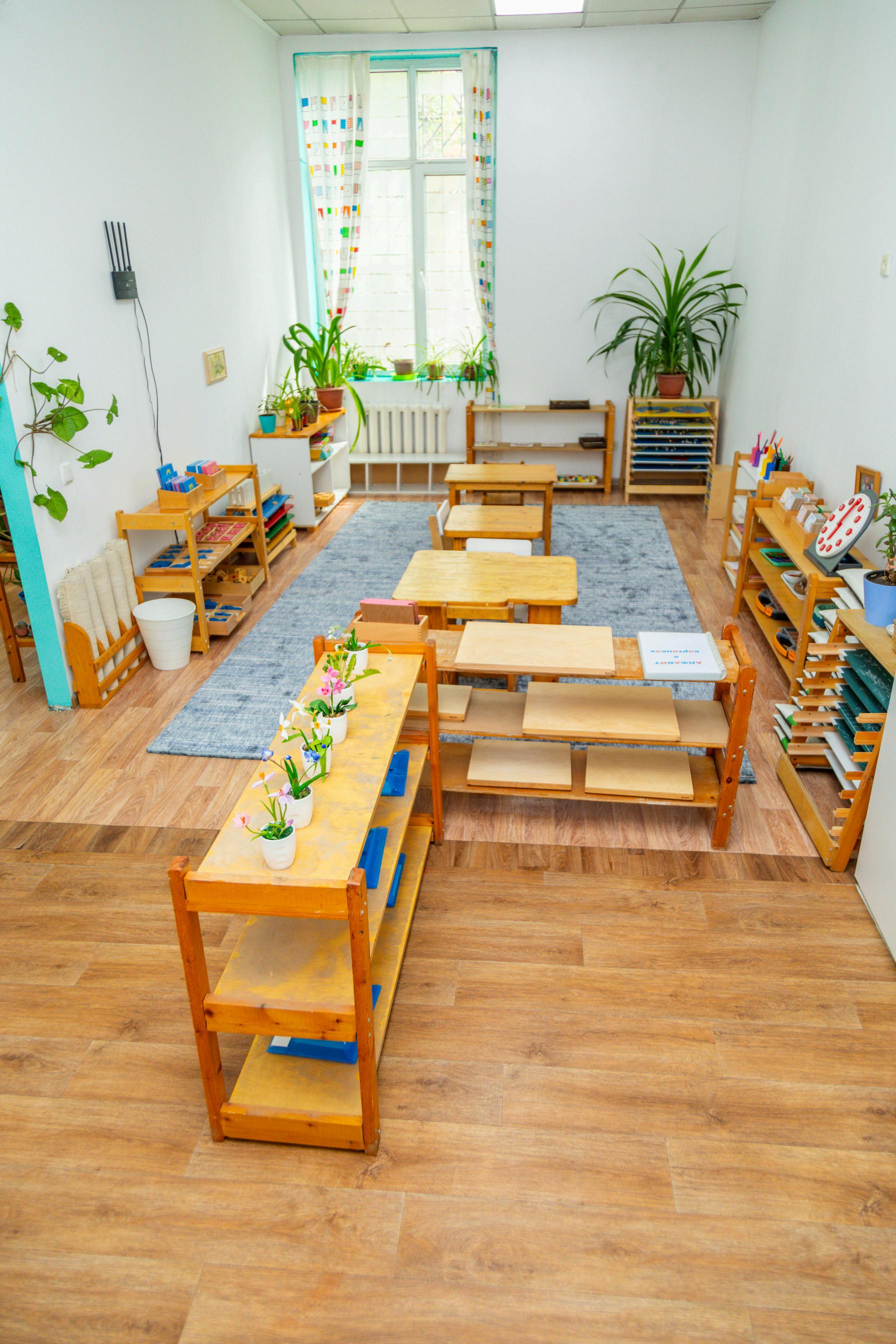
Send us pics of your classroom, tutoring space, or homeschooling space!
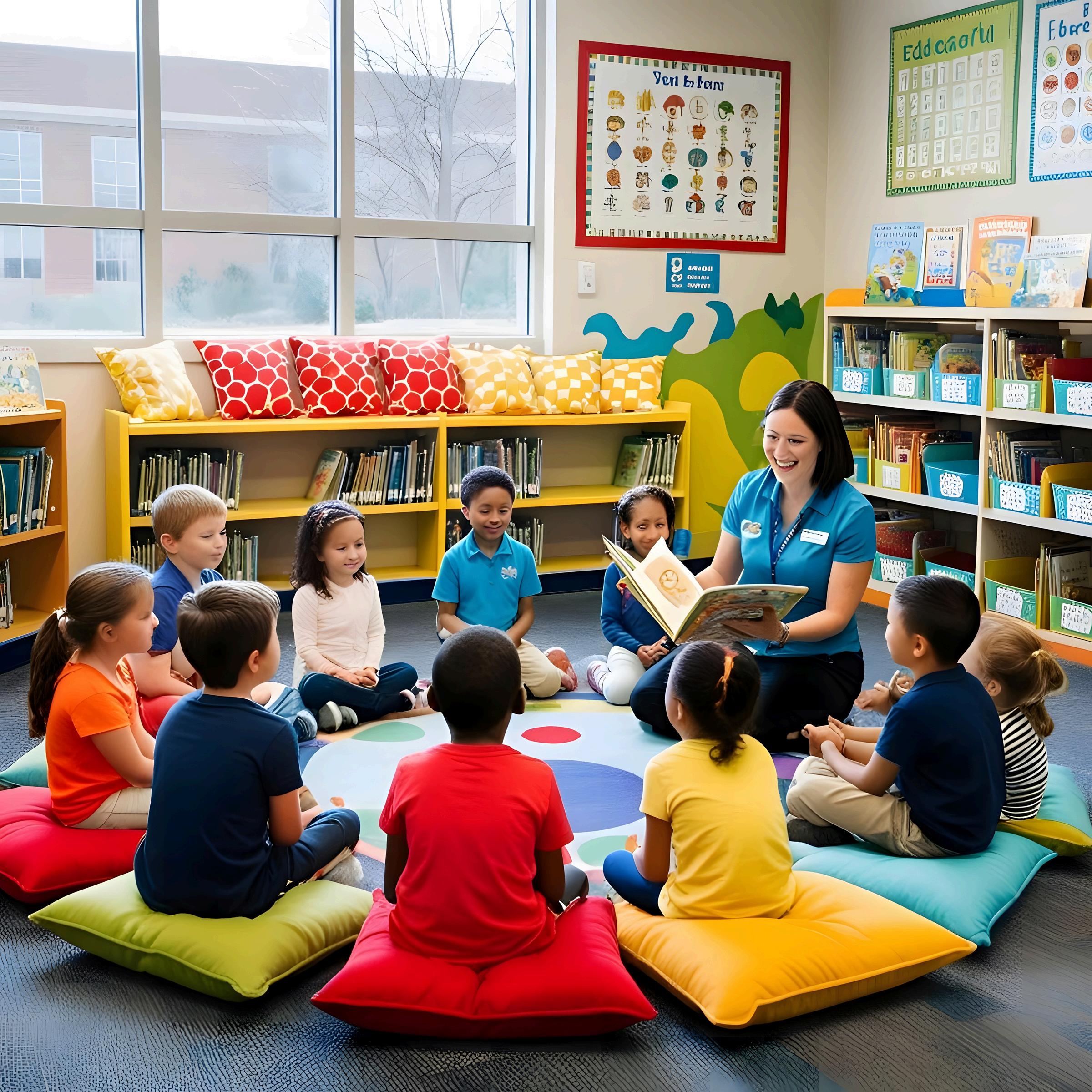
We would love to spotlightyour creativity, innovative ideas, and the wayyou are curating a space that promotes curiosity, autonomy, discovery, learning, collaboration, and growth.

AN INTERVIEW WITH MS PATY CANTÚ LUNA
BY GABRIELA T
IMAGES PROVIDED BY CANVA PHOTOGRAPHY ASSETS
“The most beautiful part of being a kindergarten teacher is watching them grow, seeing their beautiful hearts, and experiencing the pure and genuine love they have.”
We are honored to share an honest conversation with Ms. Paty, a kindergarten teacher with twenty years of experience working with young learners. The first years of formal schooling can be overwhelming for most, and are ripe with opportunities to sow the seeds for a lifelong love of learning. Kindergarten students and their families experience a radical change in their everyday lives and routines. The support, guidance, and empathy provided by teachers like Ms Paty are essential to nurturing the whole child We hope you enjoy her insights!
is a big
How do you design your classroom routines and environment to help children become more selfsufficient?
I design my classroom routines and environment to promote independence by keeping materials organized and accessible, so children can make choices and complete tasks independently. I establish clear, consistent routines and use visual cues and simple instructions to help children understand expectations. I also encourage children to take responsibility for daily tasks, such as cleaning up or preparing materials, which helps build confidence and selfsufficiency
What strategies do you use to help children build positive relationships and resolve conflicts?

How do you balance structured learning with opportunities for exploration and imaginative play?
It is very important for children to have plenty of opportunities for exploration and handson experiences using their five senses. When I plan a visual-motor integration activity, such as practicing pre-writing strokes, I like to combine structured learning with play and exploration For example, instead of doing the activity only inside the classroom, we go to an outdoor area at the school. If the children are going to practice a horizontal line in their workbook, we first draw a large horizontal line on the ground with chalk The children can walk on it, play with it, and explore the concept through movement. After this exploration, I provide them with crayons, and then they trace the line in their books. This approach helps them understand the concept in a meaningful and engaging way.
We work closely with the Conscious Discipline program, which helps children first learn to identify their emotions and then express them verbally. I constantly remind my students to “use your words” to prevent physical reactions toward their peers If a child hits another child, I calmly explain that the behavior is not appropriate and remind them to use their words next time. I also provide a natural consequence that matches the behavior, helping the child understand responsibility. In addition, I place a strong emphasis on positive behaviors We have a kindness chart in the classroom, and every time a child shows kindness or helps a friend, we write their name on the chart and recognize their action in front of the class This fosters positive relationships and reinforces respectful, caring behavior.
Can you describe a memorable moment when you saw your students practice kindness or teamwork on their own?
A memorable moment for me is when I observe students helping each other during everyday routines, such as putting on their jackets or opening their lunch boxes. These moments may seem small, but they show true kindness and teamwork I am especially moved when a child falls and gets hurt, and another classmate approaches to comfort them with a gentle touch or a hug, helping them feel better. For me, these moments are more valuable than any academic curriculum I teach, because this is where everything begins When children learn empathy, care, and connection, the rest of their learning naturally follows.
often
What specific tools or activities help your students develop phonemic awareness and a love of reading?
By asking questions, reviewing the story’s vocabulary, and showing videos related to the story they listened to.
Let’s talk about
How do you introduce reading and writing in ways that meet children at different levels and maintain their enthusiasm?
Every day we read a story I show them the parts of the book and make a short introduction. I use a lot of dramatization to make the story more interesting for them. While we are reading, I ask them simple questions, and we finish by sharing our opinions about the story For writing, I teach them only their initial letter and pre-writing strokes, so that by the next school year, they already have an idea of how to write letters.
How do you make foundational math skills—like counting, pattern recognition, or problem-solving— hands-on and enjoyable?
We review math at different times throughout the day. During circle time, we count the days on the calendar. When we sing the weather song, and I show them the prompt of Mr Sun, I ask them what color Mr. Sun is. When we take attendance, I place the pictures of the children who are absent, and we count how many are not at school. We also count how many girls and boys are present in the classroom. I use many games to review colors, shapes, and numbers, and we always sing songs in a dynamic and fun way
What suggestions do you share with families to reinforce independence, creativity, and kindness outside of school?
Always recognize the positive things in your children Acknowledge every achievement they make, as this helps a lot with their self-esteem. Also, involve them in simple tasks at home, such as picking up their dirty clothes and putting them in the laundry basket, picking up their toys, and placing their plate in the sink after eating Encourage them to look for toys they no longer use to donate to children in need, and to prepare a sandwich and share it with people who do not have enough
What do you hope your students take away from their kindergarten year beyond academic readiness?
Beyond academic readiness, I hope my students take away confidence, independence, kindness, and a love for learning. I want them to feel safe, valued, and capable, and to develop social and emotional skills that will help them build positive relationships, solve problems, and express their feelings. My goal is for them to leave kindergarten happy, confident, and excited about learning. Even as they grow and move to another classroom with another teacher, I want them to know that I will always be there to support them and help them whenever they need it.
Finally, what do you find most rewarding about teaching kindergarten?
The most beautiful part of being a kindergarten teacher is watching them grow, seeing their beautiful hearts, and experiencing the pure and genuine love they have They are beings of light and love. I love celebrating every moment with them, such as Christmas, Halloween, Valentine’s Day, Easter, Children’s Day, their birthdays, and even my own birthday Every celebration is lived to the fullest, just the way I love it. I feel a deep connection with them, and my heart feels very happy knowing that I can give them all the love they need; everything else will come in time I have been a kindergarten teacher for 20 years, and I would not change it for anything.
S p r i n g M o o d B o a r d
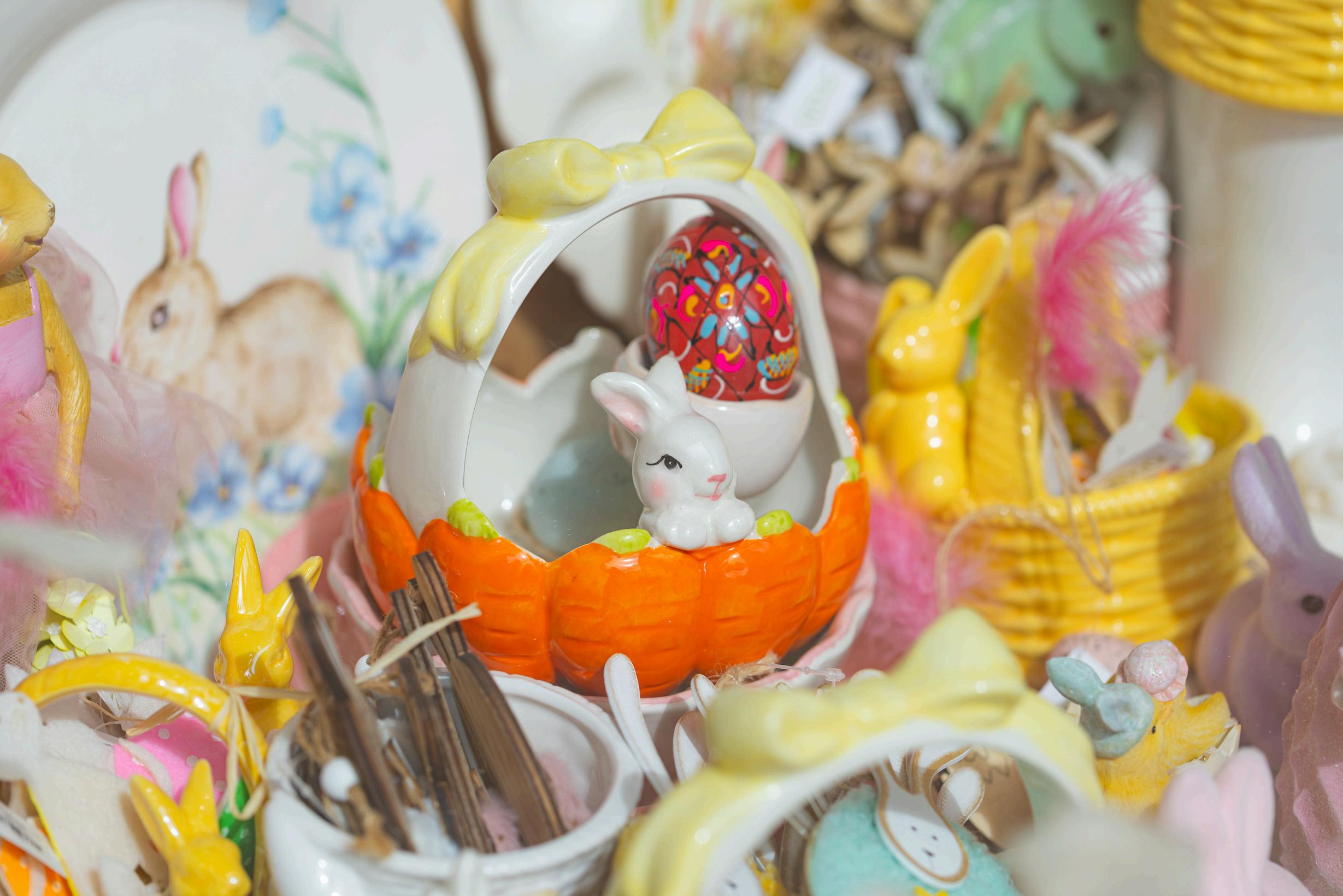
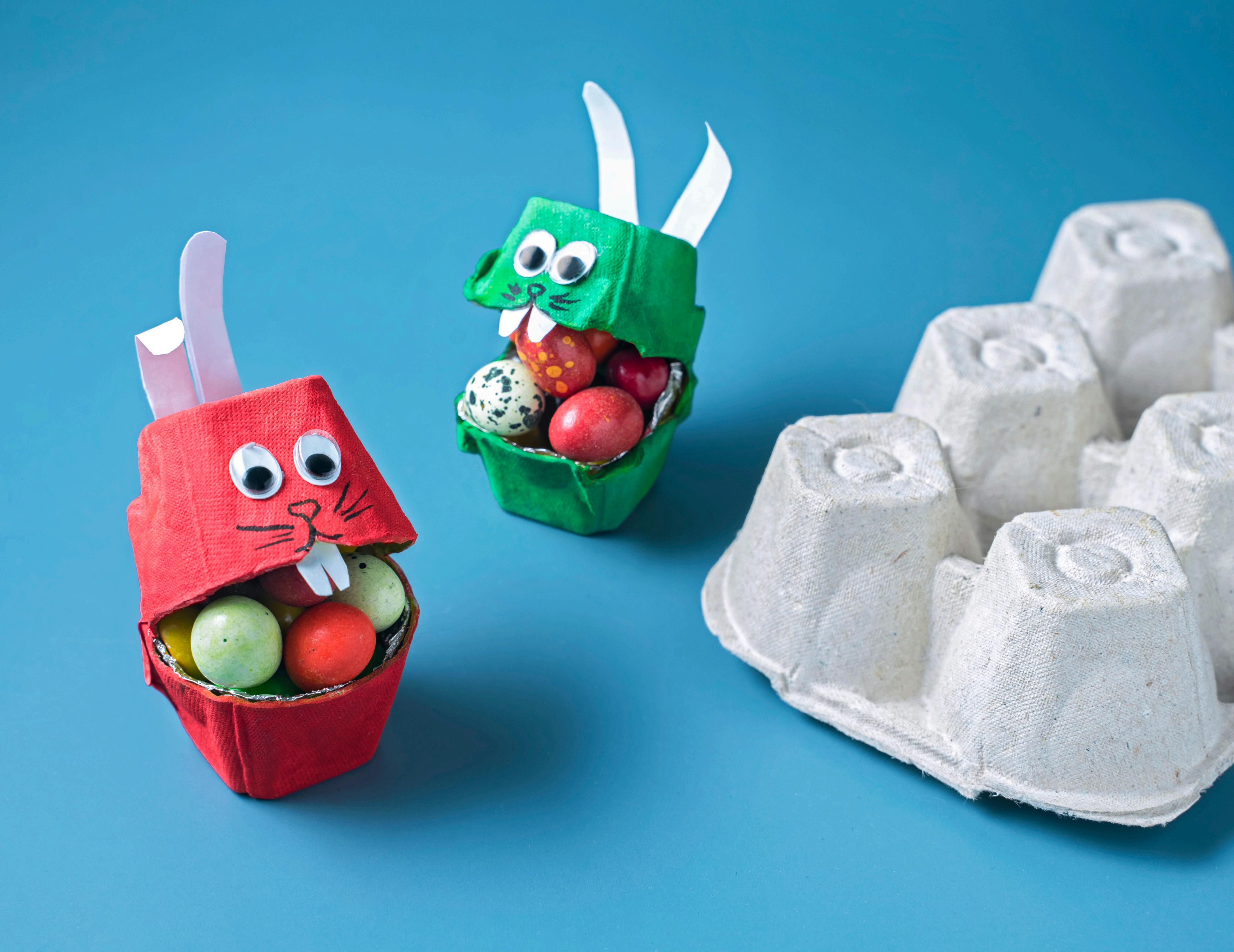
Embrace the Easter holiday, a time of renewal. Check out the Crafty Teacher on p 50 for an Easterthemed activity all about recycling


Bring flowers into your learning spaces and flower arranging as a spring lesson and crafting activity
Energize yourself and your students with a zesty citrus scent. Introduce creative activities and prepare science experiments using lemons, oranges, tangerines, and grapefruits!
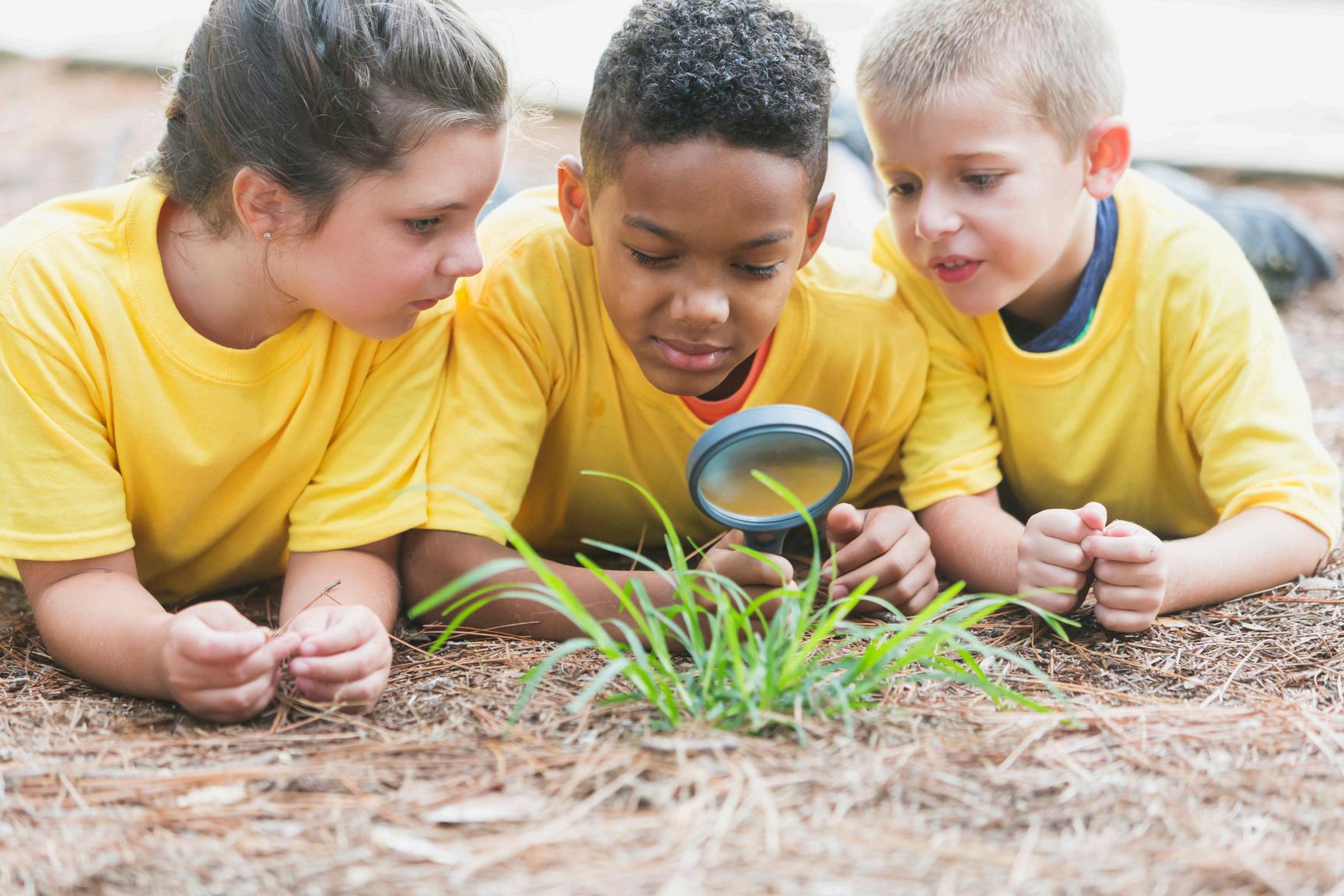
Step outside of the classroom! Take learning outdoors, and find inspiration in nature Let this season be one of discovery and appreciation of the world around us
BY GABRIELA T. IMAGES PROVIDED BY CANVA PHOTOGRAPHY ASSETS
"Don't just see the carton; see the unique, fragile life inside each cell, ready to be something new."
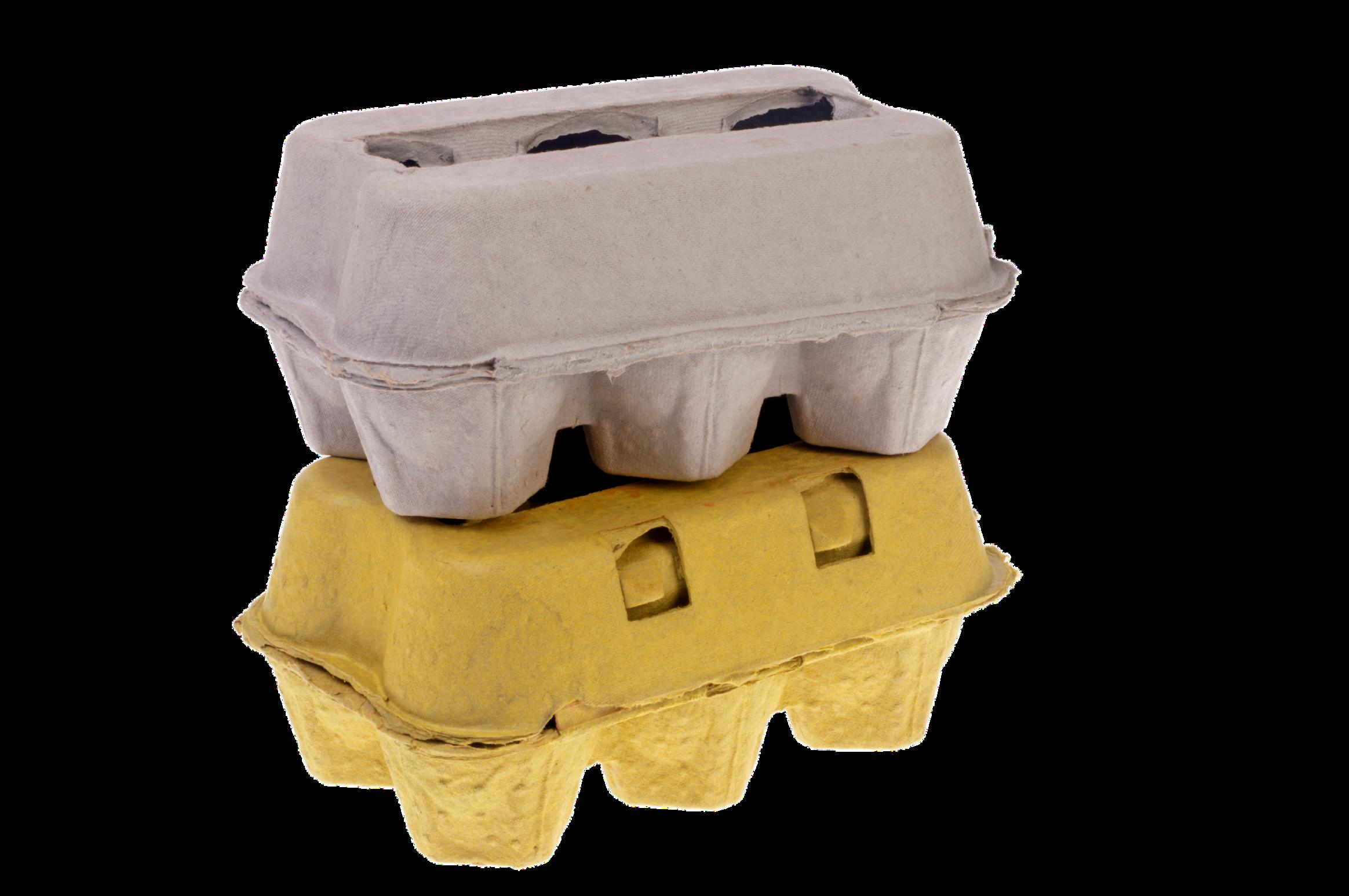
Egg cartons are full of potential, even once all eggs have been consumed! We may reuse egg cartons as storage for small loose items, such as paper clips, pins, tacks, buttons, and more You can decorate your carton with markers or paint and personalize it however you want In celebration of Spring and the Easter Season, we'll be turning these humble containers into simple yet whimsical bunnies
Materials: What you'll need
Egg carton
Paint
Brushes
Scissors
Glue
Black Sharpie marker
White cardboard or White paper
Baking cups or Tissue paper
Wiggly eyes for crafts (optional)
Pompon or cotton ball (optional)


1.Make sure the egg carton is clean (wipe off any egg residue)
2.Cut out two bottom halves from the egg carton. Make sure they fit together
3.Personalize any way you want! Paint them in one solid color, two colors, or create your own design. Let the paint dry before moving on to step 4
4.Line the inside of both halves with tissue paper or use a small backing cup Be sure to glue it all down. Let it dry.
5 Once the exterior paint is dry, you may add your bunny's features or his facial expression with the black Sharpie Nose, whiskers, and eye. If you have wiggly eyes, you may glue them in place now.


6.Cut two small strips of white cardboard paper to make the bunny's ears. Don't forget to round the tips. You may add details with the Sharpie as well
7.Cut two even smaller pieces of white cardboard to make the bunny's teeth.
Finally, fit the two halves of your bunny together, and glue only the back side. You could also glue a small strip of paper to the inside to use as a hinge




And if you have a small cotton ball or pompom ball, why not give your bunny a fluffly tail!

Set yourself and your students up for success at the start of a new semester with these handy checklists.
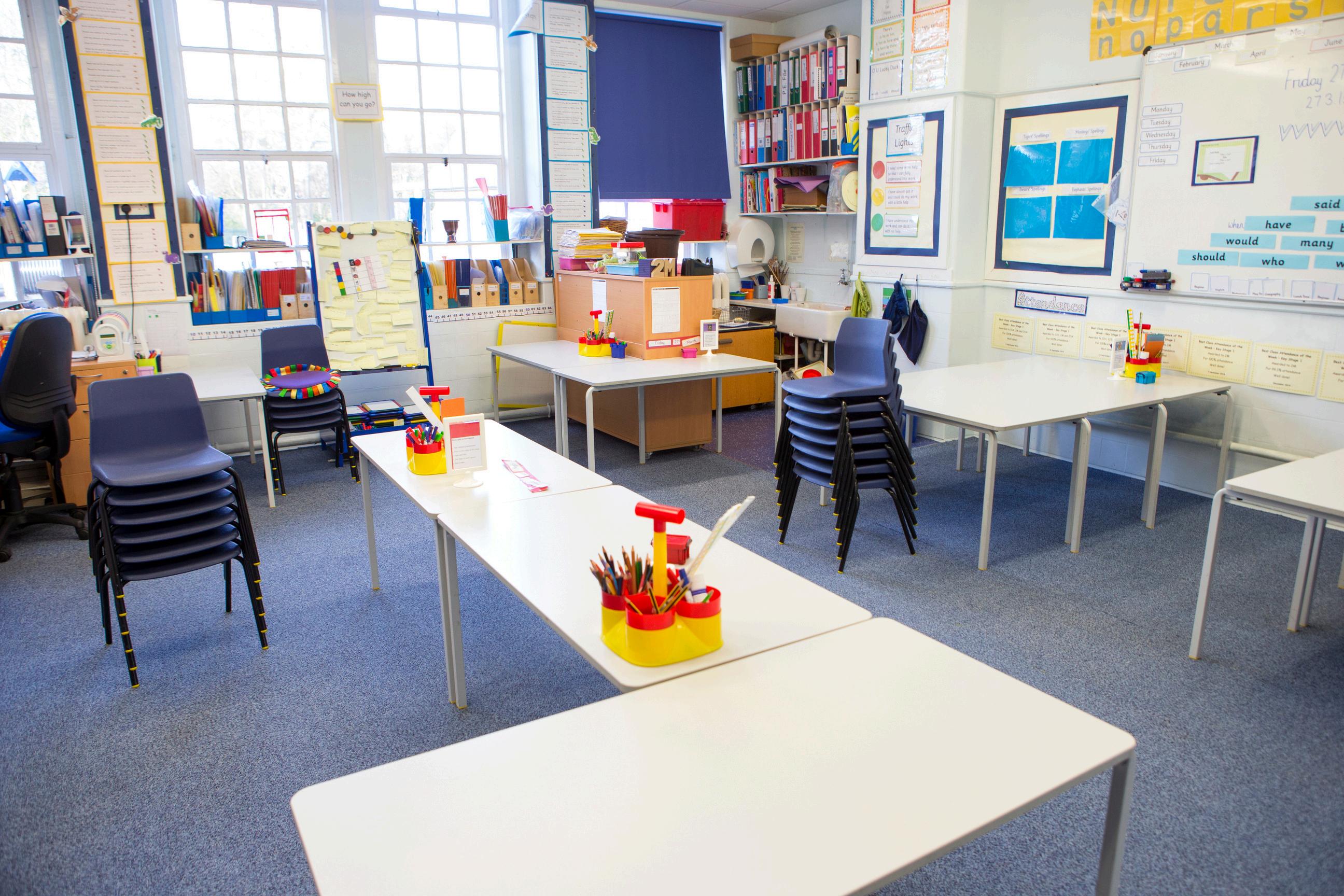
Prepare the classroom for spring by resetting systems and materials so instruction can restart smoothly and safely. Use these checklists, focused on communication, decluttering, curriculum, and routines, as a guide and adapt them to your preferences, grade level, and school policies.
BY GABRIELA T IMAGES PROVIDED BY CANVA PHOTOGRAPHY ASSETS

Update the syllabus or course overviewto reflect any spring changes in routines, grading, or major projects.
Prepare a shortwelcome-back letter or newsletterfor students and families outlining expectations and key dates
Ensure accommodation and behavior plans are up to date and easily accessible for quick reference byteaching aids or substitutes teachers.
Refresh substitute plans and organize a ready-to-go sub folderwith seating charts, routines, and emergency lessons
Create a simple spring calendarwith transition routines, testing cycles, field trips, and big deadlines to guide pacing.
Empty and sort cabinets, drawers, and storage bins; toss or recycle outdated, damaged, or unused materials.
Get rid of unnecessary memos, old handouts, and extra copies, keeping only current or reusable masters
Donate surplus supplies, books, or decorto colleagues, the library, or donation drives.
Shred or securely dispose of any documents with student information per school policy.
Evaluate classroom layout; adjustfurniture and desk arrangements to improve traffic flow, visibility, and engagement.
Create clearly defined areas for small groups, independentwork, classroom library, materials, and student storage.
Label or color-code shelves, bins, drawers, and centers so students can find and return materials independently
Post or update emergency procedures and ensure exits and paths are clear.
Tutorista.
Take inventory of supplies (pencils, paper, markers, tech accessories) and submit requests for anything needed for spring.
Refresh classroom librarywith seasonal or upcoming unittexts and rotate out books students have outgrown or overused
Organize copies, task cards, and manipulatives for key spring units into clearly labeled files ortubs.
Set up or adjustweekly lesson-planning and subject-specific activities so materials are prepped before each week begins.
Set up a teacher command center (inbox, outbox, to-grade tray, to-file tray) to control paperflow.
Establish daily and weeklytidy-up routines (5–10 minutes atthe end of each day and a slightly longer blockweekly).
Create or update a masterto-do listforthe firsttwo weeks of spring semester, breaking tasks into manageable chunks
Block planning time in your schedule so lesson preparation and copying do not pile up.