BUILDING TODAY TO TRANSFORM TOMORROW
ESG REPORT
LETTER FROM LEADERSHIP
We have turned our commitments into action and are making progress across the business. We are tracking embodied carbon, waste, and water use more rigorously, making data the basis for decisions on every project, and holding ourselves accountable for results.
We are also working to build a more respectful and inclusive industry: expanding access, reinforcing a culture where everyone is treated with dignity, and creating conditions where people contribute and grow.
None of this happens in isolation. It takes collaboration across our business and with our partners, bringing together expertise, innovation, and shared responsibility to deliver stronger outcomes for our clients, our communities, and the built environment.
That is what we mean by Building Today to Transform Tomorrow™.

Christa Andresky
Executive Vice President, Chief Financial Officer
Michael J. Kuntz Executive Vice President
Peter J. Davoren
Chairman & CEO
Thomas V. Reilly
President, Turner
Abrar Sheriff President, Turner and President & CEO, Turner International
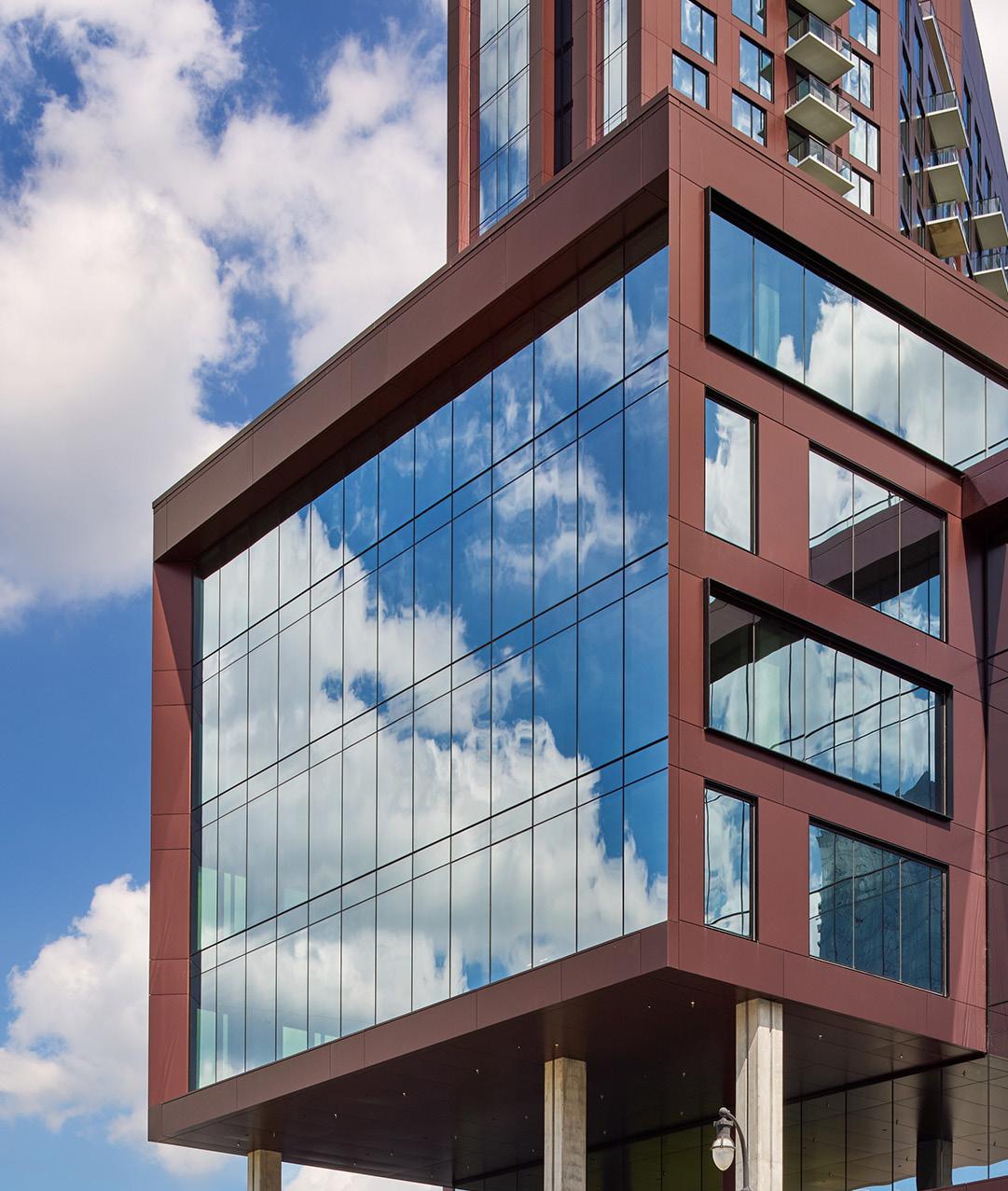
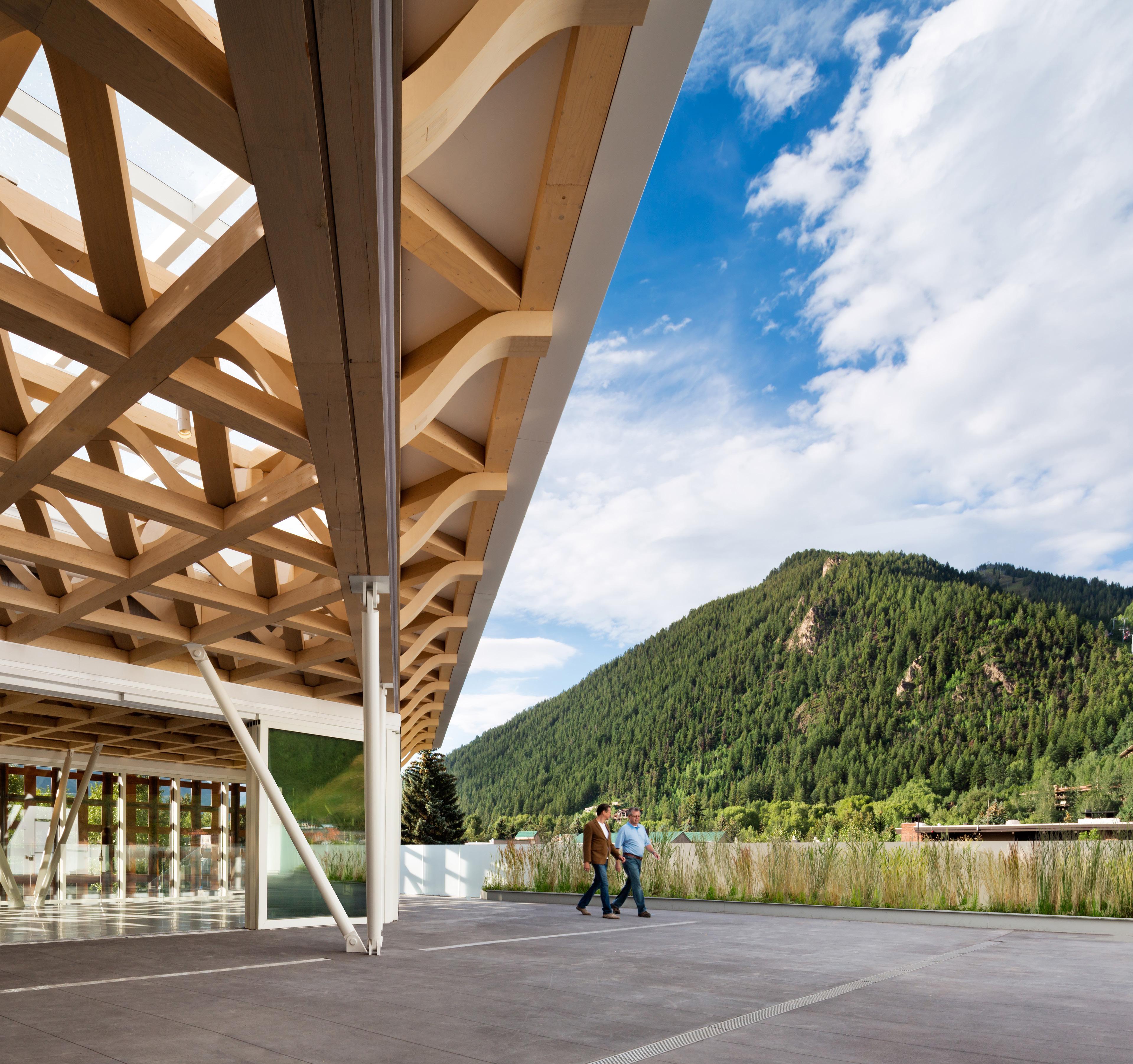
Peabody Union - credit: Alan Karchmer
TOGETHER ONE TURNER
Turner is a global construction services company delivering complex building projects across North America representing over $29 billion in more than 30 countries. The company brings together the strength of its people, technical expertise, and integrated services to support clients across diverse markets and projects.
Turner’s subsidiaries and enterprise services extend these capabilities across the business. These companies provide specialized expertise in areas including engineering, supply chain management, equipment and site services, and offsite construction, working alongside project teams to improve coordination and support efficient delivery. While regional teams bring deep knowledge of local markets, including client priorities, supply chains, and regulatory requirements, collaboration across the company expands that insight, enabling teams to share knowledge, apply lessons learned, and deliver consistent results across projects.
Together, these capabilities are connected across a broad platform of expertise and resources, strengthening project delivery and supporting high-quality outcomes across regions and markets.
Turner Engineering Group


Leading builder delivering complex projects across the globe with a focus on safety, quality, and collaboration.
Leading Canadian general contractor providing construction management, design-build, and integrated project delivery services.
Mechanical, electrical, and instrumentation contractor delivering advanced technical solutions across Europe.
Supply chain and procurement company, delivering strategic sourcing, purchasing, and logistics solutions that enhance certainty and create value for projects.
FEC provides centralized equipment rental, site services, and asset management solutions in support of Turner projects and trade partners.
xPL Offsite advances construction through integrated offsite manufacturing and modular delivery strategies.
Project management partner delivering advisory, planning, and execution support to meet client and project goals.
Established general contractor with deep roots in Northwest Ohio, delivering projects of all sizes with a focus on quality, innovation, and community impact.
Turner Engineering Group (TEG) delivers engineering leadership and technical design support across complex building systems and structures.
AN INTEGRATED GLOBAL NETWORK ACS GROUP









Turner is a subsidiary of HOCHTIEF and part of the ACS Group, a global leader in infrastructure development and delivery. Through this connection, Turner is part of a network of engineering, construction, and infrastructure companies operating across the full project lifecycle.
This global network expands access to technical expertise, resources, and innovation, strengthening Turner’s ability to deliver complex projects across diverse markets. With approximately 167,800 employees worldwide and annual revenue of €49.8 billion, it combines the scale and financial strength of a global organization with the relationships, responsiveness, and local knowledge that define Turner’s approach to project delivery.
BUILDING TODAY TO TRANSFORM TOMORROW
Turner’s Environmental, Social, and Governance (ESG) strategy builds on over a century of leadership in safety, workforce development, environmental stewardship, and community engagement. Today, these efforts are unified under a comprehensive framework that guides how the company builds, supports its people, and operates responsibly across its business.
Grounded in Turner’s culture and values, the ESG strategy focuses on three core areas: sustaining our planet, protecting and actively caring for people, and purposefully transforming our industry through transparent and accountable practices. This structure connects long-standing commitments, such as protecting worker well-being, fostering inclusive workplaces, reducing environmental impact, and supporting communities, into a cohesive approach that drives consistent progress across projects and operations.
As part of HOCHTIEF and the ACS Group, Turner’s ESG approach aligns with broader global commitments. This connection improves data transparency, supports consistent reporting practices, and enables collaboration across a global network working toward shared environmental, social, and governance goals.
The following section highlights progress against commitments scheduled for completion by or before 2025, offering a clear view of how priorities are advancing across the business. It captures measurable results achieved to date while reinforcing a commitment to transparency and accountability.
As the ESG program continues to develop, this perspective reflects both progress achieved and areas of continued focus, supporting consistent performance across projects and operations. As the company grows, the program evolves alongside it: expanding capabilities, strengthening partnerships, and embedding responsible practices into everyday decisions to deliver long-term value for clients, communities, and future generations.
OUR PLANET
We will assess water stress conditions in the locations where we build and implement water management plans for all new projects in water stress areas.
CARE FOR PEOPLE
We will grow the construction industry pipeline through multiple engagement events per year with K-12 students in every office by end of 2024. 228 events
We will integrate knowledge of a broader sustainability strategy into the next generation of employees, increasing knowledge on topics related to sustainability such as biodiversity, circularity, human rights, etc. 91%
TRANSFORM OUR INDUSTRY
We will increase awareness of industry Human Rights risks by training all employees by end of
To increase process accountability and standardization, we have implemented ISO 45001 and will implement ISO
OUR PROJECTS
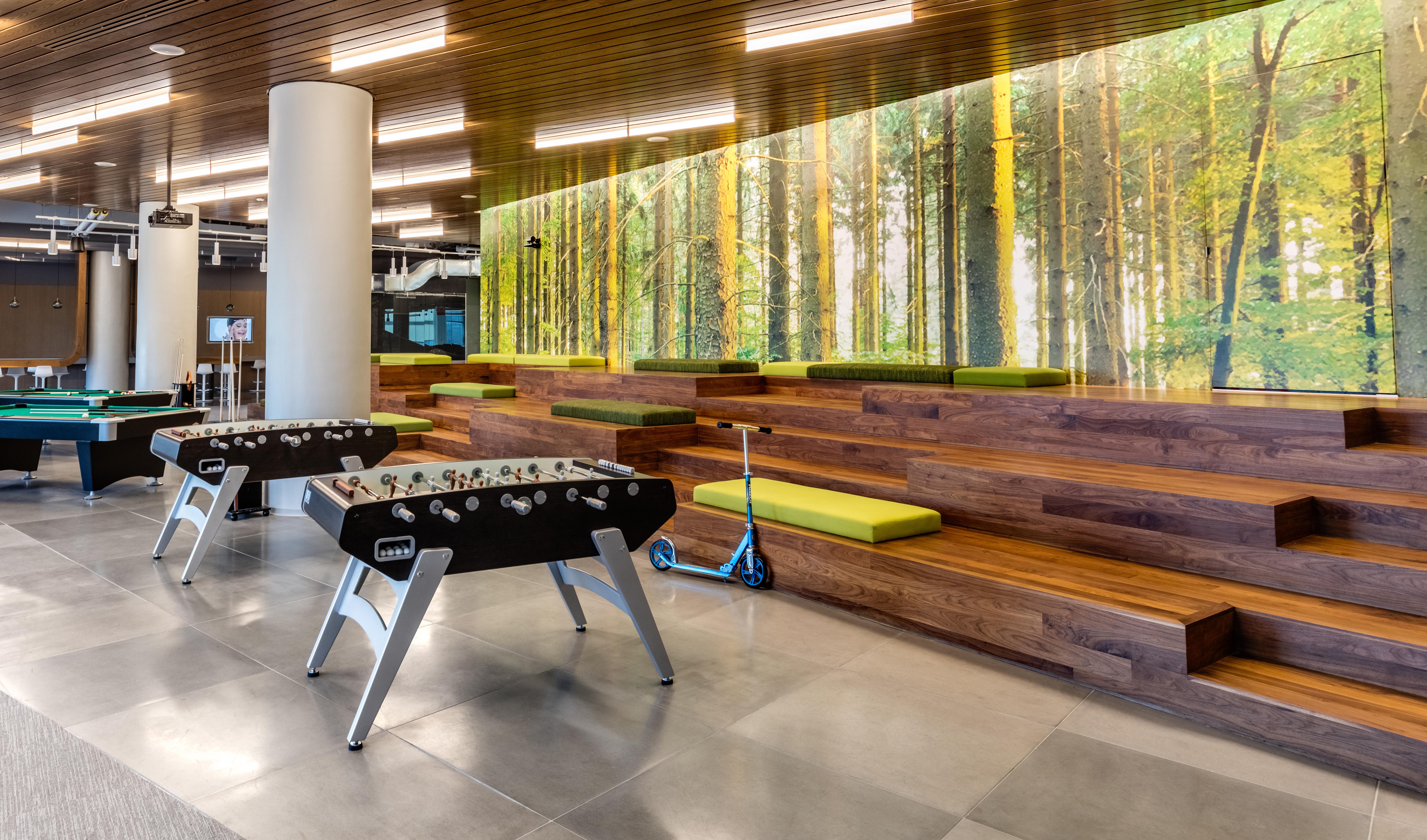
We will prioritize sustainability in our preconstruction process on all new projects. This includes promoting resilience planning, supporting energy efficient design, avoiding waste, increasing recycling and the use of circular materials, calculating and reducing embodied carbon, and incorporating human rights and health impacts during material evaluations in the design process.
PARTNERING FOR PERFORMANCE DRIVING SUSTAINABLE PROJECT GOALS
Sustainability on Turner projects is shaped by how teams build every day. It is reflected in how teams plan and review work with clients, design partners, and trade partners, and in the decisions made from design throughout execution. From coordination to practical actions that manage materials, reduce waste, improve operational efficiency, and use resources more effectively, sustainability is embedded in how projects are delivered.
This work often begins with preconstruction and sustainability teams partnering with clients and design partners to align priorities and build strategies directly into the project approach. As projects move into construction, teams carry that focus into the field; working with trade partners to put plans into action, respond to actual field conditions, and identify additional opportunities as work progresses.
The following projects show how these approaches comes to life. Certified projects reflect these efforts, representing the outcomes of consistent coordination, informed decision-making, and disciplined execution across the full lifecycle of a project.
Integrated Sustainable Renovation
Advancing Resilience Through Collaboration
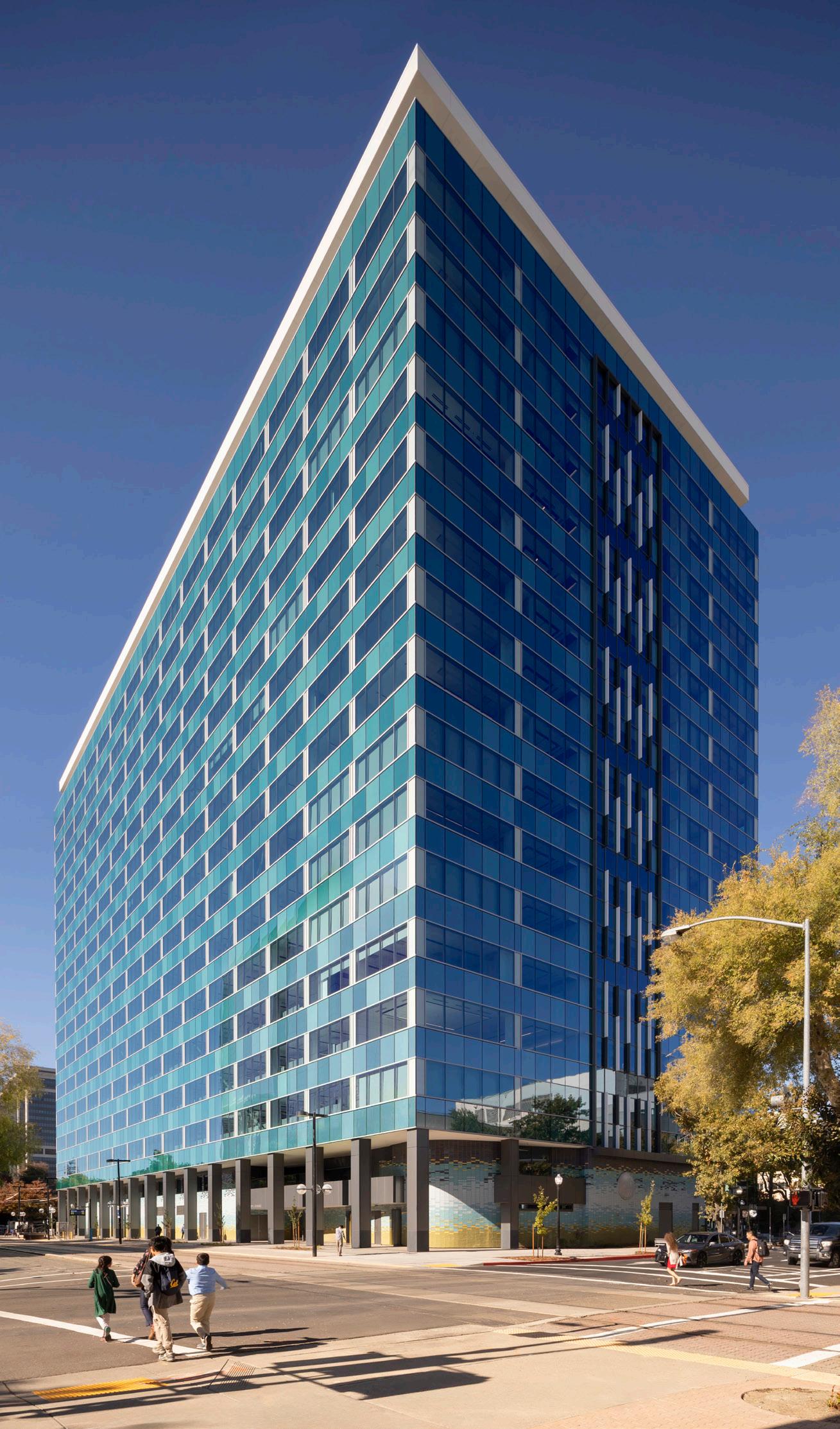
Early engagement through a progressive design-build approach created an opportunity to rethink what was possible on the State of California, Department of General Services (DGS) Resources Building Renovation. The Turner team and our design partners worked closely with the owner from the outset to identify practical, high-value strategies that elevated overall performance without increasing cost. By continuously reviewing LEED credits, refining energy and water strategies, and making informed, performance-driven material selections, the team uncovered opportunities that might otherwise have gone unrealized. This highly collaborative, building focused process ultimately positioned the project to go from the original goal of LEED Silver to Platinum, demonstrating how early alignment and integrated delivery can drive sustainability outcomes while maintaining budget discipline.
At the Battery Park City resiliency project, Turner, in a joint venture with SPC, engages alongside design partners through a progressive designbuild approach, guiding design decisions while optimizing structural systems through iterative analysis to balance resiliency requirements with embodied carbon outcomes. Turner Engineering Group (TEG) developed a lifecycle analysis for the project and advocated for the use of global warming potential limits directly into specifications, establishing clear, measurable performance targets.
The Turner SPC team also develops a project-specific salvage strategy with the urban and landscape design partners, identifying where reuse is feasible and aligned with design intent, including integrating existing stone into new site features, while supporting resilient landscape strategies such as native and salt-tolerant plantings designed for future climate conditions. Together, these efforts position the project to manage complexity, reduce risk, and deliver a coordinated resiliency solution.

Resources Building - credit: James Ewing Photography
Mechanical and Electrical Expertise
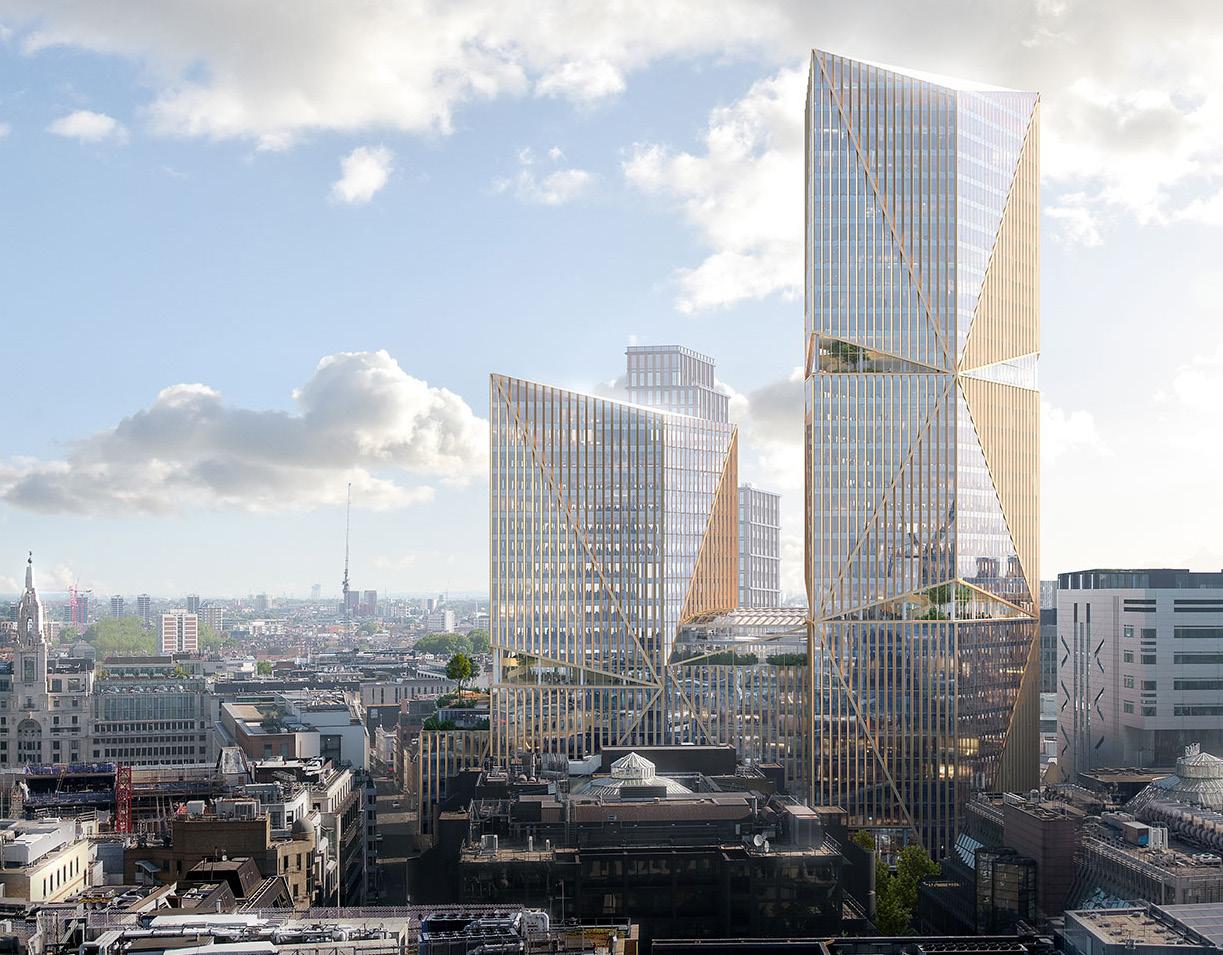
Dornan brings deep technical expertise to complex projects. At 2 Finsbury Avenue in London, Dornan delivers the mechanical, electrical and plumbing shell and core scope across two high-rise towers, installing coordinated, high-performance building systems. Dornan supports informed procurement decisions through embodied carbon and material reporting using tools such as EPDs, TM65, and One Click LCA. These efforts are in support of the targeted BREEAM Excellent for the project. The project also integrated Design for Manufacturing and Assembly (DfMA) which supported improved efficiency, quality, and safety by shifting work into controlled manufacturing environments.
Solar by Design
Turner Engineering Group (TEG) works closely with clients and design partners to evaluate on-site energy strategies, including solar, as part of early design decision-making. These studies assess system configurations based on panel orientation, shading conditions, and hourly energy generation across a full-year profile. TEG analyzes this generation against building load and grid conditions to quantify both averted energy costs and associated carbon reduction over time. By integrating energy demand, local utility rate structures, and lifecycle cost, TEG helps clients compare options and understand tradeoffs across performance, cost, and carbon. On projects such as a large pharmaceutical facility in Ohio, this collaboration has helped guide decisions that lead to the integration of on-site solar, aligning system performance with project goals and long-term operational outcomes.

2025 CERTIFIED GREEN PROJECTS
Confidential Project
2 Finsbury Avenue - credit: X3N Architects
PEOPLE DRIVEN GROWING OUR SUSTAINABILITY EXPERTISE
Across Turner, a growing sustainability network connects people, projects, and ideas. Sustainability leaders are embedded within regional teams, bringing a local understanding of market conditions, supply chains, client priorities, and evolving regulatory requirements. At the same time, coordinated enterprise-wide collaboration expands capability by advancing training, developing talent, and expanding expertise across teams.
The network is powered by professionals at every stage of their careers, supported by strong leadership. Julia Gisewite, Turner’s Chief Sustainability Officer, was named one of the Top 100 Chief Sustainability Officers, reflecting the strength of the company’s sustainability strategy and the network advancing it. Sustainability practitioners come from a wide range of backgrounds, united by a shared commitment to advancing better building practices. Many are deeply engaged in both the construction industry and broader sustainability communities, bringing an informed perspective on emerging trends and opportunities.
This dual lens enhances Turner’s ability to anticipate change, refine approaches, and introduce new solutions across projects. As Brett Stuckey, Regional Sustainability Manager in Northern California, explains, “It’s about taking complex sustainability knowledge and distilling it into a message that people can understand and act on.”
Their work is visible in the day-to-day execution of projects: implementing carbon reduction strategies, optimizing waste management to increase diversion rates, coordinating manufacturer take-back programs, evaluating opportunities for material reuse, and tracking key environmental metrics such as energy, water, and fuel use. Teams also support the adoption of innovative materials and equipment, including low-embodiedcarbon concrete and steel, electric excavators and generators, and alternative fuels such as renewable diesel.
Dedicated sustainability professionals provide the consistency and expertise needed to guide performance and support project teams. Together, this network supports project delivery by integrating sustainability into daily decision making and advancing consistent, measurable outcomes across our portfolio.
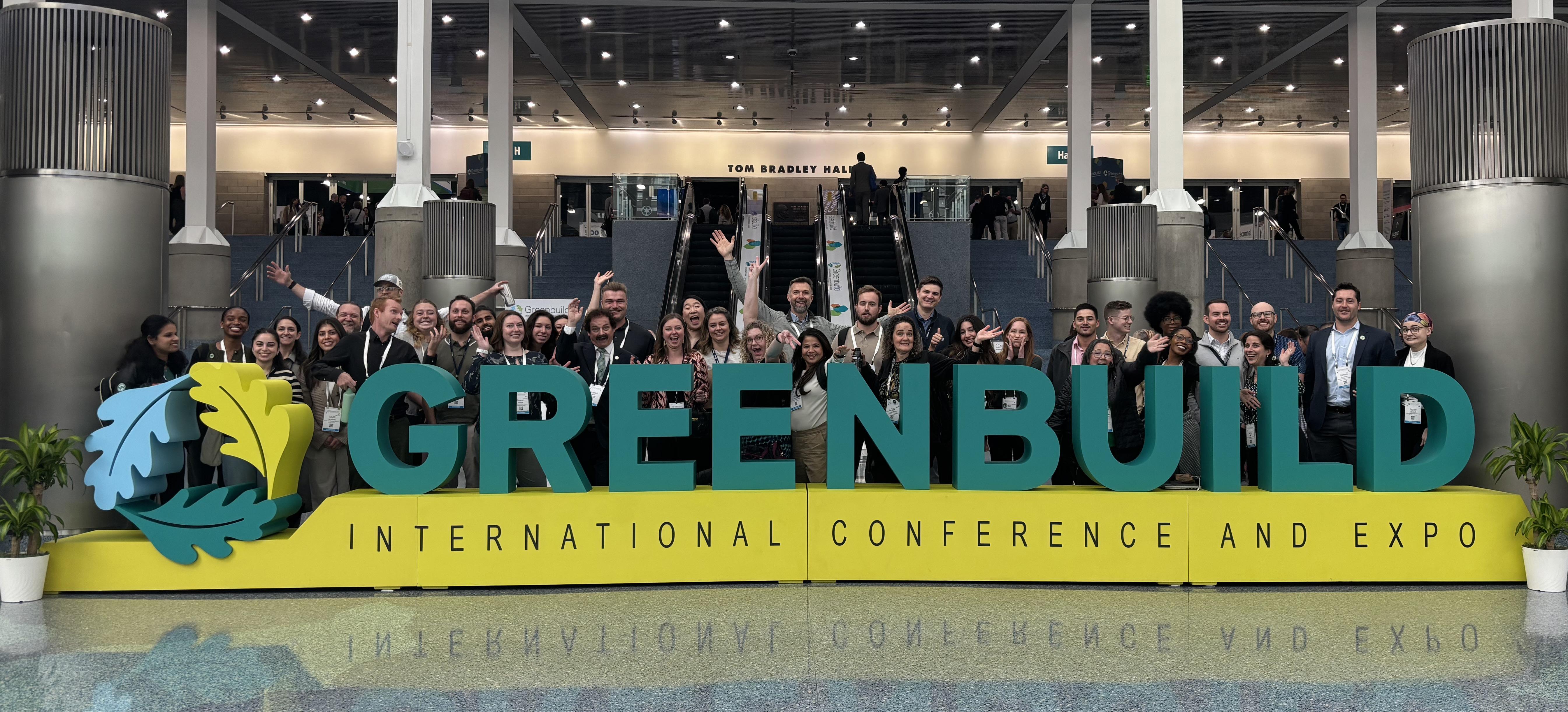
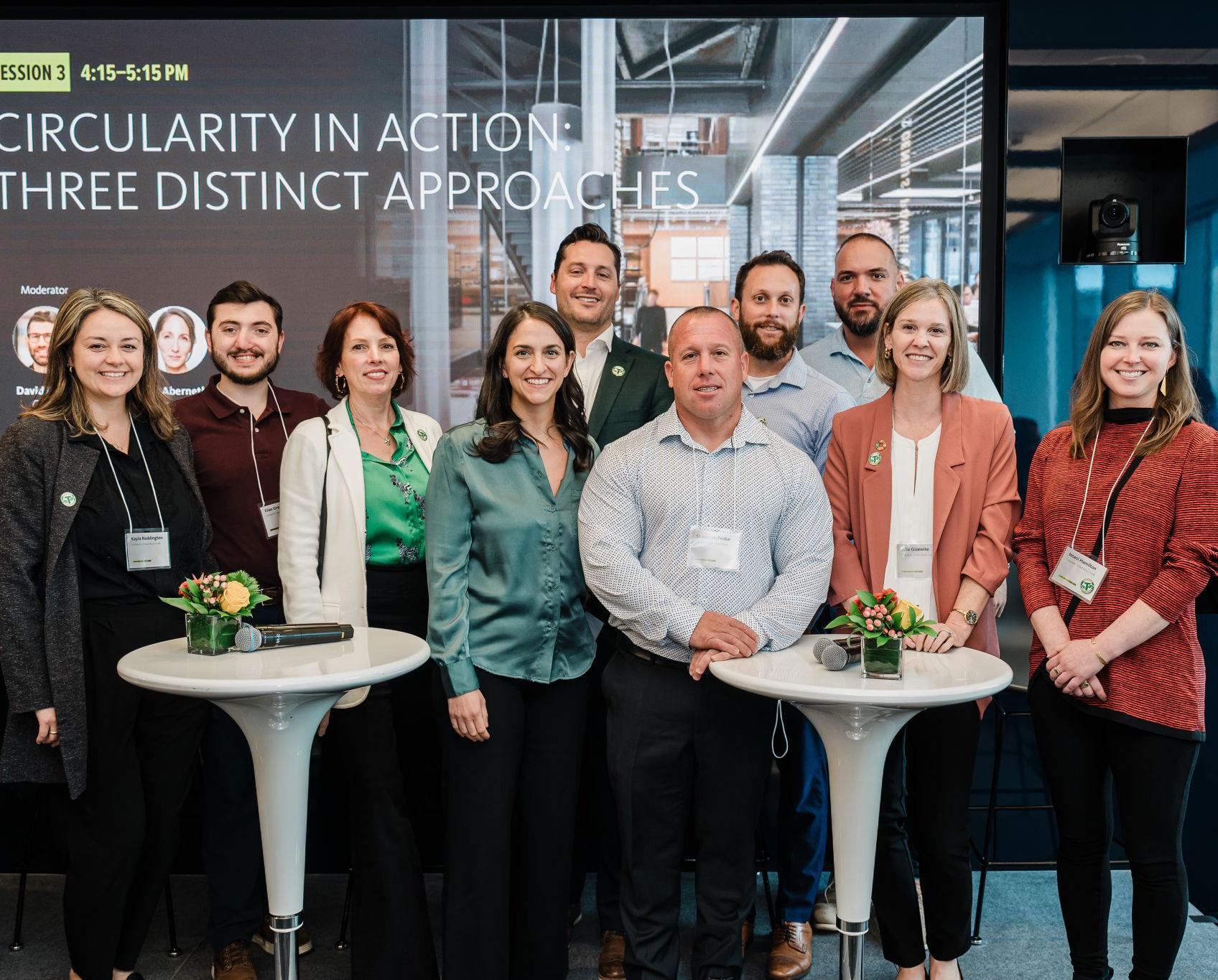
Turner’s Annual Sustainability
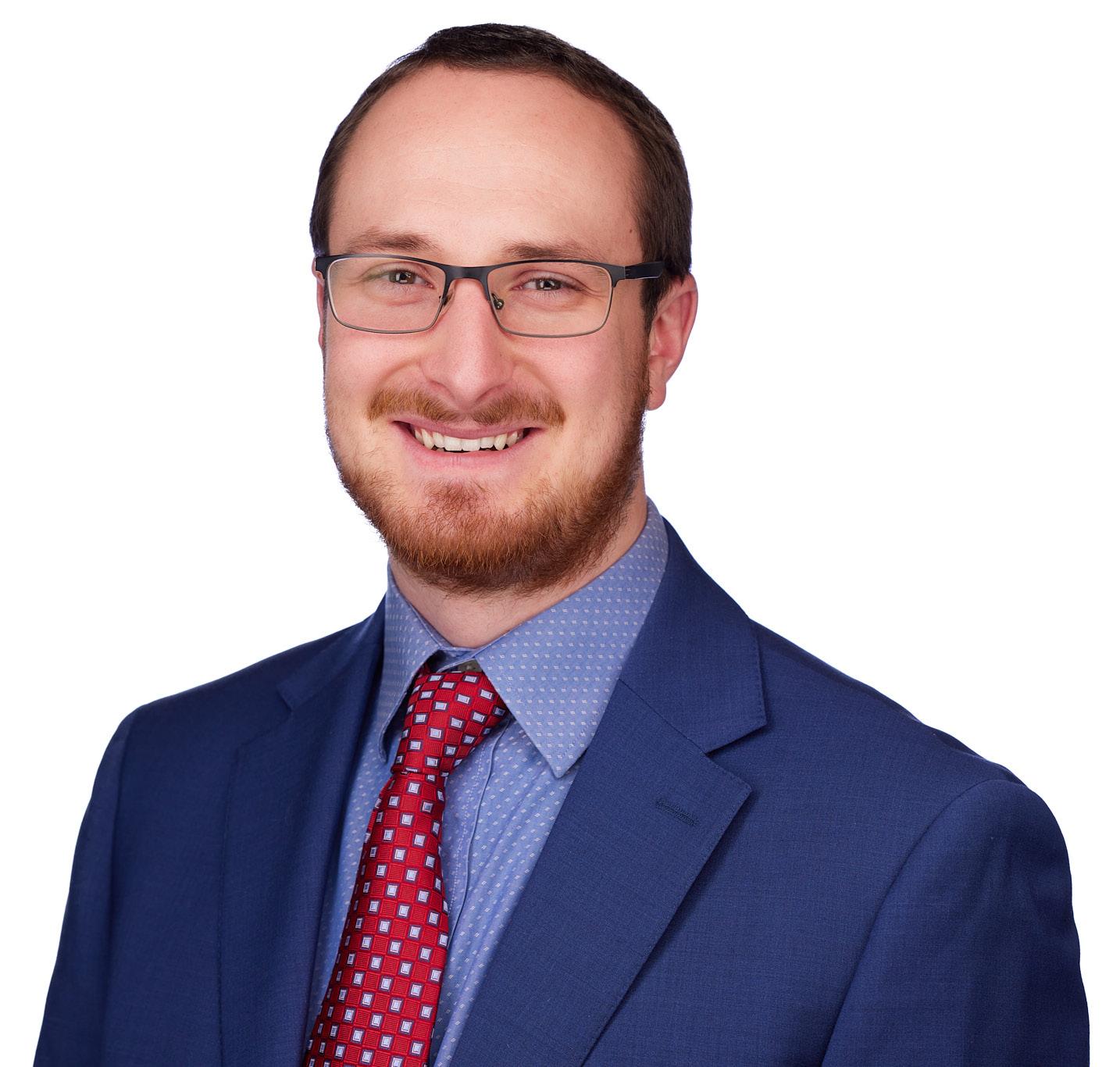
Alex Kapla
SUSTAINABILITY CONNECTIONS ACROSS THE GLOBE
Sustainability at Turner grows through a network of employees who bring environmental knowledge and commitment to projects across the company. Those listed here represent employees whose roles are fully or significantly focused on sustainability. They are part of a broader network of local champions and subject matter experts who bring local insight and technical expertise to support project teams and advance Turner’s environmental commitments.
NUMBER OF ACCREDITED GREEN PROFESSIONALS 868
UNITED STATES & CANADA
IRELAND TÜRKIYE
Colin Schless Boston, MA
Rebecca Schmidt New York, NY
Rohit Sharma India
Kay Springall Cork, Ireland
Divya Srinivasan Milpitas, CA
Brett Stuckey Milpitas, CA
Angela Sunday Edmonton, Canada
Perin Wasnik India
Rebekah Wynn Indianapolis, IN
Alexandra Yanity Houston, TX
ADVANCING SUSTAINABILITY VOICES ACROSS TURNER
As the sustainability network continues to strengthen, employees are working to collaborate across the network, build their expertise, develop our young professionals, and strengthen our teams. Below highlights some of our employees who represent different parts of our network.

YASAMINE HEIDARY Engineer
With an engineering background and a passion for building, Yasamine supports project teams in delivering well-coordinated outcomes, applying technical knowledge developed through field experience and early career roles.
Q: What motivates you to push sustainability forward in your role?
A: It’s personal for me. After losing my home to a wildfire, I see how material choices affect long-term safety, not just environmental performance.
Q: What challenges do you encounter advancing sustainability, and how do you address them?
A: Material specifications don’t always align with project sustainability goals, particularly when decisions are driven by immediate performance without fully considering long-term environmental and human health impacts. Early coordination with both designers and trade partners helps identify practical alternatives and keeps sustainability priorities integrated throughout the project.
AARON RABSKI
Alternative Energy &
Sustainable
Solutions
Manager
Aaron brings a background in alternative energy technology, supporting Clark Builders with technical expertise and a focus on energy efficiency and lower-carbon solutions.
Q: What trends are shaping sustainability across Clark Builders’ regions?
A: In Western and Northern Canada, momentum is clearly growing. Clients continue to pursue net-zero goals and LEED certification, while interest is increasing in embodied carbon, energy efficiency, and on-site renewable energy. We are also seeing stronger availability and improving cost competitiveness for renewable diesel in a number of our regions.
Q: Why is this work important to you?
A: This work matters to me because the health of our environment directly affects the health, resilience, and future of our communities.
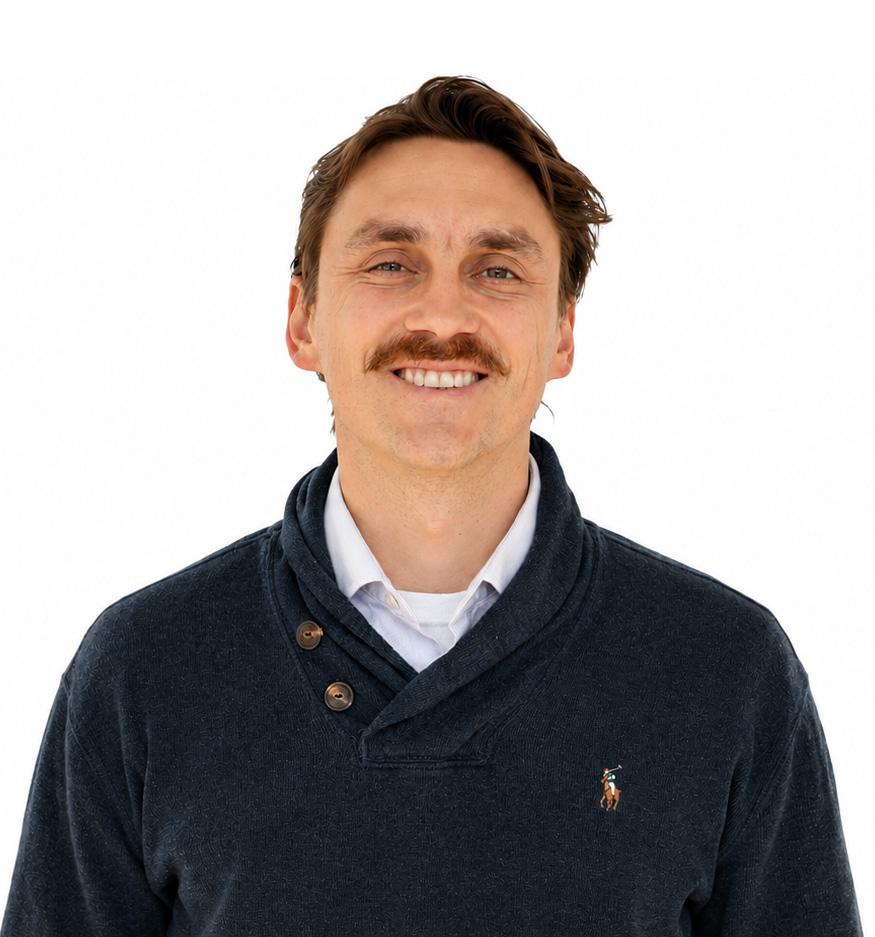
JOEL AHEARNE-RAY
Senior Material Design Specialist
Joel applies materials science expertise and cross-industry experience to advance healthier, lower-carbon material strategies across projects.
Q: How do you approach sustainability when it is not a client requirement?
A: Clients want what is best for their building, but that can vary. A lot of times, a more sustainable product meets a client’s definition of best (more durable material, a space that is more productive, supporting localized supply chains/businesses, etc) even if the initial focus was not sustainability
Q: Where do you see the biggest opportunity to improve?
A: The procurement process in construction is a challenging hurdle for new suppliers. We have an opportunity to support companies by engaging and promoting early adoption/buy-in from the various stakeholders have an opportunity to make inroads into projects much more quickly than is typical.

LINDSEY LANDWEHRFASULES
Director of Sustainability
With nearly two decades of experience across engineering, cost management, and sustainability, Lindsey brings a well-rounded perspective to advancing sustainable practices across projects and operations.
Q: What trends are shaping sustainability across Turner’s projects?
A: Clients are placing greater emphasis on measurable sustainability data, including carbon footprint analysis. This focus is helping teams target high-impact areas like reducing diesel use through renewable alternatives.
Q: How do you embed sustainability into every project?
A: Teams focus on practical strategies such as LED lighting, no-idling policies, and reducing generator use. More complex solutions, like lower-carbon materials, require early coordination with project partners.
OUR OPERATIONS
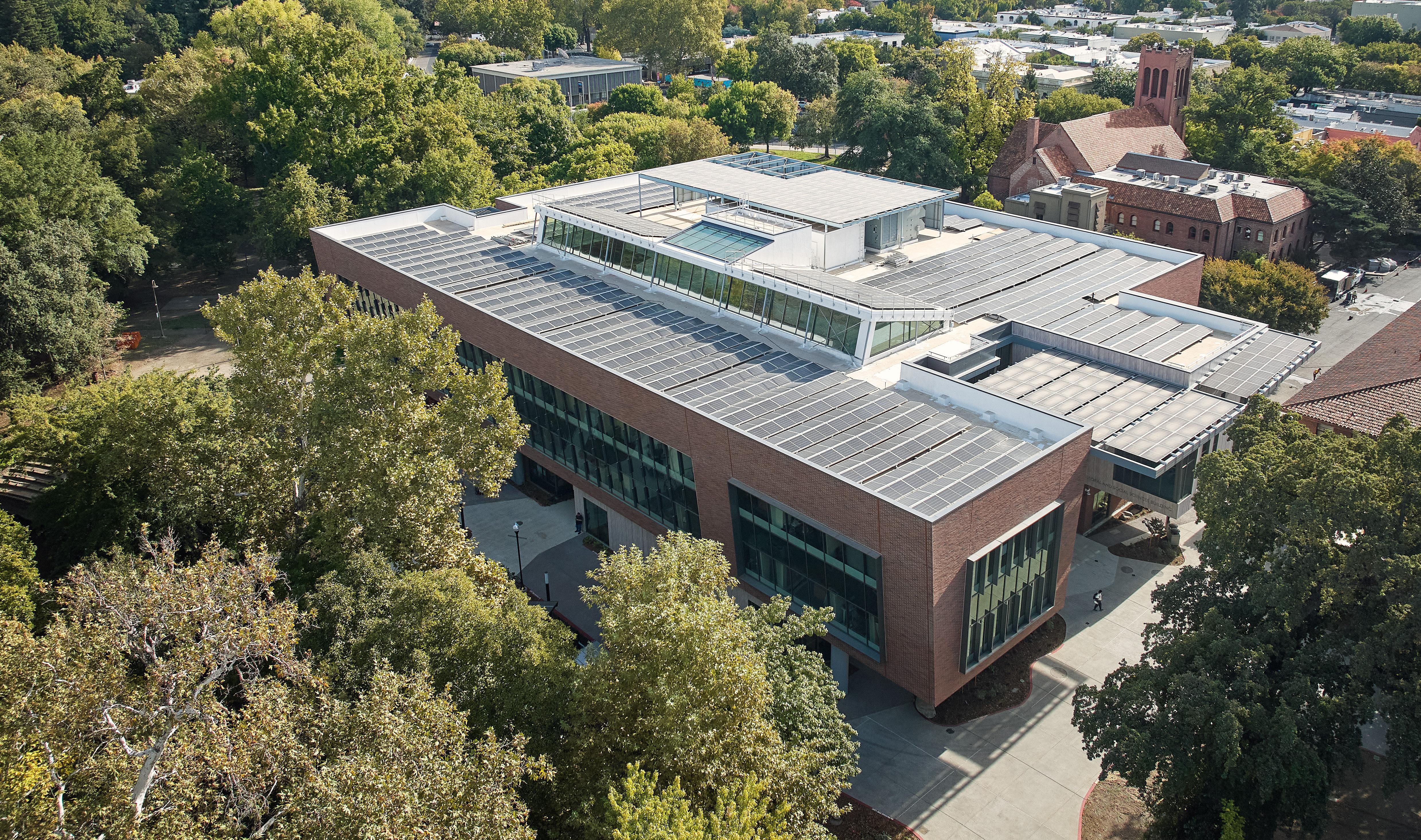
We recognize the power of our operations to drive meaningful environmental impact. Turner brings a long history of leadership in tracking and reducing jobsite fuel, electricity, water use, and waste. Today, we’re scaling that impact by piloting reduction strategies, advancing responsible material choices, and expanding efforts to conserve water and protect biodiversity across diverse project environments.
California State University - Chico Behavioral & Social Science Building, Chico, CA - credit: Bruce Damonte
REDUCING EMISSIONS ACROSS OPERATIONS
Reducing emissions across construction sites requires coordinated action across fleet, jobsites, and operational facilities. Turner advances a practical, scalable approach by expanding electrification where feasible while deploying lower-carbon fuel alternatives where advanced electrification constraints remain.
This balanced strategy targets key emissions sources, including fuel use, temporary power, and operational energy, while maintaining performance across diverse project environments. By aligning solutions to where they are most effective and available today, Turner reduces emissions while building the foundation for long-term decarbonization.
Turner Vehicle and Equipment Fleet
Electric and hybrid vehicles are expanding across operations, with more than 100 now deployed across the fleet. This effort is supported by expanded jobsite charging infrastructure, including 120V and 240V outlets and Level 2 charging setups, enabling broader adoption across at least two of our largest projects. First Equipment Company is leading the development of vehicle fleet and charging strategies, improving consistency, supporting data visibility, and enabling scalable adoption of lower-emission solutions across regions.
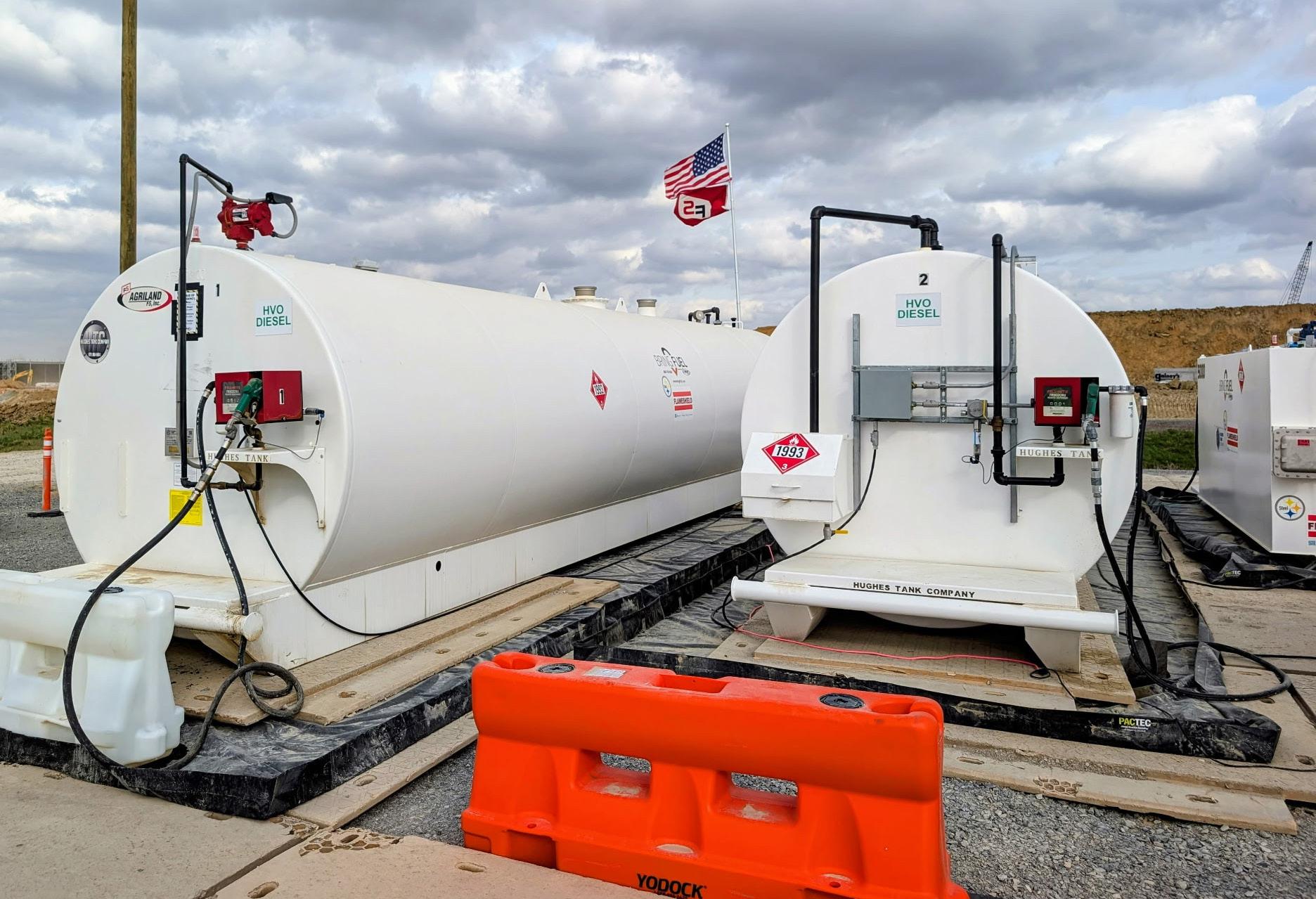
At the same time, renewable diesel provides an immediate, scalable solution for construction equipment and temporary heating systems where electrification is not yet viable. As a drop-in replacement for regular diesel, it allows teams to transition quickly across active projects without requiring engine modifications or changes to operations. By the end of 2025, renewable diesel has been implemented across 26 projects.
By working closely with clients and suppliers, Turner helps advance regional fuel availability and integrates lower-carbon fuel strategies. This approach supports consistent adoption across projects while maintaining reliability in varied climates and operating conditions. Together, fleet electrification and low-carbon fuels can reduce emissions today while supporting the continued transition toward increased electrification and efficiency across vehicles and equipment over time.

DIRECT EMISSIONS FROM TURNER OPERATIONS
Scope 1
118,000 t CO2e
INDIRECT EMISSIONS FROM TURNER OPERATIONS
Scope 2
31,597 t CO2e
Jobsite Offices
On jobsites, teams focus on reducing emissions through targeted solutions that improve both energy efficiency and working conditions. Columbus Self-Perform Operations (SPO) advances this effort with Turner’s first owned off-grid, solar-powered jobsite trailer. Designed to eliminate the need to trench power over long distances, the system combines solar photovoltaic panels with battery storage to generate and store energy directly on-site.
This approach reduces reliance on diesel generators and temporary power infrastructure- addressing a key source of emissions within contractor control. Its mobile, off-grid design enables flexible deployment across projects while simplifying site logistics and reducing setup time.
In parallel, teams in California are deploying a fixed, rented off-grid trailer supported by a solar array. Both approaches reflect a shared focus on reducing reliance on traditional temporary power and advancing loweremission jobsite operations.
These systems also provide a data-driven view into performance. Energy generation, consumption, battery capacity, and the effects of weather variability can be tracked in real time, creating a clearer understanding of how distributed energy systems perform in real jobsite conditions. These insights help refine future applications and support more informed decision-making as similar solutions scale.
In addition to lowering emissions, these trailers improve the day-today experience on site by reducing noise, improving air quality, and creating a more comfortable environment for project teams. This model demonstrates how practical, deployable solutions can reduce emissions while enhancing overall jobsite performance.

Offices & Warehouses
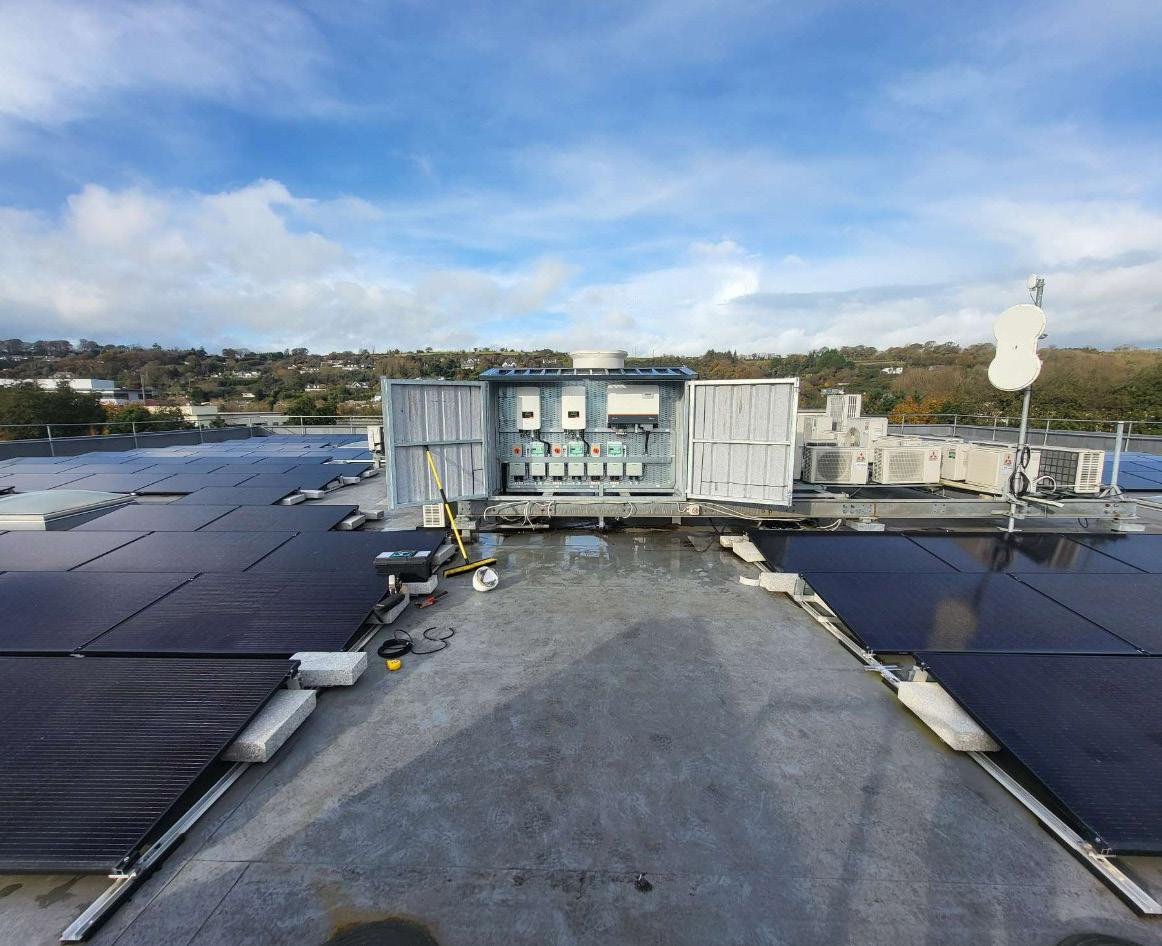
At Dornan’s headquarters in Cork, Ireland, an 87 kW rooftop solar photovoltaic system generates renewable electricity to support daily operations. The system enables real-time tracking of energy generation, on-site consumption, and electricity exported back to the grid through a dedicated monitoring platform. The electricity generation and usage management provides clear insight into how on-site renewable systems operate over time.
In 2025, the installation generated more than 73,000 kWh of electricity, with approximately a third of the generated power being sold back into the utility grid, contributing to emissions reductions and operational cost savings. The alignment of generation with daytime office demand maximizes system efficiency and demonstrates the value of integrating renewable energy directly into operational facilities.
At the Vancouver warehouses, the team supports lower-emission operations through the purchase of renewable natural gas (RNG), sourced from organic waste streams and delivered through existing utility infrastructure. This approach reduces reliance on conventional fossil fuels while maintaining consistent building performance, offering a practical pathway to lower operational emissions in existing facilities.
Together, these efforts reflect a broader shift toward integrating practical, scalable solutions across fleets, jobsites, and operations. By combining lower-carbon fuels, on-site renewable energy, and electrification strategies, Turner continues to reduce emissions today while building the foundation for long-term decarbonization.
Clark Builders Hybrid Fleet Vehicles - credit: Clark Builders
Dornan Headquarters Solar Panels in Cork, Ireland
WALK THE WALK DRIVING SUSTAINABILITY
Turner’s Self-Perform Operations (SPO) teams are made up of in-house trade professionals who help execute critical scopes of work in the field. That direct field capability expands Turner’s ability to advance sustainability by shaping construction methods, materials, sequencing, and installation practices. With greater control over how work is performed, SPO teams can identify practical opportunities that improve environmental performance while maintaining cost and schedule.
Building Craft Capability in Mass Timber
SPO teams are expanding Turner’s leadership in mass timber by translating technical knowledge into field execution. At Great Wolf Lodge in Mashantucket, CT, Turner partnered with a fabricator while taking an active role in installation, reinforcing the company’s ability to deliver these systems with confidence.
A key constraint in the market remains the availability of experienced installation teams. SPO addresses this directly by training carpenters in rigging and lifting operations, building a skilled workforce capable of delivering mass timber systems safely and efficiently. That expertise carries forward across projects, allowing crews to apply lessons learned, refine installation practices, and approach new opportunities with a clear understanding of constructibility.
At Great Wolf Lodge, teams expanded their understanding of how mass timber systems come together through repeatable connection—steel saddles, bolted assemblies, and prefabricated components, which support efficient installation when sequencing and rigging are well planned. Execution depends on coordination and crew capability.
SPO is using this expertise on future projects and expanding to manage both material and installation. Taking on the install and material scopes allows teams to apply lessons more directly in the field with greater control, consistency and safety and reinforces a more integrated, repeatable approach to delivery.
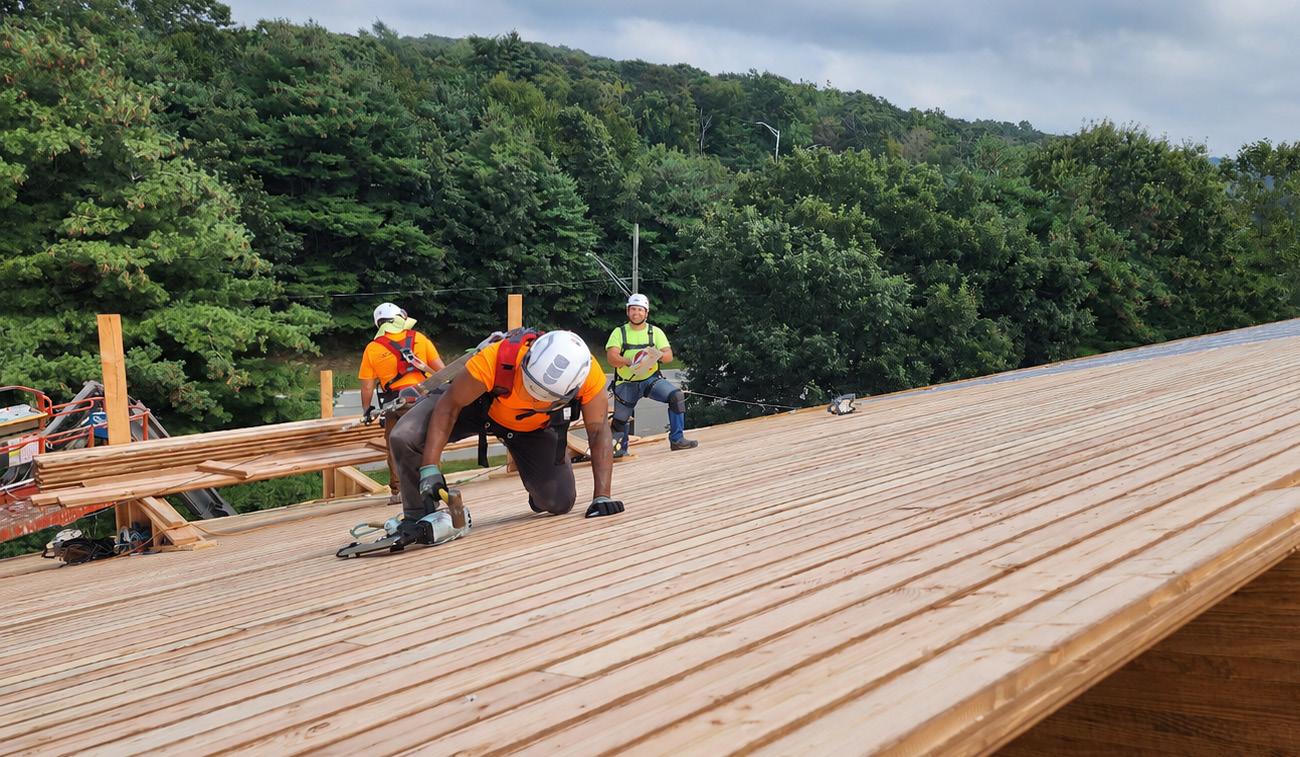
These efforts establish a foundation for scaling mass timber across regions. By continuing to build field experience and standardize installation practices, SPO teams are helping make mass timber a more practical and reliable option for a wider range of projects. That experience is already informing new opportunities in regions such as the Midwest and Pacific Northwest, where teams are applying lessons learned to support future work.
We want to be the leading edge, pushing the work forward and enabling it on all projects.
-
Great Wolf Lodge Mass Timber Install
Caroline Murray, Self Perform Sustainability Manager
Turning Reuse into a Model for the Future
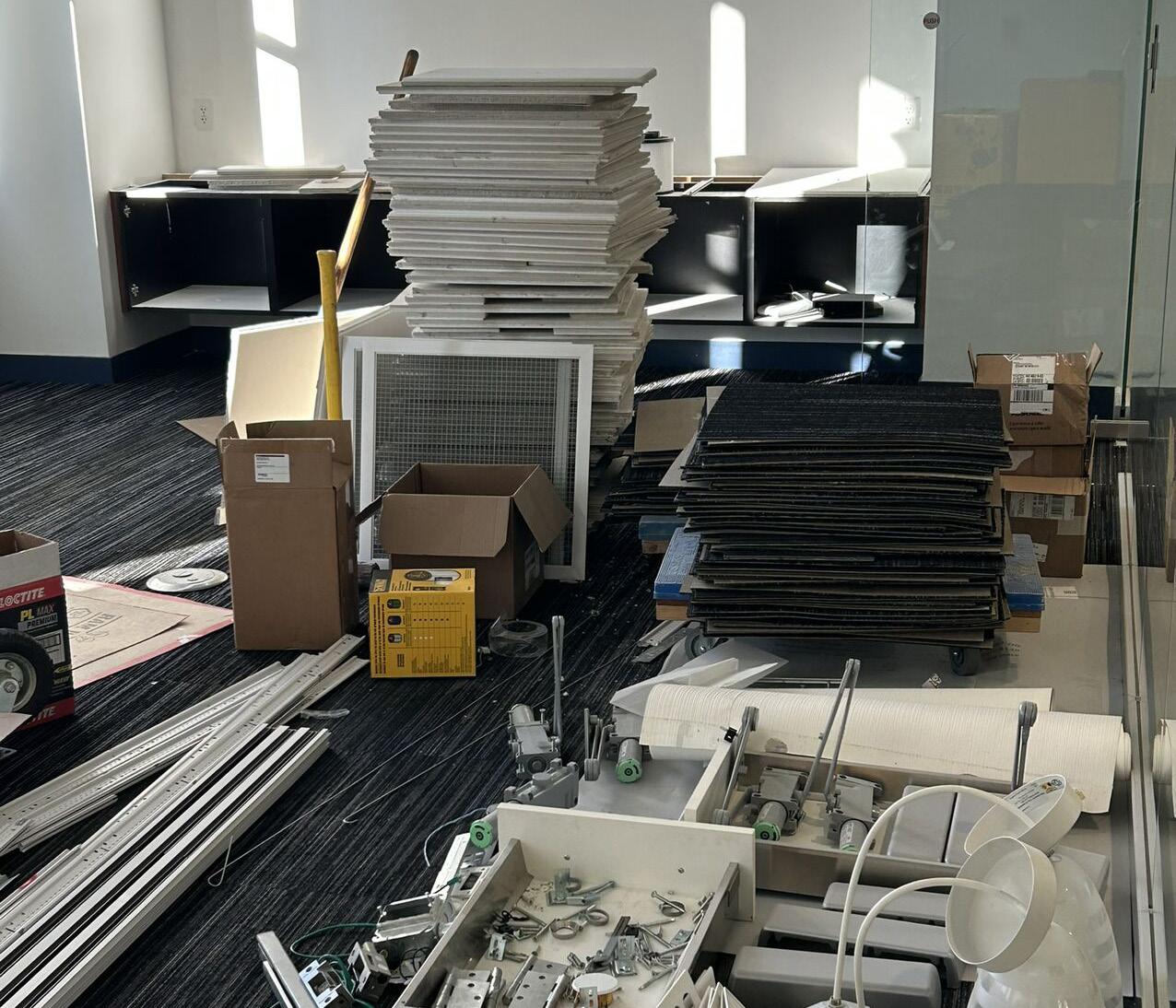
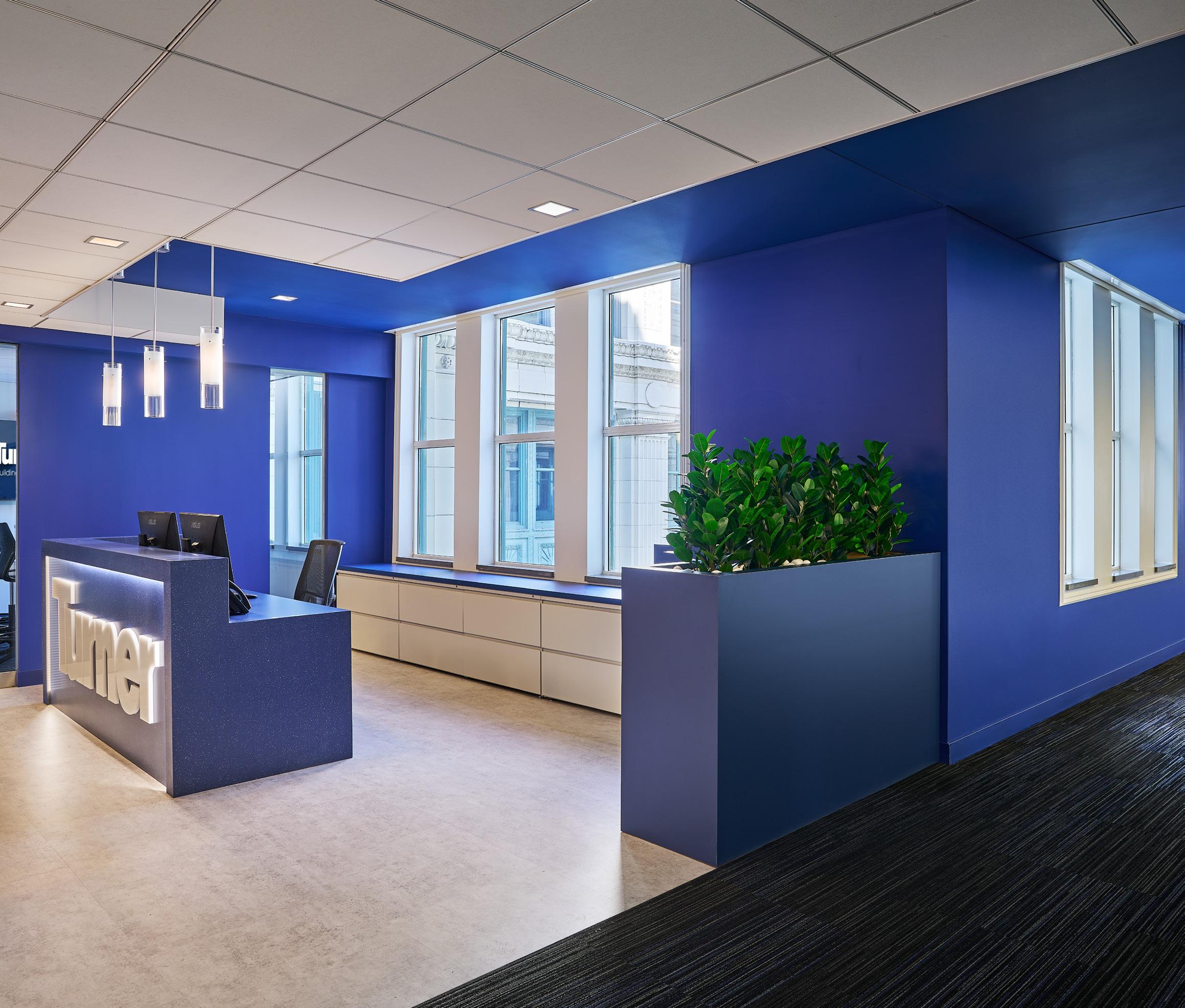
SPO applies the same level of coordination and rigor to deconstruction and material reuse. In the relocation and fitout of Turner’s Detroit office, the team prioritized reuse by evaluating existing conditions and designing around materials already in place. Rather than defaulting to demolition, Turner and the design team identified components suitable for reuse and integrated them into the new layout.
The SPO team conducted early-stage material assessments and coordinated closely with design partners and trade contractors to align on reuse opportunities before construction began. This proactive planning enabled informed decision-making, reduced rework, and established a repeatable framework that can be applied across similar interior fit-out projects. That strategy engaged trade partners and guided decisions throughout the project. Carpet tiles were repositioned to replace worn areas instead of being discarded. Ceiling systems were reconfigured and reinstalled. Doors, wood trim, and glass were removed, refinished, and returned to service. Lighting and equipment were relocated within the space, with remaining materials donated or recycled during move-out.
The results reflect a high level of material retention. Ceiling systems were reused at approximately 96 percent, while lighting and flooring were fully reused with minimal modification. The project generated only a single dumpster of waste, with most materials redirected away from landfill. These decisions also streamlined delivery. By reducing material procurement and coordinating work directly, the team simplified execution and minimized logistical complexity. The fit-out was completed in 60 days, despite early delays, and finished approximately 30 percent under budget.
By applying these strategies internally, Turner demonstrates how deconstruction and reuse perform under real project conditions. The project serves as a proof point for integrating circular practices into renovation and fit-out work, providing a clear and repeatable model for future office moves and interior projects.

POWERING OUR PROJECTS
Equipment plays a critical role in how construction projects perform, from early planning through execution. Aligning equipment selection and availability with project needs improves efficiency, supports reliable delivery, and enables lower-emission solutions.
First Equipment Company (FEC), a Turner Construction Company subsidiary established in 2025, advances a more coordinated approach to equipment strategy and fleet management. FEC aligns equipment procurement and rentals with project needs across all phases of work. By centralizing purchasing and building direct manufacturer relationships, FEC improves equipment access, consistency, cost efficiency, and availability while supporting the transition to lower-emission equipment across projects. In Canada, Clark Builders’ subsidiary NorthStar Equipment Rentals provides reliable, flexible equipment solutions tailored to regional needs. NorthStar’s growing fleet includes hybrid vehicles and fuelefficient equipment that help reduce emissions while maintaining performance across jobsites.
Together, FEC and NorthStar provide a connected and forwardlooking approach to fleet management, supporting efficient operations and advancing lower-emission construction practices across North America.
Detroit Office Renovation Reuse Materials
Renovated Detroit Office
MATERIALS WITH PURPOSE FROM WASTE TO RESOURCE
Across Turner, teams reduce waste by rethinking how materials are sourced, used, and recovered. From material reuse and salvage to donation and manufacturer take-back programs, these efforts extend material life, minimize landfill impacts, and create value for both projects and the communities where we build.

WASTE METRICS
Second Life On Site
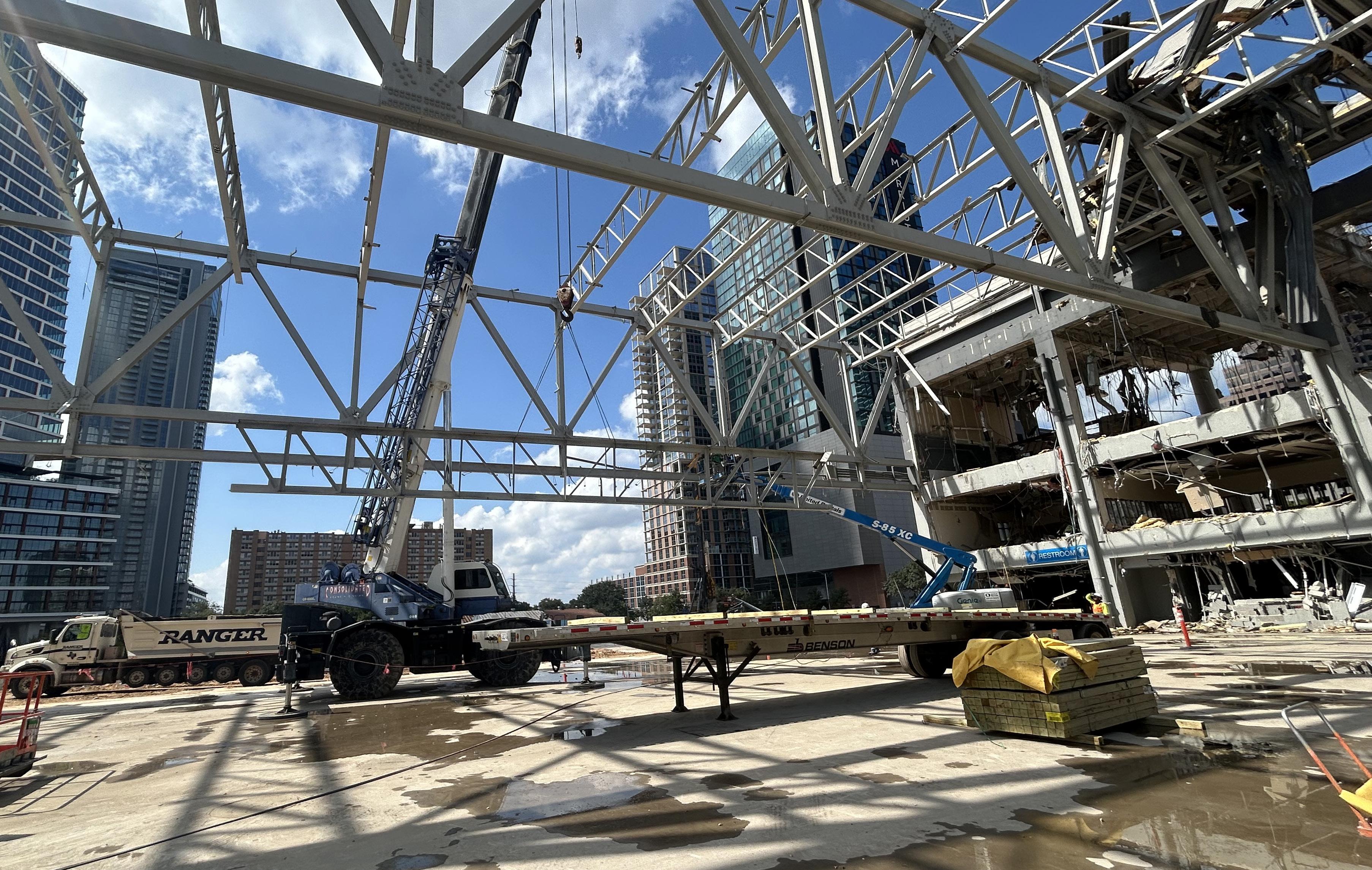
At the Austin Convention Center, the project team is prioritizing high-value material reuse during demolition, evaluating a wide range of materials, notably salvaging more than 80 structural steel trusses for potential direct reuse. A dedicated on-site yard supports sorting, staging, and inspection to prepare materials for their next use.
Team Driven Recovery
These projects diverted over 18,000 tons from
In addition, the Turner team implemented a carpet manufacturer take-back program after demolition was already underway, diverting 73 tons of waste from landfills. The effort required additional coordination and cost but expanded recovery beyond what was originally planned. It also provided lessons for future projects, reinforcing the value of early planning and testing materials to improve efficiency and outcomes.
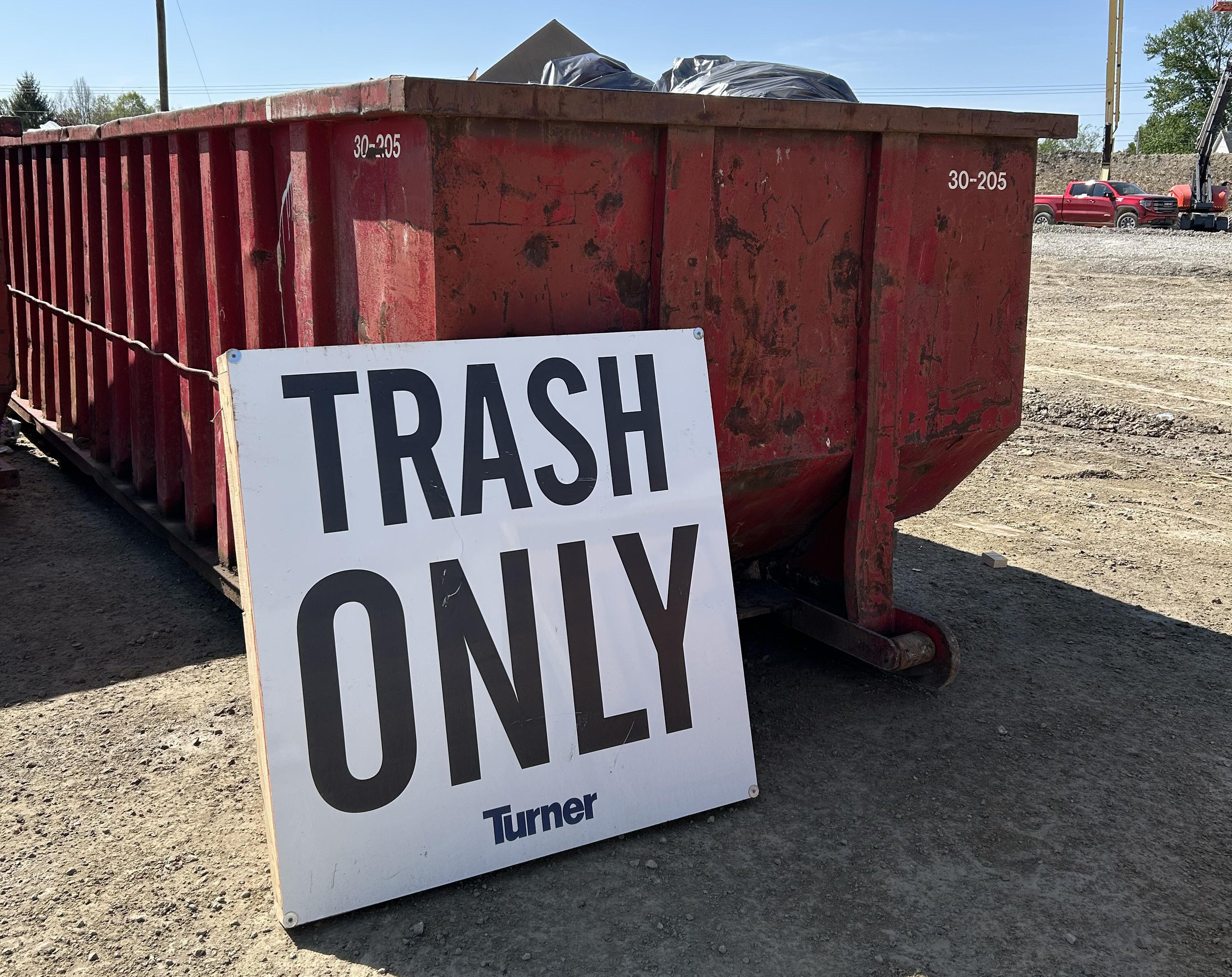
At a Bristol-Myers Squibb project in Tampa, FL, the project team created opportunities to reduce waste and improve jobsite practices, going beyond project requirements at the request of the client. The team diverted 100% of conduit from landfill by reusing existing materials, with 85% repurposed and much of it incorporated into new rough-in work, avoiding five dumpsters. Additional efforts included recycling 600+ light fixtures, responsibly disposing of 1,000 lamps, and returning 11.94 tons of carpet for manufacturer take-back. The team also worked to eliminate single-use plastics on site, asking trade partners to make healthier choices and create a more sustainable site. These outcomes highlight a project team focused on finding better ways to build through active caring and innovation.
Austin Convention Center Truss Deconstruction
Turner BMS Project Team
Shards to Supply
During the demolition of two high-rise towers in New York, a Turner-led joint venture team identified an opportunity to rethink how materials could be recovered and reused. Working closely with demolition, hauling, and recycling partners, the team separated and processed more than 52,000 pounds of architectural window glass—material that is typically sent to landfill—transforming it into fiberglass insulation, while also salvaging approximately 2,000 square feet of brick for reuse on the new healthcare facility.
Through careful coordination and planning, the project demonstrates how demolition can serve as a source of value for future construction and highlights a scalable approach to advancing circular material strategies on complex urban projects.
Circularity Sets Sail
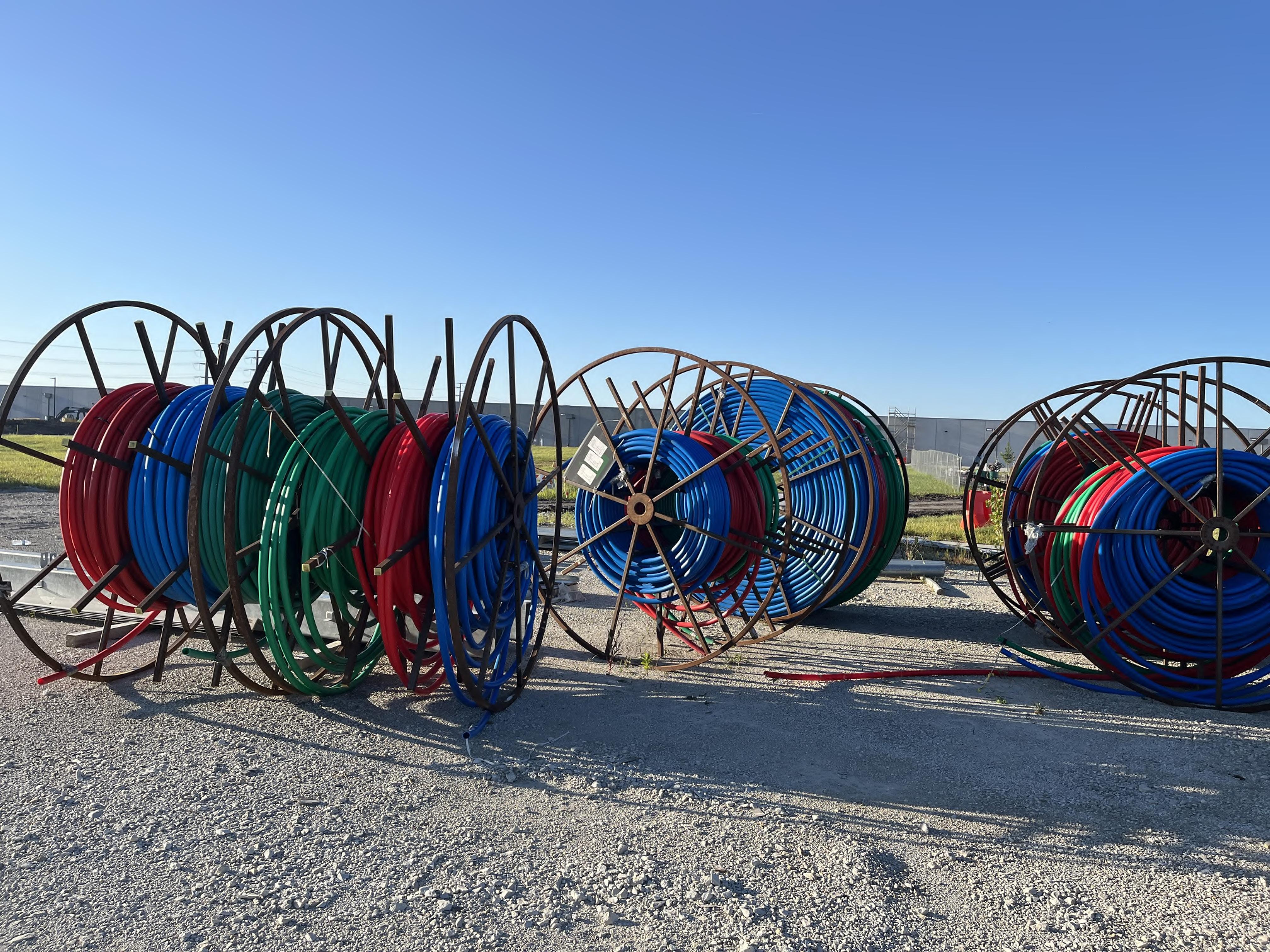
Turner teams continue to find creative ways to keep materials in use, even when traditional recycling options fall short. On an Iowa project, the team needed to remove more than 17,000 linear feet of fiberglass conduit from the jobsite. Local recycling outlets could not process the material at that scale, so the team looked for another path.
Working with Repurposed Materials, the team spent weeks evaluating reuse options, walking the site, and confirming material types, quantities, and what could be removed. Turner’s Self-Perform team helped make the effort possible by organizing, banding, and loading the conduit for transport.
Much of the pipe has since been rehomed, with many buyers using it as conduit as originally intended. The first pieces reused, however, found a more unexpected second life as a mast and other components for a brigantine under construction in Maine. The effort shows how persistence, coordination, and creative thinking can turn a jobsite challenge into a circular solution.
Closing the Loop
At a major renovation for a large financial institution, the project team applies a Lean approach to waste management, focusing on safe operations, cost efficiency, and better use of materials. Building on strategies developed with the same client and trade partners, the team carries forward a proven process that promotes consistency across projects.
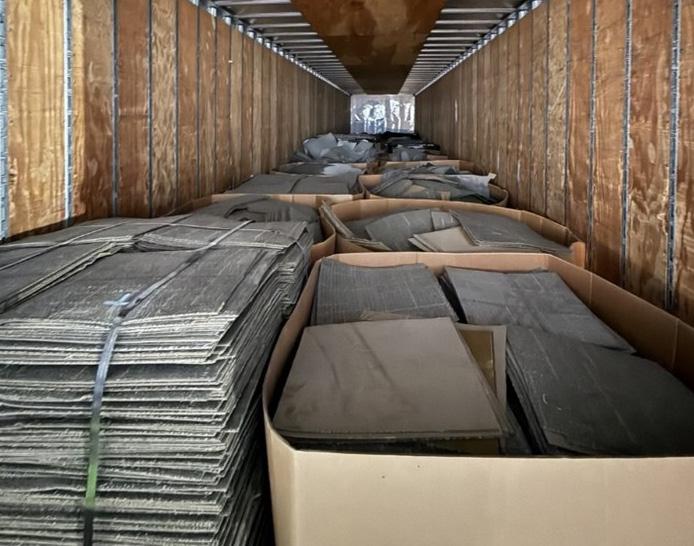
Materials are diverted through structured reuse and return efforts, with brick reuse exceeding the client’s target and more than 60 tons of carpet and ceiling tiles redirected through manufacturer take-back programs. Reuse is embedded from early planning with trade partners leading coordinated recovery efforts, including having the flooring contractor include pickup for the old carpet. Dedicated on-site staging, including use of parking lot space, supports organized storage of carpet and tile for reuse. This efficient approach reduces disposal, lowers costs, and delivers measurable environmental value for the client.
Palletizing
Project Waste Sorting
Conduit to be Sent for Reuse
JOBSITE GARDENS LOCAL IMPACTS
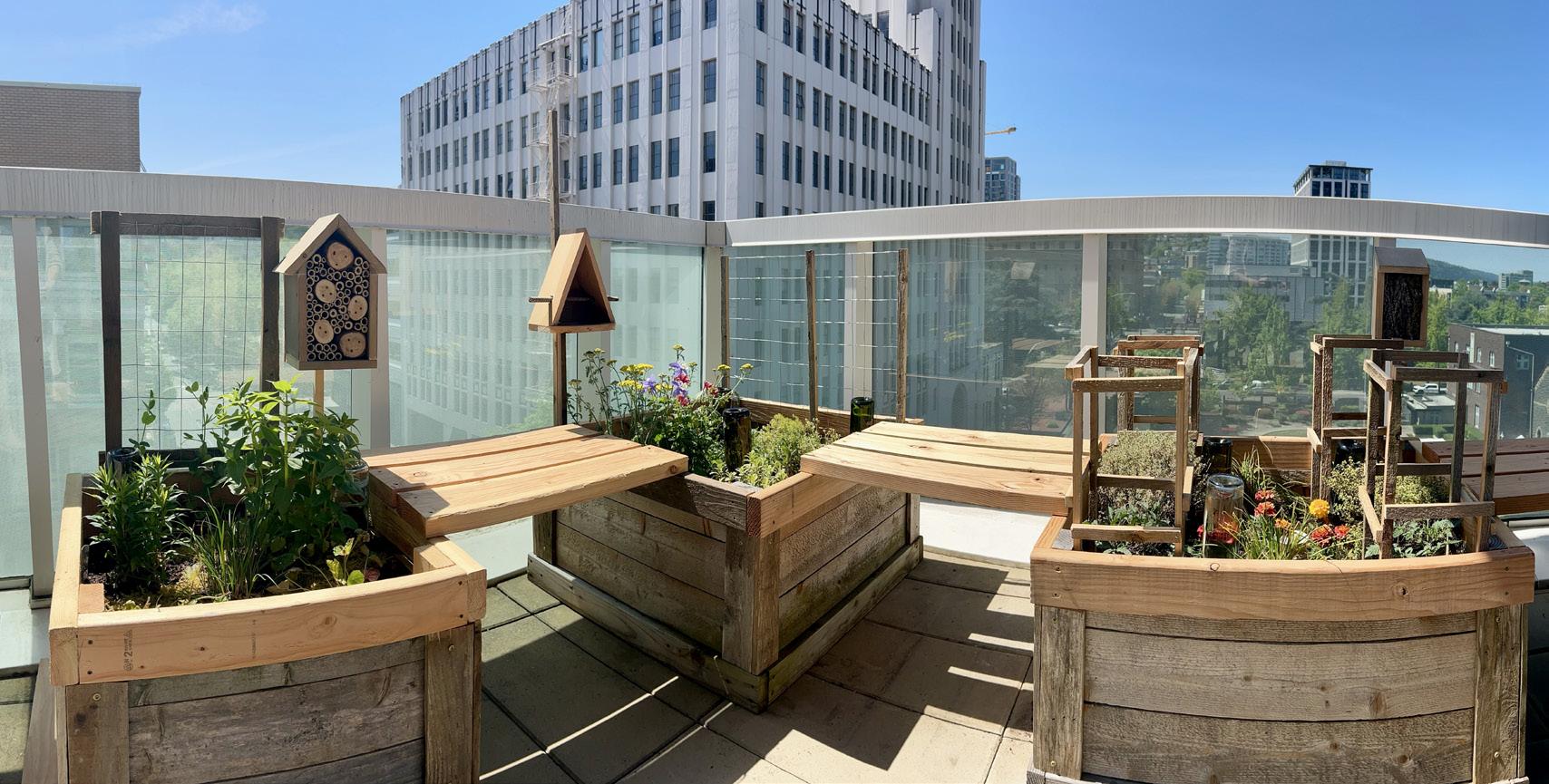
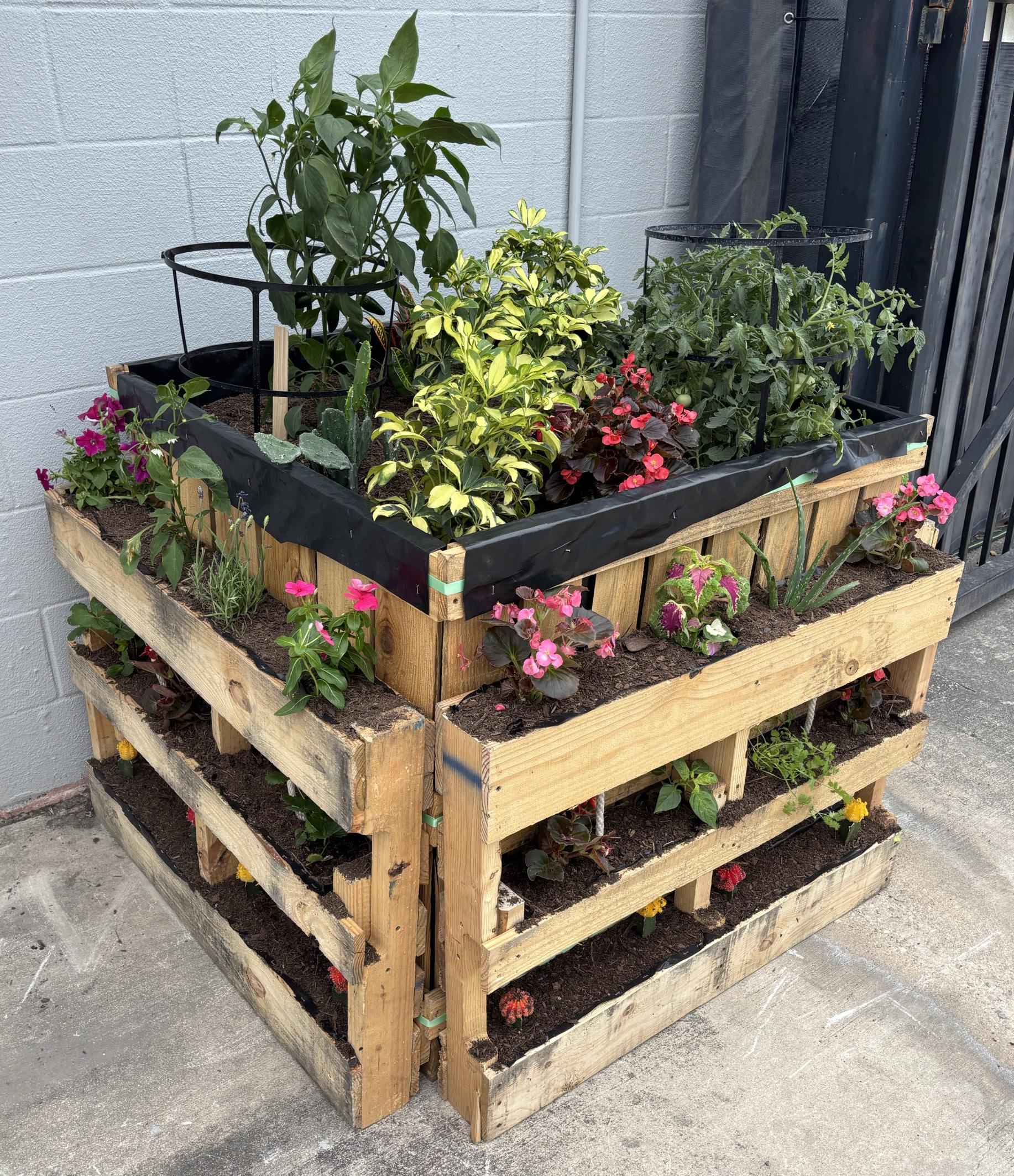
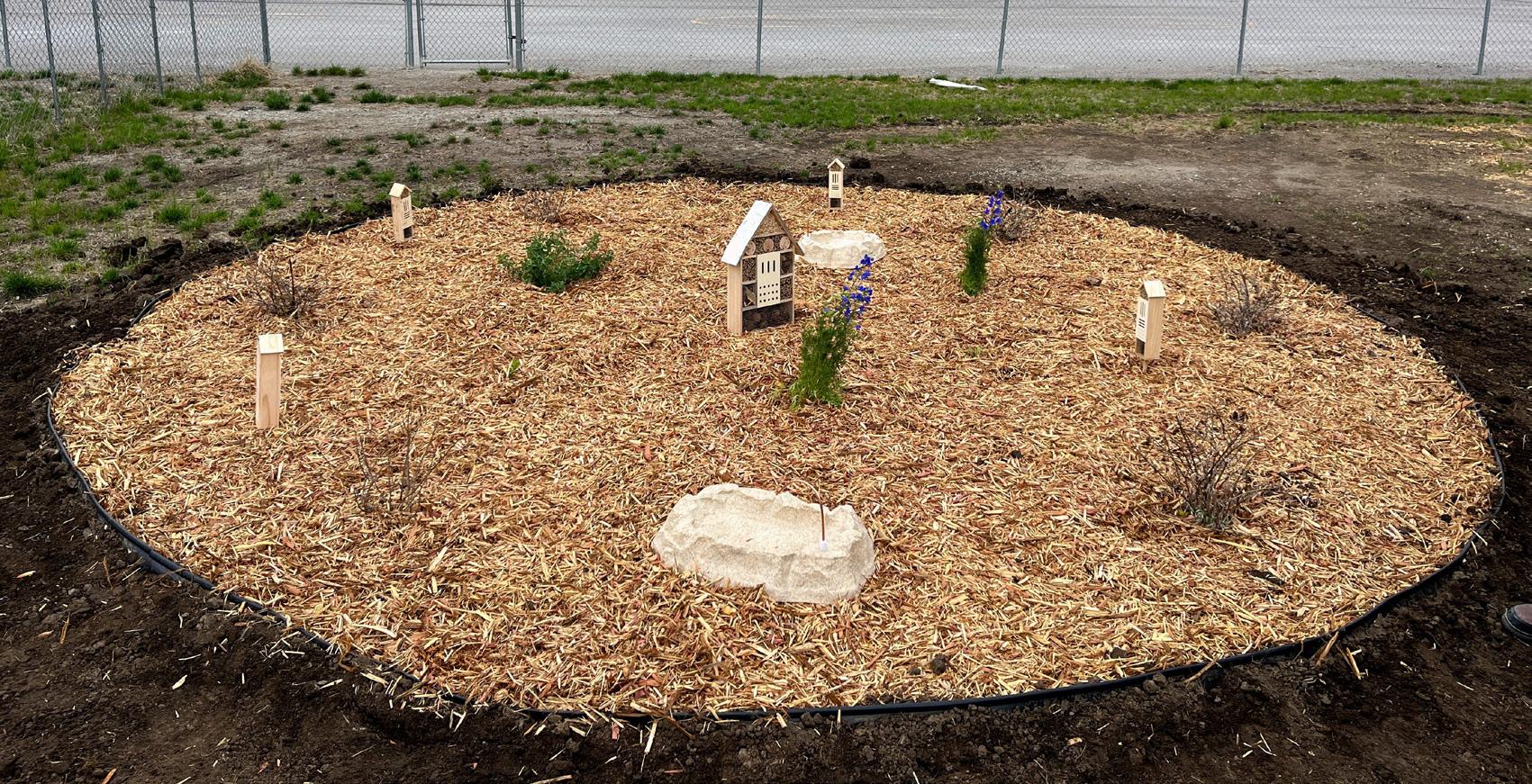
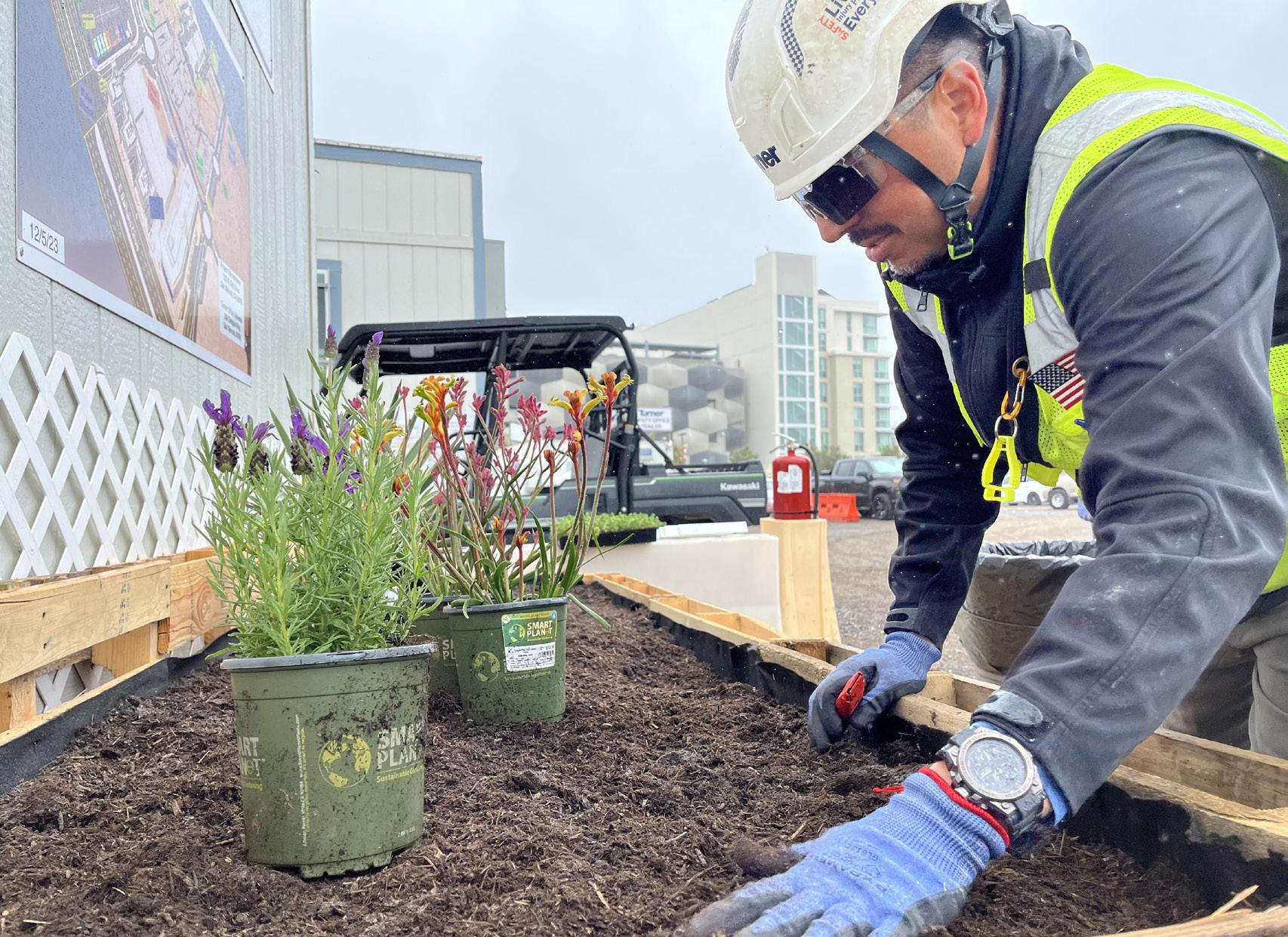
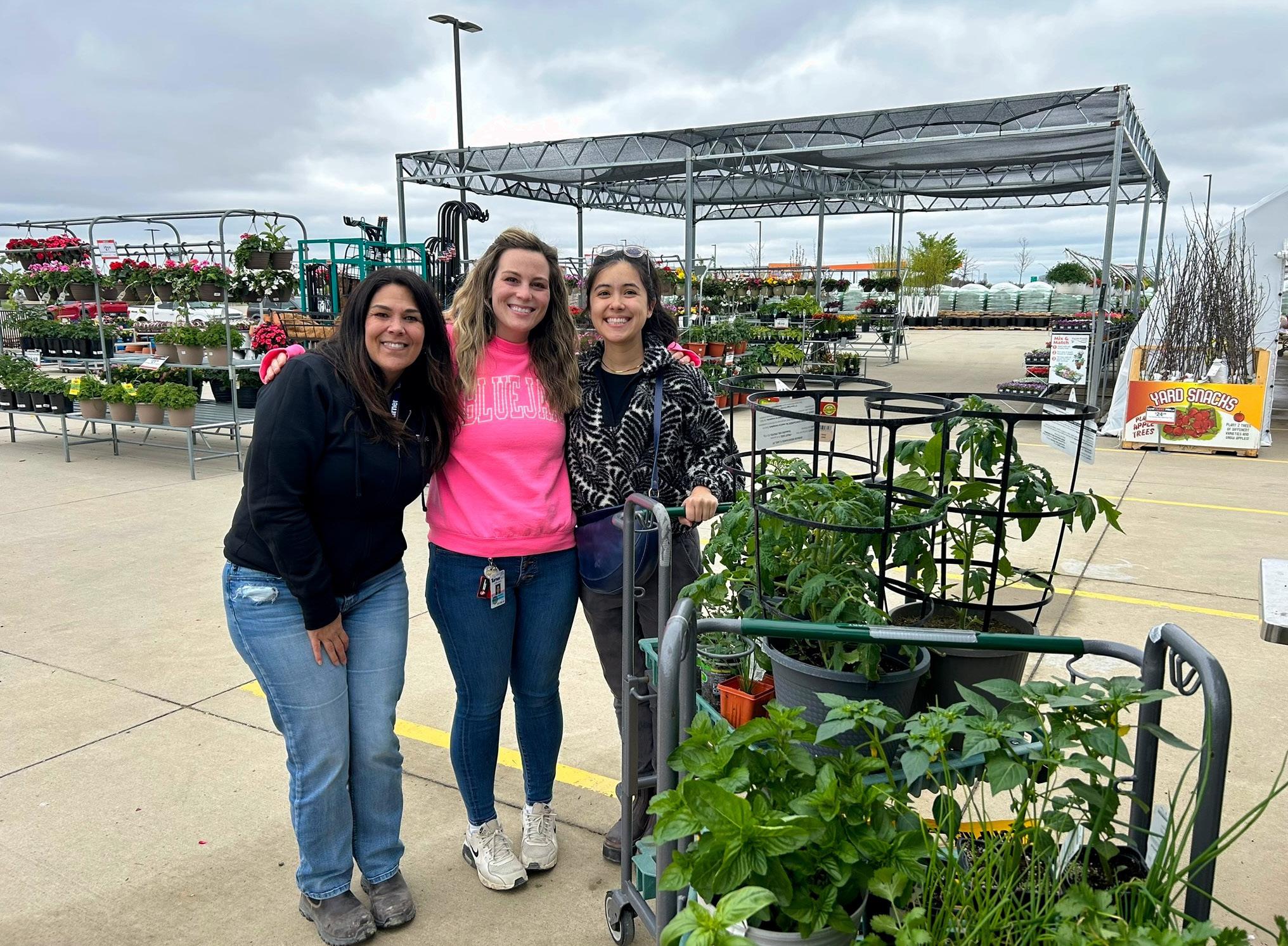
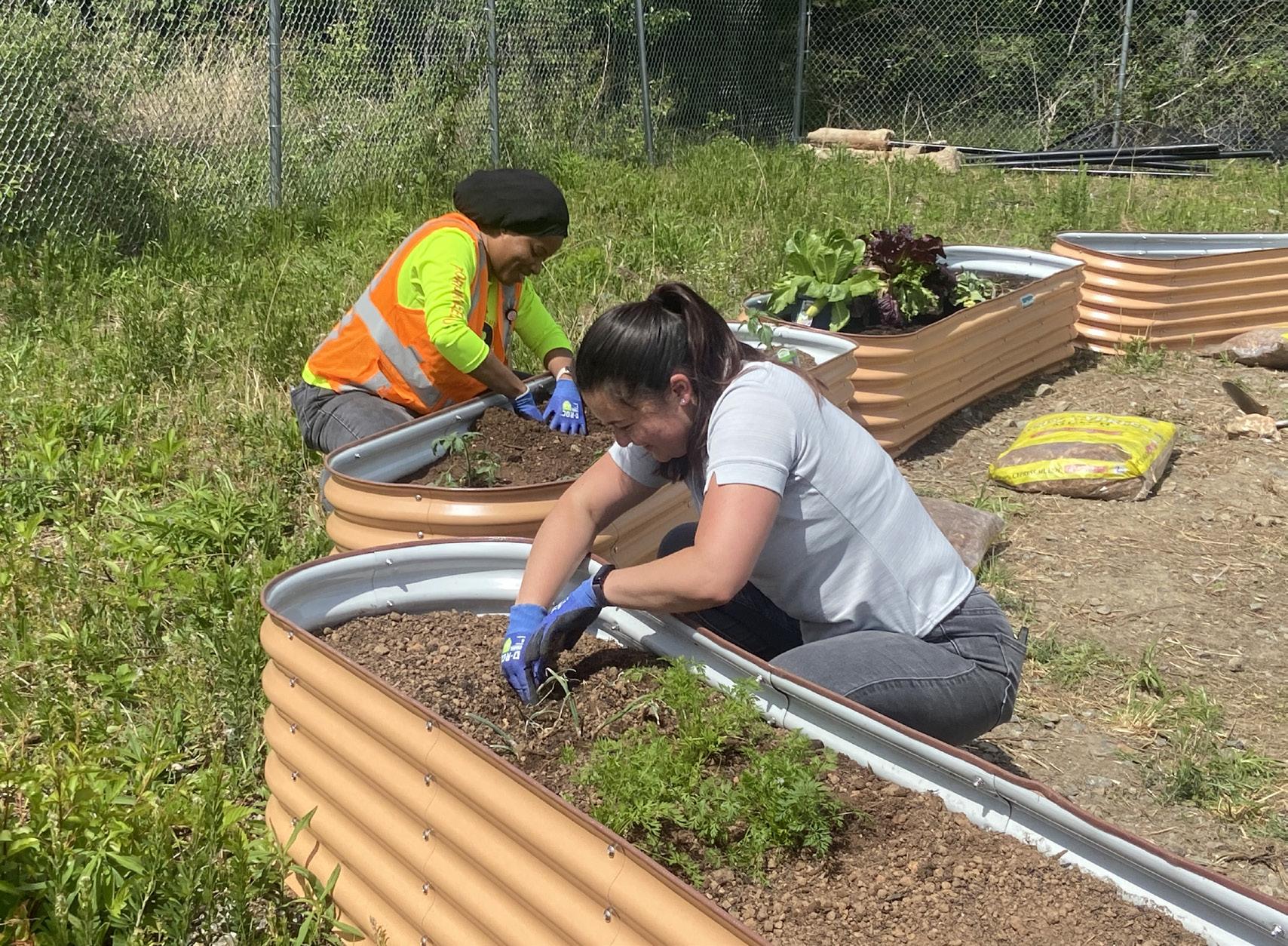
Across Turner, Earth Month 2025 showcased sustainability in action on project sites through native plantings, pollinator habitats, and food gardens that support local ecosystems.
An Earth Month Garden Contest brought this work together, with 23 teams from projects and offices nationwide. Each entry applied site-specific strategies shaped by local conditions, with evaluation criteria including collaboration, material reuse, native planting, maintenance planning, water access, education, and innovation. Winning teams directed donations to local charities, extending the reach of these efforts beyond the jobsite.
The Portland Main Office earned top honors in the Pollinator Garden category with a sixth-floor habitat built entirely from reclaimed materials. The design integrated salvaged wood, recycled soil, and custom-built insect habitats to support native pollinators in an urban setting. Drought-conscious watering strategies further enhance the garden’s resilience, demonstrating how material reuse and water efficiency can be embedded into small-scale interventions.
In the Vegetable Garden category, winning teams at SFO T3 West and a Confidential Project in Iowa
combined edible plantings with pollinator-friendly species while advancing water stewardship. In San Francisco, the garden relies on reclaimed water for irrigation and incorporates compost made from locally sourced coffee grounds to enrich soil health. A controlled nozzle system reduces overwatering and improves efficiency. At the project in Iowa, the team implemented a rain catchment system paired with a water tower to support consistent, low-impact irrigation throughout the growing season.
Teams prioritized native species, reused existing materials, and applied climate-responsive water strategies tailored to their regions. These approaches not only support biodiversity but also reduce resource demand and improve long-term performance.
The Earth Month Garden Contest highlights how biodiversity and water stewardship can be integrated into everyday spaces, offering practical, replicable models that contribute to healthier ecosystems across offices and jobsites.
Portland Office
San Antonio Warehouse
Confidential Project, Kansas City
Confidential Project, North Carolina
Confidential Project, Iowa
North City Garden
LESS WASTE, MORE IMPACT REDUCING WATER
WHAT’S THERE
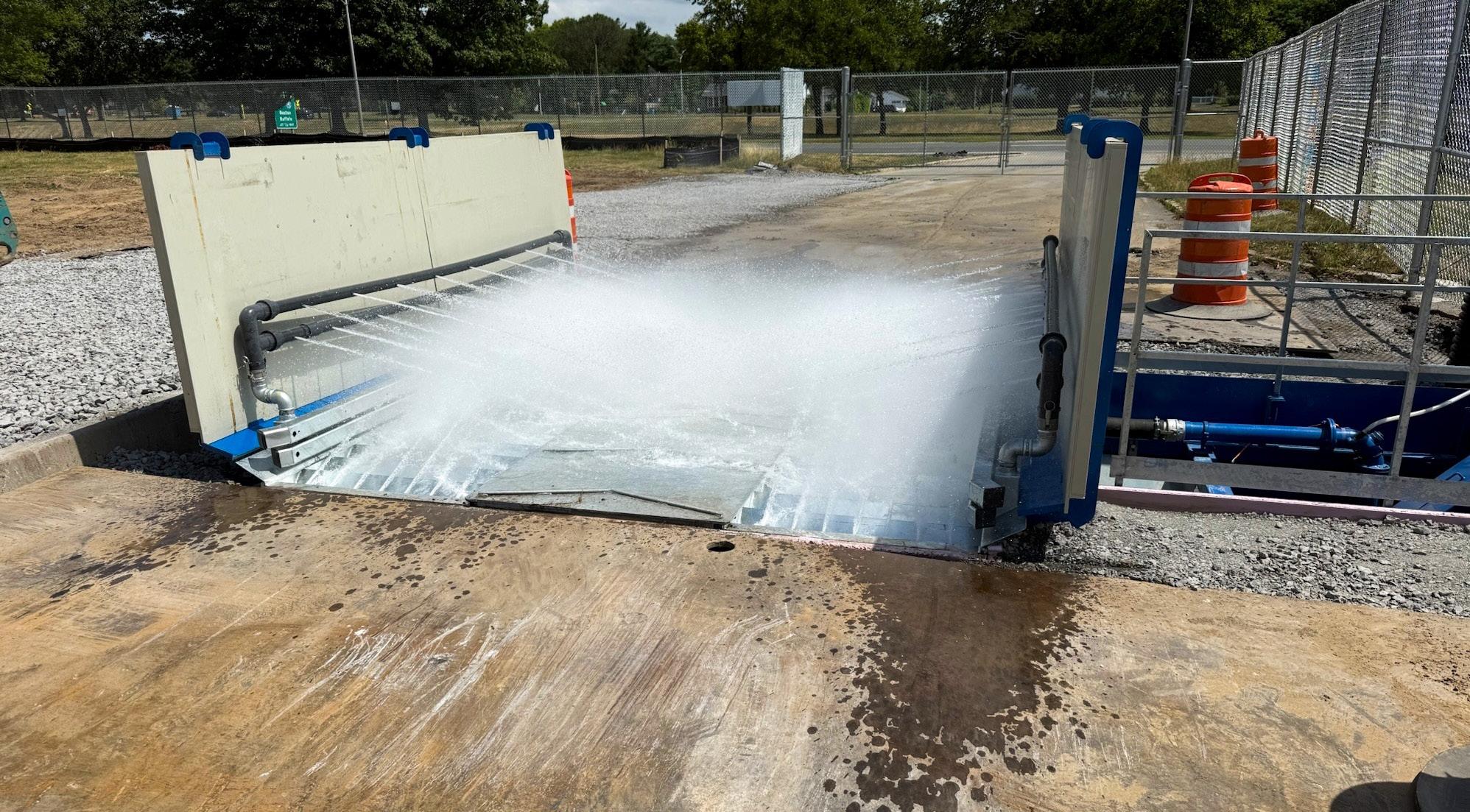
Water use on construction sites is often driven by essential activities like dust control and vehicle cleaning. On a life sciences project in New York, a sitework contractor introduced a closed-loop wheel wash system to improve how vehicle cleaning is managed on site. The team sourced and installed a system that captures, filters, and recirculates water, reducing reliance on continuous freshwater supply and manual labor while supporting effective truck cleaning and sediment control.
The system operates through a contained wash platform paired with a recirculation tank, allowing water to be reused across multiple cycles. This approach offsets thousands of gallons of potable water each month and reduces runoff leaving the site.
This effort reflects how trade partners contribute directly to stronger jobsite performance. The sitework contractor identified an opportunity to improve their standard practice and acted on it, aligning field execution with broader sustainability expectations. The
result is a solution that supports compliance, protects surrounding infrastructure, and conserves resources through everyday operations. The sitework contractor showed how rethinking work around sustainability can be a part of being a better builder. As teams look to scale similar strategies, this example shows how decisions made in the field can shape more efficient and responsible approaches to water use across projects.

PROJECTS WITH WATER MANAGEMENT PLANS
SITE AREA OF PROJECTS WITH BIODIVERSITY MANAGEMENT PLANS
In the heart of Cambridge’s Kendall Square, Danny Lewin Park serves as both a memorial and a model of thoughtful urban stewardship. Named for Danny Lewin, a pioneering internet engineer and the first victim of the September 11 attacks, the park carries a legacy of building things meant to endure. Delivered as part of a larger tower and garage development, the pocket park transforms a high-traffic corridor into a shaded, restorative green space that honors the legacy of Danny Lewin while connecting to the Cambridge community.
A defining feature of the project is the preservation of four mature trees, protected in place through air spading. Because transplanted mature trees have significantly lower survival rates, the team prioritizes in-place protection. High-pressure air loosens compacted soil to improve aeration and moisture retention while enabling arborists to assess root systems. Primary roots are carefully protected, and selective pruning of smaller fibers supports long-term growth and resilience.
Beyond tree preservation, the landscape design enhances ecological performance across the site. Native and pollinator-friendly plantings support local biodiversity, while permeable pavers and a layered drainage strategy, combining an aggregate sub-base, slotted trench drains, and geotextile filtration, manage stormwater effectively. Subsurface systems capture and slowly release runoff, improving soil conditions and reducing flood risk. Together, these strategies demonstrate how targeted interventions on even compact urban sites can protect existing ecosystems and deliver lasting environmental value.
Highlight
OUR EMPLOYEES
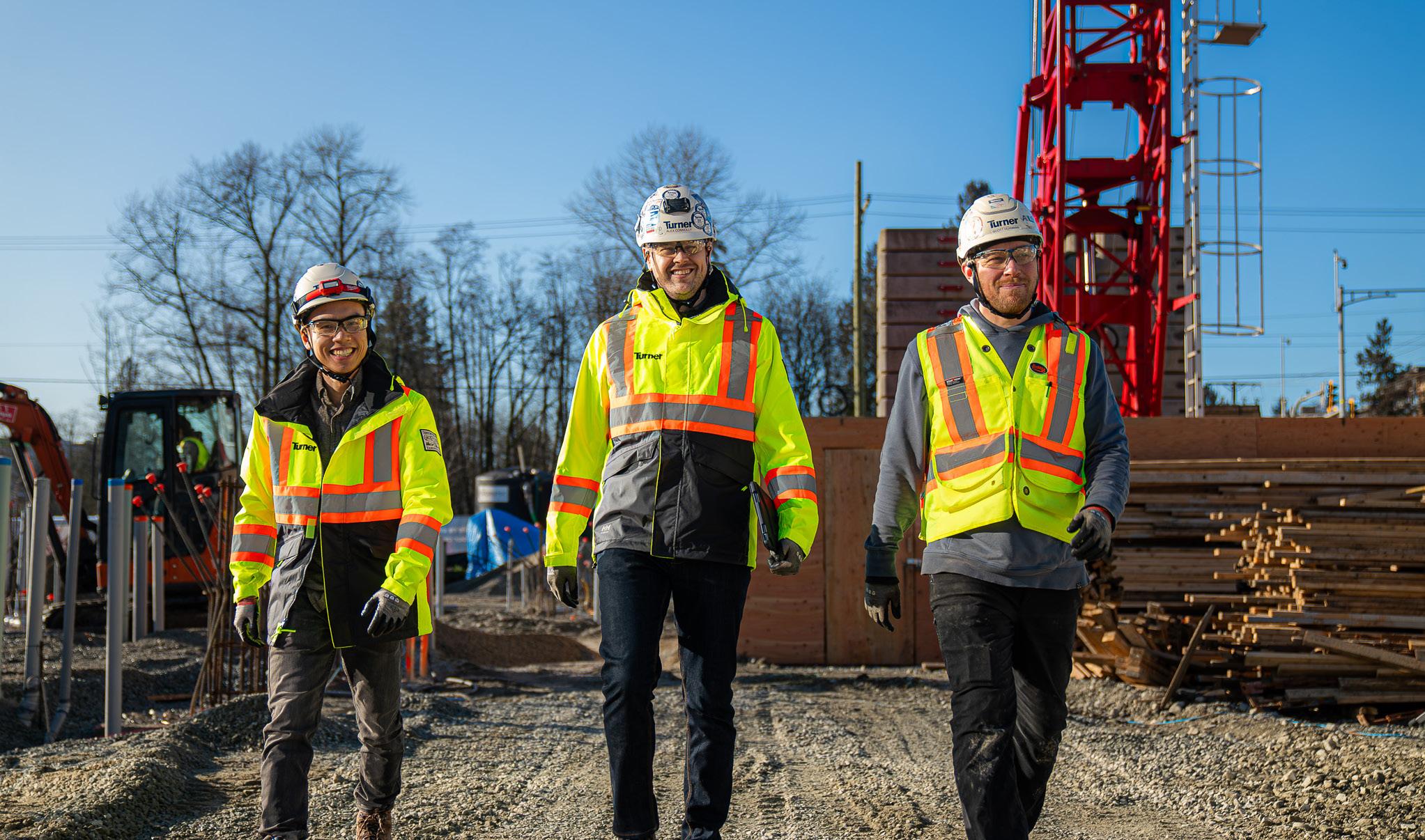
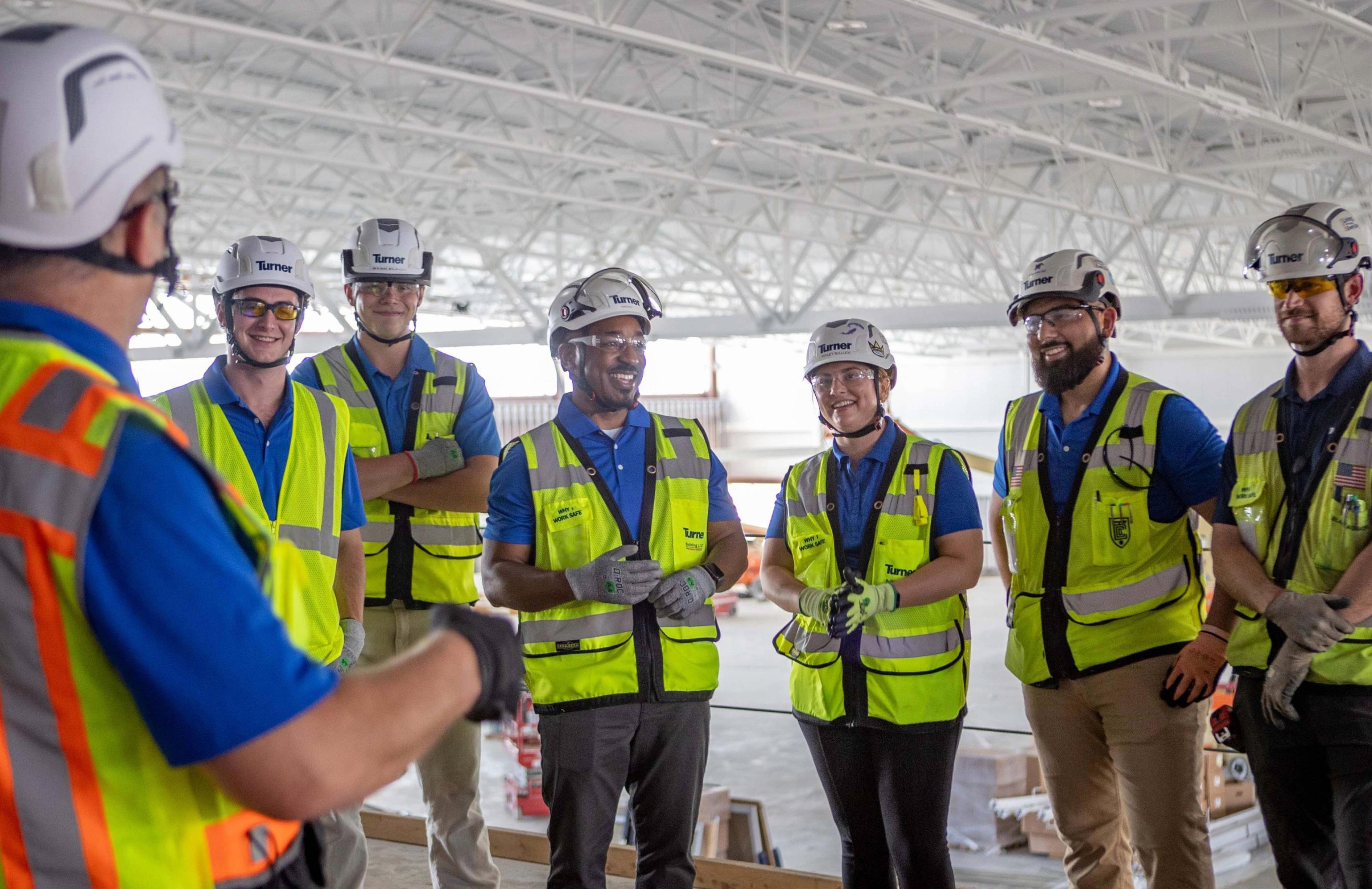
Our people are at the heart of everything we do. We are sustaining the right environment where people can be at their best, be authentic, and are treated with respect and dignity. We are committed to providing the support, resources, and benefits that enable employees to feel a true sense of belonging, and thrive in their careers.
OUR PEOPLE ACROSS TURNER
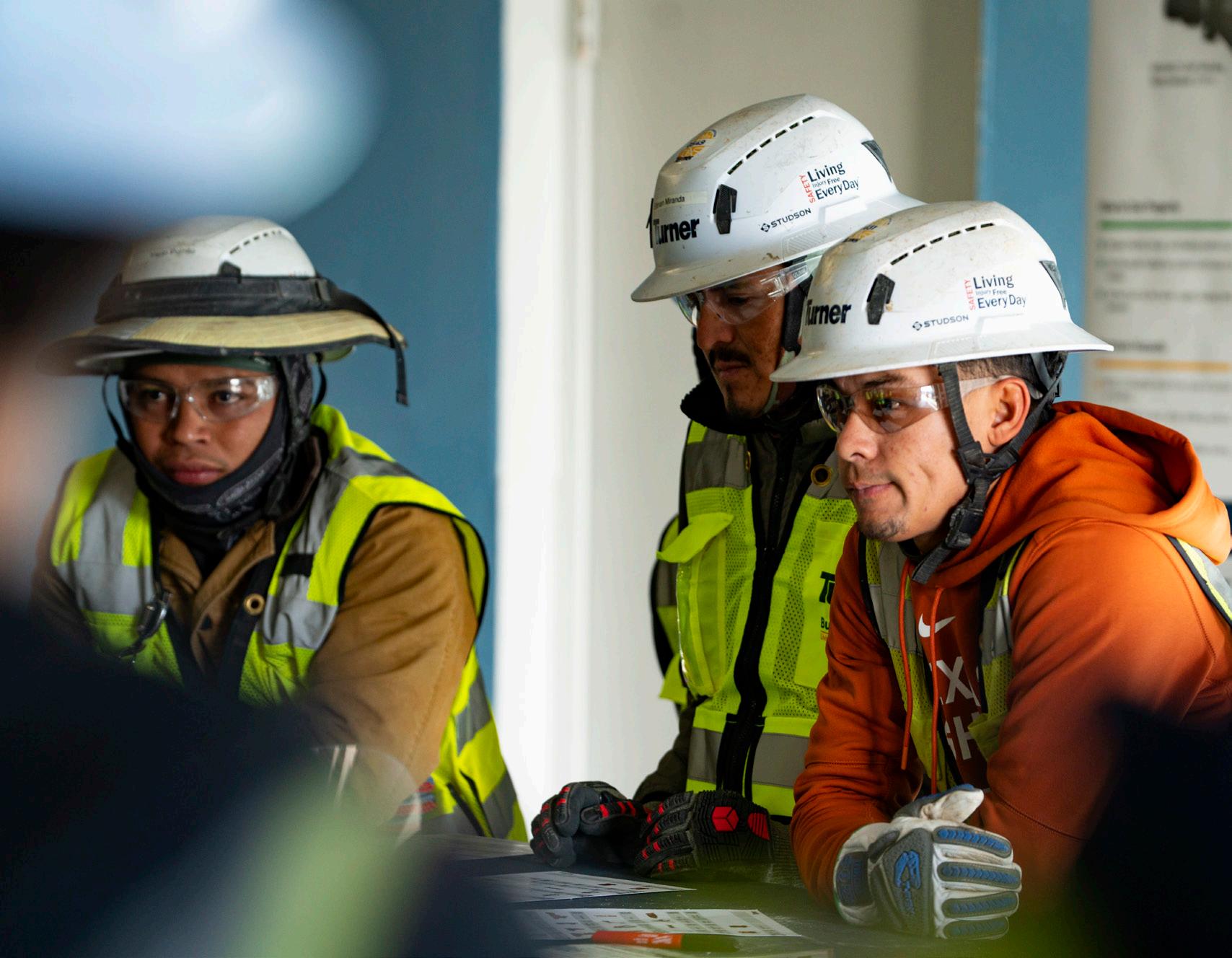
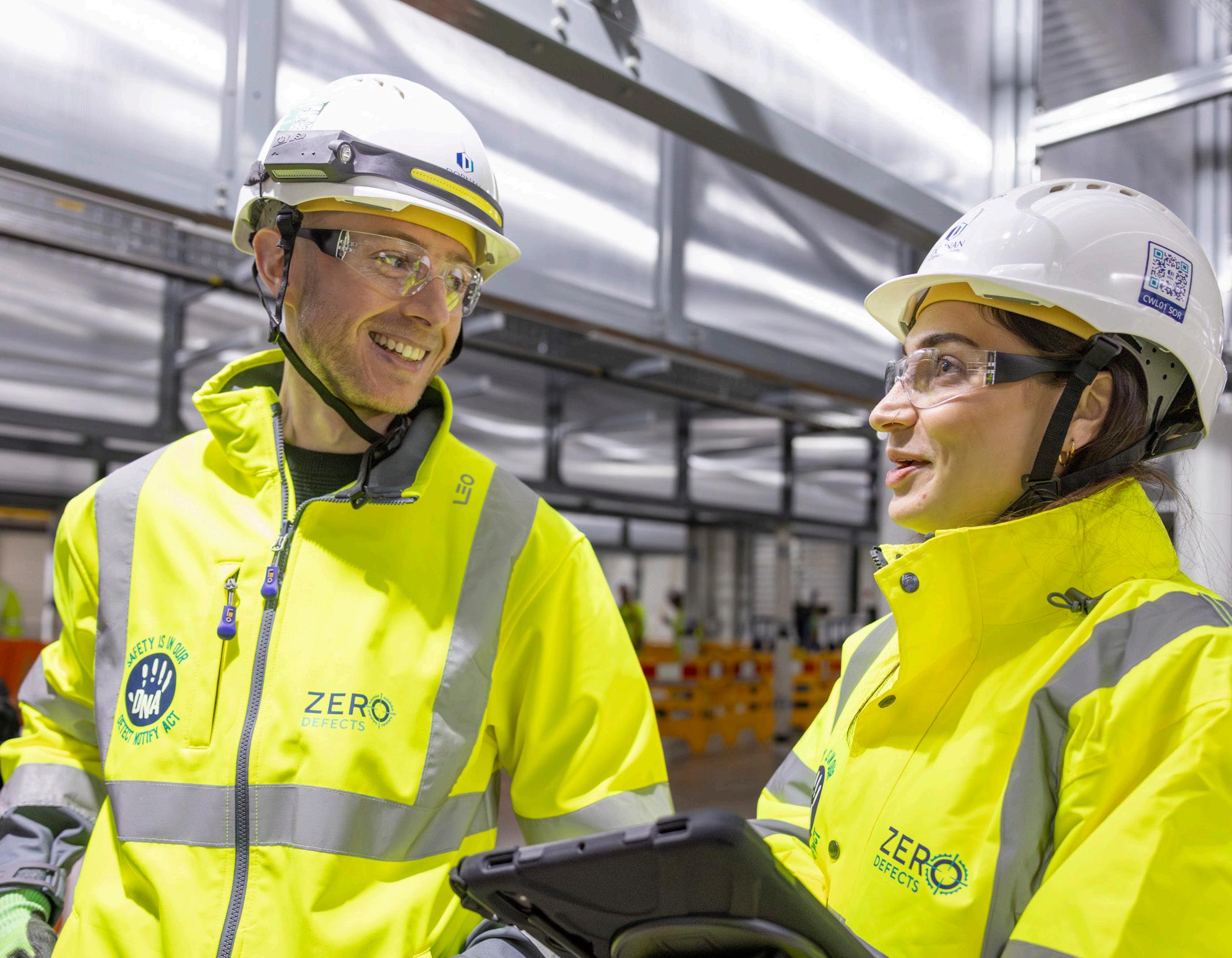
Turner continues to strengthen how its people connect, collaborate, and grow across the company and ACS Group. Teams operate as part of a unified workforce, aligning with Turner’s broader mission while continuing to contribute local expertise and relationships. The addition of Dornan Engineering brings new capabilities, perspectives, and talent into a more connected organization. Turner has made a deliberate effort to enable employees to engage more fluidly across projects, roles, and geographies. With Dornan’s integration, teams gain access to specialized expertise in mechanical and electrical delivery, strengthening collaboration on complex projects and expanding opportunities for shared learning. At the same time, Turner Technical Services (TTS) supports this model by providing scalable, centralized capabilities that
allow teams to work consistently across regions. Knowledge, resources, and best practices move more easily between teams, supporting stronger coordination and more informed decision-making.
By making connections across its workforce and expanding its capabilities, Turner continues to build a more aligned, agile, and capable organization, positioned to deliver strong results together.

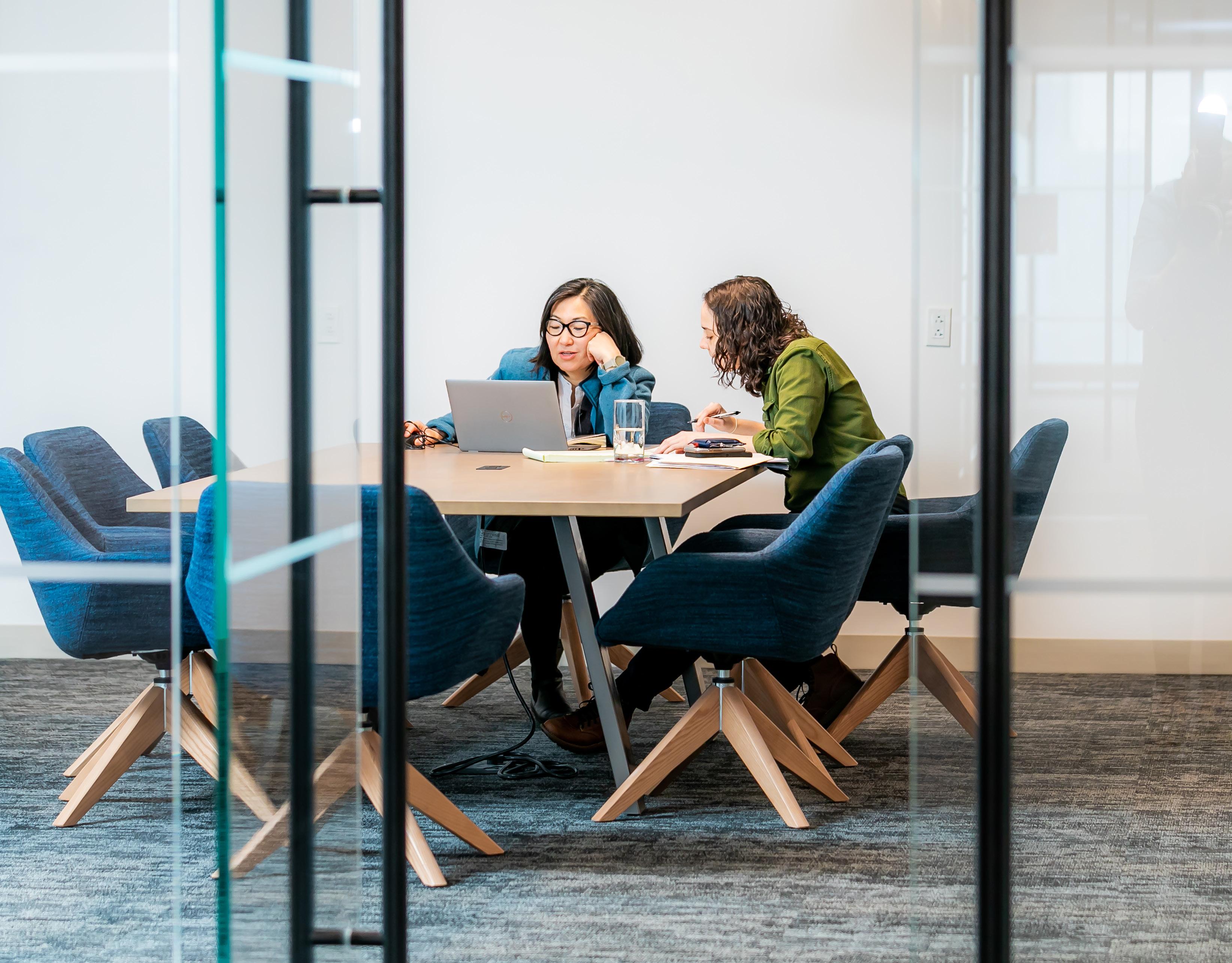
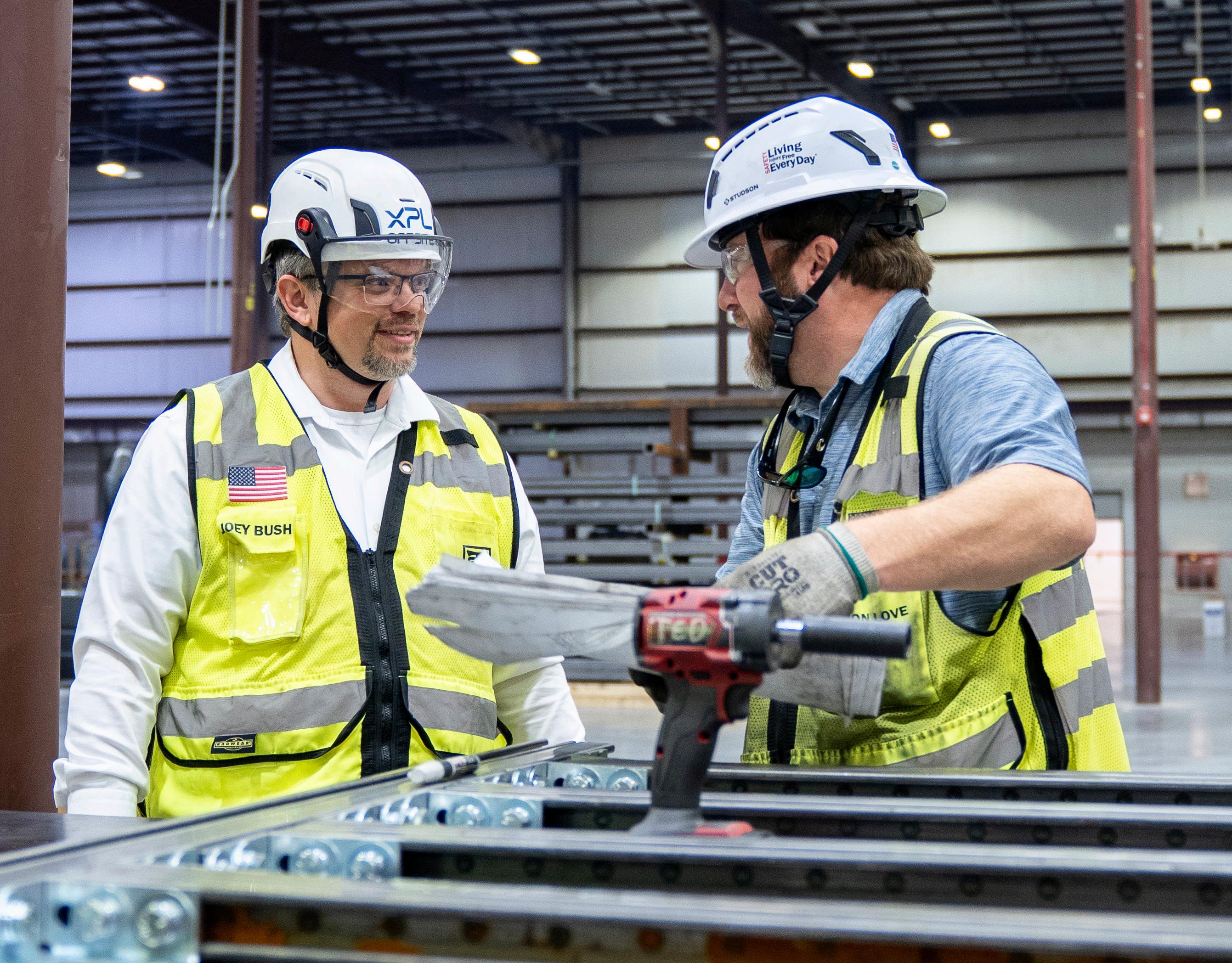
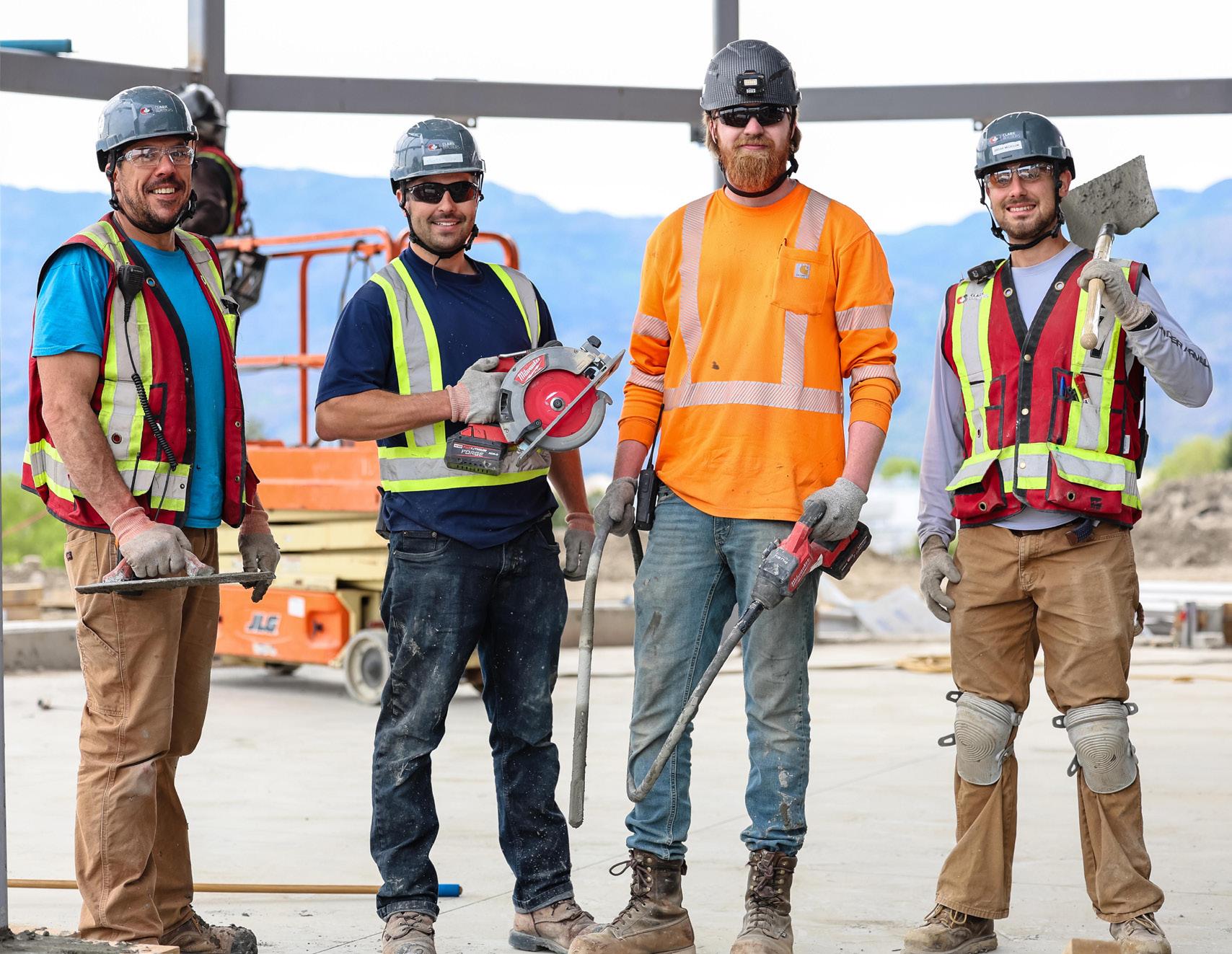
EXPANDING OPPORTUNITY
Opportunity at Turner is defined by access to projects, markets, and career paths that evolve alongside the company’s continued growth. As demand expands across sectors and regions, Turner takes a coordinated approach to recruiting and workforce planning, ensuring talent aligns with business needs while supporting consistent delivery across projects.
That growth is reshaping how Turner recruits and deploys its workforce. In recent years, the company has scaled hiring significantly, bringing on more than 3,200 hires and interns in 2025, with targets continuing to increase to meet demand. As work expands across new markets, segments, and service lines, teams actively identify and place talent where
it is needed most. That coordination also creates meaningful opportunities for employees, connecting them to assignments where they can contribute immediately, gain exposure, and continue building capability over time. This approach creates a balance between near-term delivery and long-term workforce development.
Opportunity is a key part of that strategy. Employees regularly take on assignments in new locations and project types, often stepping into unfamiliar conditions that accelerate learning and broaden experience. These experiences build technical knowledge while developing problem-solving and leadership skills. Early exposure to complex processes, project-specific requirements, and different delivery approaches allows employees to develop a deeper understanding of how projects operate, positioning them to support teams more effectively over time and take on greater responsibility earlier in their careers.
This model also supports how Turner plans and deploys its workforce. Resource Officers, dedicated leaders who help coordinate staffing needs and employee assignments, work closely across regions to identify where talent is needed most, creating pathways for both new hires and existing employees to step into critical roles. They assess employee experience, career goals, and availability, aligning individuals to opportunities that support both career progression and project needs. This level of coordination ensures projects remain fully supported while opening new opportunities for growth. As Jeremiah Hudson, Resource Officer, explains, the focus is on “making sure that we have the talent that we need to do the work that we continue to win.”
As employees move between projects, regions, and locations, Turner builds project culture through connection, shared expectations, and consistent ways of working. On select large, complex, or remote
projects, Culture Managers provide an additional layer of support by helping teams build relationships, reinforce Turner’s values, and create a strong sense of belonging from the start. This role builds on the culture project teams create every day and provides added support on projects where larger, blended, or remote teams benefit from more intentional connection.
Through a deliberate focus on growth, exposure, workforce coordination, and culture, Turner continues to build a workforce that is connected, adaptable, and prepared to support an expanding and evolving business.
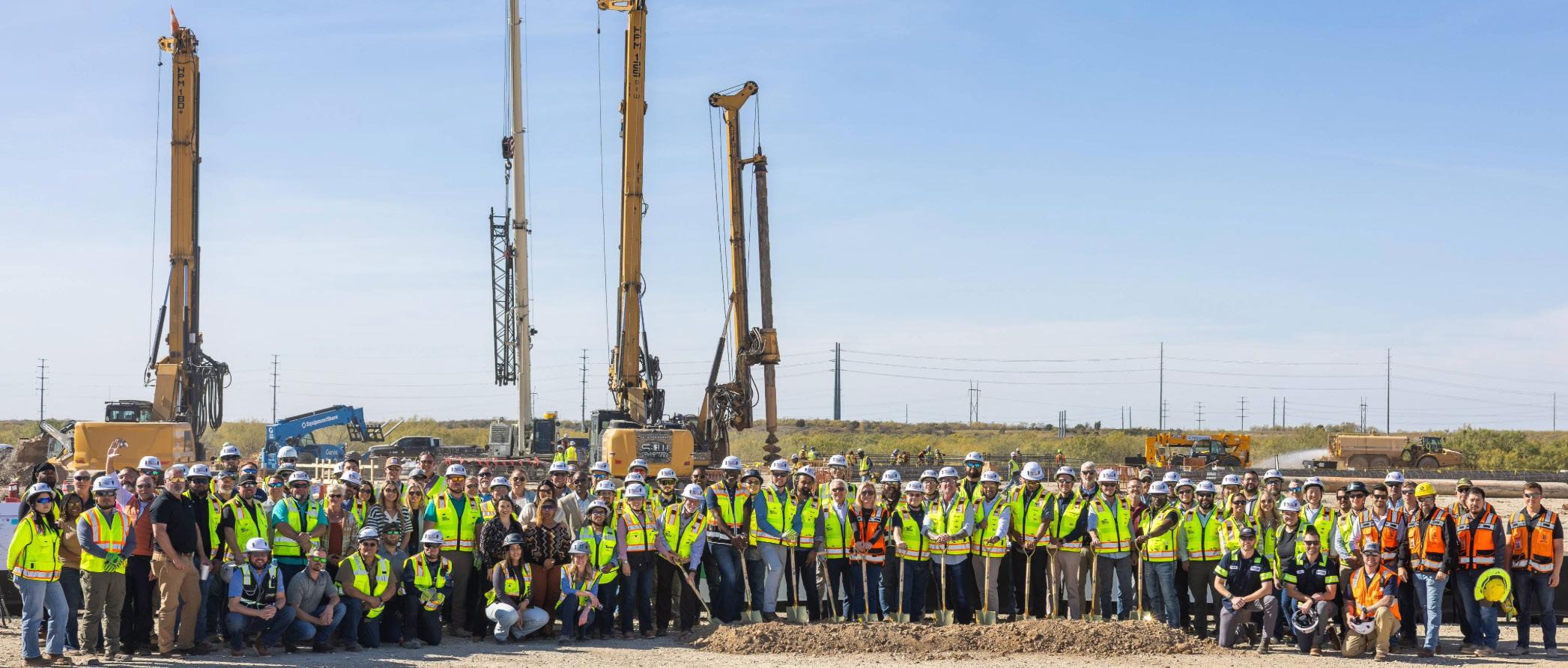
Project Team at Ground Breaking - Confidential
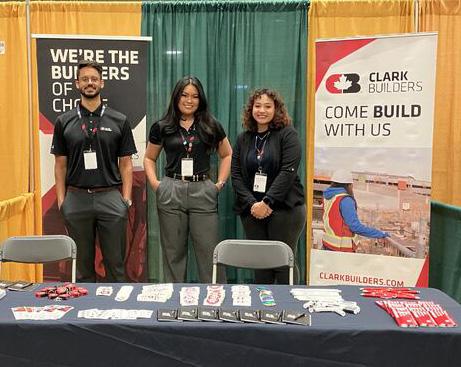
College Recruiting - Clark Builders
OPENING DOORS BUILDING FUTURES
Turner expands recruiting efforts by engaging directly with students through industry conferences, academic partnerships, and professional organizations. These early connections introduce career pathways and create access to opportunities across the company while strengthening long-term talent pipelines.

ISABELA GUILARTE LAU
Isabela connected with Turner at the Society of Women Engineers Conference during her senior year, drawn by the company’s culture and range of opportunities. After joining Turner as a field engineer, she actively seeks broader exposure, working with project leadership to transition into an assistant superintendent role. This shift allows her to engage more directly with trade partners and field operations, expanding her understanding of how projects come together.
She credits mentorship and open communication with creating space to explore different paths, reinforcing the flexibility of a career that can evolve over time. She emphasizes that the ability to move across roles and continue building skills within the company supports a long-term future at Turner.
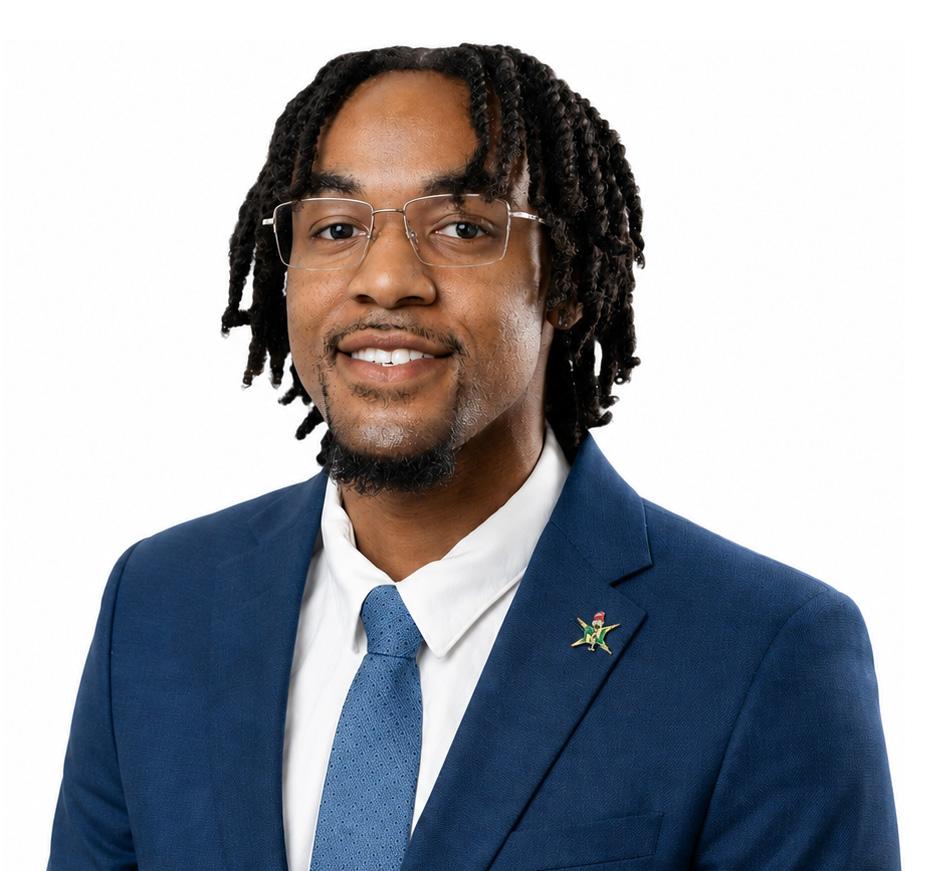
JUSTIN WILLIAMS
Justin first met Turner at the National Society of Black Engineers conference, where a conversation introduced him to construction management. A subsequent jobsite visit shapes his decision to pursue the field, influenced by the teamwork and collaboration he experiences.
He joined Turner as an intern for two consecutive summers, returning to the same project before transitioning into a full-time assistant engineer role. This continuity allows him to build strong relationships and deepen his understanding of project operations early. Over time, he gained experience in cost engineering and change management, and later returns to the NSBE conference as a recruiter, sharing his experience and helping others explore similar paths.
A VOICE FOR SUPPORT
Together, Isabela and Justin experiences demonstrate how early engagement and sustained connection translate into long-term career growth. Through building relationships through conferences, internships, and continued involvement, Turner is developing a workforce that stays connected, engaged, and ready to grow with the business.

Turner’s employee Advocates play a key role in strengthening connection, trust, and accountability across the organization. Acting as a bridge between leadership, employees, and Human Resources, the employee Advocates help advance Turner’s 2030 Vision by promoting fair, consistent, and thoughtful workplace practices.
As trusted advisors, the employee Advocates model strong leadership behaviors and foster open, respectful dialogue. They create space for employees to share feedback and perspectives, helping ensure voices are heard and considered in decision-making. Their work supports fair and transparent outcomes in talent processes and contributes to initiatives like the Business Center Talent Insight Report (TIR), aligning efforts with broader business strategies.
The employee Advocates also partner closely with Employee Resource Groups (ERGs), connecting regularly with ERG leaders to better understand employee experiences and share insights with leadership. In addition, they support engagement efforts such as onboarding and ongoing check-ins, helping employees feel connected from day one.
Through these efforts, the employee Advocates help strengthen communication, build trust, and support a workplace culture where employees can do their best work. Highlight
CONNECTING ACROSS TURNER
Employee Resource Groups (ERGs) at Turner play an important role in creating connection, engagement, and professional development across the company. With more than 350 leaders and a growing company presence, ERGs create opportunities for employees to connect through shared interests and experiences, while encouraging and welcoming participation from all.
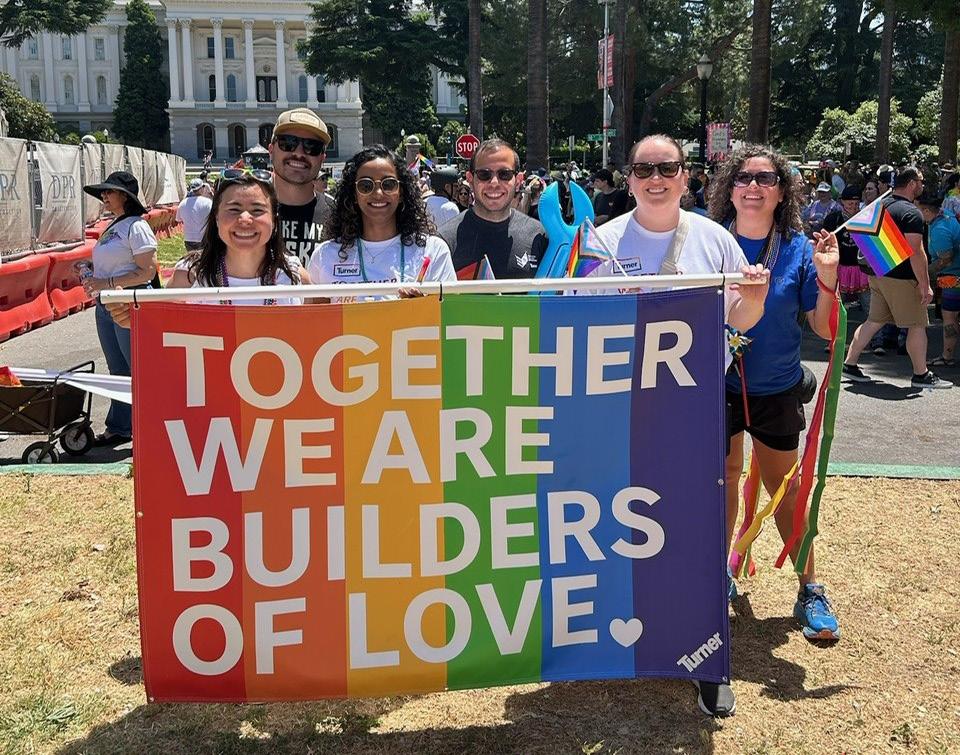
Turner’s seven Identity Networks, Abilities, Pride, Women’s, Veterans, Mosaic, Parents, and Young Professionals, serve as spaces for connection and engagement that promote awareness, respect, and collaboration across our offices and jobsites. These groups help create an environment where employees feel valued and empowered to contribute fully.
ERGs also support business priorities by enhancing recruiting and culture, building internal and external partnerships, and creating opportunities for networking and leadership engagement. Through events, mentorship, and development programs, they provide accessible resources to support employees professionally.
By amplifying employee voices and encouraging meaningful connection, ERGs continue to build Turner’s culture and sense of community.

HONORING SERVICE BUILDING FUTURES
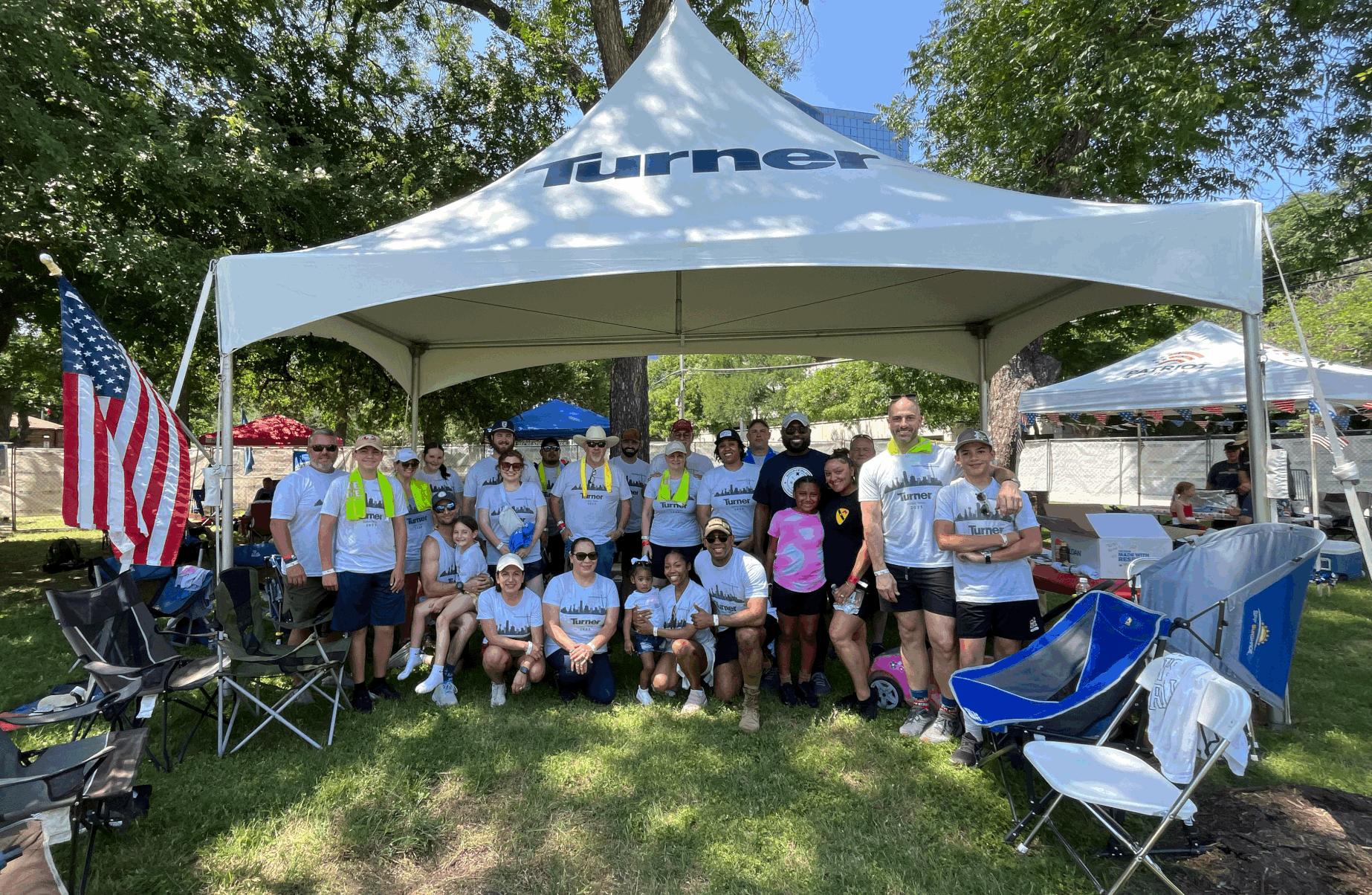
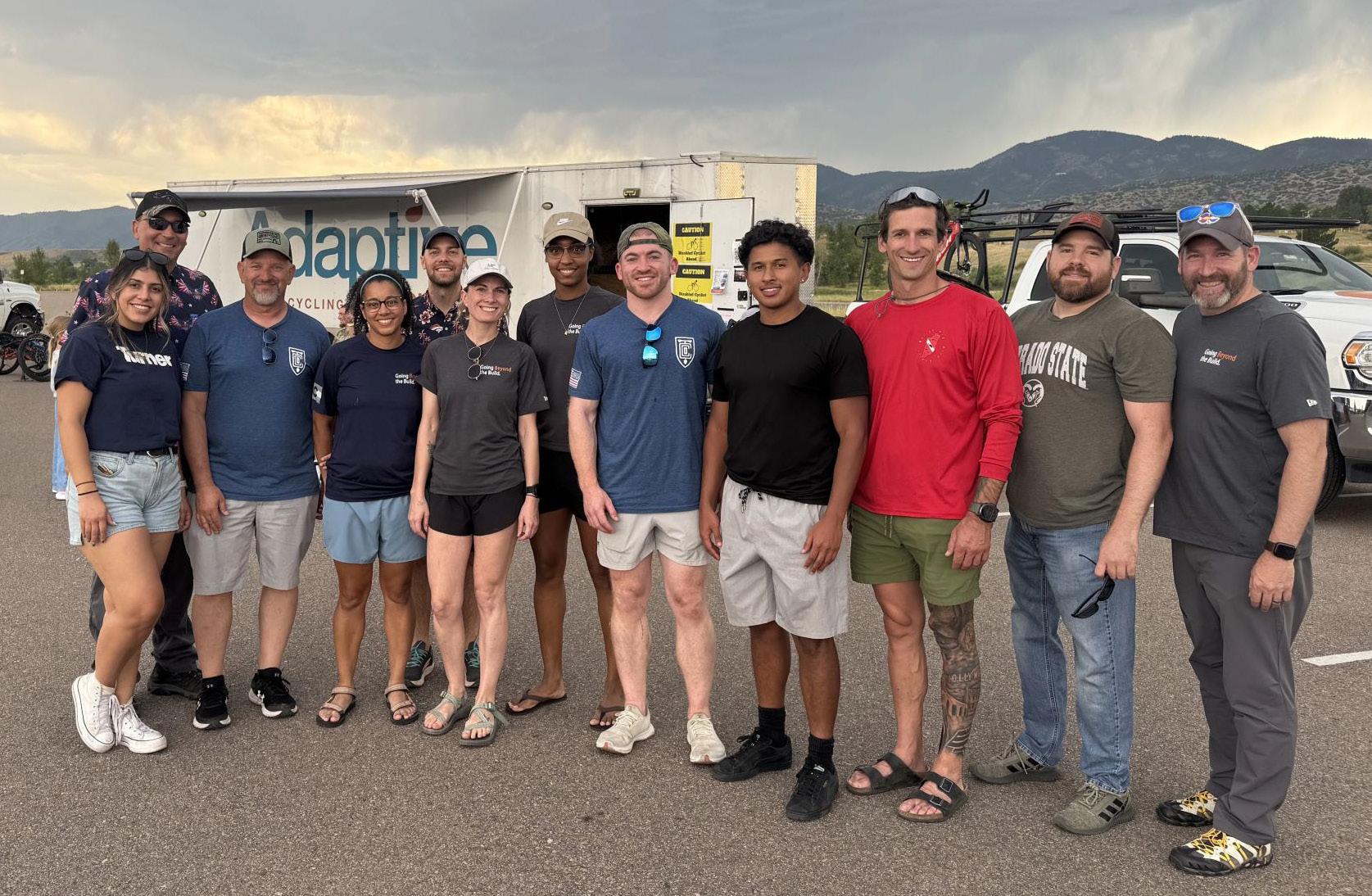
Turner’s Veterans Network is dedicated to honoring, supporting, and connecting military members, veterans, and their families. Rooted in a mission to create a sense of community, the network provides a space where members can leverage their skills and experiences to support their careers and the company.
At the national level, the Veterans Board continues to expand, bringing together leaders from across Business Centers to guide strategy, expand impact, and ensure consistent engagement across the organization. This structure enables stronger collaboration, more coordinated programming, and greater opportunities for connection, mentorship, and professional development.
The network also plays an important role in recruiting and onboarding veteran talent. In partnership with Talent Acquisition, HR, and operations teams, Turner is building a scalable approach to attract and support veterans. By leveraging transition programs, strategic partnerships, and internal referrals, the company connects with top military talent while providing tools to translate military experience into Turner roles.
Through ongoing support, training, and engagement, the Veterans Network helps ensure veterans are not only welcomed into the organization but positioned for long-term success. Together, these efforts strengthen Turner’s workforce while honoring the contributions and leadership of those who have served.
Scan to check out the 2025 ERG Report
FIVE YEARS OF DRIVING MEANINGFUL CHANGE
Five years ago, Turner established the Inclusion Action Committee (IAC) at a pivotal moment both for the company and the industry. What began as a commitment to listen, learn, and take action has evolved into a sustained effort that continues to shape how Turner works, leads, and grows. The IAC has helped move inclusion from conversation into practice by creating space for reflection, elevating employee perspectives, and identifying ways to strengthen culture across offices, jobsites, and teams.
The IAC serves as a conscience and catalyst, bringing structure, accountability, and forward-looking ideas to the employee experience and workplace culture. From the beginning, the focus was clear: move beyond statements and create meaningful, lasting change. The IAC reflects that commitment by embedding thoughtful practices into everyday operations and reinforcing Turner’s core values of teamwork, integrity, and commitment.
The IAC has played a central role in advancing key initiatives that support employees at every stage of their careers. Programs like the Inclusive Leadership Academy have helped develop stronger, more intentional leaders, while the employee Advocate network has created new pathways for employee feedback and engagement. The Turner Tuition Assistance Program (TTAP) has expanded access to career opportunities, and the redesign of

internal performance processes has helped promote consistency in how employees are evaluated and supported.
The impact of the IAC also extends beyond Turner. Through leadership in Construction Inclusion Week, the company helps advance broader industry conversations, bringing together partners, clients, and trade professionals to address shared workforce challenges and reinforce the role of respect, opportunity, and collaboration in shaping the future of construction.
At its core, the success of the IAC is rooted in the impact of its people. Leaders and employees across the organization have contributed to its progress by embracing new ways of thinking, engaging in honest dialogue, and taking action in their daily work. Inclusion is an ongoing commitment that shows up in how teams collaborate, communicate, and support one another.
Celebrating 5 Years of IAC! Learn how the IAC was founded and how its work continues to ensure every individual can be their best authentic self.
As Turner looks ahead, the work of the IAC continues. With a focus on accountability, development, and opportunity, the next chapter will build on this strong foundation, ensuring that progress continues and that every employee has the ability to grow, contribute, and succeed.
EXPANDING SUPPORT
Turner expands its mental health resources through Lyra, providing employees and their families with fast, confidential access to professional support and care. Integrated into the company’s broader well-being strategy, Lyra increases access while removing common barriers that often prevent individuals from seeking help.
Employees can access services independently and confidentially, ensuring privacy while connecting with licensed professionals and evidence-based resources. This structure builds trust and encourages engagement across a diverse workforce. And access extends beyond office-based staff. Non-union trade employees have full access to Lyra, and additional pathways exist to ensure support is available to all workers on Turner jobsites when needed.
Speed and accessibility are important to the experience. Employees typically connect with a provider in less than 24 hours, significantly reducing traditional wait times for mental health services. In urgent situations, individuals can immediately access support and guide them to the appropriate level of care.
The platform offers a range of services, including counseling sessions, on-demand resources, and specialized support for neurodiversity, family needs, and life challenges. It also equips employees and leaders with tools to better recognize signs of distress and respond appropriately, reinforcing a culture of care across teams.
By prioritizing fast, confidential, and equitable access to mental health care, Turner reinforces its Active Caring culture and ensures employees have the support they need to navigate challenges and sustain long-term well-being.
BUILDING PATHWAYS THROUGH CONNECTION
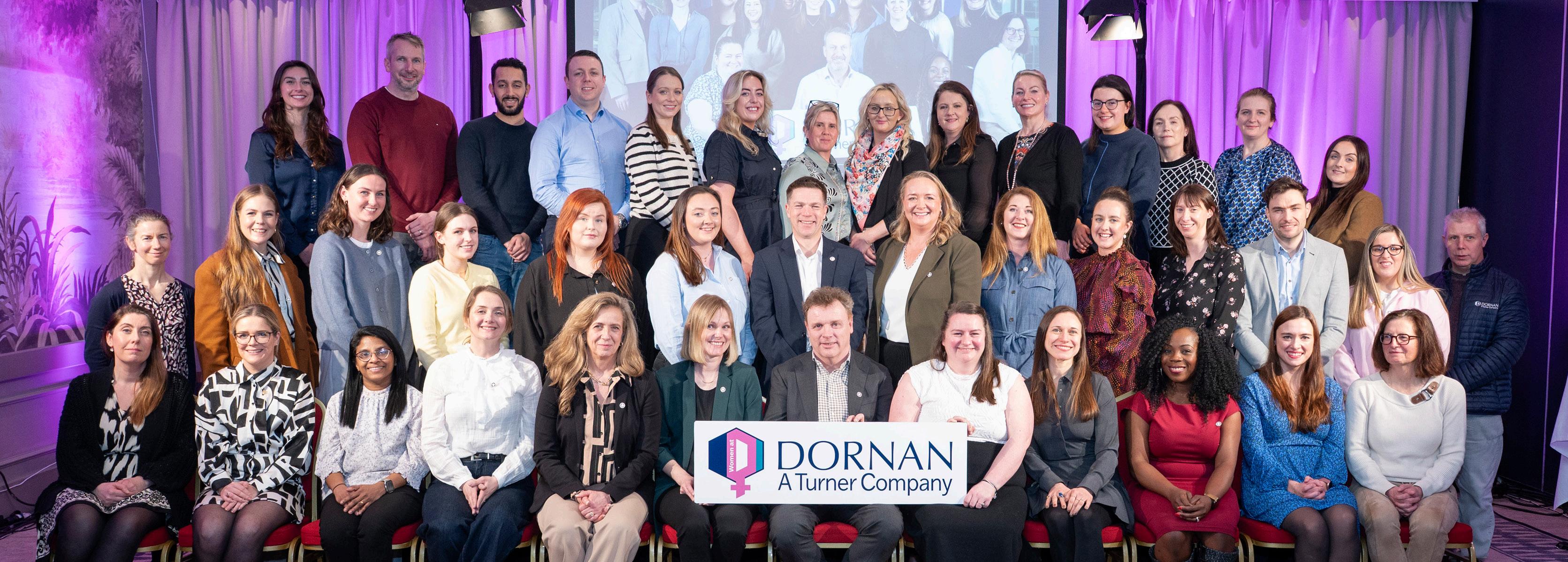
The Women at Dornan ERG gains strong momentum in 2025 following its relaunch, driven by clear employee demand and structured input gathered through workshops and engagement sessions. The group establishes a formal committee to guide its direction, creating defined roles and focus areas that enable coordinated progress across diversity, training, and engagement efforts.
Throughout the year, the ERG advances a range of initiatives that helps create a more inclusive environment on project sites and across the business. Ally walks encourage visible support and engagement, while efforts to expand access to femalespecific personal protective equipment address practical

barriers in the field. Training programs, including anti-bias and allyship sessions, reinforce a more inclusive culture, complemented by collaboration with the Irish Centre for Diversity, where Dornan achieves Bronze certification.
The group also takes a data-driven approach to future growth by embedding ERG-related questions into the company’s annual health and well-being survey. This effort identifies strong interest in an Early Careers network, which is now progressing. Looking ahead, the ERG focuses on mentorship, and sponsorship, with a long-term goal of strengthening representation and creating clearer pathways for women across the organization.
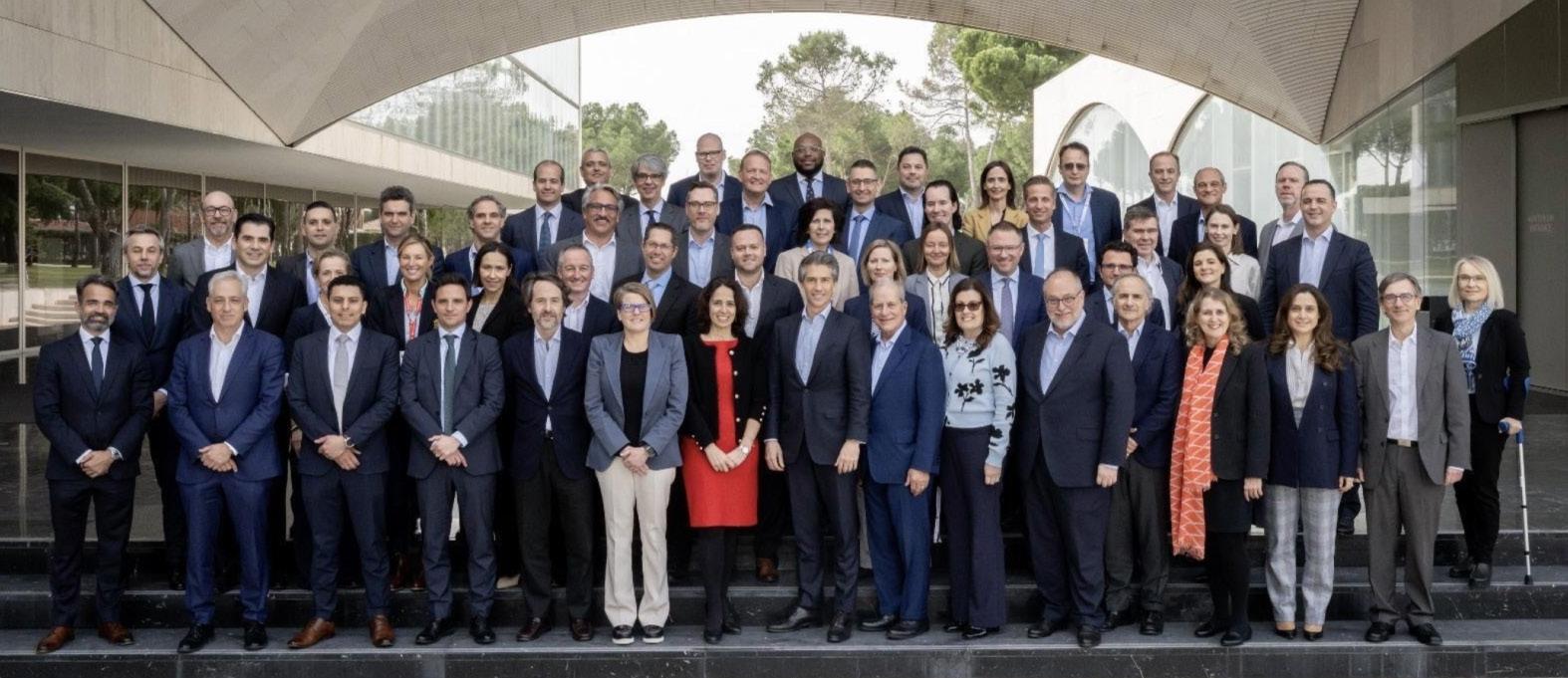
ACS UNIVERSITY EXPANDING SHARED LEARNING
As part of the broader ACS Group, Turner continues to strengthen alignment across its global network through shared learning and development. ACS University plays a central role in advancing that effort.
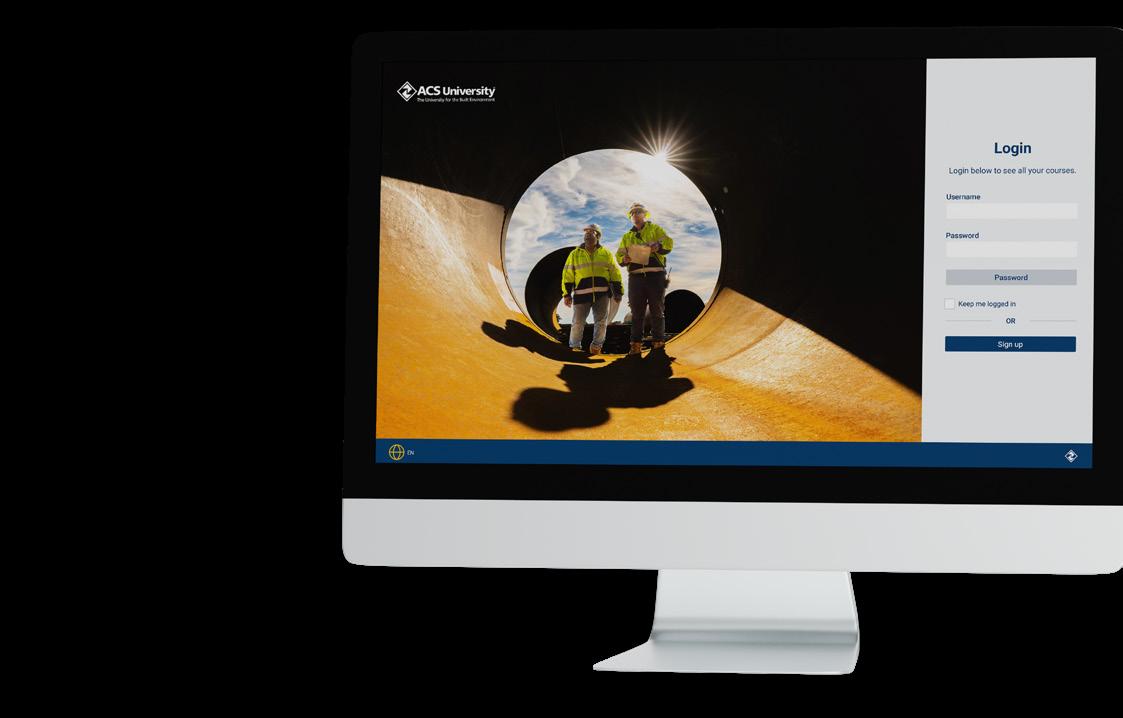
ACS University serves as both a strategic framework and a global learning management system. It brings together learning and development, innovation, research, technology, and knowledge management into clearly defined focus areas. Through structured learning tracks and curated coursework, the platform provides employees across the ACS family with access to consistent, high-quality professional development resources.
Turner professionals play an active role in shaping and advancing ACS University. By contributing subject matter expertise, supporting content development, and helping define priority focus areas, Turner reinforces alignment across operating companies. This collaboration ensures teams can access training, share knowledge, and build skills with greater consistency, regardless of geography. Turner employees have access to learning materials developed across the global network, along with the opportunity to draw on a broader base of expertise. At the same time, it strengthens local expertise and preserves the distinct identity of each operating company.
Participation in ACS University expands access to cross-company insights and enterprise best practices. Employees engage with content that complements Turner’s internal programs, broadening technical capabilities, leadership capacity, and industry perspective. The platform also enhances visibility across subsidiaries, creating stronger ties within the ACS network.
ACS University reflects the spirit of One Group, One Team. Through coordinated leadership and shared learning, Turner helps cultivate a more connected, capable workforce prepared to deliver excellence across markets and communities.
Introducing
Learning
BUILT FOR EXCELLENCE IN THE FIELD
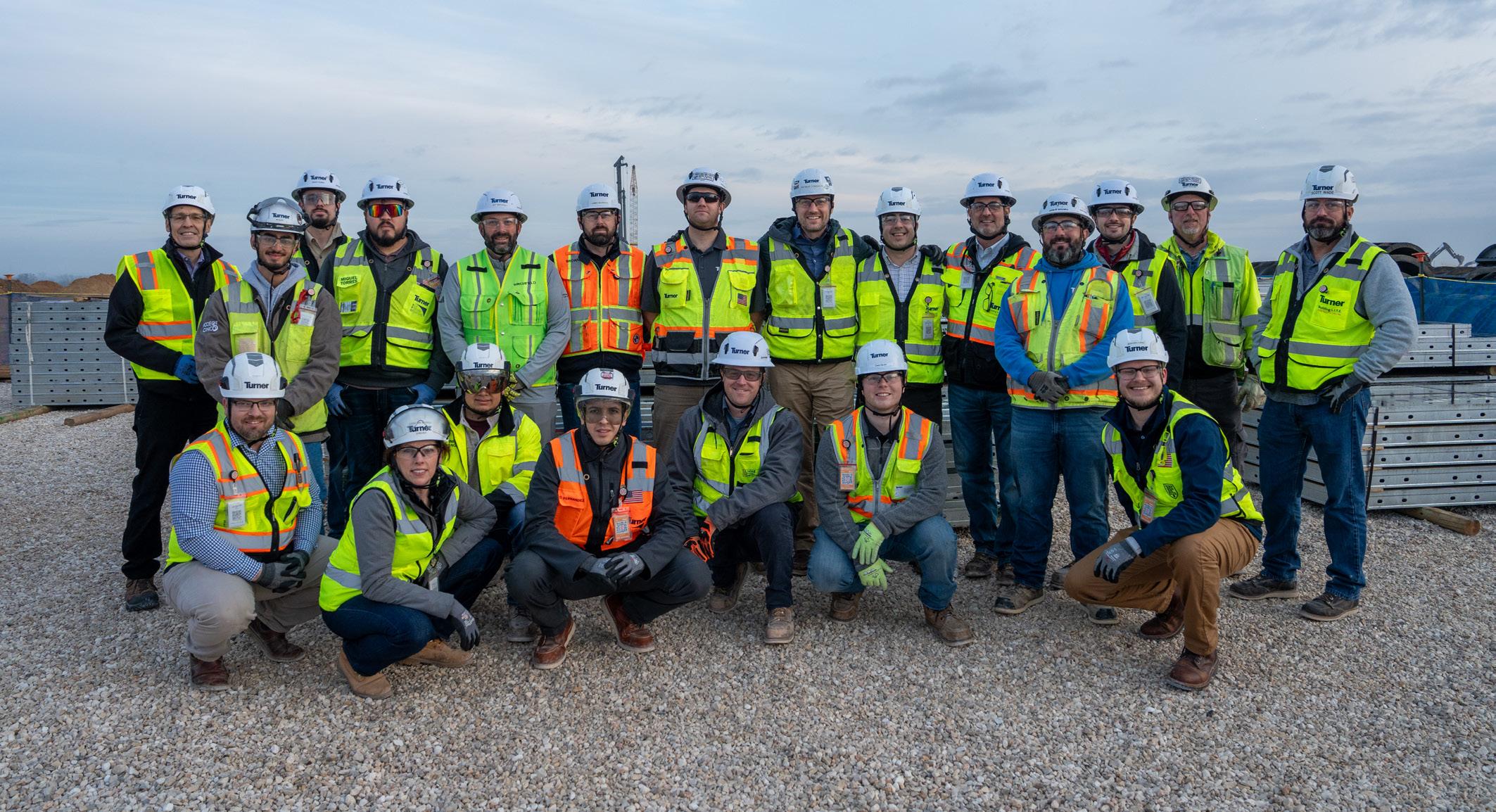
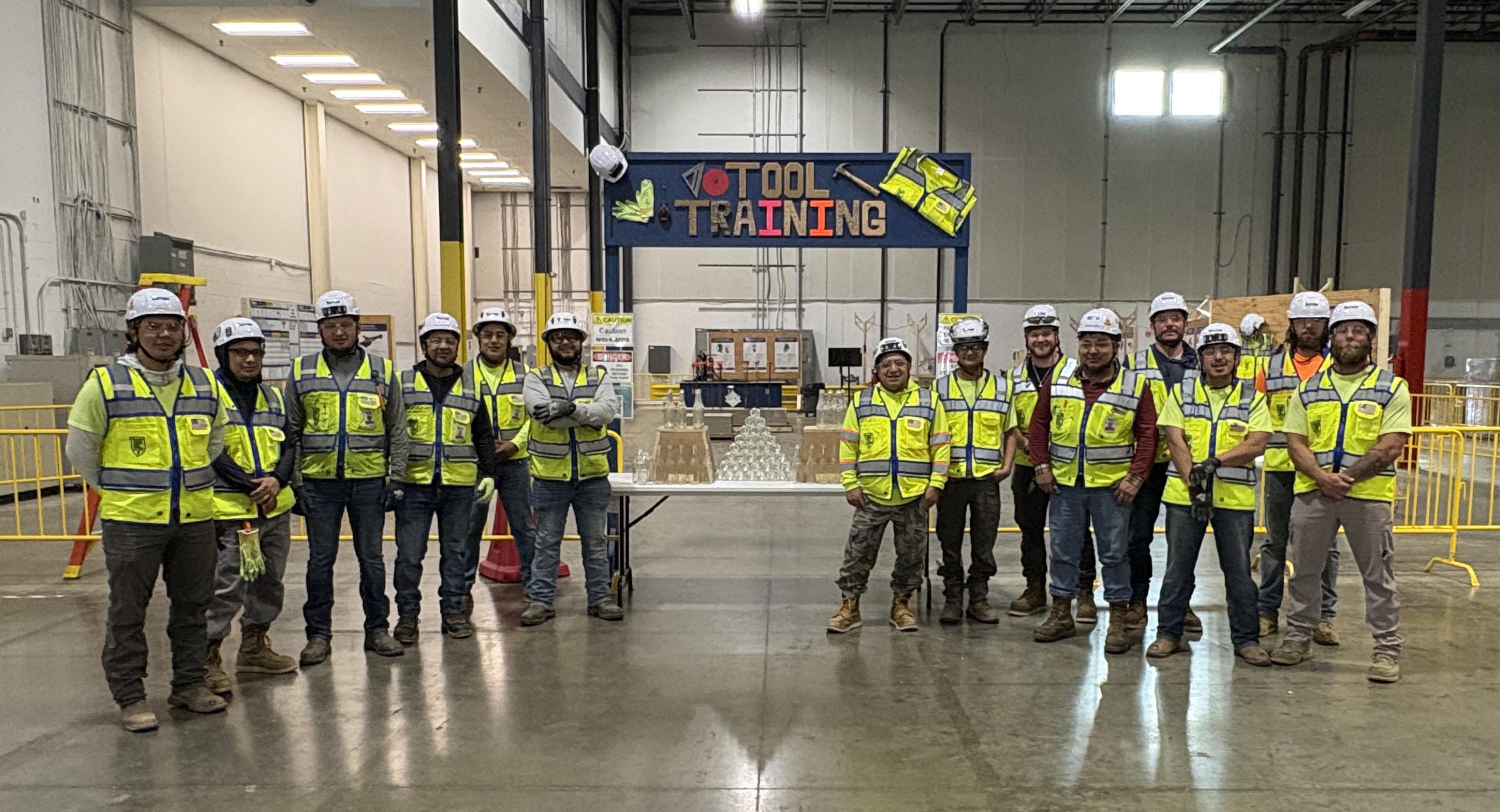
Turner invests its Self-Perform Operations (SPO), the teams that perform key scopes of work directly with Turner’s own skilled trade workforce, by investing in the people closest to the work. Through structured programs such as the SPO Academy and Tool Training Program, teams build technical skill, field awareness, and consistent practices that support safer, more reliable execution.
The SPO Academy develops superintendents, project managers, and field leaders who support concrete and drywall operations. The program combines classroom learning with jobsite-based “go and see” experiences, giving participants direct exposure to how self-perform work is planned, sequenced, and delivered in the field. This approach helps employees understand the decisions, coordination, and leadership required to manage work effectively.
The Tool Training Program focuses on trade professionals and hands-on craft skills . Participants learn safe, consistent tool use through practical instruction that supports quality, productivity, and confidence on the jobsite. By creating a stronger baseline across teams, the program helps reinforce shared expectations for field performance and gives employees more opportunities to build capability through direct practice.
Together, these programs help employees build the technical skill, field awareness, and confidence needed to advance Turner’s self-perform workforce. That experience also provides an important foundation for Turner’s Master Builder program, because direct knowledge of sequencing and field execution is central to becoming a well-rounded builder. These efforts reflect Turner’s continued investment in its people, supporting development to lead work in the field.

SUPPORTING OUR EMPLOYEES
Engineers play a central role in keeping projects ready for execution. They manage the flow of information between trade partners, owners, architects, and design teams; coordinate submittals, RFIs, change orders, contracts, logistics, cost forecasting, and scheduling needs; and help ensure teams have the information required to move work forward.
The Turner Engineering Network (TEN) creates a structure for that work to be shared more consistently across the company. Made up of engineering representatives from Turner offices globally, TEN connects local experience with broader companywide priorities. The group shares engineering knowledge, provides feedback on evolving standards, and helps offices apply practices that improve consistency across projects.
One way TEN brings this network to life is through the Engineering Roundtable. The roundtable gives offices a recurring forum for engineers to discuss technical challenges, review updates, share lessons learned, and exchange practical tools that make day-to-day work more efficient. Sessions are designed to be useful spaces for engineers to build knowledge beyond early-career training and understand how their work connects to the broader project team. The roundtable also strengthens coordination by bringing together perspectives from other Turner departments and Enterprise Groups, improving alignment and ensuring evolving practices reflect full project team needs.
TEN also supports clearer communication across Turner. Through the roundtables, quarterly newsletters, shared resources, and archived presentations, information moves directly to engineering teams, making knowledge easier to access, apply, and carry into project delivery.
Highlight
SPO Tool Training Indiana
SPO concrete Academy, Central 2025

33 WORK PLACE AWARDS
Company Recognition
America’s Greatest Workplaces, Newsweek
Leading Large Employer Recognition
America’s Greatest Workplaces for Inclusion & Diversity, Newsweek
America’s Greatest Workplaces for Mental Well-being, Newsweek
Company Culture Excellence
Recognized as a leading Early Career Employer
America’s Best Workplaces for Gen Z, Newsweek
Workplace of Choice Recognition
Culture, Inclusion, Safety & Workplace Excellence
Best Employer for Women, Forbes
Commitment to Inclusion Award, Council on Tall Buildings and Urban Habitat
Gender Equality Model Certificate, Women Entrepreneurs Association of Türkiye
Excellence in Culture Award, AGC San Antonio
Companies That Care, San Diego Business Journal
Community & Social Impact
Corporate Citizen Award, New York, Westchester Community College
Friend of Education Award, New York, Salamanca City School District
Mercy Star Corporate Award Mercy Hospital Foundation
Compliance Team of the Year, PICCASO Awards Europe
Excellence in Safety Award, Philadelphia, General Building Contractors Association
Outstanding Safety Performance, Vancouver Regional Construction Association
Chairman’s Award, Memphis Minority Business Council Continuum
Local Corporation of the Year Houston Minority Supplier Development Council
Construction Excellence Award for Commitment to Community GBCA
Regional Workplace Recognition
Best Place to Work recognitions across Denver, Toledo, Memphis, Cleveland, Cincinnati, Pittsburgh, San Antonio, and Kansas City
We are a Great Place to Work certification Türkiye
Ireland’s Best Workplaces – Large Organisations
Dornan
Best and Brightest Companies to Work For, Chicago, National Association for Business Resources
OUR BUSINESS PARTNERS
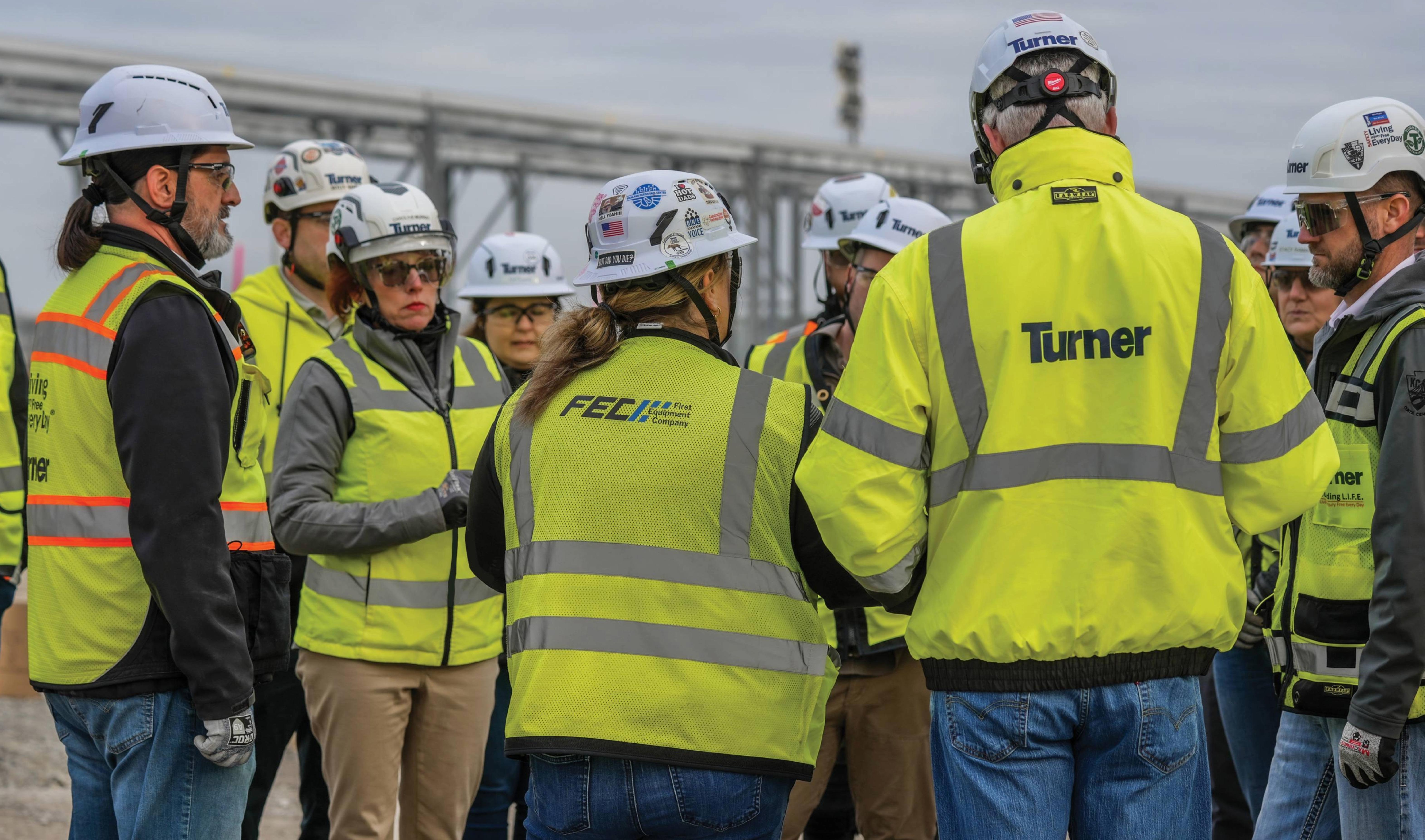
We prioritize the safety and well-being of everyone on our jobsites by building care into how we plan and operate each day. Through thoughtful coordination with trade partners and teams, we ensure individuals have the tools, training, and support they need to work safely and return home without harm. And because true care goes beyond physical safety, we also provide wellness resources that support every worker’s mental, emotional, and overall health. We are sustaining the right environment where the safety of the worker is more important than the productivity of the work, where people can be at their best, be authentic, and treated with dignity and respect, and where we are working to eliminate hate and bias from our industry every day.
ONE APPROACH TO SAFETY BUILT TOGETHER
At Turner, safety is fundamental to how work is planned and performed every day. Jobsites and teams are committed to creating an environment where the safety of the worker comes before productivity. They also foster a culture where people can be at their best, be authentic, and are treated with dignity and respect. Through pre-task planning, daily huddles, and leadership engagement, safety remains a shared responsibility across all projects, reinforced by consistent training, clear expectations, and accountability at every level of the organization.
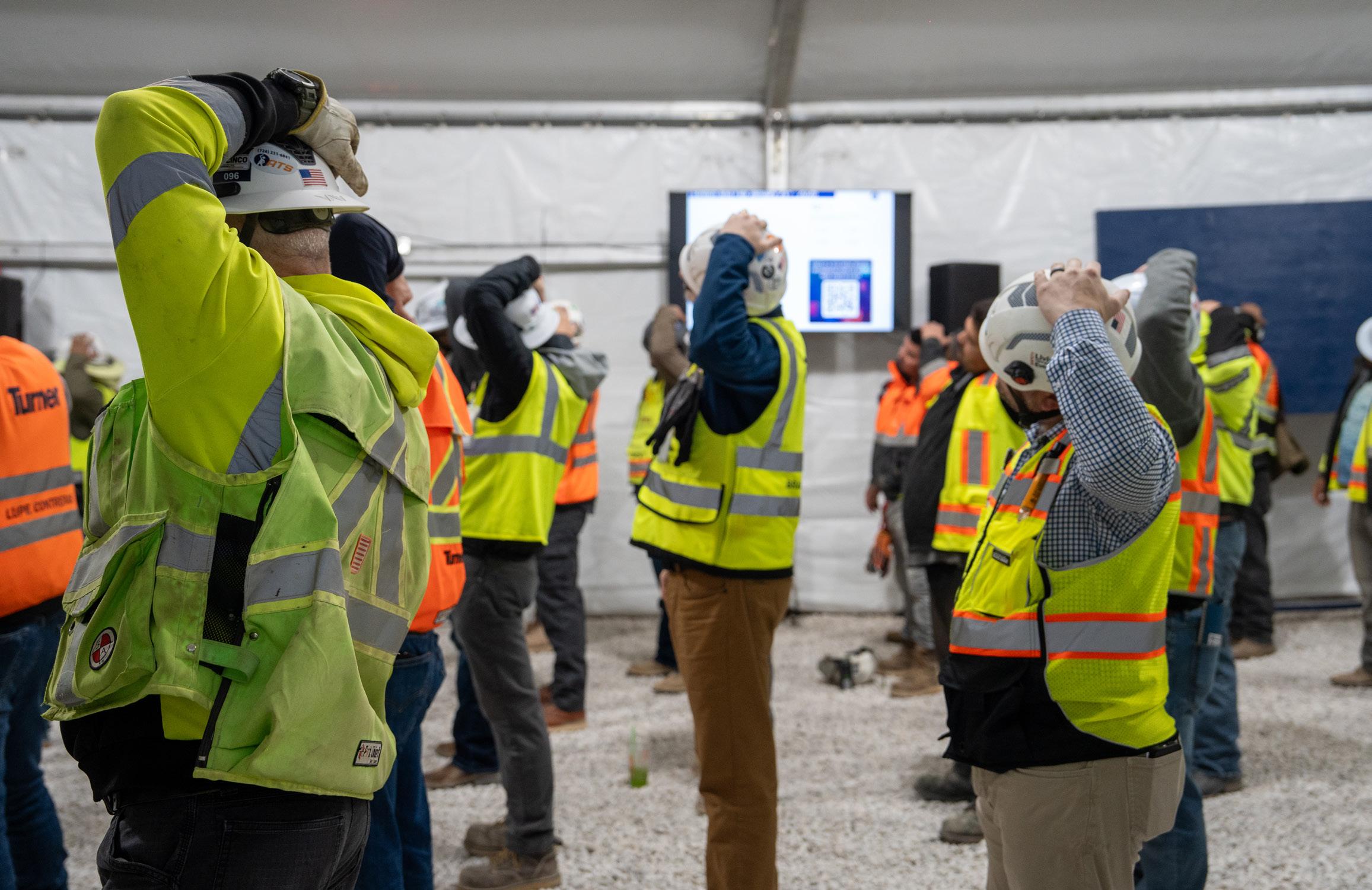
Safety is embedded in how operations are planned and executed. From early coordination through field operations, teams focus on identifying risks, reinforcing safe work practices, and maintaining consistency across jobsites. This alignment between planning and execution supports reliable performance and helps teams respond effectively to changing conditions.
Project teams work closely with trade partners to support communication, coordination, and accountability at every level. Ongoing engagement and field-driven insights help strengthen safety practices and reinforce expectations across the jobsite.
These efforts reflect Turner’s culture of active caring and its commitment to creating a safe and healthy work environment where every worker can perform at their best and return home safely each day.
Turner continues to strengthen its safety culture through active leadership involvement and company wide alignment. Experienced operational leaders and safety professionals work closely with project teams to reinforce expectations, share best practices, and support continuous improvement across jobsites. This ongoing engagement helps ensure that safety remains visible, actionable, and integrated into daily decision-making, supporting both strong team performance and reliable project delivery.

For safety metrics, Turner includes Turner Construction Company, Dornan Engineering, Clark Builders, and Turner International.
First Hour Focus
The first hour of every shift establishes the foundation for safe, high-performing jobsites. Turner’s First Hour commitment creates a structured approach that prioritizes field presence and early alignment. Project teams connect with crews and confirm that plans match field conditions before tasks progress. This focus at the start of the day helps identify risks sooner, reinforce expectations, and improves coordination across trades.
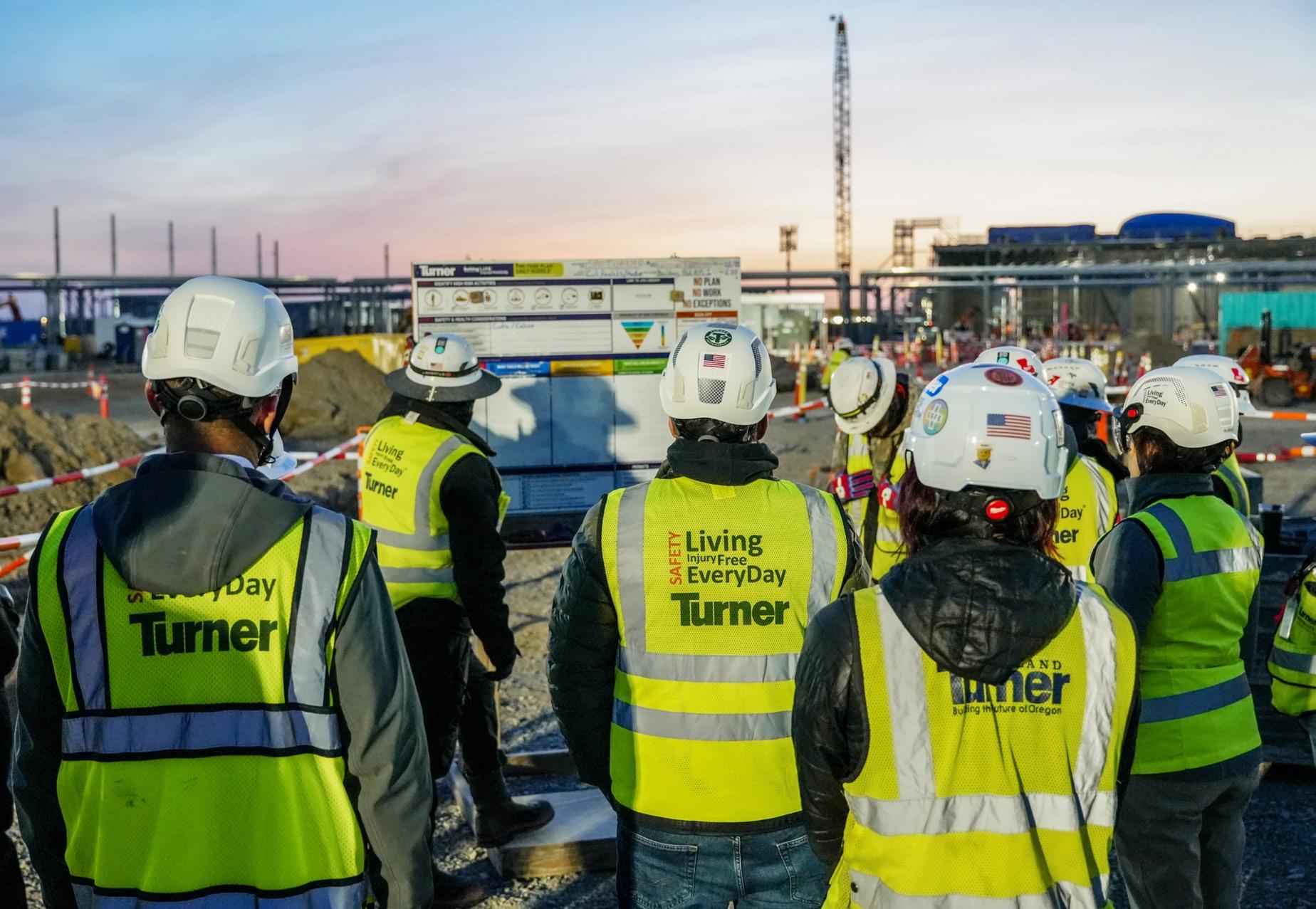
The day begins with teams coming together through pre-shift routines that include project announcements, a daily Stretch & Flex, and Pre-Task Plan reviews, creating a shared understanding of the day’s work, hazards, and expectations before crews mobilize. This consistent cadence strengthens safety performance while reinforcing quality in execution. By standardizing how the day begins, Turner fosters stronger planning, clearer communication, and a more predictable, well-coordinated jobsite environment.
Safety Week 2025
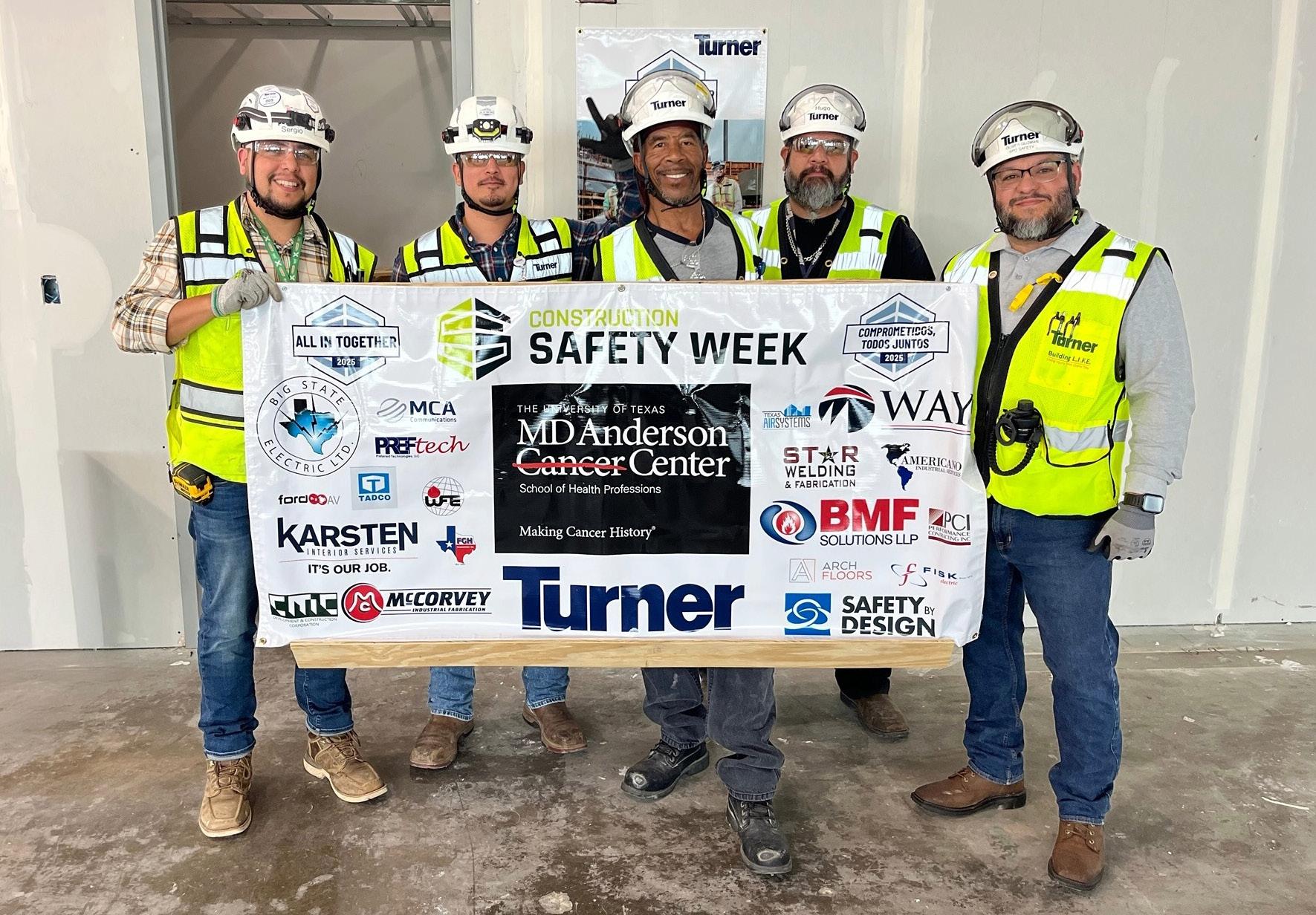
Turner Construction Company launched its 21st and largest Safety Week, engaging more than 100,000 people across projects worldwide, with a company-wide Safety Stand-Down underscoring a steadfast commitment to safety and wellness. Across projects and offices, teams paused work to focus on open dialogue, hazard awareness, and shared accountability. Leaders and crews came together to discuss real-world safety challenges, encouraging individuals to speak up and take action when risks were identified. By aligning with industry partners and national initiatives, the company promotes a culture where every voice was heard and valued. The stand-down set the tone for the week and reinforced that consistent engagement, communication, and care are essential to maintaining safe, highperforming jobsites.
Leadership Across the Field
As part of its engagement within the ACS Group, Turner supports its safety culture through cross-company Safety Focused visits that bring together operational and safety leaders from across the enterprise. Representatives from Turner, Dornan, Dragados, and HOCHTIEF come together to observe active projects and exchange practical insights on how safety is embedded in daily work.
These site walks provide a direct view into how different teams approach risk identification, planning, and field execution. By experiencing safety practices in real time, participants deepen their understanding of how strong safety performance is achieved across diverse geographies and project types. Teams examine how planning, communication, and field leadership reinforce safe behaviors, while also identifying opportunities to apply proven approaches more consistently across projects.
The sessions also create space for open dialogue. Leaders share challenges, compare approaches, and align on practical strategies that expand coordination across companies. This exchange of knowledge supports more consistent standards while allowing each team to build on established strengths.
Following the visits, leaders participate in a focused strategy session to review lessons learned, align on priorities, and identify opportunities to strengthen project delivery. The session reflects the One ACS approach, bringing together expertise from across the group to support complex work with a shared commitment to safety, quality, and teamwork. By applying insights from across the ACS network, Turner continues to advance a proactive, people-centered safety culture across its projects.
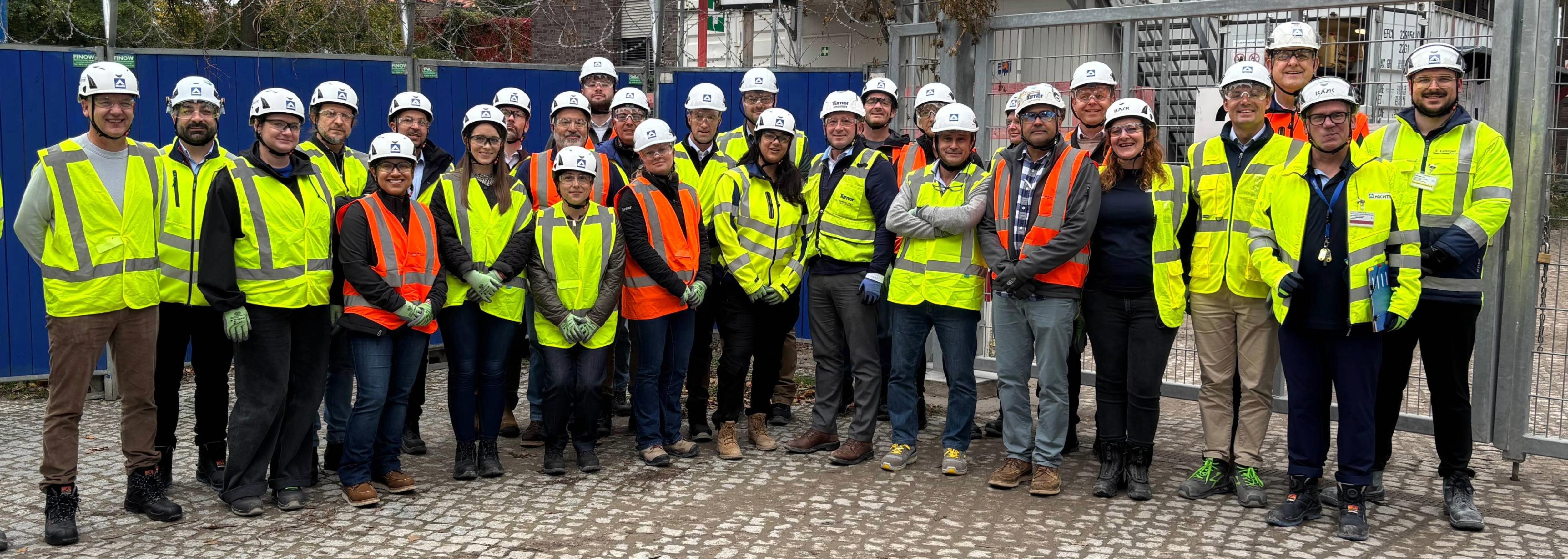
ACS Group Safety Walks
MD Anderson Project Safety Week
Confidential Project, Central
BUILDING A SAFER FUTURE SAFET COACH
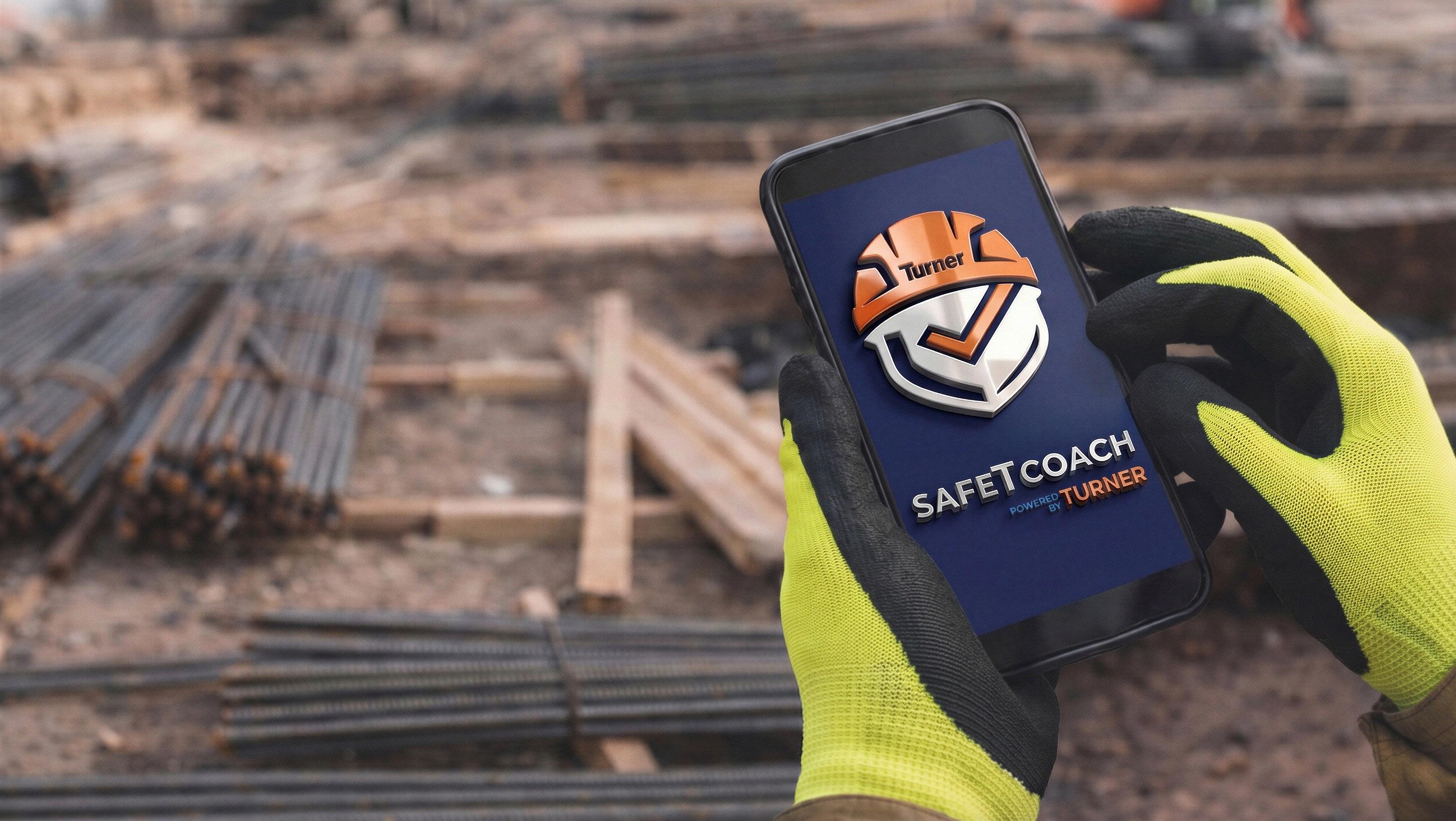
SafeT Coach is Turner’s AI-powered safety assistant, designed to help teams identify hazards, access just-in-time safety guidance, and support safer decisions in the field.
SafeT Coach helps bring Turner’s EH&S knowledge closer to where decisions are made. Designed for pre-task planning, field coaching, and active work discussions, it allows users to ask plain-language safety questions, evaluate potential hazards, and receive timely guidance aligned with Turner’s safety expectations. The tool grew out of Turner’s effort to apply AI to high-impact operational challenges, with safety emerging as a clear priority through the 2023 Innovation Summit and the 2024 AI Innovation Challenge, where Turner Innovation helped move the concept from opportunity framing into design sprinting and early development.
Built for practical use in the field, SafeT Coach supports teams during morning huddles, planning discussions, and changing site conditions. It serves as a resource for both experienced professionals and less-experienced team members, helping support awareness, coaching, and confidence in the moment. Following pilot phases with safety professionals and construction teams, the tool remained in active use, with more than 12,000 messages logged between June 2025 and January 2026, signaling strong engagement and clear demand for just-in-time safety support.
Today, SafeT Coach reflects how Turner Innovation is turning emerging technology into practical field solutions that can scale. By making the tool available not only to Turner employees but also to the broader construction industry, Turner is extending access to trusted safety guidance beyond its own jobsites. That broader availability reflects a larger commitment to proactive safety leadership and to helping workers get home safely, whether they are on a Turner project or not.
See SafeT Coach in Action!
Discover how Turner’s AI-powered safety assistant helps teams identify hazards, access just-in-time guidance, and make safer decisions in the field.
Scan to access SafeT Coach
WELLNESS JOBSITE PROGRAM
Supporting a healthy, resilient workforce requires more than traditional benefits. Turner continues to evolve its approach by broadening how wellness is defined and delivered across the company. Recognizing that well-being extends beyond physical health, the company embraces a holistic framework that includes mental, emotional, financial, and family support, ensuring access to resources that reflect realities of daily life.
On jobsites, this approach centers on creating an environment where all workers have access to support, resources, and a culture that prioritizes well-being alongside safety. Teams integrate wellness into daily operations through toolbox talks, visible signage, and open conversations that reduce stigma and encourage people to speak up. Resources such as crisis hotlines, peer support initiatives, and supervisor engagement ensure support is accessible in real time. Some jobsites also have health & wellness professionals and additional programs that incorporate strategies such as ergonomics assessments and blood pressure monitoring.
Turner’s benefit programs further support this foundation. A flexible wellness allotment through Forma allows employees to prioritize what matters most to them, while Maven and Wellthy provide support during critical life moments. Mental health resources through Lyra offer confidential, 24/7 access to care, connecting individuals with coaches and licensed professionals when they need it most. These programs are designed for employees and support jobsite efforts by reinforcing a culture where seeking help is expected.
Mental health is treated as a core component of jobsite safety, with teams equipped to recognize warning signs, start conversations, and connect individuals to support through both practical tools and peer-driven initiatives.
PROJECT WELL-BEING AT EVERY STAGE
At Dornan Engineering, wellness and well-being are approached as both individual support and a broader organizational system shaped by leadership, project planning, and daily operations. Wellness focuses on supporting individuals through accessible resources, including a network of more than 100 trained Mental Health First
Aiders. These individuals provide a confidential, supportive space for conversation and help connect employees to additional resources such as Employee Assistance Programs, management, or health and safety teams.
Well-being is embedded more deeply into how work is structured and led. Through a “well-being during project lifecycle” program, Dornan identifies potential stressors at each phase of a project—from preconstruction through commissioning—and equips leaders with tools to respond. This approach reflects research conducted across the business, incorporating employee feedback and aligning with team development models to better understand how individuals experience different stages of project delivery.
Leadership engagement plays a critical role in reinforcing this approach. By building awareness and creating a shared language around topics such as stress, recovery, and mental health, teams are better equipped to recognize challenges

early and support one another. Annual health and well-being surveys further inform priorities, with recent efforts focusing on sleep and recovery.
Complementing these efforts, Dornan promotes connection and physical activity through initiatives such as its Hobbies and Fitness Strava Club, which engages hundreds of employees globally. Together, these programs reflect a coordinated approach that integrates support, awareness, and practical action—helping create a more resilient, connected workforce.
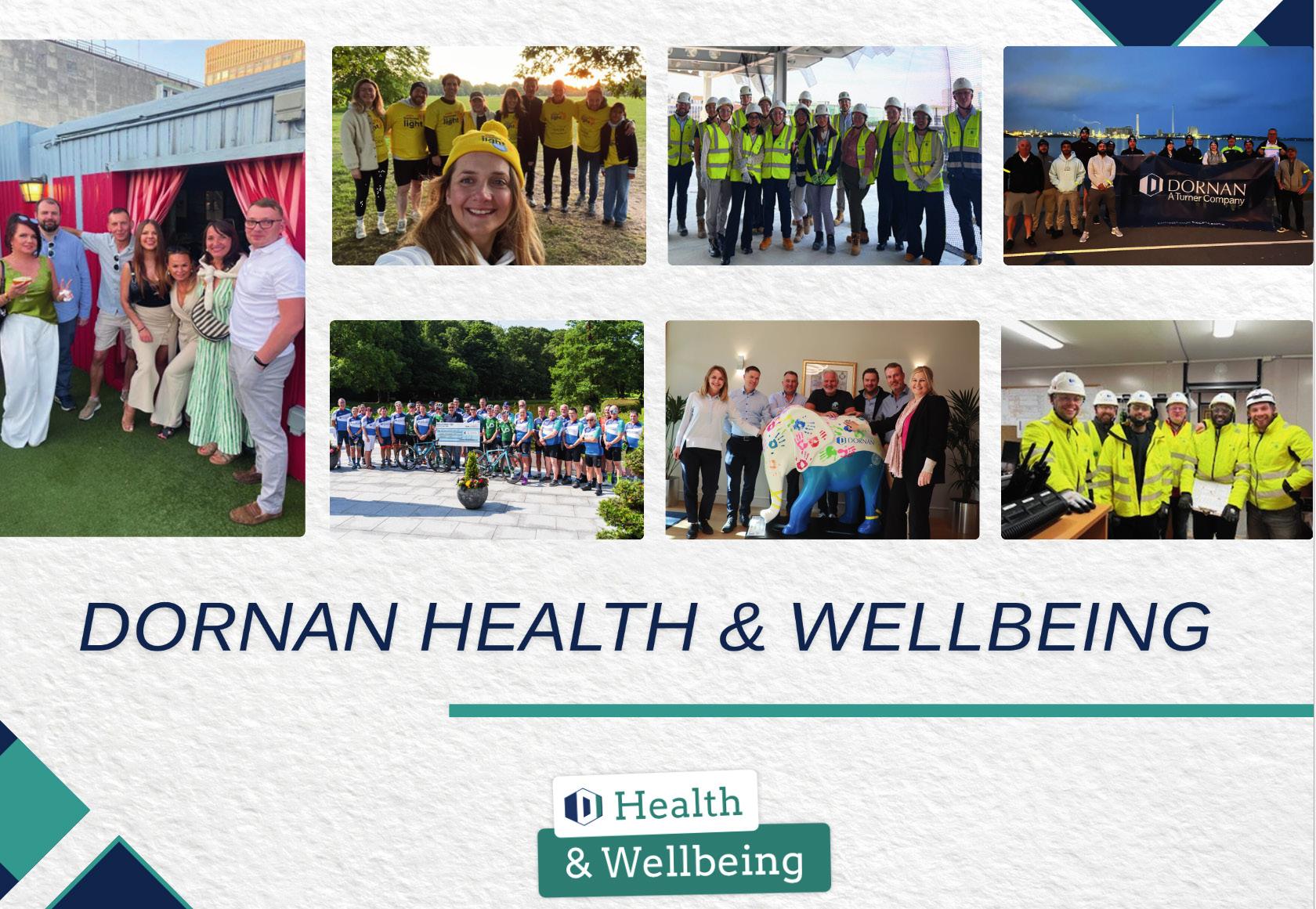
CREATING THE WORKPLACE WE ALL DESERVE
Creating the workplace people deserve is fundamental to Turner’s culture and to the expectations the company sets on every jobsite and in every office. Grounded in Active Caring and Turner’s zero tolerance for hate and bias, this commitment reinforces a clear standard: every person must feel respected, valued, and safe. It also reflects a shared responsibility across teams, leaders, employees, and trade partners to uphold that standard through everyday actions, conversations, and decisions.
To reinforce this expectation consistently across projects, Turner has defined practical touchpoints for teams and trade partners to discuss culture before work begins and throughout project delivery. This effort was developed in collaboration with Operations, EH&S, SourceBlue, and Procurement, to help teams align early with trade partners on the behaviors, leadership practices, and shared responsibilities that support a respectful and accountable workplace.
Through Scope Reviews, Pre-Award Leadership Meetings, and Trade Partner Principals Meetings, teams address culture alongside safety, scope, and execution before work begins and throughout the life of the
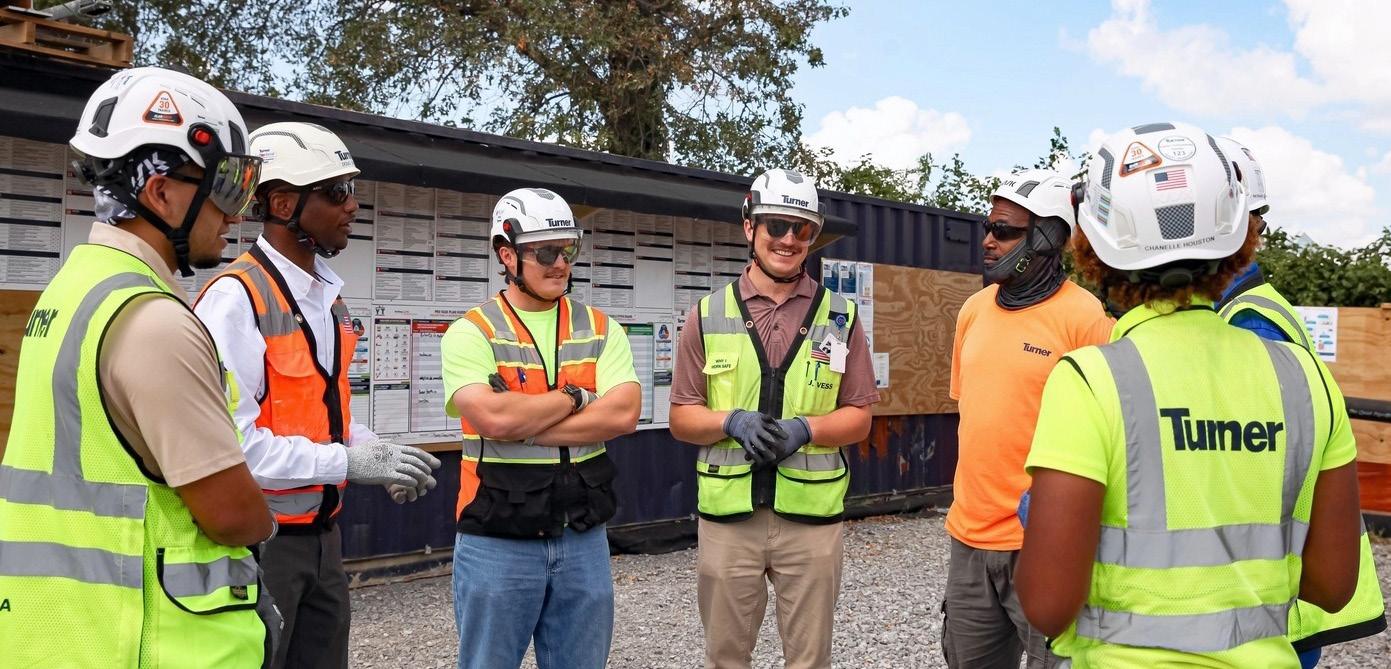
project. These touchpoints create space for clear communication, shared accountability, and practical conversations about how people show up for one another every day.
By integrating these practices into standard project routines, Turner reinforces the culture it expects across the company. The work reflects Turner’s values of Active Caring, Teamwork, Integrity, and Commitment, and reinforces the role every employee plays in building workplaces defined by respect and dignity.
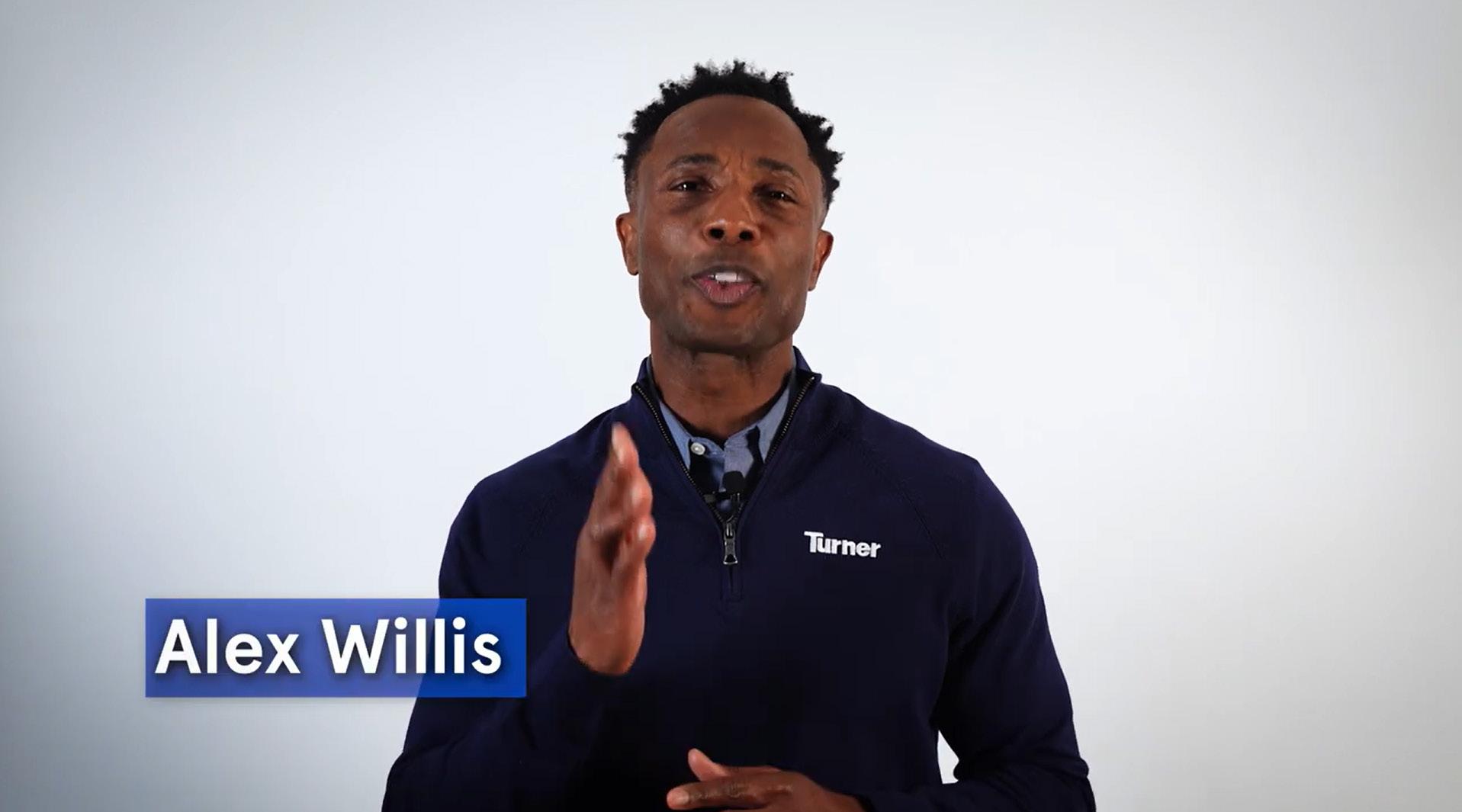
Creating the Workplace We All Deserve! Discover how Turner reinforces a culture rooted in respect, dignity, and belonging, empowering teams to lead and create workplaces where people come first.
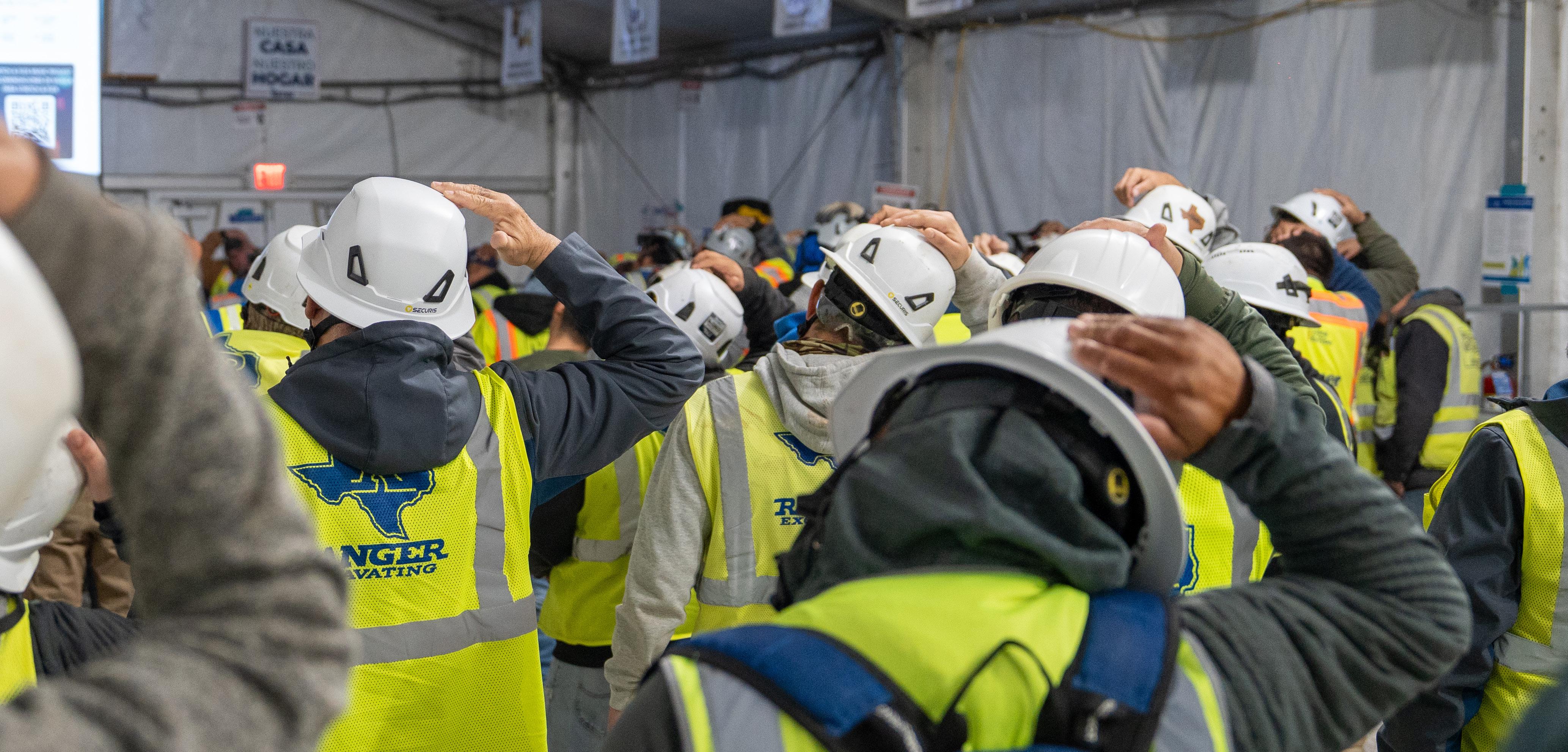
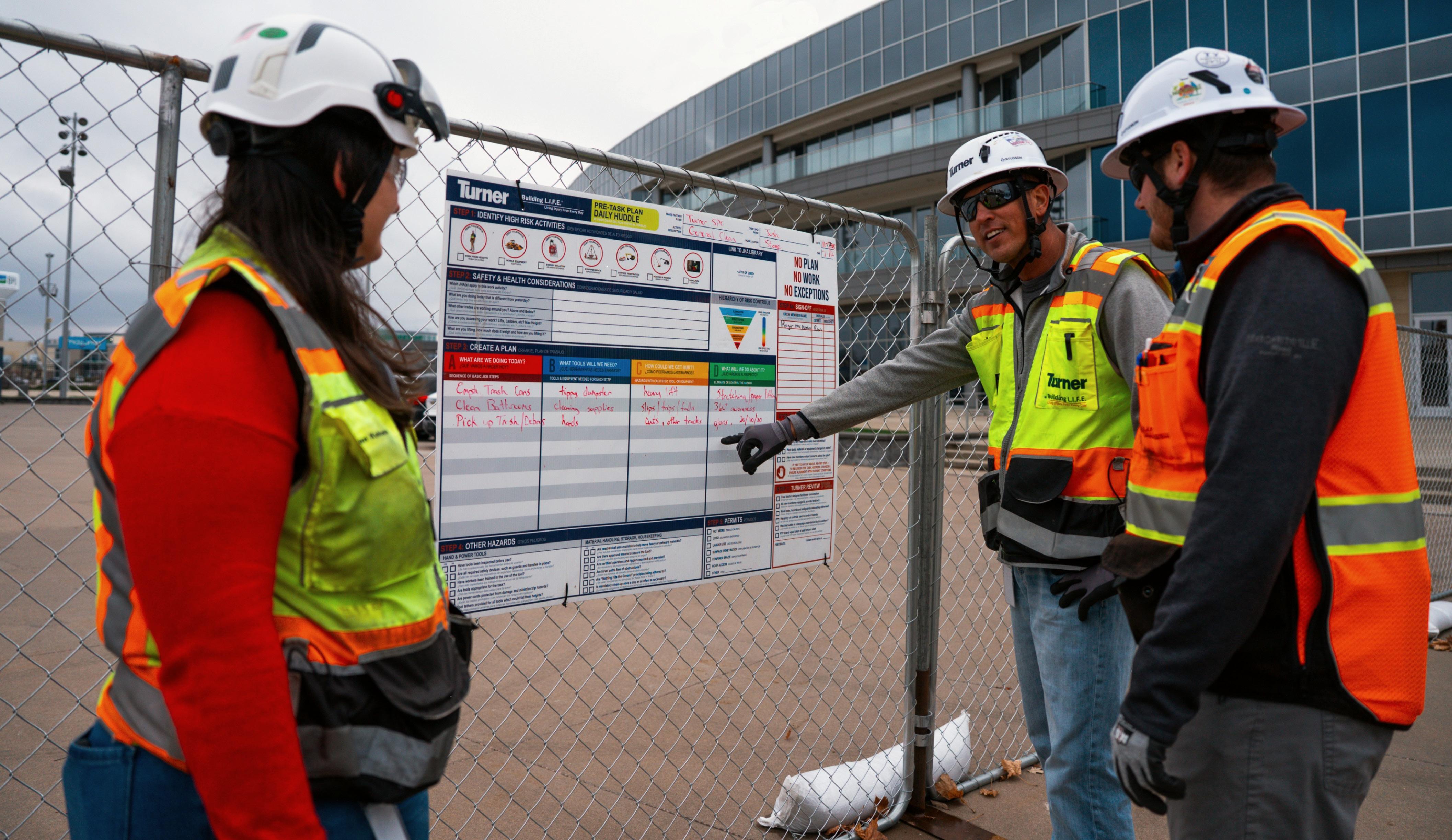
SMARTER SOURCING DECISIONS
INTEGRATING ESG INTO PROCUREMENT
SourceBlue empowers our teams to make smarter, future-focused material decisions by navigating market volatility and supply constraints while embedding environmental and social insight into every procurement choice. The approach begins with direct supplier engagement. SourceBlue works closely with manufacturers and strategic partners to understand existing policies, disclosures, and performance across key ESG topics. By prioritizing available data and requesting additional information only when it serves a clear purpose, the team fosters more productive dialogue while creating a consistent experience across the supply chain. These relationships provide a clearer view of supplier maturity, helping teams anticipate risks, validate claims, and make more confident sourcing decisions earlier in the project lifecycle.
SourceBlue translates this insight into practical, decision-ready guidance. ESG considerations are structured at both the manufacturer and product level, enabling more precise comparisons during procurement.
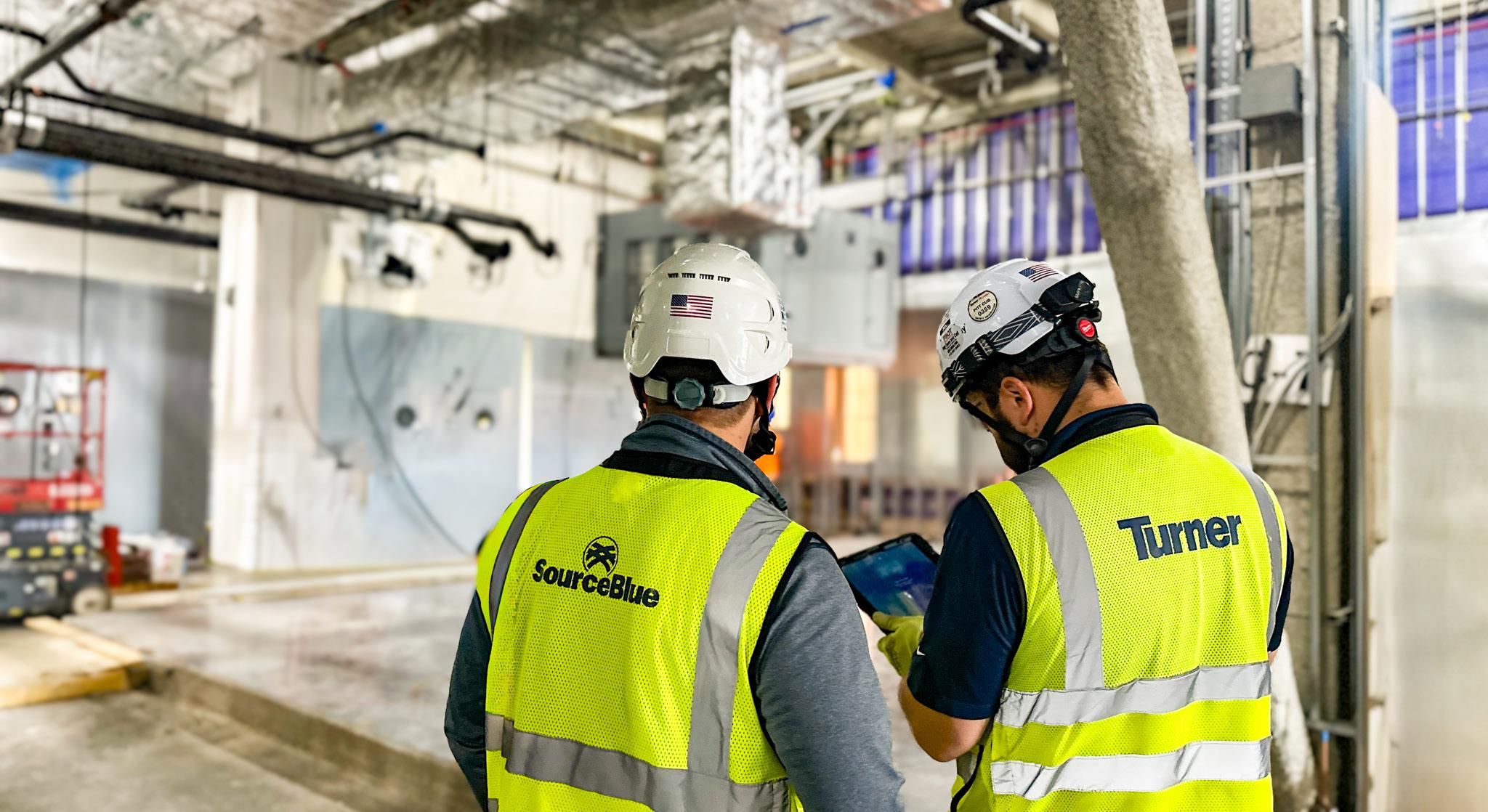

OWNERS & PROJECT TEAMS
• Decision Support
• Material Comparisons
• Carbon Tracking
• Informed Selections
• Packaging Reduction
• Take-back Programs
• Recyclability
• End-of-life Pathways
At the manufacturer level, teams assess overall program maturity and transparency. At the product level, SourceBlue highlights actionable attributes such as environmental product declarations, life cycle data, certifications, refrigerants, and packaging considerations. This structure allows project teams to evaluate options with greater clarity while also supporting embodied carbon tracking and reduction strategies. By aligning product-level data with tools and workflows used in preconstruction, teams can make more informed material selections and better understand the carbon implications of those decisions.
SourceBlue also brings an upstream perspective to waste and circularity. By engaging suppliers on packaging reduction, take-back programs, recyclability, and end-of-life pathways, the team helps reduce waste
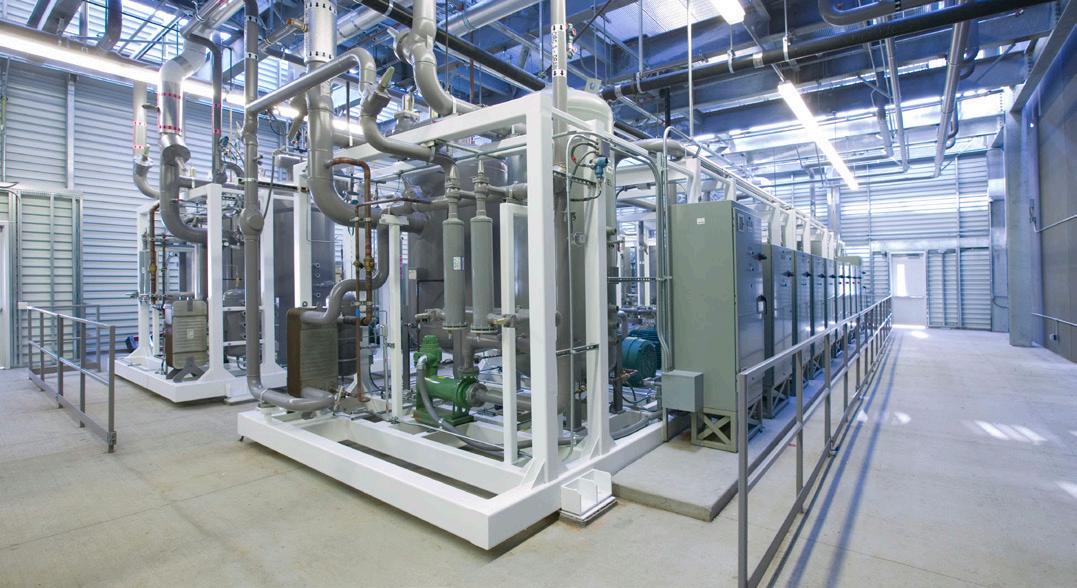
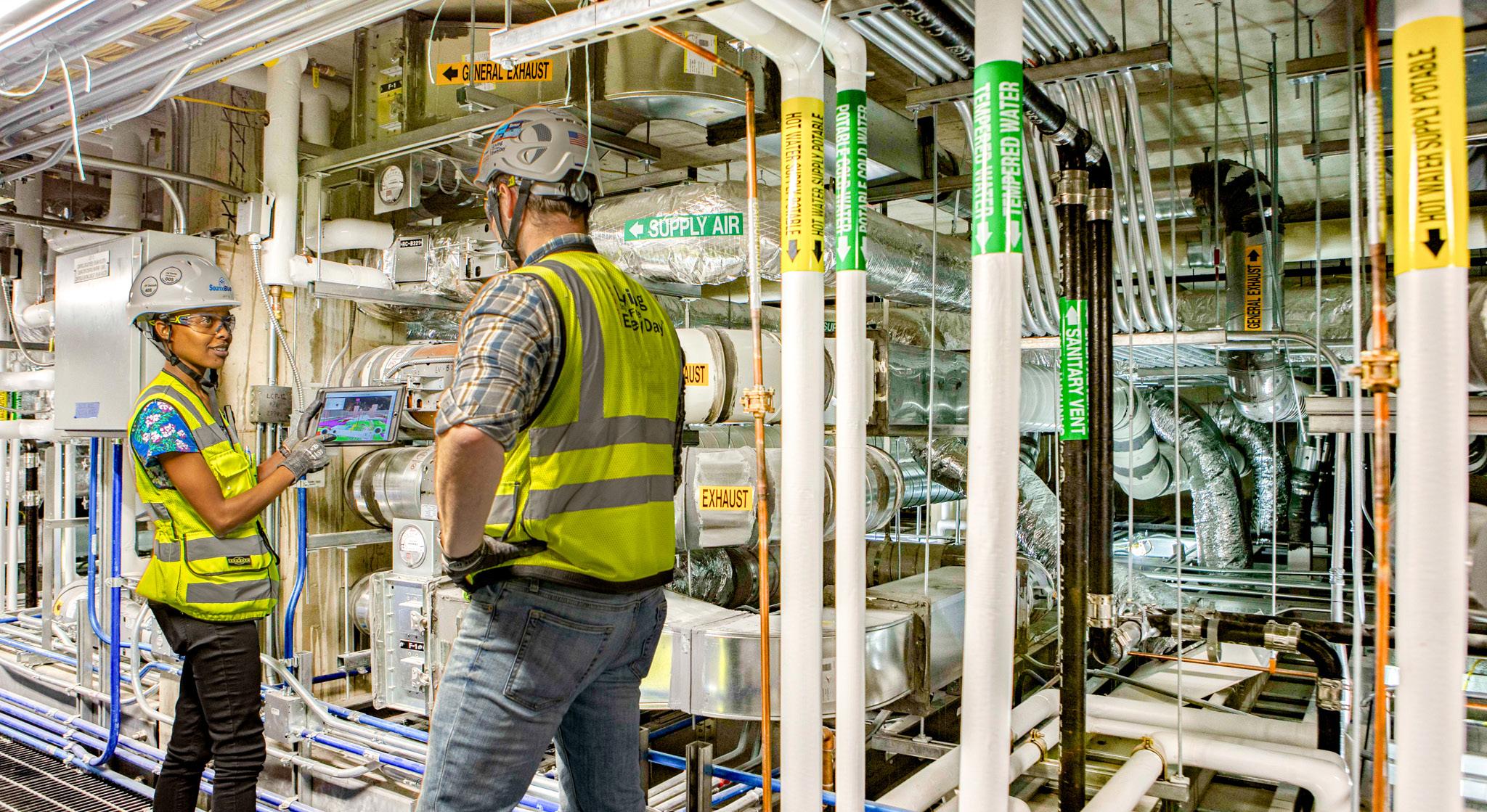
SUPPLIERS
• Direct Engagement • Policies & Disclosures • ESG Performance • Data & Insights
before materials reach the jobsite. This early influence supports more efficient material flows, reduces disposal challenges, and contributes to broader efforts to improve waste diversion across projects.
Together, these efforts position SourceBlue as a critical link between supply chain engagement and project delivery. By embedding ESG into procurement workflows and translating complex information into clear, usable guidance, SourceBlue enables teams to make better decisions earlier, reduce risk and uncertainty, and deliver projects that align cost, schedule, and sustainability priorities.

TRACKING TRENDS GUIDING STRATEGY
Turner supports project delivery by aligning estimating, procurement, and SourceBlue to actively manage supply chain risk and volatility from the earliest stages of planning. In a market shaped by tariff pressures, material cost escalation, and shifting global logistics, teams focus on building clarity and stability into each project approach.
Work begins in preconstruction, where estimating and procurement teams evaluate critical materials, lead times, and sourcing risks alongside design partners and clients. This early coordination informs how Turner plans and delivers key building systems, including structural steel, concrete, and mechanical and electrical equipment. By identifying constraints early, teams can assess risks to critical components, explore alternative materials or suppliers, and align product selections with both performance goals and market conditions. Real-time market intelligence, including insights from Turner’s Cost Index and supply chain reporting, supports more accurate forecasting and more reliable budgets and schedules.
Scan to access the latest Turner Cost Index
SourceBlue extends this approach through direct engagement with manufacturers and suppliers, improving visibility into the materials and systems
that drive project delivery. Leveraging established relationships and purchasing scale, SourceBlue provides insight into pricing, production capacity, and availability for key equipment such as switchgear, chillers, and air handling units. This connection enables earlier procurement decisions, more strategic sourcing, and improved coordination for long-lead components.
Across projects, teams apply consistent practices to reduce uncertainty, including validating lead times during buyout, planning for long-lead equipment, and aligning procurement strategies with evolving market conditions. Close coordination with trade partners ensures materials are tracked, orders are placed on time, and systems are delivered and installed as planned.
Together, these efforts help Turner navigate market conditions while maintaining cost and schedule reliability, delivering greater predictability for clients.

SUPPLY CHAIN SPOTLIGHT
AMY IGNATOSKY SourceBlue Chief Revenue Officer
With deep Turner and SourceBlue experience across project delivery, operations, and enterprise business leadership, Amy aligns commercial growth, supply chain strategy, and client priorities to help teams improve predictability, manage risk earlier, and deliver stronger outcomes.
Q: What is your focus as Chief Revenue Officer?
A: As Chief Revenue Officer, I focus on driving enterprise-wide revenue growth by aligning commercial strategy, supply chain capabilities, and project delivery with our clients’ goals. My priorities include improving predictability, strengthening commercial performance, and leveraging data, technology, and supplier partnerships to deliver better outcomes.
Q: How does early supply chain engagement make a difference?
A: When SourceBlue engages early, we align procurement strategies with design before decisions are finalized, helping identify longlead items and validate pricing. This proactive approach reduces redesign, minimizes delays, and improves overall cost and schedule certainty.
Q: How do you help teams manage risk earlier?
A: We work closely with clients and project teams to provide clear, decision-ready insights on suppliers, materials, pricing, and lead times early in the process. By validating data and identifying potential risks upfront, teams can make proactive choices that reduce disruptions, improve planning, and maintain schedule and budget certainty.
Q: Where is the biggest opportunity to move the industry forward?
A: Integrating supply chain strategy earlier into project delivery through better use of data, technology, and strategic supplier partnerships. By shifting from a reactive approach to a more predictive and collaborative model, we can help create more reliable outcomes and greater longterm value.
OUR COMMUNITIES
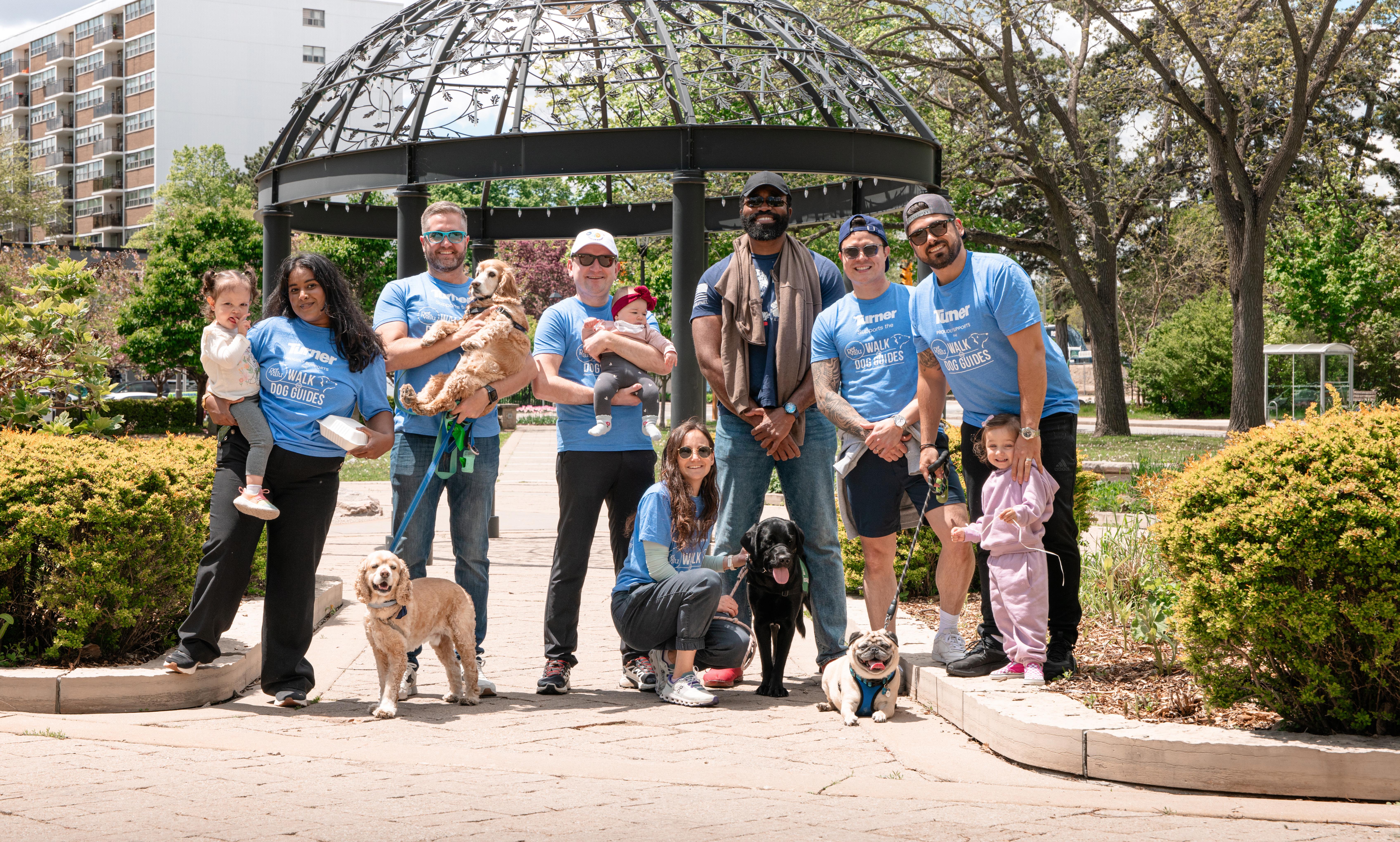
We strive to foster thriving communities by promoting economic growth, creating jobs, and supporting local organizations. By intentionally engaging and investing in the communities connected to our work, we build lasting trust that strengthens today’s projects and carries Turner’s presence forward long after the work is complete.
BUILDING OPPORTUNITY AT SCALE
The Obama Presidential Center rises on Chicago’s South Side as a transformative civic investment, designed to serve as a cultural anchor and community resource for generations to come. Beyond its physical presence, the project reflects a broader vision that connects construction to economic opportunity, workforce access, and community engagement.
From the outset, the Obama Presidential Center aligns planning and delivery with community priorities, ensuring that progress extends beyond the site itself. The project creates pathways for local participation while deepening relationships with the surrounding Woodlawn neighborhood, positioning the work as both a construction effort and a catalyst for long-term growth.
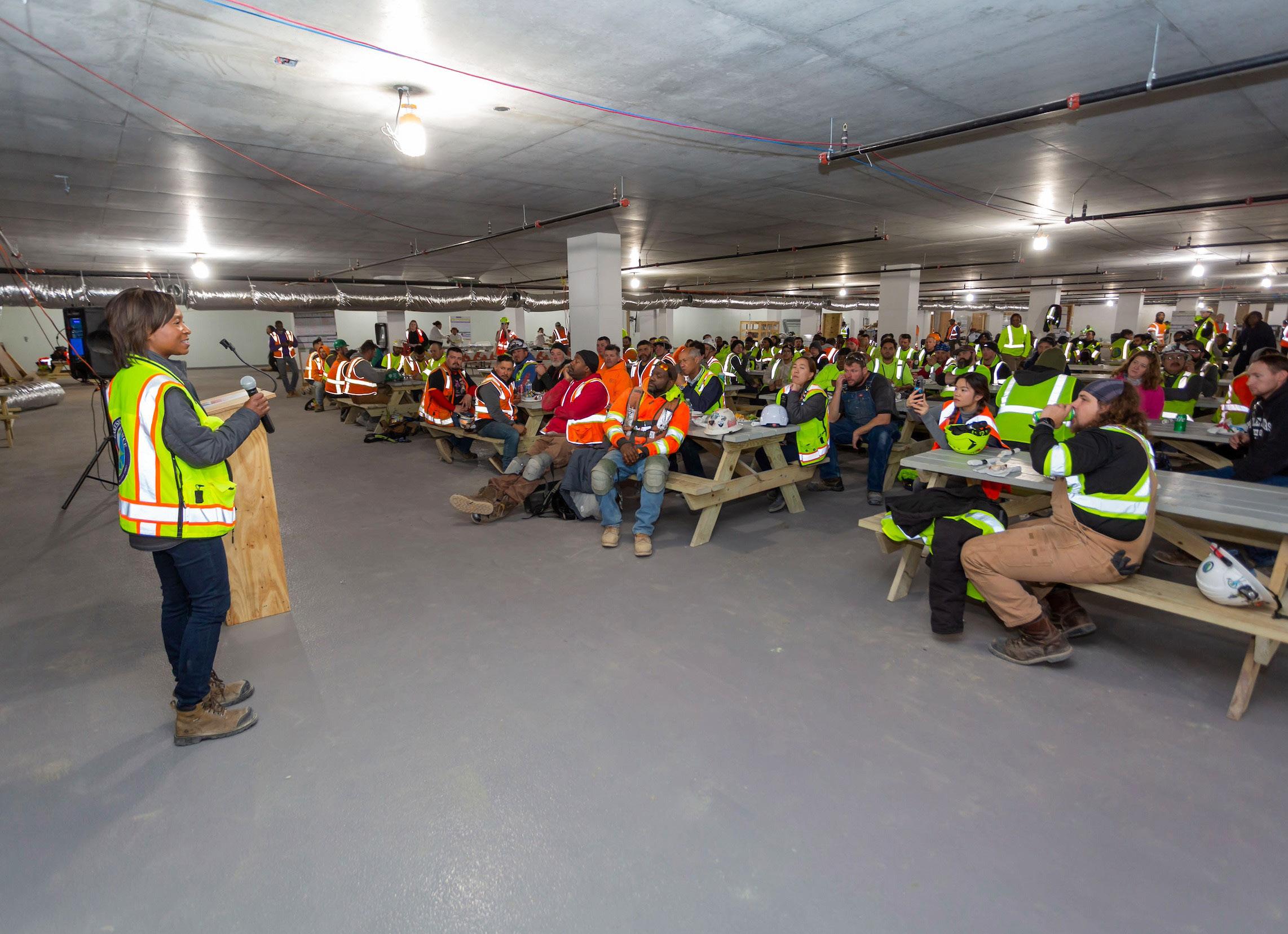
Lakeside Alliance
The Obama Presidential Center is delivered through Lakeside Alliance, a joint venture formed by five firms with a shared commitment to advancing a more inclusive construction model. In 2015, four construction firms, Brown & Momen, Powers & Sons Construction, Safeway Construction and UJAMAA Construction, came together to select Turner Construction as the prime contractor for their Obama Presidential Center bid, together forming Lakeside Alliance. Lakeside Alliance reflects a deliberate effort to expand leadership representation and build capacity within the industry. With more than 250 years of combined experience, the partnership brings both technical expertise and a deep understanding of the communities it serves .
Turner plays a important role within this structure, supporting execution while reinforcing a model rooted in collaboration and shared accountability. The partnership together shapes how decisions are made—from procurement strategies to workforce development—ensuring that opportunity is embedded across every phase of the project. Flexible bid packaging, targeted outreach, and direct engagement enable local businesses to participate meaningfully, building capacity beyond this single project.
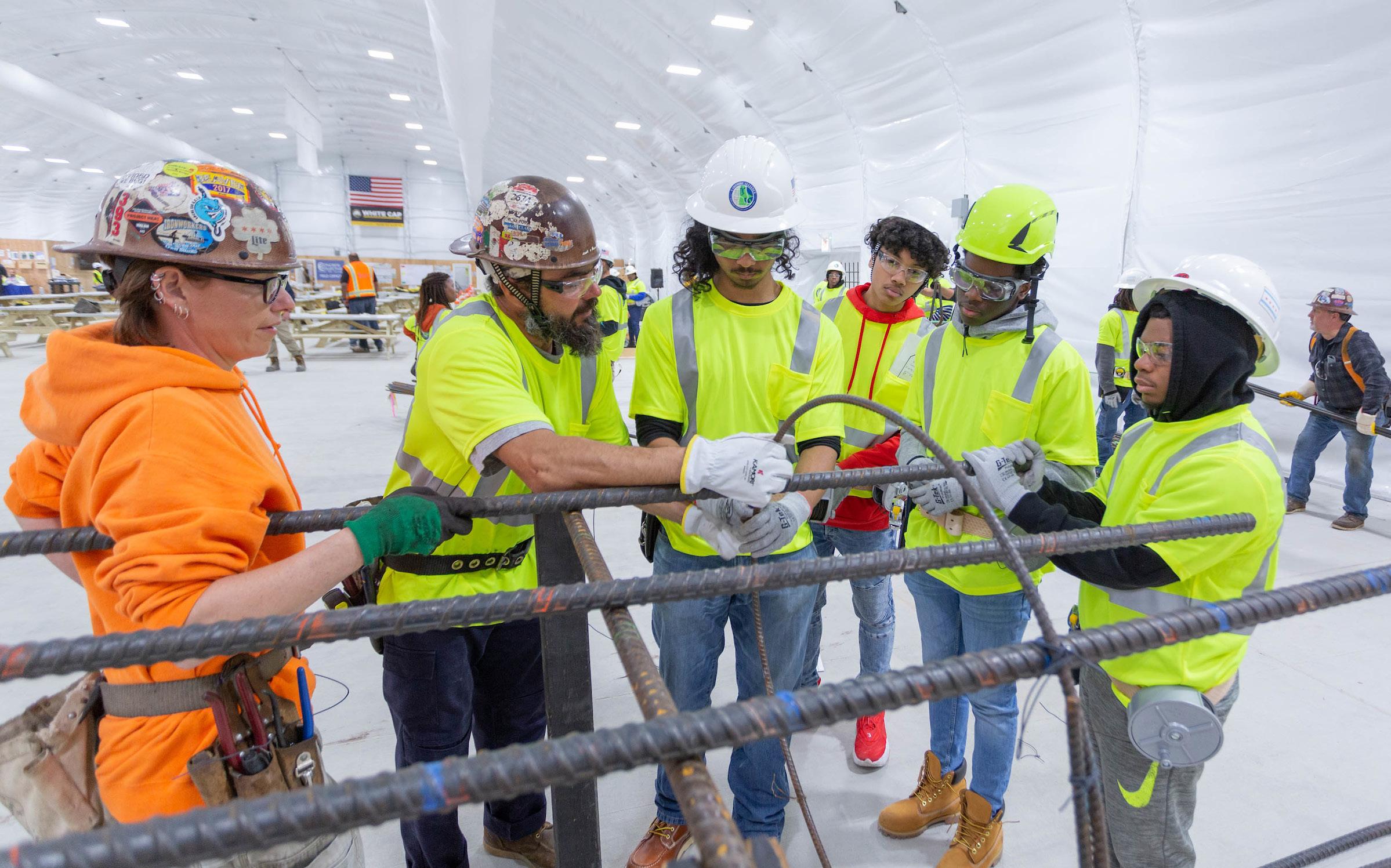
Community Focused Building
Lakeside Alliance advances a set of core strategies that connect project delivery with community outcomes. Community engagement efforts centered on the Lakeside Alliance Resource Center, a dedicated space just blocks from the project site to meet with representatives from Lakeside Alliance and the Obama Foundation and provided residents with access to job opportunities, training programs, and contractor pathways tied directly to the project. The consistent presence helped remove barriers to entry and created clear, accessible connections to the work.
Local future building programming on the project extends this approach by engaging students through site visits, workshops, and hands-on learning experiences, including Learning with Lakeside Alliance, a series Lakeside ran to expose young people to careers in the industry. These initiatives introduce young people to construction careers while building a long-term pipeline of talent. At the same time, the introduction of a dedicated Culture Manager role supports the jobsite environment by ensuring worker concerns are addressed, communication remains open, and accountability is reinforced across teams. Together, these strategies align community connection, workforce development, and jobsite experience into a cohesive model.
credit: Lakeside Alliance
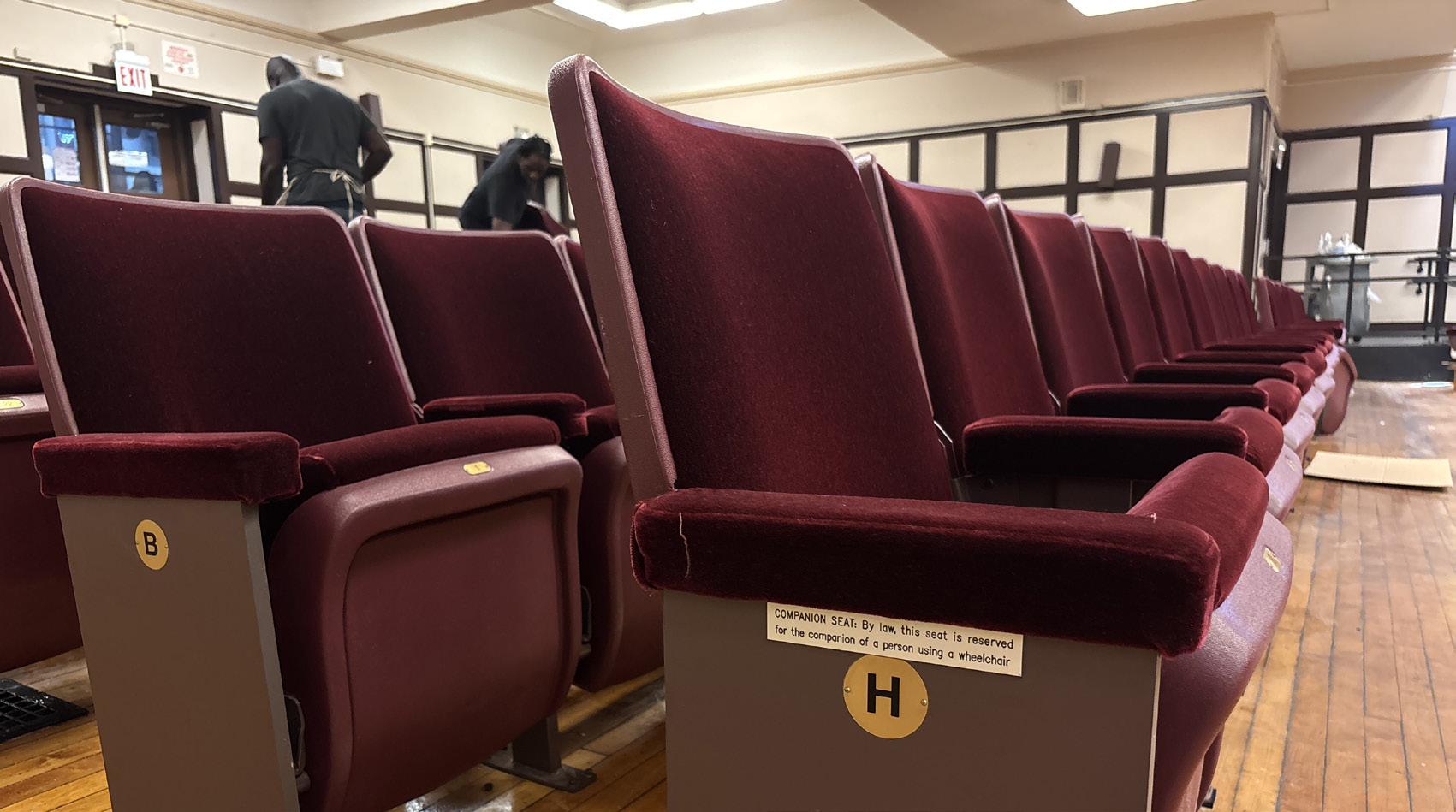
See Community Investment in Action!
Watch Lakeside Alliance partners upgrade Parkside’s auditorium with new seating, creating a more comfortable, engaging space for students.
Transformative Commitments & Parkside Community Academy
Lakeside Alliance recognizes that success is not only measured in metrics, but in the stories created and the communities strengthened along the way. This perspective leads to the development of Transformative Commitments, an approach that invites trade partners to think beyond traditional scopes and contribute to meaningful, visible change.
One of the most compelling examples takes shape through a partnership with the Obama Foundation, Lakeside Alliance, and Parkside Community Academy, located approximately one mile south of the Obama Presidential Center site. The school serves as a critical hub where students and families access not only education, but also broader support and resources. This proximity reinforces the importance of ensuring that the community surrounding the project experiences direct benefits from the work taking place.
The work focuses on the school’s auditorium. Decades old wooden seating was removed, the flooring was refinished, and new, plush seating was installed to create a more welcoming and functional environment. The new seating and related materials were donated, and the work was
completed through volunteer time contributed by Lakeside Alliance and its trade partners. While the scope reflects a straightforward renovation, the intent carries deeper significance. The effort creates a clear connection between the work underway at the Obama Presidential Center and lasting improvements in a nearby community space.
This initiative reflects a broader commitment to community engagement, where major development supports the people and places closest to the work. The transformation of the auditorium creates a space where students gather, families connect, and community events take place, linking the work on site to everyday life in the neighborhood.
The construction community plays a critical role in bringing this effort to life. Through donated materials, volunteer time, and hands-on support, Lakeside Alliance, trade partners, and project teams demonstrate the Transformative Commitments in action. Their collaboration supports local spaces, builds community connection, and reinforces a simple idea: construction can create value beyond the project boundary.
Strengthening Jobsite Culture
The same principles that guide community engagement also shape the experience on site. Lakeside Alliance prioritizes a jobsite culture grounded in respect, connection, and shared responsibility. The Culture Manager role provides a consistent presence, ensuring workers feel heard while reinforcing accountability and open communication across teams.
These efforts create a more inclusive and collaborative environment, where individuals take pride in both their work and their role in the project. By linking community investment with worker experience, the Obama Presidential Center demonstrates how people-centered approaches strengthen performance and relationships. The project ultimately sets a new standard- showing how construction can deliver lasting value not only through what is built, but through how it is built and who it benefits.
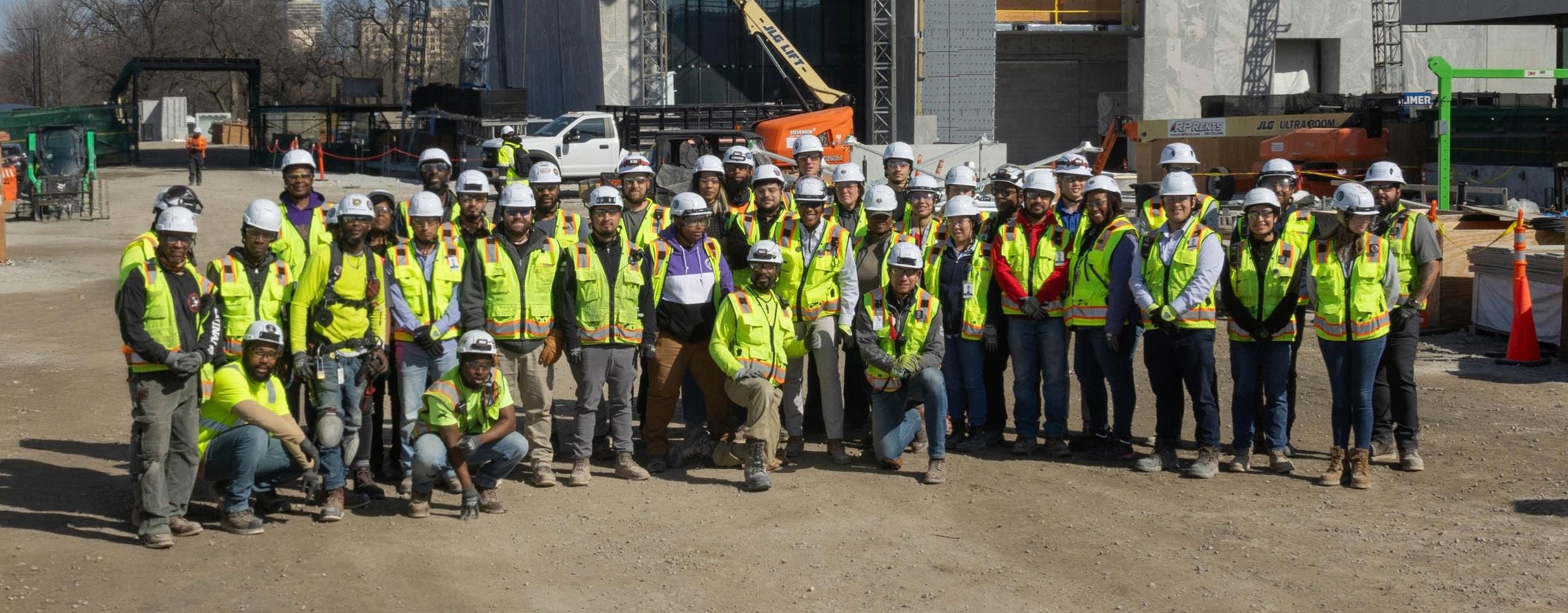
BUILDING OPPORTUNITY OPENING DOORS
Through Turner’s Economic Impact strategy, the company supports its building approach by investing in the long-term success of its business partners. The focus is on expanding partner capacity, supporting local economies, and building a more resilient trade partner market: improving schedule reliability, reducing risk, and enhancing Turner’s ability to staff projects across regions. Nothing demonstrates this strategy in practice more than Turner’s growing relationship with The Will Group. A nationally recognized, Chicago-based firm, The Will Group provides logistics, warehousing, lighting distribution, and project management services, supported by a workforce model rooted in local hiring and training. Their operations create access to skilled, well-paying jobs while delivering the technical capabilities required to support complex construction projects.
Today, the relationship plays a direct role in project execution. Through SourceBlue, The Will Group manages warehousing and logistics, coordinating just-in-time delivery and inventory management to help maintain schedule certainty and mitigate risks associated with long-lead materials. They also support lighting procurement and assembly through on-site fabrication, delivering scalable solutions across projects. While the partnership is deeply established in Chicago, it continues to expand nationally, supporting data center and healthcare work in multiple regions and bringing consistent performance to projects.
By creating consistent access points for engagement, connecting partners with internal teams, and integrating them into procurement pathways, Turner helps firms move from local providers to strategic partners. This approach embodies the work of C&C across the company—identifying capable firms, validating their capacity, and creating opportunities that allow them to scale over time. As partners grow, they strengthen Turner’s ability to deliver, bringing increased flexibility, reliability, and workforce availability to projects.
Turner also plays an active role in expanding access to opportunity. By introducing partners like The Will Group across its network and connecting them with project teams, leadership, and outreach opportunities, Turner helps strong, community-rooted firms build relationships that can lead to future work. This relationship-driven approach supports individual partners while creating more consistent pathways for opportunity across regions.
The result is a relationship that extends beyond a single project or service. It improves supply chain performance, expands workforce capacity, and supports economic opportunity within the communities where Turner builds. More broadly, it reflects how intentional engagement with business partners creates shared value, advancing both project outcomes and long-term economic resilience.
By doing business with The WILL Group, we’re helping create opportunity in the community—they’re hiring locally, training people, and building something that extends beyond our projects.
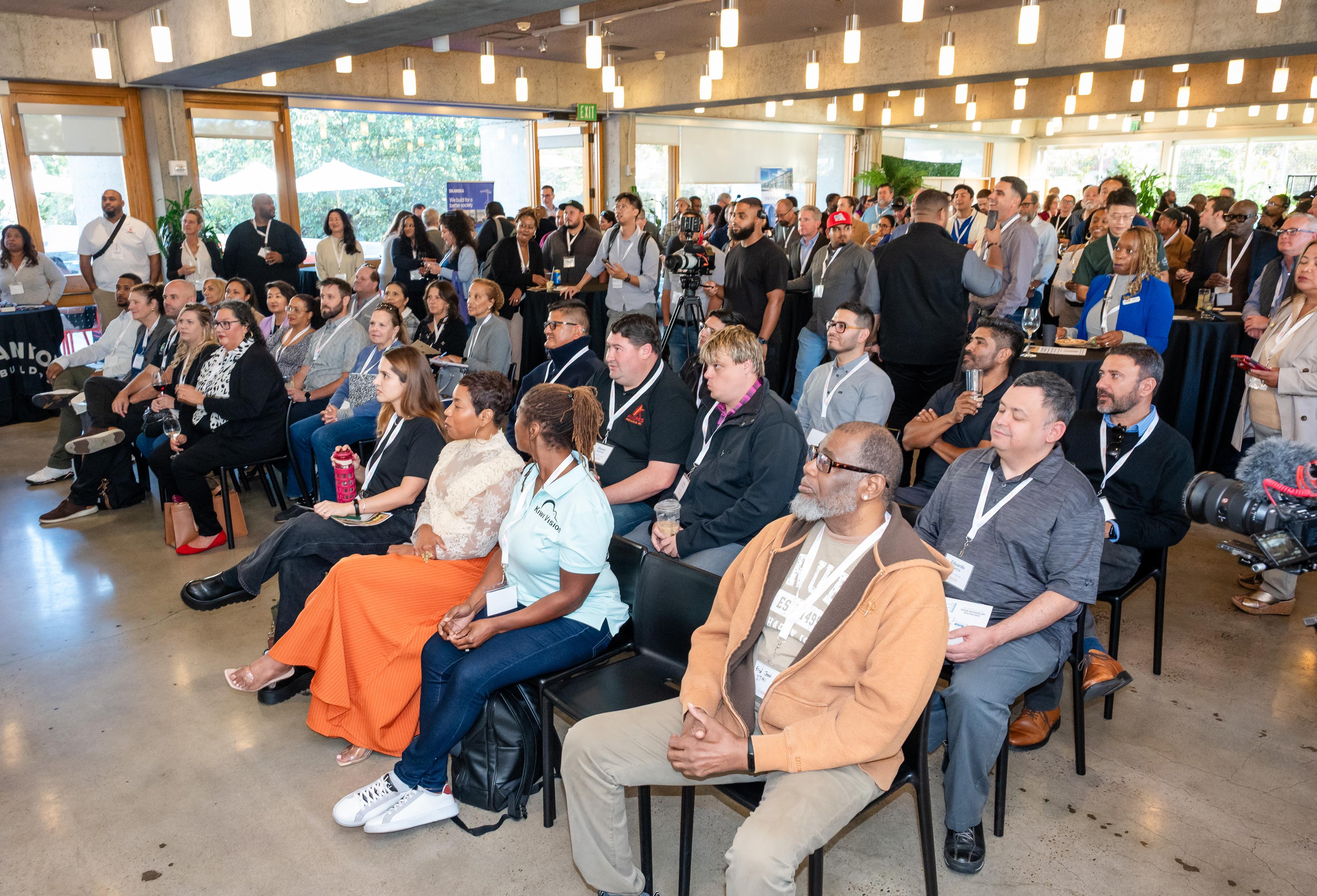
- Zola Stewart
C&C Director, Chicago
BuildIT Contractor Mixer, Bay Area
BUILDING RELATIONSHIPS INDIGENOUS PARTNERSHIPS
Clark Builders approaches Indigenous relations as a long-term responsibility grounded in trust, continuity, and relationship building. Across Canada, the company works alongside First Nations, Métis, and Inuit communities to build relationships that extend beyond individual projects and support long-term outcomes identified by communities themselves.
This approach begins early and continues throughout the project lifecycle, informing planning, design, procurement, and delivery. By engaging early, Clark Builders works to ensure community priorities are reflected in project decisions while creating meaningful opportunities in employment, business participation, and skills development.
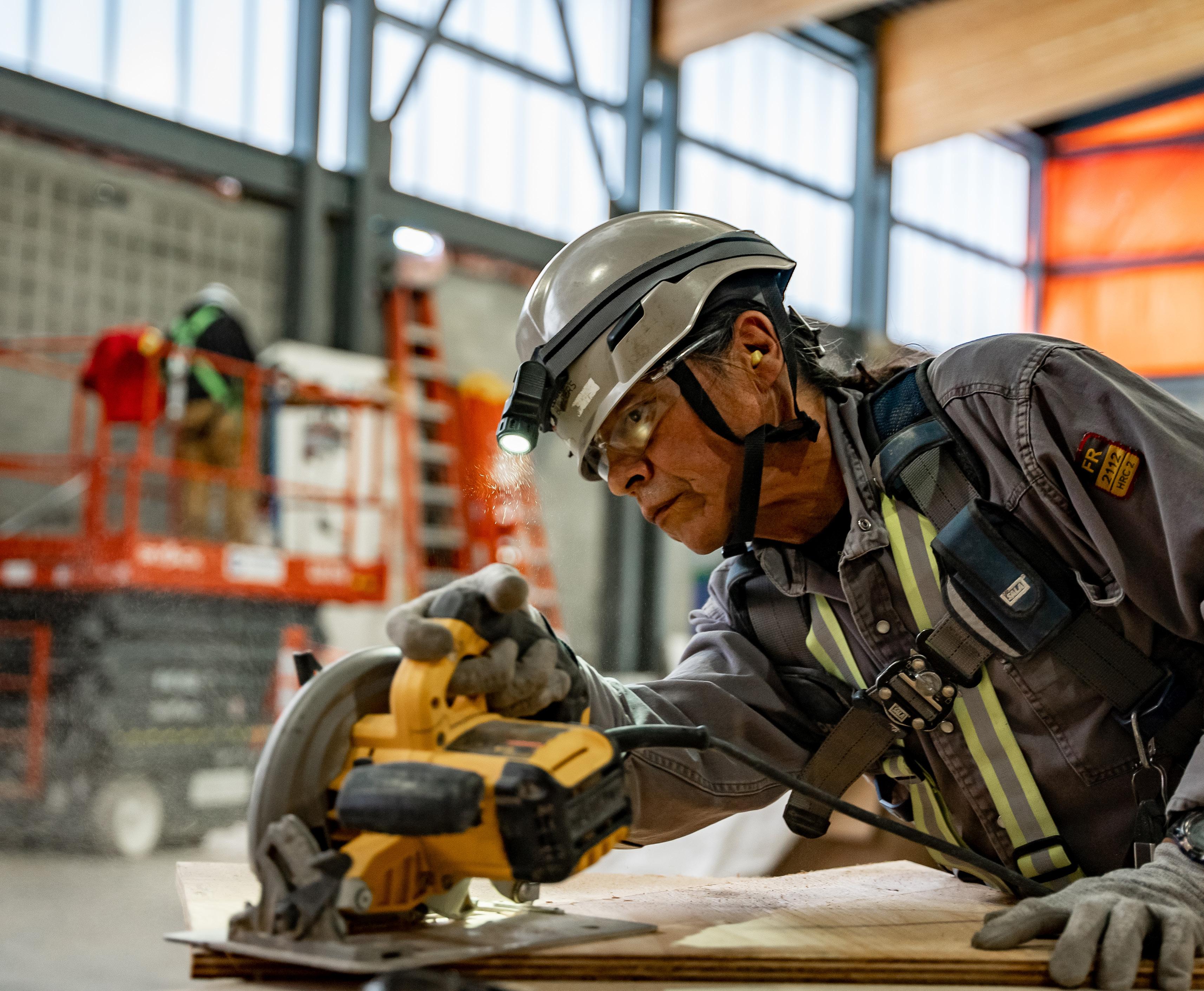
Clark Builders aligns its Indigenous relations commitments with the Truth and Reconciliation Commission of Canada’s Calls to Action, with a focus on cultural awareness, workforce participation, inclusive procurement, and community relationships. The company also participates in the Canadian Council for Indigenous Business’ Partnership Accreditation in Indigenous Relations (PAIR) program and is currently certified at the Bronze level.
Internally, this work is supported by a dedicated Indigenous Relations function within Clark Builders’ Brand & Engagement team. This team helps set direction, establish priorities, and support project teams and internal departments in advancing Indigenous engagement, procurement, employment, and related initiatives across the business. It is reinforced by employee-led and cross-functional structures, including the Reconciliation in Action Committee, which helps advance implementation across departments, and the Indigenous Employee Resource Group (IERG), which supports connection, shared learning, and cultural awareness among Indigenous employees and allies. Over time, these efforts support more consistent outcomes across the business and reinforce a shared understanding of how Indigenous relations are integrated into day-to-day decision-making.


Workforce development remains central to this work. Clark Builders partners with employment organizations, educational institutions, and community leaders to support career awareness, recruitment, and skills development, helping reduce barriers to entry and expand access to construction careers. Local hiring strategies and procurement practices also support participation by Indigenous workers, trade partners, and suppliers across project delivery.
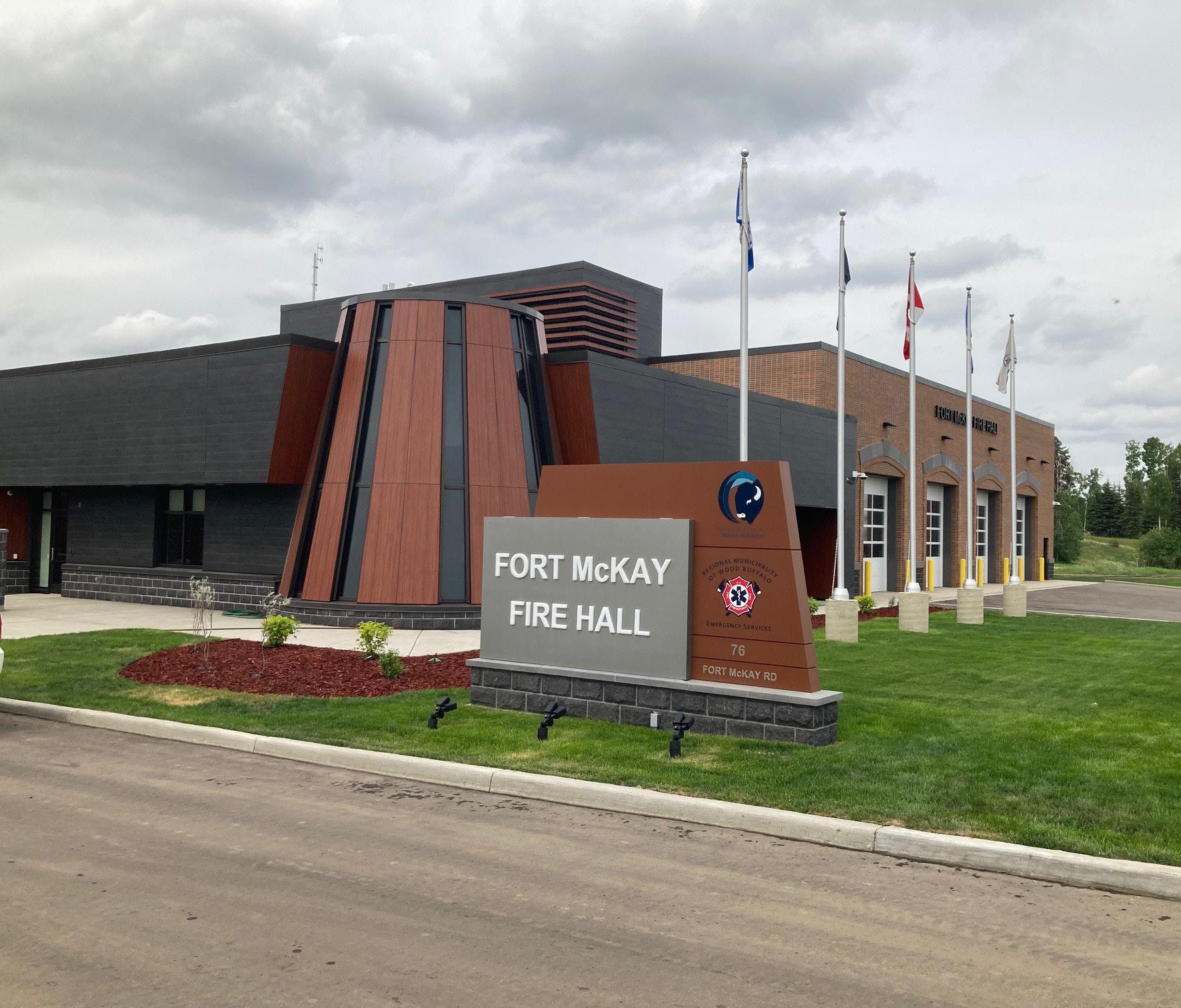
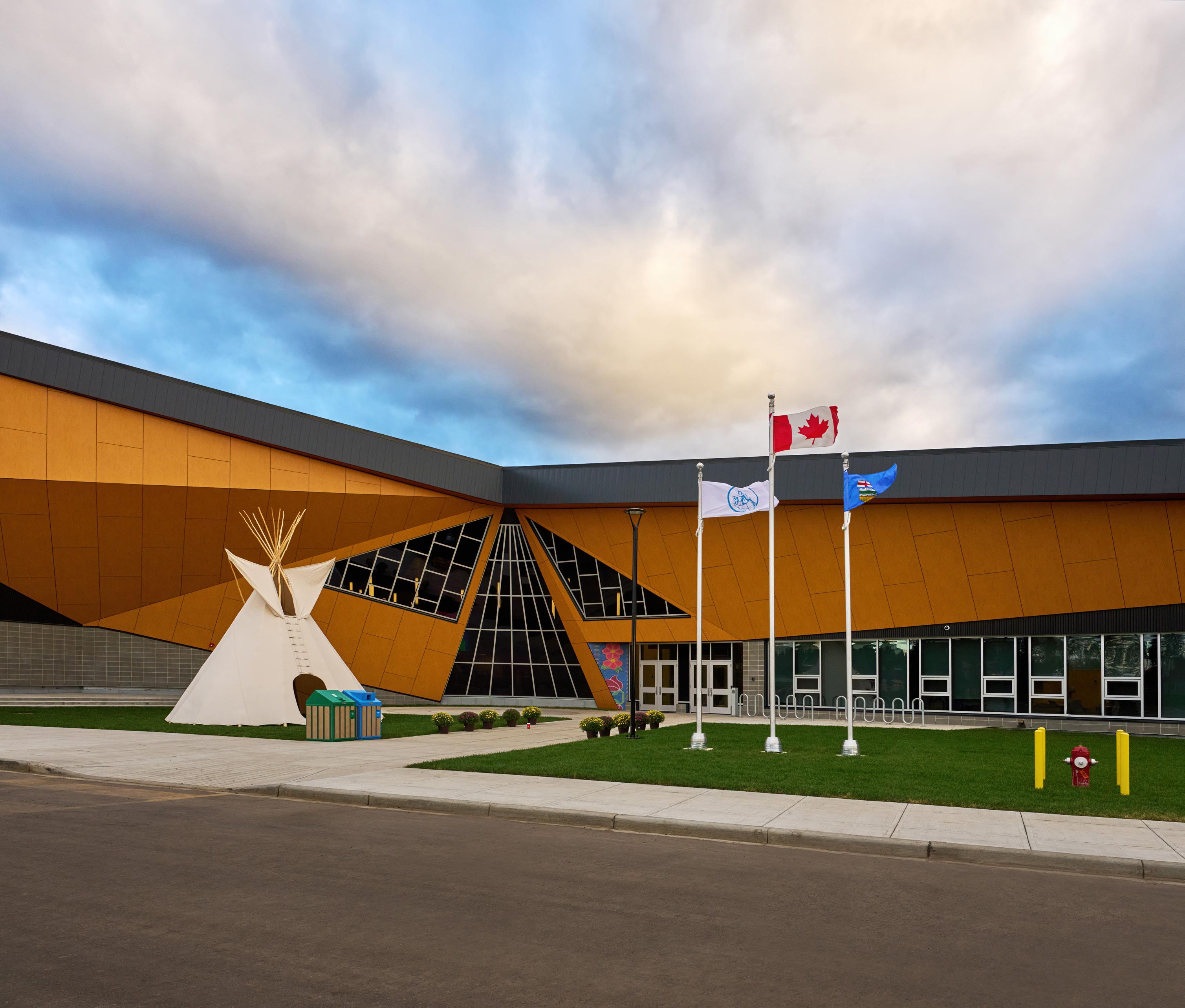
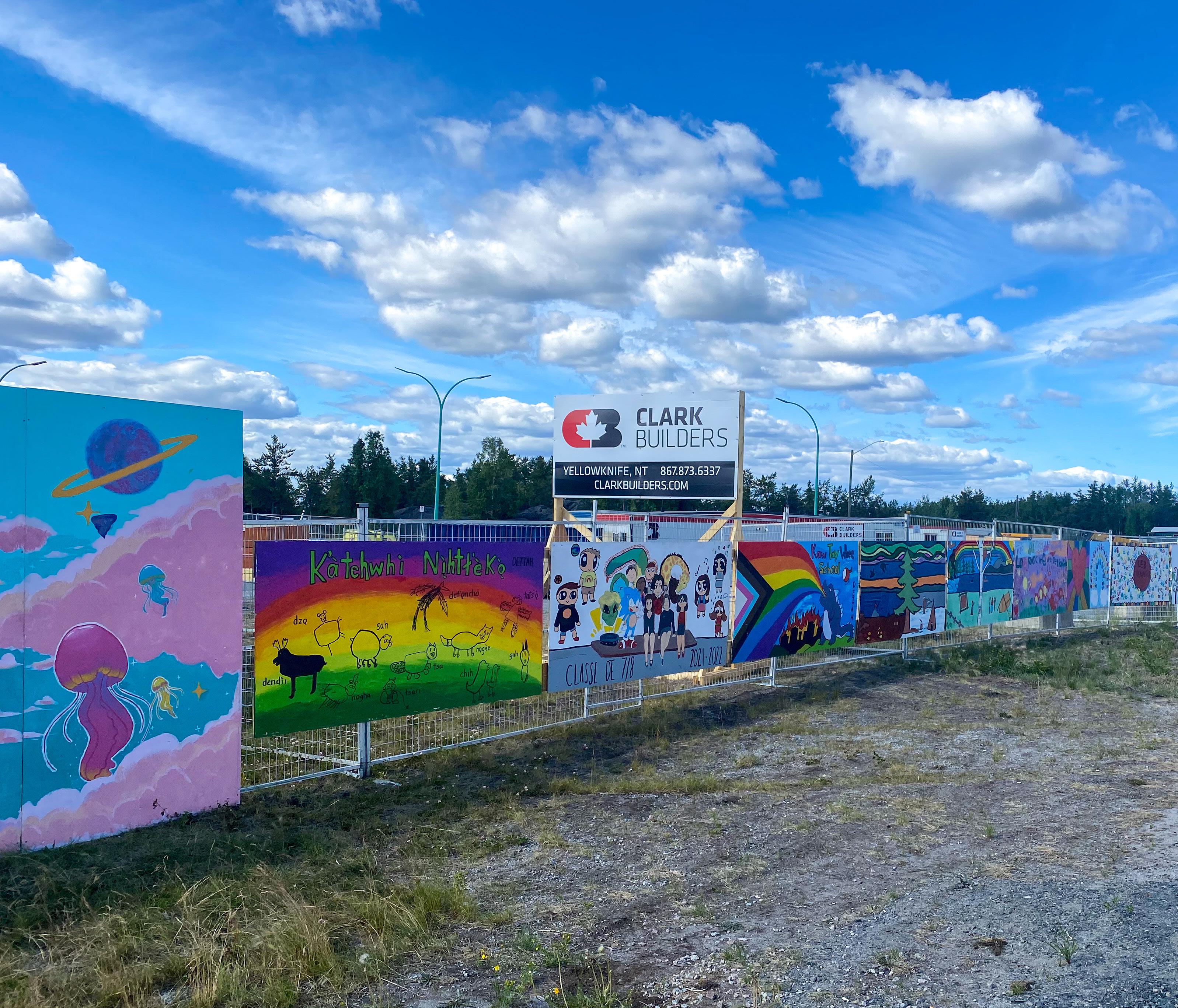
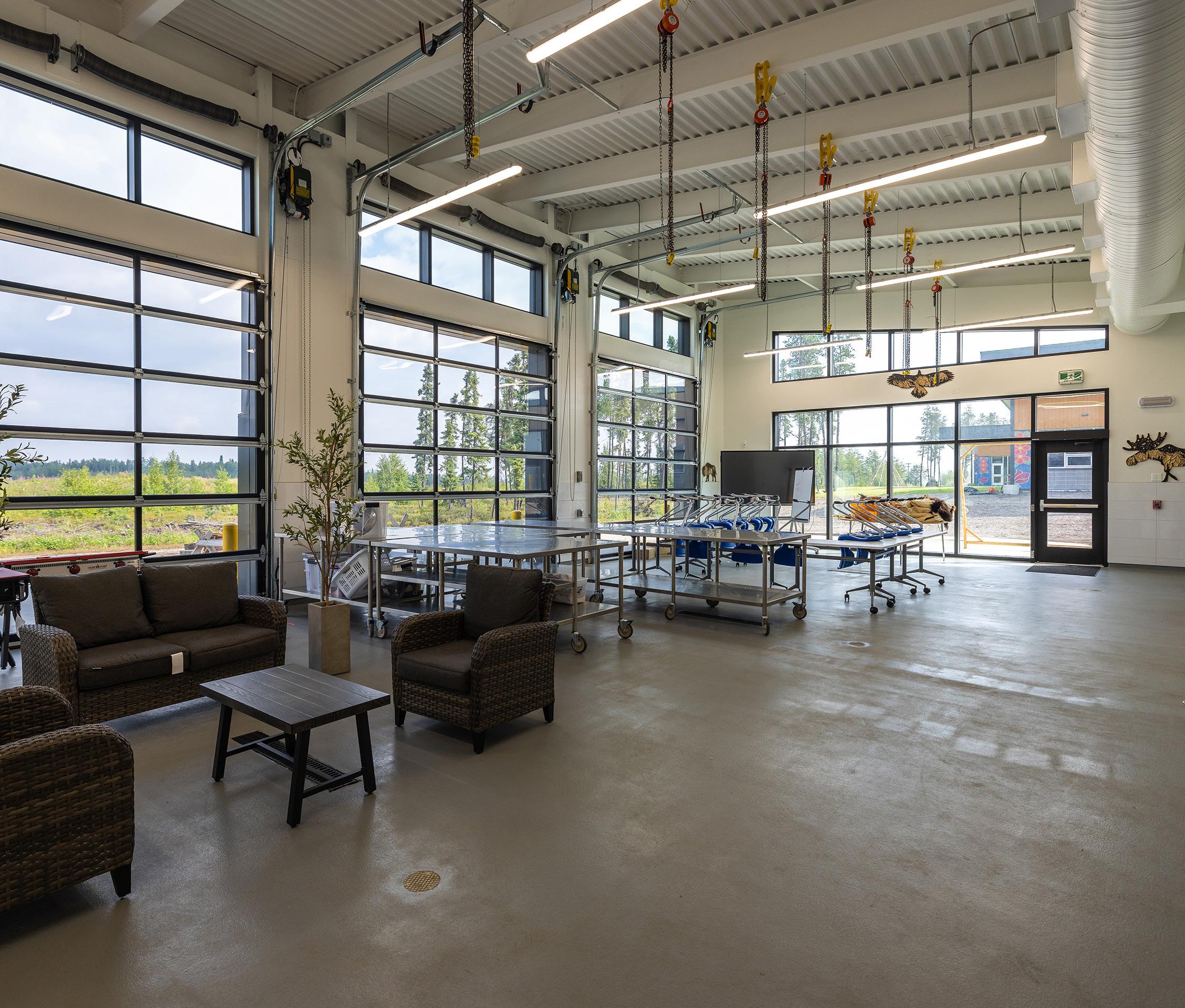
A long-term partnership with Fort McKay First Nation illustrates this approach in practice. Since 2016, Clark Builders has worked alongside the Nation to deliver a portfolio of community-driven facilities valued at more than $74 million CAD, including education, housing, emergency services, and cultural learning facilities. These projects reflect sustained collaboration rooted in community priorities and long-term well-being. The impact of this work is visible across the built environment in Fort McKay, with the Elsie Fabian School providing a modern K–9 learning environment that supports both academic and cultural learning. The Fort McKay Elders Residence supports aging community members with spaces designed around accessibility, comfort, and connection to place. The Land-Based Learning Centre creates space for youth to engage in traditional teachings and supports cultural continuity across generations.
These projects also demonstrate how delivery approach matters. Facilities such as the Fort McKay Fire Hall have been developed through close collaboration with the community, ensuring design and execution reflect local priorities while addressing the realities of remote construction. Across this portfolio, Clark Builders has prioritized opportunities for local business participation, workforce involvement, and skills development, helping create benefits that extend beyond individual projects. The partnership also reflects a two-way exchange of knowledge. Project teams gain a deeper understanding of community priorities and cultural context, while the Nation gains greater visibility into how projects are planned and delivered. Over time, this shared understanding builds trust, and creates a stronger foundation for future work.
By applying consistent practices such as early engagement, inclusive procurement, workforce development, and internal accountability, Clark Builders continues to embed Indigenous relations into how work is delivered. The focus remains on building long-term partnerships that support resilient communities, sustained economic participation, and shared value.
Fire Hall - Fort McKay, Alberta
Elsie Fabian School - Fort McKay, Alberta
Land Based Learning Centre - Fort McKay, Alberta
Yellowknife Site Fencing
OPENING PATHWAYS BUILDING THE WORKFORCE
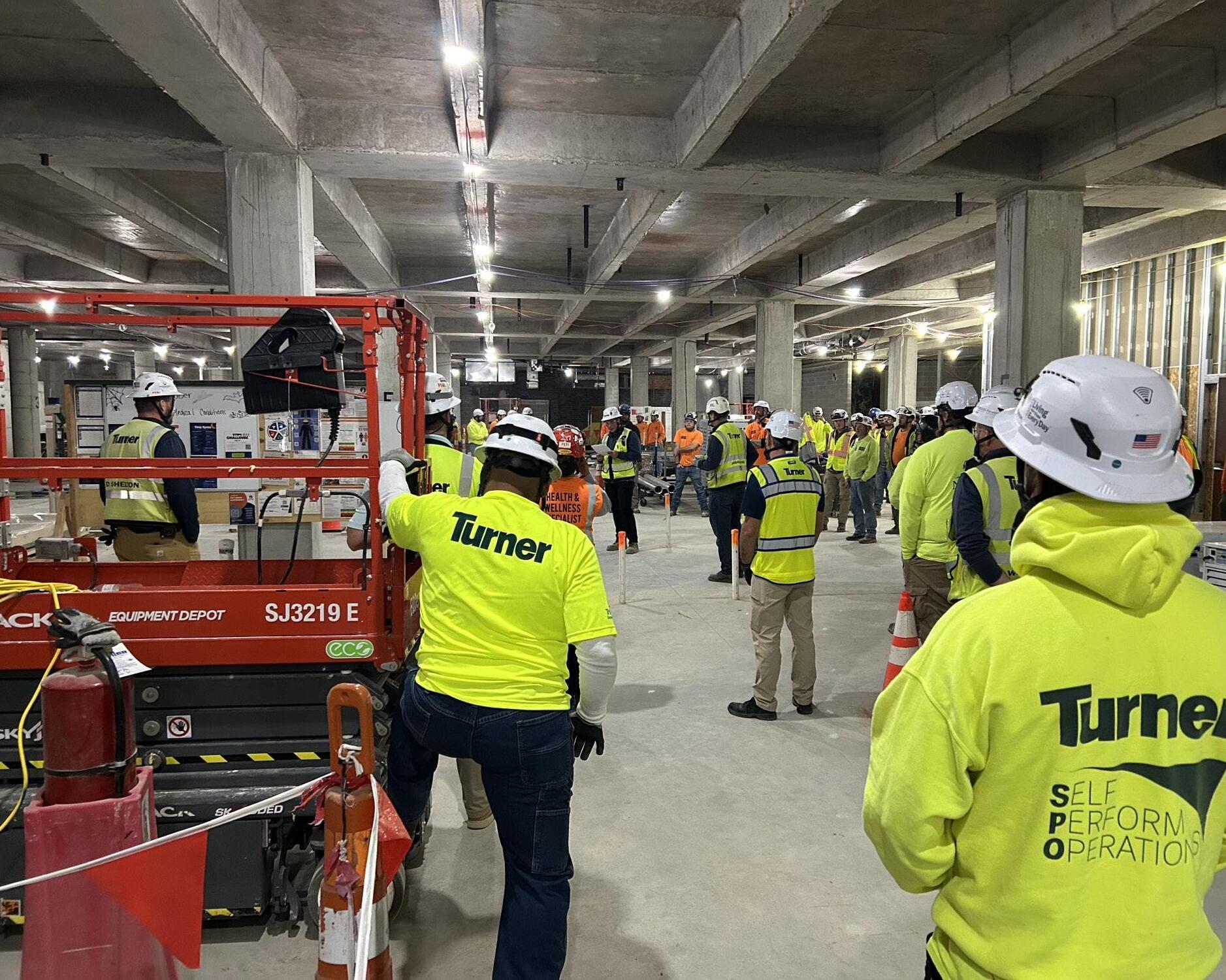
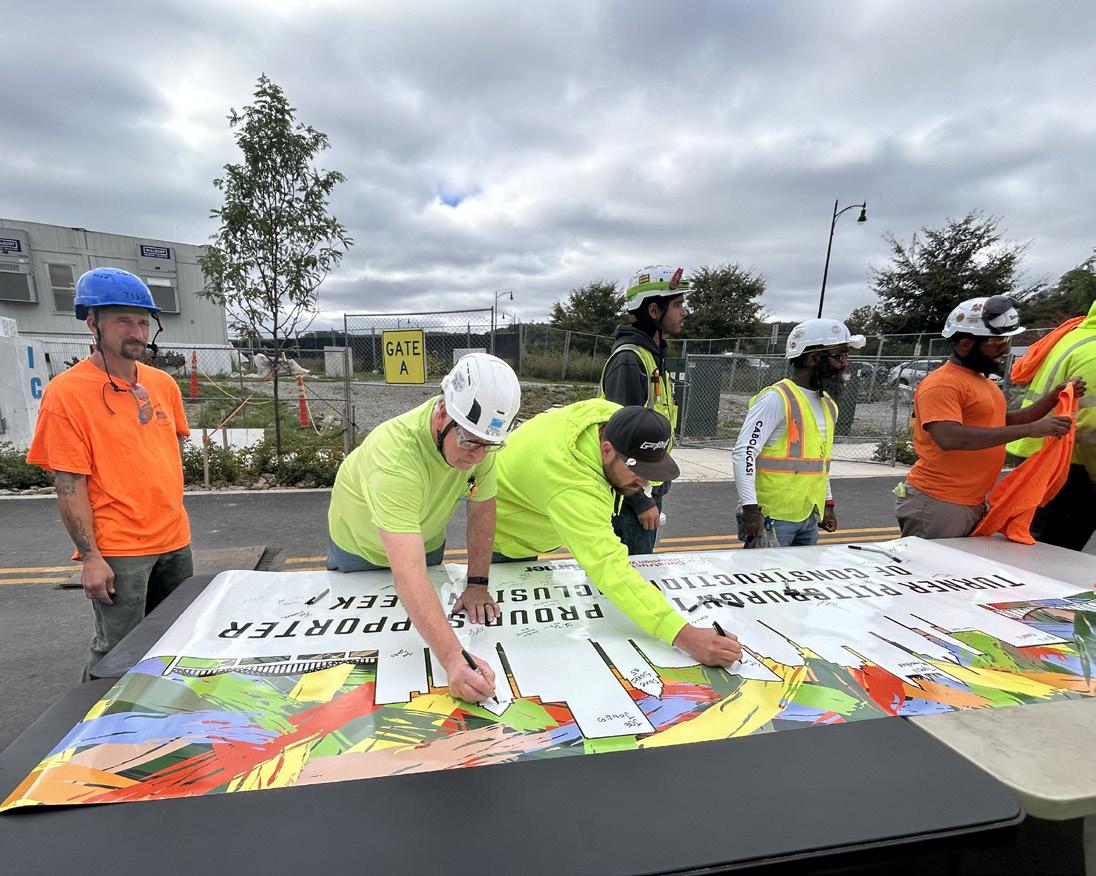
The 2025 Construction Inclusion Week theme, workforce development, reflects a commitment among Turner and others across the construction industry to build, support, and sustain the people who make the work possible. Construction Inclusion Week serves to reinforce the culture expected across jobsites, offices, and communities—one where pathways are clearly defined, development is actively supported, and inclusion is reflected in how work gets done every day.
Throughout the week, teams hold jobsite stand-downs that create space for meaningful dialogue. Superintendents, engineers, and trade partners come together in active work environments to talk through real situations—how to support one another, when to speak up, and how to maintain shared standards of respect and accountability. These conversations are grounded in lived experience and reinforce expectations that guide day-to-day interactions across Turner’s projects.
Across regions, Turner partners with schools, workforce organizations, and community groups to expand access to construction careers. Career days, classroom sessions, and hands-on workshops connect students and new entrants to the industry through firsthand exposure and practical insight. These efforts not only introduce the industry to new audiences but also help build a stronger, more prepared workforce over time.
Development continues on the jobsite, where learning is embedded in daily work. Apprentices and newer team members build skills alongside experienced craft professionals, gaining direct experience as projects progress. Field leaders walk through tasks step by step, sharing knowledge on sequencing, coordination, and decision-making. This
approach reflects Turner’s expectation that mentorship, teaching, and support are essential parts of leadership at every level.
Examples across Turner’s operations bring this approach into focus.
On the Cyberdyne Project, the Huntsville office hosted a “Bridging the Generation Gap” session, helping teams better understand generational perspectives and promotes collaboration across the workforce. In Memphis, Turner volunteers led a panel discussion at The Academies of West Memphis High School, offering firsthand insights into construction careers and expanding access for future builders. Similar efforts across offices create clearer entry points into the industry while reinforcing that opportunity is both intentional and achievable.
Construction Inclusion Week highlights these priorities, while Turner sustains them through consistent action throughout the year. By aligning jobsite engagement, community outreach, and hands-on learning, Turner continues to build a workforce grounded in inclusion, accountability, and continuous development—demonstrating how its culture is shaped and carried forward every day.
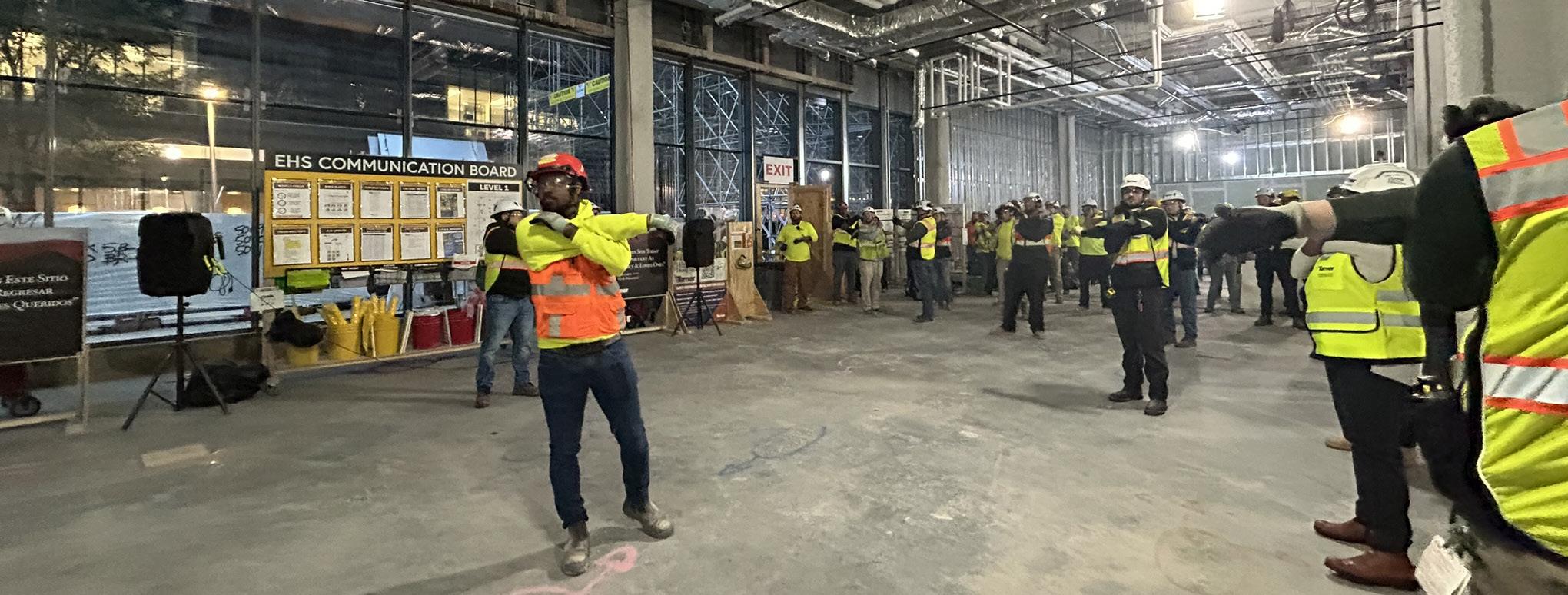
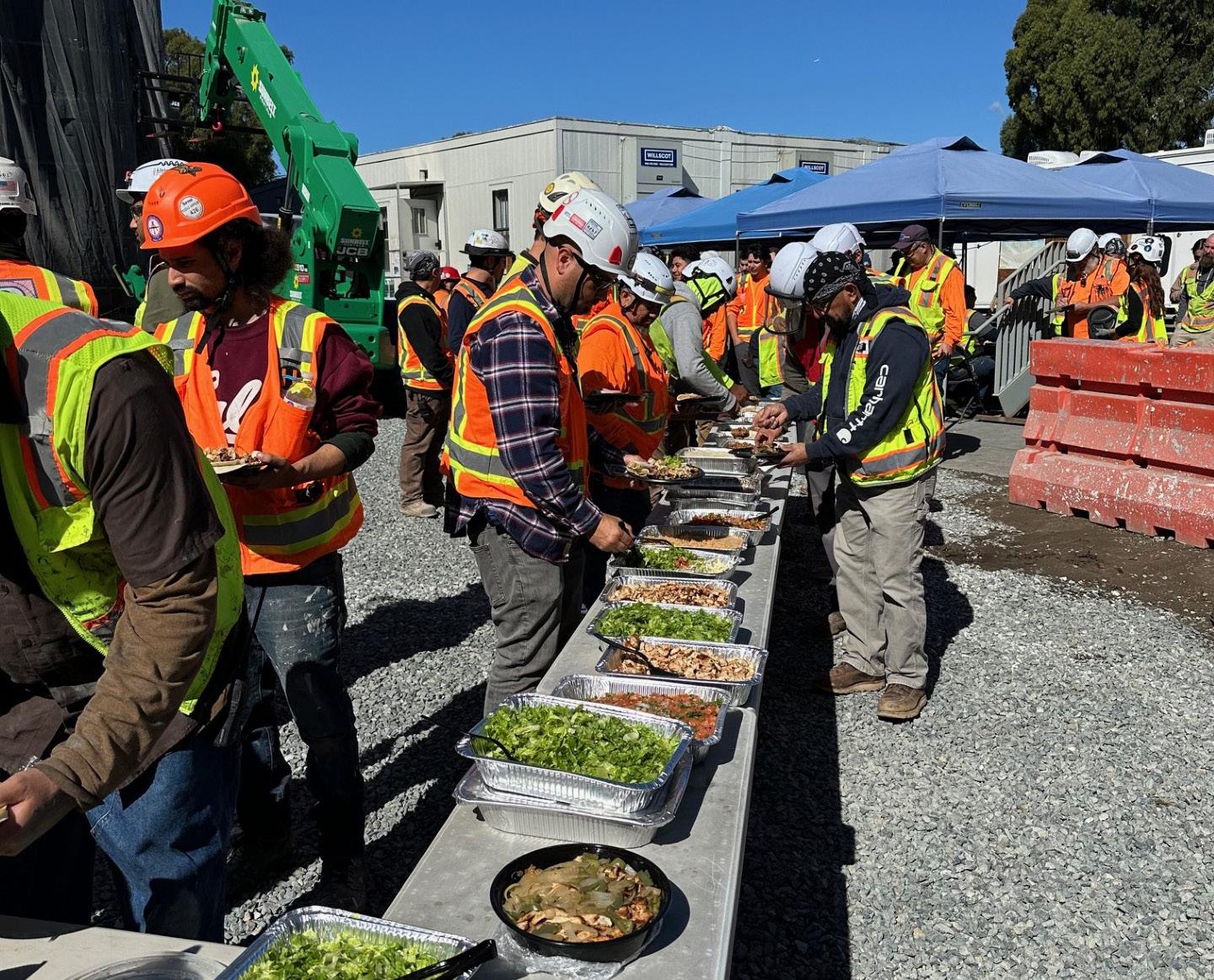
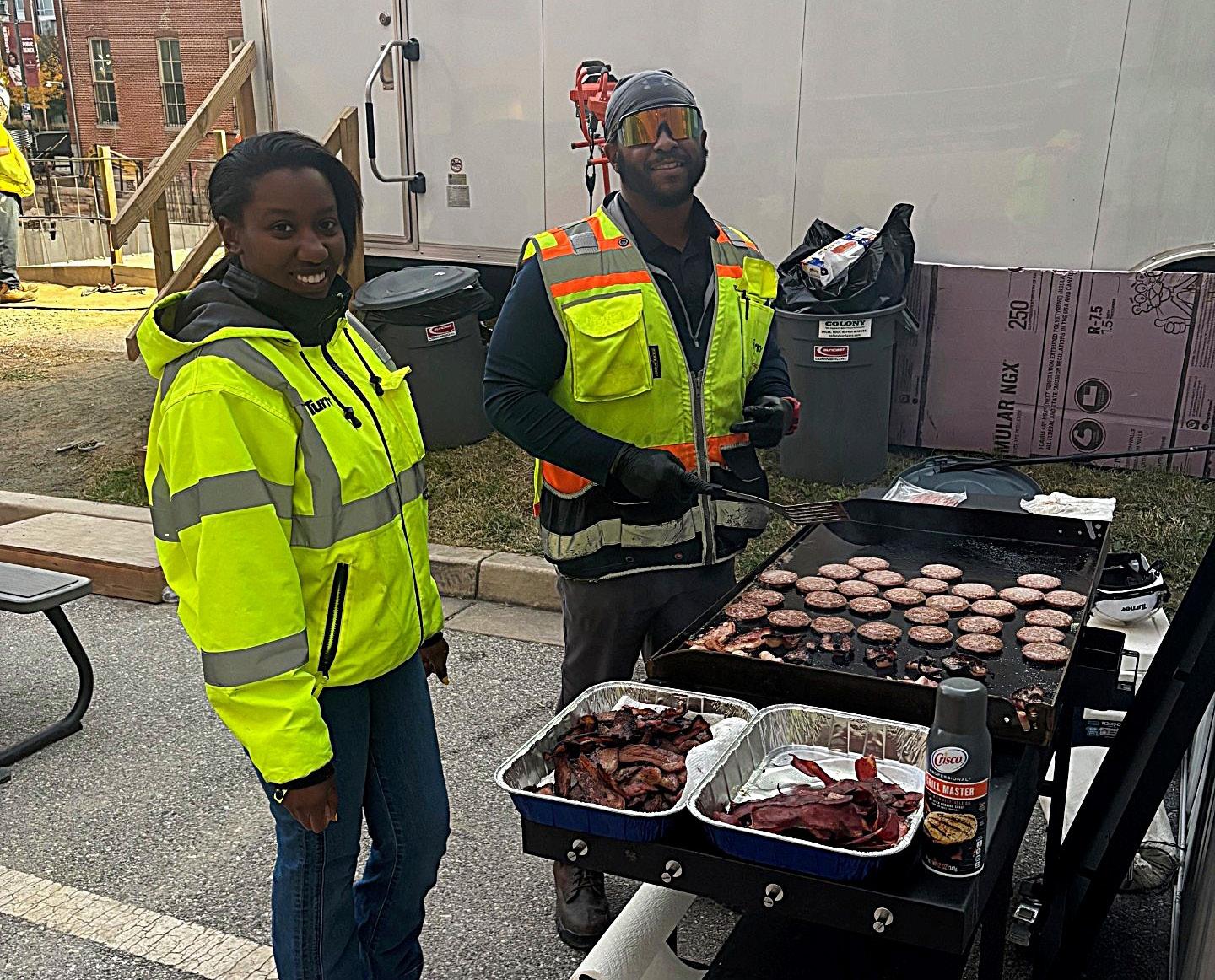
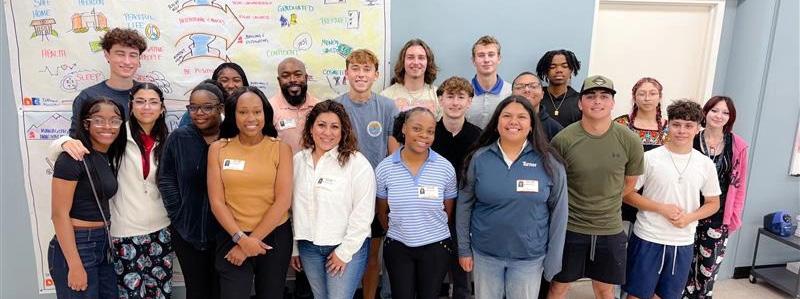
BUILDING FUTURE BUILDERS ACE MENTOR PROGRAM
Turner’s long standing partnership with the ACE Mentor Program introduces high school students to careers in architecture, engineering, and construction through sustained, hands on engagement. Students gain exposure to the industry by working alongside professionals, exploring different disciplines, and understanding how projects are developed from concept through construction. The program is designed to move beyond awareness, giving students a clearer sense of how their interests and skills can translate into future careers.
At Turner, the engagement is structured across three connected experiences that build on one another. During the school year, Turner professionals across different cities and regions mentor students weekly, bringing a range of perspectives and local industry experience into each program. They guide students through collaborative project work that reflects real coordination between designers, engineers, and builders. Students work in teams, navigate coordination and collaboration, and present their ideas, building both technical knowledge and practical skills.
In the summer, the externship program builds on that foundation. Students participate in a structured job shadowing experience, spending time on jobsites and in offices, connecting with different teams, and gaining a clearer view of how projects are delivered day to day. This experience helps translate early interest into a more informed understanding of the industry. This year Turner hosted more than 100 ACE externs nationwide, reflecting continued alignment across offices.
The third connection point focuses on continuity. As students move into college or trade pathways, Turner maintains relationships through ongoing mentorship, helping guide next steps and keeping students engaged over time.
Together, these efforts create a more connected pathway from introduction to long-term opportunity—supporting students as they move toward internships, careers, and roles across the industry.
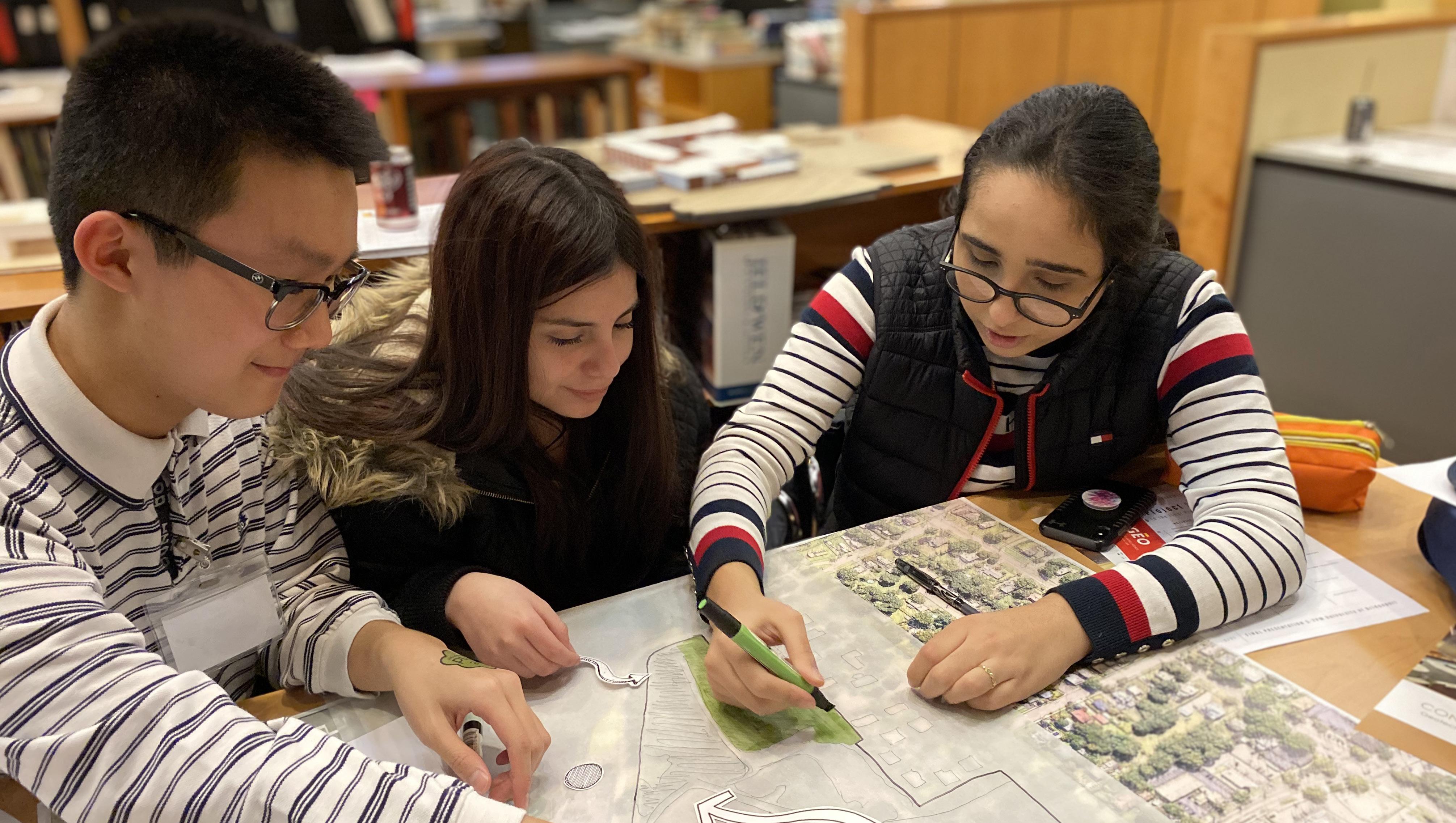
HANDS ON LEARNING
Construction becomes real when students build something they can point to and say they were part of it. At East Orange High School, the CTE program partners with Turner to move beyond the classroom and into hands-on work, creating something students can return to and recognize as their own.

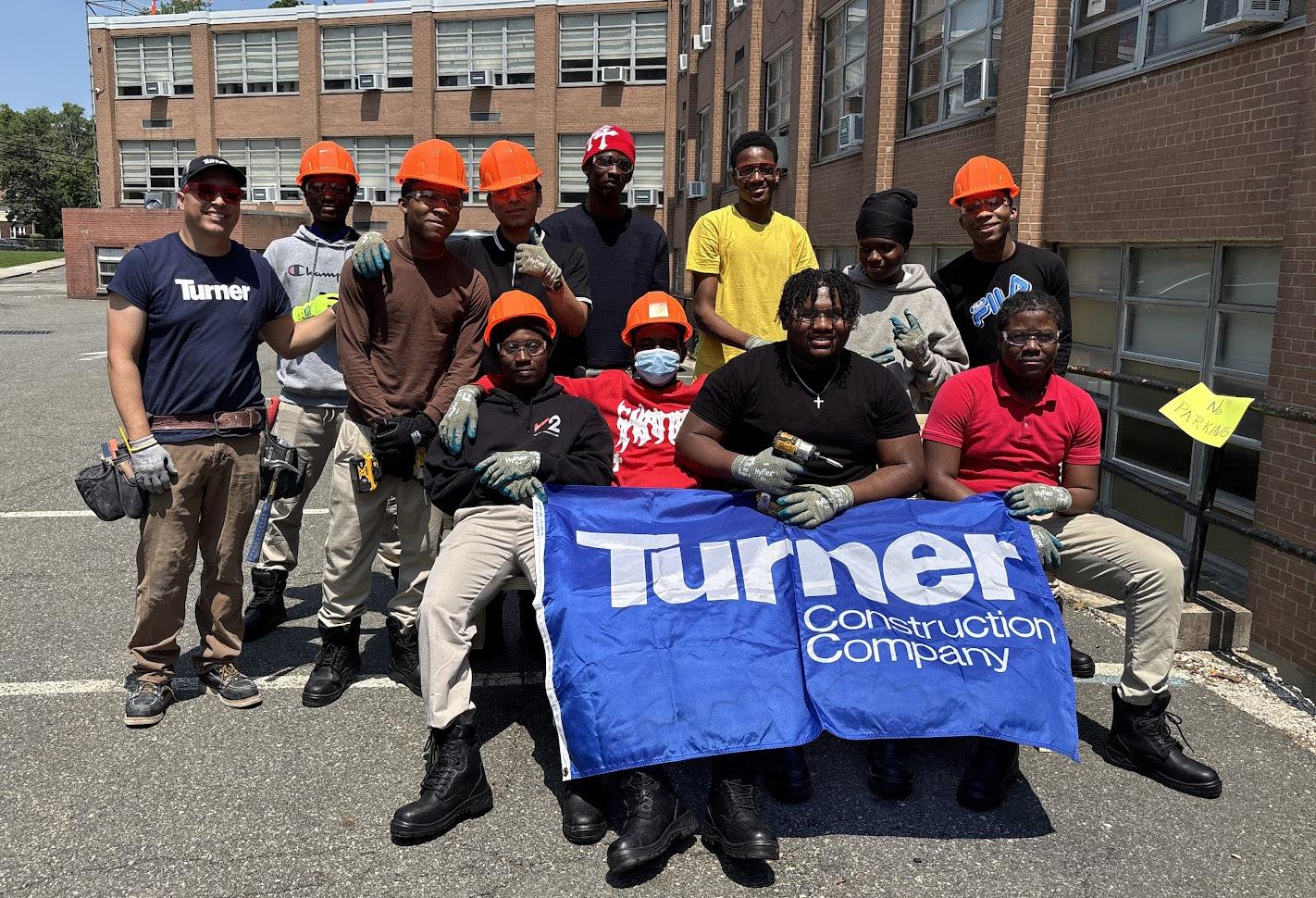
The program already provides foundational training, but the goal is to take it further and connect learning to real-world practice. Through jobsite visits, trade exploration events, and ongoing engagement, students gain exposure to the pace and coordination of active projects, seeing how different roles come together to deliver a result and where they can contribute.
That effort culminates in a bench build led by Self-Perform Operations professionals. The experience mirrors a real jobsite, beginning with stretch and flex, a job hazard analysis, and task planning. Students then work in coordinated teams, taking on roles such as measuring, cutting, and assembling, learning how planning, communication, and execution come together in the field. Working side by side, they experience how no one person builds alone and how progress depends on the group moving together.
Teams approach the build in different ways, showing there is more than one path to success. By the end, students leave with more than a finished bench. They leave knowing they built something that lasts and how their skills connect to real opportunities in construction.
ACE Mentor After School Session, Connecticut
East Orange High School CTE Bench Build
FROM PROGRAM TO CAREER FUTURE BUILDERS IN ACTION
Turner’s commitment to developing future builders starts well before careers formally begin. Through programs like ACE and structured internship pathways, the company introduces students to construction early—connecting them with professionals, project environments, and tangible career possibilities. These efforts not only expand access to the industry, but also help build a more diverse and prepared talent pipeline.
Future Builders highlights how early engagement evolves into longterm career pathways. Through mentorship, project-based learning, and time in the field, students gain both practical insight and a clearer sense of where they fit within the industry. This early foundation builds confidence, helping transform initial curiosity into sustained careers in construction.
For some, that journey comes full circle. Emily Donovan and Aranza Sierra both began as students exploring construction through the ACE Mentor Program and now play an active role in supporting the next generation. Their experiences demonstrate how early access, paired with consistent mentorship, can shape individual careers while strengthening the industry as a whole.
EMILY DONOVAN

Emily Donovan’s connection to Turner began in high school through the ACE Mentor Program, where she was first introduced to construction careers. Jennifer Lin, a Turner mentor she met during the program, became a lasting influence, eventually reconnecting with Emily years later as her manager, creating a throughline that continues to shape her career.
Over more than a decade with Turner, Emily has built experience across field operations, cost management, and SourceBlue, developing a comprehensive understanding of project delivery. Alongside her professional growth, she has remained deeply involved with ACE, serving as a long-time mentor and member of the Connecticut Board.
As a former ACE student, Emily approaches mentorship with a strong focus on connection and consistency. She prioritizes building relationships with students, helping them feel supported, and creating pathways into internships and full-time roles. Her work reflects a broader impact seen across her region, where multiple ACE participants have transitioned into careers at Turner.
For Emily, representation played a defining role early on. Seeing someone with a similar background in the industry helped her envision her own path forward. Today, she carries that forward, demonstrating how mentorship can open doors and support long-term career growth.
ARANZA SIERRA

Aranza Sierra’s introduction to construction began in high school through the ACE Mentor Program, where she first explored the industry. She continued to build on that foundation as a Turner intern, working first in estimating, then in the field as a superintendent intern, gaining firsthand insight into how projects come together.
Working on site, Aranza was drawn to the pace of construction and the problem-solving required to keep projects moving. She found value in the balance between field execution and coordination, recognizing how each contributes to successful delivery. That hands-on experience reinforced her decision to pursue a career in construction.
Now serving as an ACE mentor, Aranza focuses on helping students engage meaningfully with the industry. She encourages them to ask questions, participate actively, and take advantage of opportunities to learn. “I hope they walk away with a better understanding of what a career in construction actually looks like day-to-day, and feel encouraged to ask questions and get involved,” she shared.
By sharing her perspective and experience, Aranza helps students build confidence and better understand the range of paths available within construction.
ENGAGING OUR COMMUNITIES BUILDING LASTING CONNECTIONS
Community engagement at Turner is structured, consistent, and embedded into project delivery across regions. Teams develop localized plans early, aligning outreach with community priorities and project goals. This approach connects business units, project teams, and partners to deliver coordinated efforts that extend beyond individual sites and deepen local relationships.
Volunteerism serves as a core driver of Community and Citizenship’s work. Employees engage directly with local organizations through hands-on service, education initiatives, and targeted outreach programs. These efforts are supported by centralized resources, including giving platforms, matching programs, and tools that help teams identify and evaluate community partners. By combining structured programs with local flexibility, Turner enables teams to respond to real needs while maintaining alignment with company priorities.
Across the company, this model translates into measurable activity and sustained engagement. Thousands of employees participate annually, contributing time and expertise to initiatives that support communities and expand access to opportunity. The following highlights demonstrate how these efforts take shape at the local level, showcasing the range of partnerships, programs, and outcomes driven by Turner teams.
Empowering Youth Through Community Engagement in Türkiye
In 2025, Turner volunteers across Türkiye partnered with local organizations to expand access to education and opportunity for underserved youth. Across five cities, 79 volunteers delivered 10 initiatives reaching more than 500 children and students. Activities ranged from museum visits and creative workshops to technology-focused learning and school improvements, creating spaces where young people can explore, learn, and grow. Collaborations with nonprofits, universities, and public schools drive these efforts, combining hands-on engagement with long-term support. Through these initiatives, Turner helps create meaningful learning experiences while building stronger connections with the communities where it works.
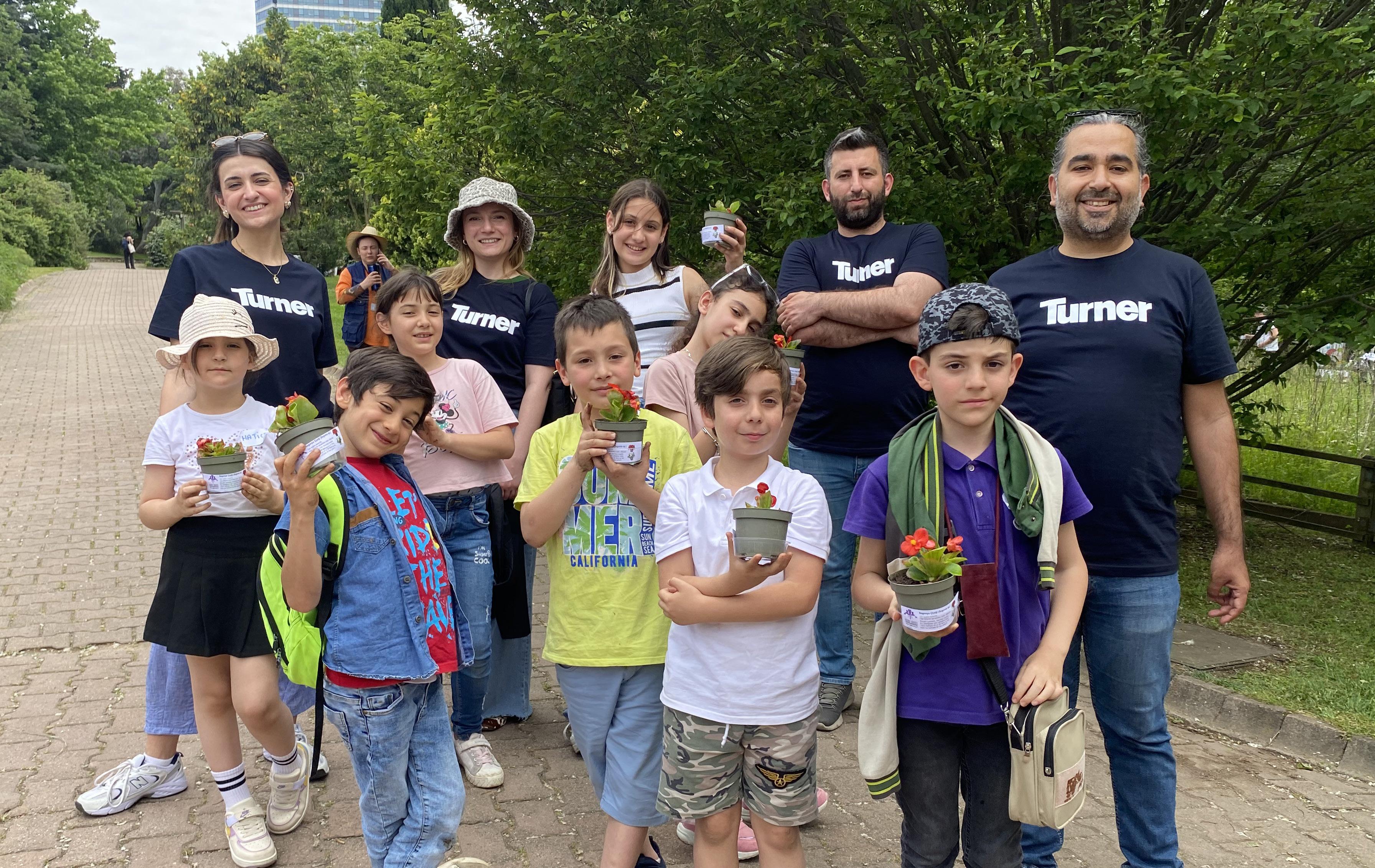
Building Pathways Through Partnership
Turner’s New Jersey team partners with The BLOC Foundation to expand access to careers in construction while strengthening economic opportunity in Newark. Through a Professional Development Night, Turner engages approximately 60 emerging professionals and community members, providing mentorship, career guidance, and insights into traditional and non-traditional pathways in the industry. The session brings together employees across functions to share personal career journeys, helping participants see clear, attainable pathways into construction. By focusing on representation, skill-building, and direct engagement, the collaboration helps reduce barriers to entry and build confidence among participants, while laying groundwork for continued partnerships, including jobsite visits and future workforce opportunities.
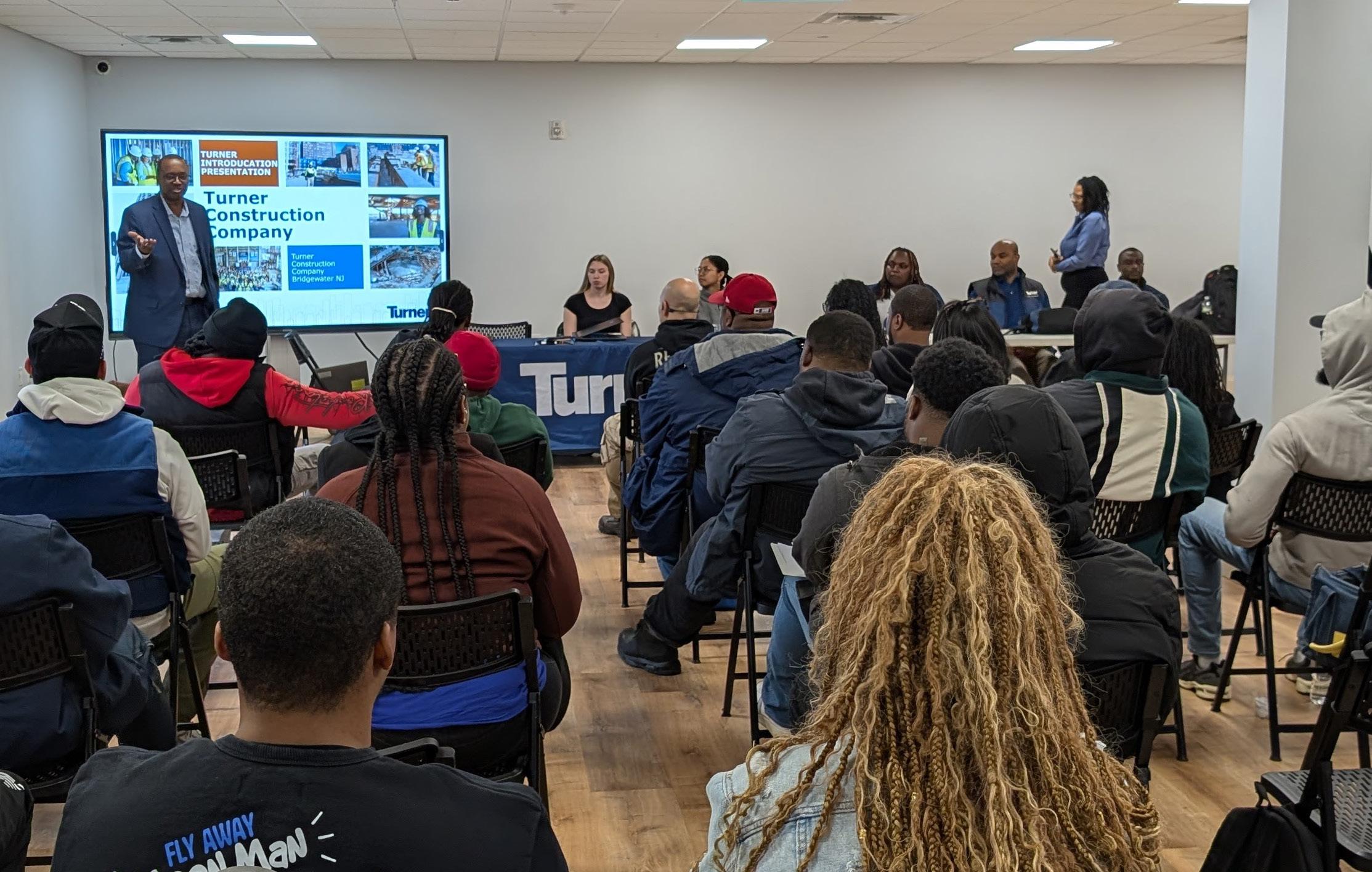
Educational nature workshops & games at Nezahat Gökyiğit Botanical Garden
The BLOC Foundation Turner Presentation
Thinking Big About Future Builders
Turner partners with Think Big for Kids to expand early exposure to construction careers through hands-on, community-based engagement. Throughout the Southeast, teams work with local Boys & Girls Clubs to lead interactive sessions where students explore real-world project roles, learn about Turner’s work in their communities, and participate in teambased building challenges that emphasize planning, safety, and design. Students are assigned roles such as project manager and safety director, then work in teams to build and test structures under time constraints, reinforcing collaboration and problem-solving. Turner professionals from active jobsites share their career paths and connect the experience to projects students see in their own communities.
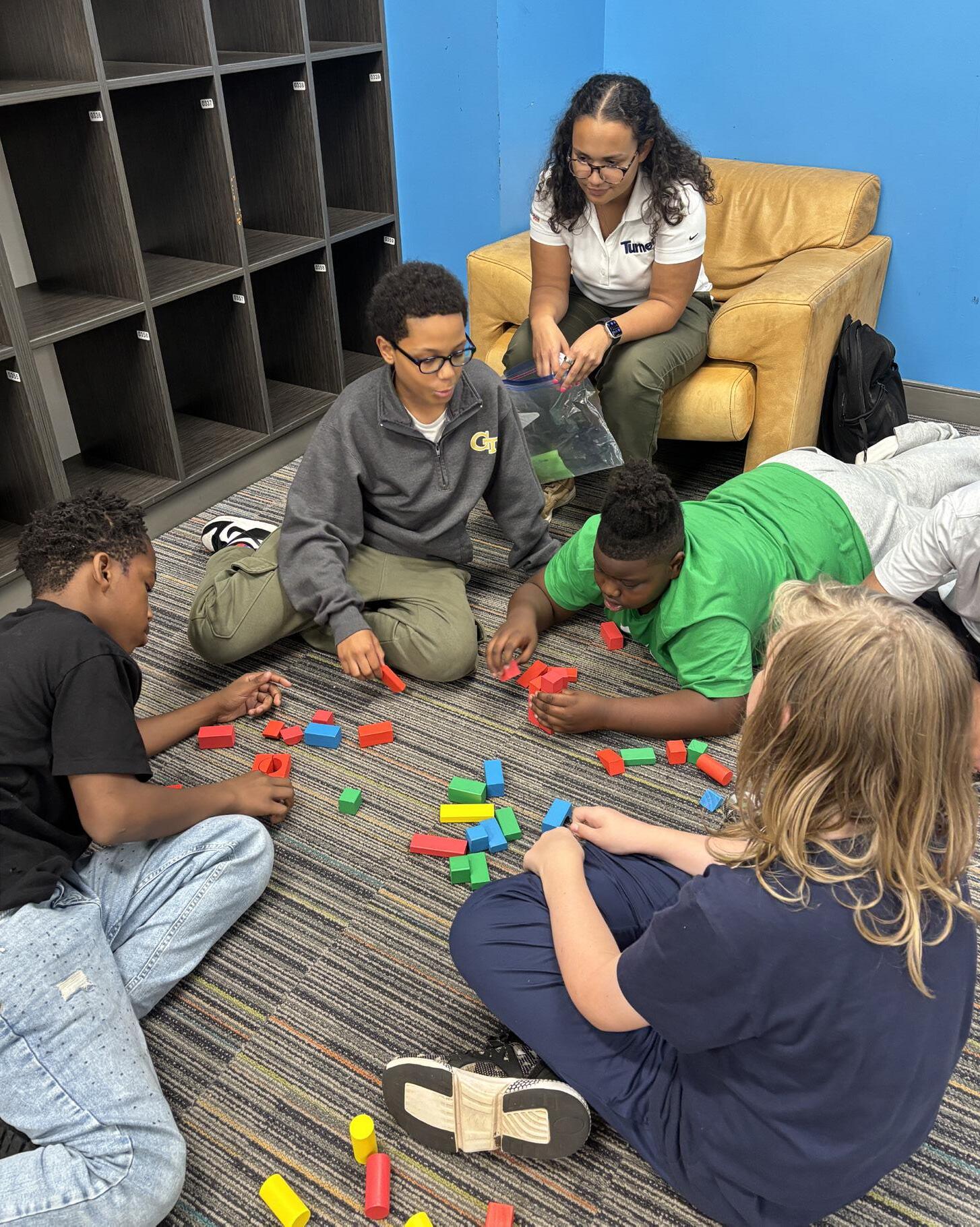
Since launching the initiative, Turner has engaged nearly 100 students, with plans to scale participation across local offices. The program continues to develop long-term community relationships while building a pipeline that connects early interest to future education and career opportunities, with continued engagement through repeat programming and sustained relationships with local clubs, supporting a longerterm pipeline from early exposure to future career opportunities.
Connecting Resources, Expanding Opportunity with Free2Teach
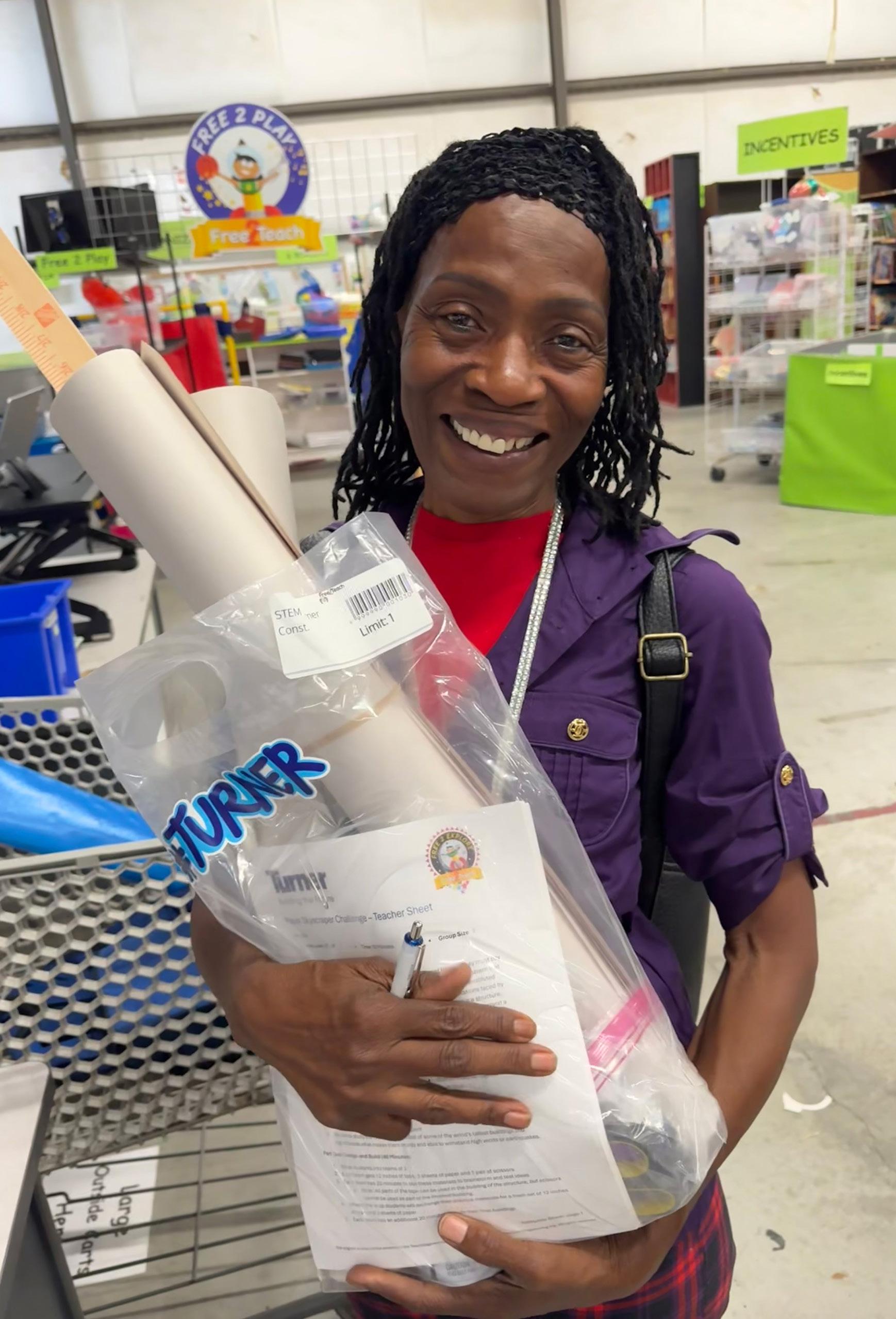
The Huntsville Turner office partners with Free2Teach to expand access to education and build early pathways to careers in construction. The organization supports more than 6,000 teachers and 75,000 students across North Alabama by providing free classroom resources.
Since 2023, Turner employees have supported Free2Teach through hands-on volunteer efforts, including assembling construction-based STEM lessons that reach up to 3,000 students and introduce real-world engineering concepts. Teams have also sorted warehouse inventory, rebuilt a critical access ramp, and assembled 1,000 feminine hygiene kits to help keep girls in the classroom. Turner’s First Equipment Company expands the organization’s local reach by coordinating deliveries of donated supplies, using existing logistics routes to efficiently connect regional partners. Together, these efforts align workforce engagement, operational expertise, and community partnerships to provide consistent support for local schools and future builders.
Mobilizing Support, Delivering Relief
In San Antonio, Turner teams respond to a local flash flood that claims 13 lives by organizing a BBQ fundraiser to support affected families. Within weeks, the fundraiser raises more than $9,000, and in partnership with local nonprofit Eagle’s Flight, funds are distributed directly to families, ensuring timely support. The effort begins with Tim Greco, a project executive who steps forward to lead, reflecting a commitment to the community at every level of the organization. Teams and trade partners quickly mobilize across active jobsites, contributing donations and participating in the effort. This response reflects company culture, where teams share a clear understanding that supporting their community is simply part of how Turner operates.
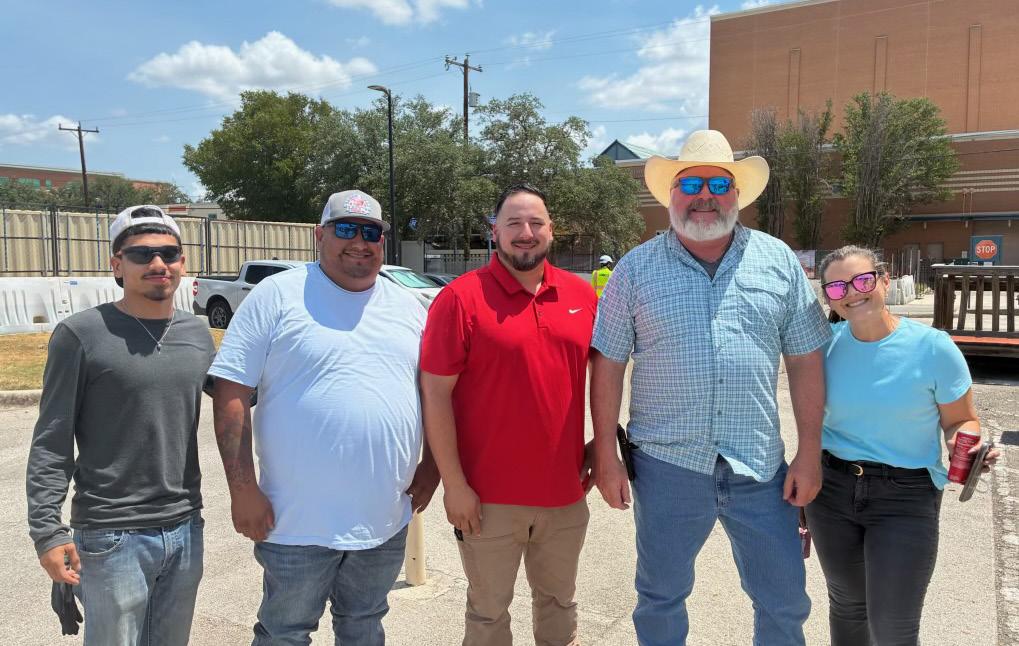
Free2Teach Lesson Kit Teacher Pickup
San Antonio BBQ Fundraiser
Think Big for Kids in Atlanta
Supporting Community Recovery Through Reuse after the LA Wildfires
Following the devastating wildfires across the Los Angeles area, the One Beverly Hills project team mobilized quickly to support nearby communities through a focused material donation effort. In partnership with the client and local nonprofit ANEW, the team coordinated the salvage and distribution of furniture from the existing hotel, redirecting 58.89 tons of items to families affected by the fires as well as to local shelters and housing organizations. The effort required rapid site assessments, logistics planning, and coordination to ensure materials were carefully removed, stored, and distributed where they were needed most.
The initiative extended beyond the main salvage operation. As the project transitioned spaces, the team partnered with Habitat for Humanity ReStore to donate additional office furniture, supporting affordable housing efforts while avoiding landfill disposal. Together, these actions highlight how the project team responded in real time, using available resources and local partnerships to deliver tangible support to the surrounding community during a period of urgent need.
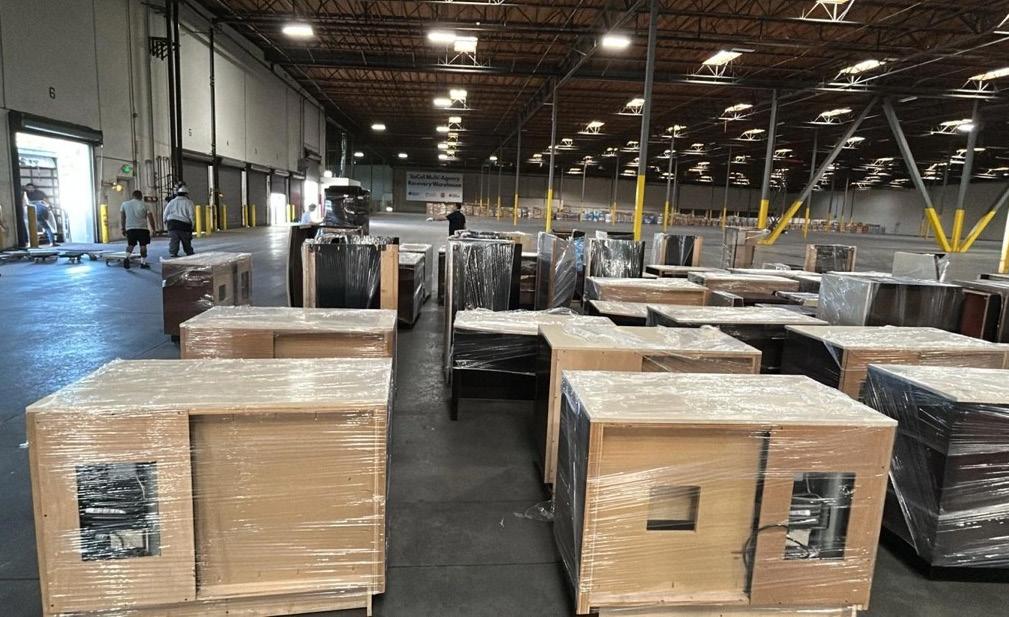
Supporting Our Communities Through Targeted Giving
Real PM supports local communities through a targeted food drive benefiting the Euston Foodbank. Working in coordination with the Trussell Trust team, the initiative focuses on collecting high-need food and essential nonfood items, ensuring donations align with the organization’s most urgent priorities during the festive season.

VOLUNTEERING METRICS
NUMBER OF TURNER VOLUNTEERS TOTAL VOLUNTEER HOURS
28,684
Employee participation drives the success of the effort, with teams contributing generously to help support critical local resources. The initiative not only provides timely support to individuals and families but also reinforces Real PM’s ongoing commitment to community engagement. Building on this momentum, the team looks to expand its support for the food bank and its volunteers in the year ahead.

NUMBER OF TURNER EVENTS
8,108
228
FUTURE BUILDER PROGRAM / EVENTS IN 2025
1,182
118
BIODIVERSITY EVENTS IN 2025
Real PM Euston Food Drive
One Beverly Hills Material Donations
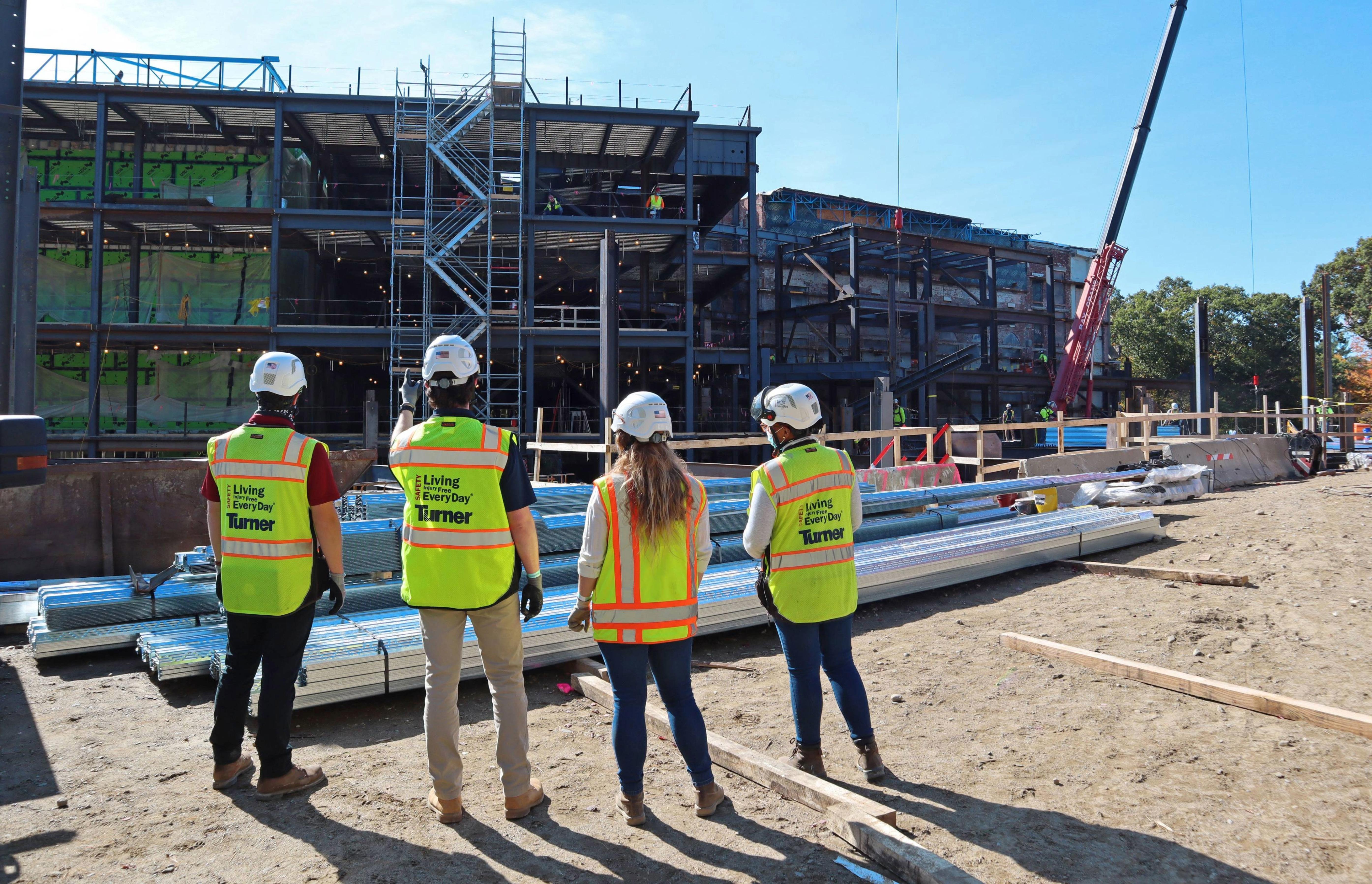
OUR WORLD
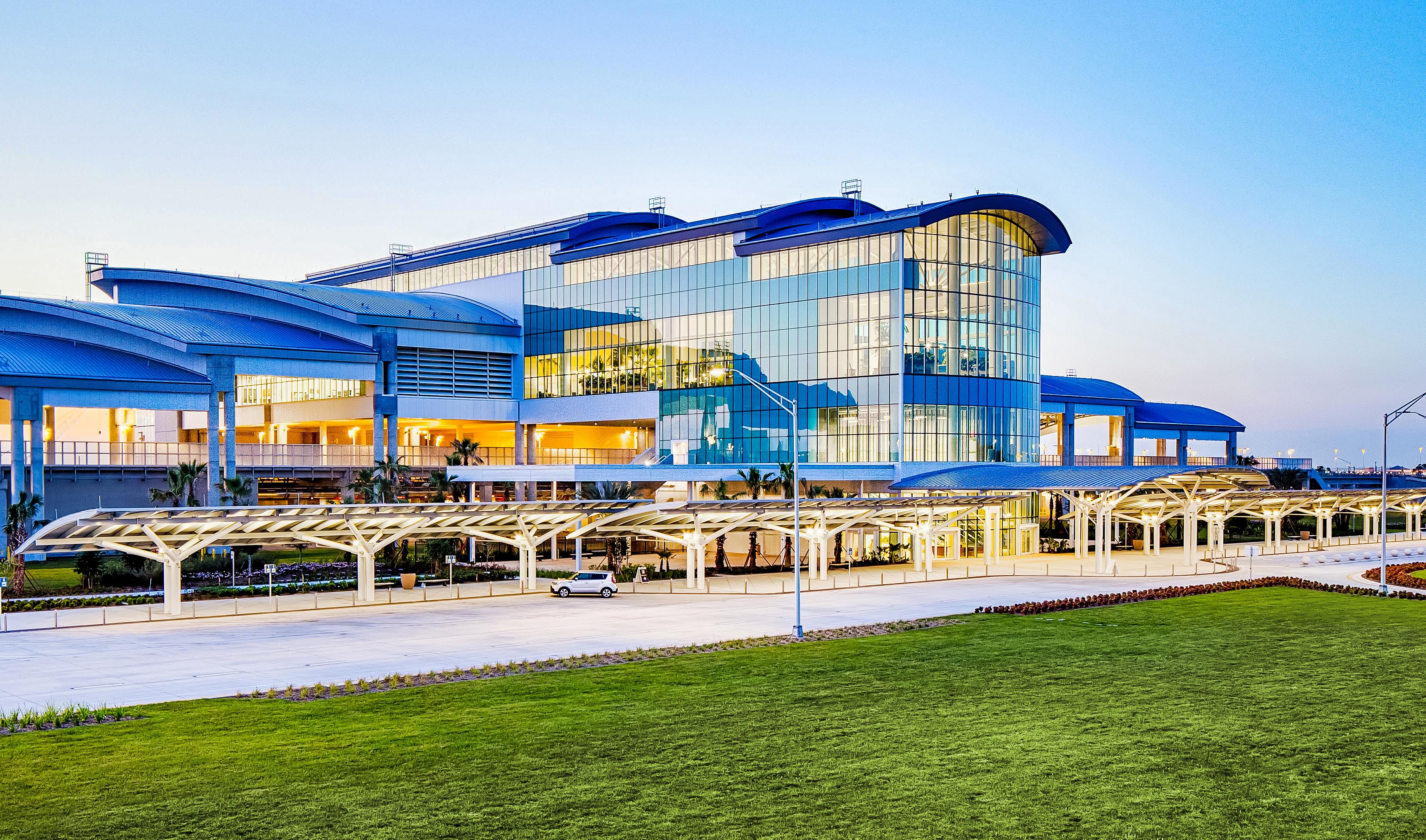
Turner drives innovation by equipping employees with tools and structure to turn ideas into action. Through our Innovation Challenge program, employees pursue purposeful improvements, whether through new technologies or process refinements, that enhance efficiency and performance in the field, while advancing Turner’s business goals and broader vision. This focus on practical innovation is embedded across our operations, helping us scale practical solutions with real world impact.
AI ACROSS TURNER DRIVING PROGRESS, INNOVATION, & VALUE
AI has become a key part of how Turner delivers projects. We have deployed enterprise level AI tools across our workforce and are executing a structured strategy built around the three pillars of Empower, Improve, and Transform.
Turner takes a platform agnostic approach to AI, working across major providers rather than relying on a single solution in a landscape that is still rapidly evolving. OpenAI’s ChatGPT Enterprise and Microsoft’s Copilot are available to all staff as core enterprise platforms. We also use Anthropic’s Claude and Google’s Gemini across a range of applications and use cases, and we use platforms such as Databricks and Microsoft Azure to build, train, and refine
custom AI solutions on Turner specific data. Beyond generative AI, construction technology platforms used for project management, scheduling, and VDC workflows are increasingly embedding AI-powered features, from predictive scheduling analytics to digital progress tracking. Turner continues to evaluate and integrate these capabilities as they mature.
AI is helping teams across Turner work more efficiently and creatively, supporting contract reviews, submittal generation, and drawing analysis, as well as document review, reporting, and schedule support. Turner employees have also built hundreds of custom AI tools and agents tailored to construction challenges, reflecting a core belief that the people closest to the work are often best positioned to identify solutions. Employees are increasingly creating practical tools through plain language tool building, accelerating multi-step workflows across RFIs, submittals, cost, scheduling, and information flow. These capabilities reduce manual effort and free teams to focus more on judgment, coordination, and project delivery across our operations.
Across Turner, AI is becoming a way to extend the deep expertise employees bring to the work each day, from evaluating change orders and identifying field risks to assessing bids and sharing lessons across projects and teams. Turner’s AI Frontier Lab operates at this edge, testing emerging capabilities, building proof-ofconcept workflows, and translating what is next into practical business applications. Turner also occupies a unique position in this transformation. The company is building the data centers that power the AI economy while also applying AI to how it designs, plans, and constructs. That dual perspective, as both builder and practitioner, gives Turner a distinctive view into where this technology is headed and how it can create longterm value.

AI ADOPTION AND OUTCOMES
CELEBRATING A CULTURE OF INNOVATION
Now in its tenth year, the Innovation Summit brings teams together to share ideas and explore new technologies, with this year’s theme centered on 10X thinking to accelerate progress. The three day event shows how innovation moves into everyday practice across the business.
10X Empower: Personal Transformation
The summit focused on giving attendees practical tools to work differently. Through AI-focused sessions, live examples, and hands-on experimentation, the day showed how emerging technology can help individuals solve problems faster, think more creatively, and work with greater confidence. Rather than introducing innovation as a distant concept, Day One made it personal by showing how each attendee could begin applying it in their own role.
The Agent Build Lab was one of the summit’s most hands-on sessions. In real time, roughly 300 attendees built more than 100 usable agents and workflows around real pain points, turning ideas into practical tools teams could apply right away. Guided by Turner facilitators and OpenAI, the session showed how quickly AI could move from concept to action.
10X Lead: Organizational Transformation
The summit also emphasized on how innovation scales across teams and organizations. Through leadership perspectives, applied examples, and peer-led demonstrations, the day highlighted what it takes to move innovation beyond individual effort and into everyday operations. The sessions reinforced that organizational transformation happens when new ideas are shared, adopted, and embedded into the way teams work.
The Innovation Circuit showcased practical innovation already happening across Turner. It featured tools and workflows in AI, safety, reporting, dashboards, drones, and operations, highlighting how teams are applying innovation to real project and business challenges. More than a bigpicture discussion, it showed that innovation at Turner is hands-on, crossfunctional, and built into everyday work.
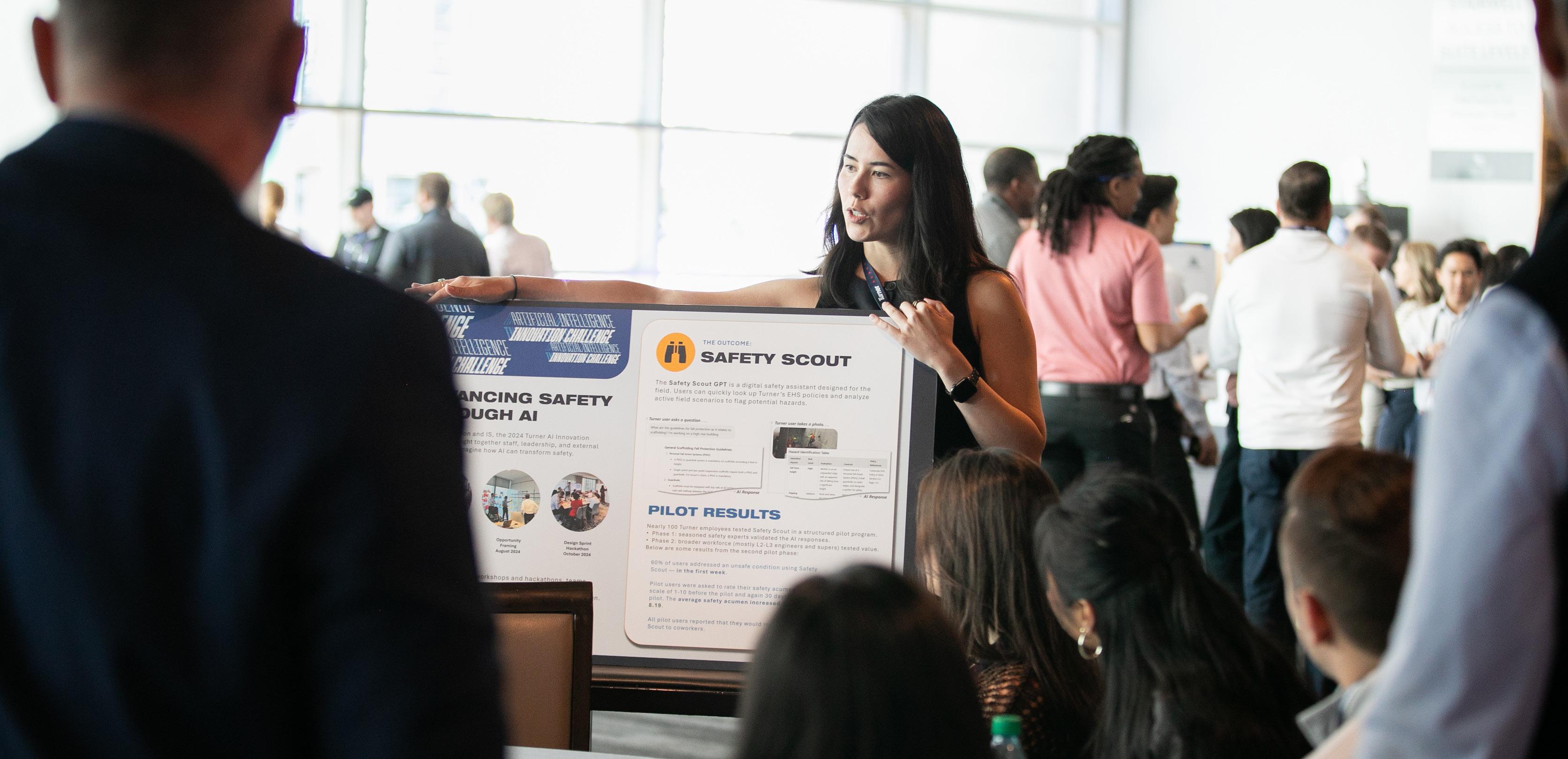
10X Transform: Societal Transformation
The summit broadened the focus from internal improvement to industrywide change. Keynotes connected leadership, strategy, and technology to larger shifts shaping construction, including workforce needs, productivity, evolving client expectations, and the need to turn new ideas into disciplined practice. Sessions emphasized that transformation depends on clear priorities, strong leadership habits, and shared systems that help teams move from experimentation to repeatable results. Project showcases grounded the discussion in active work across sports, aviation, data centers, and healthcare. Teams shared examples of digital planning, modular delivery, reality capture, prefabrication, and accelerated execution on some of Turner’s most complex projects. These examples showed how innovation moves from idea to project delivery when teams align early, use data well, and apply lessons quickly in the field.
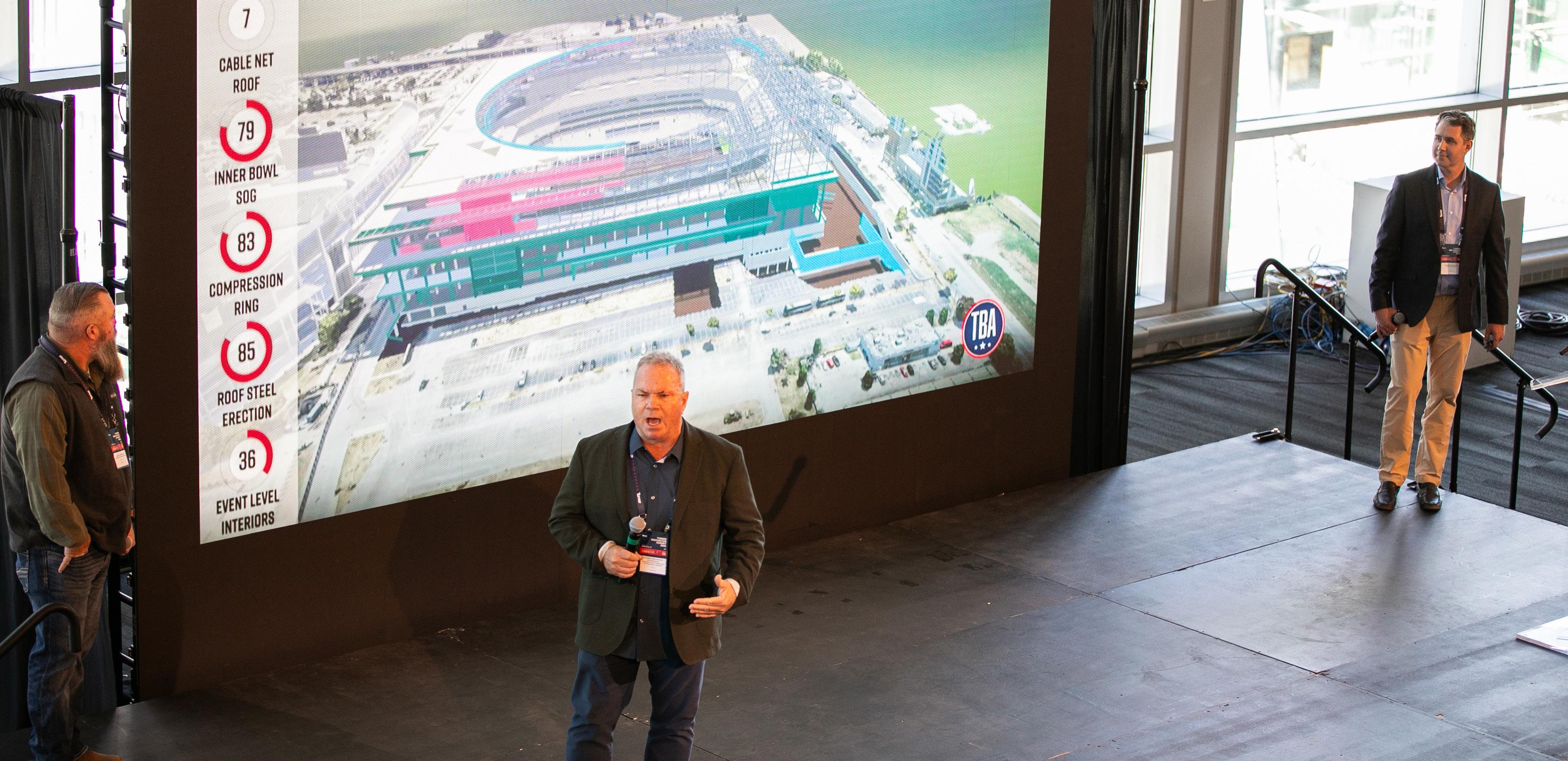
GLOBAL INNOVATION CONNECTING IDEAS & SCALING IMPACT
Turner is helping advance a more connected model of innovation across ACS Group. At the 2025 Innovation Summit, Jim Barrett, Turner’s Chief Innovation Officer, introduced a new ACS global innovation strategy designed to link operating companies through a formal innovation management system aligned with business priorities. Turner’s role supports a broader effort to bring together capabilities, experience, and practical ideas across the ACS Group so teams can share what works, scale promising solutions, and apply innovation more consistently across the enterprise.
A key part of this evolution is the new “hub-and-spokes” structure, intended to connect innovation teams across ACS while keeping innovation grounded in projects, operations, and business needs. Turner’s role in that model reflects the systems and platforms it has developed over time, including innovation programming, enterprise enablement, venture engagement, and cross-functional networks. Turner’s Innovation Summit, global webinars, and broader collaboration with other ACS Operating Companies also create opportunities for shared learning and for ideas, practices, and solutions to move more easily across the organization.
Beyond individual tools or pilots, the emphasis is on creating practical ways for operating companies to learn from one another, adapt proven approaches, and accelerate adoption where it adds value. In that way, innovation becomes less about isolated success and more about building collective capability across the group.
More broadly, Turner is contributing to the future direction of innovation across ACS through work in offsite construction, venture investing, business intelligence, digital tools, and innovation networks that can be adapted and scaled across companies. Taken together, these efforts reflect a shared commitment within the ACS Group to connect expertise, strengthen collaboration, and advance innovation in ways that create long-term value across the enterprise.
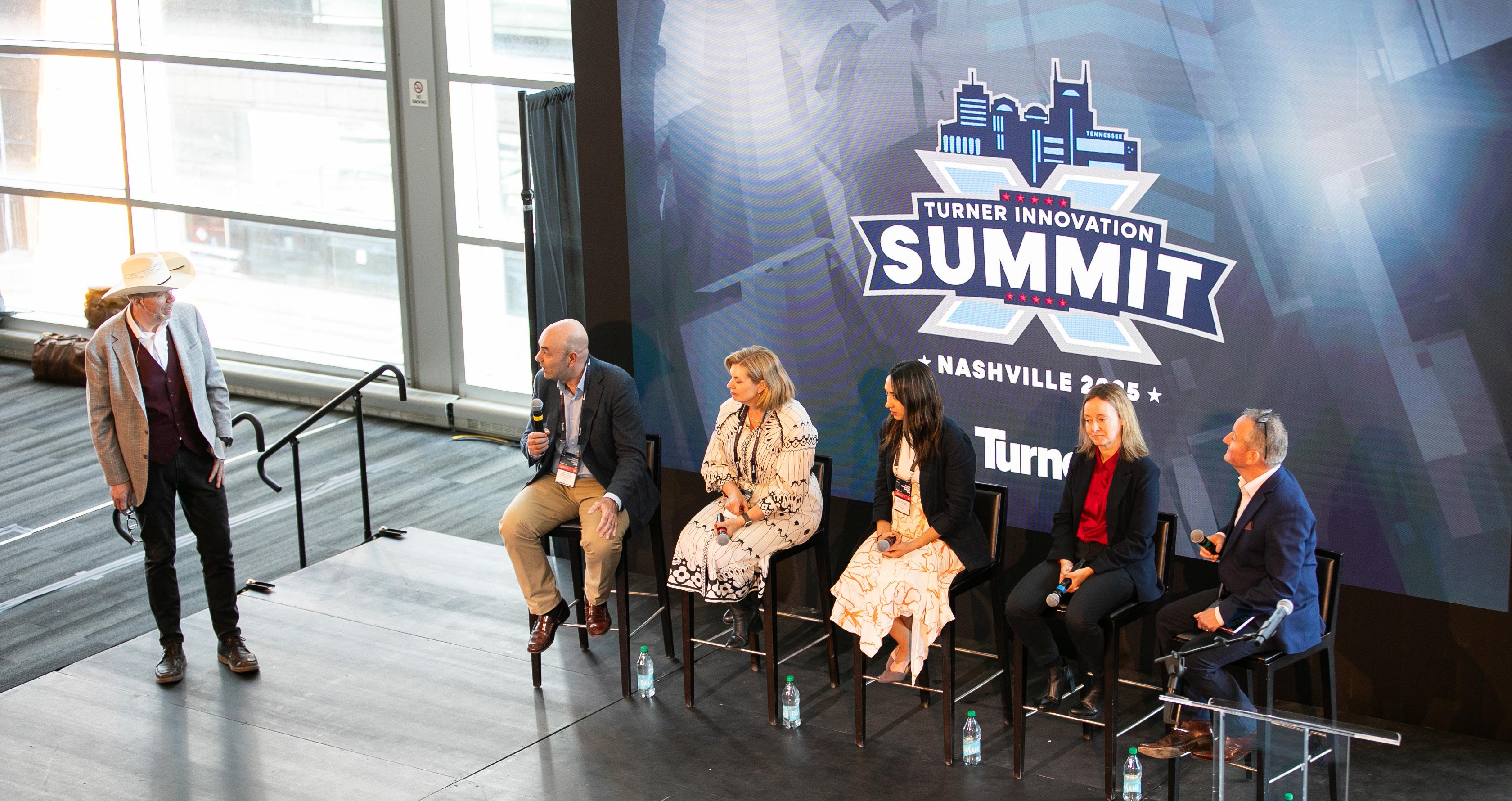
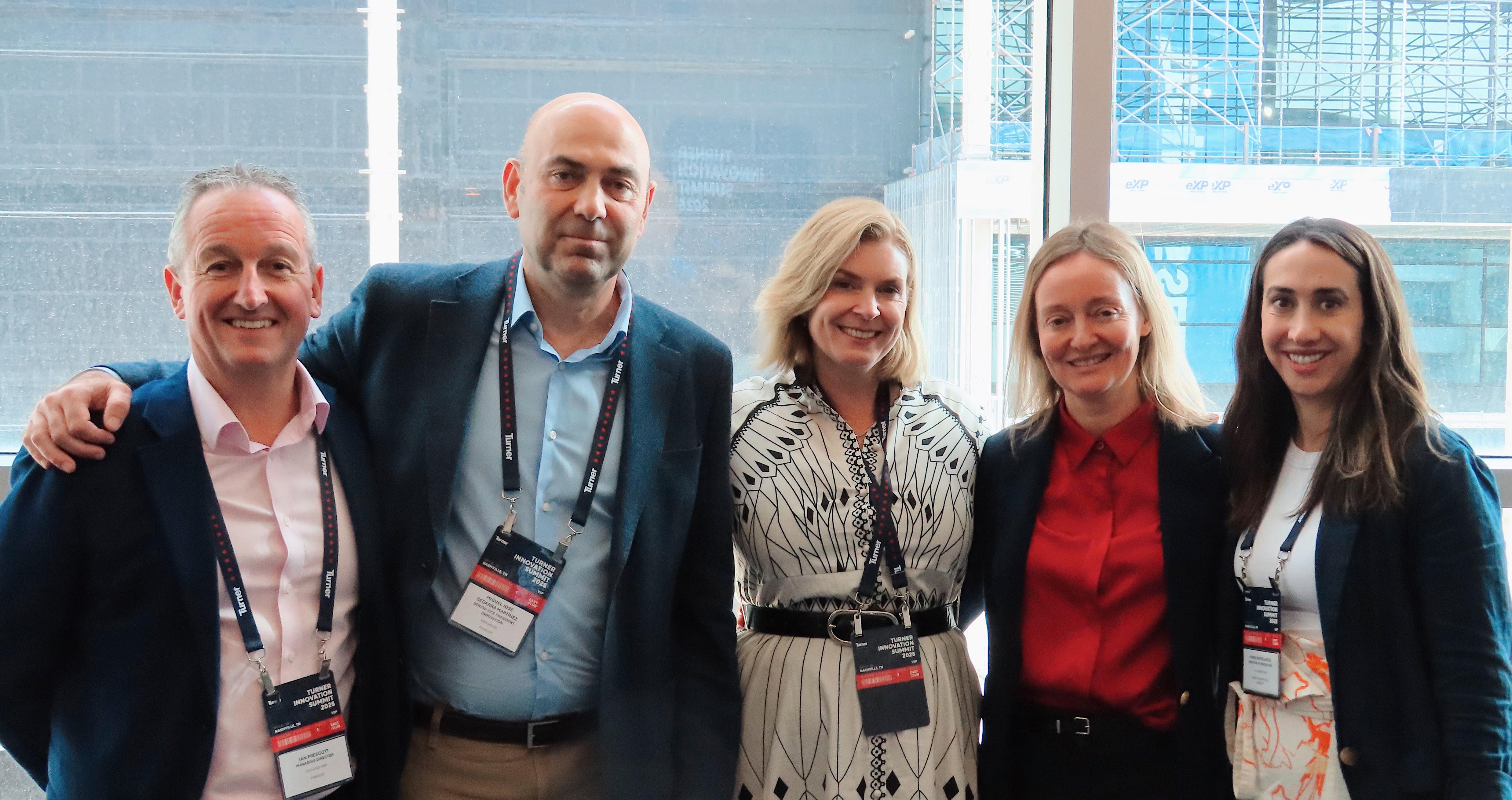
OUR BUSINESS
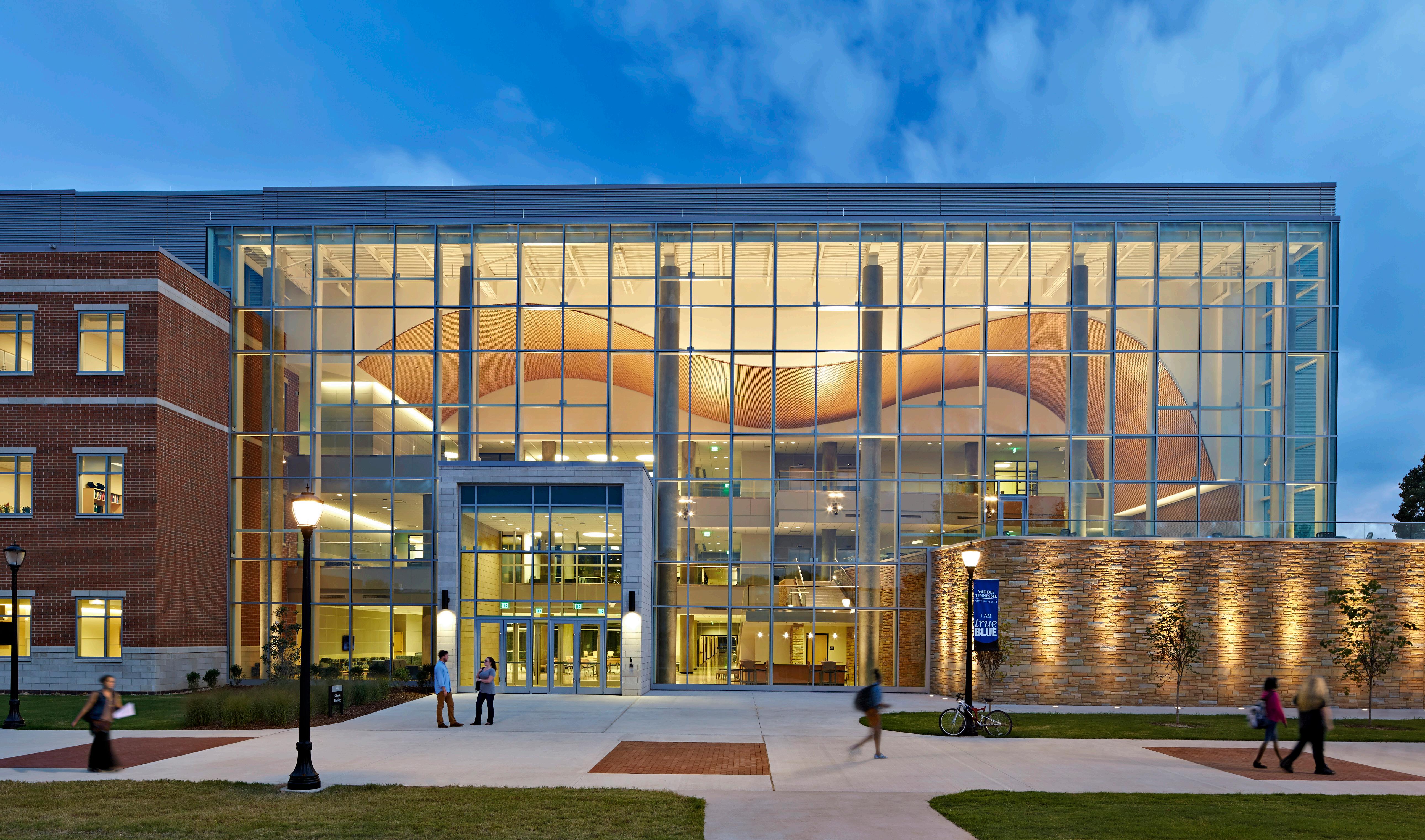
We bring our values to life through transparent and accountable business practices. Our strategy reflects our culture and focuses on where we can make the greatest impact. We regularly assess our progress, share openly with stakeholders, and challenge ourselves to lead with integrity across all aspects of our work.
Middle Tennessee State University Science Building, Nashville, TN
STRENGTHENING OUR SYSTEMS
Ethics and compliance are core to the culture at Turner. These principles have guided our company for over a century. From day one, employees anchor around our values of teamwork, integrity, and commitment, which shape how we work with one another, our clients, and our communities. As our company grows, we remain committed to strengthening our ethics and compliance program to meet the evolving demands of our industry and the expectations of our stakeholders.
In 2025, we conducted a thorough review and update of our policies, engaging cross functional stakeholders across legal, HR, and senior leadership to ensure the policies are comprehensive, current, and reflective of our values. Key policies reviewed and refreshed include our Turner Code of Conduct, which sets the standard for how we conduct business; our Human Rights Policy, which reflects our responsibility as a global employer and contractor; and our Code of Conduct for Business Partners, which extends our ethical expectations across our supply chain. It also includes our Environmental Policy which establishes our commitment to embedding environmental stewardship throughout our operations and value chain, and our Sustainable Procurement Policy which sets out the fundamental principles and expected behaviors that guide how we source goods and services.
All employees are required to complete an annual ethics and compliance course, developed and updated each year to reflect real-life scenarios our employees might encounter in the field and in the office, providing practical guidance on how to uphold the high standards we expect of everyone at Turner.
Our compliance team plays a hands-on role in bringing our program to life. Our ethics and compliance program is ISO 37001 and ISO 37301 certified to promote a culture of integrity, transparency, and accountability. They address every concern raised through our confidential ethics hotline, offer direct guidance to employees navigating complex situations, and deliver in-person training that complements our web-based course. Looking ahead, we will continue to invest in our ethics and compliance program as a foundation for sustainable, responsible growth.

Turner maintains a confidential ethics and compliance helpline that reinforces its commitment to accountability, transparency, and responsible business practices. Available 24 hours a day, seven days a week, the helpline provides employees, business partners, and external stakeholders with a secure channel to report concerns, ask questions, or raise potential violations of company policy, law, or ethical standards. Country-specific reporting numbers and compliance resources are available across Turner’s global operations, including a dedicated number supporting Clark Builders in Canada, helping ensure individuals can easily access support and guidance in their respective region.
The helpline is administered by an independent third party and allows for anonymous reporting, helping ensure individuals feel supported in speaking up. Reports are directed to Turner’s Compliance Department for review and follow-up, with a structured process to investigate concerns and address issues appropriately. Turner maintains a strict nonretaliation policy, reinforcing that those who report concerns in good faith are protected.
This reporting mechanism is embedded across Turner’s governance framework, including the Code of Conduct, Code of Conduct for Business Partners, and Human Rights Policy, all of which are publicly available on the company’s website. By integrating accessible reporting channels into these policies and maintaining clear compliance resources across jobsites and offices globally, Turner strengthens oversight across its operations and supply chain while reinforcing a culture where ethical conduct is expected and upheld.
Scan for Turner’s Anonymous Ethics & Compliance Helpline
RAISING THE STANDARD ACROSS OUR PROJECTS
As project values increase, procurement risk expands across financial exposure, supply chain reliability, and trade partner capacity. Turner addresses this through a structured approach that adds oversight at key thresholds while maintaining flexibility for project teams.
Once awards reach defined thresholds, projects move through a series of reviews that provide additional scrutiny and support. These reviews evaluate subcontractor financial capacity, analyze bid coverage to identify scope gaps, and confirm that risk mitigation strategies are in place before final award. This process connects local decision-making with enterprisewide visibility, giving teams a clearer understanding of risk exposure before work begins. Turner also tracks large awards across the company, creating a comprehensive view of our trade partners capacity across all active projects.
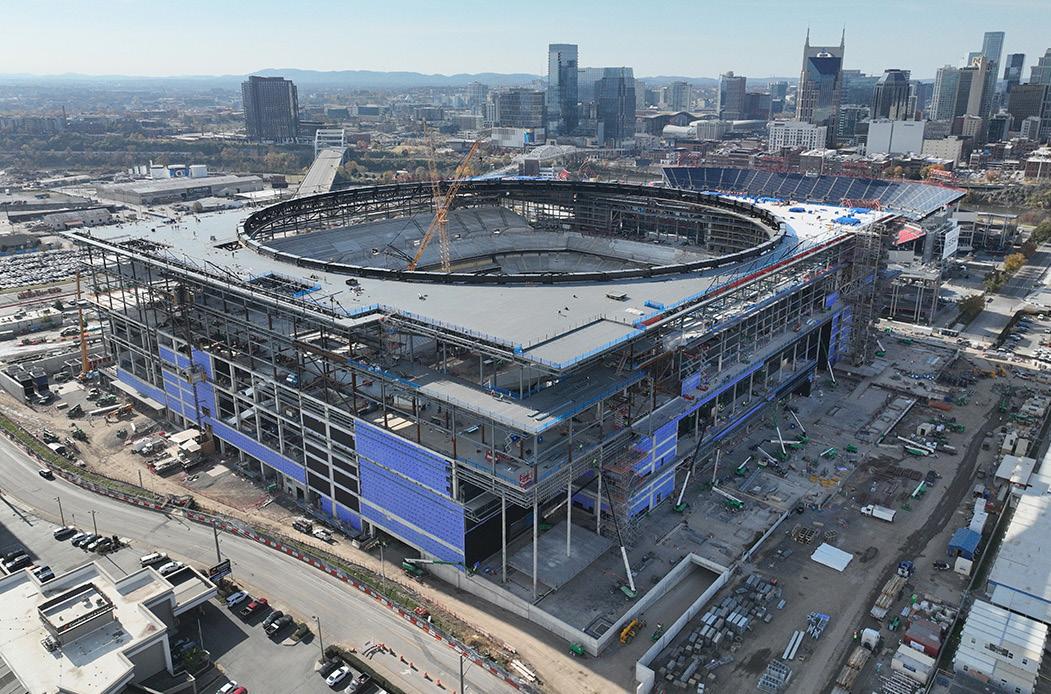
Risk management continues through execution. Turner verifies that subcontractors maintain appropriate insurance coverage, with payment contingent on compliance, and supplements this protection with Subcontractor Default Insurance (SDI) and external carriers when needed.
At the same time, programs like Turner Accelerated Payment Program™ provide trade partners with greater payment reliability, helping smaller firms maintain cash flow and perform consistently. This balanced approach supports both risk reduction and supply chain stability.
Procurement teams also actively manage supply risk by identifying long lead materials early and tracking where products are manufactured and distributed. Tools like Turner’s Contract Items List provide a standardized view of critical materials across projects, enabling teams to assess exposure to disruptions, such as natural disasters, and pivot sourcing strategies when needed. What differentiates Turner’s approach is the strength of its supplier relationships. Procurement goes beyond purchasing; it focuses on building partnerships that help teams respond quickly when conditions change. Dedicated resources work directly with manufacturers to accelerate production, adjust logistics, and resolve constraints that could affect schedule.
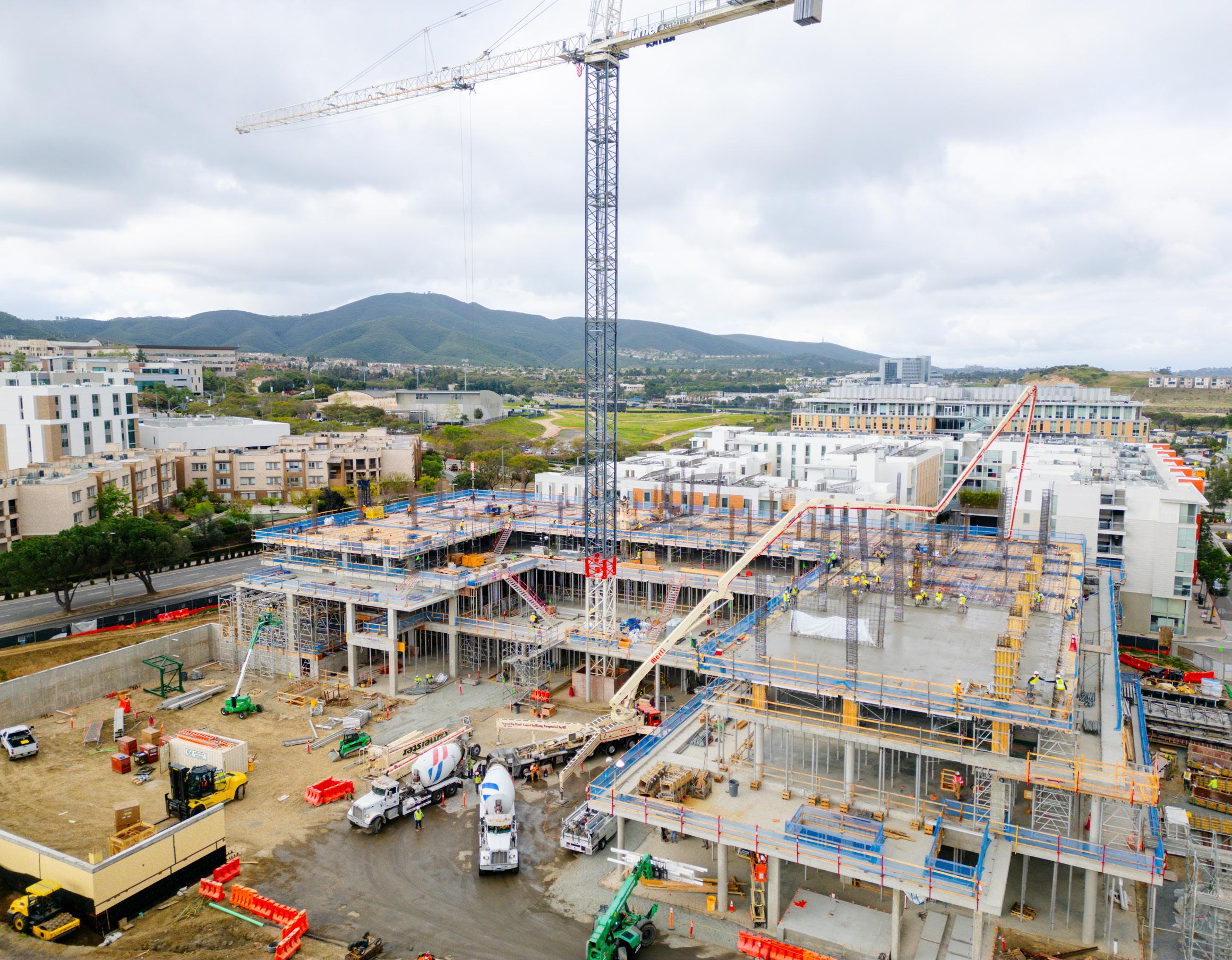
of specialty sliding doors created schedule pressure across multiple international suppliers. Turner worked directly with the manufacturer to improve production timelines and adjust delivery methods, using air freight and dedicated trucking to reduce lead times and maintain the overall schedule. On a project in Türkiye, evolving schedule demands required escalator delivery to be advanced. Through close coordination with the supplier, Turner aligned production priorities and delivery sequencing to meet installation needs, demonstrating how established supplier relationships support rapid, coordinated responses when conditions change.
That approach shows up most clearly when projects face compressed timelines or shifting delivery needs. On one project, a late release
This approach reflects a broader strategy: combining data, structured oversight, and trusted relationships to manage risk proactively. As projects grow more complex and supply chains more dynamic, Turner continues to strengthen its procurement capabilities, expanding visibility into labor and material constraints, deepening supplier collaboration, and refining tools that allow teams to anticipate challenges earlier. Positioning Turner to navigate uncertainty, support its trade partners, and deliver consistent results across increasingly complex global construction.
MANAGING RISK ACROSS OUR BUSINESS
As a global provider of construction services, Turner’s Enterprise Risk Management (ERM) Committee serves as a cross-functional leadership group responsible for monitoring, assessing, and supporting planning for enterprise-level risks across a broad range of business areas. These include company strategy, operations, human resources, information security, business continuity, and natural disasters. The committee helps ensure that emerging risks are identified early and addressed through coordinated planning and governance processes.
At the project level, Turner’s natural disaster subgroup actively monitors climate-related risks that may affect project delivery and operational resilience. These risks include the impact of extreme heat on jobsite productivity and worker safety, the increasing frequency and severity of weather events that can disrupt schedules, and supply chain volatility caused by climate-driven material shortages and transportation interruptions. These considerations are incorporated into Turner’s risk control matrix and inform project planning, mitigation strategies, and client discussions related to scheduling, budgeting, and contingency planning.
HOCHTIEF’s 2025 Task Force on Climate-Related Financial
Disclosures (TCFD) Report reflects the Group’s structured approach to identifying and managing climate-related risks across its global operations. Turner is integrated into this enterprise-wide risk management framework, which employs both top-down strategic and bottom-up project-level analysis to assess transition and physical climate risks. Climate-related
risks and opportunities — spanning policy and regulatory changes, shifting market demands, and the physical impacts of extreme weather — are assessed against financial thresholds and reported through defined channels up to the Executive Board, where they inform mitigation planning and strategic decision-making, ensuring material risks are visible at the highest levels of the organization.
Beyond risk mitigation, Turner also recognizes that the global energy transition and increasing demand for sustainable and resilient infrastructure present significant opportunities for growth and innovation. Rising client investment in renewable energy facilities, green-certified buildings, resilient infrastructure systems, and decarbonization initiatives aligns closely with Turner’s core construction and program management capabilities. The ERM Committee therefore evaluates not only the risks associated with climate change, but also the strategic business opportunities emerging from evolving market demands and sustainability priorities.
STRENGTHENING SECURITY
Turner’s 2025 acquisition of Dornan, an awardwinning leader in data privacy and compliance, strengthens the company’s ability to advance data protection across its operations. Dornan’s recognized expertise in GDPR and data governance brings proven systems and practices that build on Turner’s existing foundation.
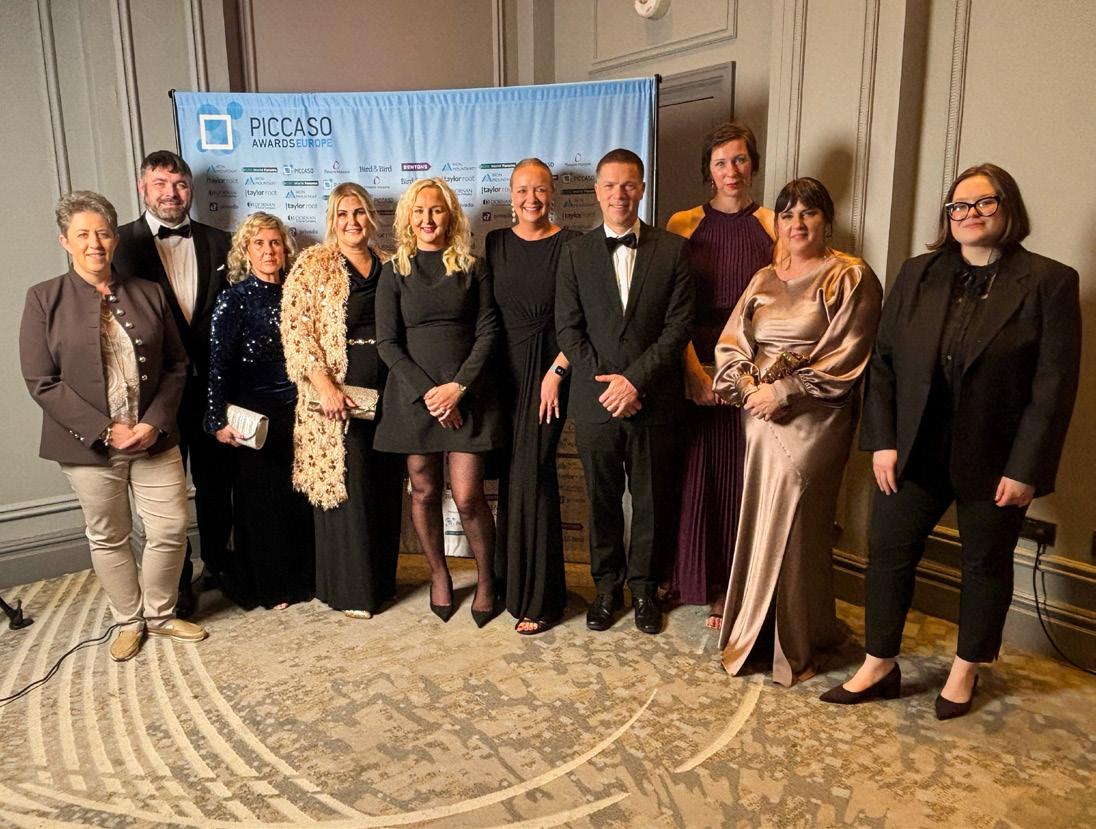
Since the acquisition, teams collaborate to align and enhance approaches across the business. Dornan’s established framework, including policies, implementation strategies, and practical tools, helps inform and refineTurner’s evolving program, supporting a more consistent and scalable approach to data protection.
This collaboration is particularly impactful in the development of Data Protection Impact Assessments (DPIAs) for software that processes personally identifiable information. By leveraging Dornan’s templates and review processes, Turner strengthens how privacy risks are evaluated and managed across systems.
Dornan’s industry recognition, including the PICASSO Award for Compliance Team of the Year, reflects the strength of its program. By integrating this expertise, Turner continues to advance its data governance capabilities: supporting regulatory alignment, strengthening risk management, and reinforcing trust across its operations.
Highlight
AN INTEGRATED APPROACH SHARED RESOURCES
Turner Technical Services (TTS) provides embedded expertise that expands capacity and supports project teams across the enterprise. As Turner continues to grow across markets and project types, TTS supports the company’s ability to scale technical work.
Today, more than 300 full-time TTS professionals are integrated across more than 75 projects, contributing across a wide range of functions including Preconstruction, Engineering, Scheduling, Virtual Design and Construction (VDC), Procurement, Sustainability, Data Management while supporting projects across the full lifecycle, from estimating through closeout. Working as embedded members of project teams, TTS professionals support high-volume production while remaining closely aligned with field and office leadership.
This model reflects a deliberate shift in how work is structured. By aligning tasks with specialized skill sets, Turner creates opportunities for teams to operate more effectively. TTS professionals focus on production-intensive efforts—such as modeling, estimating, document control, and data tracking—while project teams have greater flexibility to focus on client engagement, problem-solving, and project leadership. This approach enhances how teams collaborate, without limiting how individuals contribute.
The value of this model becomes especially clear as project demands increase. Teams are often managing large volumes of technical work alongside complex coordination and client needs. TTS helps balance that workload by providing additional capacity and specialized expertise, allowing projects to scale thoughtfully while maintaining
quality and consistency. Early engagement—often beginning in pursuit or preconstruction—furthers alignment, ensuring teams establish clear expectations, workflows, and communication from the outset.
Standardization is another key advantage, shaped by both TTS and local project teams. As TTS expands across projects, it requires alignment in how work is structured, tracked, and delivered. While teams across Turner are strengthening consistency in their own processes—adopting shared tools, templates, and workflows that allow TTS to integrate seamlessly regardless of project or location. This mutual alignment enables faster onboarding, clearer communication, and more reliable outcomes, while still allowing flexibility to meet project-specific needs. Integration managers support this effort by working closely with business units to align expectations, coordinate resources, and reinforce consistent practices across the enterprise.
Through Turner Technical Services, the company continues to improve its ability to deliver integrated, high-performing teams, ensuring projects are supported with the expertise, flexibility, and coordination needed to meet growing demand.
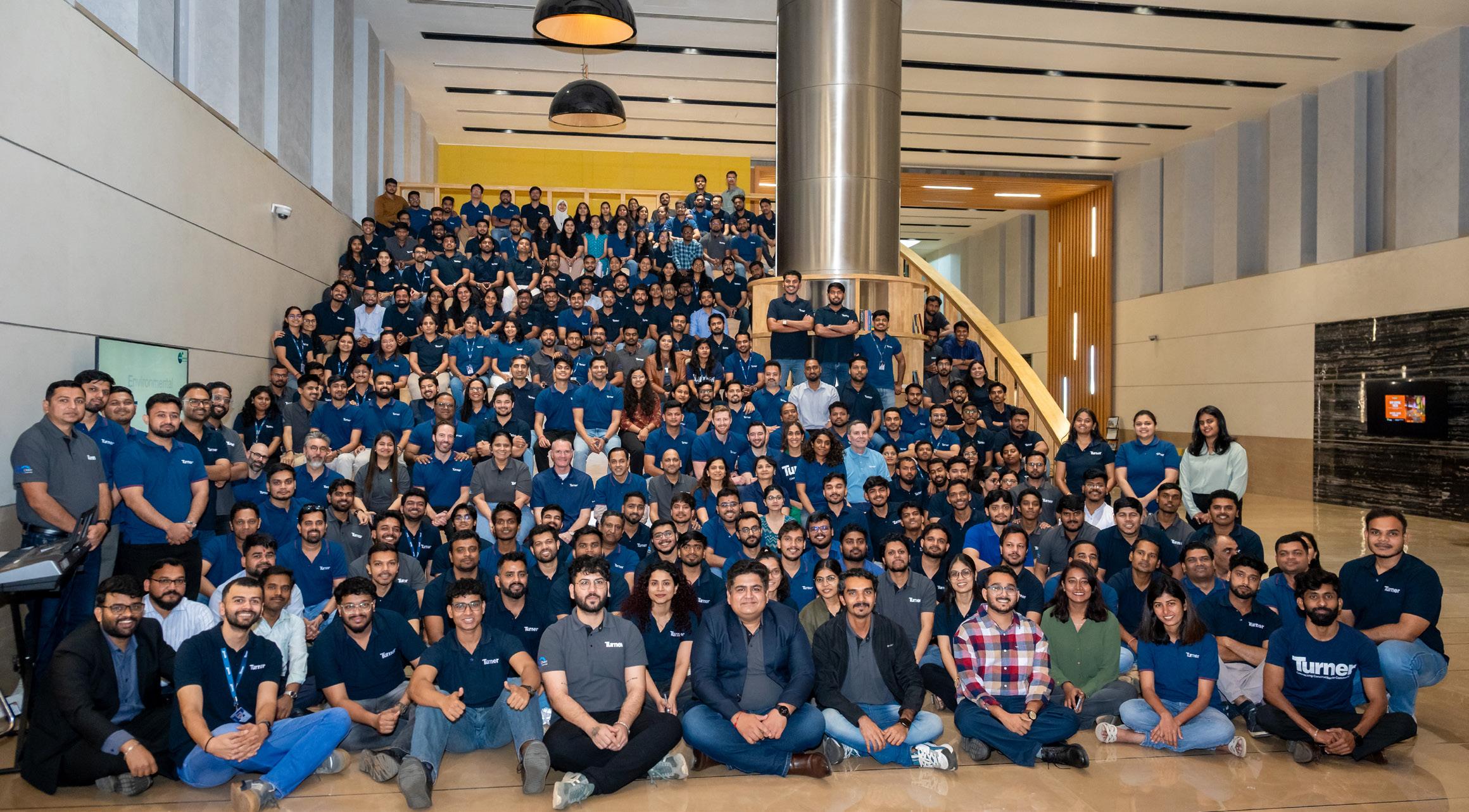
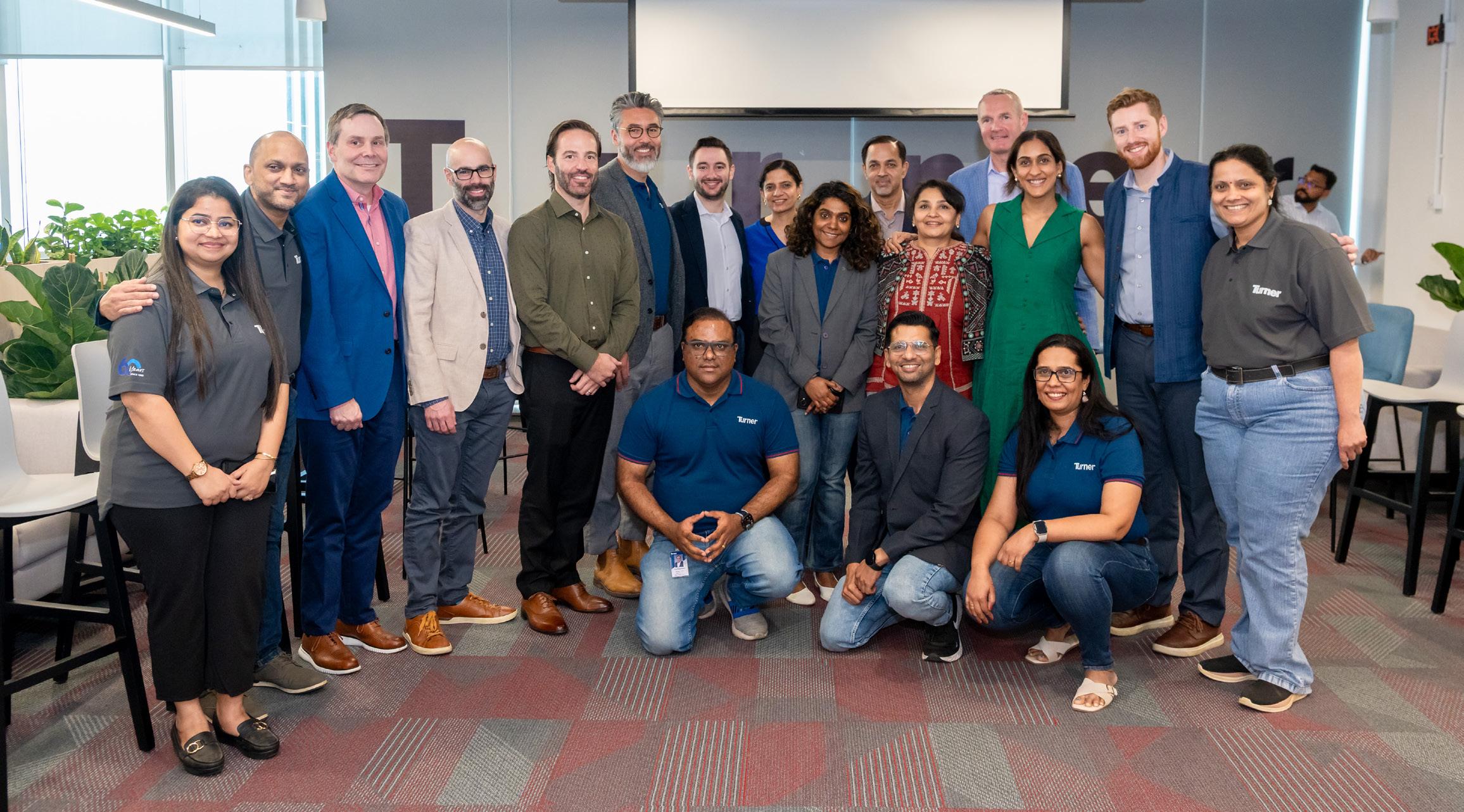
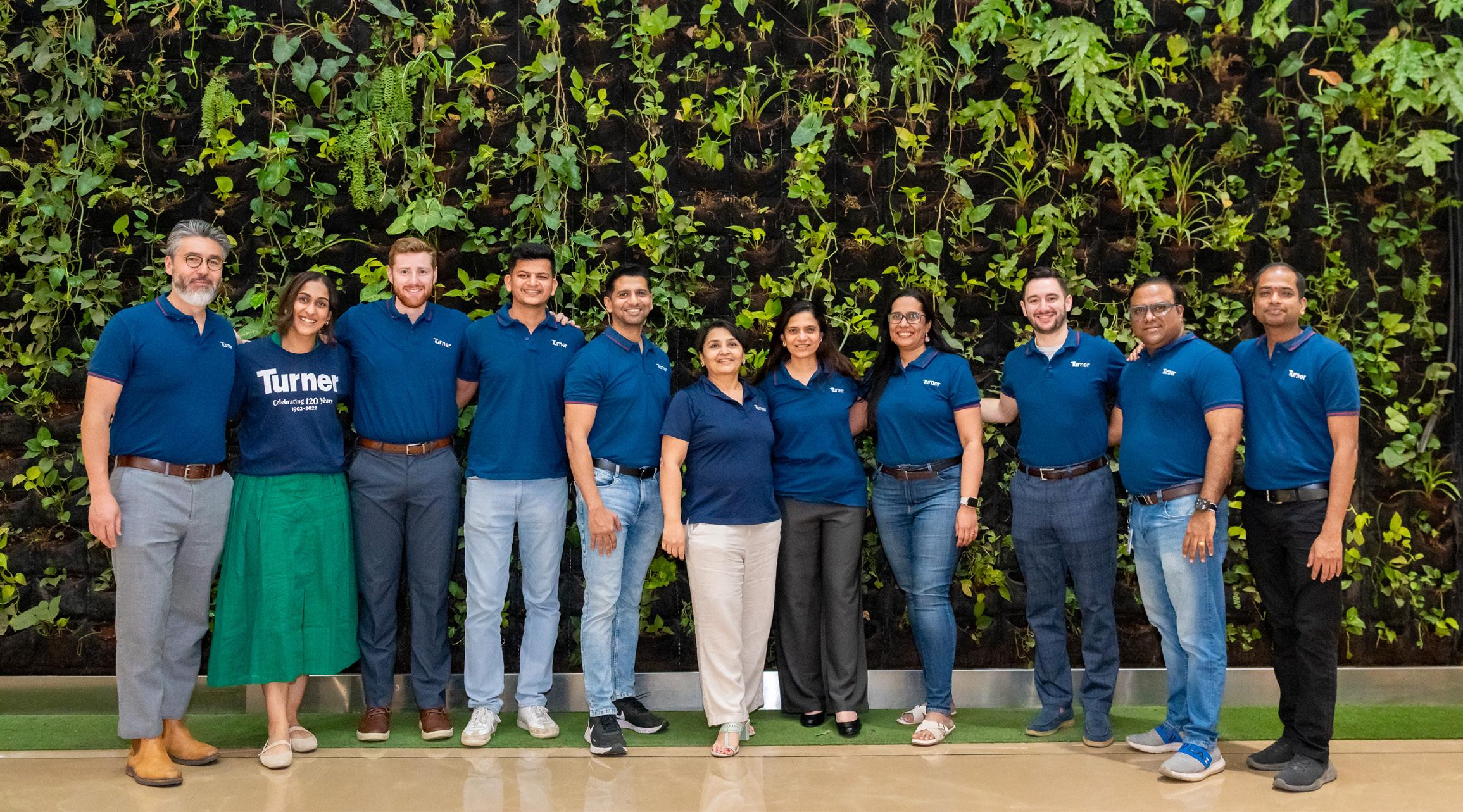
A CENTURY OF HEALTHCARE POWERED BY PARTNERSHIP
Since Turner’s first healthcare project at Georgia Baptist Hospital in 1925, the company has worked with healthcare clients to plan, build, and renovate facilities that support healing, innovation, and excellence in care. This work is shaped by long-term partnerships with healthcare systems that operate complex campuses, serve evolving patient needs, and plan for future models of care. Turner brings disciplined planning, careful coordination, technical expertise, and deep healthcare experience to help clients deliver uninterrupted, high-quality care.
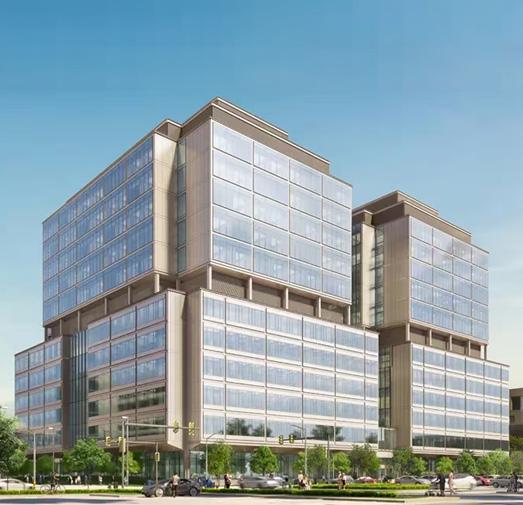
Turner’s healthcare work spans academic medical centers, acute care facilities, ambulatory and outpatient centers, behavioral health facilities, cancer centers, cardiac hospitals, children’s hospitals, and emergency departments, as well as medical office buildings, research facilities, and women’s health spaces. Across this portfolio, Turner brings national resources together with local teams who understand each client, campus, and community. With more than 180 million square feet of healthcare experience and $4.3 billion in annual healthcare construction volume, Turner supports healthcare systems at a significant scale. The company has partnered with over 80% of the nation’s top healthcare systems and has been ranked #1 in Modern Healthcare rakings for 25 of the last 29 years and #1 Healthcare Builder in the U.S. by Engineering News-Record every year since 2010.
That scale reflects client relationships that grow project by project, built through consistent delivery, shared problem-solving, and a focus on the specific goals for each facility and the people who rely on it every day. Healthcare clients often operate across large portfolios with active campuses, evolving care models, and multi-year capital plans. Turner
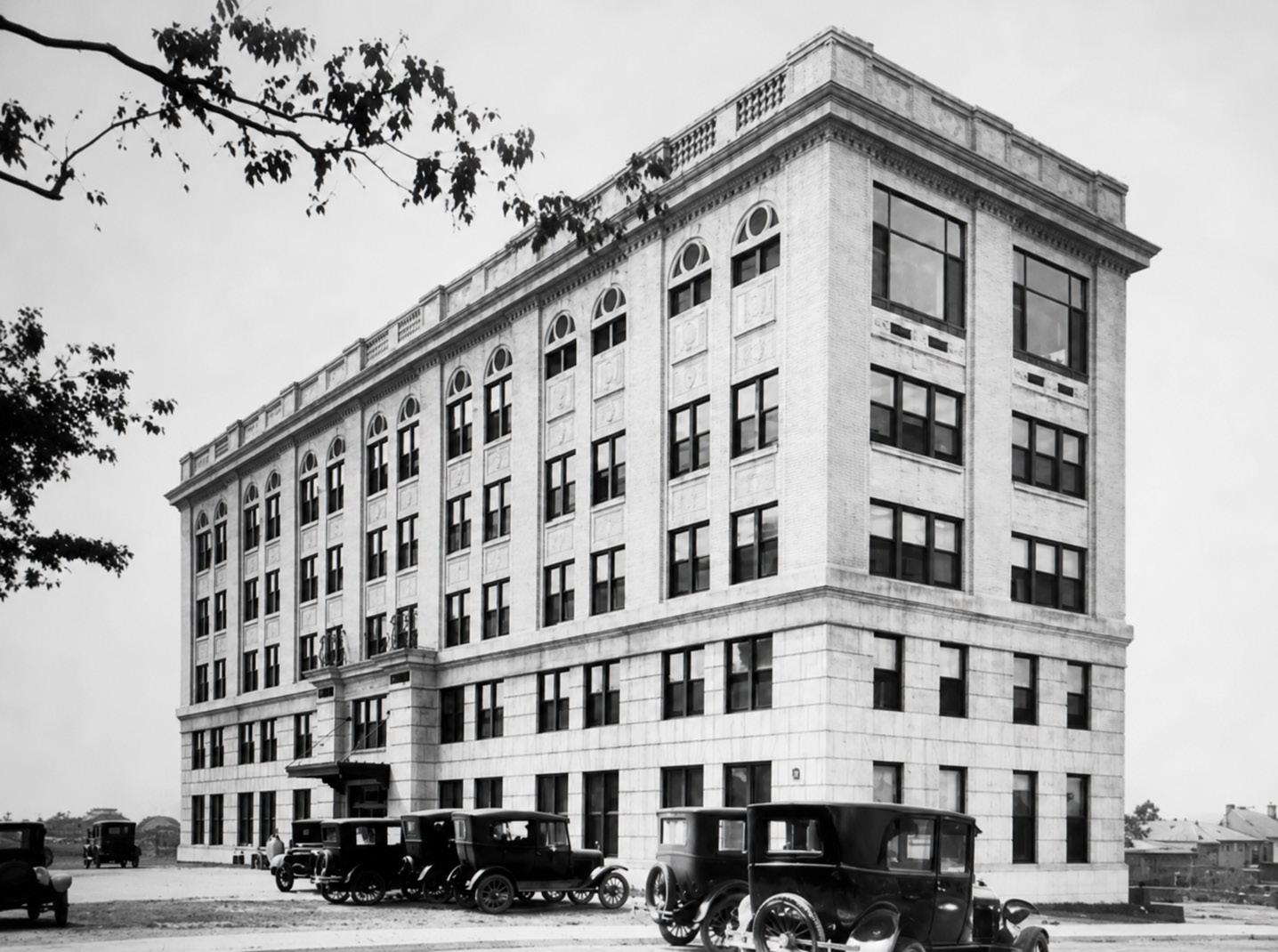
is currently building some of the nation’s largest hospital projects, including 10 projects over $1 billion. Turner supports those clients by engaging early, aligning teams around goals, and applying lessons learned from similar environments across the country. This is where Turner’s role extends beyond builder to a trusted advisor: helping clients make informed decisions early, anticipate operational impacts, and carry complex healthcare projects from strategy through activation. Being a trusted partner leads to long-term relationships and a deeper understanding of each client’s goals over time.
Turner’s 55-year partnership with Cleveland Clinic, encompassing 168 projects totaling more than 6 million square feet, demonstrates the value of a relationship-based approach. Over time, that experience builds institutional knowledge that benefits each new effort. Turner teams understand client standards, campus logistics, operational constraints, and the importance of maintaining continuity of care. This familiarity supports informed planning, smoother execution, and stronger alignment between the client’s long-term vision and the work taking place on the ground.
Georgia Baptist Hospital, Turner’s First Healthcare Project
Cleveland Clinic Neurological Institute, rendering - credit: Cleveland Clinic
Turner brings that same level of commitment to healthcare clients across its portfolio by supporting projects from conceptual estimate through move-in, often a key coordinator in moving equipment, personnel, and operational teams into place. Turner partners with clients through a continuum of services that can begin with initial master plan estimating and robust conceptual estimating, then continue through preconstruction, in-house medical equipment planning, Turner Engineering Group support, SourceBlue procurement, construction management, activation, and move-in support through Turner’s transition services team. This integrated approach helps clients evaluate options early, plan systems and phasing, coordinate long-lead medical, laboratory, and MEP equipment, align with manufacturers and vendors, and manage critical equipment from purchasing through startup, closeout, and warranty.
In active healthcare environments, this full-project view is essential. Turner’s project teams plan with patient safety, infection control, interim life safety measures, staff workflows, material movement, noise, vibration, and access in mind, incorporating the added complexity of working in active healthcare environments into every phase of the work.
The work can take place next to or within occupied clinical spaces, where construction activity sequences around the people providing and receiving care. As projects near completion, coordination continues through transition planning, activation, and move-in so facilities are ready to support care from day one.
As healthcare systems grow and adapt, Turner’s role remains centered on trust, discipline, and care. Long-standing relationships with leading healthcare clients reflect an approach Turner has carried forward for more than 100 years: understand the mission, coordinate the details, and deliver facilities that support patients, providers, and communities. As Turner looks to the next 100 years, continued investment in innovation, technology, data, and emerging tools such as AI will help teams plan smarter, coordinate more effectively, and support healthcare clients as they shape the future of care.
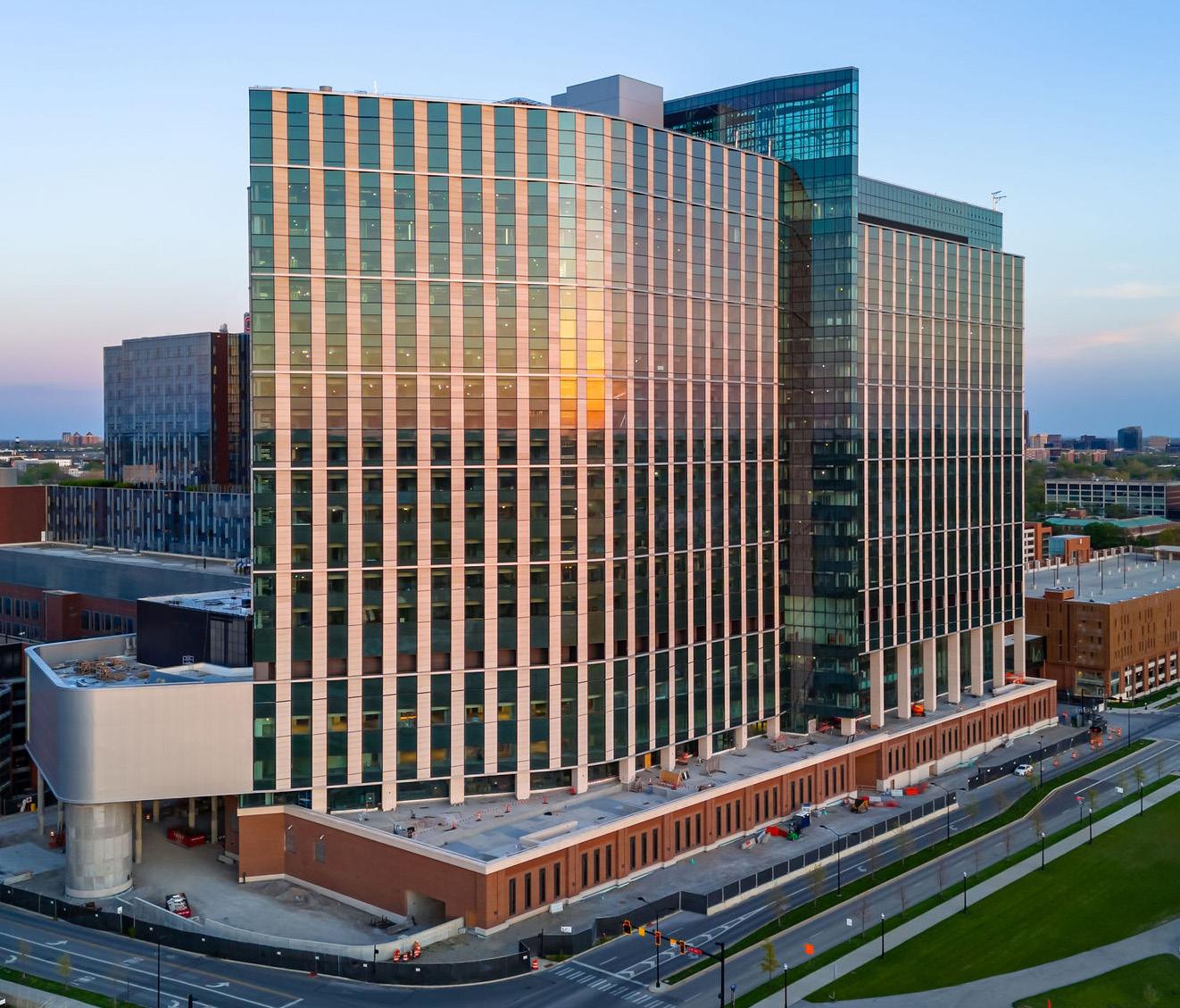
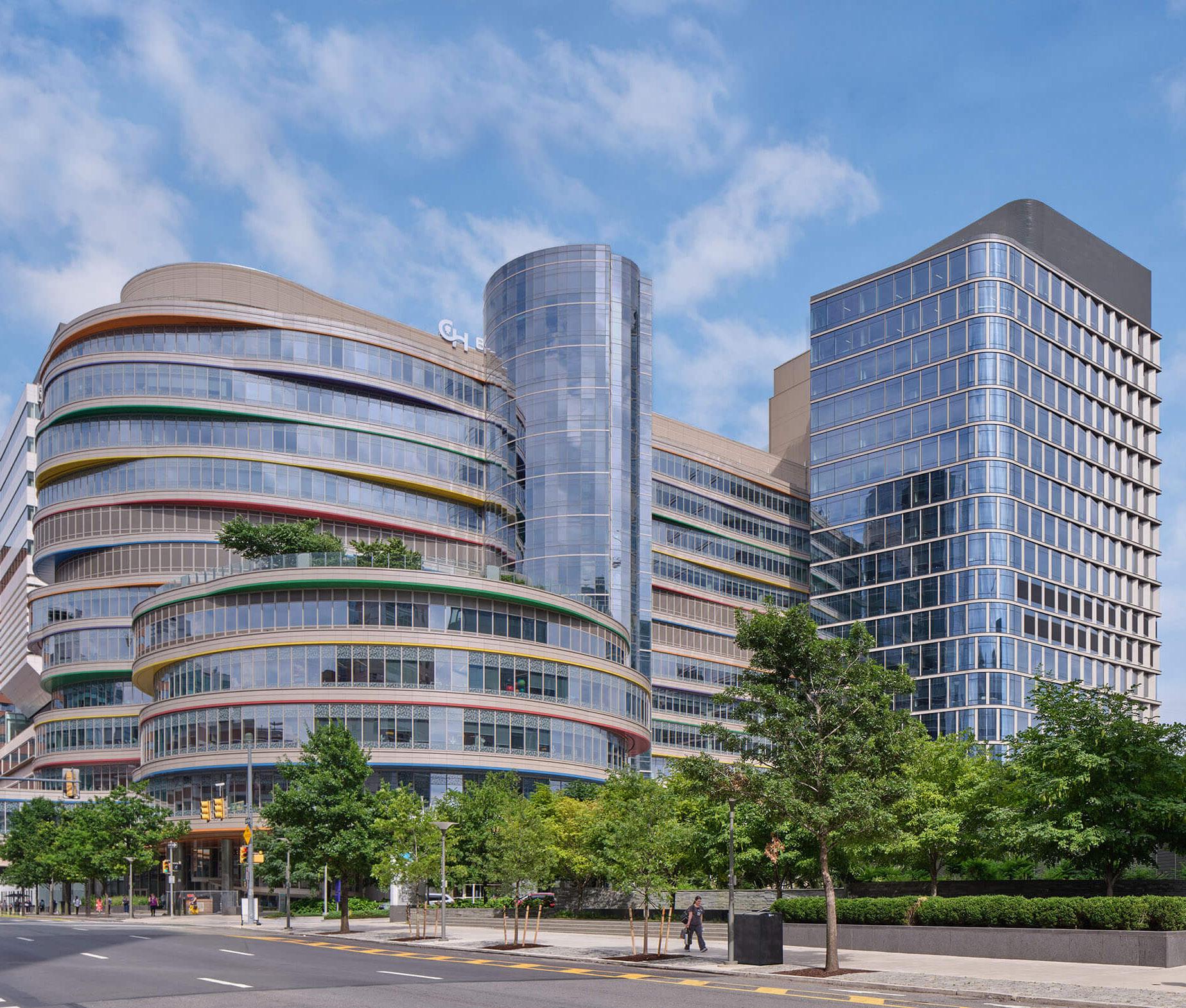
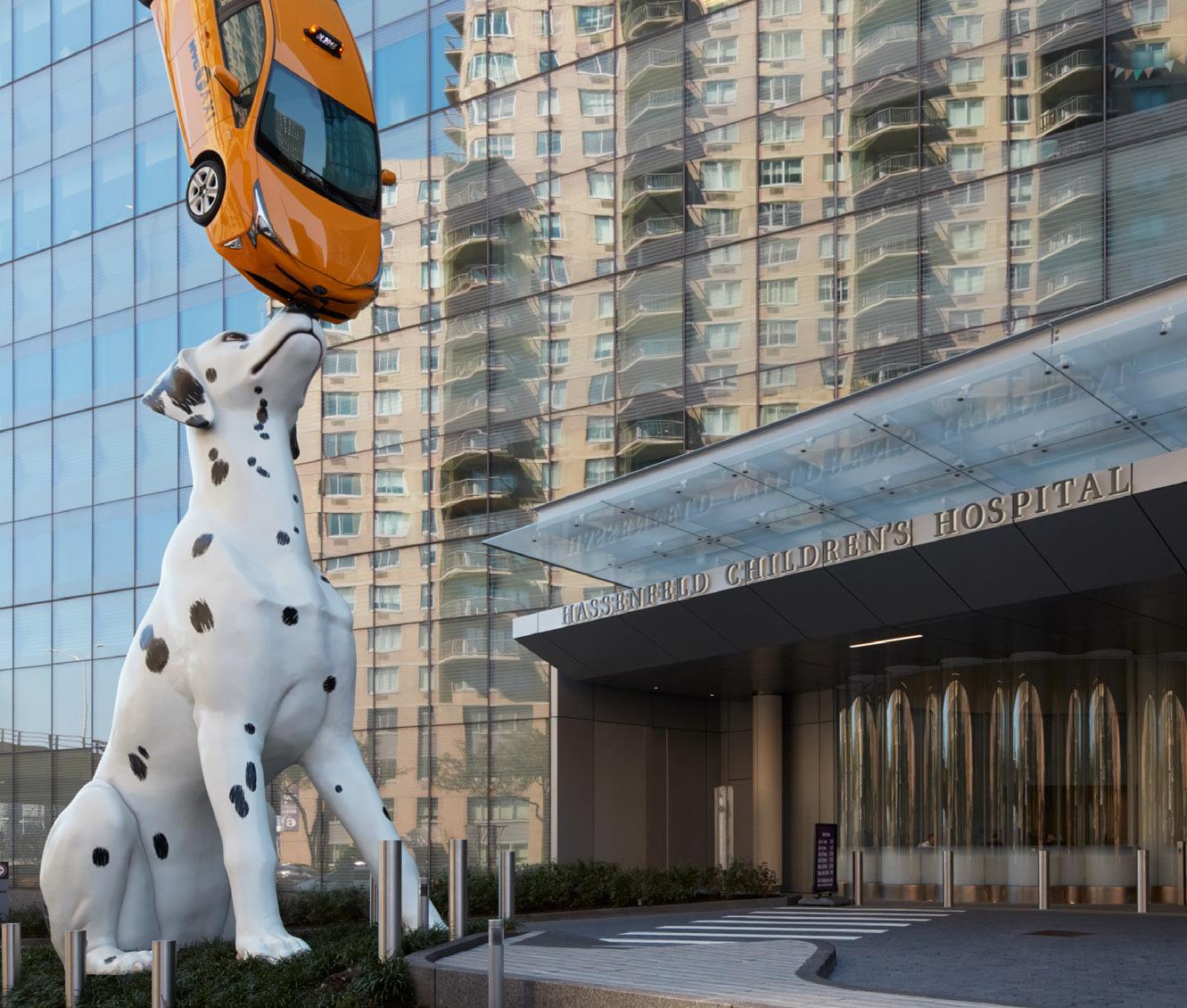
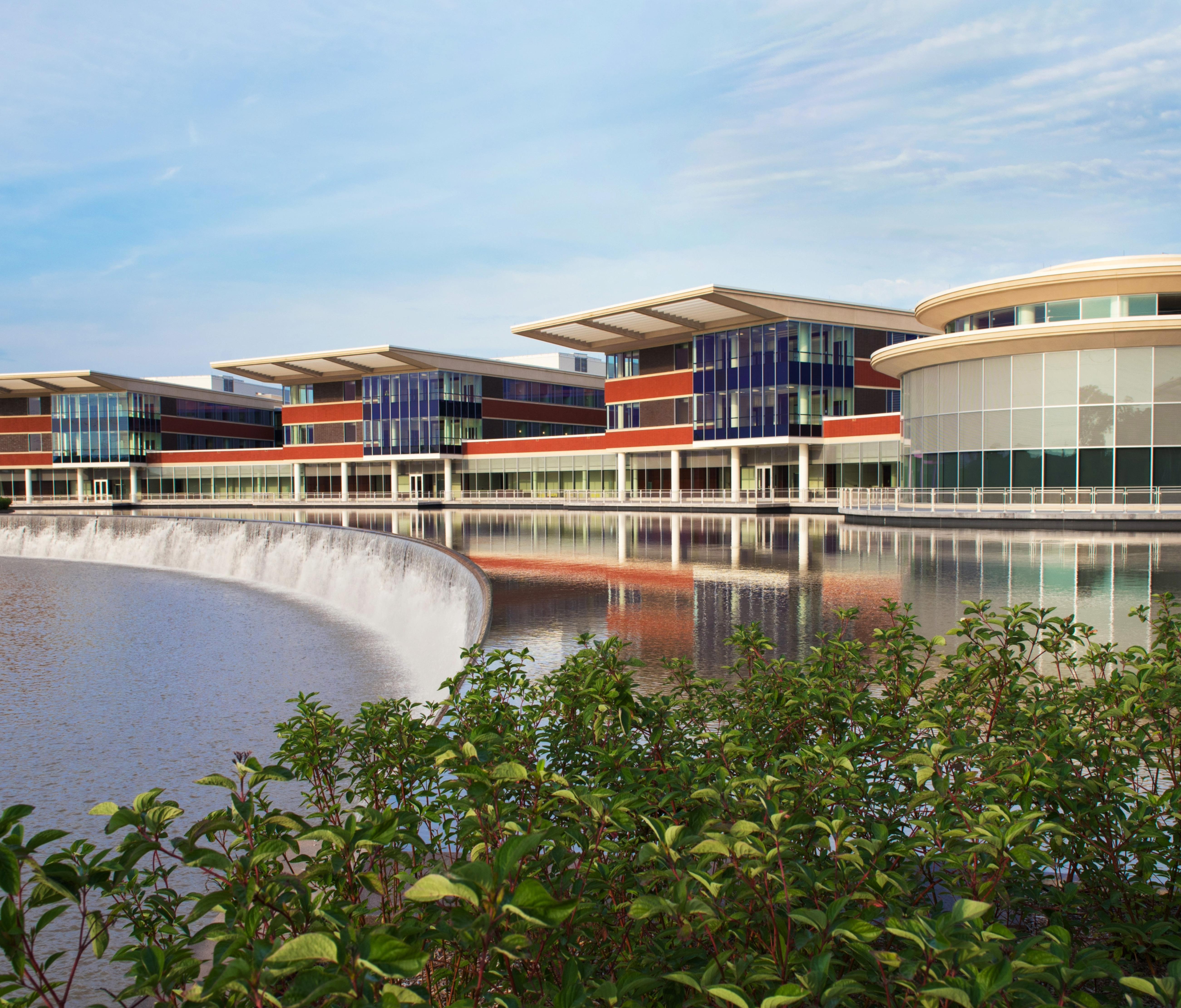
NYU Langone Health, The Helen L. & Martin S. Kimmel Pavilion
Northwestern Medicine Lake Forest Hospital Campus Revitalization - credit: Jeff Goldberg / Esto
CHOP Buerger Center & The Hub for Clinical Collaboration - credit: Perkins + Will
The Ohio State University Wexner Medical Center University Hospital
HYPER IMPACT DRIVING INDUSTRY CHANGE
Data centers are essential infrastructure for the digital systems that businesses, communities, and individuals rely on every day. The rapid growth of data center construction is reshaping how complex projects are delivered. For Turner, these projects serve as a proving ground for new approaches in safety, sustainability, workforce development, and community engagement that are influencing construction more broadly.
Data center construction moves quickly, involves highly coordinated systems, and requires constant alignment across owners, design partners, trade partners, suppliers, and local stakeholders. Turner teams must plan early, track progress closely, communicate clearly, and make decisions with long-term outcomes in mind. As a result, data center delivery requires an increasingly coordinated, accountable, and responsible way of working, where safety, sustainability, and community engagement are built into project planning from the start.
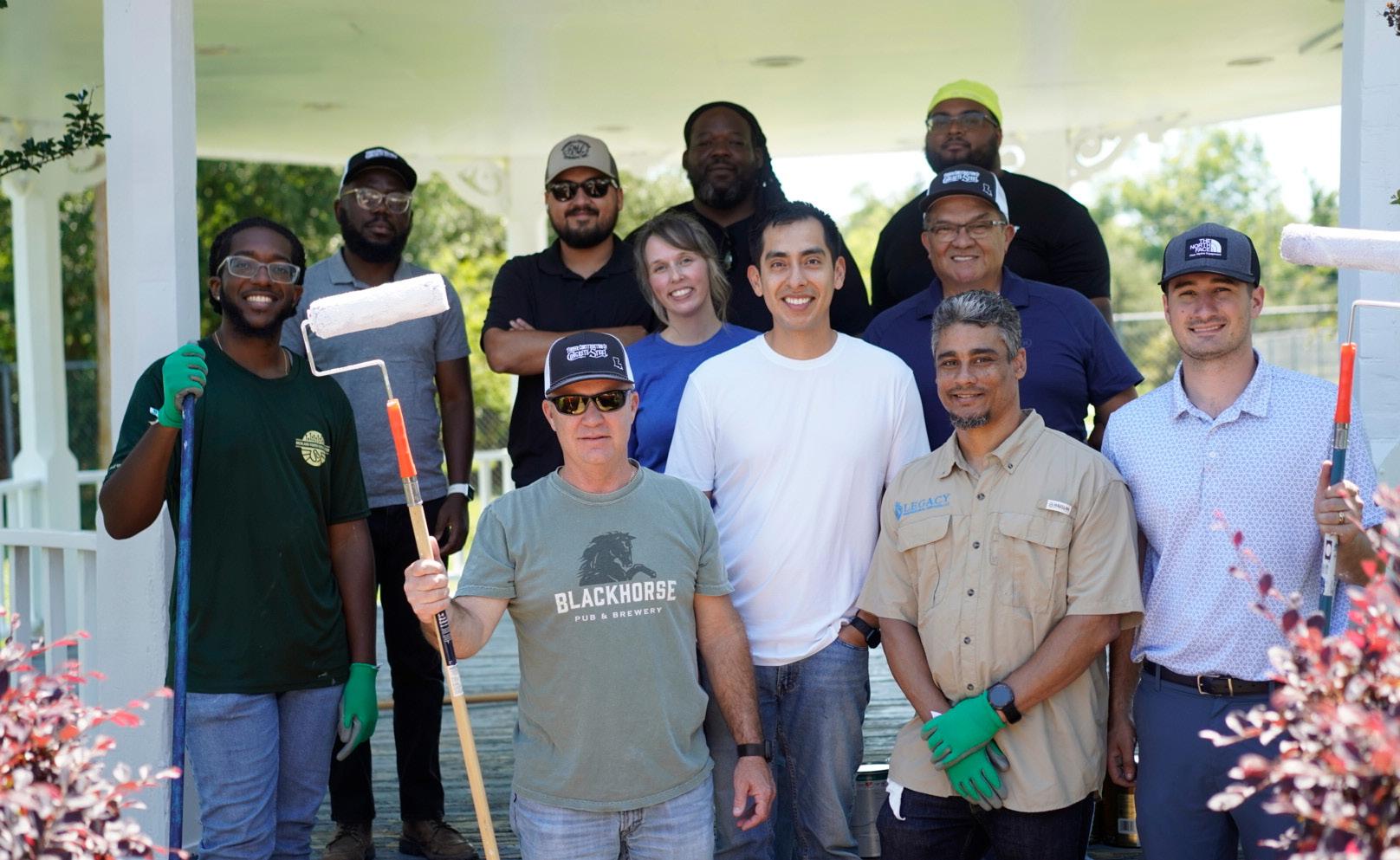
Community Impact at the Local Level
Data centers support global digital systems, with construction impacts that are deeply local. With many projects built in rural or emerging markets, large-scale construction can significantly affect workforce needs, small businesses, and community expectations.
Turner’s Community and Citizenship teams help connect project delivery with local priorities by working with community colleges, school districts, chambers of commerce, workforce organizations, local officials, community members, and trade partners. Across data center projects, these partnerships support workforce pathways that reflect local needs, from training cohorts and student engagement to coordination around longer-term craft labor demand beyond the project itself.
Large data center projects can also create opportunities for local businesses beyond traditional construction trades. With thousands of workers on site, demand often extends to food service, transportation, supplies, and other day-to-day support services, creating openings for restaurants, caterers, food truck operators, and other small businesses to grow alongside the work. Together, these efforts help major projects support the surrounding community.
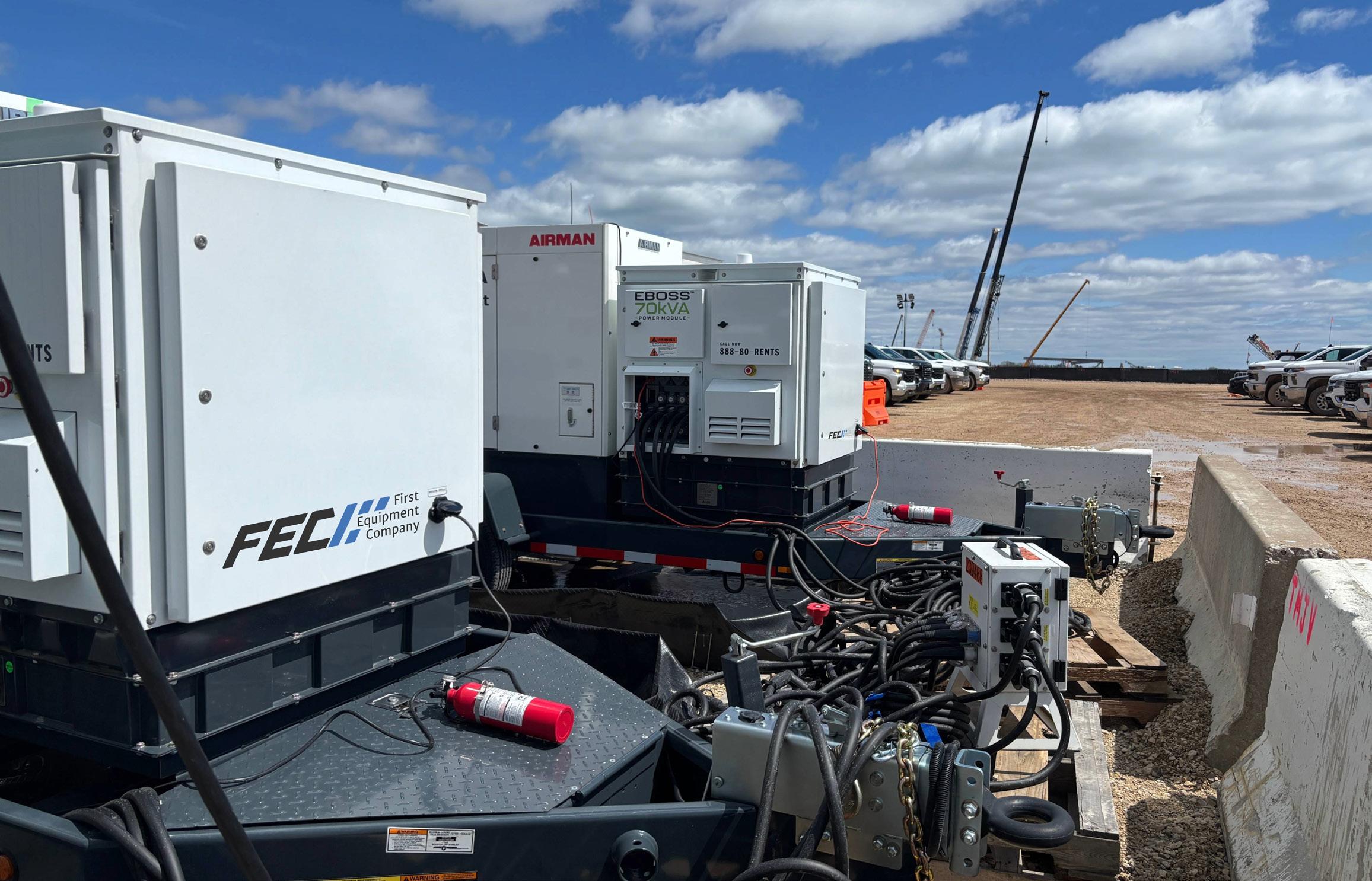
Turning Sustainability into Results
Data center construction is also changing how sustainability is embedded into our projects. Turner collaborates to manage sustainability as part of everyday operations. They track fuel, water, waste, materials, and emissions-related data while coordinating closely with trade partners and suppliers. This data helps monitor progress and performance against ambitious sustainability goals.
This means sustainability decisions are optimized during preconstruction. Teams evaluate fuel strategies, water use, waste diversion, concrete mixes, steel requirements, material documentation, and site logistics long before the projects breaks ground making them standard requirements. As projects move forward, Turner teams continue to capture lessons learned, so successful approaches can be applied to future work. On some projects, expectations such as low-carbon concrete, renewable diesel, electric or hybrid equipment, and detailed material reporting are becoming part of the project requirements rather than optional enhancements.
This work also requires market transformation. Turner help trade partners and manufacturers understand new requirements, solve practical
challenges, and expanding market availability. For instance, the project team provides technical support to a cable manufacturer in developing their first ever Environmental Product Declaration (EPD), strengthening that supplier’s ability to meet future market expectations.
Safety as a Daily Operating System
On data center projects, safety is driven through how the work is planned, sequenced, and executed each day. The scale and pace require tight coordination of logistics, deliveries, access, workforce movement, and trade activity. With thousands of workers across large sites, maintaining a safe environment depends on disciplined planning, clear communication, and active oversight to ensure each operation is aligned and controlled within the broader project.
This requires ongoing vigilance. Conditions evolve, schedules shift, and new risks can emerge in real time. Turner, our clients, and trade partners share a common responsibility to anticipate these changes, verify controls, and address issues as they arise. We work collaboratively to strengthen processes and drive continuous improvement, extending this approach beyond individual projects through data center safety networks and large campuses where lessons learned and data-driven insights are shared across the industry.
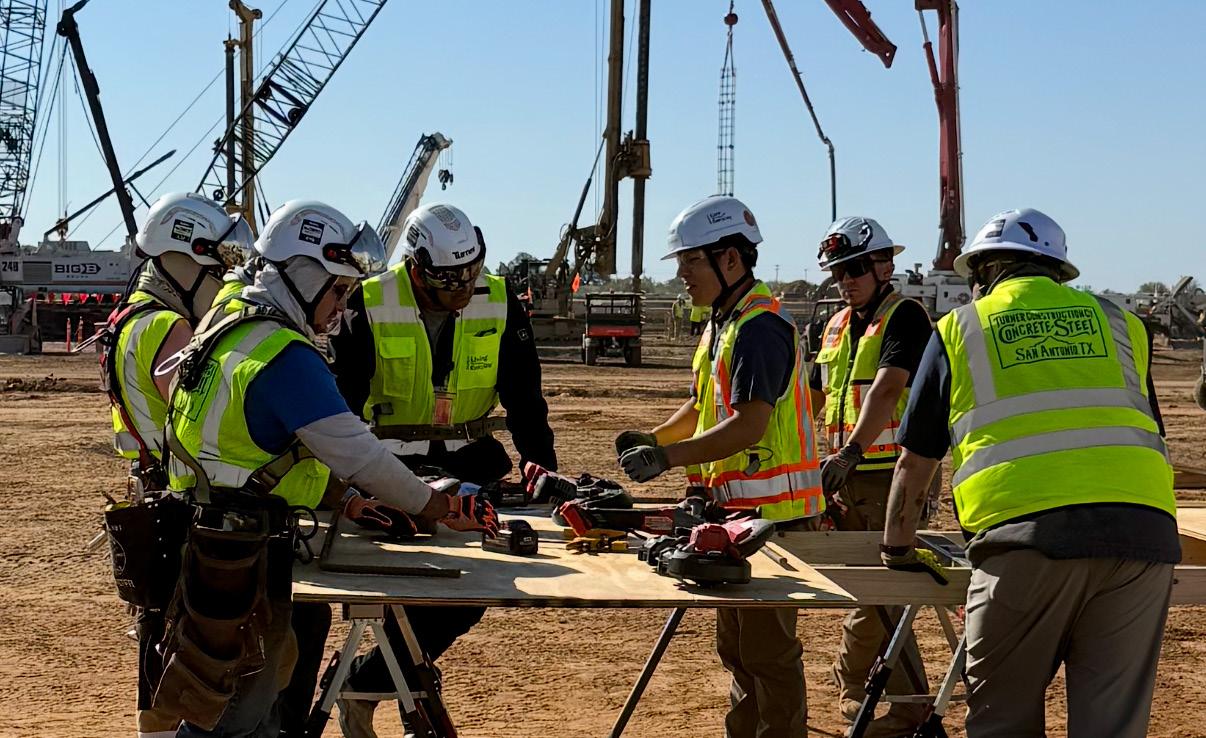
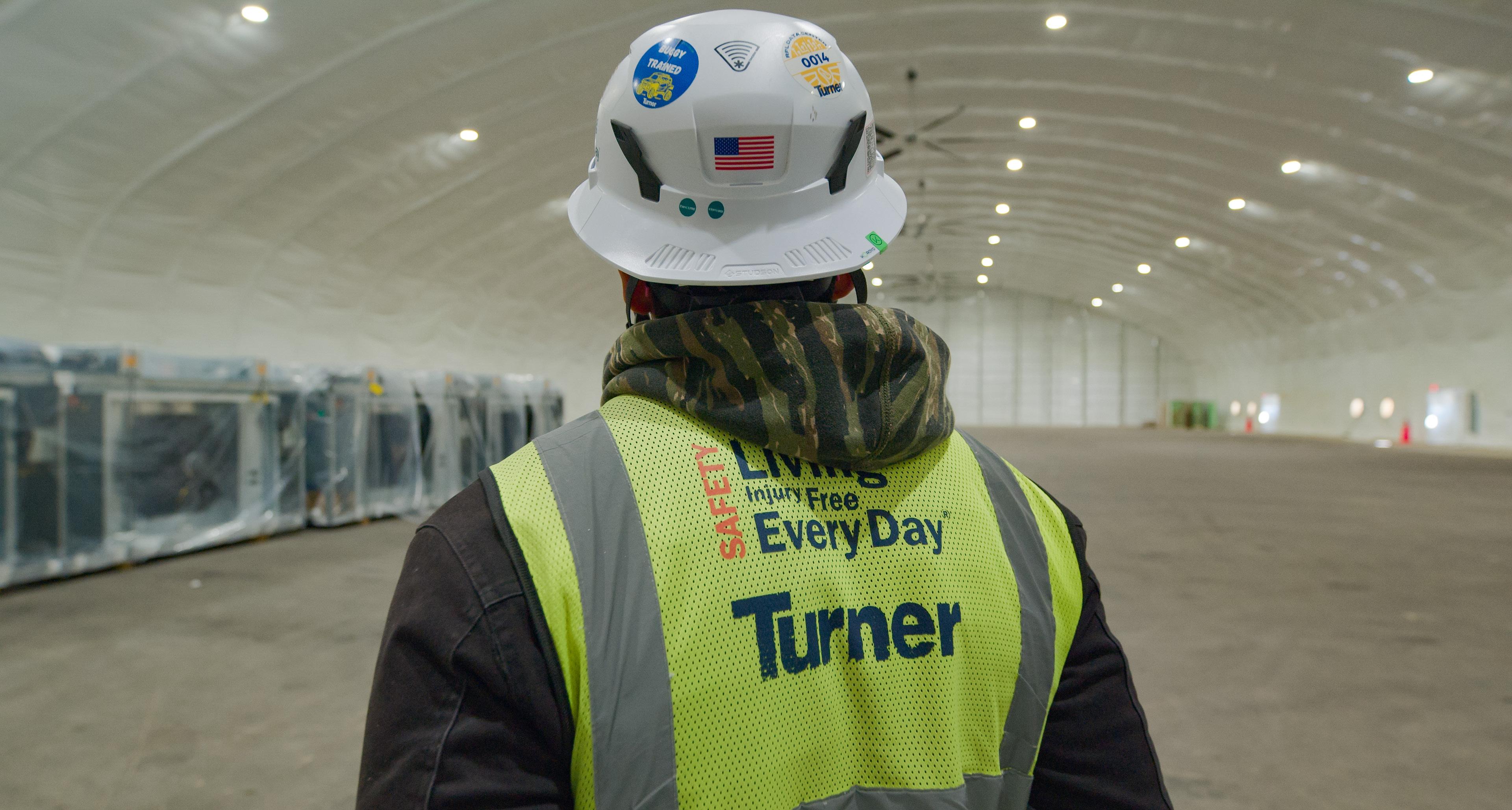
Data center projects also expand the focus beyond hazard control to the conditions that impact worker performance. A safe site is one where workers are able to stay alert, physically capable, and focused throughout the day. On some sites, this includes access to resources such as mental health support, physical therapy, nurse practitioner services, fitness spaces, and healthy food options. These measures help reduce fatigue, improve readiness, and support consistent execution in a high-demand environment. These resources support job performance while reinforcing Turner’s responsibility to the people doing the work: helping protect their health and well-being as a part of how the company operates.
A Better Model for Building Industry
Data center projects show how high expectations can accelerate construction practices. The scale requires strong planning, pace demands accountability, visibility pushes teams to carefully track performance. Together, these conditions are influencing how Turner and its partners approach complex work, creating lessons that can carry across project types. Sustainability becomes part of field execution. Safety expands to include worker well-being. Community engagement begins earlier and reaches deeper. The result is a model of construction that is carefully planned, collaborative, and connected to the people and communities where we work.

OPTIMIZING CONSTRUCTION
xPL Offsite represents Turner’s approach to shifting critical work from the jobsite into a controlled manufacturing environment. By integrating prefabrication, modularization, and coordinated supply chain strategies, xPL Offsite brings greater control, consistency, and predictability to project delivery. This model enhances quality through precision and repeatability, with standardized components assembled offsite to reduce defects and minimize rework.
Safety and efficiency are improved through this approach. Moving high-risk and labor-intensive activities away from the field reduces trade stacking, limits work at height and creates more controlled working conditions. At the same time, offsite fabrication enables more precise material use, reducing waste, and improving resource efficiency. Streamlined logistics and shorter onsite durations further support faster, more coordinated project execution.
At its core, xPL Offsite applies Design for Manufacturing and Assembly (DfMA), enabling a shift from one-off construction to a scalable, systems-based model. By standardizing components and processes, teams improve repeatability across projects while maintaining flexibility for client and project needs. Through xPL Offsite, Turner is bringing greater predictability, efficiency, and quality to the delivery of complex facilities.

Data Center Staging and Construction Facility
LETTER FROM OUR ESG TEAM
Across Turner, our commitments shape how work is delivered, informing decisions, aligning teams, and improving project execution. Greater alignment across teams continues to improve consistency in project execution. Efforts to expand electric equipment and renewable fuels, implement water-saving strategies, and advance embodied carbon tracking are increasingly integrated into how projects are planned and delivered. These approaches provide clearer visibility into performance and reinforce accountability across the business.
Turner cultivates a workplace where people are supported, respected, and connected. Through workforce development, training, and partnerships with suppliers and community organizations, teams are expanding access to opportunity and strengthening engagement in the communities where work takes place.
Innovation is applied on projects and in day-to-day operations. From advancing lower-carbon materials to supporting clients with decarbonization planning and procurement strategies, teams are translating ideas into practical solutions that enhance project delivery.
These efforts reflect a shared commitment of our people. By working in alignment, sharing knowledge, and building on proven approaches, the company advances how it builds while supporting the people and communities connected to that work.
Together, we are Building Today to Transform Tomorrow™.
Sincerely,
The ESG Team
Christa Andresky
Executive Vice President, Chief Financial Officer
Lisa Ballantyne Chief Administrative Officer
Jennifer Downey Vice President of ESG

ACKNOWLEDGEMENTS
ESG MANAGEMENT TEAM
Lisa Ballantyne – Chief Administrative Officer
Mike Bruskin – Chief Procurement Officer
Vesna Conroy – Vice President and Operations Manager
Fuquan Collins – Chief Diversity Officer
Jennifer Downey – Vice President, ESG
Julia Gisewite – Vice President, Sustainability
Shannon Hines – Senior Vice President
Jason Jones – Senior Vice President
Greg Smith – Senior Vice President and Director of Preconstruction
Erica Rosenberger – Vice President, Compliance and Employment Counsel
Paul Parmentola – Vice President, Resource Officer
Steve Spaulding – Chief Environment, Health, and Safety Officer
Purvesh Shah – SourceBlue Chief Supply Chain Officer
Jodi Rennie – Senior Vice President
ESG COORDINATION LEADS
Mike Bahr
Emi LaFountain
Rowan Parris
Rebecca Schmidt
Kristen Smitherman-Voltaire
Kayla Reddington
Phil Yama
PROGRAM REPRESENTATIVES
Arnold Austria
Robert Barbera
Patrick Blake
Emily Bravenboer
Herbert Brown
Halima Cherif
Jerry Crawford
Maryann DeRusso
Leah Dobbins
Mary Edrehi
Pamyla Fountain Brown
Kristine Harrison
Todd Hatley
Kathleen Igoe
Leone Jackson
Martha Katalevsky
Elizabeth King
Lindsey Landwehr-Fasules
Claribel Mateo
Jessica Mayo
Barbara Molloy
Lisa Moving
Maria Pantelaros
Attilio Rivetti
Abigail Roberts
Nelson Russom
David Sheidlower
Alison Stanton
Kristen Smitherman-Voltaire
Joseph Vidal
Nelly Vasquez
Kristofer Wahl
Ken Winfield
Paul Wypasek
Lisa Zyndorff
REPORT TEAM
Jennifer Downey
Emma Haynes
Carren Ku
Monica Wentz
Saori Yamashita
REPORT CONTRIBUTORS
Michael Akers
Jess Allen
Sharon Backiel
Will Bartow
Emily Belote
Natasha Camarillo
Jada Chambers
Erin Eads
Liv Eisenhardt
Sarah Fulwider
Allison Girardi
Bill Hassel
Craig Jenkins
Anna Johnson
Marcus Jones
Sakshi Kalollu
Lydia Liang
Faith Loehr
Josh Lloyd
Katelyn McIntyre
Kathlyn Molyneux
Mollie Resnick
Easton Roth
Lisa SanFilippo
Allie Sigmon
Tamaka Thorton
Juan E. Valadez
Kelley Whitley
COMMUNITY & CITIZENSHIP LEADS
Stephanie Conner
Janice Haughton
Brittney Parkinson
Theresa Schroeder
Tamaka Thornton
HUMAN RESOURCES LEADS
Michael Brook
Lynzie Bruce
Hollie Burtt
Jeff Dolan
Colleen McCandless
MARKETING LEADS
Bernice Bako
Dana Chianelli
Alicia Cornford
David Deita
Mimi Flatley
Will Gelatko
Angela Lona
Alex Masters
Lauren Quinlan
Brittany Self
Gorguin Shaikoli
Susan Stephenson
Kayla Wiggins
OPERATIONS LEADS
Vesna Conroy
Paul Denehy
Carlo DiSilvestro
Charles Kostrab
Phil Restivo
OPERATIONS SAFETY EXECUTIVES
Robert Baird
Dean Bitter
Karl Kinsella
Douglas LaPlante
Andrew Leone
Laura Prendegast
Ian Smith
PRECONSTRUCTION LEADS
Saverio Battaglia
Timothy Blood
Mark Ogden
Kevin Rawson
Kurt Smith
PROCUREMENT LEADS
Alex Cucchiarella
Travis Fults
Chris Parker
Jamie Posey
Dwayne Reid
SUSTAINABILITY LEADS
Mike Bahr
Emi LaFountain
Josh Lloyd
Caroline Murray
Rowan Parris
Kayla Reddington
Rebecca Schmidt
Brett Stuckey

ESG DATA & GRI INDEX
As part of both HOCHTIEF and ACS Group, Turner’s ESG data is submitted and included in ACS and HOCHTIEF annual reporting. To ensure alignment, our data follows HOCHTIEF’s methodologies and reporting standards while also incorporating Turner-specific metrics that reflect our local operations and priorities. Turner ESG data is externally assured with Limited Assurance under the HOCHTIEF Group, see HOCHTIEF’s Group Report 2025 for the assurance statement, p.415-418.
Statement of Use
Turner has reported the information cited in this GRI content index for the period of January 1, 2025-December 31, 2025 (fiscal year 2025) with reference to the GRI Standards.
GRI 1 USED
GRI 1: FOUNDATION 2021
GRI STANDARD DISCLOSURE
GRI 2: GENERAL DISCLOSURES 2021
2-1 Organizational details
2-2 Entities included in the organization's sustainability reporting
2-3 Reporting period, frequency, and contact point
LOCATION/RESPONSE
Hochtief Group Report 2025, p. 79-81
Turner Corporation and its subsidiaries as of December 31, 2025
Reporting period: January 1-December 31, 2025. Annual reporting. Contact point for questions: ESG@tcco.com.
2-4 Restatements of information n/a
2-5 External Assurance
2-6 Activities, value chain, and other business relationships
2-7 Employees
2-8 Workers who are not employees
2-9 Governance structure and composition
2-13 Delegation of responsibility for managing impacts
2-15 Conflicts of interest
2-16 Communication of critical concerns
2-17 Collective knowledge of the highest governance body
2-18 Evaluation of the performance of the highest governance body
2-22 Statement on sustainable development strategy
2-23 Policy commitments
2-24 Embedding policy commitment
2-26 Mechanisms for seeking advice and raising concerns
2-27 Compliance with laws and regulations
2-28 Membership associations
2-29 Approach to stakeholder engagement
GRI 3: MATERIAL TOPICS 2021
3-1 Process to determine material topics
3-2 List of material topics
Hochtief Group Report 2025, p. 415-418
Hochtief Group Report 2025, p. 79-81
Social data, p.71-72
Social data, p.71-72
Hochtief Group Report 2025, p. 102 456-459
Letter from ESG Team / Acknowledgements, p. 67-68
Turner Ethics and Compliance - Code of Conduct
HOCHTIEF Group Report 2025, p. 11-14, 35-36
HOCHTIEF Declaration on Corporate Governance
HOCHTIEF Supervisory Board
HOCHTIEF Group Report 2025, p. 48-49, HOCHTIEF Sustainability Plan 2025
Turner Ethics and Compliance
Turner Ethics and Compliance
Turner Ethics and Compliance
Turner Ethics and Compliance
Hochtief Group Report 2025, p. 7
HOCHTIEF Group Report 2025, p. 123
HOCHTIEF Group Report 2025, p. 115-121
HOCHTIEF Group Report 2025, p. 115-121
ESG DATA & GRI INDEX
As part of both HOCHTIEF and ACS Group, Turner’s ESG data is submitted and included in ACS and HOCHTIEF annual reporting. To ensure alignment, our data follows HOCHTIEF’s methodologies and reporting standards while also incorporating Turner-specific metrics that reflect our local operations and priorities. Turner ESG data is externally assured with Limited Assurance under the HOCHTIEF Group. See HOCHTIEF’s Group Report 2025 for the assurance statement, p.415-418.
ESG DATA & GRI INDEX
As part of both HOCHTIEF and ACS Group, Turner’s ESG data is submitted and included in ACS and HOCHTIEF annual reporting. To ensure alignment, our data follows HOCHTIEF’s methodologies and reporting standards while also incorporating Turner-specific metrics that reflect our local operations and priorities. Turner ESG data is externally assured with Limited Assurance under the HOCHTIEF Group. See HOCHTIEF’s Group Report 2025 for the assurance statement, p.415-418.
ESG DATA & GRI INDEX
As part of both HOCHTIEF and ACS Group, Turner’s ESG data is submitted and included in ACS and HOCHTIEF annual reporting. To ensure alignment, our data follows HOCHTIEF’s methodologies and reporting standards while also incorporating Turner-specific metrics that reflect our local operations and priorities. Turner ESG data is externally assured with Limited Assurance under the HOCHTIEF Group. See HOCHTIEF’s Group Report 2025 for the assurance statement, p.415-418.
ESG DATA & GRI INDEX
As part of both HOCHTIEF and ACS Group, Turner’s ESG data is submitted and included in ACS and HOCHTIEF annual reporting. To ensure alignment, our data follows HOCHTIEF’s methodologies and reporting standards while also incorporating Turner-specific metrics that reflect our local operations and priorities. Turner ESG data is externally assured with Limited Assurance under the HOCHTIEF Group. See HOCHTIEF’s Group Report 2025 for the assurance statement, p.415-418.
ESG DATA & GRI INDEX
As part of both HOCHTIEF and ACS Group, Turner’s ESG data is submitted and included in ACS and HOCHTIEF annual reporting. To ensure alignment, our data follows HOCHTIEF’s methodologies and reporting standards while also incorporating Turner-specific metrics that reflect our local operations and priorities. Turner ESG data is externally assured with Limited Assurance under the HOCHTIEF Group. See HOCHTIEF’s Group Report 2025 for the assurance statement, p.415-418.
SDG INDEX

Turner’s Contributions to the Sustainable Development Goals
The United Nations Sustainable Development Goals (UNSDGs) are a comprehensive set of global goals to end poverty, protect our planet, and improve living conditions of the global population. At Turner, we use the United Nations Sustainable Development Goals to track our impact.
We also use the SDG framework as a strategic lens to map our actions and initiatives across the goals. This process helps us identify where we are driving the most meaningful impact, and more importantly, where we may need to increase focus, resources, or innovation. By tracking our alignment with specific SDG targets, we can uncover opportunities to strengthen our sustainability strategy, close critical gaps, and engage more effectively with stakeholders who prioritize shared global outcomes.



End poverty in all its forms everywhere:
• Construction of social infrastructure and community facilities
• Collaboration with local subcontractors and SMEs
• Corporate citizenship through donations, sponsorships, and community engagement initiatives
End hunger, achieve food security and improved nutrition and promote sustainable agriculture:
• Support for community projects that improve food security
• Development of vegetable gardens on jobsites
Ensure healthy lives and promote well-being for all at all ages:
• Robust occupational health and safety programs on job sites
• Initiatives to reduce job site emissions and improve air quality
• Community wellness and health promotion programs
• Expansion of mental health resources and wellness initiatives for employees
• Provision of healthy food options on select jobsites to support worker well-being


Ensure inclusive and equitable quality education and promote lifelong learning opportunities for all:
• Investment in workforce training and continuing education through internships, apprenticeships, professional accreditations programs
• Partnerships with academic institutions and technical schools
• Support for initiatives like the Turner School of Construction Management
• Engagement with K–12 students to promote awareness of careers in construction and the built environment
Achieve gender equality and empower all women and girls:
• Initiatives such as the Women Superintendent Network and targeted mentorship programs
• Promotion of STEM education and training opportunities for women in construction
• Programs to raise awareness and address unconscious bias in the workplace
• Commitment to pay equity through regular evaluation of compensation practices and advancement of equal pay for equal work

Ensure availability and sustainable management of water and sanitation for all:
• Implementation of innovative water management strategies on jobsites
• Use of closed-loop water recycling systems and low- and no-flow fixtures to reduce potable water demand
• Construction of sediment erosion control and stormwater management
SDG INDEX
Ensure access to affordable, reliable, sustainable, and modern energy for all:
• Expansion of Turner’s electric fleet and scaling of renewable diesel usage
• Development and operation of renewable energy projects
• Integration of decarbonization solutions into construction projects
Promote sustained, inclusive, and sustainable economic growth, full and production employment, and decent work for all:
• Investment in workforce development and skills training programs
• Commitment to safe, equitable, and sustainable working conditions
• Conducting livable wage assessments to better understand and support fair compensation practices
• Deployment of digital tools and AI-enabled solutions to enhance proactive safety management

Build resilient infrastructure, promote inclusive and sustainable industrialization, and foster innovation:
• Investment and adoption of smart building technologies, and innovative construction methods
• Delivery of critical infrastructure projects designed for sustainability, safety, and long-term community resilience
• Investment through Turner Ventures in companies advancing innovation in construction methods and technologies
• Establishing specialized tech groups focused on advanced preconstruction and prefabrication
Reduce Inequality within and among countries:
• Programs to support underrepresented communities and reduce workforce disparities
• Targeted recruitment and development initiatives for diverse talent
• Commitment to inclusive practices across all business operations
• Recruitment and workforce development initiatives aimed at building teams reflective of the communities where Turner builds
Make cities and human settlements inclusive, safe, resilient, and sustainable:
• Development of resilient and sustainable buildings
• Implementation of green building practices in community and public projects
• Delivery of projects that enhance climate resilience and help protect communities from future climate risks and extreme weather events


Ensure sustainable consumption and production patterns:
• Circularity initiatives, including equipment recycling and material reuse programs
• Adoption of sustainable procurement practices and life cycle management
• Engagement with supply chain partners to reduce waste and environmental impact
• Expansion of deconstruction practices to enable material reuse and reduce construction waste
Take urgent action to combat climate change and its impacts:
• Decarbonization strategies, including fleet electrification and renewable fuel usage
• Initiatives to track and reduce embodied carbon in construction projects
• Implement measures to lower project-level emissions and improve energy efficiency
• Reduction of operational emissions through increased use of renewable energy across offices and jobsites, including deployment of off-grid solar-powered jobsite trailers
• Engagement with supply chain partners to reduce emissions and overall environmental impact

Conserve and sustainably use the oceans, seas, and marine resources:
• Construction techniques, prevention measures, and stormwater management systems that minimize negative impacts on water quality
• Sustainable water management practices that safeguard ecosystems
Protect, restore, and promote sustainable use of terrestrial ecosystems:
• Management of impacts on projects in environmentally sensitive areas, including efforts such as biodiversity gardens, monarch butterfly habitats, and local vegetation strategies.
• Employee engagement in biodiversity-focused volunteering and habitat restoration initiatives
Promote peaceful and inclusive societies for sustainable development:
• Robust corporate governance and ethical business practices
• Transparent compliance and risk management initiatives
• Community engagement projects
Strengthen the means of implementation and revitalize the global partnership for sustainable development:
• Strategic partnerships with industry associations, suppliers, and academic institutions
• Collaboration with local communities and government agencies to advance sustainability
• Expansion of global operations with a locally driven approach, including growth in the UK and European markets