SENIOR LIVING








Hank Vander Veen
Kristina H Hacker
Harold L George
Wann
Webber
Matheson



Hank Vander Veen
Kristina H Hacker
Harold L George
Wann
Webber
Matheson
It’s why once you reach a certain age, you’ll get asked at each doctor visit whether you’ve had any falls.
According to national health agencies, millions of seniors experience falls each year, and even a minor fall can lead to injuries that affect mobility and independence. The good news is that many falls can be prevented. By strengthening balance, making simple home adjustments and seeking professional guidance when needed, older adults can significantly reduce their risk.
Balance often changes gradually with age due to shifts in muscle strength, vision and coordination. Regular exercise is one of the most effective ways to maintain stability.
Activities that strengthen the legs and core can improve balance and help prevent falls. Walking, gentle strength training and stretching exercises all support mobility. Programs such as tai chi and yoga are especially helpful because they emphasize slow, controlled movements that improve coordination and body awareness. Even simple exercises performed at home can make a difference. Standing on one foot while holding onto a chair, practicing heel-to-toe walking or doing seated leg lifts can gradually build strength and confidence.
Before starting a new exercise routine, it is wise to consult a health care provider, particularly for individuals with existing health conditions.

Many falls occur inside the home, often because of hazards that are easy to overlook. A few simple changes can make living spaces much safer.
Clear pathways are important. Removing loose rugs, securing electrical cords and keeping floors free of clutter can help prevent tripping. Good lighting is essential, especially in hallways, stairways and bathrooms. Installing grab bars in the bathroom and handrails on both sides of stairways can provide additional
support. Non-slip mats in showers and tubs can reduce the risk of slipping on wet surfaces.
Footwear prevents falls. Shoes with non-slip soles and good support are safer than loose slippers or socks worn on smooth floors.
For some individuals, working with a physical therapist can provide valuable
support in improving balance and mobility.
Physical therapists can evaluate a person’s gait, strength and coordination, then develop a personalized exercise program designed to address specific challenges. They may recommend assistive devices, such as canes or walkers, when additional stability is needed. In some cases, health care providers may review medications as well. Certain prescriptions can cause dizziness or drowsiness, which may increase fall risk.

CREATIVE EXPRESSION IS OFTEN ASSOCIATED WITH CHILDHOOD OR PROFESSIONAL ARTISTS, BUT THE TRUTH IS THAT CREATIVITY HAS NO AGE LIMIT.
Many older adults discover — or rediscover — artistic interests later in life, finding that creative activities bring joy, purpose and emotional well-being.
Exploring the arts later in life can open doors to new passions and perspectives. With curiosity and a willingness to try something new, creative activities can add color, connection and inspiration to everyday life. Whether it’s painting, pottery, music or another art form, creative outlets can help seniors stay mentally engaged while offering a meaningful way to reflect on life experiences.
Participating in the arts can stimulate the brain in ways that support cognitive health. Activities such as painting or making music require focus, memory and problem-solving, helping keep the mind active.
Creative work can reduce stress and improve mood. When people concentrate on shaping clay, mixing colors or practicing a melody, they often enter a state of deep engagement sometimes called “flow.” During these moments, worries may fade into the background. Art offers a powerful outlet for emotions. Through creative expression, individuals can explore memories, celebrate milestones or process life changes in a personal and constructive way.
Research has shown regular participation in the arts may help reduce feelings of loneliness and depression while increasing overall life satisfaction.
FINDING THE RIGHT CREATIVE
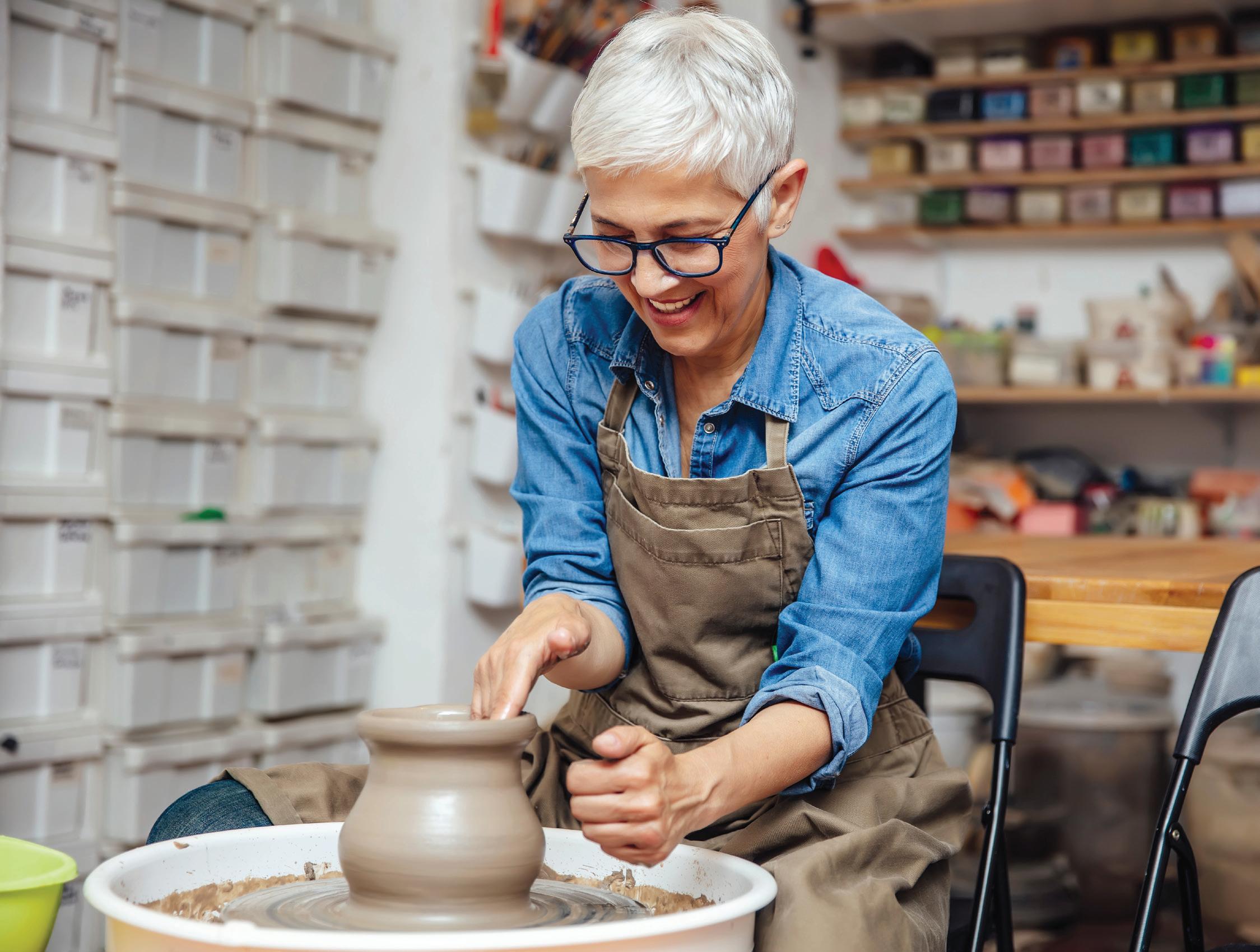
The possibilities for creative expression are wide-ranging, and seniors can choose activities that match their interests and abilities.
Painting and drawing are popular options because they require minimal equipment and can be adapted to many skill levels. Pottery and sculpture offer a more tactile experience, allowing participants to shape materials with their hands. Music is another meaningful outlet. Some seniors take up an instrument for the first time, while others return to music they enjoyed earlier in life. Singing in
a choir or playing with a small group can create opportunities for social connection.
Writing, photography and crafts such as knitting or woodworking are additional ways to explore creativity. The goal is not perfection but enjoyment and personal expression.
Creative arts can be even more rewarding when shared with others. Many senior centers, libraries and community
organizations offer art classes or creative workshops designed specifically for older adults.
These programs provide opportunities to learn new skills while building friendships with people who share similar interests. For some participants, the social aspect becomes just as valuable as the creative activity itself. Local art groups, community theaters and music ensembles typically welcome older adults who want to participate. Some programs even organize exhibits or performances that allow participants to share their work with family and friends.
FOR MANY OLDER ADULTS, DOWNSIZING IS NOT SIMPLY ABOUT MOVING INTO A SMALLER HOME. IT IS AN OPPORTUNITY TO SIMPLIFY DAILY LIFE, REDUCE STRESS AND FOCUS ON WHAT MATTERS MOST.
Whether the goal is moving to a senior living community, relocating closer to family or simply creating a safer, more manageable home, thoughtful decluttering can make the transition smoother.
While letting go of possessions can be emotional, many seniors find that decluttering brings a sense of freedom. With fewer belongings to manage, they can focus more fully on relationships, hobbies and the experiences that make the next stage of life meaningful.
Decluttering an entire household can feel overwhelming, especially for those who have lived in the same home for decades. Breaking the task into manageable pieces can make it easier.
Experts often recommend starting with a single room or even a single drawer. Setting aside short, focused time blocks — perhaps one or two hours at a time — helps maintain momentum without causing fatigue. Sorting items into categories can also streamline the process. Common groups include keep, donate, sell, recycle and discard. When possible, it may help to involve trusted family members or friends who can offer support and a second perspective.
Professional organizers and senior move managers are increasingly available to guide older adults through the process. These specialists understand the emotional side of downsizing and can help create a step-by-step plan.
One of the biggest challenges of downsizing is deciding what to do with sentimental items. Photographs, family heirlooms and personal keepsakes often carry deep meaning.
Rather than trying to keep everything, seniors can focus on preserving the stories behind important objects. Creating a small “memory box” for treasured items is one option. Another is to digitize photographs and documents so they can be shared easily with family members. Passing along meaningful possessions can also be rewarding. Heirlooms may take on new life when given to children, grandchildren or other loved ones who appreciate their history.
Some families turn the process into a storytelling opportunity, recording memories connected to special items. These conversations can strengthen family bonds while ensuring personal history is preserved.
When moving to a smaller home or apartment, it helps to think carefully about what will fit comfortably in the new space. Before packing, seniors can review the layout of their future home and measure larger furniture pieces. Choosing multifunctional furniture or lighter, space-saving items can help maximize comfort and mobility. Safety is another important consideration. Reducing clutter, keeping walkways clear and eliminating unnecessary furniture can lower the risk of falls and make daily routines easier.
Downsizing can be a chance to design a living space that reflects current interests and priorities. Favorite artwork, books and personal items can still have a place — just in a more curated way.
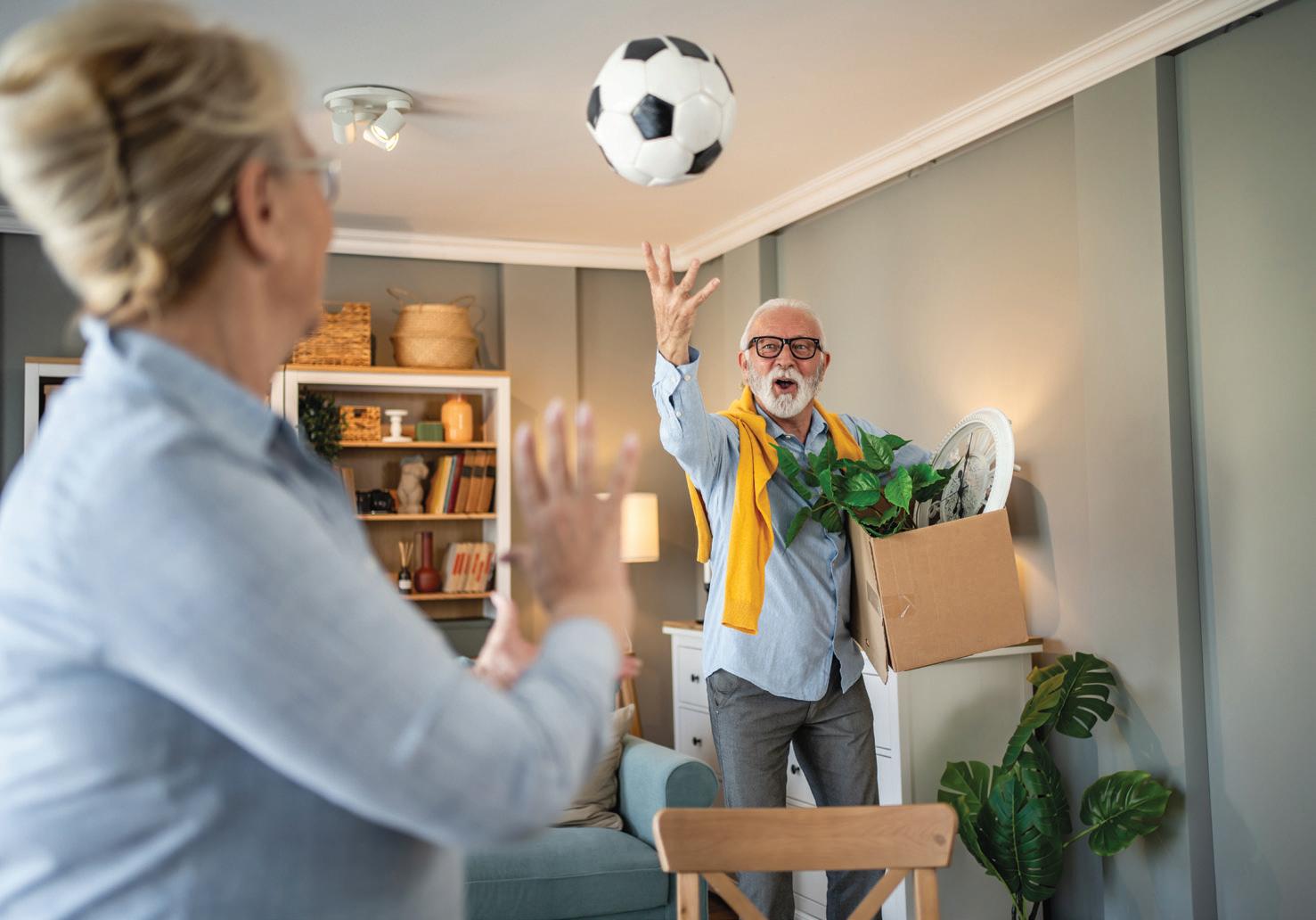

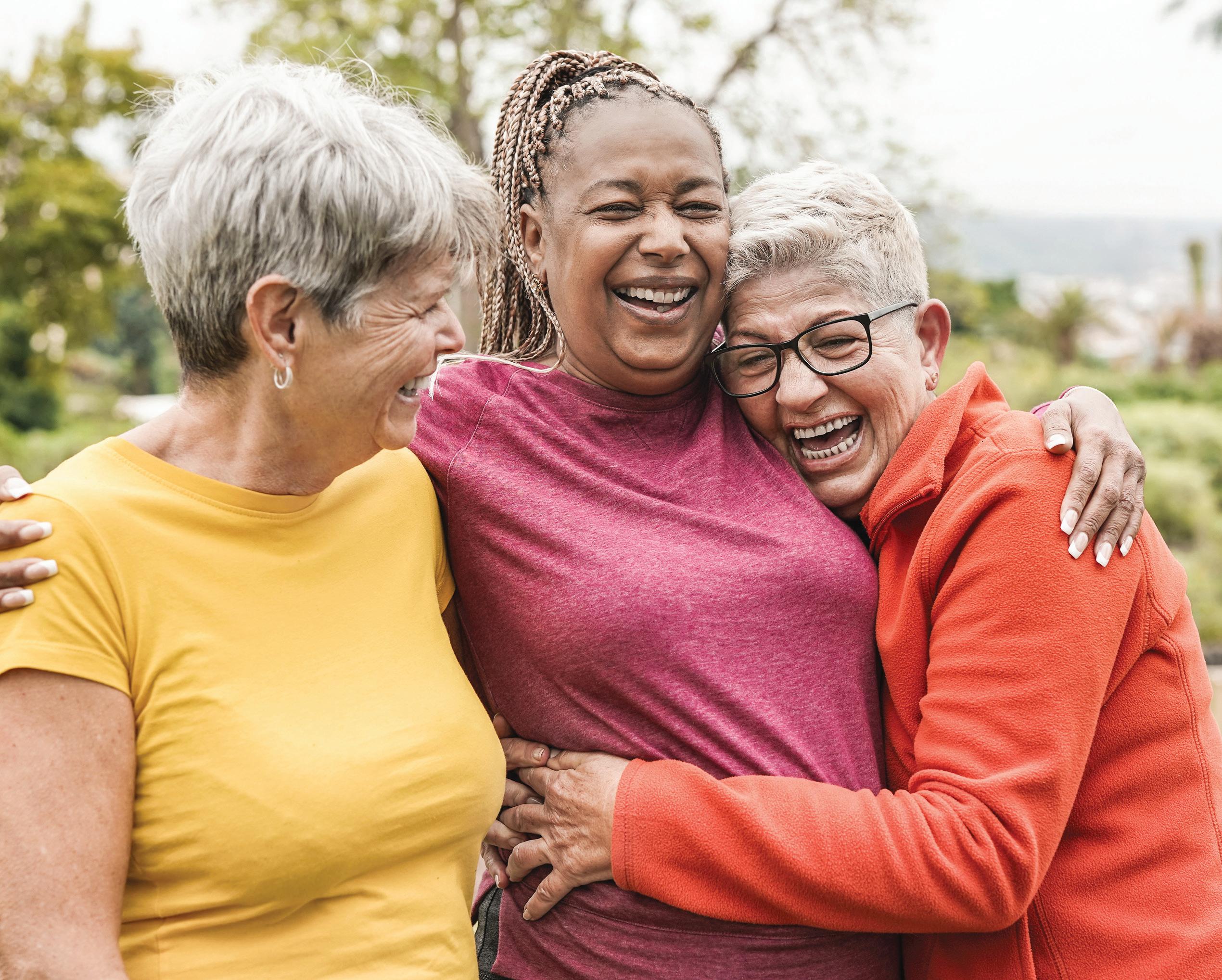
SPONTANEOUS, BUT ITS EFFECTS ON THE BODY AND MIND ARE POWERFUL.
Researchers have long studied how humor influences health, and the findings are encouraging. From reducing stress to strengthening social bonds, laughter can play an important role in well-being at any age.
Life inevitably includes challenges, but laughter can serve as a gentle reminder that joy still exists alongside them. By embracing humor, older adults can nurture resilience, deepen relationships and bring a little more brightness into everyday life.
When people laugh, the body responds in several beneficial ways. Laughter can increase oxygen intake, stimulate circulation and prompt the release of endorphins, the brain’s natural “feel-good” chemicals. At the same time, stress hormones such as cortisol may decrease. These responses can help ease tension, lower blood pressure and support overall relaxation. Some studies even suggest that regular laughter may contribute to improved immune function.
Equally important is laughter’s impact on emotional health. Humor can help people cope with difficult situations by creating psychological distance from stress. A shared joke or funny story can shift perspective and lighten the emotional weight of daily challenges.
The good news is that laughter doesn’t require a comedy club or a professional performer. It can grow out of ordinary moments and small choices. Many seniors enjoy watching favorite comedy
films, television shows or stand-up specials. Others find joy in reading humorous books, following comic strips or listening to lighthearted podcasts. Social activities can spark laughter naturally. Card games, storytelling circles and group outings often produce the kind of spontaneous humor that lifts spirits and strengthens friendships.
Some senior communities have even introduced “laughter yoga” or improvstyle classes designed to encourage playful interaction. These programs combine
gentle movement with guided laughter exercises, helping participants tap into humor even on quiet days.
Humor often flourishes alongside creativity. Activities that invite imagination — such as writing funny stories, acting in community theater or participating in improvisational games — can open the door to joyful moments.
Even small acts of playfulness can
make a difference. Trying a new hobby, sharing amusing memories with grandchildren or swapping jokes with friends can add lightness to the day. Keeping a “laughter list” is another creative approach. Some people jot down funny moments, favorite jokes or humorous observations as they happen. Revisiting that list later can provide a quick mood boost.
The goal is not constant laughter, but a willingness to welcome humor when it appears.






However, the cost of medications can sometimes create financial strain, especially for those taking several prescriptions each month.
A variety of programs and strategies can reduce medication expenses. By exploring available options and asking the right questions, seniors and their caregivers can often find ways to make prescriptions more affordable.
One of the simplest ways to reduce prescription costs is to ask a health care provider or pharmacist about generic medications. Generic drugs contain the same active ingredients as brand-name versions and must meet the same safety and effectiveness standards set by federal regulators. Because generics are typically much less expensive, switching from a brand-name medication can significantly lower monthly costs.
In some cases, doctors may be able to recommend alternative medications that work similarly but cost less. Patients should feel comfortable discussing cost concerns with their health care providers, who can often suggest options that fit both medical needs and budgets. Pharmacists are valuable resources. They may know when a lower-cost equivalent is available or when different dosages could reduce the number of prescriptions needed.
Several programs are designed specifically to help people afford medications. Pharmaceutical companies sometimes offer prescription assistance programs that provide medications at reduced cost or even free to individuals who meet certain income guidelines. Nonprofit organizations may offer financial help for people with chronic conditions.
In addition, many states operate pharmaceutical assistance programs for seniors. These programs can help cover certain medications or provide help with out-of-pocket costs.
Another federal program for some Medicare beneficiaries is Extra Help, which assists with prescription drug costs for those enrolled in Medicare Part D. This program can significantly reduce premiums, deductibles and copayments for eligible individuals.
Local senior centers, health departments and aging services organizations can often guide residents to programs available in their community.
Medication prices can vary widely between pharmacies, even within the same neighborhood. Comparing prices at different pharmacies may lead to significant savings. Many large retailers and grocery stores offer prescription discount programs or low-cost generic medication lists. Some pharmacies provide membership plans that reduce the cost of common medications for a small annual fee.
In recent years, pharmacy discount cards and online comparison tools have become more widely available. These services allow consumers to search for lower prices at nearby pharmacies and present a coupon or digital code at the pharmacy counter.

THE PREVALENCE OF OBESITY AMONG ADULTS 60 AND OLDER IS SIGNIFICANT.
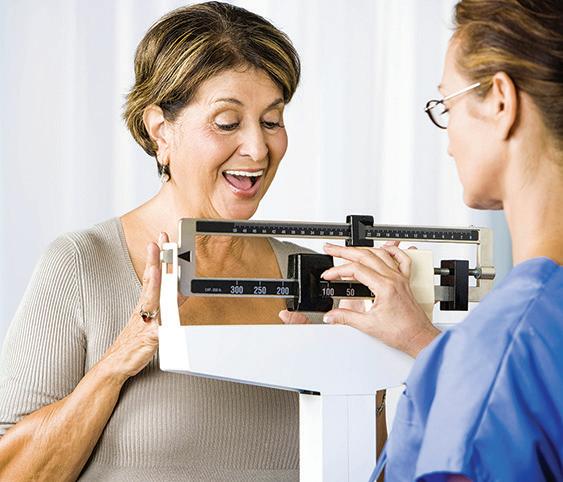
According to the Centers for Disease Control and Prevention, 39 percent of adults 60 and over met the criteria for obesity over a two-year period between August 2021 and August 2023.
The National Council on Aging notes the importance of maintaining a healthy weight as you age. Seniors who qualify as obese, which occurs when a person’s body accumulates and stores excessive amounts of body fat, carry a higher risk of chronic diseases like type 2 diabetes, heart disease, and certain types of cancer. The NCOA also notes that excess body weight puts a strain on the joints, increasing the risk for osteoarthritis and making daily movements more difficult. People with obesity also are more likely to develop
asthma and sleep apnea.
Seniors diagnosed with obesity are urged to seek safe and healthy ways to lose weight. Fad diets and other means to quick weight loss can be dangerous, but the NCOA notes simple lifestyle changes and healthy habits can help seniors safely lose weight.
● Consume nutrient-dense foods. Lean proteins, whole grains, fruits, and vegetables offer plenty of vitamins, minerals and fiber but tend to be low in calories. That makes them ideal options for people looking to lose weight, as they contribute to feelings of fullness without consuming a lot of calories.
● Incorporate physical activity into your daily routine. Exercise can pose problems for older adults who qualify as obese. The joint issues that can affect older adults with obesity can make traditional exercise regimens that incorporate strength training and moderate to vigorous aerobic activity very difficult, and maybe even dangerous. But the NCOA
notes that exercise need not be intense to be effective. Walking is a great physical activity for older adults. Swimming also is excellent, as it provides a full-body workout that’s easy on the joints. Seniors are urged to speak with their physicians about physical activities they can handle.
● Don’t sleep on sleep. Sleep can be an effective ally for seniors looking to lose weight.
The NCOA notes that seven to nine hours of sleep per night helps support a healthy metabolism and regulate hunger. Seniors who have trouble falling asleep at night can try various strategies, from avoiding caffeine from the afternoon on to avoiding screens after dinner, to prepare their bodies to get better rest at night.
● Work to combat stress. The NCOA reports that stress is a contributor to weight gain. And stress and disorders linked to it are perhaps more common among adults 60 and over than people realize. In fact, according to

the Anxiety and Depression Association of America, anxiety disorders, which are a notable source of ongoing stress, are the most widespread mental health condition among older adults. Sufficient sleep, meditation and deep breathing exercises can help seniors combat stress, and that in turn may help older adults avoid excess weight gain.
Obesity is a problem among older adults. Finding safe ways to lose weight can have a profound effect on seniors’ short- and longterm health.

Valley Oak Dental Group is a multispecialty group practice committed to excellence.
Our Pediatric Department provides a comfortable, caring atmosphere for your children.
We provide the latest General Dentistry procedures in a state-of-the-art dental suite.
Our Oral Surgery Department provides general anesthesia and I.V. sedation in a safe, professional environment.





For many older adults, mobility aids such as canes, walkers or scooters can provide the extra stability needed to remain active and safe.
Using a mobility aid is not a sign of giving up mobility. In many cases, it allows people to move more freely and participate more fully in the activities they enjoy. With the right support, staying active can remain an important part of daily life. The key is choosing the right tool for individual needs.
A cane is often the first mobility aid people consider. It can provide balance and light support for those who experience mild weakness, joint pain or occasional unsteadiness. Canes are commonly recommended for individuals recovering from injury or surgery, as well as those managing arthritis in the hips or knees. Used correctly, a cane helps redistribute weight and reduce strain on one side of the body.
There are several types of canes available. A standard single-point cane works well for basic balance support, while a quad cane — which has a wider base with four small feet — offers greater stability. Proper fit is important. A cane should reach the crease of the wrist when the user is standing upright with arms relaxed at their sides. Health professionals such as physical therapists can help ensure the cane is adjusted correctly and used safely.
For those who need more support, a walker may be a better option. Walkers offer a larger base of support and can help individuals who feel unsteady while standing or walking. Standard walkers have four legs and must be lifted slightly with each step. These models are often recommended during recovery from surgery or injury when maximum stability is needed.
Two-wheel walkers glide more easily and require less lifting, while rollators —
walkers with four wheels, hand brakes and often a built-in seat — are designed for people who can walk independently but benefit from balance support and a place to rest during longer outings. Walkers can be especially helpful for individuals who experience dizziness, muscle weakness or balance difficulties.
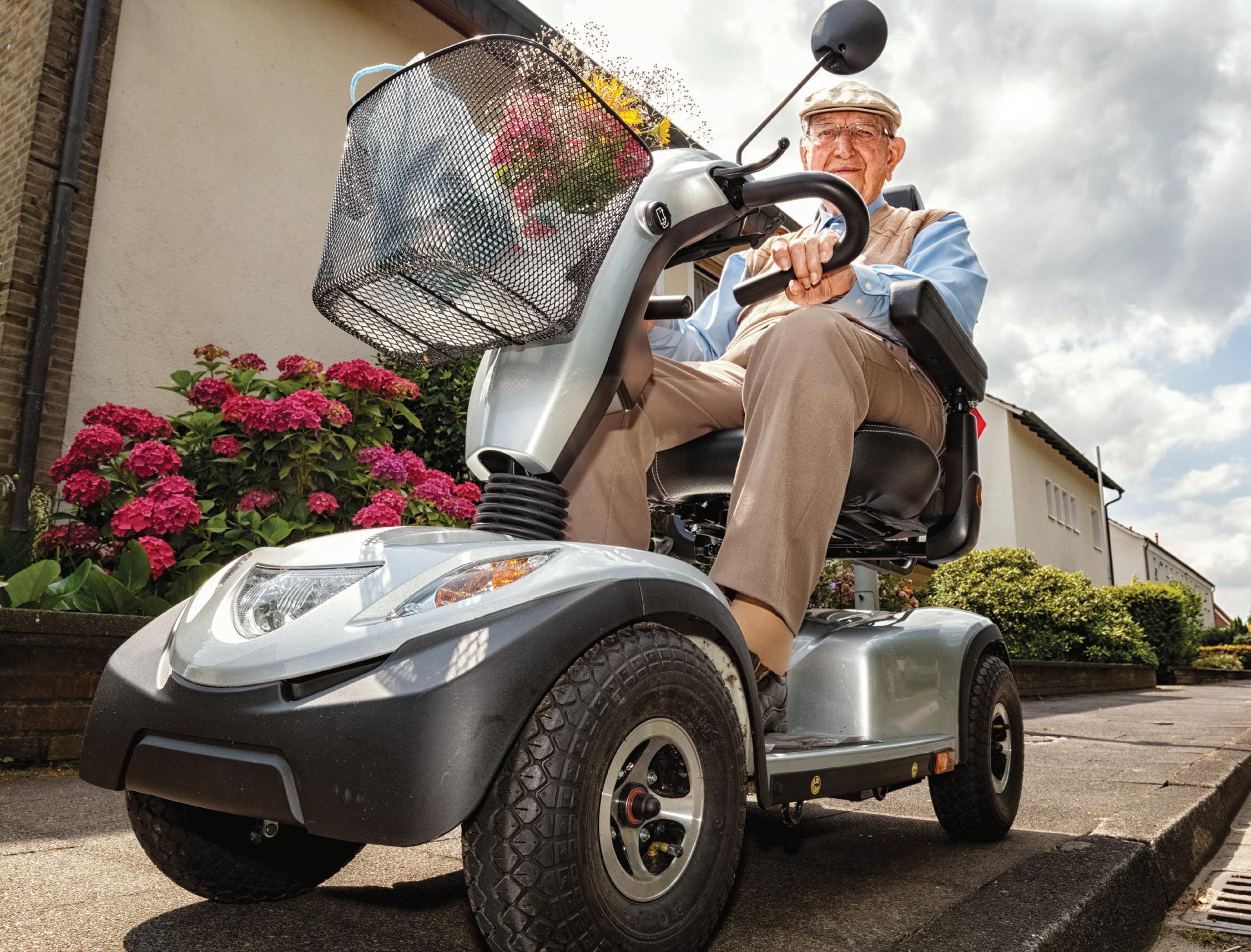
Mobility scooters and powered wheelchairs provide support for individuals
who have difficulty walking longer distances or standing for extended periods. Scooters are commonly used for activities such as shopping, traveling through large buildings or spending time outdoors. Many models are compact enough for indoor use and can be transported in vehicles. Choosing a scooter typically involves evaluating factors such as turning radius, battery range and ease of control. Occupational therapists or mobility specialists can help assess whether a powered device is the best fit.
Whether it’s the result of a loss of a spouse or other life events, many people find themselves looking for love in their golden years. According to statistics from The Senior List and the Pew Research Center, roughly one-third of adults 65 and older in the United States reported being single in 2022, a percentage exceeded only by people between the ages of 18 and 29. Many older singles are not looking for a committed relationship; some just want to have fun exploring the dating scene. With that in mind, here’s how seniors can explore dating, which may look and feel a little different than the last time seniors were dating
Seniors should establish the reasons they are ready to get back into the mix. Identifying the motivation for mingling can help set the right course for finding a partner. Sometimes it boils down to wanting someone to share hobbies, go to dinner or travel with. Some seniors like the idea of having a relationship with someone, but living apart with their own homes and sense of independence. Others are looking for the next Mr. or Mrs. Right, and want a partner to share their life with in all ways.
While meeting people in person is possible, particularly when those with similar interests are pulled together through clubs or social events, the dating world has increasingly moved online. Online dating is a popular and modern way to meet new people. Apps like OurTime and SilverSingles are geared
specifically to the older demographic, while Bumble is women-led. Meetup is not a dating app, but one for meeting people with an interest in sharing specific experiences.
Great relationships are rooted in honesty. Individuals should skip the Òglory daysÓ photos of their youth or even 10 years ago and use current photos for dating apps. People should be specific with what they are looking for, like a travel companion to go to Europe or someone who enjoys trying the local culinary scene Being honest and specific increases the chances of finding a good match.
Seniors are often the targets of scams, and by tugging at the heartstrings, scammers can exploit vulnerabilities. AARP¨ says nearly 60,000 people reported romance scams to the Federal Trade Commission in 2024, when victims reported losing $2.95 billion. Wanting to move conversations off of dating apps

and directly to texts or other messaging platforms where they can’t be monitored is a red flag. Scammers often indicate they live far away and can’t meet in person and will give excuses to that effect. Others will promise the world and be in constant contact. It’s a cause for concern anytime a person mentions needing money or having an investment opportunity.
If and when a senior meets with a date, the interaction should take place in a public location for the first several dates. Double-dating with a friend also can be a safe approach. Dating in one’s golden years requires some adjustments and an emphasis on safety.


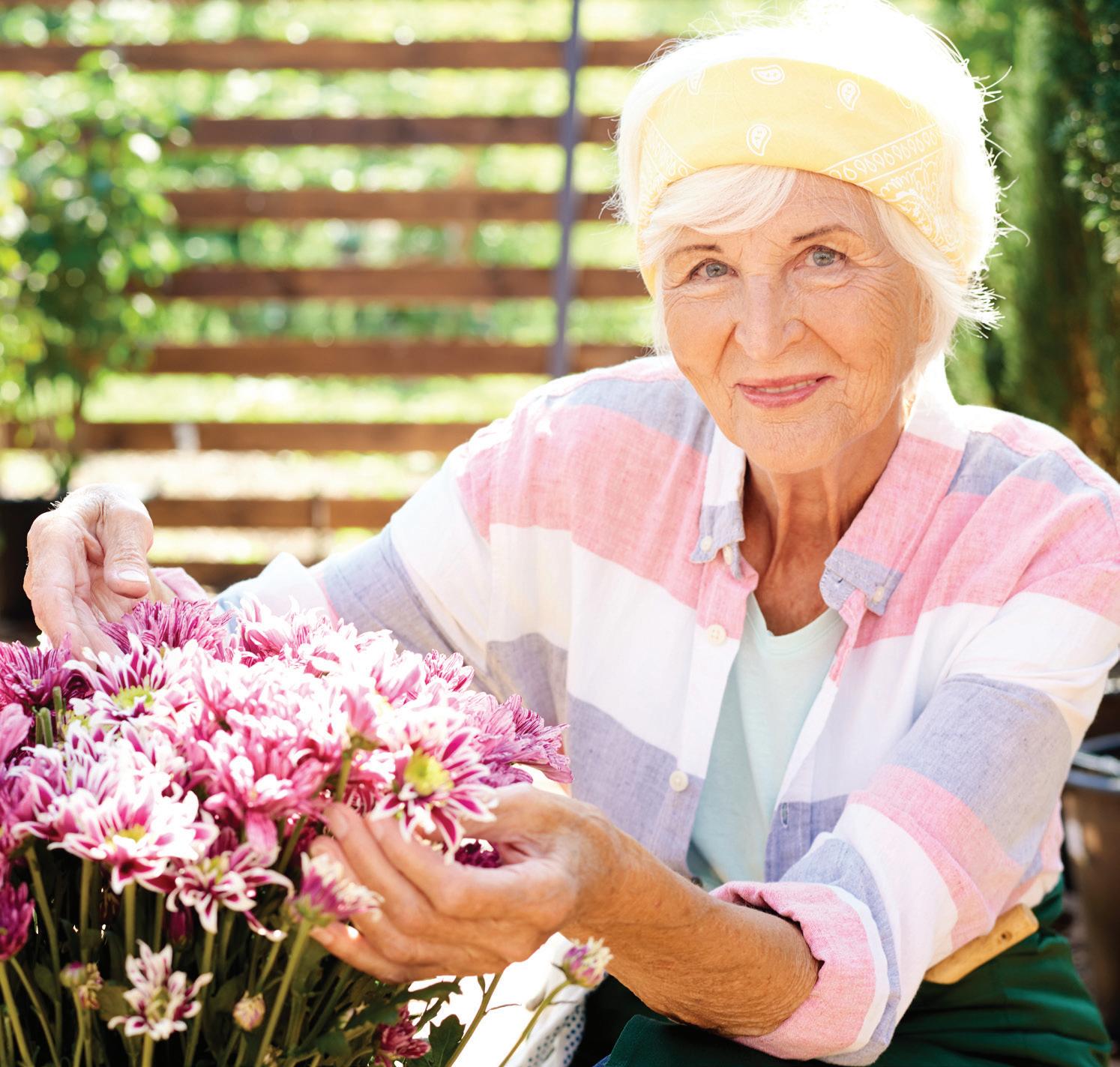
SPENDING TIME IN NATURE HAS LONG BEEN ASSOCIATED WITH A SENSE OF CALM AND RENEWAL.
Today, a growing body of research supports what many people have experienced for years: Regular time outdoors can benefit physical and mental health. For older adults, nature does not have to mean long hikes or rugged adventures. Even brief moments outside — tending a garden, sitting on a porch or walking through a neighborhood park — can help refresh the mind and strengthen the body.
Natural settings offer a break from the constant stimulation of daily life. Studies have found that time outdoors can improve mood, reduce stress and sharpen mental focus.
Green spaces, in particular, appear to support mental clarity. The combination of natural light, fresh air and quiet surroundings can help calm the nervous system and encourage relaxation. Many people report that worries feel more manageable after even a short walk outside. Nature can stimulate the senses in gentle ways. The sound of birds, the movement of leaves in the wind or the smell of flowers and soil can ground attention in the present moment. These sensory experiences are one reason outdoor time is often recommended as a simple mindfulness practice.
Outdoor activities provide opportunities for movement, which is essential for maintaining strength, balance and mobility. Walking is one of the most accessible forms of exercise for many seniors. Whether on sidewalks, trails or garden

paths, a daily walk can support cardiovascular health and help maintain endurance. Gardening is another popular option. Digging, planting and watering involve light physical activity that keeps muscles engaged while providing a sense of accomplishment. Sunlight plays a role in wellness. Exposure to natural light helps the body produce vitamin D, which supports bone health and immune function. Spending time outdoors during daylight hours can regulate sleep patterns.
Not everyone has easy access to forests or large parks, but nature can still be part of daily life.
Balconies, patios and small yards can be transformed into inviting outdoor spaces with potted plants, comfortable seating or a bird feeder. Even a few minutes spent sitting outside with a cup of coffee or tea can create a restorative pause. Community gardens and local green spaces provide additional opportunities to connect with the outdoors while
meeting neighbors and building social ties.
Some people bring elements of nature indoors. Fresh flowers, houseplants and natural light from open windows can help maintain that sense of connection throughout the day.
Incorporating nature into everyday routines does not require major changes. A short walk, a moment in the garden or a quiet seat beneath a tree can offer surprising benefits. Over time, these small habits can support greater clarity, vitality and overall well-being.