

Table of Contents
Social
Interfraternity
IFC
National
NPHC
Panhellenic
Panhellenic

Social
Interfraternity
IFC
National
NPHC
Panhellenic
Panhellenic
Congratulations on your decision to attend Tulane University. At a university with such a unique experience, the number of great opportunities for student involvement can be overwhelming. Our fraternity and sorority community allows members the chance to become involved on and off campus through philanthropic endeavors, academic achievement, and leadership development, all while building and maintaining lasting relationships. Regardless of how far you will travel to New Orleans, your chosen organization will be your home away from home just as your newfound brothers or sisters will become family. For these reasons, joining our fraternal community has the potential to be one of the best decisions you will make in college.
Greek men and women have been part of the longstanding tradition at Tulane since the first fraternity was established here in 1858. Should you choose to become a member of one of our organizations, you will be able to follow in the footsteps of the countless accomplished Greeks who came before you. Our community was founded on the values of friendship, leadership, scholarship, service and philanthropy, and social responsibility. Our members strive to live out these values each and every day.
Your time spent at Tulane University will be among the best years of your life, and we hope that this guide will provide you with a small glimpse into all the ways that Greek life can enhance your experience. We wish you the very best of luck on your college journey and look forward to meeting you in the fall!

Nelda B. Bailey Director of Fraternity & Sorority Programs

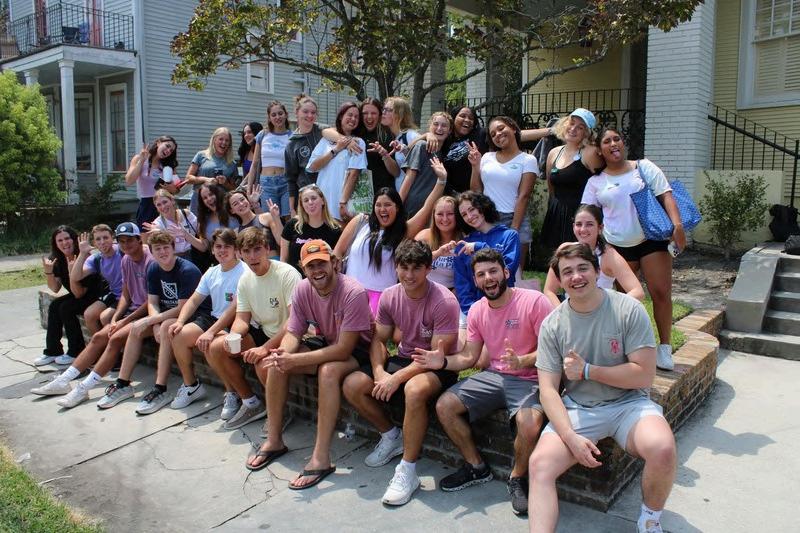
Fraternity and Sorority Programs at Tulane University totals over 3,300 members, close to 39% of the overall student body. Today, our community boasts 25 organizations, 16 campusadjacent facilities, and three councils
Each of our organizations have their own rituals, traditions, and philanthropies, but they all strive to live by the five core values of friendship, leadership, scholarship, service and philanthropy, and social responsibility.
Looking for more information?
Learn more about community statistics, programs, and more at https://greek.tulane.edu/.
Office of Fraternity & Sorority Programs
ThemissionoftheOfficeofFraternityandSororityProgramsisto enrichthecapacitiesofmembersofthefraternityandsorority communitythroughopportunitiesandexperiencesthatdevelop andmaintainthevaluesoffriendship,leadership,scholarship, service,andsocialresponsibility.
TheOFSPstaffcollaboratesandadvises25campusfraternities andsororitieswiththegoalofenhancingpersonalandleadership development,partneringwithstakeholderstocreatea communityofsafetyandaccountability,andprovidingguidance andmentorshipforthestrategicgrowthofthecommunity.
August 19th | IFC & Panhellenic Recruitment Registration Opens
August 22nd | COB Open House
August 26th | IFC Kick Off
September 4th | NPHC Meet the Greeks Session 1
September 12th | NPHC Meet the Greeks Session 2
December 1st | IFC & Panhellenic Recruitment Registration Closes
January 7th | Panhellenic Recruitment Begins
January 14th | COB Begins
January 19th | IFC Recruitment Begins
January 31st | Free Agency Closes
February 7th | NPHC Meet the Greeks

Fraternity and sorority members at Tulane have consistently achieved higher grade point averages and graduate at a significantly higher rate than non-Greek students. Individual chapters and the councils have Scholarship Chairs and academic programming to help members succeed in the classroom. Succeeding in the classroom is important for every member in our fraternity and sorority community. Most of our organizations have minimum GPA requirements for joining and for remaining a member in good standing. Our organizations offer academic support such as study hours, study groups by majors, junior and senior mentorship, and connections to alumni for opportunities such as internships and practicums. Our community is represented in all of Tulane’s colleges!
Statistics for the Spring 2024 Semester
• All-Sorority GPA: 3 561 vs All-Female GPA: 3 464
• All-Fraternity GPA: 3 427 vs All Male GPA: 3 332
• All-FSP GPA: 3.560 vs. All Undergraduate GPA: 3.411
• 537 Students in fraternities and sororities had a 4.0 GPA

Joining a fraternity or sorority is about more than just the social opportunities and relationships. The Office of Fraternity and Sorority Programs also hosts different events throughout the year to encourage members to focus on their own personal, professional and leadership development Leadership programs include:
New Member Orientation
This mandatory half-day experience aims to help newly initiated members learn more about our overall fraternal community and the importance of Greek leadership and hard reduction through learning about topics like bystander intervention, consent, sisterhood/brotherhood, equity, and inclusion.
Leadership Retreat
Our opportunities are free to members of our fraternities and sororities, and new initiatives are always being developed. As a result of participating in our programs, students are:
• More knowledgeable about on-campus resources;
• More self-aware of their own identities;
• Feel more prepared to take on a leadership position or excel in a position they currently hold;
• Feel more confident in their ability to manage peer-to-peer accountability efforts;
• And develop other essential soft-skills that help prepare them for professional aspirations.
Looking for ways to get involved within the fraternity and sorority community?
Check out these opportunities:
Interfraternity Council
National Pan-Hellenic Council
Panhellenic Council
Greek Ambassadors
Educational Workshops
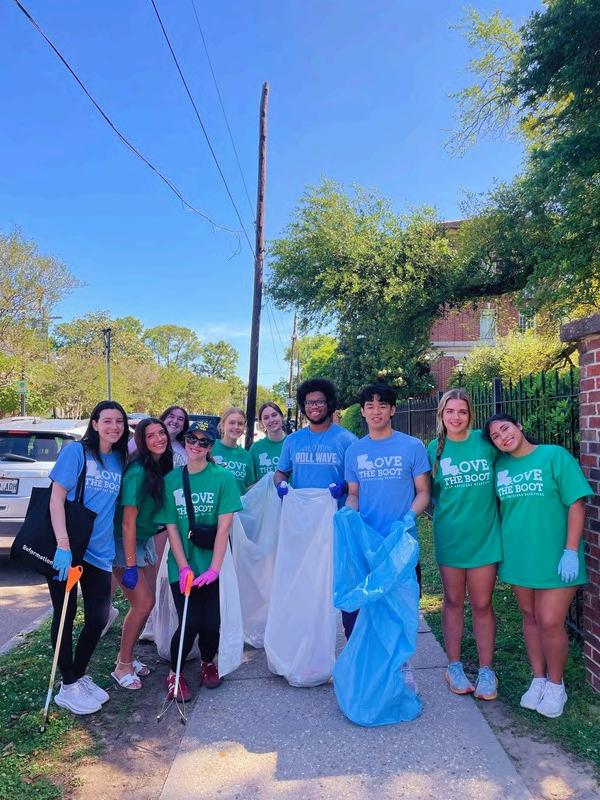
Members are encouraged to give back to the Tulane and greater New Orleans communities through service initiatives, which may be organized by the office, the governing council, and individual chapters. Our chapters support a variety of causes including: breast cancer awareness and research, sexual assault prevention and awareness, local food banks, women’s empowerment issues, access to education, juvenile diabetes research, safe and affordable housing, the local children’s hospital, and so much more. Fraternity and sorority members have the opportunity to participate in:
Love The Boot
Love the Boot is our annual event coordinated with Keep Louisiana Beautiful where fraternities and sororities work in teams to conduct a litter survey and sweep alongside Calhoun, Freret, and Broadway Streets.
Greek Groove
Greek Groove is our annual week-long fundraiser culminating in a dance competition between the fraternities and sororities on campus. This year we donated $32,000+ to the Eden House and BATI School of Hati.
Chapter/Council Opportunities
Every chapter and governing council also plans their own philanthropic events and service opportunities Philanthropy events have included sporting tournaments, performance-based competitions, food sales, and car washes. Service opportunities include roadside cleanup, reading to children at a local elementary school, helping residents at a local assisted-living facility, volunteering at a local 5k or festival, and volunteering at local nonprofit events.
Giving Back to the Community
• 9,500+ Community Service Hours
• 110,000+ Philanthropy Dollars
• 2,500+ In-Kind Donations

Joining a fraternity or sorority is about more than just the social opportunities and relationships. Chapters are reminded of the importance of social responsibility and how an organization is responsible for the impacts of its decisions and activities on society and the greater community. OFSP has a Social Event Training and resources designed to help members develop this skill.
Most students seek Greek affiliation as a way to meet people and develop lifelong friendships Through brotherhood and sisterhood retreats, social events, and a variety of other chapter activities, students are able to build a close network of brothers and sisters to share in their collegiate experience. All organizations host regular, substance-free brotherhood and sisterhood events each semester. Some examples include movie nights, laser tag, yoga classes, athletic events, and more!
Fraternities and sororities look forward to their signature social events each year, which include band parties, formals, semi-formals, themed date parties, and of course Mardi Gras!

Fraternities and Sororities Nationally
Are the largest and most visible values-based organizations on college campuses.
Have the most successful leadership development programs for college students.
Have over 750,000 undergraduate active members that occupy 12,000 chapters at 800 college campuses.
Provide over 10 million hours of volunteer service and raise over 7 million dollars for charitable causes and organizations each year.
Own and manage over $3 billion in student housing facilities.
Total 9 million alumni members across all continents.
Fraternities and Sororities at Tulane
Date back to 1858 when the first fraternity was chartered at.
We have 9 single-letter chapters in our community, and 16 centennial chapters (over 100 years old).
Make up 38% of the undergraduate population.
Provide over 400 leadership opportunities to members through chapter and council executive boards, committees, and community leadership positions.
Consistently earns a higher average semester GPA than the university’s undergraduate average GPA
We are home to 17 Tulane 34 Honorees, the highest honor for a graduating senior, in the last five years.
Averages 9,500 hours of community service annually.
Have raised and donated $110,000+ to local and global charitable causes in this year.
Hold positions and are vital pieces in organizations such as Tulane Undergraduate Assembly, Changemakers, Campus Ambassadors, Wave Leaders, Tulane Wavettes, TUCP, Tulane Marching Band, Tulane Chapter of Mortar Board, Green Wave Ambassadors, Black Student Union, My Brother’s Keeper, My Sister’s Keeper, Tulane Homecoming Royalty, Resident Advisors, Tulane Cheer, Green

BATI School in Haiti
National Alliance on Mental Illness (NAMI)
Leukemia & Lymphoma Society
Make A Wish
Untied Service Organization
American Red Cross
Donate Life
Court Appointed Special
Advocates/Guardian ad Litem (CASA/GAL)
One Love Foundation
St. Jude Children’s Research Hospital
Read > Lead > Achieve
Children's Miracle Network
Girls Love Mail
Huntsman Cancer Institute
Juvenile Diabetes Research Fund
Habitat for Humanity
Saint Baldrick’s
Jewish Women International
Gift of Life
Sharsheret
Elizabeth Glaser Pediatric Aids Foundation
The Independence Fund
Prevent Child Abuse America
Eden House New Orleans
New Orleans Family Justice Center
New Orleans Women and Children’s Shelter
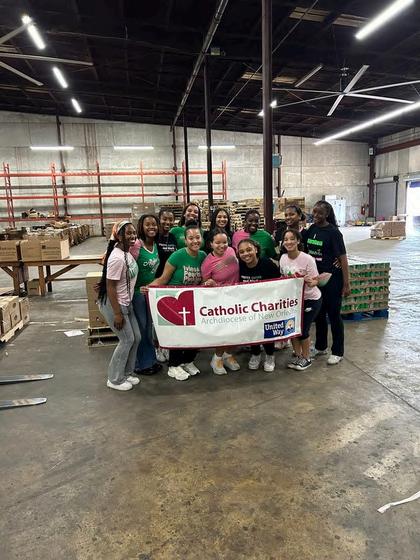
Catholic Charities Food for Seniors
Greenlight NOLA
Grace at the Greenlight
18th Ward
Second Harvest Food Bank
Krewe de Pink
Son of a Saint
Take Paws Rescue
Crawfish Monica at Jazzfest
National Alliance on Mental Illness (NAMI)
New Orleans
SOUL Nola
Food for Seniors
Junior League of New Orleans
Loyola Food Recovery Network
One Book, One New Orleans
Hotel Hope
Children's Hospital New Orleans
Son of A Saint
The Ronald McDonald House Charities of South Louisiana
Crescent City Cafe
University Medical Center New Orleans
New Orleans Abortion Fund
The Green Project
Coalition to Restore Coastal Louisiana
Excite All-Stars
Hollygrove Community Garden
Crown Community Garden
Bayou Bienvenue
Member Organizations
Alpha Epsilon Pi
Beta Theta Pi
Delta Tau Delta
Kappa Alpha
Kappa Sigma
Phi Delta Theta
Phi Gamma Delta
Phi Kappa Sigma
Sigma Alpha Epsilon
Sigma Chi
Zeta Beta Tau
Zeta Psi
Advisor: Neil Bourgeois, Assistant Director of Fraternity & Sorority Progr


The North American Interfraternity Conference (NIC) is the umbrella group for 58 organizations The local Tulane Interfraternity Council (IFC), hosts bi-weekly meetings with chapter presidents to create events, discuss current issues, and support recruitment efforts for its 12 member organizations. On an annual basis, IFC assists with a series of educational and leadership events, regulate member organizations, and lead the community in advocating for positive change. IFC also supports all philanthropic events hosted within the community throughout the year.
The executive board is made up of nine elected positions that include President, Executive Vice President, Director of Recruitment & Retention, Assistant Director of Recruitment & Retention, Director of Communication & Marketing, Director of Diversity, Equity, & Inclusion, Director of Member Development, Director of Health Initiatives, and Assistant Director of Health Initiatives.

Max Lasdon President




Farnan Director of


August 19th | Registration Opens
September 3rd | Fall Convocation
September 4th-6th | Open Houses
October 10th | Quad Day
October 16th | Info Session
November 12th-14th | Open Houses
November 21st | Info Session
IFC Convocation: January 19
IFC Field Day: January 20
Open Houses: January 21–23
4 Chapters will host an open house per night
Interfraternity Council (IFC) Recruitment is a semi-structured process Students interested in joining an IFC fraternity should make every effort to introduce themselves to each chapter and develop a connection with chapter members. To assist in this process, IFC hosts a variety of events that allow recognized fraternities and potential new members (PNMs) to meet
It is important that interested students attend events for each fraternity to determine which fraternity is their best match. Even students who aren’t sure if they’d like to join an IFC fraternity should attend recruitment events to learn more and make an educated decision.
During the fall semester, IFC will be conducting a semistructured recruitment process consisting of information sessions, council-sponsored events, and chapter events.
Free Agency is an informal recruitment process that IFC hosts outside of the formal recruitment period. Fall Free Agency is August 19th - September 6th, and Spring Free Agency is January 25th- 31st
Quad Days are open events to anyone interested in IFC to meet chapters in a casual way. IFC Executive Board members will have a table set up so they can provide more general information about recruitment
“Open Houses” are sponsored by the IFC and allow PNMs to meet active members of each organization. PNMs will have the opportunity to visit chapter facilities/approved locations on designated days IFC’s Instagram will have a full list of facilities/locations for all Open Houses.
Convocation is the kick-off to the Spring recruitment process which will take place on January 19th Attendance is required to participate in Recruitment.
Info Sessions are open events to anyone interested in IFC to receive information on recruitment requirements and logistics. The chapter expo will take place directly after the formal presentation.
Pref Night January 24
Each Chapter will be required to host at least one event during the week.

Casual T-Shirt paired with shorts
IFC Convocation
IFC Field Day
Quad Days
Nice Polo paired with khakis or chinos
Open Houses


Business Professional Suit Preference Night
REGISTER FOR RECRUITMENT VISIT A FALL EVENT
ATTEND IFC CONVOCATION GET EXCITED FOR JANUARY!
Member Organizations
Alpha Phi Alpha Fraternity, Inc.
Alpha Kappa Alpha Sorority, Inc
Delta Sigma Theta Sorority, Inc.
Zeta Phi Beta Sorority, Inc.

Advisor: Nelda B Bailey, Director of Fraternity & Sorority Programs
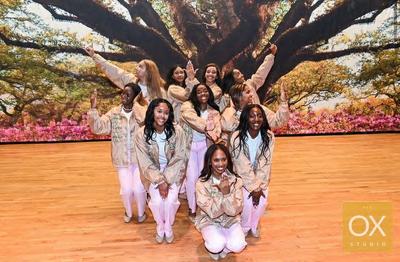
The National Pan-Hellenic Council (NPHC), also referred to as the Divine Nine (D9) or Black Greek-Lettered Organizations (BGLOs), is the coordinating council for the five historically African American Greek- letter fraternities and sororities at Tulane. The purpose of the National Pan-Hellenic Council is to foster cooperative actions of its members in dealing with matters of mutual concern.
To this end, NPHC promotes the well-being of its member organizations and provides leadership development for its constituents NPHC holds bi-weekly meetings with its executive board of four officers and a delegate from each organization to collaborate and discuss issues that impact NPHC and Tulane NPHC at Tulane serves as the communication link between its member organizations, university administrators, other Greek governing councils, and the student body at-large NPHC is committed to upholding the core values of scholarship, leadership, friendship, and service by developing, implementing, and supporting impactful and engaging programming designed to meet the needs of students on Tulane’s campus and the greater New Orleans area.



Avery Liggon President
Treasure Joiner Vice-President

Secretary

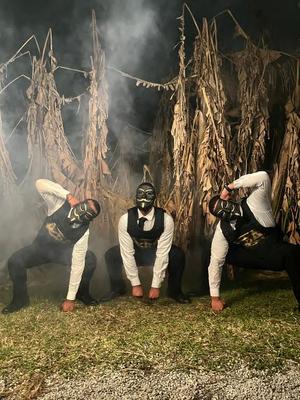
NPHC, “Divine 9/D9,” sororities and fraternities initiate new members through a membership intake process. This engagement starts either with an Informational Meeting or an Interest Meeting. An Informational Meeting is a meeting to learn more information about said organization. An Interest Meeting is a specific event in which individuals attend who are interested in joining an organization to help the organization determine how many qualified candidates for membership intake may exist. Each sorority or fraternity holds their process at their own specified time within a given fall or spring academic term.
After the initial meeting, potential new members (or candidates) are asked to complete a membership application and show proof that they have achieved the organization’s minimum membership standards. Typically, this includes being a full-time undergraduate student with 12-26 credit hours completed, at least a 2.5 GPA, and 30 hours of community service. Requirements vary based on each organization
Following the submission of an application, interviews and selections will take place. After intake, there is a period of membership education which can vary in length depending on the organization, but lasts no longer than eight weeks. Following this period, new members will be initiated into their organizations (often referred to as “crossing”) and participate in some sort of “reveal” or “new member presentation” in which members are recognized and unveiled to the University community.
ATTEND MEET THE GREEKS
FOLLOW @TU NPHC
FOLLOW OUR CHAPTERS ON
ATTEND FORMAL

MEMBERSHIP INTAKE CHECKLIST Business Professional


September 4th | Meet the Greeks h | Meet the Greeks Meet the Greeks at one session is


Alpha Delta Pi
Alpha Epsilon Phi
Chi Omega
Delta Delta Delta
Kappa Alpha Theta
Kappa Kappa Gamma
Phi Mu
Pi Beta Phi
Sigma Delta Tau


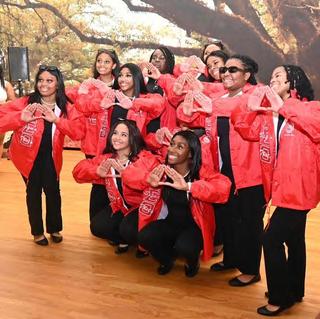
The National Panhellenic Conference (NPC) is the umbrella group for 26 organizations, 9 of which have chapters on Tulane’s campus The purpose of NPC is to be the “premier advocacy and support organization for the advancement of the sorority experience.” At Tulane, the Panhellenic Council (Panhel) is the subset campus organization that supports the Panhellenic chapters on campus. The Panhellenic Council has elected executive members to act as liaisons between the university and chapter members to create legislation, support recruitment of members, promote academic excellence, create educational programming, and more. The council meets bi-weekly with one representative from each Panhellenic chapter to collaborate and have open discussion about current issues
The Panhellenic Council executive board is made up of women from different chapters who disassociate to promote the ideals of scholarship, leadership, friendship, and service. The eight executive positions include President, President-Elect, Vice President Administration Vice President Equity Diversity & Inclusion, Vice Pr , Vice President Public Re ssistant,









Panhellenic Recruitment is a four-round mutual selection process that takes place in the spring semester. During recruitment potential members meet all sororities and make daily selections about which groups they hope to visit again Likewise, after each round the sororities extend invitations to the potential members they are most interested in Potential New Members (PNMs) are expected to move in their residence halls before the general student body
*We strongly recommend making refundable airline reservations in case a students’ final fall academic record makes them ineligible to participate; those who are ineligible will not be able to move into their residence halls.
Continuous Open Bidding (COB) is an informal recruitment process that Panhellenic hosts outside of the formal recruitment period While all 9 Panhellenic Organizations participate in Formal Recruitment, not all 9 organizations will participate in COB COB begins on the Second Day of classes in the fall semester and after Bid Day in the spring semester
Deferred recruitment refers to the practice of delaying the formal recruitment process for potential new members (PNMs) until a specified time after they've begun their college experience. This delay allows students to acclimate to Tulane, focus on academics, and make informed decisions about joining Greek organizations. Remember, joining a sorority is a significant decision that should be based on personal values, interests, and goals. By approaching deferred recruitment with diligence and integrity, PNMs can make informed choices and contribute positively to the Greek community
FALL 2024 TO-DOs
REGISTER FOR RECRUITMENT
ATTEND CHAPTER PHILANTHROPY EVENTS
ATTEND PRETZELS W/ PANHEL
ATTEND GREEK GROOVE
GET EXCITED FOR JANUARY!
January 6
Kick-Off
ThisistheintroductiontoallthingsRecruitment, Sorority,andLogistics YouwillmeetyourRecruitment Counselor(RC)aswellasyourRCGroup.Attendanceis requiredtoparticipateinRecruitment
ThevibeforKick-Offisnicecasual,thismeansjeansor pants,anicetop,andsomethinglikebootsorsneakers

January 7-8
Open House Round ThisisthefirstroundofRecruitment,andit’ssplitover twodays Youwillmeetall9chapterswhiletravelingin yourRCGroups Thesearetheshortesteventsduetothe volumeofPNMs,soitmayfeellikeit’spassingquickly YouwillsubmityourpreferencesattheendofDay2

January 9
Philanthropy Round PNMswillhaveamaximumof7chaptersontheir schedulethisday,andyouwilllearnabouteach chapter’sphilanthropythattheysupport,andwhat eventstheyholdtoprovidesupportandraise awareness
Thevibeforopenhouseisnicecasual,thismeansjeans orpants,anicetop,andniceshoes Therearetwodays ofopenhouseanditistotallyokaytowearthesame outfitforbothdaysifyouwantto!
ForPhilanthropyyouwillwearashirtwewillgive you–itsasurprisewhatitlookslike.Mostpeople wearjeansoranicerpairofpants–itsuptoyou!
January 10
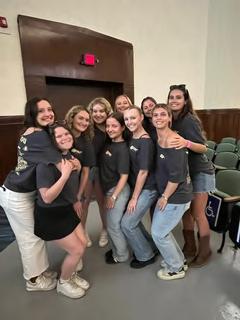
Sisterhood Round Onthisday,youmayvisitamaximumof5chapters Thisdaypresentsanopportunitytolearnmoreabout eachPanhellenicsorority’ssisterhood Again,atthe endofthisdayyouwill submityourpreferences Nowforsisterhood,thingsgetalittlefancier,most peopleweardressesornicepantsandatopwith eitherbootsorheels.Weliketothinkofthisdayasthe samevibesaswhatyoumightweartobrunch.
January 11

Preference Round Preferencedayisthefinal“round”inwhich youwillbesubmittingpreferences Preference dayhasourlongesteventtimesandpresents youwiththeopportunitytohavemore personalandin-depthconversationswithour activemembersinamaximumof2chapters Thisisatrulyspecialday
Preferenceisthefanciestofalltherounds–mostpeoplewearcocktaildressesandheels!

January 12
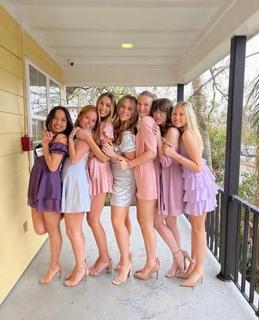
Bid Day Bidday!Thedayyou’veallbeenwaitingfor andtheculminationoftherecruitmentprocess, whenyoureceiveyourbid,runhome,andall thatfunstuff.
NeutralT-Shirtsandcomfortablebottomsand shoes
Costs can vary greatly by chapter, but it is important to educate yourself on the cost to join a group before you commit, as most groups require a commitment of at least one full semester once you accept a bid. The recruitment and intake processes offer a great opportunity to ask questions about financial obligations.
Dues go toward (Inter)National fees, chapter operating costs, and social functions. New members should expect to pay higher dues their first semester due to initiation fees. There also may be additional costs throughout the year for event photos, extra t-shirts, and other fees.
In addition, all members of the fraternity and sorority community pay a Greek activity fee.
Interfraternity Council Fraternities
$600–$1,800 per semester
Plus $25 Greek Fee without a chapter facility per semester
Plus $45 Greek Fee with a chapter facility per semester
Multicultural and National Pan-Hellenic Council Fraternities and Sororities
$300–$500 per fiscal year
Some include a $1,000 - $2,500 one-time fee in the first semester
Plus $15 Greek Fee per semester
Panhellenic Sororities
$650–$1,000 per semester
Plus $200–$400 one-time fee in the first semester
Plus $20 Greek Fee per semester
A financial commitment is part of joining a fraternity or sorority. In order to operate, chapters charge membership dues once a semester Members with facilities may require members to live in the house after they have fulfilled their on-campus live-on requirement Additionally, chapters with houses may have a meal plan for members starting the semester they join the organization and lasting the duration of a students’ membership.
Families play a large role in a student’s college career and in their decision to join a fraternity or sorority. Whether or not your family has a history of fraternity and sorority involvement, the Office of Fraternity and Sorority Programs is here to help you along the way. We greatly value the role that families play in the lives of their students and look to you as an ally in making every fraternity and sorority experience the best that it can be.
What are the financial obligations of joining?
Costs to be a member of a fraternity or sorority can vary greatly by chapter, but it is important to know ahead of time that there will be some costs associated. The dues go toward (inter)national fees, chapter operating costs, and social functions New members should expect to pay higher dues their first semester due to initiation fees This is an expectation of membership
Who runs the fraternities and sororities?
Students elect their own officers to manage the dayto- day operations of the organization These officers are assisted by chapter members serving on committees and alumni who serve as advisors to the officers and general chapter members. Chapter facilities are owned by a house corporation that oversees the facility’s management and operations. Each chapter is governed by its (inter)national headquarters and governing council on campus. Additionally, the Office of Fraternity and Sorority Programs Staff supports and advises the governing councils, chapter officers, and chapter advisors.
How can families be involved in the OFSP Process?
Family members should be there to support their student while in college. One of the most important aspects of supporting your student through navigating their fraternity/sorority experience is empowering them Empower them to do their research on the chapter/organization, ask questions, keep an open mind, and talk openly about what they are excited about, as well as what is making them nervous Not all families have a background in fraternal organizations, so reach out to the Office of Fraternity & Sorority Programs, the chapter advisors, or the inter/national organization’s headquarters. Once your student is a member, there are many other ways to be involved, such as family weekends, newsletters, and other events!
What is the time commitment of members?
Time commitment varies, but one can expect to invest more time during the first semester in the new member education program. Most chapters require a weekly meeting, and you'll have other planned commitments throughout the semester like service projects, philanthropy events, and ritual ceremonies.
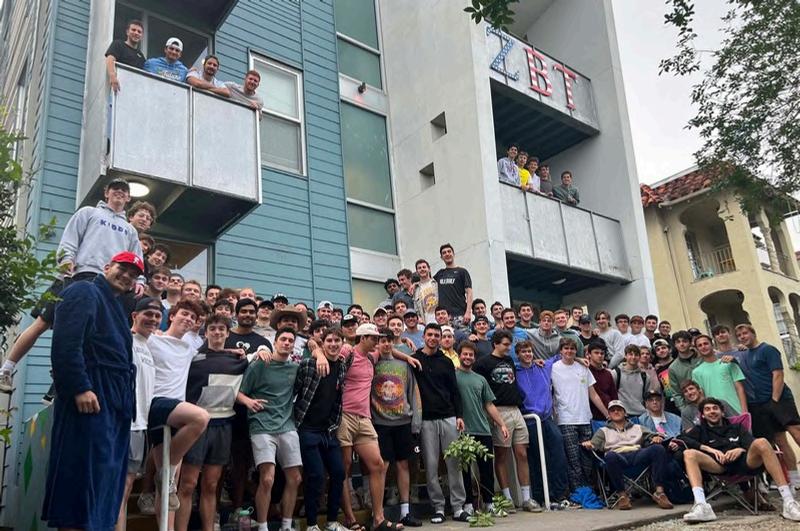
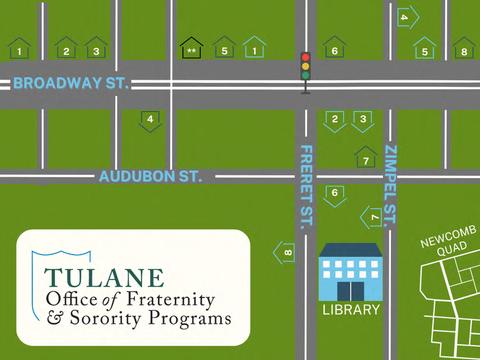
Tulane University is fortunate to have some of the unique New Orleans culture within their off-campus fraternity and sorority houses All first-year, second-year, and third-year students at Tulane University are expected to live in residence halls for the duration of the contract they will sign this summer for both fall and spring semesters. This means that students will be responsible for the full cost of their University Housing contracts for the fall and spring semesters.
Third-year students may apply for an exemption to this live-on requirement if they wish to live in their organizational facility. Some IFC Chapters do offer a Tulane Fraternity dining plan which members b f f b d housing.tulane.edu

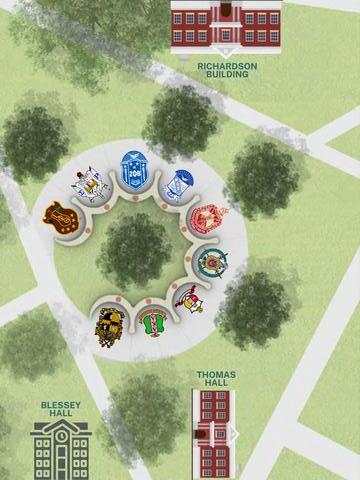
Three different membership recruitment processes exist for fraternities and sororities to take in new members. Each process will be explained in detail in the following pages. Please note that all organizations have a cost associated with membership. To learn more about these costs, please see page 9.
The Tulane University Fraternity & Sorority Community participates in deferred recruitment, meaning entering first-time first semester freshmen may not join fraternities and sororities. Deferred recruitment allows students the opportunity to adjust to academic life at Tulane before taking on the additional time commitment of a Greek organization.
Eligibility Requirements
be full-time, degree-seeking Tulane students have earned 12 hours with a minimum 2.5 cumulative grade point average in those hours. For students whose first semester of enrollment at Tulane will be Spring 2024, at least 6 of those 12 hours must be from graded, college-level courses accepted for credit by Newcomb-Tulane College.
be in good standing with Tulane.
For the purposes of recruitment and intake, good standing is defined as not having received a Student Conduct sanction of Disciplinary Probation or Deferred Suspension and not being placed on Honor Board Probation for academic misconduct. attend Council-Specific Introductory Session
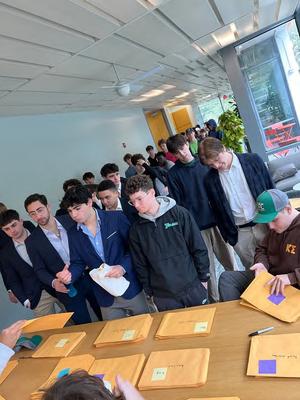
IFC Convocation; NPHC Meet the Greeks; Panhellenic Kick-Off
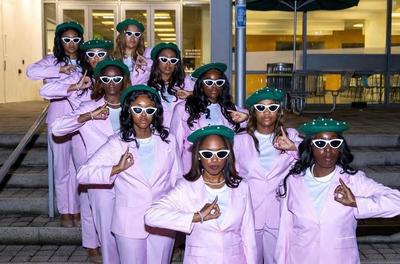
Interfraternity Council Recruitment
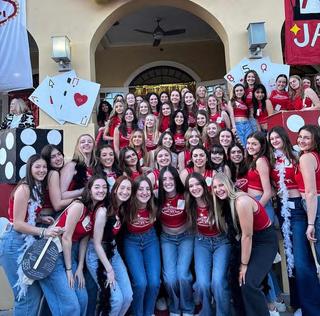
The fraternities that are members of the North American Interfraternity Conference participate in IFC Recruitment, which gives men a chance to get a feel for fraternity life. See page 11 for more information
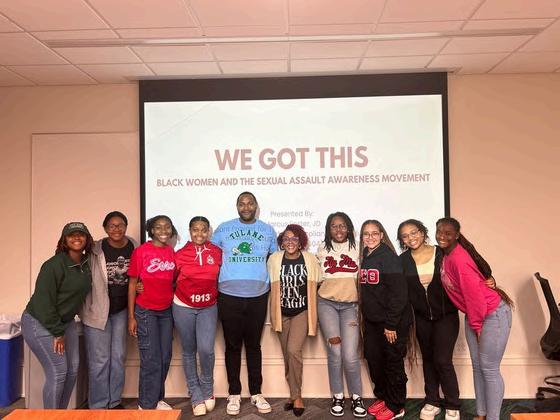
NPHC Membership Intake
The fraternities and sororities of the National Pan-Hellenic Council participate in membership intake, which is organized by the individual chapters See page 13 for more information
Panhellenic Sorority Recruitment
Th iti th t b f th N ti l P h ll i C f ti i t i P i

What is the difference between the councils?
25 Chapters > 3 Councils > ONE WAVE
There are 3 councils at Tulane that promote the wellbeing and interests of their chapters through accountability, programming, and advocacy.
• Interfraternity Council (IFC) represents 12 international men’s fraternities.
• National Pan-Hellenic Council (NPHC) is composed of nine historically black sororities (4) and fraternities (5). Also known as the “Divine 9,” Tulane is home to four active NPHC organizations.
• Panhellenic Council (Panhel) represents 9 international women’s organizations.
can I join an organization?
The Tulane University Fraternity/Sorority Community participates in deferred recruitment, meaning entering first-time first semester freshmen may not join fraternities and sororities. Upperclassmen and transfer students may join our community at any time. Not all chapters will take classes of new members each semester, so seeking information on social media, the Office of Fraternity & Sorority Programs, or current members will better prepare you for joining at your own time Chapters will typically take at least one new class per academic year with processes beginning at the start of the fall and spring semesters
Do we need letters of recommendation?
Letters of recommendation are extra credit when it comes to joining a Panhellenic organization They are not required, and, while some organizations don’t accept them at all, each organization has their own policies around who can write them, where they should be submitted, and how they should be submitted Contact the organization or check out the organization’s national website for more information Letters of recommendation are not needed for IFC recruitment. Some NPHC organizations may require a letter of recommendation, but interested students can find that information during their interest or informational meetings.
Do I have to move-in early for Recruitment?
For the Spring semester, moving into University Housing requires students to make an appointment to move in. Those that are registered for Panhellenic Recruitment through Campus Director are guaranteed an early move-in appointment leading into recruitment Students participating in IFC Recruitment or NPHC Membership Intake will not need to move-in early as their processes begin after the First Day of Classes For more information about the move-in process, visit the University Housing website (housing.tulane.edu) and be sure to check your Tulane email regularly.
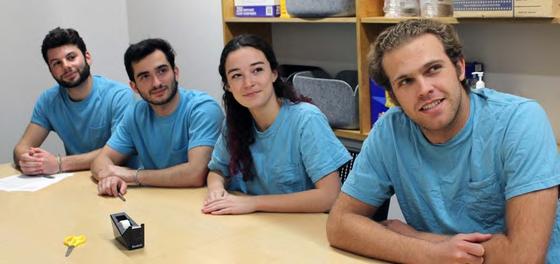
The fraternity and sorority community is committed to members having a safe, fun and memorable Greek experience Our community education focuses on harm reduction topics including: bystander intervention, event management, hazing, mental health, sexual assault and interpersonal violence, and substance abuse
The Office of Fraternity and Sorority Programs partners with several other offices on campus to provide education to the community. Additional educational opportunities include an online anti-hazing module for all incoming members of our community, reviewing social events for the best risk management practices, organizational concern investigations, and a parent informational video about new member education available on our website.
Tulane University Hazing Policy
Hazing includes, but is not limited to, acts of servitude and/or behavior that humiliates, degrades, embarrasses, harasses, or ridicules an individual, or otherwise is harmful or potentially harmful to an individual’s physical, emotional, or psychological well-being, as an actual or apparent condition for initial or continued affiliation with any group. A student or organization violates this standard regardless of either the lack of intent to cause harm or the hazed individual’s own willingness to participate. Unless affirmative steps were taken by the responding student or organization to prevent the hazing behavior, conduct charges may be brought against the group, officers of the group, and members of the group who are deemed to have encouraged, witnessed, or knew about the behavior, in addition to any conduct action against persons who engaged in the hazing behavior itself.
Tulane’s full policy can be found here.
Hazing Penalties
Any student or organization found responsible for hazing that meets Louisiana statutory definition of hazing will, at a minimum, be suspended from the university, and may face imprisonment up to 5 years and/or fines up to $10,000. Hazing is defined by the state of Louisiana as follows:
Hazing means any intentional, knowing, or reckless act by a person acting alone or acting with others that is directed against another when both of the following apply:
The person knew or should have known that such an act endangers the physical health or safety of the other person or causes severe emotional distress.
The act was associated with pledging being initiated into affiliating with participating in holding
You may file a report anonymously, but it is important to know that doing so may make it difficult for the appropriate office to effectively follow-up on the information provided in the report.
Click here for the Online Concern Report Form.
Provide supporting documentation, when available. This may include such things as e-mails, photographs, audio or video recordings, text messages, social media screen shots, etc.
Paint as complete a picture as possible, but avoid reporting conjecture, hearsay, rumors without supporting information, etc. Include specific details to show us why you feel that somebody’s actions are weird, alarming, threatening, etc.
• body language / postures
• tone / volume of voice
• personal space invasions
• language used
• focus of attention
• method of communication
• information about the location, layout, or physical environment that is appropriate
Forms should be filled out with complete, accurate and specific information when known. Please know that reporting anonymously, or with incomplete or inaccurate information, may impair or delay the University’s ability to take the appropriate action needed.
Suspended Organizations as of July 2024
Pi Kappa Alpha (Pike)
Sigma Phi Epsilon (SigEp)
Unrecognized Organizations as of July 2024
828
Delta Kappa Epsilon (DKE)
Sigma Alpha Mu (Sammy)
*Unrecognized Organizations operate without the oversight, training, and education provided by staff in the Office of Fraternity and Sorority Programs nor by any national organization.




Active: A fully initiated member of a fraternity/sorority.
Advisor: An alumnus member who serves as a resource for the active chapter and liaison between the alumni and collegians.
Alumni: Members of a fraternity who have graduated. (Singular is alumnus.)
Alumnae: Members of a sorority who have graduated. (Singular is alumna )
Aspirant: A prospective member of an NPHC fraternity or sorority. Candidate may also be used.
Badge/Pin: An item of jewelry given to members upon initiation. The badge is to be worn at all official functions. The badge must be worn with business-like attire, usually over the heart and above all other pins.
Bid: An invitation to join a fraternity or sorority. They are given out on Bid Day during formal recruitment.
Bid Day: The last day of recruitment where potential new members receive formal invitations to join a fraternity or sorority.
Call: A yell used mostly by NPHC. Used to identify and greet brothers and sisters Non
Chapter/Entity: A branch of a national sorority or fraternity, established at a campus Each will have its own name, usually designated by Greek letters.
Collegian/Collegiate: An initiated member of a fraternity or sorority currently in college. Formerly known as active
Colony: A new organization that is awaiting official recognition from its national office to have a chapter at a campus.
Expansion/Extension: When an organization is looking to expand and open a new chapter at a school.
Founders Day: An event celebrated by fraternities and sororities to highlight the founding of their organization and celebrate its history. It’s not necessarily held on the day the organization was founded.
Informational: A forum for individuals interested in seeking more information about joining a particular NPHC fraternity or sorority.
Initiate: A person who has recently learned the ritual of a fraternity or sorority and is a full member
Initiation: A ceremony where a new member becomes a full member of the organization. Initiation ceremonies are private and different for all organizations.
Intake: Term for the process by which MGC and NPHC members select and educate new members of the organization.
Interest Group: A group of individuals on campus in the first stage of the process leading to installation as a chapter of a Greek-letter organization.
Legacy: The son, daughter, brother, or sister of an initiated or alumnus/alumna member. Some organizations also include grandchildren, step-children, or other family members.
Line: The new member class of MGC and NPHC organizations that are often named.
Multicultural Greek Council: The governing board for culturally based Greek-letter fraternities and sororities at the Tulane University. Neophyte: New member of an NPHC organization. Also called a neo
New Member: A person who has accepted a bid but is not yet initiated to a sorority or fraternity.
National Panhellenic Conference:
The National Panhellenic Conference (NPC) is the organization that governs 26 national women’s sororities.
National Pan-Hellenic Council:
The National Pan-Hellenic Council (NPHC), the coordinating body of the nine traditionally African-American fraternities and sororities, also known as the Divine Nine.
North-American Interfraternity Conference (NIC):
A national organization comprised of 69 men’s fraternal organizations, each of which is autonomous as a social, Greek-letter society of college men.
Philanthropy: A charitable service project held by a fraternity, sorority, or both Tulane Greek students perform a number of these projects each year, and most inter/national fraternities and sororities require their chapters to do one large project per year.
Pledge: A person who has accepted a bid but is not yet initiated to a it f t it Thi t i
Potential New Member: A person who is interested in joining a Greek-letter organization and will participate in IFC or Panhellenic Recruitment; often abbreviated to PNM.
Preference: The final events held by Panhellenic Council organizations during Formal Recruitment. These events are more formal than the previous events and usually include a ritual that potential new members can participate in. Also known as Pref
Quota: A specific number of women to which each Panhellenic Council sorority may extend membership during a formal (spring) recruitment period This number is determined by the Panhellenic Council each year in conjunction with the National Panhellenic Conference.
Recolonize: A process where a fraternity or a sorority that was previously on campus revives its h t t it b
Recruitment: The process through which Panhellenic sororities and IFC fraternities get new members. Potential New Members visit each organization, are invited to different events, and meet members of each organization
Ritual: The traditional rites and ceremonies of a fraternity or sorority; these are almost always private and known only to initiated members of a fraternal organization
Sister or Soror: A term used by members of women's fraternities or sororities when referring to one another. NPC organization members generally use “sister, while NPHC organization members commonly use “soror.”
Total: The maximum number of members a Panhellenic Council sorority may have on a given campus. At Tulane total is reset to the average chap semeste
Expectations of membership vary between chapters. Typically, chapters have requirements based on categories listed below. These are great things to ask about during the recruitment/intake process as they are not only considered prior to joining a chapter but are requirements throughout membership.
Maintain a minimum GPA
Attend chapter meetings and events
Be involved in other organizations on campus
Complete service hours
Support the organization’s philanthropy efforts
Be involved with committees within the chapter
Maintain financial good standing
Uphold the values of the organization
New members and active members have the ability to make their experience more impactful by taking on leadership roles, serving on committees, running for elected positions in their chapter or council, and many other opportunities. These are all options to go above and beyond; however most chapters will require a minimum level of participation to be an active member. These requirements will depend on the chapter, but most will hold weekly meetings for new and active members, ritual ceremonies, and philanthropic/service projects throughout the semester. Events are planned in advance so as to allow time to study, work, and uphold other commitments! Sorority and fraternity involvement is just one aspect of our members’ collegiate experience; so always remember that you are a student first.




National Founding: 1851
Local Founding: 1906/2013
Symbol: Diamond & Alphie the Lion
Colors: Azure Blue and White
Nickname: ADPi
Spring Term GPA: 3 545
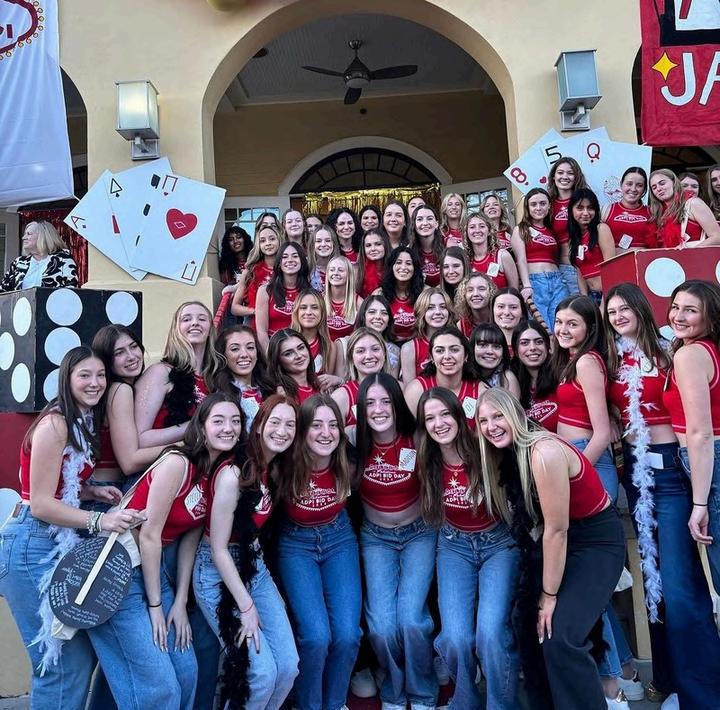
Alpha Delta Pi was founded in 1851 at Wesleyan College in Macon, Georgia by Eugenia Tucker Fitzgerald and five of her fellow enterprising and ambitious peers Originally named the Adelphean Society, we were the first secret society for college women in the world. Founded upon the ideals of loyalty, charity, and academic excellence, Alpha Delta Pi has created an inviting and supportive community for collegiate women for over 170 years.
The Epsilon Chapter here at Tulane University was founded on November 2nd, 1906. Since that date, we have dedicated ourselves to our community, national philanthropy, and one another. Alpha Delta Pi's national philanthropy is the Ronald McDonald House Charities, a branch of which we are fortunate enough to have here in New Orleans. Our members are not only able to fundraise for our cause through events like bake sales or collaborations with businesses, but also work directly with the families living in the house. These hands-on experiences create invaluable memories for both our members and the families.
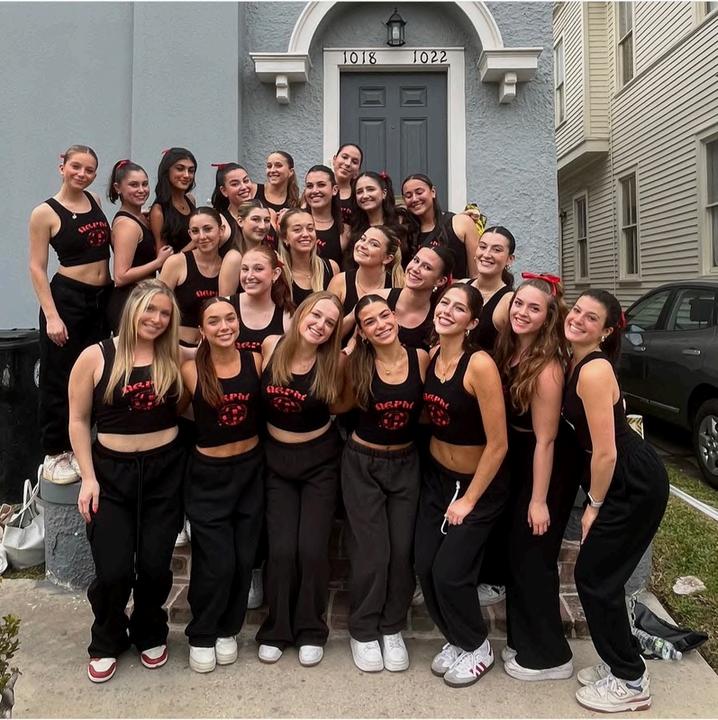
discovery and development of each member's unique talents The sorority welcomes exemplary women from all backgrounds who honor, respect, and appreciate its heritage. Founded on October 24, 1909, by seven Jewish women at Barnard College in New York City, Alpha Epsilon Phi aims to cultivate lifelong friendship, sisterhood, academics, social involvement, and community service, providing a home away from home for its members. This dream, conceived in a dorm room, continues to thrive on over 50 college and university campuses across the US and Canada.
The mission of Alpha Epsilon Phi is to inspire and support exemplary women dedicated to friendship and lifelong commitment while honoring the vision of its Jewish founders. Above all, the sorority inspires women enriched by sisterhood, dedicated to selfless service, and committed to intellectual growth. As lifelong members, individuals pledge to respect shared heritage, uphold high ideals, fulfill membership responsibilities, and embody the values of beauty, strength, and wisdom symbolized by its insignia's three pillars.

National Founding: 1909
Local Founding: 1916
Symbol: N/A
Colors: Green and White
Nickname: AEPhi
Spring Term GPA: 3.576
@AEPHITULANE

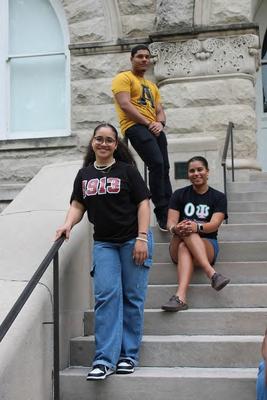
National Founding: 1913
Local Founding: 1951
Symbol: Lion
Colors: Blue and Gold
Nickname: AEPi
Spring Term GPA: 3.574
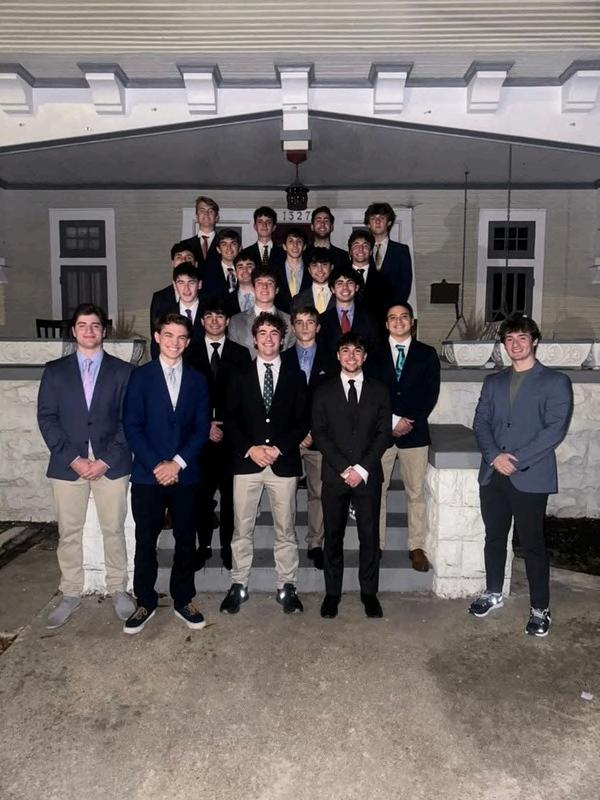
support for Jewish communities and Israel. We want AEPi to be an enjoyable experience. Our core values are faith, humility, perseverance, mutual helpfulness, and honesty
After a three year absence, our fraternity returned to Tulane’s Fraternity Community in 2023. Our local chapter is based on the idea of brotherhood, philanthropy, and self-improvement while also having a fun time. We are currently doing community service/philanthropy events all over New Orleans. We have planted trees at the Bayou, volunteered at local shops like Crescent City Cafe, and had bake sales right on campus to support Son of a Saint. We have also distributed free Israel flags to students on campus Our members are disciplined, tough, and always willing to change for the better We want people to know that we find a way to balance having fun with community and self-improvement.
Omicron Psi Chapter
National Pan-Hellenic Council
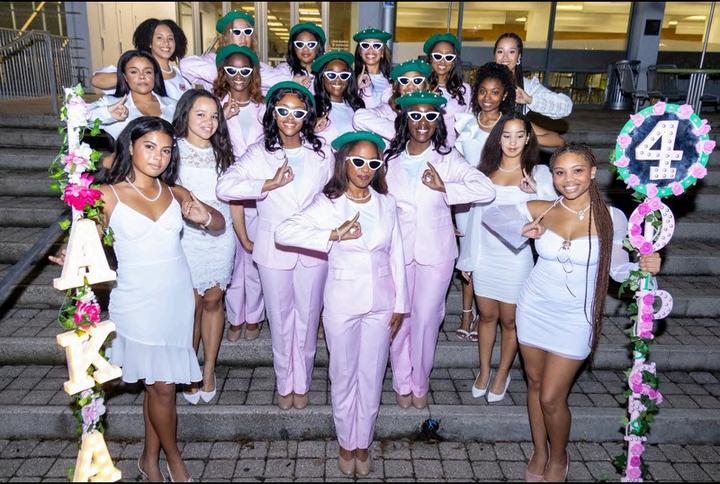
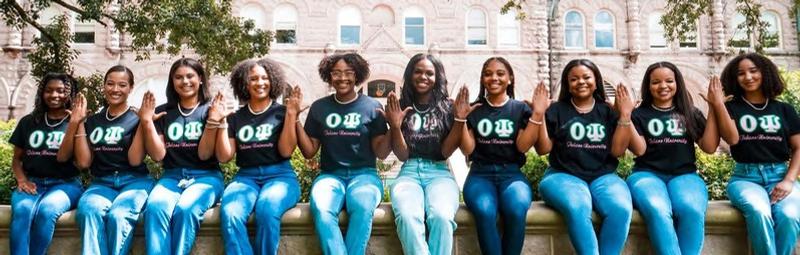
AlphaKappaAlphaSorority,Incorporatedisaninternationalservice organizationthatwasfoundedonJanuary15,1908,onthecampusof HowardUniversity.AlphaKappaAlphaSorority’smissionistocultivate andencouragehighscholasticandethicalstandards,topromoteunity andfriendshipamongcollegewomen,tostudyandhelpalleviate problemsconcerninggirlsandwomeninordertoimprovetheirsocial stature,tomaintainaprogressiveinterestincollegelife,andtobeof “ServicetoAllMankind.”
OmicronPsiistheTulanechapterofAlphaKappaAlphaSorority, Incorporated,charteredonApril15,1990bythe20ProgressiveSistersof Tulane.Throughourserviceopportunities,bondingactivities,informative programming,anddedicationtoacademicsuccess,wehopetocontinue toupholdthevaluesofsisterhood,scholarship,andservicethatour foundingmembersandchartermembersstoodfor.
AfunfactaboutourorganizationisthatacclaimedpoetMayaAngelou andaward-winningdirectorAvaDuvernayarehonorarymembersofthe organization.Inourchapter,oneofourchartermembers,theHonorable RhondaGoode-Douglas,isaCriminalDistrictCourtJudgeinOrleans parish.InSpring‘24,ourchapterconsistsof18members,makingitthe largestsizeofthechaptersince2000.
National Founding: 1908
Local Founding: 1990
Symbol: Ivy Leaf Colors: Salmon Pink & Apple Green
Nickname: AKAs Spring Term GPA: 3.516

National Founding: 1906
Local Founding: 1989
Symbol: Sphinx
Colors: Black and Old Gold
Nickname: Alphas
Spring Term GPA: 3.152
National Pan Hellenic Council
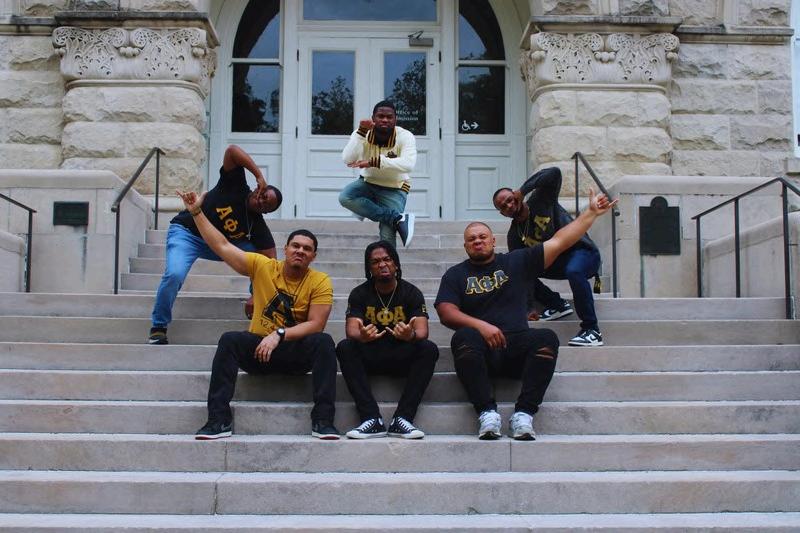
Alpha Phi Alpha Fraternity, Inc. is the first intercollegiate historically African American Greek-lettered fraternity. Founded on December 4, 1906, at Cornell University in Ithaca, New York, Alpha Phi Alpha has a rich history of fostering leadership, academic excellence, and advocacy for the African American community. Our mission is to develop leaders, promote brotherhood and academic excellence, while providing service and advocacy for our communities. We uphold the values of Manly Deeds, Scholarship, and Love for All Mankind Through our initiatives, Alpha Phi Alpha aims to address social issues, uplift communities, and foster the development of young leaders.
The Rho Iota Chapter of Alpha Phi Alpha Fraternity, Inc. was chartered on November 16th, 1989, at Tulane University. Since its inception, Rho Iota has been committed to upholding the values and mission of the fraternity. The chapter has a rich legacy of service, leadership, and academic excellence within the Tulane University and Greater New Orleans communities Rho Iota continues to cultivate a brotherhood that emphasizes personal growth, academic achievement, and community service.
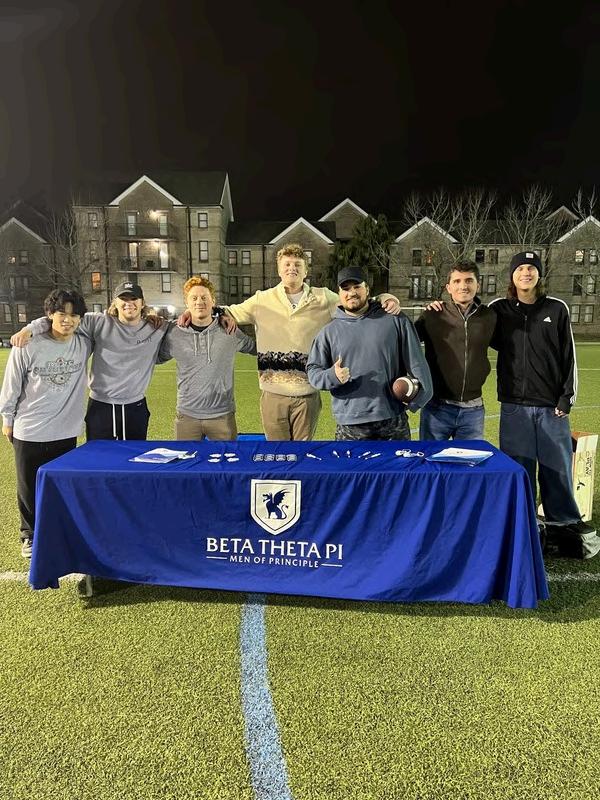
y p y p Union Literary Societies but had greater aspirations for their own organization.
Our local chapter, Beta Xi, was reestablished in the Fall 2023 semester. Beta Theta Pi has found a home on campuses across the United States and Canada since 1839. Among the oldest of all college fraternities, today Beta’s lifetime membership exceeds 215,000 men of principle. For generations, these brothers have made the fraternity a leader in promoting brotherhood, personal growth and a sense of home for college-aged men.
National Founding: 1839
Local Founding: 1908 / 2023
Symbol: Dragon
Colors: Light Blue and Light Pink
Nickname: Betas
Spring Term GPA: 3.320
National Founding: 1895
Local Founding: 1889
Symbol: Owl
Colors: Cardinal and Straw
Nickname: Chi O
Spring Term GPA: 3.637
Panhellenic Council

Founded in 1895 at the University of Arkansas, Chi Omega is the largest women’s fraternal organization in the world Throughout Chi Omega’s long and proud history, the Fraternity has brought its members unequaled opportunities for personal growth and development. Our five founders were a small band of young women who, with the help of Dr. Charles Richardson, established the secrets, symbolism, and ritual that now bind together over our sisters. In 1910, our Fraternity had expanded into every part of the continental United States, and within 15 years, Chi Omega chapters spanned the country including Chi O’s Rho Chapter, here at Tulane University
Members of the Rho Chapter of Chi Omega live our lives through our values of Friendship, Personal Integrity, Service to Others, Academic Excellence, Intellectual Pursuits, Community and Campus Involvement, and Personal and Career Development every day! Our value of “personal responsibility” is extremely emphasized. We embrace that each member’s choices and actions affect the entire chapter and national organization. By integrating Chi Omega’s purposes and placing our values
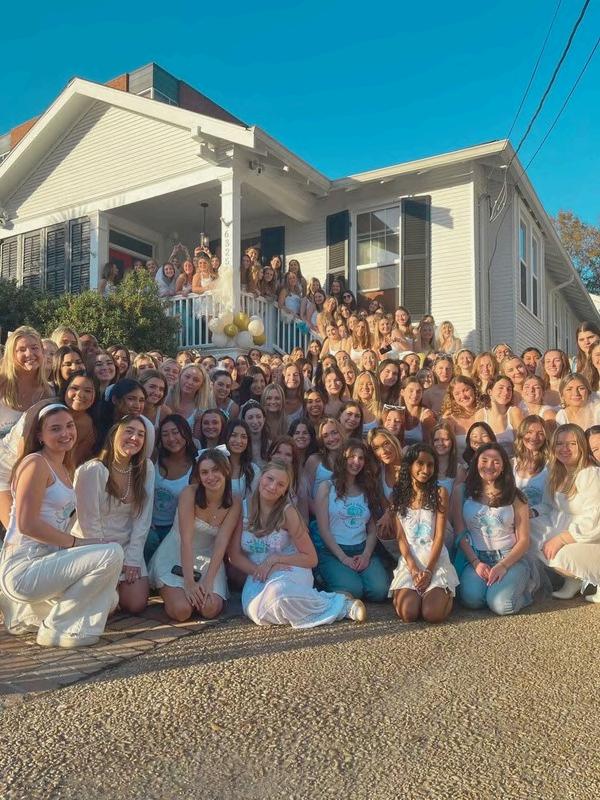
organizations by hosting fundraisers, such as Delta Donuts, where all proceeds go to New Orleans Women and Children’s Center or visiting sites such as SOUL NOLA to plant trees around the New Orleans area
Additionally, we remain connected to our national philanthropy, St. Jude Children’s Research Hospital. Every spring, Tulane Tri Delta hosts Jam for St. Jude where Tulane bands perform to raise money for St. Jude. In Spring 2024, we raised just over $14,000 for St Jude We also participate in Sincerely Yours, which is an opportunity for members to write letters to family and loved ones encouraging them to donate to St. Jude. Delta Delta Delta is an organization that allows each woman to be themselves, grow, and make connections that will last a lifetime. Tulane Tri Delta has had the opportunity to provide students with sisterhood, a connection to the Tulane community, and an impact on the New Orleans area.
National Founding: 1888
Local Founding: 2019
Symbol: Dolphin
Colors: Silver, Gold, and Cerulean Blue
Nickname:Tri Delt, Tri Delta
Spring Term GPA: 3.520
National Founding: 1913
Local Founding: 1977
Symbol: Lady Fortitude
Colors: Crimson and Cream
Nickname: Deltas
Spring Term GPA: 3.260
National Pan-Hellenic Council
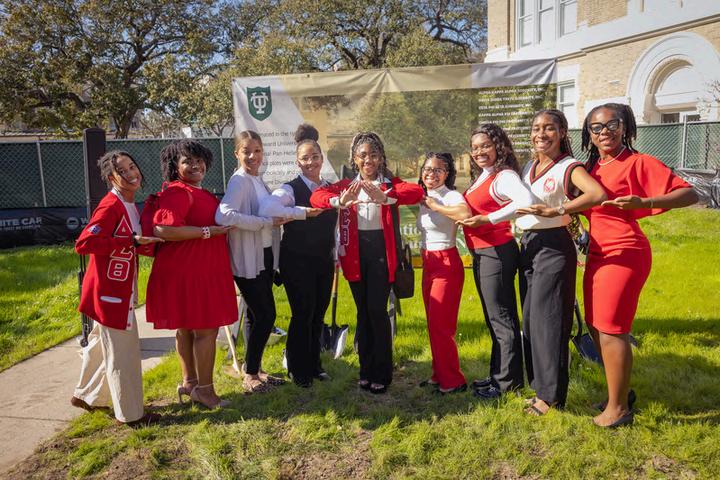
Delta Sigma Theta Sorority, Inc. is a public service organization founded on the campus of Howard University in 1913 by twenty-two dynamic women on Christian principles with an emphasis on scholarship, service, and sisterhood. Today, Delta Sigma Theta boasts a membership of over 250,000 women, making it one of the largest predominantly AfricanAmerican women's organization in the world. Its membership is dedicated to the mission and vision of the founders and contributes countless hours of public service implemented through the sorority's Five-Point Programmatic Thrusts.
The Nu Mu Citywide Chapter of Delta Sigma Theta Sorority, Inc was chartered on February 26, 1977 on the campuses of Tulane University and Loyola University to spread their mission and values across the city of New Orleans. Since its chartering, Nu Mu has positively impacted both campuses and leaves a strong legacy of student leaders. In the 2023-24 school year, the Deltas have raised money for philanthropies across New Orleans as well as hosting events from themselves and the greater New Orleans community.
Interfraternity Council

National Founding: 1851
Local Founding: 1889
Symbol: Purple Iris
Colors: Purple and Gold
Nickname: Delts
Spring Term GPA: 3.398
Delta Tau Delta, more popularly known as “Delt” or “DTD,” was founded at the Bethany College in Bethany, Virginia (now West Virginia) in 1858, and in 1889, the Beta Xi Chapter at Tulane University was established. The Fraternity is built upon four fundamental principles: Truth, Courage, Faith, and Power, which are principles that are instilled within all Beta Xi members. Since its founding, over 170,000 men have joined the brotherhood, and currently 130 active chapters and colonies exist, made up of around 10,000 students
The Beta Xi Chapter has over 100 members and holds frequent events to demonstrate their four principles as well as support for the Tulane community. Throughout the 2023-24 school year, the Brothers enjoyed brotherhood outings, participating in Greek Groove and the IFC Dodgeball Tournament, and other social events. Brothers also fundraised in support of their philanthropy, the Juvenile Diabetes Research Foundation (JDRF).

National Founding: 1865
Local Founding: 1882/2002
Symbol: Helmet
Colors: Crimson and Old Gold
Nickname: KA
Spring Term GPA: 3.399
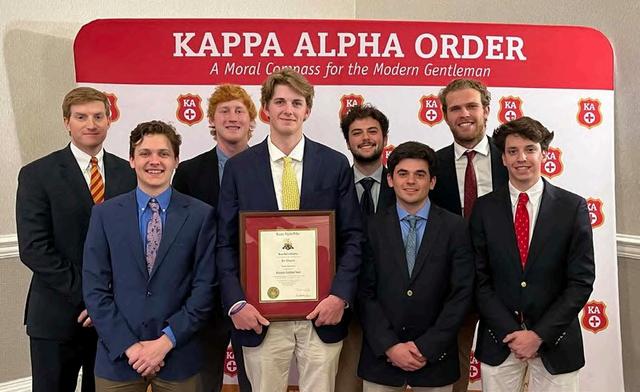
Kappa Alpha Order was originally founded as Phi Kappa Chi on December 21, 1865, at Washington and Lee University in Lexington, Virginia. James Ward Wood, William Archibald Walsh, and brothers William Nelson Scott and Stanhope McClelland Scott are the founders of the fraternity. Soon after the founding, the local Virginia Beta chapter of Phi Kappa Psi protested the name "Phi Kappa Chi", due to the similarity of the names, leading Wood to change the name of the fraternity to K.A. by April 1866. Within one year, the order's ritual would be expanded upon by Samuel Zenas Ammen, who was dubbed the "practical founder". In the years that followed, the fraternity spread throughout the Southern United States, as well as other states such as California, Arizona and New Mexico. KA is one-third of the Lexington Triad, along with Alpha Tau Omega and Sigma Nu.
The Psi Chapter was established on January 14, 1882 at Tulane University Their signature events are the KA Philanthropic Crawfish Boil and the Veteran’s Day BBQ where funds are raised to support their philanthropy,

In 1870, Bettie Locke founded the first chapter of Kappa Alpha Theta, to be known as the first Greek-letter Fraternity for women Kappa Alpha Theta nurtures each member throughout her lifetime, offering opportunities for intellectual and personal growth. Through these opportunities and sisterhood, we maintain our values of intellectual curiosity, leadership potential, commitment to service, and personal excellence. The members of Kappa Alpha Theta support one another, encourage and inspire each other to make a difference and stay true to themselves. Kappa Alpha Theta was established on Tulane’s campus on May 16, 1914 with the Alpha Phi Chapter.
Court Appointed Special Advocates/Guardian ad Litem (CASA/GAL) is an organization dedicated to court-appointed volunteer advocacy for neglected youth. These volunteers ensure the well-being of these children by addressing their trauma, establishing permanent homes, and researching the effectiveness of the methodology. Each donation allows the organization to enable the well-being of these children over time. Theta also supports the Theta Foundation, an organization created by Thetas for Thetas with the mission to support Thetas to help them reach their full potential

nal Founding: 1870 Founding: 1914 ol: Kite
s: Black and Gold
ame: Theta
g Term GPA: 3.631

National Founding: 1870
Local Founding: 1904
Symbol: Owl, Key, and Fleur-delis
Colors: Dark Blue and Light Blue
Nickname: Kappa, KKG
Spring Term GPA: 3 569

Kappa Kappa Gamma is an organization of women that was founded at Tulane University, formerly Newcomb College of Tulane, in New Orleans, Louisiana in 1904. Our values are: Staying true, Creating Connections, Respecting and embracing differences, Leading with optimism, Rising to the occasion together, and Building and applying knowledge
KKG seeks for every member throughout her life bonds of friendship, mutual support, opportunities for self-growth, respect for intellectual development, and an understanding of and an allegiance to positive ethical principles Tulane Kappa Kappa Gamma supports these values by engaging in our philanthropy and building upon our sisterhood Here in Louisiana, we support local businesses such as Take Paws, The Bead Shop, The Body Shoppe, and other non-local small businesses such as Bootin Bikinis.
National Founding: 1869
Local Founding: 1889/2021
Symbol: The Star & Crescent Colors: Scarlet, White, & Emerald Green
Nickname: Kappa Sig, K-Sig Spring Term GPA: 3.482
National Founding: 1848
Local Founding: 1889/20
Symbol: Owl
Colors: Azure Blue and A White
Nickname: Phi Delt
Spring Term GPA: 3 655
@PHIDELT TULAN
PHIDELTATHETA.O
Interfraternity Council
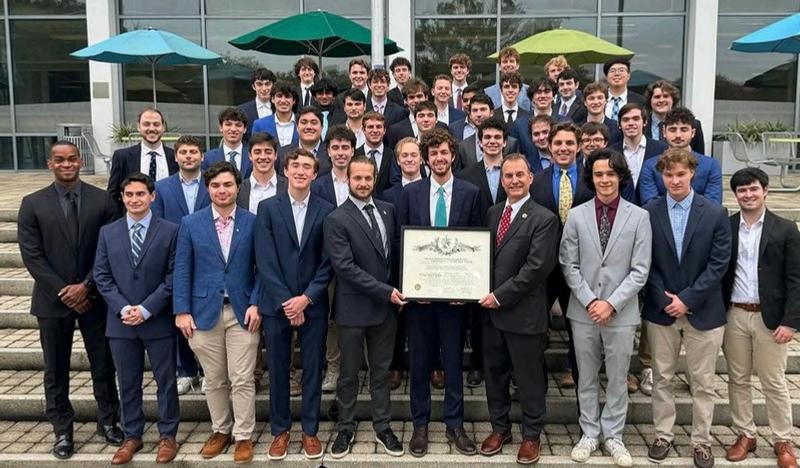
Phi Delta Theta was built on three pillars that haven’t budged an inch since the Fraternity was founded by “The Immortal Six” way back in 1848 at Miami University. The pillars are: The cultivation of friendship among its members, the acquirement individually of a high degree of mental culture, and the attainment personally of a high standard of morality Shortened, we refer to the principles as friendship, sound learning and rectitude.
Helping every individual to meet his true potential is the bedrock of the Phi Delta Theta Fraternity. By celebrating each person’s true self, and by learning from each other’s strengths while helping to improve each other’s weaknesses, every member of Phi Delta Theta develops into a greater version of himself than he could ever on his own Rather than try to find young men to “mold” into some ideal, we celebrate the uniqueness of each individual and, through encouragement, values, example and brotherhood, empower every brother to exceed his personal expectations. Our highlight of the 2023-2024 academic year was receiving our official charter status as the Louisiana Alpha Chapter.
Fletcher, Ellis Bailey Gregg, James Elliot Jr , and Daniel Webster Crofts Our fraternity has 5 pillars that brothers uphold. These values are Friendship, Knowledge, Service, Morality, and Excellence.
Our mission is to unite men in enduring friendships, stimulate the pursuit of knowledge, and build courageous leaders who serve the world with the best in them. The Phi Gam vision is to be an active, vital force of men who courageously live our values and make a positive impact in college and the community.
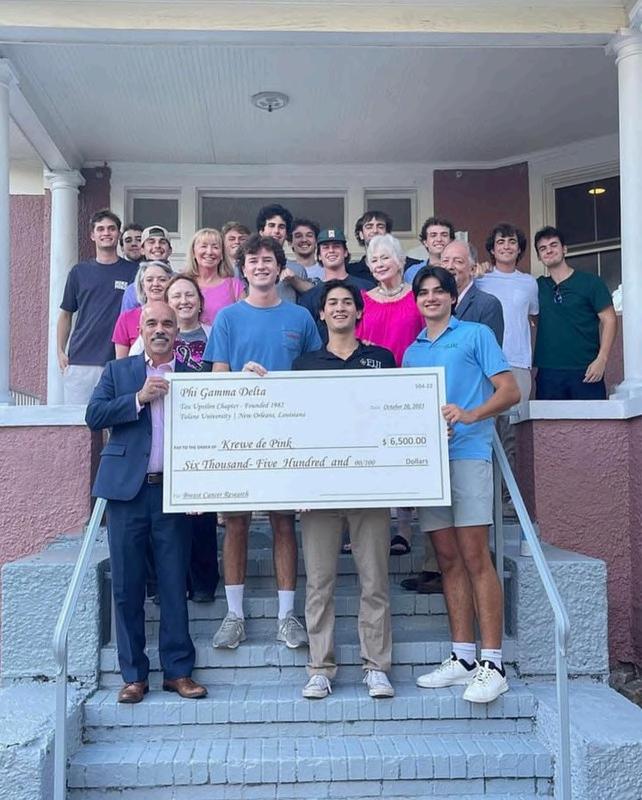
In the fall, we host our philanthropy week called Pinkout Week, where we were able to donate $6,500 to Krewe de Pink, a New Orleans non-profit organization that raises money to help fight breast cancer. We pride ourselves on being one of the most diverse fraternities on campus.
National Founding: 1848
Local Founding: 1980 / 2006
Symbol: The Snow White Owl, The Black Diamond w/ a White Star
Colors: Royal Purple
Nickname: Fiji, Phi Gam
Spring Term GPA: 3.451

National Founding: 1850
Local Founding: 1858
Symbol: Maltese Cross
Colors: Black and Old Gold
Nickname: Phi Kap
Spring Term GPA: 3.321
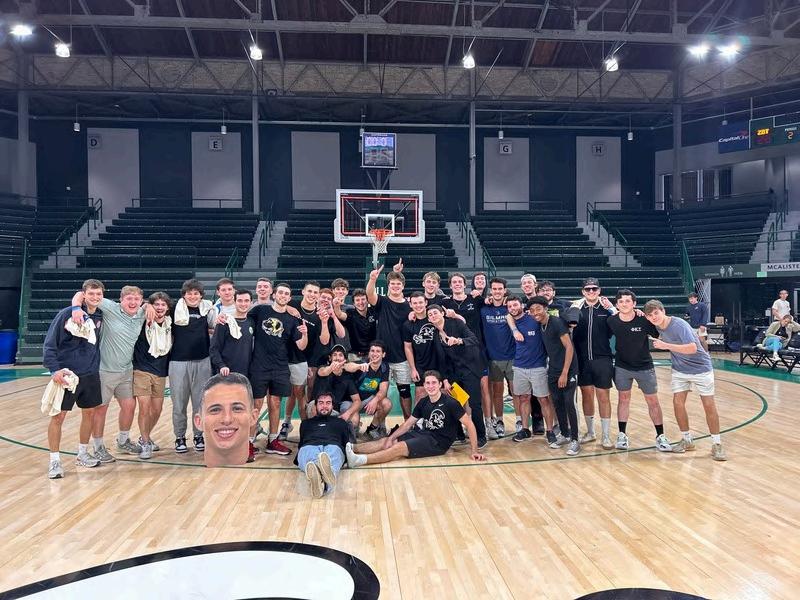
Phi Kappa Sigma prides ourselves on a tight knit and inclusive brotherhood. We facilitate the lifelong growth of our members through an academic and philanthropic focus. This allows our brothers to grow personally, refine life skills, take on leadership roles, and experience realworld situations in a safe and supportive environment.
Phi Kappa Sigma is the oldest chapter on Tulane Campus Originally founded in 1856, Mu chapter values our history and maintains the vital traditions of those brothers who came before us. We truly believe our emphasis on close brotherly relationships allows us to work toward goals together, not alone.
Our national philanthropy is LLS (Leukemia & Lymphoma Society) in which we were the largest single organization donor in their southern region. Every year we hold our ‘Shave-a-Skull’ event where members shave their heads to stand in solidarity with those who are undergoing chemotherapy and raise awareness for cancer research
chartered in 1906, is Phi Mu s oldest active collegian chapter in the country. On top of being the oldest chapter standing, another aspect that makes Delta special is the philanthropies we are able to contribute to Children's Miracle Network Hospital is our national philanthropy and here in New Orleans we are able to partner with CHNOLA to have a direct and local impact with our donations and efforts. From hospital visits to our annual events such as Miracle Man and BonnaMu, philanthropy is always at the forefront of our minds.
Delta chapter also prioritizes academics and siblinghood, often hosting events that provide a unique bonding experience or academic assistance. Study parties help motivate you while relaxation events help you rest and recharge. Siblinghood events have included craft nights, goat yoga, movie theaters, drag brunches, and so much more Each and every member of our organization is valued and recognized in our various programming opportunities. We strive to achieve a welcoming environment for all.
National Founding: 1852
Local Founding: 1906 / 2009
Symbol: Quatrefoil and Sir Fidel the Lion
Colors: Rose and White
Nickname: N/A
Spring Term GPA: 3.591
National Founding: 1867
Local Founding: 1891
Symbol: Angels and Arrows
Colors: Wine and Silver Blue
Nickname: Pi Phi
Spring Term GPA: 3.615
@TULANEPIPHI
Panhellenic Council

Pi Beta Phi (est 1867) is a premier organization for women providing lifelong enrichment to our members and contributing to the betterment of society. Pi Beta Phi's chapter at Tulane University, the Louisiana Alpha Chapter, was installed in 1891 at Newcomb Memorial College with seven charter members. For many decades, our chapter was the only Pi Phi Chapter in the south. The mission of Pi Phi is to promote friendship, develop women of intellect and integrity, cultivate leadership potential, and enrich lives through community service. Our values are integrity, lifelong commitment, honor and respect, personal and intellectual growth, philanthropic service to others, and sincere friendship
Read > Lead > Achieve is Pi Beta Phi’s philanthropic effort that works to create a more literate and productive society. Throughout each semester, Pi Phi's weekly "Brownies for Books" events raise money for our philanthropy. Our biggest philanthropy event is Arrowspike, a fun volleyball tournament every spring in which each team donates to enter and compete.
As true friends, we honor the uniqueness of each sister We empower one another through meaningfulrelationshipsgrounded in empathy Wepromisean inclusive sisterhood where every member feels welcome, is supported and knows they belong.

National Founding: 1856
Local Founding: 1897
Symbol: Lion
Colors: Purple and Gold
Nickname: SAE
Spring Term GPA: 3.417 SAE.NET
Sigma Alpha Epsilon, better known as “SAE,” was founded on March 9, 1856, at the University of Alabama in Tuscaloosa, Alabama. Nationally, SAE was the first Greek organization to create a leadership education program, eliminate pledging, and ban hard alcohol from all events. The Tau Upsilon chapter of SAE was founded at Tulane in 1897, and it is now currently made up of over 70 members. Nationally, over 351,000 have been initiated as brothers, and currently there are over 12,000 active members in chapters across the country.
Sigma Alpha Epsilon prides itself on its four main values: friendship, scholarship, leadership, and service so that brothers can develop strong character. The Tau Upsilon chapter at Tulane has been involved in IFC and campus events throughout the 2023-24 school year to demonstrate their values. Furthermore, the brother of Tau Upsilon have hosted philanthropy events to support their national philanthropy, the Children’s Miracle Network.

National Founding: 1855
Local Founding: 1886
Symbol: The White Cross
Colors: Blue an Gold
Nickname: Sig Chi
Spring Term GPA: 3.445
@SIGMACHITULANE
SIGMACHI.ORG
Interfraternity Council
Sigma Chi is an international fraternity that was founded in 1855 at Miami University in Oxford, Ohio by seven collegiate men who were seeking a small community of strong-minded men to develop themselves both personally and professionally. In recognition of their seven founders, Sigma Chi has seven main values: courage, wisdom, integrity, high ambition, self-control, courtesy, and fidelity. Sigma Chi currently has 237 active undergraduate chapters. While we all come from different backgrounds, we are all grounded in enhancing the leadership abilities of men by refining their character through the framework of friendship, justice, and learning.
The Alpha Omicron chapter of Sig Chi was founded at Tulane in 1886. Today, the Alpha Omicron chapter is made up of over 80 Tulane students, who regularly demonstrate the values of Sigma Chi through their involvement on campus. The brothers of Alpha Omicron have held countless social and philanthropic events throughout the 2023-24 school year, including our biggest event of the year, Derby Days, to support our philanthropy, the Huntsman Cancer Institute.
through scholarship, service, sisterhood and leadership. The sorority s values of individuality, engagement, community, and connection serve as guiding principles for its members and promote friendships and bonds that will last a lifetime
The Tulane chapter of SDT, founded in 1955, has a vibrant history of promoting these values within our community. Through various philanthropic events and community service initiatives, we strive to make a positive impact on those around us. Our national philanthropies are Prevent Child Abuse America (PCAA), Jewish Women’s International, and the SDT foundation. In the fall, we celebrated our Inaugural Sigma Delta Diner Philanthropy event, and recently we hosted a Late Night Eats fundraiser raising money to support PCAA
National Founding: 1917
Local Founding: 1955
Symbol: Golden Tea Rose
Colors: Café au Lait and Old Blue
Nickname: SDT
Spring Term GPA: 3.712
National Founding: 1898
Local Founding: 1909 / 2013
Symbol: N/A
Colors: Medium Blue, White, and Gold
Nickname: ZBT
Spring Term GPA: 3 496
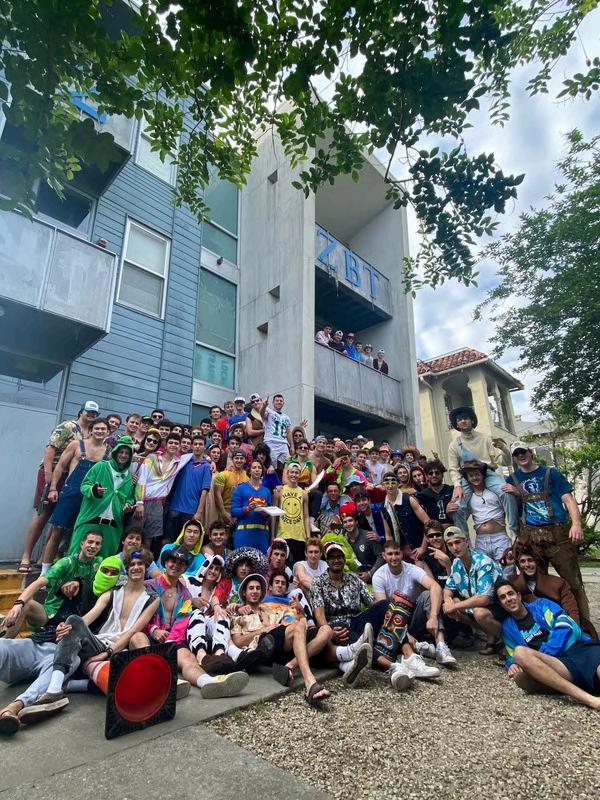
M g J y, will preserve and cultivate its relationships within the Jewish community. Since 1954, ZBT has been committed to its policy of non-sectarian brotherhood and values the diversity of its brothers. ZBT will recruit and initiate men of good character, regardless of religion, race or creed, who accept these principles.
On the local level, Sigma is incredibly proud to be the first chapter of ZBT south of the Mason-Dixon line. Sigma has pushed through adversity throughout its tenure as a chapter at Tulane, even dealing with a house fire that caused the chapter to fully rebuild the house, yet to this day, Sigma thrives and is one of ZBT’s top chapters nationally. One of the most integral pieces to ZBT Sigma is our meal plan, stemming from Chef Michael Alexis and his wife, Deborah Alexis who have been with Sigma for almost 35 years. The brothers of the Sigma chapter are treated like their children and cared for way beyond just meals. With Chef Mike and Ms. Deb, Sigma is what it is today.
National Pan-Hellenic Council

National Founding: 1920
Local Founding: 1993
Symbol: White Dove
Colors: Royal Blue and Pure White
Nickname: Zetas
Spring Term GPA: --
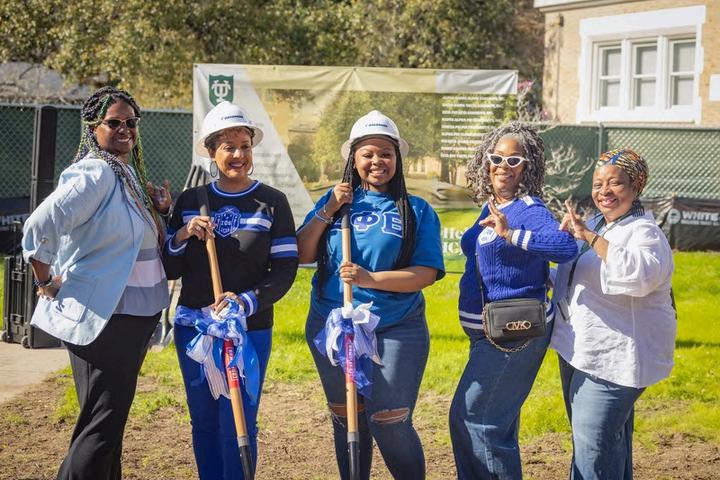
Zeta Phi Beta Sorority, Inc. was founded on January 16th, 1920 on the campus of Howard University in Washington D.C. by five triumphant women. The purpose of Zeta is to foster the ideas of service, charity, scholarship, civil and cultural endeavors, sisterhood, and finer womanhood.
Nationally, Zeta Phi Beta Sorority, Inc was the first National Pan-Hellenic Council organization to centralize its operations in a national headquarters, charter a chapter in Africa, form auxiliary groups, and be constitutionally bound to a fraternity, Phi Beta Sigma Fraternity, Inc.. Nationally, there are over 100,000 people that have been initiated into Zeta.
The Insatiable Iota Omicron Metropolitan Chapter was chartered on the campuses of Tulane University and Loyola University on June 5, 1993 to spread the values of Zeta Phi Beta Sorority, Inc and foster community in New Orleans
National Founding: 1847
Local Founding: 1977
Symbol: N/A
Colors: White, Gold, and Black
Nickname: Zete, Zeta, ZP
Spring Term GPA: 3.435
@ZETAPSITULANE
ZETAPSI.ORG
Interfraternity Council

Zeta Psi is a fraternity filled with a rich history that prides itself on 4 years filled with friendship, fidelity, and brotherhood that will lead to a lifetime of long term success. Zeta Psi was founded at the NYU Phi chapter on June 1st, 1847 by John Moon Skillman, William Henry Dayton, and John Brandt Yates Sommers. They came together with the goal of establishing a social organization that prides itself on brotherhood and academic excellence. The Tulane Beta Tau chapter was founded on April 2nd, 1977, where we’ve had almost 50 years of carrying out our values in the best city in the world. The Beta Tau chapter prides itself on excelling in and out of the classroom which has led us to have a wide variety of unique people with unique interests, including but not limited to CEO’s, athletes, musicians, professional MMA fighters, and so much more.
The founders laid down the foundation for how future Zete chapters would operate for centuries to come. Something we take a lot of pride in is the representation of Zetes on the front line during WWI. The spirit of brotherhood was extended beyond the fraternity's immediate circle, as members worked together with their communities and other organizations to contribute to the war effort. Many chapters honored their members who served, and those who lost their lives, through memorials and recognition in fraternity publications. These commemorations served as a testament to the fraternity's values of loyalty, sacrifice, and service.