Portfolio

THE QUALITY HOUSE
Bridgeport, Chicago, Illinois
Fall 2021
Professor: Michael Glynn
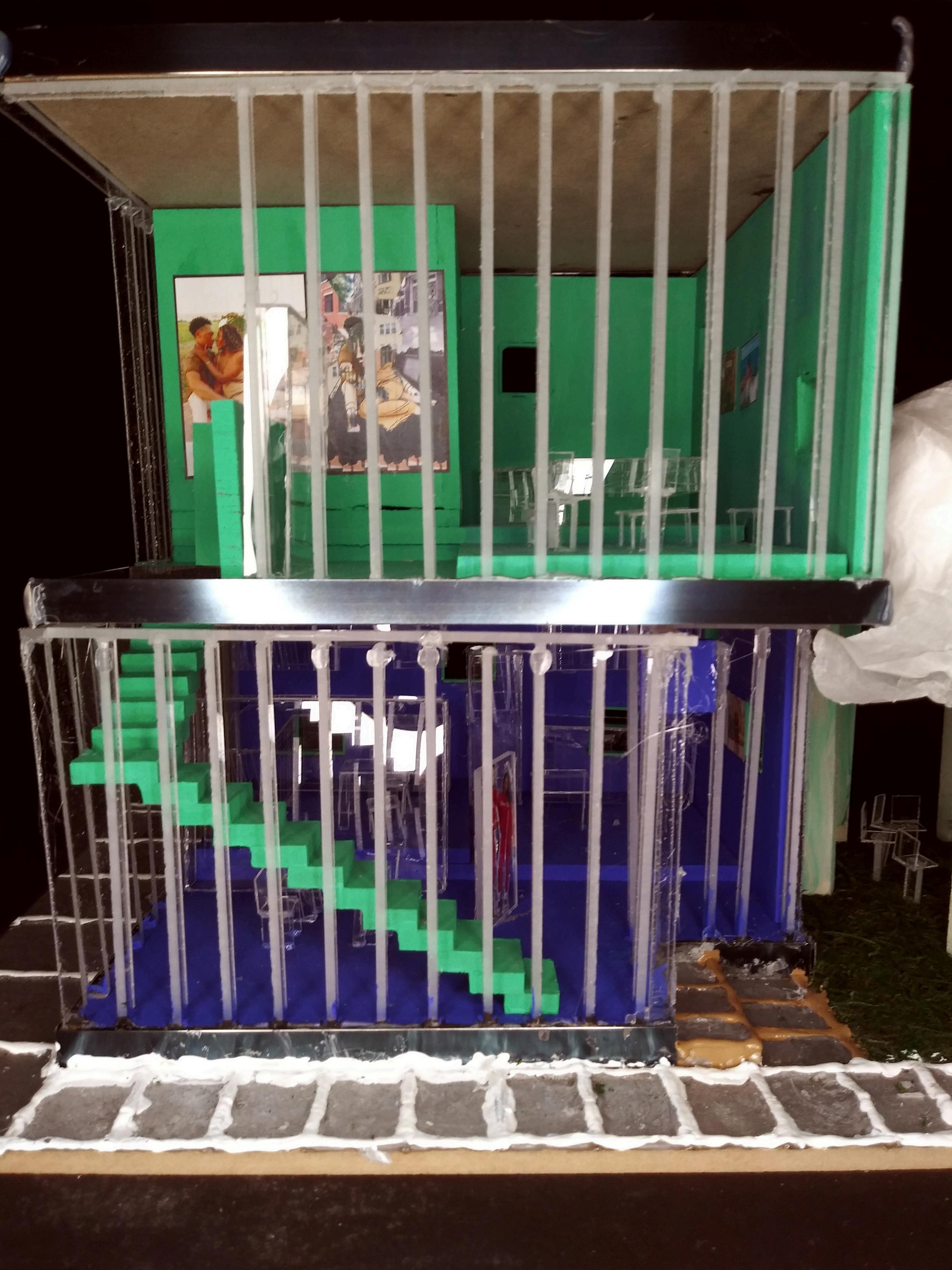
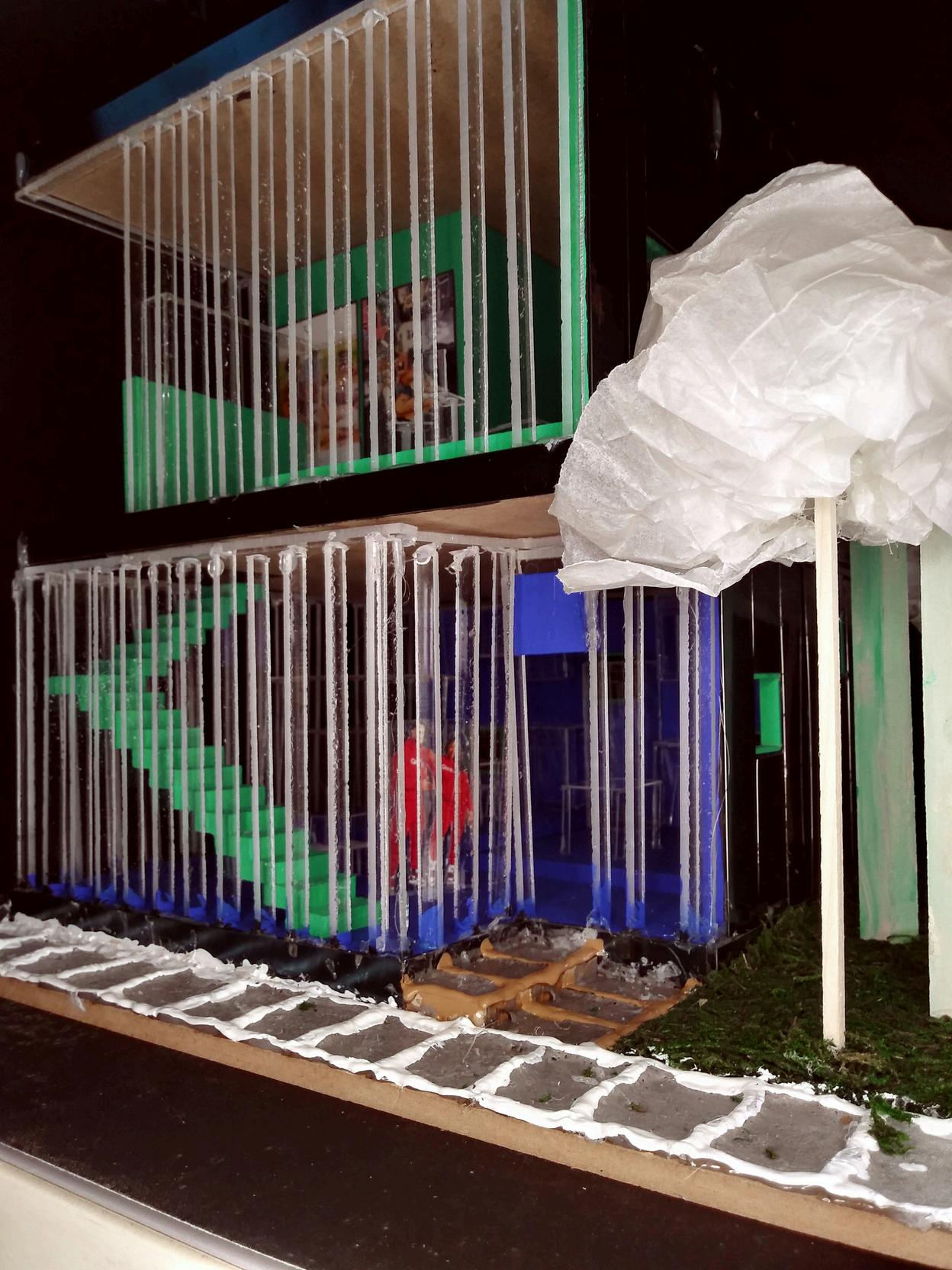
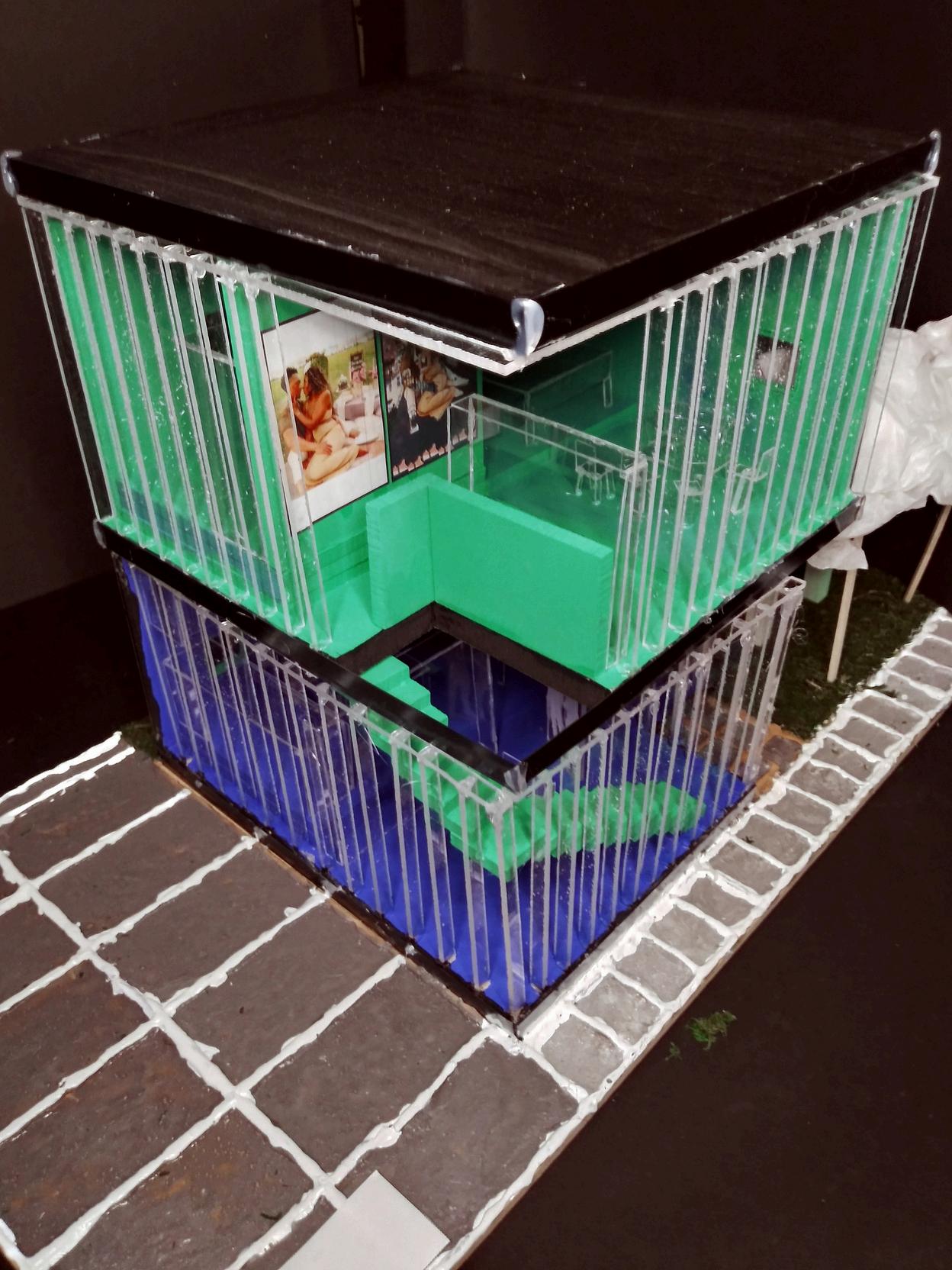
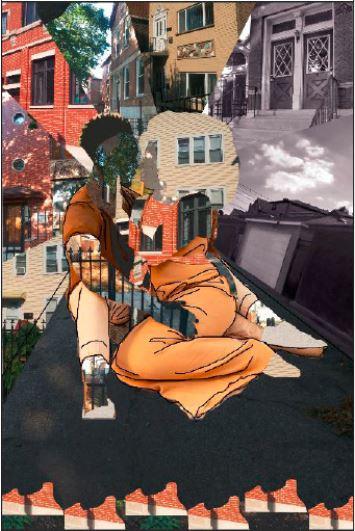
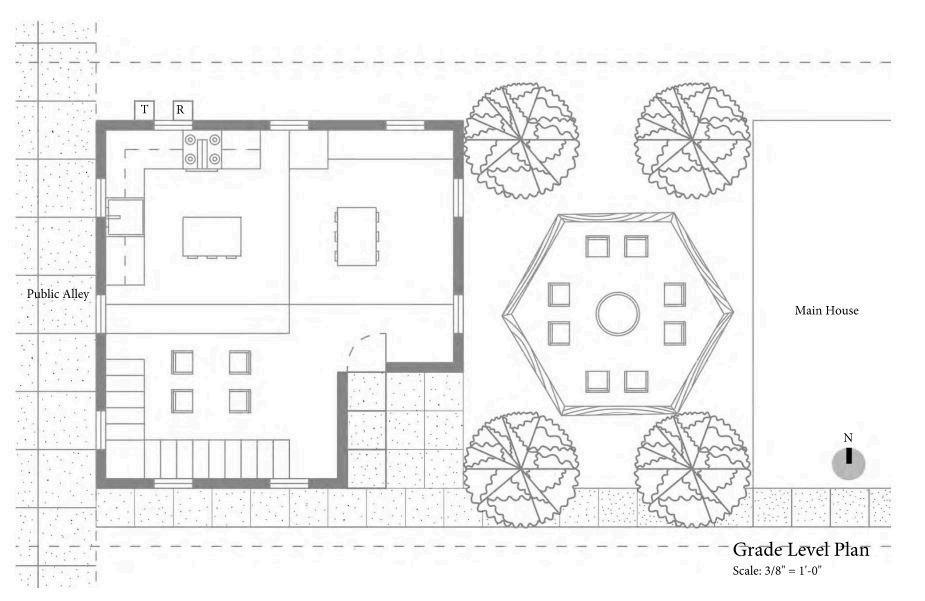
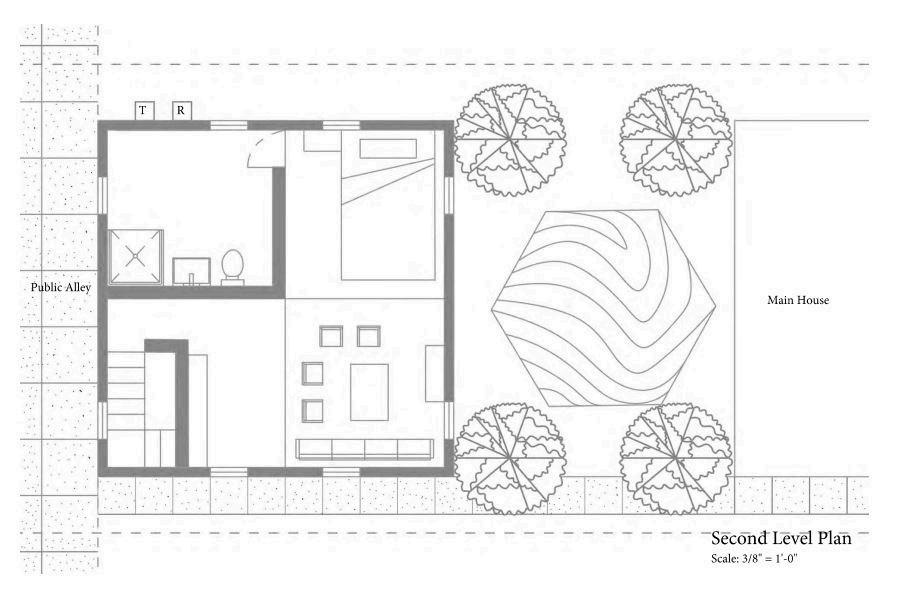
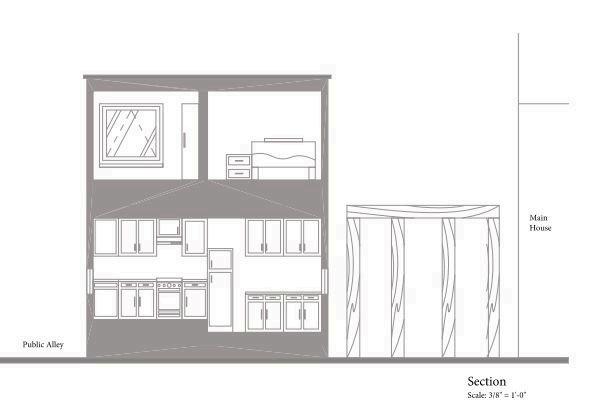
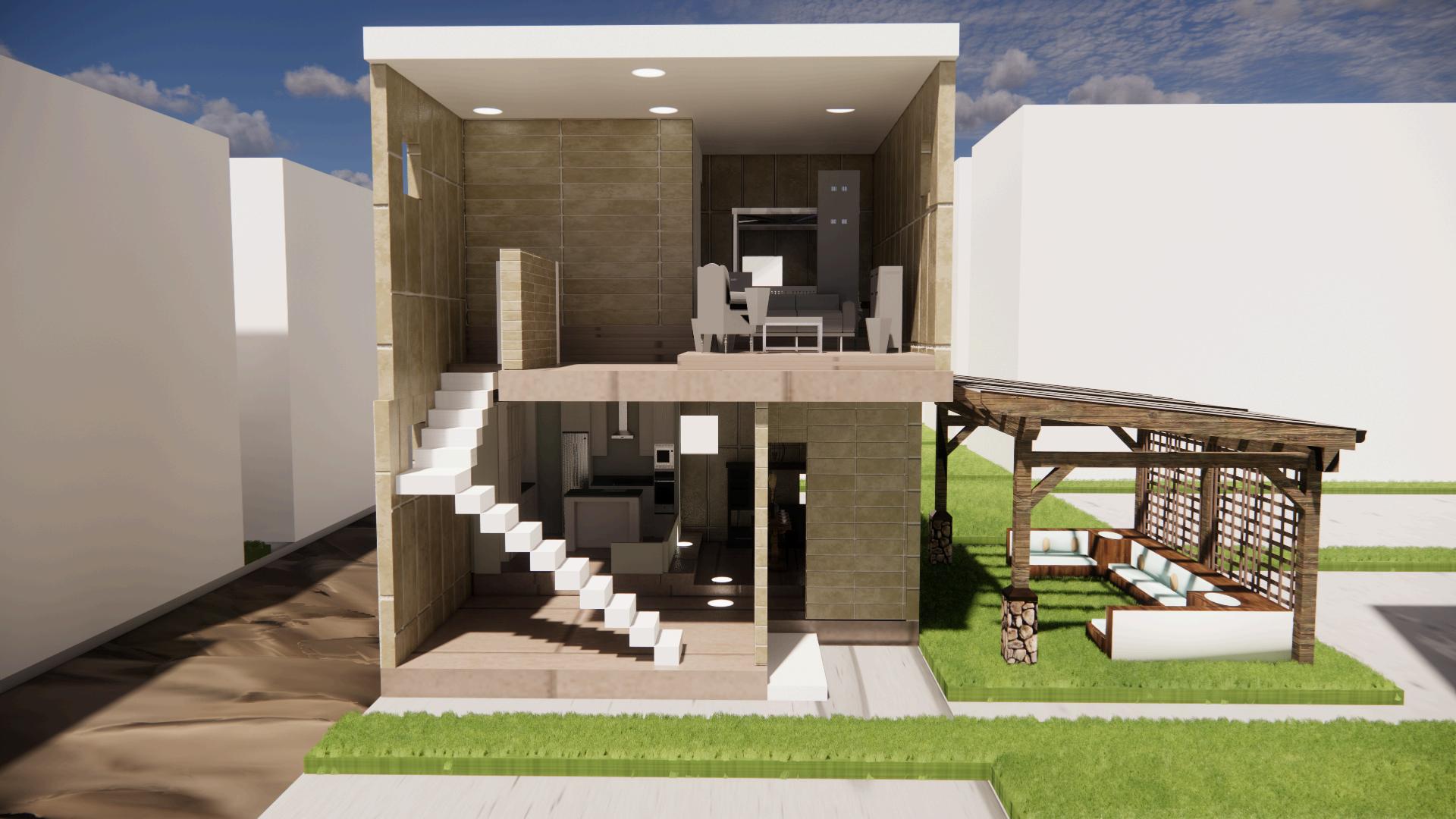
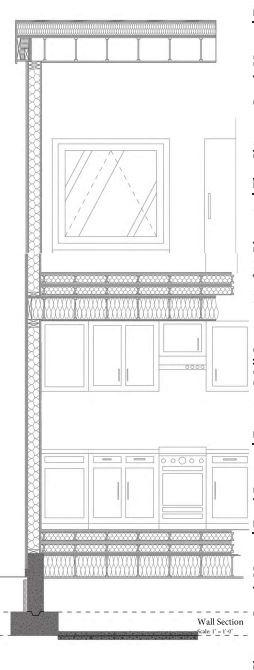
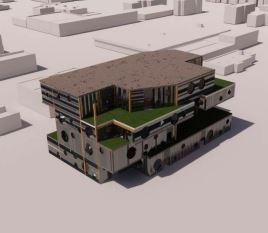
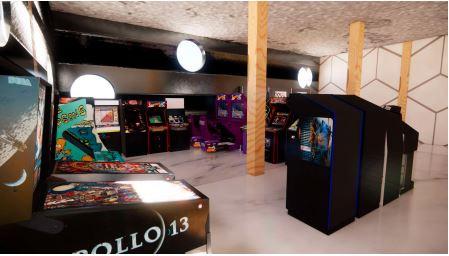
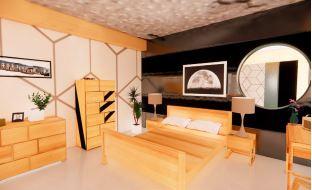
Located in the Chicago’s Bridgeport neighborhood, this residential accessible dwelling unit is designed to act as a second home and creative studio for the proposed clients; Joshua Woodard and Isimeme Edeko.
The Quality House supports the everyday and professional lives of its residents. Its open, stepped layout enables spatial flexibility without walls, enhancing light, flow, and adaptability. The integration of cultural symbolism and minimalist design ensures emotional resonance without sacrificing functionality. Outdoor gathering areas encourage reflection and social exchange. Altogether, the house supports well-being, creativity, and meaningful engagement.
THE RECLAIMING OF THE MIDDLE PASSAGE
West Garfield Park, Chicago, Illinois
Spring 2022
Professor: Annabelle Ren
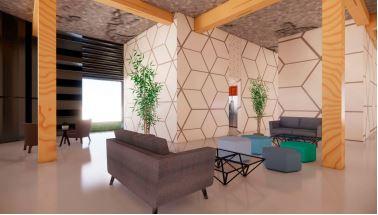
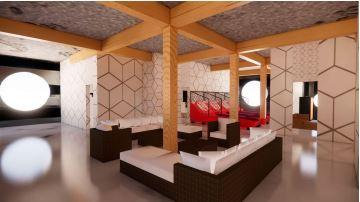
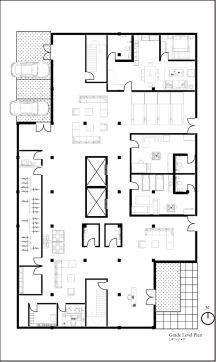
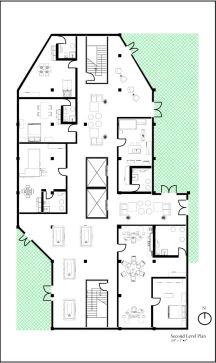
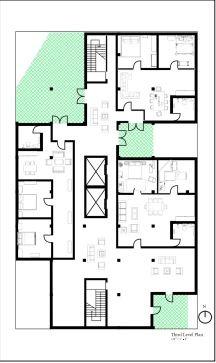
Located in Chicago’s West Garfield Park neighborhood, this residential dormitory was designed for the upward mobility of at risk young Black men and their families for the proposed client; MAAFA Redemption Project.
The Middle Passage dormitory performs as both a sanctuary and a catalyst for transformation. It integrates transitional and long-term housing with on-site access to medical care, social services, and career development. Modular layouts and natural materials support autonomy, privacy, and communal connections. Expansive daylighting, outdoor gathering spaces, and cultural programming promote emotional healing and community empowerment. The dormitory functions holistically to meet the urgent needs while fostering dignity, resilience, and lasting positive change for its residents and neighborhood.
RESURGENCE
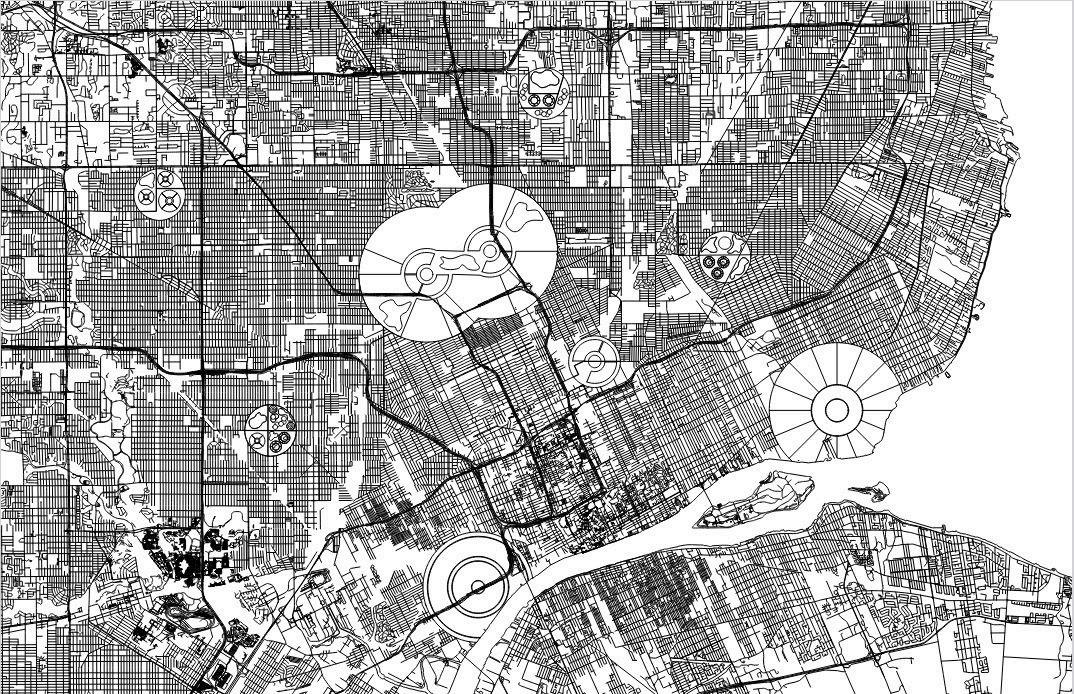
City of Detroit, Michigan Fall 2024
Professor: Wiel Arets
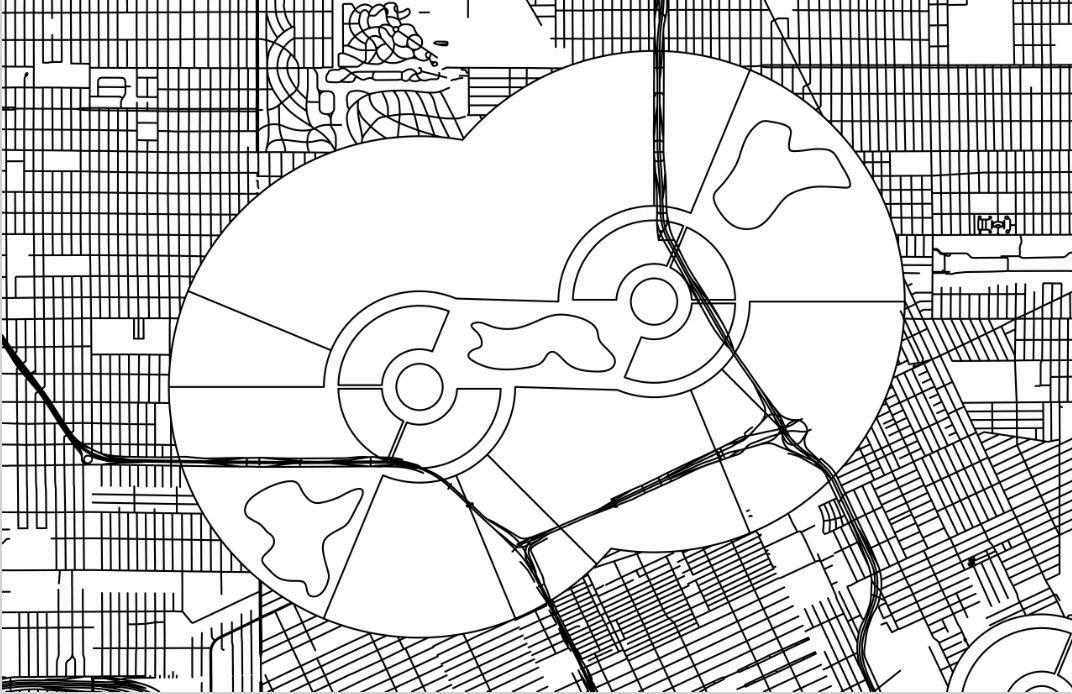
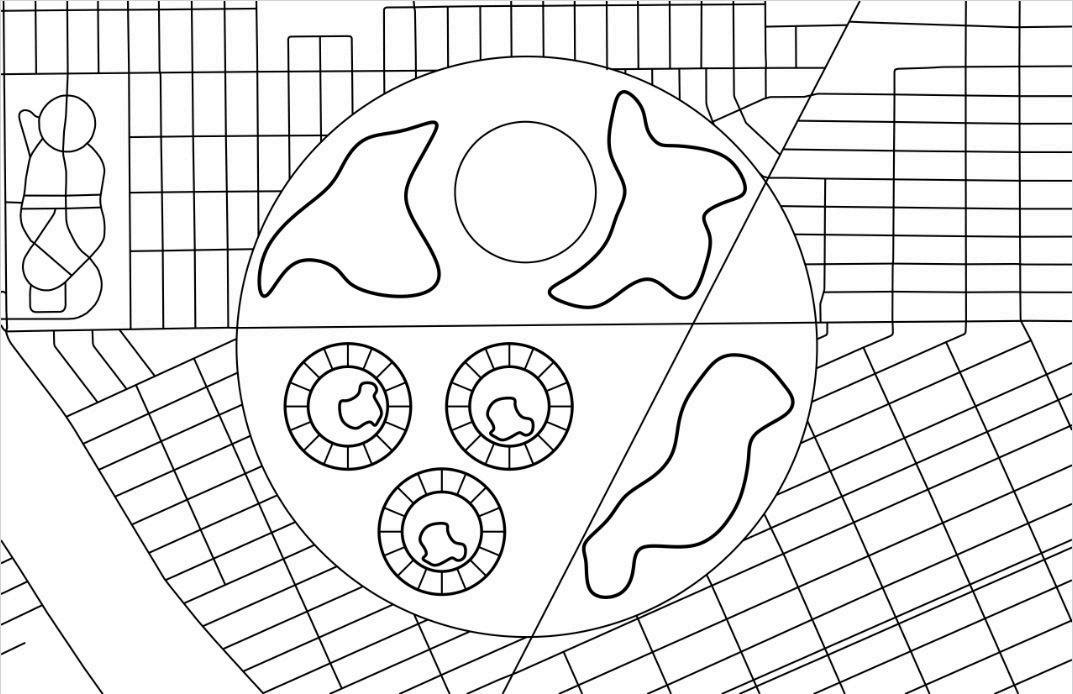
Focused on the City of Detroit, this master plan was designed to revitalize Detroit through circular planning, organic pathways, and interconnected superblocks to promote accessibility, mobility, and sustainability.
This master plan performs as a living urban framework that enhances mobility, equity, and environmental health. Its organic pathways reduce car dependency, promote walkability, and connect residents to key services. Superblocks distribute resources equitably, while integrated green infrastructure supports biodiversity and stormwater management. The design strengthens social cohesion by fostering shared spaces for cultural exchange, recreation, and learning.
This is a finished master plan proposal book for the City of Detroit.
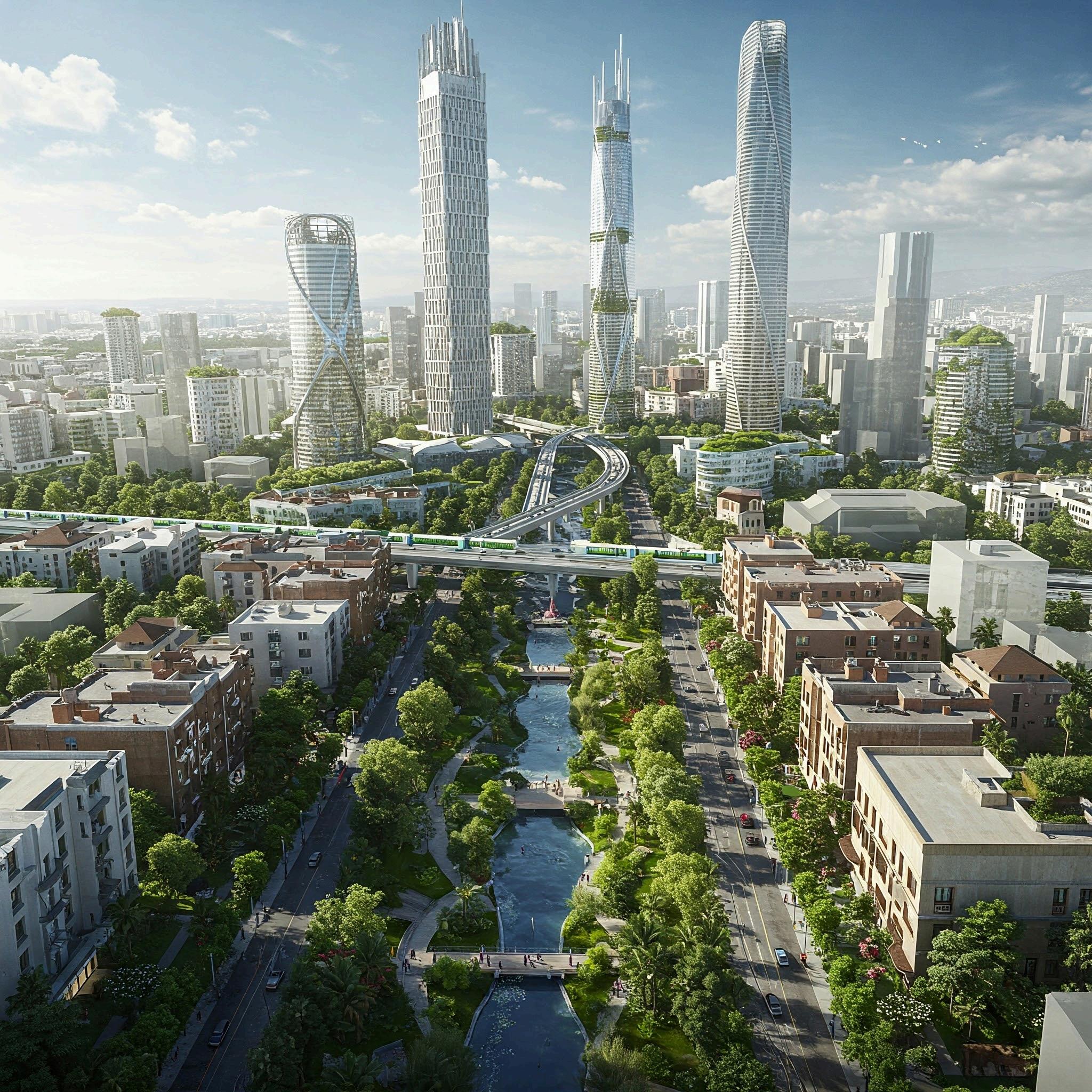
Guatemala City 2125
GUATE LIBERADA (FREE THE TREES)
Guatemala City, Guatemala
Spring 2025
Professor:
Joel Putnam
Henry Heligas
Partners:
Bhavya Ramesh Nidumukkala
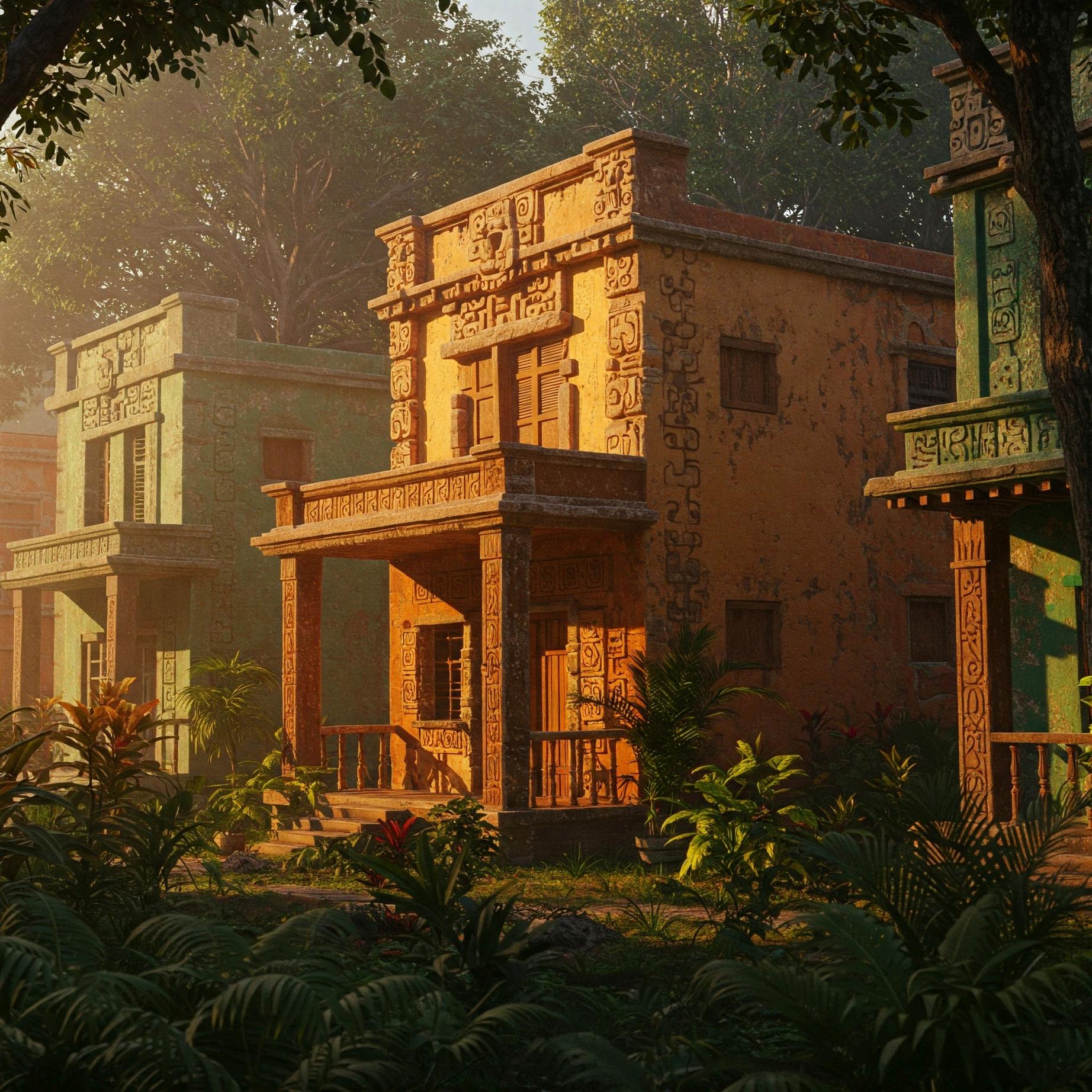
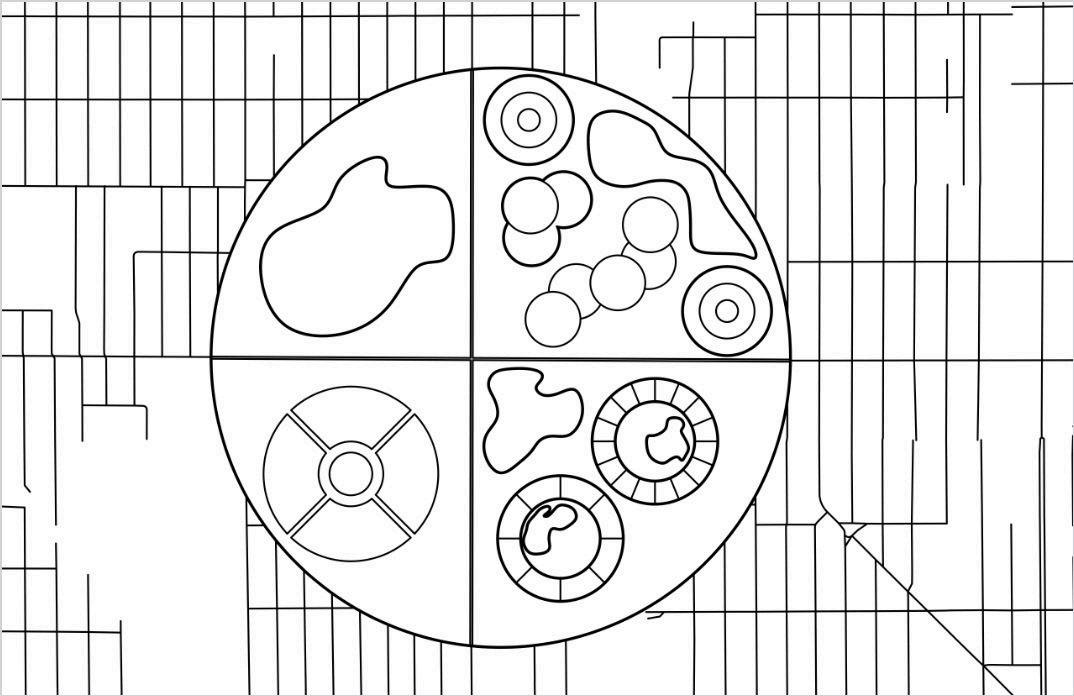
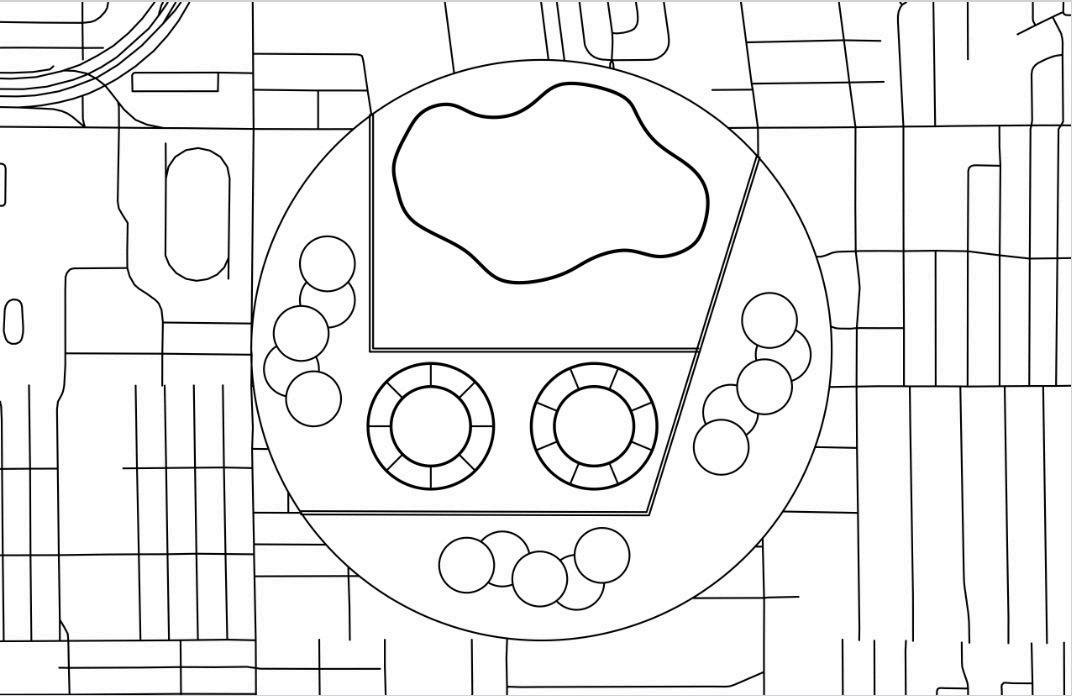
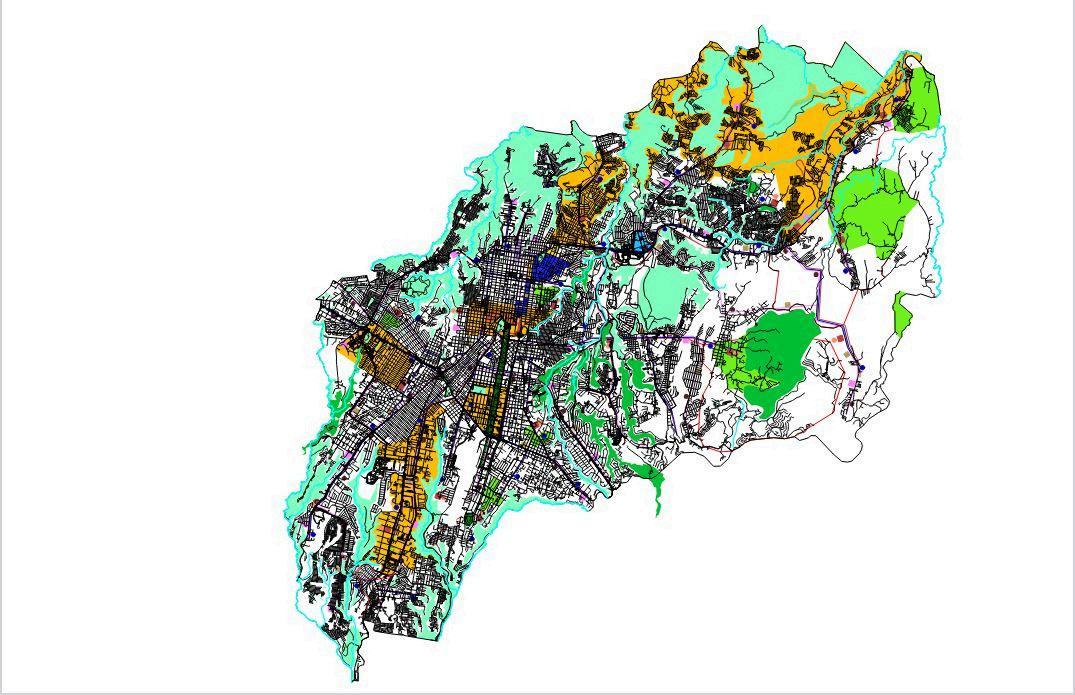
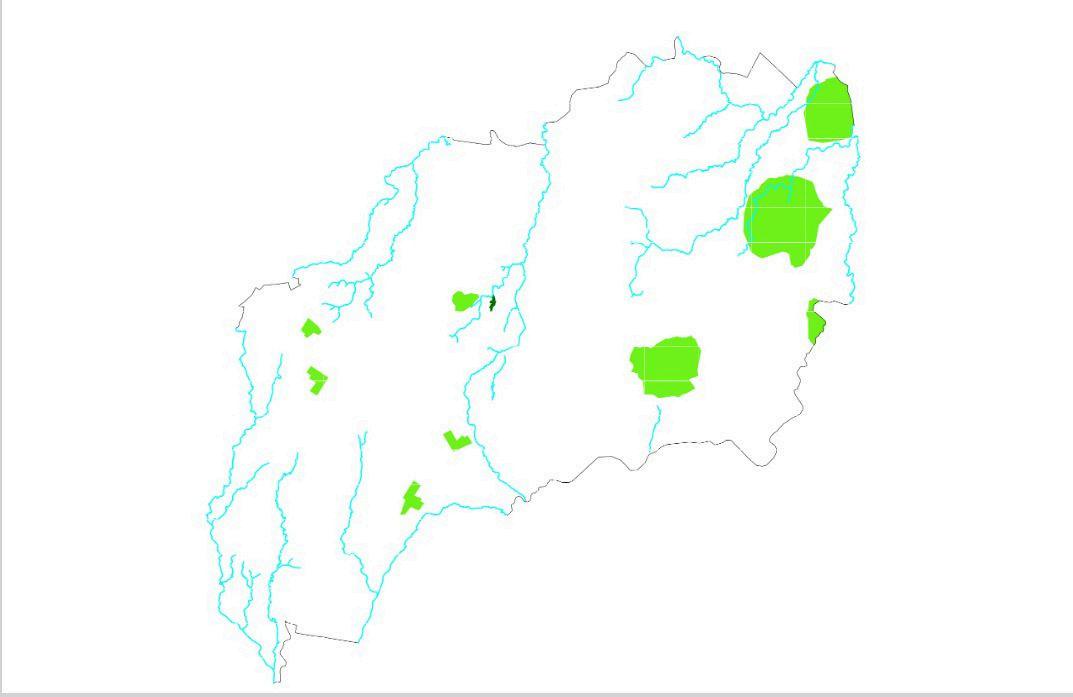
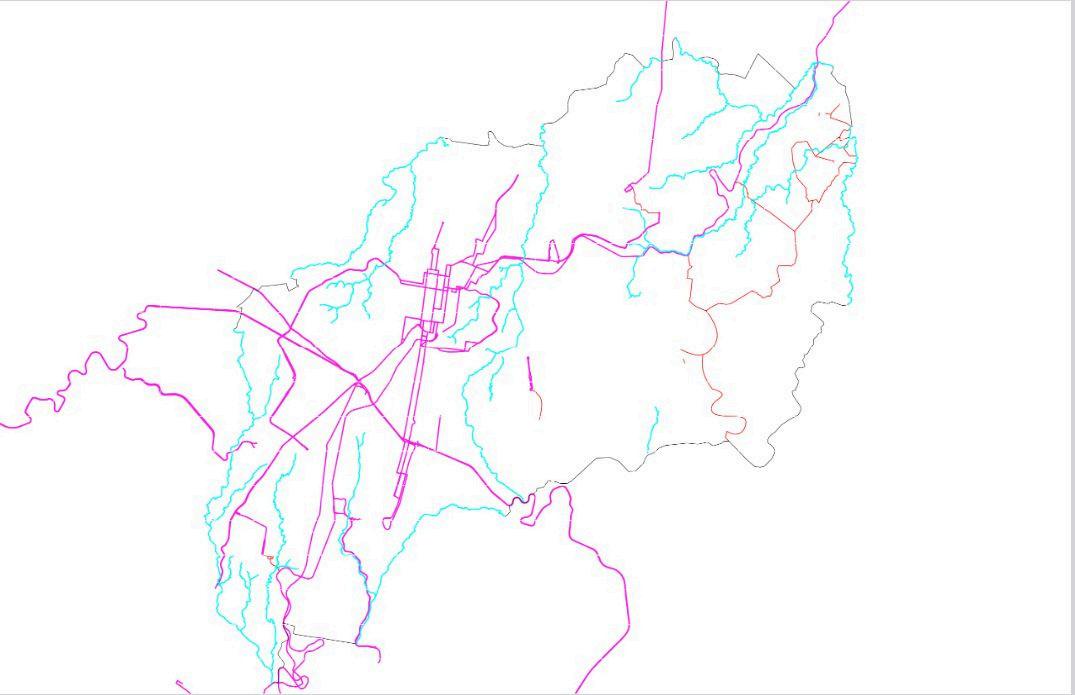
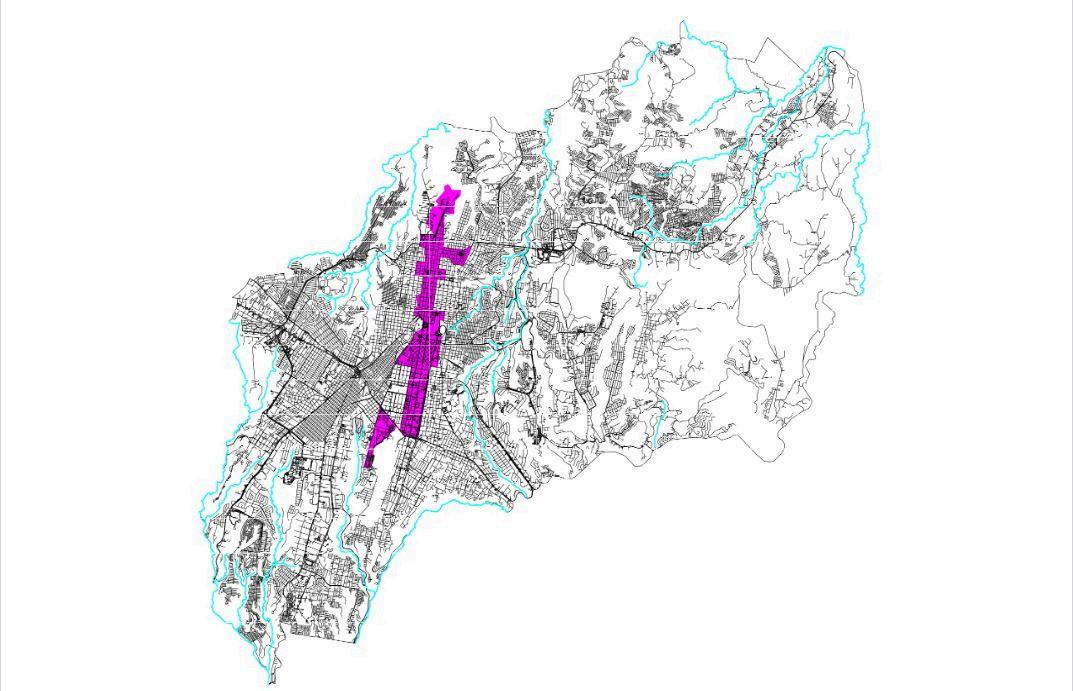
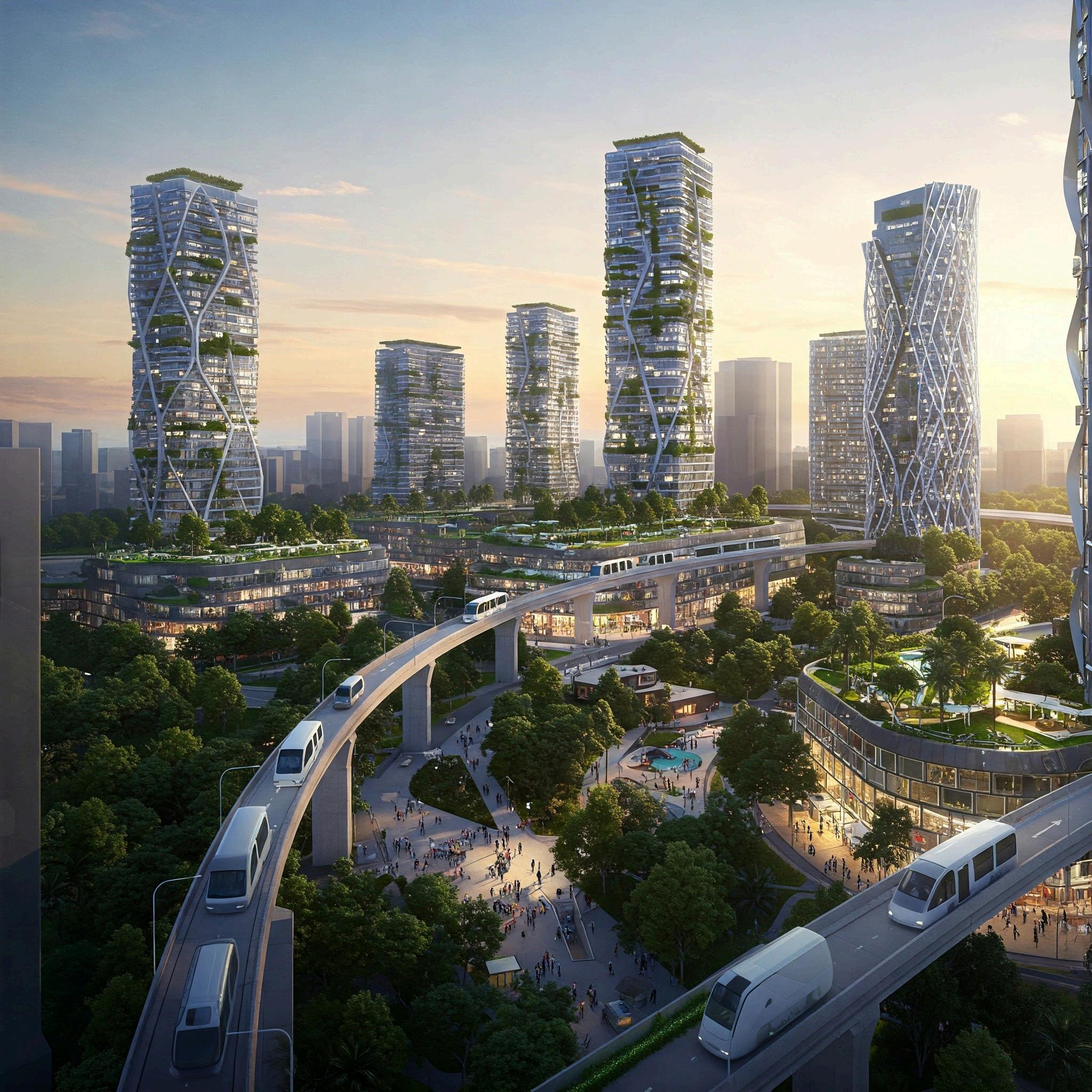
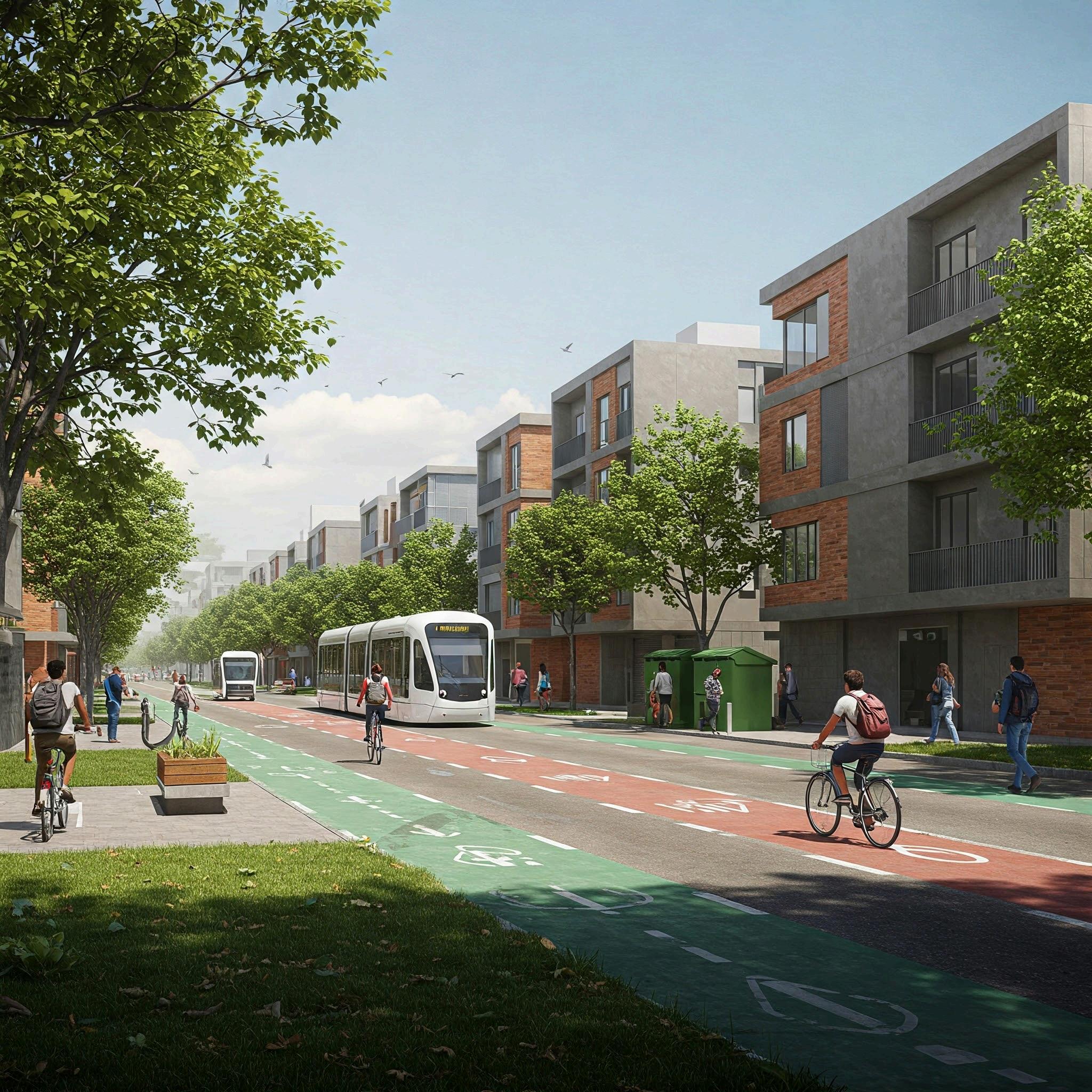
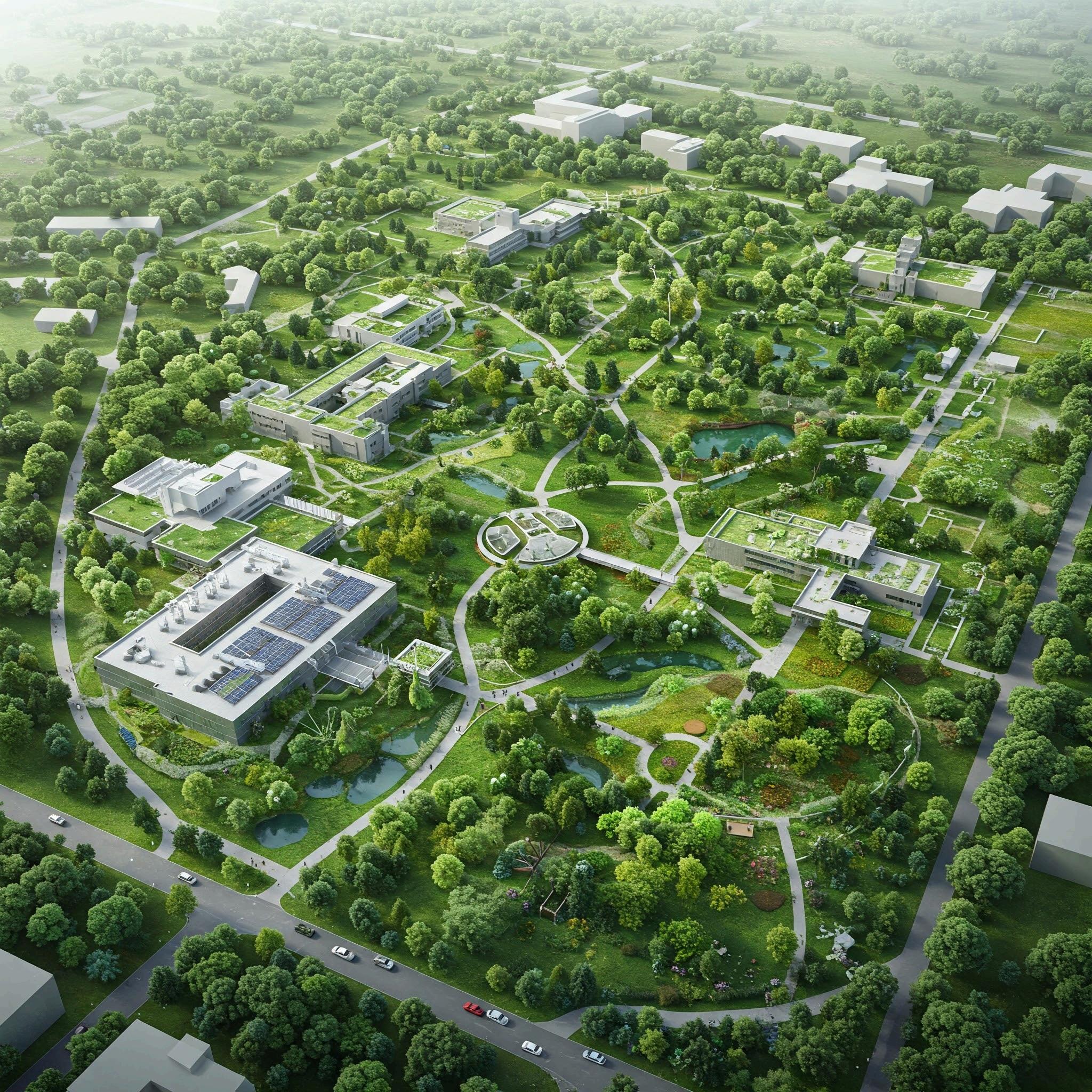
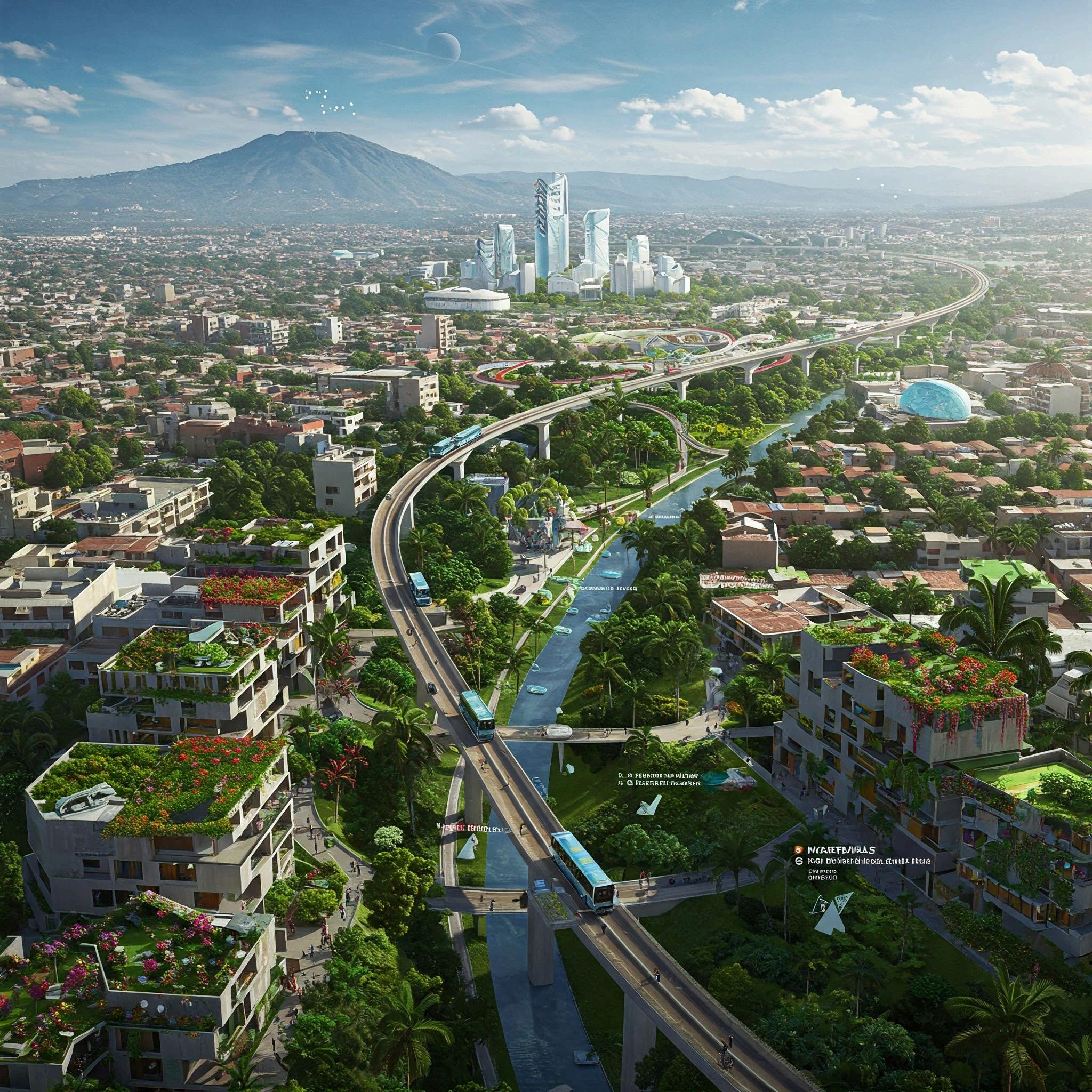
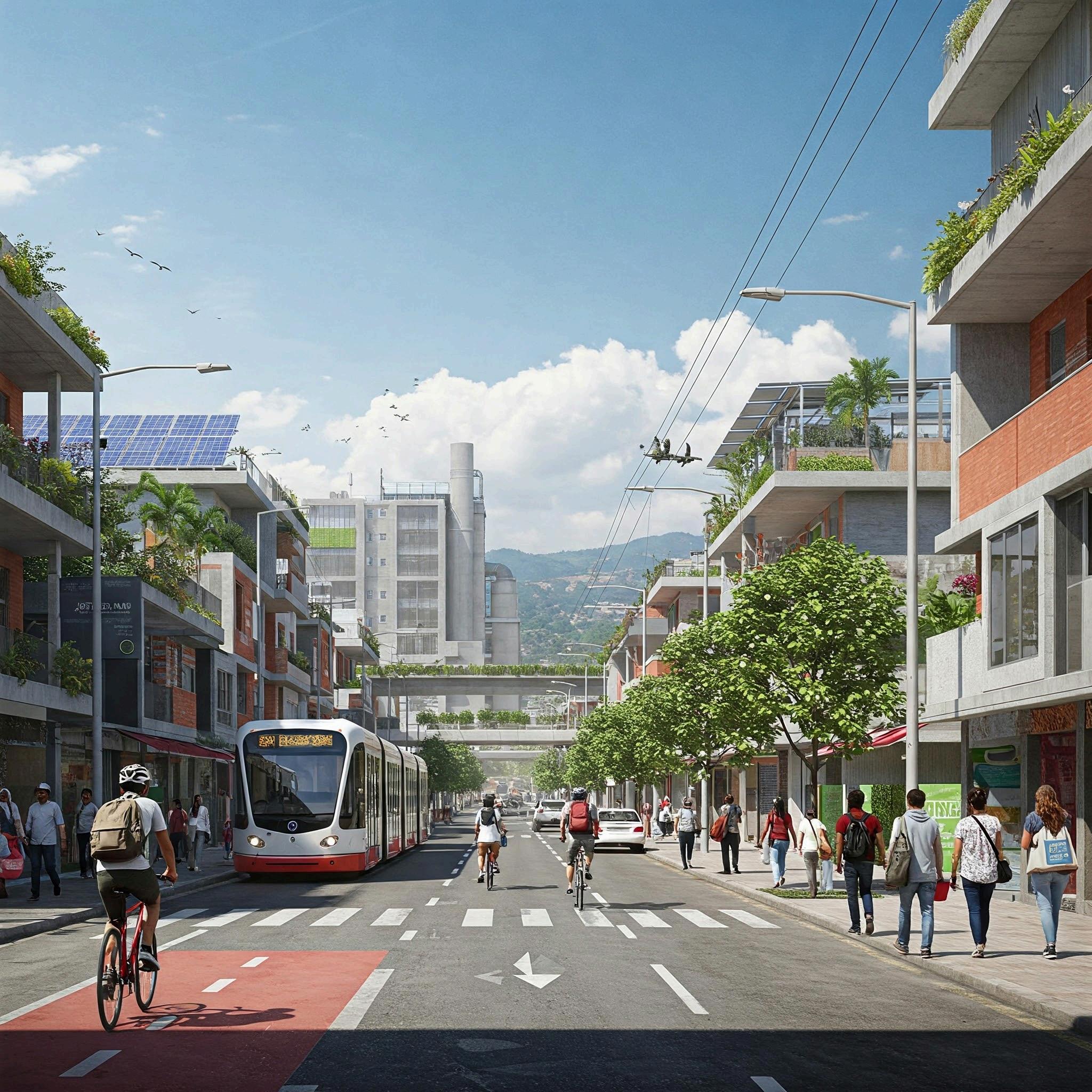
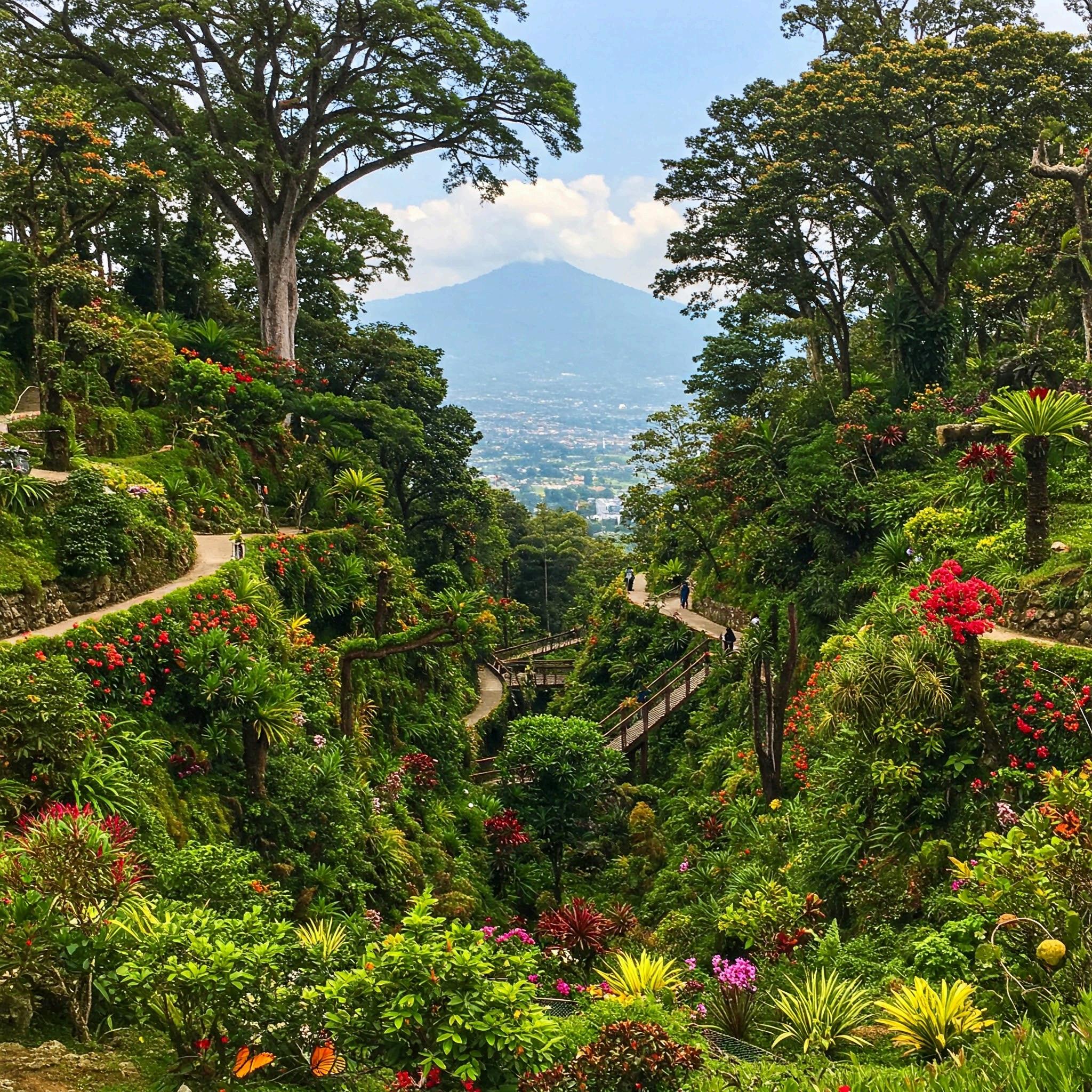
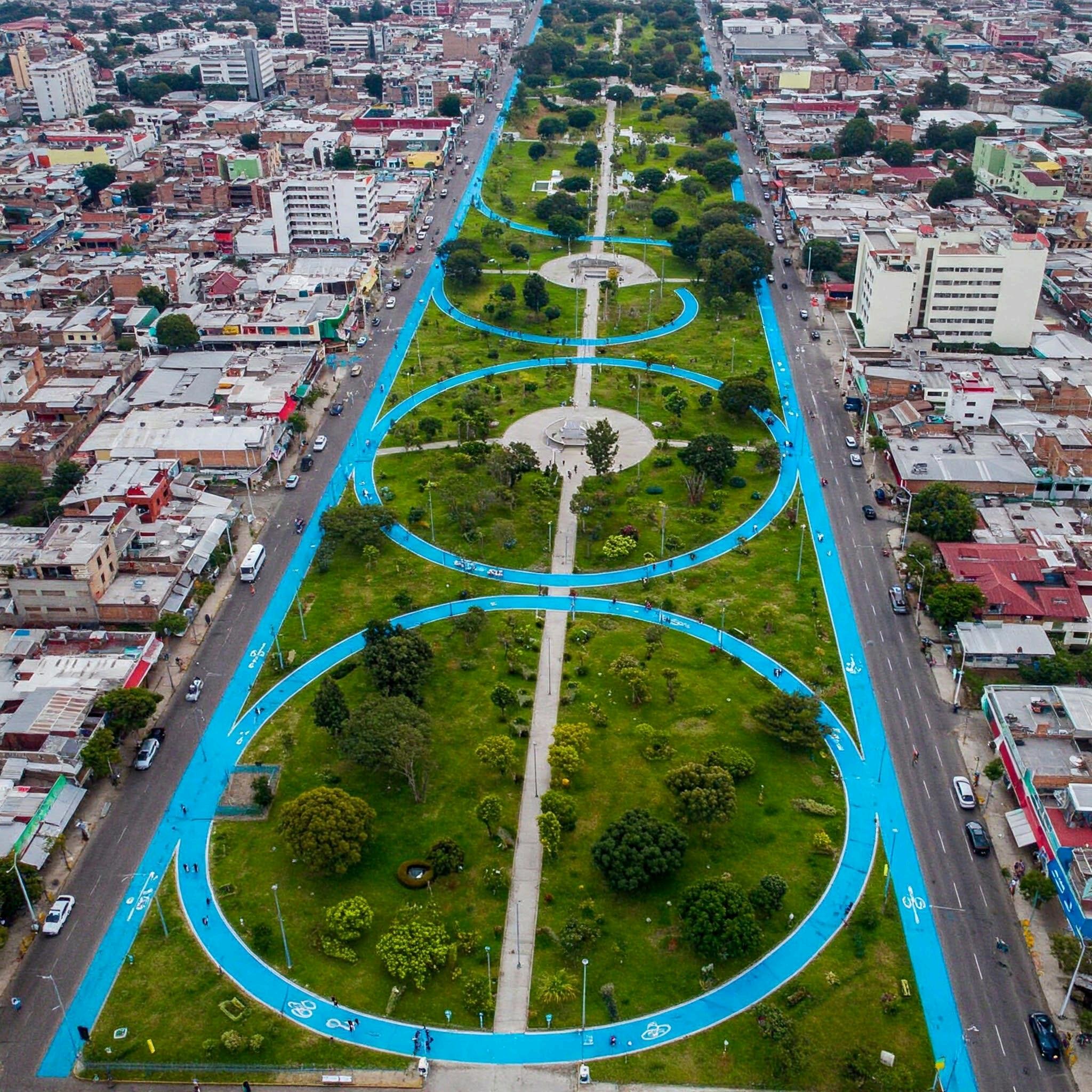
This is a master plan for Guatemala City in 2125 that envisions a resilient and sustainable urban landscape capable of addressing sprawl, informal settlements, and a growing housing crisis.
It delivers affordable and earthquake-resistant housing to prevent displacement, and expands transportation networks to reduce congestion, lower car dependency, and improve mobility. A decentralized water system that includes recycling, aquifer recharge, rainwater harvesting, and hydroponic production secures long-term water supply and reduces flood risks. Integrated policies create safe public spaces and green districts that support equity, environmental health, and community resilience.
TODAS COMEMOS (WE ALL EAT)
Guatemala City, Guatemala
Spring 2025
Professor:
Joel Putnam
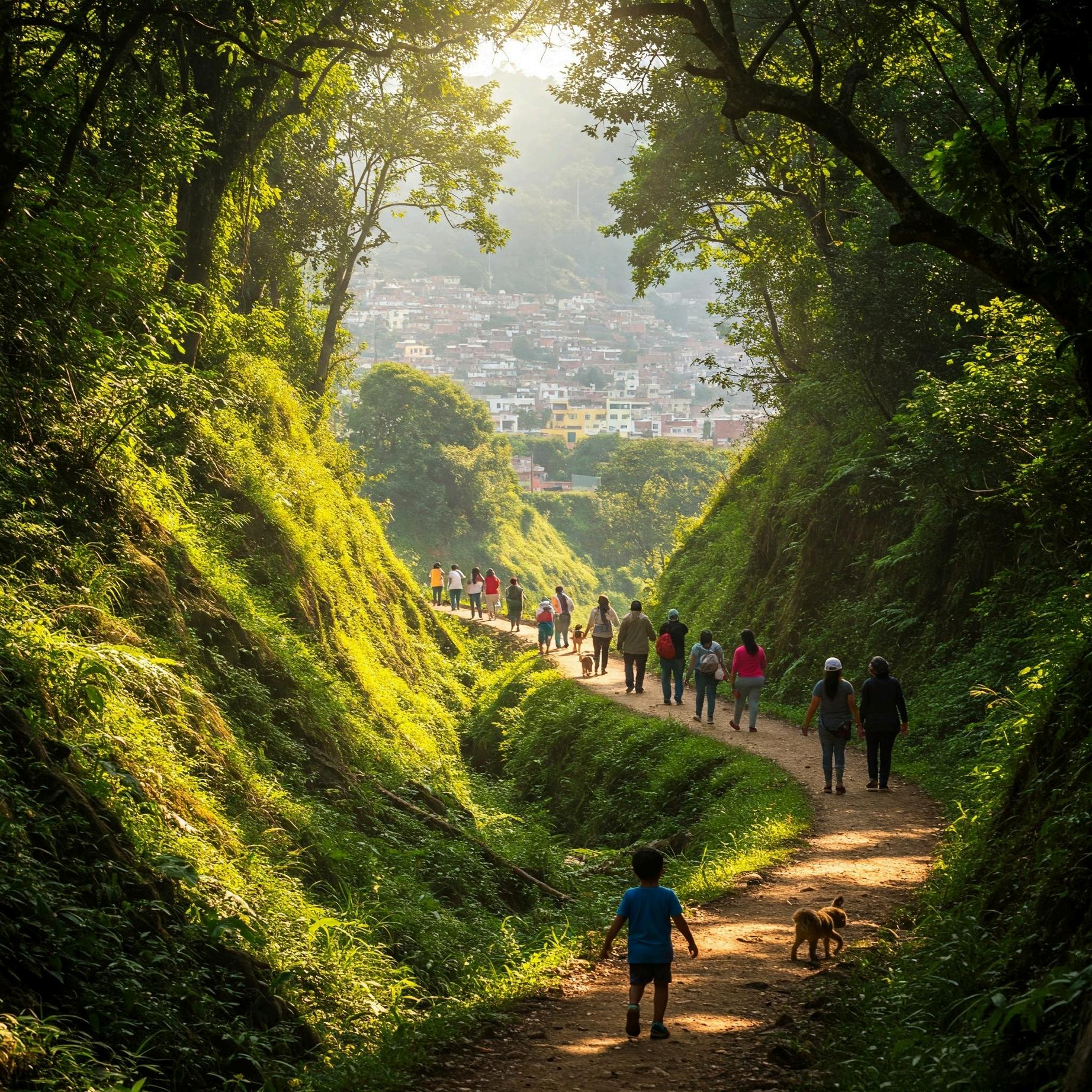
Henry Heligas
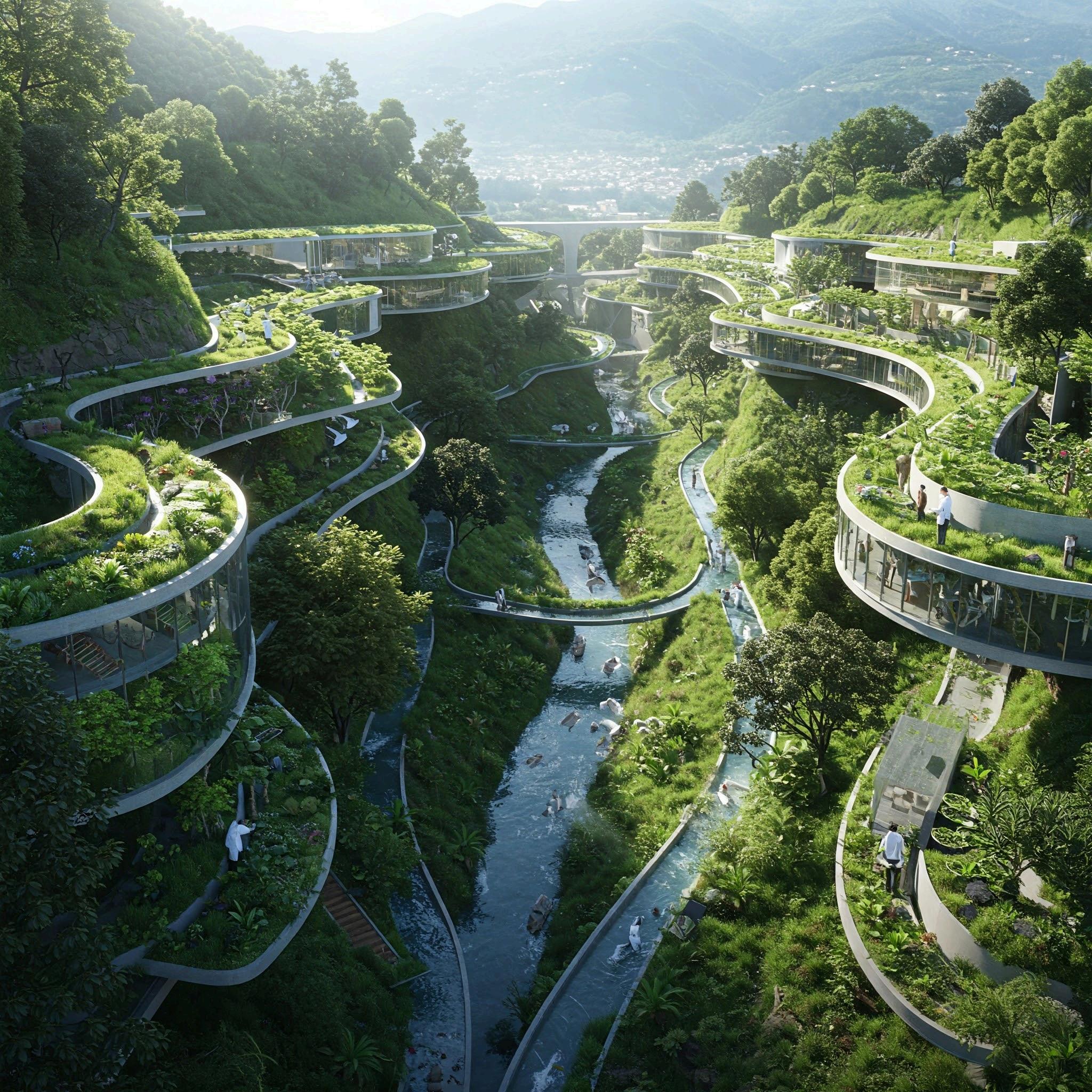
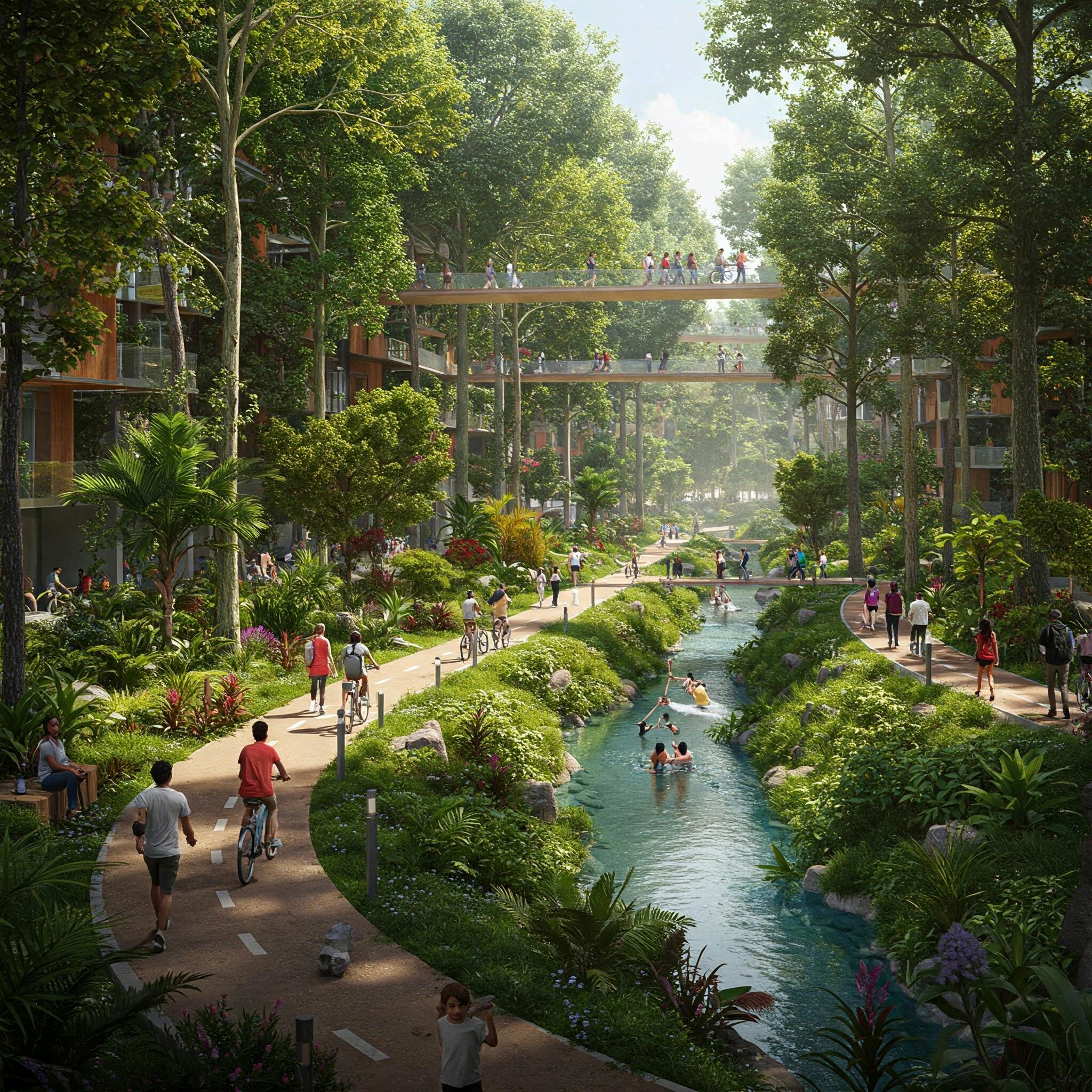
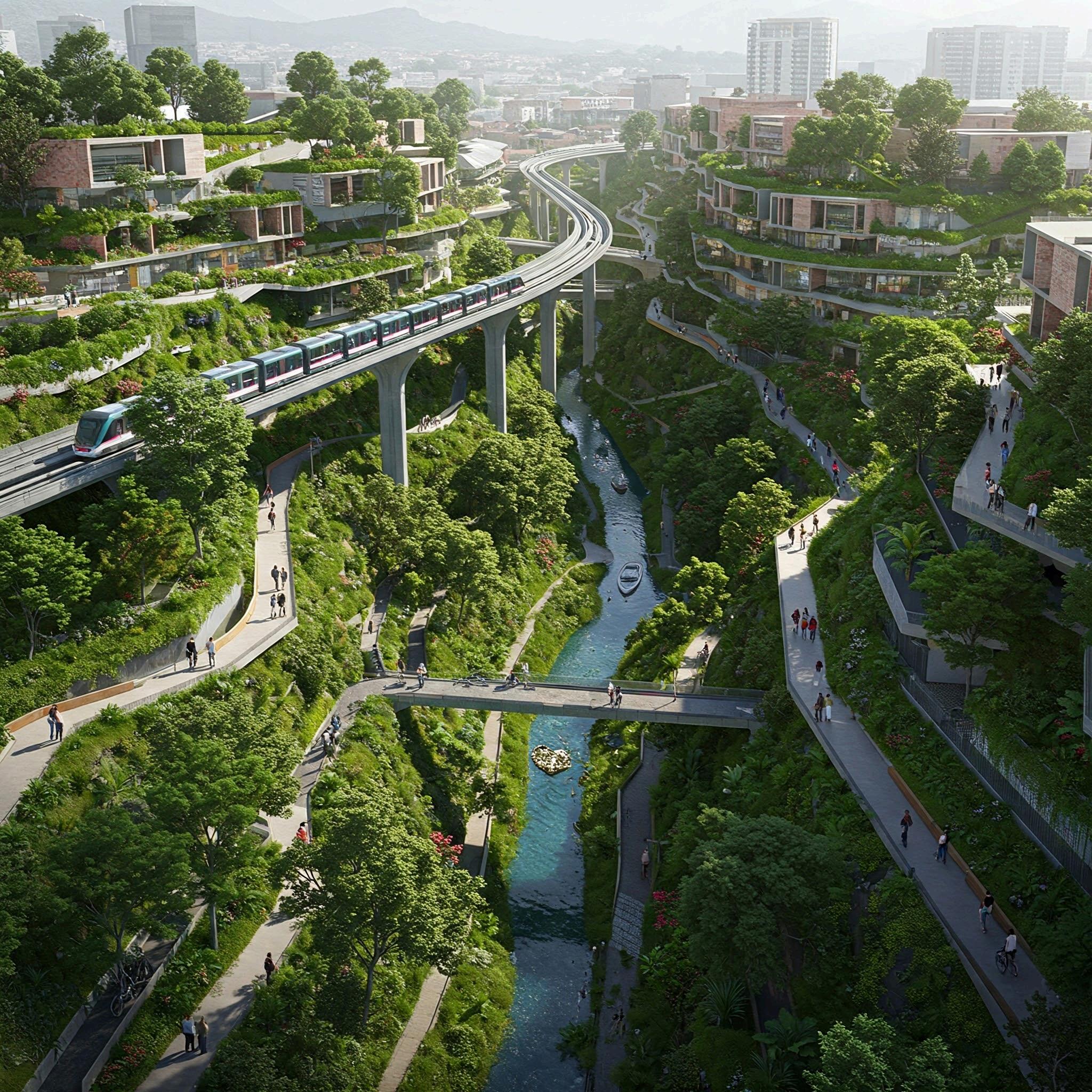
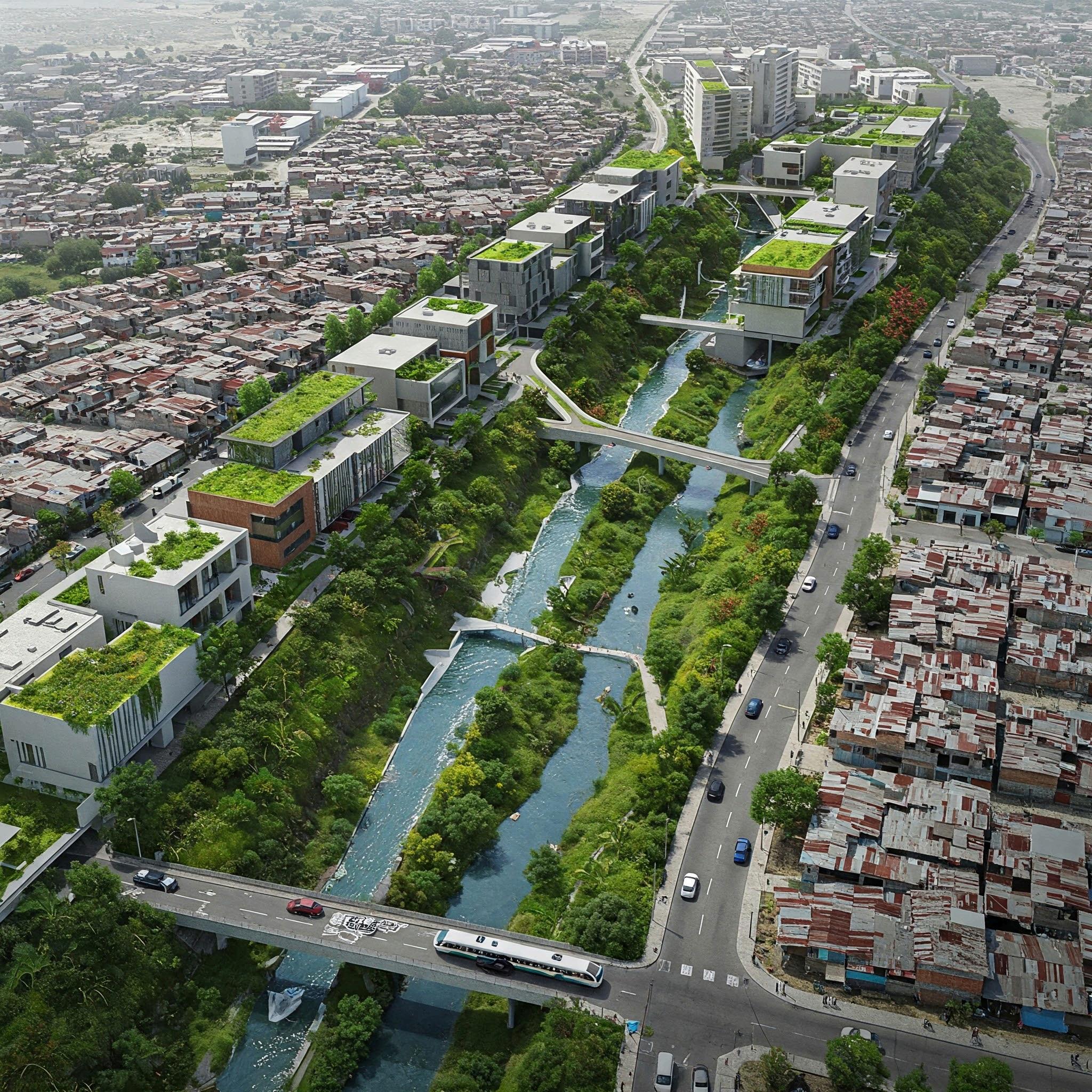
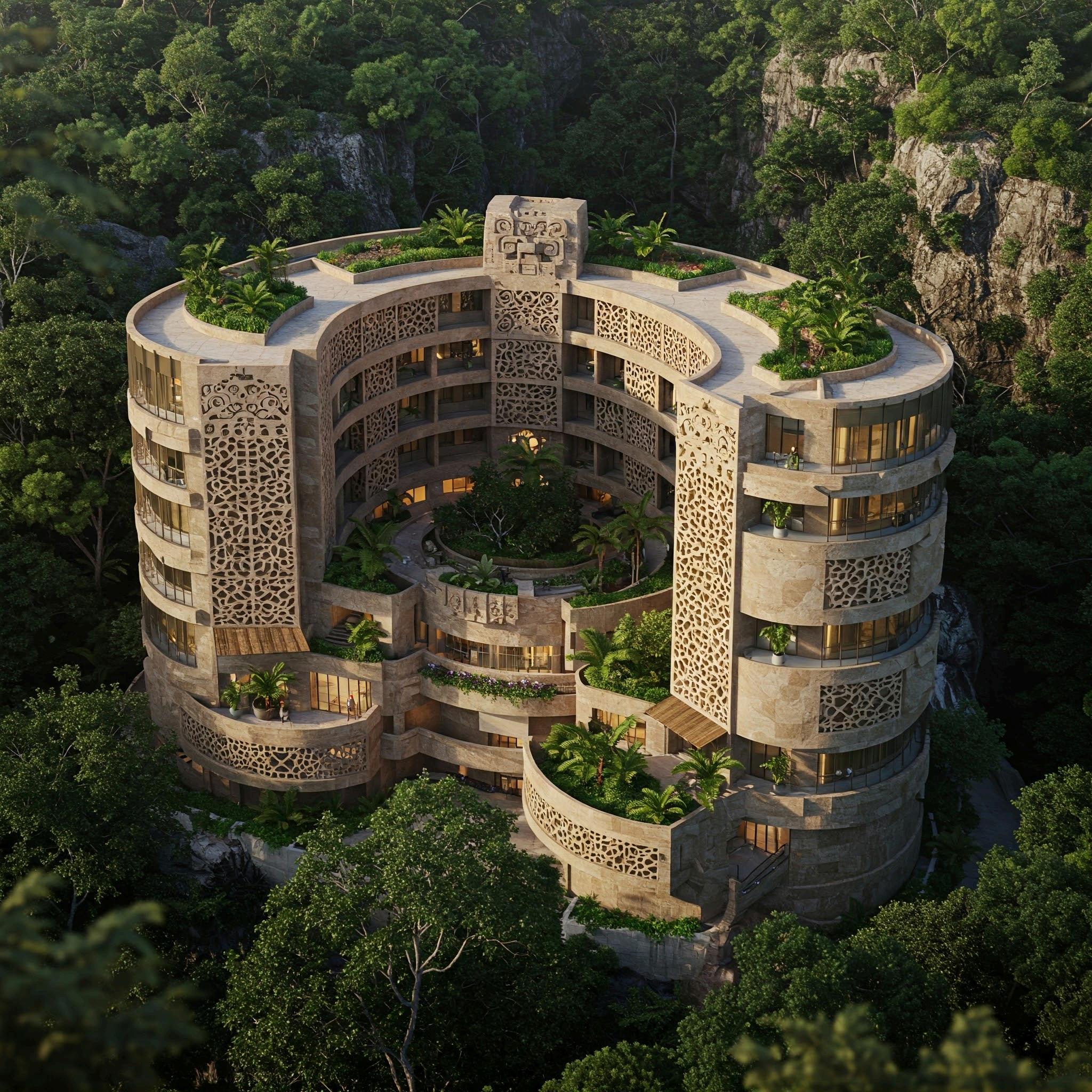
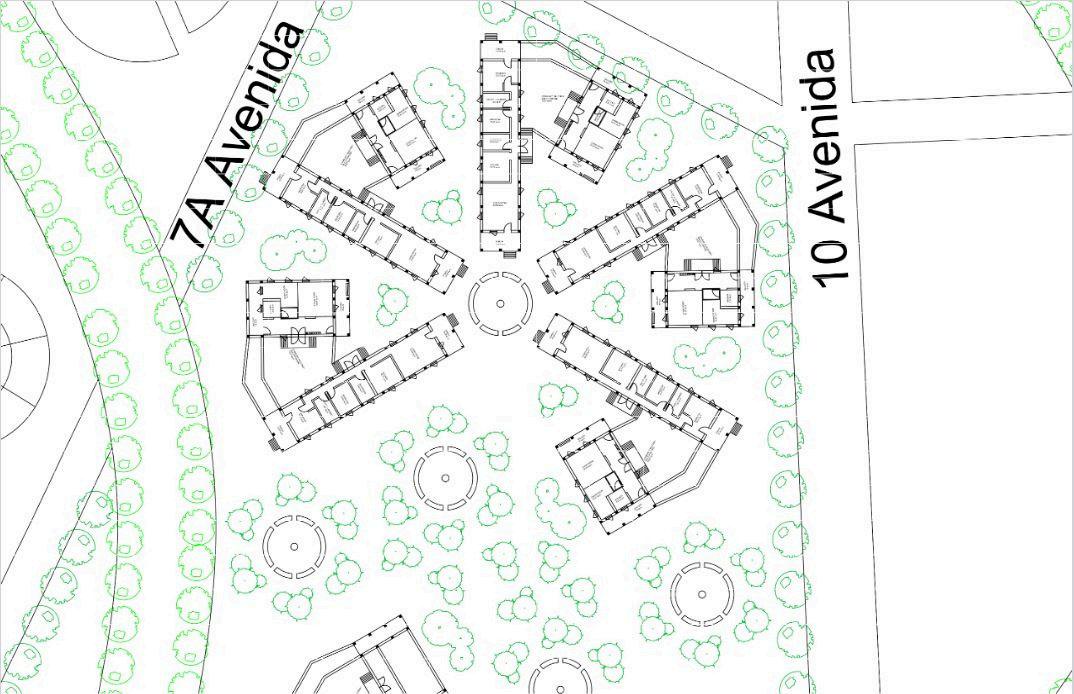
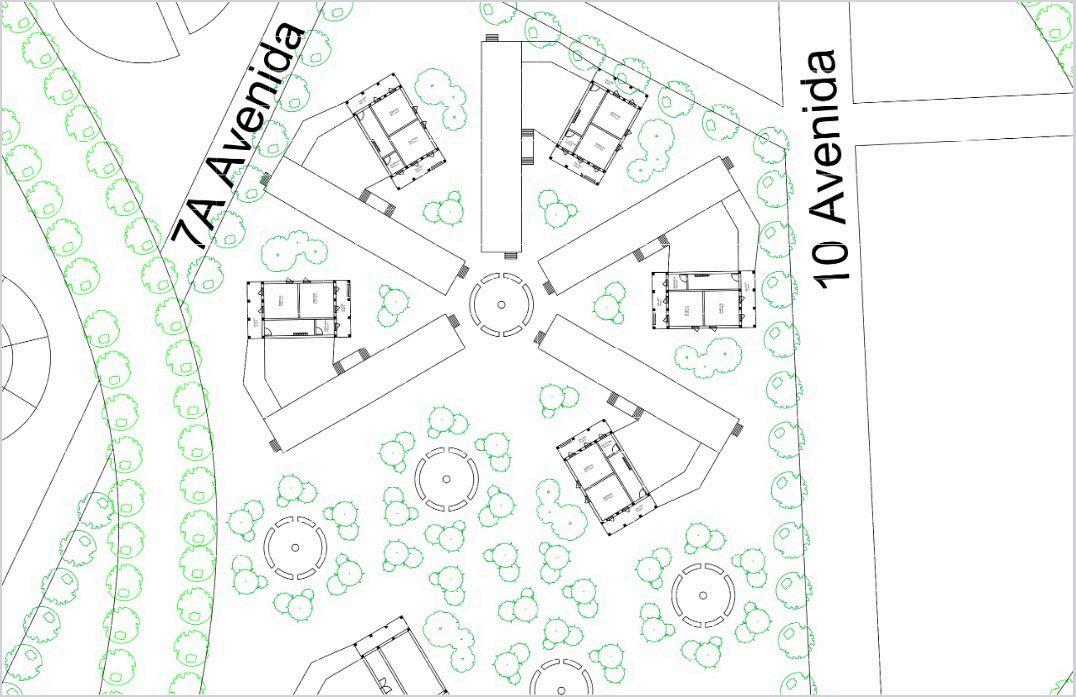
This cluster of housing reimagines Guatemala City’s ravines as vital links between nature and community through nature trails and community-focused housing. It responds to the housing crisis, informal settlements, and criminalized ravine use by rejecting reactionary solutions and advancing revolutionary intercommunalism grounded in collective agency, land reclamation, and ecological justice. The vision creates self-sustaining, interconnected communities that challenge exclusion and illegality, transforming marginalized geographies into spaces of empowerment. This project becomes an act of resistance, resilience, and a redefinition of who has the right to the city.