
Welcome Summer 2026

Page 1


Der Weg ist das Ziel. Dieses Sprichwort geht einem unweigerlich durch den Kopf, wenn man in einem Oldtimer die Passstraßen Südtirols entlangfährt. Einer, der Oldtimer-Rallyes zu seiner Leidenschaft gemacht hat, ist Walter „Fuzzy“ Kofler. In der Coverstory nimmt er uns in eine Welt aus glänzendem Chrom mit, in der jeder Kilometer zu Nostalgie wird. Nicht nur auf vier Rädern, sondern auch auf vier Hufen reisen wir in die Vergangenheit zurück und erzählen Ihnen von den Anfängen der Noriker und Haflinger, zwei besonders starken und anmutigen Pferderassen. Anmutig stürzen sich auch die Wasserfälle ins Tal. Wir haben die spektakulärsten unter ihnen ausgewählt. Für strahlende Augen sorgt außerdem Bloggerin Magdalena Brugger, die Ihnen die schönsten Plätze für Babys, Kleinkinder, Kids und Teens verrät. Wundern Sie sich nicht, wenn Sie zwischen Klettergerüsten und Waldpfaden selbst wieder zum Kind werden. So geht es auch mir alljährlich in einer lauen Sommernacht, wenn die Herz-Jesu-Feuer die Berge in flackerndes Licht tauchen. Lassen Sie sich von diesem und vielen weiteren Erlebnissen in kindliches Staunen versetzen und machen Sie sich bereit für einen Rausch der Emotionen.

Il viaggio è la meta. Questo è il pensiero che affiora spontaneo mentre si percorrono i passi dell’Alto Adige a bordo di un’auto d’epoca. Nella cover story, il pilota Walter “Fuzzy” Kofler, che dei rally storici ha fatto la sua passione, ci accompagna in un mondo di cromature scintillanti, dove ogni chilometro profuma di nostalgia. Ma il nostro viaggio nel tempo non si compie solo su quattro ruote, bensì anche su quattro zoccoli: insieme scopriamo le origini dei cavalli Noriker e Haflinger, due razze equine che si distinguono per forza ed eleganza. Con la stessa imponenza si tuffano a valle le cascate altoatesine, tra le quali abbiamo selezionato le più spettacolari. A far brillare i vostri occhi ci pensa inoltre la blogger Magdalena Brugger, che svela i luoghi più belli da esplorare in compagnia di neonati, bambini e adolescenti. E non stupitevi se, tra parchi avventura e sentieri nel bosco, vi sembrerà di tornare piccoli. Capita anche a me ogni anno, in una tiepida notte d’estate, quando i fuochi del Sacro Cuore illuminano i monti con i loro bagliori. Lasciatevi incantare da queste e molte altre esperienze e riscoprite lo stupore dell’infanzia in un vortice di pure emozioni.

The journey is the destination. This saying will inevitably spring to mind when driving along South Tyrol’s mountain passes in a classic car. Walter “Fuzzy” Kofler turned his love for classic car rallies into his passion. Our cover story will whisk you away to a world of gleaming chrome, where every mile is steeped in nostalgia. As well as travelling back in time on four wheels, you will also do so on four hooves, as we recount the origins of the Noriker and Haflinger, two particularly strong and graceful horse breeds. This edition also features graceful waterfalls that cascade down into the valley. We have selected the most spectacular ones for you. Blogger Magdalena Brugger will also brighten your day by revealing the most beautiful destinations for babies, toddlers, children, and teenagers. Don’t be surprised if you find yourself feeling like a child again among the climbing frames and forest paths. That’s how I feel every year when the Sacred Heart fires cast a flickering light over the mountains on a balmy summer night. Let this and many other experiences fill you with childlike wonder, and prepare yourself for a rush of emotions.

Official Partner of

Find us in Bolzano, Merano, Bressanone, Brunico, Vipiteno and online on maximilian.it

Find us in Bolzano, Merano, Bressanone, Brunico, Vipiteno and online on maximilian.it

SÜDTIROL • ALTO ADIGE • SOUTH TYROL

EDITORIAL BOARD

AUTHORS

Martina Bocek, Eleonora Dellantonio, Sara Iezzi, Sara Penasa, Linda Pizzini, Katharina Weiss

TRANSLATIONS

Eleonora Dellantonio, Sara Iezzi, Iman Joy El Shami-Mader, Sara Penasa, Linda Pizzini, Christina Scharf, Katharina Weiss

PROJECT LEAD

Tanja Götsch

DESIGN

Georg Mayr

PRINTING HOUSE

Fotolito Varesco, Auer/Ora

HEAD OF SALES

Tanja Götsch

T. +39 375 7903785 tanja.goetsch@tt-consulting.com

SALES MANAGER

Alexander Hütter

T. +39 340 6985030 alexander.huetter@gmail.com

SALES MANAGER

Daniel Schnitzer

T. +39 351 3305671 daniel.schnitzer@tt-consulting.com

PUBLISHER

TT GmbH/S.R.L

Industriezone | Zona Industriale 1-5

I-39011 Lana • T +39 0473 560056 info@tt-consulting.com • www.tt-consulting.com www.welcomemagazin.it

PHOTOS

Cover: Tourismusverein Schenna – Cinemepic

Editorial Content

Cover Story: Tourismusverein Schenna – Cinemepic, Walter Kofler | Portrait: Nicolò Dalle Molle, Albert Gruber | Border Story: Garda Dolomiti S.p.A., Sartori Organic Farm, freepik.com |

Sports: Archivio storico Merano, Federazione Provinciale Allevatori Cavalli Haflinger dell’Alto Adige, Zallinger Dolomites | Nature: Manuel Kottersteger, IDM Südtirol-Alto Adige/Helmuth Rier, TV-Bressanone, Tourismusverein Partschins/Helmuth Rier, valgardena.it/Werner Dejori, Thomas Monsorno-Ferienregion Südtirols Süden, Ratschings Tourismus/Guus Reinartz, Alta Badia/Dean Dubokovic, Wolfgang Gafriller, Freddy Planinschek | Tradition: Stefan Mahlknecht | Outdoor: Magdalena Egger, Magdalena Brugger/Outdoor Kiddy Südtirol, IDM Südtirol/Tina Struzenegger, René Gamper | Column: Alexandru Nika/Shutterstock

Destinations

Venosta Valley: Vinschgau Marketing/Benjamin Pfitscher, Alpin Arena Senales, Ferienregion Reschensee/Benjamin Pfitscher | Merano & environs: Gert Pöder, Karl Heinz Röggla, Helmuth Rier | Bolzano & environs: TV Ritten/Tiberio Sorvillo, TV Jenesien/Michael Guggenberg, Hannes Ploner| Pusteria Valley-Badia Valley: Alex Moling, Josef Plaickner| Bressanone & environs: ©Argento Artistry, Sarah Hofmann/Amt für Natur | Gardena Valley/Alpe di Siusi: Sellaronda Bike Day, Tuffalm | Upper Isarco Valley: Tourismusgenossenschaft Sterzing Pfitsch Freienfeld, Giardini aromatici Wipptal, High Life | 3 Zinnen Dolomites: Harald Wisthaler

PR

Meraner Musikwochen: ©Nicolas Hudak Sony Music Entertainment, ©Inge Prader, © Marco Borggreve | Chalet Zuegg: Upscale, Felix Kathrein | Die Gärten von Schloss Trauttmansdorff: Die Gärten von Schloss Trauttmansdorff, Karlheinz Sollbauer | Runggaldier: Patrick Renner Photography, Paolo Savio | WaltherPark: Anna Fichtner | Peer.tv: © Peer | Kellerei Meran: René Riller, Helmut Moling Photography, Stephan Fischnaller, Upscale| Dorf Tirol: Harald Wisthaler, Benjamin Pfitscher | Kränzelhof: Emi Massmer Emotions | So kocht Südtirol: Guenther Pichler | Forst: Forst, Manuela Tessaro, Oskar Da Riz | Alps Coffee: © Alps Coffee/Florian Andergassen | Restaurant Speckeggele: © Kottersteger, Luca Zuccolo | 3 Zinnen Dolomiten: Harald Wishthaler | FC Südtirol: FC Südtirol, Giacomelli Andrea

Personalised Editions

Garberhof: Cinemepic, Nicolò Dalle Molle, Edi und Sepp, IDM Südtirol/Manuel Kottersteger, IDM Südtirol/Benjamin Pfitscher | Gnaid: Alex Filz, Guenther Pichler, lanaregion/Upscale, IDM Südtirol/Helmuth Rier, IDM Südtirol/Andreas Mierswa | Hotel Castel: Michael Königshofer, Werbecompany Meran, Patrick Schwienbacher, TV Dorf Tirol/ Benjamin Pfitscher, IDM Südtirol/Alex Moling | Maximilian: Melanie Zanesco | Terentnerhof: Nicolò Dalle Molle, Manuel Kottersteger, Cinemepic, Thomas Monsorno | Tiroler Goldschmied: Manuela Prossliner

Zur besseren Lesbarkeit wird für Personenbezeichnungen das generische Maskulinum verwendet; diese Begriffe gelten für alle Geschlechter. Dove presente, l’uso del maschile universale ha il solo scopo di agevolare la lettura, pur intendendo rivolgersi a tutte le diverse identità di genere. For better readability, the masculine form is used for some personal designations. The corresponding terms apply equally to all genders.

14

FASHION TRENDS & STYLE

34 PORTRAIT GOTTFRIED GURSCHLER ON HIS TRAVELS TO NEPAL

SPORTS HORSE RIDING AS CULTURAL HERITAGE

22

COVER STORY A CLASSIC CAR RALLY IN SOUTH TYROL

46 BORDER STORY OLIVE OIL FROM LAKE GARDA

68

NATURE SPECTACULAR WATERFALLS

92 OUTDOOR FAMILY ADVENTURES

DESTINATION INSIDER TIPS 118

80

TRADITION BONFIRES IN THE MOUNTAINS

100 COLUMN MY SOUTH TYROL

Find us in Bolzano, Merano, Bressanone, Brunico, Vipiteno and online on maximilian.it

Was ist gerade en vogue, wie falle ich auf und wo finde ich die beste Beratung? Was Südtirol derzeit modisch bewegt, finden Sie auf den kommenden Seiten.

Quali sono le tendenze in voga? Come farsi notare? Dove ricevere i consigli migliori? Leggete le prossime pagine e scoprite tutte le ultime novità nella moda altoatesina.

What’s trendy right now? How can I get noticed? Where can I get the best tips? Get the scoop on the South Tyrolean fashion scene on the next few pages.

OLE LYNGGAARD COPENHAGEN
Tiroler Goldschmied

SPRING/SUMMER 2026

Exklusiv für Welcome präsentiert Mode-Expertin Nadia Tschenett die aktuellen Trends der internationalen Runways. Nach sechs Jahren im Fashionressort der deutschen Elle leitete die gebürtige Meranerin als Unit-Director von Loews, der führenden deutschen PR-Agentur im High-Fashion-Business, die Mode-Etats von Burberry und Jil Sander. Seit ihrer Rückkehr nach Südtirol berät sie größere und kleinere Kunden rund um das Thema Mode. Hauptaugenmerk legt sie dabei auf die Organisation von Events, Styling und die Umsetzung von professionellen Fotoshootings.

L’esperta di moda Nadia Tschenett presenta, in esclusiva per Welcome, i trend attuali che dominano le passerelle internazionali. Dopo sei anni nella sezione fashion del magazine tedesco Elle, la meranese ha lavorato presso Loews, agenzia di PR leader nel business dell’alta moda in Germania. In

veste di Unit Director, dirigeva il reparto dedicato a Burberry e Jil Sander. Dal suo ritorno in Alto Adige, Nadia è attiva come consulente di moda per svariate tipologie di clienti. L’organizzazione di eventi, la cura dello styling e la realizzazione di shooting fotografici professionali sono i focus della sua attività.

As a Welcome exclusive, Nadia Tschenett will present current trends directly from the international runways. After six years in the fashion department of the German Elle magazine, the Merano native has been working at Loews, the leading PR agency in the haute couture business in Germany. As Unit Director, she headed the fashion budget of Burberry and Jil Sander. Since returning to South Tyrol, Nadia has been working as a consultant to bigger and smaller clients in the fashion world. Her activity focusses on the organisation of events, styling and the coordination of professional photo shoots. FASHION TRENDS

WHITE SHIRT

Das weiße Hemd zählt zu den stärksten Klassikern der Saison. Locker geschnitten oder klar konstruiert, wirkt es modern und zeitlos zugleich. Bei Balenciaga unter Pierpaolo Piccioli und bei Chanel unter Matthieu Blazy steht das White Shirt, kombiniert mit einem schwarzen Rock, für eine Eleganz, die durch Reduktion überzeugt.

The white shirt is one of the hottest classics this season. Whether loose-fitting or tailored: it looks both modern and timeless. In the shows of Balenciaga under Pierpaolo Piccioli and Chanel under Matthieu Blazy, the white shirt – matched with a black skirt – embodies an elegance characterised by minimalism.

La camicia bianca è uno dei grandi classici della stagione. Dai tagli ampi o dalle linee definite, conferisce al contempo un aspetto tradizionale e moderno. Pierpaolo Piccioli per Balenciaga e Matthieu Blazy per Chanel la propongono in abbinamento a una gonna nera, simbolo di un’eleganza che convince per sottrazione.

BOTTEGA VENETA

SUMMER LEATHER

Leder zeigt sich überraschend leicht und sommerlich. Weiche Qualitäten und helle Naturtöne nehmen dem Material seine Schwere. Ob Rock, Shorts oder Jacke: In Kombination mit Baumwolle oder Seide wirkt Leder modern, entspannt und vielseitig tragbar.

Leather proves surprisingly light and summery. Soft textures and bright natural tones take away the material’s heaviness. Whether as a skirt, as shorts or as a jacket: leather looks modern, casual and versatile –especially when combined with cotton or silk.

I capi in pelle sorprendono con una nuova leggerezza estiva. Le texture morbide così come i toni chiari e naturali ne alleggeriscono l’impatto visivo. Gonne, short o giacche, abbinate a cotone o seta, creano look moderni, rilassati e versatili.

CHLOÉ
FOPE TIROLER GOLDSCHMIED
BALENCIAGA
OLE LYNGGAARD COPENHAGEN TIROLER GOLDSCHMIED
MARCO BICEGO TIROLER GOLDSCHMIED
CELINE
THE FRANKIE SHOP
KHAITE

PRIMARY COLOURS

Primärfarben bringen Energie in die Saison. Kräftiges Blau, klares Rot und leuchtendes Gelb setzen frische Akzente und wirken besonders stark in reduzierten Looks. Wer es zurückhaltender mag, startet mit Accessoires: Taschen oder Schuhe in Primärfarben sorgen für einen modernen Farbakzent.

Primary colours energise the season. Bold blue, bright red and vibrant yellow add refreshing accents and are particularly striking in minimalist looks. If you prefer a more subtle approach, start with your accessories: bags or shoes in primary colours are perfect to liven up your outfit.

I colori primari portano energia al guardaroba. Blu intenso, rosso deciso e giallo brillante donano freschezza e risaltano soprattutto negli outfit essenziali. Per uno stile più discreto, ci sono invece gli accessori: borse o scarpe in queste tonalità conferiscono

LA PREZIOSA TIROLER GOLDSCHMIED
TAMARA COMOLLI TIROLER GOLDSCHMIED
AQUAZZURA
LOEWE
CELINE
VICTORIA
BECKHAM
DRIES VAN NOTEN
A.EMERY
CELINE
CELINE
CELINE
NILI LOTAN
LA VESTE CELINE

Top Summer Accessories

6 8

5 9

viaggio sulla macchina del tempo

DIE STRASSE ALS ZEITMASCHINE Un

A Road Trip Back in Time

Chrom glänzt im Morgenlicht, der Duft von Benzin liegt in der Luft, die Dolomiten wachen über den Straßen. Die Südtirol Classic Schenna ist mehr als ein Wettbewerb; sie ist eine Zeitreise. Rallyepilot Walter „Fuzzy“ Kofler erzählt von Emotionen, Pässen und der Magie des Fahrens.

Le cromature luccicano sotto il sole del mattino, l’odore di benzina evoca nostalgia, le cime delle Dolomiti vegliano sulle strade sinuose. Il rally Südtirol Classic Schenna è più di una competizione: è un viaggio nel tempo. E il pilota Walter Kofler, detto Fuzzy, ce ne racconta le emozioni e la magia.

The chrome glistens in the morning light, the smell of petrol hangs in the air, the Dolomites stand guard over the roads. The Südtirol Classic Schenna is more than just a competition: it is a journey through time. Rally driver Walter “Fuzzy” Kofler talks about emotions, mountain passes and the magic of driving.

Tourismusverein Schenna – Cinemepic, Walter Kofler

Regardless

Meist düsen wir von A nach B, zu Terminen, zur Arbeit, nach Hause. Wir nehmen kaum wahr, was um uns passiert, und Autofahren ist ein Teil des Alltags – funktional, routiniert, oft beiläufig. Der Blick bleibt geradeaus gerichtet, die Gedanken schweifen ab. Ganz anders ist es für Oldtimerfahrer. Denn obwohl es bei einer Rallye auch um Präzision, Gleichmäßigkeit und Zeit geht, wird das Fahren hier zu einer bewussten Verbindung mit der Landschaft. Tolle Autos und spektakuläre Kulissen treffen aufeinander. Fahrzeuge, die Emotion erzeugen, den Untergrund spüren lassen und uns einladen, in eine andere Zeit einzutauchen. So auch bei Walter „Fuzzy“ Kofler, dem aus Tscherms stammenden Rallyepiloten, der zu den prägenden Persönlichkeiten des internationalen Regularity-Sports zählt. Der Regularity-Sport ist kein Geschwindigkeits-, sondern ein Präzisionswettbewerb, bei dem es darum geht, eine festgelegte Strecke mit einer genau definierten Durchschnittsgeschwindigkeit und exakten Zwischenzeiten zu bewältigen, oft basierend auf einem Roadbook, wobei Ge-

nauigkeit und Beständigkeit wichtiger sind als rohe Geschwindigkeit. Genau bei solch einer Rallye konnte sich Walter Kofler viermal den Weltmeistertitel holen. Einen besonderen Platz in seinem persönlichen Kalender nimmt jedoch die Südtirol Classic Schenna ein. Vielleicht, weil die Strecke sein Zuhause ist. Vielleicht, weil sie Herz und Anspruch vereint. So oder so nimmt uns Kofler in seinem Porsche 356 A aus dem Jahr 1958 mit auf eine Reise voller Eindrücke, Erinnerungen und leiser, intensiver Momente.

Mit dem Porsche 356 A durch Südtirol

Wenn er an den ersten Morgen in Schenna denkt, entsteht nicht nur ein Bild, sondern ein Gefühl. Es ist früh, die Sonne tastet sich langsam über die Weinberge, und das Dorfzentrum ist erfüllt von diesem unverwechselbaren Duft: warmes Benzin, frisches Öl, polierter

Lack. Stimmen klingen gedämpft, Schritte hallen auf dem Pflaster. Im Cockpit seines Porsche 356 A fühlt sich alles ehrlich und reduziert an. Kein Display, kein Filter. Nur das dünne Lenkrad, klare Rundinstrumente und der Blick über die geschwungenen Kotflügel. Mit dem Dreh des Zündschlüssels erwacht der Boxermotor – ruhig, mechanisch, voller Charakter. „Schon beim Start merkt man, dass diese Rallye etwas Besonderes ist“, sagt Kofler. „Man fährt nicht gegen die Landschaft; man fährt mit ihr.“ Die ersten Etappen durch das Meraner Land sind ein behutsames Ankommen. Die Straßen schlängeln sich durch Apfelwiesen und Weingärten, vorbei an Lana, Tisens und Terlan. Die Landschaft wirkt weich, fast meditativ. Der Porsche gleitet über den Asphalt, jede Bodenwelle ist spürbar, jede Kurve fordert Aufmerksamkeit. Hier wird nichts kaschiert. „Ein Oldtimer filtert nichts weg“, erklärt Kofler. „Er erzählt dir alles, was die Straße zu sagen hat.“ Und genau das macht den Reiz aus: Man fährt nicht isoliert, sondern mittendrin.

Egal ob Bergpanorama oder Kurhauskulisse, bei der Rallye ist das Auto der Star.
Con le montagne o il
Kurhaus sullo sfondo: qui le vere protagoniste sono le auto.
of the mountain panorama or spa town backdrop, the car is the protagonist of the rally.

Mit jedem Tag wächst die Intensität. Die Landschaft wird dramatischer, die Straßen schmaler, die Höhenmeter mehr. Die Dolomiten rücken näher, ihre Zacken zeichnen sich scharf gegen den Himmel ab. Als wir uns dem Würzjoch nähern, verändert sich die Stimmung. Die Luft wird kühler, klarer, der Motor klingt anders. Kehre um Kehre arbeiten wir uns hinauf. Kofler sitzt konzentriert hinter dem Lenkrad, schaltet bewusst, hört auf jede Nuance des Motors. Hier zählt nicht Geschwindigkeit, sondern Rhythmus, das feine Zusammenspiel zwischen Mensch und Maschine. Oben angekommen, bleibt man stehen. Unwillkürlich. Der Motor knistert leise, der Wind trägt den Duft von Bergwiesen heran. Der Blick schweift über Täler und Gipfel, und für einen Moment scheint die Zeit stillzustehen. „Das sind die Augenblicke, die bleiben“, sagt Kofler leise. „Du steigst aus, schaust dich um und weißt: Dafür fahre ich Rallye.“

Doch die Südtirol Classic Schenna lebt nicht nur von Pässen und Panoramen. Sie lebt von Begegnungen. In den Ortschaften entlang der Strecke stehen Menschen am Straßenrand, winken, lächeln, applaudieren. Kinder zählen Startnummern, ältere Zuschauer erzählen von Autos, die sie selbst einst gefahren sind. Chrom glänzt in der Sonne, Gespräche vermischen sich mit Motorengeräuschen zu einem zeitlosen Augenblick. Am Abend, wenn wir entlang der Kurpromenade in Meran einrollen, taucht das Licht der tief stehenden Sonne die Szene in Gold. Oldtimer reihen sich wie Kunstwerke aneinander. Fahrzeuge aus verschiede-

nen Jahrzehnten stehen Seite an Seite, doch Unterschiede spielen keine Rolle. Es geht um Leidenschaft, um Respekt vor der Technik, um das gemeinsame Erleben.

Auch die ruhigeren Etappen haben ihren Zauber. Die Fahrt entlang der Weinstraße Richtung Trentino öffnet den Blick. Die Landschaft wird weiter, mediterraner, die Farben wärmer. Der Porsche 356 A rollt entspannt durch die Kurven, fast gelassen. „Diese Rallye erinnert mich jedes Jahr daran, warum ich das Fahren liebe“, sagt Kofler. „Nicht wegen der Pokale, sondern wegen der Gefühle.“ Am letzten Tag, wenn beim Frühschoppen in Schenna Gläser klingen und Geschichten erzählt werden, verbreitet sich ein Hauch von Wehmut unter den Teilnehmern. Hände streichen über Kotflügel, letzte Fotos werden gemacht. Zurück bleibt Dankbarkeit. Für eine Woche voller Eindrücke, für Straßen, die zu Erinnerungen wurden, und für ein Auto, das mehr ist als Technik. Die Südtirol Classic Schenna, welche 2026 bereits zum 40. Mal stattfindet, ist keine Reise durch Kilometer, sie ist eine Reise durch Zeit, Emotionen und die pure Freude am Fahren.

Betrachtet man Walter Koflers Ausführungen, merkt man schnell, dass Südtirol für Oldtimerfreunde eine Bühne bietet, wie sie kaum authentischer sein könnte. Die Vielfalt der Landschaften, das Zusammenspiel aus alpiner Strenge und mediterraner Leichtigkeit sowie die gelebte Nähe zur Technik machen das historische Automobil hier zu mehr als einem Sammlerstück. Oldtimer werden in Südtirol

Die 40. Ausgabe der Südtirol Classic Schenna findet von 5. bis 12. Juli 2026 statt.

La 40^ edizione del rally Südtirol Classic Schenna si terrà dal 5 al 12 luglio 2026.

The 40 th edition of the Südtirol Classic Schenna will take place from 5 th to 12 th of July 2026.

Bei einer Oldtimer-Rallye werden auch die kleinsten Motoren ganz groß in Szene gesetzt.
Durante questo raduno di auto d’epoca, anche le vetture più piccole risaltano alla grande.
Even the smallest engines take centre stage at a classic car rally.

nicht nur gezeigt, sondern bewegt – auf Straßen, die Charakter haben und Geschichten erzählen. Sie entschleunigen, schärfen den Blick für Details und verändern die Wahrnehmung von Mobilität. Gerade in einer Zeit, in der Effizienz dominiert, liegt ihre Faszination darin, das Fahren wieder fühlbar zu machen: als sinnliches Erlebnis, als Dialog zwischen Mensch, Maschine und Umgebung.

Ogni giorno ci spostiamo di fretta da un posto a un altro, tra lavoro, casa e appuntamenti. Guidiamo per routine, in modo distratto, senza curarci di cosa ci circonda: lo sguardo rimane fisso avanti, mentre i pensieri vagano altrove. Ma per i piloti di auto d’epoca è diverso. Per quanto in una gara di rally sia fondamentale tenere d’occhio il cronometro, i paesaggi oltre il finestrino vengono apprezzati in modo consapevole. Vetture iconiche e scenari da cartolina si uniscono per dare vita a esperienze uniche che, curva dopo curva, trasportano in un’altra dimensione temporale. Walter Kofler conosce bene queste sensazioni. Il pilota di rally meglio noto come Fuzzy, originario di Cermes in Alto Adige, è una leggenda internazionale nel mon-

do delle gare di regolarità. In questa disciplina, anziché la velocità assoluta, viene premiata la capacità di percorrere il tracciato rispettando meticolosamente medie orarie e tabelle di marcia prestabilite, spesso seguendo un roadbook. In altre parole, non si tratta di una corsa contro il tempo, ma dentro al tempo. E proprio in una competizione di questo genere Kofler ha conquistato quattro volte il titolo mondiale. Nel suo calendario, tuttavia, il rally Südtirol Classic Schenna trova sempre un posto speciale. Forse perché si snoda sulle strade di casa, forse perché coniuga sfida e passione. Ad ogni modo, Kofler ci fa salire a bordo della sua Porsche 356 A del 1958 e ci conduce in un viaggio tra impressioni, ricordi e intensità emotiva.

In giro per l’Alto Adige

sulla Porsche 356 A

Pensando al primo giorno a Scena, non affiorano solo immagini, ma soprattutto sensazioni. È mattino presto, il sole indora i vigneti e il centro del paese è pervaso da quell’odore

Kehre für Kehre geht es hoch auf das Stilfser Joch.

Tornante dopo tornante si raggiunge il Passo dello Stelvio.

Hairpin bend after hairpin bend, the road winds its way up to the Stelvio Pass.

inconfondibile di benzina, olio e vernice fresca. In sottofondo, si sente un chiacchiericcio sommesso e l’eco dei passi sul selciato. L’abitacolo della sua Porsche 356 A si presenta autentico ed essenziale: nessun display, nessun filtro; solo il volante sottile, gli indicatori analogici e la visuale sugli stilosi parafanghi arrotondati. Non appena la chiave attiva il meccanismo nel cilindro di accensione, il motore boxer inizia a fare le fusa esprimendo tutto il suo carattere. “Già alla partenza si percepisce che questo rally è qualcosa di speciale”, afferma Kofler. “Non sfrecci verso un paesaggio, ti ci immergi dentro.” Le prime tappe attraverso il Meranese danno modo di cominciare con delicatezza, in scenari dolci e quasi meditativi. Il percorso serpeggia tra meleti e vigneti, passando per Lana, Tesimo e Terlano. Procedendo sull’asfalto, la Porsche fa percepire anche la minima irregolarità del terreno e richiede attenzione a ogni svolta. “Un’auto d’epoca non maschera nulla, anzi: ti dice tutto della strada”, spiega il driver. E proprio qui sta il fascino: non si guida isolati dal contesto, ma si dialoga con esso. Nei giorni seguenti l’intensità sale. I panorami si fanno più spettacolari ancora, le strade stret-

Quando si guida un’auto d’epoca, conta l’esperienza in sé più che la meta.

In a classic car, it’s the experience that matters more than the destination.

te, i dislivelli maggiori. Le Dolomiti sono ora a portata di sguardo, le loro guglie si stagliano nitide contro il cielo. Quando ci avviciniamo al Passo delle Erbe, l’atmosfera cambia: l’aria è più fresca e limpida, il motore ronza in modo diverso. Tornante dopo tornante, saliamo verso il valico. Kofler guida con concentrazione, innesta le marce e sterza in modo controllato, attento a ogni segnale dell’auto – perché qui conta più la sintonia tra uomo e macchina della pura velocità. Una volta in cima, ci si ferma d’istinto. Il motore scoppietta piano, il venticello fa arrivare alle narici il profumo dei prati di montagna. La vista spazia dalle cime alle valli, e per un istante il tempo pare cristallizzarsi. “Questi sono i momenti che restano”, dice Kofler sottovoce. “Scendi dalla vettura, ti guardi attorno e ti ricordi perché ami così tanto il rally.” Tuttavia, il raduno Südtirol Classic Schenna non è solo sinonimo di passi e panorami grandiosi, ma soprattutto di incontri. Quando i concorrenti passano per le varie località, molta gente li attende a bordo strada: saluta, sorride, applaude. I bambini contano

i numeri di gara, i più anziani commentano le macchine che loro stessi hanno guidato anni addietro. Le carrozzerie risplendono al sole e il vocio si mescola al rombo dei motori come in un limbo temporale tra passato e presente. Quando verso sera sfiliamo lungo la Kurpromenade in centro a Merano, il sole è ormai basso e inonda la scena di una luce dorata. Le prestigiose vetture si allineano, come in una mostra di opere d’arte, con modelli di annate diverse uno accanto all’altro – perché qui le differenze sono una ricchezza. Si celebra la passione condivisa per l’estetica e la tecnica di una volta.

Anche le tappe più tranquille hanno un fascino tutto loro. La Porsche 356 A serpeggia con disinvoltura sulle curve della Strada del vino, verso il Trentino. I panorami si fanno più aperti, i colori più caldi. “Questo raduno rinnova di anno in anno il mio amore per il rally”, rivela Kofler. “Il vero trofeo sono le emozioni che trasmette.” La mattina dell’ultimo giorno, durante il tradizionale aperitivo a Scena, si brinda

e ci si raccontano i migliori aneddoti con già un velo di nostalgia. Qualcuno accarezza il cofano, altri scattano le ultime foto. E un profondo senso di gratitudine pervade gli animi. Per una settimana tra luoghi e strade incredibili, al volante di macchine che rappresentano molto più di semplice ingegno meccanico. Perché il rally Südtirol Classic Schenna – che nel 2026 giunge alla sua 40^ edizione – non si misura tanto in chilometri, quanto nel puro piacere di guidare autentici gioiellini in un contesto straordinario.

Ascoltando i racconti di Walter Kofler, si comprende chiaramente quanto l’Alto Adige rappresenti un vero eldorado per gli appassionati di auto d’epoca, offrendo una cornice come poche. Grazie alla varietà dei paesaggi, alla simbiosi tra carattere alpino e mediterraneo così come a un interesse sincero per i dettagli tecnici, qui le auto d’epoca non vengono ridotte a meri pezzi da collezione da mettere in mostra: vengono guidate con orgoglio lungo itinerari carichi di storia e charme. Queste

Bei einer Fahrt mit dem Oldtimer geht es vielmehr um das Erlebnis als um das Ziel.

vetture affinano l’attenzione al dettaglio e sovvertono il concetto di mobilità, rallentando il ritmo. E in un’era dominata dall’efficienza a tutti i costi, il loro fascino sta proprio nel restituire valore alla guida: come esperienza sensoriale, come dialogo tra uomo, macchina e territorio.

Most of the time, we rush from A to B: to appointments, to work, back home. We hardly notice what is happening around us, and driving is part of everyday life – functional, routine, often incidental. We keep our eyes on the road, our minds wander. It’s quite different for classic car drivers. Although rallies are also about precision, consistency and time, driving in this case becomes a conscious connection with the landscape. Amazing cars and spectacular backdrops go hand in hand. Vehicles that stir emotions, let you feel the road beneath you and invite you to immerse yourself into another era. The same goes for Walter “Fuzzy” Kofler, the rally driver from Cermes who is one of the defining personalities of international regularity racing. Regularity racing is not a competition of speed, but one of precision, in which the aim is to complete a set route at a precisely defined average speed and with exact split times. This is often based on a road book, whereby accuracy and consistency are more important than raw speed. It was in precisely such a rally that Walter Kofler won the world championship title four times. One event that holds a special place in his personal calendar, however, is the Südtirol Classic Schenna. Perhaps because the route is his home turf. Perhaps because it combines heart and ambition. Either way, Kofler takes us on a journey full of impressions, memories and quiet, intense moments in his 1958 Porsche 356 A.

South Tyrol in a Porsche 356 A

When he thinks back to the first morning in Scena, it’s not only an image that comes to mind, but also a feeling. It’s early, the sun slowly rises over the vineyards, and the village centre is filled with that unmistakable scent: warm petrol, fresh oil, polished paint. Voices sound muffled, footsteps echo on the cobblestones. In the cockpit of his Porsche 356 A, everything feels authentic and minimalistic. No display, no filter. Just the thin steering wheel, clear round instruments and the view over the curved fenders. As the ignition key turns, the boxer engine awakens – quiet, mechanical, full of character. “You can tell this rally is something special right from the start,” says Kofler. “You’re not driving against the landscape; you’re driving with it.” The first legs through the Merano region are a gentle introduction. The roads wind through apple orchards and vineyards, past Lana, Tesimo and Terlano. The landscape is calm, almost meditative. As the Porsche glides over the asphalt, every bump is noticeable, every bend commands attention. Nothing is concealed here. “A classic car doesn’t filter anything out,” Kofler explains. “It tells you everything the road has to say.” That’s exactly what makes it so appealing: you’re not driving in isolation, but right in the thick of it.

The intensity grows with each passing day. The landscape grows more dramatic, the roads narrower, the altitude increases. The Dolomites draw nearer, their peaks standing out prominently against the sky. As we approach the Erbe Pass, the atmosphere chang-

es. The air cools off and clears up, and the engine sounds different. We work our way up, hairpin bend after hairpin bend. Kofler sits behind the wheel, focused, shifting gears with precision while paying close attention to every nuance of the engine. It’s not speed that counts here, it’s rhythm. The fine interplay between man and machine. Once you reach the top, you stop. Instinctively. The engine purrs quietly, the wind carries the scent of mountain meadows. Your gaze wanders over valleys and peaks... and for a moment, time seems to stand still. “These are the moments that stay with you,” Kofler whispers. “You get out, look around and know: this is the reason I do rally driving.” However, the Südtirol Classic Schenna thrives not only on mountain passes and panoramic views, but also on encounters. People stand at the roadside in the villages along the route, waving, smiling and applauding. Children count start numbers, older spectators talk about the cars they once owned. Chrome flashes in the sun, conversations mingle with engine noises to create a timeless atmosphere. In the evening, as we roll along the spa promenade in Merano, the low-hanging sun bathes the scene in a golden glow. Classic cars are lined up like works of art. Vehicles from different decades are parked side by side, yet differences are irrelevant. It’s all about passion, respect for engineering and shared experiences.

The quieter legs of the rally also have their charm. The drive along the wine route towards Trentino opens up the view. The landscape broadens, becomes more Mediterranean, the colours grow warmer. The Porsche 356 A cruises along the bends in a relaxed, almost serene manner. “Every year, this rally reminds me why I love driving,” Kofler says.

Bei der Südtirol Classic Schenna zieht so manches Fahrzeug staunende Blicke auf sich.

Al Südtirol Classic Schenna non mancano le vetture che attirano sguardi ammirati.

At the Südtirol Classic Schenna, many a car attracts admiring glances.

am

“Not because of the trophies, but because of the feelings it stirs up.” When the glasses clink and stories are shared over morning drinks in Scena on the last day, a touch of melancholy spreads among the participants. Hands brush over fenders, final photos are taken. What remains is gratitude. Gratefulness for a week full of impressions, for roads that turned into memories, and for a car that is more than just a piece of machinery. The Südtirol Classic Schenna, which will take place for the 40th time in 2026, is not a journey in terms of kilometres, but a journey through time, emotions and the pure joy of driving.

Considering Walter Kofler’s remarks, it is clear that South Tyrol offers classic car enthusiasts a setting that could hardly be more authentic. The diversity of the landscapes, the interplay of alpine ruggedness and Mediterranean lightness, and the hands-on approach to engineering all contribute to making historic cars more than just collector’s items here. In South Tyrol, classic cars are not just displayed, they are driven – on roads that have character and tell stories. They allow you to slow down, sharpen your eye for detail and change your perception of mobility. In an age dominated by efficiency, their special appeal lies in making driving a sensory experience again: a dialogue between the driver, the car and the environment.

Im Einklang mit der Maschine –Walter „Fuzzy“ Kofler

Walter „Fuzzy“ Kofler, geboren 1948 in Südtirol, begann seine sportliche Laufbahn im alpinen Skisport, bevor er seine Leidenschaft für den Motorsport entdeckte. Im internationalen Regularity-Sport etablierte er sich rasch als verlässlicher Taktiker mit außergewöhnlichem Gespür für Präzision. Mehrere internationale Titel unterstreichen seinen Stellenwert in der Szene. Neben dem Wettbewerb engagiert sich Kofler intensiv für den Erhalt automobiler Kultur und schätzt historische Fahrzeuge als technische Zeitzeugen. Seine Verbindung aus sportlicher Disziplin und Respekt vor dem klassischen Automobil prägt seinen besonderen Zugang zum Oldtimerfahren.

Walter “Fuzzy” Kofler e la sua perfetta sintonia con l’auto

Walter Kofler, meglio noto come Fuzzy, nasce nel 1948 in Alto Adige. Inizia la sua carriera sportiva nello sci alpino, prima di scoprire la sua passione per i motori. Nelle gare internazionali di rego-

larità si afferma ben presto per la spiccata tattica e la precisione, con diversi titoli mondiali a conferma di questa reputazione. Oltre che alle competizioni, Kofler si dedica intensamente anche alla conservazione della cultura automobilistica, apprezzando i veicoli vintage come testimonianze della meccanica di una volta. Questo spiega il suo particolare interesse per le vetture d’epoca, che coniugano perfettamente il piacere di guida e il fascino dell’automobilismo classico.

At One with the Machine –Walter “Fuzzy” Kofler

Walter “Fuzzy” Kofler, born in South Tyrol in 1948, began his sporting journey as an alpine skier before discovering his passion for motorsport. He quickly established himself as a reliable tactician with an exceptional eye for precision in international regularity racing. Several international titles underscore his status in the scene. Beyond competition, Kofler is deeply committed to preserving automotive culture and values historic vehicles as technical witnesses to their era. This combination of sporting discipline and respect for classic cars shapes his unique approach to driving vintage vehicles.

Walter Kofler ist eine feste Größe bei historischen Rallyes;
liebsten fährt er dabei seinen Porsche 356 A.
Walter Kofler è una leggenda nel mondo dei rally storici: per lo più partecipa con la sua Porsche 356 A.
Walter Kofler is a household name in historic rallies; preferably driving his Porsche 356 A.

Begeisterung durch Musik

MUSIC-INDUCED ENTHUSIASM

Anastasia

Anastasia Kobekina, Lucas e Arthur Jussen, insieme a Daniel Hope sono tra protagonisti dell’edizione 2026.

Anastasia Kobekina, Lucas and Arthur Jussen, and Daniel Hope will be part of the festival in 2026.

Musik entsteht aus Leidenschaft und vermittelt Leidenschaft – auch beim Südtirol Festival Meran. Von der Klassik über die Barockmusik und den Jazz bis zum Folk: 2026 bietet dieses europäische Musikfest in acht Formaten 26 Konzerte an. Das glänzende „Herzstück“ ist das sinfonische Programm im Jugendstilambiente des Kursaals. Am 20. August gestalten dort das von der Dirigentin Bar Avni geleitete Kammerorchester Basel und der Pianist Fazıl Say das feierliche Opening. Große Klangkörper wie das Pittsburgh Symphony Orchestra, das Seoul Philharmonic Orchestra, die Staatskapelle Dresden und das Mahler Chamber Orchestra bringen ihre un-

verwechselbare Strahlkraft nach Meran. Den Schlusspunkt am 22. September setzt das Baltic Sea Philharmonic unter Robert Treviño: ein Finale voller Intensität, das lange nachklingen wird und den Zauber dieses Festivals bewahrt.

La musica nasce dalla passione e della passione si nutre – anche al Südtirol Festival Merano. Dal genere classico al barocco, dal jazz al folk: nel 2026 il festival propone 26 concerti articolati in otto format, confermandosi tra gli eventi musicali più prestigiosi d’Europa. Fulcro della rassegna è il programma sinfonico che va in scena nel suggestivo ambiente liberty della sala grande del Kurhaus. L’inaugurazione

del 20 agosto è affidata alla Kammerorchester Basel, sotto la guida della direttrice Bar Avni, e al pianista Fazıl Say. Grandi complessi come l’Orchestra sinfonica di Pittsburgh, l’Orchestra filarmonica di Seul, la Staatskapelle Dresden e la Mahler Chamber Orchestra portano a Merano la loro inconfondibile energia sonora. Il 22 settembre la Baltic Sea Philharmonic, diretta da Robert Treviño, firma il concerto conclusivo: un finale che sugella l’incanto della 41^ edizione.

Music is born out of passion – and also conveys it. The same can be said of the Südtirol Festival Merano. In 2026, this European music festival offers 26 concerts in eight different formats, ranging from classical and baroque music to jazz and folk. The highlight will be the symphonic programme in the Art Nouveau setting of the Kursaal. The Basel Chamber Or-

chestra, conducted by Bar Avni, joined by pianist Fazıl Say, will perform at the festive opening on the 20th of August. Major orchestras such as the Pittsburgh Symphony Orchestra, the Seoul Philharmonic Orchestra, the Staatskapelle Dresden and the Mahler Chamber Orchestra are bringing their unique flair to Merano. The Baltic Sea Philharmonic under Robert Treviño will bring the festival to a close on the 22nd of September: a finale brimming with intensity that will linger in the memory and preserve the magic of this festival for a long time to come.

WWW.MERANOFESTIVAL.COM

Kobekina, Lucas und Arthur Jussen sowie Daniel Hope sind 2026 Teil des Festivals.

HIGH LIGHTS 2026

Wang

20.08. 26.08. 27.08. 28.08. 31.08. 05.09. 07.09. 09.09. 10.09. 12.09. 11.09. 13.09. 15.09. 16.09. 17.09. 21.09. 22.09.

KAMMERORCHESTER BASEL . BAR AVNI . FAZIL SAY

PITTSBURGH SYMPHONY ORCHESTRA . MANFRED HONECK . KANTOROW

SAMBACH . ORQUESTRA J. S. RIO . LINUS ROTH

SEOUL PHILHARMONIC . JAAP VAN ZWEDEN . BOMSORI KIM

CONSTELLATION ORCHESTRA & CHOIR . SIR JOHN ELIOT GARDINER

QUATUOR ZAIDE

MAHLER CHAMBER . TEDDY ABRAMS . YUJA WANG

HENRY & HARRY | POTTER & PURCELL

STAATSKAPELLE DRESDEN . DANIELE GATTI . BEATRICE RANA

ANASTASIA KOBEKINA (violoncello)

RINGMASTERS STOCKHOLM

ACCADEMIA GIOCOSA . DOROTHEE OBERLINGER

BERGEN PHILHARMONIC . LEIF OVE ANDSNES

DANIEL HOPE & IRISH BAND LÚNASA

CAMERATA SALZBURG . LUCAS & ARTHUR JUSSEN

ARSENALE SONORO . FRANCESCA ASPROMONTE

BALTIC SEA PHILHARMONIC . ROBERT TREVINO

Präsident-Presidente: Hannes Gamper

Ehrenpräsident-Presidente onorario: Hermann Schnitzer

Intendant-Direttore artistico: Andreas Cappello

Kurhaus

Mit neun Jahren zog ich bei der Transhumanz über den Gletscher

A NOVE ANNI ATTRAVERSAI IL GHIACCIAIO PER LA TRANSUMANZA

Gottfried Gurschler wuchs auf einem der ältesten Bergbauernhöfe Südtirols auf. Später zog es ihn von der Vinschgauer Bergwelt in den Himalaya, wo er die Ärmsten der Armen mit Wohltätigkeitsprojekten unterstützte. Mit Welcome hat er über seine Kindheit am Finailhof, seine Erfahrungen in Asien und seine Lebensphilosophie gesprochen.

AT THE AGE OF NINE, I CROSSED THE GLACIER DURING TRANSHUMANCE

Gottfried Gurschler è cresciuto in uno dei masi di montagna più antichi dell’Alto Adige. Da grande, si è spostato dalle Alpi Venoste all’Himalaya, per aiutare i più poveri tra i poveri attraverso progetti di beneficienza. In un’intervista a Welcome ha raccontato della sua infanzia al maso Finail, delle esperienze in Asia e della sua filosofia di vita.

Gottfried Gurschler was raised on one of the oldest mountain farms in South Tyrol. Later, he travelled from the mountains of the Venosta Valley to the Himalayas, where he helped the most underprivileged people through charity projects. He spoke to Welcome about his childhood at the Finail Farm, his experiences in Asia, and his life philosophy.

Katharina Weiss Nicolò Dalle Molle, Albert Gruber

Wie war es, auf einem Bergbauernhof aufzuwachsen? Hart. Ich wurde 1962 als eines von acht Kindern geboren und von früh an hieß es mitanpacken. Noch vor der Schule ging es für uns in den Stall und am Nachmittag übernahmen wir weitere Aufgaben. Ich kümmerte mich meist ums Heu und hütete neben unseren Schafen und Ziegen auch jene von einigen Höfen der Umgebung. Mit neun Jahren zog ich bei der Transhumanz über den Gletscher. Bei dieser Alpenüberquerung, die als immaterielles Kulturerbe der UNESCO gilt, werden die Schafe über Eisfelder hinweg von Schnals auf die Sommerweideflächen im österreichischen Ötztal geführt. Das Schnals war damals ein Bauerntal aus Selbstversorgern, die Viehwirtschaft betrieben. Tourismus gab es keinen. Nicht mal eine Straße führte zum Hof herauf. Auch Maschinen besaßen wir nicht. Alles wurde mit Hand getragen und gemäht. Dabei wurden wir von Knechten, Onkeln, Cousinen und anderen Menschen unterstützt. Es war immer sehr viel

Leben am Hof. Abends wurde musiziert. In den 70er Jahren kamen schließlich die ersten Gäste auf den Finailhof und mit der Eröffnung der Gletscherbahn begann die Ära des Tourismus in unserem Tal.

Mit 22 Jahren hast du den Hof verlassen. Wie kam es dazu? Der Finailhof ging zunächst an meinen jüngeren Bruder und ich wurde vor die Wahl gestellt: Ich konnte entweder als Knecht am Hof bleiben oder in die Welt hinausziehen und mich alleine durchbeißen. Von heute auf morgen verließ ich den Hof. Alles, was ich bei mir hatte, waren die Kleidung an meinem Körper und ein Auto. Bei der Apfelgenossenschaft in Naturns verdiente ich mein erstes Geld. Danach war ich lange Zeit als Kellner und in verschiedenen Küchen tätig, fuhr Reise- und Linienbus und arbeitete bei Sportservice Erwin Stricker in Meran 2000. Als Kind wollte ich Skirennfahrer werden, doch die Arbeit am Hof erlaubte es mir nicht. Nach dem Tod von Erwin kaufte ich mir einen Kleinbus

Die Dörfer in Nepal sind oft nur über unbefestigte Wege und schmale Straßen erreichbar.

villaggi nepalesi sono spesso raggiungibili solo attraverso sentieri sconnessi o stradine sterrate.

Villages in Nepal are often only accessible through unpaved roads and narrow streets.

und machte mich selbständig. Ich holte Gäste in den Hotels ab und zeigte ihnen das echte Südtirol. Ich führte sie dorthin, wo sie allein nicht hinkamen, auf Almen, die niemand kannte. Zum Beispiel brach ich mit Ihnen am frühen Morgen zur Wildschau im Pfossental inklusive Frühstück auf. Dabei begegneten wir Adlern, Bartgeiern, Steinböcken …

Und dann trafst du den Dalai Lama. Richtig! 2013 war der Dalai Lama zu Besuch in Bozen und seine Erzählungen ließen mich nicht mehr los. Dort lernte ich auch Albert Gruber kennen, der seit 40 Jahren Projekte in Nepal durchführt. Ich habe ihn seitdem ein paar Mal nach Asien begleitet. In Lura, einem kleinen nepalesischen Dorf, bauten wir beispielsweise Wasserleitungen. Alles per Hand. Die Menschen besitzen oft nicht mal eine Schaufel. Vor Ort entdeckte ich auch ein Haus, dessen Mauern voller Sprünge waren. Daneben lebte eine Familie mit kleinen Kindern in einer völlig verdreckten Hütte. Die Eltern trauten sich nach

dem verheerenden Erdbeben im Jahr 2015 nicht mehr ins Haus zurück. Nach der Reise hielt ich in Südtirol mehrere Vorträge und sammelte dadurch Geld, mit dem das Haus aus Trockenmauern neu gebaut werden konnte.

Welches Erlebnis in Nepal ist dir besonders in Erinnerung geblieben? Nach unserem Aufenthalt in Lura sind wir zu Fuß weiter nach Langtang gezogen, einem Dorf auf 4000 m. Ich hatte einen großen Rucksack voller Gewand dabei, 50 kg schwer, und wurde bald von sechs bis sieben Kindern verfolgt. Auf einem kleinen Platz verteilte ich die Kleidung und immer mehr Kinder und Mütter kamen dazu. Diese glücklichen Augen vergisst man nicht mehr.

Wie war es für dich, nach Südtirol zurückzukommen, nachdem du so viel Armut gesehen hattest? Ich bin als anderer Mensch zurückgekehrt. In Nepal zählt das Herz, nicht das Materielle. Die Menschen dort leben so wie wir vor 150 Jahren. Es gibt ein paar Höfe mit wenigen Schafen. Die kleinen Äcker werden mithilfe von Büffeln bewirtschaftet. Das Motto lautet: Heute leben und schauen, was morgen ist. Dennoch sind die Leute glücklich.

Was unterscheidet die Berge in Südtirol von jenen in Nepal? Da ist zum einen natürlich die Höhe. In Nepal leben die Menschen auf bis zu 4000 m; so hohe Berge gibt es in Südtirol nicht mal. Außerdem ist der Himalaya viel jünger als die Dolomiten. Man muss dort gute vier bis fünf Tage wandern, bis man überhaupt die Bergwelt erreicht. Und dann sieht man dort nur Natur, gespickt mit Hängebrücken, Schafen und Hirten. Bergbahnen gibt es keine. Viele Touristen unterschätzen die Anstrengung bei Trekkingtouren. Wer in Nepal unterwegs ist, der macht nicht Urlaub, sondern begibt sich auf ein Abenteuer. Man weiß morgens nie, was einen während des Tages erwartet. Die Natur hat eine gewaltige Kraft, vor ihr ist der Mensch machtlos. Ein von Nebel verhüllter Berggipfel ist wunderschön, doch kann genau diese Wolke in kürzester Zeit alles zerstören. In der Natur finden wir aber auch einfache Zufriedenheit. Meine Tochter Margarete lebt zum Beispiel auf einer Alm in Südtirol, umgeben von Kühen, Kräutern und Sonne; für sie ist das der wahre Reichtum.

Wirst du nochmal nach Nepal reisen? Vorrausichtlich werden Albert Gruber und ich im April und Mai 2026 nach Dolpa, in eines der ärmsten Gebiete, fahren, um Trekkingtouren zu machen und die Menschen vor Ort weiter zu unterstützen. Das können kleine Projekte sein, bei denen wir zum Beispiel einer Familie helfen, oder Projekte, bei denen etwa durch eine Schule das ganze Dorf profitiert. Wichtig

ist, dass man den Leuten immer erklärt, wie es funktioniert. Dass man die Wasserquelle zum Beispiel einzäunen muss, damit das Vieh nicht das Trinkwasser verunreinigt.

Durch deine Reisen und deine harte Kindheit am Bergbauernhof blickst du auf sehr viel Lebenserfahrung zurück. Was rätst du jungen Menschen? Dankbar sein. Es reicht schon, etwas zu essen zu haben, gesund zu sein und einer Arbeit nachgehen zu können. Dankbarkeit wird dich im Leben immer weiterbringen, davon bin ich überzeugt. Außerdem musst du das tun, was du fühlst. Statt zu sagen: „Ich würde dies und jenes gerne machen, aber was, wenn’s nicht geht?“, solltest du an dich glauben. Wenn du überzeugt bist, dass es funktioniert, dann funktioniert es auch – selbst wenn der Anfang hart ist. Im Leben gibt es immer ein Auf und ein Ab. Ich finde es auch wichtig, den eigenen Horizont zu erweitern. Es gibt dir sehr viel, mit Menschen zu reden, die etwas von der Welt gesehen haben. Auf die Leute zugehen, das ist das Leben.

Die Natur hat eine gewaltige Kraft.

LA NATURA POSSIEDE UNA FORZA IMMENSA.

NATURE HAS TREMENDOUS POWER.

Com’è stato crescere in un isolato maso di montagna? Durissimo. Sono nato nel 1962; eravamo otto figli e sin da piccoli abbiamo dovuto dare una mano con i lavori. Prima di andare a scuola ci occupavamo della stalla e il pomeriggio c’erano da sbrigare altre faccende. Normalmente a me toccava la fienagione; inoltre badavo alle nostre capre e pecore insieme a quelle di alcuni contadini della zona. A nove anni attraversai il ghiacciaio in occasione della transumanza. Si tratta di una traversata alpina su terreni rocciosi e innevati, volta a condurre le greggi dalla Val Senales ai pascoli estivi nella valle austriaca dell’Ötztal – una tradizione oggi patrimonio culturale immateriale UNESCO. All’epoca, la nostra era una valle di piccoli allevatori che praticavano l’autosufficienza. Il turismo non esisteva ancora. Non c’era nemmeno una strada per salire al maso, né possedevamo macchinari: si

trasportava in spalla e si falciava a mano. Ci aiutavano braccianti, zii, cugini e altre persone – non si può dire mancasse la compagnia. Alla sera si suonava insieme. Negli anni Settanta, infine, arrivarono i primi ospiti e con la costruzione della funivia sul ghiacciaio cominciò l’era del turismo anche in valle.

A 22 anni lasciasti il maso. Cosa ti spinse ad andartene? Il maso Finail passò in gestione a mio fratello minore, così dovetti prendere una decisione: rimanere lì come bracciante oppure partire alla volta del mondo e cavarmela da solo. Me ne andai da un giorno all’altro: i vestiti che avevo addosso e un’auto erano tutto quel che possedevo. Guadagnai il mio primo salario presso la cooperativa frutticola di Naturno. In seguito lavorai anche come cameriere, aiuto cuoco, autista di pullman di linea e da viaggio e infine presso lo Sportservice Erwin Stricker a Merano 2000. Da bambino sognavo di diventare uno sciatore professionista, ma era incompatibile con il lavoro al maso. Dopo la morte di Erwin mi comprai un minibus e aprii una mia attività: accompagnavo gli ospiti degli hotel in giro per l’Alto Adige, mostravo loro posti autentici che non avrebbero trovato da soli, li portavo a malghe che nessuno conosceva. Ad esempio, facevamo una gita di primo mattino in Val di Fosse per osservare la fauna selvatica, con colazione inclusa. Vedevamo aquile, gipeti, stambecchi…

E poi incontrasti il Dalai Lama. Esatto. Nel 2013 il Dalai Lama venne in visita a Bolzano e i suoi racconti mi colpirono profondamente. In quell’occasione conobbi anche Albert Gruber che realizza progetti in Nepal da quarant’anni. Da allora, l’ho accompagnato in un paio di viaggi in Asia. A Lura, un minuscolo paesino nepalese, ad esempio, costruimmo un acquedotto. Tutto a mano: la gente del posto spesso non possiede nemmeno una pala. Nel villaggio notai anche una casa con le pareti piene di crepe. La famiglia, con bimbi piccoli, viveva in una baracca fatiscente lì accanto perché, dopo il devastante terremoto del 2015, non si fidavano a rientrare nell’abitazione. Di ritorno in Alto Adige tenni varie serate informative sul tema durante le quali raccolsi i fondi necessari per ricostruire la casa con muri a secco.

Quale delle esperienze in Nepal ti è rimasta particolarmente impressa? Dopo la permanenza a Lura, ci recammo a piedi al villaggio di Langtang, a 4000 m di quota. Portavo in spalla un grande borsone pieno di vestiti, pesava 50 kg. Subito mi trovai attorniato da sei o sette bambini. In una piazzetta distribuii i vari indumenti e accorrevano sempre più bambini e madri. I loro occhi brillavano di gioia, non li dimenticherò mai.

Ein tiefer Respekt vor der Natur prägt Gottfried Gurschlers Lebensphilosophie.

Un profondo rispetto per la natura permea la filosofia di vita di Gottfried Gurschler.

A deep respect for nature shapes Gottfried Gurschler's philosophy of life.

Com’è stato rientrare in Alto Adige dopo aver visto così tanta povertà? Quando sono tornato ero un uomo diverso. In Nepal conta il cuore, non i beni materiali. Lì si vive ancora come da noi centocinquant’anni fa: ci sono piccoli allevatori con qualche pecora, i campi vengono lavorati con l’aiuto di bufali. La filosofia è: pensiamo all’oggi, e domani si vedrà. Eppure, le persone sono felici.

In cosa differiscono le montagne altoatesine da quelle in Nepal? Sicuramente per l’altitudine. In Nepal si trovano villaggi abitati fino a 4000 m di quota, mentre in Alto Adige non abbiamo neanche vette così elevate. Inoltre, l’Himalaya è molto più giovane delle Dolomiti. Lì bisogna camminare quattro o cinque giorni buoni prima di raggiungere qualche monte. E una volta arrivati si vede solo e soltanto natura – con ponti sospesi, pecore e pastori sparsi qua e là. Le funivie non esistono. Molti turisti sottovalutano i percorsi trekking: esplorare il Nepal a piedi non è propriamente una vacanza, ma piuttosto un’avventura. Quando si parte al mattino non si può mai sapere cosa succederà nel corso della giornata. Di fronte all’immensa forza della natura, siamo impotenti. Una cima avvolta da foschia è certamente uno spettacolo, ma può evolversi in un evento devastante da un momento

all’altro. Tuttavia, nella natura troviamo appagamento nelle cose più semplici. Mia figlia Margarete, per dire, vive su una malga in Alto Adige: le mucche, le erbe alpine, il sole… per lei è questa la vera ricchezza.

Hai intenzione di tornare in Nepal? Albert Gruber e io abbiamo in programma di andare nel Dolpo – in una delle zone più povere – tra aprile e maggio 2026, per fare dei trekking e dare solidarietà alla gente del posto. Può tradursi in gesti più piccoli, come aiutare una famiglia, oppure in progetti più grandi, ad esempio realizzare una scuola per un intero villaggio. L’importante è spiegare sempre alle persone come occuparsene poi in autonomia, ad esempio che è necessario recintare una fonte idrica di modo che gli animali non contaminino l’acqua.

Attraverso i tuoi viaggi e i duri anni dell’infanzia hai maturato una grande esperienza di vita. Cosa consiglieresti ai giovani? Di coltivare la gratitudine. È sufficiente avere cibo, la salute e un lavoro. Sono convinto che essere grati aiuta sempre nella vita. Inoltre, si deve fare quel che ci si sente: anziché dire “vorrei tanto fare questo o quello, ma se poi va male?”, bisogna avere fiducia in sé stessi. Se nel profondo credi che funzionerà,

allora funzionerà – anche se all’inizio si presenteranno degli ostacoli. La vita è fatta di alti e bassi. Penso anche che sia importante allargare costantemente i propri orizzonti. Parlare con chi ha visto un po’ di mondo ci arricchisce. Essere aperti, disponibili verso le persone: questo conta nella vita.

What was it like growing up on a mountain farm? Hard. I was born in 1962, was one of eight children, and had to help out from an early age. Before school, we would go to the barn. In the afternoon, we would take on additional tasks. I mostly took care of the hay and herded our sheep and goats as well as those from several neighbouring farms. At the age of nine, I crossed the glacier during transhumance. During this Alpine crossing, classified as an intangible cultural heritage by UNESCO, sheep are led across ice fields from Senales to the summer pastures in Austria’s Ötztal Valley. Back then, Senales was a farming valley populated by self-sufficient farmers who raised livestock. There was no tourism. Not even a road led up to the farm. Nor did we have any farm machinery. Everything was carried and mowed by hand. The farmhands, our uncles, cousins and other people helped us with this. It was always very lively on the farm.

In the evenings, we played music. In the 1970s, the first guests finally came to the Finail Farm, and with the opening of the glacier cable car, the era of tourism began in our valley.

You left the farm when you were 22. Why? The Finail Farm initially went to my younger brother, and I was faced with a choice: I could either stay on as a farmhand or go out into the world and make my own fortune. I left the farm overnight. The only things I owned were the clothes on my back and a car. My first job was at the apple cooperative in Naturno. I then worked as a waiter and in various kitchens for a long time, drove coaches and buses, and worked at Sportservice Erwin Stricker in Merano 2000. When I was a child, I wanted to be a ski racer, but working on the farm didn't allow me to pursue that dream. Following Erwin’s passing, I purchased a minibus and started my own business. I would pick up guests from their hotels and show them what South Tyrol was really like. I took them to places they couldn’t get to on their own, to alpine pastures that no one knew about. For example, I picked them up early in the morning and took them to the Fosse Valley to observe the wildlife – breakfast was included. We encountered eagles, bearded vultures, ibexes...

And then you met the Dalai Lama. That's right! In 2013, the Dalai Lama visited Bolzano, and his stories left a lasting impression on me. It was there that I met Albert Gruber, who has been carrying out projects in Nepal for 40 years. Since then, I have accompanied him to Asia a couple of times. We

Wenn du überzeugt bist, dass es funktioniert, dann funktioniert es auch.
SE

IF YOU ARE CONFIDENT THAT THINGS WILL WORK OUT, THEN THEY WILL.

built water pipes in Lura, a small Nepalese village, for example. Everything is done by hand. Many people don't even own a shovel. While there, I also discovered a house whose walls were covered in cracks. A family with small children lived next door in a very filthy shack. The parents did not dare return to their house after the devastating earthquake in 2015. After the trip, I gave several talks in South Tyrol and raised money to have the house rebuilt using dry stone walls.

What experience from Nepal do you remember most vividly? After our stay in Lura, we continued on foot to Langtang, a village located at an altitude of 4,000 m. I had a

large rucksack full of clothes weighing 50 kg, and was soon followed by six or seven children. I handed out the clothes in a small square, and more and more children and mothers joined us. I will never forget seeing the happiness in their eyes.

What was it like coming back to South Tyrol after seeing so much poverty? I came back a changed man. What counts in Nepal is the heart, not material things. The people there live as we did 150 years ago. There are a few farms with a handful of sheep. The small fields are cultivated with the help of buffaloes. They live by the motto: live for today and see what tomorrow brings. Yet the people are happy.

What distinguishes the South Tyrolean mountains from those in Nepal? Well, first of all, there's the altitude. In Nepal, people live at altitudes of up to 4,000 m; there are no mountains that high in South Tyrol. What's more, the Himalayas are much younger than the Dolomites. It takes a good four to five days of hiking to even reach the mountains. And then all you see is nature, dotted with suspension bridges, sheep and shepherds. There are no cable cars. Many tourists underestimate the effort required for trekking tours. Travelling in Nepal is not a holiday, it is an adventure. When you set off in the morning, you never know what the day will bring. Nature has tremendous power, and humans are powerless against it. A mountain peak shrouded in mist may look beautiful, but that very cloud can destroy everything in an instant. Yet nature also

In Nepal werden Häuser per Hand gebaut. In Nepal le case vengono costruite ancora a mano.

Houses in Nepal are built by hand.

offers us simple pleasures. My daughter Margarete, for example, lives on an alpine pasture in South Tyrol, surrounded by cows, herbs and sunshine; to her, that is true wealth.

Will you be travelling back to Nepal?

Albert Gruber and I are planning to travel to Dolpa, one of the poorest regions, in April and May of 2026. There, we intend to go on trekking tours and continue supporting the local population. This may involve small projects, such as assisting one family, or larger projects, such as building a school that benefits the entire village. It is important to always explain to people how things work. For example, you have to fence off the water source to prevent livestock from contaminating the drinking water.

Through your travels and your tough childhood on a mountain farm, you can look back on a wealth of life experiences. What advice would you give to young people? Be thankful. Having enough to eat, being healthy and having a job is enough. I am convinced that gratitude will always help you get ahead in life. You also have to do what you feel is right. Instead of saying, “I would like to do this and that, but what if it doesn't work out for me?”, you should really believe in yourself. If you are confident that things will work out, then they will – even if it is challenging at first. Life always has its ups and downs. I also value expanding one's horizons. You can learn a great deal from conversing with individuals who have seen the world. Engaging with people is what life is all about.

Hoch oben in Schnals

In mehr als 700 Jahren hat der Finailhof auf 1973 m einiges gesehen. So sollen die damaligen Besitzer im Jahr 1416 Herzog Friedrich IV. von Tirol auf seiner Flucht Schutz gewährt haben, indem sie ihn als Knecht tarnten und mit dem Hüten der Schafe beauftragten. Bis 1967 wurde auch Getreide angebaut, was den Finailhof zum höchsten Kornhof Europas machte. Heute führt Gottfrieds Sohn Manfred mit seiner Familie den Hof mit seinen Bauernstuben, blumengeschmückten Balkonen und alten Ställen oberhalb des Vernagter Stausees.

Tra

i

monti della Val Senales

Il maso Finail, a 1973 m, ne ha viste di storie nei suoi oltre settecento anni di esistenza. Si dice che nel 1416 gli allora proprietari diedero rifugio al duca Federico IV d’Asburgo durante la sua fuga, mandandolo a pascolare le pecore camuffato da bracciante. Fino al 1967, inoltre, qui si coltivava il frumento, il che lo rendeva il maso con cerealicoltura più in quota d’Europa. Oggi sono Manfred, il figlio di Gottfried, e la sua famiglia a gestire il maso Finail, con le stube rivestite in legno, i balconi fioriti e le vecchie stalle a picco sul lago artificiale di Vernago.

Way up in Senales

In over 700 years, the Finail Farm, located at 1,973 m above sea level, has seen a lot. It is said that in 1416, the owners at the time granted protection to Duke Frederick IV of Tyrol as he fled, disguising him as a farmhand and putting him in charge of herding sheep. Grain was also grown here until 1967, which made the Finail Farm the highest grain farm in Europe. Today, Gottfried’s son Manfred and his family run the farm with its rustic parlours, flower-decorated balconies and old stables above the Vernago reservoir.

Gottfried Gurschler ist mit Blick auf den Vernagter Stausee aufgewachsen.
Gottfried Gurschler è cresciuto in un maso a picco sul lago di Vernago.
Gottfried Gurschler grew up with a view of the Vernago reservoir.
Weitere Informationen zu den Hilfsprojekten finden Sie hier. Ulteriori informazioni sui progetti di beneficenza sono disponibili qui. Find out more about the aid projects here.

OUTDOOR IS MORE

PARAGLIDING

HIKING TIPPS

TO THE BEST VIEWPOINTS AND MOUNTAIN SPOTS OF MERANO 2000

OUTDOOR KIDS CAMP

MINUTEN FAHRT MIT DER GRÖSSTEN SEILBAHN SÜDTIROLS

MINUTI DI VIAGGIO CON LA FUNIVIA PIÙ GRANDE DELLʼALTO ADIGE MINUTES RIDE WITH SOUTH TYROLʼS LARGEST ROPEWAY 7

YOGA

July-September every Friday 15:15 Naifjoch Vistafree participation

LÄNGE | LUNGHEZZA | LENGTH HÖHENUNTERSCHIED | DISLIVELLO | HEIGHT DIFFERENCE ZEITBEDARF | DURATA | TIME REQUIRED 1 KM

ONLINE TICKETS

100

KM WANDERWEGE

KM DI SENTIERI

KM OF HIKING TRAILS

UN RISTORANTE

DI MONTAGNA DAL CARATTERE UNICO

Ein Bergrestaurant mit Gespür für das Besondere

A MOUNTAIN RESTAURANT WITH A FLAIR FOR THE EXTRAORDINARY

Am Fuße des Ifinger präsentiert sich die neueste Berghütte von Meran 2000: das Chalet Zuegg. Hier experimentiert, kreiert und brutzelt Helmuth Oberkalmsteiner, während sich die Gäste auf der Sonnenterrasse gleich neben dem Wanderweg niederlassen und einen neugierigen Blick in die Speisekarte werfen. „Ein unerschöpflicher Vorrat an Zutaten, Geschmäckern und überlieferten Rezepten, das ist es, was die Südtiroler Küche auszeichnet“, erklärt der prämierte Chefkoch. Der gebürtige Sarner, der bereits in den Küchen von New York und Bali gearbeitet hat, überrascht gerne mit raffinierten Neukreationen. Mit Kompetenz und Erfahrung vereint er regionale Zutaten, Saisonalität und Einfachheit. Die

Liebe zur Heimat ist auch im Ambiente spürbar: Alpiner Charme trifft auf einen zeitgemäßen Architekturstil und bildet somit nicht nur den perfekten Rahmen für eine köstliche Pause bei Wanderungen und Tagen auf der Piste, sondern auch für private Feierlichkeiten wie Firmenevents oder Hochzeiten.

Ai piedi del Picco Ivigna sorge la novità assoluta di Merano 2000: lo Chalet Zuegg. In questa baita, Helmuth Oberkalmsteiner esprime tutta la sua creatività ai fornelli, mentre gli ospiti si godono il sole in terrazza, a pochi passi dai sentieri, curiosando tra le proposte del menù. “La cucina altoatesina si distingue per il suo inesauribile repertorio di sapori, ingredienti e antiche

ricette”, spiega lo chef pluripremiato. Originario della Val Sarentino e già attivo nei ristoranti di New York e Bali, ama stupire i visitatori con creazioni raffinate; nei suoi piatti, il principio della stagionalità e i prodotti regionali risultano nobilitati da un’elegante semplicità, frutto di una consolidata esperienza. L’amore per l’Alto Adige si riflette anche negli spazi. Qui, lo charme alpino sposa il design contemporaneo: la cornice perfetta non solo per una sosta gourmet durante una giornata di trekking o sulle piste da sci, ma anche per feste private come eventi aziendali o matrimoni.

At the foot of the Picco Ivigna mountain lies Merano 2000’s newest mountain hut: the Chalet Zuegg. Here, Helmuth Oberkalmsteiner experiments, innovates and cooks, while guests settle down on the sun terrace right next to the hiking trail and curiously

examine the menu. “An inexhaustible supply of ingredients, flavours and traditional recipes is what distinguishes South Tyrolean cuisine,” the award-winning chef explains. The native of the Sarentino Valley, who has worked in kitchens in New York and Bali, delights in surprising guests with sophisticated new creations. He skillfully and expertly combines regional ingredients, seasonality, and simplicity. This love for the homeland is also reflected in the chalet’s atmosphere: alpine charm meets contemporary architecture, creating the perfect setting not only for a delicious break during hikes and skiing trips, but also for private celebrations, such as corporate events and weddings.

Südtiroler Küche mit einem Hauch Welt erwartet die Gäste im Chalet Zuegg.
Allo Chalet Zuegg la cucina altoatesina incontra lo spirito cosmopolita.
Guests at Chalet Zuegg can expect South Tyrolean cuisine with a touch of international flair.

Wachstum in seiner schönsten Form

GROWING (IN) BEAUTY

Vor über 25 Jahren war rund um Schloss

Trauttmansdorff noch ungebändigte Natur, bis 1994 eine Vision zu wachsen begann. Sieben Jahre lang wurde mit viel Leidenschaft geplant, gepflanzt und modelliert. Am 21. Juni 2001 öffneten die Gärten von Schloss

Trauttmansdorff erstmals ihre Tore und verwandelten sich rasch in ein internationales Gartenjuwel. Heute erstrecken sich über 80 Gartenlandschaften aus aller Welt auf zwölf Hektar und diverse Auszeichnungen würdigen diesen Weg ebenso wie immer neue Erlebnisräume: der Matteo Thun’sche Gucker, der geheimnisvolle verbotene Garten, die botanische Unterwelt, das tropische Glashaus oder der Garten für Verliebte. 2026 feiern die

un’attrazione di fama internazionale insignita di numerosi premi. Oggi si estendono su dodici ettari e affascinano con oltre ottanta ambienti botanici dove prosperano specie da tutto il mondo, così come con allestimenti speciali quali il binocolo di Matteo Thun, il giardino proibito, il regno sotterraneo delle piante, la serra e il giardino degli innamorati. Per celebrare il 25° anniversario, nel 2026 sono previsti la mostra temporanea Paradisi modellati, il rinnovamento della grotta, una grande festa il 18 luglio e, in inverno, il fiabesco mondo luminoso di LUMAGICA. Per un sogno che cresce e fiorisce, da un quarto di secolo.

Gärten ihr 25-Jahr-Jubiläum – mit der Sonderausstellung „Gestaltete Paradiese“, einer großen Geburtstagsfeier am 18. Juli, einer neu inszenierten Grotte und dem winterlichen Lichterzauber von LUMAGICA. Ein Vierteljahrhundert voller Wachstum, Staunen und lebendiger Gartenkunst.

Oltre 25 anni fa, Castel Trauttmansdorff era circondato da una vegetazione selvatica e incolta. Finché, nel 1994, cominciò a germogliare una visione e per ben sette anni si pianificò alacremente, si modellarono aiuole, si misero a dimora piante e fiori. Il 21 giugno 2001 vennero infine inaugurati i Giardini di Castel Trauttmansdorff, che divennero presto

Over 25 years ago, the area surrounding Trauttmansdorff Castle was still an untouched wilderness – that is, until a vision began to take shape in 1994. What followed were seven years of passionate planning, planting and landscaping. The Gardens of Trauttmansdorff Castle first opened their gates on the 21st of June 2001, and quickly became an international horticultural gem. Nowadays, over 80 garden landscapes from all over the world cover twelve hectares. This journey has been recognised with various awards, and new experiences have constantly been added – like Matteo Thun’s viewing platform, the mysterious Forbidden Garden, the Botanical Underworld, the tropical glasshouse and the Garden for Lovers. This year they will celebrate their 25th anniversary, featuring the special exhibition “Designed Paradises", a big birthday party on the 18th of July, a newly staged grotto and the winter light magic of LUMAGICA. A quarter of a century filled with growth, wonder and vibrant garden art.

UN
Was einst als Idee begann, ist heute ein blühender Erlebnisraum.
Quel che cominciò come un’intuizione, oggi è mondo floreale tutto da vivere.

Un sorso d’oro verde

DAS GRÜNE GOLD VOM GARDASEE | A SIP OF GREEN GOLD

Am nördlichen Gardasee ist Olivenöl weit mehr als eine Spezialität: Es ist das Ergebnis eines einzigartigen Mikroklimas und einer traditionsreichen Landwirtschaft. Ein kulturelles Erbe, das sich in jedem Tropfen offenbart und aus einer jahrhundertelangen Geschichte sowie der sorgfältigen Arbeit einer engagierten Gemeinschaft hervorgeht.

Nel Garda Trentino l’olio d’oliva rappresenta molto più di un’eccellenza gastronomica: è il risultato dell’incontro decisivo tra un microclima unico e una sentita tradizione agricola. Un patrimonio che si assapora in un sorso, ma che nasce da secoli di storia e dal lavoro di una comunità che sa custodire con amore i frutti di un territorio straordinario.

In Garda Trentino, olive oil is so much more than a culinary delicacy: it is the result of the fateful encounter between a unique microclimate and a heartfelt agricultural tradition. This legacy can be savoured in a single sip, but it is rooted in centuries of history and the work of a community that lovingly cultivates the fruits of an extraordinary terrain.

Das dickflüssige Öl schimmert in Grünund Goldtönen, während es sich langsam ins Glas ergießt. Eine Hand streicht sanft über den Boden des Glases, die andere legt sich schützend über den Rand. Fast wie bei einem magischen Ritual erwärmt sich das Glas. In Ruhe – denn manche Dinge wollen Zeiten – löst sich die Hand vom Rand und macht Platz für neue Sinneseindrücke: Kräuternoten eröffnen sich in einer duftenden Melodie mit ausgeprägtem Charakter, die sich im Gedächtnis verankert, sobald sie die Nase erreicht. Das Glas berührt die Lippen und macht eine dritte Dimension spürbar. Ein flüchtiger Schluck erfüllt den Mund mit kräftigen, pikanten Nuancen. Die erste Verkostung eines nativen Olivenöls Extra DOP aus dem Garda Trentino bleibt in Erinnerung. Das fruchtige Aroma tanzt am Gaumen, während sich ein kleines, stilles Sinneserlebnis entfaltet. Es braucht nicht viel für eine Verkostung. Am besten nimmt man eine Scheibe hausgemachtes Brot und eine Prise Salz. Dieses Gericht, das beinahe zum Symbol wird, erinnert an unbeschwerte Kindheitstage. Eine unverfälschte Köstlichkeit als Ergebnis ehrlicher Arbeit.

Erntezeit

Das weltweit hohe Ansehen des Olivenöls beruht auf dem täglichen Einsatz der Landwirte, die ihr Land nicht nur lieben, sondern es mit allen Sinnen wertschätzen und bewahren.

So auch Marco und Anna Maria Sartori, die in den Bergen des Ledrotals aufgewachsen sind und seit Jahren Oliven am nördlichen Gardasee kultivieren. Heute besitzen sie 170 Olivenbäume unterhalb der berühmten Felswand Placche di Baone in Arco. Mutter und Sohn sprechen dabei nie von Produktion, sondern von Fürsorge. „Bei uns baut man Oliven nicht aus Profit an, sondern aus Leidenschaft“, erklären sie. Wer das Garda Trentino besucht, der versteht schnell, dass der Olivenanbau hier keine bloße Bewirtschaftung ist. Er ist Ausdruck einer gemeinsamen Vision und vereint Generationen. Dies wird bei der Ernte besonders spürbar. Sie präsentiert sich als ein kollektives Ritual, das jedes Jahr Familienangehörige, Freunde und Nachbarn zusammenbringt. Trotz der langen Tradition hat sich die Vorgehensweise im Laufe der Zeit verändert. Vor ca. 30 Jahren wurde die mengenmäßig besonders ertragreiche Ernte von Dezember auf Mitte Oktober vorverlegt, wenn die Oliven noch überwiegend grün sind. Diese Entscheidung wurde bewusst getroffen, obwohl der Ertrag um 3 – 4 % zurückging, denn die Qualität des Öls ist deutlich höher, der Geschmack intensiver und der Charakter der Region tritt klarer hervor. Um die organoleptischen Eigenschaften zu bewahren und unerwünschte Gärprozesse zu vermeiden, erfolgt die Pressung am selben Tag wie die Ernte. Dabei wird in der Ölmühle nichts verschwendet: Die Fruchtreste finden als Trester für Dünger oder Tierfutter

Die überwiegend grünen und festen Oliven geben bei der Ernte eine leicht ölige Spur ab.

Per lo più verdi e consistenti, al momento della raccolta le olive rilasciano una lieve traccia oleosa.

When harvested, olives are mostly green and firm and release a slight oily trace.

sowie als Olivencreme (der sogenannten Molche) beim Backen neue Verwendung. Die Kerne hingegen dienen als Brennstoff und das Vegetationswasser wird konzentriert und in der Kosmetik eingesetzt. Von der Olive wird somit in einem geschlossenen Kreislauf alles genutzt, was sowohl vom Respekt für die Umwelt als auch für das Produkt selbst zeugt.

Das Wesen einer Landschaft

Die Wurzeln des Olivenbaums dringen selten weiter als einen Meter in die Erde vor. Stattdessen breiten sie sich horizontal aus, als wollten sie den Boden umarmen – und das mitunter über tausend Jahre lang. Anders als die Rebe, die seit Jahrhunderten selektiert und gekreuzt wird, ist der Olivenbaum genetisch nahezu unverändert geblieben: Es ist dieselbe Pflanze, die hier schon vor vier oder fünf Jahrhunderten wuchs. Die Wurzelstöcke können mehrere hundert Jahre alt sein, selbst wenn der oberirdische Teil jünger ist. „Der Olivenbaum war vor uns da, und er wird auch nach uns hier sein“, sagt Marco respektvoll. Im Garda Trentino gibt es heute zwei tausendjährige Exemplare: den Olif de Bòtes und den Olif de la Gort. Sie sind über den 2024 in Arco eröffneten „Sentiero dell’Olivo“ erreichbar. Wer zwischen diesen Bäumen wandert, durchschreitet verschiedene Epochen der Geschichte: Im Gebiet Basso Sarca wurde bereits zur Römerzeit Olivenanbau betrieben. Im Mittelalter intensi-

vierte sich die Tätigkeit so stark, dass der obere Gardasee zum weltweit nördlichsten Gebiet für Olivenölproduktion wurde. Hier, am 46. Breitengrad, war es das erste Öl, dem man begegnete, wenn man von den Alpen herabkam, was ihm eine wirtschaftlich vorteilhafte Stellung verschaffte. Wie damals dominiert auch heute die Casaliva, eine autochthone Sorte, die sich an ein außergewöhnliches Mikroklima angepasst hat: Die Gegend ist ein kleines mediterranes Refugium mit milden Wintern, regelmäßigen Niederschlägen, stetigen Winden und durchlässigen Böden aus Fels, Sand und Lehm. Doch selbst ein so begünstigter Ort bleibt vom alpinen Klima nicht verschont. Die letzte große Frostperiode im Jahr 1985 ließ die Stämme vieler Olivenbäume buchstäblich aufplatzen. Die Kronen starben ab, doch die Wurzeln überlebten. Aus den alten Wurzelstöcken trieben schließlich neue Stämme, was von der Widerstandskraft dieser Art zeugt. Heute sind die Herausforderungen andere. Steigende Temperaturen und resistente Krankheitserreger erfordern neue Lösungen für eine Pflanze, die eine extensive, von Geduld geprägte Landwirtschaft bevorzugt. „Oliven anzubauen bedeutet, ihren Rhythmus und natürlichen Wechsel zu respektieren“, erklärt Marco. Mehr als an eine streng geordnete Plantage erinnern diese Bäume an einen unbegrenzten Wald, der ein Gefühl von Freiheit schenkt.

Ein Baum, der verbindet

Seit Jahrhunderten sind die Olivenhaine am Gardasee Orte der Biodiversität, aber auch der Begegnung. Während sich die Wurzeln im Boden verflechten, stützen sich die Menschen über der Erde. „Im Trentino und in Südtirol ist es – besonders in der Landwirtschaft – selbstverständlich, einander zu helfen“, erzählt Marco. Gemeinschaft bedeutet hier nicht nur gegenseitige Unterstützung im Alltag, sondern auch eine gemeinsame Stimme. Deshalb gibt es im Garda Trentino Initiativen, Treffen und Veranstaltungen wie das „Festival dell’olio“ oder „Frantoi aperti“. Sie stärken die Verbindung zwischen Landwirten, Bewohnern und all jenen, die diese Region kennenlernen möchten. Vielleicht ist es gerade dieser Zusammenhalt – vereint mit der Liebe zur Heimat –, der heute eine neue Generation dazu bewegt, zu den Olivenbäumen zurückzukehren. Sie verleihen der Landschaft nicht nur wirtschaftlichen Wert, sondern auch Identität. „Eine Bewegung, die nicht selbstverständlich, aber wichtig ist“, sagt Anna Maria lächelnd. „So bewahrt man das Wesen unseres Landes.“ Denn ohne Wurzeln – im Boden sowie in der Gesellschaft – kann kein Ort erblühen.

Il liquido denso risplende tra scintille verdi e oro, mentre si adagia lentamente nel bicchiere. Una mano ne accarezza il fondo, l’altra

Das Gold vom Gardasee entsteht aus der Arbeit erfahrener Hände und der Wärme einer gemeinsamen Mahlzeit.

L’oro del Garda nasce così: tra il lavoro di mani esperte e il calore di un pasto condiviso.

This is how the gold of Garda is created: by combining expert manual labour and the warmth of a shared meal.

La raccolta è un rito collettivo che coinvolge famiglie, amici e vicini.

Die Ernte bringt Familienangehörige, Freunde und Nachbarn zusammen.

Harvest time brings families, friends and neighbours together.

si leva a coprirne l’orlo. Nel frattempo, il vetro inizia a scaldarsi, quasi fosse un piccolo rituale di magia. Poi la mano si sposta, senza fretta. Alcune cose, si sa, vogliono il loro tempo. Ed ecco che un nuovo senso si attiva: note erbacee si susseguono in una melodia olfattiva dal carattere deciso, che si imprime nella memoria nell’istante stesso in cui penetra le narici. Infine, il bicchiere raggiunge le labbra, schiudendo una terza dimensione. Un sorso fugace cavalca l’impeto dell’aria e avvolge la bocca in un trionfo di sapore dalle sfumature intense, piccanti. Il primo assaggio dell’olio extravergine DOP del Garda Trentino è difficile da dimenticare. L’aroma fruttato continua a danzare sul

L’olivo era lì prima di noi, e lo sarà anche dopo.

Der Olivenbaum war vor uns da, und er wird auch nach uns hier sein.

The olive grove was there before us, and it will be there long after we are gone.

palato, mentre un piccolo spettacolo sensoriale si compie in silenzio. Il modo migliore per gustarlo è il più semplice: una fetta di pane fatto in casa, un pizzico di sale, e nient’altro. Un piatto che è quasi un simbolo, capace di riportare alla mente la gioia semplice dell’infanzia. Una bontà cruda, che più autentica non si può, frutto di un lavoro altrettanto genuino.

Il tempo della raccolta

Il prestigio di questo prodotto, riconosciuto a livello mondiale, è il risultato dell’impegno quotidiano di chi il territorio non solo lo ama, ma lo vive e lo custodisce. Come Marco e Anna Maria Sartori, cresciuti tra le montagne della Val di Ledro e impegnati da anni nel recupero

degli olivi nell’Alto Garda. Nel tempo, la loro azienda è arrivata a gestire 170 piante sotto le Placche di Baone, la celebre falesia nel comune di Arco. Madre e figlio non parlano di produzione, ma di cura: “Da noi l’olivo non si coltiva per profitto, ma per passione”. Visitando il Garda Trentino, basta poco per comprendere che qui l’olivo non è una semplice coltura, ma il fulcro di una visione condivisa: il punto esatto in cui le coordinate identitarie di più generazioni si incontrano. Il momento della raccolta è forse l’espressione più intensa di questo legame, un rito collettivo che coinvolge annualmente famiglie, amici, vicini. Nonostante la sua antica tradizione, il processo si è evoluto nel tempo: da circa trent’anni la raccolta tardiva di dicembre, più generosa in termini quantitativi, è stata anticipata a metà ottobre, quando le olive sono ancora in buona parte verdi. Una scelta consapevole che porta a rinunciare al 3-4% di resa per ottenere un olio di qualità superiore, dal sapore più intenso e fedele all’identità del luogo. Per preservare intatte le caratteristiche organolettiche ed evitare fermentazioni indesiderate, la molitura avviene lo stesso giorno della raccolta. Al frantoio nulla si spreca: le bucce delle olive trovano nuova vita in prodotti come le sanse, usate come concime o alimento per animali, e le molche, impiegate soprattutto nella panificazione; i noccioli, invece, si trasformano in combustibile, mentre le acque vegetative vengono concentrate e adoperate in ambito cosmetico. Dell’oliva, insomma, si utilizza tutto, all’insegna di un’economia circolare che rispetta l’ambiente tanto quanto il prodotto.

L’anima di un paesaggio

Le radici dell’olivo non scendono in profondità. Si espandono piuttosto in orizzontale, avvolgendo la terra con fermezza in un abbraccio che può durare anche mille anni. A differenza della vite, da secoli oggetto di selezioni e incroci, tale pianta è rimasta pressoché immutata dal punto di vista genetico: è la stessa che cresceva in queste zone quattro o cinque secoli fa. Le ceppaie, infatti, possono contare centinaia di anni di vita, anche quando la parte aerea è più giovane. “L’olivo era lì prima di noi, e lo sarà anche dopo”, ricorda Marco con rispetto. Nel Garda Trentino sopravvivono ancora due esemplari millenari, l’Olif de Bòtes e l’Olif de la Gort, raggiungibili grazie al Sentiero dell’olivo inaugurato ad Arco nel 2024. Camminando tra questi alberi si attraversano varie epoche di storia: nel Basso Sarca l’olivicoltura era già praticata in età romana. Nel corso del Medioevo le coltivazioni si intensificarono, fino a fare dell’Alto Garda il centro produttivo di olivicoltura più settentrionale al mondo. Al 46° parallelo, era il primo olio che si incontrava scendendo dalle Alpi – una posizione strategica dal punto di vista commerciale. Oggi come allora, qui domina la Casaliva, varietà autoctona di un territorio dal microclima sorprendente: un piccolo atollo mediterraneo protetto da inverni miti, con piogge regolari, brezze costanti e terreni drenanti di roccia, sabbia e argilla. Eppure, anche un luogo così eccezionale deve, talvolta, fare i conti con il clima alpino. L’ultima grande gelata, nel 1985, fece letteralmente scoppiare i tronchi di moltissimi olivi. Le chiome morirono,

Der 7,2 km lange Rundweg “Sentiero dell’olivo” überrascht mit einem einzigartigen Blick auf den Gardasee.

Il Sentiero dell’olivo regala scorci unici sul Garda lungo un percorso ad anello di 7,2 km.

The Olive Tree Trail offers unique views of Garda along a 7.2 km circular route.

ma le radici resistettero; dalle ceppaie antiche nacquero infine nuovi fusti, a riprova della resilienza di questa specie. Oggi, tuttavia, la sfida è diversa. Temperature elevate e patogeni resistenti richiedono nuove soluzioni per garantire la tutela di una pianta che predilige un’agricoltura estensiva, dal ritmo rilassato. “Coltivare l’olivo significa rispettarne i tempi e accettarne le alternanze”, spiega Marco. E in effetti, qui la piantagione sembra cedere il passo al bosco in un paesaggio senza confini, che profuma di libertà.

Una pianta che unisce

Da secoli, gli oliveti gardesani sono luoghi di biodiversità, ma anche di incontro: le radici si intrecciano nel sottosuolo, le persone si sostengono in superficie. “In Trentino e in Alto Adige darsi una mano è un fatto spontaneo, soprattutto in ambito agricolo”, racconta Marco. Oltre a formare una rete di supporto nelle attività quotidiane, fare comunità significa anche costruire una voce condivisa. Nel Garda settentrionale sorgono perciò comitati, incontri ed eventi come il Festival dell’olio e Frantoi aperti: iniziative che rafforzano il legame tra chi coltiva, chi abita e chi desidera conoscere questa realtà. Forse è proprio tale coesione, unita all’amore per la terra natia, a spingere oggi una nuova generazione a tornare tra gli olivi, restituendo al paesaggio non solo un valore produttivo, ma anche un senso d’identità. “Un movimento non scontato ma fondamentale”, osserva con un sorriso Anna Maria, “perché è così che si custodisce l’essenza del nostro territorio”. Senza radici – nella terra come nella comunità – nessun luogo può continuare a fiorire.

The thick liquid shimmers with green and gold glints as it slowly settles in the glass. One hand caresses the bottom of the glass, while the other covers the rim. This combination begins to warm up the glass, almost as if it were a small magical ritual. Then the hand slowly moves away. Some things, as we all know, take time. And then a new sense is activated: herbaceous notes follow one another in a distinct olfactory melody that is imprinted in your memory the moment it enters your nostrils. Finally, the glass reaches your lips, unlocking a third dimension. A fleeting sip enters your mouth as you inhale, spreading triumphant, intense, spicy flavours. Your first taste of Garda Trentino DOP extra virgin olive oil is hard to forget. The fruity aroma lingers on the palate, while a small sensory spectacle unfolds in silence. The best way to enjoy it is the simplest: a slice of homemade bread, a pinch of salt, and nothing else. This dish is somewhat symbolic, reminding us of the simple joys of childhood. A raw delicacy that could not be more authentic, the result of equally genuine work.

Harvest Time

The global prestige of this product stems from the daily hard work of people who not only love the land but also live on it and protect it. People like Marco and Anna Maria Sartori, who grew up in the mountains of the Ledro Valley and have been restoring olive groves in the Upper Garda area for years. Over time, their company has come to manage 170 olive trees under the Placche di Baone, the famous cliff in the municipality of Arco. The mother

Auf einem Felsvorsprung thronend, ragt die mittelalterliche Burg von Arco still zwischen den silbrig-grünen Zweigen hervor.

Arroccato su uno sperone di roccia, il castello medievale di Arco emerge silenzioso tra rami verde argento.

Perched on a rocky outcrop, the medieval castle of Arco quietly emerges between the silver-green branches.

and son do not use the term “production”, but “care”: “These olive trees are not grown for profit, only out of passion.” When visiting Garda Trentino, it doesn't take long to realise that olive trees are not just a crop here, but the centrepiece of a shared vision: the exact point where multiple generations’ identities converge. Harvest time is arguably when this connection is most evident, a collective annual ritual that brings families, friends and neighbours together. Despite its longstanding tradition, the process has evolved over time: some thirty years ago, the late harvest in December, which yielded a greater quantity of olives, was moved up to mid-October, when the olives are still mostly green. This conscious

Coltivare l’olivo significa rispettarne i tempi e accettarne le alternanze.

Oliven anzubauen bedeutet, ihren Rhythmus und natürlichen Wechsel zu respektieren.

Cultivating olive trees means respecting their rhythms and accepting their fluctuations.

choice means sacrificing 3-4% of the harvest to obtain higher-quality oil with a more intense flavour that is more faithful to the place’s identity. To preserve the sensory characteristics and avoid unwanted fermentation, the olives are pressed the same day they are harvested. Nothing is wasted at the mill: the olive skins are given a new lease of life in products such as pomace, used as fertiliser or animal feed, and molasses, used mainly in bread-making; the pits, on the other hand, are turned into fuel, while the water is concentrated and used in cosmetics. In short, every part of the olive is used, striking a balance that is respectful of the environment and the product.

The Soul of a Landscape

Olive tree roots do not grow deep: they rarely exceed one metre, preferring to spread horizontally, almost as if to envelop the earth in an embrace that can last a thousand years. Unlike vines, which have been selected and crossbred for centuries, this plant has remained virtually unchanged genetically: it is the same plant that grew in this area four or five hundred years ago. The stumps can be hundreds of years old, even when the above-ground part is younger. “The olive grove was there before us, and it will be there long after we are gone,” Marco recalls with respect. Two thousand-year-old specimens still survive in Garda Trentino, the Olif de Bòtes and the Olif de la Gort, both accessible via the Olive Tree Trail inaugurated in Arco in 2024. Walking among these trees, you pass through various periods of history: olive cultivation was already practised in the Basso Sarca area in Roman times. However, during the Middle Ages, cultivation intensified drastically, and Upper Garda became the world’s northernmost centre for olive oil production. Located on the 46th parallel north, this was the first region where one could buy olive oil when travelling south from the Alps – a strategic position from a commercial point of view. Then, as now, the dominant variety here is Casaliva, native to this territory with a surprising microclimate: a small Mediterranean atoll protected by mild winters, with regular rainfall, constant breezes, and well-drained soil composed of rock, sand, and clay. Yet even this exceptional place must sometimes face the Alpine climate. The last major frost, in 1985, literally burst many of the olive trees’ trunks. The foliage died, but the roots survived, and new trunks eventually grew from the ancient stumps, proving how resilient this species is. Today, however, the olive groves face a new challenge. High temperatures and resistant pathogens require new solutions to protect a plant that prefers extensive, unhurried agriculture. “Cultivating olive trees means respecting their rhythms and accepting their fluctuations,” Marco explains. Rather than forming an orderly plantation, these trees resemble a forest: a boundless landscape that smells of freedom.

A Unifying Plant

For centuries, the olive groves of Lake Garda have been havens of biodiversity as well as meeting places: while their roots intertwine underground, people support each other above ground. “In Trentino and South Tyrol, helping each other is second nature, especially in agriculture,” says Marco. As well as forming a support network for daily activities, community building also means creating a shared voice. In Garda Trentino, there are committees, meetings, and events such as the Festival dell’olio (“oil festival”) and open days at local mills. These initiatives strengthen the bond among those who cultivate, those who live, and those who want to get to know these places. Perhaps it is this bond, combined with a love for their land, that is driving a new generation to return to the olive groves, restoring not only the productive value of the landscape but also a sense of identity. This is “an unexpected but fundamental movement,” Anna Maria remarks with a smile, “because this is how we preserve the essence of our land.” Without roots – in the ground as well as in the community – no place can truly continue to flourish.

Come si degusta l’olio?

Etwas Öl in ein Glas mit rundem Boden geben. Versare una piccola quantità di olio in un bicchiere a fondo arrotondato. Pour a little oil into a glass with a rounded bottom.

Mit einer Hand den Rand bedecken, mit der anderen sanft über den Boden streichen. Coprire l’orlo con una mano e strofinare delicatamente il fondo con l’altra. Cover the rim with one hand and gently rub the bottom of the glass with the other.

Sobald sich das Öl erwärmt hat, das Glas an die Nase führen und bewusst einatmen. Quando l’olio si sarà scaldato, avvicinare il bicchiere al naso e inspirare lentamente. When the oil has warmed up, bring the glass to your nose and inhale slowly.

Zuerst einen kleinen, dann einen kräftigen Schluck nehmen und dabei etwas Luft durch die Lippen ziehen. Fare un piccolo sorso, poi uno più energico lasciando entrare un filo d’aria tra le labbra. Take a small sip, then a more vigorous one, letting a little air in between your lips.

Das Öl im Mund verteilen und mit der Zunge gegen den Gaumen drücken. Lasciare che l’olio si espanda in bocca premendo la lingua contro il palato. Let the oil spread in your mouth by pressing your tongue against the roof of your mouth.

Wir arbeiten seit 2011 im Sinne der

Tradition und Eleganz seit 1896

Tradizione ed eleganza dal 1896 | Tadition and Elegance Since 1896

Ein Meilenstein, der für Exzellenz und Beständigkeit steht: Das ist das 130-Jahr-Jubiläum, das Runggaldier Tracht & Tradition gemeinsam mit Freunden, Partnern, Kunden und all jenen feiert, die das Unternehmen auf diesem außergewöhnlichen Weg begleitet haben. Der Erfolg beruht auf der Fähigkeit, Veränderungen zu erkennen und mit der Zeit zu gehen, ohne dabei die eigene Identität aus den Augen zu verlieren. Von Anfang an hat Tobias Runggaldier das Geschäft mit einer hauseigenen

Schneiderei ausgestattet, die auf die Anfertigung originaler Trachten spezialisiert ist, und konnte so das lokale Brauchtum bewahren. Dieses kunstvolle Handwerk bildet bis heute das Herzstück von Runggaldier. Seit 2011 leitet Andrea Maria Tratter mit einem qualifizierten Team das Unternehmen und führt die Tradition mit Professionalität und Blick für die Gegenwart fort. Dabei legt sie besonderen Wert darauf, die Wünsche, die Bedürfnisse und den Geschmack der Kundschaft aufzu-

greifen und in einem exklusiven Sortiment hochwertiger Kollektionen zum Ausdruck zu bringen. Die Kleidungsstücke werden aus edlen Stoffen gefertigt, bis ins kleinste Detail sorgsam verarbeitet und spiegeln die alpine Kultur wider. Hinzu kommt eine aufmerksame und persönliche Stilberatung, wodurch jeder Besuch zu einem bereichernden Erlebnis wird. 2024 machte das Unternehmen mit der Eröffnung des neuen Geschäftes in der Laubengasse 246F in Meran einen weiteren Schritt Richtung Zukunft: Der Ort wurde bewusst für all jene geschaffen, die einen exklusiven, eleganten und authentischen Stil suchen.

Un traguardo che parla di eccellenza e continuità: Runggaldier Tracht & Tradition celebra 130 anni di attività insieme ad amici, partner, clienti e a tutti coloro che hanno accompagnato questo straordinario cammino. Un successo reso possibile dalla capacità dell’azienda di accogliere il cambiamento e rinnovarsi, pur rimanendo fedele alla propria identità. Fin dalle origini, Tobias Runggaldier ha dotato il negozio di una sartoria interna specializzata nella realizzazione di abiti originali, preservando e tramandando con maestria le usanze locali. Un sapere artigianale che rappresenta tutt’ora il cuore pulsante dell’azienda. Oggi, Andrea Maria Tratter conduce l’attività affiancata da un team qualificato, portando avanti dal 2011 la tradizione con uno sguardo contemporaneo e solide competenze professionali. La sua attenzione è rivolta a interpretare desideri, gusti ed esigenze della clientela attraverso una selezione esclusiva di capi di alta qualità, realizzati con tessuti pregiati e curati nei minimi dettagli, espressione autentica della cultura dell’arco alpino. A coronare l’esperienza, un servizio di consulenza attento e personalizzato, capace di trasformare ogni visita in un momento gratificante e di grande coinvolgimento. Nel 2024, l’apertura del nuovo punto vendita a Merano, in via Portici 246F, segna un ulteriore passo avanti: uno spazio pensato per mettere al centro una clientela che ricerca consapevolmente uno stile esclusivo, elegante, autentico.

The 130th anniversary of Runggaldier Tracht & Tradition is a milestone that stands for excellence and consistency. The company is celebrating this occasion together with friends, partners, customers and all those

who have accompanied them on this extraordinary journey. Their success is based on an ability to recognise change and move with the times without losing sight of their own identity. Right from the start Tobias Runggaldier equipped the business with an in-house tailoring workshop that specialises in making original traditional costumes, thus preserving local customs. This artistic craftsmanship continues to be at the heart of Runggaldier to this day. Since 2011, Andrea Maria Tratter has been managing the company with a qualified team, carrying on the tradition with professional expertise and an eye for the present. Her particular focus is on picking up on the wishes, needs and tastes of her customers and translating them into an exclusive range of high-quality collections. The garments are manufactured from premium fabrics, carefully crafted down to the smallest detail, while also reflecting Alpine culture. This is complemented by attentive and personal style advice, ensuring that every visit is an enriching experience. The company took another step towards the future in 2024: the opening of the new store at Via dei Portici 246F in Merano. This location was deliberately chosen to cater to those seeking an exclusive, elegant and authentic style.

Da 130 anni, Runggaldier è sinonimo di tradizione e di un assortimento esclusivo.

Runggaldier has stood for tradition and an exclusive range of products for 130 years.

Seit 130 Jahren steht Runggaldier für Tradition und ein exklusives Sortiment.

A CAVALLO TRA PASSATO E FUTURO

Im Sattel der Zeit Horse Riding Throughout the Ages

Noriker und Haflinger sind nicht bloß Pferderassen, sondern lebendige Sinnbilder eines einzigartigen Kulturerbes. Während der Noriker die Kraft der Alpentäler verkörpert, spiegelt der gutmütige Haflinger die Schönheit und Vielseitigkeit der Almen wider. Gemeinsam erzählen sie die Geschichte eines Landes, dessen Menschen und Pferde sich jeden Morgen bei Sonnenaufgang in die Augen schauen.

Noriker e Haflinger non sono soltanto razze equine, bensì simboli viventi di un patrimonio culturale unico. Il primo ci racconta la potenza delle valli alpine, mentre l’Haflinger, luminoso e armonioso, incarna la bellezza e la versatilità degli alpeggi. Insieme, compongono un racconto di territori, uomini e cavalli che si guardano negli occhi, ogni mattina, al sorgere del sole.

Noriker and Haflinger aren't just horse breeds; they are living symbols of a unique cultural heritage. The former reflects the power of the Alpine valleys, while the light and harmonious Haflinger embodies the beauty and versatility of the mountain pastures. Together, they tell a story of lands, people and horses that look into each other's eyes every morning at sunrise.

Eleonora Dellantonio Archivio storico Merano, Federazione Provinciale Allevatori Cavalli Haflinger dell’Alto Adige, Zallinger Dolomites

In der Stille der Berge ist ein rhythmisches und tiefes Traben zu vernehmen: der sichere Schritt eines Pferdes, ein Echo, das von Mühe, Landschaft und Tradition erzählt. Der Noriker ist eine der ältesten europäischen Pferderassen. Sein Name geht auf die römische Provinz Noricum zurück, die sich über Teile des heutigen Österreichs, Sloweniens und Norditaliens erstreckte. In Südtirol ist dieses Pferd vor allem im Pustertal und seinen Seitentälern verwurzelt, wobei auch eine bedeutende Präsenz im Gadertal zu verzeichnen ist. In der Vergangenheit folgten die verschiedenen Zuchtgebiete unterschiedlichen Kriterien: Während man im unteren Pustertal Exemplare von kräftiger Statur bevorzugte, setzten sich andernorts leichtere Linien durch. So entstand eine regionale Vielfalt, die das Wesen eines jeden Tales widerspiegelt. Im Sarntal wurde der Noriker beispielweise vom Haflinger beeinflusst. Die mittelschwere Statur des massigen Pferdes sorgt für ein starkes und sicheres Auftreten; es verfügt über eine breite Brust, kräftige Gliedmaßen und eine überraschende Vielfalt an Fellfarben, die von Schwarz bis Fuchs reichen und Scheckungen aufweisen können. Sein Schritt ist lang und taktsicher, der Trab energisch und der Galopp kraftvoll. Ursprünglich als Fahr- und Zugpferd vorgesehen, wird der Noriker noch heute für Arbeitszwecke eingesetzt, beispielsweise bei der Holzernte in schwer zugänglichen Gebieten. Es ist jedoch der Schotterweg, wo er sein ganzes Potenzial entfaltet und sich somit als perfekter Freizeitpartner erweist. Während der Noriker für die tiefen Wälder Südtirols steht, verzaubert der Haflinger mit seiner blonden Mähne und angeborenen Eleganz.

Eine Liebesgeschichte, die vor 50 Jahren begann

Es war Ende der 70er Jahre, als sich Luisa Schenk in ein Pferd mit tiefen haselnussbraunen Augen verliebte und ihr erstes eigenes Tier kaufte. Von diesem Moment an wurde die Beziehung zu den Haflingern zum roten Faden in ihrem Leben. Heute kümmert sie sich auf ihrer geliebten Seiser Alm sowohl um die Gäste in ihrem Hotel als auch um ihre Pferde. Was sie dabei auszeichnet, ist die zutiefst persönliche Beziehung zum einzelnen Tier: Jedes erkennt ihre Stimme, hört ihr zu und antwortet ihr mit Vertrauen. So wie Iris, Luisas größter Erfolg: Schon früh zeigte die Stute ein außergewöhnliches Talent im Springreiten, eine Seltenheit für die Rasse, und errang nationale und europäische Titel. Luisa entschied sich daraufhin, besonders agile und sportliche Tiere zu züchten, denn Schönheit allein reichte ihr nicht. Ein Haflinger muss sich bewegen und springen können sowie Energie und Harmonie

ausstrahlen. In den letzten Jahren, so erzählt sie, griffen immer mehr junge Jockeys bewusst zum Haflinger statt zu den fürs Springreiten typischen Rassen. Luisa und ihre Pferde sind nur ein Kapitel in einer umfangreichen Geschichte, die vor über einem Jahrhundert in den Ställen und Höfen Südtirols begann. Genauer gesagt im Jahr 1874, als in Schluderns ein Fohlen geboren wurde, das die Menschen alsbald beeindrucken sollte. Sein Name: 249 Folie.

Rasse nach dem Dorf benannt und entwickelte sich allmählich zu einem Südtiroler Wahrzeichen. Das unverwechselbare fuchsfarbene Fell mit heller Mähne und ebenso hellem Schweif, der kompakte und doch harmonische Körperbau sowie das sanfte Gemüt machen den Haflinger zu einem äußerst vielseitigen Pferd, das heute nicht nur beim Freizeitreiten und in den Bergen überzeugt, sondern auch beim Fahrsport, bei Wettkämpfen und im Pferde-

Der Vater war ein Vollblutaraber, die Mutter eine galizische Zuchtstute und so vereinte Folie Schönheit, Ausdauer und Intelligenz und gilt heute als Stammvater aller Haflinger. Von Beginn an waren die Südtiroler Bauersleute von Folies Nachzucht begeistert: Es waren unermüdliche, überraschend wendige Tiere, die perfekt für die tägliche Arbeit auf den Steilhängen geeignet waren. Da viele dieser Pferde rund um Hafling gezüchtet wurden, wurde die

tourismus. Für Luisa sind diese Eigenschaften kein Zufall, sondern das Ergebnis bewusster Entscheidungen. Im Zentrum ihrer Zucht steht auch stets der Charakter: Gutmütigkeit und Verlässlichkeit sind unverzichtbar; sollten diese Eigenschaften fehlen, so stellt Luisa die Weiterführung der Linie ein. Der Haflinger ist außerdem ein sehr robustes, pflegeleichtes Pferd: Bei artgerechter Haltung braucht er im Winter keine Decke und begnügt sich mit

Heu, Stroh und Salz. Luisas Engagement geht über die Arbeit im Stall hinaus: Sie ist aktives Mitglied im Südtiroler Haflinger Pferdezuchtverband, der vor kurzem sein 115-jähriges Bestehen feierte und sich dafür einsetzt, dass die Rasse zum UNESCO-Weltkulturerbe ernannt wird. Die Anerkennung wäre nicht nur ein symbolischer Akt, sondern würde auch regelmäßige Kontrollen und eine sorgfältige Führung der Zuchtbücher miteinschließen – unverzichtbare

Mittel, wenn es darum geht, die Authentizität und den Ursprung dieses Pferdes zu bewahren, das vielmehr ist als nur eine Rasse.

Die Bühne des italienischen Reitsports

In Südtirol nimmt nicht nur die Zuchtarbeit eine große Rolle ein: Es gibt auch einen Ort, an dem sich die Leidenschaft fürs Pferd in Sport,

Spektakel und Ritualen zeigt. Im Herzen der Kurstadt befindet sich nämlich ein Tempel des europäischen Reitsports. Nicht weit vom Bahnhof Meran-Untermais entfernt, wurde der gleichnamige Pferderennplatz 1935 auf einer Fläche von über 40 Hektar eröffnet und ist berühmt für seine Mischung aus Sport, Natur und Inszenierung. Die 5000 m lange Rennbahn mit technisch anspruchsvollen Hindernisparcours zieht Rennställe aus ganz Europa an.

A Merano, la tradizione equestre è documentata dall’Ottocento.

In Meran lässt sich die Reittradition bis ins 19. Jahrhundert zurückverfolgen.

In Merano, equestrian tradition dates back to the 19th century.

Zu den Veranstaltungen zählen Flachrennen, Vollblut-Wettbewerbe und traditionsreiche Events wie das Haflinger-Galopprennen am Ostermontag, wenn die Stadt die beliebten Pferde bei einem Festumzug feiert. International gesehen ist der Pferderennplatz vor allem für den Großen Preis von Meran Südtirol bekannt, der wichtigsten Veranstaltung der Saison, die am letzten Sonntag im September stattfindet. Das Hindernisrennen auf einer

Länge von etwa 5000 m gehört zu den renommiertesten in Italien und lockt die besten Jockeys und Pferde Europas an. Sein Ursprung reicht weit zurück: Bereits Ende des 19. Jahrhunderts war Meran für die Pferderennen im Umfeld des Habsburger Hofes bekannt. Mit dem Bau der Rennbahn etablierte sich der Wettbewerb endgültig als internationales Ereignis – getragen von hohen Preisgeldern und einer Tradition großer Sieger. Neben seinem spannenden Ablauf ist der Große Preis von Meran Südtirol aber auch für sein mondänes Rahmenprogramm bekannt: Dank Verkostungen, Live-Musik und Unterhaltung verwandelt sich der Rennplatz an jenem Sonntag in eine Bühne der Eleganz, die ihren Höhepunkt in der Wahl von Lady und Mister Fashion findet: Bei diesem Wettbewerb werden die Besucher mit den raffiniertesten Kleidern und Hüten gekürt. Und so bewahren die Pferde in Südtirol zwischen großen Rennen, Bauernhöfen und Almen eine lebendige Tradition, die sich Schritt für Schritt in Richtung Zukunft bewegt.

Reitevents in Südtirol

06/04/2026

Meran, Haflinger-Galopprennen

16/05/2026

Schloss Prösels, Torritt

31/05/2026

Kastelruth, Oswaldvon-Wolkenstein-Ritt

30/08/2026

Meran, Palio des Burggrafenamtes

26/09/2026

Meran, Großer Preis von Meran Südtirol

11/10/2026

Meran, Traditionelles Herbstgalopprennen der Haflingerpferde

7 – 8/11/2026

Alta Badia, Leonardiritt

Nel silenzio delle montagne affiora un ritmo profondo e regolare: il passo sicuro di un cavallo, eco di una storia fatta di fatica, territorio e tradizione. ll Noriker è una delle più antiche razze equine d’Europa, il cui nome rimanda alla provincia romana del Norico, situata nell’odierna Austria, Slovenia e parte dell’Italia settentrionale. In Alto Adige, l’allevamento del Noriker affonda le radici soprattutto in Val Pusteria e nelle sue valli laterali, con una pre-

senza rilevante anche in Val Badia. In passato, le diverse aree di allevamento hanno seguito criteri distinti: nella Bassa Pusteria si prediligevano cavalli di mole più pesante, mentre in altre zone si affermarono ceppi più leggeri. Ne è derivata una varietà territoriale ben riconoscibile, che riflette l’identità di ciascuna vallata, come dimostra anche l’influenza esercitata dall’Haflinger sul Noriker allevato in Val Sarentino. Con la tipica mole medio-pesante appare forte e sicuro: un cavallo massiccio dal torace ampio, arti robusti e una sorprendente varietà di colori di mantello, che vanno dal nero al rosso roano, passando per le maculature tipiche. Il passo è lungo e cadenzato, il trotto energico e il galoppo potente. Storicamente cavallo da carrozza e da tiro, è ancora oggi impiegato per il lavoro, ad esempio nella selvicoltura per l’esbosco nelle aree più sensibili. È però sullo sterrato che esprime il meglio di sé, affermandosi un compagno ideale per il tempo libero. Se il Noriker evoca le ombre delle foreste profonde, l’Haflinger conquista con la sua chioma bionda e un’innata eleganza.

Una storia d’amore nata cinquant’anni fa

Era la fine degli anni ’70 quando Luisa Schenk si innamorò di un esemplare dai profondi occhi nocciola e comprò il suo primo cavallo. Da quel momento il legame con la razza Haflinger divenne il filo conduttore della sua vita, che oggi si divide tra l’accoglienza degli ospiti nel suo hotel sull’amata Alpe di Siusi e il lavoro quotidiano con i cavalli. Ciò che la distingue è un rapporto profondamente personale con

Anche nel dressage l’Haflinger esprime armonia pura.

Auch in der Dressur zeigt sich der Haflinger anmutig.

The Haflinger exudes pure harmony in dressage, too.

ogni esemplare: ciascuno ne riconosce la voce, la ascolta e le risponde con fiducia. Come Iris, che tra tutti rappresenta il successo più luminoso: fin da giovane mostrò una sorprendente attitudine al salto ostacoli — rara per la razza — tanto da conquistare titoli nazionali ed europei. Da quell’esperienza, Luisa ha scelto di proseguire una linea di allevamento agile e sportiva, convinta che la bellezza, da sola, non basti: un avelignese deve sapersi muovere, saltare, esprimere energia e armonia. Negli ultimi anni, racconta, sono sempre più i giovani fantini che scelgono l’Haflinger al posto di razze più blasonate. La storia di Luisa è solo uno dei tanti capitoli di un racconto più ampio, che prende forma oltre un secolo fa, tra le stalle e i masi dell’Alto Adige. Precisamente nel 1874 quando, a Sluderno, nacque un puledro destinato a brillare: 249 Folie. Nato da un purosangue arabo e da una fattrice galiziana, Folie univa bellezza, resistenza e intelligenza, tanto da essere considerato, oggi, il capostipite di tutti gli avelignesi. Da subito, i contadini altoatesini si mostrarono entusiasti della sua progenie: esemplari instancabili e sorprendentemente agili, perfetti per affrontare il lavoro quotidiano sui terreni scoscesi. Poiché molti di questi cavalli vennero allevati nei pressi di Avelengo (Hafling, in tedesco), la razza prese il nome del paese, diventando nel tempo un simbolo identitario dell’Alto Adige. Il suo inconfondibile mantello sauro con criniera e coda bionde, la struttura compatta ma armoniosa e il temperamento docile ne hanno fatto un cavallo estremamente versatile, che oggi eccelle non solo nell’equitazione ricreativa e di montagna, ma anche nell’attacco, nelle attività sportive e

nel turismo equestre. Caratteristiche che, per Luisa, non sono mai un punto di partenza casuale, ma il risultato di scelte precise. Il cuore dell’allevamento, per lei, resta anche il carattere: docilità e affidabilità sono irrinunciabili e, se una linea non le garantisce, preferisce non proseguire la riproduzione. L’Haflinger è inoltre un cavallo rustico e semplice da accudire: non necessita di essere coperto in inverno e si accontenta di fieno, paglia e sale, se allevato nel rispetto dei suoi ritmi naturali. L’impegno di Luisa va oltre la stalla: è attiva nella Federazione Provinciale Allevatori Cavalli Haflinger dell’Alto Adige, che ha recentemente celebrato 115 anni di attività e oggi si batte affinché la razza venga riconosciuta come patrimonio culturale UNESCO. Una tutela non solo simbolica, ma che passa dai controlli costanti e dall’attenzione ai libri genealogici, strumenti indispensabili per preservare l’identità autentica di un cavallo che è molto più di una razza.

Il palcoscenico dell’ostacolismo italiano

Accanto alla dimensione quotidiana dell’allevamento, in Alto Adige esiste anche un luogo in cui la tradizione equestre si trasforma in sport, spettacolo e rito condiviso. Nel cuore della città termale altoatesina, a pochi passi dall’omonima stazione ferroviaria, sorge uno dei templi dell’ippica europea: l’Ippodromo di Merano-Maia. Inaugurato nel 1935, su un’area di oltre 40 ettari, questo impianto è celebre per l’armoniosa combinazione di sport, natura e spettacolo. La struttura offre un circuito di 5000 m con percorsi a ostacoli tecnicamente

selettivi, capaci di attirare cavalli e scuderie da tutta Europa. Nel calendario degli eventi spiccano anche corse in piano, competizioni dedicate ai purosangue e appuntamenti tradizionali come le Corse Haflinger al galoppo a Pasquetta, quando la città celebra gli equini più amati con cortei e festeggiamenti. La fama internazionale dell’ippodromo si concentra soprattutto nel Gran Premio Merano Alto Adige, l’evento clou della stagione, che si tiene l’ultima domenica di settembre. Questa gara a ostacoli si disputa su un tracciato di circa 5000 m ed è considerata la più prestigiosa in Italia nel suo genere, capace di attirare i migliori cavalli e fantini d’Europa. Le sue radici sono antiche: già alla fine dell’Ottocento Merano era celebre per le corse equine legate alla corte degli Asburgo e, con la costruzione dell’ippodromo, la competizione si affermò come un appuntamento internazionale, sostenuto da un montepremi rilevante e da una tradizione di grandi vincitori. Oltre all’adrenalina delle sfide, l’evento è celebre per il suo contorno mondano: tra degustazioni enogastronomiche, musica dal vivo e momenti di intrattenimento, la domenica si trasforma in un’autentica passerella di eleganza che raggiunge il suo apice con l’elezione di Lady e Mister Fashion, concorso che premia i partecipanti con gli abiti e i cappelli più raffinati. Così, tra grandi corse, masi e alpeggi, i cavalli custodiscono una tradizione viva che continua a muoversi, passo dopo passo, verso il futuro.

Eventi equestri in Alto Adige

06/04/2026

Merano, Corse Haflinger al galoppo

16/05/2026

Castel Presule, Torneo passo fra le porte

31/05/2026

Castelrotto, Torneo cavalleresco Oswald von Wolkenstein

30/08/2026

Merano, Palio del Burgraviato

26/09/2026

Merano, Gran Premio Merano Alto Adige

11/10/2026

Merano, Tradizionali corse al galoppo con cavalli Haflinger

7-8/11/2026

Alta Badia, Cavalcata di San Leonardo

Il Noriker fu forza silenziosa nelle tradizioni contadine.

Amidst the silence of the mountains, a deep, steady rhythm emerges: a horse’s sure-footed tread, echoing a history of hard work, land and tradition. The Noriker is one of Europe’s oldest horse breeds. Its name refers to the Roman province of Noricum, located in parts of present-day Austria, Slovenia, and northern Italy. In South Tyrol, Noriker breeding mainly takes place in the Pusteria Valley and its side valleys, but it is also prominent in the Badia Valley. In the past, different breeding areas applied different criteria: in the lower Pusteria Valley, heavier horses were preferred, while lighter breeds became more popular in other areas. This has resulted in a distinct regional variety that reflects the identity of each individual valley, as demonstrated by the influence of the Haflinger on the Noriker bred in the Sarentino Valley. With its typical medium-heavy build, it appears strong and confident: a sturdy horse with a broad chest, robust limbs and a surprising variety of coat colours, ranging from black to red roan patterns, with typical markings. Its stride is long and rhythmic, its trot energetic, and its gallop powerful. Historically bred as a carriage and draught horse, the Noriker is still used for work today, for example, in forestry, when logging in particularly challenging are-

Der Noriker galt als stille Kraft im bäuerlichen Leben.

The Noriker was a silent but powerful force in traditional farming.

as. However, it performs at its best on gravel roads, demonstrating that it is the ideal companion for leisure activities. While the Noriker is reminiscent of the shadows of deep forests, the Haflinger captivates the eye with its blond mane and innate elegance.

A Fifty-Year-Old Love Story

It was the late 1970s when Luisa Schenk fell in love with a pair of deep hazel eyes and bought her first horse. From that moment on, her bond with the Haflinger breed became a central theme in her life, which she now spends welcoming guests to her hotel on her beloved Alpe di Siusi and working with horses every day. What sets her apart is her deeply personal relationship with each horse: they all recognise her voice, listen to her and show her their trust. Take Iris, for example, whose success is the most striking of all: from a young age, she showed a surprising aptitude for show jumping – which is rare for the breed – and even won national and European titles. Inspired by this experience, Luisa chose to continue breeding agile and athletic horses, believing that beauty alone is not enough: a Haflinger must be able to

move, jump, and express energy and harmony. In recent years, she says, more and more young jockeys are choosing Haflingers over more prestigious breeds. Luisa’s story is just one of many chapters of a larger story that began in the stables and farmhouses of South Tyrol over a century ago. Specifically, in 1874, when a foal destined to shine was born in Sluderno: 249 Folie. Born to a purebred Arabian stallion and a Galician mare, Folie combined beauty, stamina and intelligence, so much so that he is now considered the progenitor of all Haflinger horses. South Tyrolean farmers were immediately enthusiastic about his offspring. These tireless and surprisingly agile horses were perfectly suited to the daily work on steep terrain. As many of these horses were bred near Avelengo (Hafling in German), the breed was named after the village and over time became a symbol of South Tyrol. Its unmistakable chestnut coat with blonde mane and tail, compact but harmonious build and docile temperament have made it an extremely versatile horse. Today, the breed excels not only in recreational and mountain riding but also in carriage driving, sports, and equestrian tourism. For Luisa, these characteristics are never a random starting point, but the result of precise choices. In her opinion, the heart of breeding also remains character: docility and reliability are essential, and if a line does not guarantee these, she prefers not to continue breeding. The Haflinger is also a sturdy horse that is easy to care for: it does not need to be covered in winter and is content with hay, straw and salt, if bred in accordance with its natural rhythms. Luisa’s commitment reaches beyond the stable: she is active in the Provincial Federation of Haflinger Horse Breeders of South Tyrol, which recently celebrated its 115th anniversary and is now fighting for the breed to be recognised as UNESCO cultural heritage. This pro-

tection is not only symbolic, but involves constant monitoring and attention to stud books, which are indispensable tools for preserving the authenticity of a horse that is much more than just a breed.

The Stage for Italian Show Jumping

Alongside everyday livestock breeding, South Tyrol also has a place where equestrian tradition is transformed into sport, spectacle and shared ritual. In the heart of the South Tyrolean spa town, a short walk from the train station of the same name, stands one of the temples of European horse racing: the Merano-Maia racecourse. Inaugurated in 1935, covering over 40 acres, this facility is famous for its harmonious blend of sport, nature and entertainment. The facility offers a 5000-metre circuit with challenging technical obstacle courses, attracting horses and stables from all over Europe. The annual calendar of events also features flat races, thoroughbred competitions and traditional events such as the Haflinger Gallop Races on Easter Monday, when the city celebrates its beloved horses with parades and festivities. The racecourse’s international fame is mainly centred on the Merano South Tyrol Grand Prix, the highlight of the season, which takes place on the last Sunday in September. This steeplechase is approximately 5000 m long and is considered the most prestigious of its kind in Italy, attracting the best horses and jockeys in Europe. The event has a long-standing history: Merano was already famous for horse racing linked to the Habsburg court at the end of the 19th century, and with the construction of the racecourse, the competition established itself as an international event, underpinned

Lo spirito cavalleresco vive tra fortezze e crini dorati.

Zwischen Festungen und goldenen Mähnen ist der ritterliche Geist noch immer spürbar.

The spirit of chivalry lives on among fortresses and golden manes.

by a significant prize fund and a tradition of great winners. In addition to the thrill of the challenges, the event is famous for its social aspect: with food and wine tastings, live music and entertainment, Sunday becomes a veritable catwalk of elegance, culminating in the election of Lady and Mister Fashion, a competition that rewards participants with the most refined clothes and hats. Thus, alongside great races, farms and mountain pastures, horses preserve a living tradition that continues to move towards the future, step by step.

Equestrian Events in South Tyrol

06/04/2026

Merano, Haflinger Gallop Races

16/05/2026

Castel Presule, Slalom Ride

31/05/2026

Castelrotto, Oswald von Wolkenstein Ride

30/08/2026

Merano, Palio del Burgraviato

26/09/2026

Merano, Merano South Tyrol Grand Prix

11/10/2026

Merano, traditional Haflinger horse races

7–8/11/2026

Alta Badia, Saint Leonard Horse Parade

Wo die Haflinger Pferde zu Hause sind

Dove i cavalli Haflinger sono di casa. Home of the Haflinger horses.

Es gibt Landschaften, die man besucht. Und es gibt jene, die man für immer im Herzen trägt.

Ci sono paesaggi che si visitano. E ci sono quelli che si portano per sempre nel cuore.

There are landscapes that you visit. And there are those you carry in your heart forever.

www.hafling.com

Urbanes Wohnen. Persönlicher Service.

Im Herzen von Bozen gibt es einen Ort, der Wohnen neu definiert. Der WaltherPark ist mehr als ein Zuhause – er ist ein Versprechen an Zeit, Komfort und Lebensqualität. Ein urbanes Quartier, in dem Architektur, Nachhaltigkeit und Design eine neue Form des Wohnens schaffen. Doch das Besondere liegt nicht nur in den Räumen selbst, sondern in dem, was sie ermöglichen. Serviced Living: also den Alltag bewusst abgeben, ankommen, durchatmen und genießen, während im Hintergrund ein fein abgestimmtes Serviceangebot für Leichtigkeit sorgt. Nicht im Kaufpreis inbegriffen aber zusätzlich buchbare Leistungen wie Reinigungsservice, technischer Support, Food-Delivery, Wellness, Fitness oder Kinderbetreuung fügen sich nahtlos ins Leben ein

und schenken vor allem eines: wertvolle Zeit. Hier wird Wohnen zum Erlebnis, Privatsphäre zum Luxus und Service zur Selbstverständlichkeit. Ein Wohngefühl, das in Südtirol einzigartig ist. Für Menschen, die nicht nur Räume suchen, sondern Lebensfreude.

Nel cuore di Bolzano esiste un quartiere che ridefinisce il modo di abitare. Tra architettura, sostenibilità e design all’avanguardia, il WaltherPark offre più di una casa: è un connubio di tempo ritrovato, comfort e alta qualità della vita. A renderlo speciale non sono solo gli ambienti, ma le possibilità che racchiudono. Un concetto di serviced living pensato per alleggerire la quotidianità permette alle persone di ritagliarsi il proprio spazio, rilas-

sarsi e godersi il momento, mentre un sistema di servizi discreto ed efficiente si prende cura del resto. Prestazioni come pulizie, assistenza tecnica, food delivery, benessere, fitness o baby-sitting – non incluse nel prezzo d’acquisto ma prenotabili a parte – si integrano nella routine, donando in cambio il bene più prezioso: il tempo. Qui il living diventa un’esperienza, la privacy un lusso e l’attenzione al servizio una piacevole abitudine. Una realtà unica in Alto Adige, per chi non ricerca un semplice appartamento, ma l’autentica gioia di vivere.

Right in the heart of Bolzano, there is a place that redefines living. WaltherPark is more than just a home – it is a promise of time, comfort and quality of life. An urban district in which architecture, sustainability and design create a new way of living. But what makes it so special is not just the rooms themselves,

but the possibilities they offer. Serviced living: consciously letting go of everyday life, arriving, taking a deep breath and enjoying yourself – all while a finely tuned range of services provides a sense of ease in the background. Not included in the purchase price, but available as additional services: cleaning, technical support, food delivery, wellness, fitness or childcare. These services seamlessly blend into your life and give you one thing above all else: valuable time. Here, living turns into an experience, privacy means luxury, and service is simply a given. A living experience unlike any other in South Tyrol. For people who are not just looking for space, but for life’s joys.

WWW.WALTHERPARK.COM

Traumhaft wohnen und leben – das verspricht der WaltherPark.
Abitare al WaltherPark: il piacere di vivere come in un sogno.
The perfect place to live and thrive – that’s the promise of WaltherPark.

SÜDTIROLER REZEPTE IM FERNSEHEN

LE

RICETTE ALTOATESINE IN TV | SOUTH TYROLEAN RECIPES ON TELEVISION

Man findet sie in vielen Speisekarten

Südtiroler Gasthäuser, Restaurants und Almhütten: Knödel, Kartoffelblattlen oder typische Süßspeisen wie Kaiserschmarrn. Beim Verzehr schließen sich vor lauter Genuss die Augen und mit dem letzten Bissen steigt die Frage auf: Kann man diese Köstlichkeiten zuhause nachmachen? In der Sendung „Bettinas Kochgeschichten“ des Fernsehsenders Peer.tv nimmt Bettina Manfra Einheimische und Gäste mit auf eine kulinarische Reise zu

besonderen Orten und Menschen der Region. Da ist zum Beispiel Hobbyköchin und Kochbuchautorin Barbara Prantl, die den Knödel mit Gemüse neu interpretiert, oder Kuchenbäckerin Wally Tschurtschenthaler, die das Kult-Getränk Hugo in eine saftige Torte verwandelt. Dass die Zuschauer nicht nur erstklassige Rezepte an die Hand bekommen, sondern auch in den Alltag und die Traditionen Südtirols eintauchen, zeigt etwa Bettinas Besuch am Untereggerhof, wo Roggenbrot

nach ursprünglicher Art hergestellt wird. Neben den kulinarischen Besonderheiten und vielen Tipps, wie das Kochen und Backen auf jeden Fall gelingt, bringt Peer.tv zahlreiche weitere Erlebnisse rund um Urlaub und Freizeit ins Fernsehen. Empfangbar ist der Sender terrestrisch auf Kanal 12, darüber hinaus steht ein Livestream online bereit. In vielen Hotels lässt sich das Programm außerdem als individueller TV-Kanal, zugeschnitten auf Haus und Ferienregion, verfolgen. Wer somit

Ideen für das nächste Freizeiterlebnis sucht oder Südtiroler Gerichte nachkochen möchte, der setzt sich am besten vor den Fernseher und lässt sich von Peer.tv auf lockere und anschauliche Weise inspirieren.

Canederli, frittelle di patate e dolci tipici come il kaiserschmarrn sono immancabili nei menù di molti ristoranti, malghe e rifugi altoatesini. Al primo assaggio gli occhi si chiudono per il piacere e con l’ultimo boc-

cone sorge spontanea la domanda: come riprodurre a casa queste delizie? Nella trasmissione In cucina con Bettina su Peer.tv, Bettina Manfra accompagna i telespettatori alla scoperta di luoghi e persone che raccontano la sfaccettata enogastronomia della regione. Ad esempio incontra la food blogger e autrice di libri di cucina Barbara Prantl, che propone la sua versione dei canederli alle verdure, o la pasticciera Wally Tschurtschenthaler, che inventa una torta fresca

e golosa con il celebre cocktail Hugo. Ma il programma non fornisce solo ricette di prima mano: permette proprio di immergersi nella quotidianità e nelle tradizioni dell’Alto Adige, come durante la visita di Bettina al maso Unteregger, dove si prepara il pane di segale ancora come una volta. Oltre a queste speciali esperienze culinarie e ai consigli per piatti dal successo assicurato, su Peer.tv si trovano anche numerosi video sulle attività per il tempo libero e sulle attrazioni del territorio, disponibili al canale 12 del digitale terrestre in tedesco, oppure in italiano e in inglese sulla piattaforma di streaming online. Molti hotel, inoltre, integrano questo canale con contenuti personalizzati per far conoscere la struttura e la destinazione. Se siete in cerca di idee su cosa fare e vedere in Alto Adige o desiderate replicare a casa le specialità tirolesi, sintonizzatevi su Peer.tv per lasciarvi ispirare in modo leggero e coinvolgente.

These delicious dishes can be found on many menus in South Tyrolean inns, restaurants and alpine huts: dumplings, potato pancakes or typical desserts such as Kaiserschmarrn . Eating them is such a pleasure that you close your eyes and, as you take your last bite, you ask yourself: can I recreate these delicacies in my own kitchen? The TV show Bettina’s Kitchen Stories on Peer.tv follows Bettina Manfra as she guides locals and visitors on a culinary journey to special places and people in the region. Among them are food blogger and cookbook author Barbara Prantl (who reinterprets dumplings with vegetables) as well as cake baker Wally Tschurtschenthaler (who turns the cult drink Hugo into a moist cake). Bettina’s visit to the Unteregger Farm, where rye bread is still made in the traditional way, showcases that viewers are not only given first-class recipes, but are also immersed in the day-to-day life and traditions of South Tyrol. Alongside culinary specialities and lots of tips on how to cook and bake successfully, Peer.tv also brings numerous other holiday and leisure experiences to your TV screen. The channel can be received terrestrially on channel 12 in German, and there is an Italian and English live stream available online. The programme can also be watched in many hotels as an individual TV channel tailored to the hotel and holiday region. So if you’re looking for ideas for your next leisure activity – or want to try your hand at cooking South Tyrolean dishes – why not sit down in front of the telly and take inspiration from Peer.tv’s relaxed and entertaining programme?

WWW.PEER.TV

Ob Schwarzplentener Riebl oder Roggenbrot: Bettina lässt sich zeigen, wie’s geht.
Pane di segale, riebl di grano saraceno… Bettina assiste alla preparazione passo per passo.
Whether it is Schwarzplentener Riebl or rye bread, Bettina enjoys learning how it’s made.

Sara Penasa Manuel Kottersteger, IDM Südtirol-Alto Adige/Helmuth Rier, TV-BRESSANONE, Tourismusverein Partschins/Helmuth Rier, valgardena.it/Werner Dejori, Thomas Monsorno-Ferienregion Südtirols Süden, Ratschings Tourismus/Guus Reinartz, Alta Badia/Dean Dubokovic, Wolfgang Gafriller, Freddy Planinschek

EMOZIONI A CASCATA

Im Rausch des Wasserfalls A Waterfall of Emotions

In der Sprache der Natur hat jeder Ort seine eigene Stimme: Manche verkünden ihre Majestät laut und eindrucksvoll, andere flüstern uns ins Ohr. In diesem Artikel präsentieren wir Ihnen einige Wasserfälle in Südtirol, von denen jeder eine besondere Energie ausstrahlt. Hören Sie hin und spüren Sie ihr nach.

Nel linguaggio della natura, ogni luogo si esprime con una voce propria: alcuni declamano maestosità, altri parlano ai sensi sussurrando. In questo articolo vi presentiamo alcune cascate dell’Alto Adige, ciascuna capace di trasmettere un’energia diversa – tutta da ascoltare, assaporare, accogliere.

Nature as a whole speaks one language; however, every place has its own distinct voice: some proclaim majesty, others address your senses with a whisper. In this article, we present several South Tyrolean waterfalls, each of which transmits a different energy that should be heard, savoured and embraced.

LAGE | DOVE SI TROVA | WHERE TO FIND IT

SCHWIERIGKEIT DER WANDERUNG | DIFFICOLTÀ ESCURSIONE | LEVEL OF DIFFICULTY

EXPERIENCE

PLIMASCHLUCHT | GOLA DEL RIO PLIMA | PLIMA GORGE

VINSCHGAU | VAL VENOSTA | VENOSTA VALLEY

NATURA E ARCHITETTURA IN SIMBIOSI

EINE SYMBIOSE ZWISCHEN NATUR UND ARCHITEKTUR THE SYMBIOSIS BETWEEN NATURE AND ARCHITECTURE

Begleitet vom Rauschen des Plima-Bachs begegnet man auf dem Weg durch die wilde Schlucht vier Cortenstahl-Konstruktionen, die sich perfekt in die Landschaft einfügen: Die Kelle ragt über das schäumende Wasser hinaus; die Sichel schenkt einen Panoramablick über das weitläufige Tal; auf der Kanzel fühlt man sich, als schwebe man zwischen Himmel und Felsen, und die Hängebrücke gegen-

über einem Wasserfall führt auf schwindelerregender Höhe zur anderen Seite des Ufers. Eine Wanderung, bei der Sie unmittelbar mit der Natur in Kontakt treten.

Avanzando lungo la gola selvaggia, con il rimbombo del rio Plima in sottofondo, si incontrano quattro installazioni in acciaio corten perfettamente integrate nel paesag-

gio: la cazzuola porta quasi a sfiorare l’acqua spumeggiante; la falce panoramica permette di godere dell’immensità della vallata; il pulpito fa sentire sospesi tra cielo e roccia come per assenza di gravità; lo scenografico ponte conduce vertiginosamente sull’altra sponda di fronte a una scrosciante cascata. Un’escursione per sperimentare un contatto ravvicinato con la natura.

As you walk through the wild gorge, listening to the roar of the Plima river in the background, you will come across four Corten steel installations that blend perfectly into the landscape: the trowel almost touches the foaming water; the panoramic scythe allows you to enjoy the immensity of the valley; the pulpit makes you feel suspended between the sky and the rocks, seemingly floating in zero gravity; the spectacular and dizzying bridge leads to the other side in front of a roaring waterfall. This excursion allows you to experience nature up close.

HINTERMARTELL

ALTA VAL MARTELLO

MARTELLO VALLEY

250 HM 6 KM

KRAFT

Spüren Sie die ungezähmte Kraft des Wassers, das die Felswände der Schlucht geformt hat, und bestaunen Sie einige der höchsten Gipfel Südtirols.

POTENZA

Percepite l’indomita forza dell’acqua che ha eroso le pareti rocciose della gola e la maestosità di alcune tra le vette più elevate dell’Alto Adige.

POWER

Feel the untamed force of the water that has eroded the rocky walls of this gorge and the majesty of some of South Tyrol’s highest peaks.

BARBIANER WASSERFÄLLE | CASCATE DI BARBIANO | BARBIANO WATERFALLS BRIXEN UND UMGEBUNG | BRESSANONE E DINTORNI | BRESSANONE AND ENVIRONS

ENERGIA NEL BOSCO

ENERGIE IM WALD THE FOREST’S ENERGY

Vom Dorfzentrum Barbian mit seinem ikonischen schiefen Kirchturm geht es über den Wasserfallweg hinein in den Wald. Der Duft nach feuchter Erde und Moos erfüllt die Luft. Schon von Weitem kündigt der Ganderbach sein tosendes Dasein an und zeigt sich zuerst als 85 m hoher unterer Wasserfall. Von hier steigt man über Stufen und Porphyrfelsen hinauf bis zum kleineren, aber genauso faszinie-

renden mittleren und schließlich zum oberen Wasserfall, der sich ungestüm über die Felsen ergießt. Ein Schauspiel für Augen und Ohren.

Imboccando il Sentiero delle cascate, ci si lascia alle spalle il centro di Barbiano con l’iconico campanile pendente per addentrarsi nel bosco. L’odore di terra umida e muschio riempie le narici. Il rio Ganda annuncia la pro-

pria fragorosa presenza da lontano, finché si mostra nel primo fluttuante velo d’acqua, lungo ben ottantacinque metri. Proseguendo la salita tra scalini e massi di porfido si incontra l’intima ma affascinante cascata intermedia e, infine, la superiore che si getta sulle rocce con irruenza. Un vero spettacolo per occhi e orecchie.

Following the Waterfall Trail, you leave behind the centre of Barbiano with its iconic leaning bell tower and enter the woods. You take in the smell of damp earth and moss. The Ganda stream announces its thunderous presence from afar, only to present itself by showing off its first flowing veil of water, which is 85 m high. Continuing the climb between steps and porphyry boulders, you come across the intimate but fascinating middle waterfall and, finally, the upper one, which plunges down onto the rocks with great force. A spectacle for the eyes and ears.

BARBIAN BARBIANO

350 – 400 HM 5 KM

SINNESKRAFT

Atmen Sie den Waldduft ein, lauschen Sie dem Rauschen der sich ins Tal stürzenden Wasserfälle und tauchen Sie die Hände in frisches Wasser.

GIOIA DEI SENSI

Inspirate l’odore balsamico del bosco, ascoltate il rumoreggiare delle cascate che si riversano a valle, immergete le braccia nell’acqua freschissima.

JOYFUL SENSES

Breathe in the balmy scent of the forest, listen to the roaring waterfalls cascading down into the valley, and dip your arms into the cool water.

PARTSCHINSER WASSERFALL | CASCATA DI PARCINES | PARCINES WATERFALL

MERAN UND UMGEBUNG | MERANO E DINTORNI | MERANO AND ENVIRONS

AEROSOL NATURALE

NATÜRLICHES AEROSOL

NATURAL AEROSOL

Mit einer Höhe von beinahe 100 m und einer Menge von 10.000 l Wasser pro Sekunde zwischen Mai und Juni ist dieser Wasserfall ein brausendes Naturmonument. Doch was ihn noch außergewöhnlicher macht, ist das besondere Mikroklima. In wissenschaftlichen Studien wurden die gesundheitsfördernde Kraft des Wassers sowie die wohltuende Luft rund um den Partschinser Wasserfall bestätigt. In der Umgebung gibt es sogar mehrere Wege, die der klimatischen Terrainkur, einer

Bewegungstherapie, dienen. Ein Ort, den man einatmen sollte, noch bevor man ihn bewundert.

Un salto di quasi cento metri, una portata che tra maggio e giugno raggiunge i diecimila litri al secondo, eppure ciò che rende questo ruggente monumento della natura ancora più straordinario è il suo particolare microclima. Studi scientifici hanno attestato l’eccellente salubrità dell’acqua così come gli effetti bene-

fici dell’aria nei pressi della cascata di Parcines, tanto che nella zona è stata tracciata una rete di itinerari dedicati alla climatoterapia, detta “Terrainkur”. Un luogo da inspirare, prima ancora che da ammirare.

This waterfall impresses with a drop of almost 100 m and a flow rate that reaches 10,000 l per second between May and June, yet what makes this roaring natural monument even more extraordinary is its unique microclimate. Scientific studies have confirmed the excellent health benefits of its water as well as the beneficial effects of the air near the Parcines waterfall. In fact, a series of climatotherapy treatments known as “Terrainkur” was created in the area. Be sure to breathe in this place, even before admiring it.

PARTSCHINS PARCINES

600 HM 8 KM

(ODER MIT DEM BUS) (OPPURE IN BUS) (THERE IS ALSO A BUS)

REINHEIT

Steigen Sie bis zur Aussichtskanzel am Wasserfall hoch, spüren Sie den frischen Wasserdampf auf dem Gesicht und füllen Sie Ihre Lungen mit belebender Luft.

PUREZZA

Salite al pulpito presso la parte alta della cascata, sentite la freschezza del vapore acqueo sul viso e riempite i polmoni di quest’aria dal potere rivitalizzante.

PURITY

Climb up to the pulpit at the top of the waterfall, feel the cool spray of water on your face, and fill your lungs with the revitalising air.

TERVELA-WASSERFALL | CASCATA TERVELA | TERVELA WATERFALL

GRÖDEN

– SEISER ALM | VAL GARDENA – ALPE DI SIUSI | GARDENA VALLEY – ALPE DI SIUSI

TRA BELLEZZA E MEMORIA CULTURALE

ZWISCHEN SCHÖNHEIT UND KULTURELLEM GEDÄCHTNIS

BETWEEN BEAUTY AND CULTURAL HERITAGE

Entlang des ruhigen Spazierwegs Raida dl luech in St. Christina verweben sich Natur und Kultur. Von der Dorfkirche, dem ältesten Kultort des Tals, geht es an der lebensgroßen Krippe vorbei, die nach Grödner Tradition kunstvoll aus Holz geschnitzt wurde. Bevor man den 50 m hohen Tervela-Wasserfall erreicht, zeigt sich an der Felswand ein Werk von Ugo Demetz: Die Skulptur eines Kletterers ist eine

Hommage an die Geschichte des ladinischen Alpinismus. Ein Spaziergang, bei dem Sie den Ort Schritt für Schritt von seiner authentischen Seite kennenlernen.

Lungo la tranquilla passeggiata Raida dl luech attorno a Santa Cristina, natura e cultura si intrecciano. Dalla chiesa del paese, il più antico luogo di culto della valle, si passa davan-

ti al presepe a grandezza naturale scolpito ad arte secondo la tradizione gardenese. Prima di arrivare al cospetto della cascata Tervela, con un salto di cinquanta metri, appeso alla parete si nota Lo scalatore, un’opera di Ugo Demetz per rendere omaggio alla storia dell’alpinismo locale. Un percorso che svela, passo dopo passo, il carattere autentico del posto.

Nature and culture intertwine along the peaceful Raida dl luech walk around Santa Cristina. Starting from the village church, the oldest place of worship in the valley, you pass a life-size nativity scene, skilfully carved in accordance with Gardena Valley tradition. Before reaching the Tervela waterfall, with a fifty-metre drop, you will notice Lo scalatore (The Climber), a work by Ugo Demetz paying homage to the history of local mountaineering, hanging on the wall. Step by step, this route reveals the area’s authentic character.

GEMÄCHLICHKEIT

Nehmen Sie sich Zeit und lassen Sie sich von der Ruhe des Waldes, dem entspannenden Klang des Wassers und den stillen Geschichten der Kulturstätten leiten.

LENTEZZA

Prendetevi il vostro tempo e camminate senza fretta, lasciatevi guidare dalla pace del bosco, dal suono rilassante dell’acqua e dai racconti muti dei siti culturali.

LEISURELINESS

Take your time and stroll along this path leisurely, let yourself be guided by the peace of the forest, the relaxing sound of water, and the silent stories of cultural sites.

ST. CHRISTINA SANTA CRISTINA

PER UN VIAGGIO SENSORIALE

EINE REISE FÜR DIE SINNE | FOR A SENSORY JOURNEY

PARTSCHINSER WASSERFALL | CASCATA DI PARCINES | PARCINES WATERFALL

Reinheit | Purezza | Purity

GILFENKLAMM | CASCATA DI STANGHE | STANGHE WATERFALL Erfrischung | Refrigerio | Refreshment

REINBACH-WASSERFÄLLE | CASCATE DI RIVA | RIVA WATERFALLS

Adrenalin | Adrenalina | Adrenaline

Sterzing | Vipiteno

BARBIANER WASSERFÄLLE | CASCATE DI BARBIANO | BARBIANO WATERFALLS

Sinneskraft | Gioia dei sensi | Joyful Senses

Meran | Merano

Glurns | Glorenza

Bozen | Bolzano

Leifers | Laives

Bruneck | Brunico

Brixen | Bressanone

Klausen | Chiusa

GLENER WASSERFALL | CASCATA DI GLENO | GLENO WATERFALL Faszination | Stupore | Astonishment

PLIMASCHLUCHT | GOLA DEL RIO PLIMA | PLIMA GORGE

Kraft | Potenza | Power

PISCIADÙ-WASSERFALL | CASCATA DEL PISCIADÙ | PISCIADÙ WATERFALL

Bewunderung | Contemplazione | Admiration

TERVELA-WASSERFALL | CASCATA TERVELA | TERVELA WATERFALL

Gemächlichkeit | Lentezza | Leisureliness

GLENER WASSERFALL | CASCATA DI GLENO | GLENO WATERFALL BOZEN UND UMGEBUNG | BOLZANO E DINTORNI | BOLZANO AND ENVIRONS

MERAVIGLIA ALL’IMPROVVISO

ÜBERRASCHENDER ANBLICK

SUDDEN WONDER

An den sonnigen Weinbergen von Neumarkt geht es hoch zur zinnengekrönten Schlossruine Kaldiff. Von hier führt der Weg durch den Wald des Naturparks Trudner Horn, bis wie aus dem Nichts der Glener Wasserfall auftaucht. Das Wasser stürzt durch eine rötliche, enge, tiefe Schlucht, die an eine Gletschermühle erinnert und ihre Entstehung vermuten lässt. Auf dem Rückweg lädt das Weinkino entlang des Blauburgunder-Lehrpfads zu einer panoramareichen Rast ein. Vom

Viadukt der ehemaligen Bahntrasse eröffnet sich nochmal der Blick auf das Zusammenspiel von Geschichte, Natur und Genuss.

Dai vigneti assolati di Egna si sale alle rovine merlate di castel Caldiff. Si prosegue nel bosco del parco naturale Monte Corno quando, d’un tratto, si svela la cascata di Gleno. L’acqua precipita vorticosa in una forra rossiccia, stretta e profonda, simile a un mulino glaciale che ne lascia presumere l’origine. Rientrando lungo il

sentiero didattico del pinot nero, il “cinema del vino” invita con le sue sedute a una sosta panoramica. Infine, da sopra il viadotto dell’ex ferrovia si abbraccia ancora una volta con lo sguardo l’unione di storia, natura e gusto.

The path climbs from the sun-drenched vineyards of Egna to the crenellated ruins of Caldiff Castle. The route continues through the woods of the Monte Corno nature park when, suddenly, the Gleno waterfall comes into view. The water cascades down into a narrow, deep, reddish gorge, similar to a moulin, which suggests its origin. Returning along the Pinot Noir educational trail, the “wine cinema” invites you to take a break and enjoy the view. Finally, standing on top of the former railway line’s viaduct, you can once again take in the mixture of history, nature and taste.

GLEN (BEI NEUMARKT)

GLENO (PRESSO EGNA)

GLENO (NEAR EGNA)

FASZINATION

Lassen Sie sich vom Wasserfall, der inmitten des Waldes Verstecken spielt, sowie von den Kuriositäten zum Blauburgunder und den Ausblicken auf Reben und Berge faszinieren.

STUPORE

Lasciatevi affascinare dalla cascata che fa capolino nel bel mezzo del bosco, dalle curiosità sul pinot nero, dagli scorci inattesi che si aprono su vigneti e montagne.

ASTONISHMENT

Let yourself be captivated by the waterfall peeking out from the middle of the woods, by interesting facts about Pinot Noir, and by unexpected views of vineyards and mountains.

GILFENKLAMM | CASCATA DI STANGHE | STANGHE WATERFALL

WIPPTAL | ALTA VALLE ISARCO | UPPER ISARCO VALLEY

SCOLPITA DALL’ACQUA

VOM WASSER GEFORMT

CARVED BY WATER

Steter Tropfen höhlt den Stein. So hat dies auch der Ratschingser Bach jahrtausendelang getan und sich seinen Weg durch die romantische Gilfenklamm gesucht. Die senkrechten Felswände aus einst weißem Marmor wurden mit der Zeit von der Natur mit Grün- und Grautönen bemalt und erinnern an ein unfertiges Kunstwerk. An den engen Stellen der

Schlucht gurgelt und sprudelt das kristallklare Wasser und begleitet Sie mit seiner stimmungsvollen Klangkulisse von Stange nach Jaufensteg. Ein Sprung mitten hinein in die überwältigende Schönheit der Natur.

La goccia scava la roccia, si dice. Così ha fatto il rio Racines per millenni, incidendo la

romantica forra Gilfenklamm. Il pregiato marmo bianco delle sue pareti verticali, col tempo, si è lasciato velare da infinite sfumature di verde e grigio, come un’opera d’arte in divenire. Tra le sinuose strettoie della gola, l’acqua cristallina gorgoglia e riecheggia, fungendo da suggestiva colonna sonora alla camminata che collega le località Stanghe e Ponte Giovo. Un percorso che è, a tutti gli effetti, un’immersione nella prodigiosa bellezza della natura.

They say that a drop hollows a stone. This is what the Racines stream has been doing for millennia, carving out the romantic Stanghe Gorge. Over time, the precious white marble on its vertical walls has been veiled by infinite shades of green and grey, like a work of art in the making. Among the winding narrows of the gorge, the crystal-clear water gurgles and echoes, providing an evocative soundtrack to the walk from Stanghe to Ponte Giovo. This route offers visitors the chance to immerse themselves in the marvellous beauty of nature.

RATSCHINGS RACINES

175 HM 2,5 KM

ERFRISCHUNG

Berühren Sie den nassen Felsen mit der Hand, atmen Sie die vitalisierende Luft in der Schlucht ein und spüren Sie, wie die Tröpfchen das Gesicht streicheln und erfrischen.

REFRIGERIO

Toccate con mano la roccia bagnata, inspirate l’aria fresca e rinvigorente della gola, sentite gli spruzzi d’acqua sul viso come una carezza di vitalità.

REFRESHMENT

Touch the wet rock, breathe in the fresh, invigorating air of the gorge, and feel the spray of water on your face like an invigorating caress.

REINBACH-WASSERFÄLLE | CASCATE DI RIVA | RIVA WATERFALLS

3 ZINNEN DOLOMITEN | 3 CIME DOLOMITI | 3 ZINNEN DOLOMITES

TRA BRIVIDO E STUPORE

GÄNSEHAUT UND GROSSE AUGEN IN BETWEEN THRILL AND AMAZEMENT

Inmitten grüner Nadelbäume ist ein immer lauter werdendes Grollen zu vernehmen. Nach wenigen Gehminuten erscheint der erste Wasserfall, der kraftvoll über die Felsen strömt und die Luft mit Frische erfüllt. Weiter geht es im Zickzack über Wurzeln und Holzstege bis zum zweiten Wasserfall, dessen ohrenbetäubender Sturz beeindruckt. Wenn seine Tröpf-

chen auf die Sonnenstrahlen treffen, zeigt sich ein farbenfroher Regenbogen. Am dritten Wasserfall, einem Meisterwerk der Natur, schwebt man mit der Panorama-Fly-Line zwischen den Bäumen zurück ins Tal.

In mezzo agli abeti rigogliosi si avverte un brontolio crescente. Dopo pochi minuti di

cammino appare la prima cascata che scroscia potente tra le rocce, facendo vibrare l’aria di freschezza. Poi su, a zig-zag tra radici e passerelle in legno, fino alla seconda, dal tuffo poderoso e assordante. E quando le goccioline nebulizzate vengono colpite dai raggi del sole, ecco prendere forma un vivace arcobaleno. Dopo aver raggiunto anche il terzo, magnifico capolavoro della natura, si discende con la panoramica fly-line, volteggiando tra gli alberi.

Amidst the lush fir trees, a growing rumbling can be heard. After a few minutes’ walk, the first waterfall appears, roaring powerfully between the rocks, filling the air with freshness. Then, zigzagging between roots and wooden footbridges, you reach the second waterfall, with its powerful and deafening plunge. And when the sprayed droplets are struck by sunlight, a vibrant rainbow takes shape. After reaching nature’s third magnificent masterpiece in this area, you can descend via the panoramic fly-line, twirling among the trees.

REIN IN TAUFERS (AHRNTAL)

RIVA DI TURES (VALLE AURINA)

RIVA DI TURES (AURINA VALLEY)

250 HM 3 KM

ADRENALIN

Fliegen Sie zurück ins Tal, bewundern Sie dabei die Wasserfälle aus der Vogelperspektive und spüren Sie, wie das Adrenalin durch die Adern rauscht.

ADRENALINA

Tornate a valle in volo, ammirando le cascate anche dalla prospettiva aerea, e sentite l’adrenalina scorrere nelle vene come l’acqua del torrente.

ADRENALINE

Fly back down to the valley, admiring the waterfalls from an aerial perspective, and feel the adrenaline rush through your veins like the water in the stream.

PISCIADÙ-WASSERFALL | CASCATA DEL PISCIADÙ | PISCIADÙ WATERFALL

PUSTERTAL – GADERTAL | VAL PUSTERIA – VAL BADIA | PUSTERIA VALLEY – BADIA VALLEY

UNA CARTOLINA

POSTKARTENIDYLLE A POSTCARD

Wie ein silbernes Band glitzert der Pisciadù-Wasserfall an den Felswänden der Sellagruppe. Sprudelnd sucht er sich seinen Weg durch eine Felsspalte und löst sich in einem sanften Nebelschleier auf. Zu seinen Füßen erstrecken sich sattgrüne Wiesen, wo Schmetterlinge zwischen bunten Blumen herumschweben. Über den Weiden mit ihren Heustadeln gleiten die roten und gelben Kabinen der Seilbahn dahin, umgeben vom Blau

des Himmels und den Dolomiten Alta Badias, wie der Cirspitze und dem Sassongher. Ein Anblick, wie er sich sonst nur im Märchenbuch findet.

Come un nastro d’argento, la cascata del Pisciadù riluce contro le severe pareti del gruppo del Sella; s’incunea in una fenditura e rimbalza sulle rocce, frangendosi in una nebbiolina sottile. Ai suoi piedi, si estendono

distese di verde sgargiante dove, tra fiori multicolore, svolazzano leggiadre farfalle. Sopra i prati costellati di tipici fienili, le cabine rosse e gialle dell’ovovia ondeggiano contro il cielo, incorniciate dalle Dolomiti simbolo dell’Alta Badia, come il Cir e il Sassongher. Uno scorcio che pare uscito dal più bel libro delle fiabe.

Like a silver ribbon, the Pisciadù waterfall glistens against the rugged walls of the Sella mountain range; it wedges itself into a crevice and bounces off the rocks, breaking into a fine mist. At its bottom lie stretches of bright green where graceful butterflies flutter among multicoloured flowers. Above the meadows dotted with typical barns, the red and yellow cabins of the cable car sway against the sky, surrounded by the Dolomites that are symbolic of Alta Badia, such as the mountains Cir and Sassongher. A glimpse that seems like something taken from the most beautiful book of fairy tales.

KOLFUSCHG COLFOSCO

150 HM 3 KM

BEWUNDERUNG

Lassen Sie sich von der Schönheit der Natur verzaubern: Heben Sie den Blick zum strömenden Wasser und bestaunen Sie die Dolomiten, die sich wie ein Amphitheater eröffnen.

CONTEMPLAZIONE

Lasciatevi rapire dalla bellezza di madre natura: alzate lo sguardo sui tumultuosi salti d’acqua, poi voltatevi ad ammirare l’anfiteatro dolomitico che vi circonda.

ADMIRATION

Let yourself be captivated by Mother Nature’s beauty: look up at the tumultuous waterfalls, then turn around to admire the Dolomites surrounding you.

Brennende Tradition | Fiery Tradition

IL FUOCO

Zu Beginn des Sommers erleuchten tausende Flammen die Berge Südtirols. Es handelt sich dabei um Herz-Jesu-Feuer, die von engagierten ehrenamtlichen Vereinen auf Gipfeln, Graten und Hängen entzündet werden. Wir haben die Bauernjugend Kuens begleitet und Einblick in eine Tradition erhalten, die Werte von gestern und heute miteinander verbindet.

C’è una notte di inizio estate nella quale migliaia di falò illuminano le montagne altoatesine. Si tratta dei fuochi del Sacro Cuore, accesi su vette, creste e pendii da zelanti associazioni di volontari – come l’Unione giovani agricoltori di Caines. Li abbiamo accompagnati in questa suggestiva tradizione che incorpora valori di ieri e di oggi.

Every year, on one night in early summer, thousands of bonfires illuminate South Tyrol’s mountains. Enthusiastic volunteer groups, such as the Federation of Young Farmers from Caines, light these Sacred Heart fires on peaks, ridges and mountainsides. We accompanied them to witness this fascinating tradition, which embraces old and new values.

Sara Penasa Stefan Mahlknecht

Die Sonne versinkt hinter dem Gebirgskamm und am Pfitschkopf bricht allmählich der Abend herein. Hier, auf 2120 m, ist die Luft selbst im Juni noch kühl. Am steilen, unebenen Hang unterhalb des Gipfelkreuzes steigen Matthias und Laurin trotz des Halbschattens und der sperrigen Fackel in der Hand trittsicher umher, so als würden sie jeden Stein kennen. Sie bewegen sich bedacht, aber rasch: 36 mit Brennstoff gefüllte Blechbehälter, die am Nachmittag an Eisenstangen in Form eines Kreuzes angebracht wor-

Alles, was für das

Entzünden der Feuer notwendig ist, wird zu Fuß mit typischen Holztragen transportiert.

Tutto il necessario per fuochi viene portato in quota a piedi con le tipiche gerle di legno.

All the necessary equipment for the bonfires is carried up the mountain on foot using traditional wooden carriers.

zeichnen wie ein Mosaik aus Licht ein großes oranges Kreuz in die Dunkelheit. Es ist nicht das einzige Symbol, das in dieser Nacht in den Bergen Südtirols flackert. Wer sich umblickt, kann dutzende Weitere zählen. Auf nahezu jedem Gipfel, und sei er auch noch so fern, kann man mindestens ein Feuer entdecken: in Form eines Tiroler Adlers, eines Kelches, eines Herzens samt Kreuz. Einzelne Holzstapel brennen auf markanten Vorsprüngen oder inmitten von offenen Wiesen. Vom Tal aus sind sie bestens zu erkennen.

den sind, müssen innerhalb kürzester Zeit angezündet werden, damit sie gleichmäßig brennen und das Motiv zur Geltung kommt. Der flackernde Schein des ersten Feuers erhellt die konzentrierten Gesichter, während im Hintergrund beim traditionellen Goaßlschnöllen der rhythmische, scharfe Knall der geflochtenen Lederpeitsche widerhallt. Die Dorfbewohner sind herbeigeilt, um beim Entzünden der Feuer zuzuschauen. Manche tragen kleine Kinder in den Armen und beobachten das Schauspiel mit funkelnden Augen; einige filmen, andere jubeln und wieder andere genießen still den magischen Moment. Nacheinander lodern die Feuer auf und

Im Glauben entstanden, von der Gemeinschaft bewahrt

Die Herz-Jesu-Feuer sind nicht nur ein eindrucksvolles Ereignis, sondern auch eine tief verwurzelte Tradition, die seit über 200 Jahren gepflegt wird. Das fast schon mystische Ritual geht auf einen Schwur vom 31. Mai 1796 zurück, als das erzkatholische Tirol von den Truppen Napoleons bedroht wurde. Die Gefahr traf die Bevölkerung vollkommen unvorbereitet und man beschloss, das Land dem

Es braucht Trittsicherheit und erfahrene Hände, um die Feuer am steilen Hang zu entfachen.

Servono passo sicuro e mani esperte per accendere i fuochi sull’irregolare pendio della vetta.

Sure-footedness and skilled hands are essential for lighting the fires on the steep slopes below the summit.

Heiligsten Herzen Jesu anzuvertrauen und so göttlichen Beistand zu erbitten. Entgegen allen Erwartungen siegte Tirol und als Zeichen der Dankbarkeit wurde einem weitaus älteren Brauch – dem Entzünden der Johannisfeuer zur Sommersonnenwende – eine neue religiöse Bedeutung zugewiesen. Seitdem verwandelt sich die Landschaft jedes Jahr am dritten Sonntag nach Pfingsten in ein Meer aus Bergfeuern. Mit der Zeit wurde der Brauch zu einem Sinnbild der Zugehörigkeit und des Widerstands: Während des Faschismus wurden die Feuer verboten und für die deutschsprachige Minderheit dadurch zu einem identitätsstiftenden Symbol gegen die unterdrückende Politik sowie für die Forderung einer Autonomie vom italienischen Staat. Besonders deutlich wurde dies in der sogenannten „Feuernacht“ am 11. und 12. Juni 1961, als – unter dem Deckmantel der Tradition – Sprengstoffe in Bozen gezündet und Strommasten als Protest in die Luft gesprengt wurden. Heute stehen die Bergfeuer vor allem für Gemeinschaftssinn und Bergverbundenheit, für ein Erlebnis, das verbindet – wie bei der Bauernjugend Kuens, die das historische Erbe mit Freude fortsetzt. An diesem Tag kommen die Menschen zusammen, denn mehr noch als irgendwo anders ist Gemeinschaft in den abgeschiedenen Alpentälern nicht ein abstraktes Konzept, sondern eine konkrete Notwendigkeit.

Ein Tag voller gemeinsamer Erlebnisse

Am frühen Morgen geht es los. Matthias, Laurin und etwa zwanzig weitere Mitglieder und Freunde des Vereins bereiten Rucksäcke und Tragen vor: Werkzeuge, Vorräte, über 50 Liter Brennstoff … alles wird unter großem Kraftaufwand auf dem Rücken Richtung Gipfel getragen, wobei zu Fuß über 800 Höhenmeter bewältigt werden. Beim Aufstieg durch den Wald sammeln sie zwei lange, robuste Äste ein, mit denen sie die Behälter in der

Aus 36 mit Sorgfalt angebrachten Behältern entsteht ein Kreuz in der Dunkelheit, das auch aus der Ferne gut sichtbar ist.

Trentasei lanterne disposte con cura disegnano nel buio una croce ben visibile anche da lontano.

Thirty-six carefully placed lanterns form a cross in the darkness that is visible even from a distance.

Dämmerung anzünden werden. An der Hahnenkammhütte am Fuße des Pfitschkopf angekommen, legen sie wie selbstverständlich ihre Rucksäcke ab, setzen sich und genießen eine Marende mit Speck, Käse und Schüttelbrot, während der Blick über die winzigen Häuser im Etschtal schweift. Und dann geht es so richtig an die Vorbereitung: Sorgfältig montieren die Ehrenamtlichen die Eisenstangen unterhalb des Gipfelkreuzes und bewegen sich dabei gekonnt auf dem nahezu senkrechten Hang. Die Blechbehälter werden in regelmäßigen Abständen angebracht und jeweils mit anderthalb Litern Brennstoff gefüllt. Nach getaner Arbeit macht sich die Gruppe Richtung Obisellalm auf, wo sie sich ein gemeinsames Mittagessen gönnt. Vor einem Teller dampfender Knödel unterhalten sich die Mitglieder der Bauernjugend Kuens mit anderen Freiwilligengruppen, die auf den umliegenden Bergen für das Feuerspektakel sorgen. Bei einer Partie Watten, dem traditionellen Südtiroler Kartenspiel, wird geplaudert und gelacht. Darauf folgt das Ritual der Rituale: ein wagemutiges Bad im nahegelegenen See, dessen Wasser auch im Sommer eiskalt ist. Einmal, so erzählen die jungen Menschen mit einem leichten Grinsen, mussten sie sogar die gefrorene Oberfläche aufbrechen, um eintauchen und dieser inzwischen fest verankerten Tradition folgen zu können. Am späten Nach-

mittag geht es zurück zum Gipfelkreuz. Nach einem letzten Kontrollgang zu Sonnenuntergang setzt man sich ins Gras und bewundert den Himmel, der sich von Türkis mit zartrosa Streifen in ein tiefes Blau verwandelt. Genau in solchen Momenten wird der eigentliche Sinn hinter dem alljährlichen Brauch spürbar: Es geht darum, gemeinsam einen schönen Tag zu verbringen, die Landschaft zu betrachten und diesem einmaligen Gefühl während eines Sonnenuntergangs in den Bergen nachzuspüren. Mit Stolz führen die Vereinsmitglieder das Brauchtum fort, stärken dabei das Gemeinschaftsgefühl und zeigen, dass Traditionen auch in der heutigen Zeit ihren Platz finden. Sobald die Feuer entfacht wurden und jeglicher Brandgefahr vorgebeugt wurde, ist es an der Zeit, ins Tal zurückzukehren. Vor der Haustür blicken Matthias und die anderen nochmal nach oben. Ein paar Stunden lang wird das Kreuz brennen, dann versinkt der Berg wieder in Dunkelheit. Doch in einem Jahr wird die brennende Tradition wieder aufglühen und das Band zwischen Mensch und Berg, Vergangenheit und Gegenwart von Neuem stärken.

Il sole si nasconde dietro i crinali e sul monte Pfitschkopf scende lentamente la sera. A 2120 m di quota, l’aria è pungente anche a giugno. Sullo scosceso e irregolare pendio ai piedi della croce di vetta, Matthias e Laurin si

spostano con passo sicuro nonostante la penombra e l’ingombrante fiaccola in mano, abili come chi ne conosce ogni pietra. Ogni movimento è misurato ma veloce: i trentasei contenitori di latta pieni di combustibile, predisposti nel pomeriggio su aste di ferro incrociate, devono essere attizzati in sequenza nel minor tempo possibile, affinché brucino in modo uniforme e facciano risaltare nettamente il motivo. Il bagliore tremolante del primo falò rischiara i volti concentrati dei ragazzi, mentre sottofondo, come da tradizione, riecheggia lo schiocco secco e ritmato della goaßl, la tipica frusta in cuoio intrecciato. I paesani accorsi appositamente per assistere all’accensione, alcuni con bambini in braccio, osservano la scena con occhi pieni di ammirazione – c’è chi filma, chi esulta, chi si gode la magia del momento in silenzio. Uno dopo l’altro, i fuochi si animano e, come un mosaico di luci, delineano una grande croce aranciata. Ma non è l’unico simbolo a fiammeggiare sulle montagne altoatesine questa notte: volgendo lo sguardo tutt’attorno, se ne possono contare a decine. Su quasi tutte le vette, per quanto remote, risplende almeno un fuoco: un’aquila tirolese, un calice, un cuore sormontato da una croce oppure singole cataste di legna che ardono su vistosi promontori e in mezzo a prati aperti –tutti in punti ben visibili dal fondovalle.

Nati dalla fede, custoditi dalla comunità

I fuochi del Sacro Cuore di Gesù non sono solo uno spettacolo suggestivo, ma una sentita tradizione locale che si rinnova da oltre duecento anni. Questo rituale quasi mistico affonda le proprie radici in una promessa solenne risalente al 31 maggio 1796, quando il Tirolo storico, fortemente cattolico, era minacciato dalle illuministe truppe napoleoniche. Del tutto impreparata al pericolo incombente, la popolazione decise di invocare la protezione divina facendo voto al Sacro Cuore di Gesù. Contro ogni previsione, la contea del Tirolo vinse la battaglia e, in segno di gratitudine, decise così di rivisitare la ben più antica usanza di accendere dei roghi in onore di San Giovanni Battista al solstizio d’estate in questa nuova ottica religiosa. Da allora, ogni anno, la terza domenica dopo la Pentecoste le montagne tornano a illuminarsi di migliaia di falò. Col passare del tempo, questa usanza è diventata un gesto di appartenenza e resilienza: vietati durante il fascismo, i fuochi assunsero in quel periodo un valore identitario contro la politica oppressiva nei confronti delle minoranze germanofone e, in seguito, per rivendicare l’autonomia dallo Stato italiano. Questa connotazione contraddistinse soprattutto la co-

siddetta “Notte dei fuochi” quando, tra l’11 e il 12 giugno 1961, sfruttando questa tradizione per non destare sospetti, a Bolzano vennero detonati esplosivi e fatti saltare in aria decine di tralicci dell’alta tensione in segno di protesta. Ad oggi, tuttavia, i fuochi del Sacro Cuore, sono associati soprattutto al senso di comunità e allo spirito montanaro, un’esperienza collettiva che lega profondamente le persone. Come nel caso dell’Unione giovani agricoltori di Caines, che raccoglie quest’eredità storica dandole un accento conviviale, come un appuntamento fisso per ritrovarsi e fare gruppo – perché, nelle isolate valli alpine ancor più che altrove, rimanere uniti non è un concetto astratto, ma una necessità concreta.

Una giornata

per stare insieme

Si parte di buon mattino. Matthias, Laurin e una ventina di membri e simpatizzanti dell’associazione preparano zaini e gerle: gli attrezzi, le provviste, gli oltre cinquanta litri di combustile… tutto viene portato in cima rigorosamente in spalla, superando a piedi quasi 800 m di dislivello. Durante la salita nel bosco, vengono selezionati e caricati anche due rami lunghi e robusti, che all’imbrunire serviranno per accendere le singole lanterne. Raggiunta la baita Hahnenkamm, ai piedi del monte Pfitschkopf, c’è una regola non scritta: allentare le cinghie, sedersi e fare merenda con speck, formaggio e pane di segale, ammirando dall’alto gli edifici in miniatura della Val d’Adige. Ora sì che si può dare il via ai preparativi! I ragazzi assemblano con accortezza le barre di ferro sotto la croce di vetta, destreggiandosi agilmente su un pendio praticamente verticale. Quindi, fissano i contenitori di latta a distanza regolare e travasano in ciascuno un litro e mezzo di combustibile. Quando tutto è predisposto per la sera, ci si rimette in marcia verso la malga Obisell per un meritato pranzo in compagnia. Qui, insieme ad altri gruppi di volontari che allestiscono i fuochi sulle montagne vicine, si chiacchiera davanti a un piatto di canederli fumanti, si ride, si fa una partita a Watten, il popolare gioco con le carte salisburghesi. E poi, il rito nel rito: l’intrepido bagno nel lago nei pressi della malga. Le sue acque sono gelide, anche d’estate; una volta è capitato addirittura di dover forare la superficie gelata per potersi immergere e dare seguito a questa tradizione ormai consolidata, ricordano i giovani con un sorriso scanzonato.

Nel tardo pomeriggio si ritorna in postazione. Dopo aver effettuato un ultimo controllo in vista dell’accensione dei fuochi al calar del sole, ci si siede sull’erba a contemplare il paesaggio,

con il cielo che vira dal turchese striato di rosa pastello al blu scuro. È in momenti così che si coglie il senso più autentico di questo ritrovo annuale: passare una giornata di svago, godersi il panorama e condividere l’emozione di un limpido tramonto in quota. Perpetuare con orgoglio quest’usanza antica e rafforzare al contempo la vita di comunità, dimostrando che le tradizioni possono convivere e dialogare con la modernità. Appiccati i falò e scongiurato ogni pericolo d’incendio, è tempo di tornare a valle. Sulla soglia di casa, Matthias e gli altri rivolgono un ultimo sguardo verso l’alto: ancora qualche ora, poi la croce svanirà, lasciando la montagna al buio. Ma tra un anno il fuoco della tradizione arderà un’altra volta, rinnovando il legame tra persone e montagna, tra passato e presente.

The sun sets behind mountain ridges, and the night slowly descends on Mount Pfitschkopf. At an altitude of 2,120 m, the air is crisp, even in June. Despite the fading light and the bulky torches in their hands, Matthias and Laurin manoeuvre the steep and uneven incline at the foot of the summit cross steadily – they seem to know it like the back of their hands. Every movement is calculated but swift. The thirty-six tin containers filled with fuel, prepared and placed on crossed iron rods in the afternoon, must be lit consecutively and as quickly as possible to ensure they burn evenly and clearly represent the pattern. As the first fire’s flickering glow illuminates the young men’s concentrated faces, it's time for a custom called Goaßlschnöllen, during which everyone listens to the sharp, rhythmic crack of a woven leather whip. The villagers who have gathered especially to witness the torches being lit watch them with admiration. Some are holding their children in their arms, some are filming, some are cheering, and others are enjoying this magical moment in silence. One by one, the fires ignite, forming a large orange cross, like a mosaic of lights. But this is not the only symbol glowing on South Tyrolean mountains tonight: looking around, you can spot dozens of them. On almost every peak, no matter how remote, you can see at least one fire: a Tyrolean eagle, a chalice, a heart with a cross above it, or individual piles of wood burning on prominent hilltops and amid open meadows – all clearly visible from the valleys below.

Founded in Religion, Cherished by the Community

The fires dedicated to the Feast of the Sacred Heart are not only an enchanting spectacle but also a heartfelt local tradition celebrated

for over two hundred years. This almost mystical ritual dates back to a solemn promise made on 31st May 1796, when Napoleon’s progressive troops threatened the historic, devoutly Catholic region of Tyrol. Caught completely off-guard by the impending danger, the locals decided to invoke divine protection by making a vow regarding the Feast of the Sacred Heart. Against all odds, the county of Tyrol won this battle and, as a sign of gratitude, decided to revive the much older custom of lighting bonfires in honour of St. John the Baptist on the summer solstice, adding a new religious aspect. Since then, every year on the third Sunday after Pentecost, the mountains are lit up by thousands of bonfires. Over time, this custom has become a gesture of belonging and resilience: having been banned under fascism, the fires have since become a symbol of resistance against the oppressive policies towards German-speaking minorities and, later, symbolic of their claim for autonomy from the Italian state. This connotation was particularly evident during the so-called “Feuernacht” (literally, “Night of Fire”) when explosive devices were detonated in Bolzano during the night of 11th and 12th June 1961, blowing up dozens of high-voltage pylons in protest, under the guise of this tradition, so as not to arouse suspicion. Today, however, the Sacred Heart fires are mainly associated with a sense of community and alpine spirit, a collective experience that creates deep bonds between people. Just like the Federation of Young Farmers from Caines, which carries on this historical legacy in a fun way, making it an annual standing appointment for people to get together and bond – because, in the isolated alpine valleys, more so than anywhere else, sticking together isn’t just some abstract idea, but a real necessity.

A Day Out Together

The day begins bright and early. Matthias, Laurin, and around twenty members and supporters of the association prepare their rucksacks and carriers: tools, supplies, over fifty litres of fuel... every item is carried to the summit on their shoulders as they ascend almost 800 m on foot. While hiking through the woods, they select and load two long, sturdy branches. At dusk, these will be used to light the lanterns. Once they reach the Hahnenkamm hut at the foot of Mount Pfitschkopf, there is an unwritten rule: loosen your straps, sit down, and enjoy a picnic consisting of speck, cheese and rye bread while admiring the view of the Adige Valley’s tiny buildings from above. Now the preparations can begin! The young men carefully assemble the iron bars under the summit cross, skilfully manoeuvring on an almost ver-

tical slope. Then they evenly space and fasten the metal containers and pour one and a half litres of fuel into each one. When everything is ready for the evening, it’s time to head to the Obisell mountain hut for a well-deserved lunch in good company. Here, alongside other groups of volunteers setting up fires on the nearby mountains, there is time for a chat over a plate of steaming dumplings, laughter and a game of Watten, the popular card game played with German-suited playing cards. And then, the ritual within the ritual: those courageous enough swim in the lake near the mountain hut. Its waters are freezing, even in summer. Smiling light-heartedly, the young adults recall that once, they even had to break the ice to be able to dive in and continue this well-established tradition. In the late afternoon, it’s time to head back up. After a final check before lighting the fires at sunset, everyone

Jedes Jahr am HerzJesu-Sonntag erleuchten unzählige Bergfeuer die Gipfel und Hänge.

Ogni anno, la domenica del Sacro Cuore, su vette e promontori risplendono innumerevoli fuochi.

Every year, on Sacred Heart Sunday, countless fires burn brightly on peaks and prominent hilltops.

Die Fotos für diese Reportage stammen von Stefan Mahlknecht, einem Fotografen aus Lana mit einer ausgeprägten Leidenschaft für Outdoor-Themen und visuelles Storytelling. „Der Panoramablick, das brennende Kreuz aus nächster Nähe und der Sichelmond im Hintergrund … als Fotograf hätte ich mir nichts Besseres wünschen können“, erinnert er sich begeistert an dieses Erlebnis sowie an die gemeinsam verbrachten Stunden und das Bad im eiskalten Wasser.

Le immagini di questo reportage sono state scattate da Stefan Mahlknecht, fotografo di Lana con una spiccata passione per l’outdoor e il visual storytelling. “La vista panoramica da lassù, la croce infuocata così vicina e la luna a falce che le sbucava appena dietro… da fotografo non potevo desiderare di meglio”, ricorda lui di quest’esperienza con vivido entusiasmo – oltre all’allegra compagnia e al bagno nelle acque gelide del lago, naturalmente.

sits on the grass to take in the view, with the sky changing from turquoise streaked with pastel pink to dark blue. Moments like these are when you truly grasp the meaning of this annual gathering: spending a carefree day together, enjoying the view, and sharing the thrill of a clear sunset way up high. Proudly perpetuating this long-standing tradition while strengthening the community spirit, demonstrating that traditions can coexist and interact with modernity. Once the fires have been lit and any danger of them spreading has been eliminated, it is time to return to the valley. As they reach their homes, Matthias and the others take one last look up at the mountain: in a few hours, the cross will disappear, leaving the mountain in darkness. But a year from now, the traditional fire will burn once again, renewing the bond between the people and the mountain, past and present.

Stefan Mahlknecht, a photographer from Lana with a keen passion for the outdoors and visual storytelling, took the images in this feature. “The panorama from up there, seeing the fiery cross up close and the crescent moon just peeking out behind it... as a photographer, I couldn’t have asked for anything better,” he recalls, clearly amazed by the entire experience, the great company, and the thrill of taking a dip in the freezing lake.

Save the date

An folgenden Sonntagen werden die Herz-Jesu-Feuer entzündet. Quando cade la prossima domenica del Sacro Cuore? When is the next Feast of the Sacred Heart?

14.06.2026 06.06.2027 25.06.2028

Ein Jubiläum voller Genuss

Un anniversario all’insegna del gusto | An Anniversary of Indulgence

125 Jahre Kellerei Meran stehen für gelebte Weinkultur und zeitlose Eleganz. Zwischen alpinen Steillagen und sanften Hügeln entstehen Weine von Tiefe und Ausdruck. 350 Mitglieder, 16 Rebsorten und über 35 Etiketten spiegeln die Vielfalt Südtirols wider. Kellermeister Stefan Kapfinger vereint erfolgreich Tradition und Innovation mit feinem Gespür.

125 Jahre Geschichte im Glas und neue Genusserlebnisse

Tief verwurzelt in Marling bei Meran steht die Kellerei Meran für typische, charaktervolle Weine und höchste Qualität. Das Jubiläum in diesem Jahr verbindet überlieferte Tradition

Das diesjährige Jubiläum ist ein wichtiger Meilenstein für Kellermeister Stefan Kapfinger, Obmann Kaspar Platzer und Verwaltungsleiter Hannes Paris.

Il presente anniversario è un traguardo importante per l’enologo Stefan Kapfinger, il presidente Kaspar Platzer e il direttore amministrativo Hannes Paris.

The jubilee is an important milestone for Cellar Master Stefan Kapfinger, Chairman Kaspar Platzer and Administrative Director Hannes Paris.

125 anni di storia nel calice e nuovi percorsi del gusto

Profondamente legata al territorio di Marlengo, nei pressi di Merano, la Cantina Merano è da sempre sinonimo di vini dal carattere deciso, nonché di eccellenza. Il giubileo di quest’anno celebra l’unione tra l’antica tradizione custodita da generazioni e una moderna cultura del gusto: un connubio vincente da scoprire e assaporare a ogni sorso.

und Passion mit der modernen Genusswelt –und macht Weingeschichte im Glas erlebbar.

IT I 125 anni della Cantina Merano raccontano una cultura del vino fatta di passione ed eleganza senza tempo, da vivere giorno dopo giorno. Tra i ripidi pendii alpini e le dolci colline dell’Alto Adige nascono vini di grande profondità. 350 soci, 16 vitigni e oltre 35 etichette esprimono inoltre la straordinaria ricchezza e varietà del territorio. A guidare questo percorso è l’enologo Stefan Kapfinger, capace di fondere tradizione e innovazione con sensibilità e visione, sempre nel segno della qualità.

EN 125 years of Cantina Merano Winery tell the story of lived wine culture and timeless elegance. Wines of remarkable depth and character take form between the steep Alpine slopes and the gentle hills of the region. With 350 members, 16 different grape varieties and more than 35 labels, the winery perfectly reflects South Tyrol’s diversity, while Cellar Master Stefan Kapfinger skillfully blends tradition and innovation.

125 Years of History in a Glass and New Taste Experiences

Deeply rooted in Marlengo, near Merano, the Cantina Merano Winery is renowned for its distinctive, characterful wines and uncompromising quality. This year’s anniversary celebrates the combination of heritage and passion with modern wine culture, allowing you to experience the winery’s history in every glass.

Die Panorama-Önothek in Marling macht Südtiroler Weingeschichte erlebbar.
Nell’enoteca panoramica di Marlengo prende vita la storia vitivinicola del Meranese.
The panoramic enoteca in Marlengo invites visitors to experience South Tyrolean wine history first hand.

Neu im Wochenprogramm ist ab 2026 die Wein- und Käseverkostung am Mittwochvormittag in Zusammenarbeit mit der Sennerei Algund. Charakterstarke Weine treffen dabei auf fein abgestimmte Käsespezialitäten aus der Region. Ergänzt wird das Angebot durch die neue Weinbergführung mit anschließender Verkostung am Dienstagvormittag, die spannende Einblicke in die Arbeit im Weinberg und zur Herkunft der Weine vermittelt.

IT Dal 2026 il programma settimanale si arricchisce: debutta la degustazione di vini e formaggi del mercoledì mattina, in collaborazione con la Latteria Lagundo. Vini dal gusto distintivo incontrano specialità casearie accuratamente selezionate, autentiche espressioni del territorio. A completare l’offerta, il martedì mattina è prevista inoltre la visita nel vigneto con degustazione, ideale per approfondire il lavoro nei vigneti e l’origine dei vini.

EN Starting in 2026, the weekly program will include a wine and cheese tasting on Wednesday mornings , in collaboration with the Lagundo Dairy, where characterful wines are paired with carefully selected regional cheeses. Complementing this is a new vineyard tour on Tuesday mornings, followed by a tasting , offering engaging insights into vineyard work and the origins of the wines.

Prickelnder Höhepunkt: Sparkling Night 2026

Ein besonderer Höhepunkt des Jubiläumsjahres ist die Sparkling Night 2026 am Freitagabend, 12. Juni 2026, in der Kellerei Meran in Marling. Im Mittelpunkt stehen Südtiroler Schaumweine, festliche Stimmung und die gemeinsame Freude am Feiern von 125 Jahren Kellerei Meran.

IT Il rendez-vous delle bollicine: Sparkling Night 2026

Tra gli eventi più attesi dell’anno spicca la Sparkling Night 2026, in programma per la serata del 12 giugno 2026, presso la Cantina Merano

Die Kellerführungen und Weinverkostungen in Marling und in der City.Vinothek in Meran sind ein absolutes Highlight für Wein- und Sektliebhaber.

Le visite in cantina e le degustazioni, sia a Marlengo sia nella City.Vinothek di Merano, sono un appuntamento imperdibile per gli appassionati di vini e spumanti.

Cellar tours and wine tastings in Marlengo, as well as at the City.Vinothek in Merano, are a true highlight for lovers of wine and sparkling wines.

Das diesjährige prickelnde Sekt-Event „Sparkling Night“ am 12.06.2026 verspricht ein unvergessliches und genussvolles Erlebnis in festlicher Atmosphäre.

Il 12.06.2026 si terrà la prossima edizione della Sparkling Night: un’esperienza indimenticabile all’insegna del gusto e della convivialità.

This year’s effervescent sparkling wine event, the Sparkling Night, promises an unforgettable celebration on the 12th June 2026.

a Marlengo. Protagonisti saranno gli spumanti made in Alto Adige, in un’atmosfera festosa e conviviale, perfetta per brindare insieme anche allo storico traguardo dei 125 anni.

EN Bubbly Highlight: The Sparkling Night 2026

The Sparkling Night 2026 will be a special highlight of the anniversary year, taking place on the evening of Friday the 12th of June 2026, at the Cantina Merano Winery in Marlengo. The focus is on South Tyrolean sparkling wines, a festive atmosphere, and the shared joy of celebrating 125 years of the Cantina Merano Winery.

Wine Shop . Wine Tasting

CITY.VINOTHEK

Wine Shop . Wine Bar . Wine Tasting

GUIDED TOURS AND TASTINGS

Info +39 0473 447137 www.kellereimeran.it www.cantinamerano.it

PANORAMIC VINOTHEQUE

Eine Wanderung zu den hochalpinen Schätzen von Dorf Tirol

Un’escursione in quota tra i tesori alpini di Tirolo

A Hike to the High Alpine Treasures of Tirolo

In Dorf Tirol und Umgebung liegt uns die Natur zu Füßen. Nichts offenbart dies so gut wie eine Wanderung ins Herz der Texelgruppe. Mit der Seilbahn Hochmuth geht es vom Dorfzentrum hoch auf 1400 m. Zwischen den Bäumen der dichten Nadelwälder erhaschen wir einen Blick auf die Muthöfe, jene historischen Bergbauernhöfe, die bereits im Mittelalter bewirtschaftet wurden und zu den

wichtigsten Zeugen der bäuerlichen Kultur zählen. Der Weg führt an Almhütten vorbei, aus denen uns der Duft von Knödeln und Kaiserschmarrn entgegenweht, und schlängelt sich als Serpentinen weiter hoch bis zur Mutspitze. Von hier oben erscheinen Meran und das Etschtal wie eine Miniaturwelt – fern und doch so nah. Während der Blick im Westen bis zum Ortlergebirge reicht, ragen im Osten die

Dolomiten wie bleiche Riesen in den Himmel. Mit ihrem imposanten Gipfelkreuz gilt die Mutspitze auf 2294 m als Tor zum Naturpark Texelgruppe, in dessen Herz wir uns nun vorwagen. Wer hier unterwegs ist, muss nicht nur trittsicher, sondern auch schwindelfrei sein. Über Steinstufen und einen schmalen Pfad geht es durch die hochalpine Landschaft. Gämsen springen von Fels zu Fels,

Gebirgsbäche rauschen, Murmeltiere pfeifen und irgendwann tauchen sie auf, die ersten Spronser Seen. Wie Diamanten schimmern sie zu unseren Füßen. Zehn Hochgebirgsseen, kristallklar, in unterschiedlichsten Blautönen. Ein Anblick, der die Mühe des Aufstiegs vergessen lässt. Der sich einprägt, uns demütig macht und die Natur und ihre Schätze eindrucksvoll vor Augen führt.

A Tirolo e dintorni la natura è ricca di doni preziosi. Per scoprirli, non c’è modo migliore di un’escursione nel Gruppo di Tessa. Dal centro del paese saliamo a 1400 m con la funivia. Tra i fitti boschi di conifere scorgiamo gli antichi masi della Muta, aziende agricole già attive nel Medioevo che testimoniano ancora oggi la cultura contadina locale. Passiamo accanto alle malghe da cui si diffonde

il profumo di canederli e kaiserschmarrn, il tipico dessert altoatesino, per poi raggiungere lungo un sentiero a zig-zag la cima del monte Muta. Da quassù, Merano e la Val d’Adige sembrano un mondo in miniatura: lontano, eppure così vicino. A ovest lo sguardo si spinge fino all’Ortles, mentre a est le Dolomiti si ergono nel cielo come pallidi giganti. Con la sua croce di vetta a 2294 m, questa cima segna l’ingresso del parco naturale Gruppo di Tessa, in cui ora iniziamo ad addentrarci – un percorso adatto solo a chi procede con passo sicuro e non soffre di vertigini. Il cammino si snoda tra gradini di pietra e stretti sentieri tra le asperità del paesaggio d’alta quota. I camosci saltano da una roccia all’altra, i torrenti mormorano, le marmotte emettono il loro fischio e, a un certo punto, eccoli: i primi laghi di Sopranes, che risplendono come diamanti sotto di noi. Dieci bacini dalle acque cristalline, in sfumature di blu sempre diverse. Uno spettacolo che fa dimenticare all’istante la fatica, si imprime nella memoria e ci insegna ad apprezzare i tesori della natura nella loro straordinaria bellezza.

Nature lies at our feet in Tirolo and its environs. This is most evident on a hike to the heart of the Tessa Group. The cable car takes us from the centre of the village up to 1,400 m above sea level. Between the trees of the dense coniferous forests, we catch a glimpse of the Alta Muta Farms: historic mountain farms that were already in use during the Middle Ages and are among the most important witnesses to rural culture. Our path leads us past alpine huts, from which the aroma of dumplings and Kaiserschmarrn wafts towards us. It then winds its way to the summit of the Muta. From up here, Merano and the Adige Valley appear like a miniature world – distant yet so close. The view to the west extends to the Ortles Mountains, while the Dolomites rise like pale giants into the sky to the east. With its imposing summit cross, the Muta (at 2,294 m) is considered the gateway to the Tessa Group Nature Park – into the heart of which we now venture. Anyone hiking here must not only be sure-footed, but also feel comfortable with heights. Stone steps and a narrow path lead through the high alpine landscape. Chamois leap from rock to rock, mountain streams ripple by, marmots whistle, and eventually they appear: the first Sopranes Lakes. They shimmer like diamonds at our feet. Ten high mountain lakes, crystal clear, in various shades of blue. A sight that instantly lets us forget the effort of the climb and that leaves a lasting impression, humbles us and impressively demonstrates the wonders of nature and its treasures. WWW.DORF-TIROL.IT

Hoch oben in der Texelgruppe eröffnet sich ein Naturparadies, eine kleine Welt für sich.
Tra le vette del Gruppo di Tessa si schiude un paradiso naturale, lontano da tutto.
High up in the Tessa Group lies a natural paradise –a small world of its own.

Abenteuer Familie: gemeinsam unterwegs

Avventure in famiglia, passo dopo passo

Zwischen Gipfeln, Almen und klaren Seen ist Südtirol ein Abenteuerspielplatz für die ganze Familie – mal leise, mal wild, aber immer naturnah. Gemeinsam mit Bloggerin Magdalena Brugger haben wir die schönsten Ausflugsziele für jedes Alter gesammelt. Für eine unvergessliche Familienzeit direkt vor der Tür.

Family Adventures: Out & About Together

Tra vette, malghe e specchi d’acqua, l’Alto Adige offre lo scenario perfetto per sfaccettate esperienze a contatto con la natura. Insieme alla blogger Magdalena Brugger abbiamo selezionato le mete più belle per ogni età – per vivere indimenticabili momenti in famiglia, proprio dietro l’angolo.

Nestled between peaks, alpine pastures and lakes, South Tyrol is an adventure playground for families – peaceful, wild, and always close to nature. We teamed up with blogger Magdalena Brugger to compile a list of the most beautiful destinations for all ages. For unforgettable moments right on your doorstep.

Martina Bocek Magdalena Egger, Magdalena Brugger/Outdoor Kiddy Südtirol, IDM Südtirol/Tina Struzenegger, René Gamper

Für die Kleinsten (0 – 2 Jahre)

Der erste Gipfelblick aus dem Kinderwagen

Mit Baby oder Kleinkind verschieben sich die Prioritäten bei Ausflügen: Statt hoher Gipfel stehen sanfte Almen, Ruhe, Sicherheit und eine gute Infrastruktur im Fokus. Die gute Nachricht für Eltern: Auch in dieser Phase sind Unternehmungen möglich, bei denen man mit Kinderwagen oder Trage selbst aktiv bleibt. „An heißen Tagen geht es am besten in den Wald, mit schattigen Wegen und wenigen Höhenmetern“, sagt Magdalena Brugger von Outdoor Kiddy Südtirol. „Gerade für Babys und Kleinkinder ist ein guter Schutz vor der Sonne das A und O.“ Besonders gut eignen sich Wege im Wald oder am Wasser, wie die zahlreichen Südtiroler Waalwege. Sie verlaufen meist flach, sind mit Ausnahme von Geschwisterwagen meist kinderwagenfreundlich und wirken mit ihrem leisen Rauschen beruhigend. Perfekt für ein Nickerchen unterwegs! Auch Erlebniswanderungen mit kurzer Weglänge sind ideal. Die Tour zur Bizat-Hütte im Ahrntal führt durch einen Wald zu einem märchenhaften kleinen See, Spielstationen und einem

kleinen Streichelzoo. Ein buggy-tauglicher Weg, schattige Plätze und eine gemütliche Einkehr mit leckeren Speisen ermöglichen eine Pause inklusive Stärkung. Ein weiterer Klassiker für junge Familien ist der Rainguthof in Tisens: Kinderwagentauglich und bestens ausgestattet, bietet er Begegnungen mit Ziegen, Schafen, Alpakas und Kamelen. Kleine Spielbereiche, Picknickplätze und ein Café mit hausgemachten Kuchen runden den Besuch ab. An heißen Tagen sorgt das Naturbad Gargazon für Abkühlung: chlorfrei, hautschonend und mit Sonnensegel über dem Kinderbecken. Magdalenas Tipp für gelungene Ausflüge mit den Kleinsten: früh starten. So genießt man die Ruhe auf den Almen, bevor der Trubel beginnt. Bade- oder Wechselsachen für spontane Wasserpausen sollten immer dabei sein.

Für kleine Entdecker (3 – 7 Jahre)

Wo kleine Füße große Schritte machen

In diesem Alter geht es für Kinder vor allem darum, die Welt zu entdecken, zu beobachten, zu experimentieren und Zusammenhänge zu begreifen. Südtirol bietet eine beeindru-

Für familienfreundliche Erfrischung sorgt das Naturbad Gargazon.

La piscina naturale di Gargazzone dona refrigerio a tutta la famiglia.

Enjoy a family friendly refreshment at the nature pool in Gargazzone.

ckende Vielfalt an Möglichkeiten und Orten, an denen kleine Entdecker spielerisch lernen, sich austoben und intuitiv an ihrer Umgebung wachsen können. Besonders spannend wird es dort, wo die Natur ihre Geschichten erzählt. Der Familienerlebnisweg Legian 993 in Lajen nimmt Kinder mit auf eine Reise durch die Erdgeschichte vom Urknall bis zum Menschen. Ein faszinierendes Naturphänomen sind auch die Eislöcher in Eppan, aus denen selbst im Hochsommer kühle Luft strömt. „Die meisten denken bei Abkühlung im Sommer vor allem an Freibäder und Seen“, so die Bloggerin. „Der Andrang bei den Eislöchern ist hingegen eher gering – umso besser für diejenigen, die Ruhe suchen.“ Staunen garantiert zudem ein Besuch bei den Rittner Erdpyramiden oder den jahrhundertealten Urlärchen im Ultental, wo Zeit und Dimensionen greifbar werden. „Südtirol überzeugt mit unglaublich vielen kostenlosen Angeboten, öffentlichen Spiel- und Erlebnisplätzen, Themenwegen und einer gut ausgebauten Infrastruktur; das macht Ausflüge besonders unkompliziert“, erzählt Magdalena. Wer nach besonderen Erlebnissen sucht, wird beim Erlebnisweg zu den Hexenquellen auf der Seiser Alm fündig; Sinnes- und Wasserstationen laden zum Entdecken ein, schattige Plätze sorgen für Abkühlung. Auch der

Familypark am Klausberg verbindet Wasser, Bewegung und Kletterelemente und begeistert kleine Kinderaugen mit lebensgroßen Dinosauriern. Abseits der bekannten Highlights lohnt sich der Blick auf die vielen Wald- und Abenteuerspielplätze in Südtirol, etwa den Themenspielplatz in Truden oder den Waldspielplatz in Andrian. „Viele Familien machen sich unnötig großen Druck, den perfekten Ausflug zu planen“, sagt Magdalena. „Dabei reichen oft ein Spielplatz, etwas Kreativität und vor allem gemeinsame Zeit.“

Für große Kids und Teens (8 – 16 Jahre)

Freiheit spüren, Grenzen testen

Kindern und Jugendlichen zwischen acht und 16 Jahren schenkt Südtirol vor allem eines: Freiheit. Es geht um Tempo, Adrenalin und darum, sich selbst zu erleben, fernab von Bildschirm und WLAN. Stattdessen zählt die Verbindung zur Natur, zum eigenen Körper und zum Moment. Actionreiche Highlights sorgen

Wie zu Ötzis
Zeiten kann man im archeoParc
Schnalstal den Fluss entlangfahren.

All’archeoParc Val Senales si può navigare lungo il fiume proprio come ai tempi di Ötzi.

Cruise along the river just as Ötzi did at the archeoParc Val Senales.

für Nervenkitzel mit Aussicht, etwa der Abenteuerpark Kaltern mit seinen 24 Parcours, der die ganze Familie fordert. Fans von Geschwindigkeit kommen beim Klausberg-Flitzer im Ahrntal auf ihre Kosten – Höhe, Adrenalin und Panorama inklusive. Wer Abwechslung sucht oder an heißen Tagen lieber in kühlere Welten eintaucht, findet spannende Alternativen. Der archeoParc Schnalstal lädt in Ötzis Welt ein und macht die Jungsteinzeit mit kleinen Workshops greifbar. Noch mehr Tiefgang bieten die Bergwerke in Ridnaun und Prettau, wo Geschichte unter Tage lebendig wird. Auch Bunkeranlagen wie der Etschquellbunker am Alpenwall in Reschen eröffnen faszinierende Einblicke und versprechen ein Abenteuer mit Lernfaktor und angenehmer Abkühlung. Für beeindruckende Naturerlebnisse sorgt die Gilfenklamm in Ratschings mit ihren Marmorschluchten, Stegen und Brücken. „Bei diesen Highlights werden nicht nur die Kids staunen“, sagt Magdalena. „Das Schönste an all diesen Angeboten ist, dass sie das Selbstvertrauen der Heranwachsenden und den Zusammenhalt in der Familie fördern. Also rein ins Abenteuer!“

Was tun, wenn’s regnet?

Auch wenn der Himmel mal grau ist, ins Wasser fällt der Ausflug garantiert nicht. Südtirol bietet zahlreiche Ziele, die auch bei Regen Spaß machen.

• Indoorspielplätze: perfekt zum Toben und Spielen, wie etwa im Wanda Indoor Play in Burgstall mit Jungle-Gym, Spielräumen und Café (für 0 bis 12 Jahre)

• Kletterhallen: für Adrenalin und Power, zum Beispiel in Meran, Bozen und Brixen

• Museum: interaktives Lernen, Geschichte zum Anfassen mit Lernstationen, wie etwa in Bozen

• Hallenbad oder Day Spa: für puren Wasserspaß in einem Familienhotel mit großem Bade- und Spabereich

Per i più piccoli (0-2 anni)

La prima vista sulle Alpi… dal passeggino

Con neonati o bimbi piccoli, le escursioni cambiano priorità e prospettiva: al posto delle vette entrano in scena quieti prati alpini, sicurezza e infrastrutture. La buona notizia per i genitori? Anche in questa fase non occorre rinunciare alle uscite: basta scegliere percorsi adatti ai passeggini o munirsi di marsupio. “Nelle giornate calde la scelta migliore è il bosco, con sentieri ombreggiati e dislivelli contenuti”, spiega Magdalena Brugger di Outdoor Kiddy Südtirol. “Per i più piccoli, infatti, è fondamentale una buona protezione dal sole.” Perfette allo scopo sono inoltre le gite lungo i corsi d’acqua, come i sentieri delle rogge. Per lo più pianeggianti e percorribili con i passeggini (ad eccezione di quelli doppi), accompagnano il cammino con il gorgoglio rasserenante dei canali irrigui… il sottofondo ideale anche per un pisolino! A seguire, ci sono le escursioni tematiche brevi. Il sentiero del rifugio Bizat in Valle Aurina, ad esempio, attraversa il bosco fino a un incantevole laghetto con postazioni di gioco e animali da accarezzare. Accessibile anche con il passeggino, offre angoli ombreggiati e un piccolo ristorante dove concedersi una pausa golosa. Un altro classico per le famiglie è la fattoria Rainguthof di Tesimo: praticabile con il passeggino e ben attrezzata, dà l’opportunità di vedere da vicino capre, pecore, alpaca e cammelli. Aree gioco, spazi per picnic e un punto ristoro con torte fatte in casa completano l’esperienza. Nelle giornate più afose, invece, la piscina naturale di Gargazzone dona un piacevole refrigerio: senza cloro, delicata sulla pelle e con una vasca per bambini riparata dal sole. Il consiglio di Magdalena per una gita perfetta con bebè? Partire presto così da godere della tranquillità delle malghe prima che inizi il via vai. E non dimenticate costume o cambio: una pausa improvvisata nell’acqua è sempre dietro l’angolo.

Per giovani esploratori (3-7 anni)

Dove i piccoli piedi fanno grandi passi

A quest’età i bambini desiderano scoprire, osservare e comprendere il mondo che li circonda. L’Alto Adige offre una straordinaria varietà di luoghi e attività in cui i bimbi imparano giocando e si approcciano all’ambiente in modo intuitivo. Il divertimento si moltiplica quando è la natura stessa a raccontarsi. A Laion, il sentiero tematico Legian 993 li guida in un viaggio affascinante nella storia della Terra, dal big bang alla comparsa degli esseri umani. Ad Appiano, invece, stupisce il fenomeno naturale delle Buche di ghiaccio, che sprigionano aria fredda persino in piena estate. “Quando si tratta di rinfrescarsi, i più pensano a laghi o piscine all’aperto”, racconta la blogger. “Alle Buche di ghiaccio, invece, l’affluenza è piuttosto limitata: una meta ideale per chi ama la tranquillità.” Anche una visita alle Piramidi di terra del Renon è sinonimo di meraviglia, così come l’affascinante passeggiata che conduce ai larici secolari della Val d’Ultimo. “L’Alto Adige conquista con un’ampia offerta di destinazioni gratuite, parchi giochi e avventura pubblici, sentieri tematici e ottime infrastrutture; tutto questo semplifica l’organizzazione, eliminando ogni tipo di stress”, spiega Magdalena. Chi ricerca un’esperienza insolita la troverà sull’Alpe di Siusi grazie al sentiero avventura delle Sorgenti delle streghe, con tappe interattive, giochi d’acqua e zone d’ombra. Anche il Family park sul monte Klausberg combina acqua, movimento e arrampicata, sbalordendo inoltre i bambini con dinosauri a grandezza naturale. Al di là delle mete più conosciute, vale la pena scoprire anche i tanti parchi giochi o avventura altoatesini, come quello di Trodena nell’omonima area protetta o quello nel bosco di Andriano. “Molte famiglie si mettono inutilmente sotto pressione nel tentativo di pianificare la gita perfetta”, conclude Magdalena. “Spesso invece bastano un’area giochi, un pizzico di fantasia e, soprattutto, un po’ di tempo per stare insieme.”

LA PREZIOSA PERSONALISED JEWELLERY

Tragen Sie Ihre Liebsten immer bei sich. Ob persönliche Handschrift, kleine Zeichnung oder Fingerabdrücke: Jedes Schmuckstück ist einzigartig. Portate i vostri affetti sempre con voi. Con la loro grafia, un piccolo disegno o un’impronta digitale, ogni gioiello diventa un pezzo unico. Carry your loved ones with you always. Whether it’s their handwriting, a small drawing or fingerprints: every piece of jewellery is unique.

tirolergoldschmied.it

EVENT PLANNER FROM THE HEART

Familienfeier oder Babyparty? Verena Dalsasso begleitet Sie bei der Planung und Gestaltung Ihres Events. Für Erlebnisse voller liebevoller Details! Verena Dalsasso organizza per voi compleanni e feste di famiglia con immensa cura e dettagli che fanno la differenza. Per ricordi indelebili. Family celebration or baby shower? Verena Dalsasso guides you through the planning and organisation of your event. For celebrations filled with loving details!

gluecksgefuehl.it

Im Familypark am

Klausberg staunen nicht nur die Kleinen über die Dinos.
I

dinosauri stupiscono grandi e piccoli al Family park sul monte Klausberg.

Everyone will marvel at the dinosaurs at the Family Park at Mt. Klausberg.

Per i bimbi più grandi e i teenager (8-16 anni)

Il gusto della libertà, il piacere della sfida

Ai ragazzi e alle ragazze l’Alto Adige trasmette soprattutto una cosa: libertà. Si tratta infatti del luogo giusto per muoversi e scoprire sé stessi, lontani dal mondo digitale. Al suo posto, ci si connette con la natura, il proprio corpo e il presente. Qui non mancano certo le attività dinamiche. Il parco avventura di Caldaro appassiona le famiglie con 24 percorsi e sfide adatte a tutte le età. Gli amanti della velocità trovano invece il loro terreno ideale nel Klausberg Flitzer, in Valle Aurina: uno slittino su rotaia che unisce panorama e divertimento. Per chi ricerca luoghi più freschi, le alternative sono altrettanto stimolanti. L’archeoParc Val Senales invita a entrare nel mondo di Ötzi e immergersi nel neolitico con workshop interattivi. Più in profondità vi sono le miniere di Val Ridanna e Predoi, dove la storia prende vita sottoterra. Anche il bunker alla sorgente dell’Adige, vicino al passo Resia, offre uno sguardo sul passato e un gradito rifugio dal caldo. Per un’esperienza suggestiva vi è infine la gola di Stanghe a Racines, con i suoi canyon,

passerelle e ponti. “Queste mete lasceranno anche i grandi a bocca aperta”, dice Magdalena. “Per di più, aiutano gli adolescenti a rafforzare la fiducia in sé stessi e favoriscono la coesione familiare. E allora… via, all’avventura!”

E se piove?

Anche quando il cielo è grigio, non è il caso di scoraggiarsi. L’Alto Adige offre infatti numerose mete per trascorrere al meglio le giornate di pioggia.

• Parchi giochi al coperto: ideali per divertirsi in movimento, come il Wanda Indoor Play a Lana – con percorsi avvincenti, aree gioco e bar (0-12 anni)

• Palestre d’arrampicata: per fare il pieno di adrenalina ed energia, ad esempio a Merano, Bolzano e Bressanone

• Musei: apprendimento interattivo e storia da vivere in prima persona grazie a postazioni dedicate, come in diverse strutture a Bolzano

• Piscine interne o day spa: in family hotel con ampie aree dedicate al nuoto e al benessere

For the Youngest (0 – 2 Years)

The First Summit View from the Pram

When you have a baby or toddler, your priorities for outdoor excursions shift: instead of high peaks, the focus is on gentle alpine pastures, peace and quiet, safety and good infrastructure. The good news for parents? Even during this phase, there are still activities you can do that allow you to stay active with a pram or baby carrier. “On hot days, it’s best to head for the forest, with its shady paths and low altitude,” Magdalena Brugger from Outdoor Kiddy Südtirol recommends. “Good sun protection is essential, especially for babies and toddlers.” Forest paths or paths along the water, such as the numerous South Tyrolean Waalwege (irrigation paths), are particularly suitable for this. They are mostly flat and pramfriendly (with the exception of double prams) and have a calming effect thanks to the gentle murmur of the water. Perfect for a nap while out and about! Short adventure hikes are also ideal. The tour to the Bizat Hut in the Aurina Valley leads you through

a forest, past a charming little lake, play stations and a small petting zoo. A buggy-friendly path, shady spots and a cosy stop for refreshments with delicious food make for a perfect break. The Raingut Farm in Tesimo is another classic destination for young families: accessible with prams and well equipped, it offers visitors the chance to interact with goats, sheep, alpacas and camels. Small play areas, picnic spots and a café serving homemade cakes round off the visit. On hot days, the Natural Pool in Gargazzone provides a chance to cool off: chlorine-free, gentle on the skin and with a shade sail over the children’s pool. Magdalena’s advice for successful excursions with young children: start early. This allows you to enjoy the tranquillity of the alpine pastures before the hustle and bustle begins. Make sure to always bring swimwear or a change of clothes for spontaneous water breaks.

For Young Explorers (3 – 7 Years)

Where Little Feet Can Take Big Steps

Children of this age are primarily interested in discovering the world, observing, experimenting and understanding how things work. South Tyrol offers an impressive variety of opportunities and places that allow young explorers to learn through play, romp around and grow intuitively as they interact with their surroundings. This is particularly exciting for them in places where nature tells its stories. At the Legian 993 family adventure trail in Laion, kids will learn about Earth’s history from the Big Bang all the way to humans. Another cool natural phenomenon to check out are the ice holes in Appiano, that give off cool air even in the middle of summer. “Most people think of outdoor pools and lakes when they want to cool off in summer,” the blogger says. “The crowds at the ice holes, however, are fairly small – all the better for those seeking peace and quiet.” A visit to the Renon earth pyramids or the centuries-old larch trees in the Ultimo Valley, where time and scale become tangible, will also leave you in awe. “South Tyrol offers an incredible number of free activities, public playgrounds and adventure parks, themed trails and a well-developed infrastructure, making excursions particularly easy,” says Magdalena. Those looking for special experiences will find what they are looking for on the adventure trail to the witches' springs on the Alpe di Siusi. There are sensory and water stations for visitors to explore, and shady spots to cool off. The Family Park at Mt. Klausberg also combines water, exercise and climbing elements, and delights young children with life-size dinosaurs. Beyond the well-known attractions, it is worth checking out the many forest and adventure playgrounds in South Tyrol, such as the themed playground in Trodena or the forest playground in Andriano. “Many families put unnecessary pressure on themselves to plan the perfect outing,” Magdalena observes. “But often all you need is a playground, a little creativity and, above all, spending quality time together.”

For Big Kids and Teens (8 – 16 Years)

Feel the Freedom, Test the Limits

South Tyrol offers children and adolescents between the ages of eight and 16 one thing above all else: freedom. It’s all about speed, adrenaline and experiencing life first-hand, far away from screens and Wi-Fi. Instead, what counts is connecting with nature, with your own body and with the moment. Action-packed highlights provide thrills with a view, such as the Caldaro Adventure Park with its 24 courses that will challenge the whole family. Speed enthusiasts will get their money’s worth at the Mt. Klausberg Flitzer Alpine Coaster in the Aurina Valley – altitude, adrenaline

SARNTAL: NEW PATHS FOR LITTLE EXPLORERS

Der Urlesteig in Reinswald und der Sagenweg in Aberstückl verbinden Familienzeit in der Natur mit gemeinsamen Abenteuern. Hier ist der Weg das Ziel! Il sentiero Urlesteig a Reinswald e la Via delle leggende di Sonvigo uniscono natura e avventure per tutta la famiglia. Qui la vera meta è il percorso! The Urlesteig trail in Reinswald and the Trail of Legends in Sonvigo combine family time in nature with shared adventures. The journey is the destination!

sarntal.com

STYLE & QUALITY FOR BABIES

Babykleidung, Spielwaren, Kinderzimmeraccessoires sowie einen Rückentragen- und Kinderwagenverleih: Das alles bietet das Babyfachgeschäft in Lana. Abbigliamento, giocattoli, accessori per camerette, noleggio zaini e passeggini: un mondo di articoli per l’infanzia vi attende nel negozio a Lana. Baby clothes, toys, nursery accessories – and a baby carrier and pram hire service: the baby shop in Lana offers all of this and more.

hoppapoppa.it

and panoramic views included. Anyone looking for a change of pace or who prefers to immerse themselves in cooler worlds on hot days will find exciting alternatives. The archeoPark Val Senales invites visitors to explore Ötzi’s world and provides a tangible insight into the Neolithic period with small workshops. The mines in Ridanna and Predoi offer even more depth, bringing history to life underground. Bunker complexes such as the Bunker on the Alpine Wall in Resia also provide fascinating insights and promise an educational adventure with pleasant cooling temperatures. The Stanghe Gorge in Racines offers awe inspiring nature experiences with its marble gorges, walkways and bridges. “These highlights will impress not only the kids,” Magdalena points out. “The best thing about all these activities is that they promote self-confidence in young people as well as family bonding. Ready for your adventure?”

What can we do when it rains?

Don’t let grey skies spoil your day out. South Tyrol offers numerous destinations that are fun even when it is raining.

• Indoor playgrounds: perfect for running around and playing. For example, Wanda Indoor Play in Postal has a jungle gym, playrooms and a café (for ages 0 to 12).

• Climbing halls: for adrenaline and energy, for example in Merano, Bolzano and Bressanone

• Museums: interactive learning, history you can touch and feel with learning stations, for example in Bolzano

• Indoor pools or Day Spa: in a family hotel with a large swimming and spa area

Magdalena Brugger

… führt erfolgreich den Blog „Outdoor Kiddy Südtirol“ (www.outdoorkiddy.it) sowie den gleichnamigen Instagram-Kanal. Als Mutter von drei Kindern stand die Boznerin immer wieder vor der Frage, was man gemeinsam unternehmen könnte. Da es damals keine Wanderblogs für Familien gab, gründete sie ihren eigenen und teilt heute ihre besten Tipps mit Eltern von Kindern verschiedener Altersgruppen.

… gestisce con successo il blog Outdoor Kiddy Südtirol (www.outdoorkiddy.it) e l’omonima pagina Instagram. In quanto mamma di tre bambini, la bolzanina si inter-

Kleine Tipps, große Wirkung: Wie Sie Ihre Kids auf Wanderungen motivieren, erfahren Sie auf unserem Blog. Piccoli consigli per grandi risultati: scoprite come motivare i vostri bimbi nelle escursioni sul nostro blog. Small advice, big impact: find out how to motivate your children on hikes on our blog.

Südtirols Waalwege sind bei Familien beliebt.

I sentieri delle rogge dell’Alto Adige sono tra le mete più amate dalle famiglie.

Families love South Tyrol’s irrigation paths.

roga spesso sulle attività da svolgere con i più piccoli. Qualche tempo fa, avendo notato l’assenza di blog dedicati alle escursioni per famiglie, decise di aprirne uno proprio. Oggi vi pubblica i suoi ottimi consigli per ispirare altri genitori con figli di tutte le età.

... successfully runs the blog “Outdoor Kiddy Südtirol” (www.outdoorkiddy.it) and the eponymous Instagram channel. As a mother of three, the Bolzano native was constantly faced with the question of what they could do out and about together. Since there were no hiking blogs for families at the time, she started her own and now shares her best tips and tricks with parents of kids of all ages.

Emozioni tra le dita

Wenn Stein berührt | Emotions at Your Fingertips

Schon das Berühren weckt unzählige Emotionen in mir. Jede Oberfläche, über die meine Finger streichen, erzählt mir von dem, was sie in sich trägt – wie eine Hülle, die sich öffnet und den Duft ihres Inneren langsam an die Luft abgibt. Daran dachte ich, als ich mich eines Som-

mertages mit dem Crashpad auf dem Rücken für meine erste Südtiroler Bouldersession in den Wald bei Algund begab. Hier liegen mächtige Felsblöcke gruppenweise am Berghang, wie Freunde, die sich nach langer Zeit wieder sehen, um sich von ihrem Leben zu erzählen. Als ich sie erreichte, ragte er plötzlich ganz nah vor mir auf, der Gneis. Ein metamorphes Gestein mit faszinierenden Schichten, die in ihrer Abstraktion Ordnung finden – schön und geschmeidig zugleich. Während meine Hände über die Wand strichen, spürte ich eine unerwartete Sanftheit, die fast schon etwas Tröstliches hatte. Im Unterschied zu weitaus schärferen Felsen wies mich dieser Stein nicht zurück, sondern hieß mich willkommen. Und so wurde das Klettern zu einer kathartischen Erfahrung: Ich fühlte mich zugleich klein und groß, als Teil eines unermesslichen Universums, das mich auf unvorhersehbare Weise berührte – durch einen simplen Stein. Manchmal ist das Glück zum Greifen nah … im wahrsten Sinne des Wortes.

Sono molte le emozioni che provo semplicemente toccando. Ogni superficie che percorro con le dita mi comunica qualcosa di ciò che racchiude all’interno, come un involucro che, una volta aperto, rilascia piano nell’aria il profumo del suo contenuto. Pensavo proprio a questo quando un giorno d’estate mi sono avventurata nel bosco di Lagundo, crash pad in spalla, per la mia prima sessione di bouldering in Alto Adige. Qui, gli imponenti massi giacciono in gruppi sul versante della montagna, quasi fossero amici di lunga data che si ritrovano dopo tanto per aggiornarsi sulle rispettive vite. Una volta raggiunti, ecco che mi appare finalmente davanti, vicinissimo: lo gneiss. Una roccia metamorfica dalle affascinanti striature che trovano ordine nell’astrazione, tanto bella da vedere quanto sinuosa da accarezzare. Mentre sfioro la parete avverto un senso di gentilezza, quasi di conforto. Lungi dal respingermi, come spesso accade con altre rocce ben più aguzze, questa pietra mi fa sentire accolta. E scalarla è un’esperienza catartica, in cui mi scopro a un tempo piccola e grande, parte di un vastissimo universo capace di commuovermi in modi imprevedibili – ad esempio, con un semplice sasso. A volte la felicità è a portata di mano… letteralmente.

Many emotions can be evoked simply through touch. Every surface I caress with my fingers tells me something about what lies within it, like a wrapper… Once it has been opened, its contents’ scent is released into the air. I was thinking about this as I ventured into the Lagundo forest one summer’s day, carrying my crash pad on my shoulders, ready for my first bouldering session in South Tyrol. Here, groups of imposing rocks lie on the mountainside, almost as if they were old friends coming together after a long time to catch up about their lives. As soon as I reached them, there it was, finally, right in front of me: the gneiss. A metamorphic rock with fascinating streaks that take on an abstract order. It is equally beautiful to look at and sinuous to touch. As I brush against the wall, I feel a sense of tenderness, almost comfort. Rather than repelling me, as is often the case with other, much sharper rocks, this stone feels welcoming. And climbing it is a cathartic experience, during which I am struck by how small and yet how big I am, part of a vast universe capable of moving me in unpredictable ways — for example, with a simple stone. Sometimes, happiness is at your fingertips… literally.

SARA IEZZI

Ein Skulpturengarten, der verzaubert

AN ENCHANTED SCULPTURE GARDEN

Die Gärten präsentieren sich als lebendiges Gesamtkunstwerk.

Giardini e arte si integrano offrendo un’esperienza immersiva.

Wer den Pfaden im Skulpturengarten Kränzelhof in Tscherms bei Lana folgt, begibt sich auf eine persönliche Entdeckungsreise durch eine Landschaft, in der Natur und Kunst auf stille Weise verschmelzen. Den Kunstwerken offen begegnen, Emotionen zulassen und sich ganz dem Moment hingeben, das wünscht sich Franz von Pfeil für seine Besucher. Vor mehr als zwei Jahrzehnten verwirklichte er seine Vision und damit einen Ort, der Freude bringt und immer wieder überrascht. Mit Mut und Überzeugung wurden mehrere Hektar Obstwiesen gerodet, um Raum für etwas völlig Neues zu schaffen. 2006 öffneten die nach englischem Vorbild gestalteten Gärten ihre Tore. Seither ist der Kränzelhof ein Ort des Innehaltens, des Staunens und der Inspirati-

ti, che il proprietario Franz von Pfeil realizzò, ormai vent’anni fa, la sua visione di un luogo di gioia e sorpresa continua: con coraggio e determinazione, espiantò diversi ettari di frutteti per dare forma a qualcosa di totalmente nuovo; così, nel 2006, furono inaugurati i giardini del Kränzelhof, di ispirazione inglese. Da allora, rappresentano uno spazio dove rallentare, meravigliarsi dell’immensità della natura e lasciarsi ispirare, scordando il senso del tempo. In occasione del 20° anniversario, la mostra di questa stagione rende omaggio alla femminilità, con sculture che dialogano con l’ambiente e suggeriscono prospettive inedite. Non mancheranno inoltre eventi all’insegna di arte, natura e piaceri culinari.

on. Ein Platz, an dem Weite spürbar wird und Zeit in den Hintergrund tritt. Zum 20-jährigen Bestehen widmet sich die Jahresausstellung der Weiblichkeit. Die Werke treten in Dialog mit der Natur und eröffnen neue Blickwinkel. Begleitet wird das Jubiläumsjahr von Veranstaltungen, die Kunst, Natur und Genuss auf besondere Weise verbinden.

Addentrarsi nel Giardino delle sculture del Kränzelhof, a Cermes presso Lana, significa intraprendere un intimo viaggio di scoperta personale nell’incanto di una cornice in cui natura e arte si intrecciano con armonia. Qui, i visitatori sono invitati ad ammirare le opere con mente aperta, a lasciarsi attraversare dalle emozioni, a viversi l’attimo. È a tal fine, infat-

Following the paths in the Kränzelhof sculpture garden in Cermes, near Lana, takes you on a journey of discovery. You’ll see a landscape in which nature and art gently blend together. Franz von Pfeil wants his visitors to openly engage with the artworks, to let their emotions flow, and to fully embrace the moment. He realised his vision of creating a place that brings joy and never ceases to surprise more than two decades ago. With courage and conviction several hectares of orchards were cleared in order to create space for something new. The gardens designed in the English style opened their gates in 2006. Since then, the Kränzelhof has been a destination for contemplation, wonder, and inspiration. Here, one can experience a true sense of vastness, where time seems to fade into the background. To mark its 20th anniversary, this year’s exhibition is dedicated to femininity. The works create a dialogue with nature and open up new perspectives. The anniversary is complemented by events that combine art, nature and indulgence in a unique way.

The gardens are a living work of art in their own right.

Eine Genussreise durch Italien

Omaggio alla buona tavola italiana | An Epicurean Journey Through Italy

Im Dezember 2025 hat die UNESCO die italienische Küche in die Liste des immateriellen Kulturerbes aufgenommen und damit nicht nur die aromatische Vielfalt gewürdigt, sondern auch das gesellige Beisammensein zu Tisch. Genau diese Lebensfreude bringen die drei „So kocht Südtirol“-Köche Heinrich Gasteiger, Gerhard Wieser und Helmut Bachmann mit ihrem neuen Buch in die Häuser von Italienfans. In „Pasta, Pizza, Passione“ finden sich 40 traditionelle Rezepte inklusive Tipps aus allen Regionen des Mittelmeerlandes. Ob kunstvolle Antipasti, ein Teller Pasta mit schmackhafter Sauce oder die großen Dessertklassiker wie Tiramisu und Panna cotta: Mit diesen Gerichten, die dank Schritt-für-Schritt-Anleitungen leicht verständlich sind und sicherlich gelingen, wird jede Mahlzeit zu einem Festmahl per tutta la famiglia!

A dicembre 2025 l’UNESCO ha dichiarato la cucina italiana patrimonio culturale immateriale, celebrandola non solo per la ricchezza di sapori ma anche per i momenti di convivialità a tavola. Come omaggio alla vivacità

www.so-kocht-suedtirol.it

mut Bachmann bring into the homes of Italian food lovers with their new book. “Pasta, Pizza, Passione” contains 40 traditional recipes, including insider tips from all regions of the Mediterranean country. Whether it's elaborate antipasti, a plate of pasta with a hearty sauce or classic desserts such as tiramisu and panna cotta, these recipes are easy to follow thanks to step-by-step instructions. Your meals are sure to be a success, turning every gathering into a feast for tutta la famiglia!

di questa cultura culinaria, il trio di Cucinare nelle Dolomiti – Heinrich Gasteiger, Helmut Bachmann e Gerhard Wieser – ha pubblicato un nuovo libro dal titolo Pasta, pizza, passione (attualmente disponibile solo in tedesco) con quaranta ricette di specialità tipiche da tutte le regioni dello Stivale. Antipasti creativi, sughi sfiziosi per la pasta, grandi classici quali tiramisù e panna cotta: grazie alle spiegazioni passo per passo e ai trucchi di chi è del mestiere, prepararli sarà un gioco da ragazzi. Così il successo è assicurato e ogni pasto sarà festoso come il pranzo della domenica.

Back in December 2025, UNESCO added the Italian cuisine to its list of intangible cultural heritage, thereby not only honouring its aromatic diversity, but also the joy of socialising around the table. It is precisely this zest for life that the three So kocht Südtirol chefs Heinrich Gasteiger, Gerhard Wieser and Hel-

Ein Muss für Liebhaber der italienischen Küche. 96 Seiten, AthesiaTappeiner Verlag.

Questo libro è disponibile solo in lingua tedesca.

This book is only available in German.

So kocht Südtirol sokochtsuedtirol

Helmut Bachmann, Gerhard Wieser & Heinrich Gasteiger

Orecchiette mit geschmortem Oktopus

Orecchiette con polpo in umido | Orecchiette with Braised Octopus

Für 4 Personen

Zubereitungszeit: ca. 60 Minuten

Schwierigkeit: leicht

Zutaten

500 g Oktopus

1 Zwiebel, fein geschnitten

1 Knoblauchzehe, in Scheiben geschnitten

30 ml Olivenöl

• 50 ml Weißwein

• 500 g Tomaten, in Stücke geschnitten

1 Lorbeerblatt

Salz

1 getrockneter Peperoncino, zerrieben

• 400 g Orecchiette

• 100 g Tomaten, geschält und in Spalten geschnitten

1 EL Petersilie, fein geschnitten Rosmarin

Zubereitung

Den Oktopus putzen und waschen. Die Zwiebeln und den Knoblauch im Olivenöl dünsten, den Oktopus dazugeben und mitdünsten. Mit dem Weißwein aufgießen. Die Tomaten und das Lorbeerblatt dazugeben und mit Salz und dem Peperoncino würzen. Mit geschlossenem Deckel ca. 50 Minuten schmoren lassen; eventuell Wasser nachgießen. Den Oktopus aus dem Sud nehmen und in Stücke schneiden. Den Sud durch ein Sieb passieren und die Flüssigkeit eventuell etwas einreduzieren lassen. Den Oktopus wieder hineingeben. Die Orechiette in reichlich Salzwasser bissfest garen und abseihen. Zusammen mit den Tomatenspalten zum Oktopus geben und gut durchschwenken. Auf Tellern anrichten und mit Petersilie und Rosmarin garnieren. Tipp: Sie können die Orecchiette auch durch Pappardelle oder Kartoffelnocken ersetzen

Per 4 persone

Tempo di preparazione: ca. 60 minuti

Difficoltà: facile

Ingredienti

500 g di polpo

1 cipolla sminuzzata

1 spicchio di aglio a fettine

30 ml di olio d’oliva

• 50 ml di vino bianco

• 500 g di pomodori a dadini

1 foglia di alloro sale

1 peperoncino secco polverizzato

• 400 g di orecchiette

• 100 g di pomodori pelati a spicchi

1 cucchiaio di prezzemolo sminuzzato rosmarino

Preparazione

Sciacquare e pulire il polpo. Lasciare appassire la cipolla e l’aglio nell’olio d’oliva, aggiungere il polpo intero e continuare a rosolare. Sfumare con il vino bianco. Unire i pomodori a dadini, la foglia di alloro, il peperoncino e salare a piacere. Mettere il coperchio e lasciar sobbollire per circa 50 minuti, aggiungendo dell’acqua se necessario. Togliere il polpo dal sugo e tagliarlo a pezzetti. Setacciare quindi il sugo ed eventualmente farlo ridurre appena per addensarlo; infine, aggiungere di nuovo il polpo. Cuocere le orecchiette al dente in abbondante acqua salata, scolarle e saltarle nella pentola con il polpo aggiungendo anche i pomodori a spicchi. Impiattare e guarnire con il prezzemolo e il rosmarino. Consiglio: al posto delle orecchiette si possono usare anche pappardelle o gnocchi di patate.

Serves 4

Preparation time: ca. 60 min.

Difficulty level: easy

Ingredients

500 g octopus

1 onion, finely chopped

1 garlic clove, finely sliced

30 ml olive oil

• 50 ml white wine

• 500 g tomatoes, chopped

1 bay leaf salt

1 dried chili pepper, crushed

• 400 g orecchiette

• 100 g tomatoes, peeled and cut into wedges

1 tbsp. parsley, finely chopped rosemary

Preparation

First, clean and wash the octopus thoroughly. Gently fry the onions and garlic in olive oil, add the octopus and fry together. Then pour in the white wine. Next, add the tomatoes and bay leaf and season with salt and chilli pepper. Cover with a lid and simmer for approx. 50 minutes; add water if need be. Remove the octopus from the stock and chop into pieces. Pass the stock through a sieve and reduce the liquid slightly, if this is necessary. Add the octopus back into the stock. Cook the orecchiette in plenty of salted water until they are al dente, then drain and add the pasta and the wedged tomatoes to the octopus. At the end, toss everything together thoroughly. Arrange on plates and garnish with parsley and rosemary. Tip: You can substitute the orecchiette with pappardelle or gnocchi.

Eine Genusswelt mit Biercharakter

L’ARTE DELLA BIRRA TRA STORIA, GUSTO E NATURA BEER INDULGENCE AT ITS FINEST

Wer das Wort „FORST“ hört, der denkt an das goldgelbe Bier mit seiner festen Schaumkrone, dem vollen Körper und den feinen Hopfennoten, das in der größten unabhängigen Brauerei Italiens hergestellt wird. Seit 1857 verwandeln erfahrene Braumeister mit Blick auf Tradition, Naturverbundenheit und Qualität hochwertige Rohstoffe in Biere mit einzigartigem Charakter, die vom unfiltrierten FORST Felsenkeller Bier über den dunklen Doppelbock bis zur alkoholfreien Variante reichen. Das Rezept? Ein streng gehütetes Familiengeheimnis. Qualitätskontrollen? Stehen an der Tagesordnung, um puren Trinkgenuss zu garantieren. Doch hinter dem Namen der Spezialbier-Brauerei FORST steckt noch mehr: eine ganze Genusswelt. Gleich neben dem Brauhaus kurz vor Meran befindet sich das Bräustüberl FORST, die perfekte Adresse, um sich kulinarisch verwöhnen zu lassen. In den traditionellen Stuben mit ihren Holzschnitzereien und Verzierungen stärkt man sich bei klassischen Gerichten wie herzhaften Knödelvarianten und knuspriger Schweinshaxe, abgestimmt auf die vielfältige Auswahl der Bierspezialitäten vom Fass. Ebenso nur wenige Schritte von der Brauerei entfernt, liegt das Schlosswirt FORST. Dieses ist nicht nur ein historisches Wirtshaus, sondern beherbergt in seinen Räumlichkeiten ein weiteres Lokal: die mit einem Michelin-Stern ausgezeichnete „Luisl Stube“. Hier vereint Küchenchef Luis Haller regionale Produkte mit internationaler Inspiration und handwerklicher Präzision. Besonders gesellig wiederum geht es im Braugarten zu. Von April bis September sitzt man hier bei Biergartenklassikern zusammen und unterhält sich über all die spannenden Fakten, die man zuvor bei der Brauereiführung von anderthalb Stunden erfahren hat. Interessierte können bei diesen Touren in den Brauprozess eintauchen, einen Blick ins historische Produktionsgebäude werfen und das energieeffiziente Sudwerk aus nächster Nähe erleben.

Kulinarische Tradition in ganz Südtirol

Die Genusswelt von FORST beschränkt sich nicht nur auf die Umgebung rund um die Brauerei. Im Gegenteil: In ganz Südtirol locken verschiedene Restaurants mit ihrem charakteristischen Charme, ob bei einem Stadtbummel in Meran oder Bozen, nach einem Spaziergang in Lana, auf der Durchreise in Mals im Vinschgau oder im schönen Bruneck. An all diesen Orten verwöhnt das Forsterbräu Einheimische und Gäste mit typischem Wirtshausflair und einer bodenständigen, ehrlichen Küche, die von der langjährigen Brautradition des Hauses begleitet wird. In der Landeshauptstadt, direkt am Messegelände, sorgen zudem das FORST Season und die FORST Brasserie 1857 für genussvolle Stunden. Ersteres präsentiert sich

als ein modernes Ambiente für Business-Lunches, Meetings und stilvolle Begegnungen. Die Brasserie 1857 wiederum ist mit ihrem BistroCharakter bei all jenen beliebt, die sich nach einem Frühstück, einem schnellen Mittagessen oder einem Aperitif sehnen. Im Sommer verwandelt sie sich außerdem in eine Event-Location mit dem beliebten „Aperitivo lungo“ und Open-Air-Abenden. Apropos Open Air: Wie wäre es bei einer Wanderung mit einem Bier und herzhafter Almkost auf 1945 m? Fern der Südtiroler Städte bietet die Kirchsteiger Alm am Hochplateau Meran 2000 gemütliche Stuben und eine Sonnenterrasse, wo Liebe für die Bergwelt, die gute Küche und Bierspezialitäten miteinander verschmelzen.

tà, i controlli presso la sede di Foresta sono all’ordine del giorno. Più che un semplice birrificio, il celebre marchio rappresenta un autentico universo del gusto. Accanto allo stabilimento, alle porte di Merano, si trova il ristorante Bräustüberl FORST; il locale colpisce per le tradizionali stube decorate con intagli in legno che caratterizzano gli interni, dove si assaporano specialità locali come lo stinco di maiale arrosto o diversi tipi di canederli, accompagnate da un’ampia selezione di birre alla spina. A pochi passi dalla birreria sorge inoltre lo Schlosswirt FORST, una locanda storica che ospita un gioiello gastronomico: si tratta della Luisl Stube, un ristorante stellato in cui lo chef Luis Haller combina

Da FORST, il fascino alpino delle stube incontra la modernità del birrificio.

At FORST, alpine parlours merge with a modern brewery.

Chi sente il nome “FORST” pensa subito a una birra dal color oro zecchino, con una schiuma densa, un corpo pieno e raffinate note di luppolo, prodotta nella più grande birreria indipendente d’Italia. Qui, mastri birrai esperti trasformano dal 1857 materie prime pregiate in birre dal carattere unico – dalla FORST Felsenkeller non filtrata alla scura doppio malto fino alla variante analcolica – sposando una filosofia che unisce tradizione, eccellenza e rispetto per la natura. Il segreto del successo? Una ricetta di famiglia custodita con cura. Per garantire l’alta quali-

prodotti regionali con spirito cosmopolita e precisione artigianale. All’atmosfera intima di questo ambiente si contrappone la convivialità del Giardino FORST, aperto da aprile a settembre. Tra un classico piatto in stile biergarten e l’altro, in questo spazio suggestivo gli ospiti si scambiano opinioni sulle curiosità apprese durante la visita guidata al birrificio. Gli interessanti tour della durata di un’ora e mezza consentono di assistere in prima persona al processo di produzione, ammirare gli edifici storici e osservare da vicino il moderno stabilimento ad alta efficienza energetica.

Bei FORST treffen alpine Stuben auf ein modernes Brauhaus.

I sapori della tradizione in tutto l’Alto

Adige

Il mondo FORST non si limita ai dintorni della sede storica. Al contrario, conta numerosi locali in tutta la regione, perfetti per una sosta sfiziosa tra le vie di Merano, Bolzano e Lana, fino a risalire verso Malles in Val Venosta oppure nella splendida Brunico. In ognuna di queste località, i ristoranti Forsterbräu conquistano turisti e abitanti del posto grazie al loro stile rustico e a una cucina genuina, arricchita dalla secolare tradizione brassicola della casa. Presso il quartiere fieristico del capoluogo altoatesino, il FORST Season e la FORST Brasserie 1857 offrono momenti di puro piacere culinario. Il primo è un ristorante dall’ambiente moderno, pensato per ospitare pranzi di lavoro, meeting e incontri raffinati. Con la sua atmosfera da bistrò, la Brasserie 1857 è invece la meta ideale per una colazione gustosa, un pranzo veloce o un aperitivo. In estate, poi, il locale si trasforma in location per eventi con il popolare Aperitivo lungo e le serate all’aperto. E a proposito di open air: che ne direste di una birra fresca e di un sostanzioso piatto tirolese a 1945 m, dopo un’avvincente escursione? Lontano dai centri abitati, la malga Kirchsteiger accoglie gli ospiti sull’altopiano di Merano 2000 con le sue stube alpine e una terrazza soleggiata, dove l’amore per la montagna, la buona cucina e le specialità birrarie si fondono in un’unica esperienza.

Anyone who hears the word “FORST” immediately thinks of the golden yellow beer with its firm head, full body and delicate hop notes, produced in Italy’s largest independent brewery. Since 1857, experienced master brewers have been turning premium raw materials into distinctive beers with a focus on tradition, nature and quality, ranging from unfiltered FORST Felsenkeller beer to dark Doppelbock and non-alcoholic varieties. The recipe? A closely guarded family secret. Quality controls? Standard procedure to guarantee pure drinking pleasure. However, there is more behind the name of the FORST speciality beer brewery: a whole world of indulgence. Right next to the brewery, just outside Merano, you will find the “Bräustüberl” FORST, the perfect place to indulge in culinary delights. You can recharge your batteries in the traditional parlours with their wood carvings and decorations while enjoying classic dishes such as hearty dumplings and crispy pork knuckle, paired with a diverse selection of specialty beers on tap. Just a few steps away from the brewery you will find the “Schlosswirt” FORST. This is not only a historic inn, but also houses another restaurant: the Michelin-starred “Luisl Stube”. Head Chef Luis Haller combines regional products with international inspiration and artisanal precision to

create his dishes here. The brewery garden is a particularly sociable place. Between April and September, visitors can sit down together over classic beer garden snacks and chat about all the fascinating facts they learned during the 90-minute brewery tour. These tours offer an insight into the brewing process, a glimpse into the historic production building and a close-up view of the energy-efficient brewhouse for anyone interested in finding out more.

South Tyrolean Culinary Tradition

The world of culinary delights at FORST is not limited to the area surrounding the

itors alike to a traditional pub atmosphere and down-to-earth, authentic cuisine, complemented by the brewery's long-standing beer-making tradition. In the provincial capital, right next to the fairgrounds, FORST Season and FORST Brasserie 1857 also offer culinary indulgence. The former offers a sophisticated setting for business lunches, meetings and stylish gatherings. Meanwhile, Brasserie 1857, with its bistro atmosphere, is popular with those seeking breakfast, a quick lunch or an aperitif. It also transforms into an event venue in summer, hosting the popular “Aperitivo lungo” and open-air evenings. Speaking of alfresco dining: how about a hike followed by a beer and hearty alpine fare at 1,945 m above sea

brewery. In fact, quite the opposite is true: throughout South Tyrol, various restaurants attract visitors with their characteristic charm, whether during a stroll through Merano or Bolzano, after a walk in Lana, while passing through Malles in the Venosta Valley or in beautiful Brunico. Throughout the region, Forsterbräu treats locals and vis-

Ob in der Stadt oder auf der Alm: FORST genießt man in ganz Südtirol.

Il gusto FORST conquista tutto l’Alto Adige, dalle città fino alle malghe.

From the city to the mountains, FORST can be enjoyed all over South Tyrol.

level? Far away from the towns of South Tyrol, the Kirchsteiger Alm on the high plateau of Merano 2000 offers cosy parlours and a sun terrace. The perfect place to indulge in the beauty of the mountains, good food and specialty beers.

WWW.FORST.IT

PREMIUM
FELSENKELLER BIER
HELLER BOCK
KRONEN
V.I.P. PILS
CITRUS & HERBS
SIXTUS

Gutes für den Gaumen

Delizie per il palato | Delights for the Palate

1

2

4

5

1

Alkoholfreies Bier mit Zitrusfrische und Kräuterextrakt: Angenehm spritzig am Gaumen begeistert das FORST 0,0 % Citrus & Herbs mit erfrischendem Grapefruitaroma, dezenter Malzsüße und einer leichten Herbe im Abgang. Birra analcolica con estratto di agrumi ed erbe: la FORST 0,0% Citrus & Herbs, piacevolmente frizzante e dal lieve sapore maltato, conquista con il rinfrescante aroma del pompelmo e le delicate note erbacee sul finale. Non-alcoholic beer infused with citrus and herb extracts: The pleasantly bubbly FORST 0.0% Citrus & Herbs delights the palate with its refreshing grapefruit aroma, subtly sweet malt flavour and a slightly tart finish. www.forst.it

2

Kaffeekapseln für jeden Geschmack. Die drei Kaffeemischungen in edlen Kapseln der Südtiroler Kaffeerösterei Alps Coffee verbinden Genuss mit höchster Qualität und nachhaltiger Herkunft aus biologischem Anbau und fairem Handel. Caffè in capsula per ogni gusto. Le tre miscele di caffè in eleganti capsule della torrefazione altoatesina Alps Coffee uniscono gusto e qualità eccellenti con materie prime sostenibili, bio e da commercio equosolidale. Coffee capsules for every palate. The three coffee blends in elegant capsules from the South Tyrolean coffee roasting company Alps Coffee, combine high quality indulgence with sustainable origins from organic farming and fair trade. www.alps-coffee.it

3

Geduld, Sorgfalt, Vollendung. Im Südtiroler Sekt Extra Brut Riserva „72“, metodo classico, der sechs Jahre auf der Feinhefe reifte, vereinen sich mineralische Noten, fruchtige Nuancen und feine Perlage zu edlem Genuss. Pazienza, dedizione, raffinatezza. Riposando per sei anni sui lieviti, lo spumante altoatesino Extra Brut Riserva “72”, metodo classico, unisce note minerali e fruttate a un perlage fine. Per un gusto pregiato. Patience, diligence, perfection. The South Tyrolean sparkling wine Extra Brut Riserva “72”, metodo classico (matured on lees for six years), combines mineral notes, a hint of fruit and a fine perlage to create a truly sophisticated taste experience. www.kellereimeran.it | www.cantinamerano.it

4

Sommer im Glas. Alpin Pesto, Kern Frisch und Ruca Rossa bringen Pep in jedes Gericht! Ob Pasta mit Pfiff, würziger Genuss oder Aufstrich mit Biss: Die Gourmet-Linie von Pur Südtirol steht für volles Aroma aus der Natur! L’estate in un vasetto. Dal pesto delle Alpi per i primi piatti agli spalmabili grintosi come Fresco di semi e Ruca Rossa: la linea gourmet di Pur Südtirol sprigiona tutto l’aroma della natura e dona un tocco di brio a ogni ricetta! Summer in a jar. Alpin Pesto, Kern Frisch and Ruca Rossa will spice up your dishes! Whether it's pasta with a kick, a spicy treat or a spread with a punch: the Pur Südtirol gourmet range represents the rich flavours of nature! www.pursuedtirol.com

5

Würziger Hartkäse aus den Südtiroler Dolomiten. Der Alta Badia aus bester Südtiroler Milch begeistert mit seinem unverwechselbaren würzig-aromatischen Charakter, feinen Röstnoten und sorgt für echte Genussmomente. Formaggio a pasta dura dalle Dolomiti altoatesine. L’Alta Badia, da latte altoatesino di prima qualità, conquista con il suo inconfondibile aroma speziato e le fini note tostate, regalando autentici momenti di piacere. Hard cheese from the South Tyrolean Dolomites. Alta Badia, made from premium South Tyrolean milk, delights with its unmistakably aromatic, flavorful character, subtle toasted notes, and delivers truly enjoyable moments. www.mila.it

Aromatische Bio-Schokolade. Die beiden Craft-Chocolate-Pioniere Katya und Armin von Karuna Chocolate verarbeiten Premium-Edelkakao zu hochwertiger Schokolade, wobei alle Schritte – von der Bohne bis zur Tafel – handwerklich erfolgen. Neben ethischem Handel achten sie auf plastikfreie Verpackung und kompromisslose Transparenz. Schokoliebhaber können gerne an Betriebsbesichtigungen mit Verkostung teilnehmen. Cioccolato bio dall’aroma autentico. Katya e Armin di Karuna Chocolate sono due pionieri del cioccolato artigianale: trasformano pregiate fave di cacao in tavolette di alta qualità, compiendo ogni fase di lavorazione rigorosamente a mano. Oltre al commercio equosolidale, assicurano confezioni prive di plastica e trasparenza assoluta. I più golosi possono prendere parte a una visita guidata del laboratorio con degustazione. Flavourful Organic Chocolate. The two craft chocolate pioneers Katya and Armin of Karuna Chocolate process premium fine cocoa into high-quality chocolate. Every step of the process – from bean to bar – is done by hand. Alongside ethical trading, they ensure plastic-free packaging and uncompromising transparency. Chocolate lovers are welcome to take part in factory tours that include tastings.

www.karunachocolate.it

Backshop mit großer Vielfalt. Im Farinarium der Meraner Mühle warten über 400 Produkte: von klassischen Mehlen bis hin zu exotischen Getreideprodukten aus Quinoa, Amaranth oder Teff. Hefezopf, Pizza, Panettone oder Vinschgerlen lassen sich mithilfe der Backmischungen mit Lievito Madre Naturhefe schnell zubereiten. Zudem wird in Südtirol angebautes Getreide zu hochwertigem „Regiokorn“-Mehl verarbeitet. La boutique delle farine e dei cereali. Nel Farinarium del Molino Merano vi attendono oltre 400 prodotti: dalle farine classiche a quelle ricavate da cereali esotici come quinoa, amaranto o teff. Con i preparati a base di lievito madre naturale potrete impastare in poco tempo pan brioche, pizza, panettone o le tipiche pagnotte venostane. Troverete inoltre la pregiata farina Regiograno, da cereali locali. A wide variety of mixes and flours. The Farinarium at the Molino Merano mill offers over 400 products, ranging from classic flours to exotic grain products made from quinoa, amaranth, or teff. Plaited yeast bread, pizza, panettone and the traditional Venostini rolls can be quickly prepared using baking mixes with Lievito Madre natural yeast. Moreover, cereals grown in South Tyrol are processed into high-quality “Regiograno” flour.

www.meranermuehle.it

WIE DER RÖSTMEISTER DEM KAFFEE SEIN GEHEIMNIS ENTLOCKT

La maestria della torrefazione: il segreto di un grande caffè How the Master Roaster Unlocks the Coffee’s Secret

Um 7:30 Uhr gehen die Lichter im Proberaum an. Der Duft frischgebrühten Kaffees steigt von den Espressotassen auf und zieht durch die Räumlichkeiten der Rösterei. „Jeden Morgen beginnen wir mit der Verkostung der sortenreinen Kaffees“, erklärt Stefan Schreyögg, Geschäftsführer von Alps Coffee. „Anschließend verkosten wir die Mischungen des Vortages und stimmen dann die neuen Mischungen ab.“ An dem morgendlichen Ritual nehmen stets mindestens vier Personen eines Expertenteams teil, darunter auch der Produktionsleiter und der Röstmeister. Der Kaffee wird dabei mit den vorhergehenden Röstungen verglichen, um eine konstante Qualität zu garantieren; denn Kaffee unterliegt als Agrarprodukt Schwan-

nur am Morgen, sondern mehrmals am Tag, weshalb täglich rund 100 Tassen zusammenkommen.

VORAUSSETZUNG: ERSTKLASSIGER ROHKAFFEE

Das perfekte Geschmackserlebnis in der Tasse beginnt bereits mit der sorgsamen Auswahl des Rohkaffees. Die hochwertigen Bohnen werden in ausgewählten Plantagen in 17 verschiedenen Ländern rund um den Äquator geerntet, im Nass- oder Trockenverfahren vom Fruchtfleisch befreit und noch einmal von Hand sortiert. Bevor es mit dem Schiff nach Europa geht, wird die letzte Schicht

kungen, die durch eine hochwertige Röstung ausgeglichen werden können. „Was man braucht, um den Geschmack des Kaffees beurteilen zu können? Auf jeden Fall einen sensiblen Gaumen. Außerdem dürfen wir keine scharfen Speisen, Zwiebeln oder Knoblauch zu uns nehmen, weil dies den Geschmackssinn beeinträchtigen könnte“, fährt Stefan Schreyögg fort. Was noch dazu gehört: langjährige Erfahrung. Nur durch viel Praxis erkennen die Mitarbeitenden, ob die Röstaromen stimmig sind. Blumige und fruchtige Noten sowie Aromen von Trockenfrüchten und Bitterschokolade breiten sich am Gaumen aus. Auch der Geruchssinn spielt eine wesentliche Rolle bei der Qualitätskontrolle; in der Tat werden 80 % der Aromen über die Nase wahrgenommen. Verkostet wird nicht

Der Röstmeister bei Alps Coffee blickt auf jahrelange Erfahrung zurück.

La torrefazione Alps Coffee vanta una tradizione pluridecennale.

The roasting master at Alps Coffee has years of experience.

16 Minuten lang bei einer Maximaltemperatur von 230° C schonend in einer rotierenden Trommel veredelt; dadurch entwickeln sich nicht nur die Aromen, sondern auch unerwünschte Säuren werden abgebaut. Um den perfekten Röstgrad nicht zu verpassen, sind Gefühl und viel Erfahrung erforderlich. Erfahrung, die man sich im Familienunternehmen seit mittlerweile vier Generationen angeeignet hat. Und so vermischen sich Tradition, Expertise und Leidenschaft, um beste Qualität und vollendeten Genuss in die Tasse zu bringen.

– die Pergamenthaut – maschinell entfernt. In Rabland angekommen, entlocken der Röstmeister von Alps Coffee und sein Team den grünen Bohnen ihr einzigartiges Aroma. Jede Kaffeesorte wird einzeln geröstet, so dass sie ihren spezifischen Charakter entfalten kann. „Die Kunst besteht darin, Temperatur und Röstdauer optimal auf die jeweiligen Bohnensorte abzustimmen“, erklärt Stefan Schreyögg. „Es erstaunt mich auch heute noch, welches Potential und welche Vielfalt sich in einer Kaffeebohne verbergen.“ Und diese Vielfalt lässt sich beschreiben: Rund 850 Aromen schlummern in einer einzigen Bohne. Röstgrad und Röstzeit entscheiden darüber, welche geschmacklichen Nuancen später in der Tasse wahrnehmbar sind. Die Bohnen bei Alps Coffee werden etwa 14 bis

Alle 7:30 le luci si accendono nella sala degustazioni. L’aroma del caffè appena preparato si leva dalle tazzine e avvolge tutta la torrefazione. “Ogni mattina inizia con l’assaggio dei caffè monovarietà”, racconta Stefan Schreyögg, amministratore delegato di Alps Coffee. “Successivamente, passiamo alle miscele del giorno precedente e mettiamo a punto i nuovi blend.” A questo rituale mattutino partecipano sempre almeno quattro esperti, tra cui il responsabile di produzione e il maestro torrefattore. Il caffè viene confrontato con le tostature precedenti per garantire una qualità costante: perché esso, in quanto prodotto agricolo, è soggetto a naturali variazioni, che una tostatura di alto livello può armonizzare. “Come si fa a valutare il gusto del caffè? Innanzitutto, si deve avere un palato fine e attento. Inoltre, è opportuno evitare cibi piccanti, cipolla e aglio, perché potrebbero alterare la percezione dei sapori”, prosegue Stefan Schreyögg. A questo si aggiunge ciò che conta davvero: anni di esperienza. Solo con molta pratica i collaboratori riescono a capire se gli aromi della tostatura sono in equilibrio. Note floreali e fruttate, sentori di frutta secca e di cioccolato fondente si sprigionano all’assaggio. Anche l’olfatto svolge un ruolo essenziale nel controllo qualità: non a caso, l’80% dei componenti aromatici viene percepito attraverso il naso. Le degustazioni non si svolgono solo al mattino, ma si ripetono più volte nel corso della giornata, fino ad arrivare alle cento tazzine.

UN CAFFÈ CRUDO ECCELLENTE È IMPRESCINDIBILE

Un’esperienza di gusto così perfetta in tazza comincia dalla scelta attenta del caffè crudo. I pregiati chicchi provengono da piantagioni selezionate, in diciassette paesi diversi situati nella cosiddetta “cintura dell’Equatore”; quindi, vengono divisi dalla polpa attraverso il metodo lavato o naturale e nuovamente controllati a mano. Prima di partire per l’Europa, l’ultimo strato – il pergamino – viene

rimosso meccanicamente. Quando i chicchi verdi arrivano a Rablà, il maestro torrefattore di Alps Coffee e il suo team fanno sì che sprigionino il loro aroma unico. Ogni varietà viene tostata singolarmente, così da permettere a ciascuna di sviluppare il proprio carattere distintivo. “La vera arte consiste nell’adattare temperatura e durata della tostatura a ogni tipo di chicco”, spiega Stefan Schreyögg. “Mi stupisce ancora oggi scoprire quale poliedricità e potenziale siano racchiusi in ognuno di essi.” Si pensi che un singolo chicco cela circa 850 aromi: sono proprio il grado e la durata della tostatura a determinare quali sfumature gustative emergeranno poi nella tazza. I chicchi di Alps Coffee vengono delicatamente lavorati in un tamburo rotante per circa 14–16 minuti, fino a una temperatura massima di 230 °C; in questo modo si liberano gli aromi voluti e si eliminano le acidità indesiderate. Per ottenere il grado di tostatura perfetto sono indispensabili esperienza e una spiccata sensibilità – che nell’azienda di famiglia si tramandano ormai da quattro generazioni. Così, tradizione, maestria e passione si fondono per portare massima qualità e un gusto eccellente in ogni tazza.

The lights in the tasting room are switched on at 7:30 am. The aroma of freshly brewed coffee rises from the espresso cups and wafts through the roastery. “We start every morning by tasting single-origin coffees,” Stefan Schreyögg, managing director of Alps Coffee, explains. “Then we sample the blends from the previous day and decide on the new ones.” The morning ritual always involves at least four members of a team of experts, includ-

Stefan und Peter Schreyögg wissen, wie man das Aroma in die Tasse bringt.

Stefan e Peter Schreyögg sanno racchiudere tutto l’aroma in ogni tazzina.

Stefan and Peter Schreyögg know how to capture the aroma in every cup.

the nose. Tastings are not only carried out in the morning, but several times a day, which means that around 100 cups are consumed daily.

PREREQUISITE: FIRST-CLASS GREEN COFFEE

ing the production manager and the roasting master. The coffee is checked against previous roasts to ensure consistent quality. As an agricultural product, coffee is subject to fluctuations that can, however, be balanced out by high-quality roasting. “What does one need to be able to judge the taste of coffee? Definitely a sensitive palate. Additionally, we are not allowed to consume spicy foods, onions or garlic, as these could impair our sense of taste,” Stefan Schreyögg continues. What else is required? Many years of experience. Employees can only tell whether the roasting aromas are right through lots of practice. Floral and fruity notes as well as flavours of dried fruit and dark chocolate spread across the palate. The nose also plays an important role in quality control; in fact, 80% of aromas are perceived through

That perfect taste experience in your cup starts with the careful selection of the raw coffee. The high-quality beans are harvested from selected plantations in 17 different countries around the equator, stripped of their pulp using wet or dry methods, and then sorted again by hand. The final layer – the parchment skin – is removed by machine before the beans are shipped to Europe. Once they arrive in Rablà, the roasting master at Alps Coffee and his team coax the green beans’ unique flavours to the surface. Each type of coffee is roasted separately so that it can develop its own specific character. “The key is to set the temperature and roasting time to suit each variety of bean,” Stefan Schreyögg explains. “I'm still amazed by the potential and diversity hidden in a coffee bean.” And this diversity can be described: around 850 aromas lie dormant in a single bean. The degree and duration of roasting determine what flavour nuances will later be perceived in the cup. The beans at Alps Coffee are gently refined in a rotating drum for around 14 to 16 minutes, at a maximum temperature of 230°C. The process not only develops the aromas, but also breaks down unwanted acids. Intuition and a great deal of experience are required to achieve the perfect degree of roasting. This experience has been acquired over four generations in the family business. Tradition, expertise and passion come together to bring the best quality and perfect taste to your cup.

Die Bohnen werden schonend in einer rotierenden Trommel geröstet.

I chicchi vengono tostati delicatamente in un tamburo rotante.

The beans are gently roasted in a rotating drum.

Vom Wald auf den Teller

DAL BOSCO ALLA TAVOLA | FROM THE FOREST TO YOUR PLATE

In Schlanders, im Herzen des Vinschgaus, erhebt sich eine ehrliche Küche, die Geschichten von Bergen und Waldpfaden erzählt. Victoria „Vici“, die Gastgeberin und Köchin im Speckeggele, hat es als leidenschaftliche Jägerin und Küchenkünstlerin geschafft, ihre gastronomische Philosophie nicht nur regional, sondern auch über die Grenzen hinweg

bekannt zu machen, und es sogar bis ins Fernsehen geschafft. Als sie eingeladen wurde, an der Weihnachtsedition der TV-Kultserie „Kitchen Impossible“ teilzunehmen, ging nicht nur ein persönlicher Traum in Erfüllung, sondern sie fühlte sich auch in ihrer Kulinarik bestärkt. Echte Aromen, Respekt vor den Zutaten und die Nähe zur Natur zeichnen ihre Küche aus.

Auf VOX stellten sich die Spitzenköche Tim Raue und Sepp Schellhorn der Herausforderung, Vicis Gerichte zu entschlüsseln — nur geführt vom Geschmack, ganz ohne Rezept. Klassiker wie die Terrine von der Hirschleber, geschmorte Hirschbacke mit Gerstenrisotto oder der traditionelle Riebel mit Vinschger Apfelmus spiegeln genau das wider, wofür das

Speckeggele steht: Ehrlichkeit, Herkunft und Charakter. Was den Besuch in diesem Restaurant so besonders macht, ist die Verbindung zwischen Jagd und Küche. Für Vici ist die Jagd nicht nur Passion, sondern eine Quelle tiefen Respekts vor dem Tier und der Natur. Das Wild, das sie selbst erlegt, findet seinen Weg in die Küche und auf den Teller — sorgfältig, achtsam und mit voller Wertschätzung. Gerade diese Nähe zur Natur gibt den Wildgerich-

conferma del suo percorso. Aromi autentici, valorizzazione della materia prima e profonda connessione con la natura sono alla base di ogni sua creazione. Sull’emittente tedesca VOX, i cuochi stellati Tim Raue e Sepp Schellhorn si sono confrontati con i piatti della chef con l’obiettivo di decifrarli affidandosi esclusivamente al gusto, senza alcuna ricetta. Specialità come la terrina di fegato di cervo, la guancia di cervo brasata con orzotto

Alles andere als altbacken: Im Speckeggele bekommt Tradition eine frische Würzung.

Tutt’altro che datata: allo Speckeggele la tradizione ritrova il gusto della novità.

All but old-fashioned: at Speckeggele, tradition comes with a contemporary twist.

ten im Speckeggele ihre besondere Intensität: ob Gamsragout oder Hirsch — jedes Gericht wird zu einer Liebesbekundung an das Produkt und seine Herkunft.

A Silandro, nel cuore della Val Venosta, sorge una cucina genuina che percorre i sentieri della montagna. Coniugando la passione per la caccia con l’arte culinaria, la padrona di casa dello Speckeggele Victoria, per tutti “Vici”, è riuscita a far conoscere la sua filosofia gastronomica ben oltre i confini regionali, approdando persino in TV. Con la partecipazione all’edizione natalizia della serie cult Kitchen Impossible, Vici ha realizzato un sogno, ricevendo al tempo stesso una preziosa

In Silandro, in the heart of the Venosta Valley, there is an authentic kitchen that recounts stories of mountains and forest trails. As a passionate hunter and culinary artist, Victoria “Vici" – chef and hostess at Speckeggele – has succeeded in promoting her gastronomic philosophy not only locally, but also beyond the region’s borders, as well as on television. When she was invited to take part in the Christmas edition of the German cult TV series Kitchen Impossible, it was not only a personal dream come true, but also a recognition of her culinary skills. What characterises her cuisine? Authentic flavours, respect for the ingredients and a closeness to nature. On the German TV Channel VOX, the re-

o il riebl, una prelibatezza locale con mousse di mele venostane, rappresentano tutta la schiettezza, il carattere e il sentito legame con il territorio dello Speckeggele. A rendere speciale l’esperienza in questo ristorante è il dialogo profondo tra cucina e caccia. Per Vici, quest’ultima non è solo una passione, ma un gesto di rispetto nei confronti dell'animale e dell’ambiente che lo ospita. La selvaggina, che reperisce personalmente, viene lavorata con cura ed esaltata in ogni sua parte prima di essere servita in tavola. È proprio questa vicinanza alla natura a conferire alle pietanze un’intensità unica: dal ragù di camoscio ai piatti di cervo, le sue creazioni sono un omaggio al prodotto e alla sua origine.

nowned chefs Tim Raue and Sepp Schellhorn took on the challenge of deciphering Vicis' dishes — guided only by taste, without any recipes. Classics such as venison liver terrine, braised venison cheek with barley risotto or traditional Riebel (egg dish with buckwheat flour base) with Venosta Valley apple sauce reflect exactly what Speckeggele is all about: honesty, origin and character. What makes a visit to this restaurant so special is the link between hunting and cuisine. For Vici, hunting is not merely a passion, but a source of deep respect for animals and nature. The game she hunts herself finds its way into the kitchen and onto the plate — carefully, mindfully and with the utmost appreciation. It is precisely this closeness to nature that gives the game dishes at Speckeggele their distinctive intensity: whether chamois ragout or venison — every dish serves as a declaration of love for the product and its origins.

WWW.SPECKEGGELE.COM

MERAN & UMGEBUNG

MERANO E DINTORNI / MERANO AND ENVIRONS

Vom Nagelstein aus eröffnet sich der Blick über das gesamte Ultental und den Zoggler Stausee, der inmitten von Wiesen und Wäldern wie ein Spiegel funkelt.

Standing on the summit of Monte Chiodo, you can see the entire

including the

Lake

like a mirror surrounded by meadows and forests.

Dal Monte Chiodo si può ammirare l’intera Val d’Ultimo, con il lago di Zoccolo che riluccica come uno specchio attorniato da prati e boschi.
Ultimo Valley,
Zoccolo
glistening

Beim Südtiroler Krapfenfest im Ultental trifft Kultur auf Genuss. Am Sonntag, dem 6. September, können Sie an der Talstation der Umlaufbahn Schwemmalm den Bäuerinnen beim Kneten, Füllen und Frit-

tieren dieser typischen Süßspeise zusehen. Dabei ist jedes Südtiroler Tal mit seinem eigenen Stand und Rezept vertreten. Die Palette reicht von Mohn- über Marillen- und Kastanienfüllung bis zu herzhaften Varianten

mit Kartoffeln und Sauerkraut. Welcher Krapfen schmeckt Ihnen am besten?

Alla Festa del krapfen, in Val d’Ultimo, cultura e gusto si incontrano. Domenica 6 settembre,

presso la stazione a valle della cabinovia Schwemmalm, potete assistere alla preparazione dal vivo di questo dolce tipico, guardando le contadine impastare, tirare la sfoglia, stendere il ripieno, friggere. Ogni valle altoatesina ha il suo stand e la sua ricetta: ai semi di papavero, all’albicocca, alle castagne… fino alle varianti salate di patate e con crauti. Quale sarà la vostra preferita?

At the Krapfen Festival in Ultimo Valley, culture and culinary delight come together. On Sunday, 6th September, at the bottom station of the Schwemmalm cable car, you can witness this traditional dessert being prepared live, watching the farmers knead the dough, roll it out, spread the filling and fry it. Each South Tyrolean valley has its own stand and recipe: poppy seeds, apricot, chestnut... There are even savoury variations with potatoes and sauerkraut. Which one will become your favourite?

In Partschins gilt die Natur als Heilressource und der Urlaub wird zu einem Aufenthalt für die Gesundheit. Das liegt nicht nur am milden Klima und an der reinen Luft, sondern auch am Projekt „Gsund bleibm! Salute! Take care!“. Auf Basis der vier Säulen des Wohlbefindens –Natur, Bewegung, Bewusstsein und Ernährung – finden geführte Wanderungen, Atemübungen, Meditation, Waldbaden, Kräuterworkshops und weitere Erlebnisse statt, bei denen das Gleichgewicht und die Lebenskraft gestärkt werden.

A Parcines, la natura è una cura e la vacanza si trasforma in sana prevenzione. Il merito è non solo del clima mite e dell’aria pura, ma anche dal programma Gsund bleibm! Salute! Take care! con eventi appositamente studiati. I quattro pilastri del benessere – natura, movimento, consapevolezza e nutrizione –prendono forma in escursioni

guidate, esercizi di respirazione, meditazioni, bagni di foresta, workshop sulle erbe officinali e altre esperienze per ritrovare equilibrio e vitalità.

In Parcines, nature is used as a healing resource and holidays

become a healthy method of prevention. This is thanks to the mild climate and pure air as well as the Gsund bleibm! Salute! Take care! programme with specially designed events. The four pillars of well-being – nature, movement, awareness and

nutrition – come to life through guided hikes, breathing exercises, meditation, forest bathing, workshops on medicinal herbs, and other experiences that help rediscover balance and vitality.

www.gsundbleibm.com

BOZEN & UMGEBUNG

BOLZANO E DINTORNI / BOLZANO AND ENVIRONS

Bei einer Pause am Ritten mit Blick auf den Schlern wird Stille spürbar.
Durante una pausa sul Renon, con vista sullo Sciliar, la quiete si fa tangibile.
Silence reigns supreme during a break on the Renon with a view of the Sciliar.

Wie wäre es mit einem Ausflug zur längsten und höchsten Hängebrücke Südtirols? 130 m über dem Boden geht es über eine schmale Schlucht. Der Weg zur Brücke im Marterloch führt von Afing oder Bundschen entlang eines Themenweges, wo

In einem historischen Jugendstilwagen über das Rittner Hochplateau fahren und unter dem Sternenhimmel Köstlichkeiten genießen … das geht! Am 10.06., 17.06., 01.07. und 08.07.2026 findet wieder die gastronomische Nachtfahrt mit der Rittner Bahn statt. An fünf Haltestellen servieren Ihnen vier Rittner Gastwirte bei Live-Musik je einen Gang eines Gourmet-Menüs inklusive Wein- und Bergapfelsaftbegleitung. Freuen Sie sich auf ein exklusives Erlebnis! (Reservierung notwendig)

Se desiderate viaggiare sull’altopiano del Renon a bordo di un vagone storico in stile art nouveau e gustare prelibatezze sotto il cielo stellato… eccovi serviti! Il 10.06, 17.06, 01.07 e 08.07.2026 tornano le corse gastronomiche del trenino del Renon: lungo un itinerario di cinque fermate, quattro ristoratori del posto si alternano nel proporvi le

einst Bauern und Händlerinnen mühsam Waren transportierten. Heute erzählen mehrere Infotafeln von alten Handelswegen und Mythen. Übrigens: Unter der Hängebrücke verläuft eine Rohrleitung, die Wasser vom regenreichen Sarntal nach Jenesien

diverse portate di un menù gourmet, abbinate a vino e succo di mela di montagna. Un’esperienza esclusiva con tanto di musica dal vivo. (Prenotazione obbligatoria)

Take a ride across the Renon plateau in a historic Art Nouveau

bringt. Hier trifft Geschichte auf Innovation!

Che ne direste di una gita al ponte sospeso più alto e più lungo della regione? A 130 m dal suolo, permette di superare la gola del Marterloch ed

carriage and enjoy delicious food under the starry sky? Yes, you can! The gastronomic night ride on the Renon railway will take place again on the 10th and 17th of June as well as on the 1st and 8th of July 2026. Across five stops, four restaurateurs from

è raggiungibile da Avigna o Ponticino attraversando un sentiero tematico un tempo utilizzato per il trasporto delle merci. Oggi, diversi pannelli informativi lungo il percorso narrano di antiche vie commerciali e leggende locali. Sotto il ponte, inoltre, corre una condotta che convoglia l’acqua dalla piovosa Val Sarentino a San Genesio. Qui storia e innovazione si incontrano!

How about a trip to the longest and highest suspension bridge in South Tyrol? It crosses a narrow gorge 130 m above the ground. The path to the bridge in Marterloch leads from Avigna or Ponticino along a themed trail, once used by farmers and traders to transport goods with great effort. Today, several information panels recount stories of ancient trade routes and myths. Incidentally, a pipeline runs under the suspension bridge, carrying water from the rainy Sarentino Valley to San Genesio. History meets innovation here!

the Renon region will serve you a gourmet menu with live music – wine and mountain apple juice pairings included. Look forward to an exclusive experience! (Reservations required)

www.ritten.com/events

La linea aperta di Sas

incontra la verticalità del

il

The

Der Sas Ciampac trifft auf die steilen Wände des Sassongher und prägt das Landschaftsbild von Alta Badia.
Ciampac
Sassongher, disegnando
profilo dell’Alta Badia.
open landscape of Sas Ciampac meets the vertical Sassongher, shaping the profile of Alta Badia.

Jahrhundertelang trieb das Wasser die Mühlen an, um Roggen und andere lebenswichtige Getreidesorten zu verarbeiten. Heute kann man auf dem Tränkabachlweg in Antholz Obertal in diese Tradition eintauchen und

Die Dolomiten faszinieren immer wieder aufs Neue. Doch erst ein Wechsel der Perspektive lässt überraschende Details sichtbar werden. Bei einem Tandemflug liegt Ihnen Alta Badia in eindrucksvoller Stille zu Füßen: Wiesen, Wälder und Gipfel verwandeln sich in ein großes Naturgemälde. Lassen Sie sich, begleitet von Experten, vom Wind zwischen Himmel und Seitentälern tragen und freuen Sie sich auf ein einfaches, aber intensives Erlebnis: das Betrachten der Berge von oben und das Entdecken neuer Formen.

La bellezza delle Dolomiti non stanca mai. Eppure, cambiare prospettiva può svelare geometrie e dettagli inaspettati. Con un volo in tandem in parapendio il paesaggio dell’Alta Badia abbraccia un silenzio suggestivo: prati, boschi e cime si trasformano in un grande disegno naturale. Guidati da istruttori esperti, ci si lascia cullare dal vento, tra cielo e

restaurierte Mühlen sowie alte Landschaftselemente wie Zäune und Trockenmauern entdecken, die vom bäuerlichen Einfallsreichtum erzählen. Der familienfreundliche Spaziergang dauert eine halbe Stunde und lädt dank eines

valli laterali, per vivere un’emozione semplice e intensa: osservare le vette dall’alto, cercando di scorgerne un nuovo profilo.

The beauty of the Dolomites never gets old. Yet, changing your

digitalen Wegbegleiters Schritt für Schritt zum Erkunden ein.

Per secoli il moto dell’acqua ha azionato le ruote dei mulini, dove si macinavano segale e altri cereali essenziali per la

perspective can reveal unexpected geometries and details. On a tandem paragliding flight, the landscape of Alta Badia engulfs you in an intriguing silence: meadows, woods and peaks are transformed into a vast natural work of art.

vita quotidiana. Oggi questa tradizione rivive lungo il sentiero Tränkabachl ad Anterselva di Sopra, tra mulini restaurati e un paesaggio costellato da elementi di architettura rurale come recinzioni in legno e muri a secco, testimonianze dell’ingegno contadino della valle. Un itinerario alla portata di tutti, da percorrere in mezz’ora con guide digitali che accompagnano passo dopo passo.

For centuries, water powered the wheels of mills that ground rye and other essential grains. Today, this tradition is revived along the Tränkabachl trail in Anterselva di Sopra, where restored mills stand amidst a landscape dotted with rural architectural elements, such as wooden fences and dry-stone walls, which bear witness to the farmers' inventive spirit. This route is suitable for everyone and can be completed in half an hour, and there is a digital guide that inspires explorers along the way.

Guided by expert instructors, you let yourself be carried by the wind, between the sky and the side valleys, and experience a simple yet intense sensation: observing the peaks from above, discovering new perspectives.

BRIXEN UND UMGEBUNG

BRESSANONE E DINTORNI BRESSANONE AND ENVIRONS

Auf der Plose eröffnet sich ein Panorama mit weiten Almlandschaften und schroffen Dolomitengipfeln, die zum Greifen nah scheinen.

Sulla Plose lo sguardo si perde tra prati alpini e cime dolomitiche che sembrano così vicine da poterle toccare.

The Plose offers panoramic views of vast alpine pastures and rugged Dolomite peaks that seem close enough to touch.

Am Talschluss von Villnöss beginnt ein Weg, der Geschichte schrieb: Der Erlebnisweg Zans gilt als Südtirols erster barrierefreier Naturpfad und ist bis heute ein Vorzeigeprojekt für inklusiven Zugang zur Bergwelt. Die 2,5 km lange Rundtour führt mit sanften

Selten machen Bergabfahrten so großen Spaß: Auf der Plose sorgen die Mountaincarts, geländetaugliche Dreiräder, für sicheres Fahrvergnügen für Klein und Groß. Nach einem Aufstieg mit der Kabinenbahn geht es ab der Bergstation über den 9 km langen Schotterweg Richtung Tal. Kinder von 3 bis 11 Jahren fahren mit den Erwachsenen mit, Helme gibt es zum Verleih vor Ort. Wer das Rattern liebt und den Fahrtwind spüren will, erlebt hier eine Mischung aus Kartfahren und Panorama mit einer Prise Adrenalin.

Scendere dalla montagna non è mai stato così divertente: sulla Plose, a bordo dei mountaincart – robusti tricicli adatti al fuoristrada – grandi e piccoli si avventurano tra risate e panorami alpini… con un pizzico di adrenalina. Dalla stazione a monte della cabinovia si torna a valle lungo uno sterrato di oltre 9 km. I bambini dai 3 agli 11 anni viaggiano insieme agli adulti

Steigungen über Almwiesen und Holzbrücken vorbei an 14 Infostationen, teils in Brailleschrift. Ein sanftes Naturerlebnis mit inspirierenden Ausblicken, angenehmen Rastplätzen und eindrucksvoller Kulisse – mit viel Liebe zum Detail und zugänglich für alle.

con caschi noleggiabili in loco. L’ideale per chi ama il rumore delle ruote sulla ghiaia e il soffio del vento sul viso.

Downhill rides are rarely this much fun: on the Plose, mountain carts (off-road tricycles)

In fondo alla Val di Funes inizia il Sentiero natura di Zannes, un percorso che ha scritto la storia: si tratta del primo itinerario in Alto Adige accessibile al 100%, ancora oggi un modello di inclusività nel mondo alpino. Con un dislivello dolce e costante, il suo

ensure safe riding entertainment for young and old alike. After ascending by the gondola lift, you set off from the mountain station and ride down a 9 km long gravel track towards the valley. Children aged 3 to 11 can ride with adults, helmets are

anello di 2,5 km si snoda tra prati e ponti di legno ed è scandito da quattordici pannelli informativi fruibili in parte anche in braille. Panorami suggestivi e pratiche zone di sosta coronano un’esperienza outdoor priva di barriere di qualsiasi tipo.

A path that made history begins at the end of the Funes Valley: the Zannes Nature Experience Trail is considered South Tyrol’s first barrier-free nature trail and a showcase project for inclusive mountain access. This 2.5 km circular route takes you across gently sloping alpine meadows and wooden bridges, passing 14 information stations, some of which feature Braille signage. Enjoy inspiring views, pleasant refreshment stops and impressive scenery on this path designed with great attention to detail and accessible to all.

available on site. Those who have a need for speed and want to feel the wind blowing through their hair can experience a mixture of karting and panoramic views with a dash of adrenaline.

www.plose.org

GRÖDEN SEISER ALM

VAL GARDENA –ALPE DI SIUSI

GARDENA VALLEY –ALPE DI SIUSI

Die Sellagruppe ist im Sommer nicht nur bei Radfahrern ein beliebtes Ausflugsziel.

Il Gruppo del Sella è una meta molto apprezzata in estate, da ciclisti e non solo.

In summer, the Sella Group is a highly popular destination, attracting cyclists and many other visitors alike.

Wie sollte der ideale Familienwandertag aussehen? Dafür braucht es auf jeden Fall ein weitläufiges Panorama und urigen Hüttengenuss für die Großen sowie ein abwechslungsreiches Naturabenteuer mit Spielvergnügen für die Kleinen. Es fragen

Zweimal pro Jahr – zum Sommerbeginn und -ausklang –werden die Straßen rund um den Sellastock für ein ganz besonderes Spektakel gesperrt. Am 06.06. und am 12.09. nutzen die Radfahrer die Panoramastraßen von vier Dolomitenpässen exklusiv für die Sellaronda Bike Days. Dabei sieht man nicht nur Hochleistungssportler, sondern es radelt, wer Lust hat. Egal ob Kind oder Senior, einzelne Etappen oder die komplette Runde, ob Handbike, Tandem, E-Bike oder Rennrad –Hauptsache Spaß am Radfahren.

Due volte all’anno – a inizio e a fine estate – le strade attorno al massiccio del Sella vengono chiuse al traffico per una manifestazione davvero speciale: il Sellaronda Bike Day. Il 06.06 e il 12.09.2026 i ciclisti possono pedalare indisturbati lungo i quattro passi dolomitici. La partecipazione non è riservata solo agli atleti professionisti, ma aperta a tutti: ai più e ai meno giovani, a chi percorre l’intero giro

zwar immer noch alle, ob es noch weit ist, aber nur aus Vorfreude auf den Streichelzoo, den Spielplatz und typische Almgerichte. Wo dieser familienfreundliche Ort zu finden ist? Bei der Tuffalm in der Nähe des Völser Weihers und unterhalb des Schlerns.

o solo una tappa, a bici da corsa, e-bike, handbike o tandem… l’importante è divertirsi.

The roads around the Sella massif are closed for a special spectacle twice a year – at the

Cosa serve per una gita in montagna che fa felice tutta la famiglia? Con panorami sconfinati, una sosta golosa in una baita caratteristica e tante possibilità di divertirsi all’aperto sono contenti sia i grandi che i piccoli. La domanda “quanto manca?” si

beginning and end of summer. Cyclists can enjoy exclusive use of the panoramic roads of four Dolomite passes on the Sellaronda Bike Days on the 6th of June and 12th of September. It’s not just top athletes who take

presenterà comunque, ma solo per l’impazienza di accarezzare gli animali, scatenarsi al parco giochi e provare le specialità tipiche. Esiste davvero un posto così? Certo, è la Malga Tuff al cospetto dello Sciliar, vicino al laghetto di Fié.

What would the ideal family hiking day look like? It would definitely need to include sweeping panoramic views and rustic mountain huts for the grown-ups, as well as a wide range of outdoor adventures and fun activities for the little ones. They’ll still ask how much further there is to go, but only because they’re excited about the petting zoo, the playground and the delicious typical alpine dishes. Where can this family-friendly place be found? The Tuff Hut near the Fié Lake and below the Sciliar mountain.

part, but anyone who feels like cycling. Adults, children, seniors, handbikes, tandems, e-bikes, racing bikes… Everyone is welcome to join in the fun – both for the whole thing or just short sections.

WIPPTAL ALTA VALLE ISARCO UPPER ISARCO VALLEY

Seit über 500 Jahren wacht der Zwölferturm mit seiner Höhe von 46 m über die Stadt Sterzing.

Da oltre cinquecento anni, la Torre delle dodici veglia sulla città di Vipiteno dai suoi 46 m di altezza.

For over five hundred years, the 46-metre-high Torre delle Dodici has watched over the town of Vipiteno.

Drei Experten, zwei Höfe, eine Vision: Die Kräutergärten Wipptal sind der geniale Einfall eines Gärtners, einer Biologin und eines Landwirts. Seit 23 Jahren baut das Trio mediterrane sowie alpine Kräuter und Blüten

an und verwandelt sie mit viel Geduld in Produkte wie Sirup, Tee und Likör, wobei sie sich von traditionellen Rezepten inspirieren lassen. Die zwei Gärten in unterschiedlicher Höhenlage lassen sich bei wöchentlichen Verkos-

tungen besuchen: donnerstags in Wiesen und freitags in Pflersch.

Tre professionisti, due masi, una visione: i Giardini aromatici Wipptal nascono dall’incontro tra un giardiniere, una biologa

e un agricoltore. Da 23 anni, il trio coltiva erbe mediterranee, di montagna e fiori, dalla semina al prodotto finale. Un lavoro paziente che dà vita, tra le altre cose, a sciroppi, tisane e liquori ispirati alle antiche ricette locali. Due giardini ad altitudini diverse da scoprire attraverso appuntamenti settimanali con degustazione, il giovedì a Prati di Vizze e il venerdì a Fleres.

Three professionals, two farms, one vision: the herb gardens Giardini aromatici Wipptal were the brainchild of a gardener, a biologist, and a farmer. For 23 years, the trio has been cultivating Mediterranean and mountain herbs and flowers from the seed to the final product. Their patient work has yielded syrups, herbal teas, and liqueurs inspired by ancient local recipes. These two gardens at different altitudes can be explored during weekly tasting events held on Thursdays in Prati di Vizze and Fridays in Fleres.

Über Hängebrücken und von Seil zu Seil wie im Dschungel oder mit dem Fahrrad als Akrobat in luftiger Höhe: Im Hochseilgarten Skytrek verwandeln sich kleine und große Kletterer in wendige Eidechsen und fordern die Schwerkraft heraus. Von April bis Oktober warten zehn Parcours mit modernem Sicherheitssystem, die von Experten betreut werden, und versprechen ein Familienabenteuer voller Adrenalin. Und wie wär’s im Anschluss mit einem Abstecher in die pittoreske Stadt Sterzing?

Tra ponti sospesi e corde che fluttuano nell’aria come liane, oppure in sella a biciclette degne di un numero circense, a Skytrek piccoli e grandi arrampicatori sfidano la gravità con la leggiadria di una lucertola. Aperto da aprile a ottobre, il parco avventura propone dieci percorsi

dotati di moderne tecnologie di sicurezza e supervisionati da guide professionali, per un’esperienza emozionante e adrenalinica da vivere in famiglia. E dopo l’arrampicata, perché non esplorare le pittoresche vie di Vipiteno?

Between suspension bridges and ropes floating in the air like lianas or riding bicycles worthy of a circus act – at Skytrek, climbers of all ages defy gravity like nimble lizards. The adventure park is open from April to October and offers ten courses

equipped with modern safety technology and supervised by professional guides, promising an exciting, adrenaline-filled experience for the whole family. And how about exploring the picturesque streets of Vipiteno after your climb?

VINSCHGAU VAL VENOSTA / VENOSTA VALLEY

Im Sommer schimmert das Wasser des Vernagt-Stausees golden und kann neben majestätischen Gipfeln bei einer Rundwanderung durch schattige Wälder bewundert werden.

In estate, il lago di Vernago si accende di riflessi dorati e invita a passeggiare lungo un sentiero circolare tra boschi ombrosi e scorci alpini.

In summer, Lake Vernago glistens with golden reflections and invites visitors to stroll along its circuit trail, winding through shady woods and past alpine scenery.

In Kurzras, am Fuße des Kurzrasbach-Wasserfalls, schlängelt sich der mittelschwere Klettersteig Larix empor. Er wurde 2022 eröffnet, führt über mehrere Seilbrücken und bietet ambitionierten Kletterern auch eine anspruchsvollere Variante. Über weite Strecken verläuft die abwechslungsreiche Route parallel zum Gebirgswanderweg Alpin Trail, so dass Wanderer ihre Kletterfreunde auf dem Ausflug begleiten können. Nach etwa 3,5

Stunden endet das Abenteuer oberhalb der Teufelsegghütte.

Partendo da Maso Corto, ai piedi dell’imponente cascata Kurzrasbach, la ferrata Larix propone un appassionante

percorso di media difficoltà. Inaugurata nel 2022, la via include diversi ponti sospesi nonché una variante tecnica pensata per i più esperti. L’avvincente ferrata è affiancata per un lungo tratto dal sentiero escursionistico Alpin trail, che consente di accompagnare a piedi gli arrampicatori. Dopo circa 3,5 ore di scalata si raggiunge la baita Teufelsegg, meta finale di quest’avventura.

The Larix via ferrata, which starts in Maso Corto, at the foot of the impressive Kurzrasbach waterfall, is an exciting route for intermediate climbers. It was officially opened in 2022 and includes several suspension bridges as well as a technical variant for more experienced climbers. A long stretch of this enthralling via ferrata runs alongside the Alpin Trail, allowing others to accompany climbers on foot. It takes about 3.5 hours of climbing to reach the Teufelsegg hut, your final destination on this adventure.

Auf einem Hügel oberhalb von Schluderns thront die Churburg wie eine steinerne Wächterin über dem Dorf. 1259 zum ersten Mal erwähnt, wurde die Anlage im Laufe der Zeit mit gotischen Elementen angereichert und schließlich zu einer Renaissanceresidenz umgestaltet. Das perfekt erhaltene Schloss kann von März bis Oktober im Rahmen von Führungen besichtigt werden und beherbergt die größte private Rüstkammer der Welt. Der beste Zeitpunkt für einen Besuch? Während der Südtiroler Ritterspiele Ende August.

Dall’alto della sua collina, Castel Coira sorveglia il paese di Sluderno come un guardiano di pietra. Citato per la prima volta nel 1259, il complesso fu arricchito nel tempo di elementi gotici e trasformato infine in residenza rinascimentale. Perfettamente conservato in

tutta la sua bellezza, il castello è accessibile con visita guidata da marzo a ottobre e custodisce al suo interno l’armeria privata più grande al mondo. Il momento migliore per ammirarlo? A fine agosto, durante i Giochi medievali dell’Alto Adige.

From its hilltop position, Castel Coira watches over the village of Sluderno like a guardian made of stone. First mentioned in 1259, the complex was enriched with Gothic elements over time and eventually transformed into a Renaissance residence.

The beautifully preserved castle is open to visitors on guided tours from March to October and houses the world’s largest private armoury. What’s the best time to visit? At the end of August, during the South Tyrolean Medieval Games.

3 CIME DOLOMITI 3 ZINNEN DOLOMITES

Vor den Felsgiganten der Drei Zinnen wirkt der Mensch klein und ist doch Teil von etwas Größerem.

Al cospetto dei giganti di pietra delle Tre Cime, l’essere umano si scopre piccolo ma al tempo stesso parte di qualcosa di più grande.

Humans are dwarfed by the rocky giants of the Three Peaks, but they are a part of something bigger.

Barfuß über den Waldboden laufen, auf der Naturwiese tautreten, die Beine ins kalte Wasser tauchen und auf der Liege aus Zirbenholz entspannen, während der nahegelegene Bach sanft vor sich hin rauscht: Im Raiffeisen-

Seit Juli 2025 erwartet kleine und große Entdecker an der Bergstation Rotwand der 2,5 km lange Erlebnisweg Felsengeister. Hier trifft man auf eine urige Berghexe, begibt sich in den Kräutergarten des Edelweißkönigs und lauscht den Geschichten der knorrigen Baumriesen. Insgesamt 15 interaktive Stationen führen in die Sagen und Legenden der Dolomiten ein. Dank des gemütlichen Rundweges und dem geringen Höhenunterschied von 90 m eignet sich der Ausflug auch für Familien mit Kinderwagen.

Da luglio 2025, un percorso a tema di 2,5 km accoglie grandi e piccoli avventurieri presso la stazione a monte della Croda Rossa: è il Sentiero degli spiriti delle rocce, dove potete incontrare un’anziana strega di montagna, esplorare il giardino delle erbe officinali del Re delle stelle alpine

Kneipp-für-mich®-Aktivpark in Niederdorf lässt sich die Natur dank verschiedener Anwendungen mit allen Sinnen erleben. Der Park gilt als kleiner Rückzugsort und beruht auf den fünf Säulen der Kneipp-Medizin:

e ascoltare le storie dei secolari alberi giganti. Qui, le leggende delle Dolomiti rivivono attraverso quindici stazioni interattive lungo un itinerario didattico ad anello. Con un dislivello di soli 90 m, il sentiero è percorribile anche in passeggino.

Wasser, Kräuter, Ernährung, Bewegung und Lebensordnung.

Camminate a piedi nudi nel bosco o su un prato coperto di rugiada, poi immergete le gambe nell’acqua fredda prima di

The 2.5 km long Rocky Spirits Family Park has been welcoming explorers of all ages to the Croda Rossa mountain station since July 2025. Visitors can meet a rustic mountain witch, explore the Edelweiss King’s herb garden and listen to stories told

rilassarvi su una comoda sdraio in legno di cembro, con il rasserenante mormorio del ruscello in sottofondo. Il parco benessere Raiffeisen-Kneipp-für-mich® a Villabassa è un rifugio discreto in cui la natura si fa esperienza sensoriale. A ispirarlo, vi sono i cinque principi della medicina Kneipp: acqua, erbe aromatiche, alimentazione, movimento e stile di vita equilibrato.

Stroll barefoot across the forest floor, wade through a grassy meadow covered in dew, dip your legs in cold water, and relax on a Swiss stone pine lounger while listening to the gentle murmur of a nearby stream. Experience nature with all of your senses through various treatments at the RaiffeisenKneipp-für-mich® outdoor spa adventure village in Villabassa. The park is considered a small oasis and is based on the five pillars of Kneipp medicine: water, herbs, nutrition, exercise, and lifestyle.

by giant, gnarly trees. A total of 15 interactive stops introduce visitors to the myths and legends of the Dolomites. Thanks to the leisurely circular route and the gentle 90 m elevation gain, the excursion is also suitable for families with pushchairs.

Wo Zwerge und Riesen zuhause sind

3

CIME DOLOMITI, LA DIMORA DI GNOMI E GIGANTI

3 ZINNEN DOLOMITES: HOME TO DWARVES AND GIANTS

Ein neuer Tag voller Abenteuer wartet auf Familie Schneider. Mit leuchtenden Augen bestaunen die Kinder die Vierersesselbahn, die sie hoch hinauf ins Riesenreich Haunold bringt. Oben angekommen, beginnt ihre Entdeckungsreise: Auf dem 2 km langen Rundweg gibt es spannende Stationen, in denen die Märchenwesen ihre Geheimnisse preisgeben. Im Zwergendorf wird geklettert, getobt und gespielt, während die Eltern in der Relaxzone die Ruhe genießen und den Blick über die grünen Wiesen schweifen lassen. Die Riesen-Barfuß-Seen laden zum Planschen ein und sorgen für eine erfrischende Pause. Doch das Highlight wartet am Ende: der Funbob, die längste Sommerrodelbahn Südtirols. Mit einem lauten Jauchzen saust die Familie ins Tal, die Haare wehen im Wind und das Herz pocht wie wild. „Noch einmal!“, rufen die Kinder. Die Eltern sind sich sicher: Ein Tag im Reich der Riesen ist einfach unvergesslich.

Un nuovo giorno pieno di avventure attende la famiglia Schneider. Con occhi colmi di emozione, i bambini osservano la seggiovia a quattro posti che porta su al Regno del gigante Baranci. Arrivati in cima, partono in esplorazione lungo il sentiero circolare di 2 km con

entusiasmanti stazioni che svelano i segreti delle creature delle fiabe. Presso il nascondiglio degli gnomi, i più piccoli possono arrampicarsi, scatenarsi e giocare mentre i grandi si godono in pace i paesaggi nella zona relax immersa nel verde. I laghetti a impronta di piede di gigante, poi, invitano a sguazzare e rinfrescarsi. Ma il massimo del divertimento arriva alla fine, quando è possibile scendere a bordo del funbob, la più lunga pista da slittino su rotaia dell’Alto Adige. Con i capelli al vento, grida eccitate e il cuore a mille la famiglia sfreccia a valle. “Ancora, ancora!” esclamano i bambini. Mamma e papà non hanno dubbi: il monte Baranci è una garanzia.

A new day filled with adventures is waiting for the Schneider family. The children’s eyes light up as they marvel at the four-seater chairlift that takes them high up to the kingdom of giants – Haunold. Once they reach the top, their journey of discovery begins: There are exciting stops along the 2 km circular trail in which magical and mythical creatures reveal their secrets. Children can climb, romp and play in the dwarf village, while their parents can relax in the quiet zone and let their gaze sweep across the green meadows. The giant

Im Riesenreich Haunold mit seinen zehn Erlebnisstationen lässt sich die Natur aus einer „gigantischen“ Perspektive betrachten.

Nel Regno del Gigante Baranci, la natura si rivela da una prospettiva monumentale attraverso dieci stazioni interattive.

The Haunold kingdom of giants, with its ten interactive stations, allows visitors to view nature from a “gigantic” perspective.

“barefoot lakes” invite you to splash around and take a refreshing break. The highlight however awaits at the end: the Funbob, the longest summer toboggan run in South Tyrol. The family rushes down into the valley with a loud cheer, their hair blowing in the wind and their hearts pounding with excitement. “Again!” the children shout. The parents are certain: a day in the realm of the giants is an unforgettable experience.

WWW.DREIZINNEN.COM

Wo Sport auf Business trifft

DOVE CALCIO E BUSINESS SI INCONTRANO WHERE FOOTBALL MEETS BUSINESS

Es gibt einen Ort im Drusus-Stadion, an dem man auch an spielfreien Tagen die Energie des Fußballs spüren kann und der als besonderer Networking-Space dient. Im zweiten Stock der Zanvettor-Tribüne und mit direktem Blick auf das Spielfeld entstand der Alperia Business Club. Erst als Veranstaltungsbereich des FC Südtirol gedacht, öffnet er heute seine Türen für Firmenveranstaltung, die zu weit mehr werden als nur zu Terminen im Kalender. Die großen Fenster lassen Tageslicht herein und geben den Blick auf den grünen Rasen frei, wodurch eine Atmosphäre entsteht, die Visionen, Teamgeist und Konzentration stärkt. Mit einer Kapazität von bis zu 250 Personen bietet der Alperia Business Club Platz für Konferenzen, Workshops, Produktpräsentationen und Meetings in einem eleganten Ambiente, das mit hochwertigen Services aufwartet und sich flexibel an unterschiedliche Bedürfnisse anpassen lässt. Denn wie im Sport braucht auch die Wirtschaft den richtigen Rahmen, um echte Verbindungen zu schaffen, hohe Ziele zu erreichen und erfolgreiche Ideen zu verwirklichen.

C’è un luogo, allo Stadio Druso, in cui si respira l’energia del calcio anche quando non si gioca e che, al di fuori delle giornate di partita, si trasforma in uno straordinario spazio di networking. Affacciato direttamente sul campo, al secondo piano della tribuna Zanvettor, l’Alperia Business Club nasce come area hospitality dell’FC Südtirol e oggi apre le sue porte al mondo dell’impresa, rendendo ogni evento aziendale molto più di un semplice appuntamento in agenda. Le ampie vetrate lasciano entrare la luce naturale e sembrano dialogare con il prato verde, creando un’atmosfera che trasmette visione, spirito di squadra e concentrazione. Con una capienza fino a 250 persone, l’Alperia Business Club può accogliere conferenze, workshop, presentazioni di prodotto e meeting in un ambiente elegante, dotato di servizi di alta qualità e progettato per adattarsi con flessibilità a esigenze diverse. Perché, come nello sport, anche nel business serve la cornice giusta per creare connessioni vere, puntare in alto e dare forma a idee vincenti.

Der Alperia Business Club schafft beste Bedingungen für ein geschäftliches Heimspiel.

Tanto spazio, servizi ad hoc e un contesto unico: qui anche il business gioca in casa.

Ample space, customised services, and a unique setting: a winning combination for business.

There is a place at the Druso Stadium where you can feel the thrill of football even when there is no match on, and which, outside of match days, is transformed into an extraordinary networking space. Overlooking the pitch from the second floor of the Zanvettor stands, the Alperia Business Club was originally designed as the hospitality area for FC Südtirol. Today, its doors are also open to the business world, making corporate events much more than just another appointment on the agenda. The expansive windows let in natural light and seemingly blend with the green pitch, creating an atmosphere that conveys vision, team spirit, and focus. The Alperia Business Club can accommodate up to 250 people and is ideal for conferences, workshops, product presentations and meetings in an elegant setting, offering high-quality services and a flexible design to cater to various needs. After all, just like sporting events, business ventures also call for the right setting to forge genuine connections, raise the bar, and shape winning ideas.

Turn static files into dynamic content formats.
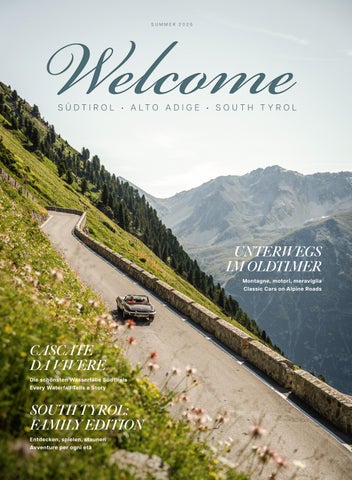
Create a flipbook