
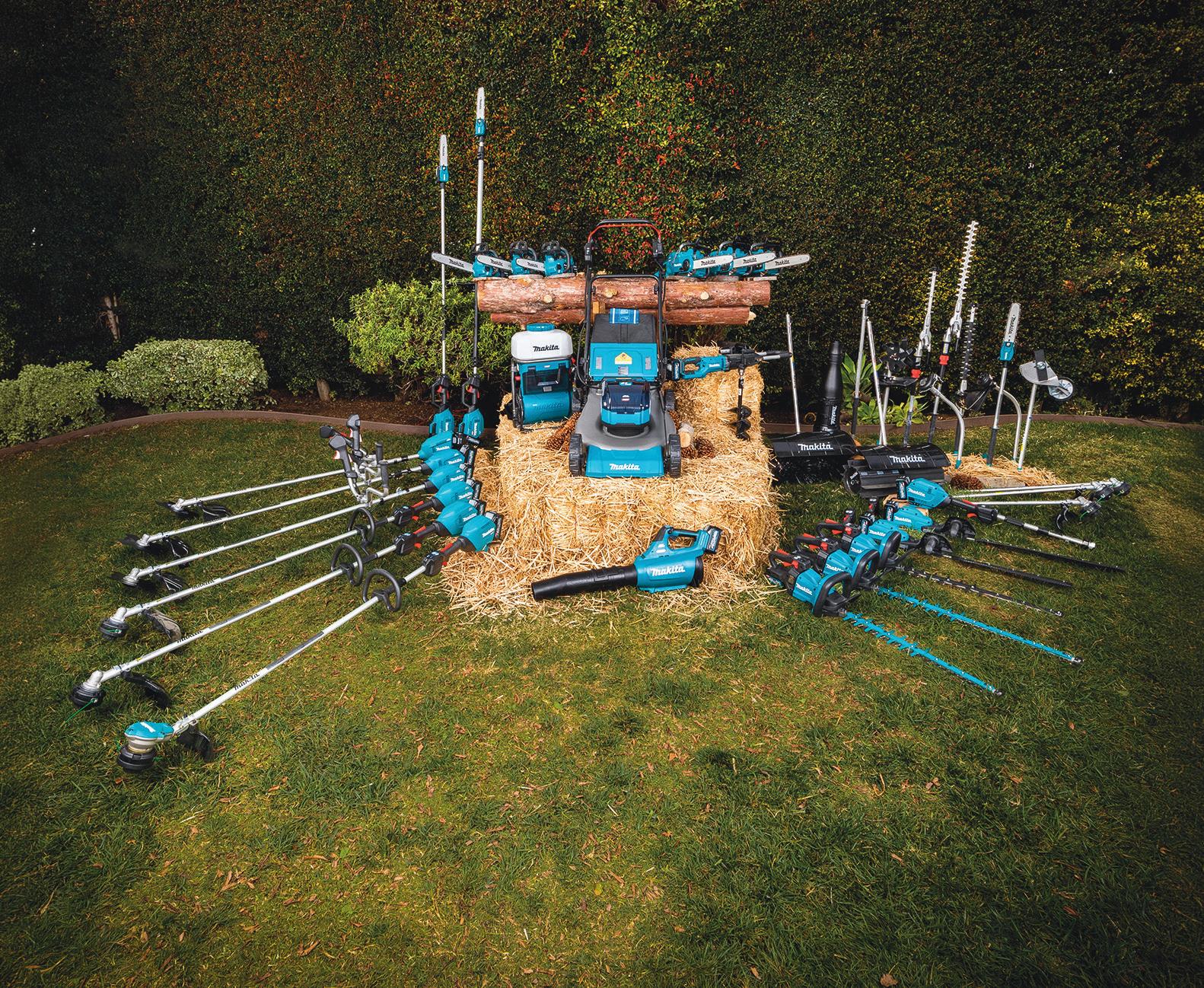
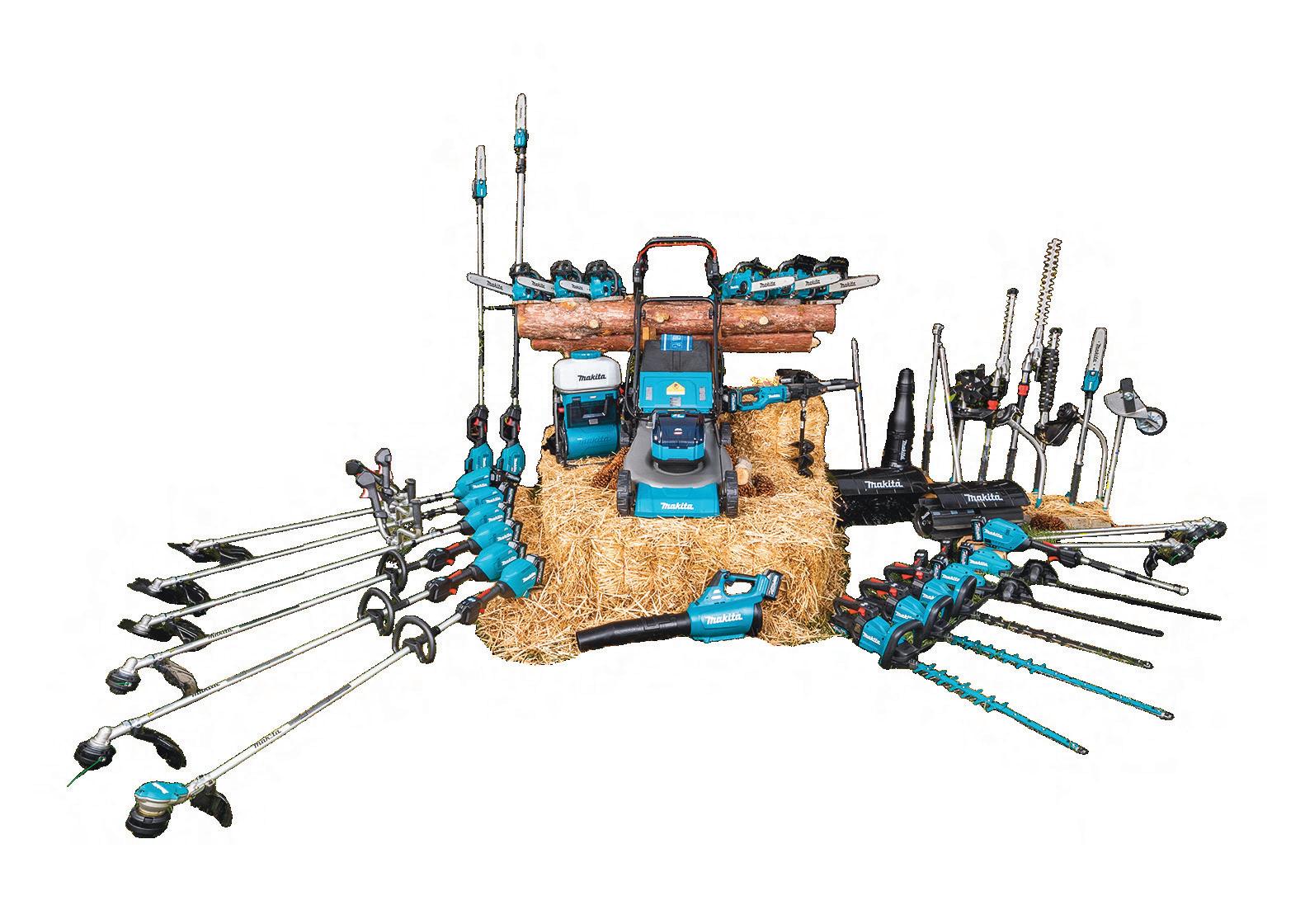

Through Makita’s innovative engineering, the technology within the XGT® system will create the equipment and tools of the future. Tools equivalent to petrol or mains power with zero emissions and no trailing cables, XGT is a safer alternative that is also better for the environment.
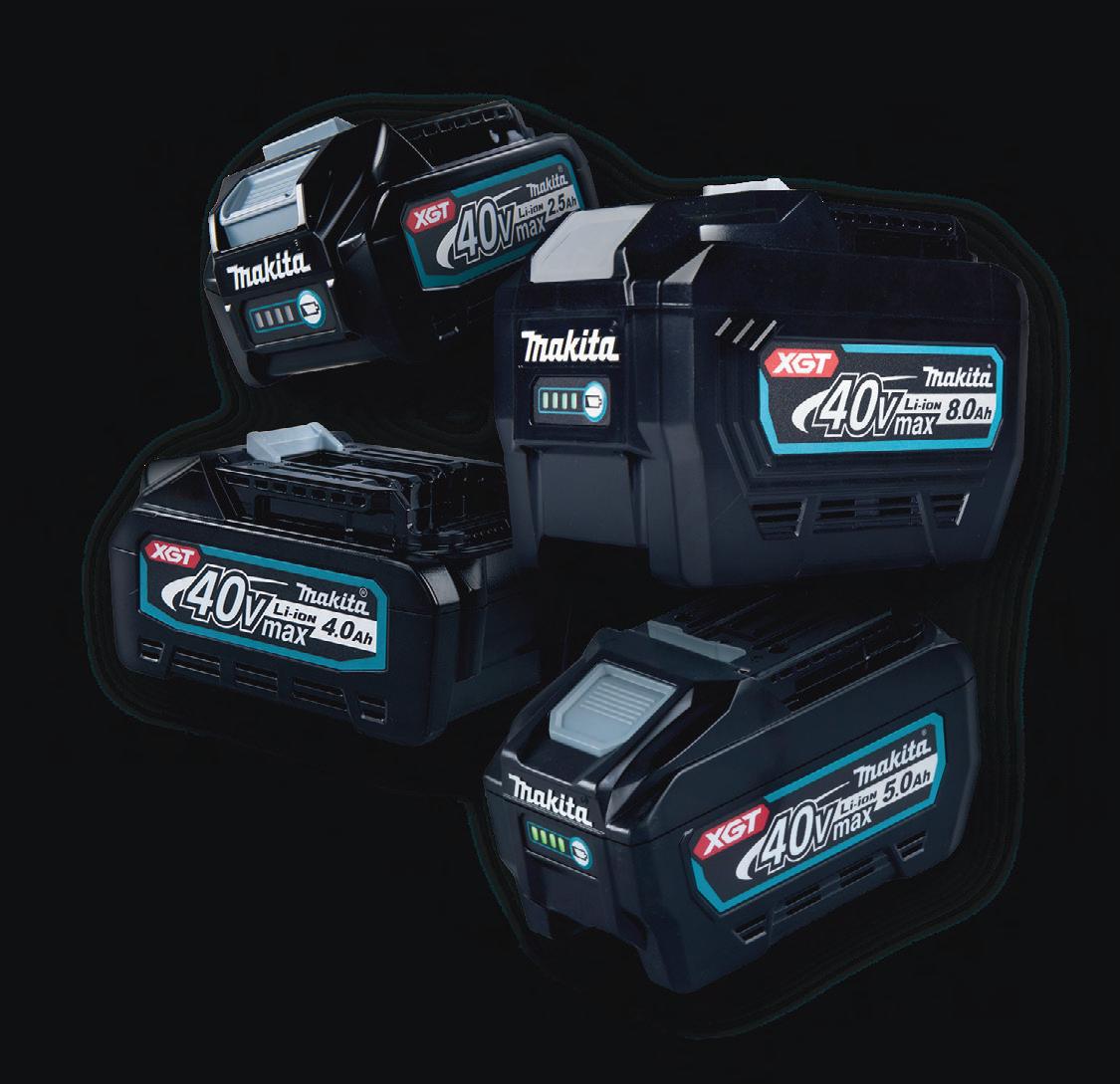
XGT batteries have a more durable outer casing and cell holder which creates space within the battery to absorb impact. They are also IPX4 rated water and dust resistant.
Built-in microchips allow for real-time digital communication, actively monitoring heat, overload, and over-discharge. XGT batteries deliver sustained power during demanding applications up to twice as long.
Automatic maintenance system with two cooling fans provides faster charging. Multi-contact terminals reduce electrical resistance and increase connection stability and ensure a stable current supply.

Analysts maintain that the global powered lawn mowers market is poised for significant expansion over the next few years.
In 2025, the market is valued at £1.86bn, but by 2035, this figure is projected to grow to around £2.96bn.
As professionals and commercial operators seek more efficient, reliable, and environmentally friendly mowing equipment, manufacturers are responding with a broader array of offerings that blend performance with sustainability.
Over the past few years, the lawn care equipment industry has witnessed a paradigm shift away from traditional petrol-powered models toward cleaner alternatives. Simultaneously, progress in AI and navigation systems has enabled robotic mowers to map complex layouts, avoid obstacles, and optimise mowing patterns without human intervention.
These technological innovations have elevated consumer expectations. Today’s buyers not only demand tools that cut grass efficiently but also those that integrate seamlessly into
A number of key drivers are accelerating market growth. Increasingly stringent emissions regulations and noise standards are prompting both professionals and particularly public sector organisations to favour zeroemission, low-noise equipment.
Also, the ongoing trend toward urbanisation and the expansion of commercial green spaces, such as golf courses, public parks, and corporate campuses, has spurred demand for high-performance mowers capable of handling extensive grounds with precision and speed.
cost for battery-powered and robotic models, making them a more attractive option for costconscious buyers.
Battery-powered machinery is expected to be the fastestgrowing segment to 2035. This rapid growth is driven by rising consumer preference for eco-friendly, low-noise, and maintenance-free solutions. Battery-powered models benefit from advancements in lithium-ion technology, which now offer longer runtimes, faster charging, and lighter equipment weight.
Although battery life, charging time and durability for the long term have improved remarkably in recent years across the growing range of models and systems available, there is still a lack of awareness about standard maintenance regimes that still need to be adopted and more crucially as regards taking care of the expensive battery systems to a high and safe level.
These factors have incentivised the industry to embrace eco-friendly outdoor power equipment in certain regions are lowering the effective entry
Recent advancements in electric-powered equipment have significantly enhanced their performance, efficiency, and user convenience.
But there are still challenges to overcome for this anticipated growth to continue. For example, up-front costs remain an issue for many in the industry compared to traditional, petrol-powered equipment. Although these products exhibit prolonged savings by reducing fuels and maintenance costs, their cost can remain an obstacle.
Despite this, the ever-growing focus on sustainability and environmental protection plays a major role in the demand growth for electric and battery-powered equipment and more so in terms of the rise of robotic and remotecontrolled systems.
The fact that manufacturers continue to innovate is also a major plus for the industry, with this evolution in equipment providing much more significant changes to the way the industry works than we have seen in many years.

Terms and Conditions -
While every effort is made to ensure the accuracy of all articles and information appearing in Powring the Future, the publisher does not accept liability for errors and omissions, printing or otherwise, that may appear in this publication. The journal includes photographs provided and paid for by suppliers. All rights reserved. No part of this publication may be reproduced or transmitted in any form or by any means, electronic or mechanical, including photocopying, recording or any retrieval system without the consent of the publisher.
The CAMPEY Electric Sarel Roller is a high-quality aerating roller designed for sports turf care, specifically for soil aeration and improved grass health.
Campey Turf Care Systems has released an innovative tool for efficient, eco-conscious aeration of sports turf, tailored especially for bowling greens and cricket squares.
The CAMPEY Electric Sarel Roller is a robust, 60 cmwide aerating roller designed to improve soil health and optimise grass growth on areas up to 3,000 m².
Using 70 sharp, durable spikes, the roller precisely penetrates the soil 223 times per square
meter, increasing air circulation and water absorption. This essential process reduces soil compaction, which is often a concern on heavily used sports grounds and promotes deeper, healthier root growth for strong and resilient turf.
What sets the CAMPEY Electric Sarel Roller apart is its commitment to sustainability. The roller is powered by a high-capacity battery, allowing for long, continuous operation with zero emissions.
This eco-friendly feature is paired with silent running, making it an ideal choice for noise-sensitive locations such as sports clubs and public parks, where traditional machinery may cause disruptions.
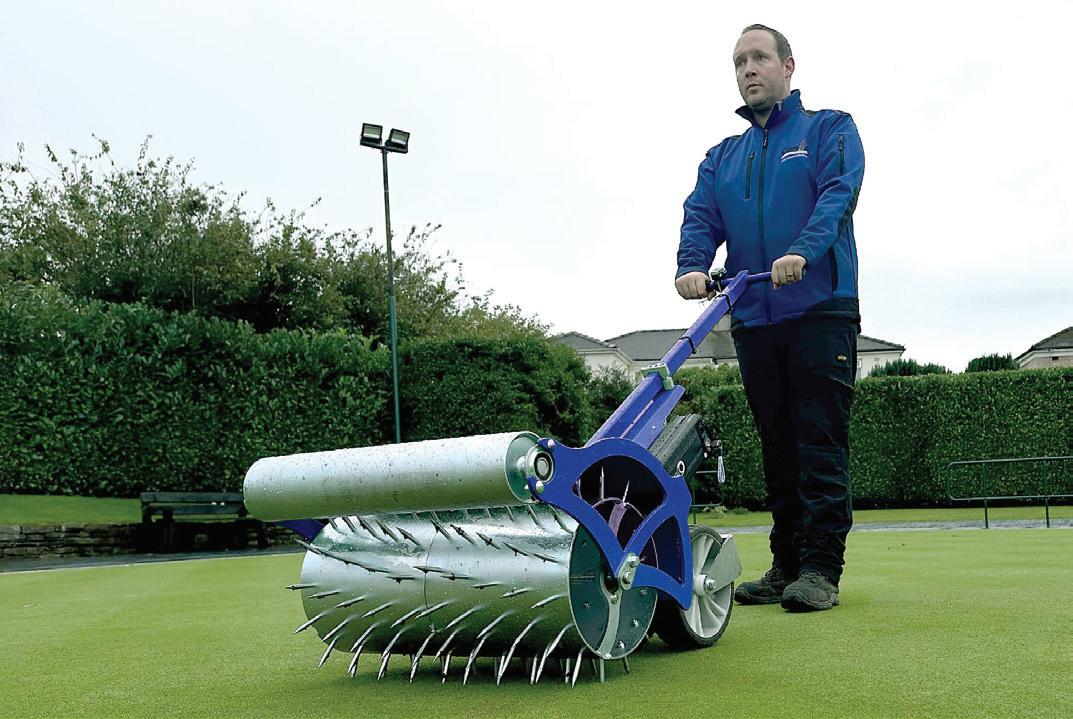
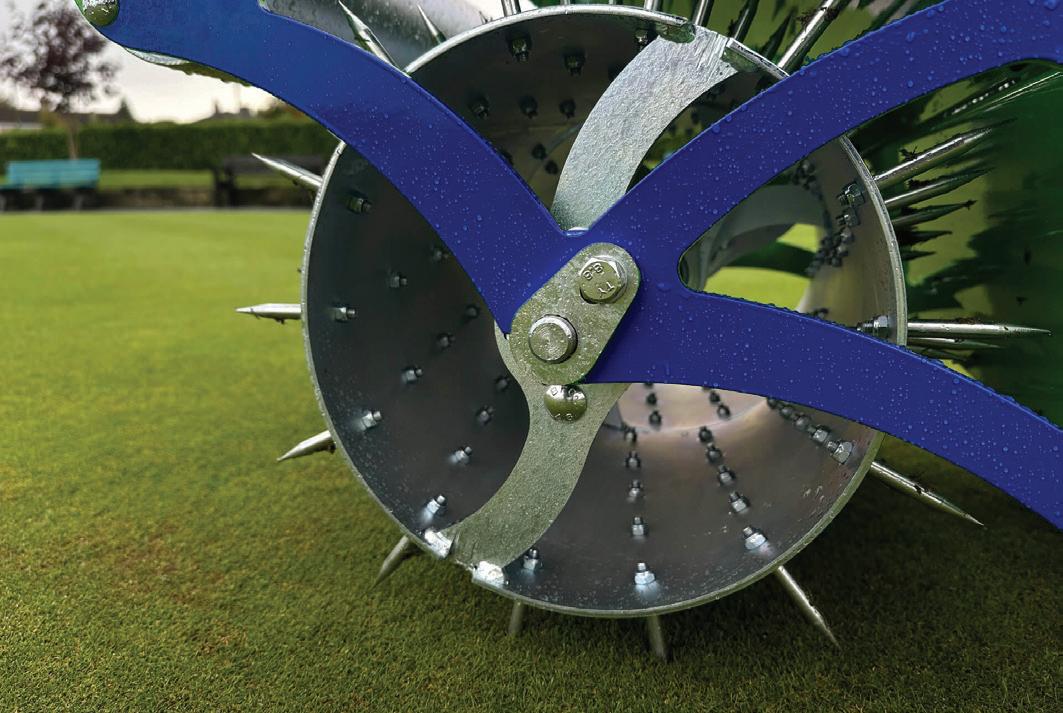
Durability and ease of use are also key benefits. The roller’s design includes a transport roller, which securely shields the spikes while moving the unit, preventing damage and extending its operational life. This makes the CAMPEY Electric Sarel Roller a long-lasting and dependable addition to any sports turf maintenance regime.
Using the CAMPEY Electric Sarel Roller, turf managers can now achieve outstanding soil aeration and root health with minimal environmental impact. Campey Turf Care Systems, established in 1986 by Richard Campey, has provided sports turf professionals with industrydefining machinery for 38 years.
From FIFA World Cups to Wimbledon, there is rarely a tournament or event played on turf that hasn't been prepared using a Campey machine.
What initially started out as a business offering sports turf
maintenance work within the North West of the United Kingdom has now grown to be one of the UK's leading independent distributors. Machinery is available from over 70 dealers throughout Europe, Asia, Africa and the USA. Campey continues to strengthen its international presence by establishing Campey Australia and new dealer networks around the world.
Campey's innovative machinery, combined with education and customer service, is what has led to the exponential and continued growth of a family business from Macclesfield, which is now the number one supplier and manufacturer of specialised sports turf equipment in the world.
For more information, contact your local Campey product specialist or dealer.
Campey Turf Care Systems Enquiry 2
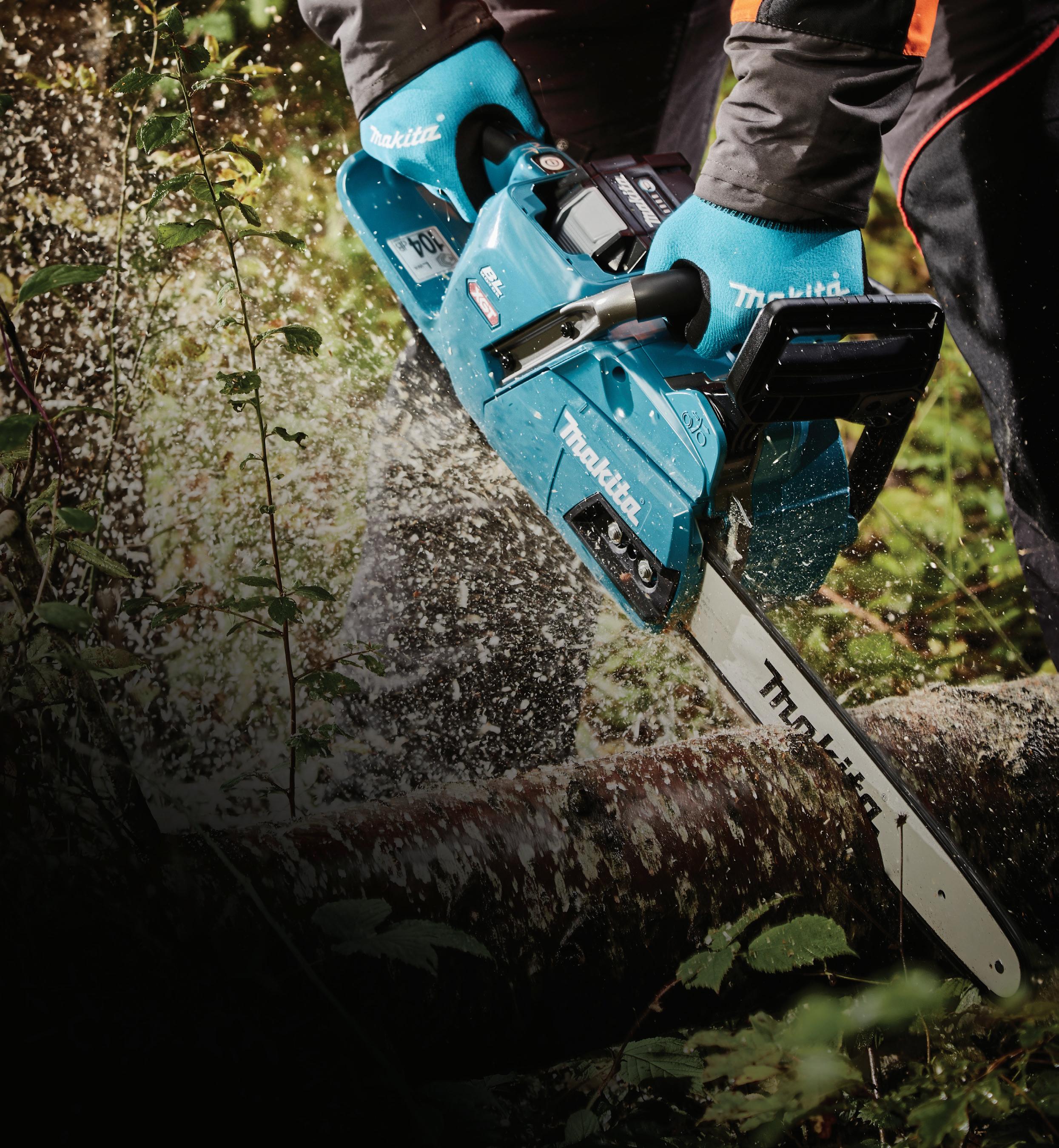
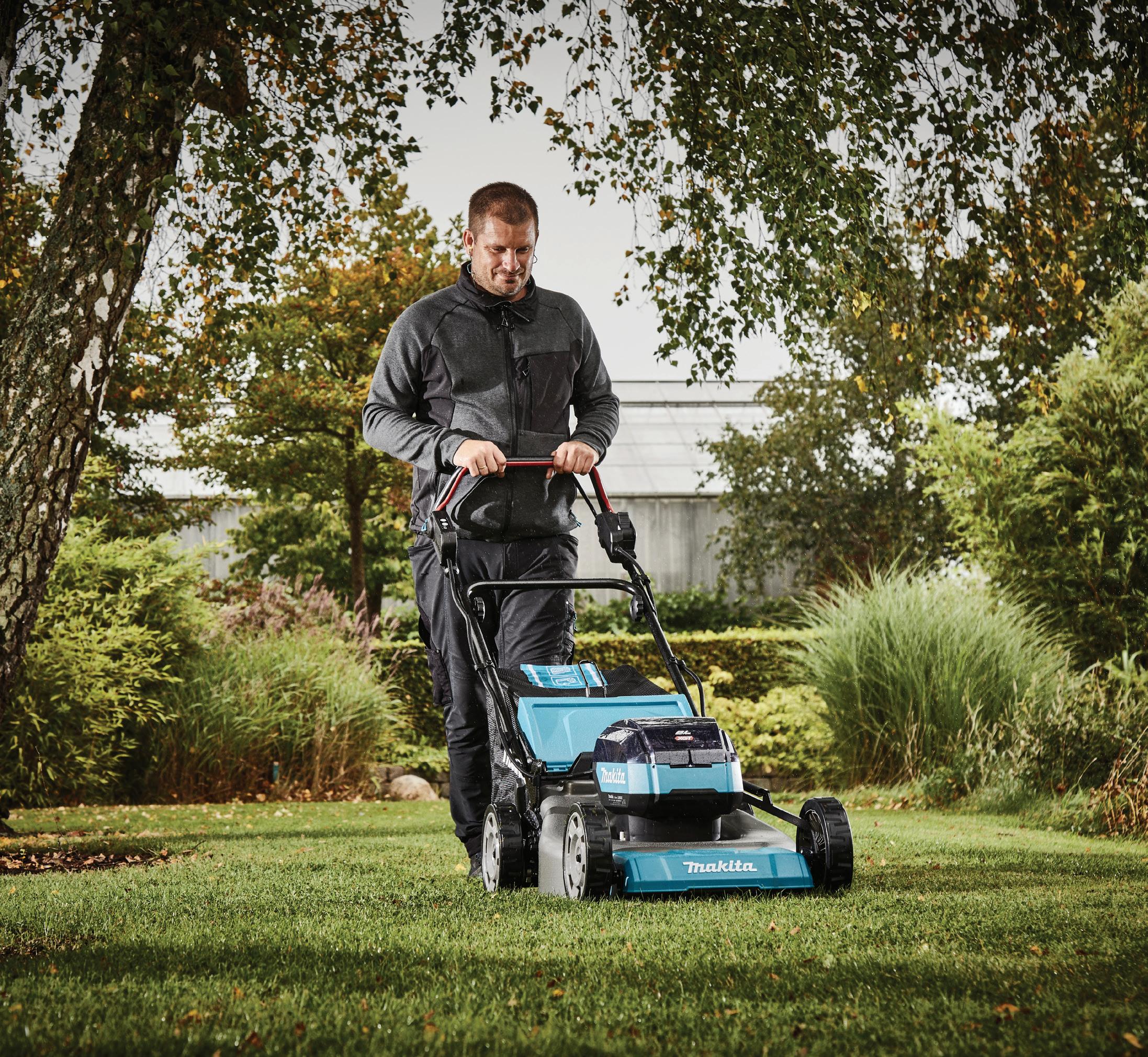
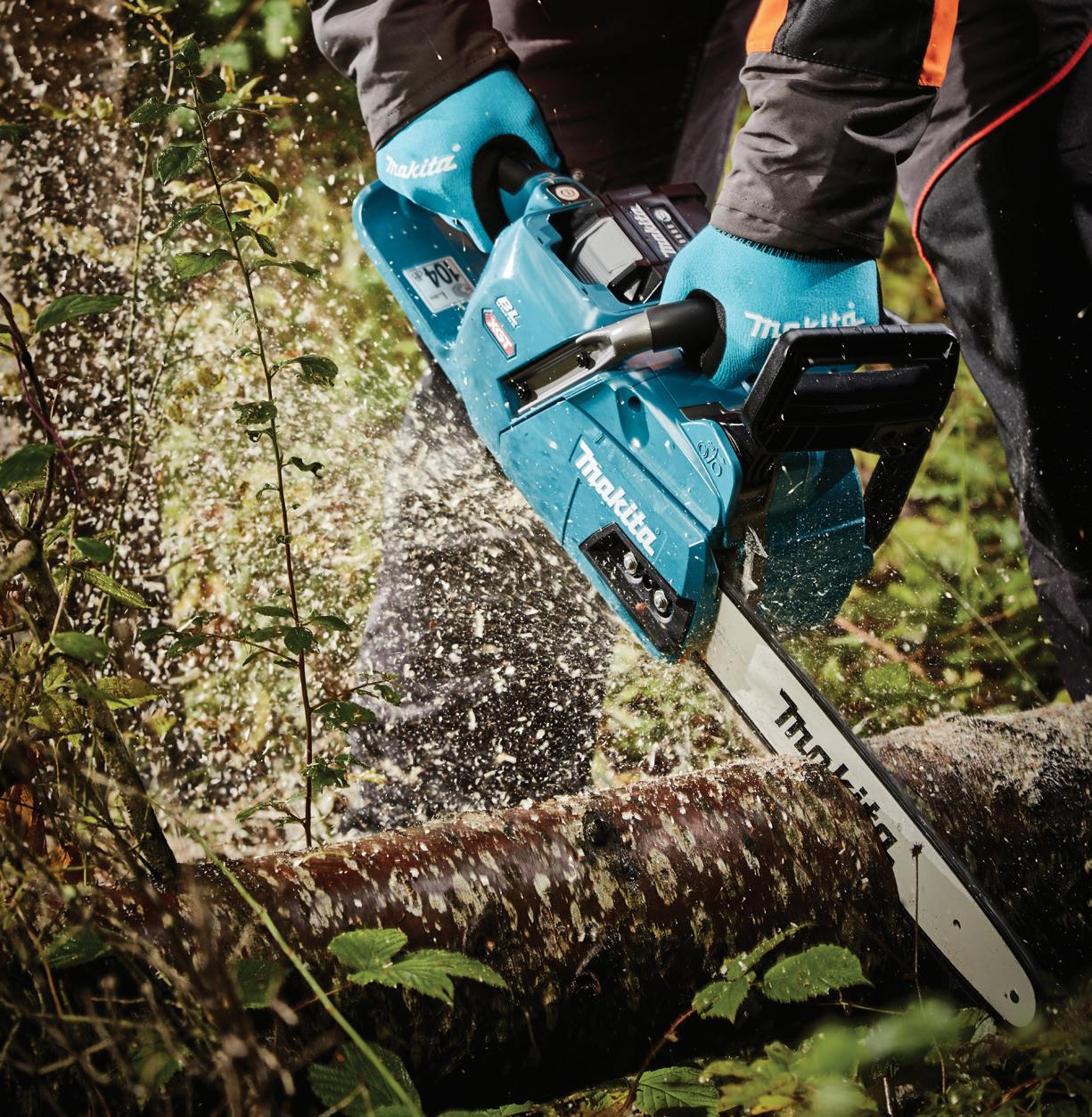
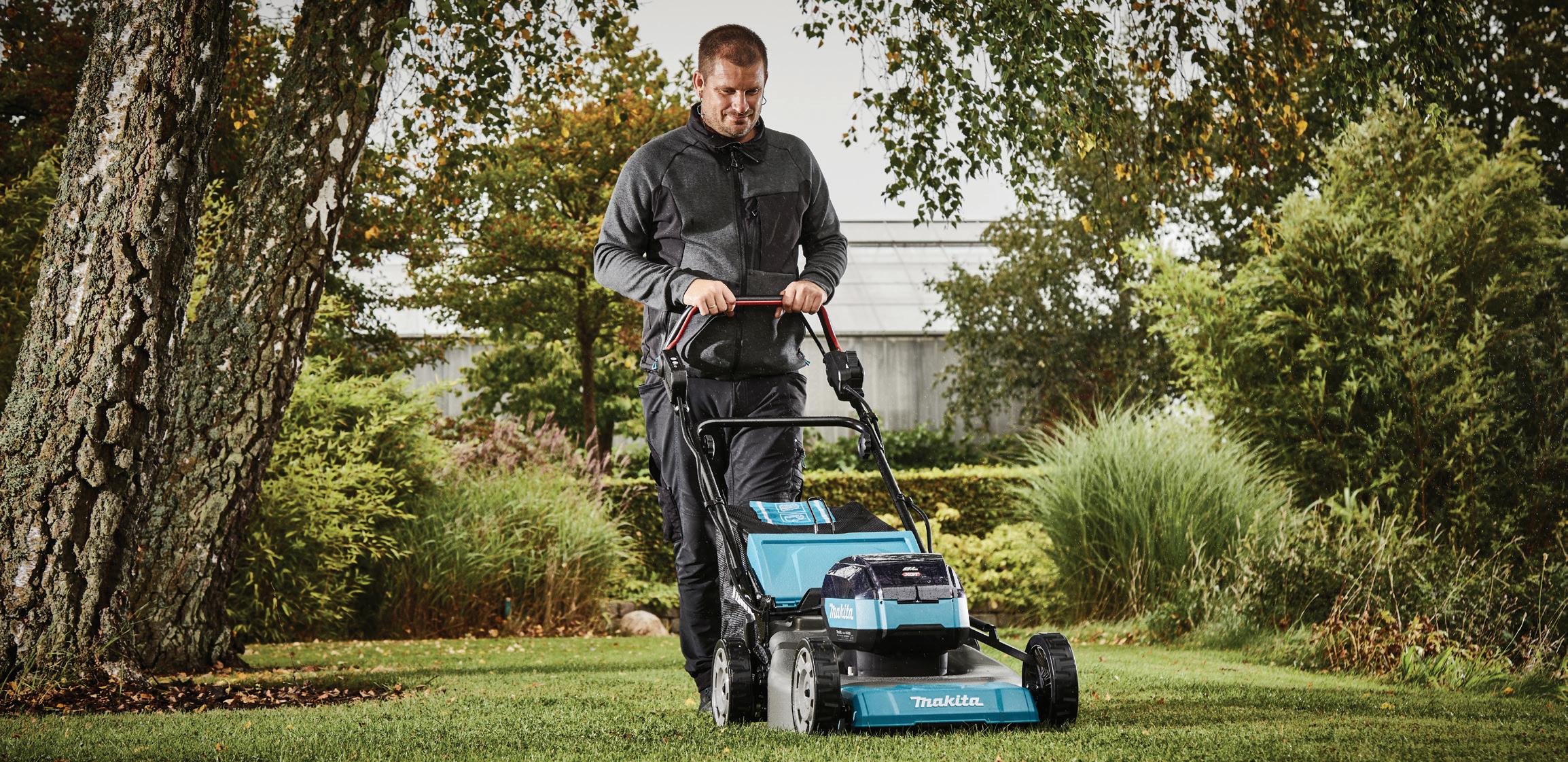
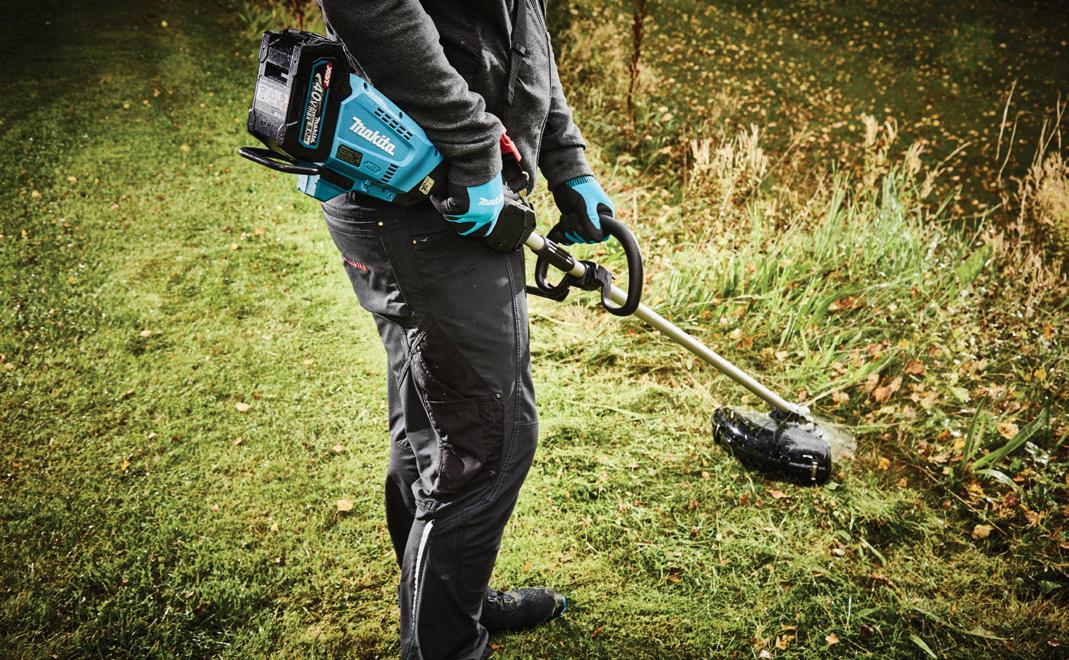
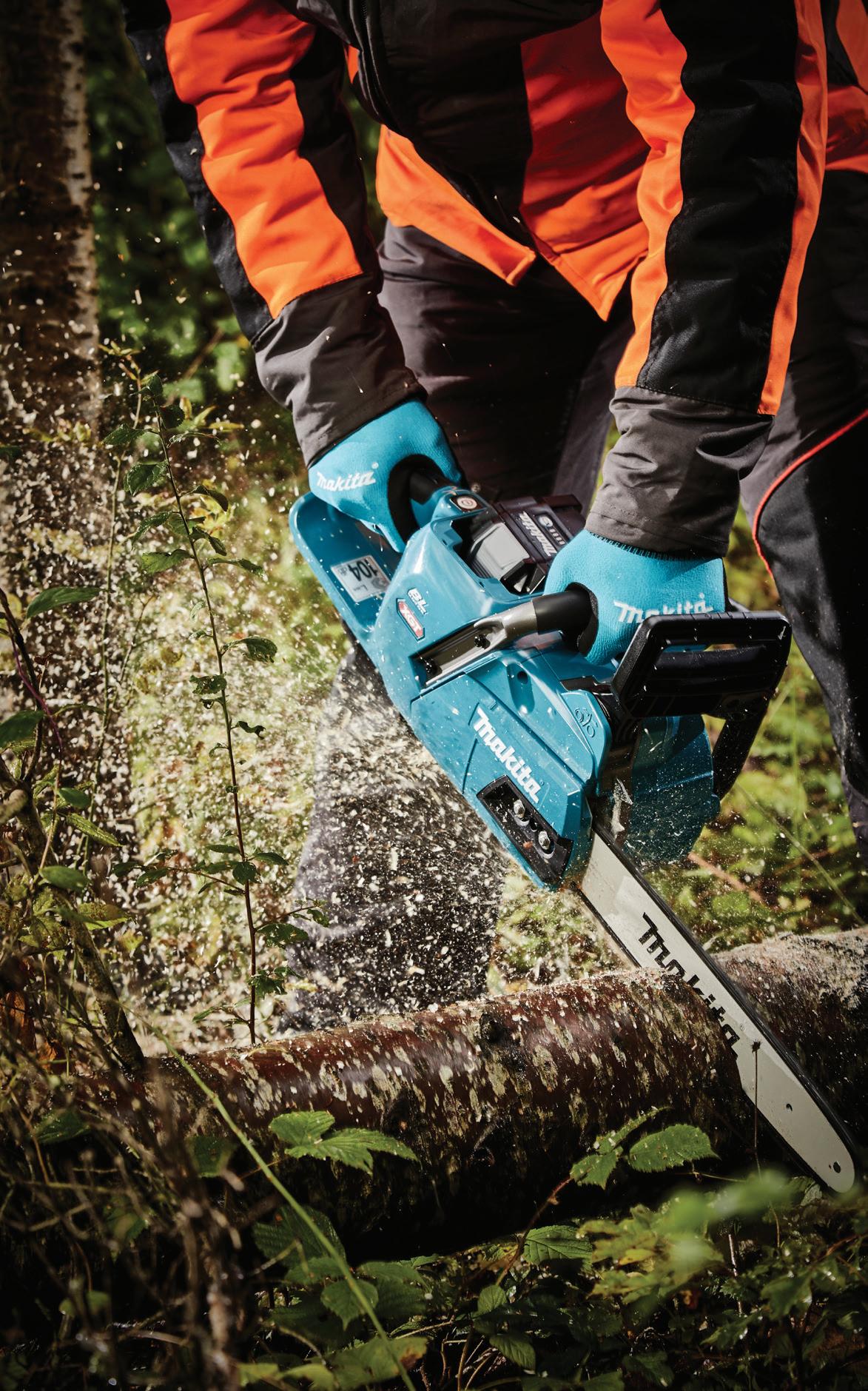
Built around the high output 40VMax battery system, Makita’s XGT® range of cordless Outdoor Power Equipment (OPE) is designed specifically for demanding gardening and landscaping tasks.
Created to handle heavy duty workloads, such as cutting dense overgrowth or maintaining large
gardens, the range delivers high performance power, durability and professional grade efficiency in a single platform.
Featuring cordless garden tools such as chainsaws, lawn mowers, brush cutters, line trimmers, hedge trimmers and more, including a full range of XGT® construction power tools, the
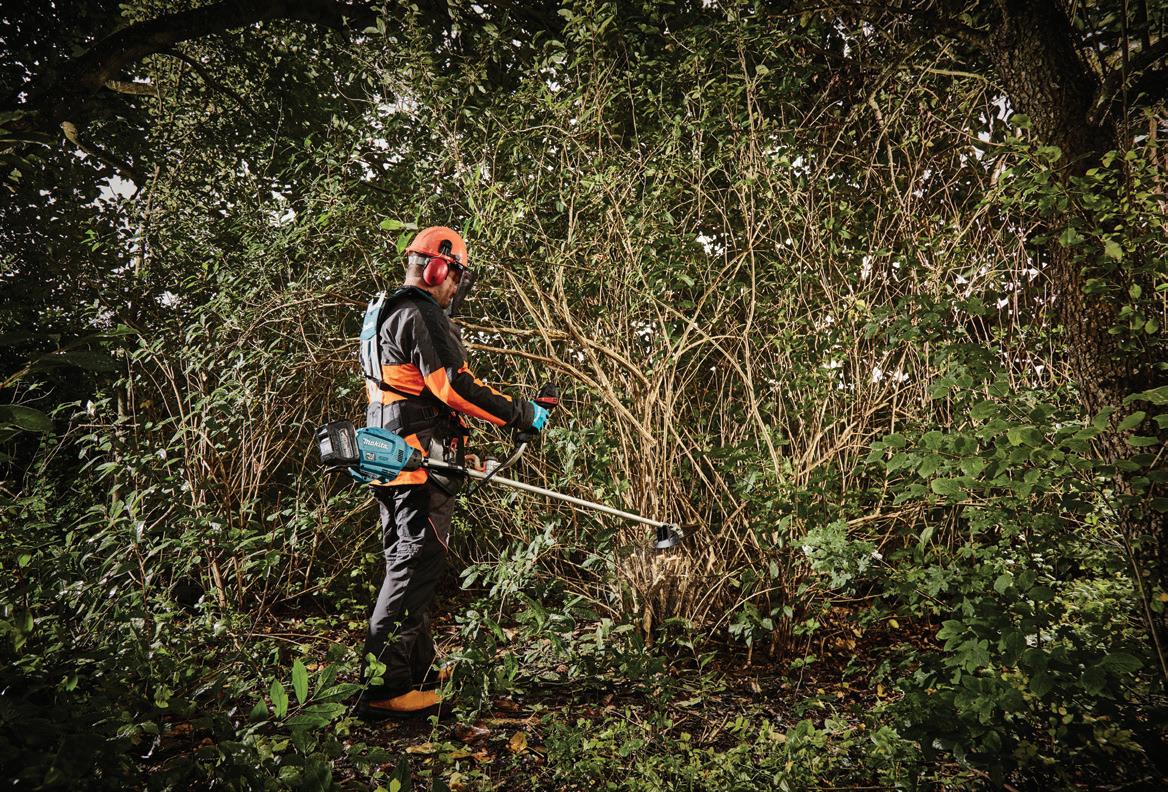
range delivers longer runtimes and maximum torque without the vibrations, noise and emissions of petrol tools, making it an ideal modern cordless solution for garden care.
For tougher tasks, the XGT® 40VMax battery can be combined with another 40VMax battery to deliver an outstanding 80V power output on specific 80VMax machines. As a result, many of the XGT® tools can match the performance of petrol-powered or corded equivalents but with the additional freedom and benefits of cordless tools.
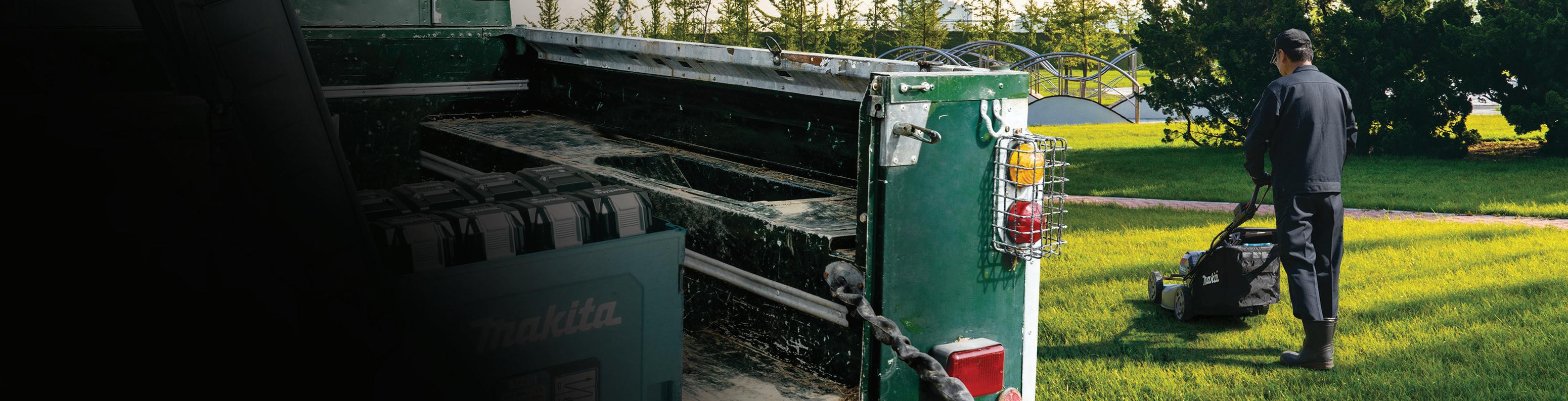
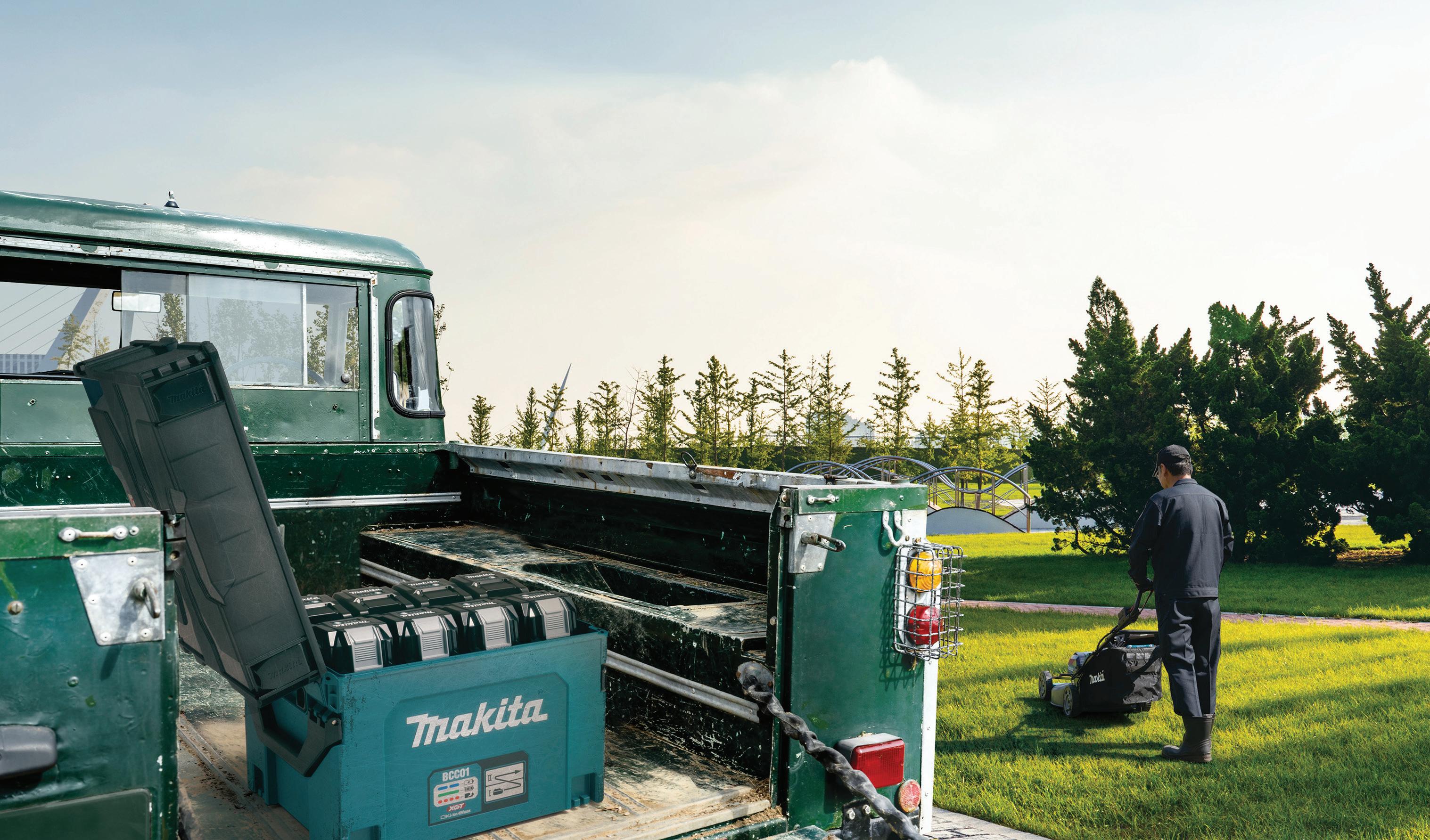
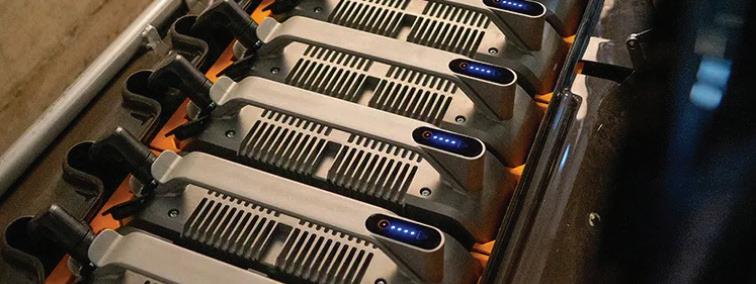
For remote on-site charging of multiple batteries, the BCC01 Battery Charging Case is also available for professionals using multiple cordless tools from across the platform. With high capacity, it has been designed to hold up to eight batteries, charging four of them simultaneously. The
remaining batteries are then charged sequentially by the 'switch charge' feature to ensure minimal downtime on site. Supplied in a robust case that is compatible to the MAKPAC carriers, the BCC01 is also a secure storage and transport solution, making it well suited for landscapers on the move. It features a removeable lid for easy access, rotatable twin handles and a dedicated padlock hole, helping to prevent theft and secure the unit.
For added security, landscapers can look to Makita’s XDefence™ Tool Management XGT® Communication Adapter (ADP12). An added theft deterrent, particularly for larger companies managing fleets of machines for operatives, it helps to protect, manage and connect XGT® tools. This is because the tools and batteries can be programmed with a PIN-code – meaning that they can only work with each other or with
tools belonging to a specific fleet of kit.
In addition, the XGT® tools can be programmed with user identification, so in the worstcase scenario that theft takes place, if recovered, they can be identified and returned. It also includes additional practical features, such as a digital notepad, allowing users to attach digital notes to each tool for maintenance records and user assignments, a battery timer and a tool and battery checker.
Although the XDefence™ system is not generally available for resale in the UK, the system is already proving popular amongst some local authorities, utility companies, and organisations operating larger fleets with multiple users. For more information on the
XDefence™ system or if you work for a company that runs fleets of tools, please contact Makita UK on 01908 21211678 to arrange a site visit.
Finally, Makita is running a redemption offer across its XGT® range. Until the 30th of September, customers can claim a free BL4040F battery for every £390 (excluding VAT) spent on qualifying XGT® batteries, chargers, power source kits and machines.
Terms and conditions apply. For more information, please visit: www.makitauk.com/redemptions.
For more information about the Makita XGT® range, visit: www.makitauk.com.
Makita Enquiry 3
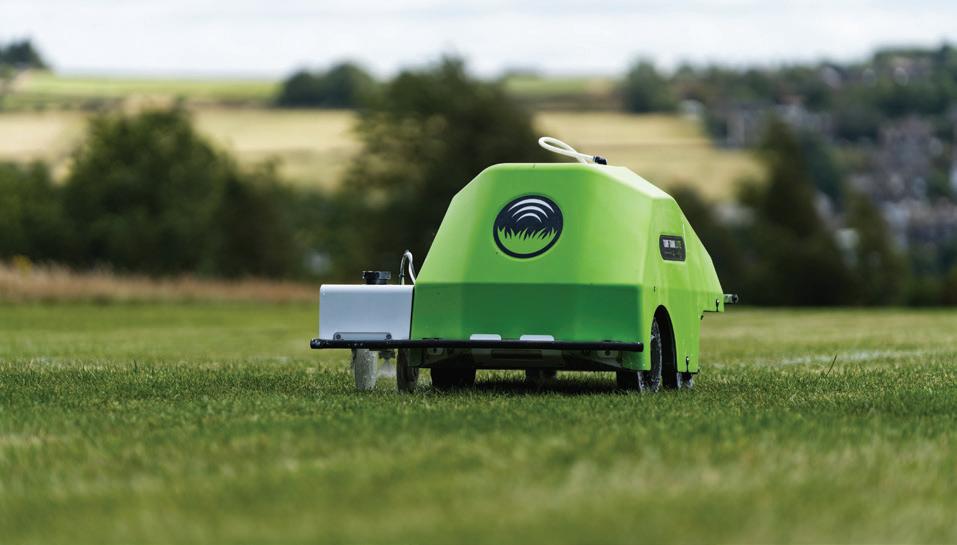
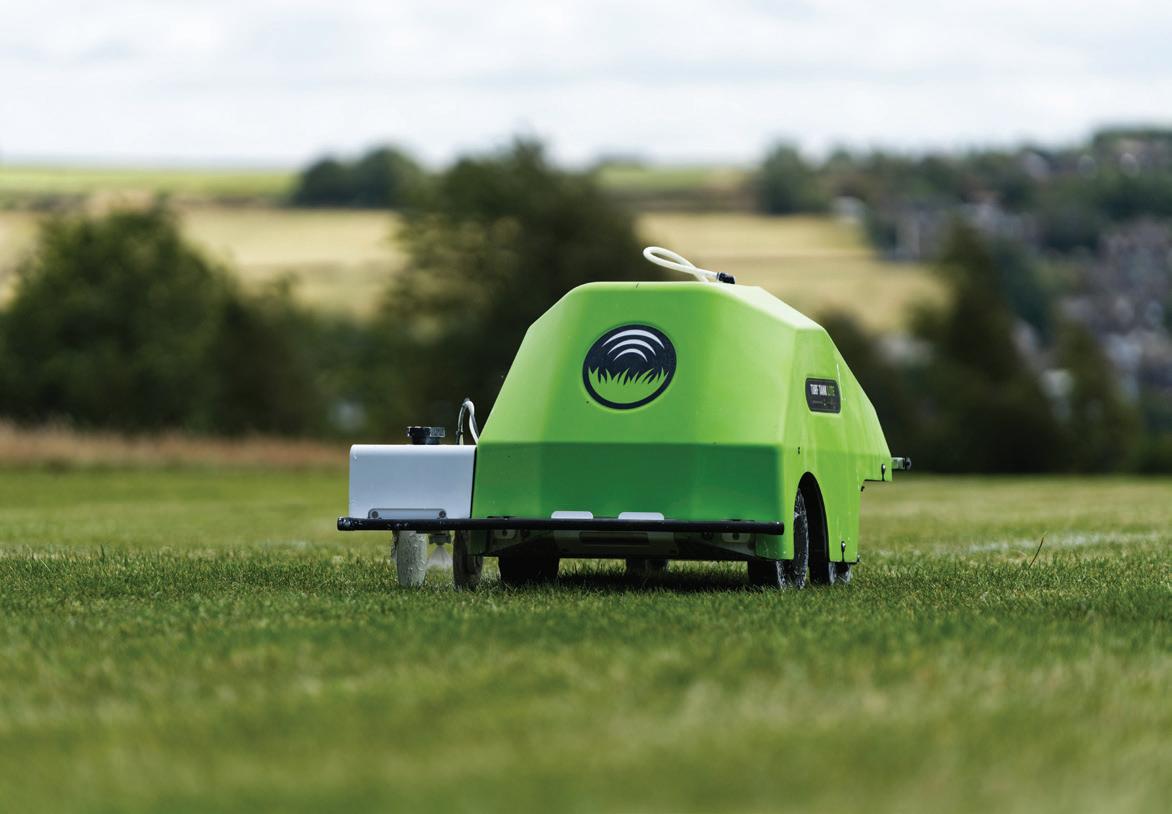
Across the country, grassroots clubs are quietly wrestling with the same problem: too much to do, and never enough hands to do it. Many assume autonomous line marking is out of reach for a club their size and budget. Oakworth Juniors FC is proof that it isn't.
Oakworth Juniors FC is a community-driven football club where volunteers play a central role in maintaining the pitches. Like many grassroots organisations, the team is responsible for keeping pitches match-ready while working within limited time and resources. Presentation matters, not only for players and coaches but also for visiting teams who expect a professional standard on matchday.
Sebastian Watts, Head Groundsman & Welfare Officer, and his team had an established routine for marking pitches, but maintaining a consistent standard across all fields remained a challenge. At the same time, paint usage and the time required for marking continued to add up, placing ongoing pressure on volunteers.
The initial trigger for change was not time, but quality.
Manual line marking, even when done carefully, has its limitations. Achieving perfectly straight and uniform lines across an entire pitch is difficult, and small deviations become visible over time, especially with frequent re-marking.
For Oakworth Juniors, this affected the overall presentation of the facility. The club wanted
pitches that looked sharp and professional every time.
In addition, paint usage was higher than expected. With pedestrian marking, the club was using approximately one and a half to two tubs of paint per pitch, requiring frequent replenishment. Combined with the effort required from volunteers, it became clear that the current approach was not sustainable long term.
That’s why Oakworth Juniors introduced Turf Tank to improve both consistency and efficiency.
The key advantage was repeatability. Each pitch layout could be applied with the same level of accuracy every time, removing the variability that comes with manual marking.
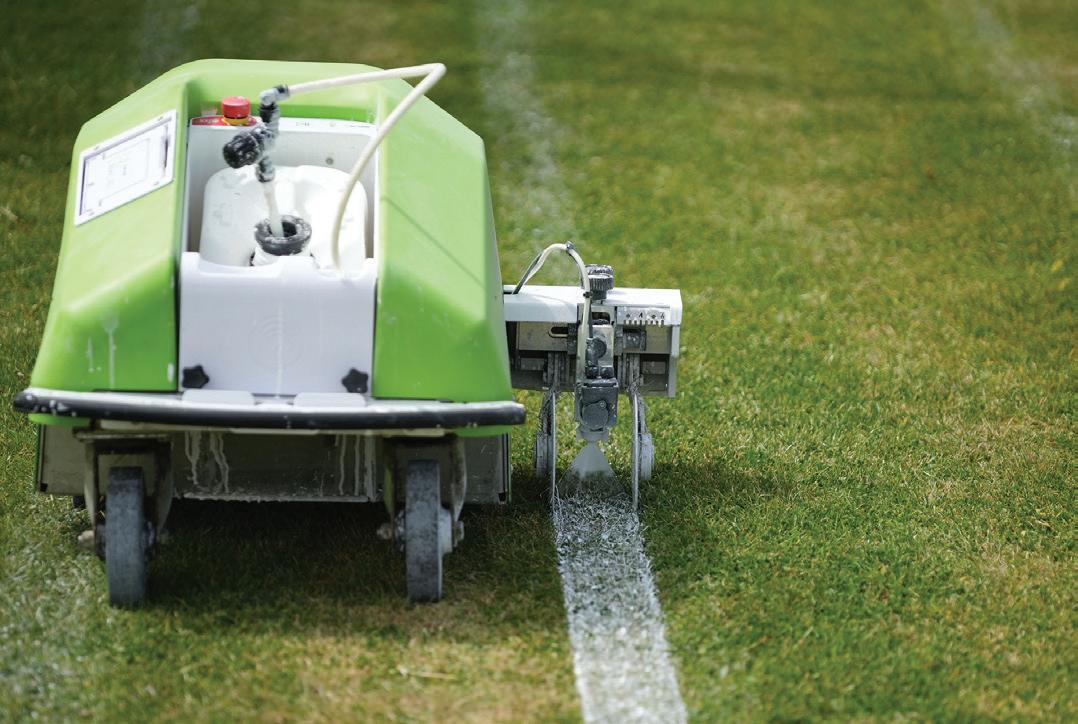
At the same time, the system optimized paint application. By controlling how paint is distributed, the robot ensures even coverage without overuse, improving line quality while reducing consumption.
It also simplifies the process. The robot takes just five minutes to set up, and once it starts, it runs without supervision. This allows volunteers to focus on other tasks instead of being tied to line marking.
Finally, cost had been a concern, but the subscription model made the decision straightforward. Rather than a significant upfront purchase, Oakworth Juniors could get a Turf Tank for a manageable fee.
A new level of reliability
"I would recommend it without a second thought. It’s not just about looks, it’s about your presentation, your time saving, your paint saving. There’s just so many benefits."
-Sebastian Watts, Head Groundsman & Welfare Officer, Oakworth Juniors FC
The impact of introducing Turf Tank at Oakworth Juniors goes well beyond the visual improvement of the pitches. One of the most noticeable changes is the consistency it brings. Every pitch is now marked with the same level of precision, ensuring accurate and consistent results each time. This level of reliability removes the variation that naturally comes with manual marking and guarantees that every pitch meets the same standard, regardless of who is responsible for the setup.
Reducing waste while increasing confidence
For a club run largely by volunteers, the time savings have been just as important. Tasks that previously required significant effort can now be completed with far less manual input. This has reduced the overall workload and allowed volunteers to focus on other responsibilities around the club. The shift has not only improved efficiency but has also made the role less physically demanding and more manageable within limited schedules.
The improved presentation has also had a clear effect on the matchday experience. Welldefined, professional-looking pitches create a stronger first impression for players, coaches, and visiting teams. It reflects positively on the club and contributes to a more polished and organised environment.
In addition to these operational benefits, the club has seen a noticeable reduction in paint usage. By applying paint more efficiently, the system helps extend purchasing cycles and reduce ongoing costs, supporting a more sustainable approach to pitch maintenance.
Equally important is the confidence it brings to the team. Volunteers are no longer secondguessing their work. Instead, they can rely on the process to deliver the same result every time, giving them peace of mind.
For Oakworth Juniors FC, the shift has been about more than improving lines on a pitch. It has created a more efficient, reliable, and supportive way of working for the people behind the scenes.
By combining consistent results with reduced workload and smarter resource use, the club has been able to raise its standards while making everyday operations easier to manage.
Turf Tank Enquiry 4
For Mike Day, owner of Mike Day Garden Maintenance, consistency is everything. Running a thriving business across Hertfordshire and North London, he and his team rely on equipment that can perform day in, day out without compromise.
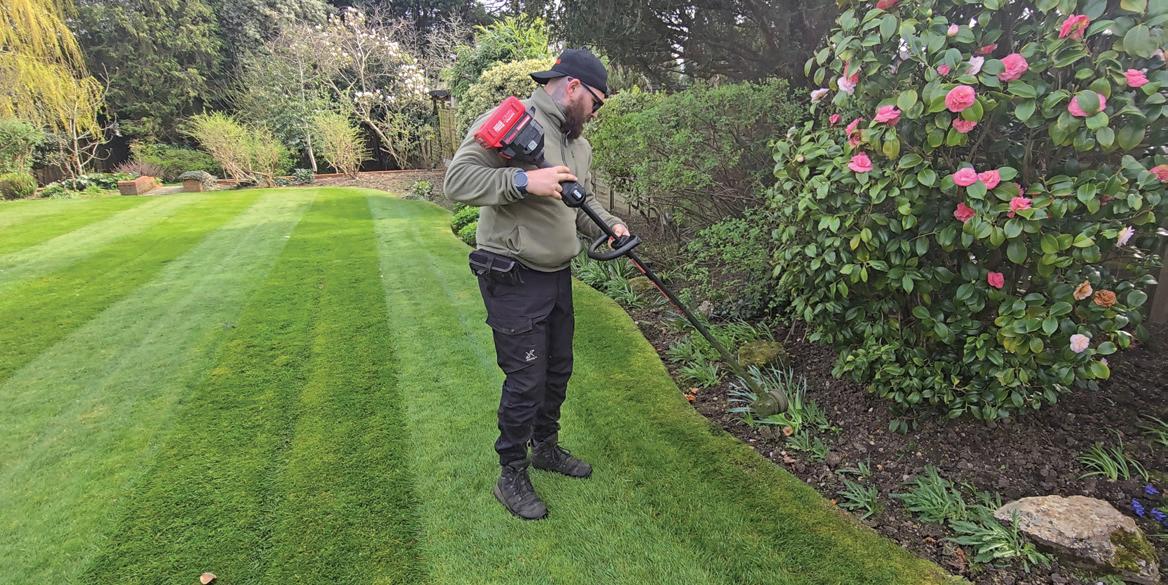
That’s exactly why every van in their fleet now runs exclusively on Kress commercial tools.
“We’ve got the whole range,” Mike says. “Strimmers, hedge trimmers, blowers, chainsaws, everything that Kress make, we use day in and day out. We’ve even got their 20V small hand saws and secateurs, which we use pretty much every day.”
It’s a setup that has evolved over time, but one that now gives Mike and his team complete confidence across every job, from routine maintenance to full garden renovations.
“We’ve tried a lot of different brands in the past,” he explains. “But we’ve ended up going all in with Kress. Every other battery
product we had used in the past, we’ve sold. We’re one brand now and that’s something we wouldn’t have been able to do before.”
A key part of that confidence comes down to performance. Across the entire handheld range, Mike says the Kress tools deliver more than enough power for both everyday tasks and more demanding work.
“We’ve genuinely tried to find their limit, and we’ve never been able to find it,” he says.
“There’s just an abundance of power. Even when we’re doing full garden renovations and putting the tools through really demanding loads, they always outperform your expectations.”
For Mike and his team, the most-used tools are the grass strimmers, particularly the latest lightweight model with the motor positioned at the head.
“It’s slightly less powerful than the bigger machines, but for what we do, it’s perfect,” he explains. “Most of our
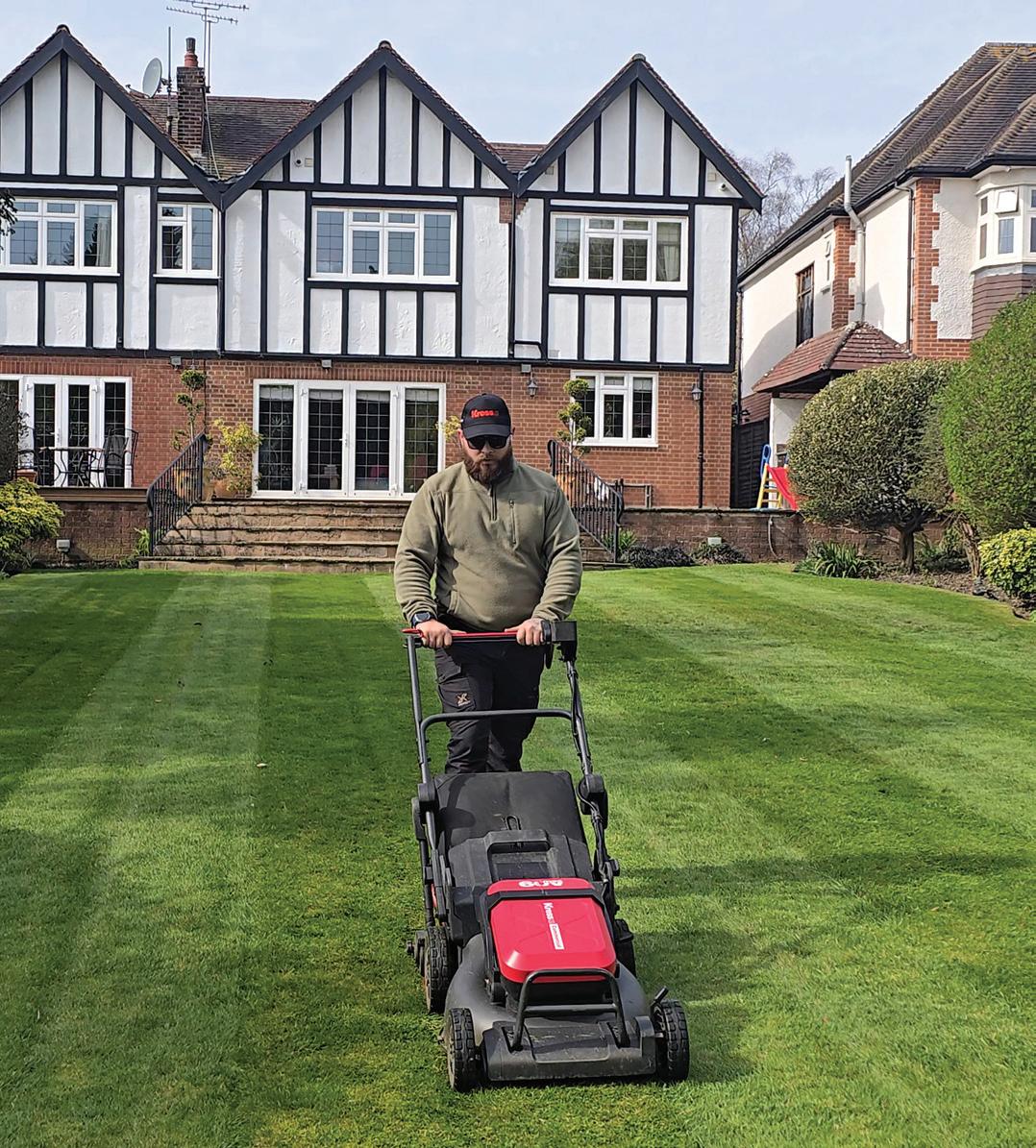
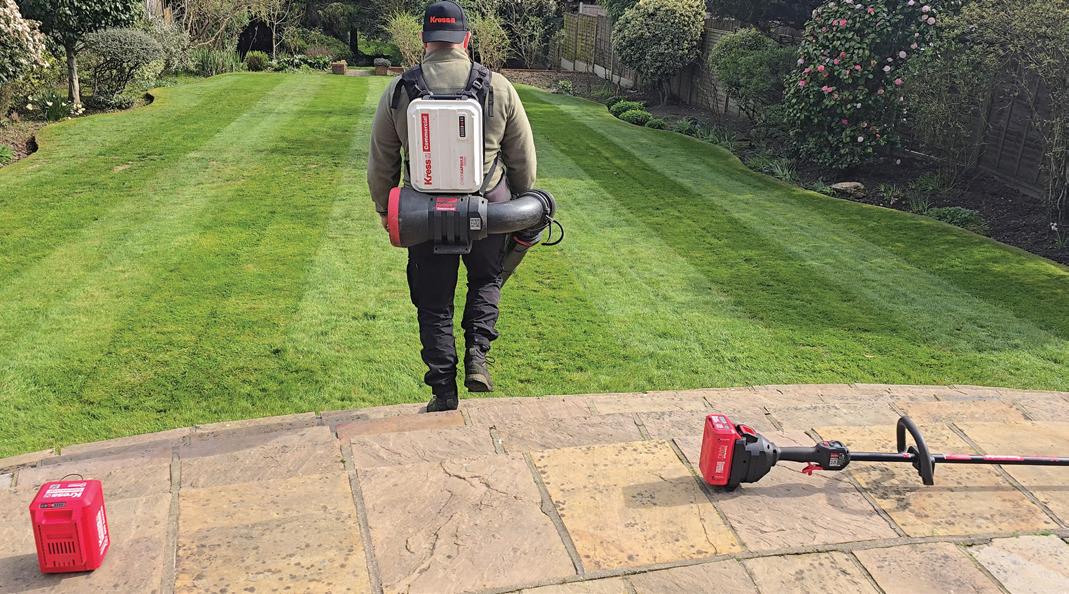
work is regular maintenance, so we don’t need huge power. What we want is something lightweight and easy for us to use all day.”
Weight and balance are where the Kress tools really stand out. “That strimmer is about 2.5kg, and even with a battery on, you’re only up to around threeand-a-half, maybe four kilos,” he says. “That’s the weight of a lot of other machines without a battery and that is why my team prefer using the lighter kit.”
The same thinking applies across the range, including hedge trimming. Mike highlights the articulating long-reach hedge trimmer as a particular standout.
“We use the smaller articulating long reach, and it’s brilliant,” he says. “It’s really well balanced, and the blade speed is right up there – 3400 to 4000 cuts per minute. I honestly can’t think of anything I’d improve on it.”
While performance and comfort are key, it’s the battery system
that continues to set Kress apart according to Mike.
“It always comes back to the batteries and the infrastructure,” Mike says. “They charge quicker than you can deplete them. You’re never waiting around.”
Rapid charging has completely changed how the team works throughout the day. “With other brands, once a battery was at zero percent, it was basically out of action,” he explains. “You’d throw it in the van and grab another one. But with Kress, you stick it on the CyberTank or a charger, and 10, 15, 20 minutes later, it’s back in use. That makes a massive difference to a garden maintenance company such as outselves.”
For Mike, it’s a simple equation – one system, one brand, and no compromises.
For more information, please visit https://www.kress.com/en-gb/ Kress Enquiry 5
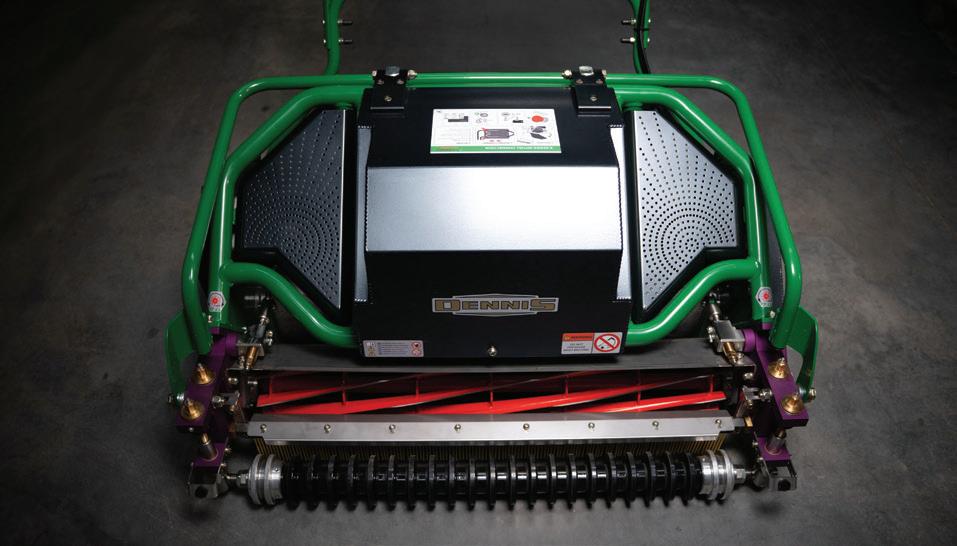
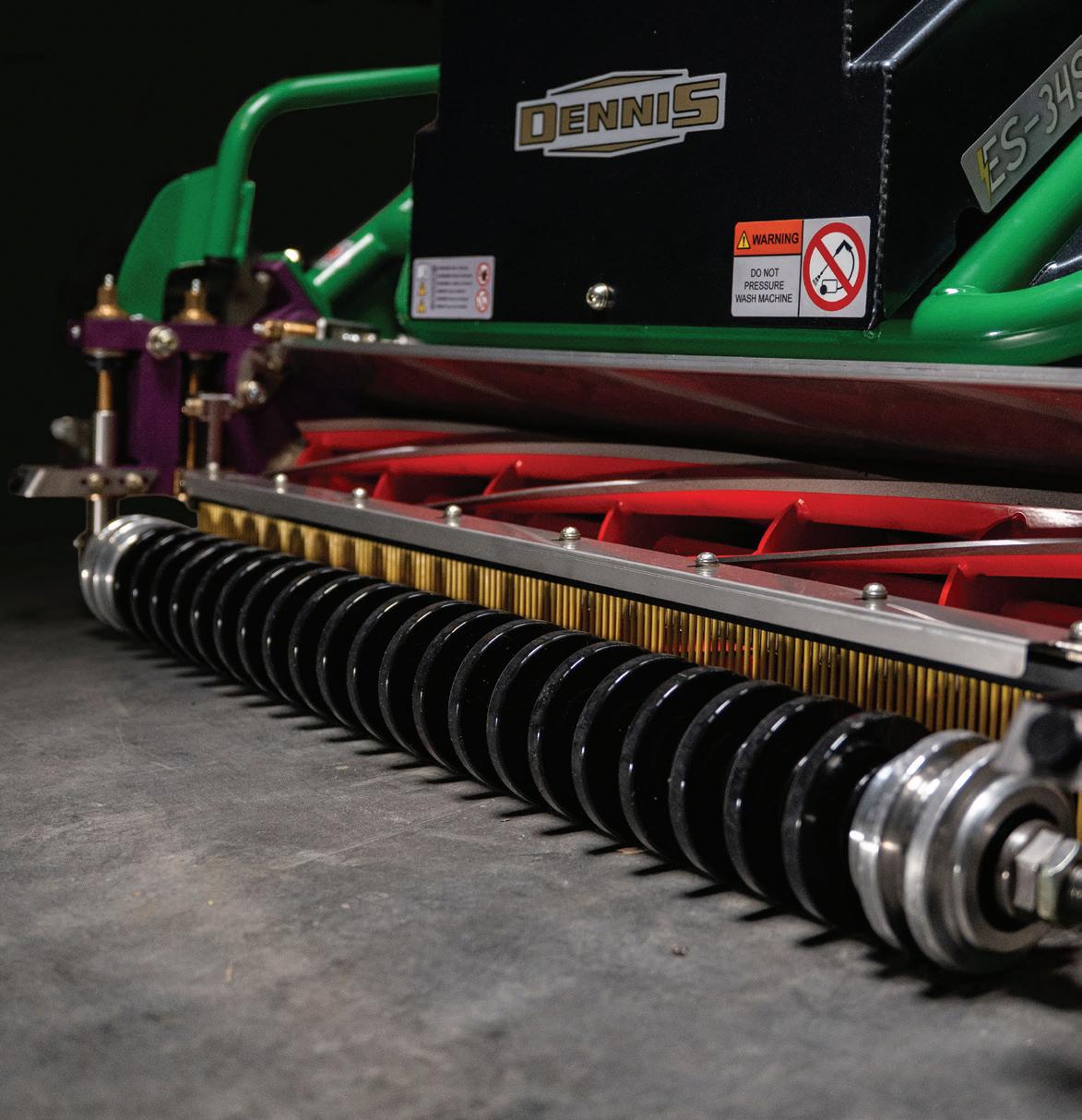
Dennis Mowers has unveiled the newest addition to its range of high-performance professional mowers: the lightweight ES34SL battery-powered mower, designed for everyday use and flawless finishing.
A dedicated, battery-powered finishing mower using the latest lithium-ion battery technology, the ES-34SL is perfect for use on stadium pitches and training grounds in professional sports like football, rugby, hockey and baseball. It is also ideal for use on squares and outfields in cricket, as well as at schools, universities and other municipal facilities.
On a single charge, the new battery mower can cut for up to 10 hours – equivalent to 40 kilometres –with its rapid, two-hour recharge costing as little as £1.58*. Its ultra-low noise and vibration technology, meanwhile, allows for operation near areas of play without disturbance, improves operator health and safety, and is perfect for schools and universities where noise disturbance is of paramount importance during spring and summer.
At around 50 kg lighter than Dennis’ existing ES-860 battery
mower, the ES-34SL is ideal for daily use and minimising soil compaction. The combination of reduced weight, reduced rear roller diameter, click adjustable Weile roller and intermediate grooming brush, allows for greater ease of use and control over the final finish, which serves to produce the flawless stripes that Dennis’ product range is renowned for.
The mower’s clip rate can be defined by the user to suit their specific surface and preferences and, once set, remains consistent, even if the machine speed is adjusted or a colleague takes over.
Furthermore, the ES-34SL is fitted with a weatherproof, colour LCD programmable display and keypad that operate the machine and relay real-time information to the operator, including ground speed, battery charge level and machine settings.
Megan Oliver, managing director at Dennis Mowers, said: “We are delighted to be launching the ES-34SL professional battery mower, which we’ve developed in response to direct feedback from grounds professionals. In addition to the popular features in our range, our challenge was
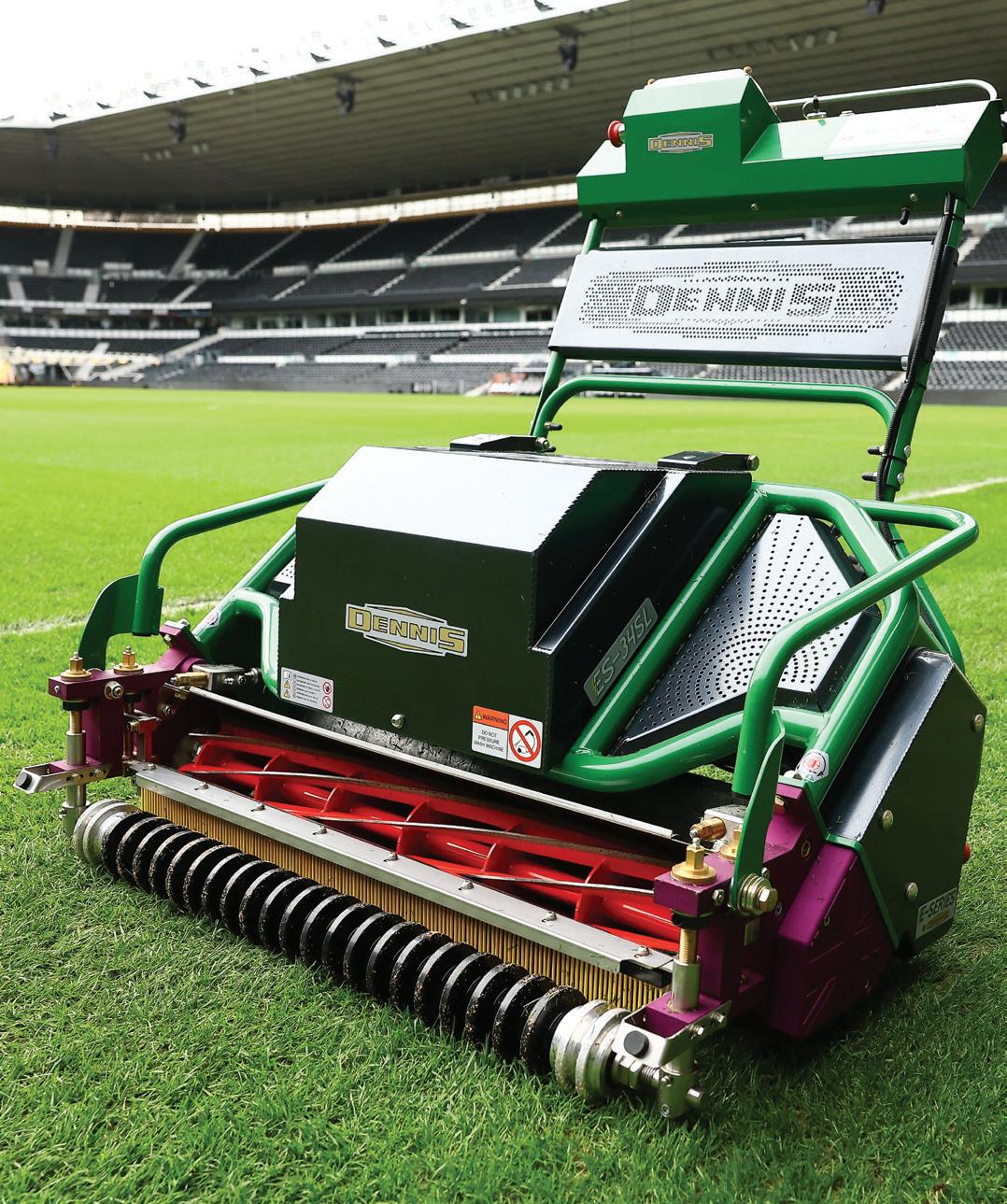
to design a lightweight machine that helped to reduce soil compaction and was therefore suitable for everyday use, while still delivering the flawless presentation stripes relied upon for match days.
“Designed with day-to-day use in mind and supported by the service and consistency that our customers value, it’s another step forward in professional mowing.”
6
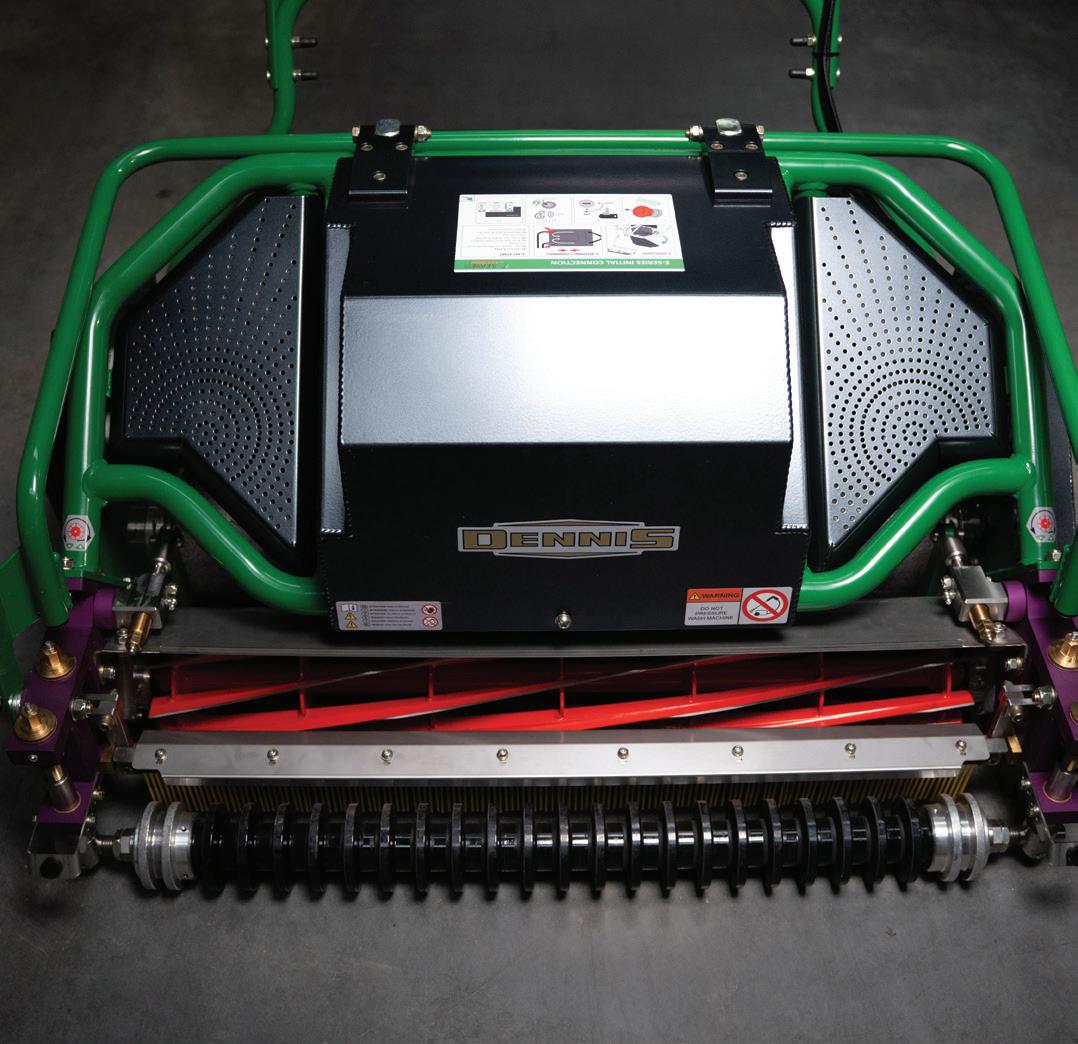
Designed to deliver the ultimate match-day presentation finish
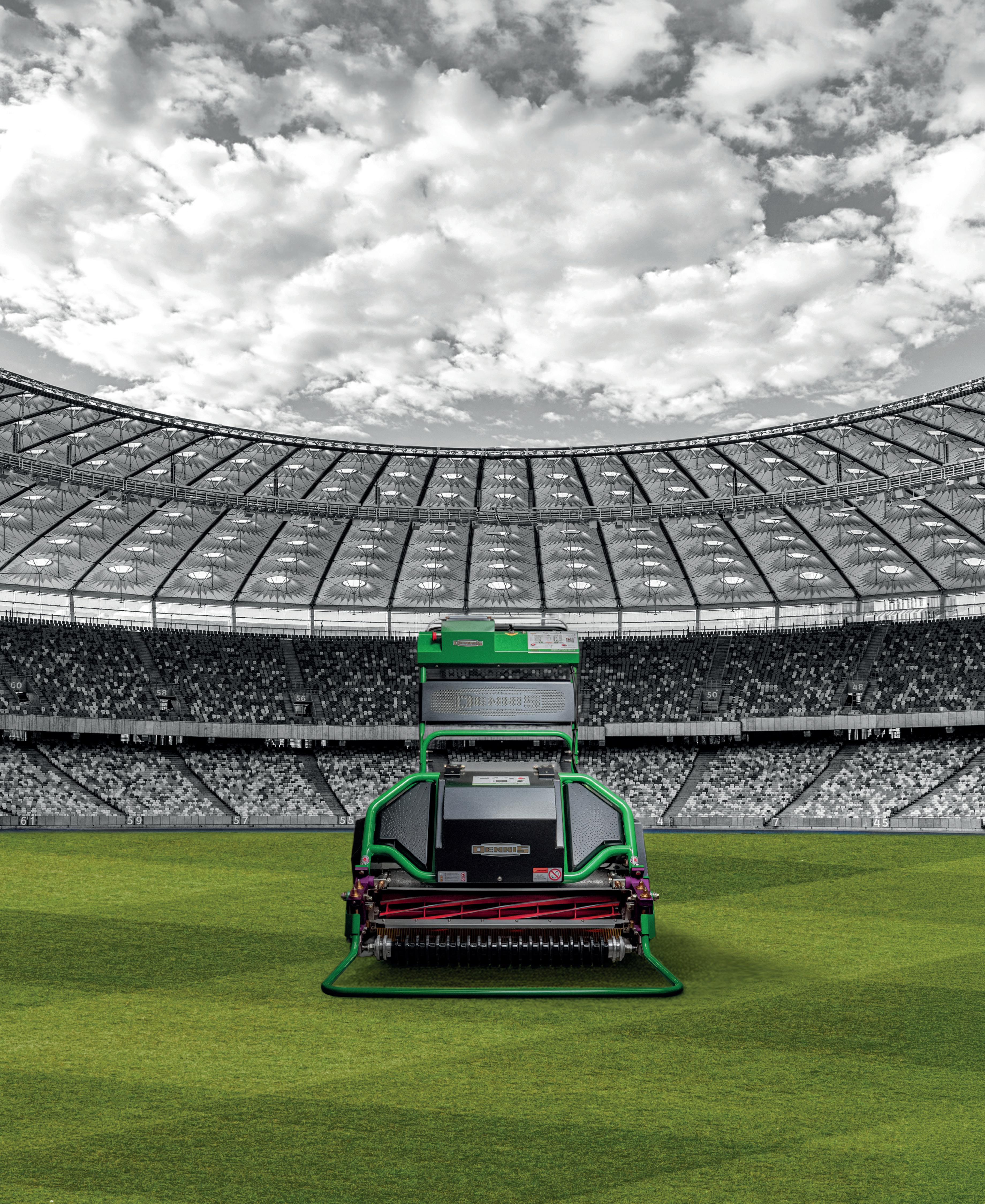
Lightweight design minimises soil compaction making the ES-34SL suitable for everyday professional use
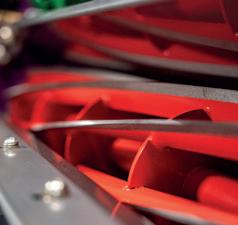
34” (860 mm) reliefground 8-blade small diameter cylinder (140 mm) for precise fine turf cut-quality
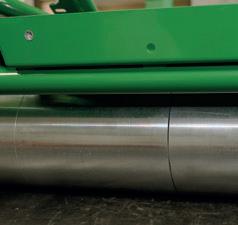
Reduced diameter rear roller (168 mm) delivers the ultimate match-day finish
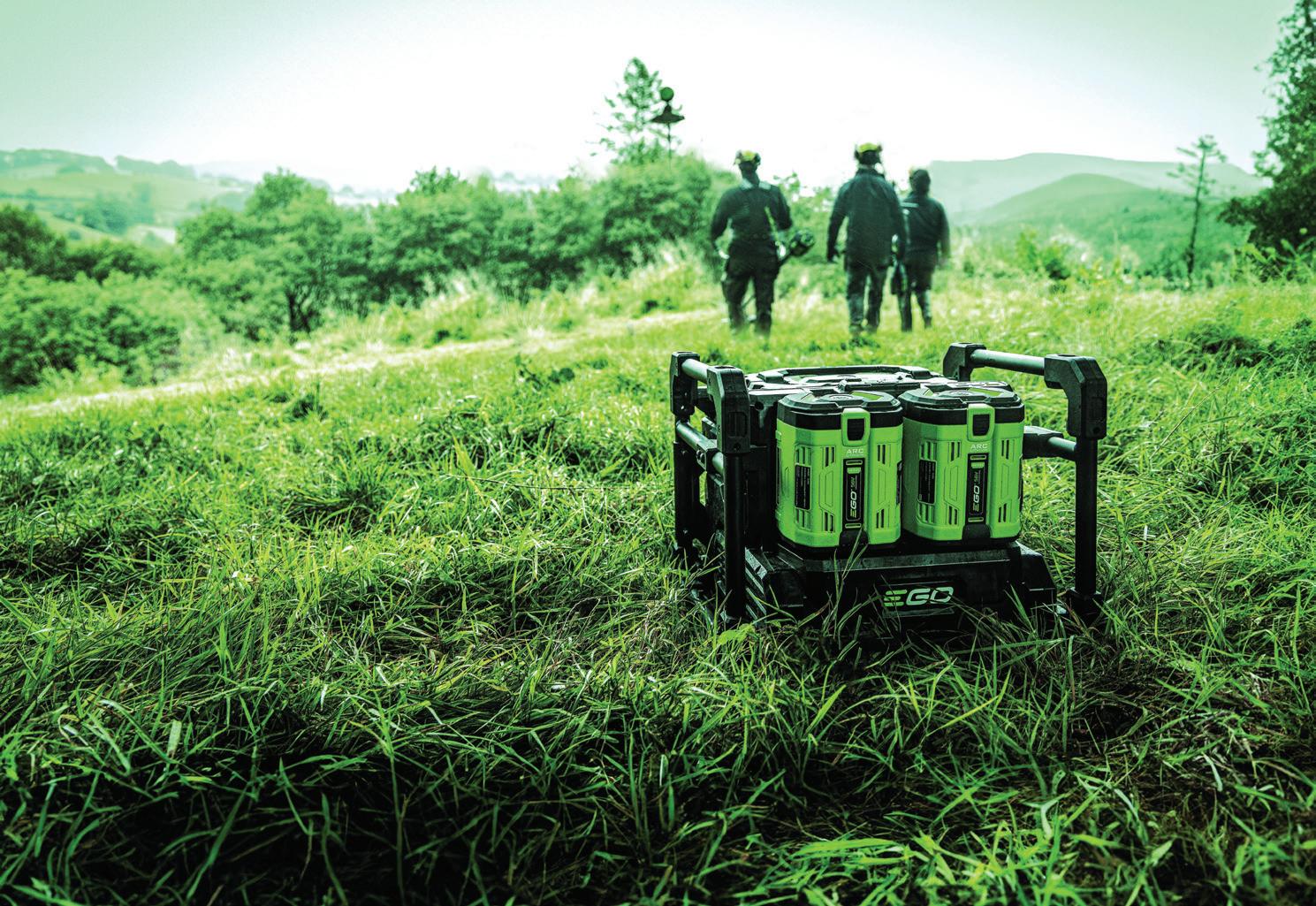
For landscaping and groundscare professionals, all day power isn’t optional. That’s why EGO continues to push the boundaries of battery performance with its advanced PGX Professional Charging system, designed to keep teams working without interruption.
Built to support the demands of busy commercial environments,
the PGX system transforms how businesses manage their batterypowered equipment, delivering reliability, flexibility, and total control over charging.
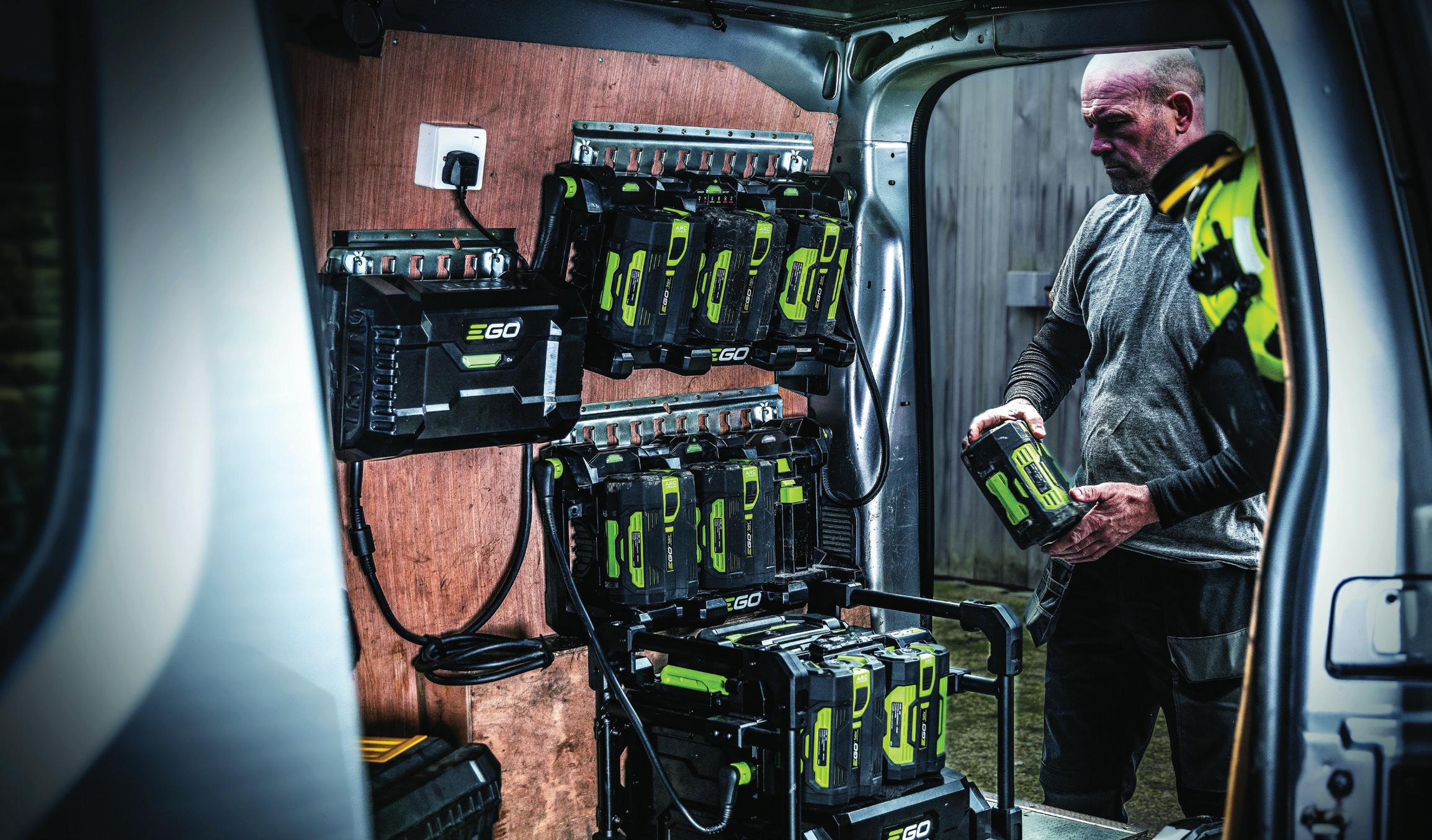
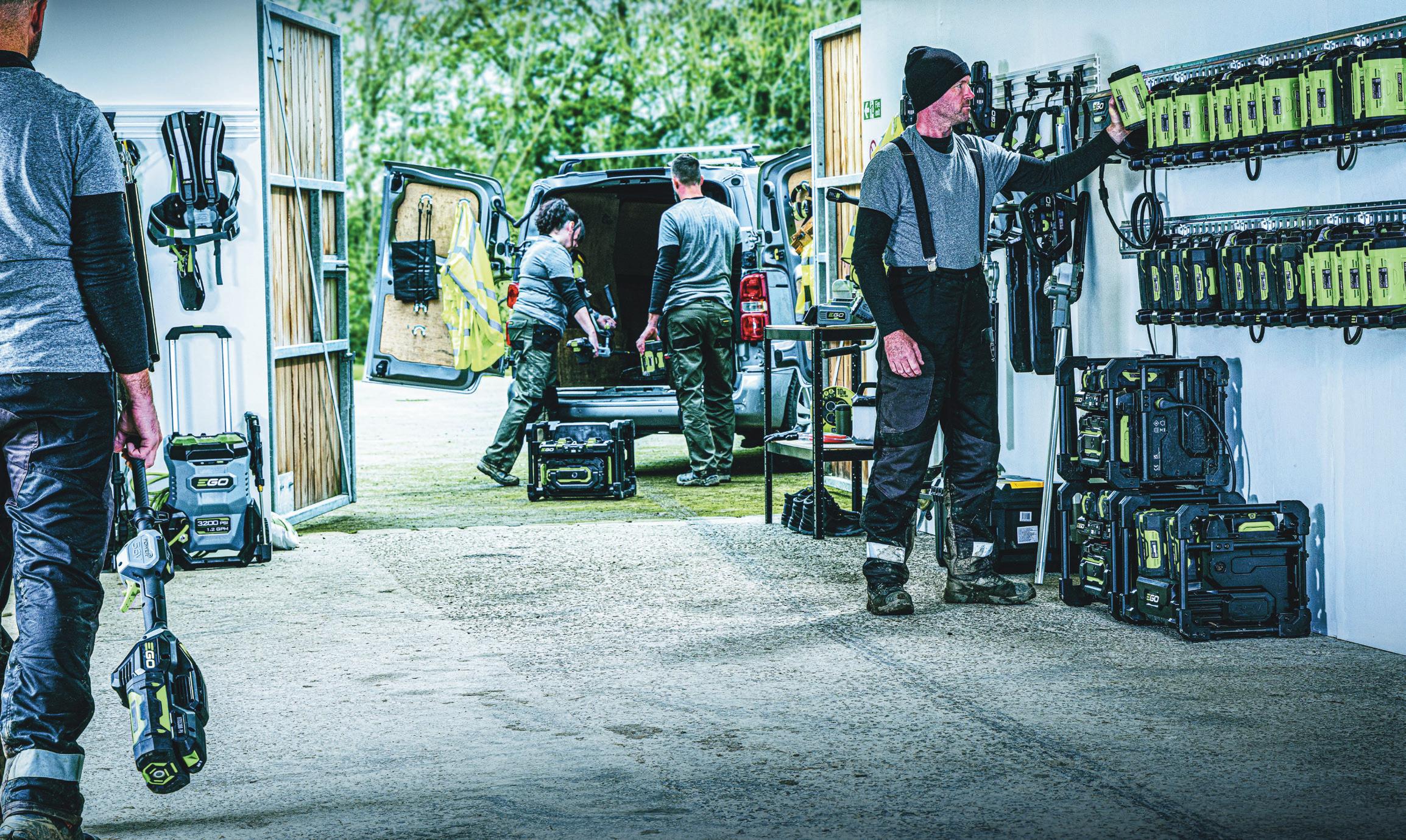
At the heart of the system is a PGX1600E-H 1600W Charging Hub that runs from a standard electrical outlet, eliminating the need for costly infrastructure upgrades. For
businesses, that means less hassle, lower setup costs, and a faster route to fully optimised battery operations.
What sets PGX apart is its scalability. Whether managing a small team or a large fleet, users can build a charging setup that fits their exact needs. With the ability to connect multiple PGX3000D
3-Port docks and charge up to 70 batteries simultaneously, downtime is dramatically reduced, so tools are always ready when crews are.
And it’s not just about charging more, it’s about charging smarter. Intelligent power distribution ensures batteries are managed automatically, removing the need for constant
monitoring. The result? Less admin, less stress, and more time focused on the job.
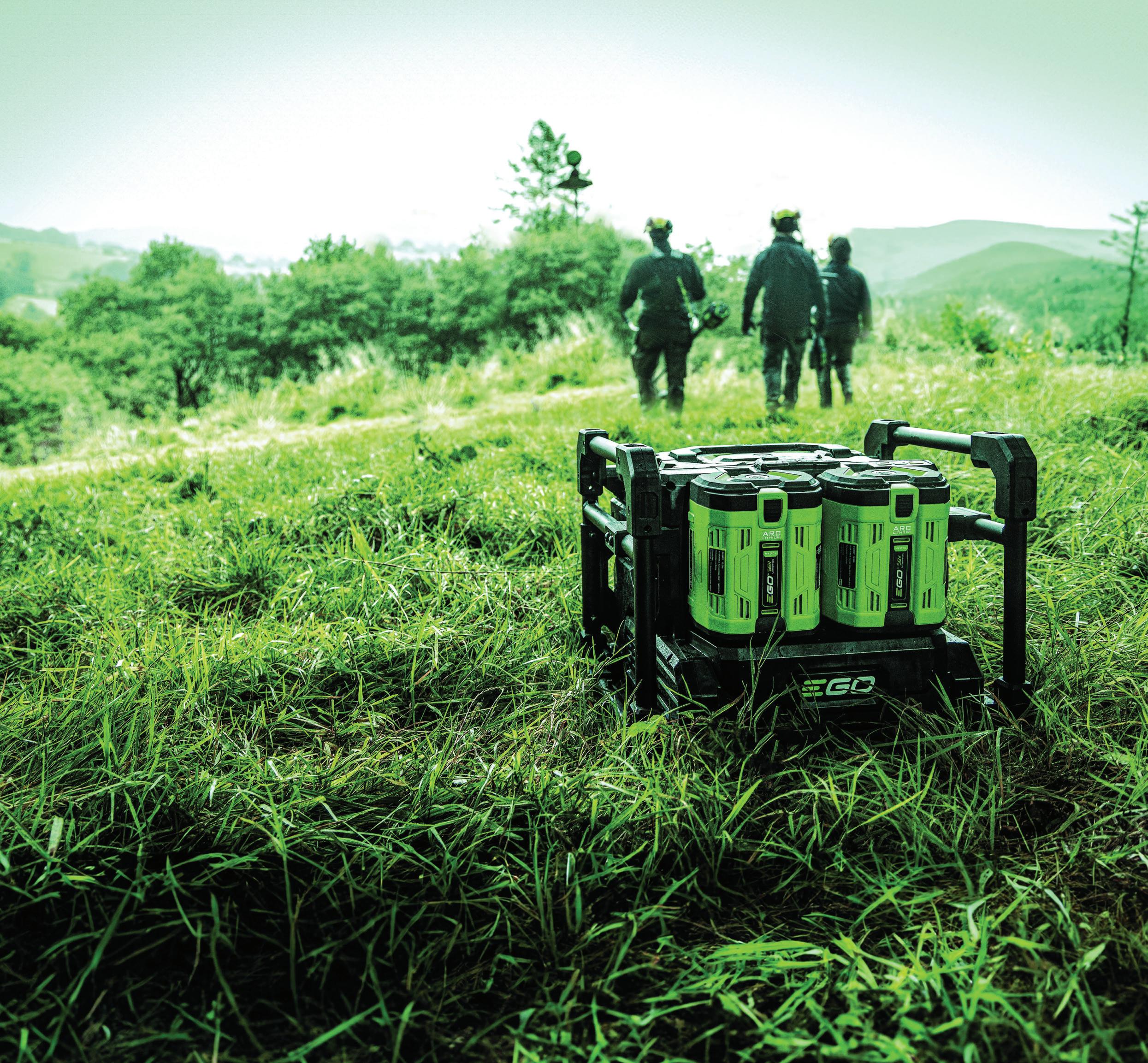
For professionals working beyond the depot, PGX2500PB Power bank brings a major advantage: true portability. The system’s two port power bank
allows energy to be taken directly to the jobsite, enabling fast, offgrid charging wherever work takes place. No more returning to base or waiting around, just continuous productivity.
Durability and security are also built in. With robust mounting
options for workshops or vehicles, plus lockable ports for peace of mind, the system is designed to perform reliably in demanding, real-world environments.
Ultimately, PGX isn’t just a charging solution, it’s a productivity tool. By ensuring
batteries are always ready, fully optimised, and easy to manage, EGO is helping professionals work more efficiently, reduce downtime, and get the most from every working day.
EGO Power+ Enquiry 8
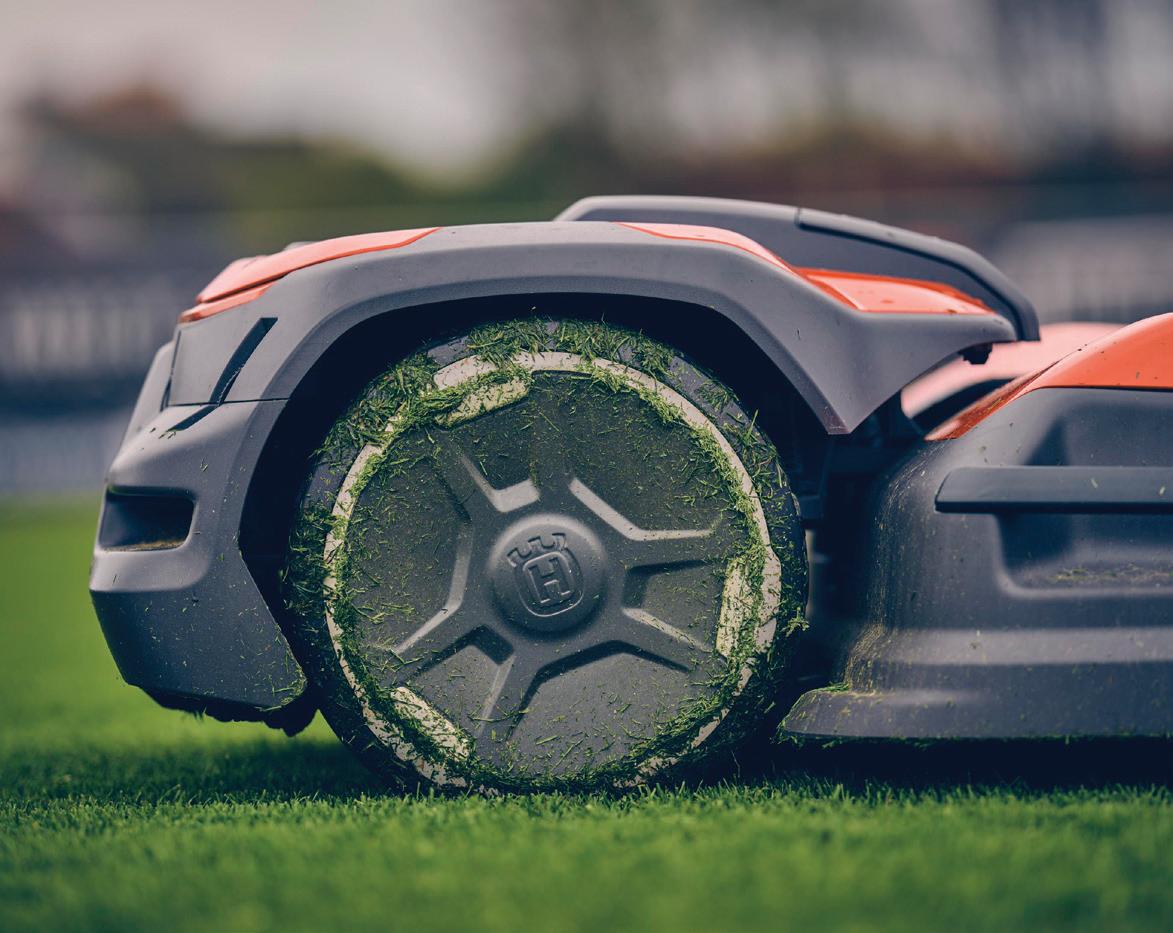
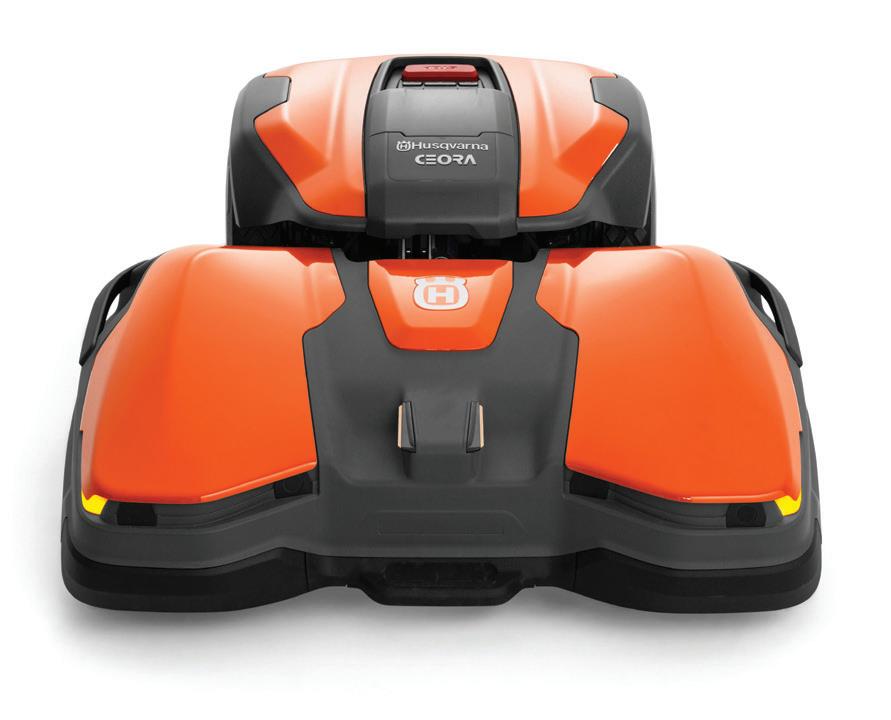
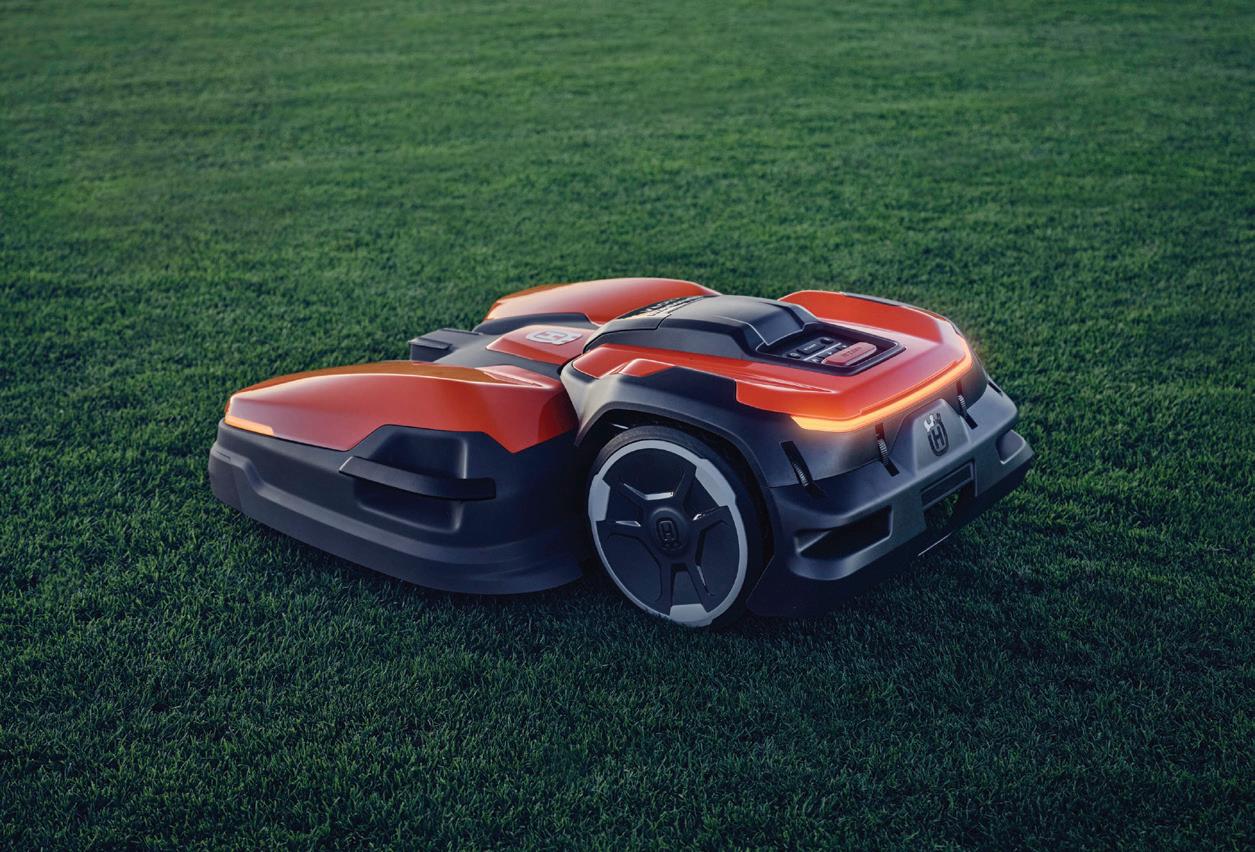
A research project based in Scandinavia discovered robotic mowers made for better turf quality, reduced fertiliser cost and less use of fossil energy on golf course fairways and semi-roughs.
The ROBO-GOLF research project was managed by the and funded by the Scandinavian Turfgrass Environmental Research Foundation with the support of Husqvarna, one of the leading players in robotics and AI for many years.
Field trials comparing robotic and manual mowing took place at NIBIO Landvik, Norway, with robotic and cylinder mowers on fairway – with a mowing height of 15 mm) – and on semi-rough (35 mm).
Similarly high turfgrass quality on fairway and semi-rough was found with robotic and manual mowing. On some observation dates, less disease was found with robotic mowing, which could be explained by more frequent dew removal by the robots. Less white clover was found on robotic-mown fairway, while more white clover was found in robotic-mown semi-rough.
The N fertiliser effect of return of clippings in robotic vs. manual mowing was studied on fairway with annual N rates of 0, 3, 6, 9, and
12 g/m2/yr applied over the season. There was no evidence that daily robotic mowing, compared with manual mowing three times a week with clippings returned, reduced fertiliser requirements on fairways due to better utilisation of nitrogen (N) in the smaller clippings volume.
Overall, there were only small and insignificant differences in turfgrass visual quality and N utilisation between robotic and manual mowing that both returned clippings, but manual mowing with removal of clippings reduced turfgrass quality. However, the results indicated a trend for more benefit from robotic mowing compared with manual mowing at high fertility resulting in high turfgrass growth rates. Under dry conditions and with insufficient fertilisation, weeds, especially white clover, increased more on roboticmown fairways than on manually mown fairways.
The contradictory results obtained on encroachment of white clover on fairway in robotic and manual mowing call for further research.
The study concluded that for robotic mowing to be recommended as a more sustainable mowing system than conventional mowing, it is important to know whether white clover increases or decreases with
robotic mowing, which depends on factors such as grass mixture, fertiliser rate, water availability/ irrigation and mowing height.
Large-scale demonstration trials with robotic mowers in comparison with cylinder mowers on fairways and rotary mowers on semi-roughs were laid out at five golf courses in Scandinavia. Turfgrass quality, coverage of broadleaved weeds and energy use were recorded monthly by the course managers. In these trials, turfgrass quality was mostly similar for robotic and manual mowing on fairways and semi-roughs, but the robots were superior at high growth rates. Course managers reported less soil compaction with robots, resulting in improved water drainage on areas with robotic mowing for 2-3 years. Robotic mowing also resulted in less soil compaction in the experimental semi-rough at Landvik.
Both greenkeepers and golfers reported a higher turfgrass quality with robotic mowing due to a more uniform and consistent turf
(same quality every day), dew removal and almost no clippings. Turfgrass species at the five golf courses are typical of those on cool-season golf courses in Europe and include bentgrass species, Kentucky bluegrass, red fescue and perennial ryegrass.
As far as disruption to play, robot mowers are all programmed to move around obstacles, including golf balls. During tournaments or times of heavy play, golf course superintendents will typically park the robots just as they would with conventional mowers, so they don’t disrupt play.
As technology advances and manufacturers continue to invest in R&D to develop new automated systems and solutions, there seems little doubt that the positives of robotics outlined in this ground-breaking research still resonate today.
The rise of the robots is no longer “new”, it is an established part of the industry.
STIHL has revised the Smart Connector 1, a digital solution designed to help professional users keep track of their tools, servicing schedules and daily usage across their fleet.
Suitable for electric and batterypowered machines, the Smart Connector 1.1 attaches directly to tools and records operating hours automatically.
The new feature on the latest version of the Smart Connector 1.1 brings it in line with the Smart Connector 2.0, which can store the operating time that day, as well as previous days until the connector can communicate with the STIHL Connected App.
No longer holding the total working time over a number of days, this removes the need for users to upload data daily. Data is transmitted via Bluetooth to the STIHL Connected app and online portal, giving businesses greater visibility of how their equipment is being used and when it needs attention.
For contractors managing multiple machines across teams or sites, the system provides a clear overview of total working time and daily operating history. With automatic prompts, this enables more proactive
servicing and helps reduce the risk of unexpected downtime.
The Smart Connector 1 also supports location awareness, allowing users to quickly check which tools are nearby and identify any that may be missing. An integrated LED display can be activated remotely to help locate specific machines more easily.
Compact in design at just under 5cm in diameter, the unit is quick to mount and unobtrusive in dayto-day operation. It offers a battery life of approximately 12 months, with a replaceable battery to minimise disruption.
Through the STIHL Connected portal, users can arrange servicing with their nearest STIHL Approved Dealer and review maintenance requirements in advance, helping streamline workshop planning and improve machine availability.
The Smart Connector 1 arrives as STIHL celebrates its 100th anniversary. Since 1926, STIHL has defined the global standard for battery and petrol-powered forestry, landscaping, and residential gardening equipment for professional and domestic users.
STIHL Enquiry 9
STIHL has launched a new ‘Try Before You Buy’ initiative, giving customers the opportunity to test its AP System battery-powered tools before they invest via their network of approved dealers.
The scheme enables dealers to purchase a selection of professional cordless machines and batteries, enabling them to create their own fleet of loan tools that professionals can trial before committing to a purchase.
Available across a wide range of AP System tools, including
chainsaws, hedge trimmers, blowers, brushcutters and lawn mowers, the initiative supports growing demand for batterypowered equipment among professional users.
Whilst there is increased interest in the tools, the upfront cost of the batteries can sometimes mean that users are reluctant to make the initial transition. This new scheme reduces the perceived risk as customers can get hands-on with the tools first and really test them in their dayto-day work before deciding what combination of tool, battery and charger to buy.
The transition of battery power, robotic and automation to mainstays of the industry can be seen in rising sales figures and also in the increasing number of awards and standards these systems are securing.
Future-gazing can be a haphazard past-time, trying to predict major new trends is fraught with pitfalls and there are countless examples of the “next big thing” being left on the shelf after a brief flurry of excitement.
But the rise of technology is definitely here to stay and the question is no longer “will it last?” but rather “what development will we see next?”.
The industry has embraced this technology and as such manufacturers are investing record figures in bringing the next generation of smart machines and systems to market sooner than was possibly predicted a decade ago.
This willingness to innovate and think creatively is now getting its reward, not just in the sales volume of these machines and systems increasing significantly but in terms of manufacturers securing prestigious design awards and achieving new standards of certification for their products.
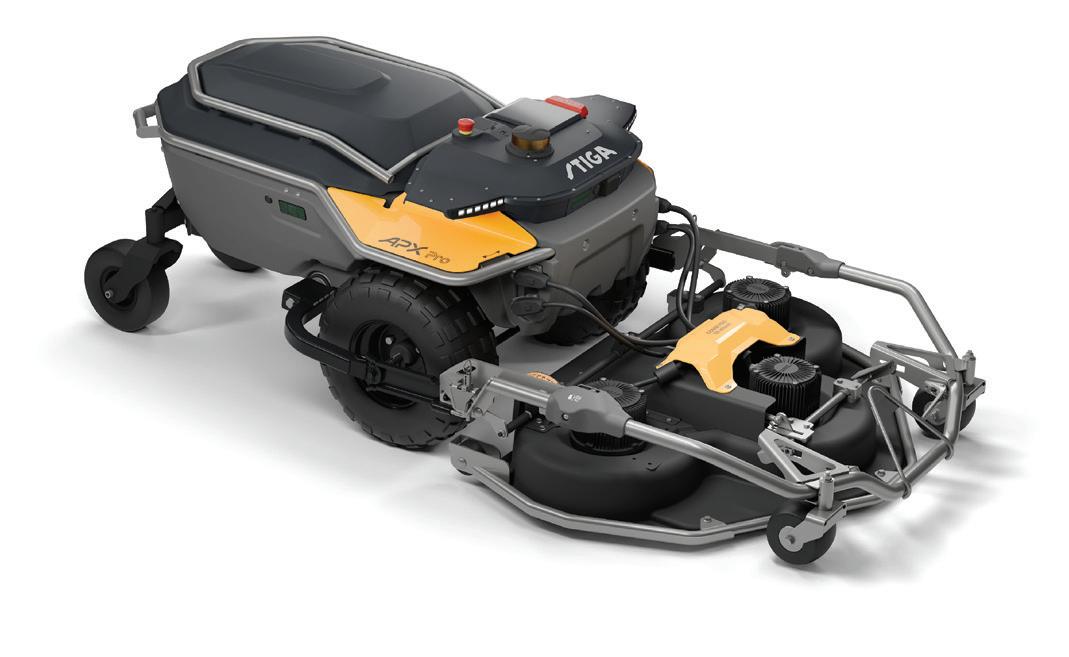
STIGA, leading manufacturer of garden care machinery and equipment, is proud to announce that it has been honoured with three prestigious iF DESIGN AWARD 2026 titles across its latest product range.
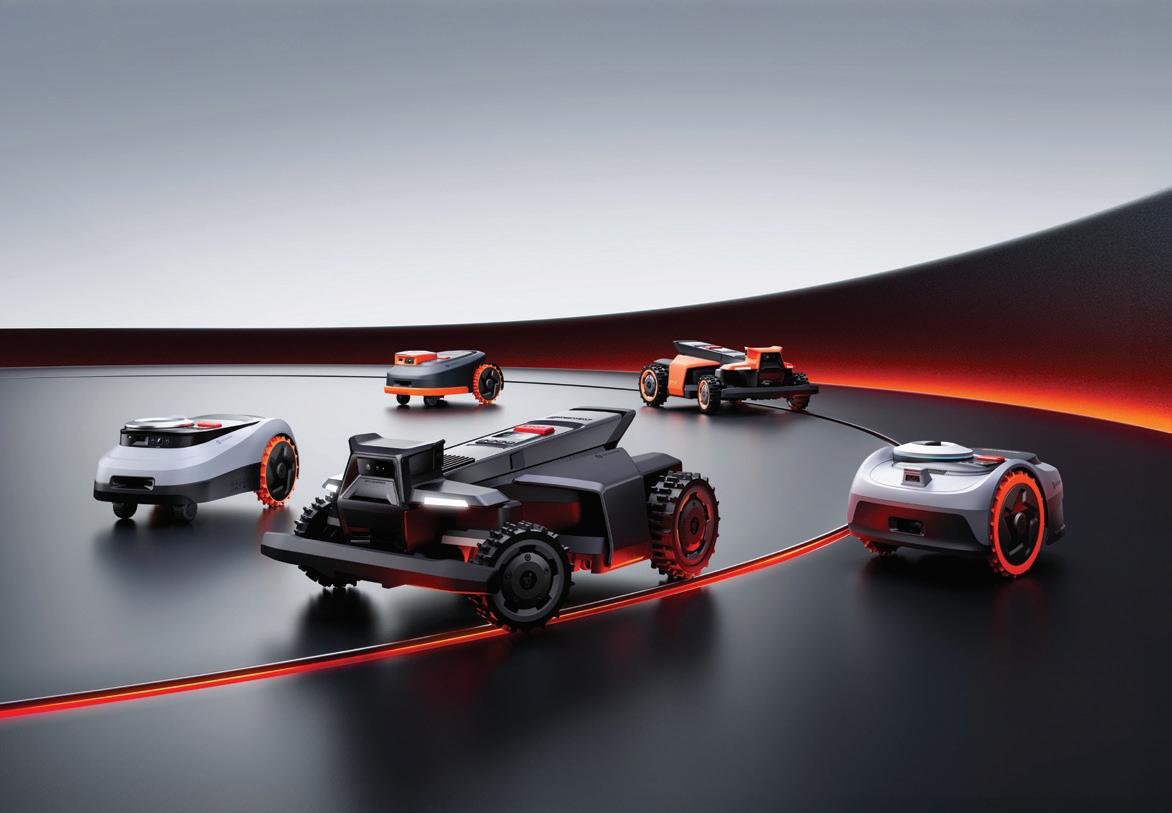
The iF DESIGN AWARD, a global benchmark for outstanding design excellence, brings recognition to STIGA’s new range of Autonomous Robot Mowers with Vista Technology, the professional robotic workmate APX Pro and the smart gardening application STIGA.GO App.
This triple acknowledgement further underscores STIGA’s unwavering commitment to blending cuttingedge innovation with superior design. STIGA Robot Mowers with Vista Technology and the APX Pro were both recognised in the Product Design and Garden categories for their innovative design and the seamless integration of artificial intelligence and usercentric engineering.
STIGA.GO App – recently honoured with the Red Dot Design Award 2025 – was also awarded by iF jury in the Branding & Communication Design and Apps/Software categories. The app enables full remote control of STIGA’s extensive range of mowers –including Robot Mowers with Vista Technology and APX Pro –from setup and zone management to real-time monitoring and predictive maintenance in a userfriendly, accessible way. Thanks to its intuitive interface and connectivity, STIGA.GO is more than an app: it is a digital extension of the gardening experience.
This year’s iF DESIGN AWARD saw over 10,000 submissions from
68 countries, which underlines the highly competitive nature and significance of this award.
Securing three titles distinguishes STIGA as a frontrunner in the industry, proving that the company's products are among the most outstanding designs in their field. This recognition underscores a commitment to merging high-tier technology with solutions that truly enhance the gardening experience.
Segway Navimow has successfully subjected its X420 and i206 AWD robotic lawn mower models to rigorous testing by TÜV Rheinland.
Both devices are the first and only to receive the coveted Lawn Care certification. This award confirms that Navimow robotic lawn mowers have Minimal Lawn Impact Performance, thus setting a new standard for ultimate lawn protection.
The certification is based on a comprehensive test catalogue that incorporates international standards as well as TÜV Rheinland’s own benchmarks and certify the performance characteristics for maintaining a healthy and wellmaintained lawn. As part of the intensive Accelerated Ageing Model a full calendar year of high-
frequency mowing was simulated under European conditions.
With this TÜV Rheinland certification following rigorous testing, Navimow underscores that its mowers achieve the perfect balance between ultimate off-road capability and meticulous lawn care, even in complex gardens and demanding environments.
Developed to address real-world challenges, this new generation of robotic lawn mowers aims to push beyond current market limitations: difficulties in corners and narrow passages, signal loss under trees, complex installations requiring perimeter wires or antennas, limited performance on slopes and uneven terrain, and damage to turf during manoeuvres.
“True technological leadership lies not in chasing impressive specifications, but in whether it can genuinely serve people and integrate into their lives.” says George Ren, CEO, Navimow. “The newly launched products are more than technical achievements. They are the embodiment of our core belief that true smartness should be seamless, and technology must carry warmth. Anchored by this philosophy, our mission has always been clear: to enrich life through continuous innovation—enhancing daily experiences in imperceptible yet profound ways, ultimately gifting users with more time, freedom, and peace.”
Investment in new batterypowered machinery and robotics and automated systems are not confined to time savings and aesthetic appeal, there is also a financial boon which is proving increasingly attractive.
There are many considerations for those involved in groundscare, greenkeeping and landscaping when considering a switch to battery power and potentially a move towards automation and robotic systems.
The quality of finished work, maintenance costs and increasingly across the industry the promotion of sustainability, are all crucial factors, as are issues of minimising noise pollution and other forms of disruption.
The rise of artificial intelligence (AI) and advance of new technology is reshaping industries and this is true for groundscare, greenkeeping and landscaping too. Traditionally considered a manual and labourintensive field, a technological revolution is bringing benefits to both users and the clients and customers they serve.
Improved efficiency, reduced costs and more time devoted to more highly skilled tasks, where the professional’s knowledge and expertise come to the fore, have all been highlighted as major benefits.
But there is another significant positive to be considered – and it is financial.
From the impact of austerity, through the chaos of the pandemic, the cost-of-living crisis and now on to geopolitical factors like the current conflict in the Middle East, the last decade and more have seen the industry lurch from one serious financial challenge to another.
Investing in new machinery, kit, products and services is always a major consideration at such times. But, following on from the initial outlay, it is becoming more obvious that the long-term financial benefits of a switch to new technology cannot be ignored. Time is an important factor in this, as operators are able to assess the financial implications over longer periods then the overall savings for budgets start to become more apparent.
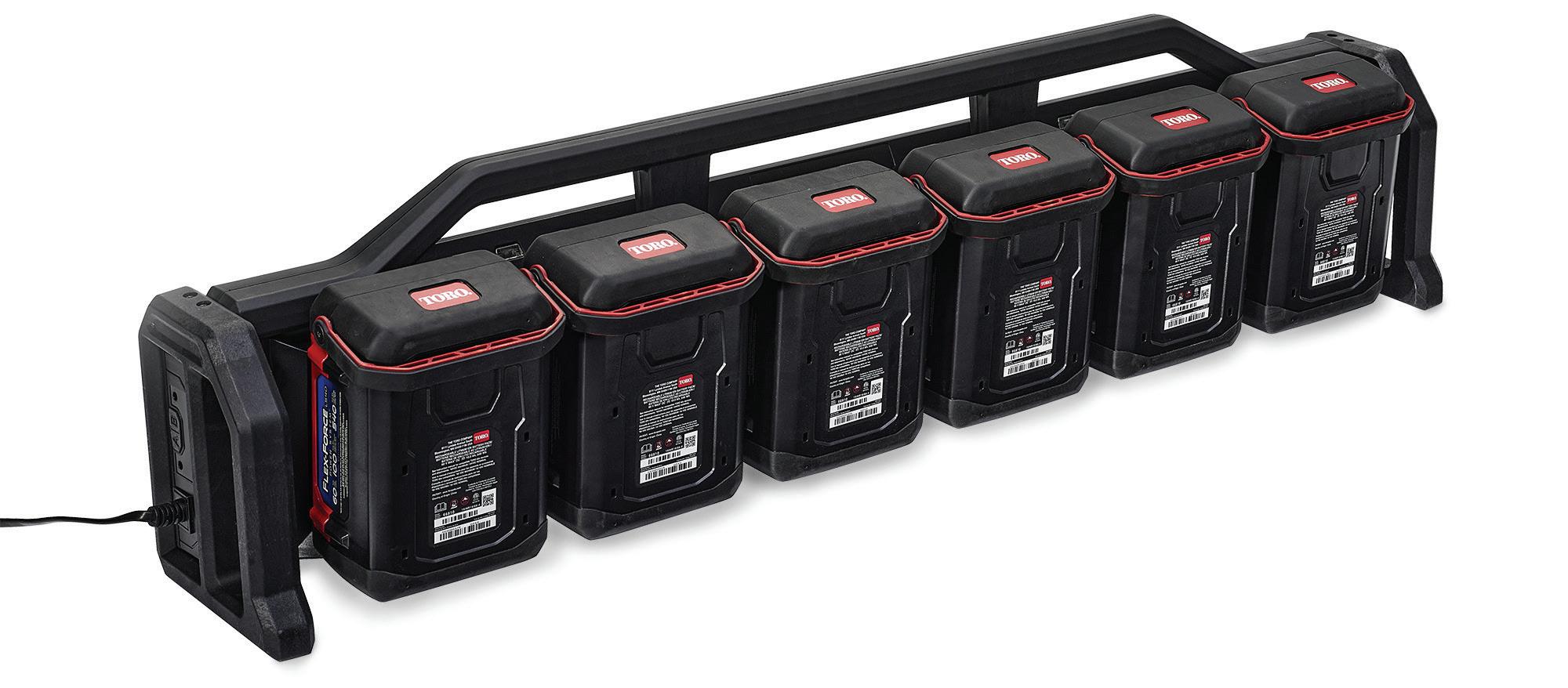
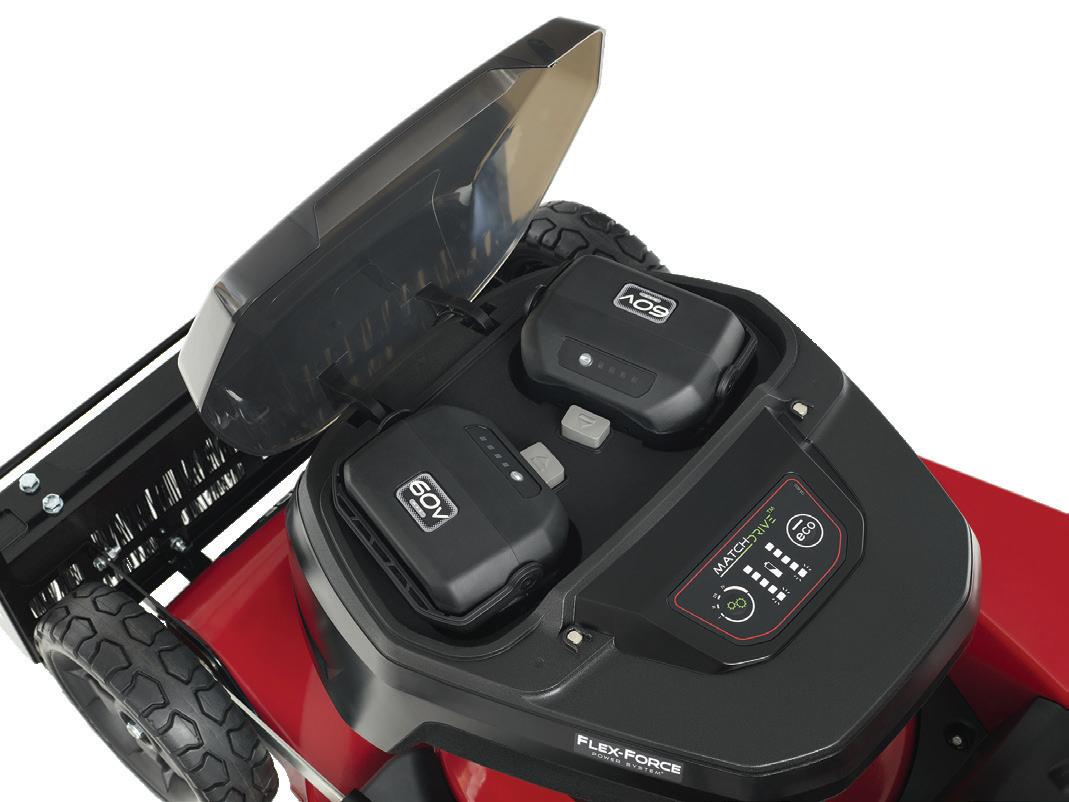
For example, Toro UK has highlighted how Total Cost of Ownership (TCO) has become more than a buzzword — it’s a business-critical metric. With rising fuel prices, tightening budgets, and growing sustainability goals, Toro’s battery-powered Revolution Series offers a smarter way to mow.
Backed by real-world data and a dedicated TCO Calculator, the range helps professionals understand when they’ll break-even — and how much they’ll save long-term.
Key benefits of Toro’s batterypowered equipment:
• Fuel savings: No petrol or diesel required — just plug in and recharge from the mains.
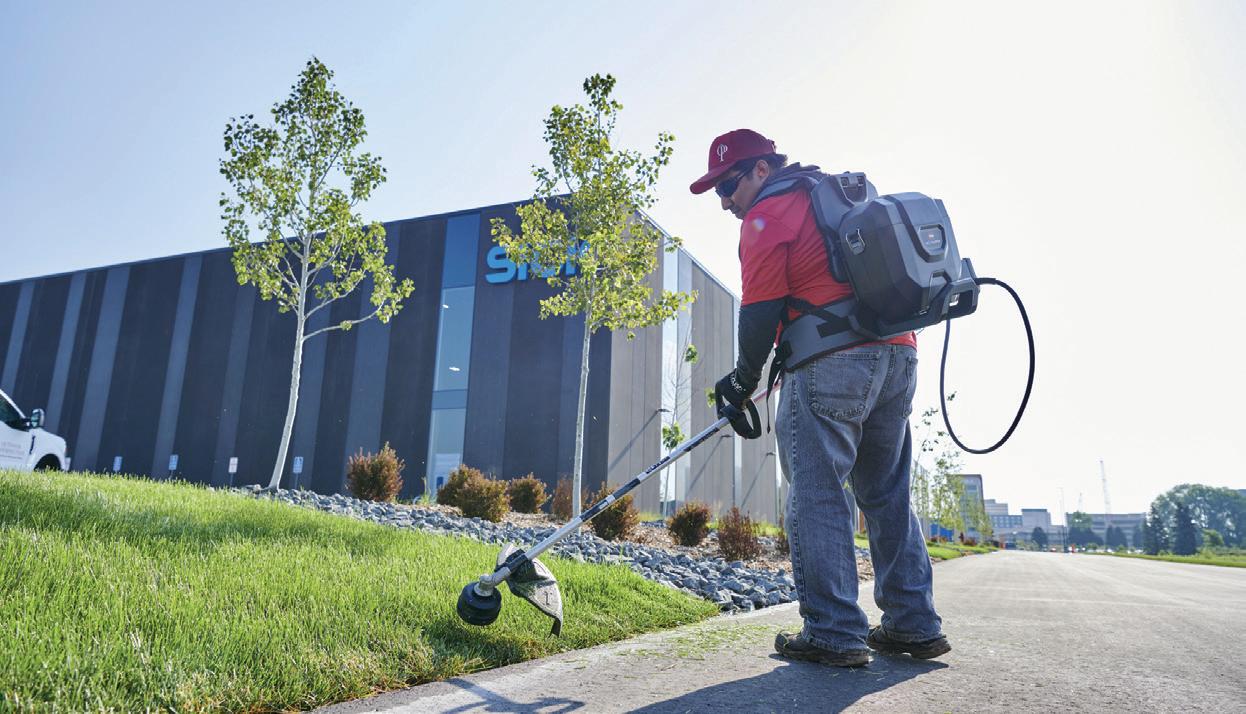
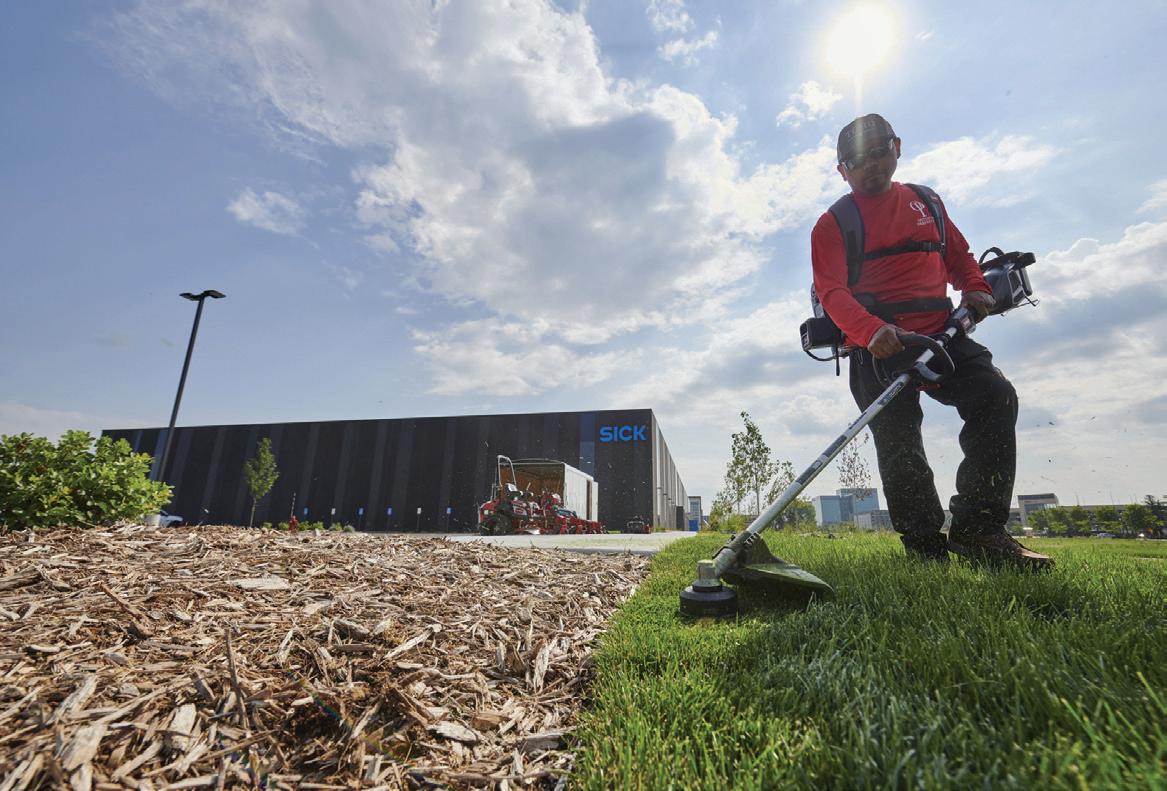
• Lower maintenance costs: Fewer moving parts and simplified servicing reduce downtime and expenses.
• Longer service life: Built for professional use, with robust engineering and durable components.
Toro’s TCO Calculator helps compare the lifetime cost of battery vs. petrol equipmentfactoring in fuel, maintenance, and usage. It’s a powerful tool for procurement teams and business owners alike.
It is not just the more obvious tasks, such as mowing and cutting, that can see such benefits. AI and automation are revolutionising other areas such as irrigation and water management.
AI can analyse soil health, moisture levels, and sunlight
exposure to recommend the best plants for an environment or create a customized lawn care plan. This approach reduces waste, enhances plant health, and contributes to sustainability efforts.
Smart irrigation systems can adjust watering schedules based on real-time weather and soil data. This conserves water and prevents over-andunderwatering, which can damage plants. As a result, companies can deliver greener, healthier landscapes with less effort and resources.
Analysing and using data provided by this technology, in whatever format it is being utilised, is becoming a key part of the working day for so many across the industry as they continue to work smarter.