and heating solutions that are eff icient, sy to specify.
That’s why professionals across the UK trust
The Electric Heating Company.
Our range of electric boilers and radiators combine modern heating performance with responsive technical suppor t and industr y exper tise.
hether you’re working in social housing, residential development, refurbishment, or procurement, we help simplify the process with:
igh- quality electric heating products
mar t , controllable heating sys
Exper t technical guidance
Reliable suppor t
tems
The growing impacts of climate change affecting life in the UK
The Climate Change Committee (CCC) recently published A Well-Adapted UK, which sets out a comprehensive package of solutions to address the growing impacts of climate change affecting every aspect of life in the UK.
The country’s independent climate advisors identify heating and cooling, air conditioning and other critical priorities to protect the UK from the three biggest climate risks – heat, flooding and drought.
It highlights bow the UK is already seeing disruption and without action these risks will escalate. By 2050, 92% of homes are likely to overheat, peak river flows will be up to 45% higher and water supply shortfalls could exceed five billion litres per day.
The Committee’s proposals require investment of around £11 billion a year, split broadly evenly between public and private funding.
Without adaptation the cost of climate change to public welfare is predicted to rise to between 15% of UK GDP by 2050 under a 2°C global warming level, equivalent to £60-£260 billion per year.
Baroness Brown, Chair of the Adaptation Committee, said: “Our lives, our landscapes and our homes are under increasing pressure from the changing climate. But we are not powerless. In an increasingly unstable world, being well adapted to climate change is fundamental to securing our food, energy and economic security.
“This report carries a message of hope. The solutions already exist, and proven technologies are available now to help the UK adapt effectively. With the right decisions and actions, we can protect the people and the places we love.
“We can protect patients and residents in overheated hospitals and care homes, children in nurseries and schools, and communities facing repeated flooding. We can support our farmers to maintain our food supplies. We can keep sports pitches usable, high streets open for business, and iconic British music festivals running safely.
“The public want to see change and the government now has an opportunity to step up and protect our way of life.”
The committee has identified eight key areas for government action.
These include investing in cooling – including air conditioning, heat pumps and green shading – across key public services. It says Government should commit to a national maximum temperature for workplaces to protect workers’ safety and incentivise the deployment of cooling.
Joanne Wheeler, Co-Head of Policy & Places at UKGBC, said the CCC has made the challenge plain and added: “The UKGBC’s Climate Resilience Roadmap shows how that shift can be made in practice, with joined-up action across the built environment and government. The challenge is serious, but it is not beyond us if we choose to act now.
“We have long argued that resilience cannot sit in isolation: it must be integrated with decarbonisation, nature, health and wellbeing, and long-term value. On the built environment, the CCC highlights the need
for new buildings to be fit for a changing climate, for existing homes and assets to be retrofitted and upgraded, for better preparedness, and for cooling and water resilience to be addressed at scale.
“For industry, the message is straightforward. Climate resilience needs to become a core part of investment, design, planning, procurement and asset management. That means acting now on heat risk, flood risk, water scarcity and infrastructure interdependencies, and using the tools, standards and methods already available to make adaptation routine rather than exceptional.”
Paul Groves || Group Editor
Enquiry 2
Creating a route to compliance for ventilation projects
The Building Engineering Services Association (BESA) has launched a certification pathway to help ventilation hygiene contractors demonstrate professional and technical competence and compliance in line with the Building Safety Act.
Created by the industry’s certification scheme the Ventilation Hygiene Register (VHR), the process is based on BESA’s industry standard TR19® and provides a third party verified auditable route for demonstrating competence, compliance and best practice in ventilation hygiene services for air systems.
The launch of VHR Air comes amid continued regulatory focus on building safety, indoor air quality (IAQ) and system performance following the introduction of the Act in 2022. B
ESA has developed a new ‘air work type’ which reflects the Act’s core principles, including competence assurance, transparency, traceability and the need for a transparent ‘golden thread’ of information.
The Association said there had been a surge in demand for specialised ventilation hygiene services in recent years reflecting the rise in
awareness of the fire and health risks posed by badly maintained ventilation systems.
“Ventilation hygiene plays a vital role in maintaining good indoor air quality and building performance,” said Chris Major, BESA’s head of compliance. “Duty holders must be able to evidence that this work has been carried out by competent, compliant contractors and in line with recognised industry standards.
“Compliance with TR19® is increasingly important for those enforcing the legislation and for the insurance industry, so having fully trained operatives is crucial for contractors working in this area,” he added.
The guiding principle of TR19®, which was first developed by BESA in 1998 and regularly updated since, is that a defined, measurable level of cleanliness should be achieved to improve safety.
“The Act has fundamentally changed expectations around competence and accountability,” added Major. “VHR Air is a practical mechanism for contractors to provide evidence that their ventilation hygiene work meets those expectations, while giving clients and duty holders greater confidence and assurance.”
For contractors, the scheme offers third-party validation that can strengthen procurement submissions, satisfy insurance requirements and reduce risk through improved audit trails.
For clients and duty-holders, specifying a VHR Air approved contractor provides confidence that ventilation hygiene work aligns with recognised best practice and contributes to safer, healthier buildings.
Ian Gregory, managing director of IAQ Services and chair of BESA’s Ventilation Hygiene Group, said VHR Air was an excellent way for companies of all sizes to prove their credentials.
“This is the latest step in improving the professionalism of our sector and shows that we take our wider building safety responsibilities very seriously,” he added.
“It is crucial that clients can differentiate between those firms who have taken the trouble to invest in their people and processes so they can meet the highest standards, and those who are prepared to ignore their obligations to building occupants.
“A third-party scheme like this should provide them with all the reassurance they need when looking to specify properly qualified specialists.”
Industry-wide accountability
BESA said VHR Air was built on the established VHR Grease scheme and refleced a need for consistent standards across all areas of ventilation hygiene.
Evidence gathered through the scheme will also support ongoing dialogue with the Building Safety Regulator as the industry responds to the changing regulatory landscape.
“The Building Safety Act is about accountability and assurance not additional bureaucracy,” said BESA’s director of specialist knowledge Rachel Davidson.
BESA’s Client's Guide to the Building Safety Act is a response to growing concerns that many clients are still basing procurement decisions primarily on cost and speed of delivery and avoiding their legislative responsibilities to improve safety and sustainability.
BESA research, published late last year, highlighted that many clients were either unaware or choosing to ignore their legal responsibilities under the Act, which has been in force since 2022.
“This is a practical guide designed to help clients navigate the building safety process,” said BESA’s director of specialist knowledge Rachel Davidson. “It is intended to educate not intimidate by explaining what good looks like so clients can make better, safer procurement decisions that also make sense for their businesses.
“Industry led certification schemes, built on recognised standards, give contractors a practical way to evidence both individual competence elements and organisational capability, while providing clients and duty holders with confidence that the work is being carried out safely and consistently.
“VHR Air provides a timely, clear and auditable route to compliance at a point where awareness is improving and expectations across the sector are rising”.
New guidance produced by the Building Engineering Services Association (BESA) and supported by eight other bodies* has been published with the backing of the Building Safety Regulator’s Industry Competence Committee.
“By following the information in the guide, they can reduce project risks and avoid costly mistakes which lead to expensive delays and re-designs.”
She added that the Client's Guide would also help contractors and other supply chain members explain some of the key elements of the legislation to their clients and emphasise the importance of only appointing competent people and companies to work on their projects.
“It should also give contractors the confidence to challenge decisions and point out errors in procurement that can compromise safety and quality,” said Davidson. “Contractors are duty bound under the legislation to refuse to start work unless they are satisfied that the client is fully aware of their responsibilities.”
The future homes standard: Why specification matters more than ever
Written by Ben Perris, Sales Director ICS UK for Wavin.
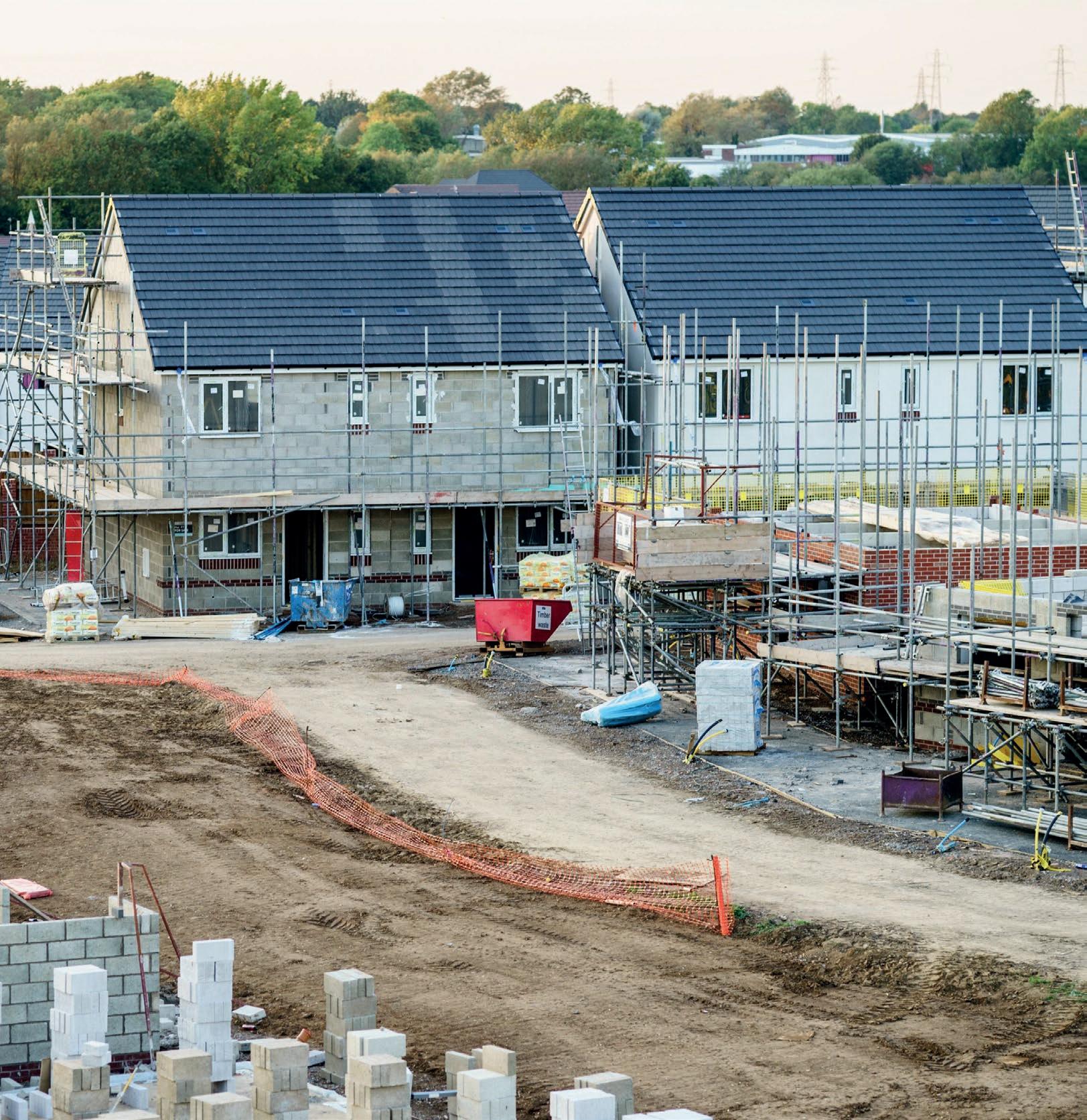
The Future Homes Standard (FHS) is set to transform the way new homes are designed, built, and heated. With a clear focus on reducing carbon emissions and improving energy efficiency, the direction of travel for housebuilders and developers is now firmly established. However, achieving compliance is not simply a question of replacing gas boilers with heat pumps.
For specifiers, the challenge extends beyond meeting compliance targets on paper. The homes being designed today must demonstrate realworld performance, balance energy efficiency, occupant comfort, and long-term operational outcomes. Achieving this requires a whole-system approach that considers how heating, ventilation, and control strategies interact from the earliest stages of design.
Looking beyond the heat pump
Heat pumps are expected to become a cornerstone of FHS-compliant developments, with targets set to reach 600,000 installations per year by 2028. As these systems become more
common, the focus is shifting toward the wider heating strategy and the importance of specifying heat emitters that can operate efficiently at low flow temperatures.
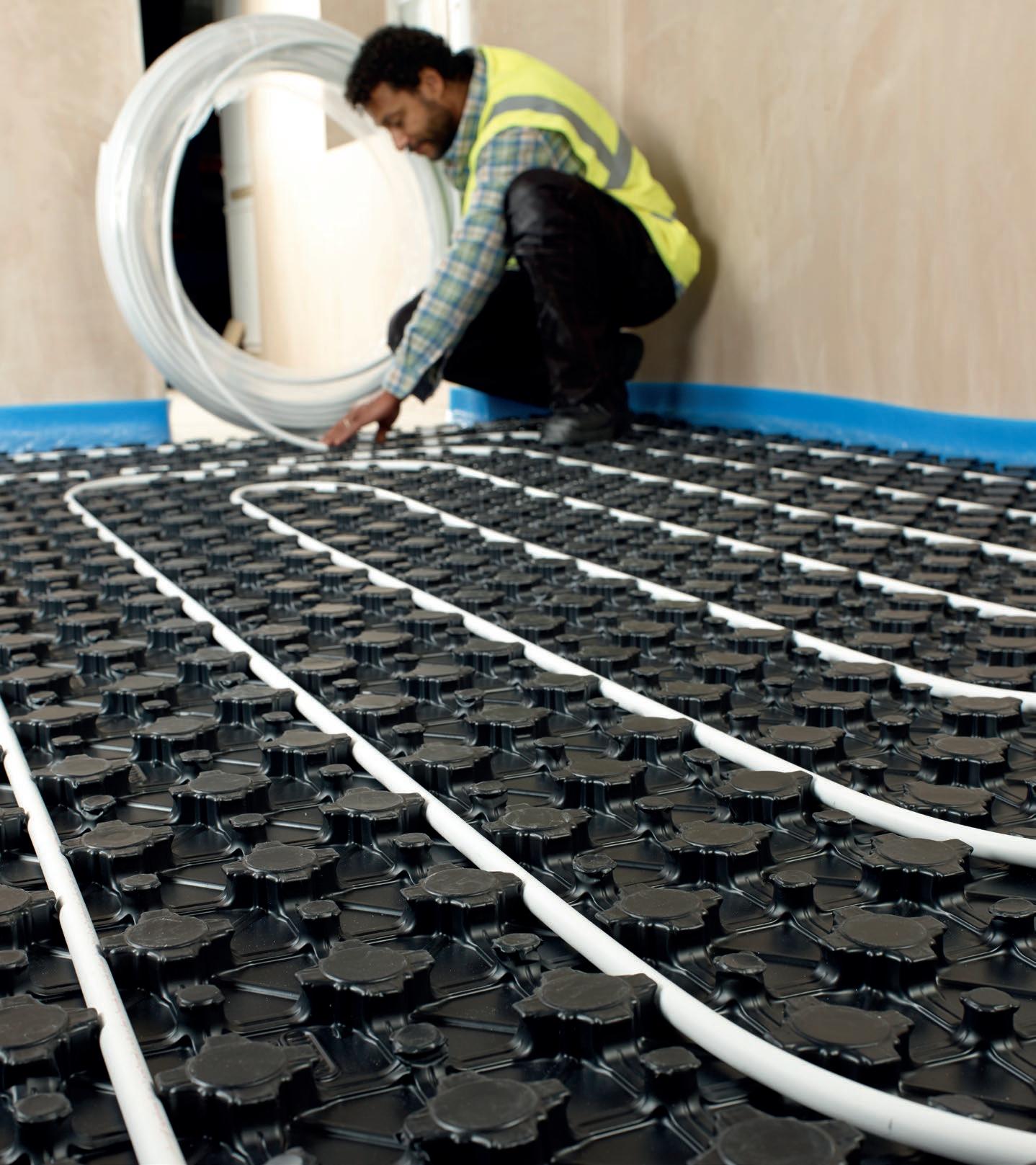
This is where underfloor heating (UFH) is increasingly proving its value. UFH is designed to deliver even heat distribution across the entire floor surface. The system operates at significantly lower temperatures – typically between 30-50°C for hydronic underfloor systems, like Wavin’s Comfia system, as opposed to the 60-70°C required for conventional radiators.
In homes therefore designed around heat pumps, specifying UFH is not just compatible – it is often fundamental to achieving the performance targets set out in the FHS. However, rather than acting as a standalone product choice, UFH should be viewed as part of a wider low-temperature heating strategy that supports the efficient operation of heat pumps and helps developments achieve the performance standards expected under the FHS.
A whole-home approach
The FHS doesn’t stop at how homes are heated. It also brings renewed attention to how they are ventilated.
As homes become increasingly airtight, ventilation strategies are becoming equally important in supporting indoor comfort and regulatory compliance. Mechanical Ventilation with Heat Recovery (MVHR) are becoming far more commonplace in new developments. By recovering heat from extracted air, these systems help maintain indoor air quality while supporting energy efficiency targets.
Equally important is ensuring that heating, ventilation and control strategies are considered collectively during specification. While each system may perform effectively in isolation, the greatest gains are achieved when they are designed to operate as part of a coordinated indoor climate strategy. Systems such as Wavin Sentio provide precise, room by room control through an intelligent central unit which are compatible with manufacturers full suite of indoor climate products. Technologies like these can help optimise energy use, improve occupant comfort and ensure buildings perform as intended throughout their lifecycle.
Specifying homes for the future
As the FHS draws closer, successful specifications will increasingly be judged on how effectively they integrate low-carbon technologies rather than simply selecting them. For specifiers, this means looking beyond standalone technologies and considering how heating, ventilation and controls interact as part of a complete indoor climate strategy. By taking a whole-system approach from the outset, projects can be better positioned to meet evolving regulatory requirements while delivering comfortable, efficient, and future-ready homes.
To learn more about Wavin’s indoor climate solutions, visit: https://wavin.com/gb/ solutions/indoor-climate-solutions
Wavin – Enquiry 3
Summit showcases strong industry momentum and collaboration
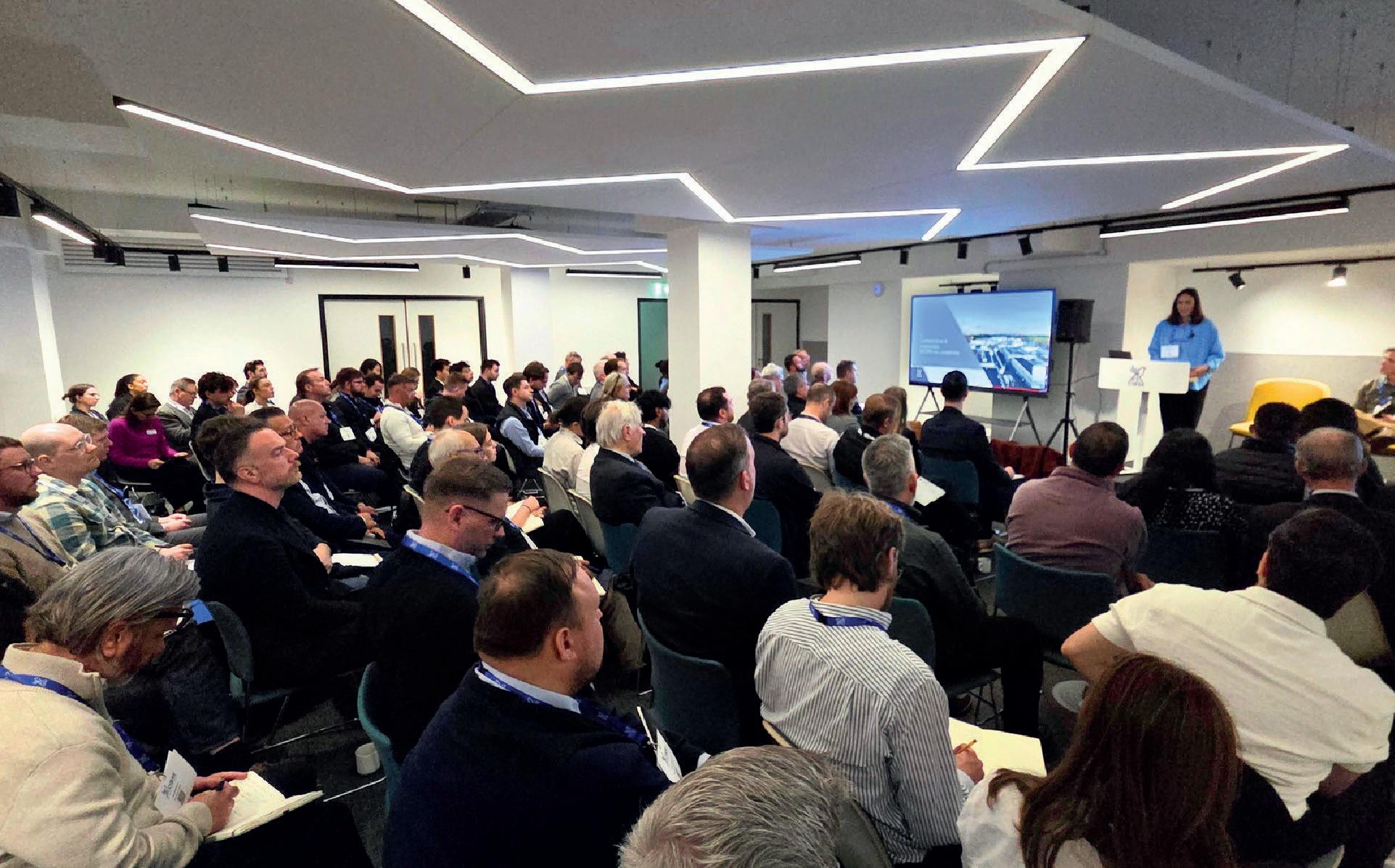
The CIBSE Heat Pump Summit 2026 brought together a full house of industry professionals for a highly engaging and insightful day focused on accelerating the adoption of heat pump technologies across the built environment recently.
The 2026 Summit welcomed engineers, consultants, policymakers, manufacturers and contractors, all united by a shared ambition to advance lowcarbon heating solutions and support the UK’s transition to net zero.
The strong turnout reflected both the growing importance of heat pumps within building services engineering and the appetite across the sector for practical guidance, collaboration and knowledge sharing.
Attendees were provided with valuable insights into the latest developments, including AM16: Heat pump installations for multi-unit residential buildings, AM17: Heat pump installations for large non-domestic buildings, and the forthcoming guidance on Domestic Heat Pump Design and Installation.
These updates reinforced CIBSE’s role in providing authoritative, practical guidance to support the sector in delivering high-quality heat pump installations. Throughout the day, a consistent theme emerged - the need for collaboration across disciplines, organisations and sectors to unlock the full potential of heat pump technology. The Summit provided a valuable platform for knowledge exchange, open discussion and shared learning, helping to bridge the gap between policy ambition and practical delivery.
Making informed low-carbon choices
Following the successful summit, which drew industry-leading speakers from a wide variety of organisations and companies, CIBSE developed a factsheet in order to help homeowners ask the right questions to the heat pump installer or designer to take control of their low-carbon future.
Switching to a heat pump is one of the biggest steps a homeowner can take to reduce their heating energy bills. However, the move from a traditional boiler to a heat pump requires more than just a swap—it requires a smart design, correct installation and commissioning, and operation.
To support this transition, the CIBSE Domestic Building Services Panel (DBSP) has released a new Factsheet.
This free resource from CIBSE is designed to empower homeowners to have informed conversations with their installer and ensure their new system is safe, efficient and costeffective.
Unlike old-fashioned boilers that "blast" heat, heat pumps work most efficiently when they are precisely sized for your home. If a system is too big, it’s expensive to run; if it’s too small, you might feel the chill on the coldest days of the year.
The new System Criteria Guide acts as a "passport" for your heating system. It records the critical decisions made by your designer, such as:
• Indoor design temperature: This determines how your system handles extreme cold snaps. A system designed to the 95th percentile is often cheaper and more efficient, though it may take a little longer to warm up on the very coldest days.
• Space heating strategy: Whether your home stays at a steady temperature all day or uses a "setback" (lower temperature) overnight to save energy.
• Hot water priority: How your system balances heating your rooms versus reheating your water cylinder to ensure you never run out of either.
Under the Building Safety Act, homeowners are responsible for appointing a competent designer. This can feel like a heavy lift, but the CIBSE DBSP System Criteria Guide makes
it simple. It provides a clear checklist of questions to ask your installer and a "Sign-Off" section where your designer declares their qualifications and confirms the system meets all safety regulations.
The system criteria document is intended to stay with your home for its entire life. This ensures that any engineer visiting in the future, whether for a routine service or a system upgrade, knows exactly how your heating was designed to perform.
Key takeaways:
• Efficiency means savings: A welldesigned system is cheaper to install and run.
• Safety first: The guide includes vital checks for bacterial (Legionella) protection and scalding prevention.
• Expert backing: The document follows CIBSE standards and is developed on the back of the Domestic Heating Design Guide.
Thinking About Ventilation in Innovative Ways: Cooling Through
Air and Integrated DHW Systems
Today, advances in technology have addressed these concerns. Modern Energy Recovery (ERV) heat exchangers can recover both heat and moisture, making supplementary heating—and increasingly cooling—through MVHR a viable option once again.
That said, combined MVHR heating and cooling systems require careful specification. Expectations can easily exceed the technical capabilities, making it essential to work with experienced specialists, like PAUL Heat Recovery.
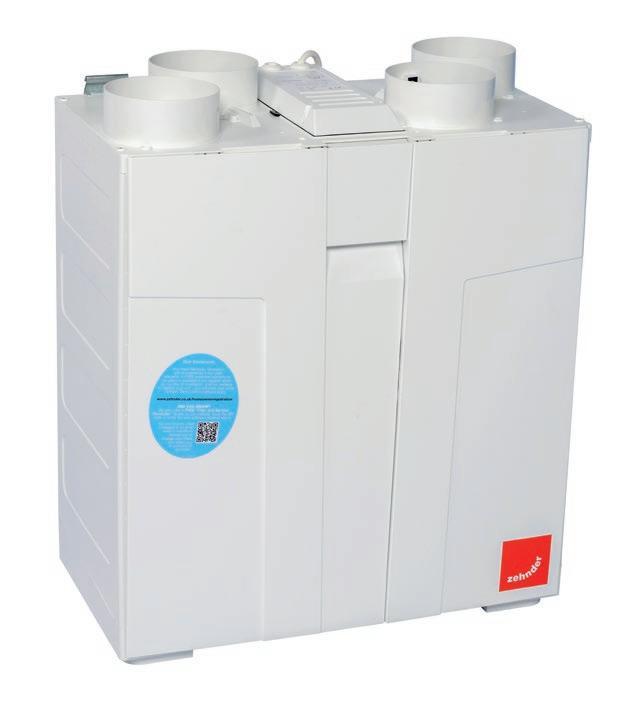
Several manufacturers now offer integrated solutions. Some systems, like Zehnder’s ComfoClime combine MVHR with heating and cooling modules, while others utilise reversible heat pumps to operate post-heaters. More comprehensive approaches, like Nilan’s
Compact P, integrate MVHR and heat pump technology in one single unit, to provide domestic hot water (DHW), supplementary space heating and cooling.
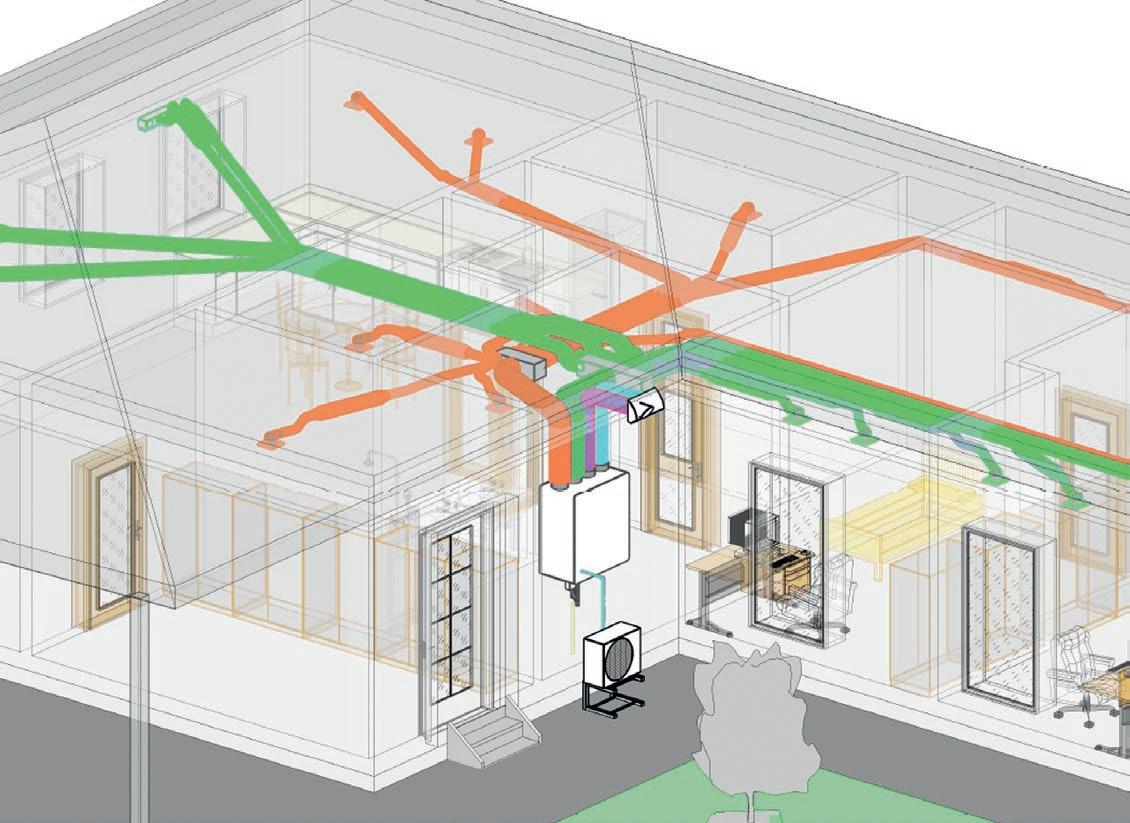
A new generation of MVHR (Big Magic) combines MVHR with an external air source heat pump and directs cooled air to individual rooms that are in danger of overheating, providing more targeted effect. Room-by-room and demand controlled ventilation systems can also deliver significant improvements in indoor air quality, compared with conventional approaches.
The original Passivhaus concept envisaged heating a dwelling primarily through the Heat Recovery Ventilation system (MVHR), using a small heating element within the ventilation air stream. However, concerns about low indoor humidity levels contributed to this approach losing momentum.
almost all ventilation systems, including MVHR, are designed simply to achieve compliance, with no consideration given to actual outcomes.
Why Settle for Mediocre Indoor Air Quality?
Well-specified systems have been shown to make a noticeable difference to occupants’ health, comfort, and wellbeing, with some projects reporting dramatic improvements.
The key question is: what constitutes a good ventilation specification?
Current UK regulations establish minimum ventilation rates intended to provide a basic level of ventilation. However, these standards do not define specific indoor air quality targets. Unfortunately,
PAUL Heat Recovery examined the impact of this approach in small and medium-sized dwellings across the UK. In many cases, CO₂ levels in principal bedrooms were found to rise to 1,250 ppm and even 1,400 ppm, which is a mediocre level of air quality.
By optimising the distribution of airflow rates, expected CO₂ concentrations could be reduced to around 1,000 ppm, in most cases without increasing system costs.
Improving indoor air quality does not necessarily require more ventilation—it often requires smarter ventilation design.
PAUL Heat Recovery is encouraging the industry to move beyond minimum compliance and towards performance-led ventilation specifications that deliver healthier indoor environments and better outcomes for building occupants.
Paul Heat Recovery – Enquiry 5
Reliable heating controls that support long-term social housing maintenance
For housing associations and local authorities, maintaining efficient, reliable heating across existing housing stock is a pressing concern. With increasingly tightened maintenance budgets, rising energy costs and a growing focus on tenant comfort, every component within a heating system needs to deliver dependable performance long term.
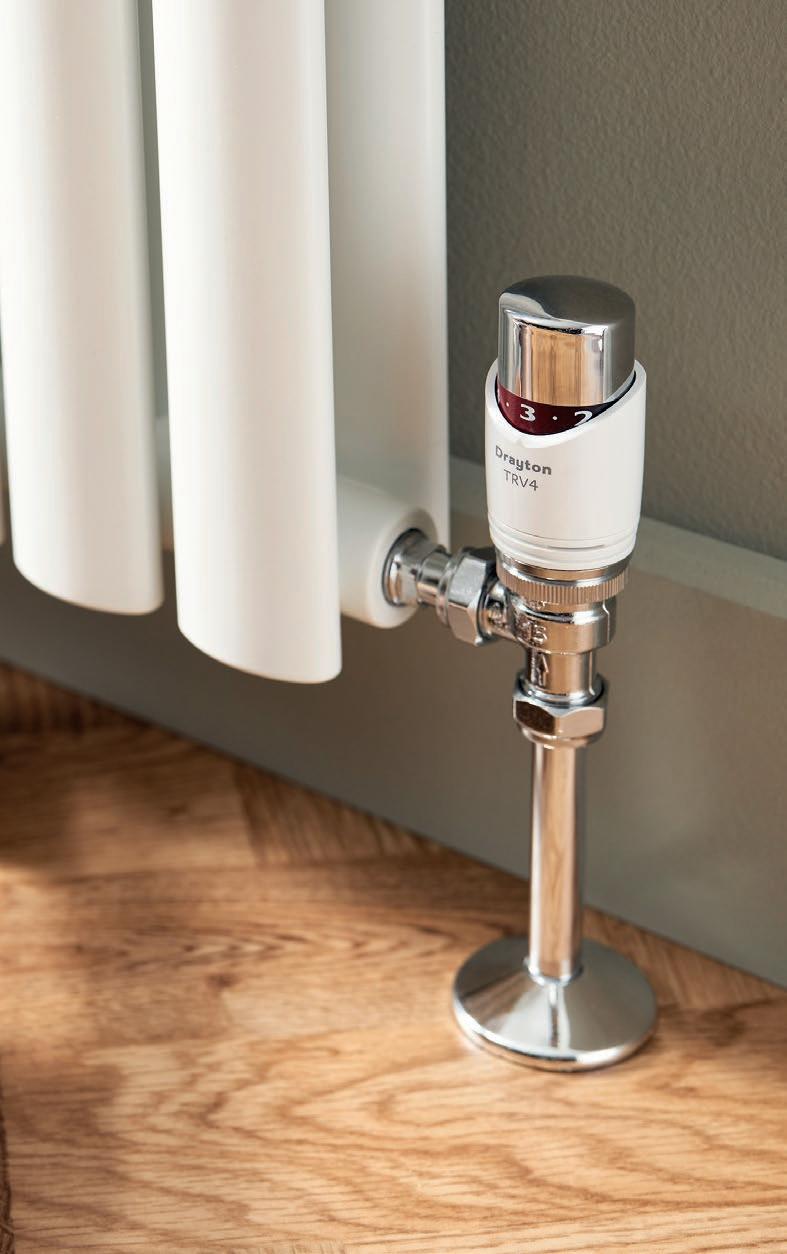
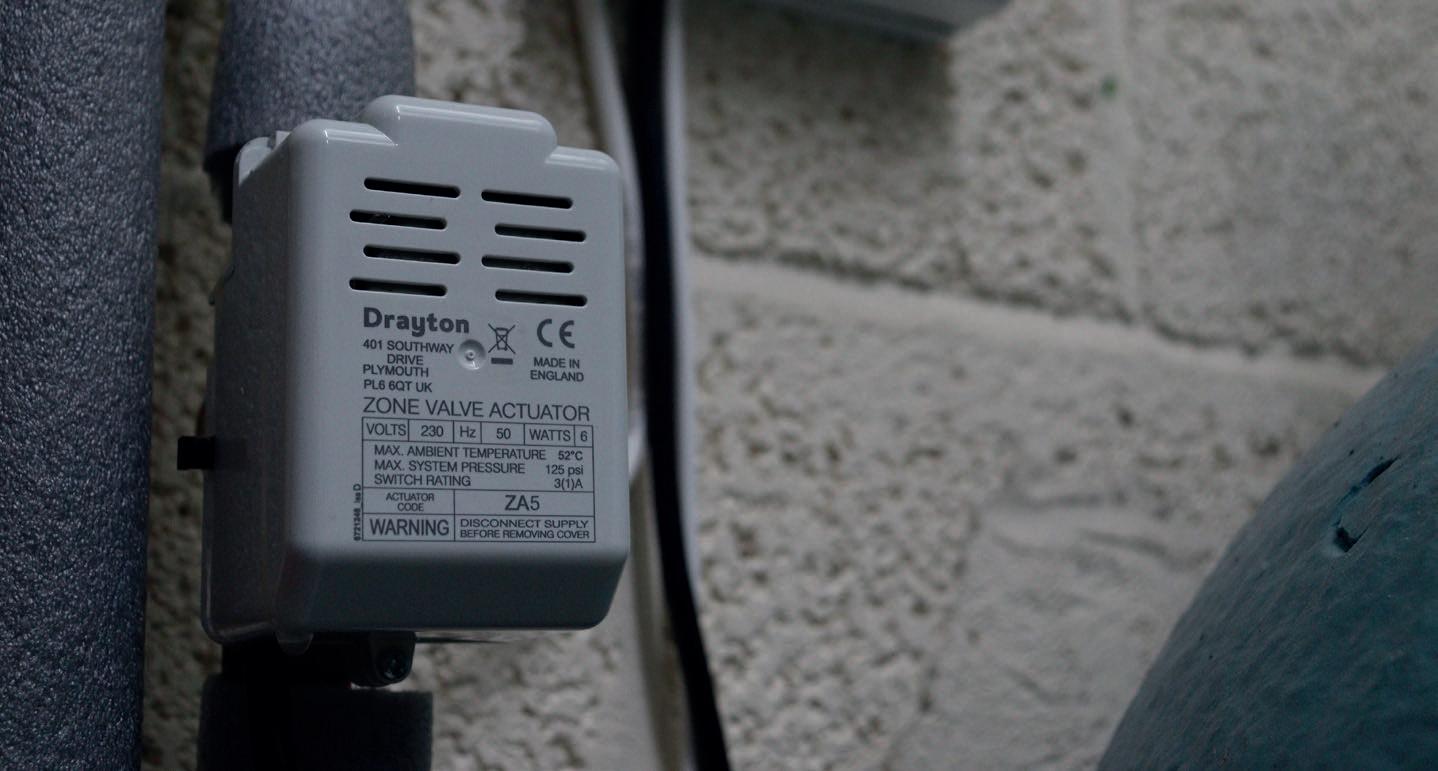
Manufactured in the UK, Drayton has built a reputation for producing heating controls that are designed specifically for UK homes. Its range of motorised valves and thermostatic radiator valves (TRVs) helps housing providers simplify maintenance, improve system efficiency and support residents with consistent heating performance.
Designed for straightforward maintenance Refurbishment and repair are often more common than full system replacement within social housing. Drayton's motorised valves have been developed to make these projects as simple as possible.
Available in 2-port and 3-port configurations in both 22mm and 28mm sizes, the valves are compatible with the zoned heating systems commonly found across housing association properties. Their industry-standard dimensions and wiring allow engineers to replace existing valves quickly, reducing installation time and minimising disruption for tenants.
What’s more, every single valve undergoes rigorous testing before it comes off the line to guarantee its quality and durability. It is this precision focus on quality that sees Drayton score an impressive 4.7/5 on Trustpilot. Snap-on actuators make future servicing
even easier, enabling actuators to be replaced without draining the heating system. This helps reduce labour costs, limits time spent in occupied properties and keeps heating operational wherever possible.
Helping residents stay comfortable while reducing energy use
TRVs allow residents to control temperatures on a room-by-room basis, improving comfort while helping to avoid unnecessary energy consumption. Drayton offers a range of TRVs suited to different budgets and property requirements, all designed for long-term reliability.
The RT212 and RT414 provide practical solutions for social housing, both meeting BS EN 215 standards. Features including liquid sensing elements deliver accurate temperature control, while range-limiting functionality allows housing providers to set minimum and maximum temperatures where required, helping to prevent overheating while ensuring properties remain at safe, comfortable temperatures.
For properties requiring enhanced durability, the RT414 incorporates non-stick internals that help prevent limescale build-up, reducing the likelihood of valves sticking after periods of inactivity and helping minimise maintenance visits.
Proven performance with the TRV4
For more than 30 years, Drayton's TRV4 has been trusted by installers across the UK. Available in Classic and White models, it carries a Class 1 efficiency rating from the European Valve Manufacturers Association, making it one of the most energy-efficient TRVs available. The TRV4 is also available in Chrome and Anthracite.
Alongside precise temperature control, the TRV4 includes non-stick internals, double gland seals to reduce the risk of leakage and a top seal design that allows servicing without draining the heating system.
Improving efficiency with auto-balancing
Available within both the TRV4 and RT414 ranges, Drayton's permanent balancing technology automatically regulates water flow to each radiator, helping heating systems distribute heat more evenly throughout a property. By maintaining the correct flow rate throughout the life of the system, it delivers permanent balancing without the need for manual adjustments, improving heating efficiency, enhancing occupant comfort and helping to reduce energy consumption.
The result is fewer hot and cold spots, improved boiler efficiency and reduced commissioning time. Independent testing has demonstrated average energy savings of 8.8%, helping housing providers lower energy costs while reducing follow-up maintenance visits. Backed by UK manufacturing and technical support from Drayton's Plymouth-based team, the range provides housing associations and local authorities with practical, reliable heating controls designed to support efficient maintenance and long-term performance.
To find out more about Drayton's heating control solutions, visit www.draytoncontrols.co.uk
Drayton – Enquiry 6
Campaigns to improve awareness on heating to get week-long focus
The Heat Pump Association UK (HPA UK) and Nineteen Group, organiser of InstallerSHOW and elementalLONDON, will launch National Heat Pump Week this October, a new national campaign designed to accelerate the UK’s transition to heat pumps.
Running from 12th October to 16th October 2026, National Heat Pump Week will provide a pivotal moment for all those in the heat pump sector to share knowledge, insights and expertise.
With a combined reach of more than 1,000,000 built environment professionals, the campaign will deliver its impact through a series of webinars, articles, interviews, competitions and market insights from key industry figures. National Heat Pump Week will aim to:
• Increase understanding and confidence in heat pumps
• Showcase real installations, innovation and consumer stories
• Provide a platform for the sector
• Create a coordinated week for media and political engagement
• Provide learning and opportunities for installers and others across the supply chain
Themes for the week include:
• Technology and performance – clearing up the basics and busting the common myths
• Commercial and industrial heat – expanding the opportunity in commercial and industrial markets
• Policy, markets and scale – connecting policy with progress and industry action
• Demand and confidence – bridging knowledge to action and accelerating uptake
• Installation and skills – practical, realworld insight from installers in the field
• As the UK moves towards clean power by 2030 and net zero emissions by 2050, heat pumps are set to play a central role in decarbonising homes and buildings, evident in the Government’s Warm Homes Plan.
Commenting on the launch of National Heat Pump Week, Olivia Smalley, Head of Policy and Communications at the Heat Pump Association UK said: “National Heat Pump Week is set to be a great opportunity for the sector to unite to celebrate how far it’s come to date and how much further we can go.
The week will provide a dedicated moment to share technical insights, policy developments and key learnings as we transition to heat pumps.”
Also commenting on the launch of the week, Joe Sharpe, Head of Content for Installer at Nineteen Group, said: “We’re thrilled to be supporting the UK’s first-ever National Heat Pump Week.
“The heat pump transition has already begun, and this week will provide plenty of opportunities for HPA UK members, manufacturers, suppliers and the wider industry to get involved to show their support and help drive adoption of this important technology as we move towards net zero.”
Higher importance on new infrastructure
New polling across England, Scotland and Wales shows strong public backing for the UK’s energy infrastructure programme, with clear priorities centred on jobs, climate change and economic strength, rather than visual appearance.
The results of the polling, undertaken by Early Studies and commissioned by a group of leading energy trade associations, challenge a long-standing assumption in planning debates.
They find that visual impact, which is often cited as a leading objection, is in fact the lowest-ranked concern for the public, with just 11% of respondents selecting it as a main consideration for future energy needs.
This view is consistent across the political spectrum, from 12% of Labour and Conservative voters to 11% of Reform UK voters and 10% of both Liberal Democrat and Green Party voters, highlighting near unanimous national alignment.
Instead, the public is focused on the practical outcomes of energy infrastructure such as lower bills, secure livelihoods and a strong, growing economy.
Significantly larger portions of the public prioritise industrial competitiveness (39%), reducing air pollution (37%) and protecting existing jobs (25%).
Importantly, this does not mean people and developers are unconcerned about where and how infrastructure is built. Rather, it shows that visual impact is not as high a priority as is often presented in planning debates, and the public is prepared to support infrastructure that drives growth and job creation even when there is a visual impact.
It remains essential, however, for infrastructure developers to continue working with communities, particularly in areas where we are seeing cumulative impacts from development of multiple projects.
The findings underline strong support for delivering energy infrastructure at pace, helping the UK strengthen its resilience against global price shocks, volatile energy markets and supply disruptions, while accelerating the transition to clean power.
Although visual impact continues to feature prominently in planning debates, this new data shows it does not reflect the priorities of most people. Across communities and political divides, the focus is firmly on building a competitive, secure and future-ready energy system.
With energy projects being developed across the country, strong public support for investment, job protection and a stronger British industry is a welcome signal.
Charlotte Lee, HPA UK Chief Executive commented: “The findings demonstrate clear public support for the energy transition and the infrastructure needed to deliver it. At a time when energy transition policies are under increasing scrutiny, the results show people increasingly view low-carbon technologies, including heat pumps, as an economic opportunity to support jobs, strengthen UK competitiveness and crucially enhance our energy security.”
Right System, Right Setting: Applying Electric Heating in Modern Buildings
As the UK continues its transition away from volatile fossil fuels, heating specification is becoming less about selecting a single “best” solution and more about choosing the most appropriate system for each individual project.
For specifiers, consultants and developers, this means balancing performance, cost, practicality and compliance within increasingly complex building environments.
In new-build settings with optimal conditions, heat pumps are playing an important role. However, across the UK’s sizeable and often challenging retrofit landscape, constraints such as limited space, existing system layouts, planning restrictions and occupied dwellings can significantly influence system choice. In these scenarios, a more flexible approach to heating specification is essential.
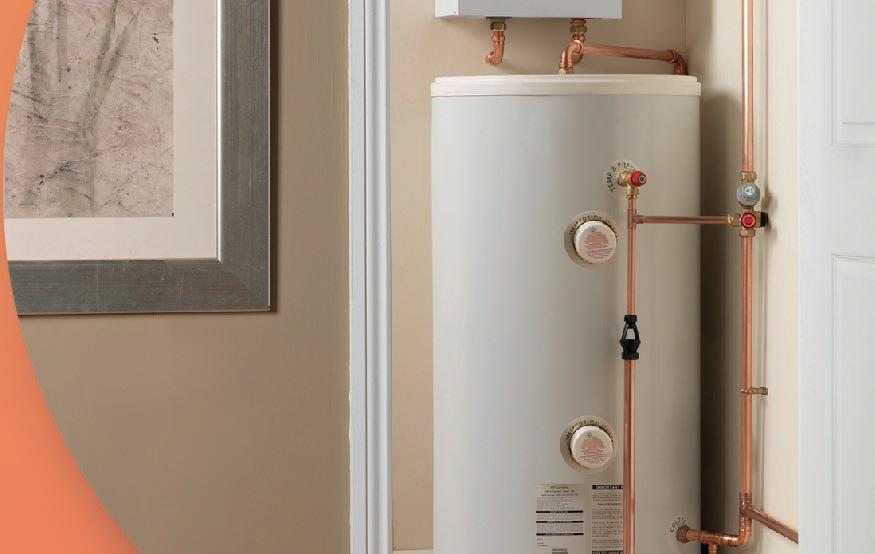
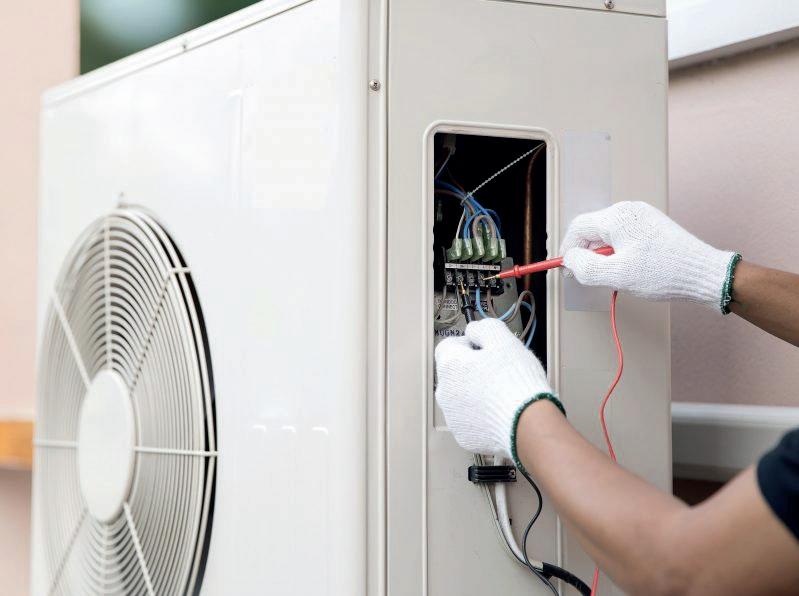
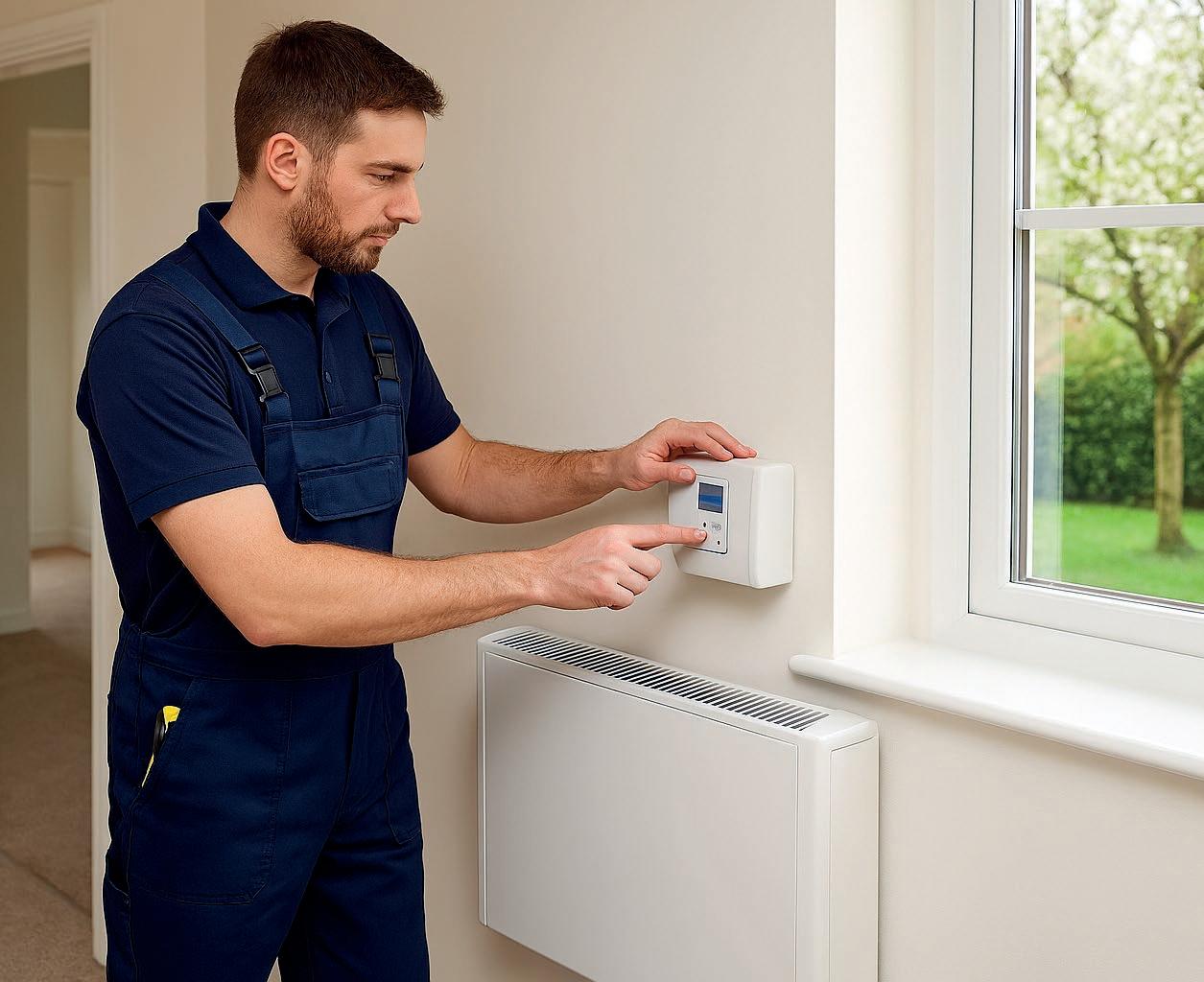
Electric heating systems have evolved to meet this need. Modern electric boilers and radiators offer a practical alternative where low disruption, ease of installation and compatibility with existing infrastructure are key considerations. Without the requirement for flues or external units, these systems can be particularly well suited to apartments, flats and properties where space is limited or external alterations are not viable.
For specifiers, one of the key advantages lies in simplicity and predictability. Electric systems integrate easily into wet heating designs or operate as standalone solutions, allowing greater flexibility when working within the limitations of existing buildings. This can help to streamline project delivery while reducing design complexity and coordination challenges on site.
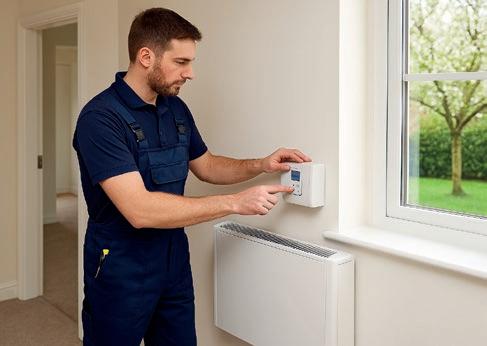
Control is another important factor. With increasing emphasis on energy efficiency and user behaviour, electric heating supports zoned and demand-led operation, enabling occupants to heat spaces as required. This aligns with wider regulatory and design objectives, where reducing energy consumption through smarter usage is becoming as important as improving system efficiency itself.
Alongside heating, ventilation remains a critical component of building performance. As fabric standards improve and buildings become more airtight, ensuring effective and energy-efficient ventilation is essential to maintaining indoor air quality. Heating and ventilation systems must
therefore be considered together, forming part of a coordinated strategy that delivers comfort, compliance and long-term performance.
Ultimately, there is no universal solution to decarbonising heat. The most effective outcomes will come from selecting technologies based on the needs of the building and its occupants.
By taking an application-led approach, specifiers can ensure that each project achieves a balanced and practical solution. The Electric Heating Company supports this approach through a range of electric heating solutions designed to integrate easily into both new and existing buildings, backed by technical guidance to assist with system selection and design.
For more information, phone 01698 820533, visit www.electric-heatingcompany.co.uk, or email info@electric-heatingcompany.co.uk The Electric Heating Company – Enquiry 7
Over 300 industry experts attend Kooltech roadshow
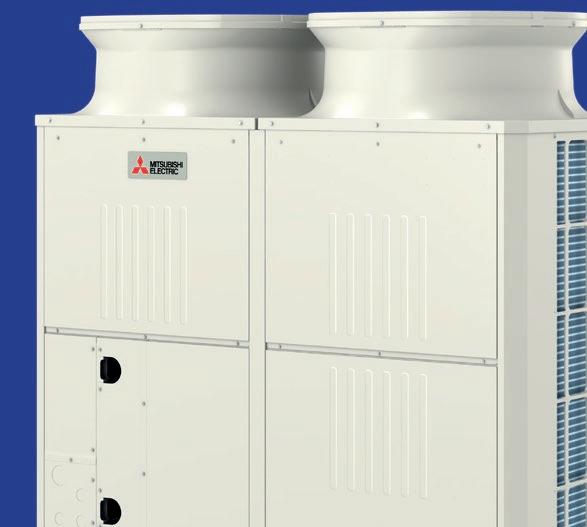
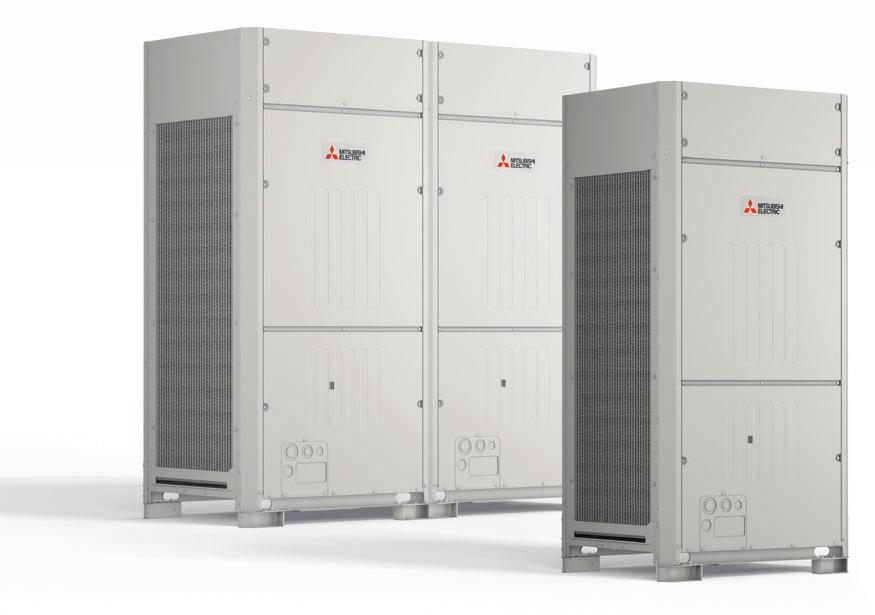
Kooltech has concluded its City Multi YXM technical roadshows, marking the introduction of Mitsubishi Electric’s next-generation R32 VRF YXM.
With an impressive SCOP of up to 4.71 and SEER of up to 7.89 (standardefficiency model, size 350), and a SCOP of up to 8.81 in the high-efficiency model (size 300), the YXM represents more than a refrigerant transition; it is a complete redesign of the City Multi system. Designed to meet the evolving demands of modern buildings, YXM delivers enhanced efficiency, simpler
installation and greater application flexibility, setting a new benchmark for VRF performance. The YXM features a new box-shaped chassis that reduces its footprint, full-length heat exchanger coils and an improved defrost recovery mode. These design advancements position YXM as a leading solution for a wide range of building applications, including highdensity residential developments and urban locations where space, efficiency and low sound levels are essential.
“Nothing can replace the value of face-toface discussion when it comes to the future of building services,” said Jonathan Brown, Commercial Director at Kooltech. “Engaging directly with our customers at these events allowed us to demonstrate that innovations such as YXM go beyond compliance to deliver real, practical benefits on live projects.”
Sessions were hosted by Kooltech’s National Influence Manager, Seb Rowe, who emphasised YXM’s new features and benefits.
“A key message throughout the roadshow was that YXM is not just an R32 system; it is a fundamentally new VRF solution,” said Sebastian Rowe. “From performance gains to installation efficiencies, it is designed to make life easier for consultants and contractors while delivering improved comfort for the end user.”
Kooltech – Enquiry 8
Research demonstrates energy saving for heat pump systems
BEAMA has launched a Technical Bulletin alongside a full Salford test report, confirming the energy savings which can be achieved when using Thermostatic Radiator Valves (TRVs) within air source heat pump systems.
Building on its publication last year, ‘Controls Guide for Air-Water Heat Pump Systems’, the Salford report has established that TRVs can reduce ASHP space heating energy consumption by 6-8% without reducing appliance and system efficiency and can reduce the air temperature of adjoining zones.
TRVs have the potential to provide greater internal temperature control to occupants and reduce ASHP space heating energy use. It is important for a volumiser and automatic bypass to be installed alongside the ASHP to ensure the adequate volume in the system is achieved. TRVs should be used as a secondary measure to reduce internal temperatures.
Commenting on the publication, BEAMA’s Director of External Affairs, Kelly Butler said:
“Our latest research with Salford is clearly an important step forward towards establishing the potential for zone control with heat pumps.
“We started this journey with last year’s guide to demonstrate how to interpret building regulations, but these research findings now mean that installers can confidently specify TRVs with heat pumps, providing their customers with the zone control benefits they have been conditioned to expect with traditional gas boilers.
“It’s another step towards normalising heat pump systems in the eyes of customers whilst maximising energy efficiency benefits and improving comfort”.
Big steps forward
The long-awaited publication of the Future Homes and Buildings Standards marks a critical step in moving new buildings away from fossil fuel heating and towards electrification, believes BEAMA. It called it a shift the industry has strongly supported and long advocated for, enabling a range of low carbon technologies to underpin a smarter, more flexible and decarbonised energy system.
The trade body hopes that these decisions help to highlight the benefits of electrification to the public and boost demand for new housing at a challenging time for the construction sector. But CEO Yselka Farmer said it will be essential that the modelling and specification approach supports this diversity in practice, supporting a range of electrified solutions which enable choice and flexibility within the market.
“We also welcome the move towards mechanical ventilation, which will play an important role in improving indoor air quality and overall building performance, added the CEO. As these changes take effect, we look forward to helping industry with clear guidance and support to ensure they are delivered effectively to support UK electrification and industrial growth.”
CONSULTANT
ON THE NEW CITY MULTI R32 VRF YXM RANGE
Delivering market-leading performance, our enhanced and expanded range helps you plan for the future.
Mitsubishi Electric’s City Multi R32 VRF range is evolving and will soon be available in system capacities from 12 to 112kW, with both Heat Pump and Heat Recovery options. We’ve re-engineered our popular plug and play VRF system with a new ultra-compact modular YXM chassis design, flexible piping configurations, market-leading low noise levels and BS EN 378 part 3 compliant safety measures. Incorporating a unique patented Vertical Flat Tube (VFT) heat exchanger, the new City Multi R32 VRF YXM range delivers high seasonal efficiencies, low operational costs and a significant reduction in whole life carbon.
Available to install from Spring 2026, if you are a Consultant and have a medium to long term specification project suitable for our new City Multi R32 VRF YXM range and would like to speak to a Mitsubishi Electric Account Manager, or simply to register for future updates, please visit: