LET’S TALK

l
l
l
l
l
l
In this latest special issue of the Let’s Talk... series of digital publication we turn our attention to Fire Doors.
The regulatory landscape and standards criteria for Fire Doors have long been an important feature of the specification process for both commercial and residential projects.
The well-established Fire Door Week, a national awareness campaign aimed at keeping these products in the spotlight, continues to highlight this significance within the industry.
Manufacturers have an impressive track record of setting new standards for fire safety with their research and design and production processes and Let’s Talk Fire Doors will highlight this ever-changing product landscape.
Since the Grenfell Tower disaster and subsequent inquiry reports and on-going reviews, the safety of construction products has been at the top of the agenda. Now major new proposals to strengthen the construction products used in buildings across the country have been published in a crackdown on unregulated practices and weaknesses that are undermining the construction sector.
The Construction Products Reform White Paper sets out that all products must be properly assessed before being used in the building process.
Currently only around a third of constructions products are regulated - the new general safety requirement will mean that all products undergo the proper checks, not only keeping people safe in their homes, but boosting the economy and providing confidence to developers to build the 1.5 million homes this country needs.
The Government has published a consultation on this requirement today, with secondary legislation expected later this year and all changes coming in as soon as Parliamentary time allows.
The proposals come as the government publishes the first Annual Report on the implementation of the Grenfell Tower Inquiry recommendations – which sets out that 12 recommendations, including bringing government fire safety functions under the control of one department and Secretary of State, have been completed.
Over 40 (70%) of the recommendations are also expected to be completed by the end of the year.
The Grenfell Tower Inquiry, which delivered its final report in September 2024, set out 58 recommendations, of which 37 were directed at the government and 21 were directed at other bodies and institutions.
The government has also today introduced the Grenfell Tower Memorial (Expenditure) Bill, providing the appropriate spending authority to support the creation and long term management of a fitting and lasting memorial, a second site where the Grenfell Tower will be laid to rest, and an archive and permanent exhibition.
Minister for Building Safety, Fire and Democracy Samantha Dixon said: “We will never forget the tragedy of Grenfell and will continue working with the local community, industry and local authorities to deliver safer homes and lasting change.
“The failings outlined by the inquiry exposed fundamental issues in product, building and fire safety standards and through the Construction Products White Paper and our work to implement all the recommendations of the inquiry, we will create a better system for millions of people across the country.”

Paul Groves || Group Editor













Our fire and safety glass products are ideal for fire doors, screens, and glass partitioning systems.

We offer in-house CNC work and oversized IGUs to meet your bespoke project needs.




Technical advice and support is provided, and we stock all major brands of fire-rated glass, as well as acoustic, laminated, toughened, and mirrored glass products, available with short lead times. Supply only or supply and fit, to ensure your project is completed efficiently and to the highest standards.















A new framework designed to strengthen product safety and support regulatory reform across the built environment sector has been published, following a recommendation that came out of the Grenfell Inquiry.

The new code of practice, published by BSI and sponsored by the Office for Product Safety and Standards (OPSS), sets a practical framework for construction product manufacturers to adopt to demonstrate that they have taken reasonable steps to best ensure the products they place on the market are safe for their intended use.
The code of practice was developed following recommendations in the Morrell/Day Testing for a Safer Future report and the Grenfell Tower Inquiry final report. It also responds directly to the UK Government’s programme of
construction product regulatory reform, which saw the launch of the Construction Product white paper.
The PAS aims to help organisations demonstrate robust product safety governance, embed clear and proportionate due diligence processes, improve transparency and accountability, and align with evolving regulatory expectations.
It is designed to strengthen confidence across supply chains that products will be safe for their intended use.
Ian Richardson, Sector Lead, BSI said “This publication reflects our clear commitment to responding constructively to the findings of the Grenfell Tower Inquiry and Morrell-Day Review, and to supporting safety across the built environment.
“At a time of significant regulatory reform, PAS 2000 has been developed to support greater transparency, accountability and due diligence across the supply chain. By setting clear expectations and good practice, manufacturers and other economic operators should be empowered to embed

robust product safety governance and align with evolving regulatory requirements. We encourage organizations across the built environment sector to engage with the standard and support its adoption.”
BSI has published a revised version of BS 8214, a standard long associated with timber fire doors.
The new edition will extend the scope of the standard to cover fire resisting doors of all materials, reflecting how fire doors are now designed, supplied and installed across the construction sector.
The publication of BS 8214:2026 marks an important step forward in fire door guidance. It replaces BS 8214:2016 and introduces a broader and more practical approach to fire door safety, performance and compliance. The revised standard has been developed to better support those responsible for specifying, supplying, installing, inspecting and maintaining fire doors throughout their service life.
One of the most significant changes is the move away from a narrow focus on fire door assemblies. The revised standard treats fire doors as a complete, coordinated system, regardless of how they are supplied to site, whether as door assemblies, doorsets or door kits. This reflects modern construction practices and provides greater clarity for manufacturers, installers, specifiers and duty holders. For the first time, BS 8214 applies to fire doors made from all materials, including timber, steel, aluminium and composite systems.
New annexes have been introduced to provide material specific guidance, recognising the different design, manufacture and installation considerations involved.
The standard also addresses a long standing gap in the industry by introducing a formal code of practice for metal and composite fire doors, covering manufacture, installation and maintenance in a consistent and structured way.
In addition, the revised standard aligns with current UK regulatory requirements, including UKCA and CE marking, and reflects duties introduced through the Building Safety Act, the Fire Safety Act and associated legislation.
This helps duty holders understand how fire door standards fit within the wider building safety and regulatory framework.

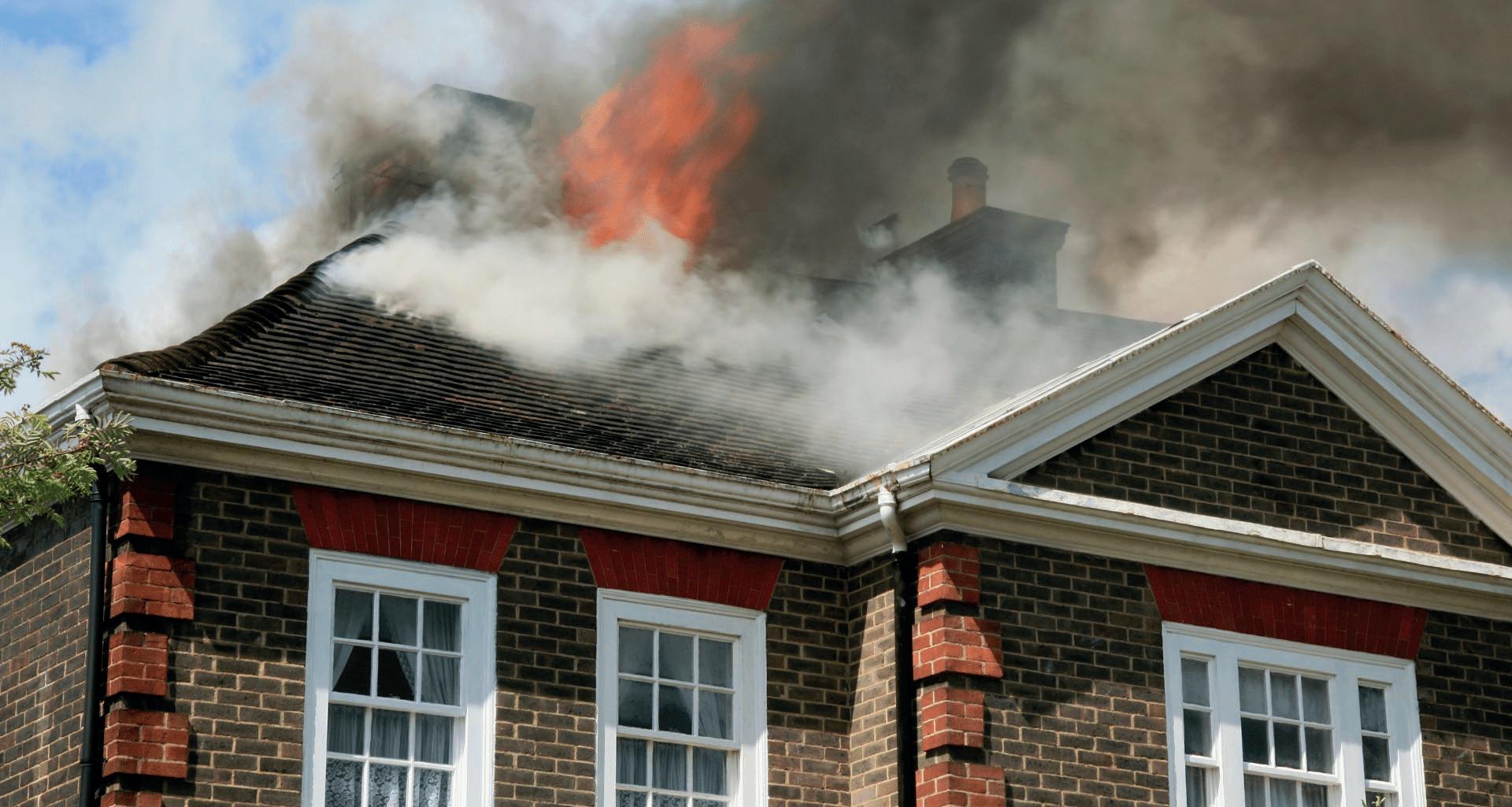
The British Woodworking Federation (BWF) is warning that the surge in lithium-ion battery fires– combined with poor fire door maintenance – could put lives and property at risk across the UK.
Research has revealed a sharp rise in public concern about the fire risks posed by lithium-ion batteries, particularly those found in e-bikes and e-scooters, with over half (59%) of owners saying their fire risk fears have grown since getting one.
The findings come as a recent FOI request from QBE Insurance Group revealed a 93% increase in lithium-ion battery fires between 2022 and 2024, with e-bikes and e-scooters among the most common causes.
While media focus has largely been on domestic fires, the BWF’s research highlights that 19% of people charge e-bikes or e-scooters at work and 12% do so in public leisure facilities such as cafés, pubs, libraries or leisure centres.
Many employers have introduced facilities for e-bikes and e-scooters - such as indoor parking (31%), charging points (59%) and secure storage (27%) – yet nearly half of respondents (46%) had spotted problems with workplace fire doors, raising the question whether employers are putting the same attention and investment into ensuring fire doors are properly installed and maintained to minimise risk to life.
Issues ranged from fire doors being propped open (18%) and blocked (13%) to having faulty closers (10%) or faulty hinges (10%). Yet just 13% admit to having reported fire door faults in the workplace.
Helen Hewitt, CEO of the British Woodworking Federation, said: “The findings highlight the essential role of fire doors in containing fires and protecting lives, while also exposing concerning gaps in awareness, maintenance and reporting.
Fire doors are a critical line of defence, slowing the spread of fire and smoke to give people extra time to escape – time that is even more critical when dealing with the intense heat and speed of fires caused by lithium-ion batteries.”
Similarly, schools, colleges and universities have expanded storage and charging provision for e-bikes and e-scooters – and encouragingly, 39% of institutions have educated students on safe storage and dangers of charging. Despite this, of the 40% of students reported spotting issues with fire doors on campus, only 6% had ever reported a problem.
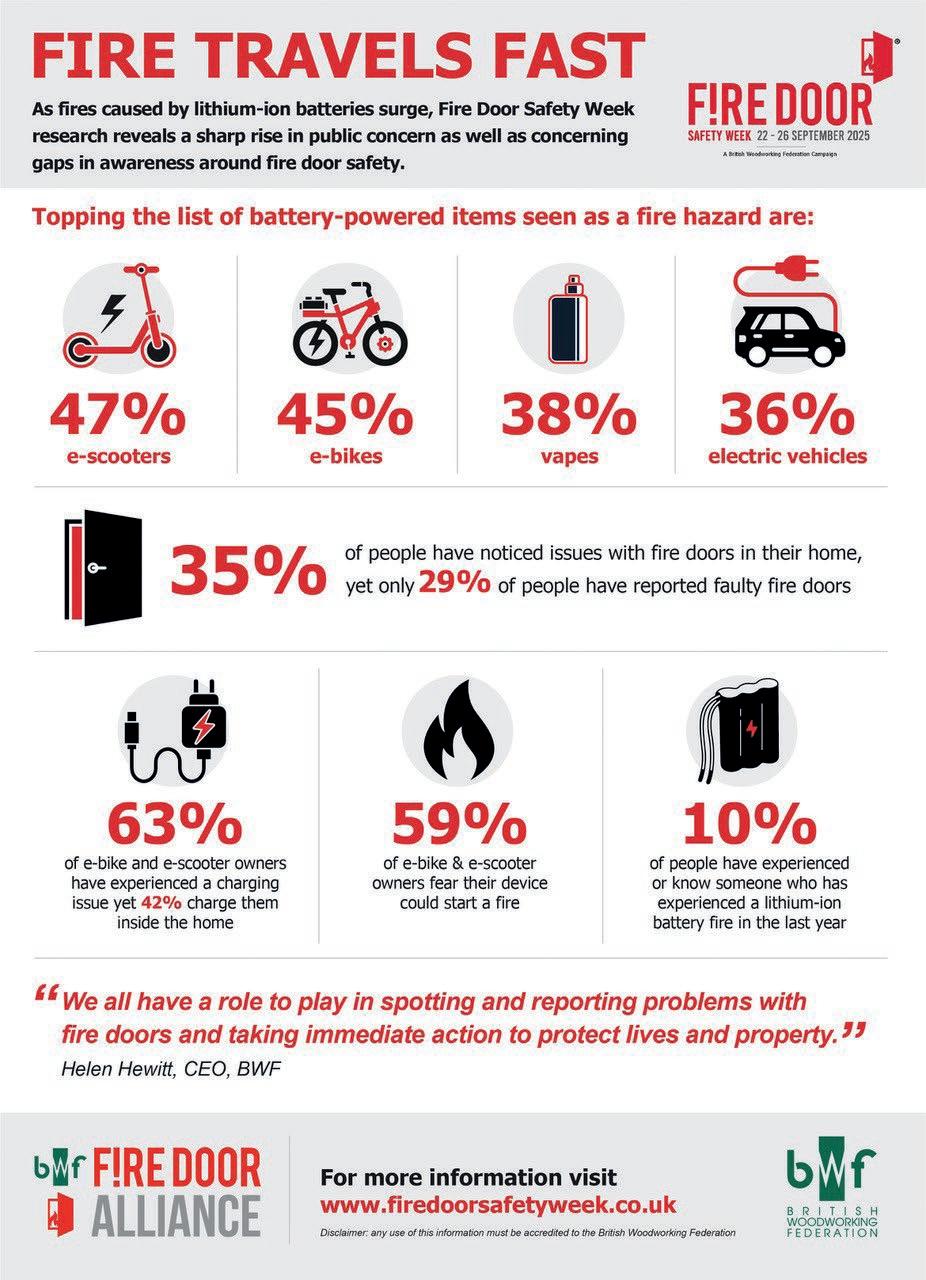
Helen Hewitt added: “We all have a role to play in spotting and reporting problems with fire doors and taking immediate action to protect lives and property.”
London Fire Brigade Deputy Assistant Commissioner Richard Field said: "Workplaces need to treat lithium battery fires with the same seriousness as they would in the home. Fires involving e-bikes and e-scooters can erupt suddenly and spread with alarming speed, producing intense heat and toxic smoke in seconds.
“Fire doors are a vital line of defence. When properly maintained and kept closed, they hold back flames and toxic smoke, giving you valuable extra minutes to escape while firefighters respond. Employers have a responsibility to make sure fire doors are wellmaintained, kept closed, and that any charging points are safely managed.”
The range of Draig 30 composite fire doors from Hörmann Truedor provide uncompromising protection against fire and smoke for both external and internal installations. Designed to meet the highest standards and certification, the range offers a robust solution that is built to last without compromising on style and performance.
Proven to keep fire at bay for more than 30 minutes, the Draig range of doors have been bi-directionally tested in accordance with EN1634-1 for fire and EN1643-3 for smoke control. Constructed from premium materials the doors are built for durability and are tested to PAS 24:2022 for impact resistance.
They offer outstanding performance with exceptional weather resistance, sound insulation, and thermal efficiency. Security is a key feature, with advanced multipoint locking systems and 'Secured by Design' accreditation provided as standard. Additionally, each door unit holds third-party
accreditation under the BM Trada Q-Mark scheme. Draig fire doors are available in 4 external and 2 internal styles, with the external doors being offered in both solid and glazed options, with or without a fixed fanlight. A comprehensive range of hardware and accessories is also offered, alongside the choice of 6 popular colours.
David O’Mara, Marketing Manager at Hörmann Truedor comments. ‘Our Draig fire door has been developed to provide a focused range of fire doors that will fulfil the majority of installations where protection against fire and smoke is required. The Draig
fire door sits alongside the other specialist products offered by Hörmann Truedor - Clima63 a high-performance thermal door and Platinum44, a high quality, cost-effective steel door.”
All Hörmann Truedor composite doors are CO2 neutral as standard and are manufactured in the UK at IG Doors’ state of the art, sustainable manufacturing facility.
To find out more about Hörmann Truedor composite doors visit Door CollectionsHörmann Composite Doors or call 01530 516868
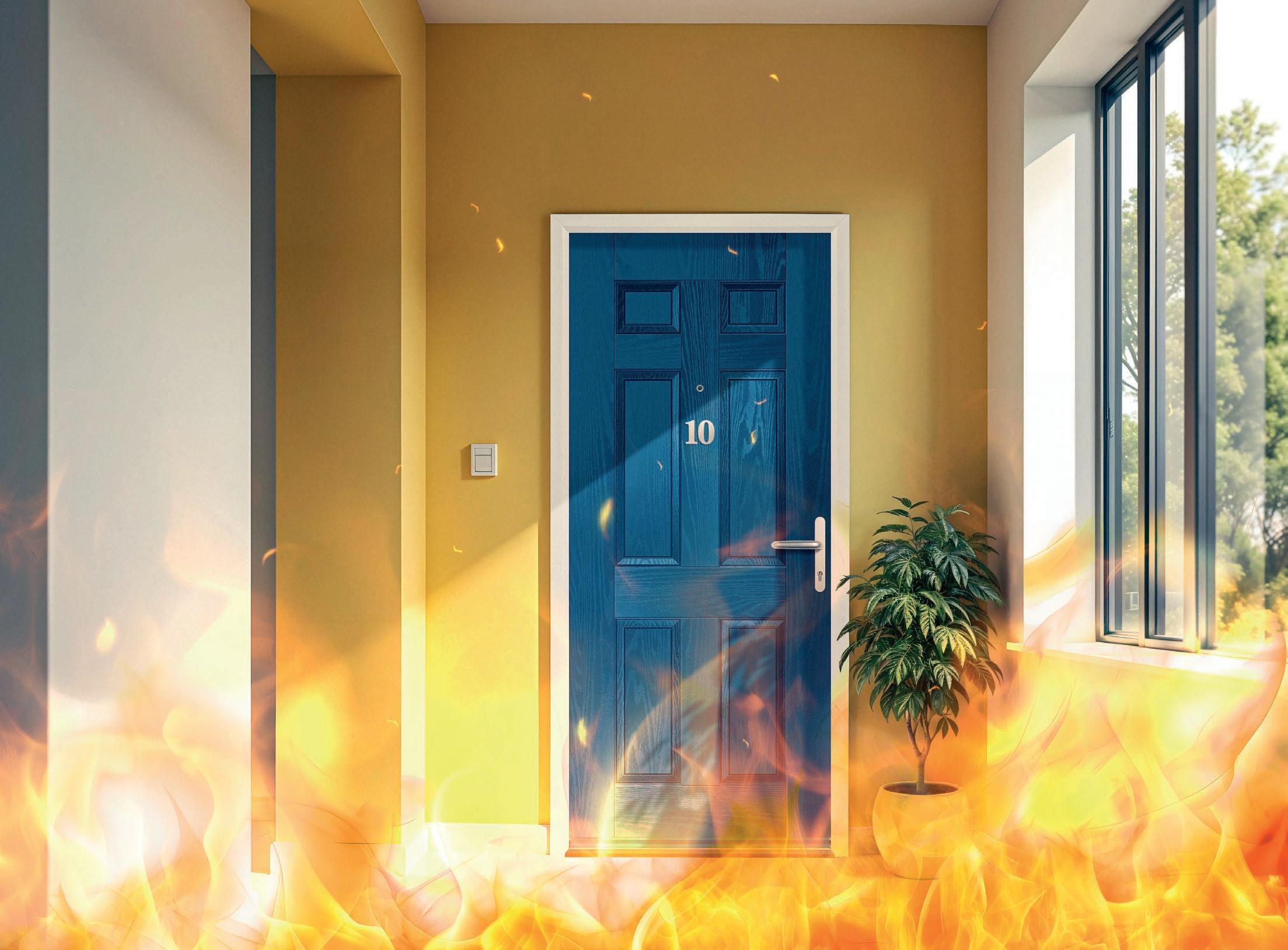
The Door & Hardware Federation (DHF) has welcomed the opportunity to participate in the development of a new generation of construction product standards for doors and hardware, following the introduction of a revised Construction Products Regulation in the European Union.
Since December 1991, the UK, alongside other European countries, has operated under specific regulations governing the marketing of construction products.
These regulations were intended to support the creation of a single market for construction products across Europe. They were distinct from building regulations, which continue to govern how buildings are designed and constructed and which often vary between countries due to climate, geography and local practice.
The original regulations introduced the concept of CE marking for construction products. In principle, this allowed products that met the required standards to be placed on the market across the European Economic Community.
However, progress was slow, as CE marking could only be applied once a relevant harmonised standard had been developed. As a result, CE-marked construction products did not begin to appear in significant numbers until the late 1990s. In the UK, CE marking was not made compulsory under national legislation, although many other European countries chose to require it. Despite this, CE marking for products such as door closers and emergency exit devices became established over time.
In 2011, the original EU directive was replaced by a regulation, which removed any remaining uncertainty about the compulsory nature of CE marking. However, the development of harmonised standards continued to present challenges, with progress often slower
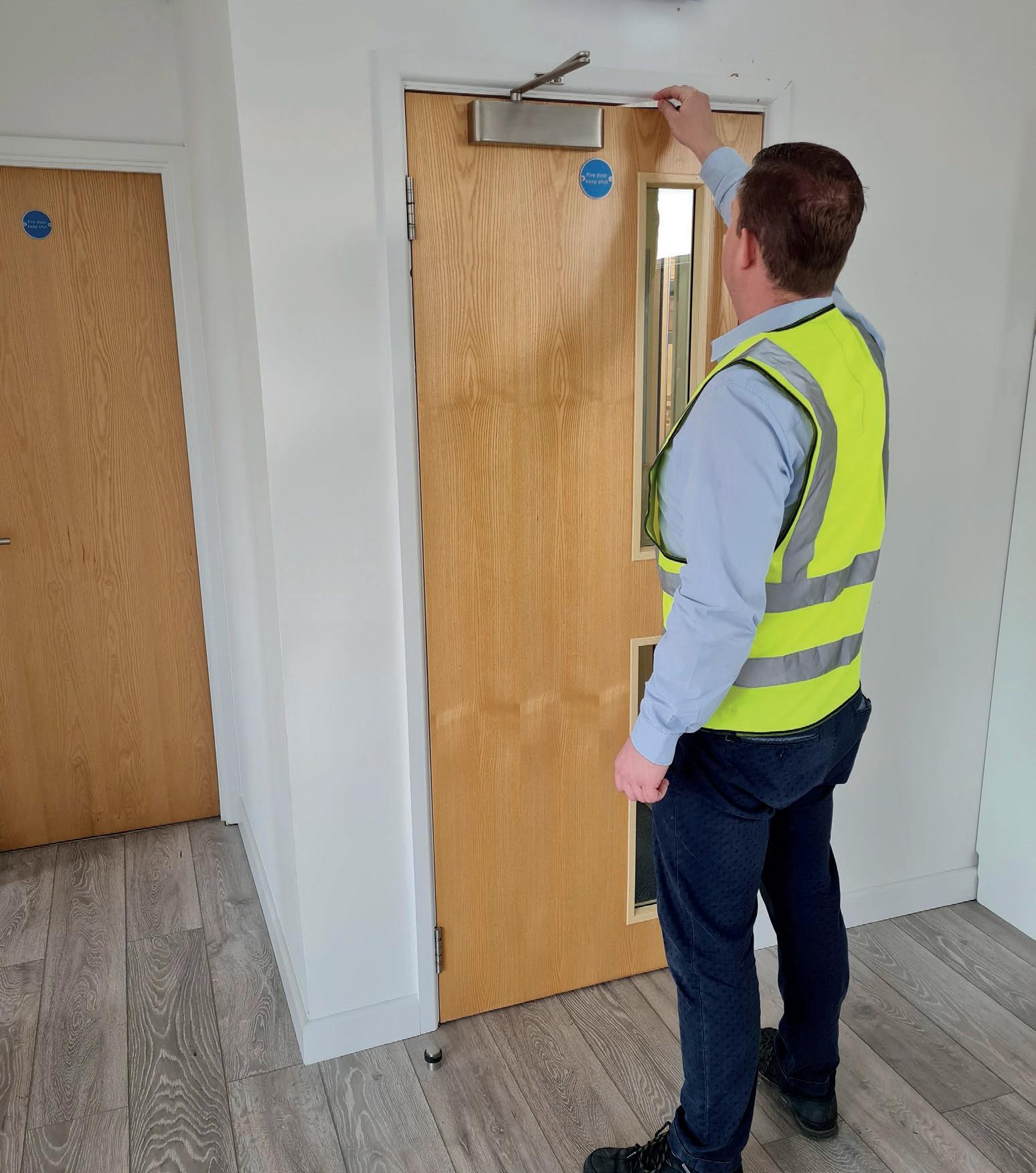

than anticipated. In some cases, 140 draft standards were rejected, and concerns were raised about responsibility for their technical content following court rulings that confirmed harmonised standards formed part of EU law.
These factors led to the publication of a new Construction Products Regulation in 2024. One of its main objectives is to improve the speed and efficiency of standard development while ensuring appropriate oversight of content. The regulation also places greater emphasis on sustainability and on the use of digital information in product marketing and, where relevant, product use.
The new framework introduces a revised process for standardisation, a new structure for standards and a defined order of priority for their development. A total of 34 product families have been identified, with doors and windows, including hardware, listed as a the 4th highest in terms of priority.
Work is already under way, and an official request to begin developing the new standards is expected in the coming weeks. UK legislation has already been updated so that CE marking to the new EU Construction Products Regulation will continue to be recognised in the UK. As a result, door and hardware products, including those manufactured by DHF members, are expected to be among the first to comply with the new generation of European construction product standards.
Michael Skelding, General Manager of DHF, said, “We are delighted to be participating in the development of the new standards for doors and hardware. While the UK is no longer a member of the EU, BSI remains a full member of CEN, the European standards body. This means our representatives will continue to be involved throughout the standards development process, helping to ensure that the resulting standards are practical, robust and supportive of quality and safety across the sector.”
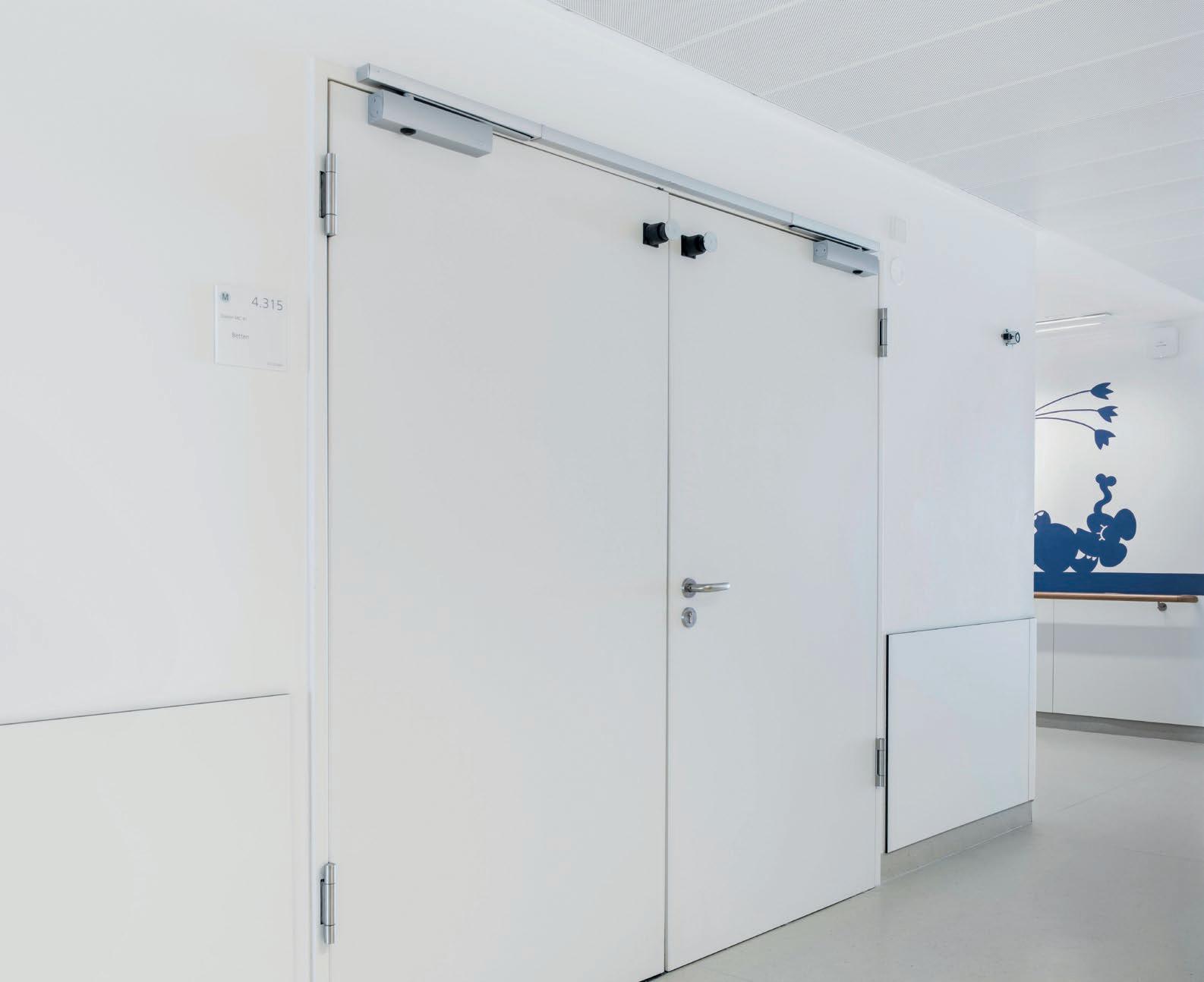
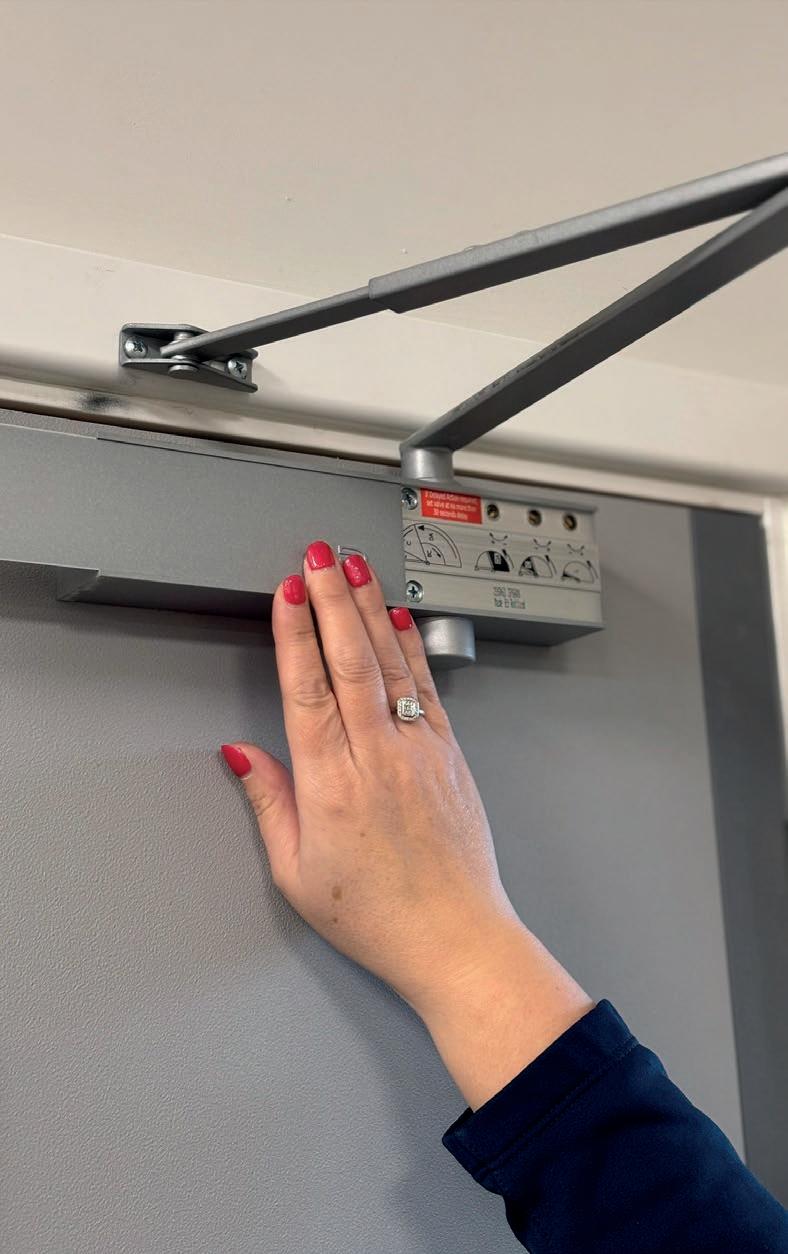
Fire doors are essential components in building safety, acting as barriers that help contain smoke and flames during a fire. While the fire door itself must meet strict regulations, the quality of the door closer is equally crucial. Specifying high-quality door closers is vital for ensuring that fire doors function reliably, maintain safety standards, and enhance the users experience.
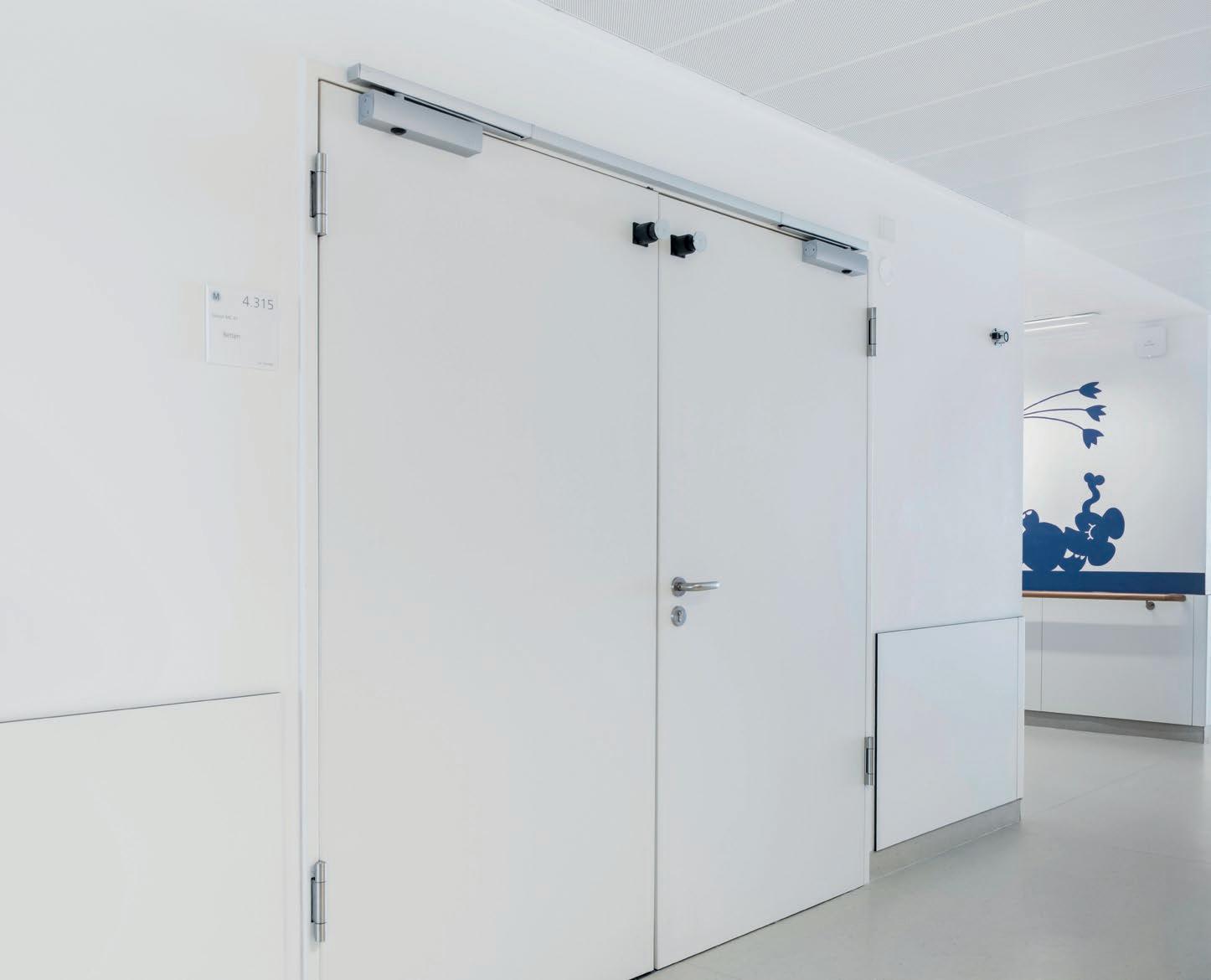
Let’s now explore this in more detail. Reliable Performance in Emergencies
The primary function of a fire door is to contain fires and protect escape routes. High-quality door closers are designed to ensure that fire doors close securely and completely after being opened. This capability is essential in preventing smoke and flames from spreading, thus providing occupants with crucial time to evacuate safely.
Fire safety regulations and building codes dictate specific requirements for fire doors and their hardware. High-quality door closers are typically tested to ensure they adhere to either EN1154 or EN1155. Specifying products that meet these standards ensures compliance with legal requirements and reduces liability for building owners.
Fire doors are often located in high-traffic areas, such as hallways and entry points. High-quality door closers are built from tested, durable materials in order to withstand
frequent use without compromising their performance. Cheaper, low-quality models may wear out quickly, leading to malfunctioning doors that fail to close properly or safely.
High-quality door closers provide adjustable closing forces and speeds, allowing for a smooth, reliable and controlled closure. This feature is particularly important in environments where users may have varying levels of strength, such as in schools or healthcare facilities. A smoother operation minimises the risk of injury and enhances the overall user experience.
Fire doors must be accessible to all individuals, including those with disabilities. Quality door closers can be adjusted to ensure that the door opens with low force, closes gently and does not pose challenges for users with mobility issues. This attention to detail fosters an inclusive environment while still maintaining safety standards.

Investing in high-quality door closers often results in lower maintenance costs over time. Reliable models require less frequent servicing, which can save building owners both time and money. In contrast, low-quality closers may need regular adjustments, repairs or replacements, leading to increased operational and product lifetime costs.
While the initial investment in quality door closers may be higher, the long-term benefits outweigh the costs. Enhanced safety, reduced liability, and lower maintenance needs all contribute to a more cost-effective solution over the lifespan of the door and its hardware.
GEZE UK is a world leading provider of stateof-the-art door and window control systems, offering an extensive range of door closer systems suitable for manual and fire protection doors to support preventive fire protection.
Whatever your needs, GEZE UK offers comprehensive support to meet the demands of your construction projects, delivering solutions that seamlessly combine functionality, safety, comfort, and design.
With the growing complexity of construction due to new regulations and cutting-edge technologies, we are here to guide you.
We offer personalised consultation throughout every phase of your project, providing you with the essential product information and efficient tools to ensure success.
If you are interested in learning more, GEZE offers a CPD presentation on “Specifying, installing and maintaining ironmongery for fire doors”.
To find out more and book a space, scan the QR code.
Website: www.geze.co.uk/en
Email: info.uk@geze.com

By Richard Bingley – Fire Door Services Manager at Harrison Thompson & Co Ltd (Yeoman Shield).
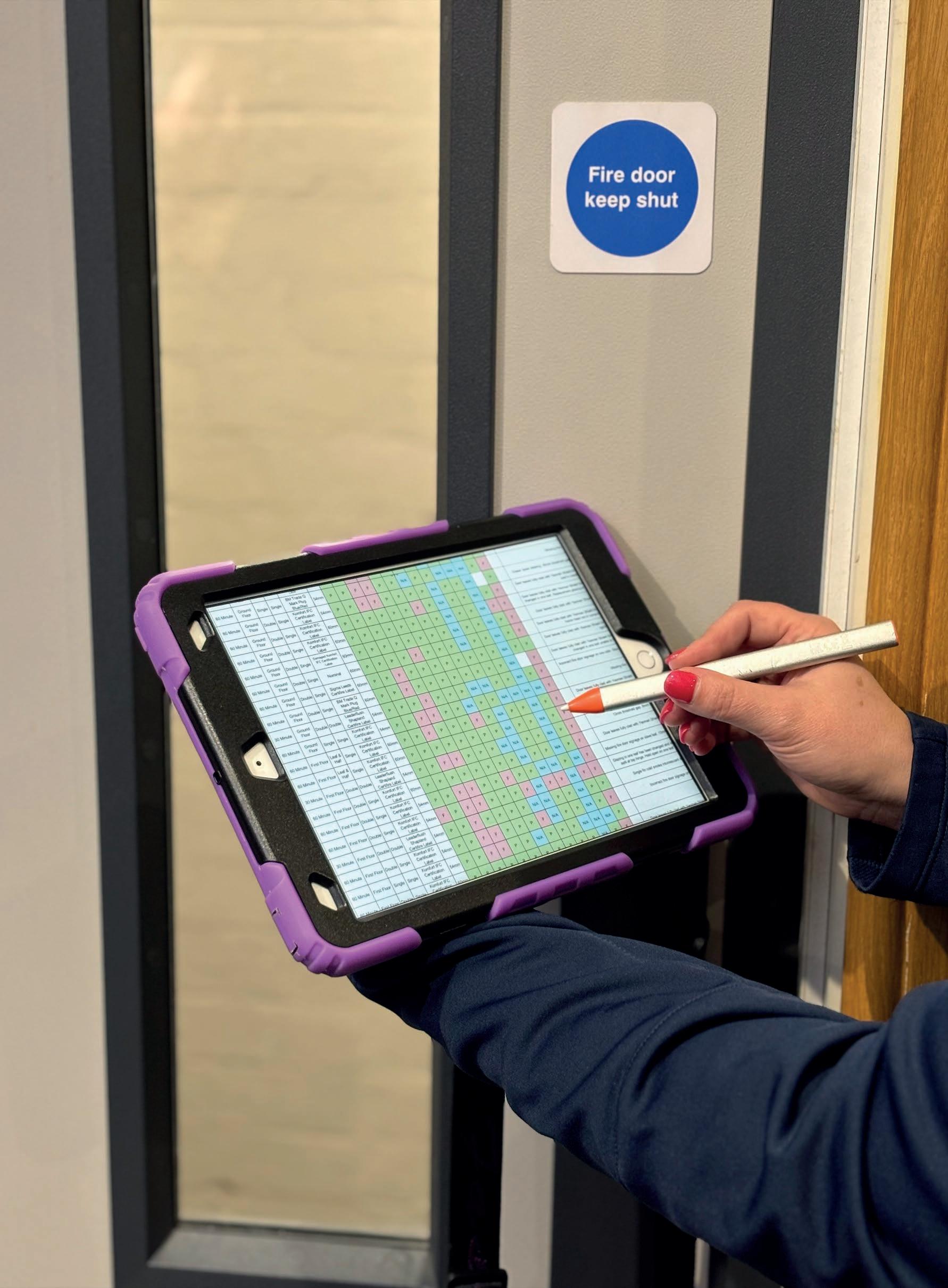
Fire doors are one of the most critical—and often overlooked—components of a building’s passive fire protection system.
Designed to contain fire and smoke, they protect escape routes and buy valuable time for occupants to evacuate and for emergency services to respond. But like any life-safety measure, fire doors only perform as intended if they are correctly installed, properly maintained, and regularly inspected.
A fire door inspection is a systematic assessment to ensure that every element of the door assembly meets regulatory standards and functions effectively.
This includes not just the door leaf, but also the frame, hinges, seals, glazing, signage, ironmongery, and closing devices. Even small defects—such as a missing hinge screw or a damaged intumescent strip—can significantly compromise performance during a fire.
Inspections should be carried out by a competent person — someone with the training, knowledge, and experience to assess compliance and performance.
During an inspection, a competent assessor will typically check:
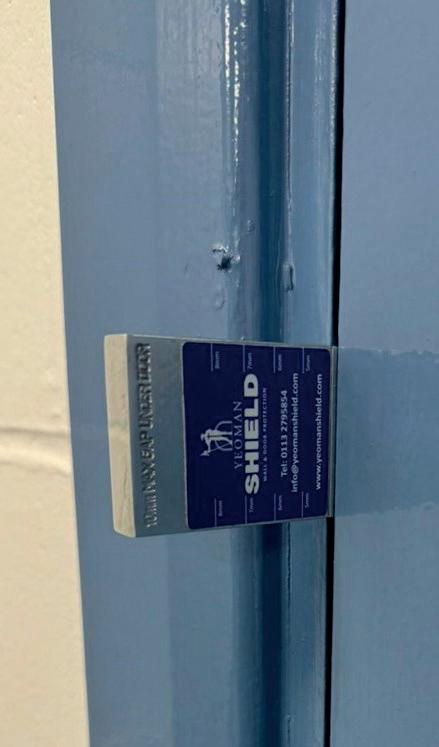
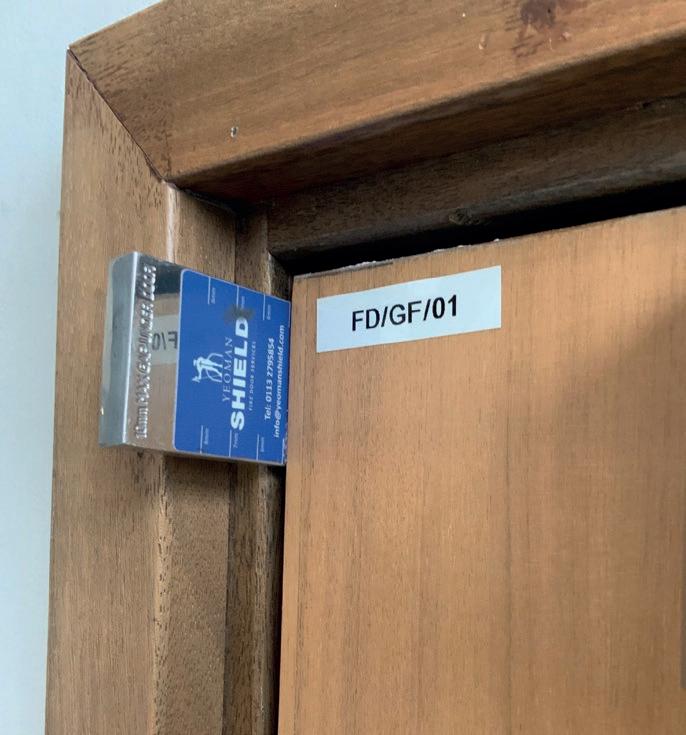
• Perimeter gaps – gaps of 2–4 mm at jambs, head, and meeting stiles. Threshold gaps on fire doors should not exceed 8–10 mm (refer to the manufacturers test evidence and certification where available). On smoke doors where a threshold smoke seal is not present, the threshold gap should not exceed 3mm.
• Intumescent and smoke seals –confirming they are undamaged and correctly fitted.
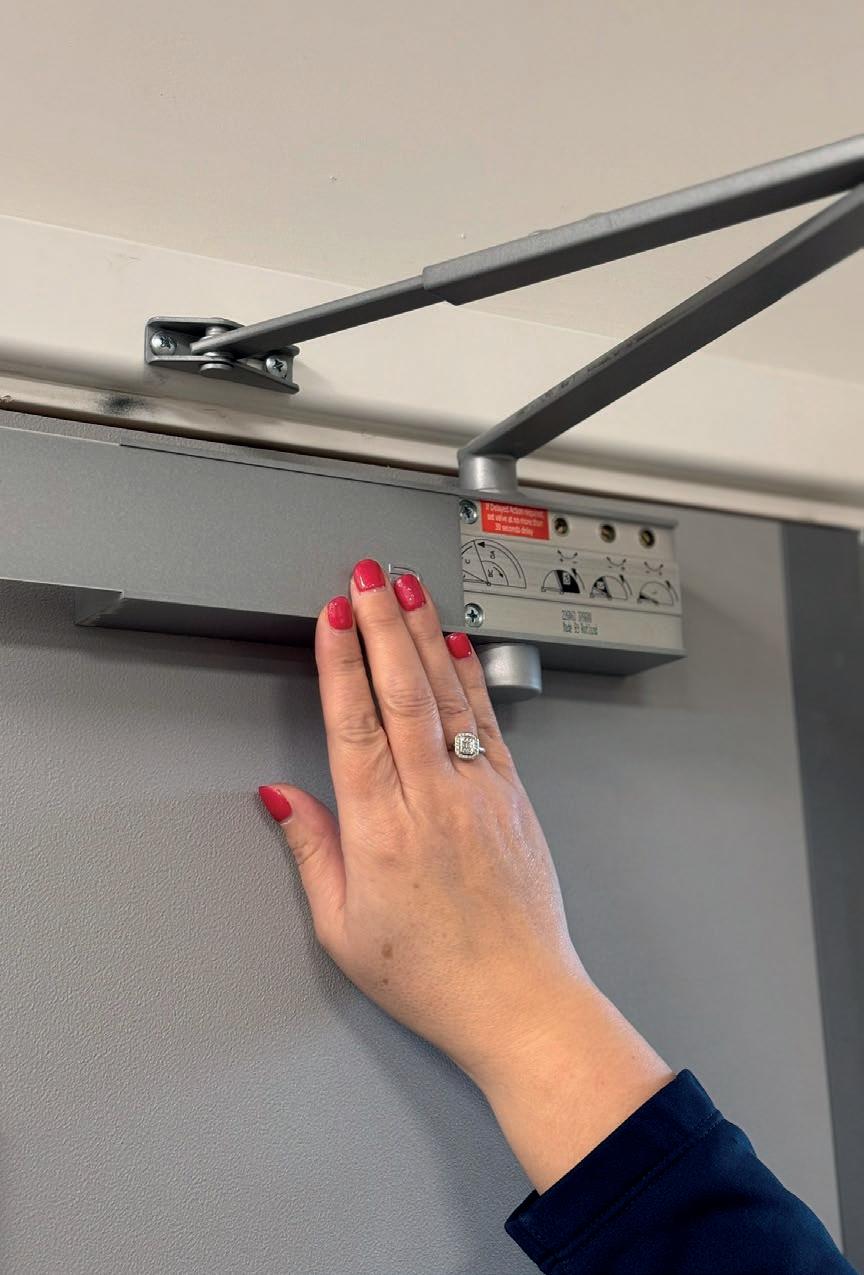
• Self-closing devices – verifying the door closes fully.
• Ironmongery compliance – hinges, locks, latches, and closers must be fire-rated, securely fixed, and operate correctly.
• Glazing systems – fire-rated glass, beads, and sealants must be intact and firmly secured.
• Signage – mandatory signs must be present, legible, and correctly positioned.
• Certification and traceability –checking for appropriate fire door certification labels and plugs.
• General condition and damage –cracks, holes, delamination, warping, impact damage, or poorly executed repairs can reduce fire resistance.
• Unauthorised alterations – identifying non-compliant additions such as letter plates or removed hardware.
It is important to understand that these points are not exhaustive. Issues may exist that are not immediately visible or covered in a general checklist. In many cases, inspections uncover minor issues that can be resolved quickly and cost-effectively, helping to maintain compliance and performance.
Intrusive vs. Non-Intrusive Surveys
Fire door inspections can be undertaken as non-intrusive or intrusive surveys, depending on how thoroughly the assessor needs to check the door assembly.
• Non-Intrusive Survey - This is a visual inspection of the door and its components without dismantling or removing any parts. The assessor checks the door leaf, frame, hinges, seals, ironmongery, and signage for obvious defects. Non-intrusive surveys are quicker, less disruptive, and ideal for routine compliance checks.
• Intrusive Survey - This involves a more detailed examination, which may require removing architraves and hardware to inspect concealed components, such as hidden intumescent seals and fire-stopping behind frames. Intrusive surveys provide a more comprehensive assessment but are more time-consuming and may temporarily disrupt building use.
Both survey types are essential tools for maintaining fire door safety, and the choice depends on the building’s risk profile, the findings of previous inspections and the certification available for the door set and installation.
The Legal and Regulatory Framework
Regular fire door inspections are not just best practice—they are a legal duty in many settings. In England and Wales, the Regulatory Reform (Fire Safety) Order 2005 places responsibility on the “Responsible Person” to ensure fire safety measures are properly maintained. The Fire Safety (England) Regulations 2022 further require mandatory quarterly checks of fire doors in communal areas—such as stairwells, corridors, lobbies, plant rooms, and service risers—and annual checks (on a best-endeavour basis) of flat entrance doors in multi-occupied residential buildings over 11 metres in height.
UK-wide context: While rules may differ, similar responsibilities exist in Scotland and Northern Ireland. Under the Fire (Scotland) Act 2005 and Fire Safety (Scotland) Regulations 2006, as well as the Fire and Rescue Services (Northern Ireland) Order 2006, the “Duty Holder” must ensure fire doors are correctly installed, maintained, and regularly inspected. The key principle across the UK is the same: fire doors must be capable of performing effectively to protect occupants.
With increased regulatory scrutiny and heightened awareness following high-profile fire incidents, accurate inspection, record-
keeping, and remedial action are more important than ever.
Ultimately, fire door inspections help ensure that one of a building’s most reliable fireprotection barriers is ready to perform when it matters most.
By investing in regular checks carried out by competent professionals, building owners and managers are not only meeting their legal obligations—they are safeguarding lives, protecting property, and providing peace of mind.
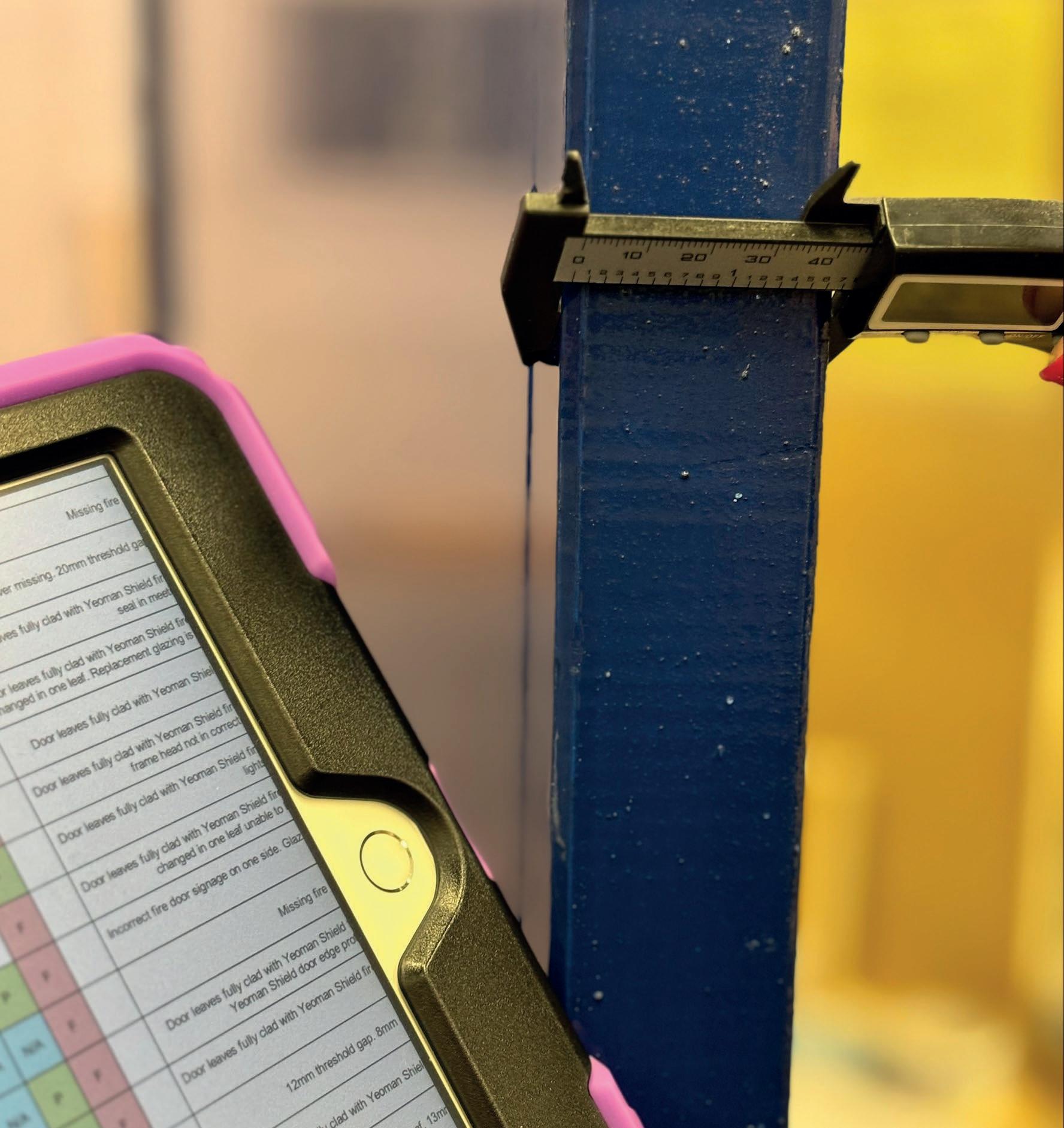
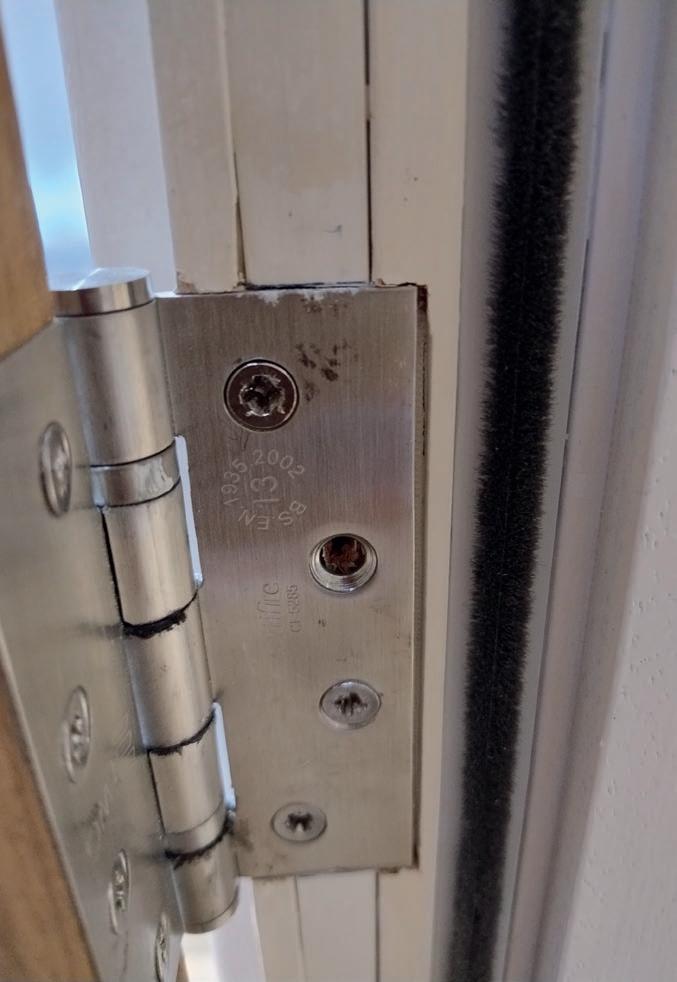
Richard Bingley is Fire Door Services Manager at Harrison Thompson & Co Ltd (Yeoman Shield) with over 30 years’ experience in the fire door industry. He spent 25 years with a leading fire door manufacturer before joining Harrison Thompson, where he has spent the past 6 years heading the Fire Door Services division.
Richard oversees inspection, maintenance, and installation of fire doors, helping building owners and facilities managers ensure compliance, protect occupants, and maintain the highest standards of fire safety. Contact richard.bingley@yeomanshield.com
Fire doors remain one of the most critical life-safety components in any building. As the industry continues to evolve in response to regulatory reform, performance scrutiny, and the need for robust, independently verified products, specifiers are increasingly seeking manufacturers who can demonstrate proven fire integrity, reliability, and technical expertise.
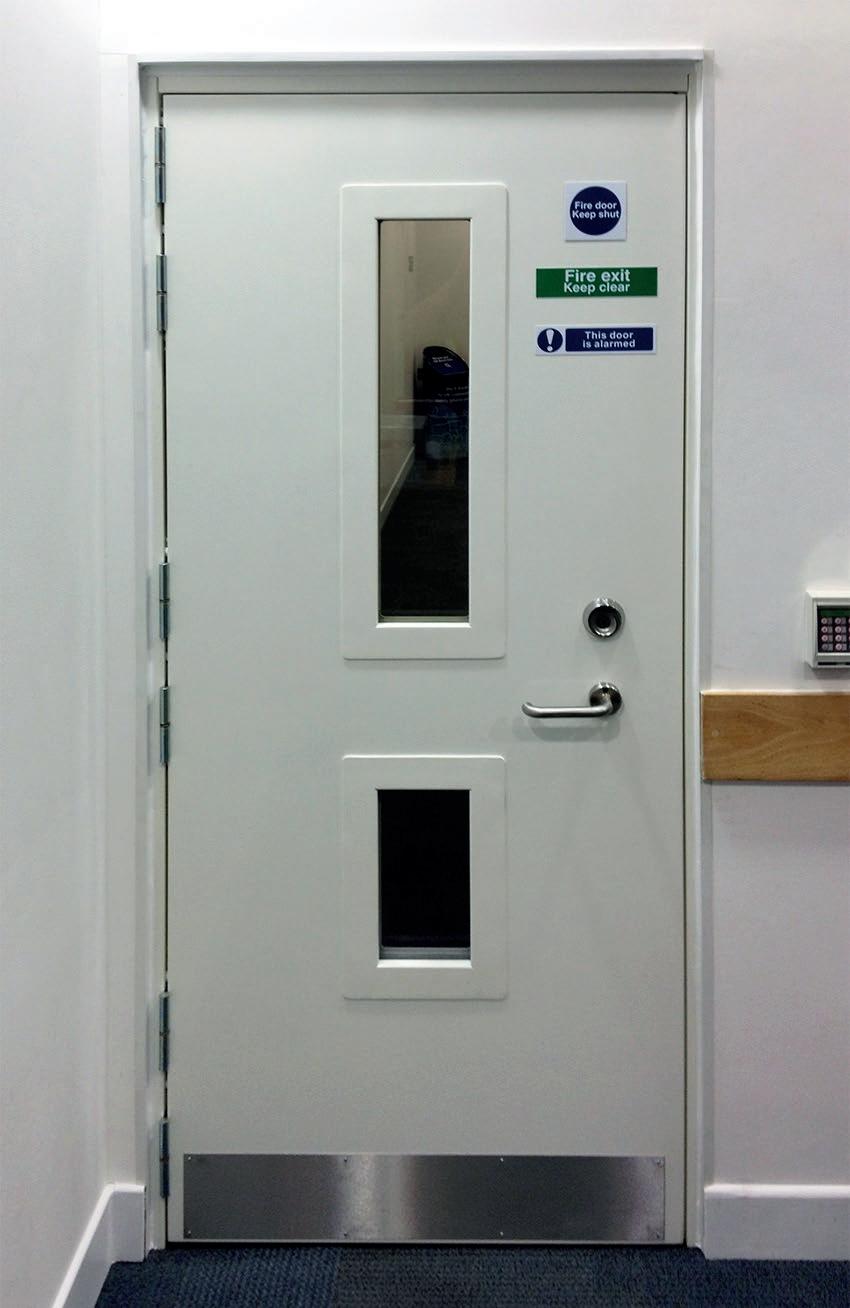
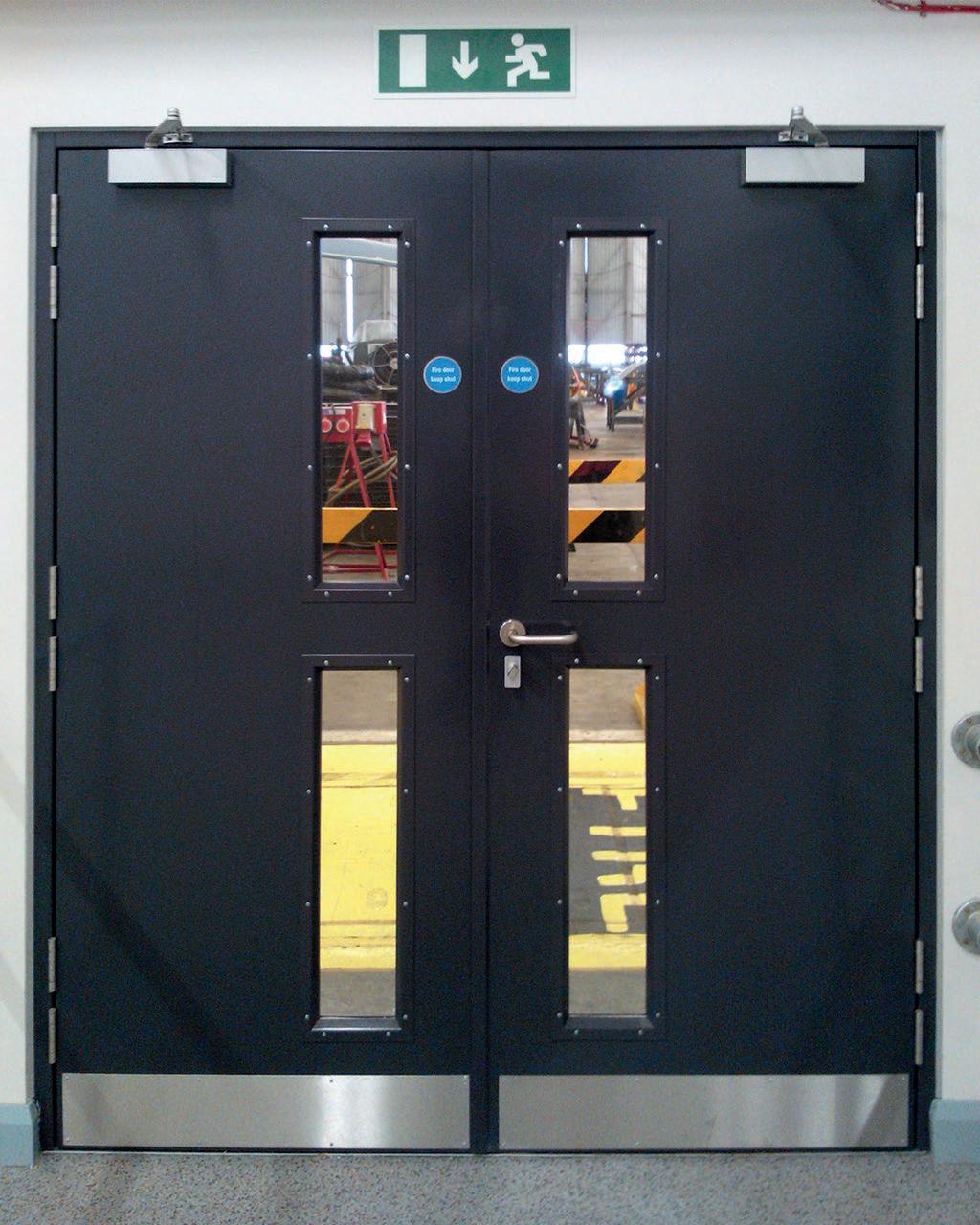
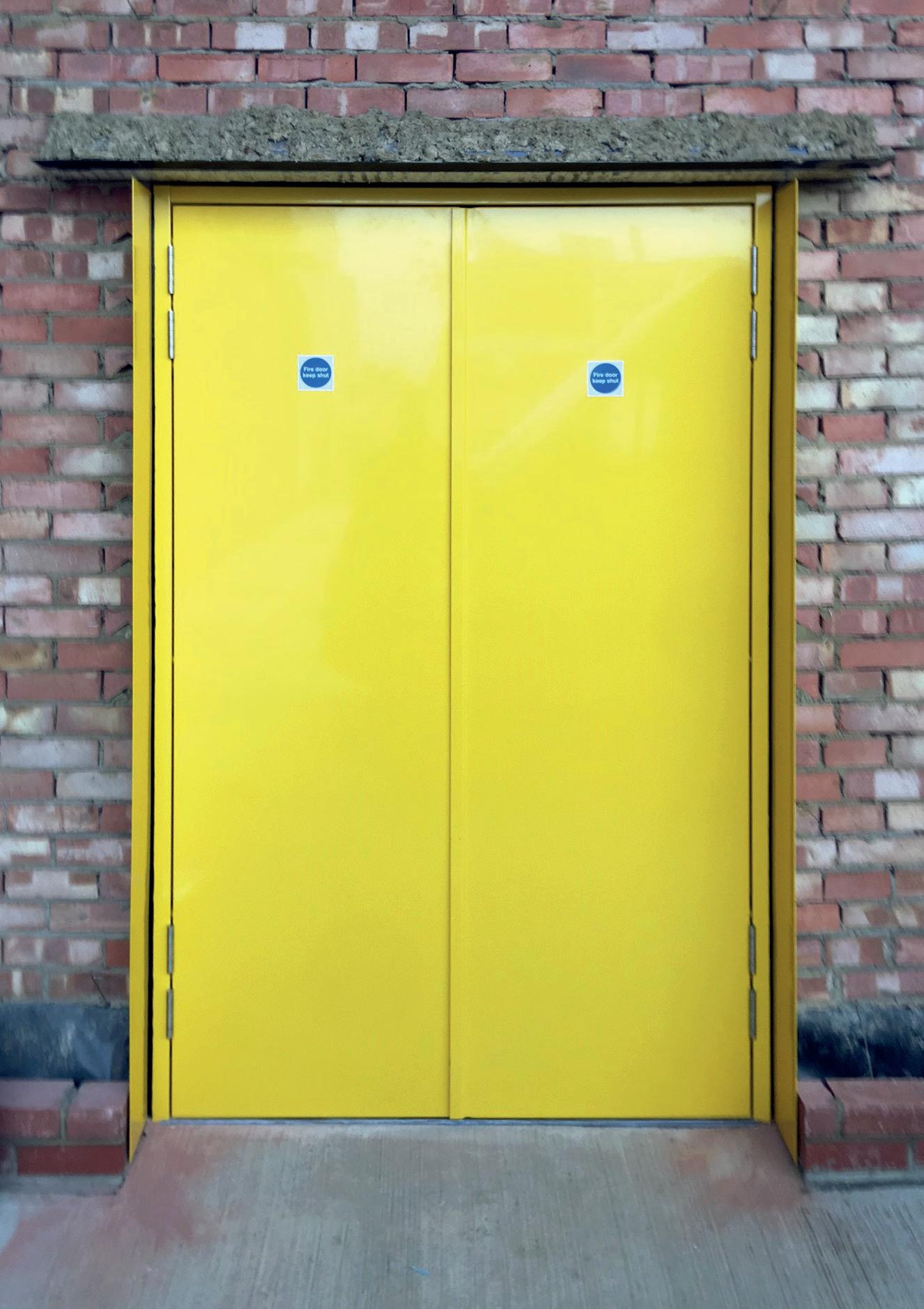
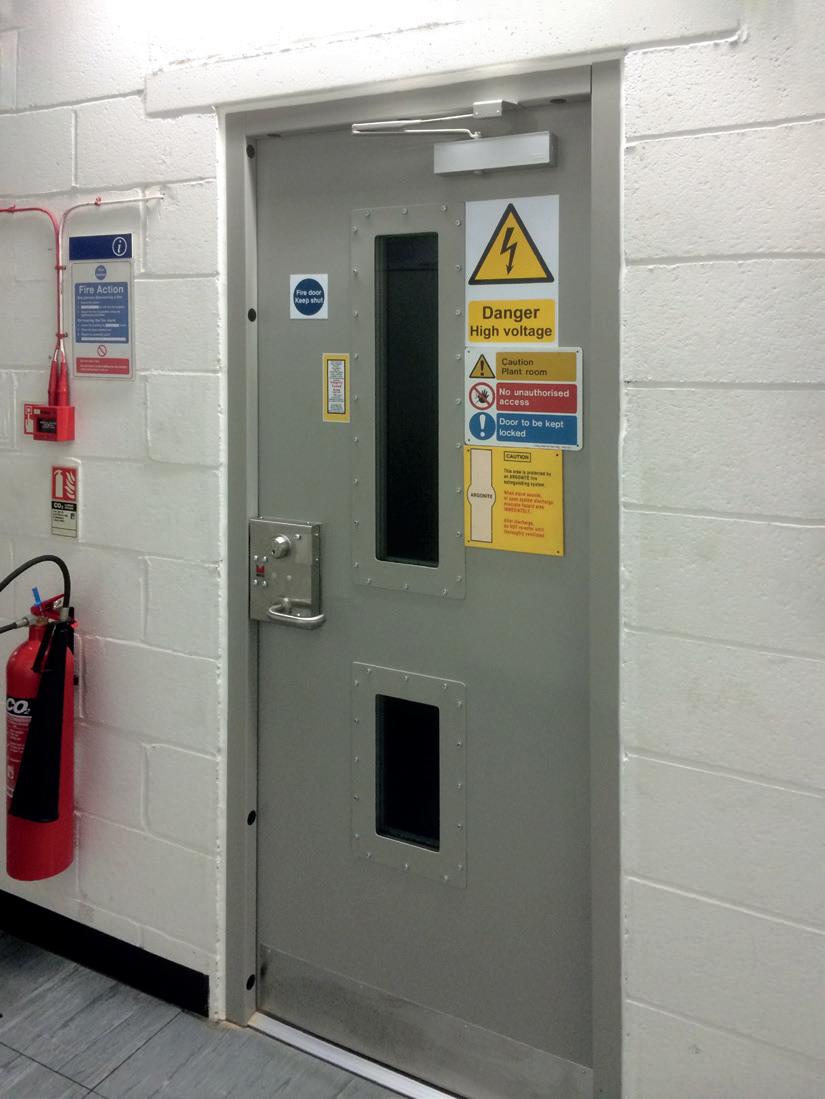
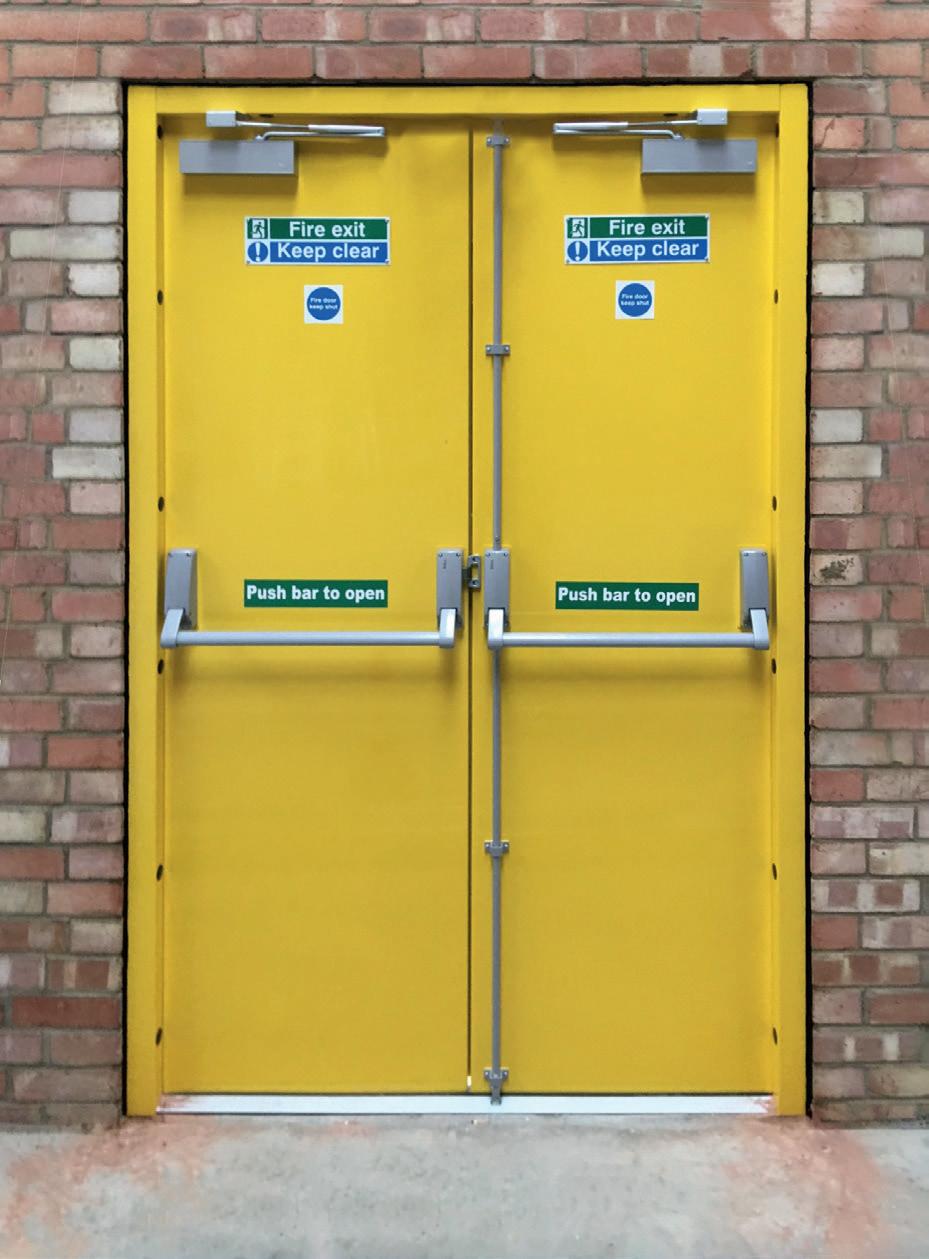
Bradbury Group, one of the UK’s leading manufacturers of steel doors, security doors, and architectural doorsets, has positioned itself at the forefront of this shift, offering one of the most comprehensive and certified ranges of steel fire doors on the market.
Bradbury Group’s steel fire door portfolio is engineered to meet the demands of today’s built environment, where resilience, compliance, and versatility are paramount. Their M2MFD fire door range, certified by a globally recognised fire testing and certification body, offers fire integrity ratings from FD30 through to FD240,
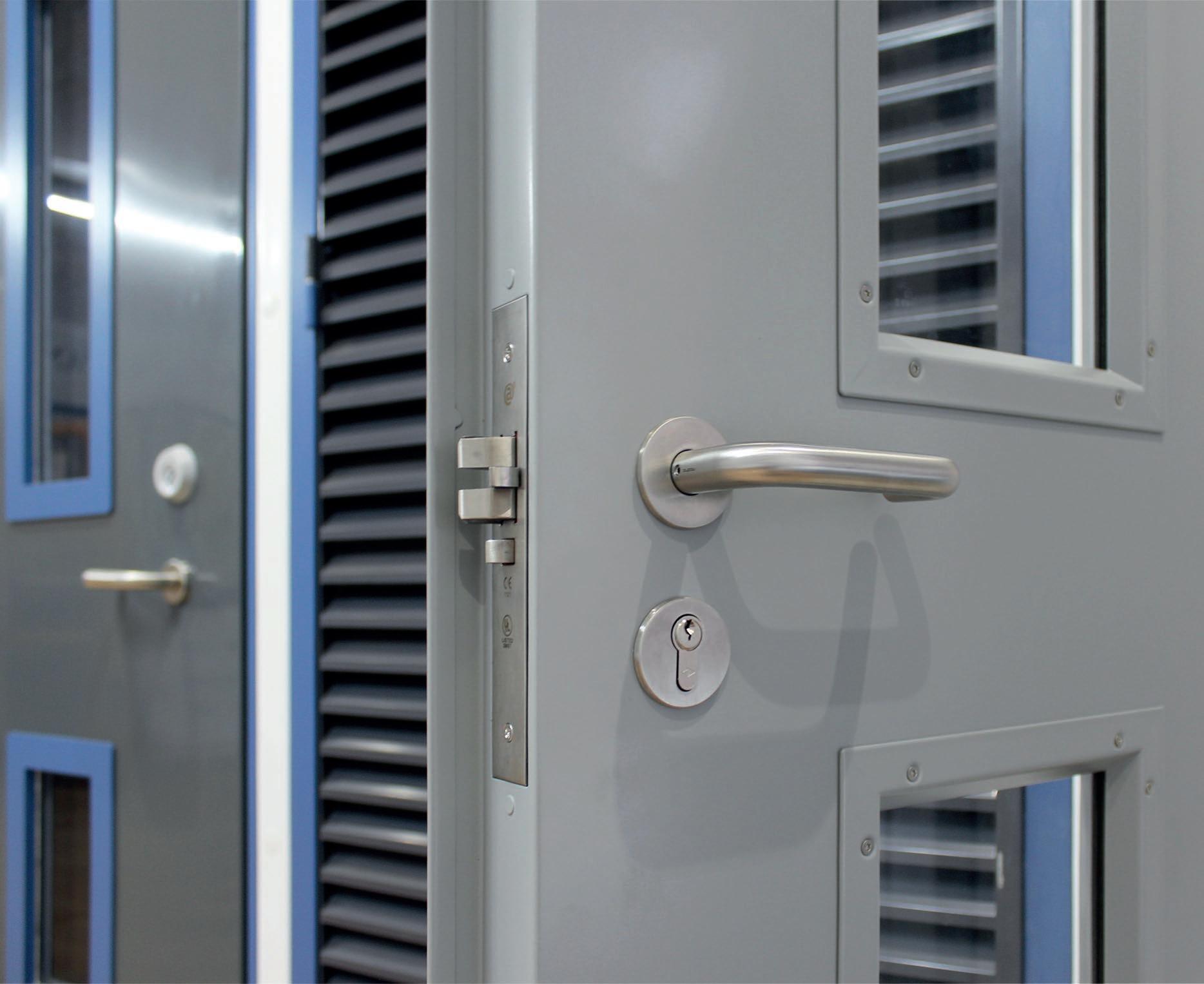
providing up to four hours of protection. This breadth of performance makes the range suitable for applications across commercial, industrial, public sector, and high-risk environments.
Crucially, Bradbury Group is also the first UK manufacturer to offer a full suite of doorsets that combine both security and fire certification, enabling specifiers to meet multiple performance requirements with a single product. This dual-certified capability is increasingly valuable in sectors such as utilities, transport, education, and critical national infrastructure, where fire integrity and forced-entry resistance must work hand-in-hand.
With over 30 years of manufacturing experience, Bradbury Group operates from a purpose-built 135,000 sq. ft. facility, enabling some of the fastest lead times in the industry. Steel fire doors can be manufactured in as little as three days, supporting urgent replacement needs and time-sensitive projects.
Their in-house technical specialists support specifiers through complex requirements, ensuring that every doorset is designed, configured, and certified to meet the exact needs of the project. This includes guidance on hardware compatibility, glazing options, security add-ons, and compliance with CE/ UKCA requirements for external fire doors.
Manufacturing
Sustainability is becoming a core consideration in specification, and Bradbury Group has responded with initiatives such as the Bradbury
Carbon Calculator, which helps customers quantify carbon savings when switching to low-carbon steel doors. Their continued investment in R&D, evident in innovations like the EcoLeaf® steel door range, demonstrates a commitment to reducing environmental impact without compromising performance.
Meeting the Industry’s Rising Expectations
As regulatory frameworks tighten and the industry places greater emphasis on third-party certification, traceability, and whole-life performance, the role of the fire door has never been more scrutinised. Bradbury Group’s combination of independently certified fire integrity, optional security ratings, rapid manufacturing, and technical support provides specifiers with confidence at every stage, from design through to installation.
In a market where compliance is non-negotiable, Bradbury Group’s fire doors offer a dependable, future-ready solution that aligns with the evolving expectations of building safety and performance.




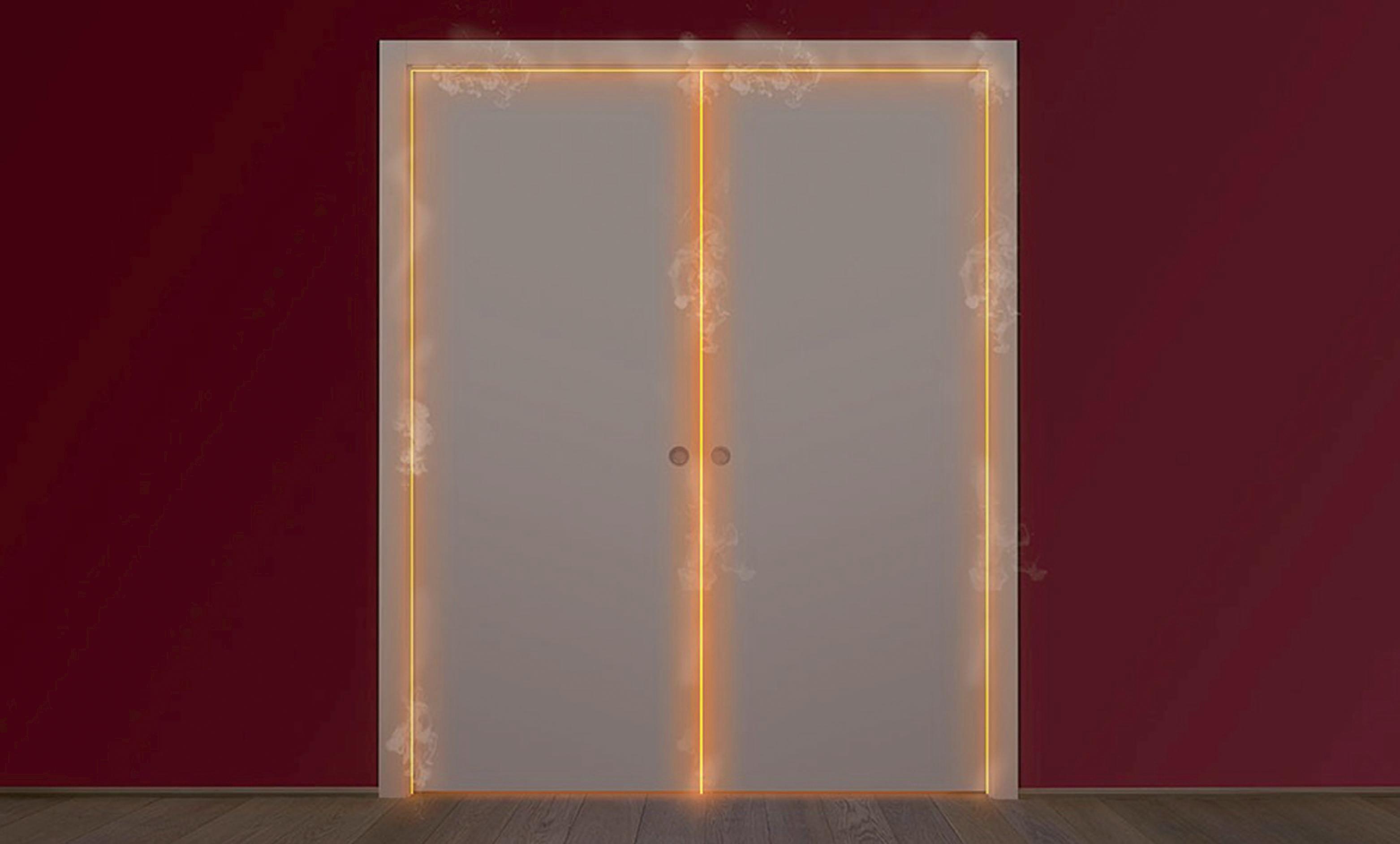
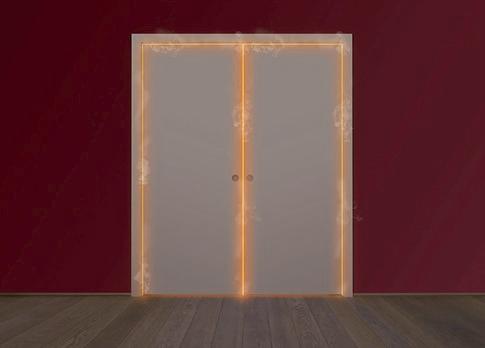
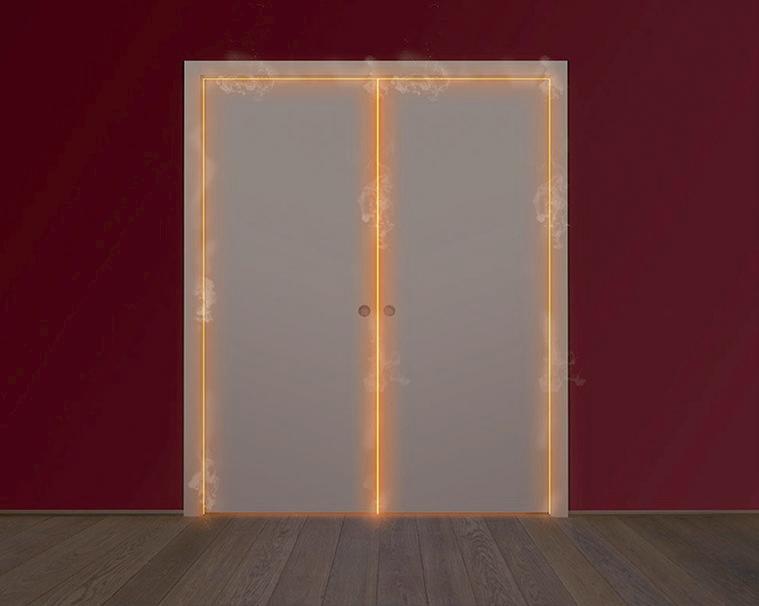
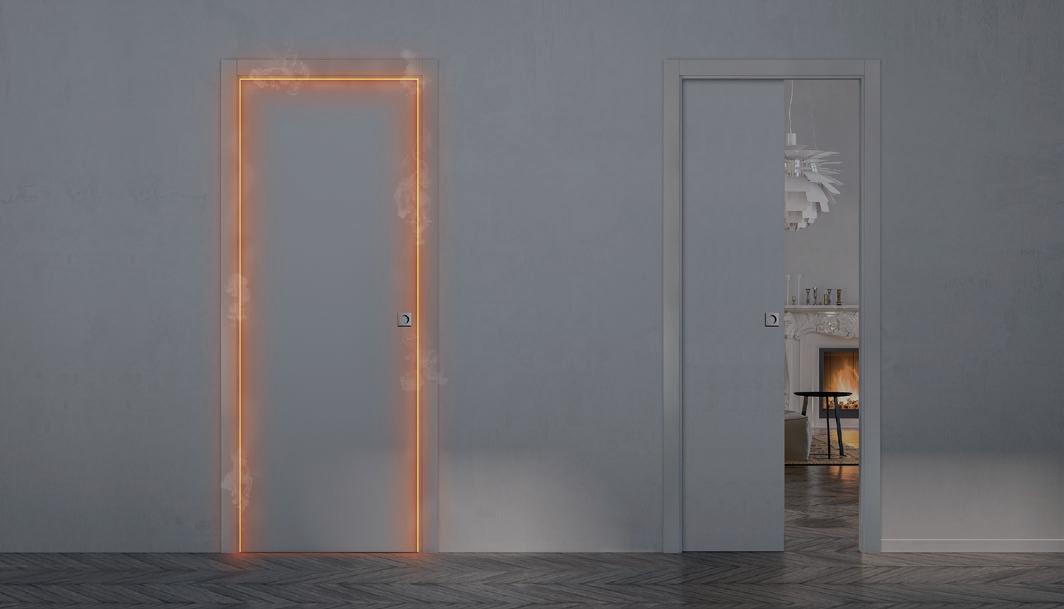
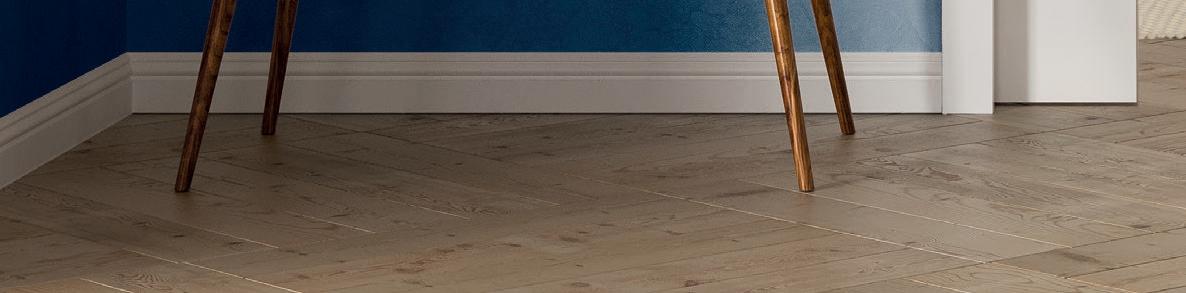
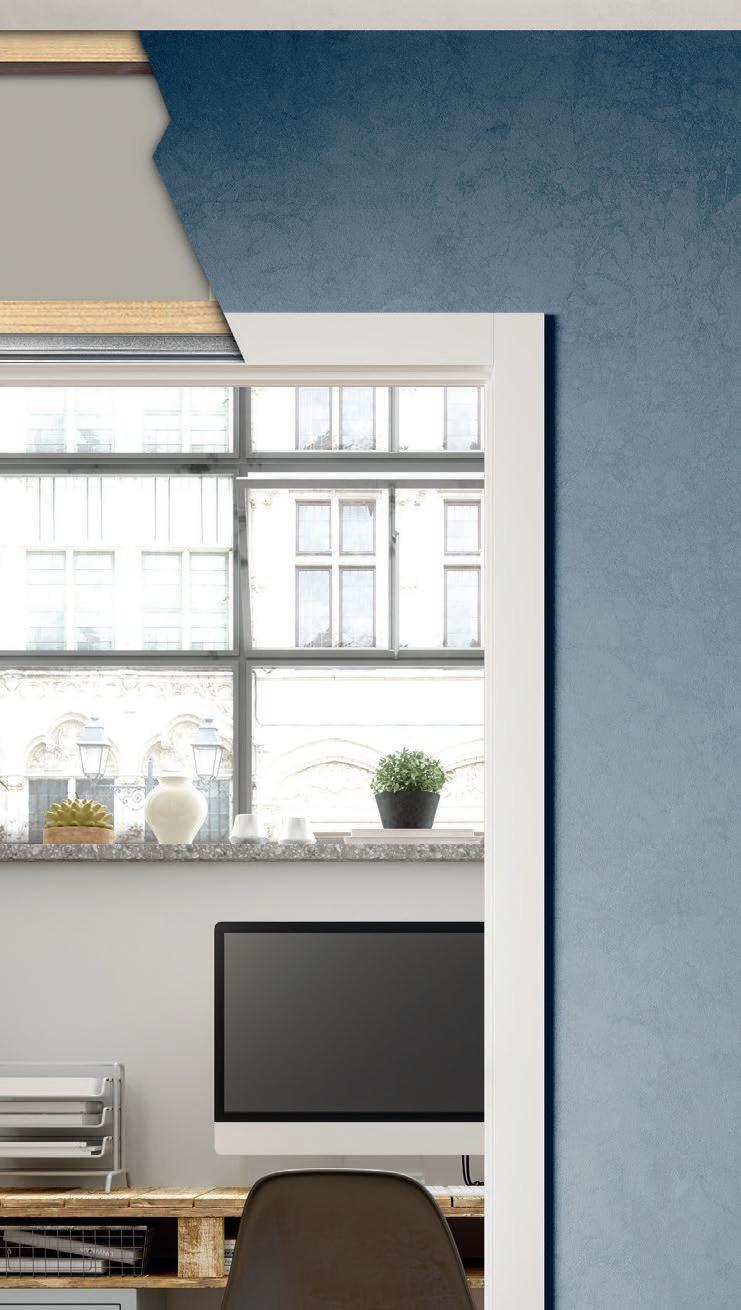
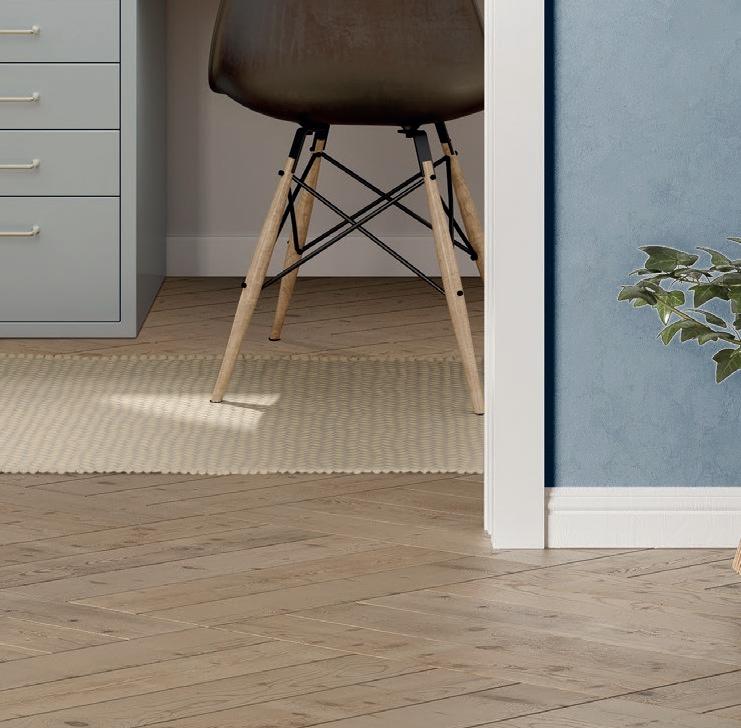
ECLISSE UK has announced the launch of Revision G of its Single and Double FD30 Fire-Rated Pocket Door Systems, delivering greater flexibility for architects specifying sliding door solutions in fire-rated environments. The update expands door compatibility and offers enhanced design freedom while maintaining the robust fire performance required for modern commercial and residential projects.
Pocket doors continue to grow in popularity among architects seeking to maximise usable space and achieve cleaner, more minimalist interiors. By sliding neatly into the wall, pocket doors eliminate the floor space typically required for a hinged door’s swing arc. This can be particularly advantageous in apartments, hotels, healthcare settings and office developments where efficient spatial planning is essential. The result is a solution that supports both functional layouts and contemporary architectural aesthetics.
With Revision G, ECLISSE has significantly broadened the range of door types that can be integrated with its FD30 fire-rated pocket door systems. Architects can now specify a wider variety of door constructions and finishes while maintaining certified fire performance. This increased compatibility allows designers greater freedom to align fire-rated doors with the overall material palette and interior concept of a project, rather than compromising on style to meet safety requirements.
The revised system supports an expanded selection of door choices, enabling a wider
choice of manufacturers. For architects, this means greater specification flexibility and easier integration into project design packages where door schedules may include multiple door suppliers or finishes.
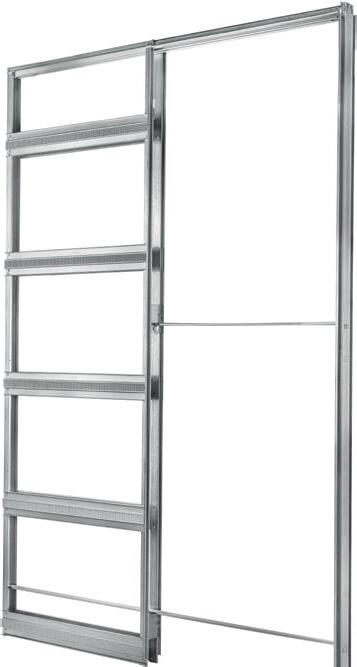
In addition to the expanded door options, the Revision G system continues to deliver the technical performance and installation reliability associated with ECLISSE pocket door systems. The robust galvanised steel frame structure is engineered to maintain stability within stud walls, while ensuring the correct clearances and performance needed for fire-rated applications. The system is designed to work seamlessly with compatible FD30-rated door leaves and ironmongery, supporting compliance with fire safety standards without compromising design intent.
For projects where both fire performance and space optimisation are key considerations, Revision G offers architects a solution
that integrates safety, functionality and design flexibility. The ability to specify sliding fire doors that disappear into the wall opens up new possibilities for interior layouts, allowing spaces to remain open and fluid while still providing essential compartmentation when required.
As building design increasingly prioritises both efficiency and aesthetics, the latest revision of ECLISSE’s FD30 pocket door systems provides architects with a refined specification option that supports modern architectural requirements while meeting stringent fire safety standards.
For more information, call 0333 5770828 or email info@eclisse.co.uk
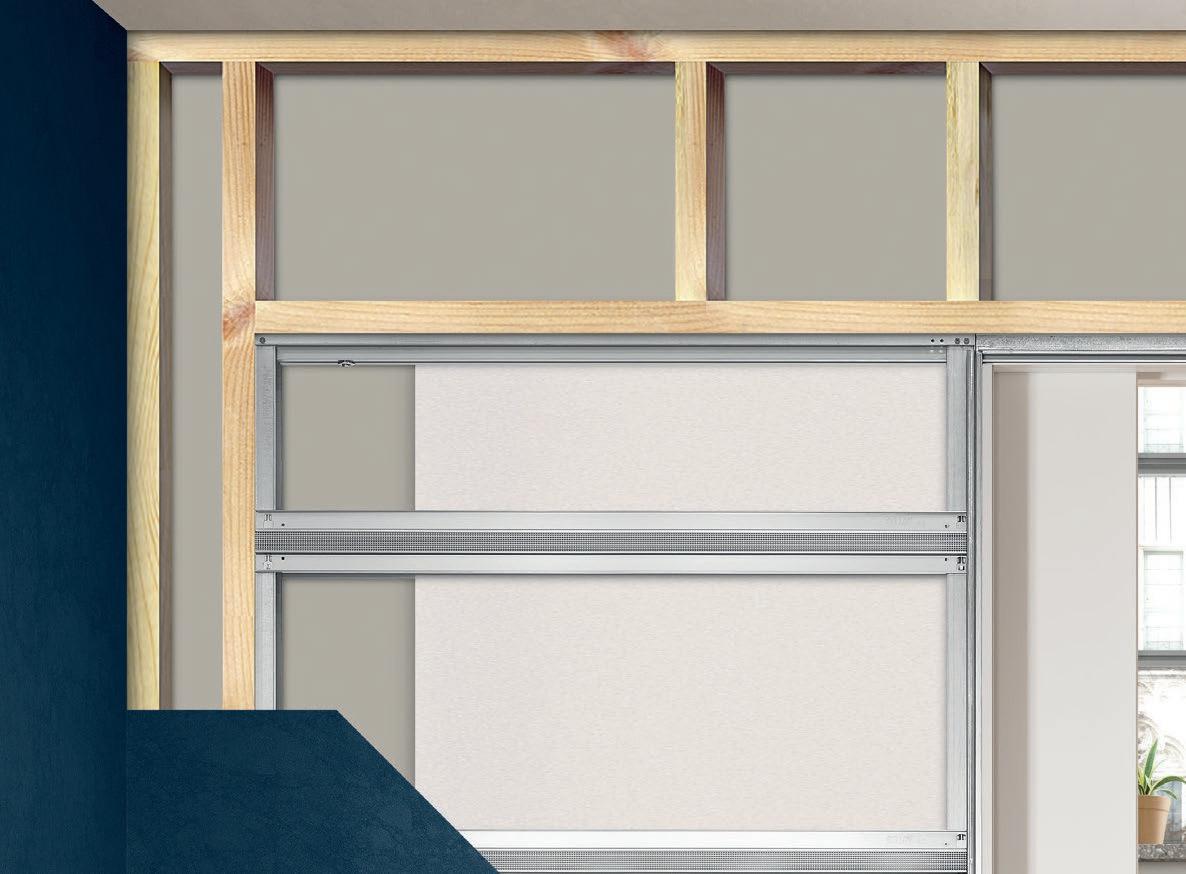
Extractable track
No need to break into the wall to remove the track
Quick-click easy-fit frame
Quick and easy to assemble and install
Use standard building materials
Fits standard CLS and metal C-shaped stud. Uses standard 12.5mm plasterboard.
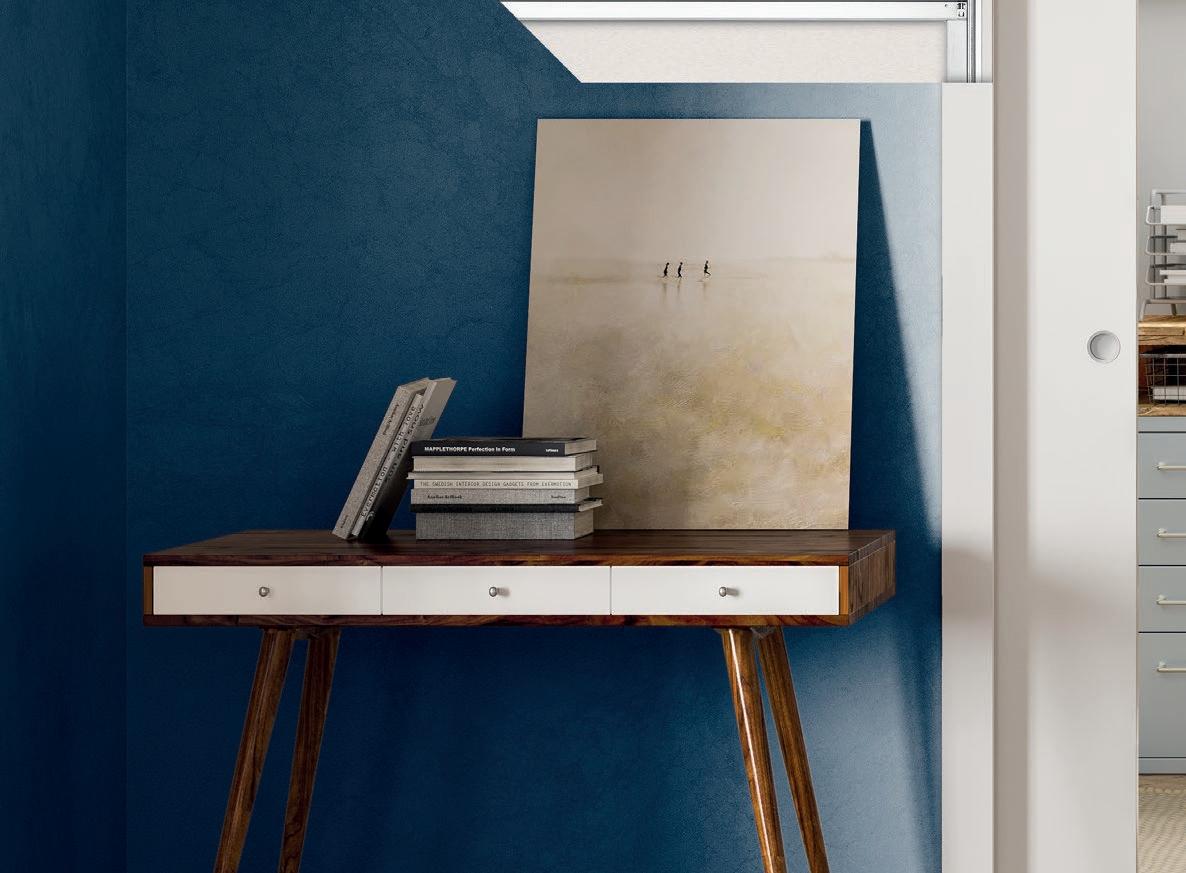
Self-centering floor guide
Fits in seconds





























Aluminium systems company AluK has added fire rated window and door products to its range – providing a simple, single source solution for specifiers, fabricators and installers working on projects with specific requirements for fire protection.
AluK has formed a strategic partnership with Aluflam, one of Europe’s leading specialists in proven fire protection systems, to offer ready-made aluminium windows, doors and curtain walling systems to customers in the UK, which are independently fire-tested and compliant and available on short lead times.
Russell Yates, Managing Director of AluK believes the move represents a major step forward for AluK in the commercial sector. He said: “Specifiers can now get comprehensive quotes and designs from us that include both fire rated and standard aluminium windows side by side, rather than having to work with two or more different suppliers. And commercial fabricators working with fire rated systems no longer have the headache of having to process fire rated products through their own factories – they can simply order readymade, fully compliant products via AluK when
they need them, and even have them delivered direct to site if required.”
Martin Grove, Managing Director of Aluflam UK added: “Our partnership with AluK represents an exciting opportunity to combine Aluflam’s long established fire rated expertise with AluK’s strong commercial presence in the UK façade market. We see this collaboration as a powerful step in supporting AluK’s ambitions on large scale commercial tenders where fire rated performance is essential. Alongside this, Aluflam UK will continue to support our wider network of UK customers and partners, ensuring the market benefits from the full strength of our global capability and dedicated UK operation.”
AluK’s move is all about simplifying and speeding up the procurement process without compromising on performance, choice or aesthetics. There are now three core Aluflam
product ranges in AluK’s fire rated offering, which suit the vast majority of applications in the UK. These all have full independent test data available to demonstrate performance and compliance, and all come with comprehensive design support and coordinated technical assistance from AluK and the Aluflam Group teams in Europe.
Russell Yates added: “Our commercial sales team will coordinate the supply of the fire-rated products to UK customers, supported by the specialists at Aluflam UK. Lead times are likely to be just 10 to 12 weeks at prices which we know are competitive. That’s particularly important for those fabricators and installers who are working in this area because it simplifies their logistics, and opens up opportunities for them to win additional new business.”
More details at: https://www.alukgb.com/commercial
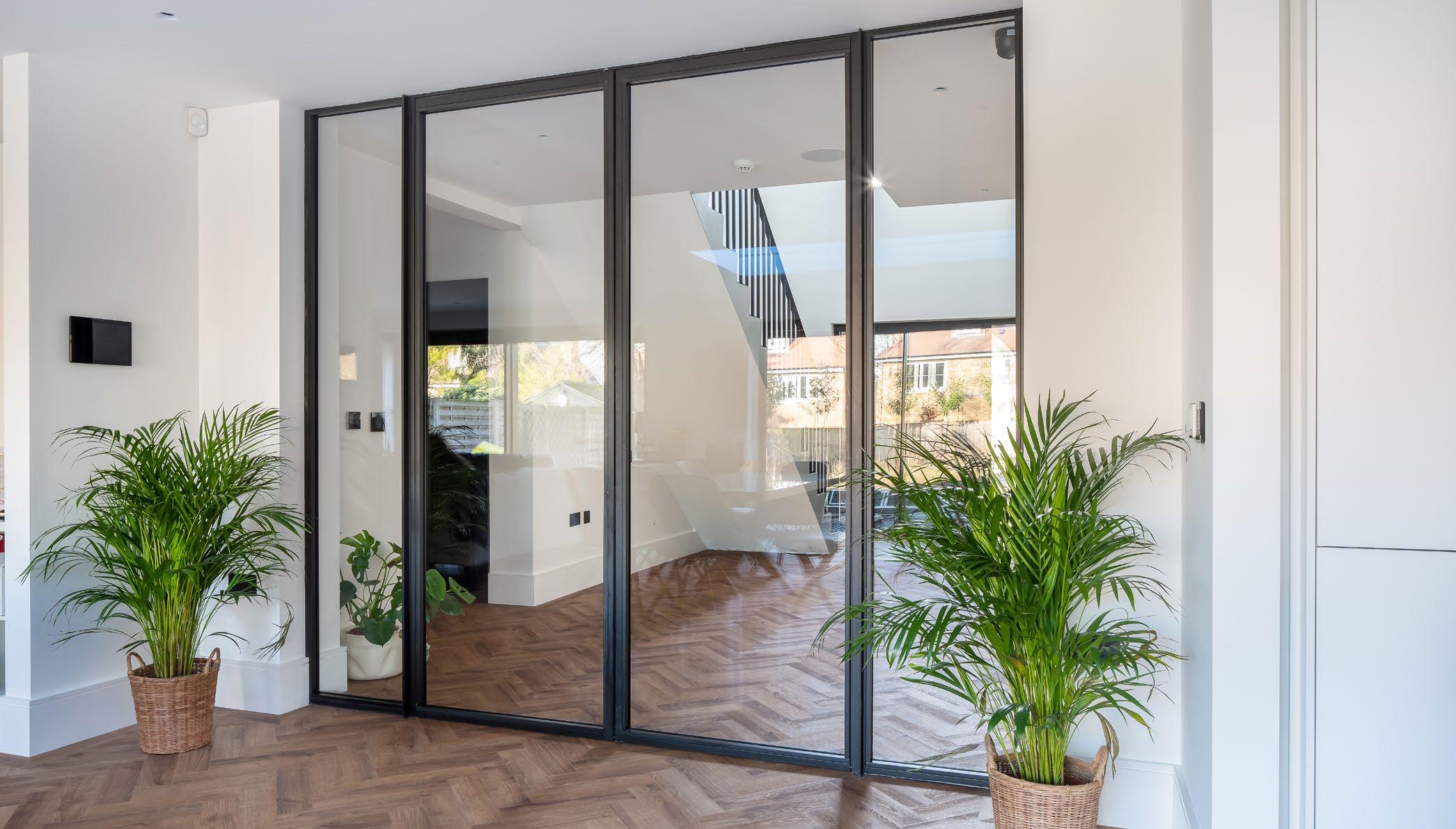
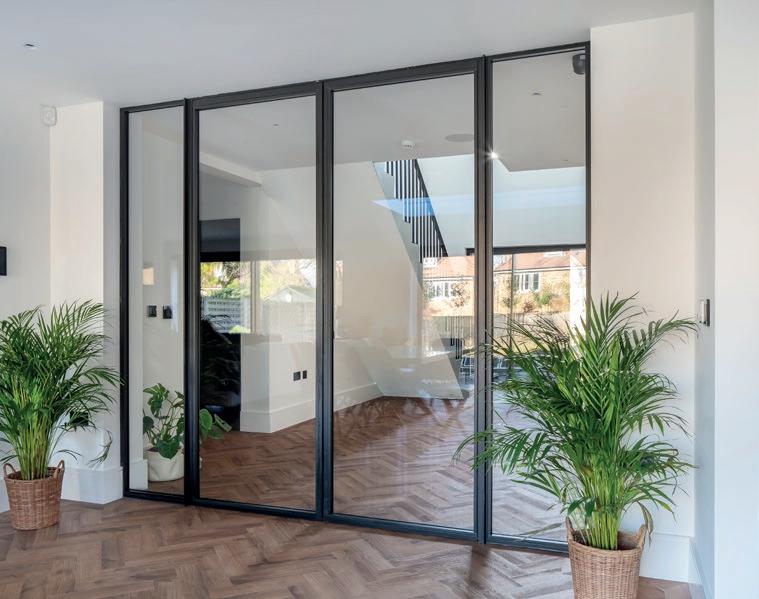
The new Schüco Jansen steel fire door offers the slimmest sightlines available on the UK market for an internal fire rated system.
The Jansen Art’15 Fire NR E-EW fire protection steel door system is designed for safety without compromising on style.
An evolution of the popular non-insulated Jansen Art’15 steel door and partition wall system, the new fire-rated version maintains the original’s extremely slimline profile and excellent design flexibility.
The new system delivers outstanding fire resistance, assessed for periods from 30 to 120 minutes for both single and double leaf doorsets, achieving fire integrity and radiation resistance classes E/EW30 to E/EW120, as well as smoke protection class Sa.
The Art’15 fire doors suit a wide range of applications, with their sleek design making them particularly attractive for high end residential developments and office refurbishments.
The choice of fire door depends on the aesthetic and fire rating required. The wider Schüco fire door range includes the ADS 80 FR 30 (EI30 rated) and the ADS 80 FR 60 (EI60 rated). These aluminium systems are visually identical but offer different levels of integrity and insulation (EI) fire protection, while both achieve smoke protection classes Sa and S200.
Certified for both internal and external use, the ADS 80 FR doors allow for matching doors throughout a building. Suitable for any commercial application, they integrate seamlessly with Schüco fire resistant façade systems and can also function as panic emergency exit doors.
In addition to their comprehensive fire and smoke protection, these doors are engineered for durability, achieving the highest self-closing durability rating (C5) to


withstand a very high number of opening and closing cycles. This makes them ideal for high traffic commercial environments such as office buildings and shopping centres, and public buildings such as hospitals, universities and schools.
All Schüco fire door systems offer versatile design configurations with options for sidelights and toplights, solid or fully glazed panels, and a selection of handles. The Art’15 system offers optional integrated door closers, various glazing bar configurations, and is available as a non-rebated unlatched fire door if a lock is not required.
Schüco is a member of the Association for Specialist Fire Protection (ASFP), demonstrating its fire systems hold third party certification, offering peace of mind for specifiers.
For further information email mkinfobox@schueco.com or visit: www.schueco.com/uk/specifiers