




















ZMANIM PESACH 2026: Miami Beach
Candle lighting: Wed, April 1 7:18 pm Thurs, April 2 Nightfall (3 stars) 8:13 pm Fri, April 3 Shabbos Starts 7:19 pm Shabbos Ends 8:15 pm Tues, April 7 7:21 pm Wed, April 8 Nightfall (3 stars) 8:16 pm
© The South Florida Community Voice Magazine. All rights reserved. Reproduction in printed or digital form in whole or in part in any form without prior written permission is prohibited. The publisher reserves all right to edit all articles for clarity, space and editorial sensitivities. Submissions cannot be returned to sender. The South Florida Weekly Magazine is not responsible for the cash flow of any advertised product or service that appears in these pages. The South Florida Community Voice Magazine assumes no responsibility for the content of articles or advertisements in this publication, nor for the content of books that are referred to or excerpted herein.
Community Voice magazine is not responsible for the Kashrut or services provided by the advertisements. It is up to the consumer to verify the information.


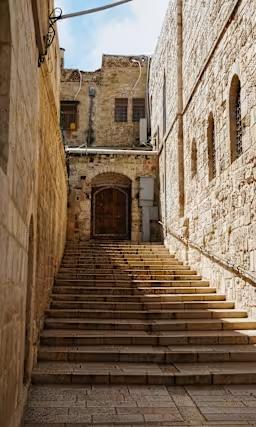
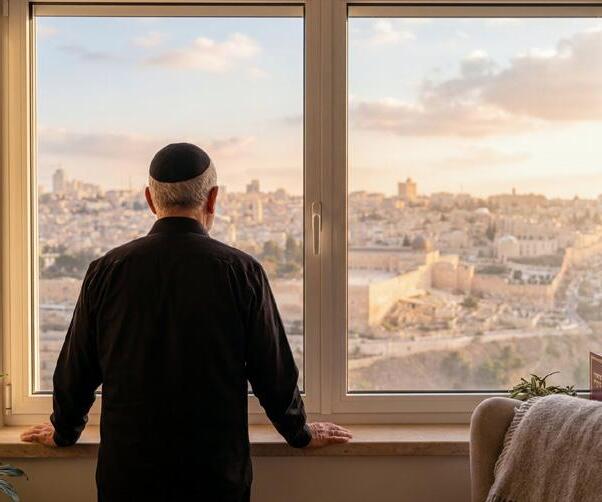
For many, owning an apartment in Jerusalem has always been a lifelong dream.
For years, that dream felt increasingly out of reach. Prices kept climbing, and even serious buyers found themselves watching from the sidelines, waiting for an opportunity that never seemed to come.
Now, for the first time in a long time, that may be changing.
A new residential concept is being developed in one of Jerusalem’s most sought-after areas, within the triangle of Beit Hakerem, Yefe Nof, and Beit Vagan. It offers not only location, but something far more significant, a real opportunity to finally enter the Jerusalem market at a price that actually makes sense.
With entry-level apartments expected to begin at approximately $550,000 and up, this represents a level that is almost unheard of today in central Jerusalem, particularly for a project of this quality.
“Most people I speak to have had this dream for years, to own something in Jerusalem,” says Moshe Einhorn, who is leading sales for the project. “The reality is that until now, it just wasn’t realistic. This is one of the first opportunities where the numbers finally align with the dream.”
But what makes this opportunity truly different is not just the price.
The project is being designed as a high-end 60+ community built specifically for the modern Orthodox American market. It is not just about owning an apartment, it is about living in the right environment, surrounded by people who
share a similar lifestyle, values, and stage of life.
Plans include a boutique building with a swimming pool, a modern gym, and over 500 square meters of shared space, all designed to enhance daily living. More importantly, the focus is on creating a true community, something many people realize is just as important as the apartment itself.
“At this stage of life, people are not just buying space,” Einhorn explains. “They are choosing how they want to live, and who they want to live around.”
At this early stage, buyers also have a level of flexibility that is rarely available in today’s market. Rather than choosing from fixed layouts, they have the ability to determine the size of their apartment and shape it according to their needs, creating a home that truly fits their lifestyle.
The project is being brought to market by Ruumi Real Estate, with development led by DERECH, a group known for identifying opportunities and structuring projects with a clear vision.
“A lot of people have given up on the idea of buying in Jerusalem,” says Shimon Weinberg, who is overseeing marketing and sales strategy. “They assume it’s no longer possible. What we’re doing here is opening a door that has been closed for a long time. When you combine location, price, and a real community, it creates something very rare.”
For families, there is an added dimension. Larger apartments are being planned in a nearby building, allowing children and parents
to live close to one another, while still maintaining independence.
At the same time, a limited group of approximately 40 buyers is now being formed.
This initial group will not only gain access to early-stage pricing and advantages that will not be available later, but will also help shape the character of the community itself.
For those who have been waiting for the right moment, this may be it.
And for those who recognize what this represents, the next step is simple.
Reach out, understand the opportunity, and decide if this is the move you have been waiting to make.
Call 845-642-1177 ext. 102
Or email info@ruumirealty.com
Everything you need to know before you pack your matzah and head south for Yom Tov
There is a moment, somewhere between the Seder plate and the second cup of wine, when the story of Yetziat Mitzrayim stops being ancient history and becomes something deeply, personally felt. You are free. Free from the daily grind. Free from the chametzinfested kitchen. Free, perhaps this year, to celebrate the chag of liberation in a place where the sun shines even when you can’t turn on the lights.
Welcome to South Florida — the destination that has quietly become, over the past two decades, the Jewish world’s most beloved Pesach playground. From the gleaming high-rises of Miami Beach to the eruv-lined streets of Boca Raton, from the waterways of Aventura to the broad boulevards of Hollywood and Hallandale Beach, South Florida during Pesach is a world unto itself. Tens of thousands of Jewish visitors descend on our shores each April, joining a local community of well over 300,000 Jews who have built something extraordinary here year-round.
Whether you’re a first-timer trying to navigate the landscape, a family looking for the right shul, or an adventurous traveler planning your Chol HaMoed — this is your guide. Let’s go.
One of the great miracles of modern South Florida is the sheer
density and quality of its Orthodox kehillos. No matter where you’re staying, you will find a shul — usually several — within walking distance.
Boca Raton is home to what is widely considered one of the fastest-growing Torah communities in the United States, with a Jewish population of approximately 65,000 and over a dozen Orthodox synagogues. The heart of the community clusters around Central Boca, where the Boca Raton Synagogue (BRS), the Young Israel of Boca Raton, and the Boca Jewish Center are all located within a mile or two of one another.
Each shul brings its own distinct character. BRS is known for its dynamic programming and inspiring leadership, and runs an extensive lineup of Pesach shiurim and community events through the chag — check BRSonline.org for the full schedule. The Young Israel draws a warm, multigenerational membership of snowbirds and full-time families alike. The Boca Jewish Center offers strong traditional davening and a robust educational calendar.
For those staying a bit further south, Anshei Emuna in nearby Delray Beach is a warm, OUaffiliated Modern Orthodox congregation that explicitly welcomes visitors, snowbirds, and vacationers and offers daily minyanim year-round.
Aventura & North Miami Beach
Young Israel of Aventura, located in the Waterways Shoppes, is the pioneer Orthodox congregation of northern Aventura and has served the community for over three decades. It follows Nusach Ashkenaz and draws a diverse, international membership — with congregants hailing from the US, Israel, Canada, France, and across Latin America. The shul proudly welcomes full-time residents, visitors, and snowbirds alike and maintains morning and evening services every day of the year.
Miami Beach boasts a vibrant Orthodox community anchored by institutions like Ahavas Torah Congregation of Miami Beach, dedicated to Torah learning and dissemination. The Collins Avenue corridor and surrounding streets are home to numerous shuls serving Ashkenaz, Sephardic, and

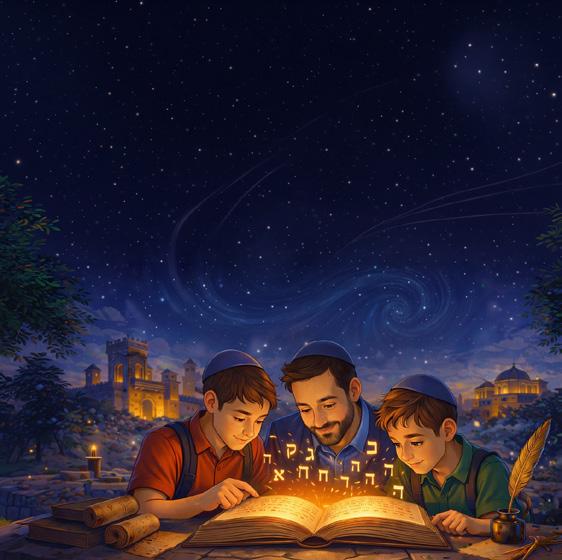
In Parsha News, reporter Avi Iceberg takes you on a fun and exciting adventure through each week’s Parsha - with breaking news, surprise interviews, and awesome lessons that help you grow in Torah and Mitsvos. It’s the Parsha like you’ve never heard it before!

Meet Izzy - a spirited 7-year-old with a big heart and even bigger ideas! In Izzy Inspired, kids will discover the joy of Emunah, Tefillah, Chizuk, and more through fun, uplifting messages that help them grow in their Yiddishkeit every day.
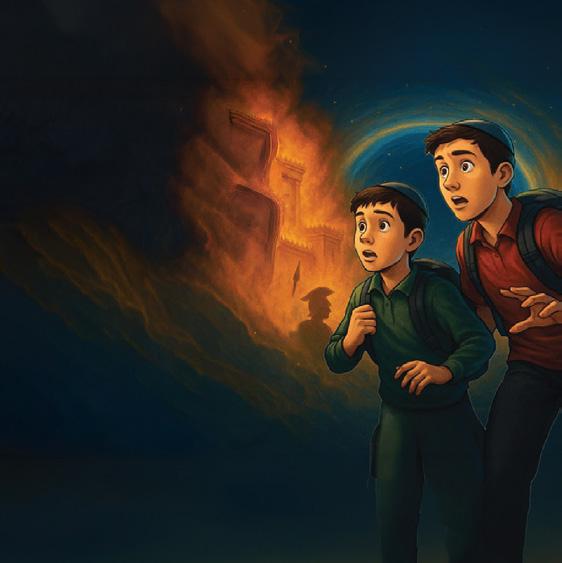
Join Shimmy and Ruby as they travel through time on an epic mission to help rebuild the Beis HaMikdash! With their mysterious attic time machine, they explore moments in history and learn powerful lessons from the teachings of the Chofetz Chaim—showing how our words can bring us closer to Geulah.




Join Akiva Iceberg, together with Shimmy and Ruby, as they explore the world of Mishnayos. Each Mishna is explained in a clear and engaging way, helping kids understand the meaning and why it matters— making learning enjoyable and easy to follow.
mixed congregations. Surfside, just north of Miami Beach, has become a particularly concentrated hub of Orthodox Jewish life, with several shuls within easy walking distance and some of the strongest Jewish communal infrastructure in all of South Florida.
Pro tip for visitors: Always call ahead or check the shul’s website for Pesach davening times. Many shuls adjust their schedules for the chag, especially given the threeday Yom Tov this year.
Chol HaMoed in South Florida is not a time to sit indoors. The weather in early April is at its most magnificent — warm and sunny, with low humidity and gentle breezes. Get outside. Here are the best options for a memorable Chol HaMoed adventure:
The Everglades & Airboat Rides — No Chol HaMoed in South Florida is complete without at least one airboat ride through the River of Grass. Sawgrass Recreation Park in Weston takes you deep into the Everglades for thrilling airboat tours, wildlife exhibits, and even encounters with baby alligators. This is Florida at its most elemental and extraordinary.
Lion Country Safari (near West Palm Beach) — Named one of the top ten safari parks in the United States, Lion Country Safari offers a drive-through wildlife experience unlike anything else in the region:
giraffes, zebras, white rhinos, and more roaming in open habitats. There’s also a splash pad, rides, and a petting zoo. The location puts you conveniently close to Boca Raton’s kosher corridor for lunch or dinner afterward.
The Frost Science Museum (Miami) — A world-class science and natural history museum with an extraordinary planetarium and a stunning aquarium, the Frost Museum is ideal for families with intellectually curious children who need something more than poolside lounging. The permanent exhibits alone justify the admission price.
of Discovery and Science (Fort Lauderdale) —
With an IMAX theater, handson science exhibits, and an Everglades ecosystem display, this Fort Lauderdale institution is both educational and entertaining. Combine it with a walk along Las Olas Boulevard or a Las Olas Gondola Tour through Fort Lauderdale’s famous canal network for a full Chol HaMoed day.
South Florida Beaches — This one almost doesn’t need to be said, but: the beach. Miami Beach’s wide, white-sand oceanfront is one of the most beautiful urban beaches in the world. Hollywood Beach, with its famous Broadwalk, is gentler and more family-friendly than South Beach. Sunny Isles Beach is calm, beautiful, and surrounded by Jewish community infrastructure. Pick your spot, bring your Pesach snacks, and let the Atlantic do the rest.
Butterfly World (Coconut Creek) — Home to thousands of free-flying butterflies, exotic birds, and lush flower gardens, Butterfly World is a peaceful, gorgeous
escape that works equally well for toddlers, grandparents, and everyone in between.
Flamingo Gardens (Davie) — A serene botanical garden and wildlife sanctuary where peacocks wander freely among the guests and flamingos strut along the pathways. A beautiful, unhurried way to spend a Chol HaMoed afternoon.
Aventura Mall — For those who consider retail therapy a legitimate Chol HaMoed activity (and who are we to judge?), Aventura Mall is one of the largest and most impressive shopping centers in the United States, with over 300 stores and a spectacular rooftop art installation. Located in the heart of Aventura’s Jewish community, it couldn’t be more conveniently situated.
Understand the eruv situation. Boca Raton has an established and well-maintained eruv serving the central Orthodox community. Aventura, Miami Beach, and Surfside also have community eruvim. Always verify with the local rav or shul before relying on any eruv, especially during the holiday.
Check kashrus certification carefully — especially for Pesach. South Florida has a robust kashrus infrastructure, with the Orthodox Rabbinical Board of Broward and Palm Beach Counties (ORB) and Kosher Miami (KM) serving as the primary certifying agencies. That said, kosher year-round is not the same as kosher l’Pesach. For any restaurant, catering, or prepared food during the chag,

always verify that it carries specific Pesach certification, and when in doubt, ask. ORBKosher. com and KosherMiami.org maintain up-to-date directories. Sites like YeahThatsKosher.com and the Instagram account @ miamifoodyenta are among the most reliable real-time resources for what’s open and certified during Chol HaMoed.
Perhaps the greatest gift of spending Pesach in South Florida — particularly for those coming from smaller communities — is the sheer vibrancy of Jewish life here. Davening in a shul of hundreds,
walking Shabbos-afternoon streets filled with families in their Yom Tov best, hearing Hebrew and Yiddish and Ladino in the aisles of the kosher supermarket:
The Haggadah teaches us that in every generation, each person is obligated to see themselves as if they personally left Egypt. This Pesach, whether you’re celebrating in Boca Raton two blocks from the shuls, in a Surfside apartment steps from the ocean, or anywhere in between across this magnificent stretch of Jewish South Florida — the story is the same, and it is yours.
The sun is warm. The matzah
is baked. The Jewish people are together.
Chag Pesach kasher v’sameach — may your Pesach be kosher, and may it be a source of simcha for your entire mishpacha.

In an exclusive interview, released hostage Yosef Chaim Ohana talks about 738 days in Hamas captivity, keeping his neshama intact, and what it really means to come home
He keeps the uniform. The one he was wearing on the day he was released — creased, worn, carrying two years of the underground on it. He keeps the certificate too, the one Hamas handed him before the Red Cross transfer. “It was hardearned,” he says simply, when asked why.
Yosef Chaim Ohana, 25, was kidnapped from the Nova music festival on October 7, 2023. A former Givati Brigade commander working that night as a bartender, he stayed behind to help evacuate the wounded when the attack began — and was taken into Gaza at gunpoint before 9 a.m. He was held for 738 days, spending much of that time in tunnels deep beneath the earth, before being released on October 13, 2025 — Hoshana Rabbah — as one of the last twenty living hostages to come home.
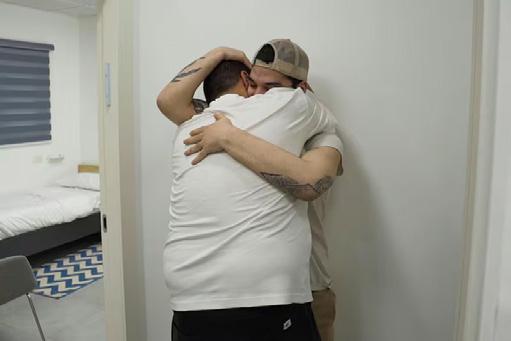
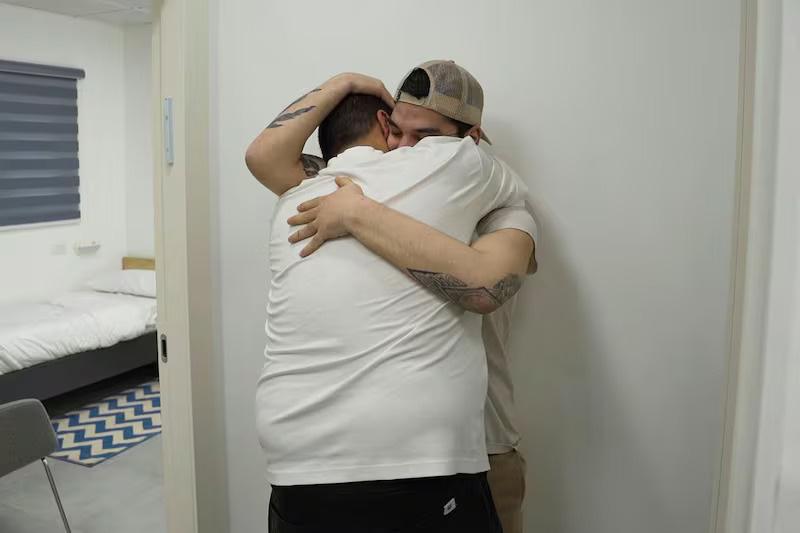
His father, Avraham, had bought a lulav and etrog before the chag, holding onto the hope that his son might return in time to use it. He did. In a video seen around the world, Avraham set down the lulav and ran to embrace his son for the first time in two years.
In a wide-ranging exclusive conversation since his release — honest, raw, and at moments quietly shattering — Yosef Chaim spoke about what happened in the tunnels, how he held himself together, and what nobody tells you about freedom.
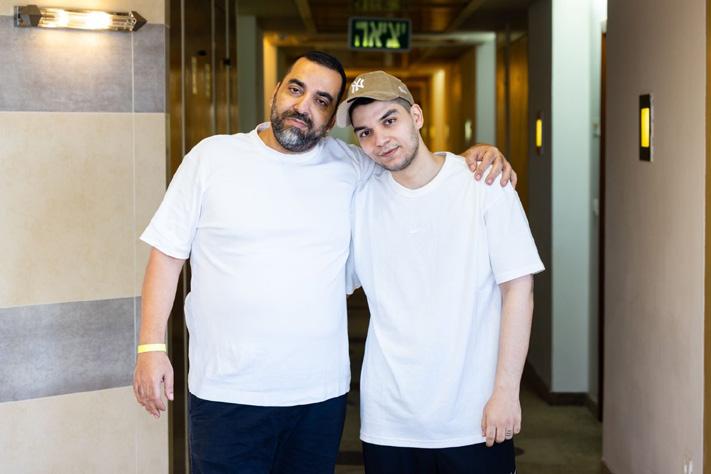
October 7: “I Ran Left. He Ran Right.”
Take us back to that morning. You were working the festival. When did you understand what was happening?
“At 6:30 a.m. the music stopped. Rockets. And then suddenly everything — the rhythm changed in an instant. People who were dancing became people running. Laughter turned into screaming. In one second, the whole world flipped.
“We found an ambulance on the road that had been hit. Everyone inside was dead. We took all the medical equipment out, loaded it into a smaller car, and tried to drive — to help the wounded, to get people out. We ended up in the
middle of a gun battle. A terrorist with an RPG spotted us. My friend ran to the right. I ran to the left.”
And that was it.
“That was it. By 8:45 in the morning my hands were bound and I was already inside Gaza. They paraded me through the streets. There was a mob — people clapping, cheering. Children, four or five years old, hitting me. Everyone is celebrating.”
He says it without drama. The flatness of the delivery makes it land harder.
Into the Tunnels: “Twenty Concrete Slabs. That Was Our World.”
Walk us through what captivity actually looked like,
Just hours before everything changed, it was supposed to be a celebration.
On October 7, 23-year-old Daniel Sharabi arrived at the Supernova music festival near Re’im with dozens of friends. It was meant to be a going-away party before his scheduled departure to the United States, where he was set to begin a pilot training course on October 11.
Among those with him were his younger brother Neriya, his cousin Shalev, and his closest friend, Yosef Chaim Ohana — a bond forged through years together in boarding school and army service. They were also joined by friends from Brazil, people Sharabi had met during a gap year while attending the Universo Paralello psytrance festival — the very group behind the Nova event.
They arrived just after midnight, following a festive Simchat Torah meal with family. The atmosphere was electric.
“It was perfect — large, wild, and free,” Sharabi recalls. “We danced until the morning.”
A video from that morning shows the scene: music pulsing, friends laughing, a crowd moving as one. Someone shouts, “The best of friends!” The caption reads, “Vehakol Tov” — and everything is good.
The timestamp: 6:29 a.m.
One minute later, everything stopped.
“At 6:30, the music cut,” Sharabi says. “We looked up and saw rockets — so many rockets. Hundreds. People didn’t even understand what was happening. Someone said, ‘Relax, go dance.’ That’s what these parties are — peace, love, joy.”
But the joy was over.
As panic spread, Sharabi and his friends began to leave. When a young woman nearby suffered a panic attack, Sharabi and Yosef Chaim Ohana — both trained medics from their service in the Givati Brigade — stayed behind to help. Meanwhile, his brother and cousin went to retrieve their car.
What followed were moments that would define the rest of his life.
Sharabi and Yosef Chaim Ohana helped carry the wounded. They
regrouped briefly with friends, some still unaware of the danger, lying on the ground waiting for the crowds to clear.
In a surreal moment, Sharabi even ran to grab leftover food.
“I saw they were throwing out hot dogs,” he says. “So Yosef Chaim Ohana and I went to get some.” When he returned, a friend laughed, “Only you would get food while the sky is exploding.”
It was the last time he saw her.
Confusion quickly turned into terror. Reports of gunfire began circulating. Still, Sharabi says, he didn’t immediately understand.
“I had served in Gaza. I didn’t think terrorists would come from there.”
But they had.
The two friends continued helping the injured until they reached a field filled with abandoned cars. That’s where everything changed.
“I saw Yosef Chaim Ohana stand up behind a car,” Sharabi recalls. “He popped up — and then went down. He was hit.”
The next time he saw him was in a Hamas video, confirming his abduction.
Separated from his closest friend, Sharabi ran alongside his brother, weaving through open ground under fire.
“I saw people dying next to me,” he says quietly. “There was one girl… I wanted to pick her up, but
physically. Most people have no idea.
“The first eight months I was in a building in northern Gaza. Then the IDF pushed further in, and they moved us underground. A room — if you can call it that — the size of two army cots. Meter and a half by four meters. Six grown men. No windows, no light except what the guards brought. No radio, no TV, no contact with anyone. Just us, our heads, and each other.”
He pauses.
“Twenty concrete slabs surrounding you. That’s all you see. That’s the whole world.”
Six people in a space that small — for months. What does that do to people?
“Think about the Big Brother reality show — a few people locked together in a villa with a swimming pool. You’ve seen how they behave after two months. Now take away the villa, the swimming pool, the food, the light. Put six people together who have nothing in common — one guy from a kibbutz, one in his fifties, one in his thirties. All completely different. And you’re starving. Real hunger. Not ‘I skipped lunch’ hunger. The kind where you feel like you’re dissolving.
“We counted the drops of soup in the bowl before we divided it between six people. Literally counted them. That’s what hunger does to a person. And still — you want to stay human. You want to take care of each other. But the tension, the mental anguish of that situation — I can’t fully explain it. It was its own kind of torture.”
People ask what was the hardest thing. What was it?
“The uncertainty. Not the pain — the not knowing. You can’t build
anything in your mind, you can’t plan, you can’t even dream about the future, because maybe there is no future. You learn — you are forced to learn — to live completely in the present. In this breath. This second. Nothing else.”
Were you physically tortured?
“Almost every day they came to beat us. When we started seeing flashlights approaching in the dark, everyone had a panic attack — do I stand? Do I sit? Who goes first? Afterward we would compare our bruises to see who had gotten the worst of it. There was something darkly funny about it. Gallows humor. You survive however you can.
“But there was one day that changed something inside me permanently. Two guards came in with blindfolds. They tied our hands, threw us to the floor, kicked us, spat on us, then hung us by our feet from a hook in the ceiling. One of them — he spoke a little Hebrew — said: now you’ll understand what you deserve. He picked up a heavy cable and started whipping.”
He is quiet for a moment.
“Every stroke — you feel it through your whole body, all the way up to your head. I was screaming inside. But something else was also happening.”
What?
“Inside, I was smiling. I didn’t show it — I couldn’t show it. But I was smiling. Because when the first blow hit my feet, at that exact second I was absolutely certain he was about to either break my feet or kill me. That’s what I was sure of. And then I realized — he’s only whipping me. He doesn’t want to
actually break anything. And I understood, in that moment, that the uncertainty had been worse than the pain. Not knowing was worse than the worst thing.
“From that day, I built my whole approach around one idea: live only in this moment. Whatever is happening right now — that is your life. Not what might happen tomorrow. Not what might have been. This. Right here.”
How do you actually do that, in practice?
“If I wanted the taste of real pizza — and we talked about food constantly, all of us, every food that exists in the world — I didn’t let myself dream about the pizza I would eat when I got free. I took the dry, terrible food they gave us and I trained myself to taste it, to appreciate that it existed, that I was alive to eat it. This is what I have right now. And it’s life.”
Three Words, and the War for His Neshama
There was also a psychological war happening. They weren’t just trying to break your body.
“That’s the more serious part. Their goal — and they believe this completely — is to bring the entire world into their version of Islam. That’s the mission. And they worked on us. Dozens of captors, rotating in shifts, every single day for two years. Lectures, pressure, propaganda, attempts to convert us. In regular life, when someone tries to change your worldview, you go home to your family, your friends, your community — people who share your values and remind you of who you are. We had no one. Only each other, and their voices.”
How did you hold on to yourself?
I saw the bullet in her neck. I knew there was nothing I could do.”
They kept running.
Eventually, they reached an abandoned tank about 500 meters from the festival grounds and climbed inside. In a moment that feels almost unimaginable, Sharabi called his grandfather — a former tank driver.
“I said, ‘Saba, how do you operate a tank?’”
The call was cut off.
What followed was six to seven hours of survival and resistance. With guidance from his former army commander over the phone, Sharabi and others created a defensive position — firing intermittently, tending to the wounded, and trying to hold off attackers.
At one point, a police vehicle approached — and was immediately struck by an RPG. Sharabi was wounded by shrapnel.
Groups of survivors emerged from nearby forests, running toward them under fire.
“Thirty people came out,” he says. “Only one made it to us.”
Hours later, rescue finally arrived. His former commander reached the scene with additional forces, helping evacuate over 100 people.
Sharabi, his brother, and his cousin were taken to safety — first to a police station in Ofakim, then to Soroka Medical Center for treatment.
The road there, he says, was
lined with bodies.
Back home, the emotional aftermath set in.
“It was hard,” he says. “Panic attacks. Seeing everything again.”
Today, Sharabi copes with that trauma by speaking. By sharing. By traveling and raising funds to support Nova survivors and others affected by the attacks.
His brother survived. His cousin survived.
Yosef Chaim Ohana was released from captivity after 738 days.
Does he feel lucky?
“Lucky? Not really,” he says after a pause. “I feel thankful to God that He gave me the opportunity to fix things.”


“I made a decision. I took three values — ahavah, shalom, and rachamim. Love, peace, and compassion. And I said to myself: this is who I am. No matter where I am — in a tunnel in Gaza, in America, anywhere — these three things are me. You cannot take them. They are not negotiable.
“Every time a captor came to pressure me, I didn’t argue. I didn’t debate. I just came back to those three words internally and held on. I learned something after two years of this: one truth defeats a million lies. But you have to actually believe it is the truth. You have to hold it.”
Your family is religious. What happened to your relationship with Hashem in there?
“I came from a religious home. I wasn’t fully observant at the time I was taken. But when I was kidnapped — automatically, instinctively — I started talking to Hashem. Thanking Him. For the piece of bread. For the terrible cheese that was barely edible. For being alive today.
“I noticed something. In the most painful moments, when there was literally a gun on my head, I leaned on no one — not the state, not anything — only on God. And I started asking myself: is Hashem asking something of me here?
“But I didn’t make deals. I refused to say: ‘Save me and I’ll become religious.’ That felt cheap to me. Empty. I thought — I want to come to Hashem from love, not from fear. The Ribbono Shel Olam created us and taught us what is good. He gave us the bechirah. So I chose: I will always choose good. No matter what. No matter where. Every mitzvah I do now comes from that place, from love —
because I feel it’s right, not because a gun was pointed at my head.”
Did you observe anything in captivity?
“Small things that meant everything. Every Friday in the tunnel — every single Shabbos — I sang Shalom Aleichem. Quietly, to myself. Welcoming the malachei hashalom who I believed had watched over me and my family all week. I knew that at that exact moment, my family was singing the same words in our home. I was buried underground, but I was still part of Am Yisrael. I was not alone. I was not cut off.”
He stops, then adds something almost as an afterthought.
“One of the guards once threw his boot at my face. I managed to turn just in time — it hit me near the temple. Hard. He left. And I looked at the wall and saw that the imprint of the boot sole had left the shape of half a heart in the dust. Later, when they gave me a small piece of cloth, I completed the heart. I drew flowers next to it. If love doesn’t exist here, I will
create it. I will find beauty even in this place. That was how I stayed myself.”
The moment of release — what was that like?
“A Red Cross vehicle pulls up. A young woman gets in and starts speaking to us — in English. After nearly two years of hearing only Arabic, we genuinely didn’t know what language she was speaking. Then she says: ‘You’re in a safe vehicle. Now I’m going to show you where the water is. I’m going to close the door.’ And I’m thinking — why is opening the door to me?
“It made us laugh. And cry. At the same time. One person was laughing, one was in shock, one was completely silent. Each of us is somewhere different.”
You drove through Gaza in daylight for the first time in almost two years.
“Civilians on the street — they recognized us. They surged toward the vehicle. The driver ran a red



light, shaking. He was terrified. I actually felt bad for him. And I thought — for two years I only went outside at night, only in darkness. Suddenly there was daylight. And streets. And people.
“And then we crossed over, and I saw IDF soldiers — four or eight of them — standing on a ridge at the first Israeli position. In full gear. Standing proud. Happy. For two years, the only thing I heard about soldiers was that they were being killed, wounded, destroyed. Suddenly I saw them standing there with dignity, smiling because we were coming back. That image — I will never forget it.”
And then your family.
“Station after station, more and more people, more warmth. Even the army psychologist assigned to me — he was more of a wreck than I was. I had to calm him down.
“A hot shower. The first one in two years — clean water, not saltwater. A bed. And then someone tells me: your family is nearby.
“And in that moment — I had forgotten. For two years, they were everything to me. I thought about them constantly, I cried for them, they were my lifeline. And then, in the chaos of coming home, I had a moment where I simply forgot I had a family. When they told me they were right outside, I was shocked by myself.”
He is quiet.
“My father walked in. You have to understand — we had already suffered a terrible loss before October 7. My brother passed away from a serious illness years earlier. My father used to say to me: if anything ever happens to you, I won’t survive it. And I did survive. And he ran to me.
“I held him. I said what I had prepared to say — that I’m okay, that I’m strong, that this is behind me. But inside there was this enormous emotional disconnection. I said the words. I meant them. But I couldn’t cry.”
Can you cry now?
“The only times I’ve cried since coming home are when I see someone else’s simcha. Someone else’s joy. Someone else having a happy moment. For my own pain, for my own parents — I can’t open it yet. Two years of complete emotional shutdown. That doesn’t open in a day. Or maybe in a year. I don’t know when.”
What was hardest about reintegration that nobody warned you about?
“I had a plan. Six months alone — sit at a bar, have a coffee, walk the city, breathe. Nobody needs to know who I am. I’ll just be a person again.” He laughs. “And then you come out and the whole country — the whole world — knows your name.
“I feel like an actor in a movie. Friends come, they embrace me, they cry, they’re overcome — and I’m standing there thinking: how is all this good happening to me? I didn’t dream about any of this, because my strategy for surviving was exactly that — don’t dream about the future. Just be in this moment. So now all this good is happening, and I genuinely cannot process it.”
There’s also the practical reality — your health, your finances, reintegrating into normal life.
“I still haven’t had a scan of
my back. I’ve needed one for months. To get it, I need to make an appointment, wait two or three weeks, then somehow be at a clinic in Ramat Gan at eight in the morning. I can’t do it. I’m not lazy — I’m genuinely, deeply exhausted in a way that’s hard to describe. I’m overwhelmed constantly. I’m juggling things that are not easy. Why doesn’t someone come to me? Why do I have to climb this mountain just to access what the state is theoretically providing?
“The help exists on paper. It is genuinely hard to reach. There are hostages and survivors who need everything the state wants to give them — and they simply cannot get to it. That gap has to be closed.”
You and your fellow hostages apparently made a pact about this — about not wanting to be pitied.
“In the tunnels we talked about it. If we make it out — we are not going to be objects of pity. We are not going to live as ‘the poor hostages.’ We are going to be okay. Better than okay. We decided that.
“It has helped me. But I also recognize it has made it harder to receive help, to open up, to let people in. I’m working on that. Slowly, I’m learning that receiving — when it comes from love — is not weakness.”
Daniel, the Amutah, and the Real Victory
Tell us about reuniting with Daniel Sharabi — your closest friend, who spent two years fighting for your release.
“Daniel is my best friend. He was at Nova with me that morning. After October 7, he and his brother Neria built something extraordinary — the Organization

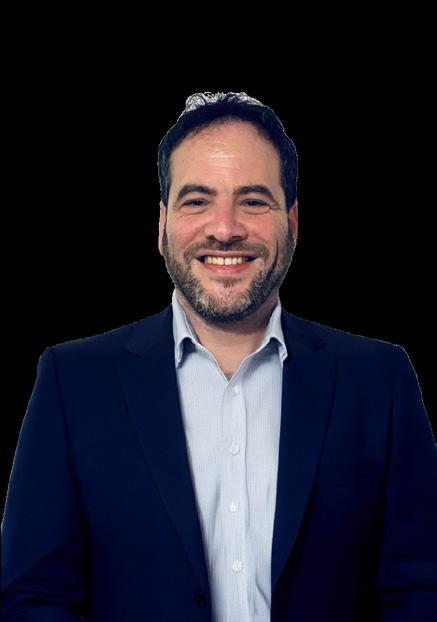
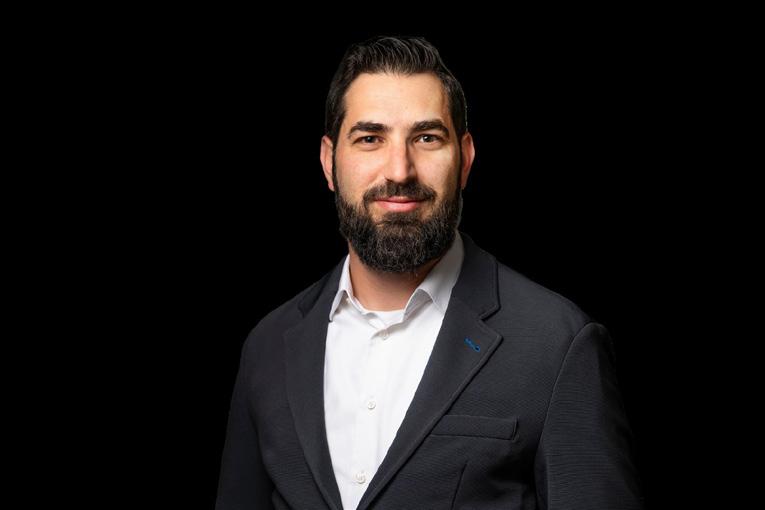

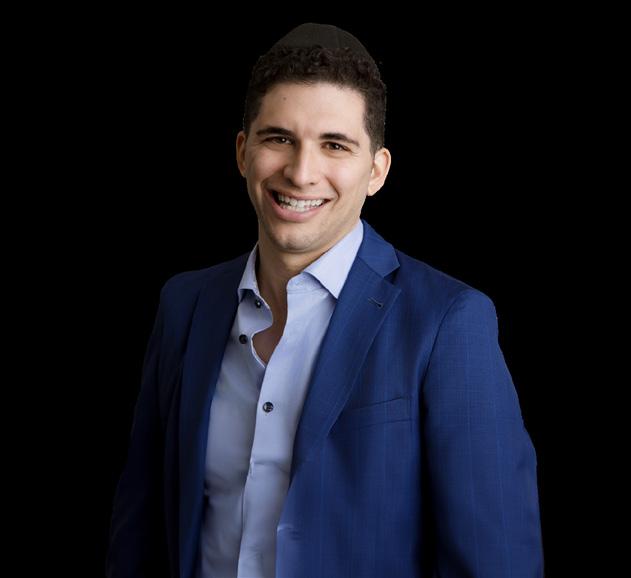


for the Survivors and Wounded, an organization dedicated to the thousands of Nova survivors who are struggling, falling through the cracks, not getting the support they need. Psychological counseling, financial help, educational programs, a resilience center in Petah Tikvah — Chanukah parties, gym memberships, just being there. They’ve helped more than 2,500 people.
“When I saw what he built — within the first few sentences of seeing him — I said: I want to be part of this. I don’t even know what my role will be. But I want in.”
Why did that feel so important so quickly?
“Look at the choice we made

on October 7 — we didn’t run, we looked for who we could help. Who needs us? That was the question. Daniel made the same choice again, every single day for two years, while I was underground. He didn’t say ‘I’m a survivor, I need to take care of myself.’ He looked at thousands of other survivors and said: I am responsible for them. He built something out of helplessness and grief.
“That is the proof. That is proof that they didn’t change us. We are the same people we were before. That is the victory — not the release, not the survival. The victory is that we are still the same.”
What does a ‘successful’
rehabilitation look like to you? How will you know?
“If I still want to live in Eretz Yisrael — they haven’t won. If I still believe in Am Yisrael — they haven’t won. If I still dream of having a home there, of building something there — they haven’t won. All the terrible things they told me, all the propaganda, all the lies about our people, about our right to exist — if I still believe in spite of all of it? That is victory.
“They can kidnap a body. They cannot kidnap a neshama — not if you hold it tightly enough.”



TEL AVIV, Israel – As Passover approaches, 118 bereaved families of Israel’s fallen soldiers are receiving critical financial support through Friends of the Israel Defense Forces’ (FIDF) After the Shiva program.
More than $430,000 is being distributed ahead of the holiday to assist families with ongoing financial needs, along with holiday shopping gift cards, personalized gifts, and herb plants to help families prepare for and observe Passover. The initiative is part of FIDF’s broader $10.3 million commitment in 2026 to care for bereaved families. It provides meaningful assistance during a holiday centered on family and tradition, helping ease both financial strain and emotional hardship.
Launched at the request of the IDF’s Casualties Department to provide an extra level of support to bereaved families during holidays, FIDF designed the After the Shiva program to help families rebuild their lives after their loss with both financial support and the strength of community behind them. While communities rally around families during the traditional seven-day mourning period, known as shiva, the months and years that follow often bring significant emotional and financial challenges.
Bereaved families in financial need are identified and connected to FIDF through IDF casualty assistance officers, ensuring support reaches those most affected. The program provides
three levels of funding based on each family’s circumstances, with assistance distributed over a three-year period to address both immediate and long-term needs. Families who lost a soldier or reservist who was the primary breadwinner are prioritized.
The program pairs U.S.based FIDF supporters with the bereaved families, fostering personal relationships that extend beyond financial assistance. Through ongoing communication, holiday outreach, and acts of remembrance, bereaved families receive consistent support in the years following their loss.
The Passover distribution marks a significant seasonal effort, ensuring families can approach the holiday with dignity and support
even in the face of profound loss.
“Supporting bereaved families is a sacred responsibility that reflects the deep bond between Israel’s supporters around the world and those who have made the greatest sacrifice on behalf of the State of Israel,” said FIDF CEO Maj. Gen. (Res.) Nadav Padan. “Through programs like After the Shiva, we are committed to standing by these families not only in the immediate aftermath of their loss, but throughout the long journey of rebuilding their lives with care, dignity and unwavering support.”
“For many bereaved families, the holidays are especially difficult. They are not only grieving the loss of a loved one but also facing added holiday expenses. Our hope is that our After The Shiva program will

ease some of this burden and help them celebrate Passover more fully,” he added.
FIDF organizes every aspect of the After The Shiva program, from carefully matching donors with families based on shared backgrounds and values to facilitating ongoing communication through video calls, messages and holiday outreach. The organization also coordinates support throughout the year, including birthdays and memorial anniversaries, ensuring continued care and connection.
Friends of the Israel Defense Forces (FIDF) is a 501(c)(3) notfor-profit organization dedicated
to honoring and supporting the brave men and women of the IDF who risk everything to protect the State of Israel and the Jewish people. While the mission of the IDF’s heroes is to look after Israel, defending its people, borders and freedom, FIDF’s mission is to look after them. FIDF provides life-changing support through education, financial aid, bereavement programs, mental health services and more, ensuring that every soldier, veteran and bereaved family knows they are not alone. Through global partnerships and unwavering commitment, FIDF stands as a pillar of strength for those who sacrifice so much in

service to the Jewish homeland. For more information visit: https://www.fidf.org/

By Sivan Rahav Meir
Invisible Fighters
I recently participated in a Zoom meeting led by the Puah Institute for over 80 couples who are in the midst of fertility treatments. It left me shaken.
Who even thinks about this segment of the population? Many treatments are being canceled because of the war, and all they hear around them is the “national complaint” about children being sent on an early Passover break.
I asked them what they wanted to convey to Israeli society as a whole. Here are a few comments from the chat contributed by different participants:
We’re not in uniform. No one stops us on the street to call us a “lion” or a “lioness,” and no one is handing us free falafel. But we are fighters too. Our struggle, our determination to bring children into the world — for me, that is our answer to our enemies.
For me, bringing children into the world now, during wartime, is like those Israelis who board rescue flights back to Israel while missiles are falling. I feel that this is my mission.
I live in a close-knit community where everyone cooks for women after childbirth, and of course, for the wives of reservists. Has anyone ever cooked for a woman undergoing fertility treatments? The community assumes that because we don’t have children, we can always take on any task, because of course we must have
free time. People have no idea that we’ve just come home from a complicated fertility treatment.
People label us “a childless couple” as if that is our whole identity. But we are defined by many other facets, and we bring a great deal of blessing into the world in other ways. We wish people would interact with us in a friendly, natural, human way. Some don’t think twice about asking prying questions, and we don’t always feel comfortable sharing. In general, unless you are a professor in reproductive medicine, please don’t give us advice. We are already deep inside the story. Talk to us about something else, especially at the Seder table, where once again, this year, we will arrive without children of our own.
How much more sensitivity we need to bring to our conversations, always — and especially in days like these. Let’s try and think which other groups are “invisible” right now; what other issues have been pushed a little to the side, and need to be remembered too.
At the end of the Zoom, after asking them what they need from us, I told them that we learn so much from them: about faith, about longing, about patience. About the inner strength required when we are in the middle of a long process, just like the entire Jewish people right now. And about waiting, at the end of the road, for good news.
The Work Before Light
The Rebbe, Rabbi Aharon
Roth, once recounted that during one month of Nisan, he chose to devote himself mainly to the spiritual preparations for Pesach. He remained secluded in his study and took almost no part in the many practical tasks that precede the holiday. Years later, he said that at the Seder that year he felt almost no spiritual uplift. From this, he learned that without the physical labor before the holiday, one cannot merit the great light that is revealed on Seder night.
Pure Pesach
Here is a message from Israel to the Jewish world:
When we are trying to cope with so many challenges, how can we possibly get ready for Pesach?
I heard a very smart way of thinking about Pesach this year: It will be Pesach distilled to its essence — focused, authentic, and fulfilling.
It’s worth focusing on Pesach’s main points, studying the mitzvot of the holiday, and learning what Jewish law requires of us regarding the removal of chametz. Of course, we should also try to support others, financially or emotionally, with their own Pesach preparations, but without taking on other projects that aren’t essential in our current circumstances. We shouldn’t take on unnecessary expenses or other projects that add more stress to an already stressful time.
On the other hand, we shouldn’t think of this as a miserable Pesach that we are forced to keep under













trying circumstances. (We aren’t dealing with a worldwide epidemic as we were six years ago during Covid!) This time it’s a Jewish story: about our identity, our essence, and our faith. We’re facing an evil enemy who for decades has been waking up every morning intent on destroying us.
Think about all the hostages who have returned from captivity and who will be eating matzah, the bread of liberation, as free people. Think of the pilots who succeeded in eliminating those who “in each generation rise up against us to destroy us,” sitting down at their own Seder tables. This year, Pesach will be a another chapter from
the Haggadah story. While our physical circumstances may be challenging, our spiritual Pesach will be on a completely new level. Pesach this year might be more modest than usual, but it will also be much more meaningful.
May we all have an authentic, meaningful, kosher and happy Pesach!
The Power of Seder Night Rabbi Shimshon Pincus zt”l taught several points about the great power of Seder night:
On this holy night, there is enormous significance to our smallest actions. Even if we don’t feel any change, on this night each person is given strength that he

didn’t have before.
On Seder night, God Himself intervenes in history and tells the Jewish people: “I am right here by your side. Whatever befalls you has a deeper purpose and is part of a larger plan.”
On the following morning, we should wake up feeling as if our souls have been cleansed. The Seder is not merely about matzot, maror and wine…it is a revolution; we wake up as new people.






When a family hears a doctor utter the words no one expects, everything changes in an instant. The routines, the normalcy, and the sense of control give way to a world of hospital visits, uncertainty, and overwhelming emotion. In these moments, Chai Lifeline Southeast becomes more than a support system. It becomes a steady, compassionate presence. At the center of that support are the case managers, who serve as a true lifeline for families navigating serious illness.
Case managers are the first point of contact after a diagnosis, stepping in during times of crisis with both sensitivity and clarity. They do far more than coordinate services. They build relationships, anticipate needs, and walk hand in hand with families through every stage of their journey. It is through
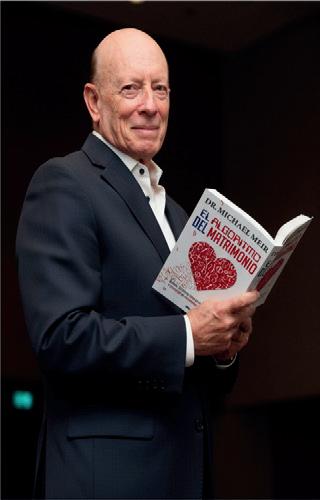
these relationships that every program, every resource, and every layer of support becomes meaningful and accessible.
“At Chai Lifeline Southeast, I help families navigate the overwhelming road of serious illness, making sure they have access to every program, every resource, and the unwavering support that reminds them they are never alone,” shares Henni Halberstam, Case Manager Supervisor. “In my role, I walk alongside families throughout their medical journey. Sometimes that means filling a hospital room with volunteers, music, laughter, and gifts, bringing light and joy to a space that can feel heavy and isolating. Other times, it means guiding parents through the delicate conversations that illness brings and helping them
support their child while also caring for siblings and the entire family. Through every step, we are there to ensure families feel supported, understood, and never alone.”
Beyond connecting families to resources, case managers shape the entire support system around them. They guide schools, communities, friends, and extended networks so families are supported with understanding and compassion.
At the heart of the role is presence. Case managers are there; in hospitals, in homes, and in the quiet in between moments that often go unseen. They bring consistency during chaos and reassurance during uncertainty.
As Devorah Grusd, Case Manager, explains “The most meaningful part of my role is being a steady, compassionate presence during a family’s most vulnerable moments, whether sitting with them in the hospital, guiding parents through difficult conversations, or simply checking in, they know they are not alone.”
Through programs like Big Siblings, the Freezer Program, Parent Support Groups, Family Holiday Events, Insurance Guidance, iShine Afterschool Programs, and Camp Simcha, case managers ensure that every member of the family is supported both practically and emotionally. These programs are powerful, but it is the relationships behind them that bring them to life.

“Our case managers are truly the heart of Chai Lifeline,” according to Esther Leah Sandhaus, Director of Chai Lifeline Southeast, “They understand what a family is going through on the deepest level and often recognize needs before they
are even expressed. Without them, the support we provide would not be possible in the same way.”
For many families, that impact is immediate and profound.
For one local family, Chai Lifeline Southeast made all the difference. “I don’t know how we would have gotten through this past year without Chai Lifeline and our incredible case manager,” shares a local mom. “In one moment, our world fell apart, and we weren’t sure how we would be able to put one foot in front of the other. Then suddenly, in the middle of everything, our case manager just appeared at the hospital with a warm smile, thoughtful gifts, and a calming presence. It completely changed the atmosphere of the room. Since that day, she hasn’t just
helped us navigate our daughter’s illness, she has also continued to lift us up and keep us going.”
That moment, of someone showing up without being asked, of bringing light into an otherwise dark space, defines the work of a Chai Lifeline case manager. It is not only about responding to needs, but anticipating them and creating moments of relief, dignity, and even joy in the midst of uncertainty.
Whether coordinating meals, advocating through complex systems, supporting siblings, or simply being there to listen, case managers become a consistent source of strength that families can rely on.
At its core, Chai Lifeline Southeast is about ensuring that
no family faces illness alone. It is the case managers, through their compassion, dedication, and unwavering presence, who make that promise a reality every single day. Their work is often quiet and behind the scenes, but for the families they serve, its impact is immeasurable.
Chai Lifeline is an international organization providing social, emotional, and practical support to families facing illness, trauma, and loss. Locally, Chai Lifeline Southeast serves thousands of individuals across South Florida each year. To learn more, volunteer, or support their work, visit www. chailifeline.org/southeast or call 305-956-9990.

by Rabbi Moishe Kievman | Chabad Chayil
The eight-day festival of Passover is celebrated this year from sundown on Wednesday evening, April 1, 2026, until after nightfall on Thursday, April 9, 2026, with its highlight, the festive “Seder” dinners on the first 2 nights of the holiday. The festival of Passover commemorates the freedom of the Jewish nation from enslavement in Ancient Egypt, some 3338 years ago, in 1313 BCE. After many decades of slavery to the Egyptian pharaohs, G-d sent Moses to Pharaoh with a message to: “Let My People Go.” When Moses’ warnings were dismissed, G-d sent upon Egypt ten plagues, the last one being the killing of the Egyptian firstborn while “passing over” the Jewish homes—hence the name of the holiday.
To commemorate the unleavened bread that we ate when we left Egypt, we don’t eat— or even retain in our possession— any leavened grains known as chametz during the holiday. Chametz includes any food or drink that contains even a trace of wheat, barley, rye, oats, spelt or their derivatives, and which wasn’t guarded from leavening or fermentation. Instead, we eat matzah—flat unleavened bread, at least for the two Seder nights, when it’s a Mitzvah (biblical commandment).
Our Rabbis explain that chametz is symbolic of haughtiness and egotism - traits so harmful that
they are at the root of all negative traits. This is one of the reasons why even the most miniscule amount of chametz is forbiddenfor these negative traits must be completely nullified.
Few Jewish holidays evoke the same warm sentiments as Passover. Memories of family and friends gathered as the four cups of wine are poured, the four questions asked and the Matzah served, all contribute to Passover’s popularity in the Jewish community. Bringing the warmth and tradition of this festival to every major city in the world, Chabad is inviting all Jewish residents and visitors to participate
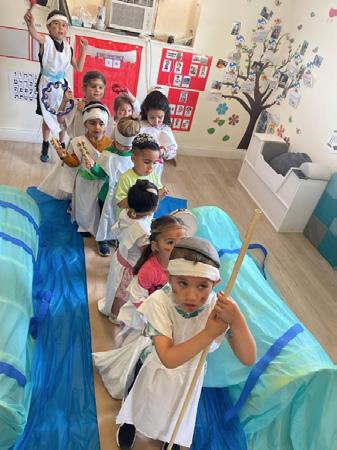
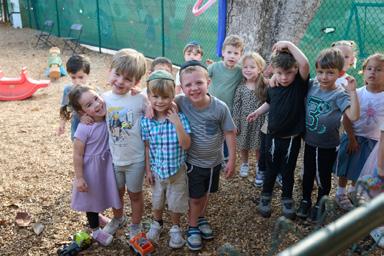
Photo: Children at Gan Chabad Preschool in West Aventura act out the Passover story. Credits: ChabadChayil.org/Preschool
in Community Seders to be held on April 1st and 2nd at locations throughout South Florida.
This year’s observance will be even more celebrated, as is always the case when there’s antisemitism. Since the attacks on Simchat Torah (Oct 7, 2004) in Israel and on college campuses around the world, more and more Jews who were for whatever reason not affiliated, started coming closer to their heritage and began celebrating more. When a Jew is attacked simply because they are Jewish, they want to know more about what it means to actually live like a Jew.
And after the remarks of Tucker Carlson and Candice Owen’s ysv’z, it’s now well established that there’s no better place to celebrate than Chabad.
The Passover Seder is a feast that includes reading the Haggada, drinking wine, telling stories, eating special foods, singing, and other Passover traditions. The central observance of Passover— eating matzah, the unleavened bread—will take center stage at the Seder, with handmade round shmurah matzah, “The RollsRoyce of matzah,” available to all.
The Seders take participants through the wondrous liberation of our ancestors from Egyptian bondage, while sharing the relevance and beauty of the ageold festival in our modern lives. Included in the Seder will be a

delectable catered dinner paired with a variety of fine imported wines and handmade round ‘Shmurah’ Matzah.
Passover is not simply a celebration of the historic liberation of an ancient people. Passover is about our own personal liberation – physically, emotionally and spiritually, a message that rings true this year perhaps more than ever before in our lifetimes as we still face the challenges of growing antisemitism. Passover inspires us to break free from the shackles restraining us from reaching new heights – in our lives, relationships and connection with G-d.
Chabad’s community seder is part of a global Passover campaign
that began in 1954, when The Rebbe launched the Shmurah Matzah initiative. This year, over 770,000 people will participate at Seders at over 4,500 Chabad Centers throughout the world and an estimated four million handbaked Shmurah Matzahs will be distributed.
We encourage you to contact your local Chabad or Synagogue to join the Seder nearest you. You are of course welcome to join my wife and I at our Seder in West Aventura, together with our family and community. To learn more about the holiday, order a readymade fully-prepared Seder plate, Shmura Matzah, RSVP for the seder or need help selling your Chametz, call (305) 770-1919 or

visit ChabadChayil.org/Passover, where you can also download for free a beautiful brand new Haggadah with easy to understand explanations.
About the author:
Rabbi Kievman together with his wife are the ambassadors of The Rebbe to Highland Lakes, FL. They are the founders of Gan Chabad Preschool, your local CTeen & CKids chapters, CHAP - an afterschool program for Jewish children in Public Schools and direct Chabad Chayil. He’s the rabbi at The Family Shul and can be reached at (305) 770-1919 or rabbi@ChabadChayil. org. You can also support the community with your partnership at ChabadChayil.org/Partner.





CHAIM RUSS EXECUTIVE DIRECTOR





Dr. Chaim Y. Botwinick March
24, 2026
As a child, my most favorite Yom Tov was chag Pesach.
I often wondered why I, my friends and classmates we are so intrigued and enthralled by the chag. Was it due to the dramatic story of yetziyat mizrayim? the vivid impact of the ten makot (plagues)? or, was it due to the super-natural splitting of the yam suf (the Red Sea)?
At the end of the day, it was probably all of the above as our thoughts and imagination were peaked through the careful reading of the Pesach Hagaddah and a variety of other sources in the Torah and in Torah commenters.
As we grew older and matured, we began to more fully understand and appreciate the profound significance of Pesach through a variety of historical, and traditional perspectives.
Today, we celebrate and observe Chag Pesach by participating in the Pesach Seder, observing the mitzvah and the obligation to eat matzah; and by consuming specific foods, while retelling the Exodus Story as B’nai Yisrael transitioned from avdut (slavery) to cherut (freedom).
Unfortunately, this year, Chag Pesach is overshadowed by an ever escalating two-front existential war between Israel and Iran (and Hezbollah to the north of Israel).
Where, when and how this war ends is a question of great concern. But, until, we witness less missile and drone attacks on Israeli population centers, we continue to prepare for Pesach with a full heart
and unabated.
This level of resilience, fortitude, will and determination is anchored in our bitachon and emunah. It is also embedded in our people’s DNA since time immemorial.
Friends, irrespective of the current matzav in Israel, the “wonderment” and “beauty” of Pesach, even during times of war overshadows our fear, distress and anxiety.
Throughout our history, Am Yisrael have learned how to cope with danger, adversity and hardship.
When viewing this war against a backdrop of celebrating chag Pesach and the historical reality of yetziyat mitzrayim, we are forced to remember that we have always paid a very heavy price for freedom and liberation. From the time we left mitzrayim as slaves until the time we entered Eretz Yisrael, we experienced trials and tribulations of unbelievable proportion and magnitude. But, we were always able to overcome these challenges through willpower and determination.
It is therefore no wonder that the “beauty” and “wonderment” of chag Pesach has remained with us since our youth for generations.
The great Kotsker Rebbe is reported to have said that the power and impact of Pesach is revealed in our ability to retell and recount the story of yetziyat mitrayim, as if we actually lived through the experience.
The power of storytelling especially on Pesach is also
emphasized by Rabbi Dr. Jonathan Saks who posited that telling over stories of the past is one of the most powerful and dominant forms of oral (historical) transmission; and that this transmission of events, customs and traditions has remained with us for generations and has kept us together as an Am Yisrael. In fact, it has kept us together as a people and as a nation.
Celebrating and observing Pesach during times of war, is a serious priority for our people.
I hope that I am wrong, but given the current matzav, I am fearful that this year, Israeli families will once again be conducting their sederim in a bomb shelters….not unlike the manner they celebrated Chag Purim.
It is so paradoxical to understand or comprehended how we can celebrate our cherut on Pesach while seeking protection in a mamad. Freedom and conducting a seder in a mamad while hearing the sounds of sirens is so difficult to reconcile.
But, in a very strange way, maybe, just maybe this harsh reality is what cherut (freedom) is all about – being free in an environment that does not exactly afford us full and complete freedom.
Why this should be the case is beyond our ability to understand.
As we observe and celebrate Pesach in diaspora Jewish communities, through all of its beauty and wonderment, we must

OUR DEVOTED STAFF:
be mindful of the millions of Jews in Israel who are or will be observing Pesach in the midst of an existential war.
This painful and agonizing reality in and of itself is one which I never would have thought would happen in my lifetime. To be sure, the indiscriminate missile and drone attacks on our people and the continued fear and distress every time a siren is heard are beyond daunting.
Yet, many of our brothers and sisters in Israel, irrespective of the war, will attend a Pesach seder and will fulfil the mitzvah of achilat matzah – even if it requires having a seder in a miklat or in a mamad.
This does not include the
thousands of IDF troops now moving into southern Lebanon who will have their sederim in army tents or on the battlefield.
This reality my friends is the deep price we pay for cherut this Pesach. It is the cherut which exemplifies our bitachon and commitment.
As acheinu in Israel observe ad celebrate Pesach 2026, we pray to HaShem that they will be protected and shielded from the ravages and negative impact of the war.
As our soldiers “roar like lions” on the battlefield, may they all be blessed with a speedy victory as we all look forward to Next Year in Yerushalayim.
Chag Kasher v’sameach!
About the Author:
Dr. Chaim Botwinick is a senior executive coach and an organizational consultant. He served as president and CEO of the central agency for Jewish education in Baltimore and Miami; in addition to head of school and principal for several Jewish day schools and yeshivot. As an Infuencer, he has published and lectured extensively on topics relating to education, resource development, strategic planning, and leadership development. Dr. Botwinick is co-founder of LEV Consulting Associates and is producer/ host of the Chinuch Horizons podcast series. He is author of Think Excellence, Brown Books, 2011.



E




By Jamie Geller

Ingredients
• 1 tablespoon olive oil
• 1/4 cup thinly sliced red bell pepper
• 1/4 cup thinly sliced zucchini
• 1/4 cup thinly sliced red onion
• 1 clove garlic chopped
• 1/4 teaspoon kosher salt plus a pinch
• 4 large eggs
• 1/4 cup potato starch
Instructions
1. Heat oil in a medium sauté pan over medium high heat. Sauté bell pepper, zucchini, onion, and garlic for 3 to 5 minutes or until softened. Season with salt and set aside.
2. In a medium bowl, whisk together eggs, potato starch, 2 tablespoons water, and a pinch of salt.
3. Grease an 8-inch nonstick skillet and heat over medium heat. Add about 2 tablespoons of batter to pan and quickly swirl around to evenly coat pan with a thin layer. Cook for 20 to 30 seconds or until set.
4. Using a spatula, flip crepe
over and cook for 10 to 15 seconds more. Place crepe on a sheet pan and continue with remaining batter until 10 crepes are made.
5. To serve, fold each crepe in half and then in half again to form a wedge. Place on a serving platter and evenly distribute vegetable filling on top of each crepe.
• 6-7 Medium Jalapeño Peppers
• 4 ounce Temp Tee Whipped Cream Cheese room temperature
• 1 tablespoon Cumin*
• 1 tablespoon Ground Pepper
• 1 teaspoon Salt
• 2 tablespoon Chopped Parsley
• 2/3 cup Mexican Blend Shredded Cheese
• 1 Egg
• 2/3 cup Crushed Barbecue Potato Chips
• 1/2 cup Almond Meal

Instructions
1. Preheat oven to 350°F.
2. Wash the peppers and halve them lengthwise. Remove the seeds and the membranes from the peppers.
3. In a small mixing bowl, stir together the cream cheese, the spices, the parsley and the shredded cheese.
4. In another bowl, beat an egg.
5. On a third plate, mix together the crushed potato chips and the almond flour. I recommend barbecue potato chips, but you could use any chips you have on hand.
6. Fill each pepper half with
the cream cheese mixture. Then roll in the egg wash and then roll in the bread crumbs.
7. Transfer each pepper half to a baking sheet sprayed with oil or covered in parchment paper.
8. Bake in oven for around 25 minutes. You will see the crumb mixture begin to brown.
9. Let cool a few minutes before eating.
10. Enjoy!
11. *If you don’t use Cumin on Passover it can be omitted.
By Jamie Geller

Ingredients
• 4 sheets of matzo any variety
• 2 ounces dark chocolate chopped fine or use chips
• 2 ounces white chocolate chopped fine or use chips
• 1/4 cup chopped toasted nuts pistachios and almonds work best
• 1/2 cup chopped dried fruit apricots, craisins
• other toppings of choice coconut flakes, flaked sea salt, orange zest
Instructions
1. Melt both types of chocolate in separate bowls over a double boiler or in the microwave heat it for 30 seconds, then stir and heat for another 30 seconds, if not melted, put it back for 10 seconds at at a time.
2. Spoon the chocolate over the matzo spreading with the back of the spoon until the full sheet is coated. Drizzle with the other colored chocolate.
3. Sprinkle with fruit and nuts and optional toppings.
4. Refrigerate until set, about 15 minutes. Break into
pieces and serve or store in refrigerator for up to one week.
5 MIN PREP TIME • 1 HOUR COOK TIME • 1 HOUR 5 MINS TOTAL TIME

Ingredients
• 1 pound large carrots
• 2 pounds sweet potatoes
• 1/2 cup dried cherries
• 1/2 cup dried apricots
• 1/2 cup dried dates
• 1/4 cup honey
• 1 teaspoon ground cinnamon
• 2 teaspoons orange zest
• 1 jar Gold’s Borscht
Instructions
1. Preheat oven to 350F.
2. Peel and cut carrots and sweet potatoes. Place
in a 9×13 pan. Layer dried cherries, apricots and dates over top. Drizzle honey all around and sprinkle cinnamon and orange zest. Pour borscht including beet pieces over top and bake uncovered for 60 minutes. Enjoy hot.
BUSINESS DIRECTORY & CL ASSIFIED
List your local business, services available, real estate opportunities, Help Wanted, & more!
Basic listing: $10/weekName, number and email address
Enhanced listing: $25/weekUp to 25 words (additional words $1/each)
Deadline: Tuesday at 4pm



We blend advanced skills-based academics with community and warmth. We build leaders of character who are curious, confident, and proud.

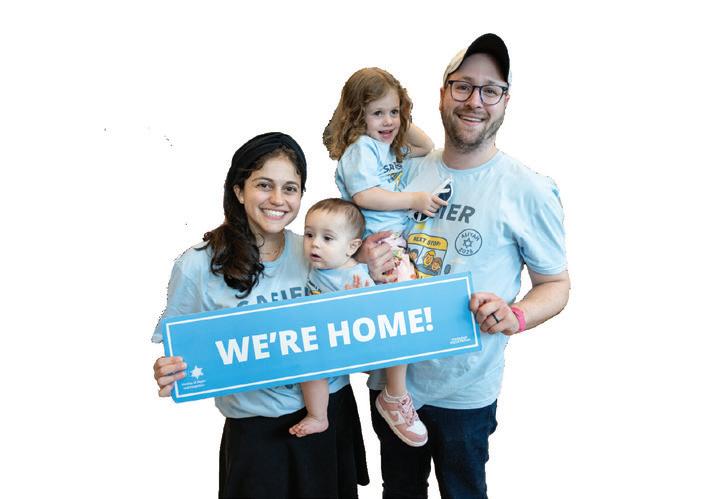
South Florida’s booming Orthodox Jewish community is one of the great success stories in American Jewish life. For a growing number of families, it’s also the last stop before Israel.
Something remarkable has been happening in South Florida — something that, if you live inside it, you might not even notice, because it arrived so gradually, so naturally, like a tide that comes in quietly and one day you look up and find
about their whole lives. What emerges is not a simple story of departure, but a deeply human one: of communities built with love and left with tears, of aliyah as both rupture and fulfillment, and of a generation asking itself, out
South Florida, it turns out, is many things to the Jewish world. It is a destination, a community, a refuge — and, for more people than you might expect, a runway. The full series continues inside.
Introducing the New

Create the Warming Setup That Fits YOUR Shabbos Table.
One Patented system. Endless configurations.
• Available in Black or White
• Modular & Expandable - Choose the configuration you need
• Set of 4 individual 12" x 10" platas comes with Power CordExpandable up to 20 Platas
• Platas Connect by Direct Plug on Multiple Sides
• High-Tech 90W Heating Element in each Plata at 270°F / 130° C
• Easy-Clean Tempered Glass Surface
• Lightweight - Stackable and Easy to Store in a drawer
• Travel-Friendly....take just the Starter Plata with Cord to go
• Great for Home, Bu ets, Catering, Housewarming, Kallah Gifts & more
• Approved by Mishmeret HaShabbat of Bnei Brak for Shabbos Use






Thirty-four years ago, Israel pulled off the most daring airlift in history. The story of Operation Solomon — and why it isn’t over yet.
On the morning of May 24, 1991, thirty-five Israeli aircraft landed in Addis Ababa, Ethiopia. El Al 747s. IAF cargo planes. Every seat had been stripped out to make room for more people.
Thirty-six hours later, they were gone. And they took 14,325 Jews with them.
The operation was called Mivtza Shlomo — Operation Solomon. It remains the largest single aliyah mission ever carried out from any country in the world. One of the 747s carried over 1,000 passengers on a single flight — a world record that still stands. Two babies were born on that plane before it landed at Ben Gurion. They were Israeli citizens before they ever touched the ground.
It should be one of the most famous stories in modern Jewish history. For too many people, it isn’t.
Who Were the Beta Israel?
The Jews of Ethiopia — the Beta Israel — are one of the oldest Jewish communities on earth. They observed Shabbos. They kept kosher. They prayed facing Jerusalem. They did all of this for centuries, in near-total isolation, in a country where almost nobody around them understood what any
of it meant.
Their origins are debated by historians but their own tradition traces back to the time of King Solomon and the Queen of Sheba — which is exactly where the operation got its name.
By the 1980s, Ethiopia was in freefall. Civil war. Famine. The communist Mengistu regime had banned the practice of Judaism outright and forbidden the teaching of Hebrew. Rebel forces were closing in on Addis Ababa. Israel had already pulled off two earlier rescue missions — Operation Moses in 1984 and Operation Joshua in 1985 — but thousands of Jews remained behind, stuck in a country coming apart at the seams.
By 1991, Israeli planners understood they were looking at one last window. If they didn’t move now, it might close forever.
What happened next involved the Mossad, the IDF, the Jewish Agency, the Joint Distribution Committee, American Jewish organizations, and a personal letter from President George H.W. Bush to Ethiopia’s acting president. The $35 million needed to secure safe passage from the Ethiopian government was raised almost overnight, much of it from the American Jewish community.
IDF soldiers dressed in civilian clothes. Buses escorted Jewish families from the Israeli embassy to the tarmac. The planes were designed to hold 760 passengers. They loaded them with far more — in some cases nearly double —
because after years of famine, the passengers were so malnourished they weighed almost nothing.
One woman later described walking five days to reach the capital, sleeping outside, rationing food to make it last. The cars taking families to Addis Ababa would swerve suddenly to avoid gunfire — not aimed at Jews specifically, just the ordinary violence of a country at war. Children clung to their mothers. One man carried his elderly father on his shoulders the whole way.
When the planes finally landed in Israel, people got off and bent down and kissed the tarmac.
“They couldn’t believe it,” one daughter of Solomon survivors later said, describing her parents’ arrival. “They always dreamt of Jerusalem.”
Eight more children were born during the airlift itself. The whole operation, originally planned to take up to fifteen days, was done by midday Saturday.
There are roughly 168,000 Israelis of Ethiopian descent today. The community has produced Knesset members, ambassadors, military officers, and government ministers. In 2020, Pnina TamanoShata became the first Ethiopianborn government minister in Israeli history, heading the ministry responsible for immigrant absorption — the same system that had absorbed her own family years before.
None of this came easily. Ethiopian Israelis faced real hardship after arrival — economic struggle, cultural dislocation, and discrimination that at times erupted into public protest. The community fought back, loudly and with justification. The work of real integration is still ongoing.
But here is what the war made impossible to ignore: when Hamas came on October 7th, Ethiopian Israelis were there. They were at the kibbutzim. They were among the first responders. They were in the units that went into Gaza. And they died at a rate that stopped people cold — making up roughly 1.7 percent of Israel’s population, they accounted for close to 5 percent of the security forces killed on and after October 7.
One mother, Yegebal Ayalew, had brought her son from Ethiopia to Israel in 2012. She watched him grow up, thrive, join the IDF. He was killed in the October 7 attack at 21 years old. Even in her grief, she had one request for Israeli authorities: bring the rest of our family here. Bring everyone still waiting.
Because there are still people waiting.
As of 2025, an estimated 7,000 Jews remain in Ethiopia. Many belong to a group called the Falash Mura — descendants of Beta Israel who were pressured or forced into converting to Christianity in the 18th and 19th centuries, and who have returned to Jewish practice and want to come home. Their status has been debated and litigated in Israel for decades. The
rabbinate ultimately applied the principle that a Jew who strays remains a Jew — and thousands have made aliyah under family reunification arrangements in the years since Solomon.
The ongoing war in Gaza has suspended or delayed many of those flights, leaving families split across continents. Sons fighting in Rafah, parents stuck in Gondar. In September 2025, the Israeli government approved plans to bring another 2,000 Ethiopian Jews to Israel — progress, but with thousands still in the queue.
And then there is something nobody expected: in early 2025, a remnant of Beta Israel was discovered still living in Ethiopia’s northern highlands — communities that had maintained Jewish identity and practice through centuries of isolation, presumed to have all been airlifted out in the operations of the ‘80s and ‘90s. They weren’t. They’re coming now, a few dozen at a time, on quietly arranged flights.
The gathering of exiles is not past tense. It’s happening right now.
At a recent commemoration of Operation Moses — the airlift that preceded Solomon — a community member pushed back on the way the story is usually framed. Israelis tend to call it a rescue. The Ethiopian community tells it differently.
“It is a story of strength,” she said. “We survived the most difficult situations. We were not rescued. We came home.”
She’s right, and so is the other version. Both are true at once. A people who held onto their Jewish identity across two thousand years of isolation, who walked barefoot through war zones to reach a plane, who bent down and kissed Israeli soil like it was the most natural thing in the world — that is not a people who needed saving. That is a people who knew exactly where they belonged and refused to stop until they got there.
Israel just made sure the planes were ready.
Somewhere in Ethiopia right now, there are Jews still saying next year in Jerusalem.
Israel is still answering.
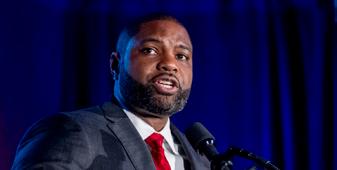
At a recent event combating antisemitism, we sat down with Byron Donalds to discuss the younger generation and what Florida’s political future may look like under new leadership. Stepping Into DeSantis’s Legacy Congressional Representative Byron Donalds is running for governor of Florida, and he’s not shying away from the comparison to his predecessor. When asked whether following Ron DeSantis feels daunting, Donalds reframed it as opportunity. He credited the outgoing governor for his leadership while making clear that the work isn’t finished. His priorities: growing the economy, protecting Florida’s natural environment, tackling affordability, and making sure young people can actually buy homes in the state.
From Congress to the Governor’s Mansion
Donalds drew a sharp distinction between his current role in Congress and the job he’s seeking. In Congress, he explained, the role is largely about advocacy — working across diverse constituencies to benefit both local communities and the broader country. The governorship is different: it’s about execution, setting policy direction, maintaining what already works, and serving Florida’s interests exclusively.
“At its core,” he said, “it’s about standing for the people you
represent.”
Known in Congress for his vocal support of Israel, Donalds was asked how that position would translate to a state-level role. His answer focused on clarity and zero tolerance. He stressed that the governor must send an unambiguous message that antisemitism will not be accepted in Florida — even while acknowledging that people have the legal right to express objectionable views.
On a rival candidate filmed at an event where inflammatory remarks were made about American soldiers dying for Israel, Donalds declined to engage directly. “I think he’s just looking for clicks,” he said. He added that no one wants American soldiers to die, and that military decisions belong solely to the commander in chief. “War is cruelty. I’m not going to use this current conflict as a prop for political views.”
When asked whether his proIsrael stance has brought personal backlash, he was unfazed. “If you try to please everybody, you please nobody. Bring it.”
In one of Florida’s hottest policy debates, Donalds came down firmly in favor of fully repealing homestead property taxes, which he said have been rising for a decade and squeezing both young families and elderly residents on fixed incomes.
He called on Governor DeSantis
to release a detailed plan, arguing that only the governor has the full picture of how changes would affect every county and municipality across the state.
On replacing that lost revenue, Donalds pointed first to spending cuts, citing DOGE-style audits to identify waste. He also noted that local governments have tools available — adjusting millage rates on non-homestead properties, raising impact fees, or pursuing sales tax referendums — but warned that without a coordinated plan, fees could simply shift the burden onto residents in a different form.
He flagged two structural issues he believes must also be addressed: portability, which currently traps long-time homeowners who can’t afford the tax jump that comes with buying a new home; and school district funding, where he noted that Florida’s largest districts are collecting more tax revenue even as their student populations shrink due to school choice.
Closing on a personal note, Donalds offered a direct message to Jewish residents in South Florida: Florida is the best state in the country, it will remain safe, and law and order will be a top priority under his leadership.
“Don’t be afraid to stand on what’s right,” he said. “When people start speaking up, a funny thing happens — other people come to join them.”
ALIYAH & COMMUNITY
How the Sunshine State became a crucial waystation on the journey from North America to Israel — and why 2,317 Floridians have made Aliyah in the last decade alone.
There is a well-worn path that many American Jews travel before making Aliyah — and increasingly, it passes through Florida. They arrive from New York, New Jersey, Chicago, and across the country, drawn by the warm winters, the thriving Jewish communities, and a lifestyle that somehow feels like a halfway point between the America they know and the Israel they dream of. Some stay for a few years. Some for a decade. And then, when the moment is right, they take the final step.
“It’s like a connecting flight,” says one Aliyah professional with years of experience facilitating the journey for North American Jews.
“People come to Florida and stay for a certain amount of years, and then they come to Israel. That’s the pattern we’re seeing.”
The numbers bear this out.
According to data from Nefesh B’Nefesh, the leading North American Aliyah organization, Florida now ranks as the third largest source of Olim from North America, trailing only New York and New Jersey. Over the past decade, 2,317 Floridians have made Aliyah — a remarkable figure that speaks to both the size of Florida’s Jewish population and the unique character of its communities.
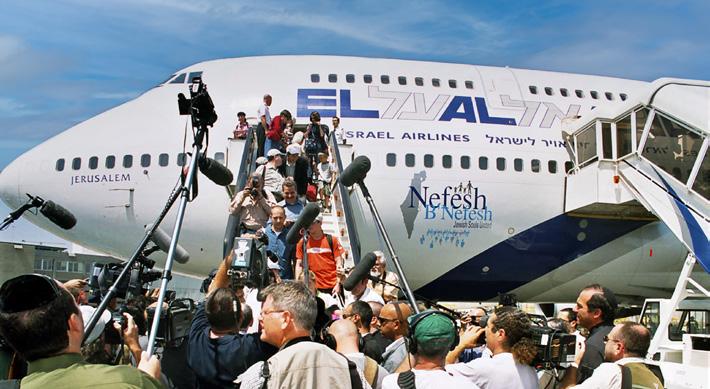
2,317
Floridians made Aliyah in the last decade through Nefesh B’Nefesh
Born in Boca, Built for a Nation
The story of modern North American Aliyah cannot be told without Nefesh B’Nefesh — and the story of Nefesh B’Nefesh itself begins, fittingly, in South Florida. The organization was co-founded in 2002 by Rabbi Yehoshua Fass and Tony Gelbart, both from Boca Raton. The catalyst was personal and painful: Rabbi Fass had a first cousin, Naftali Lanzkron, who was killed in a suicide bombing in Israel in 2001. Jolted into action, Rabbi Fass went on a long walk with Tony Gelbart and together they asked: what could they do?
The answer emerged from reflection. Rabbi Fass had always wanted to make Aliyah himself but had never understood what was holding him back. They conducted extensive market research, surveying like-minded individuals — young families, professionals,
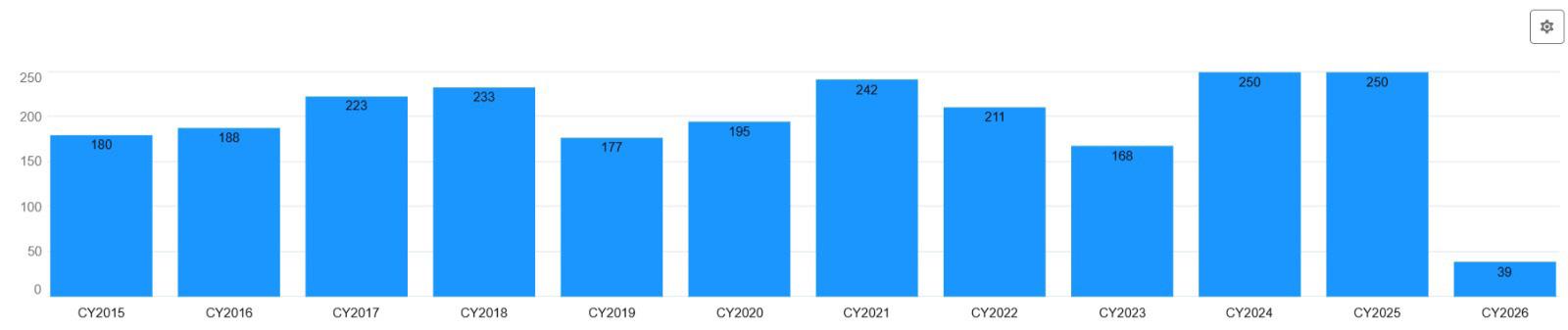
committed Jews who shared the dream but hadn’t acted on it. What they discovered was a gap: there was no single, holistic body guiding people through the entire Aliyah process. There were organizations on the ground in Israel, and there were agencies on this side that sent people off, but no one was truly accompanying Olim from start to finish.
Nefesh B’Nefesh was the answer to that gap. In July 2002, the organization launched its first charter flight. Today, it has assisted over 95,000 Olim from North America, building what it describes as “pillars” of support: employment assistance, bureaucratic guidance, social integration, a 24/5 helpline staffed by advisors, monthly check-in calls, and ongoing programming. The result has been a transformation of the Aliyah retention rate — from a historical average of around 50-60%, Nefesh B’Nefesh has achieved and maintained a retention rate of over 90%.
Looking at the year-by-year data for Florida Olim over the past decade reveals a community that has remained remarkably
consistent in its Aliyah output, even through extraordinary disruptions. In the years before the COVID-19 pandemic, numbers hovered between 177 and 233 annually. In 2021, as pandemic restrictions eased and many Jews reassessed their priorities and sense of connection to Israel, the figure climbed to a decade-high of 242. By 2024 and 2025, the numbers reached 250 — a new high — suggesting that recent world events, including the war in Gaza that began in October 2023, may be accelerating the decisionmaking of Florida Jews already contemplating the move.
What makes Florida distinctive as an Aliyah community is the diversity within it. The state encompasses everything from the dense, culturally Orthodox enclaves of Boca Raton and Miami Beach to the sprawling suburban communities of Coral Springs and Plantation, to the retirement communities of Palm Beach County, to the young professional scenes emerging in Miami and Fort Lauderdale. Each of these sub-communities produces Olim with different needs and different destination preferences in Israel.
“Every community has a different type of communal life,” explains the Nefesh B’Nefesh VP of Communications, who has been with the organization since 2006.
“For the most part, the average Oleh looks for a like-minded community, just like they had at home — at least at the beginning. Once they’re settled, some of them start looking outside the community. But first, people want the familiar.”
For Florida’s traditionally observant communities, this often means landing in Jerusalem or the religious neighborhoods of cities like Beit Shemesh, Modi’in, or Ramat Beit Shemesh. Those coming from more modern or secular backgrounds increasingly choose Tel Aviv, where a booming English-speaking community has dissolved many of the old divisions between religious and secular immigrant life.
One of the more significant trends Nefesh B’Nefesh has observed in recent years is the rise of young single Olim — students and young professionals making the move independently, without the anchor of a family unit. The number of singles making Aliyah has grown notably over the last two to three years, and the communities that welcome them have grown alongside the demand.
“The single communities in Jerusalem and Tel Aviv especially are really booming,” says the Nefesh B’Nefesh spokesperson. “It used to be that religious singles went to Jerusalem and secular ones went to Tel Aviv. Now it’s really a combination in Tel Aviv already. It’s grown so much.” For Florida, which has seen its own population of young Jewish adults swell in cities like Miami, this generational shift is likely to continue shaping Aliyah numbers in the years ahead.
Two decades after its founding, Nefesh B’Nefesh has grown well beyond its original North American focus. The organization now runs an International Medical Aliyah Program, partnering with Israel’s Health Ministry and Ministry of Aliyah and Integration and the Jewish Agency to bring physicians from around the world to address critical shortages in the Israeli healthcare system. It also operates a dedicated Lone Soldier program, supporting Olim who are required to drafted into the IDF, providing assistance throughout their service.
“The organization has adapted itself to answering the national needs of Israel,” reflects the VP of Communications. “That’s what’s really unique about the organization — we’re able to create programs that are going to be helpful to what is the current need in the country.”
From its digital-forward beginnings — when going paperless on an Aliyah charter flight in 2002 was considered
revolutionary — to its current integration of AI tools into its service offerings, the organization has consistently reinvented itself. Its website now contains over 2,000 informational pages, constantly updated by content editors to keep pace with changes in Israeli law, tax exemptions, bureaucratic requirements, and community resources.
The bar chart of Florida Aliyah numbers over the past decade tells a story of quiet, steady resolve — with upticks that reflect the broader currents of Jewish history. A pandemic that made people ask where they truly wanted to be. A war that reawakened a sense of collective destiny. A generation of young Jews looking at Israel not as a distant homeland but as a real, livable, present-tense place.
Florida, with its massive, multigenerational, and diverse Jewish population, sits at a
uniquely powerful position in this story. It is a place where the Jewish community is large enough to feel comfortable, warm enough to delay the urgency of moving, and connected enough to Israel that the dream never quite fades. For thousands of Floridians, it has been exactly what they needed it to be: the last stop before home.
Data sourced from Nefesh B’Nefesh Aliyah records (CY2015–CY2026). Nefesh B’Nefesh has assisted over 95,000 North American Olim since its founding in 2002.

From a Jewish childhood in France to the front lines of Gaza, Ronen Behar has spent a lifetime answering one calling.
There is a certain kind of person who does not wait to be asked. When war breaks out, they buy a plane ticket. When their country calls, they go — not out of obligation, not out of pressure, but out of something so deeply rooted that hesitation never enters the equation. Ronen Behar is that kind of person.
His story is not a straight line. It is a mosaic — made of France and Israel, of circuit boards and diplomatic cables, of sniper scopes and cocktail receptions — but every piece of it points in the same direction: toward a life entirely dedicated to the Jewish state.
Ronen Behar was born in France, into what he describes as a warm, modest, and traditional Jewish family. From his earliest years, antisemitism was not an abstraction. It was the texture of daily life — present, persistent, and clarifying in its own way.
By the time he was fifteen, he had made a decision that most adults would struggle to make at twice that age. He would make Aliyah. Alone.
“I decided when I was fifteen to make Aliyah by myself,” he says simply, as if the enormity of the choice barely registers. He arrived in Israel at sixteen, finished high school, and never looked back.
What might have been a wrenching uprooting for another
teenager was, for Behar, a homecoming. He had chosen Israel before Israel had had the chance to choose him — and that distinction would define everything that followed.
After high school came the military, and after the military came university — electrical and computing engineering. Behar threw himself into the technical world with the same singlemindedness that had carried him across the Mediterranean as a teenager.
His first job was at Israel Aerospace Industries, within the Ministry of Defense, where he worked as an engineer developing defense systems. For eleven years, he moved through the world of Israeli technology and defense — accumulating expertise, launching a startup in the medical industry, and building a career that many would have considered complete in itself.
But something, he says, was missing.
The work was meaningful. The contribution was real. Yet Behar found himself drawn toward a different kind of service — one that would place him not behind a workbench or a screen, but at the intersection of Israel and the world.
At thirty-seven, with a full engineering career behind him and no formal background in international relations, Ronen Behar applied to the Israeli Ministry of Foreign Affairs.
He did not expect to get in.
“I was thirty-seven years old. I already had a career. I didn’t have any experience in international relations,” he recalls. “But after one year of exams, I was accepted into the cadet program.”
What followed was more than seven years of diplomatic service — first in Central America, where he served as Deputy Ambassador and Consul in Costa Rica, with responsibilities extending to Nicaragua and El Salvador, and then in the United States, where he became Deputy Consul General of Israel in Miami.
The posting covered a vast and varied territory: Florida, Puerto Rico, Missouri, and Kansas. But it was South Florida that left the deepest impression.
Behar arrived in Miami in September 2021, and what he encountered was something he had not fully anticipated — a city where being Jewish felt not like an exception, but like a natural state of being.
“Miami is a very warm place for
Jewish communities, for Israel,” he says. “I’m always telling everyone in Israel that if you don’t live in Israel, the only proper place to be a Jew and to feel like a Jew — with this love from everywhere — is Miami and South Florida.”
His work there was as wide as it was deep. He engaged with political leaders at every level — from the governor’s office down to municipal representatives — building and reinforcing the ties between the United States and Israel on everything from economic development to diplomatic cooperation. As a former engineer, he took particular pleasure in helping Israeli startups break into the South Florida market.
But it was the community work that gave the posting its texture and its warmth. Behar speaks five languages — Hebrew, French, English, Spanish, and more — and that gift opened doors that would otherwise have remained closed. He worked with Jewish communities from Venezuela, Colombia, Cuba, Mexico, and Argentina. He built relationships with French-speaking communities. He cultivated friendships with evangelical Christian leaders who, he found, loved Israel with a depth that sometimes surprised him.
“You understand what the relationship really is — the deep dependence between Jews from the diaspora and Israel,” he says.


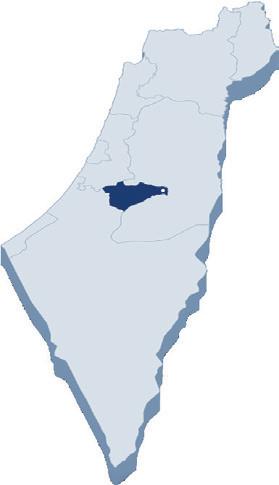

“As someone who was born outside of Israel and then served Israel, coming back and seeing that in this magnitude in the United States — it’s something very powerful.”
Miami, in that sense, was not just a posting. It was a mirror — one that reflected back to him, in vivid and human terms, exactly why he had made the choices he had made since the age of fifteen.
Then came October 7th.
The Hamas attacks on southern Israel on that morning changed the atmosphere of Behar’s work overnight. The Jewish communities he had spent years building relationships with mobilized with an urgency and unity he had never witnessed at that scale. The diaspora, suddenly, was not a distant cousin of the Israeli story — it was part of it, viscerally and immediately.
“After October 7th, everything shifted towards the survival of Israel,” he says. “Seeing all the communities — Jewish and nonJewish — coming together for Israel, helping out with everything: the soldiers, the displaced people, the whole thing.”

By that point, Behar had transitioned from the Ministry of Foreign Affairs to a new chapter — serving as Director of Strategic Fundraising and Community Relations in the Southeast for Magen David Adom, the Israeli national emergency medical service and humanitarian organization. The work felt like a natural continuation: still in service of Israel, still at the junction between the Jewish state and the
communities that sustain it.
But even that was not enough, when the moment came.
A few weeks ago, Ronen Behar received a call-up to serve in the IDF reserves.
He did not hesitate.
“I didn’t even hesitate,” he says. He asked his American employer — who told him this was “the real deal,” that going to fight for Israel was “the heavy lifting.” Then he bought a plane ticket. He landed in Israel just hours before the renewal of military operations on February 27th.
Today, he serves in a special reserve unit composed almost entirely of men over forty — all volunteers, all fighters. Behar himself is a sharpshooter. A sniper.
It is a striking image: a man who has spent recent years in diplomatic receptions and fundraising galas, who speaks five languages and once helped Israeli tech startups navigate South Florida, now stationed at the front.
But to those who know his story from the beginning, it is not surprising at all. It is entirely consistent.
Ronen Behar is not an ideologue. He does not reach for abstractions when plain language will do. What he returns to, again and again, is something simpler and more durable than politics or theory: the idea that Israel and the Jewish diaspora exist because
of each other, and that the work of keeping both alive is ongoing — in boardrooms and consulates, in communities and combat zones alike.
“Every Jewish person on earth depends on each other,” he says. “Israel exists because of the diaspora, and the diaspora exists because of Israel.”
He pauses.
“We are living very biblical and historical times for the Jewish communities. And since October 7th, we understood what is the importance of being together — united.”
From a teenage boy stepping off a plane in Israel with no family and no guarantees, to a soldier
once again on the front lines of his country’s fight for survival — Ronen Behar has, at every turn, made the same choice. Not the easier one. The meaningful one. Some people spend a lifetime looking for a cause worth everything. Behar found his at fifteen. He has been giving it everything ever since.

Tucked between Deerfield Beach, Pompano Beach, and Hillsborough Beach — just south of Boca Raton and north of Fort Lauderdale — lies a stretch of South Florida coastline that most people wouldn’t associate with a thriving Jewish community. That’s exactly what makes Lighthouse Point so remarkable, and what makes the work of Rabbi Tzvi Dechter so singular.
Rabbi Dechter has been serving this community since 2009, quietly and persistently weaving Jewish life into a region that, by his own description, was never looking for it.
“There are no frum people here at all,” he says matter-of-factly. “It’s very unique to South Florida.” While nearby cities like Coral Springs, Parkland, and Boca Raton boast established synagogues, day schools, and kosher restaurants, the corridor stretching from the 95 to the ocean between Boca and Fort Lauderdale tells a very different story. By Rabbi Dechter’s estimate, roughly 6,000 Jews live across the area — spanning Lighthouse Point, Deerfield Beach, Pompano Beach, and Hillsborough Beach — but many are intermarried, many have drifted toward churches and Catholic schools, and most have simply never sought out a Jewish community.
“I have one family that’s three generations like that,” he recalls, “and they don’t know anything about Yiddishkeit.”
It’s a reality that would

discourage many, but for Rabbi Dechter it has simply shaped the way he works. He draws a vivid comparison himself: “You’re surrounded by Jews, but you’re in like a tiny outpost — compared to a Chabad rabbi in Guatemala in a way.” And yet even that analogy has its limits. A Chabad house in Guatemala might attract religious travelers or Israelis seeking a kosher meal. In Lighthouse Point, Rabbi Dechter notes, people aren’t looking for that at all. “The opposite,” he says.
So how does a Chabad rabbi build community where there’s no infrastructure, no demand, and no ready audience? The answer, it turns out, is to stop waiting for
people to walk through the door.
Rabbi Dechter describes his approach as “concierge Judaism” — bringing Jewish life directly to families through personal relationships, lifecycle events, and home-based learning. Rather than relying on a shul calendar to draw people in, he meets families where they are: in their homes, at their kids’ milestones, and increasingly, in the fabric of civic life itself.
He has become a chaplain for the police departments in both Lighthouse Point and Hillsborough Beach — with no other chaplain filling that role in the area — completing suicide prevention training and volunteering his time across both departments
regardless of religion. He shows up at city parks, attends town hall meetings, distributes challah before Shabbat, and has made his presence a constant and familiar one throughout the community.
“People see me at this event, that event,” he says. “It kind of takes their guard down.”
That visibility has opened doors in ways that a more traditional outreach model never could. When Rabbi Dechter was invited to deliver the invocation at Lighthouse Point’s 70th anniversary dinner — held on a Friday night — he walked the two-plus miles to the venue and delivered his prayer without a microphone, honoring Shabbat without making a scene of it. At least 20 or 30 Jewish residents were in the room that night. Watching their city’s mayor and commissioners welcome a rabbi with genuine warmth and respect, many came over afterward to thank him personally. “That always starts great connections,” he says, “and makes big circles.”
Those circles have been growing for 17 years. What began in a small storefront is now an owned building. There are classes, family events, and a warm Shabbat table. And while a daily minyan remains a challenge, and Rabbi Dechter’s own children don’t have Jewish kids on their block, the community he has built is real — measured not in pews filled, but in relationships formed and identities quietly rekindled.
Nowhere is that more evident than at Passover. Every year, Rabbi Dechter distributes matzah and Passover essentials to families across the area — not only those in financial need, but the many secular Jews who simply have no
Seder plans whatsoever. For some, it is their first real encounter with the holiday. For others, it becomes a turning point.
“The people who started coming to us in the beginning,” he says, “they now make their own Seder and invite their own guests.” That ripple effect — secular Jews going on to welcome other secular Jews into a tradition they only recently discovered themselves — is what Rabbi Dechter counts as his deepest measure of success.
“No matter how secular they are, bringing them into Passover was a huge success,” he reflects. “We always look for new people, but we’re even more excited when they’re actually making their own.”
After nearly two decades, Rabbi Tzvi Dechter has built something rare in South Florida: a Jewish community in a place that didn’t know it needed one. One challah, one conversation, one Seder at a time.

JOIN US AT THE FOREFRONT OF FERTILITY CARE!
Learn from leading medical experts, explore the latest advances, and take away practical insights to support yourself or others on the journey through infertility and reproductive health.
A Passover Perspective on Freedom, Opportunity and Smart Planning
Every year at the Seder, we talk about freedom. This year, some families are taking that idea quite literally. Trading not just matzah for pita but life in the U.S. for a new chapter in Israel.
Making Aliyah is one of the most meaningful decisions a family can make. It is emotional, spiritual and deeply personal. At the same time, it is also a major financial transition. One that, when approached thoughtfully, can create significant opportunities.
At G Wealth Strategies, we work closely with families alongside their CPAs and tax attorneys to ensure that this transition is not only meaningful but also financially efficient.
Here are six key financial advantages and considerations every family should understand before making Aliyah.
1. The 10-Year Tax-Free Window: A Rare Opportunity
One of the most powerful benefits of Aliyah is Israel’s 10-year exemption from tax on foreignsourced income, including U.S. investments, rental income, capital gains, pensions and business income.
This creates a unique planning window.
With proper structuring, families may access U.S. retirement funds in a more taxefficient way. While U.S. tax still applies, the absence of Israeli tax can significantly reduce the overall burden when distributions are timed correctly.
This is where planning becomes critical.
How assets are positioned before Aliyah and how income is recognized during those first 10 years can materially impact longterm outcomes. In many cases, this window represents one of the most valuable financial opportunities a family will have.
While the tax exemption remains intact, reporting rules are evolving.
Olim arriving after January 1, 2026, are required to report worldwide income and foreign assets to the Israel Tax Authority, even if that income remains taxexempt. Those arrived before that date may avoid this requirement. Timing, once again, matters.
The U.S. and Israel do not have a Totalization Agreement. Without proper structuring, selfemployed individuals may face Social Security taxation in both countries.
This can result in combined rates exceeding 30 percent. With proper planning, however, this exposure can often be reduced or avoided.
Many U.S. financial institutions limit services once an account holder has a foreign address. IRAs and 401(k)s may become more difficult to manage.
More importantly, how and when these accounts are accessed during the early years of Aliyah can have long-term tax implications, especially when coordinated with the 10-year exemption window.
5. Mortgage Benefits for Olim
New immigrants may qualify for Israeli government-supported mortgages, including potential grant components. In some cases, a portion of the loan may be forgiven after a defined period.
Understanding these programs can significantly impact housing decisions and long-term affordability.
6. Israeli Investments and U.S. Tax Pitfalls
U.S. citizens remain subject to U.S. tax laws even after moving to Israel.
Many Israeli mutual funds are classified as PFICs (Passive Foreign Investment Companies), which can create complex reporting requirements and unfavorable tax treatment.
Proper coordination between U.S. and Israeli planning is essential to avoid unnecessary complications.
Aliyah planning is not about shortcuts. It is about understanding the rules well enough to make intentional decisions.
Small choices, when income is recognized, how assets are structured and when residency begins, can have long-lasting consequences.
At G Wealth Strategies, we focus on coordinating these elements into a comprehensive plan, ensuring that tax efficiency, retirement strategy and estate planning all work together.
A Final Thought Passover reminds us that freedom is not just about leaving something behind. It is about stepping into something new with intention.
Making Aliyah is a powerful step forward. With the right financial strategy, it can also be an opportunity.
A thoughtful plan does not detract from the meaning of the move. It supports it, allowing families to build their lives in Israel with clarity, confidence and continuity.
For those considering Aliyah, the right guidance early can make all the difference.
About the Author Glen R. Golish is the Founder and CEO of GWealth Strategies and a Forbes-recognized Top Financial Security Professional. He works closely with families on comprehensive financial and estate planning, including cross-border considerations for those navigating U.S. and Israeli planning needs.
Important Disclaimer
Please seek qualified legal and tax advice before implementing any planning strategies, in conjunction with guidance from G Wealth Strategies.



Rabbi Ari Posner shares how his family’s move to Israel — and the organization that made it possible — is changing the aliyah experience for families around the world
Rabbi Ari Posner made aliyah with his wife and five children at the end of 2024, landing in Israel on Erev Chanukah. We sat down with him to talk about the journey, the organization that helped make it happen, and why he sees South Florida as a community ripe for aliyah.
Tell us a little about your background and when you made aliyah.
Aliyah was a dream my wife and I had shared since we got married, seventeen years ago. We were living in Perth, Australia, with five kids between the ages of three and thirteen, and we finally made it happen at the end of 2024. We landed in Israel on Erev Chanukah. What did the process actually look like for your family?
Like a lot of people, we had plenty of questions and concerns going in. How long would it take for the family to settle? How would the kids adjust? How do you even choose the right place to live? About a year before our aliyah, we attended a webinar by Israela, and after that we decided their family group aliyah program was the right framework for us.
The preparation involved oneon-one sessions with our aliyah director, Zoom workshops on things like healthcare, education, and employment in Israel — and then the highlight of it all, the Israela pilot trip. Israela arranged and heavily subsidized the trip, and it gave us a chance to meet the other
families from around the world who would be making aliyah alongside us, and to explore different communities in Israel. At the end of the trip, the group voted and we all decided together to move to Carmei Gat. When we landed at the airport, we were greeted by family, friends, and our Israela aliyah director, who helped us through those crucial first weeks and months.
Why did you end up joining Israela as a staff member?
Because I saw firsthand what a difference it makes. Making aliyah together with a group of families who are going through the exact same thing as you, whose kids are the same ages as your kids, with a structured program and real support behind you — it changes the whole experience. I believe in the model completely, and I want to help as many families as possible realize their aliyah dream in a way that’s structured, smooth, and supported.
How would you describe what Israela actually does?
The model is built on three pillars. First, you don’t make aliyah alone — you make it together with a group of families who are at a similar stage of life. That group becomes its own mini-community and support network. We still get together regularly with the families we made aliyah with.
Second, you don’t just move to Israel — you move to a specific community. Israela finds and prepares a community to receive
the group, and each family is matched with a local “adopting family” who helps them with whatever they need, whether that’s grocery shopping, back-to-school supplies, or just figuring out how to get to the bank or the health clinic.
Third, Israela continues to support families for up to two years after arrival. There’s a local project manager who helps with school enrollment, organizes activities for the group, and is there for whatever comes up. They also place bridging teachers in the schools who meet with your kids weekly, track their progress, and keep parents in the loop as the children adjust to the Israeli school environment.
I honestly can’t imagine having made aliyah without all of that support.
What does the aliyah opportunity look like specifically in South Florida?
The Florida Jewish community is one of the strongest in the country, and honestly in the world. I see a real opportunity here, particularly with young families — those connected to schools and shuls — who are ideologically on board with aliyah but need the right framework to make it feel doable. A lot of families hesitate because aliyah feels risky, or overwhelming, or isolating — and because life here is comfortable. We’re here to change that. We’re here to hold their hand the entire way and make sure their aliyah is smooth and successful.
How
a South Florida synagogue quietly redefined
what a Jewish community could look like — and why people everywhere seem to be taking notice.
By Staff Writer • March 2026
Walk down Pico Boulevard in Los Angeles on a Shabbat morning and you will pass shul after shul — eight, ten, twelve of them within a few blocks, each a slightly different shade of Orthodoxy, each with its own loyal regulars and its own invisible walls. It is a familiar picture in Jewish communities across America: growth expressed as fragmentation, identity carved out through separation.
And then there is Boca Raton Synagogue.
Ask anyone who has visited — from a traveler passing through South Florida to a longtime New Yorker who relocated during the pandemic — and you will hear the same thing, almost verbatim: “You can’t compare it to BRS. BRS is unique.” The phrase has become something of a refrain, repeated with the slightly awed tone people use for things they have witnessed but cannot fully explain.
Sixteen years ago, the Orthodox community in South Florida was a different place — smaller, quieter, the kind of town where you knew every child in your kid’s class, every parent at pickup, every
family at the Shabbos table. It had what longtime residents describe with unmistakable warmth as an “out-of-town feeling”: the intimacy of a place where everyone’s lives were genuinely intertwined. That community still exists, somewhere underneath. But it has been substantially transformed. Families have arrived from New York, from Los Angeles, from Chicago, from across the world. Schools that once held a few hundred students now hold several times that. New institutions have sprung up. The cats, as one community member puts it plainly, “are out of the bag.”
Growth like this cuts both ways. On one hand, something precious gets diluted. On the other, something impossible becomes possible. A community large enough can sustain not just one rabbi, but many. Not just one learning program, but dozens. Not just a few kosher
options, but a genuine ecosystem of Jewish life — mohelim, sofrim, scholars, chazzanim — the full infrastructure of a vibrant religious world.
The story of BRS is, in a sense, the story of what happens when a community decides to manage that tension deliberately rather than letting it manage them.
In most American Jewish communities, the pattern is predictable: a shul grows, a faction wants something slightly different — a different nusach, a different energy, a more Chassidic flavor, a more yeshivish atmosphere — and a breakaway minyan forms. Then another. Then another. Cleveland, for instance, has eight different shuls literally side by side on the same block. The community is geographically unified but spiritually atomized.
BRS chose a different path. Rather than allow that centrifugal force to splinter the community into competing institutions, BRS did something counterintuitive: it brought the splintering inside.
Today, under one roof, you can find a Kahal Chasidim Minyan
for those who want something intimate and heimish; a Sephardic minyan; a Chabad-style minyan; and more — each with its own character, its own rhythm, its own sense of home. What BRS has essentially built is eight shuls in one building, where the diversity of religious expression that elsewhere generates division here generates depth.
“Instead of having eight different shuls all next to each other, we have one community — where each one is able to express their individual religious identity differently, but also feel part of one unified, harmonious whole.”
The Kahal Chasidim Minyan is a telling case study. During COVID, as New Yorkers resettled in South Florida en masse, a need emerged for a more casual, warm, Yiddishflavored davening experience. Rather than watching that need migrate to a new shul across town, BRS started the minyan itself. Today it is one of the most popular minyans on campus. In any other community, it would simply be a new address on the map. Here, it is another room in a shared home.
This is the animating logic of BRS: anticipate the need before it walks out the door. It requires a kind of institutional selfawareness — an acknowledgment that not everyone wants the same thing, paired with a commitment that difference need not mean departure.
But the approach has its own honest challenges. At a synagogue of ten thousand people, the warmth that defines a small shul
is not automatic — it has to be engineered. No matter how many rabbis join the staff, the rabbi cannot notice when you missed Shacharit and send a personal text. That intimacy simply does not scale.
The answer BRS has landed on is what they call “communities within the community.” The idea is that belonging to BRS does not mean belonging to an abstraction. It means finding your own smaller ecosystem — a chavurah, a shiur, a minyan, a neighborhood WhatsApp group — and letting that be the texture of your Jewish life, while the larger institution provides the scaffolding.
When visitors from Los Angeles or Cleveland or Toronto say “you can’t compare it to BRS,” they are not just describing a shul they liked. They are describing a model
they haven’t seen before — an institution that made a bet that Jewish unity and Jewish diversity are not opposites, and then built something large enough to prove it.
That bet is not without its costs. Intimacy must be rebuilt intentionally, at every level, in every corner of a campus too large to feel intimate on its own. Not everyone succeeds. Some arrive, get swept up in the scale of it, and struggle to find their footing. The people who thrive, by most accounts, are the ones who do the work of finding their niche — the smaller community within the larger one where they are seen, known, missed when they’re gone. But that, perhaps, is just what Jewish life has always asked of us. Not to find the perfect institution, but to build something real within it.
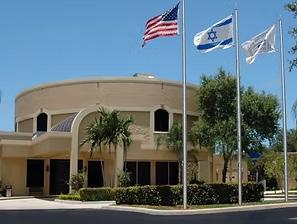
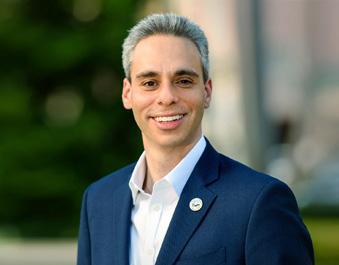
Scott Singer has served the residents of Boca Raton for 12 years — first as a city council member and then eight years as mayor. Now he’s setting his sights on Congress, bringing with him a record he believes is a blueprint for America. We sat down with Singer to talk about his tenure, his platform, and why he believes this moment demands national leadership.
Q: Let’s start with your time in Boca Raton. How would you describe what you’ve accomplished over the past 12 years?
It’s been an honor to serve the residents of Boca. We’ve invested heavily in public safety and decreased crime by another 25% — which was already at 40-year lows. We’ve maintained the lowest property tax rate of any fullservice city in Florida and voted seven straight times to lower it. I’m proud to have pursued a Brightline station for our downtown, which has fueled new corporate relocations and thousands of high-paying jobs. Property values
are high, crime is down, taxes are low — this is a blueprint for what’s successful in America.
Q: What did the city look like before you came in?
Boca Raton was, is, and will always be a beautiful, thriving city. But I’m glad we were able to add a lot of vibrancy — new cultural institutions, thousands of high-paying jobs, and more than a dozen publicly traded corporate headquarters. We now have more than half the corporate headquarters of all of Boca Raton. That will have dividends for today’s generation and our children.
Q: What led you to run for Congress? Why now?
I love public service, but we’re at a critical point in our country. Do we want to backslide — a porous border, high inflation, a stagnant economy — or do we want to continue on the track that President Trump has set? I’m inspired to go fight in Congress for an America First agenda that will ensure a strong economy, lower taxes, and support for our allies, including our most important ally in the Middle East, Israel.
Q: As a Jewish American, Israel is clearly important to you. What do you make of where the two parties stand today?
I’ve been a lifelong Republican because I felt that party has always stood stronger on issues that matter to Jewish families
— entrepreneurship, individual liberty, and support for Israel. It’s staggering to me that in Illinois, a member of Congress withdrew an endorsement because a candidate wouldn’t commit to rejecting AIPAC money. It’s a dangerous thing when support for Israel becomes disqualifying within one of our major parties. And unfortunately, we’re seeing this more and more in the Democratic Party.
Q: You have a specific proposal around foreign funding for schools. Can you walk us through it?
If an educational institution — K through 12 or higher ed — takes any foreign dollars, they don’t get federal dollars. They’ll have to make a choice about who’s funding them. It’s purely voluntary, and it will give parents and students an

understanding of who’s bankrolling their school. I think it may also help reduce some of the terrible things we’ve seen on campuses since October 7th.
Q: What does representation look like to you? How will residents feel your presence in Washington?
I’ve prided myself on being incredibly accessible. I started the first regular monthly newsletter to residents that any Boca mayor had ever done. I held consistent town hall series. The job of a public servant is to serve the people, and you do that by being accessible and accountable. I plan to continue that in Congress. As long as I have the opportunity to serve, that’s what motivates me.
Q: Any final thoughts for readers in South Florida?
I’m a South Florida native. Born in Ivey Beach, raised in Fort Lauderdale, proud to call Boca Raton home. We’ve seen what South Florida has become — a haven for people who want to thrive. The more we take the burdens of government off people’s shoulders and lower taxes, the more places like South Florida stand out as the special places they are. I’m running to make sure that continues.
Scott Singer is the current mayor of Boca Raton and a Republican candidate for Congress in Florida’s 22nd District.

By Rabbi Jonathan Gewirtz
Some years ago, I was speaking to a respected rabbi, and the topic turned to celebrities and stars. I spoke about how overblown egos and salaries made these rich people spoiled. They believed all the things fans say about them, and forget they are normal people. There may be some who are grounded, but many of them are self-absorbed and downright rude. The money makes it worse.
The rabbi agreed that professional athletes making millions of dollars is a bit absurd, but when it came to actors and actresses, he disagreed with me. “Those people have an important role,” he said, without a hint of sarcasm. “They are storytellers, and society needs people like that.” This took the wind out of my sails a bit, but I wasn’t going to argue with him.
As I thought about it some more, I had to admit that storytellers have an important place in history and culture. I didn’t understand why they deserve so many millions of dollars, and why even B-list celebrities sometimes consider themselves above the laws that apply to average citizens, but I did hear his point.
But then I got to thinking. These actors are not really telling the stories. The real storytellers are the writers and the director and maybe even the producers of the shows which tell the stories. The actors don’t have writing ability or special knowledge about the information
they are passing along. They are merely playing a part and speaking the words someone else put in their mouths. Why then, do they deserve such accolades?
I gave it more more time and reflection, and realized that what makes a good story is not simply the words being conveyed, but the emotion and the ability to convey the story in such a way that a person feels they experienced it themselves. When you see a performance that makes you cry, or sing, or feel a certain way, it’s the craft of the actor to portray the events in such a realistic way that the impact is profound. This is where the importance comes in.
If you were to have someone playing the part of the villain, but he wasn’t convincing, or someone being the victim of a terrible injustice, who seems rather indifferent, you would see through the story and realize it isn’t real. The true mastery of storytelling is
making you feel part of the action happening right now.
On Pesach, we have the special mitzvah to recount the story of Yetzias Mitzrayim, the exodus from Egypt. V’higad’ta l’vincha – you shall tell your child, about how we were taken from Egypt, and how Egypt was taken out of us. The mitzvah requires us to feel like we were actually there – and our retelling should be powerful enough to earn us an award. Our children should feel, as we recount


the plagues and the miracles and the travels, that we were really there, and be able to imagine themselves as having been there.
It’s not just the concepts, but the experience of being there which are crucial. This mitzvah calls upon all of us to become the best actors and actresses we can so the feelings are real and powerful. We are to feel the freedom ourselves, so it can be sensed by those who look upon us, especially our children. And it doesn’t end on Pesach.
The stories we tell through our behavior inspire people to emulate us. When we are making a positive impression, people learn from our actions and want to be like us. This is a fulfillment of loving Hashem, by making His name loved by
others. And even telling stories we’ve heard is extremely powerful, without acting them out.
When we recall stories of great people who did great things, or when we recall stories of ordinary people who did ordinary things greatly, we are sowing the seeds of potential in the minds and hearts of others. When they hear a story of great sensitivity, or bravery, or devotion, they begin to get a new perspective on what is “humanly possible.” Things they might never have thought of become reality through these stories, and just as “they” did it, so can I!
When we convey a story that packs a wallop; one that makes an impression and sparks our imagination, we are joining that
great line of storytellers who are so necessary for civilization. We may not get paid millions of dollars, or have fans lining up for our autographs, but when we teach through our storytelling, and prepare the next generation to achieve great things, we are shining brighter than the brightest stars on the planet, and like the ones twinkling in Heaven.
Did you enjoy this column? Feedback is welcome and appreciated. E-mail info@JewishSpeechWriter. com to share your thoughts. You never know when you may be the lamp that enlightens someone else.




“I Was a Liberal Mugged by Reality”: A Conversation with Shabbos Kestenbaum
At a recent event focused on combating antisemitism in America, we had the chance to sit down with Shabbos Kestenbaum to discuss the younger generation — where it stands, what it’s up against, and where it’s headed. Kestenbaum is a Harvard student, a political commentator, and one of the most outspoken young Jewish voices in the country. He was nine when he knocked on doors for Barack Obama. He marched with Black Lives Matter. He was a Bernie bro — twice. Then October 7th happened, and the people standing beside him started cheering.
You’ve described yourself as a lifelong Democrat. How do you explain where you are now politically?
I have some degree of credibility and legitimacy to talk about the left because I was part of the left. I supported Bernie twice. I was nine years old when I knocked on doors for Barack Obama. I was twelve when I volunteered for the Cory Booker Senate campaign. I volunteered for the Jamal Bowman campaign. I marched with BLM, marched at the Supreme Court when Roe v. Wade was overturned. I did everything a good progressive leftist was meant to do.
And then, as a Jewish American student on Harvard’s campus on the night of October 7th, the very first people to call for the eradication of Western civilization, the very first people to celebrate those events — those people were the exact people who I marched with, voted for, allied myself with. Those who
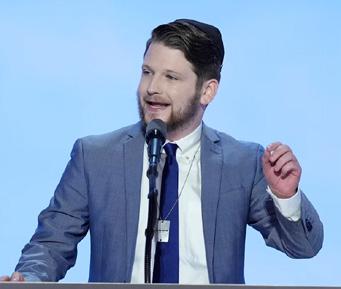
took knees for Black Lives Matter. Those who introduced themselves with preferred gender pronouns. That began a political evolution of sorts. As the expression goes, I was a liberal mugged by reality.
Alan Dershowitz said something similar — that he didn’t change, his party did.
That’s what Ronald Reagan said too. I didn’t abandon the Democratic Party. The Democratic Party abandoned me. I’ve had conversations with Professor Dershowitz, with people like Dennis Prager — those who grew up more liberal minded and then arrived at the same place. What I would say is different about my case is how young I was when it happened.
Did you lose friends over this?
I have not once, never have, never will end a relationship because of political disagreements. Unfortunately, that’s not true of the other side. I was the nerd eating alone at the Harvard cafeteria. Friends stopped talking to me. A roommate stopped talking to me. Professors stopped talking to me. Which is a shame, because I will never do that to another person.
As Ben Shapiro and Charlie Kirk taught me, the only way to combat bad ideas is with better ideas. Not censorship, not cancellation — through challenging the other in order to arrive at the truth. Which is, of course, Harvard’s own motto. Veritas. And there was just a lack of veritas, not only at the university, but across the country.
You also worked to get the Biden administration to take this seriously. What happened?
We were working very hard to ensure that the Biden administration and the Biden campaign took higher education reform seriously — combating religious discrimination throughout the country. And they never lifted a finger. While that was happening, President Trump’s campaign did an aggressive outreach effort to young American Jews, telling us exactly what policies they would implement. You don’t have to like Donald Trump, but you have to give the man credit. He was the only one who said, here are the things we are practically going to do to elevate your concerns.
What about the Blue Square campaign? Robert Kraft has done a lot for the Jewish community.
I have nothing against Robert Kraft personally. He has done more for the philanthropic world than I will ever accomplish. But putting on a blue square has actively harmed young American Jews — myself included. We would go to Chuck Schumer’s office, the Senate Majority Leader, and ask him to bring forth practical legislation: the Antisemitism Awareness Act, the

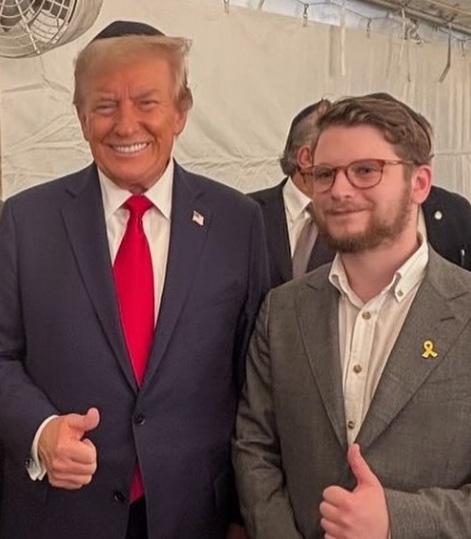
Deterrent Act, the No Foreign Gifts Act. And you know what Chuck Schumer would do? He would look us in the eye and say, “Do you guys know Robert Kraft? I love Robert Kraft. Look at this blue square he gave me.”
Those activities have actively prevented practical policy from being implemented. If you really wanted to help young American Jews, you would radically reinvest your resources into ensuring there isn’t a single American Jew going to public school because their parents can’t afford Jewish day school.
Would you send your own kids to an Ivy League school?
Me personally, no. But I never tell other people what they should or shouldn’t do — with the exception of Columbia University. Columbia is a grotesque institution full of abject love of terrorism and hatred of the United States. I’ve said on a podcast that anyone from the Columbia class of 2027 onward should not be hired, for any reason, by any employer. The only way you combat a problem like Columbia is you smoke it out. There should be a blanket ban on any student who willingly,
voluntarily, and deliberately goes to that institution.
That’s a sweeping position. What should Jewish families do instead?
There are 6,000 American institutions of higher learning. The Jewish community obsesses about twelve of them. There are great institutions — Vanderbilt, Texas A&M, Georgia Tech, University of Michigan, University of Miami. Send your kids to places where they are not just tolerated but welcomed, where the values you raised them to believe in are amplified and celebrated.
And I find it shocking that Jewish parents spend enormous amounts of money sending their kids to Jewish day schools, and then the moment they turn 18, tell that same kid to go to an institution where everything they learned at their Jewish day school, their Jewish summer camp, their shul — all of it is scorned and humiliated. Forget that it’s a bad investment.
It is a total abandonment of the things you purported to believe in.
So what’s the answer?
A radical reinvestment in Jewish education and Jewish experiential life. Make sure every American Jew knows where their nearest Chabad house is. Make sure every young American Jew gets to go to a Jewish summer camp, fully sponsored, at least once. Make sure every young American Jew gets to Israel at least once. That’s how you combat antisemitism. Not blue squares, not ADL reports, not gala dinners.
We do not exist to combat people who don’t like us. We exist to amplify and celebrate what makes us a unique and successful people. There’s a reason we’ve outlasted the Byzantines, the Romans, the Persians, the Greeks, the Egyptians. We’ve been around for 3,000 years. We will be around for the next 3,000 years. Jews do not need Harvard. It is Harvard that needs Jews.


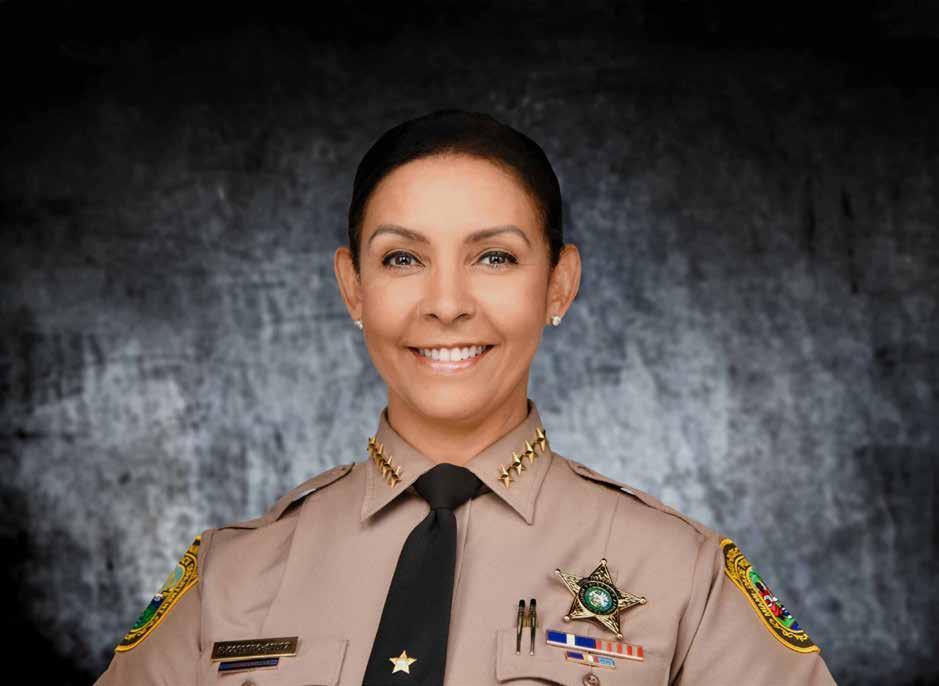
As we approach Passover—a time of freedom, resilience, and renewal—we are reminded of what it truly means to endure hardship and emerge stronger.
Today, in the Golan Heights, that message is not symbolic. It is real life.
For families living in Israel’s north, the past months have brought a constant and unrelenting reality. Sirens, uncertainty, and disruption are no longer occasional—they are part of daily life. Parents are raising children where routines are fragile, schools are interrupted, and once-thriving communities are under immense strain.
And sometimes, that reality becomes heartbreakingly real.
Earlier this week, the Golan community was shaken by devastating news.
Nuriel Dovin z”l, a 27-year-old from Bnei Yehuda, was tragically killed by Hezbollah rocket fire near the Machanayim Junction.
Nuriel was more than a headline.
She was a daughter, a sister, a partner, and a pillar of her community. A youth counselor. A caregiver. A reservist combat soldier. Someone deeply committed to building the future of the Golan—someone who showed up for others, every single day.
Now, an entire community is grieving.
At this difficult time, the Golan embraces her parents, Yoram and Shoshana, her siblings, her partner, and all who loved her. Educators,
community leaders, and support teams are working closely with children and families trying to process an unimaginable loss.
This is not an isolated moment.
This is the reality people are living in—every single day.
But what often goes unseen is what happens between the headlines.
It’s the quiet toll—the shuttered community spaces, the paused educational programs, and the steady erosion of normal life. It’s the small, everyday pieces that make a community feel whole— and how many of them are now missing.
And yet, it’s also the quiet resilience.
Communities continue to push forward, to support one another, and to rebuild in whatever ways they can.
And despite everything, the people of the Golan remain incredibly strong.
They are not leaving. They are not giving up. They are choosing, every single day, to stay, to build, and to believe.
Now, they need us.
At Friends of the Golan Heights, our mission is not only to respond to crisis—but to rebuild what’s been shaken and restore what’s been lost.
We are:
• Reinvesting in education so children can learn with stability again
• Supporting local initiatives that bring life, strength, and continuity back to these communities
Because a strong Golan is not just about land—it’s about people. This Passover, you have the opportunity to make a real, immediate impact.
• Donate today to help rebuild lives in the Golan Heights $100, $500, or $1,000 goes directly toward restoring homes, supporting families, and rebuilding community spaces.
• Your support brings stability, dignity, and hope to families living this reality every day.
Together, we can ensure that the Golan Heights is not only protected—but thriving.
Wishing you and your family a meaningful and uplifting Passover. Chag Sameach, Friends of the Golan Heights
You can donate via: Zelle:
friendsofgolanheights@gmail.com
Credit Card:

Zelle is preferred, as it has minimal processing fees— allowing more of your donation to go directly to supporting these women


If responsible countries had acted against the German threat in the 1930s like America and Israel are doing now against Iran, the whole world would have been different.
By Farley Weiss
Twice in the last 100 years, the free world had a choice as to when to enter a war against a maniacal dictator who was massacring its own people and intent on taking over the world.
The first was England under Neville Chamberlain before the start of World War II and the German Nazi campaign to commit a genocide against its own Jewish citizens, as well as against those in nations it conquered on its quest to rule the world. Adolf Hitler broke five major agreements through the rebuilding of his military; most notoriously, the Munich Agreement, which he signed with Chamberlain to stop pursuing other territories after receiving the Sudetenland of Czechoslovakia in 1939, as well as the MolotovRibbentrop Pact with Stalin.
Four days after Japan attacked the United States at Pearl Harbor, Hitler declared war on the United States. He thought he could defeat America as at that time, due to both an isolationist mentality and the idea that the U.S. military was considered only the 14th strongest in the world.
Iran signed agreements like the 2015 nuclear deal that it routinely violated by not allowing inspectors and secretly pursued their nuclear-weapon program.
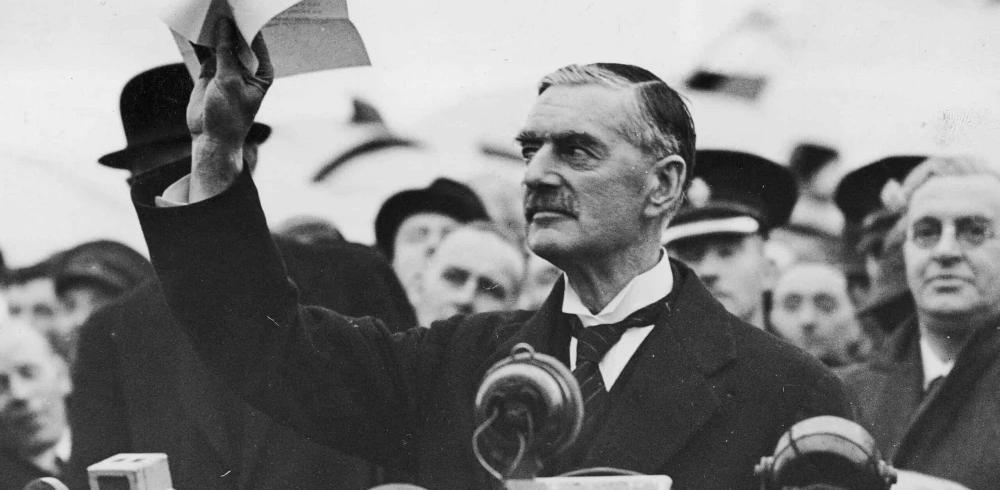
People cite that U.S. President Donald Trump withdrew from it in 2018, but England, France and Germany stayed in the agreement; therefore, Iran was obligated to keep it. The fact that Iran bragged in negotiations that it had 460 kilograms of 60% enriched uranium—enough for 11 nuclear bombs—and would not give this up in negotiations made it abundantly clear that it was an imminent threat to the world.
During this time, Iran became emboldened and, in essence, by supplying arms to Hezbollah, it took effective control of Lebanon and Syria, as well as Hamas in Gaza. They also supplied the Houthis in Yemen with ballistic missiles that disrupted international shipping, and they pursued their own massive ballistic-missile program, producing 100 a month and using them twice to attack Israel.
Iran has been the dominant political, security and economic power broker in the Mideast, and the main state sponsor of terrorism. Its leaders have repeatedly made it clear in their desire to destroy Israel, financing the Hamas-led terrorist attacks on Oct. 7, 2023, in addition to the Hezbollah missile attacks that followed starting on Oct. 8. Its leaders also tried to assassinate Trump and other previous Trump administration officials, like former U.S. Secretary of State Mike Pompeo and National Security Advisor John Bolton.
Hitler and the ayatollah had the same fanatical vision to rule the world. Both similarly went after the Jews as well. Unlike his presidential predecessors, who thought appeasement was the right policy against these evil leaders, Trump understood that there was
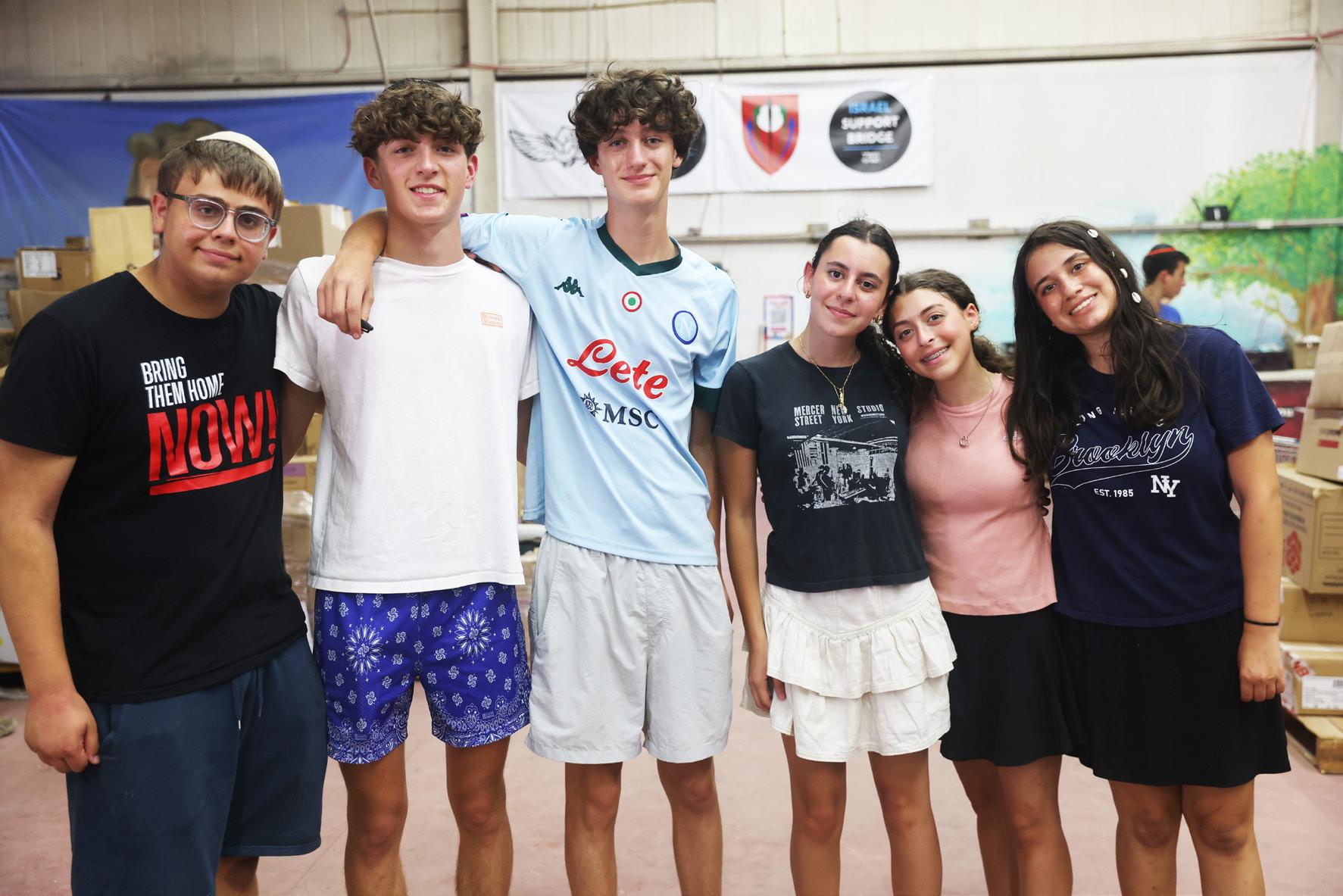
PROGRAM IS A ELIGIBLEWITHPROGRAM A $3,000 VOUCHER PENDING THE APPROVAL PROCESS
JULY 8TH - AUGUST 6TH, 2026
ISRAEL ID IS AN UNFORGETTABLE SUMMER ADVENTURE FOR TEENS WHO WANT TO EXPLORE ISRAEL IN A WHOLE NEW WAY. FROM HIKING EPIC TRAILS AND RIDING JEEPS THROUGH THE DESERT TO STANDING WHERE TANACH COMES TO LIFE, PARTICIPANTS BUILD DEEP CONNECTIONS WITH THE LAND, THEIR FRIENDS, AND THEIR JEWISH IDENTITY!
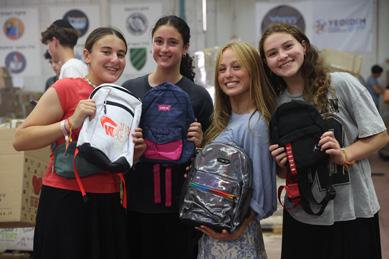
no diplomatic solution with Iran, just as there was no diplomatic solution with Hitler. Trump also understood that Iran was at a weakened state from Israel’s prior attacks on it, and that now was the time to attack and not wait any longer, as the problem would only get worse.
The result has been one of the greatest military accomplishments in history. Iran’s leadership has been wiped out by joint U.S.-Israeli operations, with few people killed so far of either nationality. Iran has lost thousands of soldiers. This is likely the most successful war in terms of a casualty ratio in history, especially considering the fact that Iran was considered a top
20 world military power before the war. Iran’s navy and air forces have been destroyed, as well as its ability to make more ballistic missiles.
The billion-dollar-a-day cost of the war will be quickly made up by the sales of U.S. military equipment once it ends. It has also shown that U.S. systems are far more advanced then Russia and Chinese equipment. The war should further deter Russia and China in the future.
Estimates have it that Iran murdered around 32,000 demonstrators and injured around 200,000 others. The isolationists and leftists have shown that they would stand idly by and do nothing
against such barbarism, just like their counterparts stood idly by in the 1940s as Jews were being murdered and Hitler was gobbling up countries in Europe.
Trump gave his word to these Iranian families whose loved ones were butchered by the evil Iranian regime that he would take action— and he did.
The war is still going on, but the courageous and moral decisions of Trump need to be appreciated and admired. Many talked about stopping a nuclear Iran, but only now has this happened, under his leadership and that of Netanyahu. That decision to act has already made the whole world safer.



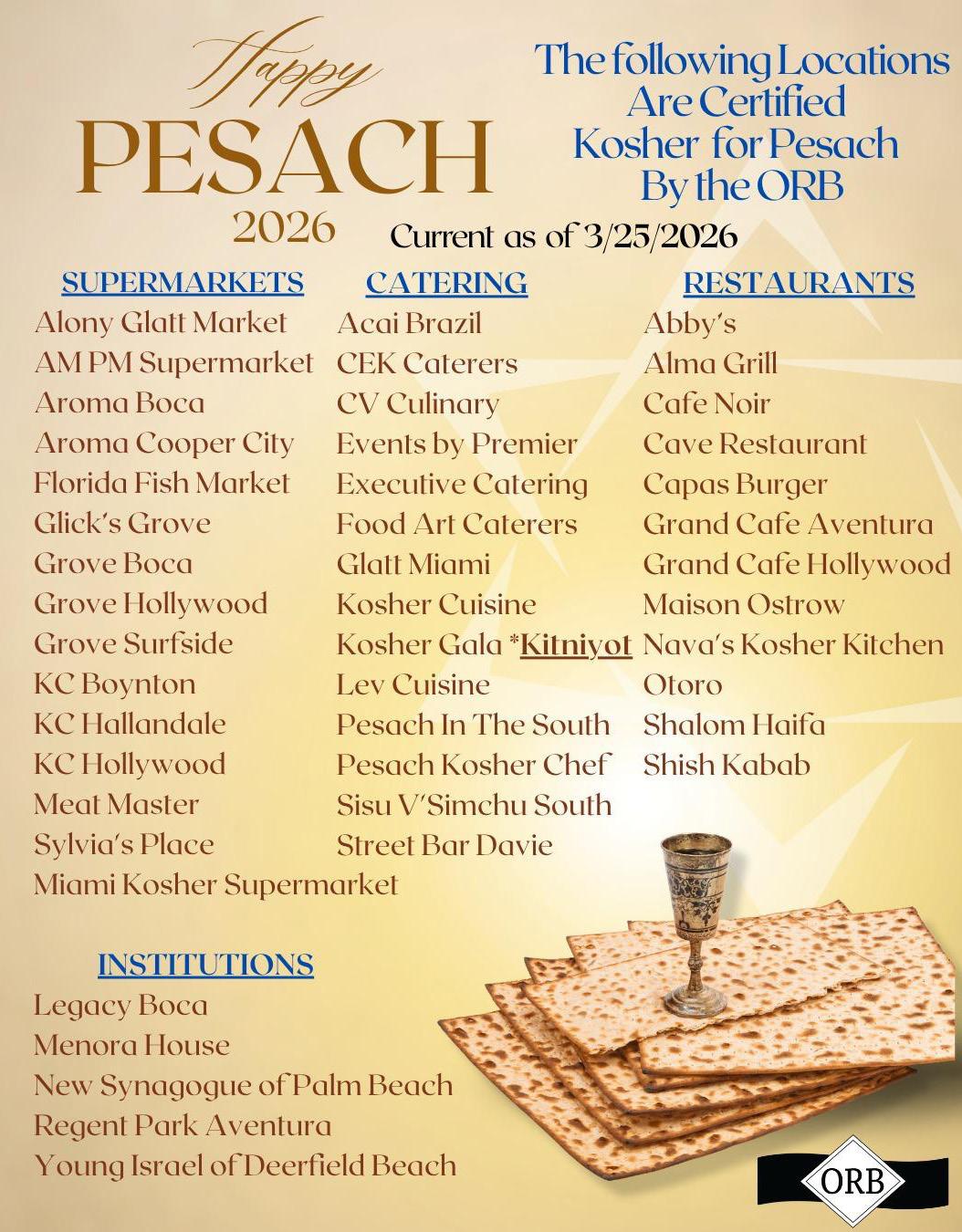

The matzah is on the table, the Seder is behind you, and Chol HaMoed stretches out ahead like a gift. These are the in-between days — not quite yom tov, not quite chol — and they were made for family adventure. Whether you’re staying close to home in South Florida or making the pilgrimage up I-4 to Orlando’s endless theme parks, this year’s Chol HaMoed lineup has something extraordinary waiting for every family.
Here is your complete guide to the best activities, attractions, and simchas this Pesach.
CAPITAL OF THE WORLD
Thousands of South Florida Jewish families make the four-hour drive north every Pesach, and with good reason. Orlando in April is glorious — warm but not blazing, with blue skies and long days made for adventure. Whether you’re renting a villa through one of the many Orlando Pesach programs or just making a day trip, the options are nearly limitless.
Universal Orlando Resort
Universal’s two flagship parks — Universal Studios Florida and
Islands of Adventure — plus the newer Epic Universe (which opened in 2025 and has already become one of the most talked-about theme park additions in years) make this an unmissable Pesach destination. Epic Universe features five entirely new worlds, including a Harry Potter realm, a Nintendo world, a Universal Monsters horror experience, an animated film land, and a celestial-themed hub. Plan a full day here — then head to the classic parks the following morning for Diagon Alley, Hogsmeade, and the legendary Hagrid’s Magical Creatures Motorbike Adventure.

No Chol HaMoed Orlando guide begins anywhere else. Disney’s four parks — Magic Kingdom, EPCOT, Hollywood Studios, and Animal Kingdom — offer something for every age, from toddlers to grandparents. Spring break season means the parks are lively and buzzing with energy. Pro tip: Book Lightning Lane passes
well in advance, arrive at rope drop, and head first to the rides with the longest afternoon waits (Tron, Guardians of the Galaxy: Cosmic Rewind, TRON at Magic Kingdom). Disney Springs, the resort’s outdoor shopping and entertainment complex, is free to enter and makes for a lovely evening stroll — and a helpful reminder of why we celebrate freedom.
For families who love marine life and want a slightly slower pace than the mega-parks, SeaWorld delivers. Dolphin and sea turtle encounters, the Penguin Trek dark ride, and world-class roller coasters like Mako and Kraken make it an ideal half-day or full day option. The park’s conservation messaging is thoughtful and educational — a nice conversation starter about our responsibility as shomrei teva.
Located in Winter Haven, about an hour from downtown Orlando, LEGOLAND is the sweet spot for younger children (roughly ages 2–12). Miniland USA recreates famous American cities in LEGO form, and the interactive building stations and gentler rides make it a pressure-free, joy-filled day.

There’s also a LEGOLAND Water Park on the property. A perfect Chol HaMoed option if your children haven’t yet hit the rollercoaster stage.
For the family that wants inspiration alongside entertainment, the Kennedy Space Center — about 45 minutes east of Orlando on Florida’s Space Coast — delivers in abundance. Walk beneath a Saturn V rocket, experience the Shuttle Atlantis exhibit, and watch IMAX films about space exploration. Every Pesach we tell our children the story of Yetziat Mitzrayim — the story of a people who were freed and went on to change the world. Kennedy Space Center is a fitting reminder of what free people can accomplish.

Right in the heart of the International Drive corridor, ICON Park offers a more condensed entertainment experience: the 400-foot Orlando Eye observation wheel, the SEA LIFE Aquarium (which features Florida’s only 360-degree ocean tunnel, showcasing sharks, rays, and sea turtles), Madame Tussauds Orlando, and an assortment of
restaurants and attractions. This is a great option for a shorter outing or a second-day activity when the big parks feel overwhelming.
If you need a breath of fresh air and a break from ticket lines, Lake Eola Park in downtown Orlando is a beautiful, free option. The serene lake is ringed by a walking path lined with swans, and the city skyline provides a picturesque backdrop. Pack a picnic (matzah and all), let the kids run, and enjoy a peaceful Chol HaMoed afternoon.
of South Orlando – Your Pesach Home Base in Orlando Planning to spend time in Orlando over Chol HaMoed? Chabad of South Orlando has long served as the spiritual home base for the thousands of Jewish visitors who flood the area every Pesach. They offer kashering assistance for villas, information on Pesach food sources, discounted park tickets, WhatsApp groups for the Orlando Pesach community, and resources for finding minyanim throughout the area. Visit jewishorlando.com for the complete Pesach visitor guide. Rabbi Yitzchak Dvir and his team make sure no Yid in Orlando is ever without a minyan, a hot meal, or a warm “Chag Sameach.”
For those staying home this Pesach — or spending Yom Tov at one of South Florida’s many outstanding Pesach programs —
Chol HaMoed in our own backyard is not second-best. It is its own extraordinary thing. South Florida in April is luminous: the beaches are warm, the Everglades are alive, and the cultural offerings across Miami-Dade, Broward, and Palm Beach counties are world-class.
Miami Beach & South Beach
There may be no more iconic Chol HaMoed backdrop than the Art Deco stretch of Ocean Drive and the white sands of Miami Beach. Pack your towels, kosher snacks, and sunscreen, and spend a morning on the sand — the ocean in April is warm, the sky is impossibly blue, and the atmosphere is absolutely alive with Jewish families doing the same thing. The Lincoln Road pedestrian mall is a pleasant late-afternoon stroll for window shopping and people-watching. You will hear more Yiddish and Hebrew on Collins Avenue during Pesach week than perhaps anywhere outside of Yerushalayim.
Pérez Art Museum Miami (PAMM)
Overlooking Biscayne Bay in the Museum Park neighborhood, PAMM is one of the finest contemporary art museums in the South. Rotating exhibitions draw from Latin American, African,
and American art traditions, and the waterfront sculpture garden is a stunning outdoor experience. A culturally enriching option for older children and adults.
Located on Watson Island between downtown Miami and Miami Beach, Jungle Island offers exotic animal encounters, ziplines, and interactive experiences with birds, primates, and reptiles. A fun and somewhat off-the-beaten-path option that families rarely regret.
Just south of Miami, this largely underwater national park offers snorkeling, glass-bottom boat tours, and kayaking through pristine mangroves and coral reefs. Book ahead — tours fill up during Pesach week. A reminder that the same Borei who split the Yam Suf created all the wonders you’ll see beneath those turquoise waters.
The largest zoological park in Florida, Zoo Miami is home to more than 3,000 animals representing over 500 species. It’s beautifully designed in a natural habitat format, and the Wings of Asia aviary is a highlight. A fullday family outing — bring water, comfortable shoes, and a sense of wonder.
Sawgrass Recreation Park –Weston
One of the most popular Chol HaMoed destinations in South Florida, Sawgrass offers
thrilling airboat rides through the Everglades with friendly guides, wildlife exhibits, and baby gators on display. An authentic Florida experience that is impossible to find anywhere else in the world.

Home to thousands of freeflying butterflies from around the globe, Butterfly World is an unexpectedly magical experience. The lush gardens, exotic birds, and peaceful atmosphere make it ideal for families with children of all ages — including very young ones who will stand transfixed as butterflies land on their shoulders.
A serene botanical garden and wildlife sanctuary, Flamingo Gardens is home to flamingos, peacocks, alligators, otters, and a remarkable banyan tree grove. A shaded tram tour makes it easy to cover the whole property. This is a wonderful option for a relaxed mid-morning outing that doesn’t involve queues or crowds.
South Florida’s finest science museum features interactive exhibits on Florida ecosystems, live animal encounters, an Everglades habitat, a flight simulator, and a
giant-screen IMAX theater. Plan a half-day here — children who walk in bored walk out inspired.
Xtreme Action Park – Fort Lauderdale
When the children need to expend serious energy, Xtreme Action Park delivers. Go-karts, roller skating, laser tag, ropes courses, bowling, and a trampoline zone under one roof. A rainy-day lifesaver and a sunny-day winner in equal measure.
Fort Lauderdale’s famous “Venice of America” canals are best experienced from the water. Las Olas Gondola Tours offers romantic and family-friendly rides through the waterways of this beautiful coastal city, passing multi-million-dollar homes and yachts. An unexpected, memorable experience for families who want something different.
Another excellent Everglades airboat option, slightly less crowded than Sawgrass. Live gator shows, wildlife presentations, and some of the best photo opportunities in South Florida. Go in the morning before it gets hot.
A spacious, shaded beachfront with long walking paths, picnic areas, and easy parking. A more relaxed alternative to the bustle of Miami Beach — perfect for families who want ocean, sun, and calm. Bring your own snacks and
stay as long as you like.
One of South Florida’s most beautiful and unusual destinations, the Morikami is a 16-acre Japanese garden and cultural museum dedicated to the Yamato Colony, a group of Japanese farmers who settled in Palm Beach County in the early 1900s. The bonsai collection is stunning, the roji gardens are peacefully otherworldly, and the seasonal “Roji-en: Garden of the Drops of Dew” features six distinct garden styles. A genuinely transporting experience for families looking for something refined and memorable.
Located in West Palm Beach’s Dreher Park, this intimate, beautifully landscaped zoo focuses on Florida and Latin American wildlife. Smaller and more manageable than Zoo Miami, it’s ideal for families with younger children. The Tiger Falls exhibit and the orangutan habitat are standout attractions.
If your family is staying at a Pesach program in the Palm Beach area and the kids are craving water fun beyond the hotel pool, Rapids Water Park is South Florida’s largest outdoor water park. Wave pools, water slides, a lazy river, and plenty of splash areas make it a guaranteed good time. Check
hours and availability during Pesach week.
For the birdwatching family — or any family that could use an hour of peaceful, restorative nature — Green Cay Wetlands is a 100-acre marsh preserve with a one-mile elevated boardwalk. Purple gallinules, anhingas, herons, and dozens of other species are visible year-round. Free admission. A beautiful, unhurried counterweight to the bustle of theme park days.
Many families spending Pesach at the Leisure Time Tours program at PGA National will find themselves in the middle of one of Florida’s most magnificent resorts. The 33,000-square-foot health center, 19 tennis courts, championship golf, and the “Waters of the World” mineral pools make Chol HaMoed at the resort itself a complete experience — no driving required.
Chol HaMoed eating in South Florida has never been better. From the many Pesachcertified restaurants and take-out establishments in Aventura, Boca Raton, and Surfside to the on-site catering at every major Pesach program, your family will not go hungry. If you’re spending a day out, most programs will prepare packed kosher-l’Pesach lunches upon request. Call ahead, plan ahead, and never let a long day at
the theme park end with hungry children and closed kitchens.
In Orlando, Chabad of South Orlando and numerous local resources can direct you to Pesachcertified food options throughout the area.
• First Seder: Wednesday night, April 1
• Second Seder: Thursday night, April 2
• Chol HaMoed begins: Saturday night/Sunday, April 5
• Chol HaMoed ends: Wednesday evening, April 8
• Shevi’i shel Pesach: Thursday, April 9
• Acharon shel Pesach: Friday, April 10 (Shemini Atzeret / last day observed in Diaspora)
*Candle lighting and zmanim vary by location. Please check your local listings.*
Chol HaMoed is a precious gift — a week when the entire klal Yisrael pauses together, breathes together, and remembers that the same Ribono Shel Olam who took us out of Mitzrayim is with us still, on every airboat ride and roller coaster and sunset beach walk. May your Pesach be filled with simcha, your matzah crisp, your afikomen negotiations reasonable, and your Chol HaMoed unforgettable.
Chag Kasher V’Sameach!
BOCA RATON, FL (March 23, 2026) – More than 125 community members and local leaders gathered on March 4 for the Adolph & Rose Levis Jewish Community Center’s Grabelsky Family Special Night for Special Needs “Dream Builder” Celebration, held at The Addison in Boca Raton.
Proceeds from the event, now in its 15th year, will support the life-changing programs of the Levis JCC’s Helene & Roy Schwedelson Special Needs Department.
Chaired by Linda and Ralph Behmoiras and Diane and Fred Fiddle, the evening was sponsored by Boca Raton Regional Hospital Foundation, with Boca Raton Observer serving as the exclusive magazine sponsor.
The reception honored the Boca West Children’s Foundation for its ongoing support of the Schwedelson Special Needs Department. Marli Buchalter received the Yad B’Yad (Hand in Hand) Teen Leadership Award, presented annually to a teen volunteer demonstrating exceptional commitment to the department’s programs.
Mimi Norman, the parent of a young adult who participates in many Levis JCC Schwedelson Special Needs Department programs, spoke about what it is like to have a child with differences. “Finding a place where our child feels welcome, supported, accepted and celebrated, and where parents feel connected to other parents for support and information has been so important to us.”
Programs offered through the Helene & Roy Schwedelson Special Needs Department include:
• Marleen Forkas Camp Kavod Year-Round Programs
• Summer Camp: a 7-week summer program that features a variety of typical
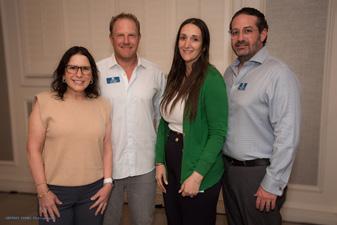
camp activities on campus and in exciting community venues, with a focus on having fun while acquiring vital life skills. Pre-K-12th grade+
• Winter & Spring Camp: When school is not in session, campers participate in winter and spring camps. Pre-K-12th grade+
• Fit & Fun Program - Highly skilled personal trainers and teen volunteer buddies lead this innovative program. Athletes participate in strength training, gain flexibility and agility, improve coordination and endurance, enhance social skills, and build self-confidence. Ages 3-22+
• After School Enrichment
- Participants will enjoy funfilled afternoons of activities designed to engage and enrich their after-school hours while helping them build skills and socialize with peers. Skilled and caring staff oversee activities that include fitness, ponies, yoga, homework help, art, science, fun with food, dance and so much more. Ages 3-22+
• Paul Markhoff Otzar Sunday School - Otzar (Hebrew for “Treasure”) offers students in grades K-12, a Judaic educational experience, foster-
ing enriched participation in Jewish life. Families who want their child to become a Bar/ Bat Mitzvah will have the opportunity to work in collaboration with local synagogues. K-12th grade
• Parents’ Night Out & Kids Night Out - Parents can enjoy a Saturday night out with 4 hours of respite while their children participate in our well-supervised program with a staffing ratio of 1 staff person for every 4 children. Children will participate in crafts, games, snacks and much more!
• Schwedelson Young Adult Social Scene & Schwedelson Sunday Social Scene (YearRound) - Adults functioning at a high level of independence enjoy a variety of weekly activities, make new friends, enhance social relationships and cultivate vital life skills. Ages 18-29 and 30-50+
• Project L.I.F.E. (Learning. Independence. Friendship. Experiences.) - A Life-Skills Day Program for Adults with Special Needs who have aged out or are no longer attending high school. While not quite ready for vocational training or to work at a job independently, they are ready to expand their life skills, enhance their social interaction, and explore new opportunities. Ages 18-30+
• Move & Mingle Adult Fitness Program - Personal trainers teach participants about fitness equipment and workouts. Ages 16+
SAVVY - An innovative self-defense, safety and self-awareness
program for teenage girls and adult women. Ages 16+
• Year-Round Parent & Caregiver Support Group Sibling Support Group - Facilitated by professionals at Ruth & Norman Rales Jewish Family Services.
For further information about the Schwedelson Special Needs Department programs, please visit www.levisjcc.org.
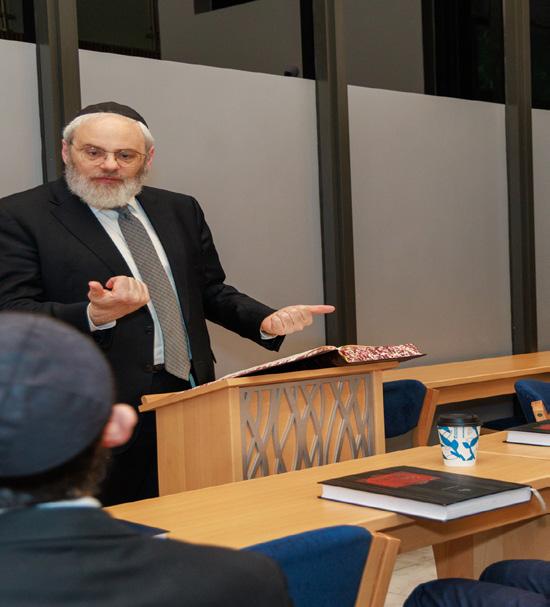



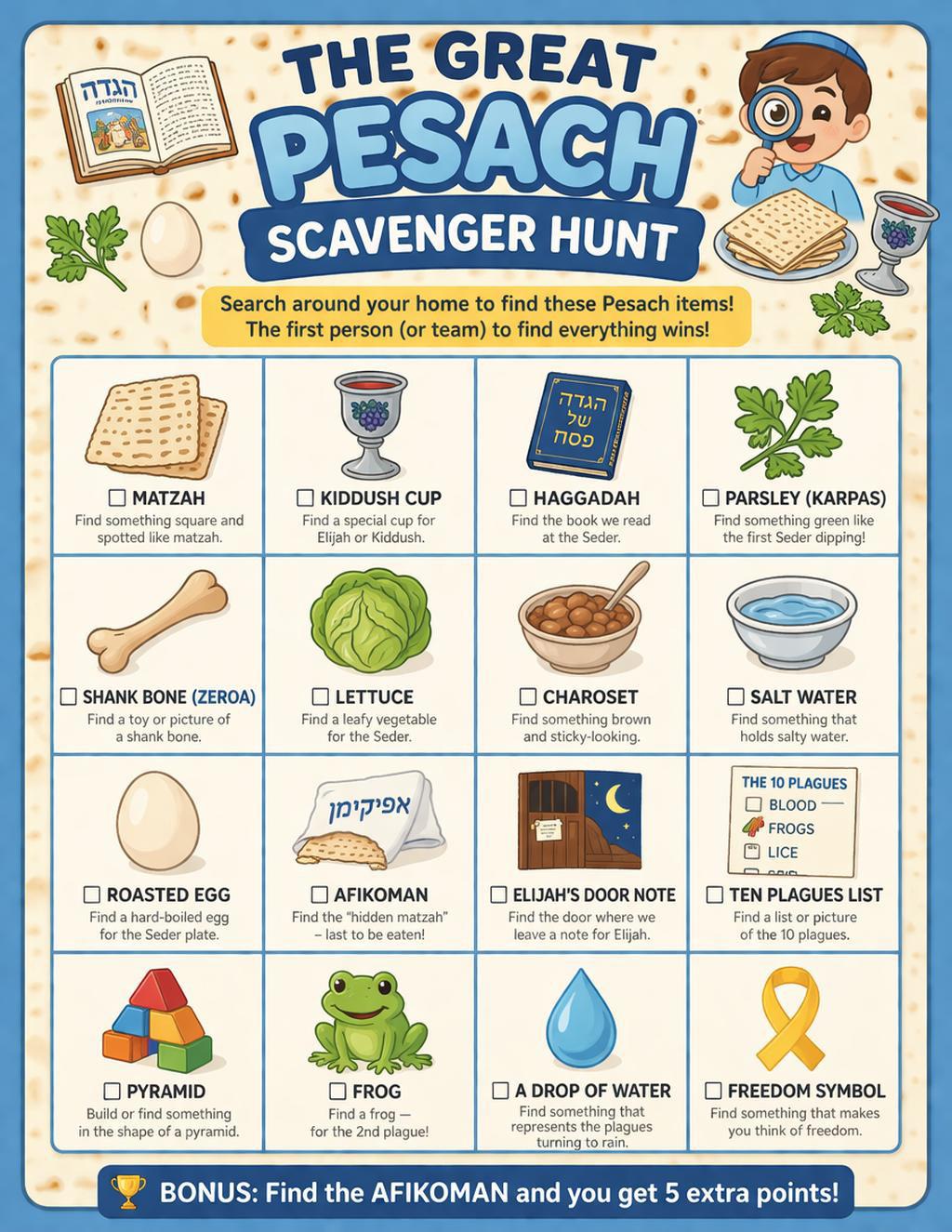
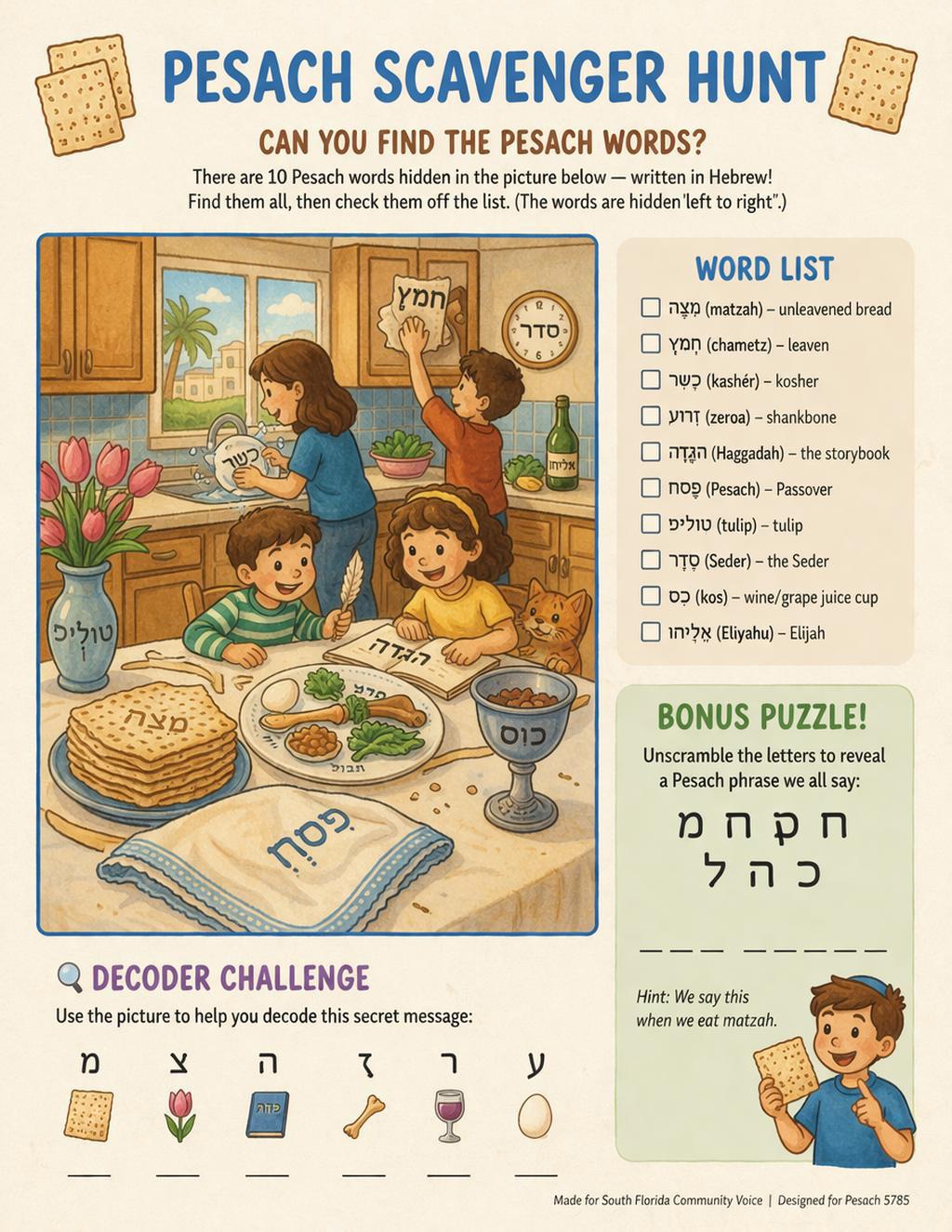
1. “Pharaoh” Was Not His Name — It Was His Job Title. Every king of Egypt was called “Pharaoh,” just like we say “President” today. The Midrash tells us the title came from a wise man named Rekion who so impressed the king of Egypt that his nickname stuck for every Egyptian ruler after him.
2. He Started Out Against Enslaving the Jews. When Pharaoh’s advisors first suggested enslaving the Jews, Pharaoh actually refused — he remembered how Yosef had saved all of Egypt! His ministers were so angry they removed him from power for three months, until he finally gave in.
3. He Tricked the Jews Into Slavery With Kind Words. Pharaoh didn’t just order the Jews to work — he put on royal clothes, picked up tools himself, and invited everyone to join a friendly “national building project.” By the time the Jews realized it was a trap, it was too late.
4. He Had Three Advisors — and Each Got a Very Different Fate. Before enslaving the Jews, Pharaoh consulted three wise men: Bilam, Iyov, and Yitro (Gemara, Sotah 11a). Bilam said go ahead and was later killed. Iyov stayed silent and suffered. Yitro refused and walked away — and was rewarded by having an entire parsha of the Torah named after him!
5. Pharaoh Claimed He Was a God. Pharaoh told his people he never needed the bathroom — to keep up his “divine” act, he snuck down to the Nile alone every morning. That is exactly where Moshe would meet him and ask, loud enough for all to hear: “Is it possible for a god to need the river?”
6. He Was Incredibly Short. According to the Midrash (Moed Katan 18a), Pharaoh was only one amah — one cubit — tall. That’s roughly the height of a first-grader! Yet his beard was so long it reached his ankles.
7. The Word “Pharaoh” Has a Hidden Meaning in Hebrew. The name Pharaoh can be read as “peh rah” — an evil mouth — because he used words to deceive. It can also be read as “peh rach” — a soft mouth — because that is exactly how he lured the Jews into slavery: with friendly language before showing his true face.
8. He Survived Krias Yam Suf. According to a Midrash, Pharaoh was the one Egyptian who survived the splitting of the sea. He eventually became king of Nineveh — and when Yonah arrived to warn the city, Pharaoh led everyone in teshuvah immediately. He had already seen with his own eyes what happens when you ignore Hashem.
9. Even Pharaoh Got One Reward. During the first plague, when all water turned to blood, Pharaoh’s own water was spared (Midrash HaGadol). Why? Because he had raised Moshe in his palace. Even one act of kindness by a wicked person, say the Sages, does not go unrewarded.
10. His Name Was Also a Warning. The Midrash points out that the letters of Pharaoh (פרעה) can be rearranged to spell “ha’oref” — the back of the neck — because he always turned his back on Hashem. No matter how many miracles he witnessed, he kept looking away.
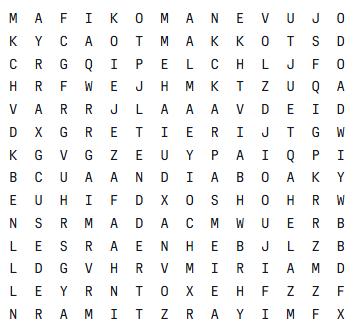
WORD LIST:


1. I am not alive, yet I swallowed a staff. I am not a mouth, yet I opened wide. I was created at twilight on the sixth day of Creation — special from the start. What am I?
eve of the first Shabbos.)
Avos lists it among the things created at twilight on the
(Answer: The staff of Aharon — it swallowed the staffs of Pharaoh’s magicians (Shemos 7:12). The Mishnah in
2. We drink four of me at the Seder — but a fifth is poured and left untouched. That fifth cup belongs to a prophet who will one day herald the final redemption. What is that fifth cup called, and who is it for?
corresponding to the four expressions of redemption in the Torah.)
Eliyahu HaNavi, who we hope will arrive and announce the coming of Moshiach. We drink four cups ourselves,
(Answer: Kos Eliyahu — Elijah’s Cup. We pour it for
3. The Torah calls me by one name, the Rabbis call me by another. I am the offering brought on Pesach — one per household, roasted whole, eaten in haste. My bone sits on your Seder plate, but the Beis HaMikdash must stand for me to be brought. What am I?
(Answer: The Korban Pesach — the Paschal lamb)
4. I am said 15 times during the Seder. I am also the number of steps from Egypt to freedom. I am the number of words in Birkas Kohanim’s first verse. What number am I, and what Seder tool shares my count?
(Answer: 15 — the number of steps in the Haggadah, reflected in the order of the Seder)
5. I am mentioned in the Haggadah, but I never appear by name. I led the Jewish people out of Egypt, yet the story is told without me. The Rabbis left me out on purpose — to teach that the miracle belonged to Hashem alone. Who am I?
(Answer: Moshe Rabbeinu — Moses, whose name does not appear in the main Haggadah text)
6. I am a mitzvah and a mystery. The Torah says to do me, but gives no reason. I turn your house upside down every spring. I cannot be seen with the naked eye, yet we search for me by candlelight. What am I?
(Answer: Chametz — leavened bread, searched for on the night before Pesach)
7. I am a sandwich, but not the kind you take to school. The Torah commanded me long before any Rabbi was born. But one great Tanna institutionalized me as a zecher l’Mikdash — in memory of the Temple. My ingredients are bitter, sweet, and flat — all at once. What am I, and which Tanna is associated with me?
(Answer: The Korech sandwich — maror and charoses between two pieces of matzah. Hillel the Elder instituted this practice based on the verse in Bamidbar, eating them together as the Torah commands. We do it today zecher l’Mikdash — in remembrance of how Hillel did it when the Temple stood.)
Wishing my family, friends, the community, and valued clients a Chag Pesach Kasher V’Sameach!
As we celebrate the Yom Tov of freedom and Hash-em’s great kindness, may every home be filled with simcha, bracha, and shalom.
May you and your family enjoy a beautiful, meaningful Pesach.
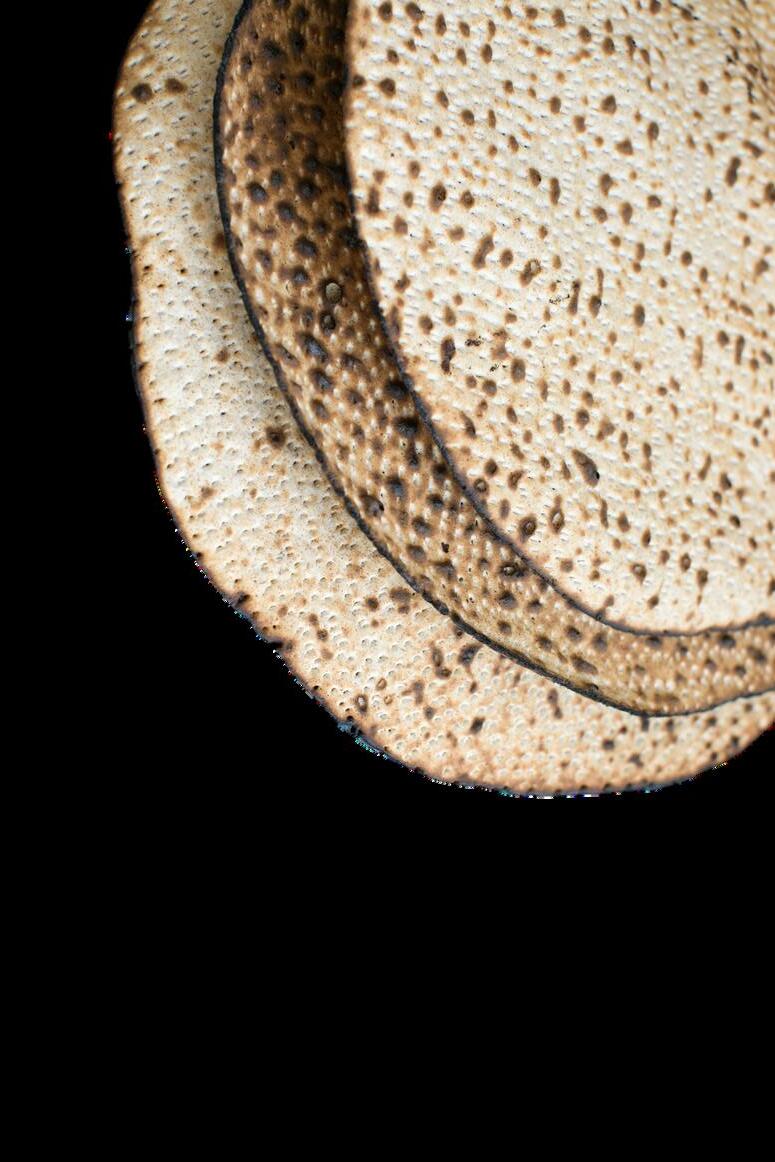


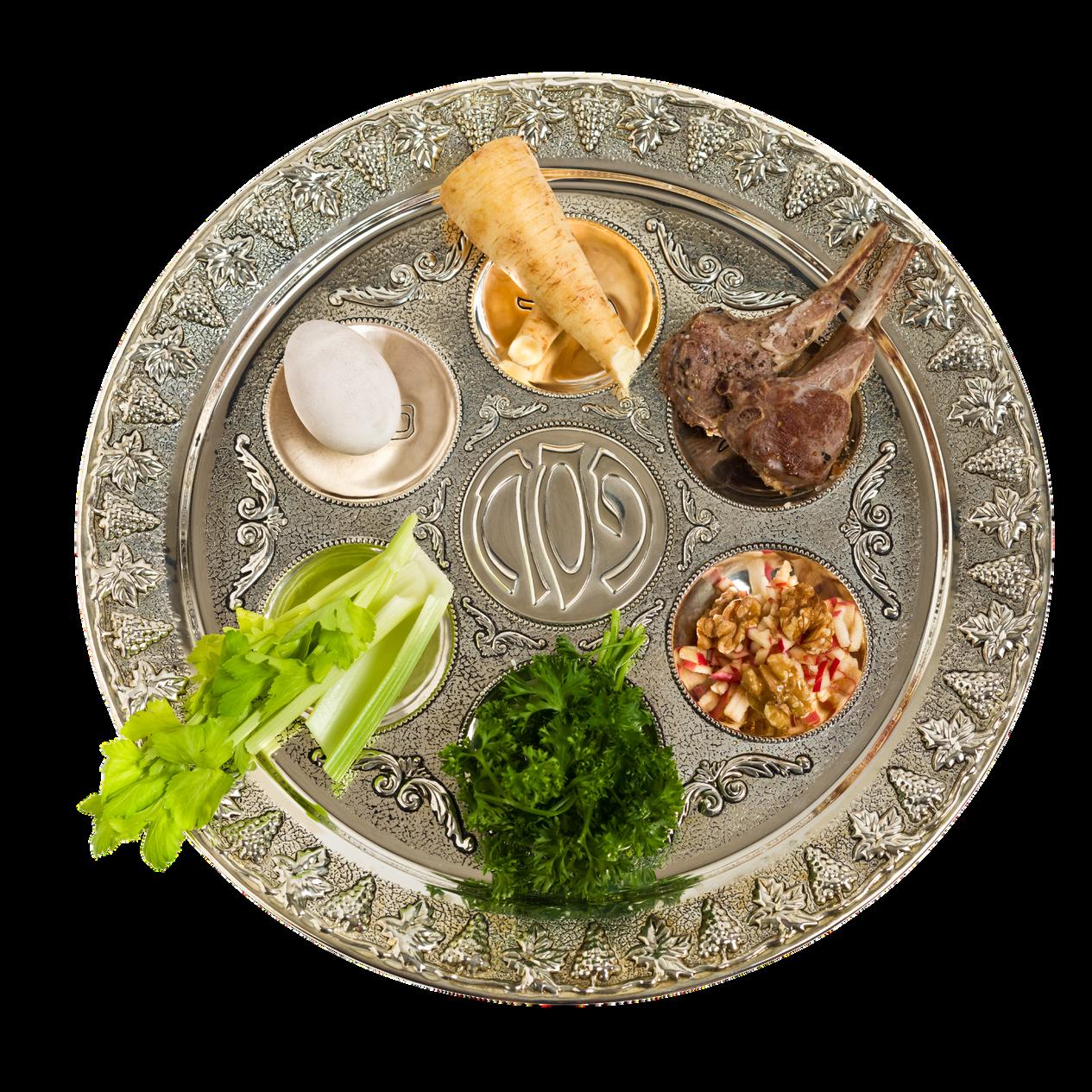





4 bedrooms, 3 baths, 1,851sf
$7,800/M
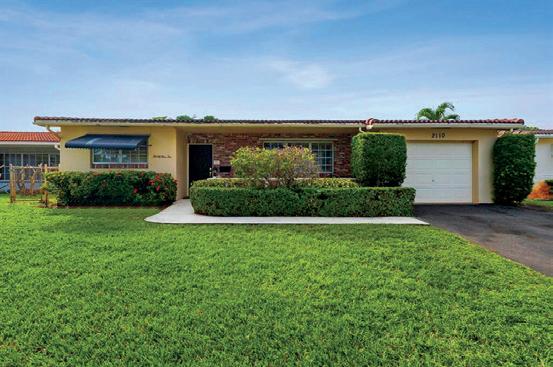
H O L L Y W O O D
Open House! 600 Three Islands Blvd unit B406 & 301 Sunday, March 16th, 11-12:30 pm RENTED
The Olympus- 1-2 bdrms, 1.5-2 baths, 1000-1400sf Multiple Units available Starting at $199K
3 bdrms, 2 full baths, Pool, 1,905sf $4,750/M
H O L L Y W O O D SOLD
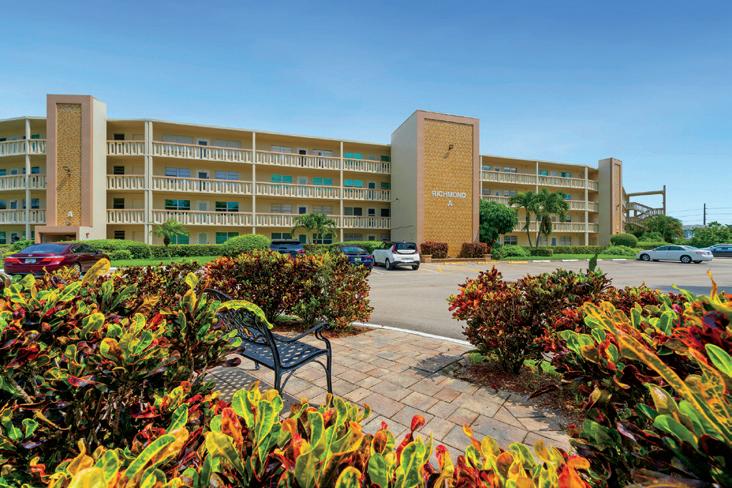
2 bdrms, 2 full baths, 1,000sf $239K
6 bdrms, 3.5 baths, 4,200sf, lot size 14,736sf
$1.995M


The Spiaggia- 1 bdrms, 2 full baths, 927sf $3,500/M S U R F S I D E RENTED
TEL AVIV – In an unprecedented show of cross-sector collaboration, ICAR Collective, Israel’s nonprofit coordinating body working to accelerate trauma recovery and advance mental health resilience, convened more than 500 decision makers and professionals from across Isra- el’s trauma, resilience and mental health ecosystem to address a critical national challenge in the wake of the October 7 attacks and the wars that followed.
The gathering brought together representatives from over 170 organ- izations, including nonprofits, technology and corporate organizations, philanthropic foundations and government ministries, spanning clinical care, research, academia, public systems, innovation and community-based services.
While Israel is recognized as a leader in trauma care and innovation, participants emphasized that the central challenge is not a lack of expertise or activity, but that the current system is too fragmented to effectively meet the scale and complexity of the growing national need.
Leaders outlined a shift from emergency response to long-term infrastructure, emphasizing that sustained trauma requires a funda- mentally different approach than short-term crisis mobilization. This includes building coordinated governance, shared standards, integrated data systems and aligned financing mechanisms to support recovery over years, not months.
“Israel has extraordinary pro- fessionals and innovators,” said ICAR Collective Co-Founder and Executive Director Gila Tolub. “The challenge now is not capacity, but design. We need to move from emergency response to a system that is intentionally built for long-term recovery and translates commitment into sustained national impact.”
A central priority is the development of tiered, population-level care models. Leaders emphasized that only a minority of individuals will require intensive clinical intervention, while the majority can
benefit from prevention, early intervention and community-based support. Strengthening frontline capacity and ensuring appropriate triage were identified as critical to preserving specialist resources and improvingWorkforceoutcomes. sustainability emerged as a structural constraint. Participants called for expanded trauma-informed training across professions, stronger supervision frameworks, burnout prevention and long-term national workforce planning to address persistent shortages and growing demand.
Leaders also highlighted the importance of community and relational infrastructure. Family systems, peer networks and local community frameworks were recognized as essential components of recovery, alongside formal care systems. Supporting reintegration into daily life and strengthening meaning-making processes were seen as critical for long-term resilience.
Data and research were identified as foundational to system effectiveness. Participants emphasized the need for longitudinal monitoring, shared outcome measures that extend beyond symptom reduction and alignment between research, policy and funding to enable evidence-based implementation at scale.
While fragmentation across sectors remains a barrier, the discussion focused on building the connective infrastructure such as shared language, coordinated pathways and interoperable systems which are required to enable continuity of care and reduce inequities in access. Finally, leaders underscored
that innovation must be integrated thoughtfully into the system. Digital tools, emerging technologies and novel therapeutic approaches should complement, not replace, ev- idence-based care, and must be deployed within coordinated pathways with appropriate ethical and regulatory safeguards.
“A national response to trauma must be structured, not improvised,” said ICAR Collective Co-Founder and Director of Medical and Scientific Affairs Prof. Eyal Fruchter. “This means tiered care models, a protect- ed and well-trained workforce and the responsible integration of in- novation. Without this foundation, even strong interventions cannot deliver outcomes at scale.”
ICAR Collective will continue working with partners across government, healthcare systems, academia, civil society and philanthropy to build this foundation and help translate it into sustained national impact.ICAR Collective (Israel’s Collective Action for Resilience) is working to accelerate trauma recovery and advance mental health resilience through coordinated collaboration across Israel’s public health, NGO, academic and research communities. Founded in response to the national trauma of October 7, ICAR Collective’s mission is to build a national, science-backed roadmap for long-term trauma recovery— aligning efforts and resources to protect the wellbeing, productivity and security of Israeli society. For more information, visit www.icarcollective.org/.https://



Isaac and Hetty were planning a holiday. As usual , they ended up arguing. "It 's 'Hawaii,' I'm telling you," Hetty said. "Oy vay, I never knew someone so stubborn. 'Havaii' is how it 's pronounced," Isaac said. And so it went on all the way till they got there. As soon as they got off the plane, Isaac asked a porter, "Now that we're on the island, you can settle an argument between my wife and me? Is this 'Hawaii' or 'Havaii’?'" " This is Havaii," replied the porter "Ha!" Isaac said, turning to Hetty, "See, didn' t I tell you never to argue with me? I'm always right " Just before they began to walk away, Isaac gave the porter a hearty " Thank you." " You're Velcome "
I'm great at multitasking. I can waste time, be unproductive, and procrastinate all at once
Brought to you by Uncle Benjy, author of Laughter is the best medicine: Kosher and Jewish jokes for the whole family, volumes one and two, and Jewish Joke Book for Kids, volumes one and two, available on Amazon; search “Uncle Benjy ” on Amazon.










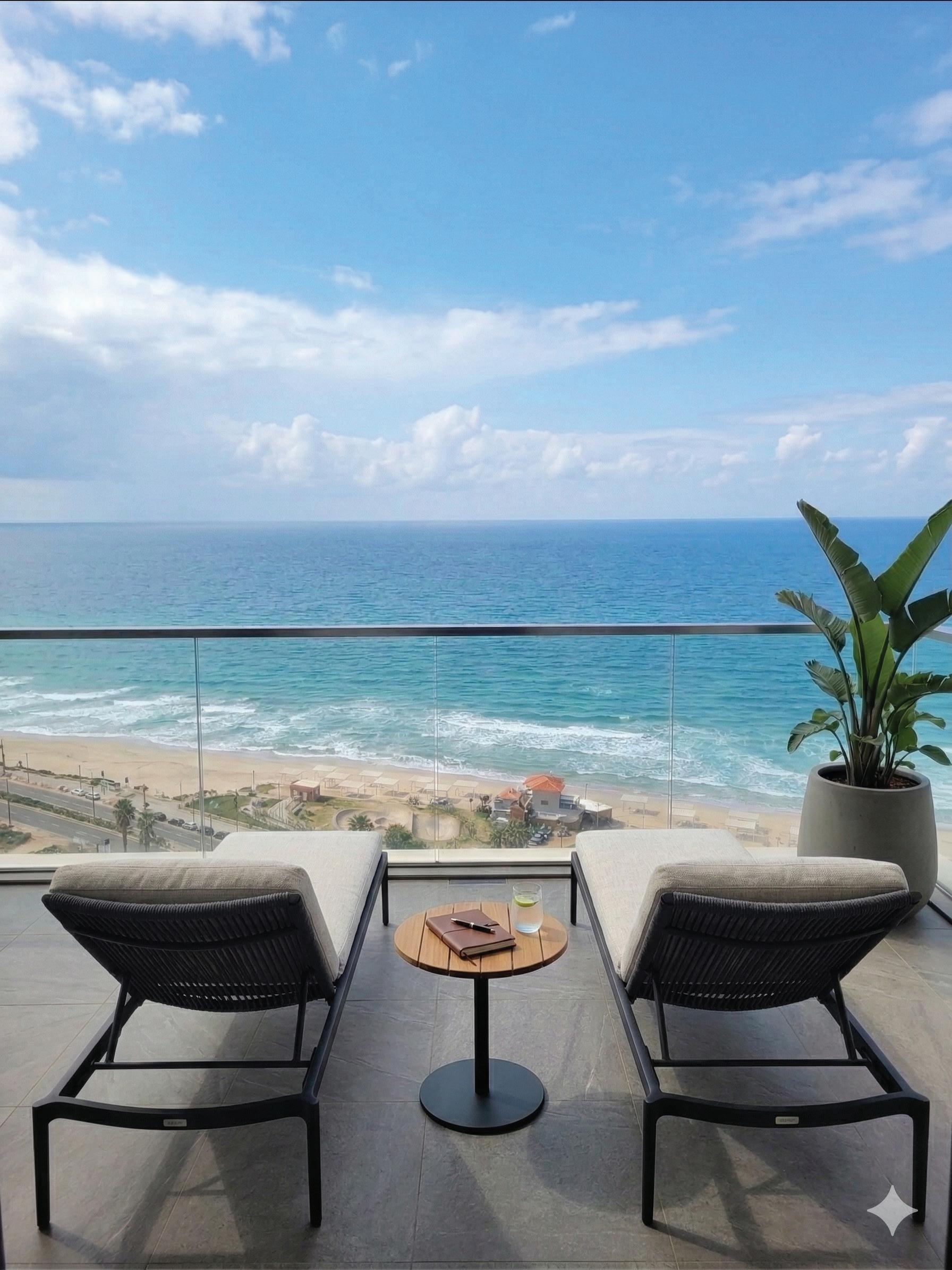

Ever since the recent strikes involving the U.S. and Israel against Iran, I’ve noticed something interesting. People are glued to their phones, refreshing feeds, analyzing strategy, debating outcomes like they’re sitting in the Pentagon. Everyone suddenly has insight. Everyone has an opinion. And whether they’re consuming information or pushing it out, there’s a sense that we’re all participants, and that our thoughts matter. But as I watch this unfold, I can’t help but think how we are focusing on the wrong battlefield. While headlines suggest one kind of war, there’s another one happening much closer to home. It’s quieter, less dramatic, and far more personal. It’s the war for our attention, our focus, and ultimately, our direction. And from where I sit, we’re not winning that one. We’re distracted, scattered, and increasingly conditioned to react instead of think. We’re consuming more than ever, and creating less. And that’s not a geopolitical issue. That’s a mindset problem. In fact, while we are a country with conveniences and comforts at our fingertips, America ranks very poorly in terms of quality of life.
There’s a study I often think about. Participants were given a simple task: fill out a questionnaire declaring whether they thought of themselves as an optimist or a pessimist, and simply count the number of ads in a newspaper as quickly as possible. What they didn’t realize was that some pages contained a message that literally
By Shmuel Shayowitz

gave them the answer. The people who described themselves as optimists finished faster. Not because they were smarter, but because they were more open. They saw what others missed. The pessimists stayed locked into the task and ignored the obvious. Same paper. Same instructions. Completely different outcomes.
That’s exactly how life works. Your brain processes millions of bits of information every second, but you only focus on a tiny fraction. What you choose to pay attention to becomes your reality. If you’re wired to see problems, you’ll find them everywhere. If you’re trained to spot opportunities, they start showing up just as often. The difference isn’t intelligence. It’s awareness and conditioning. Author Nir Eyal speaks about this in a very practical way. He explains that most distractions don’t come from the outside. They come from internal triggers - stress, boredom, uncertainty. We reach for our phones not because something
important is happening, but because we’re uncomfortable sitting still. That’s where the battle is being lost, not in what we consume, but in what is consuming us.
He offers a simple concept called the ten-minute rule. When you feel the urge to get distracted, don’t fight it forever. Just delay it. Tell yourself you will check your phone in ten minutes. What happens is powerful. The urge passes. You regain control. That small gap between impulse and action is where discipline is built. It’s simple, but it’s not easy. And that’s exactly why it works.
This has real implications for how we approach money, business, and growth. I see people waiting for clarity, waiting for the perfect moment, waiting until things “settle down.” Meanwhile, they’re scrolling, comparing, consuming, and staying exactly where they are. The people who move forward are not the ones with perfect information. They’re the ones who can focus long enough to act on imperfect information.
Another concept that would work in this situation is a simple “reframe” to turn around limiting beliefs. When you catch yourself saying, “This won’t work,” or “I can’t do that,” you flip it. Is that absolutely true? Or is it just a story you’ve repeated enough times that it feels real? Most of the limitations we operate under are a figment of our imagination. And once you start questioning them, you realize how much room there actually is
to grow.
We don’t need more information right now. We need better awareness. We need to train ourselves and our children to focus on what actually matters. To recognize opportunities when they appear. To sit with discomfort instead of escaping it. That’s how you build anything meaningful. As we enter the holiday of Pesach, we need to remember that enslavement and oppression are not only physical, and we need to work very hard to free ourselves of our self-imposed imprisonment.
Shmuel Shayowitz (NMLS#19871) is a highly regarded Real Estate & Finance Executive, Writer, Speaker, Coach, and Advisor. He is President and Chief Lending Officer of Approved Funding, a privately held national mortgage banker and direct lender that has facilitated over $3 billion in mortgage funding. Shmuel has over twenty years of industry experience and holds numerous licenses and accreditations, including certified mortgage underwriter, licensed real estate agent, residential review appraiser, and accredited investor, to name a few. Shmuel has successfully navigated through many changing markets and business landscapes, making his market insights and experience well-coveted within the real estate industry. He can be reached via email at Shmuel@ approvedfunding.com.




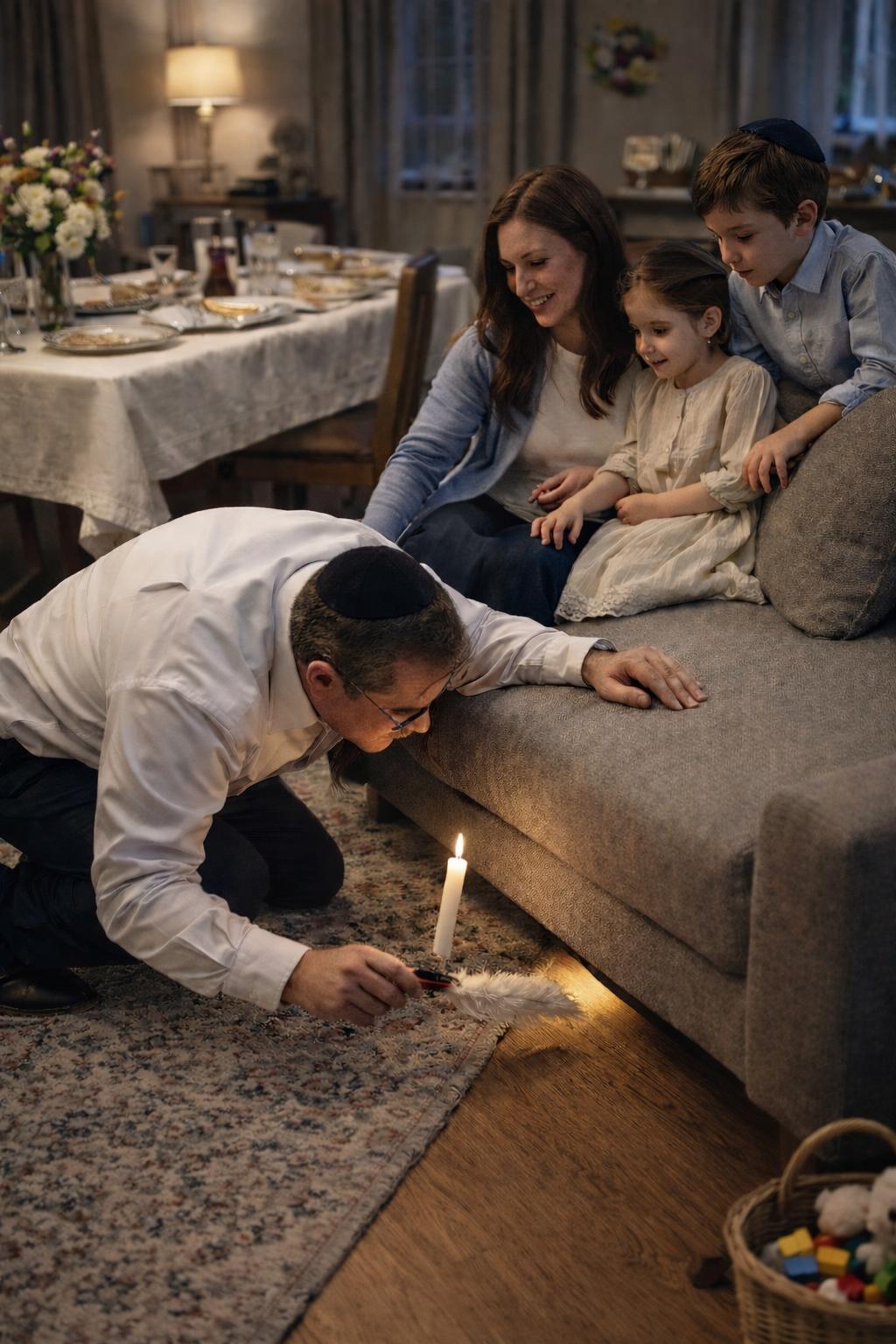


If your family agreed on the perfect neighborhood, if you wisely got pre-approved for a mortgage, if you found the house you all love, if the seller accepted your reasonable offer, if you “locked in” a great rate, if the appraisal came in as expected, if you got final approval without a hassle, if you closed smoothly, right on time,

You were probably working with Ark.



WISHING


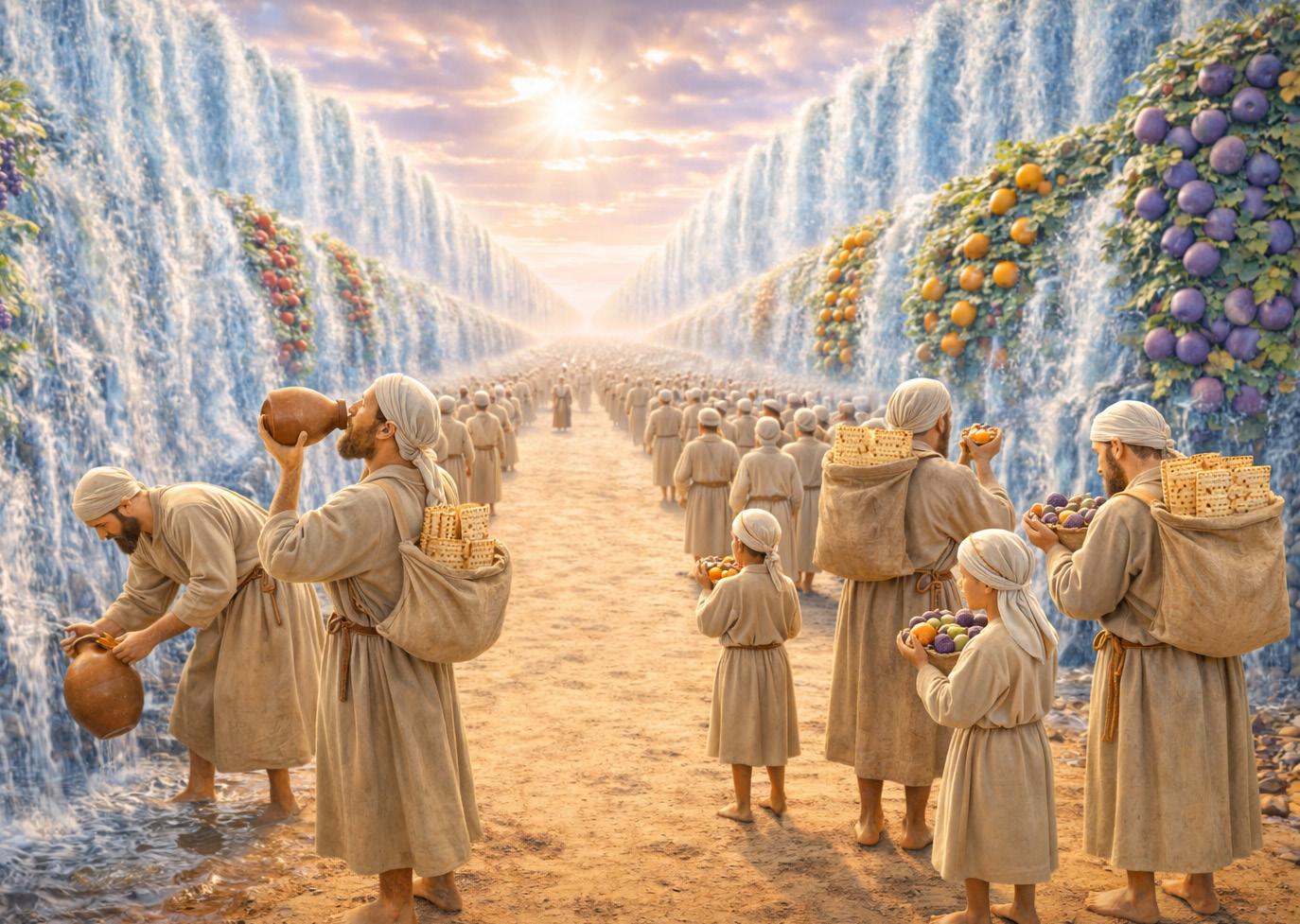
But
did more than that.
Chazal teach that the walls of the Yam Suf provided fruit and fountains for those walking through.
Even when the path ahead was difficult, the journey itself was filled with support. At United Refuah HealthShare, we believe medical challenges should be approached the same way.
Yes — members can share up to $1,000,000 per incident. But just as important is what happens along the way:
A case manager who advocates for you. Guidance through difficult medical decisions. Help negotiating fair prices with hospitals. Freedom to seek care anywhere in the world.
Because no one should have to cross the sea alone.