
If you don’t have a relationship with a veterinarian, create one.
Check your cattle daily or every-other-day to establish normal behavior and look for signs of NWS infestation.
For procedures that cause open wounds like vaccinating, tagging, branding, dehorning, castrating, etc , either apply preventative treatment in warmer months (see Treatment and Prevention) or delay to cooler months.
Cut, dry and dip newborn navels in iodine
Gather wound spray, premise spray and tarp/trash bags in the event of a suspected case.
Treat, cover and monitor open wound areas on animals.
Repair fences and equipment that could cause an open wound.
Begin considerations of tightening calving windows and moving breeding seasons to calve in cooler months.
First, if possible, place a tarp, trash bag or similar item directly under the animal. If nearby, move the animal to a concrete pad, trailer or hard surface to prevent larvae from falling into the dirt. Avoid transporting the animal to a new location
Collect larvae (see Collection and Submission). Record GPS coordinates or drop a pin to the location of the infected animal
Take photos of larvae and the infested area. Spray the ground under the infected animal with premise spray to kill any larvae that may have fallen from the animal.
Contact the Texas Animal Health Commission to report the suspected case and submit samples (see Reporting)
Contact your local veterinarian and establish and implement a treatment protocol.
Monitor the infested animal until the wound is healed, then return it to the herd.
Wounds that do not heal or continue to enlarge.
Presence of maggots in wounds. Foul-smelling discharge from wounds.
Irritated behavior, discomfort or animals isolating themselves.
Head shaking, loss of appetite or decreased activity.
Use tweezers or pliers to collect larvae of varying sizes
Collect as many larvae as possible, preferably 10, from the deepest part of the wound
Place the larvae in a vial or container with 70% alcohol (ethanol or isopropyl). Ensure all larvae are submerged.
Seal the container with tape and place it in a plastic bag for shipment.
Connect with your TAHC regional office and turn samples over for submission.
All larvae not being submitted should be collected and destroyed.
Any deceased livestock or wildlife with larvae should be burned, frozen or buried to a minimum depth of four (4) feet
Anyone outside a yellow NWS infested zone, including those in blue surveillance zones, has no restrictions and may move livestock as normal. Animals inside a yellow infested zone require a physical inspection and a NWS Animal Movement Certificate.
To receive a NWS Animal Movement Certificate from an infested zone:
Owner must contact a veterinarian, state or federal animal health official, or authorized NWS-certified inspector at least two days prior to the movement date. All animals must have official identification and a Premises Identification Number (PIN). Any animal with an open wound or NWS infestation cannot move until the wound is healed.
Animals must receive preventative treatment at least 48 hours prior to movement.
Once inspected and certified, animals have five days from the date of inspection to move outside the infested zone.
Slaughter animals are not required to receive preventative treatment.
Once inspected and certified, animals have three days from the date of inspection to the date of slaughter.
Scan to view NWS infested zones:
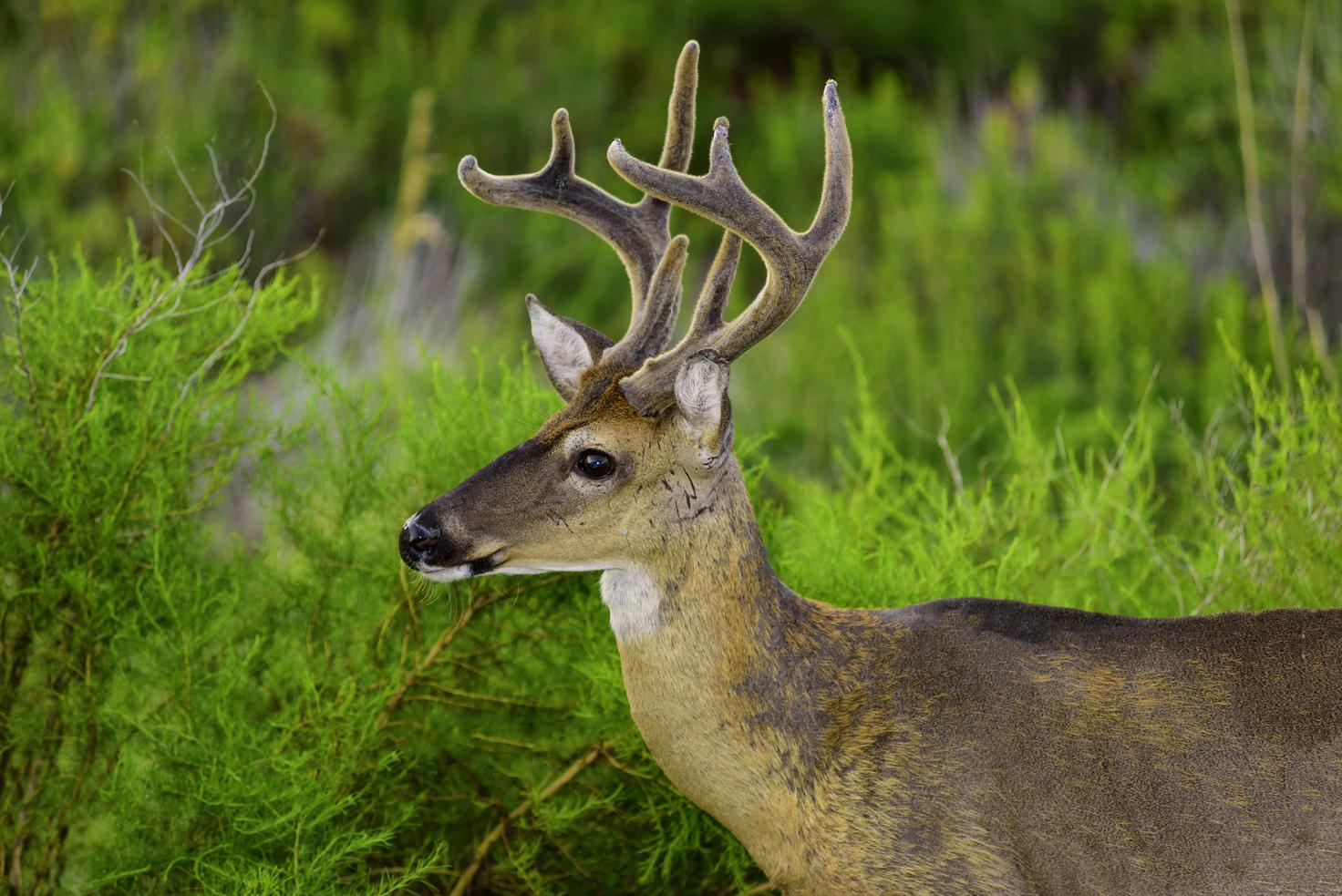
Regularly review game cameras, observe wildlife while hunting and inspect hunterharvested wildlife.
Focus on the most likely infected species: white-tailed deer, jackrabbits, cottontails and small mammals
Instances of live or recently harvested animals with live maggots should be reported immediately
Reference the “Guidance for Take of Wildlife Related to New World Screwworm” resource document by scanning here:
F10 Antiseptic Wound Spray with Insecticide
Application: Topical Prevention: Yes
Treatment: Yes
Obtaining: OTC
F10 Antiseptic Wound Barrier Ointment with Insecticide
Application: Topical Prevention: Yes
Treatment: Yes
Obtaining: OTC
Catron IV
Application: Topical Prevention: Yes
Treatment: No
Obtaining: OTC
Negasunt Powder
Application: Topical Prevention: Yes
Treatment: Yes
Obtaining: USDA
Dectomax / Dectomax-CA1
Application: Injection Prevention: Yes
Treatment: Yes
Obtaining: OTC
Exzolt Cattle-CA1
Application: Topical Prevention: Yes
Treatment: Yes
Obtaining: Prescribed
Ivomec (Ivermectin)
Application: Injection Prevention: Yes
Treatment: No
Obtaining: OTC