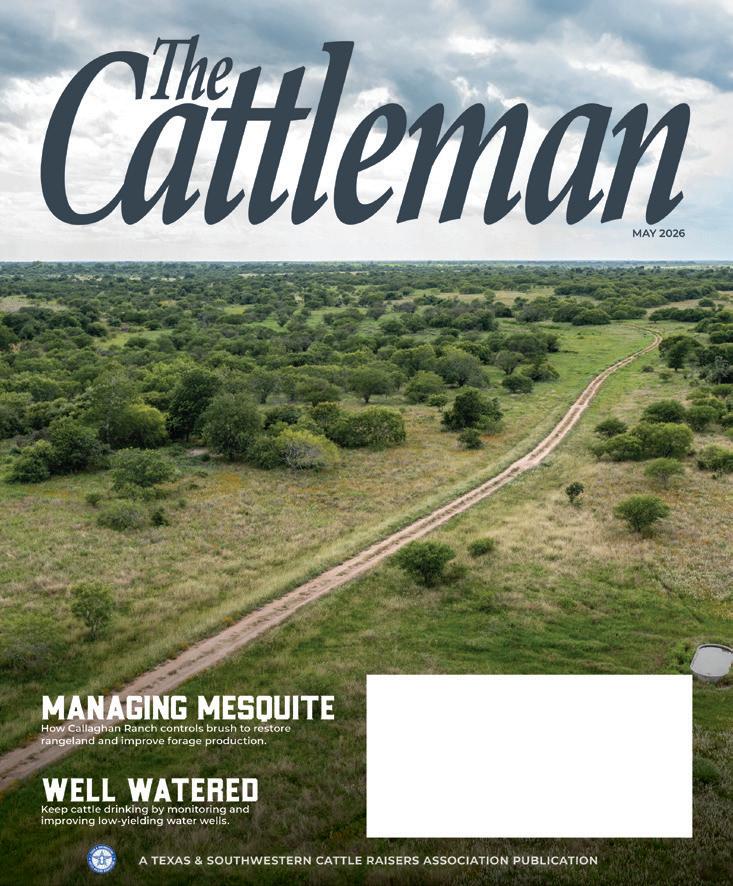
Managing Mesquite
How Callaghan Ranch controls brush to restore rangeland and improve forage production.
Well watered
Keep cattle drinking by monitoring and improving low-yielding water wells.

Harlow Cattle Co.

Jason Griffin Atok a, OK (580) 271-1333
Ty Grimsley Nazareth, TX (806) 685-5406 Cole Johnson Dallas, TX (214) 384-2653
McCauley Seymour, TX (940) 256-8353 Wes Miller Independence, KS (928) 245-6560


•
10 FEATURES
Restoring the Range
Callaghan Ranch controls mesquite with precision technology, timely herbicide application.
By Jena McRell
Well Watered, Well Managed
Ranchers harness the power of solar and storage for water woes.
By Addie Brown
DEPARTMENTS

WATER MINDED
Water has always been a defining factor in how we steward the land. It influences every decision we make, and remains one of the most important resources for ranchers and landowners.
In this May issue of The Cattleman, we take a closer look at how our members are managing water infrastructure, making the most of the available resources and the policy discussions shaping water resources today.
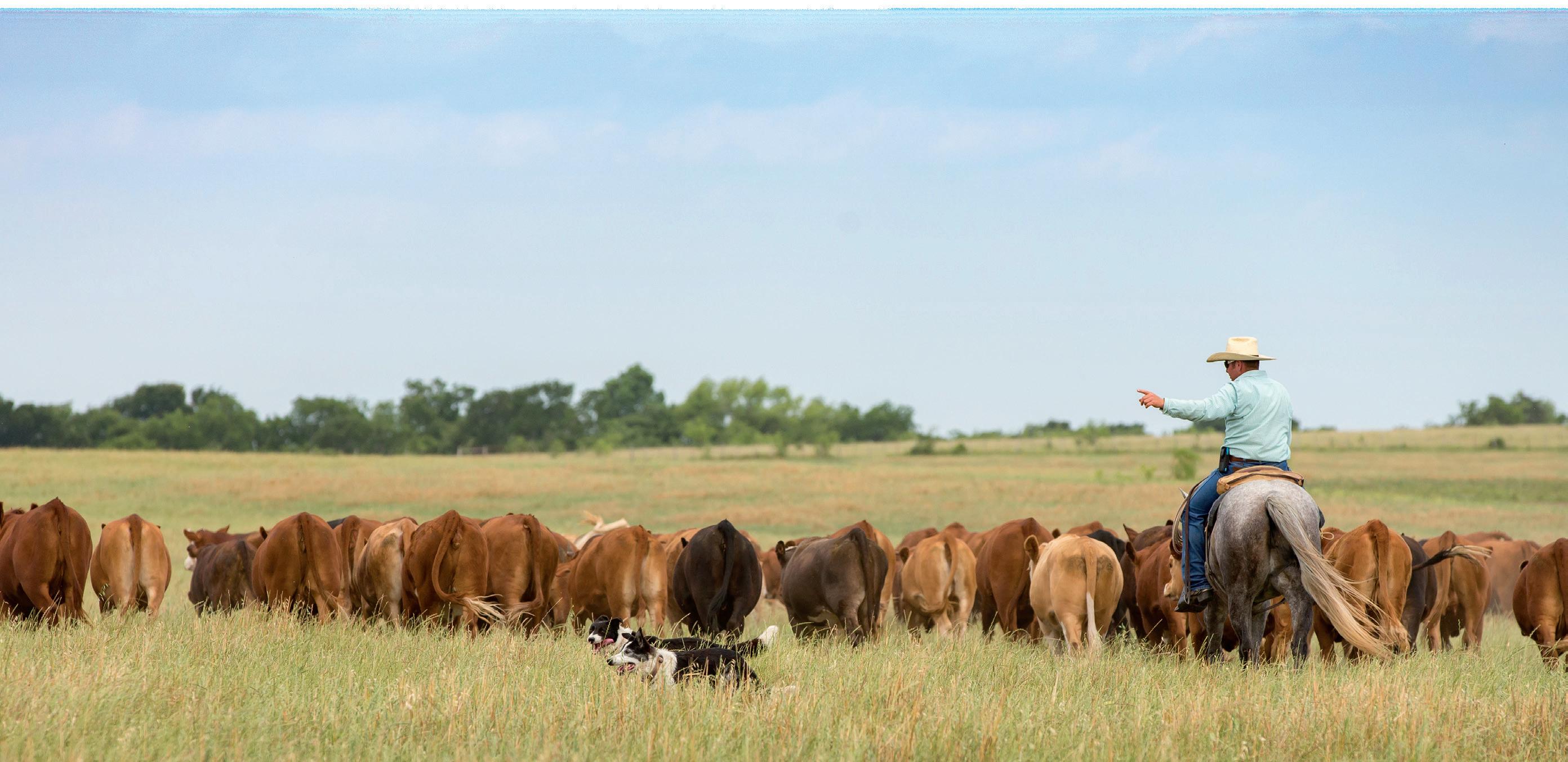
Our first feature focuses on Texas & Southwestern Cattle Raisers Association member Callaghan Ranch in South Texas. In partnership with Corteva Agriscience, the ranch is tackling mesquite encroachment with precision technology and well-timed herbicide applications. The result is more than brush control. It is a thoughtful approach to improving water availability and making the most of every rainfall.
That same spirit of innovation carries into Well Watered, Well Managed, an article that shares how ranchers are harnessing solar power and water storage systems to address ongoing water challenges. Alongside Texas & Southwestern Cattle Raisers Association members, we explore solutions that address water challenges throughout the state.
Water management, however, is also a policy conversation that will shape the long-term viability of our open spaces in Texas. In this month’s Standing With Us, Texas & Southwestern Cattle Raisers Association Honorary Director Jay Evans outlines a balanced approach to water policy — one that values local control while recognizing the need for regional coordination.
As Evans notes, groundwater stewardship must be rooted in sound science and managed depending on the aquifer to ensure consistency across regions. This approach supports both responsible use today and long-term sustainability for future generations.
We hope you enjoy this month’s magazine! T C

Jaclyn Roberts Parrish Executive Director of Communications, Marketing & Partnerships/Editor-in-Chief, The Cattleman jaclyn@tscra.org • 817-916-1794
Financing

fence line.


You’re responsible for more than just yourself. You have a whole herd depending on you. When the going gets tough, we’ve got your back . . . and every hoof. At Capital Farm Credit, we understand the demands of Texas livestock operations and deliver financial solutions tailored to keep your operation moving forward. While your barn depends on you, you can depend on us.
May 2026 / / Vol. CXII, No. 12
Published by Texas & Southwestern Cattle Raisers Association
P.O. Box 101988, Fort Worth, Texas 76185
Phone: 817.332.7064 • Fax: 817.394.1864 tscra.org
EDITORIAL
Editor-in-Chief Jaclyn Roberts Parrish
Managing Editor Jena McRell
Associate Editor
Shelby Kirton
Copy Editors Kayla Jennings, Elyssa Foshee Sanders
Graphic Designer Ryan Barten
EXECUTIVE DIRECTORS
Executive Vice President/CEO Jason Skaggs
Communications, Marketing & Partnerships Jaclyn Roberts Parrish
Events, Education & Leadership Development Emily Lochner
Finance & Human Resources Megan Wills
Interim Government Relations Peyton Schumann
Law Enforcement, Brand & Inspection Services Clay McKinney
Membership & Operations Lisa Walker
OFFICE LOCATIONS
Fort Worth 2813 S. Hulen St., Suite 150 Fort Worth, Texas 76109
Austin 919 Congress Ave., Suite 750 Austin, Texas 78701
Subscription Inquiries: tscra@tscra.org or 800-242-7820
Advertising Sales: sales@tscra.org or 817-332-7064
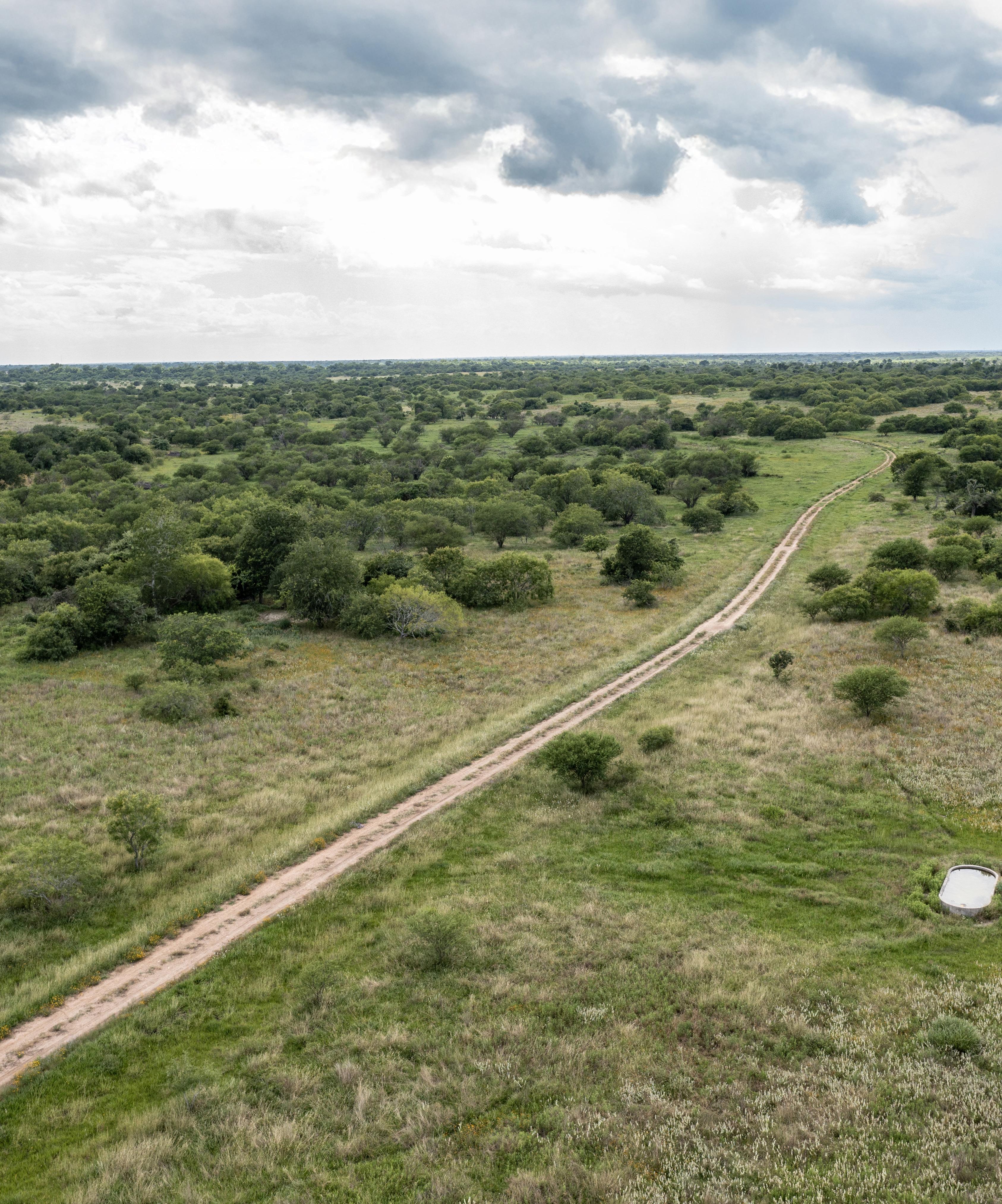
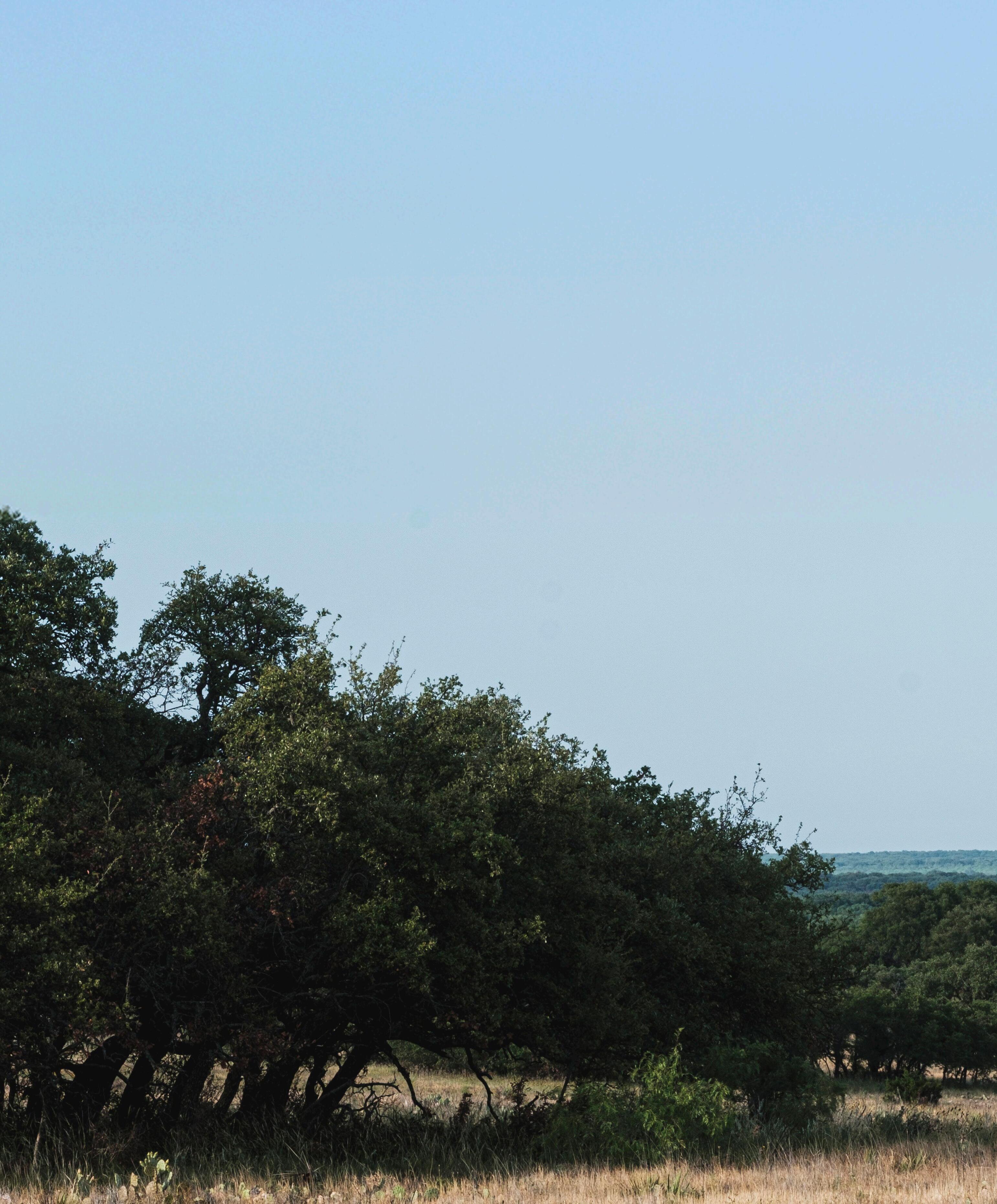
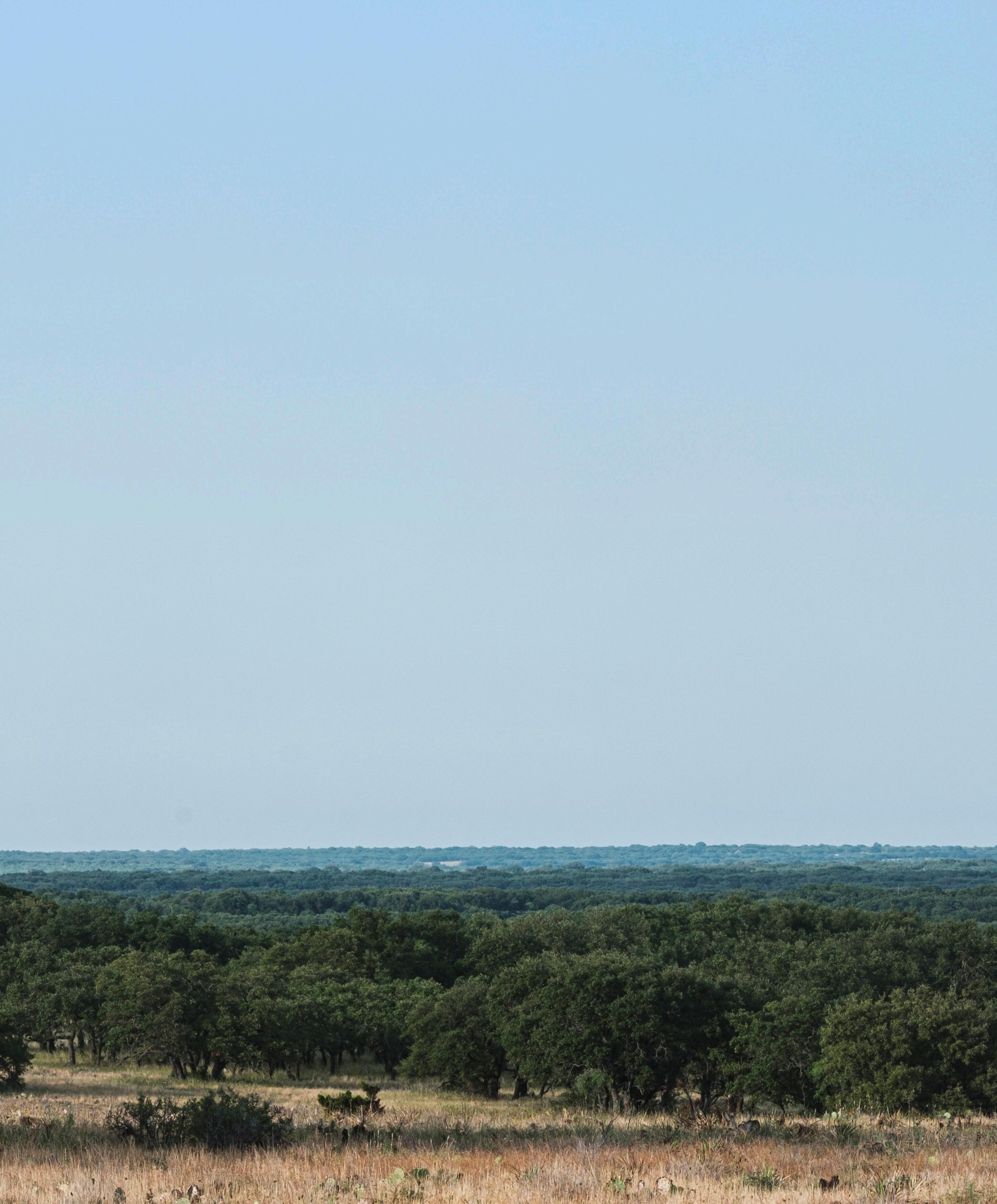
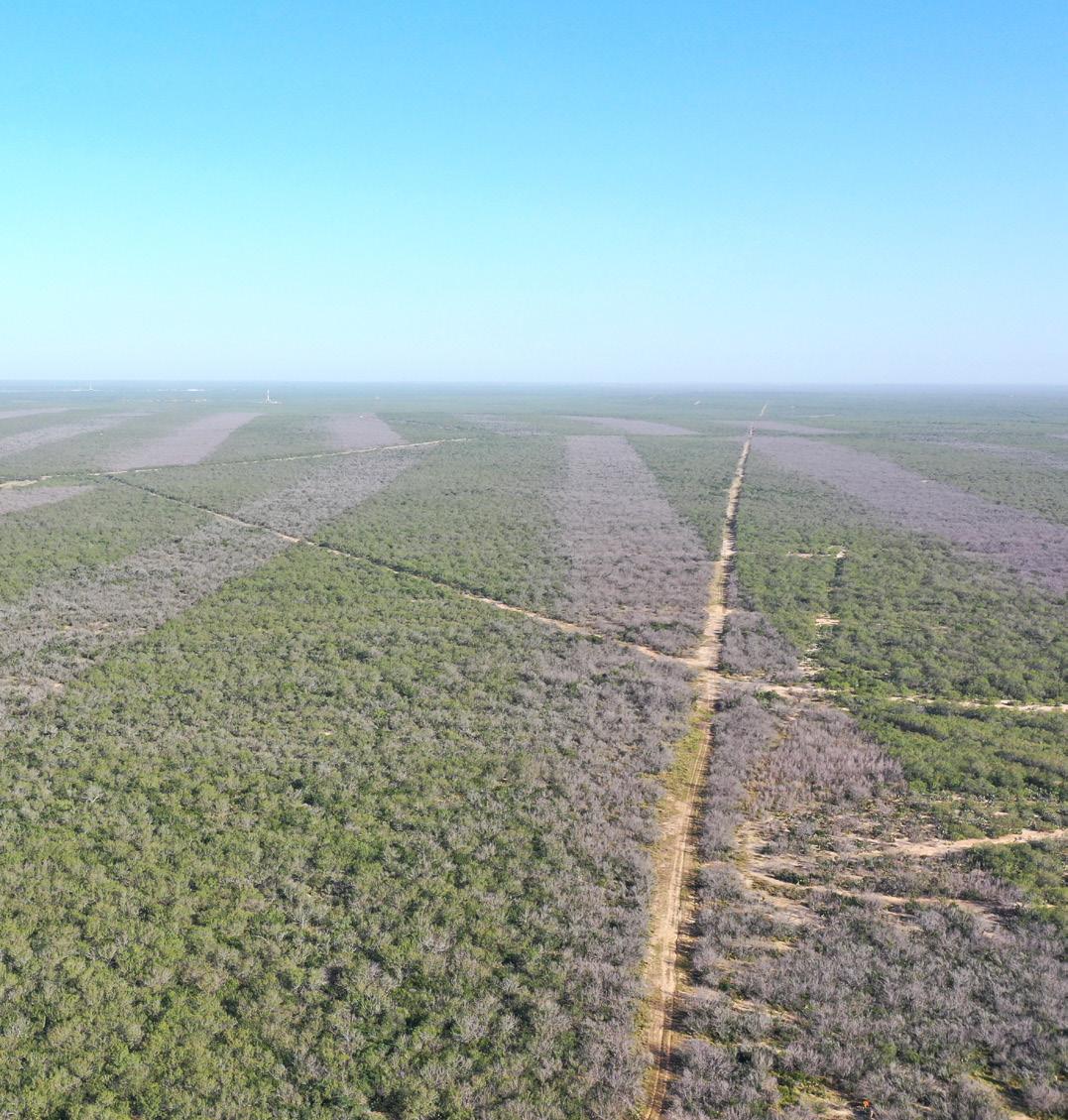
A winding road through South Texas brush country.
Photo by Wyman Meinzer
Restoring the Range
Callaghan Ranch controls mesquite with precision technology, timely herbicide application.
By Jena McRell
Photo courtesy of Callaghan Ranch
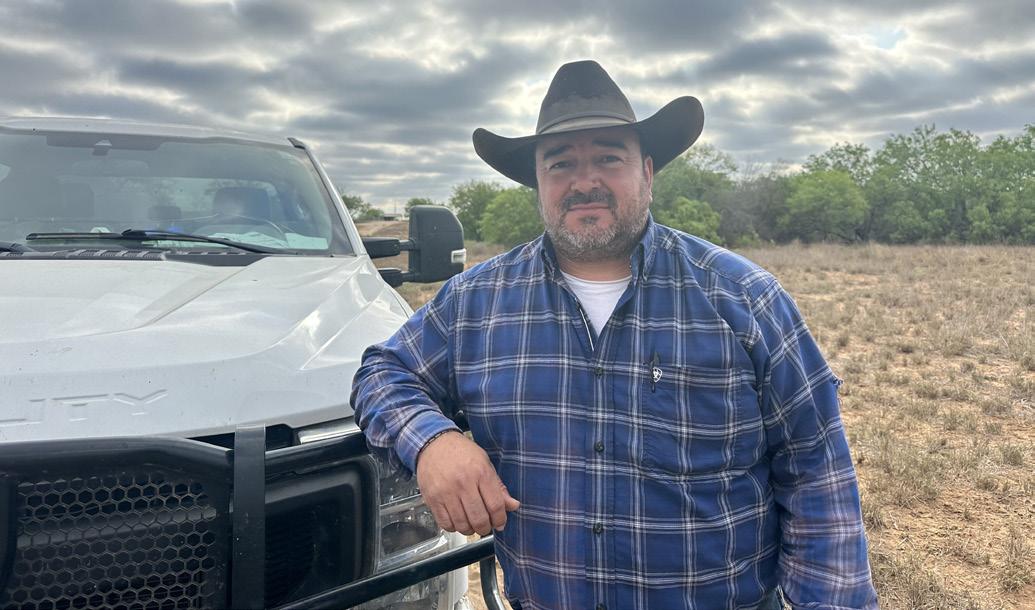
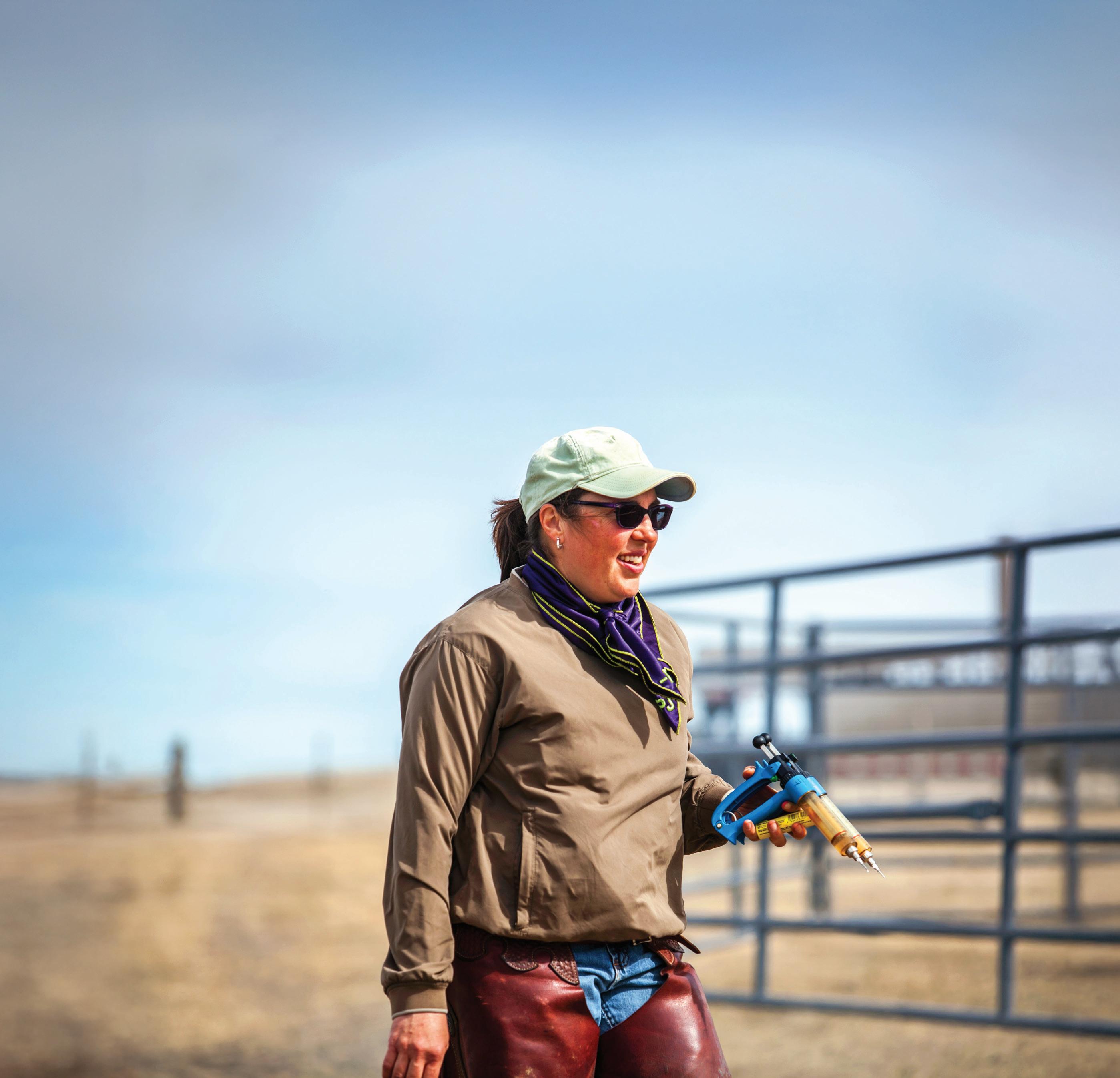
After dropping off a load of cattle at the local auction market, Juan Suarez drives through rural roads back to the Callaghan Ranch near Encinal. He looks out across the landscape and, like many, hopes for rain. The past two years have been tough, even by the region’s semi-arid standards.
Times like these make a ranch manager’s job even more challenging — and might require a few more trips to the sale barn than intended. “The tough thing down here is growing grass,” Suarez says. “It is a constant battle trying to fight brush plus the lack of rainfall.”
Established in 1858, Callaghan Ranch has a longstanding tradition of quality livestock, hunting and outdoor experiences. Suarez has been on the ranch for more than 20 years and was named ranch manager in 2018.
In South Texas, a region shaped more by survival than by abundance, managing invasive species like
mesquite and cactus is a top priority. When every drop of water counts, eliminating competition is key. It is a balance Suarez knows well. “My dad worked on a ranch just down the road, so ranching has always been a part of our lives,” he says. “For me, it’s home.”
Matters of mesquite
The mesquite tree, in many ways, is symbolic of the South and West Texas landscapes. For ranchers and landowners, the plant’s overgrowth presents struggles for moisture and nutrients deep within the soil.
According to Benny Martinez, a market development specialist for Corteva Agriscience, mesquite is engineered for survival in harsh environments, making it exceptionally competitive.
“Whether it’s raining in a short order or it hasn’t rained in six months, it’s still going to capitalize on moisture that’s in your moisture bank,” he says.
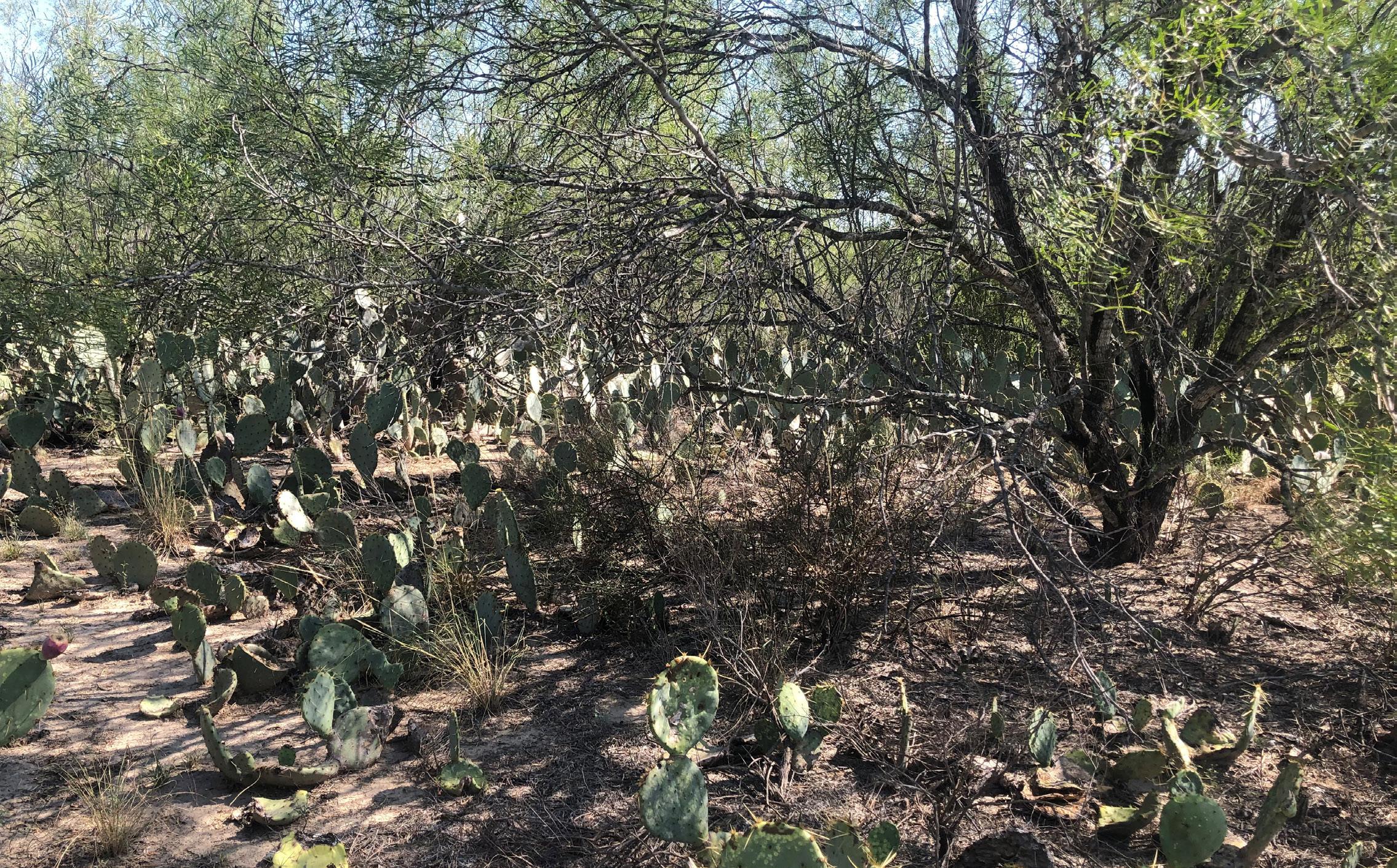
Mesquite is unique because of its dual root system: a wide -spreading lateral root network that quickly absorbs short- duration rainfall, and a deep taproot that mines moisture far below the surface during drought. This combination allows mesquite to thrive where other plants struggle, contributing to its fast expansion and heavy use of groundwater resources.
“Mesquite can survive all the extremes, unlike many other plants that don’t have that same type of root system,” Martinez says. “When you get seasonal rainfall, you’re hoping most of it is going to go to the grass, and unfortunately it doesn’t.”
Mesquite overgrowth creates dense brush canopies crowding out desirable warm - season grasses and native plants, leading to declines in forage production and wildlife habitat. As mesquite spreads, it restricts livestock access, reduces plant diversity, and displaces the grasses and the forbs that support healthy rangeland ecosystems.
While exact water utilization varies by plant size, soil type and region, Martinez says studies have shown that a single mesquite tree can use up to 20 gallons of water per day. Calculating across a pasture with 200 to 300 plants per acre, it is easy to see how significant amounts of water resources can be depleted — along with forage potential.
When evaluating rangelands, Martinez says 25% to 30% canopy cover is considered significant density and the point where forage production and biodiversity suffer. Land managers should consider developing a plan well before this point is reached, he advises.
Because of their adaptive and competitive nature, a few scattered mesquites can quickly turn into a larger problem if left unmanaged. The plants can grow 2 to 3 feet annually.
“Oftentimes, we think when we go into these droughts that mesquite doesn’t grow very much,” Martinez says, “but it does.”
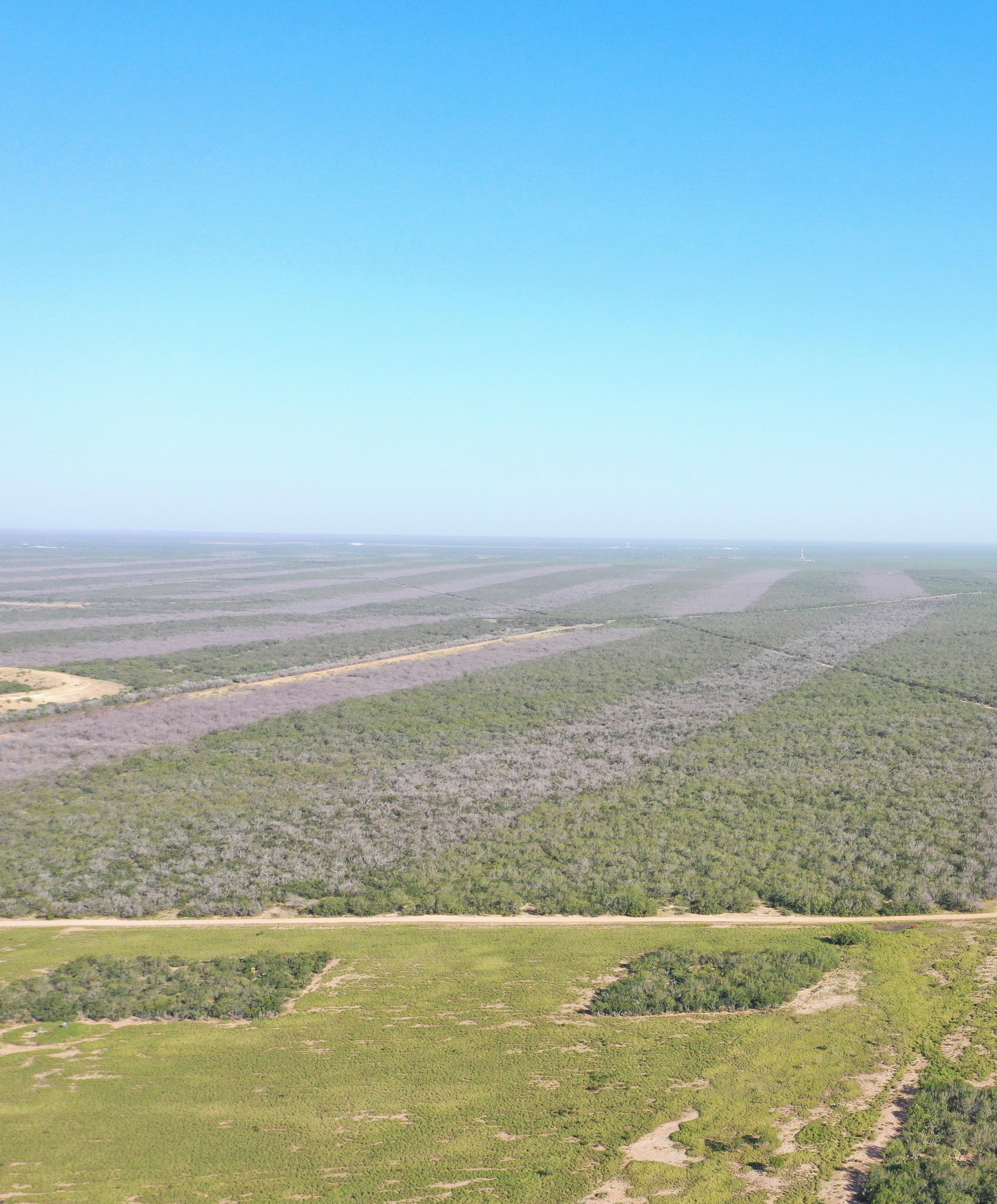
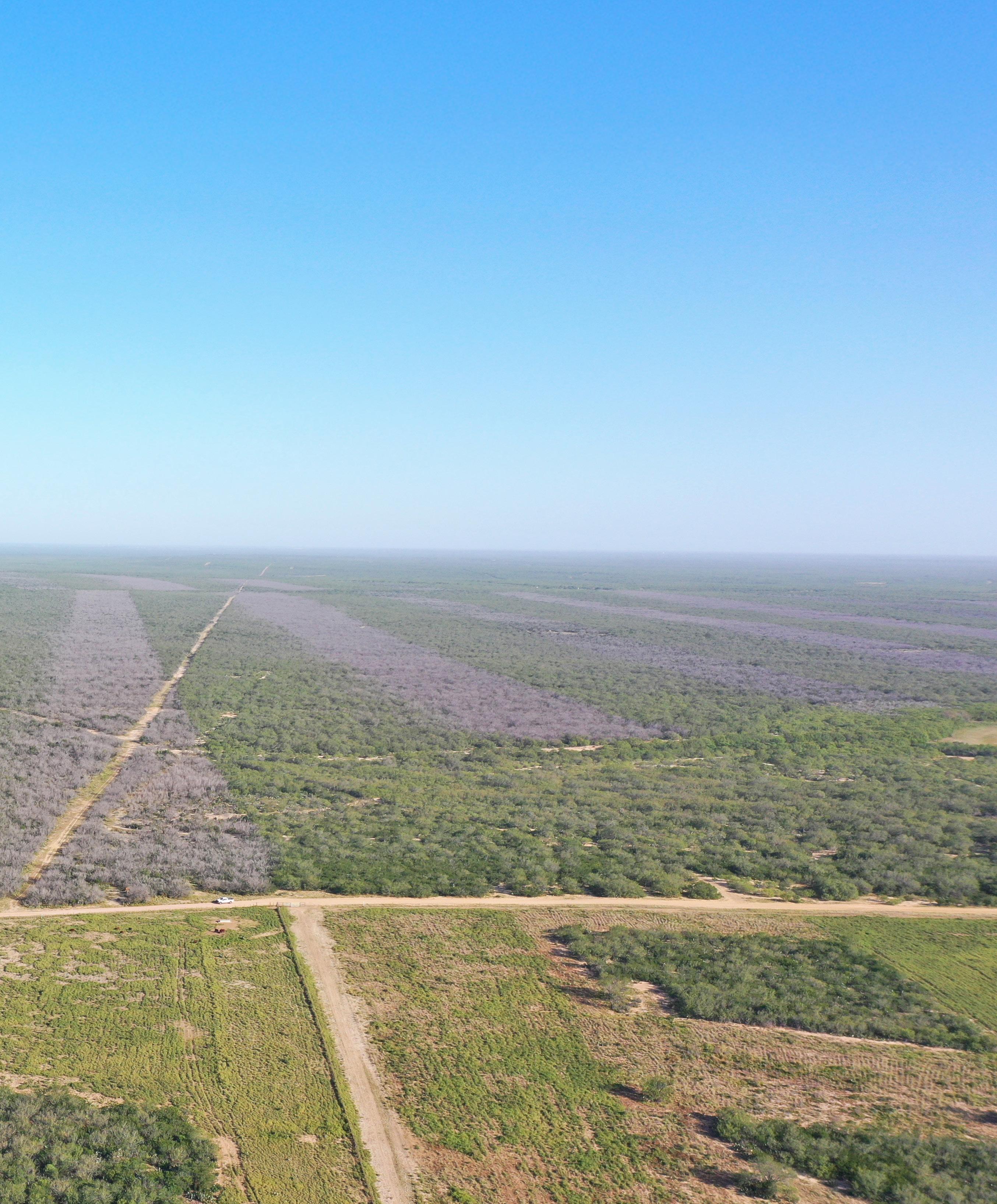
Callaghan Ranch, a Texas & Southwestern Cattle Raisers Association member, is known for its time-honored heritage in South Texas. Pictured above is a boots-on-the-ground view before aerial application was applied. Photo courtesy of Corteva.
Juan Suarez, ranch manager, stands in a pasture at Callaghan Ranch. Courtesy photo.

Data driven
About a decade ago, Suarez says Callaghan Ranch recognized a need to establish a consistent and comprehensive brush management plan.
He started working with Martinez and Corteva to incorporate aerial and individual plant treatments. In recent years, they’ve used the Sendero product line alongside the integrated LandVisor platform.
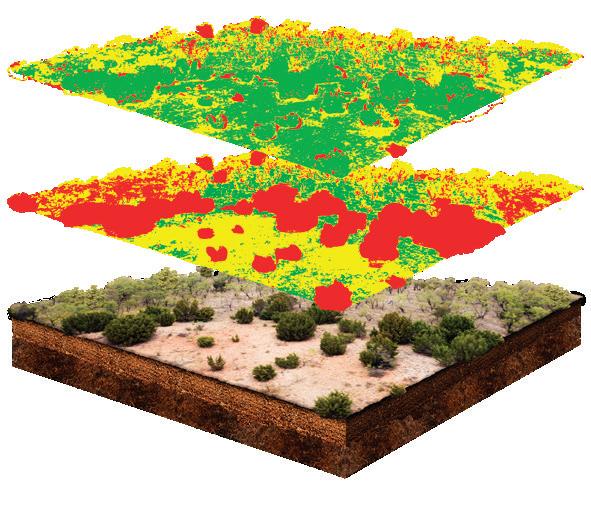
Powered by satellite imaging, LandVisor offers real-time land management insights that offer a detailed look at mesquite growth, when to apply treatment and the potential return on investment for cattle producers.
“LandVisor enables us to know not only where to treat, but when to treat the mesquite,” Martinez says. “And timing is really key to mesquite control. Many times, the technology enables us to make applications sooner than what we would ordinarily predict.”
“LandVisor has been pushing the envelope for us,” Suarez says. “It really saves us time. Once the program says it’s ready, we go look at the pasture, we confirm and then they do the spraying.”
Mesquite control often relies on the human eye to know when treatment should be applied. This requires an investment in time and employee resources likely already in high demand on the ranch. Using precise technology, LandVisor changes all of that.
Standing in a pasture at Callaghan Ranch, Martinez and Suarez can pull up LandVisor on a tablet, laptop or smartphone to quickly access maps and field-specific data. The digital platform segments areas based on mesquite densities of concern, allowing managers to clearly identify the areas most in need of attention.
LandVisor can also predict the potential forage response following treatment.
“Our system has soil maps built into it, so we’re able to predict what the potential forage response is with that given density,” Martinez says. “Then we can simulate what the potential forage response is when we remove that mesquite.”
From there, Suarez says he can evaluate the animal units he can expect to run in that pasture.
“You’ll be able to see everything your pasture can actually produce before you even spray,” he says. “And from what I’ve seen, it is accurate in what it tells you.”
“LandVisor enables us to know not only where to treat, but when to treat the mesquite.”
— Benny Martinez, Corteva Agriscience
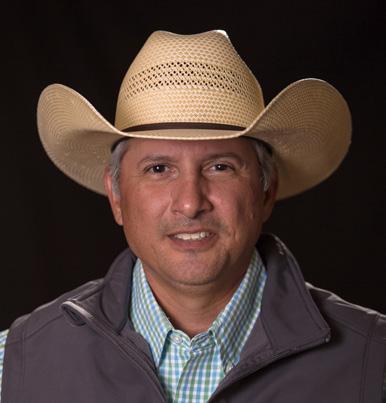
Benny Martinez
Choose Sendero® herbicide. Unlock LandVisor®.
When you pick Sendero, the gold standard in mesquite control, you now get game-changing LandVisor — a breakthrough tool that gives you a clear, data-driven view of your land like never before.
Sendero Powered by LandVisor provides:
• Higher Return Potential
• Consistent, Effective Results
• Enhanced Service and Support
Treatment in action
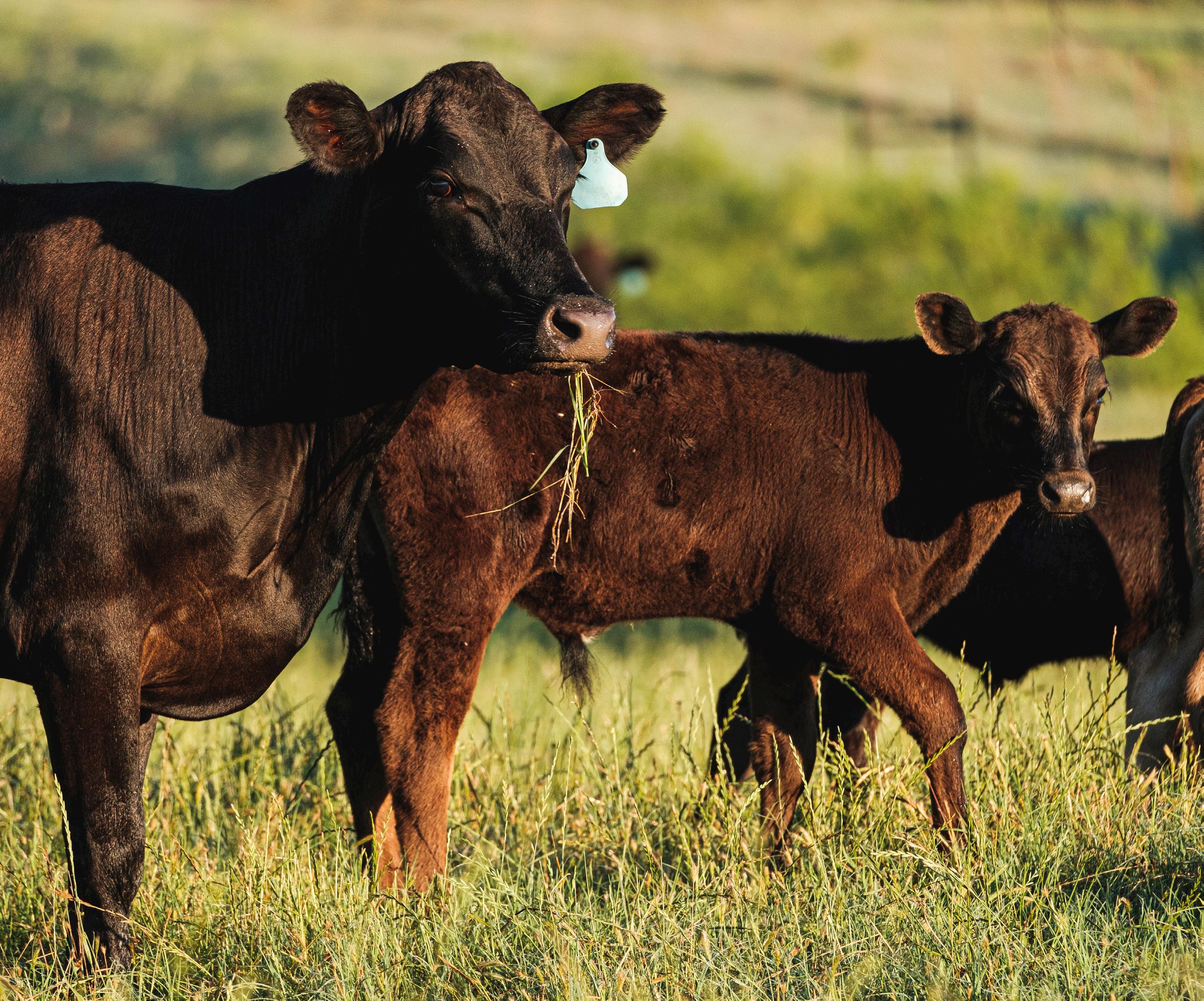
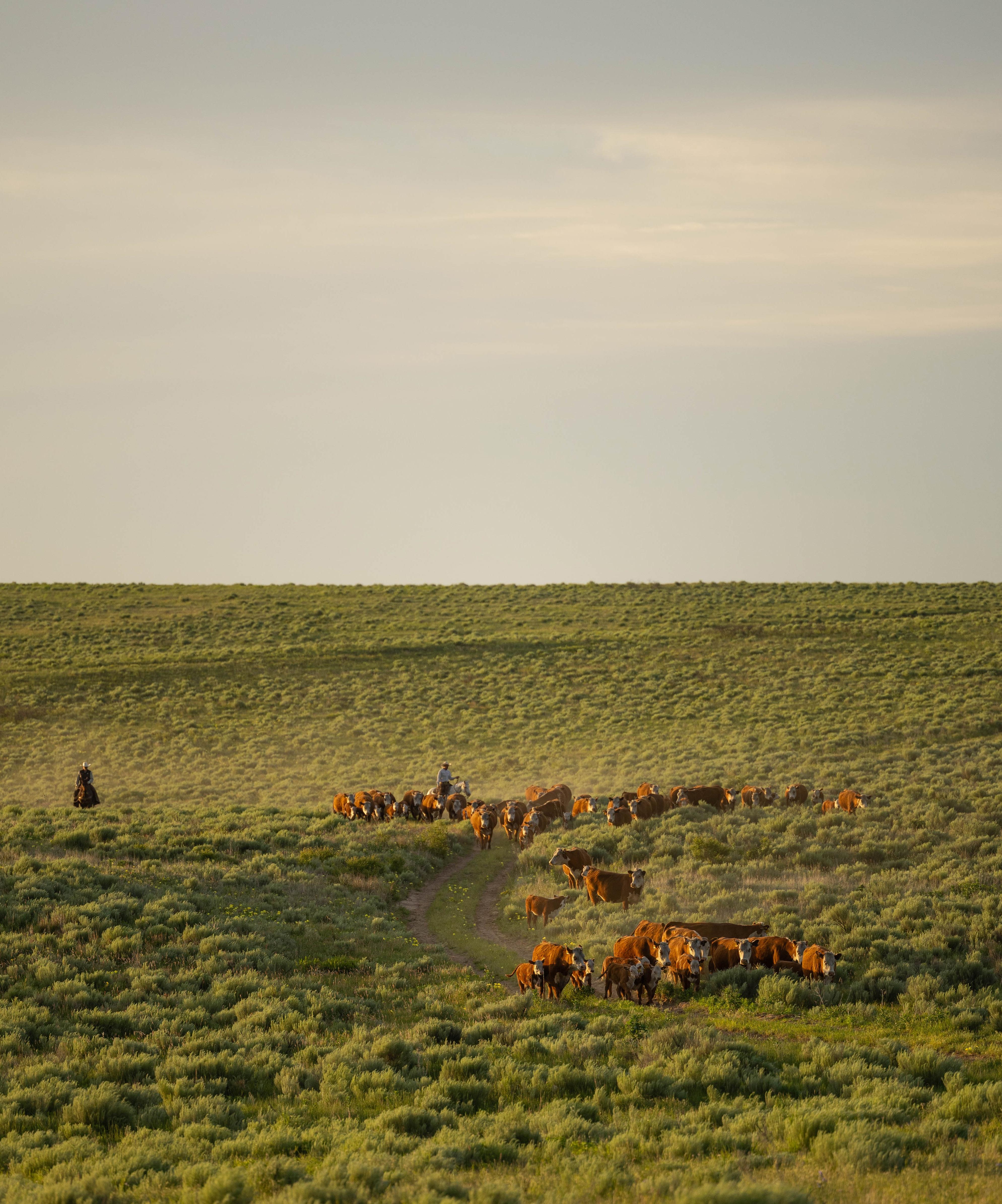
By consistently following a brush management plan, Callaghan Ranch has increased its herd of Santa Gertrudis-Red Angus-cross cattle from 400 to nearly 1,200 head.
Suarez says they can graze one cow for every 40 acres now, up from one cow for every 100 acres. He does this alongside a thriving wildlife population. “We can do both,” he says. “The main key is trying to keep the grass growing.”
With vast pastures ranging from 5,000 to 10,000 acres, Suarez says they rely on aerial spraying in strips to efficiently cover large areas. With help from LandVisor, they prioritize higher performing pastures — those known to produce more forage per acre — for treatment within a given year.
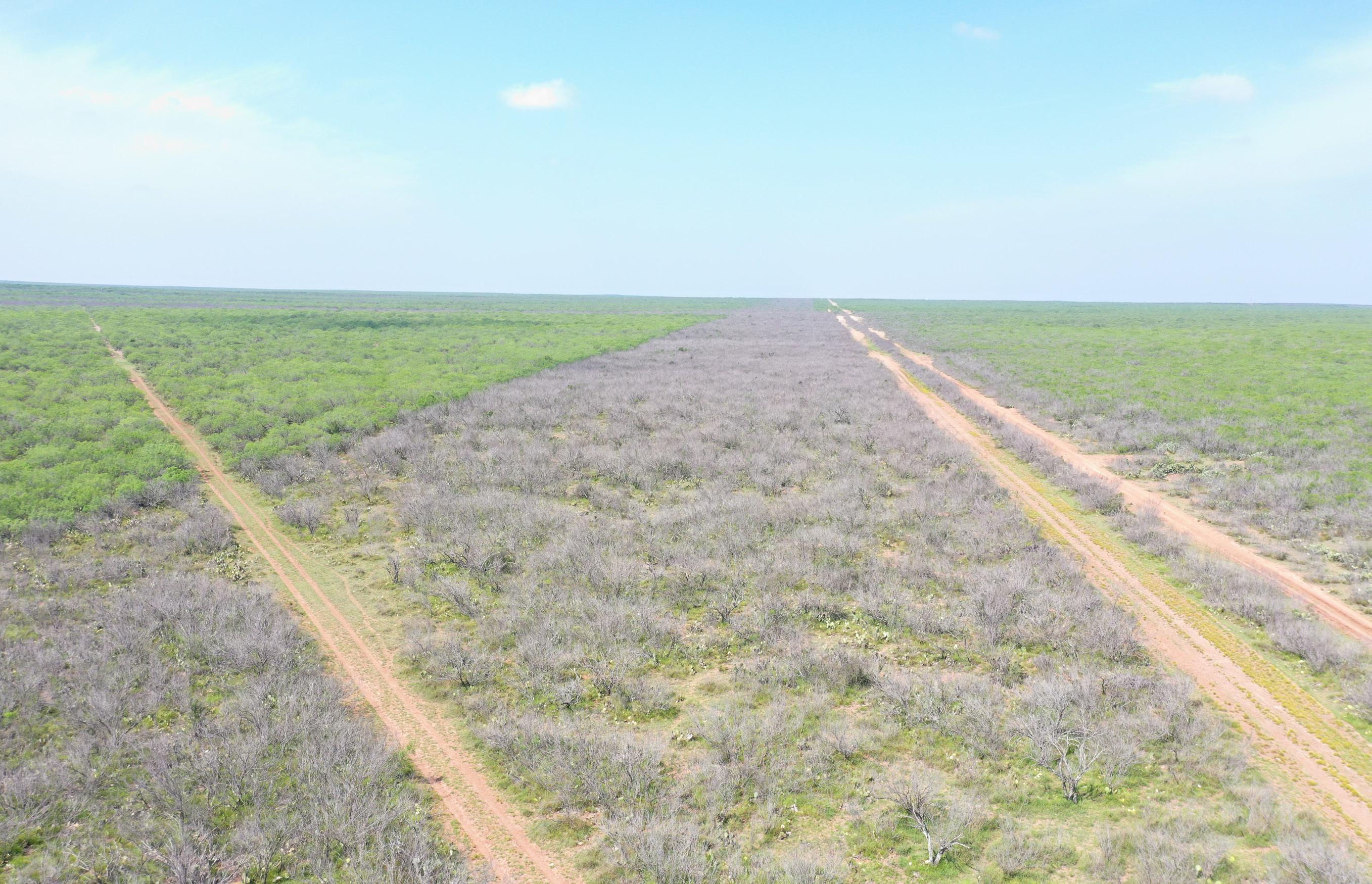
Annually, Suarez says they budget to cover around 2,500 to 5,000 acres. They spray 350-footwide strips, with 700-foot gaps, in a repeating cadence throughout the pasture. He aims for about a 30/70 split between grazing cattle and wildlife.
“Cattle used to be isolated in one corner, where the grass was, and now they travel to use the whole pasture, and run up and down the strips and around fencelines,” he says. “The aerial spray has really been a key factor for us on spreading out the usage of the pasture.”
They also apply individual plant treatments on mesquite seedlings, or plants less than one year old. After brush has been cleared, they plant buffalograss.
Water availability has greatly improved as a result of the brush control, too. Even on dry years, Suarez says he will see grass growing in areas it was previously limited due to mesquite encroachment.
The increase they’ve seen because of these efforts is tremendous, Suarez says.
“You can look at it from side to side, from your 350-foot strip to your 700-foot side,” he explains. “Now you basically go from maybe 200 pounds per acre to looking at 3,000 pounds an acre right next to it. And so, it’s been a very good change for us.”
The long game
As it relates to mesquite management, Suarez says, “If you’re not doing it now, you’re behind.”
He recommends those new to the process start by treating a test plot to compare from one year to the next. Let the results speak for themselves, he says. Each new acre of available forage, and a return to native pasture, represents valuable forward progress.
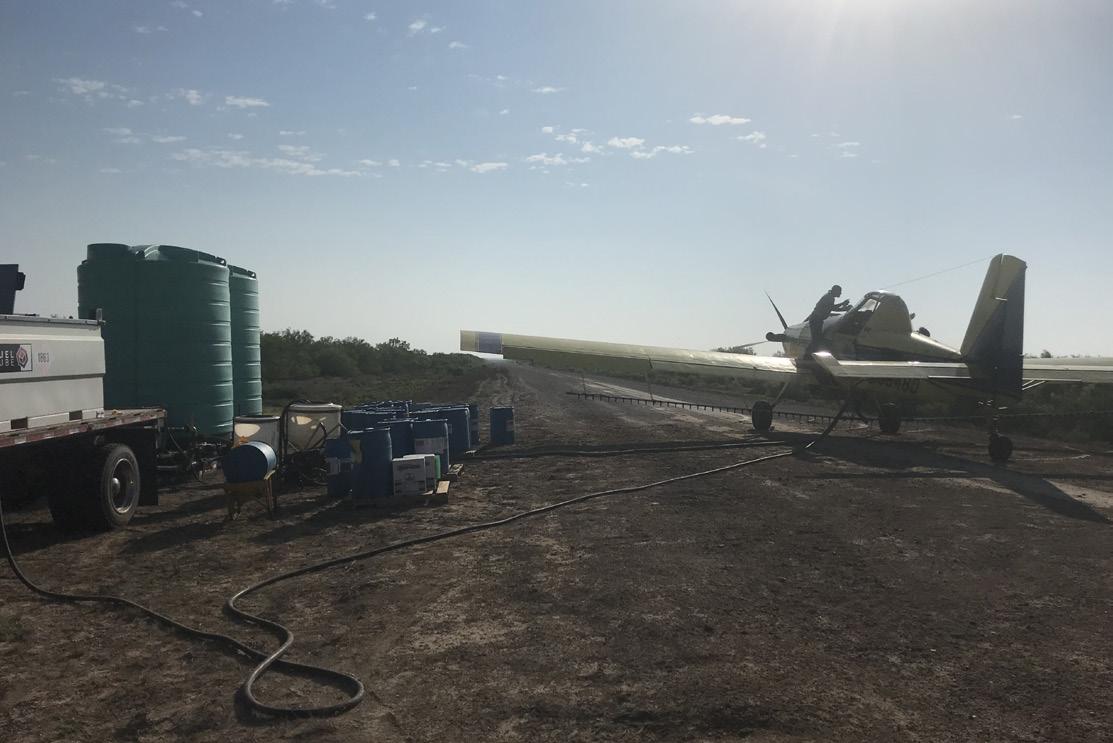
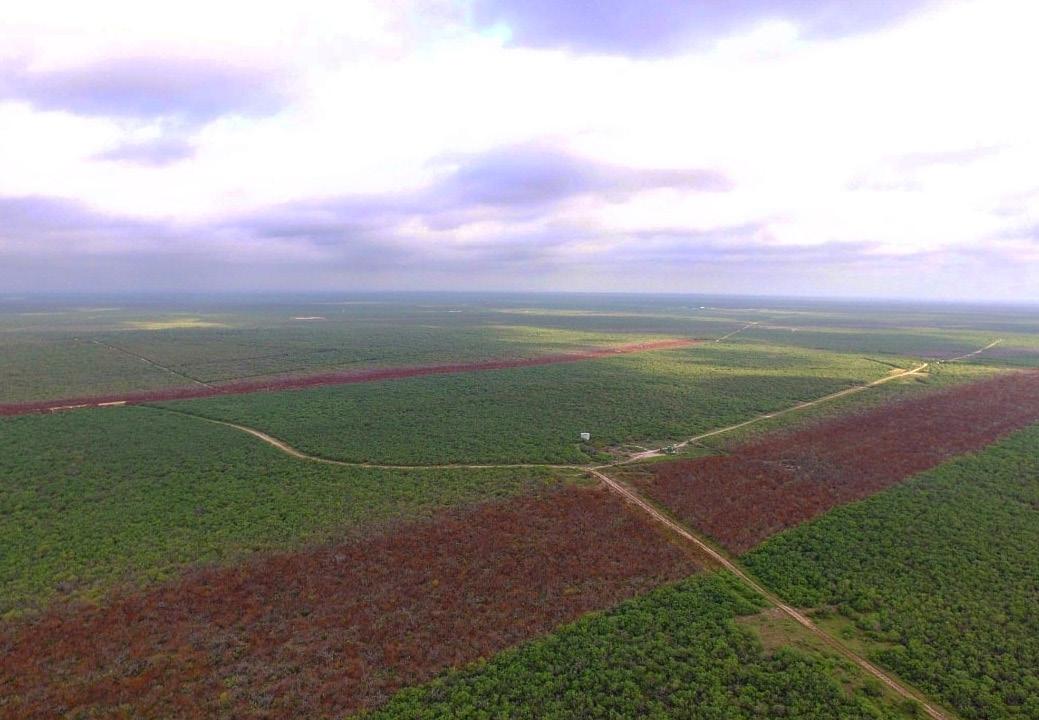
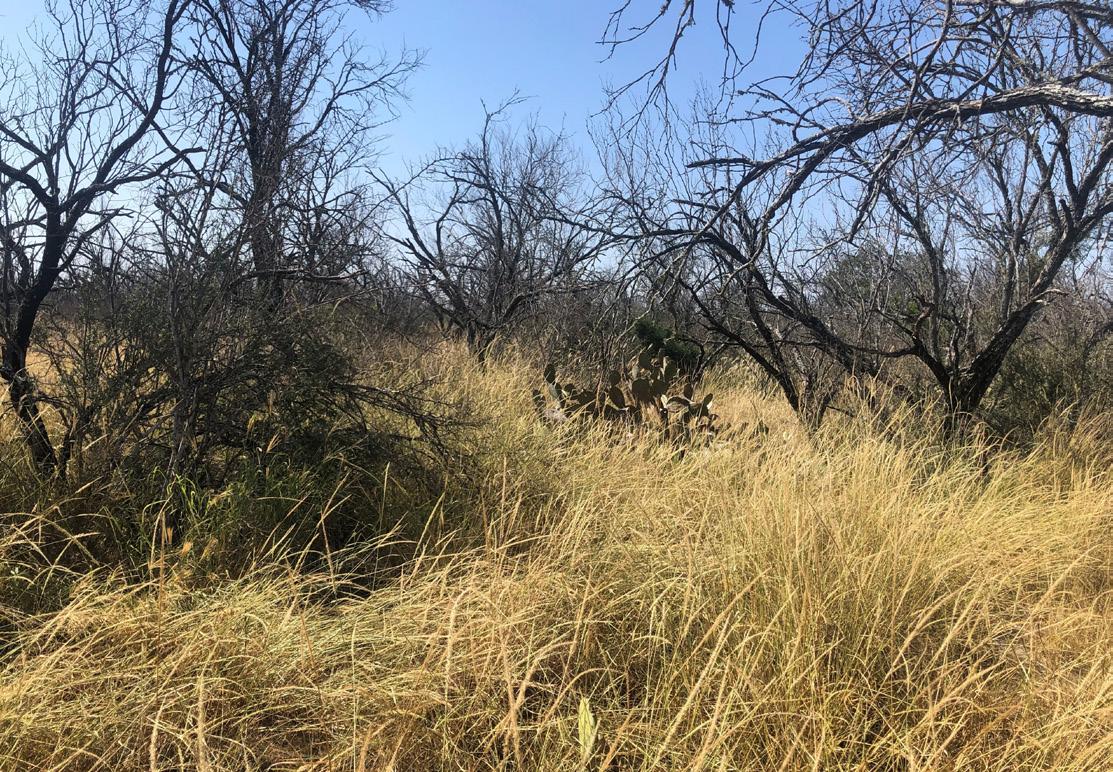
Suarez says compared to mechanical treatment, aerial herbicide applications provide a greater return on investment. Results of the aerial treatment are pictured in the middle and bottom photos. Photos courtesy of Callaghan Ranch.
GETTING STARTED
Ranchers can prevent costly mesquite problems by staying alert to the earliest signs of encroachment, says Benny Martinez, Corteva Agriscience market development specialist in South Texas.
Martinez believes that routine observation — whether gathering cattle or simply driving across a pasture — can reveal early mesquite seedlings before they become larger, tougher brush. Addressing these first‑year plants quickly, he says, can buy producers valuable time and help them avoid more intensive and expensive treatments down the road.
According to Martinez, many landowners misjudge what qualifies as a seedling. He defines it as a mesquite plant in its first year, long before it develops a deep root system capable of resprouting. At that stage, he says, seedlings function much like annual weeds and respond well to robust weed control application.
One such product is MezaVue, originally developed for prickly pear but effective on broadleaf weeds and young mesquites. When applied early, Martinez says, it can significantly reduce the number of plants producers will face in future years.
Martinez adds that effective brush management requires more than focusing on mesquite alone. Corteva’s consultation process considers the full plant community — including secondary brush species a rancher may want to remove, as well as desirable species worth preserving, such as hackberry that provides valuable shade in West Texas.
“You have to look at what else is there, because you are going to have a response,” Martinez says, “and you want the response to be ideal for livestock or wildlife habitat, and we’re able to do that with our portfolio products.”
Suarez typically plans for 7 to 10 years for the lifetime of a treatment. “You save a lot of money by spraying everything upfront,” he says. “And LandVisor guarantees you a 70% mortality rate. When you get that guarantee, it’s a no-brainer.”
“The motivation, for me, is the response — stopping the invasive species,” Suarez says. “For us, that’s always going to continue to be a battle, but I feel like we’ve done a good job with these techniques to really help push it back.”
Martinez says he looks forward to more ranchers taking advantage of the Sendero herbicide powered by LandVisor. With a purchase of Sendero, producers are given complimentary access to the LandVisor platform for aerial applications — ensuring proper treatment timing and return on investment to the ranch.
“It’s always fun to see a producer’s response to those insights,” Martinez says. “Sometimes it’s confirmation, but a lot of times it’s those ‘aha’ moments where the tool helps make a big difference on decisions about where to spray.”
Suarez says he looks forward to where technology will take the ranch in the years to come, from continued forage productivity to healthier rangeland for future generations.
“Just the stewardship of being able to create open range, being able to run more cattle,” Suarez says. “It’s the motivation of being able to run more animal units on a property that we know can sustain it by doing these techniques.” T C


Antiparasitic
50 mg of fluralaner/mL
CAUTION: Federal law restricts this drug to use by or on the order of a licensed veterinarian. Conditionally approved by FDA pending a full demonstration of effectiveness under application number 141-617.
It is a violation of Federal law to use this product other than as directed in the labeling.
DESCRIPTION: Exzolt Cattle-CA1 (fluralaner topical solution) contains fluralaner, an antiparasitic of the isoxazoline class. Each mL of Exzolt Cattle-CA1 contains 50 mg of fluralaner. The chemical name of fluralaner is (±)-4-[5-(3,5-dichlorophenyl)-5-(trifluoromethyl)-4,5-dihydroisoxazol-3-yl]-2-methyl-N-[2-oxo-2-(2,2,2-trifluoroethylamino)ethyl]benzamide.
Inactive Ingredients: pyrrolidone, isopropyl alcohol, l-menthol, propylene glycol dicaprylate/dicaprate, FD&C blue No. 1, FD&C yellow No. 5.
INDICATIONS FOR USE: Exzolt Cattle-CA1 is indicated for the prevention and treatment of infestations caused by New World screwworm (Cochliomyia hominivorax) larvae (myiasis) and treatment and control of cattle fever tick (Rhipicephalus microplus) in beef cattle 2 months of age and older and replacement dairy heifers less than 20 months of age. Not for use in bulls intended for breeding 1 year of age and older, dairy calves, and veal calves.
DOSAGE AND ADMINISTRATION: Exzolt Cattle-CA1 is a ready-to-use topical formulation intended for direct application to the hair and skin in a narrow strip extending along the dorsal midline from the withers to the base of the tail (see Figure 1). The recommended rate of administration is 1 mL/44.1 lbs. (1 mL/20 kg) body weight, which is equivalent to 1.13 mg of fluralaner for each pound (2.5 mg/kg) body weight. Effectiveness has not been evaluated in cattle with wet hides.
Recommended site of administration:
Figure 1: Recommended location for the topical application in a narrow strip along the dorsal midline from the withers to the base of the tail.
Administration of the product with 250 mL and 1L bottles with built-in dosing chamber:
To ensure administration of a correct dose, body weight should be determined as accurately as possible, and accuracy of the dosing volume should be checked before administration. Round the dose up to the nearest volume increment on the dosing chamber, which goes up in 2.5 mL increments.
The table below can be consulted to assist in the calculation of the appropriate volume which must be applied based on the weight of animal being treated.
Administration of the product with 5L bottle with an applicator device: These bottles are designed for use with the Simcro Breaze Applicator Device (30 mL). This applicator device and delivery tubing (sold separately by Simcro as a kit) should be used with the 5L bottle. The 5L bottle is supplied with spigot cap attached to dip tube for its use with the applicator device. A strap is also included for use of the 5L bottle as a backpack.
To ensure administration of a correct dose, body weight should be determined as accurately as possible, and accuracy of the dosing volume should be checked before administration. Round the dose up to the nearest volume increment on the applicator device, which goes up in 1 mL increments.
The table below can be consulted to assist in the calculation of the appropriate volume which must be applied based on the weight of animal being treated.
Body
(Pounds) Dose
* Add1 mL for each 44 pounds above 1320 pounds of body weight.
Assembly, Disassembly and Cleaning Instructions for the 5L bottle with applicator device:
Step 1 Follow the applicator device manufacturer’s assembly directions. Connect one end of the delivery tubing to the connection point on the dosing applicator.
Step 2
Remove the transit cap and protection seal from the 5L bottle and replace with spigot cap attached to dip tube. Tighten spigot cap to bottle and attach other end of delivery tubing to the spigot cap. Do not discard the transit cap until the contents of the 5L bottle are completely used. Please refer to Figure 2 for the assembled 5L bottle with applicator device.
Step 3
Keeping the 5L bottle in an upright position, gently prime the applicator device per the included manufacturer’s instructions, checking for leaks. With the applicator device in an upward position, expel all visible air from the barrel and confirm that product is visibly expressed from the tip of the applicator device so that it is free of any residual air.
Step 4 Follow the applicator device manufacturer’s directions for adjusting the dose.
Step 5 When the interval between uses of the applicator device is expected to exceed 1 week, take off the entire spigot assembly (delivery tubing connected to the spigot cap with attached dip tube while still connected to the applicator device), from the 5L bottle. Return any unused product remaining in the applicator device and in the delivery tubing back into the 5L bottle. Raise the spigot cap with dip tube attached and place the tip of the applicator device into the 5L bottle. Discharge the remaining product from the spigot assembly into the bottle. Place the transit cap onto the 5L bottle to close it. Submerge the dip tube in warm, soapy water. Flush warm soapy water through the delivery tubing and through the applicator device, followed by flushing them with clean water and allowing them to dry. Once dry, store the entire dosing assembly (applicator device, delivery tubing, spigot cap with attached dip tube) in a safe, clean place until next use. Refer to the manufacturer’s directions for maintenance of the applicator.
WARNINGS:
25
30
* Add 2.5 mL for each 110 pounds above 1320 pounds of body weight.
Practice the Administration and Overfill Reduction Instructions a few times to become familiar with operating the package before dosing animals.
Step 1 On first use remove cap and Do not remove cap from the bottle. peelable seal from the dosing chamber.
Step 2
Hold the bottle upright and at Dosing chamber eye level while slowly and gently squeezing the bottle to fill the dosing chamber to the selected mark.
Step 3
Pour the measured volume on the dorsal midline from withers to the base of the tail. Application to a small area should be avoided.
A small amount of liquid will remain on the walls of the chamber, but the chamber is calibrated to account for this.
Avoid squeezing the container section while the solution is poured from the dosing chamber.
If the dosing chamber is overfilled follow the Overfill Reduction Instructions below:
Step 1 Re-apply Confirm the cap is tight. cap to dosing chamber and tighten.
Step 2 Transfer Tube Air Pocket
Tilt the bottle to allow an air pocket to form at the beginning of the transfer tube inside the bottle.
Step 3 Transfer Tube
Hold the bottle horizontally to allow product to cover the end of the transfer tube inside the dosing chamber.
Step 4
Squeeze and release the bottle repeatedly. Product will return to the bottle through the transfer tube.
WITHDRAWAL PERIODS AND RESIDUE WARNINGS Cattle must not be slaughtered for human consumption within 98 days of treatment. Not for use in female dairy cattle 20 months of age or older, including dry dairy cows; use in these cattle may cause drug residues in milk and/or calves born to these cows or heifers. Not for use in beef calves less than 2 months of age, dairy calves, and veal calves. A withdrawal period has not been established for this product in pre-ruminating calves.
USER SAFETY WARNINGS:
Not for use in humans. Keep out of reach of children.
This drug product is a skin and eye irritant; special care should be taken to avoid contact. Personal protective equipment should be worn, such as gloves, long sleeve shirt and pants, as well as glasses or goggles to prevent skin, eye and mucous membrane contact and/or drug absorption, while handling the product. In case of skin contact, wash with soap and water. If contact with eyes occurs, immediately rinse thoroughly with water. In case of accidental spill, immediately remove affected clothing and wash contacted skin with soap and water. In case of accidental ingestion, immediately rinse the mouth with plenty of water and seek medical advice.
Do not eat, drink, or smoke while handling the product. Wash hands thoroughly with soap and water immediately after use of the product.
The product is highly flammable. Keep away from heat, sparks, open flame or other sources of ignition.
To obtain a Safety Data Sheet (SDS) or for technical assistance, call Merck Animal Health at 1-800-211-3573.
CONTACT INFORMATION: Contact Merck Animal Health at 1-800-211-3573 or https://www. merck-animal-health-usa.com. To report suspected adverse drug experiences, contact Livestock Technical Service at 1-800-211-3573. For additional information about reporting adverse drug experiences for animal drugs, contact FDA at 1-888-FDA-VETS or https://www.fda.gov/ reportanimalae.
CLINICAL PHARMACOLOGY
Mechanism of Action: Fluralaner belongs to the class of isoxazoline-substituted benzamide derivatives. Fluralaner is an inhibitor of the arthropod nervous system. The mode of action of fluralaner is the antagonism of the ligand-gated chloride channels (gamma-aminobutyric acid (GABA)-receptor and glutamate-receptor).
Pharmacokinetics: The pharmacokinetic properties of a single 2.5 mg/kg dose of Exzolt CattleCA1 administered topically along the dorsal midline from the withers to the base of the tail to cattle that were not restricted from grooming are presented in Table 1 (n = 12).
Table 1. Mean (± standard deviation) plasma pharmacokinetic parameters of total fluralanera after a single topical administration of Exzolt Cattle-CA1 in male and female cattle in warm conditions (54 – 98°F)
(units)
aAlthough total fluralaner (R+S) is reported, the S enantiomer is more abundant and active than the R bMedian and range
Cmax = maximum plasma concentration
Tmax = time to maximum plasma concentration
AUC(0–56) represents the AUC from day 0 to day 56
AUCinf = area under the curve from the time of dosing extrapolated to infinity t½ = half-life
TARGET ANIMAL SAFETY
Margin of Safety: In a margin of safety study, Exzolt Cattle-CA1 was well tolerated in 32 six to seven month old healthy beef cattle (16 males and 16 females). Study animals were administered 3.7, 11.1, or 18.5 mg/kg body weight (1X, 3X, and 5X the maximum anticipated labeled dose) of Exzolt Cattle-CA1 by topical application three times 42 days apart (Days 0, 42, and 84). Cattle in the control group (0X) were treated with green dyed sterile saline at a dose volume similar to the 5X treated group. General health observations were conducted twice daily from acclimation to the end of the 98-day study. Variables measured periodically throughout the study for each animal were body weight; physical examinations; neurological examinations; analysis of blood for hematology, clinical chemistry, coagulation, and toxicokinetics; fecal and urine analysis; and feed and water consumption. All animals were necropsied at the end of the study for gross and histopathological examination and select organs were weighed.
Test article-related application site reactions, including skin flaking/scurfing and scabbing were observed. These findings were dose-dependent in both incidence and severity. Reactions in the 1X animals appeared after the second administration. These reactions in the 1X group were cosmetic in nature and did not require treatment.
Female Reproductive Safety: In a reproductive safety study, Exzolt Cattle-CA1 was well tolerated in 200 healthy beef cows between the ages of 3 to 11 years old. Study animals were administered 11.1 mg fluralaner/kg body weight (3X the maximum labeled dose) of Exzolt Cattle-CA1 by a single topical application once during breeding (estrus; before timed-artificial insemination), early in the 1st trimester of pregnancy, during the mid-1st trimester of pregnancy, or in the 3rd trimester of pregnancy. Cattle in the control group (0X) were treated with green dyed sterile saline at a dose volume similar to the treated groups (3X). General health observations were conducted twice daily from acclimation to the end of the study at 30±2 days postpartum. Variables measured at start of acclimation and at the end of the study for each animal were body weight (including prior to each dosing) and physical examinations (including at parturition for offspring). Reproductive safety parameters included conception rate, abortion rate, calving rate, live births, stillborn calves, perinatal death, premature deliveries, neonatal death, dystocia, ability of calf to stand, walk and suckle, and abnormalities. Three stillbirths and one premature delivery were observed in animals in the control group. One stillbirth associated with dystocia and one premature delivery were documented in cows treated with Exzolt Cattle-CA1. Six abortions occurred across three of the Exzolt Cattle-CA1 treated groups (2 out of 31 cows in the estrus-treated group; 2 out of 34 cows in the early first trimester-treated group; 2 out of 27 cows in the mid first trimester-treated group). One calf was found dead within 24 hours of birth in an Exzolt Cattle-CA1 treated cow. These events were considered to occur at rates typical for the source herd and unlikely to be test article related. Not for use in bulls intended for breeding over 1 year of age, as reproductive safety has not been evaluated.
Reasonable Expectation of Effectiveness: A reasonable expectation of effectiveness may be demonstrated based on evidence such as, but not limited to, pilot data in the target species or studies from published literature.
Exzolt Cattle-CA1 is conditionally approved pending a full demonstration of effectiveness. Additional information for Conditional Approvals can be found at www.fda.gov/animalca.
A reasonable expectation of effectiveness for Exzolt Cattle-CA1 for the prevention and treatment of infestations caused by New World screwworm (Cochliomyia hominivorax) larvae (myiasis) and treatment and control of cattle fever tick Rhipicephalus microplus) in beef cattle 2 months of age and older and replacement dairy heifers less than 20 months of age is based on results from the following foreign studies conducted in Australia, Brazil, and South Africa.
A. New World Screwworm (NWS) (Cochliomyia hominivorax)
Three effectiveness studies utilizing natural NWS infestations conducted in Brazil in 2018 are described below:
1. Support for a prevention indication: This study evaluated prevention of New World Screwworm (NWS) myiasis in a surgical wound created seven days after treatment administration. Animals received either a placebo (n=6) or Exzolt Cattle-CA1 (n=6) on Day -7. Seven days later, two surgical incisions were made on each side of the body at the shoulder. Animals were housed outside to facilitate natural infestation of the wounds with NWS. Cattle were monitored twice daily for 10 days post-incision to assess the presence of eggs and larvae. A single topical application of Exzolt Cattle-CA1 at the dose of 2.5 mg/kg provided 100% prevention against myiasis for the length of the study.
2. Support for a prevention indication: This study evaluated prevention of NWS myiasis in a castration wound created on the day of treatment with either a placebo (n=15) or Exzolt Cattle-CA1 (n=15). Animals were housed outside to facilitate natural infestation of the wounds with NWS. Cattle were monitored daily for 14 days post-surgery to assess the presence of eggs, larvae, and the progress of wound healing. A single topical administration of Exzolt Cattle-CA1 at the dose of 2.5 mg/kg provided 100% prevention against myiasis for up to 14 days following castration.
3. Support for a therapeutic indication: This study evaluated the effectiveness of the product to treat a wound already infested with NWS. A surgical wound was created and left exposed to facilitate natural infestation with NWS. Three days later, after confirming the presence of live larvae, animals were treated topically once with either a placebo (n=12) or Exzolt Cattle-CA1 (n=12). A single topical administration of Exzolt Cattle-CA1 at the dose of 2.5 mg/kg achieved 90.9% effectiveness by the second day post-treatment and reached 100% effectiveness by the third day. No myiasis in treated animals was observed up to day 5.
B. Cattle Fever Tick (Rhipicephalus microplus)
Three dose confirmation studies conducted in Brazil and South Africa and a rain exposure study conducted in Brazil utilizing induced infestations of R. microplus were evaluated. These studies were conducted between 2018 and 2021. In each study, animals were individually housed and randomly assigned to control and Exzolt Cattle-CA1-treated groups. Exzolt Cattle-CA1-treated groups received a single administration at the dose of 2.5 mg/kg. A total of thirty animals were treated with Exzolt Cattle-CA1 across these four studies. The product demonstrated 100% effectiveness within the first week after Exzolt Cattle-CA1 administration. Length of consistent 100% persistent effectiveness ranged from 39 days to approximately 110 days post-treatment. Thirteen field effectiveness studies conducted in Brazil and Australia utilizing natural infestations of R. microplus were evaluated. These studies were conducted between 2017 and 2023. In each study, animals were grouped housed and randomly assigned to control and Exzolt Cattle-CA1-treated groups. Exzolt Cattle-CA1-treated groups received a single administration at the dose of 2.5 mg/kg. Approximately 220 animals were treated with Exzolt Cattle-CA1 across these thirteen studies. The product demonstrated 100% effectiveness within the first week after Exzolt Cattle-CA1 administration. Length of consistent 100% persistent effectiveness ranged from 28 days to 70 days post-treatment.
C. Rain exposure study
One study was conducted to evaluate the impact of simulated rainfall post-treatment on the effectiveness of Exzolt Cattle-CA1 with cattle artificially infested with R. microplus A total of 30 cattle (cross-bred beef bulls) were randomized to one of five groups with six animals each: Groups A, B, C, and D were treated with Exzolt Cattle-CA1 (2.5 mg/kg) and Group E with saline (equivalent volume). Groups A, B, and C were exposed to simulated rainfall at the following post-treatment timepoints: 6 hr, 12 hr, and 24 hr, respectively. Groups D and E had no exposure to rain. Percent effectiveness of Exzolt Cattle-CA1 was 100% in Groups A, B, C, and D up to 77 days. Rain exposure as early as 6 hr post-treatment did not affect the therapeutic or persistent effectiveness of Exzolt Cattle-CA1 in beef cattle.
HOW SUPPLIED: Exzolt Cattle-CA1 is available in 250 mL, 1L, and 5L bottles.
STORAGE AND HANDLING: Store at or below 30°C (86°F), with excursions to 40°C (104°F). Use within 6 months after first opening. Store the dosing applicator when loaded with product at or below 30°C (86°F) and use within 1 week.
Distributed by: Intervet Inc. d/b/a Merck Animal Health, Rahway, NJ 07065
Formulated in New Zealand
Copyright © 2026 Merck & Co., Inc., Rahway, NJ, USA and its affiliates. All rights reserved.
Revision Date 01/2026 246425 R1
Figure 2. 5L bottle and applicator device with tubing
WELL WATERED, WELL MANAGED
Ranchers harness the power of solar and storage for water woes.
By Addie Brown
Any cattleman knows: If a cow isn’t drinking, she isn’t eating.
Water is the single most critical element of a cow’s diet — yet it is also a limited resource. As summer approaches and temperatures rise, ranchers must have full confidence in their water systems to support herd health, performance and productivity.
Ensuring a well can meet peak summer demand reduces stress on both ranchers and introduced forage in certain operations. In many regions, reliable water access and a solid plan for declining availability is top of mind for stewards facing low-yielding wells.
The primary challenge? Doing more with less.
In the Texas Panhandle, water usage remains a tough, ongoing conversation. The Ogallala Aquifer’s water table continues its steady decline — averaging a foot or more per year in many areas according to the Panhandle Groundwater Conservation District.
However, this is not an isolated issue. South Texas ranchers are also navigating the challenges of water availability and poor-producing wells.
Peak performance
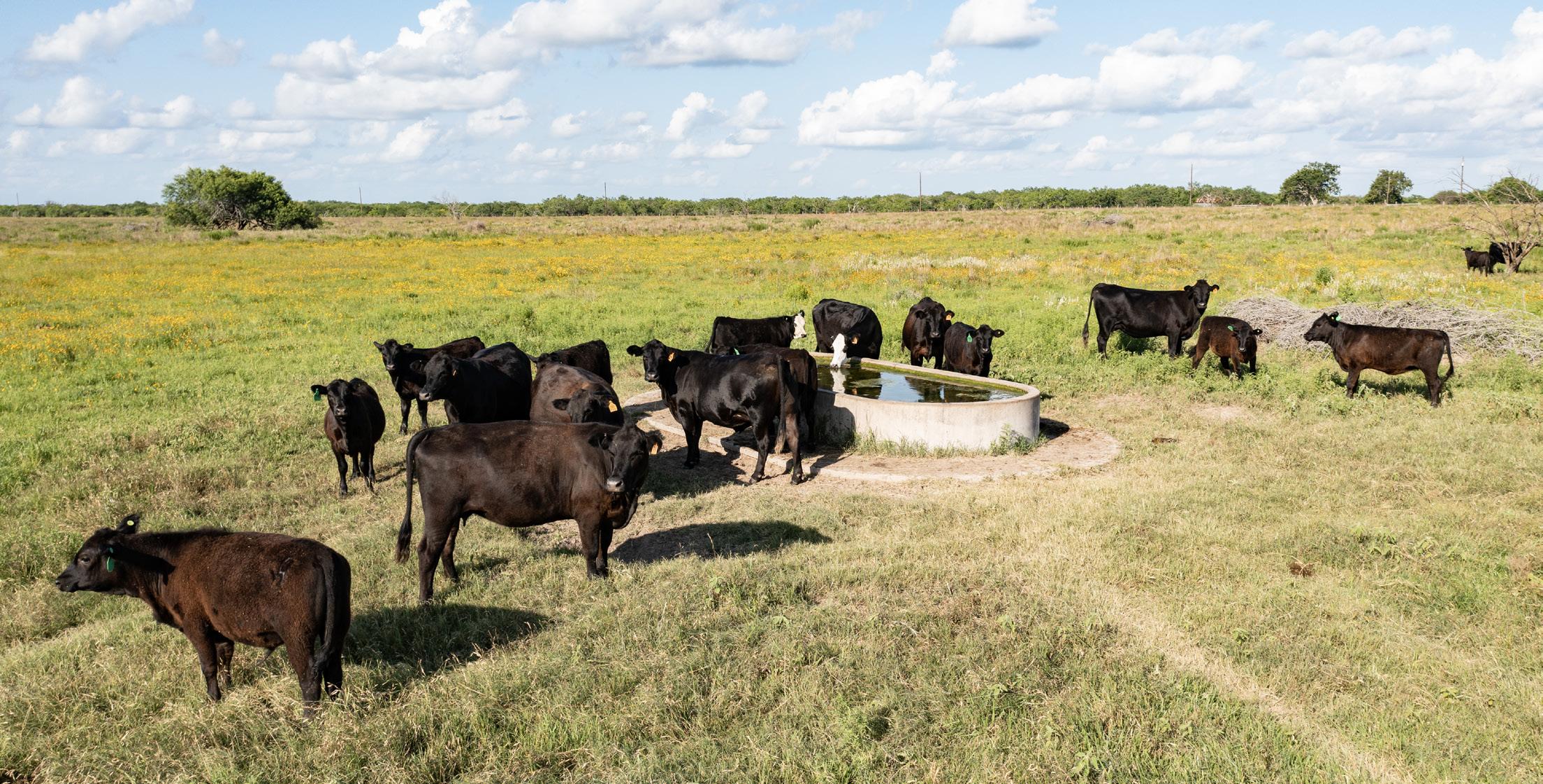
Low-yielding wells require extra planning and monitoring to meet peak demand — the short, intense periods when cattle drink the most, often lasting 30 minutes to 2 hours.
Think of it like a household evening rush: dishes, showers and laundry all at once. For cattle, peak demand hits after feeding in feedyards — when they finish eating and head to the water troughs — or in the early afternoon for grazing herds, especially in hot weather when intake spikes.
A well yielding just five gallons per minute can deliver plenty of total daily volume over 24 hours, but it struggles during these surges. It’s the inability to keep pace with peak flow, not just overall volume, that determines whether a well is low yielding.
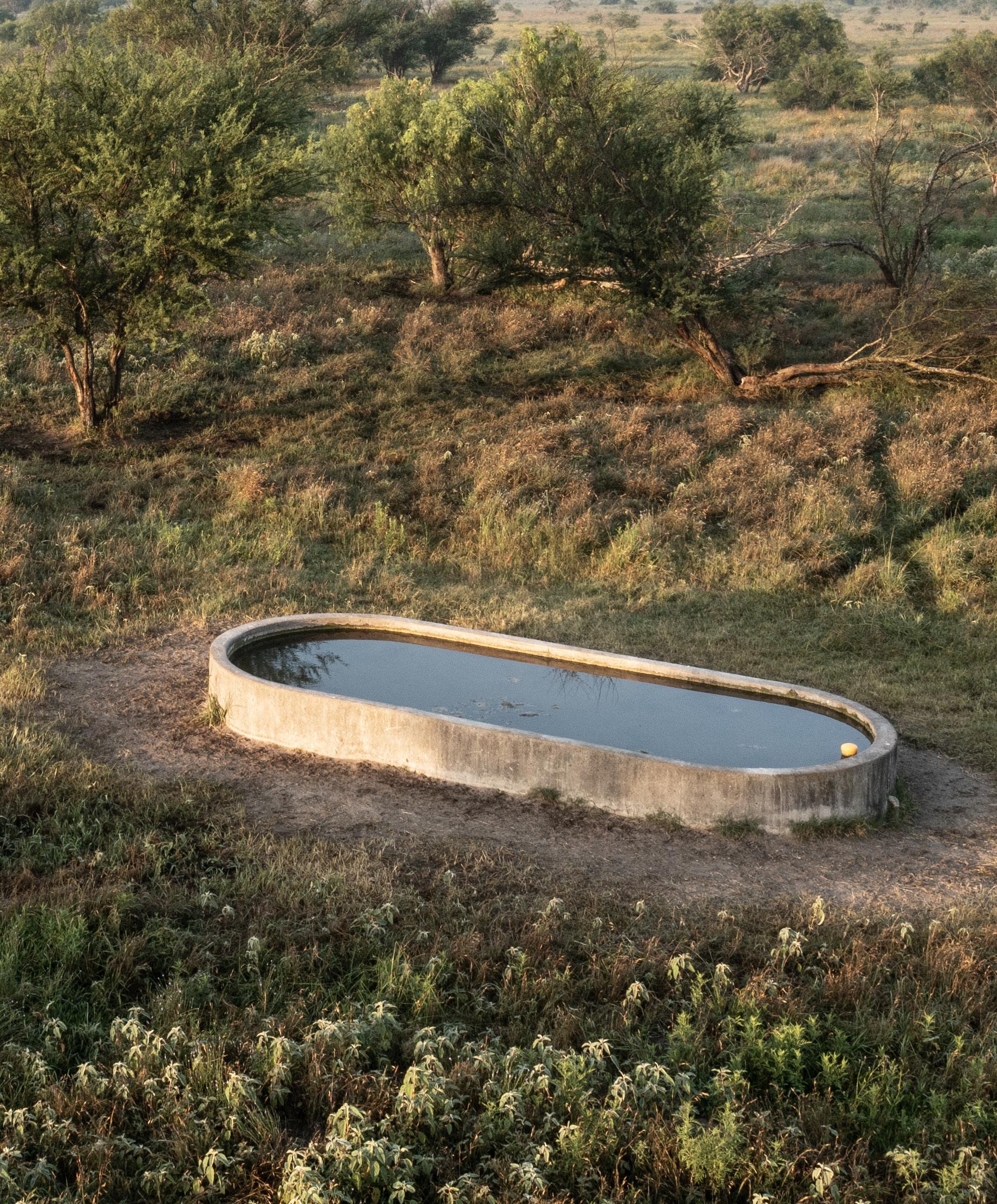
Photo by Wyman Meinzer
Solutions include storage tanks to stockpile water between peaks, monitoring systems and optimized pump setups to maximize output without overpumping the well.
Freddy Nieto, Texas & Southwestern Cattle Raisers Association director and general manager at HP El Sauz Ranch near Raymondville, says he learned to adapt his wells for peak demand, because the wind-powered systems were falling short.
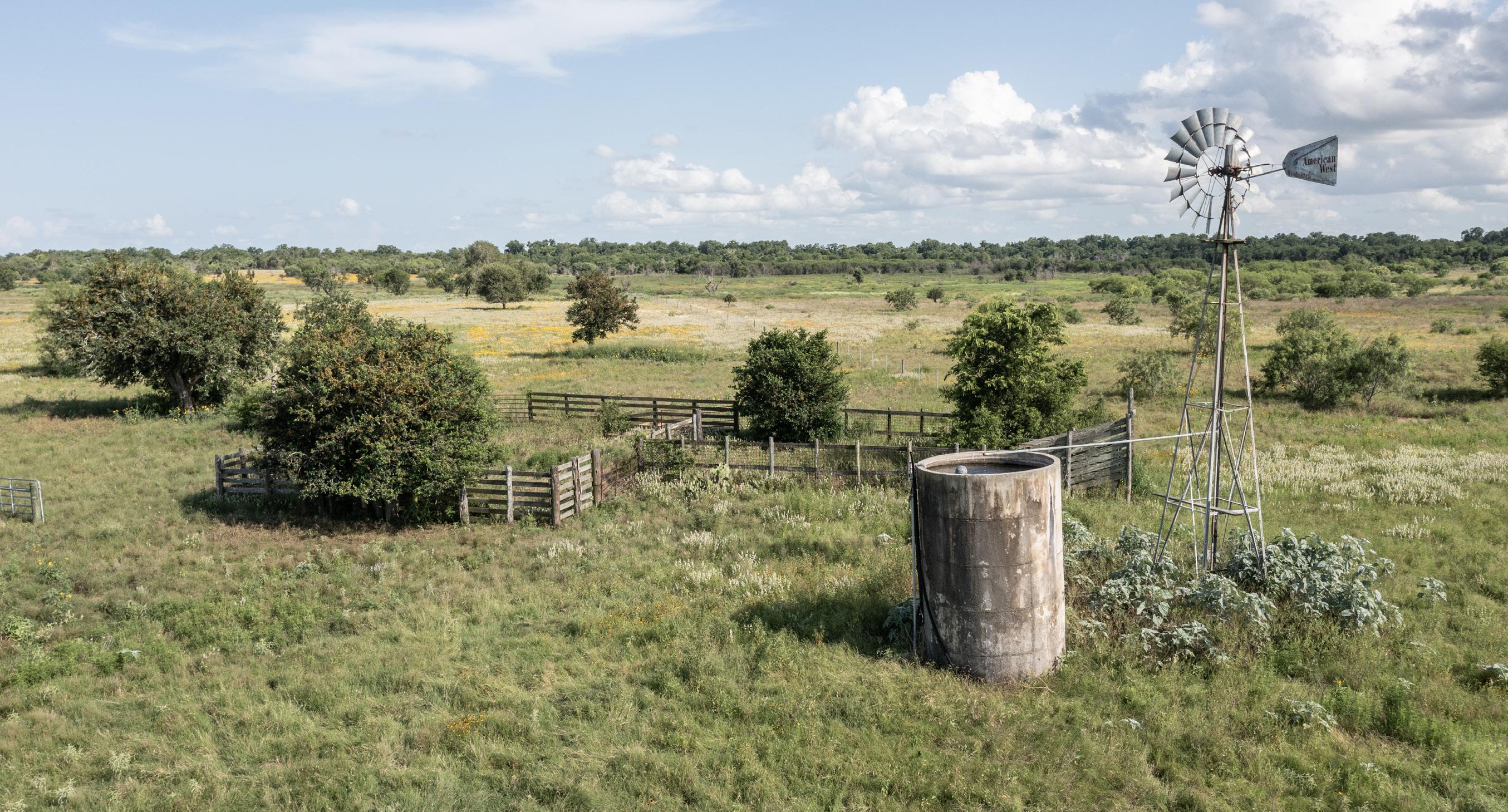
For the wells he manages, Nieto has found a cistern with a gravity flow and float system in the trough is the most cost-effective and efficient method to use. Its greatest asset is the simplicity it offers ranchers. This design lets the trough draw directly from stored water in the cistern during peak demand — providing a buffer that gives the well more time to recharge instead of straining it or risking over-pumping during heavy use.
“You want the cistern to be equal or above the gallons that are going to be drunk at one watering,” Nieto says. “It should be able to restore itself by the next watering.”
To combat low yield, some ranchers use large water troughs to deliver more water at once. However, the evaporation rate can cause issues, especially during the harsh summer months. The solution also depends on the type of pump.
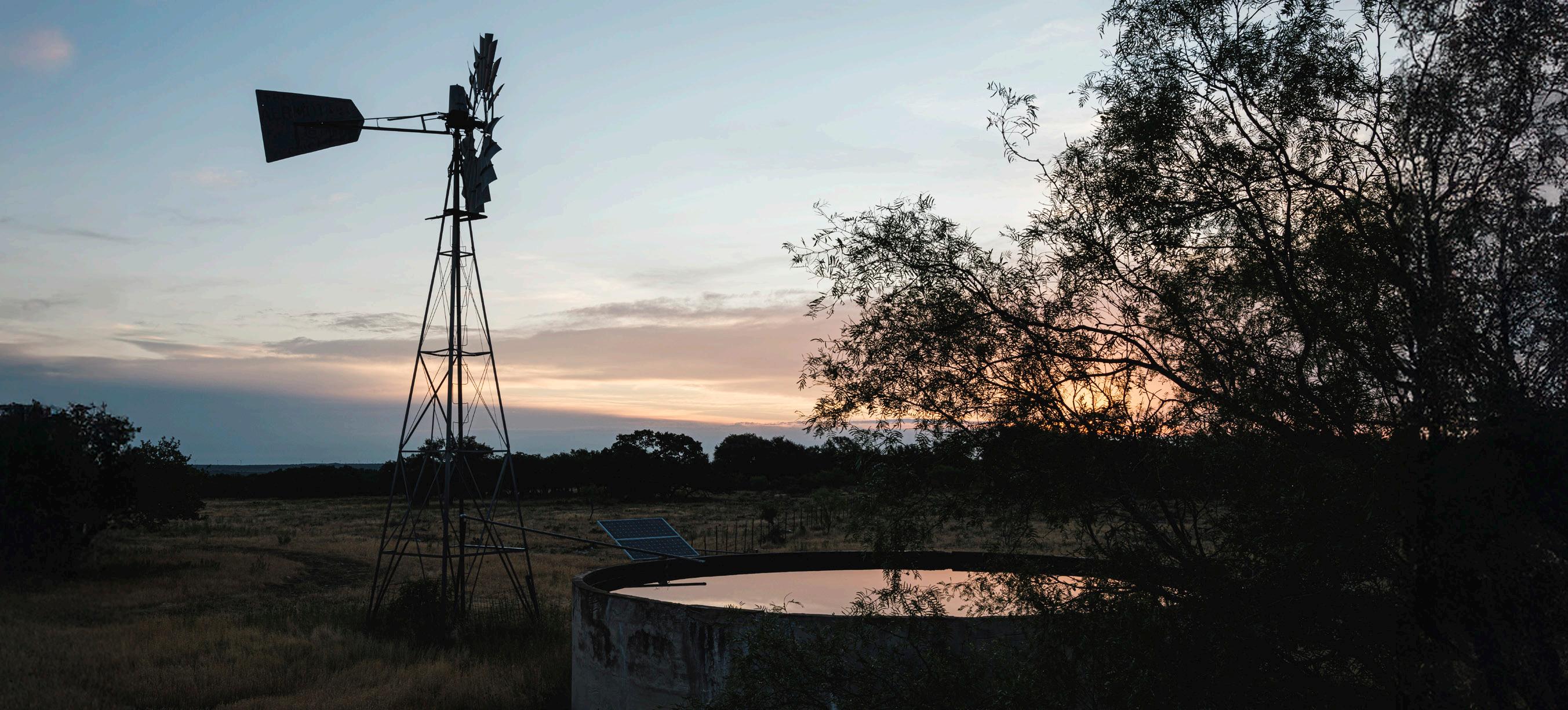
“If it is a solar powered pump, that is a different game than a windmill powered pump,” he explains. “If the wind is not blowing, the well is not pumping. By
“If the wind is not blowing, the well is not pumping. By utilizing a solar powered pump, even on a cloudy day the pump is being powered.”
— Freddy Nieto, HP El Sauz Ranch
utilizing a solar powered pump, even on a cloudy day the pump is being powered.”
When windmill repairs outweigh the cost, Nieto opts for solar pumps. Upfront, solar is more expensive than a traditional jet pumps but comparable to windmill replacement or repair.
Benefits? 20-plus years of low-maintenance life, no energy bills and reliable water on remote sites.
“The solar pumps take a lot of the guesswork away. In July and August in South Texas, the wind doesn’t blow as much,” Nieto says. “You really have to be careful and watch your water systems.”
Whether using wind- or solar-powered pumps, consistently monitoring water levels and systems is important, especially in the warmer months. Photo by Jerod Foster.


Monitoring systems
Even solar pump systems require oversight. It is best practice to put eyes on troughs and floats to ensure everything is working, but there are some effective tools available to supplement monitoring.
Technology such as water-level monitors, trough monitors, and flow and pressure sensors can be installed to track activity and collect data on troughs in remote pastures.
Many of these systems connect to mobile apps so ranchers have constant access to all their water systems. These tools can help detect problems or leaks earlier to avoid bigger issues down the line.
Resources to aid producers are becoming more available as the industry identifies solutions to problems including water availability and well systems.
Jeff Lewter serves Randall County in the Texas Panhandle as a USDA Natural Resources Conservation Service district conservationist, working closely with ranchers to navigate issues. He says leveraging financial incentives and programs can help producers access these tools and expand water management practices.
“Sometimes, expert advice and/or suggestions through conservation technical assistance is all that is needed,” Lewter says. “However, we do have programs, such as the Environmental Quality Incentives Program that offer financial incentives to help livestock producers with some of the costs associated with installing practices such as livestock water facilities, wells, water pumps and other technologies to address a resource concern.”
Irrigation options
Another strategy for maximizing available water systems is incorporating irrigated forage acres.
Ross Roberts is a Texas & Southwestern Cattle Raisers Association member and irrigation specialist in Brownfield with 30-plus years of experience helping producers maximize their water systems to meet the demands of the production season.
Roberts says he has seen success using drip-tape irrigation systems to convert smaller pastures or fields into high-intensity grazing or hay production. This can alleviate strain on both the rancher and cow during drought seasons or certain production periods, such as
Photo by Jerod Foster
breeding and calving, when cattle naturally require more nutrients to sustain a healthy body condition.
Drip-tape irrigation systems have proven to be an effective solution for maximizing output on a lowyielding well. As Roberts says, they simply allocate water more efficiently.
“We have increased year-round forage production and grazing in some operations by using drip-tape irrigation,” he says. “Where I live, ranchers get 5 tons of alfalfa per acre per season, and by adding drip irrigation, we’ll see it go up to 10 tons per acre.”
This irrigation practice could be ideal for a stocker cattle operation using grazing in their production rotation. Since running stocker calves is more demanding on water sources, having a trustworthy system is vital.
According to the University of Nebraska-Lincoln Beef, as a general rule, water consumption will fluctuate from 1 gallon per 100 pounds of body weight in the colder months to almost 2 gallons per 100 pounds of body weight during warmer months. Because stocker cattle do not have to travel far to their water source, peak demand times can also occur more often.
Edward Bordovsky, a Texas & Southwestern Cattle Raisers Association director and stocker cattle manager at La Poloma Ranch near Riviera, uses submersible wells on a pressurized water system
Groundwater Concerns
Throughout Texas, nine major aquifers supply about 97% of the state’s available groundwater. Affected by differing issues, each aquifer is in varying stages of decline. The Edwards Aquifer serves much of the Hill Country and faces overpumping due to the density of the population it serves, along with drought in its western counties. The Gulf Coast Aquifer parallels the Gulf of America coastline from Mexico to Louisiana. Although its freshwater saturation level averages about 1,000 feet, area producers face saltwater intrusion if wells are dug too deep.
A concerning figure for rural and urban centers alike is this: with a growing population, the state’s groundwater is projected to decline 32% by 2070.
Source: Texas Comptroller of Public Accounts
Lower-yielding wells may have trouble keeping up during times of peak demand. Photo by Wyman Meinzer.
where his stocker cattle and backgrounding areas are concentrated to ensure adequate water availability.
“Where we have electricity, we’ll have pressurized water systems. One system has eight wells tied together and stretches over 10 miles,” Bordovsky says. “In areas where we have high use like the backgrounding area, the windmills we use everywhere else are not as reliable.”
Ranch water systems adapt to seasons and weather through everyday vigilance. It’s here — in the routine but essential work — that tradition and technology converge, delivering powerful new management options straight to producers. T C

Jordan Cattle Auction…
Where Cattlemen Come to Buy and Sell!
WEEKLY SALES HELD AT 11:00 a.m.
Monday – Mason Thursday – San Saba
Formoreinfoonabove salesoronlineviewing andbidding,pleasecall orvisitourwebsite.
Addie Brown is a freelance writer based near Canyon.
Photo by Wyman Meinzer





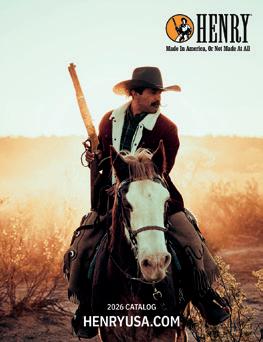
Introducing the American Cattleman Tribute Edition Rifle
From the wide-open ranges of the 19th-century Western frontier to the family ranches that have stood steadfast for generations, America’s story has always included the men and women who sweat and toil to raise the cattle that feed our nation. The American Cattleman Tribute Edition Rifle is our tip of the hat to this enduring way of life.
Built on our brass-framed .30-30 lever action platform, this rifle is made for those who put in the long, hard hours from sunup to sundown, and it stands as a testament to the animals and their stewardship at the heart of it all. Featuring genuine American walnut furniture paired with an engraved, highly polished brass receiver, every detail honors the grit and tradition that define the cattleman’s trade. Long live the American Cattleman.



Engraved, highly polished, hardened brass receiver
STRIKING A BALANCE
By Jay Evans
Water may be the most important issue facing Texas throughout the next decade and beyond. As our state continues to grow, so will the demand for water — from expanding cities, new industries and water-intensive data centers. At the same time, we must ensure rural landscapes remain productive, supplying food and fiber to sustain our economy. Cities cannot prosper without healthy working lands.
Meeting this challenge will require collaboration, accurate science, common-sense planning and commitment to protecting the water resources that Texans depend on.
Because there is no silver bullet solution, addressing the state’s water future will require several approaches: replacing and repairing aging infrastructure; improving conservation; developing brackish groundwater resources; and expanding desalination, where appropriate.
Equally important is continuing responsible land stewardship. Public and private landowners should continue to maintain and expand natural resource conservation practices as they long have. This includes managing invasive species, like mesquite and juniper, that reduce water flows and limit aquifer recharge.
Groundwater plays a central role in this discussion. A large share of the state’s water supply, especially in rural communities, comes from underground aquifers.
Texas water law is governed by the rule of capture. As laid out in the Texas Constitution, a landowner owns the water under his land unless it has been severed. Texas & Southwestern Cattle Raisers Association has long supported this fundamental private property right.
Groundwater conservation districts are the primary mechanism for regulating groundwater pumping in Texas. Typically established along political boundaries, these locally governed districts are designed to reflect the needs and priorities of the communities they serve. Local control allows decisions to be made by those elected to the groundwater district board.
As we know, groundwater does not follow county lines or district boundaries. Aquifers stretch across multiple
districts and regions. To address this, the state also relies on groundwater management areas — regional planning groups that coordinate groundwater policy across shared aquifers.
Today, Texas has 16 groundwater management areas and roughly 100 groundwater districts that provide local regulation. Working through the Texas Water Development Board, groundwater management areas establish desired future conditions for aquifers. These conditions represent long-term goals that describe how groundwater levels, spring flows and water quality should look in future decades.
Cities need reliable supplies to support growth. Agriculture and ranching need water to maintain productive lands. Communities across the state rely on healthy aquifers for their long-term prosperity. This layered system helps the state balance all of these competing water demands.
Texas & Southwestern Cattle Raisers Association supports this balanced approach. Local control remains essential, but sound groundwater stewardship also requires aquifers to be managed through regional coordination. Management by aquifer should play an important role in state water planning to ensure decisions are rooted in consistent, accurate science and coordinated across regions.
As Texas continues to grow, tension between rural and urban water demands will inevitably increase. Drought can intensify these conflicts, but even after drought conditions pass, the underlying challenge remains: more people are competing for limited resources.
Protecting our water requires thoughtful planning and cooperation. If Texas gets groundwater management right through balancing growth, conservation and local stewardship, we can ensure that both our rural landscapes and cities thrive for generations to come. T C
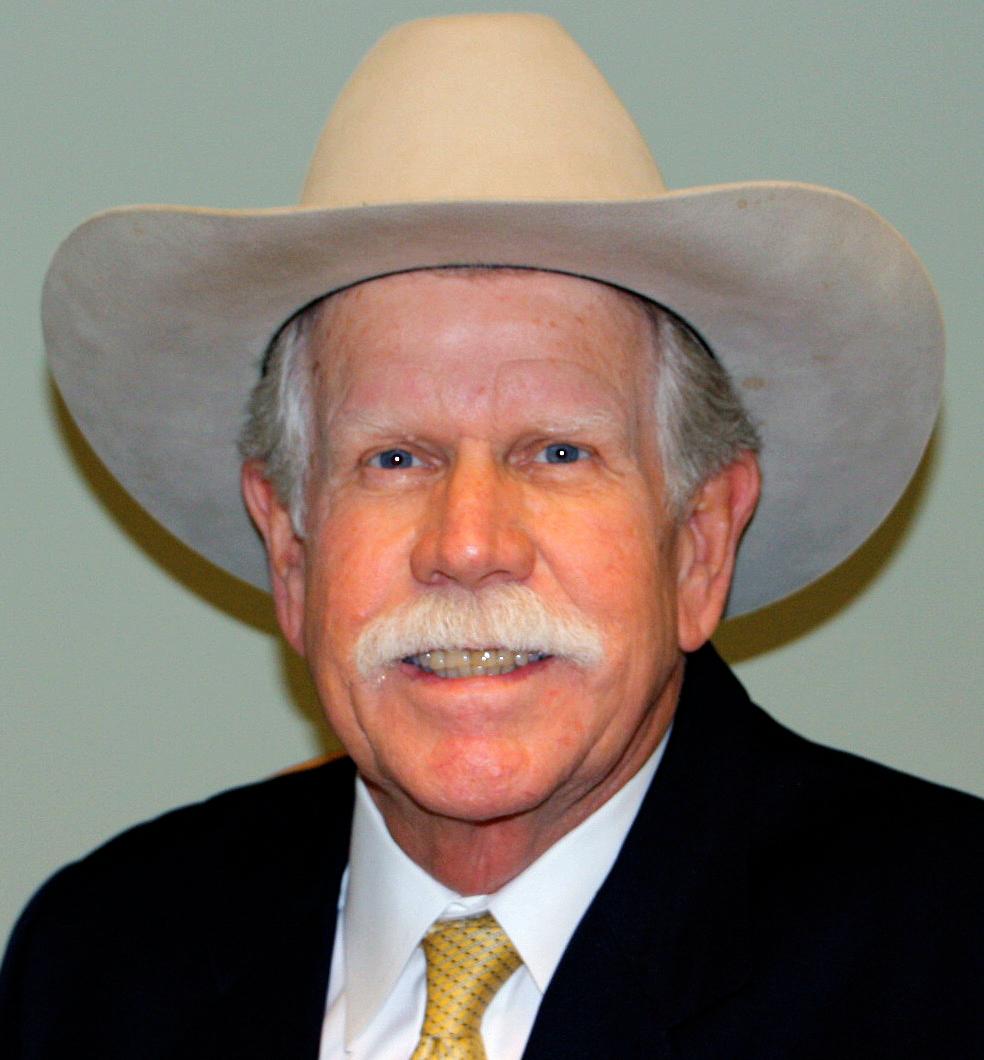
Jay Evans, of Dripping Springs, is a Texas & Southwestern Cattle Raisers Association honorary director and water subcommittee chair.
STANDING WITH US
John Dupnik serves as the deputy executive administrator for the Office of Water Science and Conservation at the Texas Water Development Board. Starting in 2018, he has been leading statewide programs in surface water, groundwater, flood science, innovative water technologies and conservation.
A licensed professional geoscientist, Dupnik guides critical data collection, analysis, modeling and research supporting Texas communities in managing drought, floods and long-term water supply challenges.
Before joining the Texas Water Development Board, he served as general manager of the Barton Springs/Edwards Aquifer Conservation District, leading regulatory, scientific and public outreach efforts through some of the most complex and high-profile groundwater management issues facing Central Texas.

His career also includes roles in wastewater permitting, groundwater protection and water well compliance at the Texas Commission on Environmental Quality and the Texas Department of Licensing and Regulation.
Dupnik’s leadership at the Texas Water Development Board is crucial as the agency fits the broader conversation of groundwater conservation in the state by providing data, modeling, planning and technical support to groundwater conservation districts. They intersect science, policy and local control to influence the long-term stewardship and availability of groundwater across the state.
Dupnik holds degrees from the University of Texas at Austin and Texas State University, and is a frequent speaker on Texas water science, planning and policy. T C
Be an Agricul tural Resource Manager for an Evolving Agricul tural Industr y.
For more than half a century, TCU’s renowned Ranch Management Program has given students an edge in agricultural resource success. This unique nine-month intensive program equips graduates with real-world strategies as producers and land stewards in changing times.
Space is limited. Financial aid and scholarships may be available f rom the Ranch Management Program and through the TCU Office of Scholarships & Student Financial Aid ranch.tcu.edu


WHAT’S HAPPENING AT TSCRA
TSCRA NAMES NEW LEADERSHIP DURING 2026 CATTLE RAISERS CONVENTION & EXPO

Texas & Southwestern Cattle Raisers Association, the oldest and largest livestock association in the Southwest, elected Stephen Diebel as president March 28 during the 2026 Cattle Raisers Convention & Expo.
Diebel, of Victoria, brings extensive expertise and a proven advocacy track record to his two-year term as Texas & Southwestern Cattle Raisers Association president. As a fifth-generation rancher, co-owner and manager of Diebel Cattle Company, he is well-positioned to guide the association toward continued growth and success. Diebel was elected as an association director in 2011 and has served its membership in many capacities.
“I’m honored to serve our membership alongside other great association leaders who share the same passion and drive, ensuring our way of life is here for generations to come,” Diebel said.
Diebel succeeds Carl Ray Polk Jr., whose leadership and dedication have been instrumental in driving the association’s mission throughout the last two years.
“On behalf of the association, we extended our appreciation to Carl Ray for his invaluable contribution and care for every member we represent across Texas and the Southwest,” Diebel said.
The Texas & Southwestern Cattle Raisers Association executive committee met to approve the newest additions to leadership roles for the organization.
Dan Gattis, of Georgetown, was named first vicepresident and Wayne Cockrell, of College Station, was elected as second vice-president and secretary/treasurer.
Nine Texas & Southwestern Cattle Raisers Association members were also newly elected to serve on the association’s board of directors: Foster Burchett, Jourdanton; Matthew Crow, Corpus Christi; Jared Dangelmayr, Muenster; Sarah Franklin, Pleasanton; August “Augie” McCan, Victoria; Andrew Polk, Lufkin; Joey Ramirez, Armstrong; Martha Santos, Laredo; and Fay Fitzsimons Walker, Houston.
In addition, the association added three members to its executive committee. These individuals are: James Henderson, Memphis; John Malazzo, Caldwell; and Wesley Welch, Lubbock.
Texas & Southwestern Cattle Raisers Association slated new policy committee chairs and vice chairs to serve a two-year term. These are:
• Cattle Health & Well-Being Committee — Heath Grigg, chair; Chris Womack, vice-chair
• Marketing & Transportation Committee — Donnell Brown, chair; Clint Berry, vice-chair
• Natural Resources & Wildlife Committee — Andrew Polk, chair; Jason Sawyer, vice-chair
• Property Rights & Tax Committee — James Dudley IV, chair; Anson Howard, vice-chair
• Parasite Subcommittee — Fredrico Nieto, chair; Edward Bordovsky, vice-chair
• Water Subcommittee — Jay Evans, chair; Bret Griffith, vice-chair
• Events & Outreach Committee — Sarah Franklin, chair; Hunter Crow, vice-chair
• Leadership Development Committee — James Uhl, chair; Carlos Ochoa, vice-chair T C
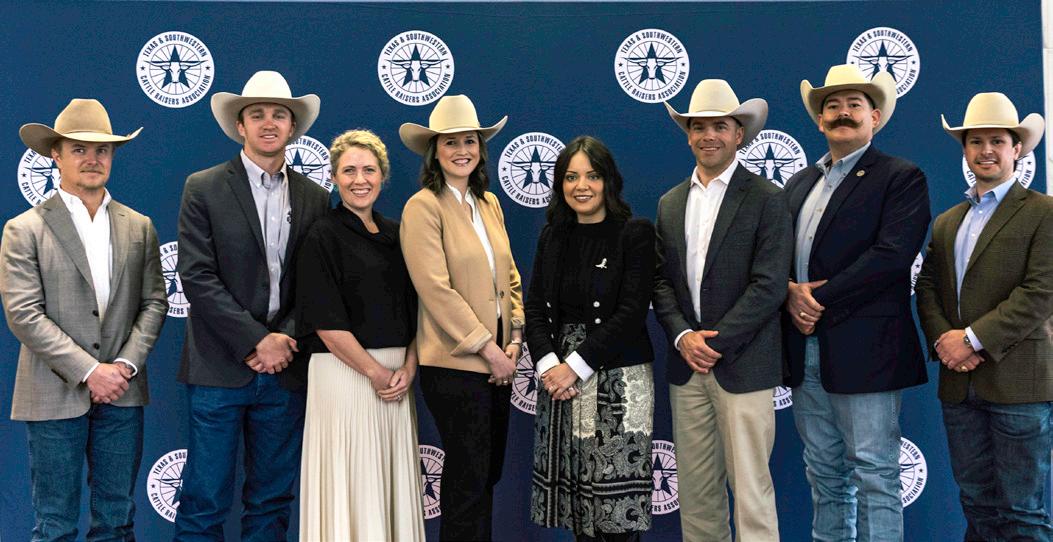
2026-2028 TSCRA officer team. Pictured left to right: Wayne Cockrell, second vice president and secretary/treasurer; Stephen Diebel, president; and Dan Gattis, first vice president.
New members of the TSCRA board of directors, pictured left to right, are: Matthew Crow, Jared Dangelmayr, Fay Fitzsimons Walker, Sarah Franklin, Martha Santos, Foster Burchett, Joey Ramirez and Andrew Polk. Not pictured: Augie McCan.
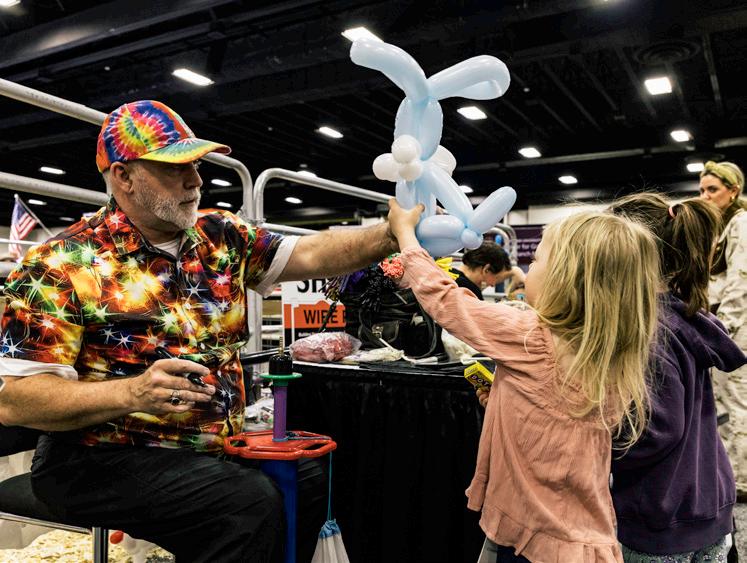
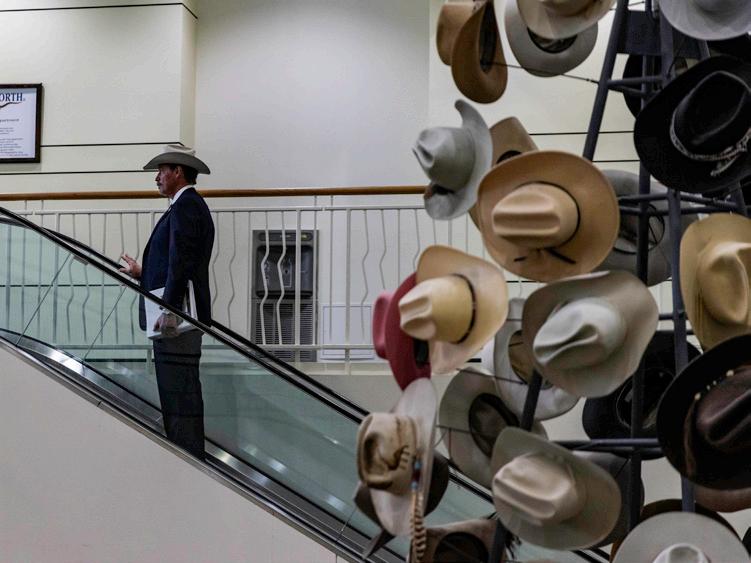

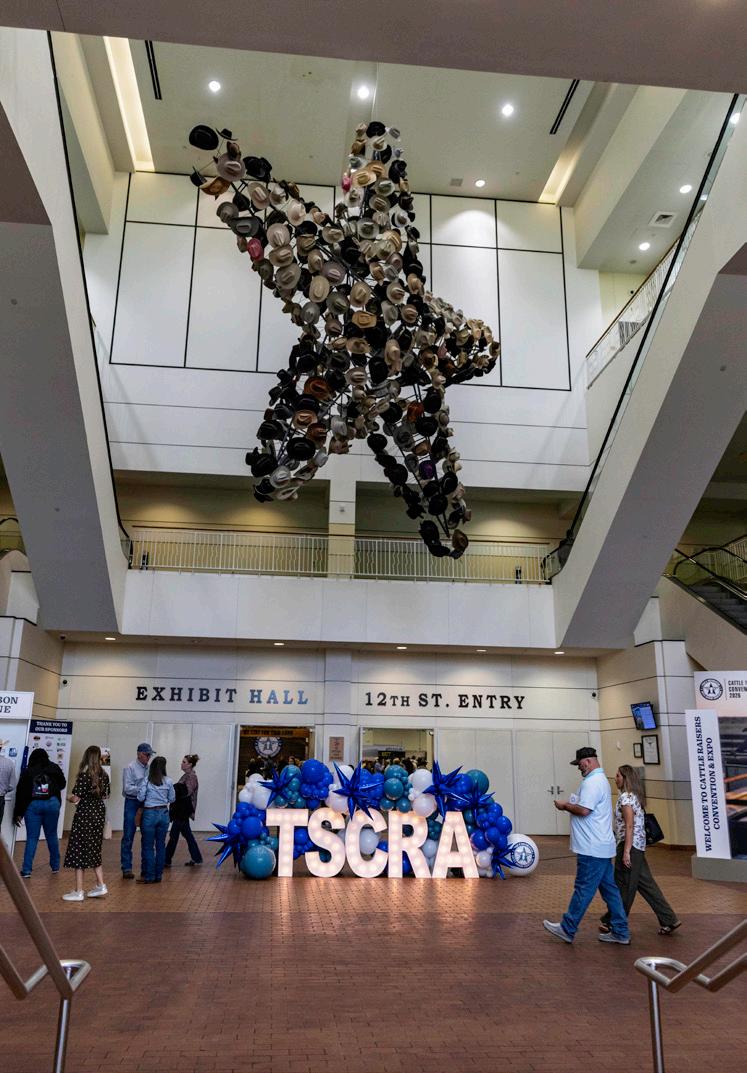
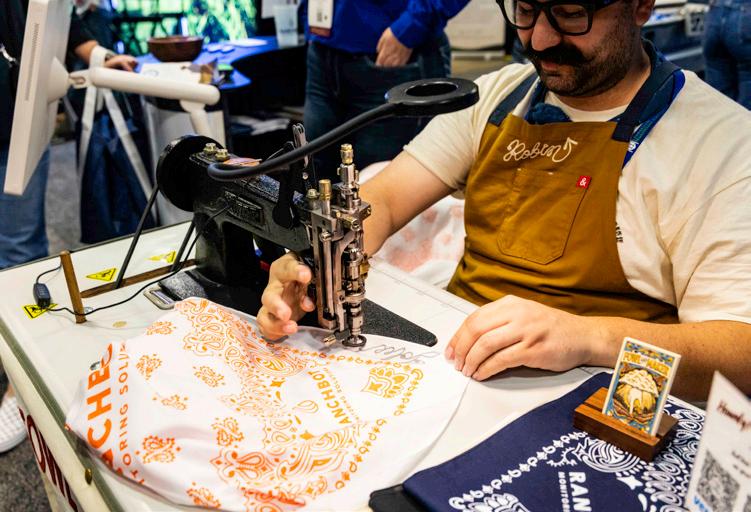
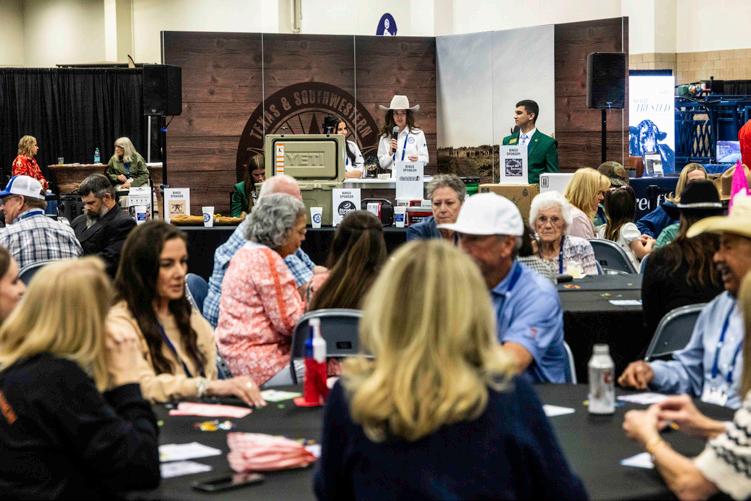
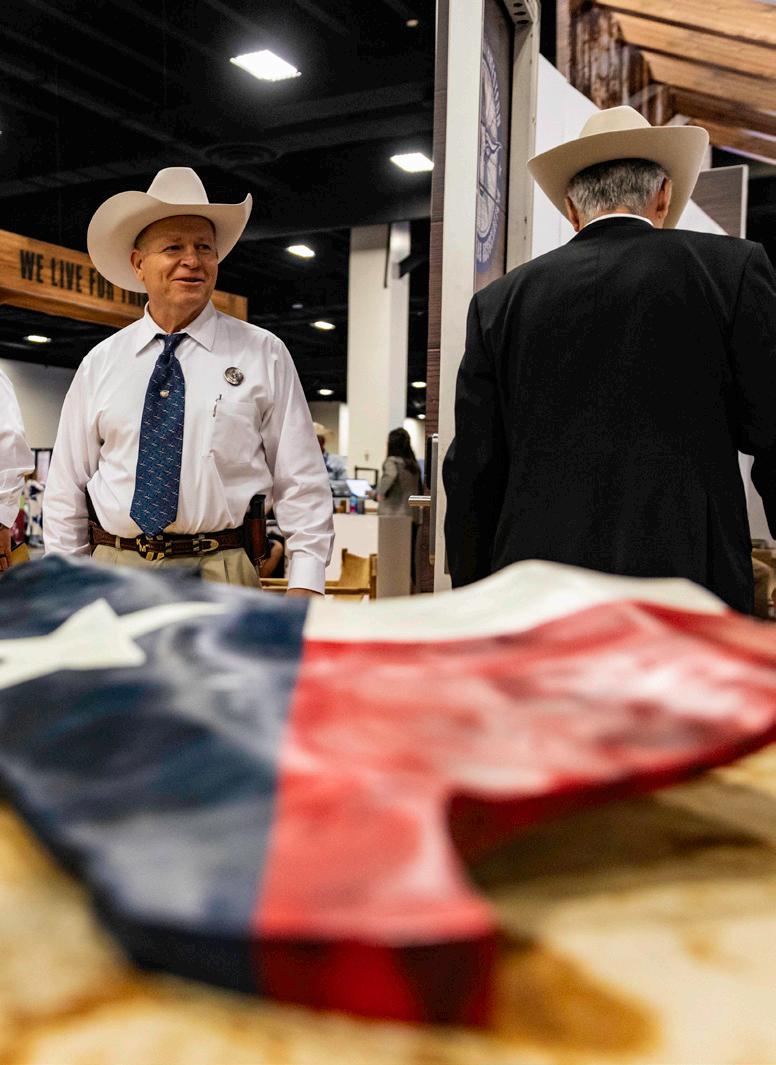
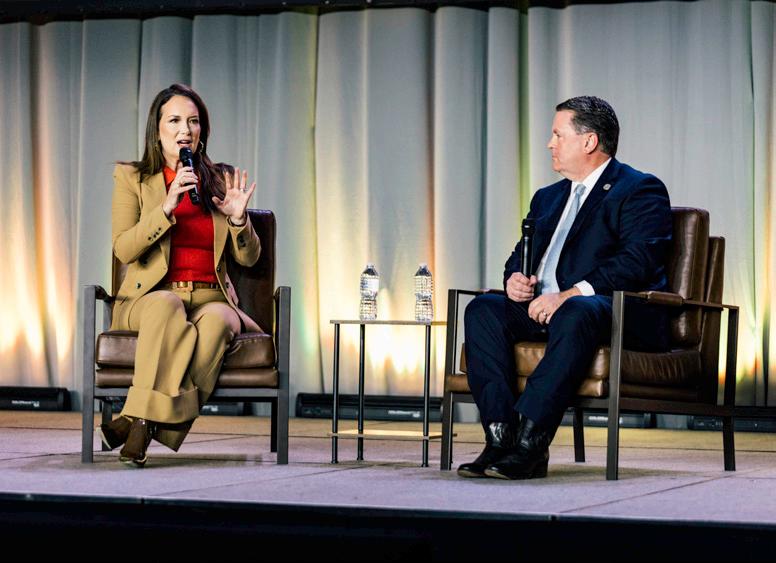
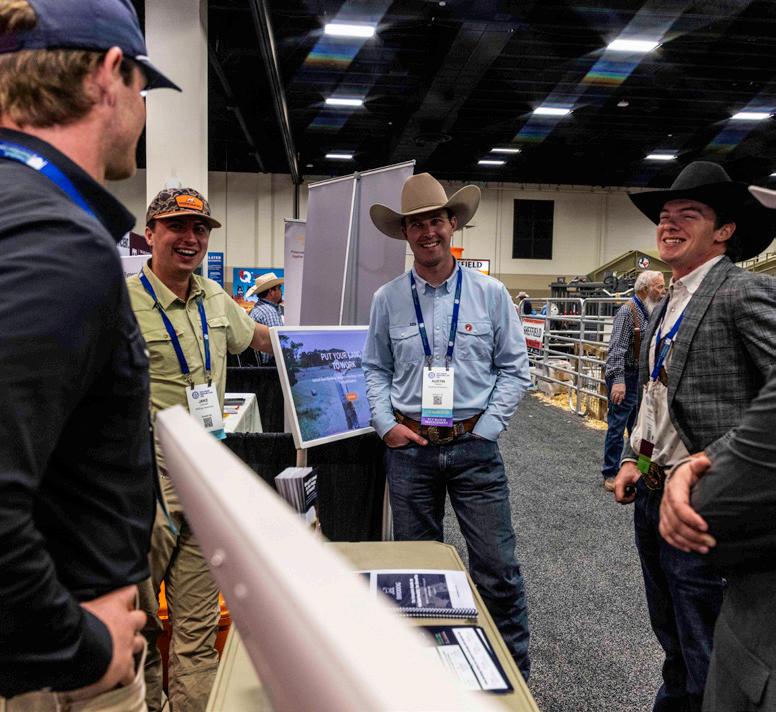
The 2026 Cattle Raisers Convention & Expo, hosted March 27-29, brought thousands of attendees together in Fort Worth. Event highlights included remarks from U.S. Secretary of Agriculture Brooke Rollins during TSCRA’s Annual Membership Meeting, pictured middle right.

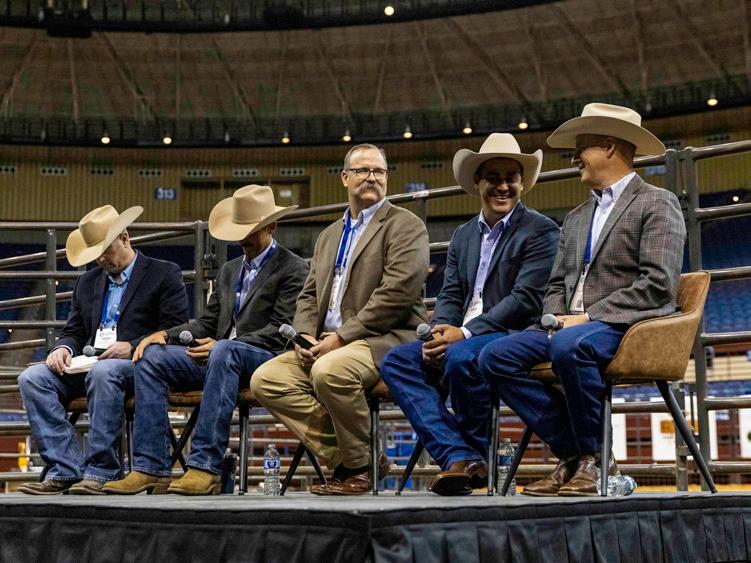
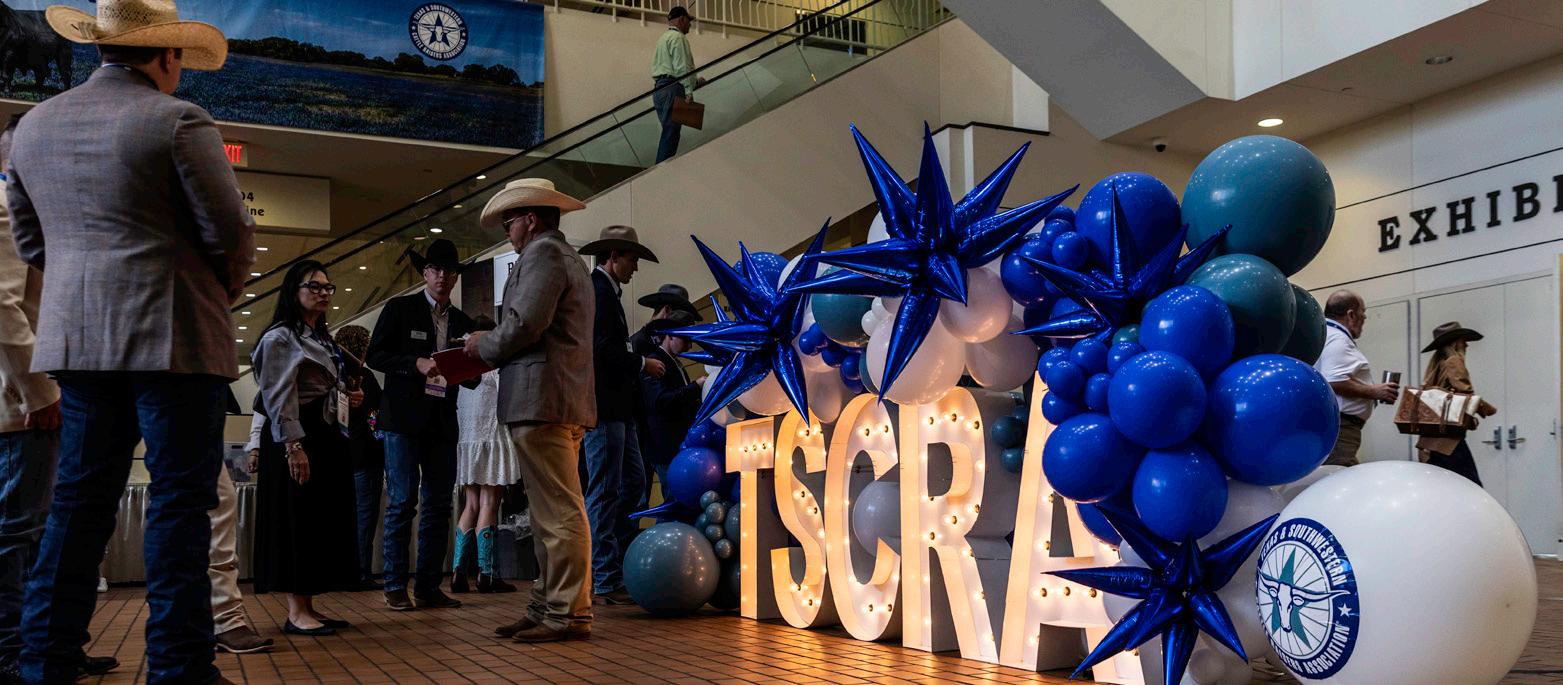
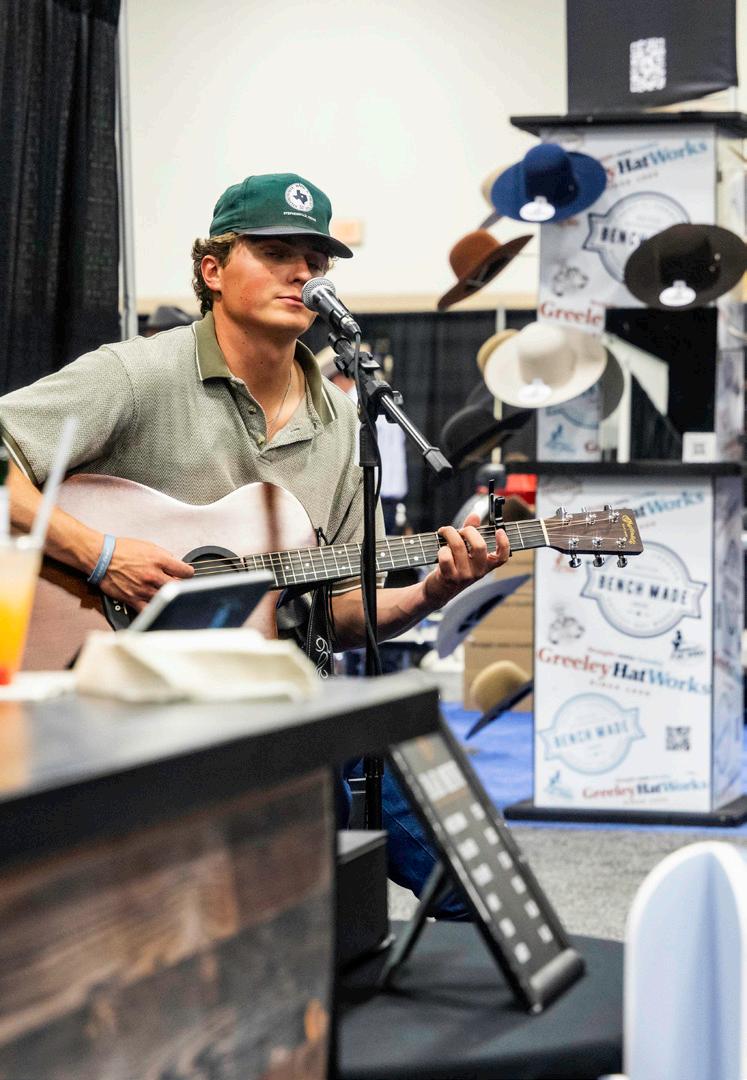
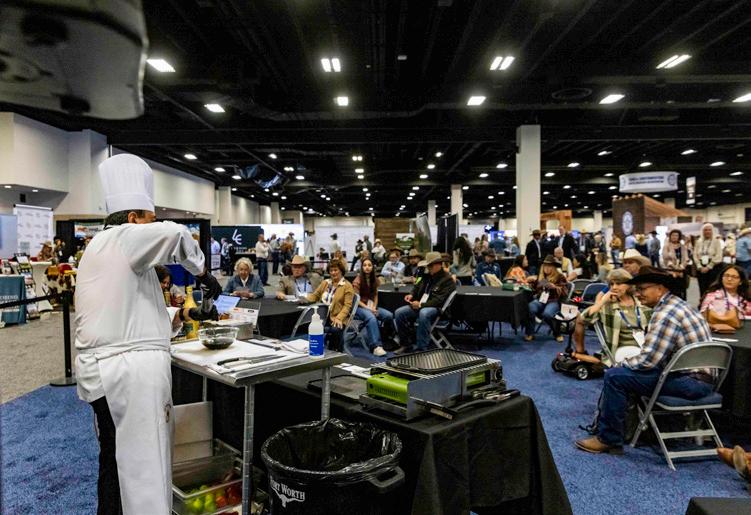

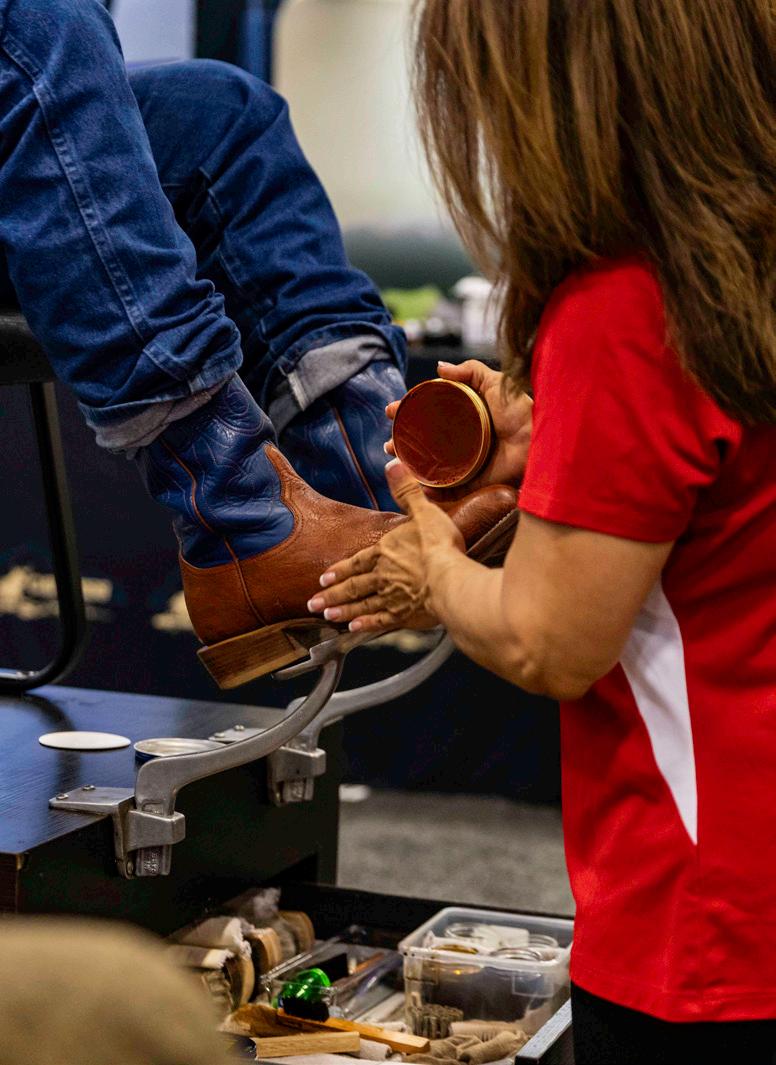

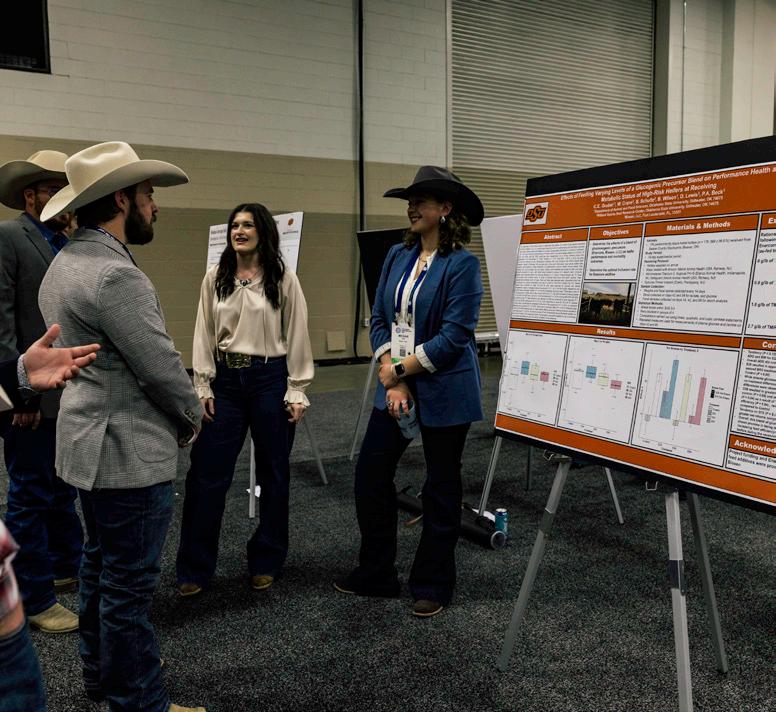
From dynamic main-stage sessions including keynote speaker Marty Smith of ESPN, pictured top left, to breakout workshops in the School for
convention attendees left
engaged and inspired. Read more highlights in the upcoming June magazine.
Successful Ranching,
Fort Worth

PROTECTING WHAT MATTERS MOST
Expanded insurance options through Cattle Raisers Insurance and Higginbotham Partnership.
Rising demand for risk management and health coverage drove Texas & Southwestern Cattle Raisers Association to expand its partnership with Cattle Raisers Insurance and Higginbotham, increasing access to insurance solutions for its members last year.
Together, the insurance companies expanded ranch and farm offerings and exclusive Traveler’s property discount to include a broader range of options for association members. In 2025, this growth accounted for a 20% increase in coverage.
In addition to access to a broad range of health coverage and national scope for insurance policies, the partnership unveiled another member discount for supplemental coverages through Colonial Life, such as short-term disability, accident, critical illness, hospital indemnity, whole life and term life. These coverage options can be purchased individually or added to existing coverage.

“We understand cattle raising can call for sacrifices and at times be a dangerous business that has its share of high-risk activities. That’s why Higginbotham is excited to offer exclusive Colonial Life products that are typically only available to large employer groups,” said Carter English, who leads the employee benefits division for Higginbotham. “Our products deliver needed protection against unexpected medical costs, hospital stays, and other financial strains that occur even if you already have medical insurance, and they better protect what means the most to you.
“Through our partnership, TSCRA clients get negotiated rates and value-added services not available elsewhere. These include a dedicated employee benefits call center, claims advocacy, and risk management education designed to support ranchers beyond just policy placement. Another area of extreme interest is that Medicare is also available.”
Texas & Southwestern Cattle Raisers Association continues to build on this momentum, working to deliver practical, member-focused solutions that meet the evolving needs of cattle raisers across the Southwest.
To learn more about the coverage options available through the growing partnership, contact the Higginbotham Employee Response Center via email tscra@eb.higginbotham.net or calling 844-765-4222 between 7 a.m. and 6 p.m. Central, Monday through Friday. T C
Carter English
THIS LAND WE LIVE FOR
AND EVERYTHING ON IT
Join or renew your membership today. Membership supports TSCRA Special Rangers, government relations advocacy, educational programs, member-only discounts, networking and social events, The Cattleman magazine and insurance services.
To learn more about membership, scan the code below or visit TSCRA.org.




TSCRA Business Memberships
T SCRA’s new business membership categories are designed for businesses that support ranchers and landowners. Whether operating in one county or across multiple states, TSCRA business memberships help businesses increase visibility, strengthen customer relationships and engage directly with the people shaping the future of the cattle industry.
Annual print or digital advertising credit
Annual event or sponsorship credit
Business Directory listing
Use of TSCRA business member logo
Business member display sign
Eligibility for the TSCRA Partner Program
Eligibility for the TSCRA Gilly Rojas Memorial Internship Placement Program
Eligibility to serve on TSCRA committees
Priority booth selection for Cattle Raisers
Convention & Expo
Enhanced visibility and engagement opportunities with TSCRA leadership
Access to aggregated member trends and industry intelligence


INDUSTRY BRIEFS
CATTLEMEN’S BEEF BOARD RELEASES 2025 IMPACT REPORT
The Cattlemen’s Beef Board has released its 2025 Impact Report. This report follows an updated format introduced in 2024, including the board’s annual financial statement and Beef Checkoff program evaluations all in one document.
“Even in a period of historically tight cattle supplies and higher retail prices, consumers continue choosing beef,” said Ryan Moorhouse, 2025 Cattlemen’s Beef Board chair. “That sustained demand doesn’t happen by chance. It reflects decades of strategic investment through the Beef Checkoff to promote beef, build consumer trust and reinforce its value in a competitive protein marketplace. The 2025 Impact Report highlights the measurable results of that work and the return it delivers to producers.”
The 2025 Impact Report provides a comprehensive overview of the FY25 authorization requests supported by the Beef Checkoff across its six program areas: promotion, research, consumer information, industry information, foreign marketing and producer communications. For each authorization request, the report details the responsible contractors and subcontractors, allocated budgets, program objectives and documented outcomes. It also outlines specific tactics, progress toward defined performance goals, key insights gained and measures of efficiency.
Together, this information offers beef industry stakeholders a transparent, results-driven view of how Checkoff investments are being put to work.
The report also contains results from an independent review conducted by Agralytica Consulting in 2025. The firm assessed the breadth and depth of Checkofffunded nutrition research and evaluated how effectively those findings are communicated to consumers.
Additionally, Agralytica examined the research design, data management and application processes used in the Consumer Market Research and Meat Demand Monitor programs to ensure they meet high standards of rigor and relevance.
Visit beefboard.org to view the report and learn more.
AGRILIFE RESEARCH BRAHMAN PROGRAM AT OVERTON NAMED BREEDER OF THE YEAR
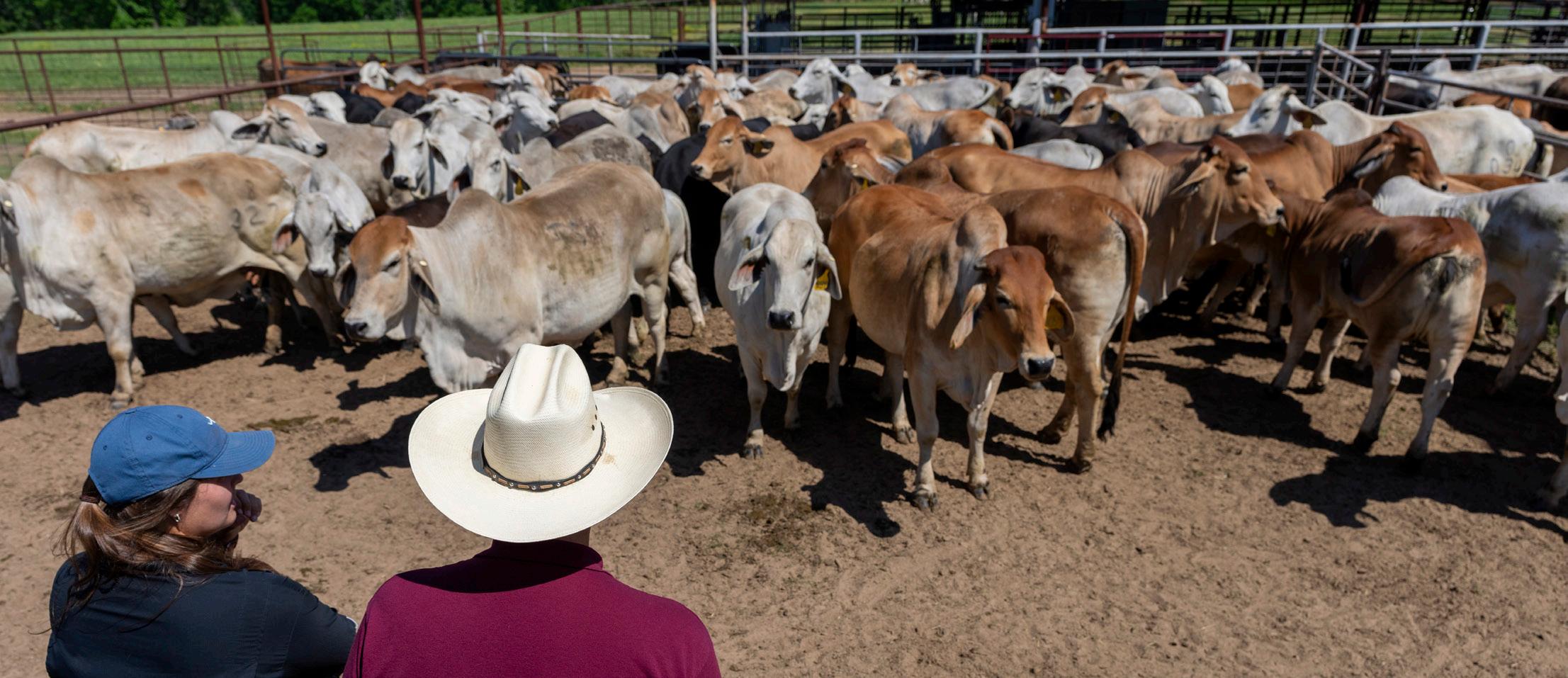
The Brahman program at the Texas A&M AgriLife Research and Extension Center in Overton has been named the American Brahman Breeders Association’s 2025 Performance Breeder of the Year.
The recognition underscores the center’s five decades of leadership in Brahman performance testing, research-driven innovation and service to the beef industry.
“It’s an enormous honor for the research herd and our team to be recognized,” said Charles Long, Ph.D., center director and Texas A&M University professor of animal breeding and genetics. “This research has been a true team effort to advance the science in ways that directly impact cattle producers and the industry.”
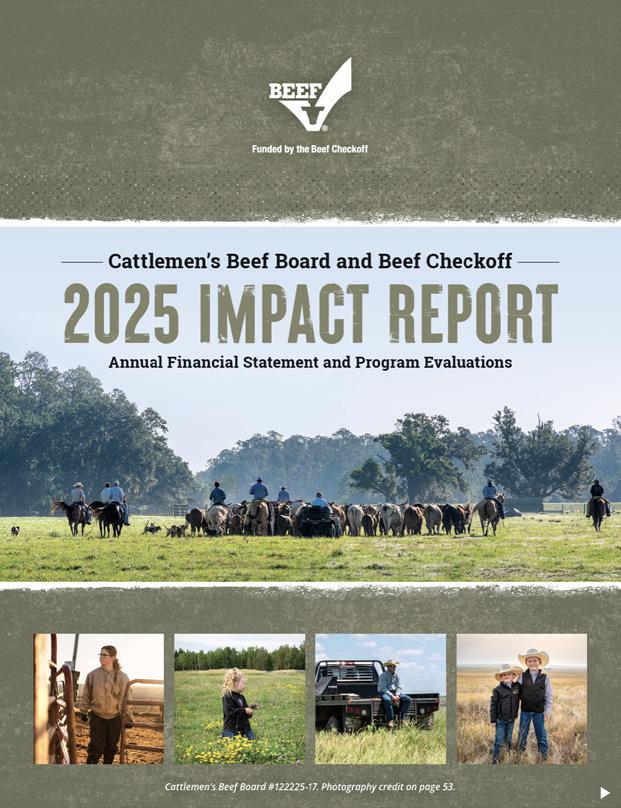
Colorful graphics provide interesting data about producer attitudes on the Beef Checkoff, as well as current consumer trends and behaviors. Easy-to-scan QR codes quickly link to online resources about Cattlemen’s Beef Board and the Beef Checkoff, including organizational structure, audited financials, governing documents, contractors, webinars, meetings and events, and the award-winning producer newsletter, The Drive
The Texas A&M AgriLife Center’s purebred Brahman program began in 1974, complementing a BrahmanHereford F1 herd established in 1967. Today, the breeding program maintains a 200 -head registered Brahman herd and is known for comprehensive, long-term data collection spanning reproduction, temperament, grazing management, feed efficiency and carcass merit. Data from the herd are routinely submitted to the Brahman Herd Improvement Registry and used widely by producers and researchers.
Research conducted with the herd has helped refine breeding protocols, uncover physiological differences unique to Brahman females and improve strategies for managing temperament and transportationrelated stress. Long-term carcass data collected over more than 30 years continues to strengthen industry knowledge of traits affecting yield, value, beef quality and palatability traits in Brahman and Brahmaninfluenced cattle.
The program has also excelled in maternal performance. Since the inception of the American Brahman Breeders Association Maternal Merit Program in 2009, the herd has produced 22 Elite Maternal Merit Females, four Supreme Maternal Merit Females and three Silver Maternal Performance Sires, demonstrating a sustained commitment to advancing reproductive efficiency and longevity — traits of critical economic importance to producers.
Beyond genetic and performance achievements, the Texas A&M AgriLife breeding program plays a vital role in innovation and talent development. The herd supports research in genetics, reproduction, forage systems and beef production modeling, aligning closely with AgriLife Research and department of animal science strategic priorities of innovating, enhancing productivity and sustainability, and training future leaders.
To date, the Brahman program has helped train more than 225 graduate students, along with numerous interns and early-career scientists whose work continues to influence beef production systems across the nation.
U.S. BEEF VARIETY MEAT EXPORTS VALUE RECORD-HIGH
January beef exports were lower than a year ago due to the prolonged lockout in China, but export value per head of fed slaughter was more than $415 — the highest since March and reflecting solid demand in other
markets. Beef variety meats were a major bright spot, with export value topping the previous monthly high reached in December.
According to data released by USDA and compiled by the U.S. Meat Export Federation, beef exports totaled 92,558 metric tons in January, down 10% year-over-year. But value fell just 3% to $780.1 million, as exports have commanded higher prices.
However, prices are still not being maximized to the degree that would be possible with China back in the mix. When excluding China from the January results, exports increased 5% in volume and climbed 16% in value. January beef shipments trended higher year-over-year to Korea, Japan, Taiwan, the Caribbean, the ASEAN and South America, with export value also increasing to Mexico, Canada and Central America.
Beef variety meat exports were especially strong in January, increasing 6% from a year ago to 27,511 metric tons — the largest in more than four years — while value soared 46% to a record $126 million.
“Beef variety meat value reaching new heights for the second consecutive month is great news for cattle producers and for the entire supply chain,” said U.S. Meat Export Federation President and CEO Dan Halstrom. “With cattle numbers being tight, it is more critical than ever to maximize the value of every animal. And while much of this export growth was driven by tongues and skirts going to Japan, demand was strong in a wide range of markets.” T C
The Texas A&M AgriLife Research Brahman breeding program at the Overton center has conducted more than five decades of performance testing that has resulted in breed improvements related to reproduction, temperament and beef quality. Photo by Michael Miller, Texas A&M AgriLife.
BEEF BEYOND THE FENCE
Attend this month’s Ranching 101 session for herd management tips.
Join Texas & Southwestern Cattle Raisers Association at 1 p.m. Tuesday, May 19, for the next Ranching 101 webinar. The session will focus on practical herd management strategies supporting animal health, performance and overall productivity. Interested members can scan the QR code below to register.
During the hour-long Zoom webinar, participants will gain valuable insights into seasonal considerations, effective treatment approaches, and tools to reduce health challenges and improve outcomes in their operations. For those new to ranching or looking to refine management practices, the webinar will offer actionable takeaways to immediately put into practice.
ABOUT RANCHING 101
Ranching 101 webinars provide participants with practical, sound guidance on the tools and equipment needed to get started in ranching or land ownership. The webinars are available online on the third Tuesday of every month.
Registration is complimentary for any association member. Visit tscra.org to learn more. T C
Sign up:

Ranching 101 is presented by:


Theft & Law
Hale, involves cattle purchased from a Wharton County sale barn without payment.
Hale alleges the suspect obtained cattle from the livestock market and failed to render payment, prompting the investigation and subsequent warrant. Moses’ investigation remains ongoing.
Moses was released on a $50,000 bond March 12.
TSCRA SPECIAL RANGER INVESTIGATION RESULTS IN ARREST OF BONHAM MAN IN AUCTION BARN LIVESTOCK THEFT CASE
A Bonham man was arrested Jan. 20 following an investigation led by Texas & Southwestern Cattle Raisers Association Special Ranger Larry Hand after checks with insufficient funds were issued for livestock purchases in Camp County.
Daniel L. Stone, 27, was taken into custody in Pittsburg by Camp County sheriff’s deputies on a charge of theft of property valued at $2,500 or more but less than $30,000 in the aggregate, a state jail felony.
In September 2023, Stone allegedly issued three insufficient funds checks totaling $5,103.75 for the purchase of sheep and goats at a sale barn in Pittsburg. The incident was reported in November 2023, prompting an investigation.
Hand submitted the case for grand jury review. After reviewing the evidence, the grand jury returned a true bill of indictment for theft of property between $2,500 and $30,000.
Stone was booked into jail and later released on bond. The case is pending.
Texas & Southwestern Cattle Raisers Association would like to thank the 276th Judicial District Attorney Charles Bailey and the Camp County Sheriff’s Office for their assistance in advancing the case.
SUSPECT ARRESTED ON LIVESTOCK THEFT WARRANT IN JOHNSON COUNTY
After an investigation led by Texas & Southwestern Cattle Raisers Association Special Rangers, Maleik Moses was arrested March 10 in connection with a livestock theft investigation following a traffic stop conducted by the Venus Police Department in Johnson County.
The investigation, led by Texas & Southwestern Cattle Raisers Association Special Ranger Nathan
Texas & Southwestern Cattle Raisers Association Special Rangers thank the Venus Police Department for their assistance in making the arrest, and the Wharton County District Attorney’s Office for their support in the case.
SMITH COUNTY MAN ARRESTED FOLLOWING A LENGTHY INVESTIGATION LED BY TSCRA SPECIAL RANGERS
Brandon Wiginton, of Tyler, was arrested on felony theft charges related to more than $96,000 in stolen hay and associated revenue in Cherokee and Smith counties. The arrest is the result of a multi-year investigation led by Texas & Southwestern Cattle Raisers Association Special Rangers Larry Hand and Darrel Bobbitt.
In August 2022, Hand and Bobbitt received a report involving a business partnership that allegedly resulted in the theft of hay and related revenue.
Special rangers obtained statements, conducted interviews, and reviewed financial records and supporting documents during the investigation. Investigators determined the offenses occurred in both Cherokee and Smith counties.
The case was submitted to the Cherokee County District Attorney’s Office and presented to a Cherokee County grand jury. After reviewing the evidence, the grand jury returned an indictment against Wiginton for theft of property valued at more than $30,000 but less than $150,000. The grand jury also returned an alternative indictment for misapplication of fiduciary property.
The special rangers also obtained arrest warrants for similar charges in Smith County.
Wiginton surrendered to authorities at his residence and was taken into custody and booked into the Smith County Jail. He was later released on bond March 2.
The investigation spanned more than three years and involved coordination between multiple special rangers, local law enforcement and prosecutors.
Texas & Southwestern Cattle Raisers Association Special Rangers thank the Cherokee County Sheriff’s Office, Smith County Sheriff’s Office, Cherokee County District Attorney’s Office and Smith County District Attorney’s Office for their assistance in the investigation. T C
Larry Hand TSCRA Special Ranger, District 13
Darrel Bobbitt
TSCRA Special Ranger, District 14
Nathan Hale
TSCRA Special Ranger, District 24



Theft & Law
DISTRICT 8 — NORTH TEXAS
Cattle missing in Wise County.
Texas & Southwestern Cattle Raisers Association Special Ranger Cliff Swofford reports four black cows missing from a property off FM 1810 at Big Sandy Creek, northwest of Decatur. The cows are branded with a “Rafter S” on their right hip and may have a white face. They were last seen Aug. 1, 2025. Anyone with information regarding this case is urged to contact Swofford at 817-343-8804.
DISTRICT 9 — CENTRAL TEXAS
Kawasaki Mule stolen in Palo Pinto County.
Texas & Southwestern Cattle Raisers Association Special Ranger Zach Havens reports a 2017 Kawasaki Mule stolen from a barn located in a pasture near the IH-20 service road between Thurber and Gordon in Palo Pinto County. The mule is green camouflage, seats six people and has a mounted cattle siren. The VIN No. is JKBAFSD19HB504599. It also had a No. 1 decal above the glove box and a damaged front bumper that had been bent forward and straightened back in place. It was last seen around Nov. 20, 2025. Anyone with information on this case is urged to contact Havens at 254-396-1747.
DISTRICT 11 — NORTH CENTRAL TEXAS
Horned Hereford bull missing in Fannin County.
Texas & Southwestern Cattle Raisers Association Special Ranger Randolph McGee reports a horned Hereford bull missing from a property off Highway 34 in Wolfe City. The 16-month-old bull weighs 1,250 pounds, has a No. 4170 ear tag in his right ear and is branded with a “rocking D” on his left hip. He was last seen Feb. 4. Anyone with information on this case is urged to call McGee at 903-821-7506.
DISTRICT 13 — EAST TEXAS
Cattle stolen in Marion County.
Texas & Southwestern Cattle Raisers Association Special Ranger Larry Hand reports six cows stolen from a property off FM 2683 in Jefferson. The cattle include four solid black Brangus cows weighing approximately 1,200 to 1,300 pounds, one brown Beefmaster cow and one yellow tigerstripe cow with cut horns. None of the cattle are branded,
and all six head are approximately four months bred. Evidence at the property indicates the cattle may have been loaded onto a trailer at the corral. The cattle were last seen Feb. 26. Anyone with information on this case is urged to contact Hand at 903-571-3488.
DISTRICT 14 — EAST TEXAS
Charolais heifer missing in Houston County.
Texas & Southwestern Cattle Raisers Association Special Ranger Darrel Bobbitt reports a Charolais heifer missing from a property seven miles west of Crockett. The 400-pound heifer was last seen Jan. 25.
21 black Wagyu cows missing in Houston County. Bobbitt also reports 21 black Wagyu cows missing from a property off County Road 4020 in Lovelady. The cows have “H5” branded on their left hip and an underbit notch in their right ear. They were last seen Jan. 10. Anyone with information on these cases is urged to contact Bobbitt at 936-222-2144.
DISTRICT 22 — EAST TEXAS
Cattle stolen in Brazos County.
Texas & Southwestern Cattle Raisers Association Special Ranger Brent Mast reports five cows and three calves stolen from a property off East OSR in Brazos County. The stolen cattle are described as: a red brindle cow with large horns; two black cows; one white cow; one black cow with red-and-white coloring down the neck and white on her back; a red-and-white Shorthorn heifer weighing approximately 900 pounds; one white calf; and two red Brahman calves. The three stolen calves weigh approximately 200 to 350 pounds each. They were last seen Feb. 17. Anyone with information on this case is urged to contact Mast at 936-714-6619.
DISTRICT 24 — SOUTHEAST TEXAS
Cattle missing in Colorado County.
Texas & Southwestern Cattle Raisers Association
Special Ranger Nathan Hale reports two black crossbred yearling bulls and a black crossbred heifer missing from a property along Cummins Creek in Columbus. The cattle weigh approximately 700 to 750 pounds. They were last seen Jan. 1.
Beefmaster cross cows missing in Colorado County. Hale also reports four brown, white-faced Beefmaster cross cows missing from a property off County Road 255 in Sheridan. The cows have a “TT” branded on their left hip. They were last seen Feb. 8. Anyone with information on this case is urged to contact Hale at 979-627-5823. T C
TSCRA offers a cash reward for information leading to the arrest and/or grand jury indictment of individuals for theft of livestock or related property. Anonymity is guaranteed. To provide information, call the Operation Cow Thief tip line at 817-916-1775.

PRODUCER PREPAREDNESS
CRITICAL AS NWS APPROACHES
AgriLife Extension experts offer advice on planning, preparing and monitoring.
Story by Kay Ledbetter
Photos by Michael Miller
Livestock producers need to take steps now to prepare as the New World screwworm approaches the Texas-Mexico border, according to Texas A&M AgriLife Extension Service livestock specialists.
Necessary action breaks down to three areas: plan, prepare and monitor the situation and livestock, said AgriLife Extension livestock specialists Ron Gill, Ph.D., Chico; and Karl Harborth, Ph.D., Corpus Christi.
With the latest NWS report in Mexico only 149 miles from the Texas border, at time of press, Harborth said the threat is more imminent to South Texas producers.
While some progressive ranchers have already made changes in their operations, he said many producers still need to develop plans for the pest’s arrival. “I don’t think a lot of us thought it would be an issue in our lifetime,” Harborth explained. “There are still people who don’t know what screwworm is and the possibilities it brings.”
management and preparation
Gill and Harborth said producers’ questions at NWSrelated meetings have been focused on treatment. There is no magic cure or foolproof treatment, so preparation and management should be No. 1 on the list, they said.
“Producers need to be thinking about the management side of things first,” Gill said. “Treating external parasites is a constant challenge for many producers, but it will be one of several management practices that will help producers reduce the impact of the screwworm.”
Their advice:
• Develop a plan for external parasite control, as fly and tick wounds create a place for the NWS fly to lay eggs.
• Look for options to help reduce the impact of external parasites throughout the fly season. This may include well-timed topical fly and tick control using sprays, pour-ons, dips, and ear tags.
• Set up game cameras to monitor livestock while at water sources.
• If feasible, consider using technologies such as drones or tracking collars to enhance remote location monitoring of animals.
Karl Harborth, Texas A&M AgriLife Extension Service livestock specialist, discusses how producers should prepare their infrastructure, such as squeeze chutes, to ensure no injuries are caused when working livestock.
• Establish a relationship with a veterinarian now and develop a treatment protocol. Access to several approved products requires a veterinarian’s authorization. Time is of the essence for animal treatments should an infestation be discovered.
• All employees should be trained and ready to access products suggested for treatment.
• All employees need to understand how to identify infestations, clean wounds, collect larvae, submit samples, treat current wounds and provide posttreatment care.
“Preparation is the best thing right now,” Gill said. “Stay aggressive until the sterile flies can eliminate the issue.”
Prepare the working area
Producers need to visually inspect their livestock up close and individually for signs of screwworm infestation, Gill said.
“Being able to identify and treat is going to be key. This shouldn’t just be a drive-by window look; get close enough to look the whole animal over,” Harborth said. “An infected wound will manifest within 72 hours, and the animal could be lost in seven days.”
Their suggestions:
• Consider using cubes or hand-fed supplements in the warm-season feeding routine to allow close viewing to identify wounds. Pretrain animals for these inspections.
• Prepare corrals and chutes to capture animals suspected of infestations, and be able to treat and monitor them to ensure wounds heal and don’t reinfest or cause additional injury sites.
• Inspect working facilities. Fix jagged edges or nails sticking out that could cause injury or invite a screwworm infestation.
• Producers with multiple pastures will need a set of panels to gather, identify and, if needed, treat, or consider partnering with neighbors on a portable panel system to share.
• If calving will occur during the fly season, consider placing expectant mothers in pastures with easier access or working facilities to allow for their monitoring and treatment before turning them out with the rest of the herd.
“We can’t 100% prevent injuries and open wounds that could attract New World screwworm, but we can take care of things that are under our control,” Gill said. “Look into alternatives that work for your operation. Develop a plan and be ready to act.”
Timing is everything
Gill and Harborth said producers should consider moving calving season and wound-inducing processing operations to the cooler months, when flies are less active or inactive.
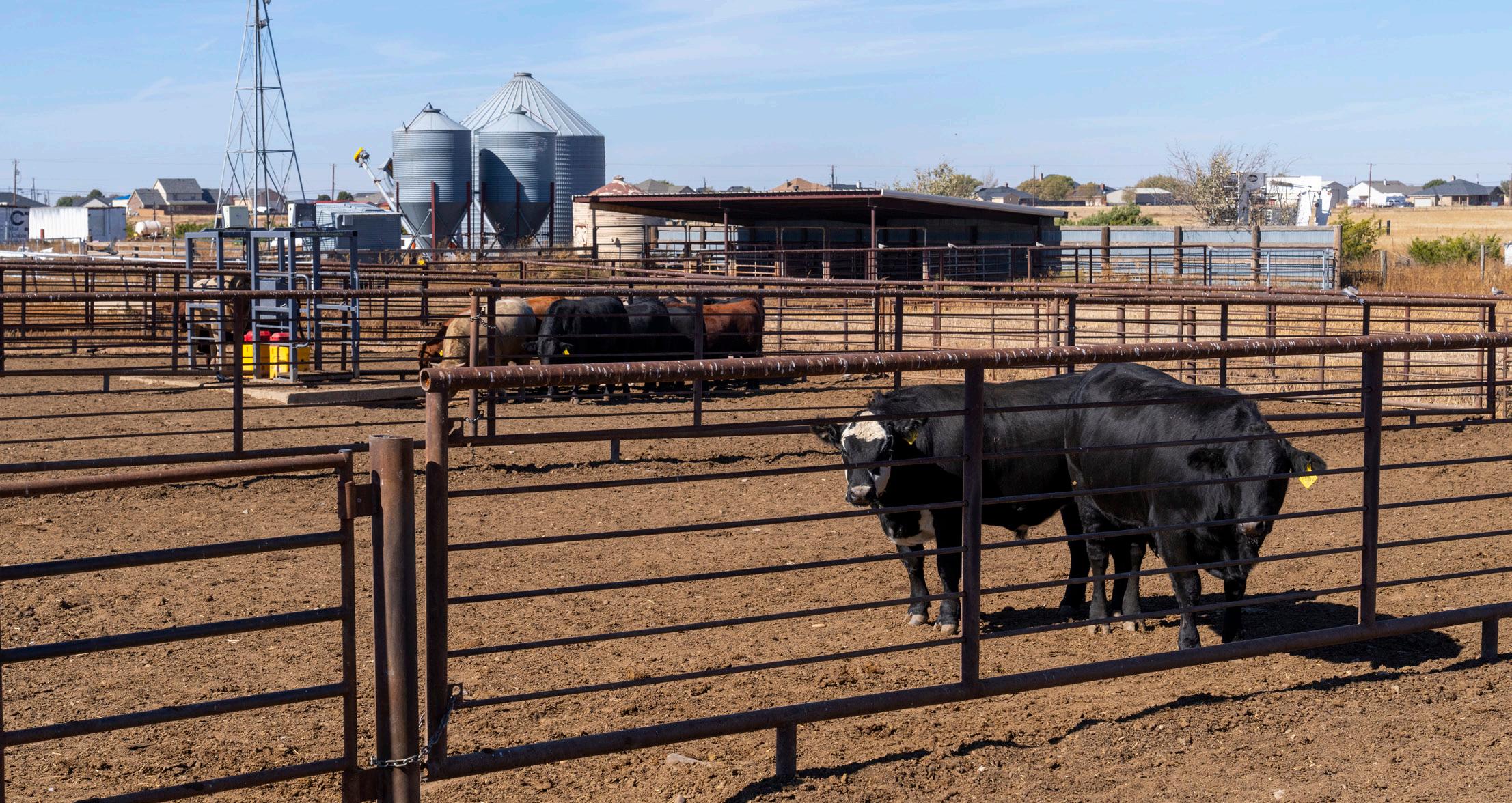
Livestock producers should begin planning and preparing as the NWS moves closer to the Texas-Mexico border.
Ranching
Their suggestions:
• Ear tagging, castrating, dehorning, shearing and branding need to be done as early in the spring as possible or late in the fall after the fly season.
• Avoid births after April until temperatures cool in late October or November.
• Ramp up treatment of the umbilical cord.
“The No. 1 route of infestation and cause of death in South American livestock due to screwworm is the entrance through the umbilicus of a newborn animal,” Harborth said. “If we can get that treated and dried up or healed faster, the fly won’t have the opportunity to make that entrance.”
Stay vigilant
Wildlife and game cameras could be important tools for livestock producers. The deer population is very susceptible to screwworms, so cameras are a beneficial monitoring tool for the cattle operations.
Remember that horses, dogs and other mammals are also susceptible, so keep an eye on everything.
“If you see something, say something,” Gill said. “Some may be hesitant to report, but that’s the only way you will get sterile fly support to target issues. Don’t try to hide anything because it is more beneficial to help.”
This fly readily moves from one property to the next, and an important step in eradicating it is knowing it is active in an area, which is best done by those who work with the animals. The sooner an infestation is discovered, the quicker it can be eliminated by releasing sterile flies in the reported area.
Animal movement restrictions and protocols will likely be a component in the battle against NWS, but these are essential to stopping the widespread populations experienced in the 1960’s and 1970’s.
“As the new fly production facilities come online, we will re-eradicate this fly,” he said. “But due diligence by producers will be key to protecting our livestock and economic livelihood until that day arrives.” T C
Kay Ledbetter is communications manager for Texas A&M AgriLife.
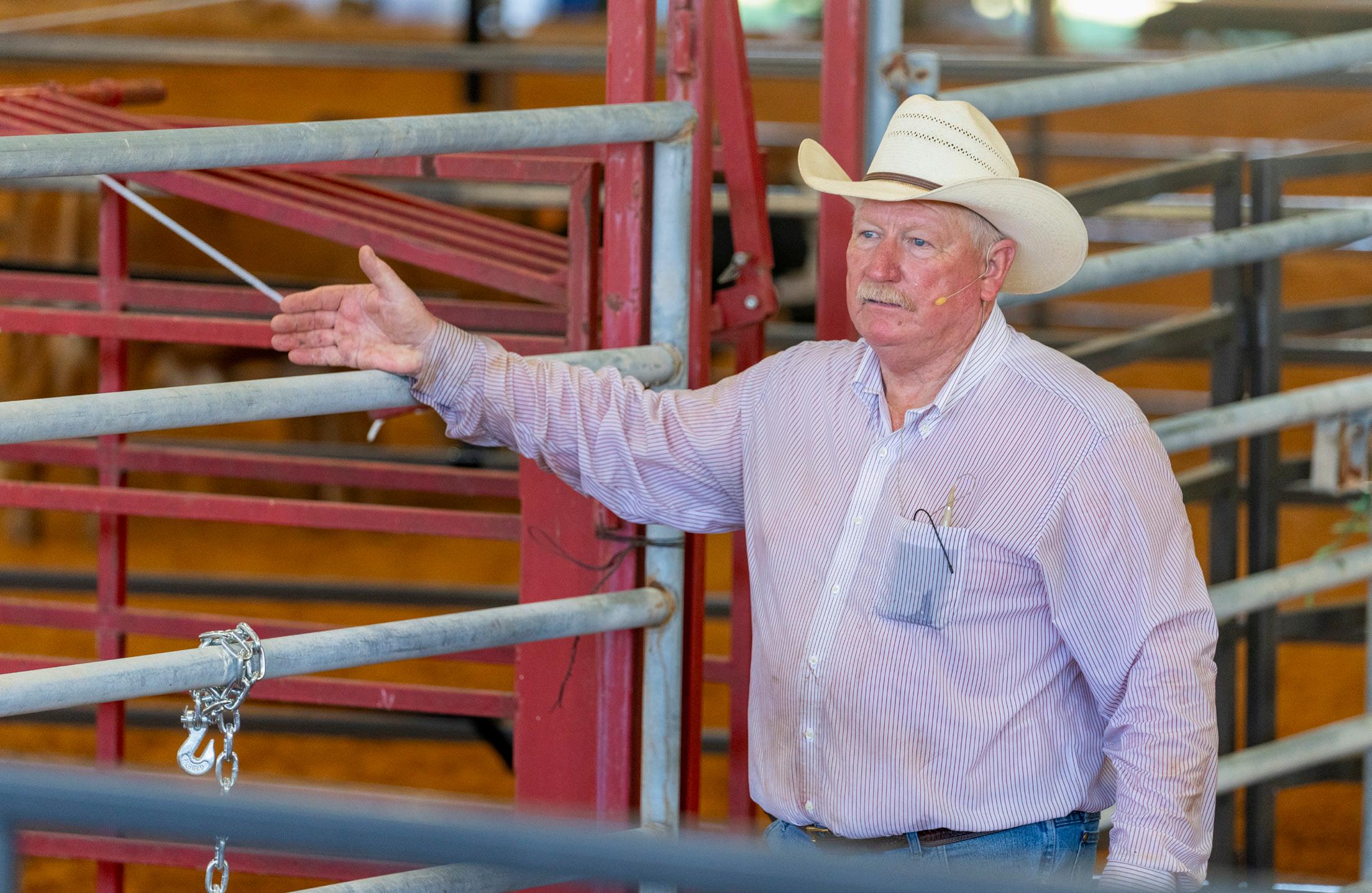
Ron Gill, Texas A&M AgriLife Extension Service livestock specialist and Texas & Southwestern Cattle Raisers Association honorary director, shares NWS preparation strategies with producers.

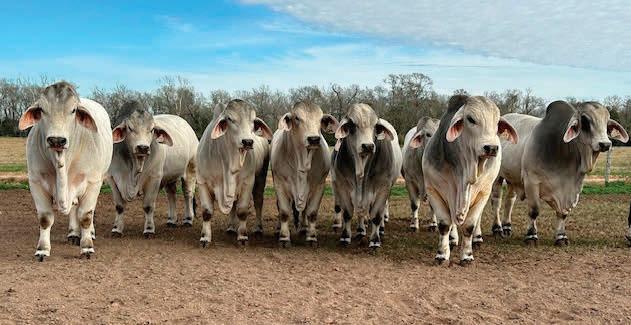

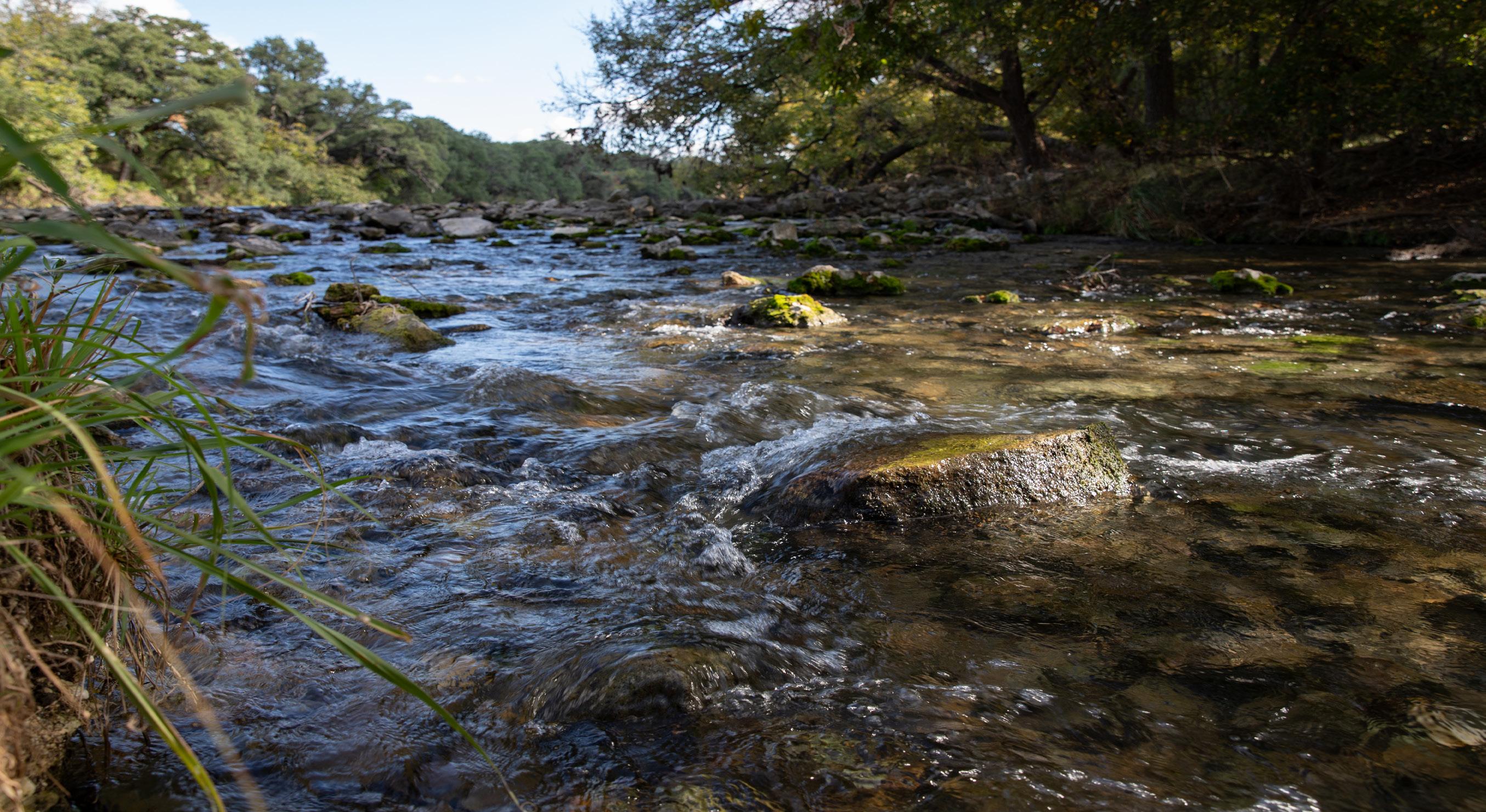
A RESILIENT WATER FUTURE
Water in the Desert 2026 signals new era for West Texas water with launch of Meadows Research Institute.
For three days in February, Alpine became the center of one of the most consequential water conversations in Texas.
More than 350 landowners, scientists, groundwater conservation district leaders, legislators, judges, nonprofit partners and community members gathered at Sul Ross State University for Water in the Desert 2026 — the first major event hosted by the newly-launched Meadows Research Institute for West Texas Water.
The strong turnout, up significantly from the inaugural 2024 conference, underscored both the urgency of water challenges in far West Texas and the growing momentum behind a coordinated, science-driven response.
“This was more than a conference,” said Louis Harveson, Ph.D., director of the Borderlands Research Institute and associate provost for research and development at Sul Ross State University. “It was the public debut of a new, permanent home for West Texas water research and collaboration.”
The Meadows Research Institute for West Texas Water launched Jan. 1 after two years of planning, partnership building and philanthropic investment. Incubated at the Borderlands Research Institute and housed at Sul Ross State University, the Meadows Research Institute advances applied research, education and technical assistance focused on the Trans-Pecos — one of the most arid and water-dependent regions of the state.
The conference opened by grounding the conversation in data. Experts outlined land trends unique to the Trans-Pecos, where large, intact working landscapes still define the region. Texas State Climatologist John NielsenGammon, Ph.D., delivered a clear-eyed assessment of rising temperatures, intensifying drought and the need for adaptive management in an increasingly variable climate. Lawmakers emphasized that reliable data and improved coordination among groundwater conservation districts are essential to shaping sound policy.
Texas Parks and Wildlife Commission Chairman Paul Foster, speaking as a West Texas landowner, highlighted the complexity of groundwater systems that cross
Ranching
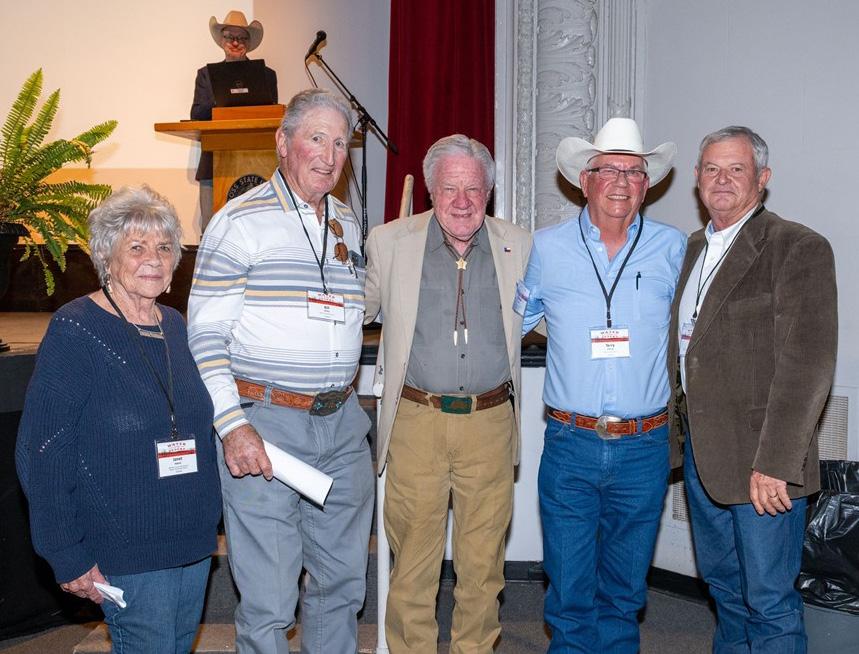
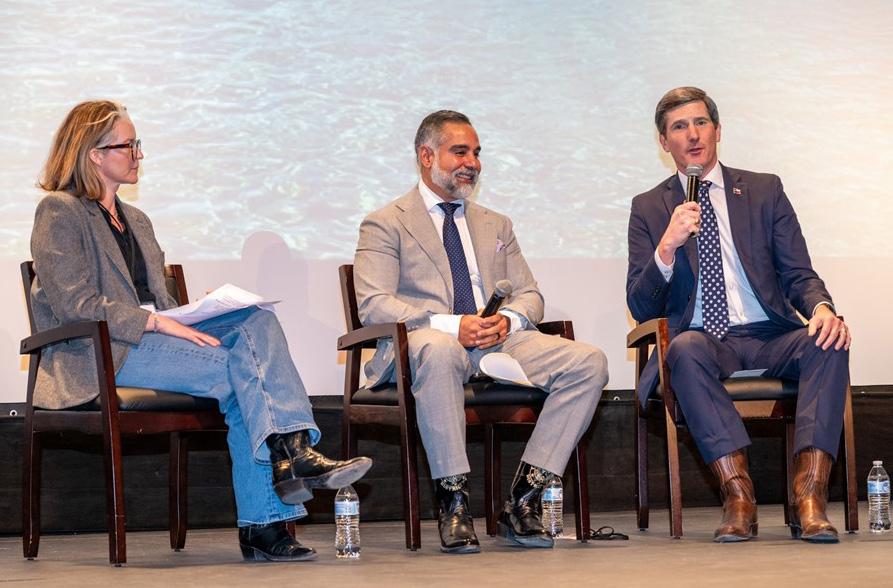
property and county lines. “Water doesn’t respect ownership the way we might like it to,” Foster said.
He described commissioning groundwater studies on his own ranches to better understand how springs and aquifers are interconnected and noted that some of the groundwater beneath his land dates back tens of thousands of years — a reminder that today’s decisions carry generational consequences. Although studies suggested significant production potential, Foster said he chose not to pursue commercial development, citing responsibility to neighbors and the future.
A major focus of the conference was Proposition 4, the $20 billion, 20-year investment in Texas water infrastructure and supply approved by voters in 2025. Speakers described the funding as historic but stressed
that implementation will determine its impact — particularly for rural communities with limited technical capacity to access state and federal programs. Across West Texas, aging infrastructure, shrinking aquifers and water quality pressures are daily realities affecting ranching operations, municipal growth and public health.
Sessions also addressed groundwater–surface water interactions, ecological flows and the complex challenge of produced water in the Permian Basin. The message from policymakers and scientists alike was consistent: innovation must be paired with accountability, and science must guide decisions.
For Eric Meadows, president and CEO of The Meadows Foundation, the conference represented the continuation of a long-term commitment to advancing water solutions across Texas. Two years ago, leaders from The Meadows Foundation attended the inaugural Water in the Desert conference, where conversations about aquifers, infrastructure, land stewardship and the future of rural communities highlighted both the urgency of the region’s challenges and the opportunity for meaningful investment.
“It was really through those conversations,” Meadows said, “that we started learning about some of the needs and felt there was a real opportunity to make a difference.”
The Meadows Foundation ultimately committed a $2.5 million endowment and $250,000 in multiyear operational funding to establish the Meadows Research Institute for West Texas Water, alongside additional philanthropic partners. Harveson played a key role in shepherding the relationship following the 2024 conference, helping translate regional water needs into a vision for a permanent research and service hub in far West Texas.
Looking out at the packed auditorium, Meadows offered a simple affirmation: “You’ve got something really good going on.”
Water in the Desert began in 2024 as a regional conversation about key water issues and potential solutions. In 2026, with 350 participants filling lecture halls, breakout sessions and field tours, it became something more — a visible sign that West Texas is building the expertise, partnerships and platform needed to shape its own water future.
“This conference confirmed what we’ve believed from the beginning,” said Billy Tarrant, interim director of the Meadows Research Institute for West Texas Water. “West Texas doesn’t lack commitment or expertise — it needs a place to connect the dots. Our new institute is that place. And this is just the beginning.” T C
Story and photos courtesy of the Meadows Research Institute for West Texas Water
Top: Seasoned West Texas ranchers, including TSCRA Director D.A. Harral, pictured far right, joined a panel discussion during the event. Bottom: Moderator Vanessa Puig-Williams leads a conversation on legislative action with Reps. Eddie Morales and Brooks Landgraf, pictured left to right.
HIGH DEMAND DWINDLES HAY SUPPLIES
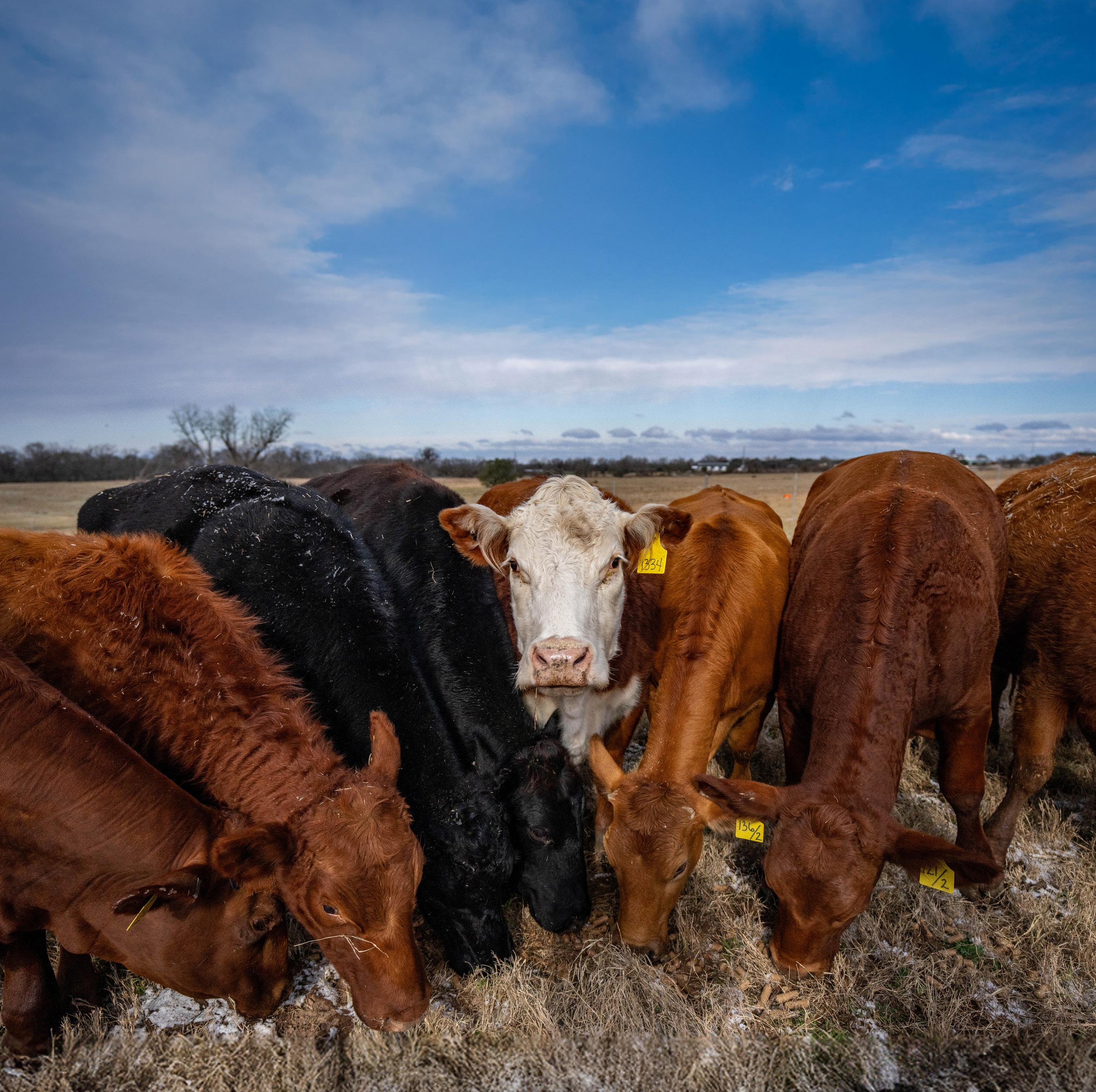
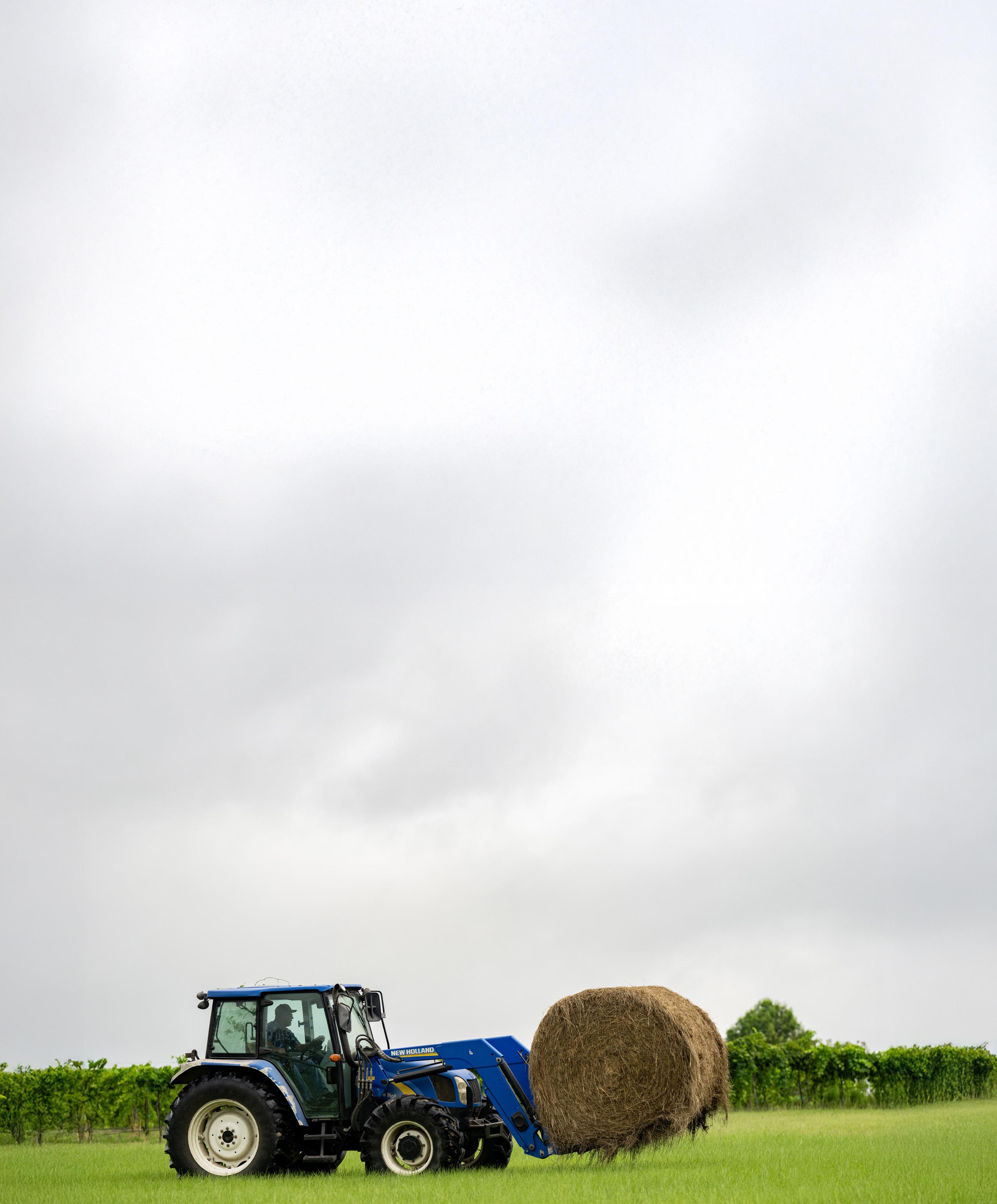
Photo by Sam Craft, Texas A&M AgriLife
MAXIMIZE HETEROSIS WITH TRUE BRANGUS
Brangus was developed 75 years ago to capture the "hybrid vigor" of two elite breeds. Unlike EPDs, heterosis isn’t naturally inherited; it diminishes over generations unless maintained through a stable, disciplined breeding program—the famed hallmark of Oak Creek Farms (OCF).
Heterosis provides the biggest boost to "environmental" traits: adaptability, longevity, fertility, and disease resistance. By utilizing OCF’s True Brangus genetics, you lock in these advantages, ensuring superior performance across diverse climates. Our repeat buyers are the ultimate proof of the OCF difference.
SALE CONTACTS
Owner: John Kopycinski 979-251-2530
Consultants: Gary Bruns 830-391-0766 • Kent Smith 979-540-8338
Mike Arnold 979-732-7679 • Charlie Tiner 713-252-4662
Auctioneer: Troy Robinett 817-995-7509
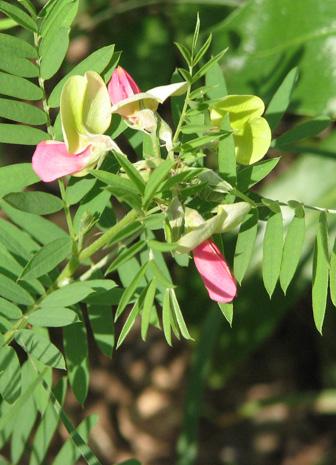
WHAT PLANT IS IMPORTANT FOR THE MONTH OF MAY?
Virginia Tephrosia (Tephrosia virginiana)
By Kent Ferguson
Photo by Sandy Smith , Lady Bird Johnson Wildflower Center
Virginia Tephrosia is a native cool-season perennial also known as Goat’s Rue and Devil’s Shoestring. The plant prefers sandy soils and open prairies — and can be found in most areas from Central Texas to Oklahoma and into New Mexico.
Virginia Tephrosia:
• Is an erect or ascending shrub-like plant reaching 2 feet tall. It has a woody crown and roots, with stiff stems that have few, if any, branches.
• Has 1- to 6-inch-long pinnate leaves with up to 20 leaflets, which are slightly over an inch long and 1/8 inch wide. Each leaflet is pointed with a bristle at the tip.
• Forms flowers from May to June. The flowers are thick with short racemes and bi-colored with a rose-to-pink keel surrounded by yellow-to-cream-colored wings.
• Produces legume-like seed pods, which are sword-
shaped and slightly over 2 inches long and 3/16-inch wide, from the flowers with roughly 6 to 11 seeds per pod.
Virginia Tephrosia is sought-after browse for cattle and white-tailed deer, which consume both the stems and leaves. Bobwhite quail and turkey also eat the seed and green leaves in late winter when food is short.
The plant has a compound in the root called rotenone, a chemical that was used by native people to stun fish and is still used today in fishpond management. T C
Kent Ferguson, a retired rangeland management specialist from the USDA Natural Resources Conservation Service, provides plant identification photo stories to help ranchers.
BQA TIP: VACCINE STORAGE
To ensure maximum effectiveness, vaccines need to be maintained at the appropriate temperatures.
Most vaccines should be stored between 35 and 45 degrees Fahrenheit. However, it is important to double check the label because storage temperature requirements may be product-dependent.
Temperatures in refrigerators can also vary, especially from top to bottom. Be wary of placing vaccines in the bottom of the refrigerator where they may have an increased chance of freezing, which can be detrimental to the effectiveness of some vaccines.
When purchasing vaccines, be sure the products have been appropriately handled by the local supplier or during shipment if ordered online. T C
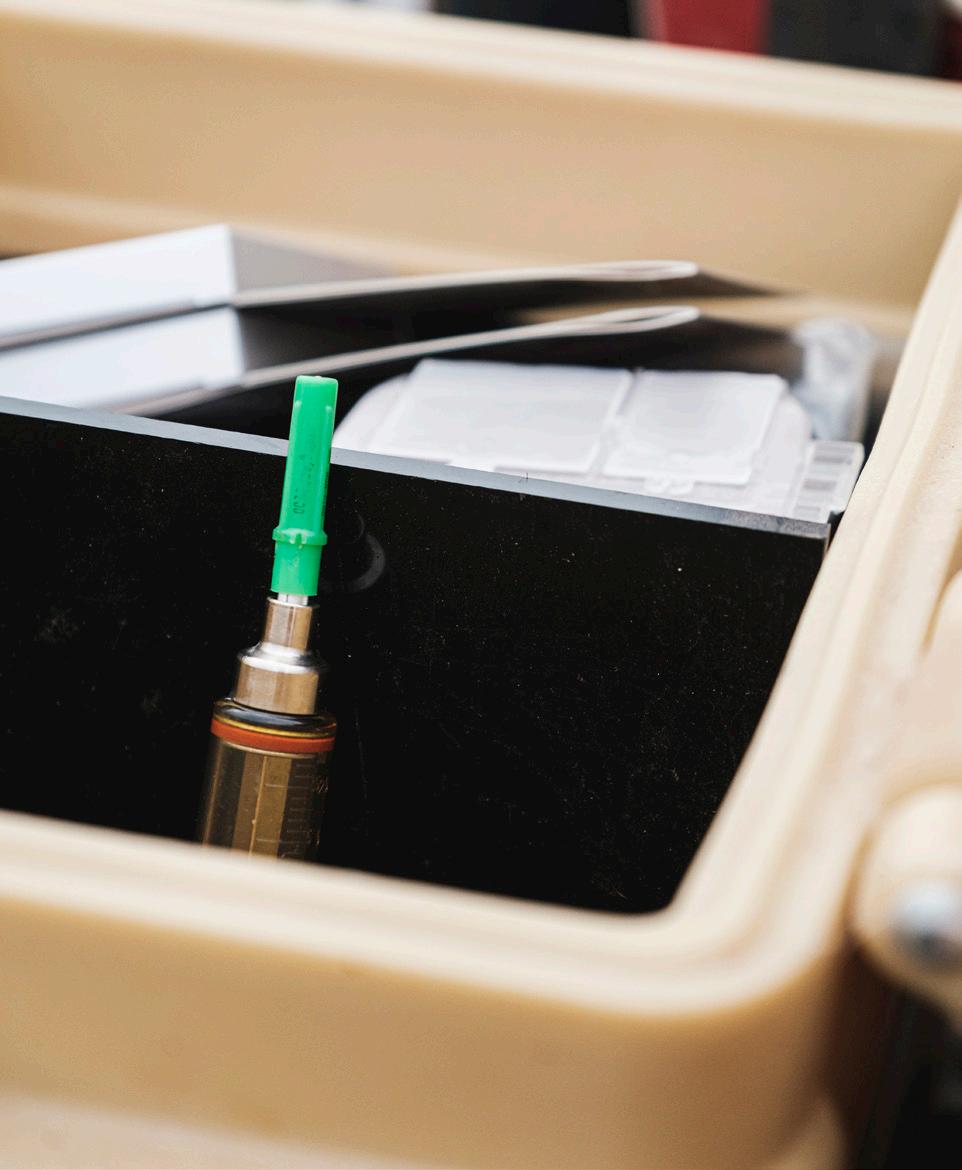
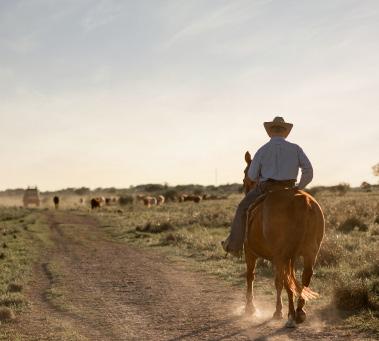
From the School for Successful Ranching educational sessions, exciting main-stage sessions and the Dinner & Dance, the 2026 Cattle Raisers Convention & Expo was a success.
THANK YOU TO ALL WHO JOINED US IN FORT WORTH!

SHARE YOUR FEEDBACK APRIL 9 – 11, 2027
Photo by Jerod Foster
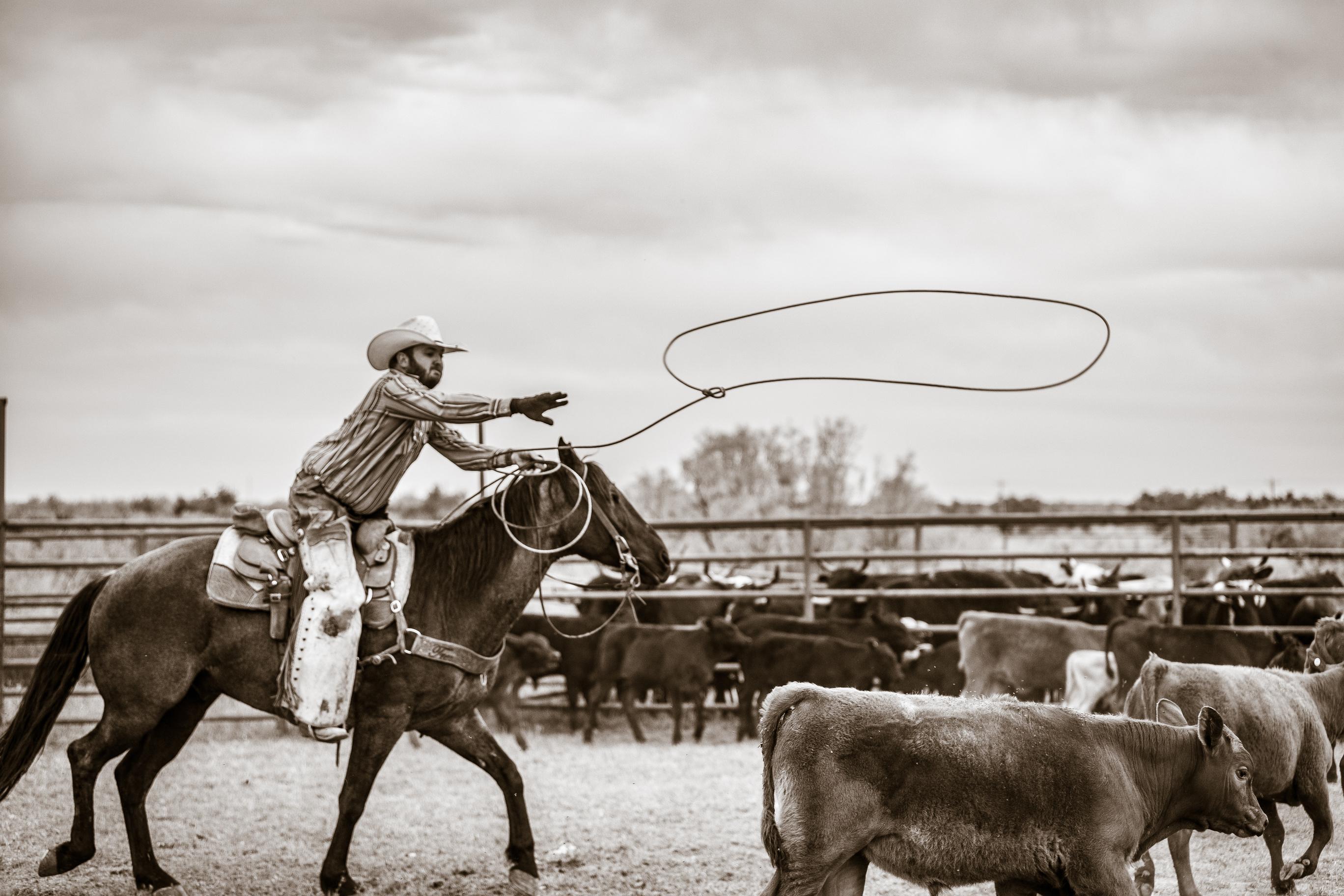


Beyond Our Gates

RESHAPING THE MEAT CASE
How producer-funded innovation has turned cattle into beef consumers crave.
By Jordan Manning
Long-term resilience in the beef industry rarely comes from short-term fixes.
Staying relevant in a changing marketplace usually results from addressing challenges early on. One of the most consequential examples of that foresight started more than two decades ago and continues to influence how beef is prepared, sold and enjoyed today.
In the 1990s, demand was slipping and the beef industry was facing a problem it couldn’t afford to ignore. While ribeyes and tenderloins continued to perform, the majority of the carcass — specifically the chuck and round — was steadily losing value with consumers, declining by more than 25% from 1993 to 1998.
For producers, this wasn’t a retail inconvenience or a passing consumer trend. When more than two-thirds of the carcass struggled to meet the market, it became a direct business risk. Even as cattle got heavier, overall value would remain capped if large portions of the carcass continued to underperform.
“Beef producers have taken bold steps to address challenges head-on through grassroots leadership and funding foundational research,” said Brandalyn Richards, cattle feeder and Texas Beef Council chairman. “Over time, that focus has delivered measurable improvements in product consistency, convenience and nutritional value. Consumers recognize that when making purchasing decisions, which is why beef continues to perform in a highly competitive marketplace.”
The Cost of Inconsistency
At the time, chuck and round cuts were merchandised largely as they always had been. Large, bone-in roasts were sold whole and cut across the face at retail. These cuts were heavy, slow to prepare and often delivered an inconsistent eating experience. They required hours of braising, which clashed with a consumer base increasingly defined by busy, dual-income households looking for convenience.
Photo courtesy of Texas Beef Council
The deeper problem was how the product was fabricated. Many of these traditional cuts combined multiple muscles with dramatically different tenderness levels into a single product. Imagine one of the most tender muscles in the carcass, like the top blade, being cooked alongside one of the toughest, as in a 7-bone chuck roast.
Rather than trying to market around the problem, the industry took a more fundamental approach: it examined the carcass itself. Instead of evaluating beef solely by how traditional cuts appeared in the retail case, researchers began studying individual muscles to evaluate tenderness, taste, connective tissue and cooking performance. This work, funded by producers through the Beef Checkoff from the late ’90s to the early 2000s, became known as muscle profiling.
Unlocking Hidden Carcass Value
Beyond Our Gates
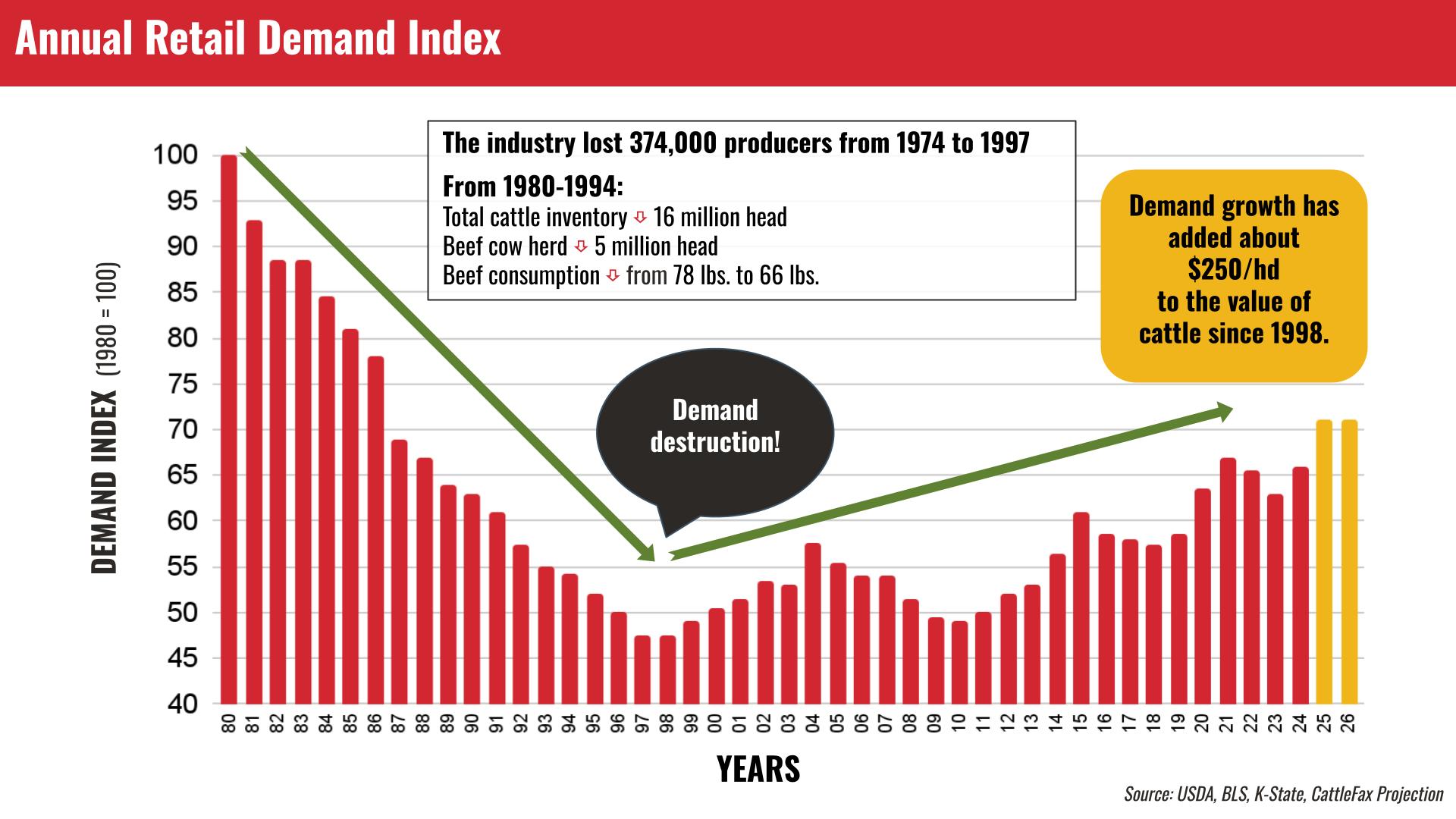
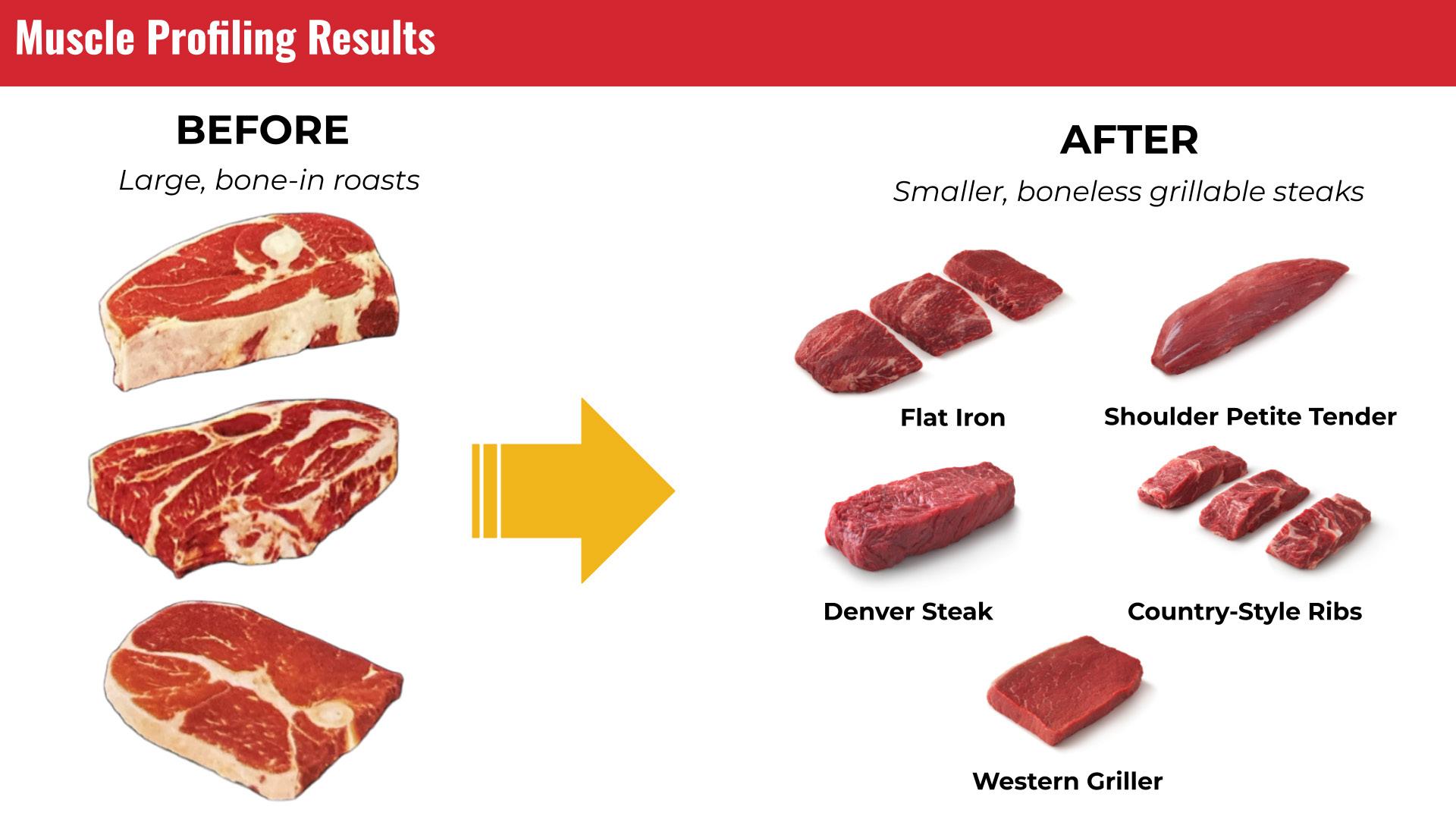
The concept was straightforward. By understanding individual muscle performance, the industry was able to separate highperforming muscles from lowperforming ones and merchandise them accordingly. The result was 14 new whole-muscle cuts, many coming from the chuck and round. By 2004, the flat iron and petite shoulder tender alone were already outselling the T-bone and porterhouse in foodservice.
For Kaylee Greiner, Texas Beef Council meat scientist, muscle profiling wasn’t just a historical case study. It was foundational science she encountered early in her training.
“Muscle profiling was some of the earliest research I was exposed to in graduate school that clearly connected science to real-world impact,” Greiner said. “Over 80% of the top 10 most tender muscles are found at least partially in the chuck and the round. Those cuts were always there. We just needed the research to separate them, improve consistency and unlock their value.”
From Research to Reality
Research only matters if it’s used, and muscle profiling moved quickly from the lab to the fabrication floor. Adoption accelerated as carcass weights increased, and whole chucks became harder to
handle in retail settings. Muscle profiling provided a data-backed blueprint for how to change fabrication practices efficiently, consistently and profitably.
One of the clearest success indicators was the steady decline in whole chuck sales over time. That wasn’t a demand problem, it was evidence that value was being captured earlier in the supply chain through smarter fabrication. Instead of passing inconsistency and waste down the line, the industry addressed it at the source.
The ripple effects are now standard features of the modern retail case: leaner cuts, smaller portion sizes and more consistent eating experiences. Excess seam fat and bone are largely removed before the product reaches the consumer, meaning customers are paying for beef they will actually eat.
Source: Texas Beef Council
Beyond Our Gates

That shift also had a meaningful nutrition impact. By separating muscles and removing excess fat, the number of cuts qualifying as USDA Lean expanded from seven in 1990 to more than 36 within a decade.
That change strengthened beef’s position with health professionals and helped maintain relevance in an increasingly nutrition-focused marketplace. For producers, these were quiet wins that added up.
Future-Proofing Beef
The real measure of this research is not what it changed in the early 2000s, but how relevant it remains today. With larger carcass weights, the challenges of fabrication, packaging and labor are greater than ever. The science established through muscle profiling continues to help the industry manage this reality, even applying the concept to other primals like the sirloin.
Producers didn’t fund this research to chase trends or solve a short-term problem. They invested in it to protect carcass value, support demand and ensure the entire animal could compete in a changing marketplace.
More than 20 years later, that decision continues to future-proof beef. T C
Story by Jordan Manning for Texas Beef Council
Muscle profiling research, funded by producers through the Beef Checkoff from the late ’90s to the early 2000s, helped inform and improve retail beef cuts and consumer offerings.
Photo courtesy of Texas Beef Council.
Beyond Our Gates RECORD HIGHS
As sales soar, Americans view meat as part of a healthy, balanced lifestyle.
Meat sales hit a record high of $112 billion in 2025, with a pound increase of 2%. Millennials and Gen Z were a driving force behind the growth, according to the 21st annual Power of Meat report released March 2 during the Annual Meat Conference by the Meat Institute and FMI-The Food Industry Association.
“Americans are more focused on making smart food choices than ever before, and this latest Power of Meat report reinforces meat’s clear and irreplaceable role at the center of healthy, convenient, affordable meals today and for generations to come,” said Meat Institute President and CEO Julie Anna Potts.
According to the report, more than 98% of American households purchase meat, and 45% of shoppers are actively trying to prepare more meals containing meat or poultry. Of the five dinners shoppers prepare at home per week, on average, 90% already contain a portion of meat or poultry.
Millennials and Gen Z shoppers accounted for 67% of unit growth, and they are more likely than other shoppers to be actively trying to prepare more meals containing meat or poultry. In 81% of households with children, kids have some level of influence on meat and poultry purchase decisions. Seventy-two percent of shoppers with teens at home say their teens request meat and poultry, far ahead of requests for protein bars, shakes and powders.
Younger generations also lead the way in using social media and artificial intelligence platforms for meal inspiration. Twenty-four percent of Gen Z and Millennial shoppers use AI tools, compared to 10% of Gen X and 4% of Boomers. Overall, 15% of shoppers use AI tools — a 650% increase over just two years ago.
Meat and poultry continue to feature positively in shoppers’ health and nutrition perceptions, with 77% of shoppers agreeing that meat and poultry are part of a healthy diet, up more than 20% since 2020. GLP-1 users over-index versus non-users for eating somewhat or a lot more meat than last year and for frequently including meat and poultry in snacking occasions.
“The meat department is outperforming because it delivers what shoppers want right now: protein, flexibility, value and taste,” said Rick Stein, FMI vice president of fresh foods. “Retailers that balance convenient ground options with premium, indulgent cuts will be best positioned to capture both budgetconscious and experience-driven shoppers.”
The Power of Meat study was conducted by 210 Analytics on behalf of FMI-The Food Industry Association and the Meat Foundation. T C
Story courtesy of the Meat Institute
According to the recently released Power of Meat study, of the five dinners shoppers prepare at home per week, on average, 90% already contain a portion of meat or poultry.
Director Spotlight A RANCHER’S Resolve
TSCRA Director Johnny Ferguson built a career on determination, loyalty and a lifelong love of livestock.
By Addie Brown
As a young man, Johnny Ferguson says his peers often discouraged him from chasing what he truly wanted in life.
“From the time I was in high school, I always loved the cowboy way of life, ranching and livestock,” he says. “I remember some of my peers would say I needed to do something else if I wanted to make money, but I followed my dreams.”
Starting from scratch, Ferguson set after his goal by attending Clarendon College and completing the ranch and feedlot operations program. From there, he worked for a time at Brainard Cattle Co. in Canadian, where he says he gained experience that proved valuable when he started his own operation.
During this time, he also met his future wife, Amy, and that is when he says his life truly started. Originally from Floydada, Amy attended school at Angelo State University. Ferguson found himself visiting her often and eventually moved to Big Lake, where Amy held her first teaching job in 1985. They soon were married and have called Big Lake home for more than 40 years.
Ferguson’s experience and willingness to learn would go on to earn him a ranch manager position at the Shannon Ranch. After some leadership changes, he was faced with finding someone to lease the ranch. The next step he took, he says, is the best decision he ever made.
Ferguson asked Tom and John Moorhouse if Moorhouse Ranch Co. would be interested in leasing the Shannon Ranch. Throughout the next several years, a partnership — both through personal friendship and business — was formed with the Moorhouse family. It wasn’t long before Ferguson and John Moorhouse formed J&J Cattle Co.
Under the company, they leased ranches, including Shannon Ranch and the Murphey Estate for cow-calf production. The partnership was fruitful for many years. Following John’s passing in 2025, the formal partnership dissolved and Ferguson began operating on his own.
Throughout his career, Texas & Southwestern Cattle Raisers Association was woven into Ferguson’s experience as a ranch manager, as well as his friendship with the Moorhouse family. He attended Cattle Raisers Convention & Expo for many years with the encouragement of John and Tom. In 2014, he was elected to the association’s board of directors. He has served on the marketing and animal health committees, as well as co-chair of the law enforcement committee.
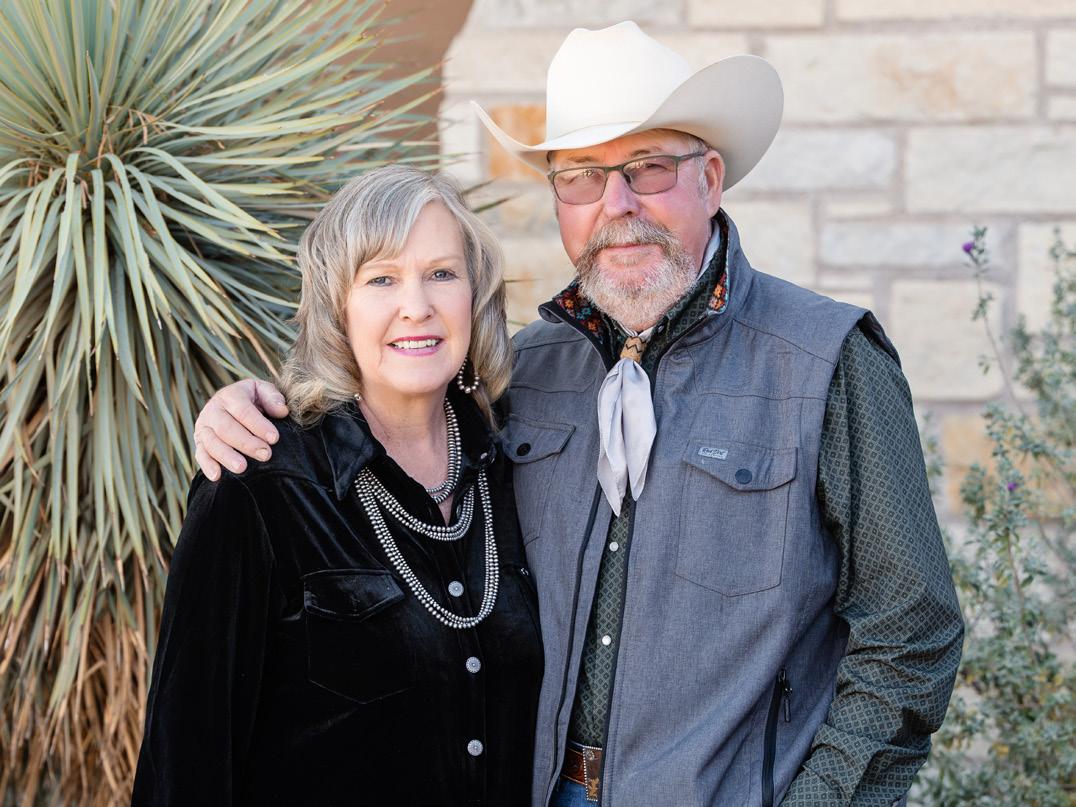
Ferguson is complimentary of the association for how well it serves its members. “Whether you have 10 cows or 1,000 cows, it really doesn’t matter,” he says. “I’ve always thought that blue sign hanging on the gate means a lot.”
Looking ahead, Ferguson says he is most concerned by ever-growing urban encroachment and how small the rural population looks when compared to more populous areas. He says Texas & Southwestern Cattle Raisers Association is closing that gap — and fighting for the ranching way of life. He says having dedicated individuals backed by a unified membership body addressing producers’ most important battles in Austin and Washington, D.C., is among the biggest benefits.
“I’m not into politics that much, but it gives me a sense of relief knowing TSCRA is involved,” Ferguson says.
He also appreciates the familial aspect of the association, which encourages younger generations to be involved. This complements his own values in a tangible way. Beaming with pride, he says he looks forward to the future for his twin sons, Josh and Jake, and his beloved grandchildren.
“My next dream is for my grandchildren to come along,” Ferguson concludes, “and hopefully 100 years from now, they will be able to say Great Grandpa helped us get started ranching.” T C
Addie Brown is a freelance writer based near Canyon.
Johnny and Amy Ferguson have lived near Big Lake for 40-plus years. Courtesy photo.

BOARD OF DIRECTORS
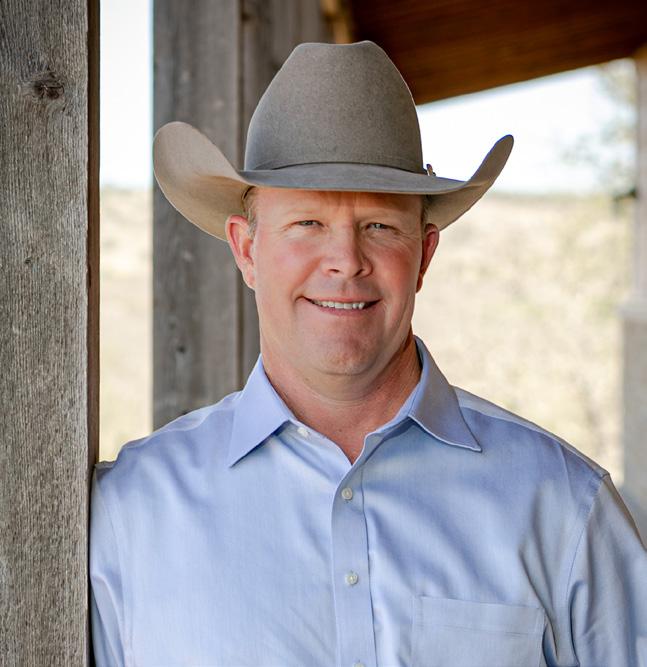
STEPHEN DIEBEL President
3907 Salem Rd. Victoria, Texas 77904
PAST PRESIDENTS
James L. Powell
San Angelo, 1988-1990
Tom Beard Alpine, 1994-1995
C. Coney Burgess Amarillo, 1997-1999
J. Mark McLaughlin San Angelo, 1999-2001
John E. Dudley Comanche, 2001-2003
REGION 1
Joe M. “Jody” Bellah, Throckmorton
Blake Birdwell, Canyon
E. S. F. “Swasey” Brainard II, Pampa
J. K. “Rooter” Brite Jr., Bowie
Donnell Brown, Throckmorton
Campbell Burgess, Amarillo
Deborah Clark, Henrietta
Lynn Cowden, Skellytown
Jake Cowen, Benjamin
J. B. Daniel, Crowell
James Henderson, Memphis
DAN GATTIS
First Vice President 213B W. 8th St. Georgetown, Texas 78626
WAYNE COCKRELL
Second Vice President and Secretary/Treasurer
3003 Coronado Dr. College Station, Texas 77845
Bob McCan Victoria, 2003-2005
C.R. “Dick” Sherron, MD Beaumont, 2005-2007
Jon Means Van Horn, 2007-2009
G. Dave Scott Richmond, 2009-2011
Joe J. Parker Jr. Byers, 2011-2013
Pete Bonds Saginaw, 2013-2016
Clayton Henry, Wichita Falls
Brooks Hodges, Guthrie
Joe Leathers, Guthrie
Frank McLelland, Tahoka
Jeff Mitchell, Amarillo
Gage Moorhouse, Benjamin
Diaz W. Murray, Wichita Falls
Dale A. Smith, Amarillo
Jim Thompson, Breckenridge
Ross Thompson, Iowa Park
Wesley Welch, Lubbock
Richard Thorpe III, MD Winters, 2016-2018
Robert E. McKnight Jr. Fort Davis, 2018-2020
G. Hughes Abell Austin, 2020-2022
Arthur G. Uhl III San Antonio, 2022-2024
Carl Ray Polk Jr. Lufkin, 2024-2026
REGION 2
Kevin Busher, Winters
Charles M. “Charley” Christensen Jr., San Angelo
C.A. “Chili” Cole IV, San Angelo
Alan F. Curry, San Angelo
James H. Dudley IV, Horseshoe Bay
Amanda Dyer, Fort Davis
Johnny Ferguson, Big Lake
DA Harral, Fort Stockton
Ron Helm, Van Horn
Heath Hemphill, Coleman
Shelby W. Horn, Fredericksburg
Larry R. Horwood, Sterling City
Grant Jones, Rochelle
Mark W. Jones, Brady
W. Clay Jones, Brady
Ty Keeling, Boerne
Lorenzo Lasater, San Angelo
Brian T. McLaughlin, Midland
David L. Neal, San Angelo
James Oliver, Ozona
Wade Perks, San Angelo
Jessica Tate, Marfa
James Uhl, Fort McKavett
Cody Webb, Barnhart
C. Clark Welder, Fredricksburg
Ray W. Willoughby III, Eldorado
REGION 3
Ford Drummond, Pawhuska, Oklahoma
REGION 4
Edward Bordovsky Jr., Riviera
Austin Brown III, Beeville
Foster Burchett, Jourdanton
W. Christopher Bush, Refugio
James Clement lll, Kingsville
Matthew Crow, Corpus Christi
Dustin Dean, Floresville
David DeLaney, Kingsville
Robert “Bobby” Dobson, Birmingham, Alabama
James L. “Jamie” Donnell Jr., Fowlerton
J. David Eppright, Cost
Benjamin Eshleman III, Corpus Christi
Sarah Franklin, Pleasanton
Robert “Robbie” Graff, D’Hanis
Parke Greeson, Goliad
Bret Griffith, Del Rio
Heath Grigg, Kingsville
Marty R. Harris, Tilden
Anson Howard, San Antonio
William Whitby Jones III, Hebbronville
Leslie Kinsel, Cotulla
Claude Koontz, San Antonio
Steven J. Mafrige, Tilden
Richard Marbach, Victoria
August “Augie” McCan, Victoria
Federico “Freddy” Nieto, Raymondville
T. Michael O’Connor, Victoria
Jason Peeler, Floresville
J.R. Ramirez, La Pryor
Joey Ramirez, Armstrong
Martha Santos, Laredo
Michael Sasser, Corpus Christi
Lew Thompson, Pearsall
John E. Zacek, Victoria
REGION 5
Bill Cawley, Crockett
Herff Cornelius Jr., Wadsworth
Carlos Detering III, Houston
Gardner H. Dudley, Houston
Lloyd French IV, Houston
Cody Fry, College Station
Kelley Sullivan Georgiades, College Station
George Harrison, Bay City
Robert Hodgen, Houston
Colt Hoffmann, Marlin
Clay Kenley, Crockett
John Malazzo, Caldwell
Andrew Polk, Lufkin
Clive Runnells III, Austin
John Sumner Runnells III, Bay City
Tony Spears, Rosanky
John “Rocky” Sullivan, Galveston
Fay Fitzsimons Walker, Houston
Claudia Scott Wright, Richmond
REGION 6
April Bonds, Saginaw
Missy Bonds, Saginaw
John L. Cantrell, Cresson
Ian Chapman, Madill, Oklahoma
Hunter Crow, Dallas
James A. Dangelmayr, Muenster
Jared Dangelmayr, Muenster
Seth Denbow, Weatherford
Crawford Edwards, Fort Worth
John Greer, Henrietta
Jason Harlow, Dallas
Pete Hudgins, Sherman
Tom Johnson, Wortham
Ken Leiber, Fort Worth
Stefan Marchman, Fort Worth
William H. McCall, Fort Worth
Dan Nance, Haslet
Stephen S. “Steve” Sikes, Fort Worth
Bragg Smith III, Dallas


Texas & Southwestern Cattle Raisers Association directors represent six geographical regions across Texas and Oklahoma. Reference the special rangers page for a link to an interactive online map.


HONORARY DIRECTORS
William M. “Buck” Arrington, Pampa
Van Baize, Nocona
Bradford S. “Brad” Barnes, Fort Worth
Steve G. Beever, Pearsall
George Beggs IV, Fort Worth
Richard H. Bennett, San Antonio
Emry Birdwell, Henrietta
Mary Lou Bradley-Henderson, Childress
Chip Briscoe, Carrizo Springs
J.D. Cage, Muleshoe
Presnall Cage, Falfurrias
John W. Carpenter III, Dallas
Barrett D. Clark, Breckenridge
Martin W. Clement II, Kingsville
Thurman S. Clements Jr., Victoria
C.A. “Chip” Cole III, San Angelo
David S. Crow, Corpus Christi
James T. Dangelmayr, Muenster
Nixon Dillard, Pleasanton
William C. “Billito” Donnell Jr., Alpine
Bob Drake, Davis, Oklahoma
James H. “Jim” Dudley, Comanche
Jay C. Evans, Dripping Springs
Trainor Evans, Mercedes
Leroy Ezer, Anahuac
Joseph B.C. Fitzsimons, Carrizo Springs
Jim L. Gates, Pearsall
Richard Gates, Marfa
Mike Gibson, Paducah
Ronald J. “Ron” Gill, Chico
Frank Green, Liberty
W. H. “Billy” Green III, Albany
Milton S. Greeson Jr., Victoria
Thomas J. “Tommy” Haegelin, Concan
Dr. Philip C. Hardee, Beatrice, Alabama
Rafe Hargrove, Rotan
Tom J. Haynie, Navasota
Dr. Joe Pat Hemphill, Coleman
Jack Hunt, San Juan Capistrano, California
Ken Jordan, San Saba
Don Keeling, Fredericksburg
David W. Killam, Laredo
John Z. Kimberlin Jr., Dallas
Dan W. Kinsel III, Cotulla
Chris Lacy, Fort Davis
Harriett Lamm, George West
Steve C. Lewis, San Antonio
James E. “Jim” Link, Crowley
Coleman H. Locke, Hungerford
Ben Love, Marathon
Katharine Armstrong Love, Austin
Richard M. Lucas Jr., Houston
Robert B. Mansfield, Amarillo
Jon David Mayfield, Dublin
Jim McAdams, Seguin
James A. McAllen, Linn
William “Alan” McNeill, Beaumont
Len P. Mertz, San Angelo
Evalyn Moore, Richmond
Raymond E. Moore IV, Richmond
Bob Moorhouse, Weatherford
Tom Moorhouse, Benjamin
Beth Knolle Naiser, Sandia
Russell Noble, Ardmore, Oklahoma
Gerald Nobles Jr., Brady
Les Nunn, Pauls Valley, Oklahoma
Boots O’Neal, Guthrie
James Palmer, Roaring Springs
Rick Peebles, Baytown
Tim Pennell, Westhoff
Tom Perini, Buffalo Gap
Jim Peters, Quemado
Scott Petty Jr., San Antonio
Bill Phinizy, Gail
Frank Price, Sterling City
Gary Price, Blooming Grove
Mary Joe Reynolds-Montgomery, Fort Worth
Susan Roach, Fort Worth
Tom L. Roach III, Bozeman, Montana
Charles R. “Butch” Robinson, Navasota
Nolan Ryan, Round Rock
M. Stuart Sasser, Corpus Christi
Gordon E. Sauer, Fredericksburg
Wilson Scaling, Henrietta
Chris Scharbauer, Amarillo
Frates Seeligson Jr., San Antonio
J. Malcolm Shelton IV, Amarillo
Ed Small, Austin
Danny B. Stewart, Sterling City
Gerald Sullivan, Galveston
Stephen T. “Steve” Swenson, Dallas
Rick Tate, Marfa
Cliff Teinert, Albany
Richard Traylor, Batesville
Robert J. Underbrink, Houston
Tom Watson, Muleshoe
Dennis W. Webb, Barnhart
John Welch, Wolfforth
Ken Welch, Baird
Roger F. Welder, Victoria
A.B. Wharton, Vernon
W.C. “Billy” Williams, Mertzon
David W. Winters, Del Rio
Dr. M. R. “Mike” Wirtz, Brenham
Tom Woodward, Decatur
Richard Wortham, Leander
Bart Wulff, Dallas
Curtis A. Younts Jr., Belton
SPECIAL RANGERS

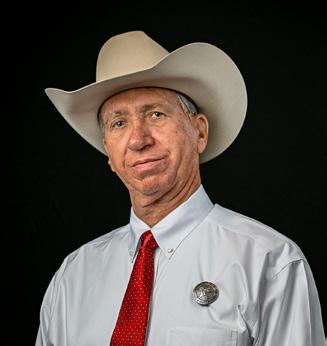
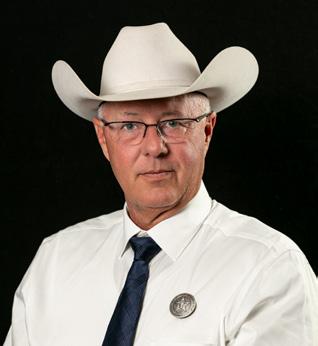
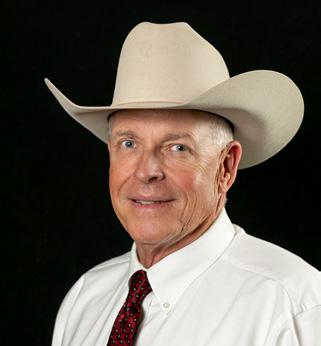
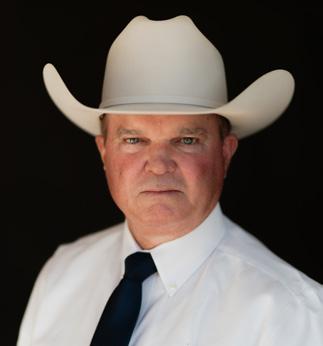
New Members
3V Cattle Quitman
4Surge Cattle Co. Rosharon
Jessie Abercrombie Fort Pierce, Florida
Adkins Livestock Services LLC Teague
Agua Calinente LLC Smiley
AKA Farms Holland
Alan Martin Cattle Co. Demopolis, Alabama
Alsip Livestock Lorena
Dawn Anders Fairfield
David Anderson Detroit
Taylor Andrews Beeville
Michael Auer Goldthwaite
Morgan Baird Falls City
Balentine Woodbine Alvarado
Sindy Bankhead Madisonville
Bar T Cattle Co. Dike
Bartsch Hill Brafords Red Rock
BBX Cattle Waller
Beaumont Ranch Itasca
Roman Beetz Boerne
John Berry Anson
Black Dog Ranch League City
Channing Borgstedt Tarzan
Benjamin Brannon Beeville
Brazil Farms Edmond, Oklahoma
Ranger Brinson Caldwell
Kaisya Burch Tyler
John Burk Liberty Hill
Kes Canon Caldwell
Carpenter Land & Cattle Co. I Inc. Dallas
Casey Goetz Farms Thrall
Casper County Advisor Onalaska
Circle C Ranch Lubbock
Dave Clark Kerrville
Cole Cattle Co. Lindale
Collingsworth Cattle Co. Carrollton
Colorado Techsan Parker, Colorado
The Connected M Ranch Cooper
Cody Coogler Shepherd
Cowgirl Media Inc. Dallas
Garrett Craig Johnson City
Currie Livestock Co. Utopia
Currie Ranch 3-C Lovelady
CWP Ranch Huntsville
William & Shannon Deckert Karnack
Dennis Williams & Co. Inc. New Ulm
Deroos-Bolton Granbury
Diamond H Ranch Waller
Diamond P Ranch Beckville
Doc & Sons Ranch Cameron
Morgan Doerge Henderson
Double Rockin A Ranch Granbury
Jock Dutton Sonora
Earth & Water Law LLC Austin
Kayden Edwards Hutto
Fagan Ranch Whitesboro
Carson Fairbanks Godley
Feral Ranch Nocona
First United Bank Abernathy
Sherrie Fogg Kaufman
Adam, Andrew & Scott Furlow Willow Park
G Squared Lipan
Gaines Bend Ranch Graford
Galles Cattle Ranch Coldspring
Rylee Gascon Pasadena
GENEPLUS Purdon
Paisley Gorzell Stockdale
Grassroots Carbon San Antonio
Greg Greer Hallsville
Emery Grigg Kingsville
Cody Gruber Piedmont, Oklahoma
John Guerra Houston
Gunnderosa Cattle Co. Kingsbury
Halydier Haven Lytle
Billy Hefner Garwood
Kassidy & Rex Hegi Abernathy
Hilltop Ranch Murchison
Holland-Grant Farms Northlake
Greg Holmes Sugarland
Holton Ranch Shamrock
Isbell Black Dog Ranch Dallas
J Five Ranch Devers
Wyatt Jacoby Paradise
James Family Blair, Oklahoma
Missy Jewkes Kress
JSJ Ranches Plano
Katelyn Keeland Kingwood
Bruce Kiesewetter Cameron
Avery Konieczny Boerne
Lisa Krenek Garwood
Cheyenne Land Angleton
Lazy F Ranch Palestine
LBH Polled Hereford Waskom
Lewis Lake Ranch Grand Saline
Lightning C Ranch Granbury
Jon Linam Round Rock
Gabriella Lopez Bastrop
Lost N Frost Frost
Jaxson Marquard Boerne
McCollum Cattle Bellevue
James W. McGee Jr. Stilwell, Oklahoma
Meat Goats of Texas Comanche
Midnight Ranch
Dallas
Mabry Miller McGregor
MJM Farms Inc. Ackerly
New Members
Rhyder Morris
Stephenville
Tony Newton Slaton
Nodecker Cattle Ranch Bertram
Ty Nooyen Spring
North Fork Red River Ranch Pampa
Thomas & Mary Pace Mt. Pleasant
Paradise Hill Ranch LLC Woodville
Justin Parker Meadow
Madison Parker Liberty
Janey Loree Paschal Loving, New Mexico
Kayce Pemberton
Prosper
Jill Pharr
Dublin
Danica Pontillo Boerne
Raptor Hill Ranch
Dale
Ratliff 2R Land & Livestock Lubbock
Real Cattle Company Inc. St. Hedwig
Relaxin R Waskom
Mike Reynolds Chillicothe
The Rock House Ranch
Bryan
Rockin S Land & Cattle Floydada
Rockin W Dike
New Members
Rocky Top Ranch
Moran
Charlie Rodriguez Henderson
Robert E. Roe Christoval
RSR Cattle Co. Poolville
S Bar 4 Ranch
Austin
San Jacinto RanchCattle and Bison Co. Coldspring
Settle Ranch
Austin
Colby Sheffield Huntington
Bella Shotts Kingwood
SJ Livestock Canyon
Slash 7 Slash Weatherford
Alison Smith Mabank
Sojourn Farmstead Azle
Spur G Ranch Guthrie, Oklahoma
Victor Standke Wolfforth
Star Hill Ranch
Houston
Stuart Ranch TX LLC Saltillo
Sweet K Ranch
Sherman
Nate Sykes Midland
John Tarver Richmond
Kerry Taylor Cumby
Hudson Thrash Boerne
Millard Tierce Millsap
Hannah Tims Houston
Tyler Torres Hutto
Trotty Family Farm Overton
Twin Valley Cattle LLC Olney
U3 Cattle Co. Centerville
Peyton Utecht Kingsville
Cade Vick Pipe Creek
Colter Vick Pipe Creek
Villines Farm Harrison, Arkansas
WA Bennett Ranch Hallettsville
Cody Watkins Big Lake
Blake Watson Italy
Cole Webb Denver City
Megan Weil Stillwater, Oklahoma
Callie Welty College Station
Williams/Carroll Seguin
Kynleigh Williamson Huntington
Lige Anne Wilson Georgetown
Case Wilson Millsap
William & Linda Young Sulphur Springs
Young Ranch Sulphur Springs



Stratford Feedyard
Trevor Christian, Manager Stratford, TX of ce: (806) 396-5501 cell: (806) 390-9035




Cactus Feedyard
Trice Connally, Manager
Cactus, TX
o ce: (806) 966-5151
cell: (361) 571-7177
Ulysses Feedyard
Adam Gerrond, Manager Ulysses, KS
o ce: (620) 356-1750 cell: (806) 390-9034
Frontier Feedyard
Jon Vanwey, Manager
Spearman, TX
o ce: (806) 882-4251
cell: (719) 251-2381
Hale Center Feedyard
Rusty Jackson, Manager
Hale Center, TX
o ce: (806)590-4141 cell: (806) 773-9457
Burlington Feedyard
Logan Hardin, Manager Burlington, CO
o ce: (719)346-8532 cell: (620) 575-6702
Southwest Feedyard
Troy Keller, Manager Hereford, TX
o ce: (806) 364-0693 cell: (806) 679-6330

Adam Gerrond, Manager Ulysses, KS
o ce: (620) 356-2010 cell: (806) 390-9034
Wolf Creek Feedyard
Keith Brinson, Manager Perryton, TX
o ce: (806) 435-5697 cell: (806) 282-7588

Wrangler Feedyard
Randy Shields, Manager Tulia, TX
o ce: (806) 583-2131
cell: (806) 290-0559
Syracuse Feedyard
Phil Moreman, Manager
Syracuse, KS
o ce: (620) 384-7431
cell: (806) 340-4790

Auction Markets & Market Inspectors
ANDERSON
Elkhart Horse Auction
Where: Elkhart
Phone: 903-764-1495
Sale Day: Saturday
Contact: Tiffany Patterson, 903-388-7288
ATASCOSA
Atascosa Livestock Exchange
Where: Pleasanton
Phone: 830-281-2516
Sale Day: Tuesday
Contact: Brandon Armstrong, 210-259-1780
AUSTIN
Four County Auction
Where: Industry Phone: 979-357-2545
Sale Day: Tuesday
Contact: Lisa Sebastian, 979-270-3041
BAILEY
Muleshoe Livestock Auction
Where: Muleshoe
Phone: 806-272-4201
Sale Day: Friday
Contact: Leo Aviles, 956-437-3899
BEE
Beeville Livestock Comm.
Where: Beeville
Phone: 361-358-1727
Sale Day: Friday
Contact: Daniel Keese, 361-449-7942
BOSQUE
Clifton Livestock Comm. LLC
Where: Clifton
Phone: 254-675-7717
Sale Day: Wednesday
Contact: Ray Davis, 254-718-5512
Meridian L/S Comm. Co.
Where: Meridian Phone: 254-435-2988
Sale Day: Monday
Contact: Larry Brown, 254-265-1920
BOWIE
J & J Livestock Auction
Where: Texarkana
Phone: 903-832-3576
Sale Day: Saturday
Contact: Cheri Beal, 903-280-4554
BRAZOS
Brazos Valley Livestock Comm.
Where: Bryan
Phone: 979-778-0904
Sale Day: Tuesday
Contact: Nina Nygard, 512-281-6753
BURLESON
Caldwell Livestock Comm.
Where: Caldwell Phone: 979-567-4119
Sale Day: Wednesday
Contact: Mark Nygard, 512-281-6330
CALDWELL
Lockhart Auction
Where: Lockhart
Phone: 512-398-3476
Sale Day: Thursday
Contact: Nina Nygard, 512-281-6753
CAMP
Bruce Overstreet Livestock
Where: Pittsburg
Phone: 903-856-3440
Sale Day: Monday
Contact: Larry Hand, 903-571-3488
CHEROKEE
Tri County Livestock Market
Where: New Summerfield
Phone: 903-322-4940
Sale Day: Saturday
Contact: Jerry Boulware, 936-465-1597
COLEMAN
Coleman Livestock Auction
Where: Coleman
Phone: 325-625-4191
Sale Day: Wednesday Contact: Dave Williams, 325-669-2030
COLORADO
Cattleman’s Columbus Livestock Auction
Where: Columbus Phone: 979-732-2622
Sale Day: Thursday
Contact: Wes Martin, 281-782-4412
COMANCHE
Comanche Livestock Exchange
Where: Comanche
Phone: 325-356-5231
Sale Day: Saturday
Contact: Michael Davis, 254-879-3121
COOKE
The New Gainesville Livestock Auction
Where: Gainesville
Phone: 940-665-4367
Sale Day: Friday
Contact: Robin Gibbs, 903-227-0791
CORYELL
Coryell County Comm.
Where: Gatesville Phone: 254-865-9121
Sale Day: Wednesday
Contact: Larry Brown, 254-265-1920
DALLAM
Cattleman’s Livestock Comm.
Where: Dalhart
Phone: 806-249-5505
Sale Day: Thursday
Contact: Clifton Miller, 806-570-7439
DEAF SMITH
Hereford Livestock Auction
Where: Hereford
Phone: 806-240-3082
Sale Day: Tuesday
Contact: Joe Bob Via, 806-452-9280
DEWITT
Cuero Livestock Comm.
Where: Cuero
Phone: 361-275-2329
Sale Day: Friday
Contact: Kaylee Malatek, 979-942-0323
EASTLAND
Texas Cattle Exchange
Where: Eastland
Phone: 254-629-2288
Sale Day: Tuesday
Contact: Shondra Davis, 325-642-5542
ERATH
Dublin Livestock Auction
Where: Dublin Phone: 254-445-1734
Sale Day: Friday
Contact: Mike Heck, 806-886-6554
Erath County Dairy Sale
Where: Dublin Phone: 254-968-7253
Sale Day: Friday Contact: Shondra Davis, 325-642-5542
Stephenville Cattle Co.
Where: Stephenville Phone: 254-968-4844
Sale Day: Wednesday Contact: Mike Heck, 806-886-6554
FAYETTE
Flatonia Livestock Comm.
Where: Flatonia Phone: 361-865-3538
Sale Day: Monday
Contact: Vance Weltner, 210-473-9099
Schulenburg Livestock Auction
Where: Schulenburg Phone: 979-743-6566
Sale Day: Saturday Contact: Vance Weltner, 210-473-9099
FLOYD
Floydada Livestock Sales
Where: Floydada Phone: 806-983-2153
Sale Day: Wednesday Contact: JE Stone, 806-777-4396
FRIO
Pearsall Livestock Auction
Where: Pearsall
Phone: 830-334-3653
Sale Day: Wednesday
Contact: Clarence Stevens, 210-415-0441
GILLESPIE
Gillespie Livestock Co.
Where: Fredericksburg Phone: 830-997-4394
Sale Day: Wednesday Contact: Larry Bowden, 210-846-0380
Auction Markets & Market Inspectors
GONZALES
Gonzales Livestock Market
Where: Gonzales
Phone: 830-672-2845
Sale Day: Saturday
Contact: Doug Brunet, 830-708-6537
Nixon Livestock Comm.
Where: Nixon
Phone: 830-582-1561
Sale Day: Monday
Contact: Landyn Maguglin, 361-492-9484
GREGG
Longview Livestock
Where: Longview
Phone: 903-235-6385
Sale Day: Thursday
Contact: Paul Pruitt, 903-725-6200
GRIMES
Mid-Tex Livestock Auction
Where: Anderson
Phone: 936-825-3970
Sale Day: Thursday
Contact: Rick Faught, 936-442-1039
Navasota Livestock Auction
Where: Navasota
Phone: 936-825-6545
Sale Day: Saturday
Contact: Rick Faught, 936-442-1039
GUADALUPE
Seguin Cattle Co.
Where: Seguin
Phone: 830-379-9955
Sale Day: Wednesday
Contact: Elizabeth Cortez, 830-857-1945
HAMILTON
Hamilton Livestock Comm.
Where: Hamilton
Phone: 254-386-3185
Sale Day: Tuesday
Contact: Larry Brown, 254-265-1920
HARDIN
Gore Family Auction Center
Where: Silsbee
Phone: 409-782-0612
Sale Day: Saturday
Contact: Christy McCoy, 409-782-0612
HENDERSON
Athens Comm. Co.
Where: Athens
Phone: 903-675-3333
Sale Day: Friday
Contact: Brandy Baughman, 903-440-4382
HIDALGO
Edinburg Livestock Auction
Where: Edinburg
Phone: 956-383-5671
Sale Day: Saturday
Contact: Coney Alvarez Jr., 956-437-3899
HILL
Hubbard Livestock Market
Where: Hubbard
Phone: 254-576-2584
Sale Day: Monday
Contact: Patrick Romine, 254-723-0950
HOPKINS
Sulphur Springs Livestock Comm.
Where: Sulphur Springs
Phone: 903-885-2455
Sale Day: Monday
Contact: Paul Pruitt, 903-725-6200
HOUSTON
East Texas Livestock Auction
Where: Crockett
Phone: 936-544-2246
Sale Day: Tuesday
Contact: Cheyenne London, 936-222-3689
HOWARD
Big Spring Livestock Auction
Where: Big Spring
Phone: 432-267-5881
Sale Day: Wednesday
Contact: Bruce Brandenberger, 254-977-5763
JACKSON
Edna Livestock Auction
Where: Edna
Phone: 361-782-7666
Sale Day: Monday
Contact: Galynn Mazoch, 979-578-1823
JASPER
Kirbyville Auction Barn
Where: Kirbyville
Phone: 409-423-2612
Sale Day: Saturday
Contact: Erica Morgan, 409-509-1946
JIM WELLS
Gulf Coast Livestock Market
Where: Alice
Phone: 361-664-4395
Sale Day: Tuesday
Contact: Ramiro Garcia, 361-460-0008
JOHNSON
Johnson County Cattle Auction
Where: Cleburne
Phone: 817-556-9090
Sale Day: Saturday
Contact: Reed Durham, 817-723-8220
KARNES
Karnes City Auction
Where: Karnes City
Phone: 830-780-3382
Sale Day: Wednesday
Contact: Douglas Brunet, 830-708-6537
Karnes County Livestock Exchange
Where: Kenedy
Phone: 830-583-2574
Sale Day: Thursday
Contact: Elizabeth Cortez, 830-857-1945
LAMAR
Cattlemen’s Livestock Comm.
Where: Paris
Phone: 903-784-2238
Sale Day: Saturday Contact: Lana Caldwell, 903-908-0530
Paris Livestock Auction
Where: Paris
Phone: 903-739-2575
Sale Day: Wednesday
Contact: Robin Gibbs, 903-227-0791
LAVACA
Hallettsville Livestock Comm.
Where: Hallettsville Phone: 361-798-4336
Sale Day: Tuesday
Contact: Kaylee Malatek, 979-942-0323
LEE
Giddings Livestock Comm.
Where: Giddings Phone: 979-542-2274
Sale Day: Monday
Contact: Nina Nygard, 512-281-6753
Lexington Livestock Comm.
Where: Lexington Phone: 979-773-2922
Sale Day: Saturday
Contact: Nina Nygard, 512-281-6753
LEON
Buffalo Livestock Comm.
Where: Buffalo Phone: 903-322-4940
Sale Day: Saturday Contact: Cheyenne London, 936-222-3689
LIBERTY
Raywood Livestock Market
Where: Raywood Phone: 936-587-4941
Sale Day: Monday
Contact: Harvey Williamson, 963-334-5325
LIMESTONE
Groesbeck Auction & Livestock
Where: Groesbeck Phone: 254-729-3277
Sale Day: Thursday
Contact: Mallory Steen, 903-390-0594
LIVE OAK
Live Oak Livestock Auction
Where: Three Rivers
Phone: 361-786-2553
Sale Day: Monday
Contact: Brandon Armstrong, 210-259-1780
MASON
Jordan Cattle Auction
Where: Mason
Phone: 325-347-6361
Sale Day: Monday
Contact: Warren Ottmers, 830-669-2262
Auction Markets & Market Inspectors
MCLENNAN
West Auction
Where: West
Phone: 254-826-3725
Sale Day: Thursday
Contact: Ray Davis, 254-718-5512
MEDINA
Union Comm.
Where: Hondo
Phone: 830-741-8061
Sale Day: Monday
Contact: Clarence Stevens, 210-415-0441
MILAM
Milam County Livestock Auction
Where: Cameron Phone: 254-697-6697
Sale Day: Friday
Contact: Rick Faught, 936-442-1039
NACOGDOCHES
Nacogdoches Livestock Exchange
Where: Nacogdoches
Phone: 936-564-8661
Sale Day: Thursday
Contact: Michael Witcher, 936-556-0992
NAVARRO
Corsicana Livestock Market
Where: Corsicana
Phone: 903-872-1631
Sale Day: Tuesday
Contact: Katy Webb, 903-388-4390
PANOLA
Carthage Livestock Auction LLC
Where: Carthage
Phone: 903-693-6361
Sale Day: Tuesday
Contact: Lori Blankenship, 936-234-3441
POLK
Livingston Livestock Exchange
Where: Livingston Phone: 936-327-4917
Sale Day: Saturday
Contact: Harvey Williamson, 963-334-5325
POTTER
Lonestar Stockyards
Where: Amarillo
Phone: 806-677-0777
Sale Day: Tuesday
Contact: Gary McClellan, 806-334-0517
RAINS
Emory Livestock Auction
Where: Emory
Phone: 903-473-2512
Sale Days: Tuesday & Saturday
Contact: Brandy Baughman, 903-440-4382
ROBERTSON
Calvert Livestock Co.
Where: Calvert
Phone: 979-364-2829
Sale Day: Friday
Contact: Ray Davis, 254-718-5512
RUSK
Hunt Livestock Exchange
Where: Henderson
Phone: 903-657-2690
Sale Day: Monday
Contact: Fernando Santiago, 254-285-1724
SAN SABA
Jordan Cattle Auction
Where: San Saba
Phone: 325-372-5159
Sale Day: Thursday
Contact: David Munden, 325-456-7253
SHELBY
Center Auction Co.
Where: Center
Phone: 936-598-4395
Sale Day: Wednesday
Contact: Michael Witcher, 936-556-0992
STARR
Triple G Livestock Auction LLC
Where: Rio Grande City
Phone: 956-437-1988
Sale Day: Friday
Contact: Coney Alvarez Jr., 956-437-3899
SWISHER
Tulia Livestock Auction
Where: Tulia Phone: 806-995-4184
Sale Day: Thursday
Contact: Tommy Thompson, 806-690-4080
TAYLOR
Abilene Auction
Where: Abilene
Phone: 325-673-7865
Sale Day: Tuesday
Contact: Dave Williams, 325-669-2030
TITUS
Stone Livestock Comm.
Where: Mt. Pleasant
Phone: 903-575-9099
Sale Day: Tuesday
Contact: Paul Pruitt, 903-725-6200
TOM GREEN
Producers Livestock Auction
Where: San Angelo
Phone: 325-653-3371
Sale Day: Thursday
Contact: Bruce Halfmann, 325-315-5972
UVALDE
Southwest Livestock Exchange
Where: Uvalde
Phone: 830-278-5621
Sale Day: Thursday
Contact: Richard Collins, 210-265-9061
VAN ZANDT
Mort Livestock Exchange
Where: Canton Phone: 903-287-6386
Sale Day: Special Sales Only
Contact: Paul Pruitt, 903-725-6200
WASHINGTON
Brenham Livestock Auction
Where: Brenham
Phone: 979-836-3621
Sale Day: Friday
Contact: Lisa Sebastian, 979-270-3041
WHARTON
El Campo Livestock Exchange LLC
Where: El Campo
Phone: 979-543-2703
Sale Day: Tuesday
Contact: Galynn Mazoch, 979-578-1823
Wharton Livestock Auction
Where: Wharton Phone: 979-532-3660
Sale Day: Wednesday
Contact: Megan Stavena, 979-320-4228
WICHITA
Wichita Livestock Sales
Where: Wichita Falls Phone: 940-541-2222
Sale Day: Wednesday Contact: R.C. Langford, 832-330-7279
WISE
Decatur Livestock Market
Where: Decatur Phone: 940-627-5599
Sale Day: Monday
Contact: Rebecca Benson, 940-389-6382
WOOD
Winnsboro Livestock Auction
Where: Winnsboro
Phone: 903-365-2201
Sale Day: Friday
Contact: Alan Pruitt, 903-725-6200
YOUNG
Graham Livestock Comm. LLC
Where: Graham Phone: 940-549-0078
Sale Day: Monday
Contact: Ronnie Ober, 817-371-7071


















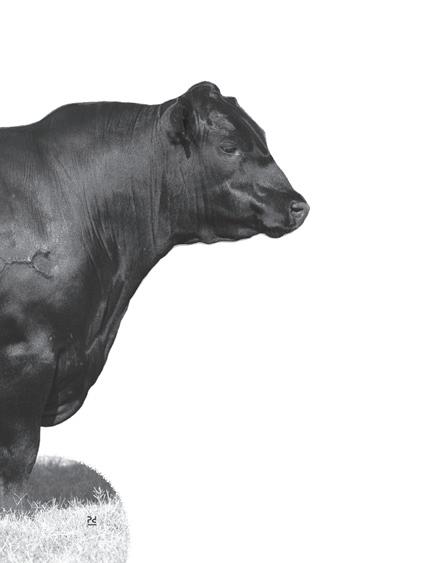


BRAHMAN


BEEFMASTER
Casey Beefmasters
Since 1948
Watt M . C asey/ Watt J r. 325-66 8-1373 Alb any, Texas 764 30 www.CaseyBeef masters.co m Bill Carr
Hilltop Ranch Beefmasters
Quality Beefmaster Cattle Ranches in Webb, Wilson and Kendall counties Mailing Address: P.O. Box 2947 Laredo, Texas 78044 Phone: 361/586-5067
HOGUE CATTLE COMPANY
Registered Black Angus
Robert L. Hogue M.D. • Judy Hogue
6 Spring Hollow, Brownwood, Texas 76801
Ranch: 10108 CR 237 • Phone: 325-643-2225 Cell: 325-647-9168 • Fax: 326-643-6235 Email: rlhmd@familymedical.us

407-709-0297
Brahman Ranch Ltd P O Box 27, Campbellton, Texas USA 78008
ensibly Bred and Raised Brahman Cattle 979-877-4239
Sartwelle J. D. Sartwelle III 361-500-5792 Email: sartwellej@gmail.com




Pollok, Texas
Brian Moore • 936-465-2040
www.mooreangus.com








HEREFORD

Registered Black Herefords bacicafarms.com


Mike & Carla Bacica 11707 FM 2868 Flint, TX 75762
Mike: 903-520-0390 mbpga@aol.com
Carla: 903-530-8551 wtnca@aol.com

HEREF OR









SANTA GERTRUDIS
Borchers Southern Y Ranches, L.P. Charla Borchers-Leon • Mary Kay Borchers 2401 N. Wheeler St. • Victoria, Texas 77901 • 361-575-1297
Gertrudis • Braford F-1
• Star 5 • Crossbred Cattle

Traylor Division San Roque DivisionSan Carlos Division Bloomington, TX Catarina, TXRio Grande City, TX
TEXAS LONGHORN



& Beth Mercer
CR 459, Lott, TX 76656 • 956-802-6995 bethmercer1974@gmail.com • www.filegoniacattle.com


Bros. Farms Lockney, Texas Simmental & SimAngus BULL SALE March 8, 2012 San Saba, Texas Mike Mallett 10602 North Hwy 281 • Lampasas, TX 76550
& Shawnda
(806) 652-2383 (806) 983-7225 mbl.

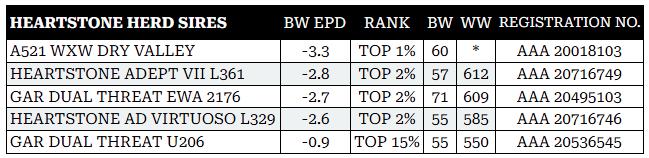
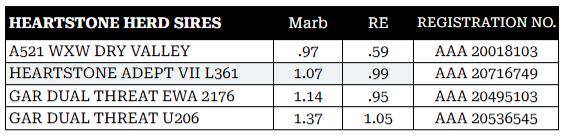





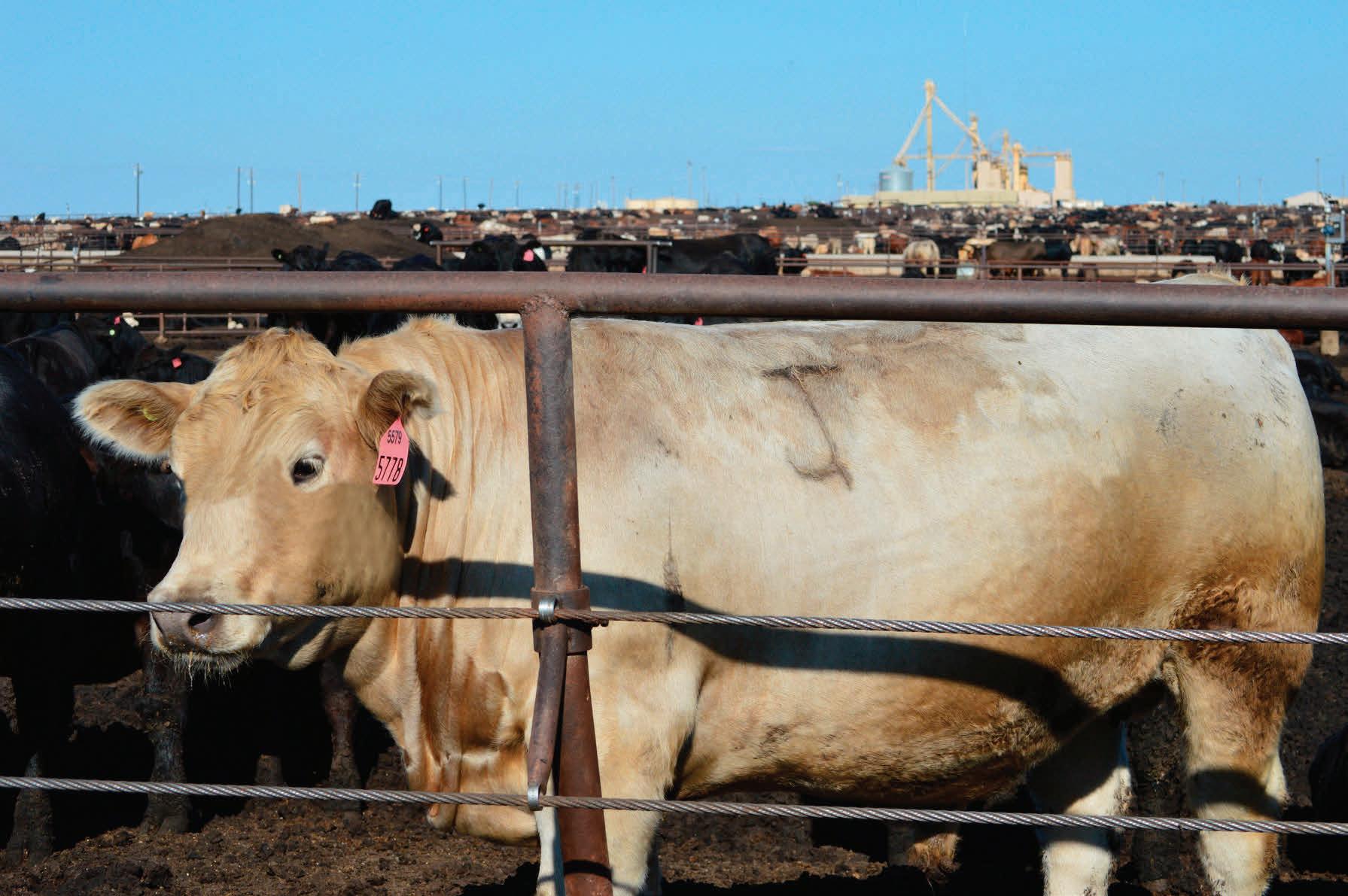




Upcoming Events
MARK YOUR CALENDAR
MAY
FRIDAY, MAY 1
TSCRA Fall Internship Applications Close
SATURDAY, MAY 2
Ground Zero Farms: Production Sale Where: Watts, Oklahoma
Jordan Cattle Auction: May Replacement Female Sale Where: San Saba When: 10 a.m.
SUNDAY, MAY 3
TSCRA Cattle Raisers Roundup Applications Close
MONDAY, MAY 4
Gardiner Angus Ranch: 11th Annual
Meating Demand Sale
Where: Ashland, Kansas
TUESDAY, MAY 5 -
WEDNESDAY, MAY 6
Oklahoma FFA Convention Where: Tulsa, Oklahoma
THURSDAY, MAY 7
Jordan Cattle Auction: Special Stocker & Feeder Sale Where: San Saba
THURSDAY, MAY 7SUNDAY, MAY 10
Western Heritage Classic Where: Abilene
WEDNESDAY, MAY 13THURSDAY, MAY 14
TSCRA Policy Committee Meetings Where: Fort Worth
THURSDAY, MAY 14
Wichita Falls Luncheon
Where: McBride’s Steakhouse, Wichita Falls When: 11:30 a.m.
SATURDAY, MAY 16
Lone Star Angus: Registered Female Sale Where: Gainesville
TUESDAY, MAY 19
Ranching 101: Beef Beyond the Fence Where: Online When: 1 p.m.
WEDNESDAY, MAY 27 -
THURSDAY, MAY 28
TSCRA Leadership Launch Where: Austin
JUNE
MONDAY, JUNE 1THURSDAY, JUNE 4
Texas 4-H Roundup Where: College Station
FRIDAY, JUNE 5SATURDAY, JUNE 6
TSCRA Summer Meeting Where: Houston
Western Heritage Classic: Horse Sale & Ranch Horse Futurity Where: Amarillo
SATURDAY, JUNE 6
Jordan Cattle Auction: Special Replacement Female Sale Where: San Saba When: 10 a.m.
TUESDAY, JUNE 16
Ranching 101: Technology
Transforming Beef Production Where: Online When: 1 p.m.
JULY
MONDAY, JULY 6FRIDAY, JULY 10
Texas FFA Convention Where: Fort Worth
THURSDAY, JULY 9
Wichita Falls Luncheon Where: McBride’s Steakhouse, Wichita Falls When: 11:30 a.m
SUNDAY, JULY 12TUESDAY, JULY 14
NCBA Summer Business Meeting Where: Denver, Colorado
TUESDAY, JULY 21
Ranching 101: Drought Strategies and Water Management Where: Online When: 1 p.m
SATURDAY, JULY 25
Jordan Cattle Auction: Special Replacement Female Sale Where: San Saba When: 10 a.m


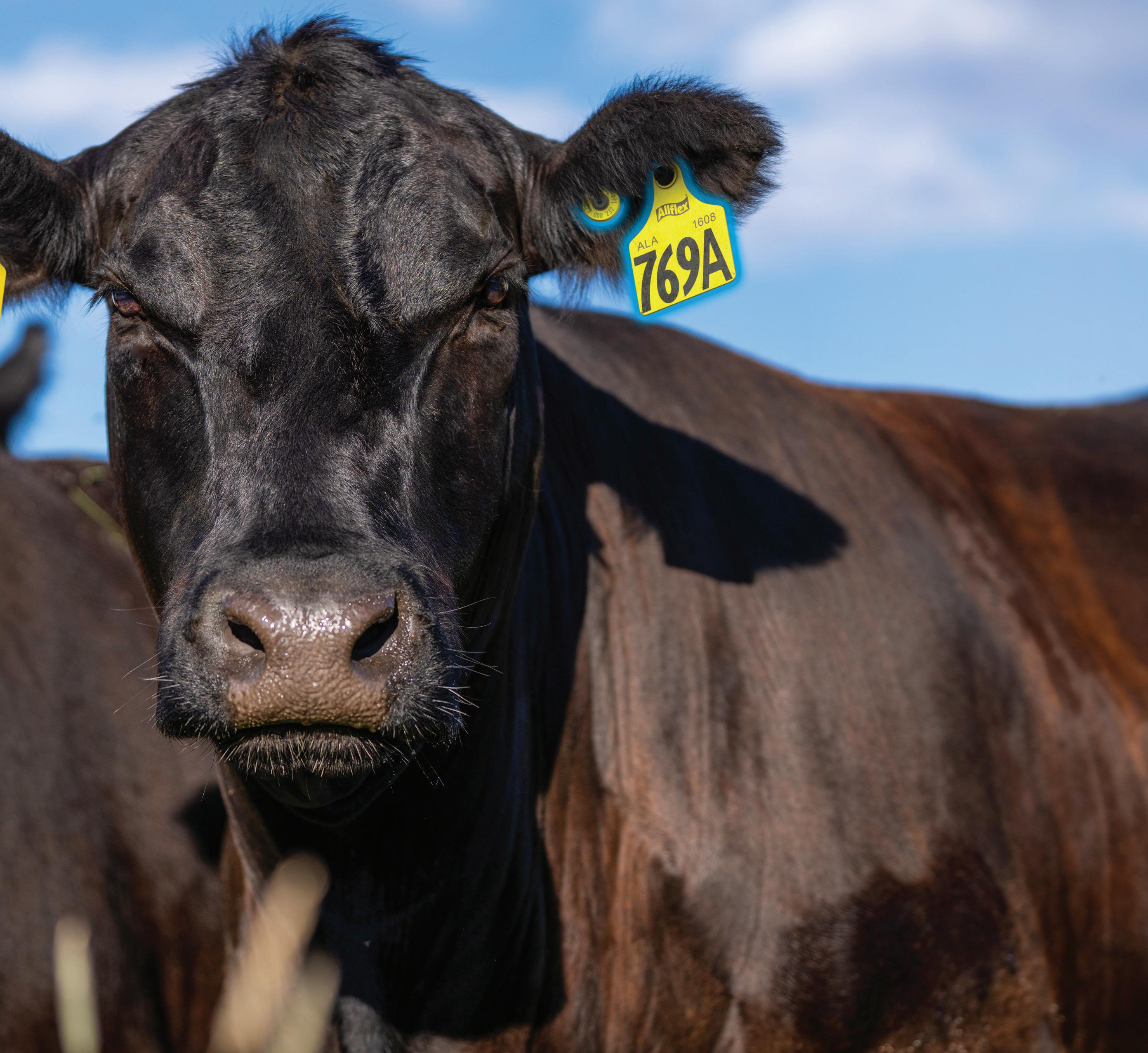
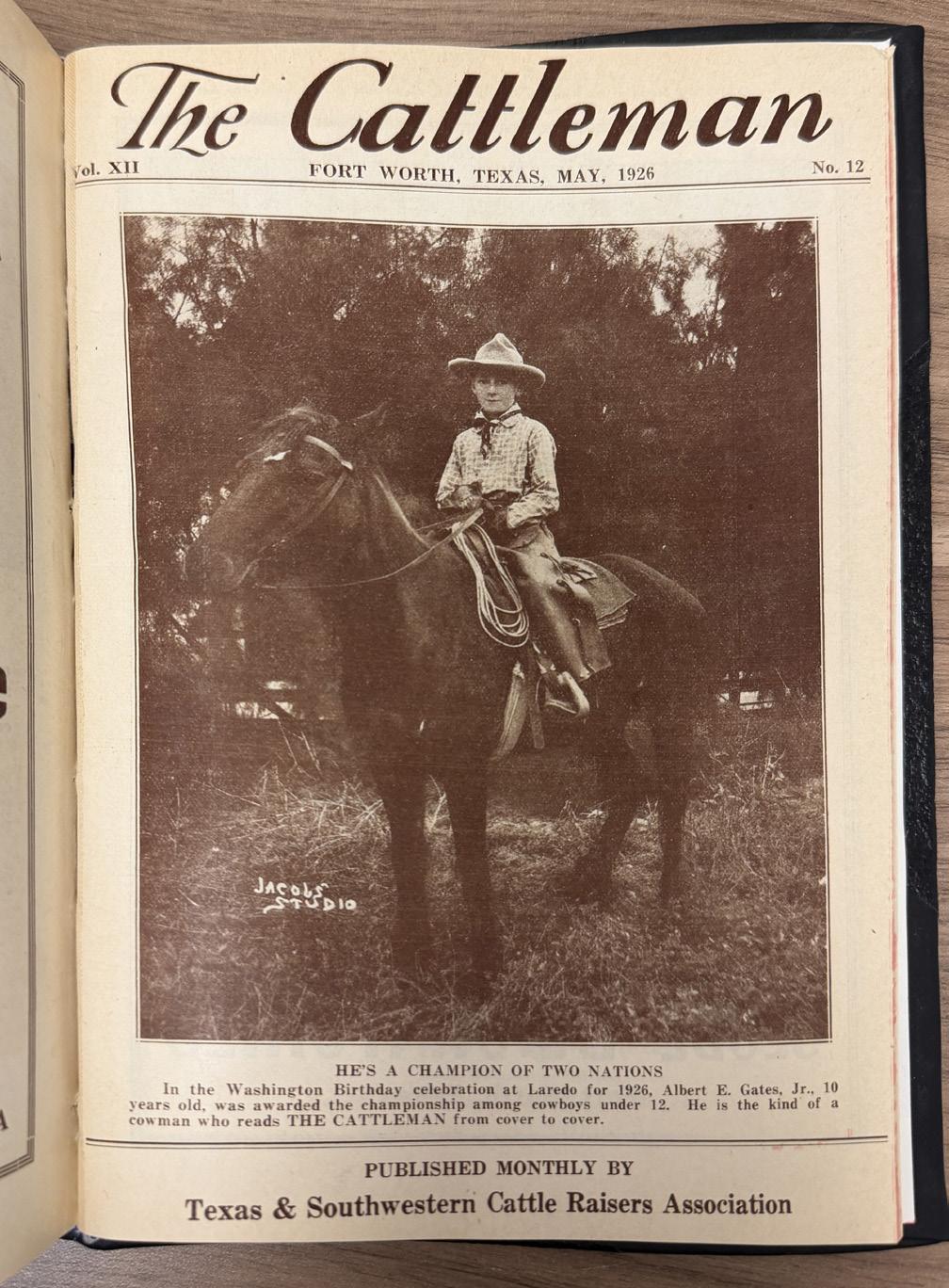
MAY 1926
Pictured on the cover is Albert E. Gates Jr., 10 years old, who was awarded the championship among cowboys under 12 during the 1926 Washington Birthday celebration in Laredo. “He is the kind of a cowman who reads The Cattleman from cover to cover,” the description reads.
Later in the magazine, an article reflects on the growth and evolution of The Cattleman .
“Child of an organization of stalwart Texans that has been a big factor in Texas affairs for 50 less than 100 years that the Lone Star State has carried on as a free and independent republic and member of the U.S., The Cattleman is about to grow into the age of long pants.”
The magazine announced that it would have an expanded size as it entered its 13th year in June 1926. T C