

THE STORY OF US APRIL 20-MAY 24, 2026
FOR ANYONE WHO LOVES HISTORY, nothing matches the thrill of sharing space with genuine artifacts.
Now, the National Archives opens its treasures in honor of America’s 250th birthday.
The Harry S. Truman Presidential Library and Museum is hosting an incomparable exhibition of priceless documents that shaped our nation—and the world.
From the Louisiana Purchase agreement, which made America a transcontinental power, to the 1965 Voting Rights Act; from the telegram announcing the fall of Fort Sumter to the signed surrender of Nazi Germany, this once-in-a-lifetime exhibition brings together nearly two dozen of the most important, revealing and consequential documents in United States history.
Visitors to Independence will see—and feel the drama of creating—the original design of the Great Seal of the United States; the Treaty of Paris, in which the American nation was born; the original Supreme Court opinions in Dred Scott v. Sandford and Plessy v. Ferguson, which steered the nation down the path of segregation; and the opinion in Brown v. Board of Education, which helped put America on a better road.
The documents tell the story of us—and the story feels alive in their presence.
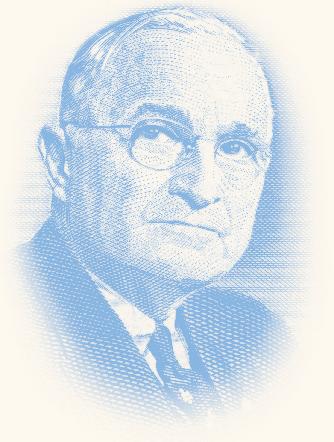
The same pages you’ll see at the Truman Library and Museum once crossed the desks and passed under the gaze of Washington, Jefferson, Lincoln—and Truman. To visit this extraordinary exhibit is to be reminded again of the world-shaping importance of the Man from Missouri, who desegregated the U.S. military, created NATO, established South Korea and launched the Marshall Plan.
Don’t miss this chance to look inside the innermost vaults of the National Archives. See what history looked like before it became history.
VON DREHLE
American Journalist and New York Times Bestselling Author
The following questions are designed to help students of all ages explore the documents featured in Opening the Vault: The Story of Us. These extraordinary primary sources invite learners to explore major themes—liberty, equality, justice and democracy—to build connections between the voices and decisions of the past and the civic principles that continue to shape our society.
The open-ended prompts below may be used for a range of grade levels and learning approaches—encouraging curiosity and storytelling among younger students, while promoting analysis, debate and historical reasoning for secondary grades.
We encourage you to adapt these questions to meet the needs of your classroom through discussion, writing, group activities or creative projects. There are no “right” answers; our aim is to cultivate inquiry, reflection and respectful dialogue.
1.Why do we keep our nation’s important documents safe?
2.What can we learn from these documents about the people and events of the past?
3.What do the ideals of liberty, equality, and democracy mean to you?
4.What does it mean to be treated equally?
5.How has compromise played an important part in America’s history?
6.Why might people disagree about a nation’s laws or rules?
7. What makes a law fair or unfair?
8.How can laws and rulings both protect and harm people?
9. Do you think laws and rules should ever change? Why or why not?
10. When making important decisions, is it better to do what’s right even if it upsets some people, or to find a solution that makes everyone happy?
11.What choices did leaders make long ago that still matter today?
12.How do people in 2026 interpret these documents compared to when they were first written?
13.Which document do Americans know best, and why do you think that is?
14.What lessons from history might guide us as we face new challenges today?
15.What does it mean that we are the founders of America’s next 250 years?
16.Imagine it’s 250 years from now—what document would you hope someone finds in this exhibit?
We would love to hear from you. Please email Stacy Benson at stacy.benson@trumanlibaryinstitute.org to share how you used this guide to help your students interpret the past, understand the present, and think critically about our nation’s future.
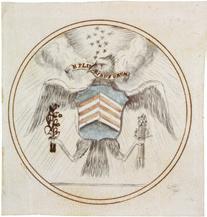
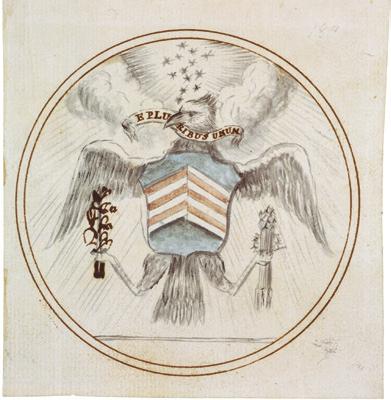
1. Original Design of the Great Seal of the United States
The seal has remained virtually unchanged since Congress approved it on June 20, 1782.
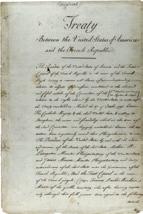
4. Louisiana Purchase Treaty
For roughly four cents an acre, the U.S. doubled its size, expanding the nation westward.
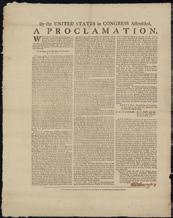
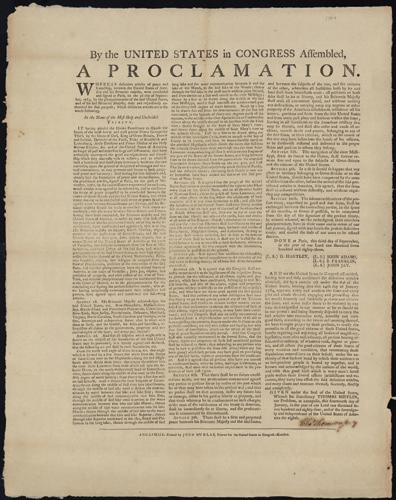
2. Proclamation Announcing the Signing of the Treaty of Paris
This proclamation announced the formal signing of the Treaty of Paris on September 3, 1783, between the American colonies and Great Britain.
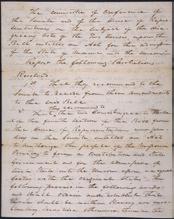
5. Conference Committee Report on the Missouri Compromise
The admission of Missouri to the Union as a slave state in 1819 created controversy over the balance of power between slave and free states.
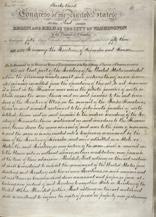
7. Kansas-Nebraska Act
The Kansas-Nebraska Act repealed the Missouri Compromise of 1820, opening lands expected to be free from slavery, resulting in both outrage and competition.
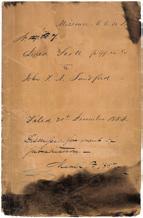
8. Dred
in
The U.S. Supreme Court ruled that Black Americans—whether free or enslaved—were not U.S. citizens and could not expect any protection from the federal government or the courts.
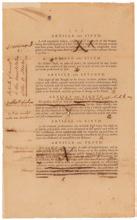
3. Bill of Rights (Senate Revisions)
This draft contains most of the final text of the Bill of Rights, including edits to the religion clauses of the First Amendment.
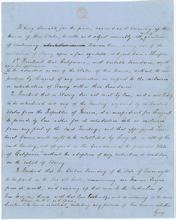
6. Compromise of 1850
The Compromise of 1850 addressed the expansion of slavery into new territories acquired in the MexicanAmerican War.
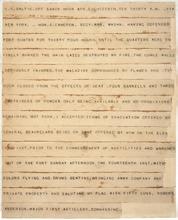
9. Telegram Announcing the Surrender of Fort Sumter
Five months after South Carolina’s secession from the Union, Confederate forces fired on the garrison at Fort Sumter and demanded its surrender.
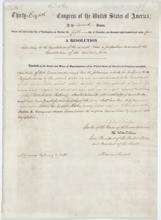
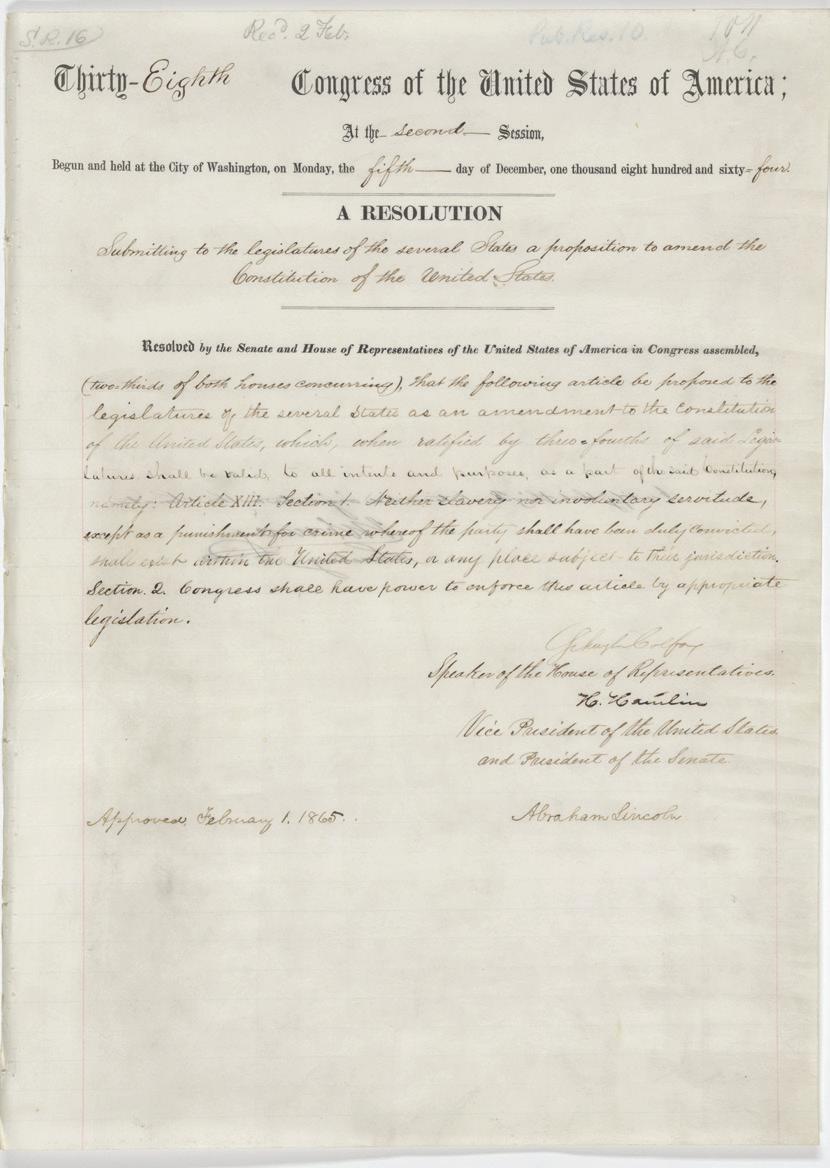
10. Joint Resolution Proposing the Thirteenth Amendment to the United States Constitution
With the adoption of the 13th Amendment, the United States found a final constitutional solution to the issue of slavery.
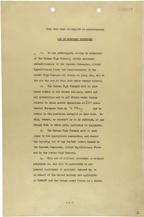
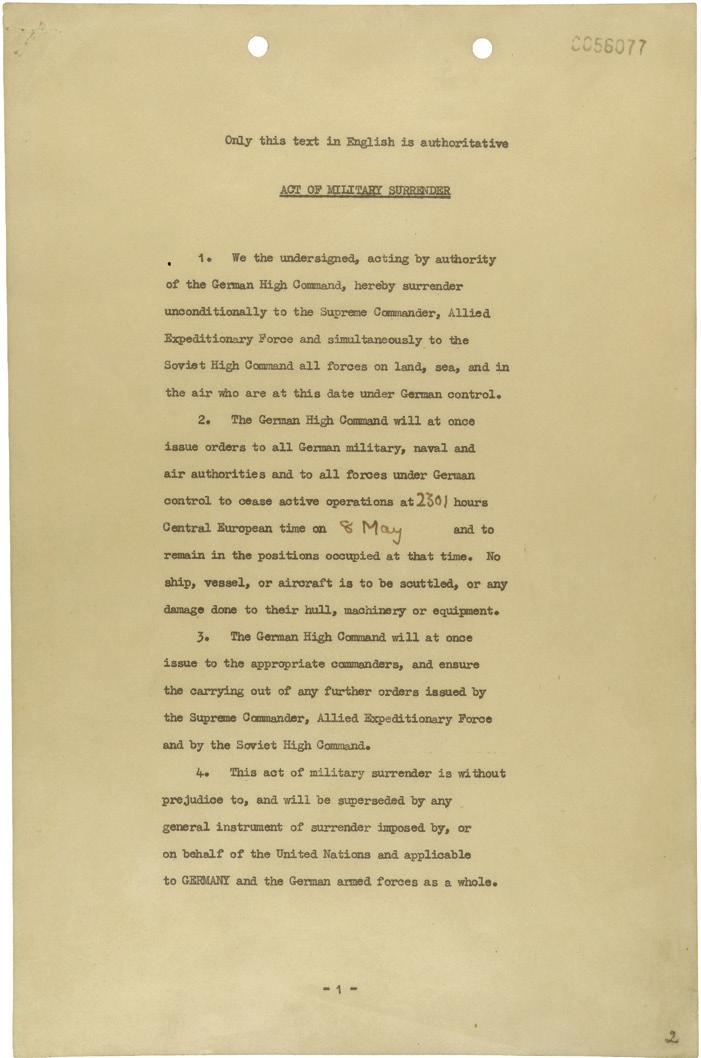
14. Surrender of Germany
In the spring of 1945, Allied forces exhausted the will and fighting capacity of the German war machine.
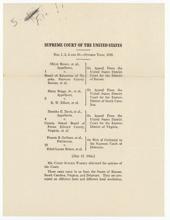
18. Brown v. Board of Education Opinion
Chief Justice Warren issued this Supreme Court opinion, concluding that “in the field of public education, the doctrine of ‘separate but equal’ has no place.”
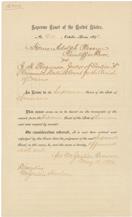
11. Judgment in Plessy v. Ferguson
This ruling introduced the doctrine of “separate but equal,” establishing a legal foundation for racial segregation.
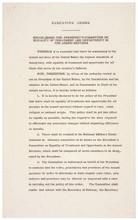
15. Executive Order 9981
Signed by President Harry S. Truman, Executive Order 9981 abolished racial segregation and discrimination in the United States Armed Forces.
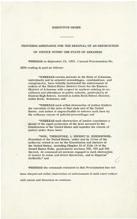
19. Executive Order 10730: Desegregation of Central High School
The “Little Rock Crisis” became a pivotal event in American history, marking a significant federal effort to counter state-led segregation and discrimination.
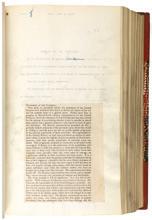
12. President Woodrow Wilson’s 14 Points speech
These points were later taken as the basis for peace negotiations at the end of World War I.
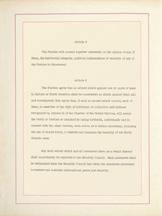
16. North Atlantic Treaty (NATO)
This document is what has bound the U.S. to the longest military alliance it has ever maintained in the nation’s history.
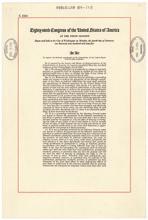
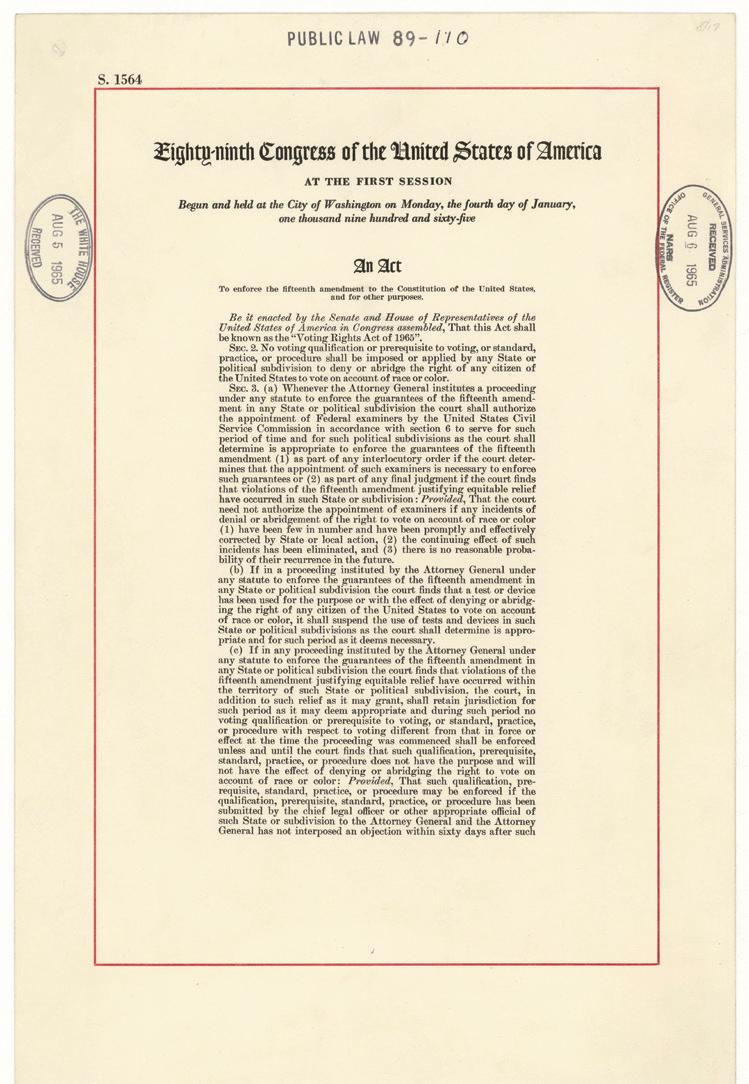
20. Voting Rights Act of 1965
Congress passed this legislation during the Civil Rights Movement, seeking to abolish legalized racial segregation, discrimination and disenfranchisement in the United States.
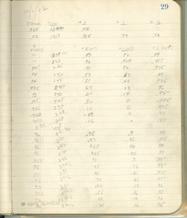
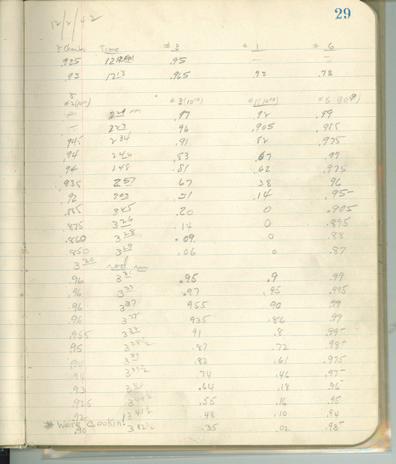
13. Manhattan Project Technical Notebook
Recorded here is the world’s first controlled, self-sustaining nuclear chain reaction, achieved on December 2, 1942.
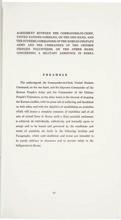
17. Armistice Agreement for the Restoration of the South Korean State
The Korean War officially ended on July 27, 1953, with the signing of this tri-language armistice agreement.
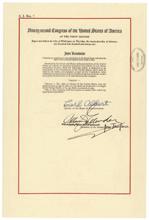
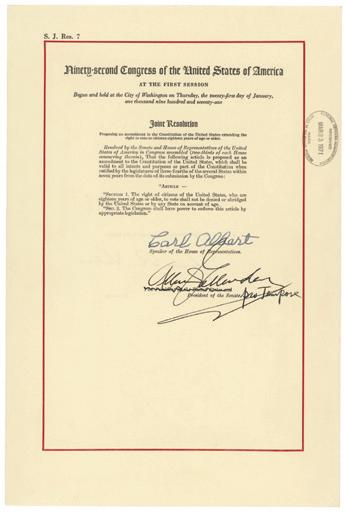
21. Joint Resolution Proposing the 26th Amendment to the United States Constitution
The 26th Amendment lowering the voting age to 18 had the fastest ratification in history.
The Great Seal of the United States is a symbol of American sovereignty. Designed by Secretary of the Continental Congress Charles Thomson and revised by William Barton, it is almost as old as the nation it represents. The seal has remained virtually unchanged since Congress approved it on June 20, 1782. Today, it figures prominently in foreign and domestic affairs, projecting the status and influence of the United States. Its imprint is key to ensuring a government record’s authenticity. 1782
This proclamation announced the formal signing of the Treaty of Paris on September 3, 1783, between the American colonies and Great Britain. It ended the American Revolution and formally recognized the United States as an independent nation. The American negotiators—John Adams, Benjamin Franklin, and John Jay— achieved many of the objectives sought by the new United States. Two crucial provisions of the treaty were British recognition of U.S. independence and the delineation of boundaries that would allow for American western expansion.
March 1, 1784
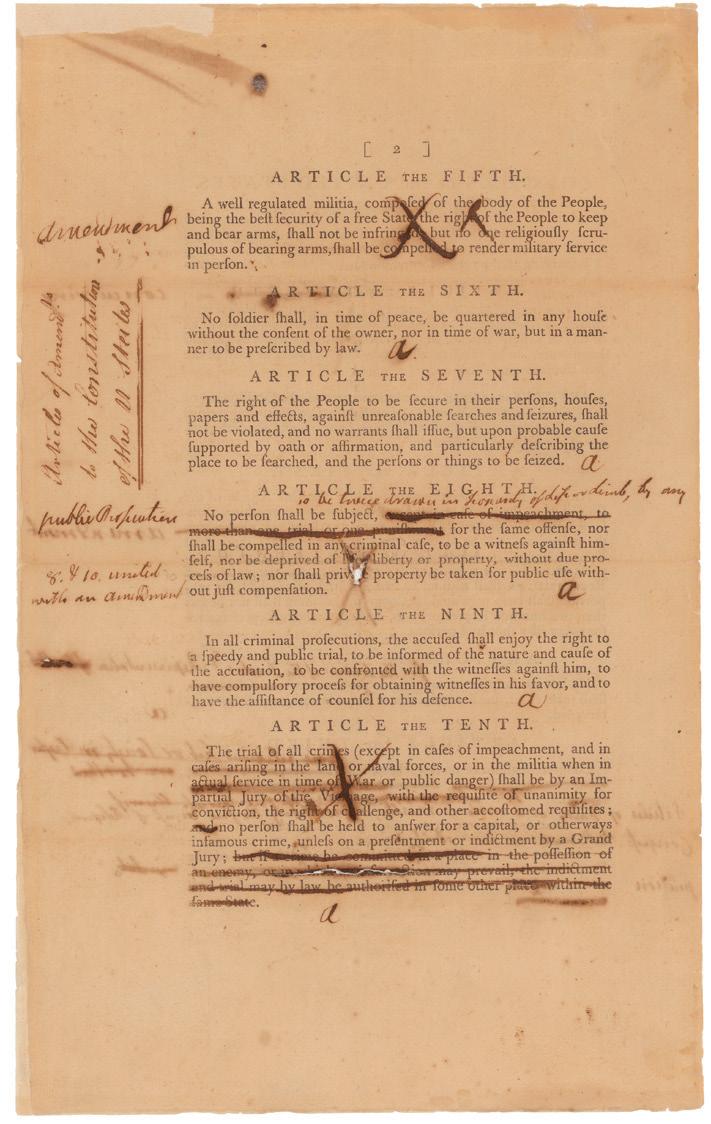
The first 10 amendments to the Constitution, known collectively as the Bill of Rights, secure the fundamental rights that Americans believe belong to all free people. Drafted by James Madison, the Bill of Rights underwent several iterations before it was sent to the states for ratification. The Senate edited, deleted and reorganized amendments proposed by the House of Representatives. This draft contains most of the final text of the Bill of Rights, including edits to the religion clauses of the First Amendment. In this draft, those changes appear in Article the Third, which later became the First Amendment.
September 14, 1789
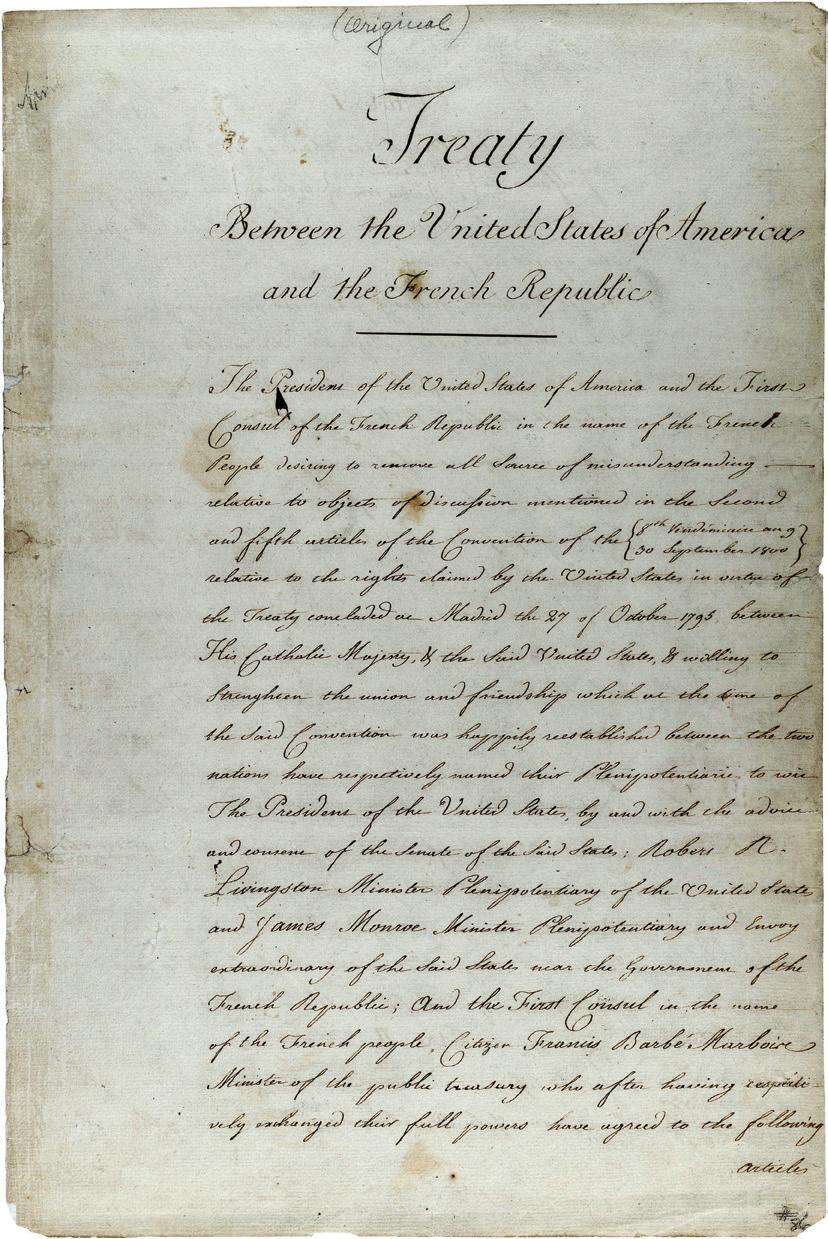
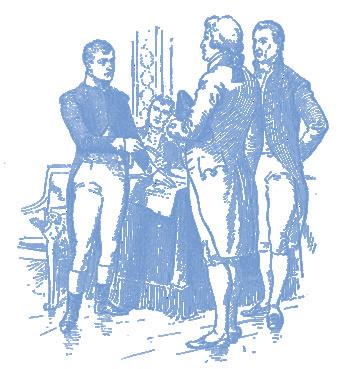
In this transaction with France, signed on April 30, 1803, the United States purchased 828,000 square miles of land west of the Mississippi River for $15 million. For roughly four cents an acre, the U.S. doubled its size, expanding the nation westward. Negotiators Robert Livingston and James Monroe were originally authorized to pay France up to $10 million solely for the port of New Orleans and the Floridas. When they were offered the entire territory of Louisiana—an area larger than Great Britain, France, Germany, Italy, Spain and Portugal combined—they swiftly agreed to a price of $15 million. April 30, 1803
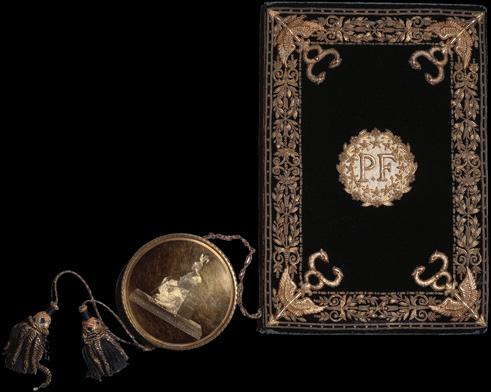
The original treaty was preserved in a decorative binding (see left). The “PF” on the cover stands for “Protocoles du Gouvernement Français,” marking it as an official record of France. Something as monumental as the Louisiana Purchase was, at the time, just another carefully filed government record—albeit one that reshaped a nation.
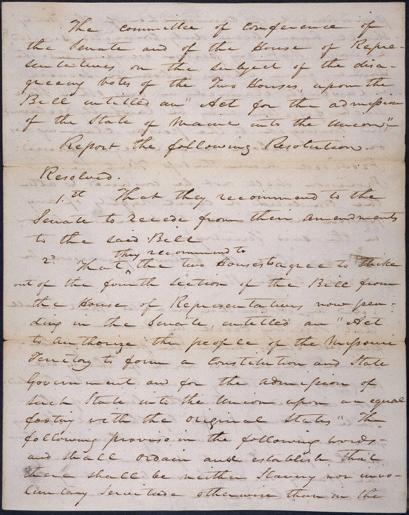
The admission of Missouri to the Union as a slave state in 1819 created controversy over the balance of power between slave and free states. This compromise legislation admitted Missouri as a slave state. To maintain the balance, Maine was admitted as a free state. The legislation also outlawed slavery above the 36º 30’ latitude line in the remainder of the Louisiana Territory. This provision was in place for 34 years until it was repealed by the Kansas-Nebraska Act of 1854, which decided the issue of slavery in new territories by popular sovereignty.
March 1, 1820
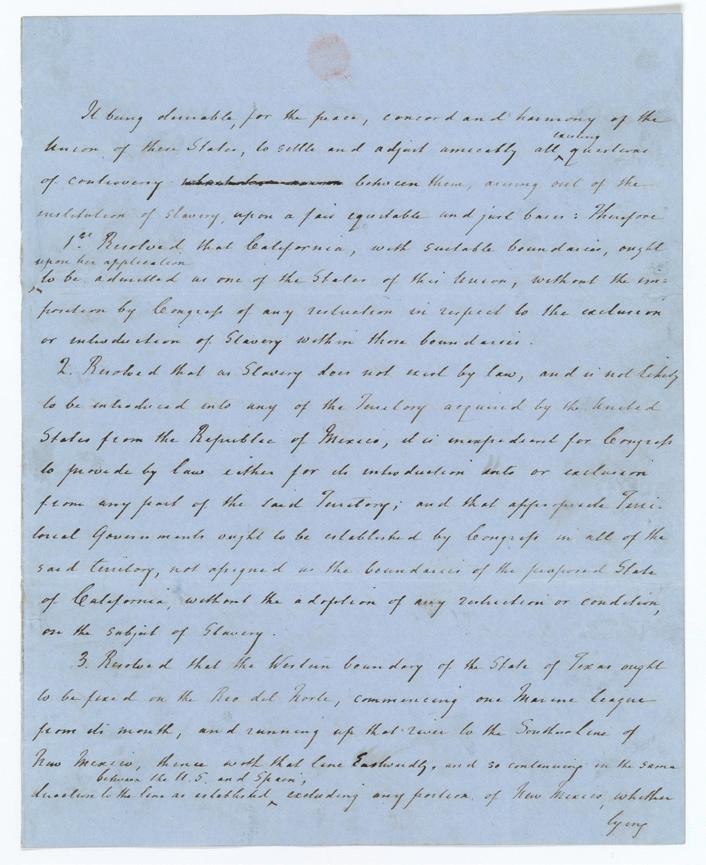
The Compromise of 1850 addressed the expansion of slavery into new territories acquired in the Mexican-American War. Senator Henry Clay proposed a series of resolutions designed to “adjust amicably all existing questions of controversy . . . arising out of the institution of slavery.” Congress reached a compromise that admitted California as a free state; organized two territories, Utah and New Mexico, with the question of slavery to be decided by their residents under popular sovereignty; defined Texas’ borders; prohibited the slave trade, but not slavery itself, in the District of Columbia; and established a new, stricter fugitive slave law.
January 29, 1850
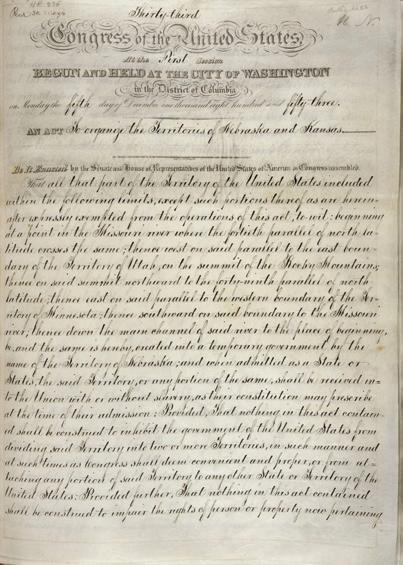
In January 1854, Senator Stephen Douglas introduced a bill organizing the remaining lands of the Louisiana Purchase into two territories, Kansas and Nebraska, to be settled under popular sovereignty. The Kansas-Nebraska Act repealed the Missouri Compromise of 1820, opening lands expected to be free from slavery, resulting in both outrage and competition. Pro- and anti-slavery settlers rushed into Kansas, and the conflict over whether the territory should be free or slave turned violent. Known as “Bleeding Kansas,” it was one of the most significant events on the road to the American Civil War.
The 13th Amendment, abolishing slavery in the United States, was passed by Congress on January 31, 1865. Although presidents typically do not sign congressional resolutions, President Abraham Lincoln signed the joint resolution submitting the proposed amendment to the state legislatures. The necessary number of states (threefourths) ratified it by December 6, 1865. With the adoption of the 13th Amendment, the United States found a final constitutional solution to the issue of slavery. The 13th Amendment, along with the 14th and 15th, is one of a trio of Civil War amendments that greatly expanded the civil rights of Americans.
January 31, 1865
This joint resolution did not require a presidential signature. Abraham Lincoln insisted on signing the document anyway—a powerful symbol underscoring his personal commitment to abolishing slavery.
Next page: Documents 8, 9 and 11.
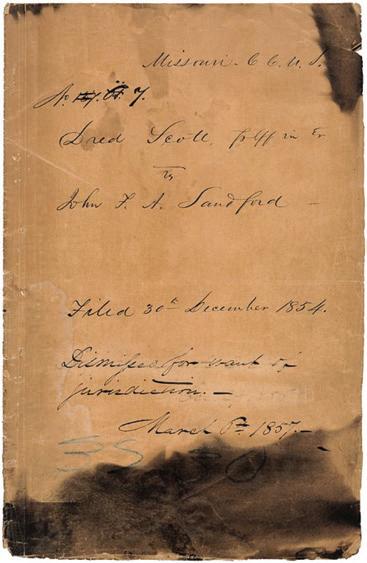
8. Dred Scott, Plaintiff in Error, v. John F. A. Sandford
Dred Scott was an enslaved Black American who had lived in free territories and states with his owner John Emerson. After Emerson’s death, Scott and his wife, Harriett, sued for their freedom. They argued that residence in free territories had made them legally free. After an 11-year legal struggle, the United States Supreme Court issued one of its most notorious decisions. The court ruled that Black Americans—whether free or enslaved—were not U.S. citizens and could not expect any protection from the federal government or the courts.
March 6, 1857
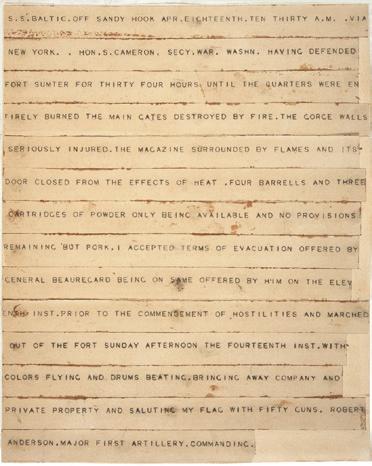
9. Telegram Announcing the Surrender of Fort Sumter
Major Robert Anderson sent this telegram to Secretary of War Simon Cameron informing him of the attack on Fort Sumter in April 1861. Fort Sumter was a federal fort located in Charleston Harbor, South Carolina. Five months after that state’s secession from the Union, Confederate forces fired on the garrison at Fort Sumter and demanded its surrender. This marked the beginning of the American Civil War.
April 18, 1861
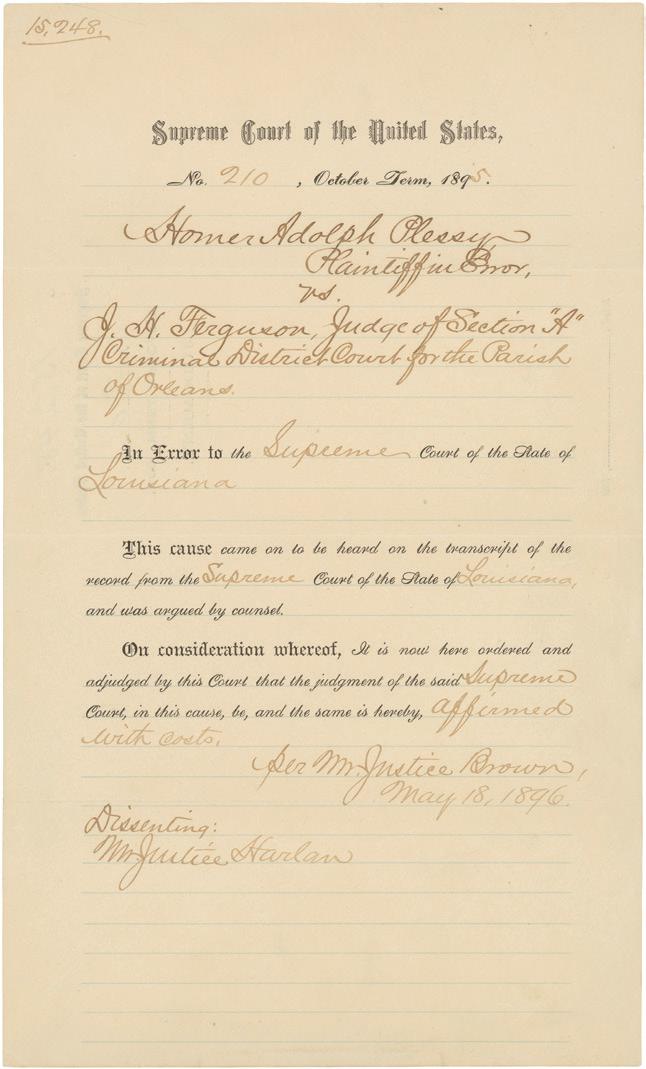
11. Judgment in Plessy v. Ferguson
This landmark Supreme Court case stemmed from a Louisiana law that required separate accommodations for white and black passengers on railroads. Homer Plessy, a man of mixed race, was arrested when he deliberately sat in a whitesonly car to challenge the law. The Supreme Court upheld the Louisiana law on the grounds that it did not violate the Equal Protection Clause of the 14th Amendment. This ruling introduced the doctrine of “separate but equal,” establishing a legal foundation for racial segregation that would stand until struck down by Brown v. Board of Education of Topeka in 1954.
May 18, 1896
To view #10, please see previous page.
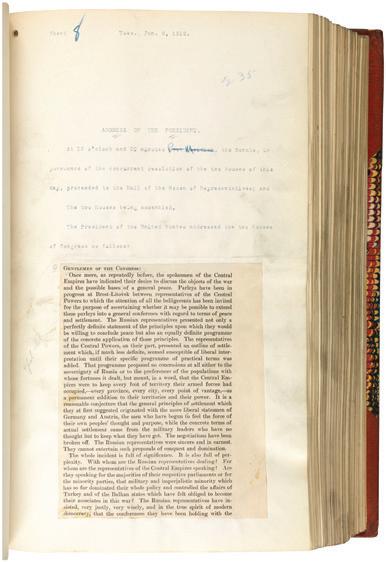
In this January 8, 1918, address to Congress, President Woodrow Wilson proposed a 14-point program for world peace. These points were later taken as the basis for peace negotiations at the end of World War I. When Allied leaders met in Versailles, France, to formulate the treaty to end World War I with Germany and Austria-Hungary, most of Wilson’s 14 Points were scuttled by the leaders of England and France. To his dismay, Wilson discovered that England, France and Italy were mostly interested in regaining what they had lost and punishing Germany.
This notebook records experiments of the Manhattan Project, the highly secret effort of the federal government to build an atomic bomb during World War II. Recorded here is the world’s first controlled, self-sustaining nuclear chain reaction, achieved on December 2, 1942. “We’re cooking!” was the exuberant reaction recorded when the experiment succeeded.
August 6, 1942-June, 30 1943
World War II, the deadliest military conflict in history, erupted in Europe on September 1, 1939, when Germany invaded Poland. War raged in the European Theater for nearly six years. In the spring of 1945, Allied forces exhausted the will and fighting capacity of the German war machine. This instrument of surrender was signed on May 7, 1945, at General Dwight D. Eisenhower’s headquarters in Rheims, France, by General Alfred Jodl, Chief of Staff of the German Army. May 7, 1945
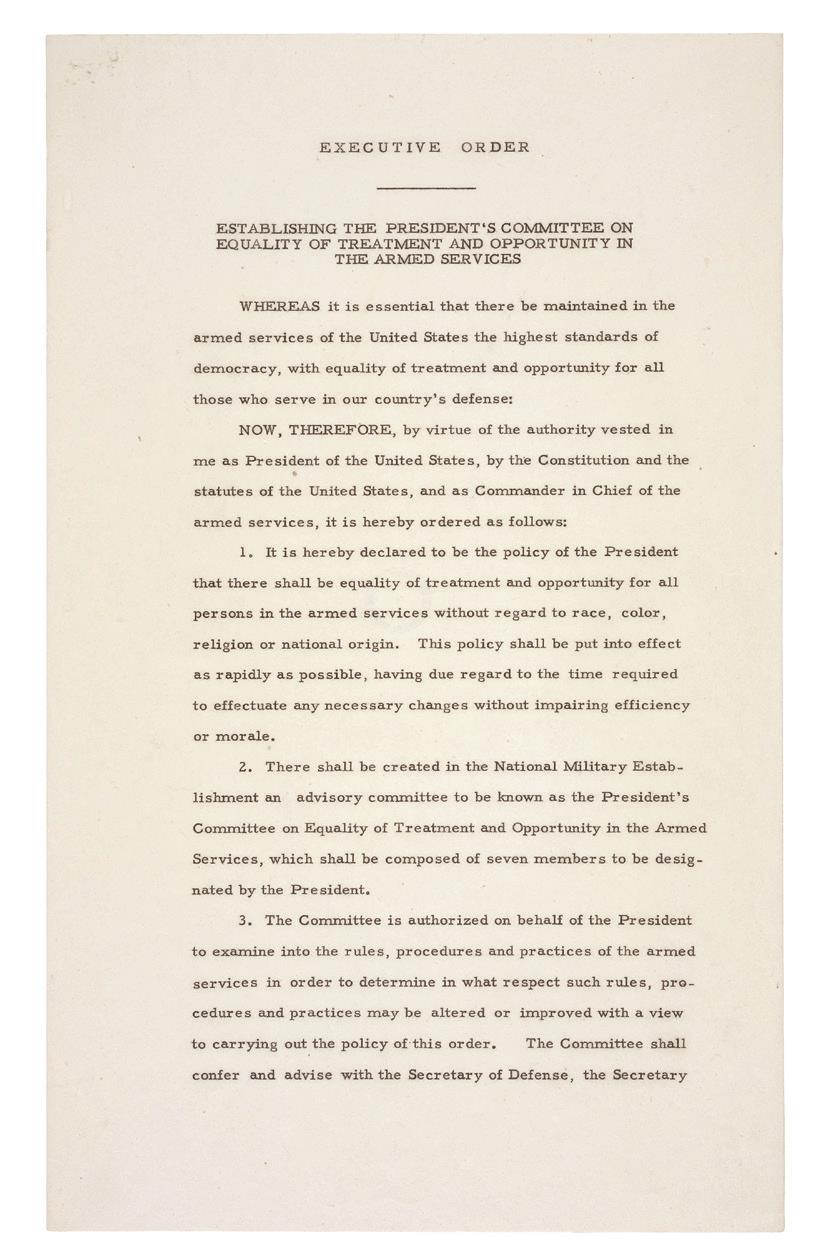
15. Executive Order 9981
Signed by President Harry S. Truman, Executive Order 9981 abolished racial segregation and discrimination in the United States Armed Forces. It mandated “equality of treatment and opportunity for all persons in the armed services without regard to race, color, religion, or national origin” and initiated desegregation of the military. This landmark order established the President’s Committee on Equality of Treatment and Opportunity to implement this policy, making it a pivotal step in the post-World War II civil rights movement and paving the way for integrated military forces.
Truman wanted everyone in the U.S. Armed Forces to be treated equally, regardless of what differences? (Hint: Look in Section 1.)
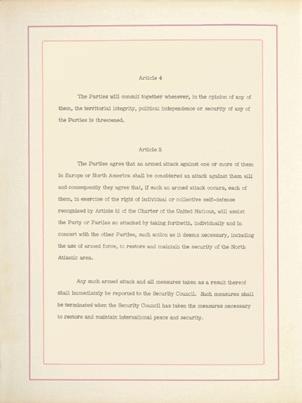
On April 4, 1949, representatives of the United States, Canada and 10 Western European nations met in Washington, D.C., to sign a mutual defense pact against possible aggression from the Soviet Union. The treaty formed the legal basis of the North Atlantic Treaty Organization, or NATO. Originally signed by the U.S., Canada, Belgium, Denmark, France, Great Britain, Iceland, Italy, Luxembourg, the Netherlands, Norway and Portugal, the alliance has since expanded to 32 members. This document is what has bound the U.S. to the longest military alliance it has ever maintained in the nation’s history.
April 4, 1949
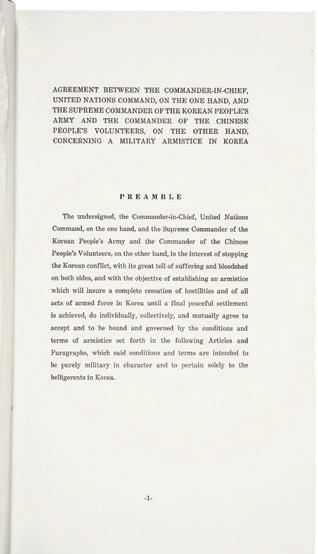
Following World War II, the Korean Peninsula was divided between a Sovietbacked government in the north and an American-backed government in the south. War broke out along the 38th parallel on June 25, 1950. North Korean troops attacked strategic points along the parallel and headed toward Seoul. The United Nations Security Council condemned the invasion as a “breach of the peace” and sent troops to support South Korea. The three-year conflict claimed the lives of millions of soldiers and civilians. The Korean War officially ended on July 27, 1953, with the signing of this tri-language armistice agreement.
July 27, 1953
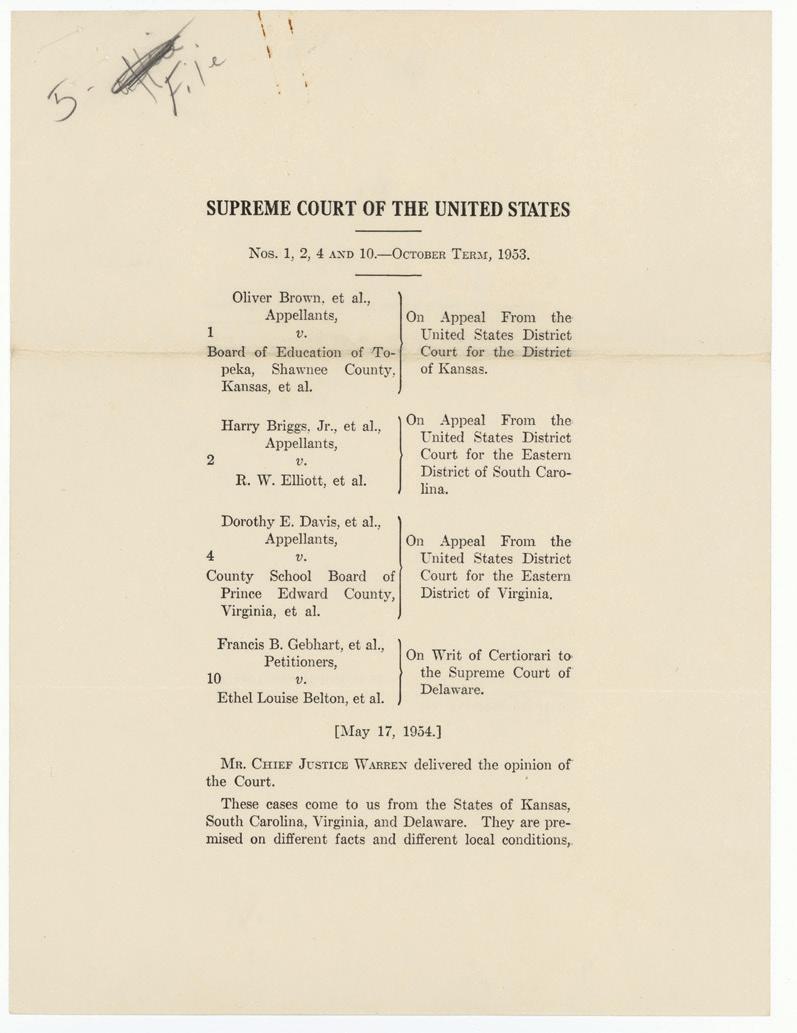
On May 17, 1954, the Supreme Court delivered a unanimous ruling in Brown v. Board of Education of Topeka that “separate but equal” was unconstitutional in public schools. Overturning the 1896 decision in Plessy v. Ferguson that allowed for school segregation, this landmark decision made it clear that racial discrimination in public schools was a violation of the 14th Amendment. Chief Justice Warren issued this Supreme Court opinion, concluding that “in the field of public education, the doctrine of ‘separate but equal’ has no place.”
May 17, 1954
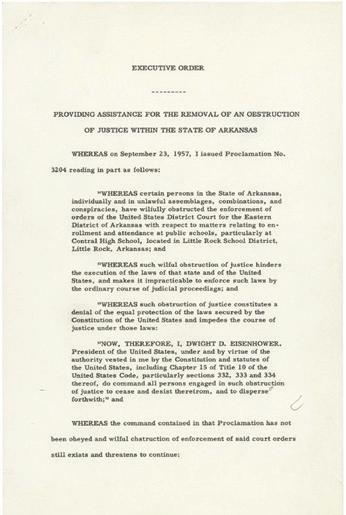
As they attempted to enter Central High School in Little Rock, Arkansas, nine Black American students were rebuffed by a mob and the Arkansas National Guard, who had been called out by Governor Orval Faubus to prevent the school’s integration. As a result, President Dwight D. Eisenhower issued this executive order federalizing the Arkansas National Guard and sending the U.S. Army’s 101st Airborne to protect the students, who became known as the “Little Rock Nine.” The “Little Rock Crisis” became a pivotal event in American history, marking a significant federal effort to counter state-led segregation and discrimination.
September 24, 1957
Congress passed this legislation during the Civil Rights Movement, seeking to abolish legalized racial segregation, discrimination and disenfranchisement in the United States. The act outlawed discriminatory voting practices, like literacy tests, that many Southern States had adopted after the Civil War. It also empowered federal examiners to register Black Americans to vote in certain jurisdictions. This act was signed into law by President Lyndon B. Johnson on August 6, 1965. By the end of 1965, more than a quarter of a million Black Americans had registered to vote.
August 6, 1965
The movement to lower the voting age from 21 began during World War II. At the age of 18, young men were considered mature enough to fight, but not to vote. When 18-year-olds were drafted to fight in Vietnam, the disparity became striking. Previously, the 14th Amendment established protections for the right to vote, specifically for the “male inhabitants of the state, being twenty-one years of age, and citizens of the United States.” Approved by two-thirds of Congress on March 23, 1971, and ratified by three-fourth of the states by July 1, 1971, the 26th Amendment lowering the voting age to 18 had the fastest ratification in history.
March 23, 1971
In celebration of America’s 250th anniversary of the Declaration of Independence, the National Archives is partnering with presidential libraries to present some of the most significant documents in United States history. The National Archives holds more than three centuries of government records that document our nation’s democracy. These iconic and historically valuable records highlight the people and moments that have shaped American history.
The National Archives and Records Administration (NARA) is the nation’s record keeper. Best known for preserving and displaying the Declaration of Independence, the Constitution and the Bill of Rights in Washington D.C., we are a network of archives, presidential libraries, and records centers located across the nation. In addition to assisting federal agencies with records management, and the public with research and reference services, the Archives preserves the records of federal agencies, mounts exhibitions, and delivers educational programs and public workshops to help Americans learn how to use archived records.
We gratefully acknowledge the following individuals and organizations for their generous support of this special exhibition:
The State of Missouri
William T. Kemper Foundation—Commerce Bank, Trustee
Mary Kay and Brad Speaks
Missouri Humanities and the Missouri Humanities Trust Fund
JE Dunn Construction
Mary and R. James Stilley, Jr.
Richard J. Stern Foundation for the Arts—Commerce Bank, Trustee
TrumanLibraryInstitute.org