Fision fiber-powered communities. Board tested. Resident approved.
Hotwire Communications partners with HOAs to deliver futureproof technology, transparent contracts, and concierge-level customer service that keeps residents connected and boards confident.
Choosing a telecom provider is one of the most important decisions a board can make. With a 99% renewal rate nationwide, communities trust Hotwire to deliver unmatched performance and white-glove support year after year.

Our 100% fiber-to-the-home network ensures symmetrical speeds, guaranteed reliability, and no data caps—while our dedicated account managers provide the concierge-level customer service boards and residents deserve. Independent rankings by PCMag and Consumer Reports confirm what our partners already know: Hotwire is the fastest and most trusted ISP in the market.
Let’s Build Something Better, Together.










Clears:
Is Your Florida Community Association Ready for Hurricane Season 2026?



Journal Notes
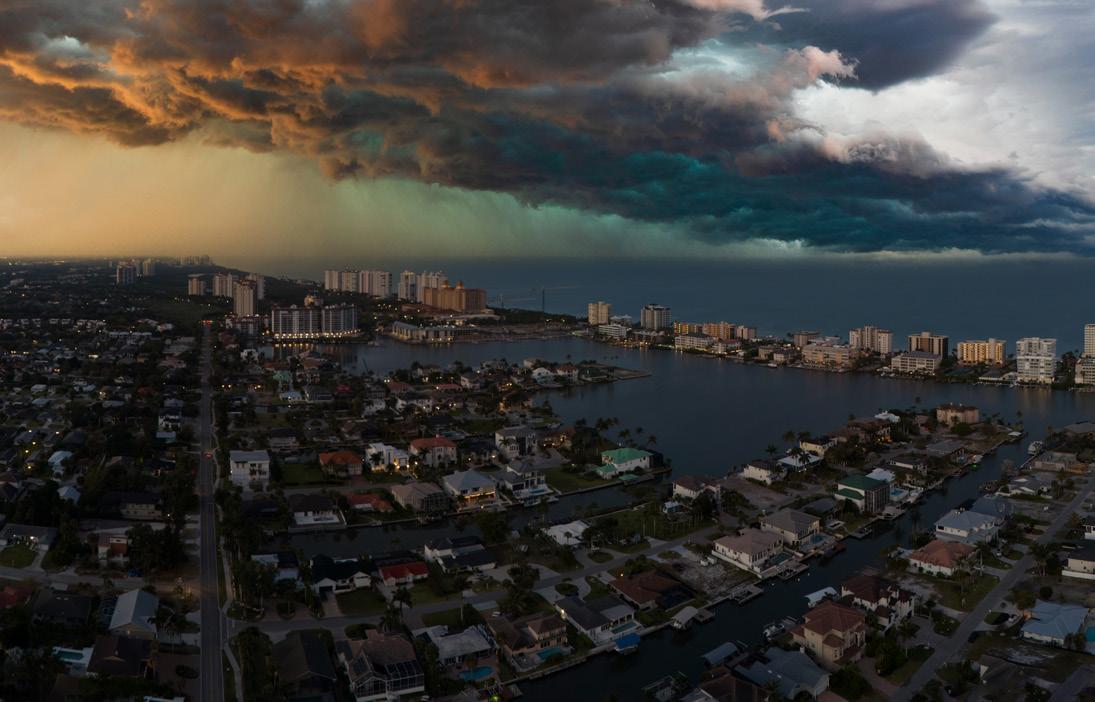
I hope the prediction of a belownormal hurricane season by the researchers at Colorado State University proves to be true. However, it is still wise and prudent for community associations to prepare properly for storms, hurricanes, and other natural disasters so that if your community does find itself as a target of such, the community is as prepared as possible.
With disaster preparedness in mind, turn to page 8 to read the best practices tips from more than a dozen Florida service providers. These tips address how to take care of community roadways, communication systems, building envelope inspections, roofs, and more.
On page 58 Gabriella Bianchini with Carousel Development & Restoration shares how condominium properties “must follow a clear, structured plan to protect exterior structures, active job sites, and occupants.” She points out the importance of making clear communication the priority in pre-storm preparation. In post-storm recovery it is important to barricade unsafe areas in any work zones and prevent access until the hazard is take care of.
Turn to page 62 to read the article by Devon Watson of Envera Systems. He explains what a security company should provide to a community association after a storm: continuity of monitoring, database and footage backup, pos-storm access management, and staged recovery support.
There are a bevy of legal articles in this issue starting on page 22 through 52. They address storm preparation for electric vehicle owners, self-help in covenant enforcement, age-based restrictions, condominium termination disputes, alterations in chickee huts, and holiday celebrations, such as the upcoming 250-year anniversary of the United States.
FLCAJ encourages you to read these articles to prepare for the 2026 hurricane season, and we hope you enjoy your summer.
Editor
Publishers Richard Johns Dana Johns
Editor Michael Hamline
Art Director Nick Walker
Advertising Sales Phone: (800) 425-1314 Email: info@fcapgroup.com
Circulation/Accounting Tammy Hanner
Phone: (800) 443-3433 Fax: (501) 280-9233
Editorial Phone: (800) 443-3433 Fax: (501) 280-9233
Florida Community Association Journal is published monthly by True Source Publishing LLC 1000 Nix Road Little Rock, AR 72211-3235
Email: info@fcapgroup.com Website: FCAPgroup.com
Copyrighted by Florida Community Association Journal. Reproductions of any part of this publication without written permission of the publisher are prohibited.
Subscription Rates
$24 for one year, $48 for three years. Back issues are $5 each plus postage. Group rates for 3 or more people are available at $12 per person.
The publisher and editor(s) of this magazine do not accept responsibility for the content of any advertisement, including statements made by advertisers herein, or for the opinions expressed by authors of by-lined articles. The publisher and editor(s) also reserve the right to reject any ad or article for objectionable content in verbiage or images. The intent of this publication is to provide general information only and is not intended to provide specific advice or recommendations. Appropriate legal, financial, or engineering advice or other expert assistance should always be sought from professionals.
Postage paid at Little Rock, AR and additional offices (permit #1085).
Postmaster
Send address changes to: Florida Community Association Journal 1000 Nix Road Little Rock, AR 72211-3235 or email info@fcapgroup.com




CORAL GABLES!

Ansbacher Law, with board certified partners, 12 attorneys and over 0 professionals, is available to serve your community throughout
•Full service law firm for your Condominium or Homeowners Association.
•Florida’s leading construction defect team - Full contingency available, no fees or costs unless you win.
•Collections handled on deferred and contingency fee arrangement.

Hannah Rullo
Zach Roth
Barry Ansbacher
Emily Dominguez
Alejandra Gonzales
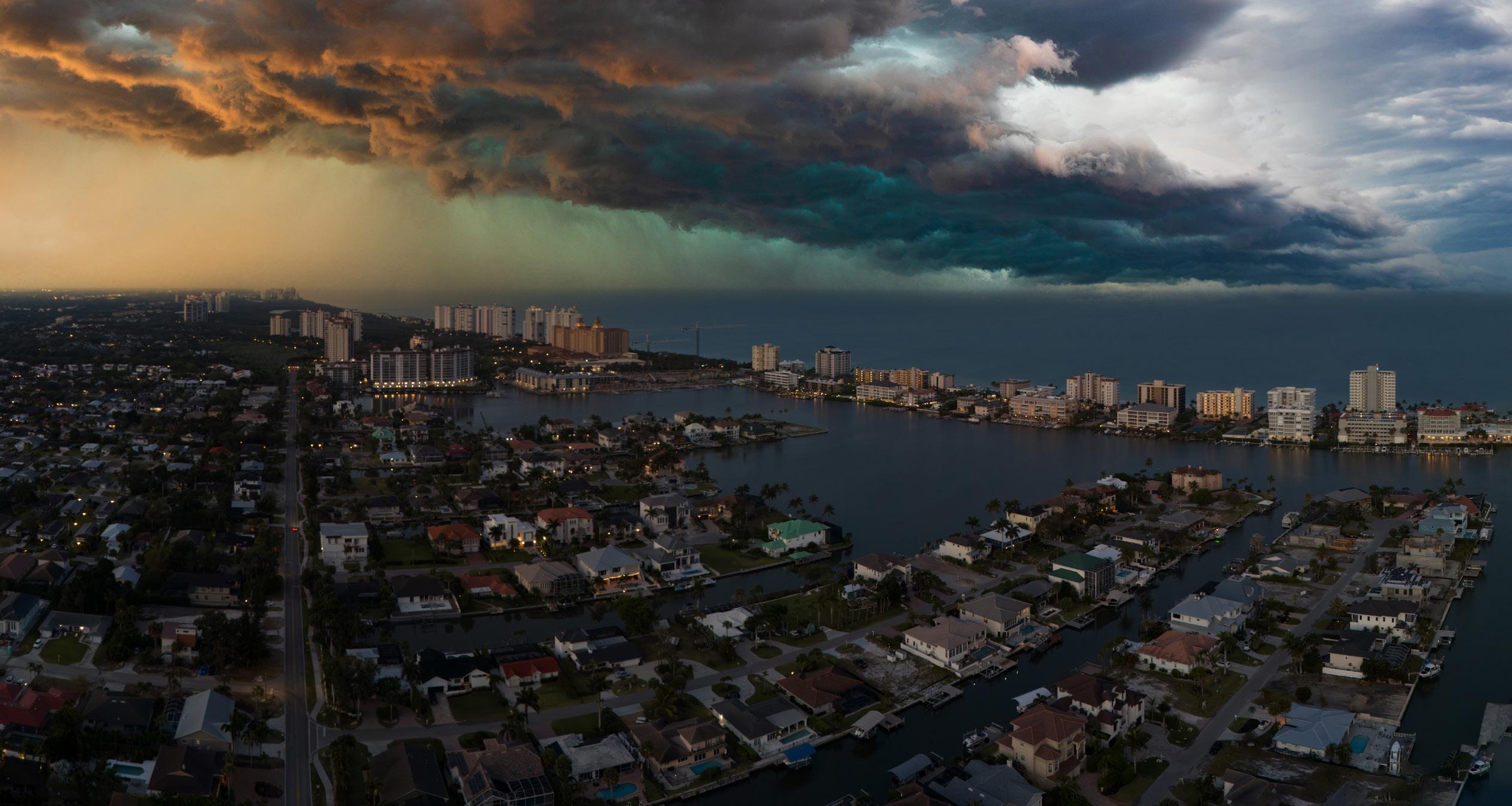
Photo by iStockphoto.com/LagunaticPhoto
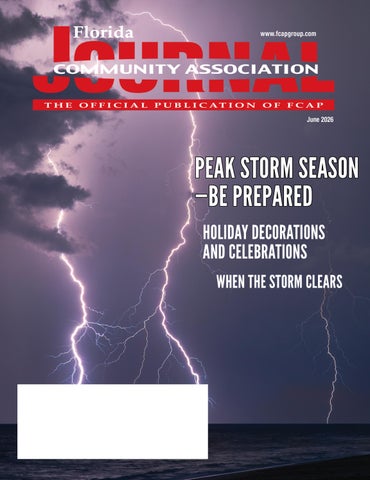
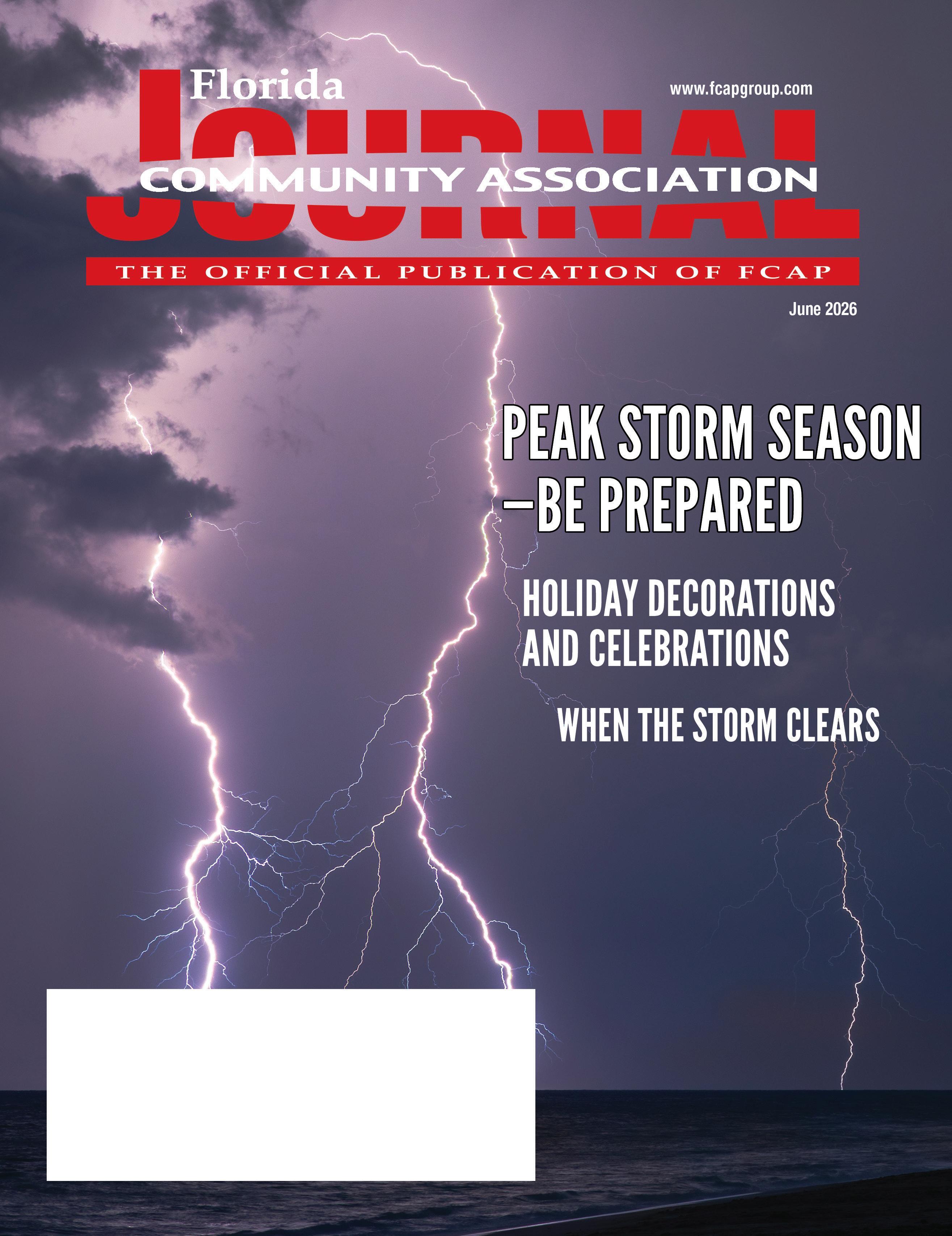
Peak Storm Season—Be Prepared
Editor’s Note: Researchers at Colorado State University are predicting a below-normal hurricane season with 13 named storms in the Atlantic Ocean this year. They are predicting six of those to turn into hurricanes with two becoming major hurricanes. While it may be a below-normal season, it is still important to be prepared. The best practices below are provided to help you weather this hurricane season well.
WHAT ABOUT YOUR ROADWAYS?
By Connie Lorenz
Summer is upon us, our northern residents are back home, and our kids are out of school! By now you most likely have prepared your community for hurricane season by tending to your trees and roofs and anything that might need to be secured in case a storm or hurricane happens. Simple things like pruning your trees or inspecting your gutters can prevent unnecessary damage with preventive maintenance methods.
What about your roadways? That small little pothole today will turn into a crater once a few of our summer’s storms hit. Rain and irrigation drain into our roadways, and if you have areas that tend to puddle or pond and
the pavement is open, the traffic passing over these puddles will wash away all the subbase material from the pavement surrounding the pothole. Just because it isn’t visible now doesn’t mean it’s not going to collapse after a storm. Water is your universal solvent, so at least make sure that you address your potholes in the summer and then apply your surface treatments in the fall.
Connie Lorenz is president of Asphalt Restoration Technology Systems. For more information, call 800-2544732 or visit www.Asphaltnews.com or www.Asphaltchick.com
DISASTER PREPAREDNESS IS A SAFETY PRIORITY AND FINANCIAL STRATEGY
By Will Simons, RS, EBP

As Florida enters peak storm season, association boards should
view disaster preparedness as both a safety priority and a financial strategy. From a reserve study provider’s perspective, the most resilient communities are those that proactively align their physical assets with well-planned reserves.
Start by reviewing components most vulnerable to hurricanes—roofing, drainage systems, seawalls, and emergency power equipment. Ensure these elements are not only properly maintained but also accurately reflected in your reserve schedule and funding plan. Deferred maintenance in these areas can significantly increase repair costs after a storm.
Additionally, consider funding for preventative projects such as roof reinforcements, updated stormwater management, or impact-resistant upgrades. These investments often reduce long-term reserve expenditures by minimizing damage risk.
Finally, revisit your reserve study after any major project or storm event. Keeping it current ensures your association is financially prepared, not just operationally ready, when the unexpected occurs.
Will Simons, RS, EBP, is a credentialed reserve specialist and president of the Florida regional office of Association Reserves, a national provider of reserve study services. For more information, visit www.ReserveStudy.com
PROACTIVE DISASTER PREPAREDNESS FOR YOUR COMMUNITY
By Anna Rogers

With disasters striking at any time, it is important for CAMs and board members to stay prepared. Taking a proactive approach can help reduce disruptions, protect property, and keep communities safe.
Your plan should include the following:
• Update your emergency plan for stronger storms and longer outages.
• Review insurance annually to ensure proper coverage.
• Keep important records stored digitally for easy access.
• Stay alert for scams, especially after a disaster.
• Check roofs, drainage, and buildings regularly.
• Schedule routine maintenance to address issues early.
• Create a clear communication plan for residents and vendors.
• Ensure staff and board members understand their roles.
• Work with a reliable banking partner for quick access to funds.

This proactive approach helps protect property values and supports long-term financial stability. Communities that plan ahead are better prepared to respond, recover quickly, and navigate whatever comes next.
Anna Rogers is SVP, community association relationship manager, for Cogent Bank. For more information, call 727-477-3182, email arogers@cogentbank.com, or visit www.cogentbank.com
DISASTER PREP AND SUMMER PLANNING
By GRS Management
As summer approaches in Florida, community associations should prioritize both disaster preparedness and seasonal maintenance projects. Hurricane season officially begins June 1, making early planning essential. Associations should review emergency response plans, update resident contact information, and confirm vendor contracts for debris removal, restoration, and security services. Backup power sources, such as generators, should be inspected and tested.
Communication is equally important to ensure residents know evacuation procedures, shelter loca -
tions, and how updates will be shared during a storm.
In addition to preparedness, summer is an ideal time to complete key projects. Roof inspections, drainage improvements, tree trimming, and exterior repairs can help mitigate storm damage. Pool and common area maintenance should also be reviewed to handle increased seasonal use.
By combining proactive disaster planning with strategic summer projects, associations can protect their property, reduce risk, and provide a safer, more resilient community for residents throughout the season.
For more information about GRS Management, call 561-641-8554, email sales@grsmgt.com, or visit www.grsmgt.com
HOPE FOR THE BEST, PLAN FOR THE WORST
By Mindy T. Cummings, Esq.

We have all heard the saying, “Hope for the best, plan for the worst,” but what does this mean for community associations and emergency preparedness? When people think of
HEALTHY LAKES EQUAL HAPPY COMMUNITIES
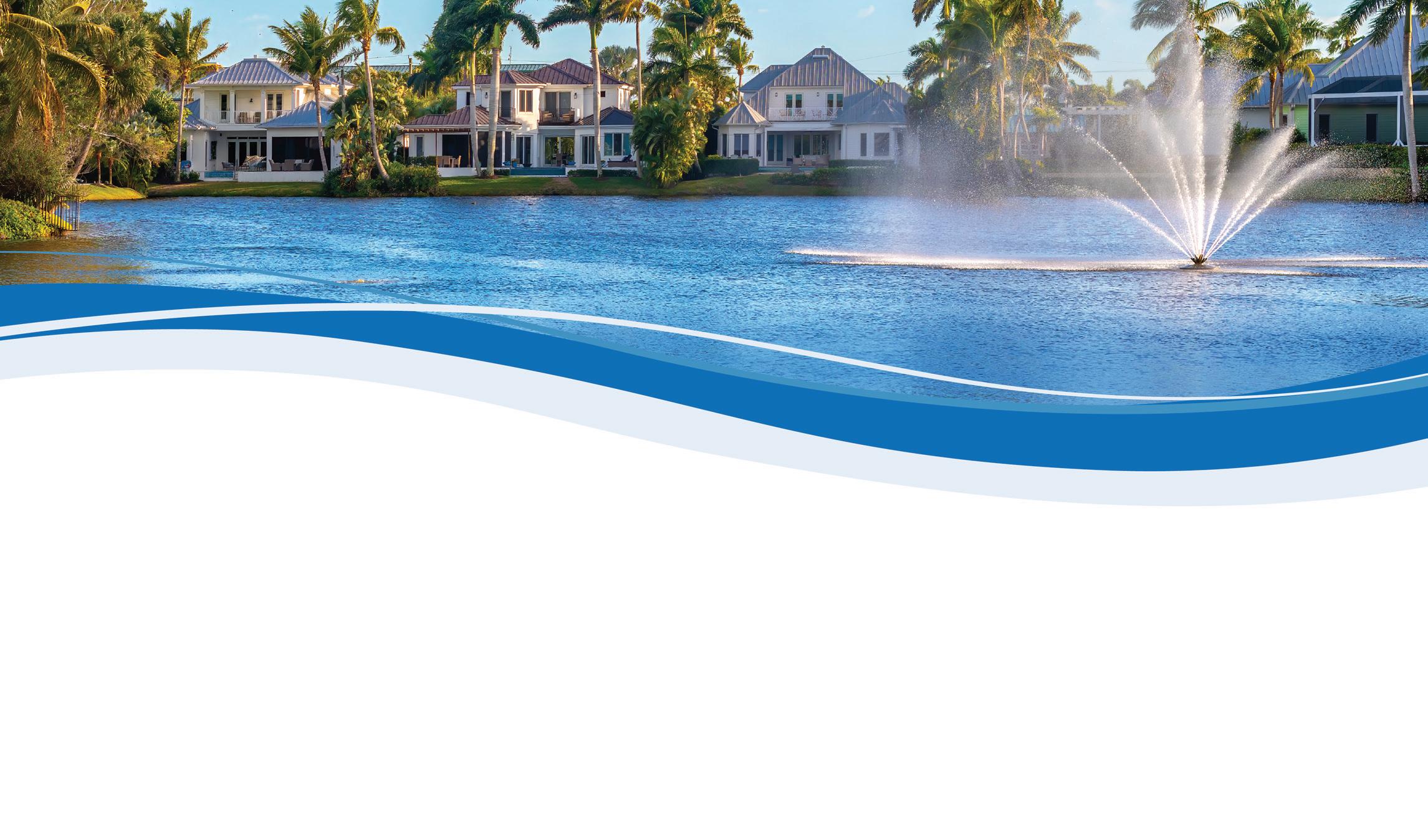
Keeping your lake clean and healthy can feel like a never-ending challenge. We know how discouraging it is when algae and weeds keep coming back. That’s why our team uncovers the root of the problem and delivers lasting solutions that keep your water and community beautiful, so your residents can enjoy it with pride.
Hurricane season is here
Make

Here’s how Blue Stream Fiber ensures connectivity for your residents:
Before the storm:
Underground fiber infrastructure that’s Category 5-ready
Proactive contingency planning & positioning of support crews
Installation of generators and mobile WiFi access points
During the storm:
24/7 monitoring from a dedicated Network Operations Center Emergency Response Teams on standby to help Real-time communication with your team
After the storm:
Full restoration as soon as conditions allow Generators and temporary WiFi access points deployed in areas with prolonged power outages
“Blue Stream Fiber Service stayed up for as long as we had power and was immediately restored upon restoration of power via generator. After this storm, it is clear that the infrastructure is built to withstand any storm.” — BRIAN H., CTO, SHELL POINT
emergency preparedness, most people think of preparation for natural disasters, but what about major building system failures? What happens when the domestic water pump goes out in a 52-story high rise, and there is no water to the building for fire suppression? Or when you have to evacuate the building for weeks because a sinkhole opened up? Disasters come in all shapes and sizes, but proper advanced planning can help identify potential vulnerabilities, mitigate risks, reduce damages, and shorten recovery times. Advanced planning allows time for boards and management to develop a written plan to deal with emergencies and communicate that plan to their residents. This will ensure that associations are prepared to assist their residents and communities through disasters. Ready to start planning? Check out https://www.ready.gov/.
Mindy T. Cummings, Esq., is Of Counsel for Haber Law. For more information, call 305-379-2400, email mcummings@haber.law, or visit www.haber.law.
STAYING CONNECTED DURING STORM SEASON
By Hotwire Communications
As hurricane season approaches, proactive planning is essential for community associations to maintain safety and communication. Reliable infrastructure

and responsive partners can make a meaningful difference before, during, and after a storm.
Considerations for Storm Preparedness
Invest in resilient infrastructure—Fiber-optic networks are highly durable, weather-resistant, and designed to maintain connectivity during extreme conditions.
Plan for power continuity—Backup generators can keep critical systems operational, supporting residents and community offices.
Ensure 24/7 monitoring and support—Real-time network monitoring and locally based customer care teams enable rapid response to outages or disruptions.
Leverage proactive network management— Advanced monitoring tools can help identify and address potential issues before they escalate.
After the Storm
Assess damage—Deploy teams to begin assessments once it is safe to do so.
Communicate with residents—Provide timely updates on service status, restoration timelines, and available support.
Planning for the future is complicated. Your reserve study shouldn’t be.

YOUR PROPERTY WELLNESS EXPERTS
We help associations maintain physical and financial health through education, ongoing support, and reserve studies tailored to your community’s unique priorities.
Contact us at reserveadvisors.com or (800) 980-9881.








Communities that prioritize preparedness, resilient technology, and strong service partnerships are better positioned to minimize downtime and support residents through every phase of storm season.
For more information, visit www.hotwirecommunication.com
HURRICANE PREPAREDNESS—A CRITICAL, PROACTIVE COMPONENT OF PROPERTY MANAGEMENT
By Dylan O’Berry

South Florida’s location makes hurricane preparedness a critical, proactive component of property management. While main structures are engineered to withstand storms, the greatest risks lie in exposed, peripheral features like windows, doors, and outdoor amenities. Degrading seals and frames in windows and doors create pathways for water intrusion, the most expensive form of damage. Similarly, clogged rooftop drainage systems direct massive volumes of water back onto the structure. Outdoor elements, such as pergolas and trellises, can easily become wind-driven debris, escalating liability.
Mitigating these risks requires a pre-season assess-
ment by certified professionals. This involves a full envelope inspection, evaluation of drainage functionality, and assessment of amenity stability. Acting on this expert input allows property managers to implement targeted safeguarding measures, like applying specialized film to glass or securing outdoor fixtures. This investment in understanding and mitigating vulnerabilities is the most effective strategy for protecting assets, minimizing business interruption, and ensuring the good of the community.
Dylan O’Berry is president of Howard J Miller Consulting Engineers. For more information, call 561-3922326, email inspector@howardjmiller.net, or visit www.howardjmiller.net
STAYING AHEAD OF THE STORM: PREDICTIVE MAINTENANCE IN FLORIDA COMMUNITIES
By Sherwin Lewis
Florida’s hurricane season is no longer a matter of “if” but “when,” and community associations cannot afford to wait for failures to surface during a crisis. The shift from reactive to predictive maintenance is redefining how property managers
• Unmatched reliability, redundancy and uptime with two dedicated fiber lines installed at your property.
• 100% U.S.-based support that answers calls in under 40 seconds.
• Seamless integration of smart property services. Solutions


YOUR ASSOCIATION BANKING LENDER
FLORIDA BASED, FLORIDA FOCUSED
LOCKBOX SERVICES
CASH MANAGEMENT AND ONLINE PAYMENTS
ICS® & CDARS® DEPOSIT SOLUTIONS
ASSOCIATION LOANS
RECERTIFICATION
RESERVE LENDING
IMPROVEMENTS AND REPAIRS
You will enjoy how simple and easy we make banking for Homeowner Associations and Prroperty Managers with a suite of products developed uniquely to meet your needs and a level of service that consistently reminds you of how important you are to us at U.S. Century Bank.






protect residents and infrastructure alike.
Modern sensor technology, drone inspections, and AI-driven analytics now allow managers to monitor roof integrity, drainage systems, and structural components in real time. These tools detect subtle warning signs, from micro-cracks in concrete to compromised seals around windows, well before a storm turns a minor vulnerability into a catastrophic loss.
Platforms powered by machine learning can analyze historical weather data alongside building performance metrics to forecast which assets are most at risk each season. For community associations, this means smarter capital planning, reduced emergency repair costs, and stronger insurance positioning.
In Florida, preparedness is a year-round discipline. Technology has made it a smarter one.
Sherwin Lewis is corporate director of engineering for KW PROPERTY MANAGEMENT & CONSULTING. For more information, contact Sherwin Lewis at 305-476-9188 or slewis@kwpmc. com, or visit www.kwpmc.com

SUMMER IS A STRATEGIC TIME
By Nate Yoder
Summer is a strategic time for community associations to tackle major capital improvement projects such as window, door, railing, or roof replacements. One key tip for board members and community association managers (CAMs) is to prioritize thorough project planning before work begins. This includes
obtaining multiple bids, verifying contractor licenses and insurance, and clearly defining project scopes and timelines.
Equally important is transparent communication with residents. Provide advance notice of project schedules, potential disruptions, and safety precautions. Clear expectations reduce complaints and improve cooperation throughout the project.
Boards should also consult reserve studies to ensure adequate funding and avoid special assessments whenever possible. If materials are being upgraded, for example, to more impact-resistant windows or longer-lasting roofing systems, then confirm compliance with local building codes and longterm maintenance goals.
Nate Yoder is vice president of Mullet’s Aluminum Products. For more information, call 941-3713502, email nate@mulletsaluminum.com, or visit www.mulletsaluminum. com.

QUESTIONS TO CONSIDER FOR THE START OF HURRICANE SEASON
By Leigh Quinn
With June marking the start of hurricane season, now is the time to take a closer look at how prepared your community is for the unexpected. Even if your association already has a disaster plan in place, revisiting the details through a series of key questions can help identify gaps in communication and reinforce responsibilities before a storm.
Communication—Are emergency procedures current, clearly defined, and

Maximize Your Community’s Value




Covenant enforcement
Covenant amendments
Contract review/negotiation
Collection of assessments
Meeting package preparation
Attendance at meetings
Turnover meetings
Review of turnover documents
Assisting in the selection and hiring of turnover auditors, engineers and other consultants
Legal counsel on all day-to-day operational decisions
Review and negotiation of loan/line of credit documents
General litigation And more!
Chapter 558 inspections and procedures
Negotiating repair protocols
All aspects of state/federal litigation for construction warranty claims, from settlement negotiations through trial

We are a boutique firm that specializes in providing accounting services for Community Associations including:
Audits • Reviews • Compilations • Tax Preparation


Julie Jaram, MBA
360 Central Avenue, Suite 800
St. Petersburg, FL 33701
727.290.2578
jjaram@devinandco.com • www.devinandco.com

communicated to residents? Is the contact information for all residents up to date? Is there a reliable communication strategy for before, during, and after a storm?
Responsibilities—Are the roles and responsibilities of the CAM, board members, committees, and vendors clearly established to support a timely response? Do existing contracts clearly outline responsibilities for both pre-storm preparation and post-storm needs? Are backup plans in place if key services or systems become unavailable?
Taking the time to ask these questions now helps create a more confident, coordinated response when it matters most.
Leigh Quinn is the division president of Sentry Management’s Orlando division. For more information, visit sentrymgt.com
MITIGATING EFFECTS OF STORMS STARTS WITH EFFECTIVE PREPARATIONS
By Niurys Robaina
For Florida community associations, meaningful storm preparations should happen well before hurricane season begins.
A sound preparedness plan starts with assembling and maintaining key information that may be difficult to gather after a storm. This includes up-to-date contact information for owners, residents, and employees as well as banking details necessary to access operating or reserve funds if electronic systems are disrupted. Associations should also ensure immediate access to insurance policies and claim-reporting contacts, along with current information for essential service providers such as legal counsel,

accountants, landscapers, and other vendors that may be needed on short notice.
Equally important is maintaining accurate records of the association’s physical assets. Inventory lists and photographs of furniture, equipment, and improvements can significantly streamline the insurance claims process. Building plans and specifications should be readily available to assist engineers, contractors, or insurers in assessing damage and planning repairs.
Associations that plan ahead, stay organized, and understand their response responsibilities are better equipped to protect their property and guide their communities through recovery.
Niurys Robaina is an attorney with the South Florida law firm of Siegfried Rivera. For more information, email NRobaina@SiegfriedRivera.com, visit www.SiegfriedRivera.com, or call 800-737-1390.
STORM SEASON PREPAREDNESS STARTS AT THE ROOF
By Michael Trussell
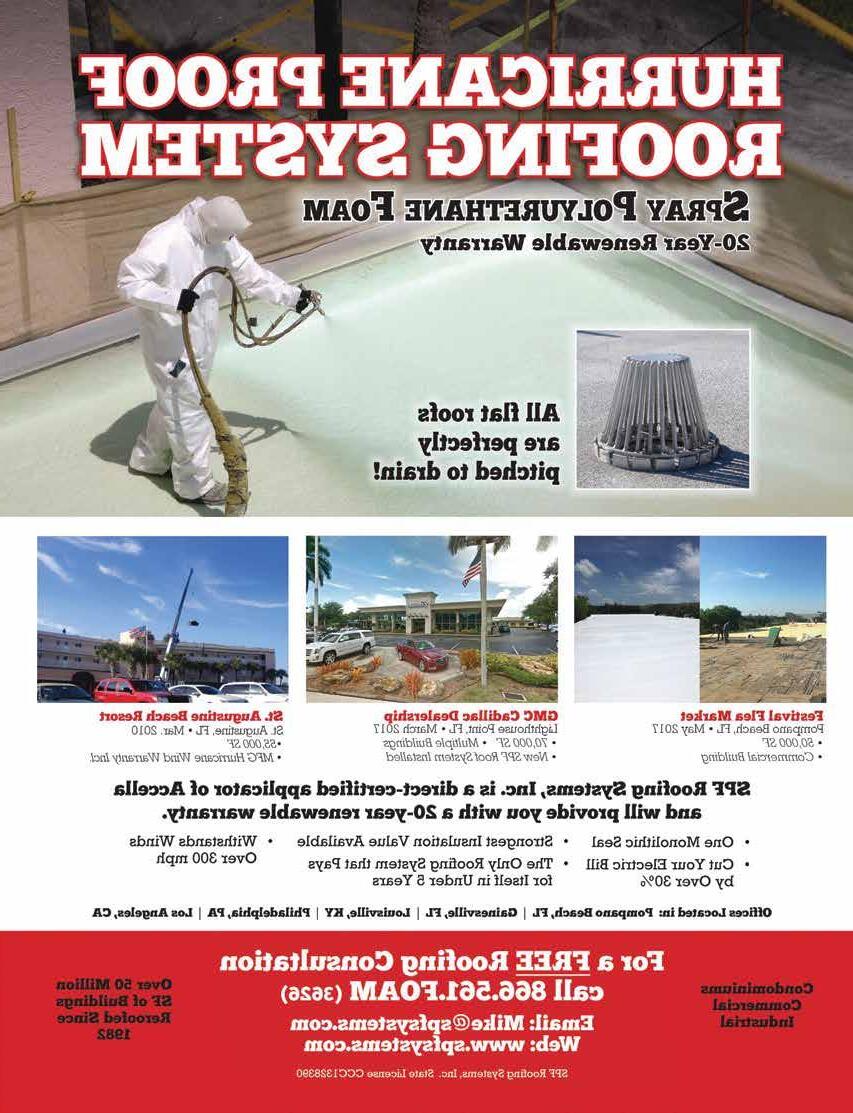
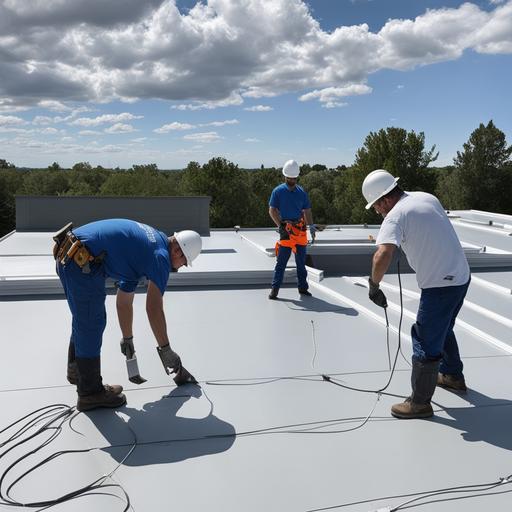
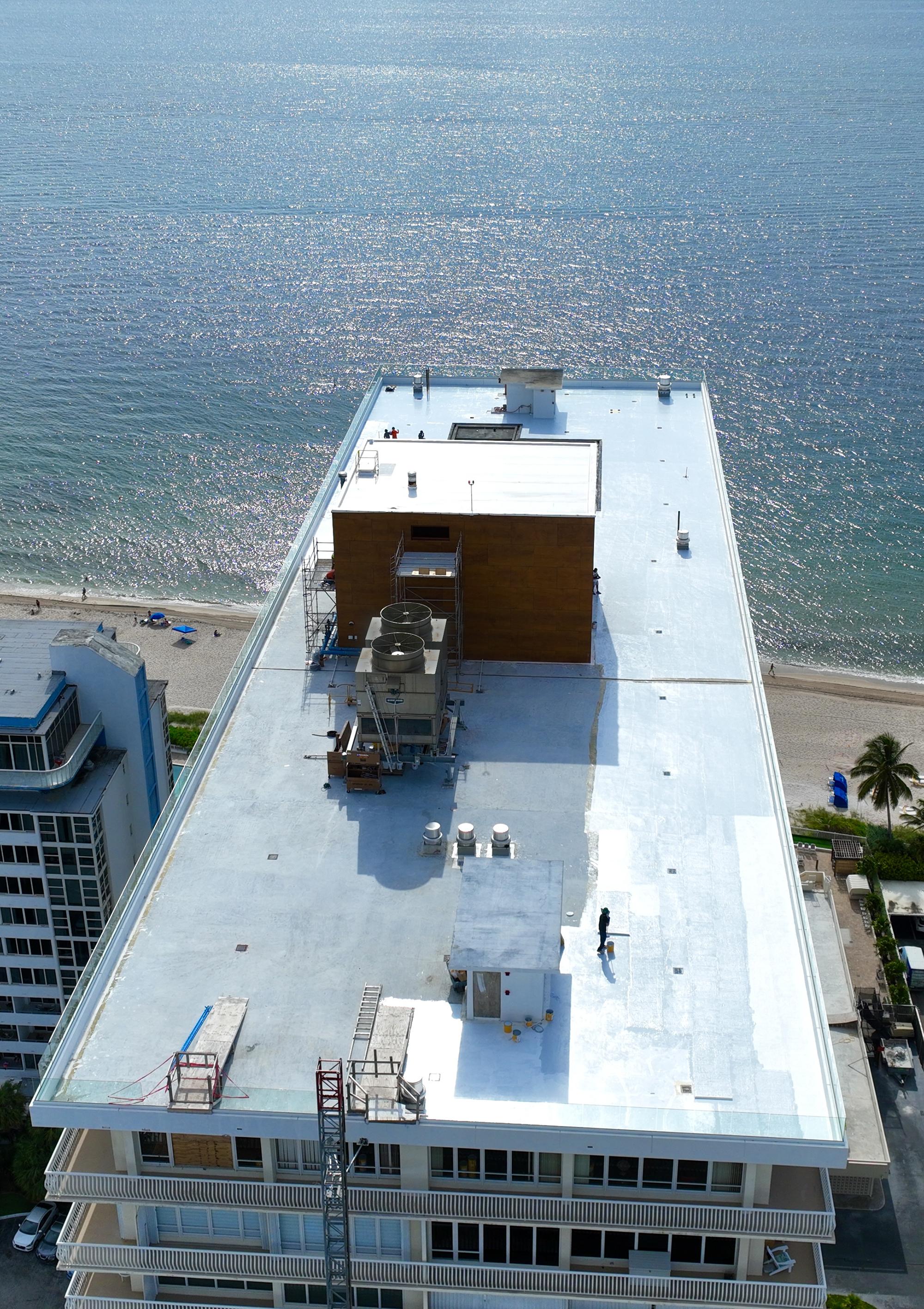
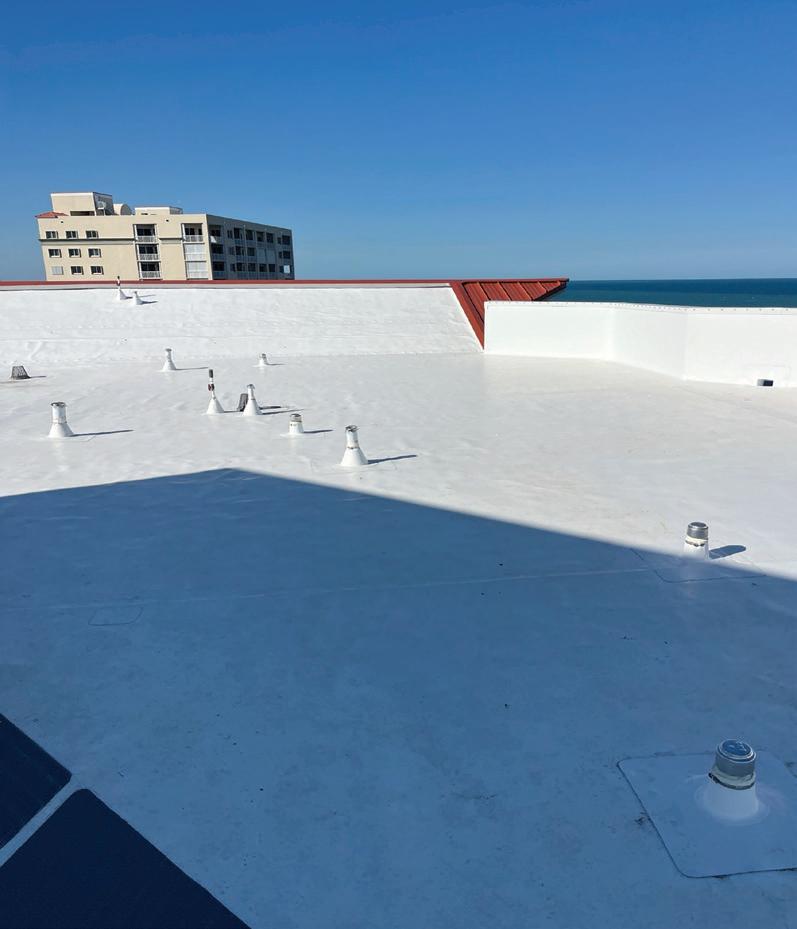
Before hurricane season peaks, communities should treat the roof as the first line of defense. A proactive summer project checklist starts with a

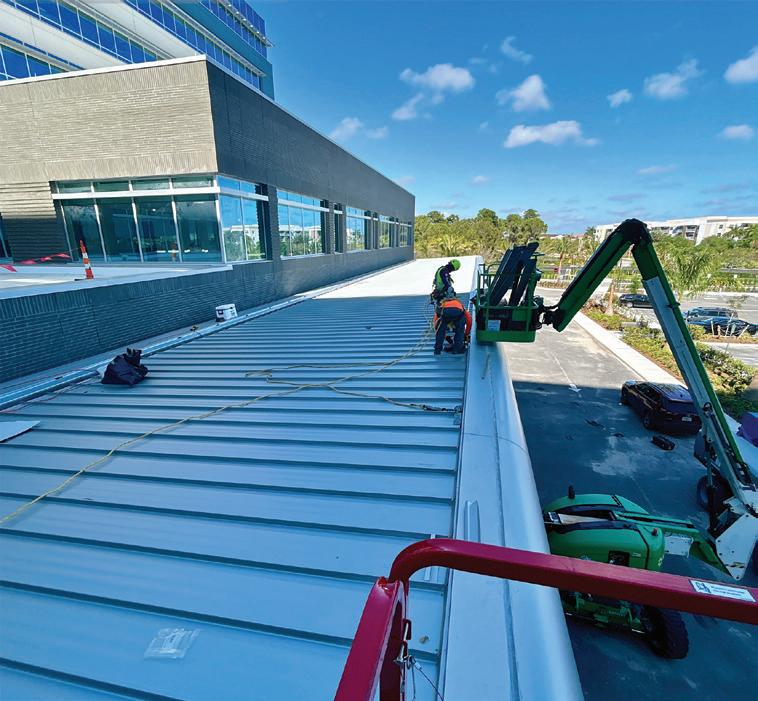
professional roof assessment to identify open penetrations, deteriorated flashing, ponding areas, exposed mechanical curbs, and any wet insulation or ceiling staining from prior leaks. Small issues such as unsealed junction boxes, uncovered HVAC openings, and aging sealants can quickly become major interior losses during wind-driven rain events. CAMs and board members should also confirm drains and scuppers are clear and functional, review warranty documentation, and verify any recent contractor work has not left the roof damaged. The most cost-effective disaster preparedness step is correcting water-entry points before storm season rather than responding after interior damage spreads to units, hallways, and electrical systems. Now is the ideal time to complete preventive repairs, coatings, and roof-life extension work so the property enters storm season dry, protected, and insurable!
Michael Trussell is president of SPF Roofing Systems Inc. Contact them today at 866-561-FOAM (3626), email Mike@spfsystems.com, or visit www.spfsystems.com for a free community evaluation.

HIGH-IMPACT STEPS FOR STORM SEASON PREPAREDNESS
By Winslow Wheeler
Living in Florida means enduring storm seasons that bring familiar warnings: rising seas, pounding rain, and the possibility of power outages and flooding. Here are a few high-impact steps residents can take before a storm to reduce risk, protect family and property, and recover more quickly when the skies clear.
Secure Assets
Outdoor Areas—Furniture, umbrellas, safety equipment, loose playground items, pickleball/tennis court windscreens, shade structures, and trash receptacles
48 Hours Before Storm
• Complete property inspected and facility drainage system checked
• Area storm water drains cleared of debris
• All aquatic management systems verified operational
12 Hours Before Storm
• All outdoor furniture, equipment, and fixtures secured
• Pool preparation: chlorine boost and water level adjusted
• Final security check: doors locked and windows sealed
• Complete electrical safety protocols implemented
Winslow Wheeler is a director of operations for Vesta Property Services. For more information, email contact@vestapropertyservices.com or visit www.vestapropertyservices.com n


BY JOSEPH MARKOVICH, ESQ.
A Storm Preparation and Planning for Electric Vehicles
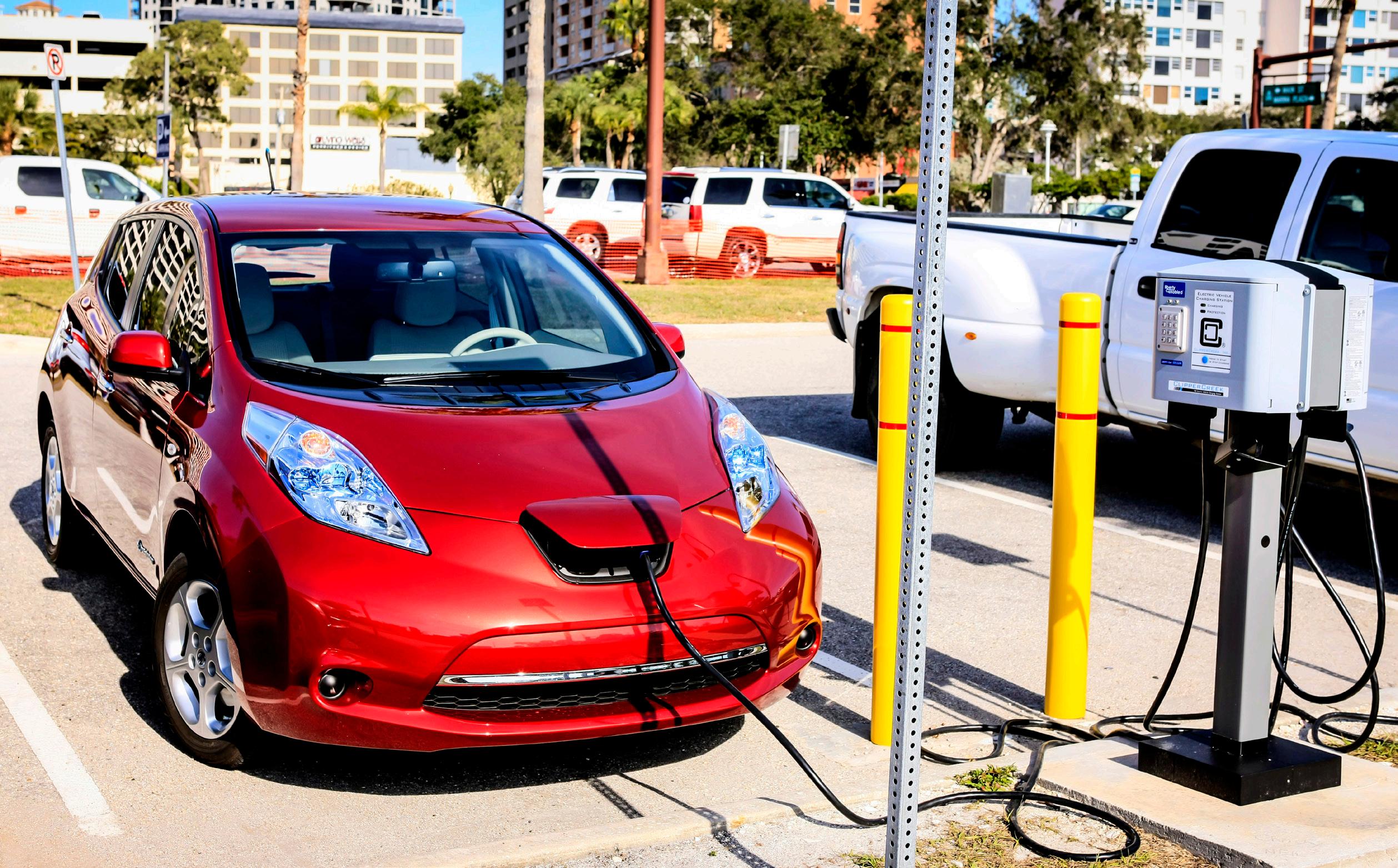
s hurricane season approaches, electric vehicles (“EVs”) present unique safety considerations when high winds, flooding, and power outages are expected. These concerns become especially important in communities where vehicles are parked in enclosed garages or shared structures. Issues such as whether an EV should remain plugged in inside a garage during a hurricane, and how to handle a vehicle exposed to saltwater or storm surge, require careful, practical planning aimed at reducing risks to both people and property.
Severe storms can create safety risks affecting an EV’s battery, charging equipment, and the vehicle itself. Flooding is one of the primary concerns. If an EV is submerged, the battery and other electrical components may be damaged, potentially resulting in short circuits and, in some cases, fire. After major hurricanes and other storm events in Florida, news outlets reported incidents in which submerged vehicles ignited after exposure to saltwater, sometimes hours or even weeks after flooding. Parking structures present additional concerns because fire can spread from one
Photo by iStockphoto.com/csfotoimages
vehicle to another in garages and other densely packed parking areas, whether the vehicles are electric or gasolinepowered, particularly where fire protection is limited or vehicles are parked close together.
Before hurricane season, EV owners should coordinate with their community association and treat vehicle planning as part of the community’s broader emergency preparation efforts. In Florida, associations generally have a broad range of emergency powers to address declared states of emergency, including hurricanes, which may include decisions affecting property access, operations, and evacuation procedures. Owners should therefore understand in advance how the association intends to address issues such as garage access, charging stations, vehicle relocation, and
KEEP YOUR COMMUNITY BUZZING!

JOSEPH MARKOVICH, ATTORNEY AT LAW, BECKER
Joseph Markovich is an attorney in the firm’s Condo, Co-Op & HOA practice group, concentrating in community association law. He provides comprehensive legal counsel and services to clients, focusing on condominium and homeowners’ association (HOA) issues. His expertise includes drafting, reviewing, and negotiating contracts, agreements, and other critical legal documents essential for community associations.
Mr. Markovich advises community associations on governance matters, offering guidance on the interpretation and enforcement of governing documents. He conducts legal research and prepares detailed legal opinions on a variety of issues, with a particular emphasis on real estate within the realm of community association law. His work ensures that community associations operate efficiently and in full compliance with relevant laws and regulations.
As an active member of the Greater Fort Myers Chamber of Commerce and Community Owners, Managers, and Associates of Florida (COMA), Joseph is deeply committed to strengthening his community through meaningful connections. He collaborates with individuals and organizations dedicated to improving the efficiency and success of community associations. Joseph is also a contributor to the Becker Community Update on Florida Condo & HOA Law Blog, where he shares valuable insights. For more information, call 239-628-4917, email jmarkovich@beckerlawyers. com, or visit www.beckerlawyers.com.
F







evacuation compliance. For example, in consultation with legal counsel, associations may consider adopting board resolutions requiring owners to remove their vehicles from the property when a tropical storm, hurricane, or flood warning is issued.
An emergency plan can provide the association with a clear, written framework for preparing for and responding to a hurricane or other disaster. Ideally, it should be based on guidance from recognized emergency and weather agencies and should help the association act quickly by setting out practical steps for preparation, communication, response, and recovery. A welldesigned plan can also help owners and staff understand their roles before, during, and after a storm. To remain effective, the plan should be reviewed and updated annually before hurricane season.
EV-related provisions in that

Photo by iStockphoto.com/Pedro Araoz
plan might include the following:
• Review the manufacturer’s guidance and keep the vehicle manual and emergency instructions readily accessible in both digital and printed form.
• Check the charging area when a storm is approaching by inspecting the charging equipment and surrounding area for drainage issues, water intrusion, or exposed cords that could create safety risks.
• Keep emergency contact information readily available, including roadside assistance, the vehicle manufacturer, the charging equipment provider, the insurance carrier, and local emergency contacts.
• The most effective EV storm preparation begins early. Emergency plans should address practical issues such as where EVs may be parked before a storm, whether charging stations will be shut down, and how flood-exposed vehicles will be identified and isolated afterward. By establishing clear procedures to follow during an emergency, these plans can streamline decision-making, preparation, and recovery while also helping owners and staff understand their roles in those efforts. Associations may also benefit from having legal counsel review those plans in advance to help confirm that emergency procedures align with the association’s authority and governing document requirements.
• With advance planning and disciplined post-storm handling, EV owners and community associations can reduce risks to both people and property during severe weather events. n
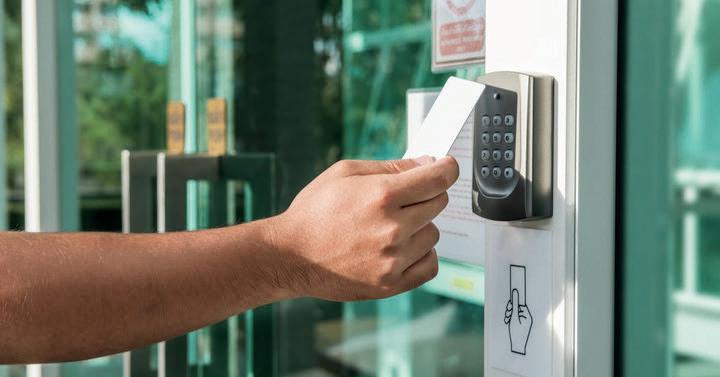
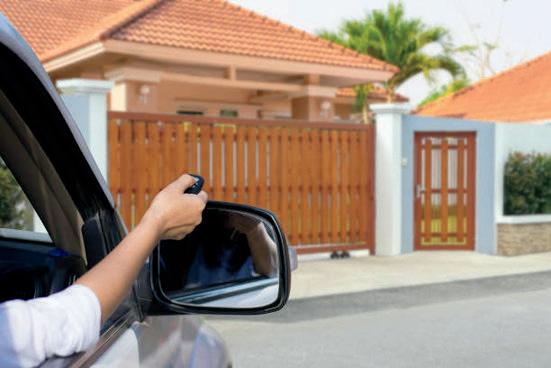
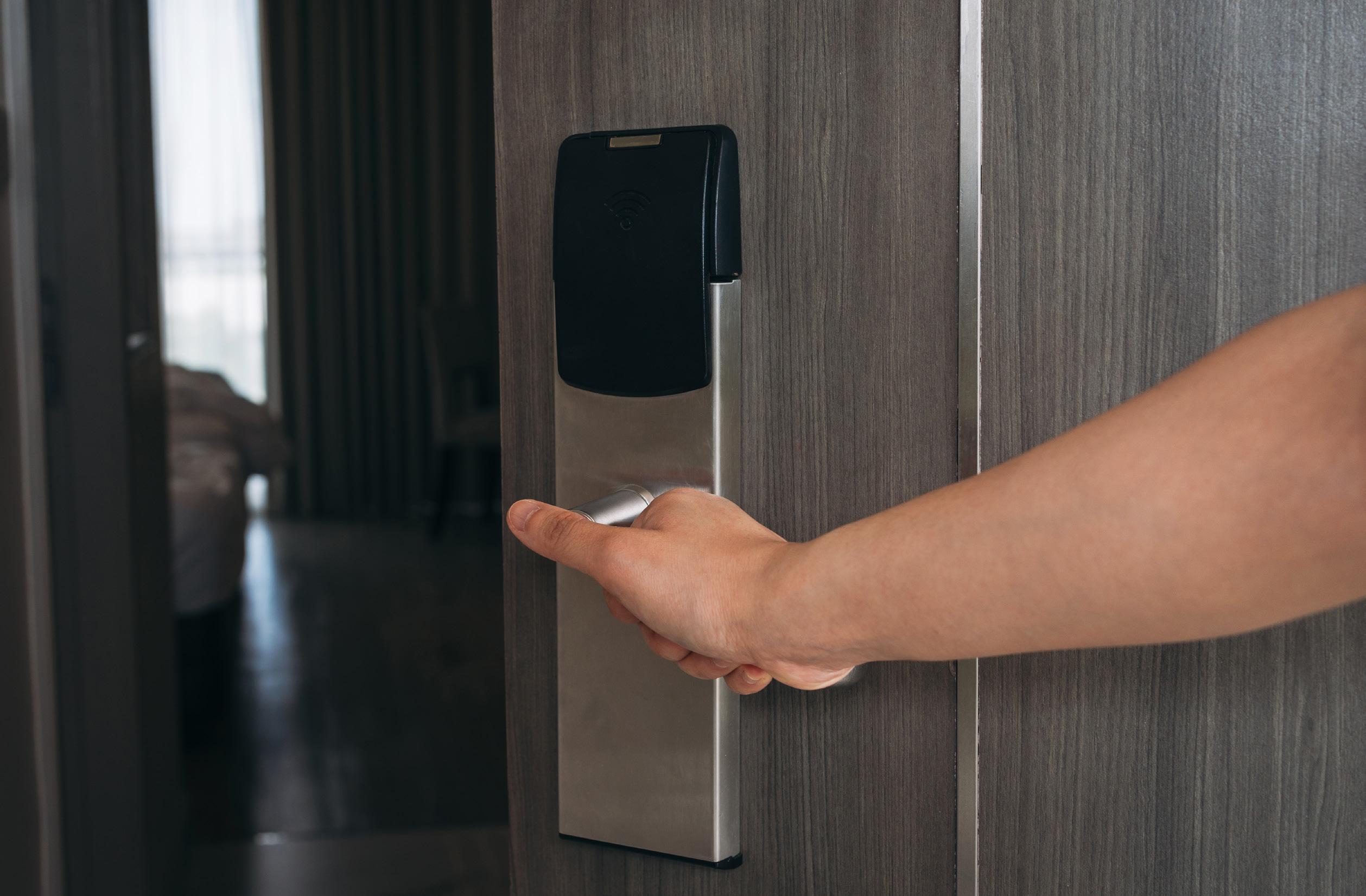
AUTOMATED GATE AND ACCESS CONTROL SYSTEMS
Sunbelt Gated Access
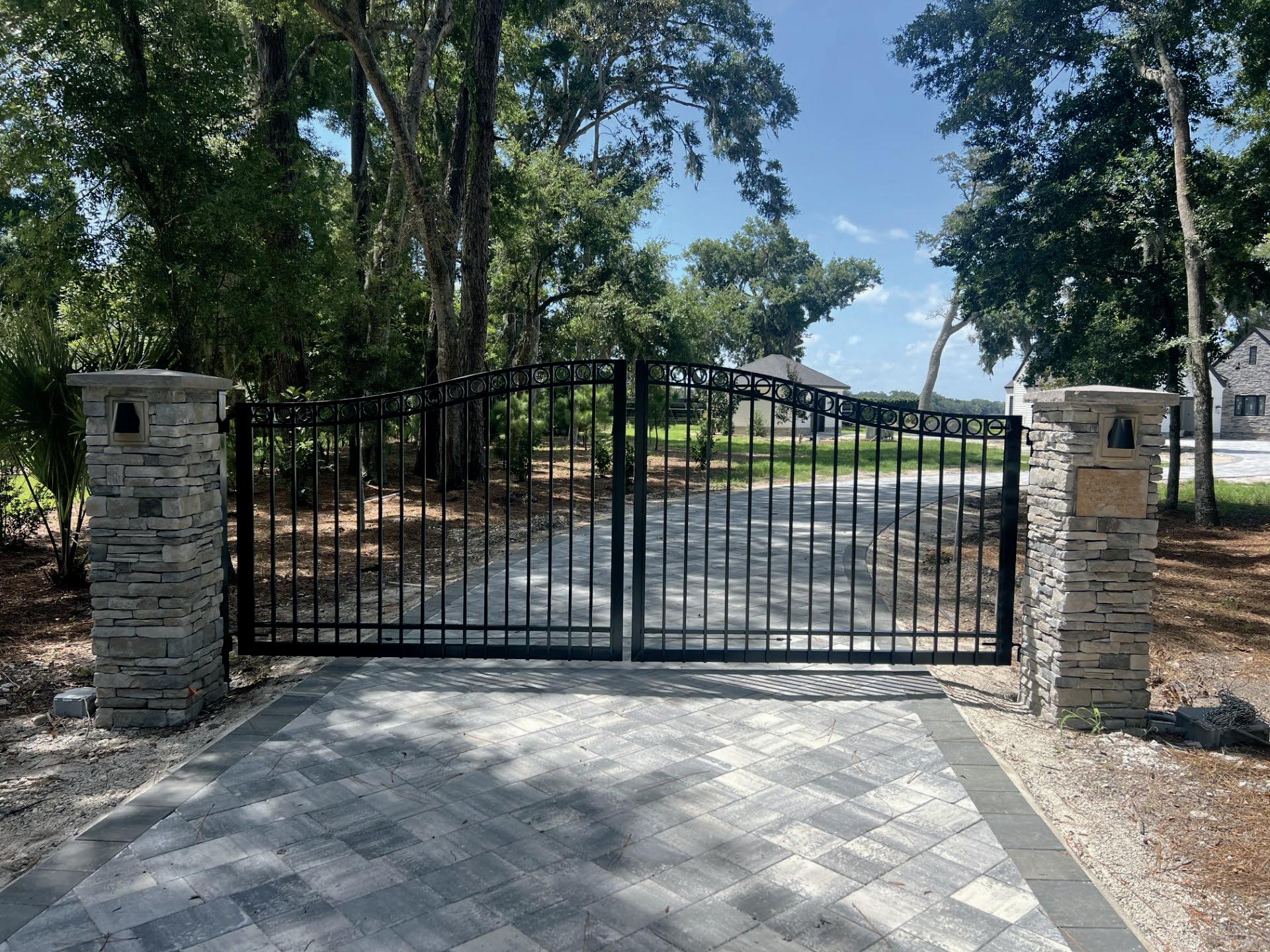
Systems of Florida LLC installs and services systems for controlled vehicle and pedestrian access to single family residences, multifamily communities, automated commercial and municipal parking lots and decks and commercial and industrial facilities.
ABOUT US
Access Control Solutions
Certified & Compliant
Trusted Vendor Partnerships
Customized Security Systems


Contact us... 904-354-7060 sunbeltsys.com
Self-Help in Covenant Enforcement: Requirements, Risks, and Recoverability
BY KELLY WELCH, ANSBACHER LAW
Community associations in Florida are often faced with owners who fail to properly maintain their property in accordance with the governing documents. In these situations, boards of directors may consider “self-help” as a practical solution. Self-help generally refers to an association’s ability to enter onto an owner’s lot and cure a violation directly, such as performing landscaping, removing debris, or addressing exterior maintenance issues. Self-help in the context of a condominium association might take the form of entering into a condominium unit to apply termite treatment or repair an air conditioning system.
However, the right to exercise self-help is not automatic. Absent a declared state of emergency, associations may only exercise self-help rights if they are expressly authorized in their governing documents. Without such language, entry onto a parcel may constitute trespass and expose the association to liability. Section 718.111(5) and Section 720.316, Florida Statutes, also authorize self-help under certain emergency conditions.
Photo by iStockphoto.com/NewSaetiew
SELF-HELP AND THE COURTS
Recent Florida case law suggests that self-help is not just an option—it may, in some cases, be required prior to filing a lawsuit for injunctive relief. In Mauriello v. Property Owners Ass’n of Lake Parker Estates, 387 So. 3d 368 (Fla. 6th DCA 2023), and McConico v. Morgan’s Mill Prop. Owners Ass’n, 337 So. 3d 484 (Fla. 2d DCA 2022), courts held that where governing documents provide a self-help remedy, self-help may be deemed an adequate remedy at law, which can undermine a claim for injunctive relief. In practical terms, some courts have indicated that associations should attempt self-help before turning to litigation.
However, in a later case, Mooney v. Color le Palais of Boynton Beach Homeowners Ass’n, 337 So. 3d 484 (Fla. 2d DCA 2022), the court found that self-help is not a mandatory prerequisite to seeking injunctive

KELLY A. WELCH, ATTORNEY, ANSBACHER LAW
Kelly A. Welch is a member of Ansbacher Law’s community association team, where she supports litigation and association matters with a strong foundation in legal research, drafting, and client service. She joined the firm in 2024 as a law clerk, gaining hands-on experience in community association law. While earning her J.D. from Florida State University College of Law, she worked with state agencies and courts, preparing legal documents and orders. Kelly’s background in criminology and psychology, combined with her commitment to service, allows her to effectively assist community associations with thoughtful, detail-oriented legal support. For more information, call 904-737-4600 ext. 133, email Kelly.welch@ansbacher.net, or visit Ansbacher.net
relief, recognizing that it is not always a practical or safe option. Notably, this issue remains in flux, and further clarification from Florida courts is likely in the future to determine whether and when self-help must be pursued before seeking injunctive relief when an association’s governing documents authorize it.
REAL-WORLD RISKS
Despite its theoretical advantages, self-help carries significant realworld risks.
A significant risk in performing self-help is the potential for dangerous confrontation. Entering onto an owner’s property, particularly in contentious situations, can escalate quickly. Florida’s Stand Your Ground Law








allows individuals to use force if they reasonably perceive a threat or unlawful intrusion. While an association may believe it is acting within its contractual rights, an owner or occupant may see things very differently. This is not merely a legal concern—it is a personal safety issue for board members, managers, and vendors.
At the same time, boards must balance these risks against the association’s obligation to maintain the community and enforce its governing documents. An association should consult its attorney to decide whether it should exercise selfhelp. Boards should weigh the severity of the violation, the likelihood of compliance through less intrusive means, and the potential for escalation.
An association can take practical steps to minimize risk when pursuing selfhelp. These include providing clear advance notice to the owner, attempting to coordinate access where possible, limiting entry to reasonable hours, and using

licensed and insured vendors rather than board members to perform the work. In higher-risk situations, it may also be prudent to have management present during the work or to request a civil standby from local law enforcement. Careful documentation of the violation, the association’s authority, and all communications with the owner can further reduce legal exposure.
THE FINANCIAL REALITY: WILL THE ASSOCIATION EVER BE REPAID?
Even when self-help is successful, cost recovery is far from guaranteed. While associations often charge these costs back to the owner, the association must first front the expense of the work, with no assurance that it will be reimbursed. The ability to lien and collect these amounts depends on the governing documents and applicable law, and such charge may not carry the same priority as assessments. If a mortgage foreclosure occurs, self-help costs may be unrecoverable altogether. Notably, the properties that require self-help are often the same properties that are already delinquent in assessments and mortgage payments, meaning the association must front the cost of the work with little likelihood of reimbursement.







WHAT SHOULD YOU DO?
In light of these conflicting appellate decisions, associations should consult their attorney regarding the use of self-help in lieu of or prior to litigation. Although we anticipate that the Florida Supreme Court will eventually provide clarity, for the time being the board of directors should use their business judgment and carefully weigh the risks and benefits of all legal options. n




BY JEFFREY A. REMBAUM, ESQ.
Age-Based Restrictions: Regulating the Use of Recreational Facilities by Children T
he Fair Housing Act, Title VIII of the Civil Rights Act of 1968 (which has been amended and expanded over the years), prohibits discrimination in housing on the basis of race, color, national origin, religion, sex, familial status, and disability. There are also various state and local regulations that address housing discrimination. While most community associations are aware of and avoid discriminatory housing practices for most protected classes, some community associations struggle with balancing how to steer clear of discrimination on the basis of “familial status” while still addressing common concerns and issues that children can create in a community. The first part of this article addresses communities that are NOT Housing for Older Persons (meaning not 55 and older) communities while 55 years of age and older communities are addressed toward the end.
Photo courtesy of Kaye Bender Rembaum
REMBAUM'S ASSOCIATION ROUNDUP
Discrimination on the basis of “familial status” includes discrimination against children under the age of 18 living with parents or legal custodians, pregnant women, and people securing custody of children under the age of 18. In addition to prohibiting familial status discrimination as to occupancy of a dwelling, the Fair Housing Act’s familial status discrimination prohibition extends to the use of the association’s recreational facilities, including for example, the community clubhouse, swimming pool, hot tub, and fitness center.
NOT 55 AND OVER COMMUNITIES
In United States of America v. Plaza Mobile Estates, et al., 273 F. Supp. 2d 1084 (U.S.D.C. 2003), the court held that several association rules which prohibited or
JEFFREY REMBAUM, PARTNER, KAYE BENDER REMBAUM
Attorney Jeffrey Rembaum has considerable experience representing countless community associations that include condominium, homeowner, commercial, and cooperative associations throughout Florida. He is a board-certified specialist in condominium and planned development law and is a Florida Supreme Court circuit civil mediator. Every year since 2012 Mr. Rembaum has been inducted into the Florida Super Lawyers. He was twice awarded as a member of Florida Trend’s Legal Elite. Kaye Bender Rembaum P.L. is devoted to the representation of community and commercial associations throughout Florida with offices in Palm Beach, Broward, Hillsborough, and Orange Counties (and Miami-Dade by appointment). For more information, visit kbrlegal.com
restricted the use of recreational facilities, including the clubhouse, billiard room, tennis courts, laundry room, swimming pool, sauna, jacuzzi, and sun deck, by children were discriminatory and violated the Fair Housing Act because they treated children, and thus families with children, differently and less favorably than adult-only households. These rules included prohibiting residents under the age of 14 from using the recreation facilities without the accompaniment of an adult resident, prohibiting entry into the billiard room by anyone under the age of 18, requiring that anyone under 14 years of age riding a bicycle be accompanied by a

responsible adult, and requiring guests under 18 years of age be accompanied by a responsible adult. A similar conclusion was reached by the court in Iniestra v. Cliff Warren Investments, Inc., 886 F.Supp.2d 1161 (C.D.Cal.2012), in which it found that the following four association policies were facially discriminatory: (i) prohibiting children under the age of 18 from being in the pool or pool area at any time unless accompanied by their parents or legal guardian; (ii) requiring children on the premises to be supervised by a responsible adult at all times; (iii) requiring children under seven to be supervised; and (iv) requiring adult supervision for children under 10 years old.
Therefore, it is clear that community associations should avoid adopting rules and regulations which unreasonably prohibit or restrict the use of their recreational facilities or other common areas on the basis of age. The above cases provide insight as to what may be considered unreasonable. However, these cases do not completely eviscerate the authority of a community association to adopt reasonable rules and regulations governing the use of its recreational facilities and other common areas. This merely requires the community association to alter its perspective on the rules and regulations being adopted. Instead of focusing only on the age of the individual, focus on the underlying activity that the community association would like to regulate or prohibit. For example, if the concern is the safety of children at the community swimming pool, the community association could consider adopting a rule requiring that anyone who is not a competent swimmer be supervised by a competent swimmer at all times while in the pool and pool area.
FOR EXAMPLE, IF THE CONCERN IS THE SAFETY OF CHILDREN AT THE COMMUNITY SWIMMING POOL, THE COMMUNITY ASSOCIATION COULD CONSIDER ADOPTING A RULE REQUIRING THAT ANYONE WHO IS NOT A COMPETENT SWIMMER BE SUPERVISED BY A COMPETENT SWIMMER AT ALL TIMES WHILE IN THE POOL AND POOL AREA.
To learn more, contact Kristina Dumornay at 954-845-6102 and email at Kdumornay@miamimanagement.com www.miamimanagement.com

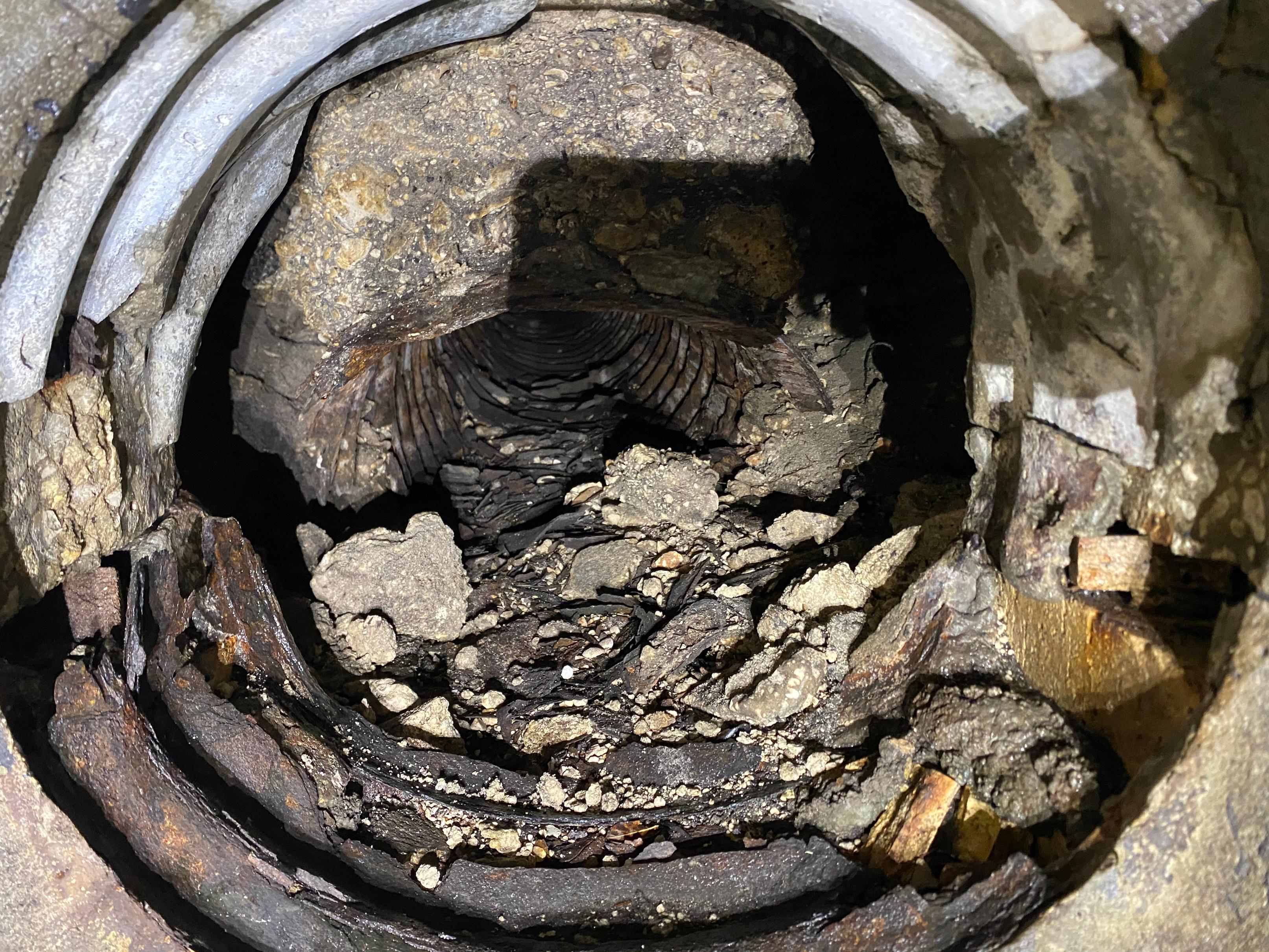
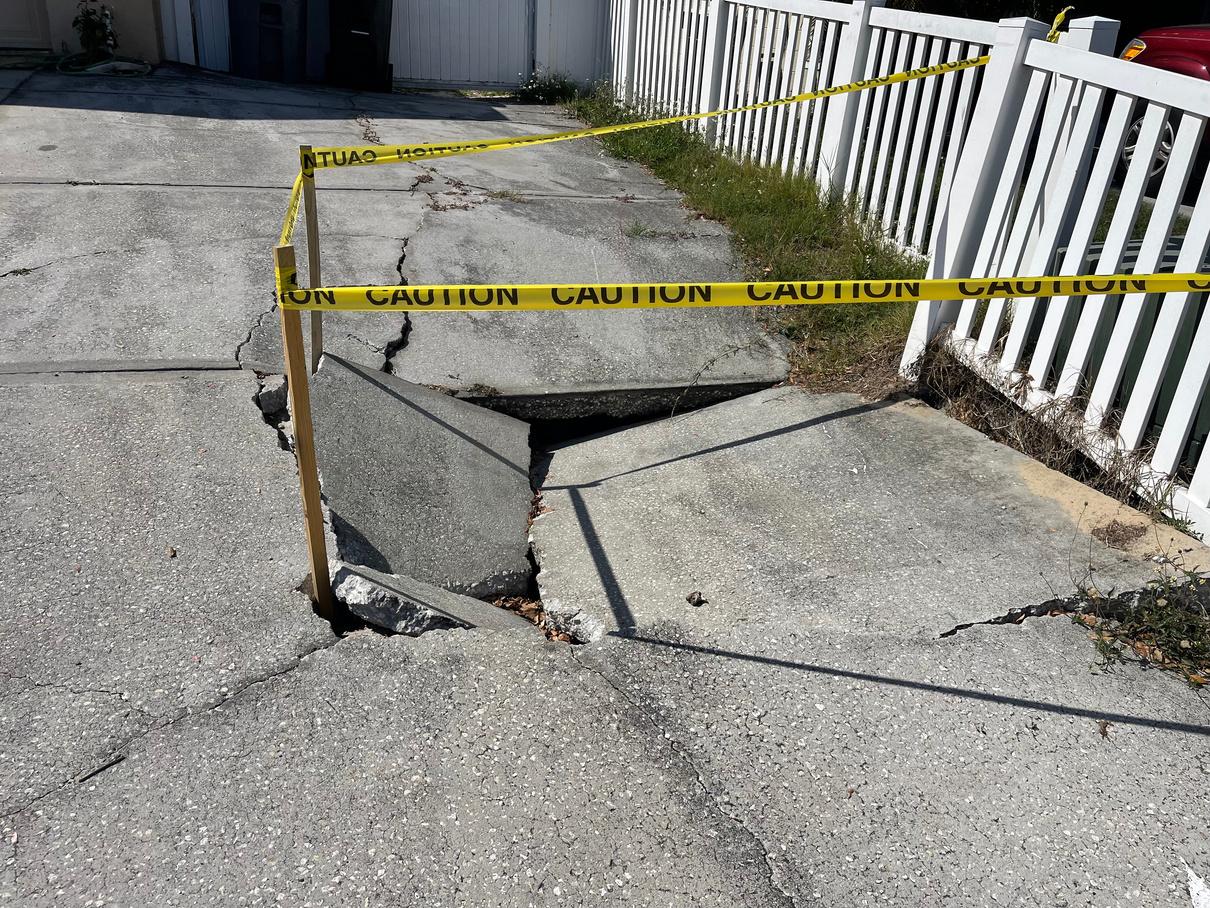
Invisible Problems lead to Visible Disasters
Protect your community's investment with our non-disruptive trenchless solutions that cost less than traditional repairs, extend inf rastructure lifespan, and prevent the catastrophic failures that lead to emergency assessments and resident complaints.
If the association is going to prohibit use of amenities and such based on age alone, consider including a mechanism for relief from the rule within the rule itself. For example, what if the association has a rule, “No children under the age of 12 may be in the pool without adult supervision”? What if an 11-year-old is already a proficient swimmer and is on a swim team? Therefore, consider adding to the rule that “if an exception to the rule is necessary, please make application to the board to do so.” In other words, do not make the rule inflexible, but rather provide exceptions to the rule under the right circumstances.
Although the Fair Housing Act prohibits discrimination in housing on the basis of familial status, there is an exception to this prohibition under the federal Housing for Older Persons Act adopted in 1995 (“HOPA”). Under the HOPA, housing providers, including community associations, are exempt from liability for familial status discrimination so long as certain
IF THE ASSOCIATION IS GOING TO PROHIBIT USE OF AMENITIES AND SUCH BASED ON AGE ALONE, CONSIDER INCLUDING A MECHANISM FOR RELIEF FROM THE RULE WITHIN THE RULE ITSELF. FOR EXAMPLE, WHAT IF THE ASSOCIATION HAS A RULE, “NO CHILDREN UNDER THE AGE OF 12 MAY BE IN THE POOL WITHOUT ADULT SUPERVISION”? WHAT IF AN 11-YEAR-OLD IS ALREADY A PROFICIENT SWIMMER AND IS ON A SWIM TEAM?
THEREFORE, CONSIDER ADDING TO THE RULE THAT “IF AN EXCEPTION TO THE RULE IS NECESSARY, PLEASE MAKE APPLICATION TO THE BOARD TO DO SO.”
requirements are met and maintained. Although there are three types of housing for older persons’ exemptions, the most common exemption is housing intended and operated for occupancy by persons 55 years of age or older, which enables the association to prohibit persons under the age of 18 from being permanent residents.
55 AND OVER COMMUNITIES
To qualify as “housing for older persons” (often called “55+ housing”), a community association must meet the following criteria: (i) ensure that at least 80 percent of the homes have at least one permanent resident who is 55 years of age or older; (ii) publish and adhere to policies and procedures that demonstrate an intent to provide housing for older persons (55+); and (iii) conduct a census/
survey every two years to obtain reliable age documentation of the residents to verify the occupancy of the homes.
If a community association is properly maintained as “housing for older persons,” then the community association may adopt age-based restrictions concerning the use of its recreational facilities and other common areas because it is exempt from enforcement of familial status housing discrimination. For example, a community association that qualifies as housing for older persons may limit children’s use of the community swimming pool to certain days or times and may require an adult to accompany children while in the clubhouse or prohibit children from using the community fitness center. As a result of the HOPA exemption, a community association that qualifies as housing for older persons may adopt age-based restrictions which community associations for all ages are prohibited from promulgating. Of course, no community association is exempt from the laws that prohibit discrimination based on any other protected class, such as race, religion, national origin, disability, etc.
While community associations that qualify as housing for older persons are exempt from the Federal Fair Housing Act’s provisions regarding familial status, these community associations must also be mindful of local laws and ordinances that may also prohibit discrimination based on age before adopting age-based restrictions. For example, the fair housing laws of Palm Beach County provide that “[h]ousing for older persons may also maintain only those age restrictions necessary in order to be designated as housing for older persons.” Therefore, a community association should contact its attorney before establishing rules, regulations, or restrictions based on age. n



A Look at the Biscayne 21 Condominium Termination Case
BY LINDSEY THURSWELL LEHR
The Biscayne 21 case has become one of the most closely watched condominium termination disputes in Florida, offering important guidance for developers, associations, and unit owners alike.
At the center of the dispute is a Miami condominium whose original declaration required the unanimous consent of all unit owners to terminate the condominium. After acquiring a controlling interest— reportedly 183 of 192 units (95.3125 percent)—the developer amended the declaration to lower the termination threshold from unanimous consent to the statutory minimum permitted under Chapter 718, Florida Statutes, which allows termination upon approval of at least 80 percent of the unit owners. Because the developer controlled well over 80 percent of the units, it moved forward with termination under the amended declaration.
A group of minority unit owners filed suit seeking to enjoin the termination.
Photo by iStockphoto.com/Jeff Gale
Their central argument was straightforward: reducing the termination requirement from unanimous consent to 80 percent materially impaired their voting rights under the original declaration.
The trial court initially denied the request for an injunction, concluding that the amendment did not alter voting rights in a legally significant way. The minority owners appealed, and the outcome changed dramatically.
The Third District Court of Appeal reversed the trial court and held that lowering the termination threshold from unanimous consent to 80 percent materially altered the unit owners’ voting rights.
Among the court’s key conclusions are the following:
• Changing the termination vote requirement directly impacted substantive voting rights.
• The declaration did not contain the so-called “Kaufman language” (provisions incorporating statutory amendments “as amended from time to time”).
• Voting rights are legally significant and cannot be altered without clear contractual authority.
• Courts may not rewrite private

LINDSEY THURSWELL LEHR, SHAREHOLDER, SIEGFRIED RIVERA
Lindsey Thurswell Lehr is a shareholder with the South Florida law firm of Siegfried Rivera who focuses on community association law and condominium terminations. She is based at the firm’s Coral Gables office and is a regular contributor to its Newsroom blog at www.SiegfriedRivera.com/blog. The firm also maintains offices in Broward and Palm Beach Counties, and its 48 attorneys focus on real estate, community association, construction, and insurance law. For more information, visit www.SiegfriedRivera.com, email LLehr@SiegfriedRivera.com, or call 305-442-3334.
contracts based on public policy considerations.
The appellate court certified the issue to the Florida Supreme Court as a question of great public importance. However, the Supreme Court declined to accept jurisdiction, leaving the Third District’s decision in place.
Following the appellate court ruling, the trial court vacated its prior order and entered an injunction blocking the termination. The association was ordered to restore the minority plaintiffs’ units and undertake substantial repairs. The dispute then escalated further: the developer filed a lawsuit against the minority owners seeking monetary damages, and the minority owners responded with counterclaims reportedly seeking tens of millions of dollars. Both cases remain pending in Miami-Dade Circuit Court.
WHY THE BISCAYNE 21 CASE MATTERS
It is important to recognize that the appellate ruling is highly factspecific and rooted in the unique language of the condominium’s declaration. However, the Biscayne 21 decision may carry substantial implications for condominium termination efforts across Florida in the following ways: • Declaration language is critical. Termination provisions must be carefully analyzed before pursuing amendments.





• Voting rights are not technicalities. Amendments affecting voting thresholds may be subject to heightened judicial scrutiny.
• Kaufman language can be outcome-determinative. Its absence may limit reliance on statutory changes.
• Statewide uniformity is not guaranteed. Because the Florida Supreme Court declined review, other District Courts of Appeal could reach different conclusions.
• Legislative changes remain possible. Condominium termination continues to be a contentious policy issue in Florida.
THE TAKEAWAYS
Perhaps the most significant lesson from Biscayne 21 is not simply the outcome of the appellate decision, but the court’s implicit acknowledgment that each condominium termination must be evaluated on its own terms.
Equally important is the role of experienced legal counsel throughout the process. Strategic legal guidance at the outset—including document interpretation, risk assessment, and structuring of the termination vote—can materially influence both the likelihood of a successful termination and the association’s ability to withstand subsequent litigation.
As demonstrated in Biscayne 21, termination efforts that proceed without careful attention to governing document nuances and evolving case law may face significant judicial scrutiny, even where statutory termination requirements appear to have been satisfied.

Our firm’s attorneys who are highly experienced with condominium terminations will continue to closely monitor this case and update the readers of our Newsroom blog at www.SiegfriedRivera.com/ blog on any changes to the latest decision. n
FLAMINGO FUN & FROLIC
YES/Yearly Educational Summit
The 2-day event features ALL hours of CE credit
Disasters and Insurance #9633293 (3-OPP, 3-IFM, 3-HOA, 3-ELE)
Meetings and Records
#9633270 (3-HR, 3-ELE) (#9633366 3/EH1 and 2/EH2)
2026 Legal Update applied for (3-LU)
APPROVED FLORIDA DBPR PVD 158




Thursday and Friday, August 13-14, 2026 Venetian Center/Harris Room








BY MICHAEL J. GELFAND, ESQ.
A Chickee Hut Controversy and the Fine Print
ALTERATIONS: ASK FIRST OR TEAR DOWN LATER (AND RELIANCE ON THE INTERNET CAN BE COSTLY)
Could the Florida legislature make Florida community association governance more difficult for volunteer association leaders? There are general laws. Then there are specific laws—laws limiting association regulation of alterations having nothing to do with where the alteration is located and where it can be seen.
Did you know that there is a law based upon who constructed an alteration? That’s right, a law regulating alterations without regard to how
Photo by iStockphoto.com/JillianCain
it was built, appearance, location, or safety!
Now in a switch, the law in question as recently applied by a Florida appellate court resulted in a “win” for a Florida community association. The appellate court strictly applied the law’s words, holding that property owners were required to obtain the approval of the association before installing the alteration, a chickee hut.
The facts as recited in Sable Pass Community Association, Inc. v. Call, 51 Fla. L. Weekly D 594 (Fla. 4th DCA, March 25, 2026), reveal that the property owners installed a chickee hut on their property. This was not apparently the typical simple square hut. This “hut” ran along the entire back of the house and extended about ten feet from the house. It also had electricity and non-wood features.
After construction of the “hut,” the owners submitted a “retroactive application” to the association’s
MICHAEL J. GELFAND, ESQ., SENIOR PARTNER, GELFAND & ARPE, P.A.
Michael J. Gelfand, Esq., the senior partner of Gelfand & Arpe, P.A., emphasizes a community association law practice, counseling associations and owners how to set legitimate goals and effectively achieve those goals. Gelfand is a dual Florida Bar board-certified lawyer in condominium and planned development law and in real estate law, a certified circuit and county civil court mediator, a homeowners’ association mediator, an arbitrator, and parliamentarian. He is a past chair of the Real Property Division of the Florida Bar’s Real Property, Probate & Trust Law Section, and a Fellow of the American College of Real Estate Lawyers. Contact him at ga@gelfandarpe.com or 561-655-6224.
architectural review committee, but the application was denied. The association sued the owners seeking an injunction to require the owners to remove the structure.
The owners’ excuse for construction without association approval was based on Section 553.73(10)(i), Fla. Stat. (2020). Most associations likely are not aware that the law allows Native American tribes to build chickee huts without building permits. The trial court accepted the owners’ excuse and granted judgment for the owners.
On review, the Florida appellate court disagreed and reversed the judgment of the trial court. The court pointed out that the law relied upon by the


•
•


owners has limitations. Section 553.73(10)(i) states:
The following buildings, structures, and facilities are exempt from the Florida Building code as provided by law…(i) chickees constructed by the Miccosukee Tribe of Indians of Florida or the Seminole Tribe of Florida.
The statute continues by defining “chickee” as “an opensided wooden hut that has a thatched roof of palm or palmetto or other traditional materials, and that does not incorporate any electrical, plumbing, or other nonwood features.”
The court compared what was constructed against what the law stated and the circumstances of construction. The court ruled that the chickee hut did not meet the statute’s requirements. Why? Because the structure included electrical wiring, which is specifically excluded from the definition.
In addition, the construction of a chickee hut was exempted by the statute. The court held that the statute only exempts a chickee hut from the Florida Building Code. The statute does not apply to private deed restrictions. “By accepting the [owners’] defense that this administrative exemption shielded them from the declaration, the circuit court erroneously expanded a limited permit exemption into a total bar on private covenant enforcement,” the court concluded. “Section 553.73 contains no language abrogating a private homeowners’ association’s authority.”
In other words, if an owner wishes to have a chickee hut constructed, the owner might not need to obtain a building permit if constructed by a named Tribe. However, the
owner must still go through an association’s approval process. If an association denies such request, then the owner will have to prove that enforcement was unreasonable and arbitrary.
You may be asking, what does the internet have to do with this case? Reminding us of an adage attributed to Abraham Lincoln, that “a man who represents himself has a fool for a client,” trial testimony revealed that the owners passed on seeking approval since “based on their own internet research they believed approval was not required.” Thus, Abraham Lincoln’s words continue to ring true nearly two centuries later.
CHICKEN LITTLE GREETS COMMUNITIES
WITH THE SAME CRY:
“THE SKY IS FALLING; THE SKY IS FALLING!”
Summer’s approach with increased temperatures and rain also brings increased risks of damage from tropical storms and hurricanes. Most Florida condominium associations and some homeowners’ associations are responsible for drywall inside of units/homes. When too much rain causes damage to drywall, who must complete the repairs? Will your association have insurance coverage for necessary repairs? Several associations have found that attention to the fine print is now increasingly necessary.
Things dropping from above focused a Florida appellate court that recently found that repairs resulting from a piece of drywall falling from a ceiling which did not result in structural damage was not covered under the homeowner’s insurance policy. Why? Because the falling material did not constitute a “collapse.”


RELIABLE COMMUNICATION
THAT’S
SENTRY
Sentry’s community managers respond promptly and accurately to association queries. We understand that you need an acknowledgment that we heard you and that a solution is in progress.
The facts in Escobar v. Citizens Property Insurance Corporation, 51 Fla. L. Weekly D 623 (Fla. 3rd DCA, March 25, 2026), reveal that the owners submitted a claim after a part of the drywall fell from the ceiling during Tropical Storm Alberto. After the insurer denied the claim, the owners sued their insurer for breach of contract, claiming the loss was covered by the collapse provision of their policy.
The owners agreed that the cause of the falling of the ceiling was decay and insect damage. The trial court granted judgment for the insurer, finding that the drywall that fell from the ceiling was not part of the building.
The Florida appellate court agreed with the decision of the trial court. The court examined the additional coverage-collapse provision of the policy and explained that the provision only applied to an “abrupt collapse,” which was defined as an “abrupt falling down or caving in of a building or any part of a building” and that the building cannot be occupied for its intended purpose. The court concluded that the drywall that fell was not part of the building. Therefore, there was no coverage under the policy.
This case highlights the problems that can arise when drywall damage is excluded from an insurance policy. Most Florida residential condominiums are required to have coverage for drywall that is installed by the developer and reasonable replacement. A number of Florida homeowners’ associations have similar duties. It is important, especially as we are nearing hurricane season in South Florida, for associations to confirm that your insurance policy does not exclude drywall repair and also to confirm, beyond drywall, that what you are buying is what you expect. n




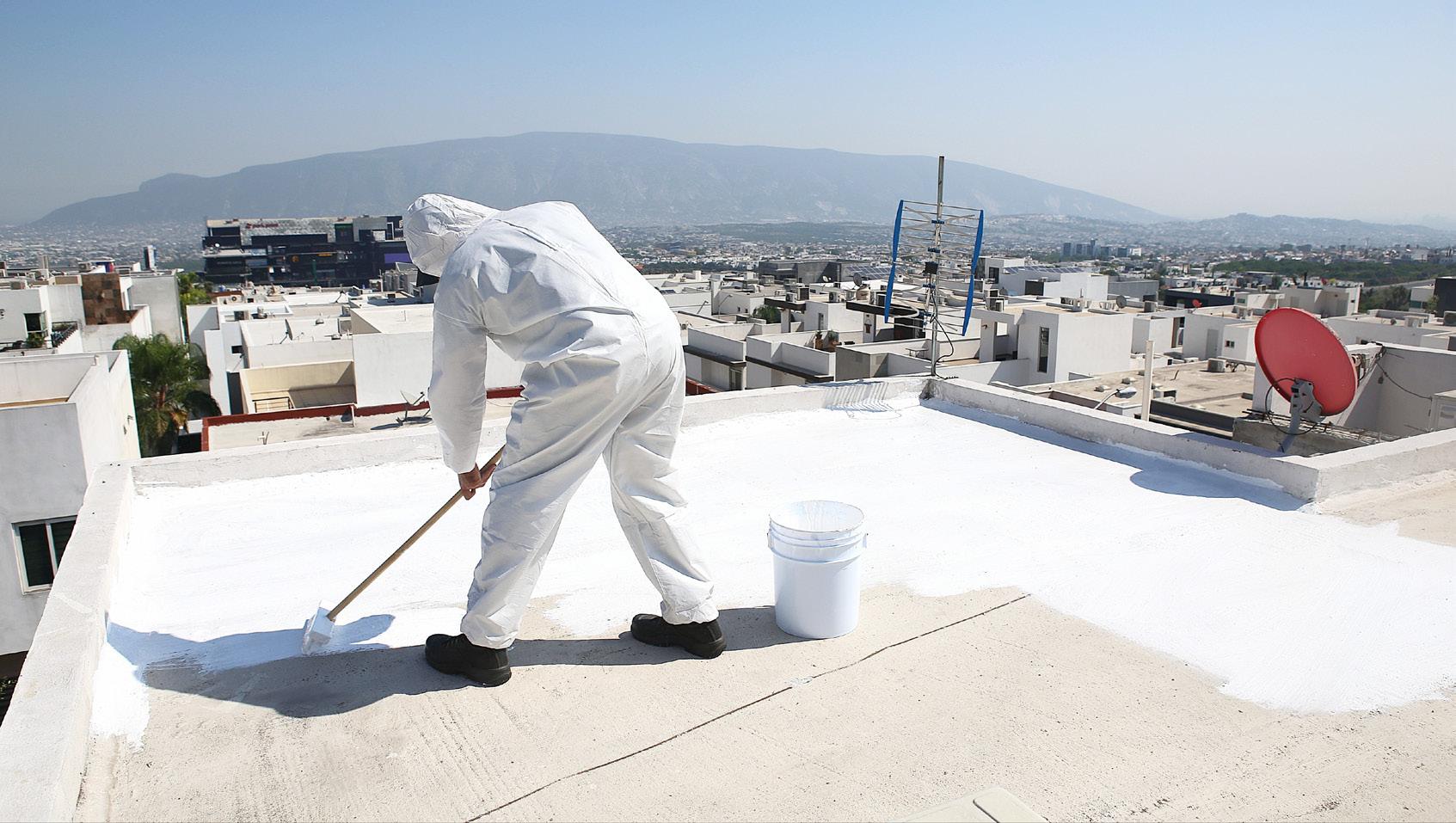
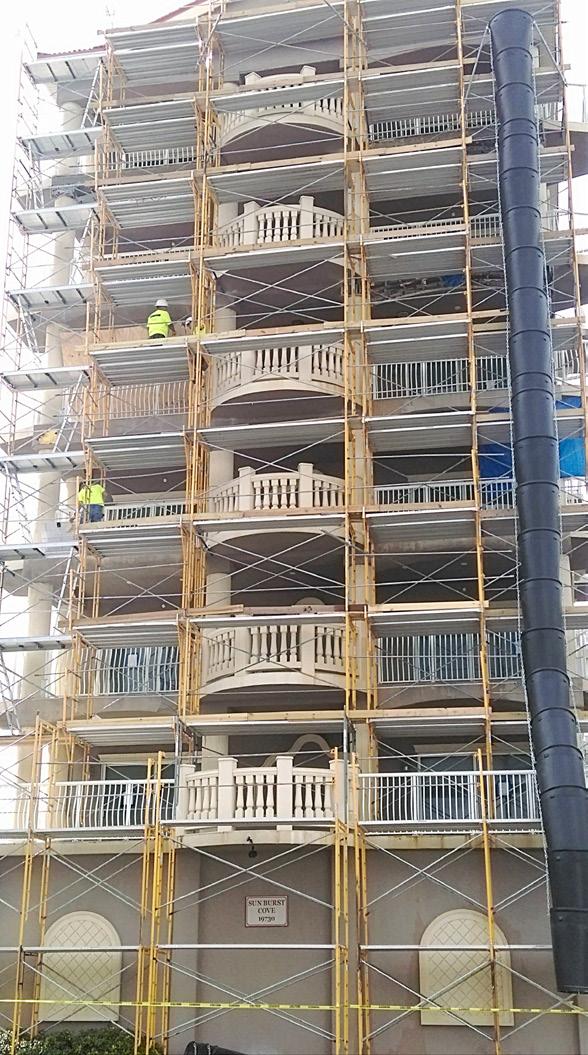
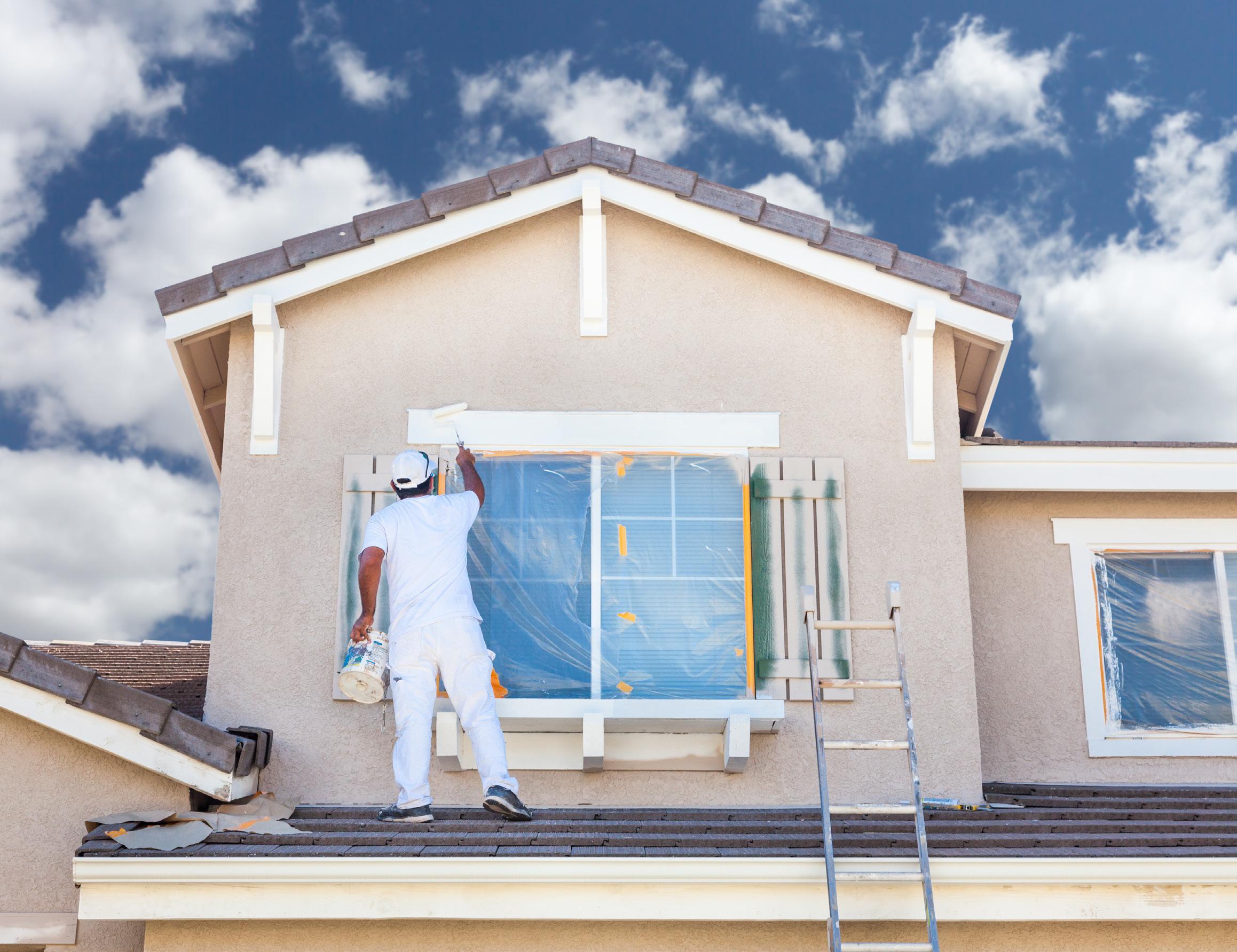



















Holiday Decorations and Celebrations in Community Associations
BY JOSEPH MARKOVICH, ESQ.
Holiday decorations and seasonal celebrations are a valued part of community life in Florida. In association-governed communities, however, festive expression may also raise questions about board authority, recorded covenants, and architectural standards. Boards, managers, and owners should therefore approach holiday-related issues with an understanding of both Florida law and the association’s governing documents while balancing seasonal expression with residents’ peaceful use and enjoyment of the community.
As a practical matter, restrictions on holiday decorations are often found not in the declaration itself but in board-adopted rules, regulations, or architectural control standards. Any such restrictions should be properly adopted and set out in writing. Before adopting them, an association should review its governing documents and consult legal counsel to determine whether the board has authority to regulate decorations on
Photo by iStockphoto.com/Jehan-Jehan
individual parcels or units since many governing documents authorize rulemaking for common areas but not necessarily for privately owned lots or units. Any proposed regulation should also account for applicable statutory notice requirements.
For homeowners’ associations (“HOAs”), Section 720.304, Florida Statutes, permits entities operating common areas and recreational facilities to adopt reasonable rules governing their use. At the same time, the statute protects parcel owners’ right to peaceably assemble in those spaces. It also protects certain flag displays, including portable, removable displays of the United States flag and other specified flags, and allows one freestanding flagpole, subject to applicable building codes, setback requirements, and any
JOSEPH MARKOVICH, ATTORNEY AT LAW, BECKER
Joseph Markovich is an attorney in the firm’s Condo, Co-Op & HOA practice group, concentrating in community association law. He provides comprehensive legal counsel and services to clients, focusing on condominium and homeowners’ association (HOA) issues. His expertise includes drafting, reviewing, and negotiating contracts, agreements, and other critical legal documents essential for community associations.
Mr. Markovich advises community associations on governance matters, offering guidance on the interpretation and enforcement of governing documents. He conducts legal research and prepares detailed legal opinions on a variety of issues, with a particular emphasis on real estate within the realm of community association law. His work ensures that community associations operate efficiently and in full compliance with relevant laws and regulations.
As an active member of the Greater Fort Myers Chamber of Commerce and Community Owners, Managers, and Associates of Florida (COMA), Joseph is deeply committed to strengthening his community through meaningful connections. He collaborates with individuals and organizations dedicated to improving the efficiency and success of community associations. Joseph is also a contributor to the Becker Community Update on Florida Condo & HOA Law Blog, where he shares valuable insights.
For more information, call 239-628-4917, email jmarkovich@beckerlawyers. com, or visit www.beckerlawyers.com.
governing document provisions governing its location.
Section 720.305, Florida Statutes, is also significant. It authorizes certain fines, subject to monetary limits and a notice-and-hearing process before a committee. The statute further provides that an HOA may not impose a fine or suspend use rights for holiday decorations or lights that remain up beyond the permitted time unless the association has first provided written notice and an additional week has passed.
Section 791.08, Florida Statutes, also bears on holiday activities by permitting the use of fireworks on designated holidays, including Independence Day. The statute states that the legislature did not intend the statute to supersede a prohibition contained in a properly recorded HOA declaration or covenant running with the land. At the same time, it provides that an HOA board may not adopt rules purporting to eliminate a homeowner’s right to use fireworks on a designated holiday or as otherwise permitted by general law. Because the statute does not address condominium associations, questions regarding the regulation of fireworks in condominiums may warrant consultation with legal counsel.
For condominiums, Section 718.113, Florida Statutes, protects a unit owner’s right to display one portable, removable United States flag in a respectful manner and, on specified holidays, certain official flags of the United States military, subject to statutory size limitations. The statute also makes clear that a unit owner may not do anything within the unit or on the common elements that would adversely affect the safety or soundness of the common elements or association-maintained property.
For cooperatives, Section 719.106, Florida Statutes, provides that the bylaws may impose restrictions and requirements governing the use,
maintenance, and appearance of units as well as the use of common areas.
Taken together, these statutes suggest that the applicable standards may differ depending on the source of the restriction. Board-adopted rules generally must be reasonable, consistent with the governing documents, and not infringe rights expressly protected by statute. Restrictions set forth in the declaration or bylaws must also be assessed in light of the governing documents and any applicable statutory limits.
In light of that framework, boards should consider adopting a written holiday policy well in advance of major holidays. The policy may include content-neutral operational rules addressing matters such as event hours, reservation procedures, cleanup

responsibilities, parking requirements, noise limits, and restrictions on attachments, open flames, and electrical equipment. It may also address decorations and displays through content-neutral limits on size, placement, attachment methods, duration, safety requirements, applicable codes, and location-based standards. Particular caution may be warranted for decorations attached to railings, exterior walls, limited common elements, doors, windows, or electrical systems, especially where those installations could affect common elements or create safety hazards.
Associations and owners alike should consult qualified legal counsel regarding holiday decoration restrictions and related rights to remain compliant with governing documents and applicable law. n
SCAN NOW
Photo by iStockphoto.com/RomoloTavani
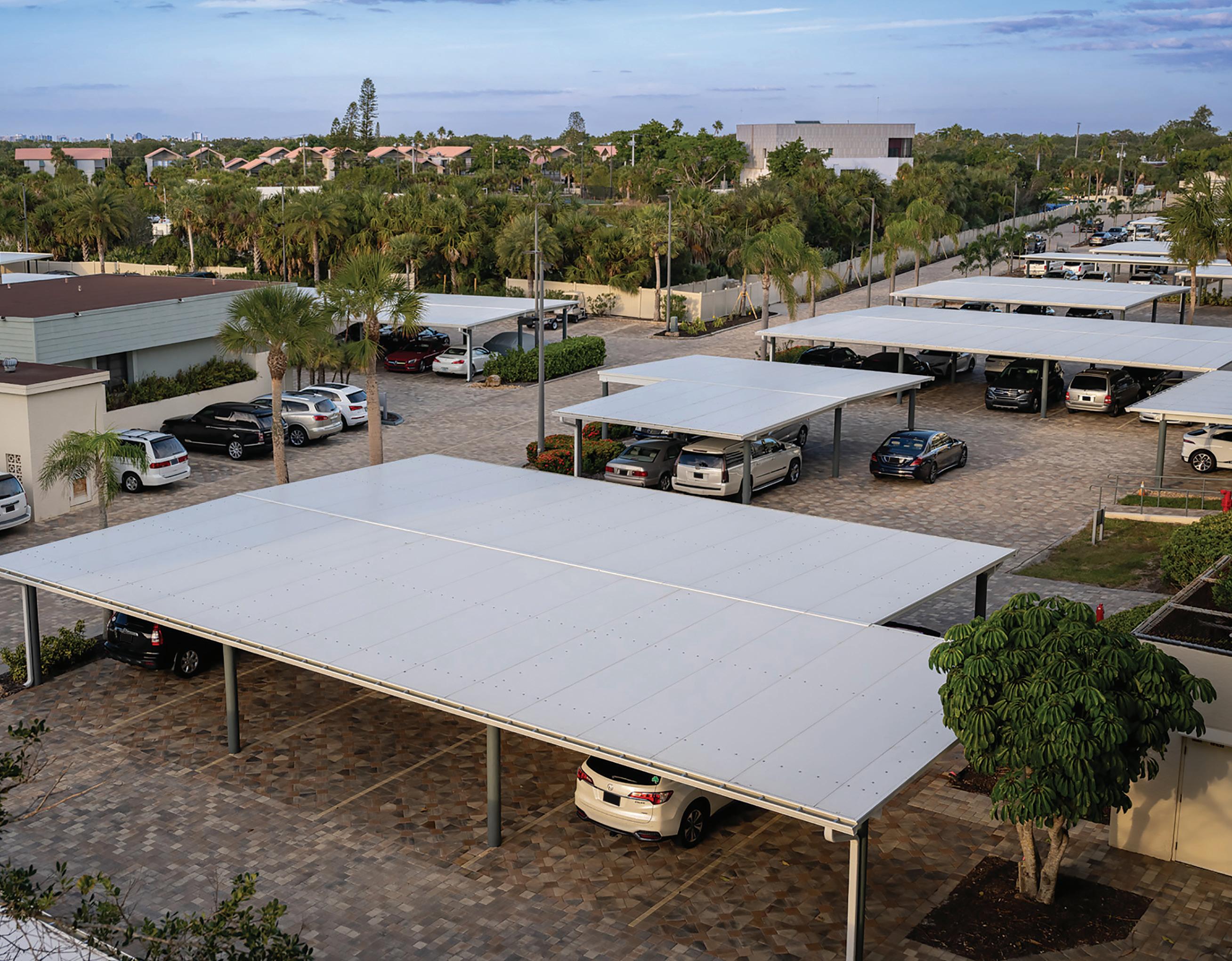
We’ve Got You – And Your Car –COVERED.
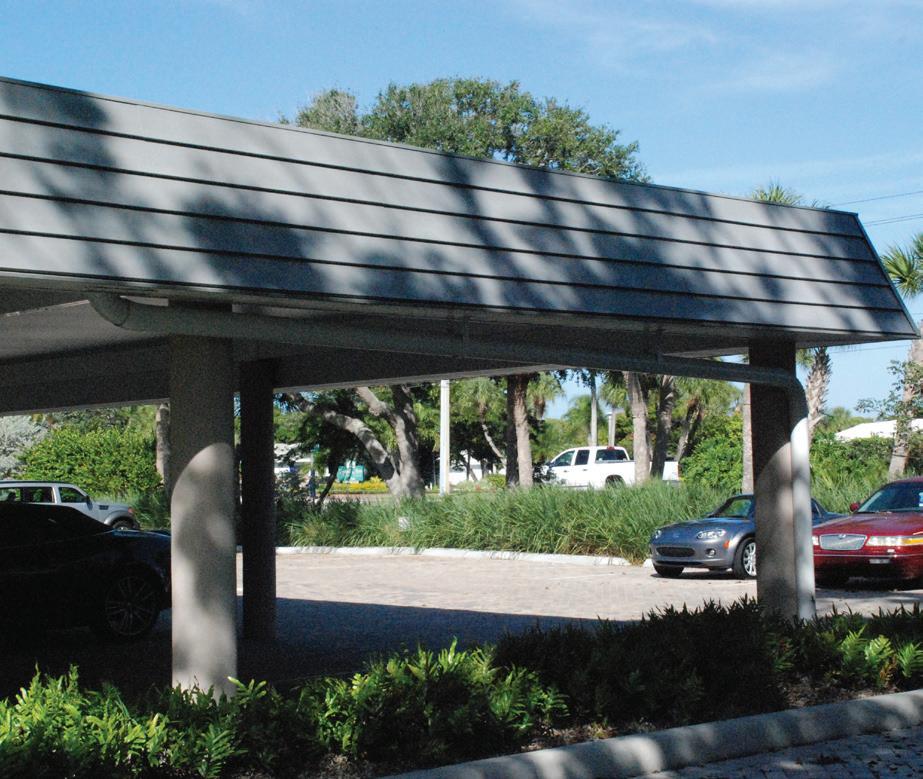
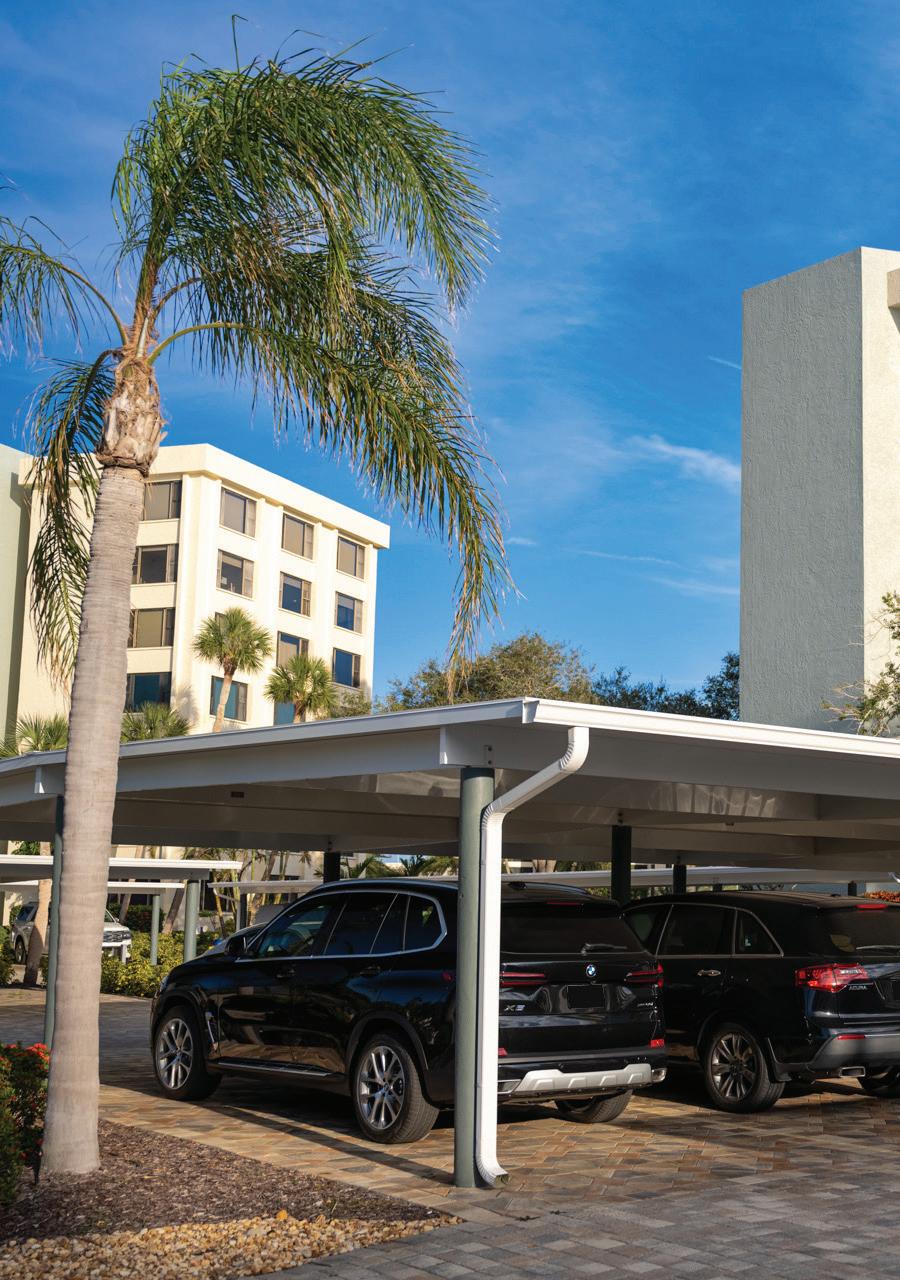
Protect your vehicles from Florida’s harsh environment with Mullet’s Aluminum’s award-winning carports. Ideal for condominium, apartment and commercial properties, our structurally superior, site-specific systems are engineered for long-term performance, reducing vehicle heat and enhancing interior comfort.
With over 45 years of experience in manufacturing and installation, Mullet’s Aluminum is one of the largest architectural aluminum manufacturers in Florida - so don’t worry, we’ve got you covered. .
Call for a free quote or visit our website.


CommunityCommunity
Florida Community Association Professionals’ (FCAP) training is offered on two levels. Level one consists of courses meeting Florida’s continuing education requirements for CAMs, and level two is the Florida Advanced CAM Studies (FACS) course. For further information about the more than 31 online continuing education classes available or to pursue the Certified Florida Community Association Manager (CFCAM) designation, please visit www.fcapgroup.com/membership/education-training/ .
BECAUSE YOU ASKED
By Betsy Barbieux, CAM, CFCAM, CMCA
Betsy,
Would you please explain if the following is perhaps a misappropriation of association funds?
In the proposed 2026 budget, the board allocated $10,000 for management fees but chose to self-manage instead.
The monthly maintenance fees include insurance for the building, yet the insurance was cancelled on November 28, 2025, so there are no payments being made for the insurance. The monthly cost for the insurance would be estimated at about $3,000.
Our association is in legal and financial chaos. We don’t know where this money is.
We have a board president who is out of control and doing what she wants, such as hiring contractors to make structural changes when only repairs are needed. She signed that contract without board approval. She has also signed a contract for new windows and doors without shareholder approval. The other two board members just let her do whatever she wants to do.
We don’t have a CAM, and there is no attorney on retainer. We need help. Do you still offer a consulting service? I thought I heard something about this service on an episode of CAM Matters.
— Helen
Helen,
Just because an expense like management fees was budgeted but not spent doesn’t mean the monies are missing. If that anticipated expense item was spent for something else, it doesn’t necessarily mean it was misappropriated.
Community association budget items are not “locked in” to that expense item. The board may shift money around except for dedicated statutory reserves.
A profit and loss statement and balance sheet should tell you what the money was spent on and how much is in the bank.
Board members may not act unilaterally unless other board members delegate certain specific tasks to him/her. All contracts should be voted
on at a board meeting and the president authorized to sign the contract; a copy should be attached to the minutes.
Contracts signed without board approval could subject the person signing to be personally responsible for payment.
I don’t remember if you are a condominium, cooperative, or HOA. If an HOA, then usually the board may make material alterations without membership approval. In a condominium or coop, only the membership can approve a material alteration. I do offer a month-to-month consulting retainer for email and telephone questions about processes and procedures.
— Betsy
Betsy,
I passed my test and received my CAM license on February 20, 2025. Exactly what continuing education classes do I need to take to maintain my license?
— William
William,
If you check your DBPR account, it keeps track of the hours you need and what you have taken/completed.
Since this is your first partial license period, it should show you need zero hours. However, you will need to pay to renew your license before September 30, 2026.
Betsy Barbieux
But you may want to attend the YES/Yearly Educational Summit so you can keep up with all the new laws, etc. It is Thursday and Friday, August 13–14, 2026, in Leesburg. Details are on the website at www.floridacamschools.com. — Betsy
Betsy,
I received an email from a committee member for the 2026 financials. As a courtesy I emailed it to her. Then she made more requests for additional information, so I told her she would need to follow the association records request policy. Shortly afterwards the president called me and told me to send her what she wants. I feel this may be overstepping the president’s authority. I think the committee member should follow the association policy. If I insist on her following the policy, I may get fired. If I give in, it sets a bad precedent. Any advice? — Sally
Sally,
This is a very difficult situation. I think I would appeal to the fact this sets an unfavorable precedent and that you’ll be happy to comply by following the statute and association policy.
The law only requires “access” to the records within 10 business days. You are under no obligation to make copies or email them out. Set up an appointment for her/him to come in and view the records. They can make copies with their own portable device or pay to have you make the copies.
Are these financials not available on the website? If so, you only have to direct them to the website. You are presumed to have fulfilled your obligation for access.
Chapter 718.111(12)(c)1.a., Florida Statutes, contains the “access to records” language.
— Betsy
WHEN STRONG BOARDS STRUGGLE: THE HABITS THAT QUIETLY HOLD YOU BACK
By Marcy Kravit, CMCA, AMS, PCAM, CFCAM, CSM Vice President, HOA Regional Account Executive smartstreet, powered by Banc of California
Inspired by Common Sense Community Leadership available on Amazon Boards rarely struggle because they lack talent. Most boards are filled with smart, caring, well-intentioned people who genuinely want to serve their communities.
When things start to feel heavy or chaotic, it is almost never because the wrong people are in the room. It is because the wrong habits have been allowed to take root. These habits don’t show up as dramatic failures. They show up quietly in the tension you feel during meetings, in the frustration that lingers after decisions, and in the sense that you are working harder than ever with less to show for it.
In Common Sense Community Leadership I talk about these patterns with honesty and empathy because they are deeply human. They appear when people care. They appear when people want to help, and they appear when boards haven’t yet built the structures that protect them from slipping into old, familiar behaviors. Three habits in particular show up repeatedly, and they are often the reason strong boards feel stuck.
MICROMANAGING STAFF OR VENDORS
Micromanagement almost always begins with good intentions. A director sees something that needs attention and steps in. A vendor seems slow to respond, so someone reaches out directly. A manager is overwhelmed, so a board member tries to help. But every time a director bypasses the manager, the structure that protects the community begins to crack.
When directors give instructions directly to staff or vendors, accountability becomes blurred. The manager is left trying to manage work they did not authorize. Vendors receive conflicting direction and don’t know whose voice to follow. Residents see inconsistency and begin to question the board’s leadership.
Micromanagement doesn’t improve service. It creates confusion, extra costs, and damaged credibility. Strong boards understand that leadership is not about doing more. It is about honoring the lanes that allow everyone to
Marcy L. Kravit
THREE HABITS THAT HOLD BOARDS BACK
1. Micromanaging staff or vendors creates confusion, undermines managers, and damages credibility.
2. Policy by memory leads to inconsistency, frustration, and the appearance of favoritism.
3. Undisclosed conflicts of interest—even honest decisions—look suspicious when relationships stay hidden.
succeed. The board governs. The manager manages. Vendors deliver under clear contracts. When those boundaries are respected, the entire community benefits.
POLICY BY MEMORY
One of the most common and most damaging habits is relying on “we’ve always done it this way.” It feels efficient and familiar, but it is not governance.
Memory is not a policy. It is a story we tell ourselves about how things used to be. And when decisions are based on recollection instead of documentation, inconsistency becomes inevitable.
Boards that operate this way often find themselves unintentionally creating the appearance of favoritism.
Two similar requests receive two different outcomes because someone remembers a detail differently or believes the circumstances were unique. Meetings become debates about history instead of discussions
about facts. New directors inherit confusion instead of clarity. Written policies are not bureaucracy. They are protection. They protect the board from accusations of unfairness. They protect residents from inconsistent treatment. They protect the community from legal exposure, and they protect directors from the emotional burden of having to reinvent decisions every time an issue arises. When a board commits to documenting its decisions and applying them consistently, it sends a powerful message. It says we are fair, we are transparent, and we are accountable.
UNDISCLOSED CONFLICTS OF INTEREST
Conflicts of interest are not always dramatic or unethical. Sometimes they are as simple as a friendship, a business relationship, or a personal connection that could influence a decision. The problem is not the relationship. The problem is the silence. When conflicts are not disclosed, even honest decisions begin to look suspicious. Residents start to wonder who is benefiting and why. Directors lose moral authority. Trust evaporates, not because of wrongdoing but because of the perception of secrecy.
Transparency is the antidote. Disclosure, recusal, and documentation every time, without exception, protect both the board and the community. They create a culture where integrity is not assumed, it is demonstrated. When residents see that level of openness, their confidence and trust in the board grows.
WHAT STRONG BOARDS UNDERSTAND
Great governance is not defined by how much a board does. It is defined by what a board refuses to tolerate. Strong boards protect their culture with intention. They understand the following:
• Trust is built through consistency.
• Clarity is an act of respect.
• Boundaries are safeguards.
• Transparency is the foundation of credibility.
• Healthy habits create healthy communities.
When a board chooses to address the habits that undermine its effectiveness, it creates space for its talent to shine. Meetings become more productive. Decisions become more grounded. The community becomes more unified, and the work feels meaningful again.
CALL TO ACTION FOR FLORIDA COMMUNITY ASSOCIATION LEADERS
If you recognize even a hint of these habits in your boardroom, take it as an invitation, not a criticism.
This is your moment to pause, realign, and recommit to the kind of leadership your community deserves.
Start the conversation at your next meeting. Ask the hard questions with kindness. Put your policies in writing, reinforce your boundaries, and choose transparency every single time. Your board has the talent. Your community has the potential. The shift begins when you decide that the habits holding you back are no longer acceptable. n

C elebr ating 2 5
Ye a rs!
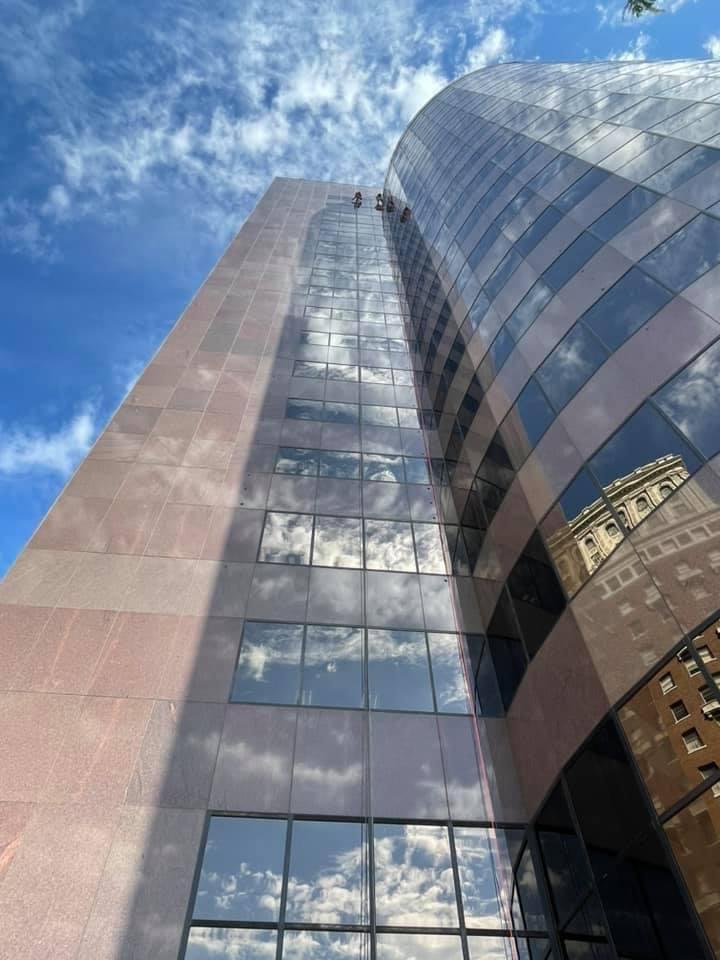
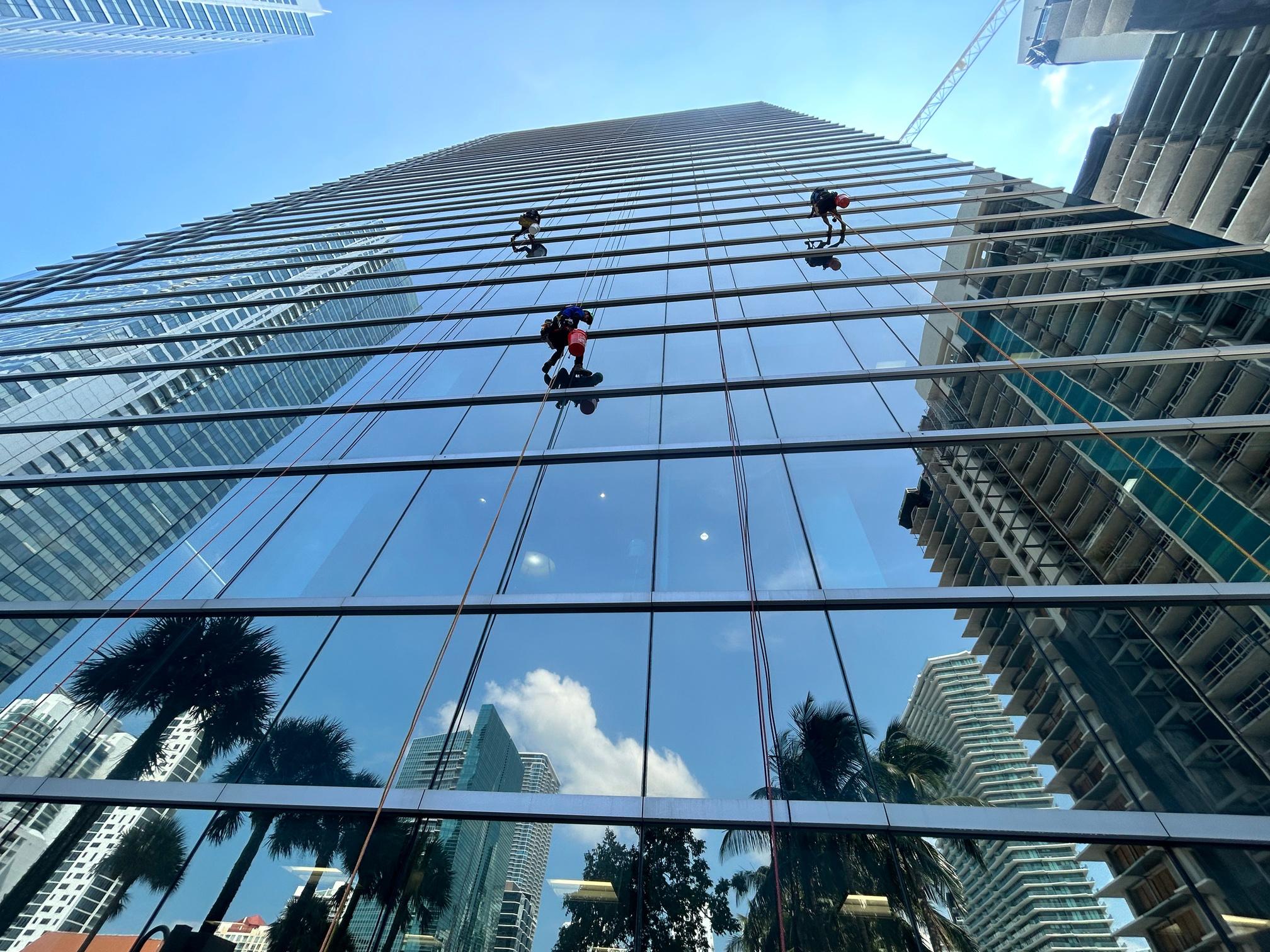
W i n d o w C l e a n i n g
S Q U E E G E E S Q U A D . C O M
H O A ' s A r e O u r S p e c i a l t y !
C o m m e r c i a l H i g h r i s e
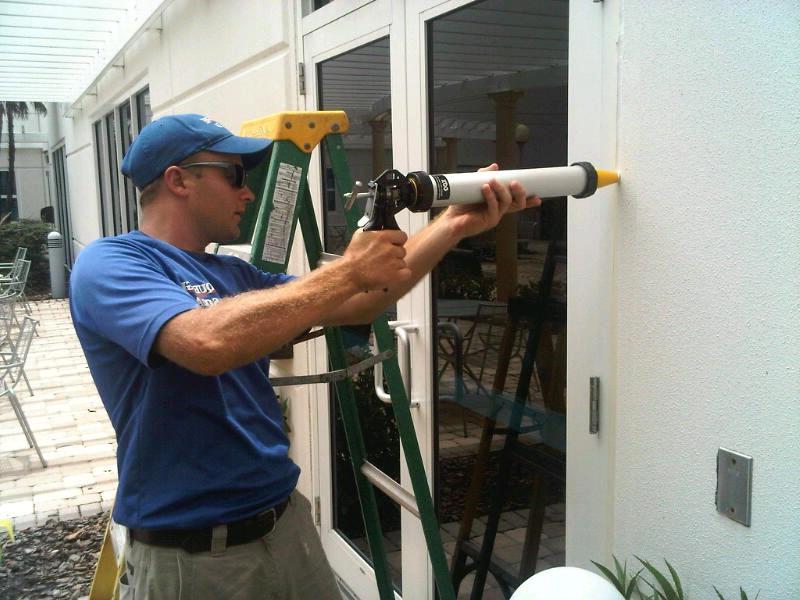
B u i l d i n g R e s t o r a t i o n / C a u l k i n g
C O M M E R C I A L
,
W i n d o w C l e a n i n g - P r e s
B u i l d i n g R e s t o r a t i
C O N T A C T
S Q U E E G E E S Q U A D T O D A Y !
P r o u d l y S e r v i n g A l l o f
G r e a t e r F l o r i d a
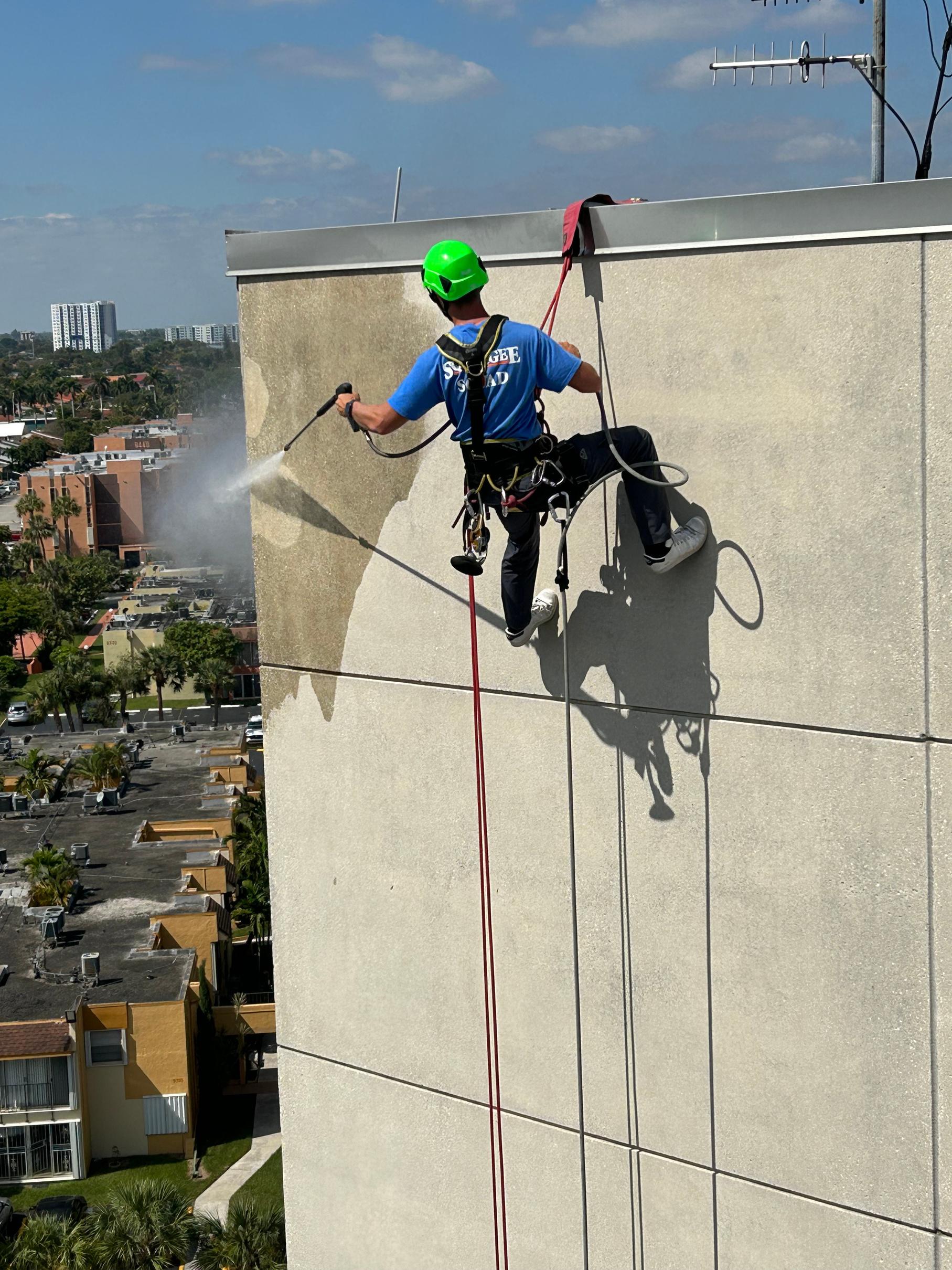
P r e s s u r e W a s h / S o f t W a s h
M o r e t h a n 1 1 5 , 0 0 0
c u s t o m e r s s e r v e d !

S Q U E E G E E S Q U A D
8 0 0 - 7 8 3 - 5 8 1 2
F l o r i d a @ S q u e e g e e S q u a d . c o m
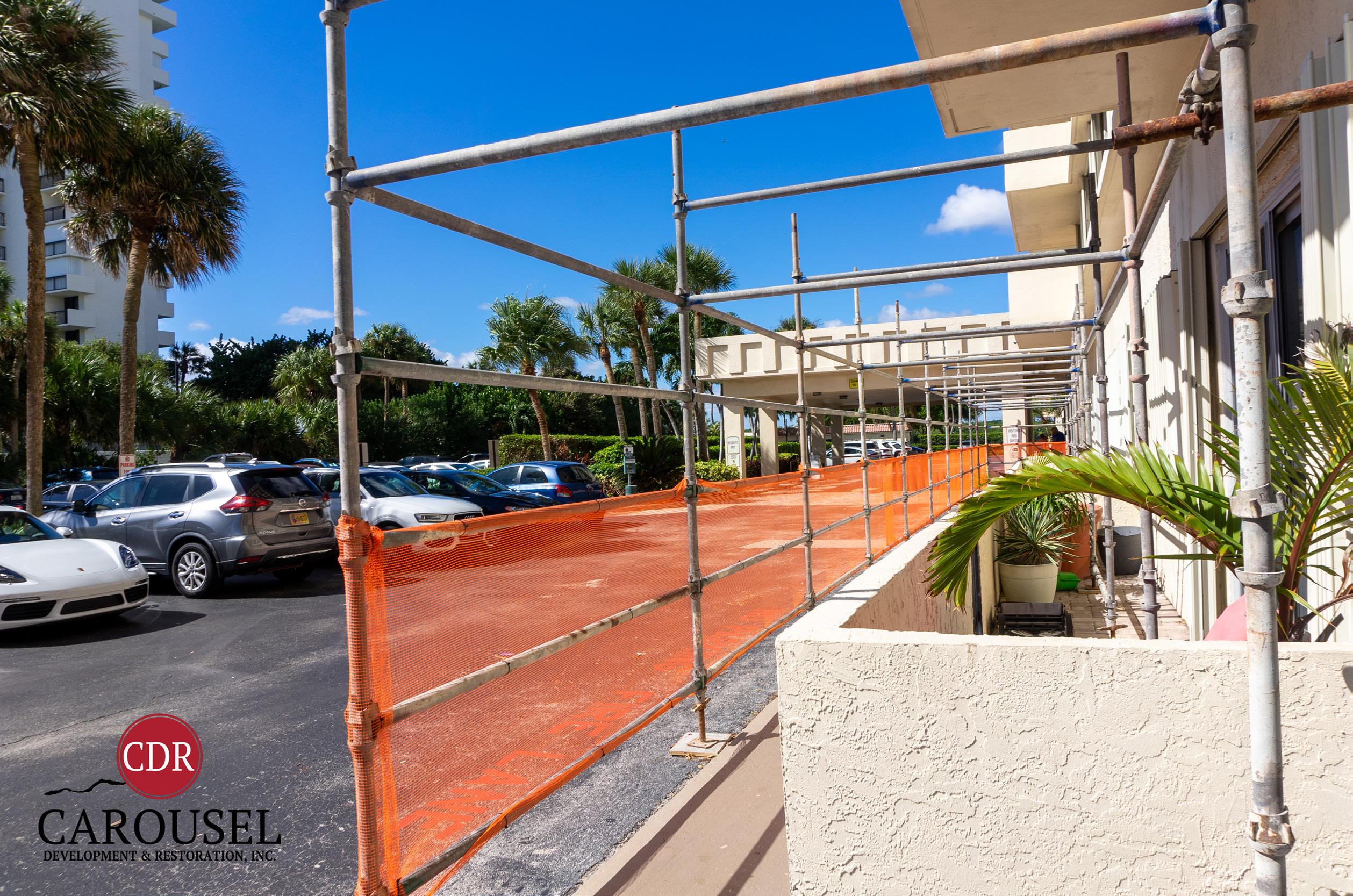
BY GABRIELLA BIANCHINI
C Hurricane Preparedness and Recovery for Condominium Exterior Structures
ondominium properties in hurricane-prone areas must follow a clear, structured plan to protect exterior structures, active job sites, and occupants. When the engineer of record issues an official notice, the property should immediately enter “hurricane preparedness mode,” triggering coordinated action from management, contractors, and subcontractors.
PRE-STORM PREPARATION
The priority is communication. The supervisors shall maintain an updated contact list for board members, property management, maintenance staff, engineers, contractors, and subcontractors. Confirm phone numbers and email addresses in advance. Once a storm is approaching, ensure all parties are informed, responsive, and aligned on responsibilities.
Photos courtesy of Carousel Development and Restoration, Inc.
Next, assess the entire property and job site for risk. Identify materials stored outdoors, especially in flood-prone areas. Relocate these materials to higher elevations or secure them in protected storage. Remove all loose debris, scraps, and unused materials. Keeping the site clean is critical—any loose items can become a hazard in high winds.
Evaluate all work in progress. Exposed areas such as unfinished roofs, open walls, or partially installed systems must be protected. Use temporary sealing methods, tarps, or reinforcements to prevent water intrusion and structural damage. Address vulnerable points quickly and efficiently using available materials.
Develop and confirm an inventory of hurricane preparation supplies. This should include plywood, fasteners, anchors, straps, sealants, tarps, sandbags, and basic tools. Having materials ready ensures timely execution without delays caused by shortages.
Secure the building envelope. Board up windows and sliding glass doors where

GABRIELLA BIANCHINI, DIRECTOR OF SAFETY & MARKETING, CAROUSEL DEVELOPMENT & RESTORATION INC.
Gabriella Bianchini is a professional photographer, graduate of the Art Institute of Fort Lauderdale, and a published author since 2023. She has built a unique career bridging visual storytelling with the construction industry, specializing in documenting and supporting high-rise concrete restoration projects.
At Carousel Development & Restoration Inc. (Carousel), Gabriella plays a key leadership role, combining creative expertise with operational coordination to ensure projects are executed safely and efficiently. She is OSHA-certified (10-hour, 30-hour, 510, and 500) and holds scaffolding train-the-trainer credentials, with extensive experience in implementing safety protocols, PPE compliance, and industry best practices.
Gabriella has cultivated a strong culture of safety within the Carousel team, contributing to the successful delivery of complex, high-volume restoration projects throughout Broward and Palm Beach Counties. Her work is especially critical during the mobilization of high-volume summer job sites and throughout hurricane season, where precision, preparedness, and strong leadership are essential.
Ms. Bianchini currently serves on the board of directors of the Safety Council of Palm Beach County and is a driving force in the high-rise concrete restoration industry, known for delivering projects with precision, safety, and an unwavering commitment to excellence. For more information, visit www.CDRI.net
required. Seal temporary walls and openings to minimize leaks. Temporary measures should be reasonable; they should mitigate exposure to wind and water as much as possible.
Anchor and restrain all equipment and materials. This includes scaffolding, construction equipment, dumpsters, and stored supplies. Use proper anchoring methods based on site conditions and available resources. Nothing should be left unsecured.
Document the property before the storm. Take clear photos and
Home Auto Business Flood



Photos courtesy of Damon Higgins
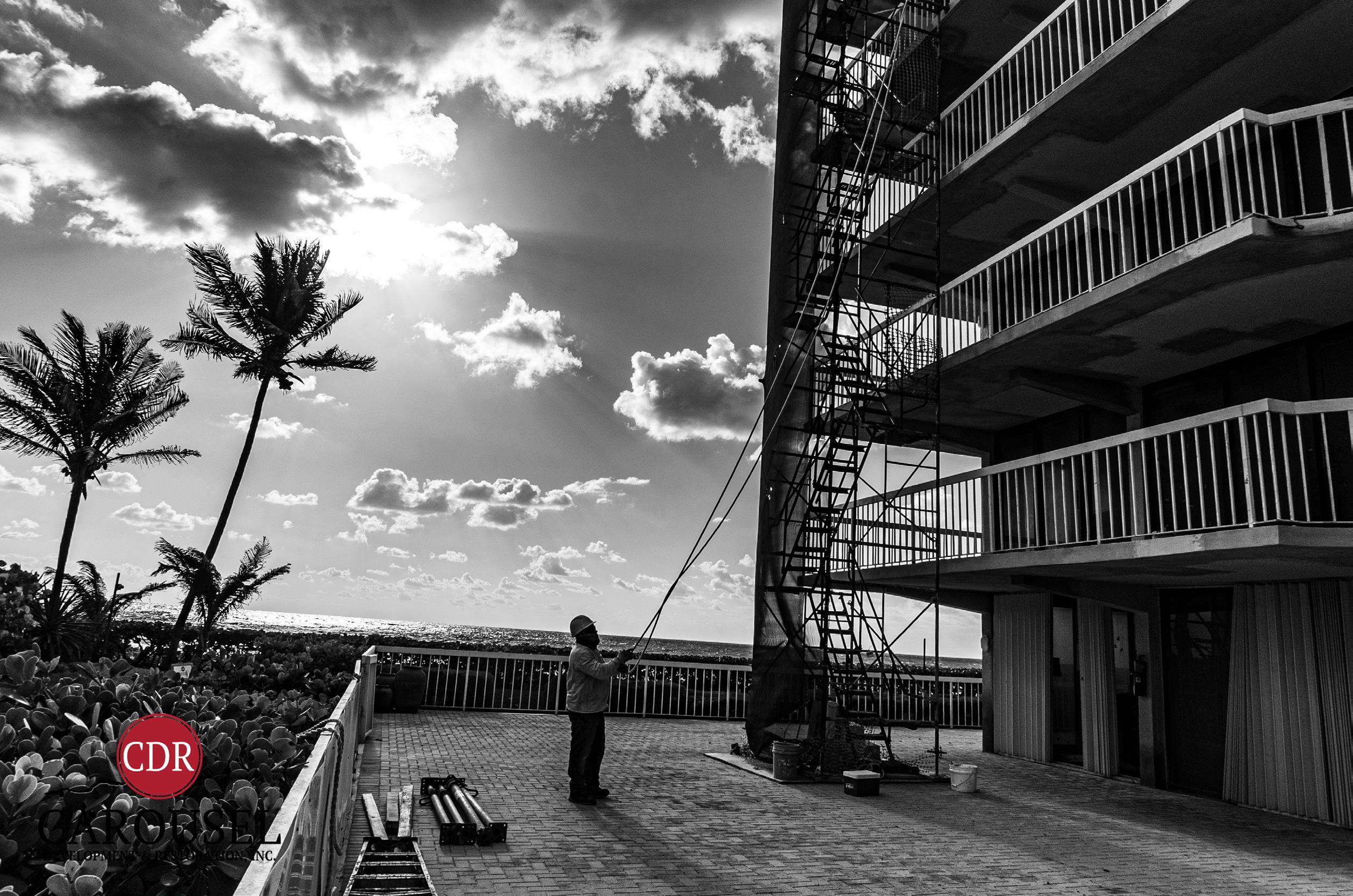
videos of exterior conditions, job site areas, stored materials, and ongoing work. This documentation establishes a baseline for insurance purposes and post-storm assessment.
Monitor the storm continuously using official weather updates. Adjust preparation timelines as needed. Ensure all work is completed safely and personnel are cleared from the site before conditions become dangerous.
POST-STORM RECOVERY
After the storm passes, do not immediately re-enter the property. The first step is to determine if the site is safe. Supervisors, engineers, and
Photos courtesy of Carousel Development and Restoration, Inc.
designated managers should perform the initial walkthrough. They must assess structural integrity, flooding, debris, and potential hazards.
Control access to the work site. Only essential personnel should enter during the initial phase. Based on the assessment, determine which teams should return and when. Use a phased approach to avoid unnecessary risk.
Barricade unsafe areas in the work area. Clearly mark and isolate zones with structural damage, standing water, or debris. Prevent access until hazards are resolved.
Conduct a full inspection of the work area. Evaluate exterior structures, roofing systems, windows, and all ongoing construction work. Identify damage caused by wind, water, or impact.
Electrical systems must be inspected by a licensed electrician before use. Water exposure can create serious safety risks. Do not restore power or operate equipment until systems are cleared.
Document all damage thor-
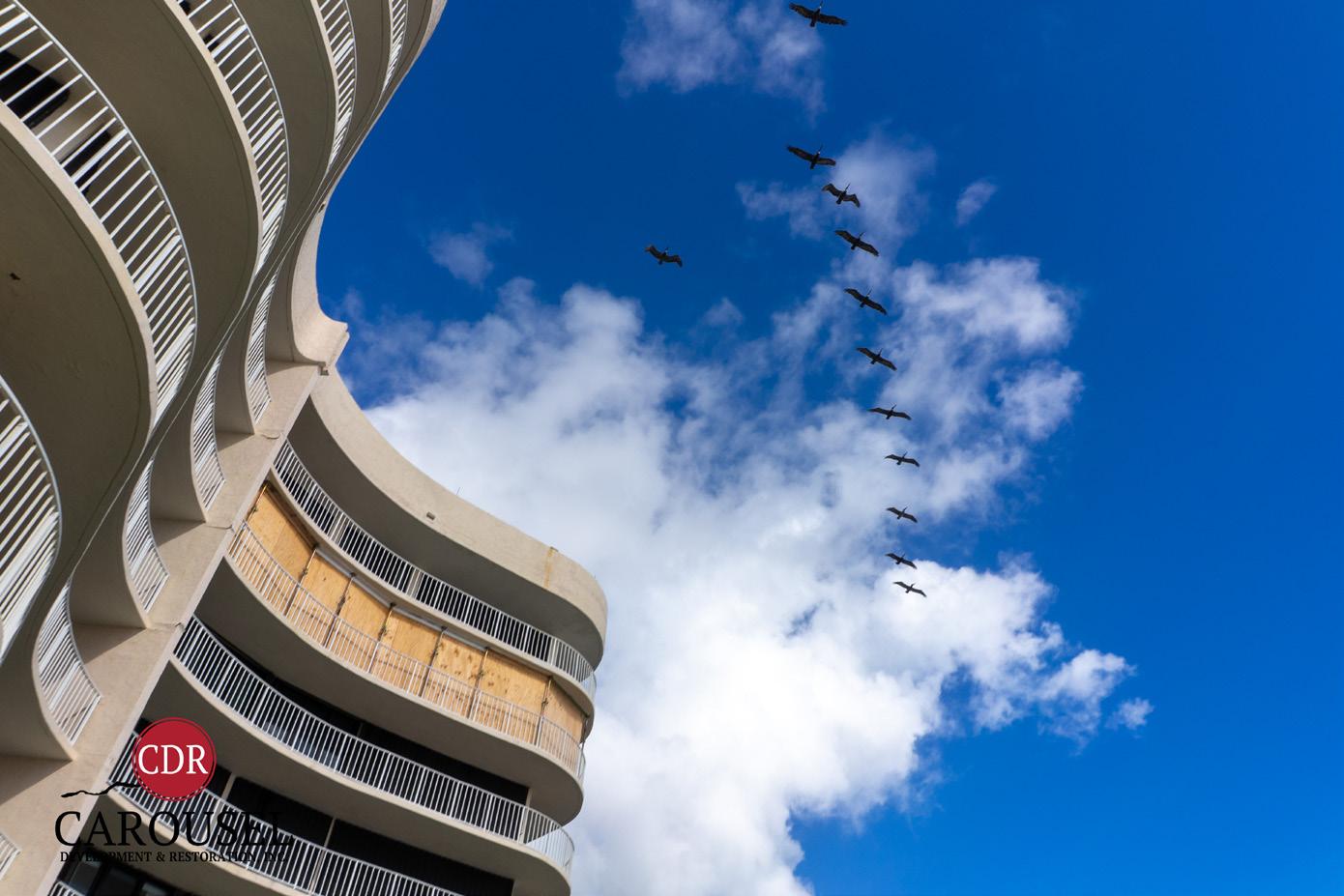
oughly. Take photos and videos of affected areas. Compare with prestorm records to support insurance claims and repair planning. Maintain clear communication throughout recovery. Provide updates to the board, management, residents, and project teams. Establish repair priorities and timelines based on safety and severity of damage.
CONCLUSION
A focused hurricane preparedness plan reduces risk, protects property, and ensures organized recovery. Key steps include clear communication, site cleanup, securing materials, protecting vulnerable work, documenting conditions, and controlling post-storm access. By following a structured approach, condominium properties can respond efficiently and safely to hurricane threats while minimizing damage and disruption. n
Photos courtesy of Carousel Development and Restoration, Inc.
When the Storm Clears: Setting Up Your Security Partner for Post-Disaster Success
BY DEVON WATSON
Florida communities know the drill. Hurricane season arrives each year, checklists come out, shutters go up, and generators get tested. But one item almost always gets treated as an afterthought: security. This is not just the cameras and gate hardware, but the relationship with your security partner and the plan for what happens after the storm approaches and moves through, and recovery begins.
Gated and managed communities have security needs that generic solutions simply weren’t built for. Controlling who enters and exits; managing access for residents, vendors, and emergency responders simultaneously; and maintaining oversight during chaotic post-storm conditions requires a partner who specializes in community security—not a generalist integrator trying to piece a solution together by checking boxes.
The post-disaster window is when your community is most vulnerable.
Photos courtesy of Envera Systems.
It’s also the moment most boards realize they never had this conversation. That gap is fixable, but only before the storm arrives.
THE POST-DISASTER SECURITY GAP
When a significant storm hits, community infrastructure takes a hit in layers. Power goes out. Camera systems go offline. The internet crashes. Gate access controls fail. Security personnel may be unable to reach their posts. In the days that follow, communities face a surge of unfamiliar faces: insurance adjusters, cleanup crews, contractors, and unfortunately, opportunists who take advantage of the confusion.
Communities that have established clear protocols with a security provider that specializes in community security before a storm recover faster,

DEVON WATSON, PRESIDENT AND CEO, ENVERA SYSTEMS
Devon Watson is president and CEO of Envera Systems, where he leads the company’s focus on customer experience, operational excellence, and technology innovation. He brings executive leadership experience from always-on, high-security technology sectors including bank ATMs, retail payment systems, cloud computing, and access control—industries where reliability isn’t optional. That same standard shapes his approach to community security at Envera, where residents and boards depend on systems and people that show up when it matters most. For more information, visit www.enverasystems.com
with fewer incidents and less disruption for residents and boards alike. Resilience planning done in advance pays dividends when conditions deteriorate. That’s just as true for your security infrastructure as it is for your roof or your generator.
WHAT YOUR SECURITY COMPANY SHOULD PROVIDE AFTER A STORM
A security provider that serves community associations should have a clearly defined disaster response plan. Your board should know what is in it before you need it. Here’s what that plan should include:
Continuity of monitoring—If your community relies on remote or virtual monitoring services, understand ahead of time how those services hold up when local internet and power infrastructure are disrupted. Ask whether your provider

has redundant systems, backup power at their monitoring centers, and documented protocols for maintaining coverage during outages. A good provider will have clear answers to these questions.
Database and footage backup—All access control data, resident credentials, and video footage should be backed up offsite or to a cloud-based system regularly and especially before any forecasted storm. After the event this allows your security systems to be restored quickly without starting from scratch. If a post-storm incident requires footage review, or a resident credential needs to be verified, that data needs to be somewhere it can be reached.
Post-storm access management—Once a storm passes, your community needs eyes on the ground. Your security partner can monitor cameras
remotely once power and internet are restored to evaluate damage. A qualified partner should be able to deploy personnel once it’s safe to assess damage to security infrastructure and assist in bringing systems back online. Post-disaster contractor fraud is a well-documented problem in Florida. Controlling who enters your community during the recovery window is one of the most direct protections you can offer residents. Staged recovery support—Security needs in the 24 hours after a storm differ from those a week out, which differ again from the weeks-long recovery

For more than thirty years, attorneys of Poliakoff Backer LLP, three of whom are Florida Bar Board Certified Specialists in Condominium and Planned Development Law, have provided legal services to hundreds of South Florida community associations.
“Thank you to all our fans who voted for us!”
Photos courtesy of Envera Systems.
phase. Your provider should be able to scale their support accordingly, transitioning from emergency response mode to a normalized operational posture as repairs are completed and residents return.
THE WORK THAT HAS TO HAPPEN BEFORE THE STORM
None of the above is possible if you wait until a storm is in the forecast to start the conversation. The time to establish your post-disaster security plan is now, during the planning season. Here are the following concrete steps every association should take:
• Review your contract for disaster provisions. Does your existing security services agreement address emergency scenarios? Many standard contracts are silent on disaster response obligations. If yours is, that is a gap worth closing at your next renewal or through a written amendment.
• Ask the questions that matter. What happens to your service if your provider’s own operations are disrupted? What is their staffing protocol during a declared state of emergency? How quickly can they deploy personnel after an event? How are your gates and access control systems programmed to behave during a power failure: Do they fail open or fail locked? The answers have real consequences for your community, and you should know them now.
• Build a pre-storm checklist together. This should include a timeline for system and data
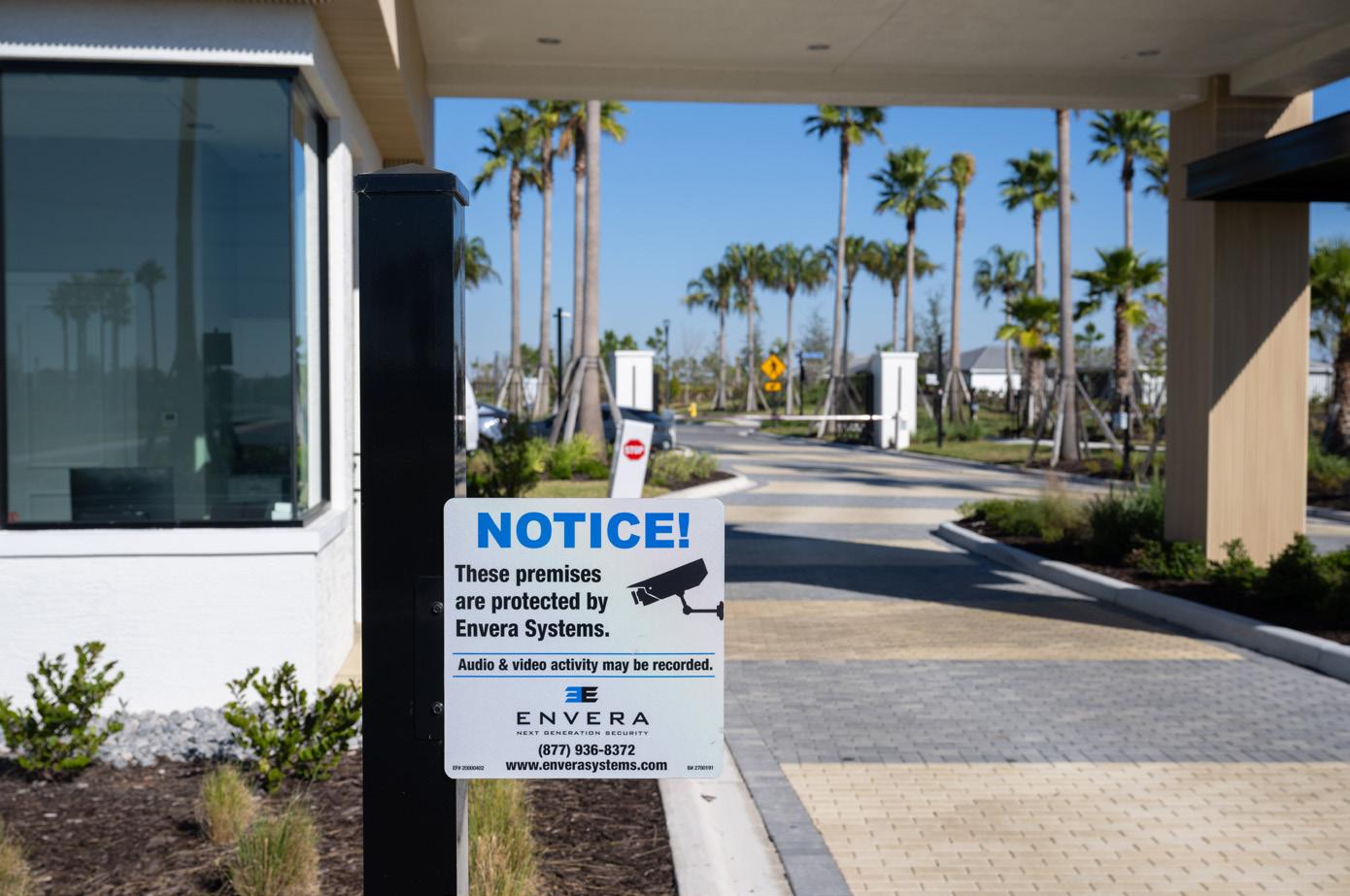
backups, gate programming decisions, confirmation of who’s responsible for physically securing guardhouses and amenity buildings, and a communication protocol for how your partner will reach your board during and after the storm. Note: Many communities choose to lock gates open ahead of a major storm to allow emergency responder access and ease evacuation.
• Create a vendor verification system now. Work with your security provider to establish how post-storm contractors will be vetted before entering your community: a credential submission process, a pre-approved vendor list, or a formal check-in protocol at the gate. Whatever the method, having it in place before a storm means it can be activated immediately rather than improvised under pressure.
• Document your baseline. Photograph and video all community security equipment and infrastructure before storm season each year. This supports insurance claims and establishes a clear starting point for assessing storm damage to your access control and surveillance systems.
BUILDING THE RIGHT PARTNERSHIP
Disaster resilience for a community association is never the work of a single vendor. It is a coordinated effort between the board, property manager, legal counsel, insurers, and every service provider the community relies on. But your security partner plays a specific and meaningful role in that ecosystem, one that only functions if the relationship and the plan are in place before conditions deteriorate.
Florida’s storm history makes one thing clear: It is not a matter of if your community will face a major weather event but when. The associations that recover fastest are those that treated security planning as part of their broader preparedness strategy rather than something to sort out after the fact.
Start with one question: What is your security provider’s plan for your community when a storm hits? If the answer isn’t clear and specific, that’s where the work begins, and there’s no better time to start than now. n
Photos courtesy of Envera Systems.
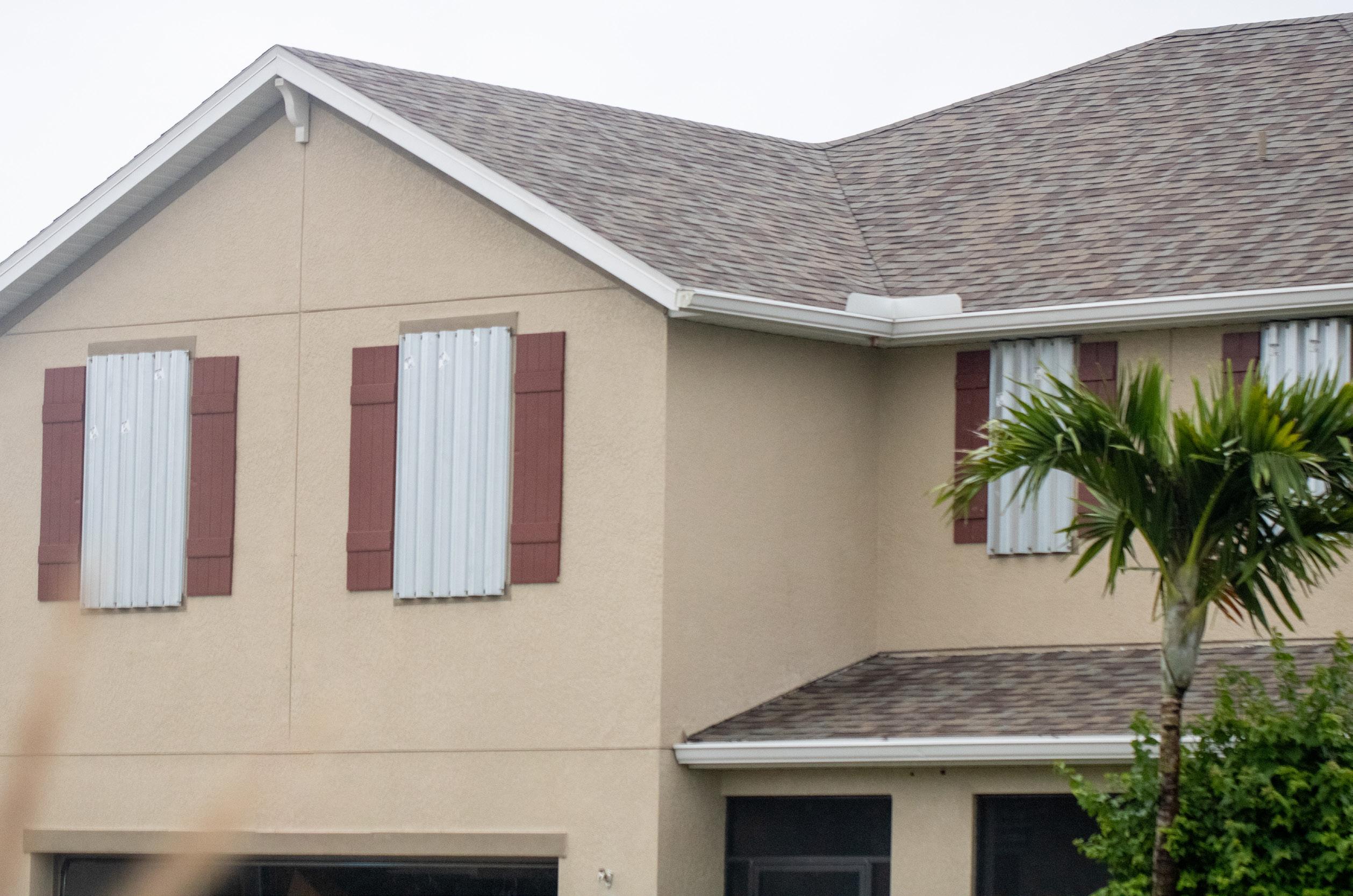
Is Your Florida Community Association Ready for Hurricane Season 2026?
BY ASHLEY DIETZ
Florida communities are facing increasingly powerful and unpredictable storms. With heavier rainfall, stronger winds, and faster-forming systems, preparation is no longer optional, it’s essential. For community associations, a proactive, organized approach can make all the difference in protecting residents, property, and operations.
START WITH A WRITTEN HURRICANE PREPAREDNESS PLAN
Every association should maintain a clear, written plan that defines roles, responsibilities, and communication protocols. This plan should cover actions
Photo by iStockphoto.com/lisatop
before, during, and after a storm, ensuring your board, management team, and vendors are aligned when it matters most.
Prepare Early—Before Peak Season
The most effective preparation happens well before a storm is on the radar. Key steps include the following:
• Trim trees and remove potential hazards.
• Service generators and secure adequate fuel supplies.
• Verify backup power systems are fully operational.
• Inspect drainage systems, roofs, and common areas.
• Confirm vendor contracts and availability ahead of demand surges.
Before the Storm— Communicate and Secure
As a storm approaches, clear and consistent communication is critical.
• Provide residents with timely updates and instructions.
• Deploy shutters or protective systems as needed.
• Secure loose items in common areas.
• Test communication channels (email, text alerts, and portals).
During the Storm—Safety First
When conditions deteriorate, safety becomes the top priority.
• Restrict site access to essential personnel only.
• Avoid unnecessary risk to staff and vendors.
• Continue providing updates when it is safe to do so.


Ashley Dietz has been handling the marketing at Campbell Property Management since 2013. She is a native Floridian who shines at building relationships and getting things done with a positive attitude. Ashley graduated summa cum laude from Florida Atlantic University with her bachelor’s in communications. She has always believed “knowledge is power” and has made it Campbell’s mission to offer free education through in-person events, webinars, and their blog, Florida Association News ( FAN ), to board members and property managers of condominiums and HOAs throughout Florida. Ashley has worked hard to spread the word about FAN , which currently has over 47,000 subscribers. To check out FAN and access all of Campbell’s past and upcoming webinars, visit ReadFAN.org . For more information, call 954-4278770, email contact@CampbellPropertyManagement.com, or visit www.campbellpropertymanagement.com
After the Storm—Assess,
Document, and
Act
Once conditions are safe, act on the following:
• Contact key vendors immediately for cleanup and repairs.
• Conduct a thorough damage assessment.
• Document all conditions with photos and detailed notes.
• Notify and coordinate with insurance providers promptly
• Keep residents informed of next steps and timelines.
Stay Ready Year-Round
Preparedness is not a one-time effort. Associations should maintain the following:
• Keep contact lists current.
• Back up critical records and documents.
• Review and update the hurricane plan annually with the board and management team.
The communities that recover fastest are the ones that prepare first. A well-executed plan not only protects property but also also builds confidence, trust, and resilience among residents. n
ASHLEY DIETZ, VP MARKETING, CAMPBELL PROPERTY MANAGEMENT
Photo by iStockphoto.com/ronniechua
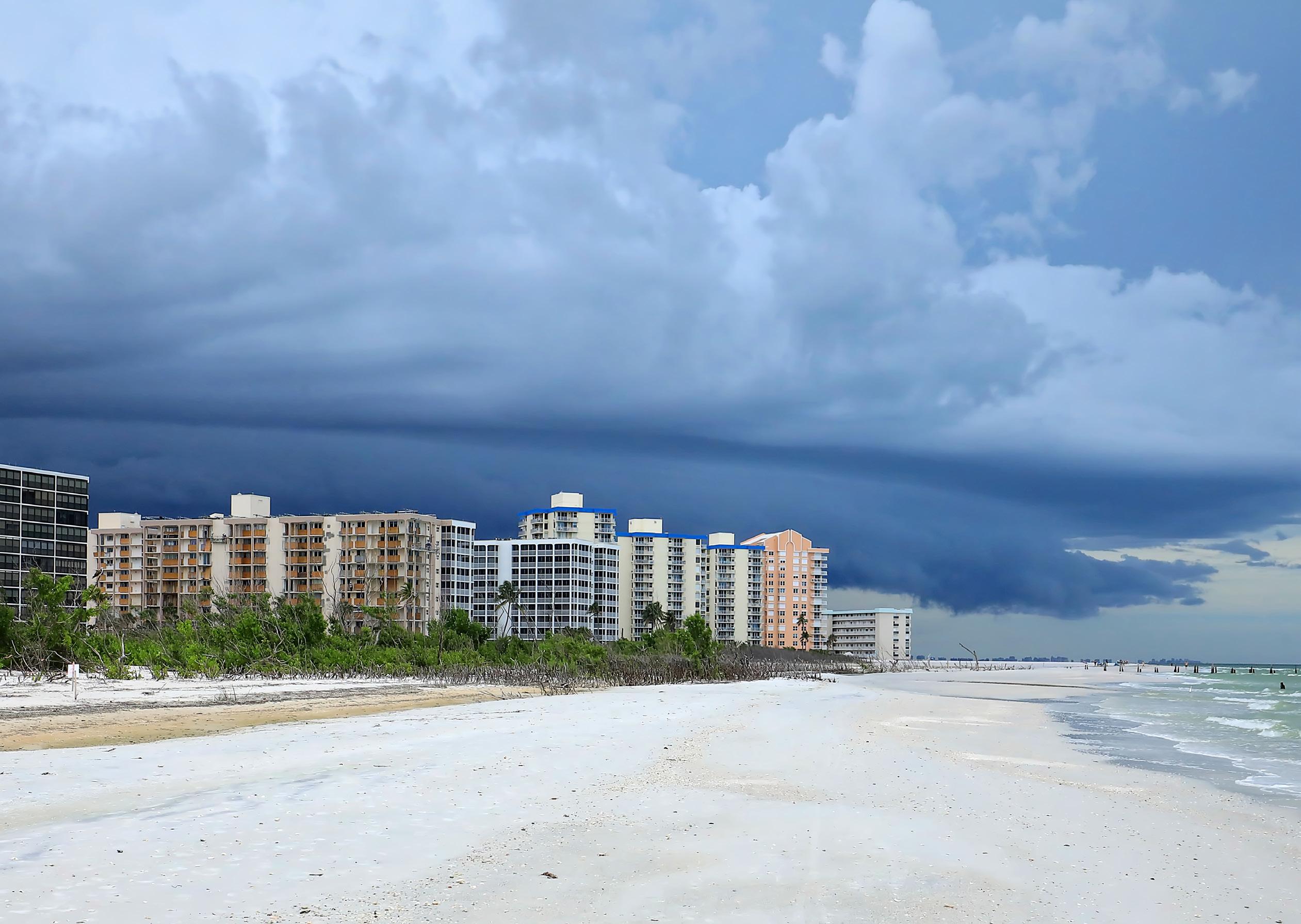
Is Your Association Ready to Handle the Challenges of Hurricane Season?
BY ANNA ROGERS
For homeowners’ associations (HOAs) across Florida, hurricane season goes beyond a weather concern and becomes an annual test of operational readiness and financial resilience. While storms are inevitable, the level of disruption they cause is often determined long before a storm makes landfall. Associations that take a proactive, disciplined approach to planning are far better positioned to protect their residents, preserve property, and maintain stability under pressure. For board members and property managers, this responsibility extends well beyond a seasonal checklist. It requires ongoing coordination, informed decisionmaking, and a clear understanding of how operational preparedness and
Photo by iStockphoto.com/JillianCain
financial strategy work together. Without that preparedness, even a relatively minor storm can trigger a cascade of challenges, including delayed response times, increased repair costs, disruptions to vendor relationships, and unexpected financial impacts for the community.
At the core of effective hurricane preparedness is a comprehensive strategy that integrates both response planning and business continuity. Every HOA should maintain a formal, written disaster preparedness plan that clearly outlines roles and responsibilities for board members, property managers, and key vendors. This plan should define procedures for before, during, and after a storm, including communication protocols, emergency contacts, and poststorm recovery steps. However, operational planning alone is not sufficient. Associations must also ensure they can continue functioning during disruptions, particularly when access to physical offices, systems, or personnel may be limited. This requires secure data backups, remote access to critical platforms, and clearly defined processes for approving expenses and coordinating vendors under
ANNA ROGERS, SVP, COMMUNITY ASSOCIATION RELATIONSHIP MANAGER, COGENT BANK
Anna Rogers is SVP, community association relationship manager, at Cogent Bank, with over 30 years in banking and deep expertise in the HOA industry.
A licensed CAM since 2001, Anna is passionate about advocating for volunteer boards, helping them navigate certifications, lending needs, and industry changes with confidence.
She is a trusted mentor, empowering associations with solutions that reduce stress and support long-term success. Dedicated to community, Anna serves on the Executive Board of Seminole Country Club Estates and is an active member of the Suncoast CAI, extending her passion for mentoring and advocacy beyond banking.
For more information, call 727-477-3182 or 727-452-5265, email arogers@ cogentbank.com, or visit www.cogentbank.com
time-sensitive conditions. Preventive maintenance is another essential component of this strategy. Regular inspections of roofs, windows, drainage systems, and common areas allow associations to identify and address vulnerabilities before they escalate into costly damage. From a financial standpoint, this is more than routine upkeep; it is a practical way to reduce risk. By investing in routine maintenance and early intervention, associations can significantly reduce the likelihood of large, unplanned expenditures and better protect their reserve funds over time. While operational readiness is critical, financial preparedness ultimately determines how effectively an HOA can respond and recover when a storm occurs. Hurricanes often create immediate liquidity demands, including funds for emergency repairs, debris removal, and vendor deposits, all of which must be addressed before insurance reimbursements are processed. Associations that lack sufficient reserves or access to funds may face delays that can exacerbate damage and increase overall costs. Maintaining well-funded reserves is essential, but it is only one part of a
financial strategy. Associations should also ensure they have access to reliable, secure banking tools that allow for timely payments, controlled approvals, and full visibility into financial activity even during periods of disruption. Digital banking capabilities, dual-authorization controls, and fraud protection measures can help boards maintain oversight while acting quickly when decisions cannot be delayed.
Insurance also plays a critical role in managing financial risk, yet it is often misunderstood or inadequately reviewed. Boards should conduct a thorough annual evaluation of all policies, ensuring coverage aligns with current property values, replacement costs, and evolving regulatory requirements. It is particularly important to recognize that standard property insurance policies may not cover flood damage, making supplemental flood insurance a necessary consideration for many Florida communities. Understanding deductibles, exclusions, and claim processes in advance can prevent costly surprises and allow associations to make more informed financial decisions when a storm occurs.
Clear communication and thorough documentation further support both operational efficiency and financial accountability. Associations should maintain updated contact lists and utilize multiple communication channels to keep residents informed before, during, and after a storm. At the same time, accurate recordkeeping, including maintenance logs, vendor contracts, and financial transactions, creates a strong foundation for insurance claims and post-storm reconciliation. Immediately following a storm, documenting all damage with detailed photos and records before repairs begin can significantly streamline the claims process and reduce the risk of disputes or delays.
Finally, associations must remain vigilant against fraud and financial mismanagement, which often increase in the aftermath of natural disasters. The urgency to restore operations can create opportunities for unlicensed vendors, inflated contracts, or fraudulent payment requests. Establishing clear internal controls, verifying vendor credentials, and requiring written agreements are essential measures. Partnering with a trusted financial institution, like Cogent Bank, can provide an additional layer of security, helping associations protect funds, monitor transactions, and navigate complex financial decisions during high-risk periods. By approaching hurricane preparedness through both an operational and financial lens, HOAs can strengthen their resilience, minimize disruption, and position their communities for a more efficient and controlled recovery, no matter what the season brings.
THREE KEY PRIORITIES FOR HURRICANE PREPAREDNESS
Integrate Planning and Continuity—Develop a comprehensive preparedness plan that combines storm response with operational and financial continuity, ensuring the association can function effectively even during disruptions.
Reduce Risk Through
Proactive Maintenance—Invest in routine inspections and preventive repairs to limit damage, control costs, and protect long-term financial resources.
Strengthen Financial Readiness—Maintain adequate reserves, review insurance coverage annually, and utilize secure, flexible banking solutions to ensure timely access to funds and strong financial oversight during recovery. n



ENGINEERING CONFIDENCE AT ALTITUDE
For over 17 years, Alfresco Air has been the trusted partner for Florida’s most complex, high-risk, high-rise HVAC projects. Our in-house teams deliver engineered solutions at altitude, in confined, demanding environments where failure is not an option.
From helicopter-assisted rooftop unit and cooling tower installations to central plant retrofits, pressurization corrections, and humidity control, we plan, engineer, and execute with safety-first precision at every level.
ICONBRICKELL - TOWER 1
Rooftop Unit Replacement | Helicopter Lift
Designed and executed by Alfresco Air
JADE AT BRICKELL
Cooling Tower Replacement | Helicopter Lift
Phased installation to maintain cooling
Rooftop Units & Closed-Loop Retrofit
Pressurization and humidity correction
Cooling Towers, RTUs, Closed-Loop Systems. Zero interruption. NEO VERTIKA
+Trusted by boards, managers, and
in high-rise, high-access HVAC replacements

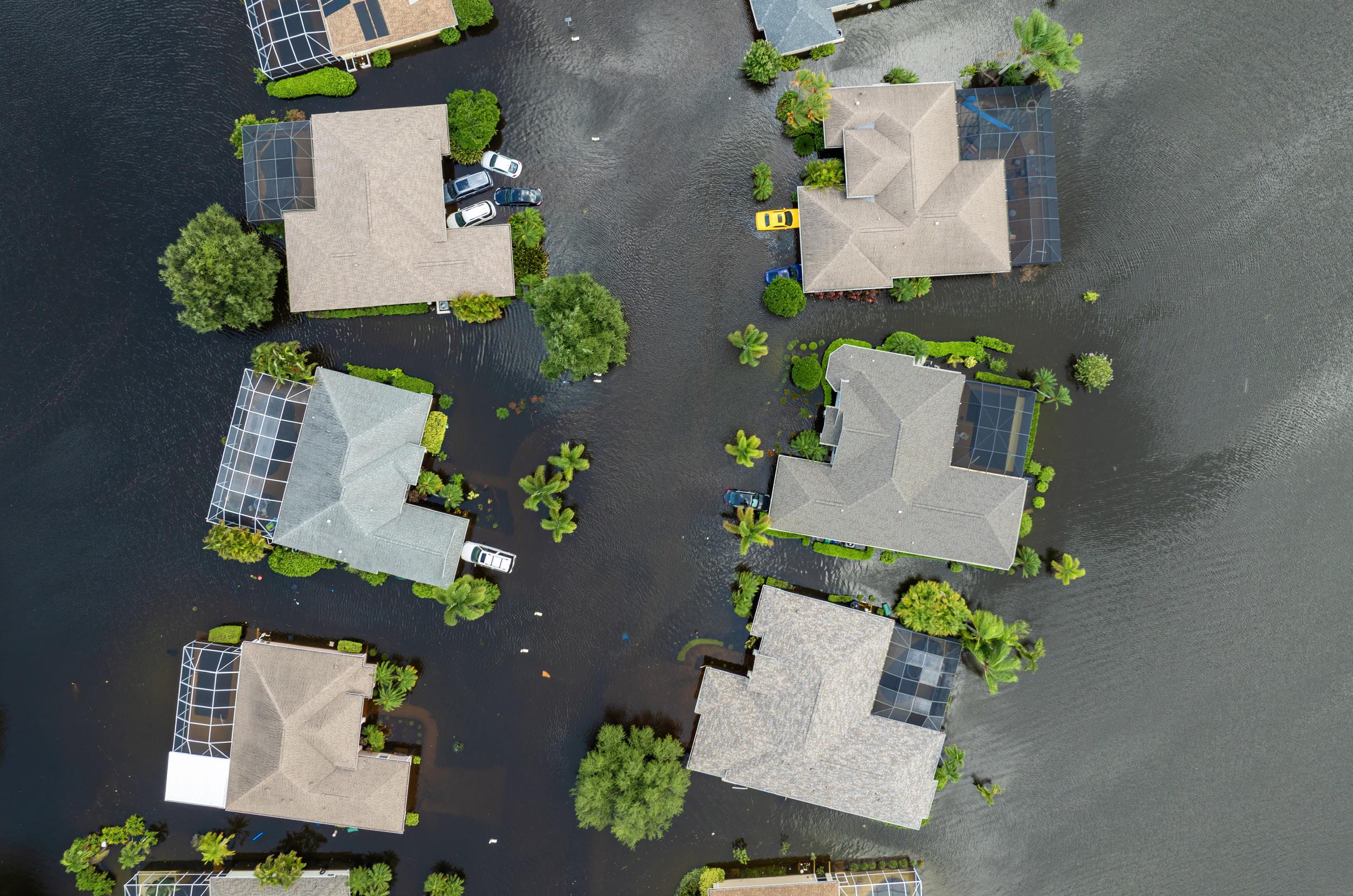
BY S. JAY BAILEY
A Who Wants to Avoid Reserve Depletion and Special Assessments?
few quick terms are defined as follows: Claims—Request for money to repair damages by policyholders from insurance companies.
Carrier—Insurance company
Adjuster—Claim estimator. There are two kinds: one for the carrier and one for the policyholder.
Policyholder—Insured, buyer of insurance
Endorsement—Added coverage to the policy over basic protection
Exclusion—What is not covered in the policy Peril—The cause of the damage, such as a hurricane, fire, flood, etc.
Photo by iStockphoto.com/Bilanol
1. TOPIC
S. JAY BAILEY, PUBLIC ADJUSTER AND CAM, LANDFALL PUBLIC ADJUSTERS LLC Landfall Public Adjusters, LLC
(386) 301-0868
S Jay Bailey Lic. G- 179616 | Firm Lic. G- 279745
S. Jay Bailey, #G-179616 and CAM #49311, is with Landfall Public Adjusters, LLC G-279745. For more information, visit insuredclaimhelp.com or call 386-3010868. Serving the State of Florida
How to get full recovery for damage losses to avoid depleting association reserves and creating unwanted special assessments (or how “not” to lose your management contracts)
2. PROBLEM TO ADDRESS
In Florida it is not “if” your association will be hit with (storm) damage, it is “when.” Your association could lose tens of thousands in recovery funds from your insurance company if you don’t understand what you need to do to receive your full payout. Not getting all the money you are entitled to can cripple your budget and place a severe financial hardship on your association members.
Contrary to popular belief, the big problem is not crooked insurance companies who refuse to pay claims; it is the lack of sufficient documentation, poor attention to deadlines, or improper submission formats by the insured.
However, original claim estimates by the carrier may often fall short due to operational realities such as tight deadlines, high claim volume, and limited access after events. The good news is that you can fix all these things and improve your financial recovery.
OPENING STATEMENT
Carriers and attorneys are absolute necessities in our world; the challenge is practical limitations affecting damage discovery.
A. Define Carrier Problems
High volume, tight deadlines, limited access, incomplete claims, and missed deadlines present challenges.
In a catastrophic event, there may be tens of thousands of claims and not enough time or staff to spend adequate time on each claim with the carriers. They are human and have limitations. There are only so many hours in a day. Time may not allow for deep testing of unseen issues that may be present. It’s up to the policy holder ultimately to show proof of loss. Read that again: the burden of proof is on the policyholder, not the carrier. Don’t make the mistake of allowing the carrier to be the only one involved in evaluating the worth of the claim.
B. Core Cause for Carrier Underpayment
Damage is not discovered, documented, or included in claim.
Winning Principle
Successfully negotiated claims are driven by documentation; stronger documentation leads to stronger outcomes ($$$$$).
Strategic Anchor
If it is not in the claim, it does not get paid.
C. CAM Reality
CAMs are not lazy; they are overextended with many responsibilities.
Additionally, most CAMs lack time, tools, and specialized experience for full claim development.
Tools Gap—Thermal imaging, moisture meters, and cost estimating software are often required.
D.
Consequences
Missed damage and deadlines lead to reduced recovery, disputes, and litigation.
Real Impact—Depleted reserves, special assessments, unnecessary lawsuits. (This is what we want to avoid.)
Industry Insight—Studies show substantially higher payouts with stronger documentation and professional representation.
3. SOLUTION
Deep inspection, thorough documentation, and proper claim preparation. Public adjusters were created for this task. They focus on documentation, inspection, and claim development.
PUBLIC ADJUSTERS ARE NOT ATTORNEYS BUT
DO REPRESENT YOU UP UNTIL THAT POINT, INCLUDING APPRAISAL AND MEDIATION PROCESSES.
Documentation—Strong documentation improves negotiation and outcomes. Evidence wins negotiations.
4. DELEGATION MAY BE YOUR BEST SOLUTION
CAMs benefit from delegating specialized claim work.
Fees
Public adjusters’ fees usually have no upfront costs: most adjusters work on contingency fees! Attorney fees are typically much higher. Public adjusters are required to be licensed by the Department of Financial Services in Florida as well as bonded. A 3-20 adjuster license can handle all claims from all perils. You may be thinking, “Why not use the association attorney?” The easy answer is that attorneys do not personally collect evidence, perform testing, or conduct interviews. Public adjusters create a scope or claim portfolio. If all else fails, attorneys need to go to court and use this documentation to plead your case, but litigation is time-consuming, expensive, and stressful. Attorney fees are much higher and are not capped. Litigation is the last resort if all else
fails. Only an attorney can represent you in a courtroom. Public adjusters are not attorneys but do represent you up until that point, including appraisal and mediation processes. As stated earlier in this article, insurance companies and attorneys are necessary; the key is to use them at the right time for the right reasons.
5. PRE-LOSS PREPARATION
Smart CAMs will document conditions, review policies, and prepare before damage happens while there is ample time. This is the time to take photos and videos; record model and serial numbers, etc. to avoid the “pre-existing” tactic some carriers may exploit. We can help you with that. You can also sign up now, so you go to the front of the line before the storm makes “landfall.”
Policy Review
Public adjusters will help you evaluate coverage, exclusions, and preventive measures. Public adjusters do not sell insurance, so their recommendations are objective with no conflicts. You get honest answers.
Records
Meeting minutes and records impact claim outcomes.
6. ETHICS
Focus on accurate, honest claims for entitled recovery. An ethical public adjuster will focus on getting the full amount the policy should provide—nothing less and nothing more.
7. SUMMARY
Preparation and documentation lead to better outcomes. CAMs should be proactive and prepared before the storm hits. That leads to way more money. Here we can apply the old cliche, “An ounce of prevention is worth a pound of cure.”
More recovery money means less or no need for outside funds using reserves or creating new special assessments—that’s what insurance is supposed to do.
Public adjusters can also review some previous claims you may have already been paid for and see if you left some meat on the bone. We can review that claim and submit a “supplemental” claim to get you even more money in many cases. It may not be too late to file based on your policy limits and/or State statutes.
Insurance companies also have well-paid experts to protect their financial interest. Don’t you and your owners deserve the same level of representation?
Here’s the takeaway: “If something is predictable, it is also preventable.” The storm is coming, that’s undeniable. I am not suggesting we can prevent storm damages. However, I am saying that by being proactive we can drastically lessen or possibly eliminate recovery shortfalls for the association. It’s the financial damage that we can reduce or prevent. That’s what insurance was meant to do and now is the time to address it. If you don’t have the time or resources, why not delegate it to us?
You have coverage, you have rights, and now you have options. Please remember, no recovery, no fee, and the fees are capped. Public adjusters are licensed and bonded in Florida. Would you like some help? n
FACES FACES
ELEVATE MONITORING
Elevate Monitoring is headquartered in the United States with a national service footprint. The company was established to meet the growing demand for reliable, code-compliant elevator monitoring solutions, and it is led by a team of experienced professionals specializing in life safety communication and monitoring services.
Elevate Monitoring was founded with a focus on modernizing emergency communication by replacing outdated copper lines with advanced cellular and IP-based technologies. Over time we have expanded our offerings to support voice, video and text-based monitoring solutions that comply with evolving safety codes, including ASME A17.1. Our growth has been driven by strong partnerships with elevator companies, property managers, and community associations seeking cost-effective, future-proof solutions.
We serve community associations and properties nationwide, providing services such as elevator monitoring, cellular gateway solutions, emergency dispatch, and system testing support. Our business philosophy centers on reliability, transparency, and helping clients generate recurring revenue while improving safety and reducing costs.
Working with community associations offers the advantage of long-term partnerships and the ability to enhance resident safety across multiple proper-
ties. However, challenges can include navigating budget constraints and ensuring all stakeholders understand evolving compliance requirements.
We encourage boards of directors to recognize the importance of upgrading outdated communication systems and ensuring their properties remain compliant with current safety codes. Investing in modern monitoring solutions not only improves safety but can also reduce long-term operational costs. For further inquiries, Elevate Monitoring can be contacted directly through our sales team, by phone at 877-990-9191, via email at ddellorusso@centragroup.net, or visit www.elevatemonitoring.com to discuss customized solutions tailored to your property or portfolio. n

A Board Divided
BY BETSY BARBIEUX, CAM, CFCAM, CMCA
It is incredibly draining to be the professional in the room when a board is essentially a “house divided.” It is exhausting when board members forget their fiduciary duties and start looking for ways to spite the person across the table. Besides the fact the community suffers, it is an exhausting tightrope walk for managers. While the board is at war, the manager is trying to keep things from grinding to a halt. It is hard to keep from getting caught in the middle. You remind yourself that the board dynamics will likely change with the next election if you can hang in there that long. Maybe next year some of these board members will not get reelected (or maybe they will). What can the manager do in the meantime to survive and help the board move forward with the business of the association?
Photo by iStockphoto.com/Bilanol
First, be sure to remain neutral. Don’t choose sides. Keep the main thing the main thing. Protect the property value, maintain the common elements and areas, and enforce the restrictions on the owners’ use rights. You are a licensed professional. Don’t let yourself be drawn into board members’ venting conversations. Don’t repeat gossip. Give only professional opinions, not your personal ones.
Second, be sure to include all board members in all your emails. Email is the best way to be transparent with your communications. Emails also leave a searchable paper trail; telephone calls and texts do not. Board members should all receive the same information at the same time. This way they see you are keeping up with the business of the association without having to call you or stop by the office to ask what is going on.
Third, try to keep board members focused on the mission statement (protect, maintain, enforce) and the documentary and statutory requirements. Decisions need to be made about maintenance and operations. Remind board members that vendors are waiting for their decisions. Critical repairs need to be made. Their focus needs to return to the financials, not each other. Infighting spreads to the owners and residents and creates factions.
In the book Dignity Barometer by Tom Shriver, he encourages positive attitudes like these:
• Each one of us is born with inherent worth, so we treat everyone with dignity—no matter what.
• We engage with the other side, even discussing values and interests we don’t share, open to admitting mistakes or changing our minds.
• We talk to the other side, searching for the values and interests we do share.
BETSY BARBIEUX, CAM, CFCAM, CMCA, FLORIDA CAM SCHOOLS
Betsy Barbieux, CAM, CFCAM, CMCA, guides managers, board members, and service providers in handling daily operations of their communities while dealing with different communication styles, difficult personalities, and conflict. Effective communication and efficient management are her goals. Since 1999 Betsy has educated thousands of managers, directors, and service providers. She is your trainer for life! Betsy is the author of Boardmanship, a columnist in the Florida Community Association Journal, and a former member of the Regulatory Council for Community Association Managers. Subscribe to CAM MattersTM at www.youtube.com/c/cammatters. For more information, contact Betsy@ FloridaCAMSchools.com, call 352-326-8365, or visit www.FloridaCAMSchools.com.
• The other side has a right to be here and a right to be heard. It’s their community too.
• Contempt for another board member has no place among board members.
And he discourages these following negative attitudes:
• We’re better than those people. They don’t really belong. They’re not one of us.
• We’re the “good people” and they’re the “bad people.” It’s us vs. them.
• Those people are evil and they’re going to ruin our association if we let them. It’s us or them.
A board divided can take a toll on you as the manager. Day after day, divisiveness can affect your thoughts, words, actions, attitudes, and motives. It can stomp on your boundaries. Following are some reminders to keep those boundaries in place:
• Let my “yes” be “yes, and my “no” be “no.” I’ll strive for honesty but be nice.
• I will not try to second guess what others want me to say or do. When asked questions or for an opinion, I will give information and not try to guess what I think they want me to say.
• Resentment is a signal that I should have said “no” sooner.
• People with good boundaries are seldom angry. How often am I angered?
• People with good boundaries seldom blame others. How often do I excuse my behavior or blame others? “She made me mad.” “He just ruined my day.” “Did you see the way they looked at me?”
• Do I seek out people who have a good influence on me?
• I am only responsible for my own thoughts, words, actions, attitudes, motives. I can’t force others to have mine.
• I must remember that if my board chooses to let the building paint peel or the swimming pool turn green because they can’t agree on a vendor, it is a board failure, not mine.
Contempt is the main obstacle to getting things done. -- Tom Shriver – Dignity Barometer n
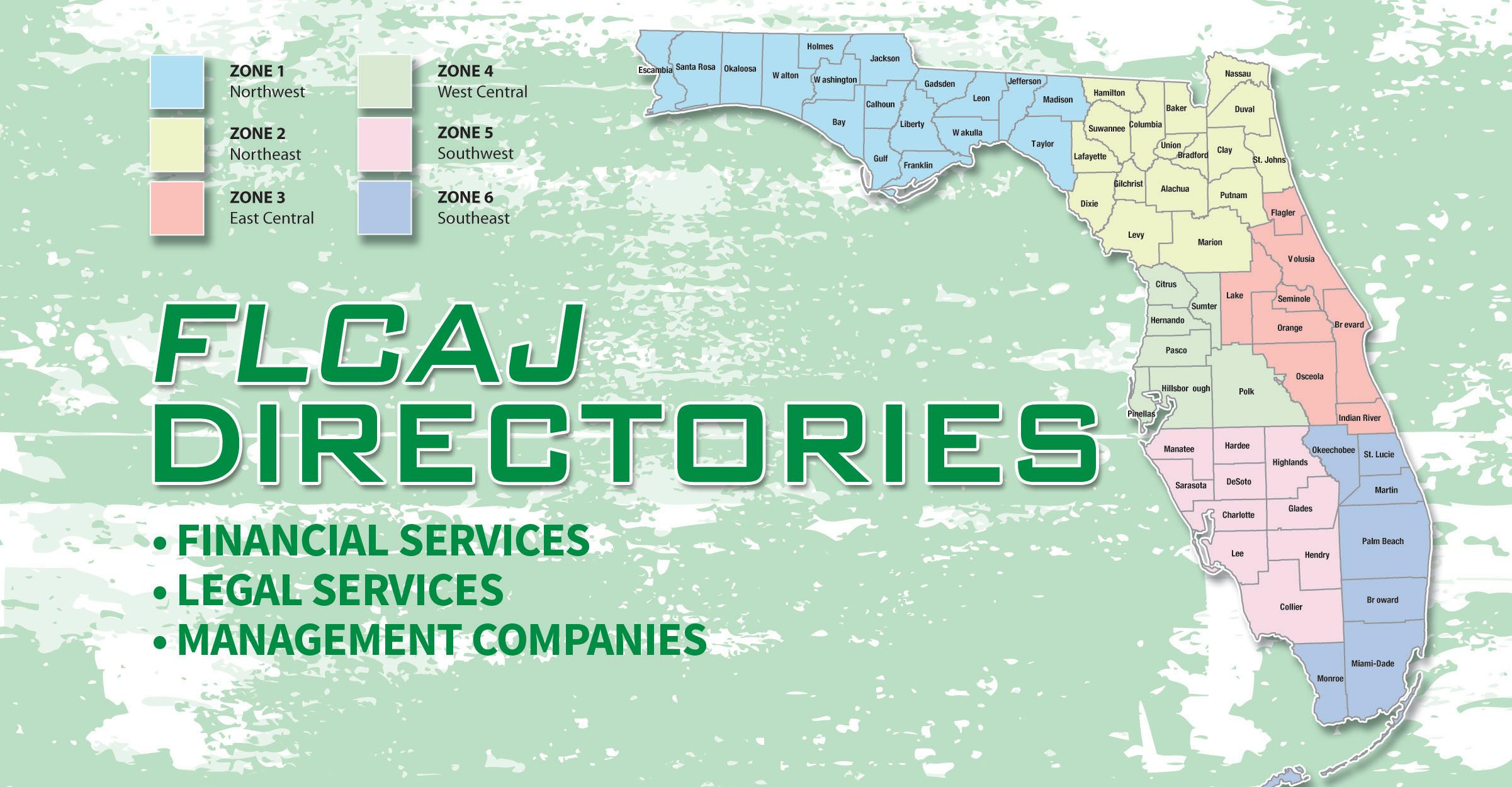
Devin & Associates 360 Central Avenue, Suite 800 Saint Petersburg, Florida 33701 727-290-2578
jjaram@devinandco.com devinandco.com








Acentria Insuranvce
125 SE Tesoro, Ste. 107 Port St. Lucie, FL 34984
772-461-6040 www.Acentria.com
Herbie Wiles Insurance Agency
400 N. Ponce de Leon Boulevard St. Augustine, Florida 32084 800-997-1961
www.herbiewiles.com
Insuring over 100 FL condo associations and HOAs.
The Turner Insurance Advisor Group 2121 NE Coachman Road Clearwater, Florida 33765 www.turnergroupfl.com


Hunter Claims LLC 4613 N. Clark Avenue Tampa, Florida 33614 813-774-7634 www.hunterclaims.com
Landfall Public Adjusters 4 Cedar Falls Drive Ormond Beach, FL 32173 386-301-0868
insuredclaimhelp@gmail.com
landfallpublicadjusters.com


LEGAL SERVICES


Gelfand & Arpe, P.A. 1555 Palm Beach Lakes Boulevard, Suite 1220 West Palm Beach, Florida 33401 561-655-6224 www.gelfandarpe.com



Siegfried Rivera 201 Alhambra Circle, 11th Floor Coral Gables, Florida 33134 800-737-1390 www.siegfriedrivera.com Experience Personalized Professionalism.
Tripp Scott Law Firm 110 SE 6 Street Fort Lauderdale, Florida 33301 954-525-7500 www.trippscott.com
For over 50 years, Tripp Scott has served our community.

MANAGEMENT CO. DIRECTORY


Allied Property Group Inc. 12350 SW 132 Court, Suite 114 Miami, Florida 33186 305-232-1579; 239-241-6499 www.alliedpropertygroup.net
Providing service to South Florida since 2003.
America's Community Management 4733 W. Atlantic Avenue, Suite C-22
Delray Beach, Florida 33445 833-628-8288 americascommunitymgmt.com

HOA Amplified by Jilsa; www.hoaamplified.com
KW PROPERTY MANAGEMENT & CONSULTING, LLC 8200 NW 33rd Street, Suite 300 Miami, Florida 33122 305-476-9188 www.kwproperty management.com A Professional and Independent Approach to Management.


Sign up for our Newsletter fcapgroup.com/nl-sd


MAY Management Services, Inc. 5455 A1A South St. Augustine, Florida 32080
904-461-9708
www.maymgt.com
Over 20 years in Northeast Florida!
Sign up for our Newsletter fcapgroup.com/nl-sd



Miami-Dade, Broward and Palm Beach Counties
Contact Kristin Dumornay at 954-845-6102 or kdumornay@miamimanagement.com www.miamimanagement.com
Qualified Property Management 5901 US Highway 19, Suite 7 New Port Richey, Florida 34652 877-869-9700
www.QualifiedProperty.com
Proudly Serving HOA, COA, Co-ops, Master Planned Comm. Assoc.
5523 W. Cypress Street, Suite 102
Tampa, Florida 33607 866-403-1588
www.RealManage.com
Serving Orlando and Tampa Communities.
Sign up for our Newsletter fcapgroup.com/nl-sd
Towers Property Management
1320 N. Semoran Blvd., Suite 100
Orlando, FL 32807
407-730-9872
www.towerspropertymgmt.com
Sign up for our Newsletter fcapgroup.com/nl-sd



Products and Services Directory
ACCESS CONTROL, SECURITY AND CUSTOM
GATE AUTOMATION
The Finest Quality Automated Gate and Access Control Systems SUNBELTSYS COM
904-354-7060
AIR DUCT CLEANING
Air Duct Aseptics
Certified Air Duct Cleaning, Dryer Exhaust Cleaning repair & replacement. Mold testing 888-707-7763 www.adaflorida.com
ALARM MONITORING
ADT Security Services: Community Association Service Center; 800-878-7806; ADT.com

ALUMINUM RAILING
Mullets Aluminum: 941-371-3502; nate@mulletsaluminum.com; www.mulletsaluminum.com
ASSOCIATION
Palm Beach Community Managers Association: 561-753-0881; pbcma.org; pbcmaflorida@gmail.com
ASPHALT REPAIR/ REJUVENATION
Asphalt Restoration Technology: 800-254-4PDC (4732); www.asphaltnews.com.
BALCONY INSPECTIONS
Howard J. Miller Consulting Engineers: 561-392-2326; www.HowardJMiller.net



Promar Building Services LLC: Alfredo Amador; 561-598-4549; info@promarbuilding.com
CONCRETE RESTORATION PROJECT MANAGEMENT
Daniello Companies: 888-370-4333; www.concreterepairing.net.

EDUCATION
ELECTRIC
Hypower Electrical & Utility Contractor
888-978-9300; www.hypowerinc.com
ELEVATOR SERVICE/REPAIRS
Connections Elevator: Elevator maintenance agreements, repairs and modernizations; 954-792-1234; www. ConnectionsElevator.com.
Elevate Monitoring: 877-990-9191; elevatemonitoring.com
ENGINEERS
Consult Engineering, Inc: 941-206-3000; www.consultengineering.com.
Howard J. Miller Consulting Engineers: 561-392-2326; www.HowardJMiller.net
NV5: 954-495-2112; nv5.com
PEGroup Consulting Engineers, Inc.: 800-698-2818; 305-655-1115; www.pegroup.com.
Swaysland Professional Engineering Consultants (SPEC): 954-473-0043; 888-264-7732.
FENCING
GENERAL CONTRACTORS
Hartman & Sons Construction, Inc.: 407-699-4549; fax: 407-6990919; Serving Central FL

Blue Stream Fiber 888-960-2855 www.bluestreamfiber.com

AND GATES FIRE ALARM SYSTEMS
Bass United Fire & Security Systems, Inc.: 954-785-7800; www.bassunited.com.


AND WETLAND MGMT SOLitude Lake Management: 855-908-5828; solitudelakemanagement.com
AND WATERPROOFING





PIPELINING SOLUTIONS
Trenchless Sewer Line Repairs: 786-322-4600; trench less-repairs.com
ROOF COATINGS
Polo International: 954-7825851; www.polo14.com
ROOF MANAGEMENT & CONSULTING

ROOFING
SPF Systems, Inc.: (866) 5613626; HurricaneProofRoof.com.
Sutter Roofing: 800-741-0090 or 941-377-1000; sutterroofing.com
Promar Building Services LLC: Alfredo Amador; 561-598-4549; info@promarbuilding.com
PATIO FURNITURE REPAIR
Sarasota Patio Furniture Repair: 941-586-6917; saraso tapatiofurniturerepair.com
PATIO FURNITURE RESTORATION
Absolute Patio Furniture Restorations: 954-917-2715; tammy@absolutepowdercoat. com; absolutepowdercoat.com


SEALANT
Pecora Corporation: 800-5236688; freemana@pecora.com
SECURITY
Ramco Protective: 888-3989700; www.ramcoprotective.com.
SIRS REPORT
Howard J. Miller Consulting Engineers: 561-392-2326; www.HowardJMiller.net
SWIMMING POOLS

WATER, SEWER AND DRAINAGE—INSPECTION AND REPAIRS
Hinterland Group: 561-6403503; hinterlandgroup.com
WINDOW CLEANING
Squeegee Squad: 305-897-1310; marcellomagno@squeegeesquad. com; squeegeesquad.com