211 – Referral Service for any community service you request info about 311 – Non-emergency Reporting Line for large cities
Examples: report road damage, graffiti, community alerts (Admittedly, this isn’t particularly useful in our county, it’s here just so you are aware of it)
411 – Phone Number Directory Assistance
511 – Road Conditions Information - or visit www.511.alberta.ca
611 – Phone Repair Service
711 – Messaging System for hearing or speech impaired
811 – Non-urgent Health Care Concerns. Speak with a nurse for an assessment.
911 – HELP NOW! FOR EMERGENCY USE: FIRE, AMBULANCE & POLICE
988 - Suicide Crisis Hotline
Tips That Will Assist You In Case Of Emergency
• Be Prepared! When an emergency happens, a person can quickly become overwhelmed. Have the necessary information available in an easy-to-locate spot.
• Also note: Occupants of the home should have their Green Sleeves on the fridge for EMTs to access.
• See the local libraries for assistance. They will create an 8 x 10 bright colored poster with the information you provide, which you can then frame or post on
your wall – ask for more than one copy if you like. We suggest framing it and hanging it on the wall within reach in your general living space.
• If you are found unconscious the police or medics may use your cell phone to find out who to call. They look in your phone contact list for “ICE” (in case of emergency). If you would need assistance with adding this to your cell phone, just ask at the library.
Published by Clearwater Regional Family and Community Support Services (FCSS)
Thank You to Clearwater Regional FCSS who brought the Seniors Resource Directory to life, a second time over, for the community. Thank you to The Mountaineer. We acknowledge Gail for her design expertise, Shelly for her spectacular promotional skills and Glen for his coordination and support of the project. A shout-out goes out to Katelyn, the Social Work program student at Red Deer Polytechnic, who provided a lot of the preliminary work for the directory. Also, to DeAnna, the Seniors/Outreach Coordinator at FCSS for her in-depth knowledge of seniors supports and services.
Anniversaries & Birthdays
You can get congratulatory messages from the King for 60th and 70th wedding anniversary and 100th birthday celebrations. You can also get congratulatory messages from the Governor General of Canada for 50th wedding anniversaries and every five years thereafter, 70th wedding anniversaries and every year thereafter, 90th birthdays and every five years thereafter, 100th birthdays and every year thereafter.
Please apply eight weeks in advance. Back dated messages can be obtained with some limitations. Mail:
Office of the Secretary to the Governor General Rideau Hall c/o anniversaries 1 Sussex Drive Ottawa, Ont K1A 0A1
1-800-465-6890 or fax 1-613-990-7636
Email: anniversaries.anniversaires@gg.ca
You can also get a message from the Premier of Alberta for milestone occasions — contact your current MLA.
Significant Calendar Dates
•
•
Support Agencies
ALS Society of Alberta .................. 403-228-3857
Alzheimer Society Alberta & NWT ......................... 1-866-950-5465
Âsokêwin Native Friendship Centre ........................................ 403-845-2788
Canadian Cancer Society ............ 1-888-939-3333 www.cancer.ca
Financial Assistance Program, Wig Bank, Cancer Connection, info and support. Resources for groups, family, individual support, donations, printed materials, independent fundraisers, and Relay for Life.
Canadian National Institute for the Blind (CNIB) .................... 1-800-563-2642 www.cnib.ca
Caroline Neighborhood Place Society ........................................ 587-219-2527 carnpcoordinator@gmail.com
Referrals and assistance for all community needs.
Central Alberta Cancer Centre (Red Deer Hospital) ..................... 403-343-4526
Clearwater Regional Family and Community Support Services (FCSS) ................ 403-847-5270 fcssmanager@trmh.ca
A community resource for social services and volunteer programs in Rocky Mountain House and Clearwater County.
Dementia Support - AHS Health Line ............ 811
Rocky Mtn. House Filipino Canadian Community Association - contact: Fely MacKay 403-846-1812 or Jhay Clearwater 403-392-2613 or Facebook.
Mountain Rose Women’s Shelter ... 403-845-5339 www.mrwsa.net 24 hr. crisis support for victims of family violence.
MS Society of Canada
Central Alberta Chapter ............. 1-800-268-7582
Support and education for individuals with M.S., their families and caregivers.
Parkinson Alberta Society .......... 1-800-561-1911 www.parkinsonassociation.ca
Rocky Mountain House Disability Services ....................... 403-845-8231
Develop and arrange funding to support adults with developmental disabilities. Assisting individuals and parents/guardians with information, resources, support services or programs in their community. https://www.alberta.ca/pdd-supports-andservices
Red Deer Celiac Support Group ...... 403-341-4351 email: reddeerceliacs@yahoo.ca Support for celiac disease and gluten intolerance.
Public Guardian & Trustee .......... 1-780-427-2744 https://www.alberta.ca/opgt-supports Services, tools and support for personal and financial matters to vulnerable Albertans and their families.
Provide support and information to Canadian Veterans including mental health counseling, benefits, information, and financial support.
Support Agencies
Seniors’ Centre Without Walls
Seniors’ Centre Without Walls (SCWW) is as simple as just picking up your telephone! Completely free program. Programs are multiperson phone conversations or conference calls. No special equipment needed – just your average phone! Call yourself in to the program, or they can call you – it’s your choice!
Each phone session lasts between 30-60 minutes. Each phone session averages 10-15 people on the call. You can hear each other, talk to one another, learn and/or just have fun! Activities: listen to live musical entertainment, join in on general conversations, and make new and meaningful friendships – all from the comfort of home. For more information, please contact Rachel Sutcliffe, SCWW Coordinator, at 613-236-0428 ext. 2323. email scww@thegoodcompanions.ca
Counselling & Addiction Services
Weekly meetings to support people wishing to stop their alcohol addiction at First Christian Reformed Church, Fridays, 7:30-8:30 p.m.
Registry agents offer registration, information, and licensing services on behalf of government. Registry agents provide information on vehicle and driver services, and obtain vital statistics documents.
Central Alberta Law Office (Legal Aid) ................................. 403-340-7730
Elevation Law ............................. 403-845-2545
Frontier Law Group LLP ............... 403-789-8662 in Caroline
Hamilton Baldwin Law ................. 403-845-7301
Peter Crossley Law Office ............. 403-845-2828
Wilson Cruickshank Law Office ..... 403-782-3392
Legal Aid Society of Alberta Red Deer Office ........................... 403-340-5119 ............................................... 1-866-845-3425 www.legalaid.ab.ca
While not everyone can afford a lawyer, every Albertan deserves access to a fair legal system. As a publicly funded, non-profit organization, we provide affordable legal services in family law, domestic violence, child welfare, immigration, and youth and adult criminal defense.
Marriage Commissioner marriageunit@gov.ab.ca
Commissioner of Oaths
Available at Lawyers & Registry Agents
Office of the Public Guardian ........ 403-340-5165 humanservices.alberta.ca/guardianshiptrusteeship/office-public-guardian.html Provides decision-making mechanisms for individuals who are unable to make decisions for themselves.
www.clearestate.com Try on-line: for estate settlement and estate planning resources
www.OAKNET.ca
A wealth of legal information on abuse, estate planning, housing, relationships, scams, fraud and travel.
Rocky Registries .........................
403-845-4880
Registry agents offer registration, information, and licencing services on behalf of government. Registry agents provide information on vehicle and driver services, and obtain vital statistics documents.
Help
EMERGENCY: CALL 911
Medical, Fire or Police
• Your phone number(s) is required.
• Have your address displayed clearly in your home for easy access: Your mind can go blank in an emergency.
• In rural areas, your blue-sign laneway number is required.
• If it’s a medical emergency paramedics will look for a Green Sleeve that should be on your fridge. If you aren’t aware of what this is, for more information call the Home Care Dept. at the hospital for assistance with these important documents.
Open second and fourth Tuesday from 1 -3 p.m. in basement of Nazarene Church Office in Caroline (the house next to the Church). Present your Alberta Health Care Card. Food Bank is closed in December because they sponsor the Christmas Hamper program. To nominate a family or individual, call the Church office: 403-722-3921.
Alberta Caregiver College ........... 1-780-735-8283
A virtual college with courses to enhance the knowledge and skills of caregivers who provide for their family members and other loved ones. Classes developed by Glenrose Rehab Hospital and Alberta Health Services.
Caregiversalberta.ca
Lots of crucial resources to offer people that are filling the role of caregiver.
They will review the specifics you provide and advise.
Provides a handmade quilt for anyone facing cancer treatments.
Lawn and Yard Care Services
Call to discuss your needs and the associated charges for your specific situation.
(for victims of family violence)
www.mrwsa.net
Services:
Emergency
2nd
Outreach
• Peer Support Group
Educational Programs:
• Domestic Violence in Your Workplace
• Leading Change - Bystander Approach
• School and Community Presentations
Help
Meals On Wheels
Provides meals to the door of individuals which fosters independence
In Rocky: West Country Family Service Association ..................... 403-845-2033
In Caroline: e-mail: carolinemealsonwheels@gmail.com
Overnight Shelter
Contact FCSS Office for more info .. 403-847-5270
Poison Centre .............. toll free 1-800-332-1414
RCMP
Complaints (24 Hours) .................
RCMP Administration ..................
403-845-2881
403-845-2882
Location: 4428 - 45 St., Rocky Mountain House
Central Alberta Regional Victim Serving Society (CARVSS) .................................... 403-322-5442
e-mail: rockymountainhouse@carvss.ca
Location: 4428 - 45 St., (RCMP Bldg.)
Provide support and referrals to victims of crime. Support workers are available through the RCMP. Services include victim impact statements, financial benefits, restitution, court support and information. 24/7 crisis service available through the RCMP.
Friends of the Rocky Mountain House National Historic Site. Services: Trading Post Gift Shop, support and promotion of the National Historic Site, special events and David Thompson Puppet Show. Gift shop is open 7 days a week, May to Labour Day. Call for Sept. hours. Closed Oct. to May. Meetings: First Monday of the month at 7 p.m.
Northern Crossing Music and Drama Society www.facebook.com/NorthernCrossing e-mail: mediateam@northerncrossingmusic.com
Promoting local talent in music and dramatic arts. Providing educational opportunities in music, drama to all members. Christmas and spring productions. Please use Facebook page for more information or to contact the society.
Nordegg Discovery Centre ............
Mid-May to Mid-September
Off season: Clearwater County ...........
403-721-2625
403-845-4444
Rocky Arts and Crafts Guild .......... 403-845-3720
Located upstairs in Rocky Regional Recreation Centre e-mail: rockyguild@outlook.com
Rocky Mountain House Museum ... 403-845-2332
Visitor Information ...................... 403-845-5450
www.rockymuseum.com
e-mail: rmuseum@telusplanet.net
Location: 5406 - 48 St., Hwy. 11
Indoor and outdoor displays focusing on local pioneer history. History books for sale. Conference room with media equipment for rent. Group/School tours. Please book two weeks in advance.
Local Government
Clearwater County Administration Office ................. 403-845-4444 clearwatercounty.ca
Town of Rocky Mountain House Office ......................................... 403-845-2866 www.rockymtnhouse.com e-mail: town@trmh.ca
Provincial Government
MLA Jason Nixon ........................ 403-638-5029 email: rimbey.rockymountainhouse.sundre@ assembly.ab.ca
Federal Government
Environment Canada
Provides current weather information
Member of Parliament
MP William Stevenson ............... 1-800-268-7117
Email: william.stevenson@parl.gc.ca
Provincial Government
See Alberta Senior Directory, available from FCSS or local Seniors Centres, for every possible government number a senior could possibly need.
RITE Number Toll Free Direct Dialing to the
(Your call will be directed to the appropriate office that you request)
Alberta Blue Cross .................... 1-800-661-6995
.............................................. or 403-343-7009
www.ab.bluecross.ca
Alberta Health Care Insurance Plan ..... 310-0000 .............................................. or 780-427-1432
www.healthalberta.ca
Canadian Blood Services
Central Alberta ........................... 403-848-3904
Blood Donor Clinic
Chiropractors
Bruce Rudkin Chiropractor ........... 403-845-2111
Mountain Chiropractic & Partners in Health ..................................... 403-845-3536
Life Force Chiropractic ................. 403-340-0278
Located in the Caroline Community Hub
Death and Dying
Compassionate Care
Hospice Society ........................... 403-895-4030
Provides hospice care within the community in an at home-like setting offering respect, dignity, empathy and compassion to meet the physical, spiritual and emotional needs through the end of life and bereavement journey.
Dying with Dignity Canada ....... 1-800-495-6156
Michelle King
Memorial Society of Red Deer & District .................................... 403-340-3898
A memorial society is a group of like-minded people from all walks of life, who respect the need for a simple and dignified alternative to costly and elaborate funerals. We have contracts with many Central Alberta funeral homes, to offer dignified and inexpensive services to our members. Nominal annual fee of $25 per year. 3030-55 St., Red Deer. Call 403-340-3898 to get more info.
Dementia Advice: call Health Link at 811
Dentists/Denturists
First
Nations Health
The centres listed above provide nursing services, medical transportation, support services, dental services, health and medical resources.
First Nations and Inuit Health,
Community and Public Health services to First Nations peoples.
Footcare Providers
*Mobile Services May Be Applied*
Rocky Mountain House Health Centre
General Information (Reception) .. 403-845-3347
Acute Care Nursing Station ................. 403-844-5291
Community Home Care ................ 403-845-3009
(located at the hospital, enter building, turn right and continue to end of hall, office is on your right)
Services: Assessments, coordination, and provision of services to clients. These may include nursing, physiotherapy, occupational therapy, and assistance in obtaining supplies. Ongoing client care is provided. Home Care provided.
Public Health .............................. 403-845-3030
(located at the hospital, enter building, turn right, first office on your right)
Services: Regional Public Health interdisciplinary teams consisting of public health nurses, dental hygienists and nutritionists provide services to all age groups. Flu and other immunization; communicable disease control; dental health services; nutrition services; visits to newborns; school consultations; well-baby clinics; information and referrals for health-related matters.
Mental Health Clinic .................... 403-844-5235
(located at the hospital, enter building, turn right, it’s the second office door on the right as you head down the hall)
Services: Provide a comprehensive mental health assessment, referral, consultation, and treatment to persons of all ages who are experiencing significant mental or emotional problems. A variety of treatment options are available. Telepsychiatry program available by medical referral.
Green Sleeve Information and Assistance
Continuing Care Counsellors
Rocky Mtn. House Health Centre .. 403-845-3009
Lab Appointments
Alberta
Hearing and Optical
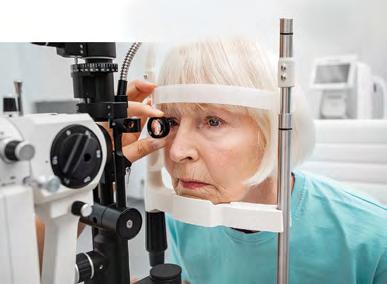
Rocky Eye Care Centre ................. 403-845-2780
Home Care Services .................. 1-855-371-4122
Central Zone (All Services) – This number is the intake number should you require some type of in-home health services. This is the starting point. Have your health care number ready.
Caroline Community HUB ................ 403-722-4055
Moose & Squirrel Clinic, Sundre .... 403-638-4433
Call Sundre to book appointments in Caroline Life Force Chiropractic ................. 403-722-4055
Rocky Medical Clinic .................... 403-845-2815
rockymedical.com
Rocky Mountain House Primary Care Network (PCN) ............................ 403-845-3050 www.rockypcn.com
Location: Unit 1, 5020 - 44 St. (South of Sobeys) Services: Helps to coordinate health services provided by family doctors, health care professionals and the health region. Some of the services include diabetes management, high blood pressure, mental health, chronic disease self-
management, obstetrics, cardiac health, geriatrics, dietary services, respiratory health and nurse navigator.
Sexual Health Clinic .................. 1-888-346-9414
Medical
Equipment
M.E.L. Society
Medical Equipment Lending ......... 403-845-7470
A medical/health equipment lending service that promotes independence, mobility, quality of life, safety, equal access to equipment supports, and helps to reduce isolation for clients. A full array of equipment available for free or negligible fees.
Pharmacies
Alpine Drug Mart ......................... 403-845-3727 Evergreen Co-op Pharmacy .......... 403-845-2841 On the Mend Pharmacy ................ 403-847-1500 Pharmasave ................................ 403-847-6899 Rocky IDA Pharmacy .................... 403-871-5572
Shoppers Drug Mart .................... 403-845-3066
Caroline Community Pharmacy .... 403-722-3750
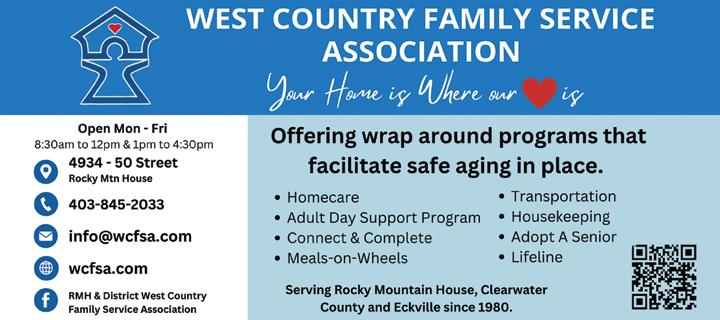
West Country Family Service Association ................................. 403-845-2033 www.wcfsa.com
Home Support, Homemaking, Meals on Wheels, Philips Lifeline, Respite and Palliative Care and Community Access Transportation.
Rocky Mountain Physiotherapy and Wellness ............................... 403-845-7222
A variety of wellness services & healing modalities
Respiratory Homecare Solutions (sleep apnea)
Rocky Mountain House: ............ 1-403-347-6707
This Red Deer number will be able to take bookings or answer your questions regarding the Rocky location (Railway Plaza)
Recreational & Sports Groups
So Much To Choose From!
Alberta 55 Plus ......................... 1-403-700-0454 members.alberta55plus.ca e-mail: info@alberta55plus.ca
Established in 1980, Alberta 55 Plus is a not-forprofit volunteer-driven group of people helping mature Albertans enjoy a healthy, vital future through active lifestyle choices. They promote sports and recreation development for all Albertans 55 years of age and older. Collectively, they support the Alberta 55 Plus Summer/Winter Games and the Canada 55 Plus Games. They have over 40 activities to choose from including crib, bridge, arts and crafts, team sports, billiards, and so much more.
Recreation Facilities
Rocky Regional Recreation Centre (Arena Complex):
Rocky Mountain House ................ 403-845-3720 e-mail: guestservices@trmh.ca
Various league options for all ages call for details.
Rocky Legion Dart Club ................ 403-845-6948
Social darts and team play for adults.
Rocky Motorcycle Club www.rockymotorcycleclub.ca or visit us on Facebook
Promoting fun motocross and hare scramble events for riders of all abilities in a family friendly environment.
Rocky Mountain House
Over 30 Hockey League
Call the Rec Dept: 403-845-3720 and they will put you in touch with the organizers.
Rocky Mountain Bike N Board
Cycling Club ................................ 403-845-2204
Certified coaches and officials, weekly club and training rides.
Rocky Mountain House Cross Country Ski Club www.facebook.com/Rocky Mountain House Cross Country Ski Club
Promotes cross country skiing: classic and skating. Jack Rabbit program for learn to ski and technique. Seasonal. The club’s groomed trails are located at the Pine Hills Golf Course.
Rocky Rod and Gun Club .............. 403-322-9725
www.rockygunclub.com
Rifle, handgun, shotgun and archery ranges. Member/volunteer operated and maintained.
Rocky Whirlaways Square & Round Dance Club ....................... 403-844-3622
Location: Pioneer Centre, Rocky Mountain House. Call for days and times.
West Country Harness Club ..........
Western Wheels Auto Club ............
403-845-6369
403-844-0130
email: westernwheelsautoclub@gmail.com
All makes and models car club.
Be sure to check out our Facebook page for more information.
Special Interest Groups
Are you bored? Well look no further! All these groups would welcome your volunteer participation.
Bighorn Heritage ATV Society ........ 403-729-2524 www.bhas.ca
Promote and maintain environmentally friendly trails for users in the Bighorn area.
Caroline and District Historical Society Wheels of Time Museum ............... 403-722-3884
Clearwater Community Policing Advisory Committee .................... 403-845-2882
To effectively liaise with local RCMP and other agencies and groups to collectively prevent or resolve problems that affect the community’s safety and quality of life.
Clearwater County Taxpayers’ Association .................................. 403-729-2493 clearwatercountytaxpayers.blogspot.com
A non-partisan group working to address taxpayers concerns in Clearwater County
Clearwater Regional Family and Community Support Services (FCSS) Volunteer Coordinator .................. 403-847-5270 fcsscoordinator@trmh.ca
ATTENTION: To seek a volunteer opportunity or to register a need for volunteers contact the Volunteer Coordinator.
Hospital Volunteer Resources ....... 403-844-5286
ROAR Society (Rocky Organization for Animal Rescue) .......................
403-844-6024 www.roarsociety.ca
Rescue group dedicated to helping stray animals and animal adoptions. Phone for info and leave a short message.
Rocky Agriculture and Stampede Association (RASA) ...................... 403-845-9124 email: info@rockyrodeo.com
Rocky ATV Club email: rockyatvclub@gmail.com
Rocky Mountain Chuckwagon Association (RMCA) ......................
403-845-0591 www.battleoftherockies.com
Rocky Fish and Game Association ................................. 403-845-8230
Volunteer group representing hunters, anglers and outdoorsmen.
Rocky Mountain House Agricultural Society ....................................... 403-845-9124 e-mail: rockyagsocietyprez@gmail.com
Caroline Lions Club ...................... 403-722-3022
Service club in the community
Knights of Columbus ................... 403-418-7089
Leslieville Elks Club ..................... 403-729-2286
West Country Kinettes
e-mail: rockykinettes@gmail.com
Please see Facebook and Instagram for more info
Rocky Kinsmen Club .................... 403-704-6385
e-mail: rmhkinsmen@gmail.com
Rocky Lions Club ......................... 403-846-7294
e-mail: shane_9.5@live.ca
Rocky Oilmen’s Association .......... 403-844-9450 e-mail: rockyoilmens@outlook.com
The Oil Wives of Rocky Mountain House ................ 403-895-3664 www.oilwives.com
Fostering friendships. Activities include Red Cross blood drives, meals on wheels.
Royal Canadian Legion - Rocky R.L. Zengel V.C. Branch No. 8 ........ 403-845-6948
Provides service to veterans/dependents and the community. Recreational activities, pool, darts and card games. Social activities, monthly dances.
Royal Canadian Legion - Caroline No. 177 ....................................... 403-722-3330
.......................................................... or 403-722-4091
Caroline and District Senior Citizens Drop-In Centre Association .......... 403-872-3642 Various activities geared to seniors.
Golden Circle Senior Resource Centre – Red Deer ........................ 403-343-6074 www.goldencircle.ca
Golden West Drop In Centre Spruce View ................................ 403-466-5525 ........................................................... or 403-728-3536
Leslieville Leisure Club ................ 403-729-3894
Pioneer Centre
Rocky Mountain House ................ 403-845-5359
Activites for seniors: Coffee, Shuffleboard, Whirlaways Dancing, Floor Curling, Chair Yoga, Cards (Canasta, Military Whist, Crib, Euchre, Rummoli). Facebook: Pioneer Center Rocky Mountain House
Sundre West Country Centre ........ 403-638-3298
Seniors centres can be a vibrant hub where seniors meet and enjoy the support and company of their peers. Lots of programs, activities and information are at each one. The success of these places hinges on people like YOU participating!
The Alberta Seniors Directory has ALL the information on Government and senior finances. For a copy call FCSS at 403-847-5270.
Alberta Supports ...................... 1-877-644-9992
Low-cost accounts cost a maximum of $4 per month in banking fees. The Government of Canada and certain financial institutions have an agreement to provide low-cost basic banking services. If you meet certain conditions, you may be eligible for a lowcost or no-cost account. No-cost accounts have the same features and services as low-cost accounts but with no monthly fee. You may be eligible to get this type of account if you’re a senior getting the Guaranteed Income Supplement (GIS). Request an appointment with your bank to discuss this.
Canada Old Age Security (OAS) ....................................... 1-800-277-9914
Canada Pension Plan (CPP): ...................................... 1-800-277-9914 www.servicecanada.gc.ca
Canadian Anti Fraud Centre ....... 1-888-495-8501 www.antifraudcentre-centreantifraude.ca
The Canadian Anti-Fraud Centre collects information on fraud and identity theft. We provide information on past and current scams affecting Canadians. If you believe you’re a victim of fraud, report it!
A registered non-profit service for consumers, helping you navigate through your debt.
Family & Community Support Services (FCSS) ........................................ 403-847-5270
Free income tax preparation for low-income individuals
Seniors Property Tax Deferral Program .................................. 1-780-644-9992
Residential Access Modification Program .................................. 1-877-427-5760
Seniors Housing Accessibility and Repair Program .................. 1-780-644-9992
Alberta Health Services
Continuing Care Access Centre ..................................... 1-855-371-4122 (home-care/placement)
www.alberta.ca
Alberta government site where you enter information and have it match you up with possible housing options. It will also answer questions about continuing care and has a financial estimator available. If you’re not comfortable with the internet, the staff at the libraries are happy to assist you. Or visit Neighborhood Place in Caroline (587-219-2527).
Housing Support Coordinator ...... 403-844-5414
Office at Mountain Rose Centre in RMH. Assists individuals to find suitable housing.
Continuing Care Licensing Office .. 780-644-8428
For housing issues. Call if you have a concern about a facility providing adequate housing conditions or to discuss the Resident and Family Council Act.
For health service issues. Call if you have beefs or bouquets regarding health care service in a continuing care environment.
Rocky Senior Housing Council Managed Properties
Rocky Senior Housing Council
Rocky Mountain House ............... 403-845-3588
Seniors independent housing and lodge living. www.rockyseniors.com
ROCKY MOUNTAIN HOUSE:
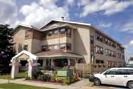
Westview Lodge – 72 rooms
Acton House – 20 self-contained units
Columbus Place – 36 self-contained units
Day Manor – 8 self-contained units
CAROLINE:
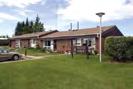
Mountain Sunset Manor – 8 self-contained units
LESLIEVILLE: McLeod Manor – 4 self-contained units
Good Samaritan Clearwater Centre .......................................
403-845-6033
(“The Good Sam’s”) Residential Long-Term Care www.gss.org
Offers full spectrum supportive living including cottage for dementia clients.
Ravines at Park Avenue ................
403-871-8020
Park Avenue is a residential retirement community in Rocky Mountain House developed by Christenson Communities Ltd.
Travel • Transportation
Travel Tip
One nasty event no one wants to experience is losing or having your identification or credit cards stolen while you are travelling. It is advantageous to have a copy of these important documents at home. Passport, birth certificate, drivers license, SIN card, credit cards (front and back), health care cards, copy of travel insurance are some examples to include. If trouble should find you, your loved ones at home can access the file at your residence and provide you with those key numbers you’ll need, speeding up the replacement time immeasurably. It’s also important to have the “report lost or stolen” number for your credit card company in your phone and written on paper in your suitcase. Should someone steal your card you’ll have the phone number you need to call. The emergency number to call is on the back of a credit card, so if it’s stolen, you won’t have the number.
All seniors in Rocky Mountain House will be given a flat rate delivery fee of $5. If you or someone you know needs pharmaceutical deliveries, groceries or any kind of delivery, we are here to help. We can do multiple stops for $2 per additional stop. Please note: we are not licensed to transport people, we do not offer rides.
Grocery Delivery
Evergreen Co-op .......................
403-846-3883
Free grocery delivery in town on minimum order of $25.00. All groceries must be paid for at the time the order is placed. To order on-line go to www.shop.crs
Parking Placards
If you cannot walk 50 metres (164 feet) you can apply for a disabled licence plate. Contact the local registries office (see legal section in this directory) or call 310-0000 enter 780-427-7013 to speak with a Alberta government motor vehicle specialist.
Cabs
•
•
•
•
•
•
•
Advanced Care Planning
Every Albertan who is at least 18 years old should have a personal directive, an enduring power of attorney, a green sleeve and a will.
https://www.alberta.ca
Personal Directive
Use a personal directive to name someone to make personal decisions for you in case you become incapable due to illness or injury.
A personal directive is a legal document that allows you to plan for a time when you may not be able to make your own personal decisions. It is optional and voluntary, but strongly recommended. In it, you choose one or more people, called agents, to make personal decisions on your behalf and ensure your wishes are followed if something happens to you. The directive only takes effect if you are found to lack the capacity to make decisions and can be registered with the Office of the Public Guardian and Trustee (OPGT) if you and your agent agree to include your contact information.
A personal directive can cover any personal matters that aren’t financial, such as medical treatments you would or wouldn’t want, where and with whom you’d like to live, who will care for your minor children, and other personal choices like recreation, employment, education, or any other personal and legal decisions.
When creating a personal directive, you decide who will be your agent or agents and can specify the areas in which each has authority. Your wishes are written down to ensure there’s no doubt about what you want
if you lose capacity.
If you don’t have a personal directive, you do not get to choose who makes decisions for you. A healthcare provider might select your nearest relative to decide on your health care or temporary residential placement, or a family member or friend may need to go to court to become your guardian, which can be time-consuming and costly.
An agent can step in to make decisions for you once a capacity assessment confirms, using a Declaration of Incapacity form, that you are unable to make decisions. You can regain the power to make your own decisions if another capacity assessment shows, through a Determination of Regained Capacity form, that you are once again able to decide for yourself.
https://www.alberta.ca
Enduring Power of Attorney
An enduring power of attorney is a legal document that ensures someone you trust has the authority to make financial decisions on your behalf if you need them. It is created while you are capable of making your own decisions and gives another person the authority to manage your financial matters. This document states when your chosen person will have authority. It can take effect immediately and continue if you lose capacity, or it can begin only when you lose capacity.
Defined by the Powers of Attorney Act, it prevents the need for a family member or friend to go to court to become your trustee, a process that can be time-consuming and costly, because your appointed attorney can
Advanced Care Planning
manage your affairs without court involvement.
There are no regulated forms for creating an enduring power of attorney, so it is safest to work with a lawyer. This helps ensure that all your financial interests are protected and that the document is legally valid. The Office of the Public Guardian and Trustee (OPGT) cannot assess capacity or provide legal advice.
Each power of attorney document is unique, so it is important to read the details carefully to understand how it will take effect. An enduring power of attorney can become effective as soon as it is signed, on a specific date, or when a specific event occurs.
If the specific event is “when you lose capacity,” the document should state who is responsible for making a written declaration
that this has occurred. If the document does not specify who makes this declaration, two medical practitioners must provide the written declaration.
Each document may also include instructions about when the enduring power of attorney ends. Generally, it lasts until one of the following occurs: you die, you revoke it while still having capacity, the court cancels it, a trusteeship order is granted, or your attorney dies or loses capacity and there is no alternate attorney to take over.
Under the Powers of Attorney Act, a concerned person can require an attorney acting under an enduring power of attorney to provide the relevant financial records to the court for review. It is recommended to contact a lawyer for assistance with this process.
https://www.alberta.ca
Advanced Care Planning
Wills
A will is a legal document that allows you to direct how your property will be distributed after your death, name a personal representative to manage your estate and carry out your wishes, and appoint a guardian for any minor children.
A properly prepared will helps ensure your property goes where you want it to and can reduce stress for family and loved ones during a time of grief.
If you die without a will, the Wills and Succession Act determines how and to whom your property will be transferred.
A personal representative, either an executor named in the will or an administrator appointed by the courts, responsible for administering the estate by locating assets, paying debts and funeral costs, and distributing property to beneficiaries.
It is recommended that anyone preparing or changing a will consult a lawyer to ensure their wishes are accurately represented.
There are different types of wills with specific requirements to be valid: a formal will must be written, signed by you, and witnessed by two people who also sign in your presence, while a holographic will is entirely handwritten and signed by you.
Wills should be reviewed regularly and after major life events such as marriage, divorce, having children, or significant financial changes to ensure they still reflect your wishes.
If someone dies without a will, Part 3 – Distribution of Intestate Estates in the Wills and Succession Act determines how the estate will be distributed and who will inherit, while the Estate Administration Act outlines who may apply for a grant of administration
to act as the personal representative.
If a person has no immediate family and no will, distribution rules can be found in the Parentelic Distribution chart.
In addition to a will, it is important to consider what would happen if you were unable to make personal or financial decisions while still alive.
A Personal Directive allows you to appoint someone, called an agent, to make personal decisions, such as where you will live or what medical treatment you receive, if you lose the capacity to make those decisions. The person creating the directive is called the maker.
An Enduring Power of Attorney allows you to appoint someone, called an attorney, to make financial and legal decisions on your behalf if needed; the person giving this authority is called the donor.
Other common terms in estate planning include beneficiary, a person who receives money or property from an estate; descendant, a person directly descended from an ancestor such as a child or grandchild; executor, a personal representative appointed in a will; intestate estate, an estate not distributed by a will; and testator, the individual who makes a will.
https://www.alberta.ca
Green Sleeve
A green sleeve is a plastic pocket like a medical passport that holds important advance care planning documents. It is recognized by all Alberta Health Services healthcare providers, so that in an emergency, medical professionals will have access to your personalized advance care plan and
Advanced Care Planning
know your healthcare wishes.
You may get a green sleeve from any Alberta Health Services provider, either in hospital or the community. You can ask for one, or your family doctor or a nurse may suggest you have one.
The green sleeve is your personal property and you should only have one that contains the most up to date documents.
The green sleeve holds 3 forms: a copy of your personal directive and 2 Alberta Health Services healthcare forms.
Including a Goals of Care Designation (GCD) form and Tracking Record personal directive is a form that you complete. It outlines important healthcare decisions, such as where you might want to live, or what would be most important to you in your life if you weren’t able to communicate. When all 3 of these forms are put in the green sleeve, this package becomes the one source of truth that reflects your wishes and values for health care.
At home, place the completed green sleeve on or near the fridge, as this is where health responders are trained to look in a 911 emergency.
It is also recommended that you provide a copy of the green sleeve to your designated agent, family, and healthcare provider. It is also a good idea to bring your green sleeve to all health appointments.
Remember, the green sleeve is like your medical passport.
It holds important legal documents that go with you through the healthcare system. If you don’t have a green sleeve, ask your healthcare provider for more information. https://myhealth.alberta.ca
Goals of Care Designation (GCD)
The Goals of Care Designation (GCD) Order is a medical order used to document a patient’s overall treatment goals and the level of medical intervention they wish to receive.
The form records identifying information (such as name, date of birth, health numbers, and gender), the patient’s care location, and confirmation that discussions occurred with the patient or an alternate decisionmaker (ADM).
A physician or designated responsible health practitioner selects a specific GCD category and initials it, indicating the patient’s preferred level of care.
The categories include Resuscitative Care (R1–R3), where treatment aims to cure or control illness and may involve intensive interventions such as ICU care, intubation, or chest compressions depending on the level chosen.
Medical Care without Resuscitation (M1–M2), where treatments and surgeries may still occur but cardiopulmonary resuscitation is not performed.
Comfort-Focused Care (C1–C2), where care prioritizes symptom relief and quality of life rather than curing disease, often avoiding aggressive life-sustaining treatments.
The form also documents whether the order is new, revised, or unchanged, allows clarification notes, and requires the ordering practitioner’s name, discipline, signature, date, and time.
Overall, the GCD ensures that treatment decisions align with the patient’s goals, medical condition, and previously discussed care preferences.
https://www.albertahealthservices.ca
Elder Abuse
What is elder abuse?
Elder abuse is any intentional or reckless act or willful and negligent disregard, occurring within a relationship of family, trust or dependency, directed at someone 65 years of age or older, that:
• causes physical, emotional or psychological harm;
• involves the misappropriation or misuse of money or other personal possessions or personal or real property;
• subjects an individual to non-consensual sexual contact, activity or behaviour; or
• fails to provide the necessities of life.
Who is being abused?
Any older adult can experience elder abuse regardless of gender, race, ethnicity, sexual orientation, disability, income or education. There is limited data about elder abuse in Canada, and throughout the world. A key reason is that many cases of elder abuse go unreported. However, various studies indicate that between four and 10 per cent of older adults in Canada are likely to experience abuse. Shame or guilt may prevent an older adult from disclosing or even talking about their situation. Sometimes older adults who have been harmed simply do not have the capacity to report it. Whether a victim is unable or unwilling, some of the barriers to revealing elder abuse include:
• fear
• love for the person causing harm
• lack of understanding or impairment
• lack of awareness of resource options
• cultural complexities
• acceptance of abuse or neglect as normal
Who are the people causing harm?
Elder abuse is often committed by someone the older adult knows. In 2019, one-third of violence (reported to police) against older adults in Canada was committed by a family member, most often by a child of the older adult. People causing harm can also include friends, neighbours, paid care providers, landlords and staff, or any individual in a position of power, trust, or authority.
Who
do
I
call if I’m being harmed, or I suspect an older adult is being harmed?
Anyone who is being abused or in an unhealthy relationship and is in imminent danger should contact the police immediately by
Elder Abuse
dialing 911.
Contact the Family Violence Info Line by phone or text at 310-1818 for information,
advice and referrals. This 24-hour number is toll-free and available 7 days a week. Service is provided in over 170 languages. You can access the online chat at https://alberta.ca/ SafetyChat
Call the Safeguards for Vulnerable Adults Information and Reporting Line at 1-888-3579339 (toll-free) to report the abuse of an adult receiving publicly funded care or support services (Protection for Persons in Care); complaints of non-compliance to accommodation standards for supported living and long-term care facilities (Accommodation Standards); or the actions of a co-decision maker, guardian or trustee (Office of the Public Guardian).
More information about elder abuse is available at: https://www.alberta.ca/gethelp- elder-abuse.
The Alberta Elder Abuse Awareness Council facilitates the sharing of knowledge, resources and tools about elder abuse amongst people who work with older adults in Alberta. Visit the website at www.albertaelderabuse.ca.
https://open.alberta.ca
MOUNTAIN ROSE WOMEN’S SHELTER ASSOCIATION
Staying Active
Staying Active
It is never too late to start being active. It improves your health and lowers your risk of falling.
Staying active:
• keeps your bones, muscles, heart, and lungs strong and healthy
• makes daily living tasks—like getting up from a chair or into a car—easier
• improves your balance
• helps you move easier
• increases your energy
• helps you sleep
• improves your confidence when walking Don’t forget that physical activity is also fun. Be inspired to get active by doing things you enjoy and including your family and friends.
https://myhealth.alberta.ca
Being fit is important for everyone. You can benefit from physical activity even if you already have conditions such as arthritis or heart disease. Being more active will help you feel better. And it may even help you live longer.
If you haven’t been active for a long time, you may have no idea where to start. The important thing is to take that first step—and make that first step a small one.
• Talk with your doctor if you’re worried about how exercise might affect your health. If you’re already active, ask your doctor if there is anything you should change to stay safe as your body and health change.
• Start slow. If you have been inactive for years, start with about 5 to 10 minutes of activity at a time. Then increase your time
as you get more comfortable with activity.
• Try to improve only a little bit at a time. Pick one area for improvement first. Set your personal goal in that area. Meet that goal before you try another area.
• Don’t overdo it! Some minor soreness or stiffness is to be expected at first. But pain is a warning sign to stop.
Benefits of physical activity
Many people are less active as they age. But staying active—or getting active, if you aren’t already—has real benefits.
Aerobic exercise strengthens your heart. It improves your health and can give you more energy to do the things you like to do. Some examples of aerobic exercise are brisk walking and swimming.
Strengthening exercises can help you maintain muscle and strengthen bones. They also help protect knees and other joints. These exercises include resistance training, such as lifting weights.
Flexibility and stretching can help make everyday tasks easier. Stretching lets you move your muscles and joints through a full range of motion. This helps increase flexibility. When you stay flexible, regular physical activity and daily tasks, such as tying shoelaces or reaching to a shelf, feel easier. Dancing and yoga are examples of activities that can help you maintain or improve flexibility.
Balance exercises may help you avoid falls. When combined with strengthening exercises, flexibility exercises, and walking, balance exercises can help reduce the risk of falls. Yoga and Tai Chi often include balance exercises.
Activity that includes aerobic, strengthening, flexibility, and balance exercises has
Staying Active
health benefits for older adults. It can:
• Improve blood pressure.
• Improve heart failure symptoms and shorten hospital stays.
• Improve cholesterol.
• Help keep post-menopausal people from losing bone density.
• Help joints work better and have less pain with osteoarthritis.
• Improve sleep and reduce fatigue.
• Help your brain work better and improve short-term memory.
• Lower the risk of some cancers.
• Lower the risk of: hip and spinal fractures, falling. coronary artery disease, diabetes, depression, obesity.
Physical activity doesn’t have to be hard or intense. Older adults can get lots of health benefits with a moderate amount of physical activity. This can be done in longer sessions of moderately intense activities (such as walking). Or you can do shorter sessions of more vigorous activities (such as fast walking or stair-walking).
Staying safe
It’s important to know when to stop exercising and when to call your doctor. When you exercise, it’s normal to have some minor muscle and joint soreness. But other signs may point to something more serious. Work with your doctor to know when to stop and when to call.
https://myhealth.alberta.ca
Fitness – Walking for Wellness
Setting an easy daily or weekly goal can motivate you to walk for your health. Experts recommend at least 2.5 hours of moderate to vigorous activity, such as brisk walk-
ing, each week.
It’s fine to walk in shorter periods that add up to this goal. Start with a small goal, such as:
• Walking 5–10 minutes each day
• Increasing steps by 300–500 per day
Once walking becomes a habit, set a longer-term goal such as brisk walking for 30 minutes a day, five days per week.
Finding a walking partner, such as a friend, family member, coworker, or even a dog, can help maintain motivation.
Recreation Facility Access Program
Low-income families in Rocky Mountain House can access half-price activities through the Recreation Facility Access Program (RFAP).
Eligibility is based on total family income and household size, with yearly income limits ranging from $40,000 for a single-person household to $55,000 for a couple plus $2,500 for each additional member beyond five.
Families can apply at the Clearwater Regional Family and Community Support Services (CRFCSS) Office, located at 5110 - 50 Ave., Rocky Mountain House, with one Access Card issued per person valid for one year.
Access Cards provide a 50% discount on drop-in admissions, program/lesson registrations, and memberships at the Town of Rocky Mountain House recreation facilities, including the Rocky Regional Recreation Centre and Co-operative Aquatic Centre.
Seniors under 75 receive 50% off, and those 75 and older can participate for free.
Cards are non-transferable, cannot be combined with other offers, and lost cards will not be replaced.
https://www.rockymtnhouse.com/p/rfap
Financial Help & Benefits for Seniors
Canada Pension Plan (CPP)
The Canada Pension Plan (CPP) retirement pension is a monthly, taxable payment that replaces part of your income after you retire and continues for the rest of your life if you qualify. To receive it, you must be at least 60 years old and have made at least one valid contribution through work in Canada or through credits from a spouse or partner after separation. You can start CPP as early as age 60 or as late as 70—starting earlier means smaller monthly payments, while delaying increases your payments, with the maximum reached at age 70. Your pension will not be reduced if you continue working, and you may even earn additional benefits. When deciding when to start, it’s important to consider your health, finances, and retirement plans, as these factors can impact what timing works best for you.
Old Age Security (OAS)
The Old Age Security (OAS) pension is a monthly payment available to seniors aged 65 and older. In many cases, Service Canada will automatically enroll you and notify you by mail, but if you haven’t received a letter within a month after turning 64, you may need to apply. To qualify, you must be a Canadian citizen or legal resident and have lived in Canada for at least 10 years after age 18 (or 20 years if you live outside Canada). You can receive OAS even if you are still working or have never worked, although your income may affect how much you receive.
Guaranteed Income Supplement (GIS): (Extra monthly money for low-income seniors receiving OAS)
The Guaranteed Income Supplement (GIS) is a monthly, tax-free payment for seniors aged 65 and older who have a low income and are already receiving Old Age Security (OAS). In many cases, Service Canada will automatically enroll you and notify you by mail, but if you haven’t received a letter within a month after turning 64, you may need to apply. The amount you receive depends on factors such as your income, marital status, and, if applicable, your combined income with a spouse or common-law partner. Payment amounts vary, but lowerincome seniors can receive the highest benefits, while higher income may reduce the amount you’re eligible for.
Allowance for the Survivor
The Allowance for the Survivor is a monthly payment for individuals aged 60 to 64 who have lost their spouse or common-law partner and have not remarried or entered a new common-law relationship. To qualify, you must live in Canada, be a Canadian citizen or legal resident, have lived in Canada for at least 10 years after age 18, and have a low annual income (below the set threshold). You must apply for this benefit, but not earlier than 11 months before turning 60. In some cases, people who have lived or worked in countries with social security agreements with Canada may still qualify for partial benefits, even if they haven’t met the full residency requirement.
https://www.canada.ca
Financial Help & Benefits for Seniors
Home Accessibility Tax Credit (HATC):
The Home Accessibility Tax Credit (HATC) is a non-refundable tax credit that helps cover the cost of home renovations that make a home safer and more accessible, especially for seniors or individuals with mobility challenges. You may be eligible if you pay for improvements that reduce the risk of injury or help with daily living, such as installing grab bars or wheelchair ramps. You can claim up to $20,000 per year in eligible expenses per home, and the claim can be shared among qualifying individuals. However, routine maintenance, appliances, home entertainment devices, and renovations done mainly to increase property value are not eligible for this credit.
Note: Apply or verify coverage before spending money on renovations.
Disability Tax Credit (DTC)
The Disability Tax Credit (DTC) is a nonrefundable tax credit that helps individuals with a severe and prolonged disability, or their supporting family members, reduce the amount of income tax they may have to pay. If approved, the credit can be claimed when filing your taxes and is intended to help offset some of the extra costs associated with living with a disability. To apply, you must submit Form T2201, though processing times may be delayed; you will receive a decision by mail and can check your application status through your CRA account.
Medical Expense Tax Credit
The Medical Expense Tax Credit is a nonrefundable tax credit that helps reduce the amount of income tax you pay by allowing you to claim eligible, unreimbursed medical expenses for yourself, your spouse, or dependents. Eligible expenses include items like prescription drugs, dental and vision care, medical devices, and travel costs for medical treatment, as well as some oftenoverlooked expenses such as accessibility renovations and private health insurance premiums. You can choose any 12-month period ending in the tax year, but must keep receipts and documentation for at least six years.
Caregiver Tax Credit
The Canada Caregiver Credit (CCC) is a non-refundable tax credit that helps individuals who support a spouse, partner, or dependant with a physical or mental impairment reduce the amount of tax they owe. To qualify, the dependant must rely on the caregiver for basic needs, and eligibility depends on factors such as the relationship and the dependant’s income. The credit can be claimed for a spouse, children, or other relatives, with different amounts based on age and circumstances. In some cases, a doctor’s note or an approved disability tax certificate is required. Caregivers may also be able to claim related medical expenses or deductions, making the CCC an important form of financial support.
https://www.canada.ca
• Preventative Programming
• Offer services to help:
• Better Coping Skills
• Raise Awareness of Social Needs
• Foster Relationships Between People
• Support Youth, Seniors & Community
• A legal partnership between the Province of Alberta and municipality
Sample Programs
• Volunteer Appreciation
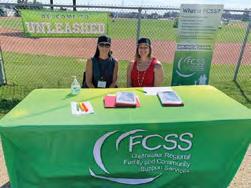
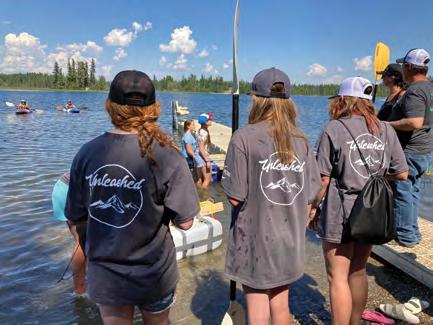
• Guys, Girls & Seniors Unleashed
• Seniors Week
• Interagency Meetings
• Volunteer Training/ Coordination
• Affordable Housing
• Information Referral
Connecting volunteers with opportunities
• Appreciation Activities
• National Volunteer Week Celebrations
Senior Health
Fall Prevention
Fall prevention is very important for seniors because many falls can be avoided with simple daily habits and a safe home environment.
Regular vision and blood pressure checks help identify health issues that may cause dizziness or poor balance.
Staying active by taking a daily walk, challenging your brain, and maintaining good nutrition — such as eating fruits, vegetables, and protein each day — helps keep muscles and bones strong.
Seniors should also drink six to eight cups of fluids daily, consider calcium and vitamin D (as recommended by a healthcare provider), and have a recent medication review to ensure medications are not increasing fall risk.
Good foot care, proper footwear, and nonslip socks improve stability when walking. Creating a safe home environment is equal-
ly important.
Ensure proper lighting in all rooms and hallways, keep stairways and walking areas free of clutter, and make sure handrails are secure on staircases.
In the kitchen, organize workspaces so frequently used items are within easy reach, and consider using a grabber or reach tool to avoid unsafe stretching.
Bathrooms should have non-slip surfaces, bath or shower mats, and installed grab bars for support.
Throughout the home, use non-slip mats and remove loose rugs to create a trip-free living space.
Finally, seniors should have a plan in case of a fall, such as carrying a phone or using a medical alert system, so help can be reached quickly if needed.
Taking these steps can greatly reduce the risk of falls and support safe, independent living.
Screening and PreventionTests
Did you know that Alberta Health recommends screening tests and assessments based on your age and gender? The Alberta Screening and Prevention Program (ASaP) recommends a set of 12 screening maneuvers for adults at varying intervals between once in a lifetime and every 10 years. The Rocky Primary Care Network along with the Rocky Medical Clinic is screening patients who identify Rocky Medical Clinic as their primary clinic to seek medical care.
If you have an upcoming booked appointment with your family physician and you haven’t been screened for some of these maneuvers you can anticipate a call from someone in the PCN two to three weeks prior to your appointment. If you do not have a family physician but have an upcoming booked appointment, we now have a process in place to assure that you will receive the opportunity for screening. If you have been otherwise healthy and haven’t seen your physician at the Rocky Medical Clinic in the last two years we will be reaching out to you as well to ensure that you aren’t missing out on this valuable piece of primary healthcare management. If you have not been contacted and would like to receive this screening, please contact the Rocky Primary Care Network and ask to speak with the Screening and Prevention Staff.
Senior Health
Primary Care Network
Rocky Mountain House Programs Offered:
• Anticoagulation Clinic - This program provides ongoing monitoring and regulation of patients on oral anti-coagulation therapy.
• Anxiety to Calm - A simple, positive workshop to help people learn more about anxiety, develop skills to manage and reduce anxiety and experience more calmness.
• Chronic Disease Self Management Program
- We will work with you to help you understand what your chronic health condition is, and to teach you ways to manage it.
• Diabetic Wellness - The Diabetic Wellness program is managed by a pharmacist who co-ordinates care for diabetic patients.
• First Nations Chronic Disease Management Team - This program offers Chronic Care to the O’Chiese and Sunchild First Nations with assistance from their health team members.
• Foot Care Group Education - Healthy feet start with properly taking care of them. We have group classes to teach you how.
• Happiness Basics - Learn skills to live a happier life. Our program will help you understand how happy people think and what they do.
• Journeying Through Grief - Explore your grief after experiencing a loss. Learn and practice skills to begin healing and reinvesting in life.
• Lower Limb Assessments & ABI ClinicLower limb assessments are recommended for all patients at risk of decreased circulation and sensation.
• Maternity Care - The Rocky Maternity Program is a group of Physicians and a Registered Nurse who provide prenatal care to women in Rocky Mountain House.
• Moving on with Persistent Pain - Learn how to focus on your life rather than your pain.
• Referral Navigation - The Nurse Navigator assists patients by coordinating referrals to specialists, specialty programs, and some community agencies.
• Screening and Prevention Panel Management Program - The Screening and Prevention Program targets patients prior to or at the time of an appointment.
• Tobacco Reduction and QuitCore GroupTobacco Reduction Individual Counselling and QuitCore Group Classes are now being offered.
• Well Women Pap Clinic - We provide Pap appointments for women who do not have a family physician or who prefer a female physician.
• Youth Mental Health Program - Providing timely access, treatment, and coordination of youth mental health services in Rocky Mountain House and Clearwater County. https://rockypcn.com
Senior Health
Healthy Aging
Healthy aging means staying as healthy and well as possible as you get older, and while genetics can influence your risk for certain conditions like high blood pressure or diabetes, your lifestyle choices play a major role. Changes with aging happen gradually and may include a slower metabolism, changes in sleep, vision or hearing loss, and reduced efficiency of organs. However, staying physically active, eating nutritious foods, managing stress, and keeping mentally and socially engaged can help reduce health risks and maintain overall well-being. Building healthy habits like regular exercise, strong social connections, and a balanced diet can help you feel your best and stay healthier for longer.
Caregiving
1. Set Boundaries
• Know your own limits: It’s important to recognize when you’re overwhelmed or need a break. Be honest with yourself about what you can handle.
• Say no when necessary: Don’t feel guilty about turning down requests or asking for help from others. Prioritize your own wellbeing.
2. Take Breaks
• Schedule regular breaks: Even short moments of rest, like taking a walk, reading a book, or just sitting quietly, can help rejuvenate you.
• Respite care: Look into respite care services, where professionals can step in for a few hours or a long trip to give you a break.
3. Seek Support
• Talk to someone: Whether it’s a friend, family member, a therapist or Caregivers Alberta, talking about your feelings can be cathartic.
• Join a support group: Connecting with other caregivers can help you feel understood and less isolated. It can also provide valuable advice and coping strategies.
4. Practice Self-Compassion
• Be kind to yourself: Caregiving can be tough, and you might feel like you’re not doing enough. Recognize your efforts and remember that you’re doing what or you can.
• Let go of perfection: Things won’t always go as planned, and that’s okay. Focus on doing what you can, and give yourself grace during tough moments.
• Practicing gratitude can be a game-changer: It has far reaching effects, from improving our mental health to boosting our relationships with others. Living your life with gratitude helps you notice the little wins.
Senior Health
5. Maintain Your Physical Health
• Exercise: Regular physical activity, even something as simple as stretching or walking, can help reduce stress and increase energy levels.
• Eat well: Nourish your body with healthy meals to keep your energy up. Avoid relying on junk food or caffeine as a quick fix.
• Sleep: Prioritize sleep whenever possible. Caregiving can be exhausting, so adequate rest is crucial to your physical and mental health.
6. Engage in Activities You Enjoy
• Make time for hobbies: Whether it’s reading, painting, gardening, or cooking, make time for activities that bring you joy and relaxation.
• Stay connected with loved ones: Maintain your social relationships outside of caregiving, even if it’s just a phone call or a short visit.
7. Manage Stress
• Practice relaxation techniques: Consider mindfulness, meditation, or deep-breathing exercises to help manage stress.
• Organize your day: Having a routine or schedule can help you feel more in control
and less overwhelmed.
8. Ask for Help
• Delegate when possible: Enlist the help of family, friends, or professional caregivers to share the load.
• Use community resources: Look for community programs that offer services like transportation, meal delivery, or financial assistance for caregivers.
9. Stay Informed
• Educate yourself: Learn about your loved one’s condition, treatment options, and caregiving strategies. This can help you feel more confident in your role and reduce stress.
10. Celebrate Small Wins
• Recognize progress: Even if things aren’t perfect, acknowledge the positive steps forward in your caregiving journey. Celebrating small wins helps to maintain your morale.
By taking care of yourself, you’ll be better equipped to care for your loved one, both physically and emotionally.
4340 - 47 Avenue
1A4
403-845-4444
403-845-7330 Fax
www.clearwatercounty.ca
Like us on Facebook @clearwatercnty
Senior Health
Connection
Simple Ways to Connect With Others and Reduce Loneliness
It might seem overwhelming to think about how to find ways to be social or make more meaningful connections. But taking small steps can make a big difference. Here are some ideas to think about.
• Try volunteering. Look for organizations you’re interested in that have needs you can help with. For example, animal shelters often need people to walk dogs or play with cats. And local food banks may need people to organize shelves or help visitors find what they need.
• Consider a meet-up group. Many cities have meet-up groups organized around activities, interests, or hobbies. You may find groups for hikers, caregivers, people who enjoy board games, or for those who just like drinking coffee. Websites like www. meetup.com/cities/ca can help you find groups near you.
• Think about getting a pet. If you can care
for one, a pet can be an excellent companion. The type of pet you choose is up to you. Your local animal shelter can help you find a pet that fits your lifestyle.
• Shift negative thinking. When you feel lonely, it’s common to have negative thoughts and emotions. But if negative thinking becomes a pattern, it can make you start to believe that the positive changes you’re looking for aren’t possible. If you can learn to catch negative thinking, you can learn to shift it.
• Consider seeing a counsellor or other mental health professional. It can be hard to make changes in your habits or your thinking on your own. And it can be scary to think about putting yourself “out there” in social situations. In some cases, loneliness may be part of a mental health condition, such as depression. If you feel like you need some support getting started, or if loneliness is making it hard for you to function, a counsellor or other mental health professional can help.
https://myhealth.alberta.ca
Senior Health
Hearing Loss
Hearing loss is a decrease in the ability to hear that can happen suddenly or gradually over time, affecting people of all ages and varying in severity from mild to profound. It is most commonly caused by aging and longterm exposure to loud noise, but it can also result from genetics, medical conditions, infections, injuries, or lifestyle factors like smoking. Symptoms often include muffled
hearing, difficulty understanding speech especially in noisy environments and needing higher volumes on devices.
Diagnosis is typically done by an audiologist through hearing tests, and treatment depends on the cause.
While some types are reversible, permanent hearing loss can be managed with devices such as hearing aids or cochlear implants, helping improve communication and quality of life.
We can help you hear with confidence — whether it’s the laughter of family, the rhythm of your favourite music or the quiet moments you’ve been missing.
Our licensed specialists provide comprehensive hearing tests and we offer a full range of high-quality hearing aids tailored to your lifestyle. Book a hearing test and take the first step toward better hearing today! Live
Senior Health
Getting the Nutrition
You Need
Good nutrition is important at any age. But it is especially important for older adults. Eating a healthy diet helps keep your body strong. And it can help lower your risk for disease.
As you get older, your body needs more of certain nutrients. These include vitamin B12, calcium, and vitamin D. But it may be harder for you to get these and other important nutrients. This could be for many reasons. You may not feel as hungry as you used to. Or you could have problems with your teeth or mouth that make it hard to chew. Or you may not enjoy planning and preparing meals, especially if you live alone. Talk with your doctor if you want help getting the most nutrition from what you eat. The doctor may have you work with a dietitian to help you plan meals.
Nutrition
Changing nutritional needs
As you get older, your nutritional needs change. For example:
• Your body’s daily energy needs slowly decrease. So you need fewer calories a day than when you were younger. Your doctor or a registered dietitian can help you figure out how many calories you need a day.
• Natural hormone changes make your body likely to store more body fat (especially around your middle) and less muscle. Eating a healthy, balanced diet and limiting your intake of saturated fat, along with
being more active and strengthening your muscles, can help you stay at a healthy weight. (Muscle cells are the major calorie burners in your body.)
• Your bones lose mineral content faster than before. This is most likely if you are a postmenopausal woman. That’s because having less estrogen increases bone loss. So you need to have calcium and vitamin D in your diet to help prevent osteoporosis. Your doctor may advise you to take a calcium and vitamin D supplement.
• Plaque buildup can occur on the inside of the arteries that supply blood to the heart and brain. This is called atherosclerosis, You can help slow this plaque buildup by eating heart-healthy foods. These include
lean meats, fruits, vegetables, and whole grains. A healthy diet can help lower cholesterol and high blood pressure. It can also help prevent heart disease and stroke.
Help for managing underweight or poor nutrition
People who are underweight or frail have low reserves for bouncing back after an illness or injury. In the later years, this can lead to permanent ill health or disability.
If you have trouble keeping your weight up, you’ll need to take special measures to build your weight, energy, and resilience. Every day, follow your doctor’s advice and the steps below.
group. For example, choose whole milk instead of skim milk. But try to limit your overall saturated fat intake. High cholesterol can affect anyone.
• Eat the highest-calorie foods in a meal first.
• Use liquid supplements, such as Ensure or Boost, between meals.
• Eat three meals plus three snacks each day.
• Don’t skip or miss meals.
• Choose higher-calorie foods from each food
If you are having trouble getting the food you need because of transportation, financial, or health problems, ask your doctor about local meal programs. Most communities have Meals on Wheels programs that can deliver food to your door. And there are meals at churches and community centres that can nourish your needs for both food and social time.
https://myhealth.alberta.ca
Senior Health
Foot Care
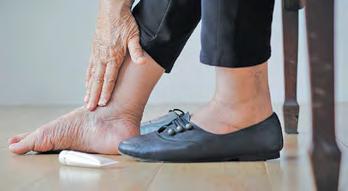
As we age, proper foot care and supportive footwear are essential to help prevent falls especially since about one in three seniors fall each year. Seniors should keep their feet clean and dry, trim toenails carefully, check regularly for corns, sores, or redness, and elevate their feet to reduce swelling. Choosing shoes with a secure fit, enclosed heel, non-slip sole, and room for swelling can improve balance and comfort, while winter footwear should provide extra grip. Consult-
ing a healthcare provider for any foot pain or changes is also recommended to maintain overall mobility and safety.
Westview Lodge
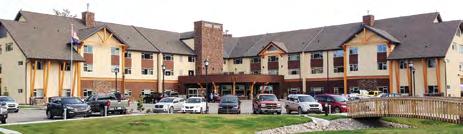
Functionally independent seniors, aged 65+, are invited to apply for accommodation at Westview Lodge. Westview Lodge residents enjoy the company of other seniors while enjoying social activities, nutritiously prepared meals and snacks, weekly housekeeping, emergency call pendants, maintenance support and access to 24-hour non-medical staff.
AFFORDABLE, INDEPENDENT SENIOR LIVING for Clearwater Region Residents
To obtain an application form, or for further information regarding any of our six properties, visit www.rockyseniors.com or call 403-845-3588 during regular business hours, Monday to Friday, 8:30 am - 4:30 pm
Rocky Senior Housing Council
Seniors affordable “independent” living is provided through Rocky Senior Housing Council at the following five locations:
• Rocky Mtn. House: Columbus Place, Acton House, Day Manor
Each location offers a one-bedroom suite with apartment sized kitchen, living room and a small storage area. Communal laundry machines are provided free of charge and all utilities are included, except for power. Building and grounds maintenance are provided as well as common area housekeeping.
Eligible applicant’s annual income must be below the Provincial Affordable Housing Income Threshold amount.
Columbus Place
Acton House
Day Manor
Mountain Sunset Manor McLeod Manor
Westview Lodge
Rocky Senior Housing Council
Osteoarthritis
Osteoarthritis is a common form of arthritis that often develops with age and occurs when the cartilage that cushions joints gradually breaks down. As this protective cartilage wears away, the bones begin to rub against each other, leading to pain, stiffness, and reduced movement in joints such as the knees, hips, or shoulders. The exact
cause is not always known, though it may be linked to aging or other conditions that damage cartilage. Doctors typically diagnose it through physical exams and tests like X-rays. While there is no cure, treatment focuses on managing symptoms through pain relief, regular physical activity, maintaining a healthy weight, and using methods like heat or ice, allowing people to stay active and improve their quality of life.
We help you LIVE BETTER, RECOVER FASTER and STAY INDEPENDENT LONGER!
• Point Of Care Testing (Strep Throat Testing, Blood Glucose Testing , Blood Pressure Testing)
• Direct Billing to all public and private insurances
Home Health Services:
• Medical & Wound Care Supplies
• Incontinence Supplies
• Ostomy/Colostomy Supplies
• Compression Stockings/ Edemawear
• Support & Braces
• Mobility Devices (Walkers)
• Bathing & Toileting Aids (Toilet Seat Risers, Shower Chairs, Tub Transfer Benches)
• Direct Billing to AADL and NIHB Providers
Senior Health
Brain Health
Did you know what you eat influences how you feel? There are psychological, biochemical and physical connections linking what we eat to our brain health, and scientific evidence shows the quality of our diet influences our moods. While you might want to eat ice cream and chips when you’re sad, the truth is, eating a bowl of oatmeal and berries will make you happier.
The brain needs a lot of energy and nutrients for structure and function. Studies have shown eating a traditional diet can improve the way you feel. These diets have lots of vegetables, fruits, whole grains, fish, moderate portions of lean meats and dairy and tend to be anti-inflammatory. Today’s typical Western-style diet, on the other hand, tends to be highly processed, high in sugars and low in vegetables and fruit. This promotes inflammation and is associated with heart disease, high-blood pressure, depression and possibly Alzheimer’s disease. Foods considered pro-inflammatory such as—fried foods, sugary drinks, refined carbohydrates and processed meats—may increase inflammation, oxidative stress and decrease good gut bacteria.
Evidence supports that certain foods can be thought of as a medicine and that “brain food” can improve your mental well-being. It is very important to note that the mental health benefits that come from the food you eat depends on the positive interactions of “all” the foods you eat, and not just specific nutrients and foods. That said, there are some key nutrients found in foods that act on brain chemistry including:
• Vitamin C: vegetables and fruits such as tomatoes, peppers, broccoli, citrus fruit, berries
• Beta-carotene: dark green and orange vegetables: spinach, kale, carrots, butternut squash and sweet potato
• B vitamins: whole grains, meat, poultry, eggs, legumes (lentils, black beans, kidney beans), leafy green vegetables and fortified cereals
• Vitamin D: fortified milk, fatty fish and egg yolks
• Zinc: shellfish, legumes, seeds, nuts, dairy, eggs, whole grain and dark chocolate
• Iron: red meats, poultry, oysters, legumes, leafy greens, quinoa, pumpkin seeds, fortified cereals and dark chocolate too!
• Omega-3-fatty acids: fatty fish and seafood, flax and chia seeds, canola oil, walnuts and navy and soybeans
Healthy gut bacteria (called microbiome), include barley, oats, legumes, Jerusalem artichokes, asparagus, bananas, garlic, onion, chicory root and fermented products like yogurt, kefir, kimchi, and natural sauerkraut. The nutrients in the food you eat are important for making neurotransmitters, which transmit signals to your brain. Low levels of these nutrients in your body can affect the production of feel good neurotransmitters such as dopamine and serotonin. This will also contribute to low energy, brain fog and depressed mood. These nutrients are also important for healthy gut bacteria (called the microbiome). In a healthy microbiome, bacteria work together to produce substances that are essential to the function-
Senior Health
ing of the brain, the immune and hormonal systems. As incredible as it sounds, your microbiome produces most of the brain’s serotonin, the happy mood regulator. Nutrition is as important for keeping your brain healthy as it is for heart health or athletic performance. Healthy eating supplies the body with essential nutrients, reduces inflammation and feeds healthy gut bacteria. Don’t waste your time looking for a single magic food or nutrient. What is really important is the overall quality of your diet. Eating a variety of whole foods and avoiding processed foods can help you feel in top form mentally and physically. Simply put, when you feed your brain well, you feel better.
https://www.canada.ca
Alzheimer’s
Here are some important facts about Alzheimer’s disease.
• Alzheimer’s disease is the most common type of dementia.
• It accounts for 60 to 80% of all cases of dementia.
• However, it’s not accurate to say that if a person has dementia, then they have Alzheimer’s disease – or that all dementias are a type of Alzheimer’s disease.
Alzheimer’s disease changes the brain
Alzheimer’s disease is a fatal disease that eventually affects all aspects of a person’s life – how they think, feel and act. Each person is affected differently. While
it’s difficult to predict symptoms, the order in which they will appear or the speed of their progression, there are some signs you can look out for.
Alzheimer’s disease is progressive
Alzheimer’s disease is usually described in terms of stages, indicating the severity of the symptoms. The earlier the person gets diagnosed, the higher the chances are for a better quality of life.
In most cases, having family with Alzheimer’s disease doesn’t mean you will also get it
Most cases of Alzheimer’s disease are sporadic, meaning it has no specific family link.
Only rare instances of Alzheimer’s disease are inherited or familial, accounting for less than five percent of all cases. There is genetic testing available for families that have a history of this form of Alzheimer’s disease.
The symptoms of Alzheimer’s disease can be treated, but not cured ... yet
There are several medications that can help with symptoms such as memory decline, changes in language, thinking abilities and motor skills.
Although there is still no cure for Alzheimer’s disease, those who respond to these treatments can experience improvements in their quality of life for several years.
Alzheimer Society of Canada 20 Eglinton Avenue West, 16th Floor Toronto, Ontario M4R 1K8
Phone: 416-488-8772
Senior Health
Dementia
Ten warning signs of dementia
Sign 1: Memory changes that affect day-to-day abilities
Are you, or the person you know, forgetting things often or struggling to retain new information?
It’s normal to occasionally forget appointments, colleagues’ names or a friend’s phone number only to remember them a short while later. However, a person living with dementia may forget things more often or may have difficulty recalling information that has recently been learned.
Sign 2: Difficulty doing familiar tasks
Are you, or the person you know, forgetting how to do a typical routine or task, such as preparing a meal or getting dressed?
Busy people can be so distracted from time to time that they may forget to serve part of a meal, only to remember about it later. However, a person living with dementia may have trouble completing tasks that have been familiar to them all their lives, such as preparing a meal or playing a game.
Sign 3: Changes in language and communication
Are you, or the person you know, forgetting words or substituting words that don’t fit into a conversation?
Anyone can have trouble finding the right word to express what they want to say. However, a person living with dementia may forget simple words or may substitute words making that person hard to understand.
Sign 4: Disorientation in time and place
Are you, or the person you know, having problems knowing what day of the week it is or getting lost in a familiar place?
Have you ever forgotten what day of the week it is or can’t remember why you went into your bedroom? It happens to all of us. However, people living with dementia can become lost on their own street, not knowing how they got there or how to get home.
Sign 5: Impaired judgment
Are you, or the person you know, not recognizing something that can put health and safety at risk?
From time to time, people may make bad decisions such as putting off seeing a doctor when they are not feeling well. However, a person living with dementia may experience changes in judgment or decision-making, such as not recognizing a medical problem that needs attention or wearing heavy clothing on a hot day.
Sign 6: Problems with abstract thinking
Are you, or the person you know, having problems understanding what numbers and symbols mean?
From time to time, people may have difficulty with tasks that require abstract thinking, such managing finances. However, someone living with dementia may have challenges understanding what numbers are and how they are used.
Sign 7: Misplacing things
Are you, or the person you know, putting things in places where they shouldn’t be?
Anyone can temporarily misplace a wallet or keys. However, a person living with
Senior Health
dementia may put things in inappropriate places. For example, a remote in the refrigerator.
Sign 8: Changes in mood, personality and behaviour
Are you, or the person you know, exhibiting severe changes in mood, personality or behaviour?
Sometimes people feel sad and moody, or experience changes in their behaviour. But a person living with dementia may experience more severe changes. For example, they may quickly become tearful or upset for no obvious reason. They may be confused, fearful, suspicious and withdraw from others. They may act differently from what is normal for them.
Sign 9: Loss of initiative
Are you, or the person you know, losing interest in friends, family and favourite activities?
It’s normal to lose interest in housework, business activities or social obligations, but most people regain their initiative. However, a person living with dementia may be-
come passive and disinterested. They may need cues and prompts to become involved.
Sign 10: Challenges understanding visual and spatial information
Are you or someone you know having problems seeing things correctly? Or coordinating visual and spatial information?
A person with dementia may have problems with vision, depth perception and movement. They may have challenges with finding their way around their environment or placing items on a table. Sometimes dementia can be the cause of these issues, and it’s important to see a doctor and an eye specialist to get everything checked out.
If you are concerned about any of these signs, the next step is to talk to your doctor. Only a qualified health-care provider, after multiple assessments and tests, can confirm whether you or someone you know has dementia.
Disclaimer: Not all symptoms for each type of dementia are listed on this page — just the most common ones. They are based on signs outlined by Alzheimer’s Disease International.
Senior Health
Prescriptions/Medication
What is polypharmacy?
Polypharmacy means taking many medicines. Older adults or people with long-term (chronic) diseases often need to do this. People may take many medicines to manage health problems and improve their health. But problems can happen when you take a lot of medicines:
• One medicine may cause problems if you take it with another medicine. A medicine also can cause problems if you have certain health problems. Or it can react to certain things you eat or drink. These are all called medicine interactions.
• Side effects are more likely.
• You may find it hard to keep track of and take the medicines as you should.
Who is likely to have problems?
Older adults and people with long-term health problems often take many types of medicines. They also may take natural health products, such as vitamins, minerals, and herbs. The more medicines you take, the more likely problems are. The bodies of older adults may be more sensitive to medicines. This can also cause problems.
What is a medicine interaction?
The biggest danger when you take many medicines is an interaction.
• A medicine may make another medicine stronger or weaker. For instance, a blood thinner makes bleeding more likely. If you also take aspirin, you make bleeding even more likely. And that could be harmful.
• A medicine may cause side effects that cre-
ate problems with other medicines. For instance, a medicine you take to control your urine may affect one you take for dementia.
• A medicine you take for one health problem can make another health problem worse. For instance, a medicine you use for a cold could make high blood pressure worse.
• A medicine or interaction can make some common problems worse. This happens most often in older adults. Medicines can make you fall or feel dizzy or confused. You may have trouble sleeping or feel depressed.
Interactions can happen with:
• Prescription medicines.
• Over-the-counter (OTC) medicines.
• Natural health products (vitamins, minerals, and herbs).
• Foods and drinks.
What can you do to make problems less likely?
• Make a list of all the prescription and overthe-counter medicines you take. Include everything you take, even natural health products. Take the list to each doctor or hospital visit. Ask your doctor if there are any things on your list that you don’t need. Find out if there are things you shouldn’t take. Anytime you see a doctor, bring your list of medicines.
• Give your pharmacist your list of medicines before you pick up any new ones. Ask about interactions with any other medicines you take. If you go to more than one drugstore, make sure each of them has your list.
• Ask your doctor or pharmacist to run your list through a drug interaction checker. This is a computer database. It checks for
Senior Health
medicines that can cause problems with others. If you find a problem, talk to your doctor.
• Do not start taking any new medicines, natural health products, or over-the-counter medicines without talking to your doctor first.
• Know your medicines by name. Understand what they do. Know how to take each one. Read all the information sheets that come with your medicines. You can go online or find books that list the side effects and interactions of medicines.
Eye Care
• Ask your doctor what side effects to expect. Learn what to do if you have one. Keep track of any symptoms or changes in how you feel.
• Take your medicines exactly as prescribed. Call your doctor or nurse advice line if you think you are having a problem with your medicine.
For 24/7 nurse advice and general health information call Health Link at 811.
https://myhealth.alberta.ca
•
•
•
• Now accepting private hire clients as well Whether you 're seeking support through funded services or privately, we're here to help meet your needs with care and professionalism. Contact us today to learn more or to get started.
Senior Health
Sexuality and Physical Changes With Aging
Sexual health and enjoyment can remain an important part of life as people age, and many healthy adults continue to feel pleasure and interest in sex over time. While some physical changes, medical conditions, or medications may require minor adjustments, these challenges can often be man-
aged with communication and guidance from a doctor. It is never too late to begin or maintain a satisfying sex life, and practices like self-stimulation are normal and healthy. Certain medications may affect sexual response, so it’s important to consult a healthcare provider before making any changes. With the right support and awareness, older adults can continue to have safe, fulfilling sexual experiences.
Senior Health
Syphilis
Syphilis is a sexually transmitted infection (STI) caused by a bacteria (Treponema pallidum). The infection progresses in stages.
How do I get syphilis?
Syphilis is passed between people through sexual contact (anal, oral, or vaginal). You can spread it to others without knowing it.
How can I prevent syphilis?
The only sure way to prevent a syphilis infection is to have no sexual contact (abstinence), including anal, oral, or vaginal sex. It’s important to use these methods of protection correctly.
When you’re sexually active, the best way to prevent syphilis is to use condoms, vaginal condoms, or dental dams for anal, oral, or vaginal sex.
Don’t have any sexual contact if you or your partner(s) have symptoms of an STI or may have been exposed to an STI. See a healthcare provider or go to an STI or Sexual Reproductive Health clinic for testing.
Get STI testing if you are at risk or have symptoms.
Get STI testing every 3 to 6 months if you have:
• a new partner
• more than one partner
• anonymous partners
• any symptoms
How do I know I have syphilis?
Many people with syphilis have no symptoms, while others may have:
• sores on or near the penis or in and around the vagina, mouth, or rectum
• a rash on the palms of the hands, feet, or the whole body
The sores and rash may not be painful. The best way to find out if you have syphilis is to get tested. Your nurse or doctor will do a blood test and test you for other STIs and HIV.
Is syphilis harmful?
If not treated, syphilis may cause blindness, paralysis, deafness, brain and heart disease, and mental health problems. These effects can be prevented if you get early STI testing and treatment.
How is syphilis treated?
Syphilis is treated with antibiotics. Your partner(s) also needs to be tested and treated, even if they have no symptoms. You can get re-infected if you have unprotected sex with someone before they’re treated. Your blood test for syphilis will likely stay positive, even if you’ve been properly treated. But, you can be re-infected if you’re exposed again.
After treatment, you’ll have follow-up blood tests at three, six and 12 months to make sure the treatment worked.
Where can I find more information?
If you have questions or want more information, call Health Link at 811 anytime, day or night, to talk to a registered nurse.
https://myhealth.alberta.ca
Senior Health
Sleep
Sleep patterns naturally change as you get older. Older adults often have ongoing sleep problems. Compared to younger people, older adults:
• Sleep fewer hours and take longer to fall asleep.
• Sleep less deeply and wake up more often during the night.
• Have more trouble adjusting to changes in sleeping conditions, such as a different bed.
• Have changes in their sleep cycle. Older adults spend less time in the most restful stages of sleep.
It’s common for older adults to sleep less deeply and for less time than they did earlier in life. But these normal changes in the sleep patterns of older adults don’t mean that the sleep they get is enough.
Routine poor-quality sleep caused by health problems, medicine use, and stress from major life changes can lead to chronic sleep problems. This may increase the risk of serious health problems, such as depression. But few older adults get, or try to get, treatment for sleep problems. If you are an older adult and have trouble sleeping, talk to
your doctor about what you can do to improve your sleep.
Tips for better sleep
Here are some tips that may help you sleep more soundly.
• Keep your bedroom quiet, dark, and cool. Use curtains, blinds, or a sleep mask to block out light. To block out noise, use earplugs, soothing music, or a “white noise” machine.
• Create a relaxing bedtime routine. You might want to take a warm shower or bath or listen to soothing music.
• Go to bed at the same time every night. And get up at the same time every morning, even if you feel tired.
• Get regular exercise. Figure out what time of day works best for your sleep patterns.
• Get outside during daylight hours. Spending time in sunlight helps to reset your body’s sleep and wake cycles
• Avoid drinking any liquids before going to bed to help prevent waking up often to use the toilet.
• If you can’t sleep, get up and do a quiet or boring activity until you feel sleepy.
https://myhealth.alberta.ca
Seniors Week
Seniors Week
Seniors’ Week occurs the first week of June and is an annual celebration recognizing the vital contributions seniors make to enhance the quality of life in Alberta.
Established in 1986 and inspired by the vision of the late Alice Modin, who launched a campaign for a seniors’ day in Strathcona County over forty years ago, the week honors seniors’ achievements and impact across communities.
The festivities begin with a provincial launch event, co-hosted by the Alberta government and a local community or organization, and feature activities, events, and
programs designed to celebrate, engage, and support seniors throughout the province.
Seniors’ Week highlights the importance of inclusion, community involvement, and intergenerational connections, offering opportunities for recognition, social engagement, and celebration of the invaluable role seniors play in society.
Keep an eye out for Seniors’ Week events hosted by Clearwater Regional Family and Community Support Services (CRFCSS), which will include local activities and programs to honor and engage seniors in the community.
https://www.alberta.ca
Online Safety
Online Dating Safety
Online dating websites and smartphone apps have become a leading way for people to find their next romance. But, as with any interactions online, whether it’s buying and selling items, social media accounts or even banking, users need to understand the risks that can be associated with online dating.
When it’s online:
• At the beginning, keep the personal details that you share to a minimum
• Don’t use your real name as your username
• Don’t reveal details about where you live, work, or places you’ll be going
• Message over the app or website instead of giving out your personal phone number.
• Do not share images if you don’t feel comfortable with them being public
• Remember that people are not always who they say are. If you are suspicious of someone report them to the app or website.
• Do not feel pressured to meet someone if you aren’t comfortable.
Look in to a person’s online presence. If they have other social media accounts, be sure the details of these accounts match up with what they have told you about themselves. Ask yourself questions- do they have the social media presence you would expect? When/if you decide to meet someone:
• Be clear about your expectations and ensure that you are both on the same page.
• Meet in public, stay in public.
• Do not meet for the first time at the person’s home, or invite the person to your home.
• Meet at the public location instead of accepting a ride from the person you are meeting.
• Tell someone you trust where you are going and who you are meeting.
• If you become uncomfortable with the date or the person, leave.
• Always trust your gut.
Romance Scams
In 2022, The Edmonton Police Service received 62 reports of romance scams with a total financial loss of $4,736,641.
Fraudsters are putting a lot of effort into their romance scam. They aren’t always staying online. Some build that trust with their victim by meeting in person and even going to the extent of moving in with their victim. Once this trust is built, that’s when they ask
Scams and Fraud
for financial assistance.
Protect yourself:
• Be suspicious when someone you haven’t met in person professes their love to you. Ask yourself – would someone I’ve never met really declare their love after only a few emails?
• Be wary when someone you meet on social media wants to quickly move to a private mode of communication (email, text).
• If trying to set up an in-person meeting, be suspicious if they always have an excuse to not meet.
• If you do actually set up a meeting – tell family and friends when and where you’re going and meet in a local, public place.
• Do not share personal (birthdate, address) or financial information with anyone you’ve only just met online or in person.
• Never send intimate photos or video of yourself. The scammer may try to use these to blackmail you into sending money.
• Be cautious when conversing with an individual that claims to live close to you but is working overseas.
• Never under any circumstance send money for any reason. The scammer will make it seem like an emergency, they may even express distress or anger to make you feel guilty but DO NOT send money.
• Should you be asked to accept money (etransfer, cheque) or goods (usually electronics) for you to then transfer/send elsewhere, do not accept to do so. This is usually a form of money laundering which is a criminal offence.
• If you suspect a loved one may be a victim of a romance scam – based on any of the above points – explain the concerns and
risks to them and help them get out of the situation.
Investigate:
• Do an image search of the admirer to see if their photo has been taken from a stock photo site or someone else’s online profile.
• Look for inconsistencies in their online profile vs. what they tell you.
• Watch for poorly written, vague messages, sometimes even addressing you by the wrong name — often scammers are working several victims at once.
• If you have transferred money, stop the transaction if possible.
Report it:
If you did send money or share financial information, report it to the financial institution used e.g. your bank, Western Union, MoneyGram, Equifax and TransUnion.
• Equifax – 1-800-465-7166 or https://www.consumer.equifax.ca
• TransUnion – 1-800-663-9980 or https://www.transunion.ca
• Gather all information pertaining to the situation, including the scammer’s profile name, how you made contact, social media screenshots, emails, etc. and contact your local police.
• File a report with the Canadian Anti-Fraud Centre
• Canadian Anti-Fraud Centre – 1-888-4958501 or www.antifraudcentre.ca.
• Notify the dating website or social media site where you met the scammer. Scammers usually have more than one account.
• Be proactive; tell family, friends, coworkers and neighbours about your experience to warn them about romance scams.
Scams and Fraud
Scams and fraud
What every older Canadian should know about
Fraud is the number one crime against older Canadians. Though people of all ages can be victims of fraud, older people get targeted more than others. Some of the reasons are that they are often home during the day to answer the door or phone, they can be more trusting and they may not have family or friends close by to ask for a second opinion.
People who commit fraud and scams are commonly called con artists. Con artists don’t just target people who have a lot of money. A con artist may steal a small amount from many people. They use a variety of ways to reach people, including the Internet, phone calls and even door-to-door visits.
Common types of fraud and scams:
Identity theft
Identity theft occurs when a con artist steals personal information from someone so they can pretend to be that person and then do things like apply for a credit card, take out a loan or mortgage, get a cell phone or withdraw bank funds. The con artist will try to get information such as a bank card number and personal identity number (PIN), credit card number, health card number, driver’s license and Social Insurance Number (SIN). Sometimes they will steal or copy the documents; sometimes all they need is the information. If your wallet is lost or stolen, or mail you are expecting goes missing, you should report it right away to your bank or credit union.
Credit/debit card fraud
Credit card and debit card fraud occurs when a con artist uses your card, or a copy, to make purchases or withdraw money from your account. Keeping your card in sight, memorizing your PIN, and shielding your hand when you enter your PIN are ways you can reduce the risk of your credit card or debit card information being stolen and misused.
Online scams
There are many online scams and new ones appear all the time. Some appear to be asking for your help; some say there is a problem with your bank account or tax return. Scam e-mails are often easy to spot because of spelling and other mistakes, but some can look like they are coming from a person or organization you know. If you are not sure about an e-mail for example, if it asks you respond with personal or financial information or to go to another Website and enter information there – call to check, and do not respond to the e-mail.
Scams and Fraud
Phone and door-to-door scams
Phone and door-to-door scams are also very common. Someone will call or come to your door pretending to be a representative of a charity, an employee of a credit card company, or even a distant relative. You might be offered a free prize or trip. If you aren’t completely sure who you are dealing with, do not give the person any money or information.
Sometimes people call or come to your door using high-pressure sales tactics to get you to buy something you don’t want or need, or to talk you into getting work done on your house and then overcharging you or doing a bad job. While this is not always illegal, it is wrong and should be reported.
Tips and safeguards
• Keep all personal documents in a secure place. If you don’t need them, do not carry your birth certificate, passport or SIN card.
• Never tell another person your PIN or account passwords and take care to cover your hand when entering your PIN at bank machines and when making store purchases.
• Safely dispose of old bills and statements–shredding is best.
• Do not click on pop-up windows or respond to e-mails, open attachments or go to Website links sent by people you do not know. Your bank or credit union will not send you anything by e-mail unless you ask them to.
• Never give out your credit card, bank account, or personal information to someone over the phone, at the door, or over the Internet unless you know the person or organization you are dealing with, or you made the contact.
• Do not sign an agreement or contract to buy anything without giving yourself time to think it over. If a salesperson insists that an “offer” is “time limited” and you must decide that moment, it is probably better not to buy.
• Be suspicious if someone you don’t know asks you to send them money or a cheque, or to return money they “accidentally” sent you.
• Before hiring someone or agreeing to have work done on your home, ask for proof of identity and references and check them.
What should I do if I think I have been scammed?
All fraud and scams should be reported, even if you are embarrassed or feel the amount of money is too small to worry about. While you might not be able to get your money back, you can help stop the con artist from scamming other people. Report all fraud and scams to your local police, or call PhoneBusters at 1-888-4958501.
Where can I find out more?
There are many good on-line sources of information about fraud and scams. The Financial Consumer Agency of Canada website, provides information about your rights in dealing with banks and other financial institutions.
Contact
More information on federal programs and services for seniors is available or visit your local Service Canada office. For additional programs, please contact your provincial or territorial government.
Social Media
Social Media
Social media can offer real, practical benefits for senior citizens, especially when it’s used with intention and comfort. Social media helps seniors:
• Stay connected with family and friends, reducing feelings of isolation and keeping relationships active even across long distances.
• Access community support, such as local groups, hobby communities and health-related forums that provide encouragement and shared experiences.
• Keep mentally engaged through news, videos, puzzles and educational content that stimulate learning and curiosity.
• Share memories and stories, preserving family history and strengthening intergenerational bonds.
• Discover services and resources, from community events to health information, sometimes more easily than through traditional channels.
Facebook
You will need to create and account on Facebook before participating. There’s a FB group for every interest you could possibly name.
Locally, we have Rocky Recollections with a following of 1,700-plus people who enjoy posting photos and stories of our local history. It was born out of the need to find something to fill time with during the pandemic. If you have a Facebook account, search for the name of the group and simply ask to be a member to participate in this delightful group.
Technical Support
Technical Support
Difficulties with electronics, including televisions and such – Call Steve Fillinger at IO Logic IT Solutions for a consultation at 403-844-3911.
Below is a list of places that are willing to help you, in person, if you need assistance
with a phone or tablet or perhaps help finding something on the internet, email, scanning and such.
• Rocky Learning Centre, 403-845-3276
• Caroline Municipal Library, 403-722-4060
• Nordegg Public Library, 403-800-3667
• Rocky Public Library, 403-845-2042
Stretch Your Dollars
Businesses Offering Senior Discounts - Rocky Mountain House and Clearwater County
Alberta Parks
Alberta Registries
Alpine Drug Mart
ATB
Canyon Creek Golf Course
Caroline Neighbourhood Place
CIBC
Dairy Queen
Evergreen Co-op
FCSS (Family & Community Support Services)
Little House of Hopes Thrift Shop
McDonald's
Mountain Cabs
The Mountaineer
Nutters Everyday Naturals
On The Mend Pharmacy
Optometrists
65+ - 25% off camping fee
25% off
403-845-3727 15% discount every Wednesday, does not include pharmacy
403-845-2811
403-845-5001
587-219-2527
403-845-3357
403-845-2474
403-845-2841
403-847-5270
403-896-0327
Freedom Account for Age 59 Plus.
Age 60 Plus: Weekdays - $24.00 for 9 holes, $42.00 for 18 Holes
Weekends - $28.00 for 9 holes, $45.00 for 18 Holes
Helpful with filling out Government forms. Call for appointment
CIBC Smart for Seniors aged 65 and older. Benefits apply to your existing or new eligible account.
10% any day, excludes $7.00 meal or 2 for $5.00 or Kid's Meal
First Tuesday of Each Month - 15% off, minimum of $10.00, some restrictions may apply; 3% off Gas Bars; 10% at Home Centre and Liquor Stores
Free income tax returns for low-income earners in Rocky Mountain House & Clearwater County
25% off First Tuesday of Every month. Age 55 and over
403-845-2007 10% discount on coffee
403-895-3007
403-845-3334
Discount for Seniors age 65 and over
Discounted rate for subscriptions for age 65 and over
403-845-2225 Age 60 Plus. First Tuesday every month 20% off.
403-847-1500 Wednesdays 20% off.
* Discounts are subject to change
65+ One free eye exam per year
Stretch Your Dollars
Businesses Offering Senior Discounts - Rocky Mountain House and Clearwater County
Pet Valu
Porter Taxi
Primary Care Network
Primary Care Network
Red Apple
Mountain House Bakery
Rocky Credit Union
Rocky IDA Pharmacy
Rocky Mountain Cannabis
Rocky Museum
Rocky Public Library
Rocky Regional Recreation Centre
Scotiabank
Shoppers Drug Mart
Sobeys
West Country Family Services
403-845-4359 Last Thursday of each month - 10% off with rewards card
403-418-TAXI For seniors 60+, flat rate in town only $10
403-845-3050
403-845-3050
Offers a Prescription to Move Program that grants you a one time, one month FREE use of anything at the Rocky Regional Recreation Centre
Offers a FREE Quit Smoking class that upon completion grants you $500 towards quit smoking products
403-845-3465 Wednesdays 20% off
403-845-7300 Every Wednesday 10% Discount to Seniors
403-845-2861
403-871-5572
403-322-0420
Pioneer Account for age 60 plus. At age 60, members are eligible to redeem their shares to the minimum requirement of $5.00
Age 65. 20% discount on over the counter medications every day.
Seniors and Veterans 10% off
403-845-2332 Age 65 Plus. Senior Rate of $4.50.
403-845-2042 Free library memberships and renewals
403-845-3720
Seniors 74 & under receive 50% off programs. Seniors 75 & older receive free programs. Discounted memberships are available for individuals within certain income brackets. Please call or visit your local FCSS office for more information.
403-845-3331 Seniors Discount for Customers 60 Years Plus
403-845-3066
403-845-3371
403-845-2033
* Discounts are subject to change
Age 55. Every Thursday, 20% discount on regular priced items, does not include pharmacy or lottery.
Age 65. 10% Each Tuesday for expenditures up to $75.00. First Tuesday of Each Month: 10% off if spending under $50.00, 15% if spending over $50.00.
Wellness Connect Program offers free use of an electronic device and coaching.
Personalized service in difficult times
“Where dedicated people care” to serve each family in their difficult times. We as a family have been serving Rocky and Area for over 35 years, providing guidance in a kind and respectful way, for those experiencing the loss of a family member or friend.
Rocky Funeral Home offers a large chapel area, concourse and a reception area upstairs with a small kitchen, a crematorium, two garages and morgue facilities.
The day-to-day running of the funeral home has now been turned over to Diane and Gordon’s three of four children: Laurie Wade, Nancy Kirstein and John Flinn; supported by embalmers/funeral directors, celebrants, office staff, caterers and attendants.
We are able to meet the individual and unique needs of each grieving family and strive to provide the best service possible whether for a full funeral with burial, full funeral with cremation, a memorial service, celebration of life or a come-and-go reception in the reception areas.
Rocky Funeral Home
Beyond the funeral, Rocky Funeral Home offers:
• A library of books on grief for adults and children.
• An annual “Candlelight Service of Remembrance” held at the end of November or early December that allows attendees to remember loved ones in a non-denominational service.
• An “After Care” program of four books, written by Doug Manning, a grief counsellor, especially for widows/widowers and parents who have lost a child.
• Celebrant Laurie Wade is on staff to assist families who have no church affiliation or wish a non-religious service or ceremony for their loved one.
• A selection of caskets, urns, and other remembrance keepsakes such as jewellery, Thumbies, memorial books, candles, Pendleton blankets and glass remembrances.
• A monument agent for Remco Memorials Ltd.
• Prearrangement plans for those wishing to preplan their funeral.
These are some of the services available at Rocky Funeral Home. Whatever your wishes or needs are, we are available to assist you at any time of day or night.