It’s that time of year when playlists get an upgrade whether you’re planning festive parties, cosy nights in, or hunting for that perfect seasonal tune This issue is packed with new releases, exclusive artist interviews, and features celebrating both the classics we can’t get enough of and the fresh sounds ready to become favourites. Keep an eye out for some exciting developments this December by joining our mailing list.
Enjoy the music, The TRi THIS Music Team.
“One of my worries was that it wasn’t consistent enough,” she admits. “You’ve got ‘Think for Yourself’ at the end, which is all over the place, and then the song ‘Everything Still Worries Me’, which is totally different. But I didn’t want any two tracks to sound the same. I wanted it to be a journey.”
To be honest, it’s a rare admission, an artist acknowledging that they’ve already travelled far from the place their last body of work came from. But for Abbie, that evolution and reinvention isn’t a rejection, it’s most definitely a reflection.
“I’m very proud of it I don’t know how I managed to get it all together with jobs and everything else going on But I’ve definitely moved on ”
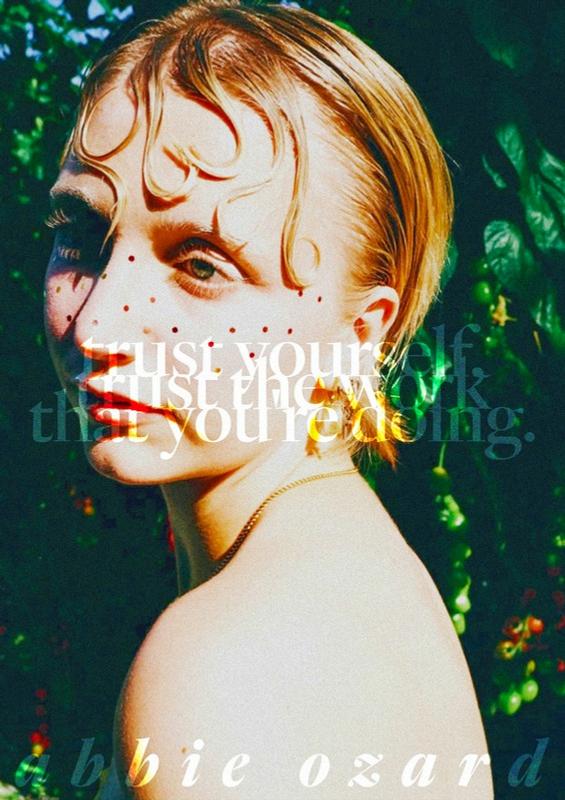
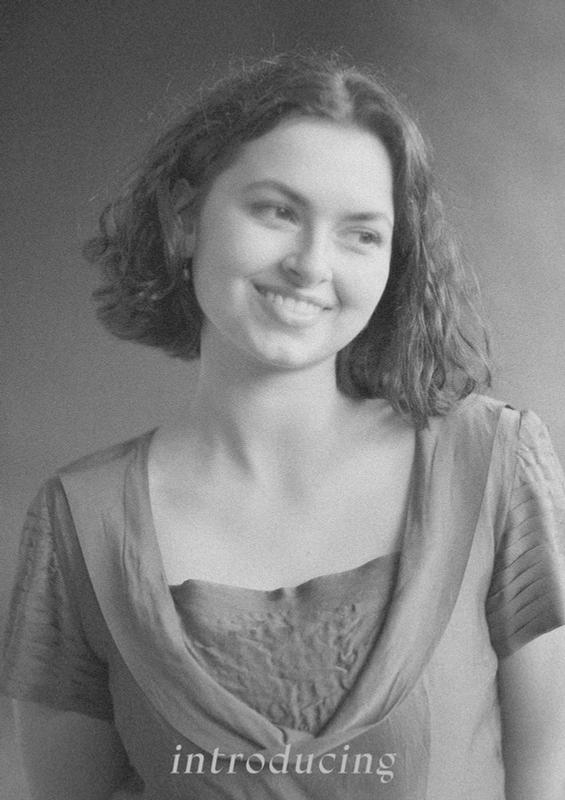
It’s been just over a year since Abbie Ozard’s debut album “Everything Still Worries Me” came out, and after twelve months of writing, gigging, and quietly recalibrating and reinventing, Abbie tells me that she’s ready to move on. Of course she’s proud, but she says it’s time for something new.
“At the time, it all felt very right,” she says, remembering how the record was stitched together during a chaotic chapter of work and life in general. “I think I’ve had a year to ... just be writing all year basically. I’ve struggled to move on from it, but when I listen back to the album now, I think sonically I’ve actually changed so much.” What was interesting about the album’s production was the fact that, the songs were not all written together as a “project” but instead, written over a bigger period of time, each song contrasting, but still representing Abbie as an artist completely.
“I wrote the album without knowing that I was writing an album,” she said. Most of the songs existed in fragments. “I had all these bits of songs, and it wasn’t until I thought of the title Everything Still Worries Me that I realised that there was an ongoing theme.”
This year Abbie has spent the year gigging, writing, continuing to garner new inspirations, but most importantly, she’s lived. “This is the first year since I started that I’ve not released anything. It’s been weird, but I needed to think about where I want to go next. You’ve got to be patient with yourself.”
“When you hibernate for a year you see fans online, but your brain doesn’t really compute that they’re a fan until you see them in real life,” she explains
“There’s nothing better than actual, real-life human interaction.. .. Online, you just don’t comprehend it. Maybe other people do, but I don’t.”
When asked about her visual style, Abbie lit up... telling us about her inspirations and processes. She said for future work she’s avoiding the more modern ways of seeking inspiration, on the internet for example,
“I’ll make a Pinterest board and then someone’s already done it,” she laughs. “So this year I’ve been trying not to go off Pinterest too much. I’ve been going back to old stuff — like Mazzy Star on YouTube — instead”
New music from Abbie should be just around the corner in the new year
“I said I was going to release my first single in November and now November is here,” she laughs “I’ve got songs, but they’re not quite finished. I’d rather have a full project finished first.”
“I’m ready to go for the new year,” she says. A new EP is the plan so far, a first taste of the musical shift she’s been hinting at, followed by what could be a tour, and a summer of gigs she’s determined not to miss.
When speaking about the songwriting progress, we also touched upon Abbie writing and working with her band. “How am I going to make an authentic song with a person I’ve just met?” she says. “Working with my band has been so nice. I can be my most authentic self.”
When asked for her proudest moment so far, Abbie said, “Probably the album release,”
“...It was a big build-up, and it took me a while to realise how cool that actually was.”
She also mentioned performing at Truck Festival, describing what the experience was like;
“I didn’t even realise what stage we were on,” she remembers “We got there and we were on main stage The turnout was amazing, people dancing and singing along. That was a proper core-memory moment, where I was like: it’s all worth it.”
She’s writing. She’s dreaming. She’s reinventing the world her new songs will live in. We can’t wait for more.
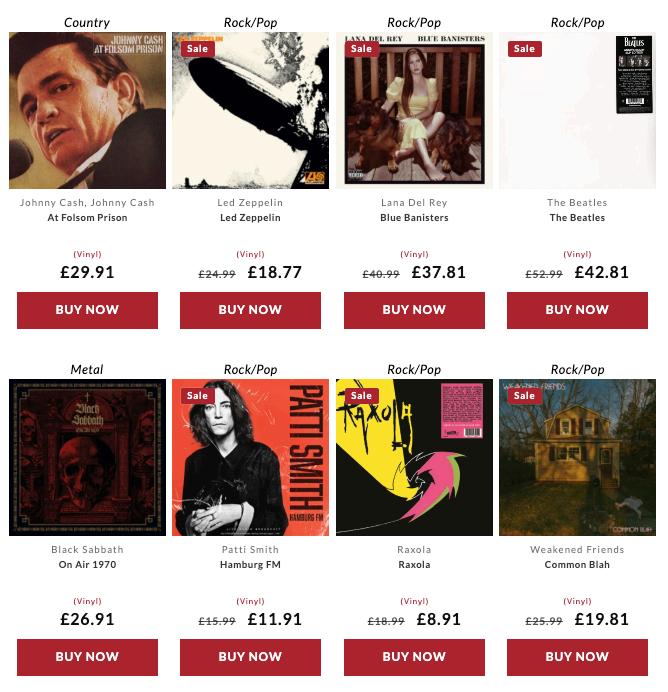
From timeless classics to modern gems, this is your chance to expand your collection for less. These deals are only here for a short time, and once they're gone, they're gone. Dive in, discover your next favourite find, and grab a bargain before the week is out.
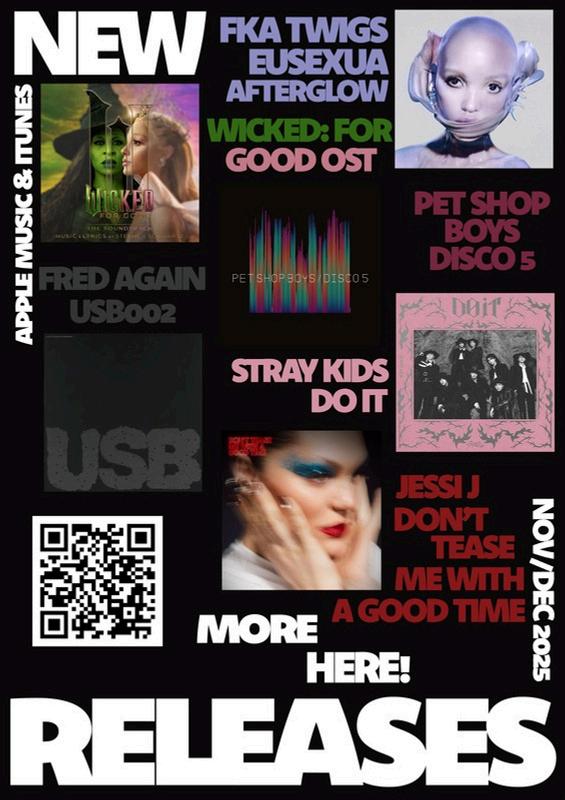
JESSIEJ JESSIEJ
Behind the scenes, Sheene is quietly building her debut album, set for release in 2026, a blend of reimagined standards and originals.“I had a whole tracklist picked out a few months ago,” she explains, “and I’ve just decided to maybe change some things around.”
Behind the scenes, is quietly building her debut album, set for release in 2026, a blend of reimagined standards and had a whole tracklist picked out a few months ago,” she “and I’ve just decided to maybe change some things around.”
What she knows for certain is that the work will honour both her jazz identity and her songwriter roots. “I’ve been writing songs since I was 13,” she says. “I write a lot of poems and lyrics.
What she knows certain is that the work honour both her jazz and her songwriter roots. “I’ve been writing songs since I was 13,” she says. “I write a lot of poems and lyrics.
My voice as a songwriter formed from listening to Bob Dylan, Joni Mitchell, and folk standards, that American gothic, folky way But now I live in the big city, and I do jazz It’s all a melting pot”
My voice as a songwriter formed from listening to Bob Dylan, Joni Mitchell, and folk standards, that American gothic, folky way. But now I live in the big city, and I do jazz. It’s all a melting pot.”
“I don’t want to give away any tracks,” she says softly “But it’ll be a mix, a couple of originals, and these beautiful old songs I’ve listened to for so long”
“I don’t want to give away any tracks,” she says softly. “But it’ll be a mix, a couple of originals, and these beautiful old songs I’ve listened to for so long.”
Grace, grew up in Kentucky, yet interestingly has found her community and tribe in London - the North London Jazz Collective has become her anchor. “It’s been the best experience of my life so far, artistically speaking,” she says. “The people are amazing, the venues are amazing.”
Grace, grew up in Kentucky, yet interestingly has found her community and tribe in London - the North London Jazz Collective has become her anchor. “It’s been the best experience of my life so far, artistically speaking,” she says. “The people are amazing, the venues are amazing.”
“Up until a year or two ago, I felt like I was the only one,” she says. “I’d get looks like, ‘Oh, you’re a bit stuck in the past.’ But now I’m constantly meeting people who have this deep reverence for old music.”
“Up until a year or two ago, I felt like I was the only one,” she says. “I’d get looks like, ‘Oh, you’re a bit stuck in the past.’ But now I’m constantly meeting people who have this deep reverence for old music.”
You can find Grace performing in restaurants and bars, the kind where glasses clink, conversations hum, she adores it. “It’s a huge part of the history of this music,” she says. “You’re still providing this atmosphere. That’s part of the beauty of what we do.”
You can find Grace performing in restaurants and bars, the kind where glasses clink, conversations hum, she adores it “It’s a part of the history of this music,” she says “You’re still providing this atmosphere That’s part of the beauty of what we do”
“I’m proud of where I am right now,” she says. “It sounds schmaltzy, but it’s such a process trying to forge a career as a musician… I quit my full-time job in April. That moment was actually really scary. I didn’t think, ‘I’ve done it now.’ It was more like… ‘This might not be the right choice, but I feel somehow that it is.”
“I’m proud of where I am right now,” she says “It sounds schmaltzy, but it’s such a process trying to forge a career as a musician… I my full-time job April. moment was actually really scary. I didn’t think, ‘I’ve done it now.’ It was more like… ‘This might be the right choice, but I feel somehow that it is.”
“I’m proud of sticking with it when it’s hard,” she says. “Every time it seems almost too difficult, I just decide… it doesn’t matter. I did it yesterday, so I’m going to do it again tomorrow.”
“I’m proud of sticking with it when it’s hard,” she says. “Every time it seems almost too difficult, I just it doesn’t it yesterday, so I’m going to do it again tomorrow.”
We are so excited to see what the future holds for Grace Sheene.
We are so excited to see what the future holds for Grace Sheene.
Indie Christmas
Tired of the same glossy pop carols every December? Indie Christmas brings a fresh vibe to the festive season—mixing lo-fi charm, emotional lyrics, and a sense of laid-back cool that feels more like a house party than a shopping mall playlist.
Emerging from the rise of indie pop and alternative rock in the 2000s, artists like Sufjan Stevens, Phoebe Bridgers, and The 1975 reimagined what Christmas music could sound like. Their tracks skip the sleigh bells and sugar coating, swapping them for dreamy synths, acoustic guitars, and lyrics that actually feel human— sometimes joyful, sometimes bittersweet.
In recent years, acts such as Julien Baker, Bright Eyes, and Beabadoobee have joined in, releasing Christmas songs that feel personal rather than performative. It’s music for late-night wrapping sessions, long drives home, or just zoning out with a hot chocolate and twinkling lights.
Indie Christmas is about finding warmth in the real moments— imperfect, honest, and a little nostalgic. It’s the sound of the season for people who like their holidays genuine, not glittered-up. So ditch the supermarket jingles and press play—your December just got a lot cooler.
“Jingle Bells” became the first song played in space when on 16 December 1965, astronauts aboard NASA’s Gemini 6A flight reported a strange, flying object that looked a lot like Santa Claus. They then performed the song using a smuggled-in harmonica and sleigh bells.
The writer of ‘White Christmas’, Irving Berlin hated Elvis Presley's cover of the song so much that he tried to prevent radio stations from playing it.
Sir Paul McCartney has revealed he once recorded a secret Christmas album "just for the family" that "gets brought out each year" at the McCartney household.
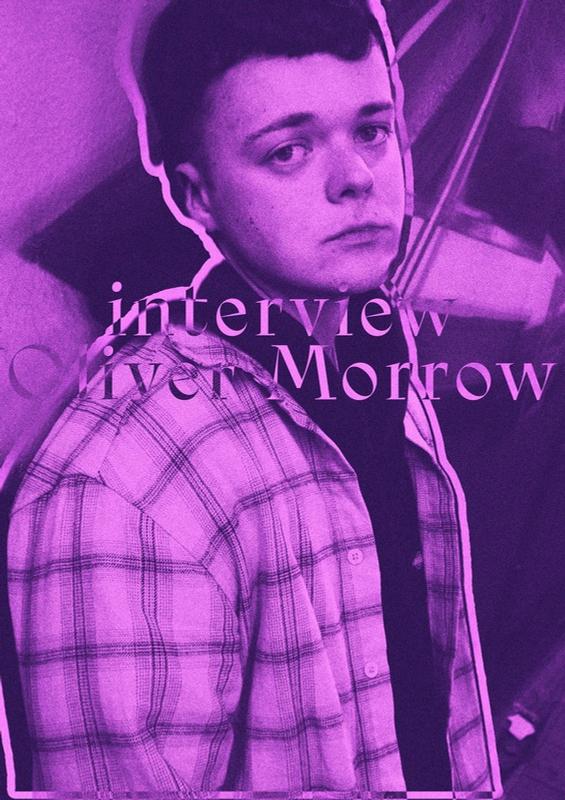
“Oliver’s debut single, “Pink Stuff”, is one of those first releases that stops you in your tracks, it’s detailed, has a definitive style, it’s honest, and fully formed. It’s the type of work you expect from someone several years deep into a career, not standing right at the starting line.
Well that’s Ollie as an artist in a nut shell, you don’t get the guarded, media-trained front that many new artists feel they have to project. Instead Oliver is realistic, open to learn he really does have a hunger for the industry. The release of “Pink Stuff” has been both the achievement of a long-planned vision and the beginning of a new chapter for Ollie.
“It was good for about… probably about 30 minutes,” he laughs, remembering the moment the song went live “Everyone loved it for 30 minutes It was class And then I was like, right— next thing I need the next thing now”
That one sentence sets the tone for who Oliver Morrow is: driven, self-aware, permanently analysing, and in a constant wrestling match with his own work ethic. His honesty reaches deeper than the usual “release day jitters.”
“I ended up having, like, really… like, really like… I don’t even know how to describe it panic attacks in the week, just pure panic,” he says. “For a year the only goal has been this getting this right. And now that it’s out there it's like… I don't know what else there is.”
“I thought I had panic attacks under control,” he says. “Then a week goes by and I’m like oh, I think I’m having a stroke. People’s faces look sickly green.” It’s frightening. It’s disorienting. But he talks about it with calm selfawareness. And despite all this, Oliver’s drive remains unshakeable.
“I suppose I’m proud of my work ethic. I really do just want to be the best. And the only way of doing that is just continually getting better.” “I’ve sat with these songs for a year. I can’t listen to them again. But people say they can’t get Pink Stuff out of their head, and I suppose that makes me proud.”
“Pink Stuff” was born from a period of reflection, an uncomfortable, necessary confrontation with the years he spent burying himself in weekend parties. “I said 15, but thinking back it was probably 15 consistently,” he admits. “The only thing going through school was getting to the weekend to do the parties...You go, ‘Oh—I have no idea who I am.’ I didn’t know what I stand for. Someone asked me, ‘What do you like?’ and I was like… I actually don't know.”
That moment of realisation became the seed of the track. Interestingly, Oliver wrote the song from two intertwined perspectives: his own, and the people he partied with “I’ve been in parties with people who are probably the brightest, most intelligent people I’ve met in my life,” he says “And I’m thinking, why do you not believe in yourself? Why don’t you get out of here and do something?”
When asked what his proudest moment so far is, Oliver gives the most Oliver answer possible: “It’ll have to be the release… but I think my proudest moment will be when I look back in two years and see each bit of snow I put in the snowball to push it down the hill.” If Pink Stuff is the starting point, the next few years are going to be something special. And when the snowball finally takes off, rolling fast down the hill, it’ll be because Oliver Morrow pushed every inch of it himself.
VINYLJUNKIE
TITBIT 1
For all things vinyl and more
As winter lights up London, the Royal Albert Hall becomes a festive haven filled with music, magic, and holiday cheer.
Each December, the iconic venue transforms into a Christmas wonderland, hosting everything from orchestral concerts to joyful sing-alongs and family shows.
Highlights this year include Home Alone in Concert with the Royal Philharmonic Concert Orchestra (6–13 Dec), where the classic film plays alongside a live score, and My Christmas Orchestral Adventure, a storytelling concert perfect for families —with brunch and Santa meet-and-greets.
The ever-popular Carols at the Royal Albert Hall (14–24 Dec) returns for multiple performances, inviting audiences to raise their voices in traditional and modern favourites. For a touch of elegance, Sir John Rutter’s Christmas Celebration (4 Dec) offers a mix of choral brilliance and festive warmth.
Special events such as Christmas with The Salvation Army (3 Dec) and Guy Barker’s Big Band Christmas (17 Dec) bring variety to the season, blending heartfelt tradition with jazz-infused sparkle. The Friendship Matinee: Carols (21 Dec) provides a relaxed, inclusive experience for all audiences.
For more than a century, Christmas at the Royal Albert Hall has embodied London’s festive spirit—a celebration where timeless music meets shared joy. Whether you come for the carols, the cinema-concerts, or the big-band swing, you’ll find the perfect way to welcome the season beneath its glowing dome.
For more information, visit https://www.royalalberthall.com
Our Spotlight on Street Cred!
Leire
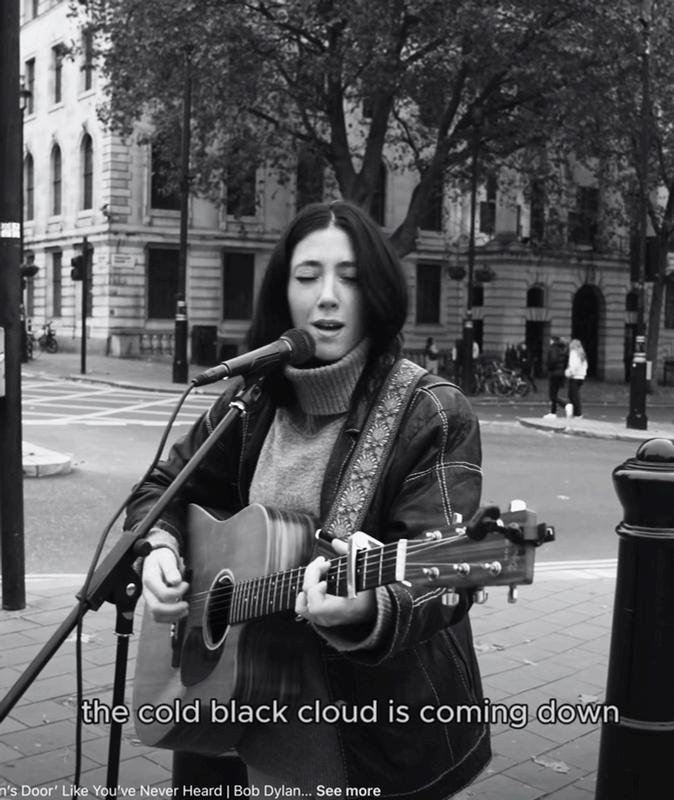
Leire is a Basque singer-songwriter whose journey has taken her from the seaside town of Bermeo to the busy streets of London After moving to the UK to pursue a master’s in songwriting, she found herself drawn into the city’s busking scene setting up in areas like Leicester Square and Chinatown with guitar in hand and an amplifier on her back Her time performing outdoors in London taught her to hold attention fast and to turn passing strangers into listeners a craft she calls one of the most exhilarating parts of her music life Leire says that when someone stops and listens on the street, it’s a heartbeat moment that reinforces her path as an artist.
Musically, Leire moves between polished pop hooks and openhearted storytelling, blending her roots in the Basque Country with the freedom she found in London’s streets. Songs such as Back to You reflect this duality personal, immediate and global Her voice carries warmth and clarity, and her live shows (whether outdoors or under a roof) are designed to connect directly with the audience.
Now based in London but forever tied to her Basque identity, Leire shares her work via social media and live streams, and continues to write and perform with both feel for the street and ambition for the stage. Whether she’s welcoming a passer-by into a moment of song or recording the next single, she brings that busker-born authenticity along for the ride
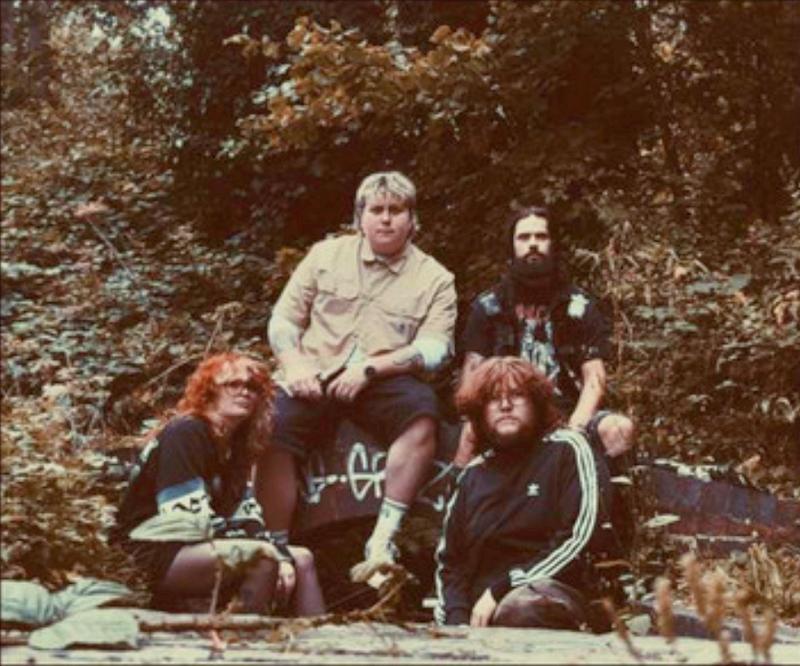
Scathe, built in the Black Country, are a new band, powered and fueled by pure hardcore. Scathe aren’t just shaped by their Black Country identity; they proudly wear it, put it into their sound, and stamp it right onto their visuals. For a band juggling full-time jobs, DIY production, and an uncompromisingly heavy sound, what they’ve achieved already feels like the start of something big.
“The hardcore and metalcore scene is massive for us,” they explain Their influences come straight from the toughest corners of heavy music: Malevolence for sound, Hatebreed for lyrical direction, Speed for that intense modern edge, and guitar inspiration pulled from Pantera and Kublai Khan. “It’s rough and ready, it’s definitely in your face from the moment you turn it on, and you just want to turn it up as far as you can,” they say. “There’s a very hardcore punky sound… but we like to try to get a little bit of groove in there too.”
As heavy as the band's sound is, they also want you to think, a key part of their artistry so far; “There’s a lot of political messages in there…” Visually, Scathe are unmistakably shaped by where they’re from. “The logo is taken directly off the crest of Stourbridge,” they explain. The industrial legacy of their home sits at the core of their artwork and imagery, dark, gritty, heavy, and most importantly local. “We like to incorporate a lot of imagery from the Black Country and we wanted to make sure we included that within our image” This band is about identity and heritage, it’s about who they are
“Trying to get the band all in one room is no easy feat” Everyone in the band works full-time No predictable shifts No consistent routine But every week, at least once, they get together and make it happen And to say that the guys are so early on in their career, they have achieved so much, they’re so grateful for every listener, every playlist add, “Honestly, just being able to say we’ve released our music was amazing”. The support from people around them has meant everything. Their guitarist, Harvey, snagged a lesson with the lead guitarist of Malevolence, who gave them an inside look at riff writing, techniques, and how a band of that calibre sets up and sound-checks. It could well be a glimpse into where Scathe could eventually be heading.
“The plan next is to release a demo EP with two additional songs,” they confirm. Behind the scenes, they’re already building towards a full studio album “ideally within the next 12 months.“ “We just want our sound out there for people to enjoy as much as we do.”
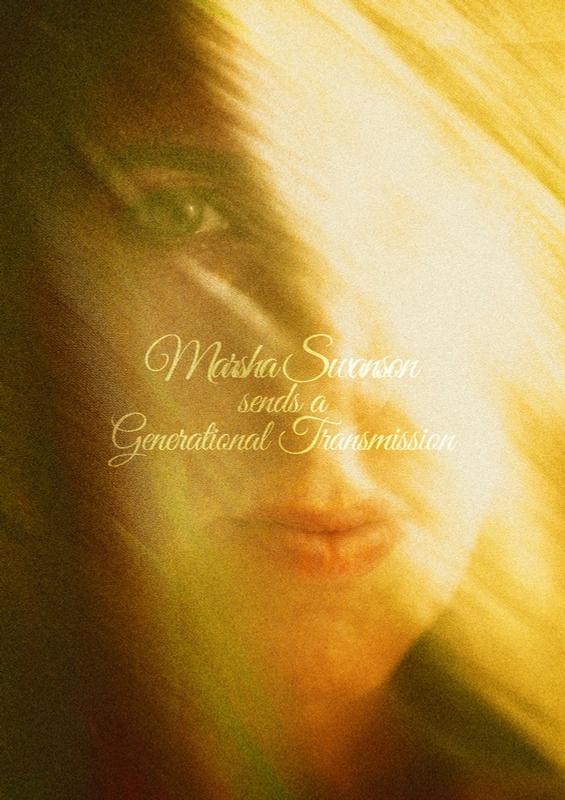
When Marsha Swanson appears for our interviews, she brings with her that calm, luminous clarity she’s become known for throughout her career. She speaks slowly, thoughtfully, like she’s feeling the weight of each idea before she lets it go. And with her last couple of works, “Like An Angel” and “Generational Transmission”, we have seen new sides to Marsha as an artist.
The song, its claymation accompaniment, its themes, and even the circumstances under which it was created all orbit one enormous question: What do we carry that isn’t ours? And what do we pass on without knowing it?
It’s an idea that could easily drown a lesser artist or creative, it is a highly philosophical question. But Marsha approaches it with curiosity rather than fear.“I've always been aware of the families we all come from, what we're carrying within us that's not our own,” she explains. “What we're in control of… what we're not aware of that we're still passing forward, what we are passing forward that might need some work in it. “When you're in this unique position of what I call the sandwich generation… it becomes more sharp. You see what's coming down, as well as what was above.” This vantage point, the midpoint between ancestors and descendants,is exactly where Generational Transmission was born.
For listeners familiar with Marsha’s catalogue, her vocal on this track feels subtly, but unmistakably different. She knows it too. “Because I went with open keyboard chords rather than a rhythm, I was allowed to just ring out my voice,” she says. “It’s like a sort of open call More exposed ” There’s definitely a sense of spaciousness She describes it as freedom I felt that the emotion behind it was joy, I felt that she knew that this song was powerful, meaningful and worthy, and that that was reflected in her voice
“I need to go away and think about that,” she says, thoughtfully “I think I was probably really joyful that finally I had got a take that I was happy with ”
Her producer heard the opposite, at first. During the early vocal sessions, he halted everything. “He picked up that I sounded anxious,” she says. “He knew instantly something wasn't sitting right. And he was right… something was going on in my life at the time that I hadn’t fully understood yet.”
One of the most striking things about the project is the claymation video, a medium so rarely used today, yet so crucial to this particular story. Marsha didn’t choose clay. Sam Chegini, the visual artist she collaborates with, did, instantly. “It was instant,” she says. “He said right away: this has to be clay.” At first she didn’t understand why. Then he explained - The way clay changes permanently when blended. The way its colours darken the more materials merge. The way it cannot return to its original form once shaped by another hand. “And I thought that’s generational, isn't it? We're shaped by these hands before us,” she says. “And yet… clay is malleable. It shows that we still have our part to play.” Marsha smiles. “It took me seeing a bit of it for the penny to drop fully for me,” she admits. “But Sam knew instantly.”
He also knew how to translate all of these abstract ideas visually, even while facing unimaginable realworld obstacles behind the scenes.
Filming on Sam’s side, took place in a war zone. Blackouts. Lack of access to workspaces. Interrupted communication. Students unable to assist. Hours stretched into nights, and nights into isolated windows of opportunity. “Everything could have happened to not make it happen,” she says. “But the times where it could happen became so precious.” In a sense, the unpredictability of life created the emotional texture of the video.
Since its release, Generational Transmission has begun forming a life of its own. Marsha learned that a psychiatrist at the Tavistock Clinic wants to use the video in conferences, workshops, and training modules Its reflections on inherited trauma resonated instantly in clinical spaces “It’s going to have another whole life,” she says “Another place where it can be of use in a different way ” Moments later, she shares brandnew news: the video has been officially nominated as part of an entertainment week in Nigeria — a poetic full-circle moment
She also hints at something coming in January, a final piece to conclude the journey that began with her album “Near Life Experience.” Another collaboration with Sam. Another closing of a circle.
By the time the fairy lights go up and the first Mariah note drifts out of a supermarket speaker, every DJ in the country knows what’s coming – the Christmas rush Those calm, reflective autumn nights suddenly flip into a whirlwind of office parties, winter weddings, and festive club nights One minute you’re deep-diving into new edits and obscure B-sides; the next you’re loading up the van with tinsel, fairy lights, and four different versions of Last Christmas
December is chaos in the best possible way The calls start early – “Can you do our Christmas do?” “Are you free for New Year’s Eve?” – and before you know it, every weekend (and half the weekdays) are booked solid The venues are as varied as ever: hotel ballrooms decked out in red and gold, intimate restaurants with makeshift dancefloors between the tables, and the occasional icy marquee that somehow manages to feel warm once the crowd gets moving
Musically, it’s a balancing act You’ve got to sprinkle in the Christmas classics – All I Want for Christmas Is You, Fairytale of New York, Merry Christmas Everyone – but not drown in them The trick is knowing when to drop one Too early, and you risk an eye-roll; too late, and you’ve missed the moment The real joy comes from weaving the festive tunes into your usual flow Mixing Do They Know It’s Christmas? into Levitating or running Step into Christmas under a disco-house beat can turn a familiar track into something new
And let’s be honest – December crowds are a different breed They come to celebrate Even the ones who swore they wouldn’t dance end up on the floor by the second chorus of Don’t Stop Me Now You get the office managers letting loose, the couples who haven’t had a night out since last Christmas, and the groups of friends who treat it like their own private festival. It’s a beautiful kind of chaos – slightly tipsy, completely unselfconscious, and always up for one more tune.
Between gigs, it’s a blur of late nights, cold load-outs, and strong coffee. You learn to pack spare batteries, backup cables, and maybe even a Santa hat (because someone will ask). But there’s a strange satisfaction in it all – seeing the year out surrounded by lights, laughter, and people who just want to dance.
As for the Christmas charts, they’re as unpredictable as ever One week it’s a viral TikTok track, the next it’s a tearjerker ballad from a John Lewis ad But on the dancefloor, some things never change Freed From Desire still unites the room One More Time still feels like a toast to the year gone by And when you close the night with I Wish It Could Be Christmas Everyday, no one’s ready to leave
For DJs, December might be exhausting – but it’s also the payoff It’s the season of full calendars, full floors, and full hearts Once the decks are packed away and the last encore fades, there’s a quiet moment to breathe before New Year’s Eve calls you back out again
Be safe and have a great festive season.
When you donate to Save the Children, you’re helping children in some of the world’s toughest places stay safe, healthy and learning – so they can get the chance of a future they deserve.
will buy supermarket vouchers to help a struggling UK family put food on the table
could provide a family in Syria with emergency meals for a week so they don’t go hungry
could treat a child with severe acute malnutrition at one of our health centres in Ethiopia