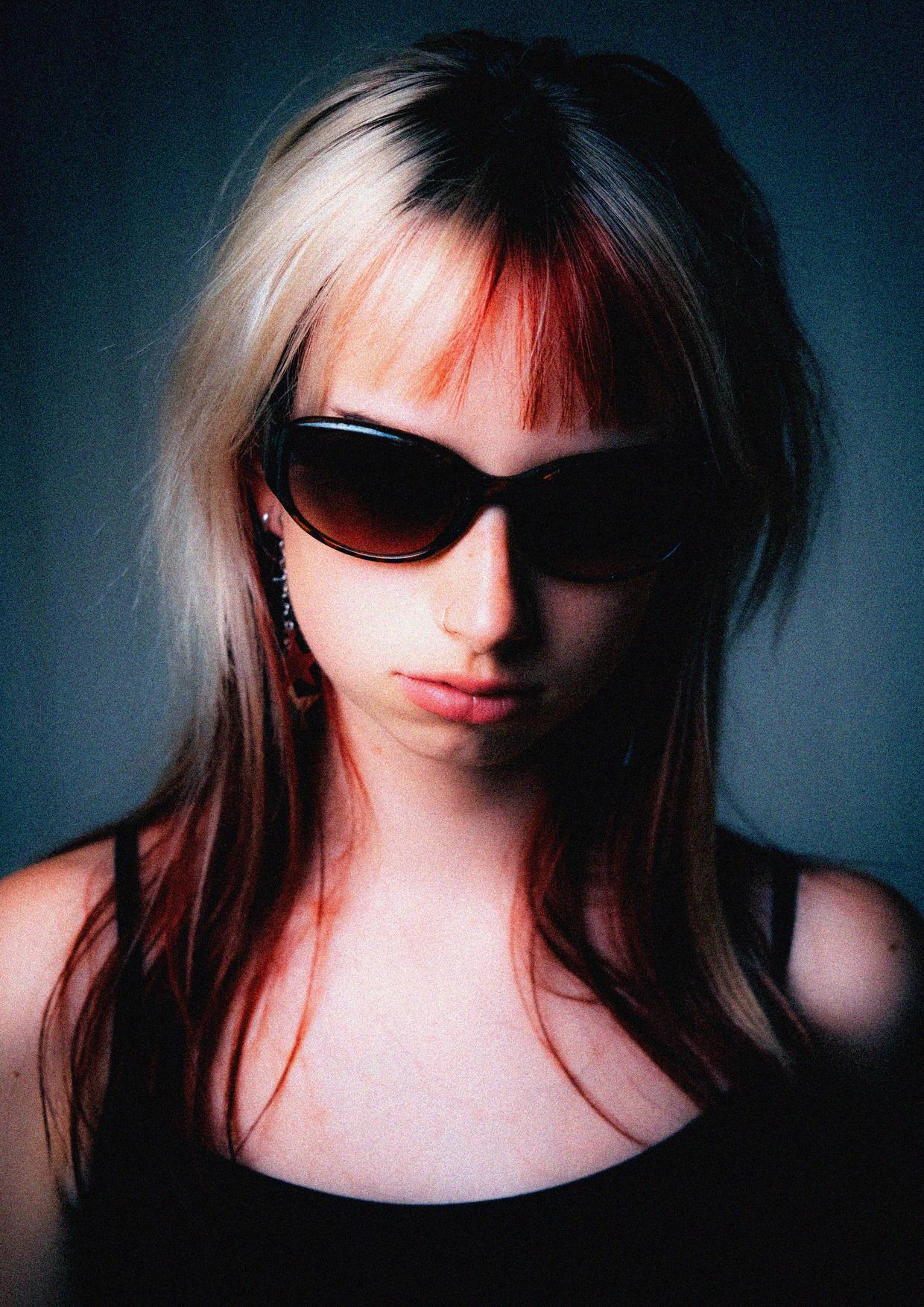
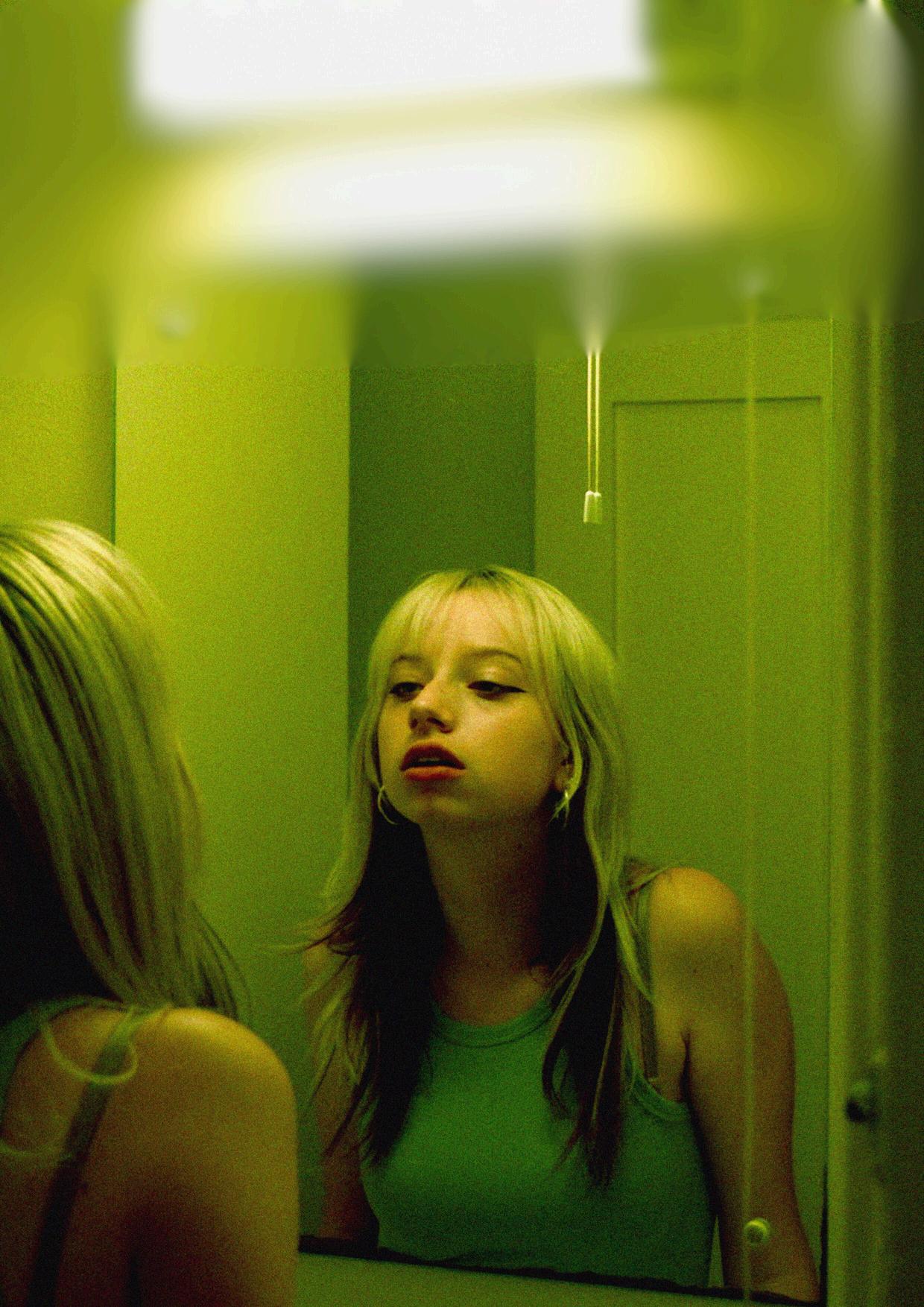
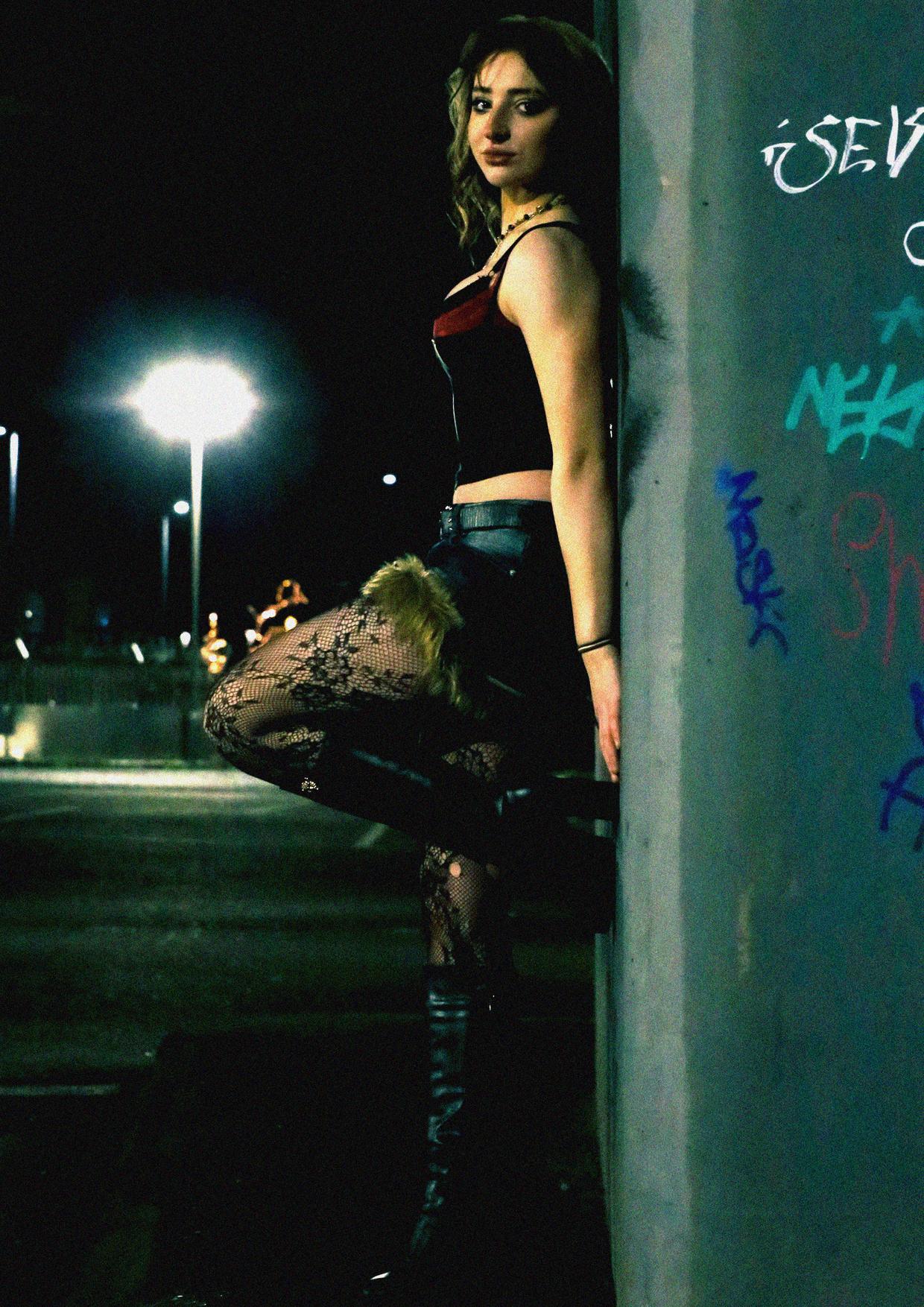
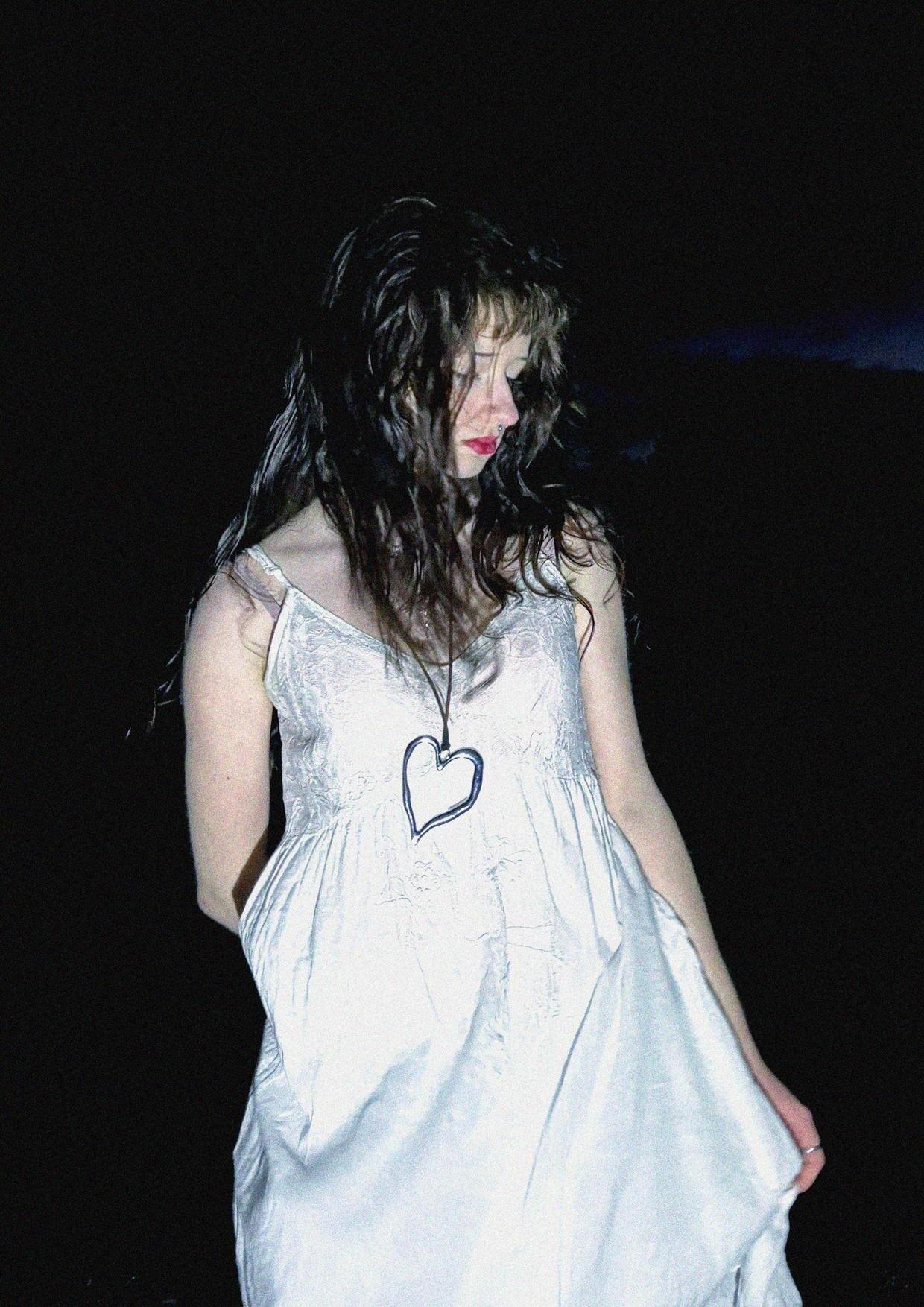
Looking back at P Feeling”, Madeleine time, a culmination of being 17 and 1 Liverpool for uni, a going to the cinem shitty bar” It’s an authentic experienc huge debut In the Rose McBride, this E years of your life wh
“The only other thin thinking about how do when there’s no finish it before I m project to summar have to keep talkin all into the EP an instead’”
In the same vein as Patchy put togethe but industry wise to own, getting people everything, I was re industry you need became my proof.” finishes things. Proo Proof that she is w holds a dual role, “I far I’ve come,” she aspects of the son the feelings for Patc going to be part of
In terms of ins inspiration as a su something that bu people, places, an along my lifetime,” s a lot of it comes f Beyoncé, Adele, tho Killers I worked in always around me”
If I had to describe Björk, women who a like they’re pushing other people want too, “The words are “That’s why poet inspirations too ” H ties into everything of anything as ‘co prefer thinking of expressing what I’m
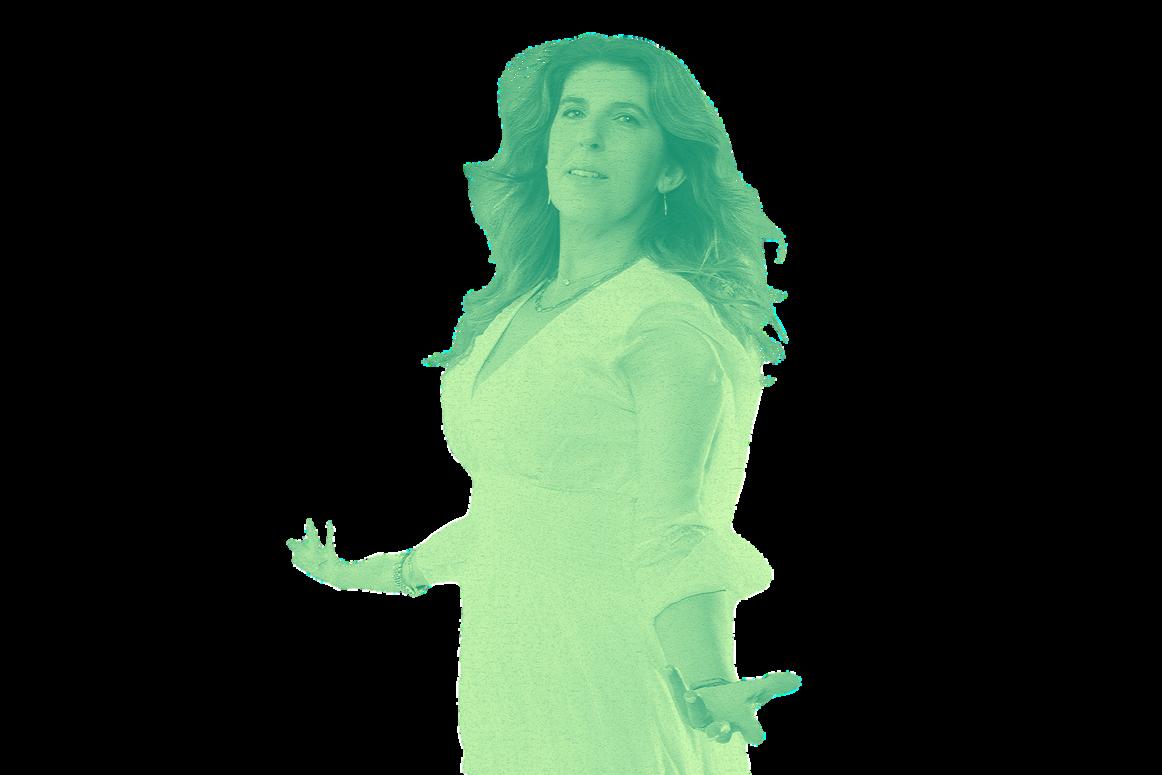
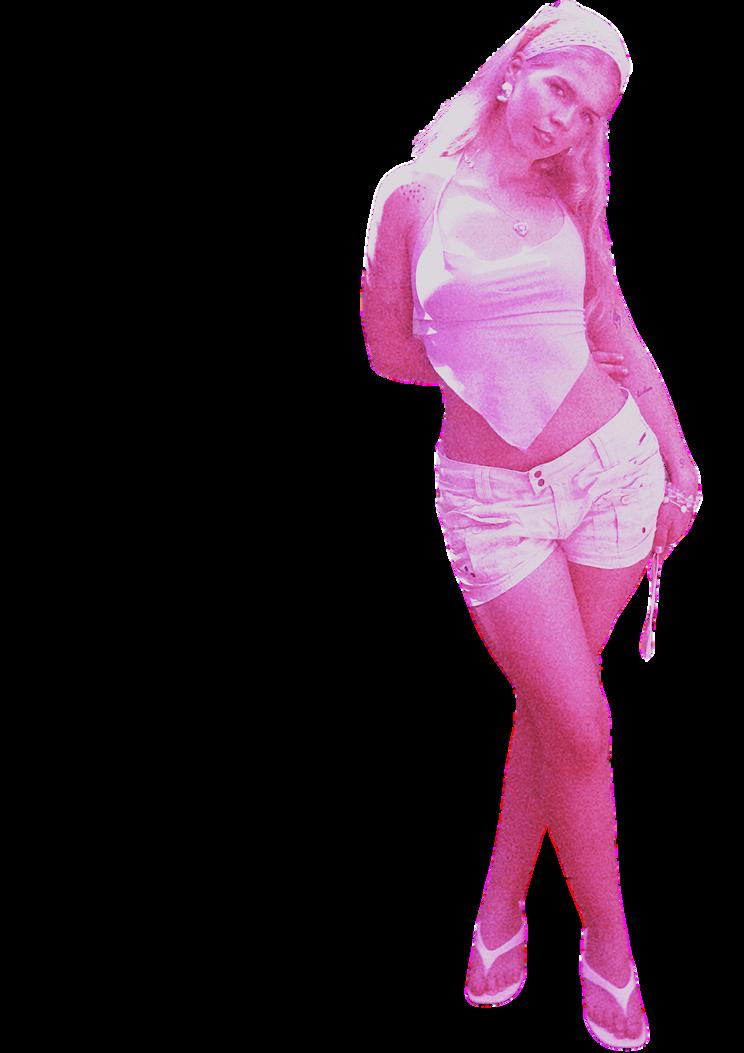
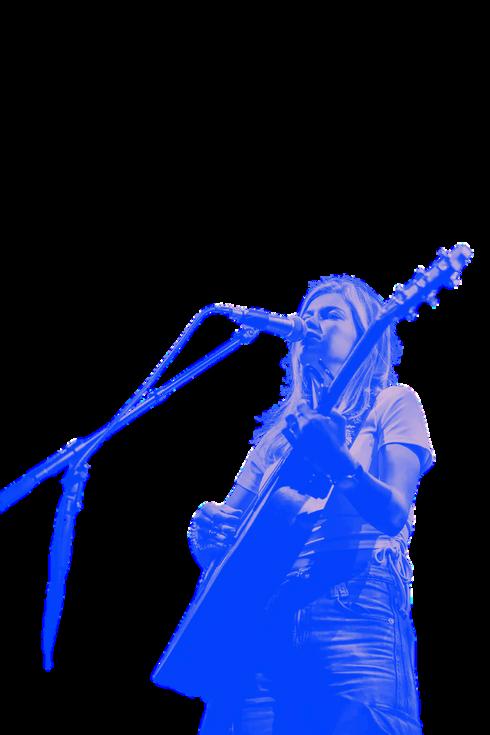
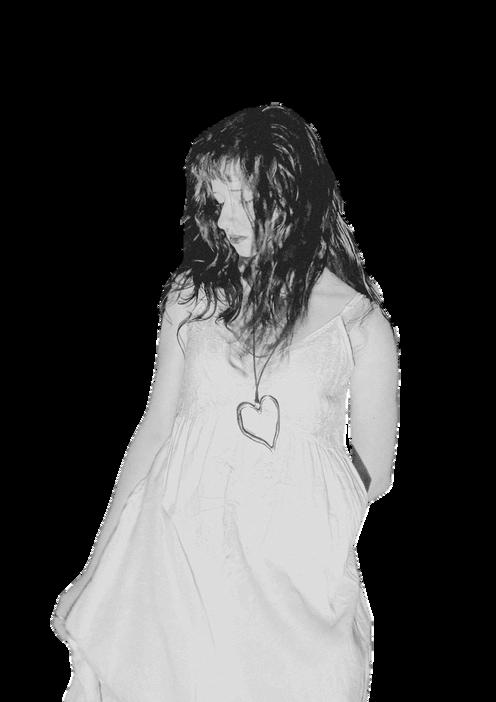
For Patchy, single, EP, album art, social media, it all feeds into one world, “The image is always metaphorical and in line with the lyrics” If you can view the online streaming world as private, performance is where everything opens up for Patchy, “Performing is the best part of my life,” she says without hesitation, “If I’m not performing for a while, I get really restless it’s the only place where people are fully listening to what you’re saying.” She’s been performing since she was sixteen, and no surprise the feeling hasn’t faded. “It never gets old. It’s always great.” What's also interesting about Patchy is how she has shifted shape - changing band members, cities, and contexts, and how all of this has affected the music. “Moving to Liverpool changed everything,” she says. “There were loads of variations of Patchy Blonde, and that was actually really fun.” Each version has brought something new, “You hear your music through different ears. This is the strongest the band’s ever been, they’re passionate about the songs, not about being seen. I really care about local music scenes and community, people coming together just to see music, not for ego.”
Things have been relatively quiet for Patchy from a ‘streaming’ perspective, but really I think it’s because Patchy has given herself that permission Permission to change, to evolve out of ‘eras’, and to let music exist without constantly justifying itself, or herself for that matter “I think I’ve learned that it’s okay to outgrow things,” she says. “That doesn’t mean they were wrong, they were just right at the time.” Patchy Blonde is not a fixed identity to me, she is ongoing, “I don’t want it to feel static,” she explains. “I want it to move as I move. “I care about making things that feel honest, and finding people who connect with them in their own way.” This is the definition of a true artist.
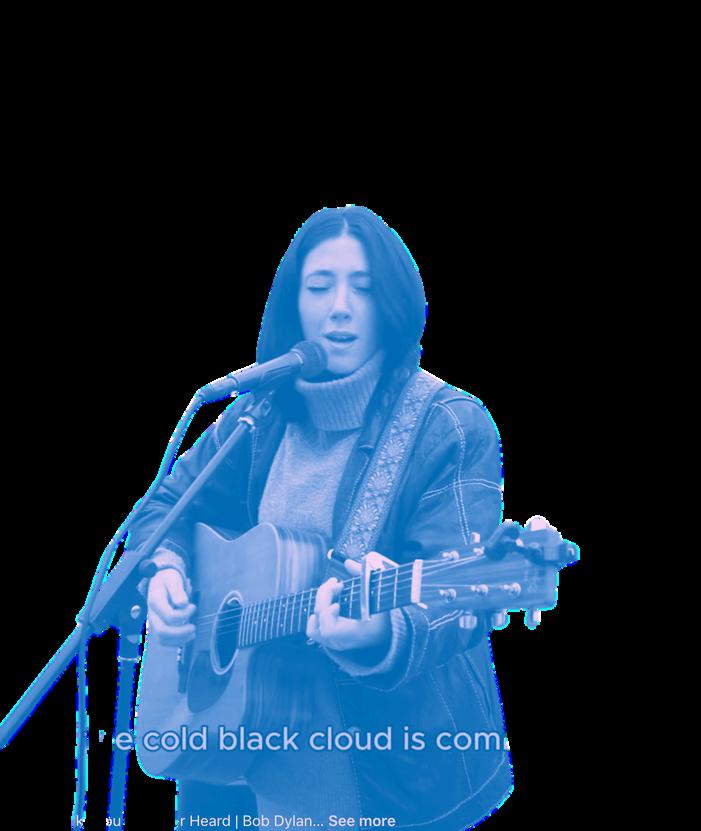
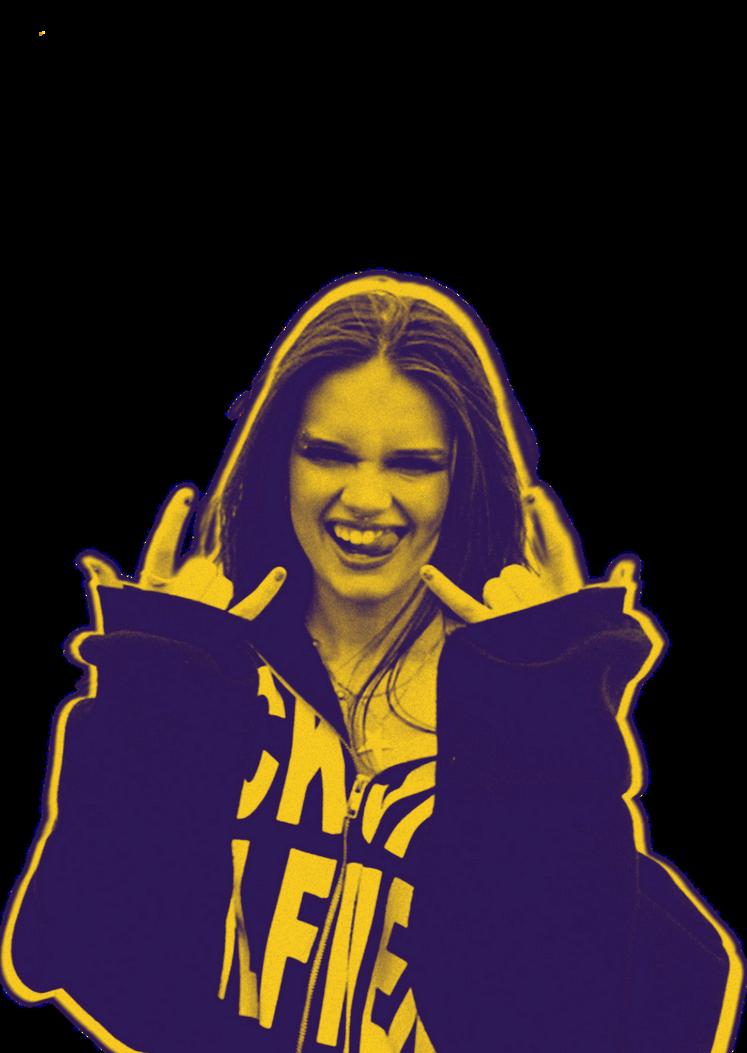
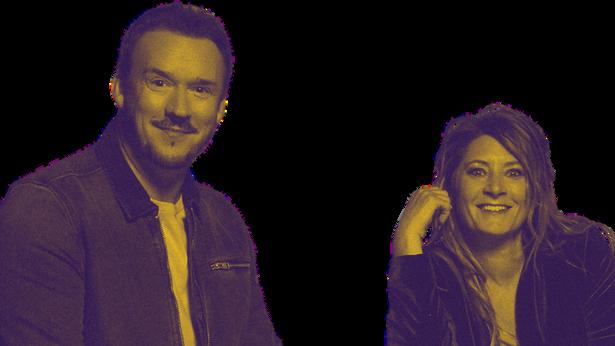
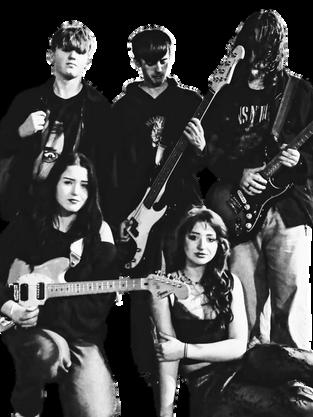
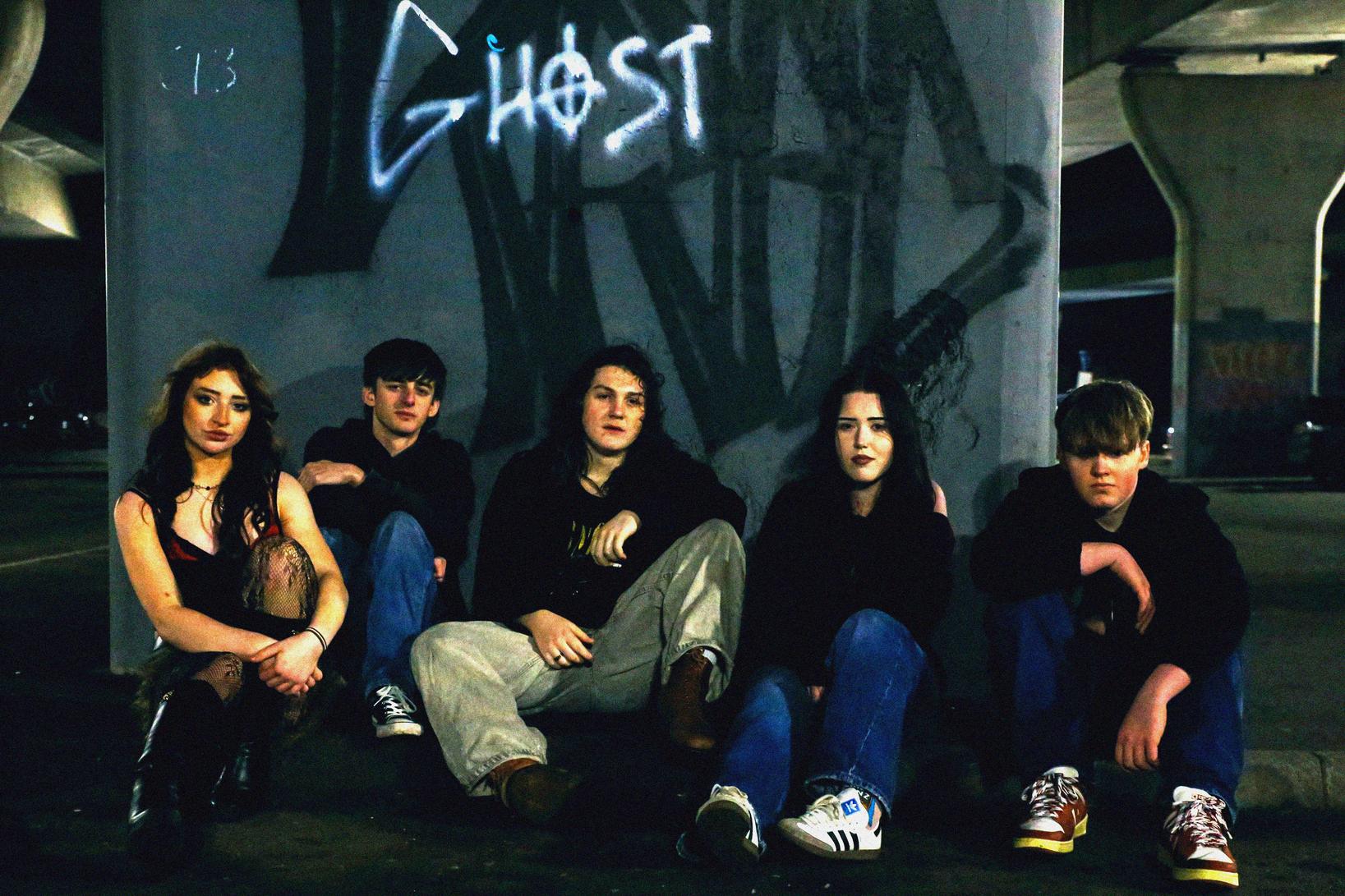
In the case of Katie-Rose McBride, forming her band Fracture Line has proved to be a lifeline, “I formed it in November, whenever I was at the lowest point in my life, I was on antidepressants, which weren’t doing me any good, and I had lost all motivation, I just thought I can’t go any lower So I’m going to start my own band” And so far, after previous tough experiences within the world of music, she has a blueprint for something better, something fresh and new. She spoke openly about her first experiences of previous bandlife, but has kept her head up and persevered Fracture Line was built with intention from the very beginning, not just musically, but emotionally
“Everyone has a say,” Katie says “We won’t do a gig if it makes anyone uncomfortable. We always make sure everything suits everyone” The effect on both her artistic and personal life has been profound too, “It’s given me a reason to live again,” she says “It’s given me such a different outlook on life I’ve always struggled with anxiety, but I try to look at everyone’s perspective rather than just my own I think that’s really helped”
As the conversation continues Katie describes music as something to live with rather than performing for an algorithm, “We just want to make people feel better, that’s the goal “Something you can stick on at the end of the day, no pressure Just - ‘this is my favourite song’ We just want to make people feel better,” she says “That’s the goal”
Releases are on the horizon, both on streaming and live in person, expected over the next couple of months. Katie’s even planning on releasing a solo track, she says written in just one night “I surprised myself that I could actually sit down and do that,” she admits
Katie also spoke warmly about the community around her too - a community built on genuine support but also generosity and kindness as opposed to competition “Everyone I’ve met has been really helpful and really nice, people just want to help each other, and that means everything” Just like Alice, when asked for her proudest moment without hesitation, she said the formation of Fracture Line, and doing her first gig She described going from school to the gig supported by her lead guitarist “It was so hectic, but having that support It was the best feeling “I never thought I’d get this far,” she says “Honestly, I’m surprised I’ve made it to 2026” And she has, and Fracture Line exists now, not just as a band, but as proof that something good can grow out of the worst moments and turn into genuine connection and genuine art At both just eighteen and seventeen years old, Alice and Katie have both managed to create something so meaningful, special and magical in such a short period of time Truly highlighting the magic of this industry, with a little courage it can go a long way, and long may it continue!
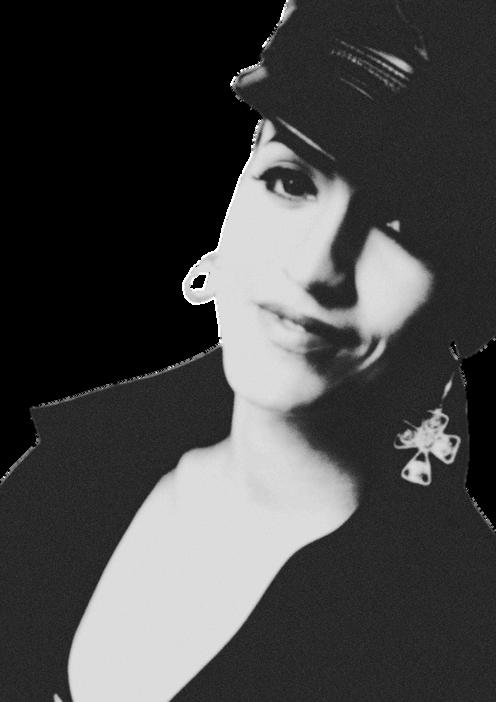
This past week new Belfast based artist, Alice Sloan, released her debut single “Return The Ghost”, a significant step outside of her comfort zone This release follows her 2025 “Borrowed Not Bought Demos” EP, which already very much showcased early signs of potential. Her appearance in this magazine is also her first ever interview, so naturally I was very eager to find out how this experience has been for somebody who already is finding their voice, artistry and style, so early on.
“I had to do so many new things, go outside my comfort zone so much,” she says “Even recording the song, reaching out to people, doing things like this it was all new” I could feel the nervous energy emanating from Alice, she didn't sugarcoat her experience so far as something easy to do or polished Instead she spoke honestly, and explained the uncertainty as part of everything that's going on in her artistic life “I can’t believe that I was actually able to do this, book out the studio, write the song, get it out there and have people listen to it”
Alice explained the reaction to the single from her already growing audience, “It’s not for everyone, some people have told me it’s quite intense “Sometimes people feel threatened when they’re confronted with strong emotions like that,” she explains “But I just want to give people a space where they can feel those things and not have to be scared of them I’m just trying to find the people who can relate to it”
Both the songwriting and creative process has already come naturally to her, even whilst everything else on the industry side still feels unfamiliar, “I’m writing all the time, I’m always having ideas, I’m always writing, no matter what else I’m doing” While “Return The Ghost”, marks the ‘official’ start of her journey, she’s already planning and looking ahead, “Hopefully a gig sometime soon to go with the single and I’m already thinking about the next one.” She’s also seen so much support from the local community in Belfast, “It’s really supportive,” she says. “There are so many genres, but not loads of bands in each one, so everyone ends up supporting everyone else. You’ll have hip-hop artists supporting folk artists,” she explains “Everyone’s just part of the same scene”
When asked about her proudest moment so far, her answer was simple, but there was a weight behind it - “The song, and everything that’s gone with it, I probably haven’t done it the right way,” she admits “Because I’m still learning But I have done it, I can say that” The impression I get from Alice, is someone who is ultimately determined and overwhelmingly thoughtful, creative and inspired, by everything around her; “A lot of the music that inspired me is emotionally intense, and it helped me through things in my own life If I can do that for someone else, that’s a really big achievement” Alice Sloan isn’t presenting a finished version of herself, she's showing us the beginning, the uncertainty, the bravery, and a sense of determination
Our Spotlight on Street Cred!
Bartek Dubrowski
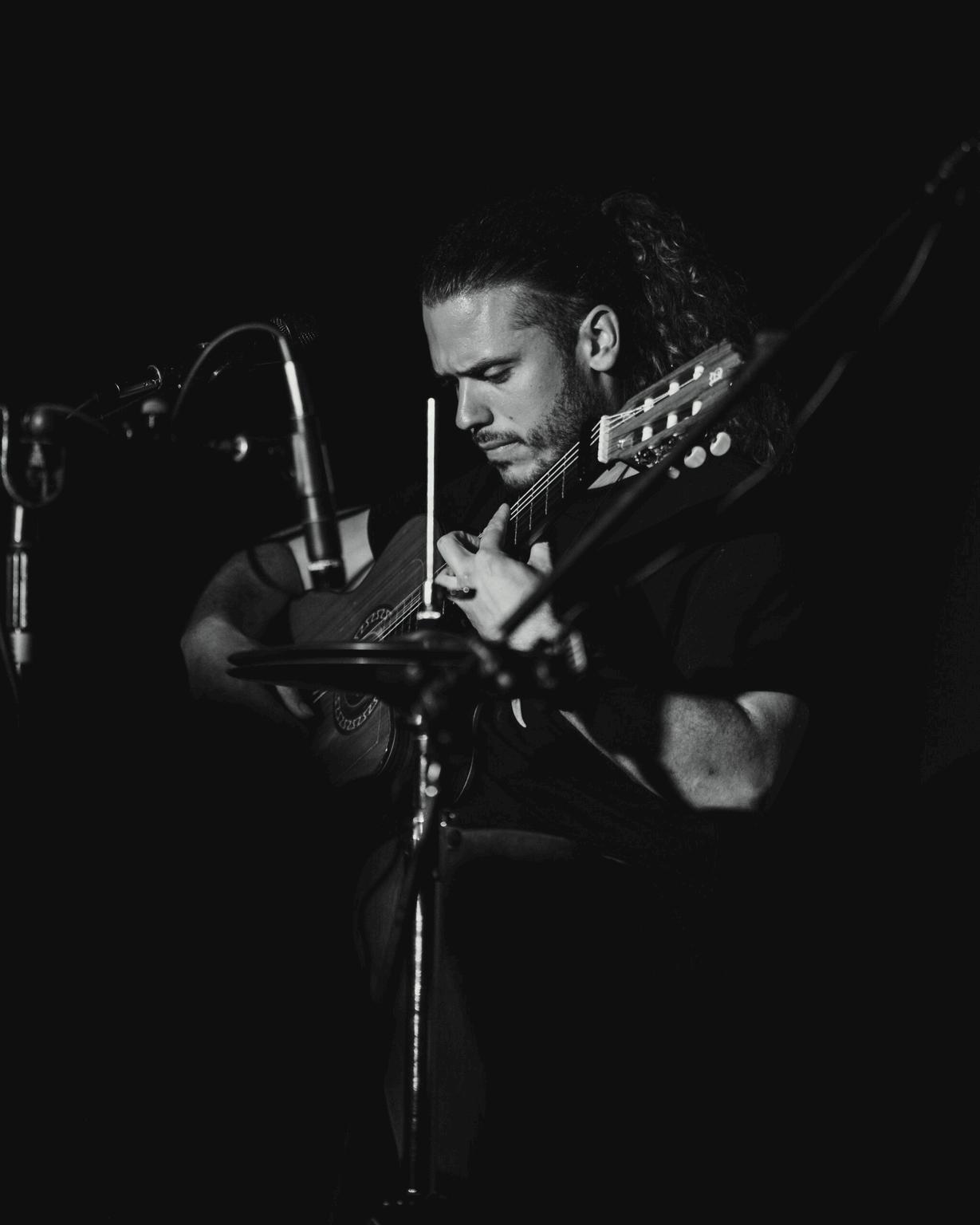
Bartek Dabrowski is a Poland-born guitarist and instrumental artist based in the UK, known for his expressive fingerstyle playing and immersive one-man-band performances Blending acoustic guitar with looping and percussive elements, Bartek creates richly layered soundscapes that feel both cinematic and deeply personal
Now established in the UK music scene, he has built a career performing across a wide range of settings, from intimate venues to private events and weddings His background as a street performer helped shape his confident, audience-focused approach, where musical detail and atmosphere are equally important
Bartek’s compositions draw on classical technique, modern instrumental music, and ambient influences. Releases such as Home and Transcendence highlight his ability to tell stories without words, using melody and rhythm to evoke mood and movement
Alongside live performance, Bartek remains active online, sharing recordings and videos that capture the precision and warmth of his playing Whether performing live or through a screen, his music invites listeners to slow down, listen closely, and connect through sound
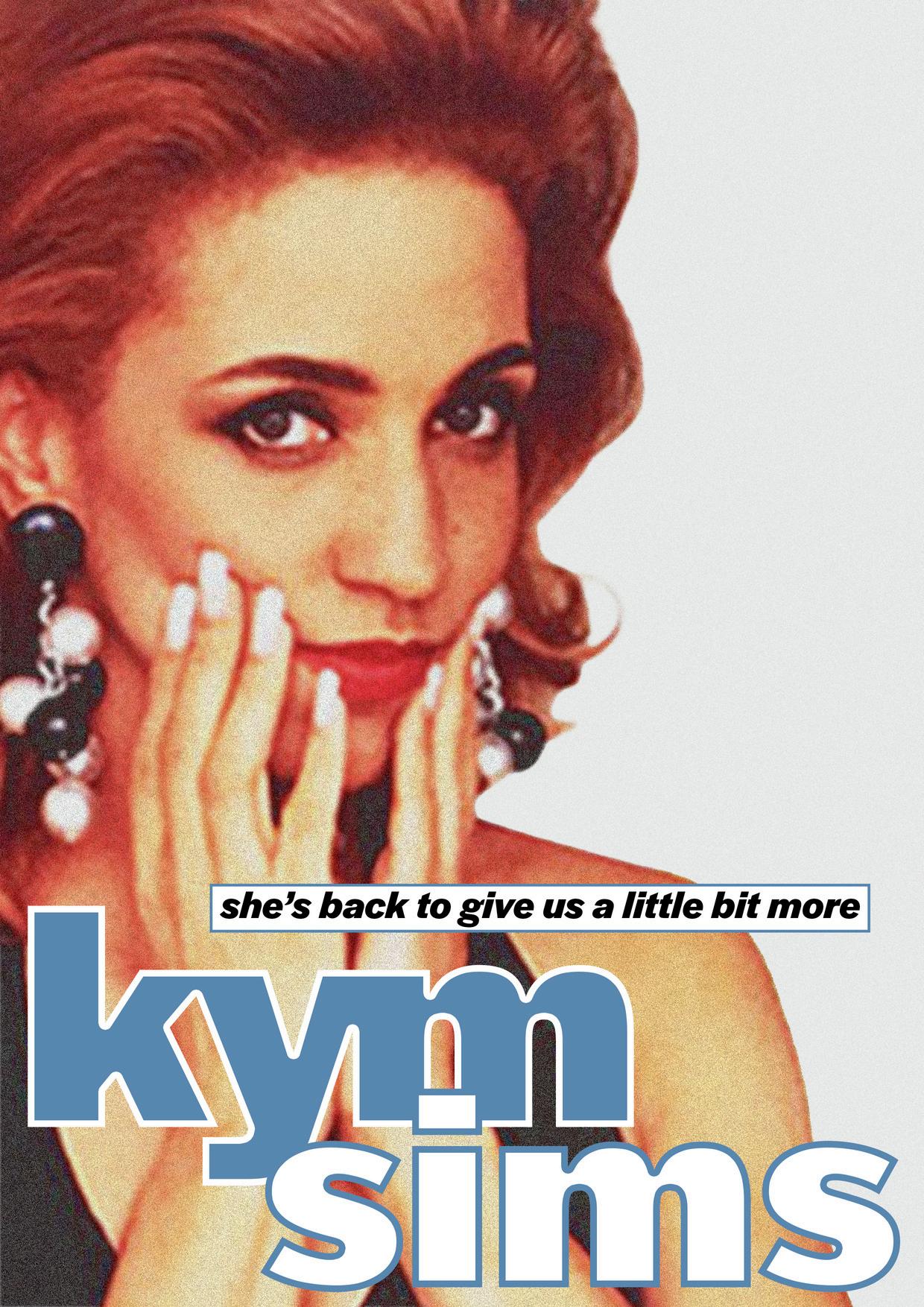
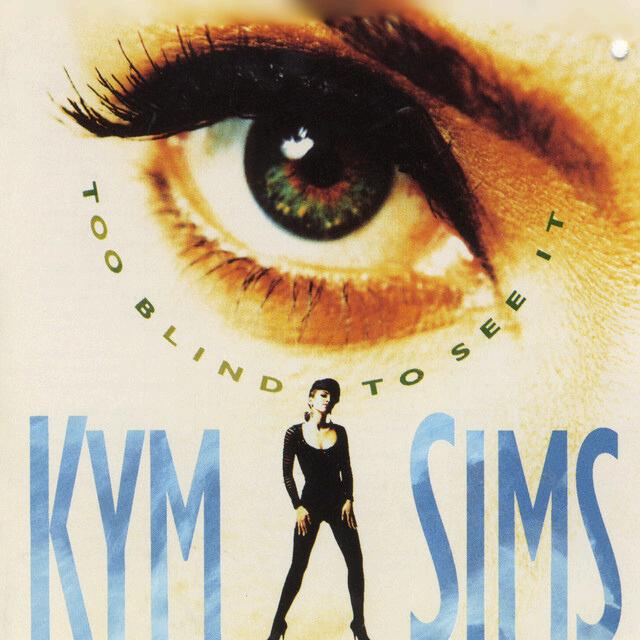
“Too Blind To See It”, is a song that has been played countless times across radio, since its release in 1992 For hundreds of thousands of people across the world, it truly is a timeless dance anthem, and yet for Kym the song represents not just success, but survival, selfdiscovery, and ultimately, reclaiming control
I just had to ask Kym to look back on the creation of her landmark 1992 album and she knew that she was creating something special “I think in our hearts, we wanted it to be something special “Everybody involved put their heart and soul into it Once it was completed, I thought, ‘This might be cute This could go somewhere’ But that’s what you’re praying for.” The album blended house, pop, and soul at a moment when the genre was very much alive with so much experimentation and most importantly joy.
“Joy”, being the key word; I asked Kym what she thought the difference between the revolutionary 90s and music as it stands today, “People were happier It was more exciting It felt genuine,” she reflects “I miss that real feel of house music You could hear the happy in it”
Over the years so many interviewers have been quick to ask Kym about “Too Blind”, but I think that her discography runs much deeper, even the album as a whole, if you listen to it, it’s virtually no skip There’s a variety of potential hit singles there that would find success if released today I asked Kym what her favourite track of hers is, “I’m a ballad kind of girl,” she says “‘In My Eyes’ is probably my favourite Then ‘One Look’ I also love ‘I Found Love,’ ‘Good or Nothing,’ and ‘Never Should Have Let You Go’”
History doesn’t always unfold the way artists imagine At the height of her success, business decisions were often out of her hands, the industry at the time was a very different place Something Kym now reflects on with honesty and maturity. “The business side gets a little funky,” she admits. “I wanted to make sure that if I ever did it again, I was doing it on my terms.” That moment could well be here this year in 2026, Kym will release a re-imagined version of “Too Blind to See It” Not to emphasise a sense of nostalgia necessarily, but I feel as a personal reclamation “When I recorded it again, it was a different feeling, I felt more in control I was singing it because I wanted to That’s what makes it golden for me”
The decision to re-release has come altogether naturally - and as we head into February Kym has moved back to one of the countries where
she saw her most success, the UK! “It was like it fell from the sky,” she says “If it didn’t work out, I could live with that What I couldn’t live with was never being in control” This re-imagined version isn’t just for her longtime fans but I think it’ll also introduce Kym to a whole new audience, a new generation discovering her voice for the first time, “I think it’s going to be a good introduction for people just discovering Kym Sims”
Despite decades in music by this point, chart success, and global recognition, Kym doesn’t measure her life by industry milestones and success alone “The birth of my children comes first Then my grandchildren,” she says, without hesitation. But when it comes to music, one memory she shared with us still stands a pivotal moment in her life. She was driving in Chicago with her children during an extremely difficult period in her life when “Too Blind to See It”, came on the radio.“I had to pull the car over. I got out and started screaming at cars, like, ‘These people must know!’” she laughs “I cried That song pulled me out of such a dark place” And even now, the emotion around this moment hasn’t faded “I still get excited when I talk about it”
After everything she’s experienced, Kym offers advice to new artists that’s grounded, and wise “Don’t trust everybody Look at yourself as the prize, be smart with your money Be careful who you allow into your circle” And she’s especially clear on one point: “Don’t do business with friends Somebody always walks away unhappy” And yet, in her typical style her message remains hopeful“People want to experience something real Something exciting Once the business is handled, that’s when you can really create”
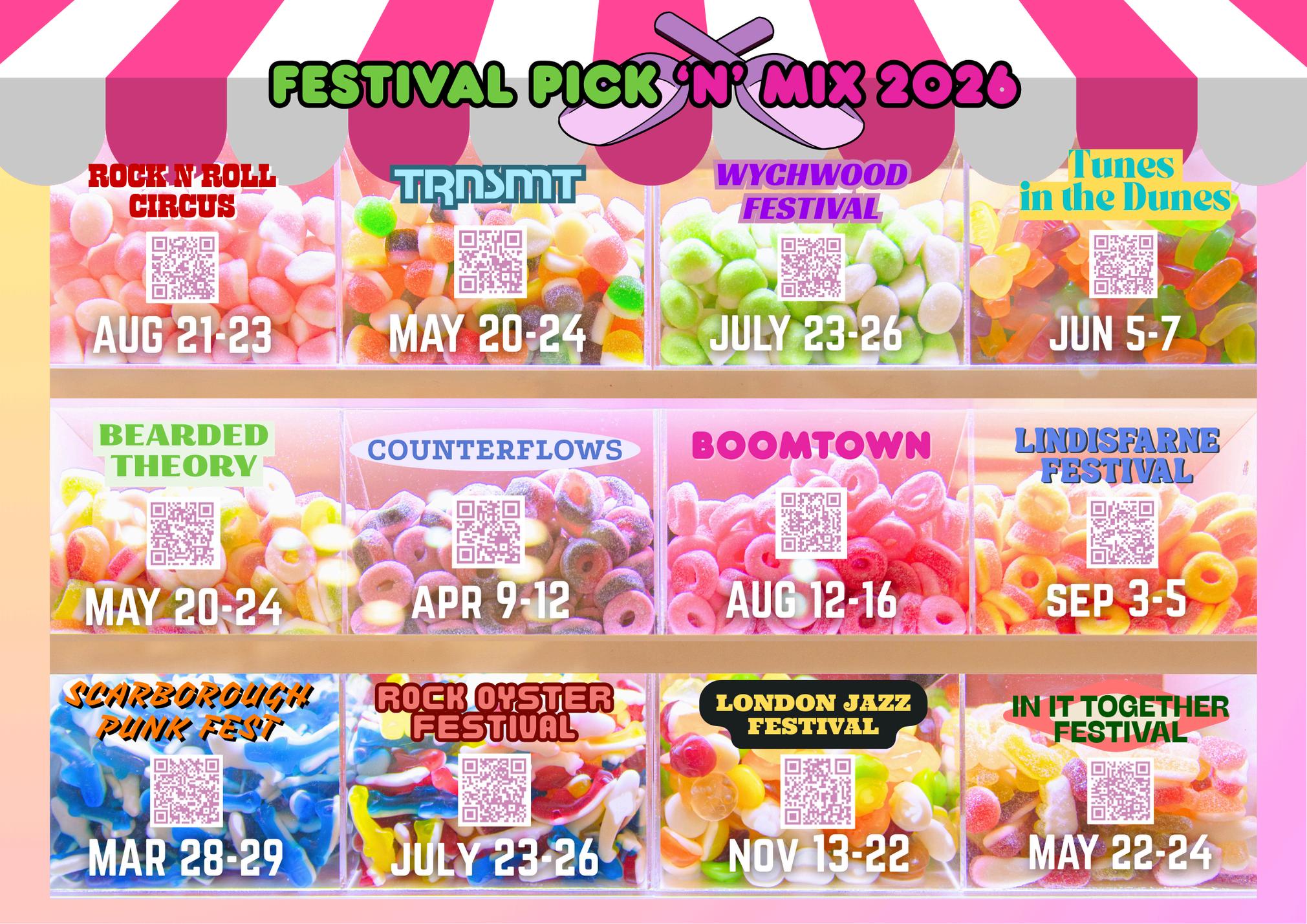
As Kym prepares to spend extended time in the UK, with live shows, festivals, and new releases on the horizon, there’s a sense that this isn’t a comeback, it’s of course a continuation. She speaks with gratitude, humour, and a spark that has never dimmed.“I’m not growing older - I’m growing younger,” she smiles as our interview draws to a close.
VINYLJUNKIE
A New Year, A New Way of Listening
Vinyl’s place in early-year listening feels stronger than ever — and not just among long-time collectors. One of the most interesting shifts right now is how younger listeners are shaping their own relationship with records, often discovering albums out of sequence, jumping freely between decades, and building collections that mix heritage artists with modern releases
Walk into any record shop in January and you’ll see it happening. A teenager flicks past Pink Floyd’s The Dark Side of the Moon, then stops to pick up a new release by Sam Fender or Lana Del Rey For many under-30s, vinyl isn’t about recreating the past — it’s about owning music that matters to them, physically, in a way streaming can’t offer Albums become objects again, not just files.
Classic records still act as gateways. The Beatles remain a starting point for a lot of firsttime buyers, often recommended by parents or discovered through playlists before being tracked down on wax Oasis continue to cross generations too, with What’s the Story Morning Glory? frequently finding its way into younger collections thanks to its big hooks, familiar choruses, and cultural staying power.
At the same time, newer artists are clearly influencing how vinyl is being marketed and consumed. Limited colour pressings, alternate sleeves, and short-run editions are no longer niche extras — they’re expected. Releases from artists like Taylor Swift, Billie Eilish, and Harry Styles have helped normalise vinyl as part of a modern release cycle, not an afterthought. For younger fans, buying the record is often the most direct way to support an artist while owning something tangible.
This crossover has had a knock-on effect on the secondhand market Demand from new collectors has pushed prices up, especially for clean originals and early pressings. That’s why many people are looking closer to home for their next find. Family collections are being re-evaluated, not just for value but for relevance — records inherited, shared, and reintroduced to a new generation of listeners.
As winter settles in, vinyl continues to offer something that fits the season: slower listening, deeper engagement, and a sense of connection that cuts across age groups. Whether it’s a first record or a fiftieth, the appeal is the same — music that feels owned, chosen, and worth the time.
For all things vinyl and more
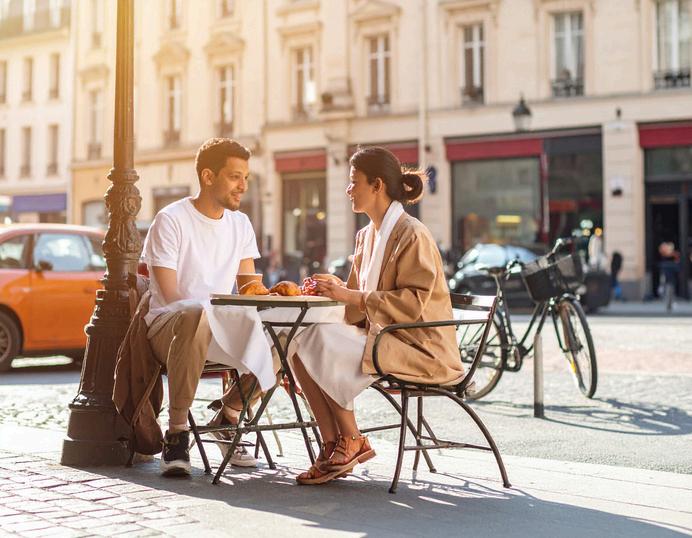
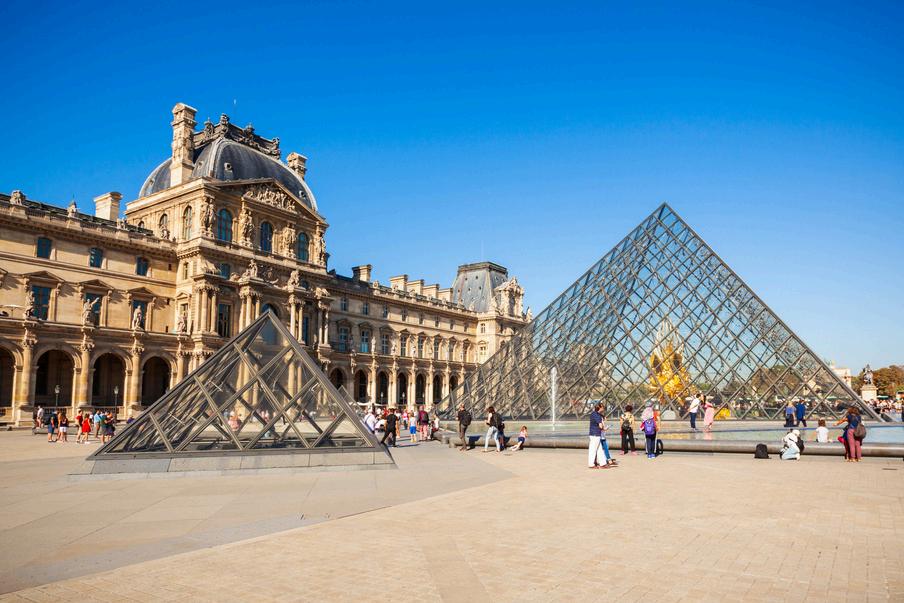
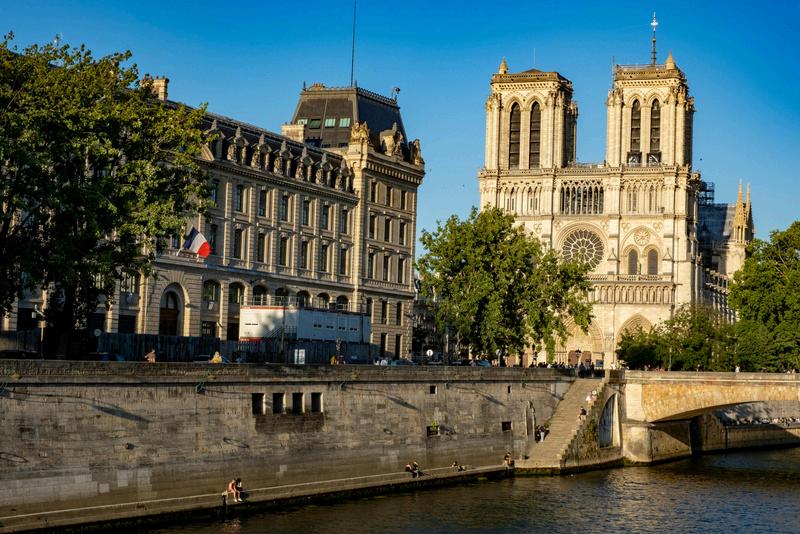
Time to get away Book your city break
that Ash has such a talent for
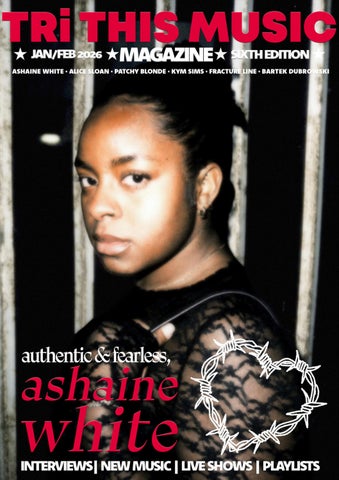
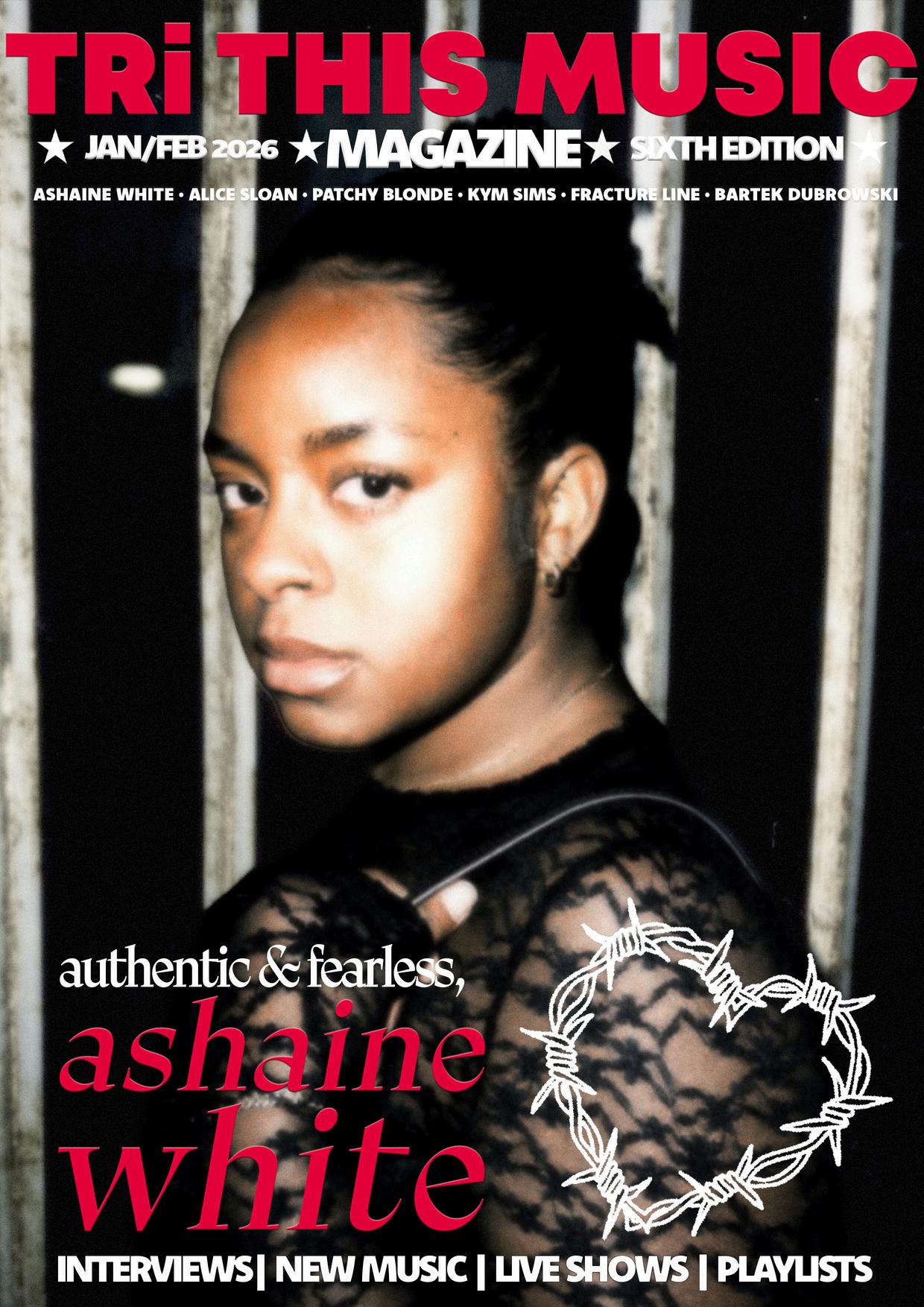
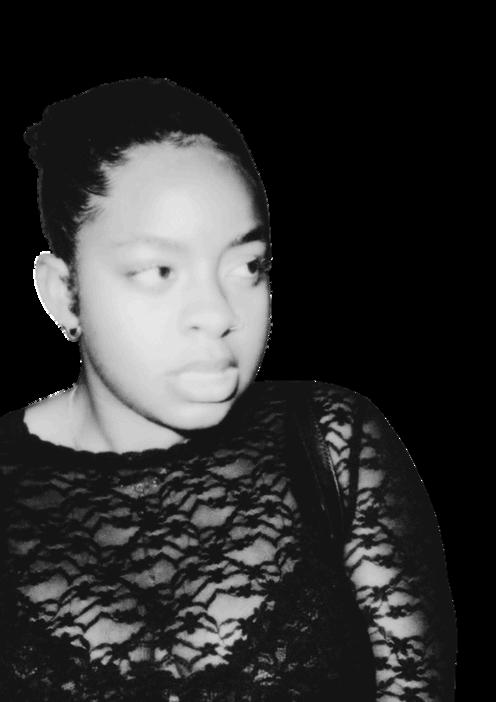
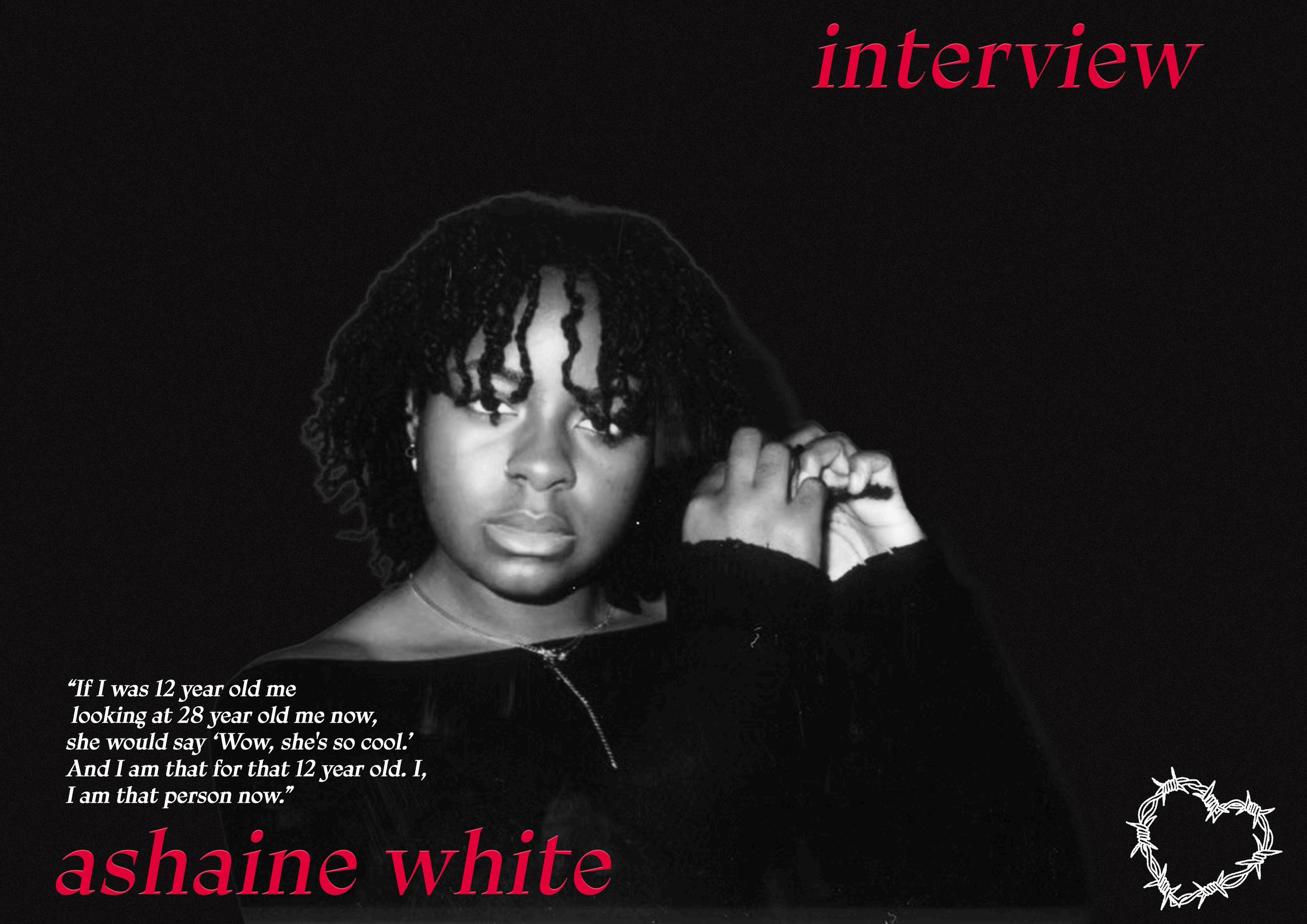
One thing that always stuns me, and especially in Ash, is the songwriting and the talent that goes with it To Ash, songwriting has never been about following industry trends or moments and eras, it’s all about truth and honesty, a true representation of her life “I think my music has always been about honesty,” she explains “I don’t really know how to write in any other way” There has been around one year or so gaps in between her EPs, time to live and gain experience, I was quick to question whether this was intentional “There were times where I just couldn’t write at all,” she admits “And I thought something was wrong with me But I think I just needed to live a bit more”
As previously mentioned Ash’s music has taken many different shapes, styles and genres - something I feel that you only really see with a seasoned artist, someone with say, twenty years experience But in Ashaine White's case it's something that has come altogether naturally. “I’ve always been musical, but I didn’t always trust myself,” she says “It took me a long time to believe that my voice what I wanted to say was enough” I was also curious on the impact that her music has on her audience, having only recently discovered Ashaine, I wasn’t too familiar with this aspect, and with it being just under a year since the release of “Look What You Made Me Do”, I felt this was an area to delve into too “I think when you start thinking about how something will be received, it can really block you,” she reflects “I had to learn how to stop writing for an audience and start writing for myself again”
This was the first time I’d heard an artist talk about this reception in this way, maybe this is the true key to releasing your art and handling the response Especially when said art carries such an emotional weight due to the depth involved “Sometimes you don’t realise what you’re writing about until it’s already there,” she explains “You listen back and think Okay, there’s something I need to deal with you’re asking yourself to relive things, to sit in feelings you might usually avoid If it’s real to me, then it’s worth putting out there, even if it’s uncomfortable”
We spoke at length about her journey on the industry side of music too, and how she met her manager Felix And again for Ash, this has been another side that hasn’t been conventional To her, she needs the room to be able to create, to be free to share her own views and emotions, “I need to feel safe to create,” she explains “If I don’t feel comfortable in a space, the song just won’t come” She met Felix at the Ivor Novello Awards, “I ran into a guy called Felix Howard he was like, ‘You’re my favourite You’re my favourite… “I didn’t win, I was just nominated, but it was still amazing, and then after he grabbed me and said, ‘I’m so glad you didn’t win. It’s the kiss of death, babe.’ “I was like, I don’t know what it is about this man, but I need his energy.” Ash told me that she believes that the role of the manager is an extension of the artist, he told her to keep doing what she is doing - and it’s worked. “I’m very, very lucky with the team that I’ve got around me.” she says
That extension I think for her audience, is the refusal to be boxed into, or stereotyped in a way in which the industry think she should be as an artist, “I don’t give a **** about genre, I’m not mixing genres I just make music I met loads of managers who wanted to compare me to other people,” she recalls “And I was just like I can’t do this I’m not here to be a version of somebody else”
“Music flows for me I find it easy, but visuals? That’s the most stressful part I have a vision, but I’m not a director I’m not a videographer” A bit like her collaboration with Felix, on the visual side she has Olivia, “I needed somebody who could take what was in my head and make it real, “I’m very clear on what things should feel like,” she says “Even if I can’t always explain exactly how to do it” Ash told me that everything needs to be in service to the art and I couldn't agree more It’s always very refreshing and enlightening to speak with an artist who is so in touch with every aspect of their art, music visuals, songwriting, the whole package “When you find people who understand your world, it makes everything easier, you don’t have to over-explain yourself - “Everything has to be in service of the art,” Ashaine insists. “Always.”
My conversation with Ashaine draws to a close, and with it I feel inspired by her energy - in an industry in which people are pressured to harden, to brand themselves, to become palatable, Ashaine is among the small few who have rejected this notion She puts it best herself, “I’m just a human being first, that’s the most important thing I don’t believe in being bigger than people, I believe in being alongside them” Ash very much not only cares deeply, but is incredibly present, in both her music life and personal life and it all comes back down to the art - “I don’t want to make art that’s detached from real life, I want it to feel lived-in.”
She is without a doubt an artist to continue to watch. She has already grown so much. If you have just found Ashaine White, delve into her back catalogue and explore her journey so far. Again, she puts it best - “I don’t want to tell people what to think, I just want to make them feel seen The best feedback is when someone says, ‘I felt that,’ not that they understood it, but that they felt it “I don’t want to spoon-feed meaning, people are smart They’ll find themselves in it”
This Valentine’s Day and according to John Paul Young, love is in the air. To help get you in the mood, we’ve put together our own Classic Love Songs playlist for you to enjoy But it raises a fair question: in a world of endless new releases, why are the classics still so popular?
Part of the answer is confidence Classic love songs don’t hedge their bets or hide behind irony. They commit fully to the feeling whether that’s desire, devotion, jealousy, or heartbreak and say it plainly That kind of emotional honesty feels refreshing in a modern music landscape that often layers feelings under production tricks or emotional distance
There’s also something satisfying about how these songs take their time. Melodies linger, choruses build, and emotions are allowed to breathe In an age of fast scrolling and short attention spans, that slower pace gives love a bit of weight again, making the payoff feel earned rather than rushed.
Most of all, classic love songs still work because the emotions haven’t changed Crushes still hit hard, breakups still sting, and falling for someone is still thrilling and terrifying in equal measure The sound may belong to another era, but the feeling doesn’t. That’s why, decades on, these songs keep finding new listeners and why they still deserve a place on your Valentine’s Day playlist.
3 CLASSICS THAT CHANGED THE WORLD
All You Need Is Love — The Beatles Premiering live on the first global satellite TV broadcast in 1967, this song turned love into a universal message It blurred the line between pop music and world politics, proving a simple love song could speak to millions across borders, languages, and ideologies
I Will Always Love You Whitney Houston
This wasn’t just a ballad It redefined what emotional power sounded like in pop music. Whitney’s performance set a new standard for vocal delivery, influenced generations of singers, and turned a personal goodbye into a global anthem.
Respect — Aretha Franklin
Originally written by Otis Redding, Aretha transformed it into a love song with teeth, one that became a rallying cry for women’s rights and civil rights It showed that love songs didn’t have to be passive; they could demand dignity and equality
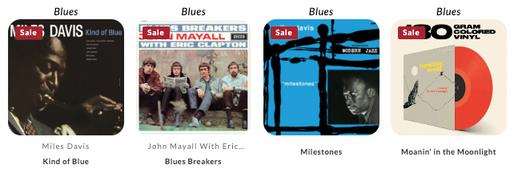
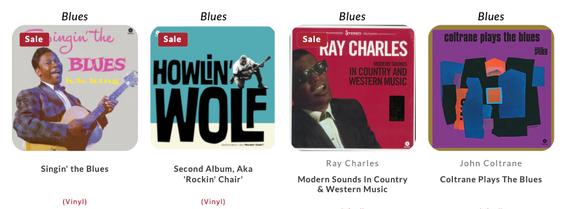
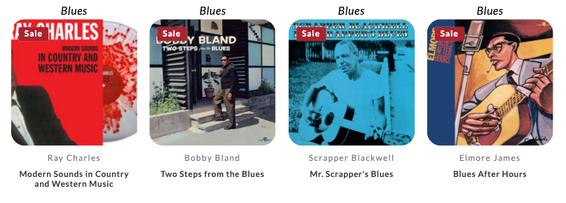
There is no better remedy for a grey January than the deep, soulful warmth of blues on vinyl or CD. Whether you crave the electric grit of Chicago or the acoustic roots of the Delta, this collection celebrates the genre that started it all. To help you beat the winter chill, we’re turning up the value. Get an extra 10% off when you buy 3 or more titles from our blues selection.
Don’t miss out - start digging and spin the blues away.