The voice of the trenchless community
Works
FUTURE-PROOFING UNDERGROUND NETWORKS
How TRACTO is helping contractors tackle rising renewal demand with full pipe



PUBLISHER
Paul Harwood pharwood@westrade.co.uk
EDITOR
Austen Lees editorial@trenchless-works.com
MANAGING EDITOR
Leigh Abbott labbott@westrade.co.uk
SALES DIRECTOR
Trevor Dorrell tdorrell@westrade.co.uk
DESIGN & PRODUCTION
Julie Harris julie@julieharriscreative.co.uk
CHINESE AGENT
Lexi Di lexi.di@bestexpo.cn
COPYRIGHT
Trenchless Works is published 12 times a year by Westrade Group Ltd I Carotino House| Bury Lane I Rickmansworth I WD3 1ED I UK
Contributions: Contributions are invited and articles should be emailed to editorial@ trenchless-works.com. No responsibility can be taken for drawings, photographs or written contributions during delivery, transmission or when with the magazine. In the absence of an agreement, the copyright of all contributions, regardless of format, belongs to the publisher. The publishers accept no responsibility in respect of advertisements appearing in the magazine and the opinions expressed in editorial material or otherwise do not necessarily represent the views of the publishers. The publishers accept no responsibility for actions taken on the basis of any information contained within this magazine. The publishers cannot accept liability for any loss arising from the late appearance or non-publication of any advertisement for any reason whatsoever. ISSN 2049-3401
Subscribe
www.trenchless-works.com
Editor’s Welcome
Austen Lees
As infrastructure networks continue to age under increasing pressure, the trenchless sector is being asked to deliver more than ever before, not just in terms of efficiency, but in long-term performance, resilience and accountability.
This issue reflects that shift.
Across the UK and wider markets, the move from planning to delivery is becoming more visible. As AMP8 gathers pace, the focus is now firmly on live projects, practical challenges and how trenchless solutions are being applied in increasingly complex environments. The scale of work ahead is significant, and the industry response is evolving accordingly from innovation in materials and methods, to a greater emphasis on quality, verification and long-term thinking.
Alongside this, we are seeing continued momentum internationally. In Southeast Asia, rapid urbanisation and infrastructure demand are creating both opportunity and complexity, reinforcing the need for capability, training and structured delivery models that support sustainable adoption of trenchless technologies.
This issue also marks the start of a new editorial series developed in collaboration with the International Society for Trenchless Technology (ISTT). Over the coming months, Trenchless Works will publish a series of high-level interviews with key figures across the ISTT network, exploring the people, governance, and strategic direction shaping the global trenchless community.
The first of these interviews, with Sam Afrat featured in this issue, provides insight into the role of governance in supporting international growth and the importance of maintaining a strong, transparent framework as the industry continues to expand.
As the official publication of ISTT, this series represents an important step in strengthening the connection between global strategy and industry delivery bringing forward perspectives that sit beyond individual projects and into the long-term development of the sector.
As always, this issue brings together a mix of technical insight, project delivery, and industry news, reflecting both the challenges and opportunities currently shaping the market.
Austen
ARTICLE
Editor’s Welcome
INDUSTRY INSIGHT
Challenges In Emerging Markets – JBP’s experience as a trenchless solutions provider
Saertex Multicom: Quality, standardisation and long-term thinking in trenchless delivery
NEWS
Barhale completes bridge milestone on Northern Outfall Sewer upgrade
Barhale establishes Toronto base to target water and infrastructure projects
Vortex-owned United Felts expands UV liner capability with BKP Berolina acquisition
Cappagh Browne strengthens technical capability with appointment of Justin Watson
UIS Coil Tec gains momentum following successful cadent gas rollout
Minicam strengthens UK service capabilities with DCR acquisition
International sales partners visit Ibak in Kiel
No-Dig Roadshow London 2026 – Focus on delivery at a key point in AMP8
PIPELINE REHABILITATION
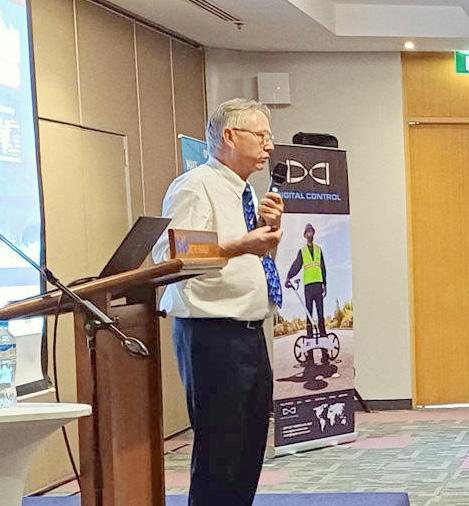
Future proofing undergrapund networks – How TRACTO is helping contractors tackle rising renewal demand with full pipe replacement solutions
Here to support you every step of the way – RSM’s experienced technical team are on hand to support you from product specification through to successful installation
UV-Cured CIPP relines Victorian brick culvert beneath canal
inspection and trenchless repair resolve concealed sewer leak in Dubai
Trenchless Woman of the Year: Celebrating Leadership, Innovation and Industry Progress ISTT
Driving governance to support global trenchless growth
ISTT fellow 2026 applications now open
ISTT No-Dig Awards 2026 now open for entries
Trenchless Romania marks 10-Year milestones
















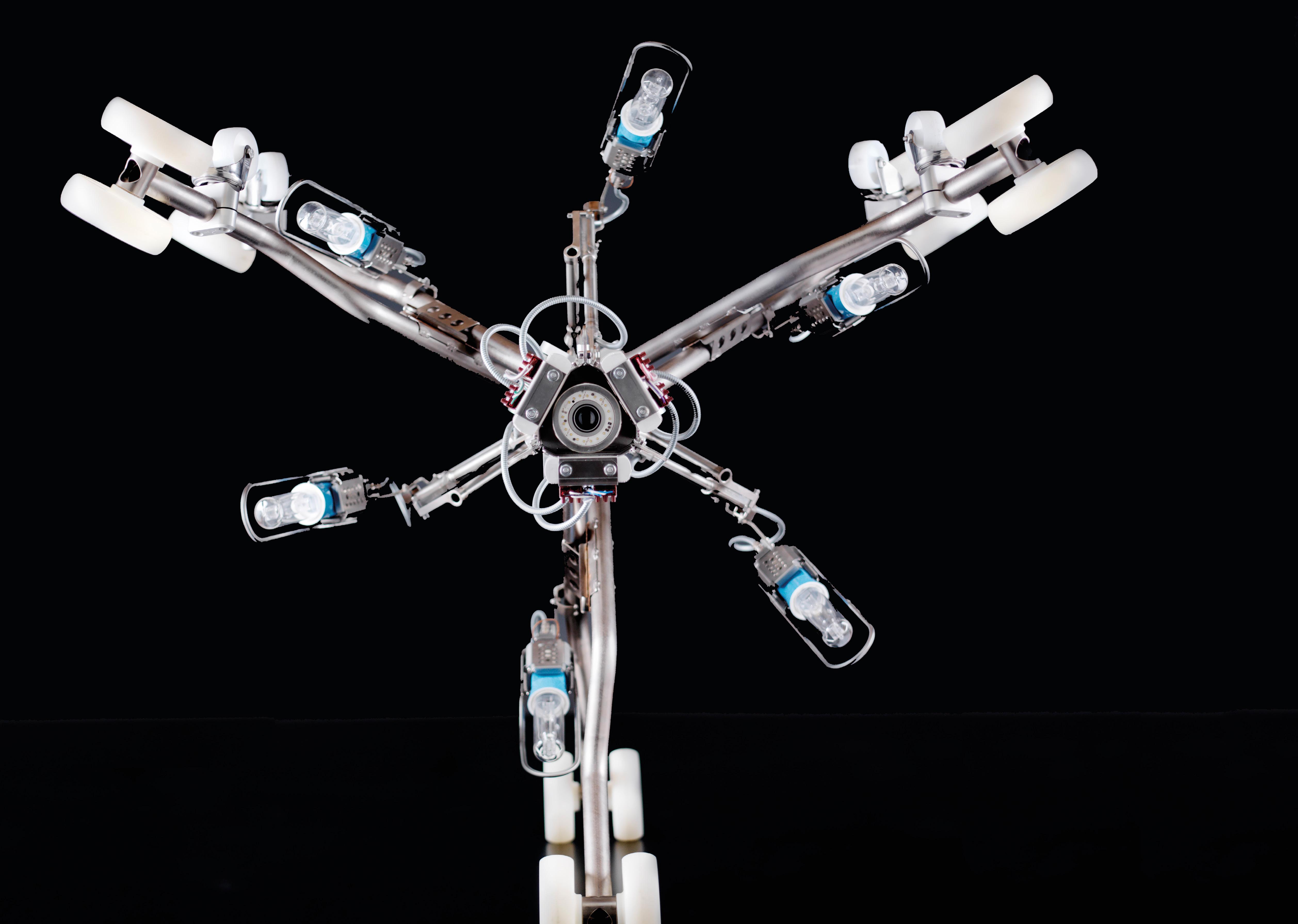

CHALLENGES IN EMERGING MARKETS
JBP’s experience as a trenchless solutions provider
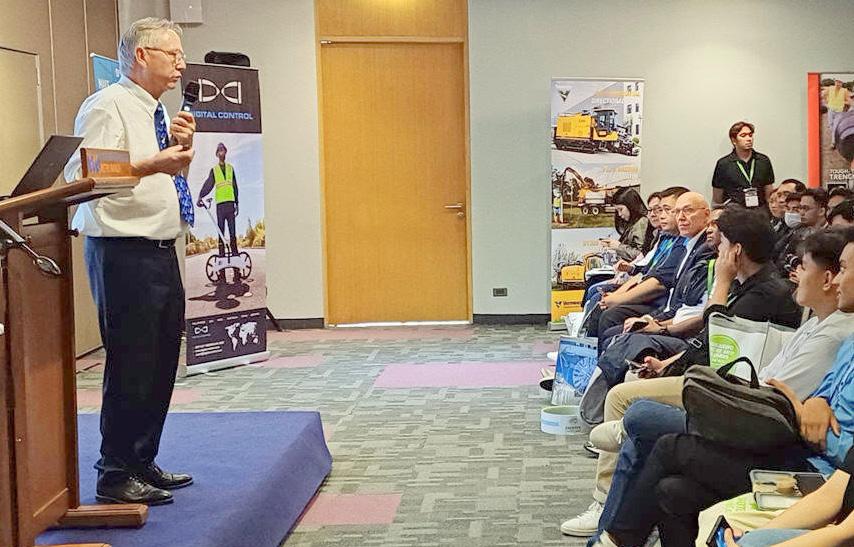
JBP will be in Bangkok this June as Platinum Sponsor and Training Partner of Trenchless Asia 2026, both as an exhibitor and delivering its Applied Trenchless Technologies Workshops programme. With an established presence in the region since 2008, the event offers JBP opportunity to look back on 18 years of engagement across the region, and to share the practical challenges and insights gained in bringing trenchless methods into emerging markets.
A Region under pressure
Across the ASEAN region, the scale and urgency of water and wastewater infrastructure challenges are becoming increasingly evident. Rapid urbanisation, population growth and industrial expansion are placing sustained pressure on networks that, in many cases, were never designed to cope with today’s levels of demand. For trenchless solution providers such as JBP Composites S.L., these conditions present a compelling mix of opportunity and complexity, where technical capability alone is rarely sufficient to ensure successful project delivery.
Southeast Asia is undergoing one of the fastest urban transitions globally, with cities expanding at a pace that often outstrips infrastructure development. This imbalance is particularly visible in the wastewater sector,
where investment has historically lagged behind potable water supply. The result is a patchwork of systems that range from modern installations to ageing, underutilised assets, many of which operate below their intended capacity. At the same time, high levels of non-revenue water continue to highlight inefficiencies in network management, reinforcing the need for more effective inspection, maintenance and rehabilitation strategies.
Thailand – infrastructure gaps behind growth
Thailand offers a clear illustration of these regional dynamics. While the country has made significant progress in economic development, wastewater infrastructure has not always kept pace. In many urban areas, treatment facilities exist but are not fully utilised, often due to low connection rates and limited public awareness which requires government information programs. Funding models remain a constraint, with wastewater tariffs either absent or insufficient to support long-term reinvestment. Responsibility for management is frequently distributed across multiple agencies, adding further complexity to decision-making processes. Against this backdrop, environmental pressures continue to mount, driven by urban runoff, industrial discharge and the cumulative impact of population growth.
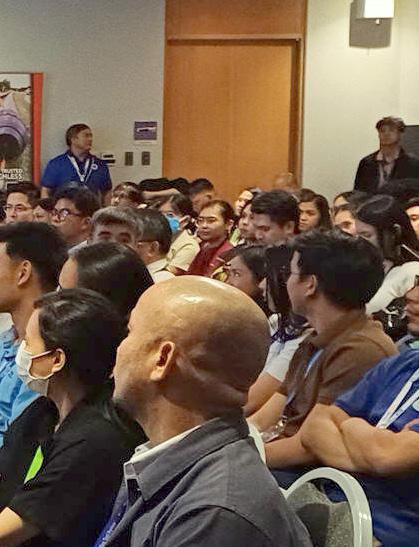
For JBP and other companies working to introduce advanced rehabilitation methods, these conditions shape both the pace and nature of adoption. The technical advantages of solutions such as UVcured-in-place pipe (UV-CIPP) systems are well established, offering consistent curing, reduced installation times and minimal disruption in densely populated environments. However, in markets where operational practices are still evolving, the transition to new methodologies is rarely straightforward.
Experiences from Malaysia – lessons in adoption
Experience in Malaysia provides a useful point of comparison. While the country has taken important steps towards centralising wastewater management and improving infrastructure standards, many of the same challenges persist, particularly in relation to ageing assets and the need for more proactive rehabilitation. What becomes clear is that the barrier to adoption is rarely the technology itself, but rather how it fits within existing procurement frameworks, operational habits and levels of technical confidence.
Utilities may be cautious when considering unfamiliar techniques, particularly where specifications favour traditional approaches. Contractors, meanwhile, may lack direct experience with newer systems, creating understandable concerns around risk and delivery.
In this environment, even proven technologies require careful positioning and support.
A three-pillar approach to market entry
This is where JBP’s approach has evolved to reflect the realities of emerging markets. Rather than focusing solely on the supply of materials or equipment, the company operates through an integrated model built around technical consultancy, equipment and materials provision and training.
Technical consultancy forms the foundation of this approach. In many ASEAN markets, reliable asset data is limited, making condition assessment an essential starting point in defining rehabilitation strategies. By working closely with utilities and consultants, JBP supports the development of targeted interventions that align with actual network conditions, ensuring that solutions such as UV-CIPP are applied where they deliver the greatest benefit.
The provision of materials and machinery is equally critical but must always be adapted to local conditions. Climate, logistics and site accessibility all influence how technologies perform in practice. Ensuring that the correct systems are not only supplied, but properly integrated into existing workflows, is a key factor in achieving consistent results on site.
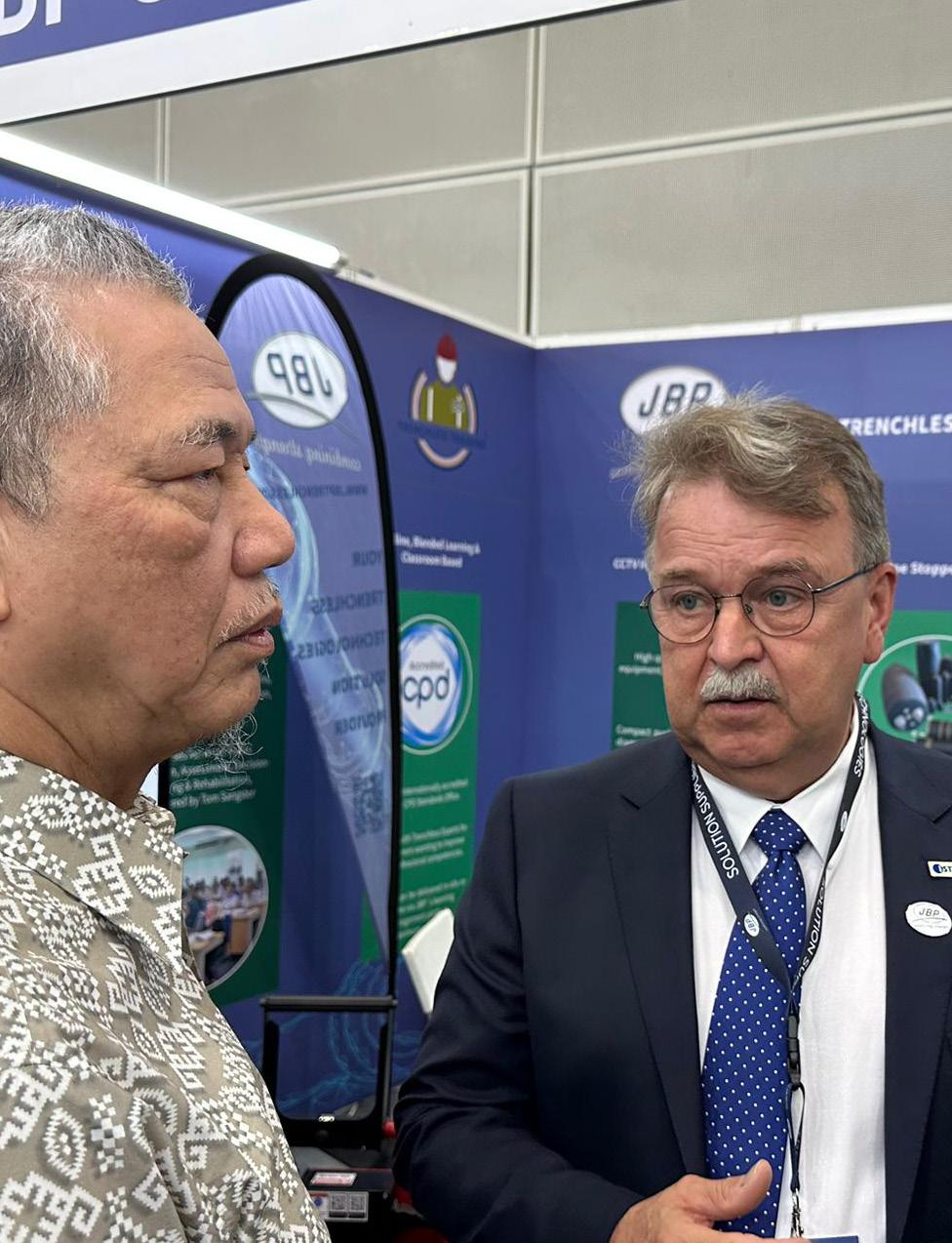
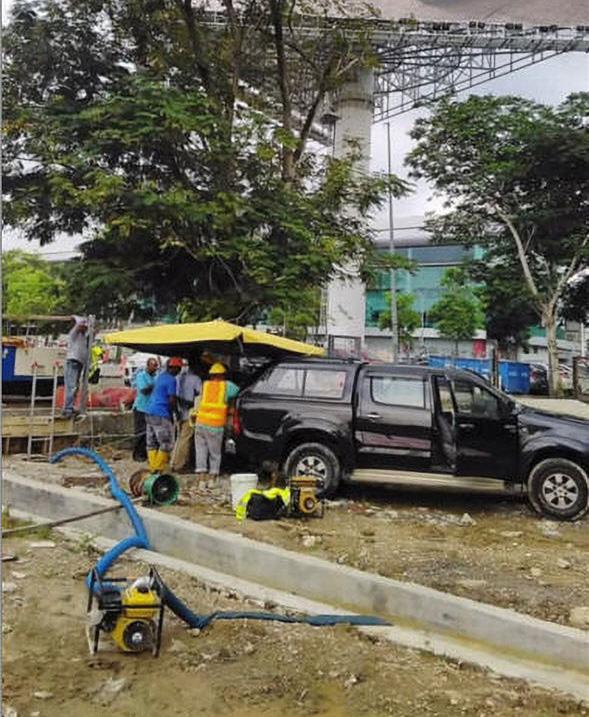
Deputy Prime Minister Datuk Seri Fadillah Yusof with JBP Group CEO Börje Persson at TA 2025, Kuala Lumpur, Malaysia
Training and education complete the model, addressing what is often the most significant gap in emerging markets: technical capability. Through structured programmes and hands-on delivery, including those offered via JBP’s trenchless training programmes, local engineers and contractors gain the confidence and competence required to implement new methods effectively. In markets such as Thailand, this shift is particularly important, enabling utilities to move beyond reactive maintenance towards more strategic asset management.
Working within complex systems
Beyond the technical domain, institutional realities also play a defining role. Decision-making processes often involve multiple stakeholders, each operating within different regulatory or organisational frameworks. While public-private partnerships are frequently explored as a means of bridging funding gaps, their success has been mixed, reflecting broader issues around governance and long-term accountability.
In this context, collaboration becomes essential. Building trust with utilities, government bodies and local contractors is not a short-term exercise, but an ongoing process. Demonstrating value through practical outcomes, rather than theoretical advantages, is often the most effective way to support change.
A Growing role for trenchless solutions
Despite these complexities, the outlook for trenchless technologies in the ASEAN region remains highly positive. The need for rehabilitation

“
In all markets and especially emerging ones, the real challenge is not introducing new technology, but ensuring it is understood, trusted and fully embedded into everyday practice.
continues to grow, driven by ageing infrastructure, urban expansion and increasing environmental expectations. In densely populated cities, where disruption must be minimised, trenchless methods offer clear and compelling advantages.
What is becoming increasingly evident is that successful implementation depends on more than technology alone. It requires an ecosystem that supports adoption, from initial assessment through to execution and long-term operation.
From challenge to capability
JBP’s experience across markets such as Thailand and Malaysia highlights a consistent theme: the transition from challenge to realising opportunities is achieved through capability building. By combining consultancy, equipment provision and training within a single, cohesive framework, it becomes possible to move beyond isolated projects and towards sustainable, long-term outcomes.
For utilities, this translates into improved asset performance, better decision-making and more resilient infrastructure systems. For solution providers, it demands a commitment to partnership, supporting clients not only in delivering projects, but in developing the knowledge and systems required to sustain them.
Ultimately, the evolution and adoption of trenchless technologies in emerging markets will be defined not just by innovation, but by the ability to embed that innovation effectively. Across Southeast Asia, that journey is already underway.
UV-CIPP Project, Kuala Lumpur 2019

Meet contractors, utilities, engineers and suppliers from across the region
See products, equipment and services on the exhibition floor
Learn from technical presentations and case studies
Explore solutions for project and network challenges
Stay up to date with market developments and infrastructure priorities
Build new contacts and business opportunities in Bangkok
A focused conference programme with technical presentations, project case studies and regional infrastructure priorities across the underground sector

SAERTEX MULTICOM:
QUALITY, STANDARDISATION AND LONG-TERM THINKING IN TRENCHLESS DELIVERY
As infrastructure owners continue to grapple with ageing networks, climate pressures and constrained investment cycles, the trenchless sector is under increasing scrutiny to deliver not just efficiency, but demonstrable long-term performance. For SAERTEX multiCom, that challenge is as much about industry behaviour as it is about product capability.
Speaking to Trenchless Works editor Austen Lees, André Oberfeld, Area Manager for Northern Europe and the UK, outlines a business built on vertical integration and technical control, but equally focused on addressing systemic issues across the value chain.
A vertically integrated specialist
Part of the wider SAERTEX Group, an established manufacturer of fibre-reinforced materials for aerospace, automotive and wind energy, SAERTEX multiCom was established almost three decades ago as a dedicated trenchless technology entity.
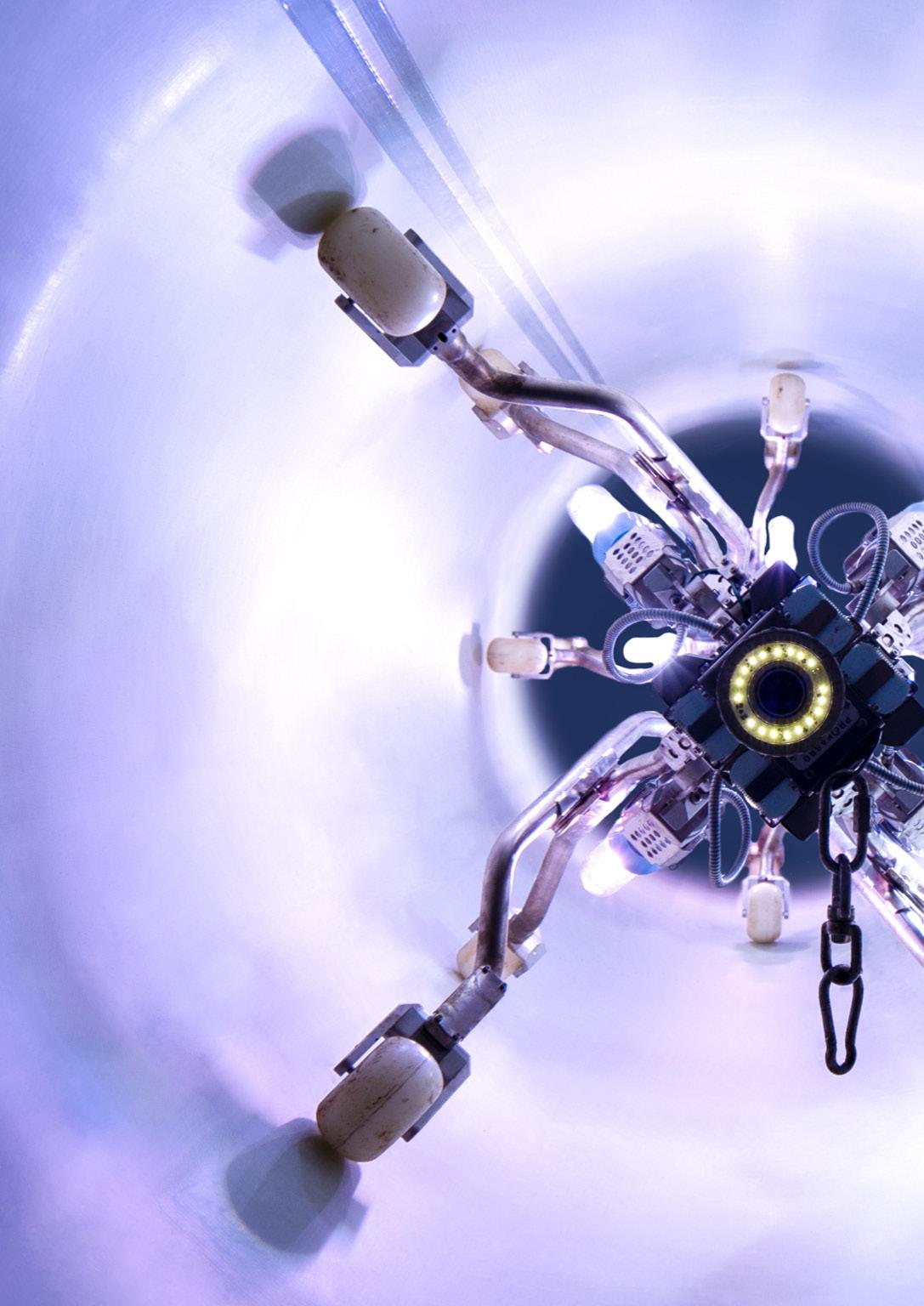
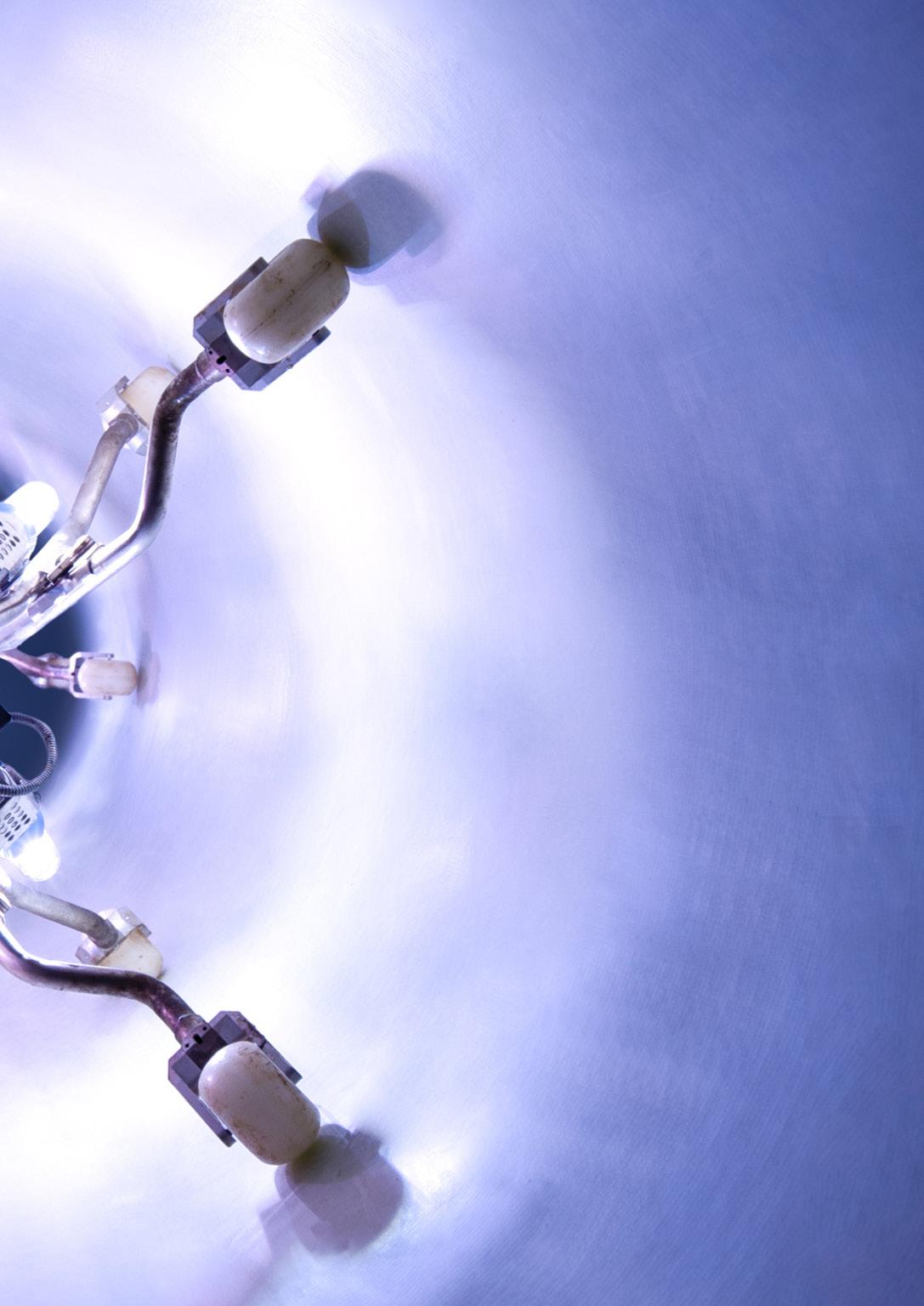
Its operating model is defined by full control of the production process, from glass fibre through to impregnation and finished UV-cured GRP liners, with all manufacturing steps managed in-house.
This distinguishes the business in a market where supply chains are often fragmented, enabling tighter quality assurance and faster adaptation to project-specific requirements in what remains a highly reactive sector.
Today, the company employs more than 400 people globally and produces in the region of 1,300km of liner annually, supported by expanding manufacturing capacity in North America and Asia.
Market position: underlying demand, short-term volatility
Despite persistent geopolitical disruption and supply chain constraints, the structural drivers for trenchless rehabilitation remain unchanged.
Across Northern Europe and the UK, increased rainfall intensity is placing additional strain on wastewater networks, accelerating the need to address infiltration and improve system resilience. In contrast, Southern European and Latin American markets are seeing demand driven by potable water scarcity.
“The requirement to rehabilitate networks is not optional,” Oberfeld notes. “Current delivery rates are already insufficient to maintain existing asset condition.”
Short-term uncertainty, however, continues to influence decision-making, with material cost inflation linked to energy and raw oil inputs, combined with wider economic caution, leading to intermittent pauses in investment.
This pattern, observed during Covid-19 and subsequent global events, reflects deferred decisions rather than reduced need, with the backlog of required work continuing to grow.
“ Its operating model is defined by full control of the production process, from glass fibre through to impregnation and finished UV-cured GRP liners, with all manufacturing steps managed in-house.
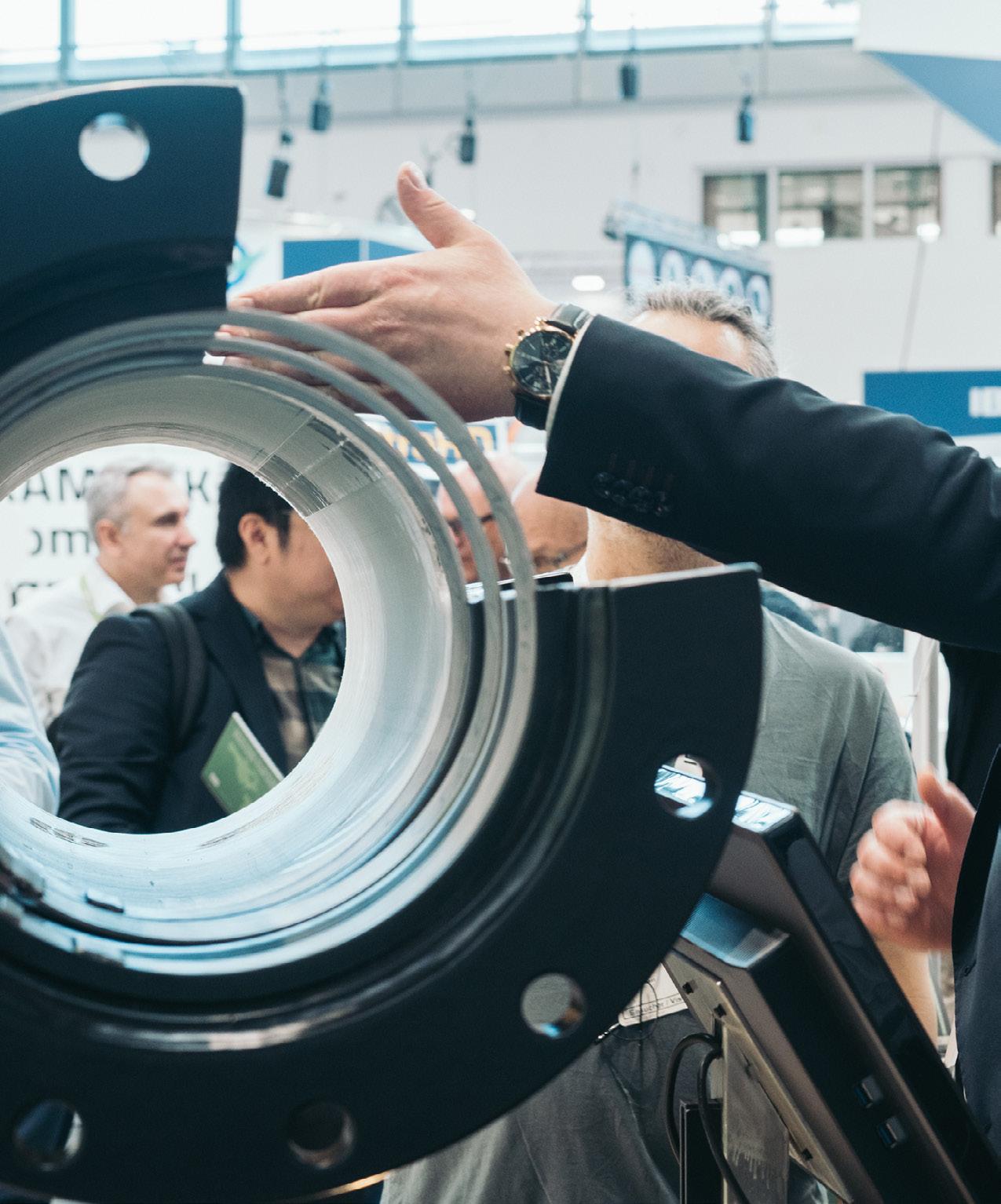
Quality: specification, installation and verification
SAERTEX multiCom positions quality as a systemwide issue rather than a function of manufacturing alone. While its products are developed in line with current standards, including ISO 11296-4 and related frameworks for pressure applications, and with future standards such as ISO 11300, which
SAERTEX multiCom has helped to develop and which is expected to replace existing frameworks, gaps remain elsewhere in the delivery process.
A key issue lies in specification, where designs are frequently driven by precedent or client instruction rather than optimised engineering assessment.
“In many cases, liner parameters are selected without sufficient justification,” says Oberfeld. “That can lead to over-specification and unnecessary cost, or solutions that are not fully aligned with performance requirements.”
Post-installation verification presents a further challenge. Visual inspection via CCTV remains standard practice but offers limited insight into structural integrity or long-term behaviour.
“There is often no confirmation of what has actually been installed,” he adds. “In many cases, long-term performance is assumed rather than proven.”
Markets such as Germany, the Netherlands and Scandinavia demonstrate that a higher, verifiable standard is achievable, through engineering-led design, controlled manufacturing, monitored installation and routine post-installation testing. Without this level of verification, asset owners cannot be certain they are receiving a long-term solution.
Beyond manufacturing, increasing emphasis is also being placed on services, digitalisation and sustainability, including technical support across design, installation and quality assurance, improved data transparency and process verification, and a stronger focus on lifecycle performance. Education across the asset owner value chain remains central to this, enabling more informed decision-making based on long-term outcomes rather than short-term metrics.
Skills, capability and sector perception
The sector continues to face a widening skills gap, driven by an ageing workforce and limited inflow of new talent.
“Infrastructure is largely invisible, and wastewater in particular is not always seen as an attractive career path,” Oberfeld observes. “That perception needs to change.”
He points to the increasing technological sophistication of the sector as a key opportunity, with advanced composite materials, robotic cutting
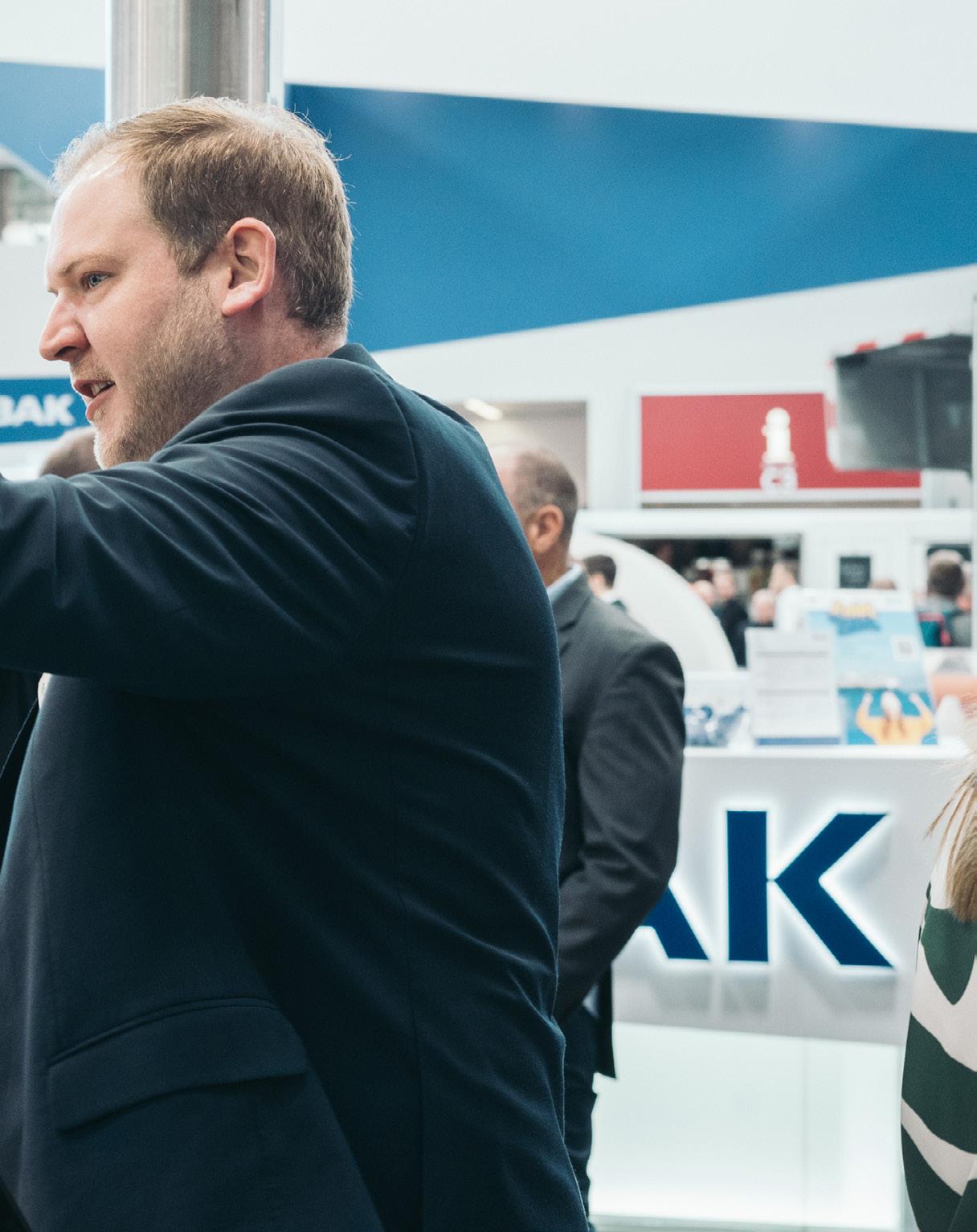
André Oberfeld – showcasing UV-CIPP solutions worldwide
Source: SAERTEX multiCom
systems, digital inspection tools and the growing role of AI in defect recognition all reshaping how networks are assessed and maintained.
“Much of the routine inspection work will become automated,” he notes. “The role of the engineer will shift towards interpretation and decision-making rather than manual review.”
Improving awareness, particularly through education, and emphasising the sector’s role in addressing climate change and safeguarding water resources will be critical in attracting the next generation.
Standards, approvals and market access
While product capability continues to evolve, regulatory frameworks remain a significant constraint, particularly in the potable water market.
SAERTEX multiCom has developed pressure and drinking water lining systems ready for deployment. However, in markets such as the UK, progress is being limited not only by approval complexity, but by capacity constraints within the approval system itself.
“There is clear demand for potable water solutions,” says Oberfeld. “But access to accredited testing and approval pathways is a real bottleneck.”
In the UK, approval processes involving organisations such as the Drinking Water Inspectorate, DWI, and WRc plc require extensive validation. While these frameworks are essential for ensuring safety, limited laboratory capacity and prolonged testing timelines are delaying product adoption.
“The challenge is not only meeting the requirements, but also accessing the facilities needed to complete the process in a reasonable timeframe,” he explains. This is compounded by the wider landscape of national approvals, where international standards such as ISO are not always the primary reference. Even where products comply with ISO 11296-4, additional country-specific testing is often required.
For global manufacturers, this results in duplication, increased cost and slower innovation.
“There is a strong case for greater alignment with international standards,” Oberfeld adds. “Otherwise, the number of approved solutions is reduced, competition is limited, and costs increase.”
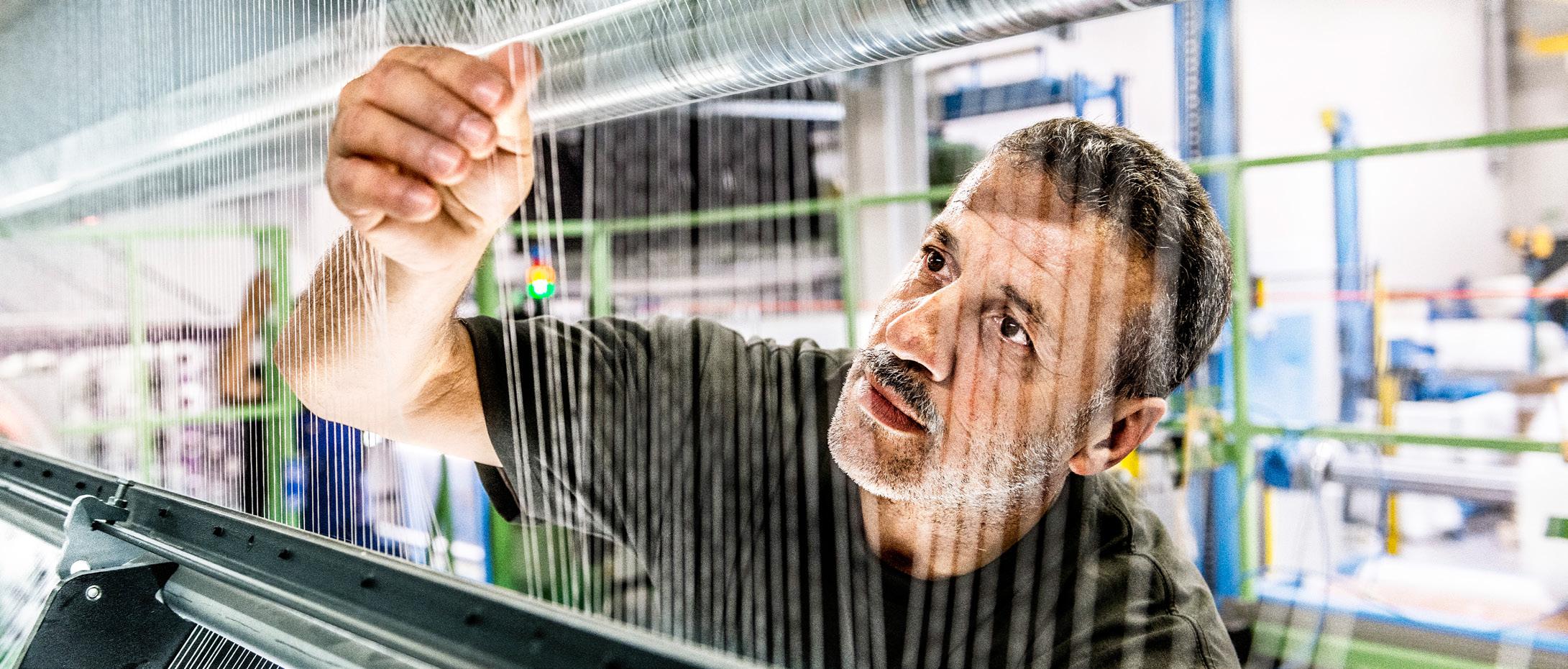
From fiber to liner – complete in-house processing at SAERTEX multiCom
Source: SAERTEX multiCom
SAVA Lumeniq Compact UV system
The result is a disconnect between urgent market need, particularly around water security, and the speed at which proven technologies can be deployed.
Planning and procurement: the case for reform
Planning and procurement structures remain a critical influence on industry performance.
In the UK, the AMP cycle continues to encourage shortterm decision-making, with investment often assessed within five-year windows rather than on a whole-life cost basis.
This can lead to reactive interventions, such as repeated localised repairs, rather than proactive rehabilitation of entire pipeline sections.
“In many cases, multiple repairs are undertaken where a single lining solution would be more effective,” Oberfeld notes. “Cost should not be assessed purely on initial outlay, but against service life and performance. A lower-cost repair with a 10-year lifespan can prove significantly more expensive over time than a higherquality lining delivering 70 to 100 years of performance. Even within lining, a lower-quality outcome can increase mid-term intervention costs compared to a properly specified solution,” Oberfeld notes.
In contrast, markets such as Germany and Sweden demonstrate more proactive approaches, bundling larger programmes of work to reduce mobilisation costs and maximise rehabilitation output.
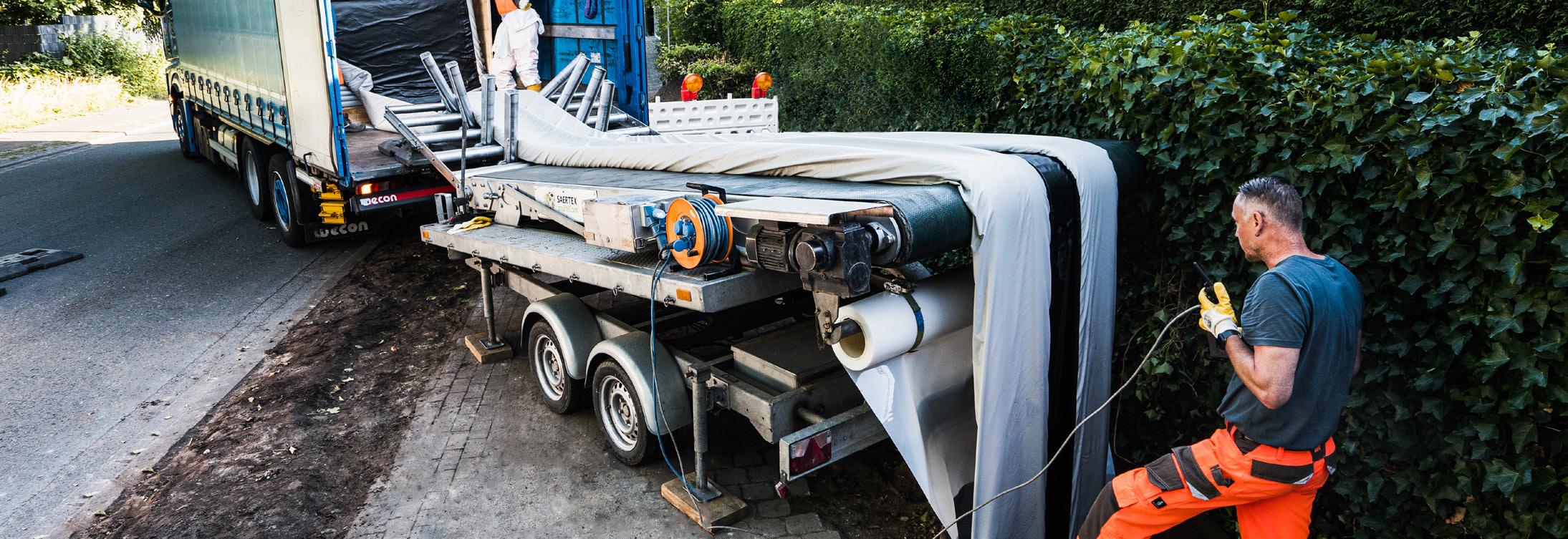
SAERTEX-LINER: A globally proven solution
Source: SAERTEX multiCom
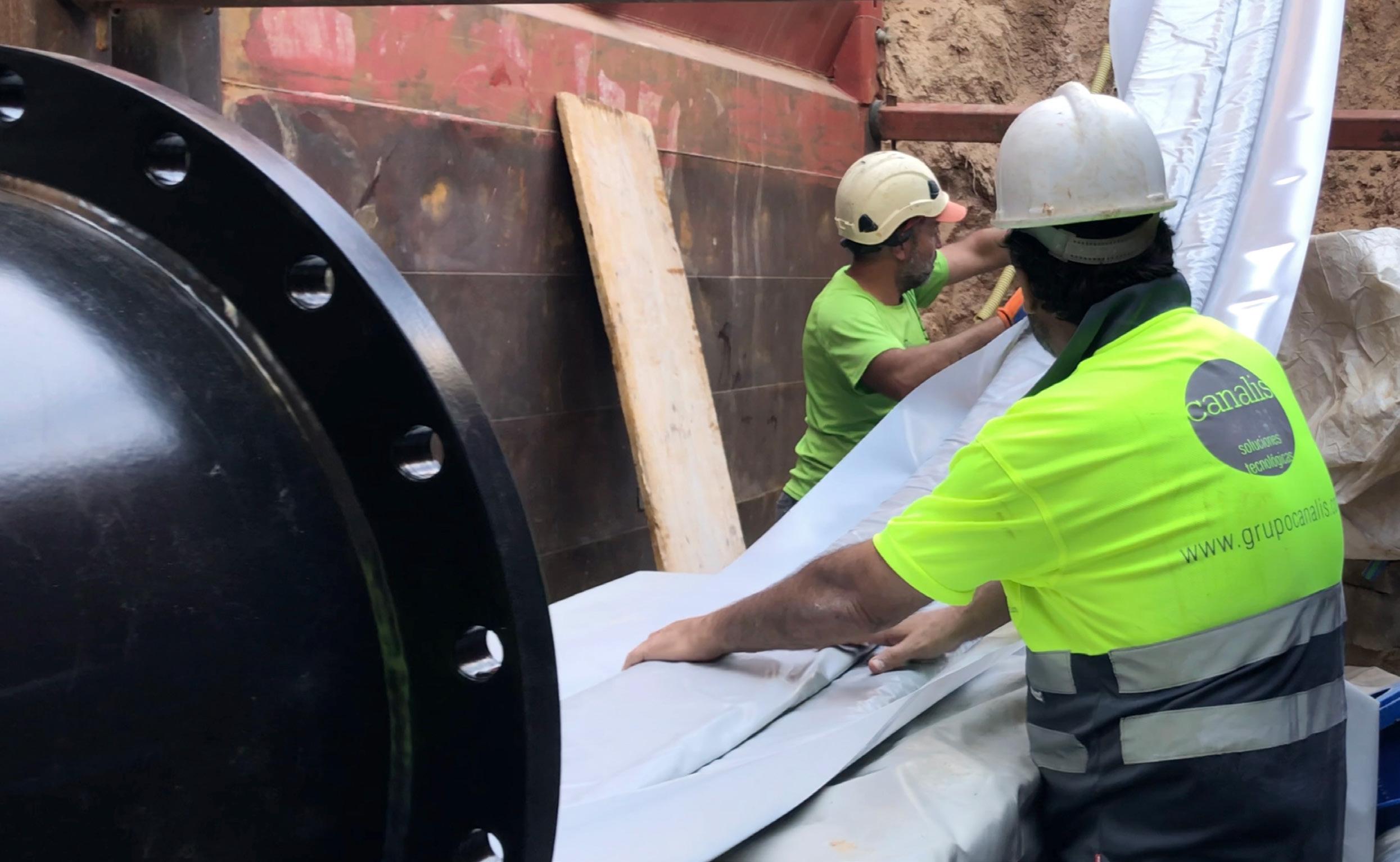
Installation of a SAERTEX liner for the long-term rehabilitation of a pipeline Source: SAERTEX multiCom
“If you line a pipeline properly, it should not need further intervention for 50 to 100 years,” he says.
Procurement processes also introduce inefficiencies, with extended tendering periods and fixed contractor frameworks limiting flexibility and creating gaps in delivery at the beginning and end of AMP cycles.
“There is a significant loss of productive time,” Oberfeld adds. “Improved continuity and longer-term planning would enable more consistent and efficient delivery.”
Towards a trenchless-first approach
Despite these challenges, the industry is moving towards a more established trenchless-first mindset.
“The thinking has shifted from ‘no-dig where you cannot dig’ to ‘dig only where trenchless is not possible’,” says Oberfeld.
To accelerate this transition, three priorities stand out, broader education across the full asset lifecycle, increased focus on proactive long-term planning, and adoption of trenchless rehabilitation as the default approach where technically viable.
For gravity wastewater and stormwater applications in particular, trenchless solutions are already capable of delivering long-term, high-performance outcomes at scale.
“ Cost should not be assessed purely on initial outlay, but against service life and performance.
André Oberfeld, Area Manager for Northern Europe and the UK, Saertex
Outlook: incremental innovation, systemic change
From a product perspective, development in gravity lining systems is increasingly focused on manufacturing efficiency and innovation in application process reliability, with core and long-term performance already well established.
Greater innovation is expected in pressure applications, where demand is increasing and technical requirements are more complex, particularly in potable water networks.
However, the most significant opportunity lies in improving how technologies are applied.
“Even if we were able to significantly increase the amount of rehabilitation delivered within current budgets, it would still not be enough,” Oberfeld concludes. “The limiting factor is not the technology, but how early and consistently it is specified and applied by network owners.”
For SAERTEX multiCom, the future is defined not only by product development, but by raising standards and educational support across planning, specification, installation and quality assurance.
Without that alignment, the sector risks falling further behind the pace required to sustain this critical infrastructure.
No DEF required.
180º visibility in cabin.
100,000 ft·lb of torque.
Faster setup.
New open-top wrench design.
Hydraulic catwalk.
Up to 130 rpm rotary speeds.
Climate-controlled cabin.
Designed for easy transport.

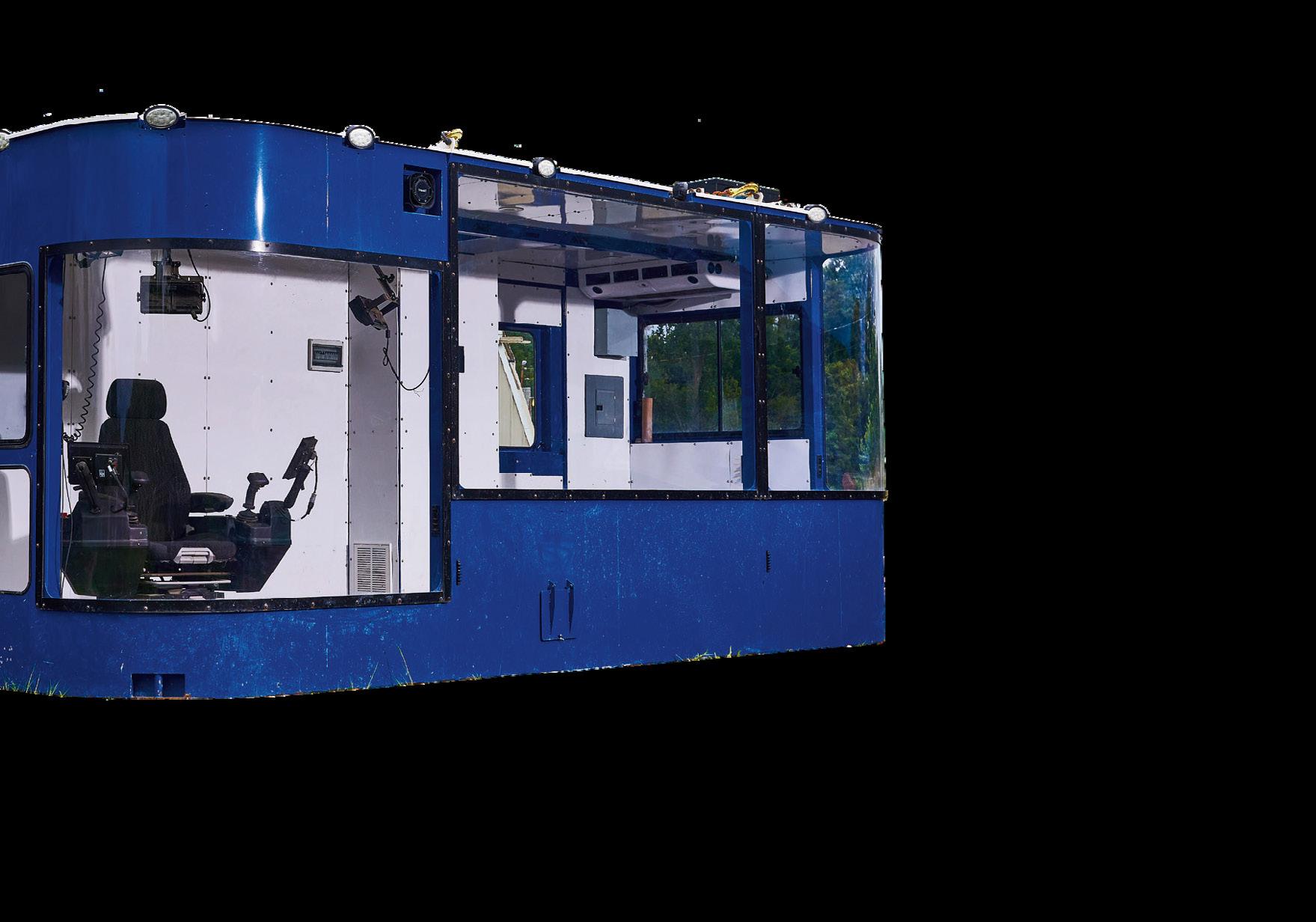
When we built the DD600, we built it based on direct customer feedback. The reason?
So you could have it all.
www.ditchwitch.co.uk
info@ditchwitch.co.uk 01792 895906





Barhale completes bridge milestone on Northern Outfall Sewer upgrade
Work to deliver a multi-million-pound rehabilitation programme of Thames Water’s Northern Outfall Sewer (NOS) in East London took a major step forward over Easter after a second major rail possession allowed Barhale engineers to carry out structural works and take critical material samples.
The 7.5 kilometre NOS runs overground on an embankment across East London, transferring flows from a 300 square kilometre catchment to Beckton Sewage Treatment Works.
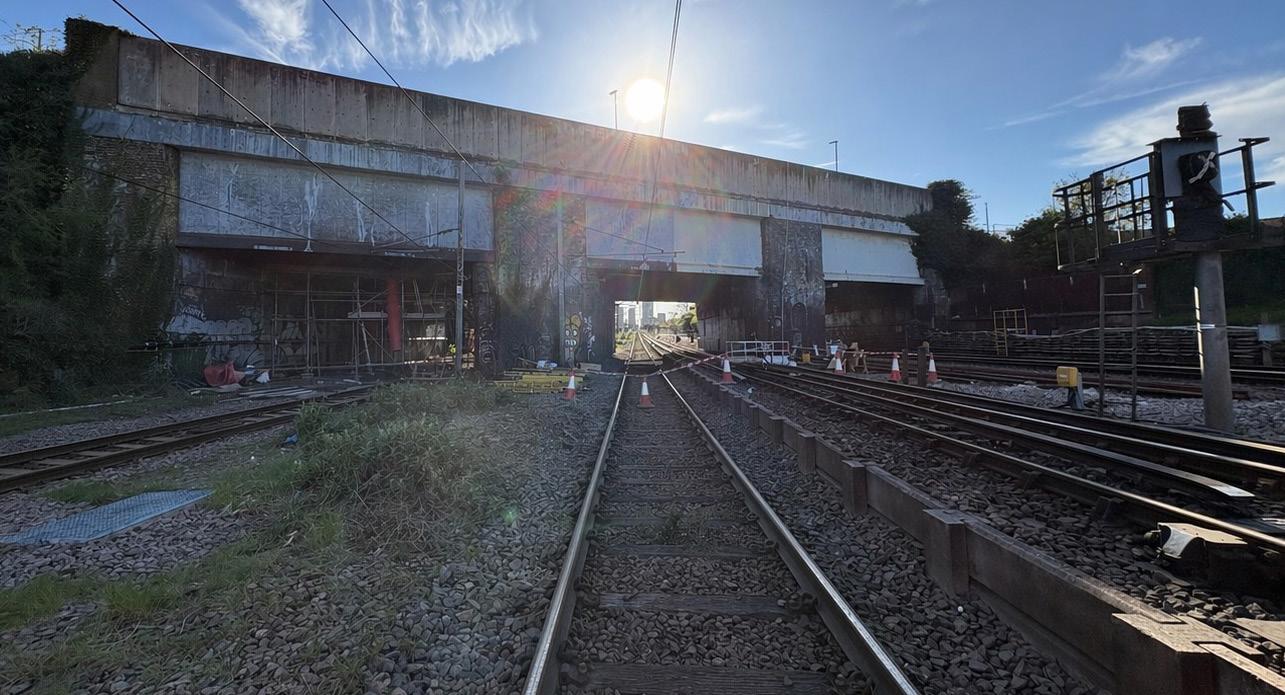
At the Corporation Street project in West Ham, the NOS09 overbridges cross the District Line and c2c line. Through the 100-hour joint Transport for London and Network Rail Easter possession, civil engineering, infrastructure and tunnelling specialist, Barhale removed redundant concrete structures from the bridge spans, cut 20 samples from the existing cast iron sewer barrels for testing and undertook coring investigations at the bridge abutments and piers and additionally updated 3D scan surveys.
The Easter possession provided an opportunity to access all three rail spans at the same time, allowing the samples and information needed to complete the design to be collected.
Jaimie Lawson, Senior Contracts Manager at Barhale, said: “The possession has made it possible for the project to take another important step forward. The intelligence that we have gathered will be critical to the design of the NOS09 solution, extending its lifespan to 120 years.”
A previous 27-hour possession of the Jubilee and DLR at the NOS07 overbridge across Christmas 2025 saw the installation of two bespoke deck systems to protect the railway lines and provide a safe working platform for future works to proceed.
Each deck comprises aluminium trusses, structural ties and a steel durbar floor separating the operational railway from the Thames Water sewer system to improve long-term safety and resilience.
To meet the railway separation requirements, the flooring was designed to overlap and incorporate adjustable sections where the deck interfaces with existing abutment walls.
Jaimie Lawson said: “We are dealing with a critical Thames Water asset where it crosses five major transport routes including the Jubilee Line, DLR, Manor Road, the District Line and c2c.
“The successful completion of the latest possession shows how we and Thames Water safely execute complex engineering works around operational rail environments.”
Richard Smith, Head of Programme Delivery – Critical Assets, Capital Delivery London Infrastructure at Thames Water said “I would like to thank Barhale, their supply chain partners and our colleagues in Network Rail and Transport for London, who have worked together to deliver these complex works over the last few months as part of our commitment to deliver the biggest asset upgrade in 150 years this investment period.”
NOS9 overbridge, Corporation Street
Barhale establishes Toronto base to target water and infrastructure projects

Civil engineering, infrastructure and tunnelling specialist
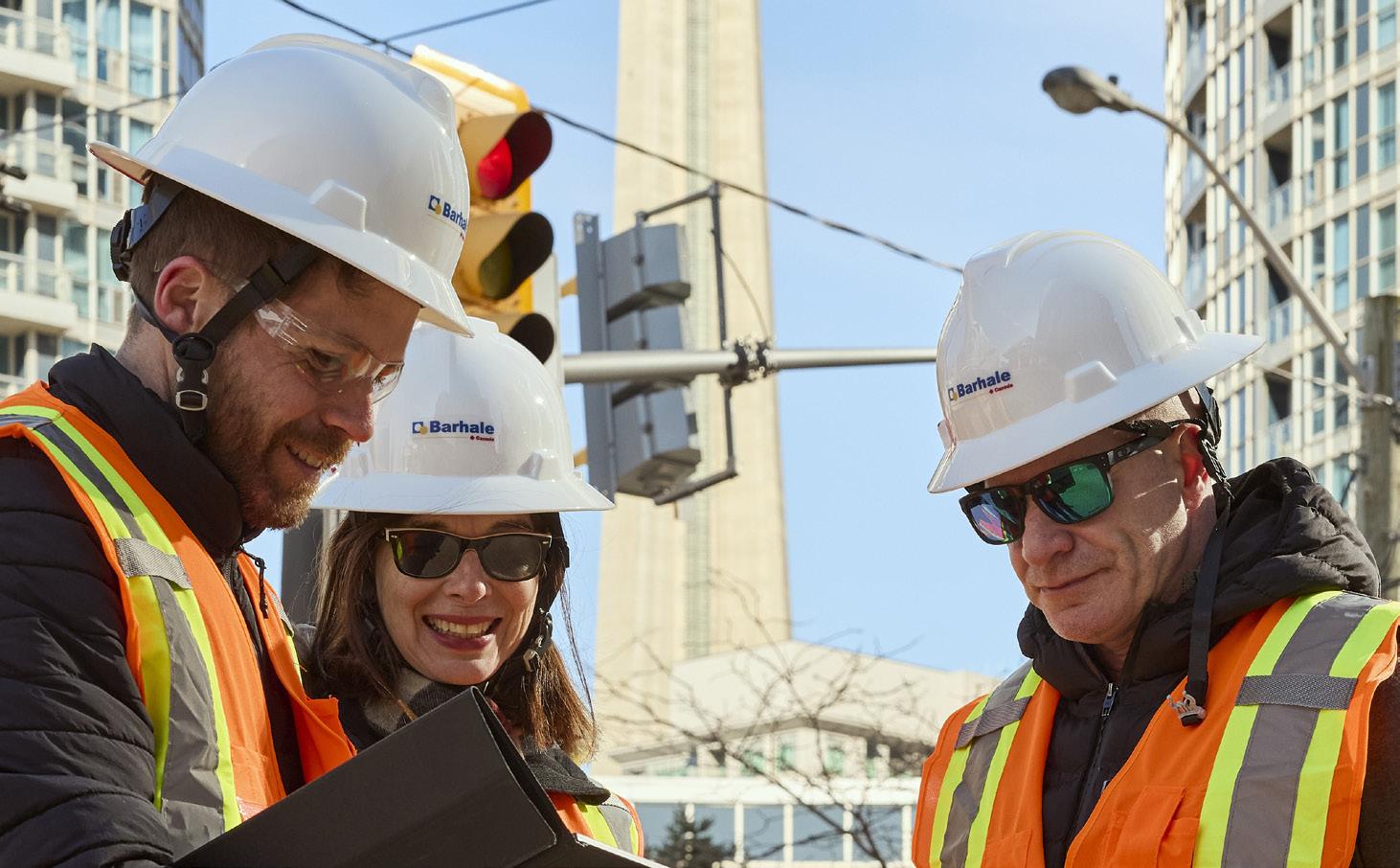
Barhale has announced its expansion into Canada with the opening of its first business unit in Toronto, Ontario.
Barhale Canada Inc will lead the company’s planned growth nationwide, with a particular focus on clean and wastewater resilience, stormwater management and advancing the company’s Low Carbon Solutions offering.
The Canadian team is already engaged in advanced discussions on a number of schemes to deliver heat recovery systems and various water industry projects.
Barhale Group Chief Executive Martin Brown said:
“Establishing a permanent base in Toronto is a landmark step for Barhale and a clear signal of our intent to expand our specialist civil engineering and tunnelling
capabilities and our Low Carbon Solutions business. Both the UK and Canada are making significant investments within the water sector and have made legally binding commitments to achieving net zero by 2050. We see a tremendous opportunity to support those ambitions with our Canadian workforce.
“I have been leading the delivery of high-profile projects in Canada for a decade. In that time, I have
Barhale Canada Inc. launches in Toronto, Ontario

“Establishing a permanent base in Toronto is a landmark step for Barhale and a clear signal of our intent to expand our specialist civil engineering and tunnelling capabilities and our Low Carbon Solutions business.
Martin Brown, Chief Executive, Barhale Group
been able to build a team of highly experienced specialists with a proven track record delivering complex design and build water projects and low carbon solutions.
“We incorporated Barhale Canada Inc in February 2025 and I am very excited to now be able to formally launch the business. Barhale Canada will offer our new clients cost and programme efficiencies through our innovative approach to project delivery.
“Toronto and the Greater Toronto Area provide a strong platform for this work, with a clear policy focus on decarbonisation and resilient infrastructure. Establishing a local presence allows us to work more closely with both local and Indigenous communities to grow our business organically through training and developing Canadian talent”.

Solving underground challenges.

Vortex-owned United Felts expands UV liner capability with BKP Berolina acquisition
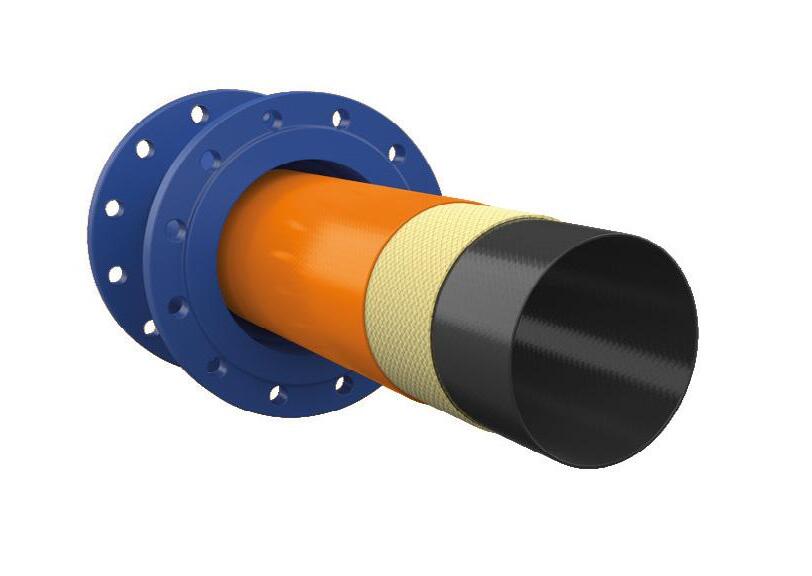
The acquisition strengthens United Felts’ position across both standard felt CIPP and advanced composite UVcured liner systems, expanding its manufacturing platform and technical reach in global trenchless rehabilitation markets.
United Felts, a subsidiary of Vortex Companies, has completed the acquisition of Germany-based BKP Berolina Polyester GmbH & Co. KG, further strengthening its position in the global curedin-place pipe (CIPP) market and significantly expanding its capabilities in advanced composite and UV-cured liner technology.
Headquartered in Velten, Germany, BKP is widely recognised for its Berolina-Liner System and long-standing expertise in highperformance UV CIPP liner development and manufacturing. The move adds further depth to
United Felts’ offering, broadening its portfolio across both traditional felt liners and advanced composite UV liner systems.
According to Vortex, the acquisition enhances United Felts’ global manufacturing platform while reinforcing its ability to serve customers with a wider range of rehabilitation solutions. The deal also builds on Vortex’s recent investment in UV curing technology, creating a more integrated platform for highperformance UV CIPP applications.
Mike Vellano, CEO of Vortex, said BKP is “one of the most respected names in UV CIPP liner technology” and described the acquisition as an important step not only for the continued growth of United Felts, but for Vortex as a whole. He said BKP’s expertise in advanced composite and UV liner systems would meaningfully expand United Felts’ international

platform and strengthen Vortex’s ability to deliver more complete UV CIPP solutions worldwide.
For BKP, the agreement marks a new phase in the company’s development after nearly 30 years of focus on advancing UV CIPP liner technology. Thomas Christiansen, Group CEO of BKP, said joining United Felts would create new opportunities for innovation, broader market reach and continued investment in the products and services customers depend on.
Matt Timberlake, President of United Felts, said the acquisition significantly expands the company’s ability to serve the market with one of the industry’s most comprehensive liner portfolios, combining United Felts’ manufacturing expertise with BKP’s advanced composite and UV CIPP capabilities.
“Joining United Felts would create new opportunities for innovation, broader market reach and continued investment in the products and services customers depend on.
Thomas Christiansen, Group CEO, BKP
Founded in 1959, BKP has built a strong reputation in regulated infrastructure markets and has been recognised among Germany’s top 100 most innovative small and medium-sized businesses. For United Felts and Vortex, the acquisition signals continued momentum in the development of broader, vertically integrated trenchless rehabilitation solutions for the global market.





Cappagh Browne strengthens technical capability with appointment of Justin Watson
Cappagh Browne Utilities has appointed Justin Watson as Technical Solutions Manager, bringing more than 25 years’ experience across the utilities and infrastructure sector.
Watson joins with a background spanning major service providers, global trenchless manufacturers and installers, and UK-focused delivery organisations. His experience covers a wide range of trenchless technologies, including CIPP, pipe bursting and directional drilling, alongside a strong understanding of the products and methodologies that support their successful application. This breadth of expertise positions him to support more informed decision-making across projects, balancing customer impact, cost efficiency and environmental performance.
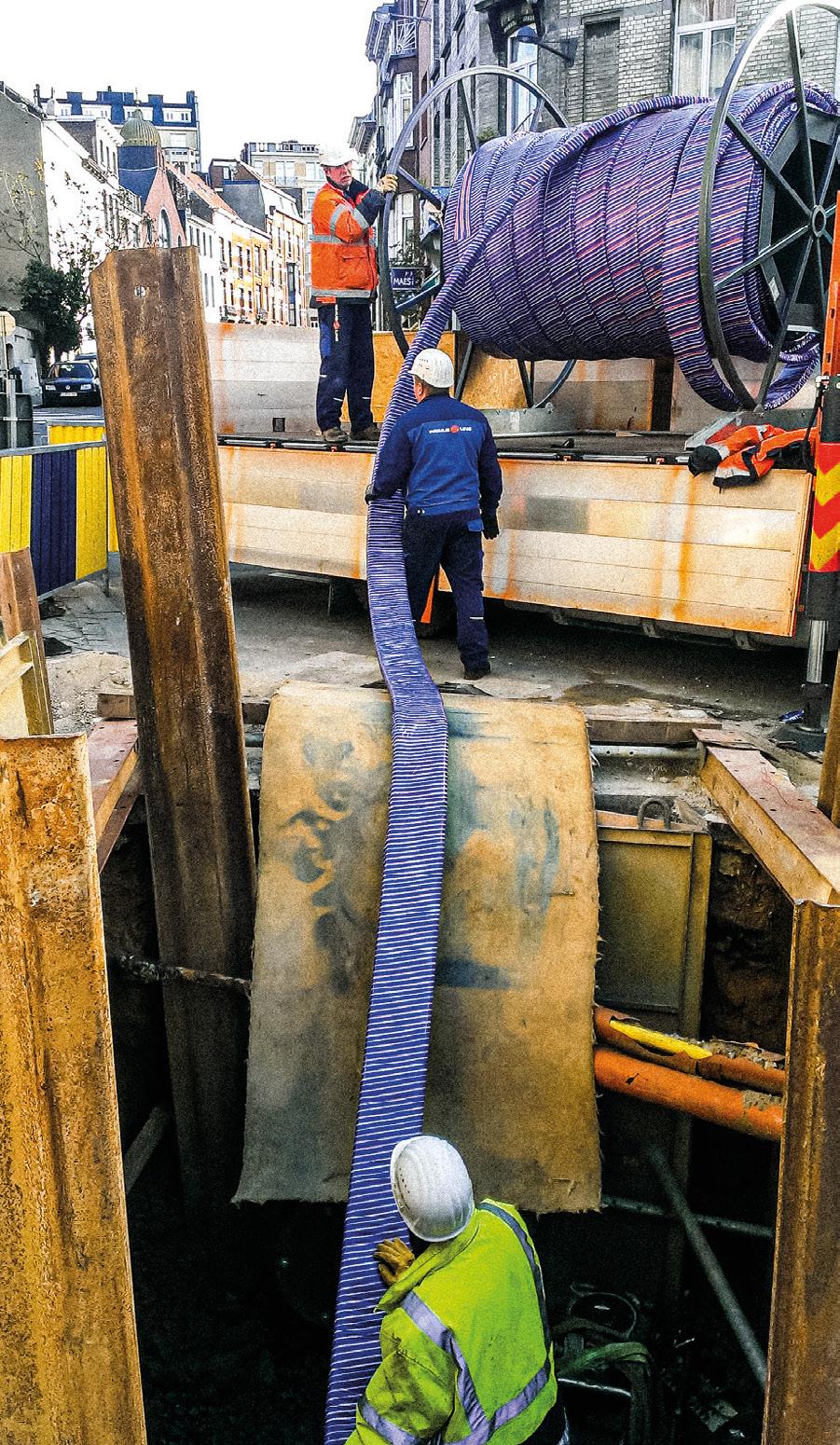
A key part of Watson’s career has been driving innovation within the UK water sector. During his time working with Southern Water, he contributed to major rehabilitation schemes, including the Eastchurch project through MGJV, and played a role in introducing Primus Line technology into operational delivery alongside industry specialist Keith Savage.
His approach continues to focus on identifying emerging technologies while also transferring proven capabilities from adjacent sectors into the trenchless environment ensuring solutions are both practical and commercially viable.
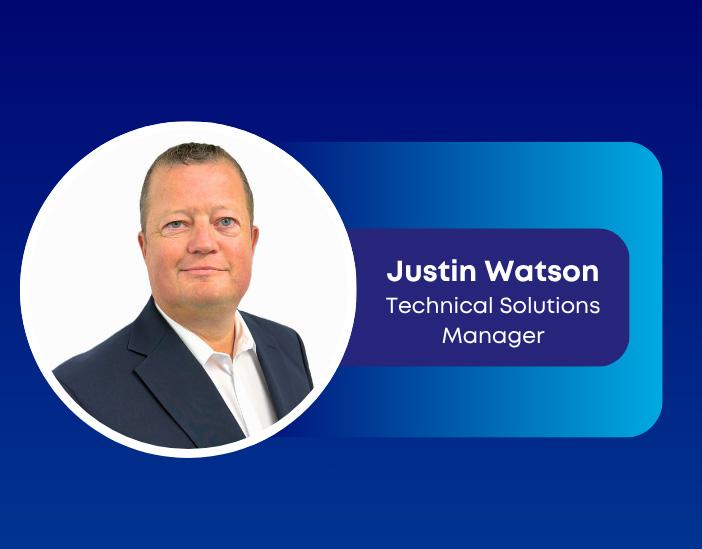
Watson is also a long-standing advocate of the UK Society for Trenchless Technology (UKSTT), with strong links across both UK and international markets through the International Society for Trenchless Technology (ISTT). These relationships provide access to global expertise, enabling early engagement with manufacturers and installers and supporting more effective optioneering across complex projects.
In his new role at Cappagh Browne Utilities, Watson will focus on strengthening collaboration between clients, contractors and technology providers. By facilitating earlier engagement across the supply chain. particularly with teams such as Southern Water. He aims to improve understanding
“
His approach continues to focus on identifying emerging technologies while also transferring proven capabilities from adjacent sectors into the trenchless environment ensuring solutions are both practical and commercially viable.
of available technologies and broaden the range of solutions considered at project outset.
This appointment reflects a continued emphasis on technical leadership and innovation within the business, as the UK water sector faces increasing pressure to rehabilitate ageing infrastructure efficiently and sustainably.
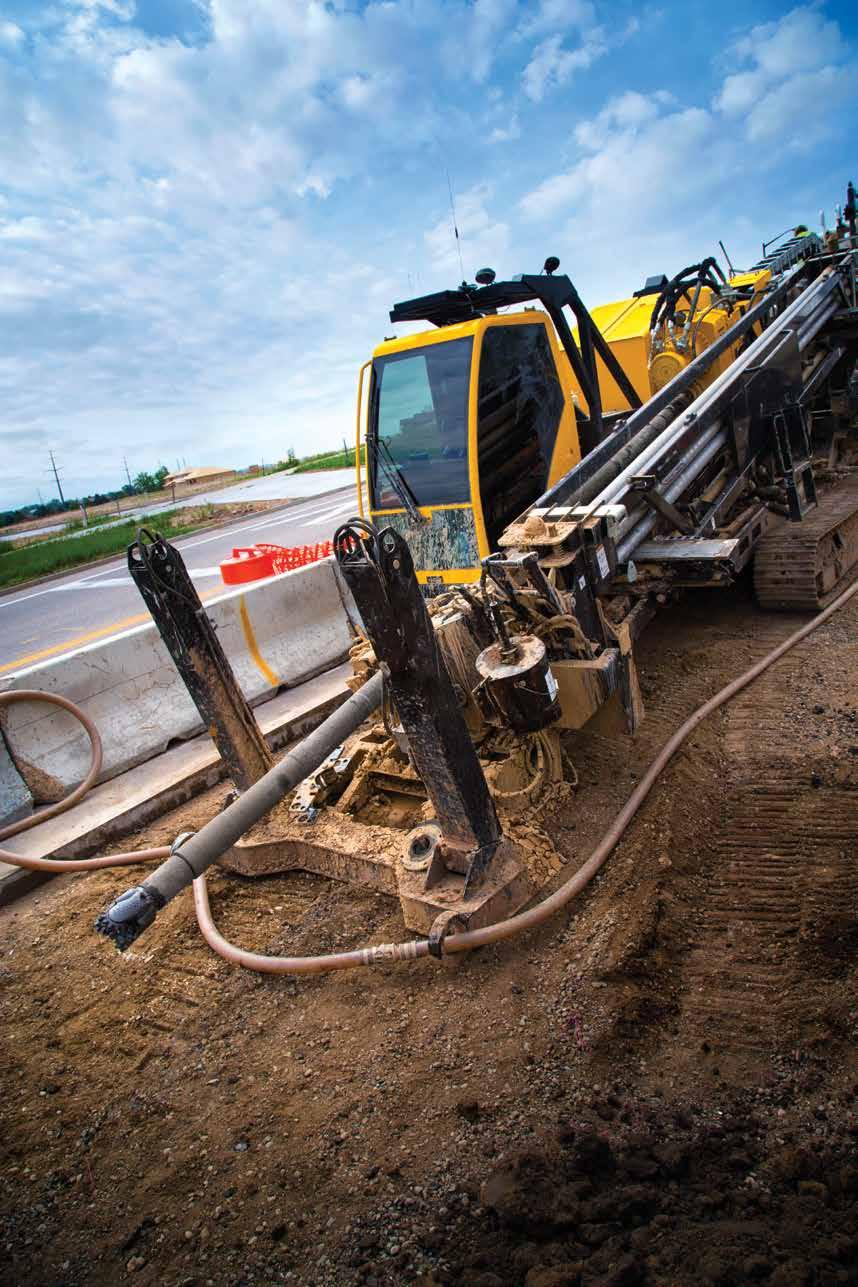
STILL IN A LEAGUE OF ITS OWN
UIS Coil Tec gains momentum following successful cadent gas rollout
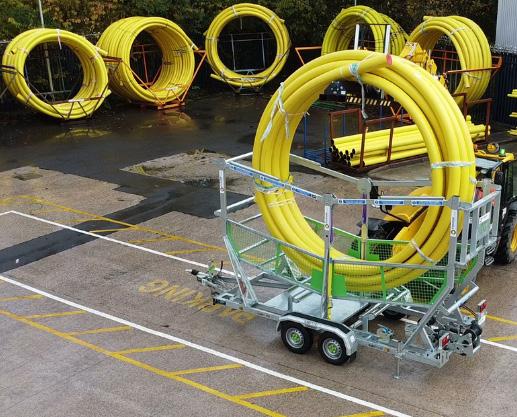
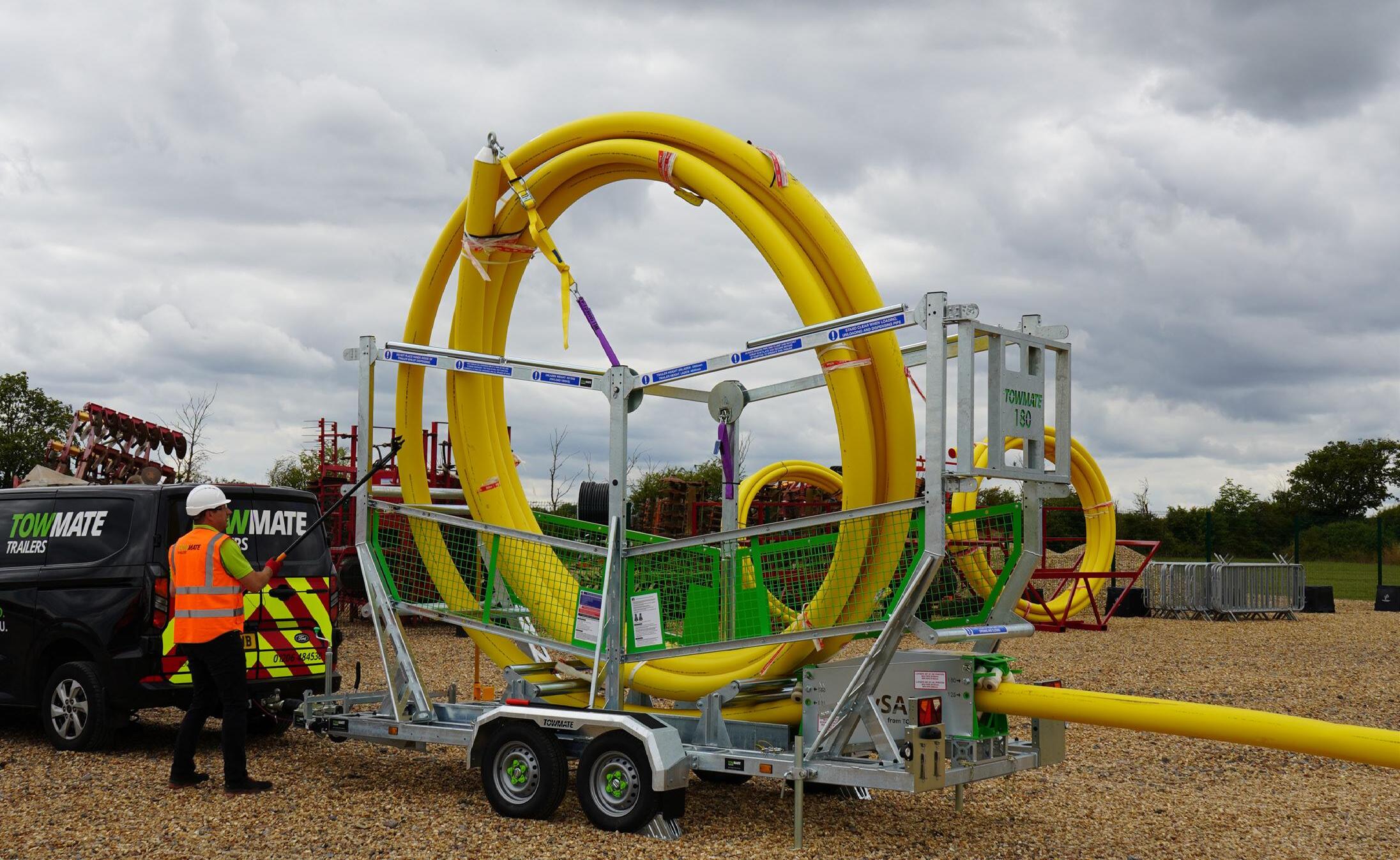
UIS’s Coil Tec system, a safetyfocused innovation designed to transform the handling of coiled polyethylene (PE) pipe in utility depot environments, has now completed a full and successful rollout across all Cadent Gas operational depots in the UK, marking a significant milestone in its adoption.
Originally developed in collaboration with Cadent Gas, Coil Tec was created to address longstanding safety risks associated with the movement, loading, and inspection of coiled pipe. Traditional methods have exposed operatives to a range of hazards, including manual handling strain, coil “whip” injuries, and unsafe
access into coil trailers when repositioning pipe ends. These risks have been widely recognised across the utilities sector, with serious incidents historically resulting in life-changing injuries.
Coil Tec eliminates these challenges by enabling coils to be handled hydraulically and entirely handsfree, allowing operators to remain safely within the telehandler cab throughout the process. This controlled method of operation significantly reduces the need for manual intervention while improving stability and precision during handling. The system also provides full 360° access for visual inspection of coils, including those stored in stillages
over extended periods, ensuring improved oversight of pipe condition before deployment.
In addition to safety benefits, Coil Tec has delivered operational efficiencies across depot workflows. Tail ends of coils can be accurately positioned for trailer loading without personnel entering confined or hazardous trailer spaces, helping streamline logistics and reduce downtime. As a result, coils arrive on site ready for immediate use, supporting faster turnaround times and more efficient site operations.
Following the strong rollout with Cadent Gas, interest in Coil Tec has continued to grow across the

“
Originally developed in collaboration with Cadent Gas, Coil Tec was created to address long-standing safety risks associated with the movement, loading, and inspection of coiled pipe.
wider utilities sector. Several other Distribution Service Providers (DSPs) have since invested in the technology to support their own depot operations, with a clear focus on improving safety performance and reducing manual handling risks. Feedback from early adopters highlights consistent benefits, including safer loading of coiled pipe onto trailers, reduced exposure to injury risk, improved control during handling operations, and faster, more efficient loading and unloading processes.
UIS continues to position Coil Tec as a practical, scalable solution that directly addresses a critical safety challenge within
utilities logistics and depot environments. The company will also be showcasing the system at industry events, including No-Dig Live, where further demonstrations of its capabilities and benefits are expected to attract additional interest from operators and contractors.
As adoption expands, Coil Tec is increasingly being recognised as a step change in how coiled PE pipe is managed, combining hydraulic control, operator safety, and operational efficiency into a single integrated system designed to raise standards across the sector.








Minicam strengthens UK service capabilities with DCR acquisition
Strategic move expands rental, service and technical support offering across the wastewater and drainage market
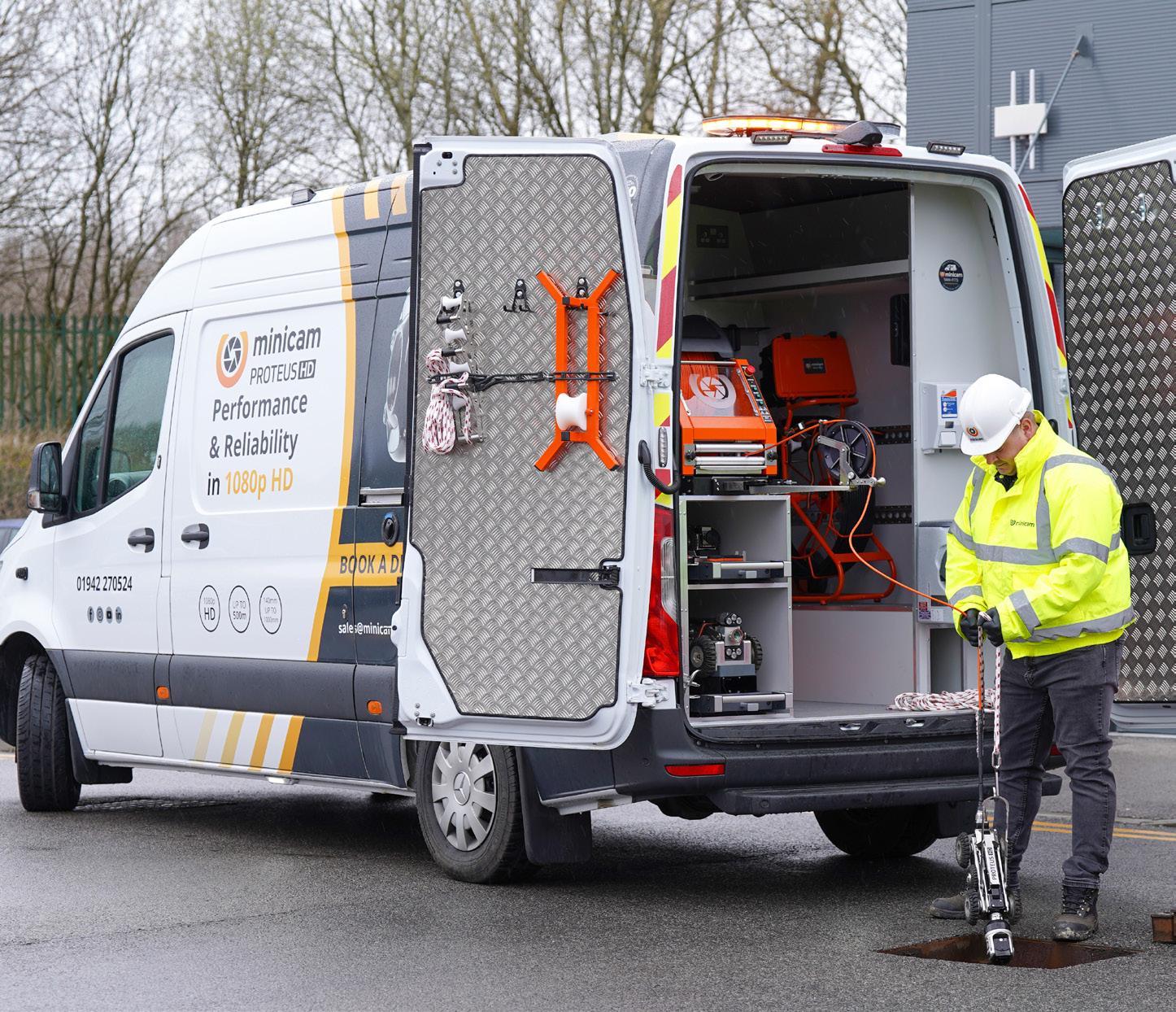
Minicam has announced the acquisition of DCR Inspection Systems Ltd., a Pontyclun-based specialist in rental, service and distribution, marking a significant step in strengthening its UK operations.
The move builds on a wellestablished partnership between the two companies, which began in 2018, and reflects a shared commitment to delivering reliable inspection solutions and responsive customer support to the wastewater and drainage sector.
By bringing DCR into the Minicam Group, the company is expanding its service capabilities and enhancing the breadth of solutions available to customers. The combined offering now spans equipment hire and rental, servicing, technical support and equipment ownership, providing a more integrated and flexible approach to operational needs.
DCR has developed a strong reputation within the UK market as a trusted partner for inspection equipment support, and its integration into Minicam is expected to further strengthen service delivery while maintaining continuity for existing customers.
Dylan Bourton, Business Manager at DCR Inspection Systems, said:
“We’ve been a rental and service partner of Minicam since 2018, and we’re excited to take the next step in our partnership. It’s very much business as usual, the same
“We’ve been a rental and service partner of Minicam since 2018, and we’re excited to take the next step in our partnership. It’s very much business as usual, the same products, the same team, and the same great service for the UK wastewater and drainage market.”
Dylan
Bourton, Business Manager, DCR Inspection Systems
products, the same team, and the same great service for the UK wastewater and drainage market.”
The acquisition aligns with Minicam’s broader strategy to enhance customer support and
ensure operators have access to reliable, well-maintained equipment backed by technical expertise.
A spokesperson for Minicam added:
“This acquisition strengthens our offering in the UK and our ability to support our customers with their equipment needs, whether through rental, service or ownership. It’s about making sure our customers can stay operational, flexible and fully supported in the field.”
As infrastructure networks across the UK continue to age and demand for inspection and maintenance increases, the integration of DCR positions Minicam to play a more prominent role in supporting contractors and asset owners with end-to-end solutions.
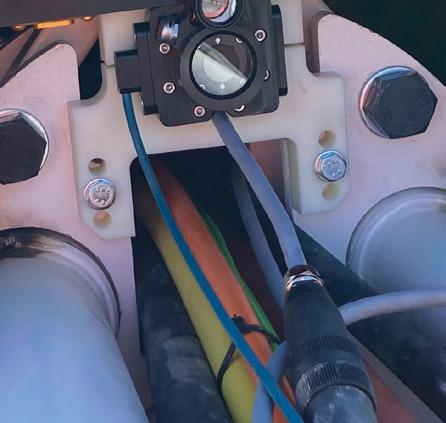





Internationalsalespartners visitIBAKinKiel
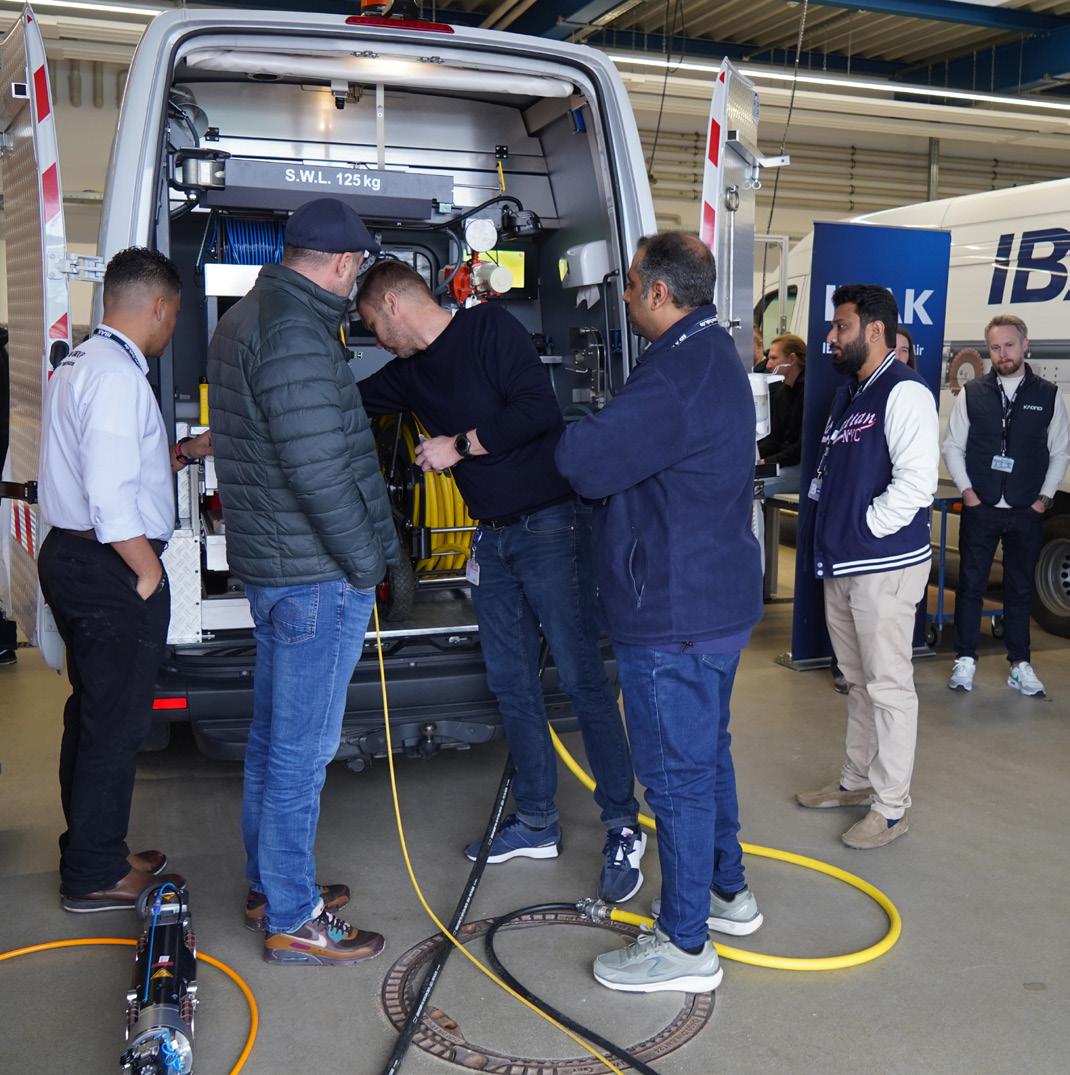
In March, IBAK invited all international sales partners to its headquarters in Kiel. The aim of the multi-day event was to provide partners with comprehensive insights intothelatestdevelopmentsacrossthecompany’s extensiveproductportfolioandtofurtherstrengthen personalexchange.
Overthecourseofthreedays,participantsgained detailedinsightsintotheongoingadvancementsofI’s hardwareandsoftwaresolutions.Particularfocuswas placedonmobileinspectionsystemsaswellasfully equippedvehiclesfortheprofessionalinspectionof sewernetworks.Inhands-onpresentations,innovations weredemonstrateddirectlyonthesystemsand discussedindepth.
Aspecialemphasiswasplacedontheconsistent advancementofthecameraportfolio:IBAKisfully committedtoHDtechnology.Fromcompactsystems tocomplexsolutions,thecompanyoffersend-to-end HDquality,underliningitscommitmenttoremainingat theforefrontoftechnologyanddeliveringthehighest qualitystandardstocustomersworldwide.
Significantprogresswasalsopresentedinthecutting sector.Thenominaldiameterrangehasbeenexpanded, enablingbothpneumaticandelectricsystemstobe usedstartingfromDN150.Inaddition,IBAKshowcased adaptationsinthefieldofUHP(UltraHighPressure) applications,whichhavealreadyproventhemselvesin numerousinternationalprojects.
Aninternationalpartnermeetinglikethishighlightsthe centralimportanceofglobalcollaborationfora companylikeI.Inanincreasinglyinterconnectedworld, salespartnersserveasvitallinkstolocalmarkets, culturalspecifics,andindividualcustomer requirements
PersonalexchangeattheheadquartersinKielprovides invaluablebenefits:strategiescanbealigneddirectly, innovationsdiscussedcollaboratively,andvaluable inputfromdifferentmarketscanbeincorporated.Direct dialoguefosterstrust,asharedunderstandingofquality standards,andaclearfocusonfuturedevelopments.
ForIBAK,itisessentialtoactivelyintegratethe experiencesandperspectivesofitsinternationalpartners intotheongoingdevelopmentofproductsandsolutions. Atthesametime,suchmeetingsstrengthentheglobal network,promoteknowledgetransfer,andestablisha unifiedfoundationforsustainablemarketsuccess.
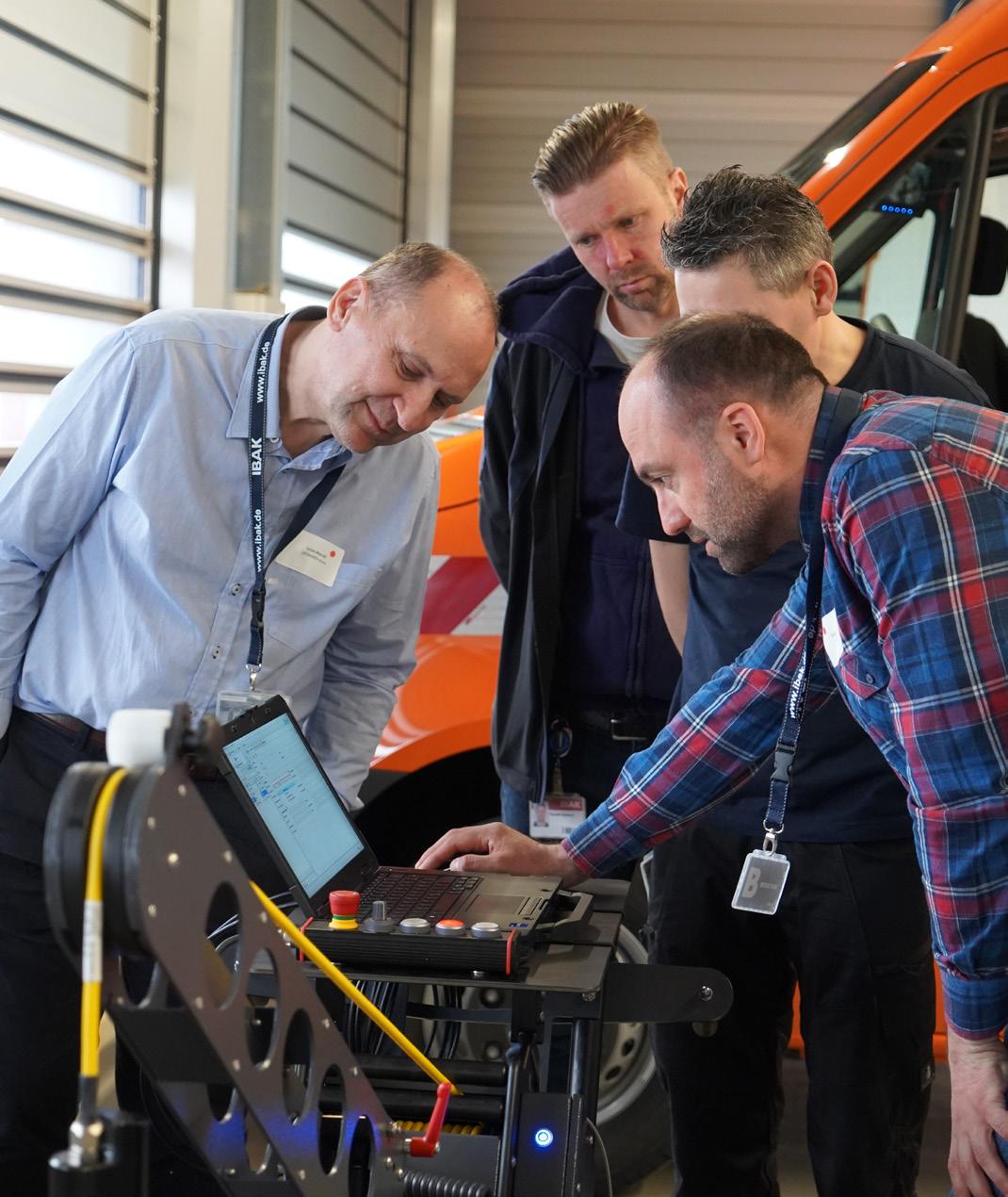
Last but not least, personal interaction helps to solidify long-term partnerships. In an industry where reliability, technological expertise, and customer proximity are key, a strong and well-connected partner network forms the basis for shared growth and international competitiveness.


Direct access to Thames Water senior project managers and leading contractors
Supported and partnered by Thames Water, No-Dig Roadshow
London will bring together senior Thames Water project managers to present alongside leading contractors on trenchless projects and delivery across the London market
12 MAY 2026
NOVOTEL LONDON WEST LONDON, UK
REGISTER FOR FREE
Programme highlights:
Thames Water project managers present live trenchless delivery case studies
Contractor presentations from Barhale, Browne, McAllister, Onsite, Murphy and M Group
Gain practical insight into tunnelling, rehabilitation, UV lining and directional drilling projects
Explore specialist solutions and technologies presented by Quick-Pig, Vortex, Picote Solutions and Hermes Technologie
Opening remarks and market context from Thames Water and UKSTT
Case studies with Barhale, Browne, McAllister and Onsite
Further delivery insight from Murphy, M Group and Thames Water teams
Sponsor sessions from Quick-Pig, Vortex, Picote Solutions and Hermes Technologie
Q&A, networking and exhibition access built into the day
www.nodigroadshows.co.uk

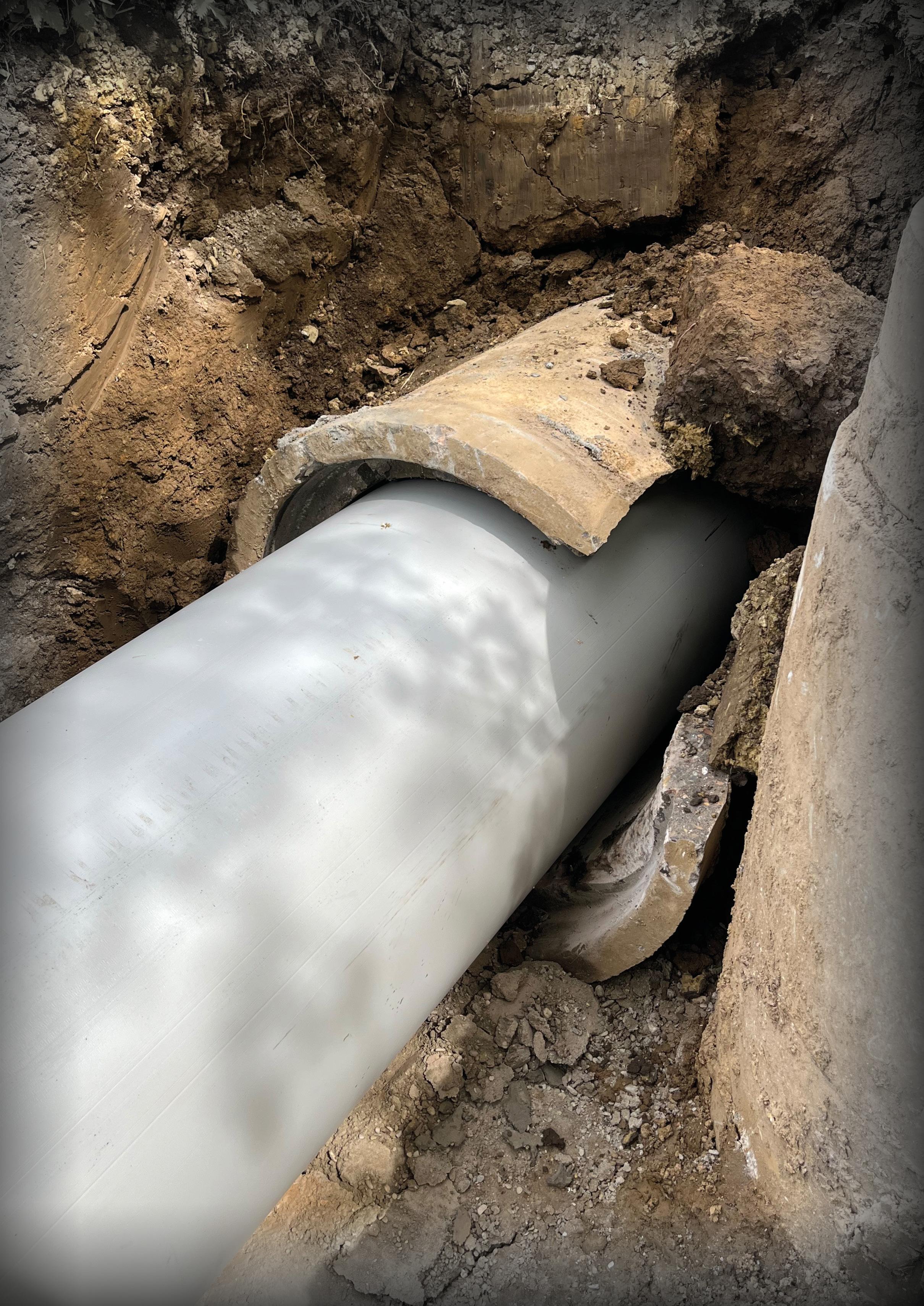
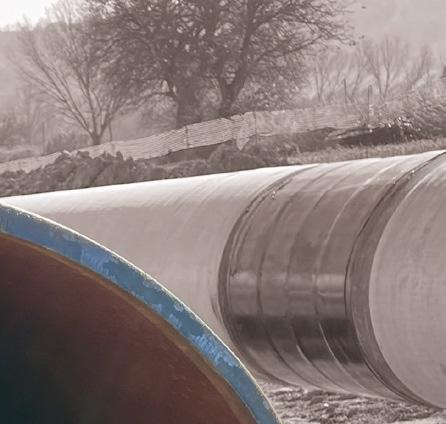
FUTURE-PROOFING UNDERGROUND NETWORKS
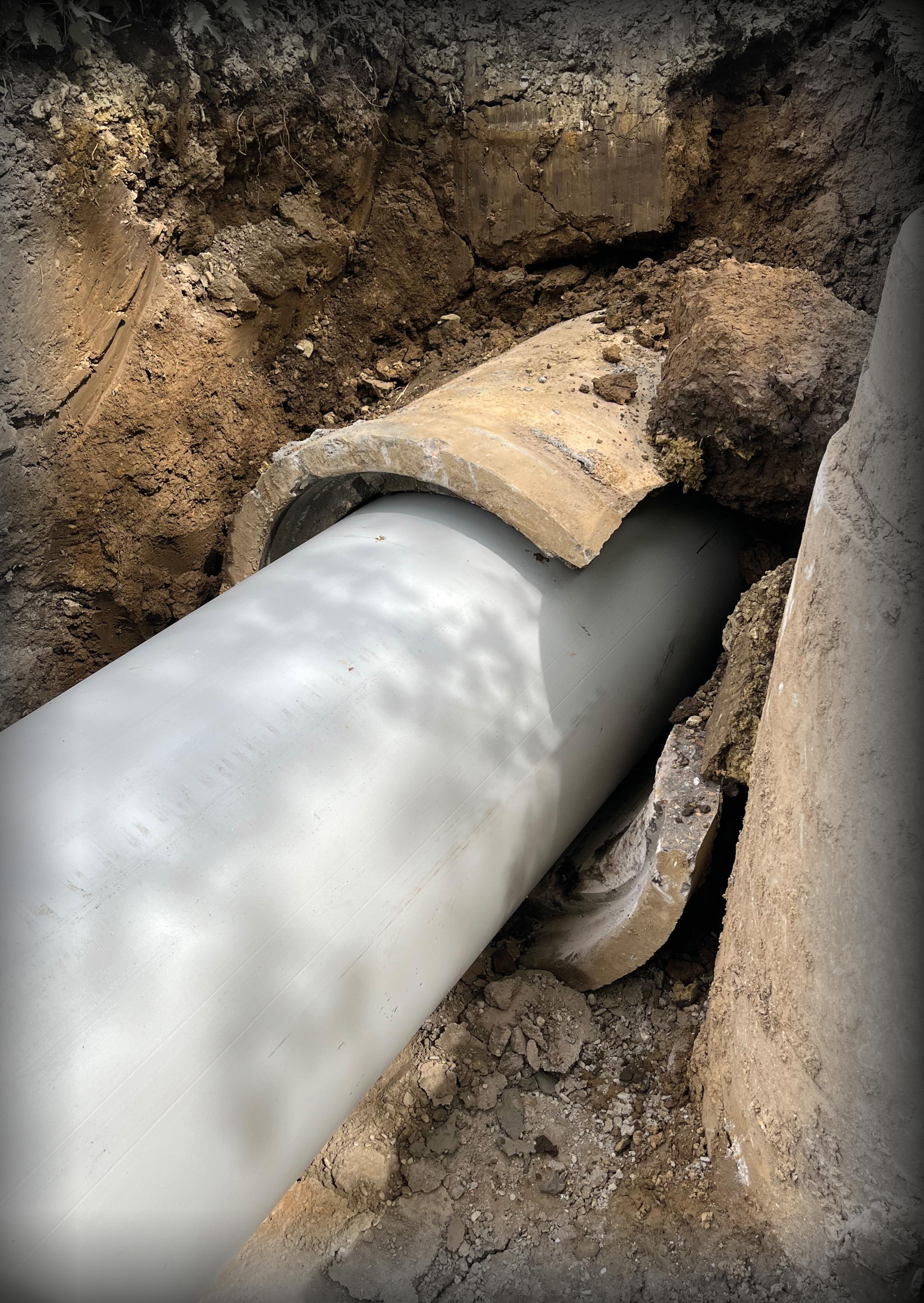
How TRACTO is helping contractors tackle rising renewal demand with full pipe replacement solutions
With ageing networks, rising capacity pressures and a growing global rehabilitation gap, trenchless pipe renewal is emerging as a critical long-term solution, and a major opportunity for contractors.
Deteriorating assets, insufficient capacity, and a widening investment gap are placing increasing strain on underground pipeline infrastructure worldwide. The global rehabilitation market is currently valued at approximately €5 billion and is projected to grow at around 5% annually over the next five years.
Against this backdrop, the industry faces a dual challenge: addressing urgent renewal needs while
ensuring networks are fit for future demand. Trenchless pipe renewal is increasingly recognised as one of the few solutions capable of delivering both, offering long-term performance, reduced disruption and scalable delivery.
For contractors, this shift is not just technical, but strategic. Those investing in full renewal capabilities today are positioning themselves to access a market set to expand for decades.
A growing rehabilitation deficit
The scale of the challenge is significant and already impacting network performance.
In the UK, for example, the pipeline network extends to approximately 800,000 km, with a large proportion over 100 years old. Yet only around 400 km is replaced annually — a rehabilitation rate of just 0.05%. Compared to the European benchmark of 0.5%, this creates a shortfall of around 3,600 km per year.
The consequences are increasingly visible: sewer systems unable to cope with rainfall, overflows into watercourses, and infrastructure that is fundamentally misaligned with current and future demand.
Across Europe, similar patterns are evident:
• Italy: Up to 60% of water infrastructure exceeds 30 years in age, with water losses reaching 36–42% - and up to 50% in some regions.
• Poland: Despite major rebuilds in the 1990s, an estimated 80,000–150,000 km of network requires medium- to long-term renewal.
• Germany: Even with a comparatively strong 1% rehabilitation rate, around 20% of water infrastructure and 19% of sewer networks show significant deterioration.
These figures underline a clear reality: the rehabilitation gap is structural, not temporary, and requires scalable, long-term solutions.
From repair to renewal
As pipelines reach the end of their service life, failure modes become increasingly complex, including cracking, deformation, joint displacement, root ingress and leakage.
In dense urban environments, open-cut replacement is often impractical due to cost, disruption and environmental impact. As a result, trenchless methods have gained significant traction.
While lining technologies have played an important role, they are typically rehabilitative rather than transformative, extending asset life but not fundamentally upgrading infrastructure.
By contrast, full trenchless pipe renewal offers:
• New-build quality performance
• Increased hydraulic capacity (via upsizing)
• Reduced lifecycle costs
• Minimal surface disruption
“ Trenchless pipe renewal has significant long-term potential. Our focus is
on supporting contractors not just with equipment, but with the knowledge and confidence to apply it effectively, enabling them to benefit from a market that will continue to grow.”
Thorsten Schulte, responsible for international customers at PBC
For asset owners, this represents a long-term investment solution. For contractors, it opens access to larger, more complex and higher-value projects, particularly in urban environments.
Inside the technology: Static pipe bursting
At the core of many renewal projects is the static pipe bursting method, used to replace existing pipelines across a wide range of materials.
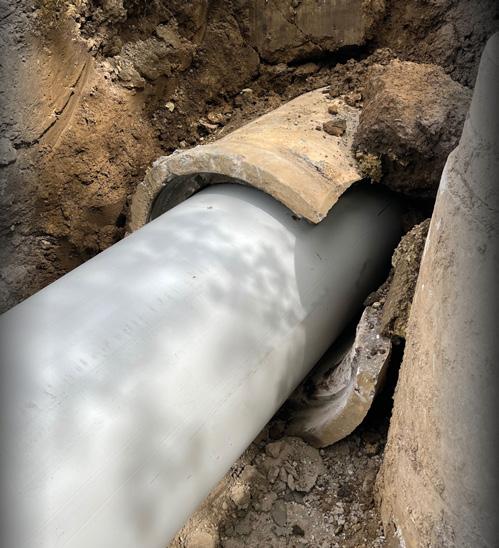
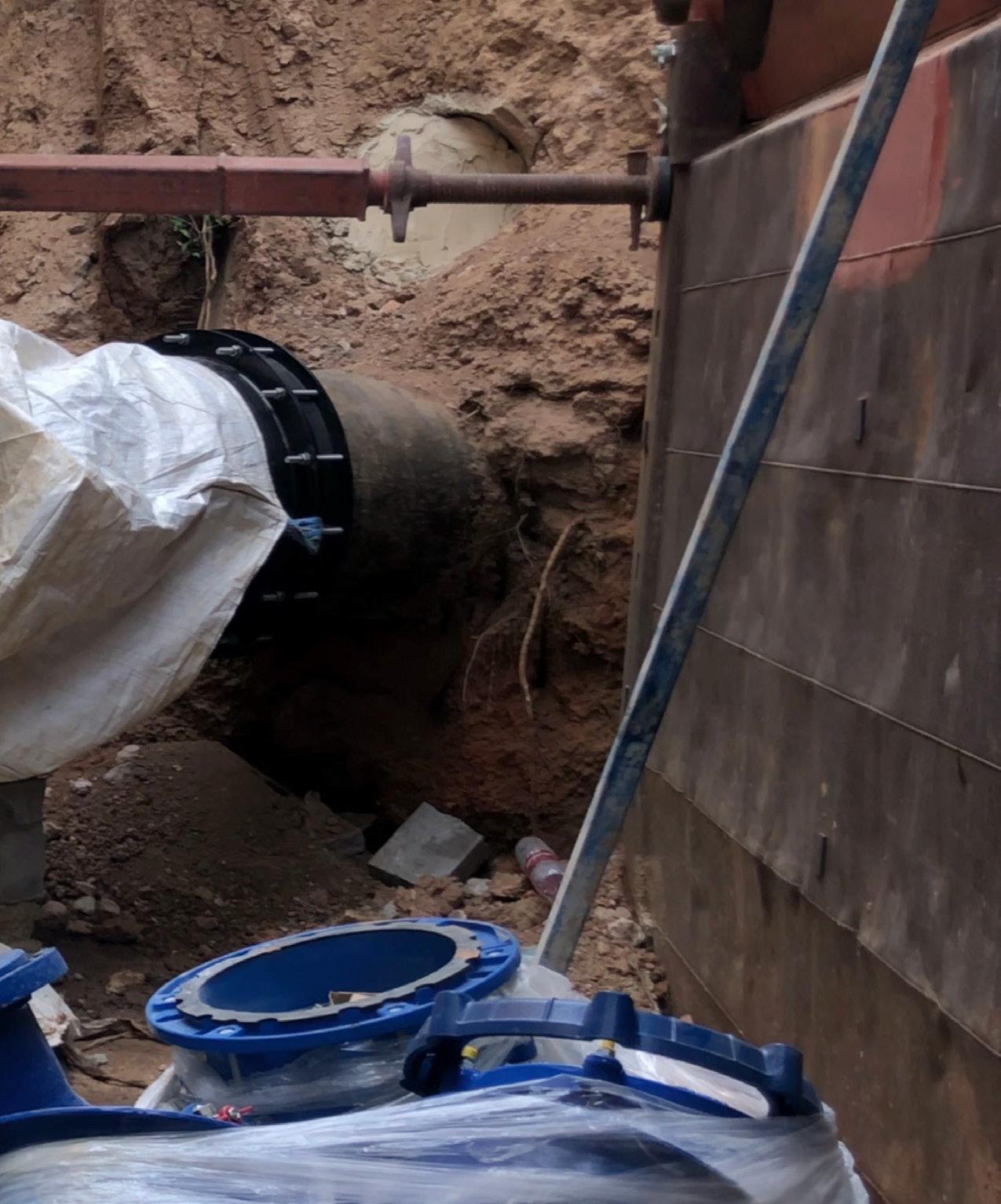
The process is carried out between compact launch and reception pits or manholes. A bursting rod is first pushed through the existing pipeline. Once in position, a bursting tool and new pipe are attached and pulled back through the alignment.
During this process:
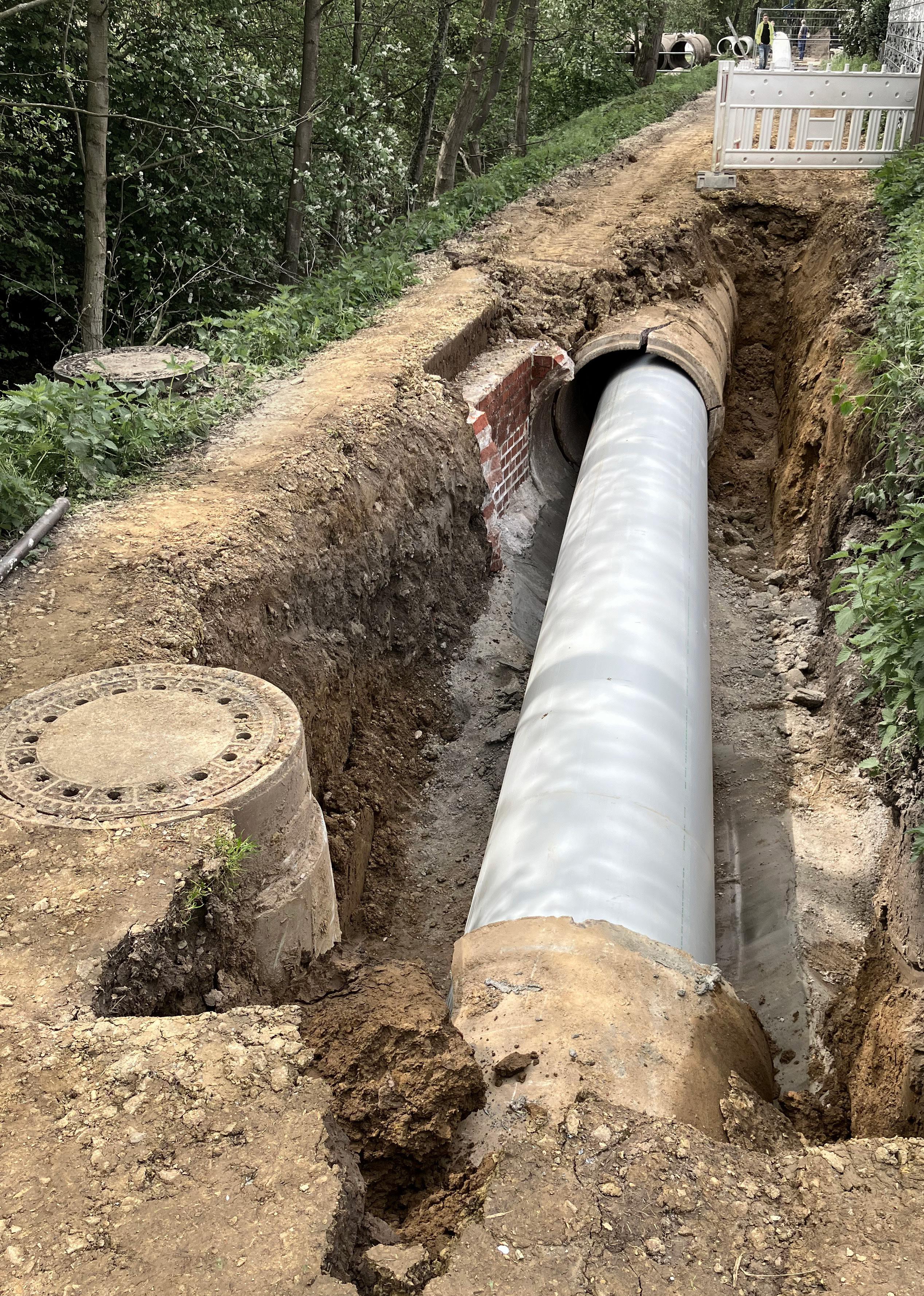
• Brittle pipes (e.g. concrete, cast iron) are fractured
• Ductile materials (e.g. steel, PE) are split
• Fragments are displaced into the surrounding soil
• The new pipe is simultaneously installed
The method enables full replacement with materials including HDPE, PP-HM, ductile iron, vitrified clay and GRP, and can also be used on previously lined pipes that have failed.
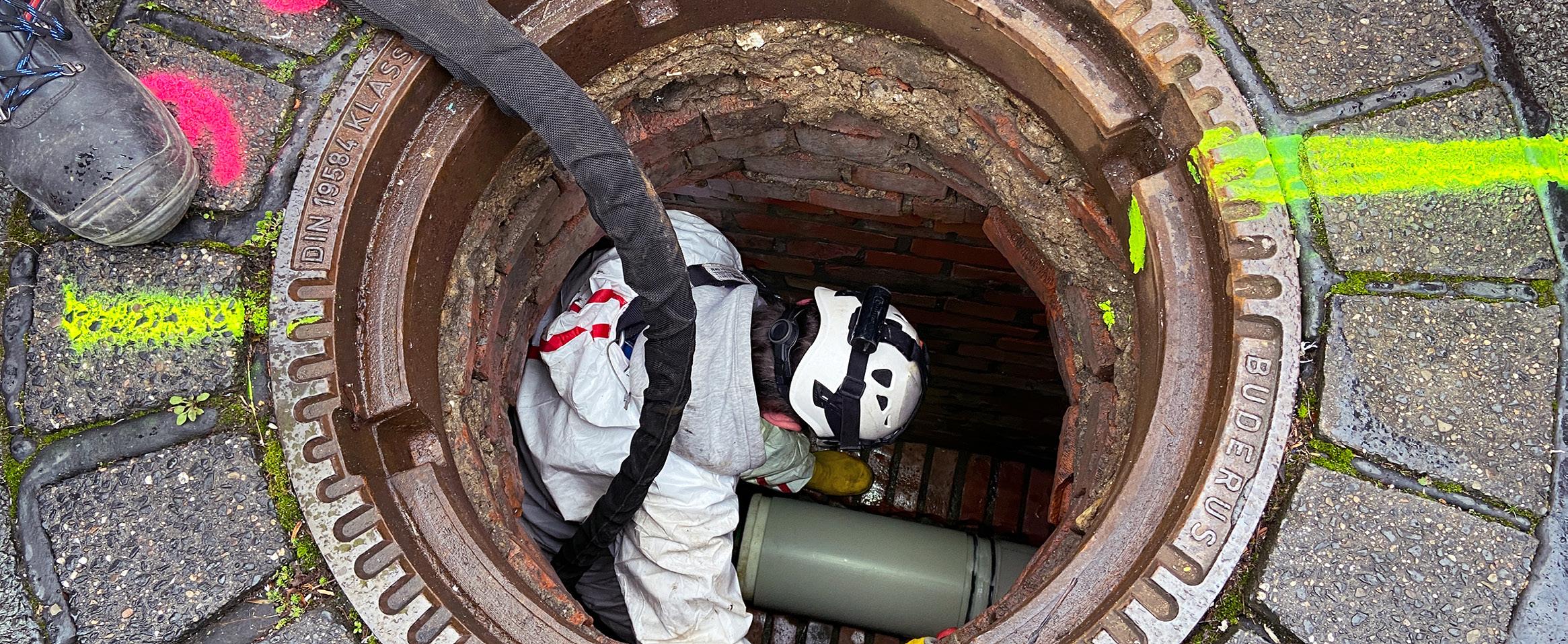
System Design and Performance
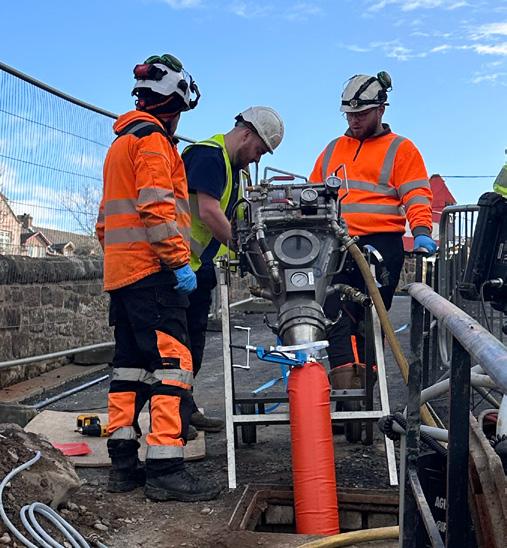
TRACTO’s GRUNDOBURST system incorporates several features aimed at improving efficiency and operational reliability. A key component is the bursting rod system with quick-release latch coupling, allowing faster installation and removal while maintaining high tensile and shear strength. The rod design also supports navigation through slight misalignments, an important factor in older networks.
Additional system capabilities include:
• Calibre bursting
• Relining
• TIP (tight-in-pipe) installation
• Reduction methods
This versatility allows contractors to address a broad range of rehabilitation scenarios using a single platform.
Expanding the Toolkit: Tight-In-Pipe (TIP)
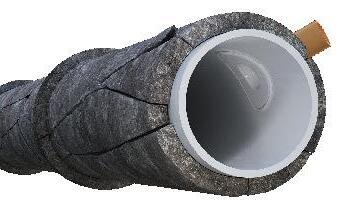
Alongside pipe bursting, the Tight-In-Pipe (TIP) method is gaining traction, particularly in dense urban environments. In this process, new pipe segments are pushed into the host pipe using hydraulic cylinders. A calibration head restores the circular profile of the existing pipe during installation, allowing the new pipe to fit tightly without the need for grouting.
Key advantages include:
• No ground displacement
• Minimal surface impact
• Suitability for constrained urban environments
TRACTO’s GRUNDOTIP system supports pipe diameters from DN 200 to DN 500, offering contractors an additional method for targeted renewal projects.
Building capability in a growth market
As demand for renewal accelerates, technical capability alone is not enough. Successful delivery increasingly depends on application knowledge, system selection and project planning.
TRACTO’s Pipe Bursting Centre (PBC) brings together technology, training and project expertise to support contractors entering or expanding within the renewal market.
Services include:
• Process selection and system design support
• Project-specific consultancy
• Demonstrations and training programmes
• Flexible financing and rental options
As Thorsten Schulte, responsible for international customers at PBC, explains:
“Trenchless pipe renewal has significant long-term potential. Our focus is on supporting contractors not just with equipment, but with the knowledge and confidence to apply it effectively, enabling them to benefit from a market that will continue to grow.”
Positioning for the future
With infrastructure ageing faster than it is being replaced, and capacity pressures increasing, the shift from repair to renewal is accelerating. Trenchless pipe renewal, particularly full replacement solutions, is set to play a central role in how networks are modernised.
For contractors, the opportunity is clear: investing in capability today is not just about meeting current demand but securing long-term relevance in a rapidly expanding market.
TRACTO’s pipe bursting technology is the ideal solution for replacing defective pipes quickly and gently, without compromising their hydraulic performance - if required, you can even increase the flow cpapacity by pulling in larger diameters.
Want to know more about the long-term solutions for intact infrastructure? We provide individual project consultancy and hands-on training to contractors and decision-makers: thorsten.schulte@tracto.com | +49 160 8455638
IFAT 2026 04.– 07. MAY | MUNICH STAND C3 529 NEW TIGHT-IN-PIPE UNIT! LIVE DEMO AT THE BOOTH
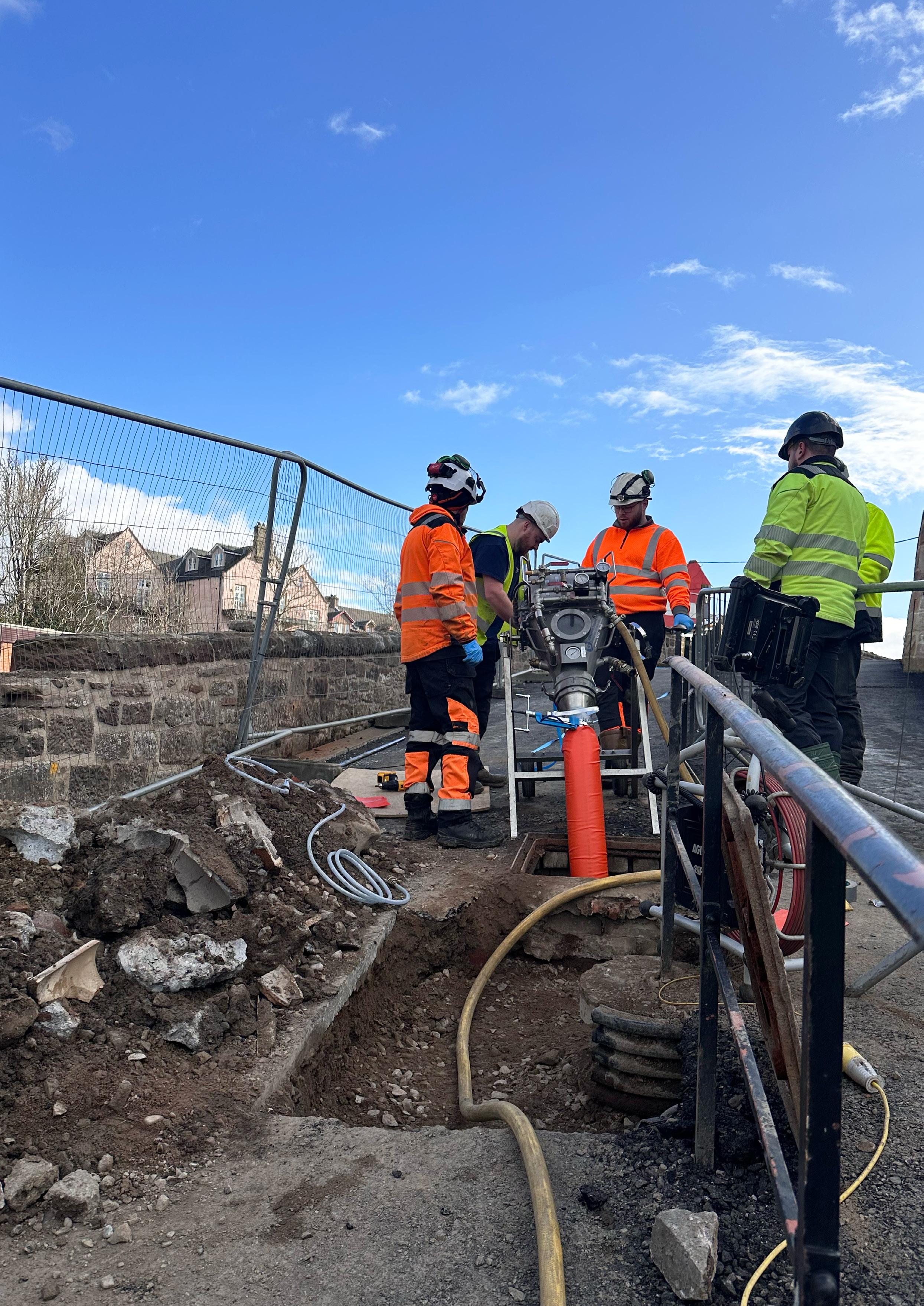
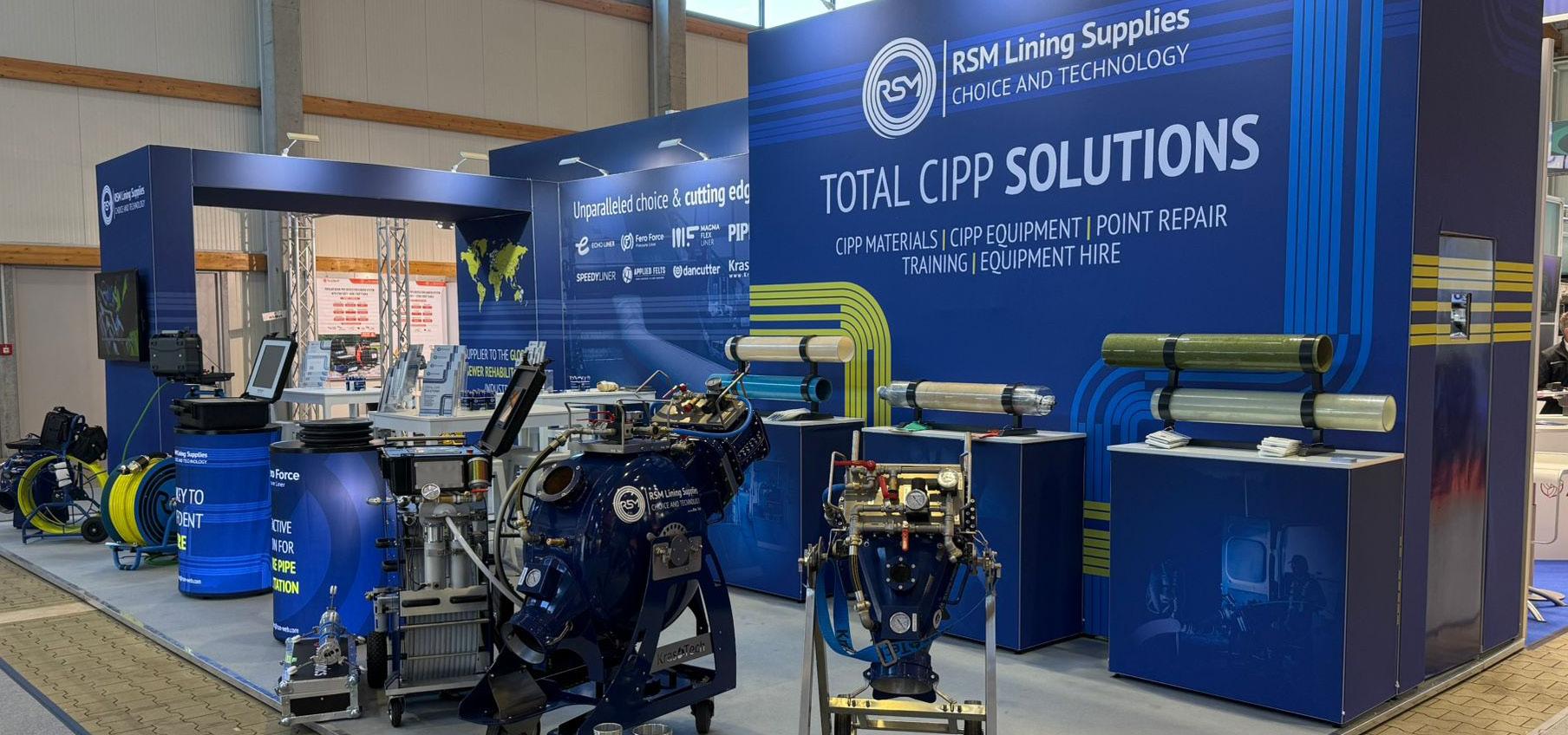
HERE TO SUPPORT YOU EVERY STEP OF THE WAY
RSM’s experienced technical team are on hand to support you from product specification through to successful installation.
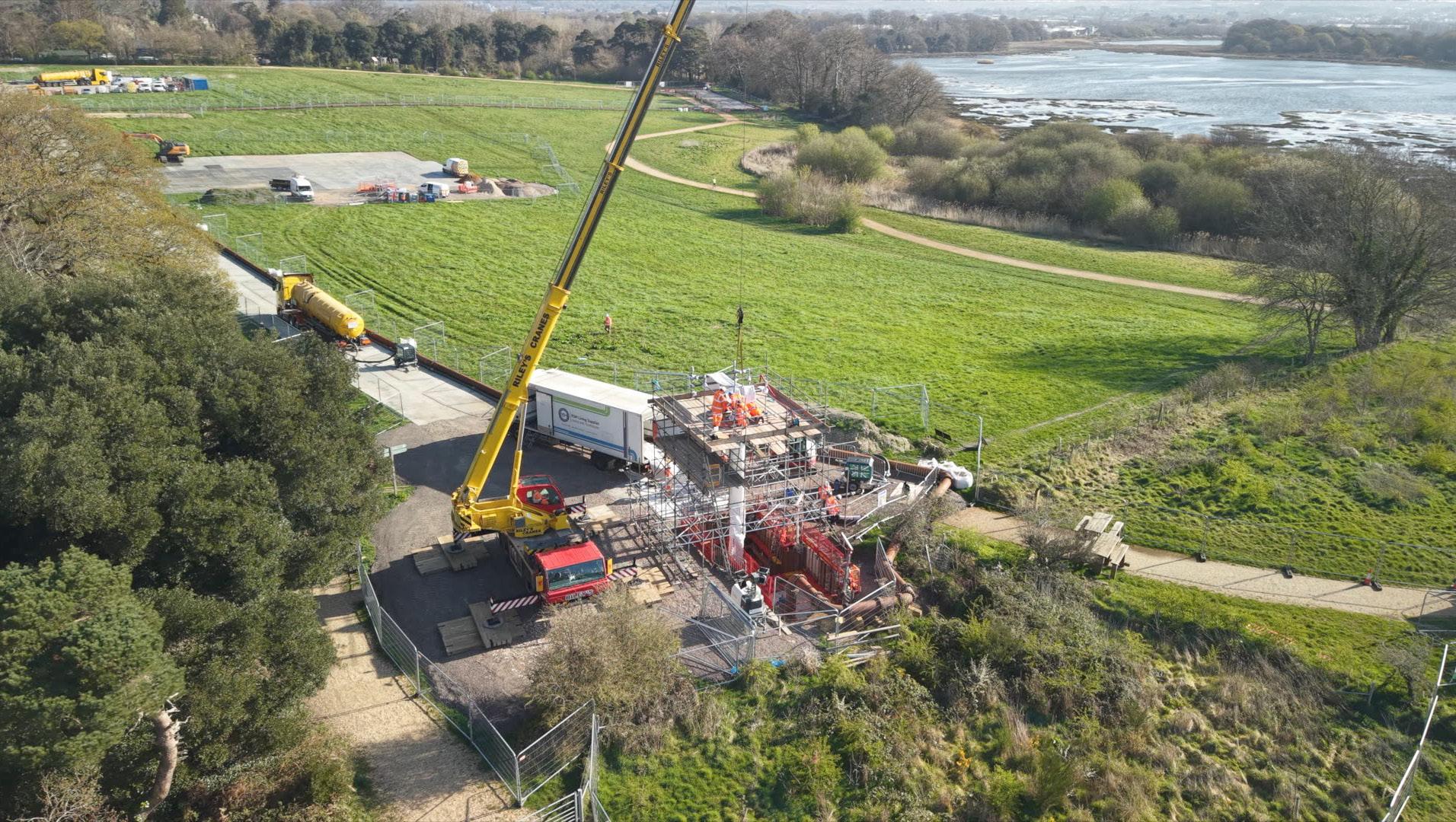
As CIPP lining technologies continue to evolve, the demands placed on installation teams are becoming increasingly advanced. Since its inception, RSM Lining Supplies has placed great importance on customer service and offering a comprehensive support structure – they do not just supply high-quality materials, they offer technical guidance, on site expertise, and practical consultancy services.
With over one hundred years of combined experience in the drainage industry, RSM’s technical team works directly with contractors to provide structured, dependable support at every stage of a project. Their dedicated sales & technical teams deliver a comprehensive support structure, including on-site training, consultancy, and advisory services, to ensure your sewer rehabilitation project is successful.
Whether supporting a contractor new to the industry or assisting an established specialist looking for a helping hand on a more complex install, RSM’s technical team are there to offer support across all major installation methods. From point repair to ambient, hot water, steam, UV and UV LED cure lining, the team offers advice and operational support throughout the installation process. This involvement assists the contractor in mitigating risk and maintaining confidence on site.
RSM tailor their support services to meet the specific needs of the contractor. From basic training sessions to full scale project consultancy and on-site technical
support, they create flexible packages that align with the contractor’s objectives, inclusive of assisting with selecting the correct repair method. No two sites are the same, and variables such as pipe condition, diameter, access constraints and environmental considerations all influence the selection of the appropriate method to rehabilitate the pipe. RSM’s technical specialists work closely with contractors to assess site conditions, evaluate structural integrity, and recommend the most suitable repair and cure method. By identifying potential challenges early and advising on correct liner & resin specification and curing parameters, the team helps ensure long-term performance and durability of the rehabilitated asset.
This collaborative approach is particularly valuable on demanding or high-profile projects. Robin Dowell, Managing Director of Exjet Services, has utilised RSM’s site consultancy services multiple times over the years and last year partnered with them on a complex UV lining installation beneath a railway line. Reflecting on the project, he commented: “We recently completed the installation of a 1050mm, 14.7mm thick UV liner beneath a railway line which was no small task. Thanks to the expert consultancy service and materials supplied by RSM Lining Supplies, the project ran smoothly from the outset. Their team not only helped us identify the right solution for the job but also provided hands on support during the installation on site. From product knowledge to practical application, RSM delivered every step of the way. A great team to work with and a key part of the project’s success!”
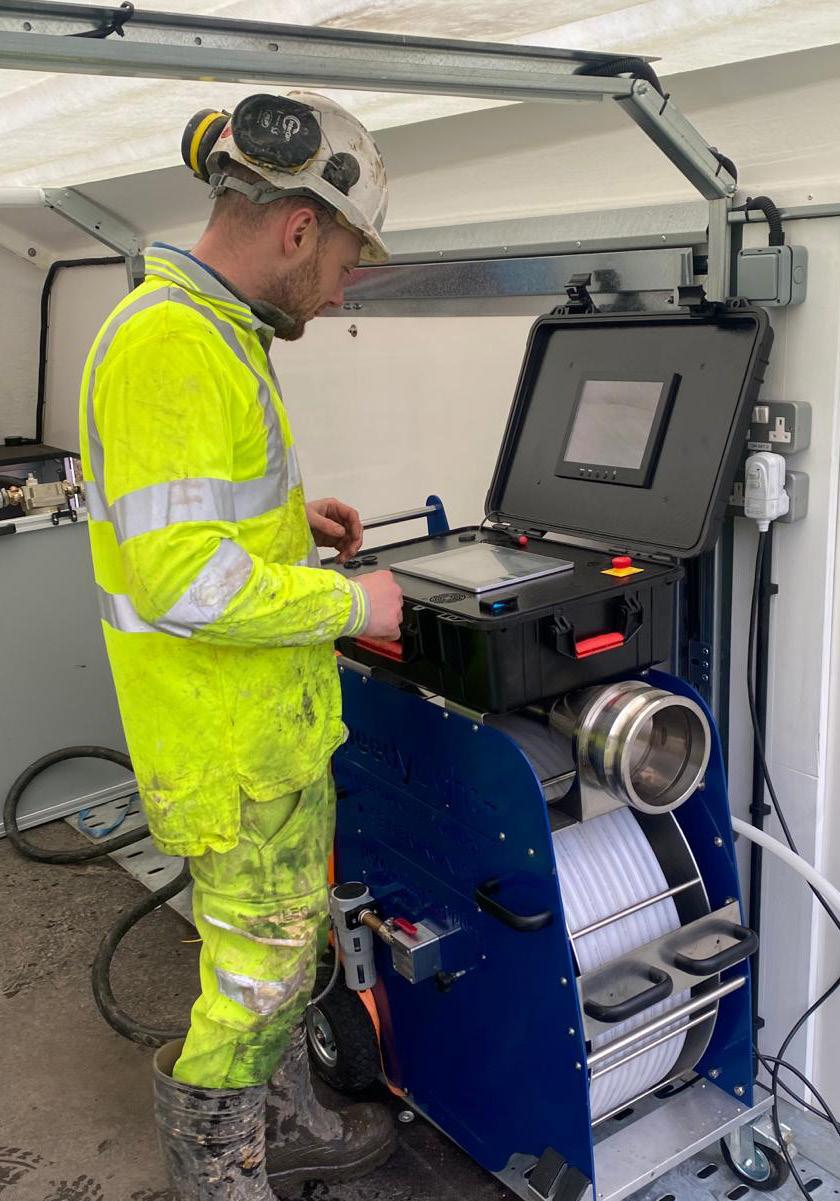
Projects of this scale demand meticulous planning and technical precision. Early engagement, correct material selection, and expert on site input were instrumental in ensuring the installation was completed safely and successfully, reinforcing the value of experienced technical partnership.
In addition to their consultancy services, RSM offer a series of certified training packages. Developed with the goal of standardising practices across the sewer rehabilitation industry, the training courses ensure contractors adhere to stringent guidelines on site to guarantee high-quality installations every time. By offering the only courses in the industry both approved by the WRc Group and certified by Energy & Utility Skills, RSM’s training is the gold standard, offering confidence to the contractor and the end user that operatives are trained to a professional level. Additionally, certifications can be referenced in tenders or qualification frameworks where competency evidence is required.
“ As CIPP lining technologies continue to evolve, the demands placed on installation teams are becoming increasingly advanced
All training is conducted at RSM’s Head Office in Doncaster. Due to increasing demand, they invested further in their facilities in early 2025 and constructed a purpose-built mezzanine for practical demonstrations & assessments. The training courses equip operatives with the practical skills required to carry out CIPP lining and patching installations efficiently and correctly. A mixture of classroom-based and practical activities ensures a well-rounded education - this dual approach helps attendees understand not just the “why” but also the “how” behind each repair method, boosting both confidence and the ability for attendees to successfully conduct repairs in the real world.
Ultimately, RSM’s technical services offer support when it matters most. By embedding technical knowledge directly into project delivery, RSM positions itself not merely as a supplier, but as a trusted partner committed to helping contractors achieve safe, efficient, and durable outcomes.


NO-DIG ROADSHOW LONDON 2026
12 May 2026
Novotel London West
www.nodigroadshows.co.uk
TRENCHLESS ASIA 2026
10 -11 June 2026
Queen Sirikit National Convention Centre Bangkok, Thailand www.trenchlessasia.com
NO-DIG ROADSHOW GLASGOW 2026
Date to be confirmed
The Glasgow Westerwood Hotel
www.nodigroadshows.co.uk
NO-DIG LIVE 2026
29 September – 1 October 2026
NAEC Stoneleigh Park, Warwickshire www.nodiglive.co.uk
TRENCHLESS MIDDLE EAST 2026
2 - 3 December 2026
Riyadh Marriott Hotel, Riyadh Kingdom of Saudi Arabia
www.trenchlessmiddleeast.com
UV-Cured CIPP relines Victorian brick culvert beneath canal
McBreen Enviro UK has completed the structural rehabilitation of a Victorian brick culvert located beneath a canal using UV-cured CIPP technology. The 750–800mm diameter culvert required cleaning, inspection and full structural lining to restore its integrity while minimising disruption to the canal and surrounding area.
Project challenges
The project presented several logistical and operational challenges. The culvert runs directly beneath a canal, requiring careful coordination of installation activities to protect the waterway and surrounding habitats.
Site access was restricted, requiring specialist equipment and materials to be mobilised within a controlled compound. In addition, the site was located adjacent to a main road, necessitating traffic management measures and careful planning of site operations.
Preparation and surveying
The works commenced with Jet-Vac cleaning of the culvert to remove debris and prepare the host structure. A detailed laser survey and CCTV inspection were then carried out to accurately map the internal condition of the culvert and confirm the dimensions required for the liner installation.
These surveys enabled precise planning of the rehabilitation works and ensured the liner specification matched the structural requirements of the host pipe.
Lining installation
McBreen Enviro UK mobilised a UV installation unit, a five-tonne winch and a six-person installation team to carry out the works. An Impreg GL16 UV liner (DN900, 10.1mm thickness, 62m length) was installed as part of the rehabilitation programme. The liner installation required careful coordination due to the restricted access conditions beneath the canal and alongside the busy roadway.
A 750mm diameter UV-cured liner, measuring 10mm in thickness and 41m in length, was installed using a glide
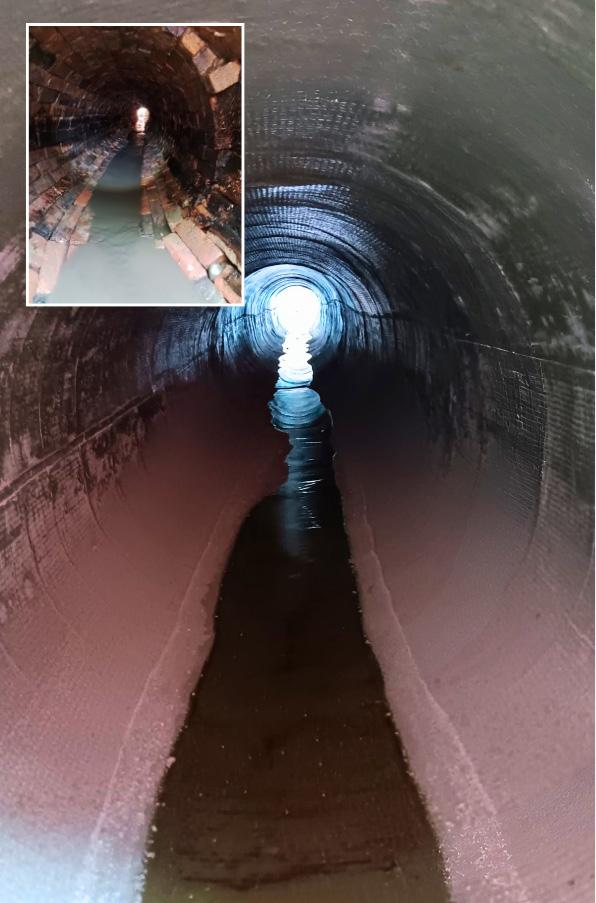
foil system before being cured using UV light to create a new structural pipe within the existing brick culvert.
Post-installation works
Following installation, targeted grouting was carried out where required to fill any voids between the liner and the host structure. This ensured full contact between the liner and the brick culvert, improving structural performance and hydraulic efficiency.
A post-installation CCTV survey was then undertaken to verify the quality and integrity of the installation.
Project outcome
The works resulted in the successful structural rehabilitation of the culvert along its full length, delivering a durable lining solution within the existing brick structure.
The trenchless approach minimised disruption to the canal environment and surrounding habitats, while careful site management reduced impacts on nearby road users and the local community. The rehabilitated culvert is expected to provide an operational service life in excess of 100 years.

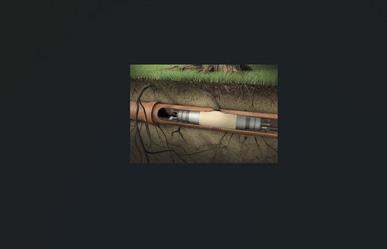
Choose a Par tner, Not a Product.
Bluelight Lining’s LED light curing CIPP lining system is engineered to deliver reliable results, first time, every tim With all equipment and liners sourced from one place, everything works seamlessly together, reducing downtim minimising errors, and keeping projects on schedule.
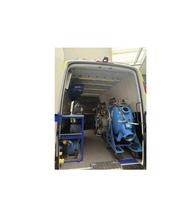
Trusted across Europe, and being the leading LED light cure lining system in the UK, Bluelight Lining is the go-to solution for efficient, high quality lateral and mainline pipe rehabilitation up to 600mm.
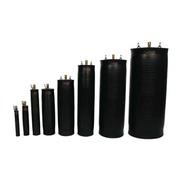
ehicle uilds Inflatable Bungs

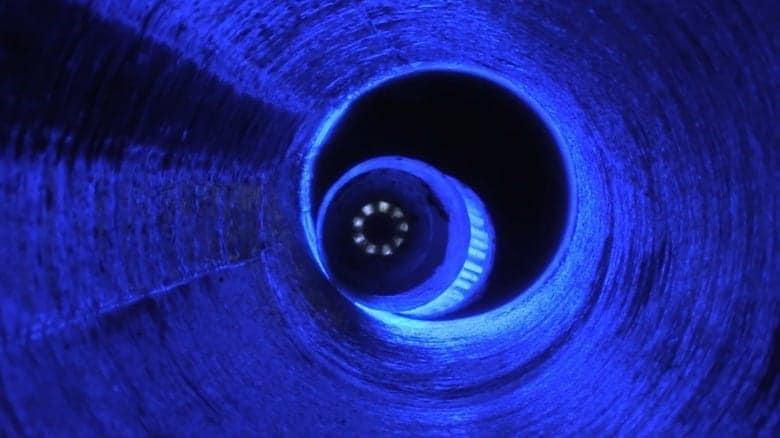
AI-POWERED INSPECTION AND TRENCHLESS REPAIR
RESOLVE CONCEALED SEWER LEAK IN DUBAI
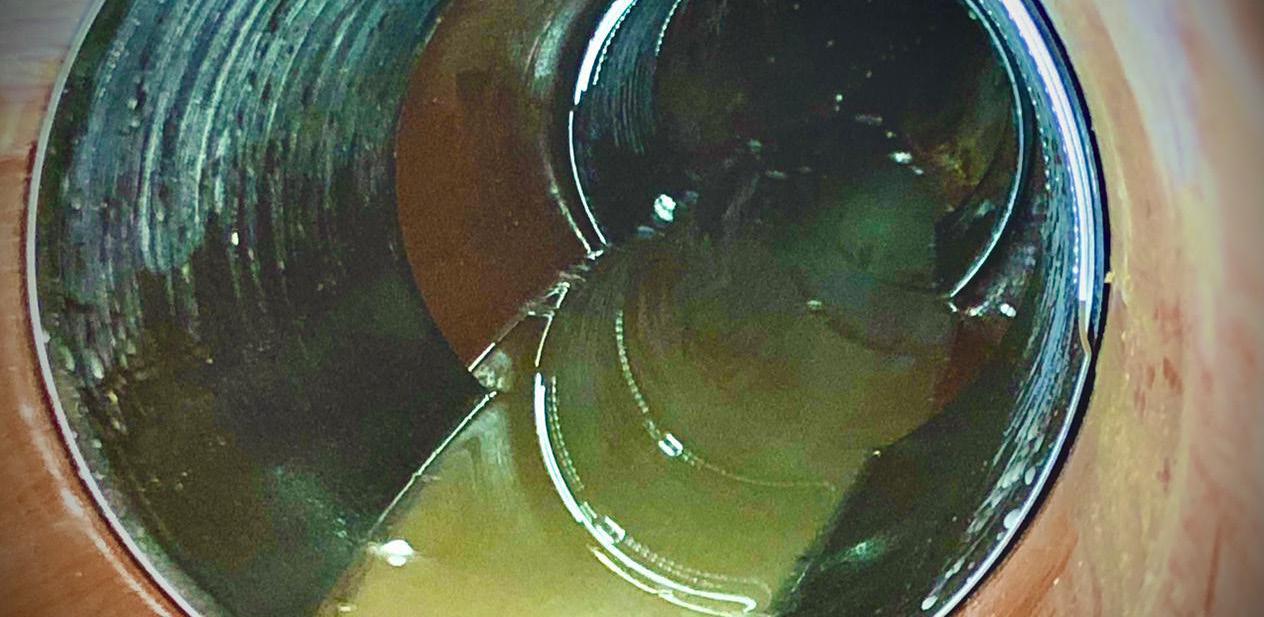
Applied Pipeline Services restores network integrity with precision CCTV diagnostics and Quick Lock rehabilitation
Aconcealed sewage leak within the underground network at Tilal Al Ghaf, one of Dubai’s premium master-planned communities, has been successfully identified and repaired using a combination of AI-assisted CCTV inspection and trenchless rehabilitation.
Left undetected, such failures can lead to soil washout, pipeline instability and wider service disruption, particularly problematic in high-spec developments where surface disruption must be avoided.
Non-invasive investigation in a high-value environment
With no visible surface indicators, locating the source of the leak presented a clear challenge. Traditional excavation-led investigation would have risked unnecessary damage to finished roads, landscaped areas and pedestrian infrastructure.
Applied Pipeline Services was engaged to carry out a non-invasive inspection and deliver a targeted repair solution while maintaining the integrity of the surrounding environment.
AI-assisted CCTV pinpoints defect location
A robotic CCTV inspection system, enhanced by AIbased defect analysis, was deployed to assess the internal condition of the pipeline.
The inspection enabled engineers to:
• identify leaking joints and crack locations
• pinpoint the exact position of the defect
• assess deformation and potential movement zones
• classify defect severity
• generate condition data to inform immediate repair planning
The use of AI-supported analytics significantly reduced diagnostic time and removed much of the uncertainty associated with conventional inspection methods, allowing a direct transition from assessment to intervention.
Internal sealing solution restores pipe performance
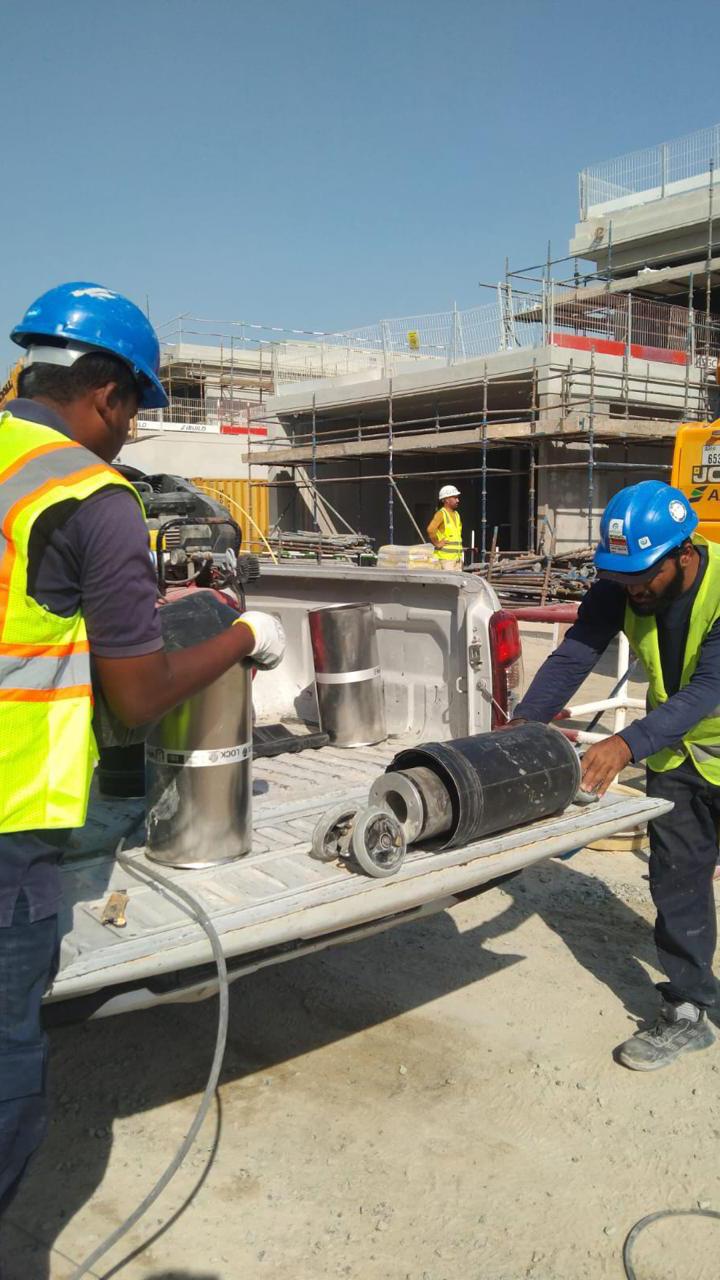
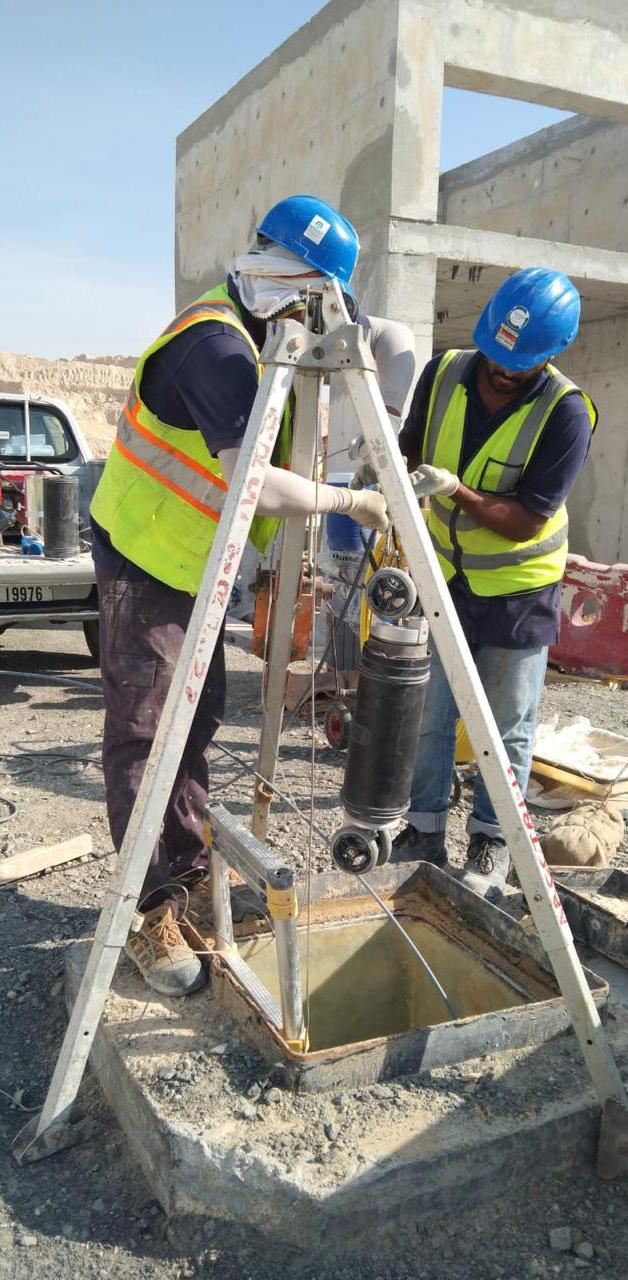
Following identification of the defect, a trenchless internal repair solution was selected using Quick Lock sleeve technology.
The system consists of a stainless-steel sleeve with an elastomer sealing element, installed internally to create a watertight seal and reinforce the damaged section without excavation.
Key performance outcomes included:
• rapid sealing of leakage points
• immediate structural reinforcement
• tolerance for minor ground and pipe movement
• long-term resistance to infiltration and exfiltration
• minimal downtime with rapid return to service
The flexibility of the system was particularly relevant given the potential for settlement and movement within buried assets, avoiding the creation of a rigid repair interface.
Zero excavation, minimal disruption
The repair was completed without excavation, preserving the surrounding infrastructure and public realm, including:
• finished road surfaces
• walkways and access routes
• landscaped areas
• adjacent utility corridors
This approach reduced programme time, eliminated reinstatement requirements and minimised disruption to residents.
Advancing smart rehabilitation approaches
The project highlights the growing role of intelligent inspection and targeted trenchless repair in modern wastewater asset management.
By integrating AI-driven diagnostics with internal rehabilitation technologies, the solution delivered a fast, precise and non-disruptive outcome suited to high-value urban environments.
As asset owners increasingly prioritise conditionled maintenance and reduced surface impact, such approaches are expected to play an expanding role in the management of ageing underground infrastructure.
Finding and filling the gaps | Part 3
From Audit to Action – Building training pathways that actually work

Frank Reilly Director JBP’s Trenchless, Training Programme
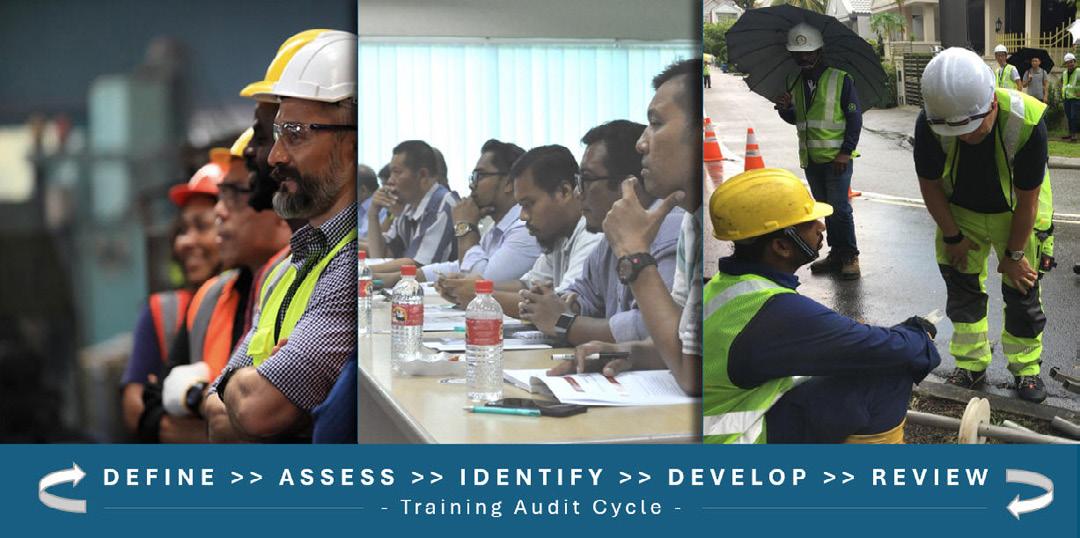
In the first two articles, we explored why skills audits matter and how they are structured. But identifying gaps is only part of the process. The real value lies in turning those insights into structured training pathways that deliver measurable improvements in operational performance.
Across the trenchless sector, many organisations invest in training — but not always in a way that reflects their actual needs. Courses are often selected based on availability rather than relevance, and attendance is too easily confused with competence. A well-executed skills audit provides the foundation to change that.
From data to direction
One of the most common findings from a structured audit is that capability gaps are rarely uniform, but tend to cluster around specific technical areas.
In sewer pipeline inspection, for example, many teams may demonstrate strong practical ability in operating CCTV equipment, but less consistency in defect recognition, coding accuracy, and condition assessment. Targeted training programmes delivered across the Middle East and Southeast Asia have shown that when teams adopt structured coding methodologies,
data quality and reliability improve significantly — directly supporting better asset management decisions.
Building practical training pathways
Effective training pathways are built around progression, not isolated courses.
To return to the example of pipeline inspection and condition assessment, this could typically include foundation course for equipment setup and safe operation, intermediate courses for defect recognition and basic coding, advanced level courses for coding and data interpretation, risk assessment and quality assurance.
Training programmes increasingly combine classroom learning with hands-on application using real inspection data. This ensures technicians can apply knowledge consistently in the field.
Bridging the gap between training and reality
A key challenge is ensuring training translates into operational competence.
In practice, this means moving beyond theory. In sewer inspection training, the use of real CCTV footage and live coding exercises allows technicians to build confidence in decision-making. Similarly, pipe rehabilitation training that includes practical installation exercises ensures techniques can be applied effectively on site.
Measuring what matters
Training pathways only deliver value if their impact can be measured, for example in pipeline inspection and condition assessment, this is reflected in more consistent coding, improved reporting, and greater confidence in the data used to inform maintenance strategies. Regular reassessment ensures training remains aligned with operational needs.
From capability to performance
Ultimately, the goal is not simply to close gaps, but to strengthen performance.
As water and wastewater infrastructure networks age and technical demands increase, the importance of high-quality technical skills, up to date know-how and competency to delivery continues to grow. Organisations that link audits to targeted, practical training are better positioned to respond.
Identifying the gaps is the starting point. Acting on them, in a structured and targeted way is what makes the difference.
Next issue: Training focus for emerging markets




SOCIETY NEWS
TRENCHLESS WOMAN OF THE YEAR: Celebrating leadership, innovation and industry progress
What does it feel like to be recognised for what, for those of us that know you, has been a significant part of your working life?
I honestly can’t quite believe it feels really special. Trenchless has been such a constant in my working life that you don’t often stop to reflect you’re always focused on what’s next. So to be recognised by people within an industry I respect and have grown up in professionally, means a great deal.
What does the Award mean to you personally and to your family?
Personally, it’s a real honour. For my family, I think it’s a nice confirmation that all those late nights and plenty of trenchless talk around the dinner table have been worthwhile.
I’m also very aware of being a role model for my three daughters, who are all strong and independent women in their own right, so this recognition means a great deal from that perspective too.
I’m grateful to work for a company that truly values women for their talent, leadership and contributions – not simply as part of a diversity metric but as essential voices that strengthen our teams and help shape our success. www.ukstt.org.uk
Women are still underrepresented in our industry and if this helps even in a small way to show what’s possible and encourage others to consider a career in trenchless, that would make it even more meaningful.
What was your background/experience originally and what brought you into the trenchless industry?
My background is in management and senior leadership across a range of sectors, from gaming to travel and I’ve always brought a creative approach to what I do. I came into the trenchless industry somewhat by chance but quickly saw that it’s driven by innovation and practical problem-solving, making it an exciting field to be involved with.
Katja Lindy-Wilkinson, our CEO, first introduced me to this world while working with our contracting team in Finland. In the early days, bringing new products to market was a challenge for both of us particularly as women in a predominantly male environment but we were fortunate to meet many supportive people along the way. It’s an industry that, despite its size, really does feel like a close-knit community.
What has been your most challenging trenchless experience over those years?
The most challenging part has been taking a new concept into an established marketplace and

demonstrating that it can genuinely improve safety, efficiency and productivity in the field. When Katja and I first introduced Picote’s electro-mechanical high-speed Millers to the market, there was very little awareness of what they were or how they could be used now they’ve become an industry-standard tool for pipe cleaning, descaling and removing roots, concrete and more.
Of course, everything we do at Picote is a team effort, and helping bring Flexi-Sliplining to the market has been one of the most challenging and rewarding parts of my trenchless career to date. Taking an idea and making it work reliably in real site conditions is never straightforward; what looks right on paper can behave very differently in the field, which is why having a reliable and versatile solution is so important.
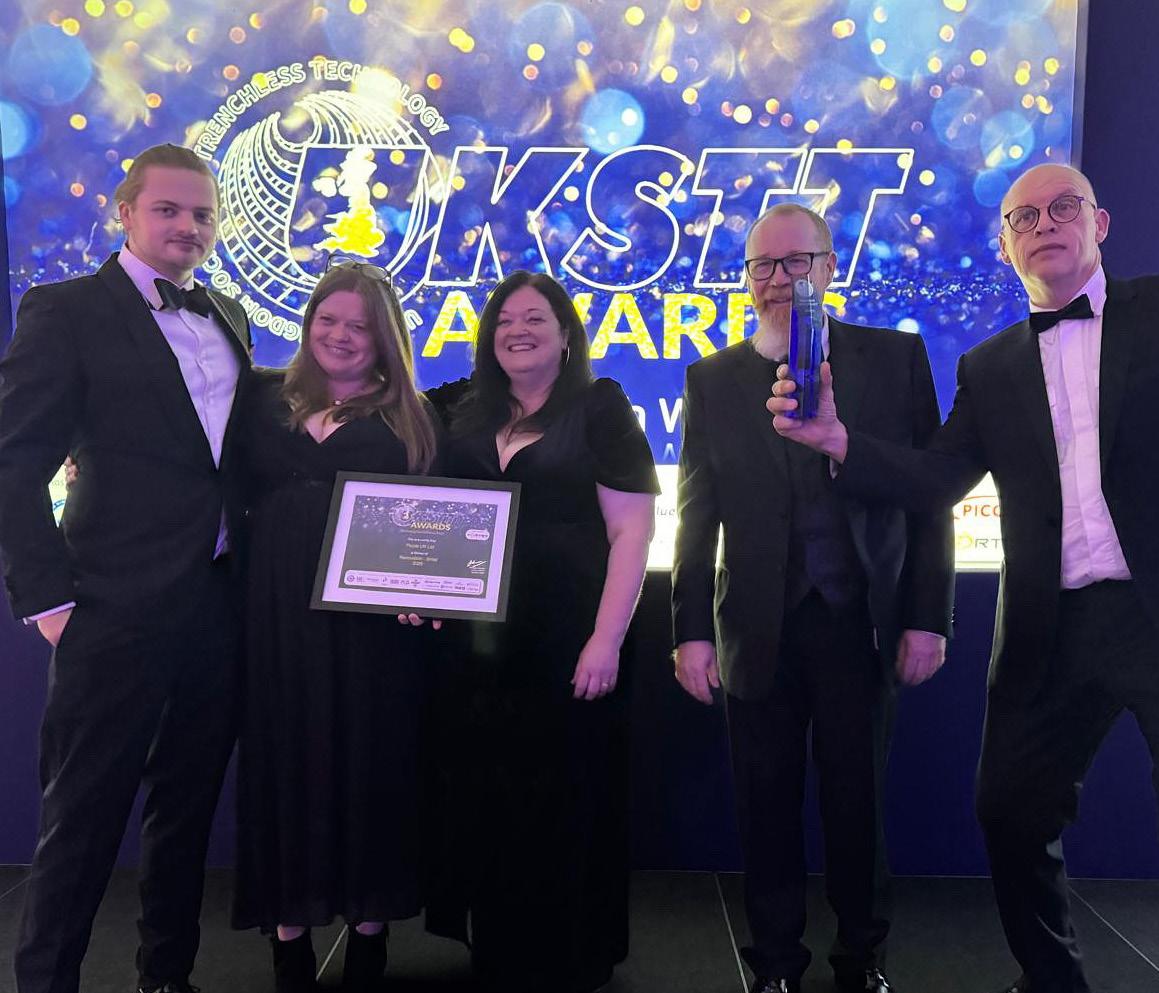
A good example is the Flexi-Sliplining project in Beaulieu, which presented some very specific site constraints and required a high level of collaboration, creativity and persistence to overcome. Being part of the team that delivered that solution, and seeing it recognised with the UKSTT Small Renovation Award in 2025 was particularly rewarding. It really was a great example of what strong teamwork and a great product can achieve. For me, the best part is that it was completely trenchless, with no lead-in trench or over pumping, and the donkeys loved it!
“
I’m grateful to work for a company that truly values women for their talent, leadership and contributions – not simply as part of a diversity metric but as essential voices that strengthen our teams and help shape our success.
Dawn Greig, Chief Commercial Officer, Picote Solutions
Contributing to carbon reduction and environmental savings is important to me on a personal level because I want to know that the work I’m involved in is making a positive difference, not just for the here and now but also for future generations.
Can you detail your specific actions or activities related to the advancement of trenchless technology during your career?
Much of my work has been about supporting innovation by working closely with teams, contractors and industry partners and making sure the real challenges faced on site are properly understood and communicated. Alongside that, supporting our clients and partners, building the brand and raising awareness of trenchless innovations have all been a big part of my career.
Alongside this, I’ve been actively involved in supporting and promoting the industry more broadly. I served as Chair of the UK Society for Trenchless Technology (UKSTT) for three years, including during the Covid period, which brought its own unique challenges.
As Past Chair, I also currently serve as Chair of the Marketing Committee. I am also a Trustee of the International Society for Trenchless Technology (ISTT) and contribute to its Marketing & Outreach Committee, as well as a European Working Group focused on strengthening trenchless technology internationally.
“
Seeing ideas develop into solutions that people genuinely rely on in the field. Helping bring innovation into practical use, while also contributing to the wider development of the industry through organisations like UKSTT and ISTT, has been incredibly rewarding.
Dawn Greig, Chief Commercial Officer, Picote Solutions
As many of you will know, I’m not an engineer, so I’ve always brought a different approach to the table focusing on how we position, communicate and deliver value. I believe real progress comes from understanding the market as well as the technology and ensuring the two align. For me, creativity and marketing go hand in hand; it’s about translating complex ideas into something clear, engaging and meaningful for the people who need them, while also helping to educate the market and raise awareness. That’s something I’ve always strived to do throughout my career.
What do you see as being your own greatest personal achievement in the trenchless industry?
For me its seeing ideas develop into solutions that people genuinely rely on in the field. Helping bring innovation into practical use, while also contributing to the wider development of the industry through organisations like UKSTT and ISTT, has been incredibly rewarding.
Having been part of the UKSTT Council for several years, becoming its first female Chair in its 30-year history felt incredibly special. Breaking down gender barriers matters because it opens the door to fresh perspectives, drives stronger outcomes and makes it easier for others to step forward and succeed and I am proud to have contributed (albeit in a small way) to that progress.
When you started in trenchless did you have any female role models in the industry?
I’ve been fortunate to work with some very inspiring ladies throughout my career. From the start of my journey with Picote, our CEO, Katja Lindy-Wilkinson, has been both a close colleague and a real role model. Her vision, leadership and determination have had a lasting impact on both the company and the wider industry. I would also highlight Jutta Ehder-Lokkinen, Picote’s co-owner and COO, whose entrepreneurial mindset and commitment to innovation have been equally inspiring. Working alongside strong, capable women like Katja and Jutta has been both motivating and empowering.
More broadly, former UKSTT Trenchless Woman of the Year winners Sandra Rolfe-Dickinson, Jo Parker and Shauna Heron have all been excellent role models. I’ve been especially fortunate to continue working with Jo and Shauna on the Council, where they’ve been incredibly generous with their time and expertise over the years. To be considered for the same award as all three of them is not only humbling but a real honour given the standard they’ve set and the impact they’ve had on the industry.
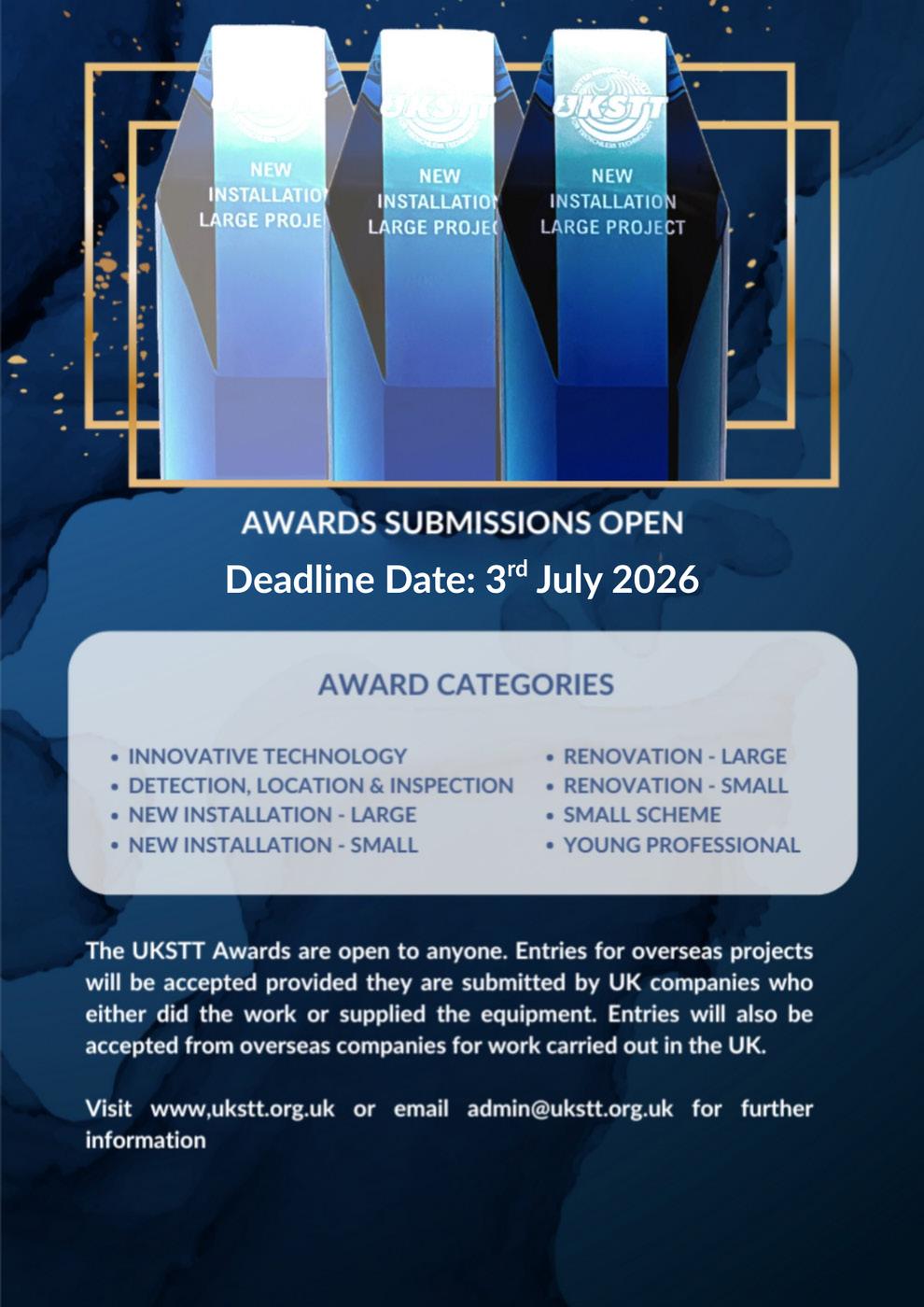
“ I believe women hold a vital role in the trenchless industry – the more we create space for them to thrive and encourage them to join, the stronger the industry will become.
Dawn Greig, Chief Commercial Officer, Picote Solutions

I’d also like to mention Lynn Maclachlan, Associate Director of UKSTT, who works tirelessly behind the scenes to keep the organisation running so effectively, and Leon Woods, Finance Trustee at UKSTT and Country Manager for Steinzeug-Keramo. I’d also like to highlight Steph Richardson, Picote’s Senior Marketing and Communications Manager, who is a fantastic example of a woman excelling in our industry all of whom have supported me enormously over the years.
There are so many incredible women in trenchless who deserve recognition honestly, they all deserve this accolade and I’m proud to share it with them.
What do you currently see as being the UK’s and the industry’s most urgent challenges and where do you hope to see the trenchless industry in the next 10 to 20 years?
Like many countries, the UK faces the significant challenge of upgrading ageing infrastructure while minimising disruption to communities, businesses and the environment and that’s exactly where trenchless technology has a critical role to play.
Looking ahead, I hope to see trenchless become the first choice rather than the niche alternative, embedded at the planning stage rather than considered later. That shift will rely not only on continued innovation but also on greater awareness, education and collaboration across the industry. If we can achieve that, trenchless
will play an even more central role in delivering sustainable, efficient infrastructure over the next 10 to 20 years and beyond.
As we say at UKSTT ‘Think Trenchless First!’
Most people never think about what’s happening beneath their feet—but in trenchless, that’s exactly where our focus is. It might not always be the most visible part of infrastructure but it’s one of the most innovative—and one that has a real, everyday impact which affects us all. It’s also an industry full of talented, practical people and I’ve been very fortunate to spend much of my career working alongside them.
Receiving this award is a real honour, but it also reflects the people and teams I’ve had the opportunity to work with throughout my career—and I’m excited to continue being part of what lies ahead. Celebrating women doesn’t mean overlooking men—this award helps create visibility and show more women what’s possible within the industry. I’ve also been fortunate to work with some excellent male colleagues who have supported me throughout my trenchless career and I am truly grateful to them.
Finally, I would just like to say that I believe women hold a vital role in the trenchless industry – the more we create space for them to thrive and encourage them to join, the stronger the industry will become.


UKSTT Annual Awards Masquerade Dinner 2026
Join us for the UKSTT Annual Awards Dinner at No-Dig Live on the evening of Wednesday 30 September in partnership with Westrade Group Ltd.

Venue: NAEC Stoneleigh Park, Kenilworth, Warwickshire, CV8 2LZ
Dress Code: Black Tie & Masquerade mask
Date: Wednesday 30 September 2026
Time: 7.00pm till late with after dinner DJ
Carriages: by 2.00am
Tickets:
Tables will seat 10 guests
CLICK TO BOOK TICKETS NOW
Member Early Bird Rate £220 + VAT
Non-Member Early Bird Rate £240 + VAT
Early bird tickets must be booked and paid for by 31 June 2026
Member Standard Rate £250 + VAT
Non-Member Standard Rate £260 + VAT
On arrival, guests will enjoy a champagne reception before sitting down to enjoy a delicious 3 course meal. The dinner is attended by over 400 people and will showcase and recognise this year’s best performing and most innovative trenchless technologies from across the world.
For further details about our Awards Sponsorship opportunities, please contact Trevor Dorrell at tdorrell@westrade.co.uk or +44(0)1923 723 990



Driving governance to support global trenchless growth
An interview with Sam Efrat, Vice-Chair of the International Society for Trenchless Technology and Chair of the Governance Committee.
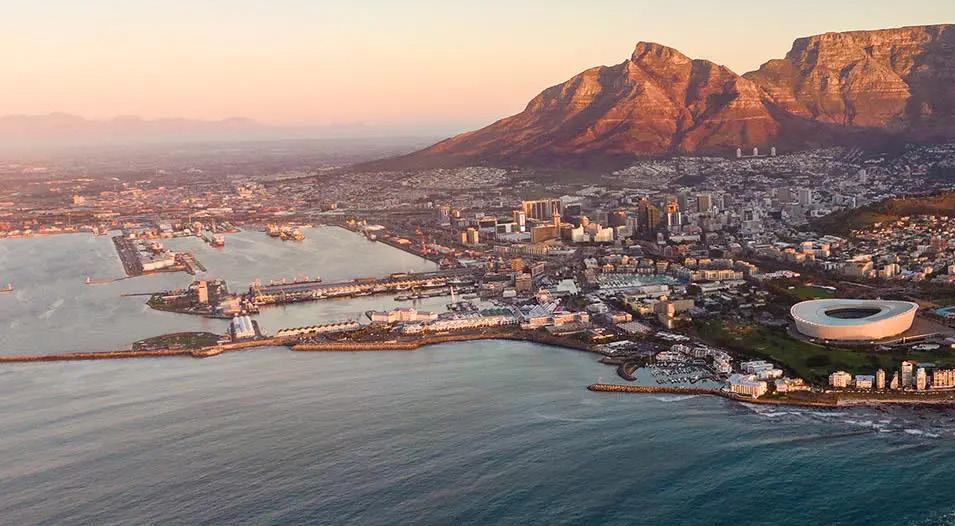
Can you start by introducing yourself and your background in the trenchless industry?
My introduction to trenchless technology goes back to 1986, when I was studying for a BSc in Building. A close friend suggested I look at a particular installation method for my dissertation. I went out to a roadway in Johannesburg and saw a mole installing a pipe through very challenging ground conditions. I remember thinking, “this is magic.” It was a real eureka moment, and one that ultimately defined my career.
I entered the industry the following year and have been involved ever since. In 1991, I founded Trenchless Technologies Pty Ltd, and over the years we’ve installed more than 1,000 kilometres of trenchless infrastructure. It’s been both my profession and my passion for nearly 40 years, and I’ve always felt a strong drive to promote the benefits of trenchless technologies.

Can you tell us about your role within ISTT and the scope of your committee?
I’ve been a member of the ISTT Board of Directors for around seven years and have chaired the Governance Committee since 2022. The committee’s role is to ensure that the organisation’s Articles of Association, bylaws and operating procedures are up to date, compliant and equitable.
It’s not the ‘sexiest’ work, but it’s fundamental. We focus on ensuring the organisation runs efficiently and transparently, including modernising processes so documentation is shared and accessible digitally rather than held by individuals.
What are the main priorities for your committee at the moment?
Our main focus is updating and refining ISTT’s governance framework. While the Articles of Association were revised in 2019, changes in requirements from the Charities Commission and Companies House mean further updates are needed.
A key priority is simplifying the governance structure. Historically, Trustees and the Board were separate, which created complexity. We are working towards aligning them, which will streamline decision-making and improve efficiency.
Can you give some examples of the projects your committee is currently working on?
The primary project is revising the Articles of Association, bylaws and administrative procedures to ensure they

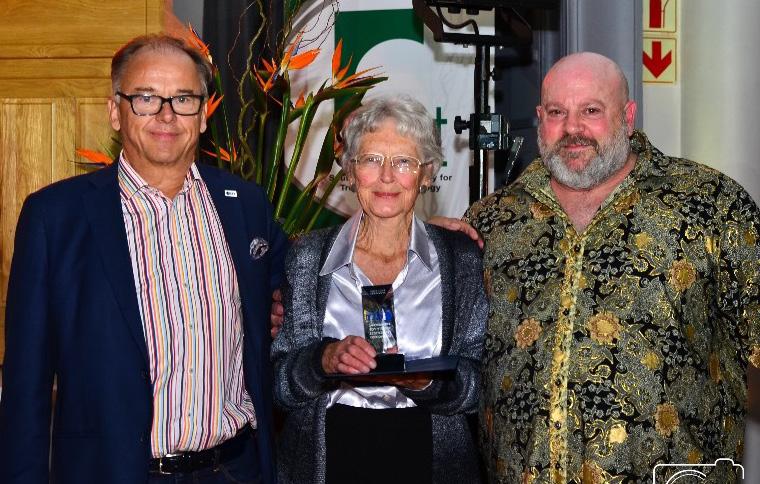
are fully compliant and fit for purpose. This includes clarifying roles, particularly around trusteeship, and ensuring structures are clear and workable.
We also support other committees by updating our bylaws and operating procedures, as needed, to ensure changes are implemented quickly and consistently across the organisation.
Other priorities for 2026 are to revise Operating Procedure No.2 – ISTT Draft Affiliation Agreement and Operating Procedure No.6 – No Dig Events.
What outcomes are you aiming to achieve through this work?
Our aim is to ensure ISTT operates within a robust, fair and compliant framework. As a charitable company, it’s essential we meet regulatory requirements while enabling the organisation to function effectively.
Good governance underpins everything. By creating a streamlined structure, we make it easier for ISTT to grow, bring in new affiliated societies and support the wider adoption of trenchless technologies globally.
Looking ahead, how do you see the work of the committee evolving?
We likely have another two to three years of work to fully update the governance framework.
How does this tie in with developments in your region?
I’ve been involved with the Southern African Society for Trenchless Technology (SASTT) since its early days, and

“ Trenchless technology offers environmental and economic benefits, but it also creates opportunities for skills development and employment
it shows how local and international efforts can reinforce each other.
Hosting No-Dig Cape Town in 2018 had a major impact, particularly in the Western Cape, where trenchless technologies are now more widely adopted. One challenge has been the perception that trenchless reduces employment, whereas in reality it creates skilled jobs and supports sustainable development.
Through ISTT, SASTT benefits from global knowledge, technical resources and grant funding to support trenchless webinars and training. South Africa also serves as a gateway to the wider African market, where there is strong growth potential for trenchless technology.
Finally, what key message would you like readers to take away about ISTT’s work?
Trenchless technology offers environmental and economic benefits, but it also creates opportunities for skills development and employment, which is especially important in developing markets.
From an ISTT perspective, maintaining fairness and neutrality is key. It’s not about promoting one technology but selecting the right solution for each situation. Strong governance ensures consistency and avoids conflicts.
ISTT currently has 27 affiliated societies, with a goal of reaching 40 by 2030. This represents a significant opportunity to expand the global reach of trenchless technologies — and to continue sharing what, for many of us, still feels like a kind of “magic”.
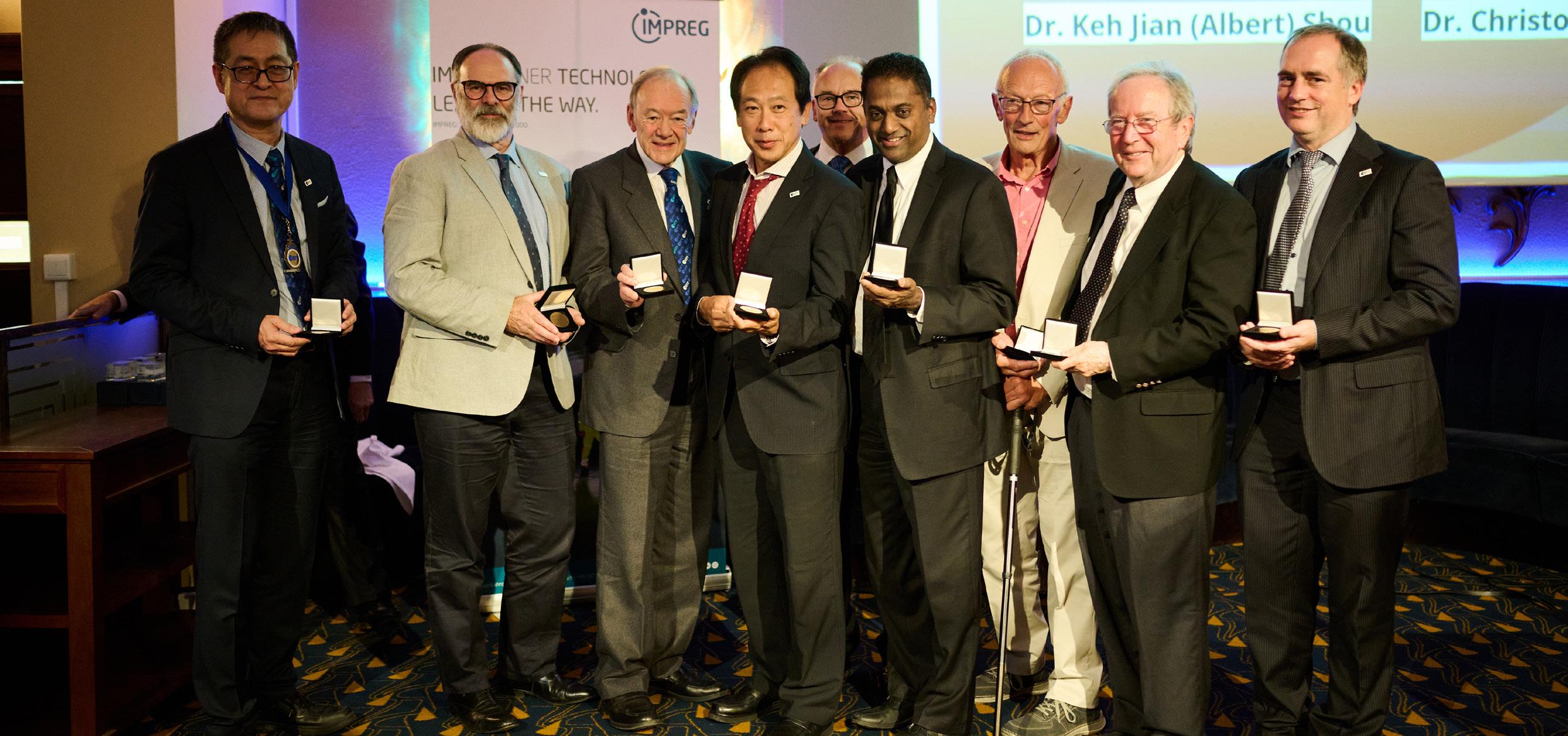
ISTT fellow 2026 applications now open
Recognising long-term contribution and technical excellence in trenchless technology
The International Society for Trenchless Technology has officially opened applications for the ISTT Fellow 2026 programme, recognising individuals who have demonstrated sustained commitment and significant professional or technical contributions to the trenchless industry.
The ISTT Fellow designation represents one of the highest honours within the global trenchless community, awarded to individuals whose work has helped shape the advancement of the sector through innovation, knowledge-sharing, and long-term involvement.
Eligibility Criteria
Applicants must demonstrate a strong and consistent track record of engagement with ISTT, including:
• A minimum of 15 years’ cumulative ISTT membership (including corporate membership pathways; gaps permitted)
• Attendance at at least 12 International No-Dig Conferences as a full registered delegate
• A minimum of five technical papers published in ISTT Conference Proceedings
Application Requirements
Candidates are required to submit an online application including:
• Contact details
• A half- to one-page biosketch
• A detailed record of ISTT membership history (including affiliated societies and membership type)
• A list of International No-Dig Conferences attended
• Citation details for published technical papers
• A summary of service and positions held within affiliated societies
Selection Process
Following submission, applications will undergo a structured review process:
• Initial verification by ISTT
• Assessment by a special review committee
• Final evaluation by the ISTT Executive Council
Selection is based on demonstrated impact in trenchless technology, including:
• Professional experience
• Technical publications
• Innovation and technology development
• Mentorship and industry leadership
In exceptional cases, the review committee may also nominate individuals who have made notable contributions but do not meet all standard criteria.
Recognition
Successful candidates will be awarded the title: “ISTT Fellow” or “Fellow of the International Society for Trenchless Technology”
Recipients will receive an official certificate, and the designation remains valid provided the individual maintains active ISTT membership.
Key Date
• Application deadline: 30 July 2026 (17:00 US EDT)
ISTT No-Dig Awards 2026 now open for entries
Celebrating innovation, impact, and excellence in trenchless technology worldwide

The International Society for Trenchless Technology has officially opened submissions for the ISTT No-Dig Awards 2026, recognising outstanding achievements across the global trenchless technology sector.
Presented annually at the International No-Dig Conference this year taking place at International NoDig Auckland, the awards honour innovation, technical excellence, and real-world impact. Since their introduction in 1986, more than 60 organisations and individuals have been recognised through the programme.
Award Categories
Entries are invited across four key categories:
• Academic research or training course
• Trenchless project completed (Corporate members only)
• New technology (tool, material, system or technique
– Corporate members only)
• Student or young professional paper
Awards may not be presented in all categories each year.
Submission Requirements
Applicants must submit:
• A 200-word summary
• A full paper (maximum 1,000 words, submitted as a single Word document)
• One or two supporting images representing the entry
All submissions must be in English and clearly structured, supported by relevant illustrations where appropriate.
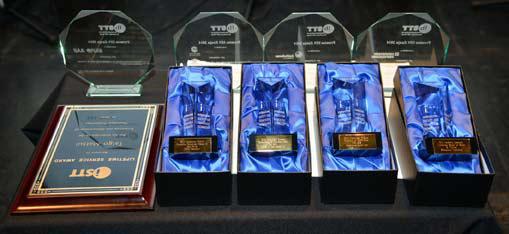
What the Judges Are Looking For
Entries will be evaluated based on their contribution to the advancement of trenchless technology, including:
• Innovation and technical excellence
• Environmental and social impact
• Commercial viability and practical application
• Clarity of presentation and supporting evidence
• Potential to influence industry stakeholders and public perception
For project and technology categories, submissions should demonstrate practical application in underground utility installation or rehabilitation, including improvements in efficiency, safety, accuracy, materials, or performance under challenging ground conditions.
Recognition and Industry Visibility
Award winners will receive:
• Presentation at the ISTT Gala Dinner
• An official trophy and certificate
• Feature coverage in Trenchless Works magazine
• Inclusion in the ISTT Roll of Honour
• Authorisation to use the ISTT award logo in promotional activity
Selected winners may also be invited to present their work at the conference. The student award winner will receive a cash prize and limited travel support.
Key Date
• Submission deadline: 30 July 2026 (17:00 US EDT)
Trenchless Romania marks 10-Year milestone

A decade of innovation, people, and impact in underground infrastructure
The Trenchless Romania Conference & Exhibition celebrates its 10th anniversary in 2026, marking a decade of industry progress, collaboration, and community growth across Romania and the wider Balkan region.
Under the theme “A Decade of Trenchless Community: Innovation, People, Impact,” the landmark edition recognises not only the technical advancements shaping the sector, but also the professionals driving change and the measurable impact of trenchless solutions on modern infrastructure.
Bringing together international leaders, technical experts, contractors, and solution providers, the event continues to strengthen its position as a key regional platform for knowledge exchange and industry development.
Event Programme
Technical Conference Programme 10:30 – 15:00
A curated programme of presentations and case studies covering:
• Advances in trenchless technologies
• Regional and international project insights
• Best practice in pipeline rehabilitation, HDD and Microtunnelling
• Inspection technologies and asset management
• Data-led innovation and digital solutions
Gala Evening: “Man Behind the Machine” 18:00 – 21:00
A central highlight of the anniversary edition, the gala recognises the individuals behind the industry—those responsible for leading teams, managing risk, and delivering complex infrastructure projects.
The theme underscores the human dimension of trenchless technology, celebrating resilience, leadership, and the expertise required to navigate the challenges of underground construction.
Venue
Palatul Bragadiru
Set in the heart of Bucharest, Palatul Bragadiru provides a distinctive setting for the event. Built in the late 19th century, the historic venue blends Renaissance and Baroque architectural influences, with grand interiors and ornate detailing that reflect Romania’s cultural and industrial heritage.
Spanning over 16,000 square metres, the palace offers a unique environment for both technical exchange and networking, reinforcing the significance of this milestone edition.
About the Event
Since its launch, Trenchless Romania has played a pivotal role in advancing trenchless technology across the region. The conference and exhibition has grown into a recognised hub for innovation, investment, and sustainable infrastructure development, attracting an expanding network of stakeholders year on year.
Further Information
For more details, contact: Maria Nae
Project Manager – Trenchless Romania maria.nae@trenchlessromania.ro +40 724 550 830
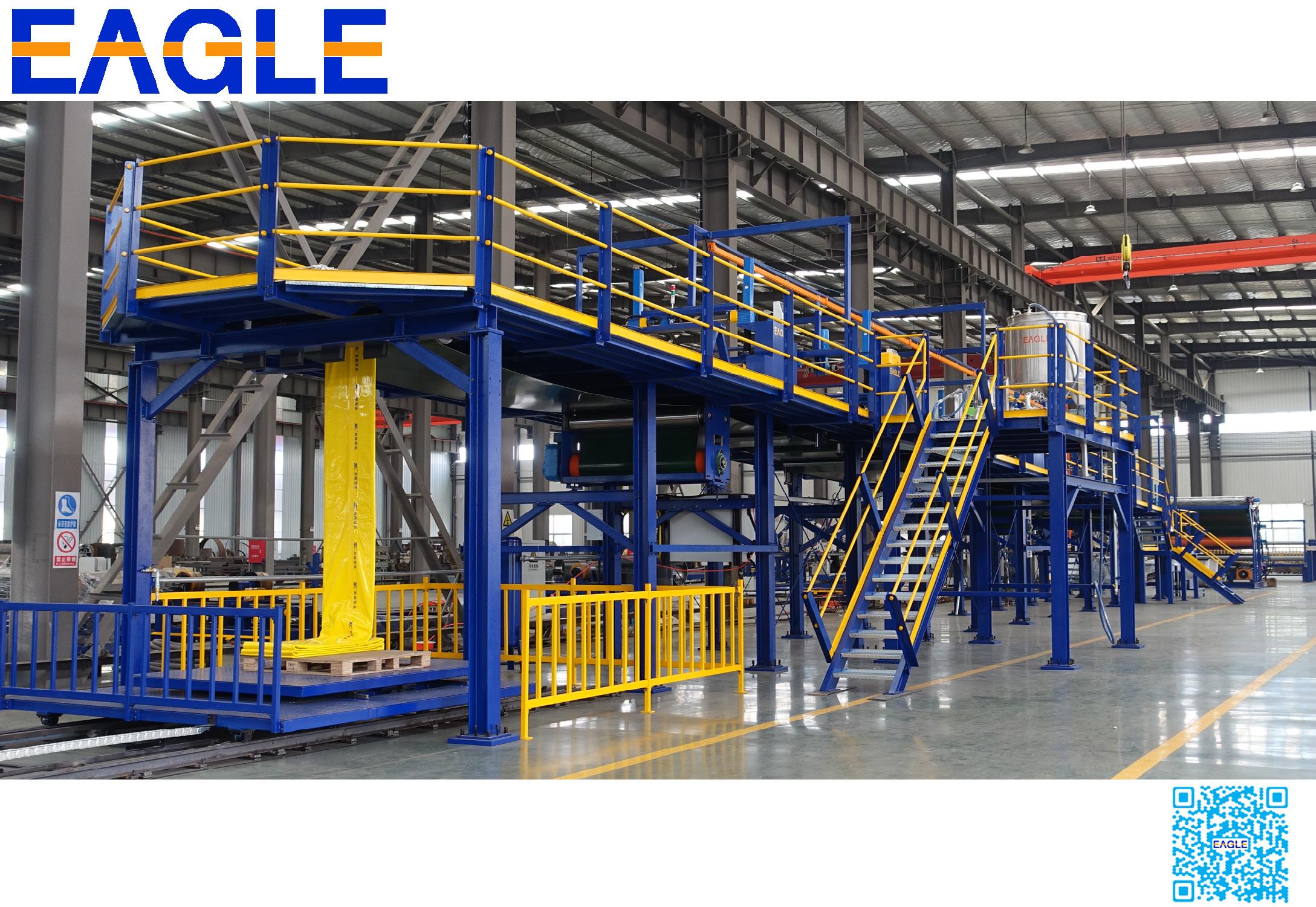


AFFILIATED SOCIETIES ISTT Affiliated Societies around the world
China Hong Kong Society for Trenchless Technology (CHKSTT)
Tsimshatsui Post Office 91499 Kowloon
Hong Kong
Austrian Association for Trenchless Technology (AATT)
c/o TU Wien Resselgasse 5, 1040 Wien, Austria
Phone: +43 664 5184084
Email: office@grabenlos.at Web: www.grabenlos.at

Brazilian Association for Trenchless Technology (ABRATT)
Alameda Santos, 1773 – Jardim Paulista Sao Paulo 01419-002 Brazil
Phone: +55 11 983893450
Email: hrosas@abratt.org.br Web: www.abratt.org.br
Australasian Society for Trenchless Technology (ASTT)
PO Box 2242, MALAGA LPO, WA, 6944
Phone: +61 419 918 449
Email: secretary@astt.com.au Web: www.astt.com.au
Bulgarian Association for Trenchless Technology (BATT)
Kaprinka Lake Village Kazanlak 6100, Bulgaria
Phone: +359 2 4901381
Email: info@batt-bg.org Web: www.batt-bg.org
Phone: +852 9201 1952
Email: chkstt@gmail.com Web: www.chkstt.org

China Society of Geology – Trenchless Technology Committee (CSTT)
Xicheng District Room 151, 26 Baiwanzhuang Street, Xicheng District, Beijing 100037
China (PR)
Phone: +86 10 6899 2605
Email: yan64843889@126.com Web: www.cstt.org
Finnish Society for Trenchless Technology (FISTT)

Chinese Taipei Society for Trenchless Technology (CTSTT)
3F, No 92, Roosevelt Rd., Sec. 4, Zhongzheng Dist, Taipei City, 100 Taiwan
Phone: +886 2 2362 0939
Email: zoradcrc@gmail.com Web: www.ctstt.org.tw/en_index.asp

Czech Society for Trenchless Technology (CzSTT)
Bezova 1658/1 ,147 14 Praha 4 Czech Republic
Phone: +420 244 062 722
Email: office@czstt.cz Web: www.czstt.cz
Danish Society for Trenchless Technology
– NoDig Infra (DKSTT)
Odinsvej 29 Silkeborg Denmark
Phone: +45 50894489
Email: tina@juul-consult.dk
Web: www.nodiginfra.dk/nodig-infra/ startside
c/o Sari Pietilä, Haapasuonkankaantie 10 90830 Haukipudas, Finland
Phone: +358 504132484
Email: info@fistt.net Web: www.fistt.net

French Society for Trenchless Technology (FSTT)
4 rue des Beaumonts, F-94120 Fontenay Sous Bo, France
Phone: +33 1 53 99 90 20
Email: contact@fstt.org Web: www.fstt.org
German Society for Trenchless Technology (GSTT)
Kurfürstenstr. 129 (Building: German construction association) Berlin, Germany
Phone: +49 30 81 45 59 84
Email: beyer@gstt.de Web: www.gstt.de
Italian Association of Trenchless Technology (IATT)
Via Ruggero Fiore, 41 Rome Italy
Phone: +39 06 39721997
Email: iatt@iatt.info Web: www.iatt.it

Iberian Society for Trenchless Technology (IBSTT)
C/ Josefa Valcarcel, 8 – 3a PTLA 28027, Madrid, Spain
Phone: +34 913 202 884
Email: ibstt@ibstt.org Web: www.ibstt.org
Japan Society for Trenchless Technology (JSTT)
3rd Floor, Reed-C Bldg., 2-11-18, Tomioka, Koto-ku, Tokyo 135-0047 Japan
Phone: +81 3 5639 9970
Email: office@jstt.jp
Web: www.jstt.jp

Latin American Society for Trenchless Technology (LAMSTT)
Medellín Highway (Calle 80) KM3.5 via BogotáSiberia south side, Bogotá Terrestrial Cargo Terminal, Office C-12, Cota – Cundinamarca, Colombia
Phone: +57 1 8764675
Email: cistt.arlex.toro@lamstt.org Web: www.lamstt.org

Malaysia Association for Trenchless Technologies (MATT)
No 44, Jalan Dungun, Damansara Heights, Kuala Lumpur 50490 Malaysia
Email: trenchless@matt.org.my Web: www.matt.org.my

Polish Foundation for Trenchless Technology (PFTT)
Ul. Warkocz 14, 25 - 253 Kielce, Poland
Phone: +48 41 34 24 450
Email: parkaa@tu.kielce.pl Web: www.pftt.pl
Trenchless Romania Club
Roma Street, No. 16, Ap.2, District 1 Bucharest Romania
Phone: + 40724 550 830
Email: maria.nae@trenchlessromania.ro Web: www.trenchlessromaniaclub.ro
North American Society for Trenchless Technology (NASTT)
22722 29th Drive SE, STE 100, Bothell, WA 98021
Phone: +1 888 993 9935
Email: info@nastt.org Web: www.nastt.org
The Russian Society Trenchless Technology Association (RSTT) Severny proezd 12, Balashikha Moscow region, Russian Federation
Phone: +7 (495) 521 78 82
Email: gnb.06@mail.ru Web: www.s-gnb.ru

Southern African Society for Trenchless Technology (SASTT)
1053 Hyde Avenue, Eldoraigne ext 1, Centurion Gauteng, South Africa
Phone: +27 (0) 82 551 7458
Email: director@sastt.org.za Web: www.sastt.org.za

Singapore Society for Trenchless Technology (SgSTT)
84 Toh Guan Road East, Singapore Water Exchange , +(65) 97124054, Singapore Phone: +(65) 97124054
Email: admin@sgstt.org Web: www.sgstt.org/
Netherlands Society for Trenchless Technology (NSTT)
Postbus 79, 3769 ZH Soesterberg, Netherlands
Phone: +31 346 723450
Email: info@nstt.nl Web: www.nstt.nl
Scandinavian Society for Trenchless Technology (SSTT)
Gezelius väg 12, 134 31 Gustavsberg Sweden
Phone: +46(0) 70 438 01 54
Email: Kontakt@sstt.se Web: www.sstt.se
Turkish Society for Infrastructure and Trenchless Technology (TSITT)
Gayrettepe Mah. Huzur Sok. No:1A Besiktas
34349 Istanbul, Turkey
Phone: +90 212 603 11 01
Email: info@akated.com Web: www.akated.com

Ukraine Association for Modern Trenchless Technology (UAMTT)
83A Srednyaya Str., Odessa 65005 Ukraine
Phone: +380 50 3953280
Email: trenchless.as@novatec.ua Web: www.no-dig.odessa.ua
United Kingdom Society for Trenchless Technology (UKSTT)
Camden House, Warwick Road, Kenilworth, Warwickshire, CV8 1TH, UK
Phone: +44 (0)192 651 3773
Email: admin@ukstt.org.uk Web: www.ukstt.org.uk
EVENTS AND MEETINGS 2026
12 May No-Dig Roadshow London 2026
Novotel London West www.nodigroadshows.co.uk
June 10-11 Trenchless Asia 2026
Queen Sirikit National Convention Centre Bangkok, Thailand www.trenchlessasia.com
September 29 - October 1 No-Dig Live 2026
NAEC Stoneleigh Park, Warwickshire www.nodiglive.co.uk
November 4-5 No-Dig Turkiye 2026 Conference and Exhibition
WOW Convention Center, Istanbul
Email: info@akated.com www.nodigturkey.com
2-3 December 2026 Trenchless Middle East 2026
Riyadh Marriott Hotel, Riyadh Kingdom of Saudi Arabia www.trenchlessmiddleeast.com
If you have an event, course or meeting scheduled and would like to add it to this listing please forward details to: editorial@trenchless-works.com
Figures from 2025 Event
1262 NATIONAL PARTICIPANTS
33
264
72


The MOST POPULAR Trenchless Event in the intersection of EUROPE, ASIA and MIDDLE EAST
“This year, we allocated more than 1 Trillion Liras (33 Billion USD) from the central government budget to heal the earthquake wounds and build more resilient cities in the Türkiye Century.”
Cevdet Yılmaz, Deputy President
of Türkiye, 05 February 2024