Showy spring blooms, red fall berries, vibrant autumn foliage
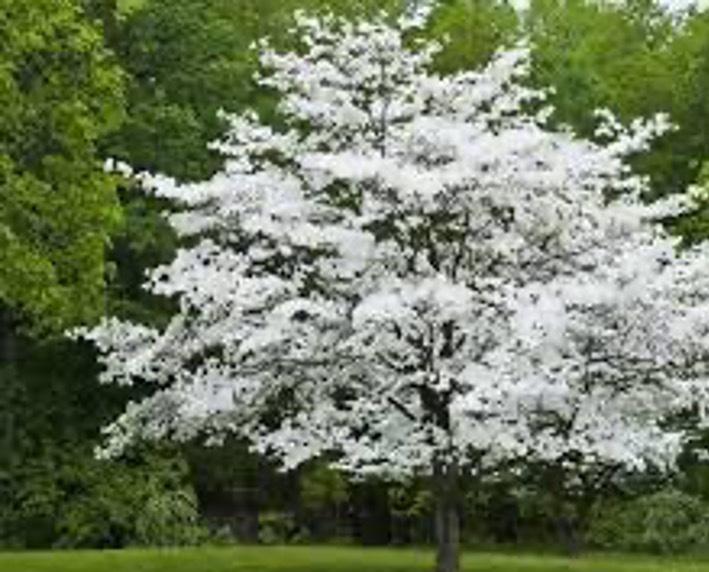
The Cherokee Princess Dogwood (Cornus florida ‘Cherokee Princess’) is a popular ornamental tree that features a striking springtime display of large, pure white blooms. This cultivar of the native flowering dogwood stands out for its earlier and more prolific flowering compared to other dogwoods. It has elegant form, seasonal interest, and adaptability to various landscapes.
Description
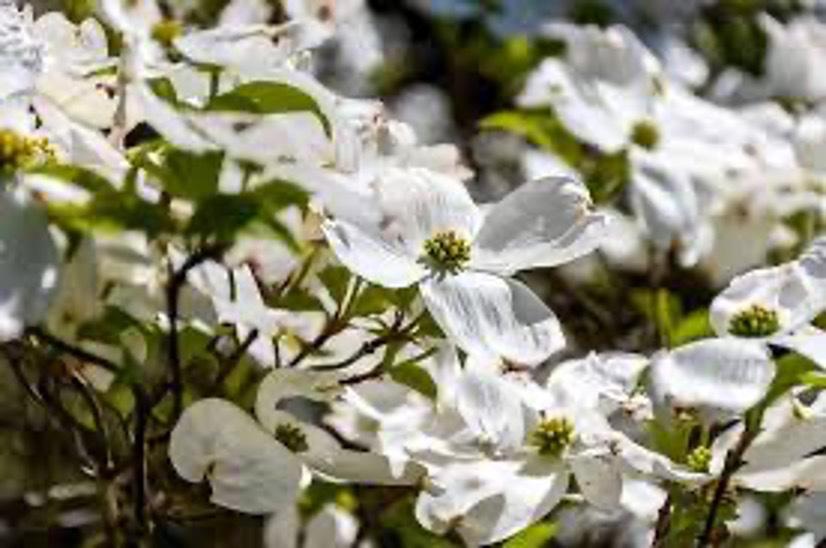
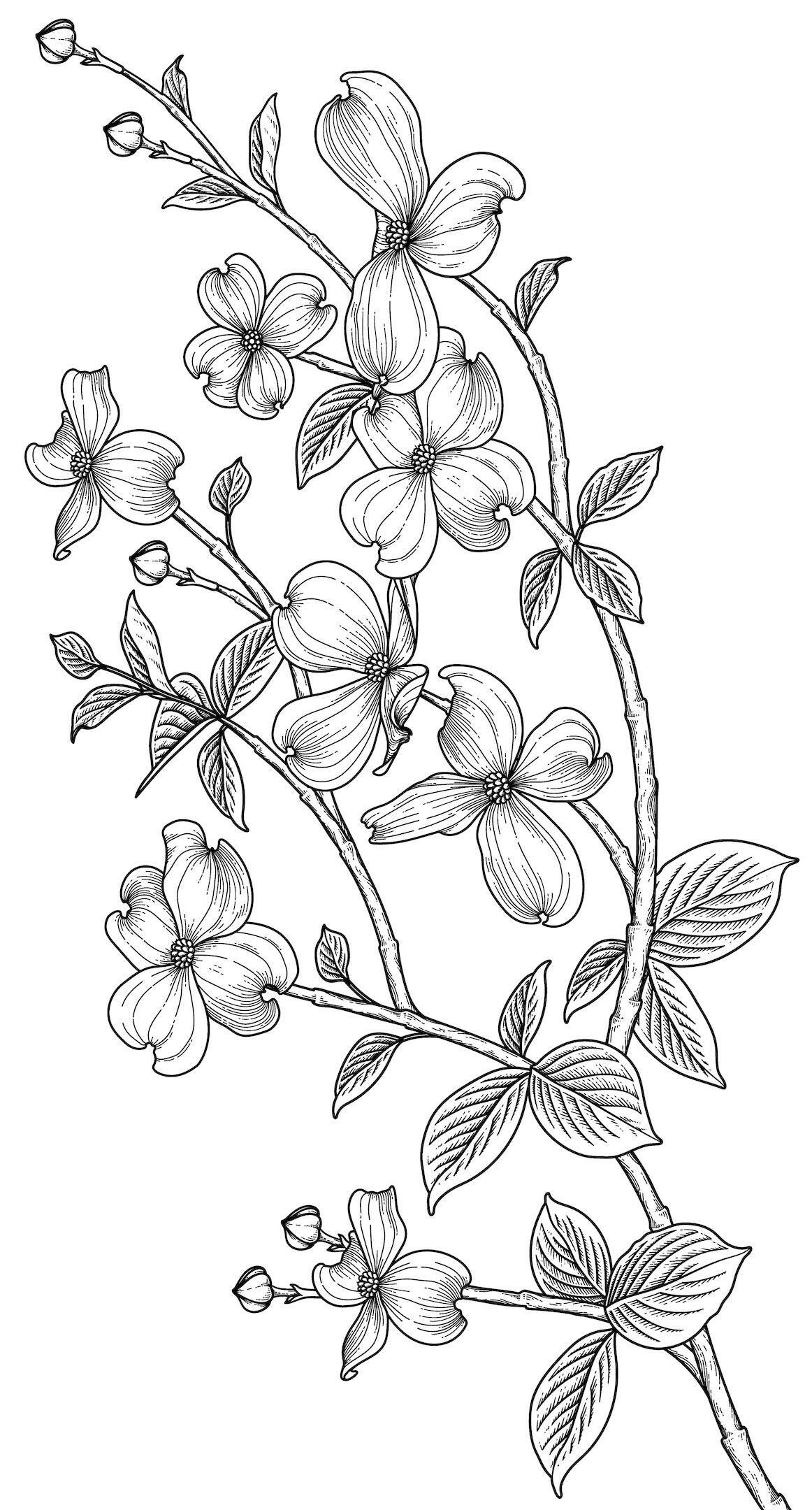
Cherokee Princess Dogwood is a small to medium-sized deciduous tree with a rounded crown. In spring, it is covered with large, brilliant white bracts that are often mistaken for flowers. These bracts surround tiny, yellow-green true flowers, creating a spectacular display.
During summer, the tree features lush green leaves, which turn shades of red and purple in autumn. Bright red berries appear in late summer and persist into winter, providing food for birds and wildlife.
Growing Conditions
n Light: Thrives in full sun to partial shade; prefers some afternoon shade in hotter climates.
n Soil: Prefers moist, well-drained, slightly acidic soils rich in organic matter.
n Water: Requires regular watering, especially during dry spells; avoid waterlogged conditions.
n Hardiness: Suitable for USDA zones 5 to 9.
Landscape Uses
n Accent or specimen tree in gardens and yards
n Naturalized woodland edges or understory planting
n Foundation plantings and mixed borders
n Wildlife gardens (provides food for birds)
Care and Maintenance
n Mulch annually to maintain soil moisture and temperature.
n Prune after flowering to maintain shape and remove dead wood.
n Monitor for pests such as dogwood borers and diseases like powdery mildew and anthracnose.
n Fertilize in early spring with a balanced, slow-release fertilizer.
Special Features
n Early and profuse white spring blooms
n Attractive fall foliage in red to purple hues
n Bright red berries attract birds
n Reliable cold hardiness and disease resistance
Additional Notes
The Cherokee Princess Dogwood is an excellent choice for gardens seeking year-round interest, wildlife value, and graceful beauty. Its manageable size and ease of care makes it suitable for both residential and public landscapes.
FOOD FOREST SERIES
PRUNUS ANGUSTIFOLIA — A NATIVE AMERICAN FRUIT-BEARING GEM
Chickasaw Plum Tree Fact Sheet
Overview
The Chickasaw plum (Prunus angustifolia) is a small, deciduous tree or large shrub native to the southeastern United States.
Prized for its adaptability, ornamental value, and edible fruit, the Chickasaw plum has served as a food source and landscape plant for centuries. Its historical ties to Native American cultures, wildlife value, and contributions to local ecosystems make it a valuable addition to gardens, restoration projects, and natural areas.
Physical Description
n Height & Spread: Typically reaches 6 to 20 feet in height and 15 to 20 feet in spread, forming dense thickets over time.
n Form: Multi-stemmed, suckering shrub or small tree with an irregular, open crown.
n Bark: Reddish-brown to gray, smooth on young branches, becoming scaly or rough with age.
n Leaves: Alternate, simple, narrow (lanceolate), bright green above and slightly paler below, 2 to 4 inches long, with finely serrated edges.
n Flowers: Small, white, fragrant flowers bloom in early spring (February to April), usually before foliage appears. Flowers are arranged in clusters of 2–4, each about 0.5 inches across.
n Fruit: The edible drupe matures in late spring to early summer. Fruits are round, 1/2 to 1 inches in diameter, yellow to red when ripe, with a sweet-tart flavor.
n Roots: Shallow, spreading root system, often producing suckers and forming colonies.
Ecological Importance
Taxonomy & Nomenclature
Common Name: Chickasaw plum
Scientific Name: Prunus angustifolia
Family: Rosaceae (Rose family)
Genus: Prunus
Species: angustifolia
Origin & Distribution
The Chickasaw plum is native to the south-central and southeastern United States. Its range extends from Virginia and Florida in the east, westward to Texas, Oklahoma, and Kansas. The tree is found naturally in open woodlands, along fencerows, prairies, and disturbed sites. Its adaptability allows it to thrive in a variety of sites, including sandy soils and areas with periodic drought.
The Chickasaw plum is valuable for wildlife. Its early spring flowers provide one of the season’s first nectar sources for bees, butterflies, and other pollinators. The dense thickets offer excellent cover and nesting sites for birds and small mammals. The fruits are consumed by over 20 species of birds, including wild turkeys, bobwhite quail, and songbirds, as well as mammals like raccoons, foxes, opossums, and deer.
n Pollinators: Bees, butterflies, and other insects
n Birds: Mockingbirds, cardinals, jays, and other frugivores
n Mammals: Foxes, raccoons, deer, and opossums
Human Uses
n Edible Fruit: The sweet-tart plums can be eaten fresh or made into jellies, jams, preserves, sauces, or wine. They are high in vitamin C and antioxidants.
n Ornamental: The tree’s early white blossoms and attractive form make it a good choice for gardens and naturalized landscapes.
n Hedgerows and Windbreaks: Dense thickets are used for erosion control, boundary plantings, and windbreaks.
n Wildlife Habitat: Provides food and shelter for numerous species.
n Traditional Medicine: Native American tribes used various parts of the tree for medicinal purposes, including as treatments for sore throats and digestive issues.
n Land Restoration: Used in habitat restoration and conservation plantings due to its adaptability and ecological benefits.
Cultural Significance
The Chickasaw plum holds historical importance for Indigenous peoples, particularly the Chickasaw Nation, who introduced the tree to other tribes and used its fruit for food. The tree’s spread across the southeastern US is partly attributed to Native American cultivation and trade.
Growing Requirements
n Sunlight: Prefers full sun but tolerates partial shade.
n Soil: Adaptable to a wide range of soils, including sandy, loamy, or clay, but prefers well-drained soil.
n Water: Moderately drought-tolerant once established; requires regular watering during establishment and prolonged droughts.
n pH: Tolerates acidic to slightly alkaline soils.
n Hardiness: USDA zones 5–9.
n Spacing: Plant 6 to 15 feet apart, depending on desired density.
n Maintenance: Minimal. Prune to shape, remove dead wood, and control suckers if a single-trunk tree is desired.
Propagation
n Seeds: Sow cleaned seeds in fall or stratify and sow in spring. Germination may be slow and variable.
n Suckers: Easily propagated by digging up and transplanting suckers from parent plants.
n Cuttings: Softwood cuttings may root with appropriate treatment and care.
Pests & Diseases
While generally hardy, the Chickasaw plum can be affected by common plum pests and diseases:
n Pests: Plum curculio, aphids, caterpillars, scale insects.
n Diseases: Black knot, brown rot, bacterial leaf spot, and fungal leaf spots.
Proper spacing, pruning, and sanitation can help reduce issues.
Landscape & Restoration Uses
n Naturalized Areas: Excellent for native plant gardens, wildlife borders, and wild hedges.
n Pollinator Gardens: Early blooms support pollinators emerging in spring.
n Reclamation: Useful in reclamation of disturbed sites, roadside plantings, and open fields.
n Edible Gardens: Suitable for food forests and permaculture projects.
Interesting Facts
n The Chickasaw plum is named after the Chickasaw Nation, who cultivated and distributed the tree in the southeastern US.
n The tree can form large colonies through suckering, creating dense thickets over time.
n The fruit is an important spring source of food for wildlife when other fruits are scarce.
n Chickasaw plums played a role in early American settlements as both a wild food and a cultivated crop.
n Its wood, though not commercially significant, has been used for tool handles and small implements.
The Chickasaw plum tree stands as a testament to the resilience and utility of native North American flora. Its beauty, ecological value, and edible bounty make it an asset in both cultivated landscapes and wild areas.
Whether grown for its delicious fruit, its striking spring blooms, or its value to wildlife, the Chickasaw plum enriches the environments it inhabits and connects us to the land’s rich natural and cultural heritage.
DIGGING DEEP SERIES understanding what we practice
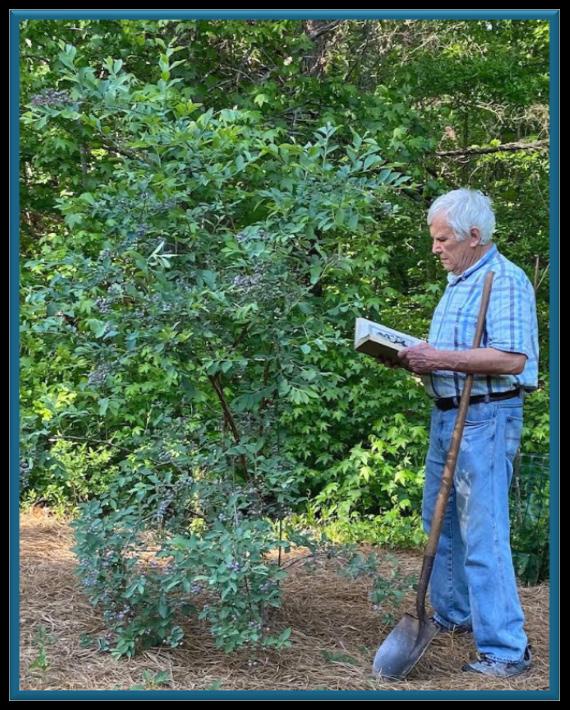
Ted Caudle, retired NC State Cooperative Extension, still honing his craft.
Nurturing Growth and Longevity
Tree fertilization is a critical practice that supports healthy growth and increases the lifespan of trees, especially in managed landscapes and urban environments. By applying scientific principles, arborists and land managers can address nutrient deficiencies and environmental stressors more effectively, enabling trees to thrive in diverse conditions.
The Importance of Nutrients
Trees depend on a complex balance of nutrients to maintain their health and vigor. Macronutrients—nitrogen (N), phosphorus (P), and potassium (K)—are required in larger quantities and play distinct roles in tree physiology:
n Nitrogen. Essential for leaf and stem growth, nitrogen is a component of chlorophyll and amino acids. Deficiency leads to pale foliage, reduced growth, and poor canopy development.
n Phosphorus. Critical for energy transfer and root development, phosphorus supports flowering, fruiting, and overall vitality. Symptoms of deficiency include stunted roots, delayed maturity, and dark, purplish leaves.
n Potassium. Regulates water uptake, strengthens cell walls, and enhances disease resistance. Potassium-deficient trees may exhibit scorched leaf edges, weak stems, and increased susceptibility to pests.
Micronutrients—including magnesium, iron, zinc, manganese, boron, and copper—are required in smaller amounts but are equally vital. For example, magnesium is central to chlorophyll production, iron aids in enzyme function, and zinc is involved in hormone regulation. Deficiencies in these elements can manifest as chlorosis (yellowing leaves), poor bud development, or abnormal leaf shapes, all of which compromise tree health and longevity.
Soil Testing and Analysis
Environmental Impacts
Fertilization practices can have significant environmental consequences. Over-fertilization, especially with nitrogen and phosphorus, can result in nutrient runoff into waterways, contributing to eutrophication—a process that causes harmful algal blooms and oxygen depletion in aquatic ecosystems. Excess nutrients can also leach into groundwater, posing risks to drinking water supplies and local biodiversity.
Responsible fertilization requires a sustainability mindset. Applying only what is needed, based on soil tests, minimizes environmental risks. Using slow-release fertilizers or precision application methods can further reduce runoff and volatilization, supporting ecosystem health. Arborists must also consider the timing and placement of fertilizers to avoid application before heavy rainfall or during dormant periods, when uptake is minimal.
Advanced Application Methods
Modern tree fertilization employs a range of sophisticated techniques tailored to species, age, and environmental conditions:
n Granular Fertilizers. Applied to the soil surface or incorporated into the root zone, these products are suitable for broad coverage and slow nutrient release.
n Liquid Fertilizers. Delivered via soil drenching or injection, liquid formulations offer rapid nutrient availability and precise dosing.
n Slow-Release Products. Encapsulated nutrients dissolve gradually, ensuring sustained supply and reduced risk of leaching.
n Foliar Feeding. Nutrients are sprayed directly onto leaves for quick absorption, especially effective for micronutrient deficiencies.
Scientific soil testing is the foundation of effective fertilization. By analyzing soil samples, professionals can determine nutrient levels, pH, organic matter, and texture, providing a data-driven basis for fertilizer recommendations. Common methods include:
n Laboratory Analysis. Soil samples are sent to labs for chemical assays, revealing concentrations of macro- and micronutrients.
n Field Kits. Portable kits allow for rapid assessment of pH and nutrient status, though with less precision than laboratory tests.
Interpreting results involves comparing measured values to optimal ranges for specific tree species. For example, a low nitrogen reading may prompt a recommendation for a high-nitrogen fertilizer, while excessive phosphorus could signal the need to reduce inputs. Soil testing also identifies soil constraints such as compaction, salinity, or contamination, guiding remediation strategies. The scientific rationale is clear: targeted fertilization reduces waste, prevents environmental harm, and maximizes resource efficiency.
n Precision Techniques. Technologies like fertigation (integrating fertilization with irrigation) and deep root injection target specific zones, improving efficiency and minimizing waste.
Selection of the appropriate method depends on the tree species, soil conditions, and management objectives. For example, deep root injection is often used for mature urban trees with compacted soils, while foliar feeding may address acute micronutrient shortages in ornamental plantings.
Nurturing Growth and Longevity
Fertilization in Urban Forestry
Urban forestry presents unique challenges for tree nutrition. Unlike natural forests, urban environments often lack organic debris and experience soil disturbance, compaction, and pollution. Routine removal of leaves and grass clippings disrupts nutrient cycling, resulting in depleted soils. Supplemental fertilization becomes necessary when soil tests reveal deficiencies, ensuring that trees receive what they need to thrive in the built environment.
Strategies for urban tree management include:
n Integrated Soil Management. Combining fertilization with aeration, mulching, and organic amendments to restore soil function.
n Species Selection. Choosing tree species adapted to urban conditions and nutrient limitations.
n Case Studies. Cities like New York and Chicago have implemented science-based fertilization programs, using soil data and precision methods to improve canopy health and resilience.
Urban arborists must balance tree health goals with environmental stewardship, applying fertilizers judiciously and monitoring outcomes to refine practices.
Best Practices and Timing
Science-based management is essential for successful tree fertilization. Key guidelines include:
n Conduct regular soil tests to inform nutrient decisions.
n Apply fertilizers during periods of active growth, typically spring or early fall for temperate species.
n Adjust rates and formulations based on tree age, species, and site conditions.
n Avoid fertilizing during drought, extreme heat, or dormant seasons.
n Monitor for signs of over-fertilization, such as excessive leaf growth, chlorosis, or nutrient runoff.
By following these best practices, arborists and land managers can nurture robust, resilient trees that contribute to healthy landscapes and urban environments.
Conclusion
Tree fertilization, when guided by scientific principles and best practices, promotes healthy growth, enhances disease resistance, and supports recovery from environmental stress. Understanding nutrient functions, employing precise soil testing, mitigating environmental impacts, and utilizing advanced application methods are all critical to effective tree care, especially in urban forestry. By integrating science-based management, practitioners can ensure the long-term vitality and sustainability of trees, enriching both managed landscapes and urban ecosystems.
ANSI Z133-2026 Standard Release
As part of the International Society of Arboriculture’s (ISA) commitment to promoting best safety practices, the organization works to make industry-related standards accessible to a broader arboricultural community. ISA is proud to announce that the new Z133-2026 standard will be released on 27 May 2026.
The American National Standard for Arboricultural Operations—Safety Requirements (commonly referred to as the Z133 standard) is a United States safety standard for use across the arboriculture industry. With the American National Standards Institute (ANSI)’s recent approval, the Z133-2026 will be released in both English and Spanish. A free downloadable version for individual use will be available through ISA’s web store.
“The tree care industry is rapidly changing with new equipment, techniques and tools,” Z133 Committee Chair Dave Scharfenberger said. “The Z133 Committee focused on incorporating many of those changes to account for new safety and training needs. Additionally, there was a major effort by the committee to increase clarity, organization and consistency of the language throughout the standard. I want to acknowledge the hard work and time invested by the committee, task groups and volunteers in delivering this significant update.”
Prior to these revisions, the most recent Z133 publication was in 2017. The recent revisions include a new training section, a remote control section and a standalone palms section, among other updates to ensure better safety outcomes and keep pace with developments in the industry.
“The new Z133-2026 standard is a significant achievement for our profession,” ISA CEO and Executive Director Caitlyn Pollihan said. “We deeply appreciate the countless hours put in by the Z133 Committee members and other stakeholders throughout the revision process. I am also happy to share that with this new publication; ISA has committed to providing the Z133 as a complimentary downloadable version for individual use.
The support of the ISA Canopy Partner organizations and the funding generated through corporate licensing of the Z133, has enabled ISA to ensure this critical standard is available to practitioners.
Print copies will also be available for purchase through ISA and other authorized resellers. Companies and organizations that wish to print their own copies for training purposes or digital employee use may inquire about a licensing option through ISA.
GROWING A SUSTAINABLE FUTURE
Right Tree, Right Place
Why Choosing the Correct Tree for Each Location Matters
Trees are vital to our environment, providing shade, improving air quality, reducing energy costs, and creating healthy habitats for wildlife. However, not all trees are suited for every location. The concept of “Right Tree, Right Place” emphasizes the importance of selecting tree species that will thrive in their intended environments, ensuring long-term benefits and minimizing future challenges.
Planting the right tree in the right place means considering factors such as soil classification and conditions, drainage, light conditions, water availability, space, and proximity to buildings or power lines. Evaluating these aspects helps ensure healthy growth and reduces maintenance needs over time.
For instance, a large-growing oak may be perfect for a spacious backyard but problematic if planted near overhead wires or foundations. Beyond growth concerns, improper tree placement can cause a range of issues: roots may damage underground pipes or sewer lines, invasive roots can crack sidewalks, and branches may interfere with driveways or even block sightlines for traffic safety.
In addition, always check with your local utility provider to see what tree species and planting guidelines are permitted in your area. Utility companies often have specific recommendations or restrictions to help prevent service interruptions and ensure public safety. Following these guidelines not only protects infrastructure but also promotes a safer and more reliable environment for everyone.
Understanding the environment and the tree planted is crucial for achieving the best results. Matching the tree’s needs with the site’s conditions—such as climate, soil, and available space—ensures healthier growth and longevity while minimizing maintenance and potential conflicts.
Utility Considerations: One of the most critical aspects of tree planting is the relationship between trees and utilities, both above and below ground. Planting too close to overhead powerlines can result in branches growing into wires, causing outages, creating fire hazards, and necessitating frequent pruning or removal. For underground utilities such as water, gas, or sewer pipes, aggressive roots can infiltrate and block pipes, leading to expensive repairs. Before planting, it’s essential to call your local utility locator service to identify where cables, pipes, and lines are situated. Consider the tree root systems for areas near underground utilities, and choose low-growing species for locations near powerlines. Always allow sufficient clearance between trees and utility infrastructure to prevent future conflicts. Careful planning and adherence to safety protocols help protect both public safety and the longevity of your landscaping investments.
This approach not only enhances the beauty and safety of our neighborhoods but also supports urban sustainability. Thoughtful tree placement can help reduce stormwater runoff, provide cooling shade during hot summers, and increase property values. By considering environmental, practical, and safety factors, we can maximize the positive impact of trees within our communities.
The next time you plant a tree, remember to consider its mature size, growth requirements, proximity to utilities, and the unique characteristics of your landscape. Let’s work together to cultivate a greener, healthier community by embracing the “Right Tree, Right Place” philosophy.