Twenty years is a long time in travel. Then again, twenty years is a long time in anything.
When Remote Lands launched in 2006, Twitter had just sent its first tweet, Google was acquiring a young YouTube, Pluto was still reeling from its demotion to dwarf planet status, and much of the world felt both larger and less connected than it does today. Many of the destinations featured in this volume also remained firmly off the mainstream map, and the idea of highly tailored journeys through places like the Caucasus, Papua New Guinea, or Central Asia still felt distinctly niche.
The world, of course, has not stood still since then. Political upheavals, technological revolutions, pandemics, shifting borders, overtourism, and changing traveler expectations have all reshaped the landscape. Throughout it, Remote Lands has evolved alongside Asia itself: adapting to new realities while continuing to champion curiosity, access, and meaningful cultural connection.
This volume is not intended as a comprehensive history. Instead, it is a collection of moments, journeys, photographs, and reflections that together tell the story of how Remote Lands has seen Asia over the last two decades.
Some destinations have changed dramatically. Others remain remarkably timeless. But the spirit that inspired these journeys in the first place—the desire to go deeper, further, and more thoughtfully—remains very much intact.
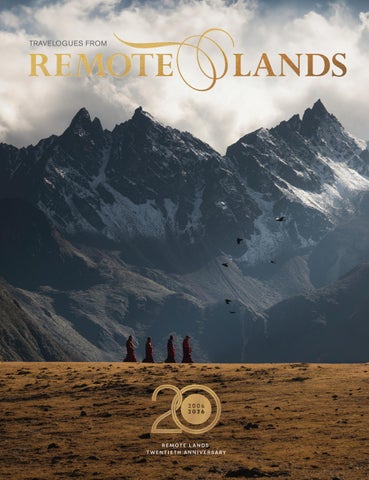
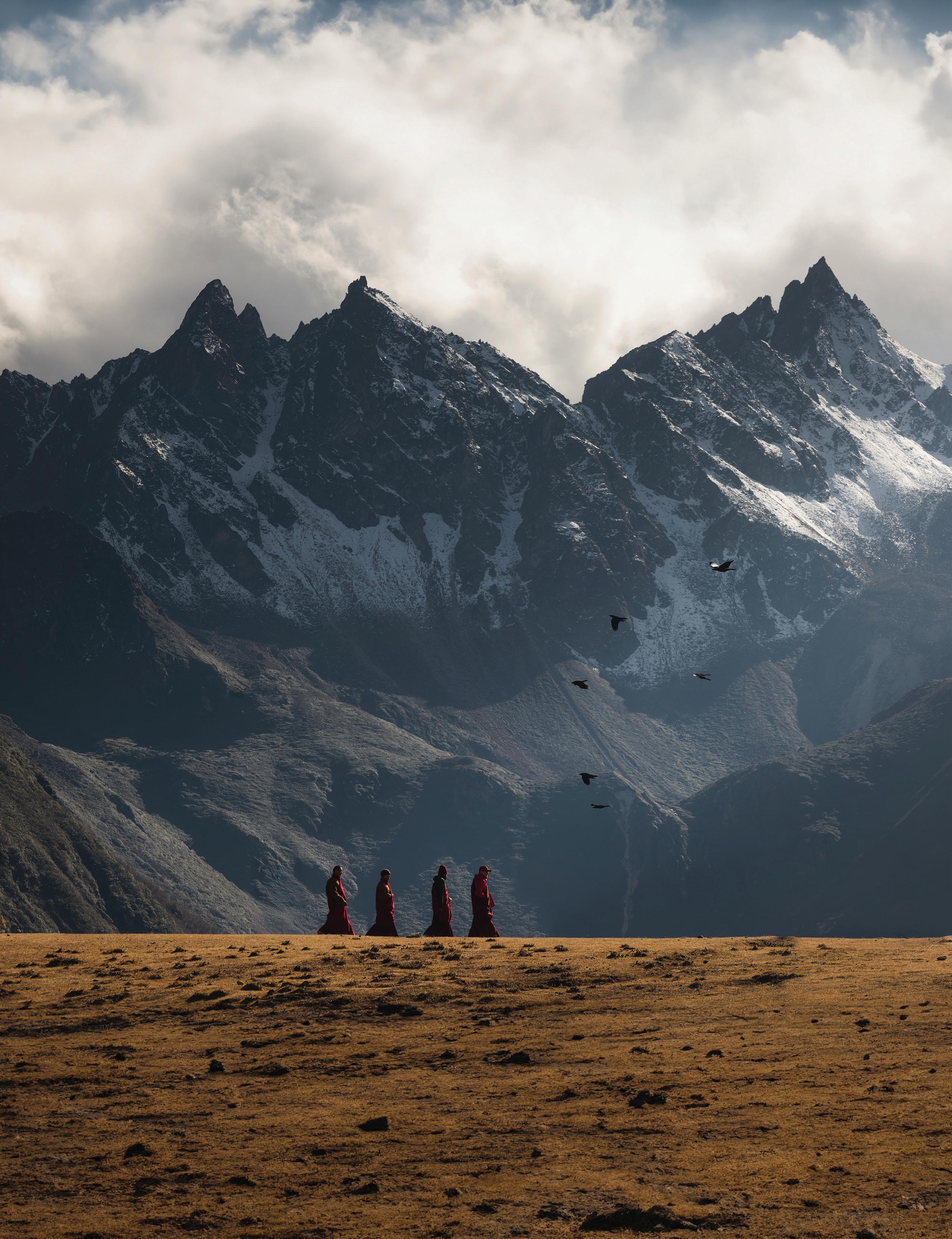
COVER PHOTO
Men dressed in gho walk against a stunning Himalayan backdrop during the Royal Highland Festival in Laya, Bhutan.
Remote
Lands Chairman, CEO & Founder
Editor-In-Chief Designer Contributors
General Manager
Digital Marketing VP of Business Strategy
Marketing Specialist & Content Creator
Head Offices
Asia Offices
Catherine Heald
Duncan Forgan
Vatanya Bongkotkarn
Duncan Forgan, Travelogues Staff
Trinity Nguyen
Liam Vickers
Melisa Novick
Maneenart Srisakulpanich
Remote Lands, Inc., 120 East 56th Street, Suite 1600 PH, New York, NY 10022 USA +1 (212) 518-1618
What drew us to Asia then is the same thing that continues to inspire us today: its extraordinary depth, diversity and sense of discovery.
A WORD FROM CATHERINE
Catherine Heald
When I founded Remote Lands in 2006, Asia was still a specialist destination and relatively unexplored by Western travelers.
From the beginning, we made a deliberate decision to focus entirely on Asia and to do it at the highest level, simply because it was the region we knew best and loved most. That focus has shaped everything we do. Over time, it has allowed us to build relationships, knowledge and experiences that go far beyond the surface of a destination.
The past twenty years have not always been easy. Like many in the travel industry, we have faced moments of uncertainty, from the global financial crisis to the unprecedented disruption of Covid. Those periods tested us, but they also reinforced the values that have always guided us: grit, resilience, optimism and a long-term perspective.
What has remained constant is our belief in deep and meaningful travel. Asia is not a place to be rushed or simply ticked off a bucket list. It rewards curiosity, patience and a willingness to engage with cultures that may feel unfamiliar. The more time you spend here, the more you realize how much there is still to discover. As I always say, the more I know, the less I know.
What drew us to the region twenty years ago is the same thing that continues to inspire us today: its extraordinary depth, diversity and endless capacity for discovery. For me, the purpose of travel has always been to learn, and I continue to learn every single day.
I am incredibly grateful to our travel advisor partners, our clients, and our teams in New York, Bangkok, Tokyo, Dubai and across Asia, whose trust and passion have made this journey possible. Remote Lands is, and always has been, defined by its people.
As we look ahead, our ambition is simple: to continue doing what we have always done by creating thoughtful, creative journeys across Asia, giving back to the communities that host us, and continually deepening our understanding of the region we love.
After twenty years, it still feels as though we are only just beginning.
THE LONG VIEW
Catherine Heald reflects on twenty years of Remote Lands, the instincts behind its founding, and why Asia continues to reward travelers willing to look deeper
When Catherine Heald co-founded Remote Lands in 2006, Asia was still a specialist destination for luxury travelers rather than the center of gravity it has since become. Over the past two decades, the region has moved decisively into the spotlight, drawing travelers eager to engage with its diverse cultures, landscapes, and remarkable natural beauty.
Remote Lands has grown alongside that shift, helping shape how discerning travelers experience Asia today. As the company marks its 20th year at the forefront of ultra-luxe immersive travel in the region, Heald reflects on a range of factors.
These include the instincts that guided its founding, the resilience required to navigate two turbulent decades in travel, and the philosophy that continues to define its journeys: that Asia rewards those willing to look deeper.
When you founded Remote Lands, what instinct told you there was space for a company like this?
When we first started in 2005, there really wasn't anyone operating at the ultra-luxury level who focused exclusively on Asia while also having a strong presence in both the United States and Asia. That gap was very clear to me.
Asia had already become a central passion in my life. In 1987, I got on a plane to Hong Kong with two phone numbers and my life savings of $1,000 and ended up staying for seven years. I had been a student in the south of France and had traveled extensively throughout Europe but had never been to Asia. After reading the James Clavell books, I became obsessed with Asia and expected to like it. Instead, I fell in love and discovered my ikigai (my calling in life).
By 2005, I had spent years traveling across the region, meeting people and building relationships, and I felt strongly that travelers were only just beginning to realize how much depth Asia offers. At the time, some people thought focusing only on Asia might be limiting, but I believed specialization would ultimately become our advantage. We were early, and we were able to define that niche ourselves.
Two decades later, that instinct still feels right.
Asia is endlessly layered. The more time you spend here, the more you realize how much there still is to discover.
What early decision still shapes Remote Lands today?
From day one, we committed ourselves fully to ultra-luxury travel in Asia. We never pivoted away from that focus.
Asia is endlessly layered. The more time you spend here, the more you realize how much there still is to discover
Many companies frequently change direction. They expand geographically or try to capture every trend in the industry. We chose to remain disciplined and stay focused on our core expertise.
That decision allowed us to build real depth of knowledge and relationships across the region. Over time, that depth became one of the defining strengths of the company.
Which moments most defined the company’s first twenty years?
Interestingly, the most defining moments were often the most difficult ones.
The global financial crisis in 2008 tested us early in the company's life. Then the pandemic essentially shut down the entire travel industry for several years. Those were incredibly challenging times.
During the pandemic, we knew travel would eventually return, but no one knew when. Maintaining optimism and keeping the team motivated required constant effort. There's a quote that stayed with me during that period: "When you're going through hell, keep going."
At the same time, there were also wonderful milestones.
Joining Virtuoso in 2008 connected us to an extraordinary network of travel advisors around the world who are our major clients today. These days there are more travel advisors than ever, and our relationships with them are so precious to us.
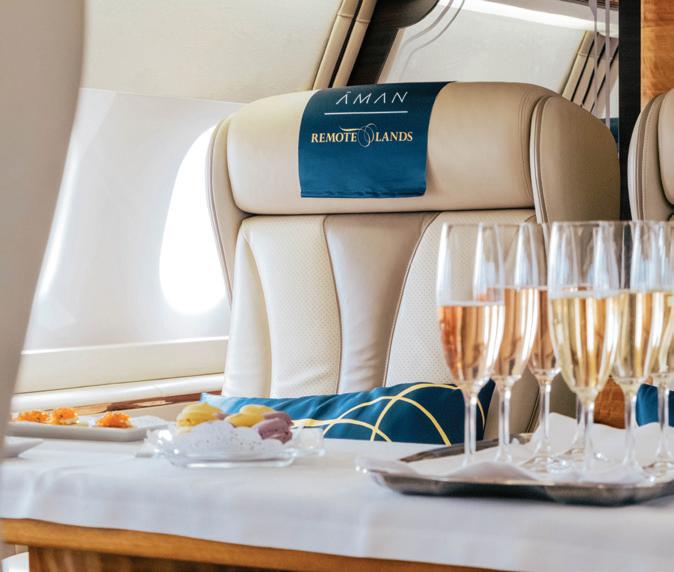
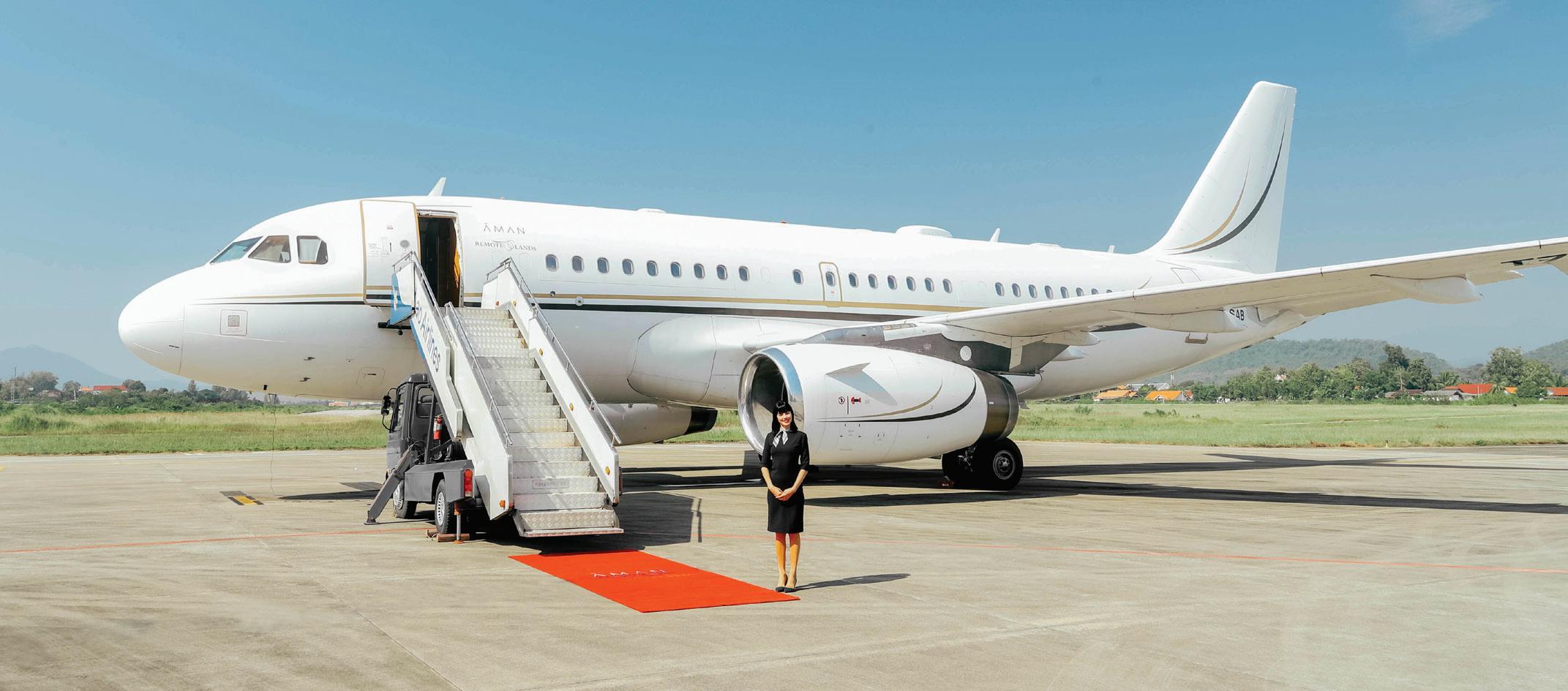
Securing the worldwide exclusive with Aman in 2013 to operate the Aman Jet Expeditions was a very important moment, and we have since completed more than 35 journeys. Our difference is that we take only 16 guests on an Airbus ACJ319 or similar, and each couple or solo traveler has their own private car, driver, and guide. No buses or vans or large groups, and everything is personalized in keeping with Aman’s philosophy.
What do clients assume you do, and what do they rarely see?
Our clients know that we specialize in Asia, and that focus is exactly why they come to us. Ultra-high-net-worth travelers and the world’s most respected travel advisors value deep expertise. Our strength lies in specialization.
What travelers rarely see is the enormous amount of planning happening behind the scenes. Designing seamless journeys across Asia often requires extensive coordination, local knowledge, and relationships built over many years. Our job is to make all that complexity invisible.
What is your idea of meaningful travel?
Live in the moment, and go with the flow. I love the Japanese philosophy of ichigo-ichie, which teaches that we will never be here in this place, at this time, with these people ever again, and that we must savor this precious moment.
From the beginning, we believed travel should be immersive and enriching. When the industry later began discussing "experiential travel" as if it were something new, it made me smile because that had always been our philosophy.
Travel to Asia offers a chance to get outside your comfort zone, expand your perspective, and grow as a person. That's what makes it so rewarding.
What does traveling well in Asia require from a traveler?
Curiosity and respect. Asia contains extraordinary cultural diversity, and many of those cultures operate according to values quite different from those in the West. Travelers who approach the region with openness and humility, and who speak the international language of smiling, usually have the most rewarding experiences.
Japan is a good example. Unlike in our culture, where we grow up thinking of ourselves first, the emphasis on respect for others and social harmony is deeply embedded in daily life in Japan. This is why there is virtually no litter or crime in Japan, you never hear raised voices or other disrespectful behavior, and politeness is paramount. What other sports team in the world cleans the stadium before leaving after a match?
You speak often about access. What does access really mean?
For us, access means introducing travelers to people whose expertise and perspective reveal deeper layers of a destination, and to places that are not normally accessible. Across Asia, we've built relationships with prominent artists, writers, historians, chefs, conservationists, and cultural practitioners
who offer insights most travelers would never encounter otherwise.
Meeting those individuals transforms a trip into something far more meaningful than simply visiting famous sites.
Is there a destination that only revealed itself after multiple visits?
That experience happens constantly. I often say the more I learn, the more I realize how much I still don't know. Returning to destinations we love often reveals how much we missed the first time.
Travelers who simply want to tick a country off a list are missing out. Asia rewards curiosity, depth, and repeat visits. The first trip introduces you to a place. The second and third trips are when it really begins to sink in.
What are the non-negotiables when planning a journey?
Logistics and safety always come first.
We try to avoid unnecessarily long drives or complicated flight connections where possible, although remote destinations naturally require a bit more effort to reach.
Safety is non-negotiable. If a helicopter flight or small aircraft is canceled because of weather conditions, we respect and support that decision immediately.
What have you been most careful to protect as Remote Lands has grown?
Our focus. Before founding Remote Lands, I worked in the technology sector, where companies often expand too quickly and encounter significant growing pains—and they too often fail.
We made a conscious decision to grow organically, following the Japanese practice of kaizen, and remain focused on Asia. That discipline has helped us maintain the quality and consistency that got us through difficult times and still define the brand.
What would you like Remote Lands to be known for ten years from now?
Pioneers, longevity, and thought leadership.
I would love for the company to reach its thirtieth anniversary and still be recognized as the foremost ultra-luxury travel specialist focused on Asia.
What will you never compromise on?
Our quality and our people.
We would rather turn away a trip that is not a good fit for us than take it on. Remote Lands is defined by the individuals who work here. We look for people who are intelligent, curious, passionate about Asia, and genuinely enthusiastic about travel.
Over the past two decades, Asia has moved from the margins of luxury travel to its center. Through that transformation, Remote Lands has remained anchored by a simple belief: that depth of knowledge and curiosity matter more than scale.
THIS IS OUR ASIA
Traveling well in Asia requires judgment. Knowing when to move quickly and when to linger. When access matters, and when the wiser choice is to simply observe.
THE LUXURY OF KNOWLEDGE
Twenty years on the ground have taught us that the difference isn’t access.
It’s judgment, built on a deep understanding of how the region works
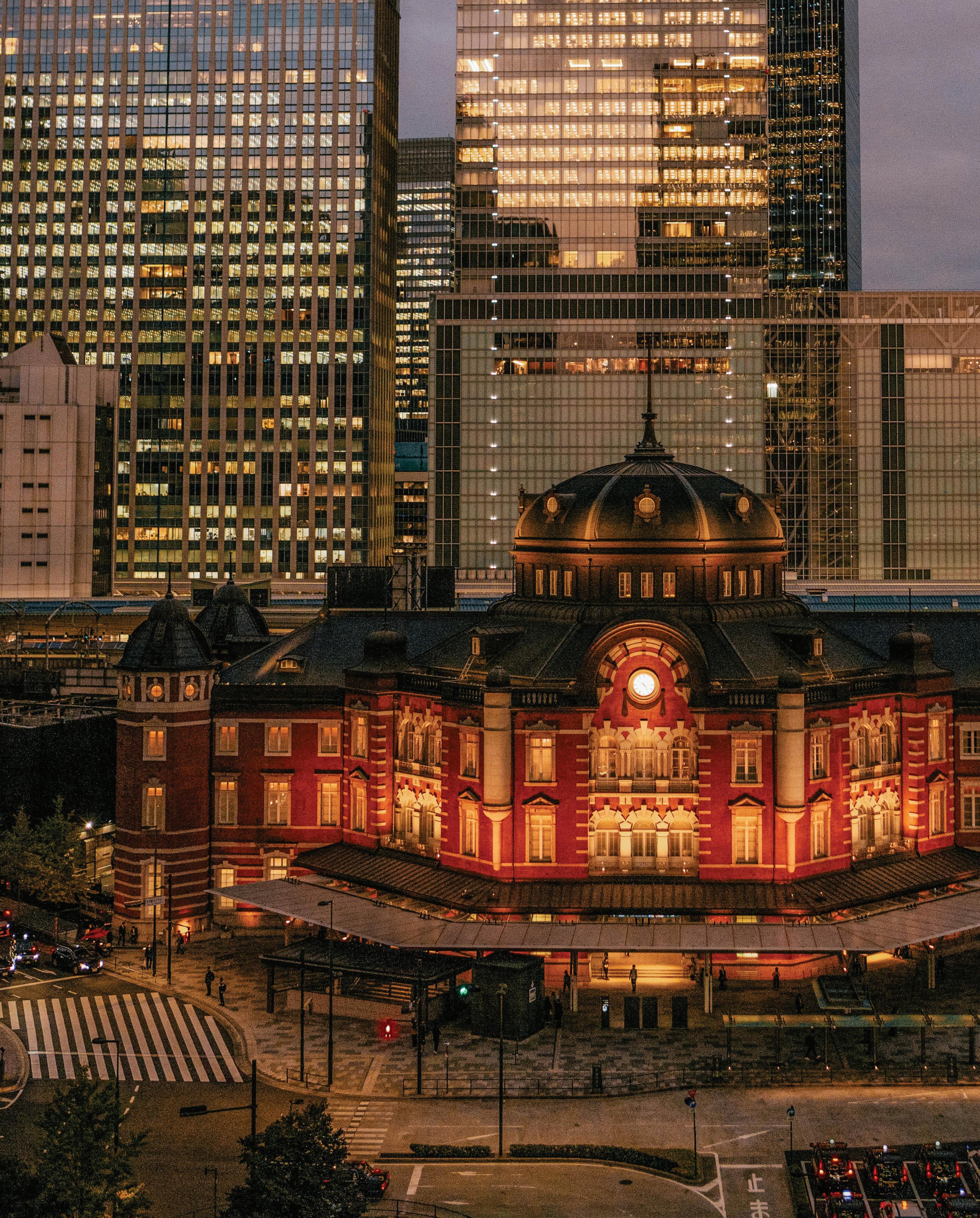
Tokyo Station operates with near-perfect precision at peak times, but for travelers it appears immensely complex and chaotic. Which of its many station entrances you use, which level you go to, which track you need, which carriage you board, where your assigned seat is, and whether someone is waiting to meet you at the right exit rather than the obvious one all matter.
This is where expert travel knowledge asserts itself.
Those details don’t happen by accident. They come from years of working with people on the ground who understand not just the infrastructure, but the logistics and how everything behaves in real conditions. Across Asia, those local relationships are what separate an itinerary that may or may not function from one that genuinely works.
“One of the main reasons for using Remote Lands is our knowledge and access to people and places that are not normally accessible,” says Catherine Heald. “This allows for much deeper, more meaningful and more rewarding experiences on the ground.”
That expertise often begins with pacing. One of the most common mistakes in Asia is trying to do too much in too little time. Distances can appear manageable on paper, but driving times are often longer than expected, many flights require connections, and some routes do not operate daily.
One of the main reasons for using Remote Lands is our knowledge and access to people and places that are not normally accessible
Geography matters too. Certain combinations work naturally, while others create unnecessary friction. Even pairing Indonesian Borneo with Malaysian Borneo and Brunei requires careful sequencing. Timing is equally important. Weather patterns vary sharply across the region, while festivals and peak seasons often require planning far in advance.
Expert planners also remove friction where it matters most. International airports, multiple visa regimes, missed connections and lost luggage can quietly drain energy from a trip. Handled properly, with visas arranged in advance, expedited arrivals, and your guide waiting curbside, they become little more than a transition.
The same logic applies throughout a journey. Anticipate the pressure points, resolve them early, and allow the experience itself to take center stage.
Great travel advisors also unlock access, but not in the obvious way. The real value lies in knowing which doors are worth opening and how to do it without forcing the experience.
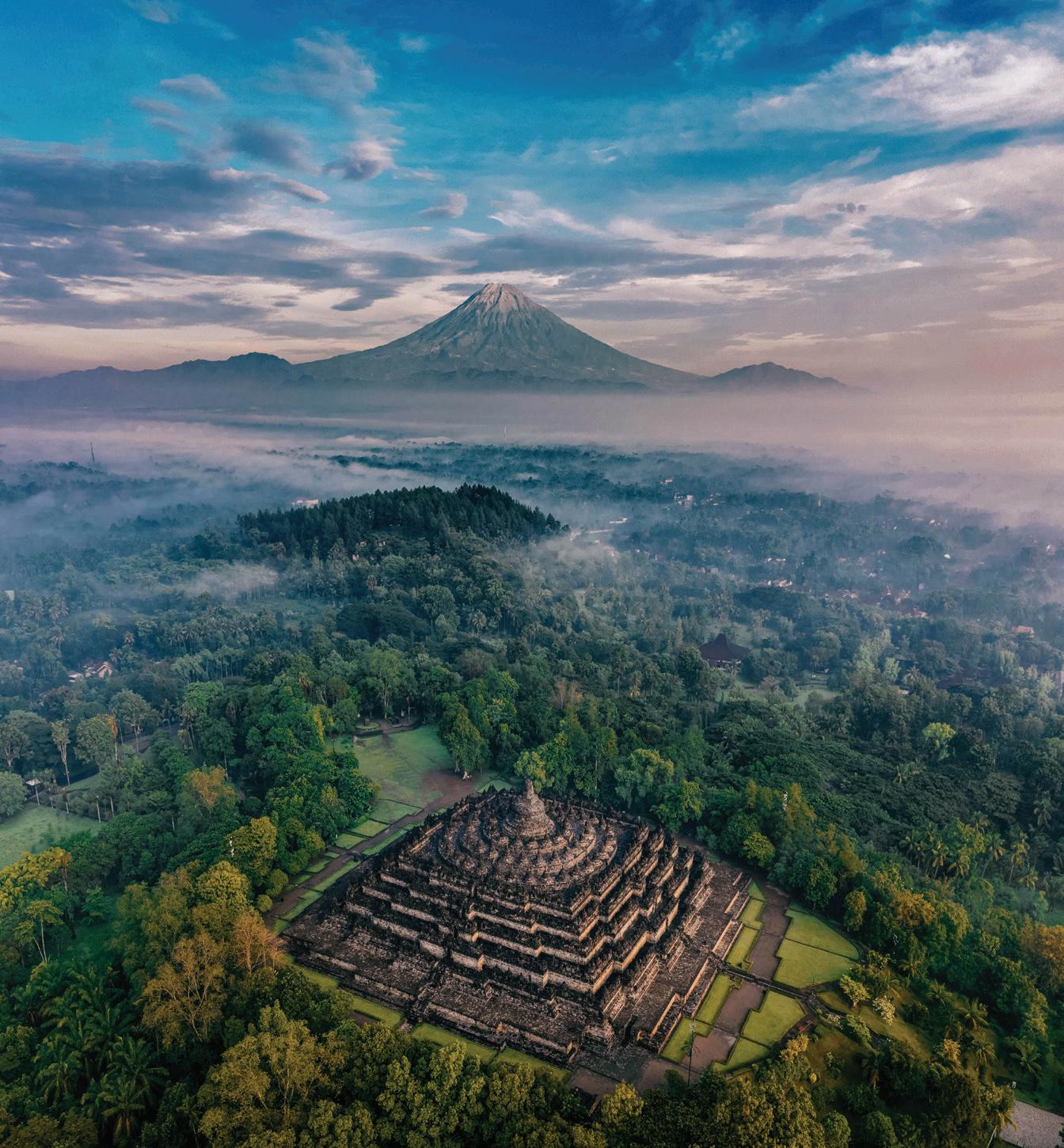
At Borobudur, that might mean entering at first light with a guide who understands the rhythm of the site. In Tokyo, it could mean securing a seat at a private restaurant that is not open to the public, where introductions matter as much as reservations. In a country with hundreds of Michelin-starred restaurants and thousands more that never appear in a guidebook, knowing where to go and how to get in is often the difference between a good meal and a memorable one.
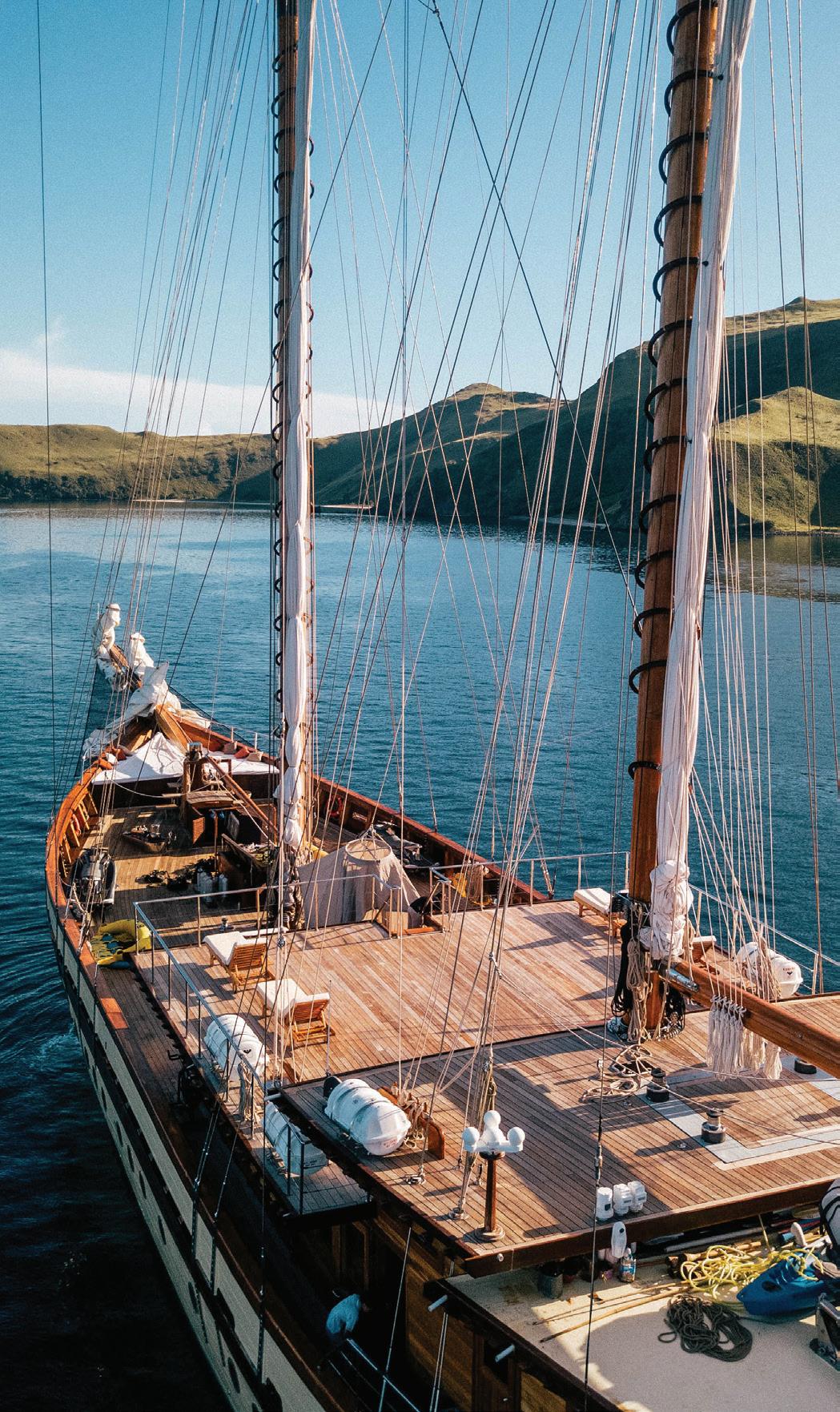
Elsewhere, access takes a different form. In Indonesia, the most effective way to explore its marine wilderness is not from land, but by sea. A private schooner allows you to move between remote islands at your own pace, dive multiple sites in a day, land on empty beaches, and end the evening with a delicious dinner prepared by your private chef on deck under the stars.
These moments are carefully built, but they should never feel constructed.
Even something as seemingly obvious as when to travel can shift the tone of a trip. In much of Southeast Asia, the rainy season is often avoided. In practice, it can be one of the most rewarding times to visit. The rains are heavy but brief, the air cools, the landscapes turn a deeper shade of green, and tourists are few and far between.
Travel trends rarely announce themselves clearly. They build at the edges. A growing appetite for slower, more mindful travel. A shift toward more immersive, experience-led journeys. A greater emphasis on balance within an itinerary, rather than simply counting countries.
That balance is often simple. Begin with energy and movement. End with space to unwind. A journey that finishes at the coast or in the mountains will almost always feel more complete than one that maintains the same intensity throughout.
It is also about encouraging curiosity. The most rewarding trips often include at least one step into the unfamiliar, outside your comfort zone. A lesser-known region. A different landscape. A shift in perspective. These are the moments that tend to stay with people.
Taste plays a quieter, but equally important, role. Asia has no shortage of high-end hotels, but it also has simpler places off the beaten path that are minimalist in style while offering world-class service and cuisine. Japan is particularly renowned for ryokans that embody this philosophy.
After twenty years, the lesson is consistent. Traveling well in Asia is not about maximizing what you see. It is about calibrating how you see it.
When it is done properly, it does not feel like work at all. It simply feels right.
RIGHT OF RETURN
The first trip is about recognition. The second is where understanding begins, when you stop trying to see everything and start seeing and feeling what matters
If a first-time visit to a country were a musical compilation, it would undoubtedly be the greatest hits.
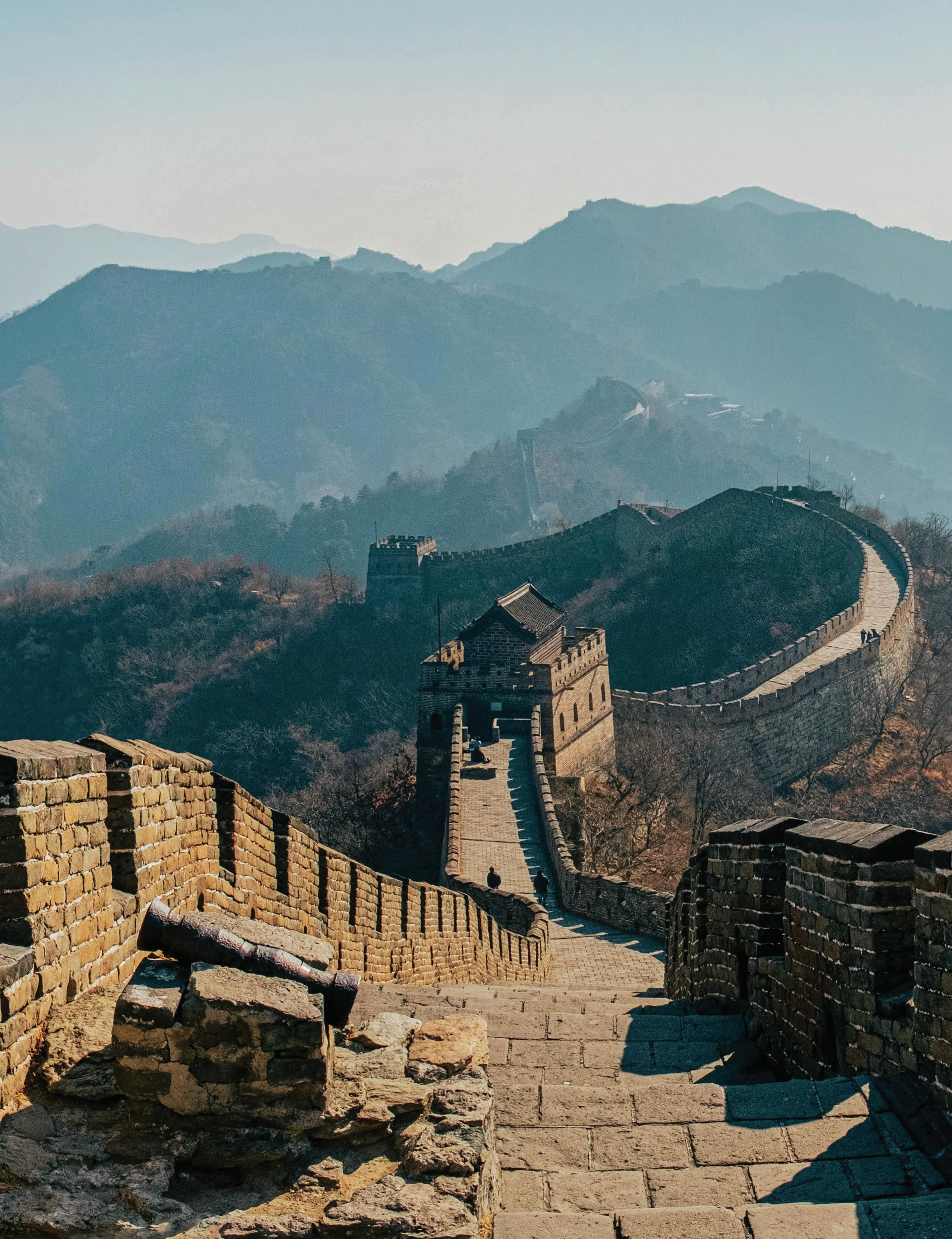
In Japan, that usually means Tokyo and Kyoto, perhaps with a glimpse of Mount Fuji or a night in a ryokan. In India, the sweep of the Golden Triangle, Delhi, Agra and Jaipur delivers a concentrated dose of history and spectacle. In China, Beijing, the Great Wall and Xi'an provide a logical introduction to a civilization that can feel almost impossibly vast.
These journeys work. They are carefully structured, deeply rewarding and, for many, unforgettable. But they are also, by design, introductions.
The second visit changes the terms and strikes a more esoteric, and often more satisfying, range of notes.
You choose where to spend time, and where not to. You move beyond the headline attractions and into something more specific, more personal.
You also travel differently. The instinct to maximize every day begins to fade. Instead of five cities in two weeks, you might spend five nights in a single neighborhood. You return to a favorite restaurant. You recognize faces. A destination gradually shifts from backdrop to place, and familiarity creates space for deeper understanding.
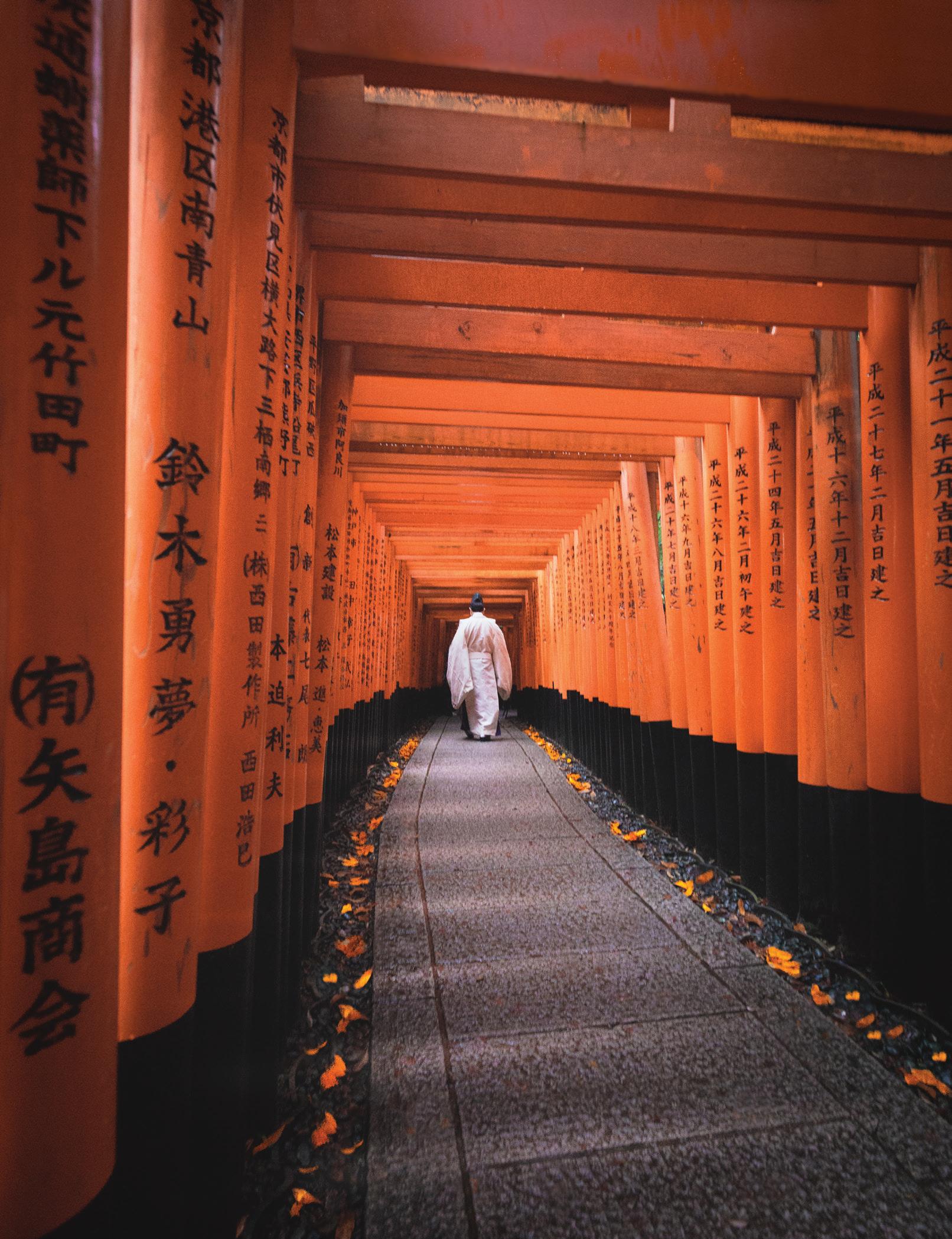
In Japan, that shift can be subtle but transformative. Tokyo is no longer just a rush of neon and movement, but a collection of neighborhoods, each with its own character. You return to a favorite ramen counter rather than chasing a list. You might trade the bullet train for a slower route into the countryside, where mountain villages, coastal paths and hot spring towns offer a different rhythm altogether.
A second visit is about what guests are ready to understand, and how we can shape a journey that meets them at that point
Kyoto, too, rewards patience. Beyond its celebrated temples lies a quieter city of artisans, teahouses, neighborhood cafés and backstreet workshops where traditions are still practiced rather than performed. With the pressure to tick off major sights gone, there is time to linger and explore farther afield. Day trips to Nara or the Miho Museum add fresh perspective, while a return journey can open entirely new corners of the country.
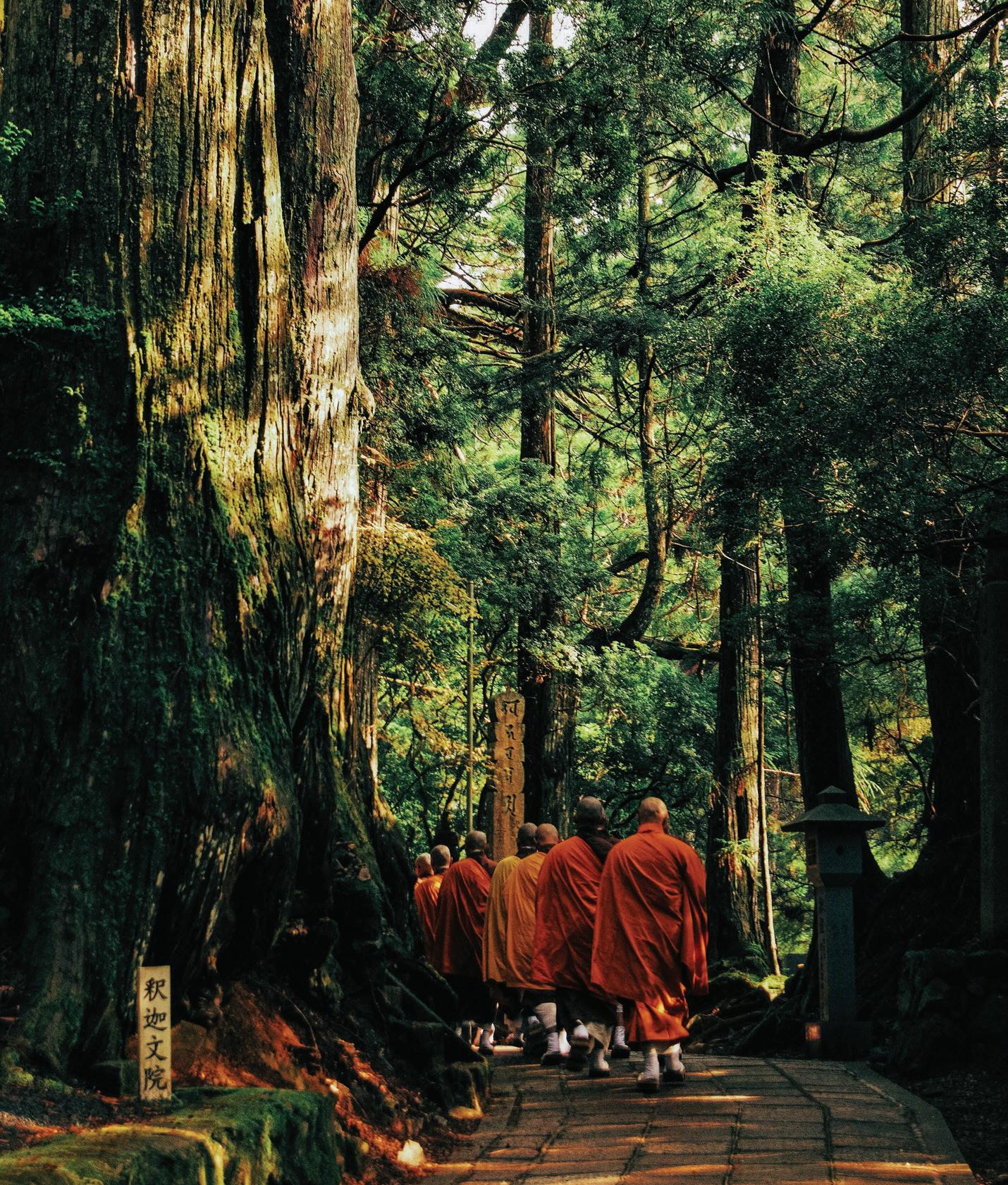
Kyushu offers volcanic landscapes, renowned pottery towns, steaming onsen resorts and a slower, more rural rhythm than the country's major cities. Further south, Yakushima's ancient cedar forests, with thousand-year-old cedar trees and mist-shrouded mountains, feel almost prehistoric, which is presumably why Miyazaki was inspired to create Princess Mononoke. Shikoku was once so remote that rogue samurai escaped there, and today the 88 Temple Pilgrimage is an ideal way to immerse yourself in one of Japan's most spiritual journeys. Hokkaido, meanwhile, reveals a wilder Japan of world-class skiing, dramatic coastlines, national parks and exceptional food.
This is where experience and the right guidance begin to matter. Japan does not give itself up easily. The most rewarding encounters are often the least visible. They require not just access, but timing, context and a degree of sensitivity to place.
India, by contrast, does not need coaxing. It overwhelms from the outset. But even here, the second, third and tenth visits reshape the experience.
Once the major monuments have been absorbed, the country begins to reveal itself in more nuanced ways. In the tea-growing hills of Darjeeling and Assam, journeys unfold among historic estates, mountain railways and stunning landscapes shaped by centuries of cultivation. In the Himalayas, luxury camps, remote lodges and wildlife reserves offer opportunities to track and photograph leopards, black bears and other elusive species against some of the most dramatic scenery in Asia.
Elsewhere, the colonial heritage of southern India presents an entirely different perspective on the country. Pondicherry's French influences, the Portuguese trading history of Goa, the charming waterways
of Kerala and the cultural depth of Chennai, formerly Madras, reveal stories often overlooked by first-time visitors focused on the north.
Culture, too, deepens with time. You start to notice the intricacies of craft traditions, the remarkable regional diversity of Indian cuisine and the ways in which ancient rituals continue to shape daily life.
China operates on a different scale altogether. The Forbidden City, the Terracotta Warriors and the Great Wall are essential, but they barely scratch the surface.
Return, and the country begins to reveal its layers. Yunnan offers a landscape of forested mountains, ancient towns and ethnic diversity that, in the south, often feels closer to Southeast Asia than Beijing. Rich in Tibetan culture and traditions, northern Yunnan serves as a natural precursor to Tibet itself, allowing travelers to move from tea-growing valleys to the Buddhist monasteries and high-altitude landscapes of the Tibetan Plateau. In Sichuan, giant pandas
share the spotlight with one of the world's great—and spicy—culinary traditions.
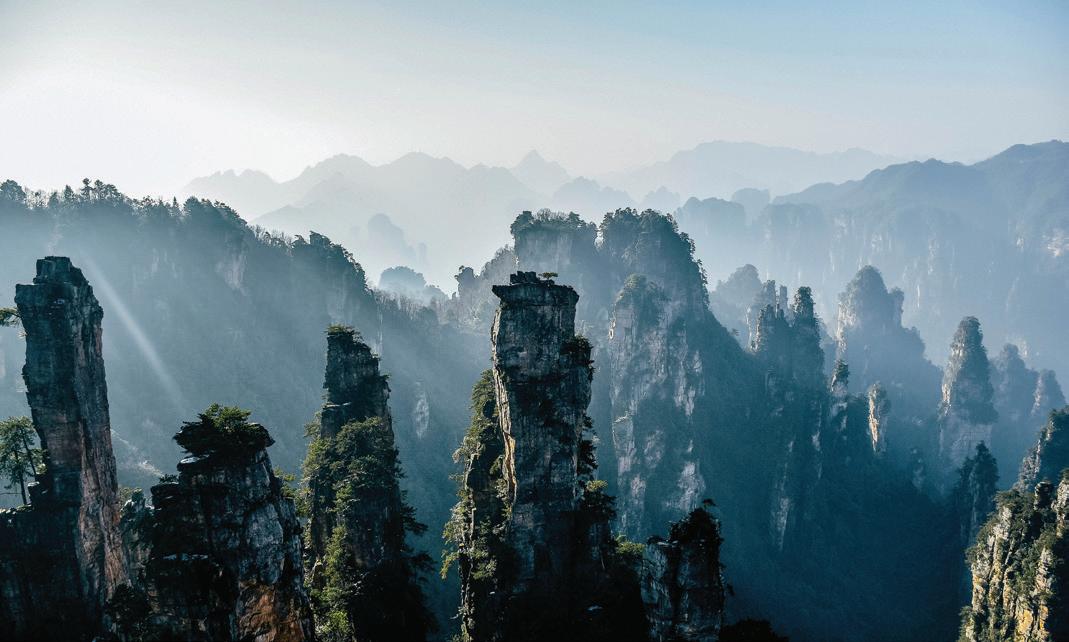
Beyond the eastern seaboard, entirely different Chinas emerge. Guilin and Yangshuo's limestone karsts create some of the country's most iconic landscapes, while Zhangjiajie's towering sandstone pillars seem almost otherworldly. Farther west, the old Silk Road reveals another dimension altogether. Dunhuang's Mogao Caves, the rainbow-colored formations of Zhangye Danxia and the bustling noodle shops of Lanzhou speak to centuries of exchange between China, Central Asia and the Middle East.
Even within China's major cities, the second visit often becomes more about immersion. Rather than racing between attractions, travelers settle into neighborhood rhythms and local food cultures, or use Shanghai as a gateway to nearby destinations including Suzhou and Hangzhou, where classical gardens, canals and lakeside landscapes offer a more intimate perspective on the region.
Across all three countries—Japan, India and China—the principle is the same. The first visit establishes a framework. The second begins to fill it in.
This is where a more considered approach to travel proves its value. Not just in access, but in curation. In understanding how to build on that initial exposure and shape a journey that goes deeper, whether through architecture, art, cuisine, landscapes or more active exploration.
“By the time someone returns to a destination, the conversation has changed,” says Catherine Heald. “It is no longer about what they should see, but what they feel and are ready to understand, and how we can shape a journey that meets them at that point.”
Remote Lands has spent two decades refining this balance. Drawing on deep local partnerships and an evolving understanding of the region, it designs journeys that move beyond the obvious without losing coherence.
HUNTING FOR TREASURES
Asia’s greatest rewards are not always where you expect them. For those willing to look beyond the obvious, a richer map begins to emerge
Buried treasure in Asia has long been the stuff of legend. Wartime gold hidden in Philippine caves, shipwrecks scattered across the Taiwan Strait, caches whispered about in remote mountain ranges. Much of it has never been found.
What is easier to uncover, however, is a different kind of reward. Across the region, a less celebrated set of destinations offers depth, character and a sense of discovery that the usual circuit often misses. For those willing to look beyond the obvious, Asia reveals a richer map.
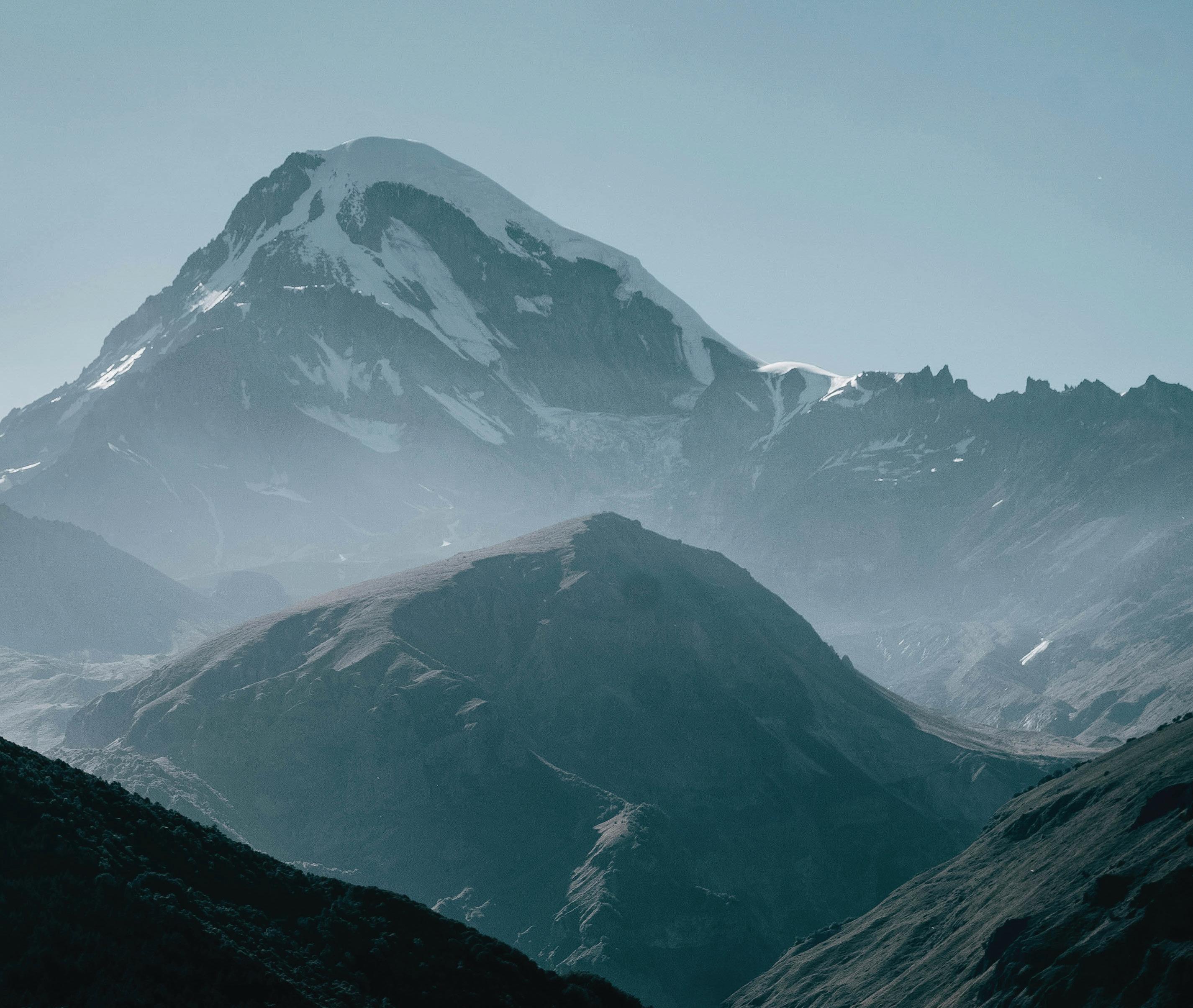
The Caucasus is one of the most compelling starting points. Wedged between the Black and Caspian seas, Armenia, Georgia and Azerbaijan form a compact corridor where cultures overlap and landscapes shift quickly. Journeys here move easily across borders, linking Yerevan's layered history with Tbilisi's creative energy and the Silk Road echoes of Sheki and Baku. Vineyards stretch across Kakheti, monasteries cling to hillsides and mountain roads cut through dramatic passes. It is a region that feels both ancient and current, and one that rewards movement as much as curiosity.
Once travelers move past that first layer, the experience becomes more personal, more flexible, and ultimately more memorable
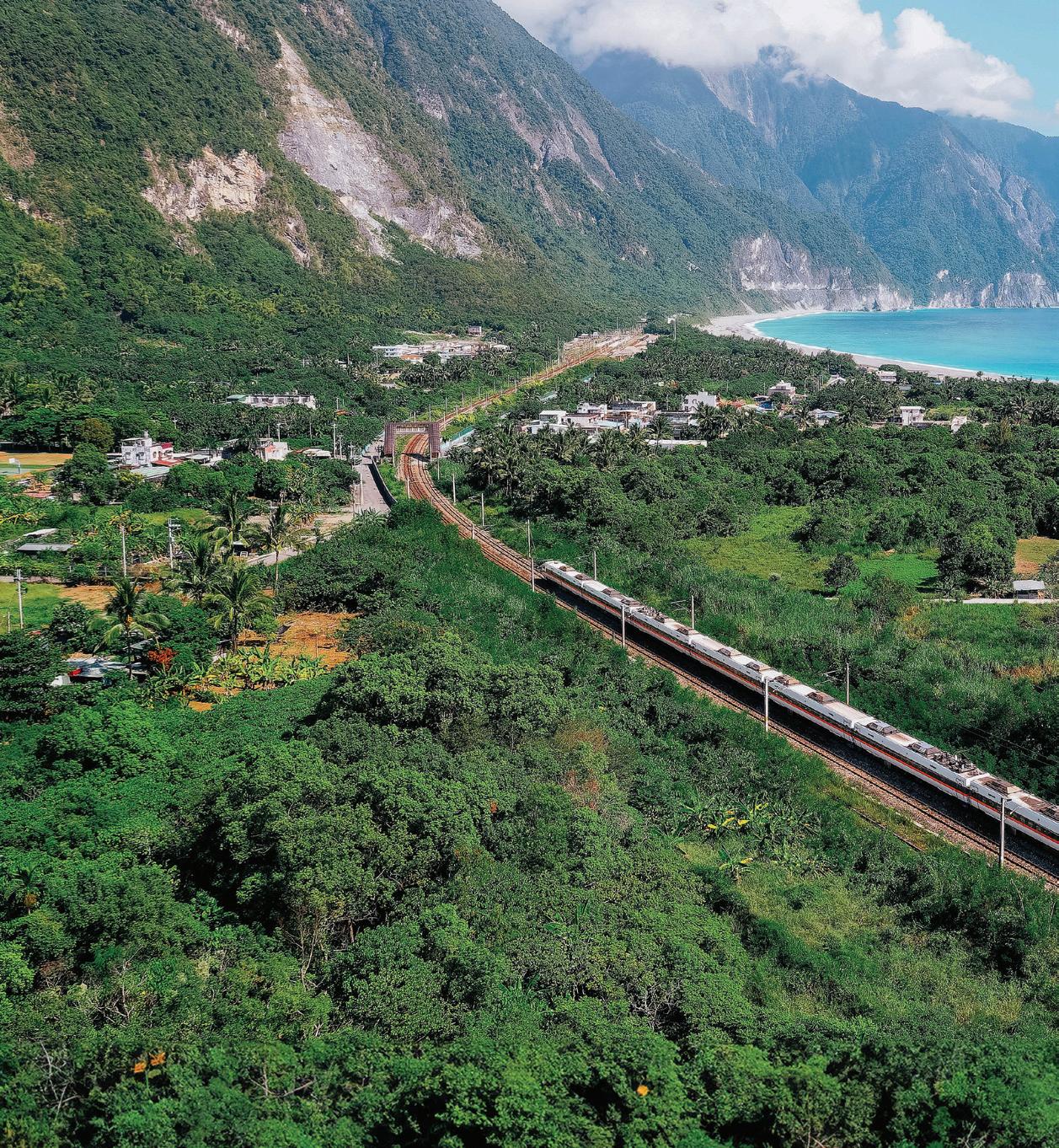
Taiwan offers a different kind of discovery. Compact and confident, it delivers remarkable variation within a small footprint. Taipei anchors the experience, a city where contemporary culture and luxury hotels such as Capella Taipei and Mandarin Oriental, Taipei sit comfortably alongside deep tradition. Beyond the capital, the island opens quickly into tea country, dramatic coastlines and the mountainous interior. Alishan National Forest Recreation Area has become one of Taiwan's most compelling destinations, combining cloud forests, ancient cypress groves and some of Asia's finest hiking. Together with the island's central mountain ranges, it reveals a wilder side of Taiwan that contrasts sharply with the energy of Taipei. It is not a place that demands attention. It earns it over time.
Sri Lanka, meanwhile, is stepping back into focus. Long admired for its natural beauty, the island is once again drawing travelers ready to engage with its full range. The Cultural Triangle provides a powerful historical framework, while national parks bring encounters with elephants and, occasionally, leopards into sharp relief. Beyond that, tea country unfolds in mist and green, while the coastline shifts from surf breaks to less-traveled sands. Its compact scale makes it unusually easy to combine these elements into a journey that feels complete without being rushed.
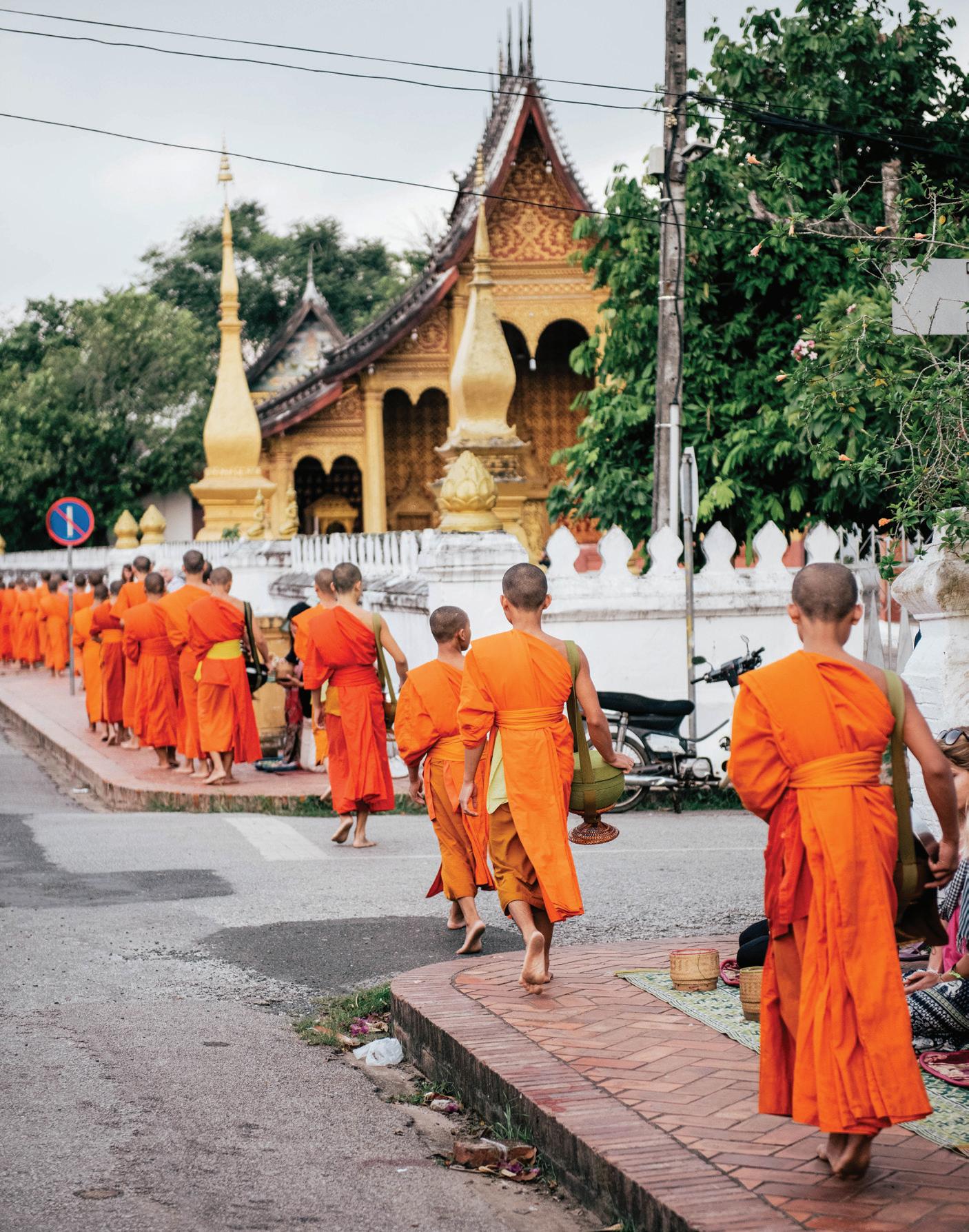
In Laos, the appeal lies in what is absent as much as what is present. Without the headline attractions of its neighbors, the country has retained a sense of calm that is increasingly rare in the region. Luang Prabang remains the focal point, but the real rewards lie in the spaces between. Northern landscapes open into remote trekking routes and encounters with ethnic communities, while the south drifts into river islands and waterfalls. Laos is a destination that asks for patience and repays it with clarity.
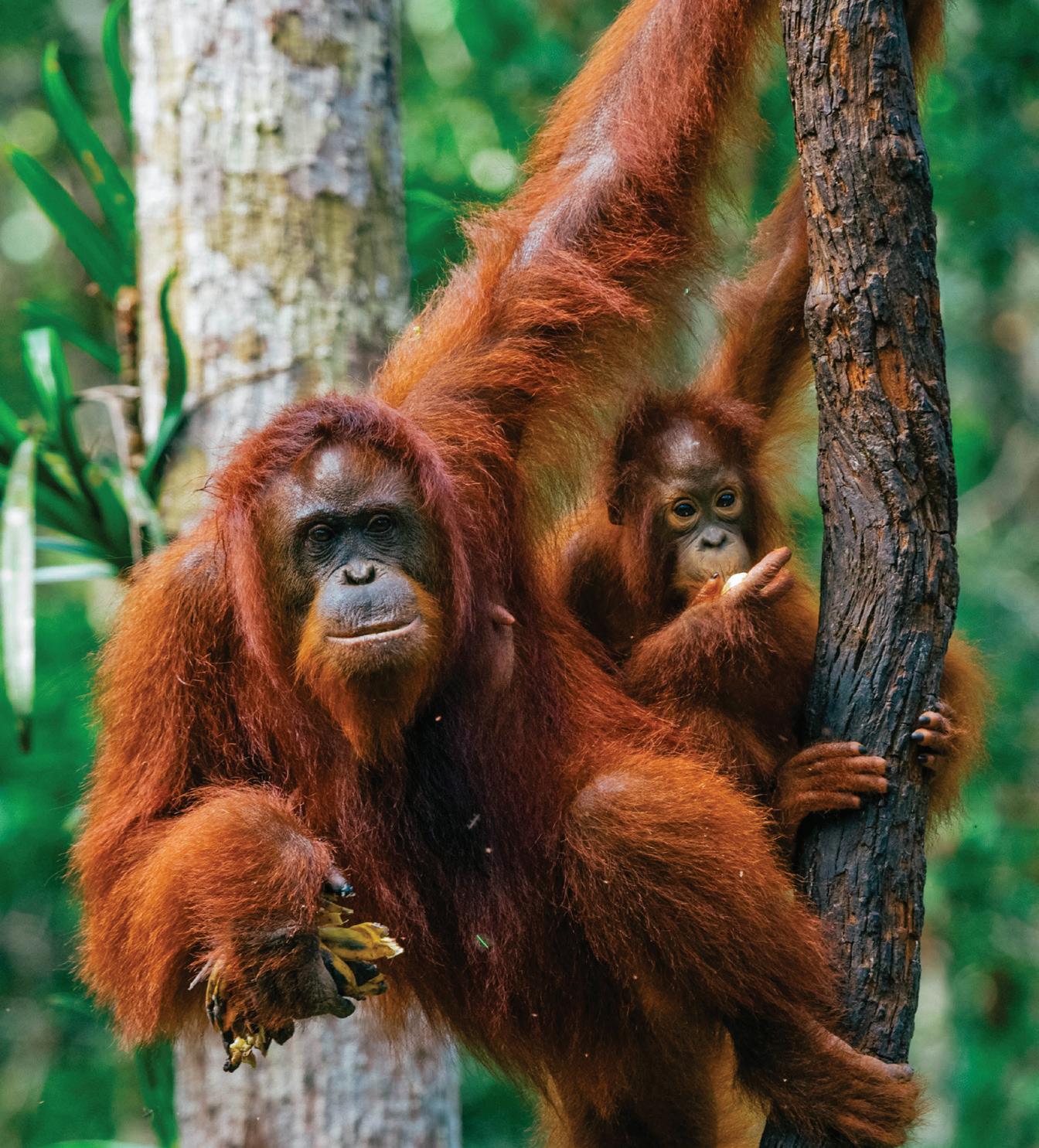
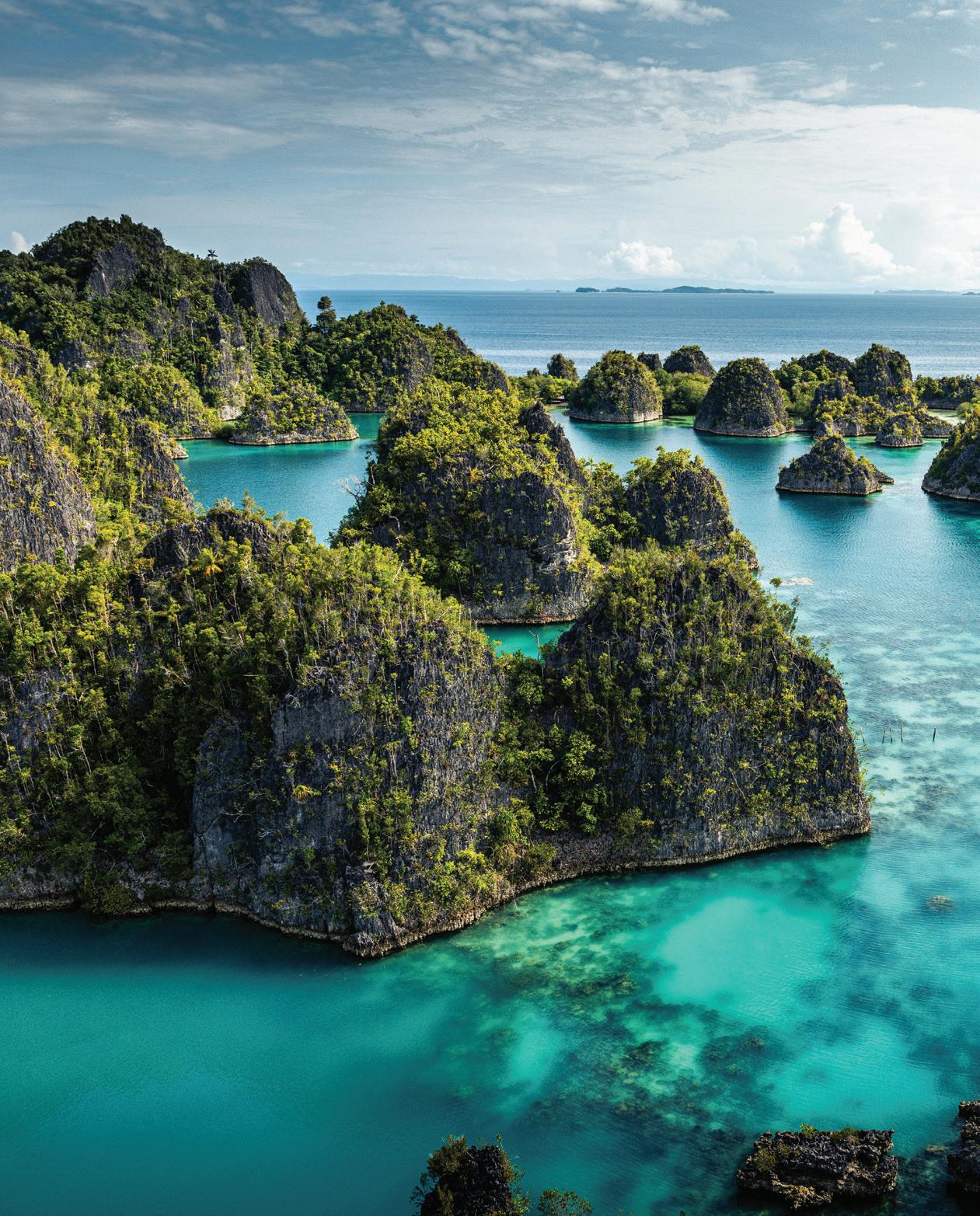
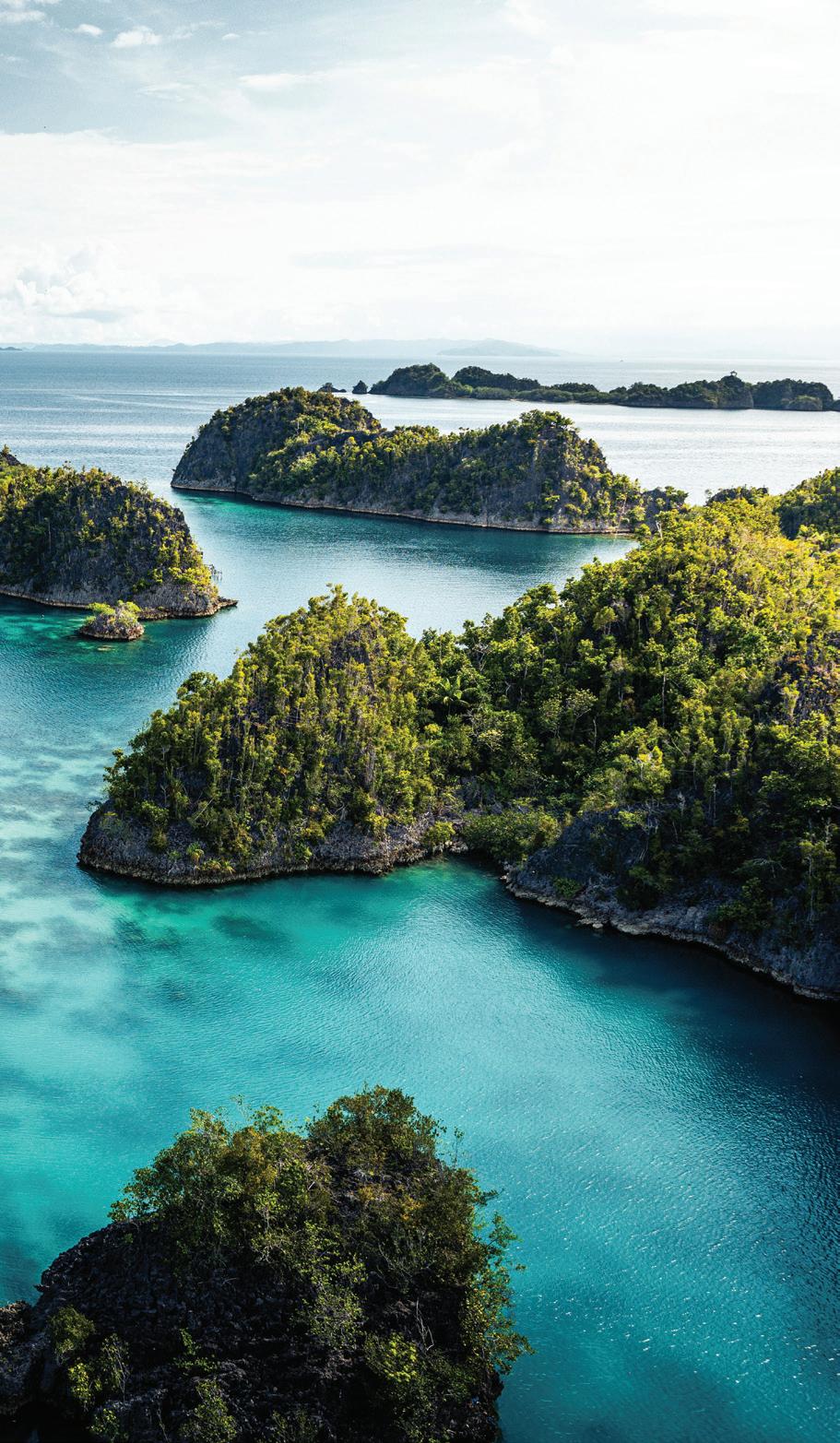
Indonesia operates at the other end of the spectrum. Vast and varied, with more than 17,000 islands, it is less a single destination than a collection of distinct worlds. Bali still serves as a natural entry point, but the deeper rewards lie farther afield. In Komodo and Raja Ampat, marine environments rank among the richest on the planet and are best explored slowly by boat. Farther west, the rainforests of Sumatra and Indonesian Borneo offer encounters with orangutans and some of Asia's most important remaining wilderness. In Java, Borobudur, the world's largest Buddhist temple, and volcanic
landscapes provide cultural grounding, while islands such as Sumba and West Timor offer a more elemental experience shaped by tradition and space. It is a country where scale demands careful planning, and where the right sequence transforms a trip entirely.
The Philippines completes the picture with a sense of ease and character that sets it apart. Spread across thousands of islands, it combines exceptional beaches with a cultural identity shaped by diverse influences. Palawan delivers some of the region's most striking seascapes and world-class resorts such as Amanpulo, while on Luzon the contrast deepens, from the layered history of Manila to the remarkable rice terraces of Banaue and the hanging coffins of nearby Sagada. It is a destination that feels both familiar and distinct, and one that continues to surprise even experienced travelers.
What links these places is not obscurity, but perspective. Each offers a different way of engaging with Asia, one that moves beyond the established narrative without losing coherence. They are not replacements for the region's better-known destinations, but extensions of them.
“Some of the most rewarding journeys we design begin just beyond the obvious,” says Catherine Heald. “Once travelers move past that first layer, the experience becomes more personal, more flexible, and ultimately more memorable.”
The treasure, in the end, is not hidden. It is simply overlooked.
ROADS TO REMEMBER
Since our launch, Remote Lands Travelogues has sought to bring Asia to vivid life through a diverse range of narratives by some of the region’s most distinctive storytellers. Over the next ten pages, we revisit a selection of our most popular and enduring stories from the past years.
The Golden Road
Rural Guangxi’s dreamlike landscapes are a microcosm of all that is special about travelling in Asia
By Jordan Hammond
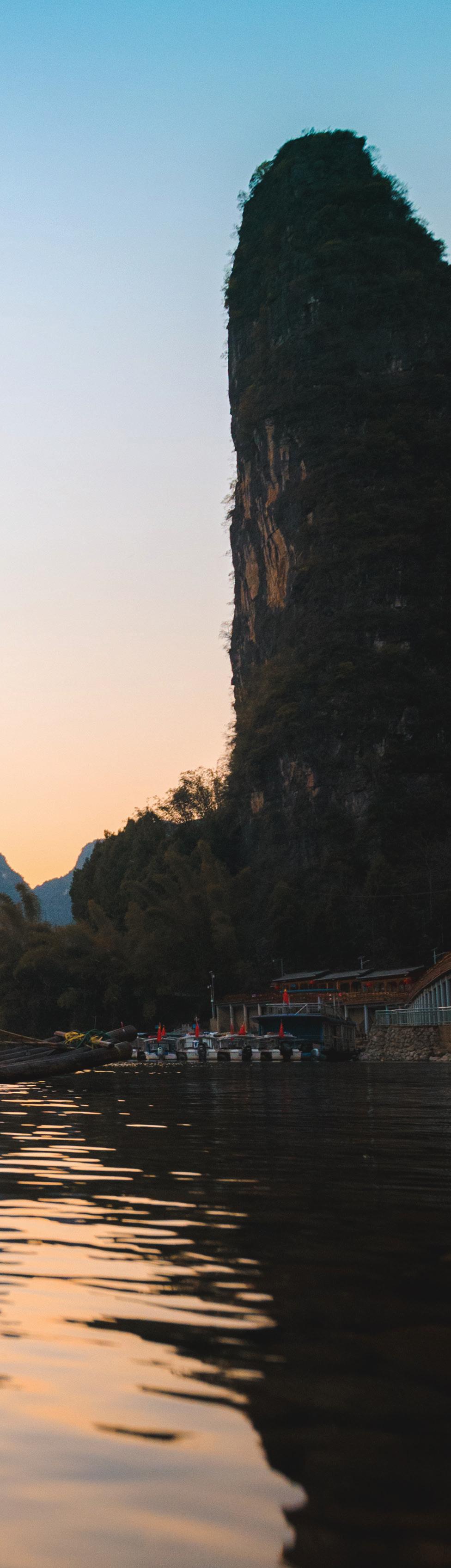
The Guangxi region in southern China has long drawn photographers with its karst mountains, winding rivers, mist-covered valleys, and villages that seem suspended in time. While Guilin and Yangshuo are now firmly established on the tourist trail, moments of stillness and magic remain for those willing to venture beyond the obvious viewpoints.
One of the most memorable came at Tianxin Village, reached before dawn after an early-morning drive from Guilin. As the sun rose over the ponds and limestone peaks, low fog drifted across the landscape and a lone farmer led his buffalo across an old bridge, creating one of Hammond’s favourite images from the trip.
Near Yangshuo, another highlight came during a hike to Cuiping, where vast karst formations rose through the haze in every direction. Standing alone above the valley at sunset, the scale of Guangxi’s landscape felt almost surreal.
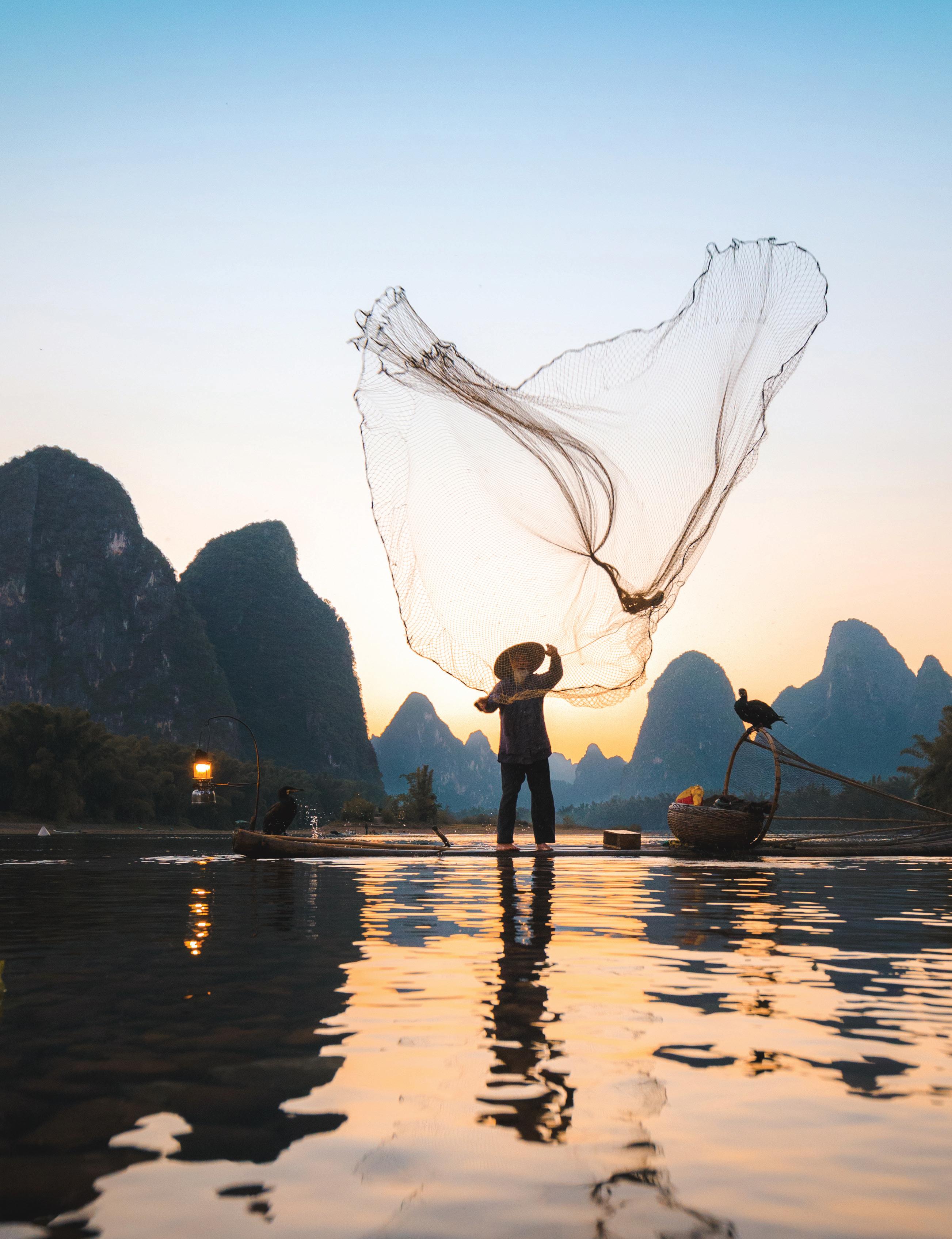
The final stop was Xingping, home to the region’s famed cormorant fishermen. There, Hammond photographed Grandpa Huang casting nets on the Li River at dusk, documenting a tradition that now survives largely through photography rather than fishing itself.
Together, the images capture a side of rural China that still feels timeless despite the rapid pace of change elsewhere in the country.
WHY WE CHOSE IT
What better way to begin than with an image by Jordan Hammond, one of our favorite photographers. From mist-covered karst peaks to fading riverside traditions, the images of Southern China feel cinematic. More than anything, they remind us why we travel in the first place: to encounter landscapes and moments that seem almost impossibly beautiful.
A Living Goddess
An elusive encounter with Nepal's child deity offers a rare glimpse into one of the world's most extraordinary living traditions.
By Ronan O'Connell
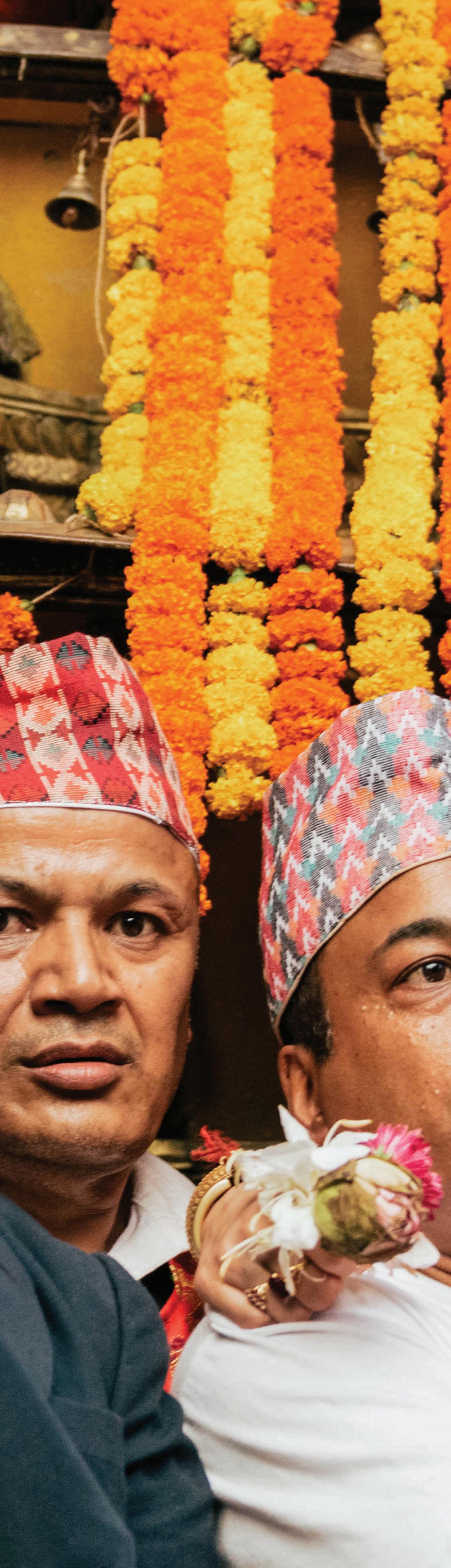
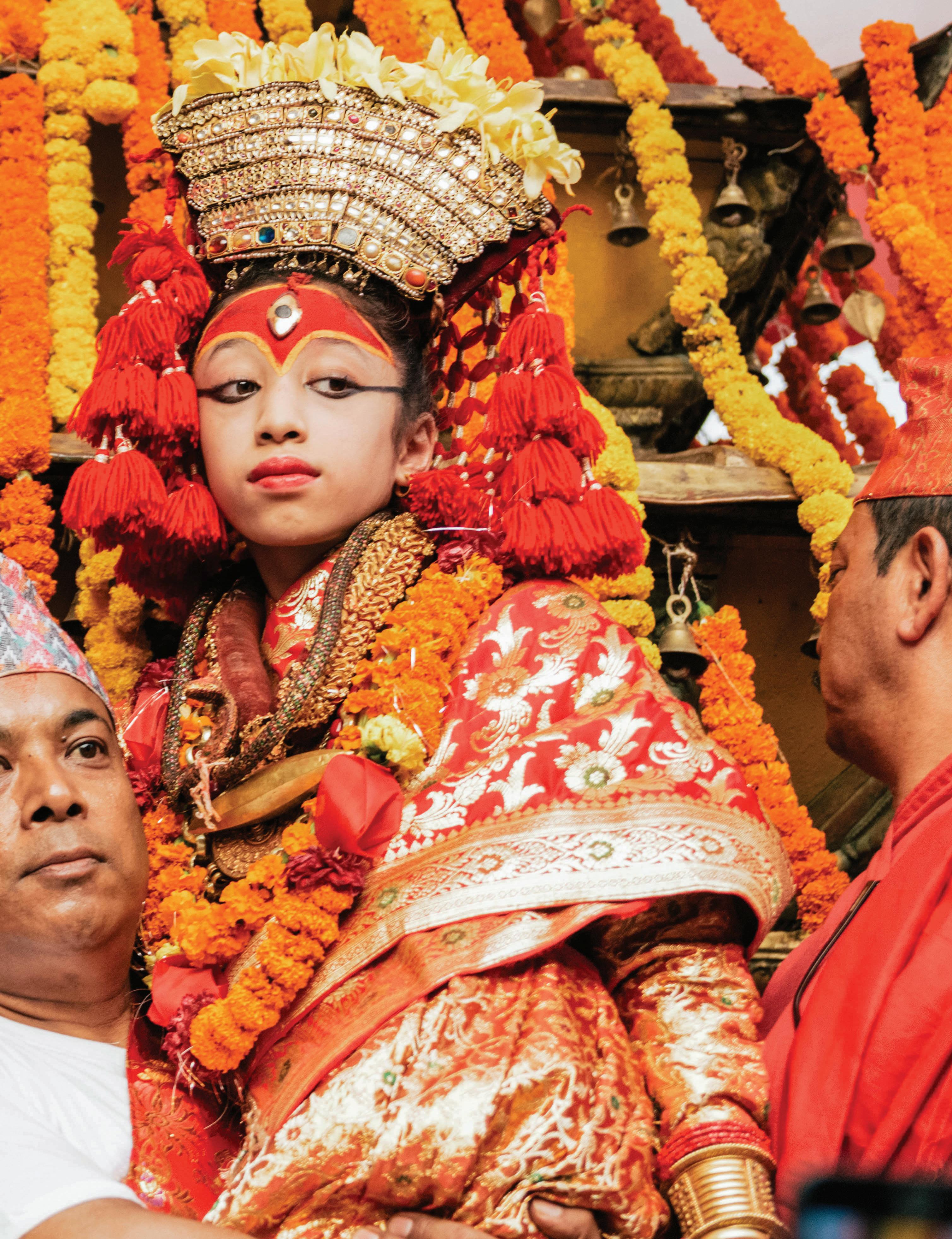
It is all over in a few seconds. Through an intricately carved wooden window, three eyes peer down. Two belong to an eight-year-old girl, the third is a painted fire eye on her forehead, a symbol believed by Nepal's Newari people to ward off evil.
Before I can properly take in the sight, she notices me and disappears.
She is not meant to be seen except during major religious festivals. For the rest of the year she lives in seclusion inside a centuries-old palace in Patan, one of the ancient cities of the Kathmandu Valley. Yet despite her hidden existence, millions of Nepalis worship her.
She is a Kumari, one of Nepal's living child goddesses.
For more than a thousand years, Kumaris have occupied a unique place in the valley's blend of Hindu and Buddhist traditions. Selected from Newari families as young as three, they are believed to embody the goddess Taleju, while also representing the divine feminine energy revered in Buddhism. Only ten Kumaris exist across Nepal, nine of them in the Kathmandu Valley. Becoming one is no simple matter. Candidates must come from specific Newari lineages and satisfy an exacting list of physical and personal qualities. Their reign ends with their first menstruation, when they return to ordinary life and another child takes their place.
The best opportunity to see a Kumari is during Indra Jatra, Kathmandu Valley's spectacular annual festival, when the Royal Kumari is carried through the streets in an elaborate chariot procession. Visitors can also explore several Kumari residences throughout the year, remarkable examples of traditional Newari architecture with beautifully carved timber windows and courtyards.
That was my reason for visiting. Kathmandu's Kumari palace was crowded with visitors, while Patan's stood almost empty. As I admired the intricate woodwork above the courtyard, those three eyes suddenly appeared between the latticework. For a fleeting moment, the living goddess looked back at me before vanishing once more.
WHY WE CHOSE IT
Few traditions are as intriguing or as uniquely Nepali as the Kumaris. Existing at the intersection of Hinduism, Buddhism, history and living culture, they offer a window into beliefs that have shaped the Kathmandu Valley for centuries. The Kumaris remind visitors that Nepal's greatest experiences often lie not only in its mountains, but within its richly layered traditions.
Soaring on the Shore
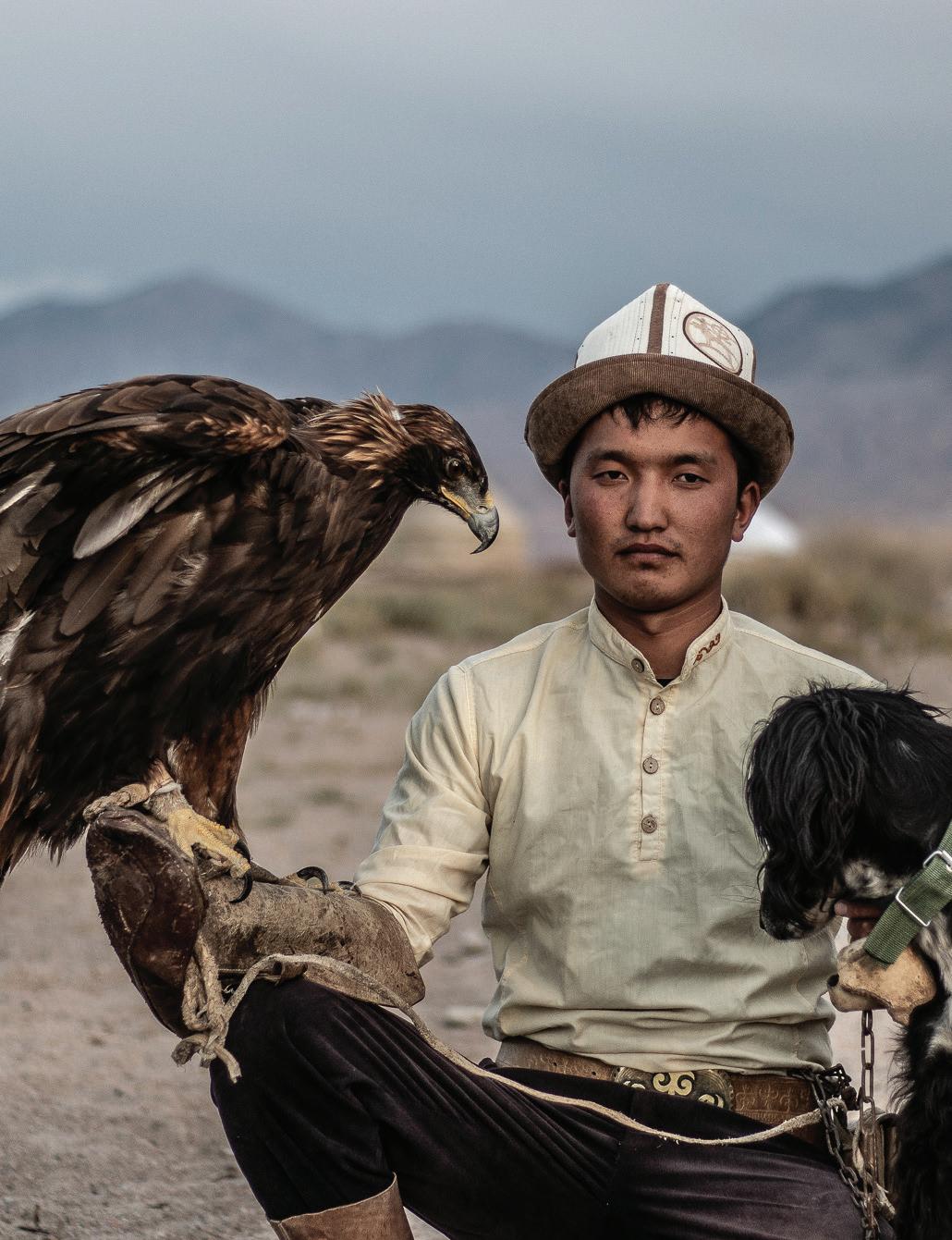
At Issyk-Kul Lake, Kyrgyz eagle hunters preserve one of Central Asia’s oldest nomadic traditions with golden eagles, hunting dogs, and generations of inherited skill
By Richard Collett
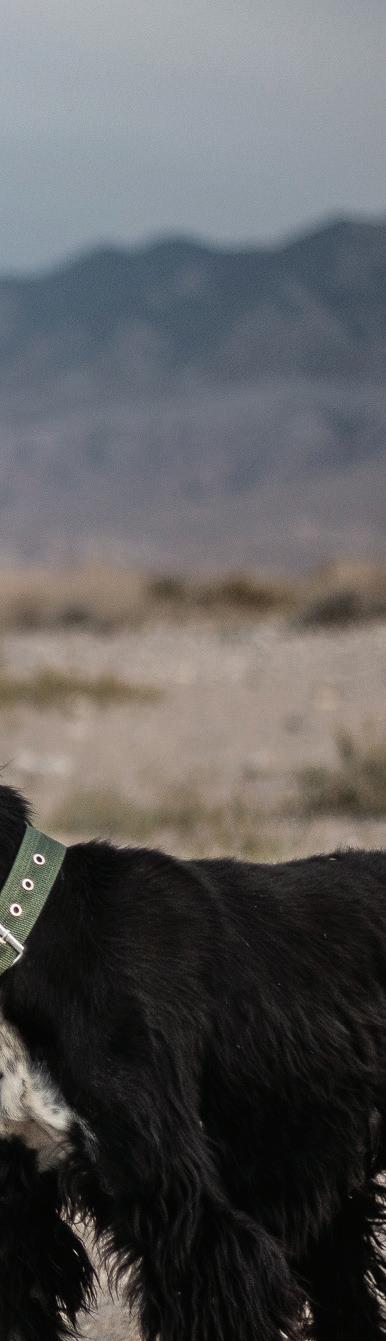
On the rocky southern shore of Issyk-Kul Lake, Nursultan waits patiently at the bottom of a dusty hill while his companion Aidar climbs towards the summit with a huge golden eagle perched on his leather gauntlet.
At a whistle, the demonstration begins. Nursultan sprints along the dirt road, dragging a dead fox behind him on a rope while Aidar releases Sulukke, the golden eagle. Within seconds, the bird descends on the carcass, tearing into it with frightening precision as its enormous wings beat against the wind.
As the eagle feeds from strips of raw meat in Nursultan’s hand, he casually mentions placing third in the World Nomad Games, Central Asia’s celebration of nomadic sport and culture. One of the key events is berkut saluu, the traditional art of hunting with eagles, a practice once widespread across the steppe.
The bond between hunter and eagle has been passed down through generations in Kyrgyzstan, Kazakhstan, and Mongolia. Eagles are typically taken from nests when young, trained for around twenty years, then released back into the wild. “Many survive for another twenty years in the mountains,” Nursultan explains as he strokes Sulukke’s feathers.
Tourism now plays an important role in preserving these traditions. Though the number of eagle hunters remains small, growing interest in Kyrgyzstan and the World Nomad Games has helped ensure this ancient relationship between man, bird, and steppe survives into another generation.
WHY WE CHOSE IT
This story by English writer/photographer Richard Collett captures the raw appeal of Central Asia at its most elemental: horses, hunting dogs, vast landscapes, and the extraordinary relationship between nomads and golden eagles. Beyond the spectacle, however, it also documents a fragile cultural tradition that survived decades of Soviet suppression before finding new life in independent Kyrgyzstan.
A Pilgrim’s Progress
The Kumano Kodo, a network of ancient pilgrimage trails on Japan’s Kii Peninsula, winds through some of the country’s most atmospheric landscapes
By Dave Stamboulis
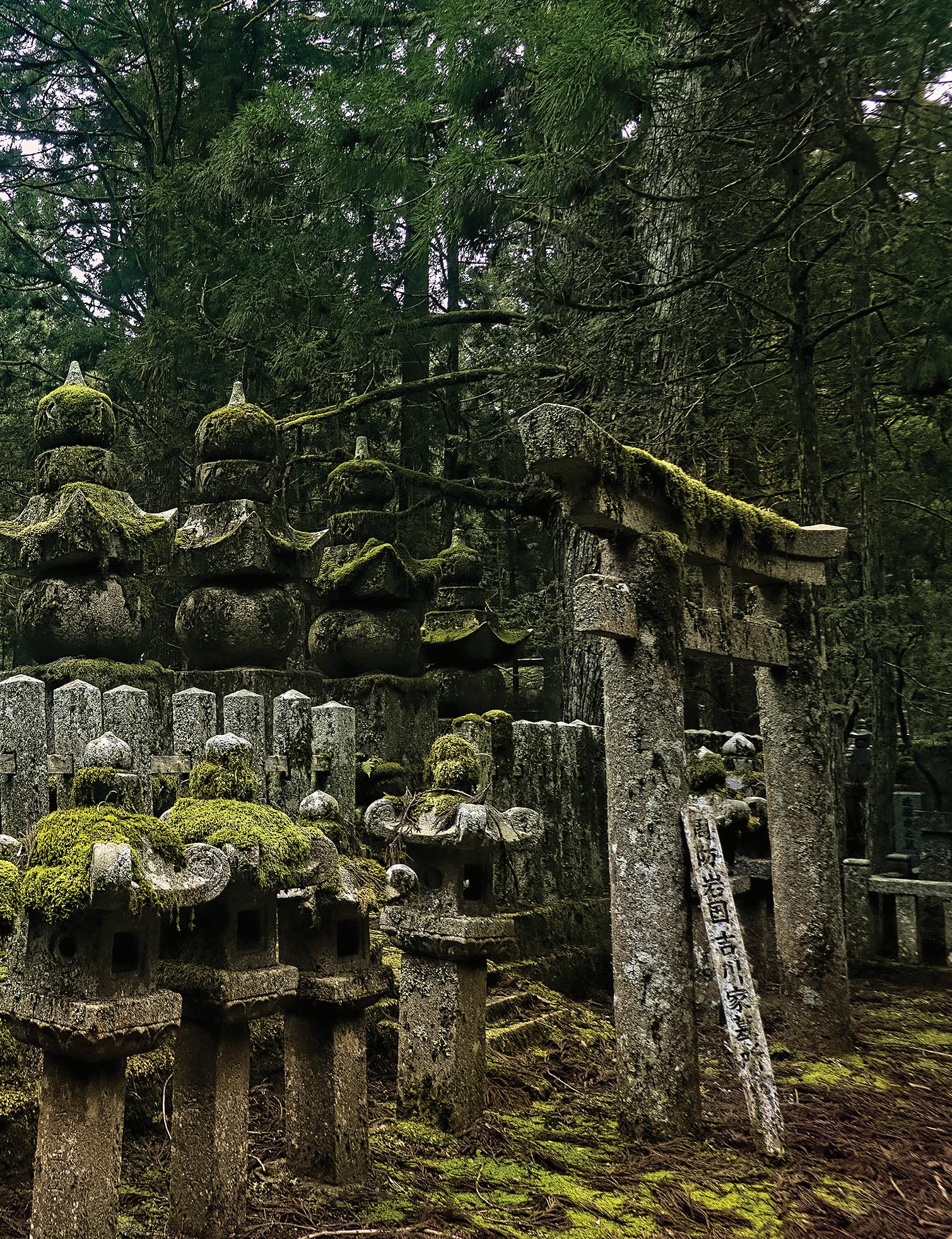
My wife and I set out along the Nakahechi route, a 44-mile trail connecting the three grand shrines of Kumano before continuing towards Koyasan, the mountain temple complex founded by Kobo Daishi, the monk who established Shingon Buddhism in Japan. Pilgrims ranging from emperors to peasants have walked these same trails for more than a thousand years.
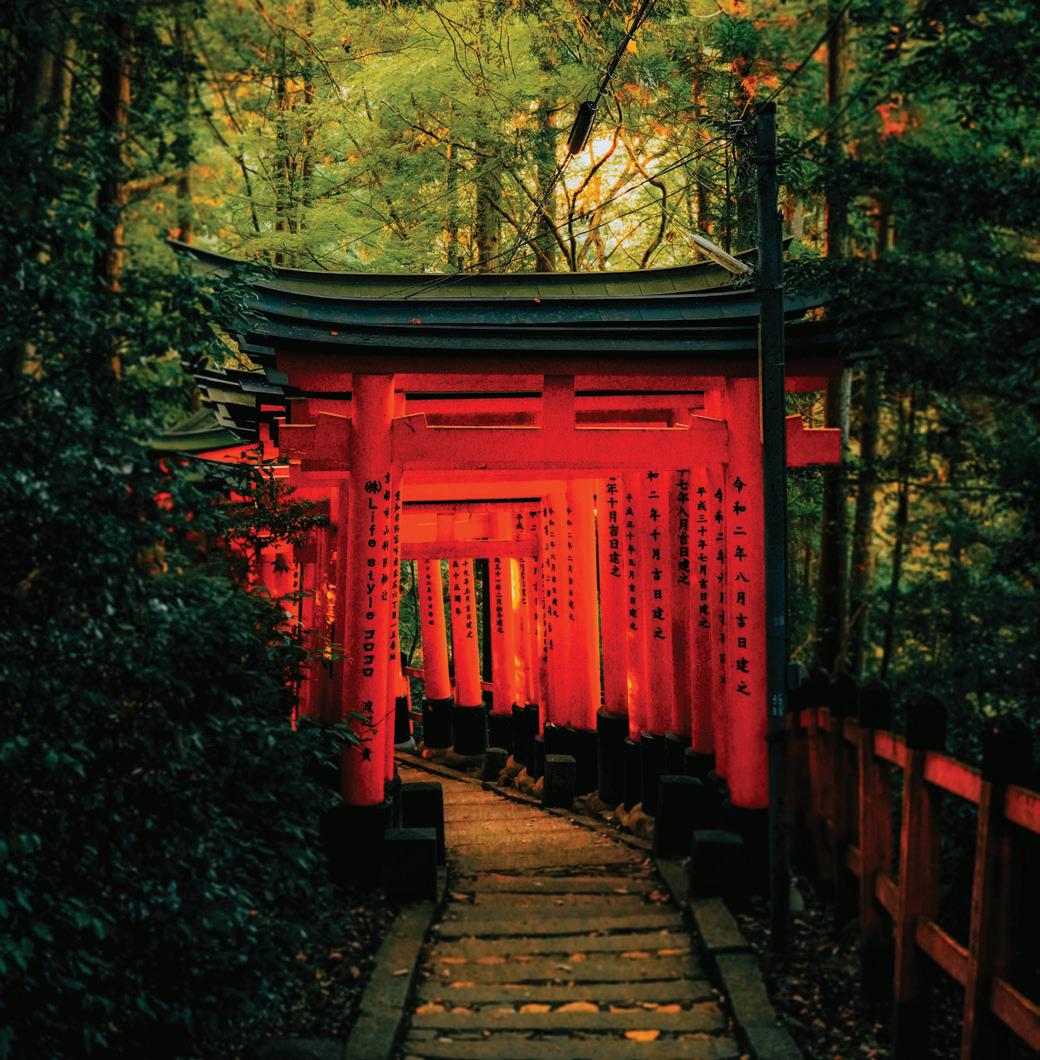
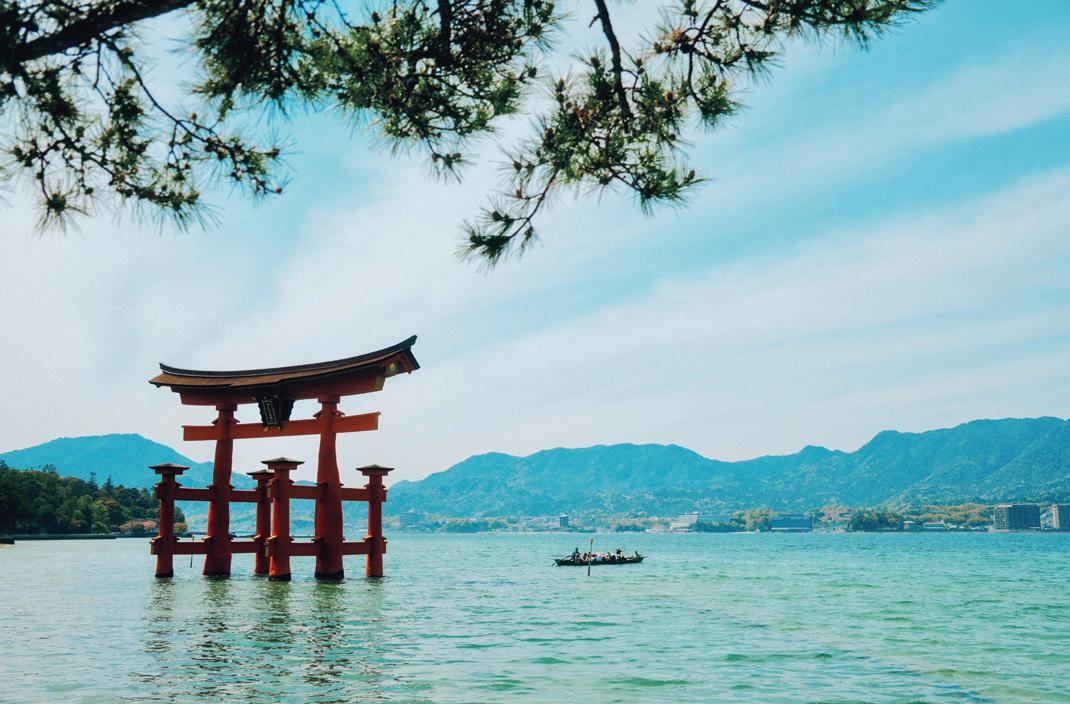
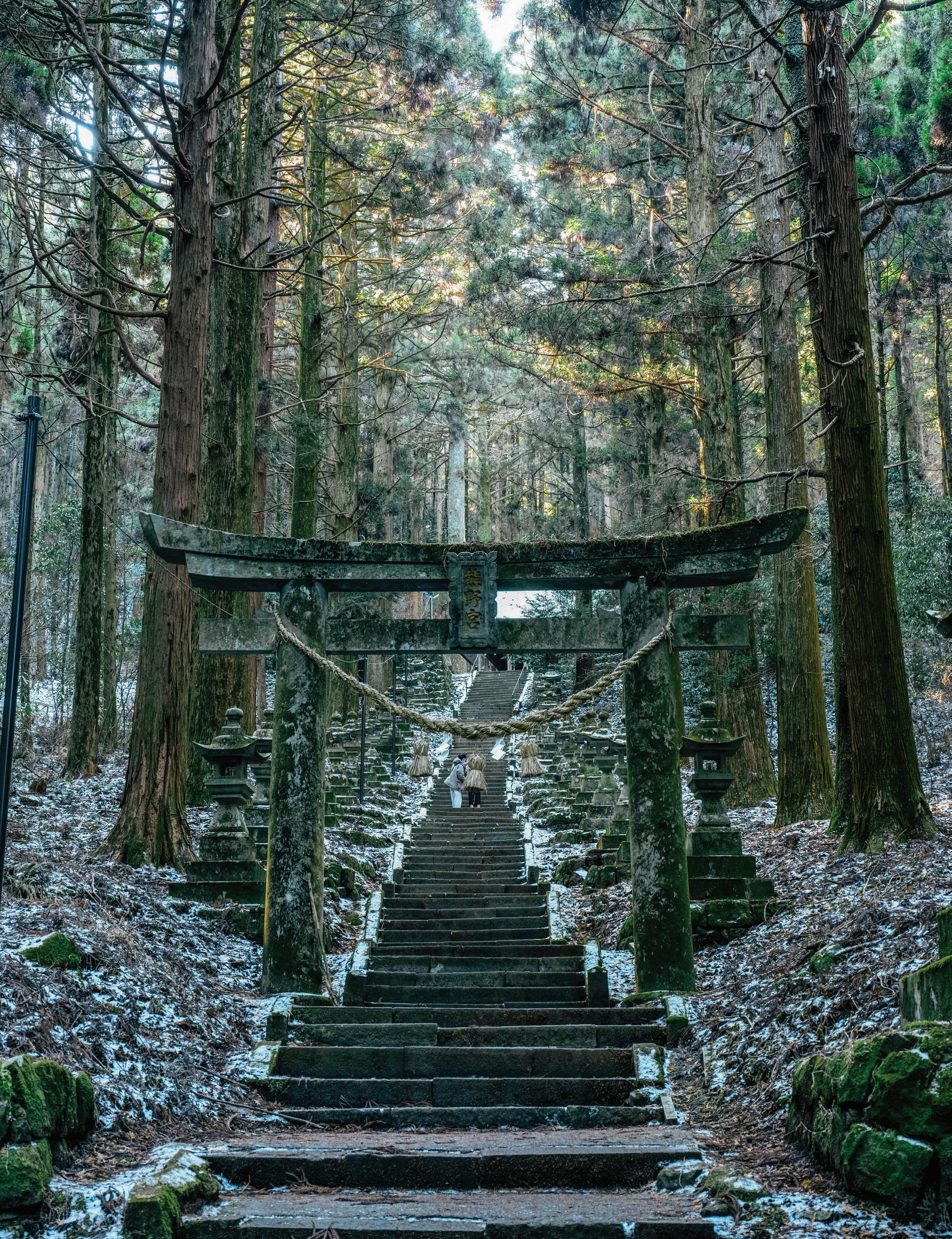
We began in Takajiri, passing beneath a traditional torii gate before climbing steeply into dense forest. After hours of climbing, we emerged into Takahara, a small village overlooking the Hatenashi Mountains.
Further along the route we reached Hongu Taisha, one of Kumano’s great shrines, before descending into Yunomine Onsen, where pilgrims have purified themselves in natural hot springs for centuries. Nearby Kawayu Onsen offered an even greater reward: steaming pools bubbling directly beside the river beneath the surrounding mountains.
The trail’s hardest stretches soon followed. Endless climbs through rainsoaked forest led to Hyakken Gura, a dramatic viewpoint overlooking what locals call the “3,600 peaks of Kumano.” Elsewhere, the brutally steep Dogiri Zaka, or “Body Breaking Slope,” proved so punishing that even a 13th-century Japanese poet complained about it in his diary.
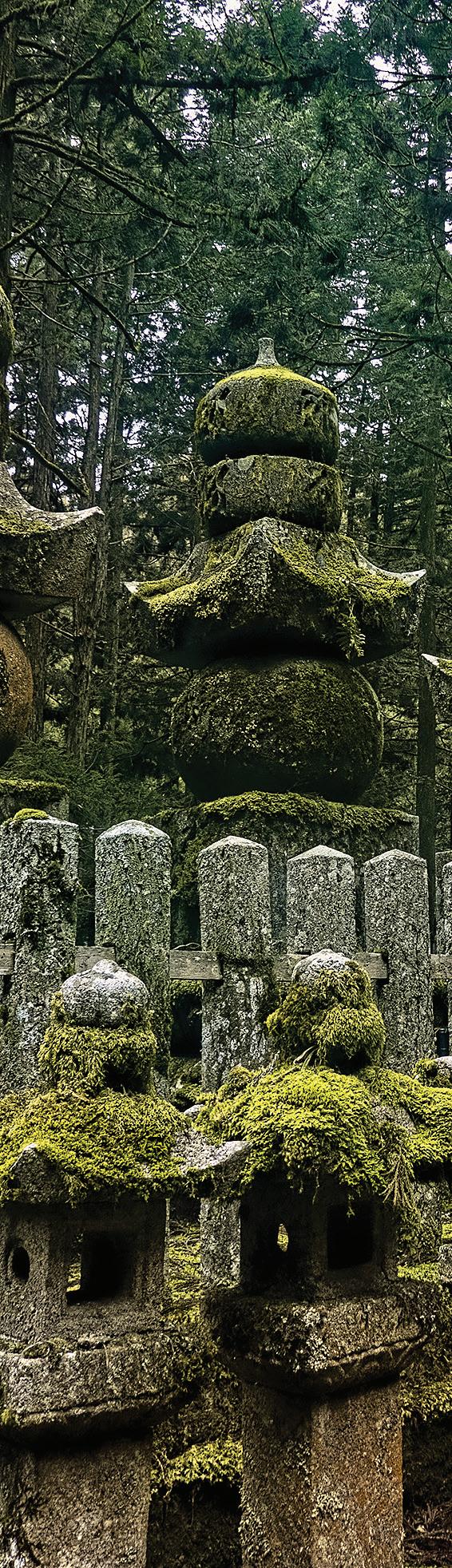
Our pilgrimage finally ended at Koyasan, where temple lodgings, moss-covered cemeteries, and thousands of stone jizo statues created an atmosphere of deep calm and mysticism. Despite modern comforts, the Kumano Kodo still feels timeless: a journey through forests, mountains, and shrines that encourages travelers to slow down and walk with purpose.
WHY WE CHOSE IT
American photojournalist Dave Stamboulis captures a side of Japan that many travelers never encounter: spiritual, rural, and shaped equally by forests, mountains, temples, and shrines. The pilgrimage trails, hot springs, shrine towns, and temple lodgings combine to create a travel experience that feels immersive without becoming overly romanticized.
Changing Faces
Difficult to reach by land or sea, the Gulf Mask Festival offers a rare glimpse into one of Papua New Guinea’s least visited and most culturally distinct regions
By Olga Fontanellaz
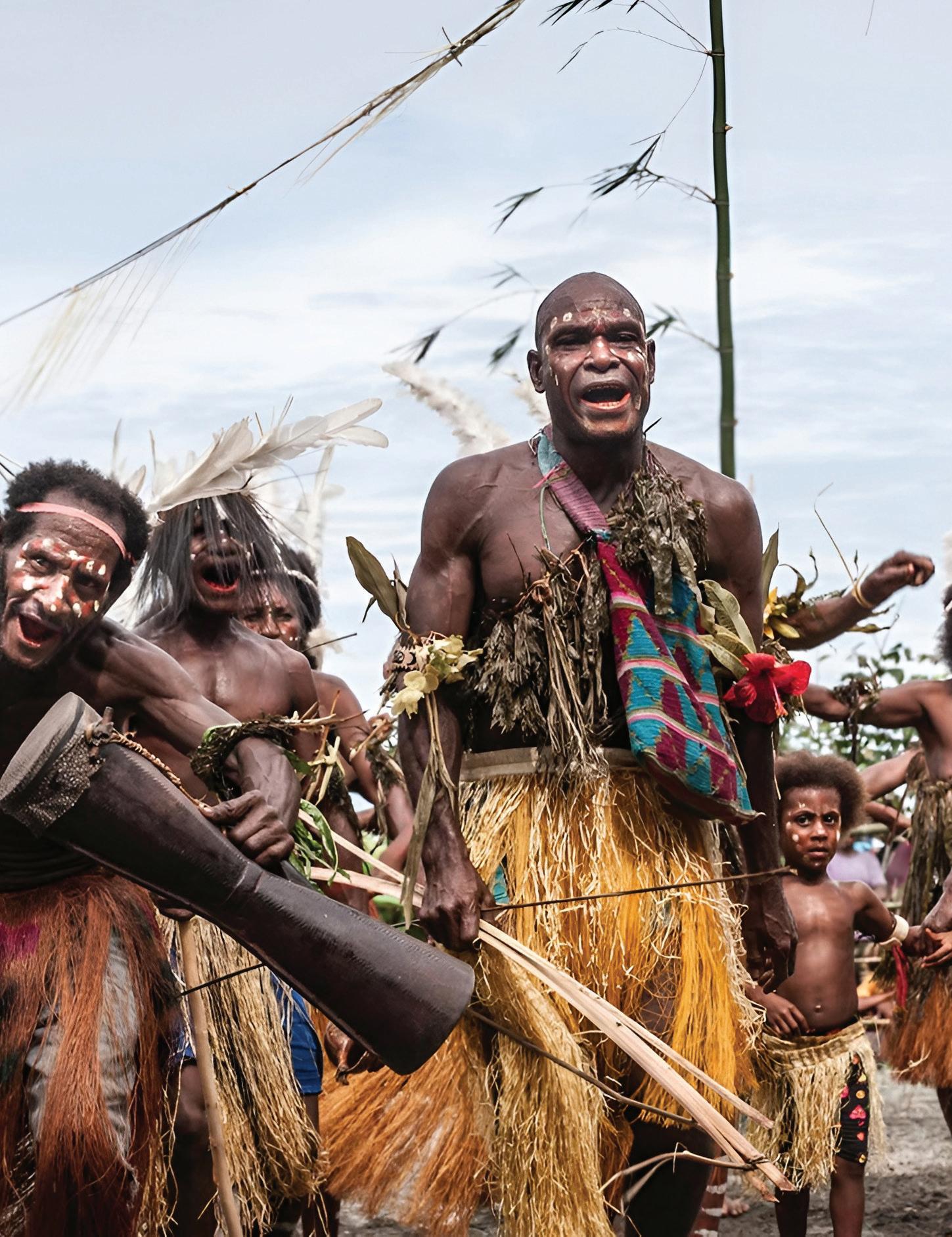
Garlands of fragrant frangipani flowers hung around our necks as villagers welcomed us to Toare in Tok Pisin, one of Papua New Guinea’s three national languages. We had travelled roughly 186 kilometres from Port Moresby to attend the little-known Gulf Mask Festival, a sing-sing unlike the more famous gatherings at Mount Hagen or Goroka.
Remote even by Papua New Guinean standards, the Gulf Province remains difficult to access. Roads are scarce, heavy rains batter the coastline for much of the year, and rough seas can isolate communities for months at a time. That isolation has helped preserve a distinct culture centred around the Elema people and their extraordinary ceremonial masks.
Toare itself was idyllic: white sand, turquoise water, coconut palms swaying in the heat. But thoughts of relaxation disappeared once the drumming began. Performers entered the sandy showground wearing elaborate masks crafted from bark cloth stretched over cane frames and painted with natural pigments. Some were towering and ornate, others narrow and ghostly, each with stylised facial features staring out across the crowd.
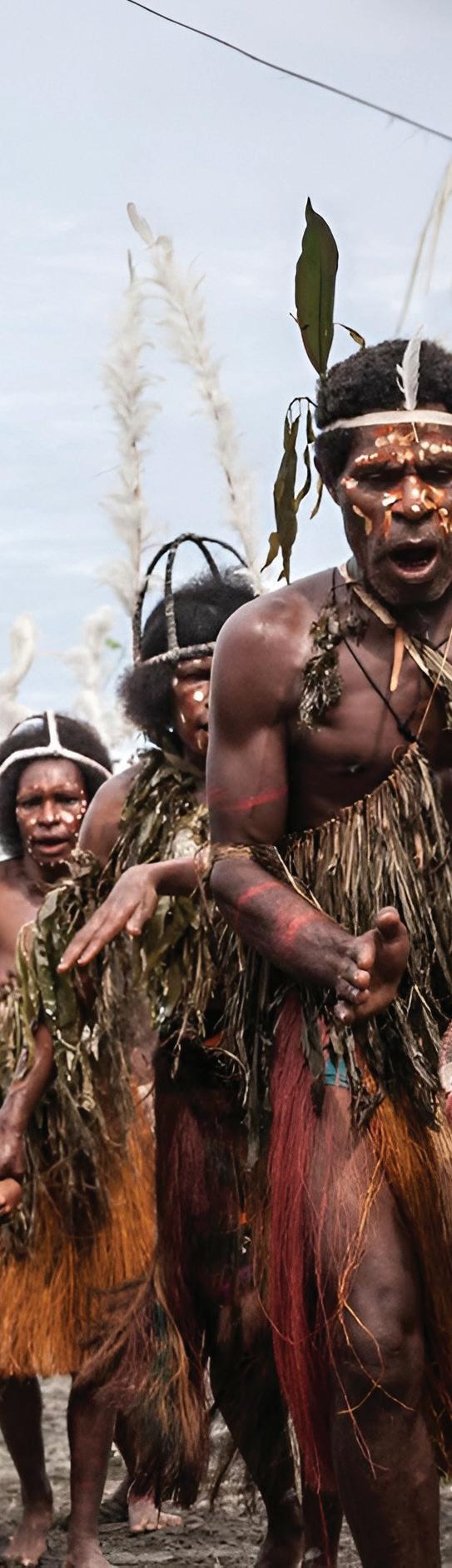
Across Papua New Guinea, tribal dress — or bilas — varies dramatically from region to region. The Gulf people are defined by these masks, worn alongside bark loincloths and skirts woven from sago palm fibres.
The country is changing quickly, shaped by missionaries, modern communications, and resource development. Yet in the Gulf Province, tribal identity remains deeply rooted. Nowhere was that more visible than at the Gulf Mask Festival itself.
WHY WE CHOSE IT
Papua New Guinea remains one of the world’s most fascinating frontiers, and this story by Olga Fontanellaz captures exactly why. What elevates the piece, however, is its sense of atmosphere: the masks emerging through drumbeats on the beach, the tension between tradition and modernity, and the feeling of being welcomed into a world still shaped by strong tribal identity.
ASIA THROUGH THE EYES OF REMOTE LANDS
Asia continues to enchant us in all its raw majesty and human intimacy: the untamed landscapes, and the faces and stories that remind us of the world’s beauty
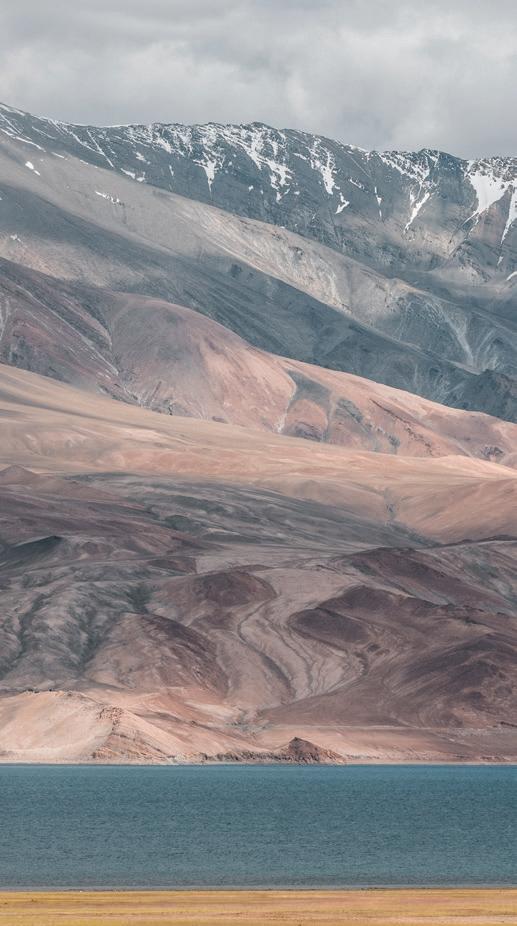
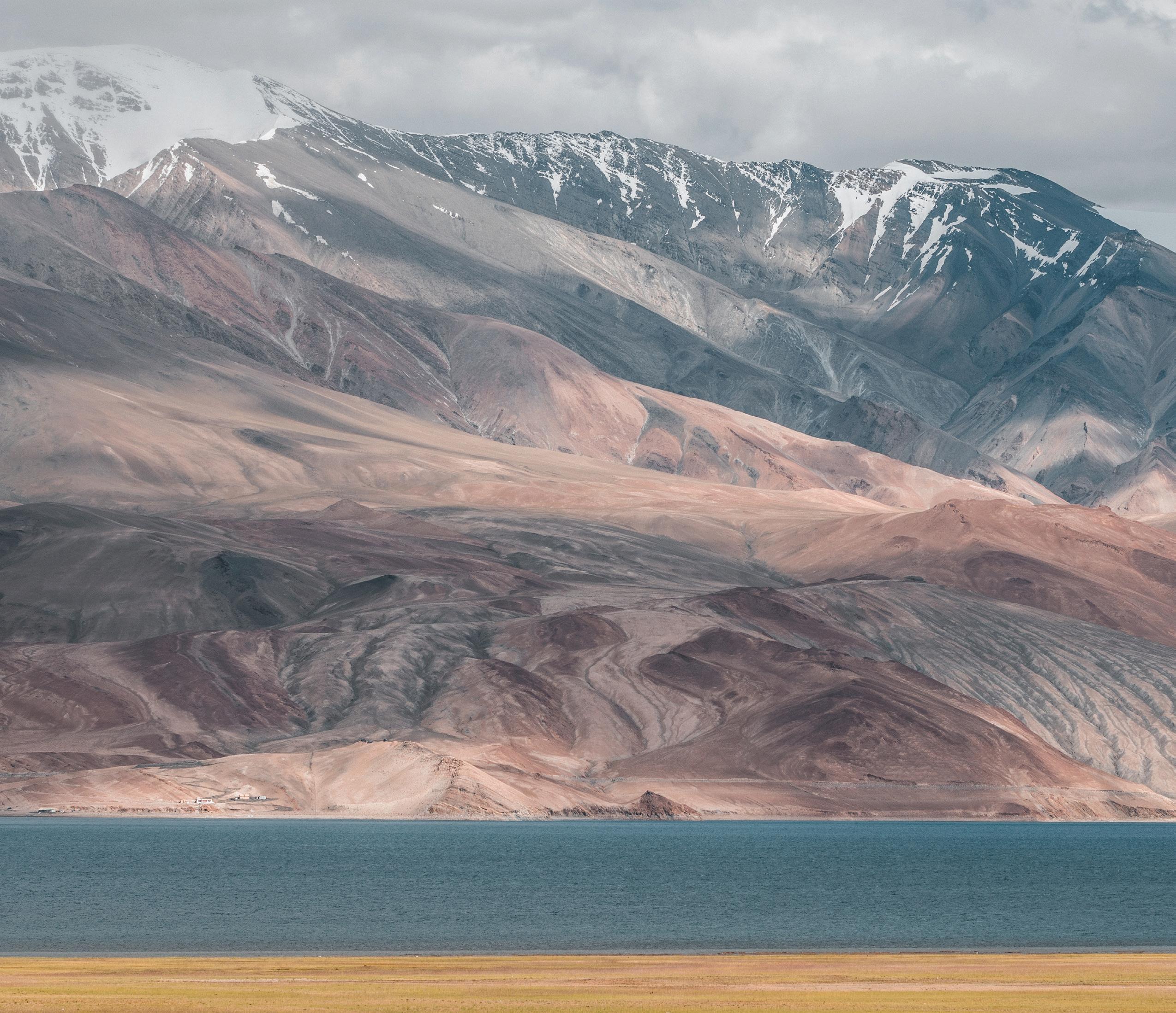
TSO MORIRI LAKE
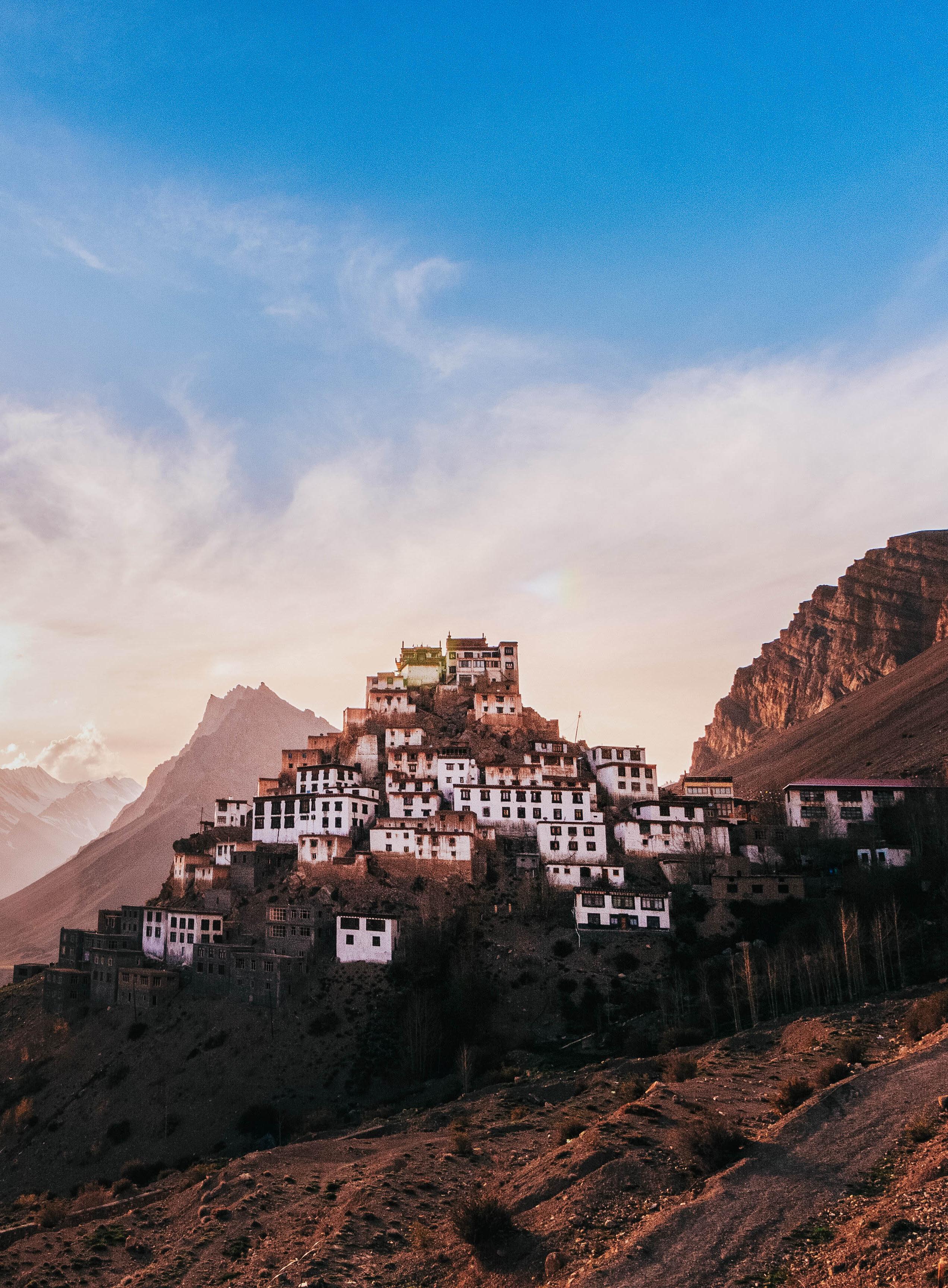
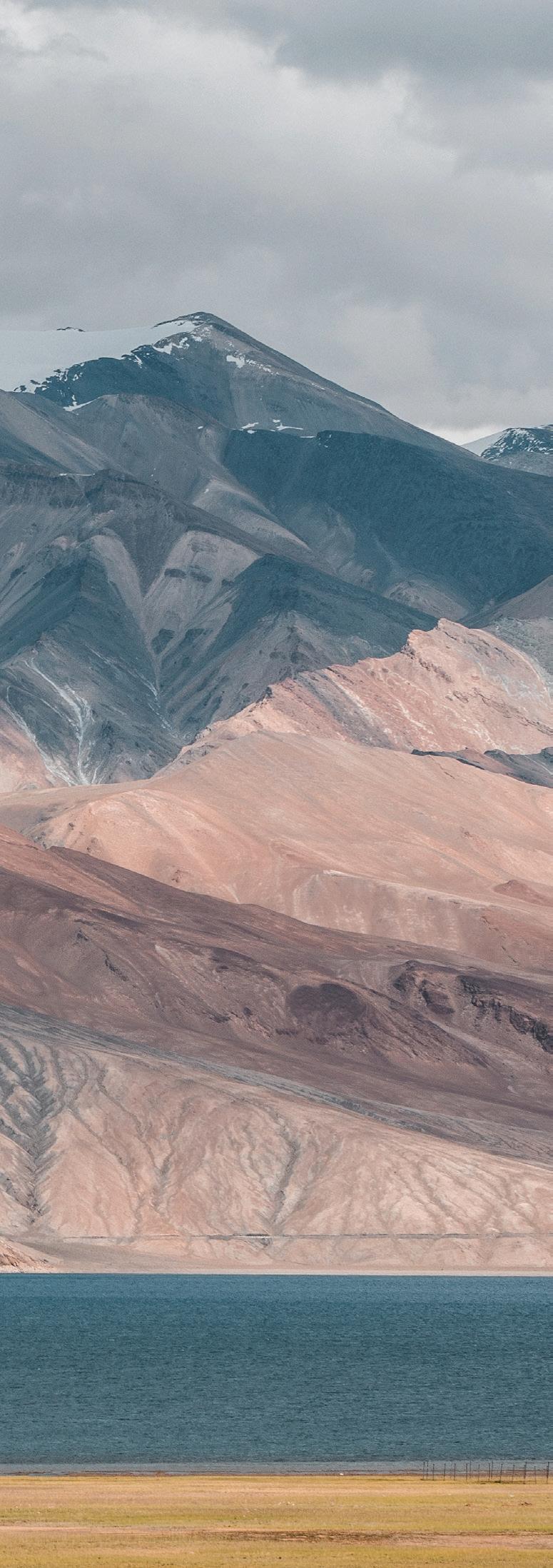
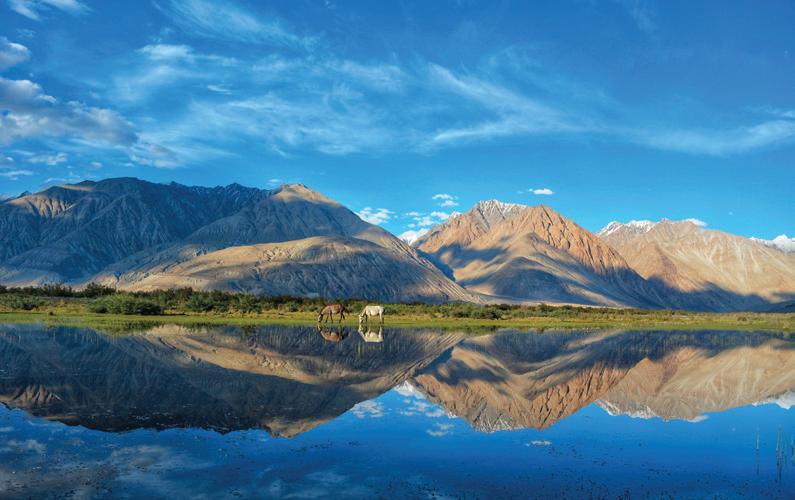
Ladakh rarely settles for a single landscape. At Tso Moriri, one scene unfolds in layers: grasslands and deep-blue water in the foreground, mineral-streaked mountains shifting through shades of ochre and ash, and distant snow-covered ridges disappearing into cloud. Captured on the Changthang Plateau just prior to the pandemic, the image feels almost geological in its composition, as though different worlds have been laid carefully one upon another.
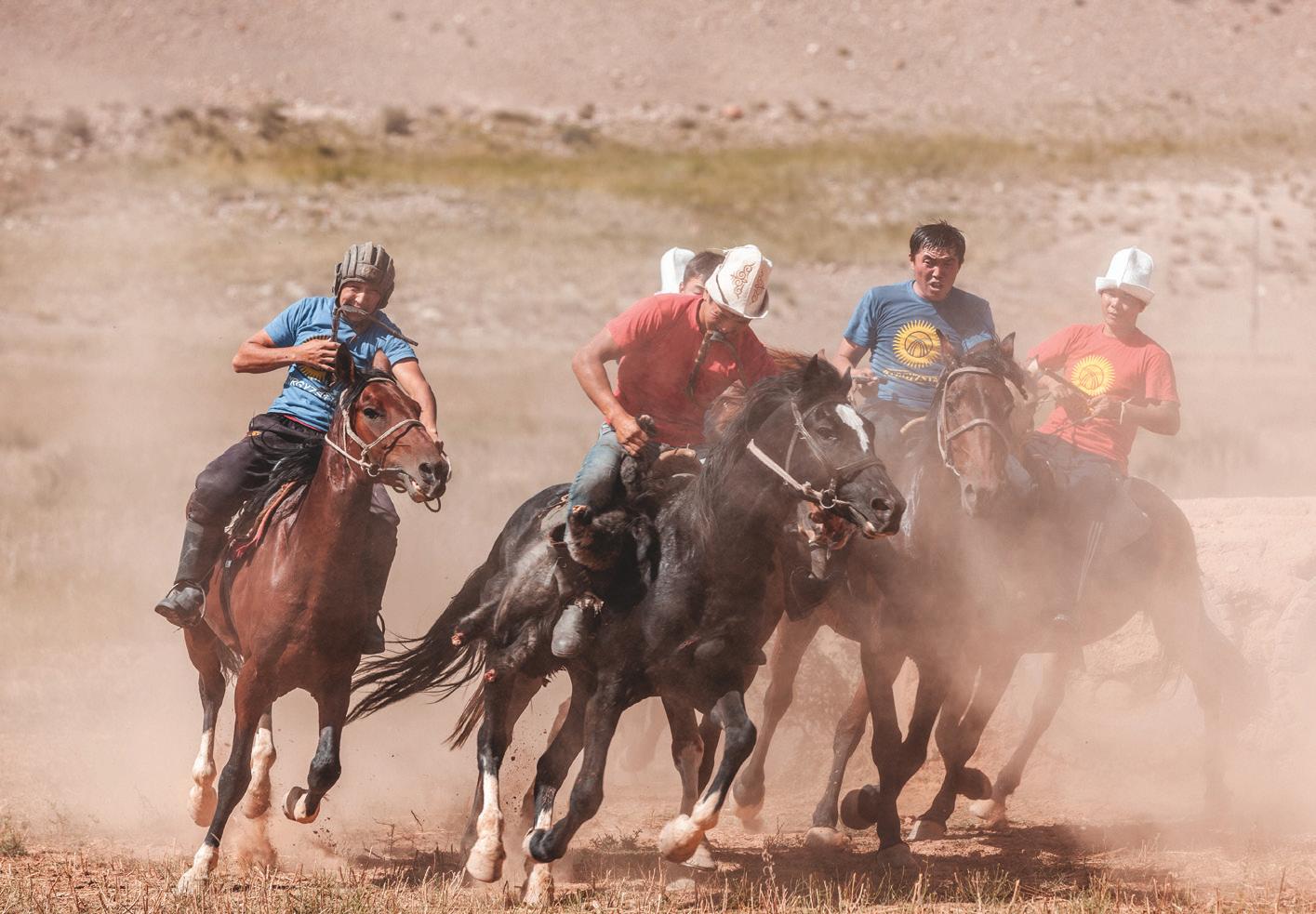
KYZYL-OI, KYRGYZSTAN (Top)
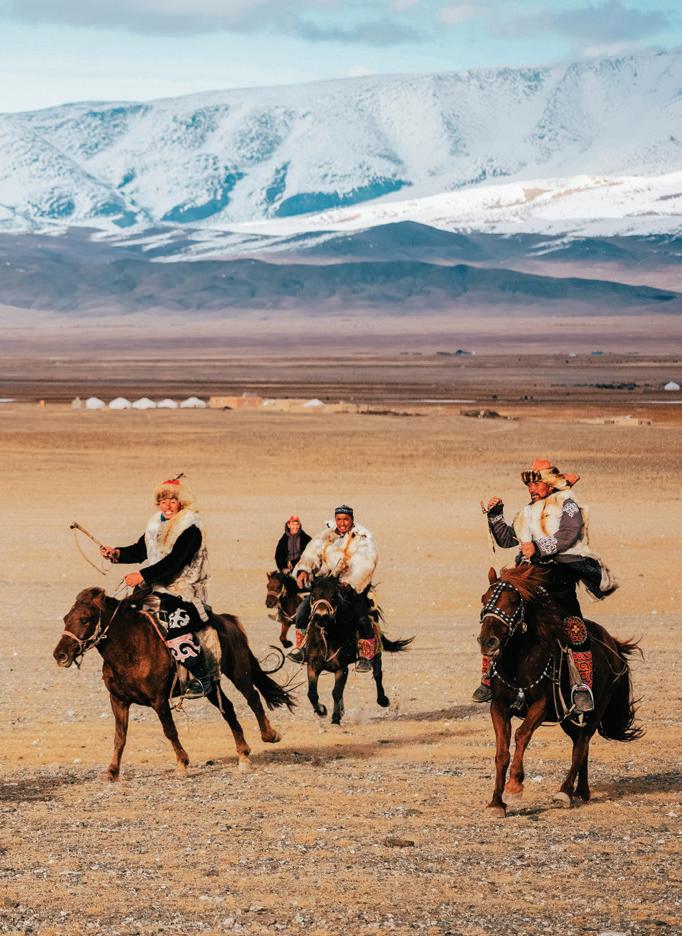
One of the defining spectacles of Kyrgyzstan’s annual National Horse Games Festival is Ulak Tartysh, the country’s version of the ancient Central Asian sport more widely known as Buzkashi. The game itself is violent, chaotic and deeply tied to nomadic tradition, with riders on horseback battling over the carcass of a headless goat.
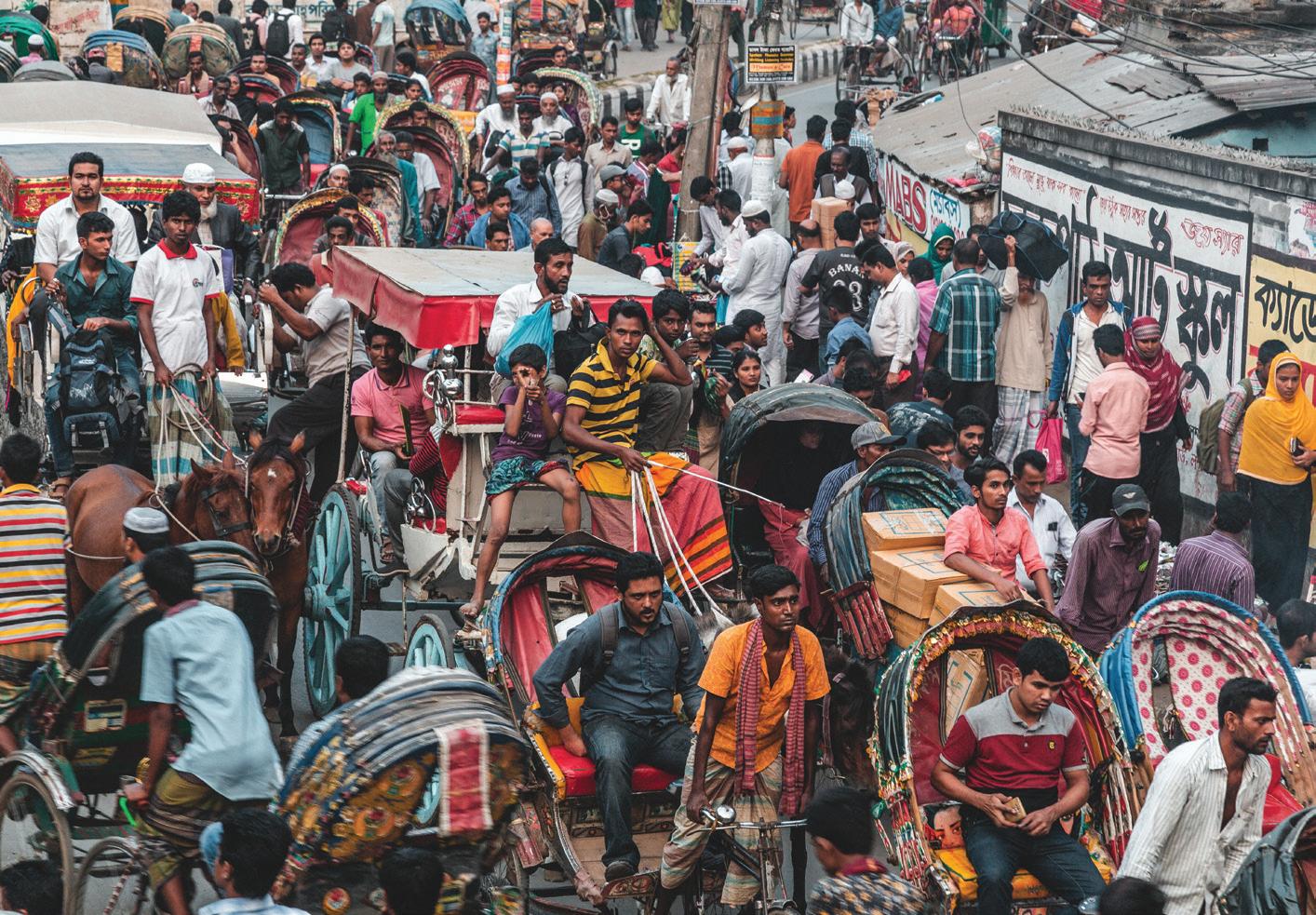
DHAKA, BANGLADESH
Rush hour in Old Dhaka is akin to a form of urban warfare, with rickshaws, pedestrians, carts and cars all fighting for inches of road space amid a haze of noise, dust and exhaust. Yet amid the chaos, one young passenger stares directly into the camera with a look of complete calm, as though the daily anarchy unfolding around him barely registers anymore.
PYONGYANG, NORTH KOREA (Top)
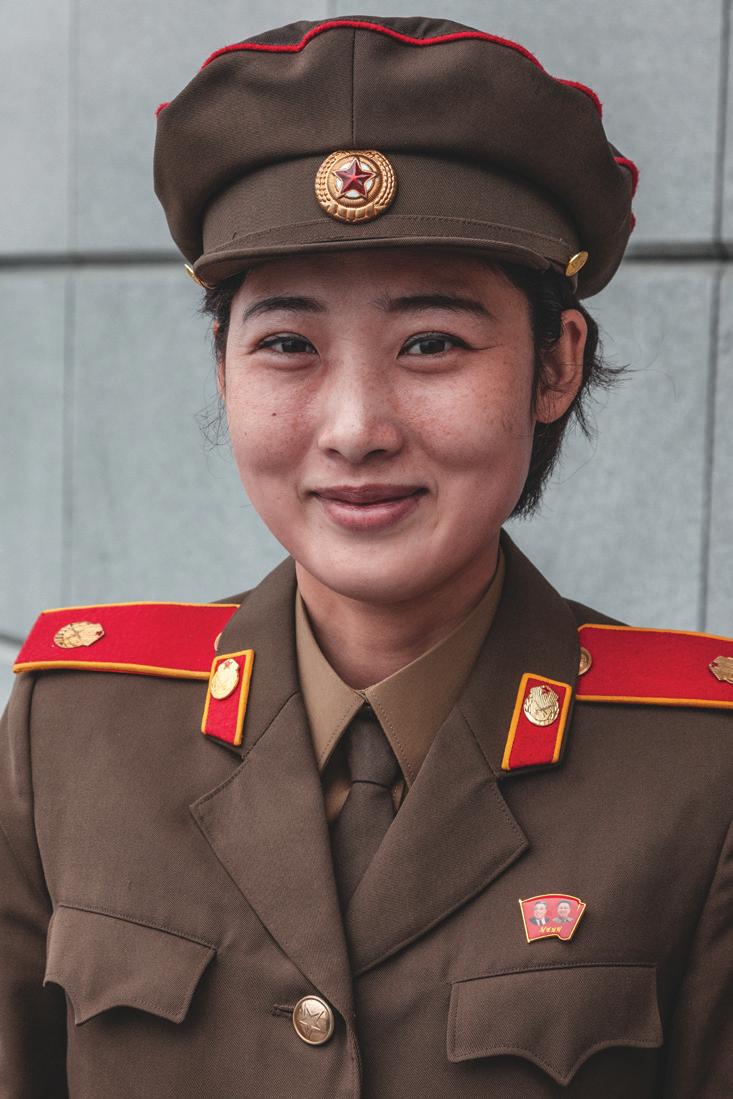
The warm smile and kind eyes of this young North Korean officer stood in striking contrast to the stern image so often associated with officials in the isolated state. It was that fleeting sense of openness that prompted the photographer to take the portrait.
KISAMA, NAGALAND
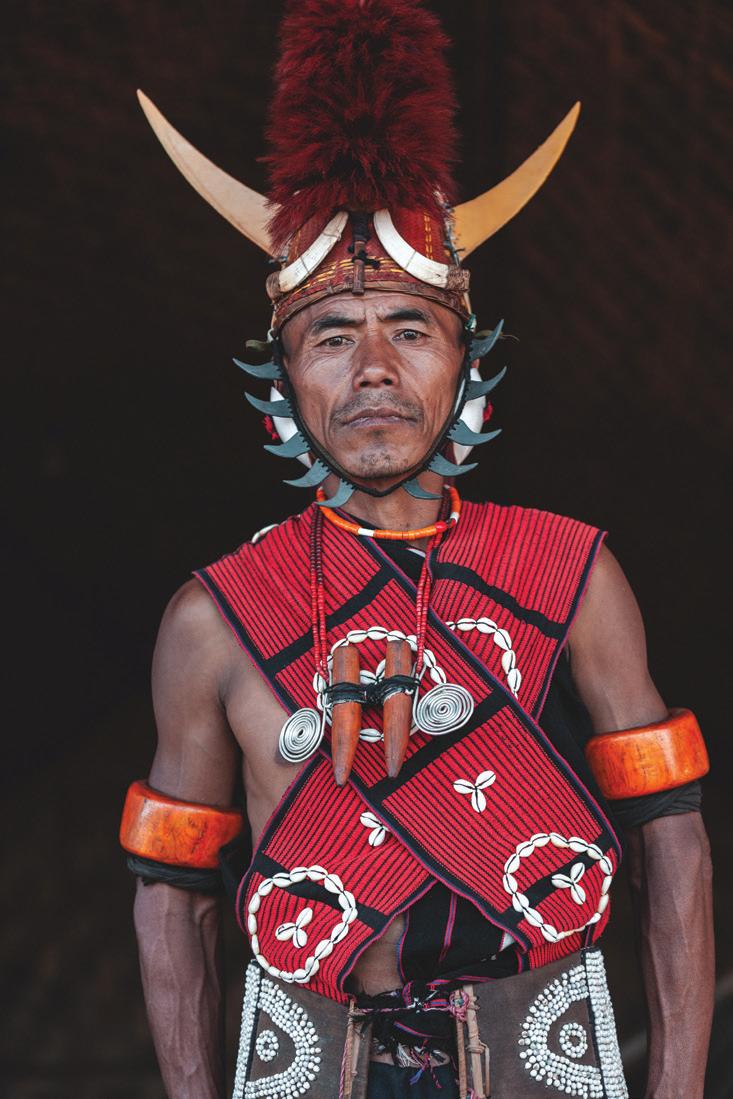
Photographed during the annual Hornbill Festival in Nagaland, this chief from the Yimchunger tribe cuts a formidable figure in ceremonial dress and horned headgear. His commanding presence stayed with the photographer long after the encounter.
ASARO MUDMEN, PAPUA NEW GUINEA
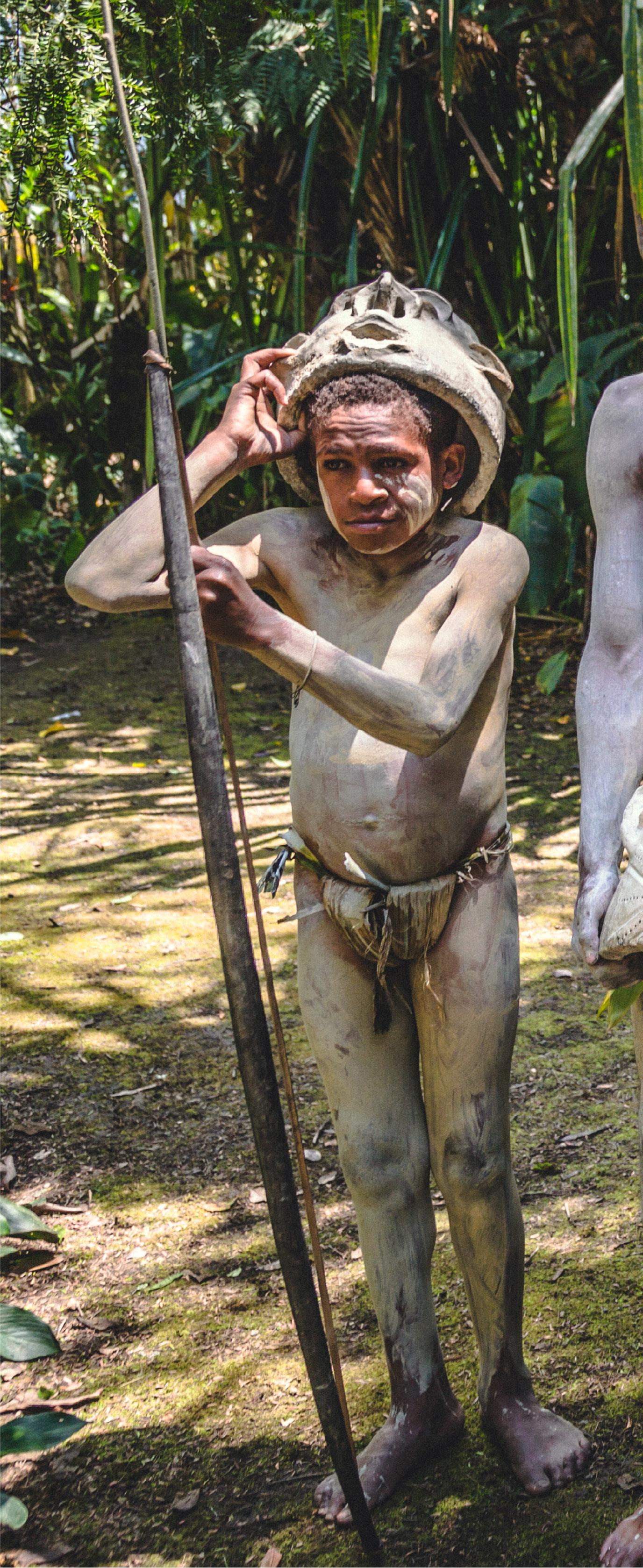
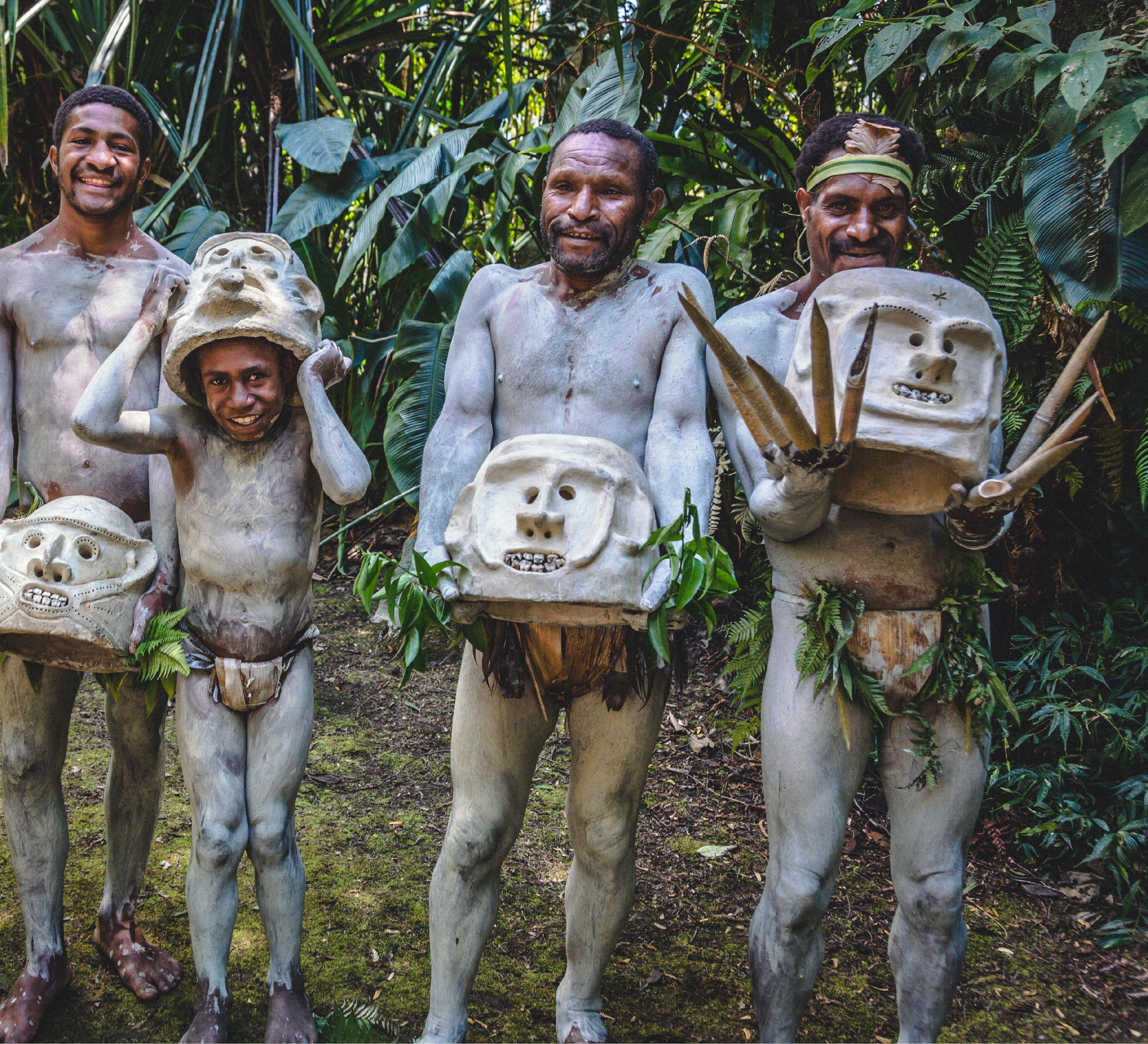
Menace turns to mischief in this 2015 image of the Asaro Mudmen (also known as the Holosa), where an encounter that began with ghostly figures and intimidating masks ended with grins, laughter, and the collapse of the illusion.
LOOKING FORWARD
We have spent twenty years mastering the how: the logistics, the access, the difficult connections made effortless. The next twenty years will be shaped more decisively by the why
A RICHER NARRATIVE
The future of luxury travel lies not in covering more ground, but in going deeper
Twenty years ago, luxury travel was defined by accumulation. More stamps in the passport, more cities in a fortnight, more visible proof and bragging rights of a life lived at speed.
The great luxury trip was a conquest of geography, moving in a straight line through the world's grandest foyers in pursuit of bucket-list validation. Success was measured by reach: how many places you had visited, how quickly you had seen them, and how impressive the map looked afterward.
But the next twenty years will demand a different kind of intelligence. The future of luxury travel is not about expanding outward. It is about going deeper. We are moving from the acquisition of destinations to the refinement of perspective.
When Remote Lands launched, many guests knew Asia mainly through business hubs such as Hong Kong or Tokyo. Today, returning travelers increasingly want to move beyond the obvious and explore regions they missed the first or second time around. At the same time, social media and the sheer availability of information have made travel more collaborative, with guests arriving far better informed about what they want from a journey.
By 2026, the baseline of ultra-luxury travel has shifted. A private jet, a villa with a view, and flawless logistics are no longer the point of the journey. They are the starting conditions. What matters now is what those things make possible and the feeling they invoke.
In a hyper-connected world, the rarest commodity is not simply access but clarity. That is why the true distinction in travel now lies in coherence, pacing, and the ability to be fully present. Across Asia in particular, the old model of rapid-fire movement increasingly feels crude. Beijing to Bangkok to Bali in ten days may still look impressive on paper, but in practice it often produces a blur of arrivals, departures, and under-digested impressions.
The future of high-end travel is slower, more deliberate, and more selective.
We are witnessing a decisive shift toward the deep dive.
The future of high-end travel is slower, more deliberate, and more selective. We are witnessing a decisive shift toward the deep dive: an approach that views India, China, Indonesia, and Japan not as single destinations, but as complex ecosystems that reward patience. Luxury can now mean leaving things out.
It also means moving beyond the instinct to tick boxes or post a quick Instagram photo before moving on. Increasingly, the most meaningful moments are not the famous landmarks or even the hotels themselves, but unexpected human encounters: time with a local family, conversations with artisans, or spontaneous experiences facilitated by an experienced guide.
As the climate shifts, so too does the geography of desire. Over the next decade, the "coolcation" will move from niche preference to practical priority. Travelers will increasingly trade overheated hubs for the altitude of Bhutan, the Himalayan foothills, or the pine-scented calm of Hokkaido. But this reflects a broader internal shift. Travel is becoming less about stimulation and more about restoration.
That helps explain the evolution of wellness at the top end of the market. We are moving beyond the amenity-led spa toward something more purposeful: a blend of ancestral wisdom, clinical rigor, and carefully deployed technology. For the UHNW traveler, wellness is no longer an add-on. It is often one of the principal reasons for the journey.
In established icons such as Kyoto or Bali, where popularity has introduced friction, the challenge is no longer simply getting in. It is preserving the quality of the experience once you are there. The difference between a transformative stay and a standard tourist experience does not come down to thread count or square footage. It is about rhythm: when to enter the energy of a place, when to step back from it, and how to allow genuine absorption rather than managed consumption.
That is why the sanctuary model has regained momentum. Private residences, intimate lodges, members' clubs, and controlled enclaves are not appealing simply because they are exclusive. They work because they reduce noise. In a crowded world, protection from friction has become one of luxury travel's defining services.
Looking toward 2046, the highest form of luxury may be the removal of noise in all its forms: physical, digital, social, and mental. We are entering an era of curated return, in which sophisticated travelers revisit the places they love rather than constantly chasing the new. There is a growing understanding that a destination is never truly known on first encounter.
At Remote Lands, we have spent twenty years mastering the how: the logistics, the access, the difficult connections made effortless. The next twenty years will be shaped more decisively by the why. The journeys that matter most will not be those that cover the greatest distance, but those that leave the deepest mark.
INTO TOMORROW
These are six shifts and destinations we believe will shape the next chapter of high-end travel in Asia and beyond
Luxury travel is entering a more interesting phase.
The immediate post-pandemic years were defined by return. Travelers finally fulfilled the dreams of trips that had been postponed in 2020. But now the mood is changing, and that rebound is giving way to something more considered. Travelers are looking for depth over repetition, substance over excess, and experiences that feel more intelligently put together.
That change is opening the door to different places and different kinds of journeys. Some are emerging destinations. Others are familiar countries seen through a fresher lens. All point to a future in which travel feels more meaningful, more personal and, frankly, less generic. Here are six trends we're especially excited about.
SECONDARY JAPAN COMES INTO ITS OWN
Japan will remain one of the world's most compelling destinations, but the next wave of interest is moving beyond the obvious circuit. Tokyo, Kyoto, Hakone and Osaka are still ideal for first-timers, but seasoned and repeat travelers to Japan are increasingly drawn to places that feel more rooted in regional culture and daily life.
That means a stronger spotlight on Kyushu, Tohoku, Shikoku, Hokkaido and the Noto Peninsula, where hot spring towns, craft traditions, pilgrimage routes and deeply local food cultures offer a richer sense of place. Japan's enduring appeal has always been about precision and beauty. What is changing is where travelers are choosing to find it.
INDIA’S RANGE IS FINALLY GETTING ITS DUE
India has never lacked scale or drama, but more travelers are beginning to engage with it in a broader, more nuanced way. Beyond the classic sweep of palaces, forts and grand hotels, there is rising interest in journeys shaped around wildlife, spirituality, architecture, textiles, food and regional identity.
Rajasthan will remain a cornerstone for first-timers, but places such as Ladakh, Madhya Pradesh, Karnataka, Kerala, Telangana, Punjab, Sikkim and the Himalayan foothills are making a play for attention. India rewards curiosity better than almost anywhere. Its 28 states and eight union territories encompass 36 distinct cultures, requiring dozens of journeys even to begin scratching the surface.
For seasoned travelers, a sense of discovery has become far more valuable than another polished destination everyone has already seen endlessly on social media
CENTRAL ASIA FEELS READY
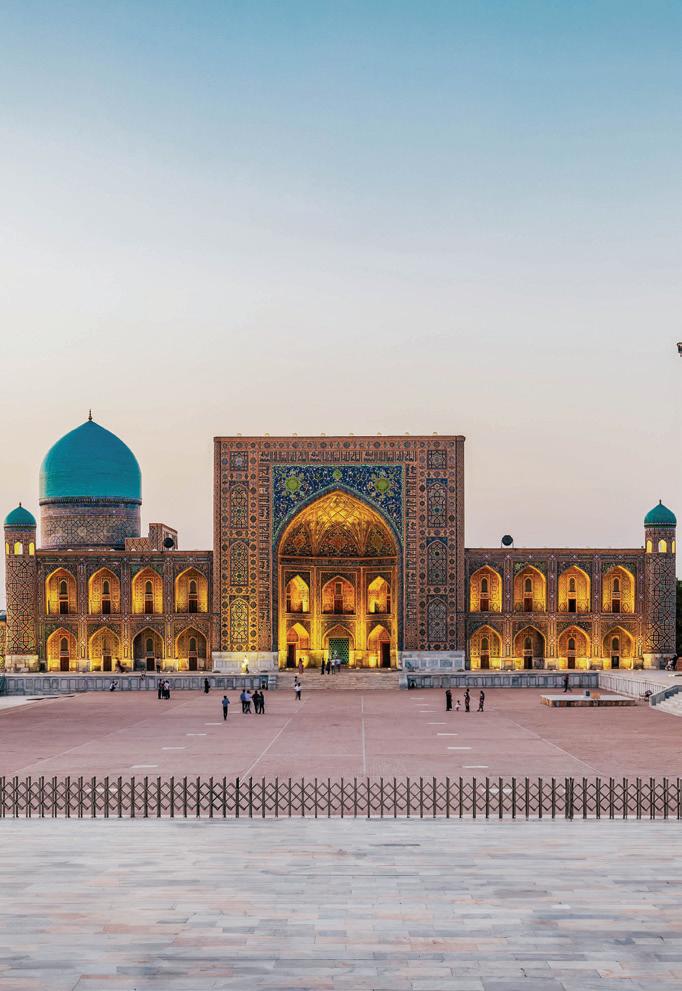
For years, Central Asia sat just outside the luxury mainstream, admired from afar but rarely given the attention it deserved. That is changing. Uzbekistan, Kazakhstan and Kyrgyzstan are emerging as destinations for travelers interested in history, architecture, spectacular landscapes and a stronger sense of movement through a region.
There is real excitement in the idea of tracing old Silk Road routes, sleeping in beautifully restored cities, then moving on into vast mountain landscapes and nomadic cultures. It is visually striking, historically rich and still carries that increasingly rare quality of feeling underexplored.
TRAVEL IS BECOMING MORE INTEREST-LED
The best journeys ahead will not be defined by how many countries they cover, but by the clarity of the idea behind them. Travelers are becoming more specialized in their interests, and the most memorable itineraries will reflect that.
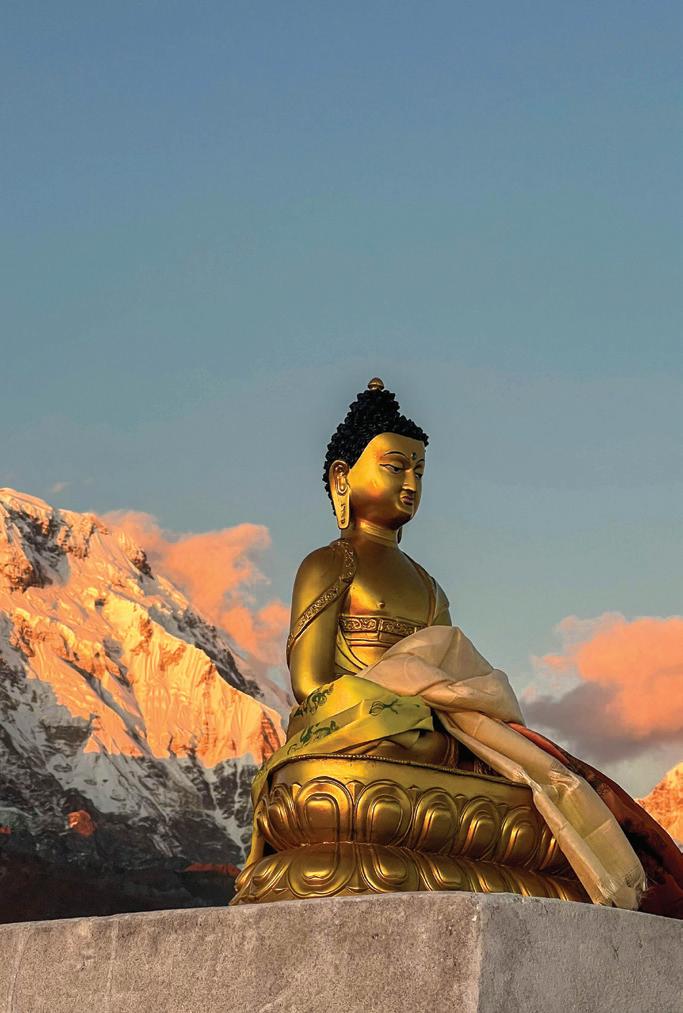
That could mean following Japan's living craft traditions, exploring Buddhist art across the Himalayas, diving deep into marine conservation in eastern Indonesia, or tracing a region through its food rather than its headline sights. This is where luxury becomes more meaningful: not just comfort and access, but a trip built around genuine fascination.
FRONTIER DESTINATIONS WILL GAIN GROUND
A small group of destinations that has long sat outside the main luxury conversation is likely to attract far more attention in the years ahead. Mongolia is one. Founded by Genghis Khan in 1206 as one of history's largest empires, the country still has a sizeable nomadic population, around a third of its people. Equally fascinating are the lesser-known corners of the Philippines, where the rice terraces of Banaue, the hanging coffins of Sagada and the windswept beauty of Batanes offer a very different vision of the archipelago.
More remote parts of Indonesia are equally well positioned, from the orangutan habitats of Sumatra and Borneo to islands such as Sumba and Alor, where travelers can still experience a sense of frontier that has become increasingly rare elsewhere in Asia.
These places are not for everyone, which is part of the point. Their appeal lies in space, character and the feeling that travel still requires some imagination. For seasoned travelers especially, that sense of discovery has become far more valuable than another polished destination everyone has already seen ad nauseam on social media.
SLOWER JOURNEYS WILL FEEL MORE LUXURIOUS
For a long time, travel was sold through speed and efficiency. More stops, tighter connections, greater bragging rights and ticking off bucket-list destinations. That logic is starting to look tired. Increasingly, travelers want journeys with more depth, better pacing and a stronger sense of flow from one place to the next.
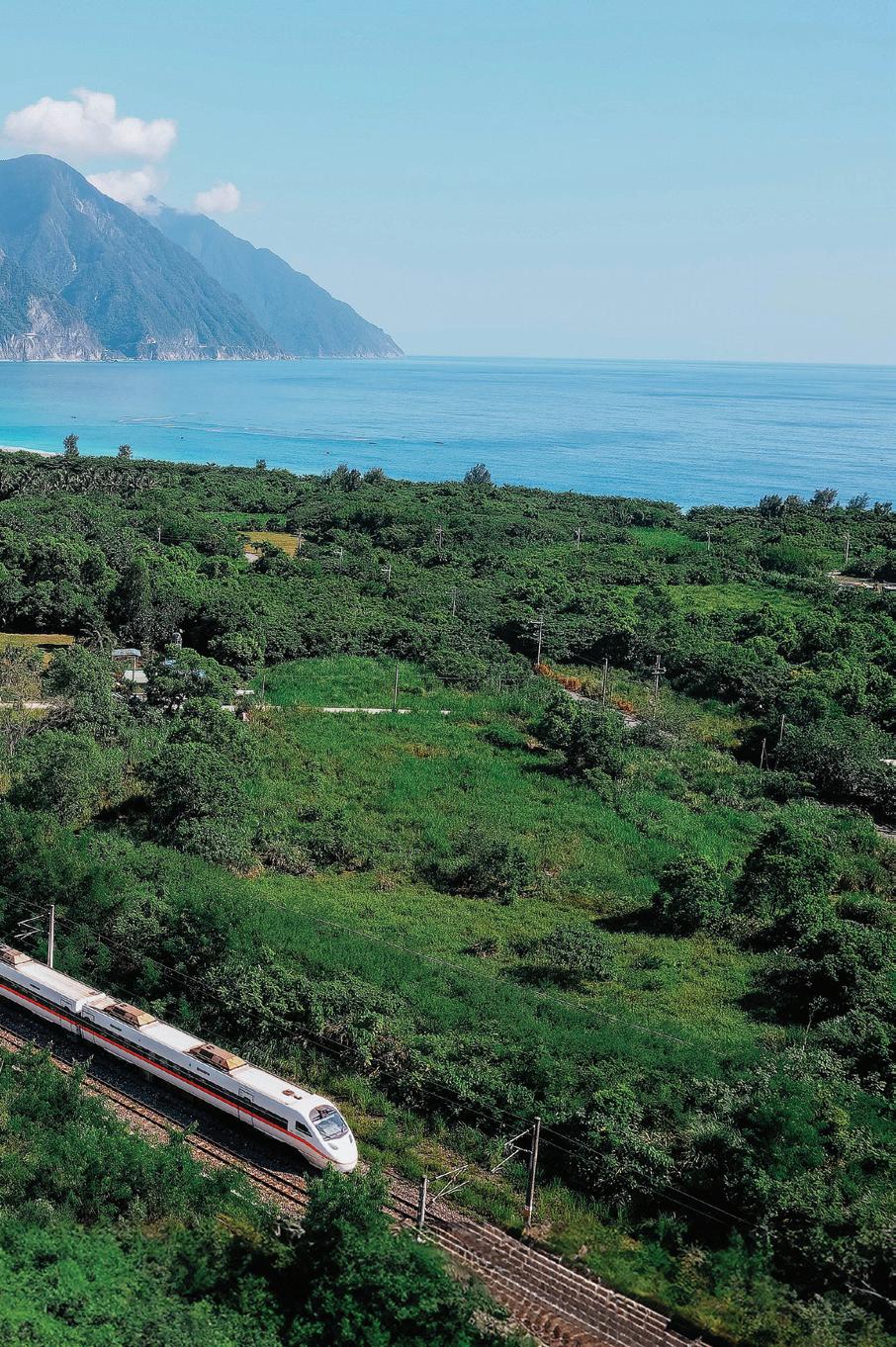
That is good news for trains, river cruises, overland routes and longer stays that allow a destination to unfold properly. The point is not simply to slow down for the sake of it. It is to make room for a deeper experience, which, after all the frantic box-ticking of modern travel, seems like a sensible idea.
THE SKYLINE HAS A NEW SIGNATURE
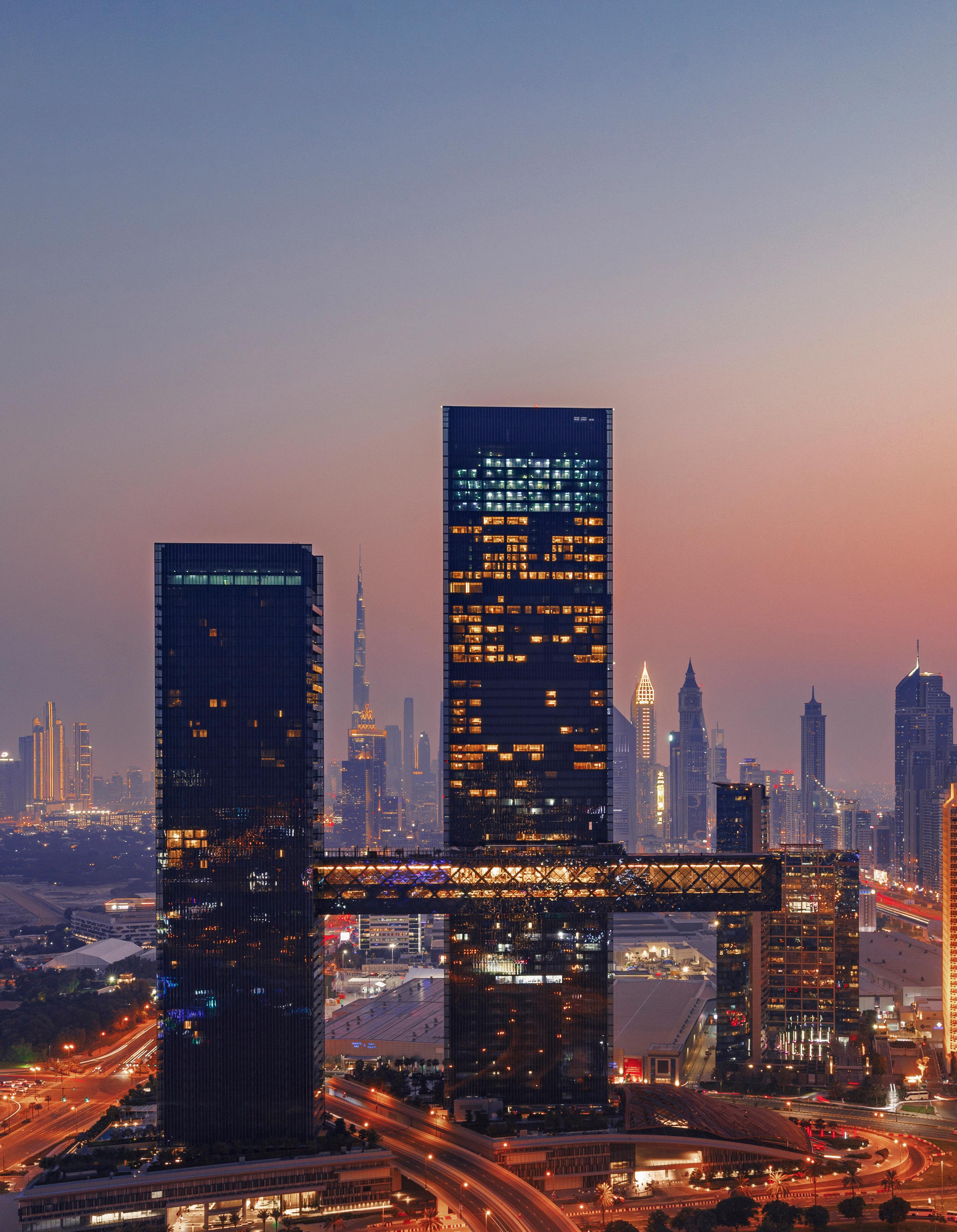
One&Only One Za’abeel brings a new rhythm to Dubai, extraordinary suites, destination dining, sky-high pools, transformative wellness and rare experiences, all set within one of the city’s most striking architectural landmarks. ooonezaabeel