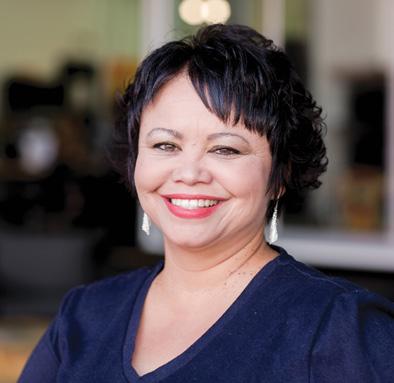
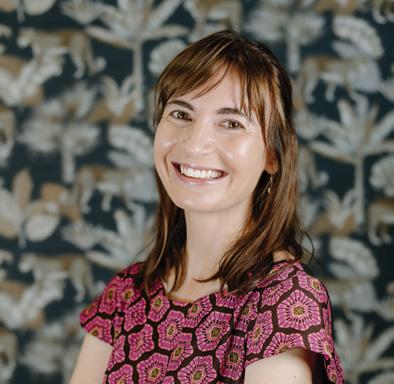
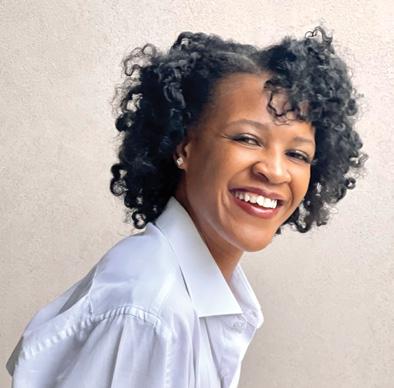
Production Manager Liza Lottering liza@venture.com.na
Sales
Daleen Small daleen@venture.com.na
Layout & Design
Richmond Ackah Jnr. design@venture.com.na
Admin and Enquiries
Bonn Nortje bonn@venture.com.na
Printing
John Meinert (Pty) Ltd
Venture Publications (Pty) Ltd.
PO Box 21593
Windhoek Namibia
Disclaimer:
Welcome
At Venture Media, we’re more than just a publisher - we’re a multi-media content creation powerhouse. Our expertise includes awe-inspiring photography, striking videography, impeccable design, and crisp podcasts. With a reputation for excellence spanning three decades, we bring unparalleled storytelling to life.
In our boutique publishing and content marketing house, stories that matter take center stage. Every page you turn reflects our commitment to quality and innovation. Dive in and experience the difference that top-tier content creation can make.
An environmental consultant with interest in indigenous flora, nature enthusiast, Namibia Botanical Society awardee and aspiring author.
David Bishop Host of Nova Sunrise on Nova 103.5, climbing wall owner, voracious reader, sometime writer, active lifestyle proponent, family man, and coffee lover.
McCulloch Writer, editor and publisher of Stories that Matter. Managing Director of Venture Media.
A creator, guide, and curious soul inspired to help people reconnect with their bodies, find their flow, and reclaim their health – naturally.
Rukee Kaakunga A Windhoek-based communications specialist, blogger and freelance fashion writer.
A digital content creator capturing Namibia's stories through bold visuals and real moments. My work celebrates the people, places, and pulse of the nation.
and fur babies across Namibia.
Glen-Nora Zeupereje Tjipura is a writer and filmmaker, passionate about stories, whether reading or consuming
Passion and dedication to keep the nation abreast with what’s happening on national and international level.
and
Madeleen Duvenhage Windhoek-based writer perpetually scouting for hidden gems and offbeat narratives found in the ordinary.
Emily Kandanga-Erastus Windhoek-based creative & movement enthusiast. Usually building, creating, and storytelling, blending wellness, purpose, and a passion for bringing meaningful ideas to life.
Dr Theuns Laubscher Windhoek-based veterinarian passionate about wildlife, livestock, equine,
Agnes Shivute
Elzanne
Cerina Bezuidenhout Haasbroek
Laschandre Coetzee A strategic dreamer, working in sustainability
communication strategy. Partner of local gallery The Project Room.
David Penda
Maggie Forcelledo Paz News & Content Editor.
Need To Knows. with FlyNamibia
Select which tickets you would like to purchase: destinations, travel dates, morning/afternoon departure. We offer multiple fare options such as: Saver, Classic or Premium
Passenger details
Please enter names as they appear on passport or travel documentation
LOGIN to upload passenger details from previous booking.
Baggage policy, sporting equipment, over weight luggage or to add an additional bag(s) More options for the perfect trip
Read up on all our additional information regarding terms and conditions, and tick the selection box once completed to continue.
Payment
Fill in your payment details in our DPO paygate to make final payment.
Confirmation Mail
Transaction confirmation will be sent to passenger email entered.
Windhoek Eros Airport Office
Ondangwa airport office
Katima Mulilo airport office
Hosea Kutako airport office
All major travel agents
PayToday app Buddy SuperApp
Cash payment at: Eros Airport, Ondangwa Airport Electronic Funds Transfer (EFT) Online card transaction
Check-in opens 1h 30min before domestic flight and 2 hours before international flight. Online check-in opens 24 hours before departure of the flight on Fly Namibia
Check-in CLOSES 30 min prior to domestic flight and 50 min prior to international flight.
Luggage restrictions
Lotions and aerosols above 100ml, flammable aerosol, sharp objects, i.e. nail files, nail scissors, Leatherman, matches.
Mokuti
Katima Mulilo (via Maun)
Victoria
ZIMBABWE
DOMESTIC FLIGHTS
WV*4Z8505 06:30 Eros - Windhoek Ondangwa - Toivo Ya Toivo 07:30 Mon, Tue, Fri
WV*4Z8506 08:00 Ondangwa - Toivo Ya Toivo Eros - Windhoek 09:00 Mon, Tue, Fri
WV*4Z8595 16:20 Eros - Windhoek Ondangwa - Toivo Ya Toivo 17:20 Tue, Wed, Thu, Fri, Sun
WV*4Z8596 17:50 Ondangwa - Toivo Ya Toivo Eros - Windhoek 18:50 Tue, Wed, Thu, Fri, Sun
WV*4Z8135 09:15 HKIA - Windhoek Victoria Falls 10:40 Tue, Wed, Thu, Fri, Sat, Sun
WV*4Z8136 11:15 Victoria Falls HKIA - Windhoek 12:40 Tue, Wed, Thu, Fri, Sat, Sun
in Partnership with FLIGHT NO. DEPARTURE FROM TO ARRIVAL DAYS
4Z341 11:40 Cape Town Walvis Bay 13:55 Mon-Sun
4Z342 14:40 Walvis Bay Cape Town 16:45 Mon-Sun
4Z320 07:00 Cape Town HKIA - Windhoek 09:10 Mon, Tue, Wed, Thu, Fri, Sat
4Z326 10:40 Cape Town HKIA - Windhoek 12:50 Mon-Sun
4Z328 18:15 Cape Town HKIA - Windhoek 20:25 Mon, Tue, Wed, Thu, Fri, Sun
4Z329 07:05 HKIA - Windhoek Cape Town 09:10 Mon, Tue, Wed, Thu, Fri, Sat
4Z321 09:50 HKIA - Windhoek Cape Town 11:55 Mon, Tue, Wed, Thu, Fri, Sat
4Z327 13:40 HKIA - Windhoek Cape Town 15:45 Mon-Sun
*Code Share
** For Luderitz please contact your nearest Travel Agent or FlyNamibia offices for the newest updates. HKIA - Hosea Kutako International Airport
Our main routes
FROM TO Windhoek Sossusvlei
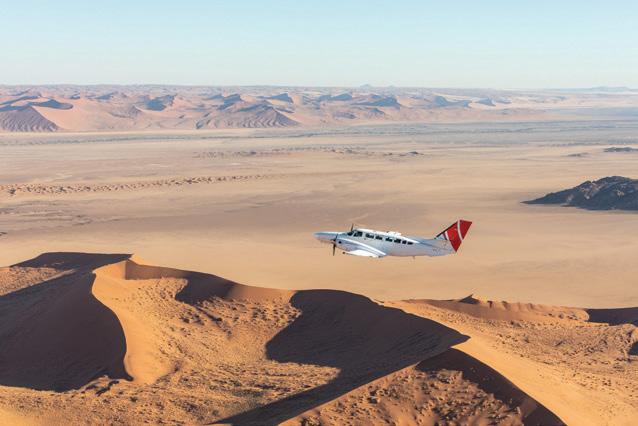
The seasonal FlyNamibia Safari schedule will resume on 1 May 2026 and run until 30 November 2026. Our daily shuttle flight operates in a clockwise circuit seven days a week. The exact departure and arrival times are determined the day before the flight and will be communicated directly to lodges, tour operators, and transfer companies. A minimum of two passengers is required per sector. All destinations remain available on a private charter basis.
The departure time from Sossusvlei is between 08:30 and 11:00, meaning arrival in Swakopmund and Twyfelfontein will be in time for lunch, and arrival at Etosha will be between 12:30 and 15:30. The arrival time in Windhoek will be between 16:00 and 17:00, or earlier if necessary to ensure connections with various airlines. It’s important to note that no activities should be booked on the day of departure to the next destination until the departure time is confirmed the day before. All destinations remain available on a private charter basis.
For more information, contact: Email: safari@flynamibia.com.na
FROM TO Swakopmund Ongava Swakopmund Mokuti Twyfelfontein Mokuti Ongava Windhoek Sossusvlei Twyfelfontein Sossusvlei Ongava Sossusvlei Mokuti Twyfelfontein Windhoek Swakopmund Windhoek
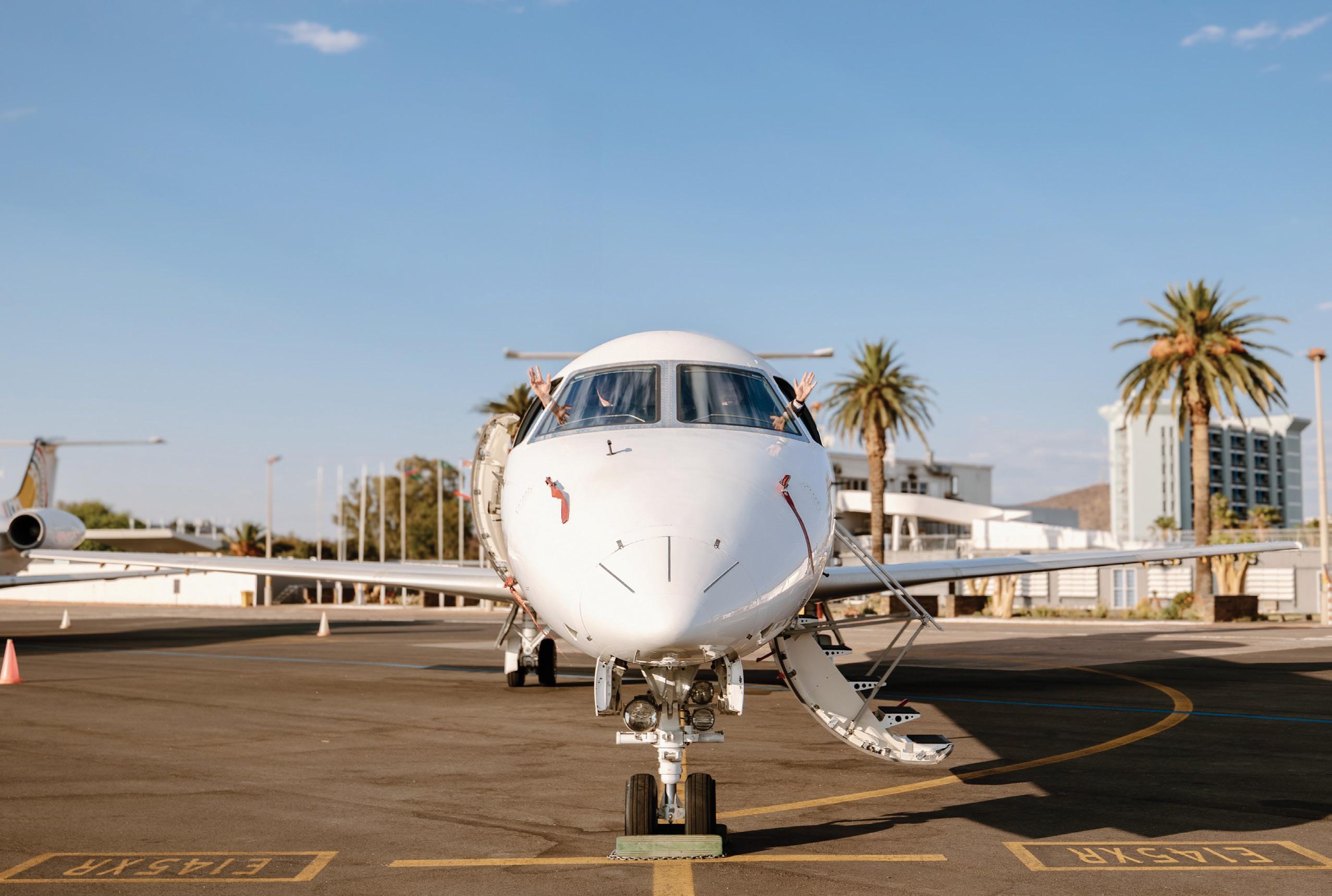
WELCOME ON BOARD
Dear Passenger,
As winter settles across Namibia and the tourism season moves into full swing, our skies grow busier with travellers arriving to experience the landscapes, wildlife and cultures that make this country so extraordinary.
At FlyNamibia, there is something incredibly special about this time of year. Airports become gateways to adventure. Early morning departures carry guests towards Etosha’s wildlife-rich plains, the waterways of the Zambezi, the dramatic coastline of Lüderitz, and beyond our borders to some of southern Africa’s most iconic destinations.
This year, we are particularly excited about the continued growth and momentum of our regional network, including our Victoria Falls and Maun routes. These connections are more than flights – they are part of a greater southern African story, linking remarkable destinations, people and experiences across the region. Whether you are travelling for safari, business, family or exploration, we are proud to play a role in making those journeys possible.
June is also a very meaningful month for us internally, as FlyNamibia celebrates seven years of flight. Seven years of connecting Namibians. Seven years of building a proudly Namibian airline. Seven years of resilience, growth and belief in what aviation can do for our country.
What began as an ambitious vision has grown into something far bigger than aircraft and schedules. FlyNamibia has become a reflection of Namibia itself – resilient, passionate, welcoming and proudly independent. None of this would have been possible without the incredible support of our passengers, partners, stakeholders and the dedicated team members who work tirelessly behind the scenes every day.
This month also marks an exciting milestone for another proudly Namibian initiative –the FlyNamibia Makers Project. Earlier this year, we invited local creatives, artisans and entrepreneurs from across the country to apply to become part of a programme designed to uplift and showcase authentic Namibian craftsmanship and storytelling.
After receiving applications from an inspiring range of makers and creators, our internal team has now selected three FlyNamibia Makers, who will officially begin their journey with us during the month of June. Through mentorship, exposure and collaboration opportunities, the Makers Project aims to celebrate the talent, creativity and entrepreneurial spirit that exists within our communities – while helping create meaningful economic opportunities through storytelling, travel and proudly local products.
At FlyNamibia, we have always believed that aviation is about more than transport. It is about connection. Connection between people, destinations, ideas and dreams.
As you travel with us this month, we thank you for choosing to fly Namibian.
Warm regards,
Nerine Uys CEO, FlyNamibia
Read our previous issues
LET’S STOP AT CONNY’S FOR A COFFEE
There are places in Namibia that don’t announce themselves loudly. No billboards. No grand entrances. Just a small sign on the roadside – easy to miss if you’re not paying attention – and a sense that if you do stop, you might be rewarded with something quietly special.
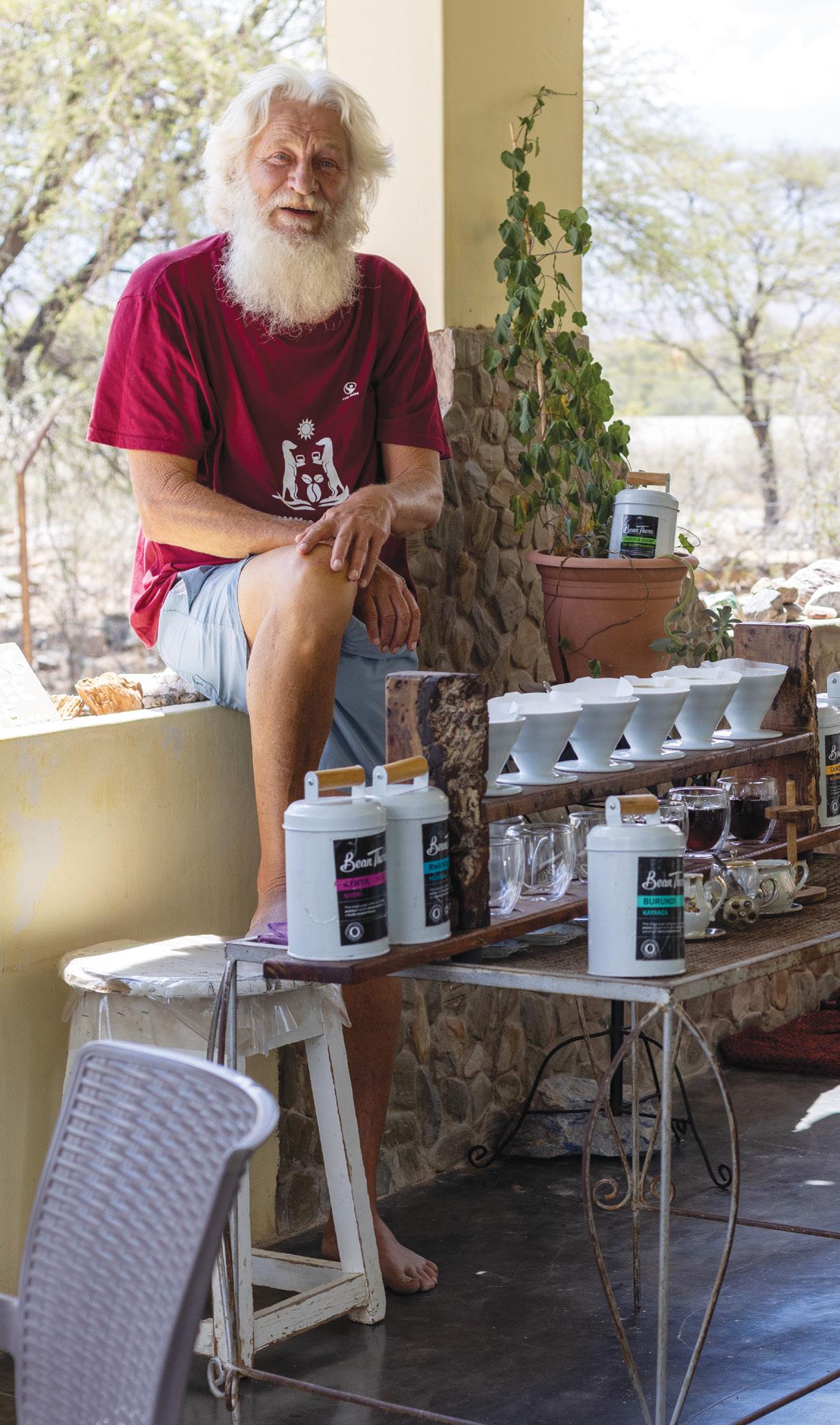
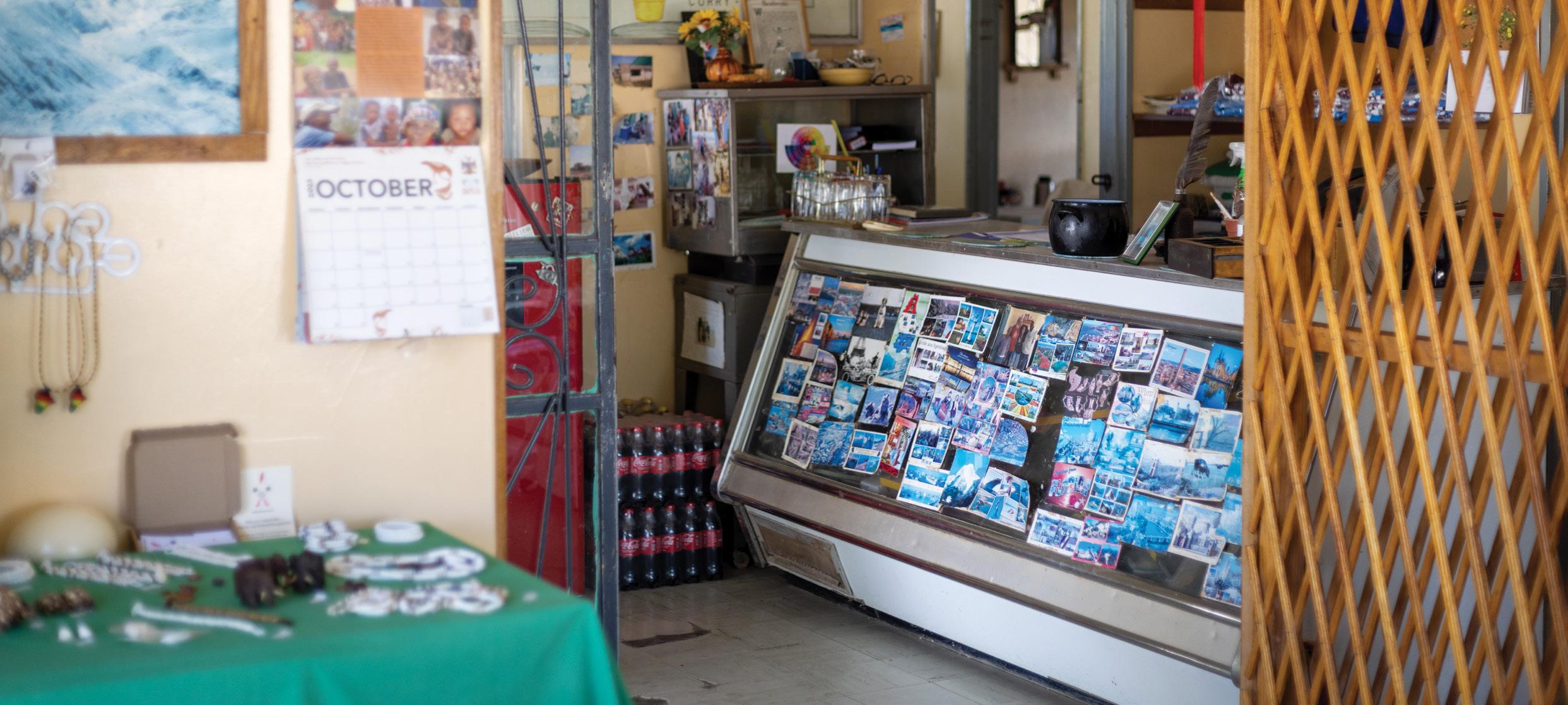
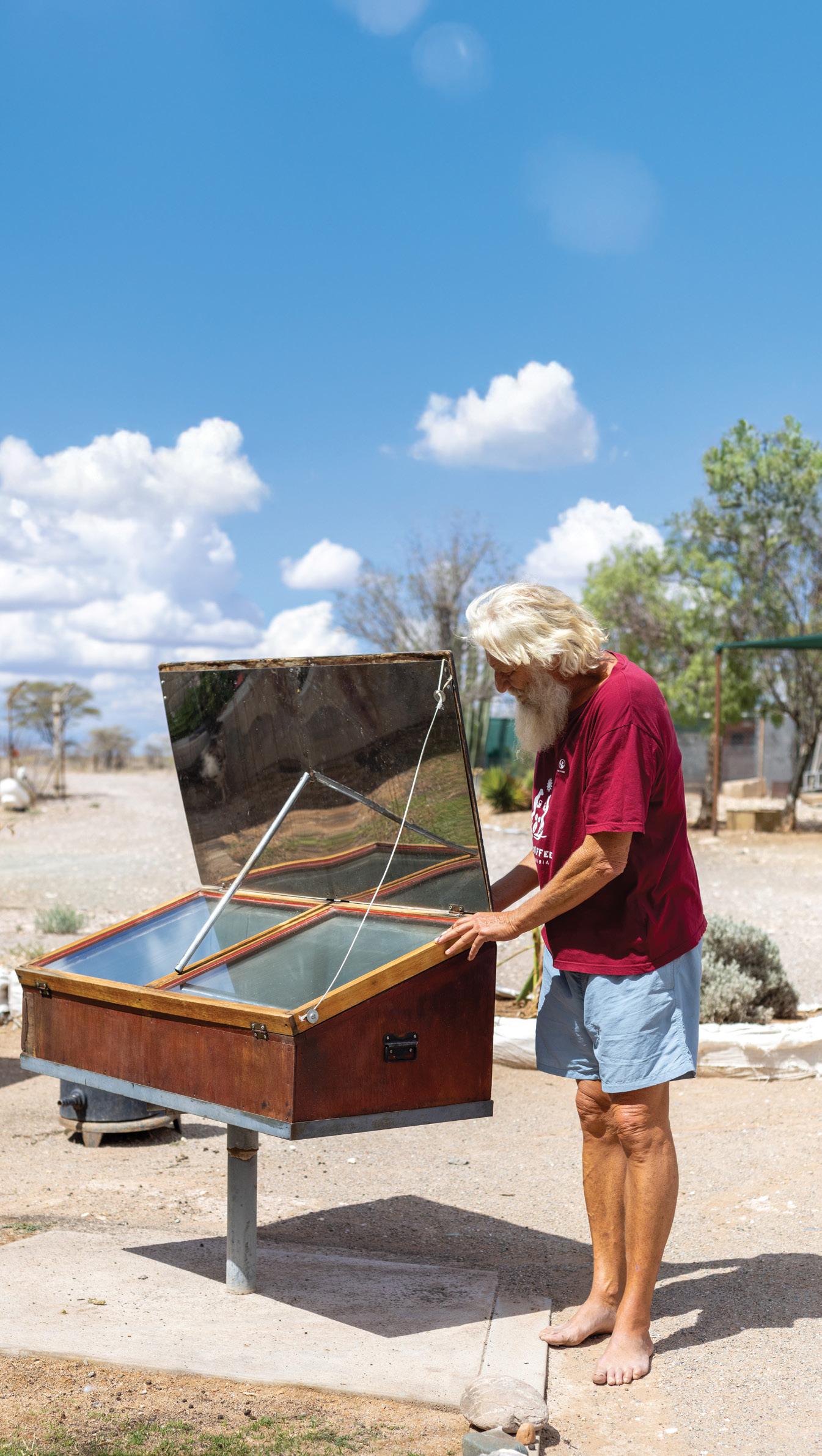
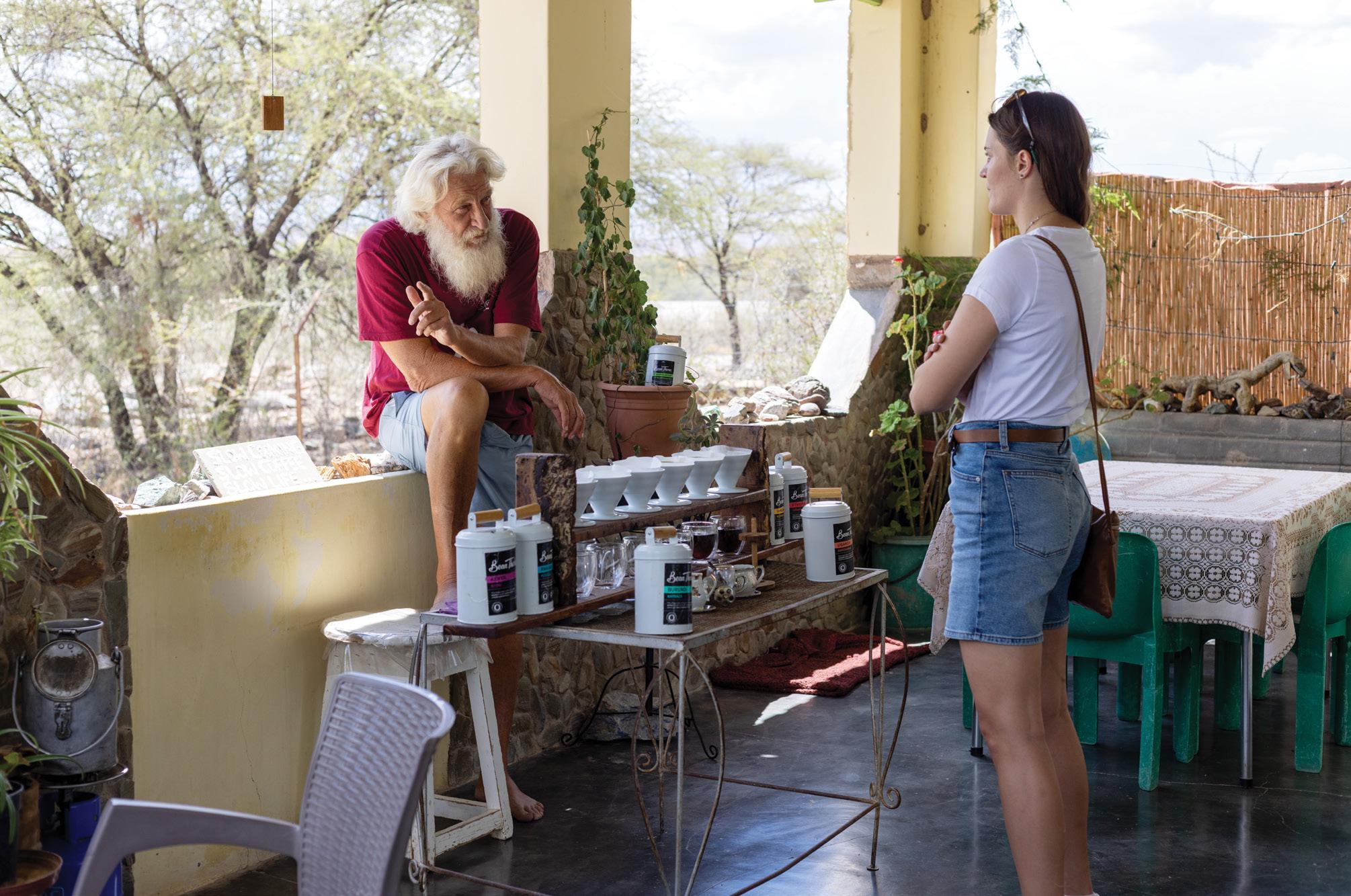
Just outside the small settlement of Klein Aub lies one of those places. Conny’s Coffee Shop sits alone in the desert, looking very much like a rundown old farmhouse that time forgot. A broken windmill with no blades stands quiet guard nearby. Large chickens wander freely. And when my friend Monika and I pull in, a man with a grey beard, barefoot and shirtless, ambles out onto the stoep like a character who’s stepped straight out of a Hemingway novel. Seeing us, he disappears briefly and returns moments later, now wearing a shirt – still no shoes – ready for polite company.
This is Günter Martins. He took over Conny’s in 2017, but the soul of the place stretches much further back. The name Klein Aub itself means “small fountain”, a reference to water in an otherwise unforgiving landscape. And Conny, the woman who originally ran the general dealer here with her husband, became a quiet anchor point for the community when mining activity brought people to the area. Men would arrive after work for fish and chips – where that fish came from in the middle of the desert remains one of life’s unanswered mysteries – while women would stop by for coffee and conversation. Over time, the shop evolved into what it is today.
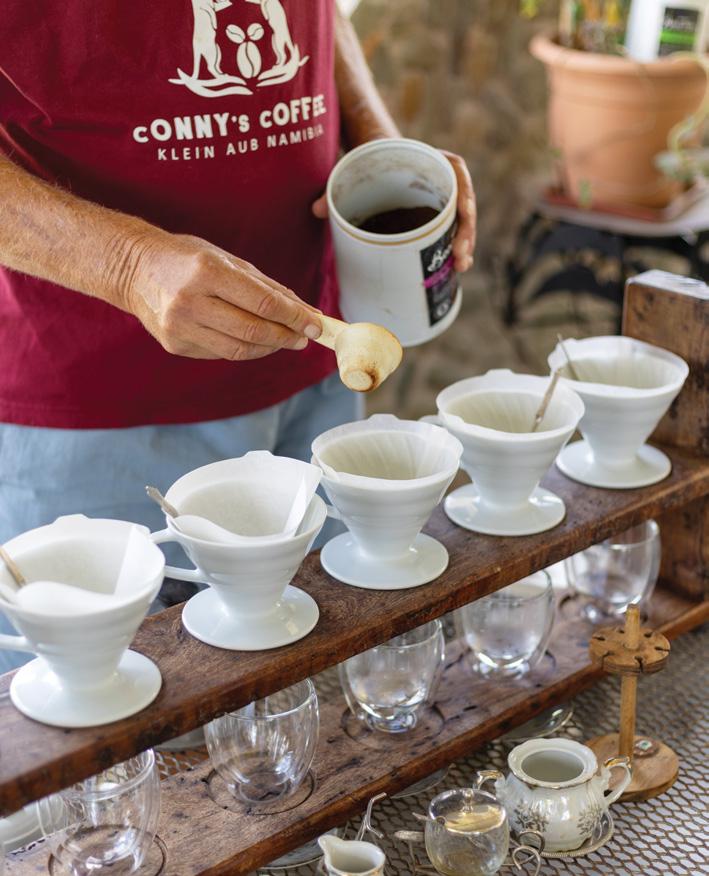
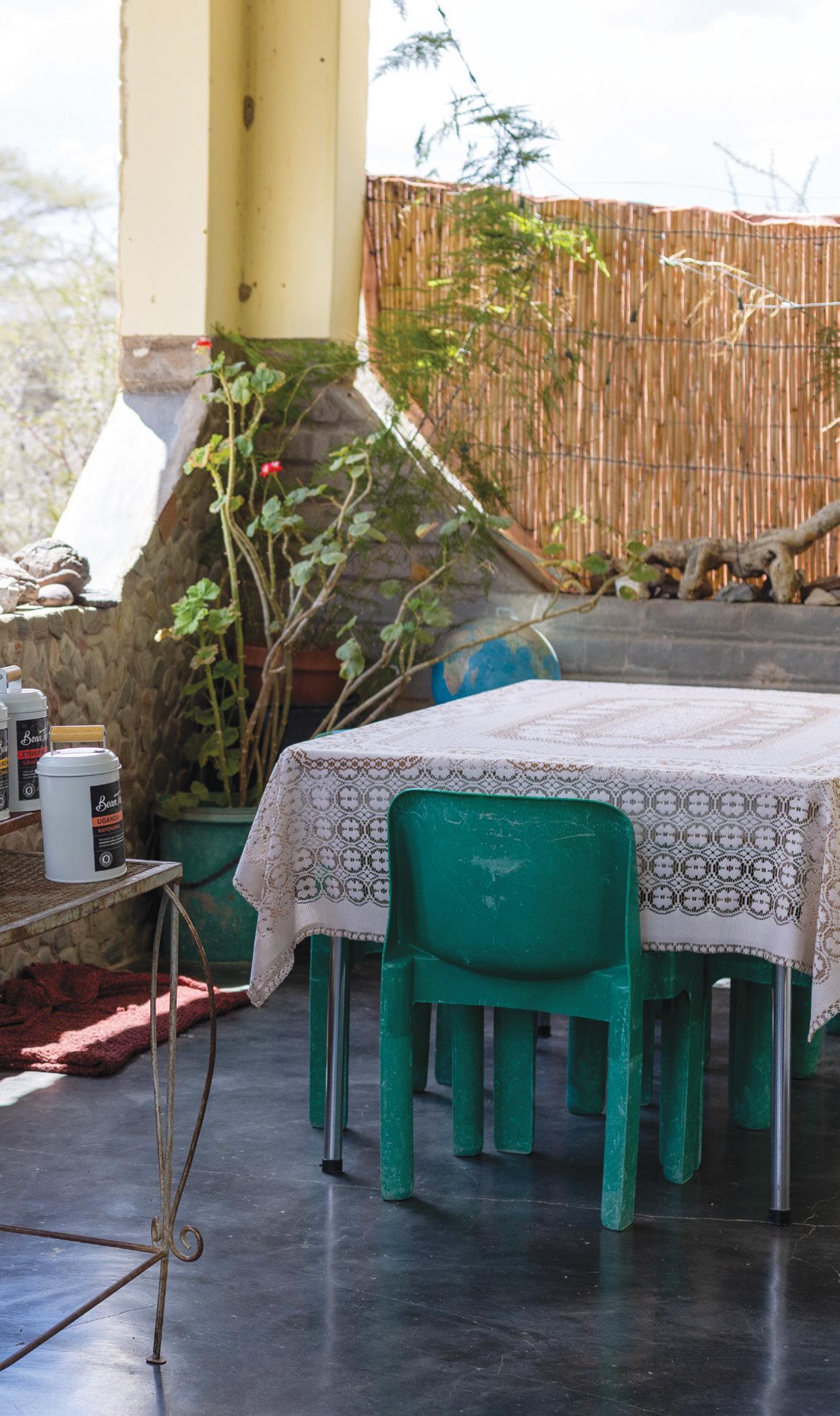
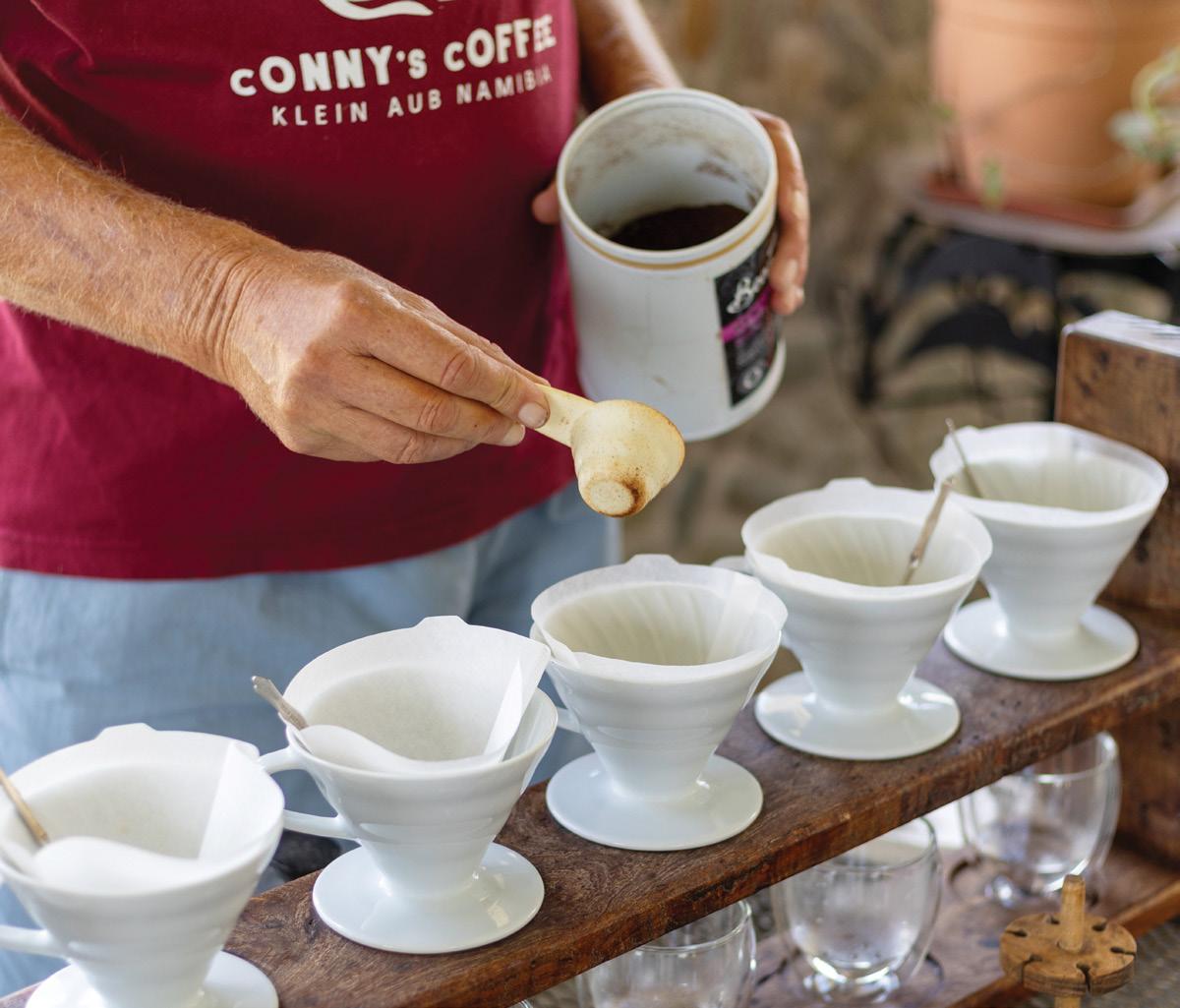
Günter welcomes us warmly. On his wide veranda is one of the most fascinating coffee setups you’re ever likely to encounter. His coffee machine is handmade
– a wooden contraption with ceramic cups at the top and glass cups below. Each ceramic cup has a hole in the bottom, fitted with a coffee filter. The water, heated precisely to 60 degrees Celsius, is poured slowly from a silver kettle over the freshly ground coffee. It’s part ritual, part science, and entirely mesmerising.
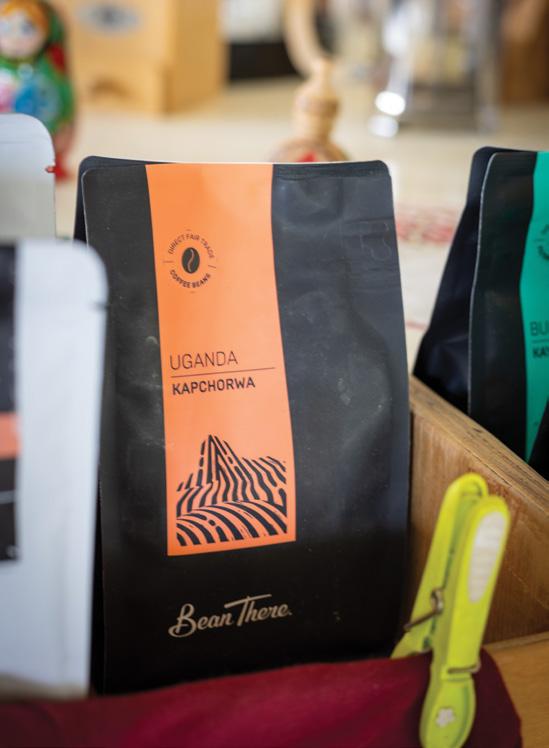
He talks us through his range of coffees – all 100 percent African Arabica – from mild to medium to as strong as he can make it. Monika opts for a medium roast. I ask for the strongest. At our feet, a small puppy, a cat and an older dog weave between chairs, entirely unbothered by the ceremony unfolding above them.
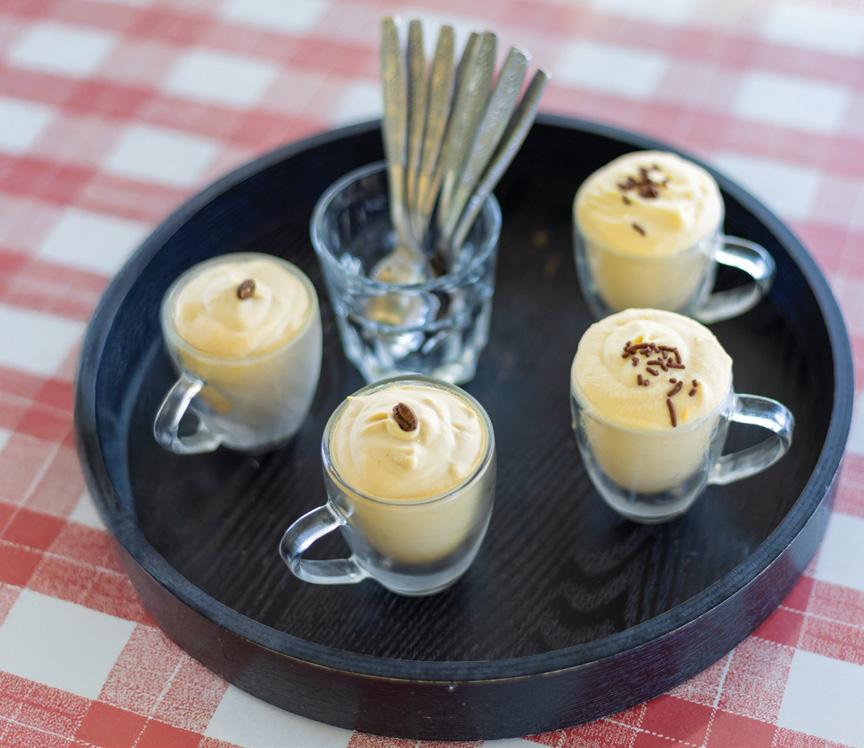
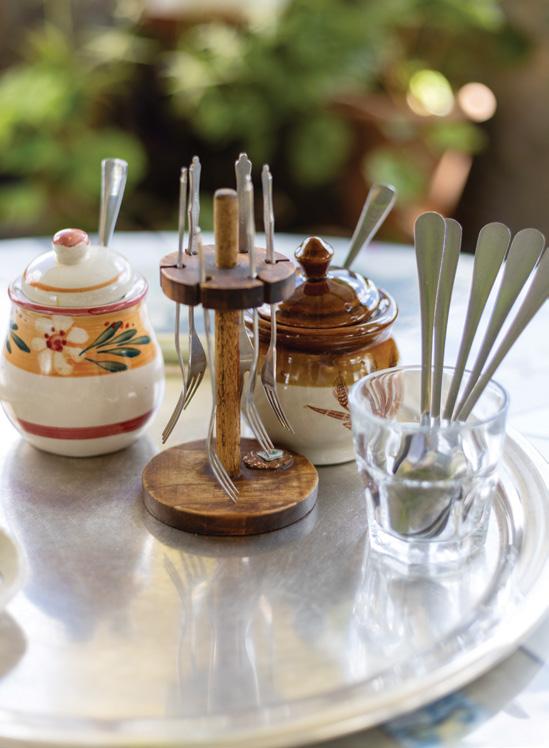
While the coffee brews, Günter disappears again and returns with a silver tray bearing homemade ice creams, served in tiny glass cups. Coffee- or Amarulaflavoured. There is no discussion – we both opt for the Amarula. Some choices in life are simple.
And then, as it always does over good coffee, the conversation flows.
Günter runs Conny’s primarily as a tourist stopover now. Tour operators bring groups a few times a week, and lunch is served daily – always the same, and proudly so. Freshly baked bread, made that morning. Bobotie, cooked slowly over six hours in a sun oven powered entirely by the Namibian sun. Rice with lentils. Chutney. Salad. Honest food, made with intention.
He bakes muffins in the sun oven too, although as his groups have grown larger, keeping up has become a challenge. His sister once suggested an air fryer. He laughs at the memory. The air fryer, he says, can’t bake a muffin to save its life – certainly not compared to the sun oven. These days it’s relegated to toasting bread. “I should’ve just bought a toaster,” he jokes.
Our conversation drifts, as conversations do. To life. To routine. To the quiet tiredness that sometimes creeps in when days begin to repeat themselves. Günter still loves the desert – loves Namibia – but he admits he sometimes escapes to Windhoek to see friends. Ironically, he often goes just to sit somewhere and have another cup of coffee. Because, as he says, the best conversations always happen over coffee.
We talk about artificial intelligence and his recent exchange with an “AI expert”. He asked the expert what his WhatsApp wants him to do with that new AI chat feature. “I don’t know what I’m supposed to ‘Ask Meta’?” Apparently,
according to the expert, if he wakes up feeling sad, he should ask it how to feel better. Günter shakes his head in disbelief. The image of him standing alone in his desert kitchen, asking a machine how to be human, strikes him as absolute nonsense. We agree. Somewhere along the way, basic human connection feels like it’s slipping through our fingers.
Günter has no social media. No Facebook. No Instagram. Monika and I admit we envy him. Perhaps his path – unplugged, unfiltered – is the better one.
The conversation turns more serious when we speak about wildlife, hunting and conservation. About neighbours who leave little room for wildlife to exist. About policies that strip animals of value for the very people who live alongside them. Günter is thoughtful, balanced, unapologetically honest. He makes a point of telling every visitor that the meat he serves comes from a local hunting farm. Without tourism and hunting, he believes, wildlife would struggle to survive. It’s a perspective shaped not by ideology, but by lived reality.
We decline the muffins – not because they don’t look delicious, but because these are air-fryer muffins, not sunoven muffins. We promise to return for the real thing.
We pay in cash – important out here – and on our way out, I bump into an old colleague. The only other people we’ve seen for many kilometers and we just happen to be familiar. Another reminder of how small Namibia is. Even in the middle of nowhere, you will always greet someone by name.
We’ll be back. For the coffee. For the conversation. For the muffins baked by the sun.
At the gate, we say goodbye to two beautiful cement swans – standing sentinel, overlooking rolling desert plains. And as we drive south, past dust and silence and sky, we say goodbye to Klein Aub.
We’ll be back. For the coffee. For the conversation. For the muffins baked by the sun.
Elzanne McCulloch
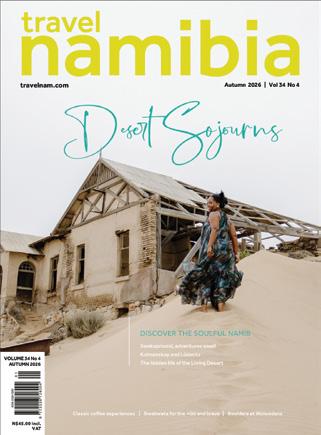
First published in the Autumn 2026 issue of Travel Namibia magazine. Subscribe to Travel Namibia here: www.travelnam.com
When it’s time to leave, Günter refuses to charge us for the ice cream. We protest. He insists. We accept, grateful.
Day trips from Windhoek
VON BACH RECREATION RESORT
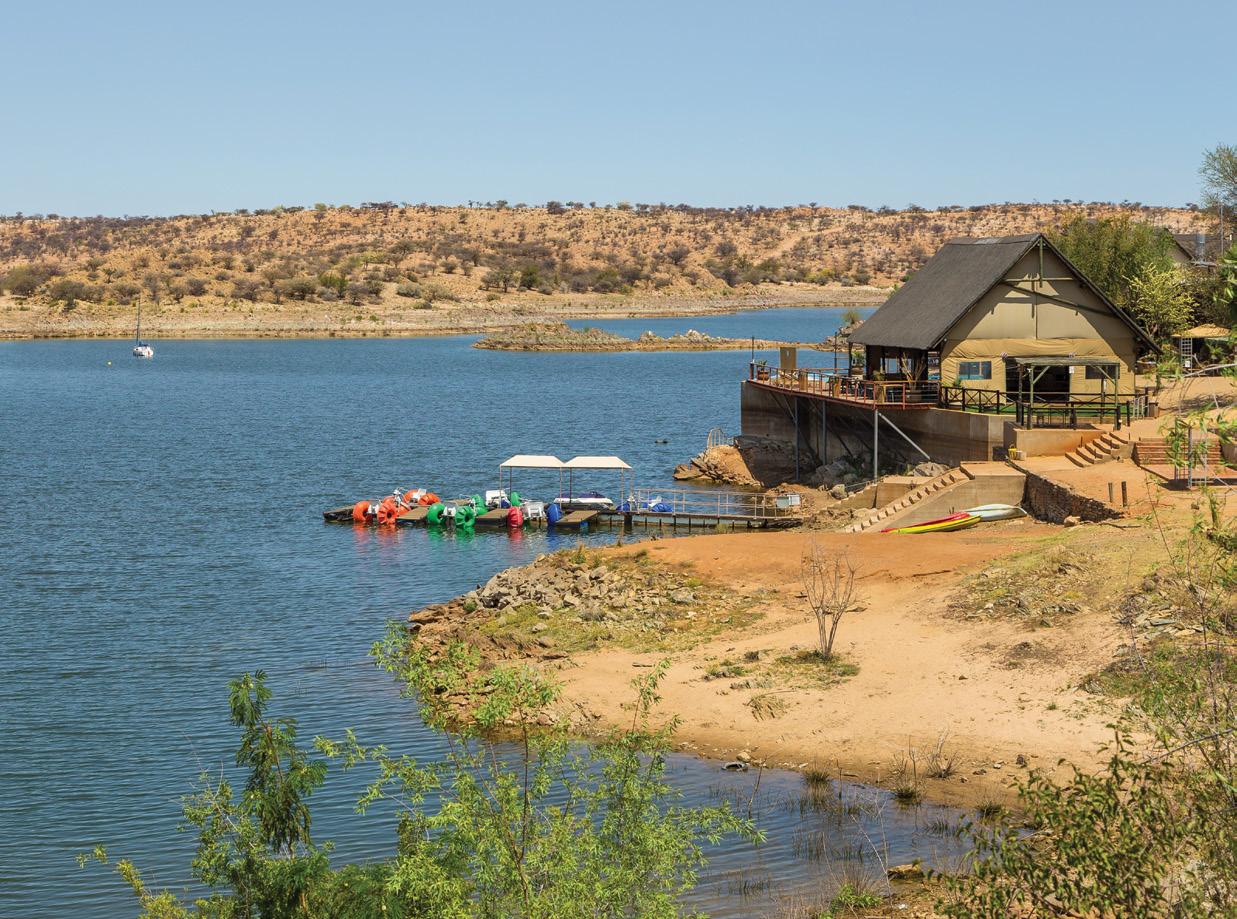
Accessible from the B1 from Windhoek to the north, signposted about 3.5 km south of Okahandja, the Von Bach Dam and Game Park extends over an area of 43 km².The facility, proclaimed in 1972, has become a popular venue for aquatic sports such as water-skiing, yachting, windsurfing and boating. The dam is popular among freshwater angling enthusiasts, as it is stocked with largemouth bass, blue kurper and smallmouth yellowfish. Carp and barbel also occur there. Visitors can explore the surrounding nature reserve on foot. Game-viewing opportunities are limited, but kudu, baboon, Hartmann’s mountain zebra, gemsbok and red hartebeest are seen here. Facilities at the dam, which are on a 50-year lease by Tungeni Investments, include luxury chalets, deluxe bungalows, campsites and the Daw Restaurant overlooking the dam. Activities include taking a sundowner boat cruise, canoeing, fishing and a variety of watersports.
GROSS BARMEN HOT SPRINGS RESORT
About 100 km northwest of Windhoek off the B1, the Gross Barmen Hot Springs Resort is another popular day and weekend destination. The main feature of this facility is the large dome-shaped and glass-enclosed thermal hall, which houses a communal pool of steaming spring water (65˚C). The resort, which is managed by Namibia Wildlife Resorts (NWR), offers accommodation in chalets and self-catering units, while campsites are also available. Guests can enjoy spa treatments, explore the area on foot and go birding at the dam.
DAAN VILJOEN GAME PARK
Daan Viljoen Game Park, located approximately 20 kilometers west of Windhoek, is a captivating natural sanctuary. Spanning an area of 40 square kilometers, the park offers a peaceful retreat from the bustling city. Its diverse landscape encompasses rolling hills, rocky outcrops, and a variety of indigenous plant species. Nature enthusiasts can embark on self-guided or guided game drives within the reserve to spot wildlife such as zebras, giraffes, elands and warthogs. The park is also a haven for birdwatchers, with over 200 bird
species recorded, including the striking Monteiro's hornbill and the colourful crimson-breasted shrike.
OANOB DAM
The Oanob Dam is the focal point of the Lake Oanob Resort which offers a wide variety of accommodation options, water activities including angling (a permit must be obtained in advance), guided nature drives through an area stocked with game, a self-drive 4x4 route, hiking and birding. The resort is especially popular and busy over weekends. The dam was completed in 1990 to supply water to nearby Rehoboth. It has a capacity of nearly 35 million m³ and covers an area of 2,65 km² when full. The 55 m high concrete double-curvature arch dam wall spans 275 m across the Oanob River. A lookout point near the dam wall affords expansive views across the dam and the surrounding rolling countryside.
There are several recreation resorts and guest farms close enough to Windhoek in the central region for day and weekend excursions. These include the Daan Viljoen Game Park, the Gross Barmen Hot Springs Resort about 100 km northwest of the capital, the Von Bach Recreation Resort, 65 km north of Windhoek off the B1 (a popular venue for aquatic sports and freshwater angling enthusiasts), and the Hardap Recreation Resort, 250 km south of Windhoek.
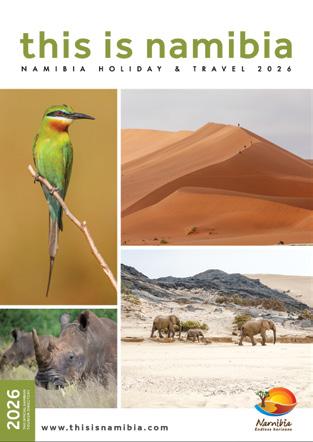
Find more Namibia travel inspiration at www.thisisnamibia.com
Follow @thisis_namibia on Facebook and instagram for extraordinary Namibia travel stories.
We’re for Namibians
By Namibians.
For Namibia.
Vesta Burger
Healer. Equestrian. Boundary Breaker
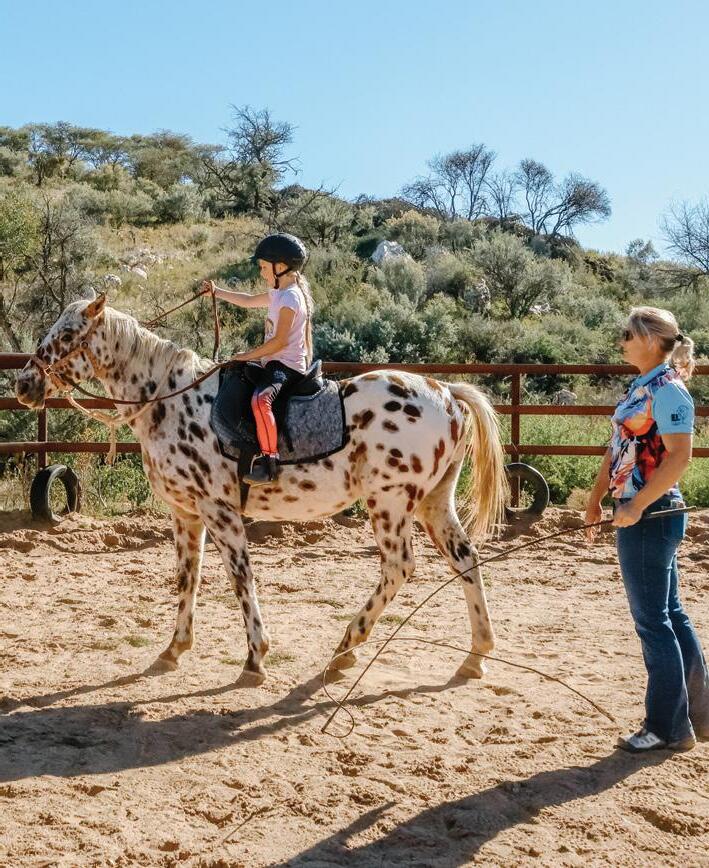
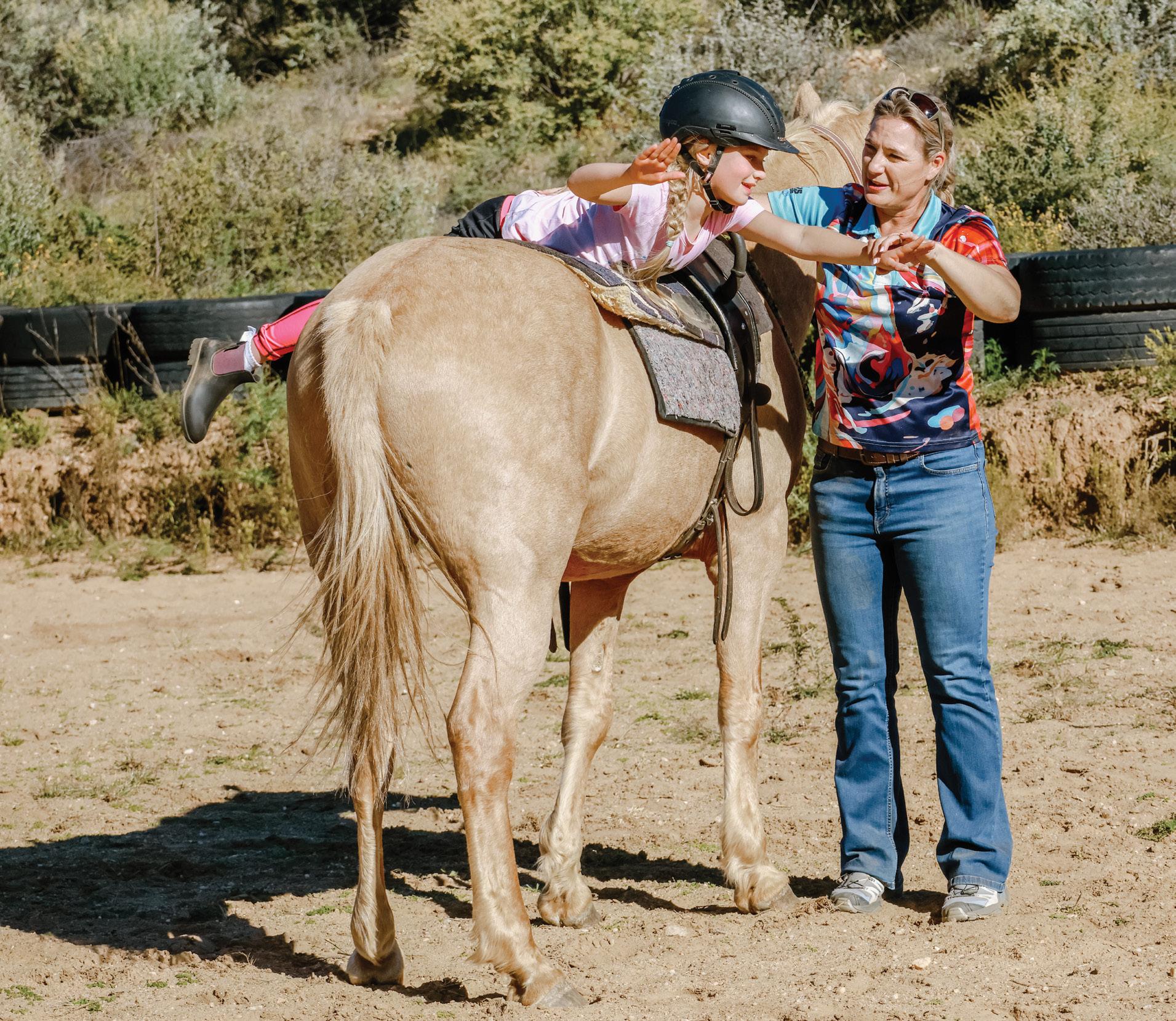
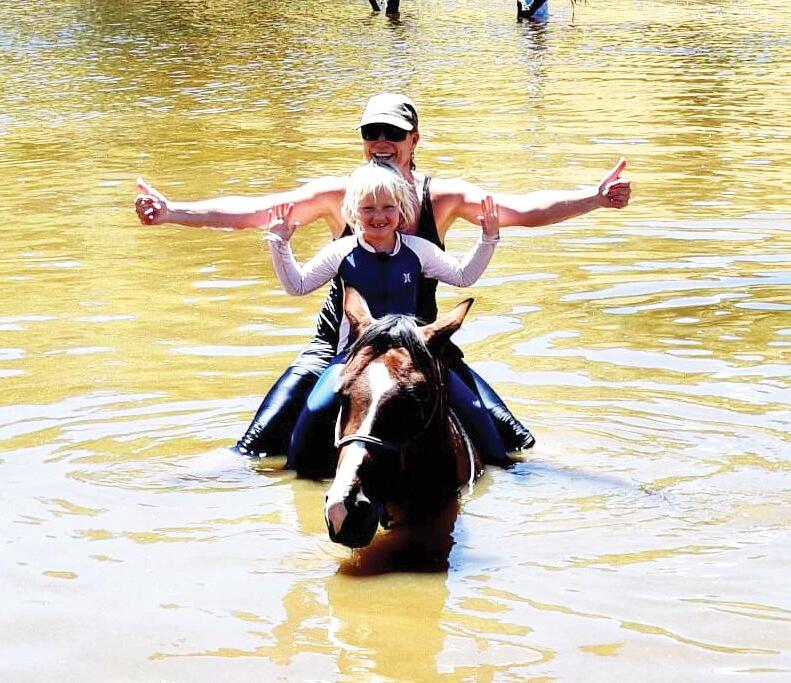
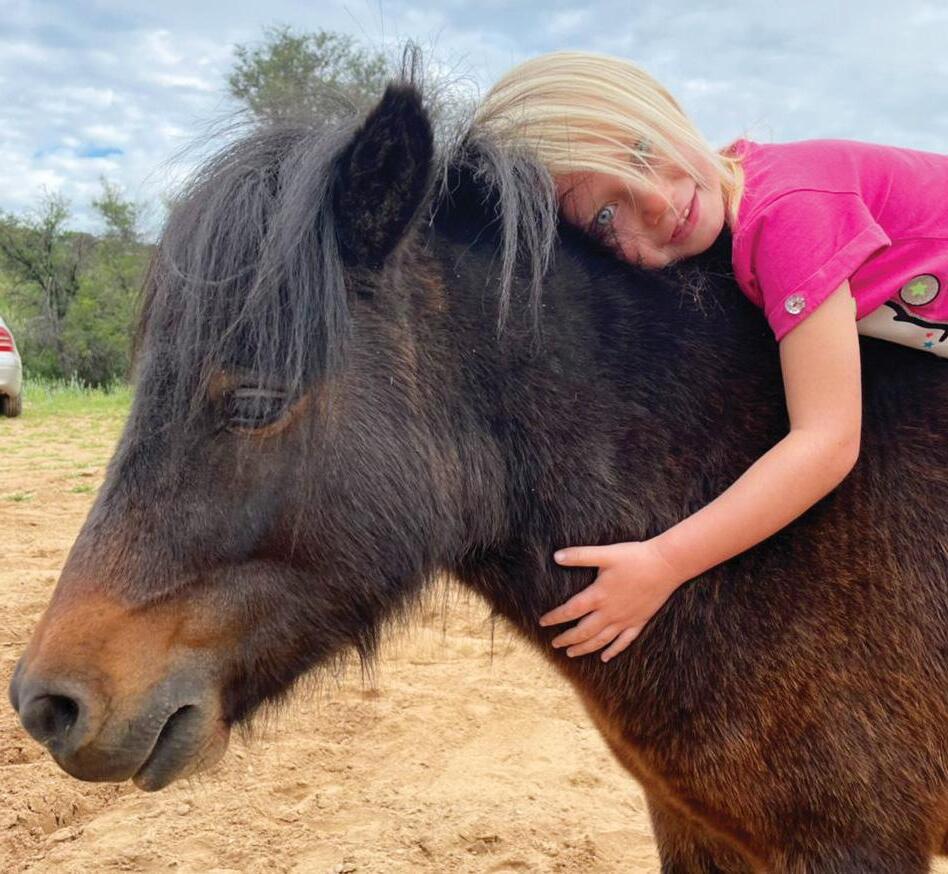
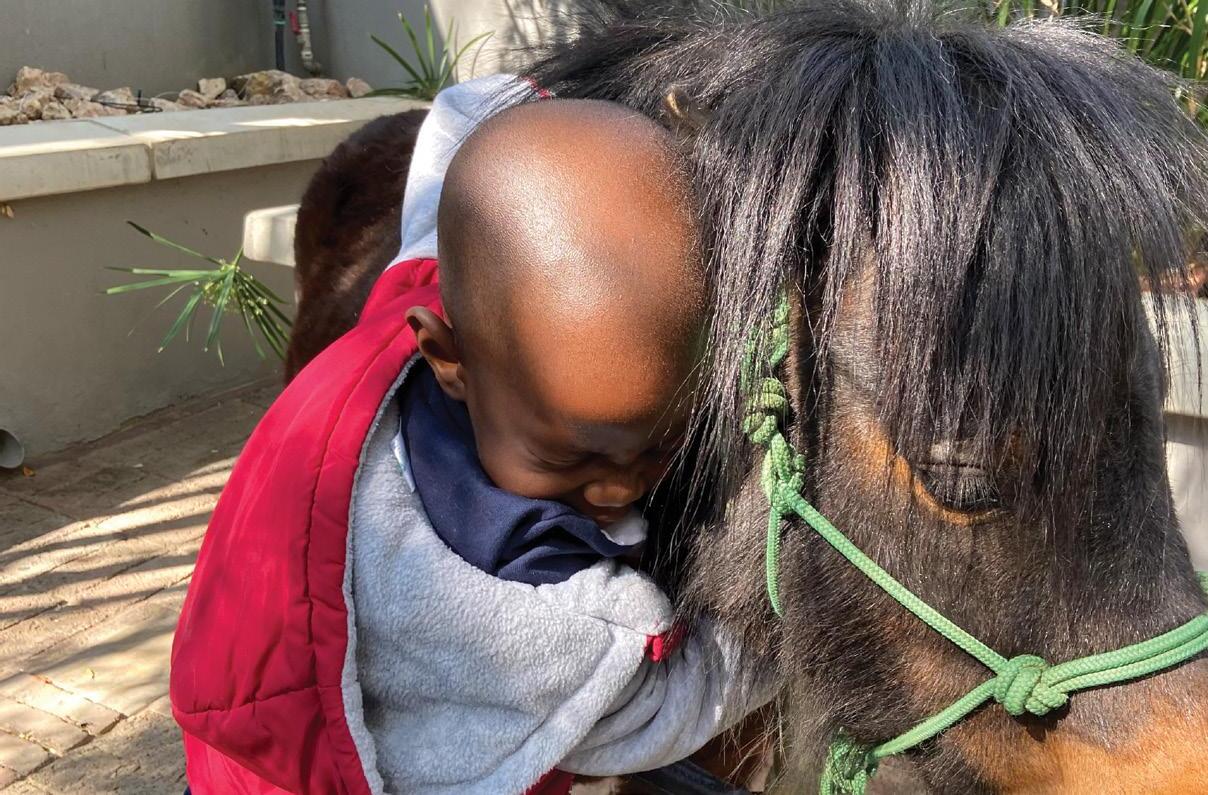
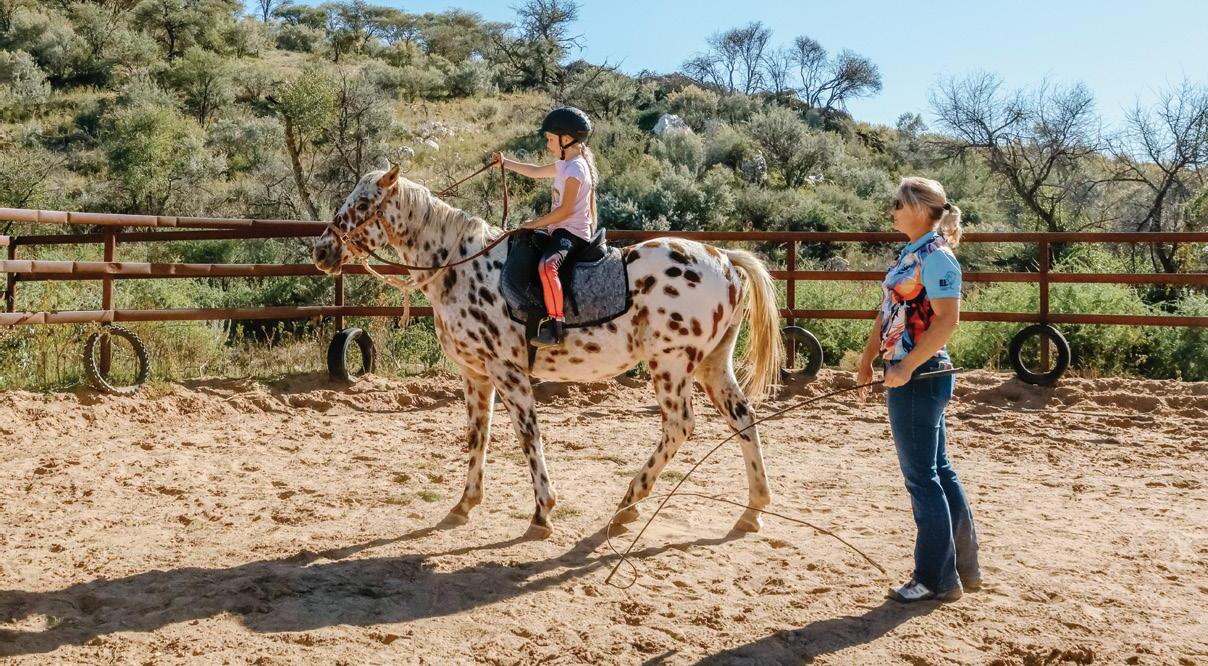
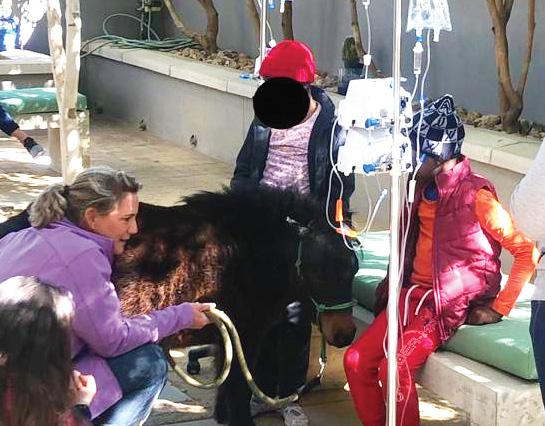
In the quiet dust of the arena, under the wide Namibian sky, a miracle is happening. It isn’t loud, and it doesn't happen overnight, but for Vesta Burger, it is the most powerful sight in the world. It’s the moment a child with physical limitations finds the strength to open a hand on instruction, or when a rider’s face lights up with a smile that Vesta describes as "the sun, moon, and stars" looking back at her.
Vesta is a practitioner of Recreation Therapy, specifically through therapeutic horse riding, a field that goes far beyond simple pony rides. Growing up on a farm, Vesta found her own peace in the veld, realising that horses offered a soul-deep acceptance that humans often struggle to find. Today, she uses that same horse-
human connection to help Namibians, particularly youngsters facing physical and emotional hurdles, reclaim their quality of life.
"Horses are a mirror image of our emotions," Vesta explains. "They don't care who you are or what you wear; they care about what you give off."
Her work is a testament to the idea that a diagnosis is not a destination. Vesta refuses to see a person through the lens of a limitation or a medical label. Instead, she looks to see how far she can safely stretch those limits, helping her riders discover that things they thought were "impossible" yesterday can become non-issues today.
But the transformation isn't just physical. In a world increasingly dominated by the
Horses are a mirror image of our emotions," Vesta explains. "They don't care who you are or what you wear; they care about what you give off."
superficiality of social media and the pressure to fit into certain "boxes," Vesta’s arena is a space of raw, emotional fitness. She leaves everything "behind the gates" to be an open book for her riders, creating a sanctuary where they can discover their true selves away from the noise of the city.
For Vesta, the "impact" of her work is felt in the long game of perseverance. It’s about those small successes and the profound emotional shifts that occur when a person realises they aren't meant to figure out life’s challenges alone.
She flies for the children who find their strength in the saddle, and for every Namibian who is brave enough to step out of their comfort zone and ask for help. Vesta Burger is a reminder that healing is a journey we take together, rooted in the land, guided by the horse, and fueled by the resilient Namibian spirit.
David Penda
Book
your
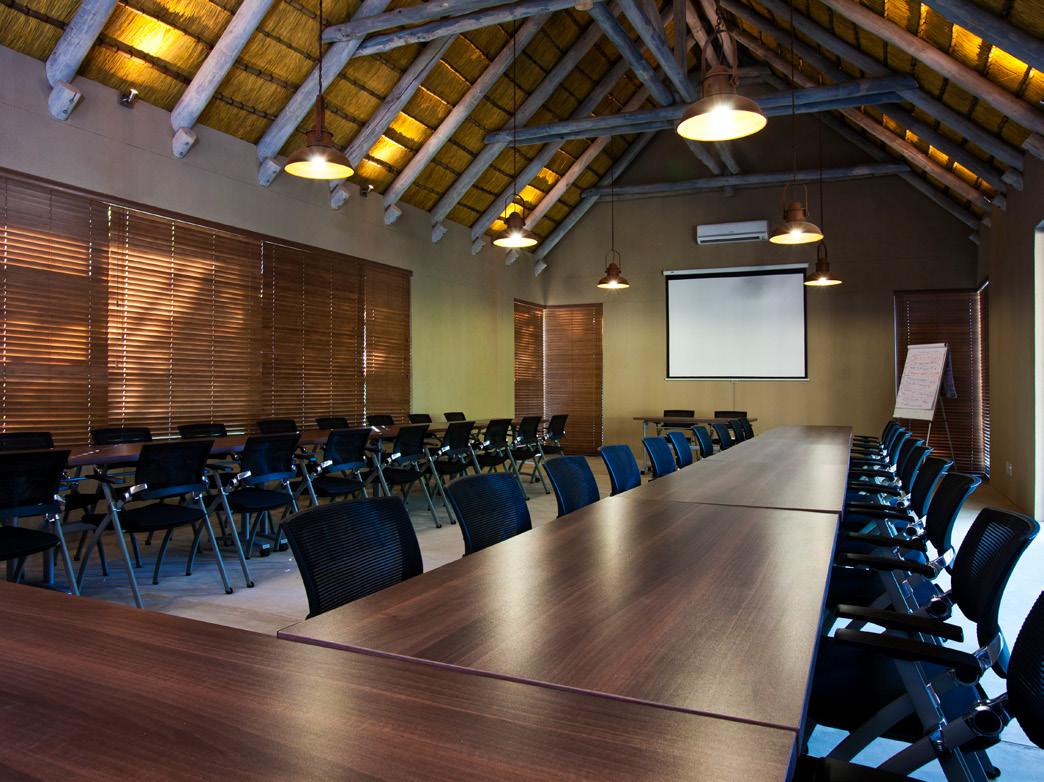
conference at Popa Falls Resort
Discover unparalleled conference facilities amidst breathtaking natural landscapes with Namibia Wildlife Resorts. Host your next event at Popa Falls Resort, where the serene Okavango River meets nature’s tranquility.
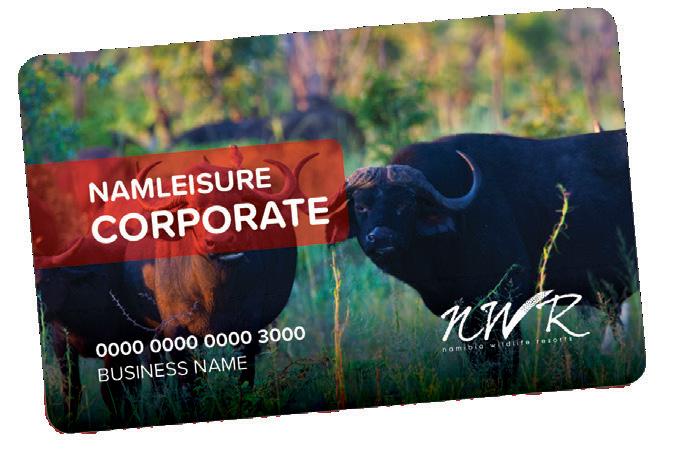
Elevate your business travel with the NWR NAMLEISURE CORPORATE CARD!
Enjoy exclusive discounts on accommodation and activities, ranging from 50% for Namibian to 10% for international cardholders. With a validity of three years and easy renewal, it’s tailored for businesses with a minimum group size of 10. Experience convenience, savings, and unparalleled benefits for your corporate outings.
Native Leaves:
DEVIL’S CLAW OR GRAPPLE PLANT
Scientific name: Harpagophytum procumbens and Harpagophytum zeyheri
Common name: Devil’s claw or grapple plant
The history of medicine seems to revolve around plants. There was a time when they were mostly consumed in their natural state. Traditional healing experts knew the right dosage, how to prepare it and how it would affect the body. Today, with advanced science, the knowledge is based on the bioactive compounds contained in the medicine administered as per the diagnosis – whether it is a syrup, powder or tablet. The historic and modern approach are not all that different, though, with the common denominator being the molecular composition. Both intend to heal, although the mode of administration differs – while one administers it in its natural state or with minimal adjustments, the other processes it to the extent of sometimes changing its natural state.
The devil’s claw, also called the grapple plant, is one of the earliest plants known for its medicinal properties. We have two prominent species here in Namibia: Harpagophytum procumbens of the subspecies procumbens and Harpagophytum zeyheri of the subspecies sublobatum. The procumbens species is found almost throughout Namibia, except in the dry Namib Desert, while the latter is concentrated in northern Namibia, particularly the Kavango and Zambezi regions extending towards Angola. Science can become a very complex study, but the different subspecies can be explained in these simple terms: every individual has a name (or names) and a surname. The naming of plants can be viewed in the same way.
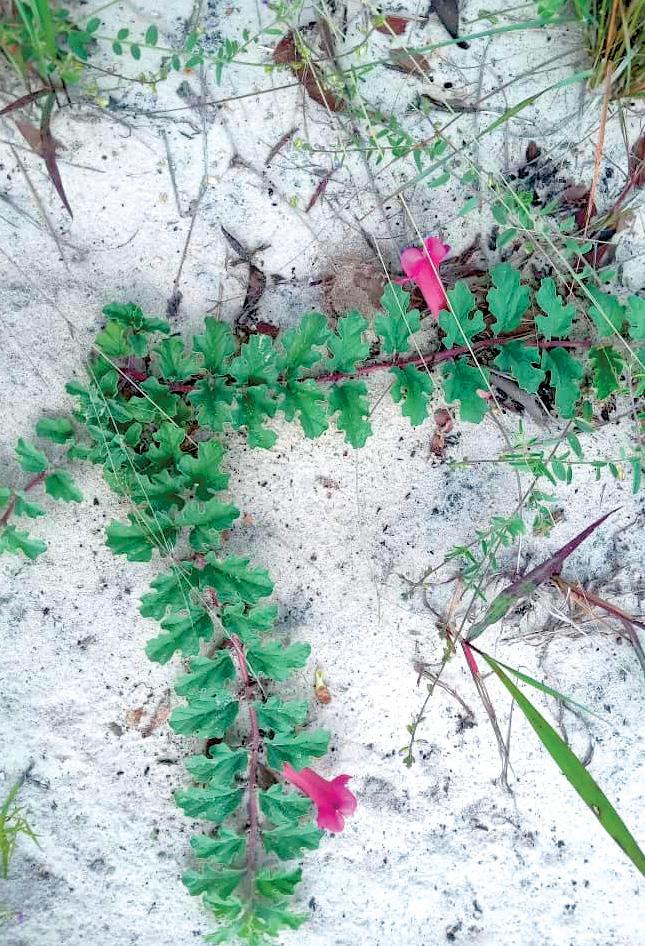
The devil’s claw derives its name from its physical appearance – a fruiting body with sharp hooks extending from the fruit. This rather weird structure allows it to attach to almost anything which aids seed dispersal. The devil’s claw has purple flowers with an orange-yellowish colour on the lower inside of the petals while it has irregularly shaped leaves. The plant grows by extending on the surface of the soil and has tubers of different sizes underground. One can compare its growth and appearance to that of a sweet potato plant, especially the flowers and the underground tubers. My first time seeing this iconic medicinal plant almost felt like the guide was pranking us, because the plant can easily be mistaken for a useless weed, especially with the absence of the flowers.
Unlike most plants, where the most important part is the fruit, the devil’s claw has a strong tap root from which the secondary tubers develop. These tubers are where the “gold” is stored. They contain active ingredients which
are extracted and added to health products that are sold commercially. A distinct difference between the two devil’s claw species is that Harpagophytum procumbens is said to have a higher concentration of the active ingredients and is therefore preferred to Harpagophytum zeyheri
The San communities are known to be the experts in using devil’s claw tubers as a traditional medicine for treating fevers and sores, among other illnesses. With research, the devil’s claw has become one of the most sought-after plants, its tubers being harvested annually for processing quality products ranging from medicine for humans to veterinary herbal remedies. Harvesting of devil’s claw tubers usually happens around March to October – the time when the rainy season has come to an end. The tubers are usually cut through vertically. They are then placed on elevated nets to sun-dry, allowing moisture to evaporate at a faster pace. Harvesting of devil’s claw is controlled, because the plant is listed as a protected species, which also means a permit is required to harvest, trade or export it.
While devil’s claw populations are healthy and cultivation could be considered if ever the need would arise, my main concern is around the poaching of such precious plants. Just the other day, an alarming figure of 295 poached elephant’s foot plants surfaced on my news feed. As an environmentalist, I acknowledge that the broader public is often informed about plant dynamics, but maybe the public is not always aware of the laws protecting the plants in terms of harvesting, trading and exporting. Plant poaching is a crime, and we should refrain from it.
Agnes Shekupe Shivute
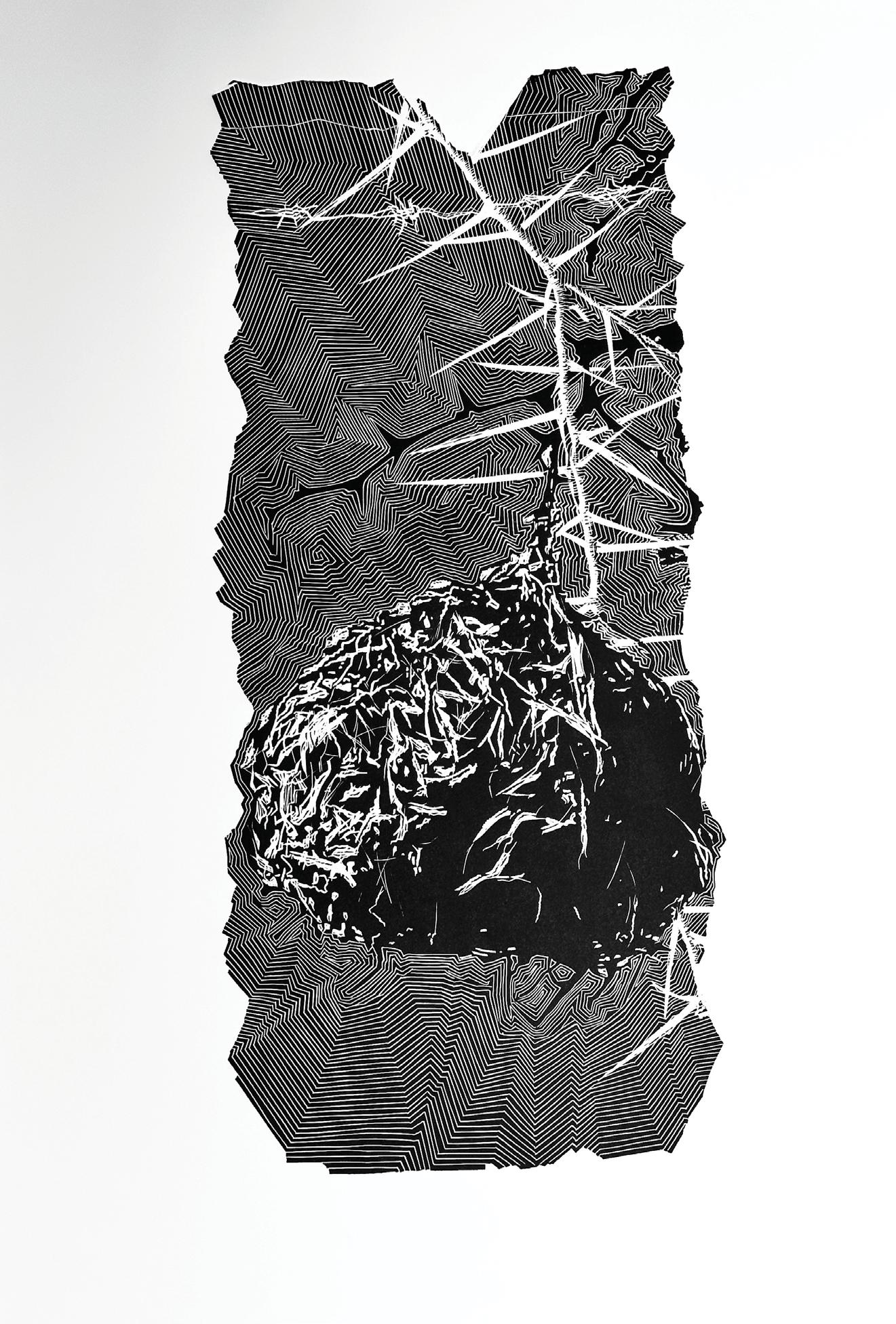
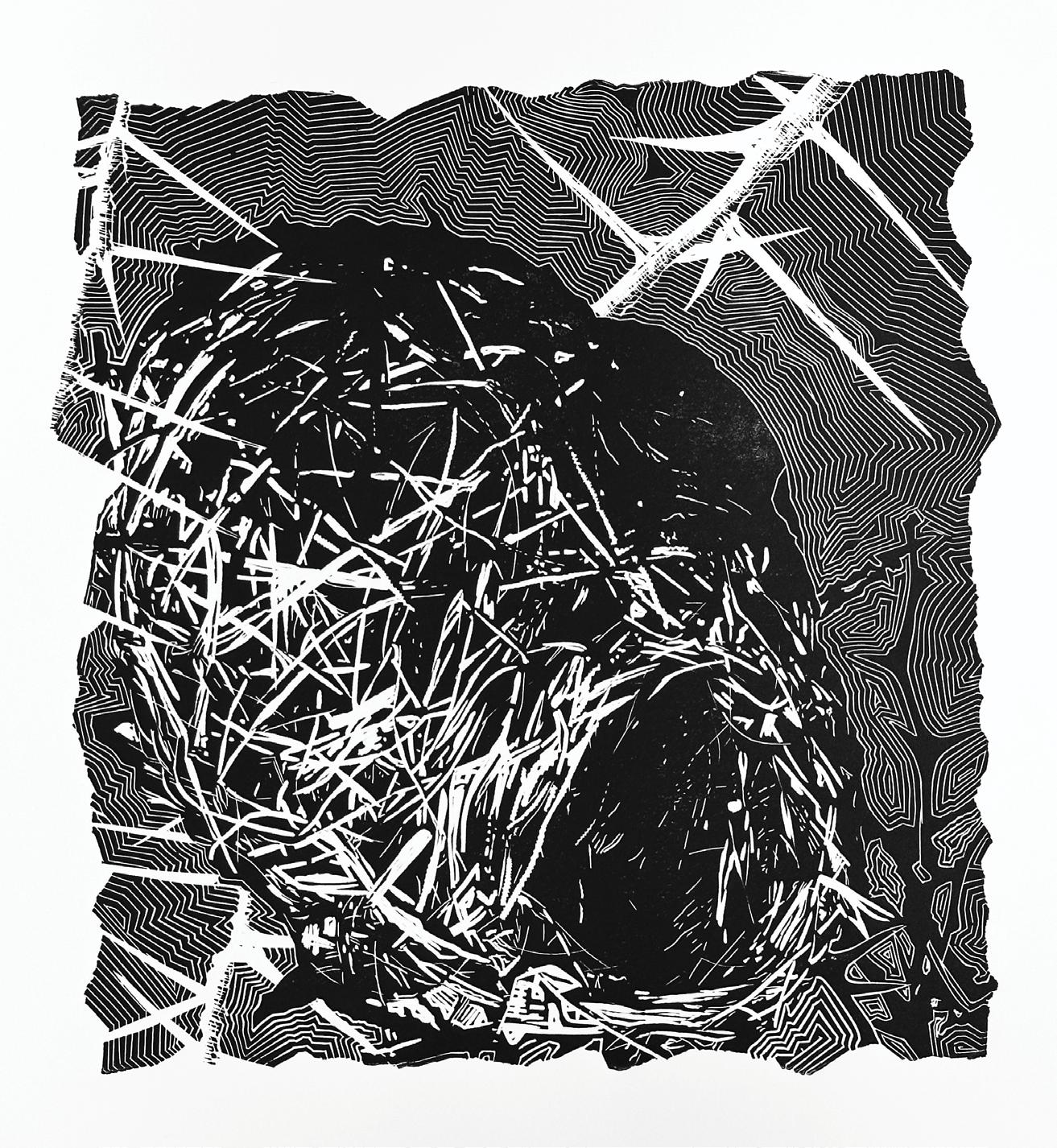
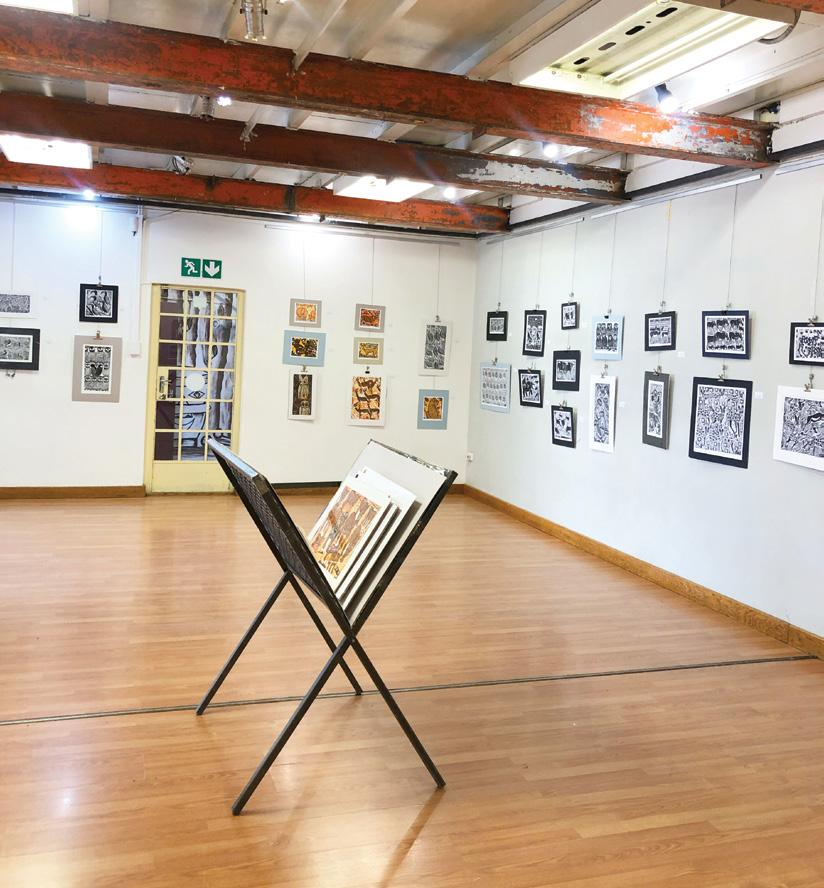
On the morning of Saturday, 6 June, The Project Room will present Intricacy, a solo exhibition by seasoned Namibian artist Kabelo Kim. The exhibition presents a new body of detailed linocut works that continue the artist’s long-standing engagement with the architecture of birds’ nests, particularly the instinctive weaving techniques of weaver birds. Through these intricate compositions, Kim reflects on broader questions of belonging, sustainability, land and the fragile relationship between humanity and the natural world.
For the past five years, Kim’s printmaking practice has revolved around a sustained investigation into birds’ nests as both visual structures and conceptual metaphors. Intricacy marks the culmination and farewell of this
INTRICACY by Kabelo Kim
series, building on ideas first explored in earlier exhibitions such as Black Line in 2022.
At the heart of the exhibition is the weaver bird, known across Southern Africa for its remarkable nests – suspended structures woven meticulously from grass, twigs and found natural materials. Kim is fascinated not only by the beauty of these forms, but by the philosophy embedded within them. Birds construct temporary homes that exist in harmony with their surroundings. They build lightly, adapt instinctively and leave minimal impact on the environment once the nesting season passes.
This delicate balance between creation and coexistence becomes a central point of reflection throughout Intricacy. Kim contrasts the elegance and humility of birds’ nests with the often extractive and divisive nature of human systems of housing, ownership and land occupation. The exhibition quietly questions what it means to belong in a world increasingly shaped by displacement, borders and environmental strain.
“Through detailed renderings and abstracted patterns of nest structures – the layered textures, suspended forms and organic complexity – I celebrate nature’s resilient engineering while questioning our own. What does it mean to truly belong without dominating? To build a home that sustains rather than extracts?” asks Kim.
Visually, the exhibition is both meditative and technically impressive. Kim’s linocuts are characterised by dense layers of marks, patterns and textures that mimic
The surfaces pulse with movement and detail, drawing viewers into labyrinth-like compositions where lines appear to twist endlessly across the page.
the woven complexity of nests. The surfaces pulse with movement and detail, drawing viewers into labyrinthlike compositions where lines appear to twist endlessly across the page. In many ways, the artist’s process mirrors the labour of the birds he studies. Each cut into the linoleum becomes repetitive, patient and instinctive – an act of slow construction that requires precision and endurance.
Kim speaks about becoming immersed in the process of carving, often losing himself within the network of lines and textures. This physical engagement with the medium reflects the repetitive weaving process of the weaver bird – one strand at a time, one incision at a time. The resulting works evoke both admiration and unease: admiration for the intelligence and beauty of nature’s engineering, and unease at the excesses of human intervention.
Despite these tensions, Intricacy is ultimately not pessimistic. Instead, the exhibition offers the bird’s nest as a quiet lesson in resilience and coexistence. In an age marked by climate anxiety, rapid urban expansion and cultural fragmentation, Kim invites viewers to reconsider how we occupy space and relate to one another. The nest becomes a symbol of thoughtful construction, shared environments and temporary stewardship rather than permanent ownership.
With Intricacy, Kabelo Kim brings a significant chapter of his artistic journey to a close. The exhibition stands as
both a celebration of nature’s extraordinary design and a thoughtful meditation on how humanity might learn to live more lightly within the spaces we call home.
until Saturday, 27 June
Laschandre Coetzee
The exhibition will be on show
at The Project Room.
FROM VILLAGE SANDS TO EXHIBITIONS
The story of Elia Shiwoohamba
For many, village sands are simply the ground beneath their feet. For Elia Shiwoohamba, however, those sands became his first canvas – the very beginning of a journey that would grow into a professional artistic career.
Elia Shiwoohamba grew up in a small village in the Ohangwena Region, where his love for art first took shape. What began as a childhood pastime drawing animals in the sand soon revealed itself to be something deeper. It was not merely play, but a growing passion and a natural talent that could not be ignored. Those early sketches in the soil marked the foundation of an artistic journey rooted in creativity and self-expression.
Determined to pursue his dream, Elia later moved to Windhoek, where he attended John Muafangejo Art Centre. There, he was introduced to a wide range of creative disciplines such as drawing, textile design, ceramics and printmaking. Although he explored multiple mediums, his heart was drawn to printmaking and sculpture. These would ultimately become the fields in which he would later establish his professional identity.
“My art was always clean like a professional,” shares Elia. “I had to pretend to be a professional first before I became one.”
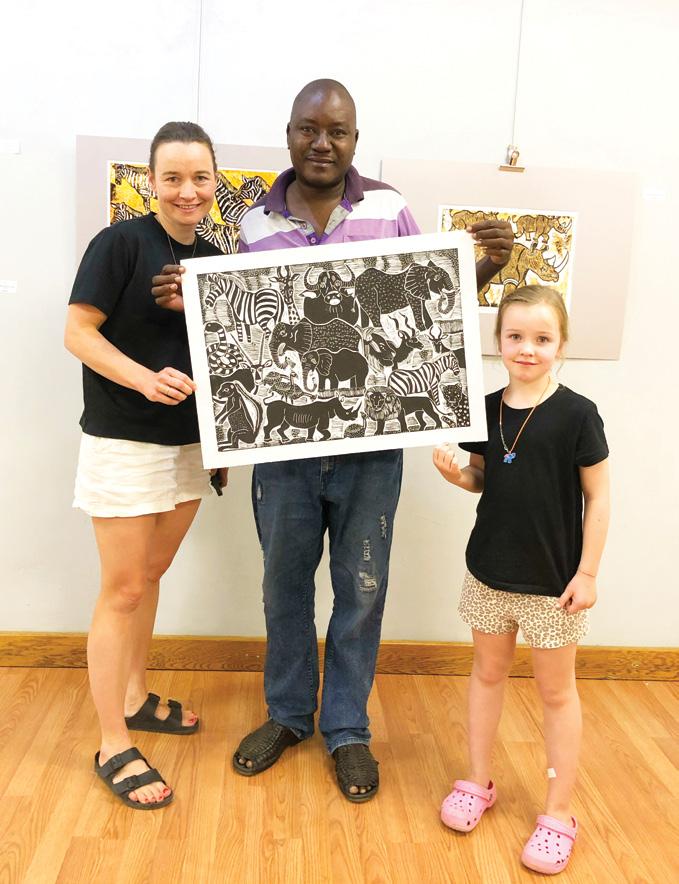
As his talent developed, so too did his audience. Elia’s work soon reached beyond Namibia’s borders, gaining recognition on international platforms. He travelled to various countries, including Germany and Dubai, where he not only sold his artwork but also hosted workshops, sharing his skills and creative process with wider audiences. His exhibitions are on show at Sweet Side of Thingz, and he also recently exhibited his work at the Omba Art Gallery at the Namibia Craft Centre. These experiences allowed him to grow both as an artist and as an ambassador of Namibian art. Elia specialises in sculpture, working with materials such as wood and stone, as well as printmaking, using techniques like linocut and cardboard printing. His work often features both striking black-and-white prints and vibrantly coloured
Elia’s art is not only visually striking but also deeply meaningful.
compositions. Despite the diversity of his materials, a consistent thread runs through his art: a deep connection to nature, particularly the wildlife of Etosha National Park. Inspired by the uniqueness of these animals, Elia transforms them into expressive pieces that resonate with local and international audiences alike.
A major source of inspiration for Elia is the late John Muafangejo, a renowned Namibian artist who hailed from the same constituency in the Ohangwena Region. Although Elia never had the opportunity to meet him, his influence is deeply felt in Elia’s work, particularly in his use of black-and-white printmaking. “He passed on when I was young, but he inspires me and I want to carry on his legacy,” Elia explains. Through his art, he honours this legacy while also carving out his own unique identity.
When asked to define his artistic style, Elia emphasises the importance of originality. “Be unique,” he advises. “Draw what is in your thoughts so that you can be different from others and be your own person.” This ideology is reflected in his work, which stands out for its authenticity and personal expression.
However, the journey of an artist is not without its challenges. Elia points out that one of the greatest obstacles he faces is accessing quality materials and securing funding. Many of the materials he uses are sourced from Europe, making them difficult and costly to obtain. Despite these hurdles, he remains committed to his craft, driven by passion and purpose.
Elia’s art is not only visually striking but also deeply meaningful. His pieces often resonate with tourists, who purchase them as souvenirs that carry stories of Namibia’s landscapes and wildlife. More importantly, his work serves as a source of inspiration for young and emerging artists. Through his journey, Elia demonstrates that with determination, creativity and belief in one’s vision, it is possible to turn even the simplest beginnings into something extraordinary.
From drawing in village sands to showcasing his work on international stages, Elia Shiwoohamba’s story is one of growth and artistic passion. As he continues to create and inspire, his message remains clear: greatness can begin anywhere, even in the sand beneath your feet.
Charlene Somses
The story weaver Marisa Kelly
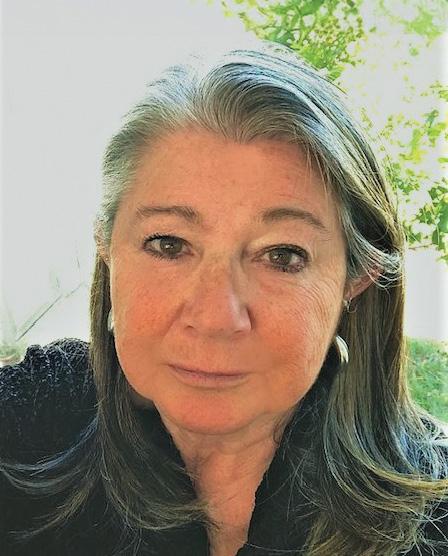
Marisa Kelly is an awardwinning author and social activist who has made Namibia her home since 1998. Her short stories, set in Southern and East Africa, deal with knotty conundrums confronting post-colonial societies but also have a strong focus on nature, wild landscapes and the environment (not surprising, given her earlier careers as a zookeeper at London Zoo and then as a veterinary nurse).
From observer to storyteller
several awards for her work. Two more collections are in the final stages of preparation, widening their historical scope to the IRA bombing campaign in London and the Falklands War in the early 1980s, as well as shining a light on the sexual exploitation of minors across Africa.
After almost twenty years working as an English-language editor specialising in conservation management and HIV/AIDS education, Marisa began developing ideas for stories based on her experiences of living and travelling in the region. Early drafts were published on the Kalahari Review website, with the editor eventually suggesting she revise them for submission to a publisher as an anthology. With no formal training in creative writing, she positioned herself as a “weaver of tales”, sharing observational accounts of people and places generally underrepresented in the Southern African literary tradition.
Stories of our times
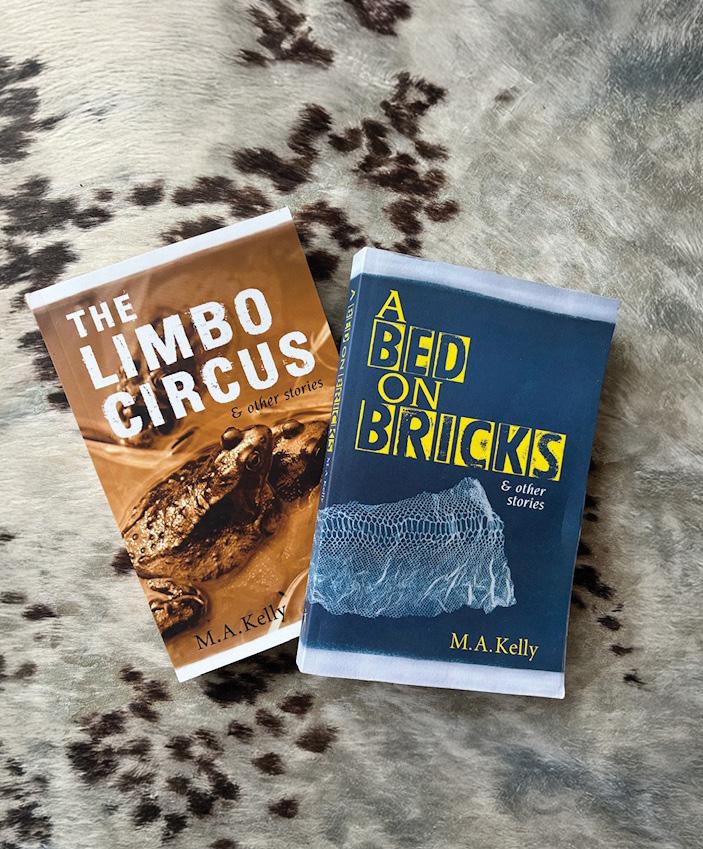
Marisa’s first collection of nine stories, A Bed on Bricks, was published in 2022. Given the period in which it was written, her follow-up anthology, The Limbo Circus (2026), has several stories set against the backdrop of the pandemic, as well as large-scale institutional corruption. Both published by Modjaji Books in Cape Town, these short-story collections also examine the ways in which supernatural and unexplained, mysterious events often thread through the everyday lives of African communities.
Now living in the veld outside Windhoek, Marisa continues to write fiction that often features natural history as an underlying theme. New works appear regularly in online and print journals around the world, and she has won
Stitching sustainability
Having written a regular column for The Namibian newspaper on social, economic and cultural issues from an international perspective, Marisa decided to launch an informal, small-scale community cooperative, Sew Good Namibia, in 2019. The first goal was to address an intractable problem she had witnessed while visiting family in Indonesia, where the failure of the global recycling ethos is evident in the catastrophic plastic pollution seen everywhere.
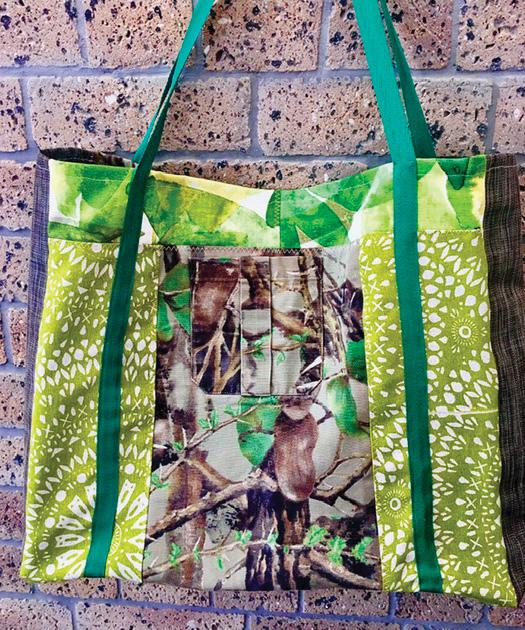
Marisa collects sample books of luxury furnishing fabric from interior-design stores – patterns that are discontinued at the end of each season – and distributes them to a small number of craftswomen in disadvantaged households who then turn them into ecofriendly, 100% upcycled soft toys, table-runners, sofa throws and bags. She then promotes these online and delivers to stores and markets around the country in support of the circular economy movement. (When retailers prioritise “local-is-lekker” items, the carbon-footprint impact associated with the transportation of imported goods is greatly reduced).
All the income from this low-tech, grassroots approach goes directly into the households of the creative women who produce the unique designs, thus fulfilling the third, income-generating objective of the project.
Books for every corner
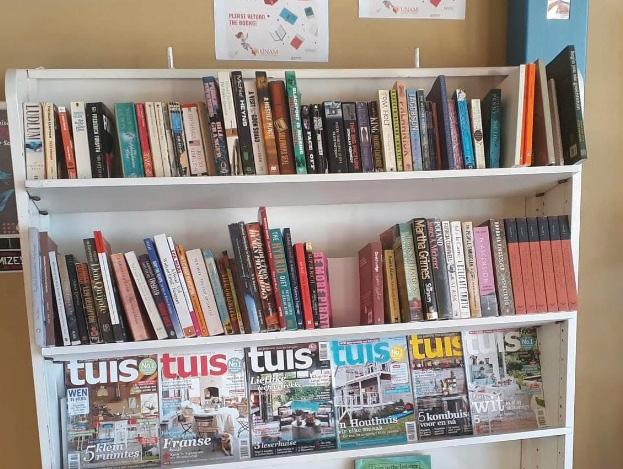
In 2022, having seen a “little free library” cabinet at a bus stop in rural Germany, Marisa launched the Promising Pages Pilot Initiative with the aim of distributing donated reading materials to underserved Namibian communities. Adults and children who had extremely limited access to such resources in the past are now encouraged to visit their local installation (there are currently 21) to follow these simple steps: “Take a book. Read a book. Return a book.”
At independence in 1990, English became the country’s only official language, yet many Namibians need to improve their proficiency if they are to enter tertiary
education or be successful in the highly competitive job market. The initiative’s focus is therefore on Englishlanguage textbooks, study guides and reference books, although almost any type of book is gladly accepted, from “beach reads” to crime capers. Also welcome are magazines such as National Geographic, as these can be cut up to decorate classrooms and supply learners with materials for projects – especially important in rural settings without access to Wi-Fi (or even electricity).
Guiding new voices
Quality print media is facing seismic upheavals today, not only financially but also from digital platforms such as Substack and the bewildering multitude of self-publishing/ vanity press options (some good, some bad and some downright ugly) proliferating across the internet. It is getting heartbreakingly difficult to clear all the hurdles on the path to publication with a well-regarded mainstream imprint or independent press. Thus, as somebody with almost ten years’ experience in negotiating that route, Marisa is increasingly involved in advising and supporting young local writers who want to see their work appear on a real-life bookshelf and not just floating around in the ether.
On the shelf
The Limbo Circus is available at Exclusive Books branches including The Grove (Windhoek), OR Tambo International Airport (international and domestic terminals), and Gaborone, as well as via Takealot and most major South African book retailers.
In Windhoek, both titles are also stocked at Fusion Africa (the gift shop at the Windhoek Country Club Resort), The Book Den, and Uncle Spike’s Book Exchange, and can be ordered directly from Modjaji Books.
For further information about the author and her projects, visit her blog by scanning the QR code
PRIME LOCATION
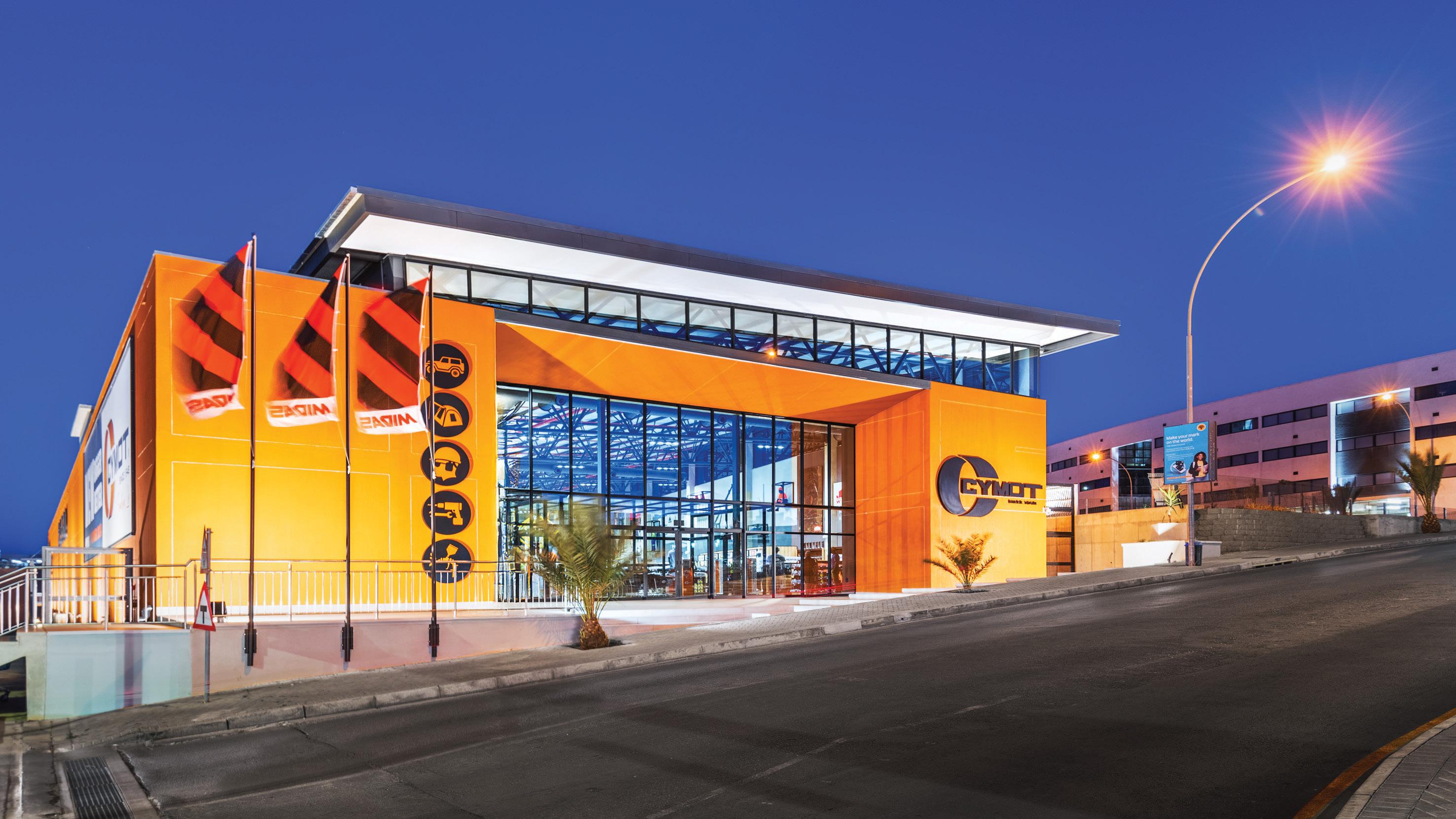
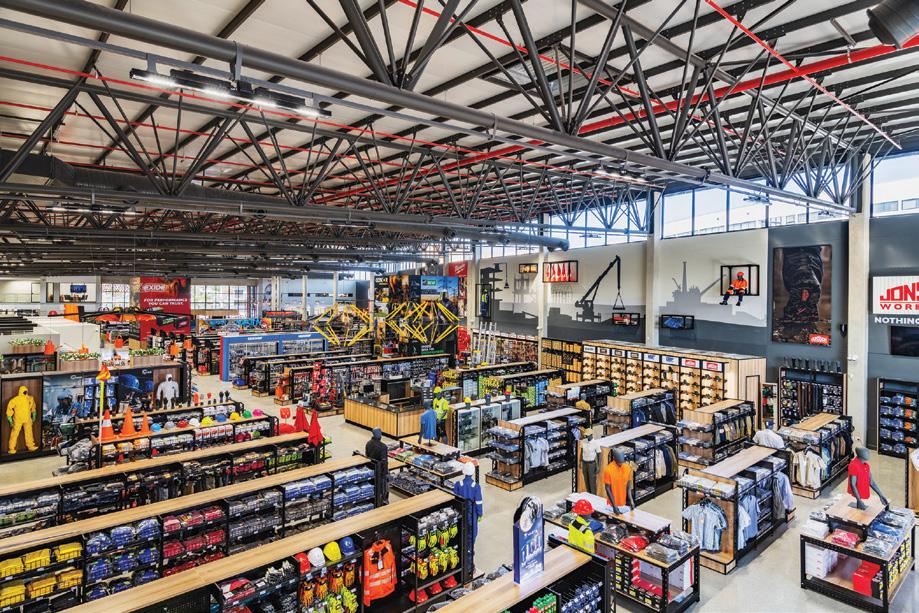
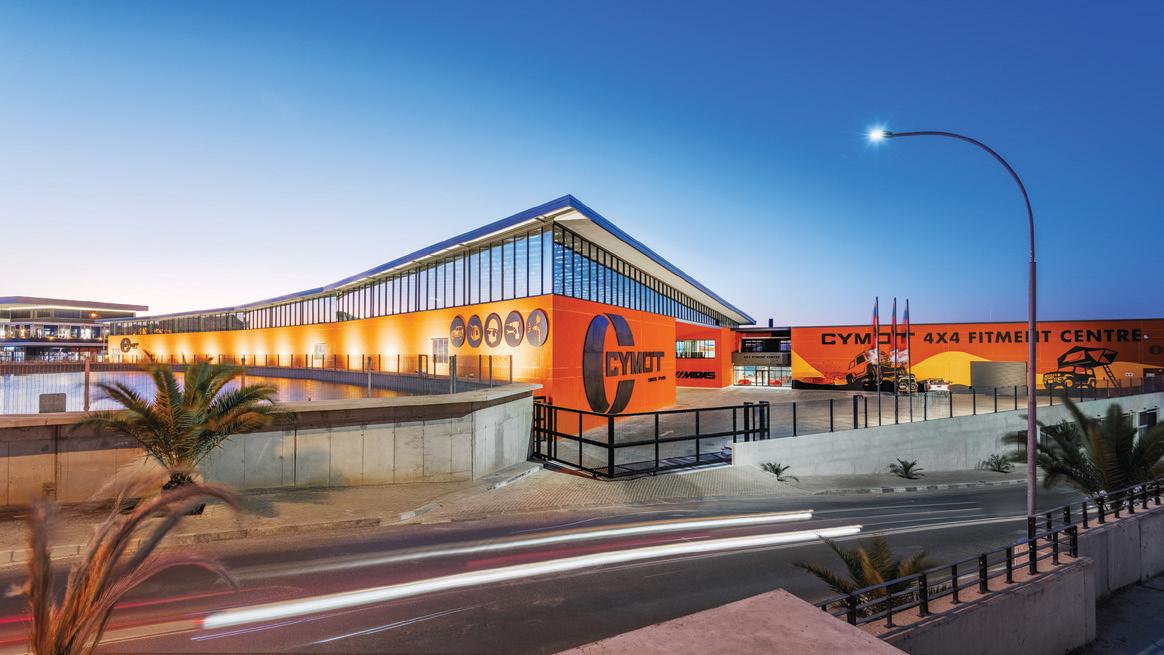
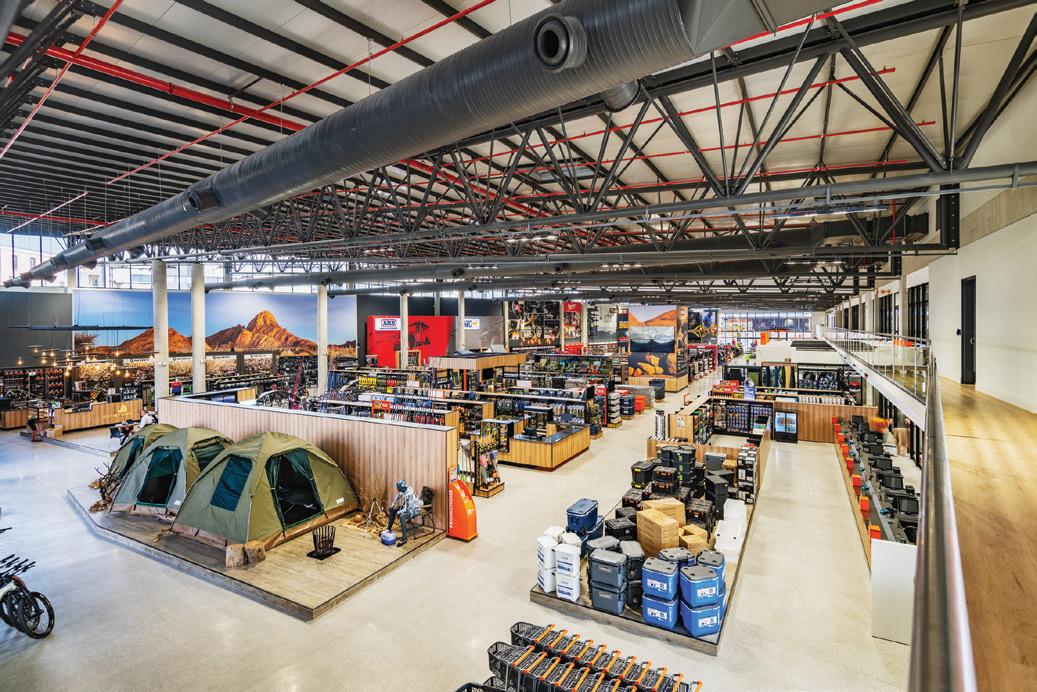
Whether you're on business or exploring Namibia, CYMOT Hilltop has everything you need under one roof!
Conveniently located next to Grove Mall in Windhoek, we make shopping easy, hassle-free, and enjoyable.
Start your journey with the perfect cup! Fuel up with the rich aroma and bold avours of Slow Town Coffee, available in-store. From a quick espresso to a smooth latte, every cup is crafted to perfection.
The art of doing nothing in a world that never stops
Hopefully all the public holidays in May and the long school holidays mean that you have had some time to relax and slow down because it is already June!
Half the year has once again rushed by in a blur and if you are anything like me, you probably feel like you have been busy the whole time and done so much but also feel like you have not really accomplished anything. Psychologists explain that time feels like it goes faster as we get older because of the proportion of our lives represented by one year. In other words, when you are young, a year can be a large proportion of your total age, but when you are older, that proportion gets smaller and smaller. It is also because when we are younger, we experience so many “firsts” (every day can literally bring with it amazing new discoveries and experiences), whereas when we get older we are more likely to get stuck in a routine and end up doing the same things day in and day out.
One of the suggestions psychologists put forward to avoid each week simply blending into the next is to “mix things up” by taking a different route to work, taking up a new hobby or even trying to listen to new or different music, but that of course is easier said than done. With life as busy as it is, it is hard enough just making it through the day with enough energy left to make even the simplest of decisions. Or, as the rueful joke goes, “the hardest part of being an adult is figuring out what to cook for dinner every single night for the rest of your life until you die.”
and bosses expecting employees to be available all the time. Mobile games and online gambling are advertised to us almost everywhere we look and, as proven in the recent court ruling against Meta and YouTube, social media has been specifically designed to be addictive.
Unless we specifically turn off notification “pings” on our phones throughout the day, when do we get to just be quiet?
This is a more important question than we may think, because being quiet is exceptionally important. Quiet is where we can be inventive and creative, where we can be self-reflective, and where we can reset our nervous systems and heal. Quiet is where we embrace boredom and reset our brains to their “default mode”, an uncomfortable state that Harvard professor Arthur C. Brooks describes as “a bunch of structures in your brain that switch on when you don’t have anything else to think about.”
We have been conditioned to see boredom as something bad, something unproductive, and something to be avoided at all costs.
There are several other theories put forward for why time seems to speed up, including decreasing neural processing, the fact that as we get older our brains process information slower, taking in fewer new images per second compared to younger brains, and even the fact that as we get older our metabolisms slow down, which can lead to faster internal timekeeping. What is not often mentioned, though, is the battle for our attention.
Concerns about how many things are competing for our attention are not new, with American psychologist Herbert Simon warning as far back as 1971 that “a wealth of information creates a poverty of attention”, but without a doubt they have become even more pressing in our day and age. WhatsApp and internet-enabled cellphones have seen work bleed into private life, with some companies
We have been conditioned to see boredom as something bad, something unproductive, and something to be avoided at all costs. But it is something we should actually be seeking out and, ironically, it might just be a trend on social media that gets us there.
Gen Zers on TikTok have popularised what they call “rawdogging life,” experiencing “unfiltered boredom” with no digital distractions. While grumpy, pedantic, old men like me will argue that this is nothing new, that it is just a form of mindfulness meditation, and that it is something that has been taught in Buddhist theory for centuries, it is still a good idea. So, if you are reading this on the aeroplane: when you are done, close the magazine and take 15 minutes to just sit with your thoughts, take in the people around you, the colour of their hair, what kind of clothes they are wearing, what the seat you are sitting on feels like, how you are feeling and, if you are lucky enough to be sitting next to the window, how the landscape below you looks like and makes you feel.
Enjoy the quiet, embrace the experience, take it all in, and…
Until next time, enjoy your journey.
David Bishop
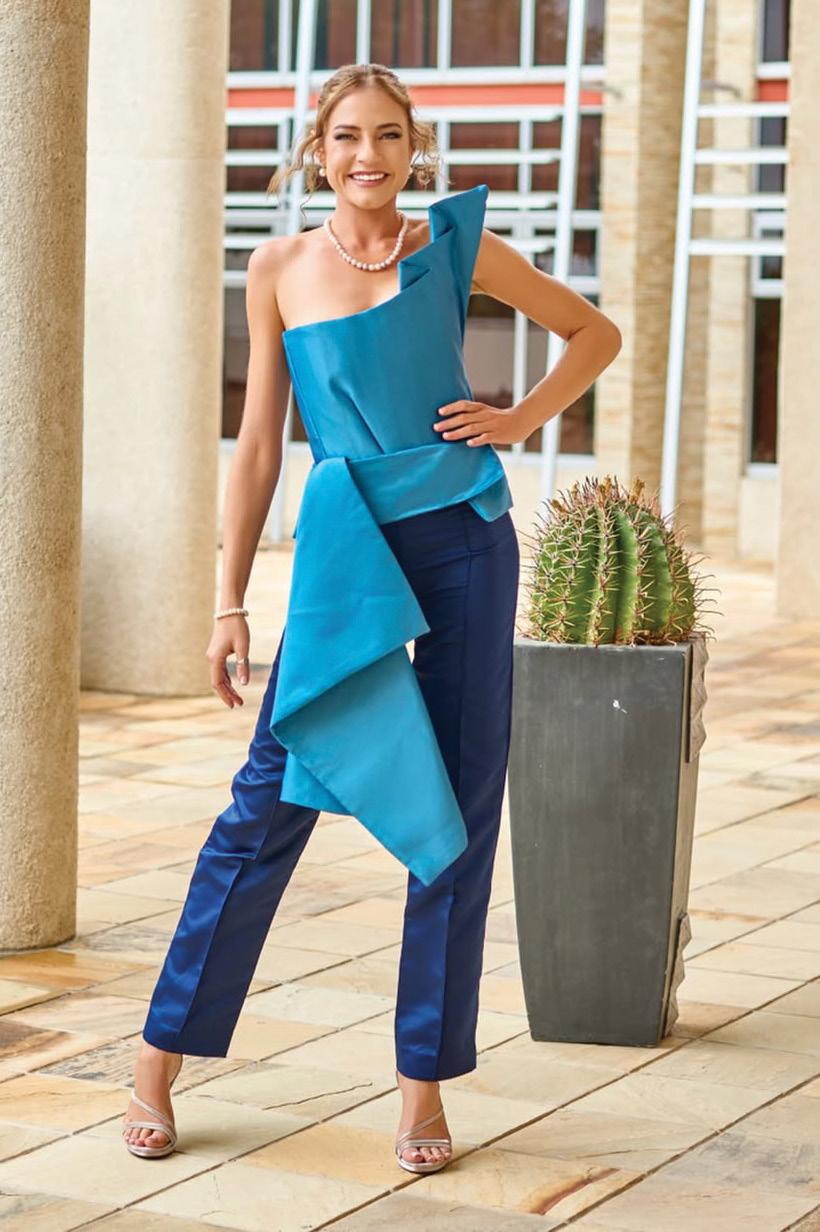
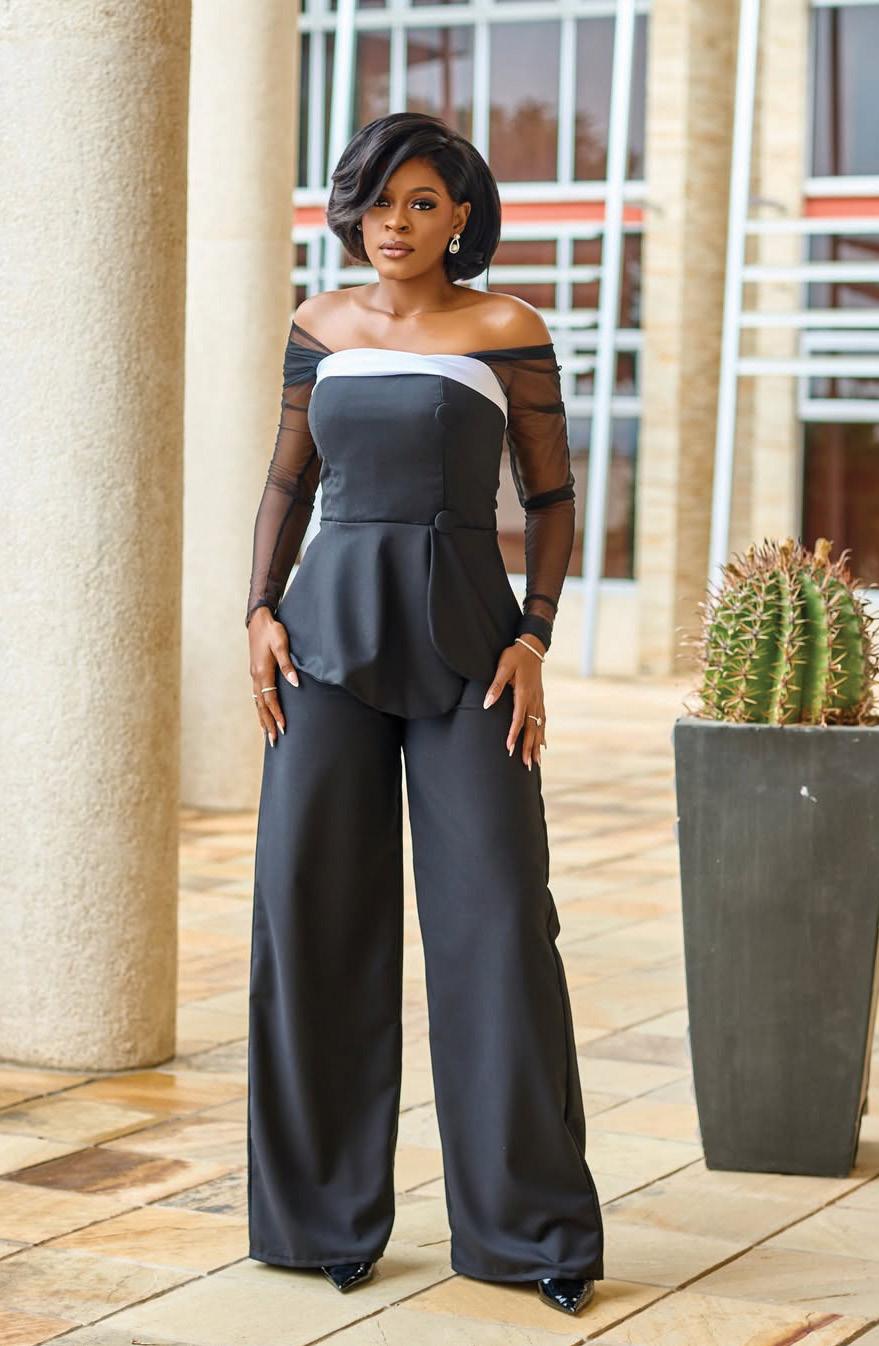
MISS NAMIBIA 2026
The search for the nation’s next purposeful queen
“Celebrating Legacy, Embodying Unity” was the theme for the 2025 edition of the Miss Namibia pageant. This time around, as the pageant ushers in a new era, contestants and the public are invited to celebrate the crowning event through its “Empowerment” theme.
“For 2026, the evolution lies in moving from celebration into action and impact. This year’s direction is centred on empowerment, not only for the contestants but for Namibians at large,” says Beaulah Boois-Beukes, the pageant’s new national director.
While the pageant continues to serve as a platform celebrating Namibian heritage and identity, the 2026 edition places a stronger emphasis on youth influence
and development, according to Beaulah. “This evolution is about building on unity and legacy while preparing a generation of titleholders – both former and current – who can confidently engage with global conversations and local realities alike.”
Championing inclusivity
This year’s edition introduces a more immersive and nationally inclusive approach by allowing the public to design the national crown and a national costume through design competitions that will be open ahead of the crowning event.
Beulah adds, “We are also placing greater focus on audience interaction and transparency throughout the journey, ensuring that the public feels more connected during the process rather than only at the final crowning moment.” This will be created with the introduction of
Photography:
Shotbyalpo for Keen Studios
Koviao Katjerungu
Charene Labuschagne
Jatjizavi Kavendjaa
Dolly Mootu
vodcasts and live streaming elements during the Top 10 excursions over the course of the campaign.
All roads lead to Omaheke
Over the last few years, the Miss Namibia pageant has been hosted in a different Namibian town each year – a move aimed at giving all citizens a chance to be part of one of the country’s biggest national events.
This time around, the crowning event will be hosted in the Omaheke Region. “The decision reflects the organisation’s continued commitment to decentralisation, national inclusion and regional economic participation,” says Beaulah of this year’s host town.
Taking the pageant to the Omaheke Region means that the pageant will have officially covered all four corners of the country. The Omaheke Region offers a rich cultural
identity, warm hospitality and a unique landscape that aligns with the vision for the 2026 edition of the pageant.
The preliminary competition took place on 9 May at Zest Mediterranean Restaurant in Windhoek. It was here that the Top 10 were selected.
These finalists will now take on “the road to the crown” in a publicly documented journey of transformation. Through pageant training, development of their advocacy projects and refinement of their communication skills, they will be shaped into more than competitors; they will be empowered women, ready to represent Namibia on a global stage. Upon completion, they will battle it out for the national crown on a stage that is set to showcase their authenticity, confidence, intellect and purpose.
Rukee Kaakunga
Tina Haimbala
Constancia Kamburona
Kaino Jona
Loini Jonas
Loide Nghuulondo
Rechelle Hamases
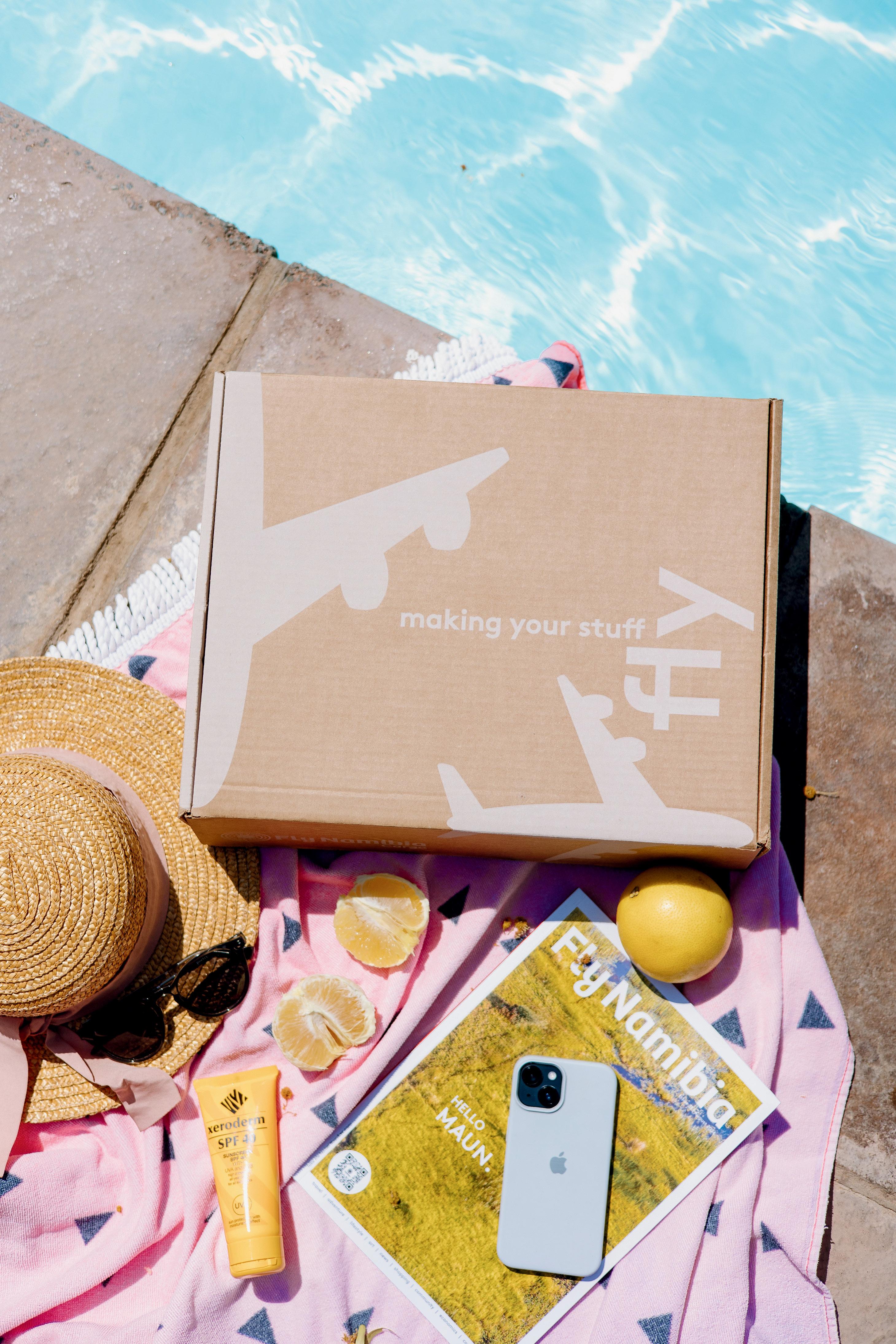
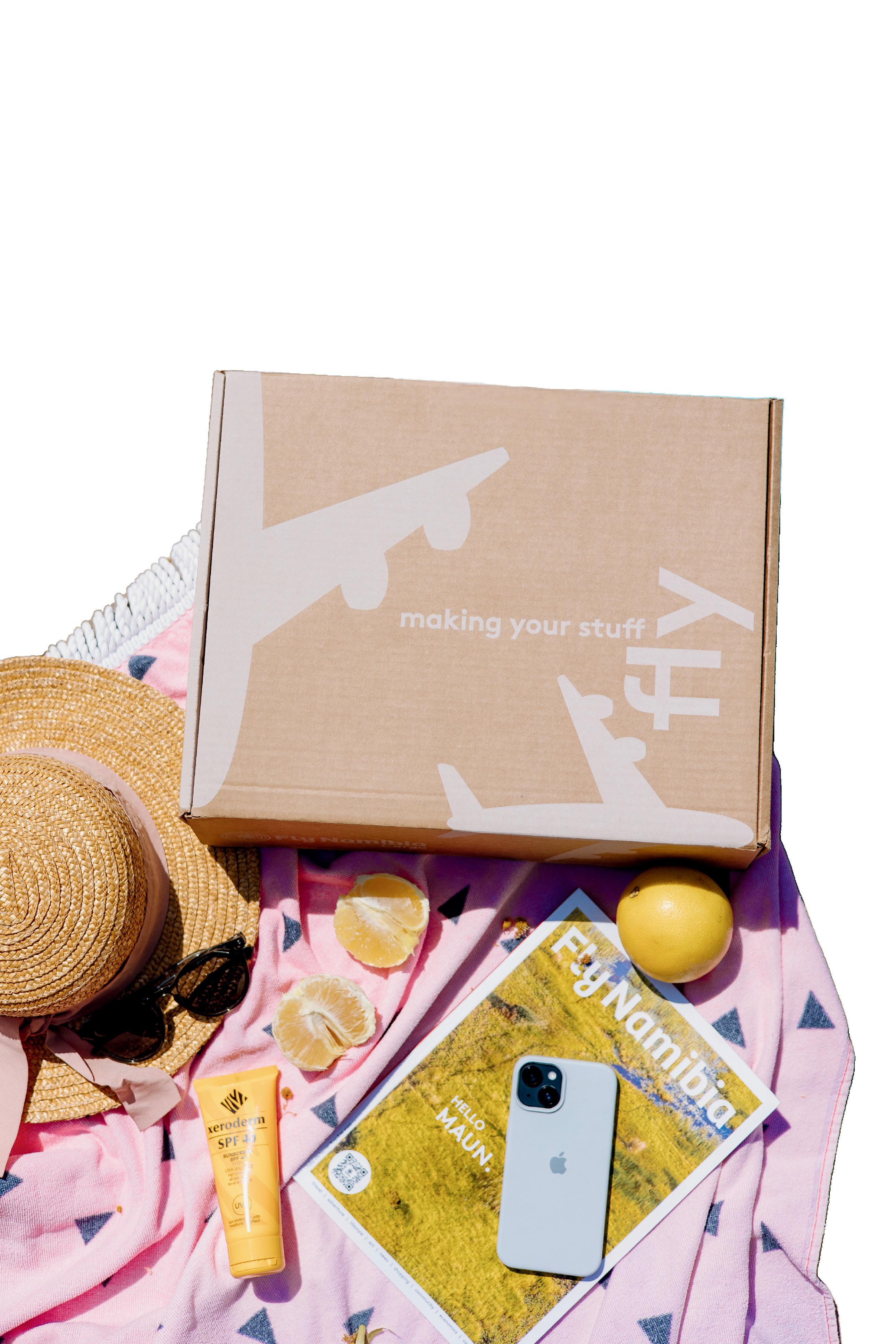
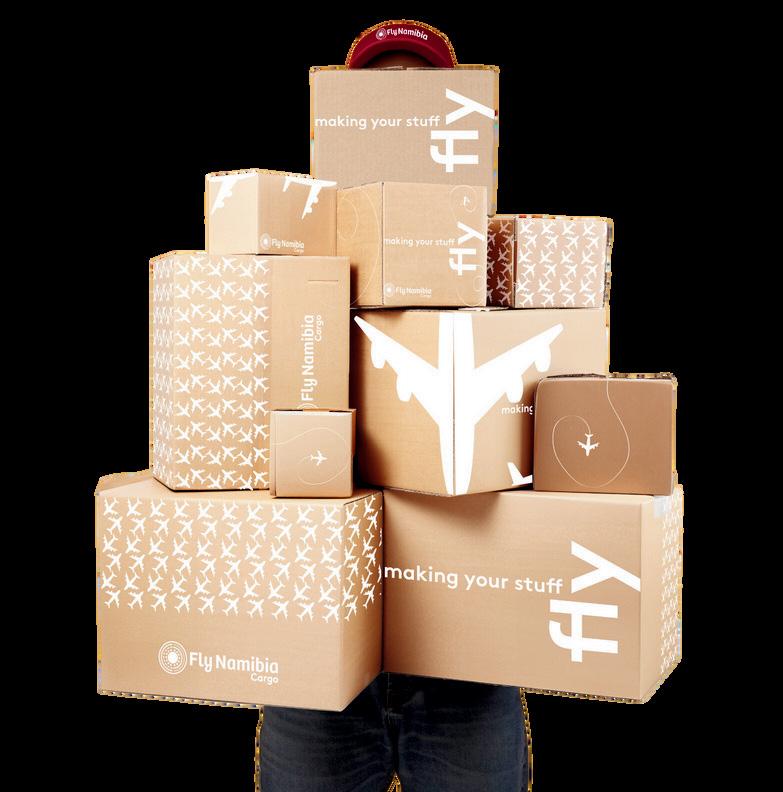
The name of our cargo box, ‘Epakete’, means package in Oshiwamb o
I3 Simple Steps to Better Skin
n this month’s Skin Series column, Dr La-toya Mwoombola-Hamutenya shares insights from the world of aesthetic medicine.
Skincare doesn’t need to be complicated. With so many products on the market, it’s easy to feel overwhelmed but the truth is, you don’t need an extensive routine to achieve healthy, balanced skin. Consistency with a few key steps often delivers the best results.
Step 1: Cleanse
If you’re still using bar soap on your face, it’s time to let it go. Harsh cleansers can strip the skin and disrupt its natural barrier. Instead, choose a gentle, effective cleanser like Cetaphil Gentle Skin Cleanser or CeraVe Hydrating Cream-to-Foam Cleanser, both suitable for most skin types.
A simple but important tip: cleanse twice. Double cleansing helps remove dirt, oil, and environmental buildup more effectively. Allow your cleanser to sit on the skin for about a minute before rinsing to get the full benefit.
Step 2: Hydrate
In our warm, often dry Southern African climate, hydration is key. Adding a hydrating serum particularly one with hyaluronic acid can help maintain moisture and support overall skin health.
A premium option like SkinCeuticals Hydrating B5 Gel delivers deep hydration with just a few drops, while Vichy Mineral 89 Hyaluronic Acid Serum offers a lighter, more budget-friendly alternative. If your skin is very oily, this step can be simplified or adjusted to suit your needs.
Step 3: Protect (SPF)
Sunscreen is non-negotiable. Daily SPF protects against premature ageing, pigmentation, and long-term damage from UVA and UVB exposure.
An accessible option like CeraVe SPF 50 Moisturiser offers reliable protection, while a tinted option such as Eucerin Tinted SPF Sunscreen can double as light coverage for a natural, even finish.
If you are managing hyperpigmentation, a tinted sunscreen is your best ally. Most of these formulations contain iron oxide, which provides a critical barrier against visible light — including the rays from your office lights and digital screens — that often prevents stubborn pigmentation from resolving.
Keep It Simple, Stay Consistent
This three-step routine, cleanse, hydrate, protect - is a strong foundation for healthy skin. In the evening, focus on cleansing and moisturising, leaving out SPF.
Great skin isn’t about more products, it’s about the right ones, used consistently. Start simple, and build from there.
Emily Kandanga-Erastus
Dr. La-toya is an aesthetic medical doctor passionate about helping you better understand your skin and make confident, informed skincare decisions. She’ll be back next month with more expert insights and practical skincare advice.
OUR COMMUNITIES
We work with our stakeholders to ensure that communities thrive, sustainably, through enabling quality healthcare and education.
At Namdeb, we are about more than mining. We are about mining for good.
Namibia and the People’s Republic of China share longstanding diplomatic relations that have, over the years, evolved into a comprehensive partnership encompassing trade, infrastructure development and capacity building, amongst others. Strengthened ties between the two countries are widely regarded as critical to fostering economic growth, facilitating technology transfer and promoting global cooperation in an increasingly interconnected world.
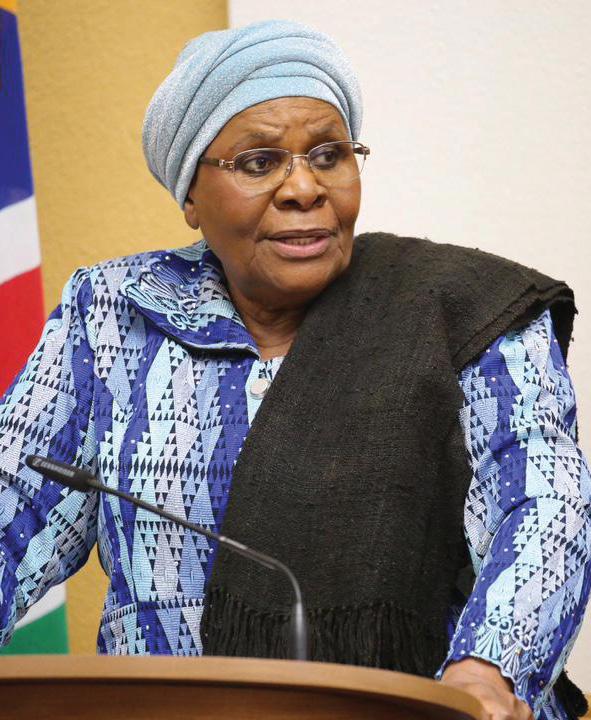
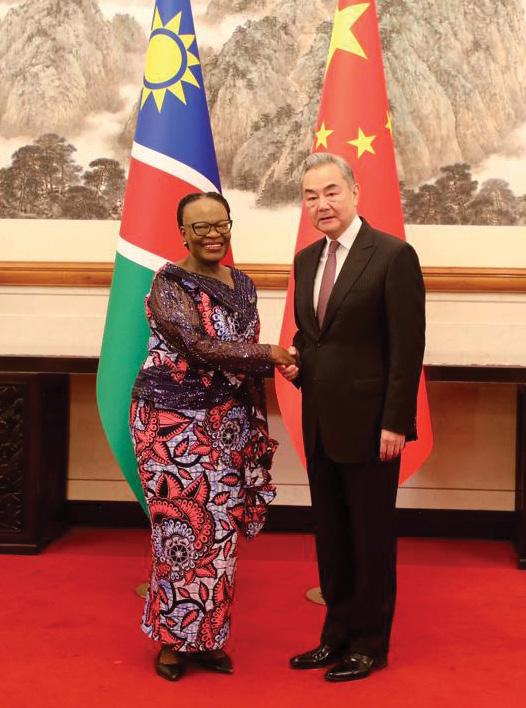
The recent official visit by Namibia’s Minister of International Relations and Trade, Ambassador Selma Ashipala-Musavyi, reflects this growing cooperation. The visit was undertaken at the invitation of His Excellency Wang Yi, a member of the Political Bureau of the Communist Party of China Central Committee and China’s Minister of Foreign Affairs. During the visit, Ashipala-Musavyi held high-level bilateral discussions with her Chinese counterparts, including officials from the ministries of foreign affairs and commerce. The engagements focused on strengthening cooperation and expanding economic ties between the two nations.
The minister also met with Chinese business leaders to promote investment opportunities in Namibia, particularly in the sectors of mining, energy, agriculture and tourism. These engagements form part of Namibia’s broader efforts to attract foreign investment and deepen trade partnerships.
In a joint statement, the two countries have reaffirmed their commitment to strengthening cooperation, multilateralism and South–South collaboration, with an emphasis on amplifying the voice of developing countries. Both sides agreed to deepen political trust and expand their comprehensive strategic cooperative partnership, while broadening cooperation in key sectors, including energy, mining, agriculture, infrastructure, education and tourism. Namibia also stressed the importance of value addition to its natural resources to support industrialisation and job creation. The two countries further committed to
Namibia–China ties deepen as zero-tariff policy opens new trade opp ortunities
enhancing cultural and youth exchanges under the 2026 China–Africa Year of People-to-People Exchanges.
New opportunities are also emerging for African exports and industrial development, as China implemented a zero-tariff policy for African countries with diplomatic ties, including Namibia, which came into effect from 1 May 2026.
Emerging sectors
In an interview with China Africa Talk, Ashipala-Musavyi welcomed China’s decision, describing it as a significant outcome of the Forum on China–Africa Cooperation (FOCAC). She said the measure is expected to boost industrialisation, enhance market access and strengthen confidence between governments and the private sector.
“I think it will be in line with what Africa has been talking about, when we say ‘the Africa we want’. Yes, we are in doubt with resources, but we do not want to remain a source of raw materials. We want to add value to our products, be it minerals or agriculture, so that we can become more relevant to the Chinese economy, but also to the global economy. We are looking at it from that perspective, and I think it’s a very welcome measure,” Ashipala-Musayvi noted. The minister further emphasised that Namibia is now shifting its focus towards emerging sectors such as value addition in mining, green energy and artificial intelligence, leveraging China’s technological expertise alongside Namibia’s natural resources to create mutually beneficial outcomes.
On global cooperation, Ashipala-Musavyi said both countries share common positions on key international issues, including support for multilateralism, peaceful dispute resolution and fair global trade, adding that the two nations continue to collaborate closely on multilateral platforms such as the World Trade Organisation.
Reflecting on China’s development, the minister commended the country’s rapid economic growth and infrastructure expansion since her first visit in 1995, noting its increasing role in supporting development across the Global South. She further reflected on Namibia’s strategic position as a coastal nation, noting its role as a trade gateway for neighbouring countries, and added that improved trade conditions would benefit the broader Southern African region.
Maggie Forcelledo Paz
Photography: Ministry of International Relations and Trade
SMALL LOSSES, BIG IMPACT
How unnoticed drops in pregnancy and calving rates quietly erode herd performance and farm profitability
The losses are rarely dramatic.
They do not arrive all at once, and they do not announce themselves. They slip in quietly – a percentage point here, another there – until, by the end of the season, something feels off. Fewer calves on the ground. Slightly lighter weaners. A cash flow that does not quite match expectations.
It starts with a simple question: What is your pregnancy rate? Do you know? Not what it should be. Not what it was five years ago. What is it now? Do you have the real numbers, or are you guessing?
From there, the next question is just as important: What is your calving percentage?
Because getting a cow in calf is only half the story. Pregnancy rate tells you how many cows became pregnant. Calving percentage tells you how many of those pregnancies actually result in live calves. Somewhere between those two numbers, losses can occur – and that is where profit is often lost.
In a well-managed system, anything under 90% calving is not good enough. A 95% calving rate is achievable. This is not an ambitious number – it is a necessary one. The difference between 85% and 95% may look small on paper, but in a 100-cow herd, that translates to ten extra calves on the ground. Ten more animals to sell, to
grow or to retain. It is often the difference between a tight financial year and a comfortable one.
The challenge is that these losses are seldom caused by a single obvious problem. Reproductive diseases tend to erode performance in patterns.
A heifer group struggling to conceive, sitting at a 50% calving rate, improving with age, but with mature cows plateauing at 80% to 85% – that should raise suspicion for trichomoniasis. This is a sexually transmitted infection in cattle, spread by infected bulls. It causes early pregnancy loss, meaning cows may conceive but then lose the embryo shortly afterwards, often without obvious signs. Because of this, it can quietly spread through a herd before it is detected.
When pregnancy rates fluctuate from season to season – up one year, down the next –campylobacteriosis becomes more likely. This is another bacterial infection spread during breeding, which affects fertility and can cause early embryonic loss. Its inconsistency makes it difficult to spot unless good records are kept and compared over time.
Then there is BVD (bovine viral diarrhoea). Despite the name, it is not only a digestive disease. It is a viral infection that can affect reproduction, immune
function and calf development. Not always dramatic, not always obvious. Sometimes it is just that one calf that never quite keeps up with its peers – the small one, the one that always lags behind. In more severe cases, it can cause early pregnancy loss, weak calves or ongoing disease problems in the herd.
The key is not to chase symptoms, but to recognise patterns early.
Some of these diseases can be managed with vaccination. Others require testing, culling decisions and tighter control of breeding animals – particularly bulls. All of them require informed decisions and ongoing discussions with your vet.
In every case, the starting point is the same: knowing your numbers. Pregnancy rate. Calving percentage. Weaning percentage.
Because once you can see where the losses occur, you can begin to close the gaps. And when you close those gaps, you improve cash flow, making it easier to invest in the essentials such as antiparasitics, annual vaccines and mineral supplementation – the inputs that support longterm herd health and productivity.
Those small percentage points, quietly recovered, are often the most valuable gains a farm can make.
Dr Theuns Laubscher (BVSc) Veterinarian
Burnout and hormones
What your body is really telling you
“I’m so burnt out. I just need a break.”
We say it so often that we have almost become insensitive to it. But burnout is real.
True burnout is not just feeling tired after a demanding week. It is a state of deep physiological depletion – a point where the body can no longer compensate. For some, it means being unable to function, needing medical leave or experiencing complete physical and emotional shutdown.
Although we use the term so often, we do not always know exactly where on the “spectrum of burnout” we – or someone else – may be. In most cases, stressed people are not fully burnt out but they are moving dangerously close to it. They are still functioning, still showing up, still pushing through. But underneath, the body is already under strain. They might be what I call “dancing with burnout” – moving between stress, exhaustion and partial recovery, without ever fully restoring.
And this is where the real conversation begins.
Burnout is a biological state
We often approach burnout as a mental or emotional issue. We focus on rest, time off or better routines – all of which are valuable. But burnout is not just psychological; it is hormonal.
Your body is designed to keep you alive. When stress becomes chronic, it increases production of cortisol, your primary stress hormone. But the real impact of burnout lies in what happens next.
What burnout does to your hormones
Burnout is not just about cortisol; it is about how sustained stress reshapes your entire hormonal system.
When cortisol stays elevated, your body begins to reallocate resources. Progesterone, the hormone that helps you feel calm and regulated, begins to drop, making you feel more anxious or emotionally reactive. Testosterone in both men and women declines, affecting motivation, drive and resilience.
At the same time, your thyroid function may slow, reducing metabolic activity and contributing to fatigue, brain fog and a sense of heaviness. Blood sugar regulation becomes
less stable, leading to energy crashes and cravings –each of which signals further stress to the body.
Sleep is also affected. Elevated cortisol interferes with melatonin, making it harder to fall asleep and stay asleep. Without deep, restorative sleep, recovery becomes almost impossible.
Over time, this creates a cycle: Stress disrupts hormones → disrupted hormones reduce resilience → reduced resilience increases stress
Thus, burnout is not a single event; it is a system-wide shift into survival mode.
Why it feels harder than it used to
For many people, especially from their mid-30s onward, this shift feels more intense. Hormones like progesterone and testosterone naturally begin to decline with age, which means the body has less buffer against stress. The same workload, lifestyle or pressure that once felt manageable can suddenly feel overwhelming. And most people do not know this is happening inside their body. We often think we are not performing or getting weak, but this is a change in capacity and a signal that the body needs a different kind of support.
Supporting recovery before the body forces it
The goal is not to wait until burnout forces you to stop. It is to recognise the early signals – fatigue, irritability, poor sleep, emotional overwhelm – and respond before the system reaches depletion. Supporting your hormones begins with stability. Regular, nourishing meals help regulate blood sugar and reduce cortisol demand. Consistent sleep and exposure to natural light support circadian rhythm and hormonal balance. Reducing constant stimulation and allowing moments of stillness help to shift the body out of survival mode.
Equally important is supporting the systems that process hormones, particularly the gut and liver. When these are functioning well, the body can regulate and clear hormones more effectively, preventing further imbalance.
A more honest understanding
If you are fully burnt out, your body will make that clear. If you are still functioning but struggling, your body is asking for attention. Burnout is not just about doing too much; it is about not recovering enough at a hormonal level.
If you find yourself moving in and out of burnout or navigating recovery, take a moment to ask deeper questions about your biology and your phase of life. Reflect on what you have read here and notice what resonates. And if adjustments – medical or otherwise – are needed to better support your hormones, be brave and do so.
Cerina Bezuidenhout Haasbroek
Living Well is a monthly wellness column exploring functional health, natural rituals and conscious living in Namibia. Follow @cerinabzd on Instagram for tips, workshops and holistic health guidance, or read more on Substack at cerinalife.substack.com
MTC INVESTS N$5.7 MILLION IN BURSARIES, ALLOCATES N$1.5 MILLION FOR 2026 INTAKE
Mobile Telecommunications Limited (MTC) has invested N$5.7 million in tertiary education through its bursary programme and allocated an additional N$1.5 million for the 2025/26 financial year. The funding will support six Namibian students studying Accounting, Data Science, Cybersecurity, Computer Science and Business Information Systems at the University of Namibia, Namibia University of Science and Technology and International University of Management. Beneficiaries include four new students and two continuing recipients. MTC said the initiative supports academically deserving students unable to afford tertiary education. Former bursary recipient and current MTC Corporate Communications Specialist Erasmus Nekundi said the programme creates opportunities for young Namibians and may lead to future employment opportunities at the company.
Namibia Chamber of Commerce and Industry is advocating for faster policy reforms, improved trade facilitation and reduced investor uncertainty to strengthen Namibia’s business environment. During a meeting in Windhoek with Selma Ashipala-Musavyi, newly elected NCCI President Vetumbuavi Mungunda called for closer government engagement on policies affecting business competitiveness and investment. The Chamber also plans to expand regional branches and support MSMEs nationwide. The government confirmed that the Investment Promotion Bill and Trade Facilitation Bill will be prioritised when Parliament resumes in June, while both parties agreed to strengthen structured public-private sector engagement.
NCCI PUSHES FOR FASTER REFORMS TO IMPROVE NAMIBIA’S BUSINESS CLIMATE
NANDI-NDAITWAH PUSHES INDUSTRY-FOCUSED EDUCATION AS NUST GRADUATES 2,962
Netumbo Nandi-Ndaitwah has called for Namibia’s higher education system to align more closely with industrialisation, entrepreneurship and job creation, warning that theoretical education alone cannot build a competitive economy. Speaking at the May 2026 graduation ceremony of Namibia University of Science and Technology (NUST), she urged institutions to equip graduates with practical, industry-relevant skills to support Vision 2030 and NDP6 goals. NUST graduated 2,962 students, including 164 master’s and 13 doctoral graduates. Nandi-Ndaitwah also raised concern over lower male student participation, called for expanded internships and apprenticeships, and urged stronger private sector partnerships to improve graduate employability and drive innovation-led economic growth.
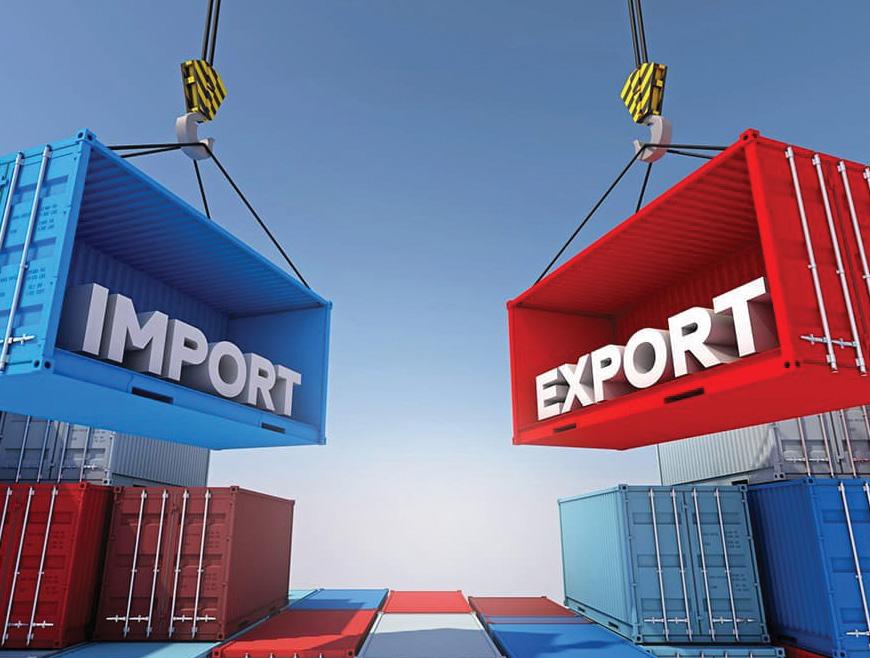
NAMIBIA’S Q1 EXPORTS RISE TO N$31.2BN AS MARCH RECORDS 99.6% JUMP
Namibia Statistics Agency reported that Namibia’s export earnings rose to N$31.2 billion in the first quarter of 2026, up from N$29.9 billion in the same period last
year, driven mainly by strong uranium and mineral exports. March was the strongest trading month, with exports surging 99.6% month-on-month to N$13.2 billion. Uranium exports increased by N$3.5 billion, while nickel ores and non-monetary gold also recorded strong growth. Despite improved exports, Namibia posted a quarterly trade deficit of N$7.4 billion as imports reached N$38.6 billion, largely due to petroleum oils and vehicle imports. China remained Namibia’s largest export market, while South Africa continued as the country’s main import source.
WINDHOEK
DEBT FALLS TO N$869M AS CITY PURSUES GVT N$716M LAND SWAP DEAL
City of Windhoek has reduced its debtors’ book to N$869 million by March 2026, down from N$888 million in June 2025, as efforts to improve revenue collection gain momentum. Mayor Sakarias Uunona said arrears also declined from N$650 million to N$626 million, reflecting gradual financial improvement despite economic pressures. The municipality is negotiating a debt and land swap arrangement with the central government linked to a N$716 million loan, nearly half of which is accumulated interest. The city also reported infrastructure progress, including electricity connections for informal houses and the installation of high mast lights across Windhoek settlements.
FRAME
THE MAKING OF A CAT RESCUE NETWORK
Triglav Trust
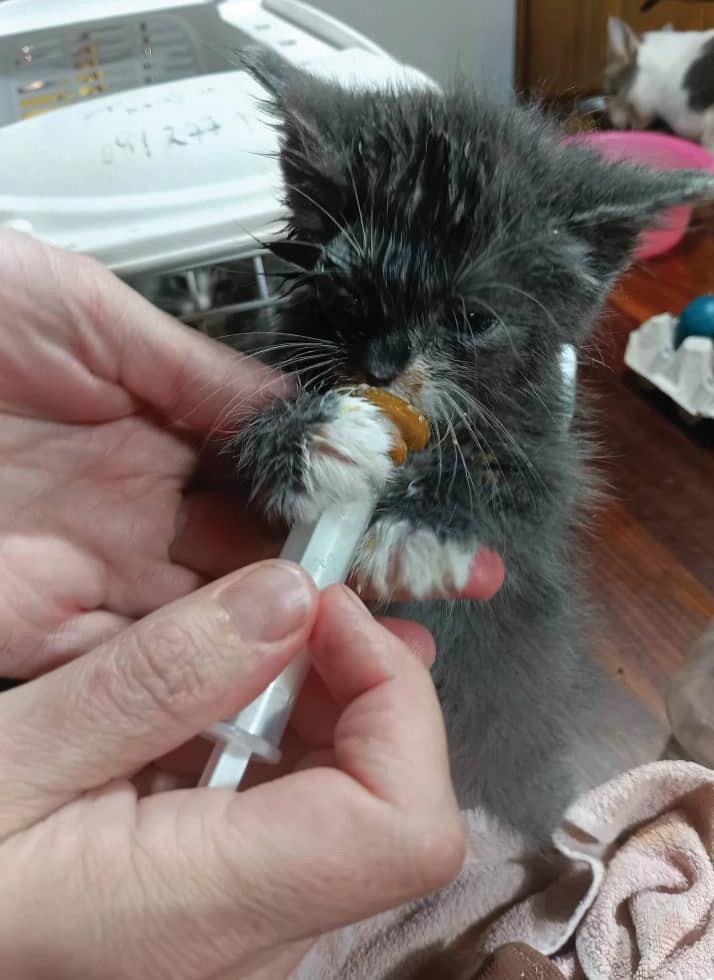
There is another side to Windhoek – one that transpires in ignored, inconspicuous places. Behind buildings, along hospital grounds and in the margins of neighbourhoods, small colonies of cats scamper and squirm through the city, largely unseen. It is here, in these musty, dark corners, that Triglav Trust has carved out its purpose.
Founded by sisters Ronja and Tanja Lyhs, the trust did not begin as an organisation but as a simple act of intervention. In 2021, using a rented trap cage from the Cat Protection Society of Namibia, they set out to rescue a mother cat and her kittens at the Goethe-Institut. What they encountered, however, was a much broader need that would steadily start reshaping their engagement.
What followed was not an overnight decision to set up an institution, but a gradual deepening of commitment. Veterinary care, food and equipment were initially funded from their own pockets. As more calls for help came in, the scale of the work expanded, along with the sisters’ expertise in safely trapping cats in challenging environments.
Trap–neuter–return
At the core of their work is an approach known as trap–neuter–return, or TNR. Around the Central Hospital, this method has been applied over the past five years, stabilising cat populations and improving their overall health. Cats are humanely captured, sterilised, ear-clipped and returned to their environment, where they are regularly monitored and fed.
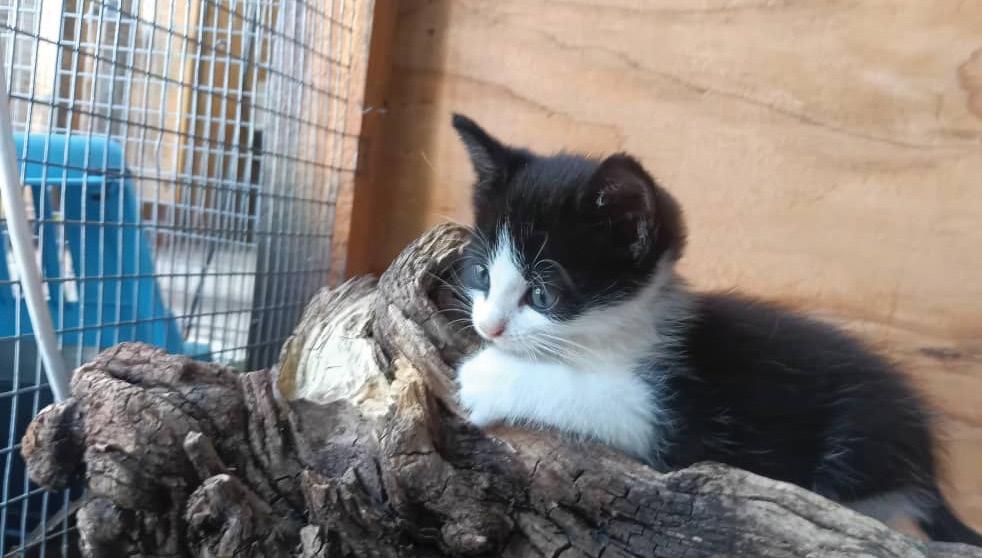
But rescue work does not always end with release, as Ronja points out. Many animals require further care. Kittens are often fostered or transferred to the SPCA Windhoek, while others remain under the direct care of the trust. “We are suckers for the sick, weak ones,” she admits.
Today, more than a hundred cats and kittens have been taken in by the Lyhs sisters.
From passion to structure
By 2023, it became clear that the project required more credibility. The formal registration of Triglav as a trust allowed the sisters to broaden their support base and build a more organised operation. A purpose-built cattery now houses cats in carefully managed spaces, from mothers with kittens to those needing medical or behavioural attention.
Even so, the realities remain demanding. Many kittens arrive sick and do not survive. Veterinary expenses are high, and the need for food is constant. Much of the work still takes place at the Lyhs’ home, where sick animals are quarantined and tirelessly cared for.
When dance meets rescue
Amid the intensity of rescue work, a different concept has found its way into the Trust’s story. Dancing for Purrs brings together Windhoek’s dance community in a collaborative fundraising production inspired by a similar South African initiative.
For Ronja and Tanja, both long involved in the performing arts, the idea felt instinctive. The event is entirely donationdriven, with performers, venues and production elements contributed by the community. This ensures that proceeds support organisations such as Have a Heart Windhoek and Namibia, Snout Project Namibia and Triglav Trust.
The first production in 2025 proved both popular and impactful, with plans to grow the event into an annual fixture that raises not only funds, but awareness and involvement.
A living, breathing effort
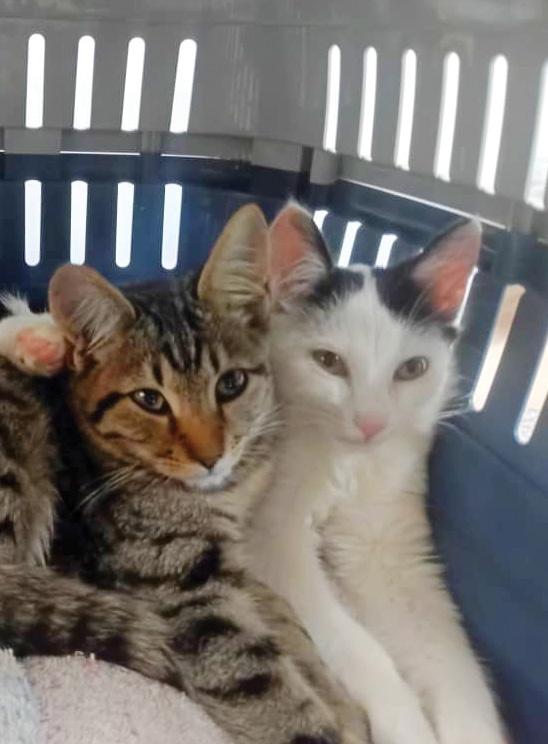
In the sprawling city’s isolated back streets, the daily routine continues. Feeding takes place twice a week across existing colonies. Health checks are ongoing. Some cats are rehomed, while others remain part of managed colonies that now thrive where once they struggled.
From donating and fostering to adopting, volunteering or simply spending time with the animals, there are many ways to support the Triglav Trust. Each one helps to sustain the work.
Madeleen Duvenhage
Triglav Trust is on
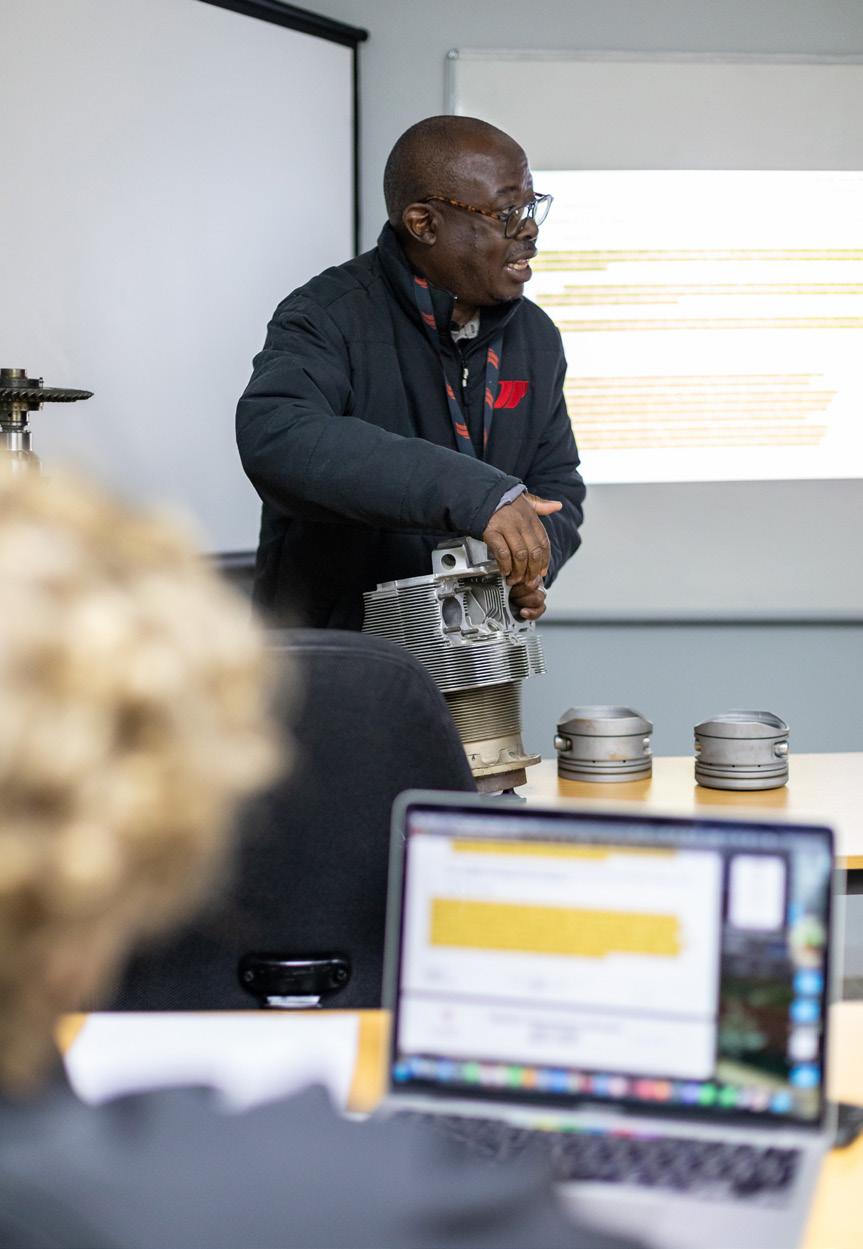
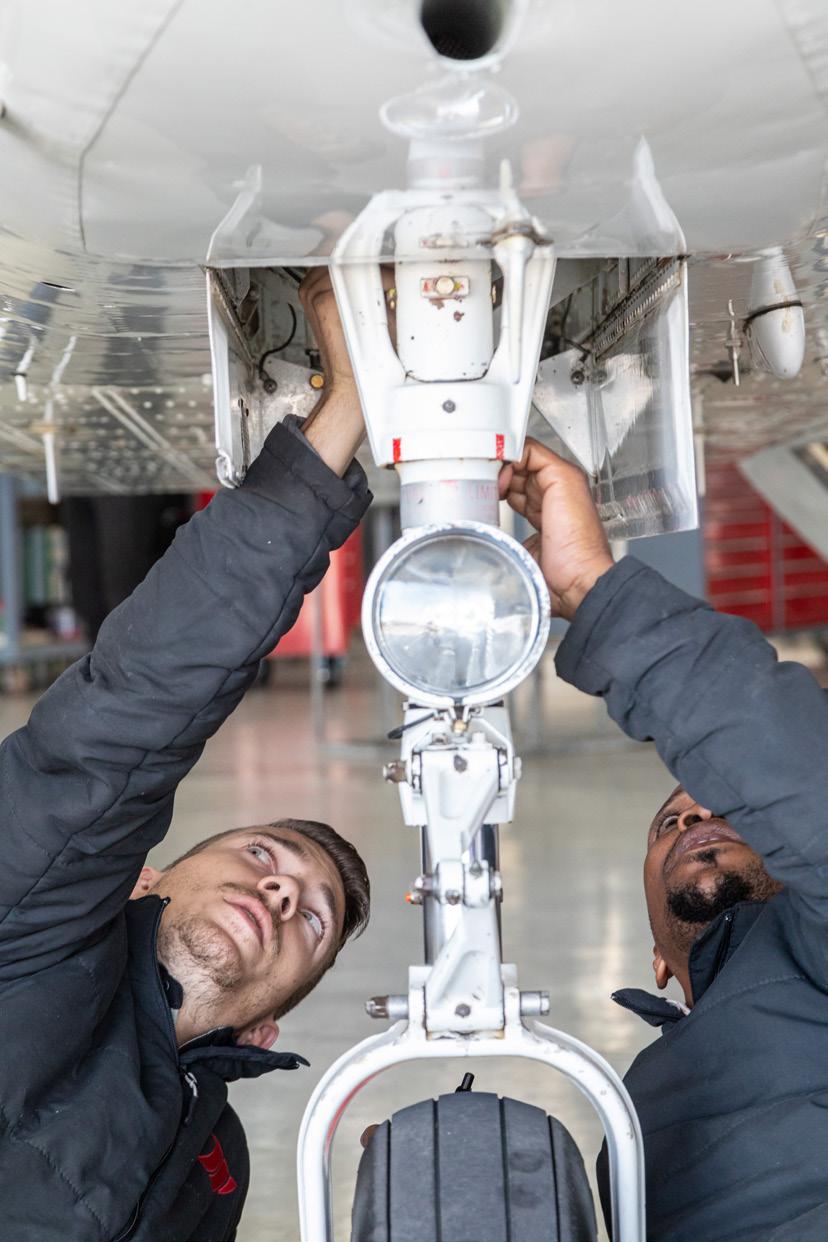
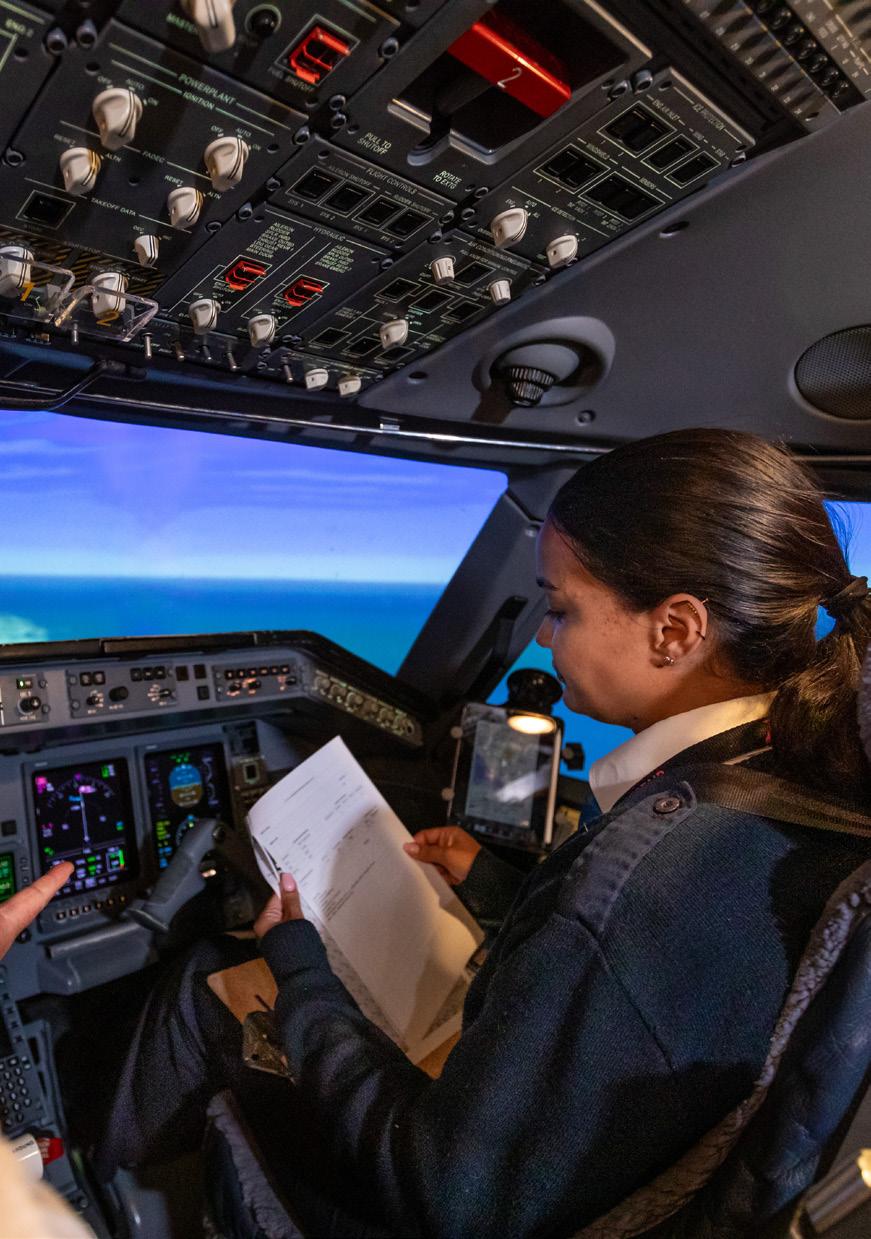
Connecting dreams to a decade of knowledge and experience
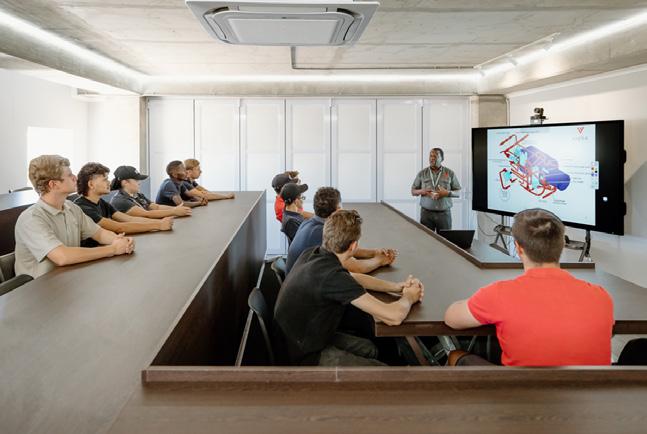
The leading aviation training organisation in Africa.
We’ve saved you a seat
Welcome to the FNB Lounges
The FNB Lounges at Eros and Walvis Bay Airports can be accessed free of charge between 2 and 6 times per month, depending on the card type, by the following FNB Namibia credit card holders:
• FNB Platinum credit card (2 times a month)
• FNB Private Clients credit card (4 times a month)
• FNB Private Wealth credit card (6 times a month)
• FNB Business credit card (4 times a month)
Access for FNB Africa credit card holders
If you are an FNB South Africa or Botswana Private Wealth or Private Clients credit card holder, you are also welcome to access the FNB Lounges for a fee.
To enter the FNB Lounges, simply present your qualifying card, boarding pass and passport. Terms & Conditions apply.
Guard by night, carpenter by day
If you are one of those that believe there is no value in being a jack-of-all-trades, then read on…
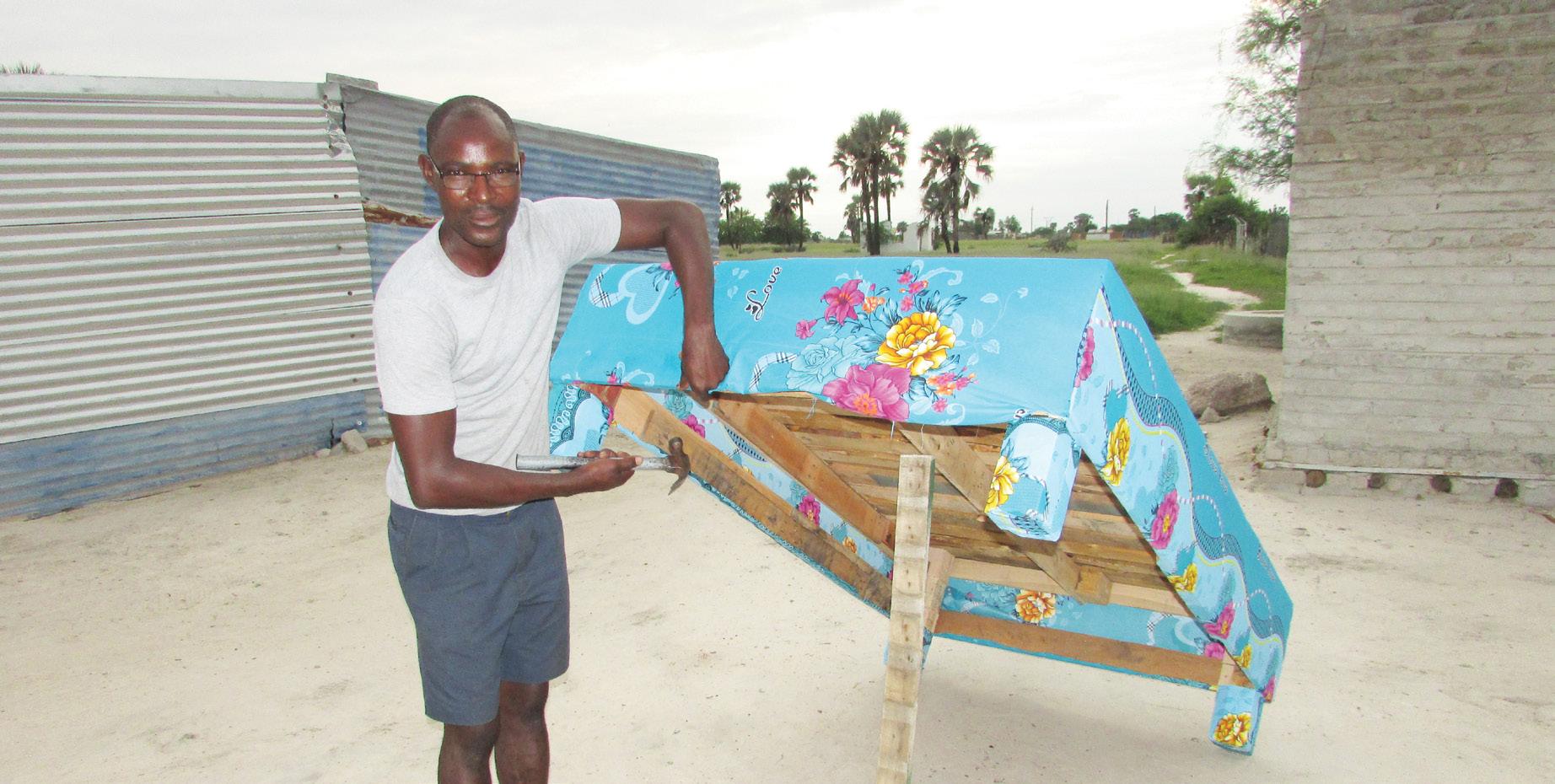
Johannes Timoteus is a security guard and a selftaught carpenter. At night, he earns a salary as a security guard at a retail shop in Ondangwa, while during the day, you will find him under a camelthorn tree, busy making wooden beds, tables and chairs. “I have been doing this since 2011,” he tells while showing some of the beds he has made. He explains that the furniture he makes and sells helps to supplement his “not-so-good” salary. His workshop under the tree is in the Onguta location, near the Andimba Toivo ya Toivo Shopping Mall.
Forty-four-year-old Timoteus uses pallets that he buys from shops to make his furniture. He spends between N$20 and N$40 per pallet, depending on the quality. Before becoming a security guard, Timoteus was a fruit and vegetables vendor for many years at Oshikango in Ohangwena Region, and it was there that he developed his carpentry skills. “I was not earning enough from selling fruit and vegetables and that is when I realised I could make some money if I started making good-quality yet cheap furniture for those who cannot afford expensive stuff,” says Timoteus, who hails from Oniihwa village near Onayena in Oshikoto Region.
For N$750, one can buy a luxury double bed, while for only N$350 one can become the owner of a single bed, all neatly dressed in colourful sheets sourced from Chinese shops. His chairs and tables cost between N$50 and N$300, depending on the size. “If you want them varnished, I charge a few extra dollars for the varnish,” says Timoteus, whilst adding a few final touches to a double bed that is about to be picked up by a client.
Most of his clients are from the town of Ondangwa and surrounding villages. Although he has fixed prices for his furniture, the prices are negotiable, as is common practice in all informal business practices. Unfortunately, he says, he works alone because he does not make enough money for more than one person.
“I wanted to have at least two guys helping, but you find that sometimes you don’t earn enough to pay them. In
order to avoid such problems, I decided to work alone,” he says, adding that despite this, he makes enough money to supplement his salary. However, during peak times like year-end holidays and during the annual Ongwediva Trade Fair, he always hires extra hands to help with the volume of work.
“During that time, there are many customers and I cannot manage alone. There are always guys sitting idle with nothing to do, so I would get one or two to help me out and I pay them on commission,” he notes.
“There are many things which I would not be able to do if I hadn’t made furniture. I am thankful that I can do this,” says Timoteus, adding that he is able to support one of his daughters through university with the income he is getting from his part-time day job.
Customers not living up to their promises and those that make deposits and refuse to pay the balance after they have already taken the goods are some of the challenges he encounters regularly. “There are many people who take goods and don’t want to finish paying. You then have to chase them to get the full payment. It’s part of business and I have to be tactful when dealing with them, because I don’t want to offend clients, as they are the ones who give me referrals,” the father of six stresses.
He has some advice for anyone who wants to earn an extra income as well as for the unemployed: “It’s useless to sit at home and complain that you don’t have a job. There are many opportunities to put a few dollars in your pocket. Go out there and explore. Do something.”
Regular client and local entrepreneur Sakaria Shinyengu says that Timoteus’ furniture saves people like him money. “I own a bar and restaurant, and you know how clients can misbehave. Tables and chairs can be damaged or destroyed at any time, especially at the bar. So, with him around, I can always rely on him for an affordable price,” he says.
Marx Itamalo
Building Resilient Livelihoods in Okongo
In Namibia’s densely populated northern regions, livelihoods and landscapes are deeply intertwined. When land is overused or poorly managed, the consequences ripple outward, declining forest cover, loss of biodiversity, depleted soils, and growing poverty. Without integrated management of rural landscapes, communities like Okongo face increasing inequality and environmental degradation, threatening both present survival and future sustainability.
In Okongo, NILALEG is responding to this challenge by supporting systems that link environmental stewardship with sustainable livelihoods, ensuring that nature-based resources become sources of long-term resilience rather than depletion.
For Esther Hamukwaya, a San woman and beneficiary of NILALEG’s livestock programme, this support became a turning point. After receiving eleven goats from NILALEG, her household economy began to change. The goats provide meat for her family, income through sales, and animal compost used to enrich her fields where she grows mahangu and other crops. What began as a livestock intervention has evolved into a regenerative cycle, livestock supporting agriculture, agriculture strengthening food security, and both reducing vulnerability to poverty. In the nearby village of Omauni, NILALEG’s investment
is visible in timber, tools, and opportunity. The Omauni Wood Carving Carpentry Workshop, established in 2015, originally operated without electricity or machinery. In 2023, NILALEG equipped the workshop with electricity and wood-cutting and carving machines, transforming it into a fully functioning production space. Now managed by Penehambeko “Penny” Johannes, the workshop produces bedframes, cupboards, chairs, headboards, and custom wooden furniture, primarily using high-quality birdplum wood.
Beyond production, the workshop serves as a centre for skills transfer and employment. Young people from the community are trained in carpentry, many arriving with no prior experience. One of them is Robert Leonard, a young San man who, through mentorship and hands-on training, can now independently operate machinery. For many of the young men who pass through the workshop, these skills provide a pathway to income, stability, and the ability to support their families.
Forest use is guided by ethical and sustainable practices. Selective harvesting and forest thinning promote healthier tree growth, reduce wildfire risk, encourage biodiversity, and contribute to the restoration of native ecosystems. Community members are included throughout the process, including during tree sourcing, where participation
is compensated, ensuring economic benefit extends beyond the workshop itself.
NILALEG’s work in Okongo also addresses critical infrastructure needs. Across the area, the project has constructed seven boreholes, providing reliable water sources for domestic animals in a region often affected by dry conditions. These boreholes support livestock health, reduce pressure on natural water sources, and strengthen rural livelihoods.
At Ndevahoma, NILALEG transformed what was once a community kraal into a functioning livestock auction hall. The monthly auctions allow farmers from Okongo and surrounding areas to sell cattle at fair market value, generating income and strengthening the local livestock economy. The auction hall also creates employment for young men who manage the facility and care for the animals, earning wages that support daily needs. During auction days, local vendors sell traditional food and drinks, further expanding economic activity within the community.
Together, these initiatives reflect NILALEG’s integrated approach to landscape management—one that recognises the interdependence of people, land, and livelihoods. By aligning environmental restoration with economic opportunity, NILALEG’s work in Okongo contributes to reducing poverty, protecting biodiversity, and building inclusive, sustainable growth rooted in nature.
Laudika Hamutenya
Spearheaded by the NILALEG project, that is implemented by the Ministry of Environment, Forestry and Tourism in partnership with the United Nations Development Programme and funded by the Global Environmental Facility.
Namibia launches WIL Policy 2025–2030 to bridge education and employment gap
Work Integrated Learning (WIL) has become increasingly important as the country seeks to address youth unemployment and improve graduate employability. While access to education has expanded since independence, many graduates still face challenges transitioning from study to meaningful employment, largely due to limited workplace exposure during training. WIL helps to close this gap by ensuring that learners graduate not only with theoretical knowledge but also with practical skills, workplace discipline and industry experience. It further strengthens collaboration between educational institutions and employers, while also helping industries shape training to meet real labour market needs.
The approach is also closely aligned with Namibia’s national development priorities, including Vision 2030 and the Sixth National Development Plan (NDP6), which emphasise skills development, economic diversification, industrialisation and job creation.
Officially launching the WIL Policy 2025–2030, Prime Minister Elijah Ngurare described the development as a major step towards strengthening skills development and improving youth employability. He said the initiative is not only about policy formulation but about building a bridge between education and industry, noting that many graduates continue to face challenges transitioning from the classroom to the workplace, while employers report persistent gaps in practical skills and workplace readiness. “Public institutions should lead by example by expanding placement opportunities for our students and graduates. Leading by example also means being deliberate and thinking out of the box,” he noted.
Deputy Minister of Education, Innovation, Youth, Sports, Arts and Culture Dino Ballotti stressed that the success
of the policy would depend on strong collaboration between the government, the private sector and training institutions, warning that the real work begins with implementation rather than policy formulation.
According to the deputy minister, the policy is the result of an extensive and inclusive consultative process involving stakeholders across multiple sectors, including technical working groups, validation workshops, industry leaders, educators, youth representatives and development partners. “Despite all the efforts to get here, the work really only starts now,” said Ballotti.
Prime Minister Ngurare further called for stronger partnerships between the government, the private sector and educational institutions, urging employers to open up workplace opportunities for internships and apprenticeships, while encouraging institutions to fully integrate WIL into their curricula. He also emphasised the importance of expanding opportunities beyond urban centres, calling for placements in both rural and urban areas to ensure inclusive access for all young people.
Ngurare commended the MEIYSAC steering committee, development partners and stakeholders who contributed to the development of the policy, describing it as a critical step towards transforming education into employment pathways and strengthening Namibia’s long-term economic competitiveness.
With the policy’s focus on practical skills development, inclusivity and economic alignment with national development goals, the initiative is expected to play a key role in improving graduate employability and supporting Namibia’s long-term drive towards skills-based economic growth.
Maggie Forcelledo Paz
NAMIBIA AT THE CROSSROADS
Choosing the Singapore Path in a Resource Age
Small states are often viewed as structurally disadvantaged due to limited domestic markets, external vulnerability, and dependence on trade. Yet the experiences of Singapore and Namibia demonstrate that long-term outcomes are shaped less by size or geography than by institutional quality, policy discipline, and execution capacity. Both countries emerged from colonial rule as small, open economies facing inequality, unemployment, and external dependence. Yet Singapore transformed into a global high-income hub, while Namibia remains a middle-income economy with high unemployment, limited diversification, and rising fiscal pressures. The divergence reflects how institutions translated policy ambition into economic transformation.
Singapore’s rise remains extraordinary. At independence in 1965, GDP per capita stood near US$500. By 2025, it exceeded US$100,000. Namibia’s GNI per capita today is roughly US$5,000, respectable regionally, but far from Singapore’s structural transformation. The difference is not simply wealth, but economic complexity. Singapore built a diversified economy driven by manufacturing, finance, logistics, and knowledge services, while Namibia remains concentrated in capital-intensive primary sectors with weak employment creation and limited domestic linkages.
At independence,both economies faced structural constraints. Singapore inherited mass unemployment, housing shortages, and no natural resources. Namibia inherited deep inequality, a dualistic economy, and dependence on South Africa. The key difference was urgency. Singapore’s lack of resources forced rapid capability-building, while Namibia’s mineral and natural-resource base provided buffers that reduced pressure for structural reform. Development economics repeatedly shows that resource abundance can delay institutional transformation by easing the urgency for reform.
This issue is increasingly relevant today as Namibia approaches a potentially transformative resource cycle through offshore oil and gas discoveries, critical minerals, and green hydrogen. These opportunities could generate unprecedented fiscal revenues. However, experiences from Angola, Nigeria, and Venezuela demonstrate that resource booms often fail to deliver structural transformation when revenues are absorbed into recurrent expenditure, distributed through patronage networks, or used to delay reform. In such cases, commodity booms create temporary growth followed by fiscal crises and continued economic dependence. The resource curse is not inevitable, but it becomes likely when institutional frameworks are weak, and revenue management lacks transparency and discipline.
Singapore responded to its constraints by constructing a technocratic developmental state centred on credibility, administrative efficiency, and disciplined execution. Industrial policy was pragmatic rather than ideological, supporting sectors that improved productivity and export competitiveness. Over time, the economy moved from labour-intensive manufacturing into electronics, chemicals, logistics, finance, and knowledge-intensive services. This transformation was reinforced through coordinated investment in infrastructure, education, and industrial
GDP per Capital (Namibia vs Singapore)
clustering. Fiscal discipline and policy predictability strengthened investor confidence and enabled Singapore to overcome the disadvantages of smallness.
A major pillar of Singapore’s success was governance. Under Lee Kuan Yew, the civil service was professionalised through competitive salaries that reduced corruption incentives and attracted highly skilled administrators. Anti-corruption enforcement was unconditional, with investigations proceeding regardless of political affiliation or seniority. Appointments across state institutions were based primarily on competence rather than patronage. These reforms created credible commitment: investors and citizens trusted that policies would be implemented consistently and institutions would function predictably.
Namibia followed a more gradual social-market approach, prioritising stability, redistribution, and macroeconomic continuity. Inflation remained relatively contained, institutions retained credibility, and the monetary framework anchored expectations. However, the economic structure remained narrow. Mining, trade, and public administration continue to dominate GDP, while manufacturing and tradable services remain underdeveloped. Employment growth has remained weak because dominant sectors are highly capital-intensive and generate limited downstream value chains.
The divergence between the two countries is therefore fundamentally institutional. Singapore consistently converted long-term plans into measurable outcomes through efficient implementation agencies and predictable administration. Namibia, by contrast, often demonstrates a persistent execution gap. Development plans are frequently well designed, yet implementation is slowed by administrative delays, overlapping mandates, and inconsistent enforcement. In a small economy, these inefficiencies carry significant costs because growth depends heavily on institutional reliability.
This institutional gap is also reflected in inequality and labour-market outcomes. Namibia remains one of the most unequal countries globally, with a Gini coefficient near 0.6 and unemployment above 30% on the narrow definition. While these inequalities originate partly from apartheid legacies, their persistence suggests that growth has not
sufficiently broadened participation in the economy. Access to capital, land, and economic networks remains uneven, while weak enforcement environments risk reinforcing insider advantages through procurement, licensing, and statelinked investment flows.
Human capital further illustrates the divergence. Singapore treated education as the foundation of economic transformation, aligning schools, vocational training, and technical institutions with industrial strategy. Namibia allocates substantial public spending to education, often exceeding 8% of GDP, yet graduate unemployment remains high, and firms continue relying on imported technical and managerial skills. The issue is therefore not only spending levels but alignment and effectiveness. Education drives transformation only when it produces capabilities demanded by future industries.
Fiscal strategy also highlights important differences. Singapore embedded fiscal conservatism into governance and accumulated public assets through sovereign investment vehicles. These reserves strengthened resilience and funded long-term infrastructure development. Namibia’s debt burden, by contrast, has risen sharply to around 70% of GDP, while a large wage bill and rigid recurrent expenditure constrain development spending. As Namibia approaches a resource revenue cycle, the institutional framework governing these revenues will be decisive.
Norway and Singapore provide important examples. Norway’s Government Pension Fund Global and Singapore’s GIC and Temasek Holdings demonstrate how disciplined accumulation of public assets can ensure intergenerational equity and macroeconomic stability. Both countries treated resources and accumulated wealth as long-term assets rather than immediate income streams. Namibia will require similar rules-based savings mechanisms, transparent reporting frameworks, and investment mandates focused on productivity-enhancing assets rather than permanent consumption.
Singapore’s experience also demonstrates the importance of strategic openness to foreign investment. Foreign firms were used not as substitutes for domestic capability, but as vehicles for technology transfer, export integration, and skills development. Namibia faces a similar opportunity today. High-quality foreign investment in manufacturing, logistics, renewable energy, and tradable services could accelerate productivity growth and reduce dependence on commodity exports, provided such investment includes local supplier development and workforce upgrading.
Ultimately, the Singapore-Namibia comparison leads to a simple conclusion: development outcomes are determined less by resource endowments than by institutional discipline. Singapore achieved prosperity through meritocracy, execution, and long-term policy consistency despite lacking natural resources. Namibia possesses advantages Singapore never had, including minerals, land, and strategic positioning. The challenge is ensuring that resource abundance strengthens rather than weakens reform momentum.
Four priorities therefore emerge as decisive for Namibia’s future. First, strengthening implementation capacity through meritocratic and accountable public institutions. Second, aligning education and vocational systems with future industries. Third, managing resource revenues through transparent, rules-based frameworks focused on longterm asset accumulation. Fourth, using foreign investment strategically to transfer skills, technology, and productive capabilities into the domestic economy.
Singapore’s lesson for Namibia is not that transformation is easy, nor that models can be copied directly. It is that sustained institutional discipline over decades can overcome structural constraints that initially appear insurmountable. Development is ultimately shaped not by destiny or resources, but by the quality and consistency of governance choices.
Simonis Storm is known for financial products and services that match individual client needs with specific financial goals. For more information, visit: www.sss.com.na NETWORK
Namibia Business Environment Reform Scorecard
Country Inequality Comparison
Net FDI (% of GDP)
AFRICA’S TRUSTED S
In an emergency, there’s no time for uncertainty. Medical Rescue Africa provides rapid, life-saving evacuation with fully equipped air ambulances and expert medical teams on standby 24/7. Because every life depends on the right response.
• Fully ICU-equipped aircraft
• Neonatal to Adult Critical Care capability
• Doctor-lead clinical governance & care
• Long-range international evacuation
• Night and adverse weather (IFR) operations
• Access to remote and unimproved airstrips
• Rapid cross-border flight approvals
EMPOWERING LIVELIHOODS THROUGH MISS NAMIBIA
True empowerment is about creating opportunities, nurturing talent, and building platforms where young Namibians can shine. The Miss Namibia journey managed through the Namibia Broadcasting Corporation (NBC) is not only about celebrating beauty and advocacy, it is about fuelling growth in the creative and service industry,
Perfect Hair Salon – Ondangwa
When Paulina Nghipunya and her team were selected to style the finalists in 2025, it was more than just a contract. It was recognition of northern Namibia’s talent. “We are grateful to Debmarine Namibia for assisting Small and Medium Enterprises. My workers were happy, and we learned a lot from the event,” she shared. For us, this is exactly what empowerment looks like giving SMEs the chance to grow and shine.
Charlotte Bistro – Catering Excellence
For Glowney Naris, Miss Namibia was an opportunity to extend her reach and give back. “This sponsorship is not only for Miss Namibia, but it also extends to the creative industry. I worked with 40 vocational students, helping them gain real-world experience.” Supporting entrepreneurs like Glowney means supporting communities, and we are proud to stand behind initiatives that nurture both business and youth.
Shekinah Events – Event Management
Obeth and his team at Shekinah Events were contracted to manage the pageant events. “We employed about 30 people thanks to this opportunity. Debmarine Namibia’s sponsorship. It helped us market our business and gave us visibility.” For us, this is impact in action — creating jobs, strengthening industries, and building futures.
ConsoAV Namibia – Audiovisual Innovation
As Gideon Beukes explained, “The Miss Namibia platform gave us the chance to appoint freelance specialists and technicians. The sponsorship exposed us to different venues and regions.” By supporting companies like ConsoAV, we ensure that Namibia’s creative and technical industries continue to thrive and innovate.
Why Miss Namibia Matters?
Miss Namibia is more than a crown. It is a national platform that brings together over 100 service providers, hairstylists, caterers, event managers, audiovisual specialists, and more. Each one benefits from exposure, employment, and growth. For the youth, it is a gateway to skills development and mentorship. For the service industry, it is a showcase of excellence and innovation.
At Debmarine Namibia, we are proud to fuel this legacy of empowerment. Every partnership, every opportunity, and every success story reflect our commitment to building lasting benefits for Namibian communities.
Regional Rotation: A National Impact
For the past three years, the Miss Namibia pageant has rotated between regions such as Erongo, ||Kharas, and Oshana, and this year it will be hosted in the Omaheke Region. This regional rotation is deliberate and deeply impactful, as it ensures regional support by engaging local suppliers and service providers, while also promoting tourism by drawing visitors to new destinations each year. Accommodation owners, restaurants, and transport providers benefit immensely, and opportunities are spread across Namibia so that no region is left behind in sharing the advantages of this national platform. By rotating the event, Miss Namibia strengthens the fabric of the nation, fostering inclusivity, diversity, and shared prosperity.
Call to Miss Namibia 2026
We now look ahead to Miss Namibia 2026, to be held in Gobabis in Omaheke Region on 31 July and 01 August 2026. This event will once again unite more than 100 service providers, offering opportunities for growth, creativity, and empowerment. The call out for interested services advertised by the NBC is an opportunity for all professionals to join the band wagon of opportunity. Do not miss the opportunity to participate and be seen on a national platform!
Miss Namibia 2026 is more than a pageant; it is a movement. Join us in Gobabis as we celebrate beauty, talent, and the power of Namibian enterprise.
Are you a creative service provider ready to shine? Suitable and qualified applicants are encouraged to apply for opportunities to support the 2026 Ms Namibia and Ms Teen pageant from stage, light, sound and video walls, photography, public speaking trainers, performing artists, makeup artists, presenters/MCs, catering, life coach, designers, event planners.
We invite the public to share suggestions on improving Miss Namibia. Please scan below to complete the survey.
Perfect Hair Salon
Charlotte Bistro
Gideon BeukesConsoAV N˜amibia
ConsoAV N˜amibia
A World-Class Experience
Premium privileges, designed with prestige and distinction, from your ultimate travel and lifestyle companion.
Scan the QR code to discover more.
Namibia, Angola strengthen energy cooperation with landmark ANNA project agreements
Namibia and Angola have taken a major step towards strengthening regional energy security and economic cooperation with the signing of a power purchase agreement (PPA) and joint development agreement (JDA) for the Angola–Namibia Interconnector Transmission Line, widely known as the ANNA Project. The agreements were concluded between the respective national electricity transmission utilities, Rede Nacional de Transporte de Electricidade (RNTEP) of Angola and NamPower of Namibia, both of which are responsible for the management and operation of their countries’ electricity transmission networks. According to the Office of Information Technology, Institutional Communication and Press under the Ministry of Energy and Water (MINEA) in Luanda, the implementation of the ANNA Project is being coordinated alongside the Huíla–Cunene Interconnection Project (HCIP).
Speaking at the signing ceremony in Luanda, Namibia’s Minister of Industries, Mines and Energy Modestus Amutse described the agreement as a significant milestone in advancing bilateral relations between the two countries. “This milestone signifies the strength of the bilateral relations between the Republic of Namibia and the Republic of Angola, specifically in deepening our shared commitment to the cooperation in the energy sector and to promote our common vision of regional integration, energy security and sustainable development,” said Amutse.
The project, once completed, will link Angola’s electricity network to Namibia and the broader Southern African Power Pool (SAPP), and is expected to enhance regional connectivity, boost cross-border electricity trade and support long-term sustainable development.
The ANNA Project is a major regional energy infrastructure initiative designed to physically connect the electricity grids of Namibia and Angola. It is a high-voltage transmission line which will run from southern Angola into northern Namibia, enabling electricity to flow between the two countries. SAPP was established in 1995 under the Southern African Development Community (SADC) to improve energy security, reduce costs and promote regional integration. It forms part of Africa’s long-term
goal of creating a continent-wide electricity market where power can move freely across borders.
Cabinet has committed approximately N$4 billion towards the project, covering the engineering, procurement and construction phase from Cahama in Angola to Kunene in Namibia, along with associated infrastructure within Namibian borders. “For Namibia, securing reliable, affordable and sustainable electricity remains a national priority,” Amutse said, adding that the project will help diversify the country’s energy mix and reduce supply risks amidst growing demand.
Amutse further highlighted that regional energy cooperation remains critical within the framework of the SADC, noting that collaborative projects such as the ANNA interconnector are essential in addressing shared challenges related to energy security, economic growth and climate resilience.
The SADC Vision 2050 is built on three key pillars:
• Industrial development and market integration
• Infrastructure development in support of regional integration
• Social and human capital development
It envisions a peaceful, inclusive and competitive region that is industrialised and progressing towards middle- to high-income status, where all citizens enjoy sustainable economic wellbeing, justice and freedom.
Against this backdrop, the ANNA Project is expected to play a transformative role in the region by improving electricity access, strengthening industrial development and advancing economic integration between Namibia, Angola and the wider Southern African region. The next phase will involve the contracting of construction works and supervision services, as well as the implementation, execution and commissioning of the interconnector, ultimately paving the way for its entry into commercial operation.
Maggie Forcelledo Paz
Mobilising climate finance for Namibia’s sustainable future
Namibia’s sustainable finance agenda took a significant step forward when RMB Namibia, the corporate and investment banking division of FNB Namibia, partnered with the Bank of Namibia to convene industry leaders under the Namibia Sustainable Finance Alliance (NSFA). The gathering brought together regulators, financiers and investors to confront a defining challenge: unlocking climate finance at the scale needed to underpin long-term, resilient growth. Against a backdrop of increasing climate vulnerability and an urgent global transition away from carbon-intensive economies, the dialogue underscored just how critical it is for Namibia to position itself as a credible and attractive destination for sustainable capital.
A central theme was the persistent imbalance in global climate finance flows. Capital continues to gravitate towards mitigation projects that offer clear, measurable returns, while adaptation critical for safeguarding economies and livelihoods remains chronically underfunded. For a country like Namibia, where the effects of climate change are already being felt through prolonged droughts, erratic rainfall and increasing pressure on natural resources, this gap is not an abstract concern. It is a lived reality with tangible consequences for communities, industries and the broader economy. Closing it will demand innovative financing structures capable of accommodating longer time horizons, blended finance mechanisms and risk-sharing arrangements that make adaptation projects viable for private investors.
Namibia’s Nationally Determined Contributions (NDCs) are estimated to require approximately US$15 billion by 2030, a figure that underscores the sheer scale of investment needed across sectors such as energy, water, agriculture and infrastructure. International capital will be instrumental in meeting this target, but it will not flow automatically. Investors are placing growing emphasis on bankability, policy certainty and sound risk allocation. Development finance institutions and multilateral climate funds have a pivotal role to play in derisking early-stage projects and catalysing private sector participation, but their impact depends on strong domestic frameworks that inspire confidence.
The NSFA’s message was unambiguous: capital exists, but it will only move where there is confidence in governance, in regulatory clarity and in well-structured investment opportunities. For Namibia, building that confidence means deepening institutional capacity, strengthening environmental and social governance standards, and creating the pipeline of investable projects that international and local financiers are looking for. The conversation is no longer simply about climate ambition. It is about translating that ambition into bankable realities that can attract, deploy and sustain the financing Namibia needs.
RMB Namibia has been actively involved in financing and advising on key sectors underpinning Namibia’s transition, including renewable energy, infrastructure and resource-based industries. Its approach is not limited to funding but extends to structuring solutions that align risk and return in a way that meets investor expectations. This includes working with clients to develop bankable projects, advising on capital structuring and facilitating access to both local and international funding pools. Investors and partners seeking to participate in Namibia’s evolving sustainable finance landscape are encouraged to engage with RMB Namibia to explore bankable opportunities, innovative financing structures and strategic partnerships aligned to long-term growth.
For more information, contact: Monét Basson
Sustainable Finance and Capital Markets Transactor at RMB Namibia monet.basson@rmb.com.na
SONA REMAINS KEY TO TRANSPARENCY AND NATIONAL DEVELOPMENT
AState of the Nation Address (SONA) remains a critical moment in a country’s democratic calendar, offering a comprehensive overview of national progress while highlighting both achievements and ongoing challenges. It provides the government with an opportunity to reflect on its performance, while also setting out clear priorities and policy direction for the year ahead. In doing so, it helps to align national development efforts across various sectors, ensuring a coordinated approach to growth and service delivery.
WHY IT IS IMPORTANT
SONA plays an important role in strengthening transparency and accountability, as it:
• Reports national progress
• Sets policy direction
• Ensures accountability
• Guides national development
• Builds public trust
As such, SONA continues to be a vital platform for communication between the government and the public, reinforcing democratic principles and promoting inclusive national development.
This year’s theme, “Advancing Towards the Realisation of Vision 2030”, outlines the government’s progress across key sectors and reaffirms its commitment to economic transformation, job creation and inclusive development.
Reflecting on national achievements, ongoing reforms and challenges as Namibia advances through the 8th administration, President Netumbo Nandi-Ndaitwah noted that the work of government is guided by Vision 2030 and the Sixth National Development Plan (NDP6), anchored by four pillars:
• Economic growth and transformation
• Human development and community resilience
• Environmental sustainability
• Effective governance and service delivery
The president reported progress in macroeconomic stability which includes:
• Repayment of a N$14.3 billion Eurobond
• Foreign reserves at N$51.9 billion (3.8 months’ import cover)
• Projected rise in GDP growth from 1.7% (2025) to 3.1% (2026)
• Improved VAT refund turnaround from 90 to 30 days
• Ongoing investments of more than N$63.5 billion
REFORMS AND DEVELOPMENT
President Nandi-Ndaitwah has highlighted progress in governance reforms, infrastructure development and long-term financial planning as part of its ongoing national development agenda such as the establishment of the Welwitschia Sovereign Wealth Fund, describing it as a strategic initiative aimed at securing benefits for future generations. On governance and legal reforms, the
Photography: Namibian Presidency
president noted that several bills are currently being processed in Parliament, alongside efforts to strengthen procurement systems, promote financial inclusion and advance digital governance. Addressing the Namibia–Germany genocide negotiations, she indicated that a joint declaration is nearing completion and could soon be tabled.
Meanwhile, the government continues to roll out major infrastructure projects across the country. These include the construction of 237 primary school classrooms and 39 science laboratories, as well as the expansion of rural water coverage to 84.9%. Progress has also been reported on key road and railway developments, in addition to upgrades to regional and national sports facilities.
KEY SECTOR GROWTH
President Nandi-Ndaitwah reiterated the importance of the oil and gas sector, warning that without proper management, it could become a burden rather than a benefit to the country. “That is why I have decided to oversee it directly under the Presidency, through the oil unit, with an initial staff establishment of 26 which could expand up to 141,” she added.
Agriculture remains central to food security efforts, with maize production increasing to 69,541 metric tonnes, growth in local fruit and vegetable production and livestock contributing significantly to the country’s GDP and exports. In energy, projects worth over N$8 billion are underway, boosting generation capacity to 903 MW, with the mining sector having generated N$64.7 billion in export earnings, while uranium and gold outperformed diamonds due to global market shifts.
“Tourism positions our nation as a top destination. In this regard, our national parks brought in a total of N$183 million from entrance and conservation fees,” the president noted.
Conservancies across the country generated a total of N$109 million in 2025 through joint ventures, concessions and conservation hunting, reflecting continued growth in community-based natural resource management.
In terms of infrastructure development, the government has completed the renovations of staff houses and offices at Hardap Game Park, Namutoni, Keetmanshoop and Daan Viljoen Game Park at a cost of N$4.4 million. Additionally, 183 kilometres of infrastructure within Etosha National Park have been upgraded, alongside the completion of 15 kilometres and 13 kilometres of fencing in the Mahango area. “This is aimed at improving tourism infrastructure, conservation efforts and wildlife management, while reducing human-wildlife conflict and promoting biodiversity conservation,” the president added. Meanwhile, in the Home Affairs and Immigration sector, nearly 344,000 visas have been issued since the introduction of the Visa on Arrival system on 1 April 2025, generating more than N$490 million in revenue for state coffers with an investment visa to be introduced soon.
SONA reaffirmed the government’s commitment to accelerating economic growth, strengthening public service delivery and expanding opportunities for all Namibians. A strong emphasis was placed on job creation, inclusive development and improving efficiency across key sectors to ensure that national priorities translate into tangible results.
Maggie Forcelledo Paz
Cafféluxe: Flavour in every pod
Warmth in every sip
As the cool June air settles in and Namibia’s winter mornings grow crisp, there’s a certain comfort found in a warm cup of coffee. Whether you are watching the sunrise or the sunset, that first sip has the power to awaken more than just your senses. Cafféluxe pods have the power to bring warmth and comfort to your ordinary cup of coffee. Each capsule delivers a rich flavour that transforms your coffee into a divine experience.
Crafted for comfort
Born in South Africa and now enjoyed by coffee lovers across the globe, Cafféluxe has mastered the art of delivering a divine coffee experience to anyone, anywhere. Known for its expertly crafted and high-quality capsules, the brand brings barista-style indulgence into every setting, no matter where it may be.
Coffee perfected in a pod
Cafféluxe elevates the coffee pod experience. Made for those who appreciate a good cup of coffee and convenience, each capsule is designed to deliver a consistently rich and flavourful cup. No mess, no fuss – just a divine cup of coffee at the touch of a button.
A pod for every mood
Whether you prefer a bold espresso, matcha or hot chocolate to start your morning, Cafféluxe offers a variety tailored to every taste. From strong and robust profiles to lighter options, there is a flavour to match every mood and moment. It’s not just coffee; it’s coffee made with a personal touch.
Quality you can taste
What sets Cafféluxe apart is its commitment to excellence. Carefully selected beans, expertly roasted blends and innovative capsule technology come together to create a coffee experience that rivals even your favourite café. Every sip reflects a dedication to quality which you can taste.
Your everyday luxury
Cafféluxe is not just about coffee. It’s about elevating everyday moments. Turning routines into a habit. Transforming ordinary cups into something remarkable.
... anyone can shop at
24 HOURS IN WINDHOEK
A curated journey through Namibia’s capital
There is a quiet rhythm to Windhoek –one that does not demand attention but rewards it. Set between rolling hills and rugged ridges, Namibia’s capital is more than a stopover; it is a pause. If approached with intention, 24 hours spent in Windhoek reveals a balance of nature, culture and understated indulgence.
06:30 SUNRISE AT IJG TRAILS
The day begins where the city breathes.
Just south of Windhoek, IJG Trails stretches across the Auas Mountains, offering over 100 kilometres of hiking, trail running, mountain biking and walking routes. Managed by Farm Windhoek Adventure Tourism, the trails combine rugged jeep tracks with purpose-built single tracks, creating an outdoor experience that feels both adventurous and carefully preserved.
There is a quiet discipline to the space on offer. Nature here is not just visited; it is respected.
Opening times:
October–March: 06:30–19:00
April–July: 07:30–18:00
August–September: 07:00–18:30
Entrance fee: N$50.00
As the sun rises over the Auas Mountains, the landscape turns gold and amber. Whether walking slowly or taking a more demanding route, the experience is a grounding reminder of how closely wilderness sits beside the city.
Tucked within the trails, Coffee Wild offers a quiet pause – a small, mobile café where hikers meet for a coffee and serenity. Seasonal hours shift from 07:30–18:45 in summer to adjusted winter times.
09:00 BREAKFAST IN THE CITY CENTRE
After the trails, the city soothes you back in.
A slow breakfast at Bootlegger in the city centre offers a calm outdoor setting right in the middle of the bustling capital. The coffee is warm, the meals are generous and time feels unhurried – a gentle return from nature into urban life.
11:00 CULTURE AND CRAFT
At the Craft Market, down the street from Bootlegger, Namibia’s creative identity is on full display: handwoven
textiles, beadwork and carved pieces reflect a living heritage shaped in equal measure by tradition and modern expression. This is also a great opportunity to meet some of the Ovahimba women who sell these pieces. It is less a market than a cultural archive – a space where stories are shared through craft.
13:30 LUNCH AT PEPATA TRADITIONAL RESTAURANT
Lunch is served at Pepata, rooted in traditional Namibian cuisine and familiar homestyle flavours.
The atmosphere is warm and unpretentious, where food feels grounded in memory and culture rather than presentation. The slow-cooked trotters are a standout –rich, tender and deeply comforting. Traditional favourites such as goat and sheep head also form part of the broader culinary experience, reflecting Namibia’s long-standing practice of whole-animal cooking and respect for all ingredients.
16:00 AFTERNOON RESET
The city slows down in the afternoon. This is a moment to pause – whether resting, reflecting or resetting – as Windhoek transitions towards evening.
18:30 SUNSET AT ALTA
Golden hour belongs to Alta at Hilltop Village.
Perched above the city near Grove Mall, the rooftop setting showcases Windhoek in layers of light and horizon. As the sun sets, the city below softens into warm tones.
Guests are welcomed with traditional-style Angolan bites before moving on to Alta’s buffet and Rodízio-style dining – a continuous flow of flame-grilled meats that are carved tableside and served over weekends at N$380 per person. On Fridays and Saturdays, a live DJ transforms the atmosphere into something more fluid: part dinner, part gathering, part night out.
From above, Windhoek feels expansive yet intimate – a city that glows quietly rather than loudly.
A CITY THAT STAYS WITH YOU
Windhoek does not overwhelm; it unfolds. In 24 hours, you will not see everything. But you will feel its balance somewhere between wilderness and city vibes, tradition and modern rhythm, stillness and movement. And sometimes, that is exactly what a traveller needs.
Glen-Nora Tjipura
Suné van Wyk
they operate BEHIND THE KITCHEN DOORS
An
inside
perspective
on different kitchens and
how
To most people a kitchen is simply a place where food is made. However, after a behind-thescenes peak inside any restaurant kitchen you will quickly realise that no two kitchens are the same. From lively cafes with familiar comfort food to slower-paced fine-dining restaurants with quiet precision, different kitchens have different characteristics and goals to achieve, with a variety of organisational and structural setups to deliver the best results.
I have worked in all kinds of kitchens with various styles and cuisines – from the highest standards of fine dining in South Africa to working in different environments such as hotels, guesthouses, cafes and catering companies back here in Namibia – and each one unique in its own way.
Contrary to popular assumptions, not all kitchens are structurally designed the same way. A certain flow in the kitchen needs to be kept in mind when designing the layout. Different environments demand different approaches, and it goes beyond just the type of food they are serving. A fine-dining restaurant kitchen cannot be designed in the same way as a cafe kitchen, for example. Explaining a little how different kitchens operate might help understand why kitchens differ in so many ways.
FINE-DINING KITCHENS: CREATING PERFECTION AND EXECUTING WITH PURPOSE
Fine-dining kitchens are all about consistency, presentation, high standards and striving for overall perfection – from the front door of the restaurant to the back of the kitchen. I personally love fine-dining
kitchens because of the high standard of organisation, responsibility and overall operation. Every aspect of the environment needs to be near perfect to execute the best product possible.
Generally, these kitchens have designated sections, namely grill and sauces, cold section, vegetable and sides, fish station, pastry station and, finally, the pass, each responsible for their specific elements. Professional, experienced chefs are usually the preferred workforce here, due to the daily high pressure and expectations. Consistency, work ethic and unwavering dedication to offer the best product are demanded at all times. There is also a respected hierarchy in fine-dining kitchens, generally led by the head chef. Second in charge is the sous chef, followed by the chefs de parties (the leaders of each section), while the rest are categorised as line cooks. Customers tend to be more patient for a well-prepared dish, allowing for a slower-paced experience. Working in fine dining is not just a job; it is a lifestyle, as you need to be able to consistently deliver, day after day.
CAFE KITCHENS: SIMPLICITY, SPEED AND CONSISTENCY
Cafe kitchens, usually smaller in size, have smaller menus focusing on bright, fresh-looking food made with more urgency yet without compromising on quality. These kitchens have different sections, usually with a smaller team that can rotate and help out where needed to get food to the customer efficiently.
To serve breakfasts, light meals and comfort food requires less experienced cooks, but they still need to deliver a quality product. Easier dishes but a faster-paced
environment is the difference here. Due to the simplicity of the dishes, chefs and cooks feel less pressured to deliver the perfect plate every time, but they still execute quality food with a focus on timing. A good kitchen dynamic and great communication is the key to success.
HOTEL KITCHENS: VARIETY, VOLUME AND SYSTEMS
Hotel kitchens are usually bigger in size and sometimes even spread across multiple kitchens. They are primarily focused on high-volume food production, a variety of menu items and catering for corporate events within the hotel. Similar to fine dining, there will always be an executive chef or head chef delegating the kitchens and controlling consistency across the board. Hotel kitchens follow the same blueprint as fine dining in that they produce high-quality food and service at all times, but they cater for higher volumes.
Serving buffet style usually means less pressure during service but the pressure of preparing everything in volume and variety before a certain time – while still being at its freshest – is where experience and skill is required. Breakfast usually has its designated team of cooks, while lunch and dinner falls to another team of cooks taking responsibility for their service. Strict organisation and high pressure to prepare large volumes at a high standard is the prevailing culture in these types of kitchens.
CATERING AND EVENTS KITCHENS: PRESSURE, ORGANISATION AND TIMING
These types of kitchens have their own challenges but serve the most exciting situations. Not always situated at a single location, catering kitchens can be mobile and are often built up at venues and events. Usually serving anything from fifty to hundreds of people at a time, planning and organisation is top priority. From offering finger foods to full-scale plated food, these kitchens are not tied to any specific cuisine style. Challenges include food preservation for best quality, transportation of food if not stationed at the location, planning and designing an appropriate menu for different occasions and then adapting to those occasions. Though not as strict and systematic as traditional kitchens, there will be an organiser and lead chef controlling food quality and planning. Usually owners are more involved, helping where needed and making sure that everything runs smoothly. No day is the same in catering kitchens, as different types of catering are requested. This makes catering exciting, creative and quite demanding. The pressure of preparing enough, planning different menus and executing it to perfection and on time puts catering kitchens in a totally separate category.
Having experienced a variety of kitchens in my career, one thing is clear: kitchens come with different systems, goals and organisation. Kitchens do not all have the
same setup and do not deliver food in the same way –something which is not always understood or known by many. From precision-driven fine dining to fast-paced cafes and high-pressure catering, the differences are far and wide, but the purpose and intention remain the same: to serve guests and customers what they ordered, without compromise.
Jeandre Basson
You said it
Real compliments. Real smiles. Thank you for flying with FlyNamibia.
I really enjoyed the smooth and efficient check-in process, as well as the friendly and professional staff. The flight was comfortable and on time, which made the overall experience very pleasant.
Efficient and good inflight food and services.
The continuous professionalism from both cabin crew and pilots. Great food, and extra great personnel.
Very welcoming and helpful crew.
We’re proud to serve you.
made our day!
Your kind words means the world to us.
Our host was very kind and helpful making my flight memorable.
Thank you for being part of our journey.
The service I received from the cabin crew, always so friendly.
Lighting up the ordinary with technicolour
In 2021, while driving past the main station in Windhoek, Kat Stahl noticed something many residents had long grown used to ignoring: an expletive sprawled across the weathered, flaky dark-blue wall of a bus stop. Fading layers of old, torn posters clung stubbornly to the surface. Overgrown bushes crowded the edges. The corrugated iron slats of the bus stop had an awkward slant, the bench barely holding together. It was functional, yes, but tired and neglected, with that melancholic fatigue reflective of urban public spaces.
Like so many others, Kat and her partner, Wynand Lens, had heard the familiar refrain: someone should do something about it someday. But on that day, the thought shifted. Maybe that someone was them. Maybe that someday was now.
There is an energetic flurry and an immediate warmth as Wynand and Kat welcome me into their home. Wynand offers a wooden bowl of salted almonds and a cup of milky Rooibos tea. It feels easy here, uncomplicated, much like their philosophy. Wynand works as a video game designer, while Kat, originally from Germany, is an online language teacher. Their flexible schedules allow them to slip away from their screens during lunch breaks and pour their energy into something more tangible. Another layer of paint. A bright flourish on a chameleon’s twirled tail. The fine detail of a camelthorn tree fanning its gangly branches across a wall that was once covered with graffiti.
What they do is simple but intentional. In a country where public transport can be a slow and often tedious experience defined by long, long liminal pauses, these spaces matter. Their work offers an approachable, costeffective way to improve shared environments without
grand, overwhelming ambitions. No sweeping manifesto. No pressure to change everything at once. Just a steady commitment to doing what they can, where they are.
“The little you can do in your own neighbourhood or community already makes a huge difference,” Kat explains. It is a no-frills, hardy principle: do what you can do, and do it consistently.
That decision in 2021 quickly spurred the couple into action. Armed with a single pail of paint and a sketchbook of ideas, they got to work. Wynand laughs as he recalls how, in those early days, they always kept a bucket of backup white paint nearby, just in case the City of Windhoek objected. Without formal permission, they were prepared to paint over everything and walk away, leaving at least a cleaner surface behind.
But the resistance they anticipated never came. Instead, word spread. When the City of Windhoek did respond, it was surprisingly appreciative and supportive. They could not fund the project, but they approved. They liked it, and they even urged the couple to keep going.
And so they did.
To date, Wynand and Kat have transformed eight bus stops across the city. What began as a small, selffunded initiative has grown, with Dulux Paints stepping
in to sponsor paint supplies. Their work remains open, an evolving collaboration with the community and an invitation to anyone passing by to contribute ideas or simply share in the creativity. Their artistic focus leans towards landscapes, nature and wildlife – themes that resonate across cultures and backgrounds.
Strangers stop to offer encouragement, care packages, even cold beers. Unexpected connections form in the most ordinary spaces. Once, Namibian artist EES dropped by after hearing about the project through his mother. On another day, a passing police officer slowed to a stop. Wynand instinctively reached for the emergency bucket of white paint. But instead of reprimanding, the officer wound down his car window, took in the scene, smiled and concluded, “It looks good!”
Small changes have followed. The City of Windhoek has since installed dustbins at bus stops, an incremental but meaningful improvement. It is a reminder that change does not always arrive all at once. Sometimes it gathers quietly, building from the ground up. For Wynand and Kat, the work is not about ownership; it is about contribution. Each person, they believe, has something to invest in their community, something to give.
Their next chapter will take them to Germany for six months, but the story does not end there. When they return, another bus stop may be waiting. Another blank, hopeful canvas. Another opportunity to create. And even if the municipality decides to renovate and replace every structure they have painted (there are plans in the pipeline), their perspective remains unchanged. The work will still have mattered. The vibrancy brought into those spaces, the conversations sparked, the sense of beauty restored; it all matters.
“Share what you are gifted in and pay it forward. Create anyway. It’s always worth it.”
Madeleen Duvenhage
LOCAL
ARTS
V O E
FIMBI
Named after the chameleon, FIMBI is a symbol of dexterous adaptability and striking beauty. These handcrafted leather pieces shift effortlessly between art and function, carrying the spirit of Namibia in every stitch.
MEWILIKO TRADING
!IKHOBA
Looking for the perfect little keepsake? !Ikhoba, right at the entrance of the Namibia Craft Centre, has you covered with magnets and keychains! A fun reminder of your time in Namibia or a gift for someone special.
Art in every detail, from painted ostritch eggs to handcrafted horn spoons and bottle openers, every piece is a story of patience, love and creativity inspired by Namibian landscapes and local talent.
MAID IN AFRICA
CRAFT BISTRO
Behind every cake we create, there is a blend of passion, precision, and a whole lot of sweetness! Designed to WOW, Craft Bistro cakes are not just dessert - it's a moment, a memory and a masterpiece all in one.
A true staple at the Namibia Craft Centre, Maid in Africa never disappoints! From funky moonbags to bold prints that brighten up any coffee table, their fabrics are all about style and quality.
The Namibia Craft Centre is located in the heart of the city and has become known as the leading retail space for handmade crafts, gifts, and curios in Namibia. It provides a platform for Namibian handicrafts ranging from jewellery to carved tree roots.
Find us at 40 Tal Street, Windhoek +264 61 242 2222
Celebration, Nature and Stories
JUNE
PEAK SAFARI SEASON
June signals the start of prime wildlife viewing, as animals gather in larger numbers around water sources.
5-20°C
Cool mornings and evenings, with mild daytime warmth ideal for exploring
OF WILDLIFE NEAR WATER
As water becomes scarce, animals
3-4
SPECIES IN ONE FRAME
June makes it possible to capture multiple animals in a single photo
80% 180°2 1
21
JUNE
1 JUNE IN NUMBERS
1
The June Solstice is the shortest day of the year in the Southern Hemisphere.
MILKY WAY MOMENT
With minimal light pollution, you can clearly see the Milky Way on many nights.
WORLDS IN ONE DAY
HORIZON VIEWS
In Namibia’s open landscapes, you can see as far as the eye allows in every direction.
LUCKY SIGHTING
Spotting a leopard can take hours… For seconds that’s the thrill of the
You can experience desert heat inland and cold ocean air within a few hours’ drive.
2
DRIVES A DAY
Most safaris run morning and afternoon game drives doubling your chances of sightings.
Celebrate, observe and take part!
CROSSWORD
Find the words in the articles throughout this magazine. Each word relates to a key topic or person featured in the stories.
DOWN:
1. A moisture-binding ingredient commonly used in hydrating skincare products (from 3 Simple Steps to Better Skin)
2. A printmaking technique where designs are carved into linoleum (from From village sands to exhibitions: The story of Elia Shiwoohamba)
4. Describing a process that restores or renews natural systems (from NILALEG: Building Resilient Livelihoods in Okongo)
ACROSS:
3. A system in which people are ranked according to authority or responsibility (from Behind the kitchen doors: An inside perspective on different kitchens and how they operate)
5. A published collection of selected stories or writings (from Marisa Kelly: The Story Weaver)
SUDUKO
The goal of Sudoku is to fill a 9×9 grid with numbers so that each row, column and 3×3 section contain all of the digits between 1 and 9.
6. The practice of being fully present and aware in the moment (from The art of doing nothing in a world that never stops)
7. Relating to a transitional or in-between state or space (from Lighting up the ordinary with technicolour)
8. The process of distributing activities or power away from a central location (from Miss Namibia 2026: The search for the nation’s next purposeful queen)
9. A reproductive disease in cattle spread by infected bulls (from Small losses, big impact)
10. Structured training programmes that combine work experience with learning (from Namibia launches WIL Policy 2025–2030 to bridge education and employment gap)
Apprenticeships
Hyaluronic
Linocut
Regenerative Across:
Hierarchy
Anthology
Mindfulness
Liminal
Decentralisation
Trichomoniasis
The Burchell
A flash of blue interrupts the green abundance of the Caprivi. The Burchell’s Starling balances lightly, bright against the season’s fullness, as if colour itself has taken wing and paused. Small, vivid, and self-assured, it turns an ordinary moment into something electric.