Please note that while every effort has been made to ensure the accuracy and reliability of the content within this magazine, Venture Publications Pty Ltd and FlyNamibia accept no responsibility for any errors or omissions. The views expressed by individual authors are solely their own and do not necessarily reflect those of the publisher or FlyNamibia. All material, including text and images, is the property of its respective authors and cannot be reproduced or used without explicit permission from Venture Publications Pty Ltd.
Magazine Welcome
brought to you by
At Venture Media, we’re more than just a publisher - we’re a multi-media content creation powerhouse. Our expertise includes awe-inspiring photography, striking videography, impeccable design, and crisp podcasts. With a reputation for excellence spanning three decades, we bring unparalleled storytelling to life.
In our boutique publishing and content marketing house, stories that matter take center stage. Every page you turn reflects our commitment to quality and innovation. Dive in and experience the difference that top-tier content creation can make.
Agnes Shivute An environmental consultant with interest in indigenous flora, nature enthusiast, Namibia Botanical Society awardee and aspiring author.
Kaakunga A Windhoek-based communications specialist, blogger and freelance fashion writer.
David
A digital content creator capturing Namibia's stories through bold visuals and real moments. My work celebrates the people, places and pulse of the nation.
Glen-Nora Zeupereje Tjipura is a writer and filmmaker, passionate about stories, whether reading or consuming.
and dedication to keep the nation abreast with what’s happening on national and international level.
David Bishop Host of Nova Sunrise on Nova
Rukee
Penda
Cerina Bezuidenhout
Kandanga-Erastus
Maggie Forcelledo Paz News & Content Editor.
Laschandre Coetzee
Charlene Somses
Where legacy meets
Need To Knows. with FlyNamibia
Select which tickets you would like to purchase: destinations, travel dates, morning/afternoon departure. We offer multiple fare options such as: Saver, Classic or Premium
Passenger details
Please enter names as they appear on passport or travel documentation
LOGIN to upload passenger details from previous booking.
Baggage policy, sporting equipment, over weight luggage or to add an additional bag(s)
Read up on all our additional information regarding terms and conditions, and tick the selection box once completed to continue.
Payment
Fill in your payment details in our DPO paygate to make final payment.
Confirmation Mail
Transaction confirmation will be sent to passenger email entered.
Windhoek Eros Airport Office
Ondangwa airport office
Katima Mulilo airport office
Hosea Kutako airport office
All major travel agents
PayToday app Buddy SuperApp
Cash payment at: Eros Airport, Ondangwa Airport Electronic Funds Transfer (EFT) Online card transaction
Check-in opens 1h 30min before domestic flight and 2 hours before international flight. Online check-in opens 24 hours before departure of the flight on Fly Namibia
Check-in CLOSES 30 min prior to domestic flight and 50 min prior to international flight.
Luggage restrictions
Lotions and aerosols above 100ml, flammable aerosol, sharp objects, i.e. nail files, nail scissors, Leatherman, matches.
Katima Mulilo (via Maun)
Victoria
ZIMBABWE
DOMESTIC FLIGHTS
FLIGHT NO. DEPARTURE FROM TO ARRIVAL DAYS
WV*4Z8505 06:30 Eros - Windhoek
Ondangwa - Toivo Ya Toivo 07:30 Tue
WV*4Z8506 08:00 Ondangwa - Toivo Ya Toivo Eros - Windhoek 09:00 Tue
WV*4Z8595 16:20 Eros - Windhoek
WV*4Z8596 17:50
Ondangwa - Toivo Ya Toivo 17:20 Tue, Wed, Thu, Fri, Sun
Ondangwa - Toivo Ya Toivo Eros - Windhoek 18:50 Tue, Wed, Thu, Fri, Sun
WV*4Z8135 09:15 HKIA - Windhoek Victoria Falls 10:40 Tue, Wed, Thu, Fri, Sat, Sun
WV*4Z8136 11:15 Victoria Falls HKIA - Windhoek 12:50 Tue, Wed, Thu, Fri, Sat, Sun
in Partnership with
4Z341 11:40 Cape Town Walvis Bay 13:55 Mon-Sun 4Z342 14:40 Walvis Bay Cape Town 16:45 Mon-Sun
4Z320 07:00 Cape Town HKIA - Windhoek 09:10 Mon, Tue, Wed, Thu, Fri, Sat
4Z326 10:40 Cape Town HKIA - Windhoek 12:50 Mon-Sun
4Z328 18:15 Cape Town HKIA - Windhoek 20:25 Mon, Tue, Wed, Thu, Fri, Sun
4Z329 07:05 HKIA - Windhoek Cape Town 09:10 Mon, Tue, Wed, Thu, Fri, Sat
4Z321 09:50 HKIA - Windhoek Cape Town 11:55 Mon, Tue, Wed, Thu, Fri, Sat
4Z327 13:40 HKIA - Windhoek Cape Town 15:45 Mon-Sun
*Code Share
** For Luderitz flights please contact your nearest Travel Agent or FlyNamibia offices for the newest updates. HKIA - Hosea Kutako International Airport
Our main routes
The seasonal FlyNamibia Safari schedule will resume on 1 May 2026 and run until 30 November 2026. Our daily shuttle flight operates in a clockwise circuit seven days a week. The exact departure and arrival times are determined the day before the flight and will be communicated directly to lodges, tour operators, and transfer companies. A minimum of two passengers is required per sector. All destinations remain available on a private charter basis.
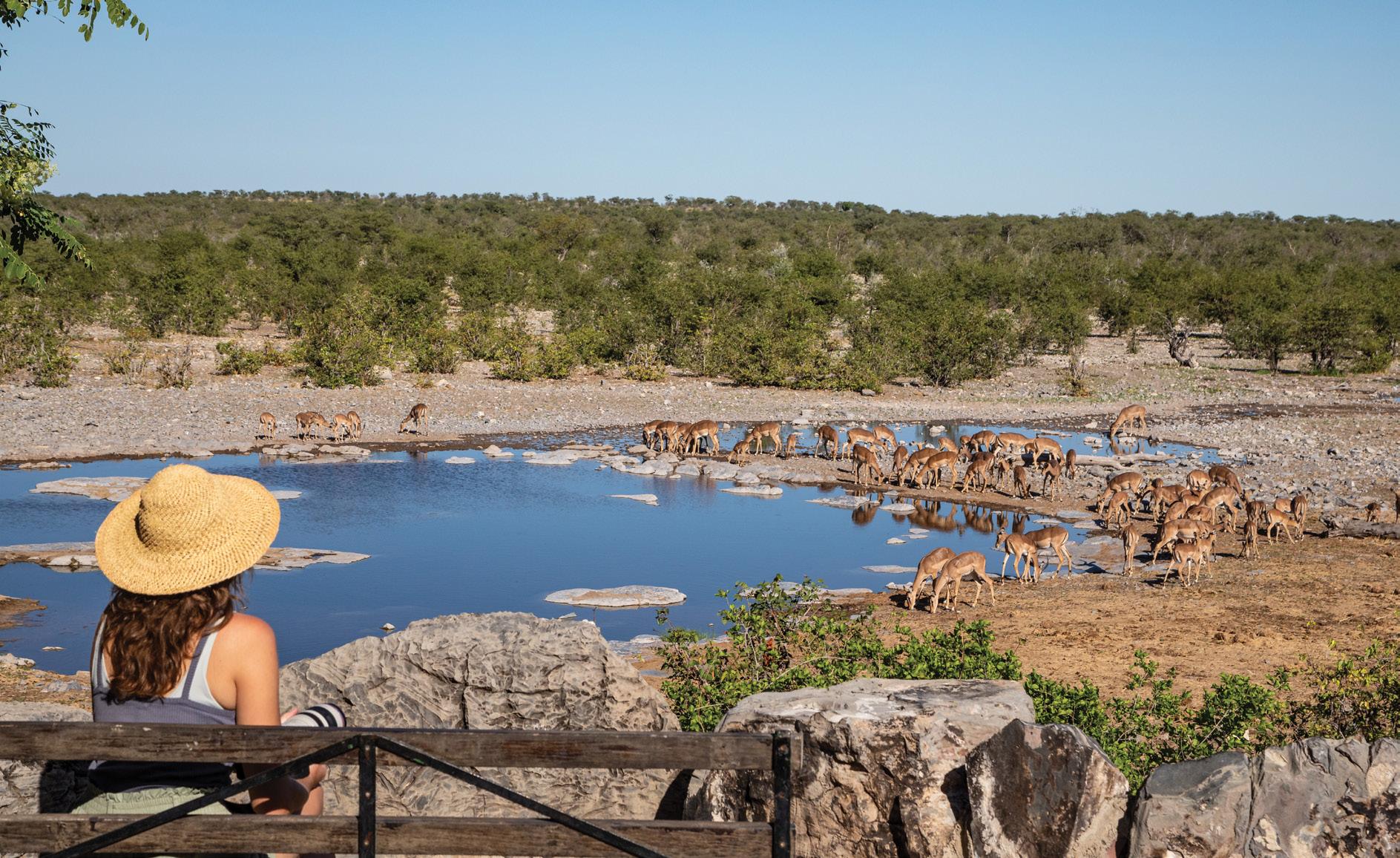
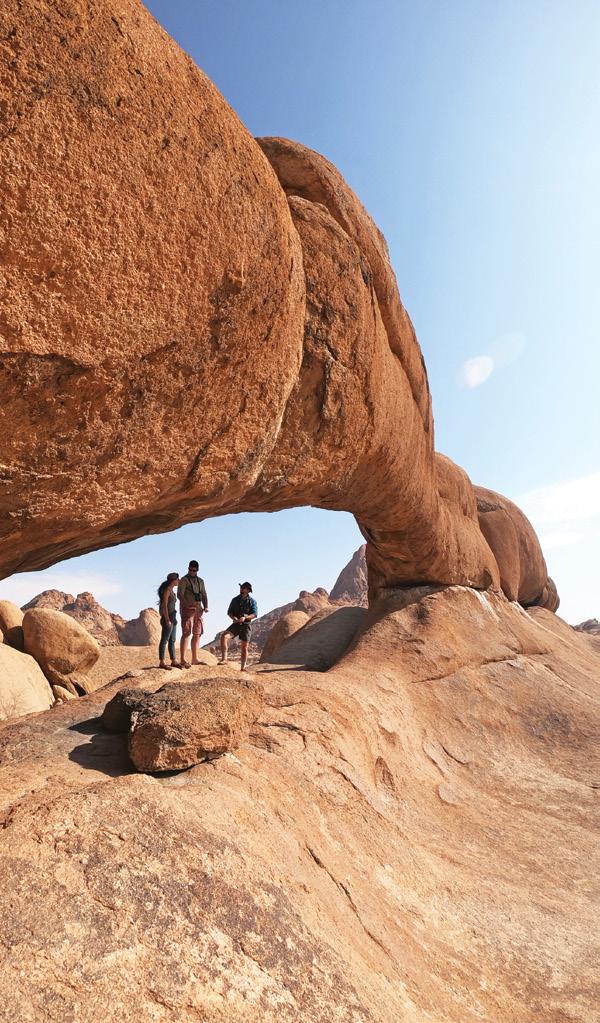
The departure time from Sossusvlei is between 08:30 and 11:00, meaning arrival in Swakopmund and Twyfelfontein will be in time for lunch, and arrival at Etosha will be between 12:30 and 15:30. The arrival time in Windhoek will be between 16:00 and 17:00, or earlier if necessary to ensure connections with various airlines. It’s important to note that no activities should be booked on the day of departure to the next destination until the departure time is confirmed the day before. All destinations remain available on a private charter basis.
For more information, contact: Email: safari@flynamibia.com.na
FROM TO Windhoek Sossusvlei Sossusvlei Swakopmund Swakopmund Twyfelfontein Twyfelfontein Ongava Ongava Mokuti Mokuti Windhoek
Additional route options
FROM TO Swakopmund Ongava Swakopmund Mokuti Twyfelfontein Mokuti Ongava Windhoek Sossusvlei Twyfelfontein Sossusvlei Ongava Sossusvlei Mokuti Twyfelfontein Windhoek Swakopmund Windhoek
WELCOME ON BOARD
Dear Guests,
Welcome on board FlyNamibia, and thank you for choosing to travel with us. Whether you are heading home, travelling for business, or setting out on a new adventure, we are delighted to have you with us.
As a proudly Namibian airline, our commitment remains simple: to connect people, opportunities and communities across our beautiful country and beyond. In that spirit, I would like to highlight an important update to one of our key domestic routes. We have introduced changes to our Eros–Ondangwa schedule to better serve our passengers and improve connectivity. I encourage you to have a look at the new timetable on page 7 and plan your future journeys accordingly.
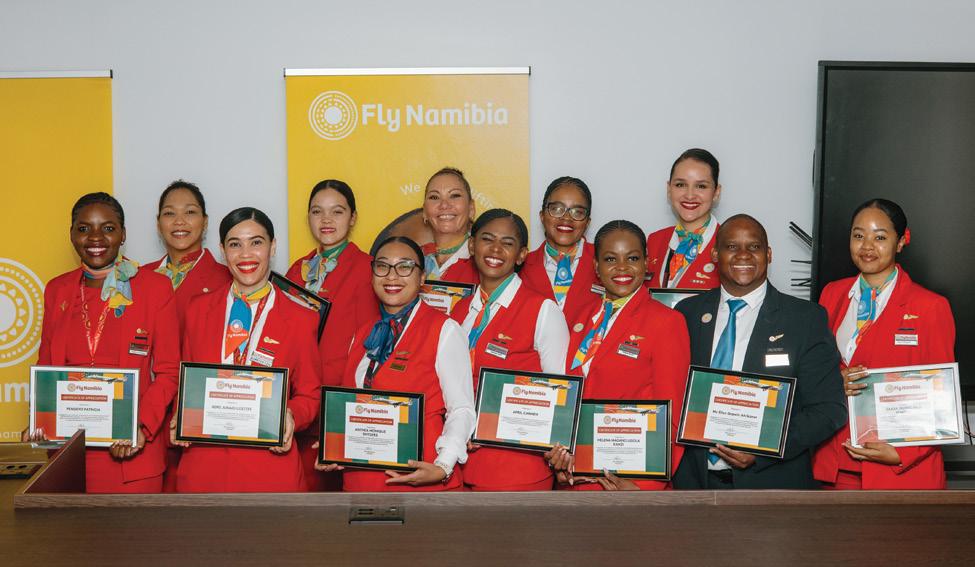
The past months saw special celebrations for the FlyNamibia family. Along with celebrating our 5th year under the FlyNamibia livery, we also hosted our first International Cabin Crew Day celebration. It was an opportunity to recognise a remarkable group of professionals whose dedication often goes unseen by the travelling public.
Cabin crew are far more than the friendly faces who greet you with a smile or offer you tea or coffee. They are highly trained aviation professionals entrusted with one of the most important responsibilities in our industry: your safety. They are prepared to respond to medical emergencies, security incidents, fires, decompression events, dangerous goods occurrences and emergency evacuations. They are often the first responders in an aviation emergency and the vital link between the flight deck and passengers.
During the celebration, we proudly introduced the FlyNamibia Cabin Crew Star Badge Recognition System. This milestone initiative formally recognises excellence, professionalism and career progression within our Cabin Crew division. More than a ceremonial pin, each star badge is a symbol of dedication, service and commitment to the highest standards of safety and customer care. It represents experience, leadership and the pursuit of excellence that defines our team.
To our cabin crew, thank you for the care and professionalism you bring to every flight.
From all of us at FlyNamibia, thank you for flying with us. We wish you a pleasant journey and look forward to welcoming you on board again soon.
Nerine Uys CEO, FlyNamibia
Read our previous issues
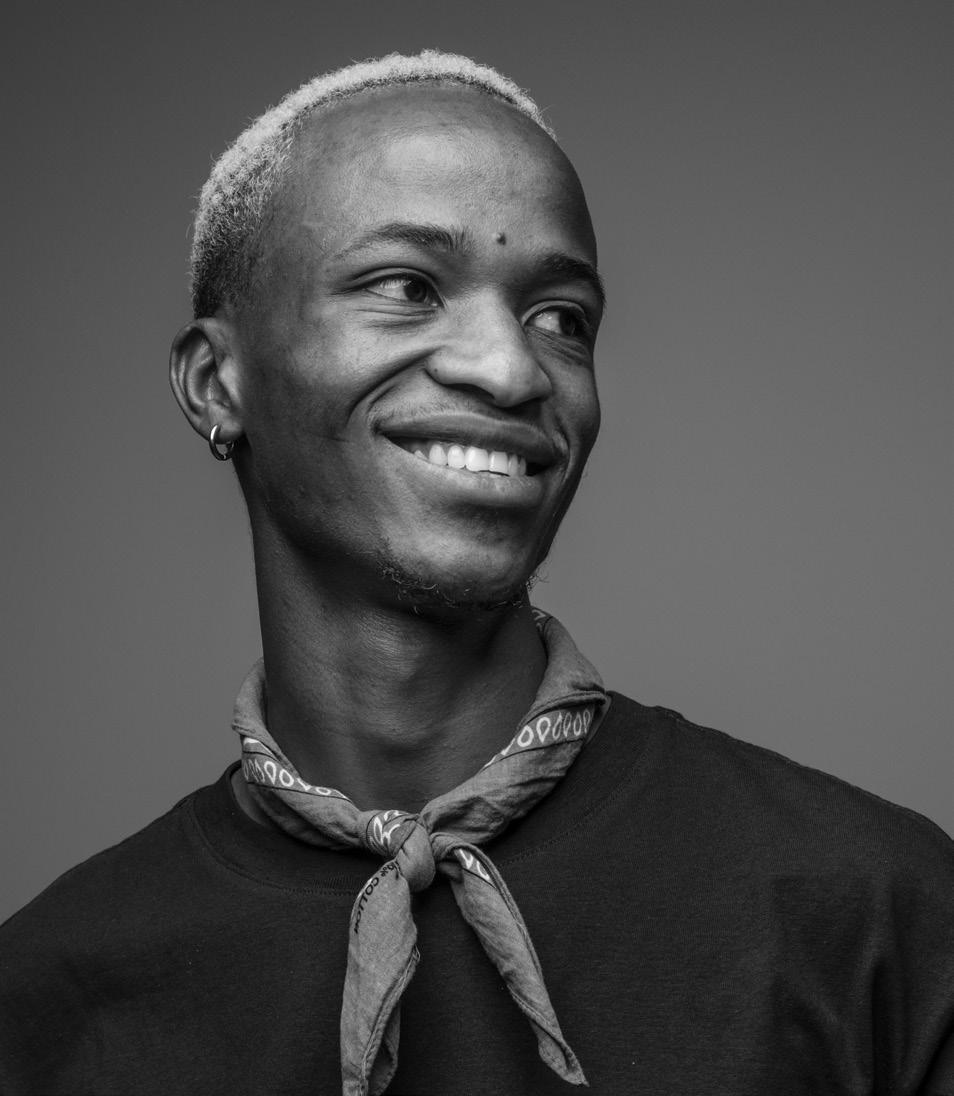
Hilary Wang
Creating a lasting legacy in a fleeting industry
Brand influencer Hilary Wang has become synonymous with Namibian style, working on some of the fashion industry’s most prominent projects over the last years.
For years, he cherished the behind-the-scenes work of shaping some of Namibia’s biggest brands, personalities and public images. “I loved the work, but I noticed a growing gap. People weren’t just looking for fashion advice or assistance; they were using me for my talent.”
This led to a realisation that he could either continue building other people’s brands and contribute to the industry as an individual creative, or he could opt to build something with more longevity for himself and the industry at large.
It was then that Hilary got to work on his own thing, which led to the launch of Style Sanctuary Namibia – “a home and space where styling becomes a tool for transformation rather than just appearance,” according to Hilary.
On 6 December 2025, the very first Style Sanctuary experience was born at the Berrylicous Restaurant, sponsored by Spier.
A proud Namibian who represented the country as part of Melisa Poulton’s Paris Fashion Week team, Hilary speaks highly of the country’s potential. “Namibia’s energy is its authenticity. It’s about resilience, resourcefulness and pride in who we are,” he says.
This pride leads him to prefer local expression over international influences. “I don’t believe in importing identities. Whether I’m styling a client, creating content or collaborating with a brand, I always ask how we can celebrate who that person is within our own context. The goal is never to make someone look like they belong somewhere else; it’s to make them feel powerful exactly where they are as a true Namibian. We are so talented and blessed as a nation.”
Creative collaborations
Hilary’s creative career has taken shape largely due to collaborations with fellow creatives – an ability which he puts down to mutual respect. He describes the collaborative nature of his work with fashion designer Melisa Poulton as follows: “Melisa brings the garment, the craftsmanship and the designer’s perspective. I bring the narrative, the image strategy and how the piece communicates to an audience.” Neither role, he says, ever overshadows the other.
On what the creative process looks like during these collaborations, he says, “We spend a lot of time listening
before creating, because protecting someone’s creative voice starts with understanding it. My role is not to change the vision but to help it reach its fullest expression. Where there is mutual respect and understanding of one’s craft, there are no disagreements. It’s all about understanding each craft individually.”
Styling as a career in Namibia
Contrary to what some may believe, the demand for fashion stylists in Namibia is substantial. For Hilary, many clients who approach him are those with wardrobes full of expensive clothing but still feeling unsure when they enter a room. “On paper, they look stylish, but there is no connection between what they wear and who they are,” says Hilary. Through Style Sanctuary, he takes the time to understand the individual, their goals, lifestyle, profession and personal story. Once that foundation is set, the client’s style becomes intentional, resulting in confidence that lasts beyond a photoshoot or event.
So what does the typical day in the life of a Namibian stylist look like?
“Most days are far less glamorous than social media suggests. It’s emails, invoices, consultations, scheduling, sourcing garments, managing partnerships, reviewing proposals and solving problems. There are long hours, constant communication and plenty of moments that require patience,” says Hilary. The photoshoots and public appearances are what people get to see, but according to him the real work happens in the planning, preparation and consistency behind the scenes. And beyond the glamour lies constant rejections, self-doubt and sabotage, plus the shunning of one’s work by creative peers in the industry.
Defining what clients actually get when they book his styling services, he says: “It means being seen before being styled. Many people walk into image consulting expecting judgment or pressure to become someone else. At Style Sanctuary, the process starts with understanding. Clients are encouraged to be honest about their insecurities, ambitions and challenges without fear of criticism.” This
also means not erasing a client’s individuality, but rather refining, elevating and celebrating it.
Looking ahead, Hilary hopes his talent and that of other Namibians will find a space to keep growing within the creative economy. “Namibia has exceptional designers, photographers, stylists, creatives and storytellers. What’s missing is sustained investment, industry infrastructure and a culture that supports creative businesses beyond the initial hype.”
As for his part in making this dream a reality, Hilary plans to remain intentional about sharing knowledge. Acknowledging that many creatives enter the industry with talent but very little understanding of the skills and resources needed to actually make it, he plans to take on mentorship of these younger creatives while still collaborating with peers and remaining true to his craft.
Rukee Kaakunga
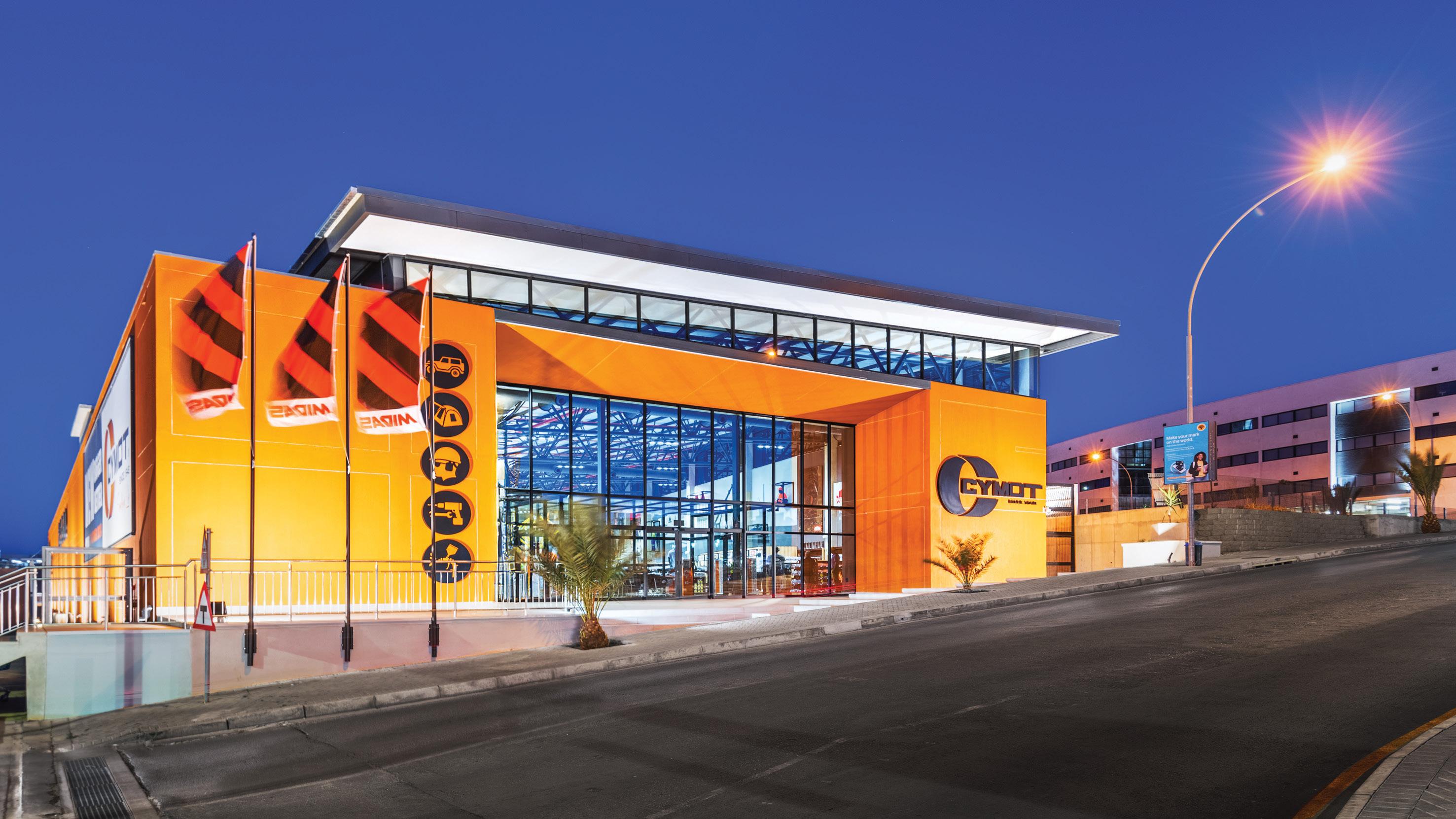
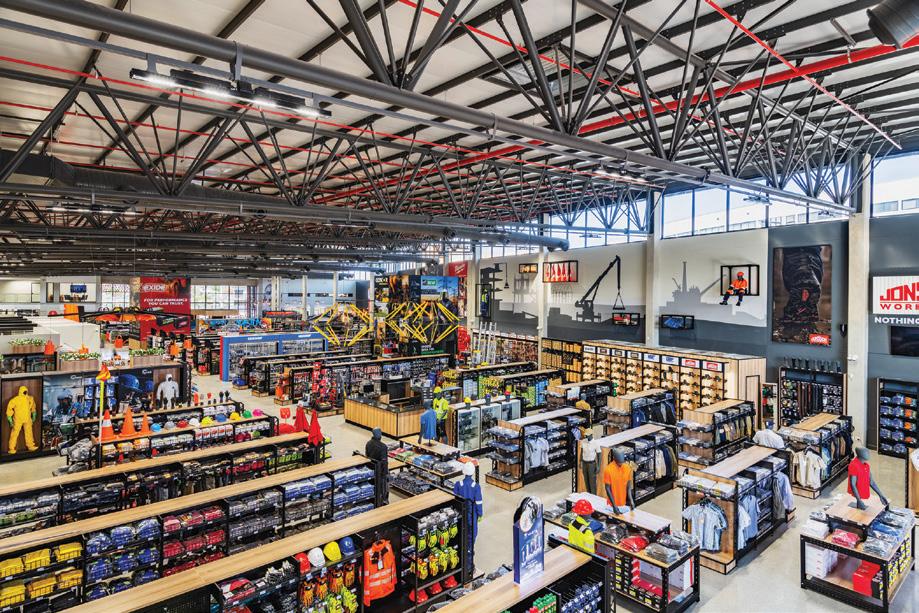
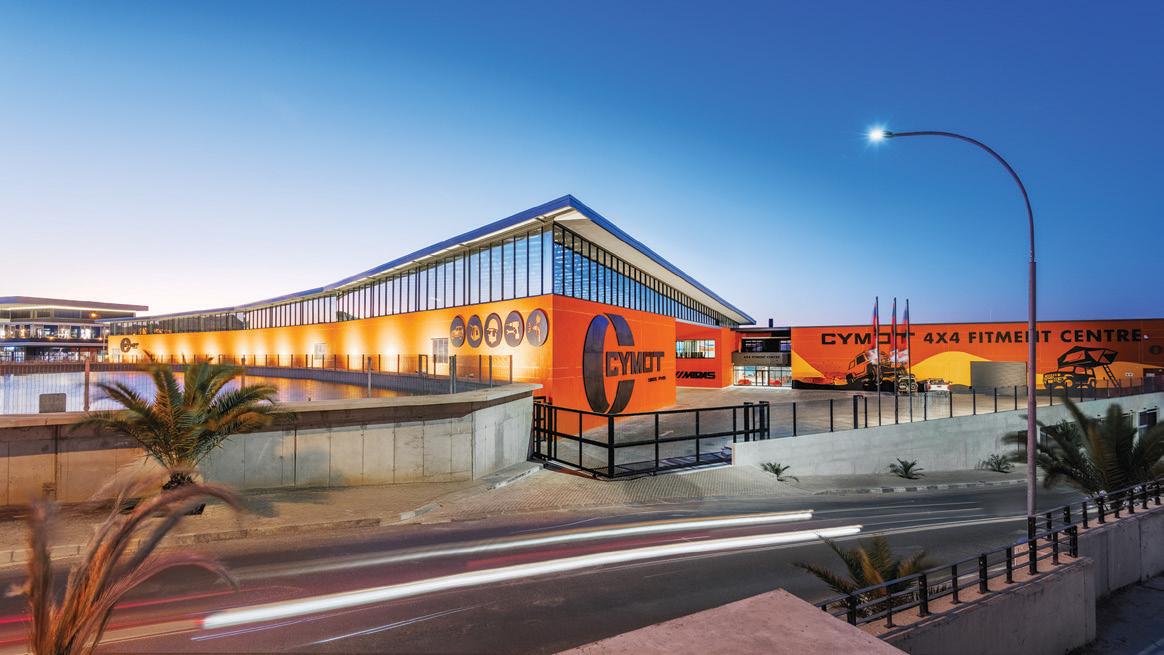
PRIME LOCATION
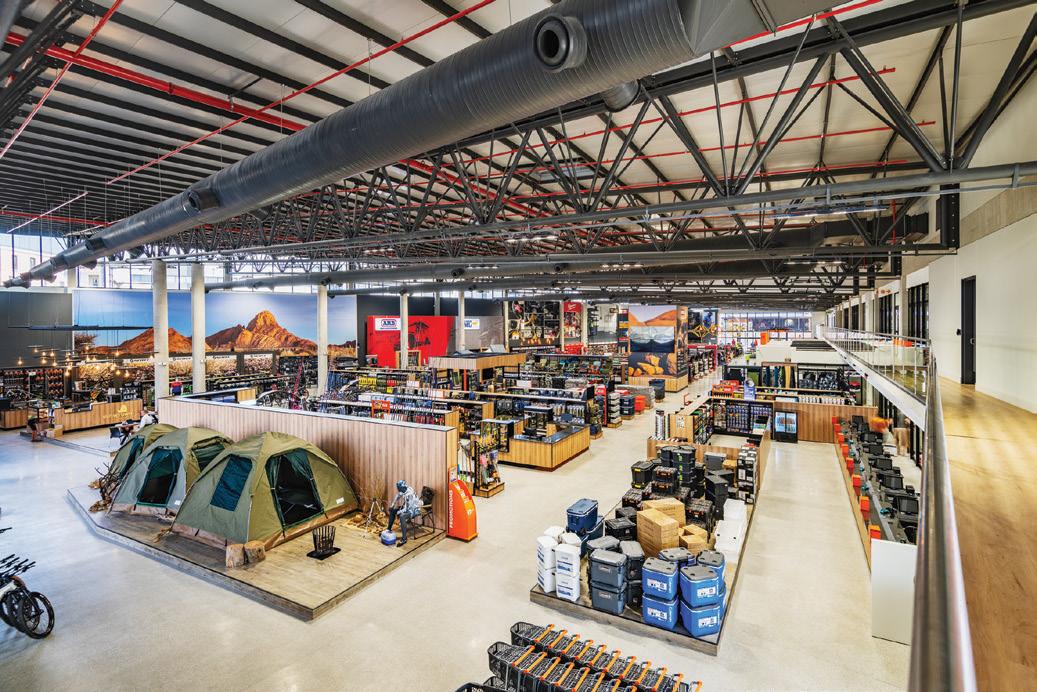
Whether you're on business or exploring Namibia, CYMOT Hilltop has everything you need under one roof!
Conveniently located next to Grove Mall in Windhoek, we make shopping easy, hassle-free, and enjoyable.
Start your journey with the perfect cup! Fuel up with the rich aroma and bold avours of Slow Town Coffee, available in-store. From a quick espresso to a smooth latte, every cup is crafted to perfection.
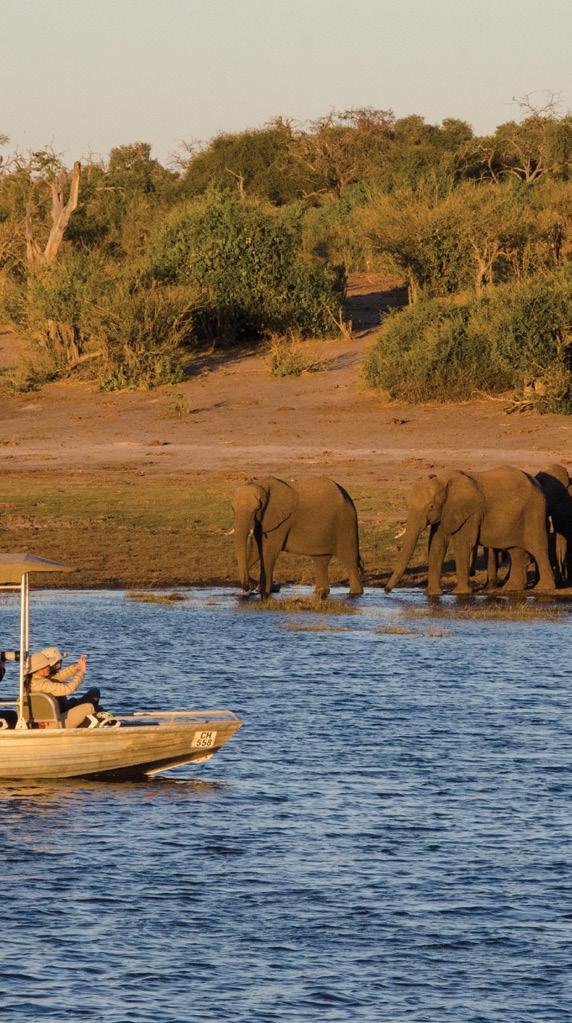
PARKS IN ZAMBEZI
MUDUMU NATIONAL PARK
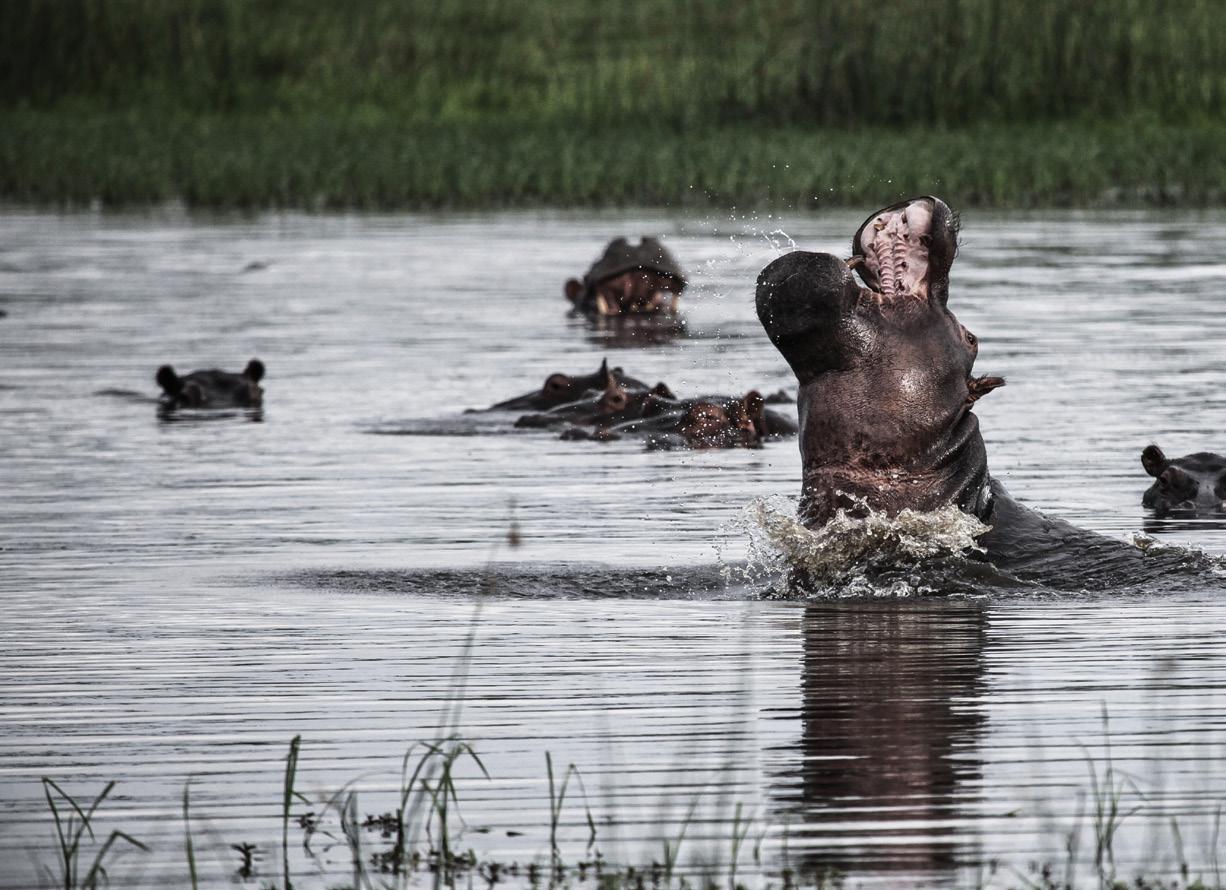
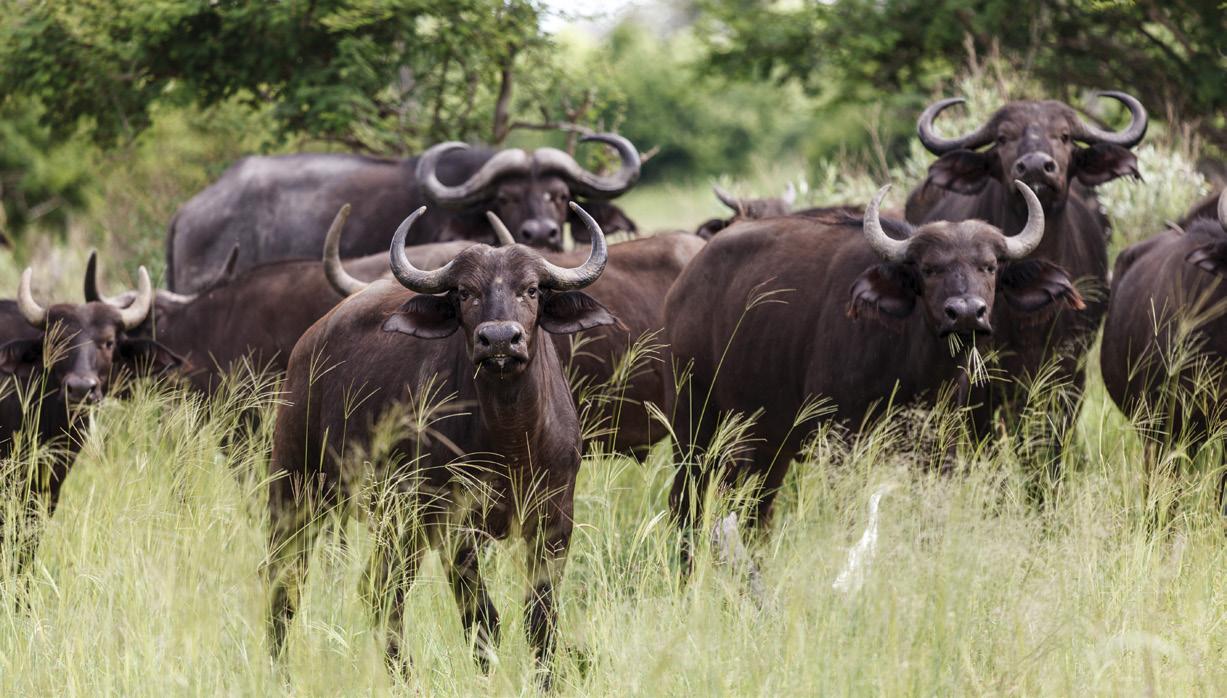
Centred on the Mudumu Mulapo fossil river course, this vast 1 010 km² expanse of dense savannah and mopane woodlands, bordered in the west by the Kwando River, was proclaimed a national park in 1990. The combination of forest and water ensures a wealth of wildlife. The park is home to small populations of sitatunga and red lechwe, while spottednecked otter, hippo and crocodile inhabit the waterways. During a game drive, animals likely to be encountered are elephant, buffalo, roan antelope, kudu, impala and Burchell’s zebra. The park is alive with more than 400 species of birds. Of particular interest are Slaty Egret, Hartlaub’s Babbler, Greater Swamp-warbler (in the papyrus swamps), Chirping Cisticola and Swamp Boubou. Other noteworthy species include Black Coucal (an intra-African migrant), Copperytailed and Senegal Coucal, Wattled Crane (floodplains) and Rosy-throated Longclaw. In the backwaters and swamps, African Pygmy Geese and Comb Duck (between September and April), Allen’s Gallinule (between December and April), and African and Lesser Jacana are found.
NKASA RUPARA NATIONAL PARK
The 320 km² Nkasa Rupara National Park, proclaimed in 1990, has the distinction of being the largest wetland area with conservation status in Namibia. The park is characterised by a complex network of channels, reed beds, oxbow lakes and islands, with the focal point on Nkasa and Lupala, two large elevated areas that punctuate the floodplains. Up to 80% of the park can be inundated during wet periods, leaving Nkasa and Lupala isolated as islands amid a sea of water. The same bird and animal species occur in Nkasa Rupara as in Mudumu National Park.
Camping is not permitted in Nkasa Rupara National Park, but campsites with shared hot-water ablutions, braai places and water taps, as well as self-catering chalets are available at Rupara Rest Camp, 3 km south of the park entrance. Please note: Visitors must be completely self-sufficient in respect of food and fuel. Four-by-four vehicles are necessary here and two-vehicle parties are essential during the rainy season.
BWABWATA NATIONAL PARK
In 2007 the former Caprivi Game Park, proclaimed in 1968, was incorporated into the 6 100 km² Bwabwata National Park, also including the Kwando or Golden Triangle, and the Buffalo and Mahango (the former Mahango Game Park) core areas. This heralded a new generation of parks in terms of an
integrated approach towards park management. Bwabwata was designed not only to protect the environment, but also to accommodate the people living in the park. The central area of the park is zoned for community-based tourism, including trophy hunting, human settlement and development. Cattle movement is controlled to prevent the spread of diseases, and communities living in the park or neighbouring areas are given conditional tourism rights to establish – either on their own or in joint ventures – tourism facilities within the park’s confines. Bwabwata has three distinct areas: the perennial Okavango and Kwando rivers, their riparian vegetation and floodplains characterised by reedbeds, floating grass mats and woodlands with jackalberry, mangosteen, apple-leaf, knob thorn and wild date palm; a parallel system of drainage lines (omiramba) that run west-north-west or east-southwest; and deep windblown Kalahari sands that form dunes between 20 to 60 metres high and support deciduous woodlands dominated by seringa, Zambezi teak, wild teak and several wild raisin and bushwillow species. The park is a sanctuary for 35 large game species – including elephant, buffalo, impala, reedbuck, red lechwe, sitatunga, hippo, giraffe, zebra, wildebeest, Chobe bushbuck, tsessebe, sable and roan antelope – and numerous small-game species. Predators such as lion, leopard, cheetah and African wild dog also occur in Bwabwata. Because there is no surface water, most species congregate along the Okavango and Kwando riverbanks and at the Malombe and Ndwasa pans in the northeast. Visitors are cautioned that there are crocodiles and hippos in the river. Bwabwata takes its name from a village in the park and refers to the sound of bubbling water.
POPA GAME PARK
Rushing rapids, melodious birdsong and the rustling leaves of shady, riverine trees are sounds that typify Popa Game Park. Located on the Okavango River opposite Bwabwata National Park, Popa Falls is famous for its lush setting and the sound of the rapids cascading down the rocky descents in the river. Over 400 species of birds have been recorded here. Tigerfish, threespot and green-headed tilapia are just some of the game fish that occur in the Okavango River, making it a popular destination for anglers.
All the parks in the region form part of the 519,912 km² Kavango-Zambezi (KAZA) Transfrontier Conservation Area, the world’s largest conservation area.
Find more Namibia travel inspiration at www.thisisnamibia.com
Follow @thisis_namibia on Facebook and instagram for extraordinary Namibia travel stories.
We’re for Namibians
By Namibians. For Namibia.
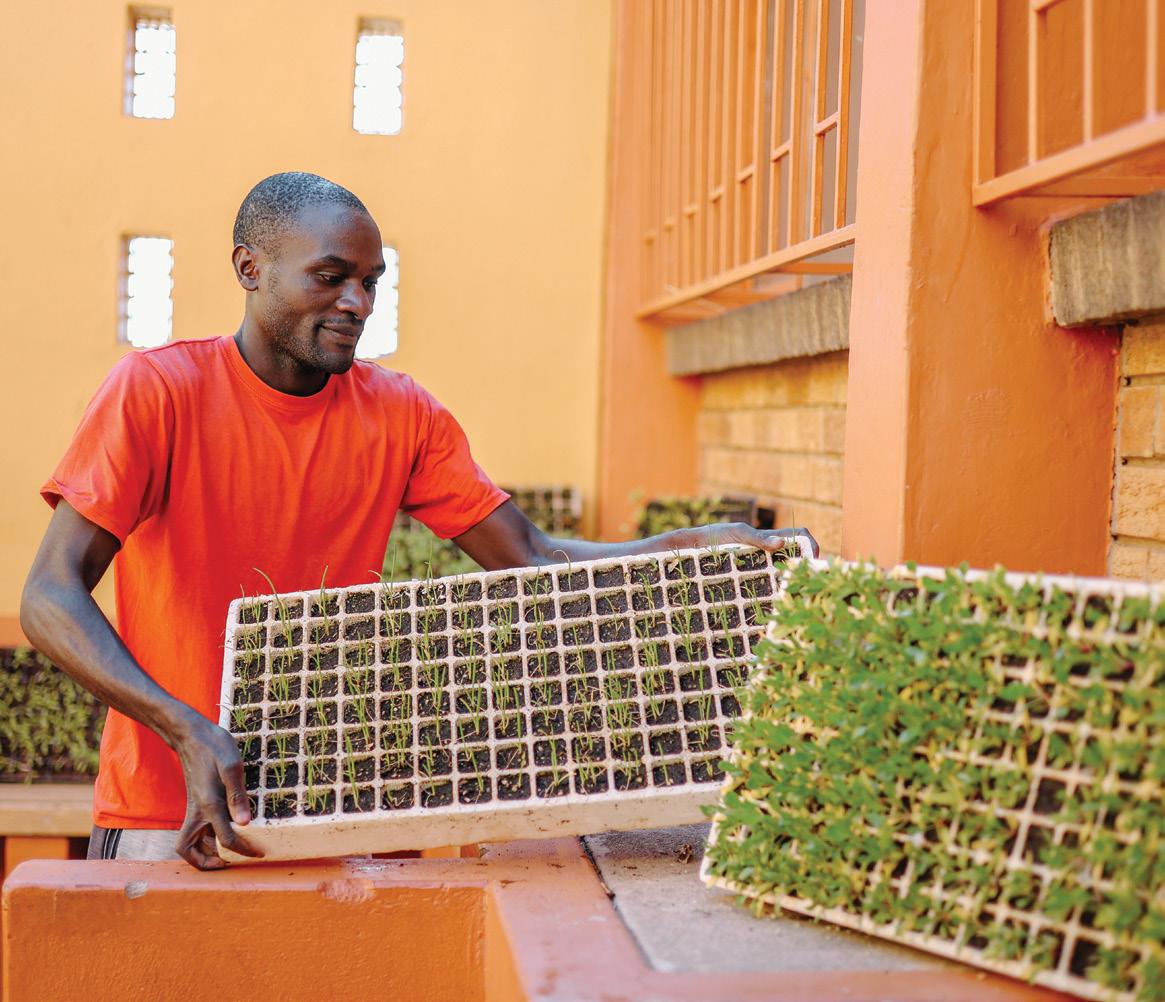
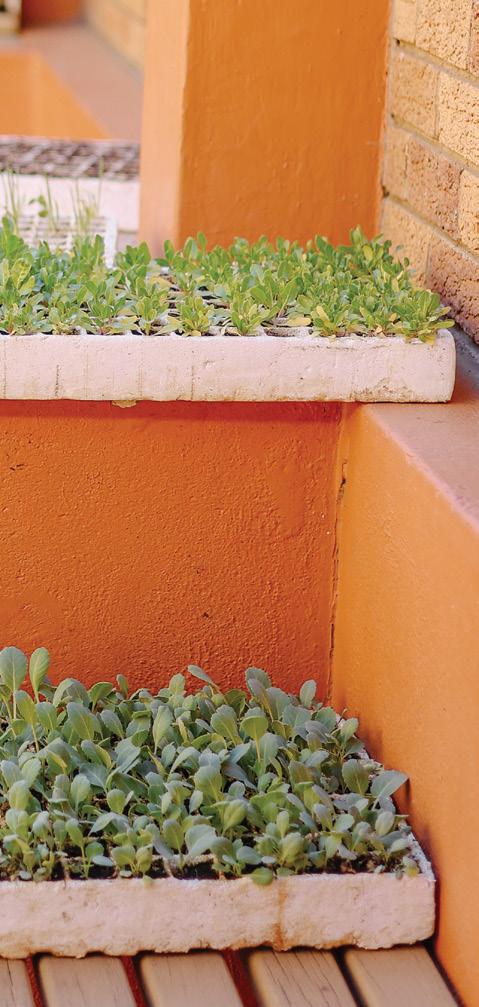
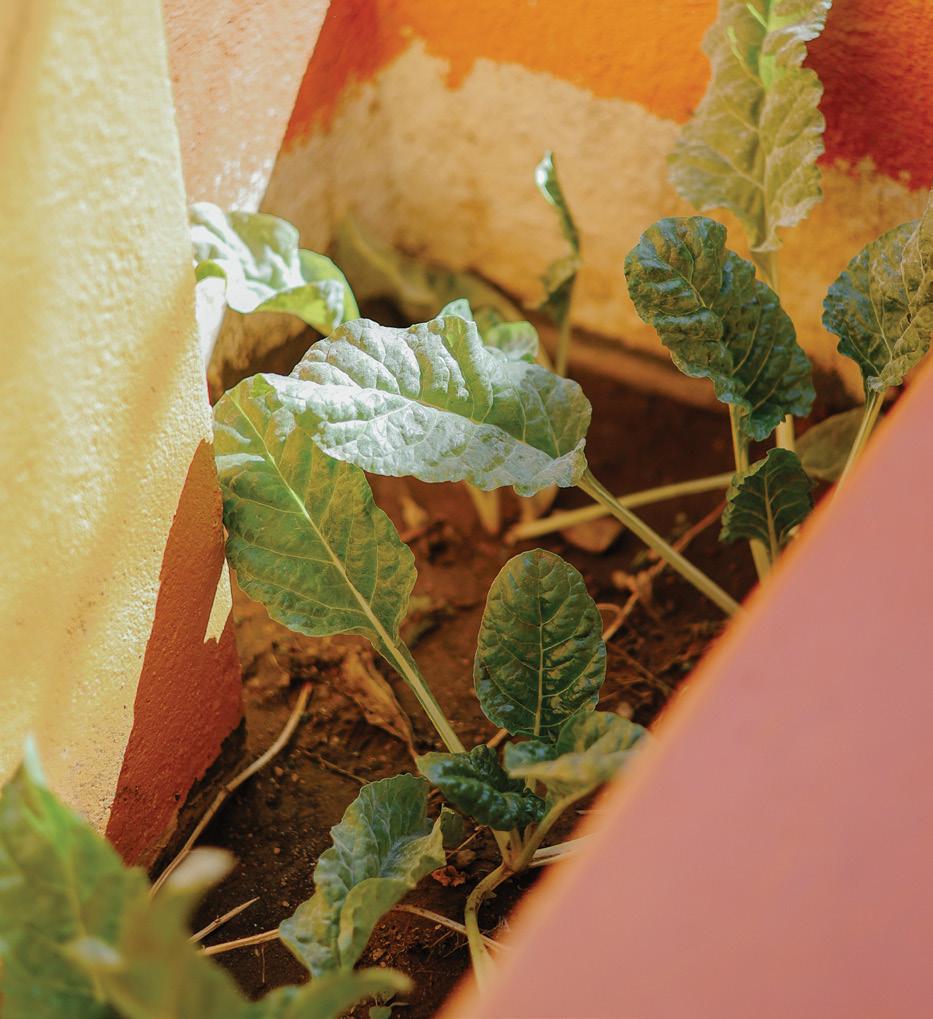
Growing hope, one garden at a time
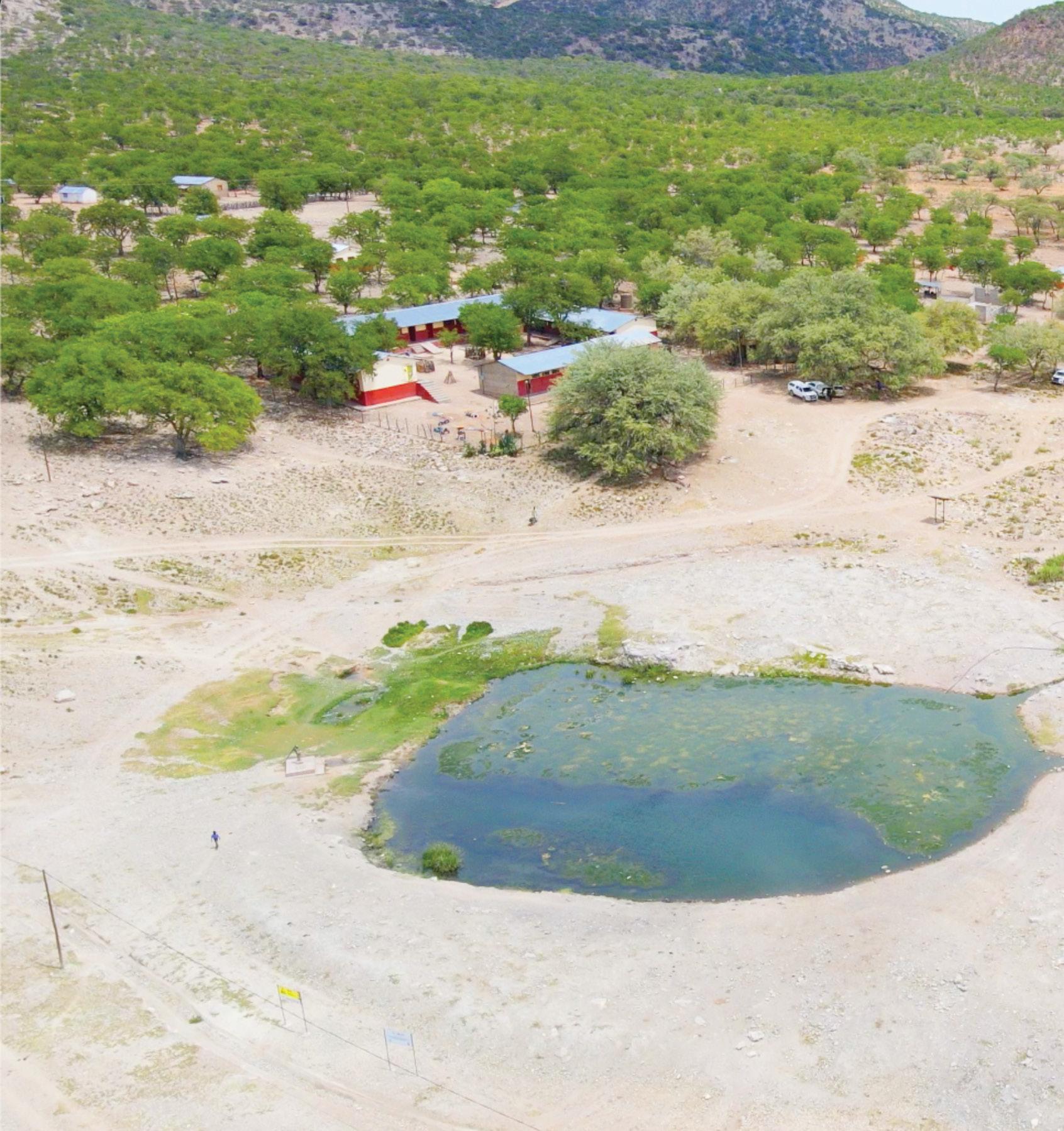
In the heart of Windhoek, a small group of determined young Namibians is proving that meaningful change doesn't always begin with funding, equipment or resources. Sometimes, it begins with a simple idea, a willingness to serve and the courage to keep going when nobody believes in you.
For Juvenile Tycoon Investment CC, that journey started with two young men and a vision.
Founded by Mr Katamba Salom and driven by a team of passionate young people, Juvenile Tycoon Investment CC began as a grassroots initiative focused on community development. Before they were teaching people how to grow vegetables, they were conducting awareness sessions on HIV/AIDS, offering computer literacy classes, and introducing sign language training to communities.
As they engaged with people across Namibia, one challenge became increasingly clear: food security.
"We realised that many people wanted to grow their own food but didn't know where to start," explains Project Manager Ambambi Thomas. "That's when we began focusing on backyard gardening and practical agricultural skills."
What followed was a movement rooted in self-reliance.
Despite their passion and commitment, the road was not easy. As young people, they often faced skepticism. Potential partners and stakeholders frequently overlooked them because of their age. Transport was another challenge. Team members often walked long distances between communities, visiting homes and helping establish gardens without vehicles, funding or formal support.
Yet they refused to give up.
Their motivation came from the people they served.
Every training session that attracted new participants, every family that harvested vegetables from their own yard and every young person inspired to start something of their own reminded them why their work mattered.
One story stands out.
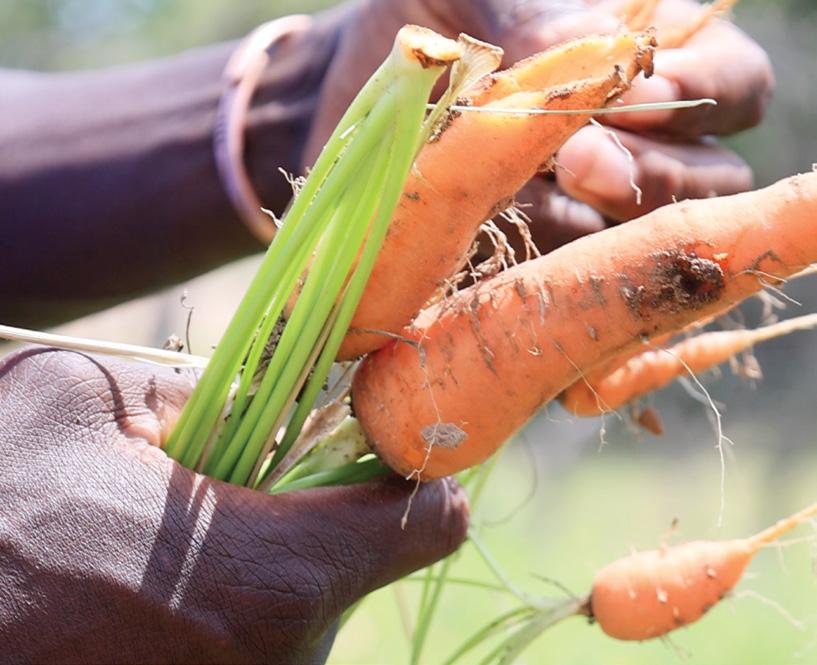
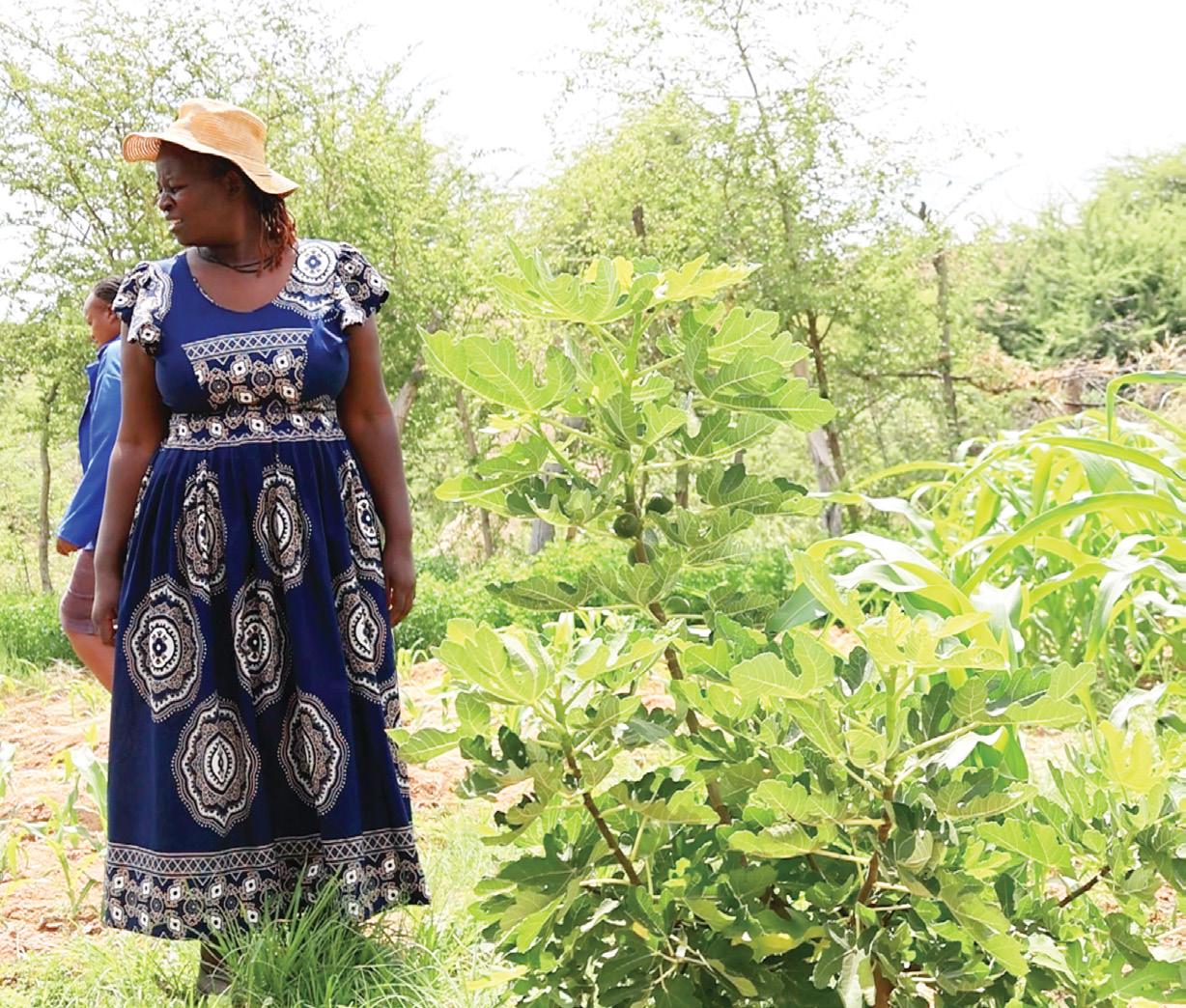
The team met a woman who had an unused section of her yard occupied by an old, damaged vehicle. Working together, they cleared the space and transformed it into a productive vegetable garden. Today, she no longer depends on buying many of her vegetables. Instead, she harvests fresh produce from her own backyard, reducing household costs and becoming more selfsufficient.
It is stories like these that continue to fuel the team's passion.
Today, Juvenile Tycoon Investment CC has grown into a youth-led agricultural development initiative making a measurable impact across communities.
Since September 2025, the organisation has:
• Trained 2,050 people in backyard gardening theory
• Trained 1,723 people in practical backyard gardening techniques
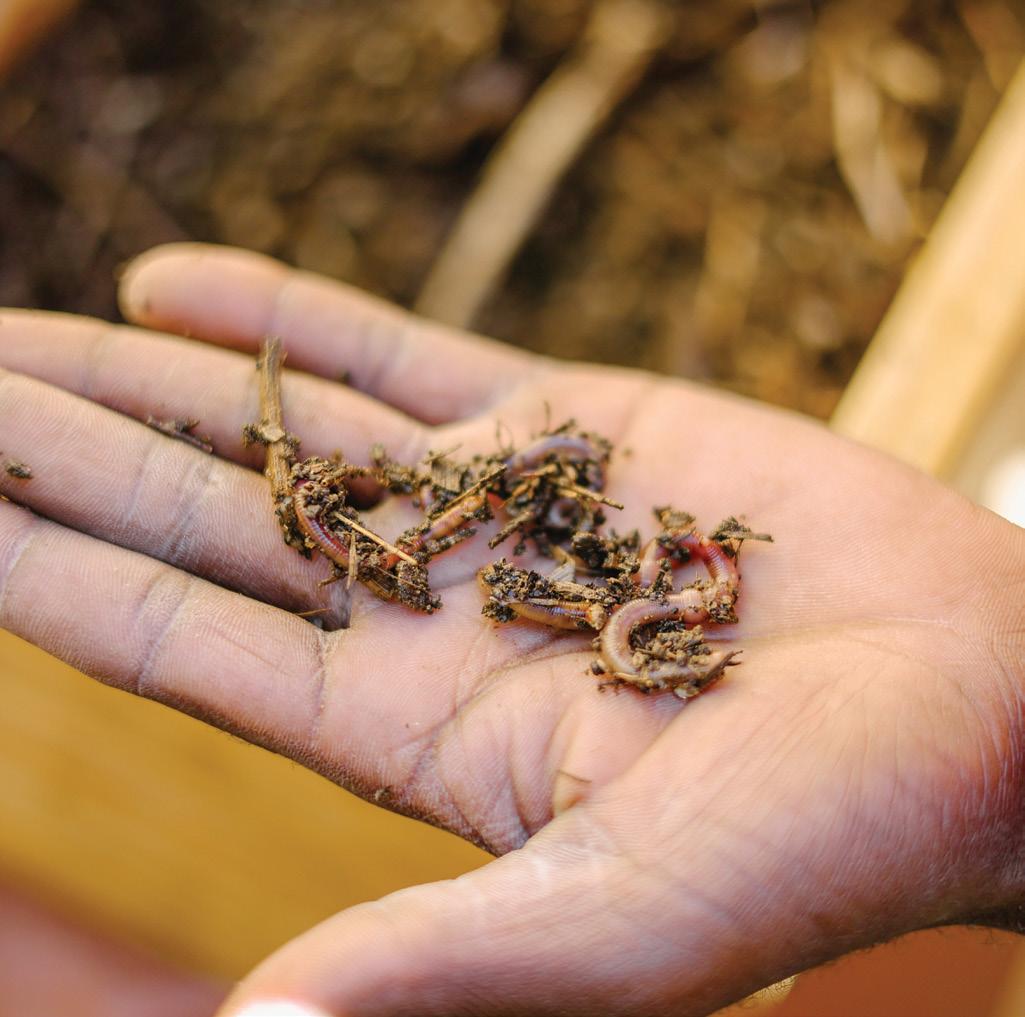
• Trained 948 people in compost production
• Trained 145 people in vermicomposting
• Established 715 backyard gardens
• Distributed 246 backyard garden starter packs
• Provided 145 bags of vermicompost to community members
• Trained 92 people in poultry management, vaccination and egg handling
Their work extends beyond gardening.
The organisation also trains communities in composting, vermicomposting, poultry production and entrepreneurship. Their philosophy is simple: empower people with practical skills that create opportunities for income generation and food security.
For many participants, backyard gardens are more than just a source of vegetables. They are a pathway to independence.
A family that grows its own spinach, kale, onions and other vegetables spends less on food. Surplus produce can be sold, creating additional income. In communities where employment opportunities are limited, these small gardens can make a meaningful difference.
The team believes agriculture can play a powerful role in addressing both poverty and unemployment.
Their message to young Namibians is equally powerful: believe in yourself.
The members of Juvenile Tycoon Investment CC understand what it feels like to be underestimated. They know what it
means to start with very little. Yet they are living proof that age does not define potential.
They encourage young people to stop waiting for perfect conditions and instead begin with what they have, where they are.
"If others have achieved something, it is because they believed in themselves," says Thomas. "People will always talk, but don't let that stop you. Everyone has value and everyone can contribute."
Their success has also been strengthened through partnerships with schools, community organisations, government institutions, agricultural stakeholders and development partners. Collaborations with organisations such as the Food and Agriculture Organization (FAO), the City of Windhoek, educational institutions and youthfocused organisations have enabled them to reach more people and create greater impact.
As their work continues to expand, so does their influence. What began as a small initiative driven by a handful of young people has grown into a movement that is helping Namibians rethink food security, entrepreneurship and community development.
For Juvenile Tycoon Investment CC, success is measured not only by the number of gardens established or people trained, but by the confidence they help cultivate in others. Every training session, every harvest and every new gardener represents someone taking a step toward greater self-reliance.
Their work demonstrates that solutions to some of Namibia's most pressing challenges can often be found within communities themselves. By sharing knowledge, working together and investing in practical skills, ordinary people can create extraordinary change.
For Thomas, Esther, Mr Katamba Salom and the rest of the team, the mission remains simple: empower people with the skills to grow their own food, create opportunities for themselves and build stronger communities.
David Penda
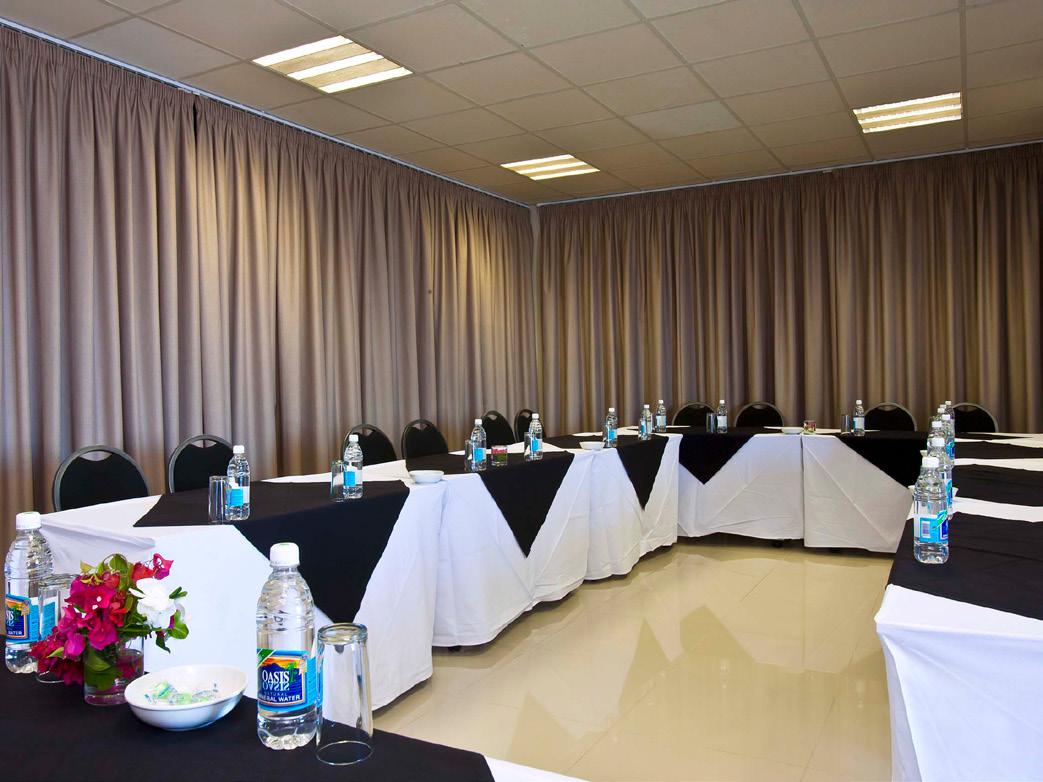
Book your conference at Hardap Resort
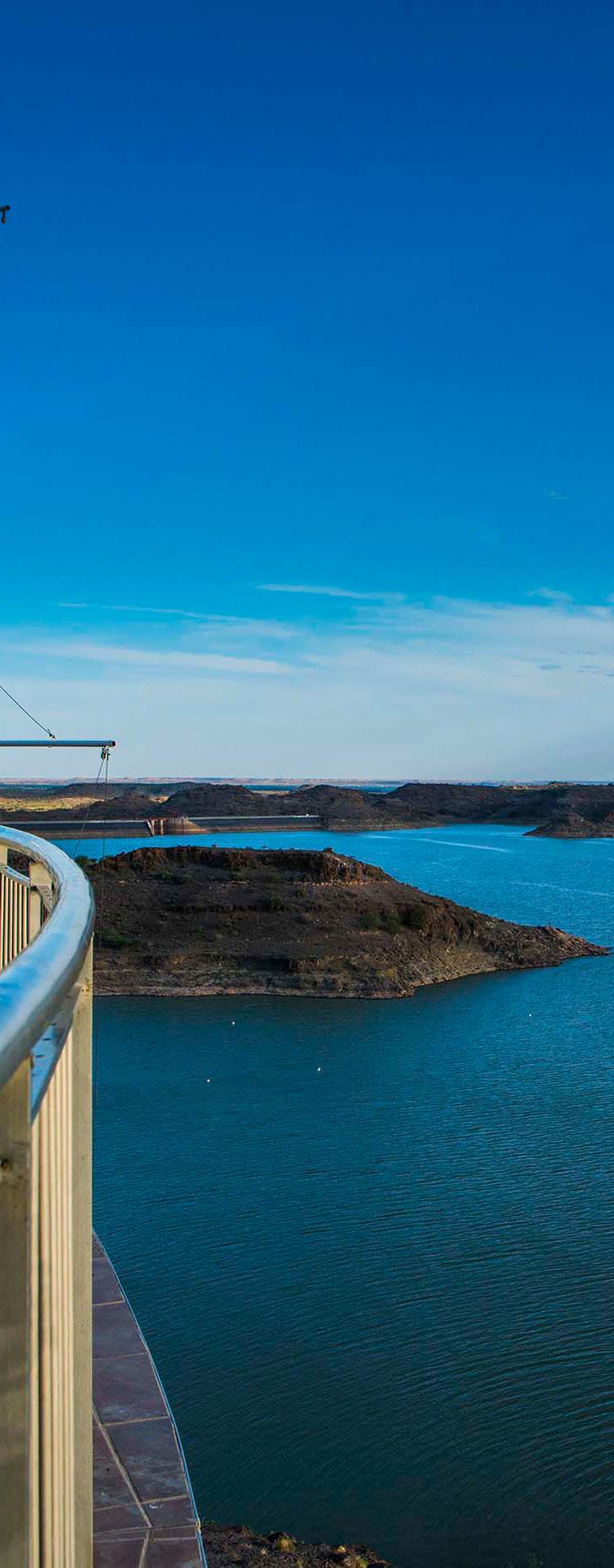
Discover unparalleled conference facilities amidst breathtaking natural landscapes with Namibia Wildlife Resorts. Hardap Resort presents a lakeside haven, perfect for inspiring creativity and fostering collaboration.
accommodation and
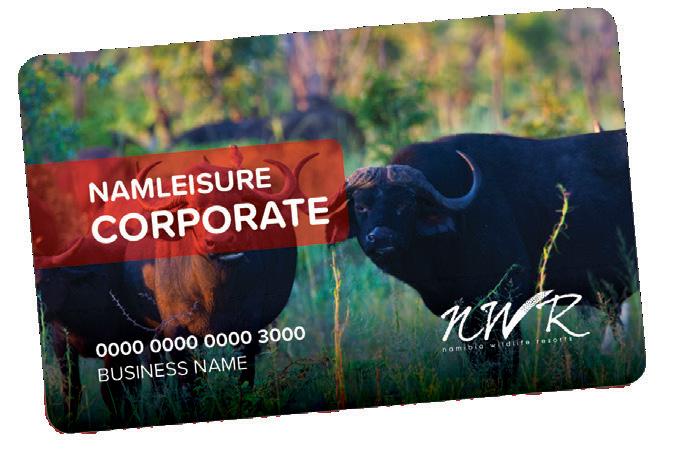
ranging from 50% for Namibian to 10% for international cardholders. With a validity of three years and easy renewal, it’s tailored for businesses with a minimum group size of 10. Experience convenience, savings, and unparalleled benefits for your corporate outings.
Native Leaves:
CANDELABRA EUPHORBIA
Scientific name: Euphorbia virosa
Common name: Candelabra euphorbia
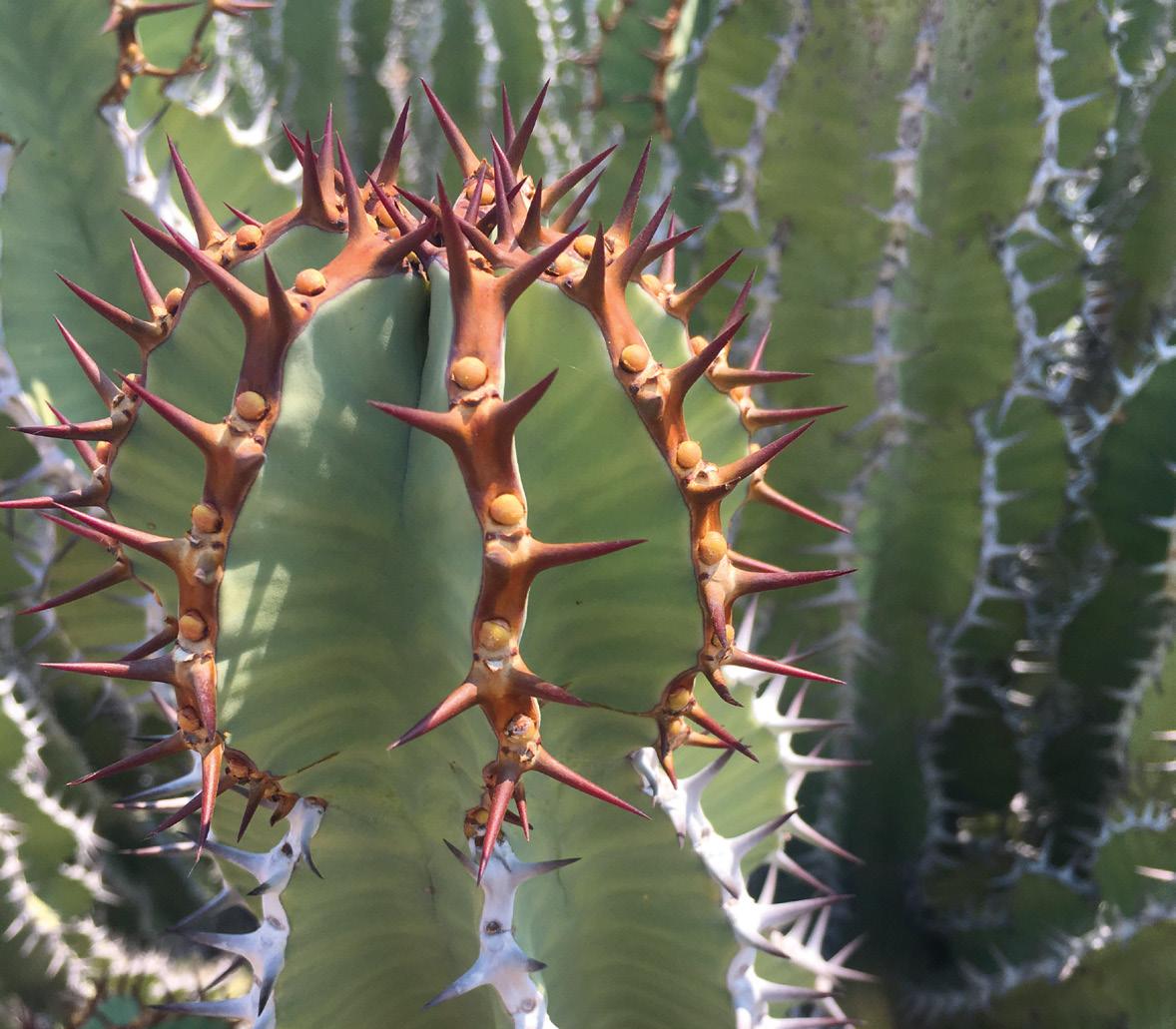
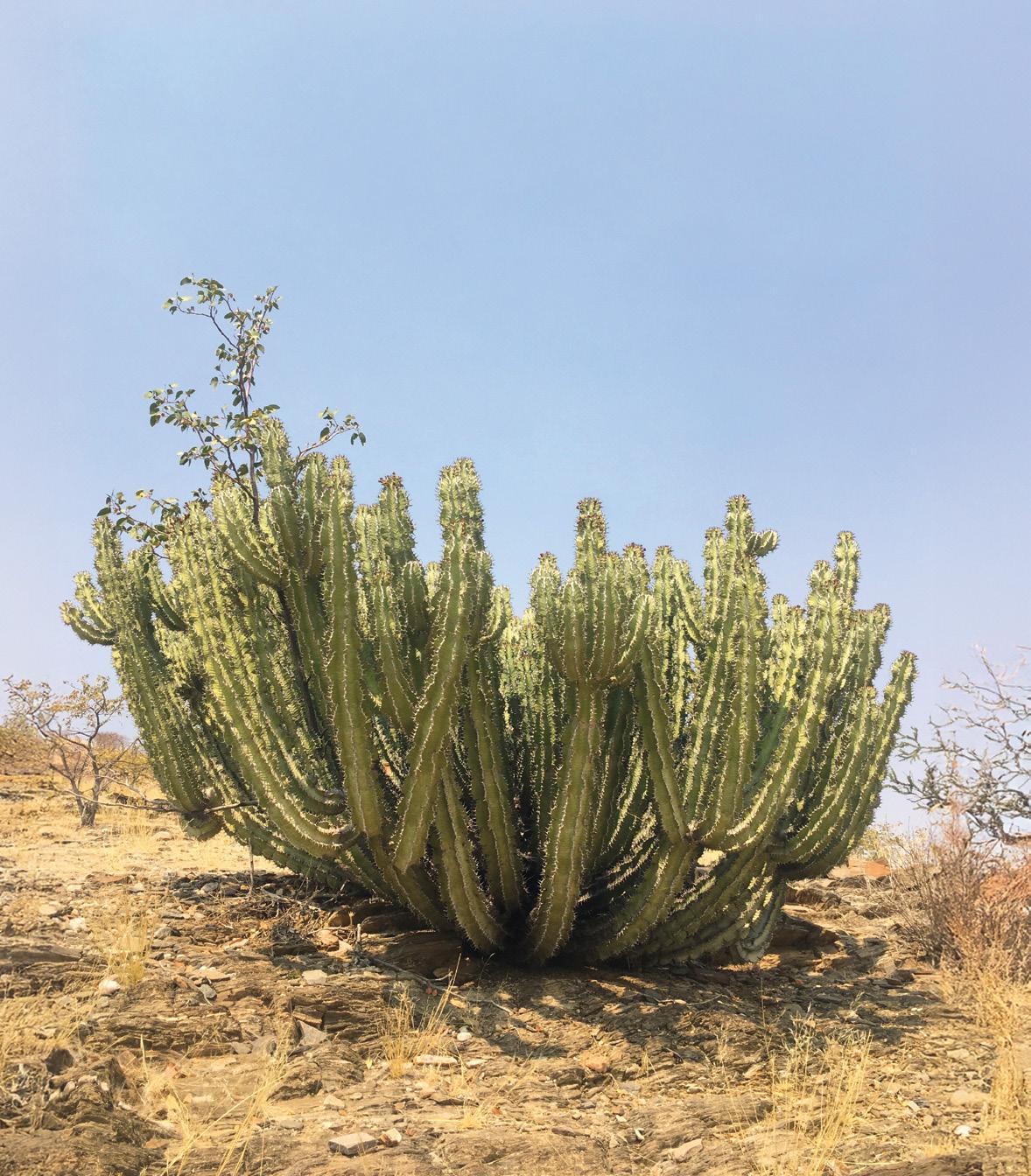
Irecently found myself exploring a rather unusual plant, its patterns looking like one of those intentionally repetitive art designs with no flaws. The candelabra euphorbia belongs to the Euphorbiaceae – a diverse plant family ranging from small plants to big trees. The euphorbia species’ distinct features include having many stems, flowers and (mostly) a milky latex. They occur in different regions throughout the country and can easily be misidentified due to sharing similar physical features with other species, especially when viewed from afar.
The candelabra euphorbia has distinct features and is easy to identify. It grows in many areas across the country, but mostly on rocky substrates. While it is a succulent with many stems and spiny like most euphorbia species, it has straight thorns that are paired. It has undivided branches on the lower part, but the top part only has secondary branches. The branches are constricted at intervals, forming symmetrical segments, with paired thorns on the edges of the plates that are formed by deep furrows. Between each of these paired thorns flowers grow, transforming into a single fruit with a maroon-purplish colour. The fruit turns light brown when dry.
Last year, in the wilderness of the Kunene Region, was my first opportunity to have a really close view of the candelabra euphorbia. While I was mostly admiring the landscape for the few days we were there, I eventually took the time to have a thorough look at this shrub. Some shrubs were quite small, while others were of great height and size. Comparing the small shrubs with the bigger ones, it took careful consideration before I could conclude it is indeed the same shrub.
Curiosity killed the cat, they say, but I guess on that day I was the cat with nine lives. The eternal explorer enthused by nature, I was touching the rigid thorns and branches, pressing the hard flesh and observing. My instincts were eager to explore through touch and a bit of squeezing, although the flesh did not rapture. Fortunately, I did not go as far as tasting anything from this beauty. What I learnt afterwards is that the latex of the candelabra euphorbia is extremely toxic and has the ability to cause blindness if it comes into contact with the eyes. The latex is also said to cause a painful burning sensation which can be felt for hours. I was in potential danger without knowing it.
It is true when they say “what has no harm to one can be poisonous to another”. In the same way, what is poisonous
to one may have no effect on another. While the candelabra euphorbia has toxic effects on humans, wildlife like rhinos are known to browse on this shrub without any ill effects. Good on them! Not so good is the fact that this shrub can be invasive in some areas owing to overly favourable conditions.
A little investment in reading awakens the mind. As I recalled myself exploring this shrub and luckily not tasting it, I was reminded of the rules of biology. Unlike geology, where you can lick on certain stones to identify them, tasting is not recommended in biology. Observing and reading up on a particular plant is the safest way of identification. Rather use field guides to compare detailed features than succumbing to the temptation of identifying at your own risk.
Agnes Shekupe Shivute
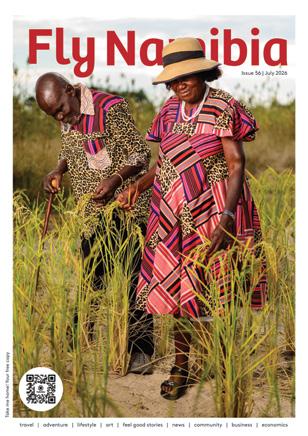
FROM PADDIES TO PROSPERITY
How rice is rewriting livelihoods
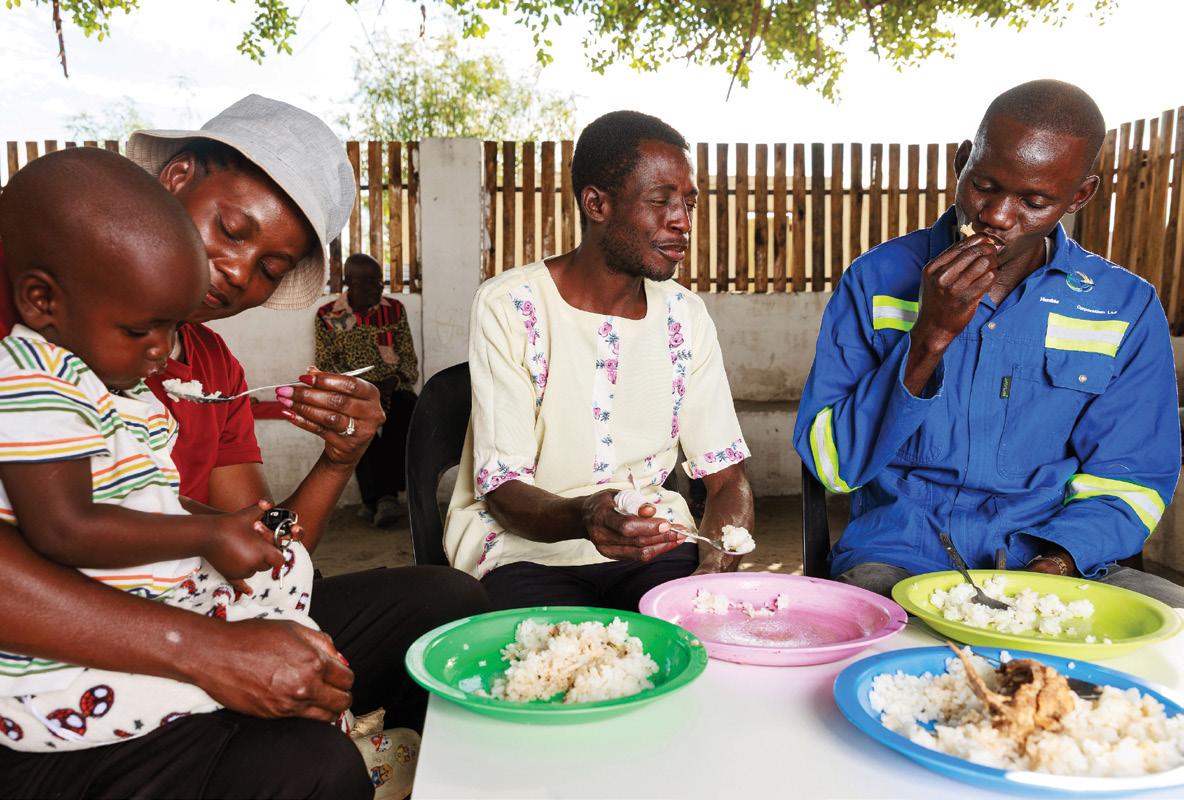
At the heart of Debmarine Namibia’s social investment framework lies a commitment to livelihood support. This vision came to life in 2022 at the University of Namibia (UNAM) Ogongo Campus, where Debmarine Namibia invested more than N$750,000 in agricultural equipment and research to expand rice production from 4.1 to 8.65 hectares.
The results have been encouraging, with 6.7 hectares now under cultivation and rice yields projected to increase from 15 to 19 tonnes by 2026.
Origins of the rice project
The rice initiative began through a partnership with the Embassy of Japan and the Japan International Cooperation Agency (JICA), which provided training opportunities for Namibian students in Japan. Returning with valuable expertise in rice cultivation, these students helped establish UNAM’s wetland agriculture programme.
Since then, UNAM Ogongo Campus has trained aspiring rice farmers from the Omusati, Oshana, Oshikoto and Ohangwena regions, equipping communities with practical skills to improve food security and create income-generating opportunities.
Shipena Amunyela’s story
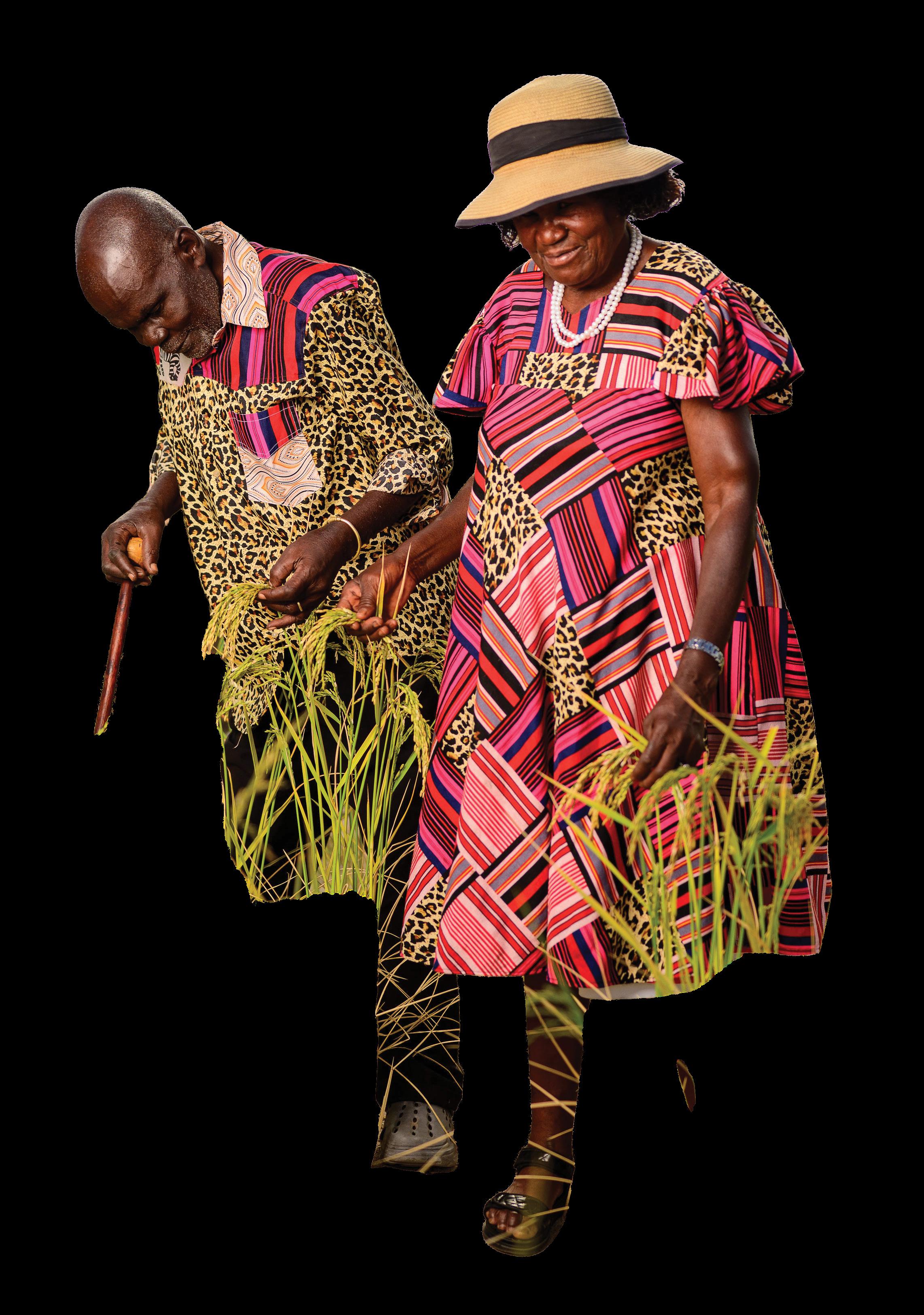
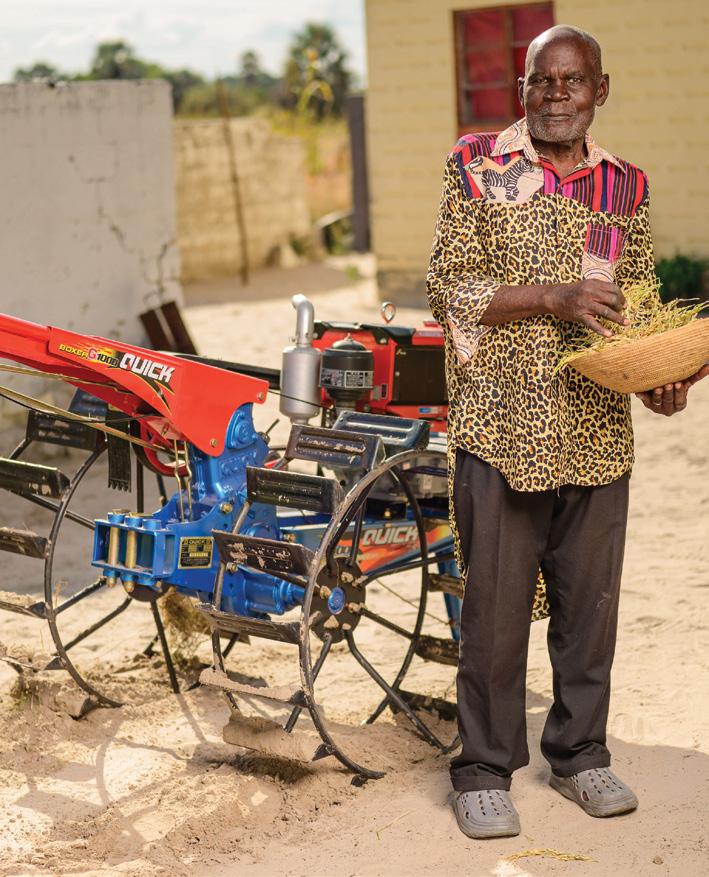
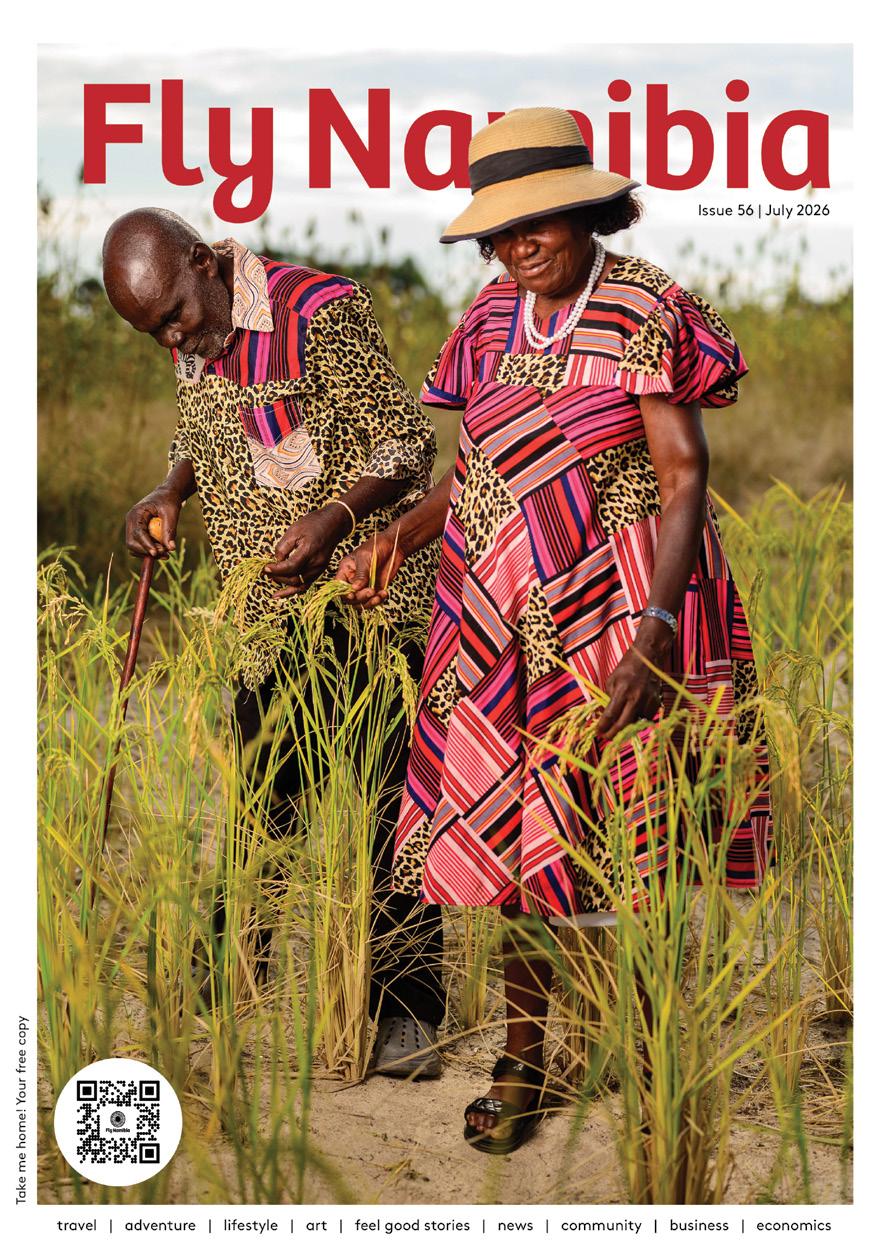
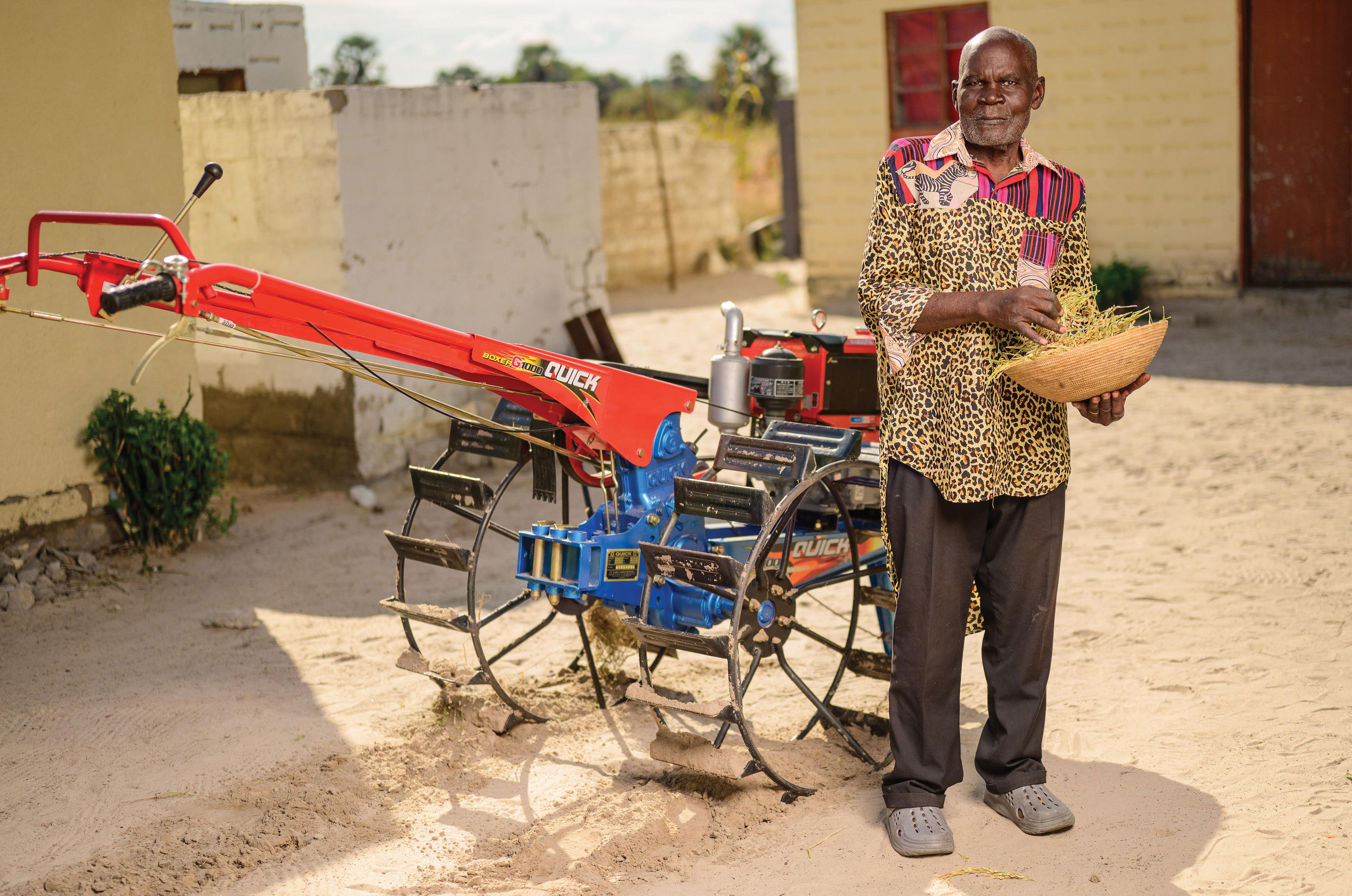
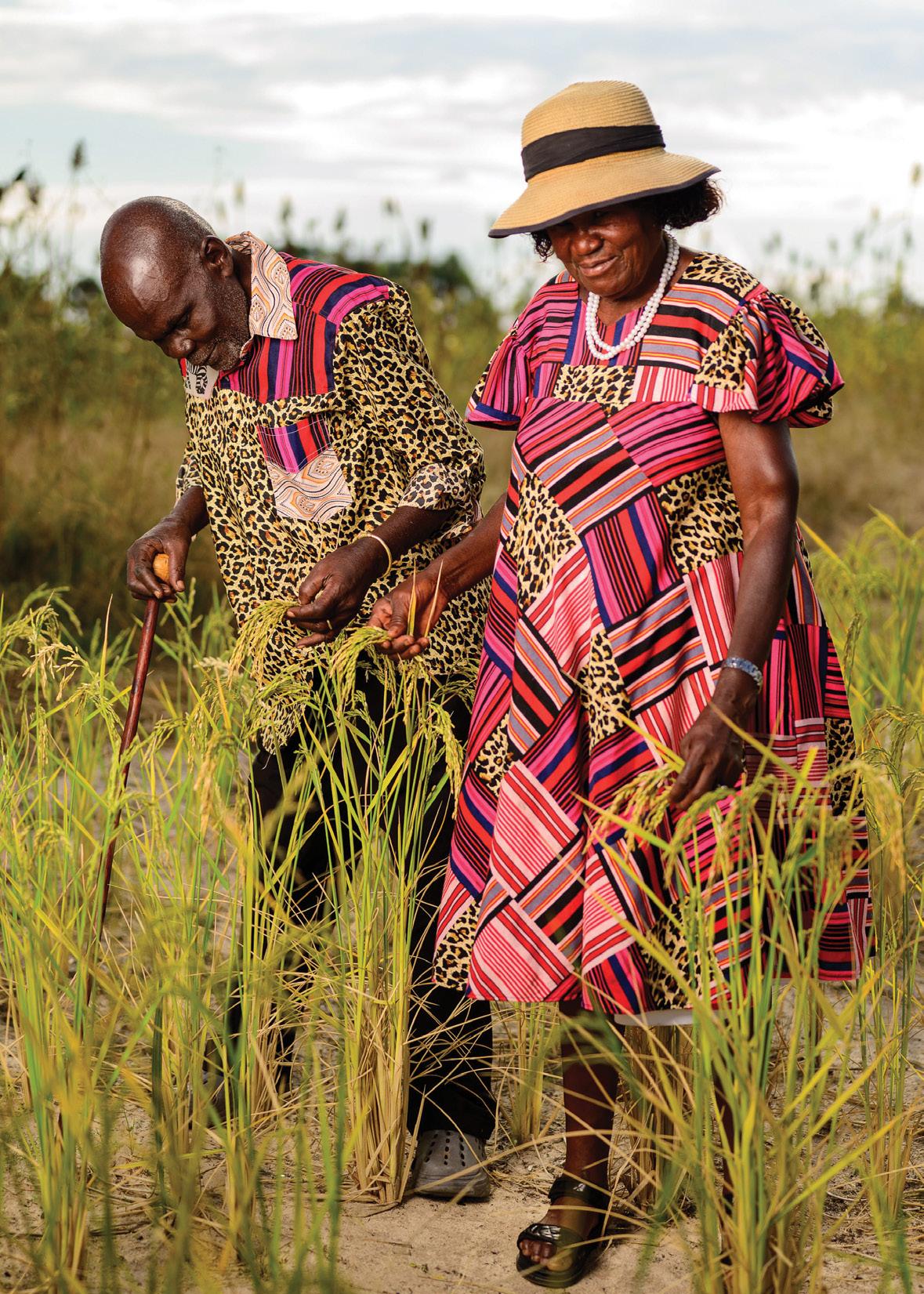
One of the most inspiring stories to emerge from this initiative is that of 78-year-old pensioner Shipena Amunyela from Elombe Village in the Oshikoto Region.
Shipena’s passion for farming began at age 18 while working on a cotton farm in Angola’s Namibe Province. After returning to Namibia, he spent 37 years working at a mine near Swakopmund, but his love for agriculture never faded. Even in Arandis, where conditions are challenging, he successfully cultivated vegetables by transforming barren ground into productive gardens.
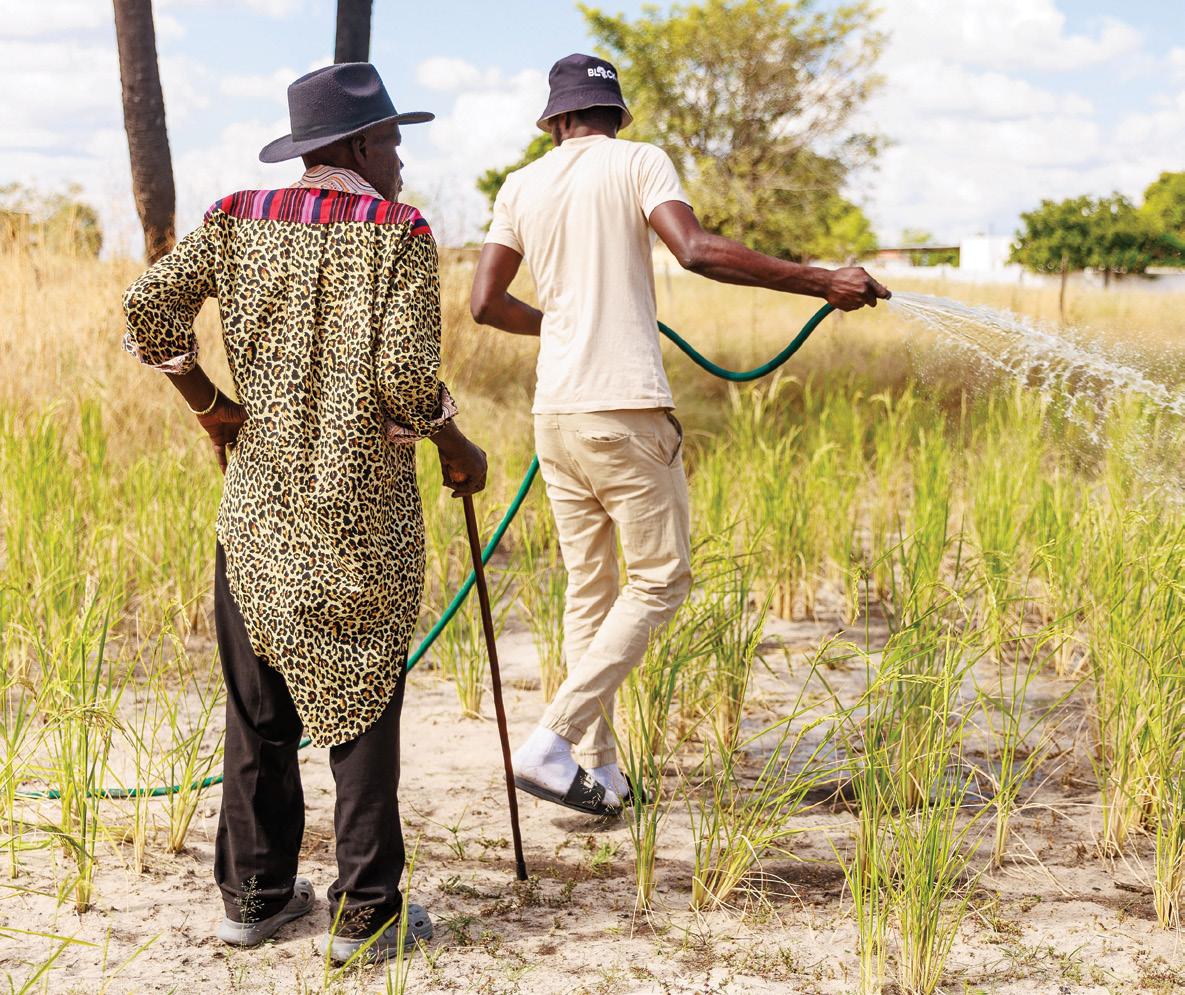
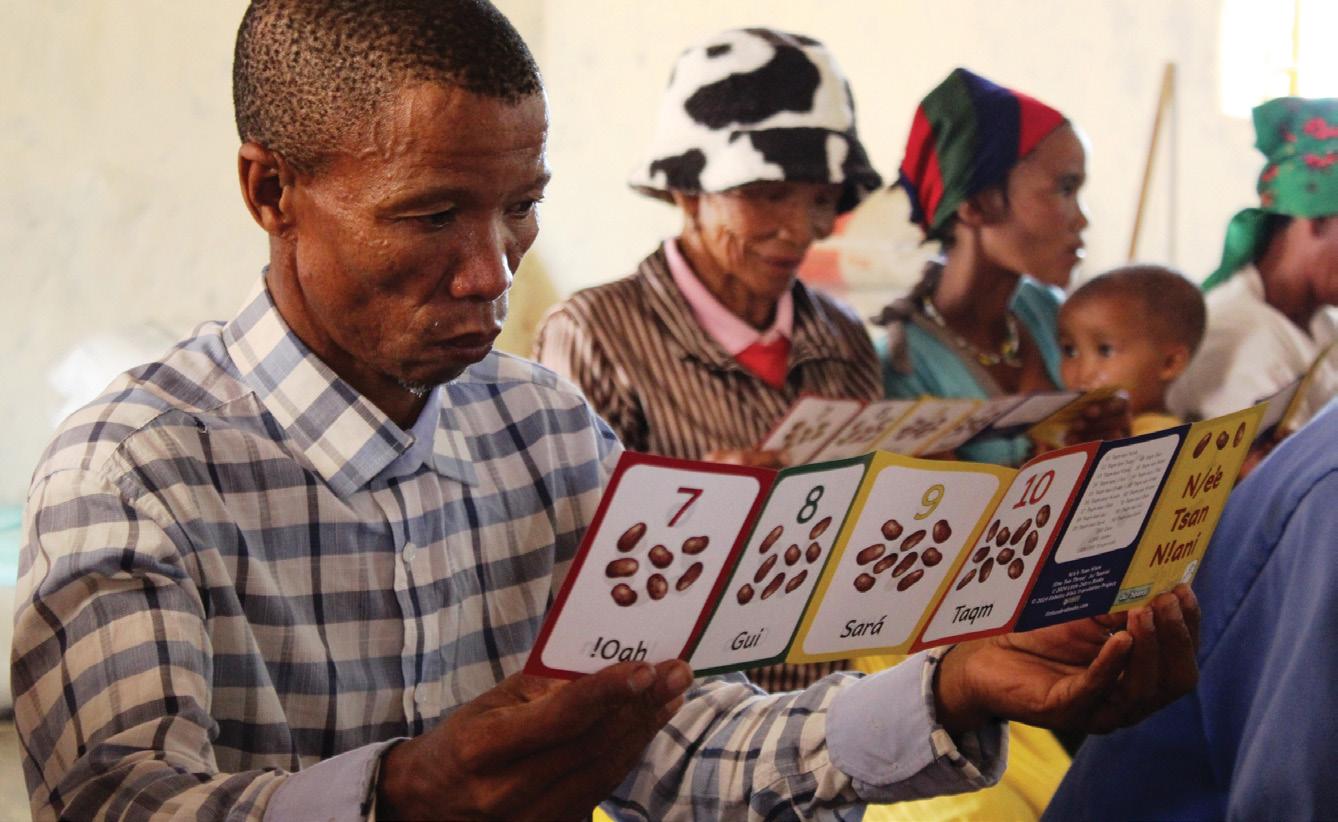
After retiring 16 years ago, Shipena dedicated himself fully to farming and eventually turned to rice production. Recognising his efforts, UNAM provided him with a rice farming manual translated into his language. By applying its lessons, he established a thriving two-hectare rice paddy that now provides both food and income.
His success inspired neighbours Festus Awene and Vaino Namushinga to start growing rice and he has since become a mentor to other aspiring farmers in the community.
Debmarine Namibia later sponsored a water pump and rice harvester for Shipena. In keeping with his communityminded approach, he shares the equipment with fellow farmers. “Festus and Namushinga are young and they are the future of rice farming in these villages,” he says. “Together, we can go further.”
Broader impact
The partnership between Debmarine Namibia, UNAM and the Embassy of Japan has delivered benefits beyond rice production. At Ogongo Campus, more than 5,000 chicks are hatched annually through the poultry facility, supporting food security and local farmers. Communities are also adopting wetland farming techniques that diversify production and increase household incomes.
School learners participate in harvesting activities, exposing them to agriculture as a future career path, while support from government ministries, UN agencies and NGOs has strengthened efforts to advance national food security.
Diamonds beyond the ocean
While Debmarine Namibia’s work begins beneath the Atlantic Ocean, its impact reaches communities across Namibia. Through investments in agriculture, education and resilient livelihoods, the company is helping to strengthen climate-smart farming and food resilience. The rice paddies of Ogongo stand as proof that partnerships, knowledge sharing and determination can transform lives and create lasting opportunity.
for Namibian winter travel SMART BUDGETING
Travelling during Namibia’s cooler months offers unique opportunities, from crisp mornings in the desert to cosy evenings by the coast. With careful planning, you can enjoy these experiences without straining your finances. Here are tailored tips for winter travel budgeting.
Plan ahead for seasonal costs
• Identify destinations that shine in winter, such as Etosha National Park or Swakopmund.
• Factor in seasonal price changes – some lodges offer discounts during off-peak months.
• Budget for warmer clothing and gear if travelling to colder regions.
Save smart before you go
• Set a winter travel savings goal early in the year.
• Use a dedicated savings account to separate travel funds.
• Cut back on non-essential winter expenses (like frequent coffee shop visits) to boost savings.
Affordable local adventures
• Opt for self-drive trips – winter roads are generally clear and safe.
• Choose budget-friendly stays such as guesthouses or camping spots with fire pits.
• Enjoy hearty Namibian winter meals like kapana or potjiekos, which are affordable and filling.
International winter escapes
• Book flights well in advance to secure lower fares.
• Consider destinations with mild winters (South Africa’s Cape Town or Mozambique’s beaches) for affordable off-season travel.
• Exchange currency gradually to avoid unfavourable rates.
Track spending on the road
• Use budgeting apps to monitor daily expenses.
• Carry cash for small purchases at local markets.
• Keep receipts to adjust spending if needed.
Final thought: Winter travel in Namibia does not have to be expensive. With smart budgeting, you can enjoy the beauty of the season – whether it is wildlife viewing, coastal escapes or international adventures – while staying financially secure.
Martha Hagemann
Martha Hagemann is an assistant financial accountant based in Namibia. She writes practical and insightful articles on personal finance, budgeting and career growth, drawing from her professional experience in accounting and financial management. Her mission is to help readers make confident financial decisions and achieve stability in both work and life.
From a pot of soup to a movement of hope
In Namibia’s informal settlements, where daily life is shaped by uncertainty, Hope Initiatives
Southern Africa (HISA) Namibia is quietly transforming lives, one family at a time. What began as a simple act of compassion has grown into a farreaching movement rooted in dignity, care and community upliftment. I spoke with Anthony Phiri about the organisation’s journey and the impact it continues to make.
Can you tell us about the founding story of HISA and what inspired its establishment?
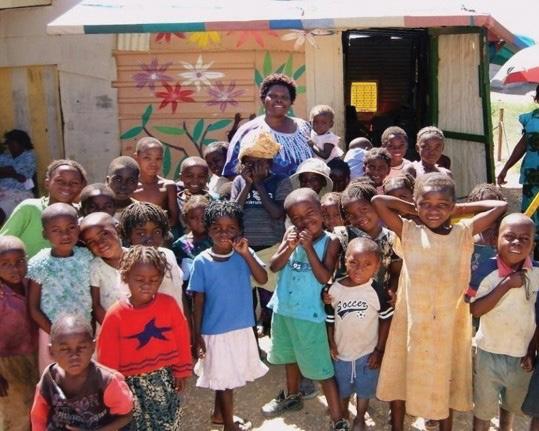
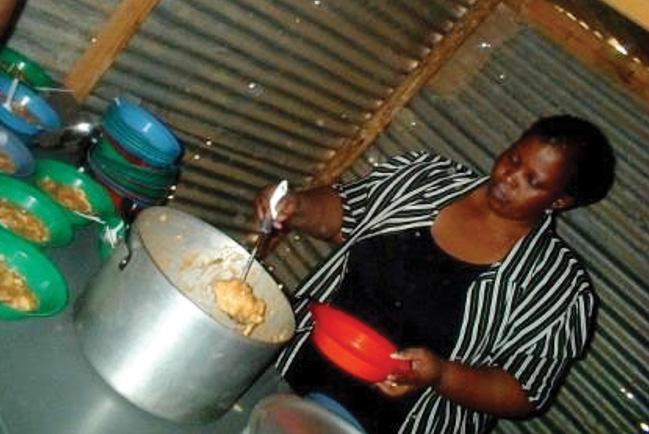
In 2003, in Okahandja Park, Patricia Sola began cooking meals at home for about 30 vulnerable children. She had just lost a close family member to HIV/AIDS, and that experience shaped her purpose.
A conversation with Anthony Phiri of Hope Initiatives Southern Africa in Namibia
Each day, more children came. What started as a small soup kitchen, supported by her husband and children, grew into a deeper commitment to restoring dignity and breaking cycles of poverty. Since registering in 2004, the organisation has continued to expand its reach.
How has the organisation evolved over the years?
That small beginning has grown into a community development organisation working across regions and settlements, including Khomas, Groot Aub, Otjozondjupa and Omusati. A key milestone has been the community centre in Kilimanjaro, which now serves as a hub for education, feeding programmes and skills training. Over time, the work has shifted from immediate relief to long-term development, focusing on education, health, livelihoods and resilience, while still staying rooted in the community.
What are the core programmes and services you offer?
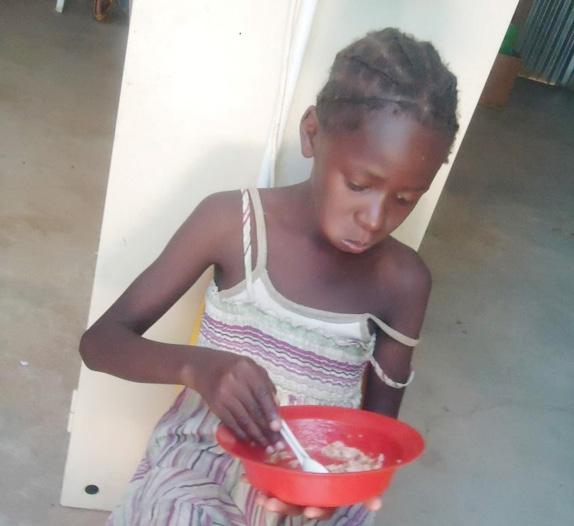
At the centre, you see the impact in everyday life. Children receive meals before heading into learning spaces, young people talk about their futures and caregivers gain skills to support their families. Programmes include feeding initiatives, early childhood development, bridging education for out-of-school children, youth empowerment as well as health and psychosocial support. Each year, over 75,000 meals are served, and many children are supported back into formal education. As one young woman shared, “HISA is changing a lot of lives… It takes us off the streets.”
What challenges do you face working in informal settlements?
The challenges are complex. Many families live without reliable access to water, sanitation or electricity. Employment is uncertain, and health issues like HIV/AIDS and tuberculosis remain present. There are also social challenges such as gender-based violence and youth vulnerability. But beyond that, there is something less visible, which is the loss of hope. That is often the hardest thing to rebuild.
Can you share a moment that captures your impact?
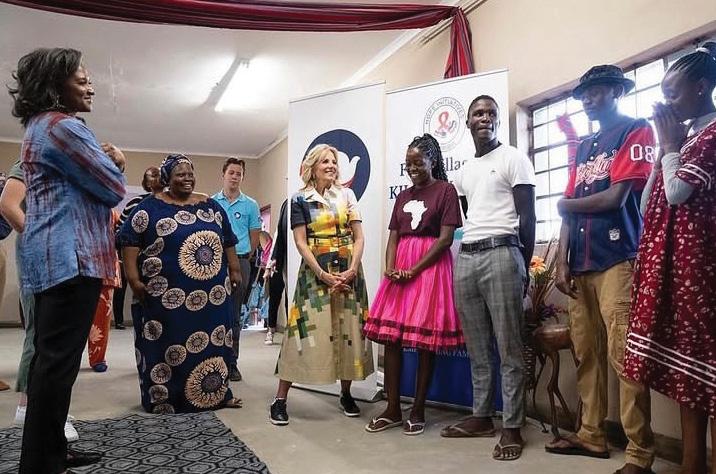
There have been big moments, like when Dr Jill Biden visited the centre and met young women whose lives had been transformed. But often, the most meaningful stories are quieter: a child returning to school after years out of the system; a young person coming back to give back; a family moving towards self-sufficiency. That is where the real impact lies.
How do you engage and empower the community?
Communities are partners in this work. Programmes are designed with them, not for them. Local volunteers and leaders help shape and sustain initiatives. Even Patricia Sola’s children, who once helped serve meals, are now part of the leadership. That builds a sense of ownership and long-term resilience.
How does the idea of a circular economy show up in your work?
In these communities, sustainability is practical. We support small businesses, encourage local enterprises and connect livelihoods to environmental awareness. There
In communities where challenges are part of daily life, HISA Namibia shows that change can begin in the simplest way. One meal, one act of care, one decision to show up.
are community gardens and poultry projects that provide both food and income, as well as recycling initiatives led by young people. The focus is on creating systems that can sustain themselves over time.
What role do partnerships play?
Partnerships are essential. Working with organisations like FXB Global, the European Union and the Finnish Embassy has allowed us to expand our impact. It is not just about funding, but about shared purpose and working toward common goals.
How can people support HISA?
People can support us through funding, partnerships or sharing skills. There are also direct ways to help, such as sponsoring a child’s education or supporting feeding programmes. Visiting and volunteering are also encouraged. Every contribution makes a difference.
What does the future look like for HISA?
The focus is on expanding into more underserved areas, strengthening youth empowerment and building infrastructure such as community centres and support spaces. The goal is to create environments where children are safe, young people have opportunities and families can thrive.
In conclusion, what began as a single pot of soup has grown into something far greater. In communities where challenges are part of daily life, HISA Namibia shows that change can begin in the simplest way. One meal, one act of care, one decision to show up.
Glen-Nora Tjipura
Interested in making a difference? Scan the QR code to learn how you can support or volunteer.
www.hisanamibia.org
The pressure to be always available
Irecently listened to a Trevor Noah podcast where he is talking about how people no longer know how to wait, saying that, when he was younger, if he was standing in a queue the only thing he had to do was stare at the back of the head of the person in front of him, but that these days, if you look at any queue, the chances are that everyone will be on their phones – even in the bank, where they have signs up all over the place telling you not to.
It seems like a trivial thing, after all, we have always tried to distract ourselves. If not, there would not be memes about reading the back of a shampoo bottle while using the toilet; you are even doing it right now by reading this, but it has implications for creativity, problem solving and even the growing issue of the “expectation of immediacy”, which views waiting as unacceptable.
The expectation of immediacy has also resulted in an expectation of constant availability and an amplified sense of urgency. It used to be that you could only get hold of someone on their landline if they were at home, and no matter how important the information you had to share with them was, it just had to wait. Now, though, you are expected to be available at all times and – no matter how banal the information being shared with or asked of you – you are expected to respond immediately.
in the United Kingdom found that 51% of employees regularly exceed their contracted hours and 17% log at least two hours of overtime every day. This is largely driven by the fact that people can, and in some cases are expected to, work anywhere. Work-related WhatsApps and the ability to check work emails at any time on any device remove the physical separation between work and home.
The expectation of immediacy has also resulted in an expectation of constant availability and an amplified sense of urgency.
To counter this, many countries across the globe have already instituted “right to disconnect” laws, making it illegal for employers to contact employees outside of their working hours. Several companies have instituted rules or even blocked access to company emails and servers outside of office hours to try to stop employees from working when they should be relaxing and recovering. One idea I particularly liked was this one instituted by German vehicle manufacturer Daimler in 2014, whereby, rather than setting a standard out-of-office reply telling the person sending the email that you would get back to them when you return from holiday, they would get one telling them that, seeing as you were on holiday, their email was being deleted and that they should contact one of your colleagues if it is really important, or resend it after you have returned.
People expect an answer to their email within an hour of having sent it, not considering that you may not even have seen it, or that you may be busy with other things, and if a WhatsApp has been blue-ticked, heaven forbid if it doesn't say “so-and-so is typing” underneath it!
None of this is healthy, of course. Countless studies, including research by one of the world’s largest business psychology providers, The Myers-Briggs Company, have shown that those who are “always on” are more likely to experience high stress or mental exhaustion, and it is worse when it is work-related.
Wellness and mindset coach Dr Carolyn Frost says that “being ‘always on’ has slowly become the default – not because it works, but because it’s expected,” and a survey
Even in Japan, where working yourself to death has an actual word, “karoshi”, and where a 2024 government survey found that around one in ten Japanese workers recorded more than 80 hours of overtime each month, companies are realising that things need to change and are now turning to another great Japanese word, “kintsugi”, which, like the art of repairing broken pottery with gold, is being used to help people repair their relationship with work and overcome the expectations of immediacy and constant availability that pull us away from the rest of the world. So…
Until next time, enjoy your journey (and remember, 99.9% of the time, it’s not really as urgent as it may at first seem).
David Bishop
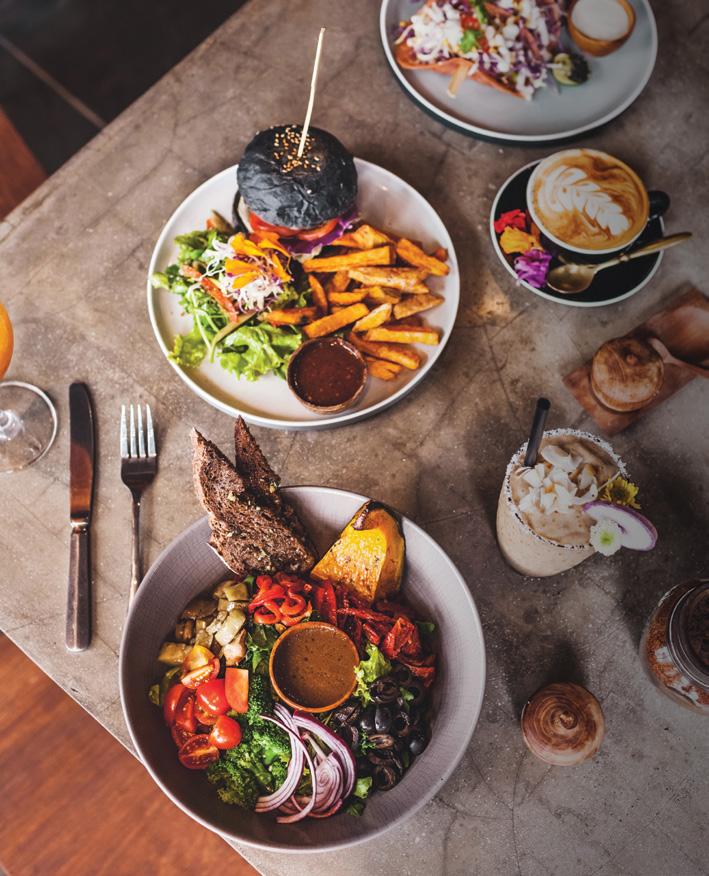
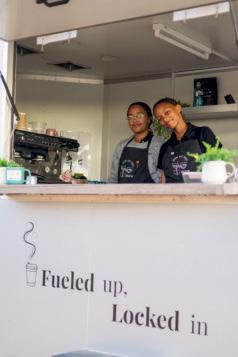
The rise of cafe culture in Swakopmund trend or transformation?
cafes probably every day of the week. This way, I stay informed about all the new cafes in town and I find myself asking: “Another one?”
We all enjoy a good cup of coffee, the smell of ground beans, trendy music and freshly baked pastries waiting to be enjoyed with a good book or while chatting with a good friend.
Over the years, a surge in the number of cafes in the coastal town of Swakopmund could clearly be observed, and the question arises: Is there an oversaturation of trendy cafes in this small town or is it a case of identity in transition at the coast?
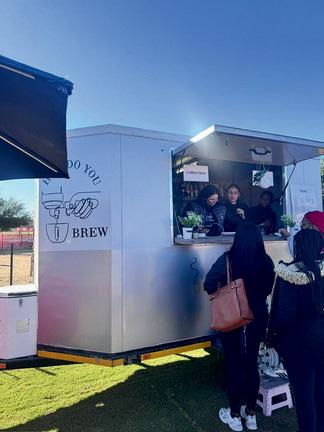
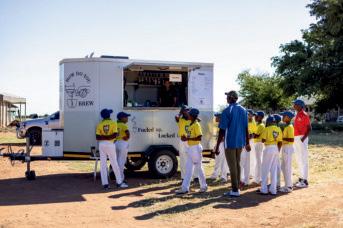
Not too long ago, grabbing a cup of coffee in Swakopmund seemed like a simple choice to make. Today, you can find cafes all around town in familiar streets, nurseries, industrial areas and even in the form of mobile cafe popups. Each of them offers a signature style, a certain coffee brand, a unique menu and an atmosphere that strives to be as different as possible from the next one.
Do not get me wrong, I personally have no issues with Swakopmund’s growing cafe culture. As a chef, I have opened a few cafes over the years and if I am being honest, my wife – a born-and-bred Swakopmunder – loves going to
As a holiday and tourist destination, Swakopmund invites a relaxed, laid-back culture among the locals and visitors alike, and it is difficult not to join in the fun. This inevitably makes cafes more appealing spaces to spend your time with family, friends and business associates. The atmosphere is never too formal, conversations are more relaxed and this is where cafe environments are preferred over other types of establishments. From a financial point of view, people do not always want to spend a huge amount of money on food and drinks just to catch up with a friend or colleague. With inflation and the rise of daily living expenses, dining out or enjoying a coffee with a lunch has become a luxury and people want to enjoy it without breaking the bank.
From a business point of view, owners and new business entrepreneurs also adapted to what will make more financial sense. Opening up fancy or more upmarket restaurants primarily for lunch and dinner has its challenges in a small town like Swakopmund. Not to say it is not financially viable to open a dinner restaurant, but the fact is that Swakopmund in its capacity does not have enough people willing to go above their budget on a weekly basis. Benefiting from (and often relying on) tour groups and visitors who are willing to spend more on a superior product is how the majority of income for these establishments is generated. Swakopmund is very seasonal in the sense of the number of people visiting the town throughout the year, making the income flow very unpredictable and constantly fluctuating. As a result, managing expenses at the end of the month is more challenging. The success of these upmarket lunch and dinner establishments depends on aggressive marketing, catering for a wider variety of
clientele, hosting functions and having good relations with tour companies that will provide regular dining visitors at a special predetermined price. This requires a good understanding of business to survive the down seasons and maintain profitability all year round.
Not everyone really understands the challenges that present themselves when running a restaurant. This is where opening and running cafes often becomes more manageable as opposed to running a bigger-scale restaurant. Cafes generally have smaller menus and less staff, so profits are easier to achieve. Cafes are all about quick turnover in a short time, minimal expenses and selling more items for a lower price but making more profit in the long run. Catering for locals with a focus on creating return customer loyalty is much easier with cafe establishments. The truth is that people are more likely to spend a small amount at a cafe over multiple days in the week rather than one large amount at a well-established restaurant once a month, which in turn cumulates a steadier flow of income.
But back to the elephant in the room: Are there too many cafes in a small town like Swakopmund?
In my opinion, competition in the hospitality industry in general is healthy. Competition creates a sense of standard for owners and their staff. Not making the best product? Not offering the best service? Not prioritising customer satisfaction? Well, there will be a place just down the road that will value my dollar. Word of mouth is a big factor, cancel culture is alive and well in Swakopmund and you do not want to be on that list. Competition is important in every sense, and it favours the customer more, because it encourages high standards amongst all these businesses. But consistently delivering high standards of service and products leads to return customers. It is a simple formula and foundation for the success of any cafe.
Whether the cafe renaissance is just a trend or a long-term transformation of preference will probably be answered
in the near future, but one thing is clear: cafes have evolved into more than just a place to have a coffee and a sandwich. They have become a culture, a movement and a revolution amongst places where people enjoy spending their time and money. So, while the jury is out, go and enjoy your favourite cup of coffee, enjoy that fresh quiche of the day or just go have a chat with that special person. Because cafe culture is showing no signs of slowing down anytime soon.
Jeandre Basson
THE BUMP STOPS HERE
Understanding and treating razor bumps
You’ve shaved, you’ve groomed… and then the bumps start to appear. Dr La-toya explains what is really going on beneath the surface.
Gentlemen, it is a familiar scenario: you walk out of the barbershop with a sharp, clean look, only to discover painful, raised bumps along your neck or jawline the next day. If you have experienced this, you are certainly not alone. This condition has a scientific name: pseudofolliculitis barbae
While common, especially for those with curly or coarse hair, managing it effectively begins with understanding the science behind why it occurs.
UNDERSTANDING PSEUDOFOLLICULITIS BARBAE
Though the medical term sounds complex, the process is quite simple. When hair is cut, it sometimes fails to exit the skin properly, instead curving back to re-enter the skin or getting trapped underneath. Your body reacts to this hair as if it were a foreign object, triggering an inflammatory response that manifests as red, tender bumps. Essentially, these are ingrown hairs causing a localised skin reaction.
MANAGEMENT AND TREATMENT STRATEGIES
Relief is possible through a combination of consistent home care and professional medical interventions for persistent cases.
Actionable home care
• Shave with the grain: Closely observe your hair growth patterns and follow that direction. While shaving against the grain is closer, it significantly increases the chance of hairs curling back.
• Regular exfoliation: Clear away dead skin and debris with a gentle scrub 2–3 times a week to ensure hairs can emerge freely.
Long-term solutions
• Laser hair removal: This targets follicles to reduce growth over time, leading to fewer ingrown hairs. Consult a professional to see if this fits your hair type.
• Medical consultation: If bumps cause dark spots or do not improve, seek expert advice for topical or inclinic treatments.
EXPERT CLINICAL ADVICE
Before investing in products, prioritise your shaving technique. Identifying the specific direction of hair growth on different parts of your face and neck and shaving with the grain is a zero-cost habit that can drastically reduce razor bumps.
Skincare is essential for everyone, and pseudofolliculitis barbae is a medical matter that deserves proper attention. Your skin merits the same level of care and dedicated maintenance as any other part of your wellbeing.
Emily Kandanga-Erastus
Dr. La-toya is an aesthetic medical doctor passionate about helping you better understand your skin and make confident, informed skincare decisions. She’ll be back next month with more expert insights and practical skincare advice.
WHERE CULTURES MEET
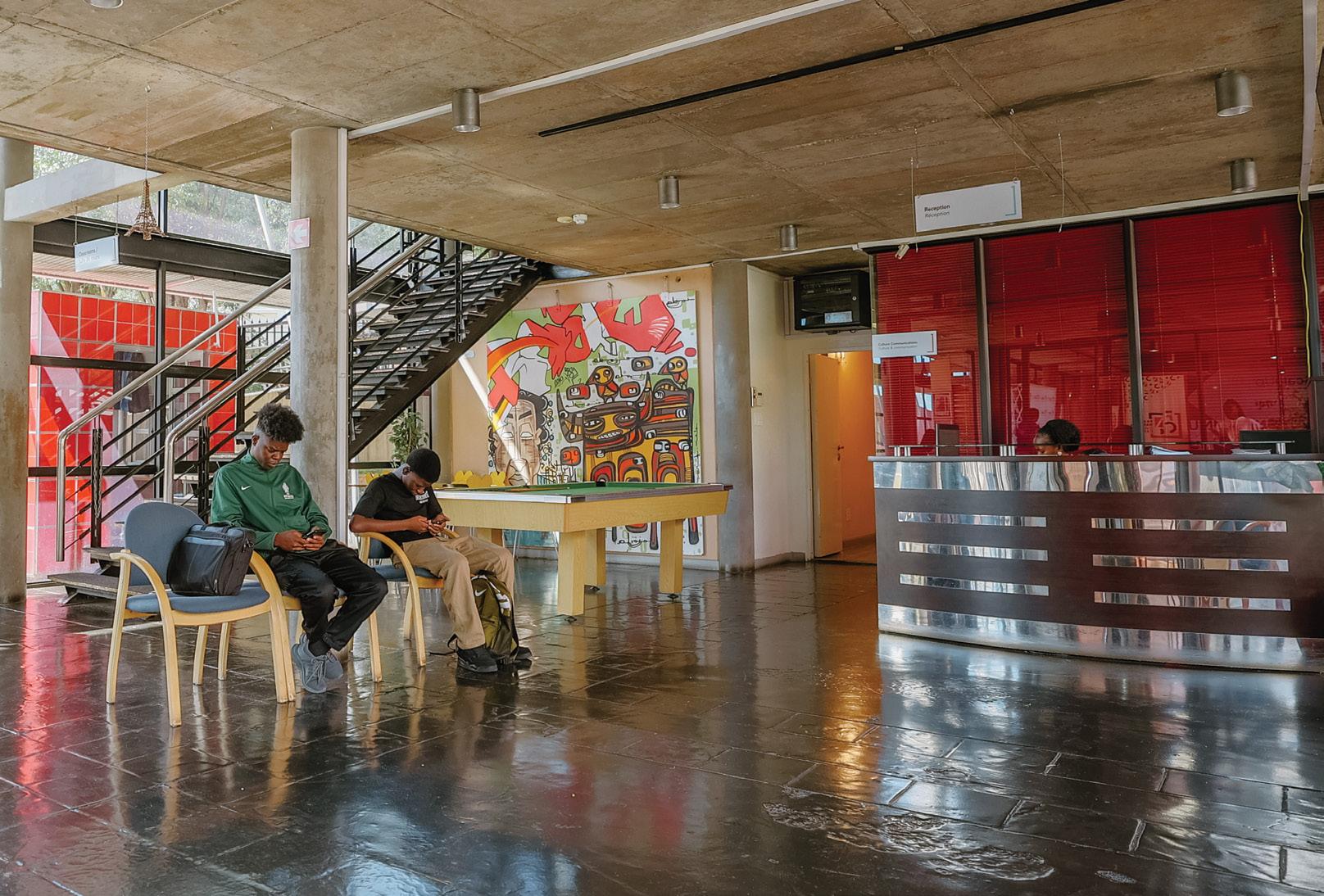
In the heart of Windhoek lies a vibrant space where culture, language and creativity intersect. The Franco-Namibian Cultural Centre (FNCC) is more than just a cultural institution – it is a living, evolving hub where artistic expression thrives and international connections are made.
Established in 1991, shortly after Namibia gained independence, the FNCC was created through a joint effort between Namibia and France. As part of the global cultural and linguistic cooperation network of France abroad, its mission has always been to strengthen ties in the fields of education, culture and arts as well as to promote mutual understanding between the two nations. In July, the binational centre will celebrate 35 years of fostering dialogue, creativity and collaboration.
The FNCC has not only grown in influence but also in physical presence. Originally located in what is now known as the Muslim Centre, the decision to construct its current premises on Robert Mugabe Avenue was made by Namibia’s founding president Sam Nujoma in partnership with former French president Jacques Chirac. The building, inaugurated in 2000, stands today as a symbol of enduring cultural diplomacy.
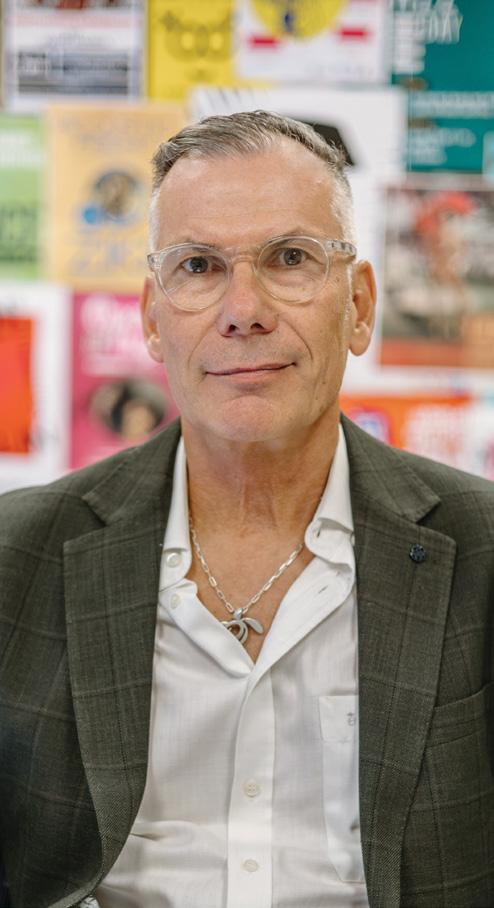
At the heart of the FNCC’s continued success is its people and the leadership that supports them. Led by Director Martin Beyer, who assumed the role in September 2025, the centre operates on a philosophy of trust, collaboration and collective responsibility. Describing his approach as “laissez-faire”, Beyer emphasises that he does not like to interfere unnecessarily in his team’s work. He rather puts his efforts into helping staff members to understand the centre’s vision and mission. His focus is on creating an environment where creativity can flourish and personal responsibility will lead to mental co-ownership. “I want to create a ground where people feel comfortable and secure working at FNCC. The pleasure of the public must start with the motivation of staff members to take charge of their work,” he explains. Reflecting his humility, he adds, “I do not really want to be important as director; what is more important is that the centre works well as a collective enterprise with multiple connections thanks to its staff.”
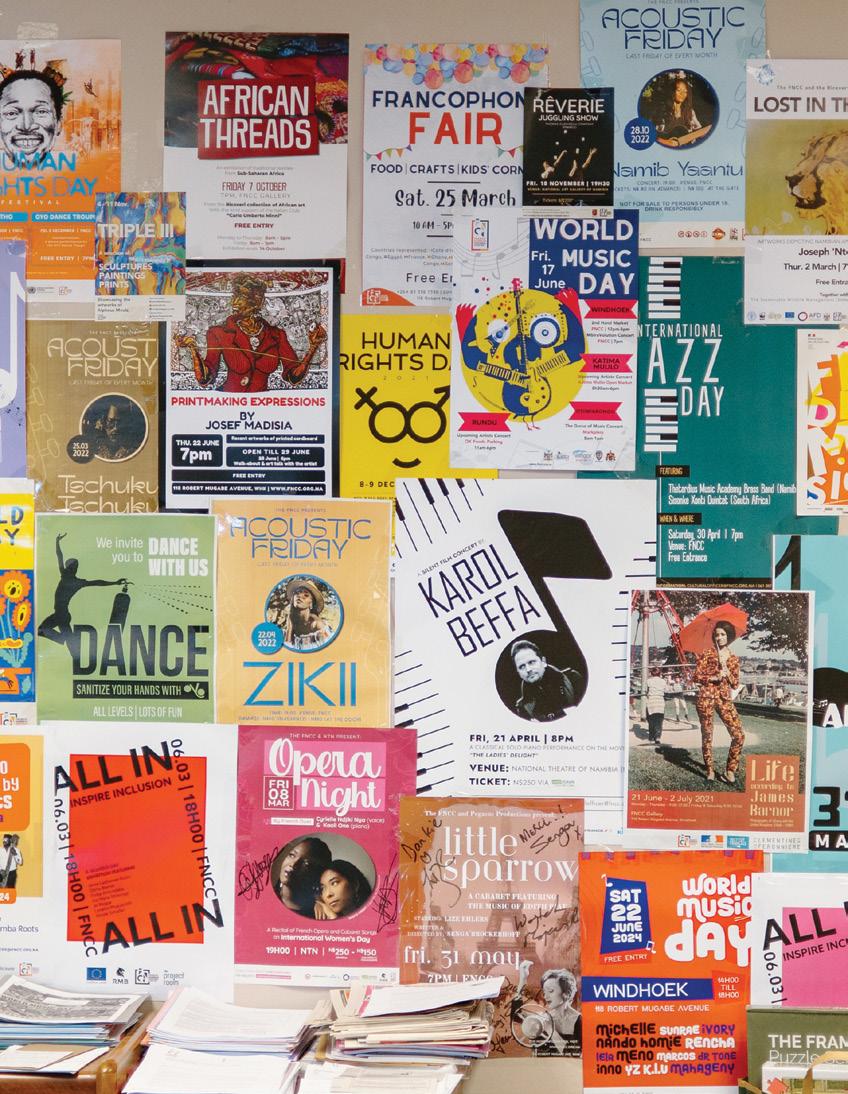
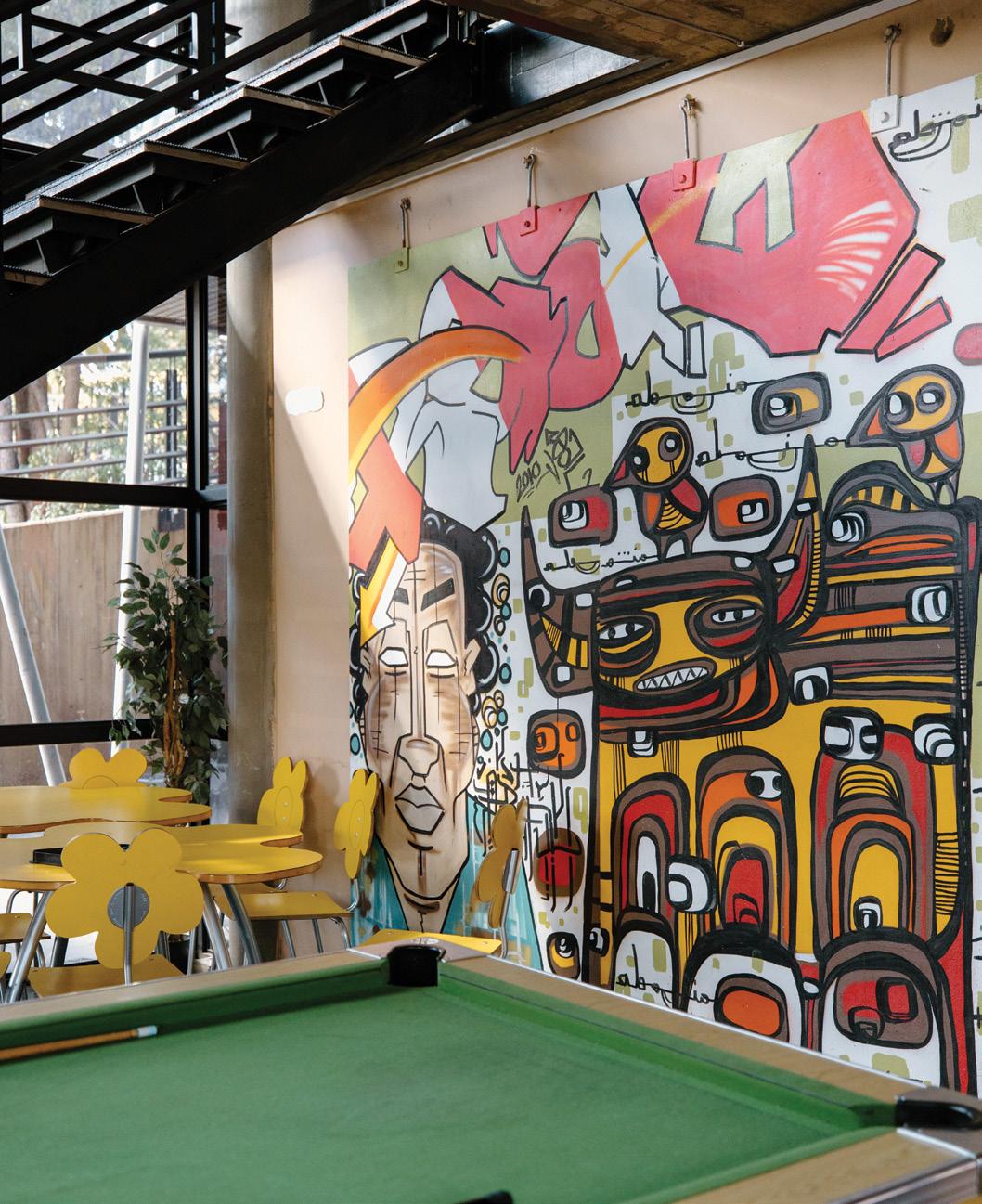
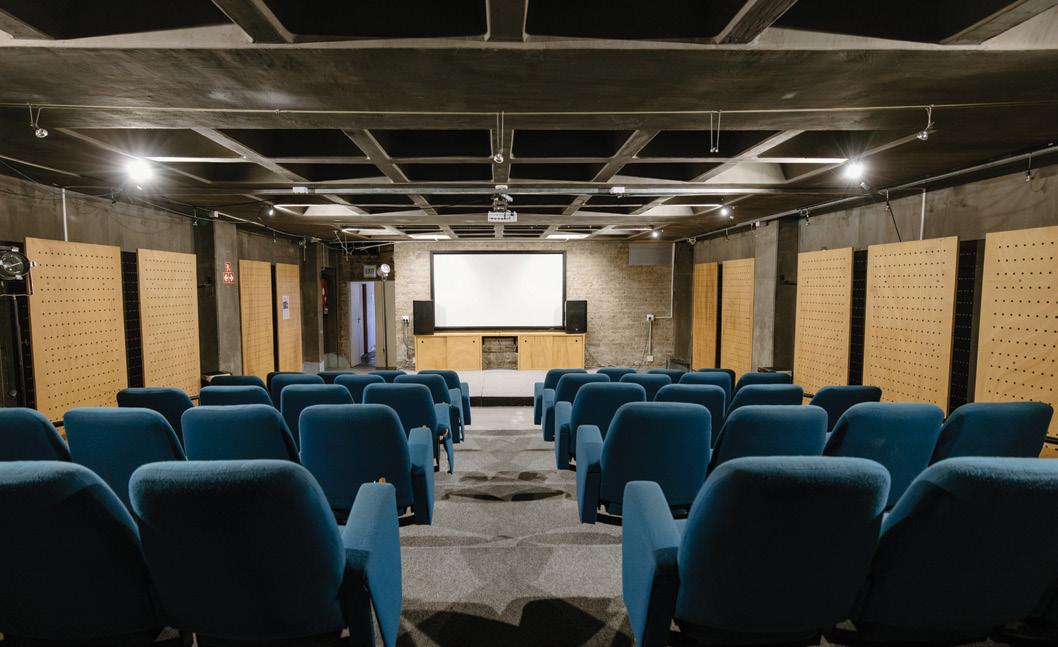
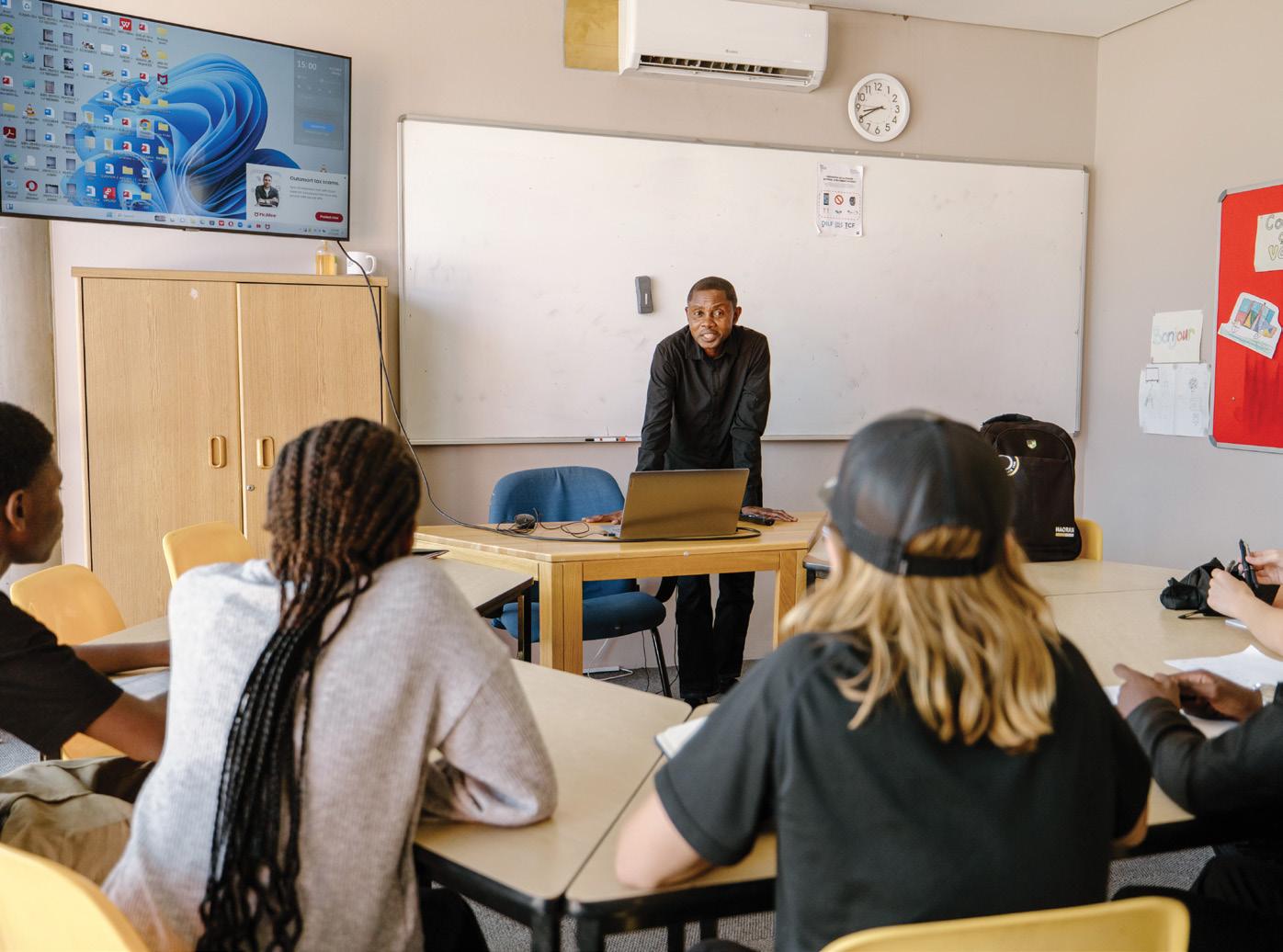
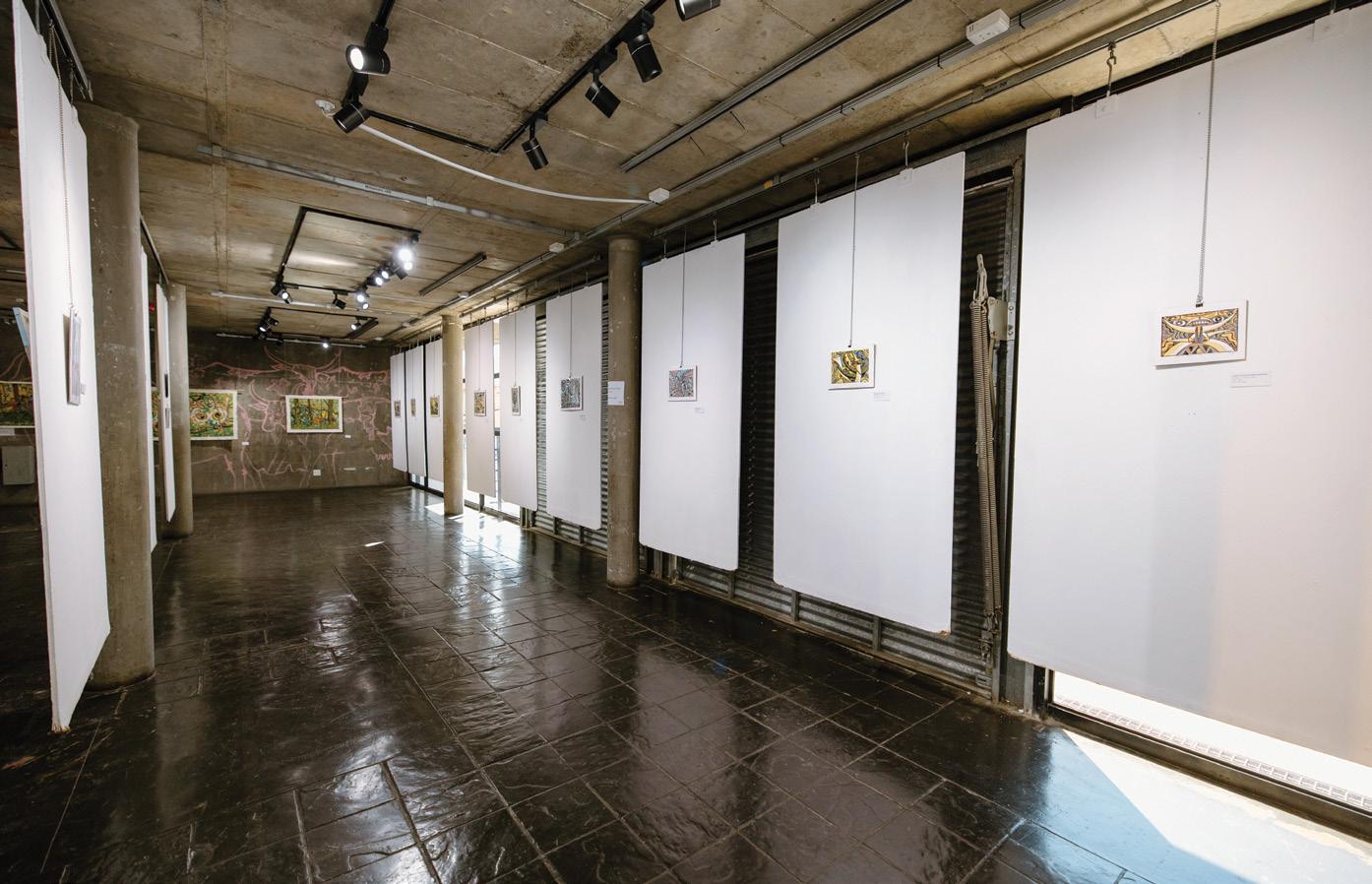
Over the years, the FNCC has evolved into a dynamic platform offering a wide range of activities. From French language courses for children, teenagers and adults to art exhibitions, film screenings and live performances, the centre caters to a diverse audience. Its facilities include a 55-seat cinema and an outdoor terrace with a restaurant that regularly hosts concerts and cultural events, as well as an art gallery which is also used as a mid-size conference venue.
A key aspect of the FNCC’s work is its support for local artists in addition to exposure to French and Francophone trends. Through collaborations with organisations such as the Namibia Film Commission, the centre screens Namibian short films, ensuring that local stories reach audiences who might otherwise not have access to them. “We help local Namibian artists by screening their short
Ultimately, the FNCC stands as a testament to the power of culture in bridging nations and shaping identities.
films from time to time,” Beyer explains, emphasising the importance of accessibility in the arts.
For Beyer, cultural exchange is not just beneficial; it is essential. He highlights France’s deeply rooted cultural ecosystem, where even the smallest towns host summer festivals and artistic initiatives. This, he notes, demonstrates how culture can create employment, educate communities and enrich societies.
However, he also has a concern about how culture is perceived today. “People in today’s society think that culture is no serious business,” he remarks, stressing that artistic expression is often underestimated. Promoting the arts and creativity does not only help the art sector, but it influences other business sectors in sometimes unexpected and surprising manners. Behind every performance or artwork lies a complex “microcosm” of effort, collaboration and creativity that deserves recognition and appreciation. Thus, we speak less and less about arts and culture but rather about cultural and creative industries.
Ultimately, the FNCC stands as a testament to the power of culture in bridging nations and shaping identities. From its origins in a newly independent Namibia to its current role as a cultural beacon, the centre continues to bring people together, proving that art, language and shared experiences remain some of the strongest connections between societies.
As it marks 35 years of existence on 31 July 2026, the FNCC is not just reflecting on its legacy but actively shaping the future of cultural exchange in Namibia and beyond.
Charlene Somses
For more information about the Franco-Namibian Cultural Centre, visit www.fncc.org.na
Photography: Ministry of Home Affairs, Immigration, Safety and Security
“Courage under pressure, honour in service” as police cadets graduate
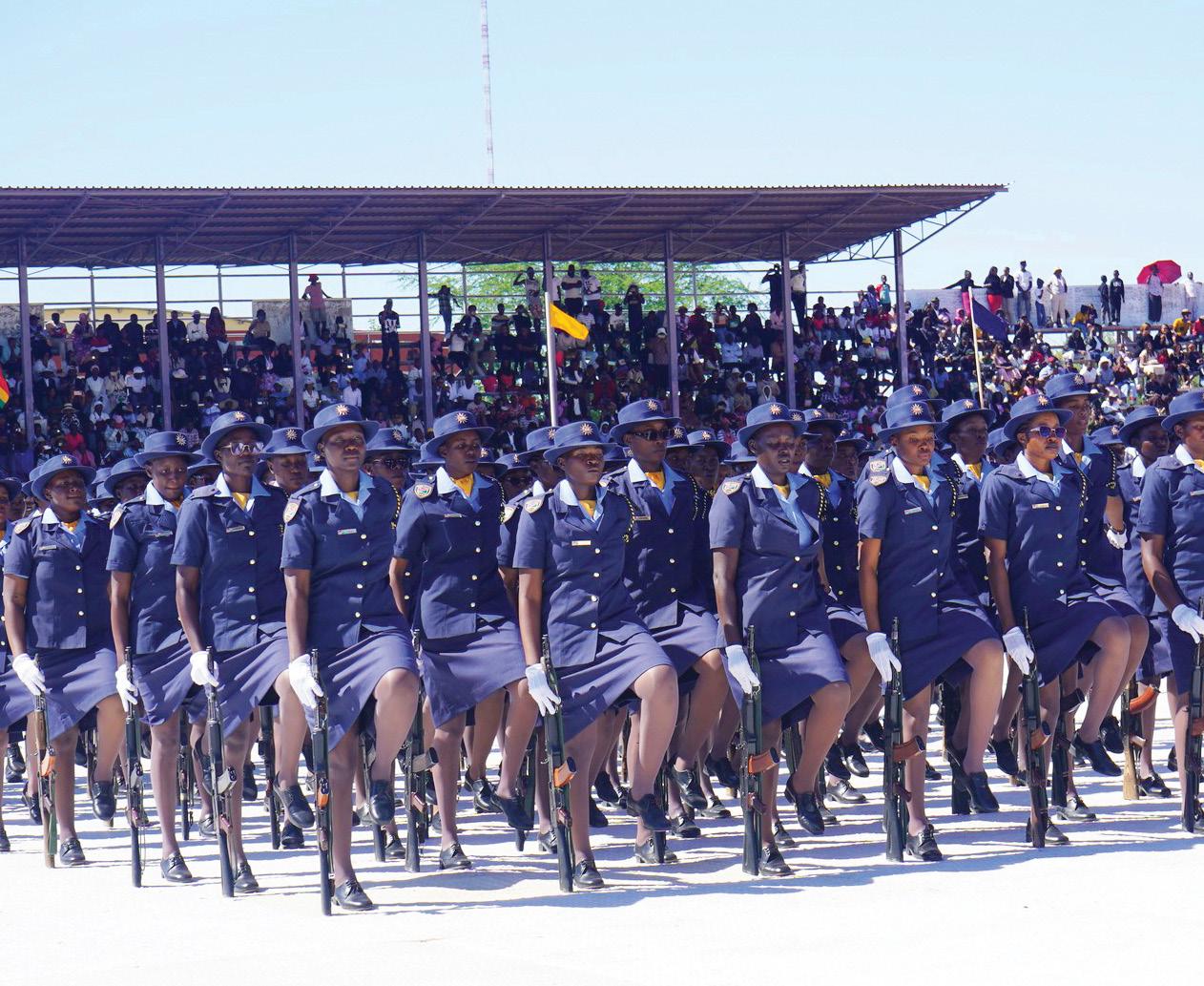
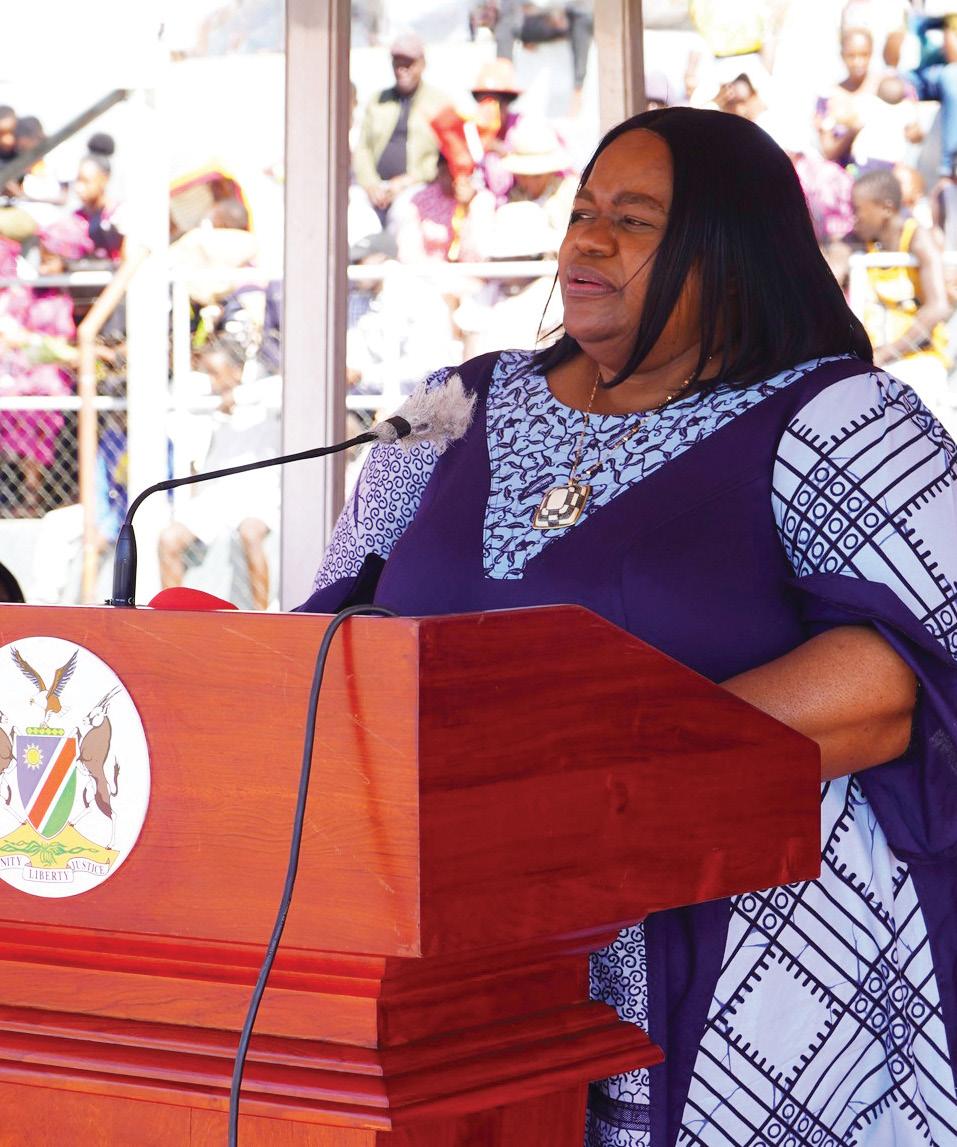
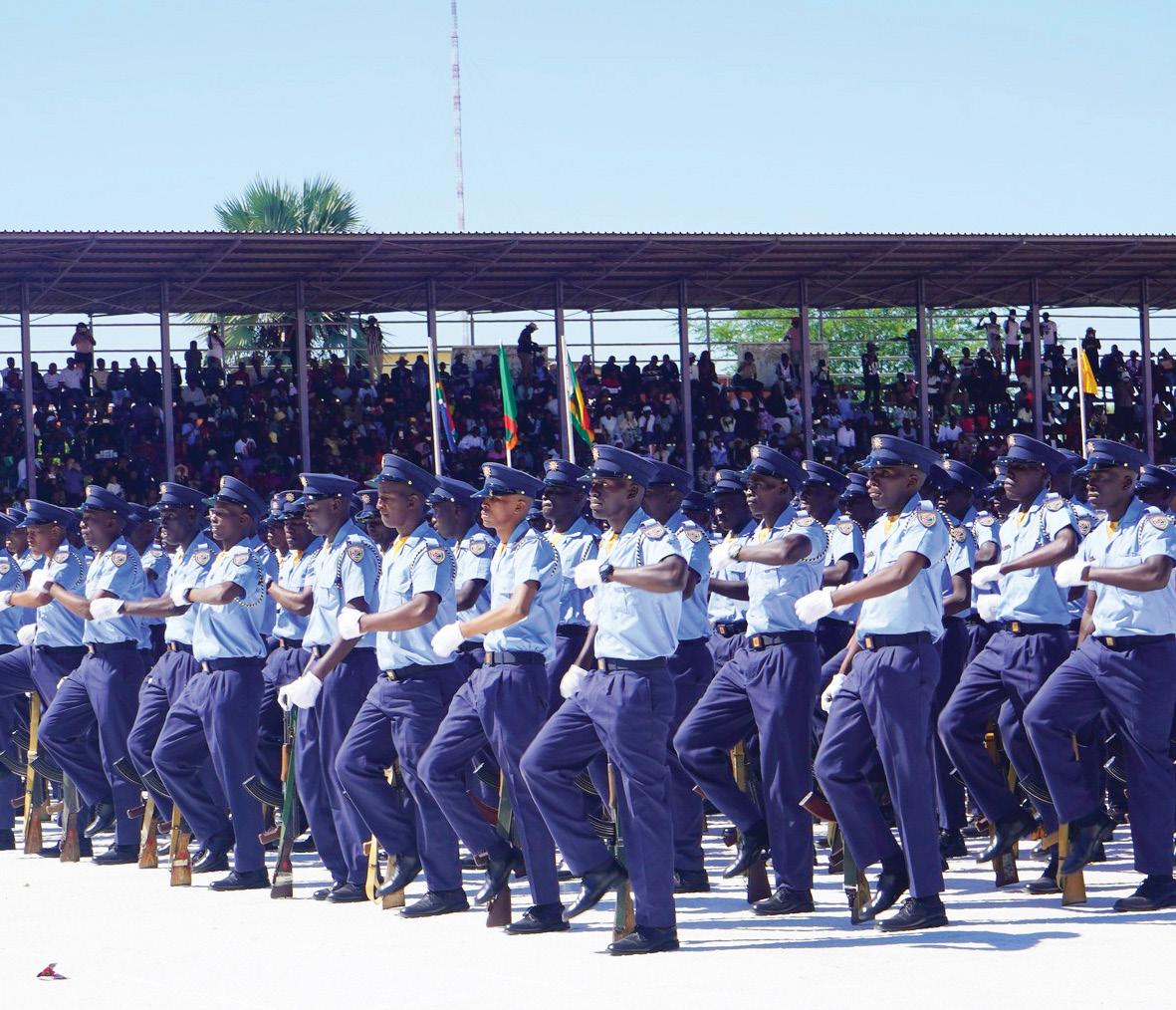
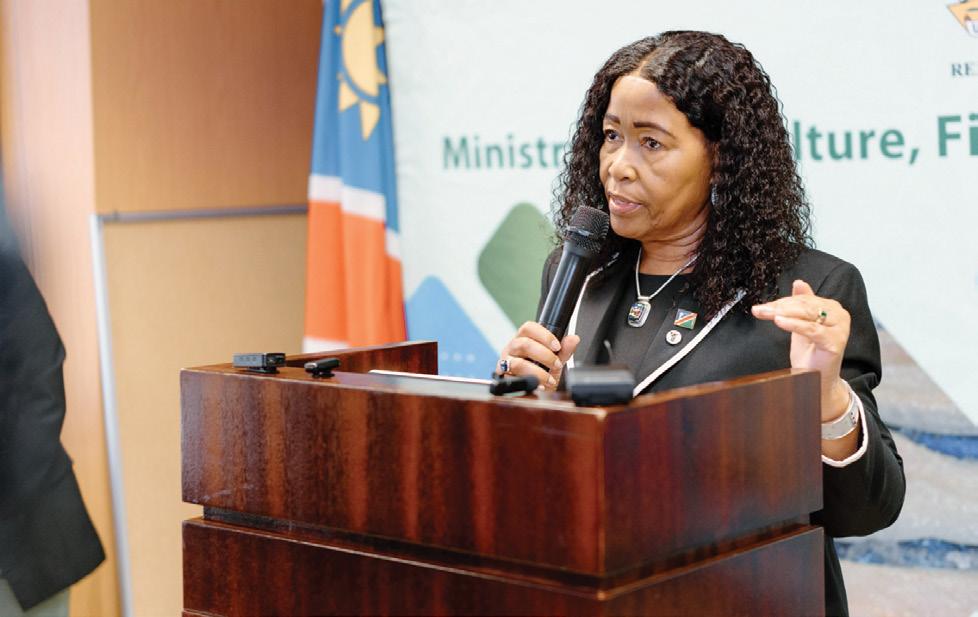
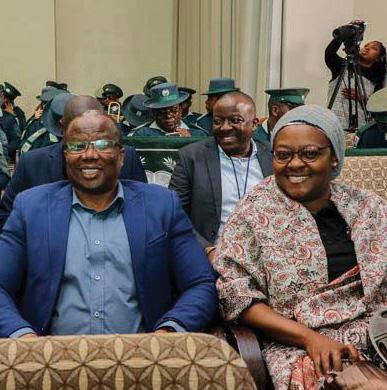
“Iam filled with pride at the discipline, patriotism and resilience displayed by these young men and women in uniform as they embark on the important responsibility of safeguarding Namibia’s internal security and maintaining law and order.” These were the sentiments of Her Excellency, President of the Republic of Namibia and Commander-in-Chief of the Namibian Defence Force Netumbo Nandi-Ndaitwah in Oshakati on the occasion of the graduation ceremony of 1,380 police cadets who successfully completed the Police Basic Training Course 1 for the financial year 2025/2026.
The president was represented by Minister of Home Affairs, Immigration, Safety and Security Lucia Iipumbu. In her keynote address as guest of honour, the president reflected on the transformation of the country’s police service since independence in 1990. She noted that the first Namibian Police Force graduation after independence saw approximately 150 police officers entering service under the leadership of the late founding president and father of the Namibian nation, Dr Sam Nujoma.
“At the time, our nation was emerging from a painful history in which many citizens associated law enforcement with fear, oppression and division,” said Nandi-Ndaitwah. “One of the greatest responsibilities of independent Namibia was therefore not only to establish a professional police force, but also to transform it into a service rooted in trust, constitutionalism, accountability and the protection of all Namibians.”
Policing remains an important pillar in maintaining peace, security and social stability. As Namibia continues to develop, the role of policing has expanded beyond traditional crime prevention. Law enforcement agencies are increasingly required to address challenges such as gender-based violence (GBV), drug trafficking, stock theft, cybercrime and other forms of organised crime affecting communities across the country.
The graduates, drawn from all 14 regions of the country, will be deployed across various policing functions, including crime prevention, community policing, border management, VIP protection and public order management. The president therefore called on the newly graduated police officers to uphold integrity,
professionalism and public trust as Namibia continues strengthening its safety and security sector.
Sacrifices
Behind the uniform, however, lies a reality often less visible to the public: the personal sacrifices made by law enforcement officers and their families. Police work is highly demanding, involving long and irregular working hours, emergency callouts and deployments that often require officers to be away from home for extended periods. As a result, many officers spend significant time separated from their families, missing important moments, milestones and aspects of daily life while fulfilling their duty to serve and protect the nation.
In this regard, the president stressed, “I am fully aware that policing is often carried out under demanding conditions and that many officers make personal sacrifices in service to the nation.” She praised the discipline, resilience and patriotism displayed by the graduates and reminded them that policing is not merely employment but a national calling requiring integrity, courage, discipline and dedication to justice.
New recruits
The Namibian Police Force (Nampol) has recently advertised its 2026 recruitment intake, opening multiple opportunities aimed at strengthening and expanding its workforce. A total of 1,750 vacancies have been announced.
The intake includes 1,000 cadet constable posts for the general public, 30 positions for former detectives under specialised re-enlistment, 120 posts for professionals in fields such as law, cyber security and finance, as well as 600 opportunities reserved for National Youth Service (NYS) graduates.
The recruitment drive reflects ongoing efforts to build a more skilled, diverse and professional police service capable of responding to evolving security challenges across the country.
Maggie Forcelledo Paz
A
wrap-up of News Worth Knowing
Bank Windhoek says digital banking and e-commerce are essential to the future growth of Namibia’s SMEs. Launching its enhanced SME Value Proposition, the bank highlighted technology, secure payments and online commerce as key drivers of competitiveness. Managing Director James Chapman said SMEs need more than technology to succeed, requiring trusted banking partners, secure payment systems and access to finance. Through its partnership with VISA, the bank offers payment solutions connecting businesses to local and international markets. The SME package includes digital banking, financing, advisory services, trade finance and credit guarantees, while dedicated support teams help businesses navigate a rapidly digitising economy.
Namibia is strengthening marine conservation efforts by updating its ocean protection framework and exploring the creation of new protected marine areas. Speaking on World Oceans Day 2026, Agriculture, Fisheries, Water and Land Reform Minister Inge Zaamwani said the government is finalising new regulations and a management plan for the Namibian Islands’ Marine Protected Area (NIMPA). Namibia has already exceeded the global “30 by 30” target for land conservation, with 39.92% of terrestrial areas protected, but only 1.69% of marine areas are under formal protection. The country is also advancing sustainable fisheries management and regional cooperation to safeguard marine biodiversity and fish stocks.
BANK WINDHOEK BETS ON DIGITAL BANKING TO DRIVE SME GROWTH
NAMIBIA EYES NEW OCEAN PROTECTED AREAS TO MEET BIODIVERSITY TARGETS
FNB NAMED AFRICA’S BEST SME BANK AT
GLOBAL FINANCE AWARDS
First National Bank (FNB) has been named Africa’s Best SME Bank for 2026 by Global Finance, recognising its support for small and medium enterprises through financing, innovation and business development. FNB said the award reflects its efforts to address challenges such as limited funding, financial exclusion and digital connectivity barriers. Key initiatives include the Smart Spender Credit Card, SME Hub advisory platform, CashPlus agency banking, Speedee payment solutions and H.E.R Banking for women entrepreneurs. FNB Namibia said the recognition highlights the importance of entrepreneurship and reinforces its commitment to providing funding, business support and growth opportunities for SMEs.
THE ART OF THE DEAL: SECURING A FAIR AND COMPETITIVE FUTURE FOR NAMIBIA’S OIL INDUSTRY
Namibia’s offshore oil discoveries in the Orange Basin and renewed mining developments have elevated the country’s profile among global investors. As it negotiates with international energy companies, the challenge is to balance investor returns with national benefits. Fiscal terms will determine how risks, rewards and revenues are shared,
influencing investment decisions and long-term value for citizens. Experts argue that well-designed petroleum regimes can attract capital while delivering strong government revenues. Fiscal stability is also critical to provide investor confidence. At the same time, local content policies should ensure resource development creates jobs, builds skills and supports sustainable economic growth within Namibia.
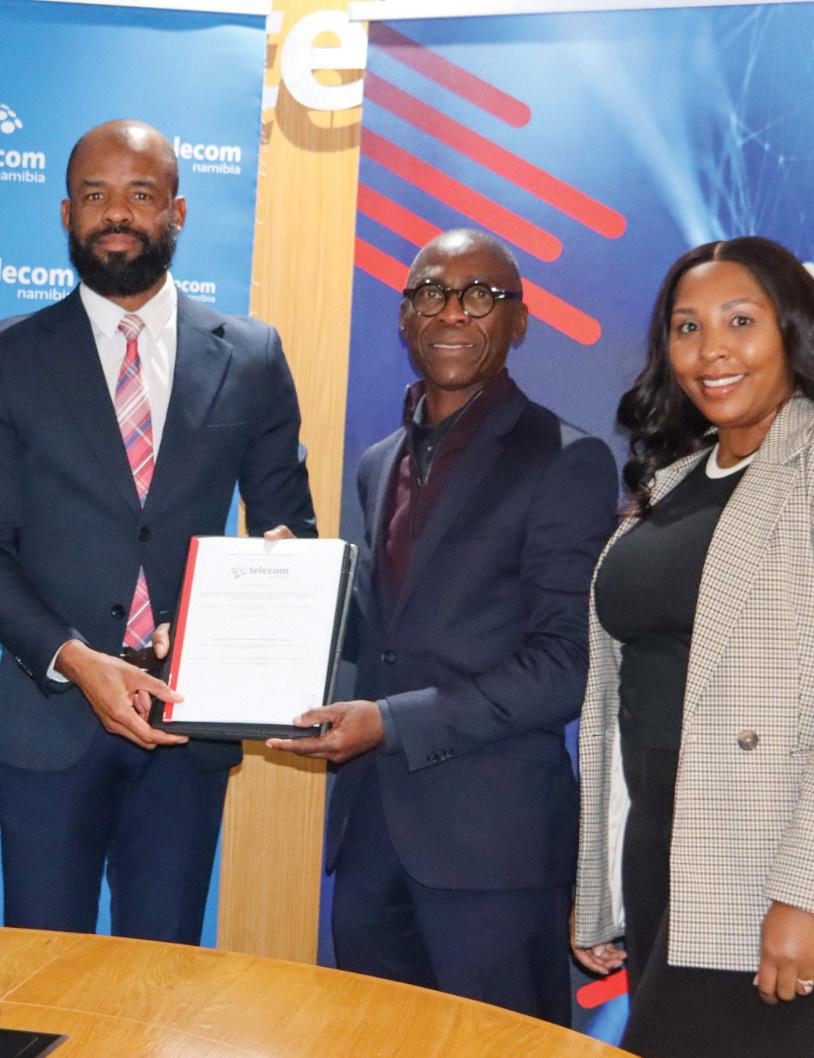
TELECOM NAMIBIA PARTNERS WITH LIGHTSTRUCK TO EXPAND FIBRE BROADBAND NETWORK
Telecom Namibia has partnered with Lightstruck to expand fibre broadband services through an open-access model, allowing the telecom operator to use Lightstruck’s infrastructure instead of building its own network in certain areas. Telecom Namibia CEO Dr Stanley Shanapinda said the agreement will accelerate connectivity, reduce infrastructure duplication and improve service delivery. The partnership enables customers in areas such as Khomasdal, Dorado Park, Rocky Crest, Osona Village and Rehoboth to access Telecom Namibia fibre services via Lightstruck’s network. Both companies say the arrangement will support fibre adoption, improve broadband availability, reduce reliance on vulnerable copper networks and advance Namibia’s digital transformation.
FRAME
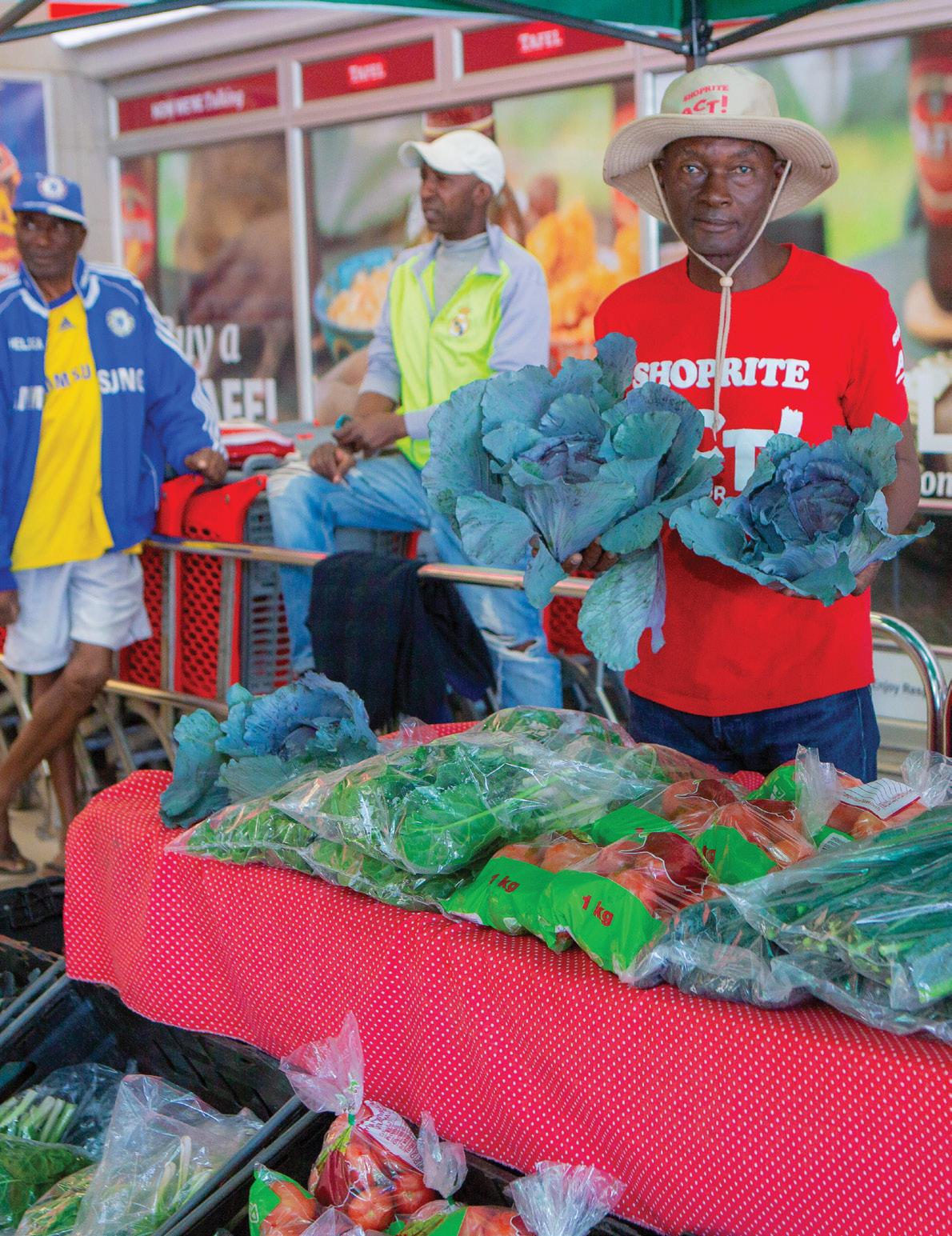
As the world observed World Hunger Day, a group of Namibian community gardeners demonstrated that some of the most effective solutions to food insecurity can be found at grassroots level.
Members of the Groot Aub Fresh Producers community garden recently showcased and sold their produce directly to customers during the annual Market Day at Shoprite Lafrenz in Windhoek. The initiative, which coincided with World Hunger Day, provides community gardeners with a platform to market their products while gaining valuable business experience.
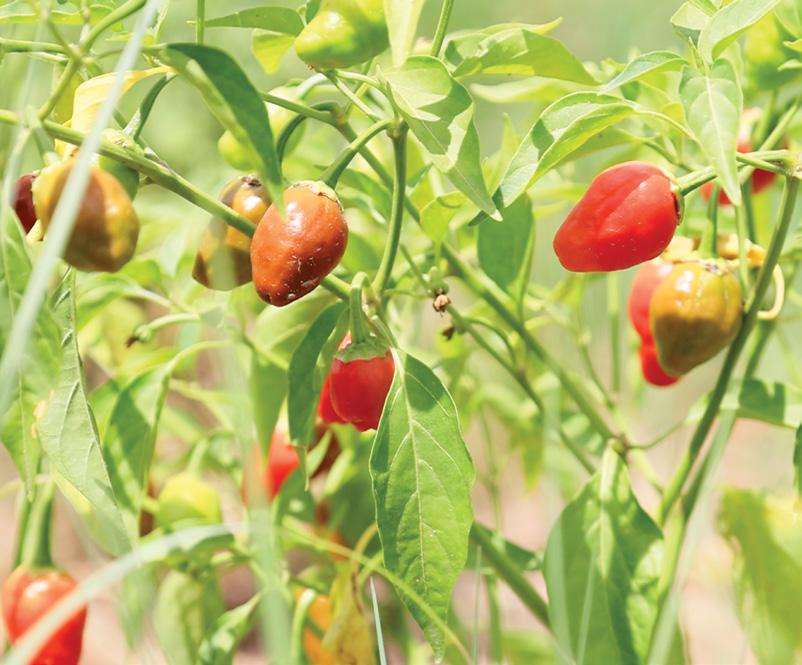
From beetroot and carrots to chillies and fresh herbs, the produce on display reflected months of hard work and dedication by gardeners committed to feeding their communities and building sustainable livelihoods.
The Groot Aub Fresh Producers project forms part of a broader programme supporting more than 300 community food gardens across Southern Africa. Through training, access to resources and opportunities such as Shoprite’s Market Day, participants are empowered to move beyond subsistence farming towards becoming viable microenterprises.
For Julia Haipinge, a member of the Groot Aub Fresh Producers group, the initiative has been instrumental in helping local growers expand their customer base and improve their income-generating potential.
“Through this project, we get connected to other communities, which helps us to sell our products quicker and generate income more easily,” she says. “At Market Day, we gain a lot of trust and customers for our products,
Community gardeners cultivate hope and opportunity in Namibia
along with skills and knowledge. This all keeps us going, and we will never give up when it comes to food production.”
Located on the outskirts of Windhoek, the six-year-old community garden grows a variety of crops that are sold within the local community. The project has also created employment opportunities while supporting vulnerable residents through donations of surplus produce to a nearby old age home and community centre.
According to Shoprite Group Chief Sustainability Officer Sanjeev Raghubir, Market Day serves a dual purpose: providing a retail platform for small-scale growers while equipping them with practical business skills.
“This year, Market Day provided almost 60 local gardeners and cooperatives across the region with the opportunity to sell their fresh produce directly to the public, gain retail experience and strengthen the roots of small businesses that feed their communities,” he says.
Beyond generating sales, participants receive training in customer relations, communication, pricing, product presentation and record-keeping – skills that can help them build sustainable enterprises.
Raghubir notes that every community garden represents more than just a source of food. “For each community gardener taking part in Market Day, there is a dual story of individual circumstance and a pathway towards a more grounded and food-secure life rooted in the soil,” he says.
The initiative forms part of Shoprite’s Act For Change programme, which continues to support community food gardens through training, seedlings and infrastructure assistance. This year, the retailer marked the milestone of supporting its 300th community garden across Southern Africa.
As food insecurity remains a challenge for many communities, projects such as Groot Aub Fresh Producers illustrate how local solutions can create a lasting impact. By combining food production, skills development and market access, community gardens are not only helping to feed families but are also planting the seeds for economic opportunity and resilience.
For the gardeners of Groot Aub, the harvest represents more than fresh vegetables – it is a symbol of hope, selfreliance and community empowerment.
David Penda
Energy sector emerges as cornerstone of Namibia’s industrialisation agenda
Namibia’s energy sector is increasingly being positioned as one of the country’s most strategic pillars for economic growth, industrialisation and long-term development. With growing international interest in green hydrogen, renewable energy and offshore oil and gas exploration, the sector is attracting billions of dollars in potential investment while raising expectations for employment creation, infrastructure development and improved energy security.
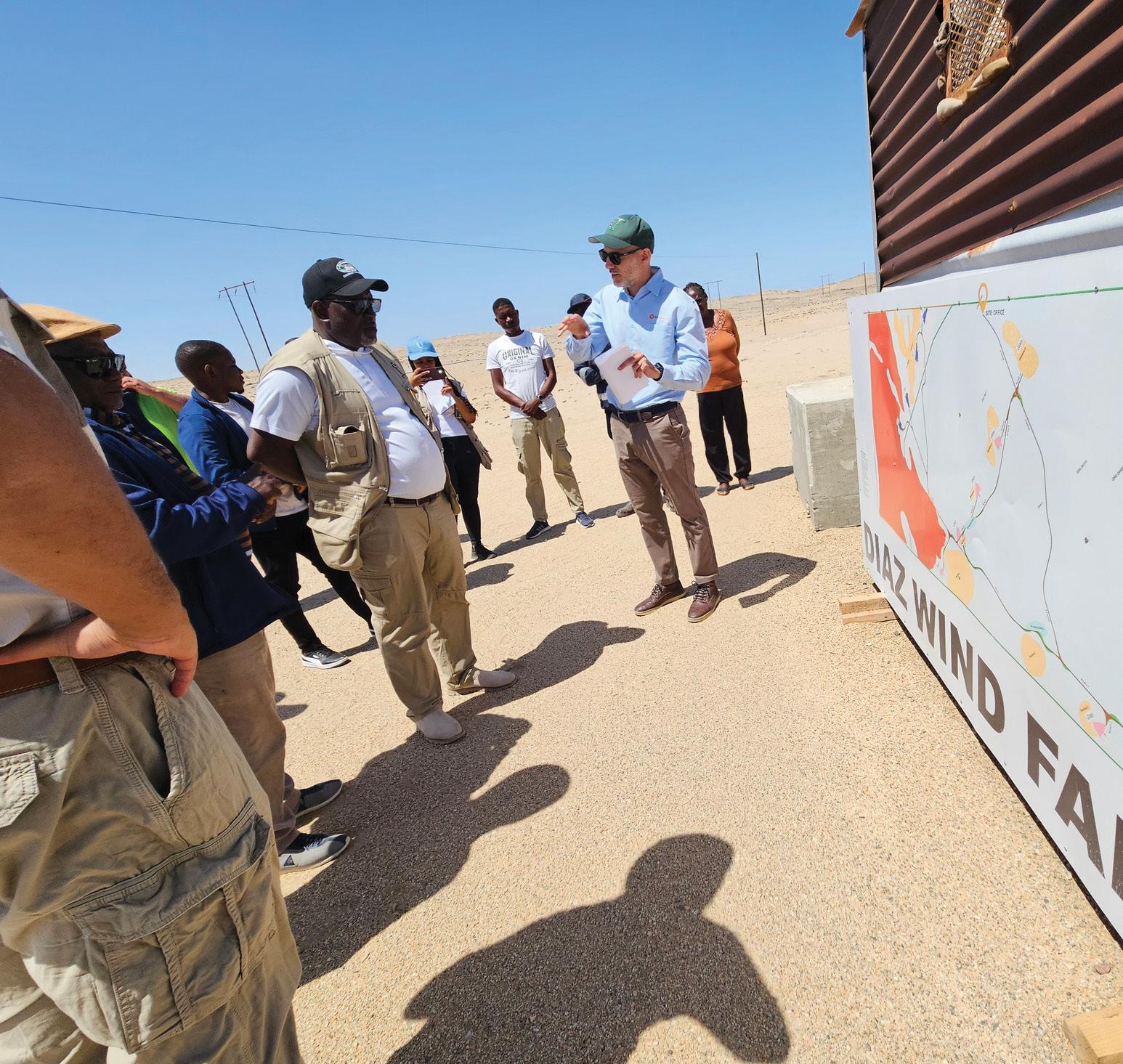
Recent developments in renewable energy generation, green hydrogen projects and hydrocarbon discoveries have created optimism that Namibia could transition from being an energy importer to becoming a regional energy hub. At the centre of this transformation is Namibia’s ambition to develop a green industrial economy. The country’s vast solar and wind resources provide ideal conditions for renewable energy generation and green hydrogen production. Oil and gas exploration has further
intensified global interest in Namibia’s energy future. Major discoveries by international energy companies have raised hopes that commercial oil production could significantly contribute to government revenue, foreign direct investment and economic expansion.
One of the major anticipated benefits of the energy sector is job creation. Government and industry stakeholders believe the sector has the potential to create employment opportunities across various industries, with skills development and local content policies increasingly being emphasised to ensure that Namibians benefit directly from emerging opportunities.
The sector also aligns strongly with Namibia’s Sixth National Development Plan (NDP6), which places emphasis on industrialisation, economic diversification, infrastructure development, sustainability and employment creation. NDP6 identifies energy as a critical enabler of economic transformation and aims to improve energy security, increase local generation capacity and support inclusive growth through strategic investment.
Sector challenges
Despite the optimism surrounding the sector, several concerns and challenges remain. Environmental activists and some community groups have raised concerns over the ecological impact of oil and gas exploration, particularly on marine ecosystems and coastal biodiversity. Questions have also emerged regarding water usage for green hydrogen production in an already water-scarce country.
Another challenge is ensuring that economic benefits are distributed fairly among Namibians. Critics warn that without strong governance, transparency and local empowerment policies, the sector could deepen inequality
Photography: Ministry of Industries, Mines and Energy, Petrofund and Namibian Presidency
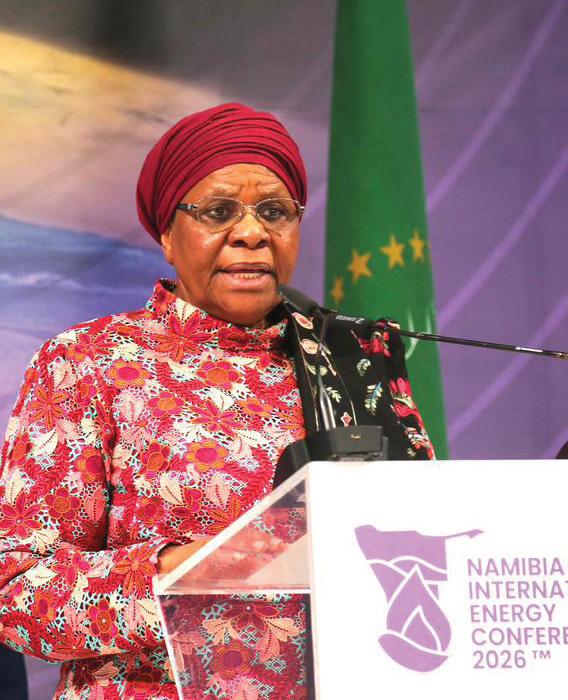
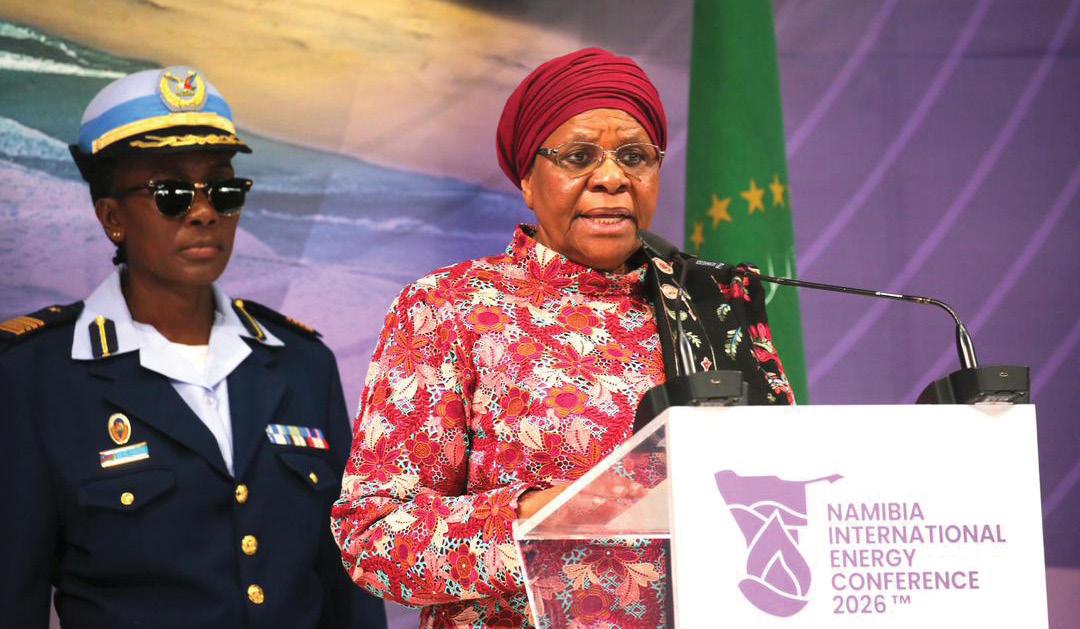
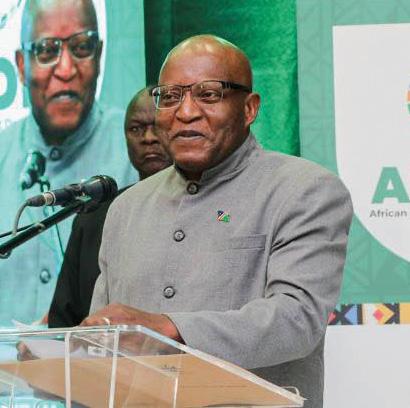
or primarily benefit foreign investors and a limited number of local elites. There are also concerns about whether Namibia currently has sufficient technical skills and institutional capacity to fully maximise opportunities within the sector. “The Petroleum Exploration and Production Amendment Bill currently before Parliament represents a significant step in strengthening governance, enhancing transparency and providing regulatory clarity to investors, while safeguarding the national interest through the natural resources beneficiation agenda,” said President Netumbo Nandi-Ndaitwah as she addressed participants at this year’s 8th edition of Namibia’s International Energy Conference held under the theme “The Road to First Oil & Beyond: Partnership, Investment, Growth”.
The high-level conference focused on strengthening Namibia’s position as an emerging energy hub, with particular emphasis on oil and gas development, renewable energy expansion, infrastructure growth and local value creation. “Cabinet has approved, in principle, the Upstream Petroleum Local Content Policy following extensive consultations nationwide. This policy ensures that Namibians participate meaningfully in the sector through skills development, employment creation and enterprise growth,” the president noted.
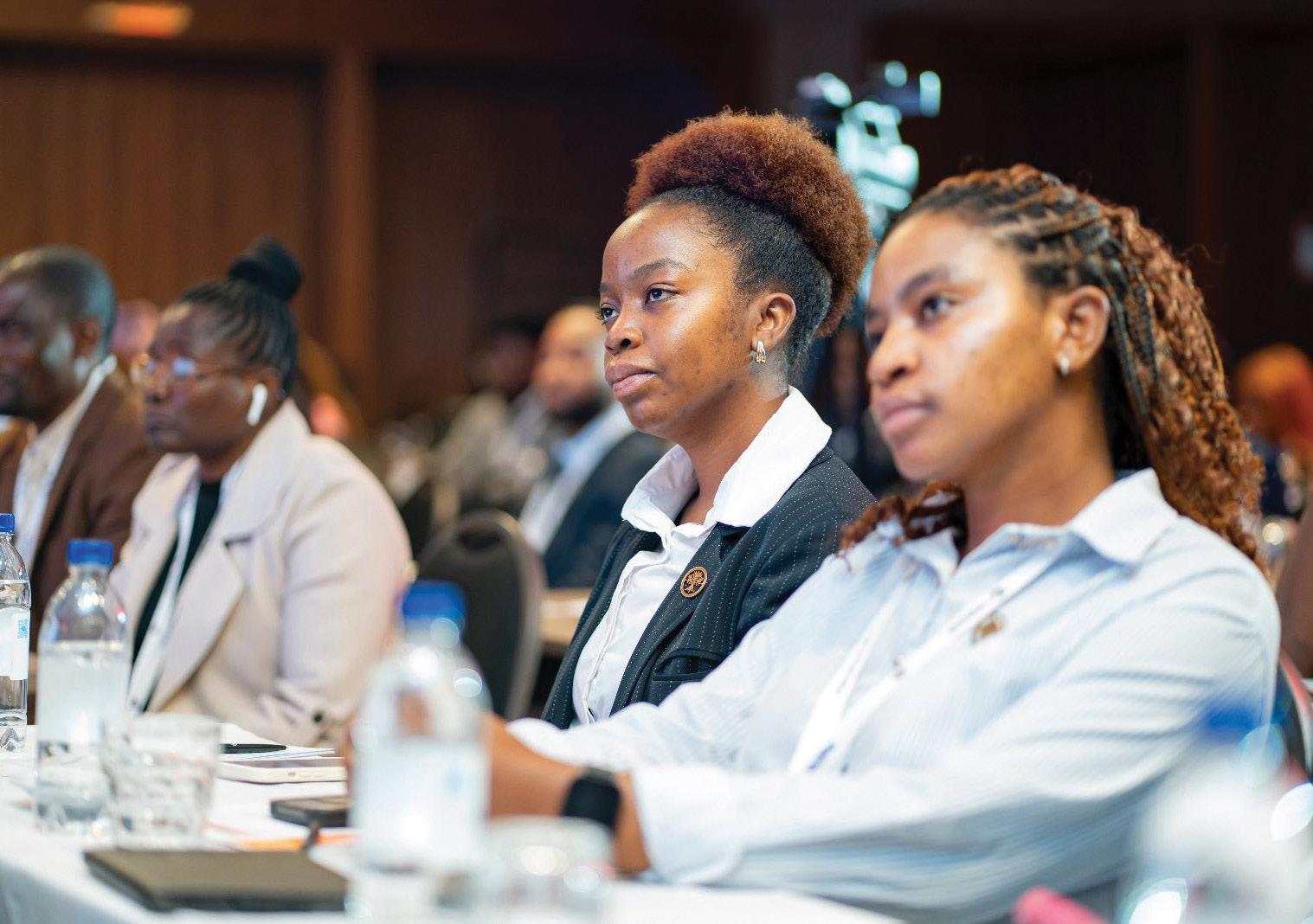
This year’s edition came at a critical moment as Namibia advances toward its first oil ambitions, with discussions centred on investment opportunities, regulatory frameworks, human capital development and sustainable energy solutions.
Delegates engaged in panel discussions, technical sessions and networking forums aimed at unlocking partnerships and accelerating energy sector growth. Additionally, the gathering highlighted the role of youth participation, skills transfer and local enterprise development within the energy value chain.
Advancing Namibia’s industrialisation agenda
On the occasion of the Upstream Oil and Gas Local Suppliers’ Workshop hosted by Petrofund, Minister of Industries, Mines and Energy Modestus Amutse noted that, as Namibia progresses towards its first final investment decision (FID), this marks a critical milestone and brings the prospect of first oil closer to reality. “This trajectory places a collective responsibility on us to accelerate local capacity development,” he added.
Namibia’s energy and industrialisation agenda continues to gain regional and continental momentum, with the
Development”.
At the summit launch, Deputy Minister of Industries, Mines and Energy Gaudentia Kröhne noted the importance of the summit in advancing Namibia’s industrialisation agenda and supporting Africa’s transition towards a sustainable green economy. This, she said, builds on the success of previous platforms such as the Global African Hydrogen Summit, which contributed to positioning Namibia as a global player in green hydrogen development, while expanding its focus to broader green industrialisation priorities.
If strategically managed, Namibia’s energy sector has the potential to transform the national economy, create jobs, strengthen industrial capacity and position the country as a leading energy and green industrial player on the African continent.
Maggie Forcelledo Paz
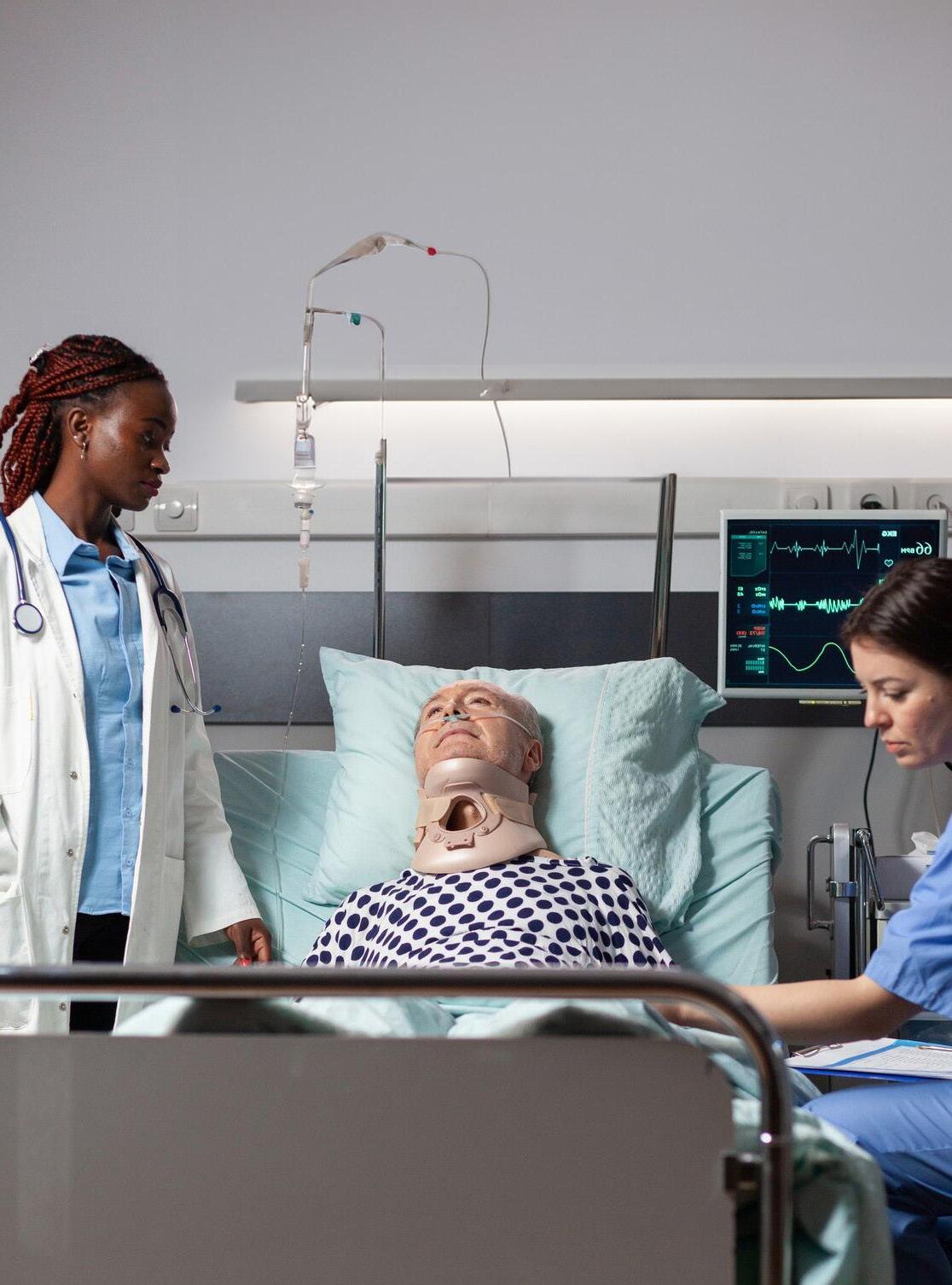
Whether you ' re travelling for business, adventure or exploration, OnCall keeps expert medical assistance within reach.
Connectivity can save lives
For most Namibians, reliable internet access is still thought of primarily as a convenience, a way to send WhatsApp messages, browse social media or stream entertainment. Yet in large parts of Namibia, connectivity is not merely a luxury. It is infrastructure as essential as roads, electricity and water. In remote communities, a stable internet connection can mean the difference between isolation and opportunity, between delayed medical care and immediate intervention, and sometimes even between life and death.
My own journey into telemedicine began more than a decade ago, long before virtual healthcare became fashionable during the COVID-19 pandemic. In 2012, when we began building what would eventually become OnCall Africa, many people questioned whether meaningful healthcare delivery could truly occur remotely in Namibia. At the time, the concept sounded ambitious, perhaps even unrealistic, in a country where vast distances and sparse infrastructure have historically challenged service delivery of every kind. Yet necessity has a way of forcing innovation.
Over the years, our teams have provided medical support in some of the most remote and unforgiving environments imaginable; from Marienfluss in the far north-west to Noordoewer on the southern border; from Xaudum in the Kavango regions to Hoanib Valley, Chobe and Sossusvlei. We have worked alongside the tourism industry, mining sector and isolated communities to bridge healthcare gaps using whatever tools were available: satellite phones, patchy mobile or fixed line networks, frugal diagnostics and creative operational models designed specifically for Africa rather than blindly imported from Europe or America.
What became increasingly clear was that healthcare access in the modern world is now deeply tied to digital connectivity.
A reliable broadband connection in a remote lodge or mining operation does not simply allow for voice and video consultations. It potentially enables remote ECG interpretation, digital triage, specialist reviews, mental health support, medication management, occupational health monitoring and optimises emergency coordination. It allows a patient hundreds of kilometres from larger towns to access clinical guidance and care instantly. It allows a tourist with chest pain in the Kunene Region to be evaluated rapidly by a doctor before an unnecessary and enormously expensive evacuation occurs. It allows continuity of care where previously there was only delay.
Importantly, these technologies do not only benefit healthcare.
Connectivity empowers remote communities through access to banking, education, e-government services and
entrepreneurship. As far back as 2014, through an initiative called MyDigitalBridge, we explored the use of TV whitespace technology to provide low-cost data coverage across vast distances in Namibia. The vision was simple: create affordable connectivity that could unlock economic participation for communities historically excluded from the digital economy. Unfortunately, despite its potential, the project never obtained the necessary regulatory clearance.
Similarly, we later worked with the Australian drone company Swoop Aero on a UNICEF-funded initiative aimed at supporting emergency medical logistics in flood-prone regions of East Kavango. The project involved the Ministry of Health and the Namibia Institute of Pathology and had the potential to revolutionise access to emergency medicines and diagnostics during seasonal flooding. Yet despite strong stakeholder support, progress became entangled in regulatory uncertainty surrounding beyond visual lineof-sight drone operations and overlapping jurisdictional hurdles.
To be clear, regulation matters. Aviation safety matters. Telecommunications governance matters. Patient privacy matters. No responsible innovator argues otherwise. But there is also a danger in allowing regulation to move so slowly that it unintentionally suppresses the very innovation needed to solve national problems.
Namibia has an opportunity to position itself as a regional leader in digital infrastructure and remote healthcare innovation. Technologies such as low-earth orbit satellite internet services could dramatically improve connectivity in underserved regions where traditional fibre or cellular expansion remains economically difficult. The potential implications for healthcare, mining, tourism, education and rural development are enormous.
This conversation should not be reduced to simplistic debates about foreign companies or regulatory technicalities alone. The larger question is whether we are willing to create adaptive, practical frameworks that balance oversight with progress. Namibia has never lacked innovators. What we have sometimes lacked is the regulatory agility to move at the same speed as the problems we are trying to solve.
At OnCall Africa, we have spent over a decade proving that world-class healthcare innovation can emerge from Namibia itself, designed specifically for the realities of Africa’s remote environments. The challenge now is not whether telemedicine works. We already know that it does. The challenge is whether our regulatory environment will evolve quickly enough to allow its full potential to reach every corner of the country.
Dr Armid Azadeh
PROJECT NEVER WALK ALONE
RESTORING DIGNITY, ONE STEP AT A TIME
Across Namibia’s vast and beautiful landscape, thousands of children begin their day with a journey to school. For many, that journey is made barefoot, across harsh terrain and long distances. It is a reality that often goes unnoticed, yet it is one that affects health, confidence, dignity and educational outcomes.
It was this simple but powerful observation that inspired the creation of Project Never Walk Alone (PNWA), a national humanitarian initiative committed to ensuring that no child is denied the opportunity to learn, grow and thrive because of poverty.
More than just a shoe distribution programme, PNWA has become a movement dedicated to restoring dignity, inspiring hope and reminding vulnerable children that they matter.
“Project Never Walk Alone was born from a simple but powerful observation: thousands of children across Namibia walk long distances to school barefoot,” explains the organisation. “We wanted to restore dignity, provide practical support and remind every child that they are not forgotten.”
At the heart of the initiative is the distribution of durable leather shoes (vellies), manufactured locally to withstand Namibia’s diverse climate and terrain. While the shoes offer practical protection against injuries and harsh conditions, their impact extends far beyond physical comfort.
poverty, unemployment, limited access to resources and long travel distances to schools. Yet, amid these challenges, the organisation has also witnessed remarkable resilience from children and families determined to create better futures.
Recognising that lasting change requires a holistic approach, the project goes beyond shoe distribution. Through partnerships, advocacy, mentorship opportunities and community engagement, PNWA seeks to address broader issues affecting child welfare and educational access.
A key aspect of the initiative’s sustainability strategy is its partnership with Namibian manufacturer Shilongo Leather. By sourcing footwear locally, PNWA contributes to economic development, job creation and the growth of local industries. “Supporting local manufacturers allows us to create impact on multiple levels,” the organisation explains. “We help children while strengthening Namibian businesses and communities.”
After receiving a pair of shoes, a young learner who had attended school barefoot for years simply said, “Now I feel like everyone else."
The journey has not been without challenges. Namibia’s vast geography presents logistical obstacles, from reaching remote communities to transportation costs. Resource limitations and increasing demand continue to test the organisation’s capacity. However, PNWA remains committed to its vision of ensuring that no child has to walk barefoot to school because of poverty.
“Shoes represent much more than protection for the feet,” the organisation notes. “They represent dignity, confidence, inclusion and opportunity.”
The emotional significance of the project is reflected in the countless stories collected during PNWA’s outreaches across the country. One particular encounter left a lasting impression on the team. After receiving a pair of shoes, a young learner who had attended school barefoot for years simply said, “Now I feel like everyone else.”
That remark became a powerful reminder that the project is not merely about footwear. It is about belonging, selfworth and restoring confidence in children who often face significant challenges.
Throughout its outreach programmes, PNWA has encountered numerous communities grappling with
The project’s success has been made possible through the support of volunteers, sponsors, schools, community leaders and partners who share a belief in collective responsibility.
Looking ahead, PNWA aims to expand its reach, strengthen partnerships and develop sustainable programmes that continue to uplift vulnerable children for generations to come. Its message to Namibia is simple but profound: every child deserves dignity, opportunity and hope. By investing in children today, the nation invests in a stronger future tomorrow.
Because sometimes the first step towards a brighter future begins with a single pair of shoes and the knowledge that you never have to walk alone.
Charlene Somses
TRUSTED
In an emergency, there’s no time for uncertainty.Medical Rescue Africa provides rapid, life-saving evacuation with fully equipped air ambulances and expert medical teams on standby 24/7. Because every life depends on the right response.
• Fully ICU-equipped aircraft
• Neonatal to Adult Critical Care capability
• Doctor-lead clinical governance & care
• Long-range international evacuation
• Night and adverse weather (IFR) operations
• Access to remote and unimproved airstrips
• Rapid cross-border flight approvals
Namibian borders)
Let’s be honest: social media has become an integral part of modern life. As such, it is neither realistic nor practical to deny its existence or avoid it entirely. Instead, the most effective approach is to develop a healthy and balanced relationship with social media and to use it in a mindful and intentional way.
One of the most concerning aspects is the unprecedented level of access it creates. In the past, people did not have constant access to each other’s lives. Social interactions were generally limited to school, work or social settings, and individuals could return home to a space that offered privacy and respite. Today, social media allows people to remain continuously connected, resulting in constant exposure to others and, in turn, making oneself constantly accessible to others. This level of ongoing connection can be emotionally exhausting, mentally draining and difficult to disengage from.
Constant exposure to the lives, opinions and experiences of others can easily become overwhelming and addictive at the same time. Combined with the constant mental stimulation associated with scrolling and consuming large volumes of content, this may contribute to difficulties with attention, emotional regulation and healthy cognition.
There is also an apparent glamourisation on social media of mental illness, emotional distress and, at times, destructive behaviours such as self-harm or excessive substance use. While increased awareness of mental health has undoubtedly been beneficial in reducing stigma and encouraging help-seeking, there are instances where social media appears to blur the line between education and promotion.
We are exposed to content that can inadvertently present mental illness or psychological struggles as a defining feature of identity or as a means of gaining validation, attention or belonging. As a result, some people may begin to feel that there needs to be something “wrong” with them in order to fit in, be understood or receive support. There can be a perception that one must have a diagnosis, be attending therapy or be engaging in visible struggles to be accepted or noticed within certain online spaces.
Social media platforms often reward content that evokes strong emotional reactions, which can unintentionally amplify discussions of distress, mental illness or destructive behaviours. This may teach us that vulnerability or suffering attracts attention and engagement, potentially reinforcing unhealthy narratives or behaviours.
The battle between social media and mental health
There has been a significant cultural shift in recent years. Whereas earlier generations may have dismissed or minimised discussions surrounding mental health, society has now moved towards much greater openness and awareness. While this progress is important, there is a risk of moving to the opposite extreme, where normal emotional responses to life’s challenges are increasingly pathologised. Experiences such as sadness, disappointment, anxiety about uncertainty or emotional distress following difficult circumstances are often part of the normal human experience and do not necessarily indicate the presence of a mental health disorder.
Social media may contribute to us feeling pressure to label, diagnose or publicly identify with psychological difficulties that may, in some cases, reflect typical life stressors. When discussions of mental health become focused on identity and visibility rather than understanding and support, the distinction between educating about mental illness and inadvertently promoting it can become blurred.
So, how should we approach social media in a healthy way? In the same way we would approach any important relationship in our lives. Whether it is a friendship or a relationship, healthy connections require boundaries, balance and intentionality. We recognise that spending excessive amounts of time with any one person, or allowing boundaries to become blurred, can leave us feeling overwhelmed, emotionally exhausted, frustrated or drained.
I believe the same principle applies to social media. Social media is not something we can simply ignore or eliminate from modern life. It exists, and for many young people it plays a significant role in how they communicate, learn and connect with others. Therefore, rather than focusing solely on restricting or resisting social media, I encourage people to focus on developing a healthy relationship with it. Just as we would not want a person’s entire identity, self-worth or daily life to revolve around another individual, we should not want our entire world to revolve around social media. Social media should be one aspect of life, rather than the centre of it.
Michelle McCulloch Clinical Psychologist
Where water, land and livelihoods meet Opuwo
In Namibia’s northern regions, environmental degradation and poverty are closely linked. Irregular rainfall, declining soil fertility, and limited water access continue to threaten livelihoods in densely settled rural areas. Without integrated landscape management, these pressures deepen inequality and erode the natural systems communities depend on. In and around Opuwo, the Ministry of Environment, Forestry and Tourism, through the NILALEG Project, is addressing these challenges by supporting community-driven initiatives that connect environmental restoration with sustainable livelihoods.
In Okorosave, within the broader Omaoipanga landscape, a NILALEG-supported waterhole has become a lifeline in an environment dominated by sand and scattered vegetation. From its edges, narrow manmade channels carry water into nearby community gardens. These gardens, built and maintained by residents, grow carrots, cabbages, red chillies, spices, sugar cane, watermelon, and other crops. The steady flow of water allows the gardens to remain productive even when their owners are away. Families use the produce to feed themselves and sell surplus for income. The waterhole also serves livestock and wildlife, reinforcing the connection between human livelihoods and the surrounding ecosystem.
A few kilometres away in Okavare, livestock forms the backbone of survival. Brian Katundu became a beneficiary of NILALEG’s goat programme in 2024, receiving eleven goats. Although disease and harsh conditions claimed some of them, the remaining goats have significantly improved his quality of life. Erratic rainfall and poor grazing often force him to buy feed, and access to veterinary supplies remains a challenge, especially during breeding seasons. Despite this, the goats provide milk, food, and income. Brian no longer needs to buy milk, can support his children and parents, and carefully records his livestock, treating them as both responsibility and security.
Water access remains critical in Okorosave. The Okorosave borehole, supported by NILALEG, draws hundreds of goats and cattle each day. In an area with only two boreholes and largely dry riverbeds, these water points are essential. To address erosion and manage seasonal flooding, NILALEG
installed gabions in the riverbeds. Gabions structures made from stone-filled wire cages slow water flow, prevent soil erosion, and encourage groundwater recharge. In Okavare, two gabions were built with stone, while others were constructed by community members using sticks from nearby trees, secured with wire provided by NILALEG. These structures have reshaped how water moves through the landscape. Areas once deeply eroded have stabilised, allowing water to flow in controlled paths rather than spreading destructively. When water levels rise, the gabions also create safer access routes for the community. By slowing runoff and retaining water, they contribute to long-term water conservation, a benefit the community deeply values.
Beyond water and livestock, NILALEG also supports restoration and future food security through the Okovingava Nursery outside Opuwo. The nursery grows guava, mango, lemon, bird plum, and other trees for sale to the community. Covered by a green shade net, the nursery protects young plants from harsh sun, wind, pests, and heavy rainfall, creating a stable growing environment. The nursery also allows workers to grow fruits and vegetables for personal use, strengthening self-sufficiency.
According to Regional Councillor Ueutjerevi Ngunaihe, NILALEG’s strength lies in its approach. Projects are not imposed; communities define their needs, leadership helps guide priorities, and NILALEG responds with funding,
infrastructure, and skills training. Just as importantly, communities are encouraged to take ownership maintaining and protecting what has been built.
Across Omaoipanga, and Opuwo, NILALEG’s work shows how integrated landscape management can restore ecosystems while improving lives. By aligning water, land, and livelihoods, these interventions offer a practical model for sustainable rural development rooted in community participation.
Laudika Hamutenya
The NILALEG Project is implemented by the Ministry of Environment, Forestry and Tourism in partnership with the United Nations Development Programme and funded by the Global Environment Facility.
New complaints management programme to strengthen accountability in healthcare
The Ministry of Health and Social Services has launched a new Standard Operating Procedure (SOP) for the management of complaints, aimed at strengthening accountability, improving service delivery and restoring public confidence in Namibia's healthcare system.
Launching the SOP in Windhoek, Health and Social Services Minister Dr Esperance Luvindao described the initiative as a fundamental shift in the culture and operations of the ministry. “We are launching a new covenant between the Ministry of Health and Social Services and the Namibian people,” said Dr Luvindao.
Dr Luvindao acknowledged longstanding concerns raised by the public regarding healthcare services, including resource constraints, shortages of critical supplies, deteriorating infrastructure, allegations of unprofessional conduct, poor communication and instances where patients felt they were treated unfairly. She further expressed concern over reports of patient confidentiality breaches, including the unauthorised sharing of patient videos on social media.
Despite these challenges, the Minister commended the thousands of healthcare workers who continue to provide quality care under difficult circumstances. She highlighted numerous examples of dedicated nurses, doctors and support staff who go beyond the call of duty to assist patients, describing these efforts as "pockets of excellence" that should become the standard across the healthcare system.
Welcoming the launch of the SOP for the management of complaints, Registrar of the Health Professions Council of Namibia, Dr Cornelius Weyulu, said the initiative demonstrates the Ministry's commitment to strengthening public trust and confidence in healthcare service delivery. “Timely acknowledgement, investigation and resolution of complaints are not merely administrative obligations; they
are essential elements of patient-centred care and good governance,” he said. He further stressed the importance of maintaining confidentiality throughout the complaints management process, noting that complaints often involve sensitive personal, clinical and professional information.
According to Dr Weyulu, patients must be assured that information shared during investigations will be handled responsibly and discreetly. At the same time, healthcare professionals are entitled to procedural fairness and protection from premature public scrutiny while allegations are being assessed. He further cautioned against viewing the complaints management system solely as a disciplinary tool. While accountability remains important, he stressed that the process should also serve as a mechanism for learning, professional development and continuous improvement within the health sector.
The new SOP introduces a structured Red, Amber and Green triage system to ensure complaints are assessed according to their level of risk and urgency. Under the system, category one complaints, which include allegations of abuse, negligence or deaths linked to patient care, must be reported immediately to the head of the health facility and escalated to senior management within 24 hours for urgent investigation, while category two and three complaints will focus on service delivery issues affecting patients' daily experiences, including long waiting times, cleanliness concerns and administrative delays.
To support implementation, the ministry has recruited customer service officers at major health facilities, with plans to expand the programme to all public healthcare institutions. The launch was accompanied by a virtual training programme which included customer service officers, regional directors, medical superintendents, nurses and clinicians to ensure a common understanding of the new procedures.
Maggie Forcelledo Paz
Photography: Ministry of Health and Social Services
NAMIBIA'S $811 MILLION VALUE ADDITION OPPORTUNITY
The UNCTAD roadmap and why April's trade data makes the case urgent
April 2026's trade deficit of N$4.4 billion is not merely a monthly data point it is the latest expression of a structural problem that a landmark UNCTAD Rapid Assessment, published in February 2026 and co-developed with the National Planning Commission, has now quantified with unprecedented precision. The study, led by UNCTAD economist Clovis Freire, funded by the Government of Japan, and launched in Windhoek by UNCTAD Secretary-General Rebeca Grynspan, applies economic complexity and product space analysis at the eight-digit HS level, augmented by price-band data, to identify exactly which products Namibia could realistically manufacture given its existing productive capabilities. The result: 353 concrete products across 23 sectors, representing a weighted global export opportunity of approximately US$811 million. Of these, 60 products sit directly within critical energy transition mineral value chains, and 33 CETM-specific products alone offer an addressable market of US$221 million, with top export destinations in China, South Africa, and France. The SADC regional market offers a further US$334.5 million in potential, anchored by South Africa, Tanzania, and the DRC, while the AfCFTA opens corridors to Egypt, Morocco, and Nigeria. On the import substitution side, 68 products worth US$116.8 million across 14 sectors could be produced domestically, products that Namibia currently buys from abroad that its own capability base could support.
The April 2026 trade data makes the case with uncomfortable clarity. Non-monetary gold, the country's single largest export at 17.7%, leaves as refined bullion but could feed into downstream jewellery and industrial fabrication. Uranium, at 15.0% of exports, leaves as yellowcake (U₃O₈) while conversion, enrichment, and fuel rod fabrication, which collectively account for roughly 75% of a nuclear fuel rod's commercial value, are performed entirely offshore. The structural opportunity cost is enormous and growing, given the global nuclear renaissance driven by AI data centre power demand, net-zero commitments, and the inclusion of nuclear in the EU taxonomy. Copper ore leaves Namibia at roughly US$3,500 per tonne; refined copper wire, specifically
refined copper wire exceeding 6mm, identified by UNCTAD as a priority product trading at US$0–$8 per unit, commands US$14,000 per tonne. That is a 4x value uplift from a single transformation step. The Dundee Precious Metals smelter in Tsumeb already produces blister copper from concentrate, yet fabrication into wire, cable, or components does not occur domestically. April's import bill included N$292 million in ores and concentrates of base metals products that, in many cases, originate from Namibian mines, are exported as raw material, processed abroad, and reimported as finished goods at a multiple of the price. Precious stones (diamonds) at 12.2% of exports are sorted and valued locally through Namdeb and NAMDIA, but cutting and polishing remain overwhelmingly offshore in India, Belgium, and Israel. Lithium sits behind a raw export ban since 2023, but conversion capacity has not yet been built the ban is a necessary but insufficient condition for value addition, and without processing infrastructure, risks becoming a supply constraint rather than an industrial policy lever. The UNCTAD data reveal an alarming backward slide: processed copper and zinc exports have collapsed by 68% and 99% respectively in recent years. This is not stagnation, it is regression.
The constraint mapping in the UNCTAD assessment deserves careful attention from policymakers. Access to finance is the most binding barrier, affecting 7% of all validated products, meaning that for these products, even where skills, infrastructure, and market access exist, the absence of affordable capital prevents entry. Access to machinery and technology follows at 5%. Market access and competitiveness, which might have been expected to dominate given Namibia's distance from major markets, affect only 1%, a finding that undercuts the conventional wisdom that Namibian manufacturers cannot compete globally. The most revealing constraint, however, is in human capital: 73.1% of electrical equipment products and 68.3% of machinery products are constrained by skills shortages. This is not a problem that a single budget cycle or training programme can resolve. It requires a sustained, multi-generational commitment to technical education — the report recommends over 30 specific interventions, including dual training programmes
Total values of exports and imports (N$ m)
modelled on Germany's Mittelstand apprenticeship system, mechatronics curricula, CNC machining certification, and pharmaceutical manufacturing skills. NUST, UNAM, and the vocational training centres must become feedstock facilities for an industrial economy that does not yet exist but must be built within a decade. Namibia's economic complexity score hovers around −0.3, below the global average of zero a damning metric for a country with an advanced mining sector, deep-water ports, and one of Africa's most stable governance environments.
The investment arithmetic is substantial but not prohibitive. Total estimated capital required across the full diversification programme is approximately US$2.13 billion, with job creation potential of roughly 26,460 positions equivalent to about 3% of the 2023 labour force of 867,247. In a country with 36.9% unemployment and foreign ownership exceeding 70% in mineral exploration and approaching 90% in extraction and processing, these are transformative numbers. The sectorlevel breakdown reveals where the highest-impact bets lie: iron and steel represents the single largest opportunity at approximately US$937 million in investment with over 15,000 potential jobs an entire industrial cluster waiting to be seeded. Machinery and mechanical appliances follow at US$559 million and 3,220 jobs. Copper articles and other metals offer US$206 million with 2,273 jobs. Electrical machinery and equipment: US$192 million, 1,986 jobs. Food processing, pharmaceuticals, and chemicals require more modest capital but could collectively generate over 5,000 positions. Priority
HS sectors span inorganic chemicals (HS 28), organic chemicals (HS 29), plastics (HS 39), iron and steel (HS 72), copper articles (HS 74), machinery (HS 84), electrical equipment (HS 85), and vehicle parts (HS 87), alongside pharmaceuticals (HS 30), precious metals (HS 71), and zinc (HS 79). These are not aspirational categories; each contains specific products validated through the economic complexity methodology and stress-tested in two rounds of Windhoek stakeholder workshops in May and July 2025.
The geopolitical context has never been more favourable for a small, well-governed African mineral exporter to make the industrial leap. The Western bloc's push to diversify away from Chinese dominance in critical mineral processing, formalised through the EU's Critical Raw Materials Act, the US Inflation Reduction Act's friend-shoring provisions, and bilateral partnership frameworks has placed politically stable African jurisdictions at the centre of a strategic bidding war. At the 2026 EU-Namibia Business Forum, Modestus Amutse framed the partnership in explicitly economic terms: Europe gains secure, diversified mineral supply; Namibia leverages its natural resources to drive industrialisation. Trade Minister Selma Ashipala-Musavyi, speaking at the Namibia-Shenzhen Business Roundtable in April 2026, identified the trade imbalance with China where Namibia exports raw materials and imports finished goods as the structural problem to solve, placing value addition at the centre of government's development agenda. Meanwhile, new mining licence conditions increasingly require at least 30% of production to be beneficiated domestically, though this figure is applied on a case-by-case basis and the Minerals Act contains no fixed statutory quotas. The draft Minerals Bill, currently under consultation, is expected to formalise and strengthen these provisions. For investors, the signal is clear: the regulatory trajectory points toward mandatory local processing, and first-movers will capture the strongest positions.
Simonis Storm is known for financial products and services that match individual client needs with specific financial goals. For more information, visit: www.sss.com.na NETWORK
Connecting dreams to a decade of knowledge and experience
The leading aviation training organisation in Africa.
MATERIAL MEMORIES
For her upcoming solo exhibition, Lynette Musukubili showcases intricately crocheted tapestries and sculptural forms made from reclaimed plastic bags. Musukubili invites viewers into a visual diary of her life – a mapping of memories, relationships and experiences that shape her daily existence.
Many will remember Musukubili’s 2023 solo exhibition Bukalo Stories, which drew inspiration from the traditions, stories and memories of her childhood in Bukalo, a remote village in Namibia’s Zambezi Region. That exhibition looked back, reflecting on the foundations that formed her identity. This new body of work, however, shifts its gaze firmly to the present.
Three years on, her latest exhibition marks an important evolution in both her practice and perspective. Now living and working full-time in Windhoek, Musukubili turns her attention towards the present: the people she encounters, the relationships she nurtures and the everyday experiences that leave lasting impressions on her life. While memory remains central to her work, the source material has shifted from recollections of childhood to the ongoing process of becoming.
At the heart of Musukubili’s practice is an extraordinary transformation. Discarded plastic, often viewed as waste, is meticulously cut, manipulated and crocheted into richly textured tapestries and sculptural forms. Through a process traditionally associated with care, patience and domestic labour, she gives new life to a material that is both ubiquitous and deeply problematic.
Plastic is a material loaded with contradiction. It is durable, adaptable and capable of taking countless forms throughout its lifespan. Yet it is also one of the defining environmental challenges of our time, persisting long after its intended use has ended. In Musukubili’s hands, however, plastic becomes something else entirely. It becomes a vessel for reflection, connection and memory. There is a poetic quality in the idea of capturing memory within a material that carries a history of its own. Before entering the artist’s studio, each fragment of plastic
has already lived a life. It has been manufactured, purchased, handled, discarded and recovered. Whether it is the plastic packaging from her nephew’s diapers or the shopping bags sourced from family and friends, Musukubili intervenes at this point of abandonment, redirecting the material’s trajectory and transforming it into something that continues to accumulate meaning.
The resulting works operate simultaneously as objects and archives. Layers of colour, texture and form become repositories for personal encounters and emotional experiences. They speak not only to the artist’s own journey, but also to the ways in which we all collect memories through the people and places that shape us. Much like memory itself, the works are fragmented, layered and constantly evolving.
Since her first solo exhibition, Musukubili’s career has continued to gain momentum. Her work has been showcased at major continental platforms, including the Investec Cape Town Art Fair and the RMB Latitudes Art Fair in Johannesburg, introducing broader audiences to her distinctive practice. Yet, despite this growing recognition, her work remains grounded in the intimate details of everyday life in Namibia.
With Material Memories, Musukubili reminds us that memory does not reside only in photographs, stories or monuments. It lives in our bodies, our routines, our relationships and in the objects we encounter every day. Through materials often overlooked or discarded, she reveals the significance of ordinary life, inviting viewers to reflect on the memories they carry and the stories embedded within the materials that surround them.
Laschandre Coetzee
JeanClaude Tjitamunisa on reimagining the ekori
Atraditional headpiece handed down from mothers to daughters for weddings in precolonial Namibia, the ekori used to be an integral part of Ovaherero traditional garments. Today, a young Namibian designer has revived its silhouette, earning an international accolade and applause from local historians.
Jean-Claude Tjitamunisa, popularly known as JC Nazarii, recently received continental recognition by winning the Fashion Design Award in the Jewellery Accessory category for his Ekori Resurgence Jewellery Collection. The work explores themes of identity, cultural continuity, ancestral memory and African visual language.
The award formed part of the inaugural African International Design Awards (AIDA), a platform recognising innovative African creative practitioners across disciplines from fashion to architecture. The collection continues JC’s broader exploration into cultural resurgence; a direction also reflected in his national costume designs worn by Johanna Swartbooi and Uatjiri Mbaisa at Miss Namibia 2025.
Tjitamunisa’s multidisciplinary background heavily influences his approach to three-dimensional design. In 2023, he received the Visual Art Award at the Bank Windhoek Doek Literary Awards for his photographic work, The Gift
“There’s a quote I often think about: ‘A jack of all trades is a master of none, but oftentimes better than a master of one,’” JC reflects. “Different disciplines can unexpectedly strengthen one another. My background in photography trained me to pay attention to composition, symmetry, balance, light and form. Before any piece was made, I had already captured it through the camera of my imagination.”
He adds that his fascination with the powerful geometry of the ekori gives the jewellery an architectural quality. “Jewellery lives both on the body and in images, so I wanted the collection to feel striking from every angle, whether viewed in person or through a lens.”
Speaking about the beginnings of his interest in the headpiece, JC says: “By the time I decided to use the
Photography: Willem Vrey
ekori’s silhouette as the centrepiece, I had spent significant time studying it through archival books, documents and photographs. When I finally encountered an original ekori in person, I knew there was something powerful that needed to be revisited and reintroduced through contemporary design.”
To honour its sacred significance, JC stayed close to its original blueprint. “Rather than completely redesigning it, I translated it into a new context.”
The contemporary element emerged by extending the ekori into forms where it did not historically exist: a fivepiece set comprising a ring, necklace, brooch, earrings and bangles. “In doing so, I wasn’t replacing the original object but creating new ways for its story to be carried and experienced,” JC explains.
The pan-African recognition feels deeply rewarding for the designer, particularly after an initial setback. “Two years ago, when the collection did not receive recognition in its first award submission, it was disheartening,” JC shares. “But I carried on because I had a broader vision. This submission was very much a ‘one more try’ moment and to see a distinctly Namibian cultural narrative recognised on a pan-African stage is both humbling and affirming.”
“The collection is also a tribute to Ovaherero women,” JC says. “Before colonial disruption, Ovaherero society, like many African societies, was matrilineal. The collection honours the women who carried our culture, protected our identity and ushered future generations into the present.” Historically, the Ekori was primarily crafted from leather and adorned with ostrich eggshell beads, iron beads and, in rare cases, glass beads. This heritage gave JC the freedom to work between contemporary metals and natural materials. The collection is currently realised in silver and gemstones, echoing the strength and resilience of the ekori itself.
“Rather than replicating the original materials exactly, I sought to preserve their meaning: beauty, status, craftsmanship and cultural continuity,” he says.
JC sees the collection as an act of visual repatriation and cultural reindigenisation. “While the transition from
the ekori to the otjikaiva ultimately produced something beautiful and deeply significant within Ovaherero culture today, it was not a transformation that happened under entirely voluntary circumstances.”
He remains inspired by how Ovaherero women transformed that painful historical transition into a cultural symbol that is recognised around the world today.
“With this collection, I simply travelled a few centuries back in time to reconnect with a part of our heritage that circumstances compelled us to leave behind,” says JC. “I am not attempting to rewrite history, but rather to reopen a conversation with it. I hope these pieces tell a story of the modern African woman as someone who is both rooted and forward-looking, a woman who can honour her ancestry while confidently shaping her own future.”
By taking Namibia’s history to a continental stage, Tjitamunisa hopes to pave the way for his local peers. “Namibia is home to extraordinary creative talent, and I hope achievements like this contribute to greater visibility for our contemporary fashion, art and design industries across Africa and internationally.”
Rukee Kaakunga
TStress
here was a time when saying “I’m so busy” sounded important. Today, “I’m stressed” often carries the same energy. It quietly signals that we are productive, committed, ambitious or needed. Stress has become strangely intertwined with success, almost as if the busier and more overwhelmed we are, the more meaningful our lives and work must be.
Somewhere along the way, many of us accepted the idea that feeling stretched is simply what adulthood looks like. Modern life certainly encourages it. Work no longer waits patiently inside office walls or fixed working hours. It follows us home through phones, emails and constant connectivity. Even after the workday ends, our minds often continue running in the background. We replay conversations, think about deadlines, mentally organise tomorrow and carry responsibilities that extend far beyond our job descriptions.
The challenge is that stress itself is not the problem. Stress has always been part of being human. It helps us respond to challenges, adapt to change and perform when necessary. The problem begins when stress shifts from becoming an occasional response to becoming our permanent operating system. Many people no longer move in and out of stressful periods; they simply remain there.
What is interesting is that people do not always recognise this state in themselves. Few people walk around saying, “I think I’m experiencing chronic stress.” Instead, it often appears in quieter ways. Patience becomes shorter. Energy feels different. Recovery takes longer than it used to. Concentration becomes more difficult and there is a subtle feeling of being disconnected from ourselves, even when life on the surface appears manageable.
Because these changes arrive gradually, they often become normalised. Rather than questioning the pace at which we are living, we look for ways to optimise ourselves within it. We search for more productivity, more efficiency,
is not a badge of honour
better routines, more energy and more ways to keep up with the demands of our lives.
Recently I came across an idea that made me pause. We spend a great deal of time asking what else we should add to our lives, but very little time asking what we could subtract.
The question felt unexpectedly simple and uncomfortable at the same time.
Many of us have become remarkably skilled at carrying things. We carry responsibilities, expectations, emotional labour, pressures, obligations and the invisible weight of trying to hold everything together while continuing to move forward. We carry these things so consistently that we do not realise their weight until our bodies start to notice it.
Perhaps that is why the conversation around stress needs to change. Instead of asking, “How can I manage stress better?” we should perhaps ask a different question: “What can I put down?”
Because stress was never supposed to become proof that we are living successful lives.
Living Well is a monthly wellness column exploring functional health, natural rituals and conscious living in Namibia. Follow @cerinabzd on Instagram for tips, workshops and holistic health guidance, or read more on Substack at cerinalife.substack.com
Cerina Bezuidenhout Haasbroek
OUR COMMUNITIES
We work with our stakeholders to ensure that communities thrive, sustainably, through enabling quality healthcare and education.
At Namdeb, we are about more than mining. We are about mining for good.
BEHIND EVERY NATURAL DIAMOND IS A DIVERSE WORKFORCE
Adiverse workforce is far more than a collection of visible differences. Too often, diversity is reduced to what we can see such as race, gender, age or disability. But true diversity runs deeper. It reflects the richness of people’s unique lived experiences, their perspectives, their ways of thinking and the values they bring to the workplace. In the Namibian context, a genuinely diverse workforce is one that embraces every person as they are – the full human being behind the credentials, job title or demographic classification.
When individuals feel their differences are not merely tolerated but valued, they are more likely to participate meaningfully, contribute openly and see themselves as part of the organisation’s shared purpose. For many organisations, diversity is still measured by statistics on a spreadsheet. While compliance indicators have their place, they do not tell the full story. Diversity without inclusion is superficial. Inclusion without belonging is temporary. Real impact happens when employees experience the workplace as one where they can do meaningful work and feel confident that their voice matters. Creating and sustaining a diverse workforce requires more than recruitment targets; it demands a cultural commitment. Organisations must intentionally remove barriers, mindsets and systems that prevent people from thriving. Instead, they should be designing work environments where people feel safe, respected and seen.
Given the historical context of mining in Namibia, achieving this inclusivity is not without challenges. Female representation, in particular, was initially limited, while workforce demographics were shaped by past labour systems. Today, the focus has shifted towards intentionally building workplaces that are more inclusive and reflective of the society that the company serves.
Namdeb’s legacy of promoting diversity and developing homegrown talent is deeply rooted in the organisation’s foresight and intentional investment in building future capability. For decades, Namdeb has demonstrated an unwavering commitment to diversity, inclusion and the structured development of internal talent. Some of the earliest beneficiaries of Namdeb’s bursary programme, individuals who embarked on their professional journeys more than four decades ago, have remained part of the business to this day, contributing at various levels of the organisation. Notably, some progressed into strategic roles such as directors, supervisors, managers and other influential positions within Namdeb.
Over the past decade, Namdeb’s workplace strategy has evolved significantly. Historically, diversity was primarily addressed through broad recruitment practices. Today, Namdeb is far more intentional and targeted, particularly within professional roles, ensuring diversity across both
qualifications and demographics. Furthermore, there have been deliberate efforts towards the inclusion of differently abled individuals in the workforce.
Namdeb has become increasingly intentional about harnessing talent through structured programmes designed to strengthen its professional pipeline. The internship and graduate programmes are particularly impactful, offering comprehensive, hands-on learning experiences that shape emerging young professionals into future-ready talent. In addition, job attachments and work-integrated learning (WIL) initiatives further expand opportunities for young people to access practical workplace experience, helping to build a stronger and more capable workforce for the future.
The entity’s ability to cultivate both leadership and technical expertise internally is deeply rooted in its ethos of diversity, inclusivity and belonging – principles that continue to strengthen organisational resilience and drive sustainable success. This long-standing commitment has shaped an organisational culture that is rich in diversity and genuinely felt across all levels of the business. More profoundly, Namdeb’s talent development footprint stretches far beyond the boundaries of the business, actively shaping the human capital of Namibia and leaving an imprint on the country’s economic and social landscape.
Beyond strengthening any single organisation, a truly diverse workforce is a catalyst for broader societal and economic progress. Businesses that embrace diversity not only unlock innovation and resilience within their own operations but also contribute meaningfully to the communities and economies in which they operate. Looking ahead, the call to action is clear: diversity must be intentional, sustained and deeply embedded in culture. It requires leaders to move beyond compliance and actively cultivate environments where inclusion and belonging are experienced daily. This means investing in people, challenging entrenched systems and creating pathways for all individuals to thrive. When organisations get this right, they do more than grow their business; they create workplaces where everyone contributes, succeeds and belongs.
Charity Jeftha Organisational Effectiveness and Talent Manager
From comic books to Cannes
The story of Laudika Hamutenya, Namibia’s award-winning filmmaker
Anew generation of up-and-coming filmmakers is beginning to reshape how local stories are being told on screen, and amongst them is Laudika yaNdangii Hamutenya, the brains and filmmaker behind Emanya, a film that has been making significant waves for its raw portrayal of human survival, desperation and betrayal.
Grounded in the realities of Namibia, Emanya offers a haunting look into the lives of illegal gold miners – men who risk their lives daily in pursuit of survival. Beyond its tense and emotional narrative lies a filmmaker whose own upbringing deeply shaped the stories he chooses to tell.
Growing up in northern Namibia in two low-income households, Hamutenya was constantly surrounded by the realities of poverty and inequality. Although his family was not extremely poor, he witnessed how difficult circumstances often forced people into difficult and impossible choices.
“Poverty was always present around us,” he explains. “I witnessed how it can create desperation amongst marginalised communities.”
His childhood was also marked by constant movement, rarely staying in one place for more than a year. This exposed him to different communities and different perspectives of life from an early age. More of an observer than a participant, he quietly studied the people around him. These childhood experiences would later become the emotional foundation of his filmmaking.
The hidden, the unspoken and stories that feel honest and specific are what Hamutenya considers truly Namibian. “As a filmmaker, I find myself drawn to stories of the marginalised,” he says.
Long before film entered his life, storytelling already had a firm grip on his imagination. As a child, he spent much of his time daydreaming, inventing fantasies and imaginary worlds. He first expressed these stories through hand-
drawn comic books. Then followed illustrated novels and eventually long, hand-written stories.
But it was at the ripe age of 16 that everything changed.
His passion for cinema was ignited by the film Pulp Fiction by Quentin Tarantino. “I remember being mesmerised by the dialogue and how engaged I was by it,” he recalls. “Then I saw the words ‘Screenplay by Quentin Tarantino’ in the credits and I wanted to know what ‘screenplay’ meant.”
That curiosity led him into researching filmmaking and screenwriting and eventually inspiring him to pursue film professionally. Three years later, he enrolled at AFDA in Cape Town, where he completed a bachelor’s degree in film writing and directing.
His latest project, Emanya, was inspired by extensive research into the environmental and social impact of mining in Namibia, particularly within the world of illegal artisanal mining. Through that research, he became deeply moved by the harsh realities that miners face every day.
Rather than just focusing on dramatic action, Emanya explores the emotional and the psychological burden carried by the people trapped in circumstance. The film examines how desperation can slowly shape morality, blurring the line between right and wrong, while also exploring silence, tension and the things left unsaid between people.
“In many ways, Emanya is less about dramatic action and more about internal conflict,” he explains. The response to the film has been both rewarding and surprising. Beyond audiences connecting with its themes, many viewers expressed appreciation for highlighting stories and communities rarely represented in Namibian cinema. The film’s impact has also been recognised within the local industry, with Hamutenya winning the Best Newcomer Director award at the Namibian Theatre and Film Awards and earning a nomination for Best Short Film.
Beyond artistic recognition, he hopes the film will spark deeper conversations around poverty and the realities faced by illegal artisanal miners in Namibia.
While Emanya continues to gain attention, the filmmaker is already developing his debut feature film, Nuusiku, a precolonial romance exploring Oshiwambo spirituality and cultural reclamation. The project has already opened international doors, earning him opportunities to participate in film development programmes such as Talents Durban, MIDPOINT Focus Queer 2026 and TorinoFilmLab.
The momentum behind Nuusiku has taken him to the prestigious Cannes Film Festival and the Marché du Film in 2026, an opportunity he describes as both surreal and deeply meaningful.
“Coming from Namibia, where the industry is still developing, access to this level of global exchange is extremely rare,” he says. “I want to learn, build relationships and continue telling stories that remain authentic to who we are.”
As Namibian cinema continues to carve out space on the international stage, filmmakers like Laudika Hamutenya are proving that local stories, no matter how specific, can resonate far beyond Namibia’s borders.
Charlene Somses
A scene from Emanya
A scene from Emanya
THE REAL TEST FOR NAMIBIA’S ENERGY FUTURE
Namibia’s emerging oil and gas story remains one of the most compelling frontier opportunities globally. Demand for highquality, advantaged barrels shows little sign of weakening. Ongoing concerns around global energy security continue to reinforce the strategic importance of new supply, with investors actively seeking scale, quality and stability. On paper, Namibia presents a rare combination of all three.
This formed the backdrop to discussions at the Africa Energies Summit in London, which highlighted both the opportunity and the growing complexity shaping the continent’s energy future. What became increasingly clear is that potential alone no longer differentiates. The gap between jurisdictions that are actively executing and those still preparing to do so is widening, and Namibia currently sits between these two positions.
A central theme running through the summit was the tension facing African markets more broadly. Countries are being asked to expand their energy systems while simultaneously decarbonising them, often without the capital depth or institutional capacity required to do both effectively. This tension is particularly pronounced in frontier markets, where the scale of opportunity is matched by the scale of execution required.
For Namibia, this is a defining moment.
The country is still developing key enablers in real time, including regulatory clarity, infrastructure pathways and supply chain readiness. This is not unexpected for a young sector, but the pace at which these elements come together has become critical. Competition for capital has intensified across Africa and beyond. Namibia is not the only market presenting a compelling investment case. Other jurisdictions are refining fiscal frameworks, accelerating approvals and moving with greater coordination. In this environment, maintaining relevance requires more than promise. It demands speed, alignment and disciplined execution.
There is, however, a structural advantage that Namibia is uniquely positioned to leverage. The country is not starting from a blank slate. It has an established mining sector, supported by existing infrastructure, operational capability and a track record of enabling large-scale export industries. At the same time, new sectors such as green hydrogen are beginning to take shape.
The opportunity lies in connecting these elements. Rather than building oil and gas infrastructure in isolation, there is a clear case for a more integrated approach. Ports, logistics networks, power generation and service ecosystems can be designed to support multiple industries simultaneously. This creates the foundation for a broader industrial platform, strengthening project economics while enhancing national competitiveness.
Execution risk remains a defining constraint, however. Capital is becoming increasingly selective, with investors placing greater emphasis on timelines, delivery capability and overall certainty. For Namibia, this introduces a very practical reality. The window to convert early discoveries into fully developed assets is finite. Momentum cannot be assumed. It must be built and sustained.
At the same time, external factors are raising the complexity of delivery. Geopolitical instability continues to place pressure on global supply chains. Costs are rising and uncertainty is increasing. For a deepwater, capitalintensive basin such as Namibia’s, these conditions raise the bar for successful development.
This creates a clear paradox.
Namibia’s strategic relevance is increasing in a world seeking more diversified and resilient energy supplies. Yet, the environment in which these resources must be developed is becoming more demanding. Despite this, there is good reason for measured optimism.
Namibia has a rare opportunity to shape a new industry with intention from the outset. It benefits from a stable operating environment, credible resource potential and growing visibility in global energy conversations. At the same time, it is important to remain clear-eyed. Supply chains are still developing, infrastructure is evolving and institutional capacity is being tested.
These are not reasons for caution. They are reasons for urgency.
The oil and gas opportunity remains firmly within reach. Whether it translates into long-term national value will depend on the ability to execute with discipline, align across stakeholders and move with purpose. Namibia has the necessary ingredients. The focus now must be on bringing them together in a way that is coordinated, timely and strategically coherent.
If this can be achieved, the country will be well positioned to convert early promise into lasting transformation.
Group Head: Oil & Gas Strategy
RMB Namibia
Angelique Peake
Healing Earth luxury skincare and spa products
The Healing Earth experience
In a world that rarely slows down, Healing Earth invites travellers to reconnect with themselves through the healing power of nature, wellness and African tradition.
Healing Earth is redefining African wellness through luxurious spa experiences and natural skincare inspired by the continent’s rich healing traditions. Founded by Elisabeth Brandt, the brand combines holistic wellness with indigenous African ingredients to create experiences centred around restoration, balance and self-care.
Nature at the heart of every ritual
Using botanicals such as marula oil, mongongo nut and Kalahari melon, Healing Earth treatments are designed to nourish both body and mind. Their products are sustainably sourced, crueltyfree and environmentally conscious, reflecting a deep respect for nature and African healing wisdom.
African wellness on the global stage
From luxury lodges in Franschhoek to island retreats in Zanzibar and the Maldives, Healing Earth continues to bring African-inspired wellness to travellers around the world. More than just a spa experience, the brand offers a journey of relaxation, reconnection and mindful living.
A journey of healing and reconnection
Healing Earth blends luxury wellness with the healing power of Africa’s natural ingredients and ancient traditions. Inspired by the continent’s landscapes and cultures, the brand offers holistic spa experiences designed to restore balance, relaxation and inner wellbeing.
Conscious beauty, naturally crafted
At the heart of Healing Earth is a commitment to sustainability and clean skincare. Using ethically sourced African botanicals such as marula oil and Kalahari melon, the brand creates products that are biodegradable, cruelty-free and free from harmful chemicals wellness that cares for both people and the planet.
Bringing African luxury to the world
From award-winning safari lodges to luxury resorts across Africa and beyond, Healing Earth continues to showcase African wellness on a global stage. Through immersive spa rituals and mindful selfcare experiences, the brand invites travellers to slow down, reconnect and experience the true essence of healing.
... anyone can shop at
Ngurare calls for ethical, digital and inclusive public service transformation
Prime Minister Dr Elijah Ngurare has called for urgent transformation of Africa’s public service systems, urging stronger ethical leadership, digital innovation and inclusive governance to drive sustainable development across the continent.
Speaking at the African Management Development Institutes’ Network (AMDIN) conference held under the theme “Transformative Public Service Leadership for Sustainable Development and Inclusive Growth in Africa”, hosted by the Namibia Institute of Public Administration and Management (NIPAM), Dr Ngurare said African governments are operating in an era of rising complexity shaped by technological disruption, climate pressures, demographic change and increasing citizen expectations.
Serving as a key forum for strengthening collaboration, knowledge sharing and capacity building in the field of public administration and governance, AMDIN is a continental platform that brings together public service training and management development institutions from across Africa. AMDIN promotes professionalisation of the public service, supports leadership development and encourages innovation in public sector reforms while playing an important role in advancing effective, ethical and people-centred governance systems that are responsive to the needs of African citizens.
The prime minister stressed that governance rooted in transparency, accountability and ethics remains the foundation of an effective public service, warning that without these principles, neither policy innovation nor technology would deliver meaningful development outcomes.
Embracing digital transformation responsibly Dr Ngurare noted that digitalisation and artificial intelligence are now essential tools for modern governance and no longer just optional enhancements, but he cautioned that human intelligence must remain central in decision-making.
The growing shift towards digital transformation is reshaping how institutions operate, communicate and deliver services. However, experts caution that this transition must be managed responsibly, with strong safeguards around data
protection, cybersecurity and ethical use of technology. Embracing digital tools while ensuring inclusivity, accountability and user protection remains key to building trust and achieving sustainable progress in the digital era. While acknowledging AI’s potential in improving efficiency, fraud detection and service delivery, Dr Ngurare said Africa must ensure that its cultural context and indigenous knowledge systems inform technological development.
He further called for investment in digital infrastructure and inclusion, warning that rural communities, youth, women and vulnerable groups must not be left behind in the digital transition.
Youth and inclusion central to Africa’s future Youth empowerment and social inclusion continue to be central pillars in shaping Africa’s future development agenda. With more than half of Africa’s population under the age of 25, policymakers are increasingly emphasising the need to create opportunities that ensure young people are not only participants in development but active drivers of change.
“Young people bring creativity, energy and technological fluency, which are essential for public sector renewal. We must therefore create structured pathways for youth participation in leadership and policy formulation,” said Dr Ngurare.
However, he warned that poor policy decisions risk undermining their future, urging governments to create structured pathways for youth participation in leadership and governance. Dr Ngurare said Africa’s challenges require coordinated regional responses, calling for stronger partnerships between governments, academia, civil society and the private sector.
Closing the three-day conference, AMDIN President Tombola Muke noted that it is time to accelerate the economic and social transformation of African countries to realise the dream enshrined in the African Union’s Agenda 2063 for a prosperous and integrated Africa. The third annual AMDIN conference will take place in Morocco between May and June 2027.
Maggie Forcelledo Paz
Photography: Namibian Institute of Public Administration and Management (NIPAM)
COUNT ME IN San inventiveness at its best
Is “/” a letter of the alphabet? And what about “//” or “!”? And a “q” which is not pronounced, but inserts percussion into a word? Or a ’ which is just a micropause?
In a rather rudimentary room, our small translation team sat around laptops, mixers, microphones and sometimes black tea with bread. The clicks and rich array of expressions in the Ju/’hoan language represent an intersection of modern and ancient languages.
During a playful moment, we discuss which-is-a-sound and which-is-a-letter. If clicks are not mere sounds, but actual alphabet letters, then the Ju/’hoan alphabet has 30 letters. Minus another five from the “normal” (Latin) alphabet which are redundant. Oh well (click!), back to more serious business: we are doing an oral translation of the Bible. Oral, since so few mother tongue speakers of Ju/’hoan are able to read the written form of their language, which had until recently been subject to numerous grave disagreements amongst linguists as to which orthography is the correct one. And meanwhile, native speakers just happily click away.
Translation work is one of the most mentally rewarding and spiritually enriching endeavours. Not only does one get to work with language equivalents; one is also led to think in new ways about the depth and height, the breadth and width of divine love. Besides, there are positive spin-offs benefitting the holistic development of the language. The final spoken product also finds its way onto an app where anyone with a phone can listen to it, the Ju/’hoansi people behind the recordings are giving a voice to their own pain and pleasure for the world to hear, with a sense of genuine experience overlaying their words. The word Ju/’hoansi means “naked people” – those who knew how to survive in the expanses of northeastern Namibia, now no longer “naked” – but “clothes don’t maketh the man”.
In time, Ju/’hoan will be transcribed and read more and more, helping the language to further develop and find its
rightful place alongside the other Namibian languages. A language uniquely concise yet rich will enter the world of subjects both written and spoken.
Which brings us to the subject of numbers. How do the Ju/’hoansi count? For Bible translators, this became an obvious question, with tens, thousands and millions appearing in the text, as well as verse numbers and so on. The native speakers looked critically at their conventional way of counting and, though beautifully intriguing, they found it cumbersome: five was “one hand”, six translated to “one hand and one thing”, ten was “two hands”, while twenty was known as “two hands and two feet.” Just imagine what a hundred and twenty-six might sound like, not to mention thousands or millions!
As a result, the translators – Xole Guta, //’!Ao Abusema, N’/i!ao Timi and //’!Ao Chapman – designed a completely new counting system for their own language. Tradition is neither stagnant nor does it need to borrow from others – it evolves from within. This is how they conceived it:
For six: “circle-below” (!kxam); seven: “broken” (!oah); eight: “circle-above” (gui); nine: “incomplete” (sará) and ten: a new word, “taqm”, like a string being plucked. What would a hundred be? They remembered how the older generation conflated hundred with “hoender” (chicken). So, let’s keep it that way, for fun and function. Therefore, hundred is “ghoro”. And which animal will a thousand be? The millipede, of course, “tcoma”.
And a million? Look up to the stars, count them if you can… Tcxum. So, ten million four hundred thousand will be “tcxumsa o taqm kesi ghorosa o tcomasa o //xai”, evoking stars, millipedes and chickens as you count.
Short, sweet and playful. Count me in (though it will take lots of practice)!
Henk Olwage
You may want to download the 5fish App to hear how it sounds
For more information on the Ju/’hoansi Bible Translation Project: The Bible Society of Namibia: www.nambible.org.na
The Seed Company: www.seedcompany.com
Celebration, nature and stories
7 JULY IN NUMBERS
TH
MONTH
0
10,000+
July signals the start of prime wildlife viewing, as animals gather in larger numbers around water
1
PEAK TOURISM MONTH
July is one of the busiest travel months, with visitors from around the world arriving for safaris and desert experiences
RAINFALL
Clear skies dominate, making every day ideal for travel, photography, and exploration.
VISITORS
Popular destinations like Etosha National Park see a significant increase in visitors, all hoping to witness wildlife at its best.
1 waterhole, 50+ animals
In Etosha National Park, it’s possible to see dozens of animals in a single viewing.
3–20°C
TEMPERATURES
Cold mornings, mild afternoons, and chilly nights define the July experience.
100s
OF DAILY GAME DRIVES
Across Namibia, lodges and parks run hundreds of game drives daily during peak season.
0
CLOUDS, ENDLESS HORIZONS
July skies are often completely clear, offering uninterrupted views.
3
LAYERS NEEDED Cold mornings, warm afternoons, cool evenings, dressing in layers is essential.
Celebrate, observe and take part!
CROSSWORD
Find the words in the articles throughout this magazine. Each word relates to a key topic or person featured in the stories. Amelia Earhart Day
ACROSS:
5. To remove or take away (From: Living Well: Stress is not a badge of honour)
7. The process of determining the priority of patients’ treatments based on the severity of their condition (From: Connectivity can save lives)
8. Relating to work done by skilled workers using traditional methods (From: From comic books to Cannes: The story of Laudika Hamutenya, Namibia’s award-winning filmmaker)
9. Treated as a medical or psychological disorder (From: BE Wellness: The battle between social media and mental health)
10. Naturally occurring organic compounds such as oil and gas, used as energy sources (From: Energy sector emerges as cornerstone of Namibia’s industrialisation agenda)
SUDUKO
The goal of Sudoku is to fill a 9×9 grid with numbers so that each row, column and 3×3 section contain all of the digits between 1 and 9.
DOWN:
1. Japanese art of repairing broken pottery with gold (From: Reflections: The pressure to always be available)
2. Processed to increase the value of a raw material before it is sold or exported (From: Macro Pulse: Namibia’s $811 million value addition opportunity)
3. The conventional system of spelling and writing a language (From: Count me in: San inventiveness at its best)
4. Feelings of uncertainty or lack of confidence about oneself (From: Hilary Wang: Creating a lasting legacy in a fleeting industry)
6. Places where things are stored, collected or kept (From: The Project Room: Material Memories)
Hydrocarbons
Pathologised
Artisanal
Triage
Subtract
LOCAL
ARTS
OSHIMBALE
VThese are more than just baskets, they are stories woven by hand from palm tree leaves. Each piece reflects patience, heritage and generations of skill. Proudly handcrafted by local artisians and displayed at the Namibia Craft Centre.
GLENDA'S LEATHER ART
SARA'S SARAN
Handcrafted by Sara herself: Stylish bags; aprons; cup and bowl doilies - dazzling with intricate bead designs. This is functional art for your home, straight from the Namibia Craft Centre.
Art in every detail, from painted ostritch eggs to handcrafted horn spoons and bottle openers, every piece is a story of patience, love and creativity inspired by Namibian landscapes and local talent.
POTTERS ASSOCIATION OF NAMIBIA
SAND ART
From tiny grains to endless stories. These beautiful bottles of Namibian sand art capture the colours of our land, from golden deserts to distant horizons. Carefully layered by skilled local artisans. Each bottle is a reminder that even the smallest of details can hold the greatest beauty and meaning.
These beautiful ceramic pieces are proudly crafted by local potters. Each bowl, plate or vessel tells a story of hands that shape clay into art, preserving techniques.
The Namibia Craft Centre is located in the heart of the city and has become known as the leading retail space for handmade crafts, gifts and curios in Namibia. It provides a platform for Namibian handcrafts ranging from jewellery to carved tree roots.
Find us at 40 Tal Street, Windhoek +264 61 242 2222
Multi-talented musician Abner “Tricky-G” Johannes is living testimony that hard work pays dividends. The Ondangwa-born artist recently shared his musical journey.
Tricky-G started doing music six years ago, when he was in his final year of school. He was part of a music group which had four members. The group was called The Slikers. “I started performing music when I was in Grade 12 at high school. Together with my three friends, we would sing at social events at school and that is how I developed my singing skills,” he says.
After completing school, he started producing and recording his own songs with the aid of a long-time friend. “There was this other guy with whom I grew up in the village, but he later moved to Windhoek. He came back to the north and having acquired good music-producing and recording skills, he taught me,” he says. However, he stresses that he inherited his musicality from his father, who was a talented musician back in the day.
Specialising in dancehall, kwaito and hikwa (traditional Oshiwambo urban sound), Tricky-G has released two albums so far which were well received by his fans in the north. “I have released two albums in the past six years
Tricky-G Ondangwa’s finest
and I am currently working on the third one which I plan to release at the end of the year,” he says, adding that he will keep his fans updated on social media.
Tricky-G mentions that he has a few upcoming musicians under his record label, Omkonda Music Production (OMP), which keeps him busy at his home studio in Onethindi on the outskirts of Ondangwa.
According to Tricky-G, being a musician, producer and music label owner is hard work. “At times I go to bed at three o’clock in the morning, because I like producing perfect sounds, both for my music label and for the boys I am managing,” shares the soft-spoken muso.
Apart from music, the 30-year-old creative also owns the Tricky-G clothing brand that sells branded T-shirts, amongst others. He ventured into the clothing line to create awareness and promote his music brand.
As a testimony that hard work pays, Tricky-G and his team get regular requests to perform at shows and corporate events in and around his home town of Ondangwa. “If you want to be on top of your game, you must work hard. There are no short cuts in music,” he says. The self-confessed workaholic and motivational speaker further adds that it is his dream for all local artists to work together and uplift themselves and the Namibian music industry in general. “Working together is key. One hand cannot clap and one foot cannot run. For the industry to move forward we must work together,” he notes, further imploring sponsors and music promoters to start investing in talented upcoming artists. “They should not only deal with artists who are already established. They must also discover fresh talent. I would advise them to borrow a leaf from neighbouring South Africa,” the versatile muso adds, emphasising that because our neighbours south of the Orange River have a culture of discovering and polishing new gems, their music industry is ranked the best in Africa.
Marx Itamalo
You said it
Real compliments. Real smiles. Thank you for flying with FlyNamibia.
I really enjoyed the friendly service and smooth flight experience FlyNamibia.with The staff were warm and professional, and the overall journey was comfortable and pleasant.
The friendly air hostess! Also the food was exceptional!
Convient, stress- free, easy access to flights. employeesFriendly and great service. Exceptionally friendly staff.
The check-in staff were friendly and efficient with the checking in of my hunting rifle. Ground staff were friendly and well presented.
made our day!
Your kind words means the world to us.
As a pregnant lady, I appreciated the kind, considerate service I received as I was boarding.
We’re proud to serve you. Thank you for being part of our journey.
Friendly staff members from check-in, hostess and pilots. No delays in the flight.
Grace in Abundance
Neck extended, the nyala reaches into the tender green above her. She does not rear or rush, only stretches with quiet determination. In this season of plenty, even grace must sometimes reach a little higher.
Suné van Wyk Love Namibia
TEA, COFFEE OR
Keep it real and order the drink you really want. Choose barley, hops, and water — nothing else.
Not For Persons Under The Age Of 18. Enjoy Responsibly.