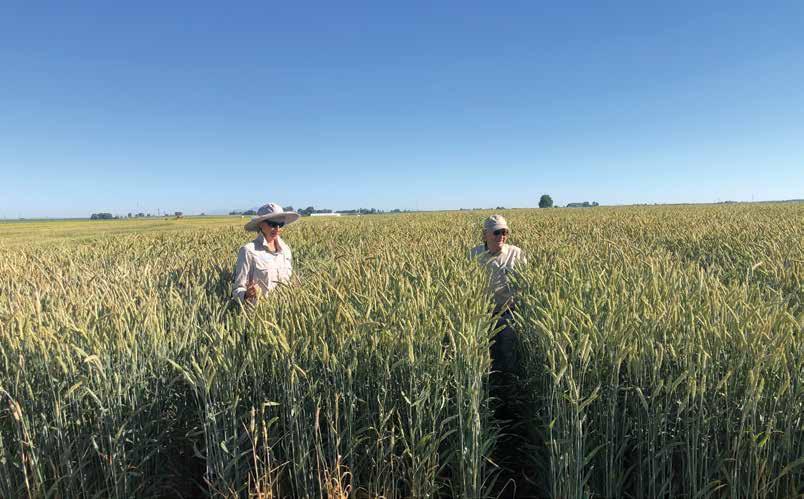
The annual field day for CARC is scheduled for July 8 at the MSU’s Central Agricultural Research Center, 52583 US Hwy 87, Moccasin, MT. 59462.
Registration opens at 8:15 am with a welcome following. Two field tours will be offered at 9:00, and a catered lunch at noon. Attendees will hear from crop breeders, researchers, and other specialists.
This event is free and open to the public.
For more information call (406) 994-5421.
AUCTIONS
A19
Dates for summer youth crop scout school
Youth interested in agriculture will have three hands-on opportunities this summer to explore the world of agronomy through the Junior Crop Scout School.
The one-day schools, organized by North Dakota State University Extension, are open to youth ages 12-18. The events will be held at three North Dakota locations: June 25 at NDSU’s Carrington Research Extension Center in Carrington, July 2 at Norsemen Hall in Portland and Aug. 3 at the Hampden Cafe in Hampden.
Hosted by local NDSU Extension agents, Junior Crop Scout School is designed to build foundational skills in crop science, agronomy and agriculture-related careers. Participants will engage with real-world topics including crop growth stages, weed identification, crop stand evaluation, soil basics, insects, agronomic careers and more.
“This is an exciting chance for young people to get out in the field, literally, and experience what goes into growing crops and managing healthy fields,” says Traci Trostad,
Register for summer regenerative ag courses
By Miranda Mueller, Agronomy and Horticulture
Nebraska Extension and the USDA-NRCS is excited to offer the Regenerative Agriculture Learning Hub program, providing Nebraska farmers and agricultural professionals with science-based information on regenerative agriculture practices and their economic, environmental and management benefits.
The next Regenerative Agriculture Learning Hub virtual course begins June 15. There is no cost to participate in the program.
Drought management webinar for beef producers
By Nebraska Extension
As drought conditions continue to affect much of Nebraska, beef producers are being forced to make difficult decisions about herd and forage management. To support producers navigating these challenges, Nebraska Extension will host a free webinar on Thursday, June 11, from 6:30 to 8 p.m. Mountain Time / 7:30 to 9 p.m. Central Time.
The webinar, “Management Options in Drought,” will feature University of Nebraska–Lincoln specialists who will cover key management practices and decisionmaking strategies to help mitigate the effects of drought.
Topics include drought outlook, range/ pasture conditions and production, confinement feeding cows and early weaning calves, planting summer annuals for forage, and new drought planning tools. Eric Hunt, agricultural meteorologist; Karla Wilke, cow-calf management specialist; Mitch
Stephenson, range and forage specialist; Jerry Volesky, range and forage specialist; and Tonya Haigh, National Drought Mitigation Center, will provide practical guidance for those in drought conditions. Patrick Lechner, program chief with the Nebraska Farm Service Agency, will discuss available drought assistance programs.
“This webinar is designed to provide actionable information to help producers make sound, timely decisions during drought,” said Aaron Berger, Nebraska Extension beef educator. “Lower production on rangeland, due to lack of precipitation or wildfires,
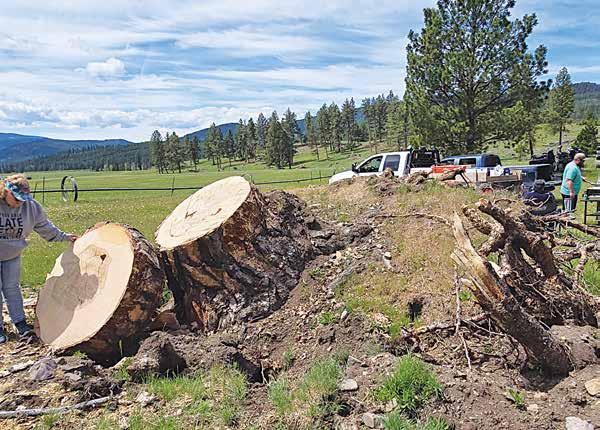
Just a small example of the extent of some of the wind storms this spring in the Rocky Mountains of Montana. This was a very large pine tree near Lincoln, Montana, toppled and roots exposed.
Register for summer regenerative ag courses
CONTINUED FROM FRONT PAGE
Offered virtually, this two-month program provides a comprehensive introduction to regenerative agriculture practices and the economic, environmental and management benefits. Participants will explore key topics impacting producers across Nebraska.
Program topics include:
Efficient resource use
Soil and water conservation
Building climate-resilient farming systems
Cover crops
Diversified cropping systems
Crop-livestock integration
Nutrient and manure management
Continuing education unit credits and a digital badge in regenerative agriculture are available upon completion of the program. Participants may complete one or two individual modules if they are only seeking CEU credits, or complete all three modules to earn the digital badge and a total of 6.5 CEUs.
Go to CropWatch and Regenerative Agriculture Learning Hub for more information. Contact Miranda Mueller, Regenerative Ag Program Coordinator, at mmueller18@ unl.edu with any questions.
Dates for summer youth crop scout school
CONTINUED FROM FRONT PAGE
NDSU Extension agent in Nelson County and event cocoordinator.
Each school will begin with registration at 8:45 a.m. and run from 9 a.m. to 3 p.m. The cost is $10 per participant and includes lunch and a crop scouting kit.
Registration is required. Youth and families are encouraged to register for the location that works best for them.
For the Carrington event, register at ndsu.ag/jrcrop26. For more information, contact Alicia Harstad at 701-845-8528 or alicia.harstad@ndsu.edu.
For the Portland event, register at ndsu.ag/jrcrop26port. For more information, contact Trostad at 701-247-2521 or traci.trostad@ndsu.edu.
For the Hampden event, register at ndsu.ag/jrcrop26ham. For more information, contact Lindsay Overmyer at 701662-7027 or lindsay.overmyer@ndsu.edu.
Requests for accommodations related to disability should be made at least two weeks before the event.
The crop scout school is made possible with support from local NDSU Extension offices, sponsors and agricultural organizations.
Pancakes
When the first European settlers landed in the New World, they brought pancakes with them. They met Native Americans who made their own pancakes, called nokehic. Even the ancient Egyptians had pancakes; in fact, there are few cultures that don’t have pancakes of one kind or another, The first ready-made pancake mix came in 1889, when two men in St. Joseph, Missouri, introduced “Self-Rising Pancake Flour.” They named it “Aunt Jemima” after a song from a minstrel show.
Drought management webinar for beef producers
will result in ranchers and cattlemen looking for alternatives.”
To attend remotely via Zoom, register online at https://go.unl.edu/ drought2026. No cost to attend. A recording of the webinar will be made available following the event for those unable to attend live.
For more information, contact Berger at 308-2353122.
June 29th.
~ ~ Private Treaty ~ ~
Black and Red Angus Bulls - Yearling and 2-year-olds These cattle are bred for long lasting maternal traits and moderate birth weights since 1981.
Fertility tested and delivered. Contact Browning Angus (406) 486-5040 or (406) 429-7371, Fallon, MT
##### Tonight I dreamt of a beautiful walk on a sandy beach.
At least that explains the footprints I found in the cat litter box this morning.
#####
Funny, those road signs: “Caution - Watch for children!” I mean, how dangerous can a child be?
Beyond the abstract: Single injection of postaglandin for natural service mating
By Brock Ortner, Nebraska Extension Livestock Educator
The phrase “estrus synchronization” often recalls trips through a working facility, numerous hormones to administer at the correct dose, timing, and route, and artificial insemination. Despite this association, estrus synchronization, as its name implies, is a method for synchronizing the expression of estrus (heat) in cattle. While estrus synchronization can be paired with artificial insemination, substantial benefits can be realized with exceptionally simple protocols and natural service.
Research reported in 2009 by Daniel Larson, University of Nebraska-Lincoln and others sought to determine the efficacy of a single injection of prostaglandin F2α (PGF), a simple protocol requiring only one trip through the chute. Data was collected on March-calving cows three years and older at the Gudmundsen Sandhills Laboratory near Whitman, Neb. Cows were unsynchronized between 1999 and 2005 (n = 2073) and synchronized in 2006 and 2007 (n = 518). In their protocol, cows were exposed to fertile breeding bulls 108 hours prior to being administered PGF. Following the injection, bulls remained with cows for 45 days with a minimum ratio of 1 bull:25 cows. In years when cows were unsynchronized, the breeding season lasted 60 days. The corpus luteum is unresponsive to PGF for around 96 hours post-ovulation, but will lyse if ovulation occurred more than 96 hours before PGF injection, causing cows to restart the estrus cycle. Thus, cows bred before PGF administration may still obtain pregnancy.
In their results, cows synchronized using the single injection PGF protocol had 11% more calves born in the first 21 days of the calving season. However, average birth date did not differ between synchronized and unsynchronized cows, likely because synchronized cows that did not obtain pregnancy in their first cycle after receiving PGF were bred approximately 21 days later. Despite having a shorter breeding season, pregnancy rate did not differ between synchronized and unsynchronized cows. Finally, weaning weights were not statistically different, although synchronized cows had an 18-pound numerical advantage.
In summary, the single injection PGF protocol with natural service increased the proportion of calves born at the beginning of the calving season. On the ranch, “front-loading” the calving distribution could lead to several direct benefits, including labor efficiency during calving, improved calf crop uniformity, and potentially, greater weaning weights due to increased age at marketing. With relatively low labor and cost requirements, estrus synchronization is practical to implement—and not adopting can be an expensive missed opportunity.
To learn more, visit https://digitalcommons.unl.edu/animalscinbcr/527
Bee’s Knees Week
Date Celebrated: June 12-21
History of Bee’s Knees Week
The background of the Bee’s Knees can be traced back more than a century ago to the time when this classic cocktail was created. The time was the 1920s, during the Prohibition era, of course, and one story is that the drink was invented by an Austrian-born bartender, Frank Meier, during his tenure at the Hotel Ritz in Paris. Another story attributes the drink to an American socialite named Margaret Brown.
But even though the origin story is a little unclear, the results are fabulous! With a mix of sweet and sour, the Bee’s Knees really is just what its name implies!
Bee’s Knees Week was first launched in 2017 by Caledonia Spirits, which is the parent company of Bar Hill Gin. The day is celebrated not only with the hope of promoting this drink, but also in an effort to raise awareness about sustainability. This week specifically promotes the protection of pollinators, including bees, that are vitally important to the environment and ecosystems of the planet. This week is considered to be the largest sustainability event in the alcohol industry.
In addition to encouraging individuals to celebrate Bee’s Knees Week on their own, as the sponsor of the event Bar Hill Gin commits to engaging with social media to plant new pollinator habitat as a restoration project for bees and other pollinators.
By Grace Xue, Communications Specialist
In a barn at the Western Oregon Exposition Heritage Fairground, veterinarian Dr. Lauren Furrer lifted a goat’s front leg, showing young attendees that the tender skin under its armpit is the right spot for an injection.
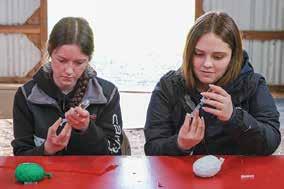
The children sat around a table, each with a syringe and a vial of water, practicing on oranges.
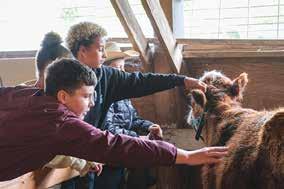
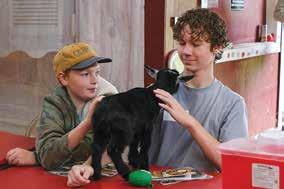
Baby goats bleated in the pen nearby, while a few were placed on a table for closer interaction. Teens carefully handled the goats as part of a hands-on learning experience.
This was the inaugural Youth Livestock Field Day in Lane County, co-hosted by the Oregon State University Extension Service’s 4-H Youth Development and Small Farms programs. The event introduced youths to topics that apply to all livestock, including animal ownership, vaccines, meat quality and biosecurity.
“We’re trying to highlight the importance of the whole food supply chain,” said Elizabeth Gangwer, 4-H program coordinator in Lane County. “By raising animals, they play a role in that, and we want to help them provide quality to our food supply chain.”
A shrinking pool of young farmers
Participants came from across Lane County, including kids who are not enrolled in 4-H.
The field day featured four sessions taught by Extension faculty and livestock industry professionals partnering with Extension. Classes ranged from grain identification and meat-cut charts to making rope halters.
Amber McLernon breeds goats at Dream Dancin’ Acres, a farm just outside Eugene. A former 4-H’er who studied animal science as a kid, she brought her goats to the event for the hands-on vaccination class.
“I want to give back to 4-H where I can help encourage the next generation of people that are going to be in the livestock business in the future,” she said.
farms and 667,000 acres over the five years since 2017, while Lane County saw farm sales decline by more than 25%.
“Education about our food system in general is lacking, so it’s hard for people to get into these businesses when they don’t even know it’s an option,” McLernon added. “Not many schools get to teach students dairy farming, and there are so many jobs in the livestock industry that you don’t see on a normal career list at schools.”
Seeing a gap in agricultural education among youths and inspired by examples of collaboration among Extension programs in other states, faculty and staff from the Small Farms and 4-H programs decided to work together for the first time in Lane County.
Sparking curiosity
Gangwer designed a lunchtime panel that brought in professionals representing different paths in the food supply chain and agriculture to share their experiences. Panelists included Kris Elliott, OSU vice provost for Extension and engagement and director of OSU Extension, along with a veterinarian, a veterinary technician, a local farmer and an animal feed specialist.
“We want to spark kids’ curiosity about the livestock industry and expose them to a wide variety of careers they could look up to, whether they require education or hands-on training,” Gangwer said.
Xavier Luis, a 13-year-old from Lowell, came to the event because he wants to be a goat farmer. His family farm is home to sheep, goats, chickens, dogs and cats.
“I’m here to learn about what I need to do and the steps I need to take,” he said.
Some kids came hoping to learn skills to care for their own animals, including 15-year-old Jenna Fery of Cottage Grove. She said she isn’t sure what career she wants to pursue, but she knows she wants to work with animals or children.
She has noticed it’s becoming harder to attract a younger workforce to agriculture and livestock industries, largely because of the challenge of accessing and affording farmland.
According to the 2022 Census of Agriculture, released in 2024, Oregon lost 2,069
“I’ve given vaccines before to my animals, but it’s helpful to learn about how different animals receive different vaccines in the workshop today,” Jenna said. “I’m interested in learning more about the different things that go on in the agriculture business.”
More than just farming
Being a farmer isn’t the only way to get involved in agriculture and livestock. Melissa Fery, a faculty member with the OSU Extension Small Farms Program, said meat processing is one area struggling to draw young people’s interest.
“In Oregon, people are really good about raising livestock,” Fery said. “But we do need that processing part as well.”
She pointed out that meat processing isn’t limited to slaughtering and harvesting; it can also include marketing and e-commerce for local products. Many farmers she has worked with struggle to build websites or reach more customers, and they want to hire
The Youth Livestock Field Day includes lots of hands-on opportunities for kids to interact with animals. Credit: Grace Xue
The event introduced youth to topics that apply to all livestock, including animal ownership, vaccines, meat quality and biosecurity. Credit: Grace Xue
Youth learned to use a syringe and vial of water, practicing giving vaccinations on bean bags and oranges. Credit: Grace Xue
Scheduling first cutting
By Ben Beckman, UNL
As spring temperatures rise across Nebraska, now’s the time to plan your first alfalfa cutting. Getting that first cut right is more important than many realize. It sets the pace for the entire season.
Waiting too long to harvest can lead to lower forage quality and delayed regrowth. That pushes your second cutting later into the summer, when heat and drought stress can limit yield. It can also throw off your third or even fourth cuttings, shortening the season and reducing total tons per acre.
On the flip side, cutting too early, before late bud stage, can hurt stand vigor and root reserves, especially in younger fields.
A good rule of thumb?
Aim for 750 growing degree days from green-up and target the late bud to early bloom stage. Depending on the quality you are shooting for, this typically falls between late-May and early-June. Check field conditions closely, including weevil activity and stand health, and plan around weather windows to avoid rain damage.
Poor timing in May can cost you in July and August. Start planning now. Sharpen blades, check and service equipment, and communicate with custom harvesters early. A timely first cut sets the tone for the rest of your hay season.
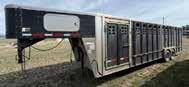
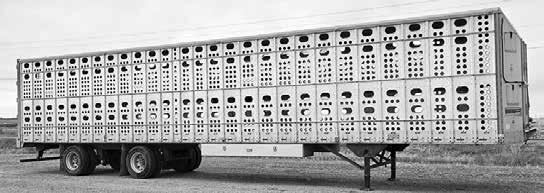
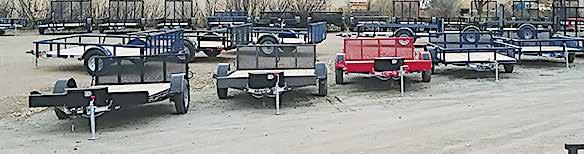
TRAILER FOR SALE
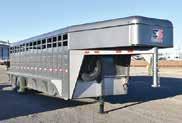
2016 Merritt 52x102 cattle and sheep trailer, removable deck, 4 compartments, excellent condition. $29,900 OTHER TRAILERS AVAILABLE
Please call (406) 855-7800, Billings, MT
Lane County Youth Livestock Field Day exposes youths to agriculture careers
CONTINUED FROM PAGE A6
hire people with backgrounds in computer science or marketing to help.
“It’s great exposure for youths to have people who are knowledgeable in their field and willing to share their experience,” Fery said. “Maybe they’ll be like, ‘Oh, I was interested in being a vet assistant,’ and reflect back on some good skills they learned today.”
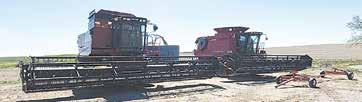
COMBINES FOR SALE
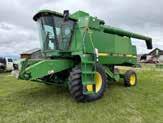
1997 Case IH 1688 with 30-ft. header, 4493 engine hours, auger extensions, hopper extensions. $16,500 2005 Case IH 2388 with 30-ft. header and cart, 3313 engine hours, 2651 separator hours, yield monitor, hopper extensions, auger extensions. Very well maintained. $36,500
Delivery Available Package price on both is $50,000 Acciacca Agriculture Sales and Service
Tom - 406-799-8323 – Fairfield, MT
202 North Central Avenue, Cut Bank, MT 59427 (406) 873-2984 l hilinecomm@gmail.com
The event attracted 32 young people from the county. Fery and Gangwer said they plan to bring it back next year to expand its reach and let youths hear from a wider range of professionals.
At the panel, McLernon suggested that youths considering getting into livestock start slowly and look at the foods they enjoy eating to spark interest.
“I like dairy and cheese, so I got into raising goats,” she said. “Raising things that you or your community like to eat, because food security is a big problem, and there’s a lot of call for locally produced food.”
“It’s very rewarding to be a farmer; it’s so worth it,” she added. “It’s long hours and exhausting, but at the end of the day, look, I have happy, healthy goats, cheese and milk.”
Visit the OSU Extension Service Lane County 4-H website to learn more about programs and upcoming events near you.
Pros and Cons of Conservation Reserve Program grazing in drought conditions
By Aaron Berger | Nebraska Extension Livestock Educator
Cattle producers may have the opportunity to use Conservation Reserve Program (CRP) acres after July 15 if drought conditions continue. Producers located in or next to counties in Nebraska impacted by drought conditions may be authorized for emergency grazing or haying.
Eligible producers interested in grazing CRP under the emergency authorization and current CRP participants who choose to provide land for grazing to an eligible livestock producer, must first request approval to graze eligible acreage through the Farm Service Agency. They will also need to obtain a modified conservation plan from the Natural Resource Conservation Service that includes grazing requirements.
Utilizing CRP for grazing provides both challenges and opportunities.
The availability of water on CRP acres will be the first concern. The water requirements for a cow-calf pair in July can be close to 25 - 30 gallons per day. It can be expensive to haul water to cattle, but less than the cost of harvested feed. Early weaning calves and grazing dry cows on CRP acres may be a better option for producers where water availability is limited or needs to be hauled.
Forage quality. Depending on when the CRP acres were last grazed or hayed, and on the species of grasses and legumes present, there may be a lot of old grass growth that
will be low in quality. If most of the feed is old growth, supplemental protein and energy will likely be needed to meet cattle’s nutritional requirements. This is especially true for replacement heifers and young cows with calves at side that have high nutrient requirements. It is important that cows entering and going through the breeding season not be on a decreasing nutrition plan. Cows that are rapidly losing weight prior to and through the breeding season will likely have decreased conception rates.
Supplementing cows on low-quality forage with adequate protein and energy to maintain cow body condition score through the breeding season is an important consideration when grazing CRP. Nebraska Extension Beef Specialists and Educators are available to answer questions concerning supplemental protein and energy needs.
Efficient utilization of available forage in CRP depends on the grass species present. The forage can be old, brittle standing forage. This old-growth forage can easily be knocked down and trampled by cattle, resulting in loss to grazing. Examining ways to strip-graze or partition out forage to reduce loss from trampling may help efficiently utilize the grass present.
The opportunity to utilize CRP acres for grazing under drought conditions can provide rangelands with critical rest and provide cattle producers with forage.
June is National Country Cooking Month
For those who love traditional home cooking, National Country Cooking Month is the perfect opportunity to try something new or settle back into some old classic favorites. So get those taste buds ready and salivating, and make a point to show some appreciation and love for a delicious array of foods!
History of National Country Cooking Month
Country Cooking is a special version of American cuisine that was established particularly in the southern United States, although it is certainly not limited by geog-
raphy. The culture areas that are considered to have influenced country cooking include Appalachia, Cajun, Creole, Tidewater, Low Country and “Floribbean”.
The dishes within the category of Country Cooking are often created around the idea of “comfort food”, including ingredients that are rich, warm, filling and deeply satisfying. From slow cooked barbecue ribs to buttery cornbread, from classic fried chicken to farm style green beans with bacon, this southern style of cooking offers a down home feel that simply can’t be beat!
National Country Cooking Month, situated in early summer, is a special time that was established to promote simple, home cooked meals that are hearty and delicious!
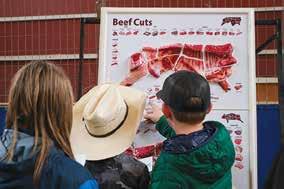
Youth learned about different cuts of meat by matching the flash cards to the illustration on the boards.
Credit: Grace Xue
COMBINES & HEADS FOR SALE
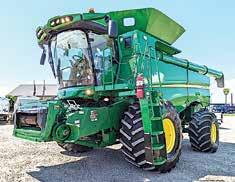
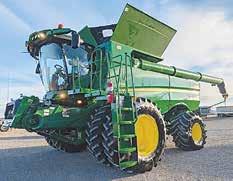
2-John Deere STS 9770 combines, 2009 and 2011 with 635D 35-ft. draper heads. Phone (406) 855-4000
The effects of warm winters on insect pests and pollinators
By Francisco Gamboa Herrera – Ag & Natural Resources Extension Agent, Montana State University Extension – Yellowstone County ulations
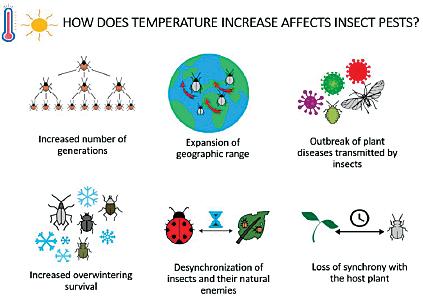
In Montana and across the Northern Great Plains, winters have always done more than just bring snow and cold—they’ve acted as a natural control system for insects. Historically, prolonged cold temperatures have limited the survival of many insect species, particularly agricultural pests. However, recent trends toward milder winters are potentially changing these dynamics. Warmer winters can lead to increased survival of pest insects, earlier seasonal activity, and greater pressure on crops, livestock, and landscapes. At the same time, pollinators—essential for ecosystem health and agricultural productivity—may respond differently, sometimes negatively, to these changing conditions. Understanding what’s happening helps producers, landowners, and communities make better decisions moving forward.
How Winter Conditions Regulate Insects
Insects have developed a variety of strategies to survive Montana winters, most commonly by entering a dormant state known as diapause. Depending on the species, they may overwinter as eggs, larvae, pupae, or adults. For example, grasshoppers typically overwinter as eggs in the soil, while insects such as the codling moth survive as larvae under leaf litter, and the emerald ash borer overwinters beneath tree bark. Others, like the brown marmorated stink bug, may seek shelter in protected spaces, including homes and buildings. These strategies allow insects to avoid direct exposure to extreme cold. Winter temperatures play a major role in naturally regulating insect populations. Extended periods of cold can increase mortality, slow metabolic activity, and limit the energy reserves insects rely on to survive until spring. Soil-dwelling insects such as white grubs (including Japanese beetles) are somewhat protected from extreme air temperatures because the soil acts as an insulating barrier. Despite these strategies, colder winters generally reduce overall survival rates and help keep populations in check. In addition, winter conditions help maintain the timing of insect life cycles so that development aligns with seasonal environmental cues. When winters are warmer than normal, these natural controls are less effective, allowing more insects to survive and potentially shifting the timing of their emergence.
If warmer-than-usual conditions occur during the spring and into summer, some insects may be able to complete additional generations. Rapidly reproducing species such as aphids can quickly build large pop-
under these conditions, while other insects may shift from one generation per year to two. This can result in greater pest pressure later in the season.
Spring weather conditions further influence how insect populations develop. Warmer temperatures trigger earlier activity in species such as aphids and cutworms, increasing the length of time they are active during the growing season. However, if early warm periods are followed by sudden cold snaps, these newly active insects may die. The presence or absence of snow cover is also important. Snow acts as an insulating layer that protects overwintering insects, particularly those in the soil, like grasshopper eggs. Without this protective layer, extreme cold can penetrate deeper into the soil and increase mortality.
Snow cover also plays a critical role by moderating soil temperatures and reducing fluctuations. Even a few inches of snow can keep soil temperatures significantly warmer than the surrounding air, protecting insects from extreme cold and sudden temperature changes that could otherwise be harmful.
Together, winter and early spring conditions strongly influence which insect species survive when they become active and determine how large their populations may become during the growing season. These factors ultimately affect pest pressure, crop production, and overall ecosystem balance.
Impacts on Insect Pests
Milder winters allow more insect pests to survive until spring, particularly those that overwinter in soil, plant residue, or protected habitats. In Montana, this includes species such as grasshoppers, aphids, cutworms, and livestock pests like horn flies. Higher survival rates result in larger populations earlier in the growing season, increasing the likelihood of pest outbreaks. Warmer temperatures also lead to earlier insect emergence in the spring. As a result, pests begin feeding sooner and remain active for longer periods, which increases the duration of potential damage. This extended activity can also allow for greater reproduction over the course of the season, intensifying pest pressure.
Since insect development is driven by temperature, warmer conditions allow some species to complete additional generations within a single year. For example, aphids can reproduce rapidly and build populations quickly under favorable conditions, while certain beetles and flies may shift from producing one generation per year to two. This increase in reproductive cycles can significantly amplify pest populations.
CONTINUED ON PAGE A12
Drought increases risk of prussic acid and nitrate poisoning
By Mary Drewnoski, Nebraska Extension Beef Systems Specialist
Drought conditions increase the risk of both nitrate and prussic acid (hydrogen cyanide) toxicity in annual forages. All annual plants can accumulate nitrates under stress, while species such as sorghum, sorghum-sudangrass, sudangrass, shattercane, and johnsongrass can also produce compounds that lead to prussic acid poisoning.
Producers concerned about prussic acid risk may consider planting pearl millet as it does not produce prussic acid. However, it can still accumulate nitrates. Both nitrates and prussic acid can be fatal to cattle. Risk is often greatest during drought or immediate-
recommended. In addition to submitting samples to a laboratory, producers can use simple in-field quick tests to screen for prussic acid risk. This test does not provide exact concentrations but can indicate whether cyanide is present and if risk may be elevated. Learn more here. If testing indicates elevated risk and ensiling is not an option, delaying grazing or hay harvest is often the best approach. Concentrations of both nitrates and prussic acid typically decline within 5 to 7 days after adequate rainfall. Re-testing after this recovery period can help guide safe management decisions. ly following drought-breaking rains.
Young plants typically contain higher concentrations of prussic acid than more mature plants, but both growth stages can pose a risk under drought stress. Nitrates tend to accumulate in the lower portion of the plant, particularly the stem. In contrast, prussic acid is most concentrated in the leaves. This increases risk during grazing, as cattle preferentially select young, leafy material where prussic acid concentrations are highest.
Nitrogen fertilization can further increase the risk of both nitrate and prussic acid accumulation, particularly when combined with drought stress. Harvest method also impacts risk. Drying forage for hay does not reliably reduce nitrate concentrations, and while it has often been assumed that prussic acid dissipates during curing, recent research indicates that prussic acid can persist at levels that pose a risk to cattle. As a result, drought-stressed forages may remain toxic even after baling and should be managed with the same caution as standing forage.
Ensiling, however, can reduce both nitrate and prussic acid levels by approximately 50%, making it a useful risk management strategy. Even so, silage made from plants with risk of being high in prussic acid or nitrates should always be tested before feeding. Poor ensiling conditions such as incorrect moisture or inadequate packing can limit this reduction.
Before grazing or harvesting drought-stressed forages, testing is strongly
##### Sell the cow, buy the sheep, but never be without the horse. – Irish Proverb
#####
In 2018, France passed a law banning children under 15 from using their smartphones, smartwatches, and tablets during the school day.
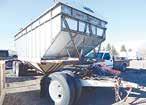
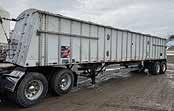
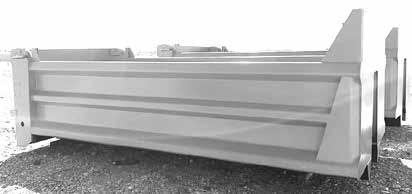
SEMI DUMP BOX FOR SALE
15-ft. 5” long, 8-ft. wide.
Phone (406) 498-4468, Cash Only, Butte,
Neal Hay Sales
Dean Brandt (406) 899-4763 Phil Gates (406) 750-3071 office: (406) 268-9614
email: mtmtlfab@gmail.com
WANTED TO BUY
Ford pickups 1967-1979
Toyota Tacoma pickups 1979-2004
Dodge power wagons 1948-1970
Willy’s Jeeps Ford Broncos 1978-1981
Any Condition - Paying Top Dollar
Located in Helena Call today (406) 594-5000
Do you have an NRCS Contract?
If you need a stockwater pipeline or an irrigation pivot, but haven’t received assistance yet, consider signing up with a Technical Service Provider (TSP) at your local NRCS office. The NRCS will reimburse you for hiring a TSP, so your project can be completed at no cost to you. TSPs often finish projects more quickly than NRCS itself, and I am one of the TSPs available in Montana. Typically, I can complete a design that meets NRCS approval within 30 days after a field visit.
All projects will meet USDA-NRCS specifications.
• Licensed Professional Engineer
• Registered Technical Service Provider for USDA-NRCS
• Life time member of the Irrigation Association
• 40 years design and field experience.
If you are looking for an independent, non-biased design based on your business needs CONTACT: Randy Pierce PE, Oxbow Engineering, LLC (406) 600-8528 or email Kinseyk1d51@gmail.com
The effects of warm winters on insect pests and pollinators
CONTINUED FROM PAGE A10
Another concern is movement. Cold winters have historically limited where certain pests can survive. As winters warm, some species may expand into new areas, including parts of Montana where they weren’t a problem before. This can include invasive species and disease-carrying pests like ticks, creating new challenges for both agriculture and public health.
Impacts on Pollinators
Pollinators, including native bees, honeybees, and other beneficial insects like butterflies, moths, and many flies and wasps, often respond differently to warmer winters than pest species. Many pollinators depend on stable winter conditions to successfully overwinter. When temperatures fluctuate or remain warmer than normal, these insects may experience increased metabolic activity, causing them to use stored energy reserves more quickly. That extra activity can deplete their stored energy, leaving them weaker—or even unable to survive—by the time the growing season begins.
There’s also a timing issue. Warmer winters can lead to changes in phenology (the seasonal timing of common cyclical patterns of plant and animal development). Plants may bloom earlier in response to warmer temperatures, but pollinators don’t always adjust at the same pace. When that happens, flowers and pollinators can miss each other. Fewer pollinators visiting flowers means less pollination, which can impact both natural ecosystems and crop production.
It is also important to note that not all pollinator species respond in the same way. Some may benefit from longer growing seasons, while others, particularly those adapted to colder climates, may decline. Over time, this can shift which species are present and how ecosystems function.
The Role of Moisture
While temperature is a key factor influencing insect populations, moisture conditions also play an important role. The combination of temperature and precipitation often determines whether insect populations increase or decrease in a given year. Warm, wet conditions tend to favor mosquitoes and certain plant pests that thrive in higher moisture, while warm, dry conditions are often associated with grasshopper outbreaks. In Montana, the interaction between winter temperatures and spring moisture is especially important in shaping insect population dynamics.
Implications for Agriculture and Livestock
For livestock and horse operations, warmer winters can result in longer fly seasons and increased parasite pressure. This can lead to greater stress on animals, reduced weight gain, and lower overall productivity. Managing these challenges may require earlier and more consistent use of pest control strategies.
Management Considerations
Adjusting to the impacts of warmer winters requires a more proactive approach to insect management. Producers and land managers should consider starting pest monitoring earlier in the season to identify emerging populations before they reach damaging levels.
Using an Integrated Pest Management (IPM) approach remains one of the most effective strategies. By combining cultural, biological, and chemical control methods, IPM helps reduce reliance on any single tool while improving long-term sustainability.
Tracking growing degree days (GDD), or “heat units,” can also be a valuable tool. While commonly used to monitor crop development, GDD can help estimate key stages in insect life cycles, such as egg hatch or peak adult emergence. Understanding when pests become active allows for better timing of scouting efforts and more informed management decisions. There are also tools available for growers and gardeners designed to help them track pest development, such as the Utah TRAPS weather station data that can provide site-specific timings for common pest issues in fruit production, field crops, and turf and ornamental landscapes: https://climate.usu.edu/traps/. Keeping detailed records of weather patterns and pest activity over time can further improve decision-making and help identify trends. At the same time, supporting pollinators through habitat conservation (including planting early and late season flowering plants) and responsible pesticide use is essential for maintaining healthy agricultural systems.
Warmer winters are likely to shift insect population dynamics across Montana. In general, these conditions favor many pest species by increasing survival rates, extending periods of activity, and allowing for faster population growth. Meanwhile, pollinators may face added stress during overwintering and potential mismatches with plant development.
As the season progresses, it will be important to stay observant. Some insect populations may appear earlier than usual or reach higher-than-expected levels. Weather conditions in early spring can still play a role, sometimes reducing populations or disrupting insect and crop timing.
0-6 inch, 6-24 inch & 24-42 inch depths Composite or Zone Sampling with prescription writing.
3 GPS guided trucks available.
Standard Analysis, Complete Analysis, Soil Health and more
Budgets tight? Did you sign up for a fertility enhancement program? Contact us today! Know exactly what nutrients are in your soil and where with soil sampling from Centrol. Independently owned, serving the Golden Triangle since 1985.
Farkell CCA 406-581-6243
Changes in insect populations due to warmer winters have important implications for agriculture and livestock production. In cropping systems, producers may experience earlier pest infestations, increased pest pressure throughout the growing season, and a greater need for regular monitoring and management. These changes can lead to higher input costs and potential yield losses if pests are not effectively controlled.
As the archeologists continued to uncover the lost city in the jungle, the excitement was palable. And when they saw what appeared to be wide areas with circular holes spaced evenly throughout the lengthy terrain, it became evident that an ancient golf course was being uncovered. The question then became “Why would this ancient civilization give up the game only to have it reappear centu-
Ultimately, these changes reinforce the importance of ongoing monitoring and flexible management strategies. Extension resources will continue to be an important source of support as producers and communities adapt to these evolving conditions.
ries later?” The head archeologist decided that the only possibility of an answer was to enlist the assistance of the chief local tribesman. When posed with the head-scratching question, the chief said, “I believe I have the answer to your question.” “Please...enlighten us.” “Well it’s obvious, isn’t it?’ the chief said knowingly. “They clearly couldn’t afford the green fees.
Trader's Dispatch will be June 29th. Call (406) 271-5533 to place your ad.
MarkPyrak 406-788-9280
NRCS ND encourages producers to explore Regenerative Pilot Program
Fort Benton Realty LLC
Fort Benton Realty LLC
1426 Front Street, Fort Benton, Montana 59442 www.fbrealty.com • fbrealtyl@gmail.com
1426 Front Street, Fort Benton, Montana 59422 www.fbrealty.com • markpyrak@gmail.com
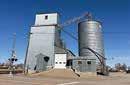
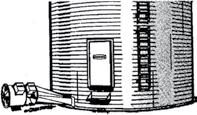
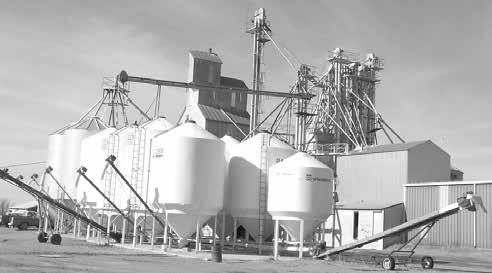
Two commercial grain elevator facilities for sale:
We offer the BEST of Montana's BIG Sl(Y COUNTRY! offer over 40 years of real estate experience!''
Located at Dutton, MT, these offer significant storage capacity with commercial grain elevator facilities for sale with direct rail access via BNSF
Specializing in Equestrian & Horse Properties, Farms & Ranches, Lots & Land, Commercial & Residential, Auctions and Real Estate Consulting. Valerie Morger 406-750-2866
Reach out to one of our real estate experts TODAY!
Railway along the west side of each site. Combined, the properties offer approximately 373,200 bushels of active storage capacity, plus an additional 70,000 bushels of unused “old house” storage. Farmers Elevator: High-capacity dual-leg system servicing both rail and truck operations. Includes (2) 53,000 bu outdoor bins, (4) 10,500 bu hopper bins, and (3) overhead bins (2 x 3,500 bu, 1 x 1,200 bu), plus 70,000 bu unused storage. Equipped with center unload sweeps, 75’ truck scale, and grain cleaner. D&S Elevator: Includes (3) 35,000 bu outdoor bins, (2) 20,000 bu bins with sweeps, (6) 3,000 bu bins, and (6) 1,500 bu bins. Features a functional grain cleaner and indoor scale. Both facilities are well-suited for commercial grain hauling, aggregation, or feed operations, with established rail and truck infrastructure. Offered as-is. REASONABLE PRICED AT $360,000.
Mark Pyrak: 406-788-9280 • Valerie Morger: 406-750-2866
Shane Ophus: 406-788-6662 • Roger Axtman: 406-899-4098
Dennis Franz: 406-788-1163 • Katie Schuler-Richter: 406-788-8370
Contact Agent Katie Shuler-Richter at Fort Benton Realty, 406-788-8370
Mark Pyrak 406-788-9280
YOUR MONTANA FARM & RANCH REAL ESTATE BROKERS OVER 45 YEARS EXPERIENCE
Specialing in Listing and Sales, Land Auctions and Real Estate Consulting
Shane Ophus 406-788-6662
NRCS conservation officials are encouraging producers to take a closer look at USDA’s Regenerative Pilot Program (RPP), a whole‑farm conservation initiative designed to improve soil health, water management and long‑term ag ricultural vitality.
Piloted in FY 2026, the program integrated soil health testing with multiple conservation practices into a produc er‑driven planning effort. Building on that success, NRCS North Dakota plans to expand regenerative opportunities in FY 2027 and encourages producers to begin working with their local NRCS offices ahead of the upcoming batching period.
NRCS leaders say the pilot may be unfamiliar to many producers but could offer significant benefits for operations across the state.
“This program is built around the idea that produc ers know their land best, and our job is to help them bring all the pieces together,” said NRCS North Dakota Assistant State Conserva tionist for Programs Jarvis Keney. “Instead of tackling soil, water and productivity concerns one practice at a time, the Regenerative Pilot Program looks at the entire operation and supports a plan that works as a whole system.”
The program bundles practices such as cover crops, crop rotation, grazing management, nutrient management and reduced‑till systems into a single regenerative application. Producers work with an NRCS conservation planner to complete a whole‑farm assessment, implement at least one primary regenerative practice and conduct soil health testing in the first and final year of the contract.
“Producers have been asking for a more streamlined way to access conservation support, and this pilot delivers that,” said NRCS North Dakota State Conservationist Dan Hov land. “It’s simpler on the front end and more meaningful on the back end because outcomes are measured and credited directly to the farmer.”
A tool producers may not know about NRCS officials say the regenerative approach may help address persistent challenges in North Dakota, including salinity, declining soil function and water‑related resource concerns.
“We don’t always know what tools producers are aware of, and this is one we want to make sure doesn’t fly under the radar,” said NRCS North Dakota State Resource Conser vationist Richard Webb. “The regenerative approach aligns well with the issues we see on the ground, especially where soil health and salinity intersect.”
Producers can contact their local NRCS service center to learn more about regenerative planning opportunities and upcoming FY 2027 enrollment periods.
Q&A: Understanding the Regenerative Pilot Program
• What is the Regenerative Pilot Program? A USDA ini tiative supporting whole‑farm regenerative agriculture sys tems. It bundles multiple conservation practices into a single application and emphasizes soil health, water management and long‑term productivity.
“This is a whole‑farm approach, not a piecemeal one,” Keney said.
• Who is eligible? Any farmer or rancher interested in regenerative agriculture can apply through their local NRCS service center. EQIP and CSP applications can be submitted under the single regenerative application process.
• What does participation require? Producers collaborate with an NRCS conservation planner, partner or Technical Service Provider to complete a whole‑farm assessment, implement at least one primary regenerative practice and conduct soil health testing in the first and final year of the contract.
“Field staff play the central role in providing consistent guidance and technical expertise to help producers build strong regenerative agriculture conservation plans,” Webb said.
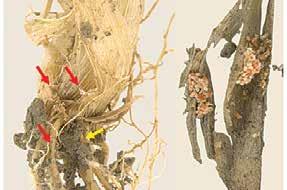
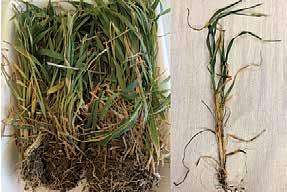
A visual representation of plant health and decline, highlighting the importance of accurate diagnosis through UW Extension’s Plant Diagnostic Clinic, which offers free identification services.
The University of Wyoming Extension has re-opened its Plant Diagnostic Clinic, which assesses plant samples that may harbor diseases.
Based in Laramie but serving communities statewide, the Plant Diagnostic Clinic supports county extension educators and community members by diagnosing possible diseases in any type of plant, including houseplants, turf, row crops, forages, and even trees.
The clinic also provides disease management suggestions. Recommendations could include chemical controls, alternative irrigation practices, or resistant plant varieties to grow instead.
Plant diagnostic services are free and open to any member of the public, from home gardeners to commercial producers. However, those interested in submitting a sample are encouraged to reach out to their local extension office before contacting the diagnostic clinic directly.
“The first point of contact should be someone in your county,” says Jean Williams-Woodward, UW Extension plant pathologist and director of the Plant Diagnostic Clinic. “A lot of times county educators know what’s specifically happening in their
NRCS ND encourages producers
CONTINUED FROM PAGE A14
• What practices are included? Primary practices include cover crops, crop rotation, grazing management, nutrient management, irrigation water management, reduced - till systems, strip cropping and others.
• How does this benefit producers? The program simplifies access to conservation support, provides site-specific planning and credits measurable outcomes back to the farmer.
“It’s designed to meet producers where they are— whether they’re just starting with cover crops or already running advanced regenerative systems,” Hovland said. “The program brings NRCS back to its core mission—helping people help the land—through whole - farm, outcomes-based conservation planning.”
• Who can producers contact for help? Producers can contact their local USDA service center or visit nrcs.usda. gov to learn more about the Regenerative Pilot Program and find their nearest office.
county.” For example, if a county is experiencing a wave of a particular plant problem, a local extension educator could likely provide a diagnosis more quickly than the diagnostics team in Laramie.
If a county educator cannot provide an answer, they can facilitate contacting the clinic for assistance.
After submitting samples, submitters and county educators will receive an official report with a plant diagnosis and recommendations. For more information, visit the plant diagnostic website at https://wyoextension.org/ plantclinic or contact Jean Williams-Woodward at (307) 766-2062.
North Dakota ranchers face potential forage shortage
Spring conditions are creating challenges for ranchers in the 2026 grazing season. Below-average temperatures have delayed cool-season forage growth.
According to the U.S. Drought Monitor map released May 14, only 2% of the state is in drought, and 9% is abnormally dry. However, the entire state has received below-average precipitation over the last 60 days. Many areas are 50% or less than normal, with areas in the McKenzie and Mountrail counties at less than 10% of normal.
“Unfortunately, we are now halfway through the period for optimal forage production,” says Miranda Meehan, North Dakota State University Extension environmental stewardship specialist and disaster education coordinator.
North Dakota grasslands are dominated by cool-season grasses; as a result, about 80% of forage growth occurs due to precipitation from between April 1 and June 30. Precipitation received in July and August accounts for only 20% or less of forage production potential.
“So, if you are dry from April to June, plan for less forage from grazing and hay land sources,” says Meehan.
Calculating precipitation for forage growth
Because precipitation influences forage production, Aprilto-June precipitation can be used to predict potential forage production deficits. For example, if precipitation during this period is 20% of normal, producers can expect forage production to be 80% lower than normal.
“These production predictions can then be used to make forage and grazing management decisions earlier in the grazing season that balance resources and reduce risk,” says Kevin Sedivec, NDSU Extension rangeland management specialist. Ranchers can use precipitation records for their location to predict forage production potential.
“By comparing the current year’s precipitation for this time period with the median precipitation for the last 30 years at a specific location, ranchers can calculate the probability of receiving adequate precipitation for forage growth,” says Sedivec.
For example, Grassy Butte typically receives 7.52 inches of precipitation between April and June and has received 0.35 inches as of May 15. The site needs 7.17 inches to achieve normal forage production.
The probability that Grassy Butte will receive adequate precipitation to achieve normal forage production levels can be determined by assessing the number of times it has received 7.17 inches in May and June in the last 30 years. Grassy Butte has received 7.17 inches four times in the last 30 years, so there is a 13% chance of receiving adequate precipitation to achieve normal forage growth in 2026.
Reviewing grazing plans
Given current conditions, ranchers should review and update their grazing and drought plans. NDSU Extension specialists offer the following management considerations: Evaluate alternative feed options and consider purchasing hay. Due to conditions in April, the growth of cool-season tame grass pastures or hay (crested wheatgrass, bromes) will be below average.
Be sure to access and monitor water availability and quality throughout the grazing period. Test water quality for total dissolved solids as well as sulfates. Water quality should be monitored as long as drought conditions persist. Ensure the water supply is adequate, and have a strategy in place when the water levels become low or toxic.
Plan for removing cattle earlier, reducing the stocking rate or weaning calves early. Expect to seek alternative forages or feeding options if none of the above are desired.
Take precautions to prevent nitrate poisoning because some plants accumulate nitrates during periods of drought.
Maintain a monitoring plan to measure utilization and minimize overgrazing.
Assess current year and carryover winter-feed inventories. Purchase hay resources as needed. Hay is affordable in the northern Great Plains, but prices could rise if drought conditions persist.
Consider establishing annual forages to provide supplemental feed if there is potential for late-season precipitation. Having a plan in place with well-defined trigger dates for implementing drought management strategies will help ranchers get through the drought and minimize losses. The longer that management decisions are put off, however, the fewer the options that will be available and the greater the risk of losses.
For more information about grazing management, visit ndsu.ag/grazing-26.
For more information about dry conditions, visit ndsu.ag/ drought-26.
2001 Jeep Wrangler Sahara, hard top, 4.0 L, Auto Trans, cloth, AC, cruise CD radio, roll bar, front winch, receiver
•
•
spare tire carrier, new
157,595
• 2023 15 Ft bumper pull utility trailer 80 inches wide, fold down sides
• 1993 Dura lite 25 Ft 5th wheel trailer, tandem 8,000 # axles, 99 inches wide, ramps
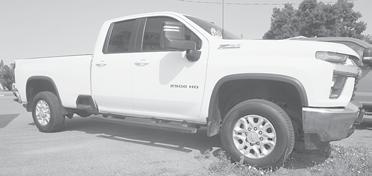
(nice) 2013 Ford F-250 Lariat Super Duty 4 door 4X4 pickup, FX 4 off road package, 6.7 L Power Stroke diesel, Auto Trans, loaded leather, electric locks windows cruise, sun roof, power rear window, keyless entry, trailering power mirrors, running boards, 5th wheel ball hitch, Aluminum wheels, chrome grill guard 119,126 miles (very nice)
transmission, transfer case, front diff, all new brakes, rotor front and back, 310,000 miles.
1950 Chevy 3600 pickup, 6 Cyl, 4 speed, step side better than average body
• 1997 GMC 2500 4X4 pickup 204,804 miles
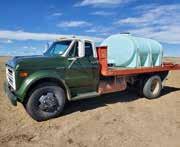
• 1967 Chevy C-50 truck, 350 engine, 4 & 2 speed, power steering, 76,957 miles, 15 Ft box & hoist
• 2005 Chevy 1500, 4 door pickup, 5.3 L motor with about 100,000 miles on it, New
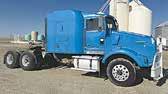
1994 International Eagle tandem axle semi, M11 Cummins, 10 speed Trans, new clutch, new kingpins, two line wet kit, new radiator, new water pump, new alternator, all virgin tires 85% or better, aluminum rims, 645,000 original miles.
2008 - 2010 Case 440
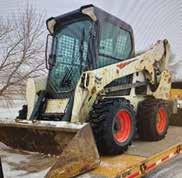
Series 3 skid steer, 83 Hp diesel, ISO hand controls, cab & heater radio, 66 inch bucket, 1,768 Hr.
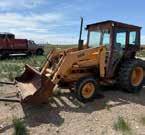
Case 380 B loader tractor, cab, 53 Hp diesel, 8 speed Trans, 3 PT, PTO, 2 Hyd, 6 Ft loader bucket, shows 3,560 Hr.
• Case 450 track loader, 4 cylinder diesel engine, high low Trans, 14 inch cleated grouser pads, ROPS, open station, shows 6,361 Hr. sells with front bucket,
machine is like new condition. EVERYTHING ELSE
• 1990s Redihaul 20 Ft pintle hitch trailer with beavertail & ramps, two 7,000 # axles, New Cooper tires, LED lights, new wiring, new wheel bearings seals done
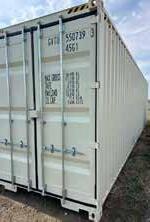
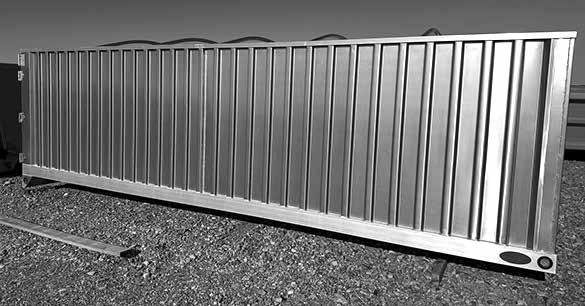
New one trip 40 Ft long steel high cube shipping container Double doors on both ends
• Approx. 15 in the box collector toys Ertl, Big Bud ETC
• Onan straight 6 Ford industrial engine, 30 KW natural gas generator
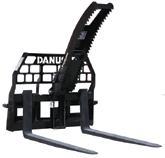
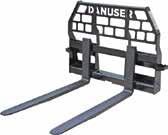
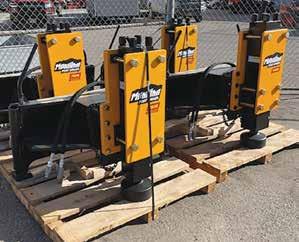
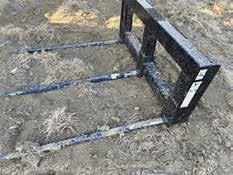
• Skid steer pallet forks
500 miles ago
• 2000 Wells Cargo 16 Ft enclosed trailer, tandem axle
• Homemade 15 Ft bumper pull trailer 14.5 inch tires tandem axle
• 21 Ft IH disk, 3 Ft manual flip up wings, mud scrapers 19 inch disks
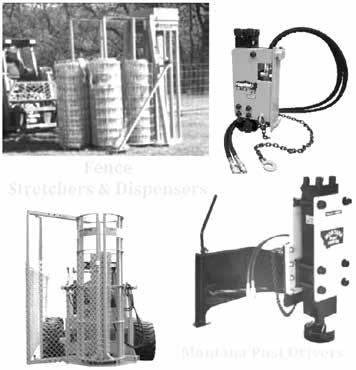
• Ezee-On trailer mounted post pounder Honda engine
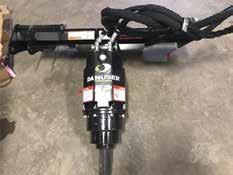
• John Deere skid steer Hyd post hole auger 12 inch bit
rear backhoe attachment, currently set up with High & Heavy Hyd post pounder on front loader frame, rear rack for carrying posts
• 1979 John Deere 8440 articulating tractor, cab air heat, 180 Hp diesel engine, quad range Trans with 4 speed bump shift, 1,000 PTO, 3 Hyd remotes, case drain, inner wheel weights on all axles, 20.8-34 duals, AC works good, 10,250 Hr, Serial # 8440H001394R.
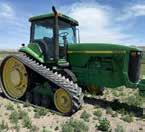
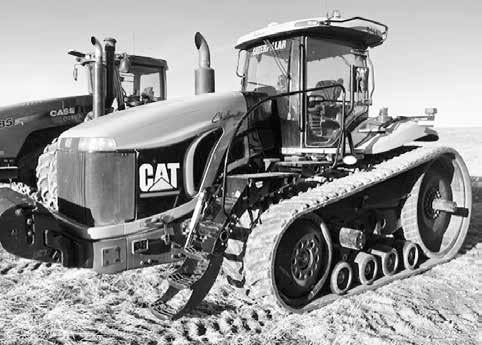
1998 John Deere 8400 T tracked tractor, cab air heat, 6 cylinder diesel engine, ITV transmission, 25 in wide track, very nice condition, 3 Pt, 1000 PTO, 4 Hyd remotes, front weight package, green star ready, shows 9,302 Hr. serial # G8DT001333.
• Delta 10 inch table saw
• Industrial Air compressor 20 gallon
• Black Diamond tool box with keys and full of tools
• MTM pressure washer, 4,200 PSI, Briggs engine
• Aeration fan
• Champion 7500 watt generator, electric start 45 Hr
• Older generator needs work
• John Deere G4400K generator 8 Hp, 364 Hr
• Propane heater
• 6 Ft Fiberglass ladder
• 12 Ft fiberglass ladder
• Stihl gas leaf blower
• Stihl FS 56 RC string trimmer
• Sheetrock jack
• 17 Ft aluminum canoe
• Folding ATV ramps
• Wide aluminum ramps
• Good selection of hand & power tools
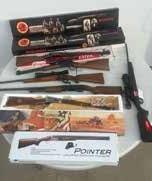
21 inch barrel, AccuTrigger, Bushnell 4X12 scope
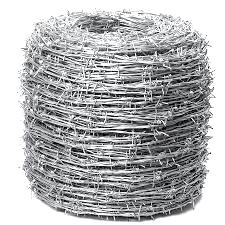
• 7 - rolls of barb wire
• 16 - 10 Ft portable panels
• Parallel axis squeeze chute with palp cage, auto head catch
• Loading chute with walkway & ally gate
• 2 - black water tanks
• 2 - round bale feeders
• 2 - Solar Pac 6 fence chargers
• 3 - B &W feed troughs
By James Rogers, Forage crops production specialist, NDSU Extension
I am often asked, “Can I graze cover crops?” The answer is yes, you can.
Sometimes a label we give something pigeonholes it for a specific purpose, making it difficult to think about its use in other ways. When cover crops became a hot topic a few years ago, I tried to relabel them as “forage-covers” because they are multiuse crops — they provide ecosystem services, feed and forage to livestock. The term forage-covers never took off. I guess it doesn’t have the same ring as cover crops.
There are considerations for grazing cover crops to keep in mind. In the northern Great Plains, the vast majority of cover crop species are spring cereals (cool-season annuals) such as oats, barley, wheat and triticale. Spring cereals do not require a vernalization period for flowering, meaning they grow rapidly from vegetative to reproductive. If planted in May, the grazing period for the spring annuals might last 30-45 days, ending in late June to early July. This amount of available grazing may work fine if you want to rest perennial pasturelands before turnout. Forage quality of spring cereal crops is high and will suit livestock with high nutritional requirements, such as first-calf heifers. This contrasts with southern regions, where winter cereals are planted and can be grazed for as long as six months due to their longer vegetative period.
You have a couple of options for extending the grazing period beyond early spring. To the spring cereal, you can add a warm-season annual grass, such as a millet or sorghum-sudangrass. The idea is that the warm-season grass will fill in behind the spring cereal. This might require removing livestock from the pasture after the spring cereal has been grazed to allow for the warm-season crop to develop.
Another option would be to establish an area early to a cool-season crop and another area later to a warm-season crop. This staging of crops can increase total forage production and facilitate an easy transition between forage sources. Another option to add additional grazing days would be to plant a mixture. Barley is the earliest maturing of the cool-season crops mentioned above, triticale is the latest and oats fall in between. Blending a combination can help stretch the grazing period. Other species can also be added depending on your goals. For example, adding a tap-rooted crop can add diversity and improve soil health. Legumes can also be added to improve nitrogen fixation and forage quality. Another question I hear is, “I want to add a legume, so I don’t have to apply nitrogen fertilizer, right?” That’s a good reason, so how does that work? It works by the legume plant forming a symbiotic relationship with rhizobia bacteria. Symbiotic relationships function by each organism in the relationship receiving benefits from the other. The legume plant provides food in the form of carbohydrates to the rhizobia bacteria living in specialized plant root nodules. In return, the rhizobia bacteria fix atmospheric nitrogen into ammonia, which the plant then takes and uses.
The amount of nitrogen fixed by a legume varies by many factors, such as species, whether it is grown as a monoculture or mixture, length of the growing season, yield, environmental conditions, soil-available nitrogen and soil pH. In general, the ability to fix nitrogen is highest in perennial legumes, then cool-season annual legumes, then summer annual legumes. Nitrogen fixation is higher when the legume is grown as a monoculture than in a mixture. For legumes to fix nitrogen, it takes energy. If there is ample inorganic nitrogen in the soil, the legume will happily use this source of nitrogen rather than fix its own.
Legumes do have the ability, when conditions are right, to fix large amounts of nitrogen, no doubt about that. To capture the most of that fixed nitrogen, the legume should be cycled back into the soil through plant decay or by grazing and cycling through the animal and back to the soil. When legumes are harvested as hay and removed from the field, the majority of the nitrogen fixed by the plant moves with the bale.
English muffins
In 1875, Samuel Bath Thomas moved to America from England, bringing with him his mother’s recipe for “tea muffins.” He started out baking them in New York in 1880. In 1926, he officially named them Thomas’ English Muffins.
Horses: Left shoulder Cattle: Left rib $3500
Comes with horse brands
Phone (406) 249-4290, Polson, MT
Montana Department of Agriculture 2026 Pesticide Disposal Program
If you have any old pesticides - insecticides, herbicides, rodent poison or fungicides - laying around unused, the Montana Department of Agriculture will take them off your hands. The agency will hold waste pesticide collections in Western Montana in July. Pre-registration for July events is June 30. The collections are scheduled in Polson on July 7; Hamilton on July 8; and Butte on July 9. The disposal program is a non-regulatory, service progam that offers pesticide users the opportunity to dispose of unwanted and unusable pesticides in a safe and legal way that is economical and convenient. Disposal costs are free for the first 200 pounds and $1.00/lb. per pound for additional amounts over 200 pounds. Disposal by other services can cost 5 to 10 times more. Additional information and the required pre-registration forms are available by contacting Carli Davis in Richland at (406) 465-0531; mail to Dept. of Agriculture, Pesticide Disposal Program, 508 Prairie Dell Rd, Richland, MT 59260; email Carli.Davis@mt.gov; website http://agr.mt.gov/pesticide-waste-disposal-program
SUMMER SPECIALS CHECK ‘EM
Preventing aquatic invasive species spread through agricultural and irrigation equipment
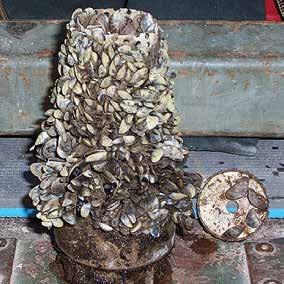
Aquatic invasive species (AIS) are non-native plants, animals, and organisms that can cause serious harm to Montana’s waterways, agriculture, and infrastructure. While boats and recreational equipment are often discussed as major pathways for spread, agricultural irrigation equipment can also unintentionally move invasive species between water sources, canals, reservoirs, and fields. Prevention efforts by producers, landowners, and irrigation managers are critical to protecting irrigation systems, water delivery infrastructure, and agricultural productivity across Montana. Many AIS species, including zebra/quagga/golden mussels, Eurasian watermilfoil, and New Zealand mud snails, can survive in small amounts of standing water or attached to equipment surfaces. Irrigation pumps, siphon tubes, screens, pivots, hoses, and portable water transfer equipment may transport invasive species from one water source to another without proper cleaning and drying. Even mud, vegetation fragments, or residual water trapped inside equipment can contain invasive organisms or microscopic larvae.
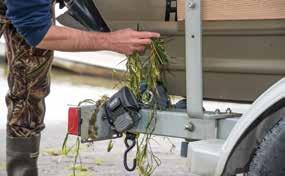
Prevention starts with routine inspection and cleaning practices. Producers, land owners, and irrigation managers should inspect equipment before moving it between locations and remove all mud, plants, and
debris. Draining all water from pumps, hoses, and tanks is especially important because many aquatic invasive species spread through microscopic life stages that are difficult to see. Allowing equipment to fully dry before reuse can greatly reduce the risk of transporting invasive species. If purchasing, leasing or moving used irrigation and water handling equipment from outside of Montana, you need to assume there is a high risk of “contamination” and take the proper steps to decontaminate the equipment. Never assume equipment is clean without inspecting it yourself. It’s your responsibility to ensure the equipment is Clean, Drain, Dry.
Water users need to avoid transferring untreated water between separate water bodies. Using screens and filtration devices can help reduce the movement of invasive organisms through irrigation systems. Regular maintenance and monitoring of canals, ditches, and reservoirs can help identify new infestations early before they become widespread and costly to manage.
Education and awareness remain some of the most effective tools for AIS prevention. By incorporating simple inspection, cleaning, draining, and drying procedures into your operations, you will help protect water resources, reduce infrastructure damage, and limit the spread of harmful aquatic invasive species into and across the state of Montana.
For more information about Aquatic Invasive Species Management and Prevention in the state of Montana visit www.fwp. mt.gov/ais
See virtual fencing in action: A multi-state bus tour
Have you wondered how virtual fencing might work on your operation, but want to see it in action before making a decision? A two-day bus tour on June 16–17 will give cattle producers the opportunity to evaluate virtual fencing systems in real-world settings.
Virtual fencing (VF) has the potential to reduce labor associated with fencing and cattle movement while improving control over grazing distribution and pasture utilization. However, many producers want to better understand how these systems perform under real-world conditions before making an investment.
This bus tour provides a practical, side-byside look at multiple commercially available VF systems and how they are being used by producers and researchers.
Tour Agenda
Day 1 – June 16 (Producer Site Demonstrations)
6:45 am pick up from Lancaster County Extension Office, Lincoln, NE
10:00 am: Rolling Prairie Ranch, Hatfield, MO → Halter system
3:00 pm: Mud Ridge Ranch, Red Oak, IA → Nofence system
Dinner and overnight stay in Lincoln, NE
Day 2 – June 17 (Research & Application)
9:00 am: Eastern Nebraska Research, Extension and Education Center (ENREEC), Mead, NE
eShepherd/Gallagher and Halter systems
Discussions on VF grazing research 11:30 am: Lunch and panel discussion with researchers and industry representatives 1:00 pm: Adjourn
What producers can expect
Observe multiple VF systems operating under real production conditions
Compare system features and performance side-by-side
Learn how VF can be applied to improve grazing management and labor efficiency
Ask questions directly to producers, researchers, and technology providers
Registration Details Register by June 9th. The cost is $200 per person, which includes transportation, lodging, and lunches Register at https://go.unl.edu/vf_bustour
This program is hosted by University of Nebraska and Iowa State University, and is partially sponsored by Halter, Nofence, Gallagher, and Iowa Forage and Grassland Council.
Figure 2: Remove all vegetation from equipment before transport. Photo www.stcroix360.com
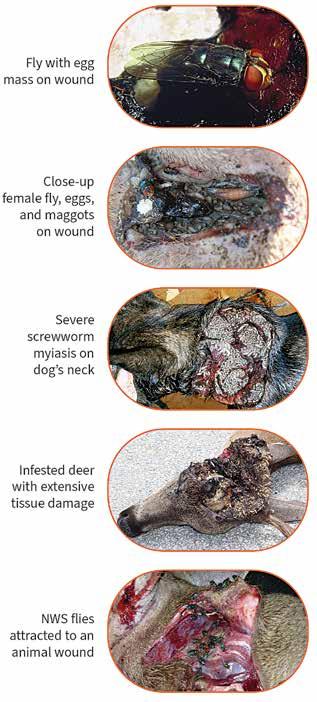
June is Fight the Filthy Fly Month
June is the month to combat those pesky flies! This month-long campaign, which kicks off on June 1st each year, emphasizes the importance of maintaining clean and safe environments
Why do we focus on flies?
Well, these buzzing nuisances aren’t just annoying—they’re also carriers of diseases. Flies can spread germs that cause food poisoning and other health issues by frequenting unsanitary areas and then making their way into our homes.
History of Fight the Filthy Fly Month
Fight the Filthy Fly Month was created to highlight the health risks and sanitary issues associated with flies. This initiative encourages people to take proactive measures to reduce fly populations and prevent them from spreading diseases.
Flies are known for their rapid reproduction and attraction to unsanitary conditions, making them efficient carriers of disease. They often thrive in places with decaying food, garbage, and other filth, posing health risks through the diseases they can spread, such as food poisoning and diarrhea.
The month reminds us to maintain cleanliness in our environments, which helps deter flies from settling in. This involves covering food, properly sealing garbage, and using natural repellents like lavender or basil. These actions not only improve our living conditions but also reduce the likelihood of fly-borne diseases affecting us and our pets.
Historically, the initiative has focused on educating the public about the importance of hygiene and the simple yet effective steps one can take to protect their homes and workplaces from fly infestations. By raising awareness through various activities and social media outreach, Fight the Filthy Fly Month helps ensure that communities understand the significance of keeping their surroundings clean to promote health and well-being
#####
Did you hear about the German woman who started to work for the CIA after WWII? Her name was Top Sigrid.
Innovation at Living Sky Grains
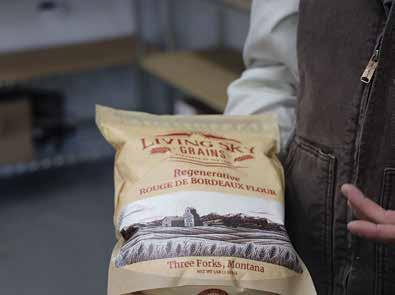
Director of Agriculture Jillien Streit continued her focus on highlighting businesses across Montana modeling innovative practices and adding value to the state’s agricultural ecosystem where she visited Living Sky Grains in Three Forks, Montana.
“Implementing new practices is not for the faint of heart, especially in agriculture,” said Director Streit. “Learning about the Groeneweg’s passion and focus for soil health, human health, and growing a direct-to-consumer family business is vital to the progression of our agricultural ecosystem here in Montana.”
The Groeneweg family is no stranger to a challenge. In 2003, the Groenewegs got their start on a neighbor-financed farm near Regina, Saskatchewan. With every harvest, the farm grew, as did their family, with the arrivals of their children Luke, Julia, Emma, and Solange. Fast forward to 2019, the Groenewegs were finishing their 18th harvest season in Saskatchewan when they caught wind of a farming family in Montana who decided it was time to sell the family farm. Dean and Hope Folkvord, founders of the Wheat Montana brand, had already sold their outlet stores. Their farmland outside Three Forks was destined for the Groenewegs as Dean and Hope wanted their operation to continue as a family-owned and operated farm. Frank and Kari note that their kids took one look around at the rolling wheat fields backdropped by the Rocky Mountains and said, “This is it. No need to look anywhere else.”
Now with decades of experience in regenerative agriculture, Frank, Kari, and their children began a new chapter in Montana where they set out to improve the farm and create a line of highly nutritious grain products they could sell directly to consumers. Since then, Living Sky Grains is now grown, milled, packaged, and shipped to customers in all 50 states, straight from their farm.
“We are hearing a lot of positive testimony from our customers even with a gluten sensitivity, Frank Groeneweg said. “We test for the absence of chemical here and that is what our customers are looking for.”
Frank noted that the health-conscious consumer often ops to buy based on the process their food was grown, such as organic, rather than a proven nutrient tested product. “Process does not always guarantee the outcome as far as chemical residue,” said Frank. When looking at the ingredients of a bag of Living Sky Grains new Rouge de Bordeaux Flour, the ingredient is simple – wheat flour, and that’s it.
CONTINUED ON PAGE A24
Director Streit with the Groeneweg Family in Three Forks
Frank Groeneweg shows off a bag of Living Sky Grains Rouge de Bordeaux Flour
dressing.
Innovation at Living Sky Grains
“I was always told when you farm regeneratively, there should be a difference in the nutrient density. After we received our nutrient testing results, we couldn’t believe how high the numbers were that came back,” continued Frank. To learn more about Living Sky Grains, please visit livingskygrains.com or drop by their Farm Store just outside Three Forks, Montana.
America’s fast food test kitchen
After companies create new products and before they come to you, they’re usually “test marketed” in a city, state, or region. This is done to test whether consumer interest is strong enough to justify a nationwide rollout. If not, the product can be improved… or killed. Fast food companies often test market their products in Columbus, Ohio. Wendy’s corporate headquarters are located there, as are the head offices of White Castle, Bob Evans, Steak Escape, and more than dozen other chains.
Panera Bread and McDonald’s aren’t based in Columbus, but they almost always test new products there. Why Columbus: Because demographically speaking, it’s astonishingly average, making it an ideal cross-section of America. Even the median income level there is identical to the national median. Bonus: the 57,000-student Ohio State University is located in Columbus and companies are eager to make lifelong customers out of these highly impressionable – and influential – young customers.
#####
Dolphins are highly intelligent animals. American scientists proved that after only a brief time in captivity, they are able to train humans to stand at the edge of the pool and toss them bits of fish.
#####
What does a crocodile say when it eats a clown? “Tastes funny somehow!”
Director Streit with Frank and Kari Groeneweg of Living Sky Grains near Three Forks, Montana
Mild, dry winter poses huge challenges for Idaho farmers
Farmers throughout state coping with water shortage, pests, diseases and frost damage
Idaho farmers face a multitude of production challenges — including heavy weed and pest pressure, rampant crop diseases, frost damage and water shortages — following a historically mild and dry winter.
In southern and eastern Idaho, weeds and insects withstood one of the warmest winters on record.
Furthermore, the lack of winter moisture has forced many growers to shift toward planting low-water crops — and, in some cases, leaving entire fields unplanted.
Eastern Idaho
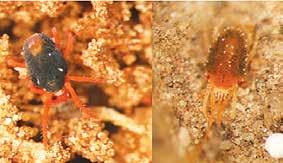
Juliet Marshall, a University of Idaho Extension specialist in cereals and associate director of the Idaho Agricultural Experiment Station, saw unusually large aphid numbers in fields throughout eastern Idaho at planting time, setting the stage for potential insect-related crop damage and the spread of insect-borne diseases. Overwintering conditions allowed insect and mite populations to thrive.
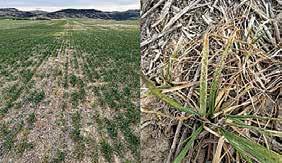
“This spring, we saw fields where the mite pressure was so high that the grower opted for chemical control, which is unusual in irrigated winter grain,” Marshall said. Many winter cereal fields are showing symptoms of virus infection. James Woodhall, an Extension specialist in plant pathology, has confirmed higher incidences of cereal viruses spread by aphids, including strains of barley yellow dwarf virus that aren’t normally found in the region.
Marshall also worries that an abundance of aphids feeding on grain heads could create a sticky residue capable of gumming up harvesting equipment.
As with weeds, fall-planted wheat and barley never went fully dormant during the winter, pushing crop development more than a month ahead of the usual schedule. Some fall-planted barley crops that normally develop grain heads in late May started producing heads in mid-April. Plant heights have been stunted because of premature heading from drought stress, and most plants produced fewer seed-bearing stems, known as tillers, than normal.
Marshall suspects crop tillers that developed early were susceptible to mid-April freezes, and she’s heard reports of frost damage to winter barley heads in eastern Idaho. Marshall worries a black, powdery fungal growth, known as sooty mold, will infect frost-damaged tillers, even if plants recover and produce secondary tillers.
The lack of ample winter precipitation has left most of the state with insufficient soil moisture and snowpack. In eastern Idaho, the irrigation outlook is so dismal, Marshall has seen fields where growers chose to kill their crops with herbicide in the spring rather than continue raising them. She also knows of a farmer north of Idaho Falls who left nearly 2,000 acres unplanted due to water constraints.
“I just hope everybody has good crop insurance,” Marshall said. “I don’t know how else everybody is going to make ends meet this year.”
Kasia Duellman, an Extension seed potato pathologist, predicts more volunteer potatoes will emerge this year, which could increase growers’ problems with two challenging diseases affecting potato production — potato virus Y (PVY), which primarily affects seed potatoes aiming to meet certification requirements, and late blight, a fungal disease that occurs sporadically in Idaho and was responsible for the devastating Irish potato famine from 1845-1850.
“These volunteers may serve as reservoirs for PVY, potentially increasing the risk of a high PVY disease pressure year for the seed potato grower,” Duellman said. “Another
A field of green wheat with orange tips on the leavesA wheat field in the Magic Valley shows symptoms of barley yellow dwarf virus during a previous growing season.
NEW 2026 John Deere 1590
No Till Drill, 15-ft. with 71/2” spacing, Grass, Grain & Fertilizer Box, grain agitator, dual caster wheel hitch. $94,500
ROUND BALERS
(2)
$62,000
2025 John Deere 561M round balers, level 4 heavy duty with Grease Banks, net wrap, moisture sensor, Cam clutch, approximately 6000 bales. Each.
(2) 2024 John Deere 561M round balers, heavy duty with Grease Banks, net wrap, scale & moisture sensor, Cam clutch, variable core valve. Stock #94158, 5132 bales, Stock #94159, 6130 bales. Each.
$59,000
2013 John Deere 569 Premium round baler, 26,000 bales, Mega Wide, 1800 display. Stock #96925. $18,000
SQUARE BALERS
2024 John Deere L341R large square baler, 6500 bales, tandem axle, auto grease, moisture sensor and wide pickup. Stock #94389 $177,500
2023 John Deere L341R high density 3x4 baler, Mega Wide pickup, scale, moisture sensor, auto lube, large 1000 PTO, tandem axle. Call For Pricing
2023 John Deere L341 square baler, moisture sensor, auto grease basic, 15,129 bales.. Stock #93777. $150,000
2021 Massey Ferguson 2290 4x4 baler, 32,807 bales, single axle, large 1000 PTO, bale ejector with monitor. Stock #94959.$104,000 Massey Ferguson 3x4 large square baler, approximately 20,000 bales. Call For Pricing
Great Selection of new & used windrowers
MISCELLANEOUS
2023 Kawasaki Teryx 1000 2 seater, 1395 miles, roof windshield, turn signals, horn & back up lights. Stock #91709. $22,700
2021 Haybuster CMF-710 vertical mixer, 1000 PTO, right hand discharge, twin augers with scale. $52,500
TRACTORS
2023 John Deere 8RX 370 IVT transmission with right hand reverser, 24” tracks, 85 GPM hydraulic pump, 6 SCVs, Ultimate cab with air seat and cab suspension, 954 hours. PowrTrain Warranty. Good till January 2027 or 2500 hours. Stock #92170.$440,000
2024 John Deere 8R 370 tractor, IVT transmission, ILS, dual hydraulic pump 85 GPM, 6 SCVs, autonomy prep package, cab suspension, 480/95/50 rear tires with duals, 480/70/34 front tires with duals, 1800# rear weights, 22 front weights, 604 hours. Stock #94392
$445,000
2025 John Deere 6R 195 IVT transmission, loader ready, Ultimate cab, hydraulic cab suspension, Ultimate seat, 5 SCV’s, triple link suspension, rear duals 480/80R 50, front tires 480/70R 34 singles, cold start package, reversible fan, SF1 receiver, G5 Command Center with AutoTrac, 466 hours. Extended Warranty good until 4-2031 or 4000 hours. Stock #96933. Call For Pricing
2025 John Deere 6M 180 20 speed PowrQuad transmission, loader ready, 3 SCV’s, mechanical cab suspension, triple link suspension, rear weights, reversible fan, AutoTrac ready less Display and receiver, cold start package, 480/80/50 rear singles, 480/70R 34 fronts, 426 hours. Extended Warranty good till 6-2031 or 4000 hours. Stock #96802. Call For Pricing
$475,000
2025 John Deere 8R 340 tractor, IVT transmission, hydraulic power steering, 84 gpm hydraulic pump, 6 SCV’s, 1000 PTO Cat 4 3-point hitch, ILS, cold start package, SF 7500 receiver G-5 Display, 480/80R50 rear duals, 420/85R34 front duals, front & rear weights, 790 hours. Extended Warranty good till 3-2028 or 3500 hours. Stock #96571.
2024 John Deere 8R 340 with IVT transmission, right hand reverser, air seat, cab suspension, autonomy prep package, 6 SCVs, 84 GPM hydraulic pump, 420/85/34 front tires with duals, 480/80/50 rear tires with duals, 1500# each side rear, 22 front weights, 1300 hours. Stock #94391
2025 John Deere 6M 180 20 speed PowrQuad transmission, loader ready, 3 SCV’s, mechanical cab suspension, triple link suspension, rear weights, reversible fan, AutoTrac ready less Display and receiver, cold start package, 480/80/50 rear singles, 480/70R 34 fronts, 549 hours. Extended Warranty good till 6-2031 or 4000 hours. Stock #96801.
$385,000
2023 John Deere 8R 340 Signature Edition, IVT with RHR, ILS, full GPS, 6 SCVs, 380/90R54 rear tires with duals, 380/80R38 front tires with duals, 291 hours. 6 year/4000 hour extended PowrGard Warranty. Stock #90254
Call For Pricing (2) 2025 John Deere 6155 cab tractor, MFWD, 640R loader and grapple, 20 speed PowrQuad with left hand reverser, AutoTrac ready less receiver, 3 rear SCV’s, beacon and work lights, triple link front suspension,. 2-450# weights each side and ballast. Each. $219,000
2015 Farm King 1450 3-point post driver. Stock #96606. $4000 Dual wheels tires and hubs, 480/80R50, came off 6R 195. Stock #96849. $13,500
2024 John Deere 8R 280 tractor, IVT transmission, Signature Edition AutoTrac with receiver and monitor, air seat with cab suspension, right hand reverser, 84 gpm hydraulic pump, 6 SCV’s, 380/90R54 rear duals, 380/80R38 front duals, ILS suspension, front & rear weights, 1424 hours. Extended Warranty good till 4-2027 or 3000 hours. Stock #96758.
$425,000
2024 John Deere 6R 250 tractor, IVT transmission, Ultimate cab package, hydraulic cab suspension, 6 SCV’s, triple link suspension, 480/70R34 front tires, 480/80R50 rear duals, front fenders, front & rear weights, 894 hours. Extended Warranty good till 4-2028 or 3000 hours. Stock #96879.
2025 John Deere 6105E cab tractor, MFWD, loader ready, 24/12 transmission with left hand reverser, AutoTrac ready, 3 SCV’s, air seat, Instructional seat. Extended Warranty good till 5-2031 or 3500 hours. Stock #96762. $104,000 2023 John Deere 5090E cab tractor, MFWD, 12/12 transmission with left hand reverser, loader ready, air seat, 3 SCVs, approximately 700 hours. Factory warranty good till 10-2025, Powertrain good till 10-2028 or 3500 hours. Stock #91752. $68,500
2008 John Deere 7130 tractor, 8510 hours, 740 Classic loader with bucket and grapple, 16 speed transmission, 2 SCV’s. Stock #95254. $67,500
$360,000
2025 John Deere 6R 215 IVT transmission, loader ready, Ultimate cab, hydraulic cab suspension, Ultimate seat, 5 SCV’s, triple link suspension, 480/80R 50 rear duals, 480/70R 34 front singles, cold start package, reversible fan, SF1 receiver, G5 Command Center with AutoTrac, 529 hours. Extended Warranty good until 4-2031 or 4000 hours. Stock #96930 Call For Pricing
2025 John Deere 6R 215 IVT transmission, loader ready, Ultimate cab package, hydraulic cab suspension, Ultimate seat, 5 SCV’s, triple link suspension, 480/80R 50 rear duals, 480/70R 34 front singles, cold start package, reversible fan, SF1 receiver, G5 Command Center with AutoTrac, 1163 hours. Extended Warranty good until 4-2031 or 4000 hours. Stock #96296 Call For Pricing
2023 John Deere 333G compact track loader, cab with heat & A/C, air ride seat, high flow, 2 speed, self leveling rubber tracks, reversing fan, Anti Vibration undercarriage, 84” bucket, 770 hours. Stock #96058. $81,000
2023 Deere 324G skidsteer, pilot controls, 70 hours, 2 speed, 78” bucket, open cab. Stock #94676. $60,000
SKIDSTEERS TILLAGE
2015 Parma 25-ft. single roller packer $33,000 John Deere 2680 25-ft. high speed disc, new discs. Stock #96288
CONTINUED FROM PAGE A26
risk with volunteer potatoes is the possibility that the over-wintered tubers harbored the notorious potato late blight pathogen, Phytophthora infestans.”
Treasure Valley
At U of I’s Parma Research and Extension Center in the Treasure Valley, Woodhall has received many requests to test plant tissue samples from throughout southern Idaho for barley yellow dwarf virus, and far more of them have tested positive for the disease than normal. Testing helps farmers rule out other crop stressors that can cause symptoms similar to those of barley yellow dwarf, such as poor fertility and various environmental conditions.
Soilborne diseases can also flare following mild winters, potentially affecting the whole gamut of Idaho crops.
“It’s still too early to see what impact a warmer winter will have on soilborne diseases, but theoretically with a warmer winter you’re going to get less killing of soilborne fungi,” Woodhall said.
Magic Valley
Cool and windy early season conditions were also ideal for the development of a fungal disease that can devastate cereal production, known as stripe rust. While it has not been confirmed in grain crops, other strains of stripe rust have been found in grassy weeds in the Magic Valley by Extension Educator Steve Hines, Jerome County.
Furthermore, Hines, who specializes in crops, has received confirmation from insurance adjusters that several hundred acres of sugar beets were killed by frost in the Cassia County area. Many other sugar beet farmers in the Magic Valley were spared from frost damage because they delayed planting until they had access to irrigation water, concerned about a lack of soil moisture.
Hines has also heard concerns about the outlook for Magic Valley grain that developed well ahead of schedule and was then exposed to frost. He’s encouraged that alfalfa that broke dormancy much too early still appears to be in good condition.
UI Extension plans to post online resources for farmers facing extreme water shortages.
Magic Valley irrigators who get their water from Salmon Falls Creek Reservoir will have to cope with just a 10- to 19-day water supply this year. Farmers who draw water from the Big Wood River system will also face extreme water shortages.
“There’s going to be a lot of ground out there that doesn’t get planted,” Hines said.
Northern Idaho
In northern Idaho, Doug Finkelnburg, an area Extension educator in cropping systems, has fielded questions from farmers about weed problems and volunteer canola. The region’s fall-planted wheat has progressed well ahead of schedule, and crop foliage has grown to cover spaces between rows earlier than normal, blocking herbicide spray from reaching weeds that have grown vigorously beneath the canopy.
In response to growers’ concerns, Finkelnburg and his team plan to research whether volunteer canola that has bloomed could be a potential vector for two damaging diseases of winter canola crops — blackleg fungus and sclerotinia fungus.
Snapshot of science
Moon Man – July 20, 1969
Most people can tell you who was the first man to set foot on the Moon. It was U.S. astronaut Neil Armstrong on July 20,1969. As he lowered himself onto the lunar surface, Armstrong immortalized the moment with his famous words, “That’s one small step for a man, one giant leap for mankind.” When it comes to iconic photos of a man on the Moon, however, one picture stands out from the rest. It isn’t of Armstrong. Rather, he was the photographer. He snapped the photo of fellow Moon man Buzz Aldrin, the second man to step on the surface.
Armstrong took the famous photo of Aldrin saluting the American flag firmly planted in the dusty surface, with a dunelike mountain rising up behind him into the ink-black cosmos. In the reflection of Aldrin’s lowered helmet visor is the image of Armstrong and the lunar lander Eagle.
Pigeons mate for life and share parenting duties. The father sits on the eggs during the day, the mother at night.
WE LET GREAT IDEAS GO TO OUR HEADS
Optional wavy belt for Sorghum /Milo on sunflower heads.
G03 GATHERING SYSTEM
For more than 55 years, Fantini has been coming up with great ideas to make harvest better … like the gathering system on our G03 sunflower header. The unique rubber tooth design delivers sunflower heads to the auger gently, but firmly, for better crop retrieval than any other header on the market.
The management task of planning
By Jedidiah Hewlett, UW Extension agriculture and natural resources educator serving Converse County Planning is one of the key tasks of a manager. Although planning requires intentionality, it is not a difficult process. Crafting a plan is simply the careful organization of a series of steps for reaching a desired outcome. Although plans look to the future, they can and often should be informed by present and past experiences. A plan might have a narrow focus, such as the establishment of a new hedgerow, or more broadly encompass many aspects of management simultaneously. A whole-farm operating plan would be one such example, where the output of one enterprise becomes the input of another, and so on. The plan may have aspects happening on different time scales—such as days, months, or years down the road.
It may be tempting to put off planning until circumstances are more certain, but it is only reasonable to assume that perfect information will never be available. While well-informed decisions have a better chance of trumping ignorant blunders, many decisions must be made when ‘enough’ information is known rather than knowing ‘everything.’ Planning not only means accepting the uncertainty of a situation but also taking the opportunity to proactively manage that uncertainty towards desirable outcomes. It is important to avoid the mistake of creating conflicting plans—such as retaining calves when the foregone income would prevent the cash-flow requirements from being met. There are several aspects of planning that should be recognized.
Create a Vision
A vision is a vital component of the plan, but the two should not be confused. The vision identifies where we want to go but says nothing about how to get there. A well-crafted mission or purpose statement is highly effective for guiding decisions in response to an ever-changing operating environment. If the vision of the business or operation is at the forefront of the manager’s mind, each decision is given meaning and direction. The everyday grind quickly becomes dull when it is taken out of the context of contributing to the CONTINUED ON PAGE A32
2024 John Deere 561M with MegaWide Plus pickup, twine and wrap, 1000 PTO, push bar, pickup gauge wheels. Stock #96861
$55,000 (12)
2020 John Deere 560M baler with 10,563 bales, twine & net, 1000 PRO, MegaWide pickup, flotation tires, hydraulic pickup lift, push bar. Stock #96137
$39,000 (11)
2015 John Deere 569 w/Both Twine and Surface Wrap,1000 PTO, 21.5l-16.1 10 ply tires MegaWide Plus Pickup, Bale push bar, Variable core valve. Stock #96097 $27,000 (12)
2021 John Deere W235 with 1075 hours, premium cab, button tires, customer keeping GPS items, 500R
2018 John Deere 560M with 21.5Lx16.1 10 ply tires, MegaWide Plus pickup, pickup gauge wheels, twin and net, push bar, 1000 PTO. Stock #96237
$34,500 (12)
2019 John Deere 560M with both twine and surface wrap, 1000 PTO, 21.5L16.1 10 ply tires, MegaWide Plus pickup, bale push bar, variable core value. Stock #94610
$34,500 (12)
$48,000 (14)
2023 John Deere 560M with MegaWide pickup, twine and wrap, push bar, gauge wheels, 21.5Lx16.1 high flotation tires, high moisture kit, variable core valve. Stock #96701
2016 Case IH RB565 5x6 bale, net wrap, big tires, monitor, nice shape, 17,500 bales. Stock #94511 $28,500 (15)
pickup, tandem axle, baler assist/baler mobile, electric trip, mass flow and moisture sensor. Stock #93909
$125,000 (14)
2019 John Deere L341, MegaWide pickup w/gauge wheels, 2.2M standard rotor, auto lube, 1-3/8 1000 PTO, tandem wheels. Stock #96003 $125,000 (15)
2017 John Deere L330 3x3 baler, tandem axle, roller chute, non precutter, less display, automatic grease fast fill. Stock #91129 $55,000 (1)
2022 John Deere L341 with wide pickup, moisture sensor, electronic trip, roller chute, 1000 PTO, 3x3 tandem axle with brakes, automatic grease fast fill. Stock #96118 $110,000 (15)
2019 John Deere L341 3x4 LSB with tandem axle, bale assist, moisture sensor, bale scale, MegaWide pickup, roller chute, auto greasing, no accumulator or preservative (field photos show these but they are not included). Stock #92346
$87,500 (15)
#93909
~ ~ ~ COMBINES ~ ~ ~
#87685
2022 John Deere S780 with ProDrive transmission with HarvestSmart, power folding covers, 28.5-ft. unloading auger, regular wear package, premium cab, Active Yield with moisture sensor, dual 520/85R42 front tires, side hill performance pkg. Stock #92417..$387,500 (1)
2022 John Deere X9 1100 with Ultimate cab pkg, Gen 4 4600 Command Center, Active Yield with moisture and yield sensors, Ultimate suspension, Signature Edition, ProDrive XL transmission, extended wear concave and grain handling, 31-ft. folding auger, extra fine chopper, 650/85R38 front tires with duals, VF750/65R26 rear tires. Stock #87685
$567,500 (14)
2021 John Deere S790 with premium cab with leather and premium radio, LED lighting, Combine Advisor, receiver and 4600 display, ProDrive transmission with Harvest Smart, TriStream rotor with extended wear package, general purpose chaffer and sieve, extended wear grain handling package, power folding GT covers, 28.5 ft. unloading auger, PowerCast tailboard, adjustable front chaffer, 1100 LSW front tires, and 750 LSW rear tires. Stock #94983
$355,000 (1)
2023 John Deere S780 with singles, chopper, Yield Monitor, Contour Master (lateral tilt feeder house), PowerCast tailboard, power folding bin extension, premium technology package, StarFire 6000 SF1, premium residue, Advanced PowerCast tailboard, 28.5-ft. unloading auger. Stock #94025
$447,500 (12)
2024 John Deere S780 with Contour Master with fore & aft, Ultimate Tech (Combine Advisor) Select Cab, Active Yield, integrated receiver, G5 Plus with extended monitor, 580/85R42 duals, 750/65R26 rears, side hill performance, premium fine cut advanced tailboard, power folding grain tank covers, 28.5-ft. unloading auger. Stock #92745
$550,000 (14)
2023 John Deere S780 with TriStream (Bullet Rotor) with small wire concaves, Combine Advisor, Active Yield, Contour Master with fore/aft, Advanced PowerCast tailboard, power folding covers, 28.5-ft. unloading auger, 580/85R42 dual drive wheels, 750/65R 26 rears, small grain windboard, premium lights, (LED), general purpose shoe (sidehill performance kit installed). Stock #93552
$432,500 (14)
2023 John Deere S780 with chopper, yield monitor, Contour Master (lateral tilt feedere house) fore & aft, Active Yield, PowerCast tailboard, power folding bin extension, 580/85R42 dual tires, 750/65R26 rear, ProDrive tranmission, 28.5-ft. unloading auger, Starfire 6000. Stock #93058 $447,500 (12)
2023 John Deere S780 with regular wear package, Select Cab package, Active Yield with sensors, premium technology, ProDrive transmission with Harvest Smart, power folding covers, 28.5-ft. unloading auger, VF750/60R30 front tires, PowerCast tailboard. Stock #94081 $452,500 (3)
(14)
2022 John Deere S780 with premium cab, Active Yield with senors, guidance ready, TriStream rotor, power folding covers, 28.5-ft. unloading auger, 750/65R26 rear and 520/85R42 front with duals, side hill performance kit, PowerCast tailboard, Advisor. Stock #92420
2022 John Deere S780 with IF520/85R42 duals, 750/65R26 rear, Combine Advisor (Active Vision Cameras), Active Yield, premium Advanced PowerCast tailboard, premium cab (leather), premium LED lights with extremity, TriStream (bullet) rotor, small wire concaves, 4600 display with premium 3.0 activation, extended monitor, 6000 receiver, power folding grain tank covers, 28.5-ft. unloading auger, grain tank mirrors, side hill performance kit. Stock #96193
$327,500 (14)
$375,000 (1)
2022 John Deere S780 with small grain, 2WD, duals, chopper, Yield Monitor, Contour Master (lateral tilt feeder house) fore & aft, Active Yield, Harvest Mobile Advisor package, PowerCast tailboard, power folding bin extensions. Stock #92419
$375,000 (1)
2021 John Deere S780 with premium cab, Active Yield, Combine Advisor, guidance, ProDrive transmission, regular wear grain handling, power folding GT covers, 28.5 ft. unloading auger, fine cut chopper, 750/65R26 rear tires, 520/65R26 front tires with duals, side hill performance kit. Stock #88013
$365,000 (2)
2023 John Deere S770 with variable speed feederhouse with Contour Master with fore & aft, TriStream rotor (bullet) ProDrive transmissionm, Active Yield, Premium Tech (active terrain adjustment and Harvest Smart), manual grain tank covers, 22.5-ft. unloading auger, manual vane tailboard, VF900/60R32, 600/70R28. Stock #94238
$417,500 (15)
2013 John Deere S680 with singles, chopper, Yield Monitor, Contour Master (lateral tilt feedhouse) header, premium cab with premium radio, HID lighting package and header extremity lights, GreenStar 3 harvest monitor, 2630 display, ProDrive transmission with Harvest Smart. Stock #93512
$113,000 (15)
2015 John Deere S680 with ProDrive transmission, HD tilt cylinder, hi-torque fixed speed drive, TriStream rotor, 28.5ft. unload auger, PowerCast tailboard, IF 900/60R32 drive singles, 620/75R26 rear singles, premium cab, enhanced air seat, HID lighting package. Stock #96157 $109,000 (1)
$285,000 (14)
2019 John Deere S780 with lateral tilt fixed speed feederhouse with fore & aft, Combine Advisor, Active Yield, TriStream rotor, small wire concaves, leather swifel seat, advanced powercast tailboard, 28.5-ft. unload auger, power fold grain tank covers, dual IF580/85R42 drive tires, 750/65R26 rear tires. Stock #85326
2022 John Deere S780 with Contour Master with fore and aft, Combine Advisor, (Active VIsion Cameras), Active Yield, 6000 receiver (SF1), 4600 with AutoTrac and extended monitor, TriStream rotor (bullet), power folding grain tank, 26-ft. unloading auger, Advanced PowerCast, dual 580/85R42 drive, 750/65R26 rear tires, premium cab, premium radio, side hill performance kit, Class 7 windboard instead of front chaffer extension. Stock #93160
$382,500 (14)
2021 John Deere S780 with Contour Master with fore & aft, premium cab, Combine Advisor, Active Yield, 4600 display (no extended monitor), no receiver, TriStream rotor, power folding grain tank, 28.5-ft. unloading auger, 580/85R42 duals, 750/65R26 rear, fine cut Advanced PowerCast tailboard, grain tank mirror, side hill performance kit. Stock #88014.
$355,000 (2)
2021 John Deere S780 with premium cab, extended wear package, Active Yield with moisture and yield sensors, leather, Combine Advisor, SF600 W/SF1, ProDrive transmission with HarvestSmart, power folding covers, 28.5-ft. unloading auger, fine cut chopper. Stock #87960
$350,000 (2)
2020 John Deere S780 with 520/85R42 duals, 750/65R26 rear, TriStream rotor, Contour Master with fore and aft, Combine Advisor, Active Yield, Advanced PowerCast tailboard, power folding grain tank, 28.5-ft. auger, 4600 display with premium 3.0 activation, receiver, side hill performance kit, regular wear grain handling, standard lights with extremity, premium radio. Stock #90724
$320,000 (14)
2021 John Deere S780 with TriStream (bullet) rotor, IF520/85R42 duals, 750/65R26 rear, Gen 4 Command Center with premium 3.0 activation and extended monitor, 6000 receiver w/ SF1, Combine Advisor, Active Yield, Advanced PowerCast tailboard, premium cab with leather seat, premium radio premium LED lights with extremity, 28.8-ft. unloading auger, power folding grain tank covers, side hill performance kit. Stock #94253 $320,000 (14)
2020 John Deere S780 with premium cab with leather, Combine Advisor, Active Yield with moisture and yield sensors, ProDrive with Harvest Smart, TriStream rotor, power folding cover, 28.5-ft. unloading auger, fine cut chopper with PowerCast tailboard, 520/85R42 front tires with duals, 750/65R26 rear tires, side hill performance package. Stock #89740
2017 John Deere S670 with chopper with PowerCast tailboard, 28.5-ft. unloading auger, ProDrive, premium cab/radio, 900/60R32 singles, 750/55R30 rears, ICA, Contour Master variable speed feedhouse, no fore & aft., TriStream rotor. Stock #96160 $170,000 (14)
$290,000 (3)
2018 John Deere S780 with chopper, Advanced PowerCast tailboard, power fold tops, 28.5-ft. auger, fixed speed FH w/ CM & fore/aft, TriStream Rotor, premium cab/radio, LSW1100/45R46 & LSW750/60R tires. Stock #94307
$260,000 (14)
2023 John Deere S770 with Command Touch feederhouse with fore & aft, ProDrive, 520/85R42 duals, 600/70R28 rear, TriStream (bullet rotor), premium fine-cut advanced powercast tailboard, 28.5-ft. unloading auger, power folding grain tank covers, Active Yield, Combine Advisor, premium lighting (LED), Gen 4 Display, 6000 receiver. Stock #95423
$412,500 (14)
2015 John Deere S670 with premium cab with air seat, guidance ready, ProDrive transmission with Harvest Smart, 17.5ft. unloading auger, fine cut chopper with Advanced PowerCast tailboard, 420/85R42 with duals, variable stream rotor with extended wear package. Stock #94378 $115,000 (2)
2009 John Deere 9870 STS with small grain, 2WD, duals, chopper, Contour Master (lateral tilt feederhouse), performance high yielding or high moisture, premium cab, Contour Master feederhouse with reverser and Command Touch multi-speed drive system, 3.15” (80mm) feederhouse, lift cylinders. Stock #91396
$73,000 (11)
$442,500 (14)
2023 John Deere S770 with Command Touch feeder house (5 speed), TriStream rotor, ProDrive, Premium Visibility Select cab (non-leather), Active Yield, Combine Advisor (parts in Great Falls, 28.5-ft. unloading auger, power folding tops, premium fine cut Advanced Tailboard, 530/85R42 duals, 600/70R28 rear, general purpose shoe, side hill performance kit, small wire concaves. Stock #87942
www.frontlineagsolutions.com
#96411
#94238
#93160
#85326
#93058
2010 John Deere 9670 STS with premier cab, Yield Monitor, Contour Master, big top, duals, AutoTrac ready, chopper and spreader, one owner, 2731 engine hours, 2199 seperator hours. Stock #96411
$89,500 (15)
2010 Case IH 7088 with hydro 2 speed transmission, rock trap, AFS yield/moisture monitor with display, sieve electric adjustment. Stock #95051
$80,000
HARRIS SWATHING
The management task of planning
end game, so posting the vision in a prominent place can be a helpful reminder. After establishing a robust statement of purpose, a manager must develop goals to make the vision become a reality.
Set Goals
For a plan to be effective, it is critical to identify what steps need to be completed to achieve the vision. Writing down goals with a date or time can be very useful for maintaining accountability and tracking progress. A lack of specifics in planning will proportionally correspond with a result that may be different than the desired outcome. That is the reason why setting S.M.A.R.T. goals (specific, measurable, attainable, realistic, and time-bound) have been emphasized so much. Placing goals in sequence along a timeline can be a tremendous help for prioritizing efforts and resources that are to be used moving forward. If certain goals are not time-sensitive, some other criteria may be better suited for arranging the hierarchy of priorities. Dividing a daunting goal into smaller steps can be an effective motivation strategy for making progress. Small wins help boost self-confidence and provide encouragement to keep going. As goals are completed, they become a way to measure progress towards milestones and ultimately, realization of the vision. Once the vision has been identified, and goals have been set for how to reach the outcome, a plan is beginning to take shape.
Identify Resources
To make progress in any direction, the beginning and ending points must be known first. The completion of most goals will require the use of resources; the task of planning itself requires time and experience. In this context, resources might include equipment, financial capital, labor, or other supplies. Performing a resource inventory is a way to find out if shortfalls exist in the system. Finding solutions for resource deficiencies can easily become an action step that leads toward the achievement of goals. The resources required to accomplish one goal should also be considered in relation to other goals. For example, if stockpiled hay is used during the summer months, will there be enough remaining for winter feeding? Improvisation may be needed if specific resources cannot be obtained or if it would be too costly to do so. A partial budget may be useful for determining which would be the most profitable use of a resource. Once an inventory of resources is completed, the manager can assess if the plan is reasonable, or if adjustments may be needed given the constraints.
In the end, the combination of a clearly defined vision, specific goals, and resource requirements are essential for a manager to craft a good plan. It is important to realize that even the best-laid plans may need to be adjusted in response to a crisis or other factors that were unforeseen. A little forward thinking can make all the difference between having a good ‘plan B’ and last-minute improvisations. The intent of the planning exercise is to outline tangible steps that can be taken in a positive direction. Though the plan may be influenced by many sources of information, perspectives, and advice, it is ultimately up to the manager to organize and arrange the plan in a coherent fashion. Once this is done, the entire plan should be communicated in a way that everyone on the team can understand. When done well, planning helps unify the efforts of the workforce for a common purpose and helps make transitions from one effort to another easier and more efficient.
Stretching the truth
Rubber chickens became a fad during the French Resolution (1789-1799), when soldiers dangled them from their muskets for luck. Why! It’s unclear. But it doesn’t matter. The French soldier story was actually spread by Loftus International, a Utah-based novelty company founded in 1939… which also happens to be the world’s largest manufacturer of rubber chickens. The true origin is somebody at Loftus came up with it. The company invented the French myth because it’s more interesting (and funnier) than the truth
Grape juice
In 1869, Dr. Thomas Welch, Christian, dentist, and prohibitionist, invented “unfermented wine” – grape juice – so that fellow teetotalers would not be forced into the contradiction (as he saw it) of drinking alcohol in church. Local pastors weren’t interested, so he gave up and went back to pulling teeth. His son Charles began selling it as grape juice in 1875.
Dakota Gardener: Have you planted your garden yet?
By Kelsey Deckert, Horticulture agent, NDSU Extension - Burleigh County
We are rounding out the month of May already! Is anyone else wondering where the month went?
May is the month for planting gardens. Somebody asked me just last week, “Have you planted your garden yet?” When I get asked this in mid-May, I tend to chuckle to myself before I give my spiel on why my garden isn’t planted yet. Living in the central part of the state, around mid-May is our last frost date. I have learned my lesson, as many experienced gardeners have.
Several years ago, early May was beautiful and warm. On Mother’s Day weekend that year, temperatures were above 70 degrees Fahrenheit, and I went ahead and planted my garden. It was about a week later when frost hit; my gardening season just ended before it started. I purchased more seeds and plants and replanted. From that lesson, I never plant prior to Memorial Day weekend. I learned that patience is the best practice for getting past the last potential frost date.
Each year, when I am preparing for my garden, I always add something new to the garden or landscape. I have gotten used to my husband putting up a new bed, new planters or even new yard décor for Mother’s Day. It has become routine each year for the last few years for him to ask what this year’s yard or garden project will be. We always complete the new project before even thinking about planting the garden.
In April, after attending Gardening Day Saturday in Grand Forks, I decided what my Mother’s Day project was going to be. I listened to a speaker from Bailey’s Nursery give a presentation titled “All About Hydrangeas.” The presentation focused on the breeding process and how varieties were developed.
At the end of the presentation, he shared his top recommended varieties for North Dakota. I wrote them down and spent a good portion of the drive home going down a rabbit hole about hardy, compact varieties. I have always liked hydrangeas and have wanted to get a hydrangea tree for my yard.
As I was researching, my husband said, “Do I even need to ask what this year’s project is going to be?” So rather than sharing the variety of hydrangea I was going to plant, I explained I needed a new bed for them and the perfect place for it. He surprised me not only with the hydrangea bed, but also with a second bed next to it for perennials.
We wrapped up that project last week, and I can’t wait to see it come to life this growing season. If you are wondering which variety I chose, I landed on Little Lime Punch Panicle Hydrangea.
As I finish writing this column, the answer to “Have you planted your garden yet?” is no. Once my Mother’s Day project is finished each year, then I move on to choosing seeds and flowers for my garden beds. This Memorial Day weekend, you will find me out in the garden planting. I have my seeds and flowers ready to go.
For more information about gardening, contact your local NDSU Extension agent. Find the Extension office for your county at https://www.ndsu.edu/agriculture/extension/extension-county-offices.
TRUCK FOR SALE
Dry conditions tighten surface water supplies across Nebraska irrigation districts
By Saleh Taghvaeian - Biological Systems Engineering Associate Professor, Xin Qiao - Irrigation and Water Management Specialist, Gary Stone - Extension Educator, Abia Katimbo - Assistant Professor, Biological Systems Engineering, Derek HeerenIrrigation Engineer
Key Takeaways
Surface-water supplies are tightening across Nebraska, with some irrigation districts already planning reduced allocations, delayed starts, or shorter delivery windows.
The Platte River Basin faces the most immediate pressure, with low snowpack and Lake McConaughy near 51% capacity limiting available water.
In the Panhandle, late starts and shorter irrigation seasons may impact crop emergence and early growth, increasing yield risk.
Central Platte districts are taking a defensive approach, delaying canal charging and conserving storage for peak summer demand.
The Republican River Basin faces the tightest constraints, where drought conditions are compounded by interstate compact requirements.
Dry conditions across much of Nebraska are creating mounting uncertainty for surface-water irrigation districts as the 2026 irrigation season approaches. While groundwater remains widely used and available in many regions, surface-water systems are facing reduced storage, early operational decisions, and — in some cases — meaningful cutbacks.
Irrigation districts’ responses vary sharply across Nebraska’s three primary surface-water basins: the Loup River Basin in north-central Nebraska, the Platte River Basin stretching west to east across the state, and the Republican River Basin in southern Nebraska. Differences in hydrologic drivers, storage capacity, water right seniority, and interstate compacts are shaping how districts assess risk and manage limited supplies this year.
Loup River Basin: Calm Vigilance
The narrative in the Loup River Basin is one of calm vigilance. Unlike snowmelt - driven river systems, the Loup is hydrologically distinct. The flows of this basin are primarily sustained by the vast groundwater reserves of the Nebraska Sandhills, acting as a natural “sponge,” slowly releasing water to the river network. This baseflow has historically allowed the system to withstand short-term drought shocks better than many other basins. However, managers across the basin are increasingly aware of what they describe as a “drought lag.” After several consecutive dry years, there is growing concern that prolonged moisture deficits may finally be catching up to the system.
The dominant drought response for 2026 across the basin has been earlier than normal startup. The Farwell Irrigation District has already begun diverting water from the Middle Loup River and filling Sherman Reservoir approximately three weeks ahead of schedule. This early fill strategy is designed to capture available flows before potential mid-season declines and to ensure the reservoir reaches full pool to meet collaborative agreements with neighboring districts. Sherman Reservoir also serves as a critical buffer; for Farwell, storage provides a safety net that allows deliveries to continue even if river diversions are later restricted by senior water rights.
Similarly, the Middle Loup Public Power and Irrigation District is advancing their startup dates by roughly one to two weeks. The objective is to provide early irrigation water for crop emergence in dry soils while river levels remain high.
For now, allocations remain stable across the basin. For instance, Twin Loups Irrigation District, which serves more than 56,000 irrigated acres, is holding at its traditional 18-inch-per-acre allocation, and no seasonal curtailments are planned. With roughly 80% of acres under center pivots, delivery efficiency helps reduce risk. Still, managers emphasized that streamflows are being monitored closely as summer approaches. Platte River Basin: Storage Pressure
and Growing Urgency
Tracing the Platte River from the Wyoming border east toward Nebraska’s central plains reveals a sense of urgency. This basin depends heavily on the “frozen bank account” of mountain snowpack, which remains well below average. Compounding concerns, Lake McConaughy — the state’s largest storage reservoir — entered the season at roughly 51% capacity, nearly 30 percentage points below typical levels. Upstream Districts Face Limited Supply
At the upstream end of Nebraska’s Platte River system are three closely connected districts operating on opposite sides of the North Platte River — Pathfinder Irrigation District on the north side, and Goshen and Gering-Fort Laramie Irrigation Districts on the south side. All three districts are part of the historic North Platte Project, commissioned in 1902 under President Theodore Roosevelt and administered by the Bureau of Reclamation.
Pathfinder Irrigation District is navigating one of its tightest seasons in memory.
Irrigation plans are shifting across Nebraska as surface-water supplies tighten and uncertainty grows heading into the 2026 season.
2001 International 4700 Service Truck under CDL, 210hp DT466E, AT, AC, AB, PS, 61K miles, Tiger 6K hyd. Crane, 13-ft. bed, Miller 225NT 8kw, 20cfm compressor, 50% 22.5 tires, runs and drives great. $25,500
Dry conditions tighten surface water supplies across Nebraska irrigation districts
As of late March, Pathfinder reported only about 25 days of available water in its reservoirs. With large uncertainty in mountain runoff, the district is preparing for a reduced allocation of 0.90 feet per 80 acres, down from the normal 1.0 foot. Strict enforcement of pivot nozzle standards and accurate water measurement will be required to distribute limited supplies fairly.
On the south side of the river, Goshen Irrigation District and Gering-Fort Laramie Irrigation District (GFLID) have reported about 38–41 days of water supply, including 17 days carried over from 2025.
Like Pathfinder, both districts emphasize uncertainty tied to spring weather and mountain runoff. No firm start date has been announced, with decisions expected after May 1, once updated Bureau of Reclamation forecasts are available.
Panhandle Impacts Emerging
Another water provider in the region, Farmers Irrigation District, has warned producers that 2026 could be a water-short year, with a possible mid- to late June startup and an uncertain total number of irrigation days. Managers have indicated that rotation of laterals will likely be needed again to stretch limited supplies.
For major crops in the Panhandle, the very likely late and shortened water delivery implies yield reductions across all major crops (corn, sugar beet, dry beans and alfalfa), particularly to sugar beet and alfalfa, which rely on early water for emergence and establishment.
Central Platte Districts Conserve Storage
Moving east from the Panhandle to Dawson County, the Cozad Ditch Company faces more acute pressure. Cozad typically relies on natural river flows to supplement its purchased storage water from Nebraska Public Power District (NPPD). With natural flow essentially absent this year, internal projections suggest the system could run out of water by approximately Aug. 20, roughly two to three weeks earlier than normal. That potential early cutoff poses significant risk for late-season soybean yield and complicates decisions about system startup and operating rates.
The situation becomes more defensive for the Thirty-Mile and Southside Irrigation Districts, also located in Dawson County. As junior water-right holders, these districts are among the first to be curtailed when supplies tighten. In an unprecedented step, management is keeping canals dry as long as possible this spring to preserve limited storage for peak summer demand. The district manager described the start of 2026 as the most difficult he has seen in nearly 50 years of operating the system.
Within this central Platte corridor, Nebraska Public Power District (NPPD) plays a critical role in surface-water management, both in terms of delivering irrigation water to more than 75,000 acres in Dawson and Buffalo counties and in supporting hydroelectric generation and cooling water supply for the Gerald Gentleman Station. NPPD is very aware of and concerned about current hydrologic conditions. At this time, NPPD believes it will be able to provide a full surface-water supply to its irrigation customers if central Nebraska receives a few timely rains.
Republican River Basin: Drought Plus Compact Constraints
The Republican River Basin represents the most complex management environment in Nebraska, where climatic drought
is compounded by legal obligations under the Republican River Compact with Kansas and Colorado.
For the Frenchman–Cambridge Irrigation District (FCID), the 2026 season has already been reshaped by a mandatory 35-day bypass of reservoir inflows earlier this year to meet interstate obligations, causing FCID to lose a significant portion of potential storage at a critical time.
The operational impacts have been substantial. FCID has decided to keep one of its canals entirely shut down this year and severely limit operations on another canal, as available water supplies are simply too thin. Two other major canals of FCID have allocations set at 7-8 inches per acre. At these levels, traditional gravity irrigation is largely impractical.
To manage these tight constraints in recent years, many producers have transitioned from gravity irrigation to center pivots. Today, roughly 90% of FCID acreage is under center pivots. Additionally, the district has invested more than $8 million in canal automation and a suite of flexible management tools. Producers can pool surface-water allocations, combine surface and groundwater use, and participate in a water-banking system that allows buying and selling water among neighbors.
This adaptive, data-driven approach is essential in a year when total available surface water is extremely limited. Even with aggressive efficiency measures, FCID officials emphasized that drought combined with compact compliance leaves little margin for error.
Looking Ahead
Across Nebraska, surface-water irrigation districts are entering the 2026 irrigation season with heightened awareness, early operational shifts, and in some cases, significant reductions. While the Loup River Basin currently benefits from groundwater-sustained flows, Platte River districts are confronting storage limits and runoff uncertainty, and Republican River systems face the added burden of interstate obligations.
Common themes include earlier starts where surface flows are still strong, delayed canal charging and reduced allocations where water is limited, stricter efficiency requirements, and close communication with producers. As one manager noted, “If we could predict the weather, everything would be good.” For now, Nebraska’s surface-water systems are balancing experience and caution while hoping for timely rainfall to stabilize an increasingly tight year.
We sincerely thank the managers of the irrigation districts who generously shared their time and experience, helping us understand the evolving dry conditions and how they are shaping operational decisions across Nebraska’s river basins.
#####
Did You Know...Hawaiian pizza is a Canadian invention. First things first, we’re not discussing whether ham and pineapple belong on a pizza or not. Sam Panopoulos, a Greek immigrant and chef, introduced this unique combination of canned pineapple and pizza in 1962. Inspired by Chinese sweet and sour cooking, he introduced it at the Satellite Restaurant in Ontario. Despite initial skepticism, Hawaiian pizza gained popularity worldwide once people tried it. Interestingly, it’s named after the brand of canned pineapples used, not Hawaii itself.
CHARLIE GROSSENBURG’S HIT LIST UNITS
(WI), Stk #90980, 10,500 Bales, Local Unit With Netwrap Only, Bale Kicker, Moisture Sensor, Previous Owner Kept In Shed $39,900
2021 John Deere W235 (WI), Stk #90941, 1,163 Hours, 16-ft. 500R Head, V10 Steel Conditioner, Brand New 520-85R38 Drive Tires, Field Ready $159,000
2021 Pottinger Novacat A10 (BL), Stk #87687, Triple Mount Mowers, Includes All 3 Mowers, Front 10-ft. & Rears Are 10-ft. Each, Full Set Of Blades $42,500
SELF-PROPELLED SPRAYERS
2024 John Deere 616R (WI), Stk #90466, 815 Hours, 120-ft. 15”, Ultimate Comfort, Auto Boom Leveling, Boom Air Purge, Front Fill, Gen4 4600 CC W/AutoTrac Activation
$460,000
2021 John Deere R4045 (PI), Stk #92359, 2,192 Hours, 120-ft. 15”, Nice Shape, Good Tires, Clean Cab, Boom In Good Shape
$290,000
& MOCO’s 4.90% FOR 60 MONTHS*
2024 John Deere W235R (PH), Stk #92084, 522 Hours, Premium Cab, Gen 4 Display with AutoTrac, 16-ft.R500 Head $197,500 2023 New Holland Speedrower 260 (HA), Stk #91012, 695 Hours, 16-ft. 416 Plus Durabine Rotary Head, Rubber Rollers, Full AutoSteer, 600/65R28 Tires
$162,500 $159,500
2022 John Deere W235R (WI), Stk #91381, 1,327 Hours, Just Went Thru Shop with $11,000 Invested- New Turtles & Knives & Accelerators, Premium Cab, Rear Weights
$172,000
2021 John Deere MoCo C450 (HA), Stk #86307, Impeller Conditioner, Quick Change Knives, New Tires, Rock Guard $37,500
2024 John Deere 616R (WI), Stk #90467, 794 Hours, 120-ft. 15”, Integrated Receiver, High Flow Solution Pump, VF480/80R50 Tires In Good Shape, Priced To Sell!
$460,000
2023 John Deere 800R (WA), Stk #86779, 1,283 Hours, Nice 1 Owner Unit with Hagie LS20 Liquid System, Signature Cab, Integrated 7000 Receiver $399,000
2022 Hagie STS12 (HA), Stk #86968, 910 Hours, 120ft. 15”, Ultimate Cab, Eductor, Side Front Fill, Tall Crop Shields, Row Sense Feeler’s
$485,000
2021 John Deere R4060 (PI), Stk #89206, 2,095 Hours, 120ft. 20”, High Flow Pump, Front Fill & Automatic Solution Control, Come with Flotation Tires & StarFire 6000 Receiver
$299,000 $279,000
2020 John Deere R4060 (PI), Stk #84515, 2,089 Hours, 120-ft., CommandCenter Premium Activation, 480/50 Tires & Set Of 620/70R46 Floaters, High Flow Pump
$294,500
2019 John Deere R4038 (PI), Stk #92358, 1,688 Hours, 100-ft. 20”, Narrow Tires, AutoTrac, Section Control SOLD
2016 John Deere R4038 (WI), Stk #86063, 2,176 Hours, 120-ft. 15”, 5-Way Nozzle Bodies, Boom Air Purge, BoomTrac Pro, Fence Row Nozzle, 2630 with AT & SC $180,000
2012 John Deere 4940 (WI), Stk #91408, 120-ft. 20”, 4,214 Hours, Inspected & Run Through The Shop Every Year, BoomTrac, Wheel Slip Control, Stainless Steel Eductor $75,000
2006
R ecipe Patch by Geri
Brussels Sprouts Caesar Salad
For the breadcrumbs:
2 tablespoons unsalted butter
1/2 cup panko breadcrumbs
1 teaspoon fresh lemon zest
1/2 teaspoon salt
1/2 teaspoon freshly ground black pepper
For the salad:
2 pounds brussels sprouts (see Recipe Note)
2 tablespoons roughly chopped flat-leaf parsley
2 tablespoons olive oil
2 tablespoons finely grated parmesan cheese, plus more for serving
2 tablespoons fresh lemon juice
For the dressing:
1/3 cup mayonnaise
1 teaspoon Dijon mustard
2 cloves garlic, grated
3 tablespoons fresh lemon juice
2 teaspoons Worcestershire sauce
1/2 cup grated parmesan cheese
3 tablespoons olive oil
Add the butter to a large frying pan set over medium heat. Once the butter is melted, add the breadcrumbs and stir often until they are a deep golden brown, about 5 minutes. Transfer to a bowl and stir in the lemon zest, salt, and black pepper. Set aside.
To shave the brussels sprouts, slice them in half through the stem end. Lay each half flat-side down and thinly slice into ribbons. You can toss the tough stem end. Transfer the ribbons to a large bowl.
Add the parsley and olive oil. Toss until evenly coated. Add the grated parmesan and toss again to coat. Add the lemon juice, toss once more, and set aside while you prepare the dressing.
To a small bowl, add the mayonnaise, Dijon mustard, garlic, lemon juice, Worcestershire sauce, and parmesan to a small bowl and whisk until combined. Stream in the olive oil while whisking. The dressing should be thick but pourable. If too thick and creamy, add more olive oil a tablespoon at a time until it thins out enough that you can drizzle it.
Right before serving, toss the Brussels sprouts with the dressing. Transfer to a serving plate or bowl, if desired, then top with the lemony breadcrumbs.
Leftovers will keep for up to a day in an airtight container in the fridge. The breadcrumbs will lose their crunch, but they’ll still be delicious.
Kachumber Salad
1 medium red onion, diced
1 lime, juiced (about 2 tablespoons)
1/2 teaspoon salt, plus more to taste
1 large beefsteak or heirloom tomato, chopped
1 large English cucumber or 2 medium regular cucumbers, chopped
1 serrano pepper, finely diced
1/4 cup fresh cilantro, finely chopped
1/4 cup fresh mint leaves, finely chopped
1 teaspoon ground cumin
1 teaspoon ground black pepper
1/2 teaspoon chaat masala, optional
Place the onion in a large bowl and add the lime juice and salt. Use your hands to squeeze the onions with the lime juice until the onions have broken down a bit. Press down and let this mixture soak for 5 minutes.
While the onions soak, prepare the other ingredients. Add the tomato, cucumber, serrano pepper, cilantro, and mint. Use a fork or your hands to mix all the ingredients together until well combined.
Add the cumin, black pepper, and chaat masala, if using, and mix again. Taste, and adjust the seasoning as needed. Allow the salad to chill in the fridge for at least 15 minutes before serving.
Store leftovers in an airtight container in the refrigerator for up to 3 days.
Meteorologists’ jargon
Bomb: unforeseen weather; also called a gremlin
Cold low: a weather system the consists of a low-pressure area riding above a mass of cold air at the earth’s surface, bounded by slowly swirling bands of cloud and precipitation in the upper atmosphere.
Colorado hooker: a storm that originates over the eastern plains of Colorado and moves across the central Plains and Mississippi Valley; the storm taps moisture from the Gulf of Mexico and pulls cold air down from Canada as it travels its hooked, or curved, path
Dead clouds: cumulus clouds that blot out the sun but are usually incapable of generating precipitation
Helicity: a measure of the potential of a small area of the atmosphere to spin rapidly,
NEW & USED EQUIPMENT
NEW Vermeer 604 PRG3 baler. CALL
NEW Vermeer R2800 rake. CALL New Vermeer TM1410 mower.CALL New Vermeer MC150 mower. CALL NEW Vermeer VR wheel rake. CALL USED Vermeer 605N balers.
$18,000 - $42,500 Used Haybuster 2660 processor.....
forming a tornado; expressed as a number, it is used to describe the danger of tornadoes forming Hot Box: a localized storm area squared off on a weather map for which a meteorologist is likely to issue severe storm warnings; helicity is often closely monitored within hot boxes
Severe clear: not a cloud in the sky
Sucker hole: a brief period of clear weather that last until just after the good weather forecast has been issued or until a pilot flying without instruments takes off; only a sucker amends the forecast to reflect the good weather, and only a sucker flies without instruments when such conditions occur Texas gully washer: rain intense enough to flood gullies
TTTC: weather that is “too tough to call”
Legacy Waterers • RBW Chutes • EZ Load Chutes • FAMO Feeds • Now Carrying Hauck Incinerators
NEW & USED EQUIPMENT
Service & Supply Inc. 38 Hwy 200 S Glendive, MT 406-377-7793 510 10th Ave S
NEW & USED EQUIPMENT
Hay Liner 42-ft., 8 bale dumping trailers.In Stock.. $9500 2020 Frontier WR1214C pull type hay rake $14,000 2016 Vermeer R2300 hay rake $17,000 Highline BP661 bale processors............CALL Full line of feed and mineral
Vermeer 605N, In-Monitor Moisture Sensor, Auto Greaser, pickup clutch, 540 or 1000 PTO NEW Vermeer 605N 16,000 bales. $32,000 2-Vermeer 605M net/twine $10,000 Vermeer 605K consignment baler. $3000 Vermeer R2300 & R2800 rakes NEW Vermeer TM1410 21-ft cut width, drawbar hitch included, demo unit. $75,000 Massey-Ferguson 9635 swather, 1865 hours, new cutter bar $60,000
Hustler LM630 HD harrow, 20-ft. $9000
New Holland 688 baler. $4500
Vermeer R-series twin basket rakes (R2300 and R2800) Are for customers who need to cover lots of acres in a very short period of time.
Mower
Ideal for cutting more hay in less time. Convenient features that can help take the stress out of operating, transporting and maintainence.
CRYSTALYX® Blueprint® 30 Supplement for beef cattle on pasture to improve forage utilization
• Contains 30% crude protein from vegetable-based ingredients, as well as non-protein nitrogen (NPN)
• Designed to be fed to beef cattle on medium- to lower-quality forages to help improve forage utilization
• Uniquely fortified with all highly bioavailable organic trace minerals; contains no inorganic trace mineral forms
PLEASE NOTE:
be required. In situations where additional nutrients are needed, contact your feed representative for specific recommendations.
CRYSTALYX Stable-lyx with
Taylor’s Farm Store
The B & W grain aerator and dryer sucks out moisture and heat. It works in round or flat storage. Aerates grain up to 18-ft. deep and 5,000 bushels at a time. Easily moved from bin to bin. Our Caldwell line features 12” round duct, T’s, Y’s, elbows, 4-way cross, end caps, adapters, fans, accessories.
Grain hoppers — Scoop Shovels. B & W and Caldwell aeration systems.
Continuous fence that is:
6-rail—20-ft. x 48”
39% more steel per panel than conventional fence. Larger, stronger, heavier pipe More attractive
Hoven Equipment Co., Great Falls & Lewistown MT C3
Hwy 12 Equipment & Repair, Baker MT A39
I-State Truck Center, Missoula C5
Irvine’s Saddlery, Conrad MT B1
J & M Truck Sales, Inc., Fargo ND B21
J & T Equipment Sales, Stevensville MT A36
J Carter Trucking, Conrad MT A24
Jamieson Motors, Inc., Chinook MT C14
Jim Nielsen Trucks & Parts, Butte MT A38
Johnsen Trailer Sales, Inc., Bismarck & Fargo ND C18
Johnson Distributing, Great Falls MT B15
Keith Kessel Construction, Chinook MT C34
Krogmann Mfg. C28
Lakeland Feed & Supply, Dillon & Hamilton MT A34
Lane Judisch Swathing, Conrad MT A18
Larry’s Tractors, Trailers & More, Hamilton MT A18
Lattin & Sons, Power MT A6, C5
Laurel Trading Post, Laurel MT C26
Little Moose Fence, Great Falls MT C20
M & M Auto, Trailers, & Welding, Stevensville MT C26
M & W Machine, Three Forks MT A34
Mahindra, Big Sky Harley, Great Falls MT C10
Marks Lumber, Clancy MT B10
Midland Implement , Billings MT A29
Montana Ag Safety Program A39
Montana Automation, Cut Bank MT C36
Montana Department of Agriculture A20
Montana Farrier Supply, Livingston MT A10
Montana Lockbox Great Falls MT A2, C19, C37
Montana Metal Fabrications, Great Falls MT A12
Montana Shed Center, Great Falls MT B21
Montech Seed Group, MT A4
Mountain View Canvas, Fairfield MT A15
Mountain View Metalworks, Wilsall MT B23
MT Tractors, Matt Pendergast, Stevensville MT B14
Musselshell Valley Equipment, Roundup MT A21, A35, B5, C25
Neal Hay Sales, Augusta MT A11
North Star Equipment, Great Falls MT B19
Northern Ford, Cut Bank MT C9
Northern Prairie Auto Sales, Wolf Point MT B24
Nutrien Ag Solutions, Inc, Conrad, Great Falls, Billings, Fort Benton, Belgrade, Hardin, Chester, Shelby, MT A24
Oakes Truck & Trailer Center, Inc., Oakes ND A28
Oxbow Engineering LLC, Randy Pierce PE Three Forks MT A12
Pedigree Truck & Trailer Sales,
Pete’s Auto Sales, Great Falls MT
PhoSul, Great Falls, MT
Precision Truck & Trailer, Havre MT B7
Price Truck & Equipment Sales, Missoula
2016
2012 MacDon M155 with 13ft. R85 header, 1310 hours, fully
2011 Case IH 1203 with 25ft. header, 680 engine hours. $89,500
2013 Case IH 1203 with 16-
2021 John Deere 348 1057 bales. $27,500
1991 John Deere 8760 5982 hours, Partial powershift transmission, Trimple GPS, 20.8x38 Goodyear tires, set up to run a air drill. $49,500
2005
$39,500
2005 Case IH 2388 with 30-ft. header and cart, 2651 separator hours,
Case IH 1688 4493 engine hours, 30-ft. header, auger extension. Call
Master Gardener: Dandelions - more than yard pests
By Jeanne Yeoman, Nebraska
Extension Master Gardener Volunteer Dandelions are everywhere, delighting children and frustrating those who prefer a perfect green lawn. “Dandelion” comes from the French “dent de lion”, meaning lion’s teeth, referring to their serrated leaves. Dandelions have a long history of use across various cultures. Ancient Egyptians, Greeks, and Romans used the plant, and they have been incorporated into Chinese traditional medicine for over a thousand years. Every part of the dandelion is edible. Native to Eurasia, dandelions were introduced to North America by colonists in the 1600s who considered them a resilient food and forage plant with medicinal values. Dandelion leaves can be eaten raw or cooked and provide nutrients such as vitamins A, C, K, E, folate, and B vitamins, along with minerals like iron, calcium, magnesium, and potassium. Dandelion flowers are also edible and can be utilized in salads, sautéed dishes, or to make tea, jam, honey, vinegar, and wine. They also have antioxidant properties. The root can be used to make tea and serves as a source of prebiotic fiber. Before consuming dandelions, be sure they have not been treated with herbicides, and avoid harvesting them in areas accessible to pets.
Dandelions belong to the Asteraceae or daisy family. They are perennial plants that prefer full sun and moist, fertile soil, but they can tolerate partial shade and drier soil once established, and they are known for their ability to grow in disturbed and compacted soils. Dandelions produce a deep taproot that can penetrate 6-18 inches into the soil. Although they primarily reproduce from seed, they can regenerate new plants from taproot segments, even when the plant is cut off at or below the soil surface. In the fall, they lose their leaves and store nutrients in their roots. In the spring, they grow new leaves and the familiar yellow flowers. The flowers are followed by distinctive white seed heads; each plant can produce up to 20,000 viable seeds. Each seed has a feathery parachute of soft white hairs, making them easily carried by the wind. If control of dandelions is needed, it is important to understand their lifecycle and growth habits.
Dandelions are usually classified as weeds because they tend to grow where they are not wanted. They are also among the first plants to bloom in the spring, providing a vital food source for pollinators when other plants are scarce. The plant is also good for loosening up compacted soil. Its deep taproot makes it easier for other plants to establish and grow. Dandelions pull nutrients from deep within the soil, making them available to other plants and acting as a natural fertilizer. When dandelion leaves and roots die back and decompose, nutrients are released back into the topsoil. Decaying dandelion roots create tunnels in the soil, providing habitat and attracting earthworms and beneficial microbes, which further contribute to soil health and nutrient cycling. If dandelions are not your cup of tea. They can be easily managed by pulling and digging, but it is important to pull the entire plant and the deep taproot. Preventing plants from going to seed will help, as will mulching and removing new plants as soon as they are noticed. Promoting a thick and healthy lawn helps prevent new dandelions from establishing. If you decide to use an herbicide, be sure to select one intended for dandelions and apply it according to the label’s directions. If you don’t see the need for a pristine, monoculture carpet of green for your lawn, let dandelions grow and simply mow them with the grass.
Dog fennel
At the turn of the 19th century, Johnny Appleseed wandered around the Ohio territory, planting apples wherever he went. It’s not widely known that he also sowed a plant called dog fennel, which was believed to be a fever-reducing medicine. It’s not only not medicine, it’s bad medicine; farmers are sick of it. “The foul-smelling weed,” says the People’s Almanac, “spread from barnyard to pasture, sometimes growing as high as fifteen feet. Today, exasperated midwestern farmers still cannot rid their fields of the plant they half-humorously call ‘Johnnyweed.’”
ft. header, 609 hours.$97,500
John Deere hydraulic 5 bar rake. $4500
hopper and auger extension, shedded. $35,000
serviced. $89,900
New Holland SR260 with 16-ft. header, 1580 engine hours, fully serviced $92,500
2015 New Holland SR160 with 16-ft. header, 2150 engine hours, fully serviced. $79,500
2009 Case IH 1203 with 30-ft. draper header, 1345 hours, triple delivery, header transport. $59,500
2018 Case IH RB565 Premium, 12,500 bales. Call
2014 John Deere 615P pickup header. Very good shape. $16,500
2018 John Deere 615P pickup header. Like new.$22,500
2012 New Holland 8060 with 35-ft. draper header, 755 hours.. $89,500
Freeze injury dominates, rust risk emerging in eastern fields
By Stephen Wegulo - Extension Plant Pathologist, Kyle Broderick - Extension Educator and Coordinator of the UNL Plant and Pest Diagnostic Clinic, Janis Fomba - Graduate Research Assistant, Sujan Gautam - Graduate Research Assistant
Wheat disease surveys were conducted May 12 to May 21 in the wheat-growing regions of Nebraska. Irrigated fields looked healthy with normal growth and a lush green canopy. In dryland fields, the soil was very dry and wheat was stunted, averaging a foot tall. Growth stage ranged from flag leaf emerged in the northern Panhandle to flowering or past flowering in the southeast. In the southwest, leaf yellowing resembling barley yellow dwarf was observed in some fields, but it was determined that the yellowing was due to freeze injury that occurred in mid- and late April. In a previous CropWatch article, leaf yellowing in a field at the West Central Research, Extension and Education Center (WCREEC) near North Platte was attributed to barley yellow dwarf. However, a second visit to the same field determined that an isolated case of severe wheat streak mosaic disease complex was observed in a grower’s field in Colfax County. This field is adjacent to a field that had volunteer wheat that was not controlled before planting wheat last fall.
From May 18-21, leaf rust and stripe rust and fungal leaf spot diseases were observed in research plots at Havelock Research Farm in Lincoln, Lancaster County. Moderate to high levels of barley yellow dwarf were observed in scattered areas in research plots
#####
The foolish seek happiness over the horizon. The wise find it under their feet.
at Havelock Research Farm.
Management
Nothing can be done to alleviate damage caused by freeze injury and virus diseases. The most effective management strategy for the wheat streak mosaic disease complex is to control volunteer wheat before planting wheat in the fall. The volunteer must be completely dead at least two weeks before planting.
Barley yellow dwarf cannot be controlled once it occurs. Insecticide sprays to control the aphid vectors of the virus can reduce disease incidence and spread, but this strategy is effective only if the aphid species present in the field are known to be efficient vectors of the virus. Insecticide seed treatments can reduce spread of the virus by killing the aphid vectors.
Foliar fungal diseases (rusts and leaf spots) can be controlled by applying a fungicide to protect the flag leaf. Currently, wheat in many fields in eastern Nebraska is past the growth stage (early flowering) at which a fungicide can be applied.
Fusarium head blight (FHB) has not been observed and the Fusarium risk tool is showing a low risk in Nebraska. However, the risk has been elevated by recent heavy rainfall in localized areas. FHB can be suppressed by applying a fungicide at early flowering.
#####
If life were a do-it-yourself project, God would not have left his instruction book.
We’d appreciate it if you tell an advertiser you read his ad in the Trader’s Dispatch.
Putting the “Bye” in antibiotics
In 1918 the Spanish flu killed more people than died in the entirety of World War I. Between 50 million and 100 million people succumbed, roughly 5 percent of the world’s entire population at the same time. So it was nice when scientists discovered antibiotics shortly thereafter! Some of the most effective disease killers, antibiotics (such as penicillin and amoxicillin) have helped prevent infections like the flu from turning into devastating global pandemics. It’s really too bad that they just stopped working.
car, perferably with big block engine. In good condition.
Antibiotics work by killing bacteria, while usually leaving safe, healthy hu-
man cells mostly unharmed (as opposted to more extreme disease-and-healthy tissue-killing treatments like radiation or chemotherapy). They’re basically poison for bacteria, but over the past 70 years, the bacteria have developed a tolerance. Mutation guarantees that a small percentage of bacteria would eventually become antibiotic-resistant. But when antibiotics have been added to everything from hand soap to animal feed (which gets passed on the humans who eat those animals), mutation and evolution accelerated. While many strains died, some of those that didn’t became supergerms that are resistant to traditional drugs.
Farm safety reminders become critical as school lets out
By Colton Tripp, K-State Extension news service
As the school year ends and children spend more time around the farm this summer, a Kansas State University safety expert is encouraging families to review safety practices for all ages.
From toddlers to teenagers, experts say every stage of childhood brings unique safety considerations to agricultural environments.
“Growing up on a farm can be a great experience,” said Tawnie Larson, program manager for the Kansas Agriculture Safety and Health program at K-State.
Larson said farm life helps teach responsibility, work ethic and independence at an early age.
“A lot of farm kids are really prepared to go into the workforce because they’ve been out there and know the responsibilities it takes,” she said.
Larson noted that agriculture is an entirely different home environment than anything else.
“Agriculture is one of the only industries where we live and work in the same place,” Larson said.
Because of that, children are often exposed to equipment, livestock and other workplace hazards from an early age. For babies and young children, Larson said hearing protection and limiting exposure to machinery are important considerations.
“Hearing is a big one,” she said. “Even short bursts of loud noise can affect their fragile ears and auditory systems.”
Larson also encouraged parents to create designated safe play areas for toddlers and younger children that are separated from equipment and active workspaces.
“It’s important to create a safe play area on the farm for kids,” Larson said.
She also emphasized that grain bins and grain carts should never be treated as play areas.
“Allowing kids to play in grain kind of sets up an unsafe message that it’s okay to play in grain, and it really is never okay,” Larson said.
As children grow older and begin helping more with farm work, Larson said proper training becomes increasingly important.
“We do have a youth tractor and machinery training program through K-State Extension,” she said.
Larson added that ATV and UTV safety training opportunities are also available through extension programs across Kansas.
In addition to training, Larson said parents and grandparents play a key role in modeling safe behavior for younger generations.
“If parents or grandparents are doing things that are unsafe, that’s not setting up a very successful culture and habits of safety,” Larson said.
Larson also encourages every farm family to establish an emergency response plan and regularly discuss procedures with children.
“Every farm needs to have an emergency plan,” she said. More information and youth farm safety resources are available through the Kansas Agriculture Safety and Health program at K-State and from local extension offices.
New 2026 Case IH
• Cut at speeds up to 20 mph.
• New hydraulic system for smoother operation and increased GPM.
• New guidance system with Drive by Wire.
• New cab and rear axle suspension.
• Variable displacement ground drive and heater pump.
• New engine and hydraulic cooling systems.
• RD5 rotary headers provide a cleaner cut with longer knives and low profile. •
We are always looking for pictures of FFA kids and their projects.
E-mail them to info@tradersdispatch.com along with captions and we will print what we have room for.
AGRICULTURAL EQUIPMENT HAULING “Fast & Efficient”
• Moving new and used equipment
• Delivery to 48 states and Canada
• Regional hauling
• Locally owned and operated since 1999
For quote or questions please contact: dispatch@taytrans.com 406-727-5066 You Call We Haul
2025 HAY FOR SALE
* 1st cutting Alfalfa with a little grass
* Grass with a little alfalfa
* Barley hay * Rye hay * CRP hay
* 2024 Haybet Barley net wrapped, big round bales, low nitrates, high protein
Delivery in Semi Loads
Call Klint @ (701) 290-4418
Choosing the right sprinkler package for windy conditions
By Saleh Taghvaeian - Biological Systems Engineering Associate Professor, Steve Melvin - Extension Educator Irrigated Cropping Systems, Abraham Salomon - Graduate Research Assistant
Key Takeaways
Larger Droplets Improve Accuracy: Sprinkler packages that produced larger droplets were more resistant to wind drift and delivered water more effectively to the target area.
Zimmerman Bale Stacking
Zimmerman Manure & Silage Hauling
• Any job big or small
• Loader and skid steer available.
• Silage pushing
Phone (406) 788-9480 or (406) 467-2845 Can stack all big bales
• Vertical beaters for even spreading
Arnold Zimmerman, 661 4th Rd NE, Fairfield, MT 59436
Bubble Plates Reduce Drift: Bubble-style plates performed well under windy conditions, though their smaller wetted diameter increased the potential for ponding and runoff.
Fine Droplets Drift Easily: Fine-droplet sprinkler packages were highly susceptible to wind drift and produced less uniform water distribution during the test.
System Maintenance Matters: Worn pressure regulators and inconsistent operating pressure can reduce irrigation efficiency and alter sprinkler performance.
Sprinkler Selection Requires Balance: Choosing the right sprinkler package depends on wind exposure, soil infiltration rates, application intensity and field management goals.
Efficient irrigation relies on minimizing water losses and maximizing the portion of applied water that reaches the crop root zone. Improving efficiency becomes even more critical in dry years like 2026, when irrigation demand is high, air temperatures are elevated, and relative humidity is low. Under these conditions, every inch of applied water matters, and minimizing losses becomes a priority for optimizing crop productivity and conserving groundwater resources.
Center pivot irrigation systems can experience several types of water losses, including runoff, deep percolation, droplet evaporation and wind drift. Among these, evaporation and wind drift are especially influenced by weather conditions during irrigation events. Both represent portions of pumped water that do not reach the intended target area. Past University of Nebraska-Lincoln (UNL) research has shown that evaporation losses are typically modest — often less than 4% of the applied water, though potentially approaching 10% with sprinklers on top of the pipe under high pressures, creating small droplets.
In contrast, wind drift can lead to larger losses than evaporation by physically moving water droplets away from the intended
target area. This not only reduces irrigation efficiency but can also create uneven water distribution across the field. As a result, understanding how sprinkler design influences droplet behavior and drift under windy conditions is essential for improving irrigation performance.
To explore these issues, a field evaluation was conducted recently at the UNL’s South Central Agricultural Laboratory (SCAL) near Clay Center, Nebraska. The objective was to compare three sprinkler configurations under real field conditions, with a focus on wetted diameter, droplet characteristics, and sensitivity to wind.
Field Conditions and Setup
The evaluation was conducted under moderate to strong wind conditions, with sustained winds of 10-15 mph and gusts reaching 20-25 mph, conditions that are not uncommon during the irrigation season in Nebraska. The sprinkler industry offers a wide range of sprinkler packages designed to meet different irrigation goals. In this test, three sprinkler configurations from Nelson Irrigation Corporation were tested: Orbitor with blue plate (large droplet design).
Sprayhead with tan bubble-wide plate (bubbler-style).
Sprayhead with purple plate (fine droplet design).
All these sprinklers were mounted on drops at 9 feet aboveground. Each configuration was assessed based on observed wetted diameter, droplet size and behavior, and overall performance under windy conditions. In addition, a catch-can test
Figure 2. The three tested Nelson sprinklers in operation: Orbitor with blue plate (left), Sprayhead with Tan Bubble-Wide plate (middle), and Sprayhead with Purple plate (right). After applying only 0.25-inch of water, surface ponding can be observed under Sprayhead with Tan Bubble-Wide plate, but no runoff. This sprinkler had the smallest wetted diameter and the largest resistance to wind drift.
Figure 1. The three tested Nelson sprinklers: Orbitor with blue plate (left), Sprayhead with tan bubble-wide plate (middle), and Sprayhead with purple plate (right).
Choosing the right sprinkler package for windy conditions
CONTINUED FROM PAGE B6
was conducted to evaluate how closely the applied water matched the target depth programmed into the system.
Key Observations
1. Orbitor
The Orbitor sprinkler performed consistently under windy conditions and maintained a stable water distribution pattern. It also produced a relatively large wetted diameter: approximately 40 feet in the direction of the wind. This broader coverage can help reduce application intensity and thus, the risk of generating surface runoff.
for maintaining system performance. The industry recommends replacing pressure regulators after 10 years or 10,000 hours of operation.
2008 International 210 Puma, pre-def, 210 HP, 2750 hours. Very clean.
Phone Bill at (208) 651-8698. Phone calls only, NO TEXT
NEW HDPE PIPE – IN STOCK –
1” – 11/4” – 11/2” – 2” – 3” & 4” x 200 psi
Use for irrigation, stock water or drinking water. Red stripe for electrical use. Yellow stripe for natural gas use.
Also available 3/4” to 2” SIDR TURF/IRRIGATION HDPE pipe 3/4” - 4” orange smooth wall HDPE conduit HDPE pipe available in 20 to 50-ft. lengths from 6” to 66” diameter Pipe is available by the stick - coil - reel - truckload
Call Ed at Big Sky Pipe – Great Falls, MT
Delivery available 406-453-7299 Veteran Owned or Email: ed.bigskypipe64@hotmail.com – www.bigskypipeandsupply.com
2. Sprayhead with Tan Bubble-Wide Plate
The bubbler configuration produced larger droplets and demonstrated strong resistance to wind drift. The wetted diameter was less than half of Orbitor’s at approximately 18 feet in the direction of the wind. These characteristics make this type of sprinkler particularly effective at delivering water to the intended area when wind is a concern. However, some localized ponding was observed during the test, even at a relatively low application depth of 0.25-inch. This suggests that the higher application intensity associated with a smaller wetted diameter may increase the risk of runoff, particularly in soils with lower infiltration rates or in fields with slope.
3. Sprayhead with Purple Plate
This configuration produced the smallest droplet size and, under calm conditions, would be expected to create a relatively narrow wetted pattern. However, under the windy conditions during the test, performance was significantly compromised. The fine droplets were highly susceptible to wind drift, to the extent that the boundaries of the wetted area could not be clearly identified in the field. This indicates that a substantial portion of the applied water was displaced from the target area. In practical terms, this type of sprinkler configuration may result in reduced irrigation efficiency and non-uniform water distribution when used in windy environments.
Impact of Pressure
Each sprinkler and plate combination is designed to operate within a specific pressure range. When systems operate outside these recommended pressures (either too high or too low), the resulting water distribution can differ significantly from the intended design. For example, higher pressures generally increase wetted diameter and can produce finer droplets, which may improve coverage under calm conditions but also increase susceptibility to wind drift. Conversely, lower pressures tend to reduce wetted diameter and produce larger droplets, which are less prone to drift but result in higher application intensity over a smaller area.
As regulators age or wear, they may no longer maintain consistent outlet pressure, leading to variability in sprinkler performance across the field. This variability can translate into uneven water application, changes in droplet size, and shifts in wetted diameter — all of which affect irrigation efficiency. In windy conditions, inconsistent pressure can further amplify drift losses if some sprinklers begin producing finer droplets than intended. Regular inspection and timely replacement of regulators are critical
It is recommended to take a close look at the water pattern from your pivot every two weeks or so during the irrigation season. The pattern should look uniform with more water toward the out end of the pivot. Look for leaks and sprinklers that may be plugged or missing. Also, look for sprinklers that are putting out more water, turning faster, or creating finer droplets which could indicate the pressure regulator has failed. If you find a problem write down the sprinkler location, tower number and number of sprinklers from the tower, so it can be fixed as soon as possible.
What Does This Mean for Producers?
The results of this field test reinforce a key point: sprinkler selection plays a critical role in determining how effectively irrigation water is delivered under windy conditions. In windy conditions, droplet size matters. Sprinklers that produce larger droplets are less likely to be carried away by wind, improving the likelihood that water reaches the soil surface where it is needed.
There is a tradeoff between drift and application intensity. While larger droplets reduce drift, they are often associated with smaller wetted diameters and higher application rates, which may increase the risk of ponding or runoff.
System condition is just as important as sprinkler package selection. Even the best sprinkler package cannot perform as intended if pressure regulators are not functioning properly.
In dry years, when water supplies are limited and crop water demand is high, improving irrigation efficiency becomes even more important. Reducing drift losses and ensuring that applied water reaches the crop root zone can help maximize the value of every irrigation event.
Final Thoughts
There is no single “best” sprinkler configuration for all situations. The optimal choice depends on field conditions, soil characteristics, and management priorities. However, this field evaluation clearly demonstrates that under wind conditions, sprinkler packages that produce larger droplets (such as bubble-style plates) can offer a practical advantage in reducing drift and improving application accuracy.
After all these considerations, we chose to use the bubble-style plate for our research plot applications. The primary reasons were its resistance to wind drift and the smaller wetted diameter. The narrower application pattern is especially beneficial for the narrow-strip, replicated water rate studies conducted at this site. While the Orbitor sprinkler also demonstrated good resistance to wind drift, its wetted diameter was approximately twice as large as the bubble-style plate, making it less suitable for the plot configuration used in this research.
Producers are encouraged to evaluate their current systems, consider how they perform under windy conditions, and work with irrigation professionals to select and maintain sprinkler packages that align with your field conditions and water management goals.
University of Idaho Extension to start new Ag Talk Tuesday season
University of Idaho Extension is launching a new season of Ag Talk Tuesday, a popular program featuring virtual sessions that include statewide crop updates and presentations on important issues in Idaho agriculture.
Sessions are hosted via Zoom from 11 a.m. to noon (MDT) on the first and third Tuesdays from May through August. Participation is free but registration is required to receive session links.
During the first half hour of each session, Extension experts and other participants share their observations about current crop conditions, pest threats and other relevant issues affecting production. The remaining half hour is devoted to a featured speaker. Though U of I’s College of Agricultural and Life Sciences provides many of the speakers, the schedule includes experts from throughout the industry.
David Hoekema, with the Idaho State Department of Agriculture, kicked things off on May 5 with an update on the water outlook and irrigation supply.
On May 19, Meetpal Kukal, an assistant professor of hydrologic science and water management, gave a presentation titled “Where Does the Water Really End Up?”
Bradley Johnson and Blake Mathews with The Nature Conservancy are scheduled to speak June 2 about creating beneficial arthropod habitats on farms.
On June 16, Albert Adjesiwor, an Extension specialist and weed scientist, will present “What’s up with herbicide resistant weeds.” Kurtis Schroeder, an Extension specialist and cropping systems agronomist, is scheduled to speak July 21 about “The soilborne wheat mosaic virus situation.” Patrick Hatzenbuehler, an Extension specialist of agricultural economics, will close out the season August 18.
Anyone with a suggestion for a topic or speaker for Ag Talk Tuesday sessions on July 7 or August 4 may contact Associate Professor Kasia Duellman, Extension specialist in plant pathology, at 208-529-8376 or kduellman@ uidaho.edu.
The program has grown steadily, with 188 people registering in 2025 and participation in individual sessions ranging from 32 to 55 people from throughout Idaho and some surrounding states.
“The more people we have participating, the more diversity of crops we have covered, the more expertise we have and the more insights we can get,” Duellman said. Duellman took the lead in starting the program in 2018, when she sought to resurrect Extension’s tradition of hosting rotating informational lunches for agricultural professionals across eastern Idaho.
A post emergent, systemic herbicide with no soil residual activity. It is generally non-selective and gives broad spectrum control of many annual weeds, perennial weeds, woody brush and trees.
GLUPEX 280SL
A non-selective herbicide for post-emergence broadcast use on canola, sweet corn[*], field corn, cotton, soybean, and sugar beet[*] designated as LibertyLink® or glufosinate resistant. GLUPEX 280SL may be used for weed control in non-LibertyLink® or non-glufosinate resistant cotton when applied with a hooded sprayer in-crop. GLUPEX 280SL may also be applied as a broadcast burndown application before planting or prior to emergence of canola, sweet corn[*], field corn, cotton, soybean, or sugar beet[*] designated as LibertyLink® or glufosinate resistant and any conventional canola, sweet corn[*], field corn, cotton, soybean, or sugar beet. GLUPEX 280SL may be used for post-emergence weed control on olives, listed tree, vine and berry crops. GLUPEX 280SL may also be applied for potato vine desiccation. [*Not for use in California.]
That year, the program drew a combined 61 attendees — including farmers, agronomists, crop consultants and others in the agricultural sector — to seven lunches, focusing discussions on regional potato production. It now covers the full gamut of Idaho crops. In 2019, the program drew 40 participants to five lunch sessions and introduced a Zoom option for those who couldn’t attend in person. In 2020, amid the COVID-19 pandemic, the program was offered online only. Participants liked the flexibility the format afforded, and participation grew to 122 registrants for eight events.
“There are a lot of people who listen in while they are multitasking and doing something else,” Duellman said. “They’re in a tractor or sprayer and they can pop on headphones and listen like a podcast.”
Each session is recorded, posted on the CALS YouTube channel and linked to the Ag Talk Tuesday webpage, uidaho.edu/extension/events/ ag-talk. Duellman also sends a periodic newsletter, called Ag Talk Report, that often includes written summaries of Ag Talk Tuesday presentations.
Other Ag Talk Tuesday organizers include Doug Finkelnburg, an area Extension educator in cropping systems, and Juliet Marshall, an Extension specialist in cereals and associate director of the Idaho Agricultural Experiment Station.
Ancient soapmaking
According to some accounts, around 1000 B.C., Romans performed many animal sacrifices to the gods on Mount Sapo. The fat from the animals mixed with the ashes of the sacrificial fires. Over time, this mixture of fat and alkali flowed down to the Tiber River and accumulated in the clay soils. Women washing clothing there found that the clay seemed to help get things cleaner. Whether or not this story is true, experts say Mount Sapo is the origin of the word soap.
However, a recipe for soap was discovered on Sumerian clay tablets dating back to 2500 B.C. During excavations of ancient Babylon, archaeologists uncovered clay cylinders containing a soaplike substance that were around 5,000 years old. The Phoenicians were making soap around 600 B.C., and Roman historian Pliny the Elder recorded a soap recipe of goat tallow and wood ashes in the first century. A soap factory complete with finished bars was founded in the ruins of Pompeii.
In Spain and Italy, soapmaking did not become an established business until about the 7th century. France followed in the 13th century and England a century after that. Southern Europeans made soap using olive oil. Northern Europeans used the fat from animals, including fish oils.
In most places, soap was a luxury item because it was so difficult to manufacture. And it was often so heavily taxed that it was beyond the budgets of most people. Furthermore, bathing was out of fashion for many centuries, being considered sinful, even unhealthy. But when Louis Pasteur proved in the mid-1800s that cleanliness cuts down on disease, bathing and the use or soap for personal hygiene became a more accepted practice.
#####
How long does it take a major-league fastball to reach home plate?
About 4/10th of a second.
##### Food superstition - Feeding ground eggshells to children cures bedwetting.
#####
According to scientists, octopuses do not have eight legs. They have six arms and two legs.
#####
The average married Englishwoman living in the 1600s gave birth to 13 children.
2001 Ingersoll Rand P375 air compressor, 375 CFM, 3.9 Cummins diesel, hose reel and hose, ex-city machine with only 607 hours Call
1997 Freightliner FL70
1998 Case CX80 farm tractor with front end loader, 84 hp, 2WD, left hand reverse,
2006 International 5500 cab & chassis/ truck-tractor, ISX 450 hp Cummins, Allison automatic, heavy specs, no rust, 184K miles, clean Call
nice Call
F700 4x4 cab & chassis, diesel, Allison automatic, 84” cab to axle, lighter GVWR, ultimate 2-ton bale bed chassis, 80,000 miles Call
2011 Ford F550 4x4 cab & chassis, Power Stroke diesel, automatic, hydraulic wet kit, ready for body, one owner, ex-municipal, clean, 111,000 miles Call
2008 Massey Ferguson 6485 MFWD, loader, PTO, full cab, nice ex-municipal tractor with very light duty useage, 4700 hours Call 2004 Vermeer BC1000XL wood chipper 12” capacity, Cummins diesel, auto feed, one owner, ex-city municipal machine with very light duty useage, clean, 779 hours Call
GREYN FERTILIZER
monitor, Auto Steer, 4231 hours. $76,000
2017 RBR Venturi 350, Cummins diesel engine, Allison automatic, 4 wheel drive, air ride chassis, Case IH Flex Air 810, 70-ft. boom, electric tarp, Titan 380/90R46 tires, fenders, light bar, Viper 4, Smartrax auto steer, 4951 hours. 650/65R38 tires also available please ask. $109,000
2013 Case IH 4530 floater, CNH diesel engine, Allison automatic transmission, Case IH 810 Flex, 70-ft. stainless steel boom, triple bin, electric roll tarp, Raven Viper pro, Auto Steer, 1050/50R32 rear tires, 750/45R26.5 front tires, 3512 hours. $108,000
2014 TerraGator TG8400, Air Precision 2, 70-ft. stainless steel booms, Granular coap bins, electric roll-tarp, Raven Viper Pro controller, Auto Steer, air ride cab, 3345 hours. $98,500
2000 Wilmar 16-ton sideshooter mounted on pup trailer, Honda powered hydraulics. Very nice tender.. $21,000
GPS, electric roll tarp, LED light package, New Leader NL4500G4 Edge 14-ft. with 4 bin Multibin Applier. Ask about converting to a single bin with tailgate, to spread lime & fertilizer, 2136 hours. $162,000 2017 Case IH 4540 floater, Allison automatic transmission, Case IH 810 Flex Air, 70’ stainless steel boom, micro ingredient bins, Raven Viper IV, Smartrax AutoSteer, rear poly impregnation tanks, 4590 hours $92,000
1974 Beaird NH3, Anhydrous Ammonia Tank, 44’ 2” length, 7’ 10” diameter, on skid, 17,621 gallons, pump and plumbing included. Tank is purged. Located in Wilbur, WA. $42,000
Ask about other tanks and transports that are available
Happy Birthday America!
years!
Terra Gator 9300 floater,
C13 diesel engine, Terrashift transmission, AirMax Precision 2 dry air flow system, 70-ft. stainless steel boom, electric roll over tarp, Raven GPS, Raven Viper Pro monitor, Smartrax auto steer, 4302 hours. $77,000
diesel engine, Allison automatic transmission, air ride. New Leader L5000 G5 – 14-ft. stainless steel dry spreader box, dual spinners, hydraulic, electric roll tarp, Raven GPS, Raven Viper 4 monitor, 2216 hours. $134,500
2019 RBR Venturi 380, Cummins diesel engine, Allison automatic transmission, 4 wheel drive, air ride, RA-885 Salford 3 bin bed, 72-ft. spread width, electric roll over tarp, Alliance flotation tires, fenders, lightbar, Raven Viper4, 2724 hours $153,000
engine, hydrostatic transmission, 1200 gallon stainless steel liquid system, 120-ft. boom, stainless steel chemical inductor Vogelsang A17387 front fill, Michelin Mach X Bib 710/70R42 flotation tires, fenders, John Deere GreenStar 3
2003 Freightliner Columbia Day cab, twin screw, 10 speed, 12.7L Detroit Series 60 diesel, 430hp, odometer reads 629,746 but doesn’t work. $12,000
2000 Kenworth T800 truck,
2013 Merritt Heritage grain trailer, 39-ft. trailer, air ride suspension, Agricover electric roll tarp, back and front Rapat conveyor tender system, front and rear lad-
New sorghum assurances protocol supports buyer confidence in U.S. sorghum
The U.S. sorghum industry announced the first issuance of Sorghum Assurances Protocol certificates, a major milestone that strengthens the crop’s position in global markets by providing verified documentation of U.S. sorghum production practices.
Developed by the United Sorghum Checkoff Program (USCP) in partnership with the U.S. Grains & BioProducts Council (USGBC), the Sorghum Assurances Protocol establishes a standardized framework to document how U.S. sorghum is produced across key areas including production practices, supply chain integrity and traceability. The issuance of the first certificates marks the transition from development to real-world application, allowing verified sorghum to move through commercial channels.
“This is an important step forward for U.S. sorghum growers and the entire value chain,” said Tim Lust, CEO of USCP. “We’ve worked for several years to build a system that clearly communicates the value of U.S. sorghum to our customers around the world. With these first certificates, we’re now delivering that value in a way that is tangible, credible and aligned with customer and market needs.”
The certificates provide buyers and end users with additional confidence in U.S. sorghum, helping support continued access to key export markets and future growth opportunities across food, feed and fuel sectors.
“This achievement reflects strong collaboration across the sorghum industry to develop a program that works for producers, customers and the broader supply chain,” said Kim Baldwin, USCP Board Chair and USGBC Innovation & Sustainability Advisory Team Lead. “Through the Innovation & Sustainability Advisory Team, we’ve worked to build a practical framework that supports producer opportunities while helping position U.S. sorghum as a trusted, sustainable choice in global markets.”
For producers, the milestone represents another step in strengthening demand for U.S.-grown sorghum at a time when global markets are increasingly focused on documented production practices.
“Global customers are increasingly asking for greater transparency and documentation across agricultural supply chains,” said Ryan LeGrand, President and CEO of USGBC. “The Sorghum Assurances Protocol helps meet that demand and reinforces the reliability and value of U.S. sorghum in international markets. This is an important step in maintaining and growing market access for our producers.”
TRAILERS
STEEL DEMCO GRAIN TRAILER (NEW 2026)
•
•
•
•
•
STEEL NEVILLE GRAIN TRAILER (NEW 2026)
• LENGTH 40’
•
•
•
•
• WINDOWS
•
•
STELLAR FUEL TRAILERS (2)
• (1)
•
•
•
• 100 GALLON DEF TANKS
• AIR COMPRESSOR EQUIPMENT ON THE 990 GALLON TRAILER
ALUMINUM NEVILLE GRAIN TRAILERS (NEW 2026) QTY 2
• LENGTH 40’
• COLOR (1) BLACK - (1) SILVER
• TARP SHURCO ELECTRIC
• TRAPS SHURCO ELECTRIC
• ALUMINUM WHEELS
• AIR RIDE WITH GAUGE & DUMP VALVE
• WINDOWS
• CATWALKS AND LADDERS
• 11R22.5 RADIALS
• AIR SEEDER OPTION ADDITIONAL CLEARANCE ON HOPPERS POLY
• FENDERS OVER ALL TIRES
STEEL DEMCO 53’ DROP DECK TRAILER (NEW 2025)
• AIR RIDE 3 AXLES
• AIR DUMP AND GAUGE
• 3 RAMP BEAVERTAIL
• ALUMINUM WHEELS OUTSIDE 6
• 10 SLIDING WINCHES
• TOOL BOX
• 255/70R22.5 RADIALS
STEEL NEVILLE 48’ DROP DECK TRAILER (NEW 2026)
• AIR SUSPENSION 2 AXLES CLOSED TANDEM
• AIR DUMP WITH GAUGE
• STEEL WHEELS
• 10 SLIDING WINCHES
• TOOL BOX
• 255/70R22.5 RADIAL
STEEL NEVILLE GROUND LOAD LIVESTOCK TRAILER (NEW 2026)
The voluntary, industry-led effort helps communicate how U.S. sorghum is produced and handled while supporting customer requests and strengthening market opportunities for U.S. sorghum. By aligning with globally recognized frameworks, the protocol further positions U.S. sorghum as a reliable, high-quality ingredient across food, feed and fuel markets.
“As global demand evolves, it’s critical that U.S. agriculture continues to lead with innovation and transparency,” Lust added. “This work ensures sorghum remains well-positioned not just today, but into the future.”
More information about the Sorghum Assurances Protocol is available at sustainablesorghumexports.org.
Instant drunkenness –reversing pills
Imagine being able to get rip roaring drunk, raise cane for a few hours and then pop a few pills and sober up quicker than you can say, “I’ll be glad to walk on that line officer!” Well, we’re soon going to find out, because scientists appear to have unlocked the key to countering the intoxicating effects of alcohol: enzymes. A team of researchers led by Yunfeng Lu, a UCLA professor of chemical and biomolecular engineering, and Cheng Ji, a professor of biochemical and molecular biology at USC, has devised a way to package enzymes inside a nanoscale polymer shell. In non-egghead speak, they found a way to put chemicals inside your body that can change what your body does. Anyway, they tested these tiny capsules on drunk mice and found that the enzymes caused their blood alcohol levels to drop quickly and significantly. Professor Lu stated that down the road he can envision an alcohol prophylactic or an antidote that could be taken orally after someone becomes inebriated. Nothing bad could possibly come of that, right?
• If you no longer want your Trader’s Dispatch let us know!
• If you are getting two and only need one let us know! We don’t check the obituaries so if someone was receiving the paper and has passed let us know!
With postage prices rising steadily we’d like to know our postage costs are justified. Contact us at: (406) 271-5533 or email us at info@tradersdispatch.com
TRAILERS FOR SALE
UW-led institute releases films highlighting invasive grass management
The University of Wyoming’s Institute for Managing Annual Grasses Invading Natural Ecosystems (IMAGINE) has released two short films highlighting cheatgrass management efforts in Carbon and Sublette counties.
These films are the latest installments in an ongoing seven-part series highlighting collaborative efforts to “defend the core” from invasive annual grasses like cheatgrass, medusahead, and ventenata.
Invasive annual grasses are a leading cause of land degradation in the sagebrush biome, suppressing native plant communities, fueling wildfires, and reducing forage availability for livestock and wildlife.
IMAGINE works with local, state, and regional partners to prevent and manage the spread of these plants through scientific research, outreach education, and the development of practical resources for land managers and landowners.
The institute’s new educational film series shares successes, challenges, and insights from regional collaborators involved in invasive grass management. Contributors include university researchers, county weed and pest districts, private landowners, government agencies, and conservation groups.
The first film, “Defend Your Core: An Invasive Annual Grasses Story,” introduces viewers to the urgent and widespread challenges posed by invasive annual grass infestation—then offers solutions, presenting new management and treatment options.
Subsequent films highlight site-specific efforts in Wyoming, Nevada, Colorado, and Idaho, starting in Wyoming’s Carbon and Sublette counties. All episodes can be viewed at www.invasivegrasses.com/films.
How To Spot an Infestation of Screwworm
In the second film, “Cheatgrass in Carbon County: Everything to Gain and Everything to Lose,” Reese Irvine, Carbon County Weed & Pest District supervisor, describes monitoring efforts and targeted herbicide treatments he has helped implement. He is joined by colleagues Katie Cheesbrough, executive director of the
Wyoming Wild Sheep Foundation, and Chris Otto, fire management specialist with the Bureau of Land Management.
“We are losing more acres of sagebrush to cheatgrass every year than to any other cause,” Irvine says. “Wyoming is in a unique spot where we have everything to gain and also everything to lose if we do nothing.”
Like Irvine, Sublette County Weed & Pest Supervisor Julie Kraft has helped lead ongoing invasive grass management efforts in her county. IMAGINE’s third film, “Cheatgrass Control in Sublette County: Safeguarding Our Lands for the Future,” chronicles those efforts.
Fifteen years of monitoring data offers promising evidence for the efficacy of long-term collaborative approaches that “work across fences,” bringing together ranchers, scientists, oil and gas companies, government agencies, and non-governmental organizations.
“You’ve got to start someplace,” Kraft notes in the film. “The results we’ve seen and the difference we’ve made on the habitat has been very rewarding.”
Funding partners for the Sublette and Carbon County films include the Bureau of Land Management, U.S. Fish and Wildlife Service, Intermountain West Joint Venture (IWJV), National Park Service, Natural Resources Conservation Service’s Working Lands for Wildlife (WLFW), and the Watt Foundation.
Collaborators include the Carbon County Weed & Pest District, Sublette County Weed & Pest District, Wyoming Game and Fish Department, and Wyoming Wild Sheep Foundation.
Films featuring invasive annual grass management efforts in Elko, Nevada; Gunnison, Colorado; and Craters of the Moon National Monument and Preserve in Idaho will be released later this year.
To learn more about IMAGINE and view the latest episodes of the film series, visit www.invasivegrasses.com.
Seaweed study unlocks surprising solution for cattle nutrition, sustainable agriculture
Cows eat grass…everyone knows that. But climate change is forcing producers and scientists to rethink some of our longheld assumptions about livestock nutrition. Crop costs are climbing. Traditional pastures are under pressure. And researchers are casting a wider net for unconventional feed sources that might help the industry adapt.
Wade Abbott, a research scientist with Agriculture and Agri-Food Canada based in Lethbridge, Alberta, was curious whether cattle can digest seaweed. And if they can, what’s happening inside their guts to make it work? Abbott and his colleagues used the Canadian Light Source (CLS) at USask to answer those questions. Seaweed is fundamentally different from grass or hay at the molecular level. Breaking it down requires entirely different enzymes, ones that land-plant digesters wouldn’t normally need.
The researchers looked at what happened inside the gut of cows that were fed seaweed. They observed a bloom or proliferation of bacteria they believe was involved in digestion – which suggested the cattle were successfully breaking down and digesting the marine material.
Abbott and colleagues have named this
the “latent trait hypothesis”: Beneficial microbe digesters persist at very low levels in the gut, essentially waiting, ready to rapidly multiply when the right dietary signal arrives. “Crystallography (at the CLS) gave us the molecular blueprint for how these enzymes work,” Abbott said. “We could finally see exactly how the bacteria crack the code of seaweed digestion.” The team’s findings are published in the science journal Nature Communications. Abbott is quick to note that seaweed won’t replace hay or traditional animal feeds; it’s far too expensive for that. But the health benefits may be significant. “We’re seeing potential for seaweed as an alternative to antimicrobials, or as an immunity booster,” he said.
Looking ahead, Abbott sees this work as opening a much larger door. “We’re only beginning to understand the genetic mechanisms that allow gut microbes to process these marine sugars,” he said. “If we can map those pathways fully, the applications go well beyond cattle. We’re talking about a new framework for sustainable agriculture, one that embraces unconventional feed sources and works with the biology that’s already there, waiting to be activated.”
Digging deeper on how tillage methods affect soil health, yield
Imagine buying a dozen eggs at a grocery store, but when you get home and open the carton, there’s only a half dozen inside because you weren’t buying a dozen eggs. You were buying approximately 12 eggs, plus or minus six.
That’s how Andrew VanLoocke often describes a project he has led to develop a more reliable way to estimate how tillage, the methods farmers use to prepare their farmland for planting crops, affects soil carbon levels and yield. The accuracy of those estimates is important to farmers, as yield is always a baseline concern and sufficient levels of organic carbon make soil more productive and stable.
Tillage’s impact on soil carbon is also important to companies that pay farmers to reduce tilling to help meet corporate carbon emissions goals.
“These companies want the best, most transparent estimates possible to ensure they’re getting a dozen eggs instead of six,” said VanLoocke, an associate professor of agronomy at Iowa State University.
A database built by Iowa State researchers aims to provide more certainty by digging deep into the effects of tillage, integrating the results of more than 250 peer-reviewed studies.
“We’ve taken a lot of useful science already done by many different people in many different places and put it together in a way that can be even more useful,” VanLoocke said.
Going granular
The project began about five years ago when Zach Simpson – at the time a post-doctoral research associate for Marshall McDaniel, an associate professor of agronomy at Iowa State –began collecting data to analyze how tillage affects multiple aspects of cropping systems.
“I think he was just tired of everyone coming up with different answers,” VanLoocke said of Simpson, now a researcher at Aarhus University in Denmark.
Studies included in the database were identified by reviewing two meta-analysis papers that collected global research into how tillage affects soil organic carbon and crop yield. Including yield in the analysis was important because while no-till farming typically increases soil carbon, it also tends to reduce yield, McDaniel said. The balance between no-till’s benefits and tradeoffs needs to be better understood, he said.
“One of the goals in science, especially in environmental science, is to inform decision-making. So, we have to understand the consequences for yield,” he said.
Limiting their analysis to research based in North America, the Iowa State team extracted detailed information often missed in the average effects estimated by meta-analysis studies – soil conditions, climate and the presence of irrigation, for instance. Tillage was classified on a continuum of intensity instead of an either-or basis, five stages ranging from deep soil-turning to completely hands-off no-till.
“You don’t get granular data unless you comb through the papers and find all those modifying factors,” said McDaniel, who added that facilitating future analysis is one of the reasons scientists should publish research data and thoroughly describe their methods.
Private support, public data
The ISU database didn’t reveal unexpected trends, based on the researchers’ initial analysis. In many agricultural settings, lower-intensity tillage improves soil organic carbon and causes some yield loss. Higher-intensity tillage generally does the opposite. The effects of low- and no-till appear to be more pronounced when they follow higher-intensity methods.
But having a rich database on tillage and soil carbon has been valuable for the sustainability team at Eocene Environmental Group, a West Des Moines-based environmental consulting firm that helped fund the research.
One of Eocene’s services is helping businesses navigate carbon markets to reduce their emissions footprint under frameworks such as the Science Based Targets initiative, which often involves paying farmers to use practices that will store more carbon in soil. The firm contacted Iowa State about four years ago, wondering if any researchers would be interested in taking on a project
much like what Simpson had already started.
Uncertainty is one of the biggest challenges in carbon markets due to the relative lack of field-tested soil organic carbon research, said Gabe McNunn, Eocene vice president of environmental modeling and data science.
“There just aren’t enough studies focused clearly on practices – here’s the baseline and here’s the difference the practice made compared to the control,” he said. “That sort of research is very limited.”
Also, predicting how much carbon soil will hold in different cropping systems depends on many complex factors, including how slowly soil carbon levels change and how difficult it is to accurately measure, McDaniel said.
Those challenges compelled Eocene to partner with Iowa State to wring as much insight as possible from the existing body of research, said McNunn, who earned his bachelor’s and master’s degrees in mechanical engineering and a doctorate in environmental science at Iowa State. It’s also part of the reason Eocene wanted the data to remain public.
“We want other people to see and use the data so that, hopefully, when they take new measurements or new studies are available, they can be added. We envision this as an ongoing and collaborative effort that improves over time,” he said.
What’s next
Eocene is continuing to partner with Iowa State researchers, who are starting to work on a similar project analyzing research into the impact of planting cover crops. No-till and cover crops are the top farming methods carbon markets support, McNunn said.
McDaniel said he envisions these kinds of databases becoming more user-friendly, powering tools that are accessible for farmers. Artificial intelligence will help speed up the process of synthesizing existing research to inform and enrich management decisions.
“That’s definitely where agriculture’s future is heading,” he said.
The projects also show why Iowa State last fall launched a new undergraduate program in digital and precision agriculture, VanLoocke said. A strong foundation in both agriculture and data analysis is a skill set in need.
“This is exactly the sort of work our digital and precision agriculture graduates will be prepared to work on,” he said.
A disc tiller in a post-harvest fall field at a Mississippi State University research farm. Photo courtesy of Zach Simpson.
A laboratory at Montana State University that provides seed testing for pathogens affecting pulse crop productivity and trade invites growers in Montana and neighboring states to share samples for testing or reach out for diagnosis.
The Regional Pulse Crops Diagnostic Laboratory at MSU, which opened in 2014, is the only laboratory in the U.S. dedicated exclusively to diagnostics of pulses, a family of crops that includes chickpeas, lentils and field peas. The lab offers a range of diagnostic services for growers, from detecting Ascochyta blight and other fungal pathogens to bacterial, viral and nematode diseases. The lab provides services for Montana, Nebraska, North Dakota, South Dakota, Oregon and Washington, as well as other pulse-growing regions. Its website features sample requirements, available tests, frequently asked questions and more resources.
Pulse seeds can be tested before and after growing seasons. Testing before planting with the Ascochyta-Plus test identifies healthy seeds and mitigates pathogen-related losses, while post-harvest testing for export purposes can identify nematodes.
Seed-transmitted pathogens can reduce pulse yield and seed quality.
“Planting disease-free seeds is crucial to prevent the introduction of new diseases and to prevent the propagation of existing infestations in fields,” said Erin Gunnink, the lab’s manager. “Additionally, importing countries have varying acceptable thresholds for seed-transmitted pathogens, requiring exporting countries to test their seed lots to certify that they do not exceed these thresholds or that pathogens are absent.”
Gunnink said the diagnostic test growers often request is Ascochyta-Plus, which targets multiple seedborne diseases. The test provides information on the presence of Ascochyta blight, white mold, gray mold, Anthracnose and StemphyliCONTINUED ON PAGE B21
Regional Pulse Crops
Diagnostic Lab serves northwestern U.S.
um leaf blight on seeds. Nematode tests are also frequently used for seed export to other countries such as India and China.
“We typically receive 400-500 Ascochyta-Plus fungal assays per year to inform growers what their seed-transmitted pathogen concerns may be in the coming year,” Gunnink said. “Our busiest season for these tests is February to March, and delays during this season are much longer than for samples sent to the lab in November or December. The earlier tests are sent, the faster we can turn results around.”
She noted that nematode testing demand varies depending on tariffs in importing countries.
“Some years we’ve received over 600 requests; some years we’ve received two,” she said. “The amount of seed required for testing is listed on our website. We do have the ability to test for pea seedborne mosaic virus and bacterial blight, as well, although these tests are typically rare and usually only needed in pea fields where symptoms for these diseases have been observed.”
According to the USDA National Agricultural Statistics Service, Montana led the nation in 2025 in the production of dry peas, lentils and chickpeas, while neighboring states are also top producers of pulse crops.
For more information, contact the Regional Pulse Crops Diagnostic Laboratory by email at pulsediagnostics@montana.edu, call 406-994-7738 or visit the website at plantsciences.montana.edu/pulsecropdiagnosticlab/
A wife is getting upset with her husband for neglecting her and spending too much time playing and thinking about golf. The couple begins to argue and finally the woman says, “I bet you don’t even remember the day we got engaged.” “Well, that just goes to show you how very wrong you are. I remember it vividly,” the man shoots back. “It was the last time I shot even par.”
The deadline for advertising in the July 2026 issue of the Trader's
Future-proofing livestock vaccines by anticipating viruses’ next moves
The wave-shaped chart Ratul Chowdhury pulls up on a computer monitor in his office captures the evolutionary cat-and-mouse game his research lab is up against.
The undulating curves track variants of the porcine reproductive and respiratory syndrome (PRRS) virus, which causes a swine disease that annually costs the global pork industry more than $1 billion – damage attributable in part to how quickly it adapts to escape from immune defenses.
The PRRS virus has one of the fastest evolutionary rates among known animal-infecting RNA viruses, said Chowdhury, an assistant professor of chemical and biological engineering at Iowa State University.
The ability of the PRRS virus to change quickly gives it an evasive capacity that impedes effective vaccination. As hogs’ immune systems figure out how to grab hold of the virus, new variants emerge even more rapidly. That’s what the peaks in the wave graph suggest: the PRRS virus intensifying its mutations in search of designs that won’t trigger an immune response, like a burglar testing different ways to bypass a home security system.
“The virus shape shifts,” said Chowdhury, a Black and Veatch Building a World of Difference Faculty Fellow and a member of Iowa State’s Nanovaccine Institute. “It tries to create a new structure and a new chemistry so that it can’t be trapped and neutralized.”
An ISU research group led by Chowdhury uses simulations powered by artificial intelligence to learn from and then predict viral mutations to develop vaccines that protect animals from a range of potential variations. With assistance from a state-funded initiative to encourage bioscience innovation and Iowa State’s decades-deep trove of animal health genetic data, Chowdhury’s work on future-proof vaccines is on a path toward commercial development.
Looking for Legos
Chowdhury’s livestock vaccine research is based on advanced analysis of viral-host interactions. A deep understanding of how and where viruses attach to cells and infect them helps researchers identify which protein segments of a virus antibodies can recognize, grab and neutralize – vaccine targets known as epitopes.
As a computational structural biologist, Chowdhury is interested in the molecular configurations of those attachments. Antibodies need certain proteins folded in certain ways to snare a viral attacker. If the pieces don’t match, immune defenses struggle.
“It’s a lot like Legos,” he said. “But in the biological world, these are soft Legos. A tiny change can have a butterfly effect and give the structure a very different shape.”
AI makes quickly sorting through that complexity attainable. For PRRS, Chowdhury’s team screened millions of possible protein shapes and mutations to identify which ones could help the virus avoid detection, a process he estimates was 100 times faster with AI modeling tools.
Armed with libraries of prioritized viral targets, researchers can develop stable forms of antibody-inducing antigens that prepare an animal’s immune system for future threats. Ultimately, the goal is to stitch several of these antigens together to create robust multi-epitope vaccines to inoculate animals against numerous adaptations of a virus.
By Dave Roepke
Viral evolution offers a blueprint
In its work on PRRS, described in a study published in Computational and Structural Biotechnology Journal in late 2024, Chowdhury’s research team identified 75 epitopes and designed 56 immunogens – short fragments of proteins that could be potential vaccines.
In a study published last fall in the American Chemical Society’s Journal of Chemical Information and Modeling, the Chowdhury lab used AI tools to develop possible vaccines for infectious bronchitis virus (IBV), a common chicken pathogen. Researchers designed a digital platform, AstraMEV, built on 56 clusters of similar variations culled from public sequencing data to pinpoint which snippets of IBV’s genetic makeup remain stable as it evolves.
“We can read the virus almost like a blueprint, identifying which parts stay the same across many strains and which parts help it enter chicken cells,” Chowdhury said.
From the 258 epitopes identified in that analysis, researchers designed recipes for two different types of multi-epitope IBV vaccines: SmallTope (including up to eight epitopes) and BigTope (including up to 23 epitopes).
Multiple animal health companies, from large corporations to small startups, have told Chowdhury they plan to test his published vaccine research in their own labs, he said. He’s also planning a small trial of a PRRS vaccine at an Iowa State swine farm later this year.
Industry experience next door
Having Mike Roof in his corner has been essential in designing research well-positioned to translate into a marketable vaccine, Chowdhury said. Roof is Iowa State’s chief technology officer for vaccines and immunotherapies, one of the four biosciences platforms the state of Iowa supports to transform existing strengths into innovation-powered economic growth. Roof spent the last decade of his private sector career as the global segment head of vaccine development at Boehringer Ingelheim, one of the world’s largest pharmaceutical companies. His office at the Nanovaccine Institute is one door down from Chowdhury’s.
“That’s been tremendously helpful,” Chowdhury said.
One of the benefits of having ready access to an industry veteran is identifying problems to solve. Chowdhury started looking at PRRS after Roof noted it has been a long-standing concern for pork producers. Roof also will oversee the ISU PRRS trial and helps make sure the lab’s research meets the needs of biologic companies and regulators.
“Sometimes a little tweak or a slight change in study design can make the results more appealing to industry or for commercial success,” Roof said. “For faculty with strong academic backgrounds but maybe not much industry experience, I can mentor them and help accelerate their work.”
If the PRRS vaccine proves effective in live testing, CYVAX could be the next step in its progression toward commercial use. The small-scale wet lab in the ISU Research Park is designed to help commercialize university research and launch biotech startups, providing flexible and cost-effective space for federally complaint clinical trials. The intentionally industry-friendly setup can trim development time from a few years to several months, Roof said.
“This isn’t a one-man show,” Chowdhury said. “There’s so much supportive infrastructure here.”
A built-in advantage
Before coming to Iowa State in 2022, Chowdhury was a postdoctoral researcher at Harvard Medical School for two years studying the computational structural biology of cancer and pain treatment. He saw the promise of his AI-fueled computational approach but also the translational barriers of human health research.
One big obstacle is who has the best information to analyze. In human health, companies usually have the most valued data sets, he said. In animal
health, universities are often ahead. Thanks in large part to its Veterinary Diagnostic Laboratory (VDL), which has the largest U.S. livestock caseload, few institutions have better animal health data than Iowa State.
The university’s built-in advantage on livestock disease data was a crucial consideration for Chowdhury when pursuing a faculty position. The depth of Iowa State’s in-house data makes his simulation models more effective, he said.
“If your data set is detailed, your methods don’t need to be funky. We have the benefit of having rich data for understanding patterns, and that puts us in the driver’s seat for performing cutting-edge research,” he said.
The ongoing stream of anonymized data from the VDL – which conducted more than 1.7 million tests last year, a new annual high – also provides timely inputs for models, rooting them in what’s actually happening in livestock herds, Roof added.
“You get large numbers of samples, which is important – not a single genome, but thousands of genomes. But you also get material that is more relevant because it’s what’s infecting animals today,” Roof said. “There’s no place in the world that that could feed people like Ratul better data to make their technology powerful.”
‘The need is huge’
Efficient and accurate prediction of viral mutations has many possible applications. In a paper published last spring in PLOS Computational Biology, Chowdhury and his co-authors described a model they built to predict how the virus that causes COVID-19 would evolve – and how that insight could be used to understand any other viral evolution.
Roof said animal health companies have contacted the Chowdhury lab with questions about how the technology could be used for a variety of cases, from reducing methane production by cattle to vaccinating against avian influenza.
“It’s a novel way to identify vaccine targets or therapeutics and relatively quick and cost-effective, so he’s attracting a lot of commercial interest,” Roof said. “It’s the new frontier.”
Chowdhury said his frameworks for vaccine design are especially potent tools for commercial vaccine development in part because they are adaptable to any combination of virus and livestock, compatible with industrial-scale manufacturing constraints, and designed to be transparent and verifiable.
In the coming years, Chowdhury hopes to develop computational tool kits for a wider variety of livestock, resources companies could license to use for vaccine development or virus detection. He envisions building animal-specific tools like the AstraMEV platform, which in addition to identifying vaccine targets also analyzes the expected effectiveness and tolerance of a proposed vaccine.
Creating AI-driven vaccine-making roadmaps would leverage Iowa State’s world-class expertise in veterinary medicine and animal health – and its in-house data assets – to speed responses to emerging diseases and strengthen defenses against more familiar threats, he said.
“We are technologically ready for this, and the need is huge,” he said.
Ratul Chowdhury, an assistant professor of chemical and biological engineering, holding a structural model in his office in the Advanced Teaching and Research Building.
Date celebrated: June 25th
Goat Cheese Day
Typically when we think of cheese, we imagine fields of cows and massive dairy operations or juicy hamburgers topped with delicious and flavorful cheese. What if we told you that cows are not the only animals whose milk can be used to make cheese? They are by far the most popular, in part due to their ability to produce impressive quantities, but there are other forms of milk that can be made into cheese, and many of them are surprisingly delicious… Goat Cheese Day celebrates one such cheese, and one of the secrets that modern science has hidden in the milk it’s made from.
History of Goats Cheese Day
Goat’s milk has been used to make cheese for centuries, and there are examples of it all over the world. In fact, with every new country that it springs up in new and unique varieties appear by local craftsmen and women. Goat cheese can be made from an incredibly simple process, simply allowing the milk to curdle naturally and then pressing the whey out so only the curds remain. There are certainly other techniques that can be used, such as used some form of acid to help curdle the milk or the traditional rennet that’s used in many other cheesemaking processes.
Like most cheese, goat cheese comes in both hard and soft varieties, but unlike cow’s milk cheese it doesn’t quite melt the same way when heated. Goat cheese can be served with crackers or fruit, though with the firmer cheese contained in rinds heating is often necessary, often baking in an oven, to create a texture with a rich thick texture capable of being spread.
You’ll likely be surprised at the sheer variety that’s available, like Chevre with lavender and wild fennel, or the Grecian mizithra cheese. Goat Cheese Day celebrates this delicious cheese and all the varieties it comes in, as well as raising awareness that cows certainly do not reign supreme as a source for delicious cheeses.
####
Racing pigeons are bred for speed. In 1992 champion racer Invincible Spirit was sold for over $130,000.
4 door, 3-speed manual transmission and online 6 cylinder, 95,000 original miles. New shocks, starter, carpet and U-joints. New seats covers and cushioning, Dayton true spoke 14” rims and new tires, Starts and runs great!
Simple tips to handle severe bleeding in an emergency
By Ashley Ahrens, Nebraska Extension Health and Wellbeing Educator
Out here, much of our day-to-day work is hands-on, fixing fences, working in the shop, helping with equipment, or just being on the road. Most of the time, things go just fine. But when injuries do happen, they can escalate quickly.
May is recognized as Stop the Bleed Month, a good reminder to take a few minutes to think through what you would do in a bleeding emergency.
Severe bleeding is one of those situations where the first few minutes really matter. In parts of the Nebraska Panhandle, help can take a little time to arrive, depending on where you are. Knowing what to do in the moment can help keep someone stable until first responders get there.
The good news is you don’t need a medical background or special equipment to help. A few simple actions can go a long way.
Start with what you have.
Grab a towel, t-shirt, or rag—whatever is nearby—and press firmly on the wound. Direct pressure is the most important first step.
Once you start, keep going.
It’s natural to want to check and see if the
bleeding has stopped, but try to keep steady pressure instead. If blood soaks through, just add more on top and keep pressing.
For deeper injuries, pack and press. If the wound is deeper, you can use cloth or gauze to fill the area and then apply pressure over it. It might feel a little uncomfortable to do, but it helps slow the bleeding. Tourniquets are an option when needed. If bleeding is severe and not stopping, placing a tourniquet above the injury can help. Commercial tourniquets are ideal, but in an emergency, something like a belt can be used. The most important thing is not to be afraid to act.
Call for help and stay with the person. Call 911 as soon as you can and continue applying pressure until help arrives. Severe bleeding can become life-threatening in just a few minutes, but these are simple, practical steps that can make a real difference. It’s not about doing everything perfectly—it’s about being willing to step in and help when it matters.
For more information and resources on field safety, contact Ashley Ahrens at 308432-3373 or email her at agoad2@unl.edu
I’LL STAY WITH YOU
It was raining hard and pitch black outside
When the enemy started coming through the wire
The screaming and yelling on both sides
Was drowned out by the deafening rifle fire
Illumination rounds would light the sky for awhile
Artillery and mortars dropped outside the wire, to help with the fight
This was not a game, that each and every man did
Would decide how they went home after tonight
The fighting got quickly to the point
Where each man was on his own, the fighting was hand to hand
There was no time to think, when someone went down
That it might be his last time on earth, he did stand
Somehow, in the fight out of the corner of my eye
A bright light did appear
And a small child’s voice said
“Daddy, I’ll sit with you till the bad dreams aren’t here”
He heard the old man say it had been a long time
Since in his sleep, a battle he had fought
His family knew different but to tell him
They decided they would not
One night, while in his sleep
The battle from years ago, was raging on
In the middle of that night, a little hand opened the door
To see what in the room was wrong
Again, like long ago, he was awaken by a small voice saying
“Grandpa, are you alright? I’ll sit by you
And keep the bad dreams away”
He got a kiss on the check and a soft good night
After this, the family got together, all around the flag draped coffin
To hear what the preacher had to say
They knew that at the sound of the taps and rifle salute
That the old man would fight no more past today
The silence after the salute was broken by the sound
Of a small child running to the coffin then they heard her say, “Grandpa, these are not bad guns
If you like the poem the book can be purchased on donnaridgway.com
Drought-stunted alfalfa: Cut it or leave it?
By Ben Beckman - Extension Educator, Jenny Brhel - Extension Educator
Drought-Stressed Alfalfa Can Still Be Managed: Producers may choose to hay, graze or leave drought-stunted alfalfa depending on yield potential, livestock needs and input costs.
Short Stands May Not Be Worth Cutting: Harvesting very short alfalfa stands may not justify fuel and labor costs, especially if yields are below one-half ton per acre.
Grazing Requires Careful Management: Drought-stressed alfalfa can often be grazed safely with proper precautions to reduce bloat risk and protect plant health.
Protect Alfalfa Crowns and Regrowth: Maintaining adequate stubble height and removing cattle after rainfall can help preserve stand health and reduce damage.
Leaving Fields Untouched May Be Best: If haying or grazing are not practical, allowing drought-stressed stands to remain dormant may be the most economical option until rainfall returns.
With the continuing drought, pastures, alfalfa and small grains are taking a turn for the worst. When drought stress causes dryland alfalfa stands to stop growing, what should you do?
Many producers have dryland alfalfa fields with plants six to 12 inches tall and getting increasingly purple/yellow/ gray by the day. When faced with short alfalfa stands, what should we do — hay it, shred it, graze it or just leave it?
First, the good news: While it stays dry, you can do almost anything you feel like doing and you aren’t likely to hurt your alfalfa as long as crown buds aren’t damaged. The bad news is that if it stays dry, you can’t do anything good for it either.
As your alfalfa continues to sit dormant, it will slowly lose feed value and tonnage due to continued maturation, as well as leaf loss from insect feeding, diseases and simple old age. We’ve been seeing increased alfalfa weevil pressure recently, so keeping an eye out for significant pests is important and may impact your decision-making. If you choose to harvest as-is, you probably need a yield of at least one-half
CONTINUED ON PAGE C2
We
4-H PARENTS & LEADERS
info@tradersdispatch.com
Drought-stunted alfalfa:
Cut it or leave it?
CONTINUED FROM PAGE C1
ton per acre to justify the fuel, labor and other expenses involved with harvesting hay.
From a plant health standpoint though, the University of Wisconsin recommends not harvesting if the flowering stand is under 10 inches in height. Because quality of droughtstressed stands declines less rapidly with maturity than normal, allowing plants to reach 100% bloom can improve recovery after a harvest does occur.
Grazing might be relatively cheap in terms of out-of-pocket costs if you already have portable electric fence and don’t need to spend much money to transport cattle or water. Plus, dry, bloomed-out alfalfa has a pretty low risk for bloat — not foolproof, but good grazing management practices should enable you to graze safely.
Farmall 504 tractor with Ford HD post pounder. $5500
John Deere S100 lawn tractor with snowblower. Like new $4500
Ford 860 tractor, good condition
$3500
Oliver 88 project tractor. $1000 USED TRACTORS
KIOTI TRACTORS
Kioti DK5320SEHC tractor with KL5521 loader, cab, heat, a/c, HST transmission, 4WD, 53 hp, 540 PTO, Cat I 3-point 1 in stock
Kioti DK4720SEH tractor, KL5521 loader, 4WD, HST transmission, Cat I 3-point, 540 PTO. 1 in stock
Kioti CK3520H tractor with KL4030 loader, 4WD, HST transmission, Cat I 3-point, 540 PTO. 1 in stock
Kioti CK2620H tractor with KL4030 loader, 4WD, HST transmission, Cat I 3-point, 540 PTO 2 in stock
Kioti CX2510H tractor with KL5510 loader, 25 hp, 4WD, Cat I 3-point, 540 PTO, HST transmission 1 in stock
Kioti CS2210H tractor with SL2410 loader 2 in stock
Many of the questions we’re receiving are from growers whose alfalfa isn’t much more than 6 inches tall and in the late bud stage. We’d recommend waiting until it starts blooming if possible and add some free choice hay to help with any potential bloat. Rotational strip grazing can improve forage use efficiency while limiting daily intake to help manage bloat risk. A back fence or rotation to limit animals going back to graze any regrowth is also important to protect alfalfa plant health and lower bloat risk. Shoot to maintain a stubble height of at least 4 inches. To estimate a stocking rate, a rough rule of thumb is 50 grazing days for every 1,000 lb. of animal per 1 ton of alfalfa produced.
Also, never turn hungry animals out on alfalfa, even if it’s drought stressed and relatively dry. It’s best to feed hay prior to turning out on the alfalfa and watch animals closely the first few days of grazing. If possible, limit turning animals onto fresh alfalfa that has dew on it or is being rained on until later in the morning or until plants are dried off. Additional moisture can increase bloat risk.
Finally, be prepared to pull animals if precipitation returns and plants begin growing. This is twofold in purpose. First, it protects alfalfa crowns from hoof damage that may occur in soft soils following rain. Second, growth that resumes following rain is going to be very high in quality and digestibility, drastically increasing bloat risk if it becomes a major part of the diet. Additional information can be found in the Nebraska Extension NebGuide G2030, “Grazing Alfalfa”. If you can’t graze and can’t justify cutting hay, it’s probably best to just leave it alone. Shredding or haying will give you a cleaner, higher quality hay once your alfalfa does receive enough rain for regrowth. While removing dormant growth may slightly speed regrowth, plants will recover following sufficient rainfall even without cutting. In most cases, it’s not worth the cost and time involved to shred, clip or harvest low-yielding hay.
Pick the option best for you and pray for rain.
June is International Mud Month
International Mud Month was created to remind us that outside, away from the geometrical perfection of man’s world, lay the organized chaos of mother nature’s realm, and the importance of maintaining our connection to it.
History of International Mud Month
In 2009 the children of Bold Park Community School joined forces with the boys of the Nepalese Panchkhal orphanage to celebrate the visceral and primal connection we all share with Earth and the outdoors.
Bold Park used this opportunity to raise funds to help support the less fortunate children of Nepal. Since that fateful beginning, schools, families, and ECE centers from all over the world have worked together to promote the idea that we all need to play in the mud sometimes, just to remember what it means to be human.
In 2015 it was decided that one day of playing in the mud simply wasn’t sufficient to ground us after a year of being lost in the technological glitz and digital glamour of our modern world, and so it was changed from “International Mud Day” to “International Mud Month”, and thus the celebration continued! It’s not all about our personal connection with the Earth, but also about how we as humans connect to one another, and the relationships we form throughout our lives. Like any two ponds of mud, no two humans are exactly alike, and so International Mud Month encourages us to share that diversity and celebrate it!
2017 New Holland LM7.42 Elite telehandler, 460/70R24 Mich., reverse fan, rear hydraulic coupler, exterior tool box, continuous flow auxiliary hydraulic, bluetooth and auxiliary radio work, SO station. stk# 22833
$65,000 (L)
2019 Bobcat HB980 breaker, long arm hose kit, X-change mounting frame. stk# 24408.
$10,036 (G)
Quick Attach 68” angle blade. stk# 32129. (G)
Bobcat 68” angle broom. Good bristles. stk# 32128. (G)
2019 New Holland SP310F sprayer with Weed It Quadro weed detection and elimination technology system installed, 1200 gallon stainless steel tank, deluxe cab, NEW 520/85R42 tires, Mono Boom 120-ft., 10 section, 5-way nozzles, auto rinse, fence row nozzles, wheel kit, 3” fill, reversing cooling fan, ISO, full GPS, air compressor with blow out system. stk# 24818. $374,900 (G) RAKES
Maybridge 24 includes bars 5/8 chain 2X blue and white 4-ft. stk# 29012. $4000 (L)
John Deere 18-in. planer, 14 pin control, carbide teeth, high flow. stk# 31623. $9900 (G)
ROUND BALERS
2018 New Holland RB560 laced belts, ISO monitor, net only, hydraulic ramp, 1000 PTO with cut out clutch, bale count of 10,479. stk# 22242. $34,900 (L)
New Holland RB560 round baler, net/twine, 1000 PTO, deluxe wrap non ISO, caster wheels, X-Wide pickup, harness, monitor. stk# 22524. $24,500
2017 Case RB565 baler, net/twine, ISO with monitor, 1000 PTO with cut out clutch, 5 bar pickup, stand density, man hydraulic lift, xwide, endless belts. stk# 33525. $34,900 (L) Vermeer 605SM tires 21.5-16.1SL, net only, 1000 PTO, ramp, lights. stk# 17287. $11,900 (G)
2015 John Deere W150 no header, draper ready, A/C & heat, cold weather, buddy seat. stk# 33397
2009 MacDon M100 swather, no header, has EZ Steer. stk# 16170 $55,000 (G)
New Holland 1428 Procart without center kicker. stk# 30248. Call 2022 New Holland 230 7 bar, hydraulic rake. stk# 28667. $37,600 (L) 2014 Vermeer R2300 23-ft. hydraulic rake. stk# 33149. $24,000 (L)
Phone Nathan at 701-240-5737 or 1-800-735-5846, email: swensonrv@srt.com
Range Roundup: Long-term grazing records can guide future management
By Krista Ehlert, Associate Professor & SDSU Extension Range Specialist
Additional Authors: Kaylee Wheeler
Written collaboratively by Krista Ehlert, Ph.D., Associate Professor & SDSU Extension Range Specialist; Payton Lemme, SDSU Graduate Research Assistant; Kaylee Wheeler, SDSU Extension Range Field Specialist; and Sean Di Stefano, Ph.D., SDSU Assistant Professor of Rangeland Ecology and Management.
For nearly 80 years, researchers at the Cottonwood Field Station in western South Dakota have monitored how different stocking rates have shaped mixed-grass prairie plant communities. Much of this work, beginning in the 1940s and 1950s under James K. ‘Tex’ Lewis, was recorded by hand in detailed field notebooks. Those details include data such as species composition, plant height, biomass production, visual plant cover estimates, and pasture condition reports. These historical records are being digitized and compared with modern data to help producers, land managers, and researchers better understand how rangelands respond to long-term grazing management. This project, being led by collaboration between SDSU’s Natural Resource Management, Animal Science, and University Archives departments, aims to connect the past and present so that current and future management can benefit from decades of insight captured right in South Dakota.
Bringing Historical Data Back to Life
Tex Lewis’s original notebooks and journals contain thousands of handwritten entries – most of which have never been analyzed with modern tools. With help from SDSU’s Hilton M. Briggs Library archivist
Michele Christian and undergraduate technicians, these records are being scanned and processed using Microsoft Azure Document Intelligence, an AI-based character recognition system. Azure recognizes handwriting and tables and can convert them into spreadsheet formats with moderate to high accuracy for proper archiving and analysis. Once digitized, the data is standardized to match modern scientific names, soil types, plant functional groups, and measurement units. This step allows historical vegetation, precipitation, and livestock data to be merged with other long-term monitoring records, as well as more recent data collected at Cottonwood from 2000-2023. These efforts to digitize historical data, alongside the more recently gathered data, will contribute to a continuous dataset that spans more than eight decades in total.
What Long-Term Grazing Records Reveal
For the last 80 years, three stocking rates (light, moderate, and heavy) have been implemented on pastures at Cottonwood Field Station. Since that time, the same stocking strategies have been consistently implemented, monitored, and documented. This long-term grazing study generates
Aerial photograph of Cottonwood Field Station 1959.
General soil map of one pasture at Cottonwood Field Station.
Range Roundup: Long-term grazing records can guide future management
valuable information that simple two or three year studies cannot. Long term studies show how changes in precipitation (i.e.: drought) and management strategies will impact the land over time.
The rangeland at Cottonwood Field Station was traditionally a mid-grass prairie with a strong presence of western wheatgrass and needlegrasses. Although only a portion of the historical records have been fully digitized, early analysis has suggested familiar patterns in how plant communities respond to these different grazing pressures:
Light grazing – favors taller, cool-season grasses such as western wheatgrass, which tend to do well with less frequent defoliation of a lighter stocking rate.
Moderate grazing – tends to maintain a diverse, mixed community of cool- and warm-season grass species and is associated with improved forage production.
Heavy grazing – shows a reduction in taller cool-season grasses such as western wheatgrass and needlegrasses and increases in short grass species like blue grama and
buffalograss. These warm season species can better tolerate repeated defoliation and drier soils but produce much lower biomass.
These early observations provide a glimpse into how grazing intensity has shaped plant communities at Cottonwood. As more of Tex Lewis’s and other researchers’ field notes are processed and standardized, range scientists will be able to analyze whether these patterns remain consistent across decades of precipitation variability, drought cycles, and management practices.
Modern Applications
Digitizing these historical records can expand not only a researcher’s toolbox but also offer insight to land managers, ranchers, and producers faced with hard choices regarding rangeland management. With clearer understanding of long-term plant community responses, producers will be able to:
• Fine-tune stocking rates using knowledge of which functional groups are likely to increase or decrease under certain grazing intensities.
• Anticipate long-term vegetation trajectories, especially following drought years or years of high grazing pressure.
• Improve forage planning by understanding which species groups reach stable production in variable climates.
• Support sustainable grazing strategies that can maintain both rangeland health and economic profitability.
Because western South
Dakota’s mixed grass/shortgrass prairies share similar weather patterns, soils, and plant species with the Northern Great Plains, insights from this project will be valuable not just in western South Dakota but also in neighboring areas with similar ecosystems.
The world of rangeland management rarely has access to long-term experimental datasets. The combination of Cottonwood Field Station’s early field studies with modern monitoring records presents a rare opportunity to see how grazing history has shaped the mixed-grass prairie we see today. By digitizing and analyzing these historical records, SDSU researchers are ensuring that past efforts continue to support present and future decision-making. As these datasets become more accessible, they will strengthen partnerships between producers, scientists, and land stewards across the Great Plains as well as equip today’s land and livestock managers with the information needed to keep prairies resilient for decades to come.
DT12, air ride, all aluminum wheels, 229” wheelbase, 13,300 lb. front axles, 40,000 lb. rear axles, 184 miles. Stock #827658 $184,900 $173,900
•
Fraser’s Oil Inc.
Forage options with freeze-damaged wheat
By Aaron Beger, Nebraska Extension Livestock Educator
•
• Targeted at the reproductive phse of the plant.
• Proactive way of managing the crops utritional requirement
• Contains other essential nutrients
to aid pollen
The combination of the unusually warm winter and dry conditions has resulted in wheat being further along in maturity than is typical for this time of year. That, together with freezing temperatures in the low 20s, has led to significant wheat damage and reduced expected yields. The first step in evaluating what to do with the damaged wheat is to work with crop insurance agents to understand your options and the implications of potentially grazing the crop or harvesting the wheat for hay or silage.
Most dryland acres of wheat are very drought-stressed and small in stature, with very little forage available. While grazing could be an option to utilize what little forage there is, there is also the potential risk of nitrate poisoning from drought-stressed wheat plants. Leaving the forage to protect the soil may be the best option agronomically. Irrigated wheat would likely have more growth, and using that forage as a feed resource may be an option to consider if significant injury has occurred.
Nebraska Extension has resources available on wheat freeze injury. The Extension circular “Freeze Injury to Nebraska Wheat” is a reference guide that outlines the different stages of wheat growth and the risk for damage based on temperatures. A May 1, Nebraska Extension CropWatch article, “Wheat Forage Options and Considerations,” discusses things producers should consider when harvesting wheat as forage. For producers harvesting wheat for hay, targeting the boot-to-early head stage of maturity is often optimal for both quantity and quality. Depending on the variety, wheat harvested for hay after that stage can have rough awns, which can irritate cattle’s mouths. Because of the stressful conditions this crop has grown under, the wheat may be high in nitrates. Sampling plants at the expected harvest height and getting a nitrate test before cutting for hay will give an indication of nitrate risks.
Wheat can also be harvested for silage. When harvesting for silage, waiting until the grain is in the milk-to-softdough stage is optimal for harvesting the maximum amount of energy and protein per acre. Dr. Mary Drewnoski with Nebraska Extension has conducted research examining harvest conditions to identify target moisture levels to maintain forage quality during ensiling. At the 2022 Silage for Beef Cattle Conference, Drewnoski highlighted key things producers should consider when harvesting winter-hardy small grains for silage. The presentation is available at go.unl.edu/ Small_Grain_Silage. Wheat can move from the boot to the soft dough stage of maturity quite quickly, making timely harvest at the optimum stage challenging. Weather conditions can both hasten maturity and hinder harvest from occurring at the desired time.
Currently, there is a shortage of forage in the Nebraska Panhandle. Harvesting freeze-damaged wheat for hay or silage can provide a much-needed feed resource for cattle producers. Understanding the options and risks associated with harvesting wheat for forage can help make the best decision for what to do with this crop.
Fresh Veggies Day
Date celebrated: June 16th
How many portions of fresh veggies does it take to keep a person healthy? Five portions a day? Seven? Ten? And what makes up a portion?
Nutritionists agree, when it comes to fresh fruit and vegetables, the average person simply is not getting enough in their regular diet. An increase in daily consumption of vegetables (and fruits) is the entire point of the day.
History
of Fresh Veggies Day
Fresh Veggies Day is celebrated in early summer when the tastiest new-season vegetables started to become plentiful. It’s a great kickoff to the rest of the summer, acting as a reminder to look out for fresh, local vegetables to add to the table all throughout the season. According to the World Health Organization (WHO), individuals should eat at a minimum of 400 grams of vegetables and fruit each day (this doesn’t count super-starchy tubers like potatoes).
Farmers and growers are certainly happy to get on board with Fresh Veggies Day, offering the best of everything they have in season at the moment. But don’t stop there! Be sure to get into the spirit of the day by eating fresh veggies all throughout the year as the growing season permits. Plus, extras can be frozen to make it through the winter!
##### In 1938 Yang Kyougjong, an 18-year-old Korean, was drafted into the Japanese army to fight the Soviet Union. In 1939 he was captured by the Soviets, sent to a labor camp and, in 1942, was forced to fight in the Soviet army against the Germans. In 1943 he was captured by the Germans and forced to fight in the German army against Allies, making him a veteran of three different armies in a single war.
Master
By Amanda Shepperd |
Nebraska Extension Master Gardener Volunteer June is here, and its finally time that we are getting past the scare of frost and can fully get into our gardens. Do you have any questions about your garden? I have a list of some common questions I get almost every year. So, to help you get started growing, I’m going to answer the following common questions on matching plants to their environment and providing adequate space, sunlight, consistent soil moisture, nutrient-rich soil, and regular care. First space, what kind of space is needed? What can I grow in a big space versus a small space? If space is limited, choose compact crops like turnips, beets, lettuce, bush beans, or herbs; avoid large vining crops like squash or tomatoes that are indeterminate (vining), but choose tomato varieties that are determinate (bush-growing). If you have the space to grow, your imagination is the limit. This question is usually followed by, “Why do my plants need space?” Proper spacing ensures roots and branches have room to grow, preventing competition for nutrients and improving airflow to the plant, relieving pest and disease issues, leading to a better harvest. This includes taking care of weeding your garden frequently, to remove them before they get too big and steal nutrients from the wanted plants in your garden. This is also a way to regularly check your garden for pests and signs of stress, so you can manage issues early.
Sunlight. “What is full sun?” Full sun is six plus hours of direct sunlight, generally in a south-facing area. Partial sun is four to six hours of direct sunlight daily. You will find the sunlight needed to grow a plant written on the pot’s label or on the back of a seed packet. What if you only have a shaded area? Then choose leafy greens and herbs that only need three to six hours of sun. When it comes to watering. It is best to start by checking the soil moisture. Watering when the top inch is dry is a good rule of thumb. Water early in the morning to minimize evaporation and the risk of disease. Water the soil directly, not the blooms, fruit, or leaves, to reduce the risk of disease. Lastly, nutrients and soil quality greatly impact your plant’s health. Using healthy soil rich in organic matter to provide nutrients for your plants is best. A soil test to determine nutrient needs before amending the soil can be done at the University of Nebraska-Lincoln Panhandle Research Extension and Education Center in Scottsbluff. The Center will offer resources, guidance on proper sampling techniques, and provide soil testing kits for submission to labs. They focus on nutrient management, including residual nitrogen and phosphorus testing and pH testing for regional agriculture.
Herbs and Spices Day
This holiday is always celebrated on June 10th
Today is a spicy holiday if there ever was one. Countless varieties of seasonings are used for culinary purposes. Without them, our food would be very bland and tasteless. In addition to culinary applications, they have a wide variety of medical uses, too.
Do you enjoy eating? We all do. The basic ingredients in many recipes can be pretty bland. It’s the herbs and spices in those recipes, that enhances and brings out the flavor. Herbs and spices are so important to the enjoyment of food, that it is only fitting that one day of the year is designated as Herb and Spices Day. From salt and pepper, to basil, oregano, and cinnamon, we use herbs and spices to create culinary wonders. On a low salt diet!? No problem. There are dozens upon dozens of herbs and spices that you can substitute, to thoroughly enjoy your meal without a lot of salt.
Medicinal Value of Herbs and Spices
Since ancient times, herbs and spices have been used for a wide variety of medicinal purposes. They have been used to treat countless ailments, from bad breath and skin ailments, to treatments for cancer, stomach disorders, and diabetes. Many of these uses are effective, and others not so successful. We do know that garlic, will certainly keep vampires away! Did You Know? Ounce for ounce, herbs and spices have more antioxidants than any other food group.
June is Cucumber Month
June sparkles with the excitement of Cucumber Month, a vibrant celebration dedicated entirely to this crisp, refreshing vegetable.
As the summer heats up, cucumbers come into the spotlight for their cool, hydrating qualities, making June the perfect month to celebrate their contributions to our plates and palates. They are not just a staple in salads but shine across a spectrum of uses—from enhancing beverages to starring in skincare products. With 96% water content, cucumbers not only help us stay hydrated but also offer antioxidants, which are great for overall health
Whether it’s indulging in a cucumber-infused drink to beat the heat or utilizing cucumber slices to soothe the skin, this month encourages exploring all the refreshing possibilities cucumbers have to offer. It’s a time when this humble vegetable is celebrated for its ability to enrich our health and cool our summers.
History of Cucumber Month
Cucumber Month traces its roots deep into history, reflecting the vegetable’s long-standing value and versatility.
Originating in India, cucumbers have been cultivated for over 3,000 years, spreading to other parts of the world through trade and exploration.
They first made their way to Europe through the Roman conquests and later reached the Americas with Christopher Columbus in 1494. This marked the beginning of their cultivation in the New World, where they were initially planted in Haiti before spreading across the continent.
Over the centuries, cucumbers gained popularity not only as a fresh, crunchy addition to meals but also for their preservative qualities in pickling.
By the 19th century, cucumbers had become a staple in American diets, especially in the form of pickles, thanks in part to commercial production by companies like Heinz in 1876. This further solidified their place in the culinary world, making them a common feature in kitchens across the United States
MANY SIZES OF INDUSTRIAS AMERICA
Screen livestock water quality
Due to low spring runoff and below-average precipitation, access to adequate, good-quality water will be a challenge for North Dakota ranchers this spring. Many ranchers in the region still depend on surface water sources such as dugouts and stock dams to provide water for grazing livestock.
North Dakota State University Extension agents and specialists have received several reports of water sources that are either low, dried up or toxic to livestock.
Dr. Jake Galbreath, NDSU Extension veterinarian, says that water quality affects cattle intake and weight gain. Studies have reported improved gains by as much as a quarter of a pound per day in yearlings and one-third of a pound per day in calves that drink good-quality water.
When surface waters become low, the mineral component of the water becomes more concentrated because minerals do not evaporate with the water. Of particular concern in North Dakota are increased concentrations of total dissolved solids (TDS) and sulfates, which can be toxic to livestock.
“For most classes of grazing livestock, the TDS in the water should be less than 5,000 parts per million,” says Dr. Galbreath.
Sulfate is part of the TDS. The recommended concentration should be less than 500 ppm for calves and less than 1,000 ppm for adult cattle. High levels of sulfate can reduce the availability of copper in the diet.
“Elevated levels of sulfates may cause loose stool, and very high levels of sulfate can induce central nervous system problems,” says Dr. Galbreath.
As ranchers prepare for the upcoming grazing season, Miranda Meehan, NDSU Extension livestock environmental stewardship specialist, recommends monitoring water quality and evaluating alternative water options.
“We point to a couple of tools to aid in monitoring water quality: a hand-held TDS meter and sulfate test strips,” says Meehan. “Both these tools are affordable and easy to use.”
NDSU Extension agents may conduct a livestock water quality screening upon request. If the screening indicates the TDS is greater than 4,500 ppm and/or sulfates are greater than 800 ppm, ranchers should submit a sample to a lab for additional analysis.
Laxmi Prasad, NDSU Extension water engineer, encourages ranchers with past water quality issues to evaluate and consider developing an alternative water source, such as water connections, wells or pipelines.
“Establishing a reliable water supply system can help ensure that livestock have access to good-quality water throughout the grazing season, and it can increase a ranch’s drought resilience,” says Prasad.
For more information on livestock water quality, producers should contact their local NDSU Extension office or visit ndsu.ag/ag-hub-water-26.
Dig in the dirt, feel the sun on your skin, and uproot those pesky weeds! You’ll uncover a beautiful canvas for your green thumb to paint on. Happy gardening!
Perhaps it’s a bore for some people, but for others it can be almost therapeutic. In any case, like it or not, weeding the garden is a vital and essential part of growing food, flowers or other plants.
History of National Weed Your Garden Day
The history of gardening can be traced back thousands of years, back to the time when humans began cultivating plants by placing the seeds in the ground on purpose. From the beginning, the desire and need would have been based around food sources. But after a while, the concept of growing a garden simply for the purpose of enjoying the beauty of flowers and plants eventually developed throughout the wealthier classes.
In today’s world, most people don’t grow their own food but, instead, their food is grown for them – particularly in urban settings. Still, growing a garden is often a beautiful and productive hobby that can be literally filled with fruitful consequences!
CATTLE HANDLING & LIVESTOCK EQUIPMENT
Western Nebraska drought and freeze affecting wheat this
and next year
By Chabella Guzman | PREEC Communications
Wheat has had a tough season. Planting in the fall of 2025 started in a drought, with little rain and almost no snow. Wheat remained under stress with a warm winter that never got cold enough to send some varieties into dormancy.
“This has been the worst year I’ve seen since I started in this role in 2018. And we’ve seen some pretty gnarly years,” said Amanda Easterly, Nebraska Extension dryland cropping specialist.
Late winter saw the wheat experience warm weather more typical of spring. Then in April, a series of intermittent freezes saw temperatures drop as low as 20 degrees in some areas for prolonged periods.
“It had been warm, and then it started freezing during that critical time of boot and heading in wheat,” she said. Again, the wheat crop was early by several weeks, compared to when wheat usually boots and heads, because of the drought and the stress it was trying to push through that life cycle. About 10 days after the freeze events, the wheat began to yellow, and it was apparent that the kernels wouldn’t form.
The High Plains Ag Lab (HPAL) will likely lose many of its fields, which may be zeroed out by crop insurance, particularly on cooperator fields. The site in Scotts Bluff County has already been terminated after the irrigation district decided to delay irrigation until July. Across Nebraska, sites around Perkins and Lincoln County are rough, but may be salvageable. Gosper, Keith, and Clay Counties are drought-impacted but have seen less freezing, and Clay County has the option of rescue irrigation and has received some good rains over the past couple of weeks. Jefferson, Lancaster, and Washington Counties are likely to go to harvest and have also received spring rains.
“Producers should plan for planting now. I think that we’re going to see some trickle-down effects because wheat crops from here, all the way to Texas, are majorly impaired, if not totally gone. So I am anticipating that seed availability may be a challenge,” Easterly said.
She advised growers to think ahead, as wheat variety selections may be limited. HPAL gathers wheat results in multi-year averages and multi-location summaries. The reports use the “Least Significant Difference” (LSD) to identify which varieties are performing similarly from a statistical standpoint.
“So a grower might say, I can’t get my first choice, I can’t get my second choice. Maybe my third choice is what’s available,” she said. “They can be comforted by the fact that it tends to do just about as well as what their top choice does.”
In addition to seed availability, growers should consider agronomics for next year. Reports of wheat streak mosaic virus are not being reported, but there could still be pressure later. Growers need to ensure they control volunteer wheat, whether the field is to be harvested or terminated.
“We are hearing some reports from Colorado about Russian wheat aphid, and we haven’t seen Russian wheat aphid in a while. So, looking back at how we scout for those insect pests and the economic thresholds to manage them, it’s probably something else to have in the back of your mind,” she said.
The 2026 Wheat Variety Tour is held every year in June. This year, Easterly anticipates losing a handful of sites and possibly pivoting to a different sort of event. While the tour stop in Fairbury/Jefferson County will be as planned, the further west the tour goes, it will depend.
“We’ll probably try to find something to engage with growers and answer questions. And be there as a resource as well as a chance for everyone to just get together,” Easterly said.
For more information on the freeze and wheat, visit https:// cropwatch.unl.edu/assessing-freeze-injury-wheat/ For updates on the Wheat Variety Tour, visit https://preec. unl.edu/2026-wheat-variety-tours/
Oops!
City officials in Nottingham, England, spent more than 1 million (about $1.5 million) installing solar-powered parking meters on city streets after reading reports that the meters saved a fortune in maintenance costs in Mediterranean countries. The only problem: Mediterranean countries get a lot of sun…and England doesn’t, not even in summer. More than 25 percent of the parking meters went out of commission, allowing hundreds of motorists to park for free.
Do you enjoy reading the Trader’s Dispatch? Have you found what you needed? Please, tell our advertisers!
2015 JCB 4CXeco 729 original hours, all-wheel drive, ExtendA-Hoe, enclosed cab with heat and A/C, heated air ride seat, switchable pilot controls for backhoe (ISO-SAE), 3-way steering (2-wheel, 4-wheel, crab), 1.7 CY quick attach 4-in-1 loader bucket, quick attach 10K pound pallet forks with hydraulic tilt, front and rear auxiliary hydraulics, ride control, 24” hydraulic clam-shovel 4-in-1 backhoe bucket, automatic boom lock, foam filled tires in excellent condition, 4-speed powershift transmission with Torque Lock,109hp JCB diesel Max motor, 20,600 pound operating weight. This machine is in excellent condition overall; it comes from a private owner that has always stored the machine inside his shop. It needs absolutely nothing and is jobsite ready. Located in Victor, MT. $77,000
2022 Sany SY60C, 1062 hours enclosed cab with heat and A/C, hydraulic thumb, 1 2 2manual quick coupler, 18”, 24” and 42” buckets, 79” blade, auxiliary hydraulics, pattern changer, 57hp Yanmar engine, 14K pound operating weight. Machine is in good overall condition and job site ready. Located in Victor, MT. $52,900
2011 Cat 930H wheel loader, enclosed cab with heat and AC, 8097+- hours, cloth seat, differential lock, FnR switch on joystick, auxiliary hydraulics, hydraulic coupler, new tires, 3 CY bucket with BOE, has been through the shop, just serviced, Pre-emissions, very nice condition, we are a GrabTec dealer and can install a grapple for additional price. Located in Spearfish, SD. $97,900
2011 Deere 450J LT 4005 hours, enclosed cab with heat and A/C, hydrostatic drive, 6-way blade, rippers, 17,000-pound operating weight, 70hp, pre-emission machine, undercarriage in good condition, nice little trimming dozer, jobsite ready. Located in Spearfish, SD $79,900
2019 Cat D3K XL 6-way blade 104” wide, enclosed cab with heat and A/C, 3-shank ripper, 80 hp, hydrostatic drive, 18,500 lb. operating weight, cloth air ride seat. Overall very good condition and job site ready. Located in Spearfish, SD. $104,900
2022 Cat 272D3 452 hours, enclosed cab with heat and A/C, 98 horsepower, 9500 pound operating weight, 3690 pound operating capacity, 6900 pound tipping load capacity, 23 gpm auxiliary hydraulic flow, auxiliary electrics, 86” bucket with BOE, hydraulic quick coupler, extra counterweights, 2-speed travel, Caterpillar XD tires, creep speed, ride control, heated air ride cloth seat. This machine is in like new condition with a fresh service and job site ready. Located in Victor, MT...................$67,500 $63,900
April storms delay snowmelt, but fail to recover snowpack deficits
While snowpack conditions across much of the western United States remains uniformly poor, the snowpack across Montana watersheds paints a more nuanced picture.
Warm temperatures and variable precipitation defined the winter of 2026. As a result, the snowpack conditions varied greatly across aspect and elevation. April brought near normal monthly average temperatures to Montana for the first time this snowpack accumulation season along with near to above normal precipitation across the state. While April storms stalled snowmelt they fell short of meaningfully improving snowpack conditions. As of May 1, snowpack statewide ranged from 40% to 100% of median. In such a spatially variable year, looking at smaller watersheds as opposed to major basins provides a more accurate picture. Regions that benefitted the most from spring storms such as the Missoula area, Flint Creek, Swan Valley, and Blackfoot have near normal snowpack. Higher elevations in the Beartooths report near normal snowpack as well. The rest of the state has well below normal snowpack at 40% to 85% of normal. The Bighorn, Powder and Tongue basins have 25% to 60% of normal snowpack, with the Powder and Tongue basins recording their lowest years on record.
“When assessing the volume of water stored in the snowpack, peak snowpack is a good indicator of how full the snowpack reservoir was filled this year,” explains Florence Miller, USDA Natural Resources Conservation Service Hydrologist. “Peak snowpack is the highest snow water equivalent (SWE) measured at a given site during the winter. In Montana, SNOTEL snow monitoring sites typically peak between 5 and 45 inches of SWE, depending on region and elevation. This year, most sites recorded substantial peak snowpack deficits ranging from 1 to 14 inches below normal. Thirty-one SNOTELs measured their lowest peak snowpack values on record. A few higher elevation sites were the exception, showing surpluses of 3 to 10 inches of SWE.”
In addition to causing significant spatial variability in snowpack distribution, the warm winter also led to accelerated snowmelt. Most SNOTELs reached peak snowpack accumulation, and transitioned into snowmelt, several weeks earlier than usual. Thirty-two SNOTELs recorded their earliest melt out date on record. This premature snowmelt triggered early runoff, and many watersheds across the state observed well above normal March and April streamflows.
Drought conditions follow this spatial and temporal variability. Water-year-todate precipitation totals remain near to above normal, largely carried by the De-
#####
Did You Know...The word “burrito” means “little donkey” in Spanish. Burritos originated in the Mexican state of Guanajuato. The first mention of them was in a dictionary in 1895, which described them as “a rolled tortilla with meat and other things inside.” Unfortunately, there’s no explanation as to why burritos were named after donkeys or why they’re specifically named after little donkeys.
#####
The sloth lives a solitary live...until it’s time to breed. In the dead of night, a female sloth will emit a bloodcurdling scream to alert the male sloths.
cember atmospheric rivers. As a result, soil moisture looks promising across much of northwestern Montana and parts of central and eastern Montana. However, well below normal soil moisture is intensifying in the southwest corner of the state. As a result, 87% of the state is in drought conditions, with drought conditions improving in northwest Montana while extreme drought conditions persist along the Rocky Mountain Front and in southwest Montana.
May 1 NRCS Water Supply Forecasts predict below normal streamflow statewide, though with substantial regional contrasts. At the 50% exceedance probability, higher elevation watersheds in the Absaroka-Beartooths predict close to normal streamflows. Regions favored by spring storms including tributaries of the Upper Clark Fork, Blackfoot, Bitterroot, and drainages of the Swan and Mission Mountain are forecast to see near normal flows. The Flathead River forks predict streamflow of around 80% of normal. East of the divide, most forecast points fall between 70% to 90% of normal. Regions experiencing more severe drought conditions such as the Beaverhead and the Three Forks of the Missouri are projected to have 60 to 75% of median streamflow. Watersheds with large lower elevation plains influence such as the Musselshell, Shields, Tongue, Powder, and Bighorn forecast less than 65% of normal streamflow.
“When looking at streamflow forecasts, it is important to take into account the full forecast suite, not just the 50% exceedance probability forecast,” said Miller.
Generally, the 50% exceedance volume is reflective of what streamflow volumes could be under typical spring and summer conditions. The 30% or 10% exceedance forecasts reflect potential streamflow volumes given wetter than normal future weather conditions and the 70% and 90% exceedance forecasts represent expected volumes with drier future weather.
“Spring precipitation and cooler temperatures to slow snowmelt could help improve these forecasts, though in most regions, full recovery to normal streamflows is unlikely. Current predictions of warm temperatures and below normal precipitation could result in more severe streamflow deficits, with rivers reaching well below normal volumes. Additionally, with snowmelt occurring earlier than normal, runoff volumes are likely to be shifted earlier in the season,” continues Miller.
More Information
A full report of conditions on May 1 can be found in the monthly Water Supply Outlook Report available on the Montana Snow Survey website. In addition, real-time snow survey data can be found at nrcs.usda. gov/montana/snow-survey.
#####
Did You Know...A swarm of 20,000 bees followed a car for two days as their queen was trapped inside. A 68-year-old grandmother returning from a nature reserve was shocked to find her car covered in bees after the queen bee got stuck. The bees were safely removed, and the lovely old lady made her way home. However, much to her surprise, the bees were back the next day! It seems that the queen bee was still stuck inside, and the bees followed her the whole way home. This time, they were all removed, and they, fortunately, didn’t return!
2022
Timpte
40x96x72 air ride with ag hoppers. Very clean trailer.
on the set! $80,000
2023 Wilson 48x102x72 tri axle air ride with rear axle lift, hydraulic power doors, Ag Hoppers. Very clean trailer. 2022 Timpte 40x96x72 air ride Ag Hoppers. Quantity of 20. 2015 Timpte 50x96x66 tri axle air ride, rear axle lift, Ag Hoppers, electric tarp.
2011 Timpte 48x102x78 air ride, triple axle, electric tarp and hydro traps.
2007 EBY livestock trailer with ground load attachment, 50-ft. tandem axle trailer, in good condition, floors are 75%.
2005 48-ft. Utility flatbed, all steel with wood floor, closed tandem spring ride. $12,500
View our website for more photos and information on all of our trailers.
Sorting that keeps herd management moving
From GEA Farm Technologies
Top-performing dairies don’t just identify the cows that need attention; they act on that information immediately. When herd monitoring and sort gates work together, it becomes easier to follow through consistently and ensure nothing gets missed.
“If a cow gets identified but nothing happens next, you lose the value of that information. Sorting closes that loop,” says Stephanie Finn, business development manager for herd management solutions at GEA.
Here’s how top-performing dairies use sorting and monitoring together to drive more consistent results:
1. Turn identification into action
The strongest routines don’t rely on someone remembering to act — they build routines that ensure the right cows are sorted and managed every time.
“Monitoring is going to identify the cow, and the sorting mechanism ensures that she’s acted on,” says Jamie Fox, product manager at GEA. “It turns a search process into a controlled workflow.”
For example, instead of locking up an entire pen to check fresh cow temperatures each morning, one Washington dairy uses health scores from their monitoring system to automatically sort only the cows that need attention after milking. Because monitoring and sorting work together, cows are identified and addressed in the same pass. The result is less unnecessary handling, faster response times and more consistent protocols.
Instead of reacting after issues escalate, farms can respond earlier, improving health and reproduction outcomes.
“You’re putting the right cows in front of employees to apply treatment, then sending them right back,” Finn explains.
“If a cow doesn’t need to be handled, let her be a cow.”
2. Build trust through results
Adopting new technology often comes with skepticism, especially from experienced team members who already perform at a high level.
Finn recalls working with a highly skilled breeder who initially doubted the system. After comparing monitoring system data to pregnancy checks, he found that most open cows had shown heat, even when he didn’t catch it visually.
That insight changed how he worked. Instead of relying solely on observation, he began using alerts to act faster and time insemination more precisely, even if it meant breeding at off-hours. He improved performance in an area where he already excelled.
“That’s where these systems shine,” says Finn. “They don’t replace good people — they help them perform even better.”
That kind of proof is often what turns skepticism into consistent action.
3. Create discipline and accountability
Technology only works if people use it — and use it the same way every day.
“High-performing dairies don’t always have more technology,” says Fox. “Their execution is better, and that’s where operational discipline comes in.”
Successful farms operationalize their systems in three ways:
Establishing clear protocols for acting on alerts
Building daily routines around key data points
Ensuring team alignment and accountability
“Most challenges come down to management and consistency,” says Finn. “If employees aren’t willing to utilize the information, you’re not going to get your money back out of it.”
For example, some dairies designate one employee per shift to work the sort pen, ensuring no cows are missed and no decisions are delayed.
Clear protocols and consistent follow-through are what keep good information from going unused.
4. Maintain the system to protect accuracy
Minor issues can quickly erode performance if left unchecked.
“Small inconsistencies in maintenance, repeated day after day, can lead to bigger financial losses over time,” says Fox. Monitoring systems rely on accurate, consistent data. Proper tag placement, functioning antennas, battery life, system connectivity and timely maintenance all play a role. If a reader goes down or tags aren’t transmitting correctly, farms can start missing heats or health changes within days, quickly undermining trust in the system.
“The human element in maintenance is often overlooked,”
2023 Wilson 29-ft. lead trailer, 25-ft. 6” pup with air operated expandable draw bar. Disc brakes
2025 Wilson tri axle step deck with beaver tail, 4 aluminum flip over ramps, tire inflation system.
2018 Wilson quad axle livestock trailer, 53-ft., Nose 10-ft., Rear 19-ft., height is 13-ft. 10”, deep rear end, very clean trailer.
Sorting that keeps herd management moving
Finn notes. “But it’s critical to keep the system working as intended.”
Simple routines — like regularly checking tag function, walking antennas and reviewing system alerts — can prevent larger issues down the line.
5. Maximize value with ongoing support
Getting started is only the beginning. Ongoing support often makes the difference between seeing a return and leaving value on the table.
Working with connected systems, especially from a single provider, can help reduce delays between insight and action, making it easier to keep protocols moving.
“These aren’t set-it-and-forget-it tools,” says Finn. “You need ongoing training and someone to guide you as you’re ready to take the next step.”
Farms that get the most value from these systems tend to:
Continuously refine protocols
Expand how they use alerts and data
Revisit goals as performance improves Lean on trusted advisors for support
“They’re always asking, ‘What more can we get out of this system?’” she adds.
For example, a farm that starts with fresh cow monitoring may later expand into reproduction protocols, then labor optimization — building value step by step.
Farms that see the greatest return continue learning, refining and expanding how they use them.
Monitoring systems identify the right cows. Sort gates ensure something actually happens next. When paired with consistent execution, farms can respond faster, reduce labor inefficiencies and improve herd performance.
When monitoring and sorting work together, farms can act faster and improve follow-through. Contact your local GEA dealer to learn more.
Crayola manufactures around 12 million crayons every day. That’s enough to circle the Earth almost five times annually if placed end-to-end! Their primary factory in Easton, Pennsylvania, has a special “Crayola Experience” museum where visitors can see how crayons are made and even create custom colors.This high production volume reflects the enduring global demand for these timeless art tools.
• Agricultural
• Residential
• Commercial
Veteran owned and operated Phone (406) 314-9299, Great Falls, MT
#####
Banging your head against a wall for one hour burns 150 calories.
#####
The Hunza people of Kashmir (India and Pakistan) have a cancer rate of zero. Some scientists link it to the apricot seeds they eat
Summer Specials
Managing soil crusting
As producers look ahead to planting, soil scientists and conservationists are revisiting a persistent challenge across midwestern cropland: soil crusting. This issue is often overlooked until emergent problems appear, which have significant implications for crop performance, input costs, and long-term soil health.
Soil crusting occurs when bare soil is left unprotected from raindrop impact. Without residue on the surface, rainfall breaks apart soil aggregates. Once the surface dries, it hardens into a crust. These crusts can crack unpredictably and create serious emergence barriers, particularly for crops like soybeans, whose delicate root architecture makes them vulnerable. For many growers, crusting can mean replanting, which is an expense that not only impacts the bottom line but can also influence crop insurance payouts and taxpayer-funded program costs.
While spring is often when crusting issues become visible, the solutions begin much earlier. Conservation agronomists emphasize that residue cover, improved soil structure, and reduced disturbance are key to preventing crusting before it starts. These strategies also contribute to compaction mitigation, which affects yield in row-crop systems. Compacted soil limits water infiltration, reduces root growth, and increases runoff, often resulting in yield losses. State agronomist Marcia Deneke said, “Implementing conservation practices which improve soil health provides many agronomic benefits, which ultimately support greater profitability.”
Research from long-term no-till studies underscores the wider benefits of maintaining soil cover. According to findings summarized from work by a retired United States Department of Agriculture (USDA) Agricultural Research Service (ARS) employee, Dr. Randy Anderson, no-till systems not only help reduce crusting but also support major reductions in weed seed emergence over time. In one multiyear comparison, no-till plots showed an eightfold reduction in weed seedling emergence by the third year. Additional crop rotation diversity, especially by incorporating cool season crops like oats or winter wheat, further disrupts weed life cycles.
These insights reinforce a broader message gaining traction across the agricultural community: no single practice is enough on its own. No-till is a critical component, but its success depends on the integration of residue management, rotational diversity, and soil-building practices like cover crops or deeper-rooted crop species.
Producers have several effective options to reduce soil crusting and improve resilience:
• Maintain residue cover to protect soil aggregates. • Utilize no-till to minimize disturbance and enhance natural structure. • Integrate cover crops or organic amendments like manure or compost to promote biological activity. • Implement controlled traffic to avoid compaction, especially in wet field conditions. • Monitor soil conditions and emergence rates to catch issues early.
The economic and agronomic benefits are clear: healthier soils improve crop emergence, water use efficiency, and long-term gains in productivity and profitability. As this spring progresses, experts encourage producers to look beyond immediate field conditions and consider how their management choices today influence soil performance for seasons to come.
Further Reading:
For a deeper dive on Dr. Anderson’s thoughts on soil regeneration, see The Spiral of Soil Regeneration: How Small Changes Boost Profit and Soil Health by Growing Resilience Through Our Soils with Soil Health Labs: https://www.growingresiliencesd.com/post/the-spiralof-soil-regeneration-how-small-changes-boost-profit-andsoil-health
Why was the pig wearing a necklace?
Posted on Craigslist in Jacksonville, Florida, in 2012: “I need help catching the gator that ate my prized pig! My pig (Rudy Belle) was wearing a very expensive necklace, a generational necklace, which was in my wife’s family for years. The emotional distress I’ve had from losing my pig is nothing like the stress I’ll receive from my wife if I don’t get it back. It happened at Blue Cypress Gold Club and it scared the bejesus out of me. If anyone has found the necklace or has seen this gator (has a weird blotchy snout), pleasssse contact me. Thanks Jimmy T.”
Piranha
The word “piranha” comes from the Tupi language of South America and means “toothed fish.” In some local dialects of the Amazon region, the name for common household scissors is also ”piranha.”
A piranha only has one row of upper and lower teeth, not several, as many sharks do. But its teeth are sharper than almost any shark teeth. When the piranha snaps them together, says one expert, “the points in the upper row fit into the notches of the lower row, and the power of the jaw muscles is such that there is scarcely any living substance save the hardest ironwood that will not be clipped off.” Natives often use the teeth as cutting blades.
Piranhas are capable of biting through a fishing net. If caught on a hook, they usually die from the injury. So a good way to “bring them in alive” is throw a chunk of meat in the water. The fish will bite into it so hard that you can lift bunches of them out of the water before they let go.
Some things that attract piranhas are blood and splashing. Experts disagree over whether the fish will attack a calm, uninjured person, but piranhas are definitely territorial. That’s why Amazon fisherman know that if they catch a piranha, they’d better try another spot if they expect to catch anything else.
Surprisingly, only a few species of piranha are meat-eaters; many eat fruits and other plants that fall into the river. But those meat-eaters can do exactly what you think they can. In the 19th century, for example, Teddy Roosevelt wrote about his adventures along the Amazon. He claimed to have seen piranhas quickly make a skeleton of a man who had fallen off his horse and into the river.
New Tractors
Case IH Maxxum 135 Case IH Puma 165
New Tillage
Case IH 475 Speed Tiller, 27ft
New Harvest
Case IH 8250 AFS
New Haying Equipment
Case IH RB 565 Premium Case IH WD 1505 Windrows
New Skidsteer Case 280 B
New Misc Ag •
Used Tractors
2011 Case IH Magnum 340 Power Shift, 2100 hrs, $180,000
Used Wheel Loader 2018 Wacker Neuson WL38, 2600 hrs, $30,000
New Telescopic Wheel Loaders
Weidemann 9580T Weidemann 5080T
Used Toolcat 2024 UW 56 Bobcat, 345hrs, Loaded, $68,000
Used Track Loader 2015 Case IH TR270, 2600hrs, $37,500
New Misc Construction
• Danuser Pallet Forks (48”, 4000lb), Hydraulic Post Hole Digger & Augers, Hammer Post Pounder, T3, T7 & T8 Hornet Post Pounder, Intimidator Tree & Post Puller, Mega Mixer.
Growth Through Agriculture grant awardees
Duramax Diesel 10 Speed Allison Transmission, 53,000 MILES one owner always stored in heated garage. EXCELLENT CONDITION! 40” curved Rigid Light Bar, Moto Metal Black Wheels with newer Firestone Expedition Tires, BRAND NEW 876 Deweze Pivot Squeeze Balebed, 4 Underbody Toolbox’s, Fender Skirt Kit, Spike Kit for moving bales in stack yard. Loaded up and ready to feed! 2 YEAR 24,000 MILE WARRANTY!
Director Jillien Streit and the Agriculture Development Council announced recipients of the state’s $806,596 investment in innovative, value-added agriculture projects through the Montana Department of Agriculture’s Growth Through Agriculture (GTA) program.
From Nashua to Noxon, a total of 17 agricultural businesses throughout the state were awarded funds to advance Montana’s agricultural economy.
“The Growth Through Agriculture Program has grown to be a vital investment into the backbone of Montana,” said Director Jillien Streit. “By helping our local producers to innovate and expand, we aren’t just supporting operations and ag businesses, we are helping to secure the future of our rural communities and ensuring that the legacy of Montana agriculture remains a cornerstone.”
The GTA program was established by the Montana Legislature in 1987 to strengthen and diversify Montana’s agriculture industry through development of new agricultural products and processes.
The GTA program offers funding in the form of a grant or loan or both and funding is determined by a seven member Agriculture Development Council during scheduled meetings. The Council members are appointed by the Governor. Growth Through Agriculture funding requires the investment of at least a $1 in matching funds for every $1 in program grant or loan assistance received.
2026 GROWTH THROUGH AGRICULTURE AWARDS
Abraxas Farm LLC dba Far Out Feeds – Big Arm $50,000 grant “Increasing Producer Access to Montana-grown, Organic Livestock Feeds”
Bull River Farm – Noxon - $4,731.50 grant “Cold Room”
CIVC LLC dba CIVC Montana – Belgrade - $27,405.20 grant and $71,531.23 loan “Expanding flour milling capacity at CIVC’s Belgrade plant to meet rising demand for products grown and made in Montana.”
Excelsior Meats – Butte - $25,000 grant “Excelsior Meats Diversity and Growth”
Solum Inc – Bozeman - $45,950 grant “Harvesting New Value Streams: Building a Montana Bio-Materials Economy”
Lake County Community Development Corporation dba Mission West Community Development Partners – Ronan - $50,000 grant “Expanding Value Added Opportunities for Specialty Crop Growers through Juicing and Dehydration” Last Best Organics – Missoula - $46,742.73 grant “Last Best Organics Expansion”
Living Sky Grains LLC – Three Forks - $45,500 grant and $45,000 loan “Living Sky Grains 2025 Growth Through Ag Grant”
Living Water Agriculture – Nashua - $26,624 grant “Aquaponic Produce for Northeastern Montana”
Montana Milk Producers Association – Cut Bank$50,000 grant “Keeping Montana Milk in Montana Homes Through Dairy Transition”
Mont-Dulce LLC dba Cool Earth Creamery – Missoula - $33,500 grant “Cool Earth Creamery Gelato Production Expansion Grant”
Mulder Enterprises LLC dba Old Town Farmstand –Three Forks - $39,000 grant “Old Town Farmstand Mobile Commercial Kitchen Expansion: Scaling Montana-Grown Value-Added Foods and Unlocking New Markets”
Project Meats LLC – Billings - $46,723.20 grant “Automating Growth to Retain and Attract Clients”
Rivulet Apiaries LLC – Alberton - $37,382 grant “Market expansion and scaling of apiary for value-added products”
Sovereign Warrior LLC – Darby - $40,000 grant and $60,000 loan “Scaling Grassfed Bison Jerky Production in Underserved Darby, Montana”
Willow Mountain Winery LLC – Corvallis - $46,000 grant “Montana Grown Vineyard/Winery Expansion to Commercial Wholesale Markets.”
#####
Passenger pigeons were once the most numerous birds in the world. Ornithologist John J. Audubon recorded seeing a single flock in 1808 that he calculated to be 150 miles long, numbering over two billion birds. By 1914 hunting and deforestation had led to the total extinction of the birds.
##### How do you tell a redneck is married? There are tobacco spits on either side of his pickup truck.
##### After dinner my wife asked me if I could clear the table.
I needed to get a running start, but I made it.
Master Gardener: Spring prep for summer growth and success
By Katie Markheim,
Nebraska Extension Master Gardener Volunteer
I’ve been asked lately about what to do now, in Spring, to prepare your garden and flower beds.
After planning, before planting, comes the prep stage. It’s simple. Step 1: Clean up garden beds after temperatures are consistently 50 degrees or higher. This may help with overwintering beneficial insect and pollinator populations. Step 2: Loosen the soil to create pore spaces, improving the soil’s water drainage and air movement. Step 3: Add organic matter such as compost, plant residues or worm castings to enhance the soil. And if you’re overly ambitious, add step 4: mulch between rows or around raised beds, helping to retain moisture, keep out weeds and provide walk paths for season-long use.
When growing plants in containers, even their soil should be refreshed every 1 to 2 years to replenish nutrients within the pot. Remove the top 2 to 3 inches of old soil from the pot. Add the discarded potting soil to your compost pile. Replace with fresh potting mix, worm castings, or organic compost. Perlite can be added to ensure proper drainage. Some plants prefer more drainage than others. If you’re continually growing tomatoes, eggplants, or potatoes in containers, replace the soil each growing season to reduce pest and disease pressure.
Spring is a great time to plant a tree. Ensure that the tree is not planted too deep, all casings such as burlap, plastic or containers are removed, and mulch is not mounded around the base. Detailed instructions can be found online, through the Nebraska Forest Service or PlantNebraska, formerly the Nebraska Statewide Arboretum. Be consistent in watering habits. Water trees and shrubs during prolonged dry periods when air and soil temperatures are above 40 degrees Fahrenheit. Keep the pruning schedule to winter or very early spring, before the active spring growing flush in April and May.
Spring fertilizing is a broad topic, but can be narrowed to a few questions. Key tips for Spring lawns include: Mow tall to retain stored energy carried over from the previous fall.
Skip seeding until later in the year to allow proper establishment before the summer heat.
Wait until mid-May to fertilize the lawn. Consider using a slow-release fertilizer, which is less likely to burn the turf. When applying chemicals or fertilizers, read the label carefully and follow the recommended amount. Never apply more than instructed and ensure even coverage.
Garden soil can be tested in the Spring to determine if a top dressing of organic matter is needed or if growing plants need an application of synthetic fertilizer.
Finally, weeds. Take action as soon as you can. If it’s wet, pulling weeds is easier and is a great mechanical control method. Do not compost them. If you’re looking for a chemical control option, pre-emergent herbicides can prevent annual weeds while tackling emerging perennial weeds. The timing of applications is important. Winter annuals must be controlled before seed set in early summer. Summer annuals must be controlled before seed set, from mid to late summer through early fall. A good rule of thumb is that using herbicides at the end of the weed life cycle is often ineffective, costing you time and money. Weed identification is important. Reach out to your local Extension office for assistance.
#####
Did You Know...You get Goosebumps when you’re scared to make yourself look bigger. If you look at a cat that’s facing off against a dog, you’ll often see its hair standing on edge. But you don’t see the goosebumps hidden underneath their fur, which they also get when they’re scared. Goosebumps are a reaction to increased adrenaline, which is why we get goosebumps when cold or emotional. Although we don’t really need them now, our ancestors would have needed them when facing off against large beasts before the age of humanity began!
#####
Only mammals produce milk, right? Wrong. Pigeons make “pigeon milk,” an extremely nutritious secretion from the “crops,” a chamber at the bottom of the esophagus. Both parents make it and feed their young with it.
Grasshopper management
By Samantha Daniel, UNL
The 2026 rangeland grasshopper risk map from the USDA indicates there may be increased grasshopper activity in the eastern panhandle and southwestern Nebraska. Keeping an eye on fields this spring and summer can help mitigate economic loss from grasshopper feeding.
Grasshoppers tend to thrive in dry, hot conditions while outbreaks can be severely limited by cool, wet spring weather; however, it is still recommended that producers throughout the state scout their fields while grasshoppers are in the nymph stage and therefore easier to control. Degree-day models estimate that current grasshopper populations are still in the early nymph stage, making this the best time to scout pastures including field margins.
One of the best ways to scout for grasshoppers is to use the square foot method. Randomly select an area several feet away and visualize a one square-foot area around that spot. Walk toward this spot and count the number of grasshoppers you see in or jumping out of this area. Repeat this procedure 18 times and divide the total number of grasshoppers by two. This will give you the number of grasshoppers per square yard. Economic thresholds for grasshoppers range from 8 to 40 grasshoppers per square yard, depending on a variety of factors. Keep in mind that control is generally recommended before grasshoppers reach maturity.
For current insecticide recommendations for controlling grasshoppers in rangeland, forages, alfalfa, and other crops, please contact your county extension office.
McFARLANE
HARROW
FEATURES
1 piece frame fabricated out of square tubular steel
Excellent for leveling chisel plow ridges in spring
Ideal when teamed behind a field cultivator or disc
• Good for broadcast seeding
Complete with 16-Bar harrow 16 Harrow bars for superior leveling
• Fully flexible 20 Teeth per foot for excellent coverage
A pinch of salt added to very sour fruits while cooking will greatly reduce the quantity of sugar needed to sweeten them.
Amaranth species pose a growing threat in Wyoming
Photo by Kelsey Brock.
Palmer amaranth and other weedy species in the amaranth family pose a growing threat to agricultural operations across the West, with a new invader—waterhemp—first documented in Wyoming last summer.
Seven amaranth species, including both native and non-native species, have been observed in Wyoming so far. As agricultural weeds, redroot pigweed, Palmer amaranth, and waterhemp are the most concerning, a recently updated University of Wyoming Extension bulletin reports.
Weedy amaranth species thrive in agricultural settings, roadsides, and other disturbed areas. Their aggressive spread is aided by prolific seed production, which allows them to outcompete crops, as well as their rapid growth and ability to develop herbicide resistance.
Especially in cases where they develop resistance to multiple types of herbicides, amaranth species can decimate crop yields and are both difficult and costly to control.
During drought, amaranth species can accumulate high levels of nitrates, in some cases becoming poisonous to livestock. They can also serve as hosts for a variety of pests and pathogens. Palmer amaranth, one of the most notorious amaranth species, was first observed in Wyoming in 2018, spreading across the state’s southeastern border from Nebraska. In 2023, the weed was also documented in the Bighorn Basin.
Palmer amaranth is particularly difficult to control, since it emerges throughout the growing season, rapidly develops herbicide resistance, and in ideal conditions may grow up to 3 inches per day.
Last year, waterhemp was discovered in a sugar beet field in the Bighorn Basin, its first observed appearance in the state. Like Palmer amaranth, waterhemp is considered one of the most damaging weeds of row crops when left unmanaged, UW Extension reports.
“Palmer and waterhemp are new threats, and we’re anticipating significant economic impacts, especially to row crops,” says Kelsey Brock, UW Extension invasive plant specialist and assistant professor of plant sciences.
Over the past two years, Brock has partnered with the Wyoming Weed and Pest Council to conduct a statewide amaranth survey. In addition to documenting cases of Palmer amaranth and most recently waterhemp, the survey suggests that Powell’s amaranth is potentially very common, though often mistaken for redroot pigweed.
“These weeds can be very hard to identify,” Brock notes. “If people see an odd-looking pigweed, or see one that’s coming up at a different time or in a different place, or just won’t go away with the usual management efforts, it’s possible it could be a completely different species.”
She encourages Wyoming residents to bring samples of odd-looking pigweed plants to a local weed and pest office or UW Extension office for identification.
For those interested in learning more about weeds in the amaranth family, Brock and UW colleagues have updated a 2017 UW Extension bulletin to reflect new sightings in Wyoming and the latest scientific research on amaranth control. The publication introduces readers to the threats posed by species currently found in Wyoming and nearby states, then outlines dispersal mechanisms, control options, and each species’ defining characteristics.
“The goal of this resource is to alert people to the pigweeds we have in the state and to the fact that there are more that are just beyond our borders,” Brock explains. “We want people to know about the risks these weeds pose.”
To view a free downloadable copy of the publication, visit https://bit.ly/wy-amaranth.
Contact Brock at kbrock5@uwyo.edu or (307) 766-3113 with questions or assistance with identification.
A statewide survey conducted over the past two years suggests that Powell’s amaranth may be more common in Wyoming than previously realized, perhaps due to misidentification as redroot pigweed.
low boy service
40-ton RGN trailer for hire to transport combines, tractors, sprayers, floaters, construction equipment, etc. Within Montana & surrounding states. We also have 48-ft. step deck trailers available. Pilot car service available. Insured & experienced. Call Roger at Roger Rader Inc., Sun River, MT 406-264-5475 or 406-799-5162 (Roger’s Cell) (MC# 170263 US DOT# 128029)
EQUIPMENT FOR SALE
Case 580D backhoe with bale spear.
Versatile 4700 swather, 25-ft., double swath.
John Deere 9650 combine, 3900 engine hours, 2900 seperator hours, 30-ft. header with transport. Auger has fingers full length.
John Deere 45-ft. air drill, tow between cart. Lots of new hose and extra points.
John Deere 8820 combine, complete, good engine. With header cart.
John Deere 8820 parts combine, no engine. Pettibone telehandler, “rough shape”, Detroit engine, self-leveling.
61-ft. cultivator, Noc-On McKay sweeps with rod weeder attachment and mounted Flexi-Coil harrows behind it.
10” x 60-ft. grain auger with manual swing out hopper, PTO driven, with lid.
10” x 80-ft. grain auger, swing out with no hopper, PTO driven, hand crank.
Flexi-Coil pull-type sprayer, 90-ft., 1500 gallon. Completely rebuilt at Hoven Equipment last fall. Never touched an acre since then.
1970 GMC single axle tender truck. Phone (406) 788-2528, Gary - or (406) 868-2345, Janet
Mites in winter wheat fields
There have been reports of mite damage in winter wheat fields in Montana this spring. The Schutter Diagnostic Lab has received samples of winter grain mites from a field in Cascade County, and brown wheat mites from a field in Gallatin County. These cool-season mites are more active during the spring and fall. They puncture the leaves of wheat and other grasses as they feed, sucking juice from the plant tissues. Feeding damage can cause the leaf tips to die, and extensive feeding may cause stunting, yellowing of the leaves, or death of the wheat plant. Damage may be mistaken as winterkill.
Mite Biology/Life Cycles
Winter grain mites (Penthaleus major) haven’t been documented in winter wheat in Montana until this year. However, their presence in Montana wouldn’t be surprising. This February they were documented in wheat fields in Eastern Washington and they are known to be distributed throughout the Unites States where continuous small grain production occurs. These mites are more common after short, mild winters.
include alfalfa, barley, and a wide range of vegetable crops. These mites are vectors of Barley Yellow Streak Mosaic Virus in barley; this virus can cause chlorotic streaks/stripes on barley leaves and may stunt plants.
Brown wheat mites lay red eggs in spring and early summer, producing multiple generations. As the summer warms up and the soil dries out, they produce white eggs, which don’t hatch until cooler fall weather arrives. The bodies of nymphs and adults are reddish/brown with light orange legs. The front legs are about twice as long as the other legs.
Scouting for Mites
Winter grain mites move down to the soil on windy or sunny days. The best time to scout for nymphs/adults is on cloudy, cool days, early in the morning, or in the evening when they’re most active on the leaves. Using a magnifying glass, look for kidney-shaped eggs clustered on stems or on roots near the crown. The eggs change color after they’re laid, changing from clear to yellow to reddish-orange after several days. Brown wheat mites feed on leaves during the day, then move down into the soil at night. The best time to scout for nymphs and adults is mid-afternoon on warm, calm days. Using a magnifying glass, look for red eggs attached to soil particles near the base of the plant (look for white eggs in mid to late summer).
Winter grain mites complete two generations per year. The first generation emerges in the fall -when temperatures are cooler and soil moisture increases- from dormant summer eggs. Eggs are laid on leaf tissue, stems, or in the soil near the base of plants. Adult populations peak during the winter. Eggs of the second generation develop during winter and early spring. A second generation emerges in early spring. Females from this generation lay the over-summering eggs that remain dormant through hot, dry conditions until favorable conditions return in the fall. These summer eggs are adapted to survive heat and drought. Emerged nymphs are bright orange. As mites molt into adults, their bodies become dark brown to black, while their legs maintain a bright orange coloration. Adult mites are approximately 1 mm long.
Winter grain mites feed on leaves at night or on cloudy, overcast days. During warm, dry weather, the mites move down the vegetation and seek protection in the cool soil where there’s more moisture. Fields with lighter textured soils (sandy or loamy) may favor mite activity due to improved mobility and microclimate conditions.
Mite Management
Mites can survive freezing temperatures during a mild winter, but heavy spring rains or irrigation can wipe out populations. These mites are strongly associated with fields that are in continuous grain production with minimal tillage. Crop rotation with non-host, non-grain crops is an important long-term management tool to break the cycle. Also, mites can survive on volunteer wheat in fallow fields, and they may migrate into cropland from grass in ditches or pastureland.
Economic thresholds haven’t been established for winter grain mites. For brown wheat mites, the economic threshold is not well defined either, but treatment can be considered if populations reach several hundred mites per row-foot and plants are showing active stress.
Chemical control: Dimethoate, a systemic insecticide with miticidal activity,
Figure 1. Brown wheat mite damage in a winter wheat field (left) and feeding damage (right) in Gallatin County, April 2026. (Photo credit: Dylan Grubb)
Figure 2. Winter grain mite damage in winter wheat collected in Cascade County, April 2026. (Photo credit: M. Rolston & T. Oppedisano)
Figure 3. Mite adults. Winter grain mite (left) and brown wheat mite (right). (Photo credit: Modified from Oklahoma State University)
Figure 4. Winter grain mite eggs clustered around the crown and roots of winter wheat. Left: egg masses (red arrows) and newly hatched bright orange nymph (yellow arrow). Right: close-up of egg masses. (Photo Credit: M. Clark & T.
Brown wheat mites (Petrobia latens) are common on drought-stressed winter wheat. Their populations tend to increase in Montana during prolonged drought cycles that extend for many years. Other plant hosts
Mites in winter wheat fields
CONTINUED FROM PAGE C28
can be effective when applications coincide with active mite feeding. Remember, winter grain mites are most active under cool, moist, and overcast conditions, but brown wheat mites are active on warm, calm days. It’s important to know what mite pest is in your field so pesticide applications are applied at a time that will maximize their efficacy.
In contrast to brown wheat mite, the winter grain mite is not listed on the dimethoate label. Under FIFRA Section 2(ee), a pesticide can be used to control a pest not listed on the label if the crop is listed on the label. If the crop is not listed, the product cannot be used on that crop. Applications must not exceed labeled rates and must follow all other label directions. When used for an unlabeled pest, the applicator assumes responsibility for effectiveness and any potential risks
#####
There once were twin boys, age six, that had developed extreme personalities. One was a pessimist and the other a total optimist. Concerned, their parents took them to a psychiatrist. First, the psychiatrist treated the pessimist. Trying to brighten his outlook, the psychiatrist took him to a room filled with toys. But instead of yelping with delight, the little boy burst into tears. “What’s the matter?” the psychiatrist asked. “Don’t you want to play with any of the toys?” “Yes,” the little boy bawled, “but if I did I’d only break them.” Next, the psychiatrist treated the optimist. Trying to dampen his out look, the psychiatrist took him to a room piled to the ceiling with horse manure. But instead of wrinkling his nose in disgust, the optimist climbed to the top of the pile, and began gleefully digging out scoop after scoop with his bare hands. “What are you doing?” the baffled psychiatrist asked. The little boy replied, “With all this manure, there must be a pony in here somewhere!”
#####
The skins will remain tender if you wrap potatoes in aluminum foil to bake them. They are attractively served in the foil too.
Severinsen Irrigation LLC
2231 HWY 89 Fairfield, MT 59436 406-467-3999
Brett’s Cell 406-590-5003
##### Between 1873 and 1880, some U.S. doctors gave patients transfusions of milk instead of blood.
Considerations for virtual fence in grazing management
Fencing is a critical tool for enhancing grazing management through managing livestock access and distribution. However, constructing physical fences, both permanent and temporary, can be labor-intensive and costly. Over the past year, several ranchers in the region have implemented this technology, and many are wondering how it works and whether it fits their operations.
Virtual fencing is a new, fast-growing management tool available to livestock producers and land managers to enhance grazing management without the use of interior fences. A virtual fencing system utilizes digital fence boundaries with global positioning system (GPS)-enabled collars to manage the movement of grazing animals.
“While design and connectivity can vary by vendor, virtual fencing systems work through the same principles,” says Miranda Meehan, North Dakota State University Extension livestock environmental stewardship specialist.
A GPS-enabled device is fitted to livestock that communicates its position to an online management platform either via a tower or cellular service. These platforms are used to create virtual fences that contain animals within or outside designated areas, or to move them.
Virtual fence devices use GPS to determine the animal’s position and deliver various cues to manage it. Management cues include auditory tones and electrical cues. Auditory and electrical cues are only administered when an animal enters or approaches the set boundaries. These cues are direction-sensitive and will not activate as animals move back into the desired area. Additionally, electrical cues are limited for animal welfare and deactivated if a cue threshold is met.
Considerations for implementing virtual fence
Before deciding to implement virtual fence, there are some key considerations, such as vendor and product availability, design connectivities, and livestock species.
“With varying cellular coverage, you must consider signal coverage and strength when selecting a virtual fence platform,” says Meehan.
A cellular connection that supports text messaging is sufficient for virtual fencing collars to update. Radio-connected collars can work in more remote areas with limited cellular coverage. These systems require a base station or tower to transmit data, which have limited range depending on topography. Hilly or heavily wooded terrain can limit the line of sight needed for the base station to communicate with the collars.
Battery life can be a limiting factor for virtual fence. Battery life can range from a few months to an entire grazing season, depending on how many updates are sent to the collar and how many stimuli are provided.
Kevin Sedivec, NDSU Extension rangeland management specialist, recommends first considering whether additional infrastructure will be required when setting a virtual fence. Since some systems rely on base stations, they can have a greater upfront cost than those that do not.
“While virtual fence does not replace the need for a perimeter fence, it does give ranchers the flexibility to resize and change pastures without any additional materials or labor,” says Sedivec. “It is important to understand how different virtual fence systems would impact the multiyear economics of your operation.”
Benefits of virtual fence
Virtual fencing offers a flexible method of implementing intensive grazing practices. By replacing interior cross-fencing on rangelands, virtual fencing enables a grazing system to be implemented without physical fencing. Virtual fencing can be useful for alternative grazing strategies where fencing is labor-intensive or otherwise difficult to implement. Research at NDSU and the University of Nebraska-Lincoln found that within annual forage systems, virtual fencing is just as effective as conventional polywire fencing under strip-grazing practices. These uses can be further expanded to crop residue or bale-grazing scenarios, where constructing fences may be difficult or infeasible.
Using virtual fencing can also help enhance environmental health through livestock exclusion, enhanced grazing management and physical barrier removal. The reduction in physical interior fencing not only reduces labor and materials but also eliminates a physical barrier that can injure or kill wildlife. Virtual fencing can expand producers’ opportunities to partner in conservation beyond immediate herd management goals.
To read more about virtual fencing, visit ndsu.ag/virtual-fence-26.
By Stephen Wegulo - Extension Plant Pathologist
Wheat fields across Nebraska are showing varying levels of freeze injury and barley yellow dwarf, while dry conditions have kept fungal diseases at low levels.
Visits to wheat and rye fields in April and May in Jefferson, Kearney, Lancaster, Lincoln and Saunders Counties revealed varying degrees of disease and freeze injury from trace (Figure 1) to severe (Figures 2 and 3).
The predominant and most widespread disease observed was barley yellow dwarf (Figure 5). Fungal leaf spot diseases (Septoria tritici blotch, tan spot, Figure 6) were also observed, but at trace to low levels. No rust diseases were observed.
Growth stage in wheat fields ranged from boot to heading (Figure 4) on May 5 and 6.
Figure 1. A grower’s wheat field in Jefferson County on May 6 showing a lush green canopy and trace levels of barley yellow dwarf. Stephen Wegulo/Nebraska Extension
Figure 2. A section of a wheat field showing severe barley yellow dwarf at the West Central Research, Extension and Education Center (WCREEC) near North Platte, Lincoln County, on May 1. Stephen Wegulo/Nebraska Extension
Figure 3. Severe freeze injury in a rye field in Kearney County on April 21. Stephen Wegulo/Nebraska Extension
Figure 4. Wheat at the heading growth stage in a grower’s field in Jefferson County on May 6. Stephen Wegulo/Nebraska Extension
Figure 5. Barley yellow dwarf in a wheat field at the Eaastern Nebraska Research, Extension and Education Center (ENREEC) near Mead, Saunders County on May 5. Stephen Wegulo/Nebraska Extension.
Successful heifer pregnancy on first service brings lifetime returns
Getting heifers developed, inseminated early and confirmed pregnant plays a significant role in the lifetime productivity of beef and dairy cows.
“Replacement heifers are an investment in the future of beef and dairy operations,” says Joe Dalton, Ph.D., professor and extension specialist in dairy cattle reproduction at the University of Idaho. “It takes two years to raise a heifer before she starts generating returns.”
Achieving a successful pregnancy from first service breeding, especially when practicing artificial insemination (AI), has the most potential to realize the greatest return on investment for their development.
“There is a difference between an animal that calves at 23 months versus 29 months of age,” says Dalton. “The longer it takes to get a heifer bred, the more it increases management costs and lowers their lifetime potential.”
Why age matters
Age at first calving directly impacts the productivity and longevity of beef and dairy replacement heifers. With current calf values, early calving heifers offer greater profit potential for beef and dairy producers.
“Earlier first calving in beef herds brings greater longevity and more lifetime weaned pounds,” says Dalton.
Ideally, beef heifers are selected from cows that calve early in the breeding season so they have more time to develop and can then be bred on first service to calve at the start of their first calving season.
“Heifers that calve early tend to keep calving early and produce more weaned pounds,” says Dalton. “Late-calving heifers rarely catch up or pay off on their $1,500 to $2,500 development costs.”
Most dairy farms don’t have the same seasonality as beef herds, since calving occurs year-round to keep a steady stream of cows in milk, but the same thinking holds true.
“The goal for dairies is to develop heifers that are approximately 22 to 24 months of age at calving,” says Dalton. “The data shows that dairy heifers calving in that age range have more longevity and produce more lifetime milk than older heifers at first calving, which can help sooner recoup development costs that can exceed $2,500.”
Set up for reproductive success
For heifers to conceive on first service and stay productive, it begins with good management practices early in life.
“It all starts when the heifer is born,” says Dalton. “And that sounds like a cliche, but it’s not, because that heifer will carry all of her life experiences with her.”
Beef and dairy heifers require high-quality colostrum after birth to support their immune systems. Then health must be maintained through vaccinations, deworming
and timely treatment of illnesses. Ensure nutrition supports growth to at least 55% of mature weight by breeding at 13 to 15 months of age.
“With nutrition, heifers need to stay in appropriate condition to have the best reproductive outcomes,” says Dalton. “Fertility is lower when they are under- or over-conditioned. It needs to be just right.”
Dalton recommends that dairies have heifers at a body condition score (BCS) of 2.75 to 3.25 on a 5-point scale. Beef operations should have heifers at a 5 to 6 BCS on a 9-point scale.
“Having heifers at those benchmarks is really beneficial for overall fertility,” says Dalton.
Breed heifers on time
Once heifers are developed to their target size goals, it’s time to begin a breeding program. There are some variances in AI breeding protocols between mature cows and heifers.
“The difference is that while heifers respond to synchronization protocols the same as cows, there’s a little bit of variation in heifers in the number of follicular waves,” says Dalton.
A vital component of a breeding protocol to ensure success is to utilize estrus detection through tools, such as an ESTROTECT Breeding Indicator, to accurately gauge estrus intensity.
“Determining when estrus intensity is at its highest is incredibly important to fertility because the pieces of the puzzle are all where they should be when it comes to hormones and the reproductive tract being ready for insemination,” says Dalton. “Data has revealed that high estrus intensity leads to increased pregnancy and decreased pregnancy loss for cattle.”
Estrus detection aids, such as breeding indicator patches, help monitor estrus activity and provide a quick visual indication when heifers reach high estrus intensity.
“Accurate estrus detection tells us a heifer is ready to breed,” says Dalton. “Synchronization protocols can combine estrus detection and AI or timed-AI for better pregnancy rates.”
Heifer-specific protocols have been developed by the Dairy Cattle Reproduction Council (DCRC) and the Beef Reproduction Task Force (BRTF) that can be accessed on their websites for specific details. A cattle reproductive specialist can also help identify which protocol will work best to breed heifers.
“By implementing quality management protocols, you’re better controlling the investment in developing heifers so they can become productive members of the herd,” says Dalton. “For both beef and dairy producers, earlier age at first calving results in lower costs and higher lifetime productivity.”
Getting the most out of oat pasture
By Jerry Volesky, UNL
Oats, spring triticale or barley planted early this spring will soon be ready for grazing. The potential seems great, but you may be disappointed if you don’t graze it right. Oat pastures have increased in popularity in recent years. They can reduce problems from drought and provide fast, early grazing. Oat pastures can be very productive and last through early summer, but they also disappoint sometimes. While we don’t know all we need to know, here are a few grazing recommendations that will help you succeed. Oats grows rapidly. Once it gets five or six inches tall, it quickly can shoot up to a foot tall in almost no time. As nice as this sounds, if initial oat growth gets that tall it may not stool out, tiller, and regrow after grazing very well. So it’s important to start grazing early and to graze hard enough to keep your oats vegetative and leafy, thereby stimulating it to constantly form new tillers.
So how early is early? That’s hard to say, but if your animals start to first graze when oats get six to eight inches tall and they remove just half the growth it should recover rapidly and tiller well. You probably will need to give your oats a couple weeks to regrow after this first grazing, though, before grazing again.
After this first grazing stimulates tillering, keep oat regrowth between six and sixteen inches tall using either continuous or rotational stocking. Begin with a light stocking rate, maybe about one animal every two or three acres. Then adjust animal numbers as growth changes. Don’t worry if a few plants head out. But if many plants get tall and approach the boot stage, either stock heavily for one last hard grazeout grazing or consider cutting for hay.
#####
Humans are not the only creatures who laugh. Animals like dogs and cats also laugh!
McMURRY CATTLE
Kessel Construction, LLC
Management
Barley yellow dwarf cannot be controlled once it occurs. Insecticide sprays to control aphids — the vectors of barley yellow dwarf virus — can reduce disease incidence and spread, but this strategy is effective only if the aphid species present in the field are known to be good vectors of the virus. Insecticide seed treatments can reduce spread of the virus by killing the aphid vectors. Disease incidence can be reduced by delaying planting of winter wheat and early planting of spring wheat. Planting resistant varieties is an effective strategy, but many commonly grown varieties are susceptible.
The recent disease surveys showed only trace to low levels of foliar fungal diseases. Dry weather has kept the levels of leaf spot diseases low and rust diseases have not been observed. Apply a fungicide to protect the flag leaf only if disease favorable environmental conditions (rain, irrigation) are present in the field.
Wheat is approaching heading or is already heading in eastern Nebraska. The Fusarium risk assessment tool is showing mostly a low risk for development of Fusarium head blight. If high risk environmental conditions (continuous heavy rainfall or irrigation) occur before and during flowering, a fungicide application at early flowering is recommended.
Nothing can be done to alleviate damage to wheat that has been caused by freeze injury. A recently updated CropWatch article, “Assessing Freeze Injury to Wheat,” highlights information on growth stage, approximate injurious temperature, primary symptoms, and the expected effect on yield caused by freeze injury.
Figure 6. Septoria tritici blotch in a wheat field at the Havelock Research Farm in Lincoln, Lancaster County, on April 30. Stephen Wegulo/Nebraska Extension
June is National Camping Month
Get a tent, sleeping bag, and S’more ingredients and reconnect with nature. Go camping for a night, a weekend, even the entire month. Don’t forget bugspray.
The suns up, the birds are singing, and the mosquitoes are finally hatching from their larval phase. Ok, it isn’t all rainbows and fresh fish, but June is National Camping Month, and it’s a great opportunity to get outside with the family and enjoy the great outdoors. Research shows that people who spend time camping are happier, more relaxed, and tend to buy more bug repellant. What? Who doesn’t love sitting under the stars roasting marshmallows and making S’mores, or waking up to the smell of wood smoke and bacon?
History of National Camping Month
While there was a time when ‘camping’ was just called ‘being alive’, that all changed in the 1800’s when a man named Thomas Hiram Holding began to popularize the idea of recreational camping. Camping was a part of his life introduced to him by the rigors of the Oregon Trail, and once he had settled it turned into a passion he pursued and introduced to others.
Once camping in general had become popularized, Thomas went on to introduce the idea of Cycle Camping to the American world. This is, quite simply, where you load up on a bike and ride until you find a spot to camp, get up the next day, and do it all over again.
What is likely the first commercial campground opened in Douglas, Isle of Man in 1894 and was called Cunningham’s Camp. From this point in history all sorts of new types of camping came into existence, from mere weekend family getaways, to RV camping, and everything in between.
Whether rafting down a river in a canoe and setting up camp in the evening, or hiking into the woods far from civilization with a backpack full of your gear, National Camping Month celebrates them all.
####
Shellfish feed by filtering their food out of the water. They purify the water they live in. They filter 15 to 20 gallons of water a day.
WANTED
Local MT private collector in search of 1967-1979 Ford F250 4x4. Prefer a nice original, but will consider others. If you’ve got one sitting in the quonset or out on the back forty, give me a call or text on 4O6-465-71O2 and let’s talk.
Fill pots and pans that have been burned with a solution of baking soda, one teaspoon in a quart of hot water. Leave solution in the pan until it has cooled and cleaning will be greatly simplified.
Choosing a sorghum silage hybrid
Brent Bean, Sorghum Checkoff Director of Agronomy
Decreasing availability of irrigation water in the Southern High Plains and western U.S. has led dairies and feedyards to increasingly look to sorghum to meet their silage needs. Silage sorghum hybrids have come a long way since I first started conducting variety trials in 1999. Back then, we were just starting to introduce BMR (brown mid-rib) hybrids to the market, and brachytic hybrids were still several years away.
Something we have learned over the years is that, unlike corn, sorghum hybrids for silage can differ greatly from one another. When choosing a hybrid, consider the intended use and water availability.
The first question to consider is the quality of the silage needed for its intended use. For a feedyard where the silage portion of the ration may be minimal, quality may be secondary to its value simply as a roughage. In this case, choosing a hybrid that produces a high yield at the best cost may be what is most important. For nonlactating dairy cows, an intermediate-quality silage may be adequate, while milk-producing cows require high-quality silage.
In assessing quality, nutritionists all have their favorite forage analysis measurement that they utilize in forming a ration. These are usually based on their experience with corn. Increasingly, we are finding that what works with corn does not necessarily work with sorghum. If we go back to the basics, simply examining NDF (neutral detergent fiber) may be as good as any factor in predicting the digestibility of the sorghum fiber. Percent starch of the hybrid will greatly influence NDF as well as the total energy value of the silage. In the past, nutritionists tended to largely discount the starch component of silage sorghum because much of the grain kernels tended to pass through the cows without being digested. With the new sorghum kernel processors being used, that is no longer the case. When these processors are properly set, and the silage sorghum is harvested at the correct stage (late soft-dough), starch will be utilized by the cows. Research conducted by Dr. Juan Pineiro with Texas A&M Agrilife has shown that, following 90 days of ensiling, in-situ seven-hour starch digestibility increased from 26 percent to 66 percent, which is only 12 percent below the 75 percent average reported for corn. Research has also shown that hybrids with larger kernels are easier to process and effectively increase starch availability in the rumen.
In choosing a silage sorghum hybrid, considering the amount of irrigation water that is available is critical. If water is limited, medium-late and late-maturing hybrids should be avoided. Although these hybrids typically produce higher yields, they can easily require as much as 5 inches more water prior to harvest.
In summary, in choosing a silage sorghum hybrid, consider the quality of the forage needed. Quality can most readily be assessed by considering percent NDF and starch of the forage. In addition, choose a hybrid with a large kernel size when possible. Finally, choose early- to medium-maturity hybrids when water is limited.
You’re my inspiration
In 1863 Mark Twain was a 28-year-old newspaper reporter living in San Francisco when he became friends with a. local firefighter. The two men shared a passion for riverboats and talked at length about them while playing cards and drinking beer. Twain was very impressed by the young man – he’d once saved 90 people from a burning steamship. At the time, Twain was preparing to work on his first novel, which was going to be about a female firefighter called Shirley Tempest. But he scrapped that idea and instead began a book about a boy who grew up around the river boats of the Mississippi River. The name of Twain’s friend: Tom Sawyer.
Selecting summer annual forages
By Jerry Volesky, UNL
It is close to the ideal time to plant a summer annual grass, maybe to replenish your hay supply or have some extra grazing. Which one will you plant?
Choosing a summer forage can be confusing because there are about seven different types of major summer annual forage grasses. These include: sudangrass, sorghum-sudan hybrids, forage sorghum (which we often call cane or sorgo), foxtail millet, pearl millet, Japanese millet, and teff. Each one has its own strengths and weaknesses. So, base your choice primarily on how you plan to use it.
For example, do you want pasture? Then use sudangrass or pearl millet. Both are leafy, they regrow rapidly, and they contain less danger from prussic acid poisoning than other annual grasses.
What if you want hay or green chop? Then select sorghum-sudan hybrids or pearl millet because they yield well and they have good feed value when cut two or three times. On sandy soils, or when conditions are dry, foxtail millet may be a better choice for summer hay. It dries fast, doesn’t regrow after cutting, and handles dry soils well. Cane hay is grown in many areas and produces high tonnage, but it’s lower in feed value and dries more slowly after cutting than the hybrids or millets. Japanese millet can either be cut for hay or grazed and is a plant that can tolerate heavy, wet soils. Choose teff if you are looking for a really soft, leafy, high quality horse hay.
Maybe you plan to chop silage. Then choose the forage sorghums, especially hybrids with high grain production. They can’t be beat for tonnage or for feed value.
While there are several choices of summer annual forages, simply select the one that is best adapted to the way you plan to use it. And, of course, hope for rain since even these grasses won’t grow without some moisture.
#####
Never trust a wolf’s tameness, a horse’s health, or an enemy’s smile — Daniel Boone
TRACTOR FOR SALE
John Deere 5100M MFWD, cab, H260 SL loader, grapple, 3 SCVs, Quick Tach, air ride and buddy seat, front fenders, wheel weights, 795 hours $69,989 Phone (406) 596-5566
Stock photo
A “lab-on-a-drone” collects a water sample near a tile outlet draining a farm field. Photo provided by Jonathan Claussen, Iowa State University mechanical engineering.
The underground tiles that drain farm fields can release water into remote and shallow waterways. It’s not always easy to get out there with equipment to sample and test for agricultural chemicals such as nitrate.
ing sites for the project. “The drone could allow sampling from sites that are difficult to access, especially during certain weather conditions.”
Sensors for the job
Claussen and his research group have a long record of developing sensors for agriculture, food safety and health applications. He, for example, is contributing sensor expertise to a national industry-university research hub called the Center for Soil Technologies, or SoilTech, based at the University of Southern California. The U.S. National Science Foundation is supporting the center.
For the lab-on-a-drone, Claussen’s research group started with commercially available screen-printed carbon electrodes, to eliminate electrode maintenance and to set a standard for the data collected by the drone system. Researchers developed their own membrane that allows nitrate ions to pass through and produce an electrical signal that can be measured.
Improving testing capabilities is important for managing nitrate levels in drinking water, which are federally regulated, and in waterways where nitrates can contribute to marine dead zones.
“Lab-on-a-drone” technology, as described in a recent paper published by the scientific journal ACS (American Chemical Society) Sensors, can quickly fly to those remote drain outlets in agricultural watersheds and, within 7 minutes, collect a water sample with a pump and hose, run the sample through a sensing system, record accurate nitrate levels, flush the sample and fly on to the next test site.
“The user-friendly, cost-effective, and energy-efficient payload enables real-time sensing, allowing researchers to map nutrient concentrations and helping farmers determine whether fertilizer is being effectively retained in the field or lost to surrounding waterways – an evaluation critical for both economic and environmental sustainability,” wrote a team of Iowa State University researchers led by Jonathan Claussen, a professor of mechanical engineering. (See sidebar for the full research team.)
The U.S. Department of Agriculture’s National Institute of Food and Agriculture is supporting the project with a three-year, $590,000 grant. The U.S. National Science Foundation and Iowa State’s Digital and Precision Agriculture Applications program also provided support.
Looking for a new way
Claussen said members of the research team, including some who study water quality, wondered if drones could be an effective way to access and test remote waterways that are difficult to reach in person or by boat due to marshy terrain, low water levels or physical obstructions.
The researchers asked a team of engineering students to study drone-based solutions as part of a senior design project. The students came up with a prototype design that demonstrated drones could be used for what the researchers call a “collect-and-sense” system of water quality testing, rather than merely flying out to collect samples for later lab tests.
The implications of a lab-on-a-drone for water quality testing?
“This project has the potential to increase the resolution of water monitoring without the need to invest in expensive and stationary sensors,” said Michelle Soupir, a professor of agricultural and biosystems engineering and an associate dean for the Graduate College who identified and coordinated field-test-
Controlling the sensing operations are electronics designed and built by Nathan Neihart, an associate professor of electrical and computer engineering, and his research group. The electronics run the water sampling pumps, the sensing system and store the resulting measurements on a memory card.
Total cost of the sensing payload, including a sensor, a pump system, electronics and mounting hardware? Less than $135, the researchers wrote.
A tool for precision agriculture
Now that the researchers have demonstrated their lab-on-a-drone for nitrate testing, they say other applications are possible.
“Future modifications could incorporate sensors for detecting pesticides and bacteria, promoting more responsible pesticide use and ensuring that irrigation water is free from microbial contaminants that could lead to costly food recalls,” the researchers wrote. “Hence, we believe this lab-on-a-drone system can serve as the foundation for a versatile platform capable of supporting a wide range of real-time environmental monitoring applications in precision agriculture.”
Even with years of experience developing agricultural sensors – including some that are buried in the ground and some that are attached to plant leaves – real-time sensing aboard a drone is a first for Claussen and his research group. It’s a promising direction and, he said, “a new adventure for the lab.”
Myth-information
The famous Italian scientist Galileo Galilei (1564-1642) once released two balls from a balcony on the Leaning Tower of Pisa. With this experiment, he became the first person to show that two falling objects dropped at the same time will hit the ground at the same time, no matter how heavy or light they are.
According to historians, there’s no evidence that Galileo ever dropped anything off a tower in Pisa. The earliest account of this tall tale was written by Galileo’s student and assistant, Vincenzo Viviani.
The only problem is Viviani set his story decades before Galileo completed his theory on falling bodies. And even if Galileo had done the experiment, he wouldn’t have been the first. Another Italian scientist, Giuseppe Moletti, had already performed the same basic experiment and reached the correct conclusion in 1576 – when Galileo was only 12 years old.