
| PUBLISHER
Tracy Ramsay
EDITOR-IN-CHIEF
Frank Roffers
MANAGING EDITOR
Amy Carlson
ART DIRECTOR
Julie Ann Kubat
GRAPHIC DESIGNER | DIGITAL MEDIA & MARKETING MANAGER
Elaine Gabel
PHOTO EDITOR | PHOTOGRAPHER
Amy Jeanchaiyaphum
MARKETING & SOCIAL MEDIA INTERN
Rachel Bergh
ADVERTISING INQUIRIES
Tracy Ramsay | 218-390-6747 | tracy@northmagazine.com
SUBSCRIPTION SERVICES subscriptions@northmagazine.com
CONTACT US 218-390-6747 | info@northmagazine.com | PO Box 16266, Duluth, MN 55816
Scan the QR code to manage or start your subscription to NORTH magazine — quick, easy, and secure. NORTH is published biannually and your subscription will begin with the next issue. Scan for full details or email subscriptions@northmagazine.com.

Grilling season is here, and Kowalski’s is your local butcher with all the best cuts. We offer the freshest, highest-quality meats possible by sourcing naturally raised product from sustainable family farms, along with knowledgeable, friendly customer service. Kowalski’s is one of the few grocers that still cuts 90% of the meat sold in the service case, allowing us to create custom and specialty cuts at any time for our customers. Stop by and see us today!

Deep in the Wisconsin woods, a shared vision created the ultimate lake home
Restoring a Hudson mansion and honoring the craftsmanship that brought it back to life
Made for lingering, built for entertaining
On Lake Vermilion, a family trades the mainland for a private retreat built for all seasons
70
A Leech Lake retreat, reimagined for the next generation
Where the day moves with the lake
Shaped by Lake Superior, this thriving community embraces its rich history and wild outdoor spaces
Cathay Pacific, The Peninsula, and Raffles: where nothing is an afterthought
Nine nights, seven ports, and never wanting it to end
Where calm seas meet wild shores, two new luxury resorts make the case to stay
Featuring The Peninsula New York
Hole in the Day and the fight for the North
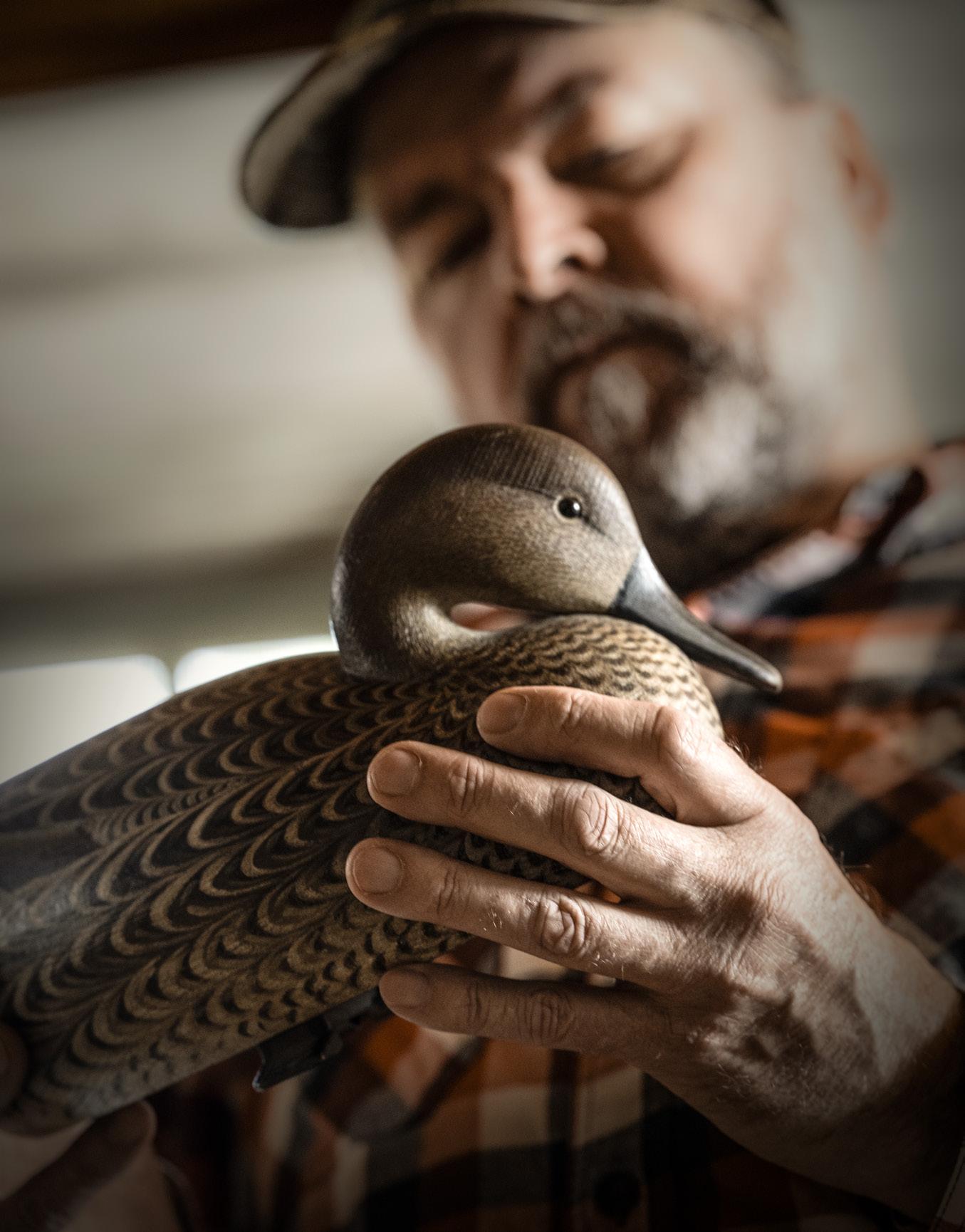
In his Hayward studio, Marty Hanson carries on one of America’s oldest art forms
Minnesota and Wisconsin played for a slab of bacon ... then lost it for 50 years
Brief yet beautiful, the fleeting Wisconsin cranberry season is well worth the risk
Meet the photographers, writers, and entrepreneurs shaping how the world views the North
What’s hiding in the woods right now might surprise you
Find the perfect place to call home, right here in the North
Put your feet up, grab a lemonade, and let the world slow down around you

A selection of the best vacation rentals for your next getaway in the North 16 | PUBLISHER'S LETTER • 18 | EDITOR'S LETTER • 22 | CONTRIBUTORS 25 | ABOUT THE COVER | MARKETING PARTNERS & SUPPORTERS • 225 | PARTING THOUGHTS
Dear Reader,
There is a particular kind of summer that belongs only to the North. It arrives slowly, then all at once. The days stretch longer, the lakes turn glassy and blue, and time seems to finally loosen its grip. It is a season of return, but also of discovery. A time to look again at the places we think we know and find something deeper waiting there.
In this issue of NORTH, we explore the people, histories, homes, traditions, and destinations that give this region its enduring character.
Anton Treuer’s story on Hole in the Day invites us into one of northern Minnesota’s most powerful and complex histories. Leader, strategist, negotiator, and force of will, Hole in the Day shaped the future of this land in ways still felt across our lakes, roads, and communities. His story is not simple, and that is precisely why it matters. It asks us to consider the North not only as a place of beauty, but as a place of memory, conflict, resilience, and legacy.
We also turn to the remarkable art of the decoy, where function becomes form and tradition becomes sculpture. In Marty Hanson’s hand-carved decoys, there is patience, discipline, and a deep respect for craft. What began as a tool of the hunt has become an American art form, shaped by wood, water, instinct, and imagination.
Architecture plays an equally important role in this issue. The homes and spaces featured here remind us that great design in the North is never simply about square footage or style. It is about restraint, materials, light, craftsmanship, and the rare ability to belong to a landscape rather than merely occupy it. This issue, we visit four: on Leech Lake, a third-generation owner rebuilt the family cabin without losing its soul; on a private island in Lake Vermilion, a family built small and built exactly right; in Hudson, a 140-year-old Queen Anne finally got the restoration it deserved; and near Hayward, a couple built new without letting go of the old.
And, as always, NORTH travels. We move between places near and far, from familiar shorelines and northern towns to destinations that expand our sense of culture, comfort, and escape. Wherever the journey takes us, we bring the same point of view: curiosity, discernment, and a love for places with soul.
Together, these stories reflect what we hope NORTH continues to be: a magazine about beauty with depth, luxury with meaning, and a region whose greatest richness is found in its stories.


Warmly, Tracy Ramsay Publisher
Head north, they said. You’ll find yourself up there, they said. But what does north even mean, really? For some, it’s a dot on the map, a familiar roadside sign, or the moment the radio slips to static and the trees get taller than the billboards. For others, it’s a feeling — a long exhale after a busy week, a subtle shift when time starts stretching out instead of closing in.
Somewhere past Webster, the road trip north changes pace. Suddenly it’s just you, the open road, and a quiet conversation with yourself. After Hayward, your GPS gives up and wishes you luck. Up here, “recalculating” usually means you’ve found a wrong turn worth keeping — a roadhouse, a landmark, or a bait shop that somehow manages to be all three. And when you finally roll into Bayfield and join the line for the Madeline Island Ferry, you’re closing in on the place that finally feels yours. You know your own threshold when you cross it.
The thing about the North is, it doesn’t try to impress you. It doesn’t have to. You’ll give in the first time the sun melts into your favorite lake like it’s forgotten what time it is. You come up with big plans — to finish books, tackle a project, find your highest self — and within a day, your greatest accomplishment is mastering the afternoon nap.
That’s the soul of NORTH magazine: the stories and spirit of a place where perfection isn’t polished and the good life isn’t curated. We’re not chasing trends or polished illusions. We’re here for the crooked docks, the long drives, the campfire clothes, and the moments that feel wonderfully unfiltered. NORTH looks at “upscale” differently — not as status, but as time. Not as luxury, but as a sense of place. A life a little less perfect and a lot more true.
Because luxury plays by different rules up here. The only “exclusive access” is calling dibs on the good chair before the sun settles in over the dock. Bottle service is a cooler that’s half ice and half mystery. Dinner is a just-caught walleye or a brat and a beer — plus a Tupperware salad that’s older than most of the stories at the table and still somehow steals the show.
In the end, everyone’s North is a little different: a favorite lake, a family cabin, or a nowhere-in-particular stretch of road where your shoulders finally drop. Whatever shape it takes, that’s the point — up here, North isn’t a place on a map. It’s a way of living just a little north of ordinary.


Cheers, Frank Roffers Editor-in-Chief
Words from our contributors

ANTON TREUER
WRITER
Ceremony time, the laughter of children, singing late into the night, the rustle of feathers, the jingle of bells, and the beat of the drum.

AMY GORAN WRITER
Lazing in the sun on the family pontoon, giving the “Minnesota Wave” to passing boaters as I hand all parenting duties off to the grandparents. Brewery patios and gloating to my Swedish relative that I only need SPF 30.

BETH DOOLEY
WRITER
Wild blueberries fringe the beach along the lake … gathered for my daughter-in-law Alli’s pies … the aristocrats of summer fruit, they bubble through a delicate, flakey crust … a slice of summer, the taste of golden days and star spangled nights.

DALE
MULFINGER
WRITER
I can hear the screen door slam as my son-in-law steps out to grill the brats. The sputtering sound of my neighbor’s fishing boat intertwines with the jays at the feeder. The shadow of an eagle dances across the forest floor. A breeze flows through the cabin with a hint of pine scent.

JEFF RENNICKE WRITER
Blue and blue and blue — lake opening like a sleepy blue eye from under winter’s ice, blue horizons, the slow, repeating verse of the surf, blueberries on the shoreline dangling in shadows like little earths, and the blues playing softly as I steer the boat towards home.

FRANK BURES WRITER
Sunsets. Mosquitoes. Leaf blowers. Heat. Birdsong. Daylight. Porch. Neighbors. Martinis. Rivers. Paddles. Road trips. Waterfalls. Rock skipping. Campfires. Trails. Green and green. Rocks. Streams. Clouds. Thunder. Picnics. Friends. Sunrises. Memories.

KALLI HAWKINS WRITER
A dry fly lands on the water’s surface, the soft tick of the fly rod reel as line slips through the guides. Waves lap gently against a canoe, loons call at dusk, and conversation around the campfire over some shared whiskey, venison backstraps, and fish.

KATHERINE LAWLESS WRITER
As my mom is always reminding me, there are only 11 weekends of summer. There will only be so many car rides to the cabin with my sister, Saturday dinners with my grandparents, and sunset boat rides with my parents, so you’ve got to make them count!

NANCY MONROE WRITER
Longer walks with my dog that aren’t in skyways, stopping at bug spray stations as I trek up the hill to watch a Shakespearean play under the stars, dining on patios surrounded by fragrant flower boxes, wading up to my ankles in lakes but no farther.

MIKE TESTER ILLUSTRATOR
Wearing a t-shirt, shorts and sandals … exploring my favorite state parks on the north shore and enjoying fabulous steaks on the grill most weekends.

MIKE MCCAW | SPACECRAFTING PHOTOGRAPHY
For me, summer in the North is all about Lake Life. Long, leisurely pontoon rides, dining outdoors by the water, and weekends filled with family and friends. Swimming and fishing off the dock, jet skis, grilling, wet dogs, sunsets, and fireworks.

LAURA BIXLER PHOTOGRAPHER
Summer in the North brings feelings of nostalgia out. Seeing Lake Superior in all her glory, hiking the endless trails around town, and enjoying time with family in the warmth!

LAUREN CUTSHALL PHOTOGRAPHER
Long, sunny days spent talking with friends and eating fresh fruit outside. A race against time with a melty ice cream cone as the sun sets late into the evening.

LEE THOMAS KJOS
PHOTOGRAPHER
Summer up north. The first loon yodel — means we’re back. It’s Island time now. Nothing rushed. Nothing forced. From sunup to sundown, Big Turtle calls. Trips with the grandkids to the bait shop — minnows in a bucket, hard ice cream gone too fast in the heat. And in the end, it always comes down to who’s beside you. Family. Friends. The ones who show up. Good vibes and stories that only get better with time. Just waiting on the next fish fry.

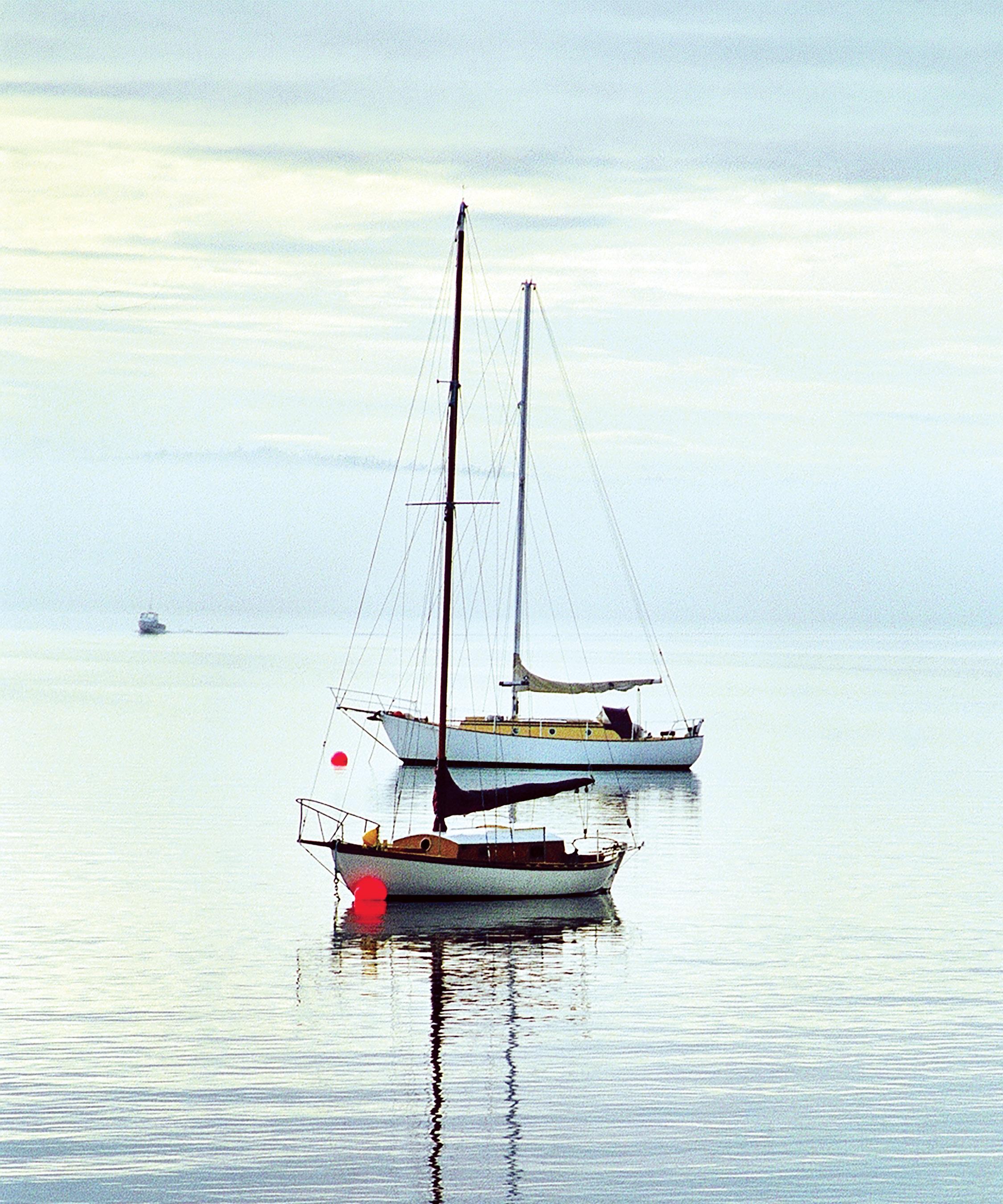
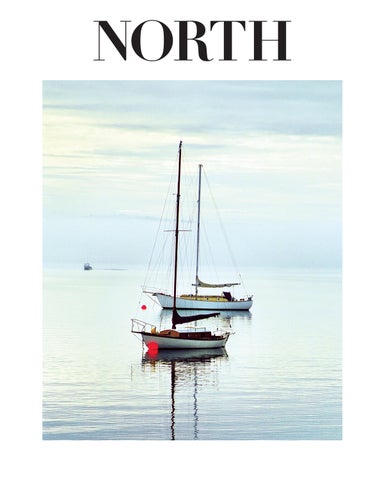
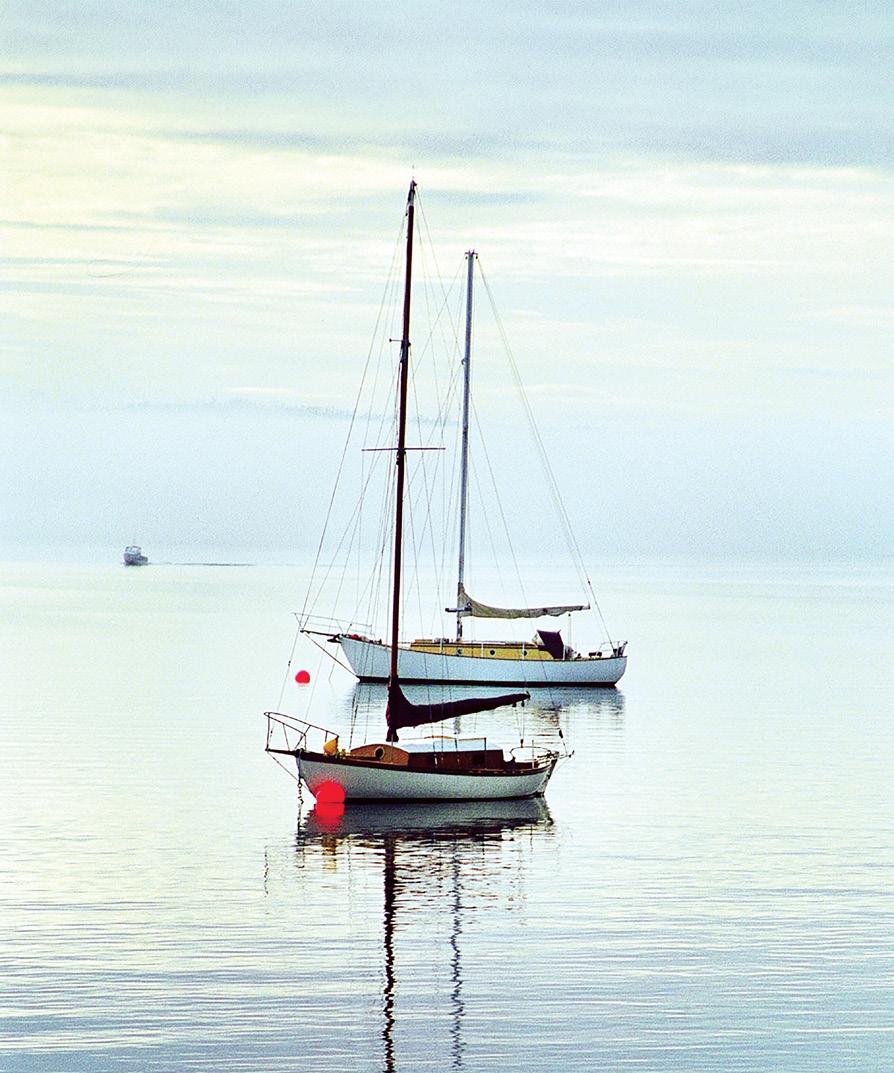
A quiet evening, a steady breeze, and a few small boats out on the open water — our summer cover is less about a specific place and more about a feeling. It captures that familiar northern ritual of watching the last light stretch across the lake as the day gives way to dusk. The scene is intentionally timeless: it could be yesterday, or 20 summers ago, on almost any northern shoreline. We chose this artwork not to illustrate a single story inside, but to echo the season itself — unhurried, spacious, and a little reflective.
ABC Channel 5 - Minnesota’s Weather Authority - 126
Albertsson Hansen Architecture and Interior Design - 55
All, Inc. - 26
Allstar - 44
APEX* - 204
Apostle 22 - 93
Bayfield Chamber & Visitor Bureau - 91
Beyond Blue - 100
Black Woods Group Catering - 145
Blossom & Cedar - 164
Bradley Interiors* - 78
Bruckelmyer Brothers* - 6
California Closets - 67
Carlson Orthodontics - 203
CF Design* - 81
Charles R. Stinson Architecture + Design - 4
Christopher Strom Architects - 69
Craftwerk - 46
David Heide Design Studio - 65
Dwell44 Modern Design Showroom - 54
Energy Plus - 79
Genereau & Co. - 133
Grand Marais Vacation Rentals - 221
Grandma’s - 172
Heirloom Vacation Rentals - 99
Hendel Homes - 19
Heritage Window & Door - 80
InterContinental Minneapolis - St. Paul Airport - 115
Josephine’s Bridal - 82
JM Inc. - 202
John Kraemer & Sons - 226
Johnson Mertz* - 57
Kitchi Gammi Club* - 148
Kowalski’s Markets - 13
Knutson Custom Construction - 8
Knutson Design Co - 76
Lake Country Builders - 53
Land Rover Minneapolis* - 228
Liberty Wealth Management - 127
LouAda Granite - 66
Madeline Island Vacations - 223
Marka Architecture - 37
MartinPatrick 3 - 2
Mary Mack & North Star Comedy Hour - 90
Miller Creek Lawn & Landscape - 36
Mount Royal Dental - 171
Nor-Son Custom Builders - 47
North Shore Mortgage - 187
Northeast Title - 205
Northern Trends Building & Design - 56
*NORTH magazine recognizes our founding marketing partners whose initial participation was instrumental to the success of our launch in 2024.
Northland Sotheby’s International Realty - 206
Orijin Stone - 35
Pier B Resort Hotel* - 224
Pink Licari Wealth Management Group - 149
Prestige Pools - 45
Renewal by Andersen - 68
Robert Barnes Attorney at Law - 160
St. James Social - 92
Saline Landscape Company* - 17
Saulaman Schlegel Art Services - 75
Security Jewelers - 161
ShipRock Management* - 211
Smithson Steak & Seafood - 24
Solveig Sento - 219
South Pier Inn - 10
Spacecrafting - 134
Strong Tower Wealth - 20
Synergy Aesthetics - 125
Terry John Zila - 146
The Boat Club - 117
The Harbors - 116
Tracy Ramsay + Partners* - 188
Visit Cook County - 89
Wildernest Cabins - 218
Will Spencer Studio - 77

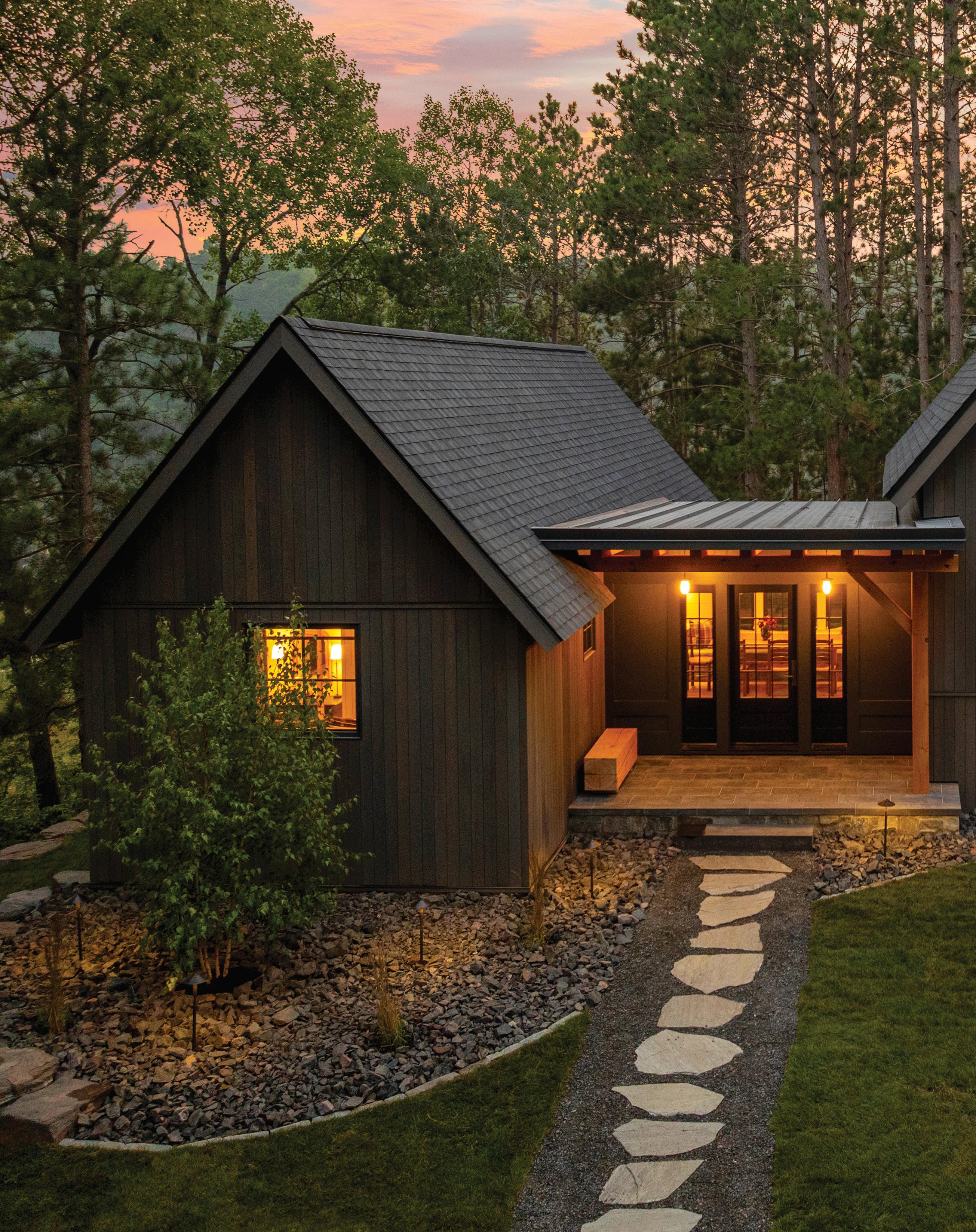
Celebrating exceptional homes, thoughtful design, and the stories within
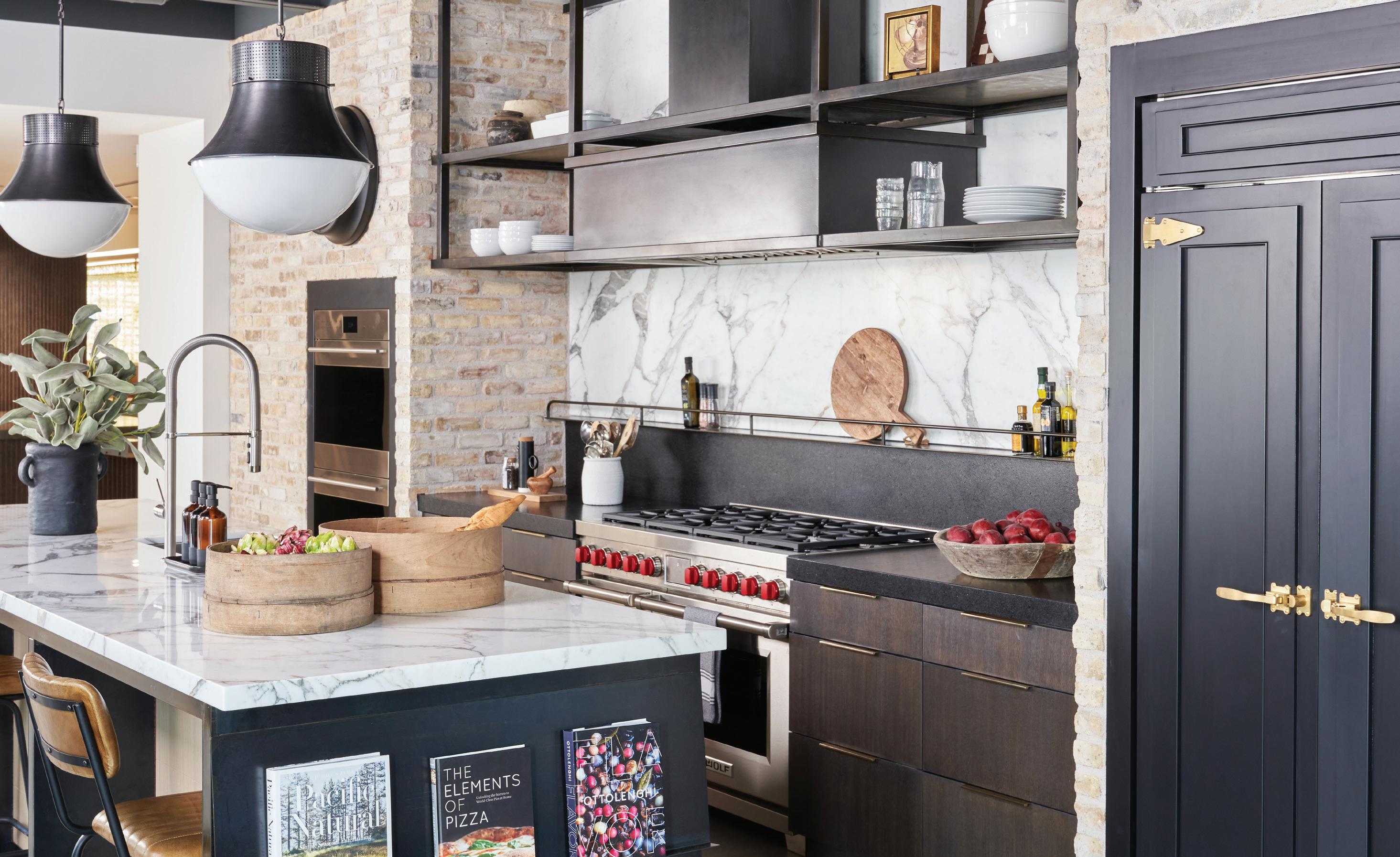
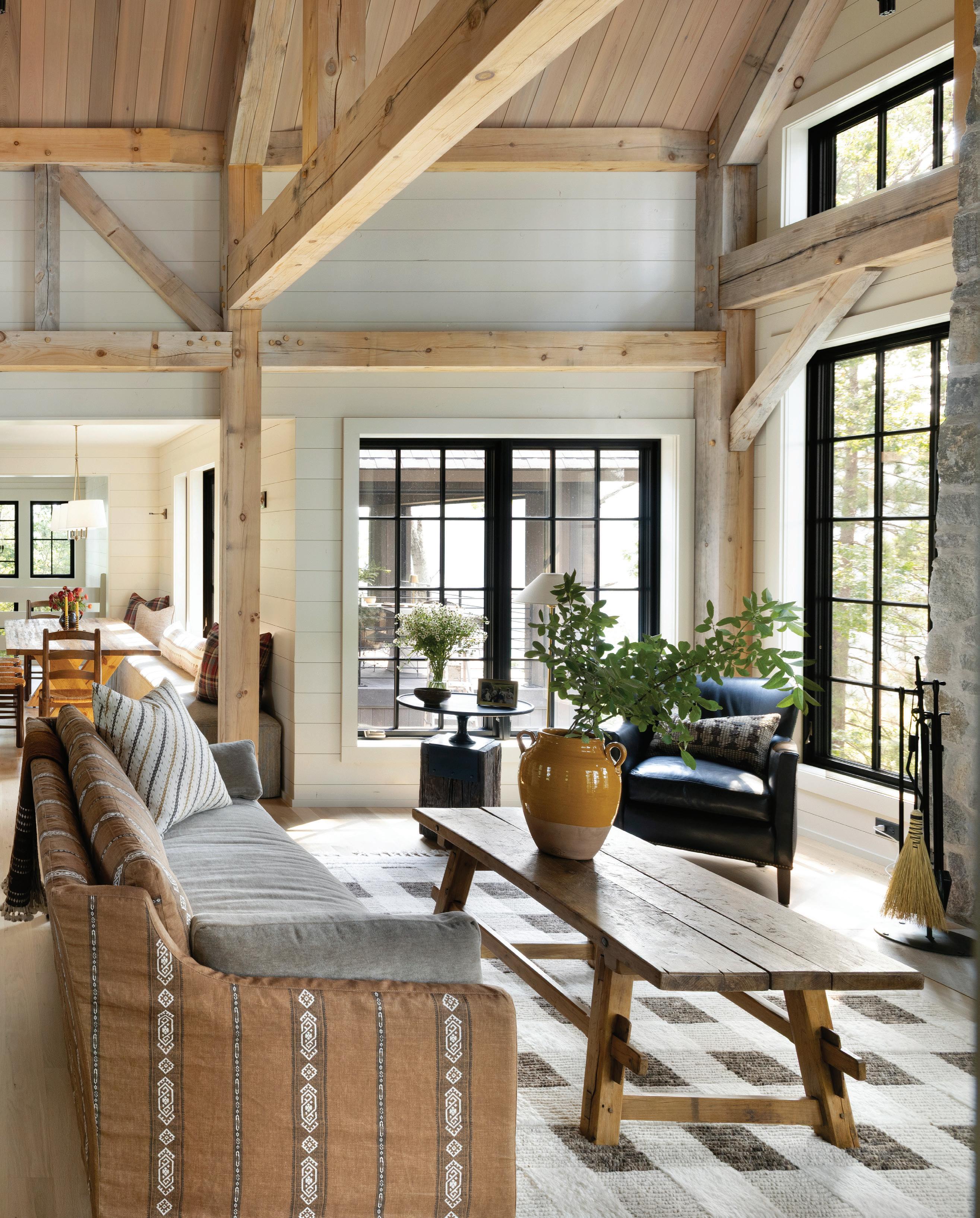
Antique and vintage pieces commingle with modern furnishings to create a timeless ease.
Scan to watch a short NORTH video.
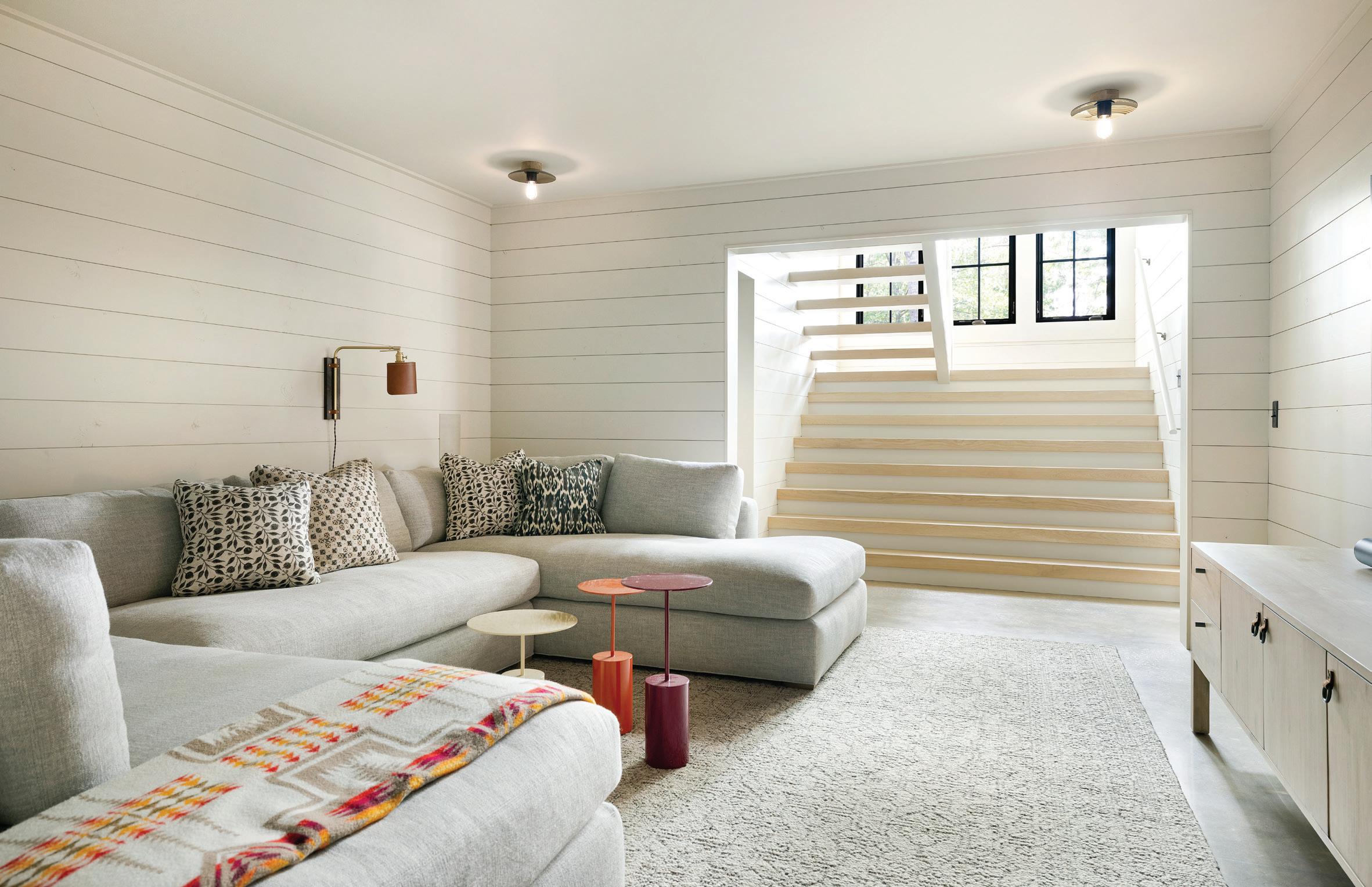
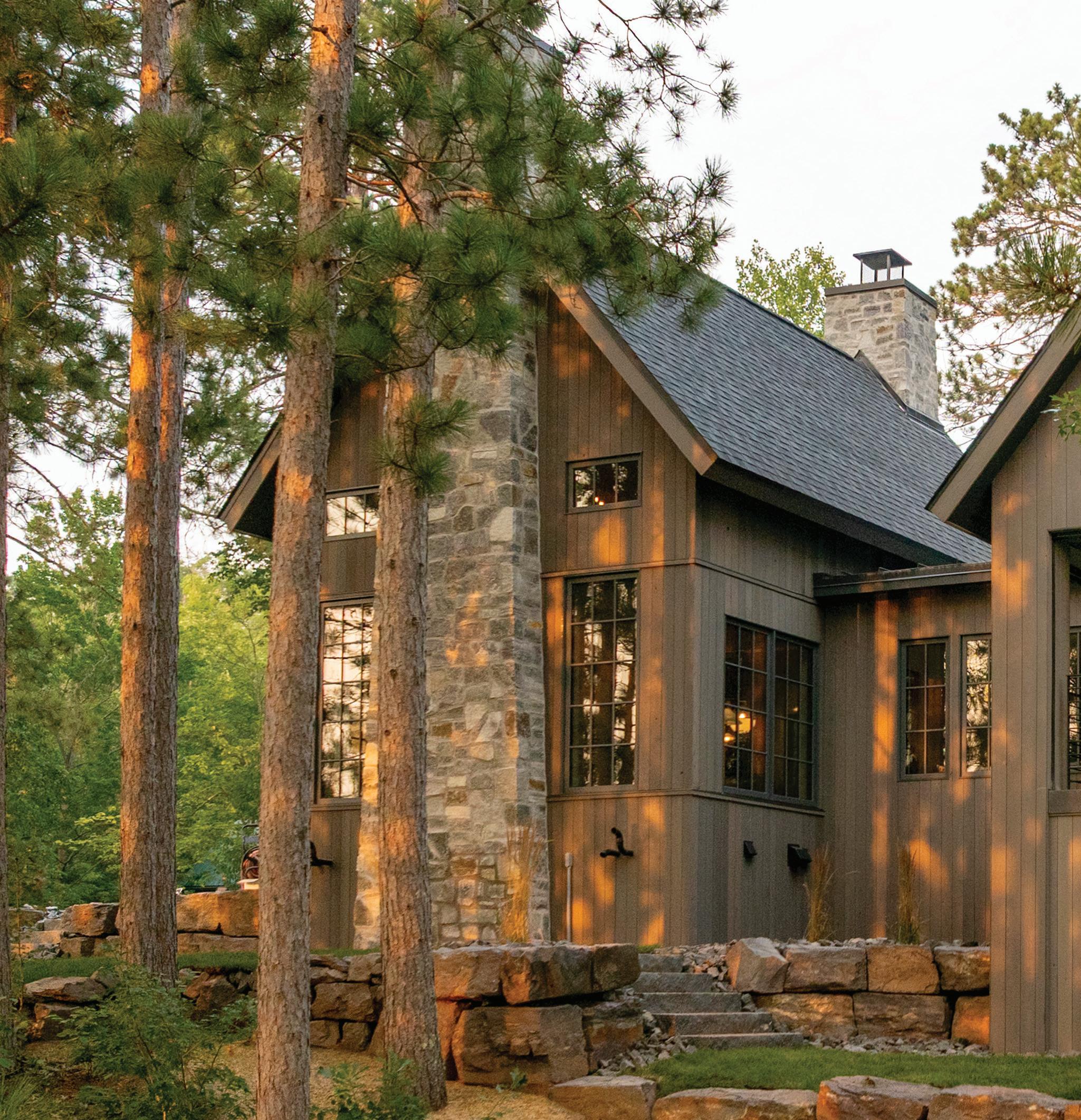
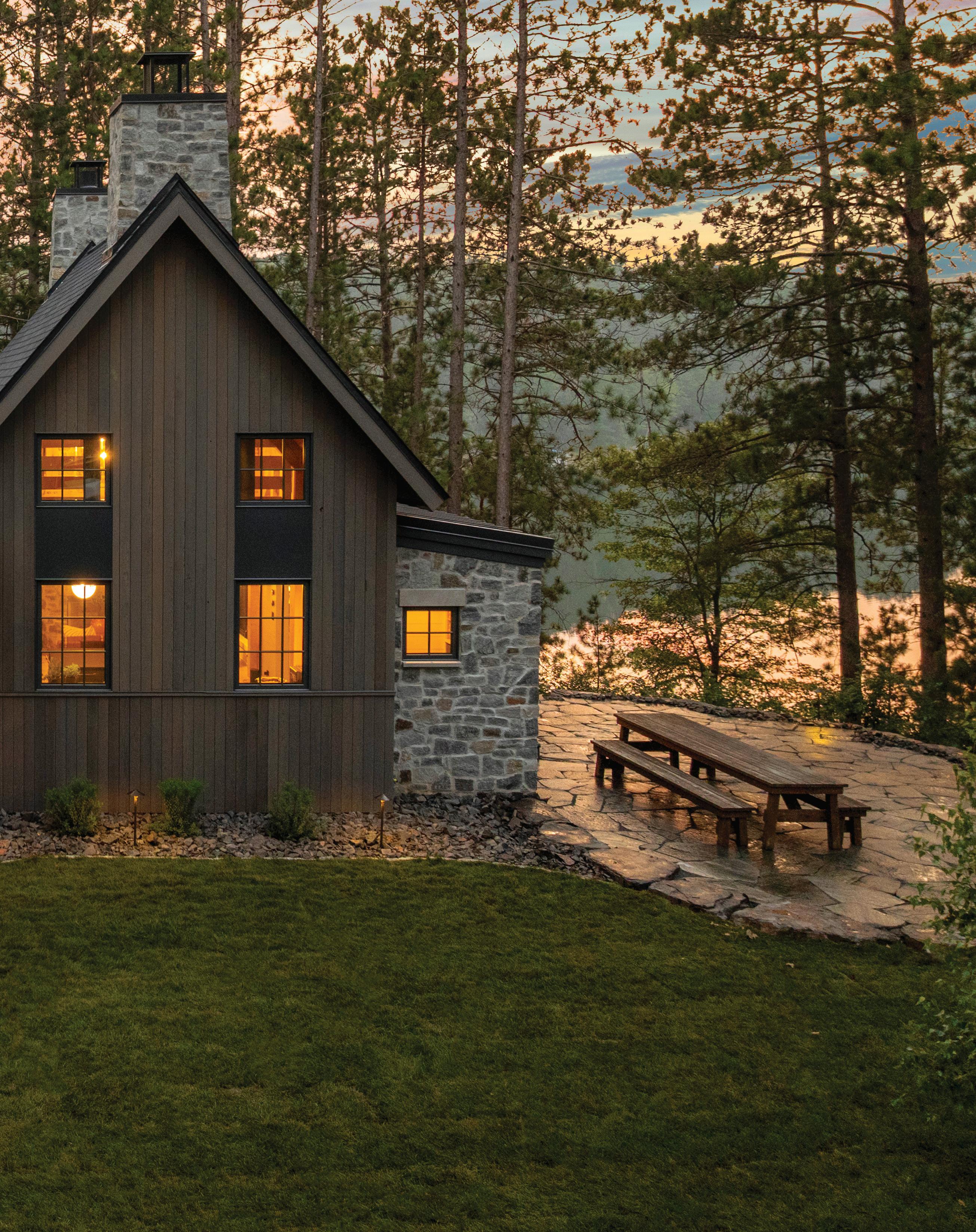
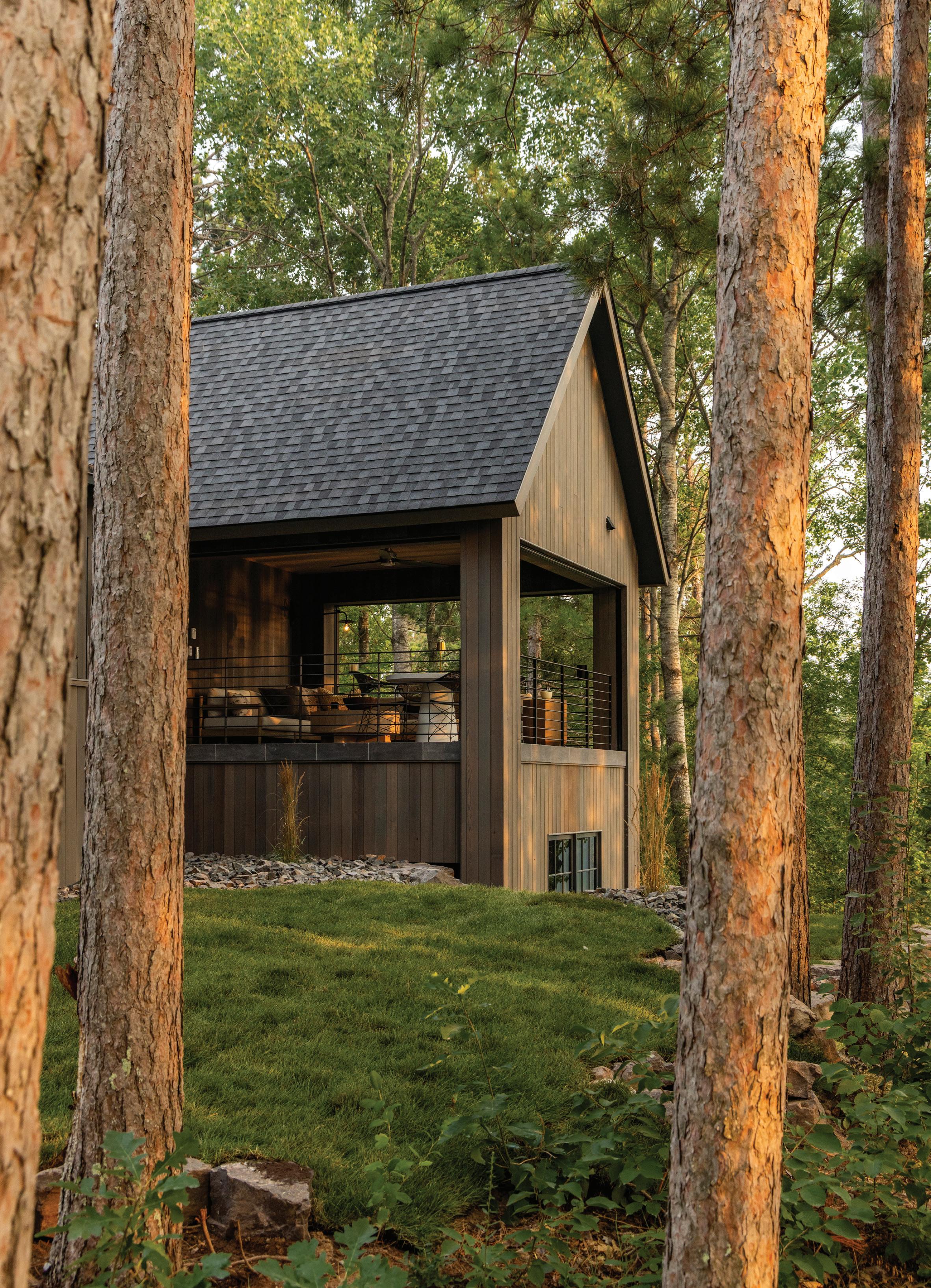
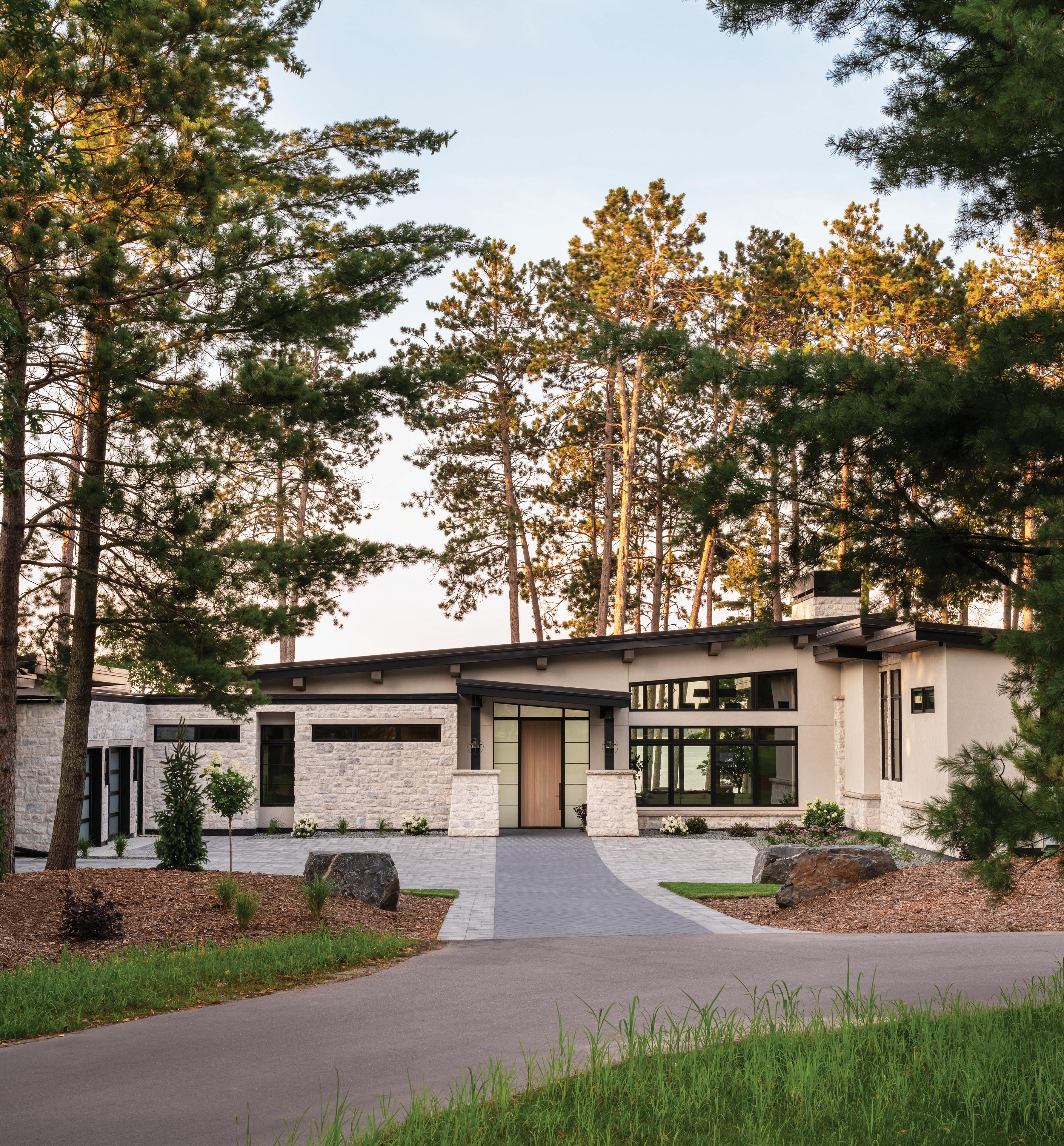
Invaluable memories were stored deep in the timbers of the 25-year-old starter cabin built on a former Boy Scout camp. The homeowner, with help from some friends after college, built it himself — reason enough to spare it.
Rather than tear it down, he and his wife relocated it to another part of the 17-acre lake property near Hayward, Wisconsin.
The couple, who love to entertain, had outgrown the one-room cabin with its screened-in porch — part bedroom, part living space. “We wanted the history of the original but to push it forward,” said Krista Schwartz, who is both homeowner with her husband Don and, as the owner of Indicia Interior Design, the designer on the project.
The specs for the new dwelling included saving as many trees on the heavily wooded property as possible, making a new build look like it’s always been there, and keeping the scale cozy, but functional. “It might not be the quickest way to get something done,” said Eric Johnson of Christopher Strom Architects, “but it’s the best way to get to something beautiful.”
The solution was two separate wings: one public, one private. United by the entryway, it bestows the first glimpse of the lake when you open the front door. The dining room table is the second thing you see, positioned in the foyer in front of three long, rectangular windows to create a better flow for the kitchen and great room.
The collection of trades contributed quality materials and expertise. Bob Streiff of RPS Construction Services — a neighbor on the lake — was the builder. Mimicking the timber-framed facade of the original
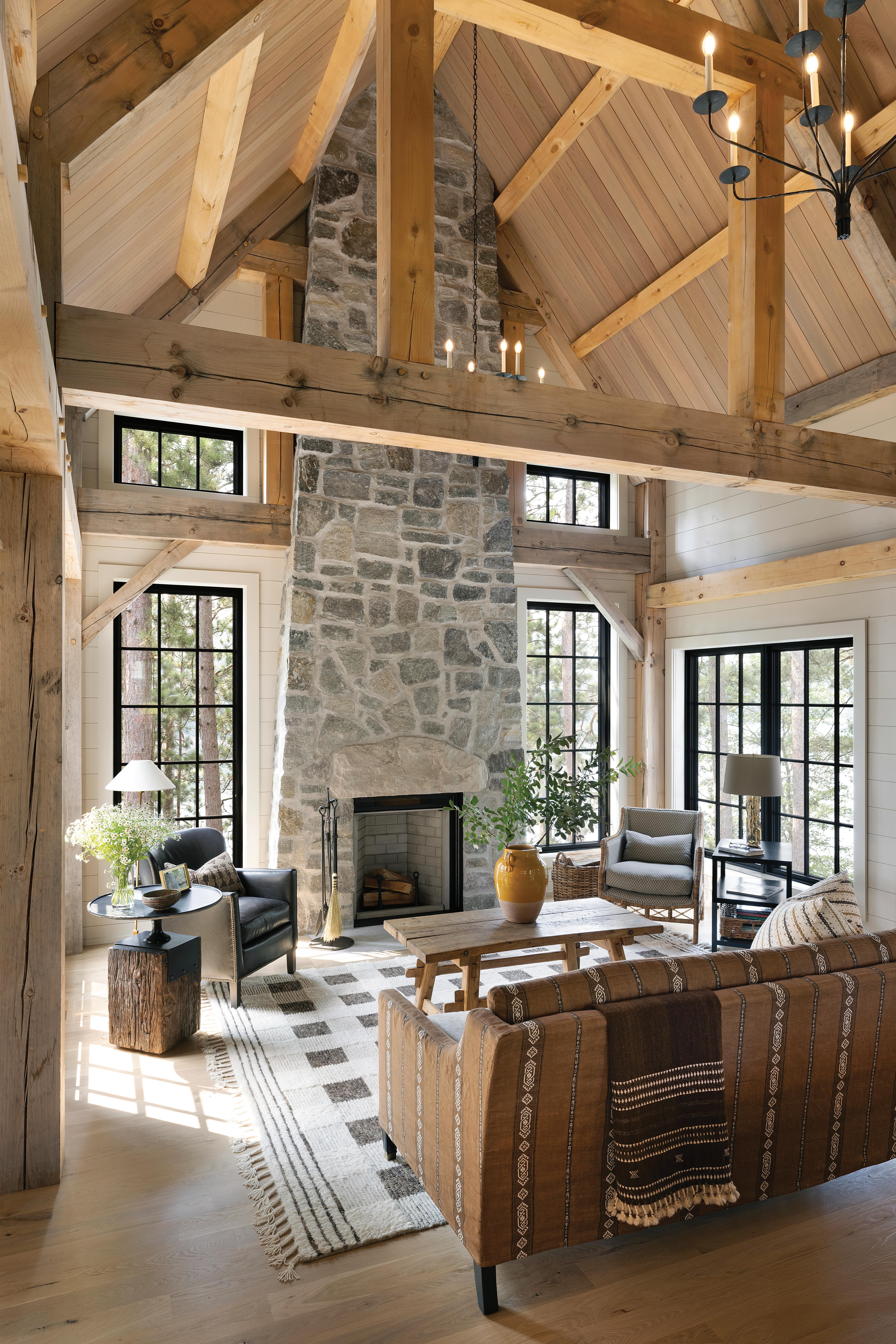
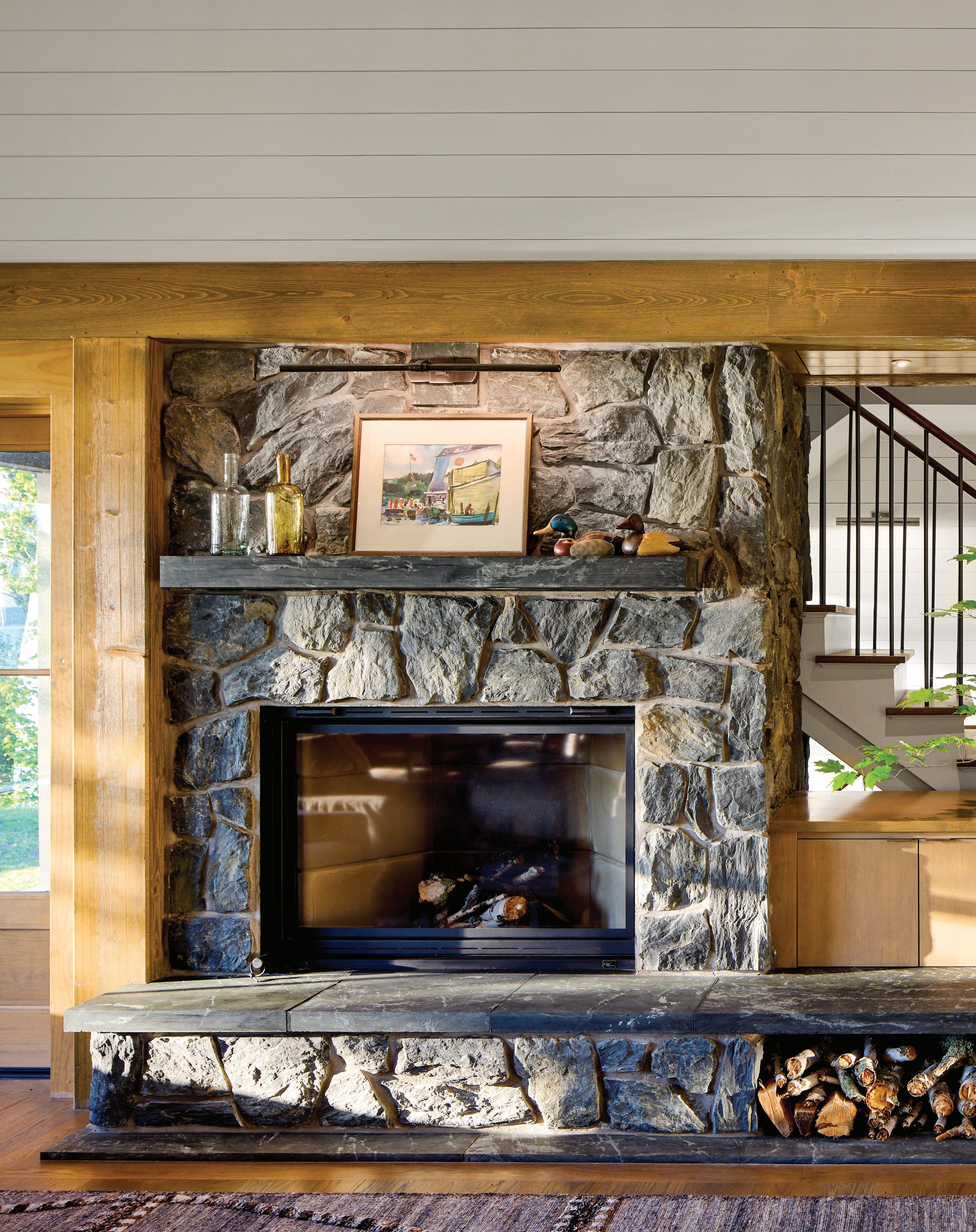
cabin with a modern look was important to the homeowners. Great Lakes Wood Co. sourced cedar siding that would age beautifully. They selected dramatic stone for the tapered, two-story fireplace from Orijin Stone; a glass guillotine door traps the heat.
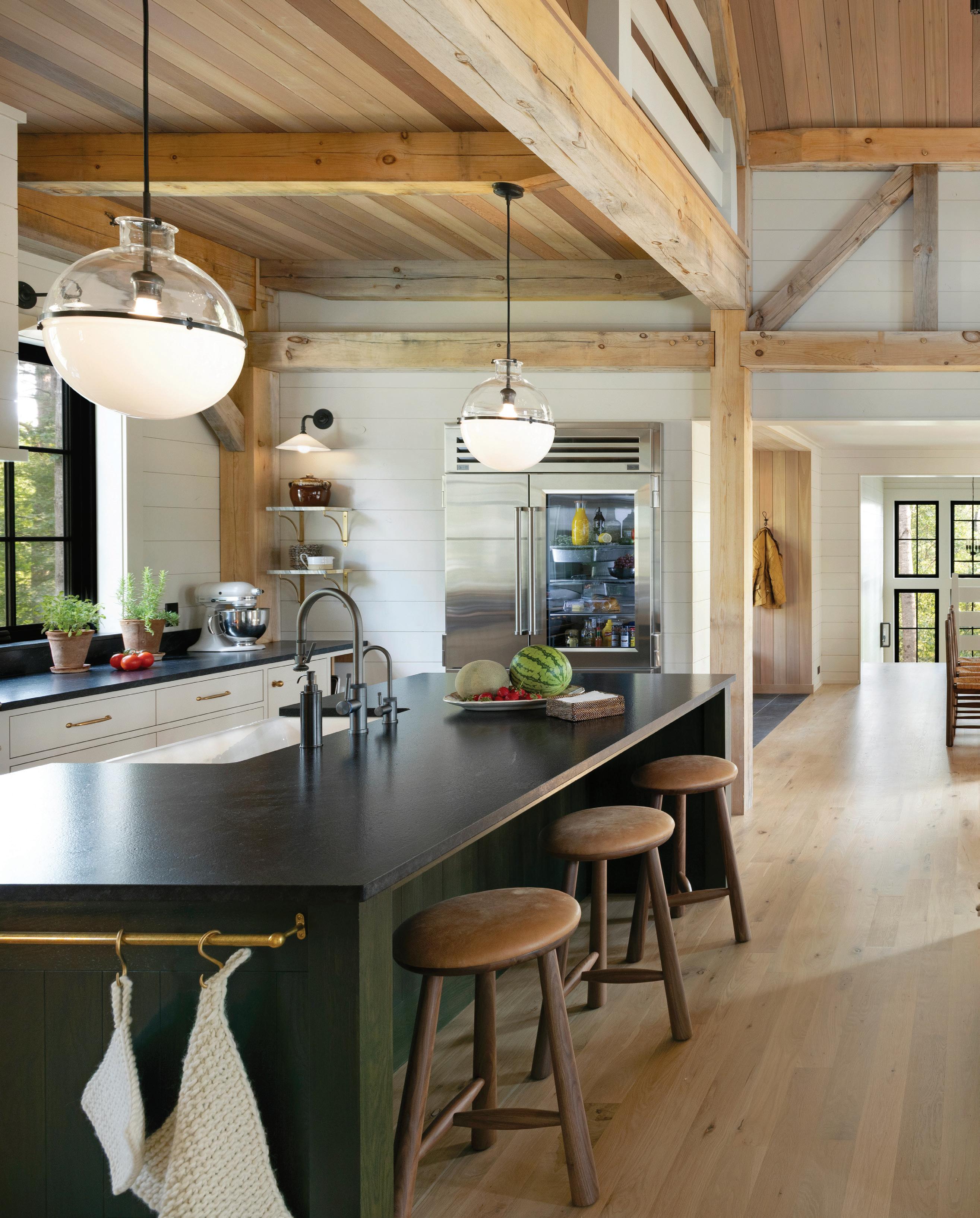
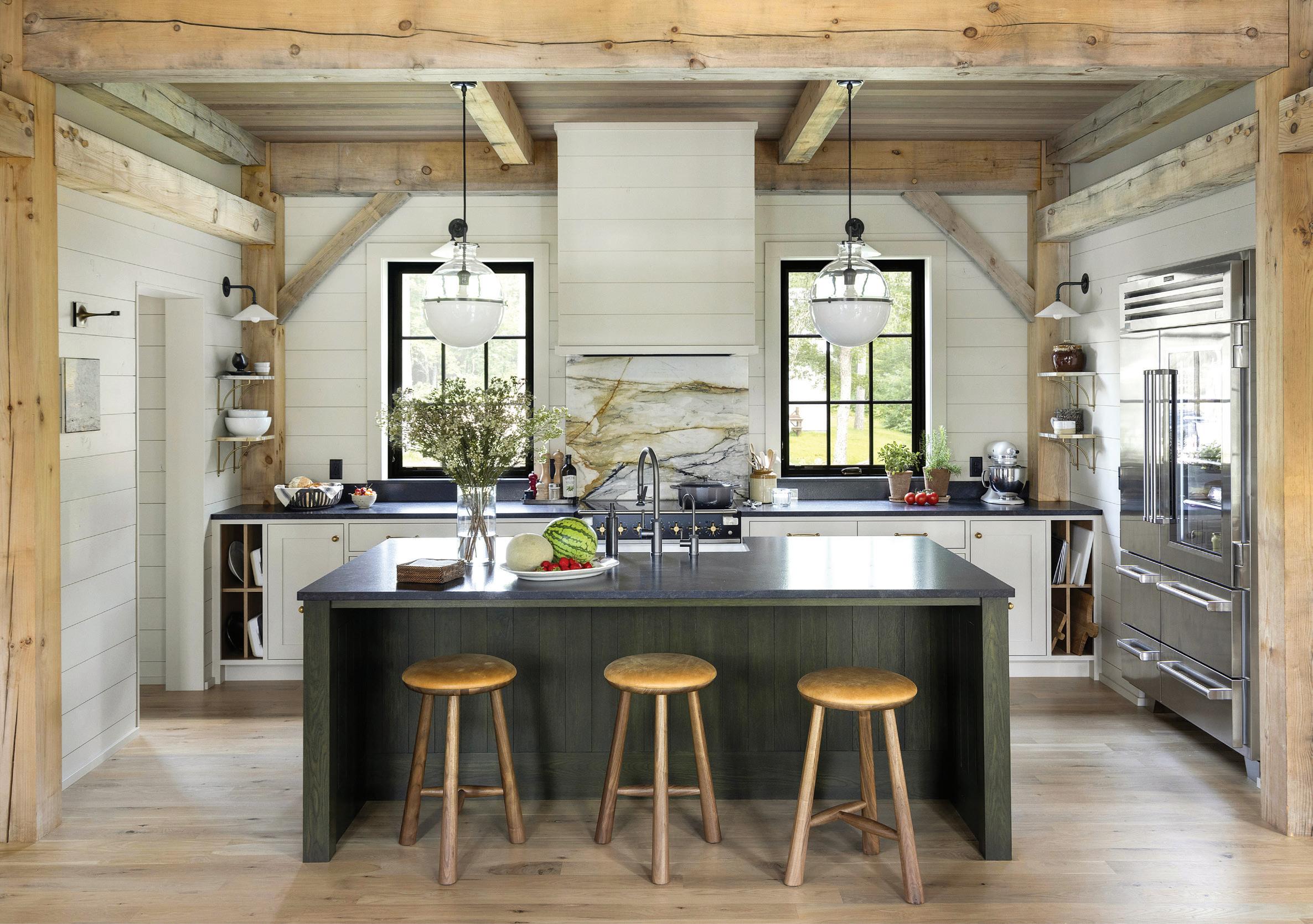
While the fireplace and timber-framed interior dramatically elevate the ceiling, a loft was added above the kitchen to alter the scale and allow for pendant lights over the island. Off the kitchen, the “sidecar” — a stone bump-out clad in the same stone as the great room fireplace — earns its nickname with personality to spare. Reminiscent of an old farmhouse back kitchen, it services the outdoor deck and fire pit with snacks, drinks, and dog treats, while a half-bath makes it fully functional. Think pantry, but with serious benefits.
The kitchen sacrificed upper cabinets for the view, but seeing the firepit from the kitchen windows is a must since it’s frequently called into duty for cooking. A patterned skirt appears under the farmhouse sink in the kitchen, adding both a feminine touch and practical access to the plumbing, Krista said. And beyond the kitchen, antique and vintage pieces commingle with modern furnishings to create a timeless ease. “It’s a collection of who we are,” Krista said.
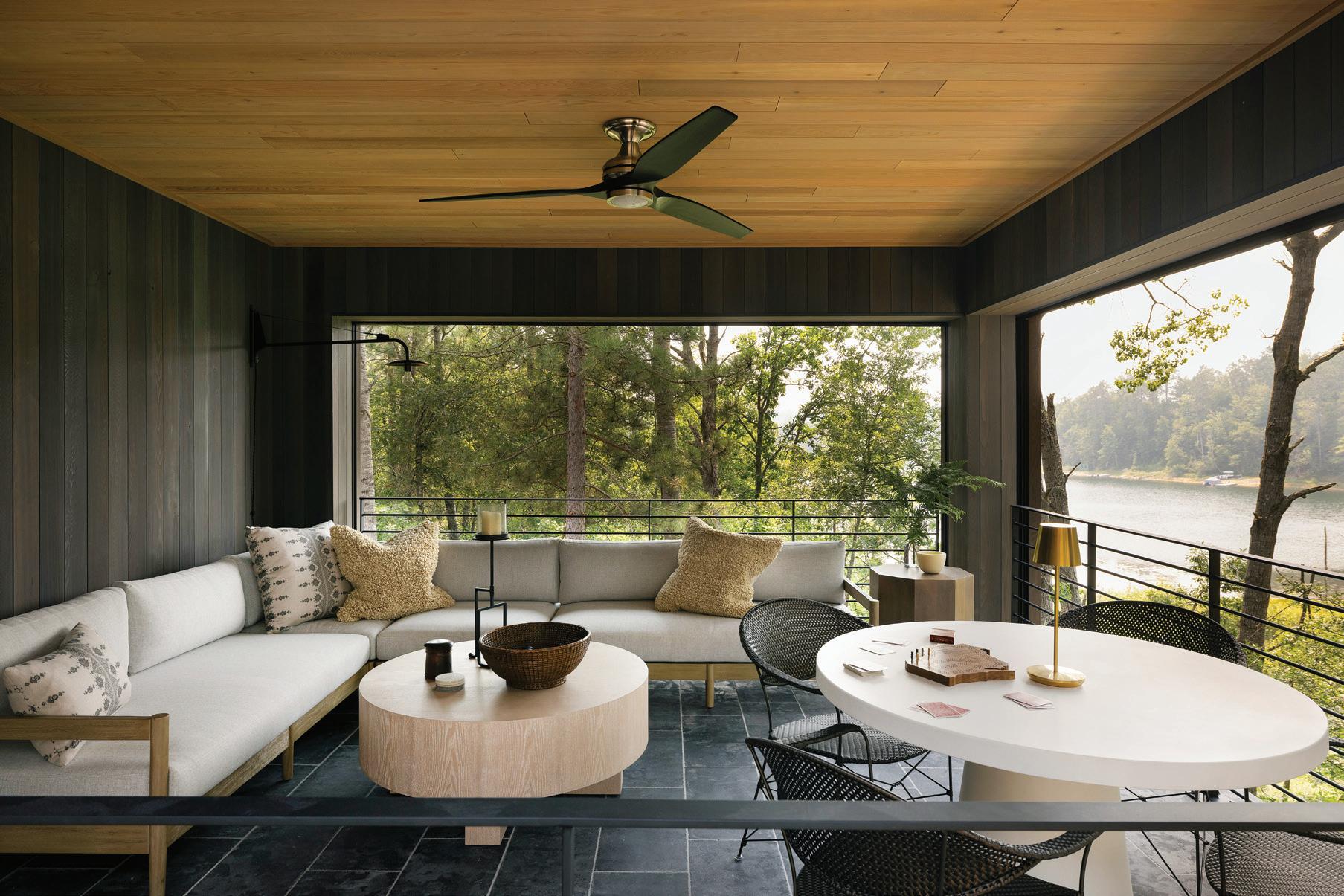
The screened porch is the heart of the cabin — and an intentional echo of the original. Lake-facing, with a paneled ceiling and back wall that nod to classic cabin character, it’s wrapped in floor-to-ceiling windows on three sides with both phantom screens and vinyl. Modern furnishings make it feel like a refined yet still rustic version of the porch that started it all.
And that original cabin with the beloved screened porch? It’s since found new life as a guest cabin.
The screened porch is the heart of the cabin — and an intentional echo of the original.

Restoring a Hudson mansion and honoring the craftsmanship that brought it back to life
WRITTEN BY NANCY MONROE | PHOTOGRAPHY
BY SPACECRAFTING
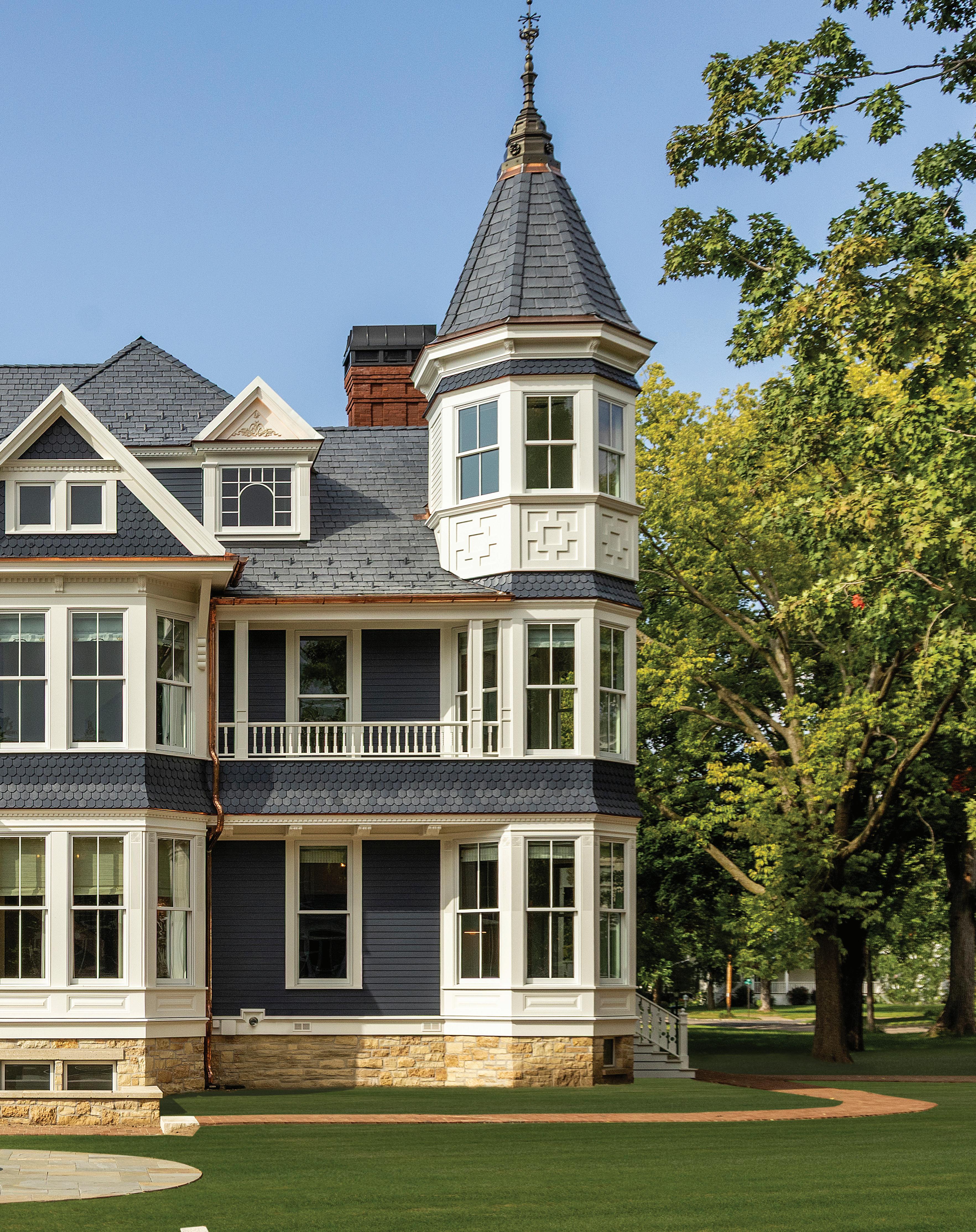
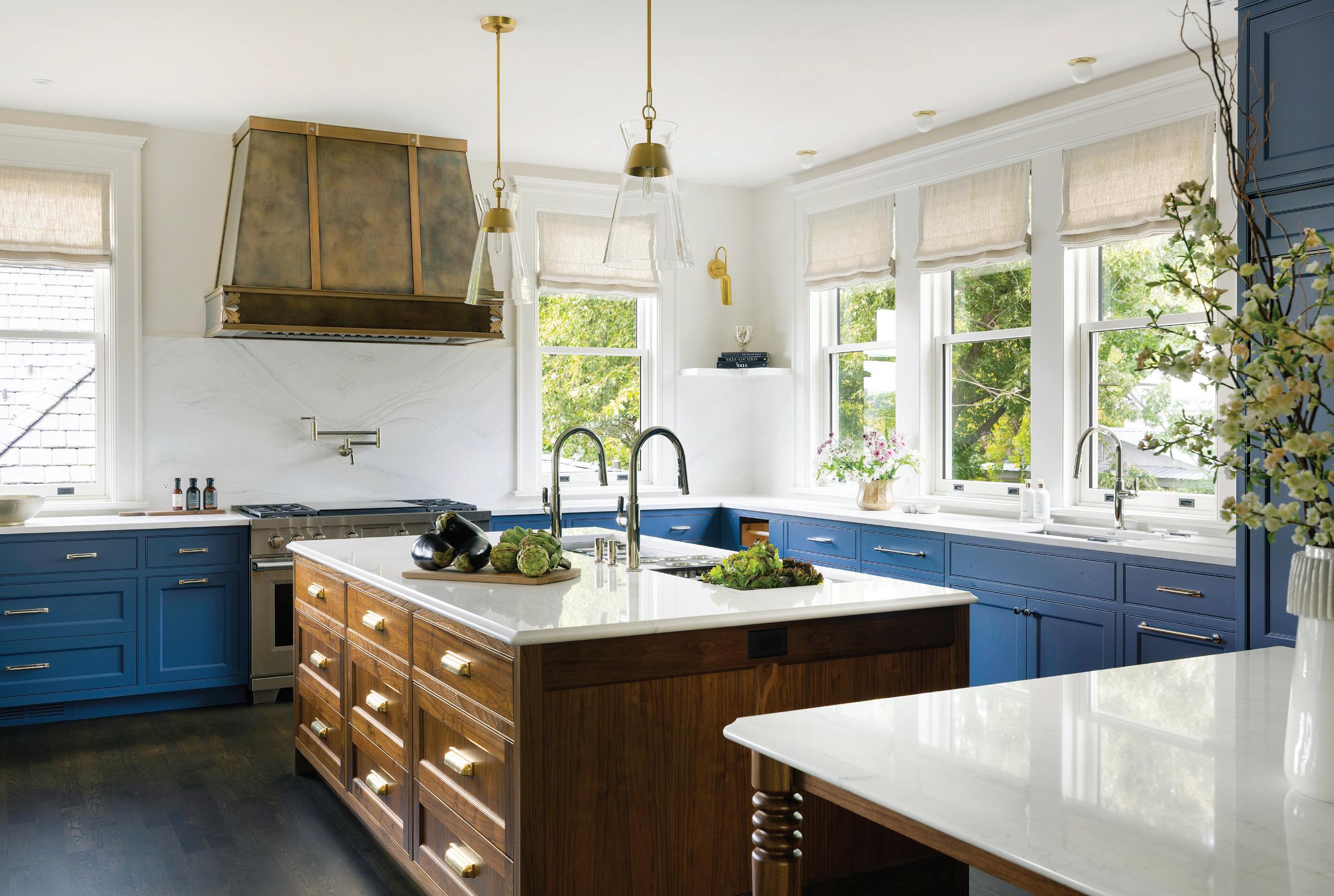

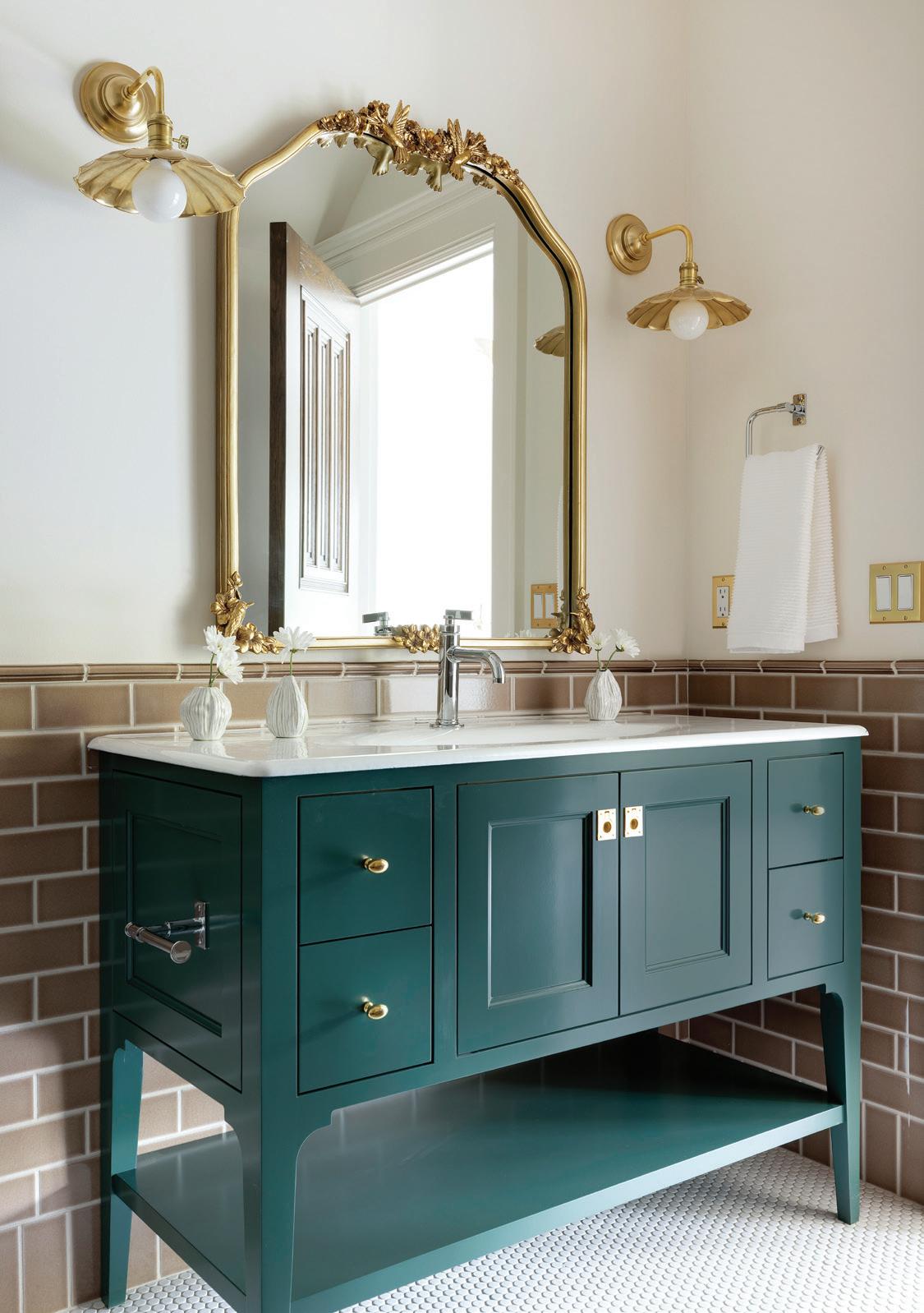
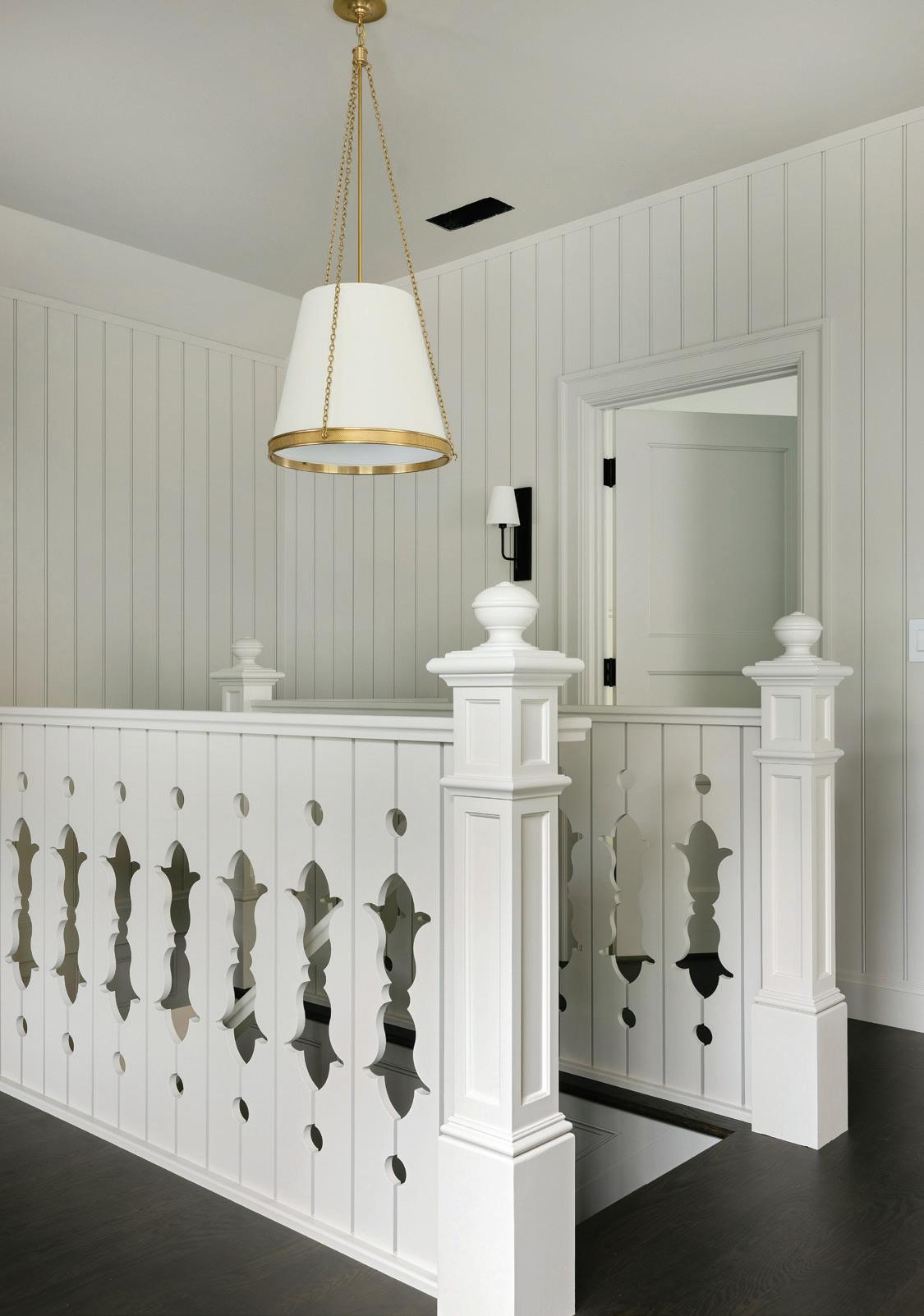
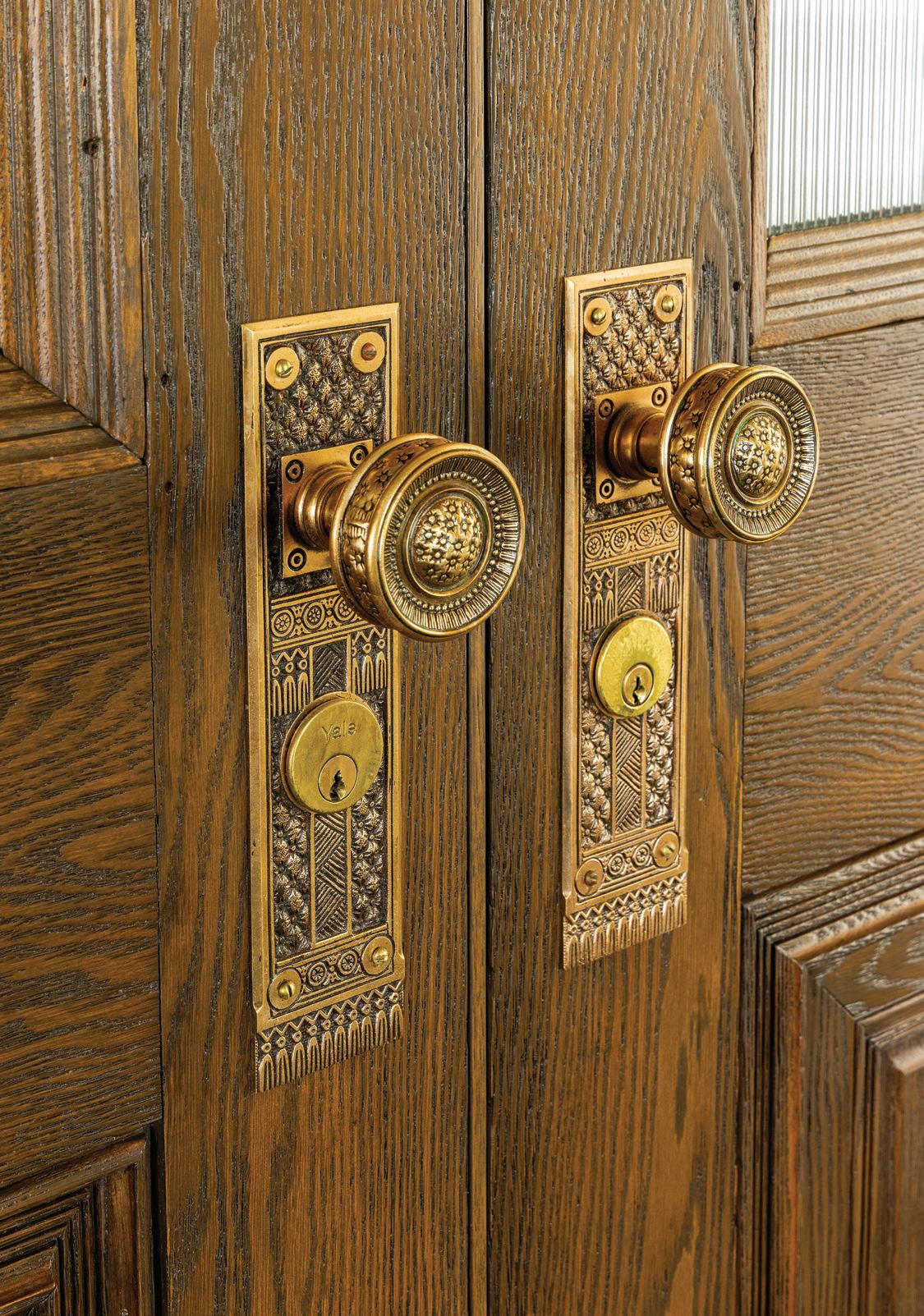
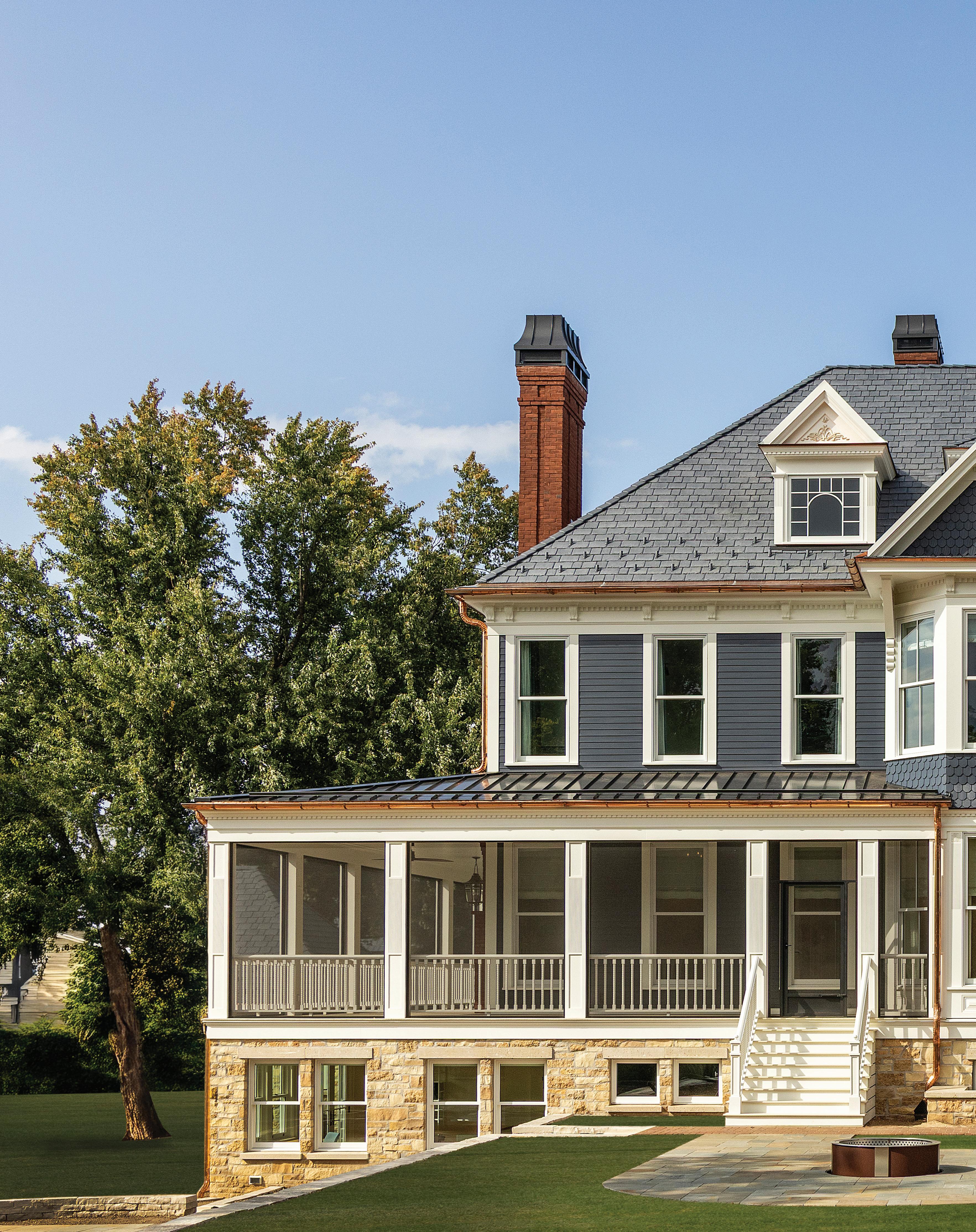
The William H. Phipps House has lived a lot of lives. Built in 1885 in Hudson, Wisconsin, the Queen Anne mansion has served as a nursing home, a rooming house, a bedand-breakfast, and even a Hallmark movie set. When the current owners found it, the house had been waiting a long time for someone to take it seriously.
The homeowners were looking to belong to a community that honored the arts as well as historic homes, said Kelley Brenner, co-owner of Ron Brenner Architects, who spearheaded the project. She told them, “This house needed you as much as you needed it.”
The restoration of a Queen Anne, known for its steep rooflines with gables and towers, bay windows, and an abundance of ornamental details, is not for the faint of heart, nor for anyone with a short attention span.
While it had hundreds of details in need of repair, it wasn’t hard to attract top talent, Ron said. Once they heard what the project was, the specialty craftspeople felt honored to be part of it.
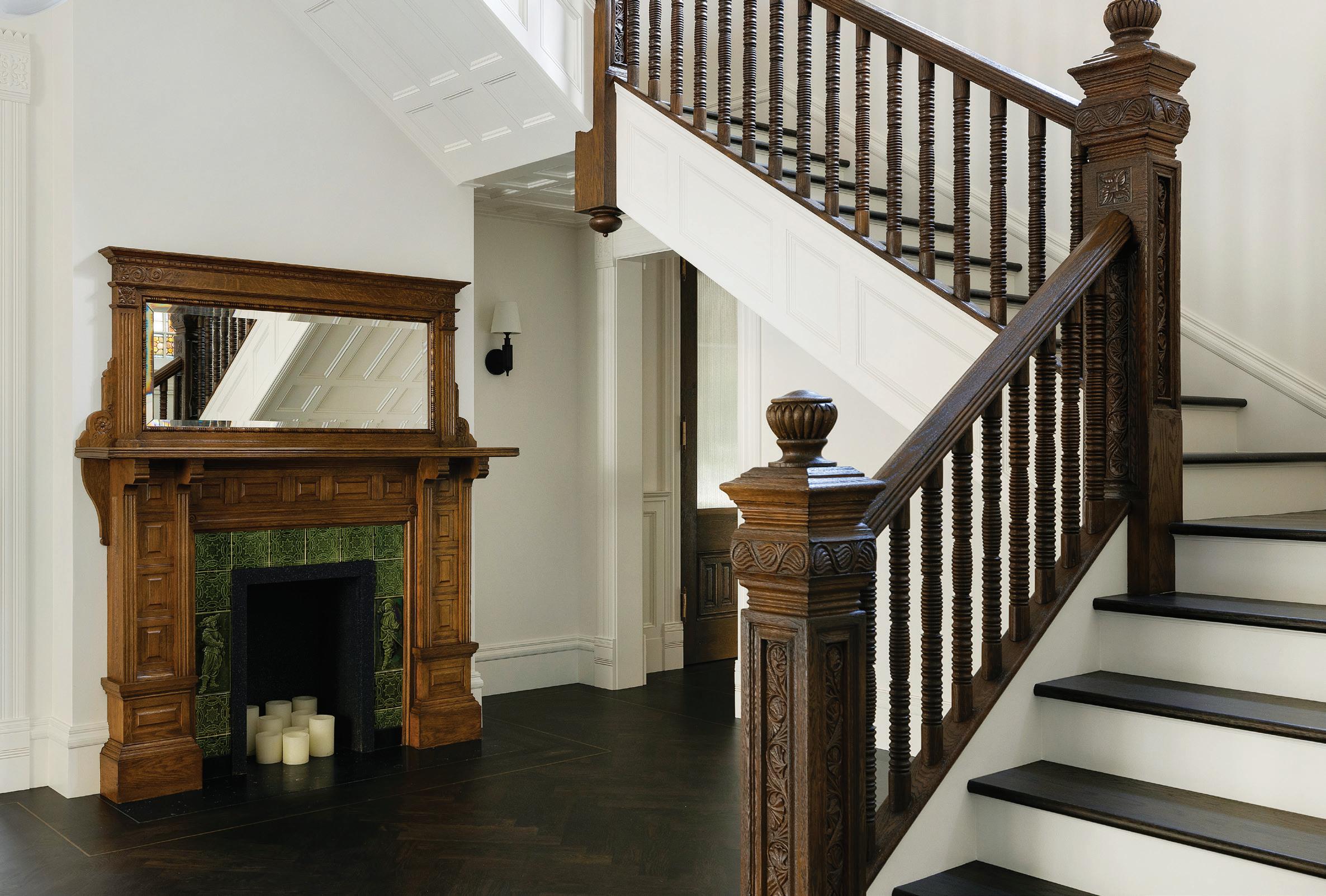
More than 100 people worked on the house over the three-year project, including builder Hendel Homes. Four floors of doors, stained glass, fireplace surrounds, and myriad decorative trim and hardware had to be stripped of paint and years of neglect. Since previous generations’ kitchens were much smaller, the Hendel team built an addition to create a modern kitchen with a wraparound porch. The space is crisp and contemporary, with subtle touches that echo the home’s original character.
Ron said there was widespread rot, crooked floors, and structural issues, but these problems were secondary to the Herculean task of documenting and restoring hundreds of architectural details. Amy Hendel, principal at Hendel Homes, notes that there were 72 rosettes and 40 medallions alone that had to be counted, catalogued, and marked for location. For pieces that couldn’t be restored or were missing, such as the original hand-glazed Italian tile around a fireplace, a specialist was brought in to try to duplicate them. The tile, unfortunately, used a technique long lost. Once restored, brass doorknobs and hinges were as much works of art as they were utilitarian.
The exterior is a customized deep blue that shifts with the light, accented by creamy white trim. Copper gutters add another layer of ornament to a façade that already includes scallop shingles and dentil molding.
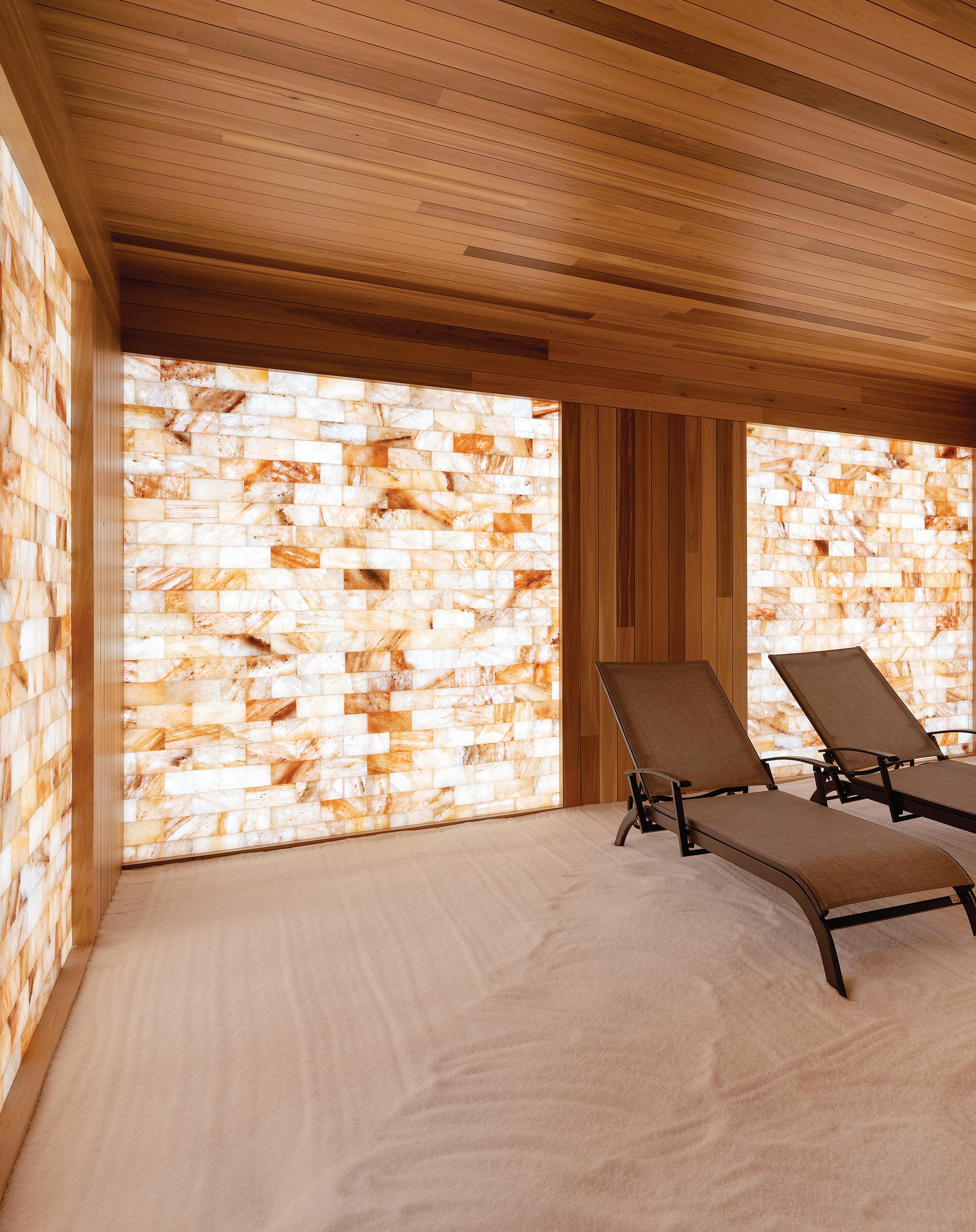
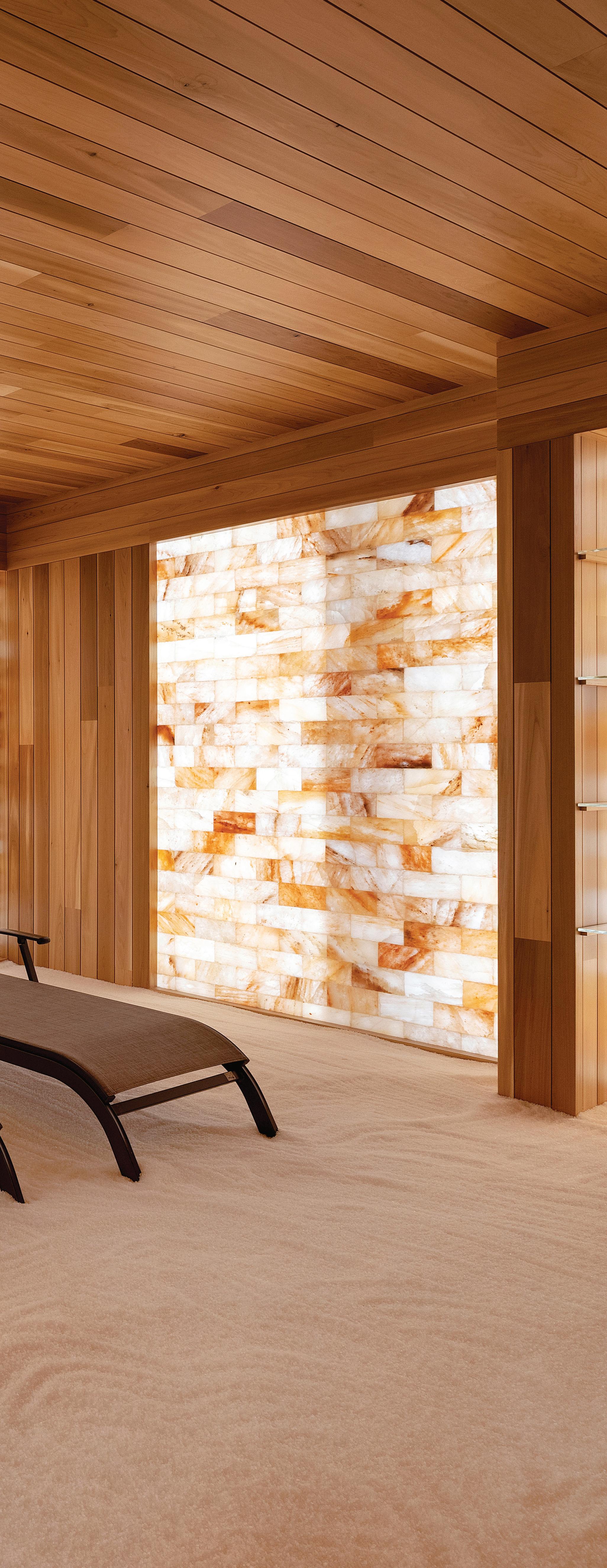
The home may have been rooted in the 19th century, but a modern family was moving in. The lower-level breaks with Victorian tradition to create a wellness sanctuary featuring a Himalayan salt room, meditation space, plunge pool, and workout facilities, Amy said. Subtle Art Deco influences run throughout the design, tying the lower level back to the home’s historic soul. An art studio, office, and theater round out the space.
It’s not often that a restoration project stops the neighborhood. When the newly fabricated steel spire was hoisted above the roofline and slowly lowered into place, Kelley said, everyone on the block came outside to watch. After 140 years, the William H. Phipps House had its crown back.

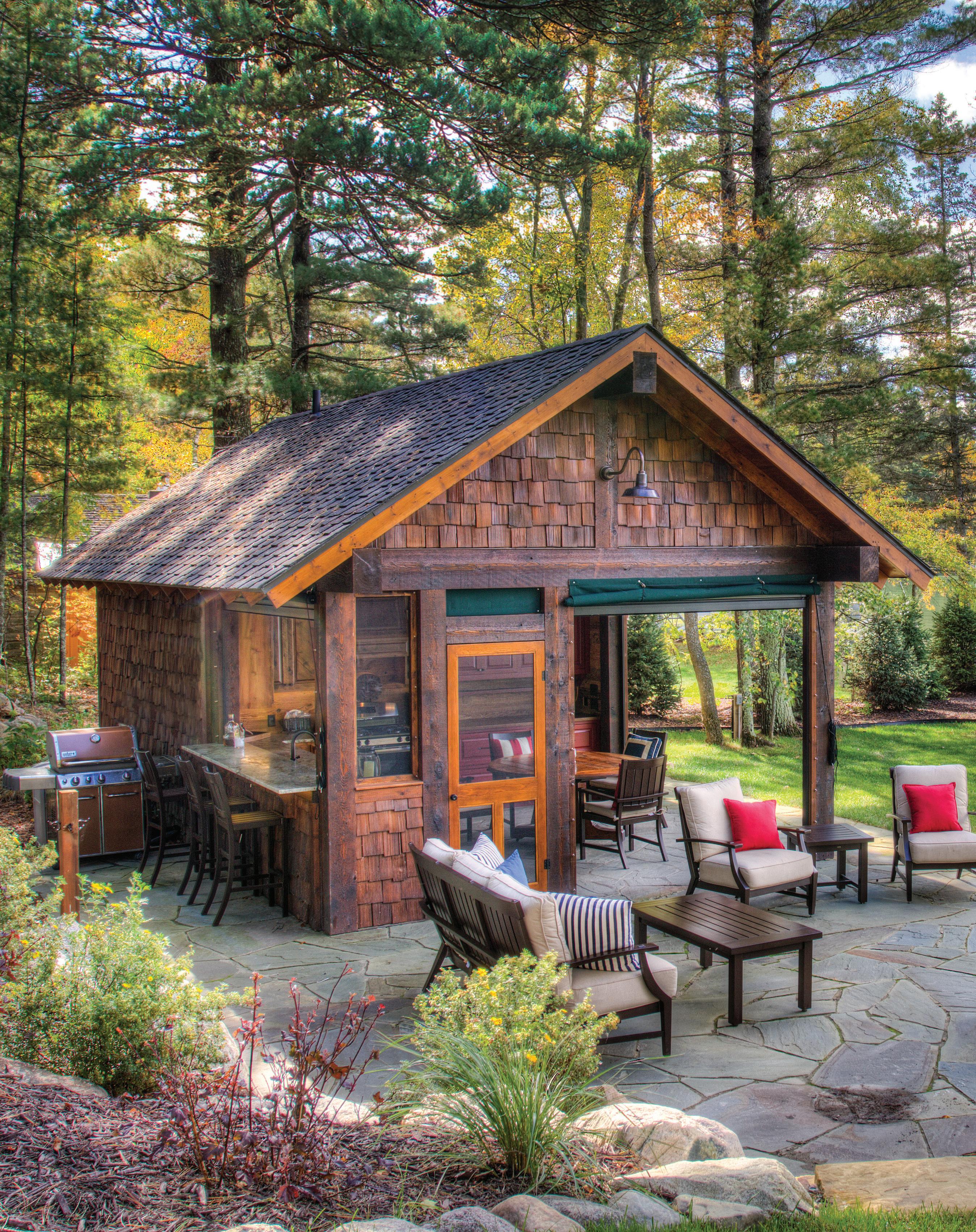
Made for lingering, built for entertaining
of Land’s End Development – Crosslake, Minnesota
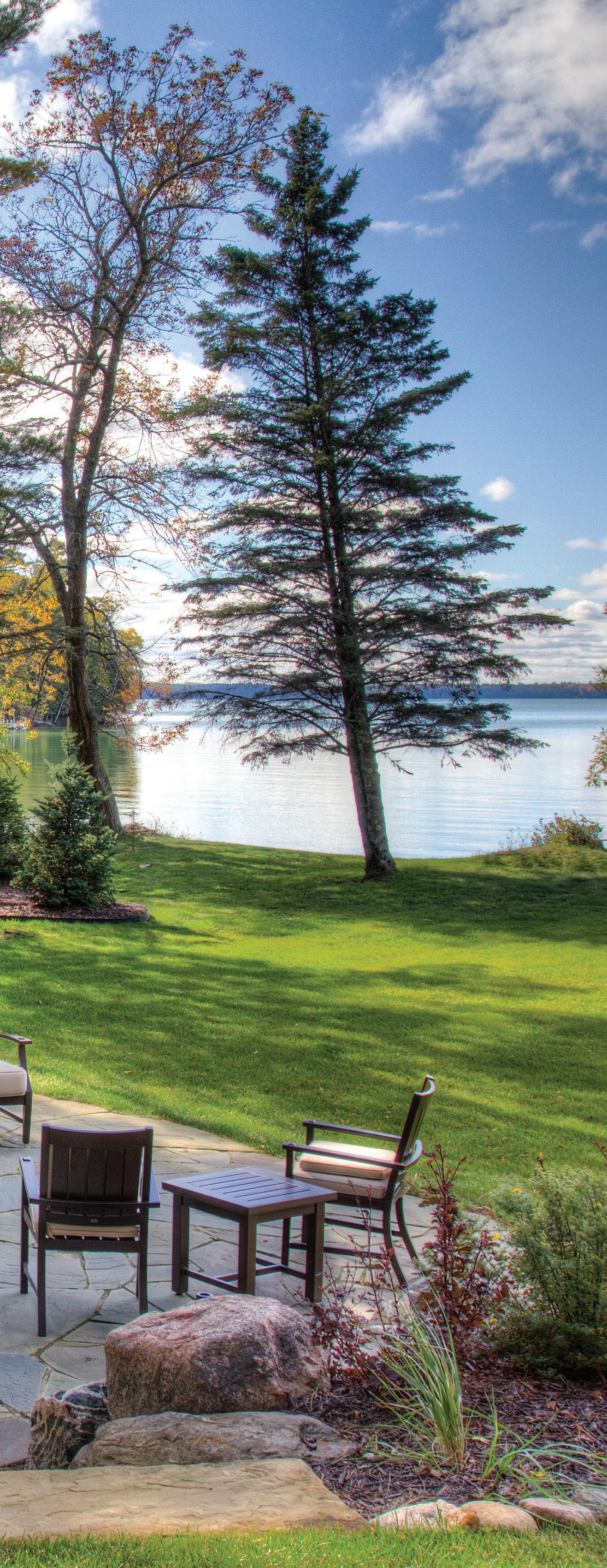
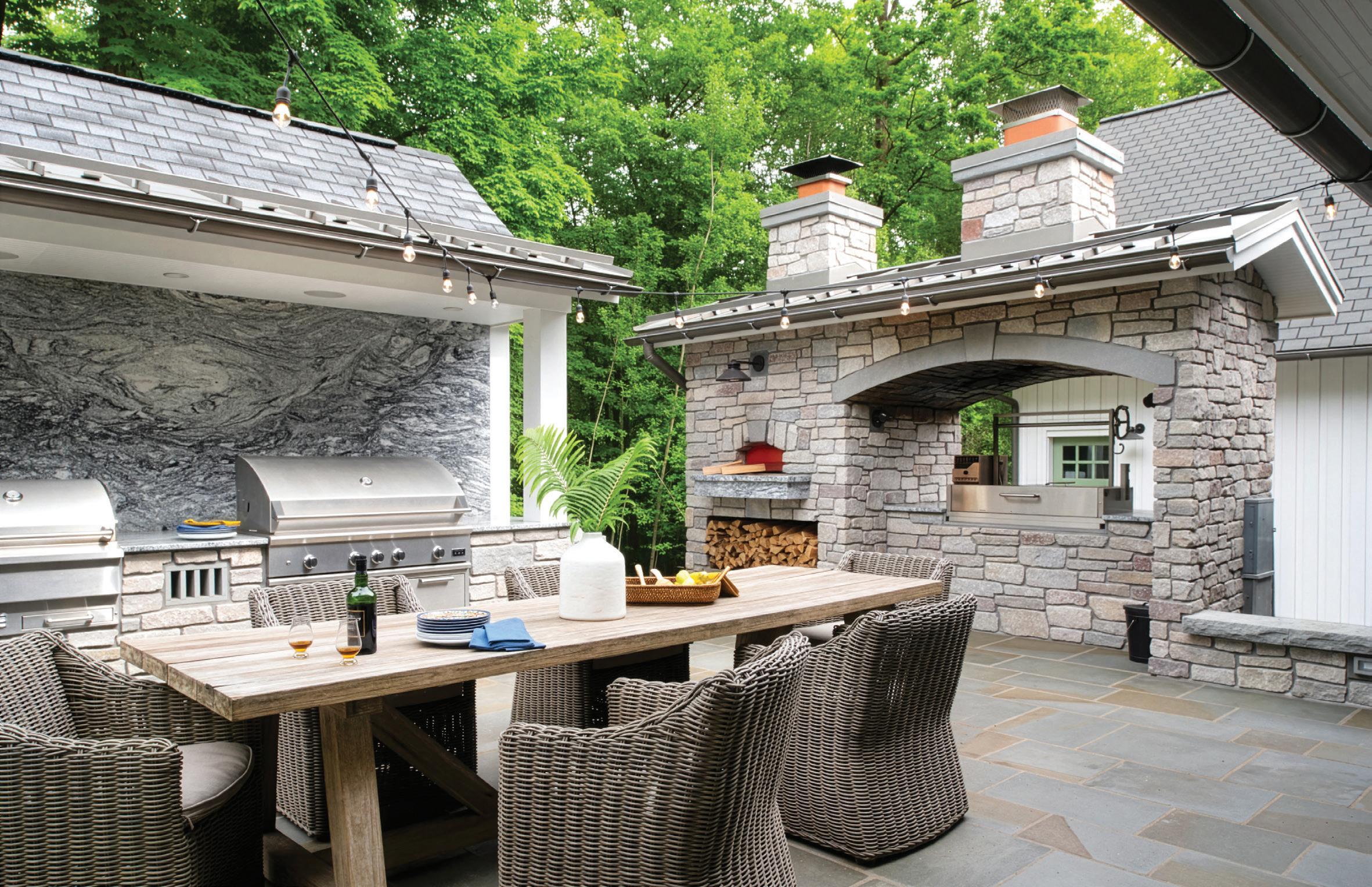
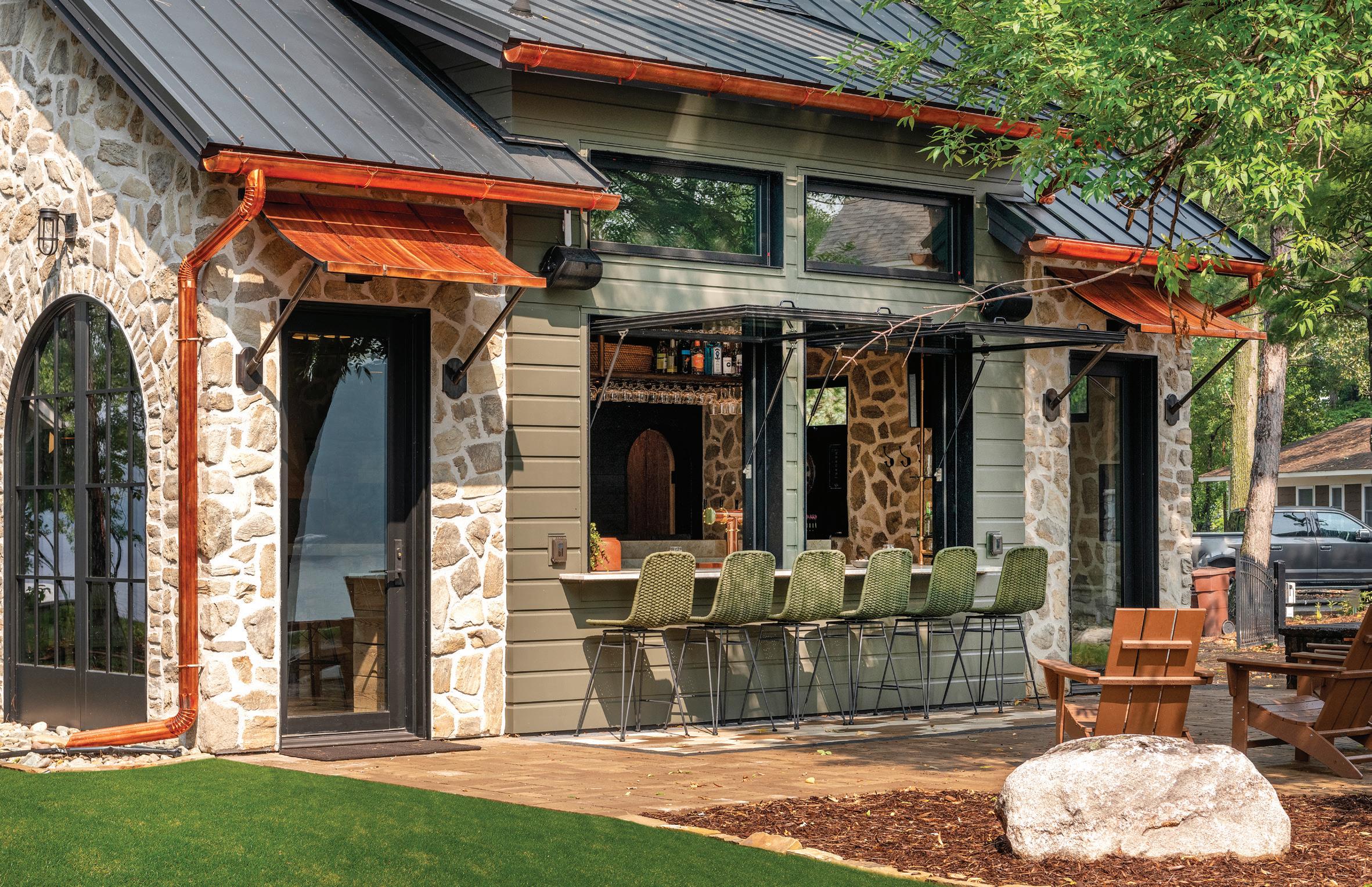
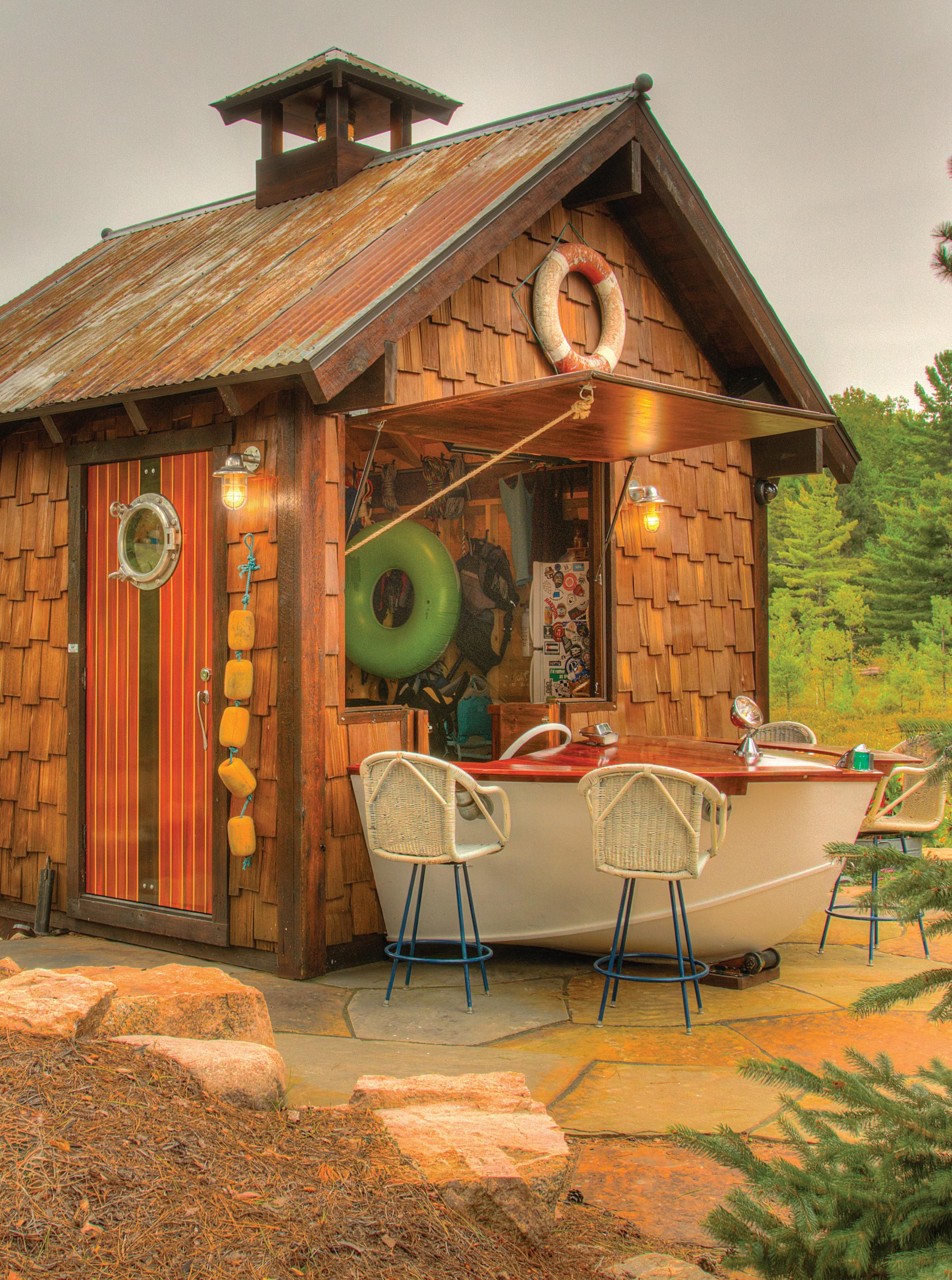
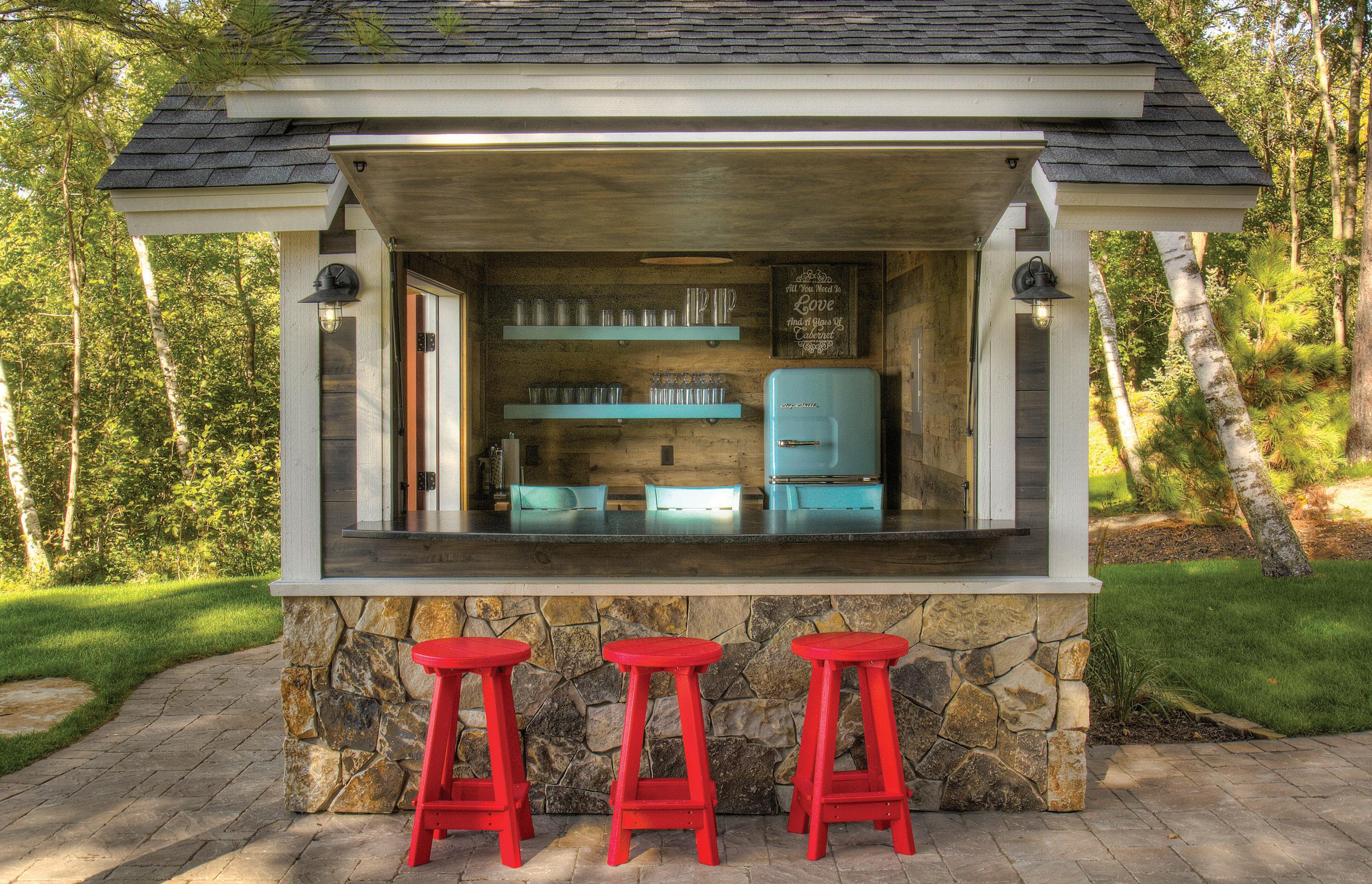
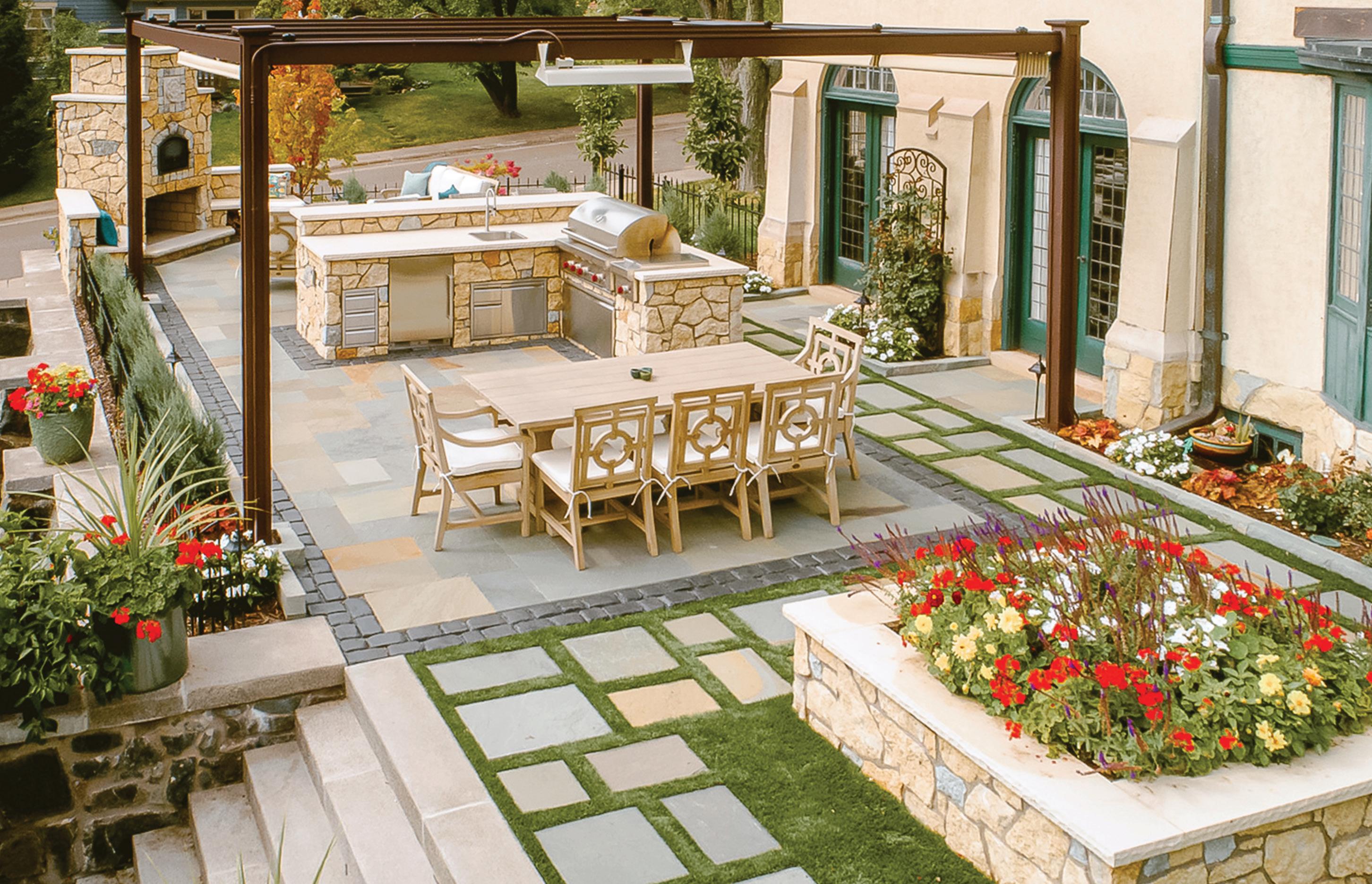
There’s something unmistakable about summer in the North — the long, golden evenings, the hum of conversation drifting across the water, and the way everyone naturally gathers outdoors. It’s in these moments that the outdoor kitchen and dining space becomes more than an amenity — it becomes the heart of the home.
Across the North, our local designers, builders, and landscape architects are reimagining what it means to live — and entertain — outside. From fully equipped kitchens tucked beneath timber-framed pavilions to intimate dining patios carved into natural stone, these spaces are thoughtfully designed to reflect both place and lifestyle. No two are alike, yet each shares a common intention: to create a seamless connection between home, landscape, and experience.
In the North, outdoor living is as much about atmosphere as it is function. A lakeside bar becomes the gathering point after a day on the water. A covered dining area extends the evening long after the sun dips below the pines. Materials are chosen not only for durability, but for how they weather, age, and belong — cedar, stone, steel, and glass working in harmony with the surrounding environment.
This collection of projects offers more than inspiration — it invites possibility. Whether it’s a simple extension of a cabin deck or a fully realized outdoor entertaining space, these designs reflect a growing desire to bring everyday living outside. They remind us that some of the best moments happen around a table, under open skies, with nowhere else to be.
As you turn the page, consider not just what these spaces look like — but how they feel. And imagine how your own outdoor space might become a place where summer lingers just a little longer.
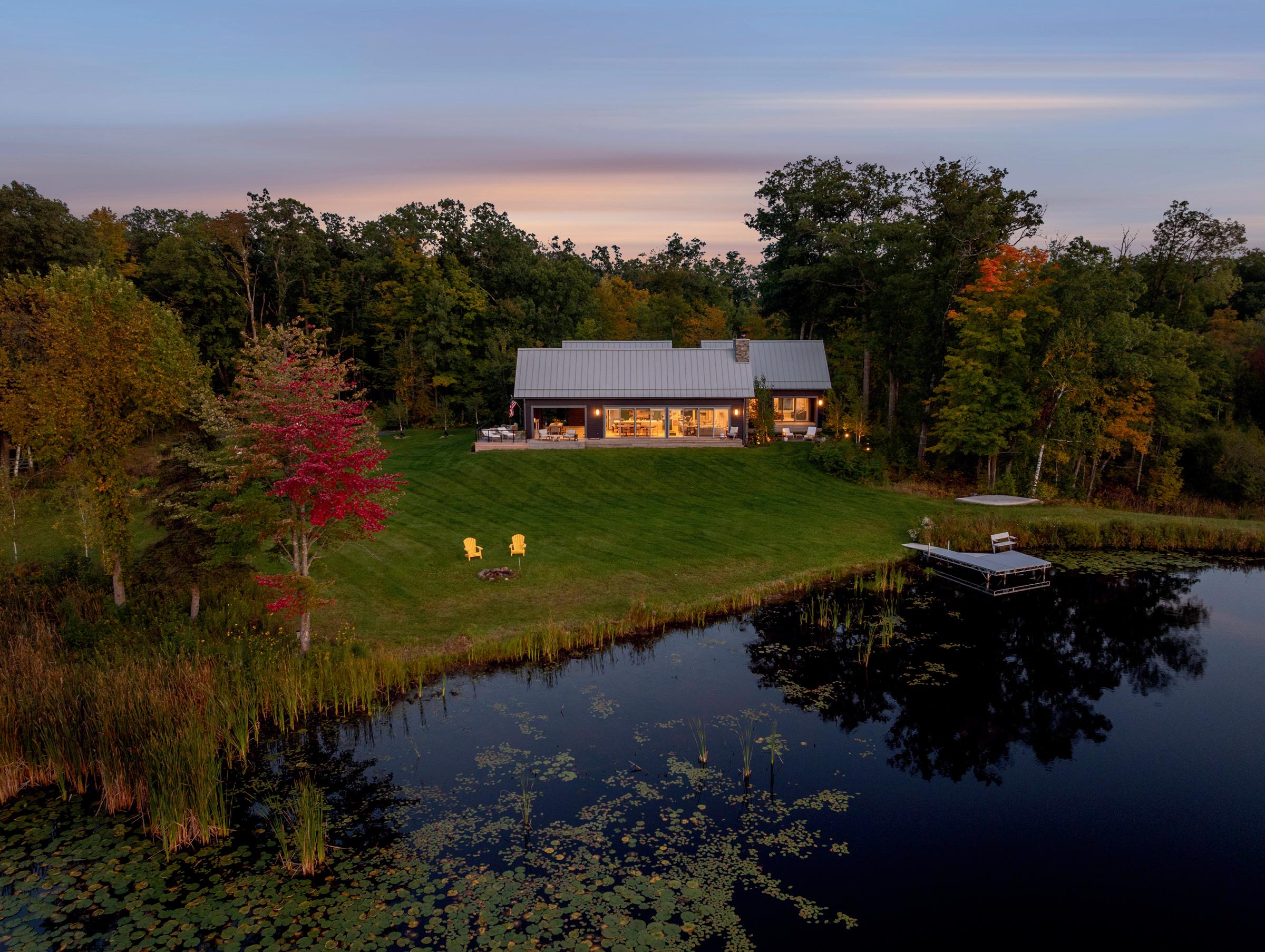



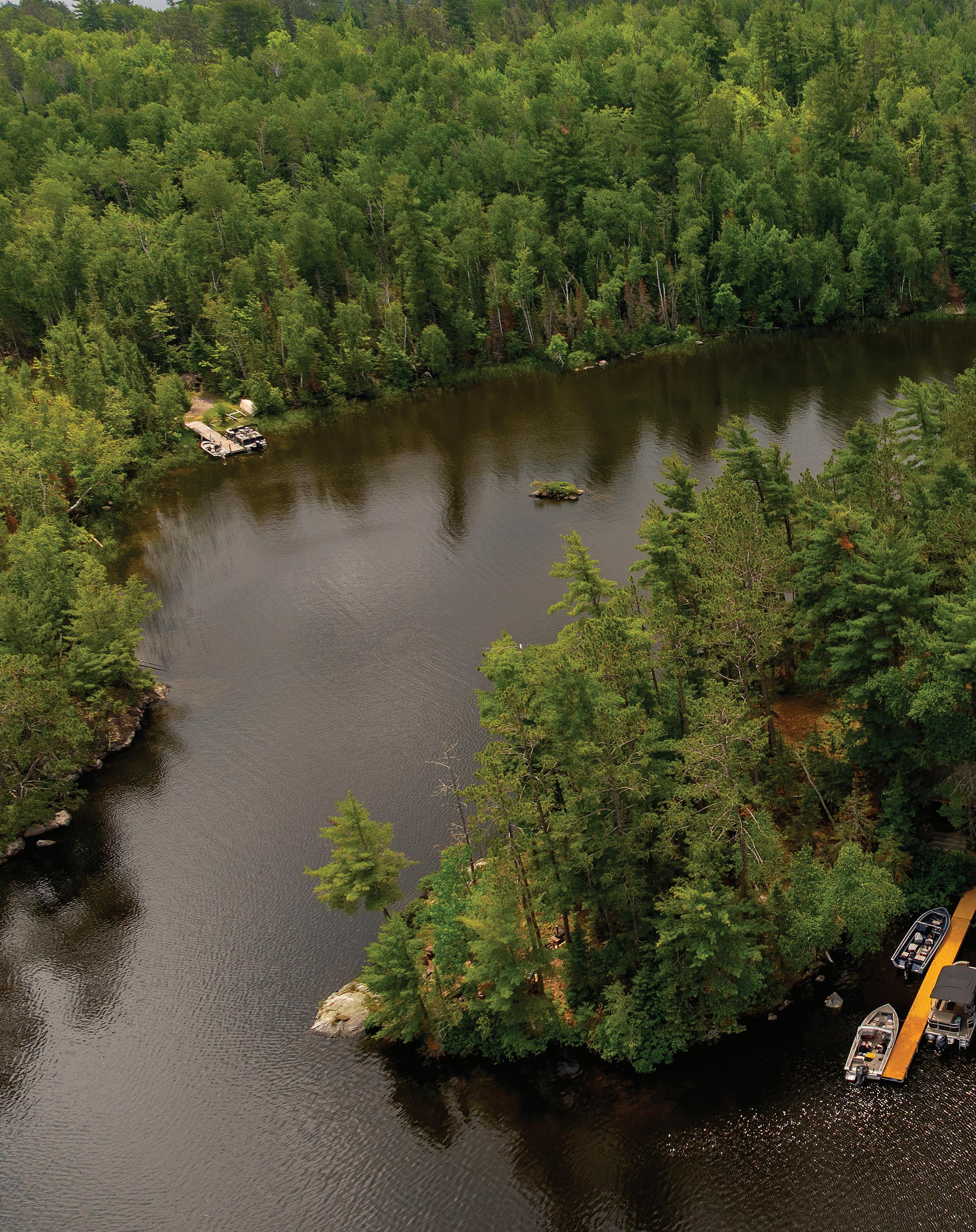
On Lake Vermilion, a family trades the mainland for a private retreat built for all seasons WRITTEN BY DALE MULFINGER, FAIA | PHOTOGRAPHY BY TROY THEIS
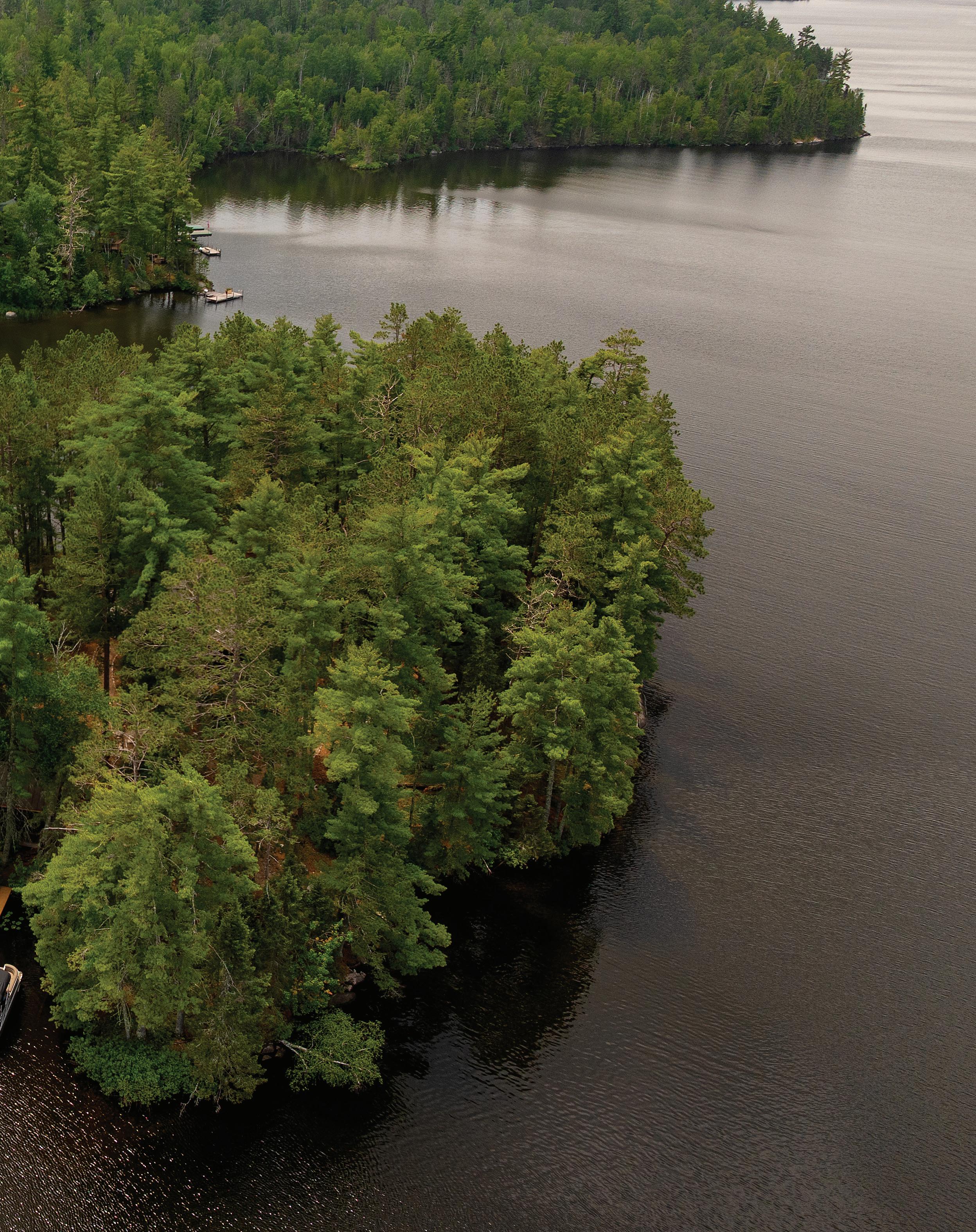
For the Mercer family of four, retreating to an island is the perfect respite from their life in the metropolis — a magical experience of leaving the “other” world behind, car included.
Mike and Susan had grown up outdoors. Susan spent summers at YMCA Camp Widjiwagan in Ely; Mike’s introduction came through family trips to national parks. Together they’d taken BWCA trips since 1992, often returning each year even while living abroad. They dreamed of having a place in the Northwoods near the BWCA, and their preference was that it be on an island.
Susan says, “we fell in love with Lake Vermilion on our first visit, for the BWCA feel and proximity, the countless bays and inlets, the seemingly endless shoreline and the overall friendliness and easy-going vibe.”
Lake Vermilion is 25 miles long, east to west, with 365 islands and over 300 miles of shoreline — more than any other body of water in Minnesota, including Lake Superior.
Using Ludlow’s Island Resort as their base, the Mercers studied maps and real estate sales, learning that a large portion of Lake Vermilion’s
north shore is water-access only — much like island property. One small, unbuilt island caught their attention: convenient to a major marina, and small enough that only one dwelling could be erected on it. They would have their own private island, secluded in a quiet bay. They signed the purchase agreement on their 10th wedding anniversary.
Their first trip to the island was by snowmobile, meeting me, their architect, to walk the site. We explored where best to build a dock and how to shield it from the wind, then sited a modest boathouse for storing kayaks and camping gear. We measured 75-foot setbacks from each shore to determine just how small the footprint could be for their future cabin.
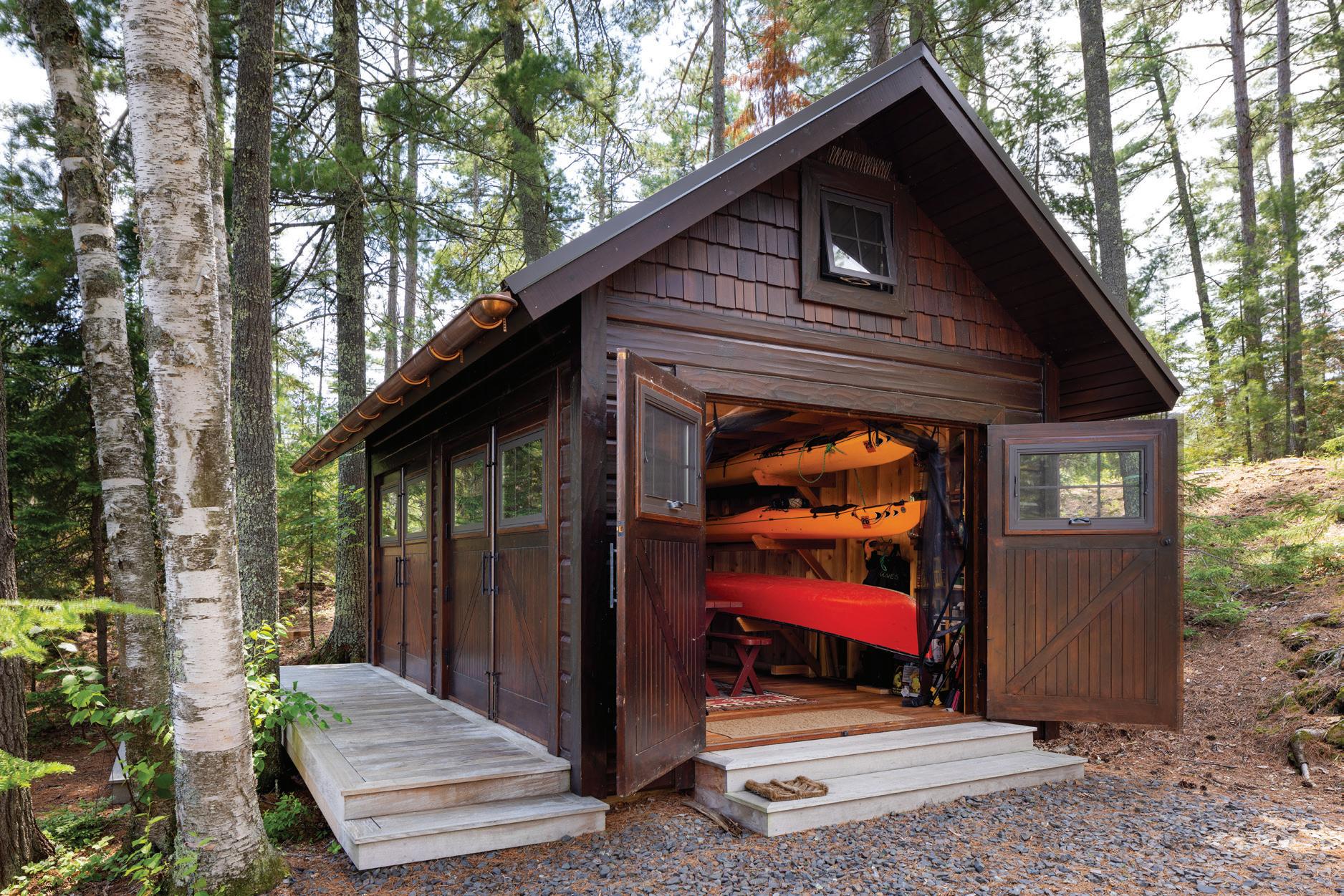
Together we developed a boathouse design that could accommodate their storage needs but also serve as an interim camp kitchen. They selected materials through the Cook Building Center with help from Eric Burckhardt and chose craftsman Charlie Lundblad to build it; he was comfortable with water-access sites and knew the barge services, common on Lake Vermilion, that would deliver building supplies.
By the end of their first summer they had a dock, boathouse, tent platform, and outhouse/bathhouse erected for camp life on the island. This gave them several seasons to contemplate their future cabin. What
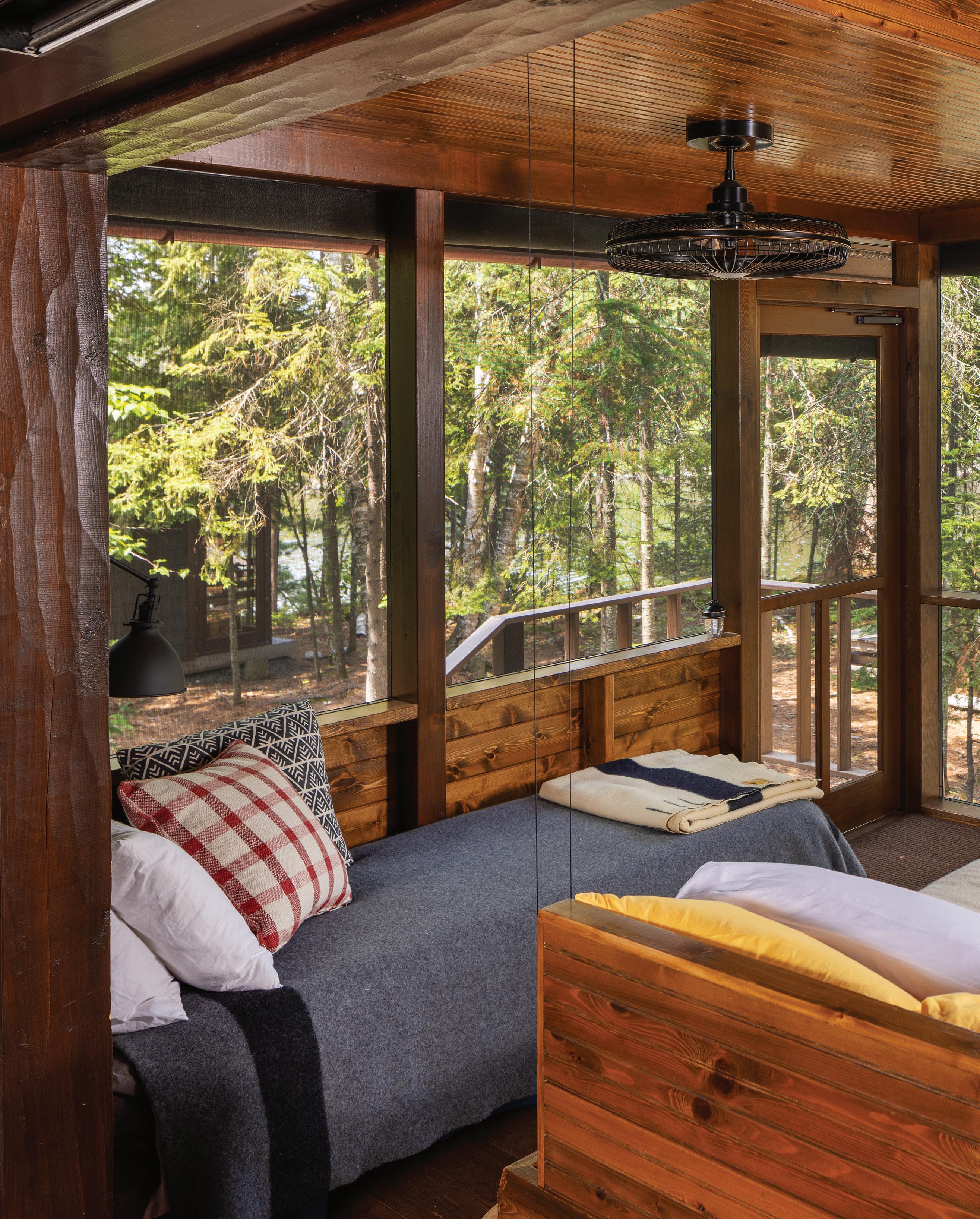
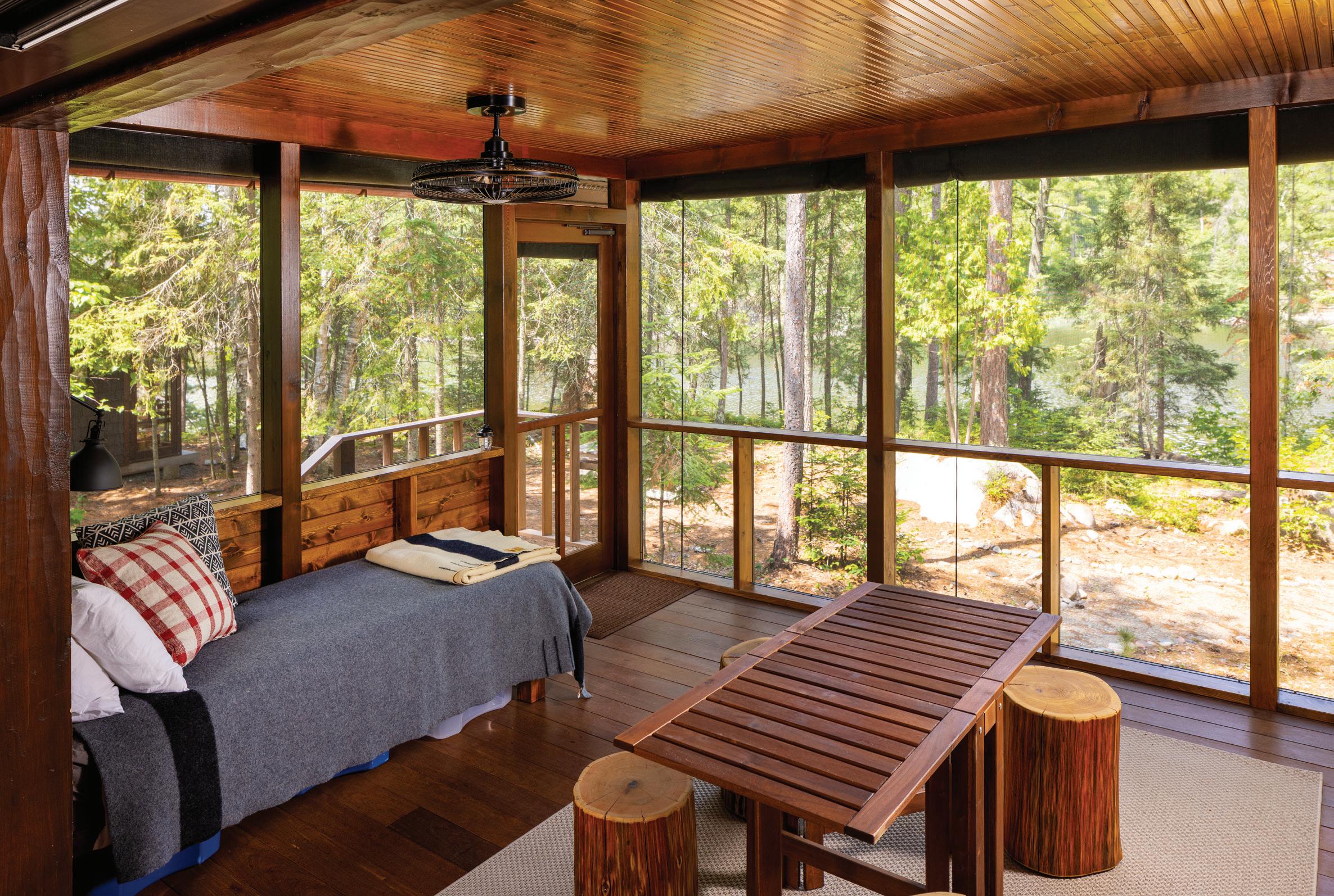
The porch is outfitted with a drop-down double bed, raised and lowered by four small motors.
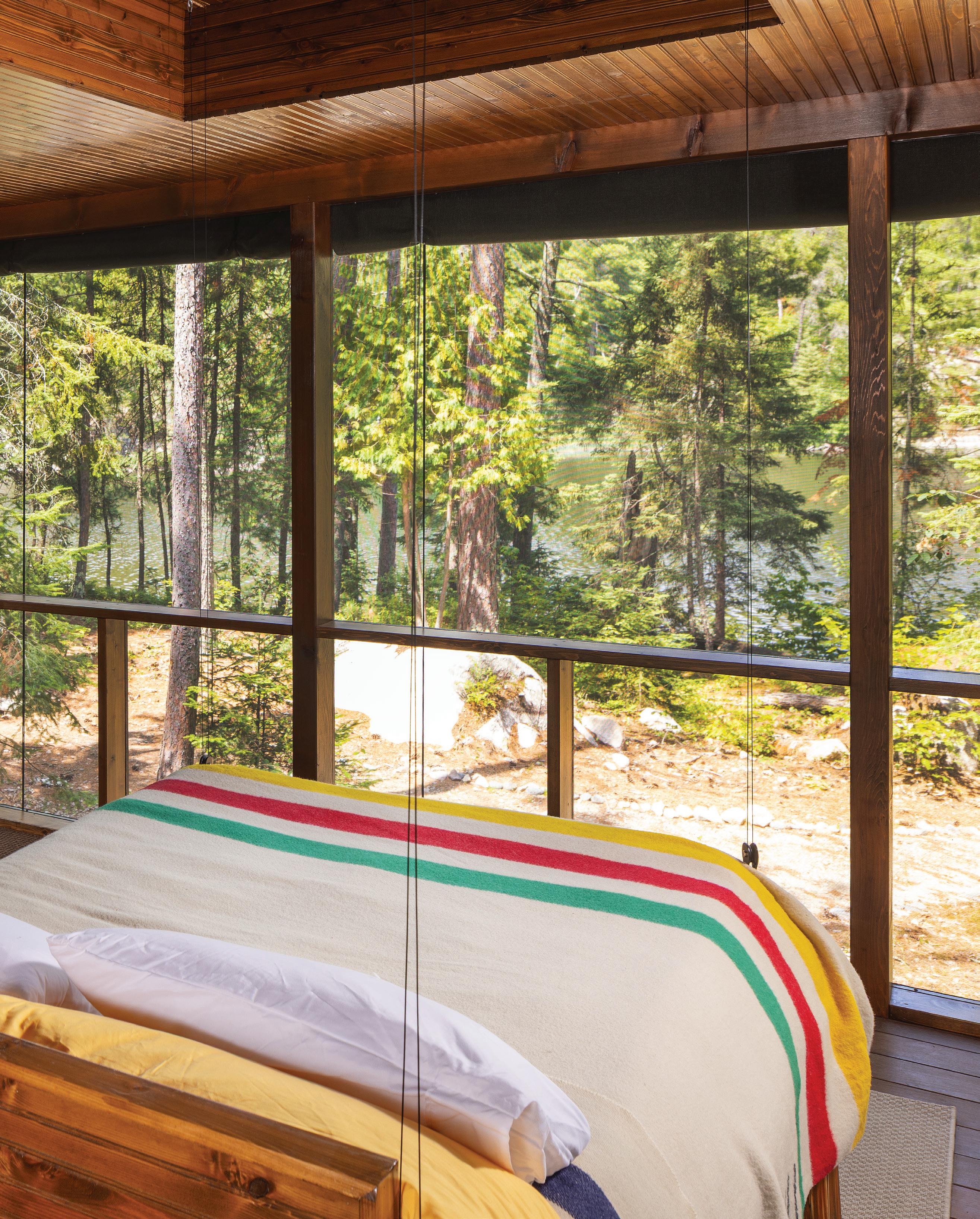
would be the sunny side for outdoor cooking and dining? Which would be the tranquil sleeping side? Where would the entrance be when arriving with groceries and luggage from the dock? They were enjoying fresh air life in the tent and began to imagine a sleeping porch attached to their future cabin.
They asked me to begin sketches for a multi-room cabin: living/ dining/kitchen, two bedrooms, two baths, utility room, and screened porch. They envisioned a woodburning fireplace and sleeping loft, cozy for winter use. I contributed a sketch suggesting all this could be achieved in a 36’ x 36’ footprint.
With enjoyable tent life continuing and time to think, the design began to shrink. When construction commenced in 2022, a living/dining/kitchen room plus loft, bathroom, and sleeping porch was all that was needed. The plan had shrunk, but their guiding principles held firm throughout:
Classic and Timeless
Cozy
Open
Low Maintenance
Space Efficient
Low Profile
Natural Materials
Mother Nature is the Landscape
Visually Appealing Makes us happy!!!
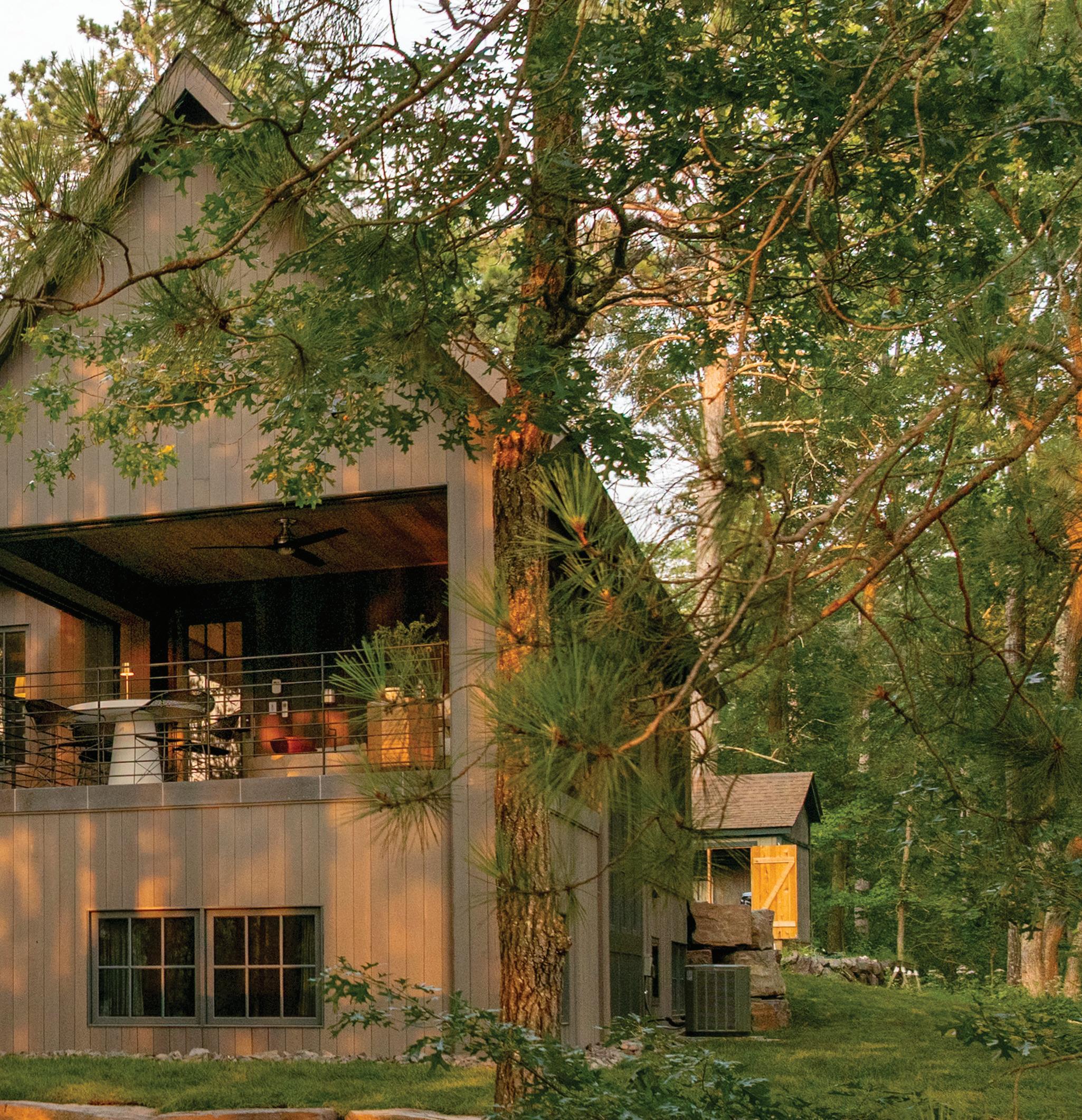
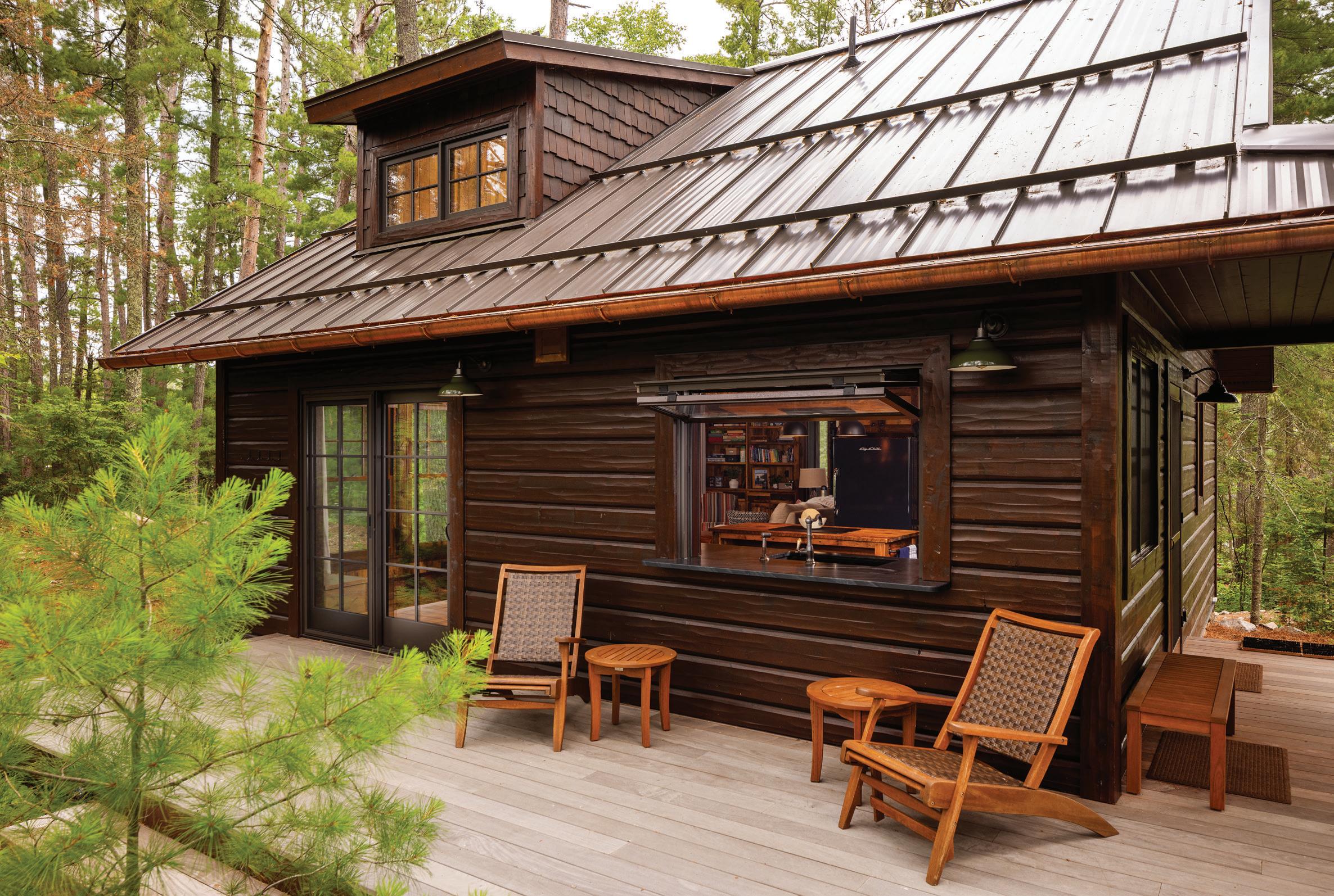
Although smaller, the cabin is not without amenities. A three-panel sliding glass door pockets into the wall so the porch and living space are fully open to fresh air. The porch is outfitted with a drop-down double bed, raised and lowered by four small motors — Mike built a mockup at home to test the concept, and builder Charlie needed several trial runs to synchronize all four motors. The bed lands on four pine stumps that serve as stools or tables when the bed is up.
The living room features a Renaissance Upton fireplace with two guillotine doors: one of screen as spark protector, the other a glass door that drops down when the fireplace is not in use to help retain heat. Mason
Todd Rasmussen surrounded the fireplace in regional stone, working in winter. A mantel was added from a fallen island white pine.
An efficient kitchen sits convenient to the entry for dropping groceries. The cabinets were fabricated with recycled wood from the Old Globe grain elevator by Creative Cabinets in Cotton, Minnesota, and capped with a soapstone countertop. A fold-up window with drop-down screen and exterior counter allows pass-through serving to the southern deck.
The cabin is clad in hatchet-hewn pine boards stained majestic oak, reminiscent of old Northwoods lodges once preserved with creosote. A bronze standing seam metal roof caps it in durable, fireproof material.
With in-floor radiant heat, the Mercers can enjoy the island in all seasons. They’re now contemplating snowmobiles for easier winter access, and their boys are excited for playing games during cozy winter gatherings. Yet they imagine a preference for summer: Henry likes the family swim around the island, and Charlie can’t wait for fresh blueberries on his pancakes, picked right there on Mercer Island.




A Leech Lake retreat, reimagined for the next generation WRITTEN BY NANCY MONROE | PHOTOGRAPHS BY CORY GAFFER PHOTOGRAPHY
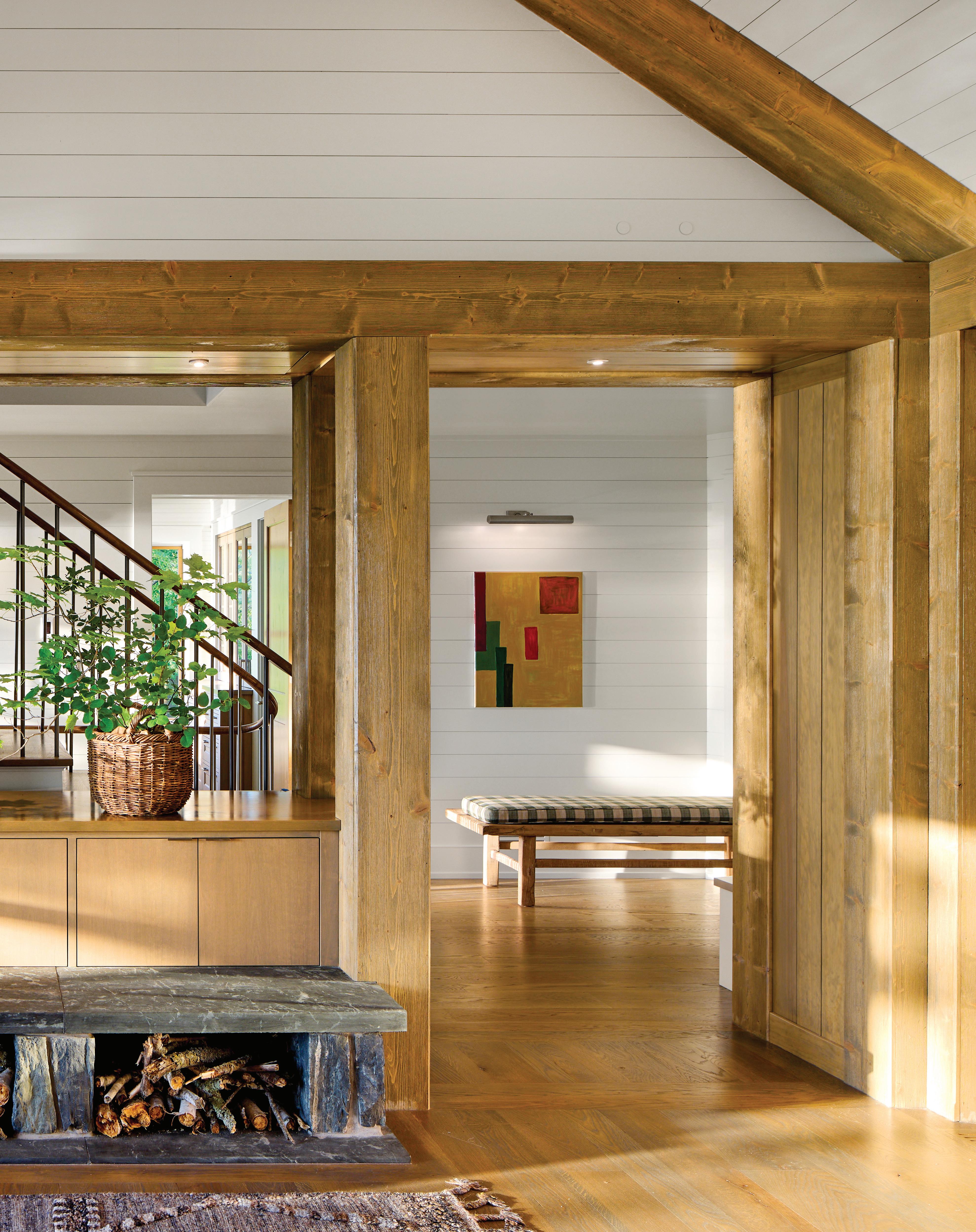
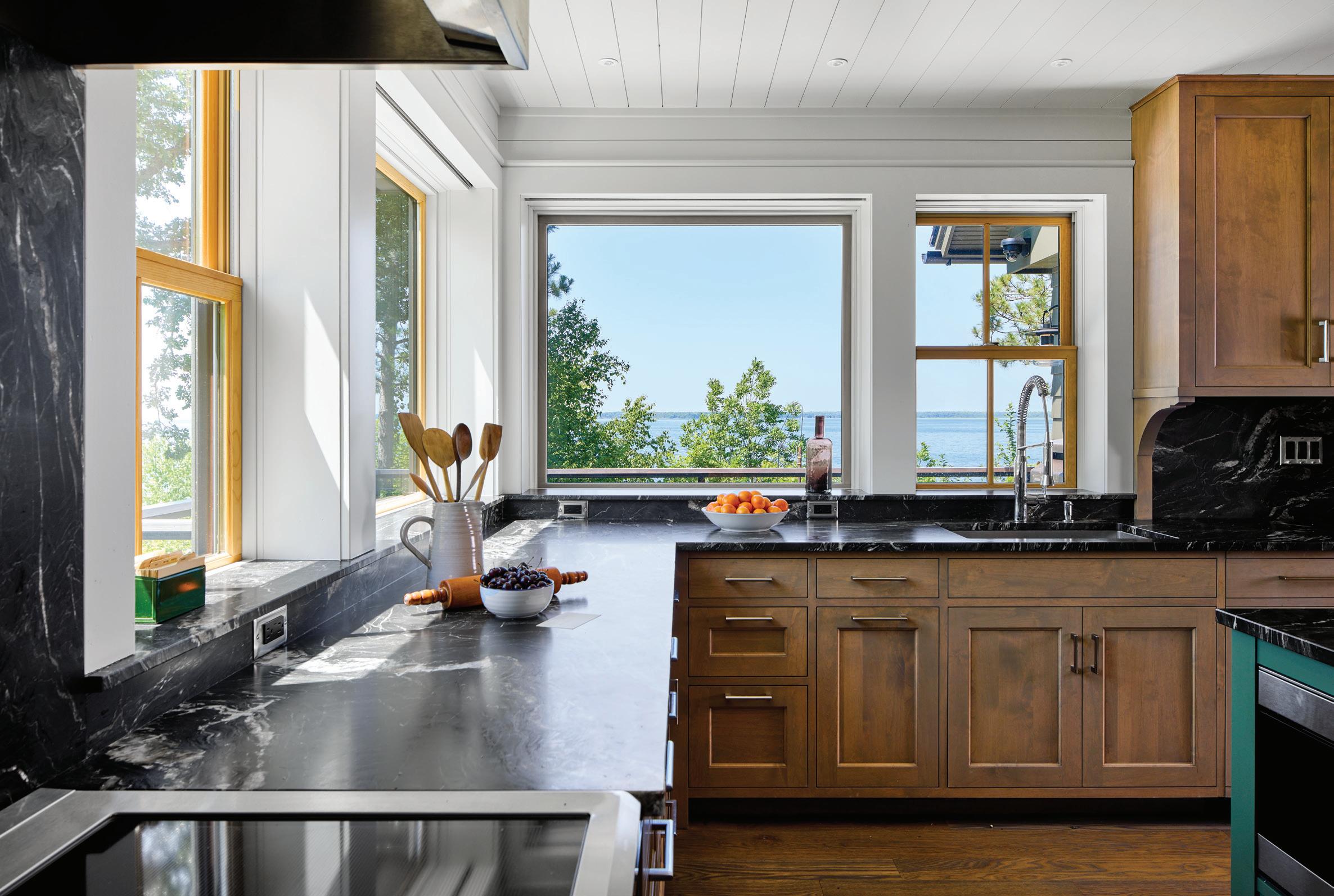
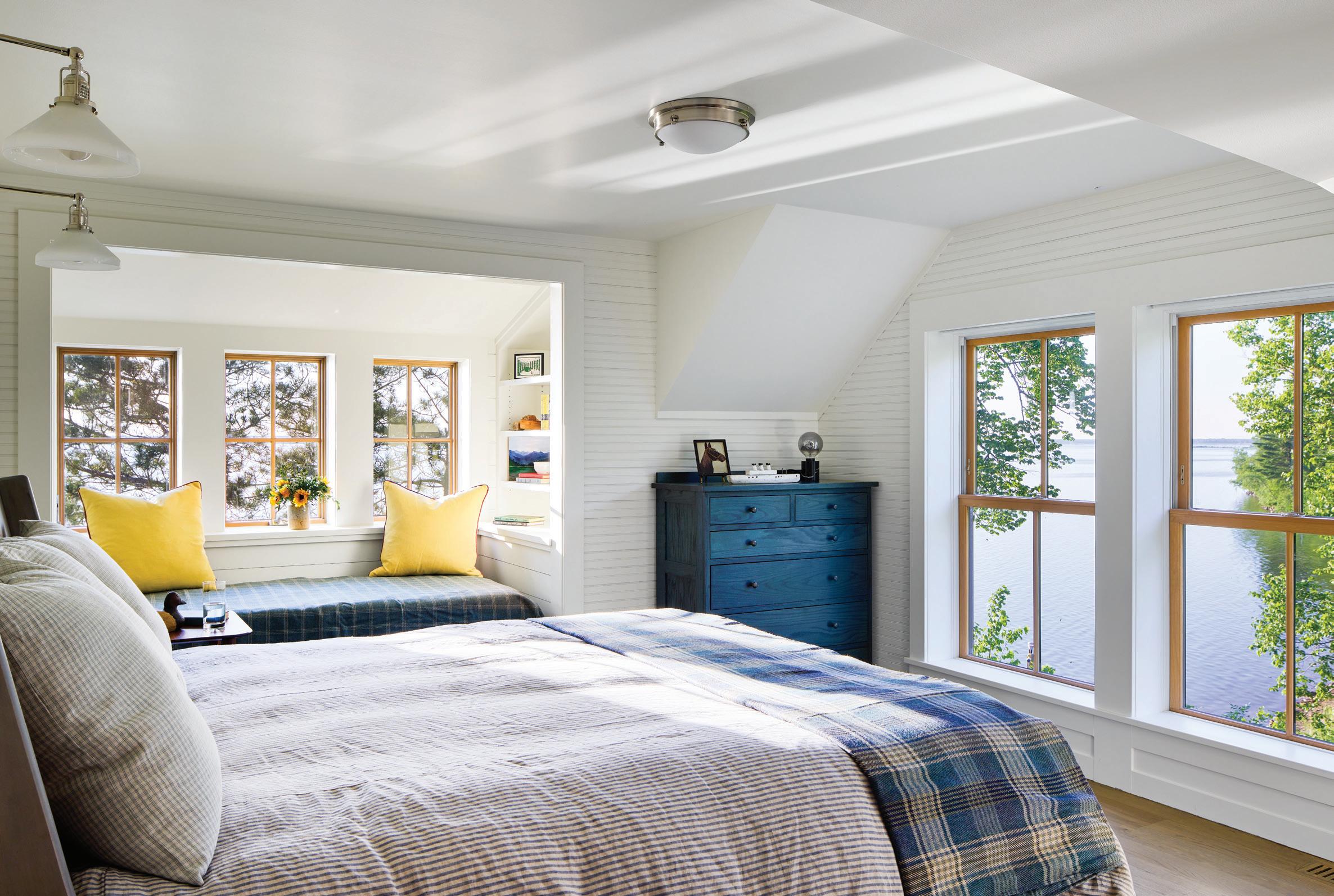
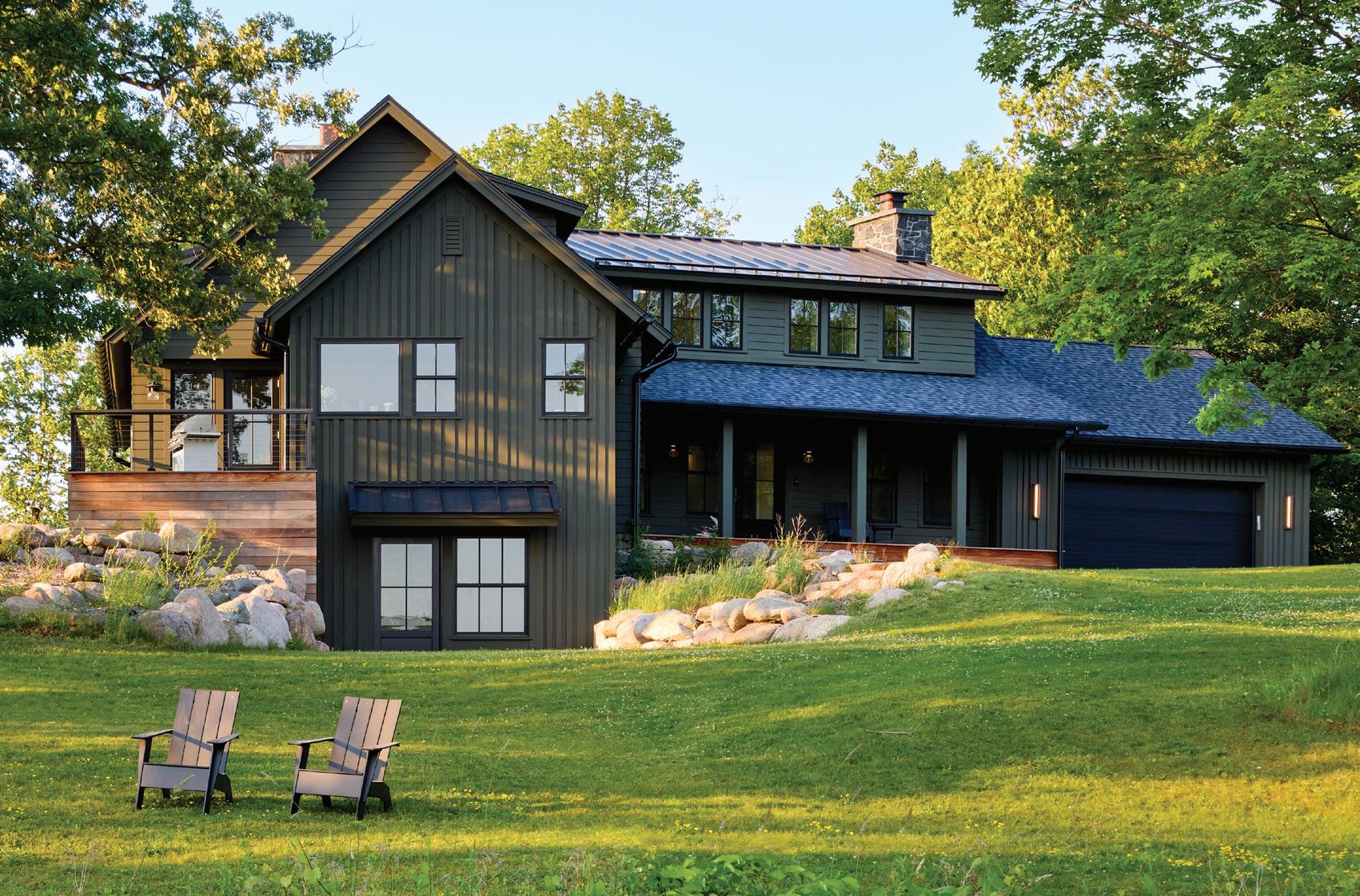
The homeowner’s charge to the design team was to carry forward the memories and character of the longstanding family cabin in a remote area of Leech Lake to a much larger, modern version that was guest friendly in an understated way.
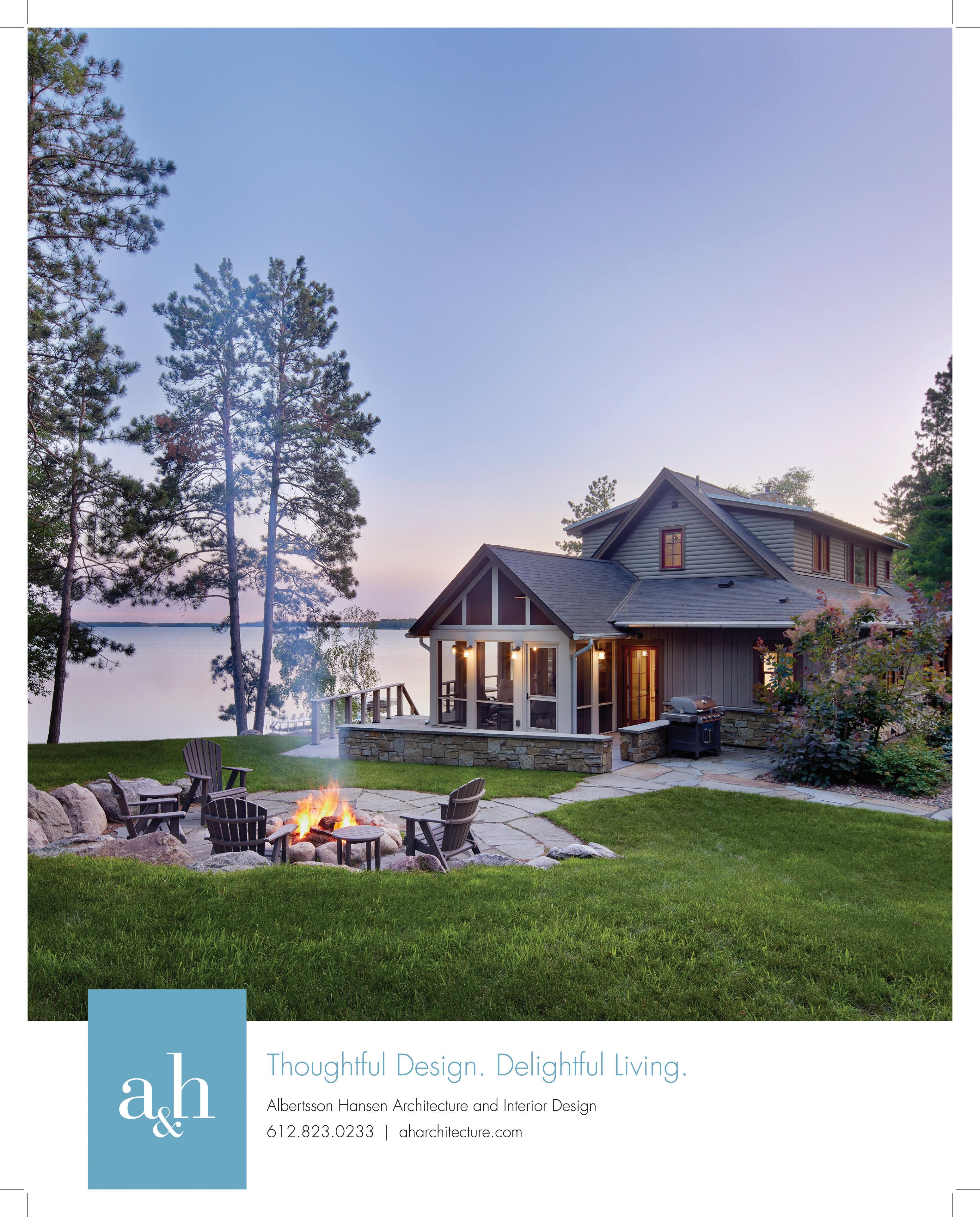
IT executive and third-generation owner, John, wanted an exterior that would blend in with the 1,000 linear feet of tree-studded shoreline. Nothing flashy, nothing showy. “I’m a jeans and t-shirt guy, a polo shirt when I’m being fancy,” he said with a laugh. For the interior, the guiding word choice was “comfort.” And while Albertsson Hansen Architecture and Interior Design aced their assignment, who knew understated could look so sumptuous.
The original cabin had no electricity or phone service and an awkward layout where the main bedroom was a thoroughfare. Indoor plumbing came only after John discovered he was the mosquitoes’ preferred target. None of that mattered to a kid whose father’s engineering career kept the family moving every few years — the cabin was the one constant.
“I always wanted to improve the place for guests,” John said, adding that family is a lot more amenable to frequent visits now that there are five bedrooms, three-and-a-half baths, a private harbor, Wi-Fi, and a movie theater.
The house was designed for family and friends to enjoy, not as a showplace, said Albertsson Hansen senior partner, Todd Hansen. Bedrooms were kept small to encourage spending time together in communal ar-
eas. To accommodate the family’s remote work styles, the former patchwork technology has been “geeked out” to state of the art.
To make the cabin appear less prominent from the shoreline, it was painted a dark green with dark trim. The wood exterior is a combination of horizontal lap siding and vertical board-and-batten, using mixed widths to play with scale. Large windows ensure an abundance of light and lake views. Three patios present differing experiences, from warm and sunny to deer sightings to a shady, cooler refuge.
Childhood visits always involved chores, so the new version includes features that eliminate work, such as a formal entry that keeps the outside from being tracked indoors and hooks and cubbies to organize fishing and hunting gear. “Drop-zones” are designated by slate floors and darker colors, before transitioning into “beautiful family spaces,” interior designer Sarah Hughes said.
The updated kitchen is smaller than they usually design, explained Hughes, but only because the adjoining garage has its own prep station for cleaning fish and game. Understated didn’t mean cutting corners on materials. Sustainability and energy efficiencies were priorities, and the family-room fireplace was treated to high-end stone sourced from Orijin Stone.
Once the transformation was completed, John paid the design team the ultimate compliment. Viewing the cabin while out on the lake, he told them it was “pleasantly anonymous.”
“We like having an owner with strong views,” Hansen said. John knew exactly what he wanted: the soul of the old place, just room enough for everyone.
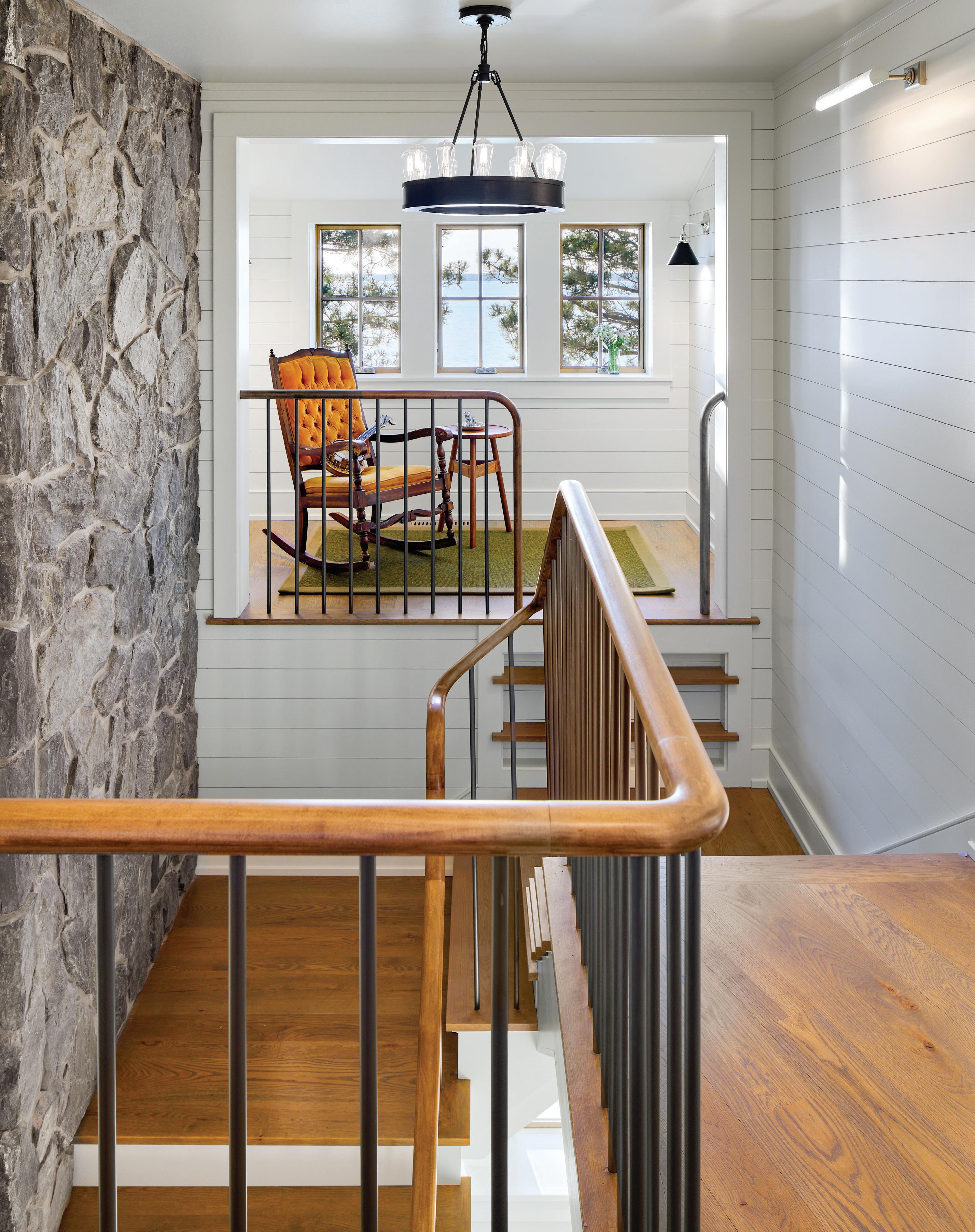
For the interior, the guiding word choice was “comfort.”





Encountering moments that are meaningful, memorable, and transformative
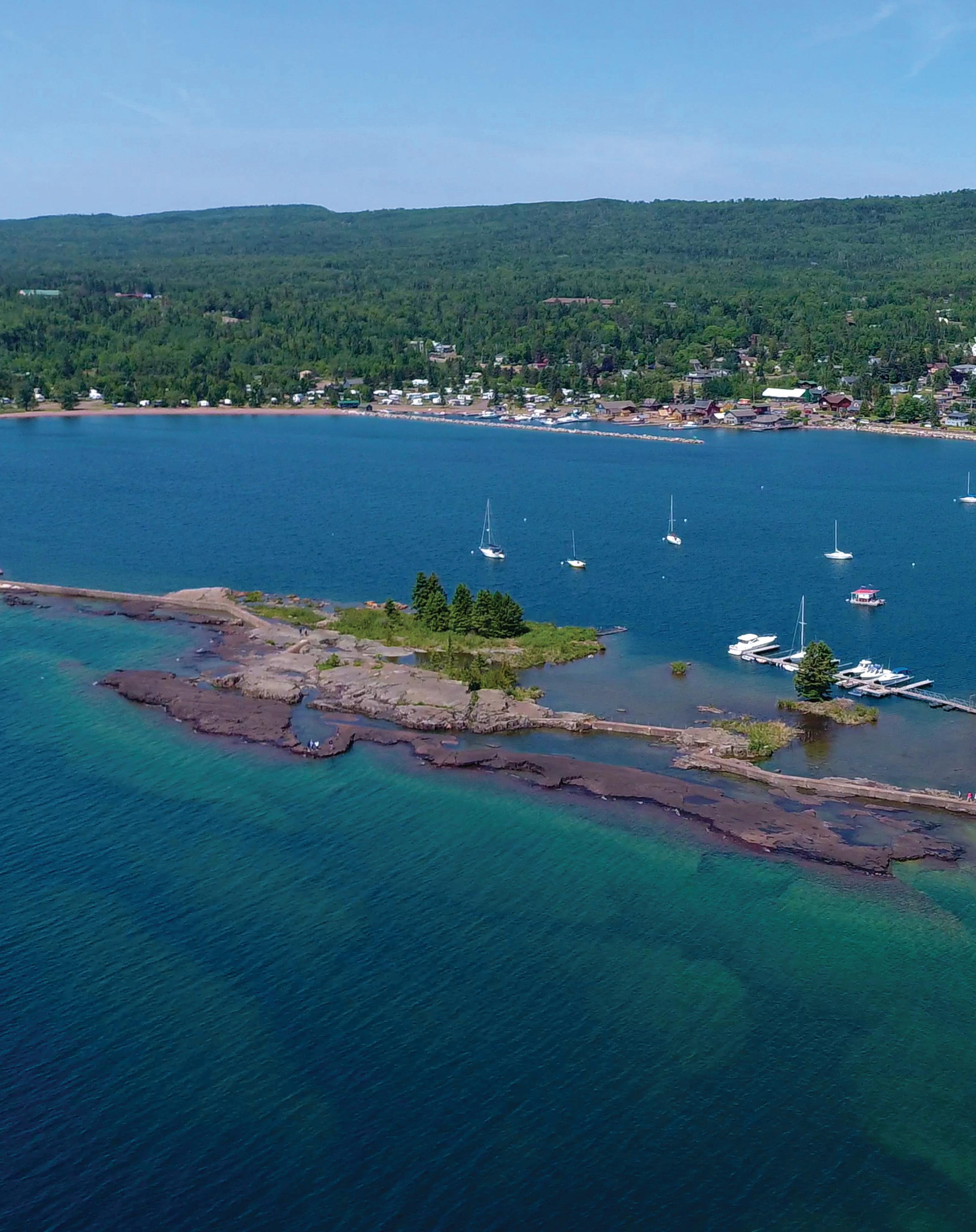
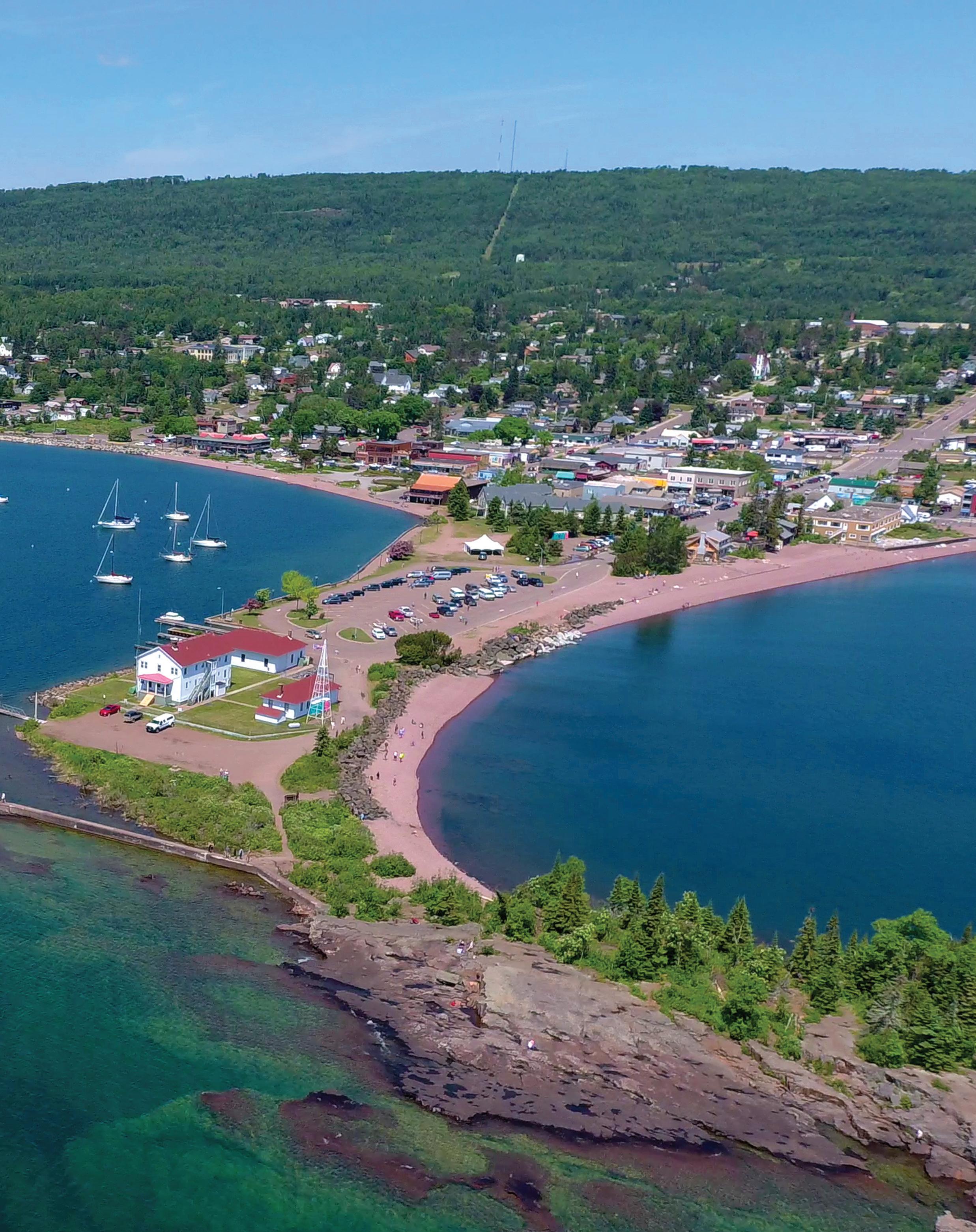
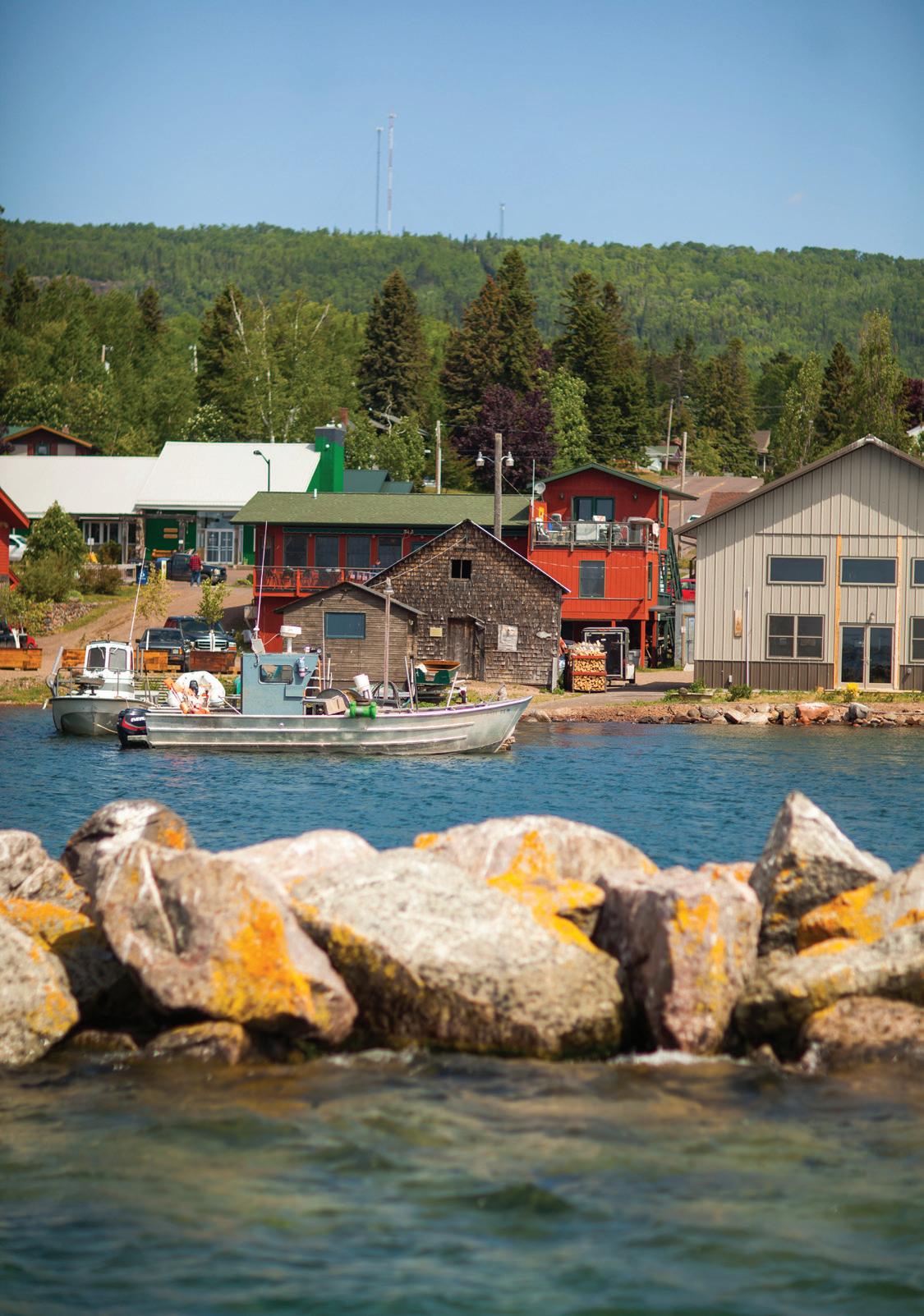
The gulls start first — their calls carrying across town as they track the commercial North Superior Fishery boat easing out of the marina before sunrise in Grand Marais.
Local fishermen and guides follow, loading thermoses and gear into their boats, often without uttering a word. Up the street, old timers settle into corner booths at South of the Border or Blue Water Cafe with coffee and to swap stories of town news.
The sun rises, illuminating the Sawtooth Mountain ridgeline and saturating the sky with pink and orange.
A light breeze moves through town, and the harbor air gives way to the comforting aroma of cinnamon cake donuts frying in lard inside a red, family-owned building on the corner of Wisconsin Street and Broadway Avenue.
As the light shifts into midmorning, the town settles into a rhythm.
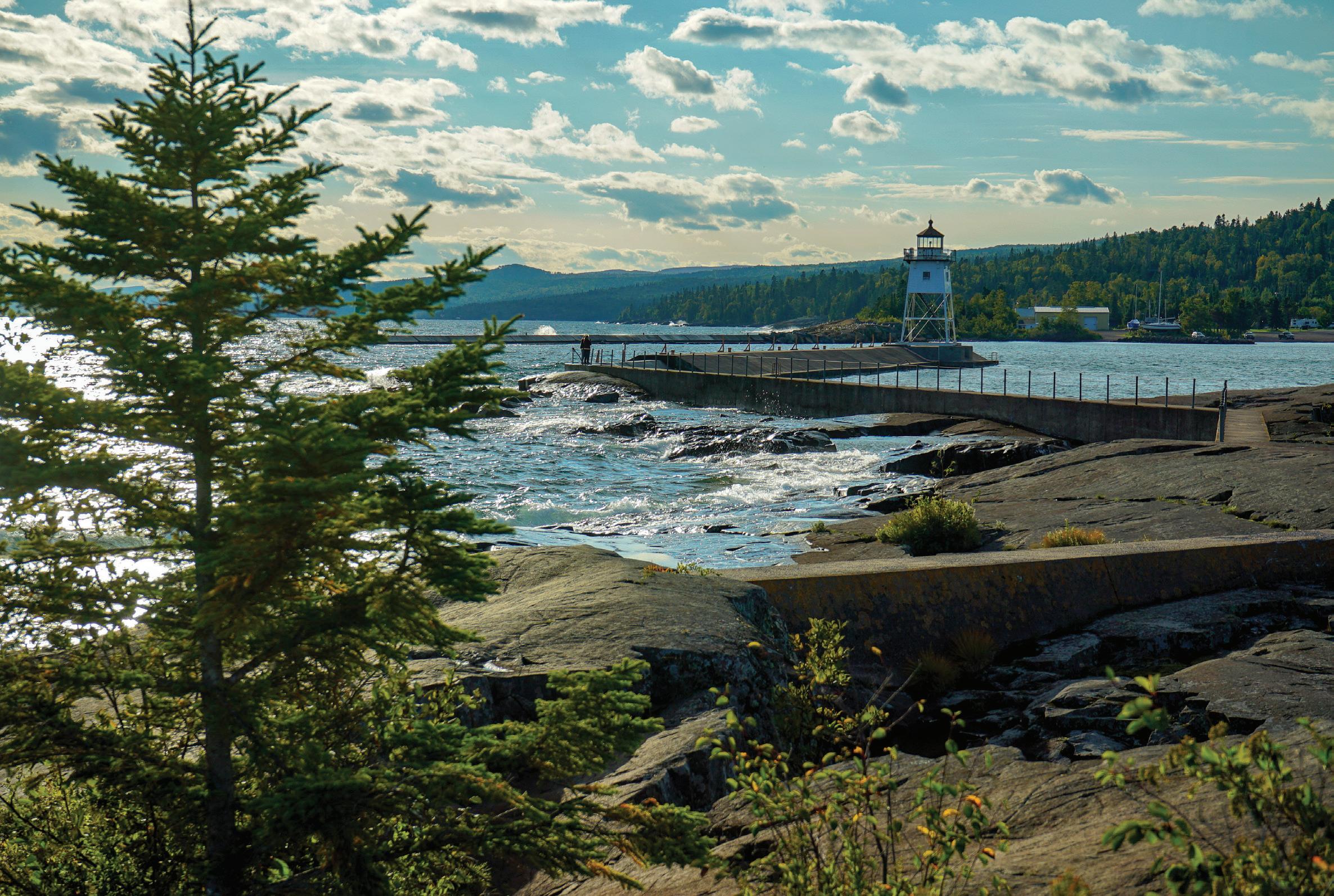
The walk to Artist’s Point and the lighthouse along the breakwall is easy to miss, but once there, the town recedes, and Lake Superior takes hold.
By midday, the stillness loosens. The Hjordis sailboat works its way onto the big lake, while nearby, two retired Cook County teachers sit with friends on their handcrafted H.M.S. Pontoon houseboat.
As happy hour and dinner reservations near, the Gun Flint Tavern rooftop fills with locals and visitors. A musician strums on a guitar while folks enjoy a cocktail or craft brew. Some then stroll down to the Angry Trout Café, where the menu reflects the North Shore — herring, salmon, and fish caught that morning by local commercial fishermen — and reflects a long-standing commitment to sustainability and local sourcing.
A few blocks away, the Gunflint Trail begins. The winding 55-mile road draws most of the attention, but it’s the gravel turnoffs that lead to cabins, historic lodges, trailheads, and unmarked portages that offer a glimpse into the region. One of those is Honeymoon Bluff, roughly 30 miles north along the Gunflint Trail.
The short, steep trail opens to west-facing views of Hungry Jack Lake and West Bearskin Lake beyond. In the evening, the sun’s yellow light glimmers across the water until receding into the dark edges of white pines and spruce. The warmth fades just enough to zip your jacket that extra inch.
In Grand Marais, restaurant options in the thick of summer can feel limited, which made the arrival of a lime-green food truck serving Asian-inspired dishes stand out.
WE Little Wok, run by two Scandinavian sisters, sits just off the main flow of town — serving lo mein, shiitake mushroom potstickers, spring rolls, orange chicken, and a fried rice recipe tied to a local bowling alley owner from the 1990s. On warm evenings, the nearby picnic tables gradually fill with neighbors and the occasional visitor, conversations drifting between the weather and what’s growing in the garden. Across town, other food trucks appear in unexpected pockets. It’s part of the town’s summer character, more discovered than announced.
For some, it begins while driving north on Highway 61. A stop at a roadside shop, or the corner near Cut Face Creek, where Grand Marais comes into view for the first time, offers a glimpse of what’s to follow. From there, it becomes a series of moments: a conversation in line at Crosby Bakery, a stretch of trail at Pincushion Mountain, a Lake Superior sunrise, or fresh fish at the end of the day.
By the time it’s over, it’s those moments that linger and keep you tethered to the North Shore.
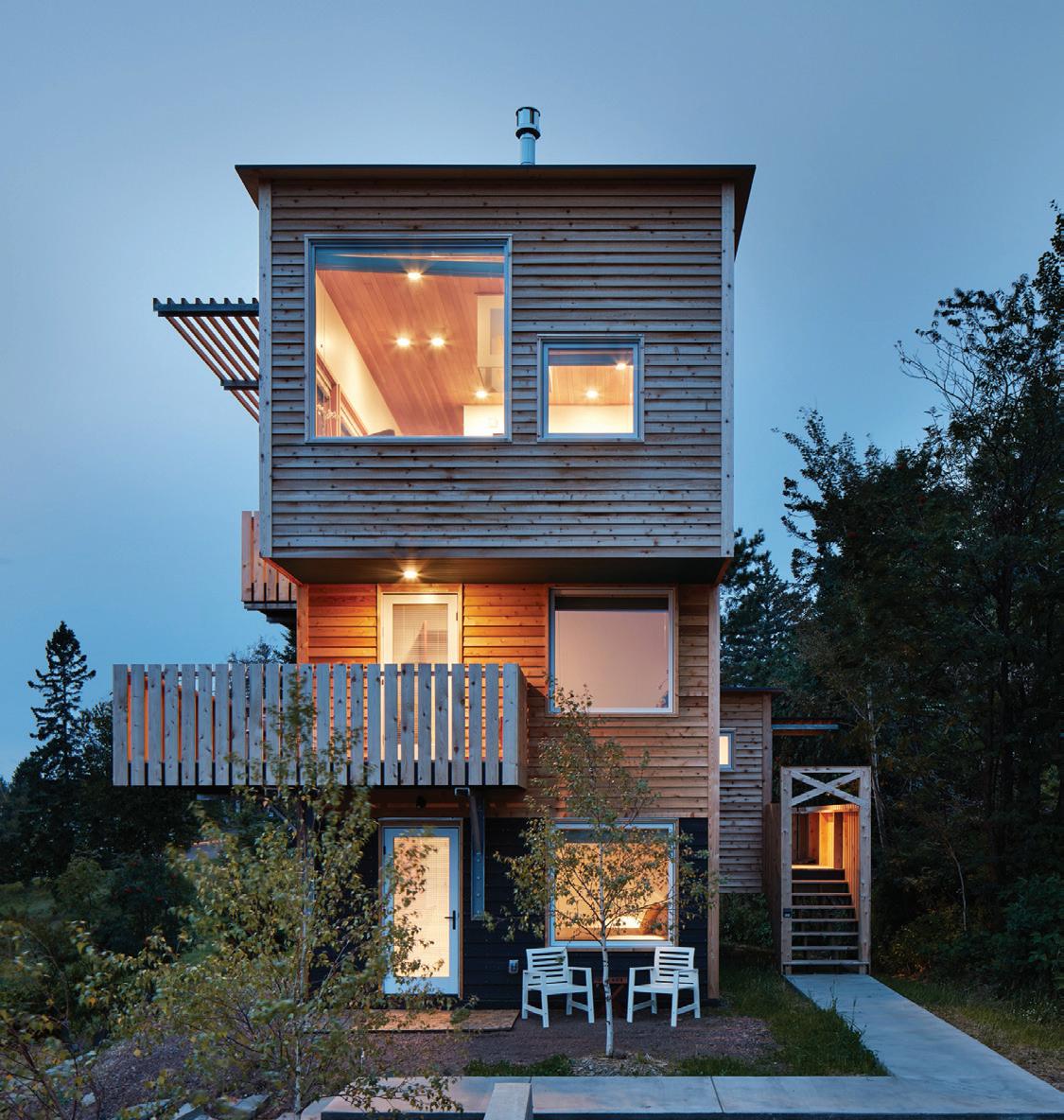
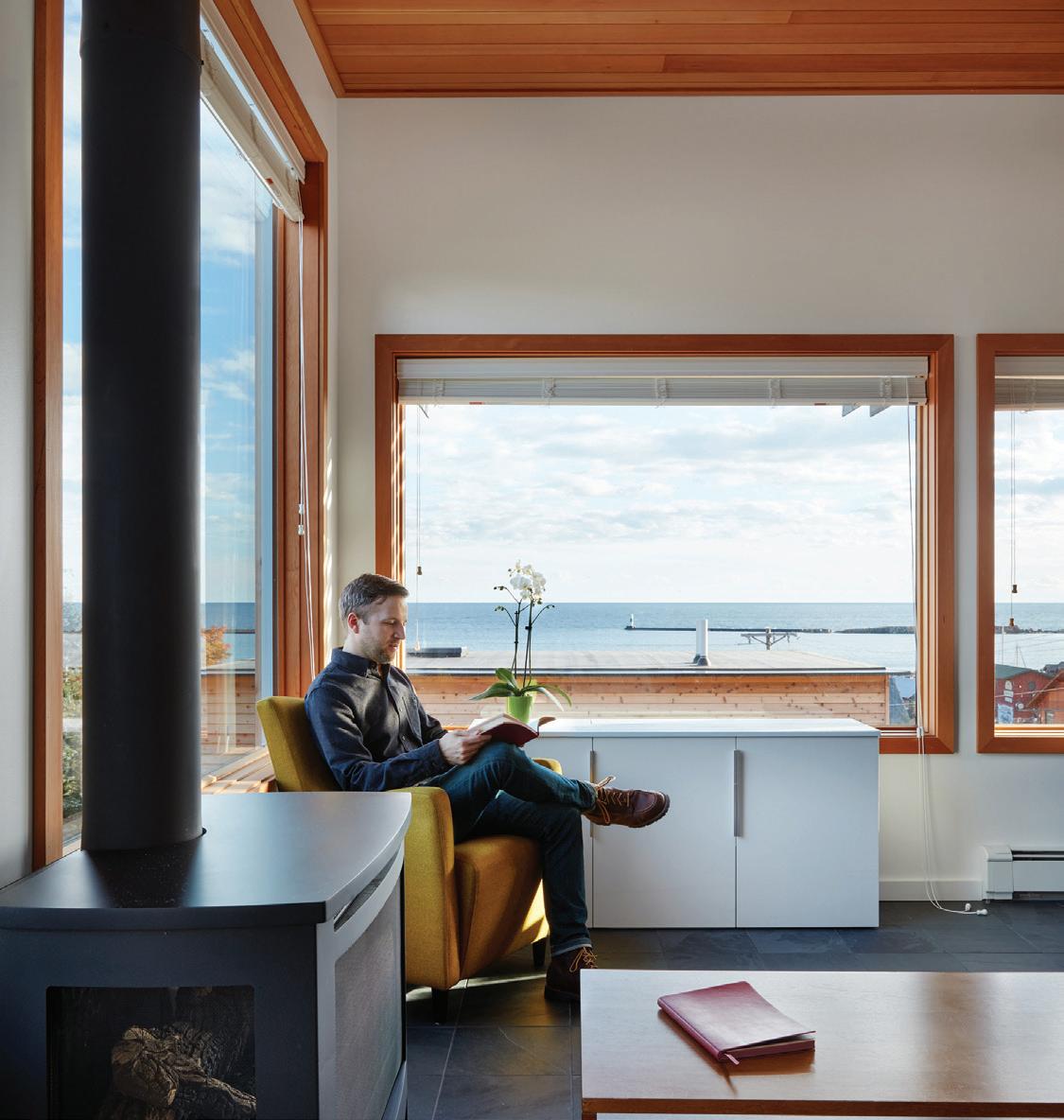
Designed by architect David Salmela, the Skyhouse is a modern, sleek two-bedroom vacation rental sitting above the harbor with sweeping views of the water, the neighborhood, and the town — a rare find that’s as inspiring as Grand Marais itself.
West of town near Cut Face Creek, Thomsonite Inn sits close to the Lake Superior shoreline, where rooms look out toward the water and evenings often end around a campfire. In the mornings, people scour the shoreline for agates.
On the other side of town, Croftville Road feels like a secluded stretch of shoreline, where cabins sit just feet from the water. Along the mile and a half road are places like Timber & Tide Cabins, Anderson’s North Shore Resort, Elsie’s Cabins, and Croftville Road Cottages that offer a more private stay and easy morning walk with the dog.
In the evenings, Skyport Lodge & Raven Rock Grill on Devil’s Track Lake gathers people outside in the warmer months for Music by the Lake, a casual stretch of live music by the water. Some nights lean toward prime rib or burger specials, while others feature appetizers like cream cheese duck wontons and French dip sandwiches.
A few miles down the shore, Cascade Lodge Restaurant & Pub feels more like stepping into a cozy log cabin. It runs year-round, with steady breakfast and dinner service at a relaxed pace.
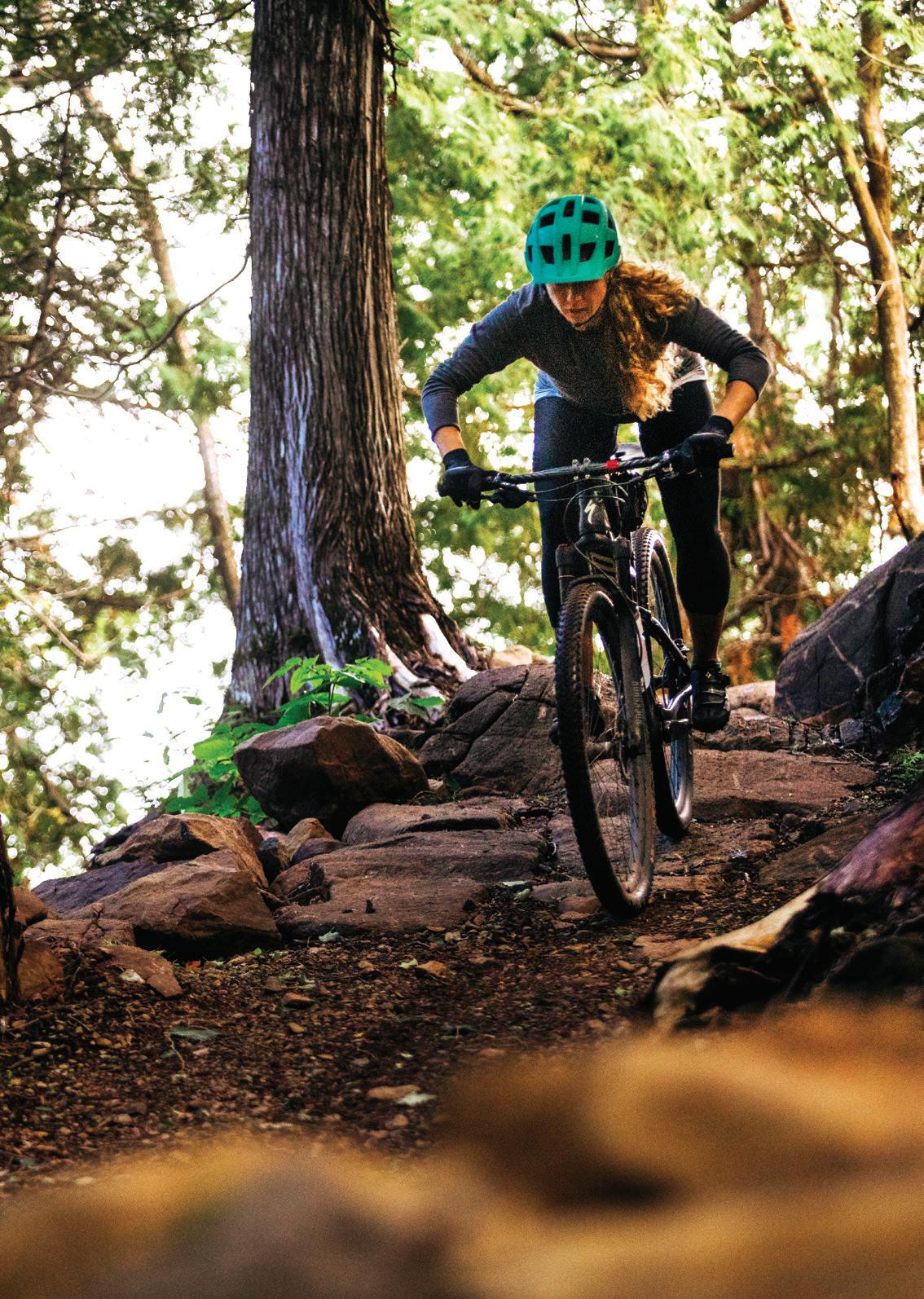
Riding a stretch of the Gitchi-Gami State Trail shifts the shoreline into a different pace. Near Schroeder and Tofte, businesses such as Sawtooth Outfitters and North Shore eBike provide bike or e-bike rentals for exploring the paved trail where long views of Lake Superior stretch out.
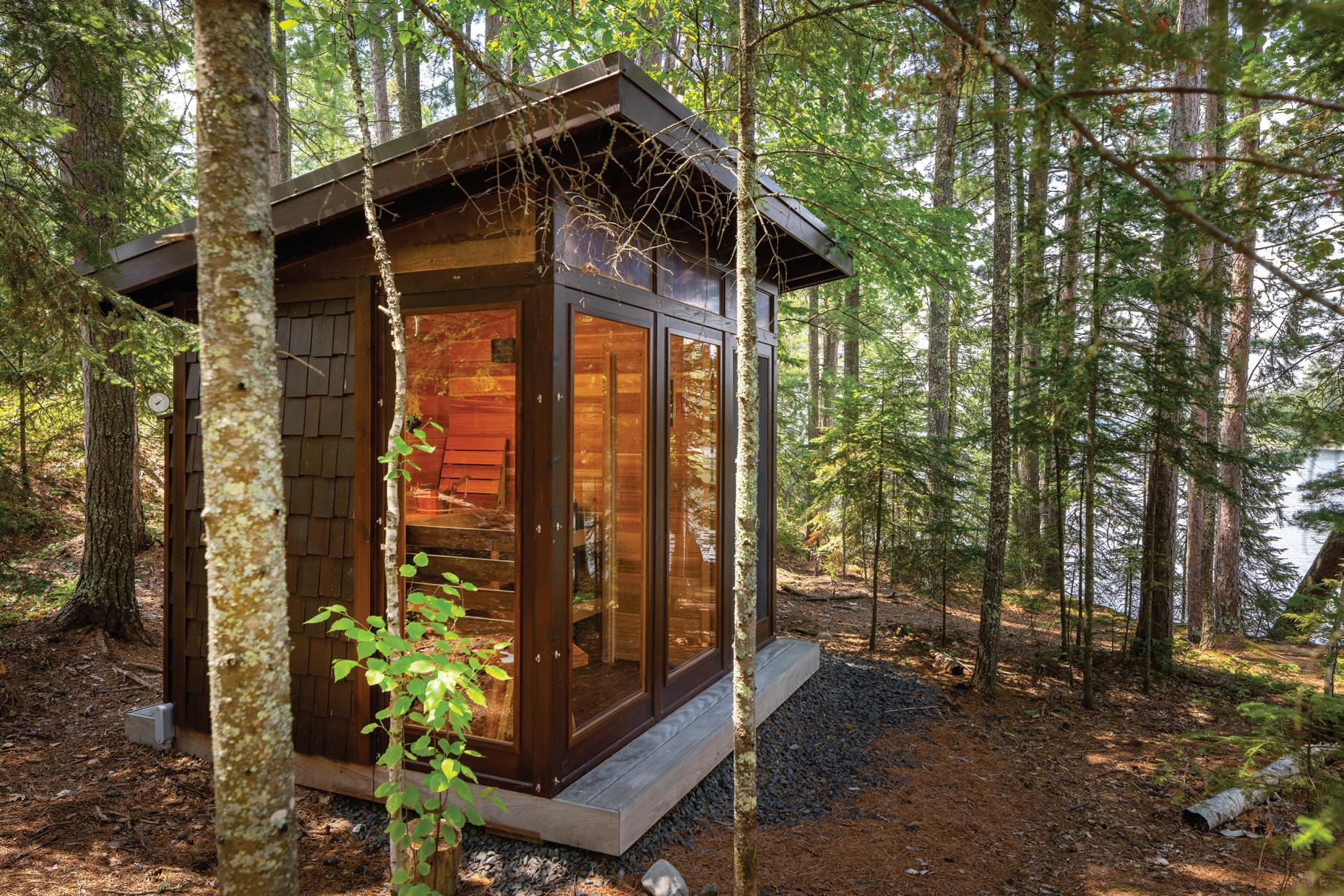
For a slower pace, time at Sisu + Löyly Sauna in Grand Marais often ends with a dip in Lake Superior. In summer, people gravitate toward the mobile sauna at Skyport Lodge, then linger over dinner and live music as the light fades.
East of town, near the Icelandite Coastal Fen, the shoreline unveils a slightly unexpected geological formation. On calm days, Tombolo Rock sits just offshore, reachable if you’re willing to get your feet wet.
Summer and early fall bring the most activity to Grand Marais, when portages and trails into the Boundary Waters Canoe Area Wilderness are open, and summer festivals and events fill the calendar. Winter settles the town into a slower pace, with fewer services available.
The nearest airport is in Duluth, about two hours away, with Minneapolis–St. Paul roughly five hours by car. Lodging fills quickly in peak season. Cell service fades soon after leaving town, and the weather along Lake Superior can shift without much warning




Shaped by Lake Superior, this thriving community embraces its rich history and wild outdoor spaces
WRITTEN BY AMY CARLSON | PHOTOGRAPH COURTESY OF TRAVEL MARQUETTE
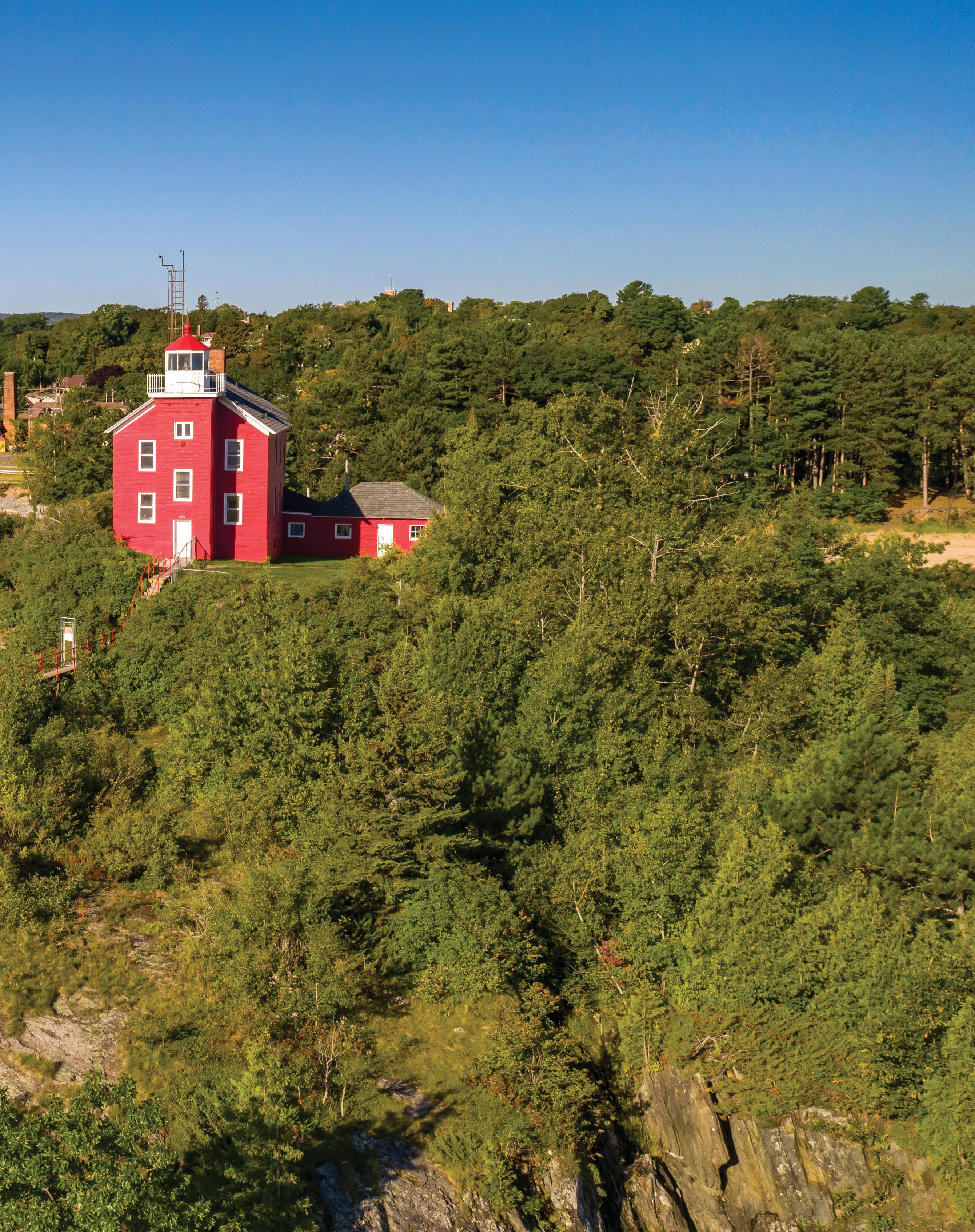
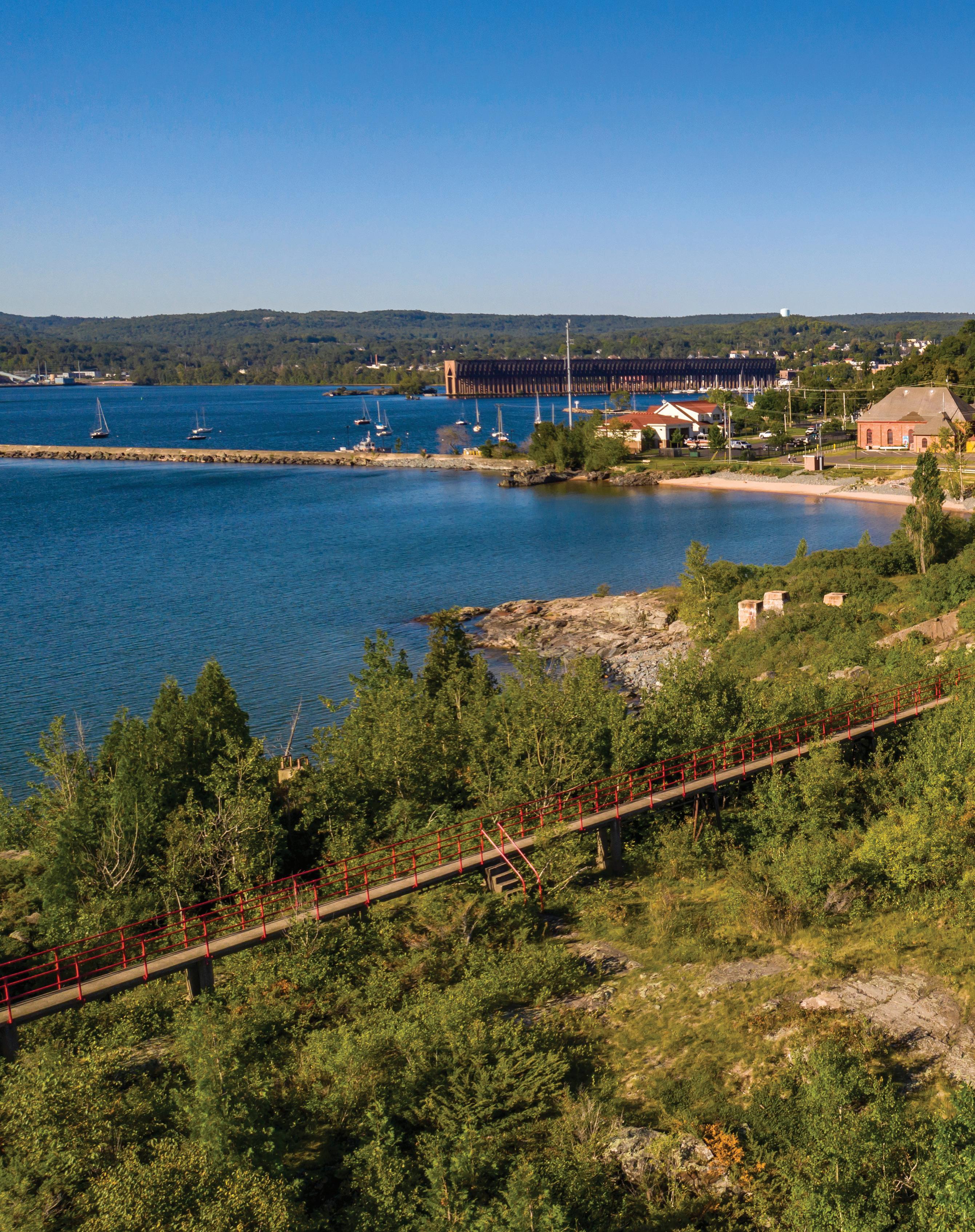
On a summer evening, downtown Marquette has a particular kind of energy.
The farmer’s market takes over Washington Street, spilling onto sidewalks. Food trucks stay busy nearby, while locals and visitors move easily through the Marquette Social District — cold drinks or an ice cream cone in hand, no one quite ready to call it a night. It feels like a city that has figured something out.
And then you look toward Lower Harbor, where an ore dock rises more than 70 feet above the waterline, stretching nearly a quarter mile into Lake Superior. It doesn’t move. It doesn’t need to. It’s a tangible reminder of what built this place — the mines, the timber, the immigrants who labored here — and in its own way, it explains why the city surrounding it has aged so well.
The Third Street area is the right place to start exploring. NMU gives the blocks between the lake and campus its energy: independent, unpretentious, always a little outdoorsy. Grab a coffee at Velodrome or Contrast Coffee, then browse the outdoor gear at Down Wind Sports. In the evening, Blackrocks Brewery always draws a crowd, and Bodega serves breakfast all day — don’t miss their Sunrise Tacos.
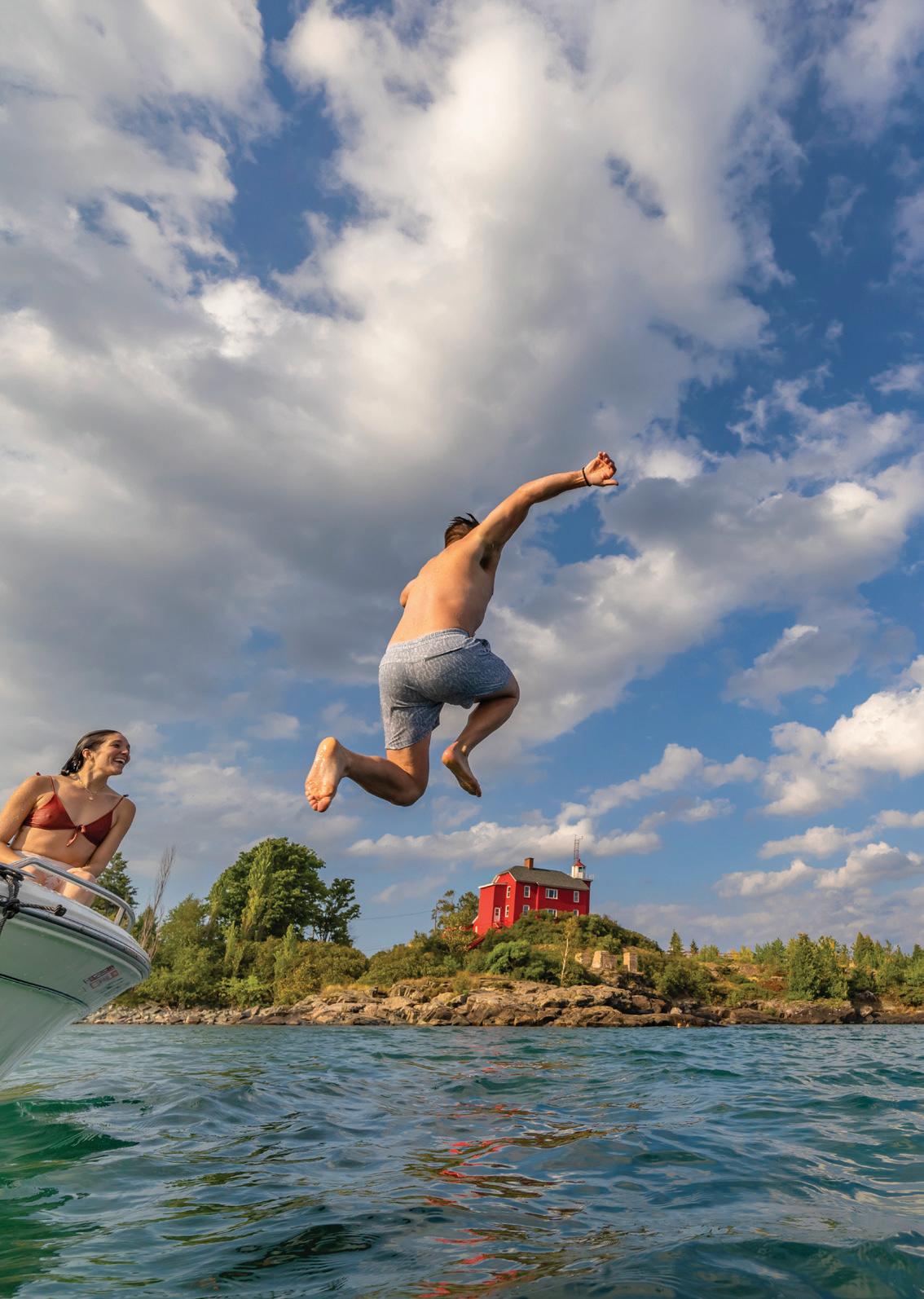
Nearby Presque Isle Park’s shoreline is the UP at its most dramatic: sweeping white pines, a mix of sandy beaches and sandstone highlighted by Black Rocks, ancient rock formations jutting into crystal-clear water. On a warm evening, crowds gather to jump from the 20- to 30-foot cliffs into Lake Superior. Walk a little farther west to Sunset Point to search for agates along the coves or just sit and watch the lake.
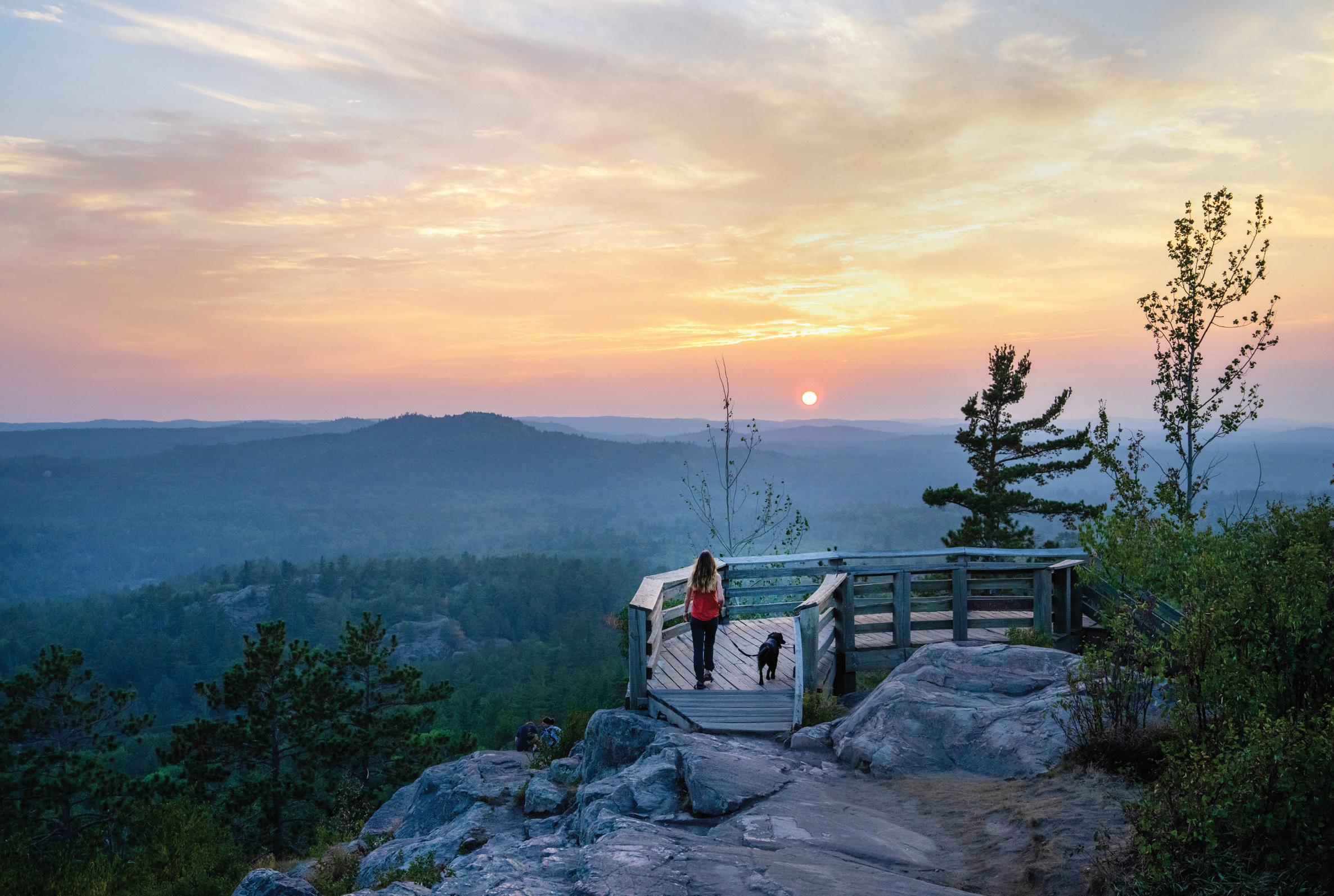
Beyond Marquette, Highway 550 heading north is where the UP starts to feel genuinely remote. Not far from town, stop first to make the 20-minute climb up Sugarloaf Mountain for views that stretch to the lake and the city beyond. A few miles further, Little Presque Isle is a nearly deserted beach framed by immense white pines; bring a paddleboard, or just your beach towel and a willingness to slow down.
Keep driving and you’ll reach Big Bay, where the Thunder Bay Inn (the filming location for the 1959 classic “Anatomy of a Murder”) anchors a tiny town with a fascinating history. Stop at the Lumberjack Tavern for a burger — it’s a classic UP bar where locals and summer residents gather — and the site of the murder that inspired the movie. On the way back, visit Alder Falls (AWD recommended) or Thomas Rock Scenic Overlook for Huron Mountain vistas. It’s an easy half-day from Marquette, and the drive alone is reason enough.
Marquette doesn’t ask you to choose between the wild and the civilized. You can spend a day riding the NTN singletrack trails followed by an evening dining on the legendary whitefish piccata at the Vierling, a local institution. The outdoor life and the city life don’t compete here; they simply coexist, the way the ore docks and the farmer’s market do. Unhurried and quietly confident, Marquette keeps drawing people back.

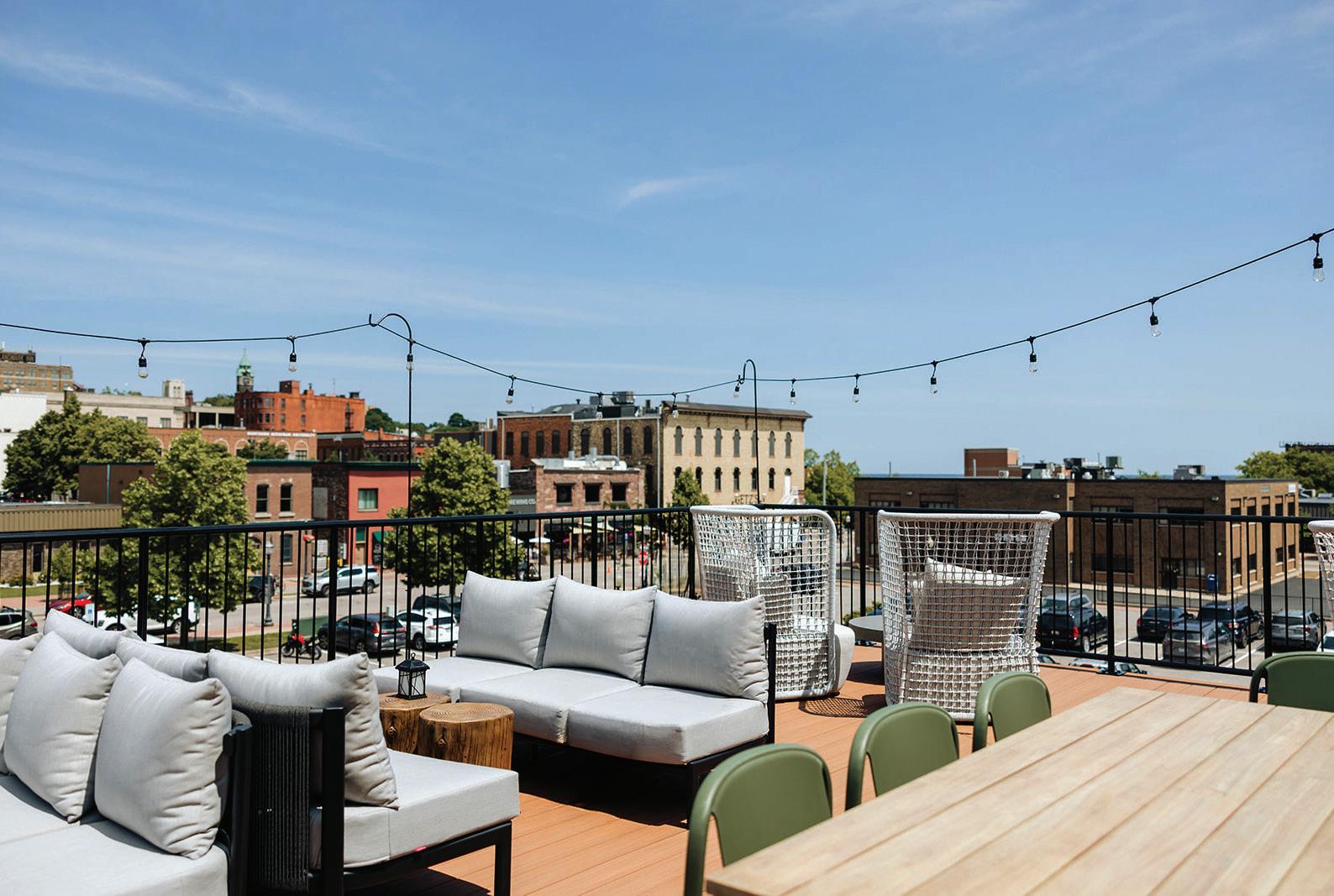
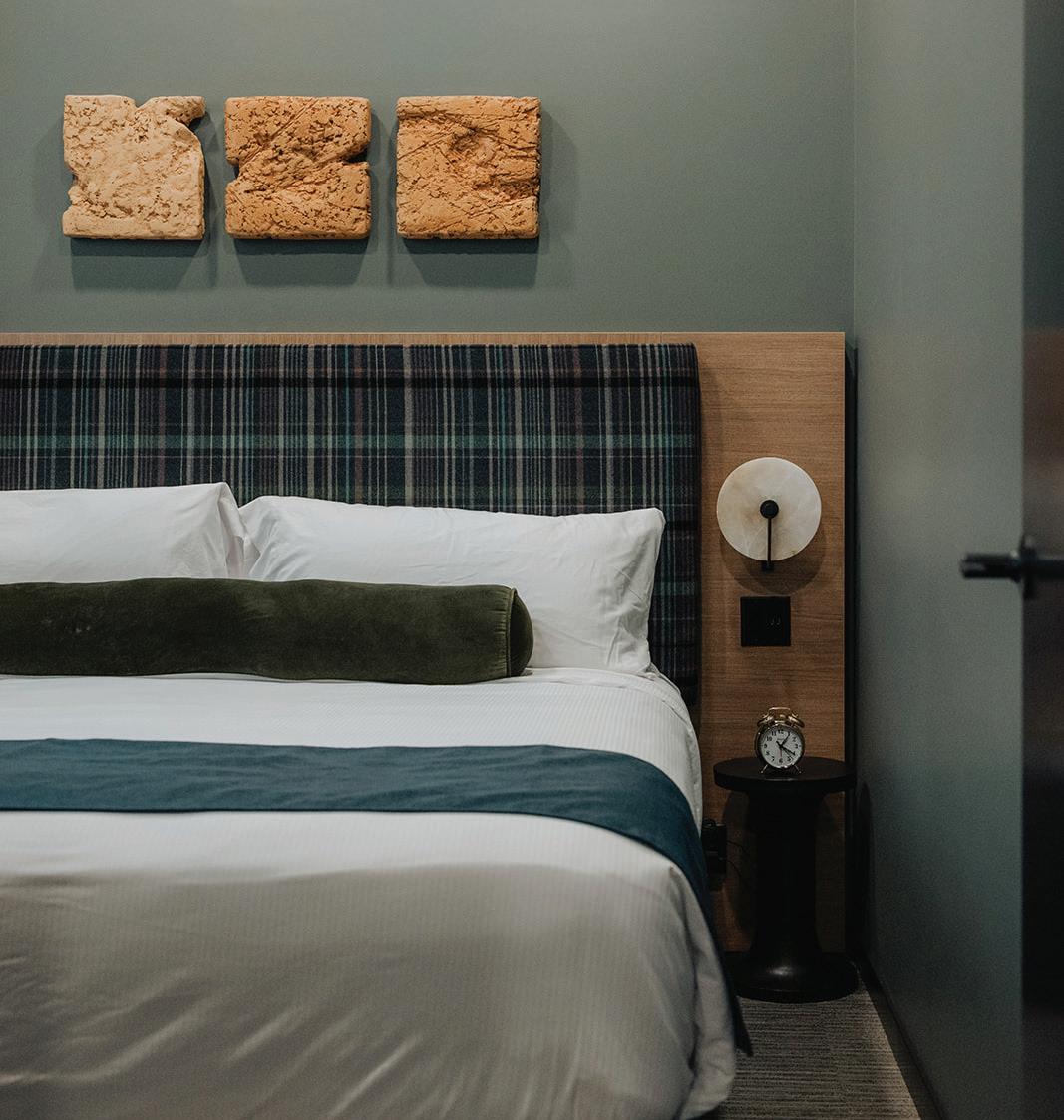
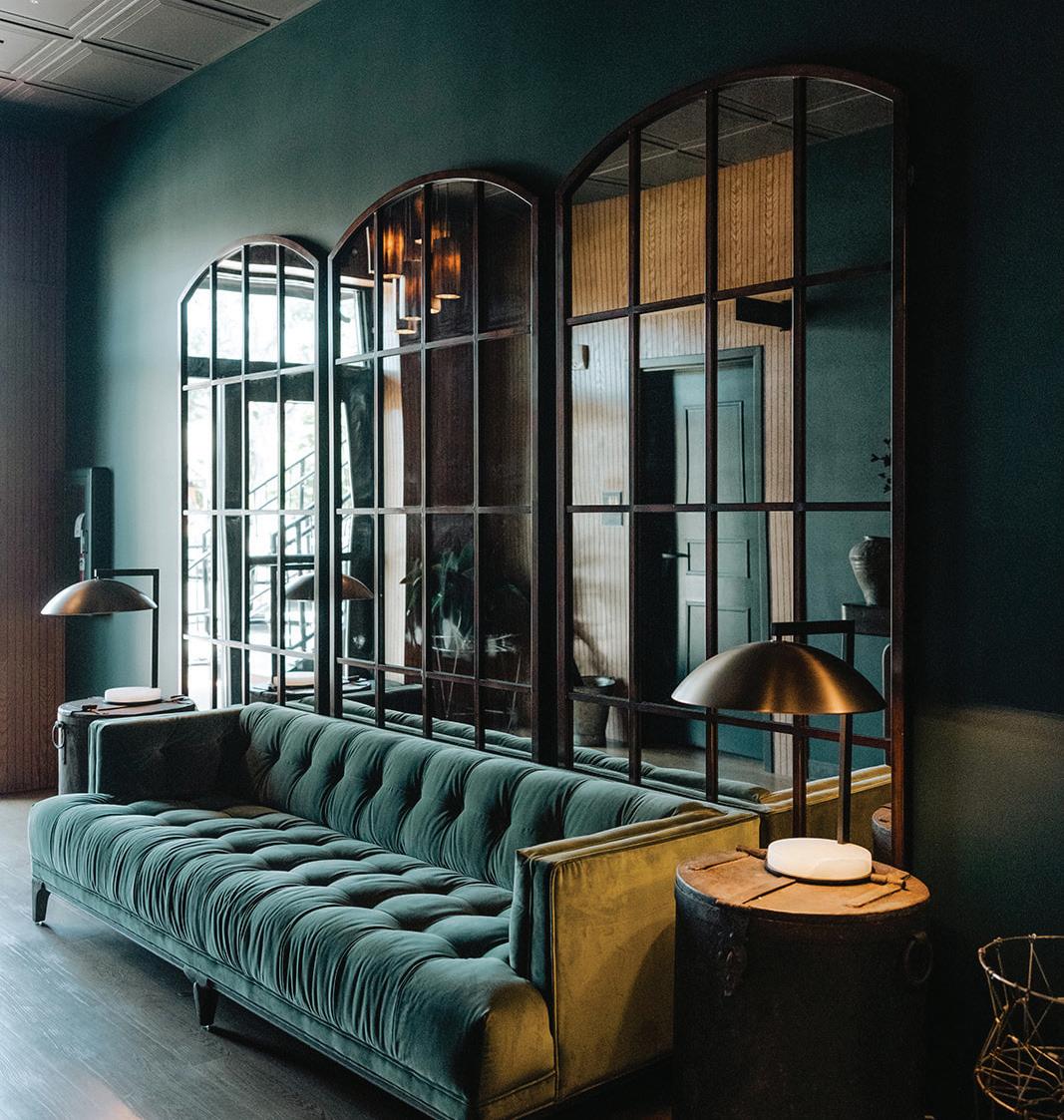
EXPLORE Marquette Historic District Hotel occupies a former commercial laundry building, gutted by fire and rebuilt as a boutique hotel; there’s no better home base in the city. Marquette-based Curio Design Studio shaped the interiors with a considered mix of regional materials and contemporary detail. Rooms are thoughtful and luxurious, and the staff go out of their way to make sure you leave knowing the town as well as they do. A refined continental breakfast is included each morning, cruiser and e-bikes are available for guests to borrow, and the Gilded Hour rooftop cocktails are not optional.
For quick bites to go, try Provisions MQT, Third Street Bagel, or the Yoop Coop, all local favorites. And don’t leave the UP without a pasty. Lawry’s is the reliable classic, or you can try their cudighi, an Italian sausage sandwich unique to the Marquette area. For something different, visit Irontown Pasties in Negaunee for the Bierocks (cabbage, cream cheese, soaked in beer overnight).
The Honorable Distillery’s artisan cocktails feature locally-sourced spirits in the remodeled Nordic Theatre; the Ore Dock Brewing Company’s tap room and patio are the right place to land during Art on the Rocks, Blueberry Festival, or even the Fresh Coast Film Festival in October.
If you’re up for an adventure, mountain bike the more than 85 miles of singletrack in and around Marquette, ranging from beginner-friendly loops to technical backcountry riding. For a more low-key activity, try the 47-mile multi-surface Iron Ore Heritage trail, connecting Marquette to Negaunee and Ishpeming along the old iron mining corridor.
Even if mining history isn’t on your radar, the Michigan Iron Industry Museum in Negaunee offers free admission to this well-curated and genuinely interesting collection. It puts the ore docks and the whole region in context.
The U.S. Ski & Snowboard Hall of Fame and Museum in Ishpeming is a legitimate surprise. Decades of decades of ski history in a museum that feels anything but dusty, and a good reminder of how much the North helped shape American ski culture.
Summer is short; visit June through August for the best chance of beach weather. Fall offers festivals, fall color, and fewer people. Delta flies nonstop daily from Minneapolis to Marquette Sawyer Regional Airport. By car, Marquette is roughly five hours from Duluth and seven from the Twin Cities; honestly, the entire UP is worth the scenic drive. Cell service is reliable in town and on most major highways but fades in rural areas. Book lodging early in summer, especially on weekends.

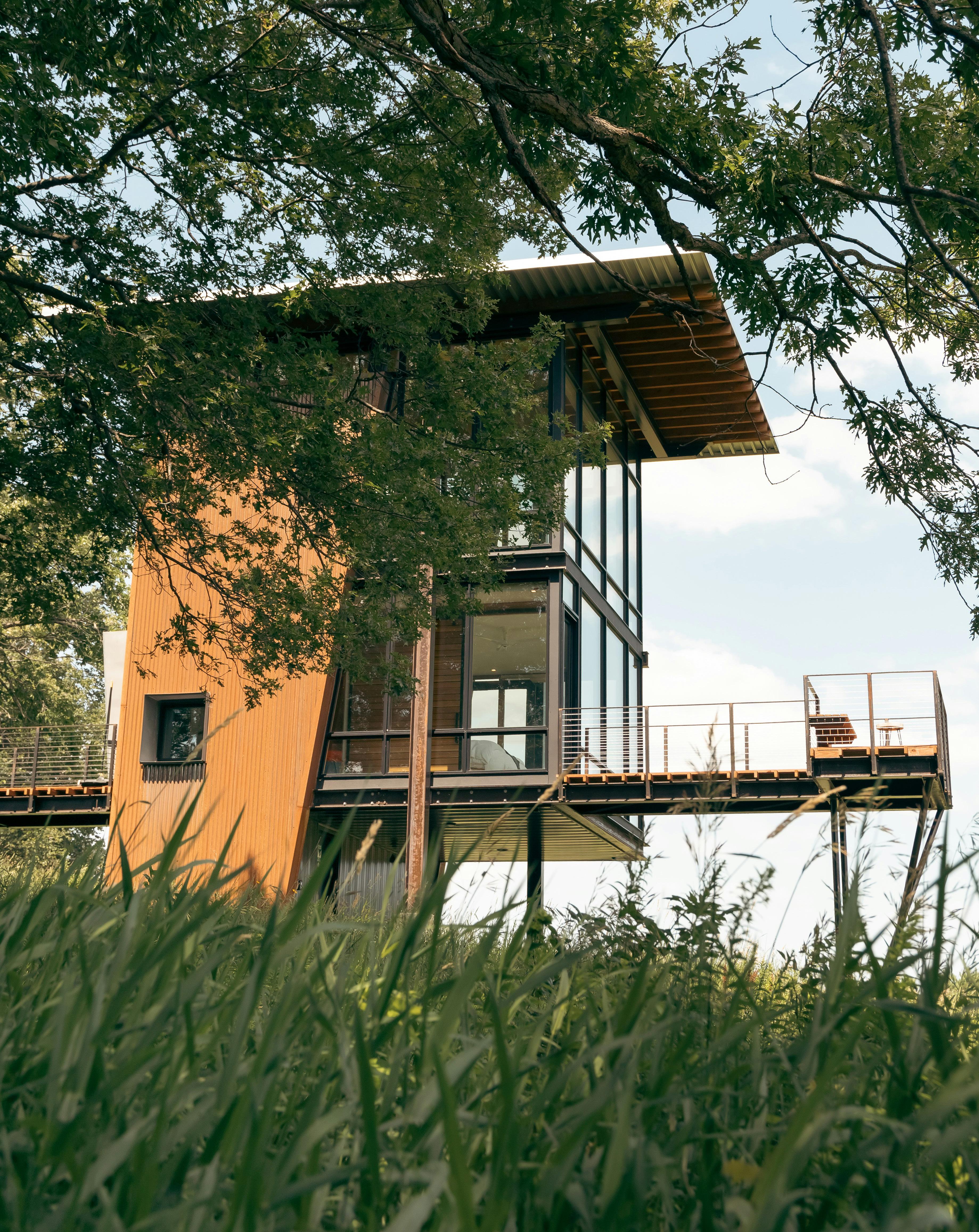

Venturing outside the North to inspire wanderlust and discover new perspectives

Cathay Pacific, The Peninsula, and Raffles: where nothing is an afterthought WRITTEN BY TRACY RAMSAY | PHOTOGRAPH COURTESY OF CATHAY PACIFIC

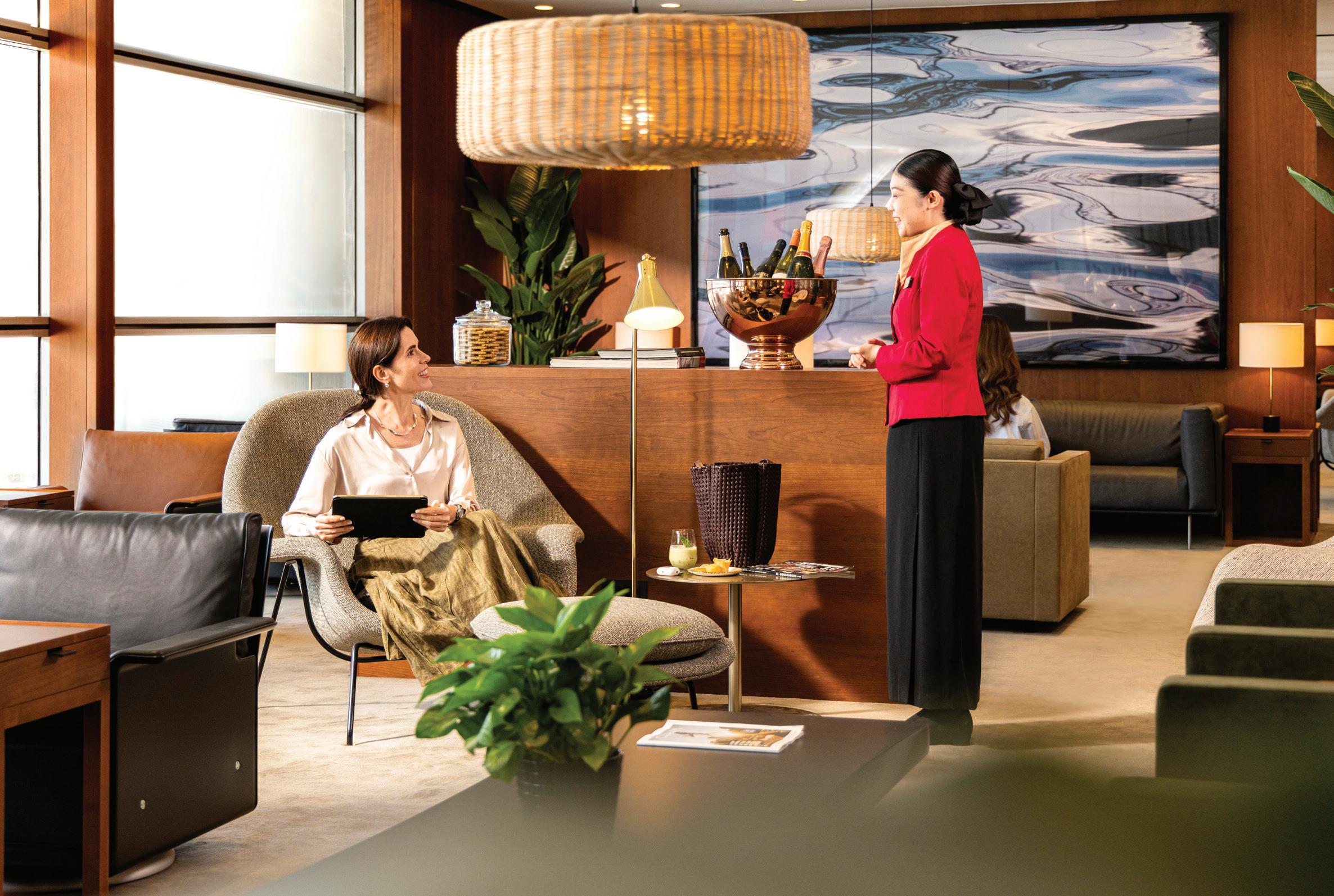
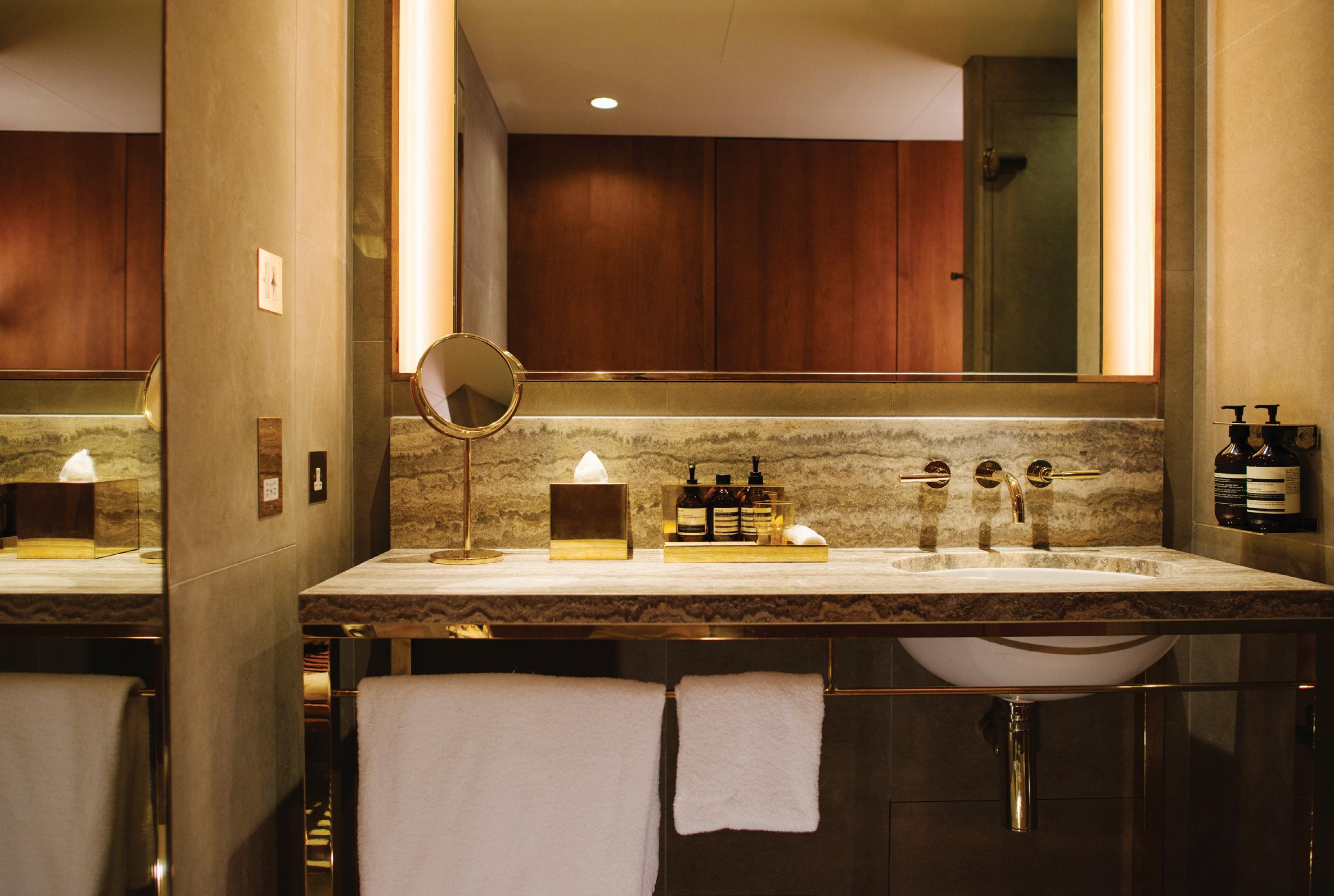
Some trips are measured in miles. Others are measured in how gracefully the world unfolds before you. My recent journey from Chicago to Hong Kong and Singapore — flying with Cathay Pacific and staying at The Peninsula Hong Kong and Raffles Hotel Singapore — belonged to the latter.
Every great airline understands that long-haul travel begins before boarding. Comfort, pacing, and humanity matter as much as hard amenities — sometimes more. At Hong Kong International Airport, Cathay Pacific’s lounges demonstrate that philosophy in full.
The Pier First Lounge may be the most civilized waiting room in Asia. The atmosphere is warm and restrained, with amber lighting and wood finishes that create a sense of calm rather than spectacle. The horseshoe bar, gleaming in brass, produces one of the best Manhattans I’ve ever tasted — a reminder that detail and restraint are as much a part of Cathay’s brand as service itself.
The lounge’s cabanas serve as private sanctuaries, complete with showers draped in thick towels. You can order a massage that feels thoughtful, the kind that readies you for the hours ahead. At The Bridge lounge across the concourse, a barista’s unicorn-shaped latte art made me smile at the simple human touch behind luxury.
And then there’s Mott 32, the Michelin-rated Cantonese restaurant tucked inside The Pier. A tasting menu brings dishes with the balance and depth you might expect at an upscale Hong Kong address. The Dan Dan noodles — silky, spicy, nutty — deserve their cult status.
The lounge’s tea counter operates almost as a ceremonial station. Staff guide guests through rare varietals, explaining brewing temperatures and steeping times with precision.
When the boarding announcement finally came, I realized I wasn’t eager to leave — an unusual thought for any airport lounge. Cathay had already elevated travel before the flight even began.
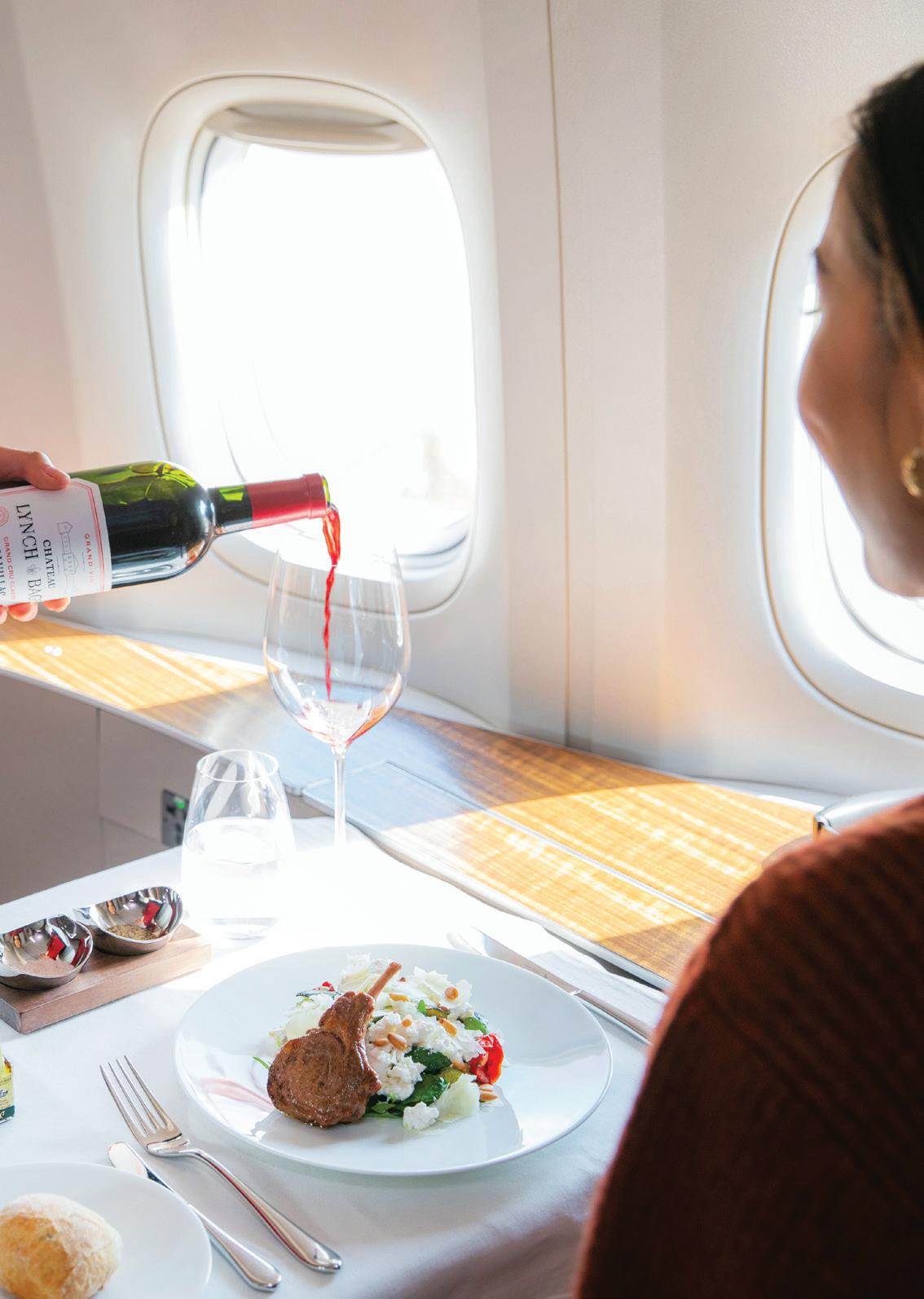
Once aboard, Cathay Pacific confirmed what its reputation suggests: sophistication, discipline, and genuine warmth.
Business class cabins use design to achieve a kind of personal retreat. Sliding panels maintain privacy without creating isolation. Lighting feels natural, controls are intuitive, and every small element — ottoman placement, reading light, texture of the bedding — has been considered with efficiency and comfort.
The real distinction lies in Cathay’s crew. Their balance of attentiveness and restraint is rare. They appear without intrusion, offering water or adjusting light just as you reach for the button yourself. It’s professionalism shaped by empathy.
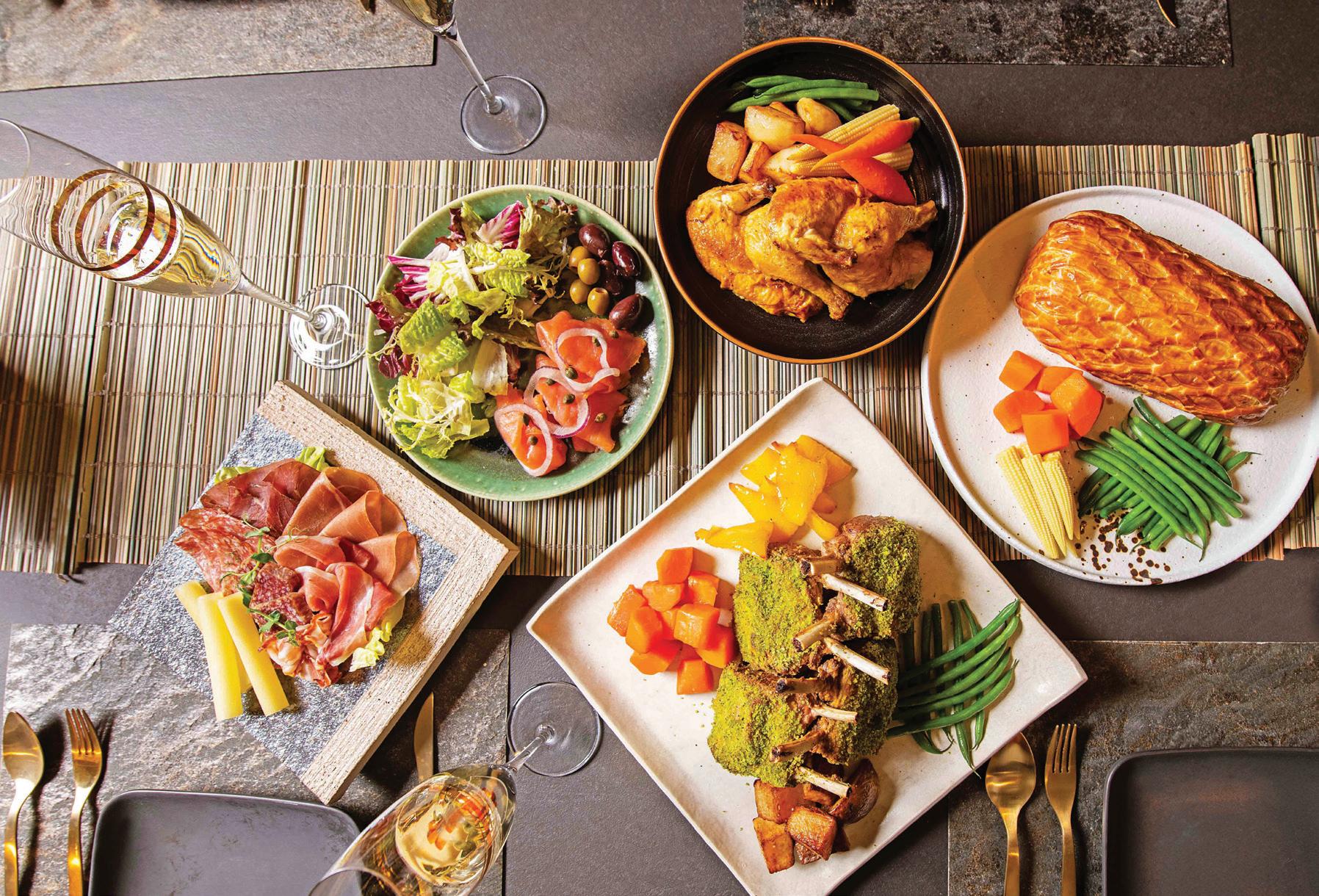
The food program underscores that same philosophy. Cathay collaborates with Michelin-recognized chefs to design menus specifically for high-altitude conditions. Because taste perception dulls in flight, dishes emphasize umami and acidity to retain flavor. The result: a dinner that tastes fresh instead of over-salted or dry.
The wine list complements the meal, offering vintages that hold their structure at 35,000 feet — an engineering problem solved by sommeliers rather than mechanics. Even bread and coffee are treated as essentials, chosen for texture and roast adapted to altitude.
By the time descent began, I felt rested, not merely relieved. This wasn’t an act of transportation — it was the kind of flight that reminds you air travel wasn’t always a test of endurance.
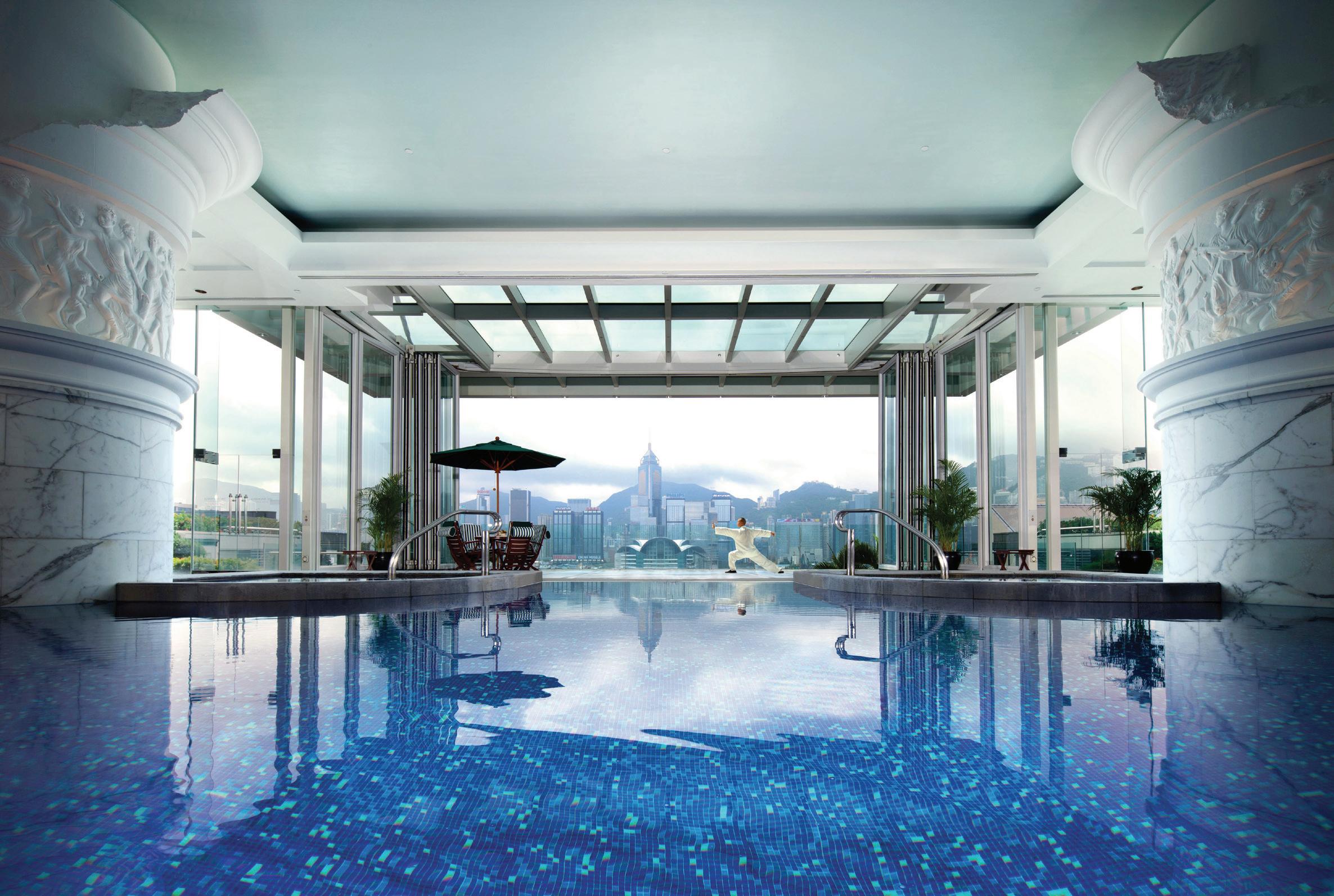
Hong Kong’s skyline at night looks almost animated — light towers mirrored on dark water, movement everywhere. Yet when the RollsRoyce from The Peninsula pulled into the private drive, the pace seemed to slow instantly.
Known as the “Grande Dame of the Far East,” The Peninsula retains its old-world composure while operating with modern precision. Before I even reached my suite, a staff member handed me a small bouquet of roses. Inside, a monogrammed teddy bear rested on the bed beside a handwritten welcome note — an echo of service from another era.
My room overlooked Victoria Harbor, where ferries crossed water like glowing insects. One direction offered mountain silhouettes; another revealed a grid of lighted towers. It’s one of the few views that remind you Hong Kong isn’t built out — it’s built upward.
Dining showcases The Peninsula’s range of refinement. At Gaddi’s, the Michelin-starred French restaurant, butter sauces arrive impossibly light — perfectly tuned to Hong Kong’s humidity rather than fighting it — but deep enough to satisfy a European palate. At Spring Moon, tea becomes central. Tea masters prepare and pour with methodical grace,
then pair specific varieties to the course sequence. Watching them work brings a sense of meditation to dining.
Morning at The Peninsula begins with ritual. Tai chi on the terrace, just above the harbor, unfolds as the city awakens. Later, the spa integrates Traditional Chinese Medicine into treatment; reflexology maps human anatomy with precision I hadn’t ever encountered. My therapist explained how tension migrates through the body’s organs with the precision of someone who’d spent a lifetime reading the signs.
Hong Kong itself reflects the same dual nature: Buddhist temples beside skyscrapers, incense smoke curling around LED signage. A visit to Tin Hau Temple, its ceilings suspended with spirals of burning incense, contrasts sharply with the modern Star Ferry crossing the harbor. Each reveals a side of the city’s endless dialogue between the ancient and the immediate.
Luxury shopping, modern art, and history museums line the surrounding district. A stroll from The Peninsula might take you from Chanel to the Hong Kong Museum of Art in five minutes — a geography that tells you Hong Kong never lets one identity fully eclipse the other.

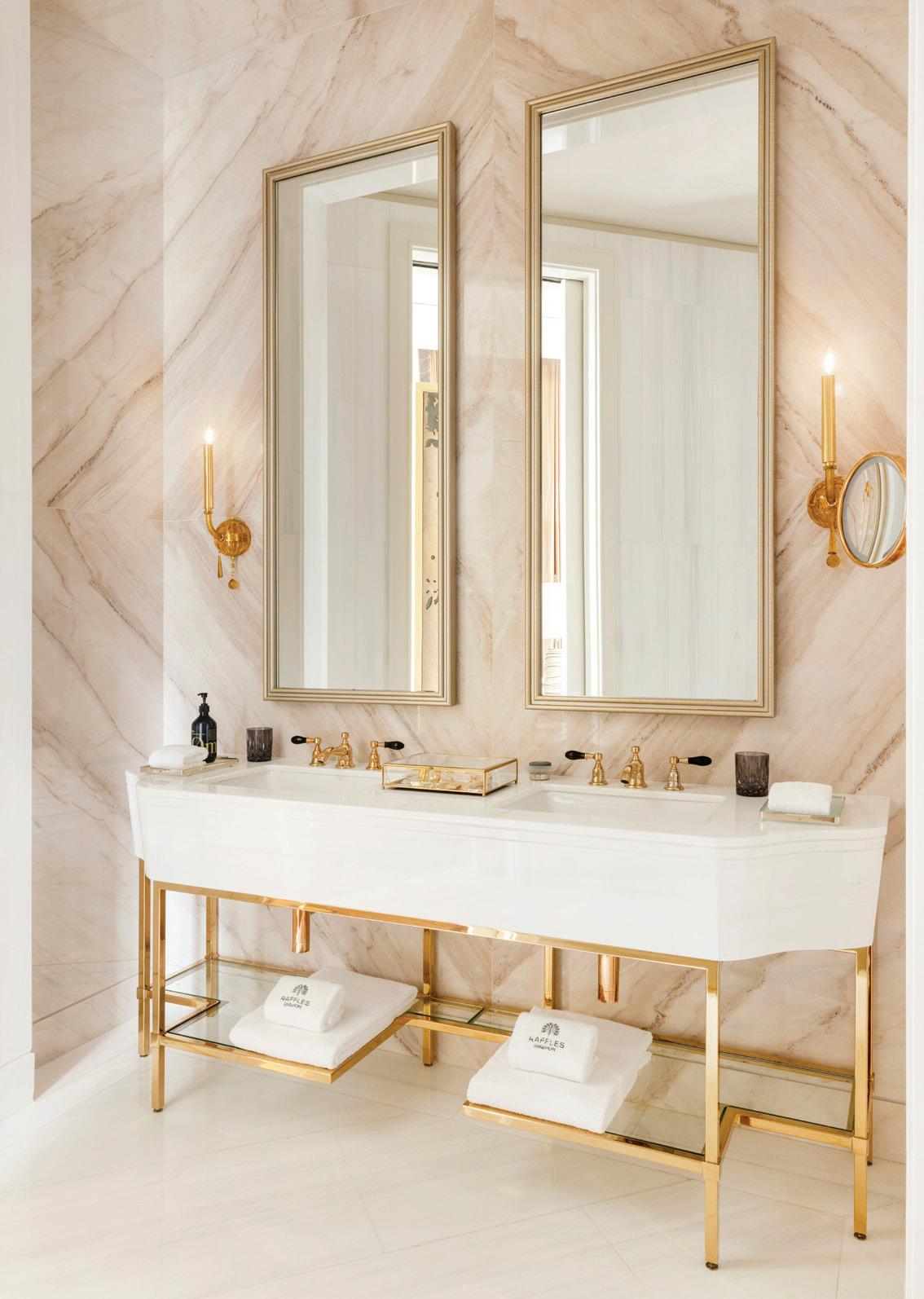

Cathay Pacific’s flight south maintained continuity — clean execution and quiet service that carry through everything they do. Arrival at Singapore’s Changi Airport — often ranked the world’s best — is like entering a curated world. Its indoor waterfalls and orchid gardens feel less like embellishment and more like infrastructure for serenity.
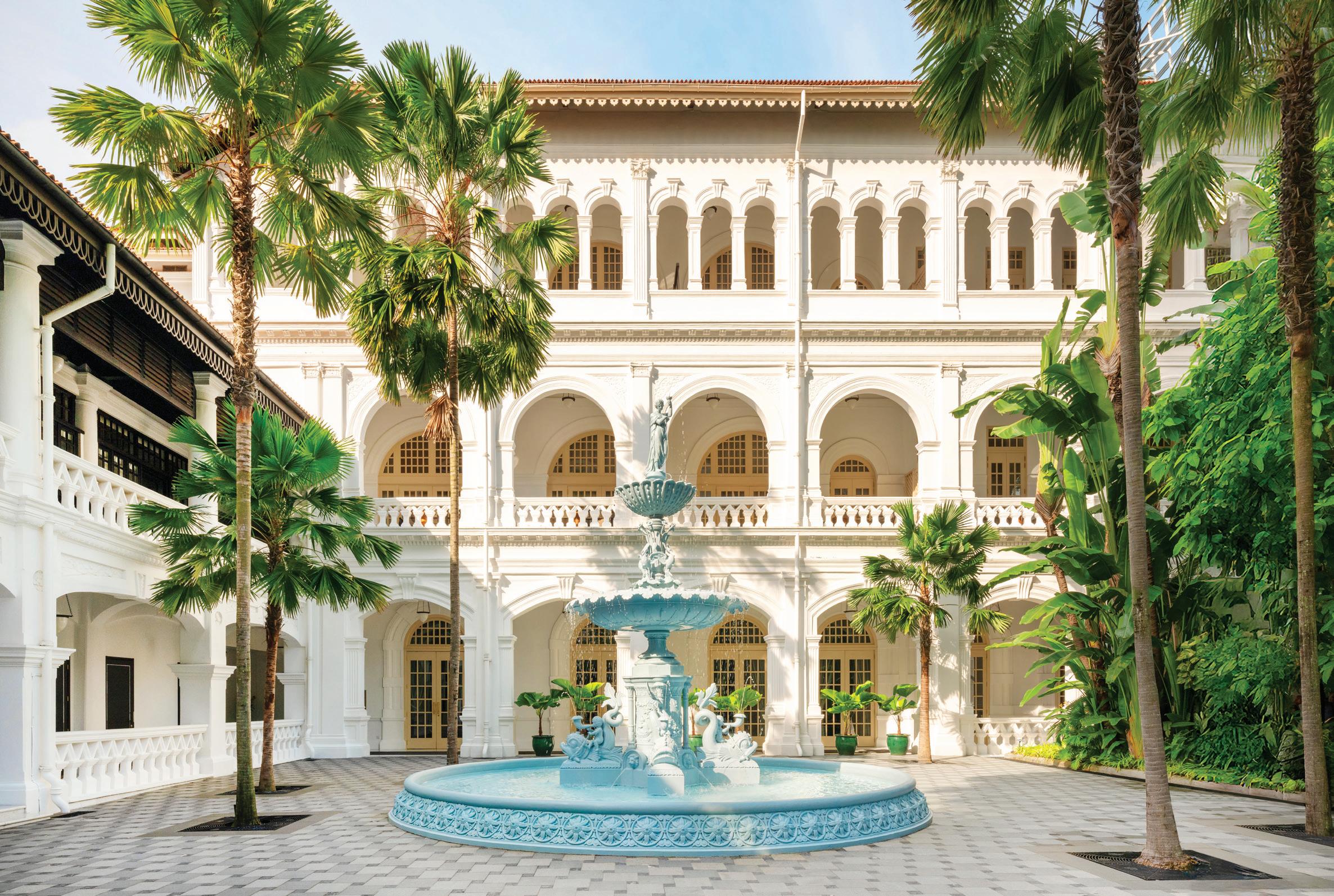
If The Peninsula stands for tradition refined by evolution, Raffles Hotel Singapore stands for heritage preserved through devotion. Opened in 1887, Raffles still looks like what it is: a colonial landmark that has learned how to feel modern without changing its bones.
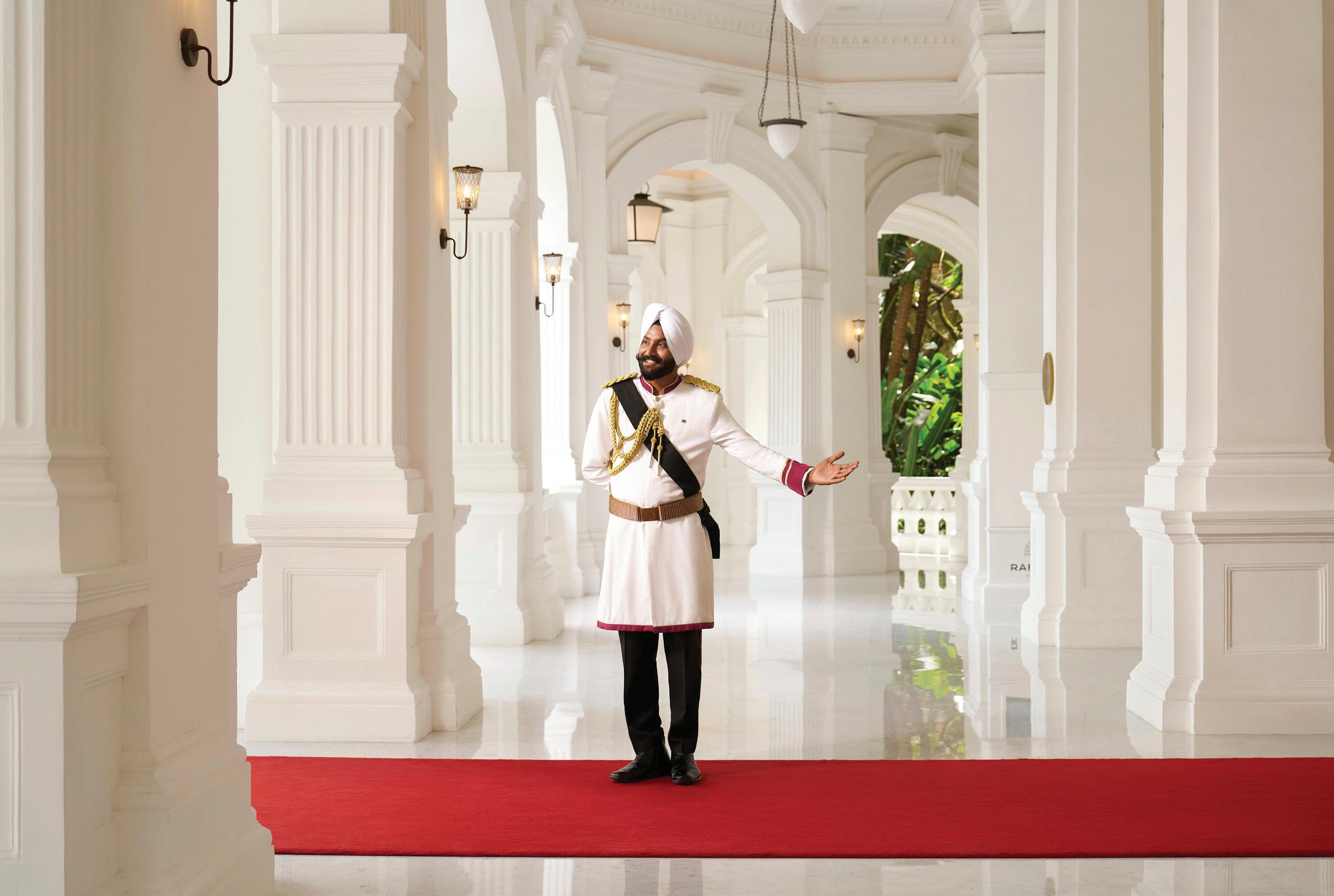
At the entrance, the iconic Sikh doorman bows slightly, his turban gleaming white under the tropical sun. He’s been part of Raffles’ lore for decades, signaling continuity rather than nostalgia. Inside, marble floors glint softly. My suite felt like stepping into a living museum — rattan fans, polished teak, soft drapery, and a balance of historical symmetry and modern polish.
Every guest at Raffles has a personal butler, and mine treated service as quiet choreography. He greeted me by name, ran an evening bath, and left a tray of fresh fruit beside carefully folded towels.
The Long Bar, birthplace of the Singapore Sling, preserves its heritage with a wink rather than ceremony. Visitors toss peanut shells onto the floor as tradition dictates, while bartenders mix the house cocktail introduced here in 1915. On my visit, a brief rumor spread — Sting had just checked in upstairs. Raffles still attracts the globally curious, from celebrities to diplomats, precisely because it manages luxury without spectacle.
Singapore itself feels engineered for balance: multicultural yet efficient, futuristic yet humane. Outside the hotel, the walk toward Marina Bay Sands opens into a vision of glass and palm trees, architecture that rises like sculpture. Brunch there delivered champagne and panoramic views worthy of a film scene. The skyline’s drama symbolizes what Singapore has achieved — a destination that embraces innovation without erasing its origins.
My final evening ended beneath the veranda arches at Raffles, the air thick with tropical perfume and the low murmur of other guests settling into the same unhurried pace. I ordered a gin and tonic — nothing ceremonial, just cold and sharp and right — and let the trip unspool backward.
Sipping a Manhattan at The Pier, that brass horseshoe bar gleaming while the gate announcements played softly in the distance. Tea poured at Spring Moon with the focus of someone performing a task they’d done ten thousand times. Victoria Harbor at dusk, the ferries crossing like slow-moving lanterns. The Sikh doorman’s slight bow. Dan Dan noodles in an airport, of all places, that I’d put up against any I’ve had on the ground.
None of it was accidental. That was the thing. Every person behind every one of those moments had made a decision to do the work at a level most of us reserve for occasions. At Cathay, at The Peninsula, at Raffles, the occasion was Tuesday. The occasion was breakfast. The occasion was handing someone a towel.
I don’t think there’s a single word for what connects these places. “Excellence” is too corporate. “Tradition” is too static. The closest I can get is that each one has figured out how to care about the details without making the details feel like a performance. The service never winks at you. It just arrives, does its work, and leaves you feeling like the whole thing was effortless — which, of course, is the most effortful illusion of all.
Some journeys conclude when the suitcase closes. Others shape how you travel ever after. This one reminded me that the best kind of luxury never shouts — it listens, it anticipates, and it endures.
Nine nights, seven ports, and never wanting it to end
WRITTEN BY FRANK ROFFERS | PHOTOGRAPHY COURTESY OF EXPLORA JOURNEYS
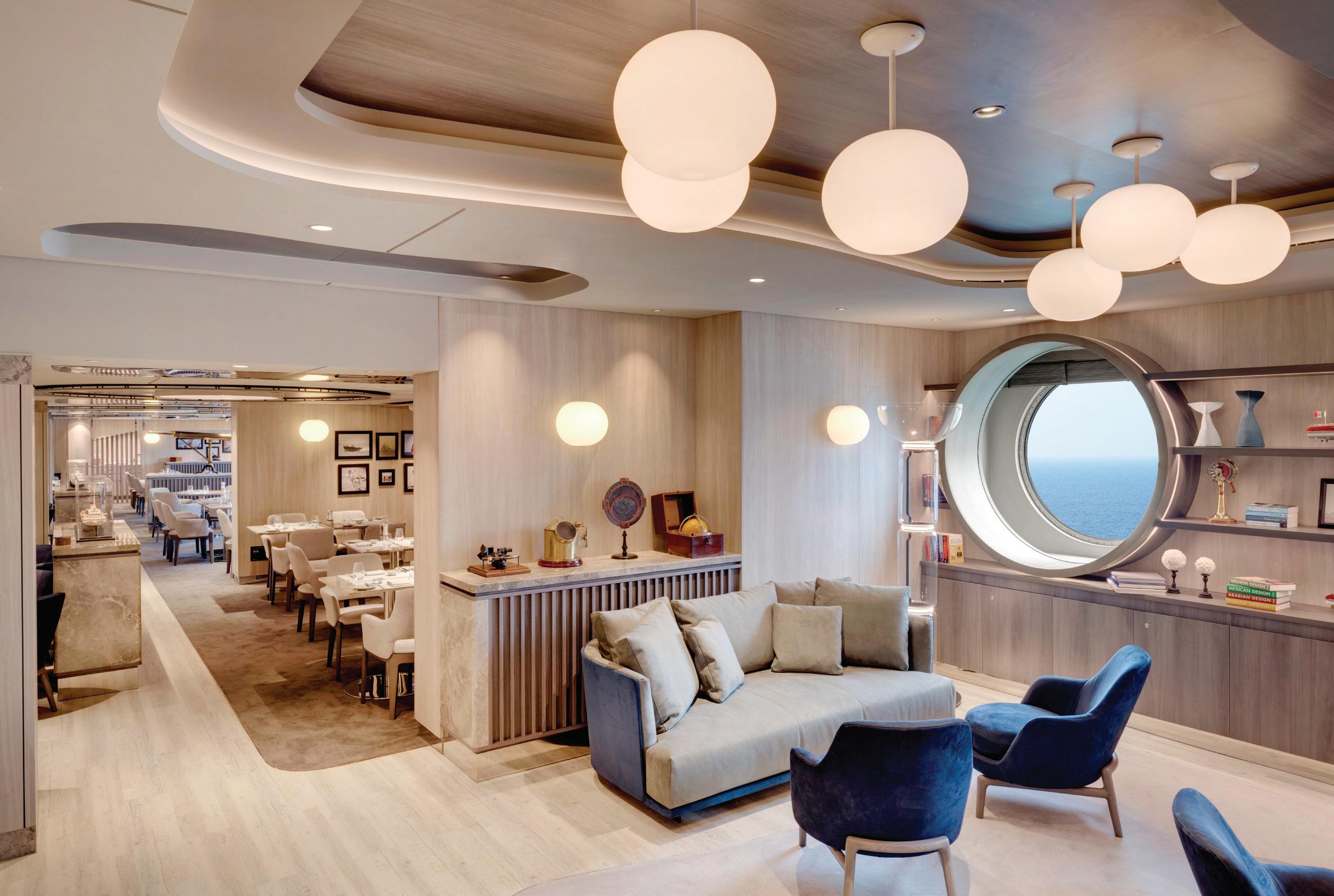
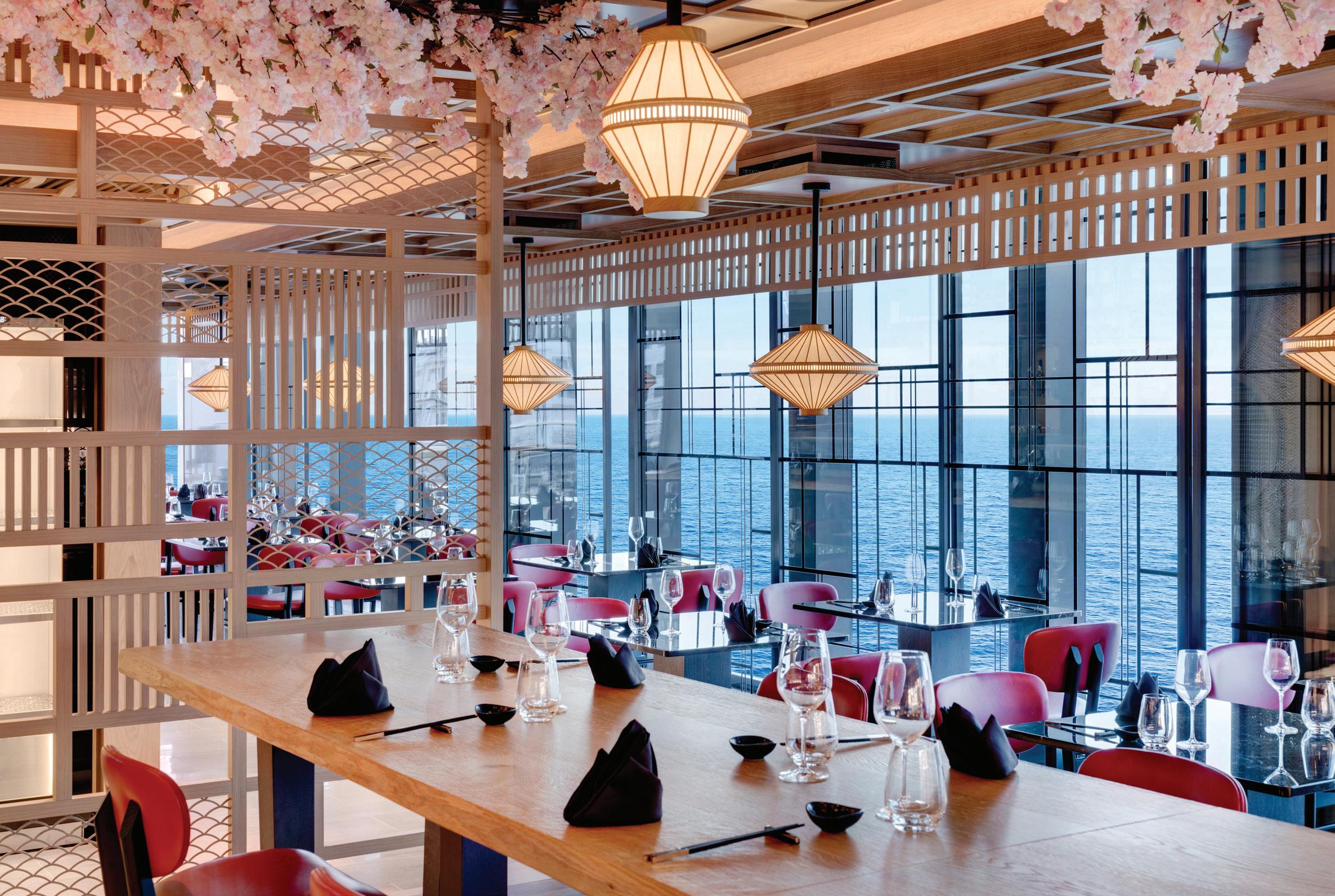
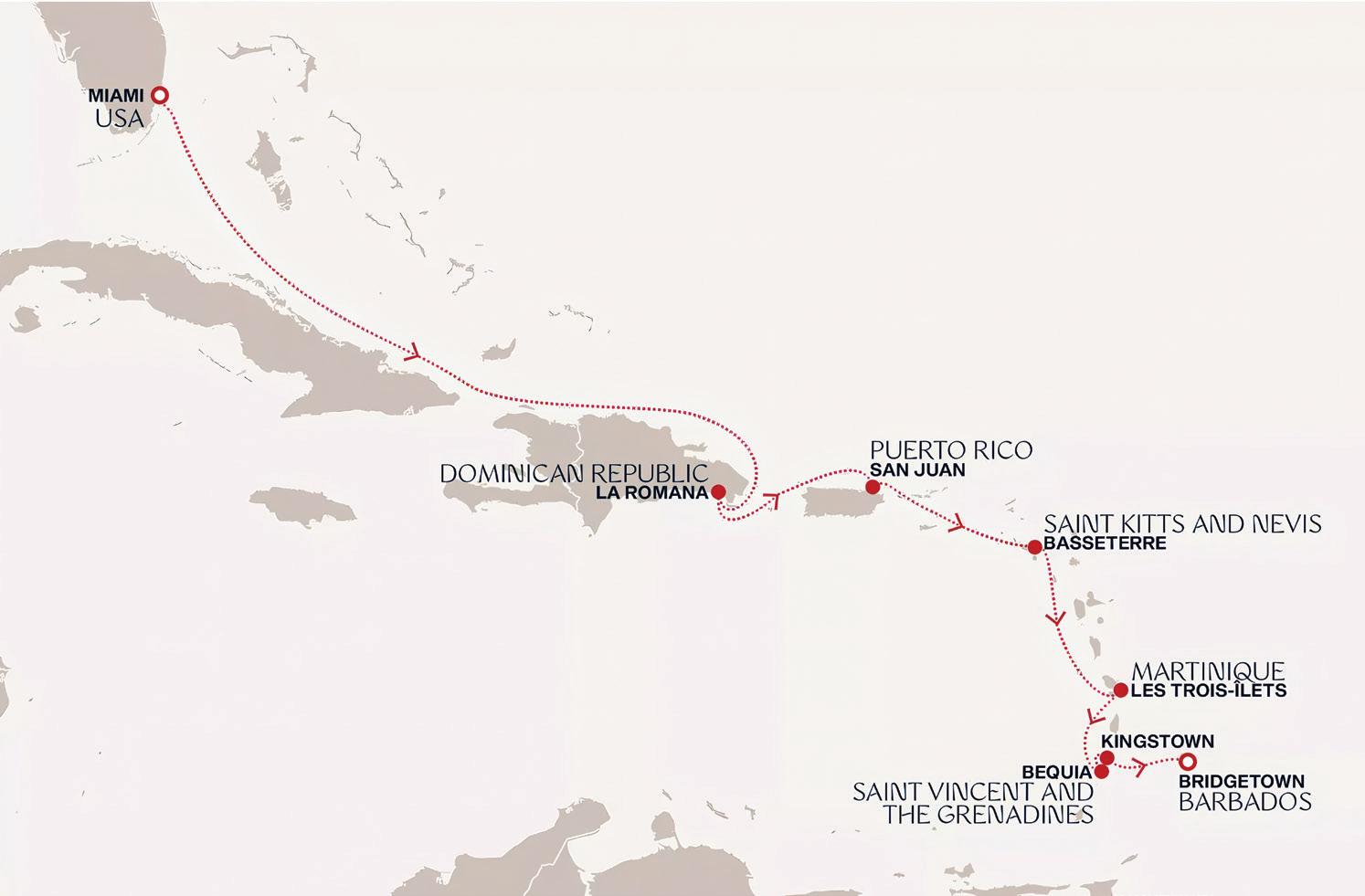
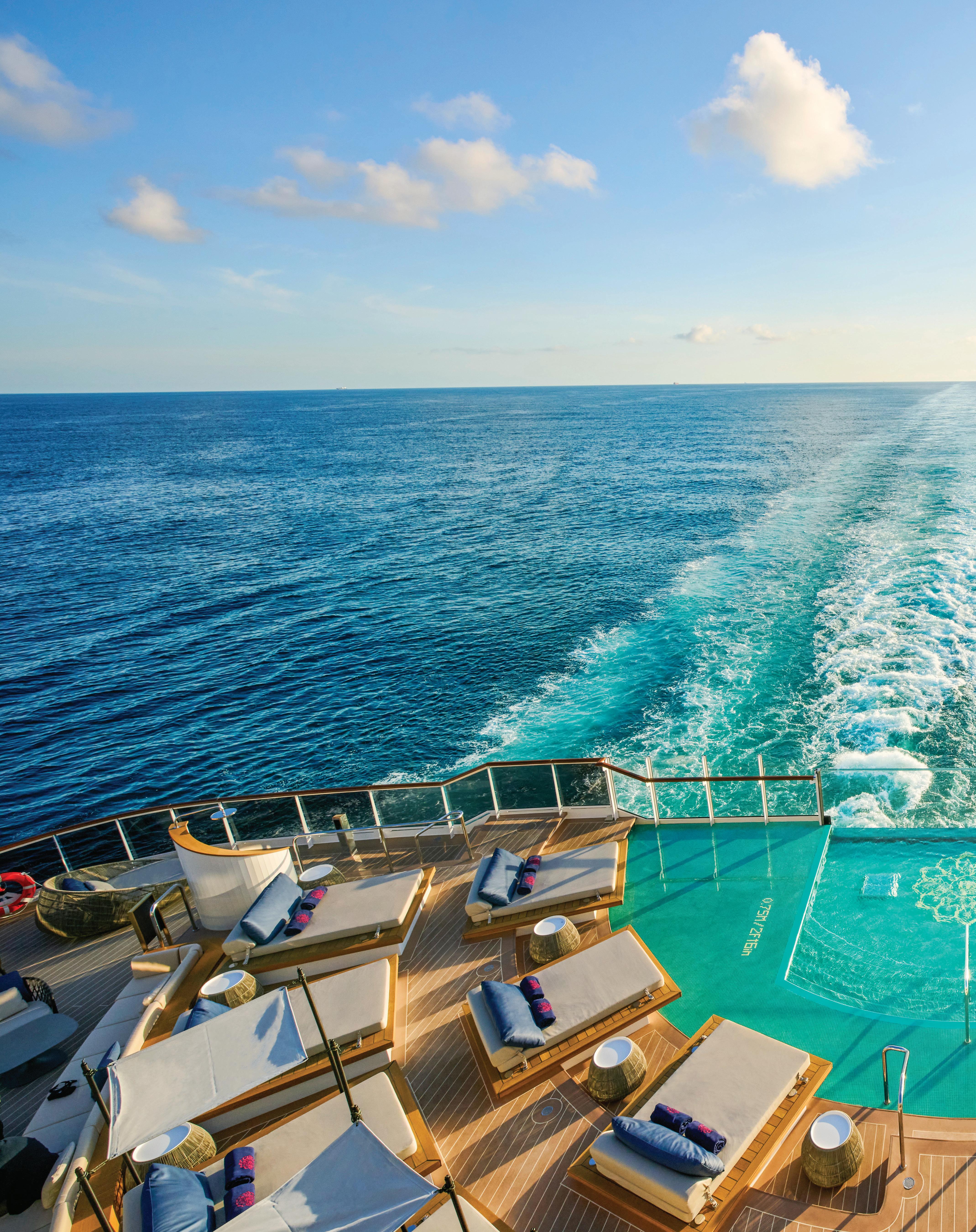
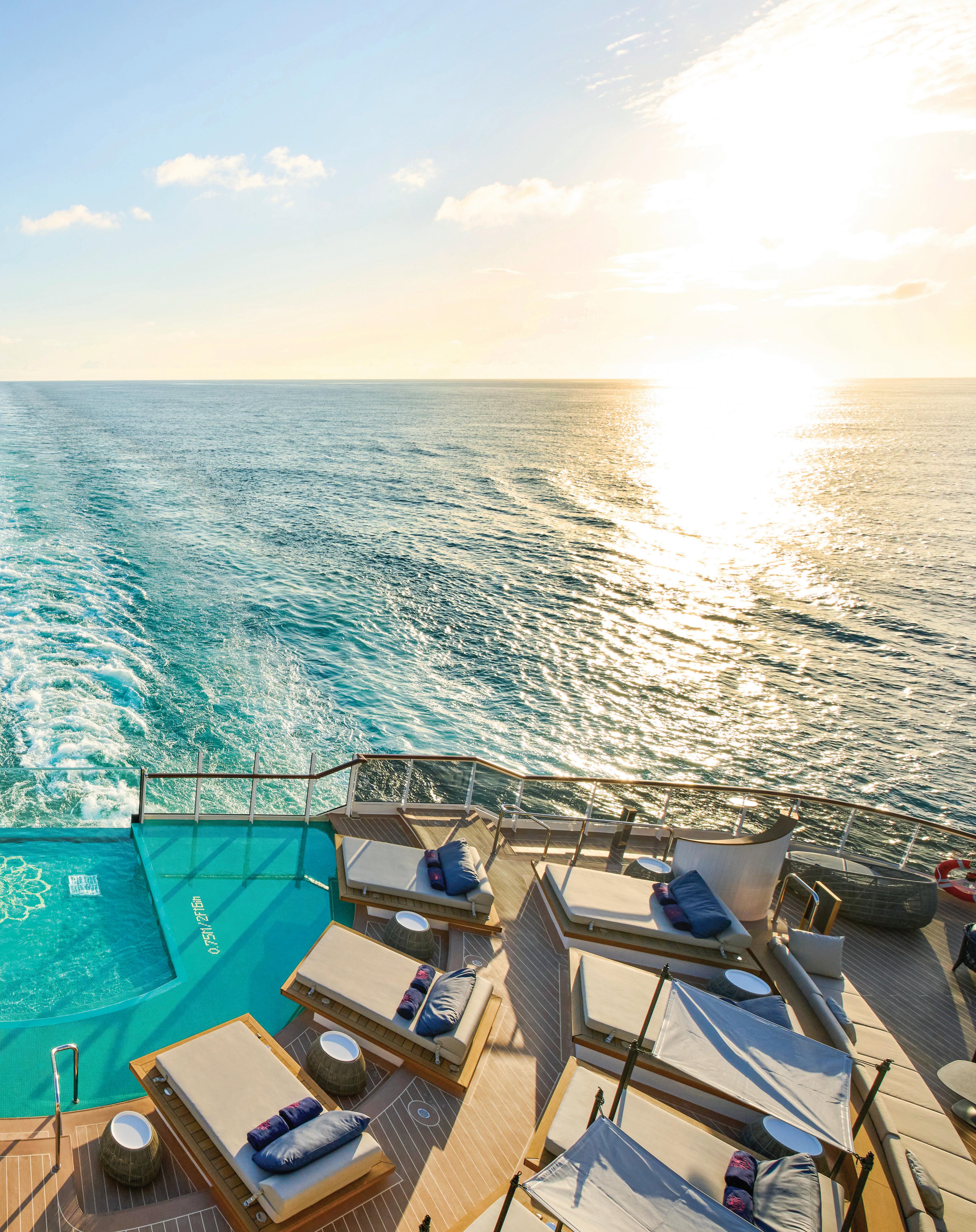
Begin with the Caribbean, add a design-forward ship that feels more private yacht than cruise liner, fold in polished service and a choose-your-own-adventure itinerary, and you’ve got the basic recipe for EXPLORA I. From Miami to Barbados, this nine-night journey quietly rewires what a cruise can be, trading packed itineraries for space, silence, and a slower rhythm.
Explora Journeys is a relative newcomer in the luxury cruise world, and EXPLORA I is the line’s first purpose-built ship. Launched in the early 2020s, it sits firmly in a new wave of design-driven, small-fleet, high-touch operators. Its sights are set more on Seabourn, Silversea, Regent Seven Seas, and Ritz-Carlton Yacht Collection than the megaship crowd — intimate, club-like, with elevated design instead of theme-park-at-sea energy. You feel it in the details: fewer guests, more space, and an experience clearly built for savvy travelers. All suites on EXPLORA I are oceanfront and include a private terrace or balcony with outdoor seating.
The route is a greatest-hits reel with a few smart deep cuts: La Romana, San Juan, Basseterre, Les Trois-Îlets in Martinique, Bequia, and Kingstown. Sea days give you space to breathe; island days deliver the color and chaos you actually want. Evenings slow to a satisfying simmer with unhurried dinners and late-night conversations under a sky crowded with stars. From the moment you step aboard in Miami, the usual travel static drops away. No blaring announcements, no buffet throngs — just a glass of Champagne or fine wine, a proper lunch, and the sense that you’ve accidentally joined the right crowd.
EXPLORA I looks and feels like a modern resort at sea. Think pale woods, soft neutrals, and clean lines warmed with artful lighting and plenty of texture. Walls of glass pull the ocean into every room, so the horizon becomes a constant companion instead of a postcard you glimpse between slot machines. You drift through lounges, terraces, and quiet corners that seem purpose-built for a drink, a book, or perfecting the art of doing nothing.
The real luxury shows up in the first few sea days. With no pressure to chase activities, you actually find your rhythm. Mornings might mean a white-tablecloth breakfast at Fil Rouge, a quick espresso and pastry at Crema Café, or coffee on your terrace, barefoot, watching the wake stitch through an empty stretch of blue. Afternoons are yours: yoga on deck, a talk with one of the onboard luminaries or an off-the-record chat with Captain Diego Michelozzi about weather, navigation, and what it’s really like when your “office” moves.
Dining is where Explora Journeys leans in. Each restaurant has a clear point of view: Sakura for precise, Japanese-leaning dishes; Med Yacht Club for sun-splashed Mediterranean flavors; Fil Rouge for French-accented comfort; Emporium Marketplace for global grazing that’s far better than “buffet” has any right to be. There’s also Marble & Co. Grill when only a serious steak will do. And then there’s the simplest luxury of all: in-suite dining on your own terrace, a well-chosen bottle, and the lights of a passing island quietly fading to black.
Service lands in that sweet spot between polished and low-key. The crew remember your preferences without fanfare — your go-to coffee order, the way you like your martini, the table you’re secretly claiming as “yours.” Days can be as structured or as loose as you like. Dive into guided excursions and wellness programming or treat each port as your own quick escape; the ship resets you either way.
When you really want to disappear entirely, Ocean Wellness - The Spa takes things a layer deeper, with a thermal circuit that moves you from steam room to sauna to a glowing salt space where the air, the warmth, and the silence do most of the talking. A few slow laps between hydrotherapy pools and heated loungers, and it feels less like a shipboard amenity and more like someone quietly rebooted your nervous system. By the time EXPLORA I glides into Bridgetown, Barbados, the trip has settled in the way the best ones do: slow mornings, salt on your skin, the low hum of the ship after dark. If you’ve ever wanted a version of the Caribbean that feels curated rather than crowded, this is it. You book Explora Journeys not just for where it goes, but for how it gets you there: the space, the quiet confidence, and the rare pleasure of feeling like your time is finally your own.

Slow mornings, salt on your skin, the low hum of the ship after dark.


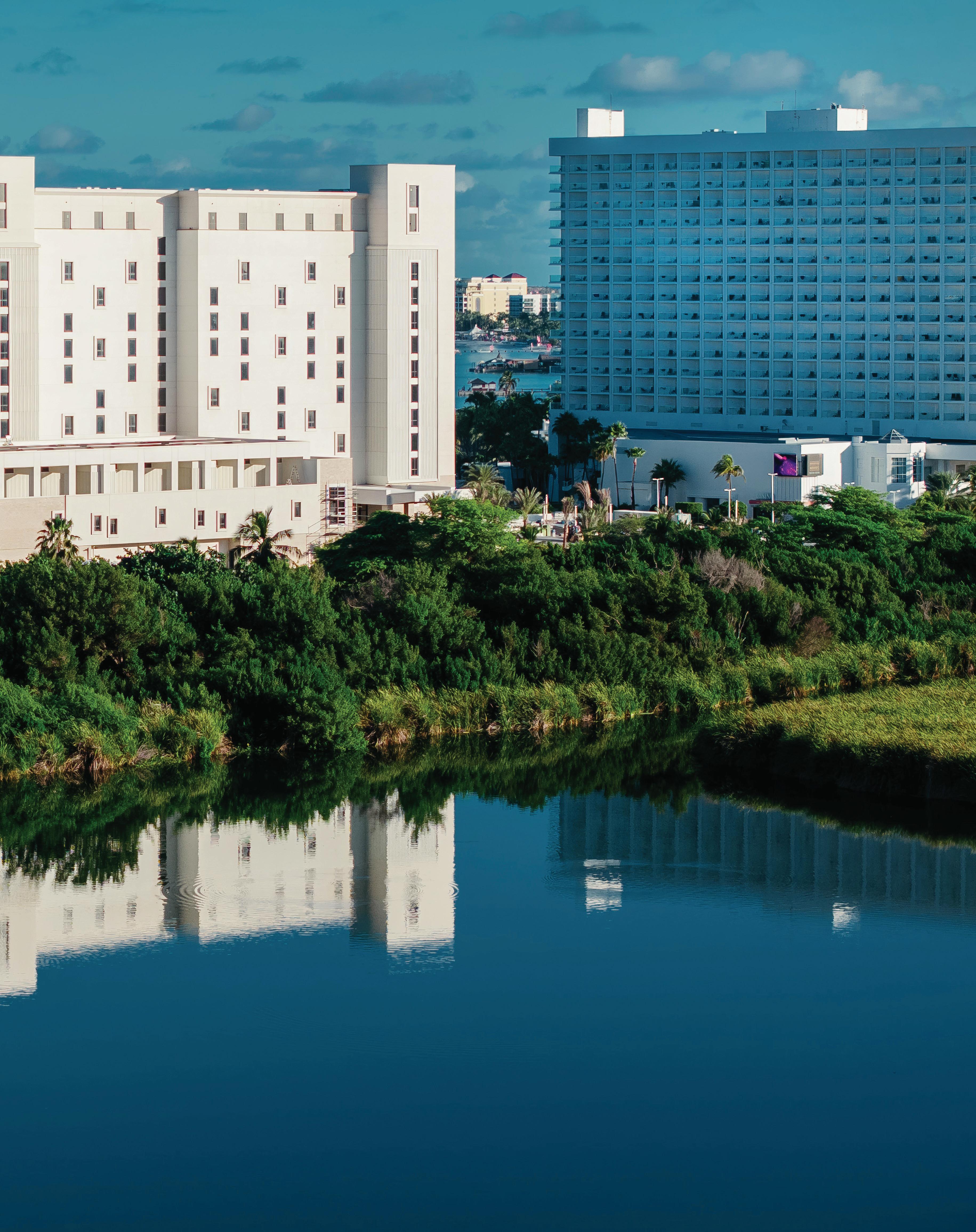
Where calm seas meet wild shores, two new luxury resorts make the case to stay WRITTEN BY ELAINE GABEL | PHOTOGRAPHY COURTESY OF ST.
The
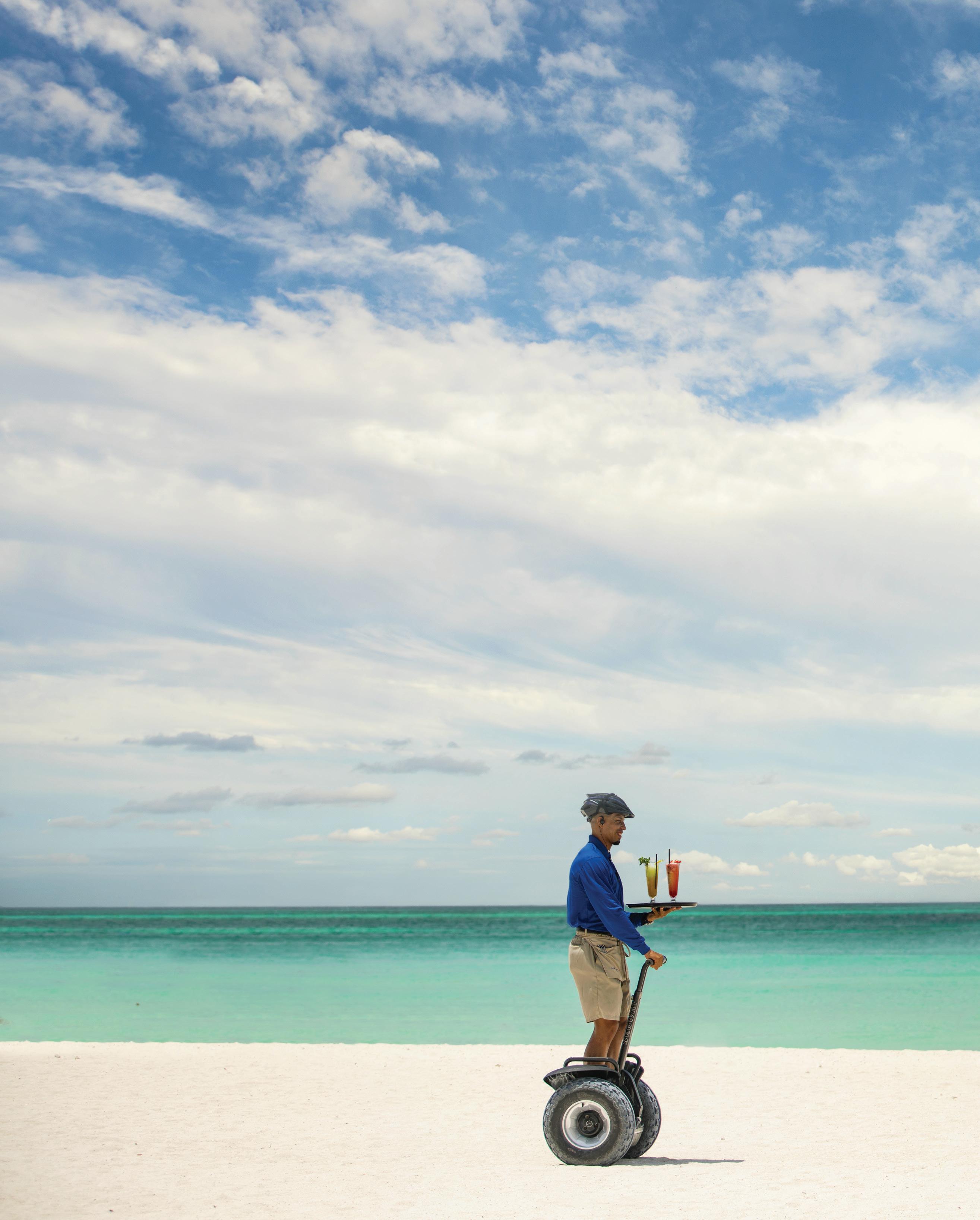
service is the kind that disappears into the experience rather than announcing itself, resulting in hours that pass unnoticed.
The tour was nearly over when Matthew leaned out the De Palm Tours van and called back to us: “Come again and bring your friends!” He said it the way someone does when they’ve made up their mind about a place — not an invitation so much as a statement of fact. He’d spent the day steering us across the island, pulling over at the northern shore so we could stand at the edge of the coral limestone terraces while the Atlantic threw itself against them. It was clear that Aruba was not a place Matthew had ended up. It was a place he’d chosen, deliberately, over everywhere else he’d been.
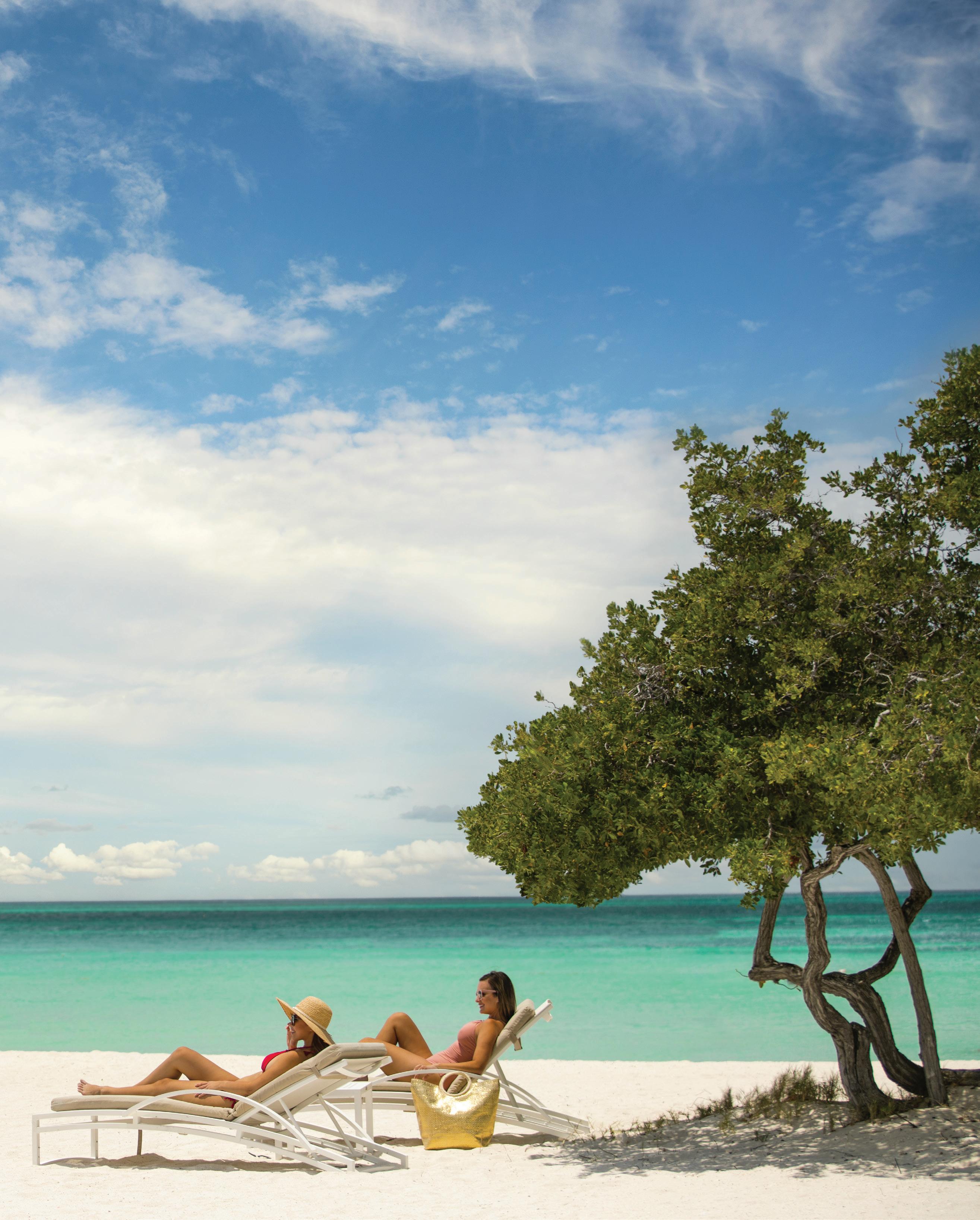
“We don’t worry about rain here,” Matthew told us. “Just the sun.” Aruba sits outside the hurricane belt, dry and tradewind-swept, hovering in the low 80s year-round. It’s technically a desert island, and that dryness reads in the landscape: the sparse divi-divi trees bent permanently by the wind, the northern and eastern edges giving way to deep blue swells crashing against wave-cut coral limestone terraces, small sandy coves wedged between jagged rock, a coastline that feels ancient and untamed. The western shore is something different altogether: a long run of calm, turquoise water and white sand where the color of the sea shifts all afternoon as the light moves over it. Both versions of the island are real. The tension between them is the point.
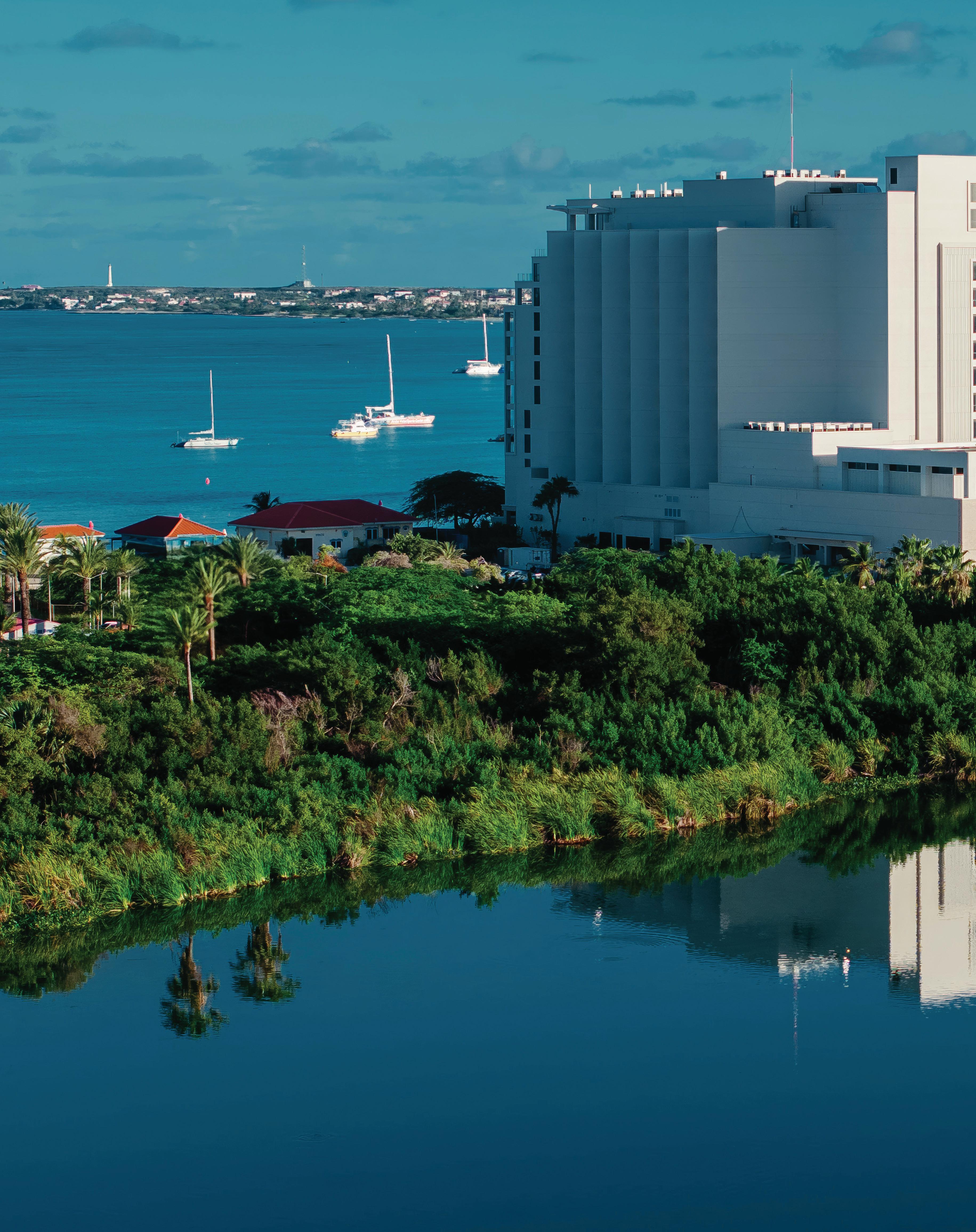
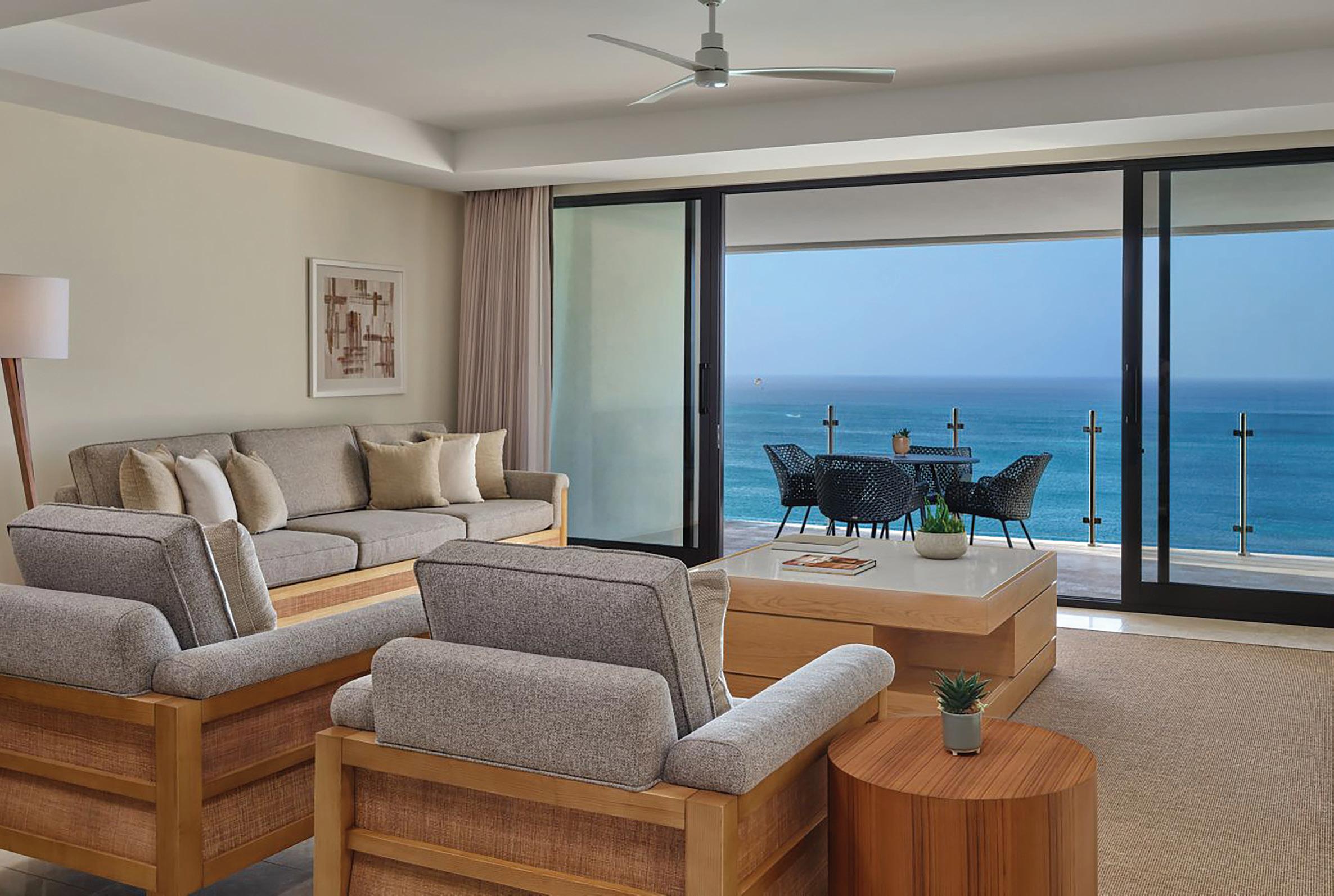
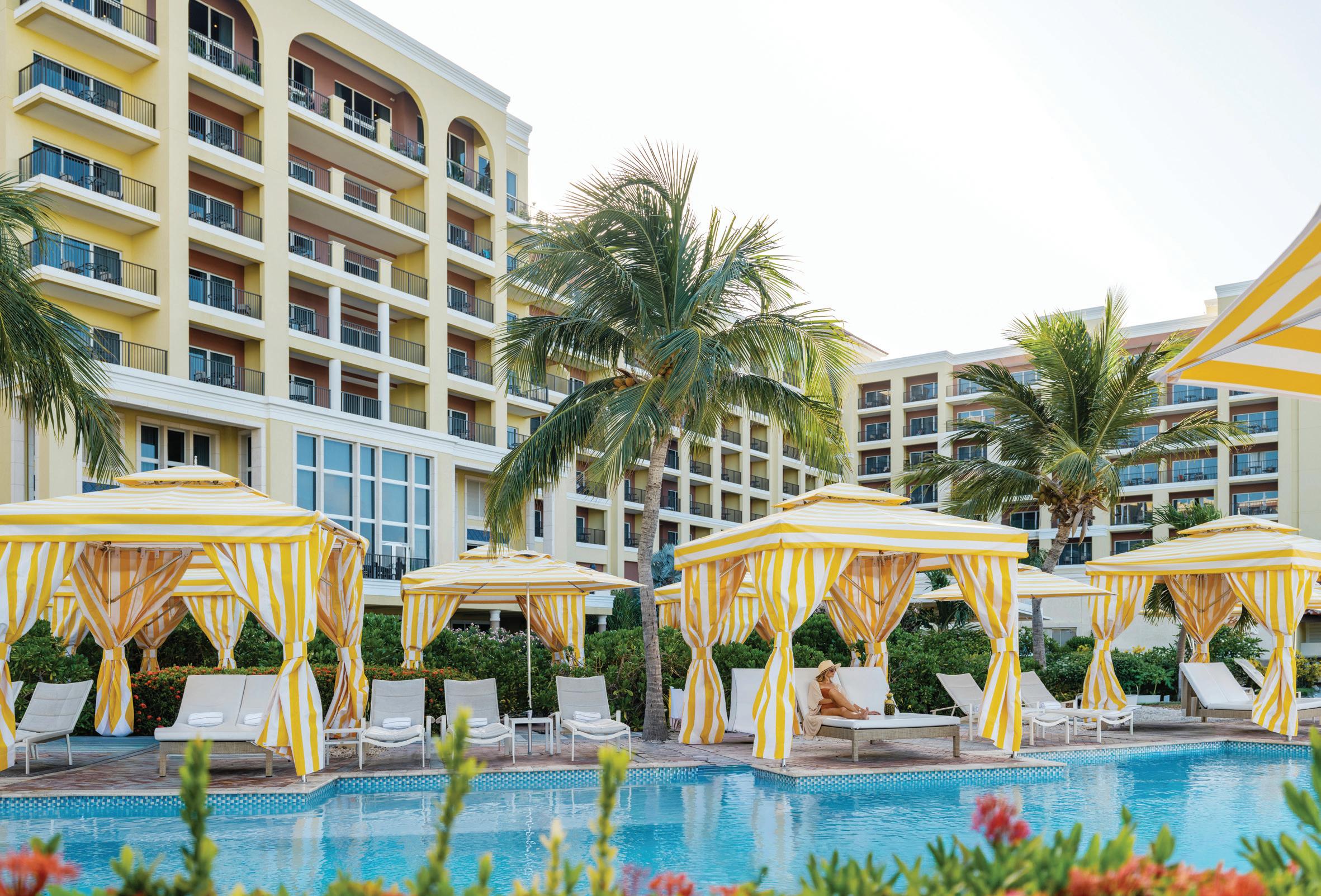
Our stay was divided between two Palm Beach properties: The St. Regis Aruba and The Ritz-Carlton, Aruba. The St. Regis, barely a year old, brings a fresh energy to the strip; everything from the furnishings to the service feels crisp and considered, with the polish of a property still reveling in its own newness. The property is designed with a seamless openness — clean lines, pale stone, and wide, shaded corridors that blur the line between indoors and out, so that the ocean is never entirely out of view. Mornings there began slowly. I ordered a fresh-squeezed orange juice on the first day without giving it much thought, and I ordered it every morning after that — vivid and cold, served in a heavy glass, inexplicably better than anything I’d had at home. Some pleasures are harder to explain than to repeat.
One afternoon, over tea in the resort’s open-air lounge, our waiter came to check on us and ended up staying to talk. He’d skied the Alps, he mentioned. Hiked in Patagonia. He had the easy manner of someone
who’d been a lot of places and formed clear opinions about them. And yet here he was — always coming back. “The warmth,” he said, and didn’t elaborate, as if the word contained everything. For someone whose other life was built around chasing seasons and weather, Aruba was the counterpoint: guaranteed blue sky, the same stunning water every morning, a constancy that turned out to be its own kind of luxury.
The stay would not have been complete without time at the spa. Inspired by the calm, mangrove-lined waters just beyond its doors, the treatments draw on one of Aruba’s most storied natural resources: locally harvested aloe, applied in slow, cooling rituals. The faint green scent of fresh aloe lingering in the air quiets the mind and leaves the skin impossibly smooth.
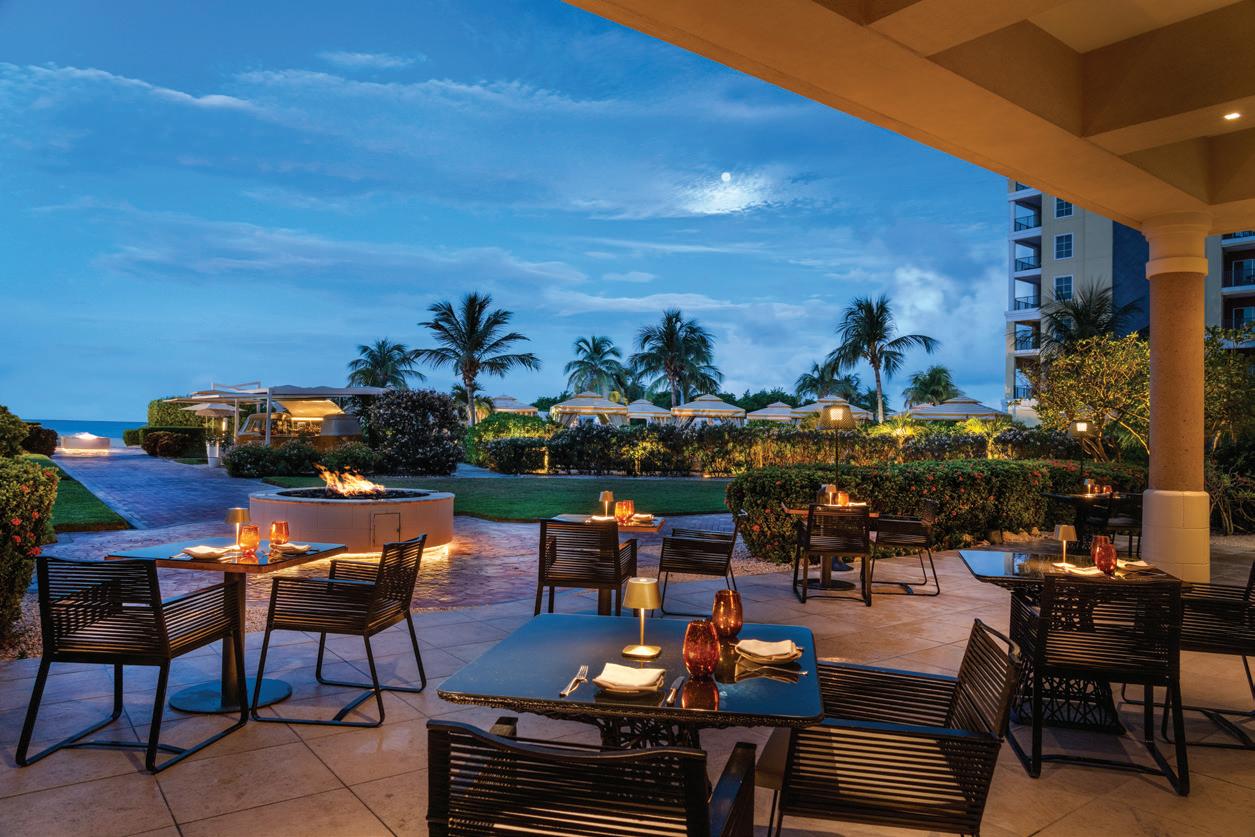
The Ritz-Carlton sits farther north along the beach, more established in its rhythms and its place on the island. The architecture leans classic and composed — arched walkways, dark wood accents, and a grand lobby that opens toward the sea — while the grounds feel settled and lush, with palms framing long, uninterrupted views of the shoreline. The beach cabanas here have a particular quality of stillness to them. Cool towels arrive before you realize you want them. Drinks are refreshed with a quiet nod. The service is the kind that disappears into the experience rather than announcing itself, resulting in hours that pass unnoticed. The water changes hues all afternoon as the light moves across it — turquoise giving way to something deeper, almost cobalt, by the time the sun drops.
Dining at the Ritz-Carlton was equally memorable. Casa Nonna New York delivered beautifully executed dishes, but the real revelation came at BLT Steak. Our server gently insisted we order dessert; she was persuasive and correct. The warm mini doughnuts arrived with vanilla ice cream and chocolate sauce — the kind of indulgence that reads as simple until you’re eating it and realize it’s exactly right. The carrot cake, dense and spiced under a cloud of cream cheese frosting, has a reputation on the island, and it earns it.
By the time I left, I was already doing the math on a return trip. I understood why people like Matthew — and our well-traveled waiter, and every local who’d smiled and said “welcome” like they meant it — keep choosing this place. Aruba doesn’t overwhelm you or demand much of you. It just keeps being itself, reliably, in the sun, until you can’t imagine why you’d choose anywhere else.
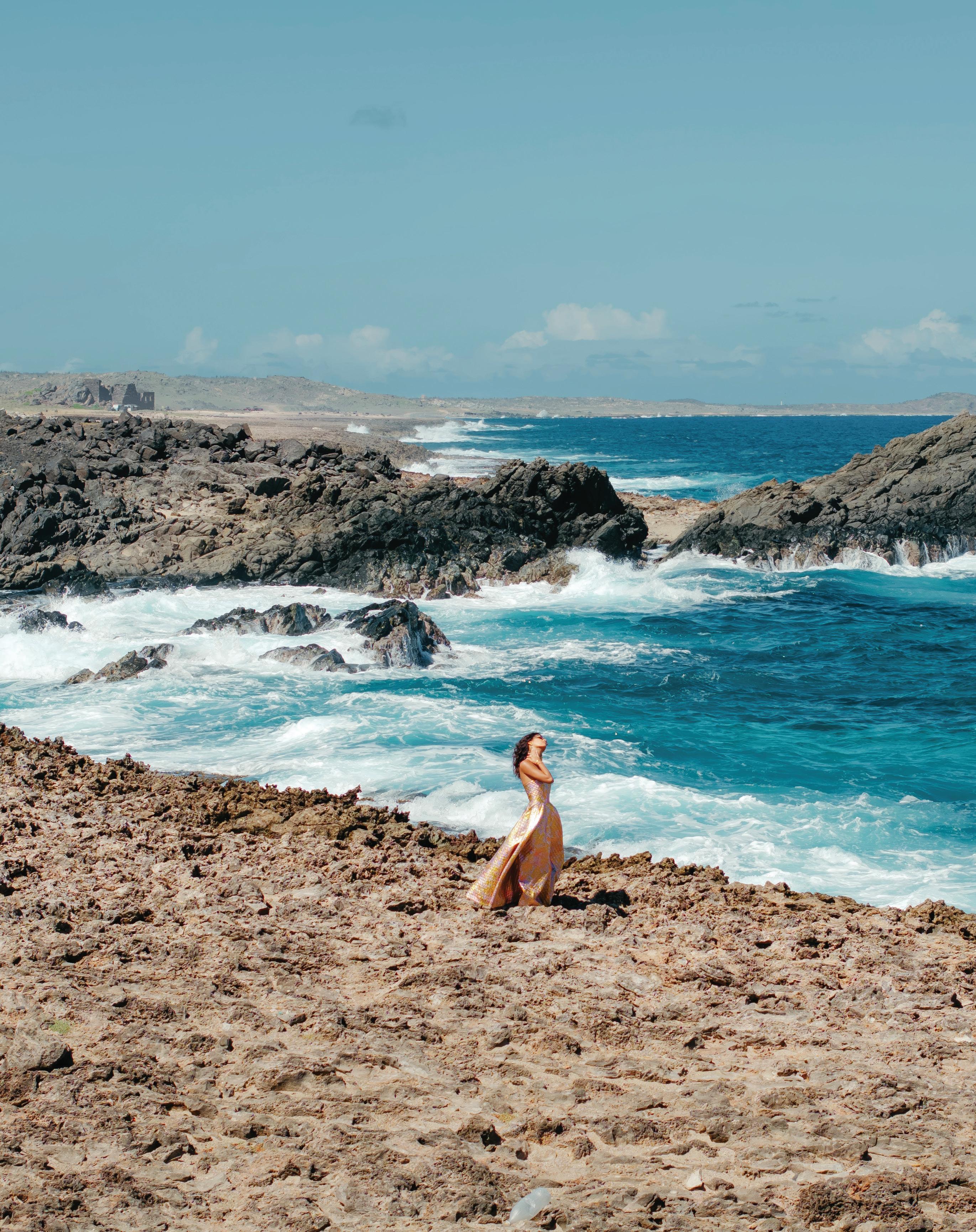
It’s technically a desert island, and that dryness reads in the landscape.

•
•
•
•
•
•
•
•
•
•



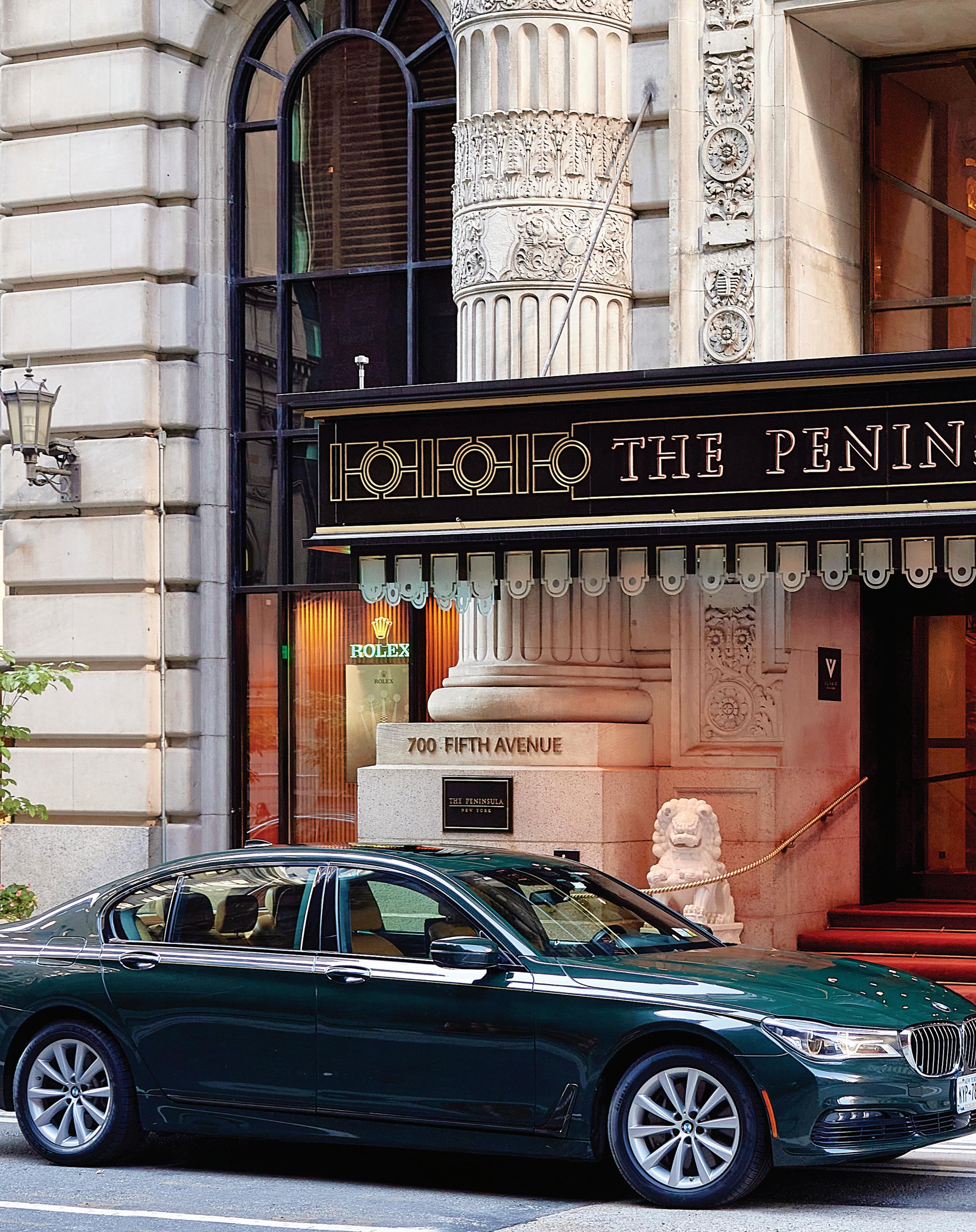
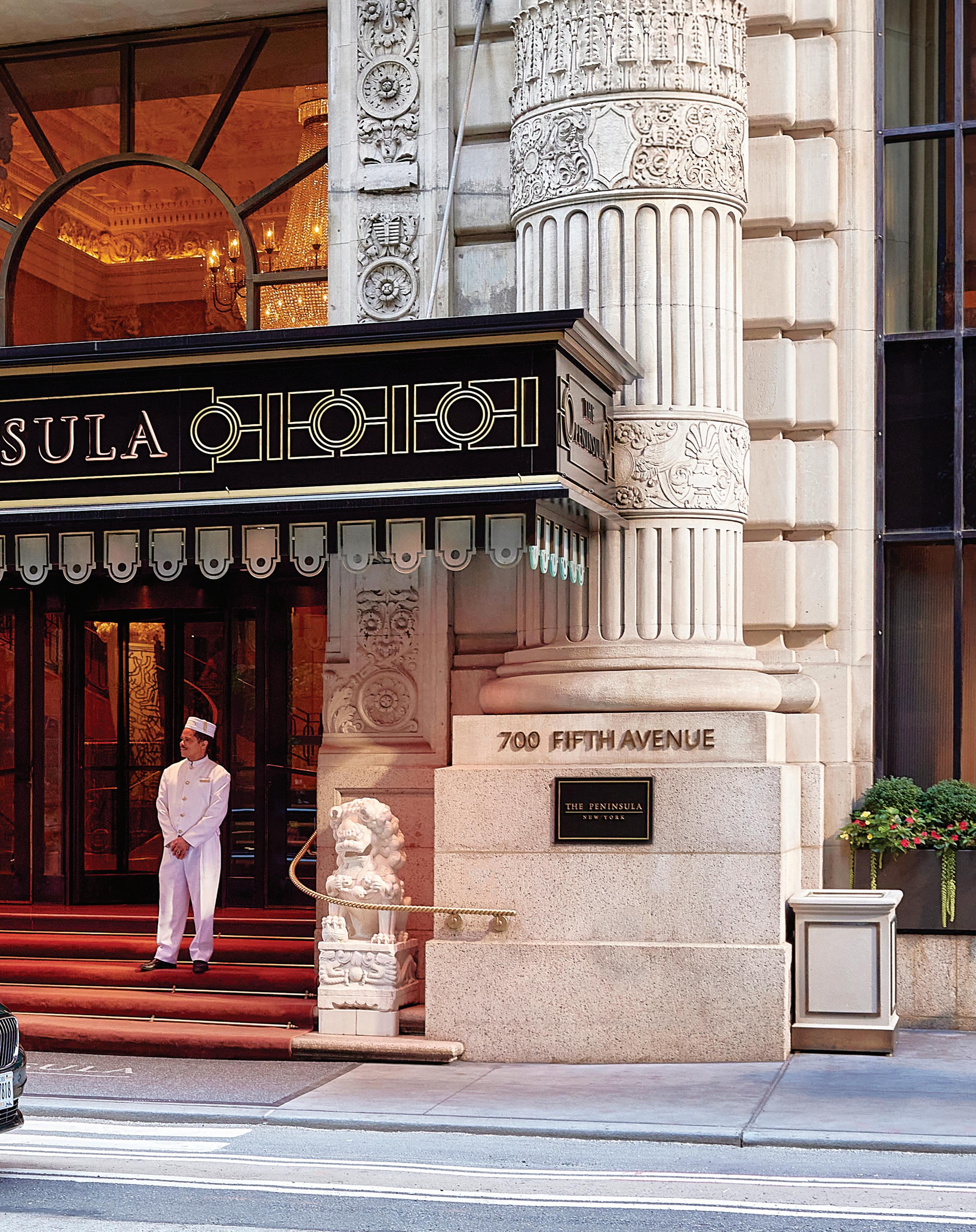
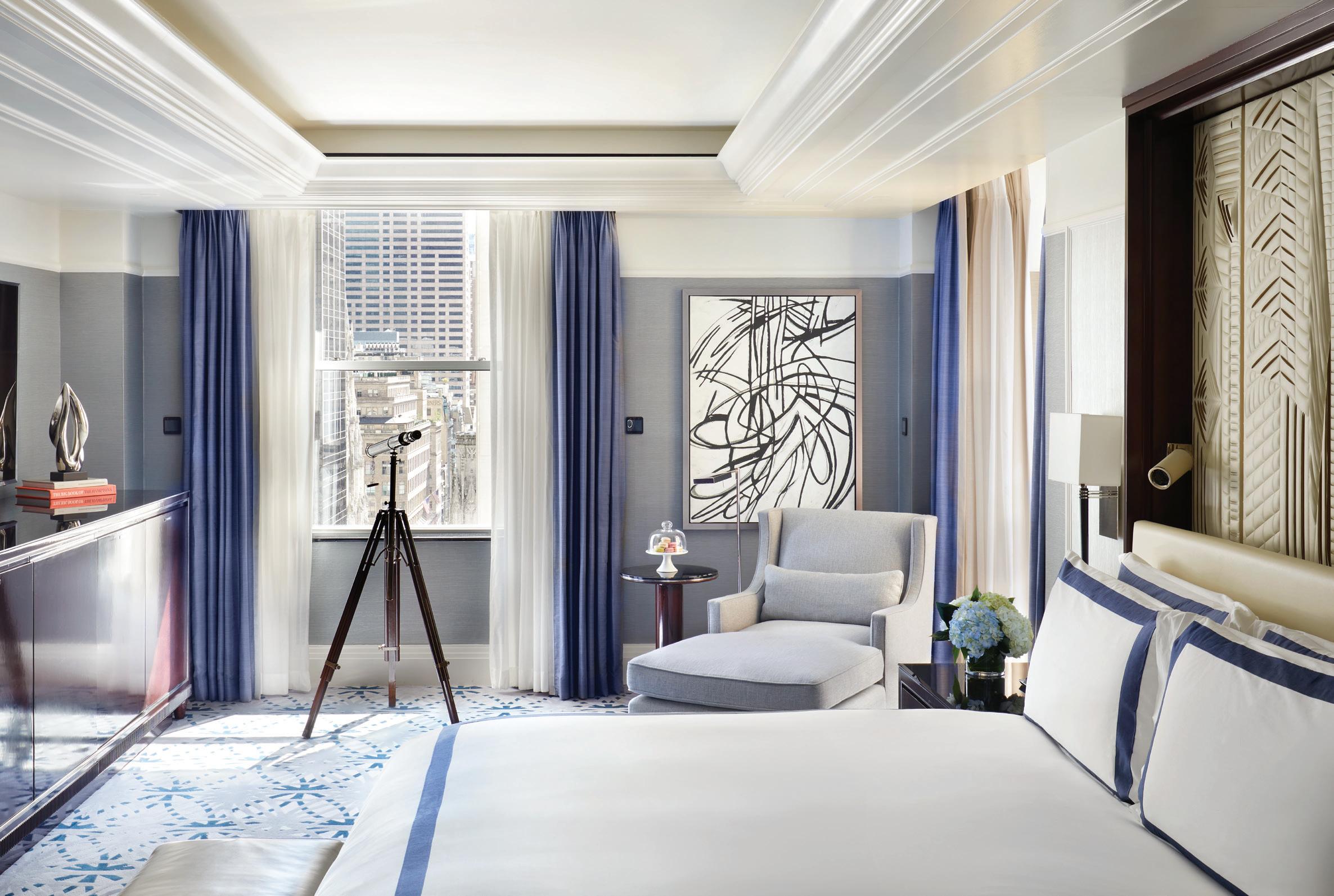
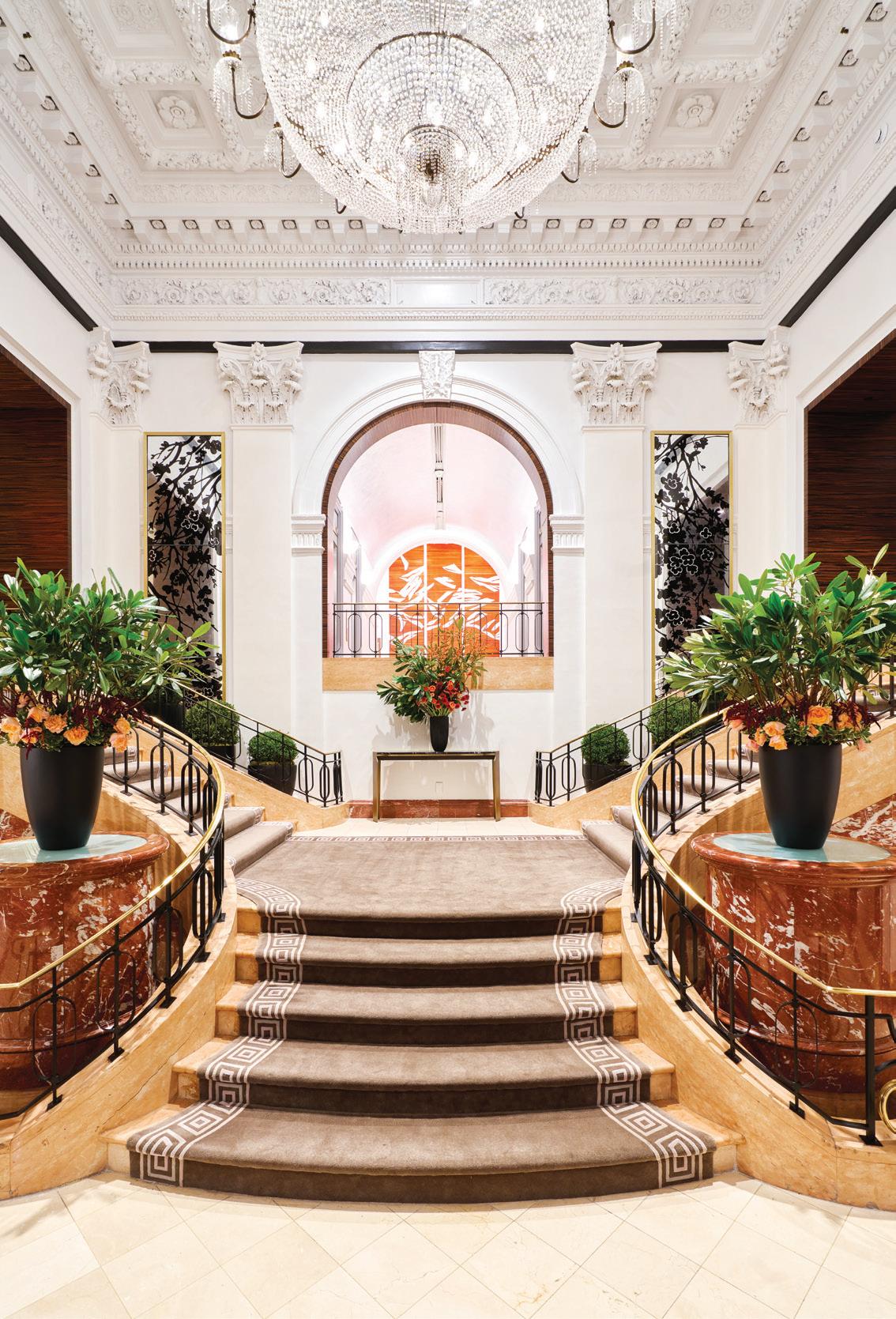
Pushing through the brass doors off Fifth Avenue and Midtown’s neon and taxi hum, the lobby immediately catches you: gleaming marble, chandeliers, and the sweeping staircase all blend Roaring ‘20s notes with this classic Beaux-Arts landmark. The Peninsula New York is fresh off a top-to-bottom refurbishment, with the reception and concierge area feeling like a members-only living room while the newly remodeled rooms and suites are styled like quietly glamorous Manhattan apartments: light, layered tones, custom furnishings, and thoughtfully curated art and books.
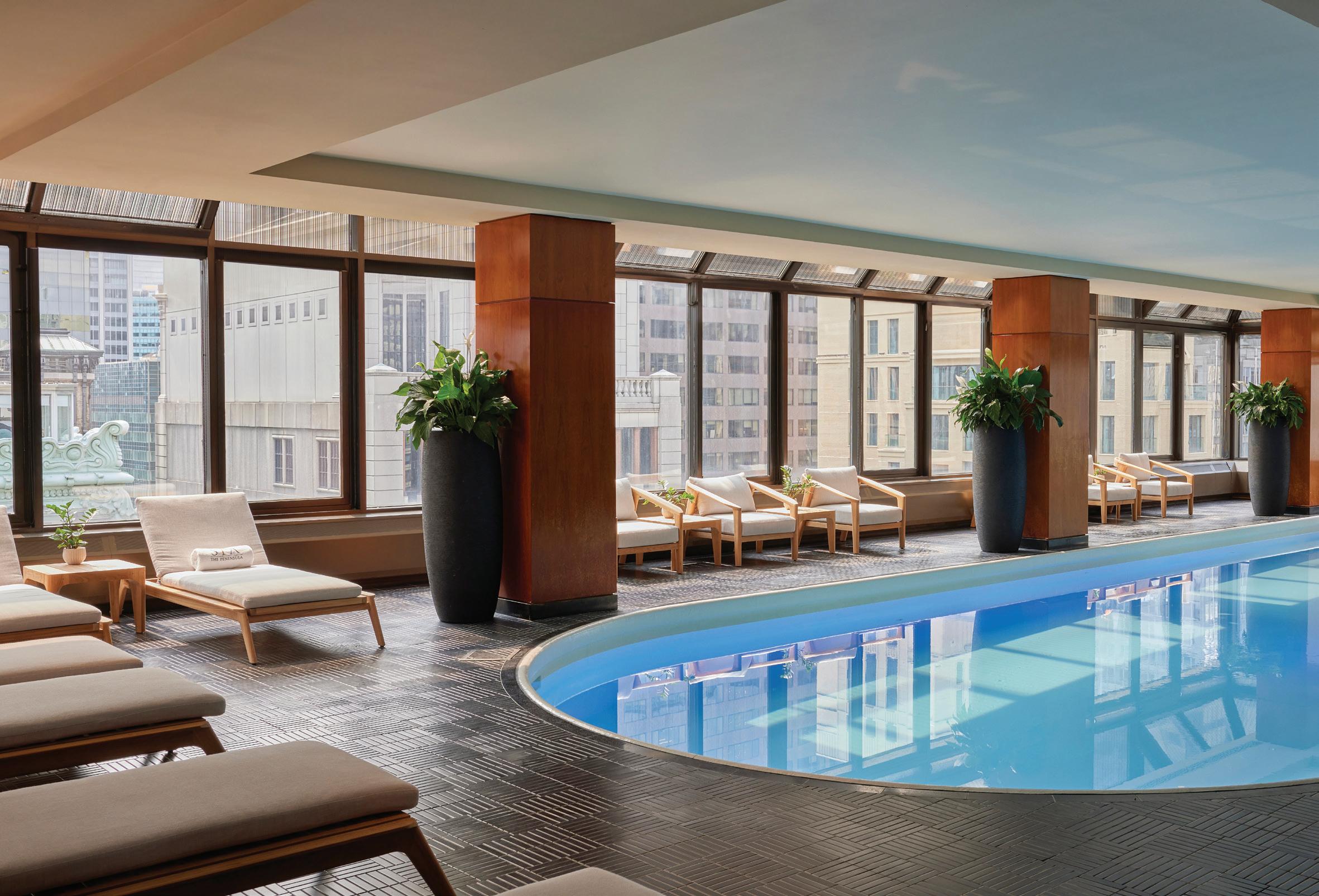
If you’ve just landed, skip the minibar and go straight to the spa. High above Midtown, the sanctuary layers saunas, steam rooms, and a glass-enclosed pool with serious skyline drama; half an hour in the relaxation lounge and you’re officially on New York time.
Once you’re human again, let The Peninsula Academy guide your first taste of the city with its “Iconic New York Bites” experience — a curated Midtown food walk arranged by the hotel. Begin near Rockefeller Center at Black Seed Bagels to sample the wood-fired, Montreal-meets-New York bagels with enough chew and char to stand up to smoked salmon and tangy schmear. Then duck into John’s of Times Square, the coal-oven classic: no slices, just whole pies under stained glass in a former church. Finally, head over to Bryant Park where Angelina Paris offers a Parisian pause with ultra-thick hot chocolate poured tableside.
Mid-afternoon into sunset is rooftop time. The crown jewel of The Peninsula’s refurbishment is Pen Top, a reimagined rooftop lounge with an artist-loft feel, lush greenery, and operable louvered roofing for yearround indoor-outdoor service. Elevated martinis, New York-leaning cocktails, and a strong bottle list meet Fifth Avenue views that turn cinematic at the golden hour. One quick drink has a way of becoming a full evening.
Back downstairs, visit the refreshed Gotham Lounge, now returned as an intimate piano bar with live music several nights a week. Or try Clement, the hotel’s signature restaurant, which leans into seasonal American cooking and a Fifth Avenue weekend brunch that locals actually book, pairing comfort plates with just enough polish. Finally, make your way to The Polo Bar on East 55th — a place that still feels like a members’ club for people who know their cocktail order by heart — equestrian art, dark wood, and a burger that lives up to its legend.
After one more swim, give your final evening to the classic New York bars that built this neighborhood’s mythology. Bemelmans, at The Carlyle on 76th, is the room to beat: Madeline murals, live jazz, and martinis under a soft amber glow. Closer to home, King Cole Bar at The St. Regis keeps the stories — and the Bloody Marys — flowing beneath Maxfield Parrish’s “Old King Cole” mural.
When you’re ready to trade polish for patina, P.J. Clarke’s on Third and 55th has been here since the 1880s. Red brick, wood-and-tile glory, cheeseburgers, cold beer. That’s the real Midtown magic trick: in 72 hours, you can start with Pen Top above Fifth Avenue, end with a burger at a worn-in corner saloon, and sleep in a hotel that has just quietly reintroduced itself to the city.
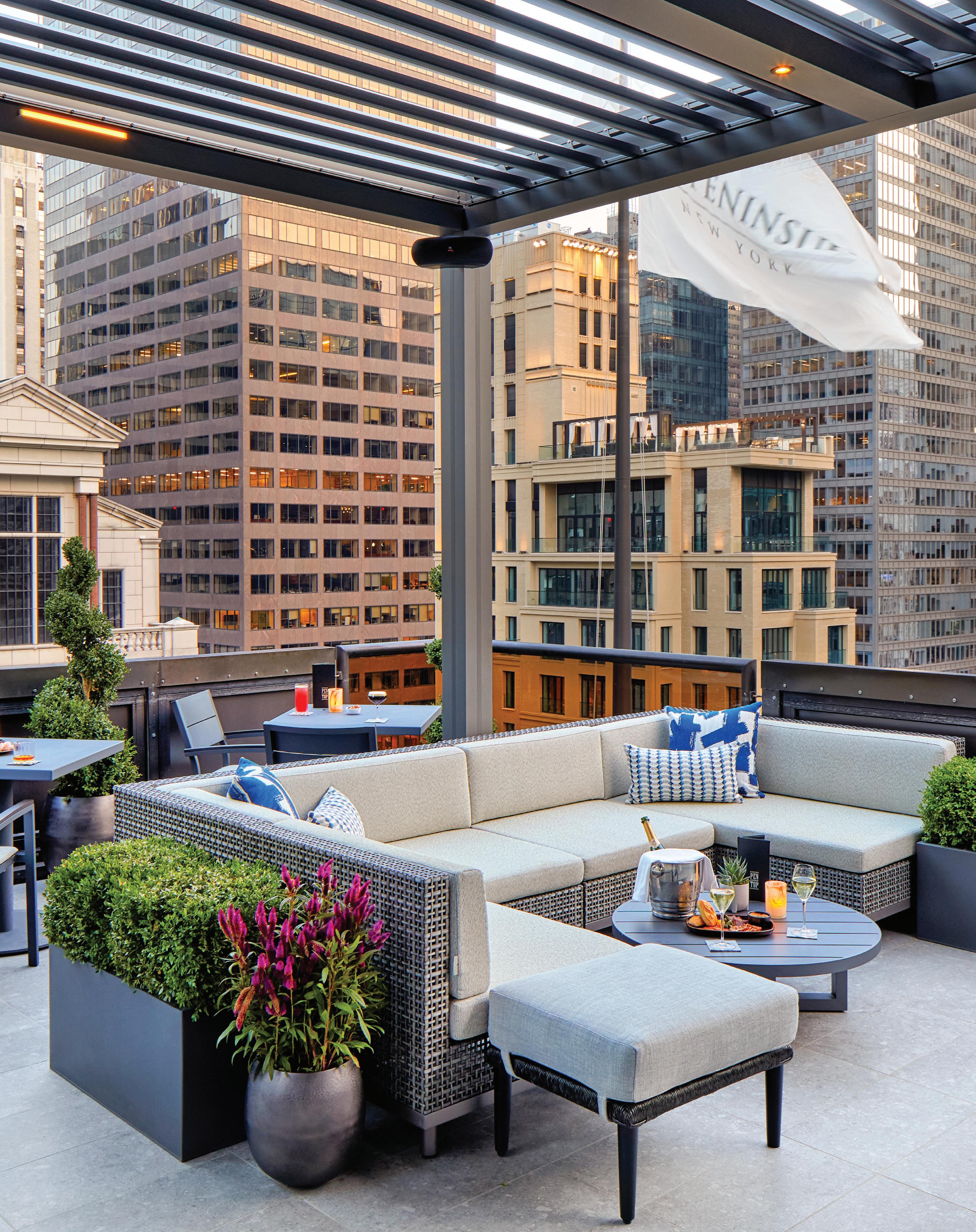
The crown jewel of Peninsula’sTherefurbishment is Pen Top

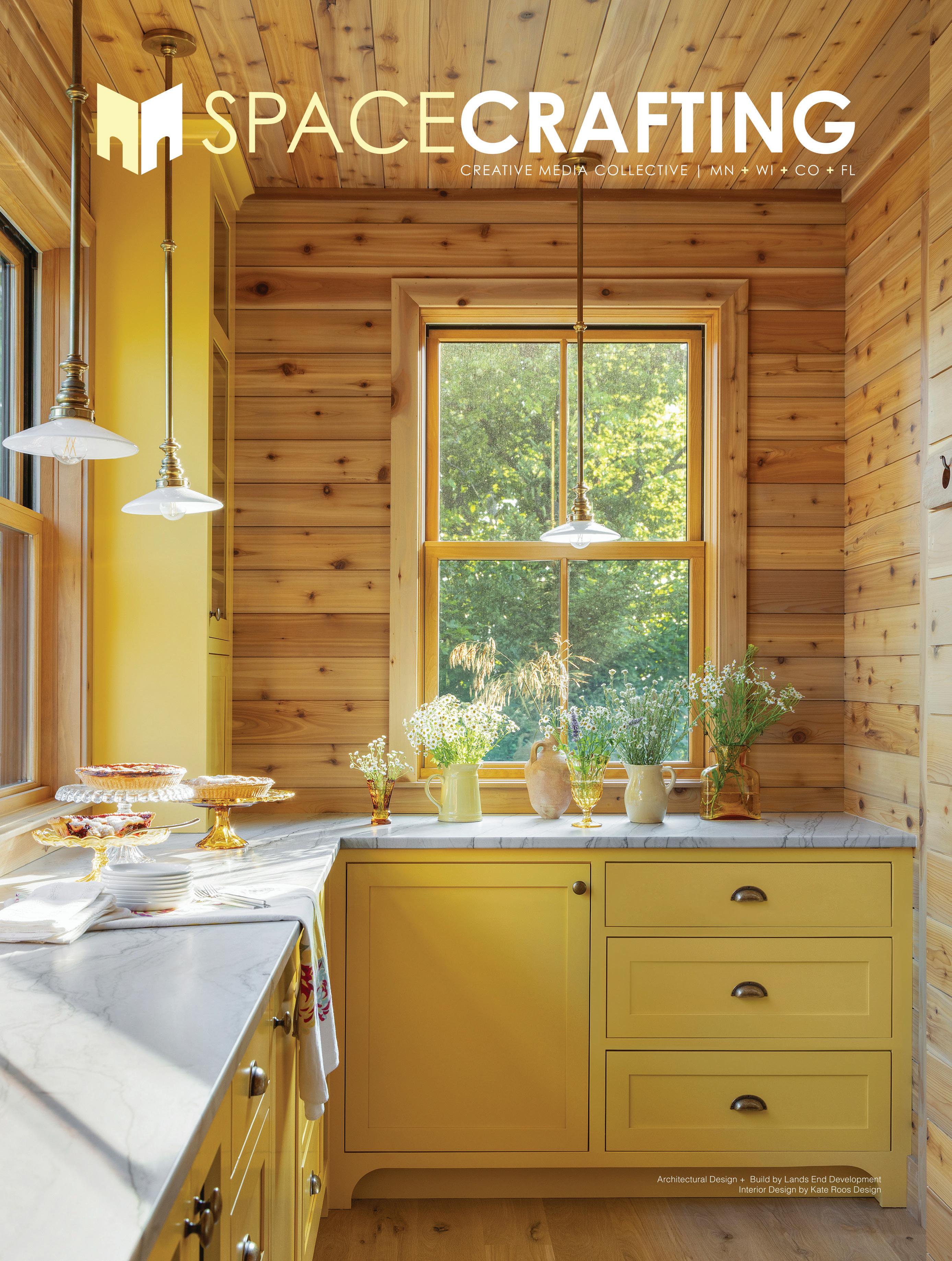
Showcasing creativity, history, and traditions that define the North

Hole in the Day and the fight for the North WRITTEN BY ANTON TREUER


It was a six-shot Colt .44, presented as an official gift to the chief ... one of the first weapons of its kind in Minnesota.
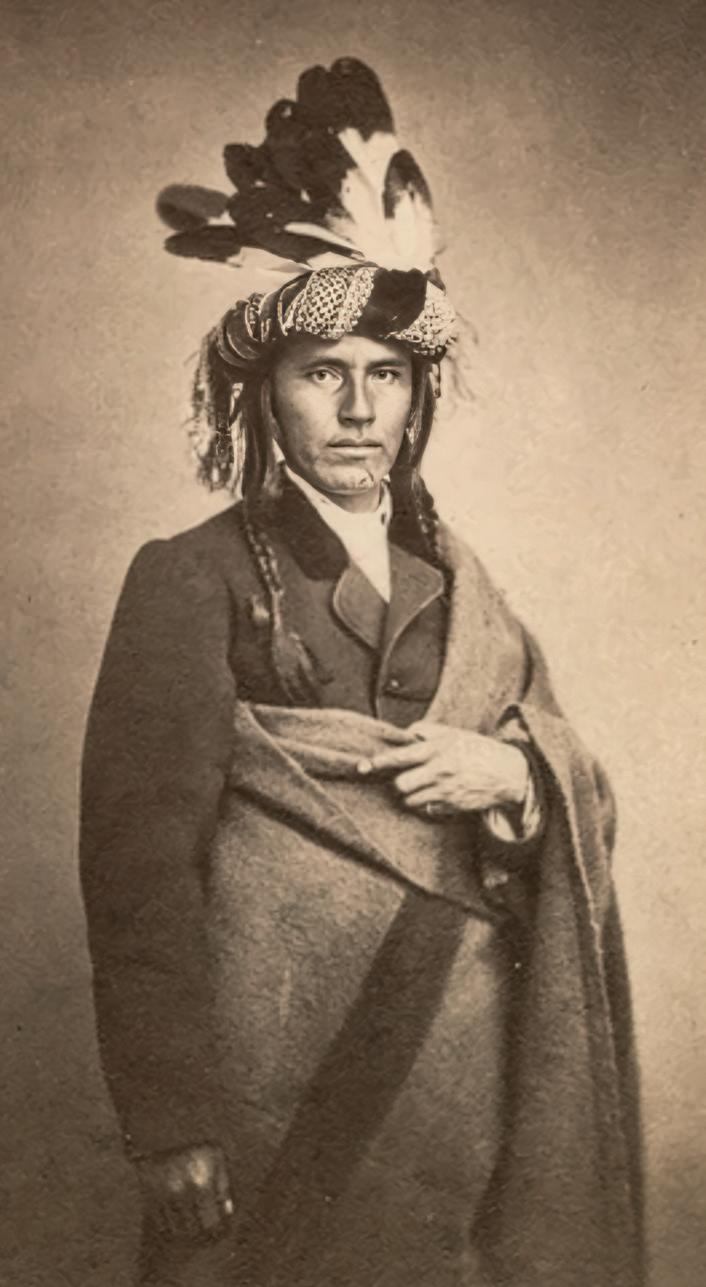
Ojibwe (Chippewa) chief Hole in the Day held his revolver tight as he closed on the Dakota warriors, firing in rapid succession to the astonishment of his enemies. It was 1860, and the revolver itself was a modern marvel at the time. It was a six-shot Colt .44, presented as an official gift to the chief when he visited President Franklin Pierce in Washington, D.C. in 1855. The gun was one of the first weapons of its kind in Minnesota. Even the U.S. Civil War (1861-65) was primarily fought with single-shot muskets. The Dakota were wondering how he could shoot so fast, but they didn’t wonder for long.
Within a few short minutes, Hole in the Day killed five Dakota warriors, and a sixth was killed by one of his companions. Although historical records do not document who that was, it was most likely his first cousin and bodyguard, an Ojibwe man who went by the name of the tribe — Ojibwe. The times were changing in Minnesota, and everyone knew it.
In the late 18th century, all of Minnesota was exclusively tribal domain — Ojibwe in the north and Dakota in the south — but there were no land cessions and no doubts about who owned the lakes and prairies. In 1805, the first official U.S. delegate arrived — Zebulon Montgomery Pike. Within 40 years, a process was underway that would make Minnesota an official territory. By 1858, it was a state.
For Native Americans, the prospect of defending their land, languages, and livelihoods in the face of American colonization was an impossible task. The U.S. negotiated over 400 treaties with Native American nations. And the U.S. government broke every single one.
Hole in the Day saw it coming. He was not naïve about the power of the United States or its ambitions. He had negotiated for the best interests of his people at treaty councils in Washington since 1847. He knew that standing on principle, fighting for justice, and being kind and accommodating would fail. Hole in the Day embarked on a different path, and the results were mixed: he helped the Ojibwe keep land on all
of the 10 largest lakes in Minnesota and position his people to be one of the few tribes in the United States that even today has a living language with a decent chance of being here 100 years from now.
Charismatic, brash, and sometimes self-serving, Hole in the Day used firm diplomacy, the threat of force, willingness to adapt, and a sophisticated understanding of Ojibwe, intertribal, and U.S. politics to orchestrate results. While not afraid to make enemies, he also understood that he needed friends — both inside and outside of Ojibwe communities. His intentional cultivation of alliances served the Ojibwe well throughout this difficult period.
Hole in the Day was an enigma. He assumed his father’s name upon his death — Bagone-giizhig the Younger — which was not a common practice among the Ojibwe. The name itself carried weight from his father’s long service as a chief and warrior, but the story behind it remains a mystery. Most Ojibwe names are cryptic descriptions of a larger dream or vision, and those details were lost to history. When Hole in the Day came into power, he inherited over 200 years of Ojibwe interactions with Europeans. The French and British fought one another, and both sought alliances with Natives. The French made it official policy to send only men into the Western Great Lakes, telling them to cement trade and military alliances with Natives through marriage. Their descendants ran the fur trade, and were Christian, spoke English, French, and Ojibwe, and fit in a European system more than in a Native one. American representatives and interpreters at Ojibwe treaty signings were mixed-blood traders like Clement Beaulieu.
Many Ojibwe had mixed feelings about people like Clement Beaulieu. He wore a suit, lived in a modern house, and made money from the exploitation of Native people in trade and treaties. He wasn’t on their side.
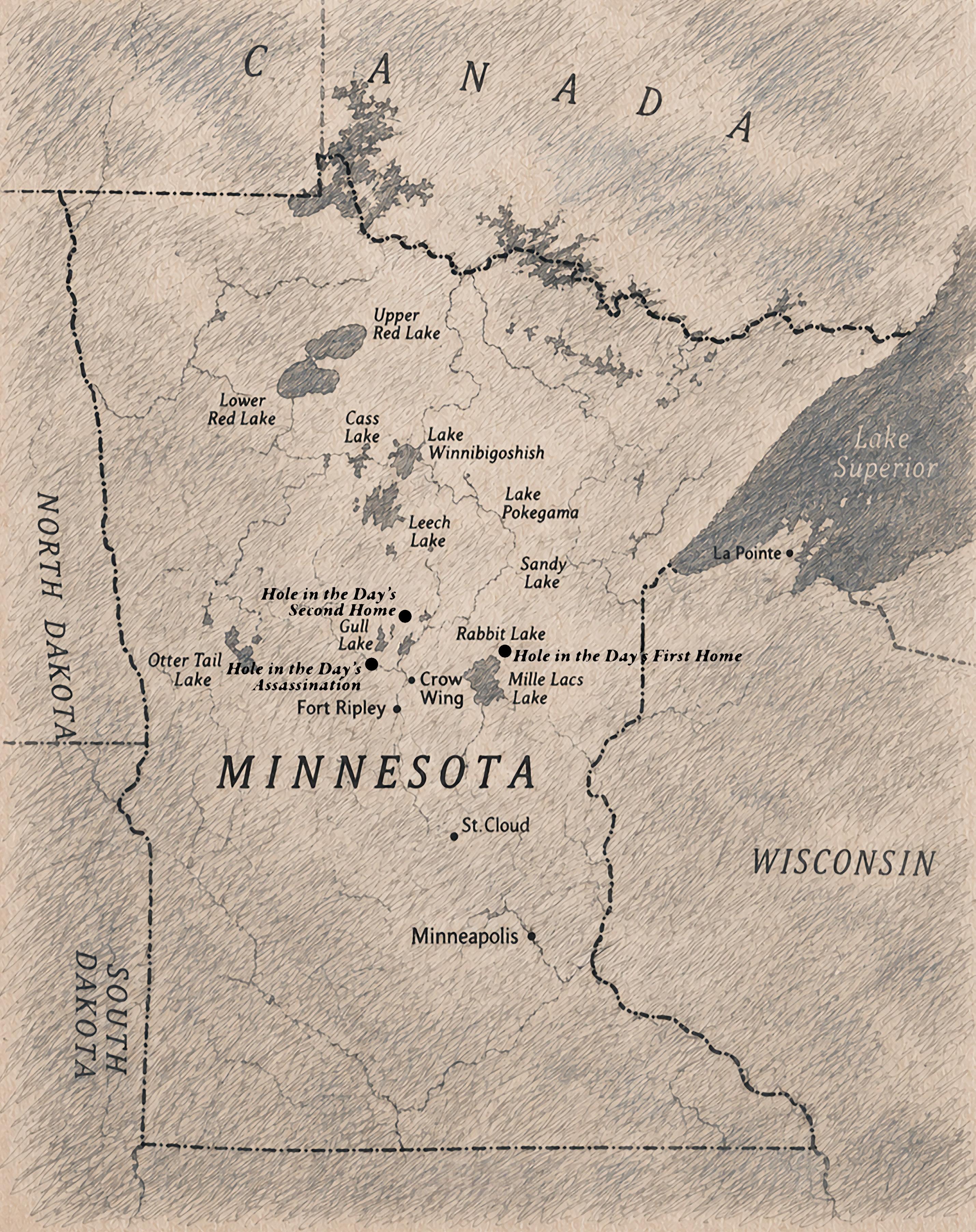
Hole in the Day made friends with Beaulieu. The chief lived at the village at Gull Lake, north of present-day Brainerd, Minnesota. While still asserting his role as village chief at Gull Lake, Hole in the Day built a two-story house right next to Clement Beaulieu near the since-aban-

doned village of Crow Wing. While there were tales about Hole in the Day being a man of great means, there is no doubt that he was a man of tremendous influence. Crow Wing was half populated with whites and Natives and he claimed to be chief of that village too; it was not uncommon for white residents to acknowledge him as their chief.
Hole in the Day and Beaulieu looked out for one another in political and economic matters. The chief helped Beaulieu win over other Ojibwe chiefs in trade deals and treaty signings, sometimes earning criticism as a sellout. Beaulieu, in return, advocated for the chief’s agenda in those same dealings. Hole in the Day’s influence at the treaties in 1847, 1854, 1855, 1863, 1864, and 1867 was profound.
When the Zachary Taylor administration tried to concentrate the Ojibwe from Michigan and Wisconsin at Sandy Lake, Minnesota (near present-day McGregor) in 1850, Hole in the Day called in favors with mixed-blood traders and U.S. government representatives like William Warren. The chief was scathing in his rebuke of the government, and his influence outside of his community amplified his words and impact on U.S. policy. The resulting 1854 and 1855 treaties included firm language establishing Ojibwe reservations as permanent — land they could never again be asked to leave. It’s part of what helped the Ojibwe keep land on all of the 10 largest lakes in the state. In one of his many surviving letters, he presciently said, “Though it may cost me my liberty, it is my duty, and I will continue to speak and act also, till the wrongs of my people shall be righted.”
While Hole in the Day effectively used alliances and diplomacy, he also worked to intimidate opponents of every kind. Once he received his Colt .44 from President Pierce, he kept it visibly displayed at every treaty negotiation and intertribal council. He used it too, and not just against the Dakota. He shot and killed a trader in a bar room brawl in Crow Wing. Later he offered to submit to U.S. authority, but the Indian agent told the chief to go home to his family, likely needing the chief to advocate for trade and treaties.
By the 1860s, the accumulating impacts of American expansion and Minnesota statehood were felt across Minnesota’s Native communities. White settlers were flooding in, especially in Southern Minnesota. Hole
in the Day and other Ojibwe and Dakota leaders knew they had bigger problems than one another. A lasting peace was eventually made with the Dakota presenting a ceremonial peace drum to the Ojibwe. It’s still one of the primary ceremonies across Minnesota’s Ojibwe communities today.
As American power in Minnesota grew, so too did its racial caste system. The mixed-blood traders who’d been Hole in the Day’s allies were losing ground to the white men moving in, as was Hole in the Day’s ability to rely on their support. Increasingly, the new Indian agents were taking advantage of the Natives.
The Dakota were so severely treated by the U.S. government and traders that many were reduced to starvation. The U.S.-Dakota War erupted in 1862, resulting in the deaths of 400-800 white civilians and thousands of Dakota. Minnesota eventually passed an edict for expulsion of the entire Dakota population from the state.
In the middle of the U.S.-Dakota War, Hole in the Day was on the move. He arranged peace meetings with the Dakota and threatened to join them in war against the United States. Ojibwe people began taking white prisoners in Walker, Minnesota. The Indian agencies there and at Ottertail saw confrontations between Ojibwe warriors and government officials. Hole in the Day rallied his warriors, and more marched from Leech Lake towards Fort Ripley.
William Dole, Commissioner of Indian Affairs, was in Minnesota and summoned to a peace conference at Crow Wing. He asked Hole in the Day to come alone, secretly planning to capture or even kill him. Dole arrived with 100 U.S. soldiers and 25 vigilantes. Captain Hall demanded that Hole in the Day surrender. But Hole in the Day was no fool. He showed up with 100 Ojibwe warriors. He asked Dole, “Are you the smartest man that our Great Father could send in a trying time like this? Because, if you are the smartest man our Great Father has got, then I pity our Great Father.” The chief motioned with his hand and another 100 Ojibwe warriors appeared behind the U.S. troops, outnumbering them two-to-one and surrounding them. The chief demanded that the Indian agents be fired for fraud, the size of the reservation at Leech Lake expanded, and a thorough investigation of the abuse at Indian agencies
Scan to watch a powerful video with historian Anton Treuer.
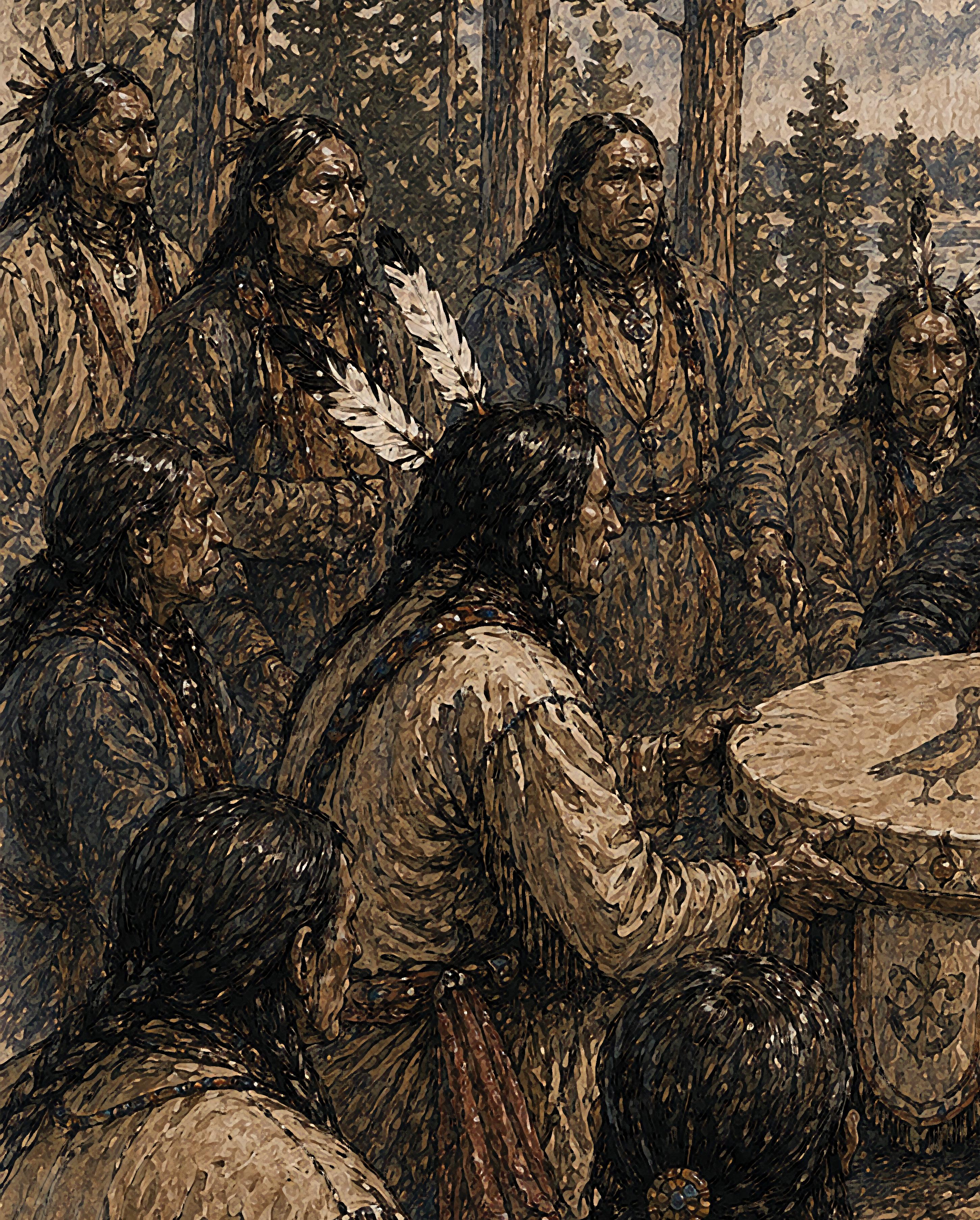
A lasting peace was eventually made with the Dakota presenting a ceremonial peace drum to the Ojibwe.


followed. In the end, he got exactly what he demanded. Rarely in history were treaty terms dictated by a tribal leader, but they were dictated by Hole in the Day in 1864.
In 1867, Hole in the Day traveled to Washington again. U.S. demand for Native land was insatiable, and even Hole in the Day could not keep them at bay forever. He was the primary signatory for the White Earth treaty and returned home telling the people they would not win if they fought and they would not thrive if they capitulated. But if they adapted and held the Americans to their word, there was a way forward.
Hole in the Day also returned home with a new wife — a white woman he met while in Washington, D.C. She joined his numerous Native wives and stayed throughout the chief’s life. Her son by Hole in the Day eventually sought employment with the U.S. government as an adult. Hole in the Day was full of surprises.
By 1868, Hole in the Day had many friends and loyal supporters. He also had numerous enemies. Missionaries saw him as a barrier to their efforts to control, civilize, and convert the Natives. The mixed-blood traders feared his political power and effect in standing up to the Indian agents might further disempower them. Some of his own people hated him too — for at times working with the government, the Indian agents, and the mixed-blood trading cohort. The question wasn’t really who had motive to kill him, but who didn’t.
On June 27, 1868, Hole in the Day left on his seventh trip to Washington, D.C. to re-negotiate the White Earth treaty, saying that he would seek an expansion of tribal territory at White Earth or a new reservation at Crow Wing. He was accosted by a dozen men from Leech Lake and reached for his Colt .44, but it was missing from his waistcoat. He had enough time to say, “You’ve caught me in a bad moment, for I am unarmed.” He was shot, then stabbed, and died almost instantly. His cousin and bodyguard, Ojibwe, was with him and unmolested. It raised
questions: Was the chief betrayed? Did Ojibwe take his gun? Why didn’t Ojibwe fire a shot in the chief’s defense? Ojibwe lived to be an elder, moved to White Earth, and became a primary informant for Frances Densmore in her ethnography on Ojibwe music and culture in the 1910s and 1920s. He never spoke of the assassination of Hole in the Day.
There were investigations and efforts to suppress the findings. Trader Augustus Aspinwall said, “It was much easier for the agents … after Hole-in-the-Day’s death, as he was the smartest Indian chief the Chippewa Indians ever had.” The truth eventually came out, but too late to orchestrate any meaningful justice: the white Indian agent, Charles Ruffee, hired the assassins with the knowledge and support of trader Clement Beaulieu and other power brokers from Crow Wing. They ended up assuming positions as Indian agent, allotment officer, chief of police, and other powerful roles at White Earth. In many ways, the assassination was a coup.
Hole in the Day’s father was buried at the top of the bluff at the present-day intersection of Highways 371 and 10 in central Minnesota, but the gravesite was desecrated by Dakota soon after. The family sought to spare Hole in the Day the Younger the same fate, and circumstances of his funeral and interment are obscured in mystery. It is possible that a service in the Ojibwe custom was performed, but grave robbers found his site of interment empty, so we will never know for sure.
The people at White Earth suffered after the chief’s death through allotment, residential boarding schools, and relocation. But despite all the injuries and injustices past and present, the Ojibwe fared better than many others in keeping their land, language, and culture. Hole in the Day’s direct descendants are still here today — including leaders in tribal government, business, education, and language revitalization. The North he fought for still bears his name — on the lake, on the road, and on the land he refused to give away.



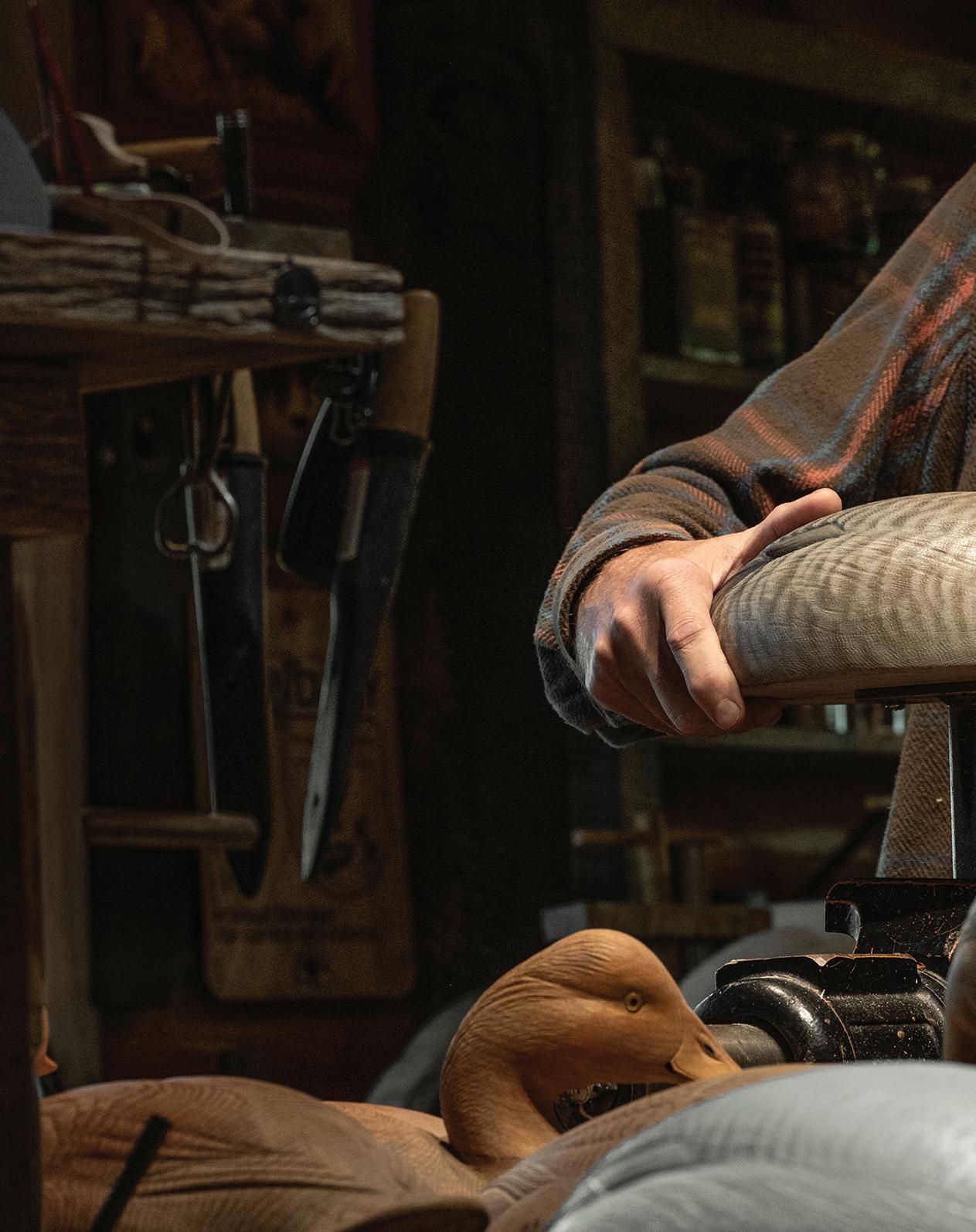
In his Hayward studio, Marty Hanson carries on one of America’s oldest art forms
WRITTEN BY FRANK BURES | PHOTOGRAPHY BY LEE THOMAS KJOS
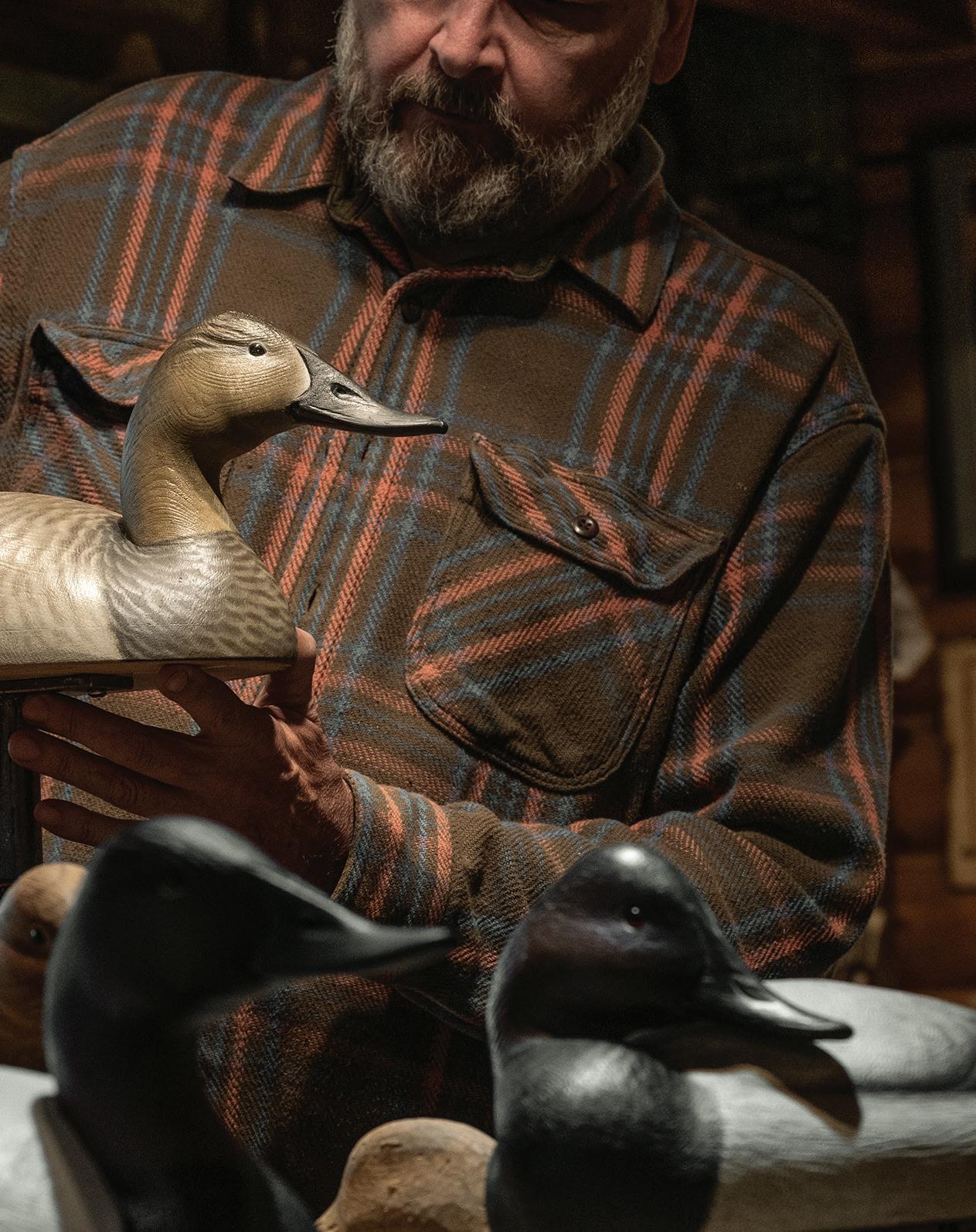
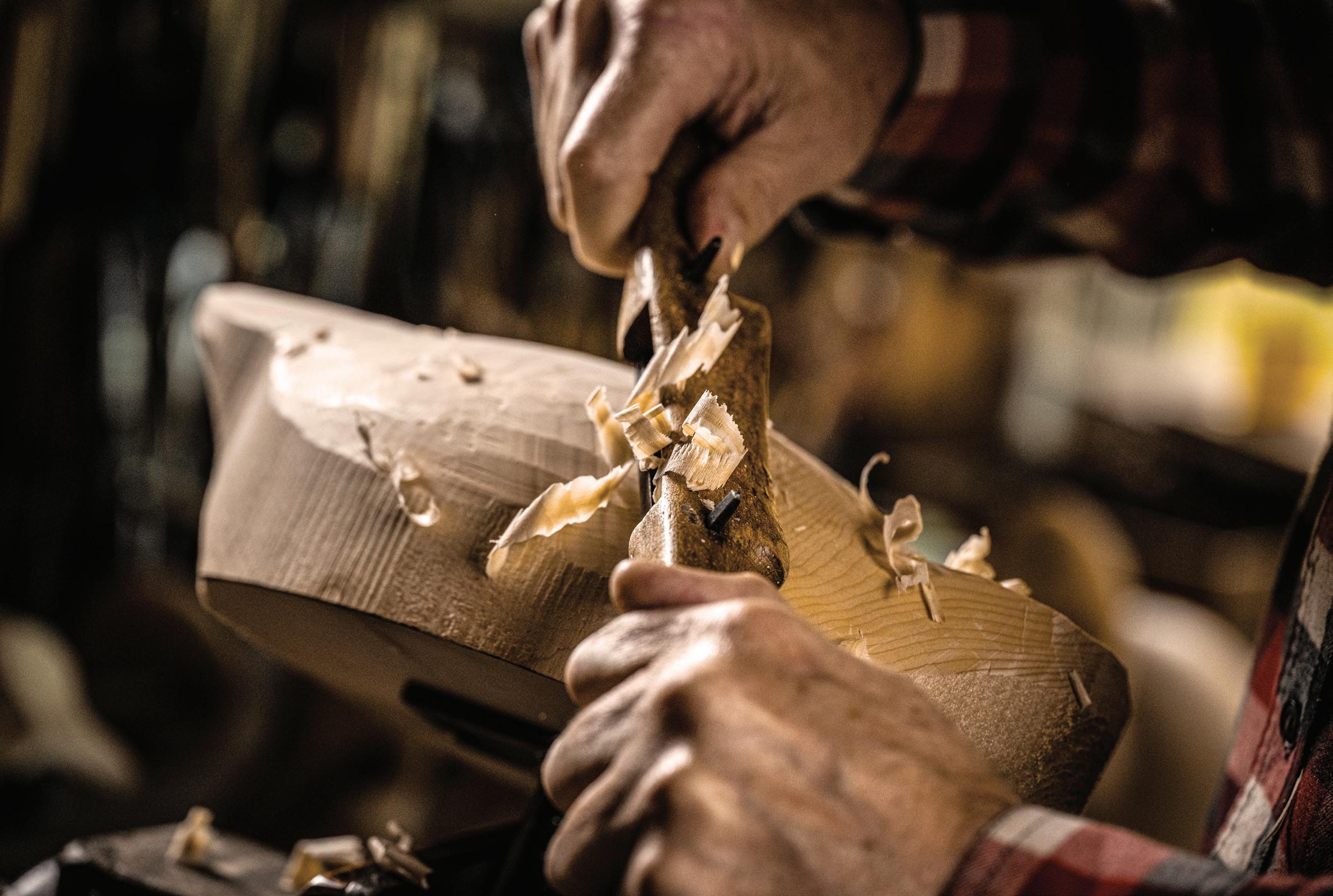
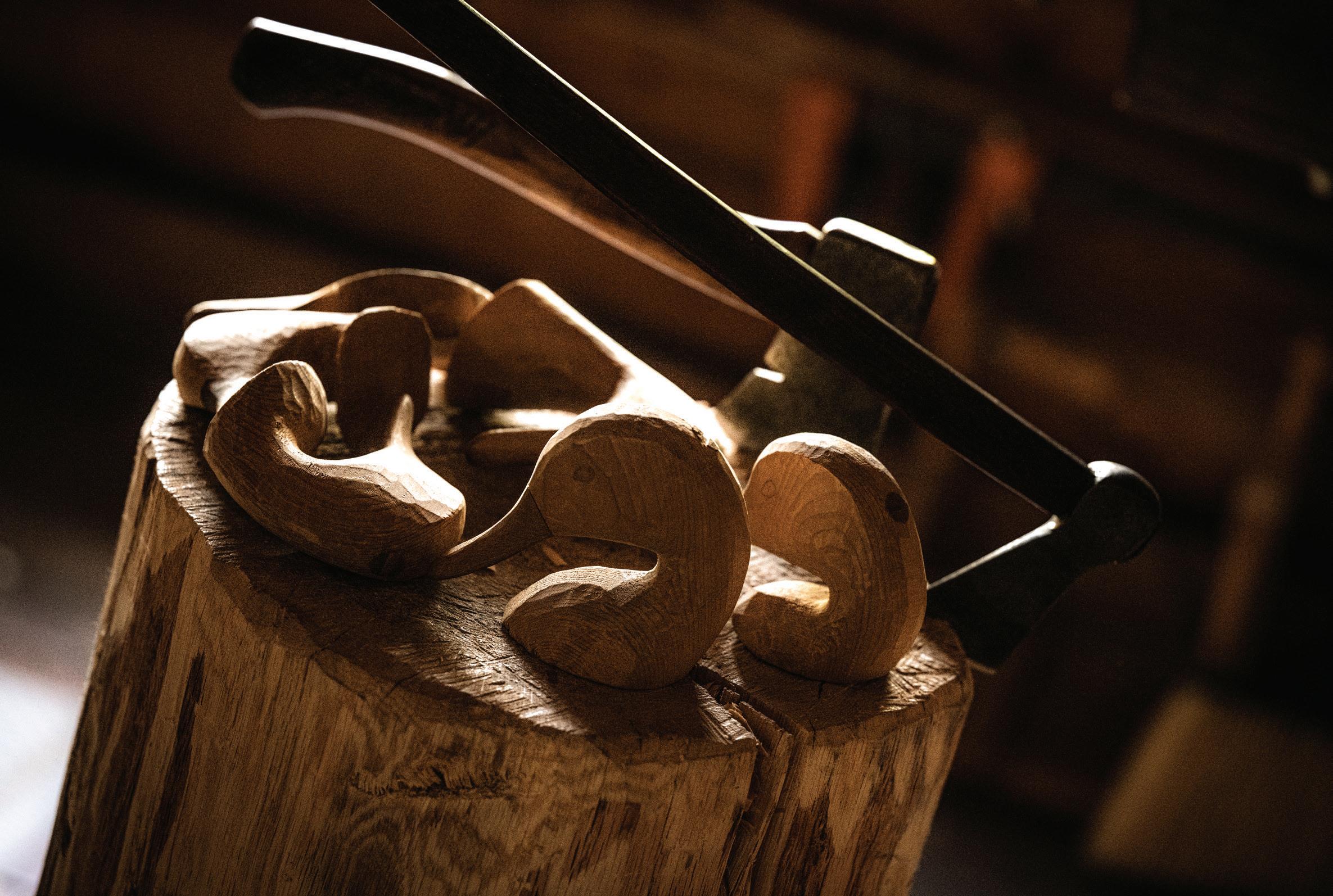

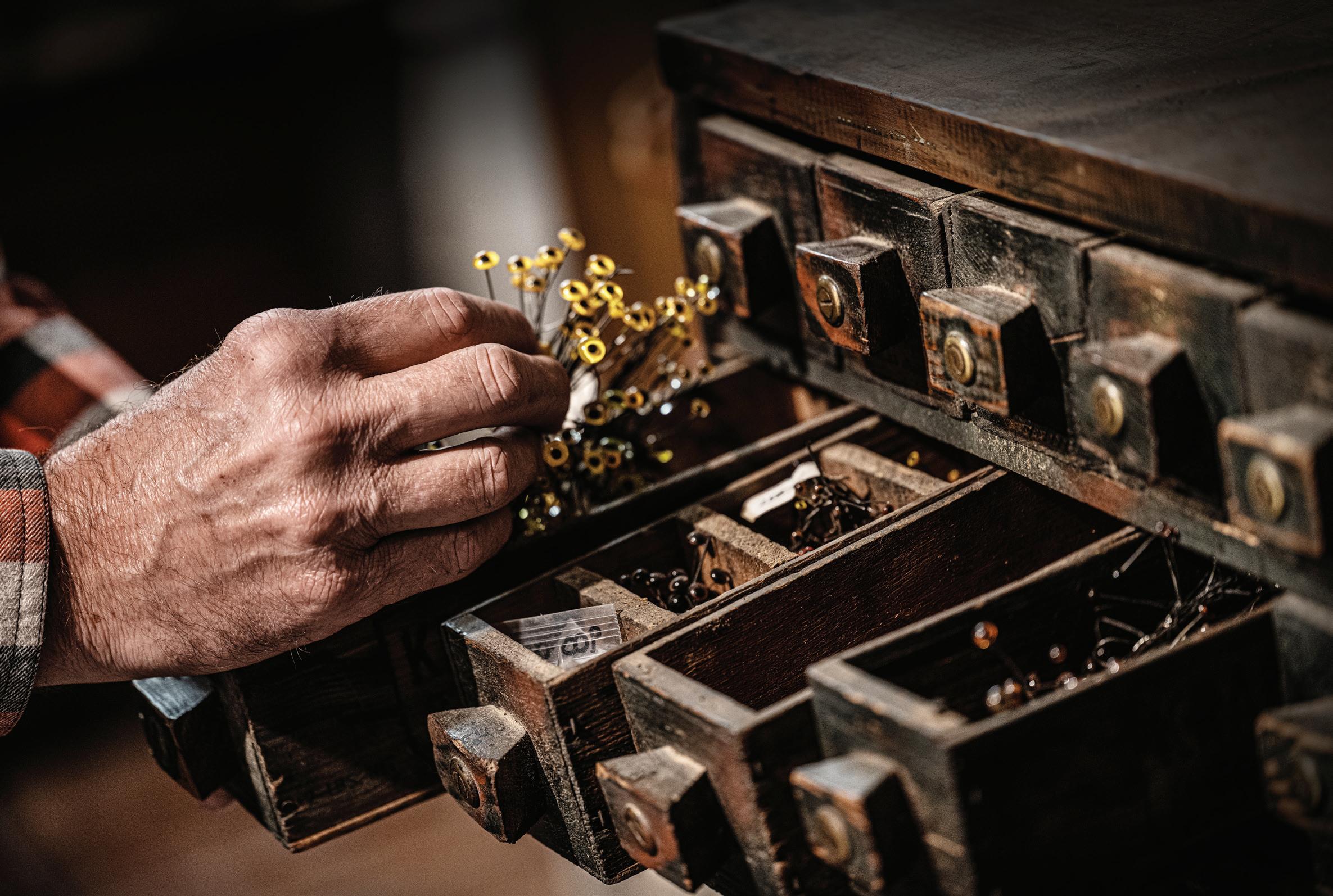
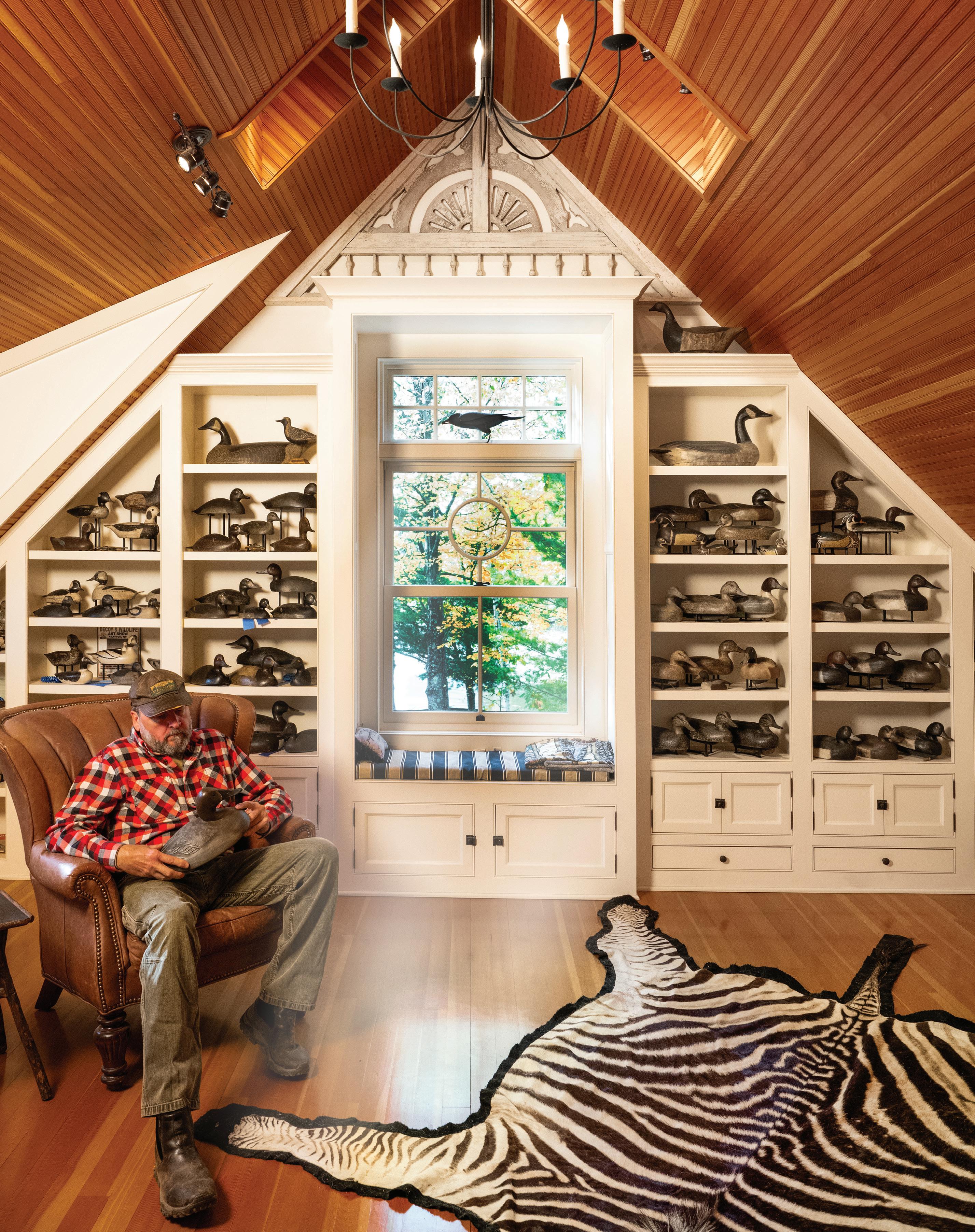
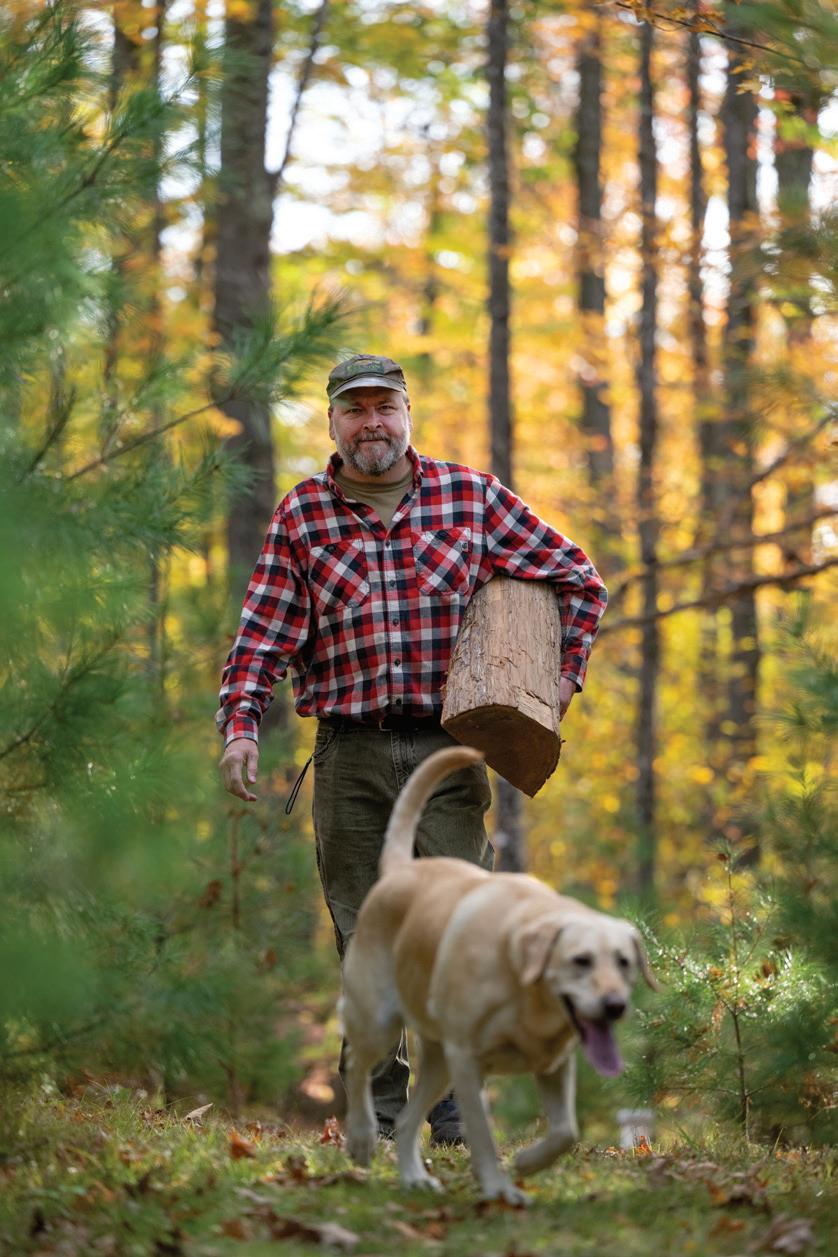
When Marty Hanson was 14 years old, he worked at the Minneapolis Gun Club pulling trap and setting clays for the membership. One day, a member named Bob Lindstrom saw him drawing duck heads and ducks in flight on paper. He must have been impressed, because he asked Hanson if he’d ever thought about carving hunting decoys.
In fact, he had. In the basement of his grandparents’ house in Hayward, Wisconsin, he’d found some decoys that his grandpa said he could tinker with. Some were old models from the Mason company. Others were primitive decoys that his father and grandfather made by hand. Marty started carving on them, not realizing it would become his life’s work.
At the Minneapolis Gun Club, Lindstrom looked at him. “Okay,” he said, “I’ll give you a shot.”
Two weeks later, a semi-truck pulled up to Hanson’s father’s house in Prior Lake, Minnesota and dumped a full load of red cedar in his driveway. Along with the wood, the driver delivered a brand-new band saw. After Hanson had moved the lumber (his dad had to go to work), he got to work. He cut out the blanks, carved them and painted them. Then when they were completed, he ballasted and weighted them for hunting in northwestern Minnesota. When he’d made enough decoys to be delivered, he would go over to the Stagecoach Museum and Gun Shop in
Shakopee, Minnesota, where Lindstrom worked, to sell them.
“I could make 30 decoys a week, at $25-$30 dollars apiece,” Hanson says. “But it was hard physical work, and that was a heavy week. Most of the time I would get eight to 12 things done for him.”
For a teenager, that was a good wage, and Hanson liked it enough to keep going through high school. He graduated in 1983, and kept carving for Lindstrom for several years after that. During that time, he estimates he made between 3,000 and 4,000 birds. “There were no cellphones,” he says, “no internet. It’s probably one of the last times an artist — a decoy maker — will be able to organically make something that’s truly their own, and not a facsimile of 3,000 things they’ve seen on the internet.”
Hanson didn’t know it at the time, but duck decoys have ancient roots: Egyptian paintings and mosaics show hunters using them, and in 1924 archaeologists in Nevada found 11 well-preserved reed decoys — a native technique still used in western Nevada — dating back 2,000 years.
Duck decoys work on instinct: birds flying overhead see their own kind below and bank down to join them. The word “decoy” comes from ende-kooi, the Dutch term for the cage used to lure live ducks. Sailors in the 1800s carved them from broken ship masts — clear old-growth wood — and after live decoys were banned in America in 1935, the wooden decoy market took off.
“It’s an almost 200-year-old American art form,” says Hanson. “But it was utility first. The art came later.”

“I’d rather do 15 great things than a hundred okay things.”
– MARTY HANSON
Scan to watch an exclusive, must‑see short NORTH video.
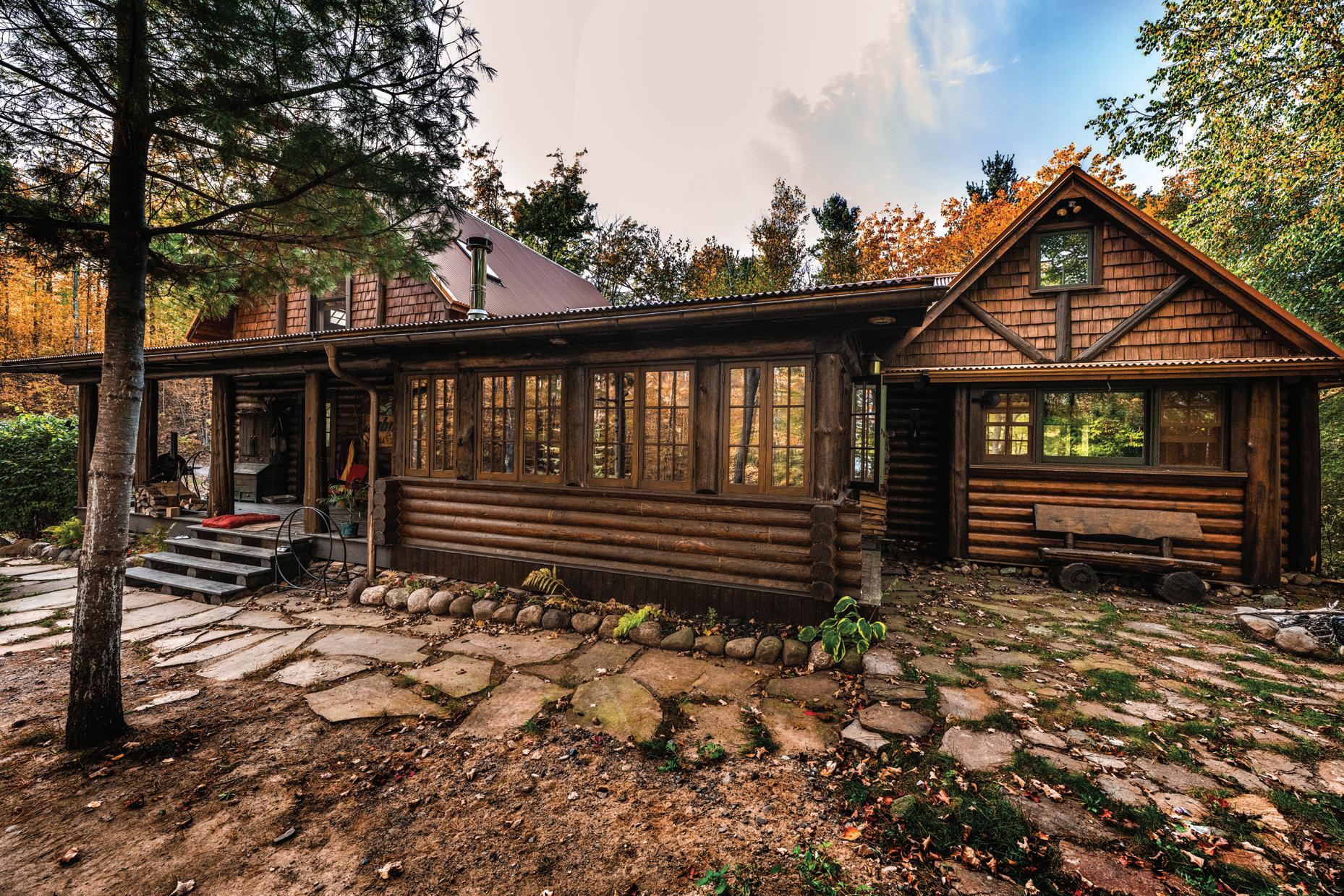
The same could be said for Hanson’s decoys. A few years after high school, he decided to go full time into making hunting decoys. That went well enough that he and his wife Barb bought their first home in Prior Lake in 1987.
Around the same time, he was contacted by the owners of Wild Wings Gallery, asking if Hanson could make a piece for their Edina gallery. He sent them a black duck, which sold — and then kept selling, through Wild Wings and regional shows. His craft started moving in a more artful direction.
As demand grew, Hanson’s Prior Lake shop got too small. So around 1992, he and Barb purchased land outside Hayward, Wisconsin and spent years building their dream cabin by hand with help from friends and family. It eventually grew to include a house, studio, workshop, and a lodge and lounge above.
This latter structure became its own work of art. Hanson sourced wood from century-old barns and decorated the interior with vintage decoys, oil paintings, and antique boat motors. The fireplace is made from volcanic lava, faced with Montana stone; the coffee table a giant bellows from a Chicago foundry that pre-dated the Civil War. Marty moved there permanently in 2015, while Barb, who was managing a
restaurant on Lake Minnetonka, followed in 2018.
As an artist, the move was an important one for Hanson. “You’ve got to be comfortable and inspired in the space where you work,” he says now, “because your work will reflect that space.”
After he finished his new workshop, Hanson found his relationship with the process changed.
“For the last 10 years,” he says. “I find that I can carve for six to eight hours and not even think about it. Pretty soon, the piece is done and I haven’t thought about it at all. It just happened. It’s really bizarre.” In the 1990s, he was making between 300 and 400 carvings a year. But around 2005, he dropped down to 100 or fewer, which made it possible to increase his quality and demand.
Now he makes anywhere from 30 to 45 pieces a year. His prices start around $1,000 and go up from there — in some cases way up. One of the most valuable pieces was a full-size, standing Canada goose that doubled as an urn for the client’s hunting dog who was also named “Goose.” It sold well into the five figures.
That’s the way Hanson likes it. He uses less wood. He has a more dedicated following. And the work is more satisfying.
“I’d rather do 15 great things,” he says, “than a hundred okay things.”
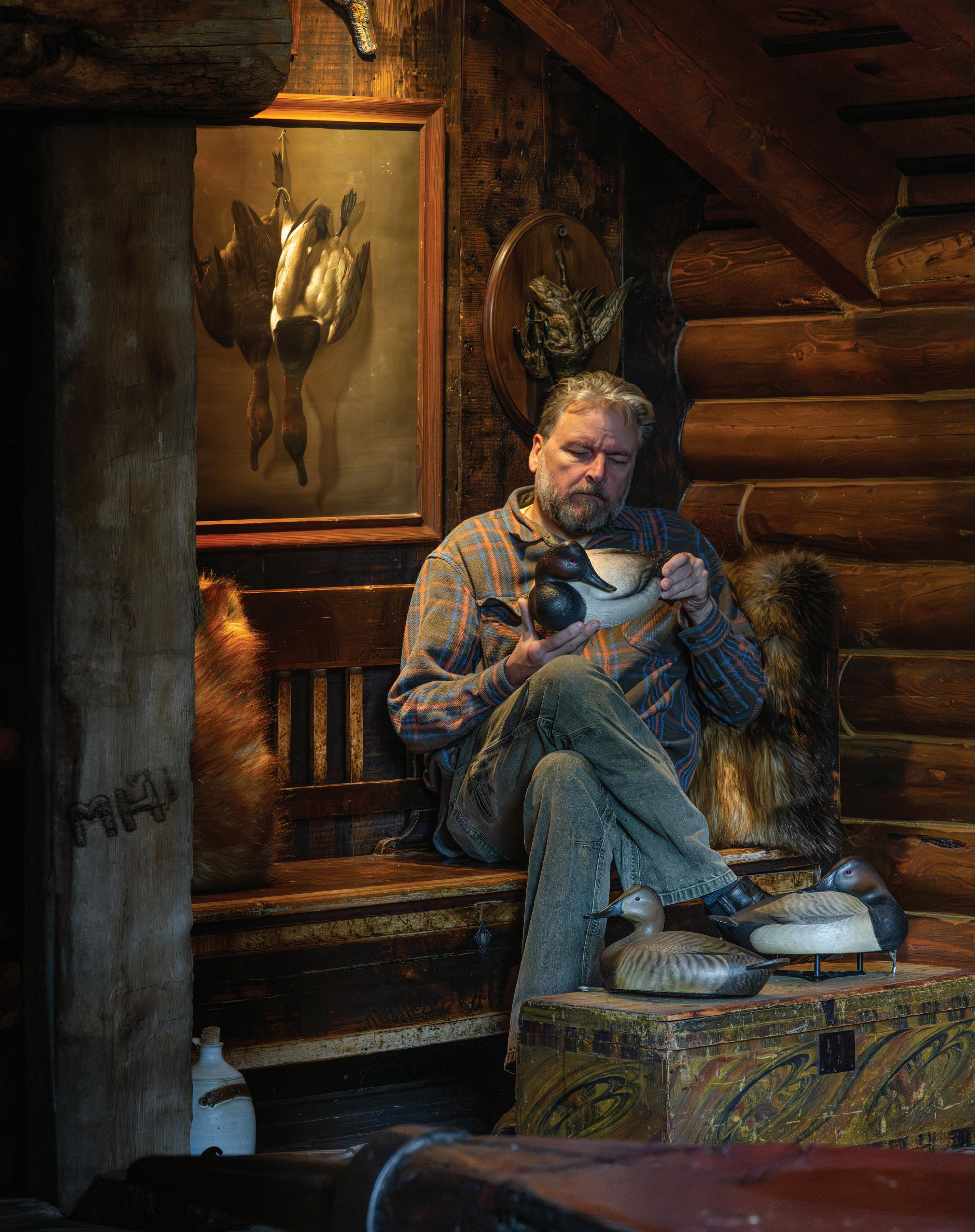
“You’ve got to be comfortable and inspired in the space where you work, because your work will reflect that space.”
– MARTY HANSON



Minnesota and Wisconsin played for a slab of bacon … then lost it for 50 years

vanished. Some say Minnesota misplaced it after a win; others claim the schools decided it was too silly for such a serious rivalry. By 1948, they introduced Paul Bunyan’s Axe, representing the grit both teams brought
The bacon faded into legend, reappearing in the occasional pub trivia question, but presumed gone forever.
That is, until 1994 at Camp Randall Stadium. Staff cleaning out a storage closet stumbled upon a dusty wooden plaque tucked behind equipment. There it was: the Slab of Bacon. For a half century, the most peculiar prize in college football had been hiding in plain sight.
The rediscovery was a jolt of nostalgia. For Wisconsin, it was a homecoming 50 years in the making. For Minnesota, it was a bittersweet reminder of the glory years (the Gophers won five national championships between 1934 and 1941). Today, the trophy sits in a display case at Camp Randall. The bacon is the rivalry distilled: funny, fierce, and full of flavor. It’s about inheritance, belonging, proof of a hard-fought victory in the form of cured meat.
Back in 2006, I smugly scoffed at the idea that any of this mattered. It took 20 years, but now I get it. The Slab of Bacon, the Axe, the heartbreak, the bragging rights — they aren’t about a trophy, they’re about history that binds generations.
And that boyfriend who sulked through our night out? I married him. I still tease him when he mopes after a loss, but I’ve come to see what he meant that night. The bacon may be behind glass now, but the rivalry still sizzles — hot enough to ruin (or redeem) a Saturday night.

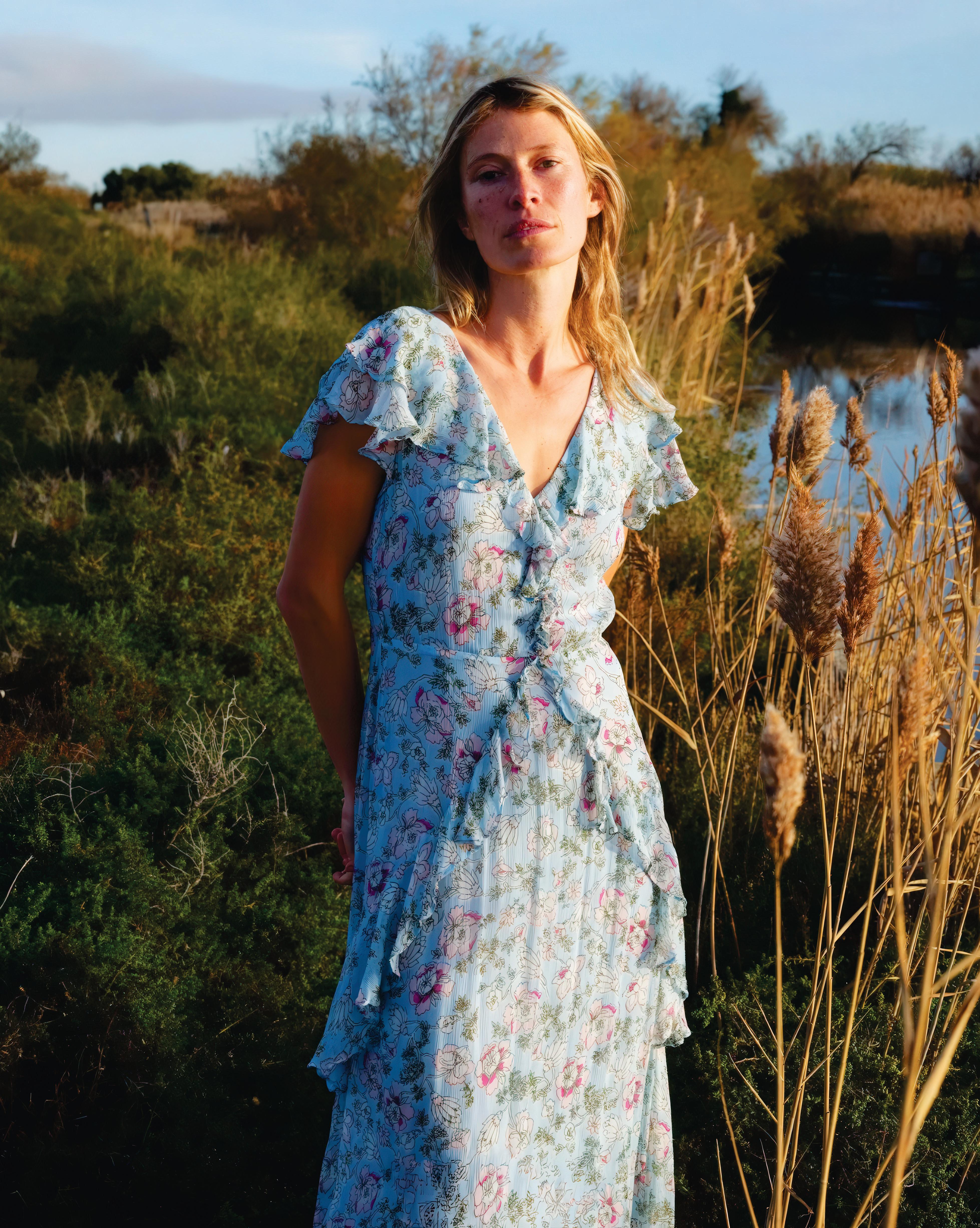
FEATURING

Growing with vitality, intention, and purpose
Brief yet beautiful, the fleeting Wisconsin cranberry season is well worth the risk WRITTEN BY
BETH DOOLEY



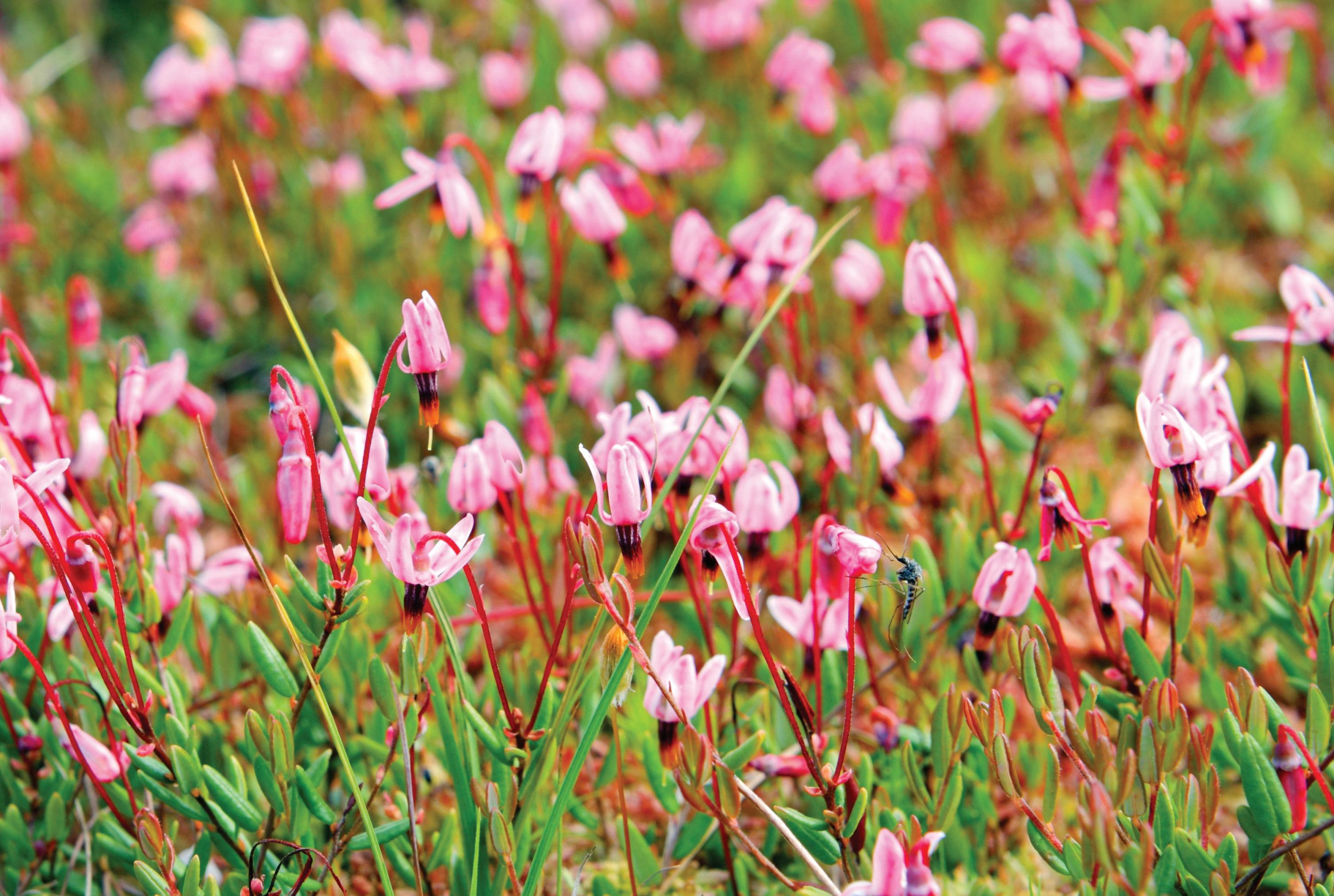
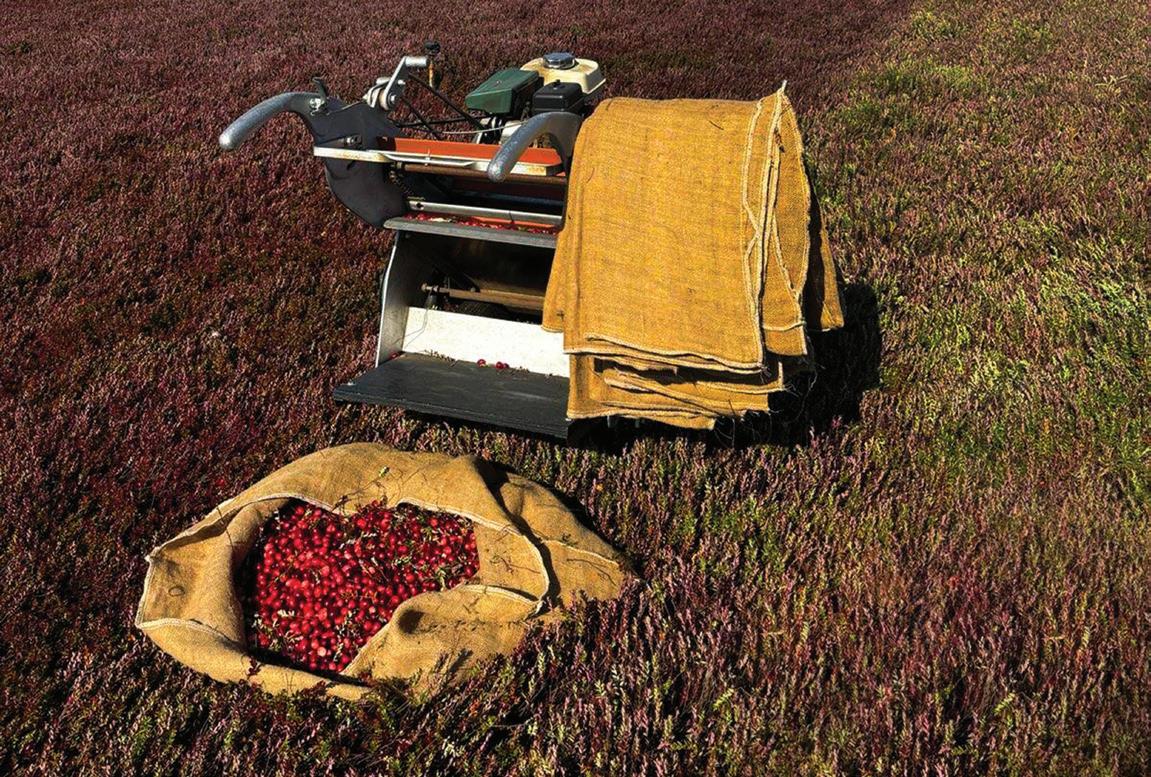
The arrival of cranberries at the store drives me into Thanksgiving mode even in late October. Though I grew up near New Jersey’s cranberry country, the Pine Barrens, it wasn’t until I moved to the Twin Cities that I experienced the harvest. It was worth the drive to central Wisconsin’s cranberry land.
The crimson fields, ringed with emerald pine, pulsed under a severe blue October sky. Along the bog shores, sandhill cranes dipped graceful necks as ducks paddled by. Wisconsin, fresh-cranberry capital of the world, holds over 60 percent of the market, where they are processed into dried fruit, jelly, and juice. The flavor of fresh cranberries is intense, yet balanced; the signature holiday dish tastes, too, of the conflict inherent in farming, of weighing benefits against risk. How fitting that these beautiful berries are bittersweet; cranberries are the final fruit of the season, earth’s bonny farewell until spring.
The cranberry is especially well-suited to Wisconsin’s wetlands, water-soaked areas that create transition points between dry land and open water. The plants don’t grow directly in the water but lay their roots at the edge, thriving in the alternating layers of peat, sand, clay, and rock. Add our cold winters and mild summers and the growing conditions are perfect. Blueberries, Concord grapes, and cranberries are the only commercially cultivated fruit native to North America. Appropriately nicknamed “bounce-berries,” cranberries hop and skip when they roll from the kitchen counter to the floor.
Long before white settlers arrived in this region, Native Americans relied on cranberries to preserve animals, dye fabrics, and treat wounds in poultices; they pounded the berries with meat to make pemmican. On the East Coast, European settlers first cultivated cranberries for savory dishes, sweet jellies, and juice for wine and vinegar. The cranberry’s high vitamin C content was an important and accessible defense against scurvy.
In the 1800’s East Coast growers seeking new bogs heard of wild cranberries in the underbrush of Wisconsin timber lots and expanded their work here. Founded in 1903, Wetherby Cranberry Co. in Warrens is the largest independent family-owned cranberry business. Ocean Spray, a 700-member co-op and the world’s largest processor, contracts with over half of the 250 Wisconsin cranberry growers.
Every July, this woody perennial with long runners and small, dark green, oval leaves bursts into blossom, creating a carpet of vibrant pink. The plant’s horizontal stems extend up to six feet long and sport vertical branches that can grow about eight inches high. Honey beekeepers place
crate-like hives around the bogs and release swarms of bees that feast on the cranberry flower nectar, pollinate the crops, and produce a honey prized for its delicate flavor.
Cranberries contain a tiny pocket of air that allows them to float and disperse their seeds through the marshes. The fruit’s bobbing quality is a boon to larger farmers, who flood the fields, making the floating berries easier to pull from the vines. Mechanical “beaters” help detach the berries; workers wade into the marshes and use booms to vacuum the fruit into trucks bound for processing.
Growing cranberries is tough and risky; the season is short and the marshy conditions support black-headed fire worms and fruit worms, noxious weeds, diseases, and fungus, all lethal to the berries. To help manage these challenges, growers flood their marshes pre-bloom to drown pests and again before the freeze to form a protective shell. Cranberries die back and wait out winter under the frozen protection of ice and “harden” until the spring’s thaw. This is the most dangerous time in the growing cycle, when the vulnerable buds can be damaged before flowering and producing fruit.
Flooding the cranberry bogs, though dramatic to this observer, may not be the best practice for the cook, the farmer, and the environment. Too often toxic chemicals, used to fertilize the berries and control pests, end up running downstream; the flooding disrupts water tables, and berries absorb these chemicals, too. Larger farmers are now trying updated, less disruptive methods for recirculating water, harnessing solar and wind energy, and planting wildflowers for pollinators.
But success may be a matter of scale. Founded in 1879, 80-acre Ruesch Century Farm in Vesper, Wisconsin, has evolved through four generations, from dairy and hay to organic cranberries, the first certified organic grower in the state. The tiny four-acre cranberry operation “dry-harvests” berries, a gentler harvesting method that preserves the berry’s quality for months; the berries do not swell and shrink to turn soft during storage. “Back in the early 1900’s growers who shipped cranberries to Europe made sure the fruit was dry before the three-month sea voyage under the worst conditions,” farmer Brian Ruesch told me while demonstrating his harvester, a lawn mower-sized contraption that scoops the berries into a canvas basket. Though Brian’s yield may be 50 percent lower than the commercial average, he charges more per pound due to the higher quality and the labor intensive, ecologically sound, organic practices. “We are small, innovative, and responsive,” he said. “We care deeply about the land; this work provides more than a paycheck.”
Cranberries may be the most honest food on the Thanksgiving table: bittersweet by nature, hard-won by harvest, and gone by winter. Every year, their bright, tart flavor is a small reminder of what it takes to bring something beautiful to the season.
FROM BETH DOOLEY
Makes 6 Mini Cranberry Pound Cakes
PHOTO BY LAUREN CUTSHALL

Note: These are just the right size for gift giving. The recipe riffs on a classic poundcake with the addition of fresh cranberries that add pops of tang and color.
Butter for greasing the pan
2 cups unbleached all-purpose flour
¾ teaspoon baking powder
¼ teaspoon salt
1 cup unsalted butter, softened
2 teaspoons vanilla
1 cup sugar
4 eggs
1 cup cranberries
Preheat the oven to 325 degrees. Generously grease a 6 cup (3.5-inch) muffin tin with butter and lightly dust with flour.
In a large bowl, stir together the flour, baking powder, and salt. In a separate large bowl, cream the butter, vanilla, and sugar until light and fluffy. Beat in the eggs, one at a time. The mixture will look separated. Fold the wet ingredients into the dry ingredients, quickly and gently to make a thick batter. Fold in the cranberries. Transfer the batter to the prepared pan and bake until a toothpick inserted in the center comes up clean, about 35 to 40 minutes. Remove and allow the breads to cool in the tin for about 5 minutes before removing and transferring to a rack wire rack.
Makes about 2 cups
Serve this zesty, bright tasting relish with chips, swirled into mayonnaise, or whisked into vinaigrette. It will keep at least a week or more in the refrigerator in a covered container.
2 cups fresh cranberries
½ cup candied ginger, or more to taste
Put the cranberries and ginger into a food processer and pulse until both are nicely ground together. Add a little sugar to taste. Store in a covered container in the refrigerator.
CRANBERRY SAUCE
Makes 2 1/2 cups
Tangy and sweet, this sauce doubles as jam on scones or over ice cream.
3 cups fresh cranberries
1 tart apple, cored and diced
½ cup cider
¼ cup sugar or honey, to taste
Put the cranberries, apple, and cider into a saucepan and set over medium heat. Cook until the cranberries have just begun to pop. Stir in the sugar and continue cooking until the sauce thickens, about 3 to 5 minutes. Cool and store in a covered container in the refrigerator for up to 3 weeks.
CRANBERRY BUTTER
Makes ½ cup
Bright and sassy, this butter is fabulous on Cranberry Mini-Loaves, scones, pancakes and waffles, sweet potatoes, and squash.
½ cup unsalted butter, softened
¼ cup fresh cranberries
Pinch sugar, optional
Put the butter and cranberries into a food processor fitted with a steel blade. Process until smooth. Pack into a covered container and store in the refrigerator for up to 3 weeks.

AIRWAY-FOCUSED OMT | ADVANCED AIRFLOW CLEANINGS | COMPREHENSIVE FAMILY AND COSMETIC DENTISTRY




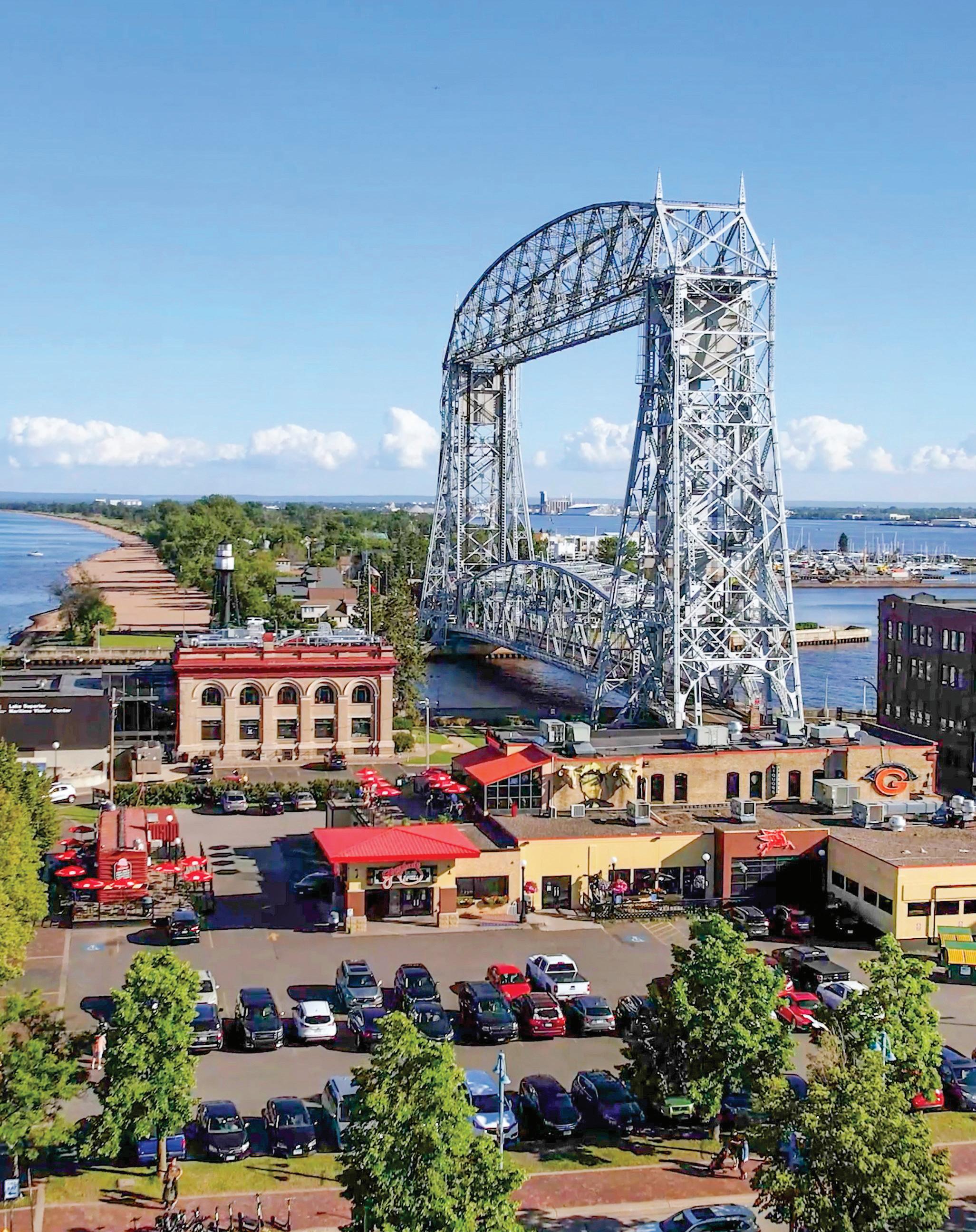

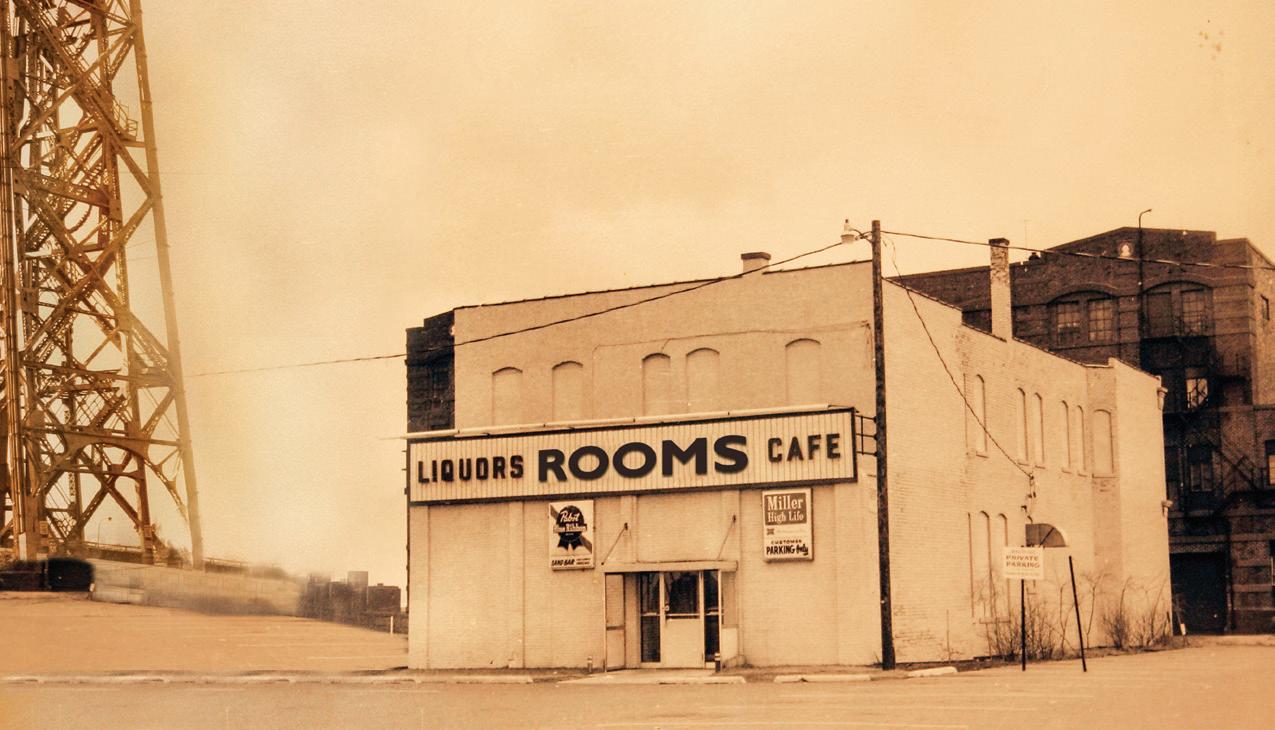

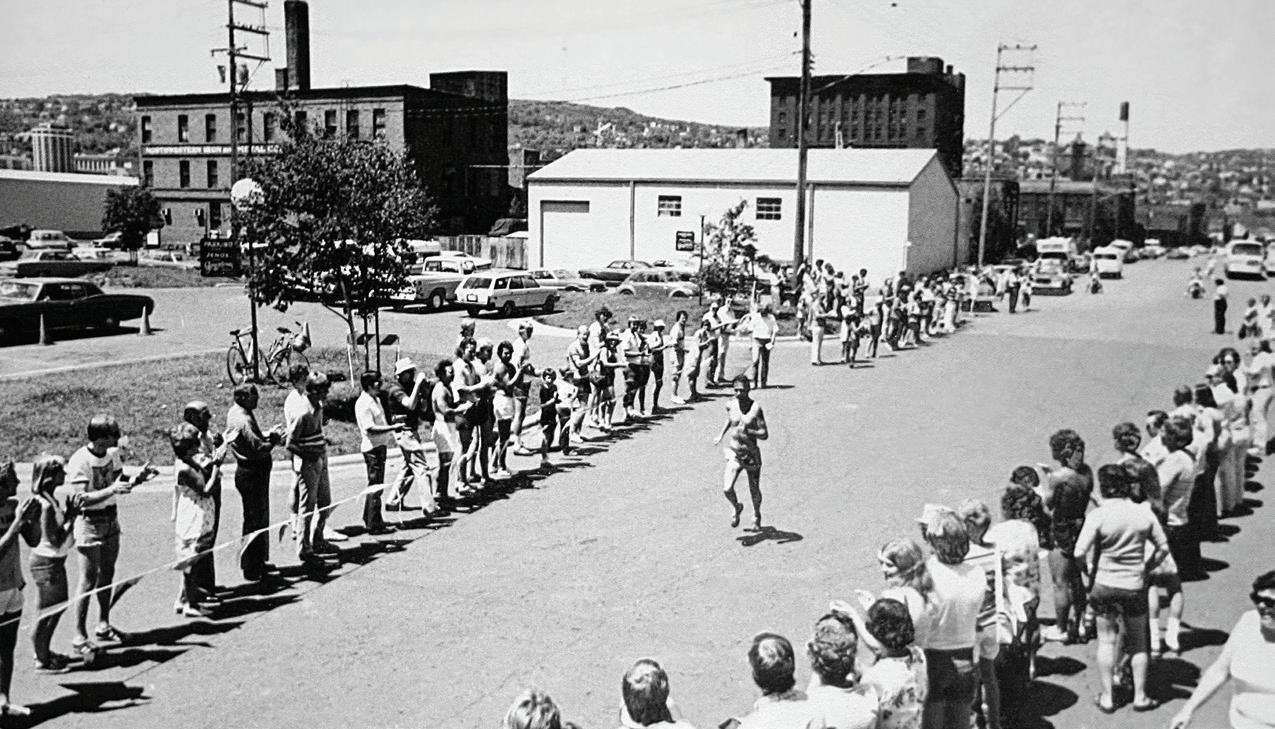
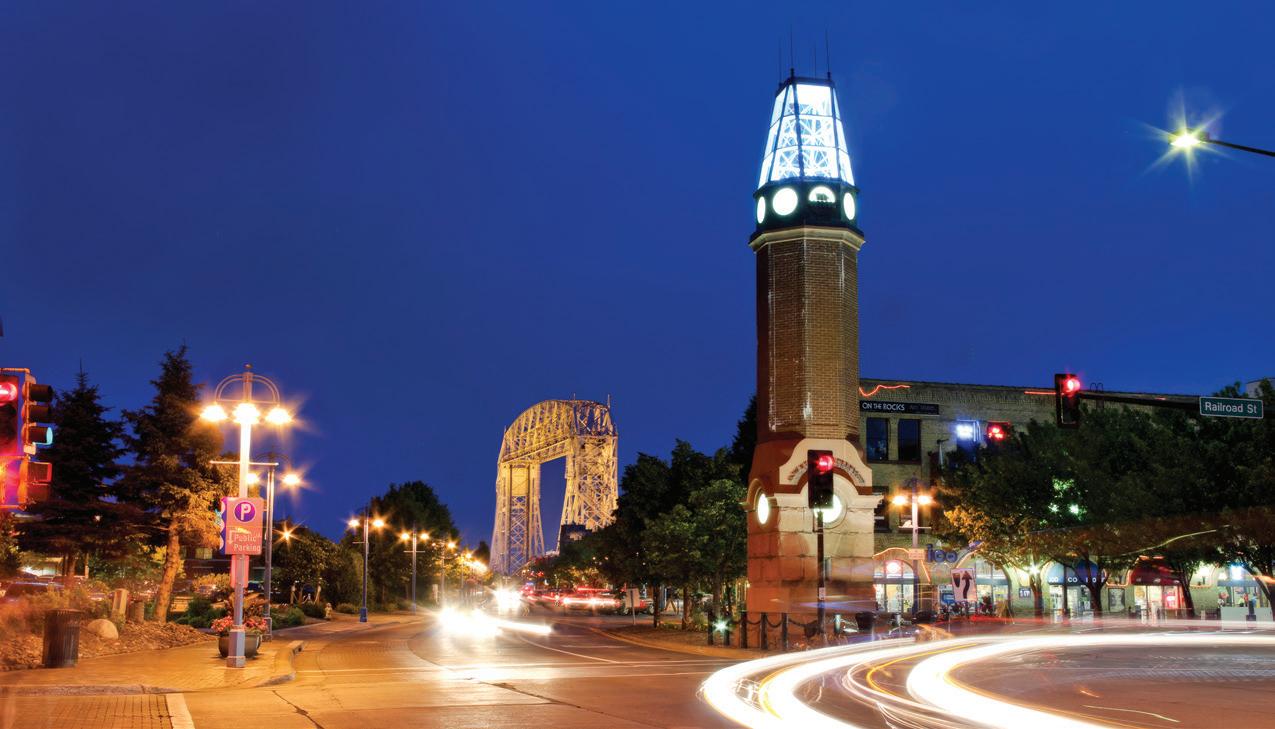
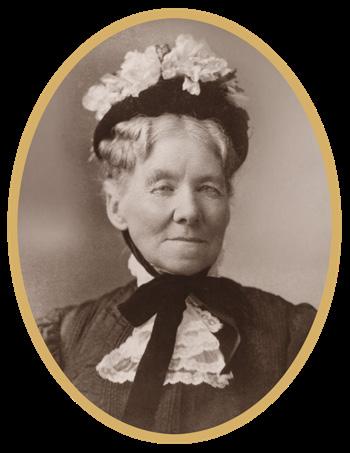
n 1976, if you found yourself in Duluth’s Canal Park, you weren’t there for the view. You were likely lost among the rusted scrap yards and hulking industrial warehouses, certainly not the place anyone expected to find the future of Minnesota hospitality.
Enter Andy Borg, a 23-year-old law student with a penchant for antiques, and Mick Paulucci, a 27-year-old foodie with a famous last name (his father was frozen-food titan Jeno Paulucci). Ambitious and eager to meet girls, they bypassed buildings in the city’s up and coming area, Spirit Mountain, to pursue a liquor license at a small rundown dive bar near the lake called the Sand Bar.
When the duo began gutting the building, they didn’t just find dry rot; they found a secret. Tucked away on the second floor was what appeared to be a former bordello, frozen in time.
As they rummaged through discarded photographs of the women who once lived there, one striking photograph stood out: a shrewd, commanding woman who inspired the tale of this historic site.
Borrowing the spirit of that mystery woman and blending it with the authentic ancestry of Mick’s own Italian grandmother, the legend of “Grandma” was born. A tribute to immigrant resilience.
Opening the doors was only half the battle. To survive they threw every idea they had at the wall: all-you-can-eat specials, live entertainment under a big-top tent, promotion after promotion, and a kinetic energy that the quiet waterfront hadn’t seen in decades.
In a move of inspired desperation to bring foot traffic to their front door, they sponsored a long-distance running race. They just wanted people to celebrate at the bar afterward. That “little” race? Grandma’s Marathon. Today, it’s a world-class event, but back then, it was simply a pulse for a neighborhood trying to find its heartbeat.
Their gamble paid off; the bar grew into a 15,000-square-foot landmark, sparking further revitalization. They opened Little Angie’s Cantina, Bellisio’s Italian Restaurant, The Garden Event Center, and Adventure Zone. Their private investment acted as the catalyst the city needed: throughout the 80’s Duluth refocused its entire identity and made epic improvements towards Lake Superior.
Today, Canal Park boasts hotels, shops, and scenic views, thriving on the grit and vision of two young entrepreneurs who defied the odds.

Meet the photographers, writers, and entrepreneurs shaping how the world views the North WRITTEN BY
KATHERINE LAWLESS
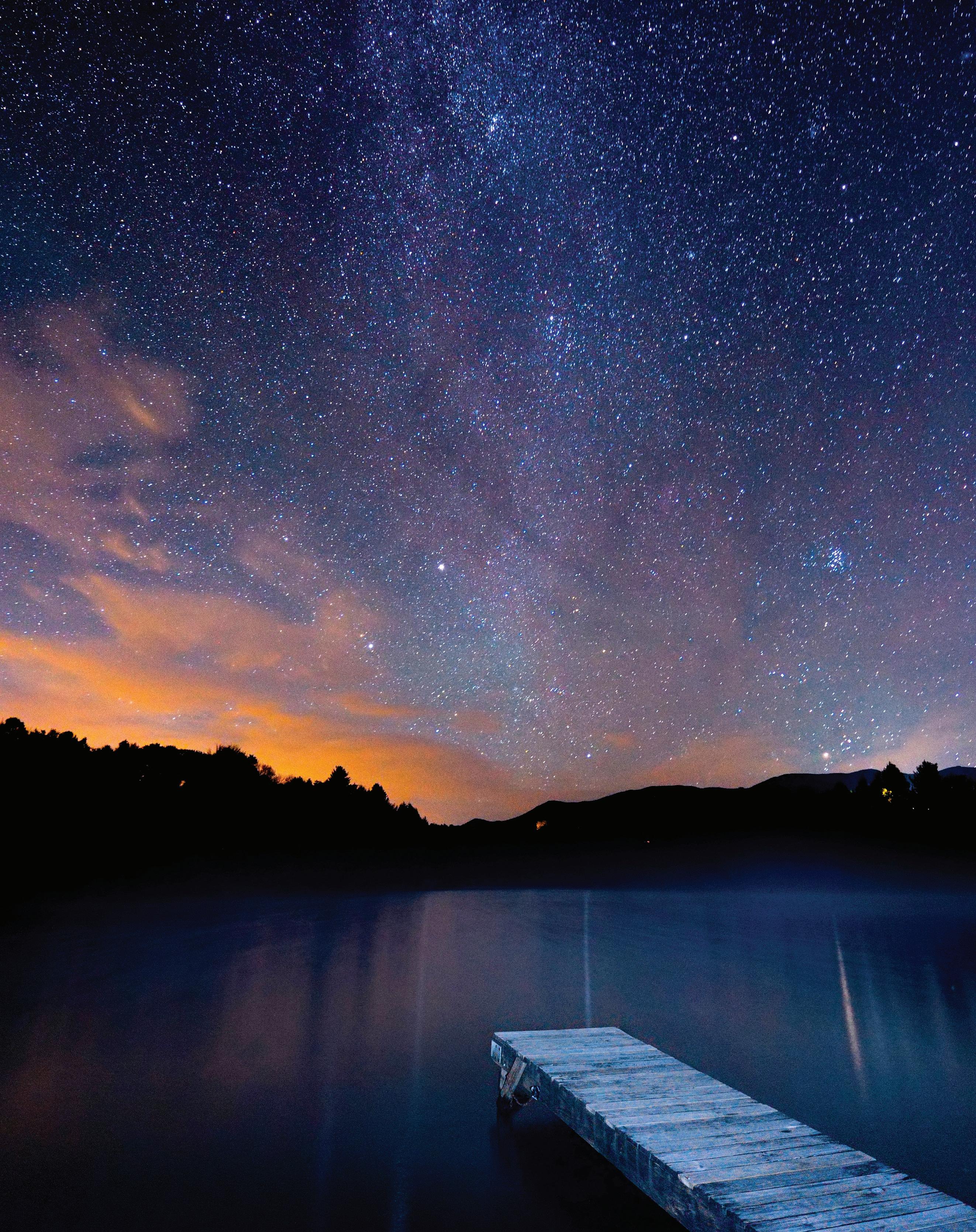

What do you picture when you think of the North? Maybe it’s a rustic cabin hidden away deep in the forest or the crash of frigid waves along Lake Superior’s rocky shoreline. Or maybe it’s the stark landscapes of a certain Coen Brothers movie or that iconic song by Gordon Lightfoot.
In the digital era, we see different versions of this region through the eyes of an increasing number of content creators who let audiences into their daily lives. Some would call them influencers — and they do reach audiences in the millions — but at their core, many see themselves as multidisciplinary creatives or business owners.
That influence has a tangible impact on the North. A compelling post can send travelers to a small-town restaurant or introduce people to a lesser-known stretch of trail, while also encouraging a more respectful kind of exploration that values seasonality and supports local communities. Scroll through their work, and you’ll see a North that holds multitudes: a place where adventure calls and small businesses grow into national brands.
Creators like Ashley Bredemus, Jon Kreye, and Jenna Kutcher illustrate the range and reach of this kind of storytelling. They are photographers, podcasters, authors — people who have taken a leap of faith to become self-employed creators. Through their storytelling, they are often the first introduction thousands of people have to life in the North.
These creators also don’t shy away from an important question: when you help shape how a place is seen, what responsibility comes with it? In interviews, their answers tend to center on stewardship, using their platforms to protect natural resources, support local businesses, and encourage others to build something of their own.
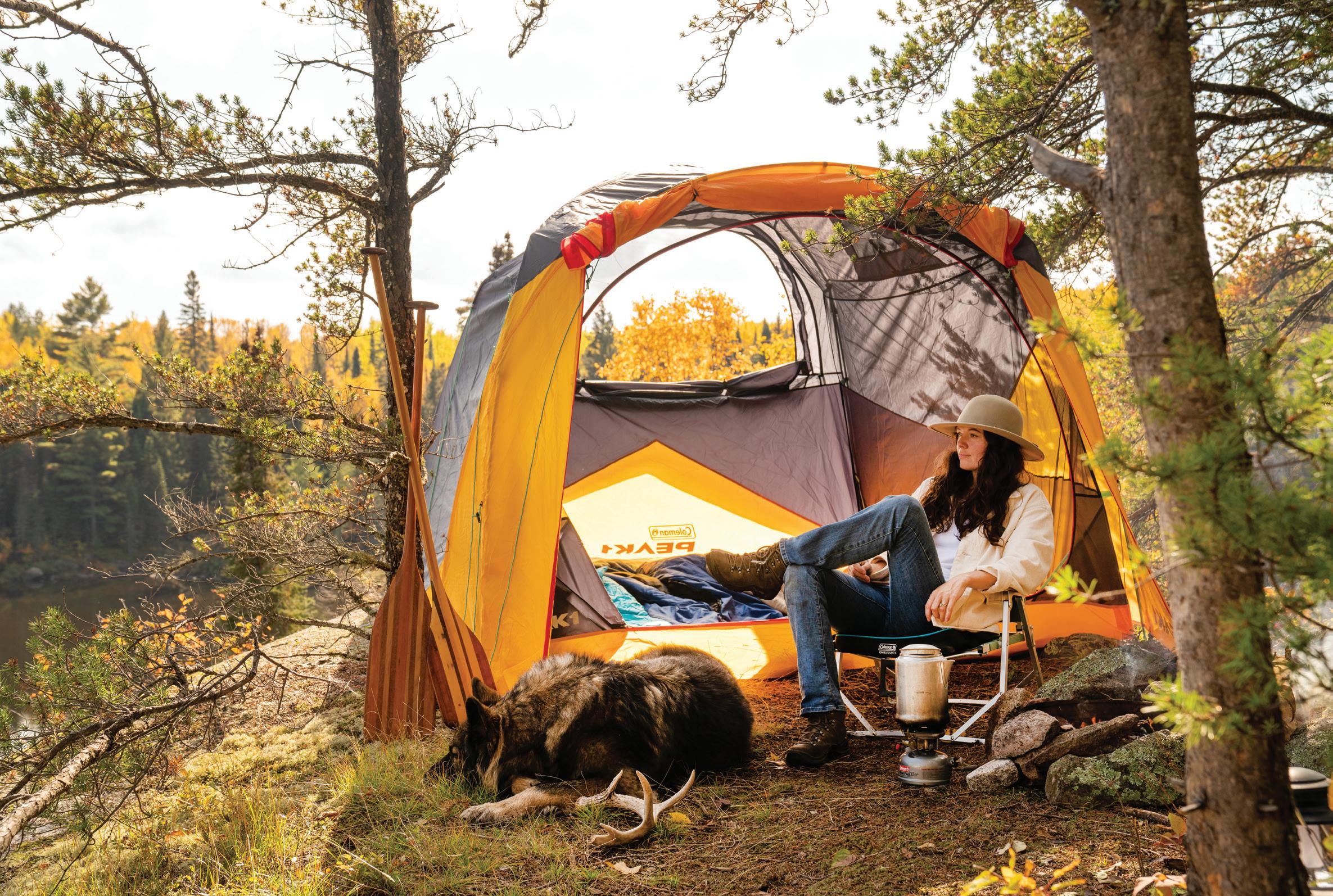
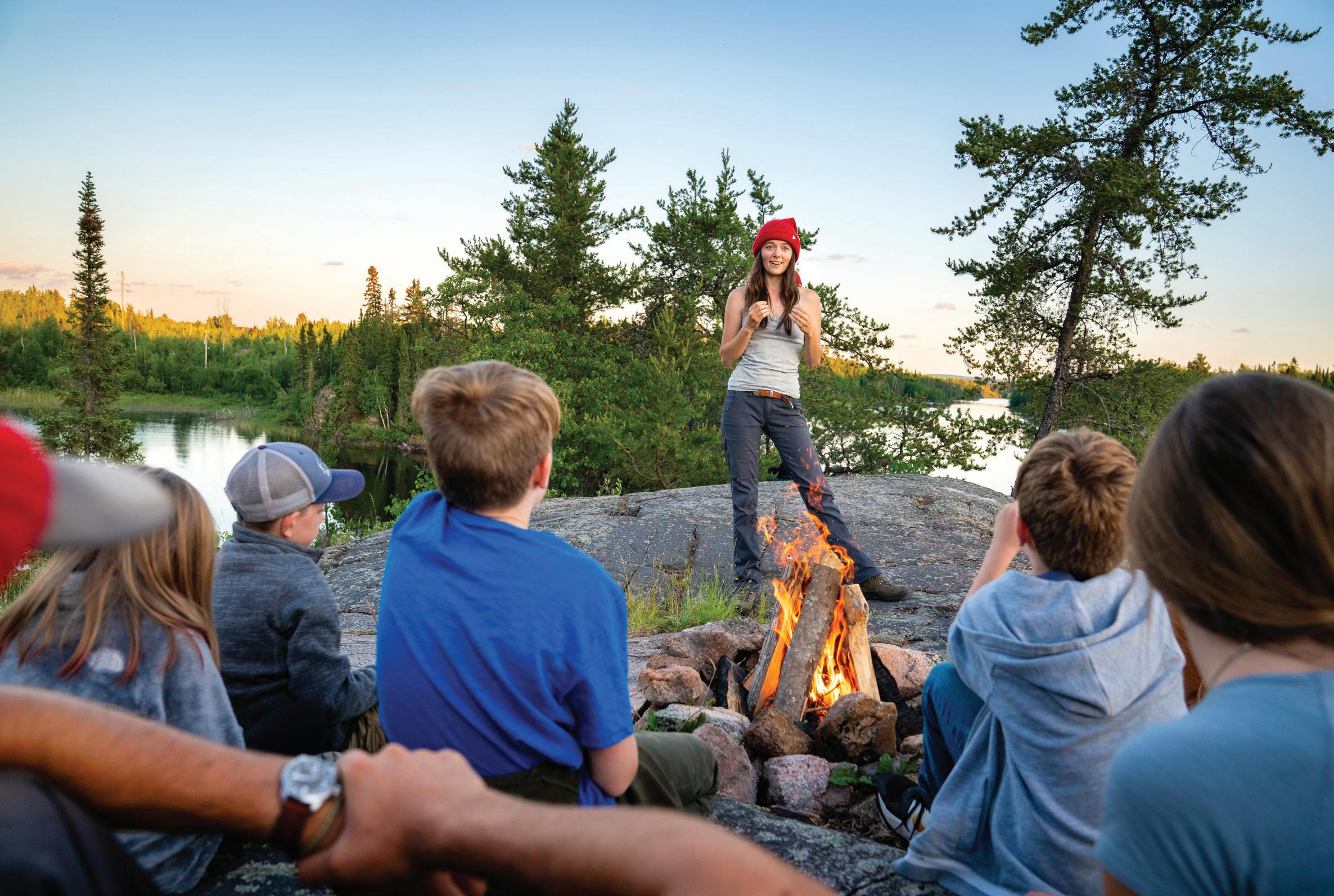
No one is more surprised by Ashley Bredemus’ transition from a career in engineering in the Florida Panhandle to an off-grid cabin content creator than herself. Originally from Grand Rapids, Minnesota, she moved south for work before returning home to Birchwood Wilderness Camp, a boys’ summer camp for ages seven to 17 that has been in her family since 1968. When a relative considered selling the property, she stepped in, officially purchasing the camp with her dad on her 28th birthday.
Today, she lives along the Gunflint Trail near the Canadian border, where daily life is shaped by weather, distance, and the demands of running a remote camp. Her content reflects that reality. She shares a mix of practical routines and quieter moments, from gardening and baking to life with her husband, young son, and dog, Arlo. Her recommendations are similarly grounded, with durable essentials like Smartwool socks and winter layers, reflecting what actually works in northern Minnesota.
Before Instagram, Bredemus documented her move north through long-form blogging on The Cabin Season, a format that still influences her approach. Her perspective stands in contrast to a more extreme version of outdoor culture often portrayed online.
“I see a lot of people going to the Boundary Waters or coming to northern Minnesota and thinking they need to really rough it and paddle long distances and climb to great heights,” says Bredemus. “But I feel like there’s a different way to be an outdoors woman, a much slower and calmer way.”
During the summer when camp is in full swing, Bredemus doesn’t have much down time, and she likes to spend it in her signature, unhurried way. For first-time visitors, she recommends starting at Trail’s End Campground, where “you could rent a canoe from the local outfitter nearby and paddle into the Boundary Waters for a day.” She also points to the abundance of accessible hikes along the Gunflint Trail. “There [are] a lot of beautiful hiking spots, even really short ones,” Bredemus says.
Honeymoon Bluff, a short but steep climb, rewards hikers with sunset views, while Caribou Rock Trail has an equally memorable and manageable sunrise option in the other direction. That love for the outdoors
motivates her to advocate for the preservation of this remote part of Minnesota. As conversations around the Boundary Waters have grown more urgent and visible, Bredemus has often used her platform to speak out on the subject.
“There’s a lot of concern over the Boundary Waters at the present moment. For a long time, a pillar of my content was saving the Boundary Waters and trying to be a voice for such a quiet place,” says Bredemus. “Now there’s a lot of organizations and influencers backing this cause. It’s gotten a lot of attention, which is awesome. I’m glad to be a small sliver of amplifying that.”
Bredemus is also candid about the tension between documenting life and fully inhabiting it. She tries to model that balance for her young son by limiting screen time and focusing on hands-on work, like gardening and teaching herself to sew.
“When people think of the North, they often think of lake life, cabin life, and getting back to nature. I’m happy to contribute to that collective dream. Maybe I’m biased because that’s the circle I’m in, but I feel like a lot of people dream of selling everything and moving to a little cabin in the woods,” says Bredemus. “It’s kind of the antithesis to a lot of modern ailments. The pace is slower. That’s not to say that there aren’t a lot of misadventures and hard work.”
Bredemus’s version of the North is aspirational, but it’s also genuinely rooted in responsibility: to her camp, to her family, and to the land that sustains them. Look for her upcoming book on cabin living next spring, where she explores “returning to a life where joy is made rather than store-bought.”

Follow Ashley Bredemus on Instagram!
@ASHLEYBREDEMUS
There’s a certain look associated with the North: Scandinavian-inspired cabins lit up at dusk, coffee steaming on a deck overlooking a lake, a Paddle North board pointed at the sunset. Much of that visual language — now widely associated with the culture of “Up North” — has been shaped, in part, by photographers like Jon Kreye.
Kreye’s career started with a camera and a love for exploration and nature. Raised in Hudson, Wisconsin, his childhood included annual family cabin trips to Minocqua and Hayward and learning with the Boy Scouts.
By high school, Kreye got his first camera and began shooting senior photos. He taught himself camera settings and technique through trial and error and YouTube tutorials, building his skill set over time. As social media reshaped how people found inspiration and how brands reached consumers, he started partnering with local product companies in Minnesota and Wisconsin.
A turning point came when he photographed a vacation rental in Grand Rapids, Minnesota, in exchange for an overnight stay, a simple collaboration that helped him realize how he could combine his photography skills with his love for travel.
“Without realizing it, I got in really early to the influencer type of work. I saw these opportunities naturally opening up because I was engaged on social media, I was connected with different brands and Airbnbs, and I had this passion,” says Kreye. “Now there’s thousands of creators who specifically do vacation rentals or travel content, which is fun to see. It’s changed a lot since I started.”
Kreye’s photography style leans into what he loves about the places he visits: their warmth, coziness, and the people he shares them with. His wife and children often come along on shoots, and when he’s photographing, he tries to capture little shoes by the door or a cabin kitchen right after breakfast, saying he wants everything he shoots to feel “real and raw.”
That approach has served Kreye well. His career has included partnerships with major travel brands like Vrbo and Expedia, along with two published books and more than 300 photographed stays. After photographing places from Alaska to Switzerland, Kreye has developed a clear point of view on what separates a good destination from a great one. To Kreye, it all comes back to character and care.
In the North, he finds himself returning to Bayfield, Wisconsin, again and again. Sometimes it is to photograph a beloved hotel like the St. James Social. Other times, it is to rent a moped and ride around Madeline Island or hike along the shores of Lake Superior. He also has a particular affinity for Crosby, Minnesota, where an expansive network of bike trails and a revitalized downtown have made it one of the region’s most talked-about vacation destinations.
“There’s a property called North Point Cove in Crosby, Minnesota …” says Kreye. “The owner is from Stillwater, and he and his family did almost all the actual physical building of the home themselves. There are arched doorways, and they made a custom stain out of tea for the
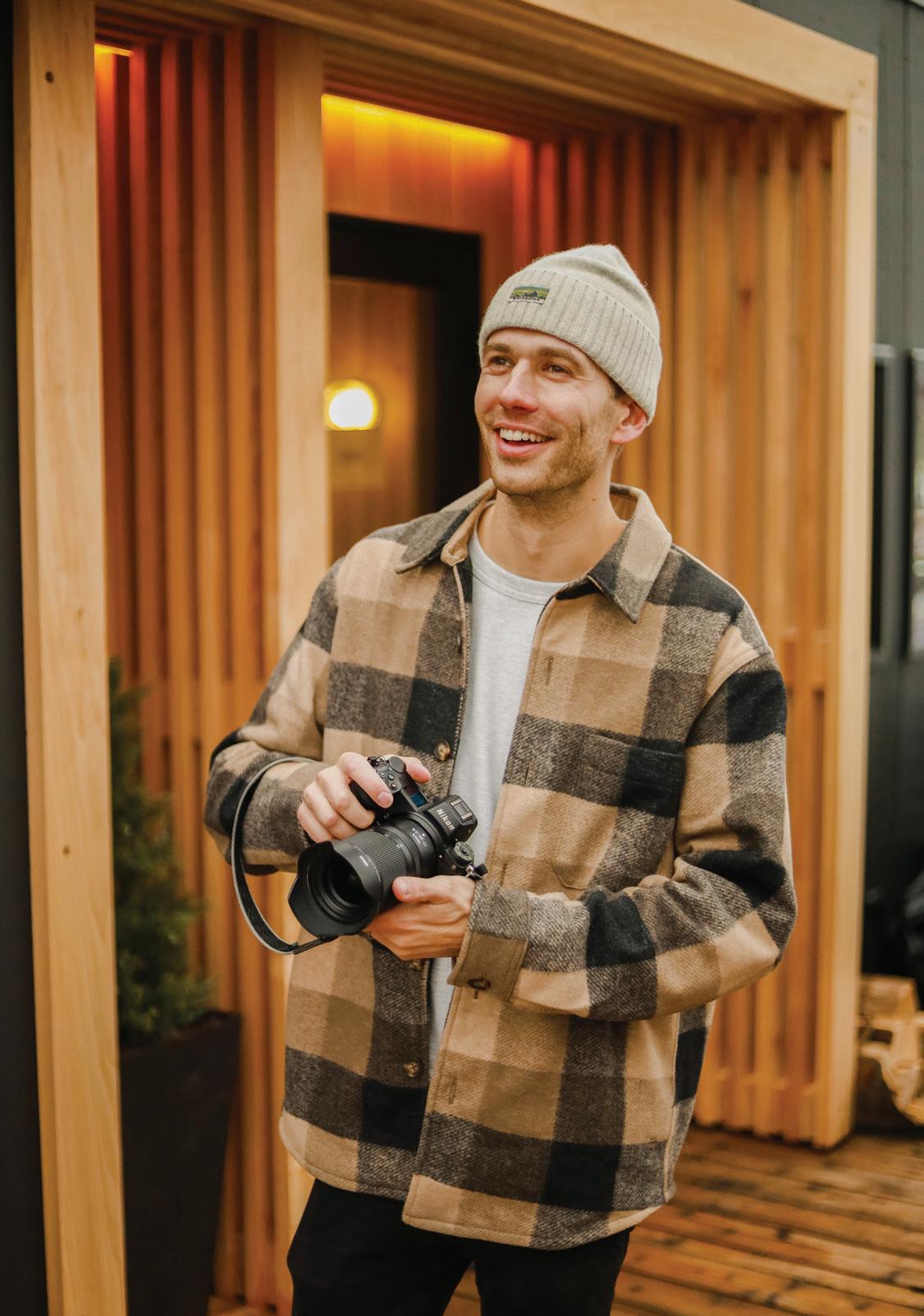
structural beams and woodwork. It’s very luxurious, but not over-thetop modern.”
Another of Kreye’s favorite stays is a bit farther from home. About an hour’s flight from Minneapolis, Traverse City, Michigan is the gateway to Leelanau County and the towns of Glen Arbor and Leland, about a 30-minute drive beyond. Kreye describes the area as “Door County but less tourist-y.”
“What I love about Leland and Glen Arbor is … it’s different than the North Shore of Minnesota in that they have these soft, sand beaches and the water is crystal clear,” says Kreye.
Kreye’s favorite stay in the area is a boutique hotel called The Mill Glen Arbor. The riverside building was once a historic flour mill before being reimagined by new ownership. Now, it houses a hotel, a coffee shop, and a restaurant aptly named “Supper.” “The owner happens to be an interior designer who loves to use vintage pieces. Much of the furniture, art, and fixtures are found pieces that will surprise you,” says Kreye.
In between traveling on photography shoots, Kreye is on a mission to support other up-and-coming creatives. Over the last few years, he has hosted creator retreats in Washington and Maine, bringing together photographers for weekends centered on collaboration and connection.
“Social media is great to see other people’s content, but you miss the human element of a real, authentic relationship,” says Kreye. “I want to help the next generation of creators, for people who are on the edge of deciding if they’re going to keep their passion as a hobby or bring it to a full-time role.”

Follow Jon Kreye
on Instagram!
@JONKREYE
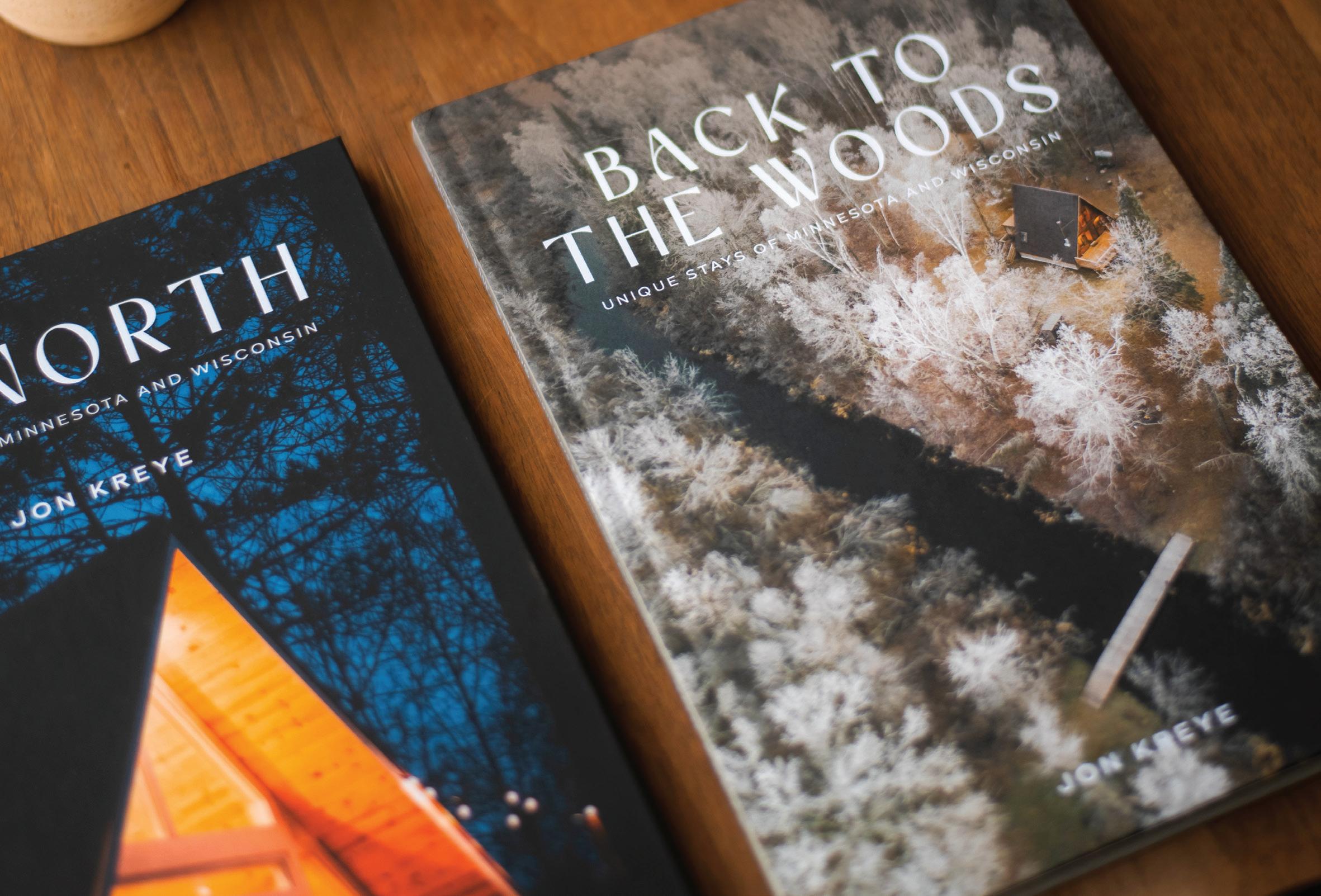
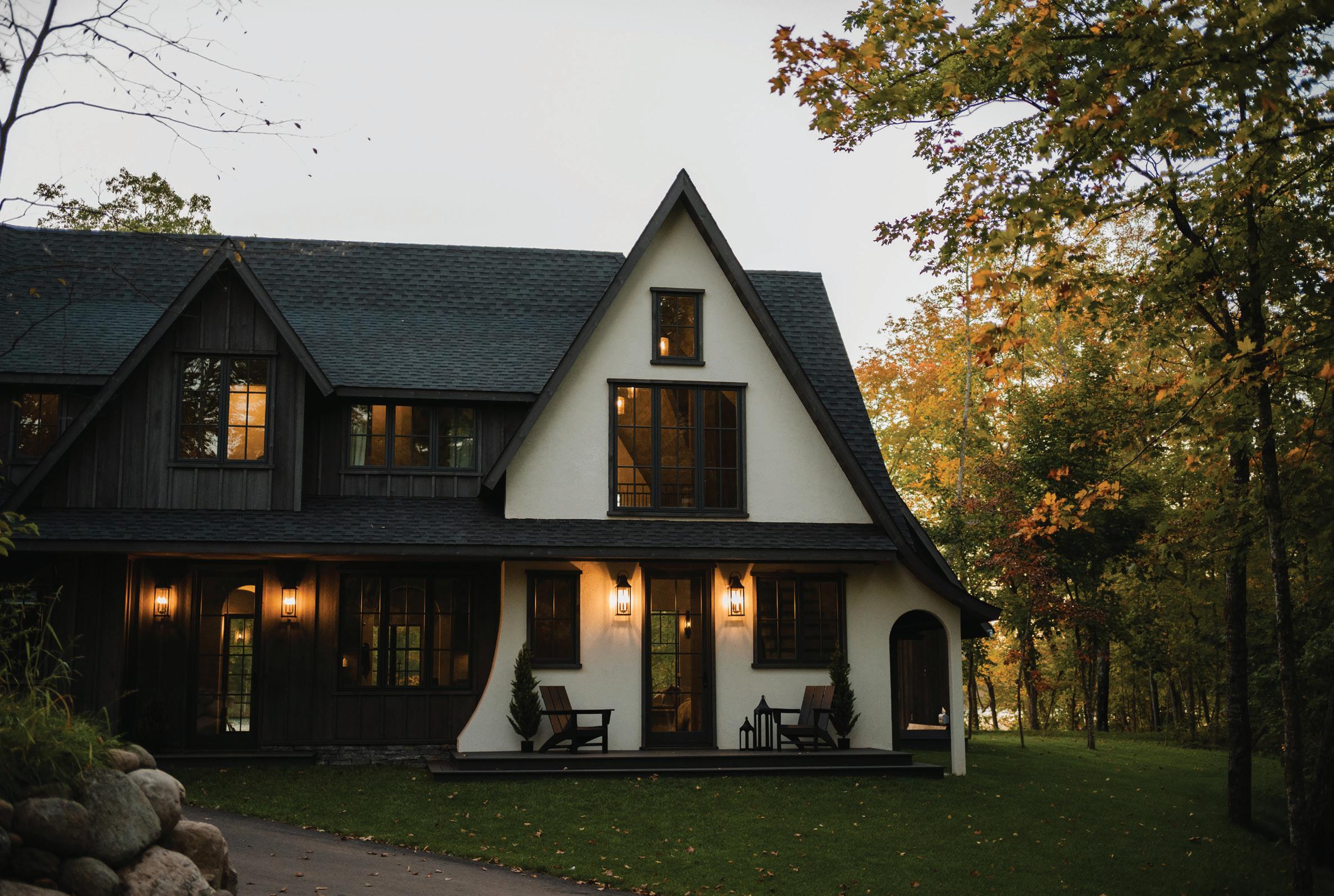


Kutcher is one of the North’s most recognizable self-made creators. Based in Duluth, she’s a business coach, the former host of The Goal Digger Podcast, a show with more than 115 million downloads, and the author of the New York Times bestselling book “How Are You, Really?” Her audience spans platforms, including more than 8,000 subscribers on her newly launched Substack.
It’s been a time of transition for Kutcher. After a decade behind the microphone, she announced in December 2025 that she would be stepping back from the podcast, closing a chapter that helped define her career. In its place, she’s returned to writing, building out her Substack with reflections on motherhood, faith, gardening, and little moments of joy.
Her path, from working at Target corporate to freelance wedding photographer to CEO of a multi-million-dollar business, was a slow burn. She started a blog in 2011 while working in wedding photography, gradually realizing that her creative side gig could become something more sustainable. By 2016, she launched The Goal Digger Podcast, building a loyal audience of mostly female entrepreneurs looking for practical guidance on everything from email list growth to Pinterest strategy to launching a podcast of their own. Even as her platform expanded, her sense of place remained central to her brand. The first line of her Instagram bio reads, “Proudly Minnesotan.”
“I grew up here, left, and came back by choice, which means I hold this place with both native eyes and the gratitude of someone who knows what life feels like without it. That shapes everything I share,” says Kutcher.
Kutcher is passionate about supporting local businesses, noting that she remembers “exactly what it meant when someone chose me before I was the obvious choice.”
“Small businesses are the actual texture of a community. They’re what make a place feel like itself instead of everywhere else,” says Kutcher. “When you walk into a local shop where someone actually picked every single thing on that shelf, when there’s a human being behind every choice and a real story behind how those doors opened in the first place, you feel the difference.”
Though Kutcher lives in Duluth, the favorites she returns to are farther up the North Shore in Grand Marais, where she and her husband honeymooned years ago. For finding home goods and gifts, The Big Lake and Upstate MN are regular stops, though she refers to them by their owners’ names, “Abby’s” and “Kristopher’s.” For a family outing, she loves to take her daughters to story time at Drury Lane Books, then head to Angry Trout Cafe for dinner.

Follow Jenna Kutcher on Instagram!
@JENNAKUTCHER
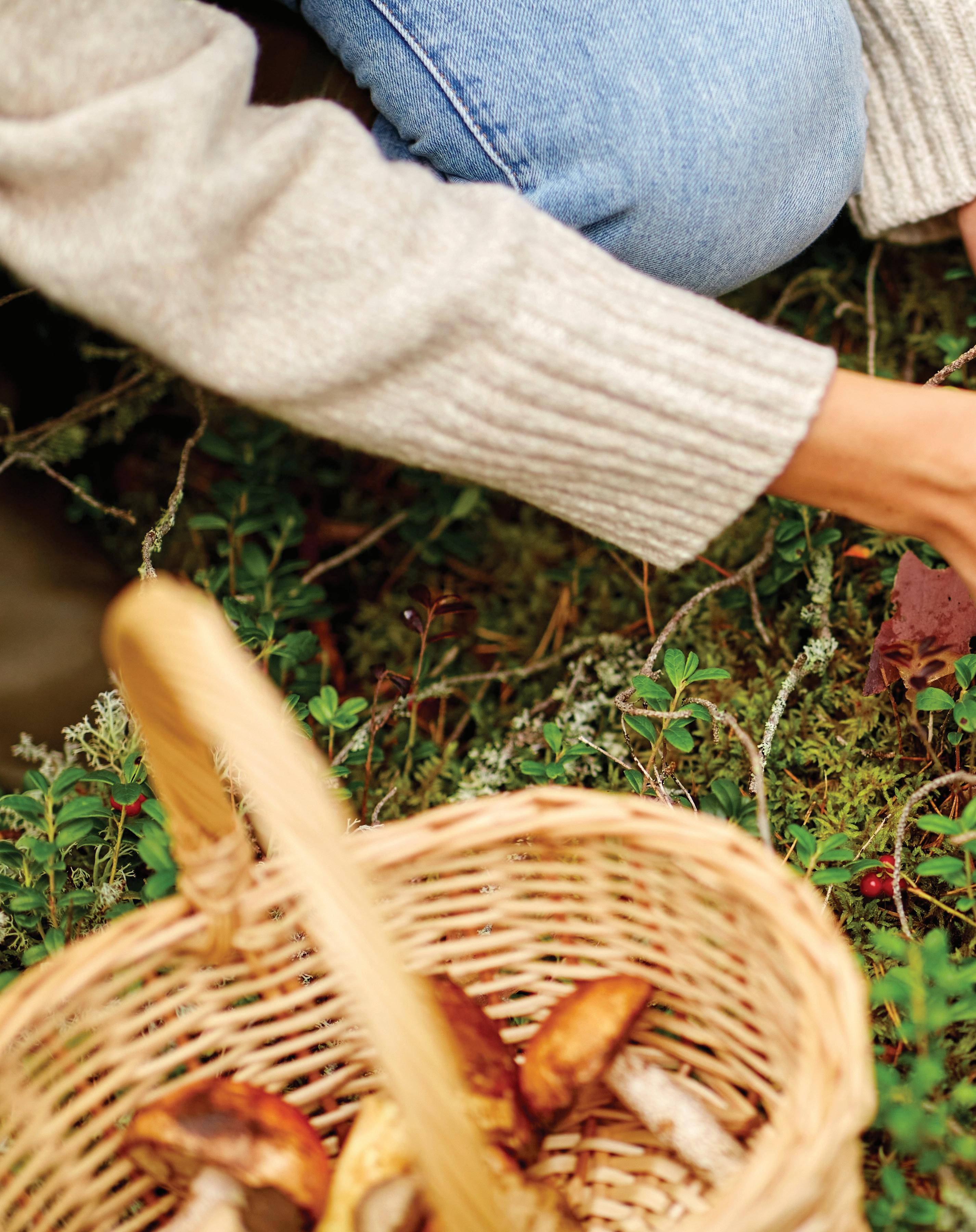
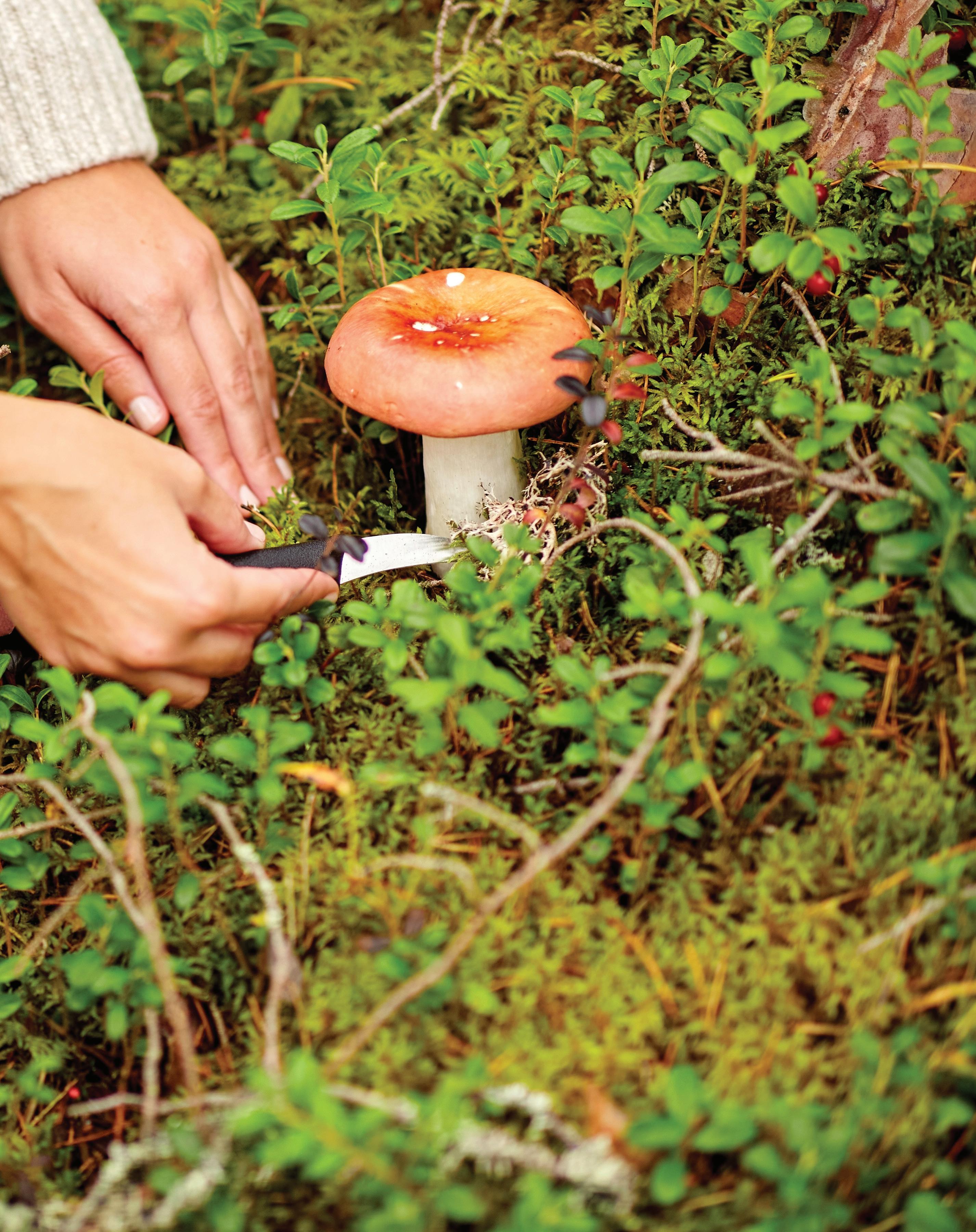
What’s hiding in the woods right now might surprise you WRITTEN BY BETH
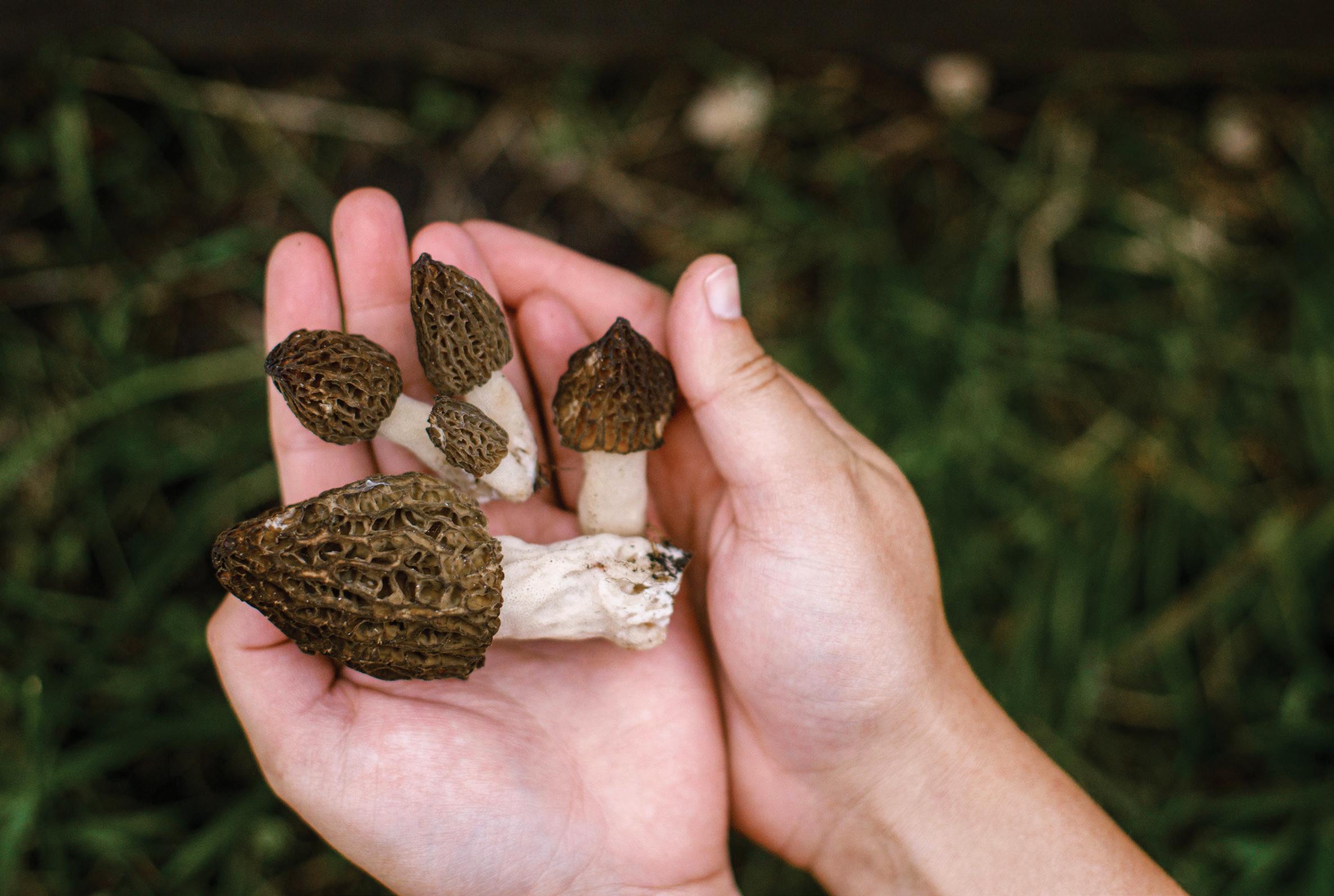
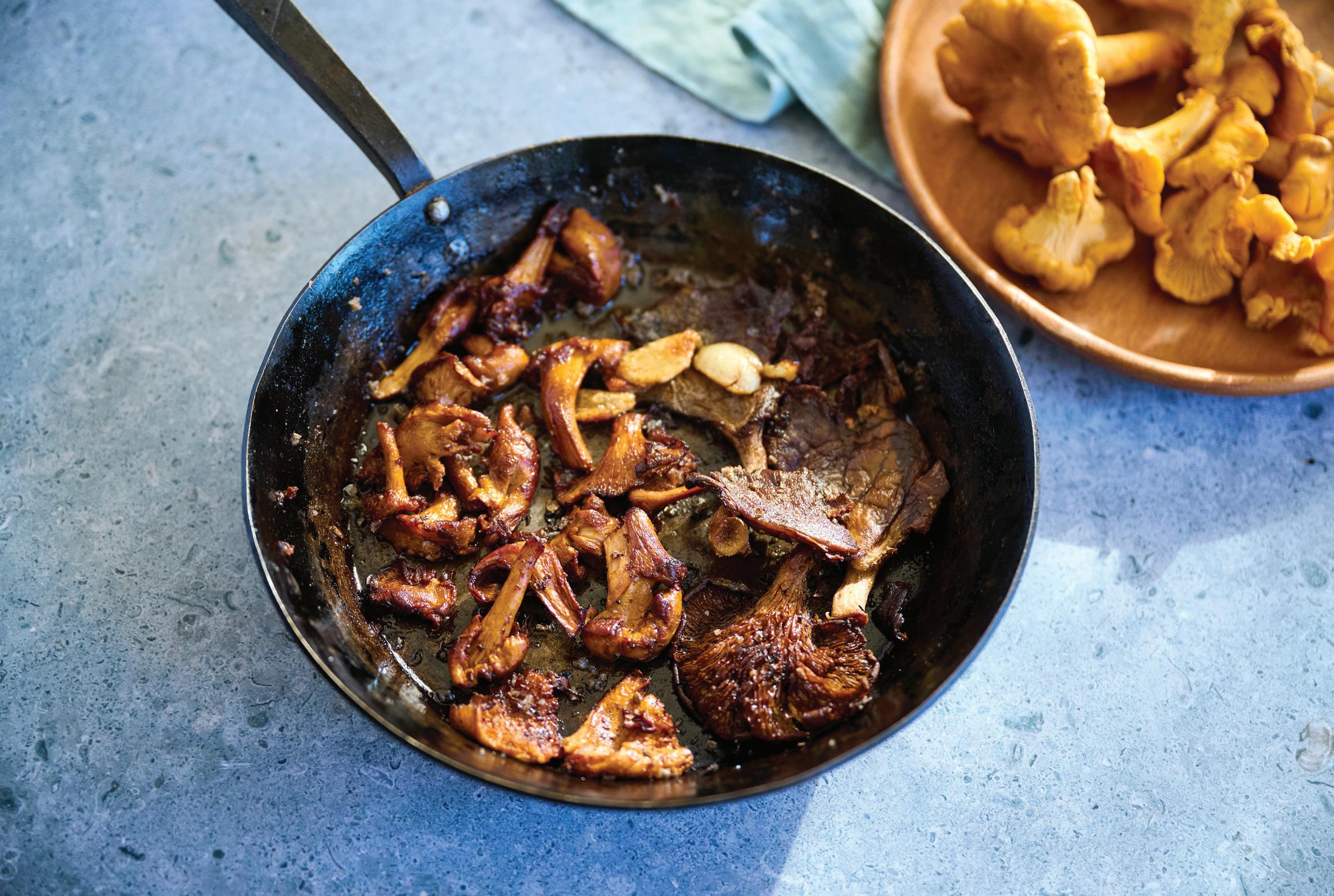

Every spring, the forests of the North set a magnificent table, if you know how to read the landscape. Beneath the elms and maples, under the damp leaf litter and along the mossy stumps, something remarkable is happening. Most of us drive past it every day.
Though foraging may seem like the latest culinary trend, the practice predates farming itself. Every culture has a tradition of gathering wild ingredients as a means of survival. For most of human history it was simply how people ate. Today in the North, it’s become something else: a reason to slow down, a way back into the landscape we live alongside but rarely stop to read.
These foods reveal themselves only when you quiet your pace and pay attention. Drawn outside, you’ll find first-hand lessons in botany, chemistry, phenology, and habitat. Back in the kitchen, wild ingredients ask more of a cook than anything from a grocery store — they haven’t been cultivated for color or shelf life, and working with them demands responsiveness, precision, and a feel for what the season actually delivered.
Our region is one of the richest foraging landscapes in the country, home to over 700 edible species — and some of its most knowledgeable practitioners. Sam Thayer, of Forager’s Harvest in Weyerhaeuser, Wisconsin, is among the most respected foragers working today; his annual Midwest Wild Harvest Festival each fall in Prairie du Chien draws serious foragers from across the region. Alan Bergo, author of the James Beard-recognized “The Forager Chef’s Book of Flora” has built an authoritative resource in his books and newsletter for foraging cooks. Take these and other resources listed in the sidebar into the field and refer to them often.
What to hunt in spring and early summer: Morels push up beneath elms and maples, their honeycomb caps unmistakable once you’ve seen one. Pheasant back mushrooms fan out on fallen branches and stumps; oysters cluster on dead aspen and cottonwood. Reishi — the woody shelf mushroom that grows on hardwood stumps — is too bitter to cook fresh but makes a deeply healthful long-simmered tea. As the snow pulls back, ramps announce themselves with their garlicky scent in the dense un-
derstory of the deep woods; harvest the leaves before they flower. Fiddleheads — the tightly curled heads of the ostrich fern — taste like asparagus and emerge right alongside them. Stinging nettles, dandelion greens, and burdock root round out the spring pantry, each offering flavors that no cultivated crop quite matches.
One rule governs it all: be certain. If you’re not 100 percent sure what you’re holding, leave it. Start with a class or a guided hike, go with someone experienced, and stay off private land and away from roadsides where soil may carry toxins. Harvest only what you’ll use and always leave some behind.
Most wild foods are best cooked, and mushrooms especially reward a little technique — resources and recipes follow. When the sun’s up and the snow retreats, head off to the woods and go wild.
• “Minnesota Harvester’s Handbook” by David Wilsey & Julie Miedtke, provides extremely useful text and photos for foragers in the North.
• Sam Thayer is renowned worldwide for his books, classes, and lectures. His website, Forager’s Harvest, is the most complete source of books, DVD’s and on-line and in person classes.
• Midwest Wild Harvest Festival, Prairie du Chien, Wisconsin, each September is a multi-day, hands-on wild foods event offering education and experience finding, processing, and consuming edible wild plants.
• Alan Bergo, James Beard award winning chef and author of “The Forager Chef’s Book of Flora: Recipes and Techniques for Edible Plants from Garden, Field, and Forest” is a must-have cookbook for any forager cook.
• Samantha Dobson, the skilled, experienced naturalist on Madeline Island, Wisconsin, offers programs and hikes and an engaging and informative blog Northwoods Forager.
• The Wisconsin Mycological Society is a wonderful resource for mushroom hunters.
• Check the schedules of local county, state, and national parks for foraging hikes.
FROM BETH DOOLEY
RAMP BUTTER
Makes one pound
This garlic scented butter is great tucked underneath the breast skin of chicken, tossed with pasta, swirled into rice or simply spread on warm crusty baguette.
½ pound ramp leaves (or more to taste)
1 teaspoon lemon zest
1 tablespoon lemon juice
2 teaspoons fresh thyme
1 pound (4 sticks) unsalted butter
Salt and freshly ground black pepper, to taste
Rinse the ramp leaves and pat dry. Put all of the ingredients into the bowl of a food processor fitted with a steel blade. Process until the ramps are blended. Remove and pack into jars with a lid. Store in the refrigerator or freeze.
(general instructions for dry sauté): Serves 2
You’ll find oyster and chanterelle mushrooms after a late spring rain growing in clusters near the stumps of oaks and maple. Oyster mushrooms are dense and velvety; they are mild and delicious pan seared until their edges turn deliciously crisp. Chanterelle mushrooms tend to be slightly sweet and nutty.
Begin the mushrooms in a dry pan being careful not to crowd them. Set the pan over medium heat and toss, then cover the pan so the mushrooms release their juices. Remove the lid, then allow the liquid to cook off. Add the butter, garlic, salt and pepper and continue cooking until the mushrooms are nicely browned and crisp. Then, serve them straight out of the pan OR on toast. Or, deglaze the pan with a little wine, add a splash of cream and tangle the mushrooms with pasta.
About 8 ounces oyster and/or chanterelle mushrooms
1 tablespoon olive oil
2 tablespoons unsalted butter
1 clove garlic, smashed
Salt and freshly ground black pepper to taste
1 tablespoon chopped parsley (optional)
2 to 3 tablespoons white wine (optional)
Use a damp cloth to wipe off the mushrooms. Tear them into 2-inch pieces. Set the mushrooms into a heavy cast iron skillet over medium heat. Toss several times cover the pan and cook until the mushrooms release all of their juices. Remove the lid and continue cooking until the pan is dry. Stir in the oil, butter and garlic, and continue sauteing until the mushrooms begin to brown, stirring until they’re completely golden and crisped, about 8 to 10 minutes.
At this point you can serve them out of the pan as a side dish or add the wine to the pan, stirring to scrape up the bits that are stuck to the bottom of the pan. Add the herbs and season to taste.
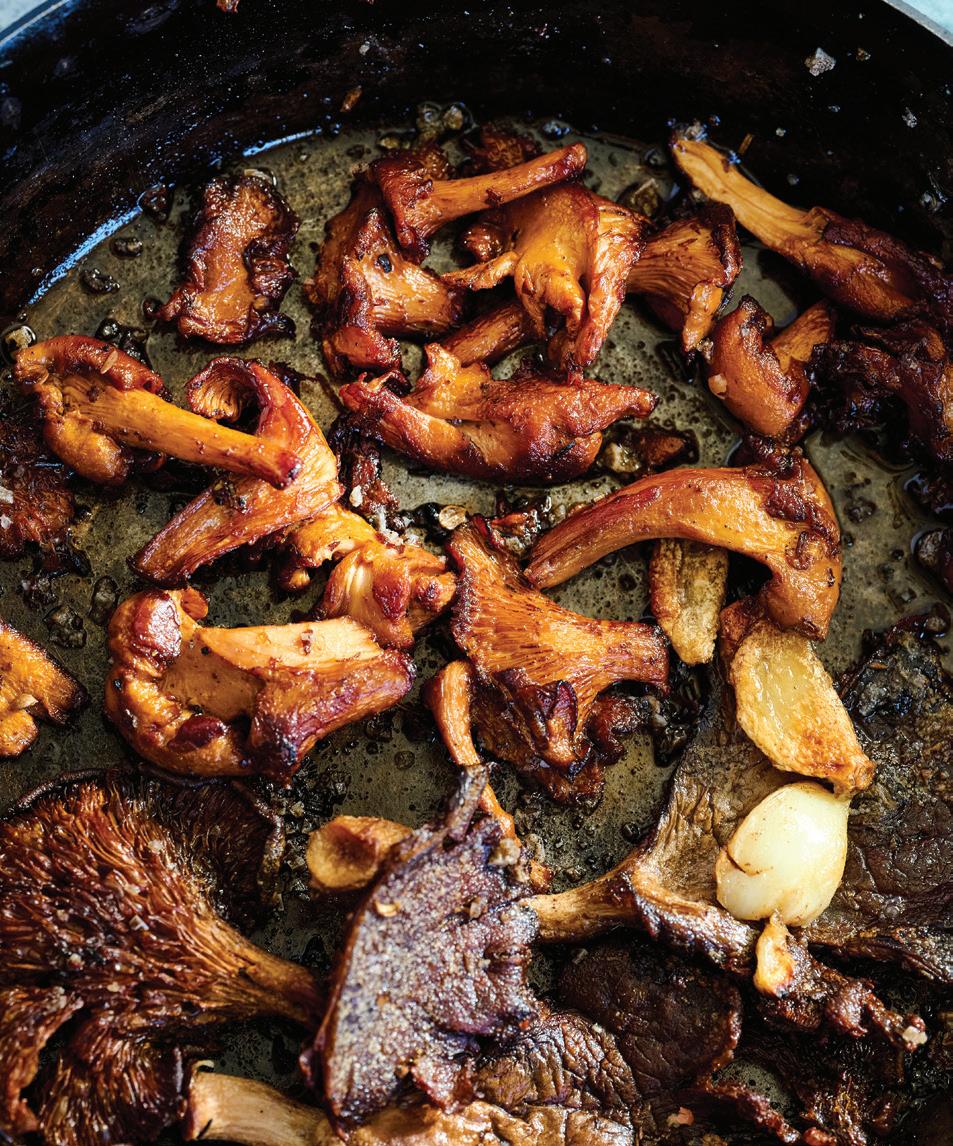
Serves 2
Yes … these do taste like chicken, and once they’re cooked, use your favorite herbs and spices the season them up. The only trick is to be sure they are thoroughly cooked, so allow at least ten minutes in the pan. These dense mushrooms grow on trees and their textures differ depending on whether they are harvested right after it rains and are fresh; or when the woods are dry. According to Forager Chef, Alan Bergo, the fresher mushrooms can be sauteed in oil; if they’re dry and older, it’s best to simmer them in water before sautéing.
8 ounces chicken of the woods mushrooms
Water
2 to 3 tablespoons coconut oil
1 medium white onion, diced
3 cloves garlic, smashed
Salt and freshly ground black pepper
2 tablespoons curry paste
1 can (13.5 ounces) coconut milk
1 cup vegetable or chicken stock
1 to 2 teaspoons honey, to taste
Lime juice to taste
Chopped cilantro for garnish
Thoroughly clean the mushrooms with a damp towel and cut off any hard woody parts. Cut the mushroom into 1-inch pieces. Put the mushrooms into a deep pot and add enough water to barely cover. Set over medium heat and cook the mushrooms until the water has evaporated and the mushrooms are tender.
Add the oil, onion, and garlic and sprinkle with a little salt and pepper. Sauté until the onions are tender and begin to brown, about 3 to 5 minutes. Stir in the curry and the stock, reduce the heat to a simmer and cook until the mixture has thickened and the mushrooms are very tender, about 30 minutes. Stir in the honey and adjust the seasonings, adding lime juice to taste. Serve over rice and garnish with chopped cilantro.


Exploring distinctive properties, architectural insights, and curated spaces throughout the North
Find the perfect place to call home, right here in the North
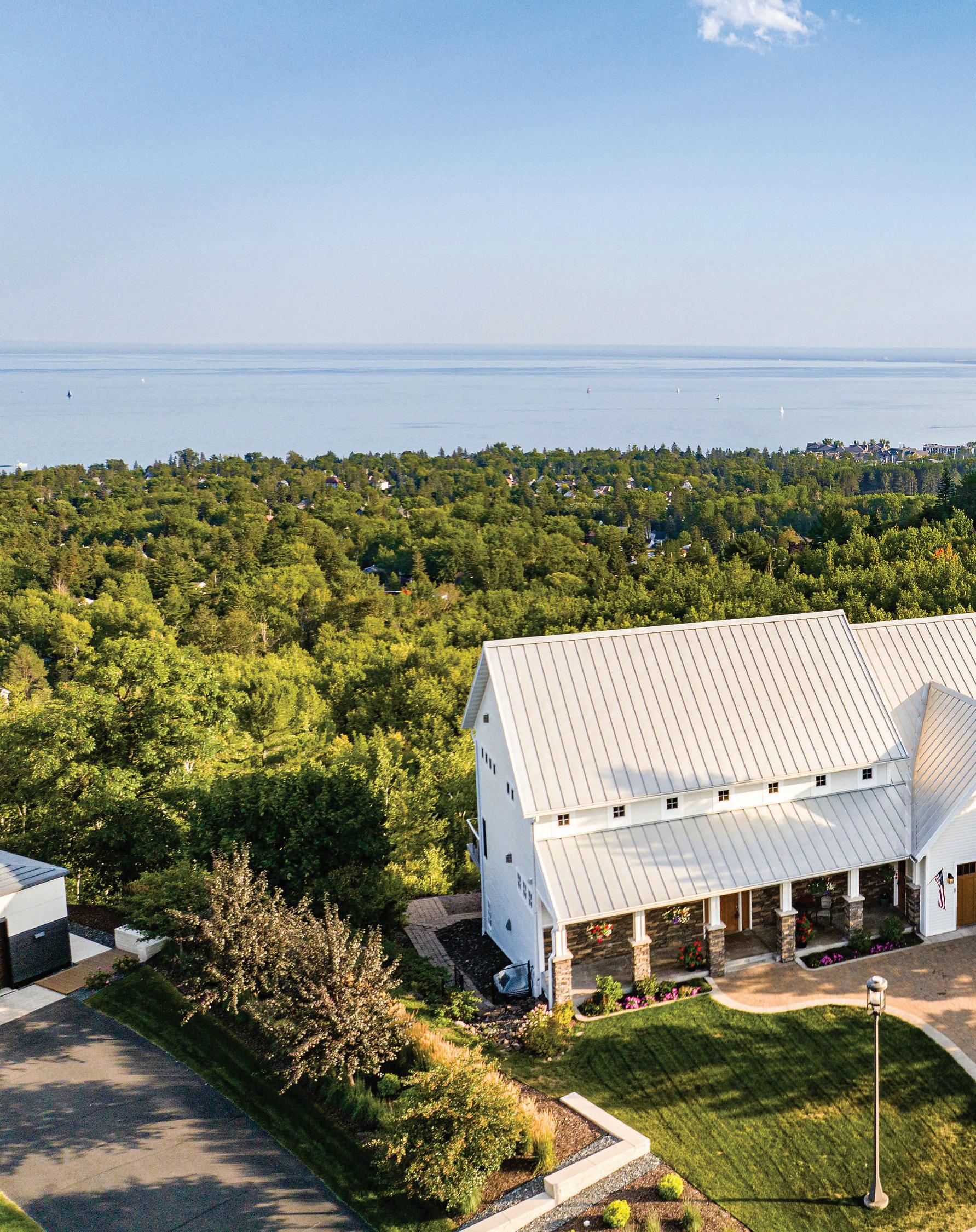
See this property on page 192
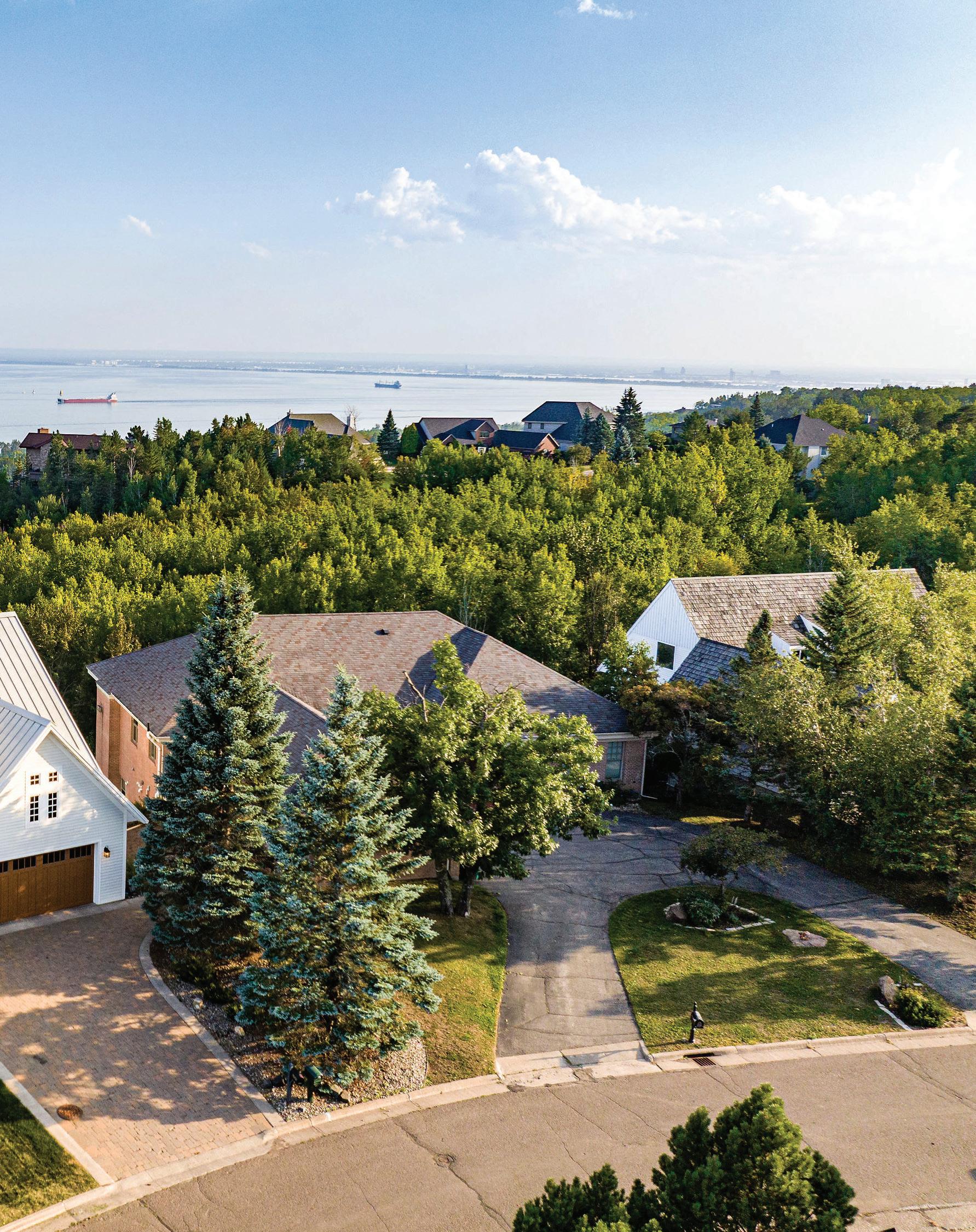
$1,699,900 | Beds 5+ | Baths 6 | Gar. 3 | Sq. ft. 5,923
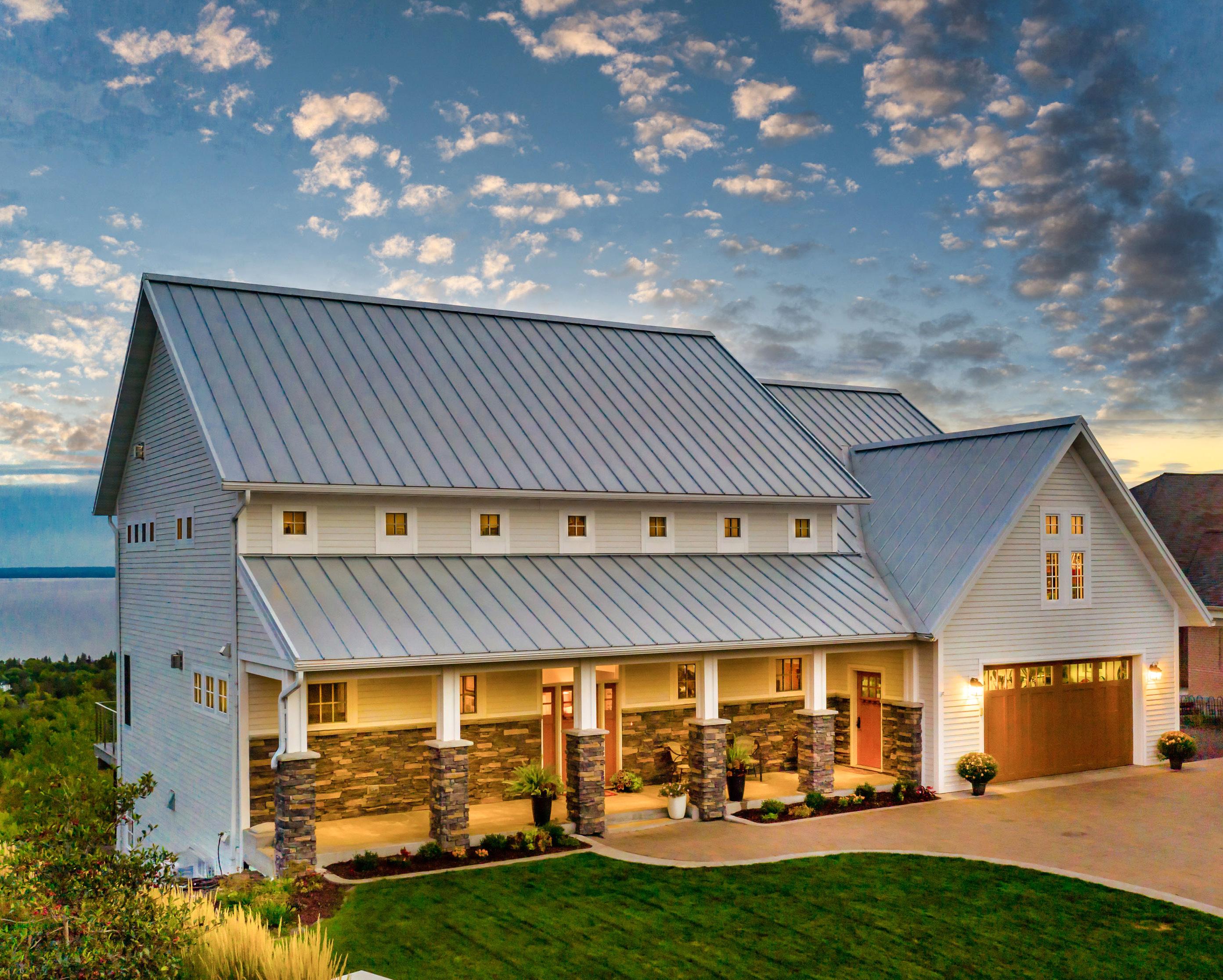
tracy@tracyramsay.com tracyramsay.com

Stunning Lake Superior views! This architect-designed 5+ bedroom, 6-bath Northland Estates home blends exceptional craftsmanship with breathtaking views. The open main level features a gourmet kitchen with custom tiger maple cabinetry, granite and quartz surfaces, and premium appliances. Three ensuite bedrooms upstairs offer sweeping lake views, while the primary suite boasts dual baths, a steam shower, soaking tub, and walk-in closet with laundry access. The walkout lower level includes a theater, wet bar, gym with sauna, and more. New solar panels eliminate electric bills. Enjoy ship watching from the expansive maintenance-free deck of this one-of-a-kind Duluth retreat. Tracy Ramsay | RE/MAX Results 218-390-6747

$1,495,900 | Beds 6 | Baths 8 | Gar. 4 | Sq. ft. 8,389
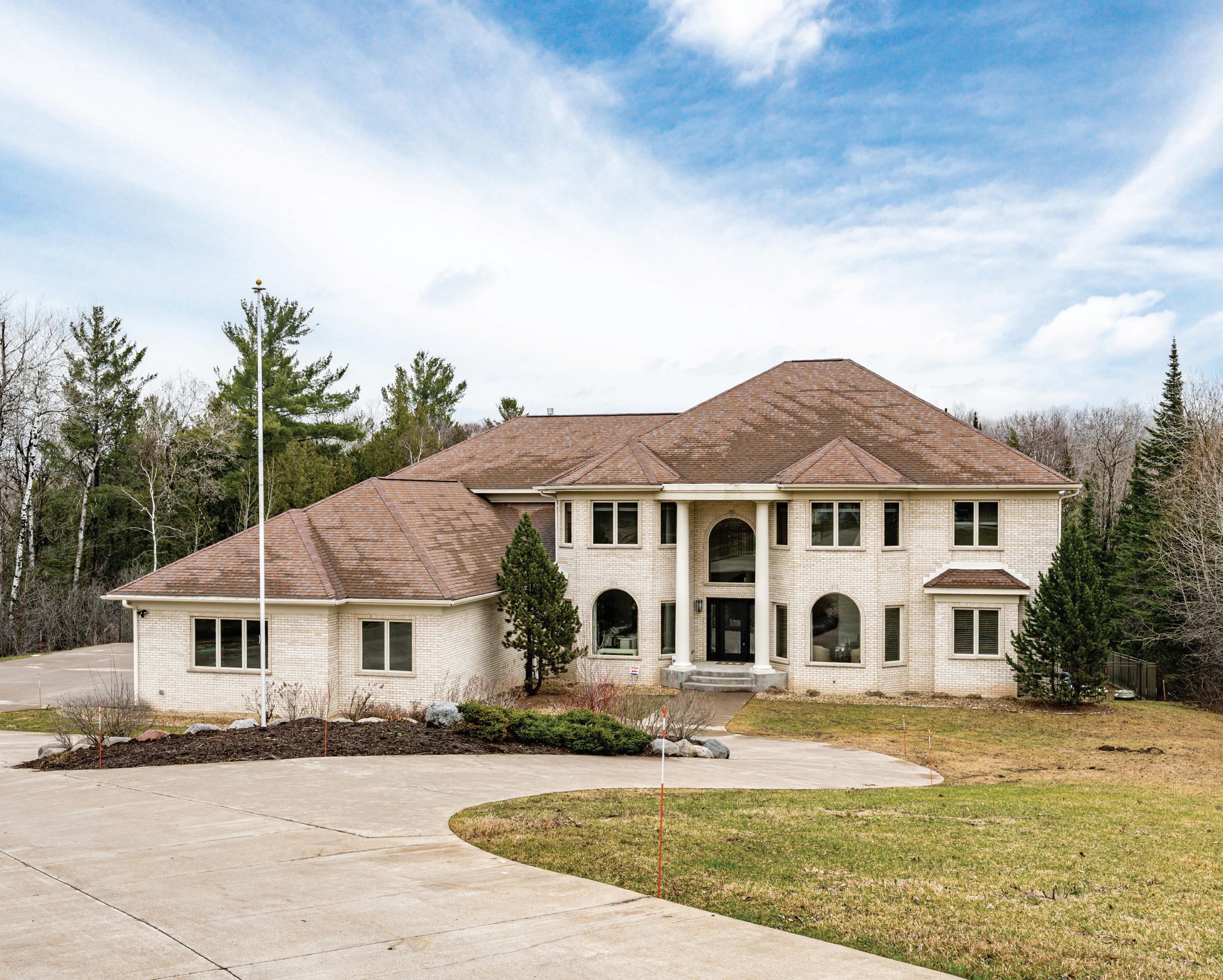
This stately executive home, custom-built in coveted Bristolwood Estates, offers over 8,000 square feet of luxury on a quiet cul-de-sac. Featuring 6 bedrooms, 8 baths, and a 4-car heated garage with paver driveway, every detail exudes quality. Each bedroom includes a private bath and walk-in closet. The lavish primary suite boasts dual fireplaces, sitting area, custom closets, balcony, whirlpool tub, and walk-in shower. Entertain with a gourmet kitchen, formal dining, great room, and dual offices. The walkout lower level impresses with full bar, billiards, theater, rec room, and in-floor heat throughout. A fenced yard and wooded backdrop complete this remarkable home.
$1,395,000 | Beds 2 | Baths 2 | Gar. 2 | Sq. ft. 2,695
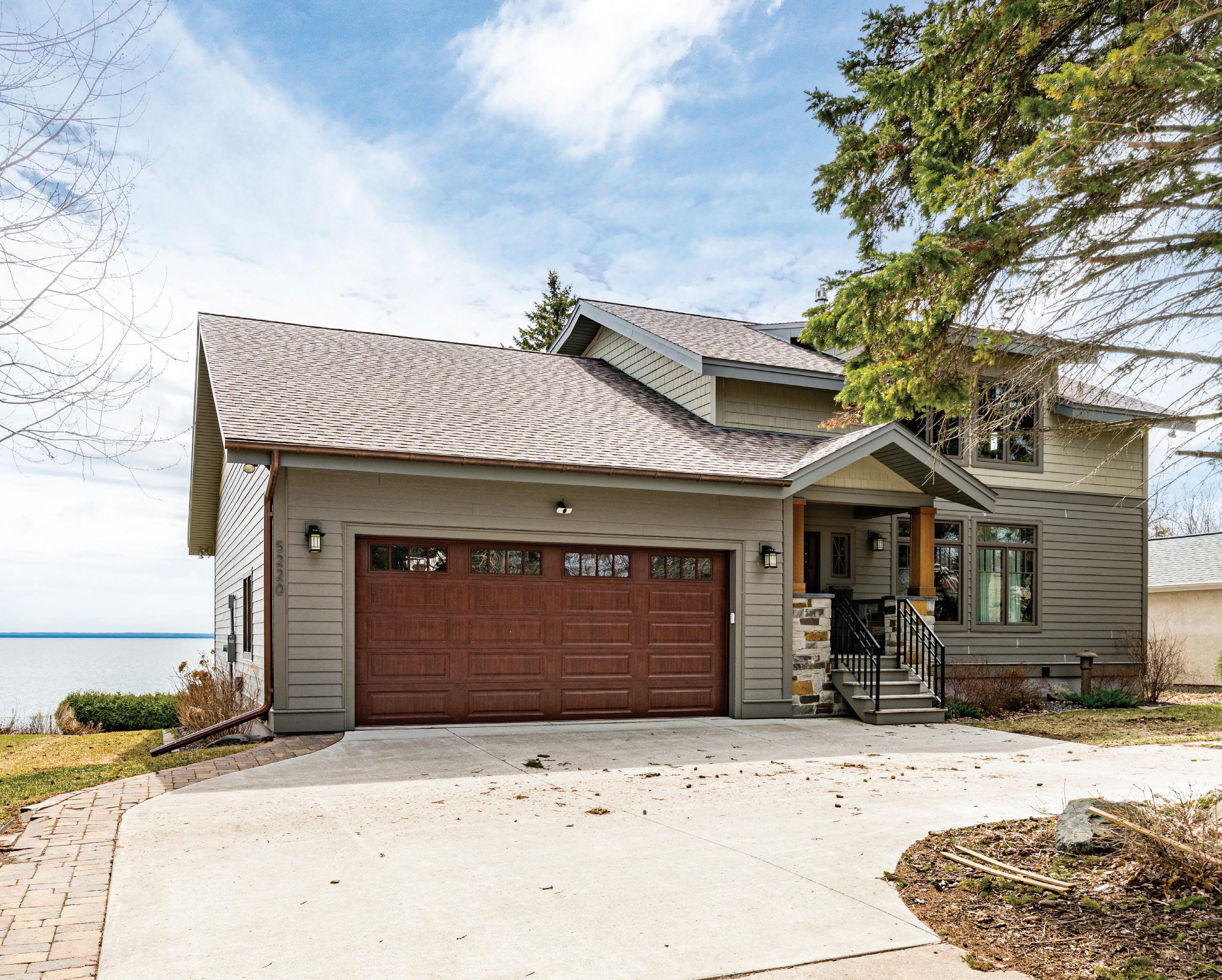
This architecturally designed, exceptionally constructed newer home on Lake Superior offers classic style, thoughtful design, and breathtaking waterfront views. Every detail reflects outstanding craftsmanship and quality, with premium materials chosen to complement its stunning lakeside setting. Expansive windows and sliding glass doors open to a deck overlooking the water — perfect for effortless indoor-outdoor living. Outdoors, a charming screened lake room and brick fireplace invite evening gatherings by the shore, where every sunset reflects the artistry and beauty of Lake Superior living.
Tracy Ramsay | RE/MAX Results 218-390-6747
tracy@tracyramsay.com tracyramsay.com
$1,199,000 | Beds 3 | Baths 3 | Gar. 2 | Sq. ft. 3,000
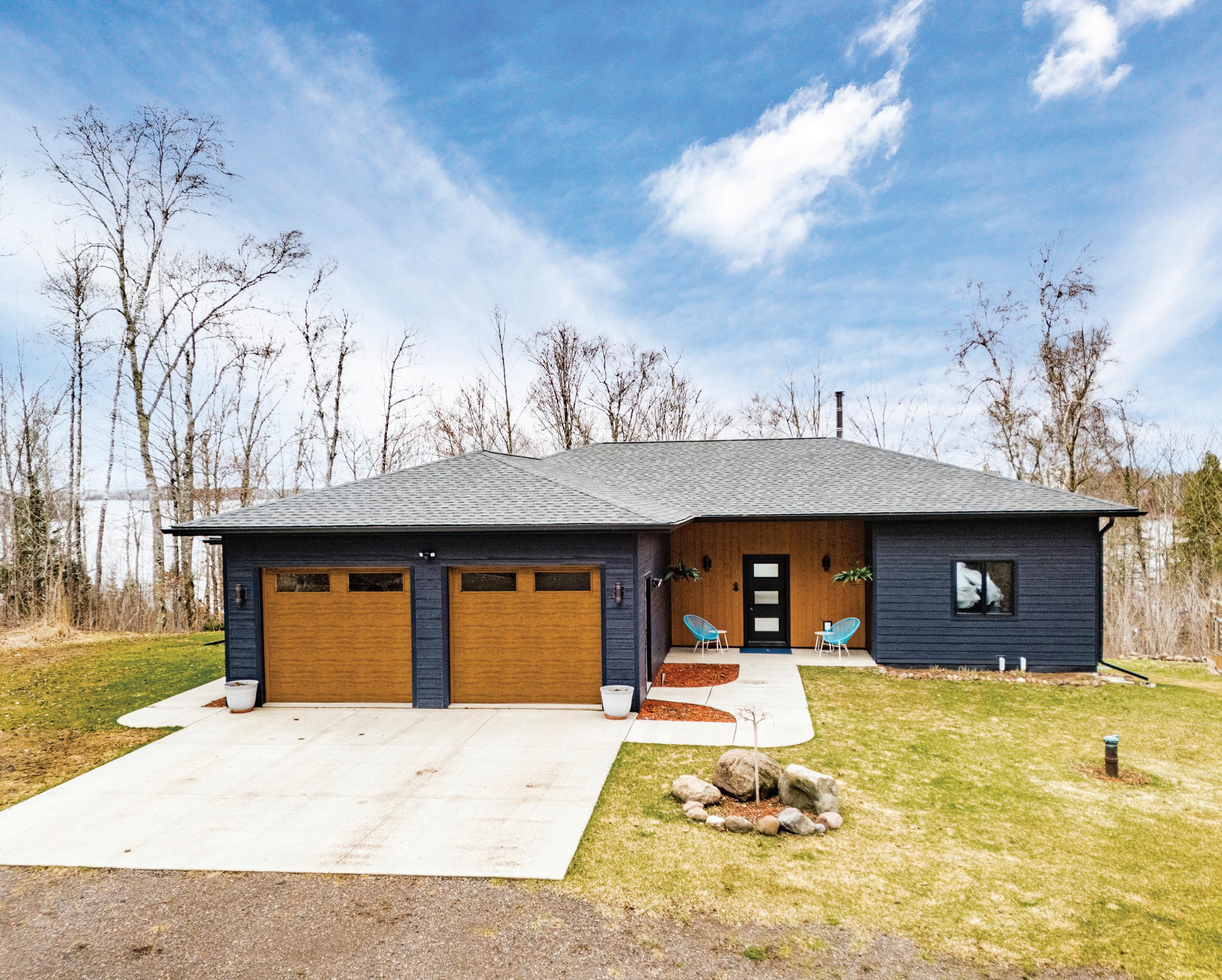
This exceptional property includes over 5 acres of maple forest with western (sunset) exposure, 200 feet of shoreline which is part of a 3,000acre lake. The beautiful lot is within the highly sought-after Hermantown School District and also within 15 minutes of shopping, medical centers, and the Duluth airport. This 3-bedroom, 3-bath home offers a rare blend of modern design, energy efficiency, and effortless Minnesota lake living including an open floor plan with 10-foot ceilings and Brazilian hardwood on the main floor. Enjoy every season on Fish Lake — boating, snowmobiling, fishing, swimming, or simply taking in the peaceful shoreline.
$950,000 | Beds 2 | Baths 2 | Gar. 2 | Sq. ft. 1,730

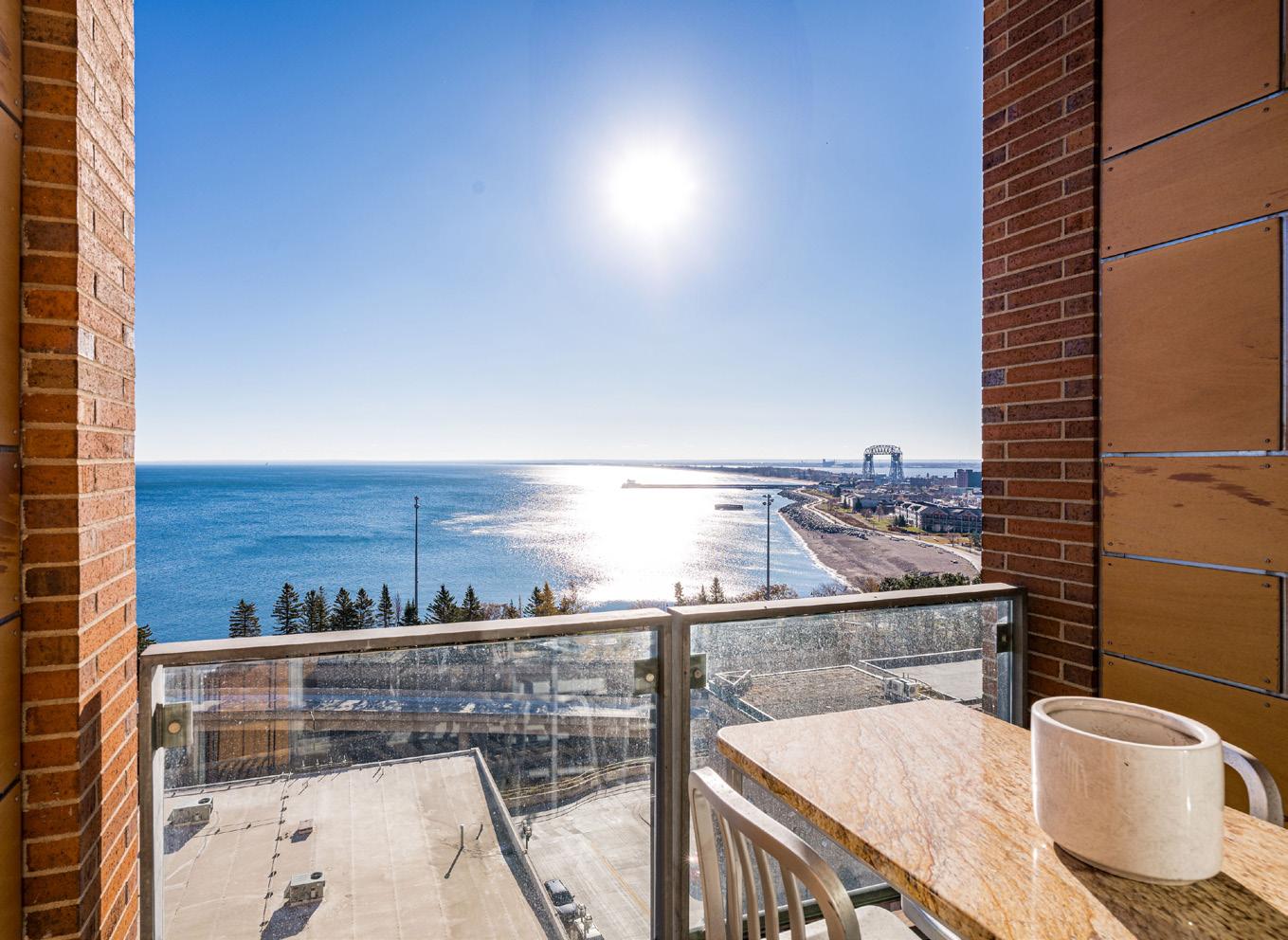
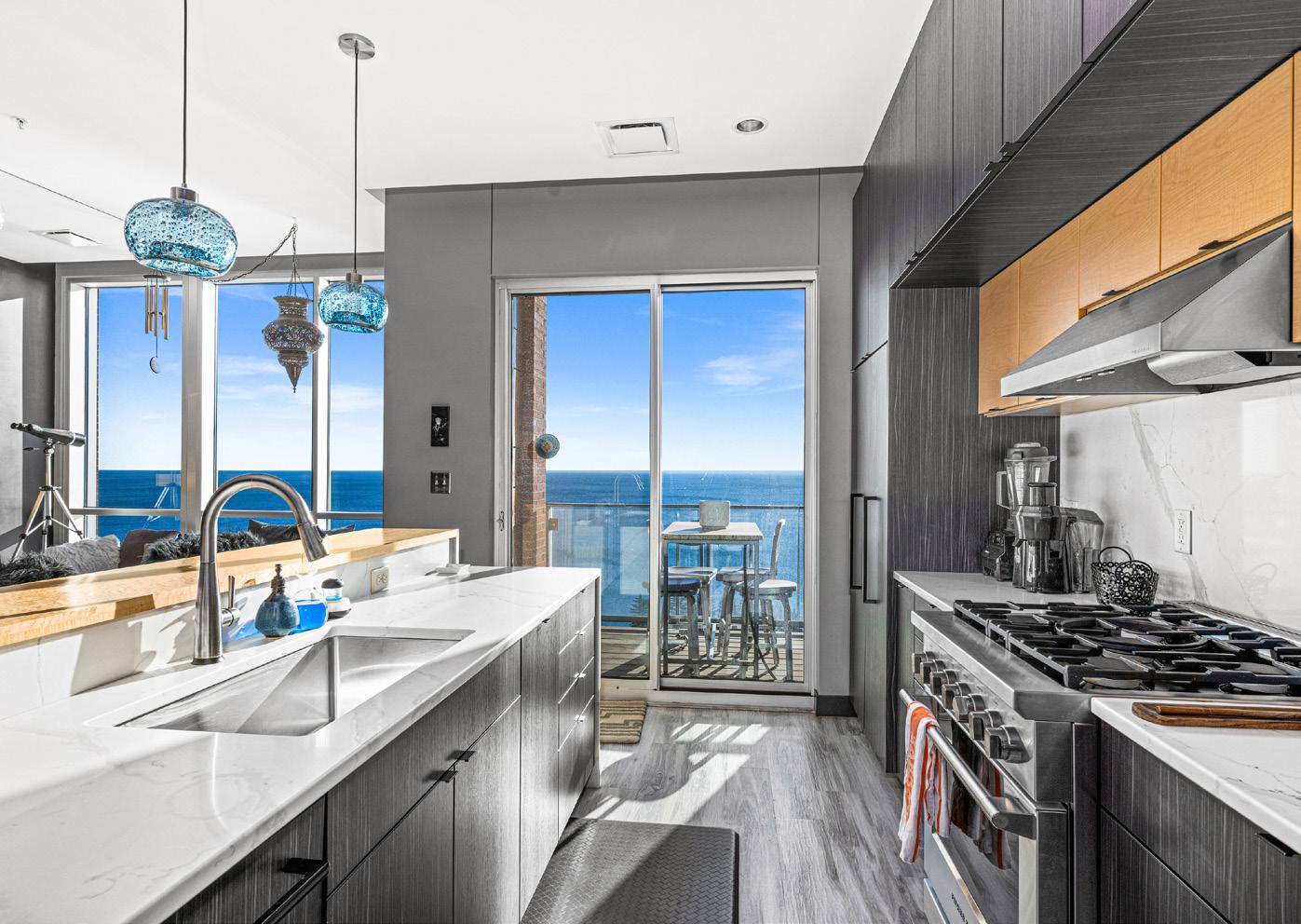
Urban luxury meets Lake Superior views in this stunning 2+ bedroom, 2 bath condo in the heart of the city. Completely renovated in 2021, it features a chef’s kitchen with birdseye maple and granite waterfall island, Fisher & Paykel appliances, and a built-in coffee bar. The flexible layout includes a stylish pub room with a glass wall and custom finishes. Enjoy the expansive patio with fire pit and gas hookup, a spalike primary suite with steam shower, and 2 heated garage spaces with EV plug-in. Steps from dining, shopping, and skywalk access — this is urban living perfected. Tracy Ramsay | RE/MAX Results 218-390-6747 tracy@tracyramsay.com tracyramsay.com
$759,900 | Beds 4 | Baths 4 | Gar. 2 | Sq. ft. 2,723
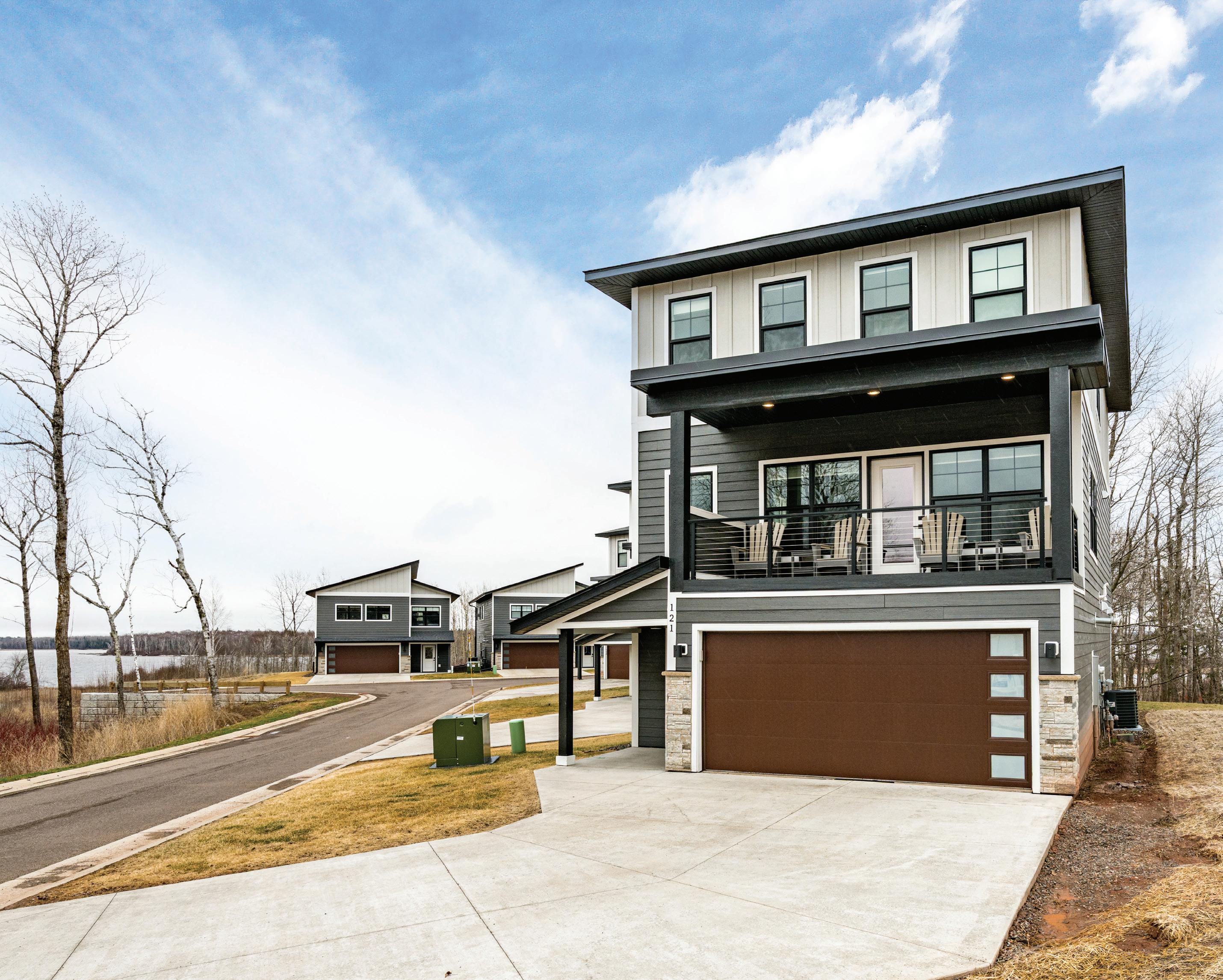
Wake up every day where Duluth adventure begins. Located in the new RiverWest development, you have instant access to Spirit Mountain, world class trails, and the scenice St. Louis River for year round fun! This 4 bedroom, 4 bath townhome delivers the ultimate Northland lifestyle. The open-concept floor plan is designed for modern living, with custom cabinetry, quartz countertops, walk-in pantry, and a gas range with hood — and a fireplace — perfect for cozy nights in after a day outside. You’ll love the flexibility here: owner-occupy and make this your personal basecamp, or place it in the rental pool to generate income when you’re not using it. Live Beautifully.
$3,999,900 | 200 acres | 2,000 ft. frontage
Discover an extraordinary opportunity with 200 acres of beautifully treed land and 2,000 feet of stunning sandy beach frontage on Lake Superior’s South Shore. This rare property offers breathtaking natural beauty and endless possibilities, with land already platted and ready for development. Whether you envision a private estate, an exclusive community, or a remarkable investment, this unique parcel provides the perfect canvas. Enjoy serene lake views, abundant privacy, and direct access to one of the region’s most coveted shorelines. Don’t miss your chance to own a piece of Lake Superior paradise!
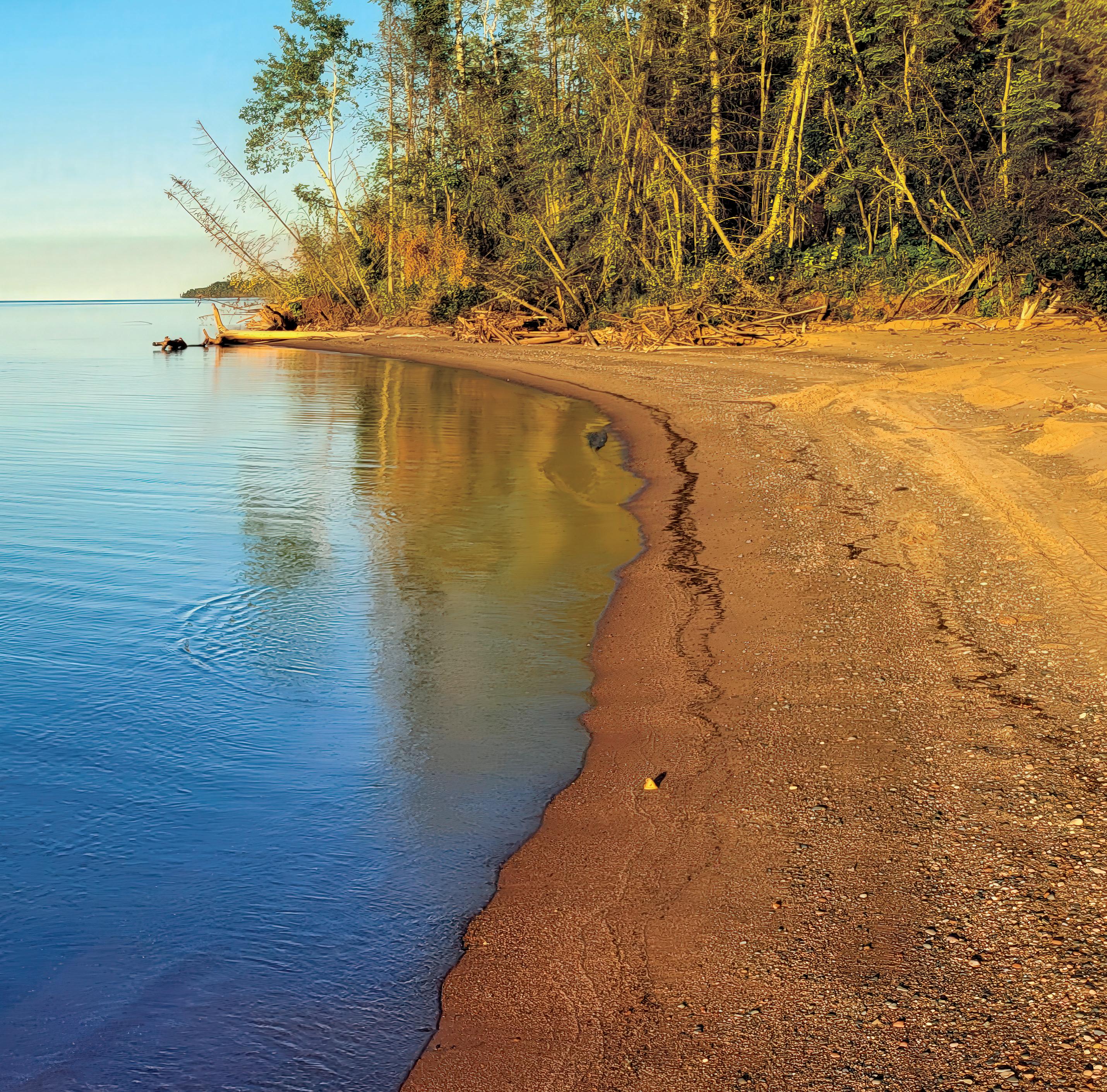

$2,150,000 | Beds 8 | Baths 8 | Gar. 3 | Sq. ft. 7,500 | 5.88 acres | 302 ft. frontage
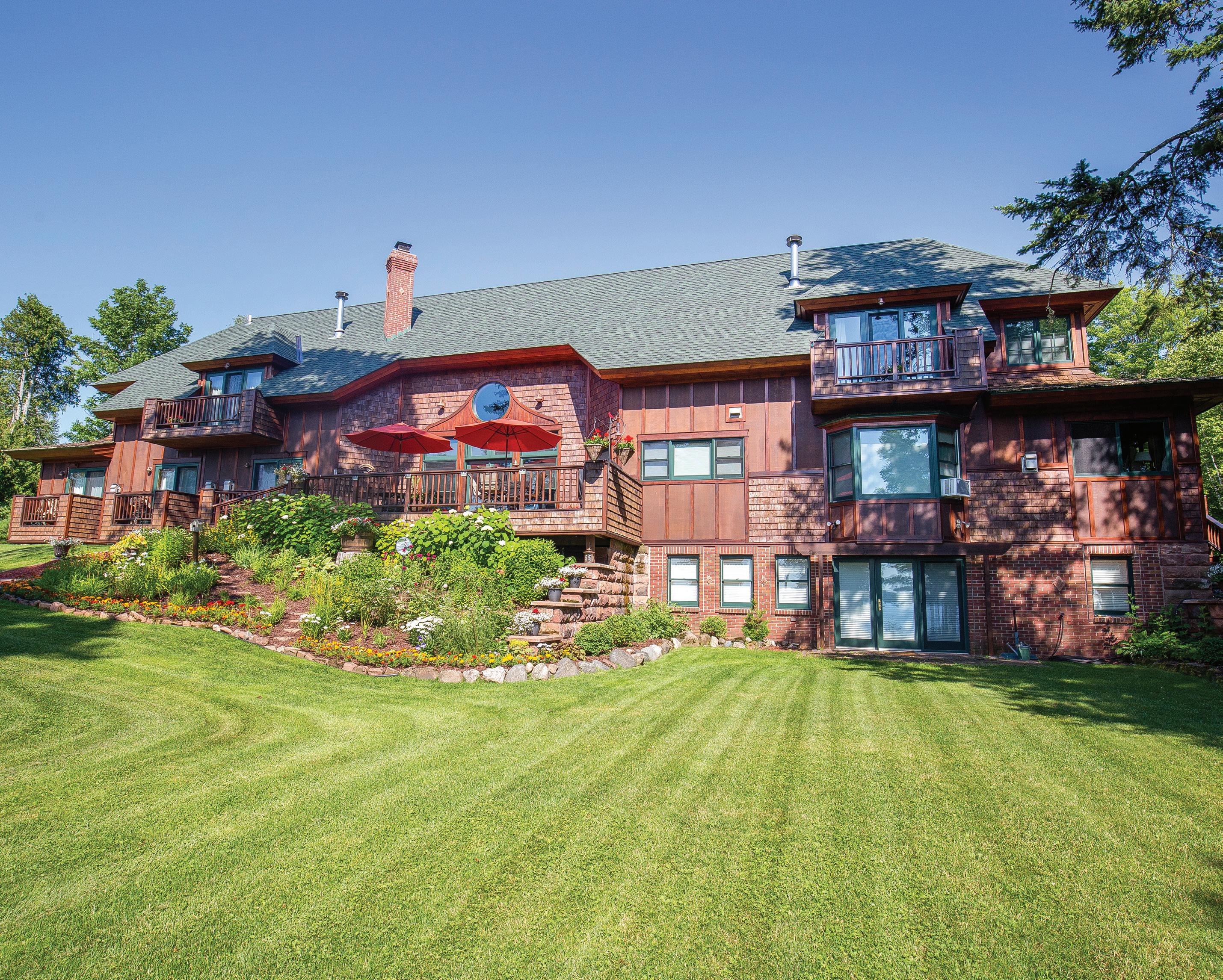
Discover unmatched privacy and timeless beauty on 300 feet of pristine Lake Superior shoreline. Nestled amid old-growth forest, this extraordinary estate pairs Edwardian charm with modern luxury. Historic brownstone pillars from 1892 frame the home, where handcrafted woodwork, elegant living spaces, and lakefront decks create a warm, refined retreat. Each bedroom offers an ensuite bath and fireplace, while the gourmet kitchen features granite counters and premium appliances. Enjoy a sunroom/library, family room, fitness area with sauna, and illuminated gardens overlooking Siskiwit Bay. Impeccably maintained and tranquil, this rare property defines lakeside elegance. Additional 5 acres with Lake Superior waterfront available. Frank Roffers | RE/MAX Results 952-237-1100 frank.roffers@remax.net

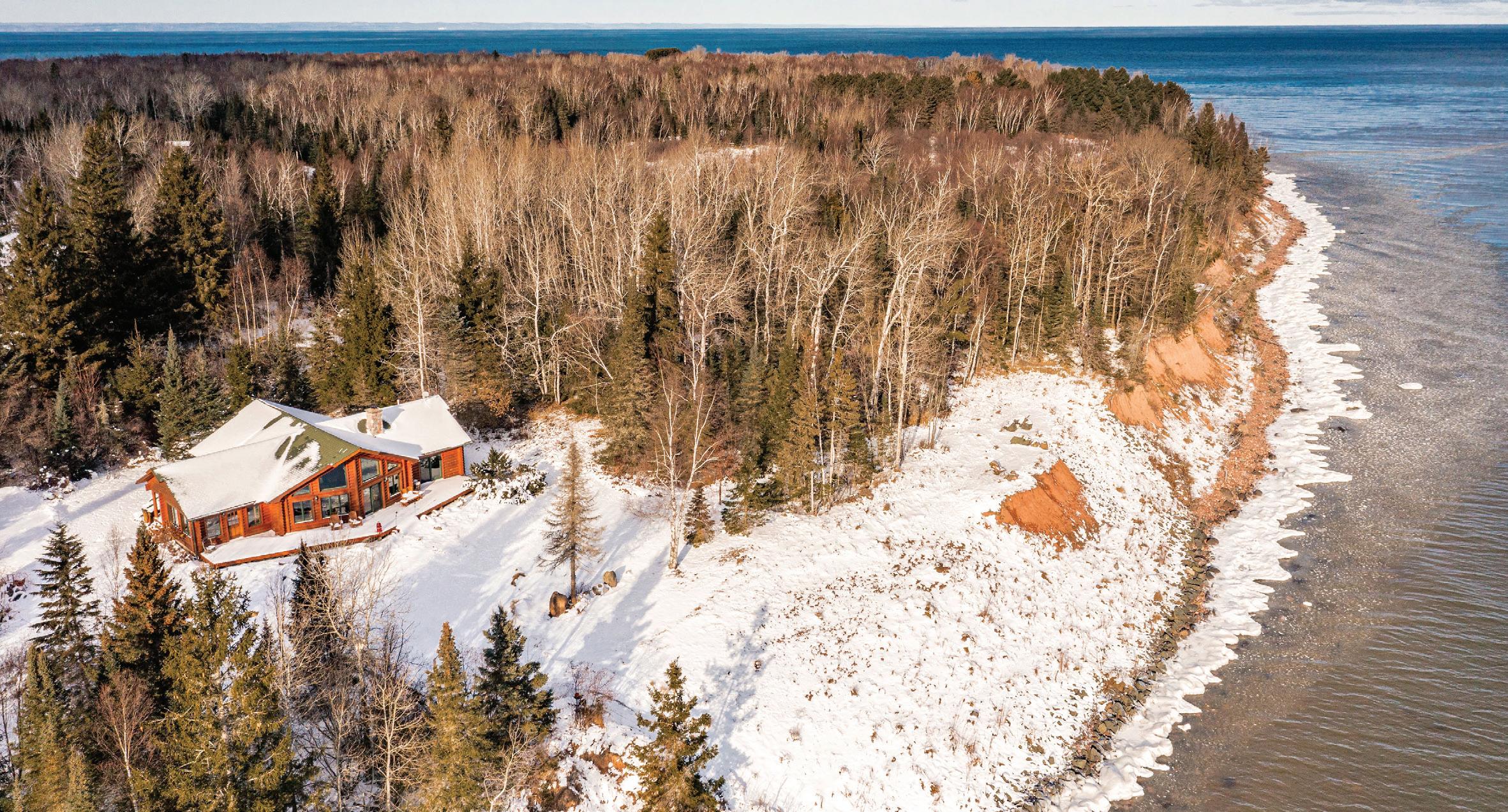
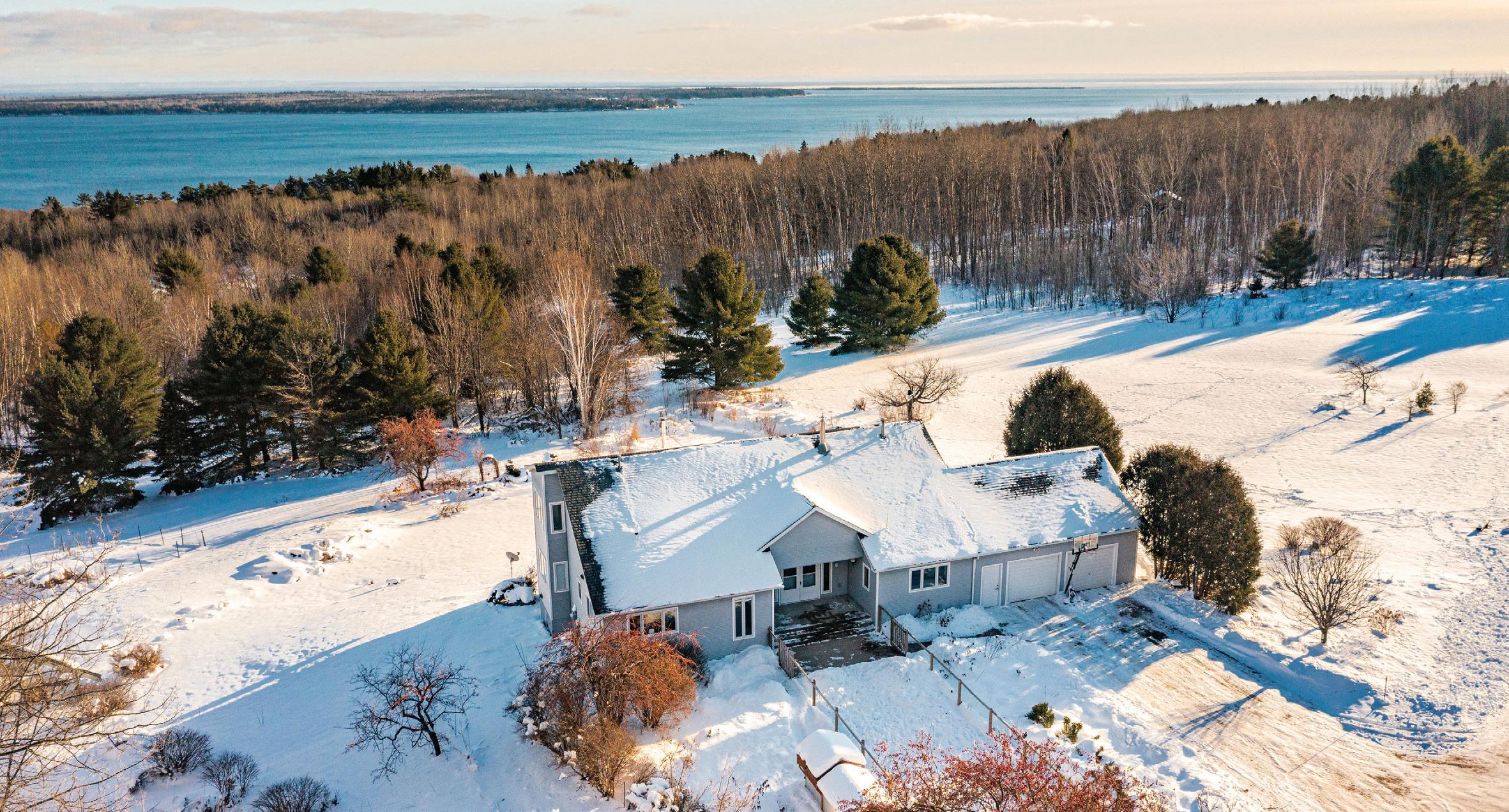
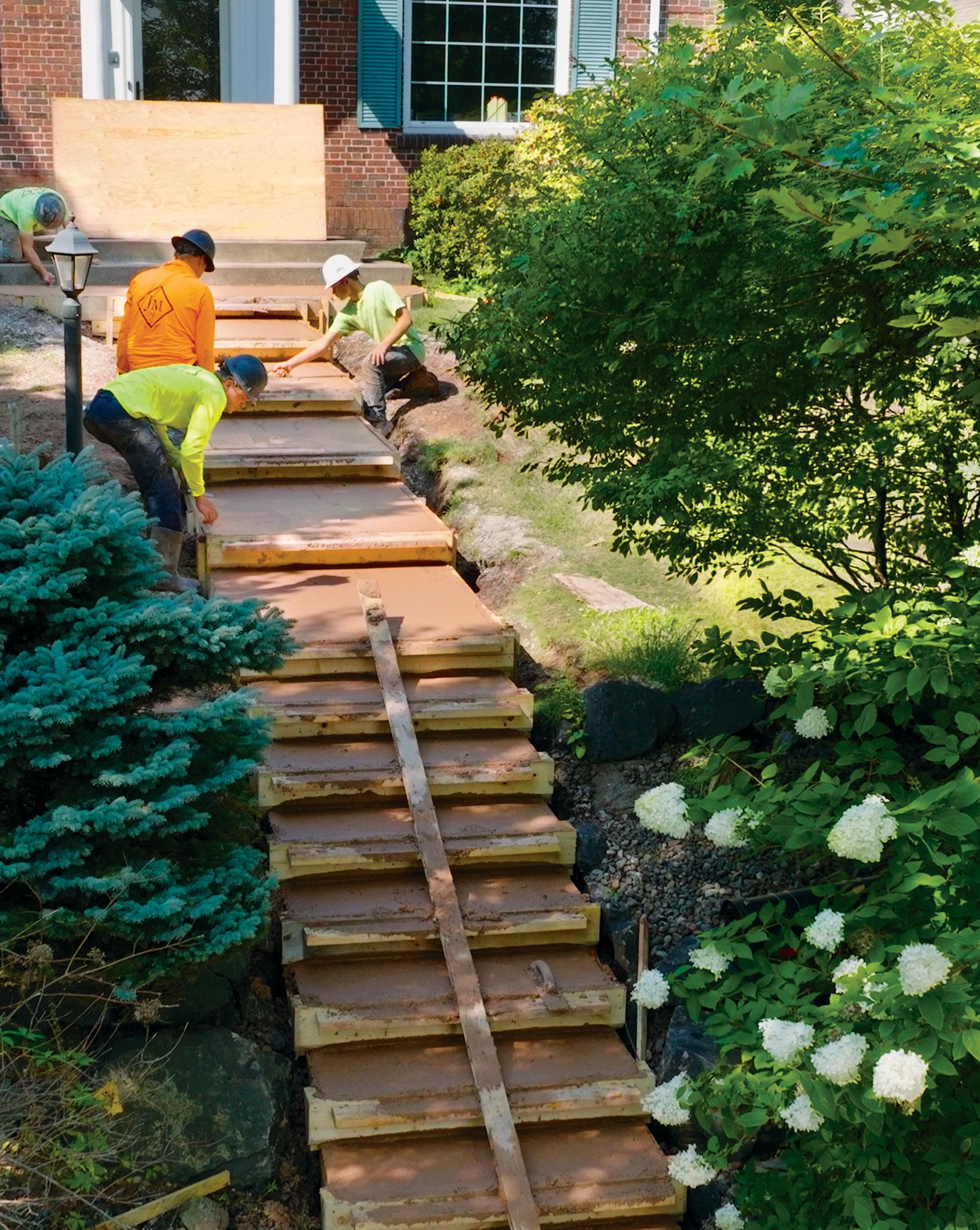
Elevating spaces, one step at a time.




The go-to luxury real estate brokerage in Minnesota’s lake country, Northland Sotheby’s International Realty is trusted by clients who expect exceptional representation. With unmatched local insight and the global strength of the Sotheby’s brand, we consistently deliver elevated marketing, expert guidance, and results that set the standard in the Crosslake and Brainerd Lakes region. For those seeking the very best, nothing compares.












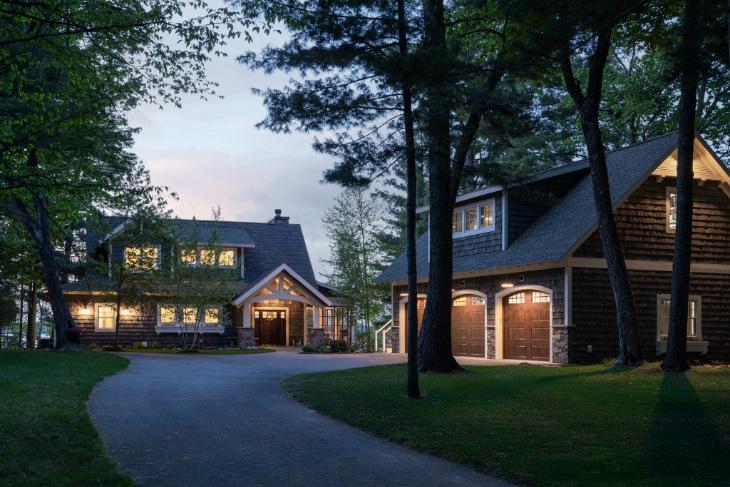
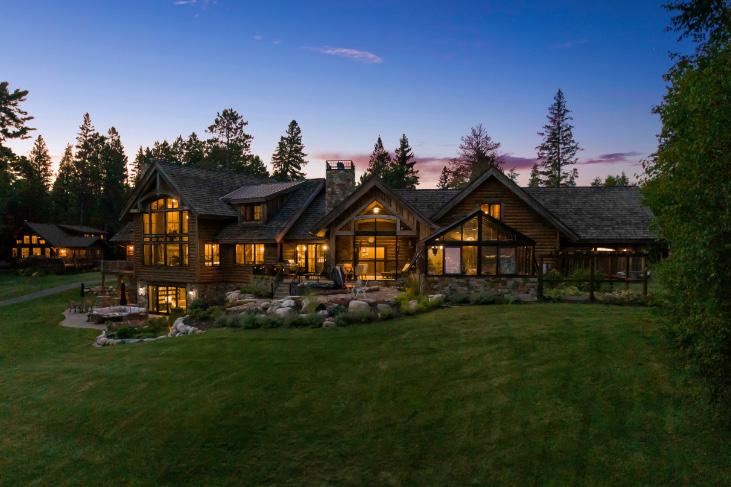
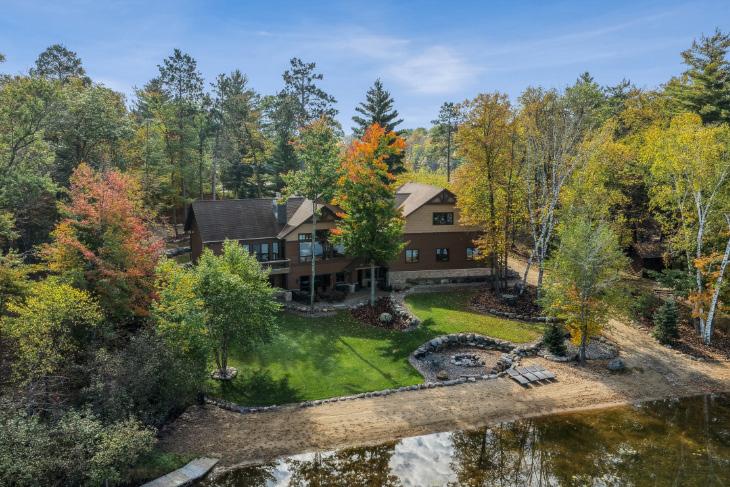
Closed at $2,510,000
Brainerd, Gull Lake Chain
Seller & Buyer Represented by Adam & Jackie Kalenberg 6024 Ojibwa Rd. 28055

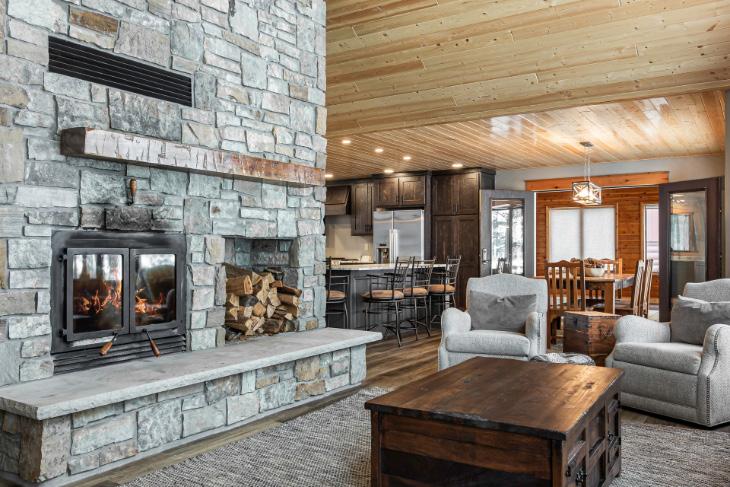
Closed at $1,700,000
Crosslake, Whitefish Chain
Seller Represented by

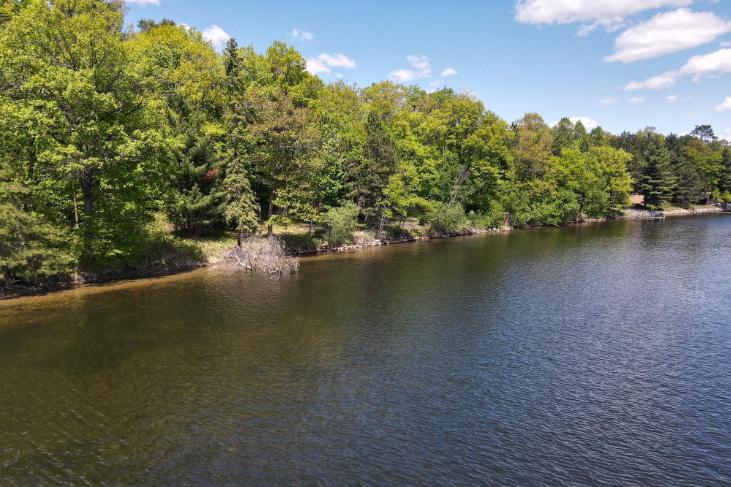
Closed at $1,800,000
Seller

at $4,500,000

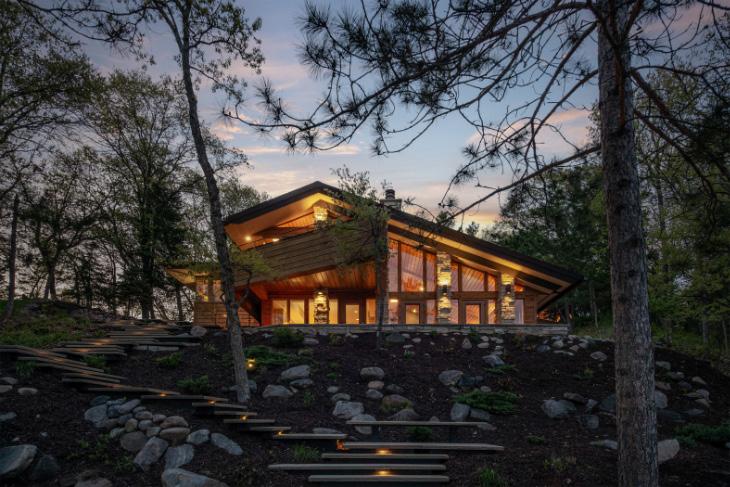
Closed at $1,350,000
Pequot Lakes, Kimble Lake
Seller Represented by Adam & Jackie Kalenberg
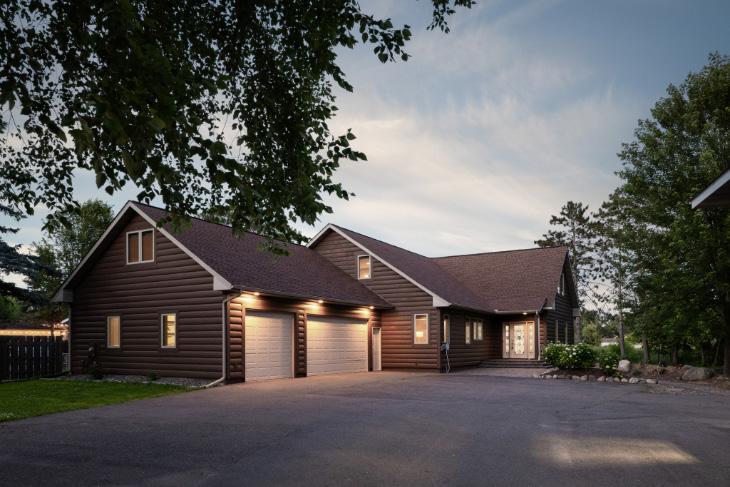
Closed at $1,250,000
Closed at $2,500,000
Crosslake, Whitefish Chain
Seller & Buyer Represented by Amanda
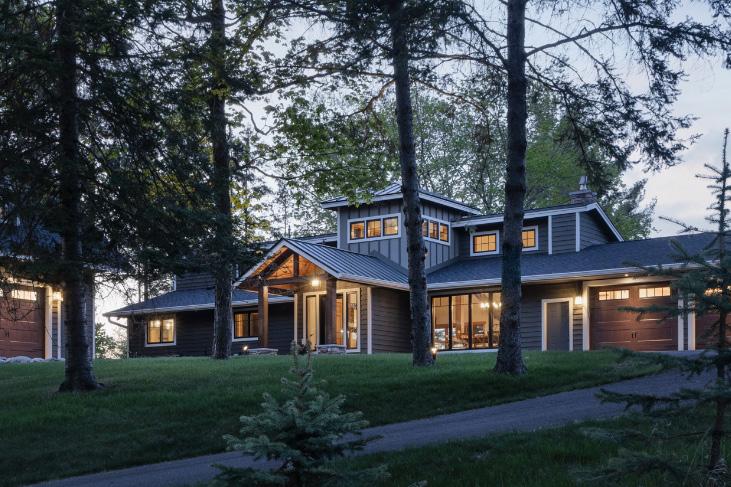
Closed at $2,600,000
Pine River, Whitefish Chain
Seller
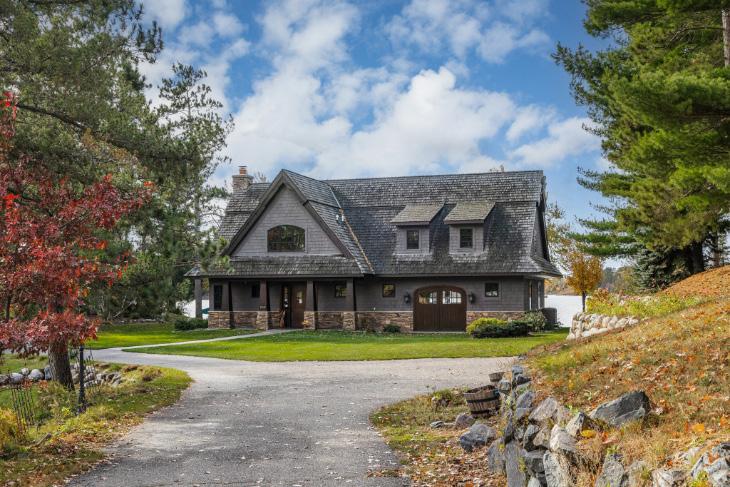

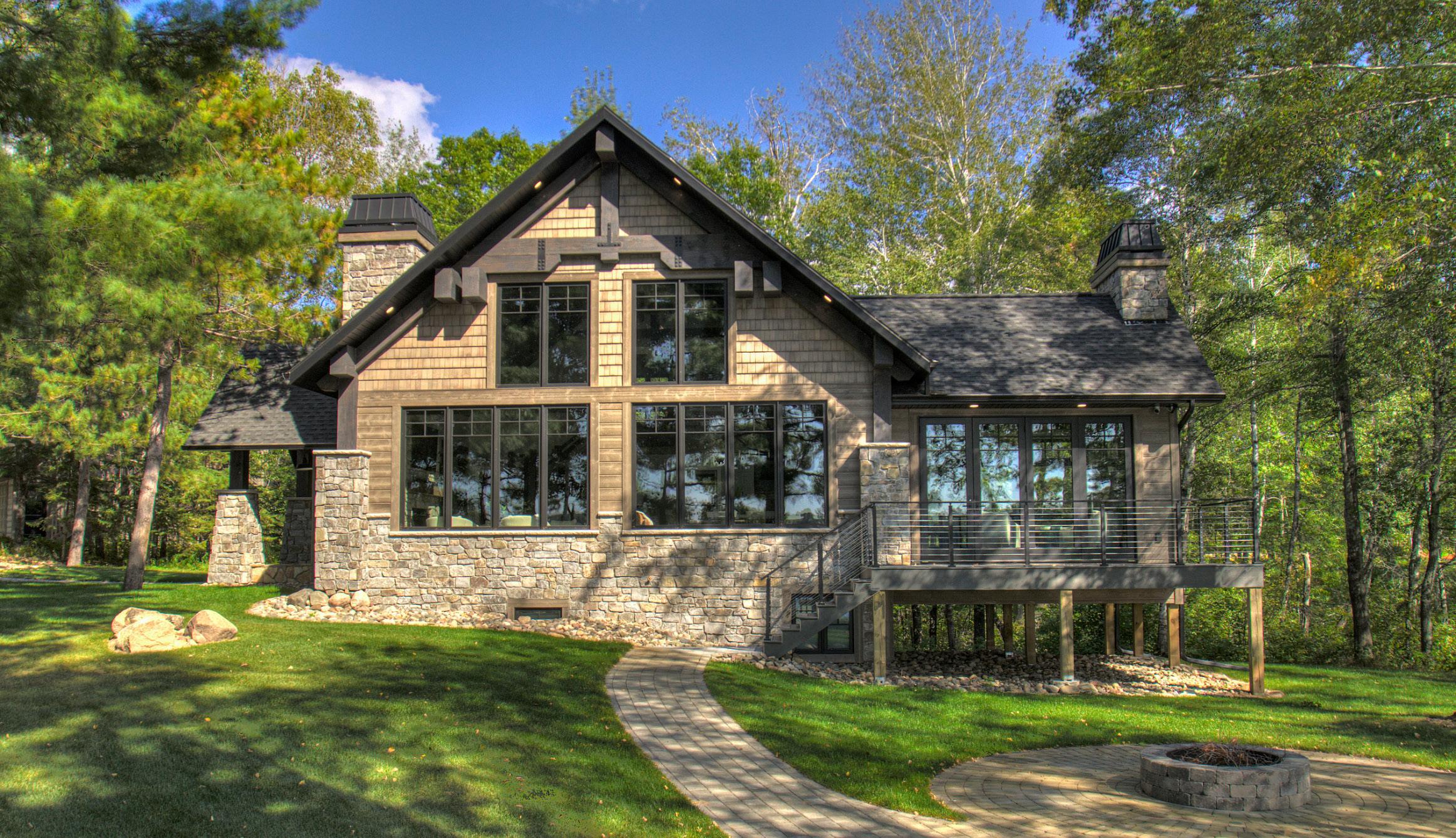
Available at $1,695,000 4 bed | 2 bath
A masterfully reimagined lakeside retreat, this exceptional residence, meticulously renovated by Dotty Brothers Construction, offering an extraordinary blend of refined craftsmanship and natural beauty. Set along over 400 feet of pristine, level shoreline, the property boasts crystal-clear waters and a rare sense of privacy. The home features four bedrooms and two baths, thoughtfully designed with warm wood finishes, natural stone accents, and expansive windows that frame captivating lake vistas. An open-concept floor plan provides a seamless flow, ideal for both relaxed living and elegant entertaining. Professionally curated landscaping enhances the approach, striking a harmonious balance between polished presentation and the authentic charm of the Northwoods. The gentle grade to the water’s edge ensures effortless access and exceptional swimming frontage. An unfinished bunk room above the garage presents a valuable opportunity to create additional guest accommodations or expand the living space to suit your vision. This is a rare offering where tranquility, quality, and exceptional shoreline come together to create an effortless lakefront lifestyle.

Adam & Jackie Kalenberg
218.330.9066
507.254.9958
adam@northlandsir.com
jackie@northlandsir.com

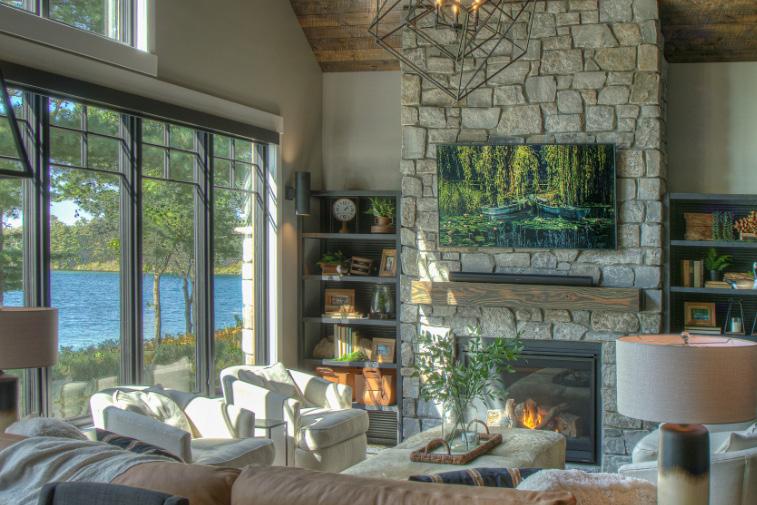
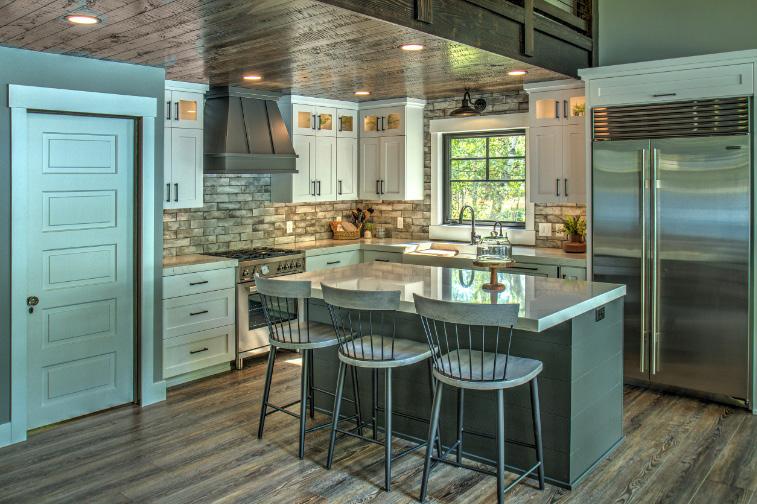
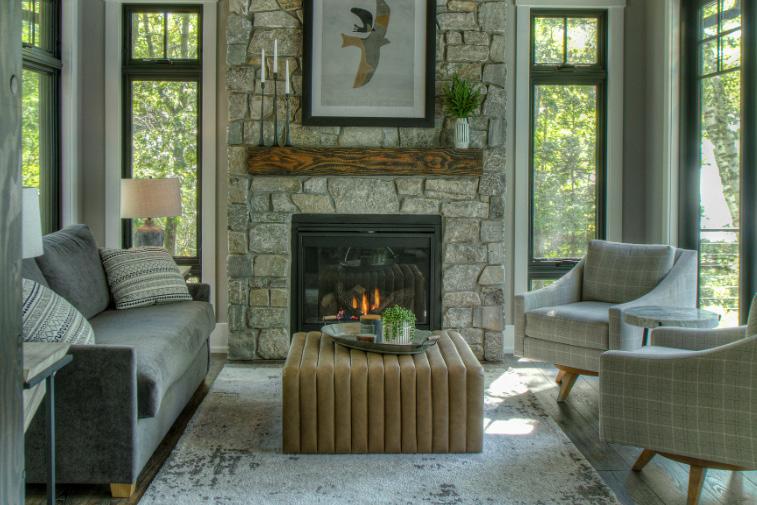
Available at $4,250,000 19,084 sqft | 14.1 acres
A rare offering in the world of hospitality and winemaking, Dennis Drummond Wine Co. presents an extraordinary opportunity to acquire an established winery, event destination, and acclaimed brand. The offering includes a sophisticated event center, onsite production facilities, and six internationally awarded wines that have helped define its reputation. Thoughtfully designed for memorable gatherings and seamless operations, the property also features a full-service restaurant with industrial kitchen, an elegant bridal suite, and a private apartment for owner or guest accommodations. Offered as a turnkey enterprise, this is a compelling opportunity to carry forward a celebrated legacy in wine, events, and exceptional hospitality. Transition assistance may be available to support a seamless ownership experience.

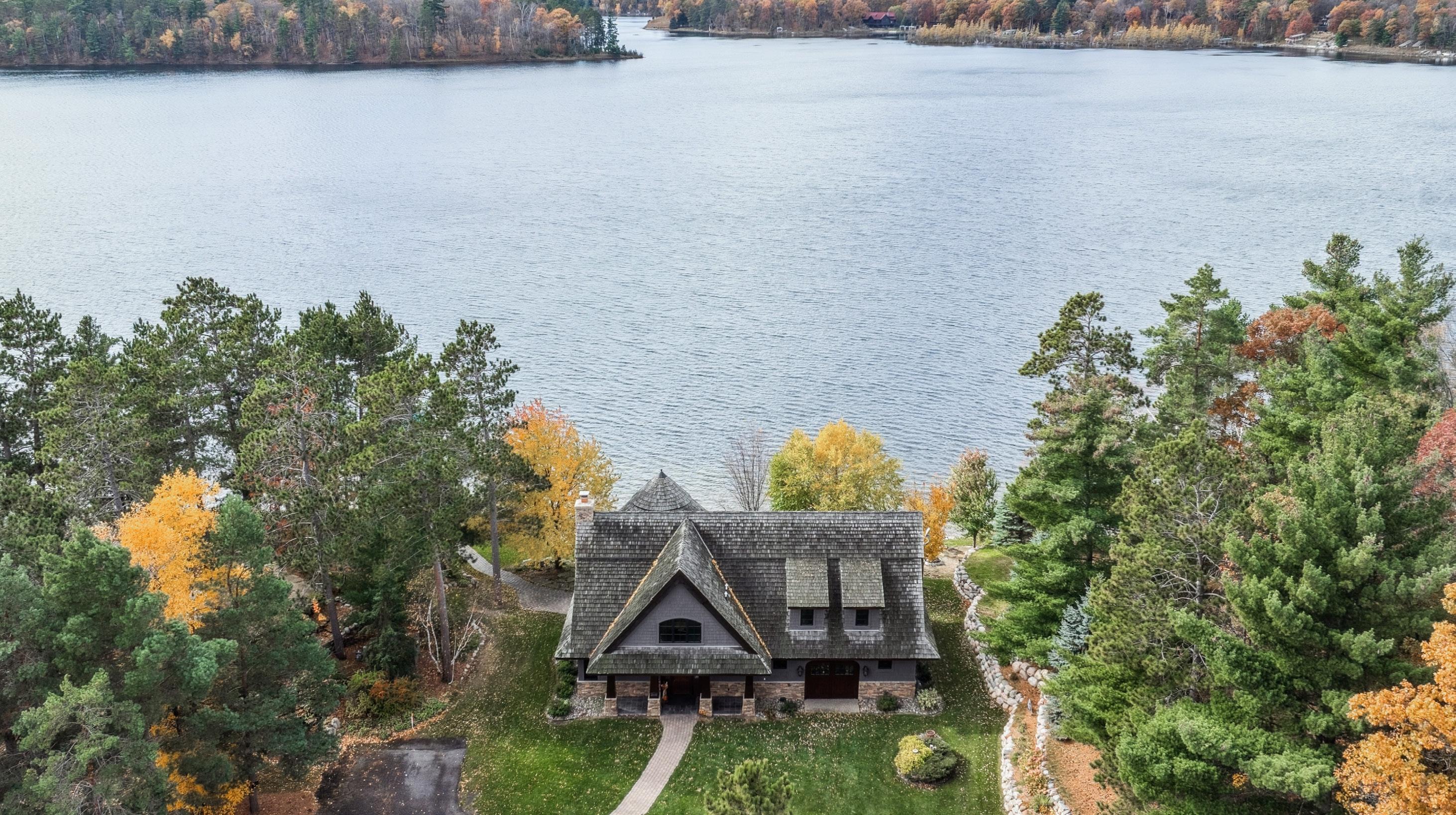
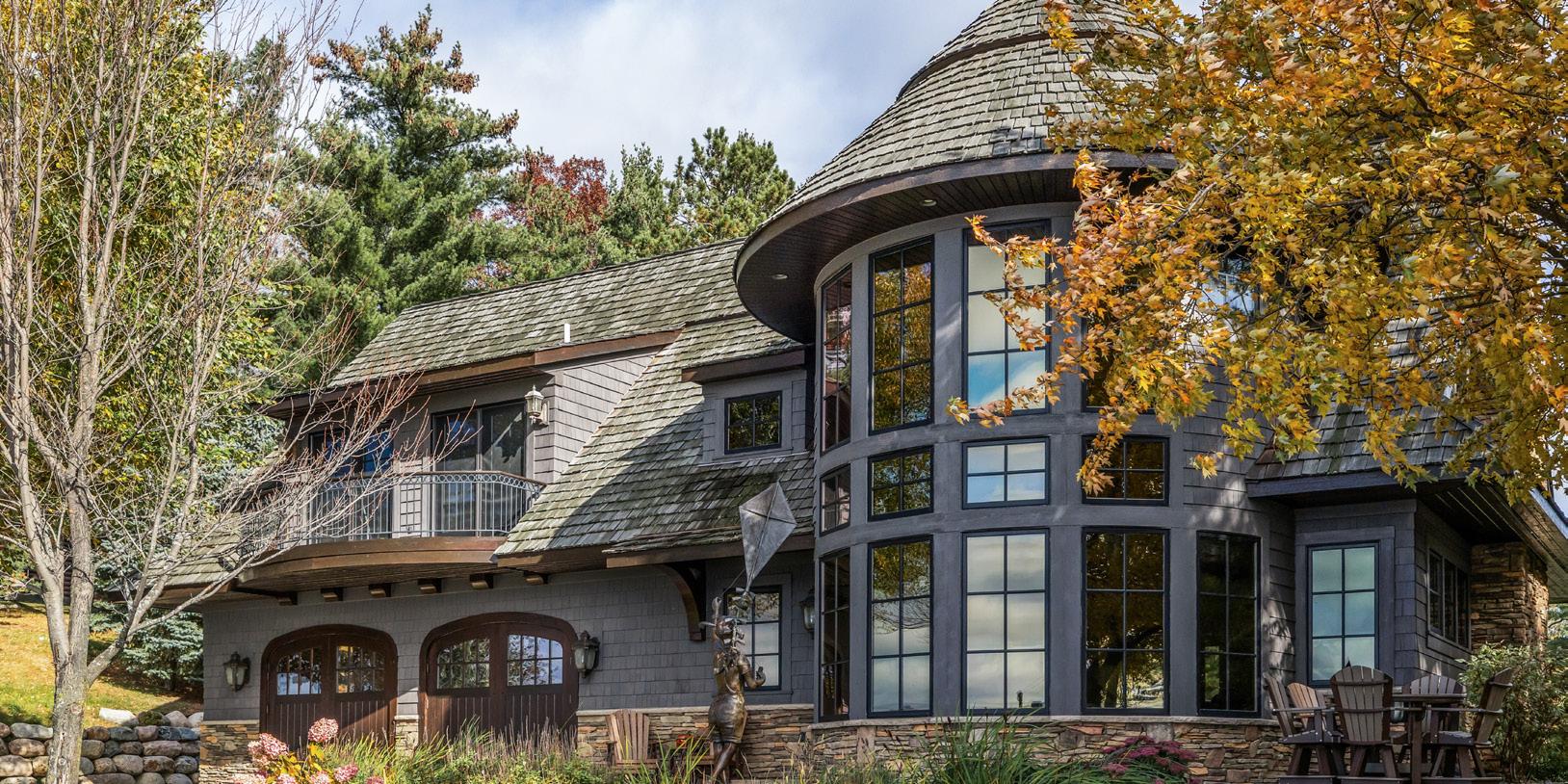
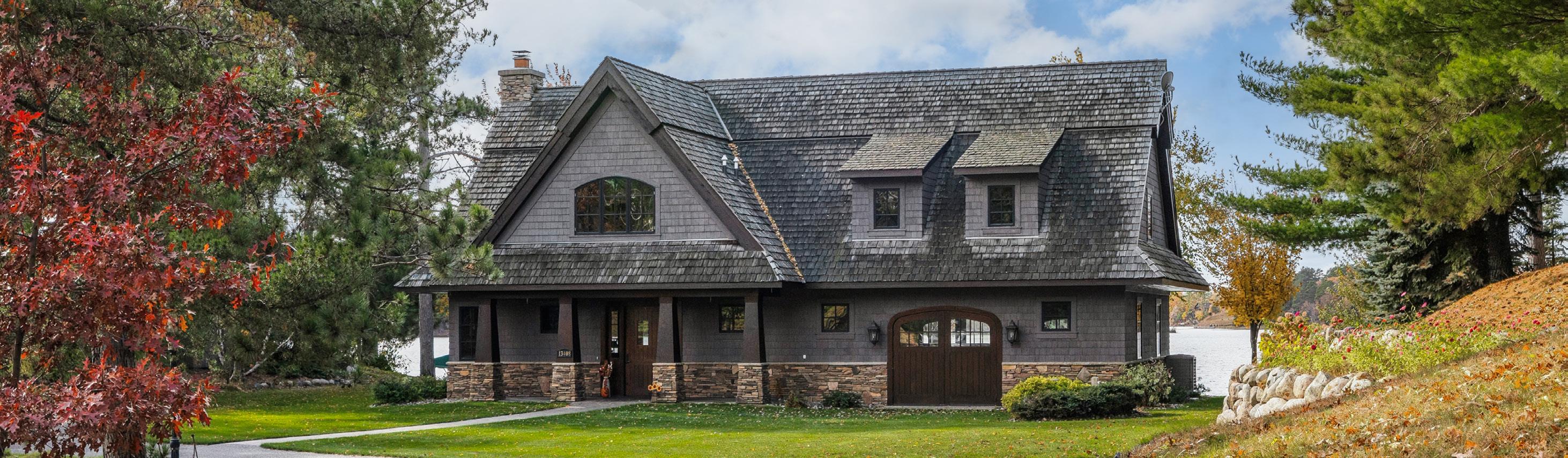


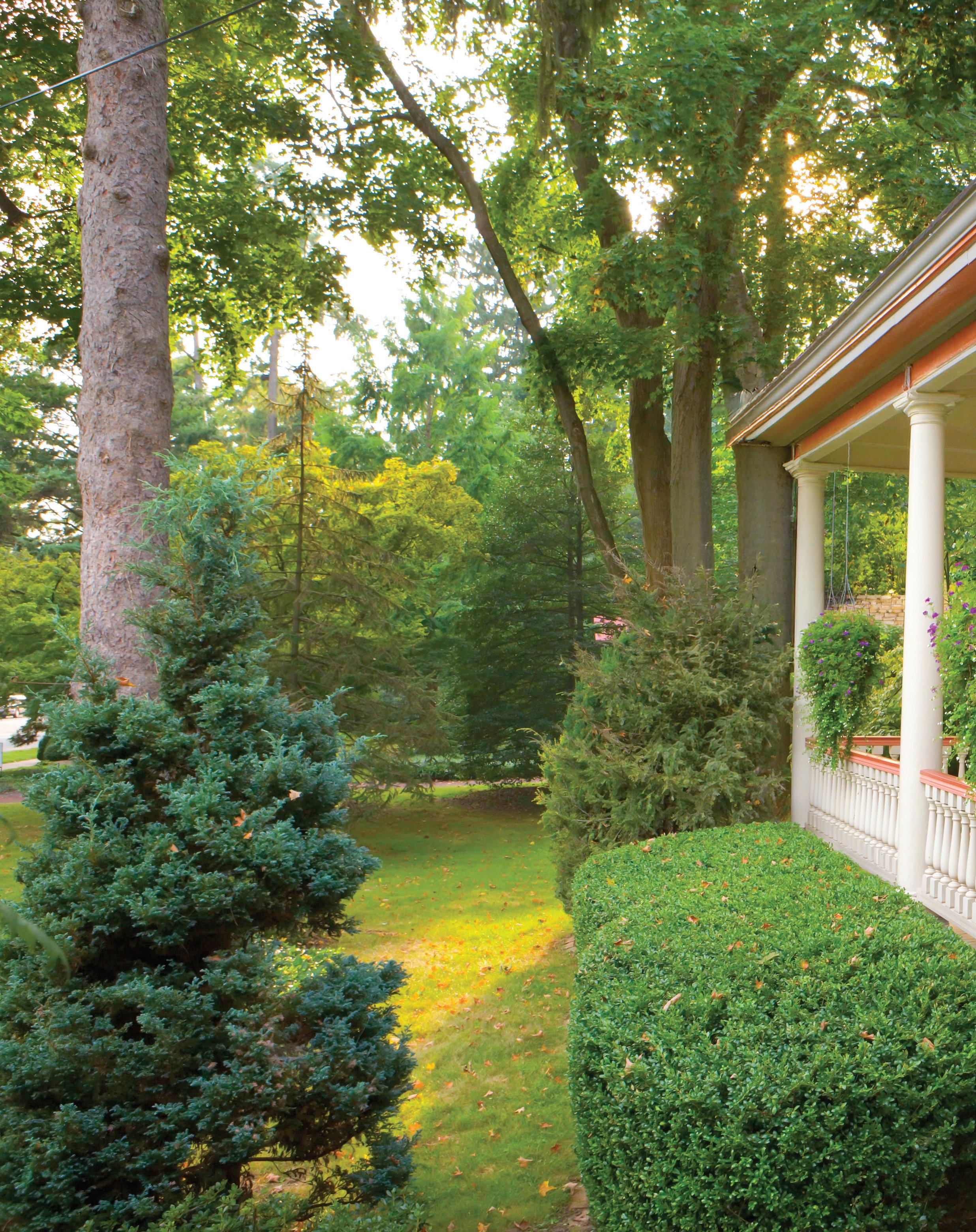
Put your feet up, grab a lemonade, and let the world slow down around you WRITTEN BY JEFF RENNICKE
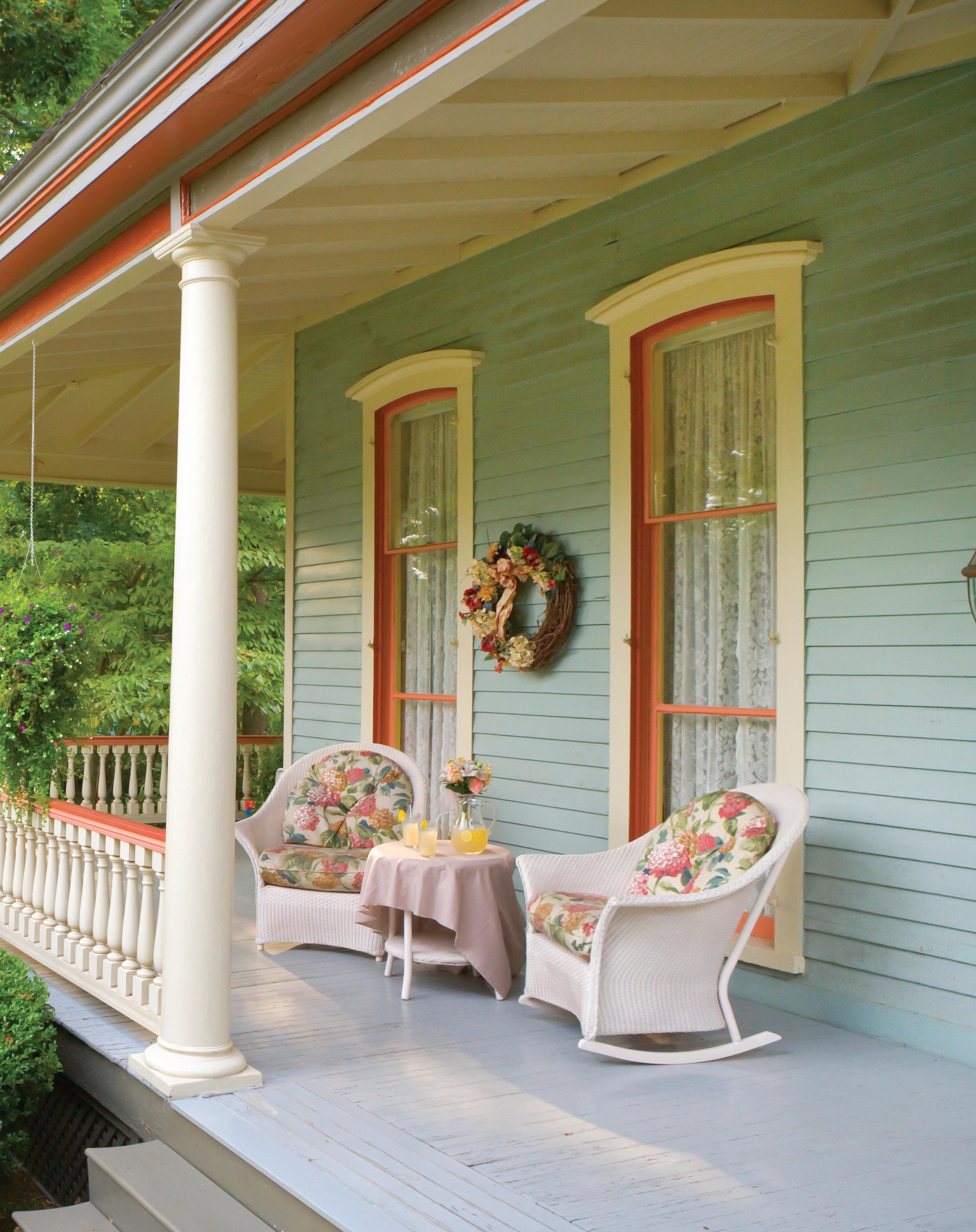
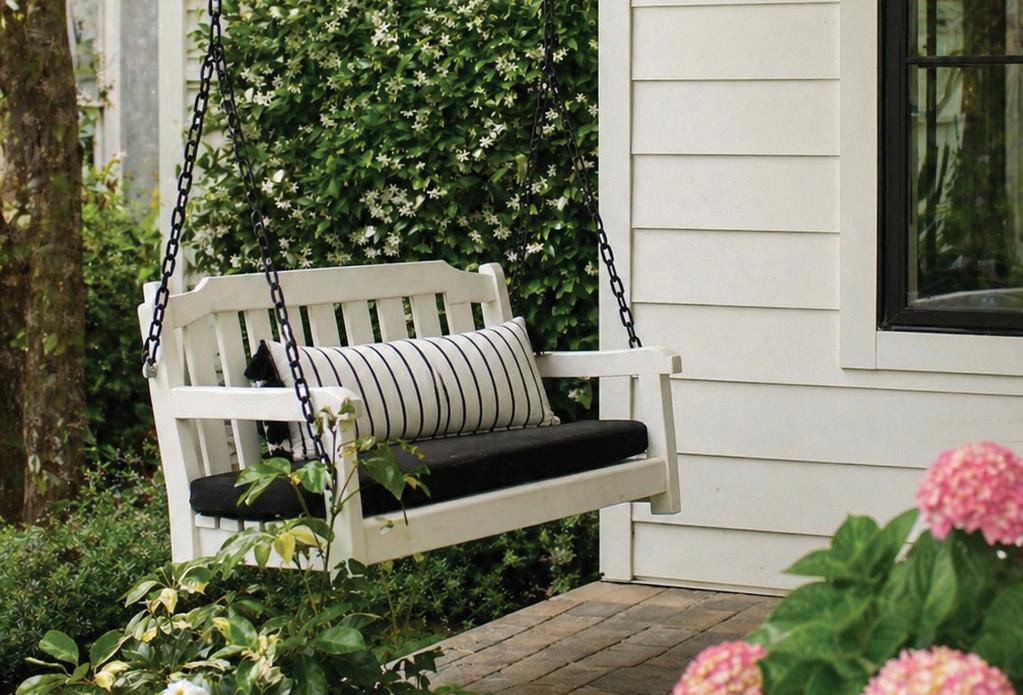
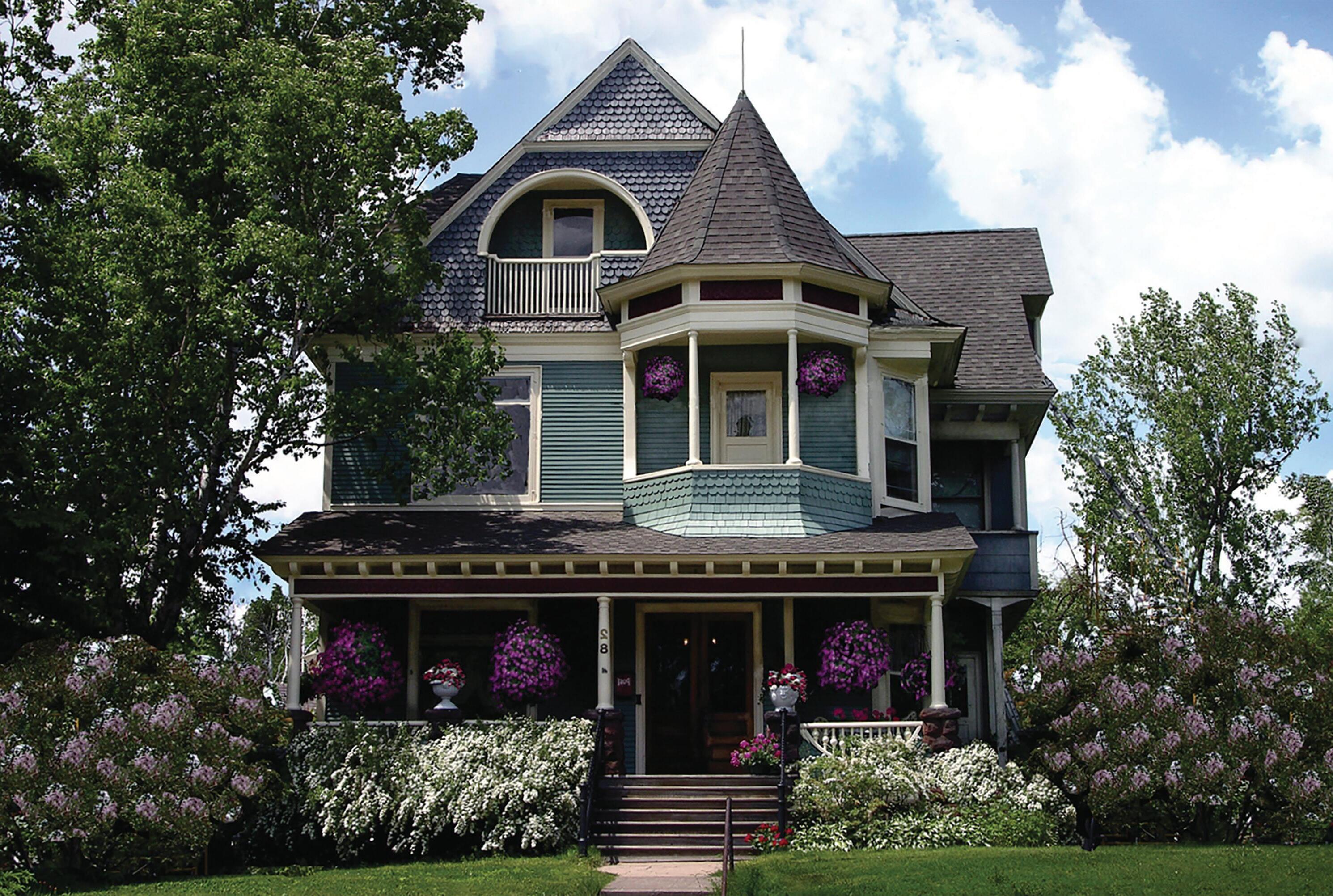
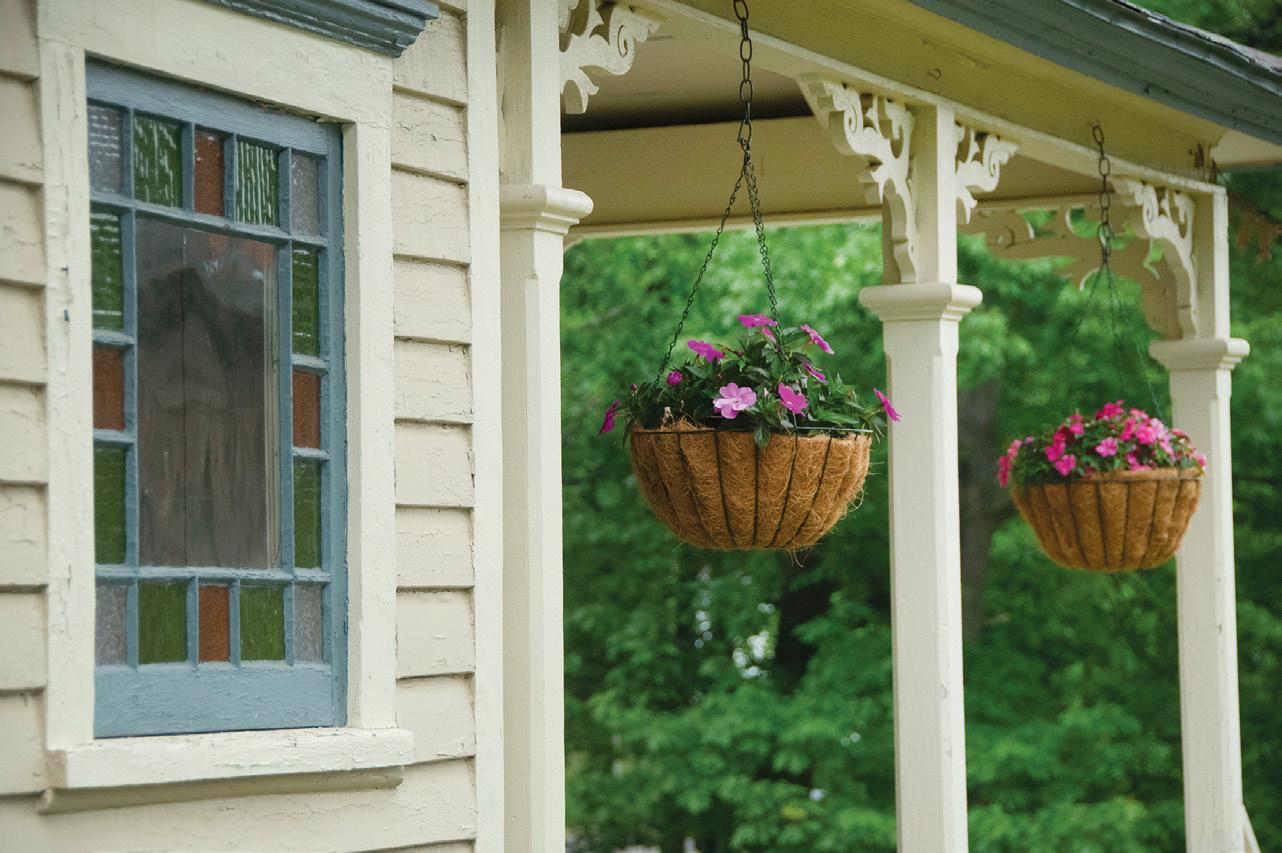
Don’t ask me why. I probably couldn’t say for sure — a certain slant of afternoon light perhaps, the nostalgia of some old song on the radio. I have driven past this home with its grand wrap-around porch set on a hillside overlooking Lake Superior for years, thinking someday I should stop but always wondering what exactly I would do if I did.
Today I stopped.
With the car idling, I sit admiring the elegant swooping curve of the classic porch — its graceful lines, immaculate white pillars, the dabs of color added by hanging flower baskets. I imagine the aroma of a Bayfield apple pie cooling on the windowsill, a pitcher of lemonade on the table next to a vase of fresh-cut flowers. There would be a white wicker chair set close enough to the rail to put your feet up, maybe a breeze that carries the sound of an old radio tuned to a baseball game.
My mind wanders along the creaky floorboards of the porches of the past. Garrison Keillor once said, “Of porches there are two sorts: the decorative and the useful, the porch that is only a platform and the porch you can lie around on in your pajamas and read the Sunday Paper.” But here in the North, they tend to be a little bit of both.
Sure, there has always been a utilitarian role to a porch — a catch-all for muddy shoes, castoff baseball mitts, and paper bags full of tomatoes left by anonymous neighborhood gardeners. They were the domain of the milkman, the clank of milk bottles in wire baskets set on the porch before dawn, a place to put a welcome mat and the extra front door key that went under it. Set up a cot in the corner and a porch could become an extra seasonal bedroom in a pinch.
But porches have always been more than just useful. Once, a front porch was a kind of social platform, extending the home partway into the community like a warm handshake. To sit on your front porch was to hang the “stop and talk” sign, an open invitation to all who passed by.
On summer days, a good porch seemed to catch every breeze. It sat pooled in the coolest shade. You could flick open a soda, spin the dial on the radio, and you had an instant retreat — cool and green and shady.
On summer nights, there would be bursts of laughter and the fizz of beer bottles, the slap, slap of a card game. Time moved differently on the porch, as if the hours were meant for nothing but breezes and bare feet.
Unlike sprawling southern porches, the northern variety tends to be smaller (“eight feet wide is perfect for a conversation” one architect told me), more enclosed to ward off less-friendly weather. Here in the North, they might feature gleaming railings of locally lumbered white pine or Apostle Island brownstone pillars. Lake Superior stone steps may grace the walkway.
Northern porch furniture is more mobile, porch sitting here being a more seasonal affair — porch swings crafted from church pews, rod holders for fishing rods, shoe racks sprouting with rubber boots, and Madeline Island swings strung of fishing twine. Northern porches have more pitch to their roofs to shed the snow and are often screened against insects in summer, armored with storm windows as a buffer against winter’s weather.
Much of the world has turned their backs on front porches these days — traffic noise and busier streets have focused our attention inward. Central air conditioning replaced evening breezes. We have moved inside to the flicker of television and computer screens or to the back deck with its barbeque and greater privacy.
But here in the North, when you get off the highway or lose your way on some neighborhood backstreet, you can still come across one of the old-style porches — someone sitting alone looking back up the street as if at long ago memories, a young mother rocking a baby, kids playing some old wooden board game on the sun-warmed floorboards. Even some newer homes in quieter neighborhoods are seeing a resurgence of front porches as we rekindle the role of community in our lives.
A sudden honk from behind me breaks the spell. I give a sheepish wave in apology. There are places to go, things to do. But as I drive away, watching the old porch for as long as I can in my rearview mirror, I find myself glad there are still some grand old porches left in the North, and even new ones being built. And I promise myself that as soon as I am done with the day’s errands I will go straight home and sit on my porch.
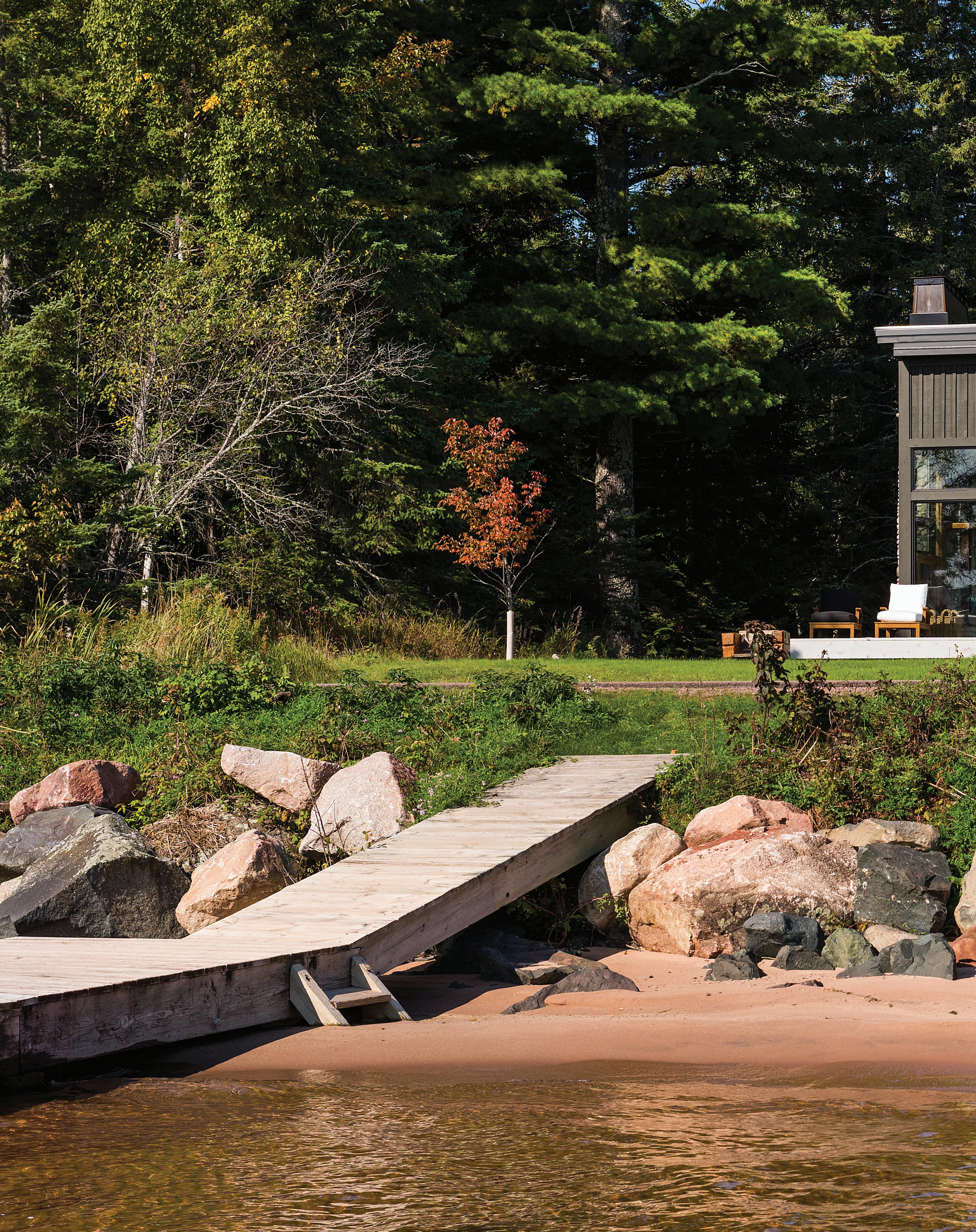
A selection of the best vacation rentals for your next getaway in the North PHOTOGRAPH BY SPACECRAFTING
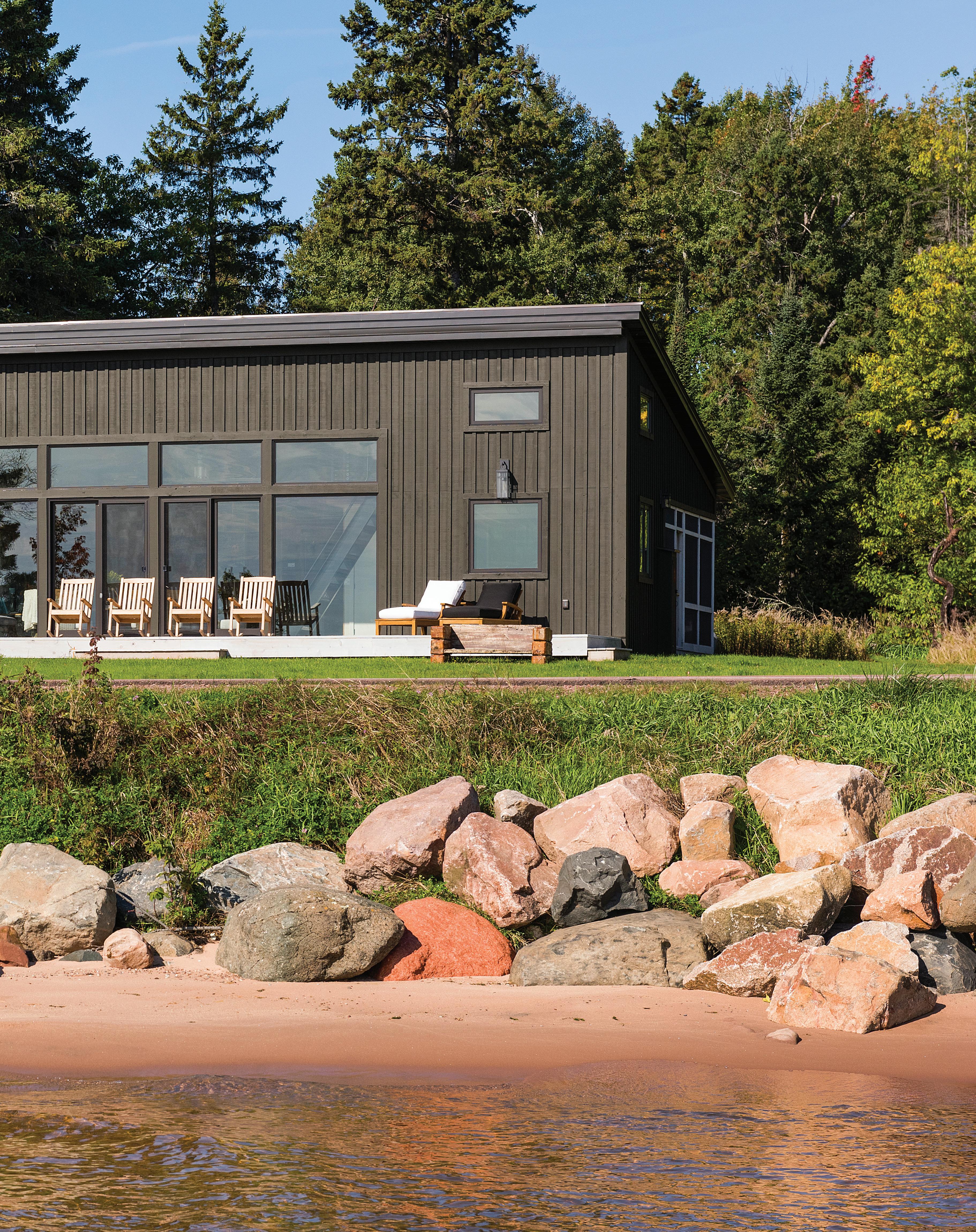
Modern, nature-immersed retreats on Minnesota’s scenic North Shore
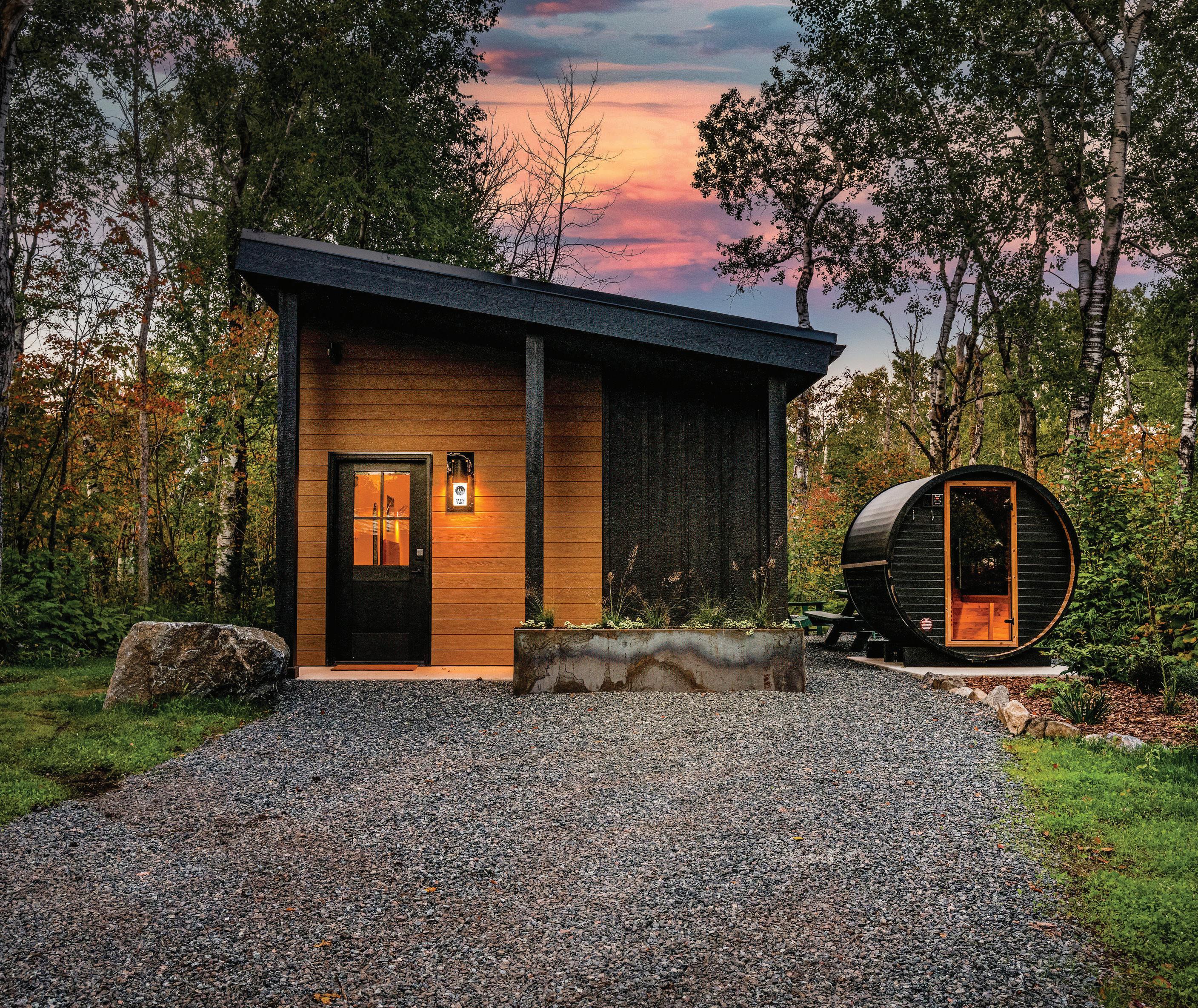
2 guests per cabin | 1 bedroom per cabin
1 bed per cabin | 1 bath per cabin
Wildernest Cabins, a new six-cabin retreat, sits at the gateway to the natural wonders of the North Shore yet is just 15 minutes from Duluth’s Canal Park. Experience the wild beauty of the North Shore without sacrificing design or comfort. Each cabin embodies “wild places, cozy spaces,” helping guests feel at home in nature — nestled into the woods with immersive forest views and featuring private saunas, gas fireplaces, kitchenettes, and curated amenities. A central pavilion and fire pit encourage group gatherings while maintaining privacy for each cabin. Ideal for romantic escapes or exclusive group rentals for up to 12 guests.
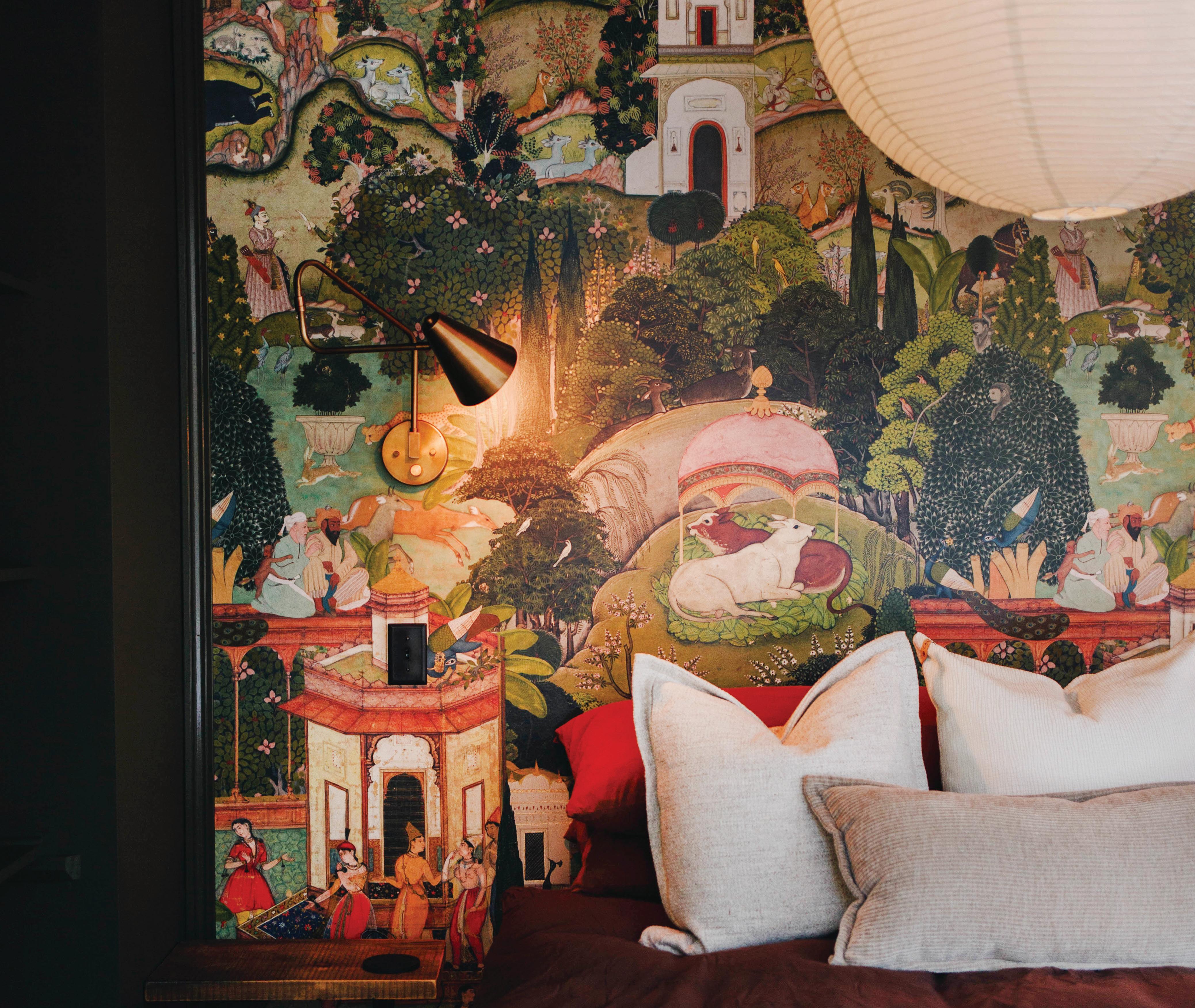
2 guests | 1 bedroom
1 bed | 1 bath
Cedar sauna, cold plunge, shower room, soaking tub and full, integrated living areas form a cohesive private retreat. Set on 55 secluded acres in South Range, Wisconsin — 20 minutes from Duluth and 1.5 miles from the sandy shores of Lake Superior. More than accommodation, Sentō offers unhurried space for restoration: heat, cold, immersion, repeat. A deliberate pause. A private ritual. Zero time limits. Zero strangers. In Japan, a sentō refers to a traditional public bathhouse — a shared space where people have gathered for centuries to soak, sweat, and find deep relaxation and quiet connection through the simple ritual of bathing.
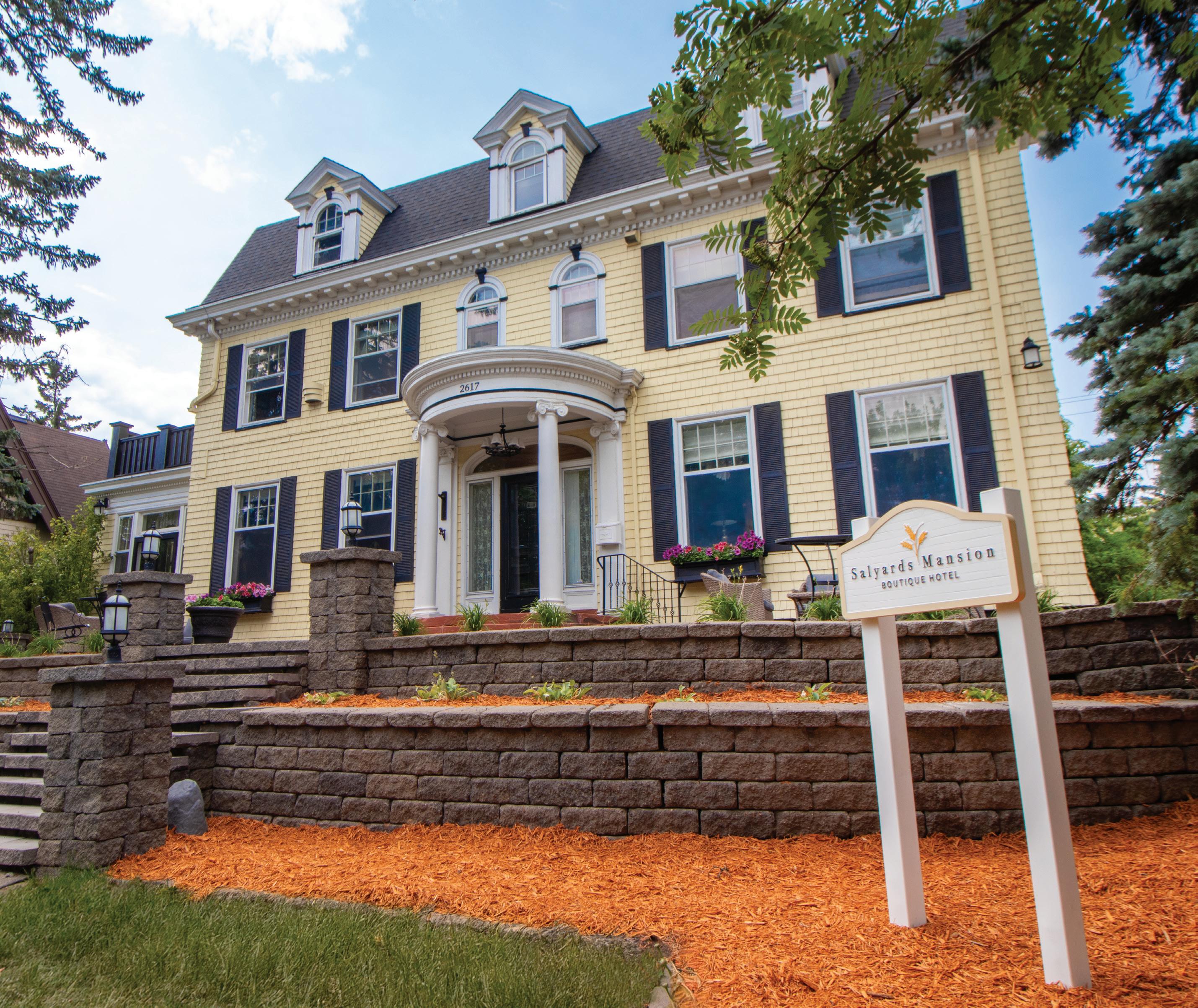
2 guests per suite | 9 bedrooms
1-2 beds per suite | 1 bath per suite
Salyards Mansion is a two-acre English Countryside Estate set in the heart of Duluth’s Mansion District. Meticulously restored and perfectly tucked away, time truly slows down when you arrive at this exemplary 1909 Georgian Revival. Each luxury suite is tastefully appointed with features like in-room jacuzzi tubs and fireplaces to create a delightful experience. Enjoy your morning coffee in the sunroom, relax in the gazebo, or head for the cedar sauna overlooking the natural area to experience this peaceful setting. Located just minutes from Lake Superior, Canal Park, and local dining, it provides easy access to the best of Duluth. This property is ideal for couples or small groups looking for something more unique than the traditional hotel stay.
Proudly in keeping with the new Up North Modern movement
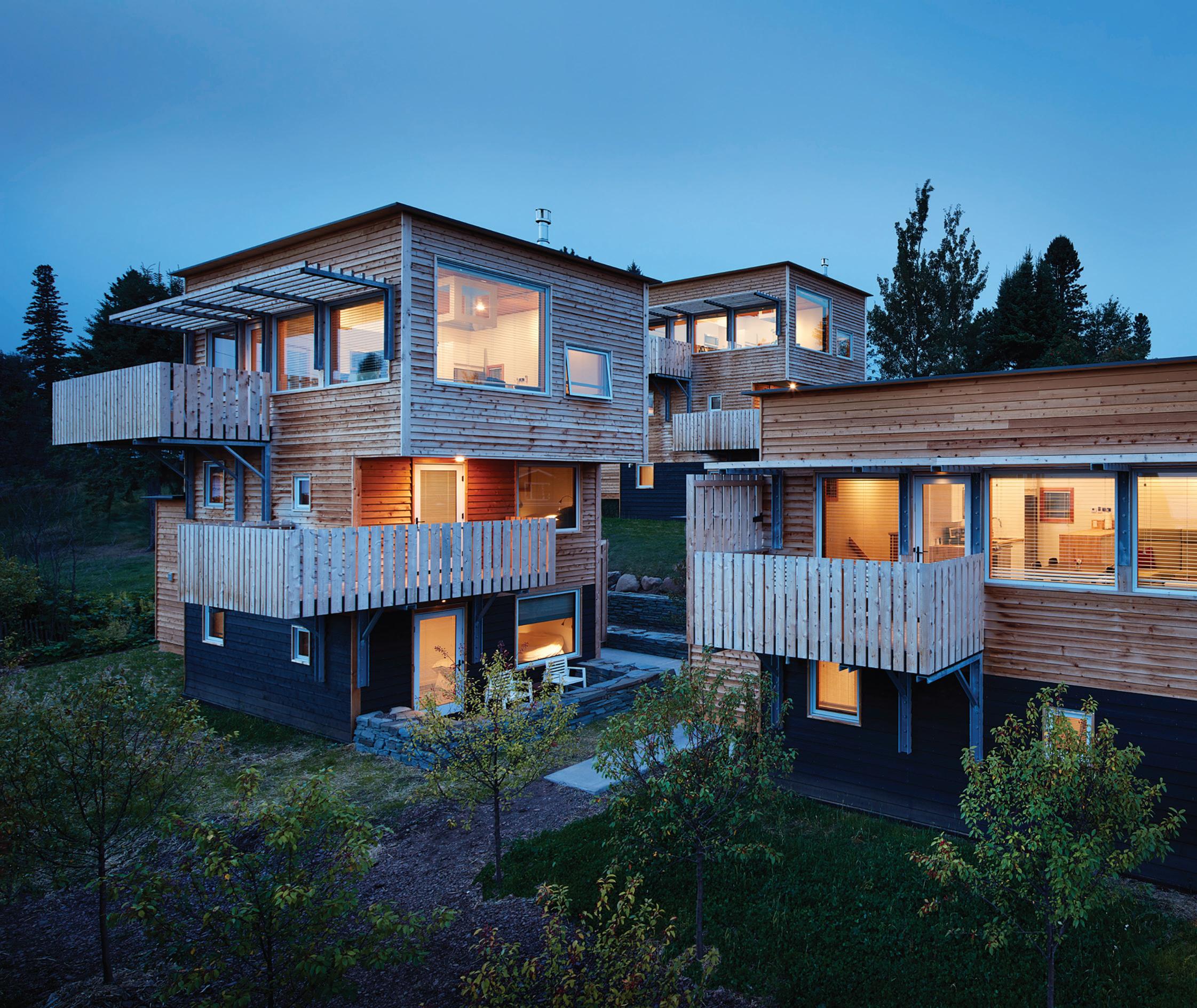
2-4 guests | 2 bedrooms 2 beds | 2 baths
Featured in Minnesota Monthly, Architect Magazine, Midwest Home, and recognized by international design awards, this home is unlike anything else on earth. Designed by celebrated Minnesota architect David Salmela, it was built not merely to shelter but to inspire — capturing everything a visitor to Grand Marais could want or dream. Private quarters give guests their own space, while the top-floor great room opens onto breathtaking views of the harbor, the neighborhood, and the town below.
Luxury waterfront retreat on Madeline Island
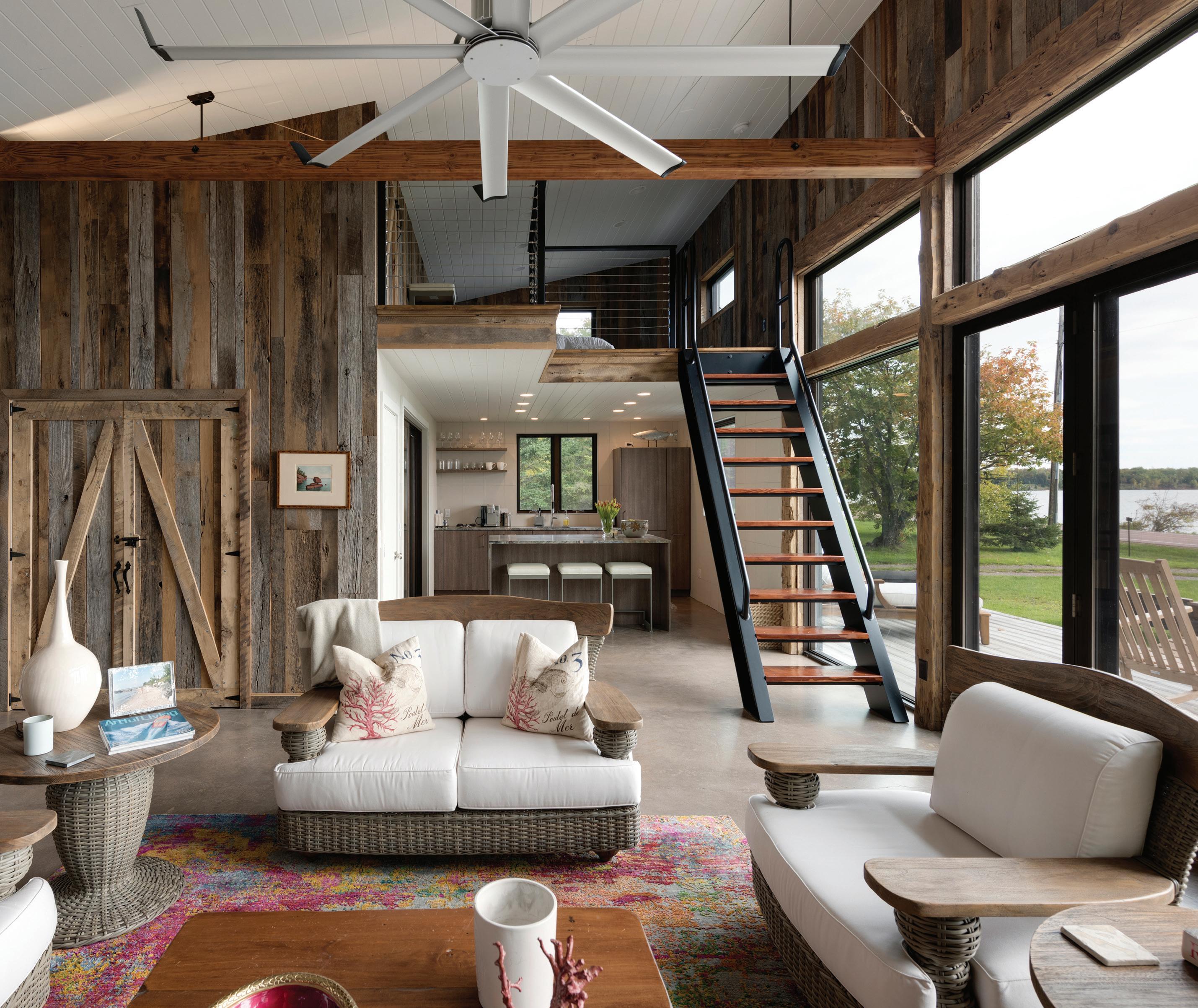
4 guests per cabin | 2 bedrooms per cabin
2 beds per cabin | 2 baths per cabin
Experience the ultimate Madeline Island getaway at Stone & Cedar Lodge, a pair of stunning homes with private dock, sand beach, and sweeping views of Russell Bay. Perfect for family gatherings, multi-generational retreats, or groups seeking both privacy and shared space, these homes combine modern luxury, Northwoods charm, and timeless lakefront elegance. Just 3 miles from La Pointe, there is easy access to local coffee shops, restaurants, ice cream, boutique shopping, tennis courts, and the scenic Robert Trent Jones–designed golf course. Whether your goal is quiet relaxation, family fun, or outdoor adventure, Stone & Cedar Lodge delivers an unforgettable Madeline Island experience with every luxury you could desire.
Cliffside home with amazing Lake Superior views
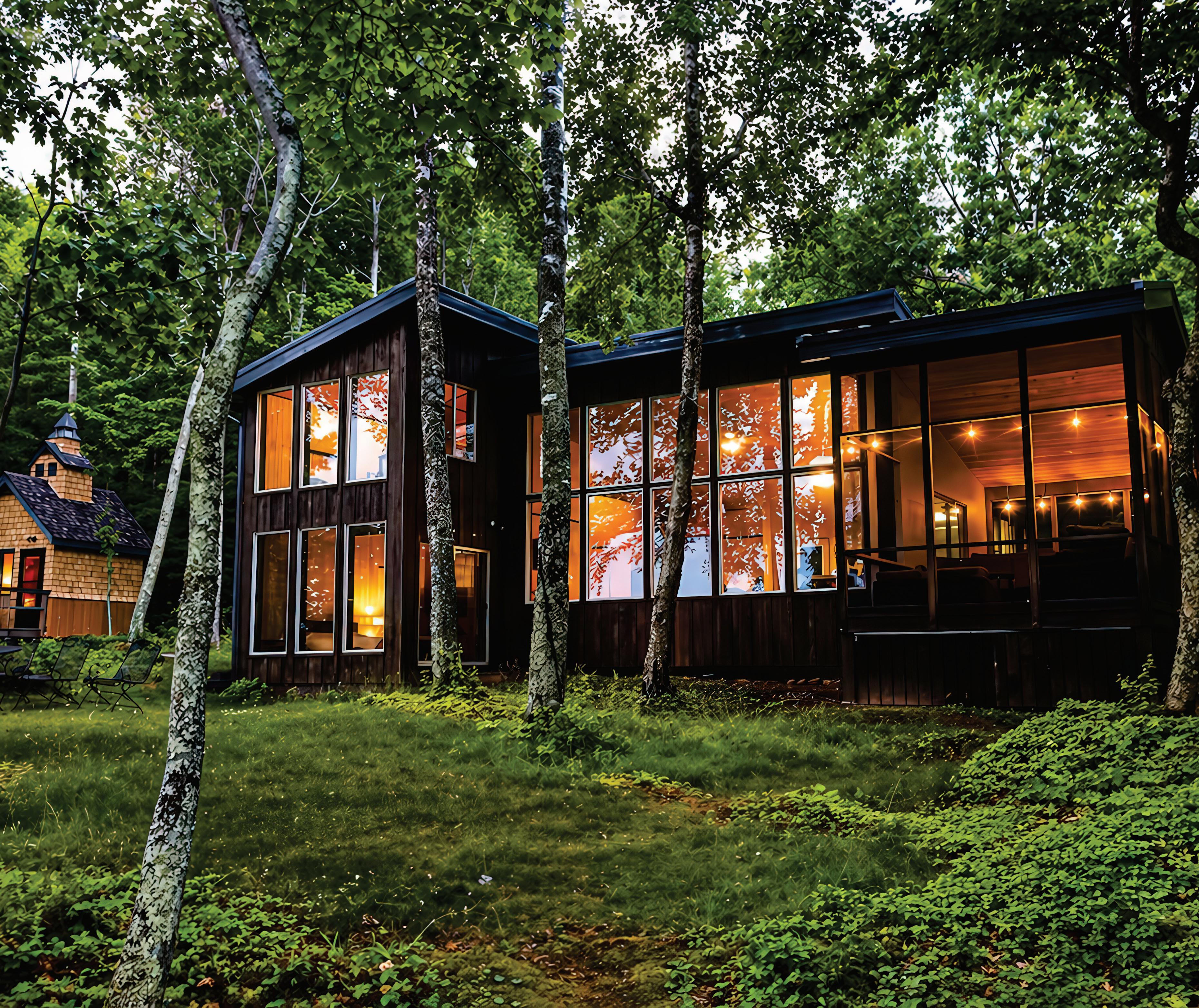
6 guests | 2 bedrooms
1 separate guest room cottage | 1 bath


Feeling Superior is one of many exceptional stays curated by Madeline Island Vacations — an island-based vacation rental and property management company proudly serving guests since 2008. Perched along the rugged shoreline of Lake Superior, Feeling Superior is a refined island retreat where natural beauty and quiet luxury meet. Surrounded by towering trees and showcasing stunning lake views, this thoughtfully updated home blends comfort and warmth with an open, light-filled living space and cozy wood-burning stove — perfect for gathering. A separate detached guest room offers added privacy for friends or family. Where the beauty of Madeline Island and the Apostle Islands come together.
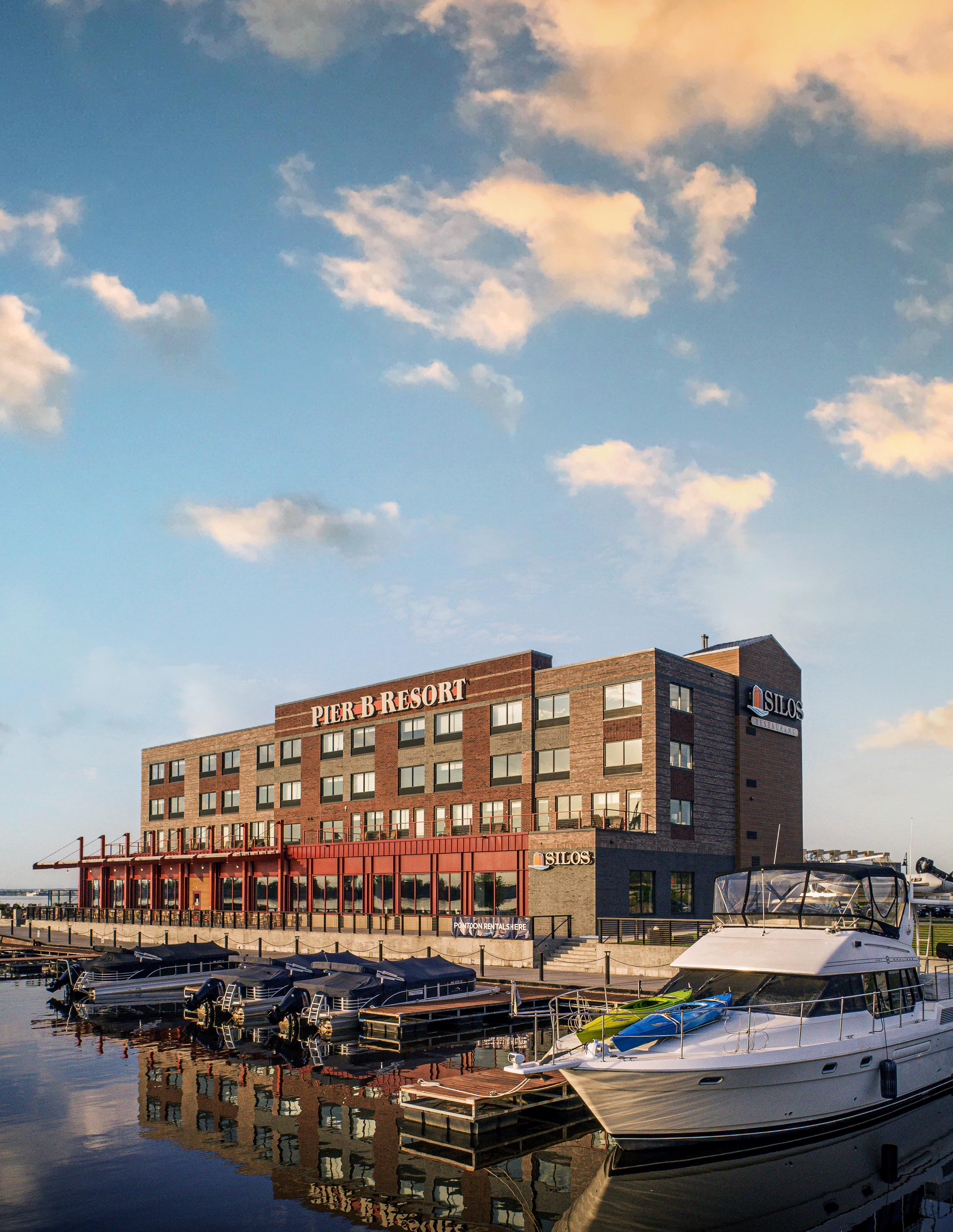
WRITTEN BY DALE MULFINGER, FAIA | PHOTOGRAPH BY DALE MULFINGER
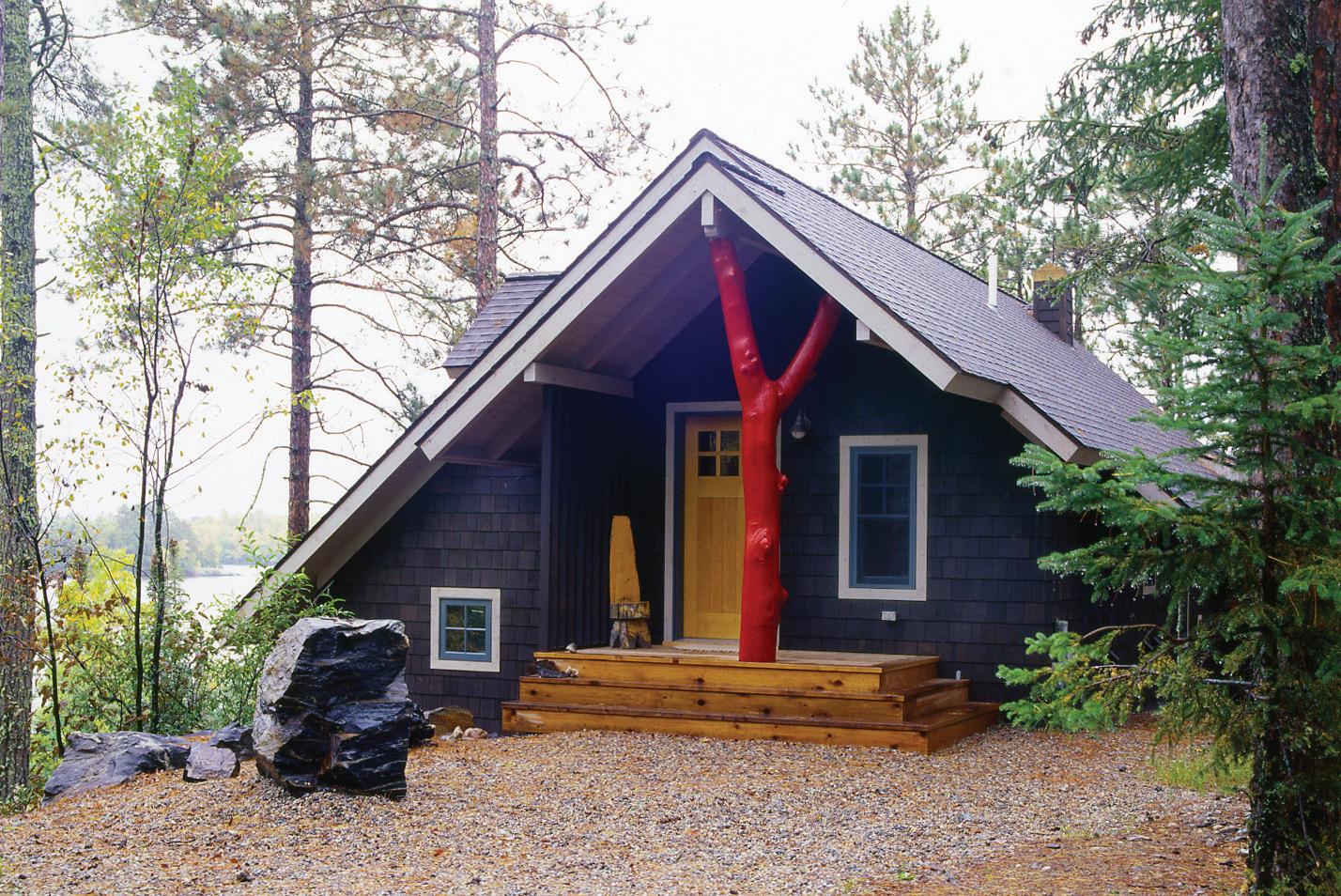
Every summer, someone calls me and says they want a cabin. By the time we’re done talking, they want a three-car garage, a master suite, and a wine fridge. That’s not a cabin. That’s a lake home. I’ve enjoyed designing both for the past 30 years and the two have much in common. They also have distinct differences that start with the names themselves.
Lake homes are indeed homes, often retirement dwellings where owners are likely to spend much of the year. Two features that set them apart from cabins are attached garages and master bedroom suites. The garage tends to elongate the structure particularly if it is a three-car version. The master bedroom suite, with a large bath and walk-in closet is also on the main level, further extending the breadth of the structure.
Depending on site considerations, additional bedrooms in a lake home can be above or below the main level. Privacy and proximity to bathrooms separate sleeping areas into opposite wings of the structure. With the prevalence of downward-sloping lake lots, walkout lower levels are the most common and more economical. Without an upper level, lake homes can capitalize on interesting cathedral ceilings on main level spaces. Great rooms are likely to have a tall stone fireplace. By contrast, cabins are tight, cozy containers intended to gather peo-
ple together for a bonding experience. Airlines call them cabins. Ships call them cabins. Neither has a walk-in closet. Privacy is of lesser concern and open loft sleeping is common. You will know when your brotherin-law snores; this is not a design flaw. Bathrooms are shared and not accessed within a bedroom. Guests are more likely to smell and hear the coffee percolating in the morning in a cabin, or the slam of a screen door.
Cabins may have a fireplace although they are just as likely to have a wood stove. Kitchens might be more compact and appliances less extravagant than a lake home. If a cabin owner seeks a garage, it’s likely to be detached, occasionally topped with a bunk room. With no attached garage, cabins feature a predominant single entry where mud rooms are used by all who enter.
Cabins are more casual in many ways including the artwork on the wall, where Uncle Bud’s walleye takes precedence over a fine art print. Interior “Z” doors might have been made by the builder and inexpensive box store cabinetry, plastic laminate countertops, and molded fiberglass shower stalls are perfectly at home here.
Both cabins and lake homes can be of a modern or rustic character or somewhere in between. Both can also feature a wide variety of materials inside and out. And both will get you to the same place: away from town, at the lake.
The lake doesn’t care which one you have. The question is, do you?
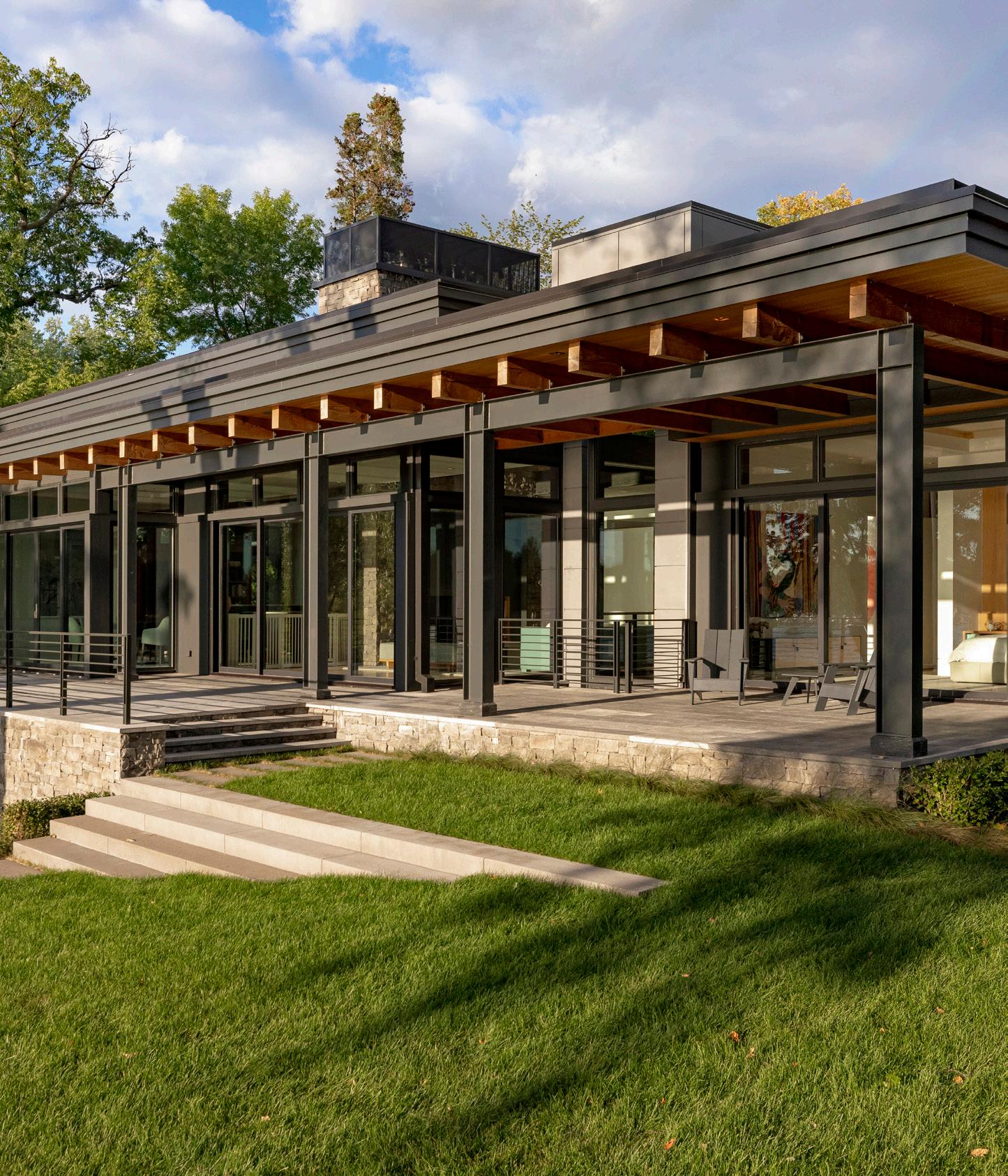
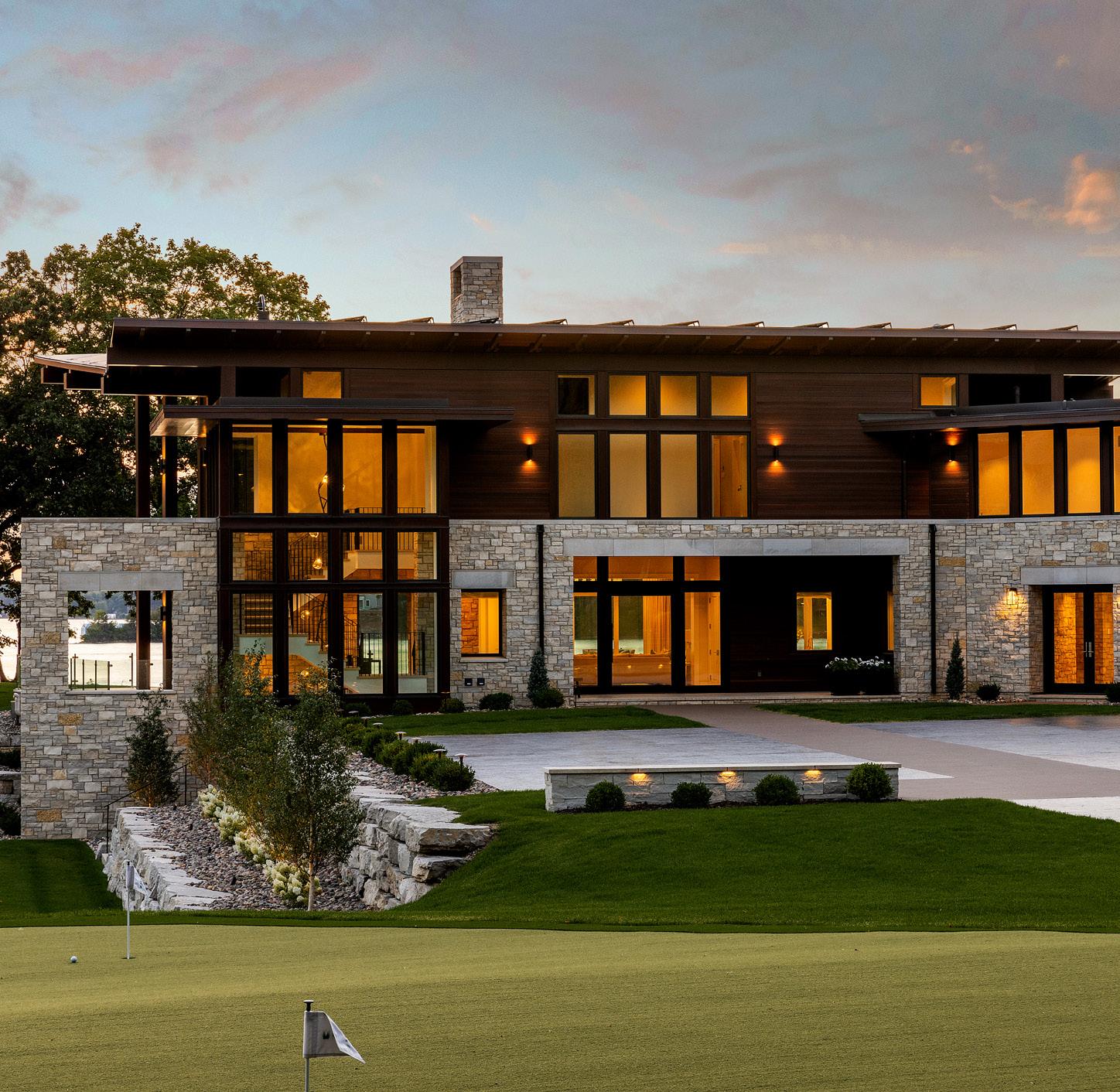
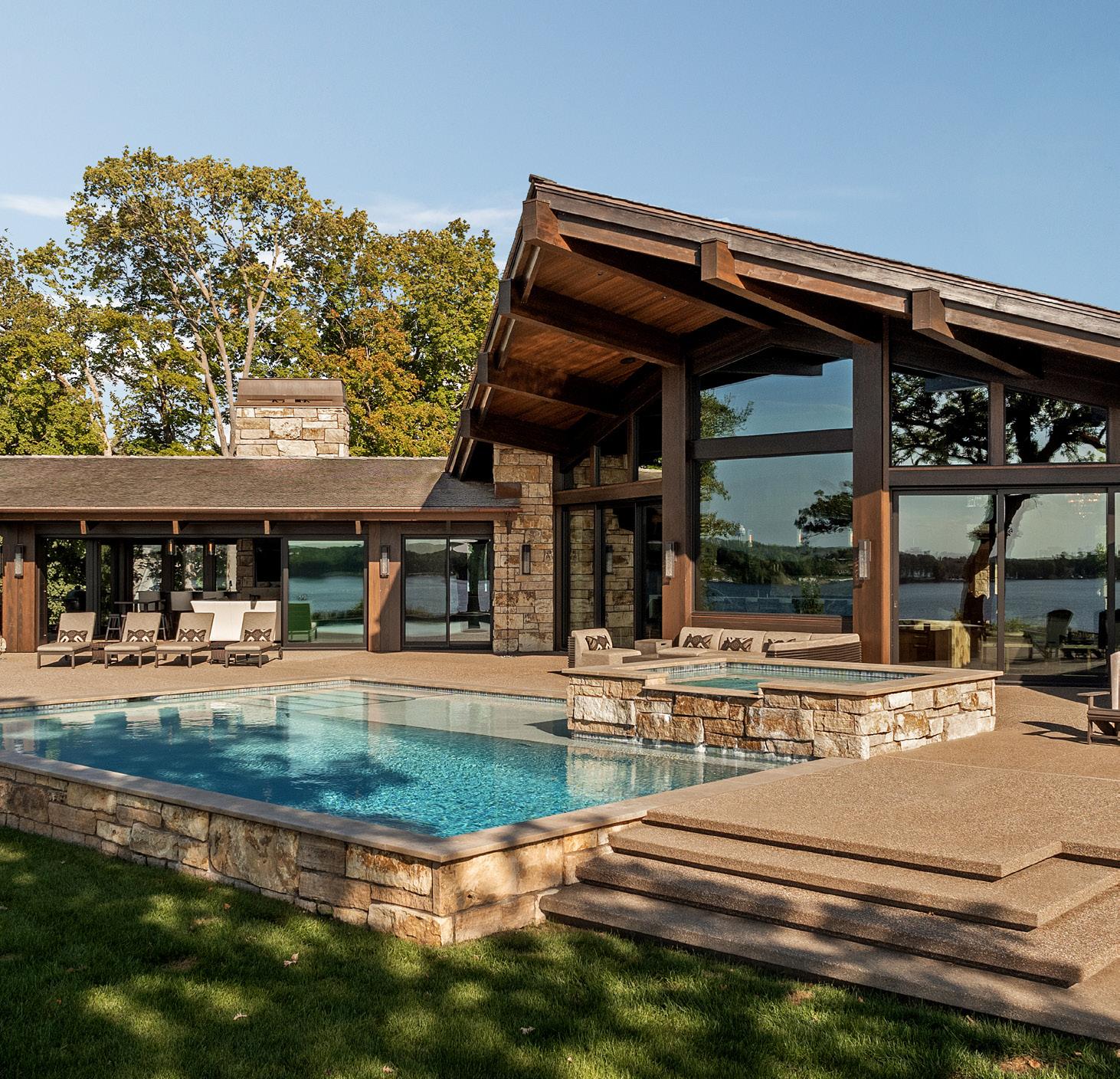

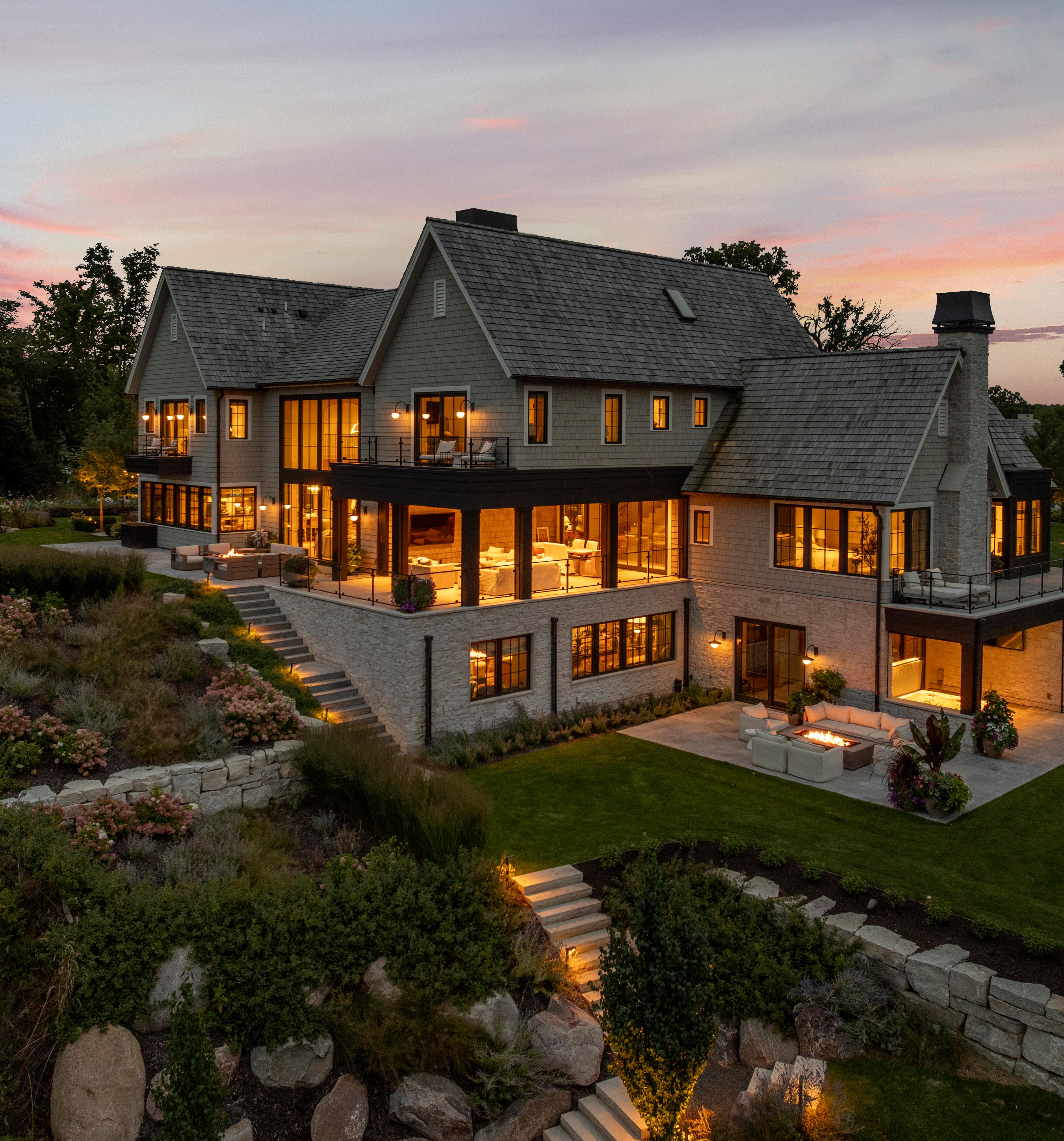
MINNESOTA’S ONLY FIVE TIME BUILDER OF THE YEAR.