
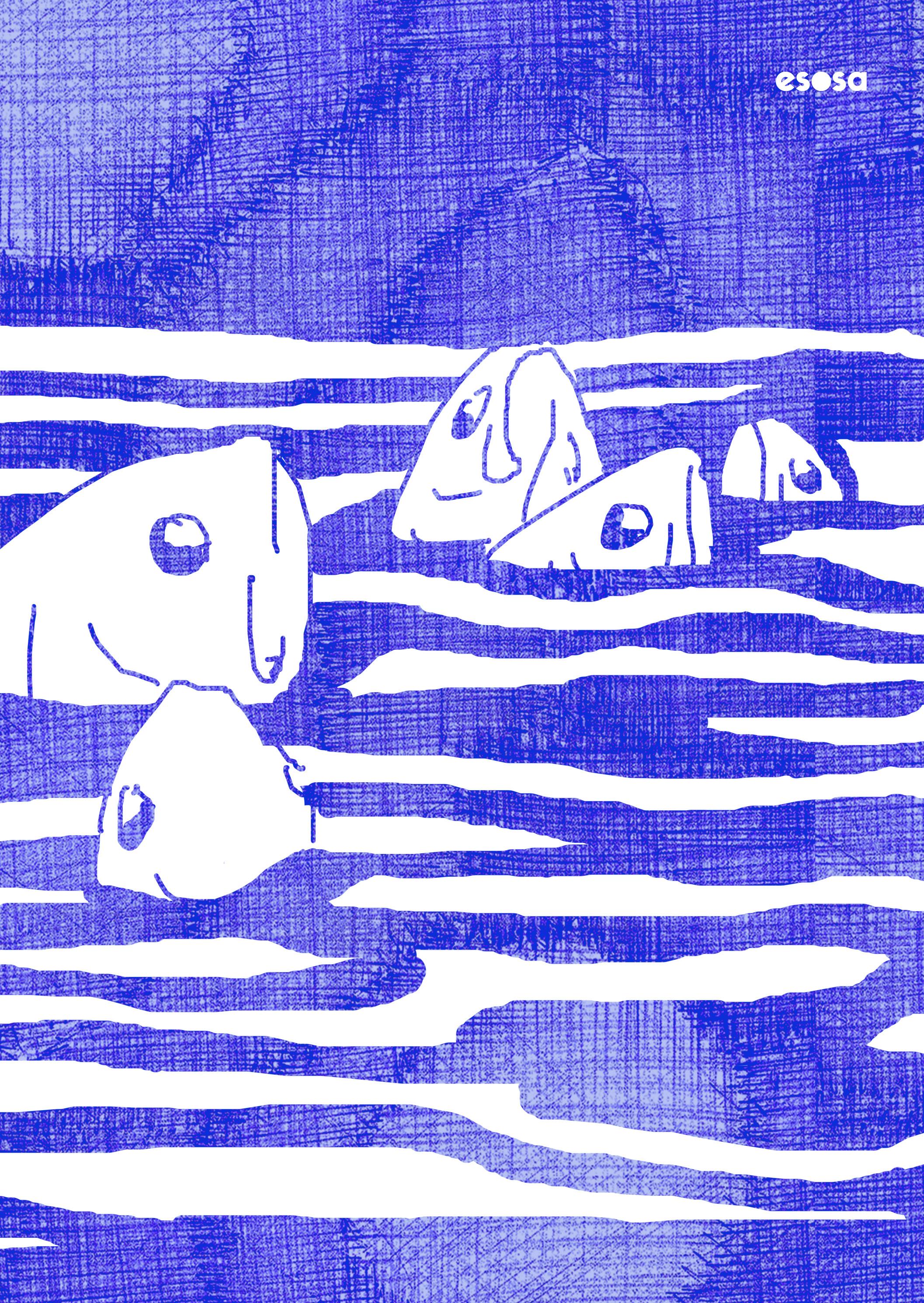
blue landscapes
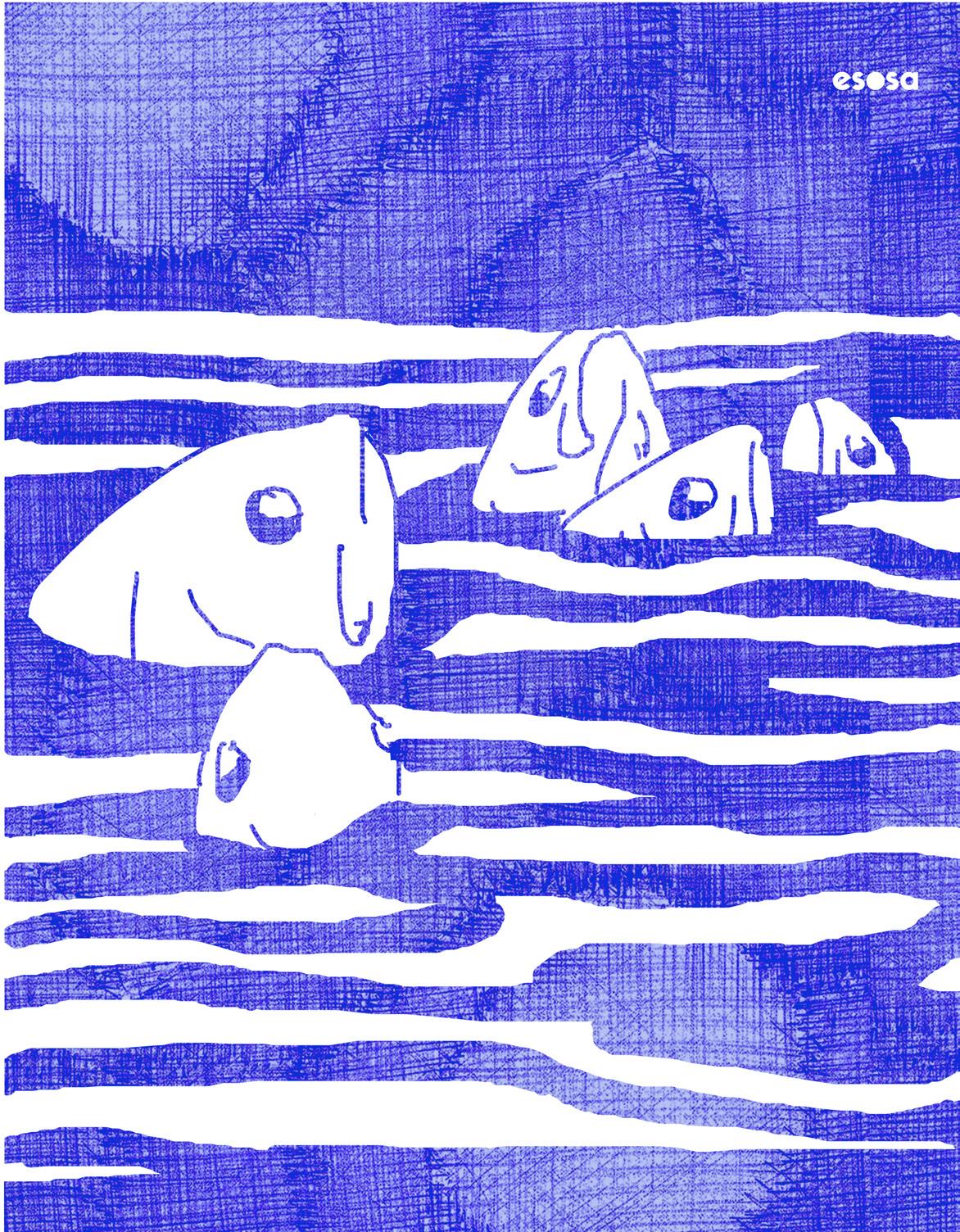
We are all fishes out of water. Aren’t we?
In one way or the other, we all are.
Life leaves us gasping in spaces where we should be breathing, rushing to the surface for a quick gasp of fresh air because these murky waters do not belong to us any longer, or maybe, they never welcomed us. But this is the flow of things and it is the flow of life. The constant movement of the waters is certain and, more often than not, it is a terrifying truth. It is terrifying because we do not get to decide what course to take, and when we do get to decide, we do so while knowing nothing. Both krill and whales are subject to the ocean’s wish, both titan and microbe have enemies. We cannot escape danger nor can we outrun insecurity.
Modern life, in all its speed and spectacle, produces alienation. Gone one is the past. Gone are the villages, the communities, the towns, the narratives that bound us together, the roles made to sustain one another. Entities made to belong together have been released into the wild ocean and, scattered, are chasing needs, satisfying pleasures, searching lost identities, seeing strangers instead of friends, confusing cohesion with conformity.
The idiom echoes in broader cultural patterns. In the erosion of local traditions. In the collapse of slow rituals. In the disappearance of environments that allow people to exist without performance or defence. Simone Weil once wrote that “to be rooted is perhaps the most important and least recognised need of the human soul.” Yet, the global culture tricks us
We abandon the roots to reach the highest branches, we suffer the silence of the valley because we crave to be seen at the peak of the mountain. We swim frenetically, with no notion of our beginning and our end, with no peace, with no care, for no reason… for fear of being nobody.
The dissonance is not so visible, because even in the
into ignoring this primal need and packages mobility, hustle, and fragmented attention, rootlessness is celebrated as freedom— even as it hollows us out completely.
The world is now wide open, and in the wake of this exciting development, our nucleus, our centres, have been abandoned.
This unrooting, this lowgrade existential anxiety, is a crisis of the culture itself. And yet, even this ache remains instructive. It becomes a compass that sets the course for home. It is the hope that another kind of life is possible. Carl Jung believed that dislocation—psychic or cultural—is the beginning of transformation. What feels like misplacement may be the soul’s refusal to accept environments that do not contain its shape. A quiet refusal to be flattened by systems that confuse frantic motion for meaning. After all, the fish does not forget how to swim. It simply knows this is not its ocean. And that knowledge, painful though it is, holds the beginnings of return.
midst of people one can still feel exiled, amplified by the lack of resonance with the environment. Philosopher Martin Heidegger spoke of “unheimlich”— the uncanny, the not-athome-ness that arises when the familiar becomes estranged. This unrooting, this low-grade existential anxiety, is a crisis of the culture itself.
The way is not marked but we can be guided by our need to resist the cultural pressure to fix and perfect ourselves too quickly. We can live with our dissonance Maybe the fish does not need to jump frantically from puddle to puddle. Maybe it can pause and listen to the ache. Maybe it can learn that time is not linear when it comes to healing or understanding, and that answers come through living.
“And the point is, to live everything. Live the questions now. Perhaps you will then gradually, without noticing it, live along some distant day into the answer.”
—Rainer Maria Rilke
designed, written and illustrated by tracy
“I see my dreams as the narrator of the real story, completely independent of the consciousness of the day.“
There is this mainstream notion that dreams are a reflection of your day, a mirror of your waking life; a good day means a good night, a bad day will foreshadow nightmares A superficial way of thinking about dreams.
As an introvert, I find myself dwelling in my internal landscape more than most. Not only an introvert—I am deeply introspective. I let myself sink into the depths of my soul; I think and I feel so deeply that I can see my emotional and mental states. I see rocky paths and jagged shores, winding lines on the water, and infinite skies— sometimes clear, sometimes starry, sometimes dark and turbulent. I see my dreams as the narrator of the real story, completely independent of the consciousness of the day.
They take me to a peaceful home, to a bare interior suspended in time. They immerse me in a state of perpetual serenity. For all the peace and solitude they offer, home is still the place where we nurture love. Consciously, I resist attachment—I am a champion of independence in my waking life—and yet, somewhere in its bluest depths, my soul has made space for a friend.
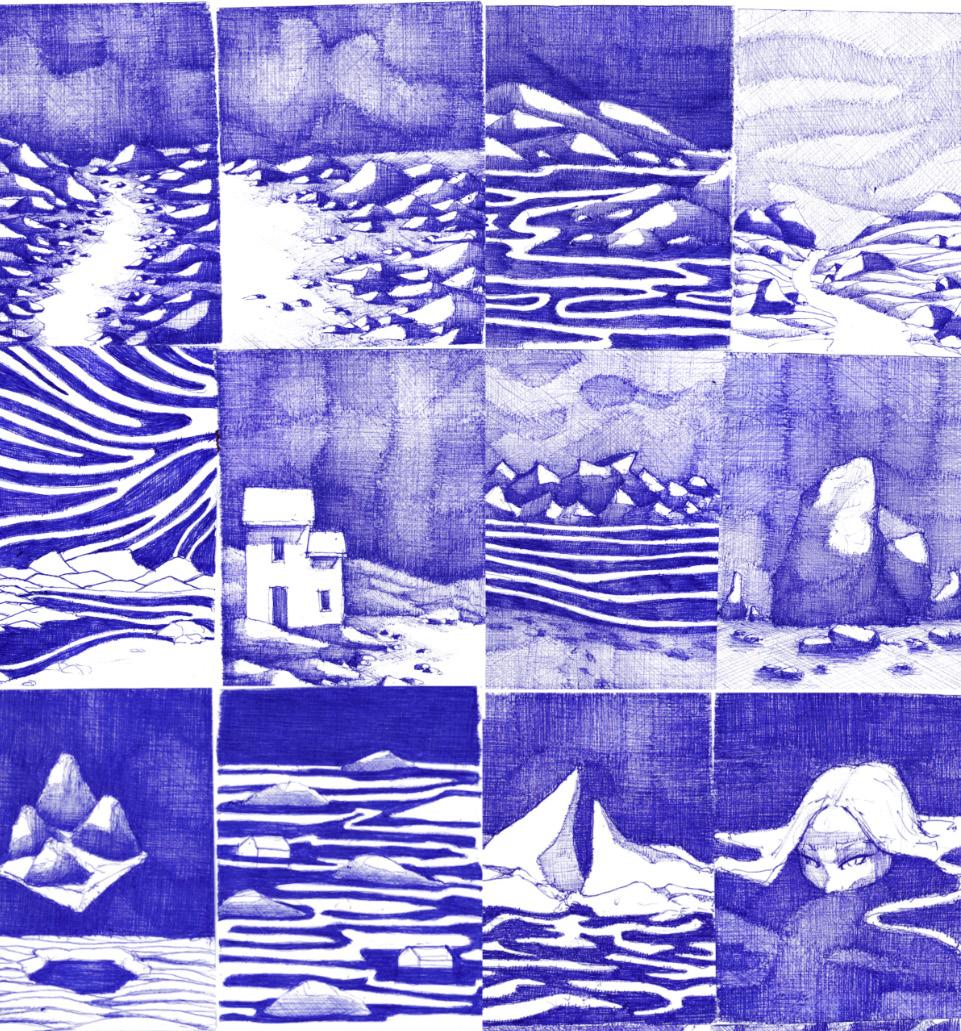
I am also afraid. I have lost my home and seem not to have found it; that is why it stands on broken ice, swept away by towering waves, then slowly sinking into calm waters. In a less catastrophic vision, home sits on the horizon, far, far away, and I cannot reach it. Maybe it is just waiting for me. I never know the answers. I could navigate my waking life with more clarity if my conscious self were not so hopelessly rigid and hurt. But deep down, where the light of reason and rules does not reach, I am free—freer from myself. There, a voice rises from the mountains, from the valleys, from the sea, to tell me the truth, to whisper answers, to send a word I can try to carry back to the surface.
Just before I wake, I see myself for what I am, what I have been, what I could be. I can see there is so much to what I am that there is no point in trying to grasp it. It would crumble if I tried to hold it. I would burst trying to contain it.
Carl Jung believed that dreams are the whispered language of the unconscious. He called them messengers from the shadow, from the self— not the self we show the world, but the totality of who we are. In dreams, the soul tells its own story in symbols and archetypes: a house with hidden rooms, a journey without a map, landscapes with no horizons. These are not random illusions; they are the psyche’s poetry, its way of guiding us gently toward wholeness.
Jung said that each dream holds a task—sometimes an invitation, sometimes a warning, sometimes a mirror too clear to bear. In the halflight of dream, opposites touch: the sacred and the profane, the wounded and the healer, the child and the elder. Nothing is wasted there. Even the chaos has shape. Even the terror holds a gift. If we dare to look, the dream dares to teach.
designed, written and illustrated by tracy esosa
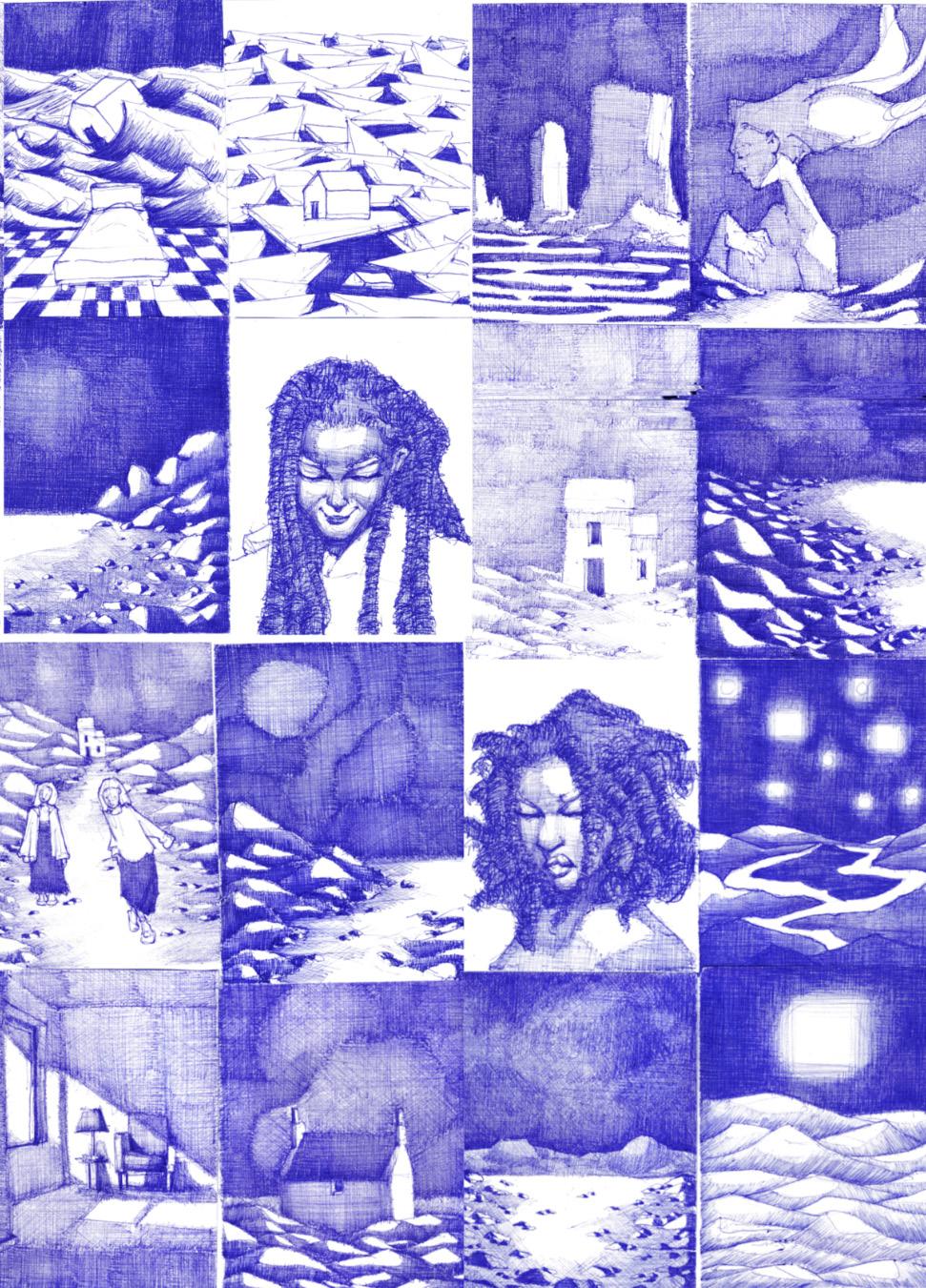
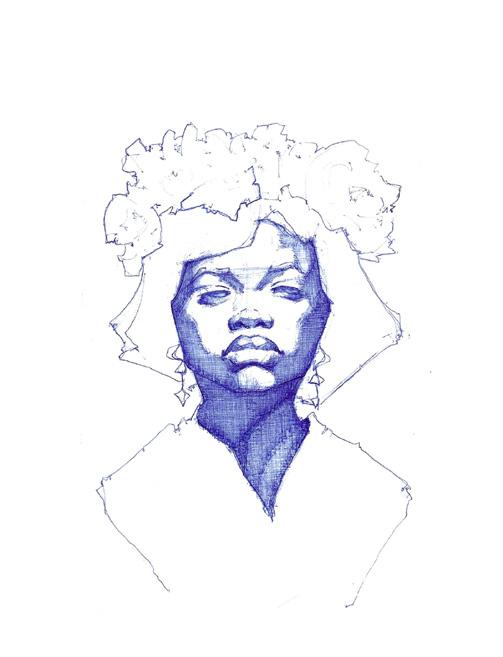
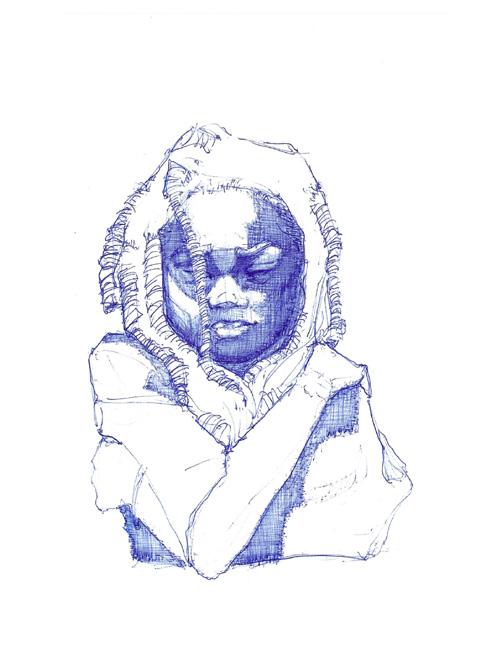
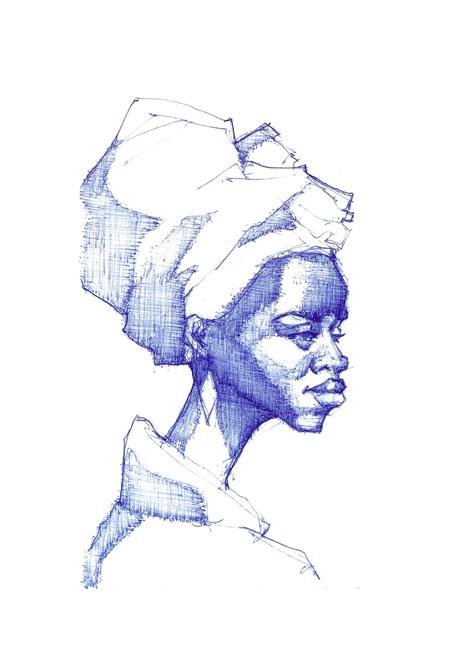
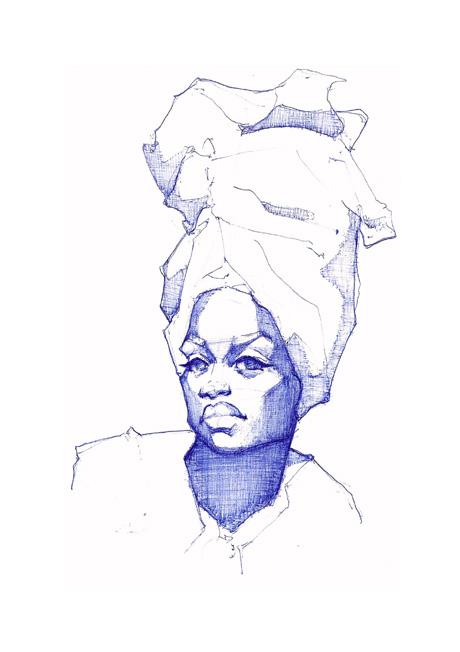
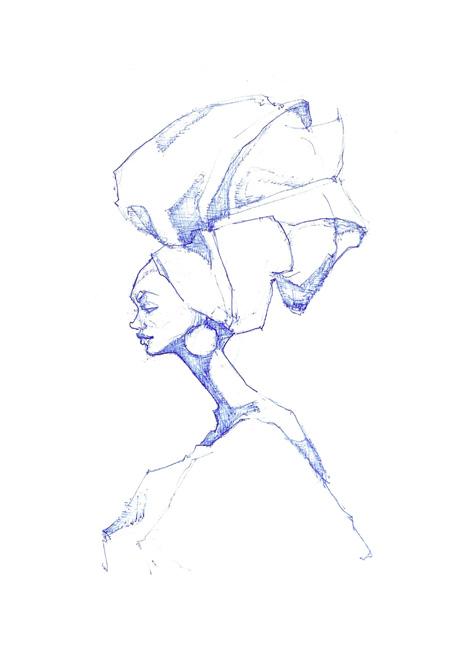
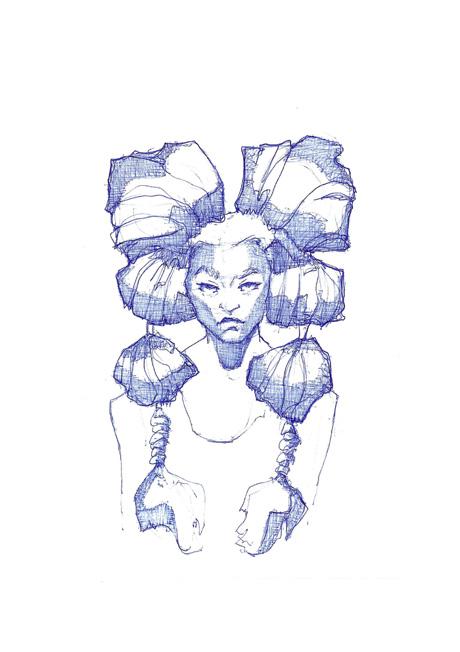
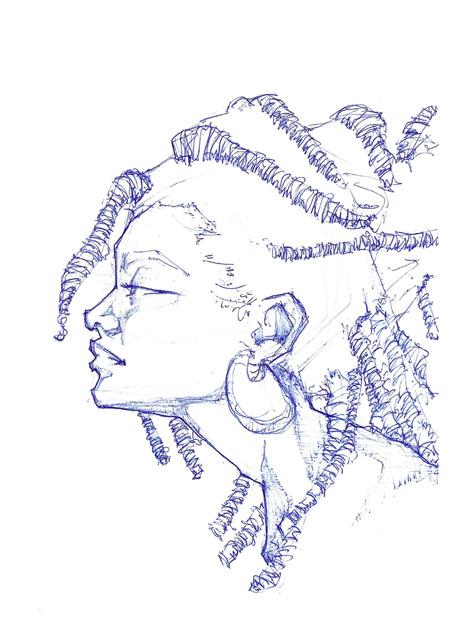
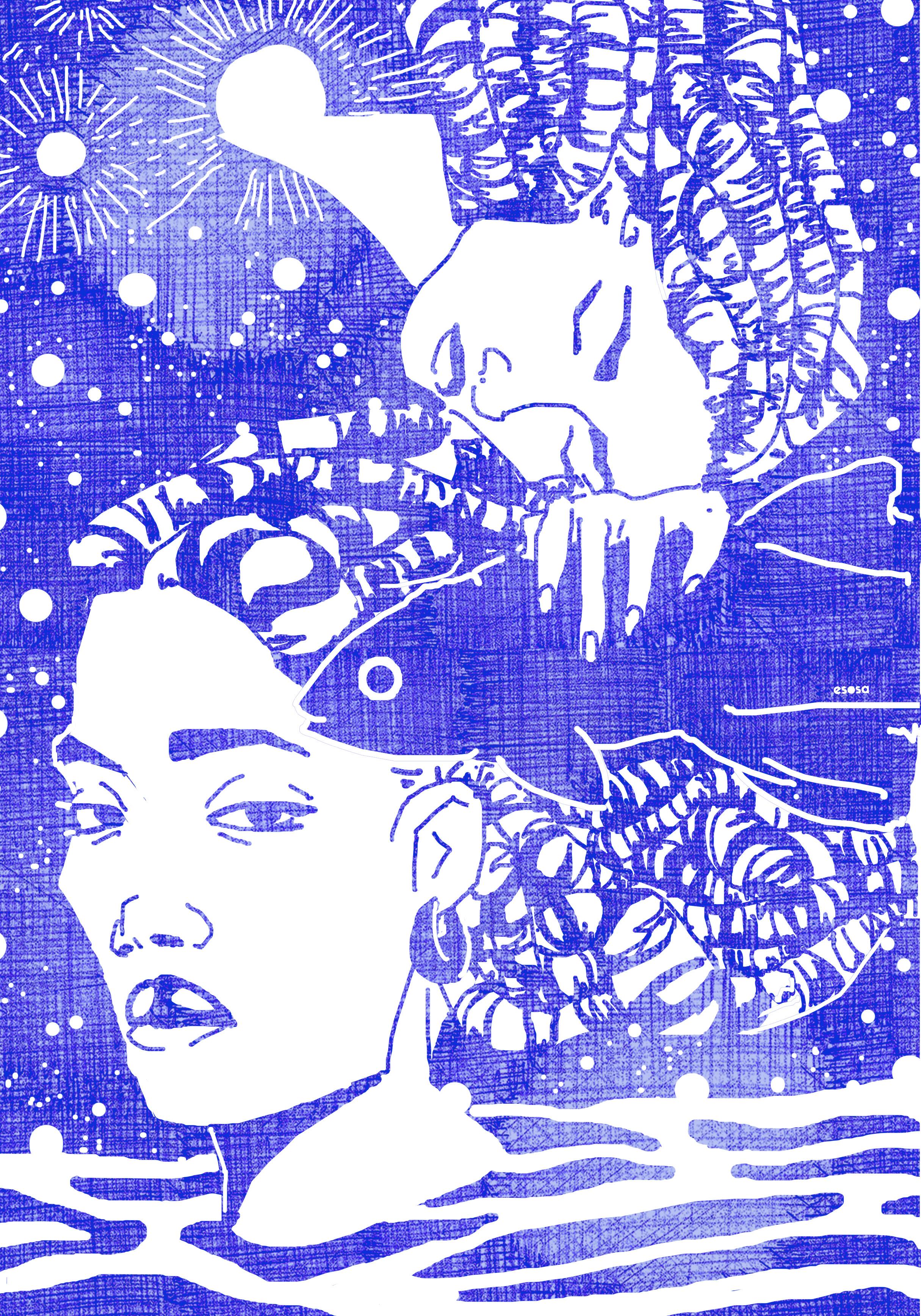
“Before anything else and above anything else, I am a Black woman.” designed, written and illustrated by tracy esosa
I spent most of my life shifting.
Shifted by multiple identities, torn between cultures, uprooted from various locations. It left me with a wavering sense of self, with a tormented sense of belonging and a broken compass unable to help me find my way. They say that if on your journey, you have lost your way, the best thing to do is to go back home. While I could not physically travel there, I still managed to find my way to the nest, the great womb that birthed us and my path was lit by truth. The truth that before anything else and above everything else, I am a Black woman.
No matter what I saw around me, no matter what people made me out to be, no matter how the same I wanted to be, I am a Black woman. It was undeniable and that was a start.
Growing up, we do not learn our language, our history, our geography; our parents do not tell us stories about life, about their pain and about their joys. Suffering, extreme separation and generational displacement from our motherland have severed our connections with our beliefs, our spirituality, our elders and our ancestors and it is all buried beneath layers of denial and rejection.
The beat of the drums, the clapping of the hands, the warm embrace of the sun, the warm embrace of our ever present community have faded away, replaced by the cold and gloomy lifelessness of the West. But they are still heard, in the distance, by the sensitive and honest soul.
Surrounded by lying mirrors where I saw bright eyes, silky hair, pale skin, weak bones, fragile spirits.
Narrow mirrors, where I only saw myself because it could not contain my mother, my father, my grandmother, my grandfather, my aunties, my cousins, my brothers, my sisters, and all my brethren with which I share this burden of confused identities.
The way back home broadens your perspective.You capture things you never noticed before, you feel deep sensations that never touched you before.
I will never let my child be lost, I will never let my child wander out of confusion. I will carry it on my back, name it in my language, hold its hand until it is strong enough and rooted enough to face the world. And if it ever needed, home will be a towering lighthouse, and will never stumble to find its way back.
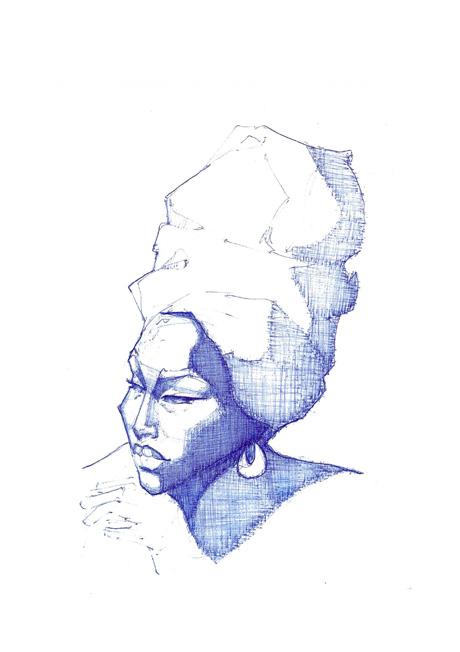
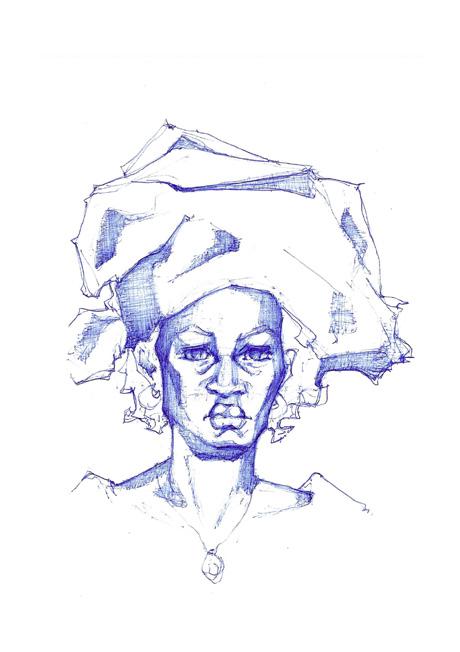
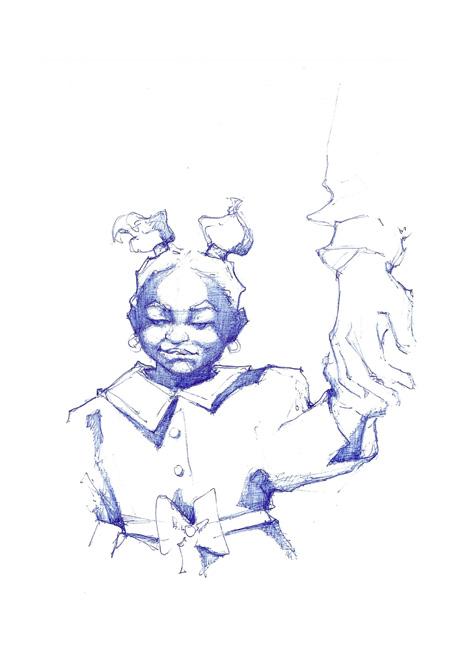
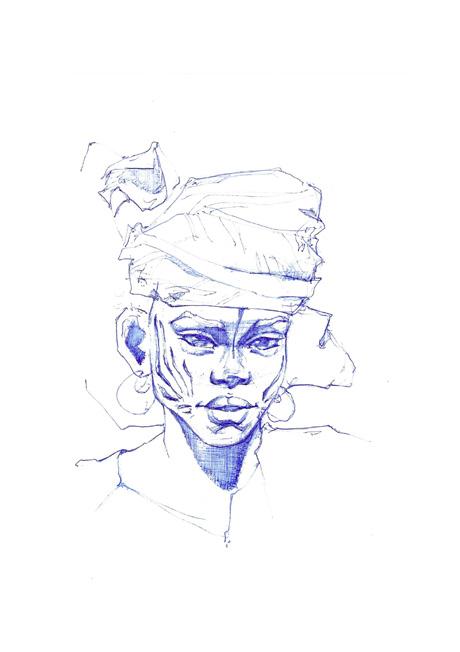
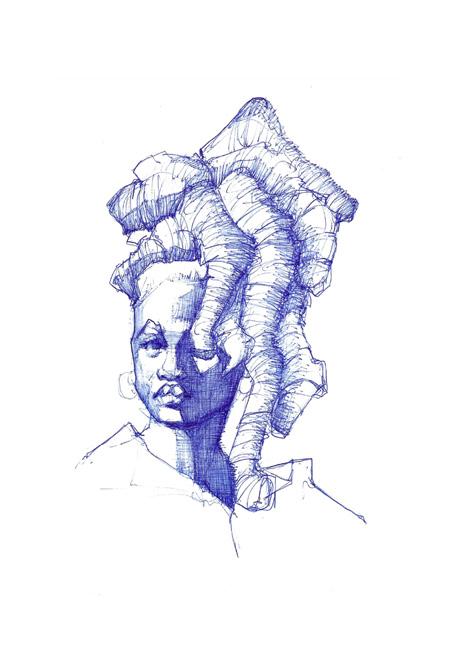
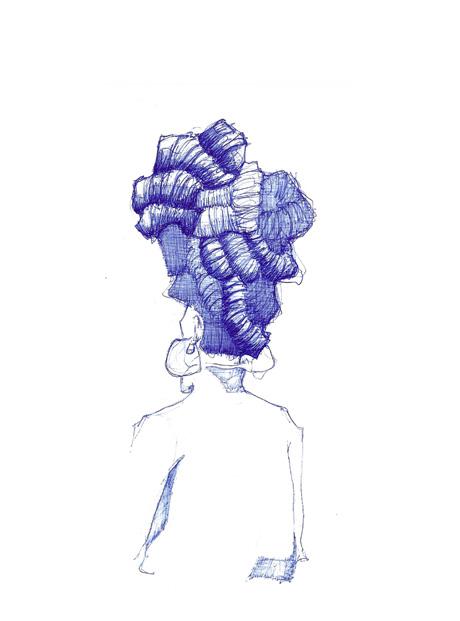
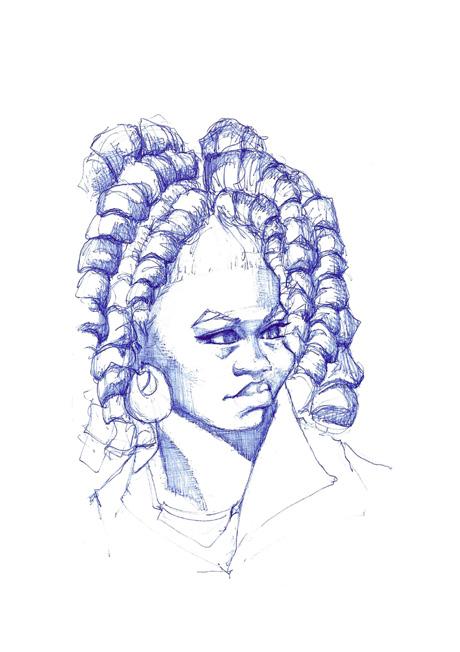
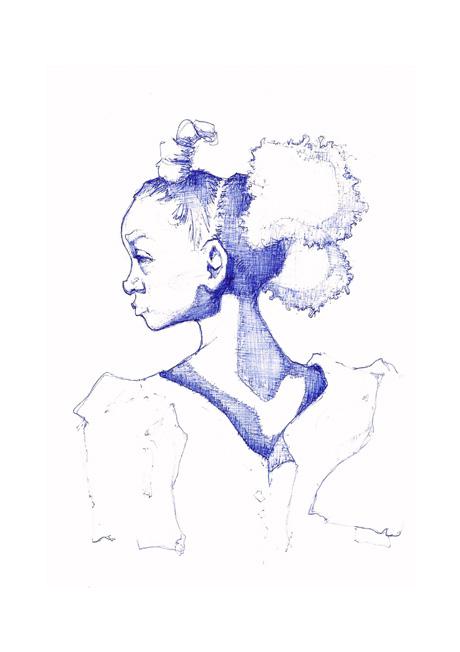
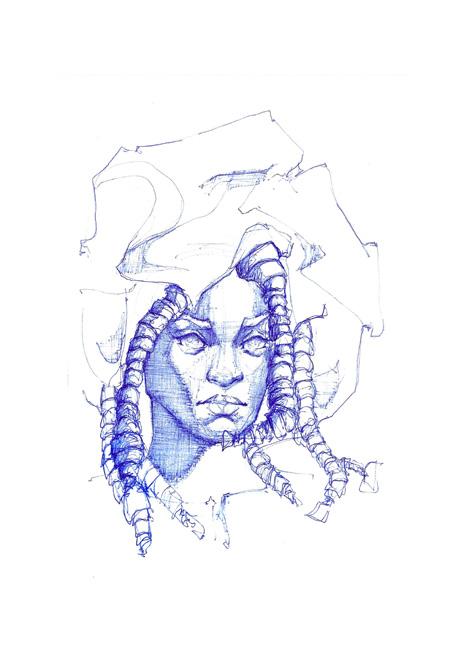
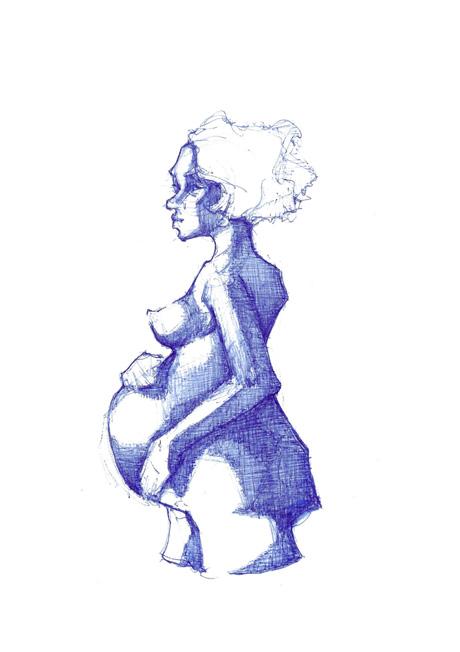
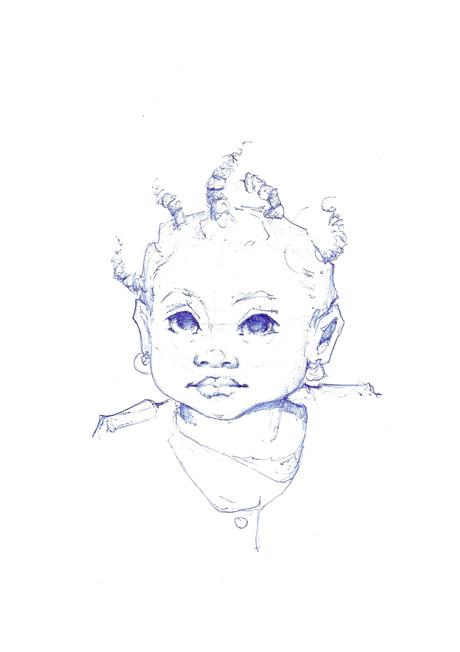
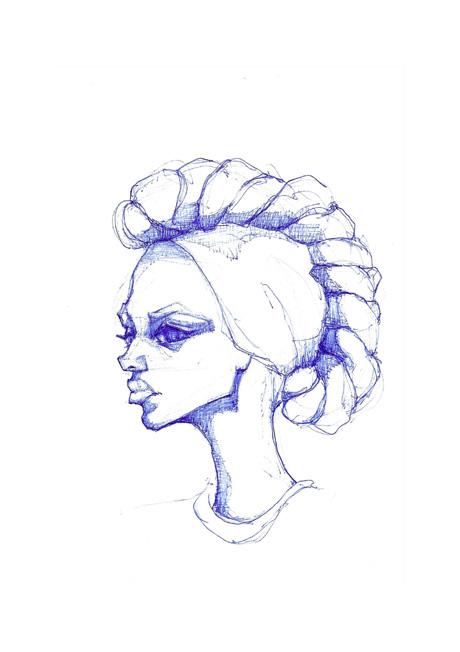
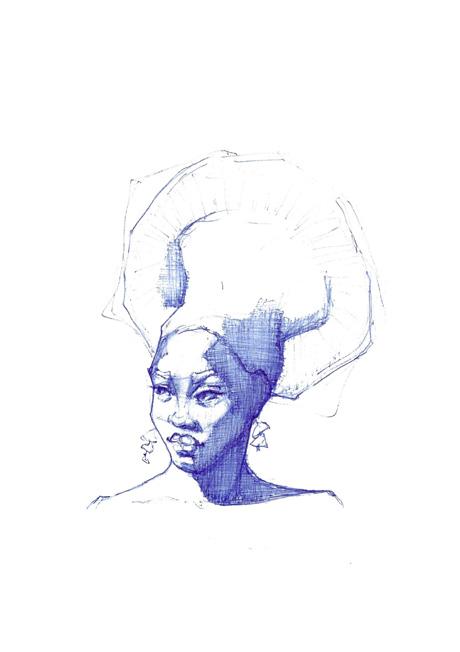
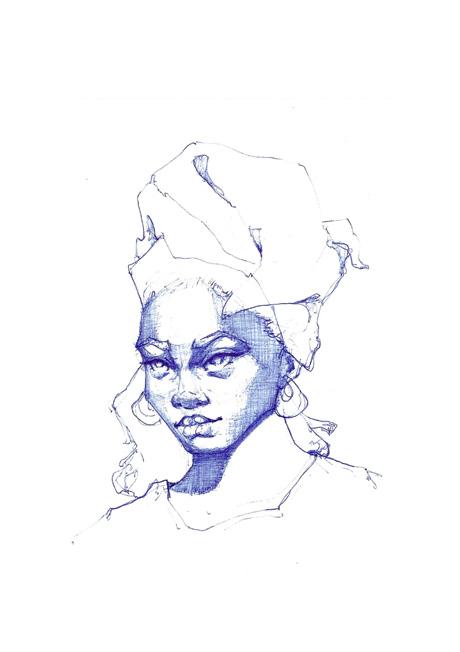
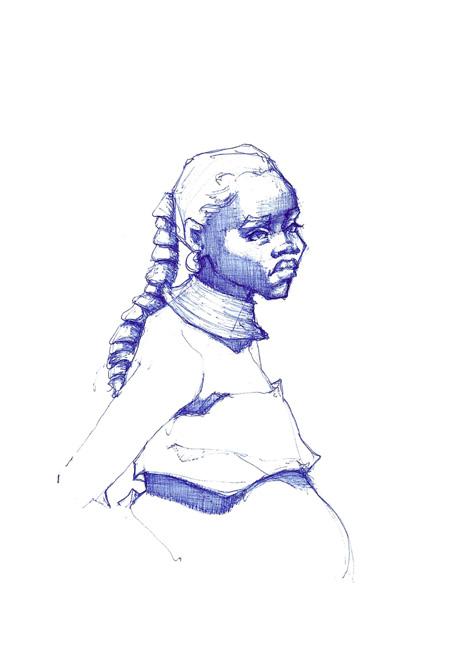
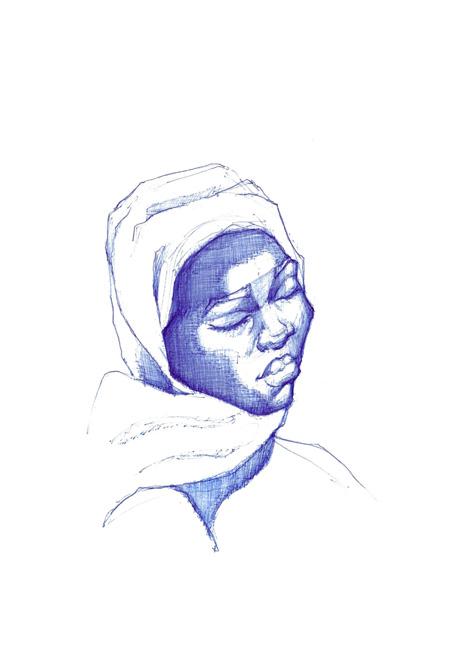
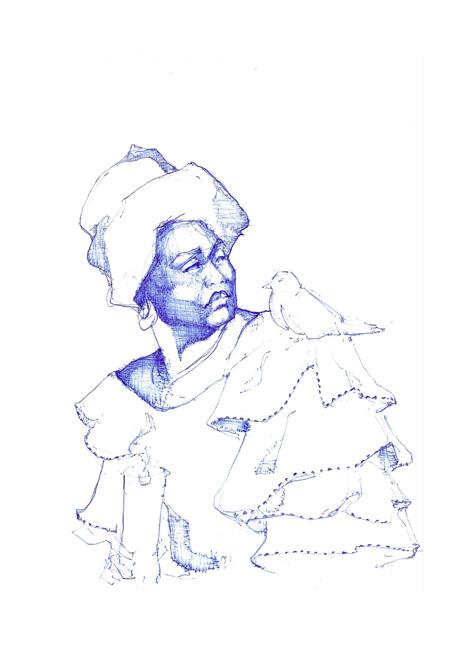
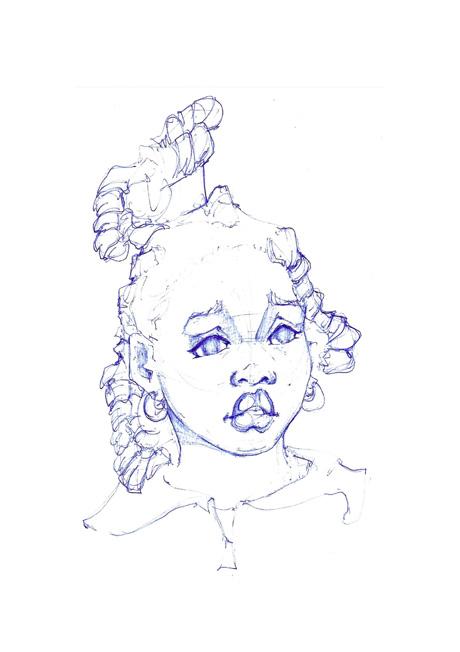
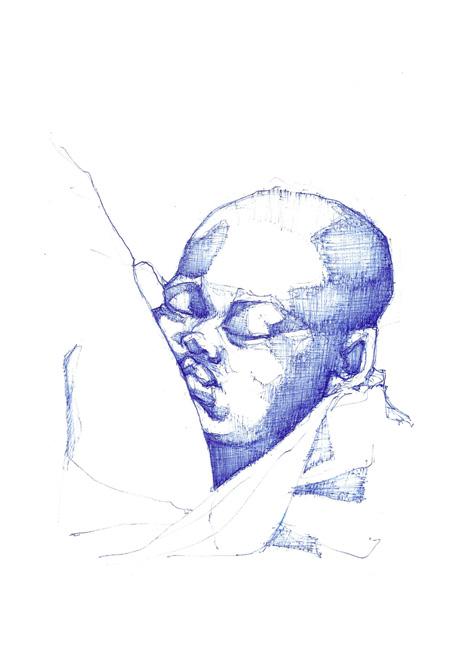
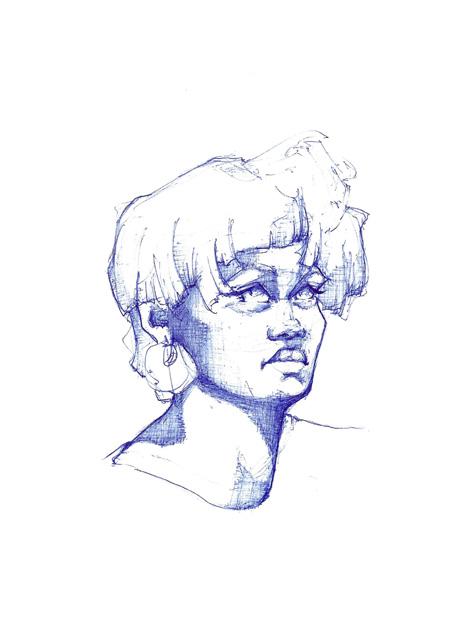
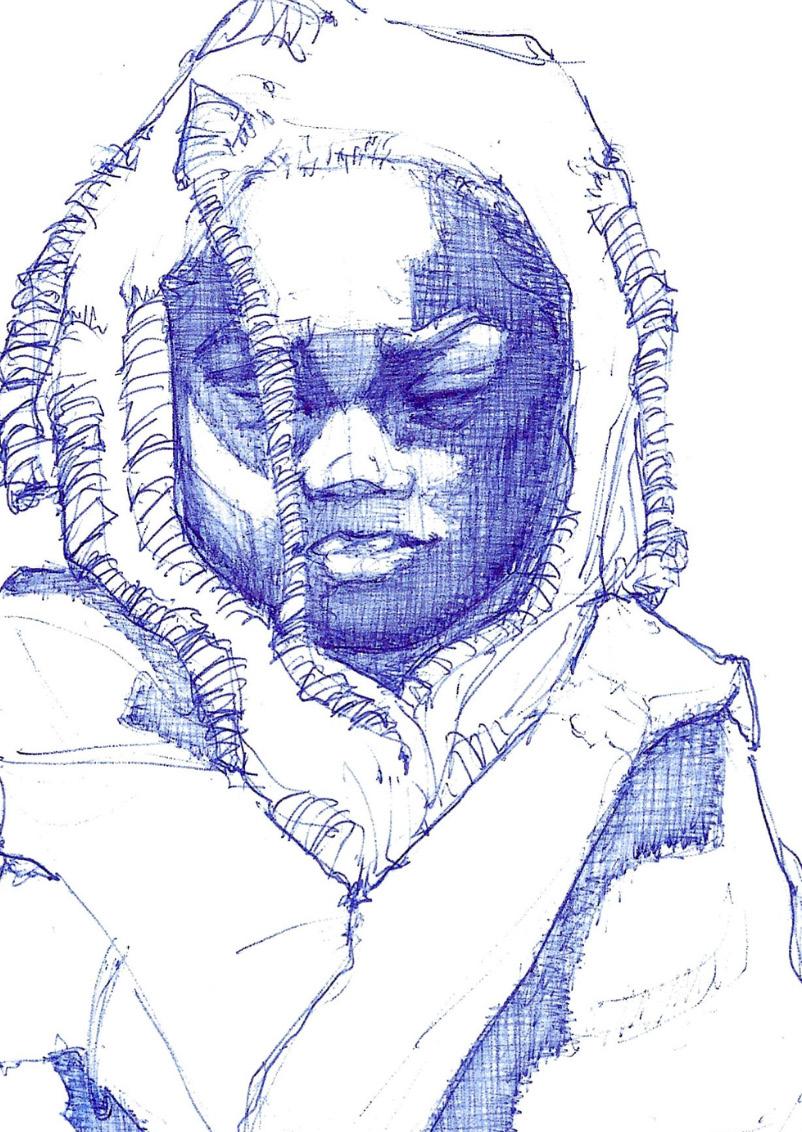
All these faces....
They are me and I am them.
designed by tracy esosa
written by tracy esosa
illustrated by tracy esosa
Finally a true mirror. tracy esosa
iamtracyesosa@gmail.com @iamtracyesosa