t r a c y e s o s a
a r t c o l l e c t i o n
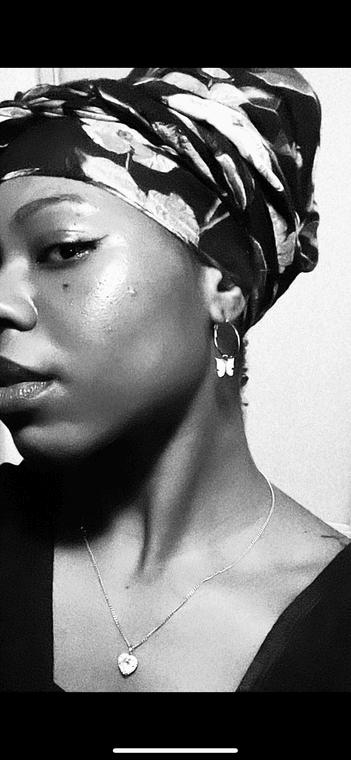
Born and raised in Italy, and based in the United Kingdom, Tracy Esosa is a visual artist specialising in drawing, portraiture and abstract patterns, aiming to bring her artworks into interior spaces. Her passion for art and design moved her to obtain a degree in architecture, after which she travelled to Europe to gain experience and inspiration
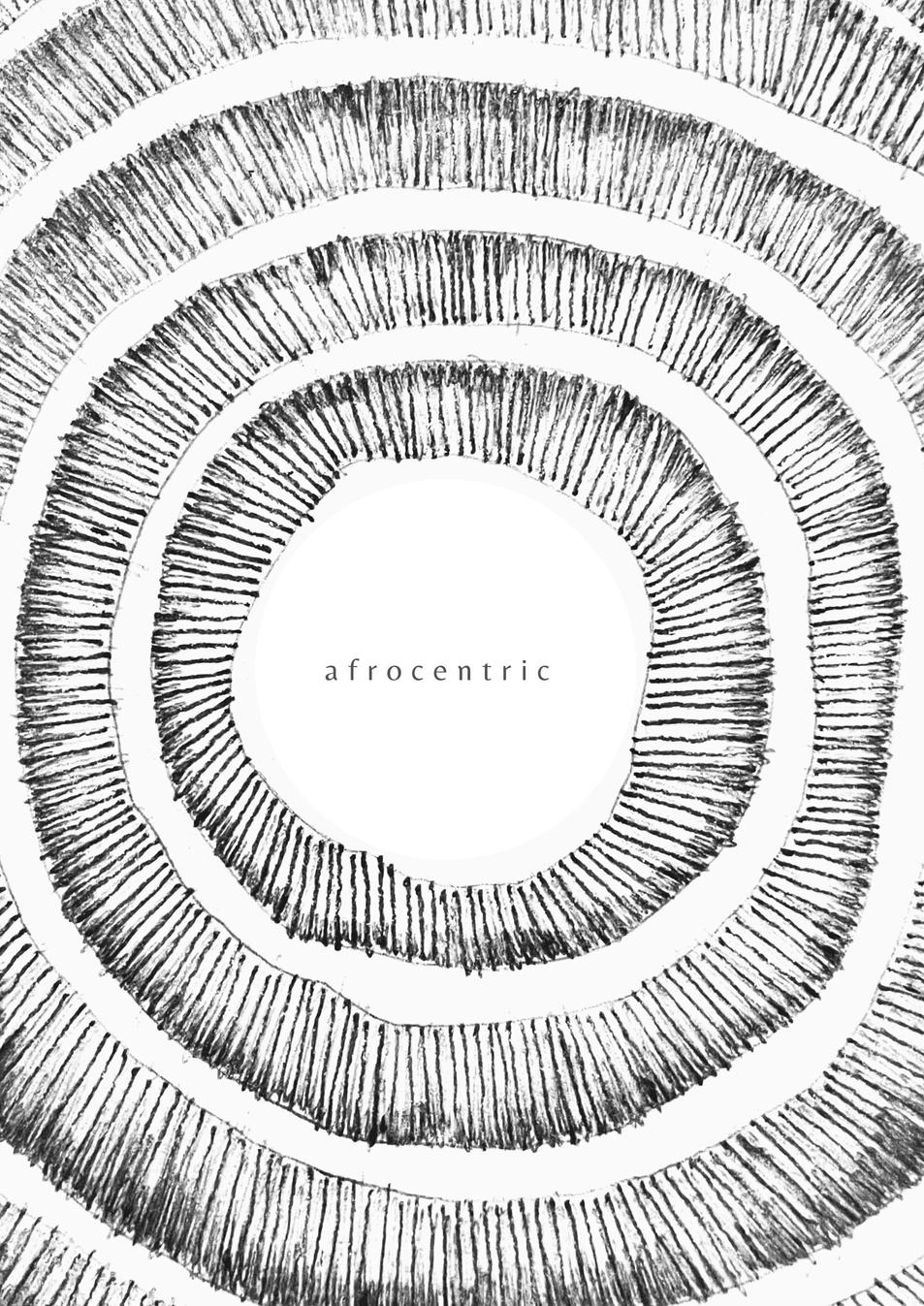
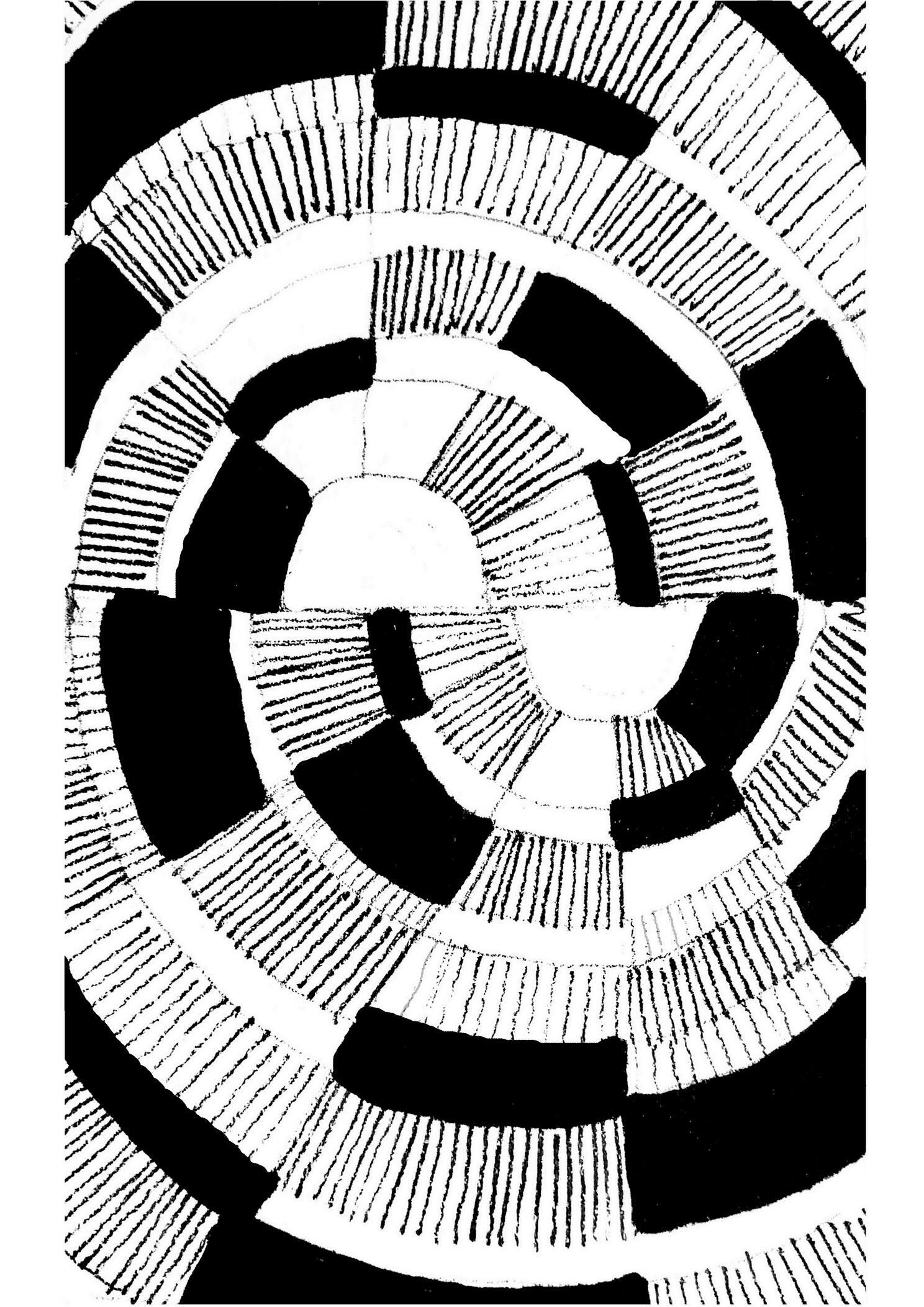
Her years of studying and researching culminated in an artistic style that celebrates the art of the drawing process, which is overlooked in today’s digital age A regular Bic pen is all she uses to create articulated drawings and engaging designs depicting her inner world's uncharted and unknown landscapes.
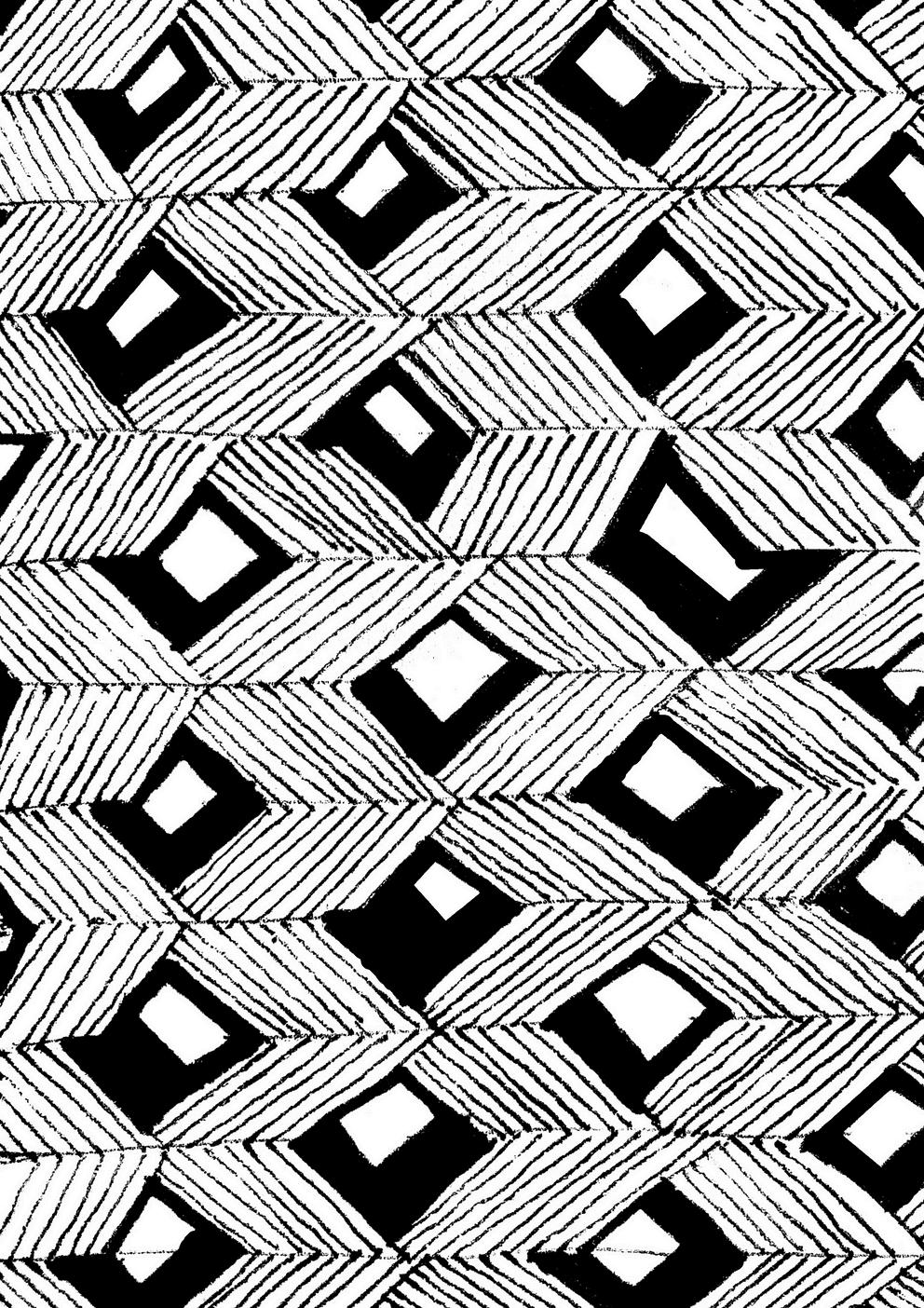
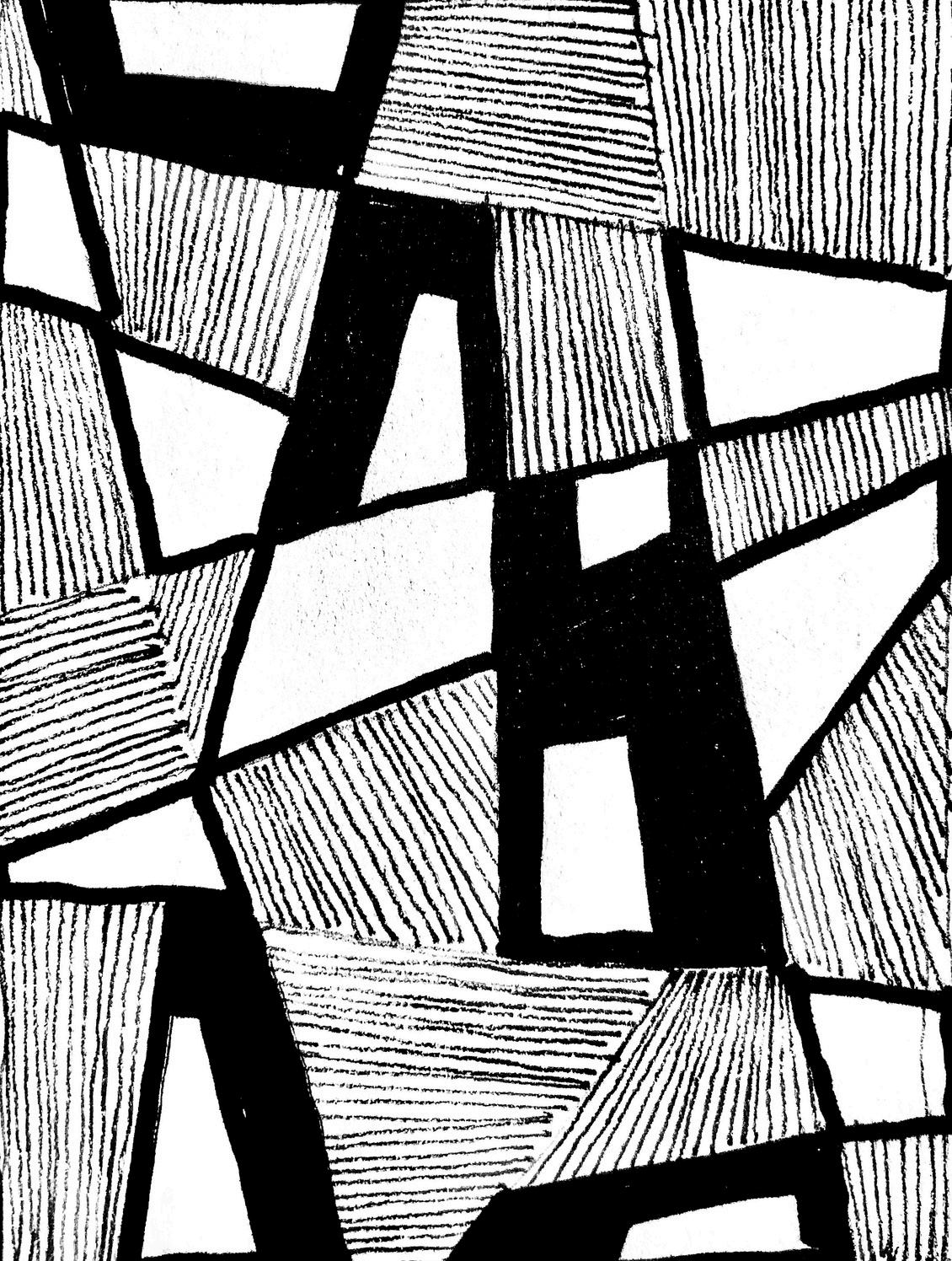
Four key aspects are crucial to reading, understanding and appreciating the artist’s approach and her work: the pen, working in series, portraiture and patterns, and the monochromatic use of black and white.
Putting pen to paper requires mastery, confidence, softness, concentration and patience to layer each pen stroke until the drawing starts to emerge in its finished form from the originally blank page;
A subject cannot be fully explored in one single piece. Working in series allows the artist to express, explore and visualise each nuanced facet of that one topic she is curios about;
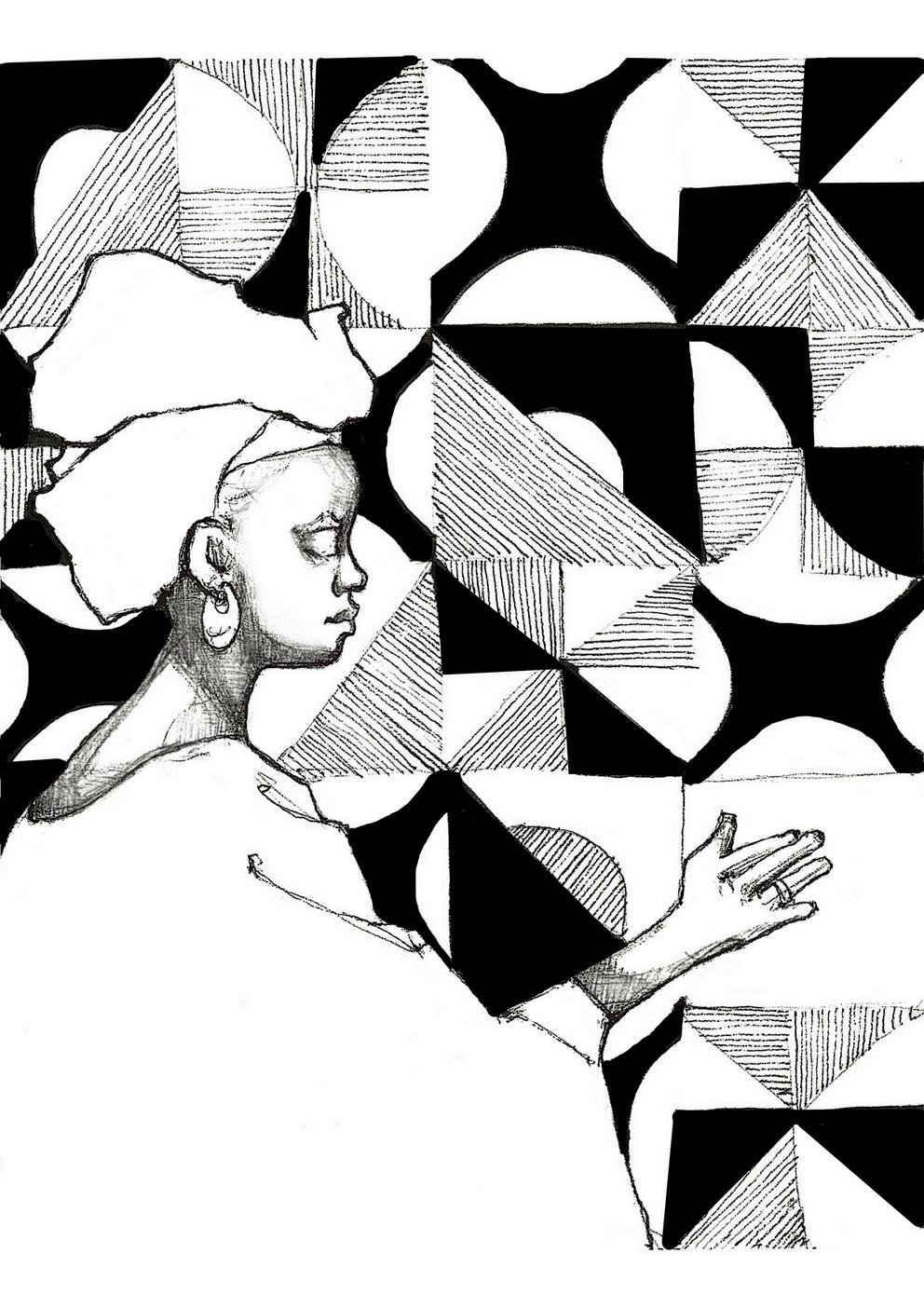
The artist is drawn to the neutral faces and elegant poses of the women she draws as if looking for her own reflection in those faces The portraits become mirrors that show parts of herself that the unconscious conceals On the contrary, the patterns express her more evident logical, rational and playful sides;
Tracy Esosa’s approach to art is observational and analytical, the line is the protagonist and the only priority. With her complex personality and entangled view of the world, the sight of black and white forms help her see things clearly.
c o l l e c t i o n s
a f r o c e n t r i c i s m
b l a c k
4 - 7 p .
a f r o c e n t r i c i s m
b l a c k
8 - 1 1 p
s t o r i e s o n o u r
w a l l s
1 2 - 1 7 p .
b l a c k
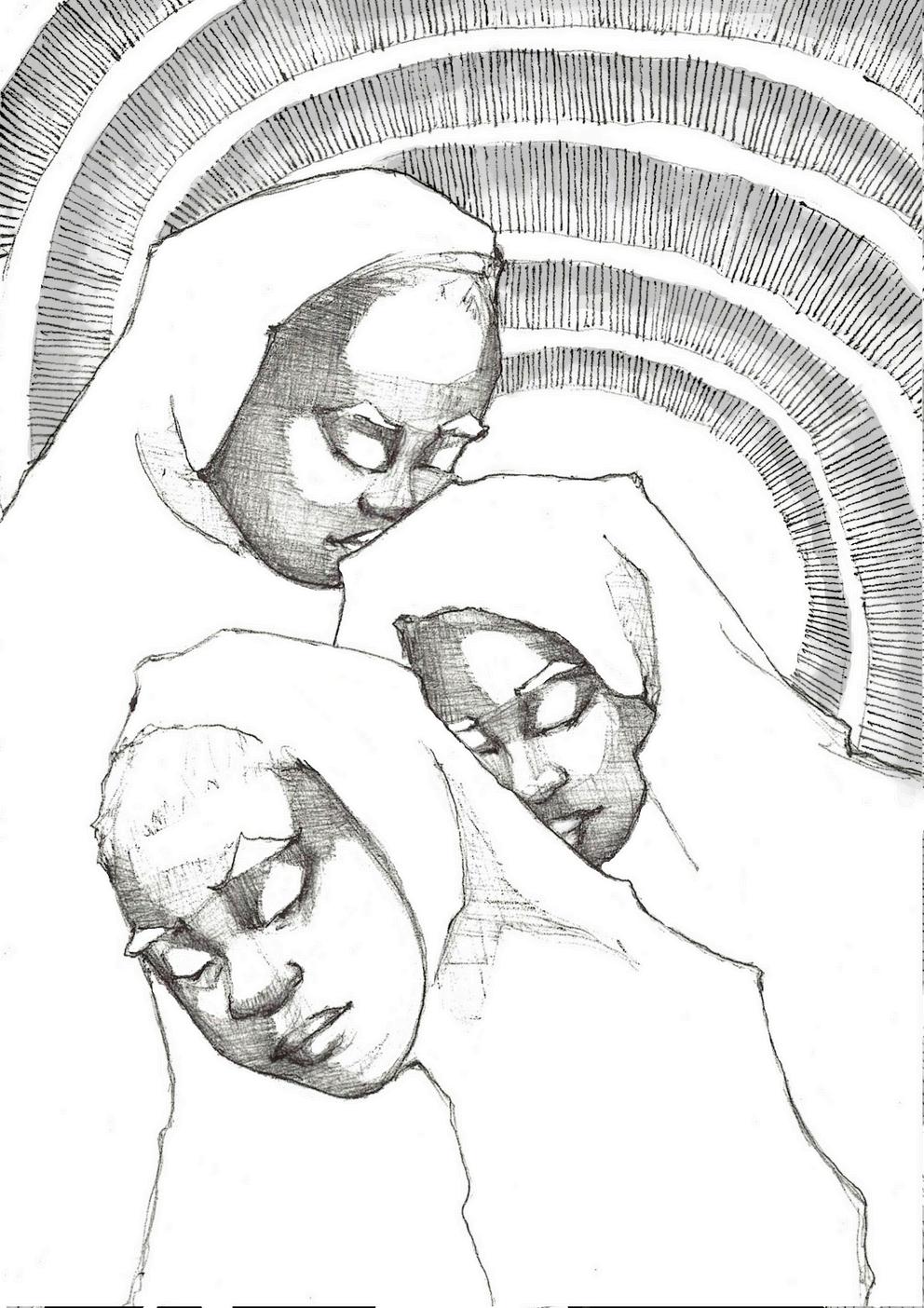
t h e t h r e e s i s t e r s
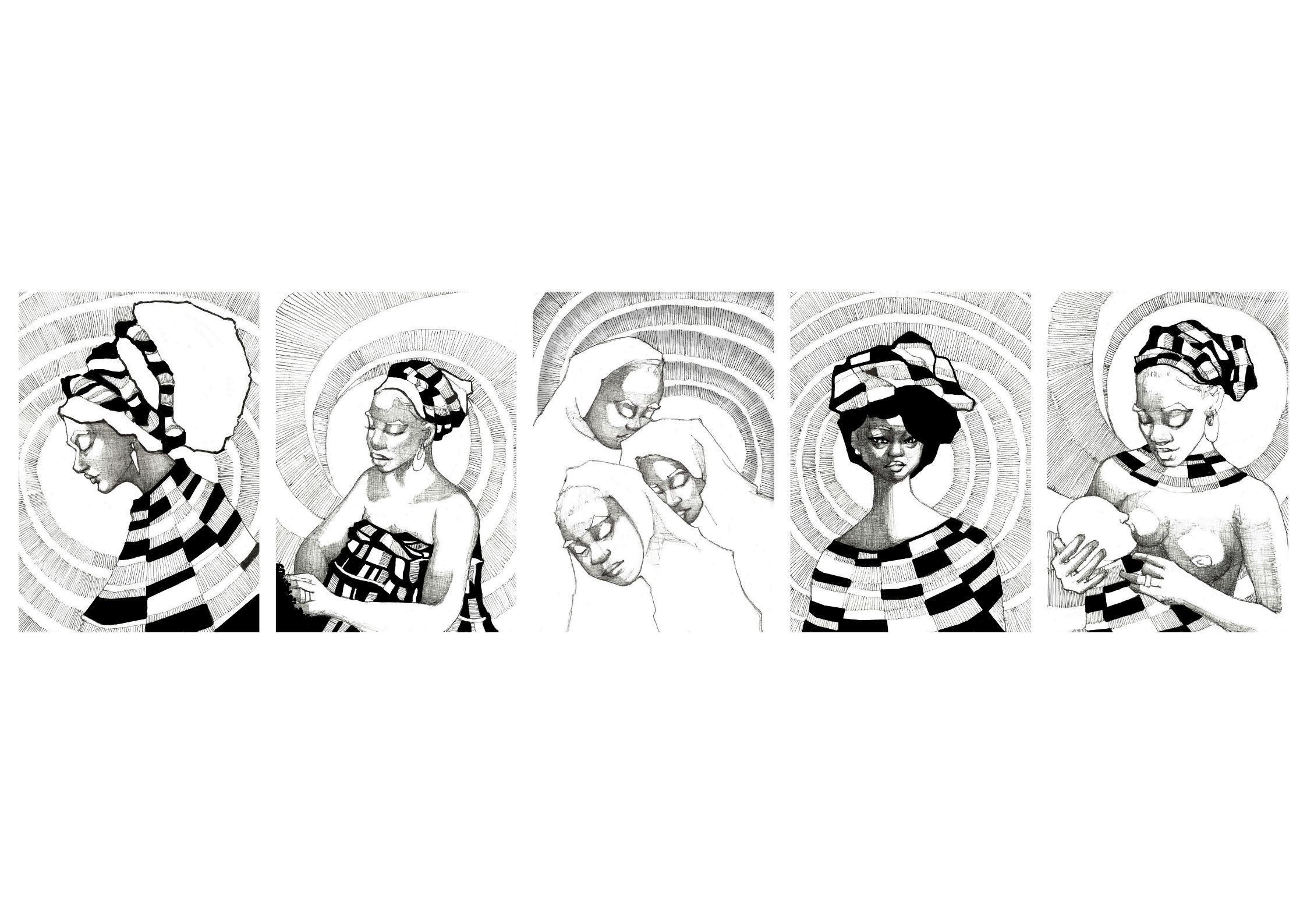
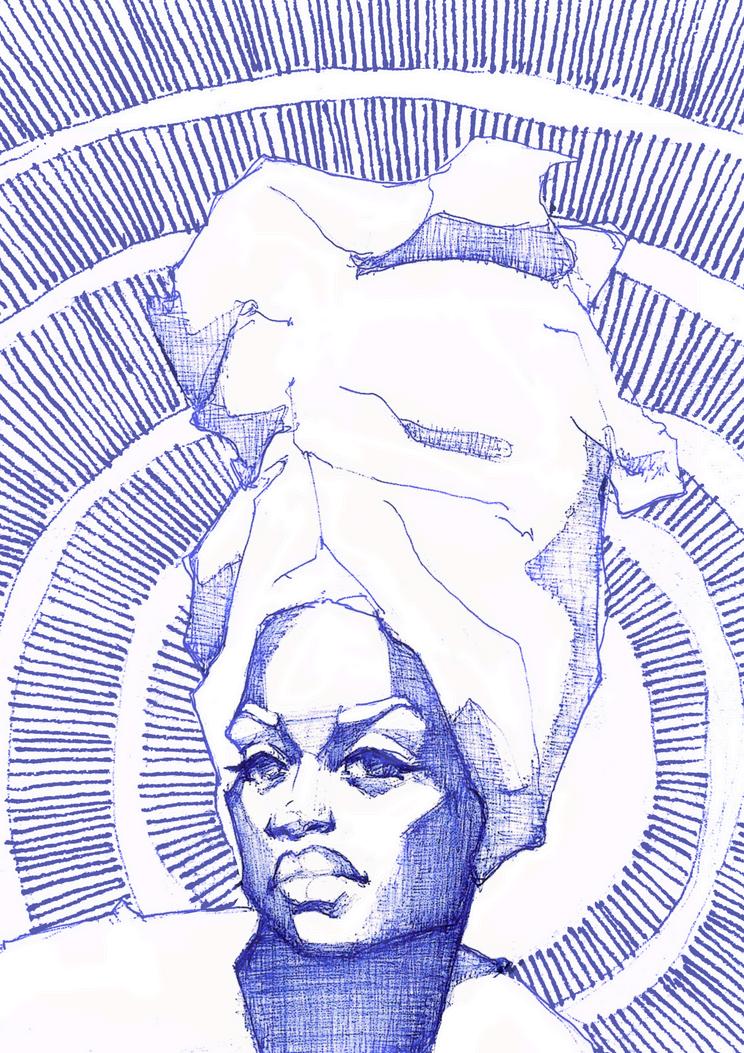
This collection explores the significance of the headwrap across African cultures. Being the universal accessory worn for centuries by African women, understanding the symbolism of the headwrap is the first landing point for many black women on their journey to self-discovery
Headwraps have been a powerful symbol of African cultural heritage for centuries They represent beauty and grace, provide spiritual protection to the wearer, and are donned as symbols of rank or titles Over time, headwraps became emblematic of unity among African cultures, even after they were stranded in different parts of the world by acts such as colonialism and slavery. The headwrap became more than a fashion statement: it symbolises pride, tradition, and identity.
w o m a n w i t h h e a d w r a p
m a t e r n i t y
b l u e
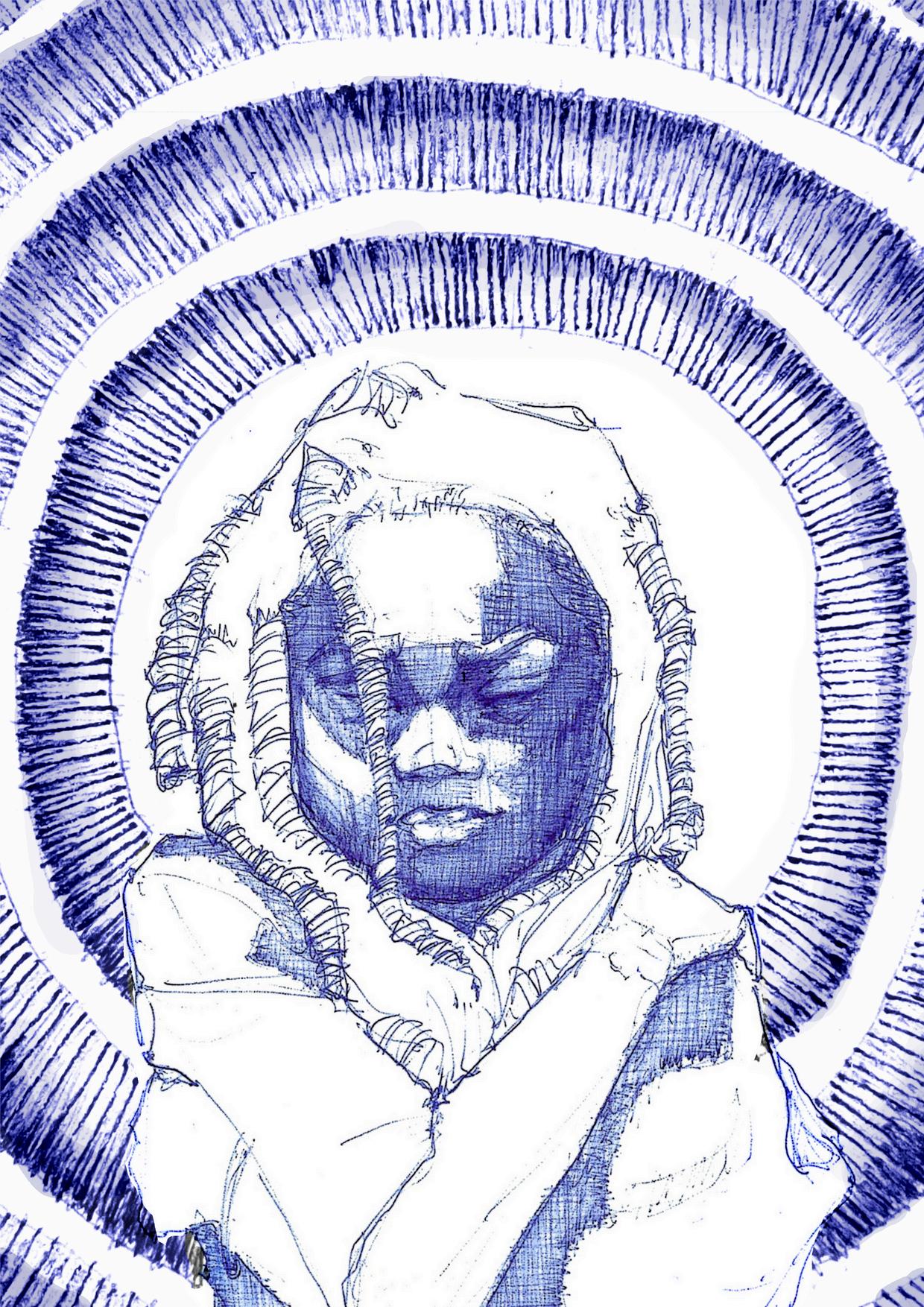
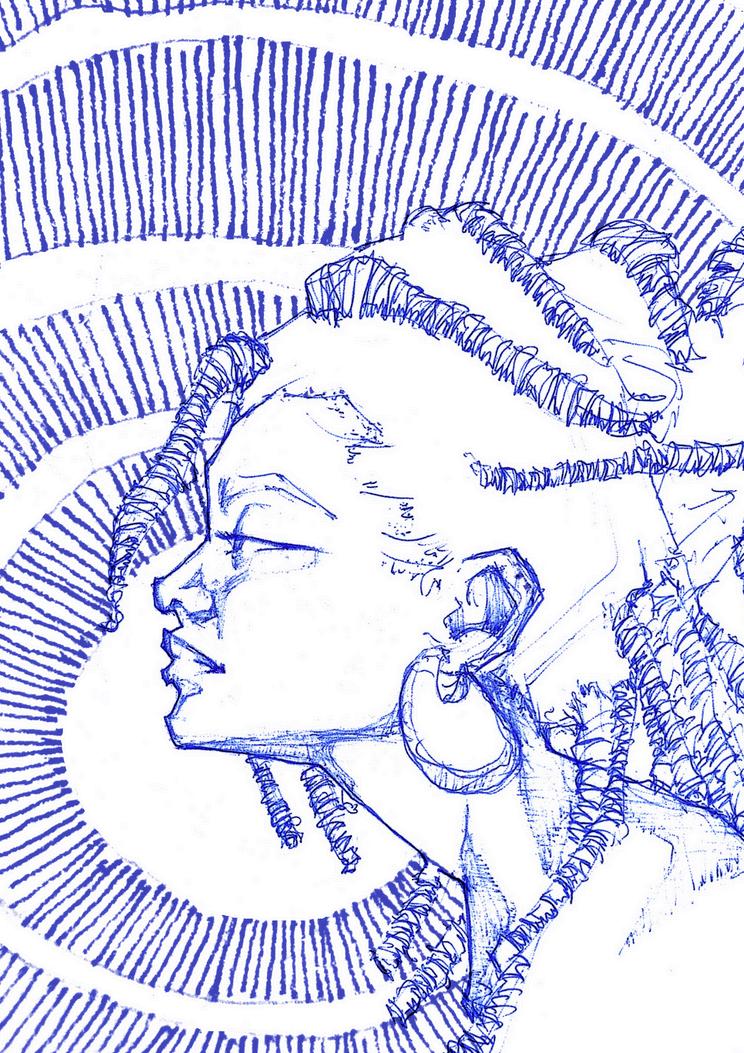
In the wake of the growing cultural, political and academic movement of Afrocentrism, this collection aims to celebrate aspects of the Black identity that have been devalued by Western ideologies, such as the wild, untamed and fully textured hair for which the Blacks have been discriminated and persecuted. The figure embracing itself at the centre of a glowing circle symbolises the spiritual and psychological gesture of acceptance of the self. It is a gesture of love and of making peace with one’s identity. Afrocentrism is a movement at the core of self-realisation for the Black community, and at the heart of the renaissance that is providing the Blacks across the globe with the self-awareness, pride and confidence necessary to achieve collective self-determination
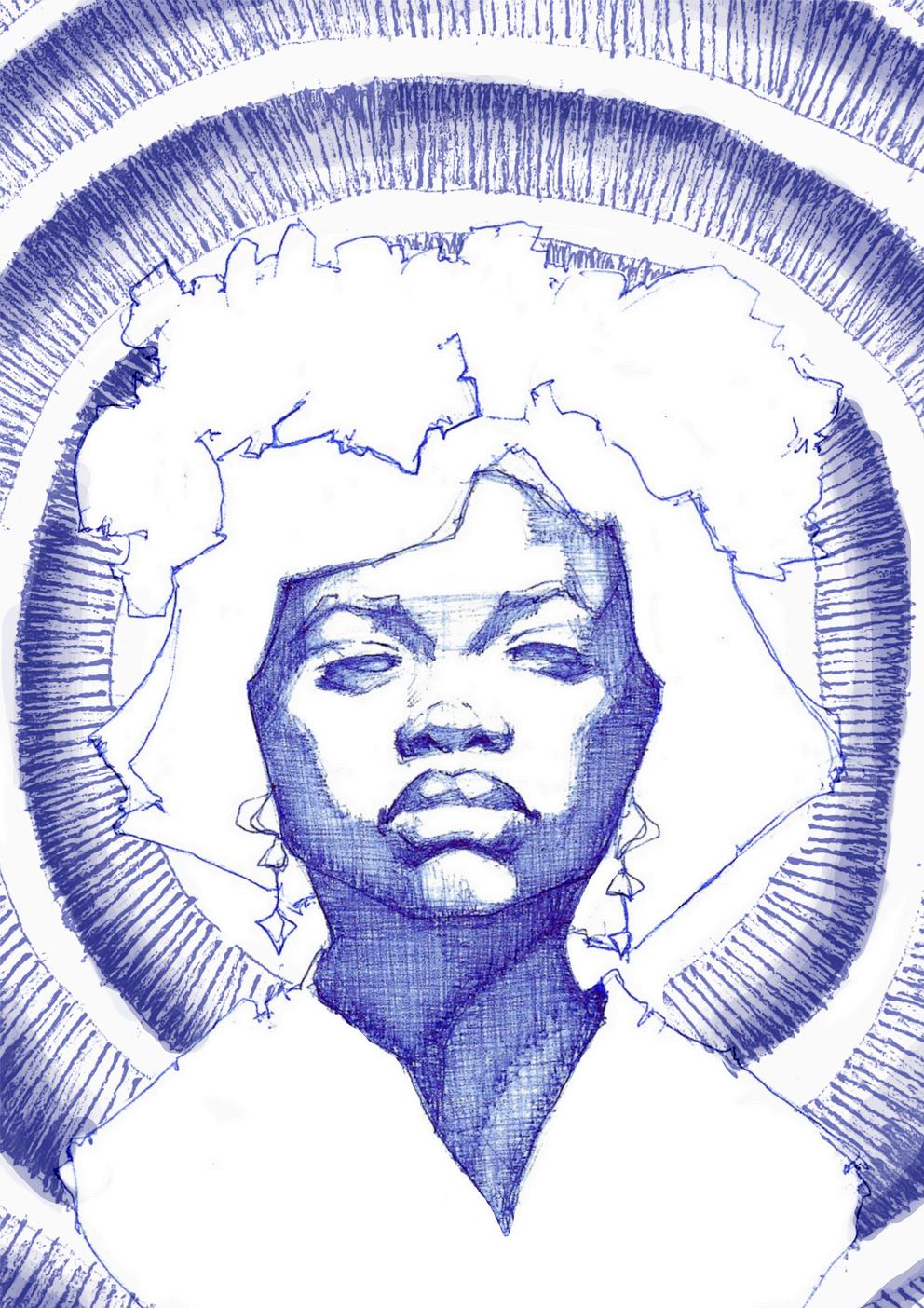
t h e m o t h e r
s t o r i e s o n o u r w a l l s
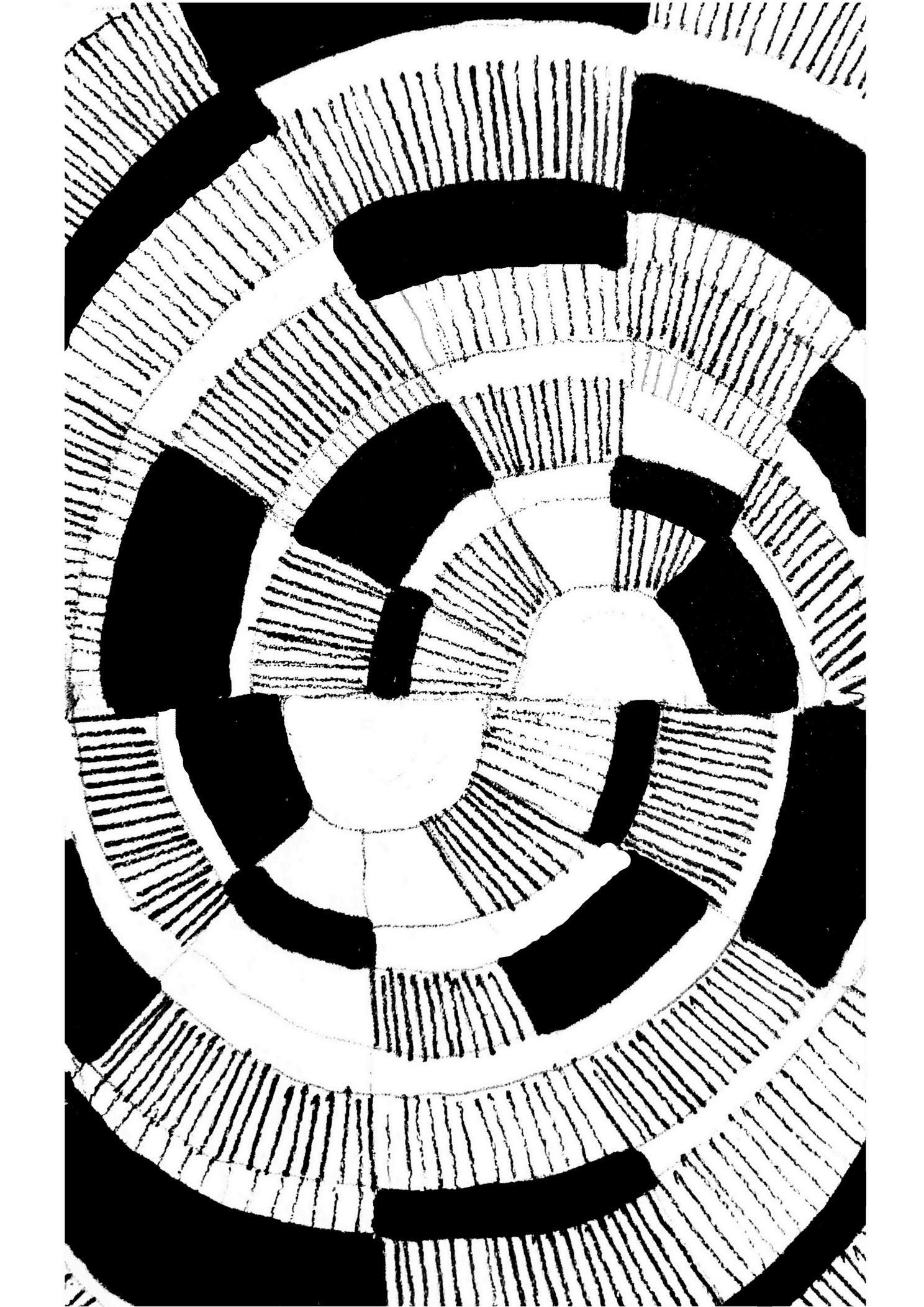
w o m a n p a i n t i n g a w a l l

p a t t e r n d e s i g n
g e o m e t r i c p a t t e r n d e s i g n
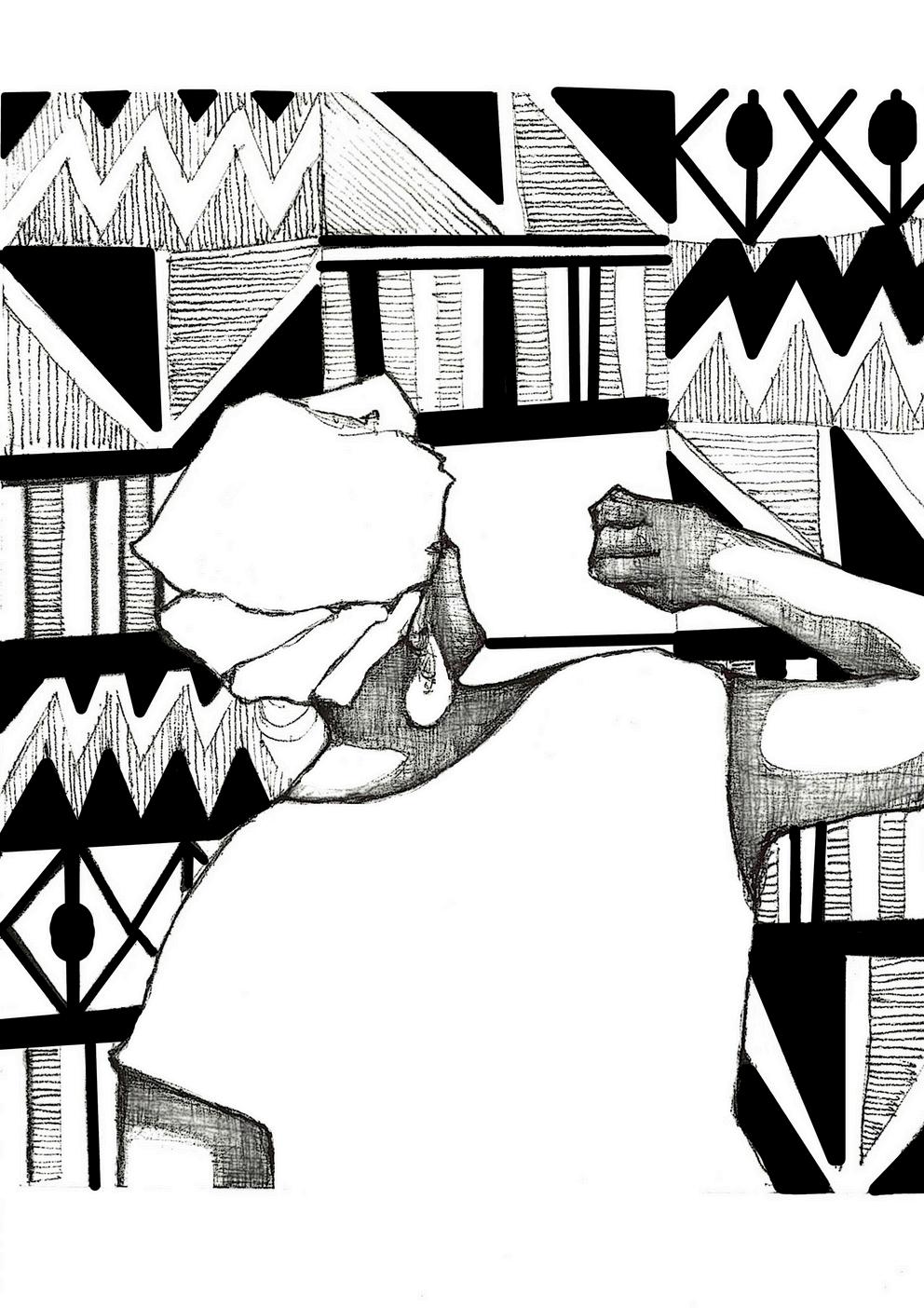
w o m a n p a i n t i n g o n a w a l l
C O N T A C T M E